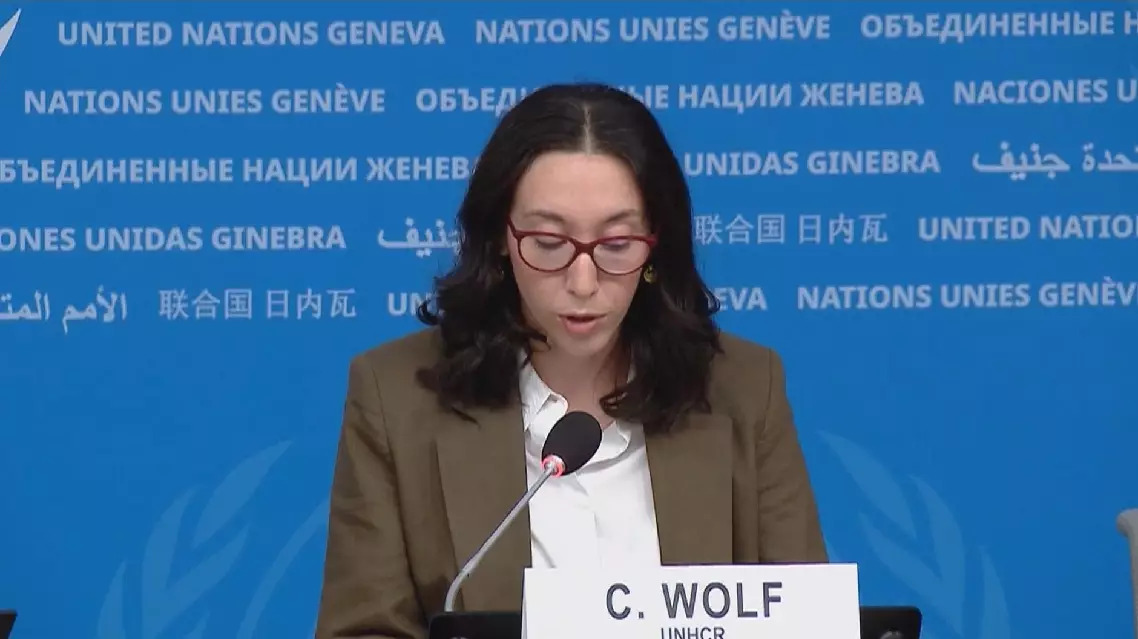
Heightened insecurity and instability around key Gulf routes, including the Strait of Hormuz, have disrupted maritime traffic. Rising fuel, food and freight costs worldwide are driving up prices and delaying the delivery of critical supplies, Carlotta Wolf said at a regular press briefing.
These rising costs “disproportionately affect people who are already living in emergencies, including millions of refugees and displaced people who are among the hardest hit, while also reducing the ability of aid agencies to deliver timely assistance,” she said.
The closure of key maritime routes has forced greater use of longer and more expensive alternatives, leading to increased transit times and operational complexity. Freight rates from key sourcing countries have risen by nearly 18 percent since the start of hostilities, while the capacity of UNHCR’s global transport providers has dropped from 97 to 77 percent since the start of this year, Wolf said.
“For some shipments, costs have more than doubled, such as transport costs for relief items from UNHCR global stockpiles in Dubai to our Sudan and Chad operations,” Wolf said.
The UNHCR spokesperson expressed particular concern about the situation for Africa, home to many overlapping, “often tragically neglected” displacement crises.
In Kenya, where one of UNHCR’s global stockpiles is located, a recent fuel price increase of around 15 percent triggered delays and reduced truck availability for shipments to Ethiopia, the Democratic Republic of the Congo, and South Sudan. In Sudan, the cost of delivering aid has doubled in recent months, while rerouting shipments around the Cape of Good Hope adds up to 25 days in delivery times.
“If instability in the Middle East persists, rising costs, delays and limited transport capacity are likely to constrain humanitarian operations further,” Wolf stressed.
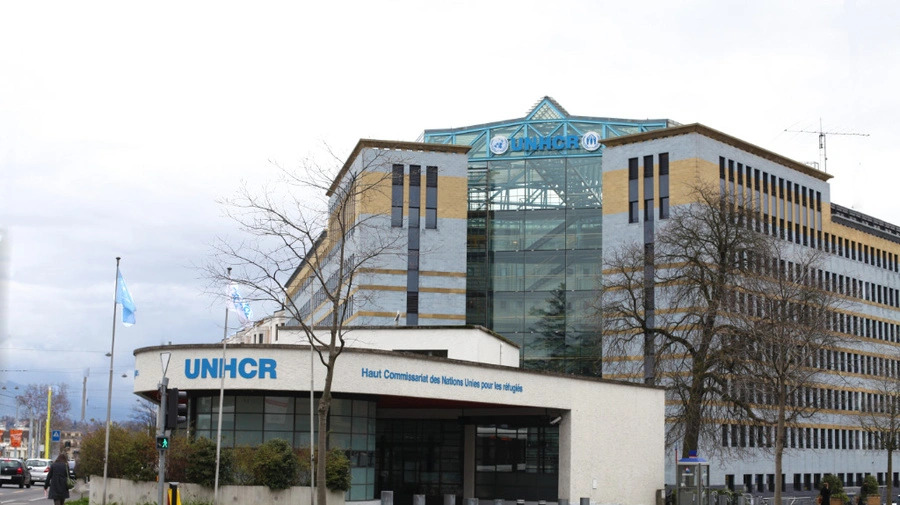
The Middle East crisis has generated far-reaching ripple effects well beyond the region, with growing consequences for global humanitarian supply chains and the delivery of aid, the United Nations High Commissioner for Refugees (UNHCR) spokesperson warned on Friday.
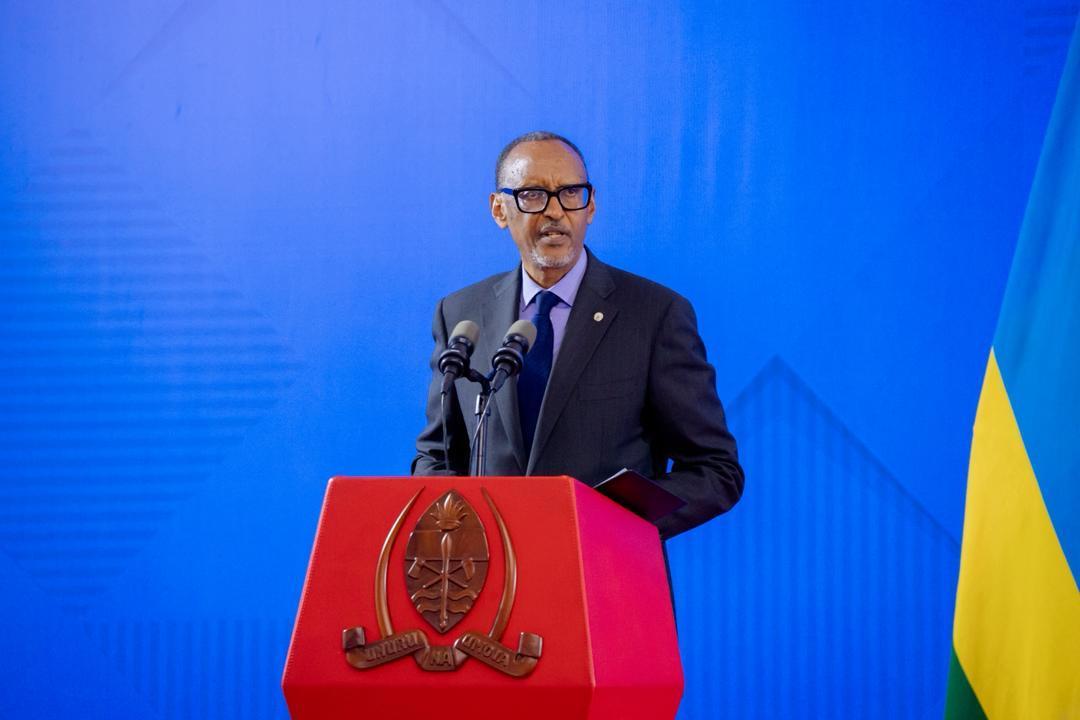
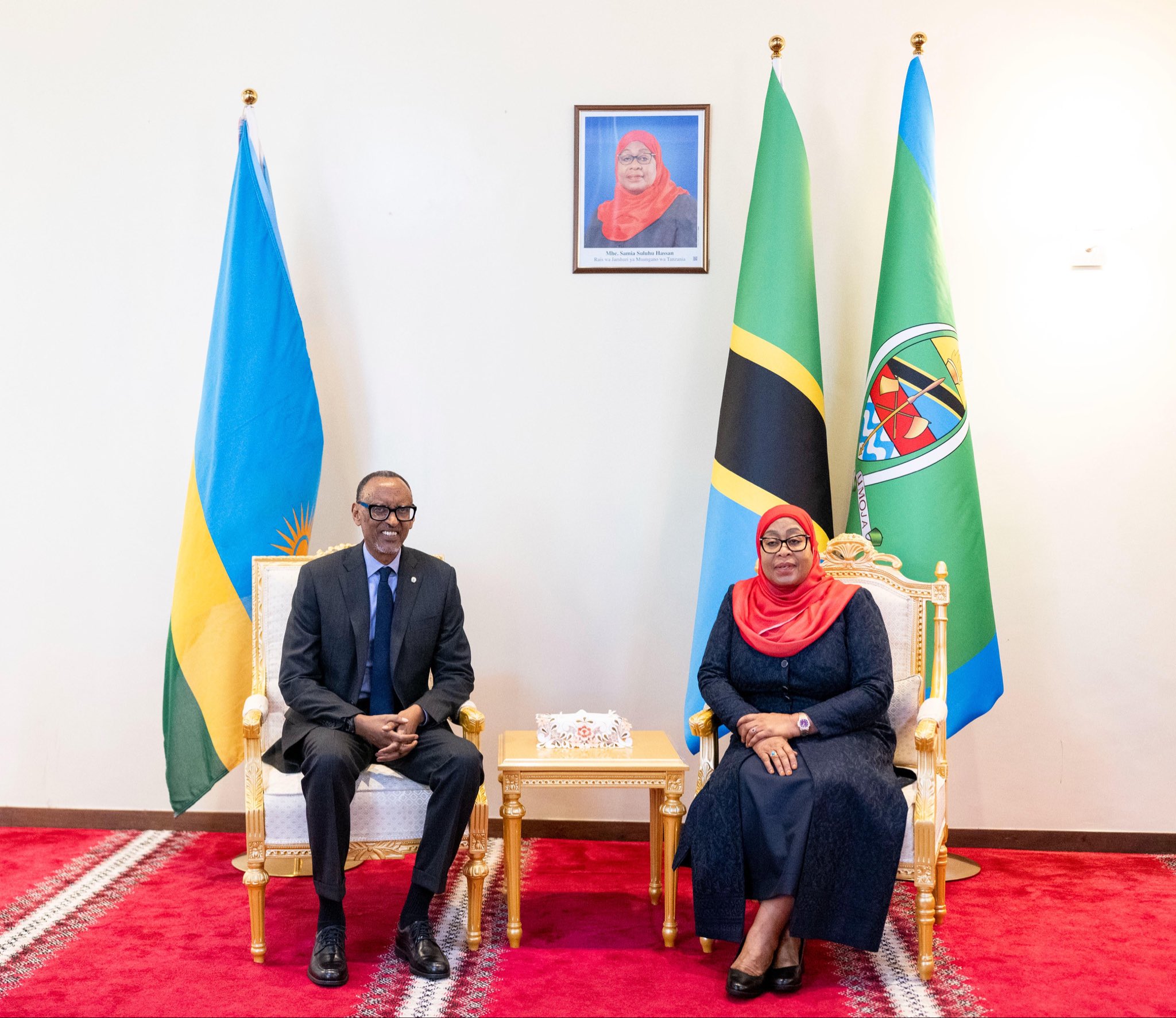
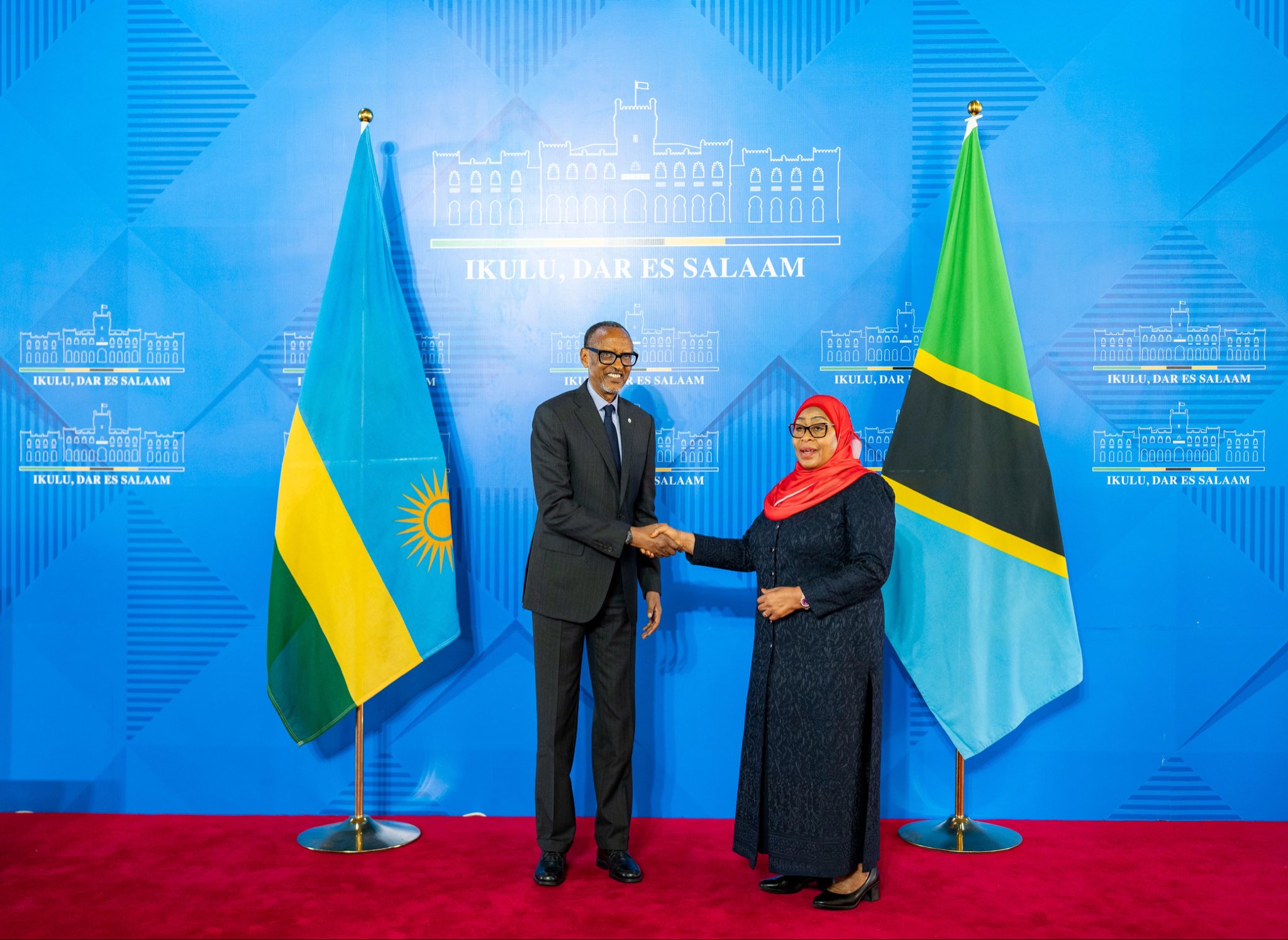
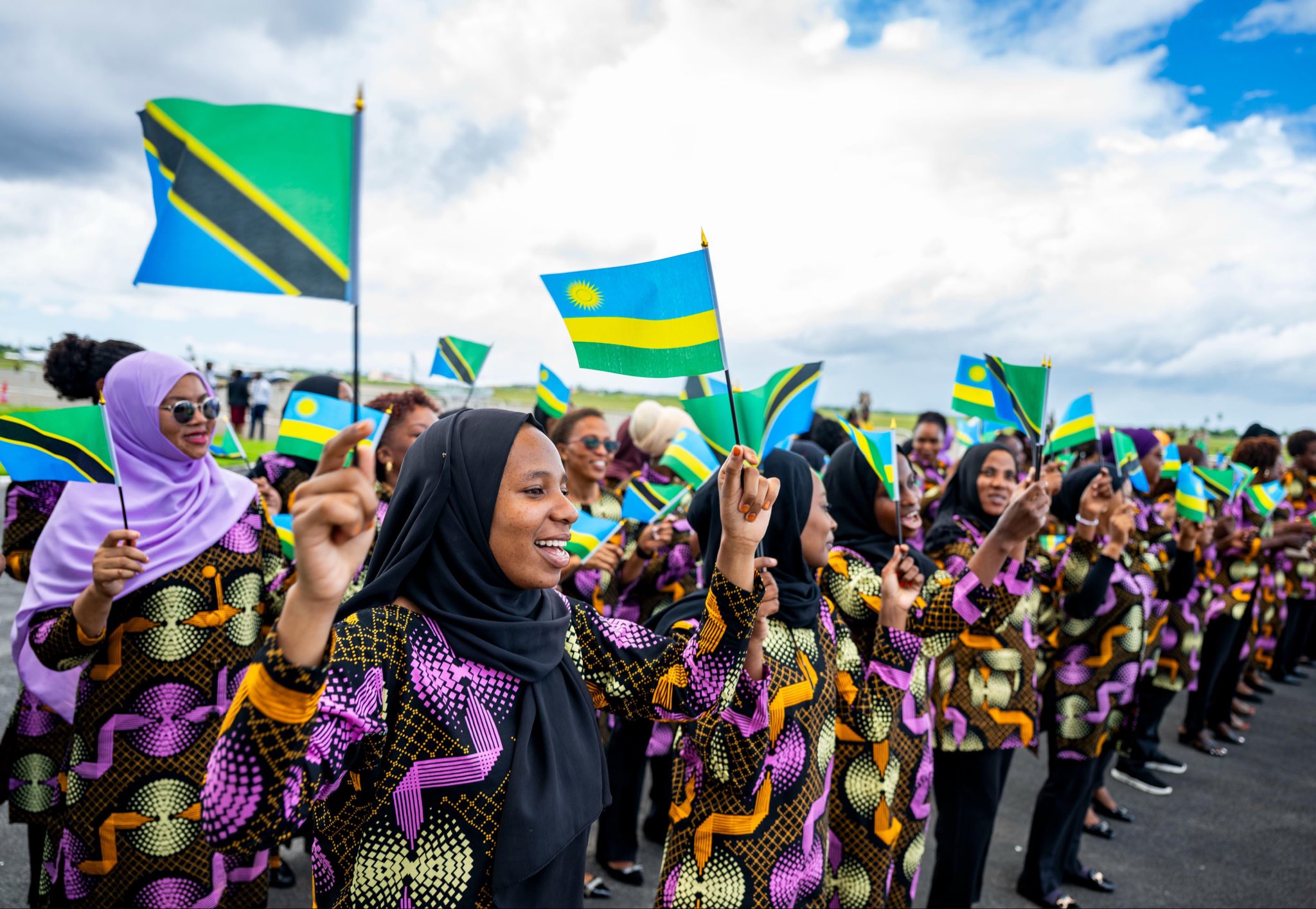
President Kagame is in Tanzania for a one-day working visit, where he held talks with President Suluhu before addressing a joint press conference on Sunday afternoon.
Welcoming the Rwandan leader, President Samia described Tanzania and Rwanda as long-standing partners and historic friends whose relations are anchored in shared culture, close people-to-people ties, and decades of cooperation dating back to pre-colonial times.
“Tanzania and Rwanda are not only neighbours, but also brothers and friends. Our brotherhood and friendship is historic and rooted in shared history and values,” President Samia said.
She noted that the two countries continue to work closely at bilateral, regional, and multilateral levels, including within the East African Community (EAC), the African Union (AU), the Non-Aligned Movement, and the United Nations.
The leaders highlighted the role of the Joint Permanent Commission for Cooperation (JPC), established in 1976, which remains the main framework guiding collaboration across sectors such as trade, investment, agriculture, energy, petroleum, transport infrastructure, defence, security, and immigration. The 16th session of the commission was held in Kigali last July.
Trade and investment featured prominently in the discussions, with President Samia noting that bilateral trade reached 644 billion Tanzanian shillings last year (approximately Rwf 360 billion).
“We are encouraged by the steady growth in trade between our two countries, which reflects the strength of our partnership,” she said.
She also pointed to growing investment flows, including 42 projects from Rwanda worth 325.5 million US dollars registered since March, which have created more than 2,200 jobs in Tanzania.
She further highlighted Tanzanian investments in Rwanda, including companies such as Bakhresa, Magodoro Dodoma, Discount Centre, Jambo Plastics, Sagar Enterprises, Buffalo Travel & Tours, Maxcom Africa, Gasabo Grain Milling Company, LCM Delta Company, and Matrix Integrated Consultancy, underscoring expanding private sector participation in both economies.
A central focus of the talks was transport and logistics, particularly the role of Tanzanian ports in facilitating regional trade. President Samia noted that about 70 percent of Rwanda’s cargo passes through Tanzanian ports, amounting to approximately 1.6 million tonnes annually.
“It is our responsibility, as we are the ones with ports in this region, to ensure efficient and reliable services to our neighbours who are land-linked,” she said.
The two leaders agreed to strengthen port operations through special logistics arrangements to improve the efficiency of cargo handling for Rwanda. They also reaffirmed commitment to advancing road and rail connectivity, with particular attention to the Isaka–Kigali railway project, which is expected to significantly improve the speed and cost of transporting goods between the two countries.
Energy cooperation was another key area of discussion, with both leaders reaffirming commitment to the Rusumo Hydropower Project, a regional initiative involving Rwanda, Tanzania, and Burundi that generates 80 megawatts of electricity.
“We are committed to ensuring that regional energy projects like Rusumo deliver shared benefits to our people,” President Samia said.
They also agreed to strengthen electricity trade between TANESCO and the Rwanda Energy Group (REG) to support industrial growth and regional energy integration.
President Kagame welcomed the progress in bilateral cooperation, noting that Tanzania remains a key partner for Rwanda in trade and logistics.
“Tanzania has been a key partner for Rwanda. Over the years, we have strengthened our cooperation across many sectors, particularly trade and logistics, which has helped connect Rwanda to global markets,” he said.
He emphasized the need to further improve systems that can efficiently manage growing trade volumes and ensure full implementation of joint development projects.
“Our discussions focused on how to build further on this foundation and ensure our systems are well equipped to handle the growing volume of business between our two countries,” he added.
In the communications sector, the leaders discussed expanding telecommunications infrastructure, including enhanced use of Tanzania’s fibre optic network in Rwanda to improve digital connectivity and service delivery.
Beyond economic cooperation, President Samia and President Kagame also exchanged views on peace, security, and regional stability, reaffirming their commitment to continued collaboration within international frameworks.
Additionally, President Kagame noted that Rwanda, currently in the commemoration period of the 1994 Genocide against the Tutsi, would soon recognise Tanzanian citizens who demonstrated exceptional courage and humanity during the time.
President Kagame is in Tanzania for a one-day working visit,President Kagame held bilateral talks with his Tanzanian counterpart, Samia Suluhu, before addressing a joint press conference on Sunday afternoon.
The visit follows that of Tanzania’s Minister of Foreign Affairs and East African Cooperation, Mahamoud Thabit Kombo, who visited Rwanda at the end of March 2026, with the aim of advancing cooperation between the two nations.
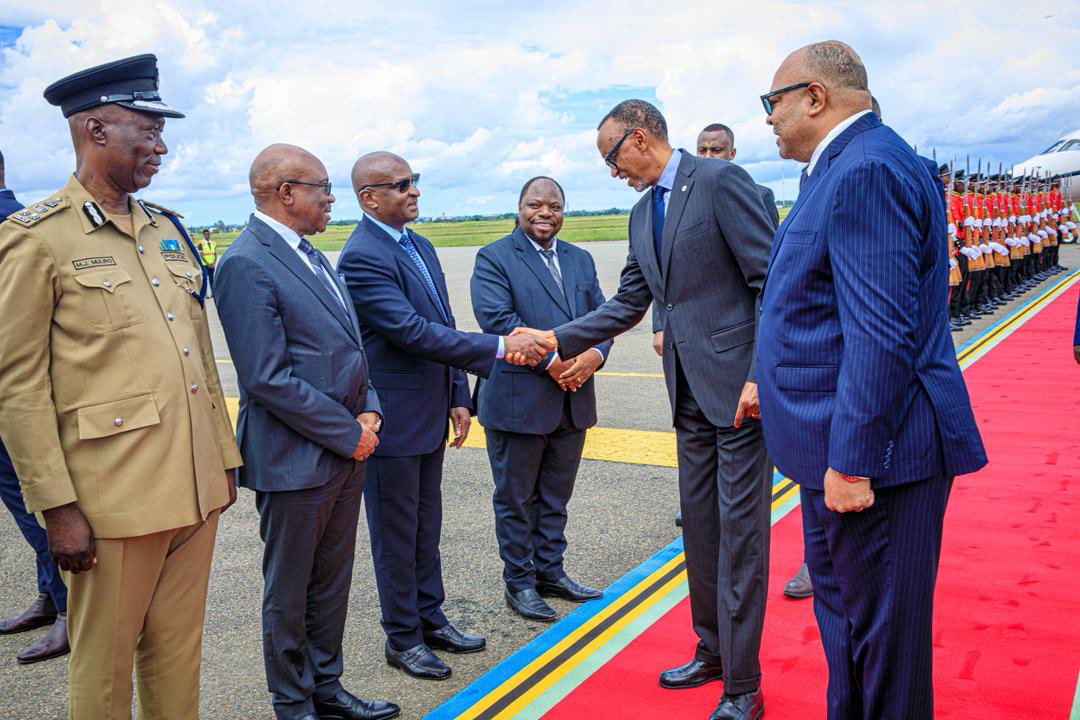
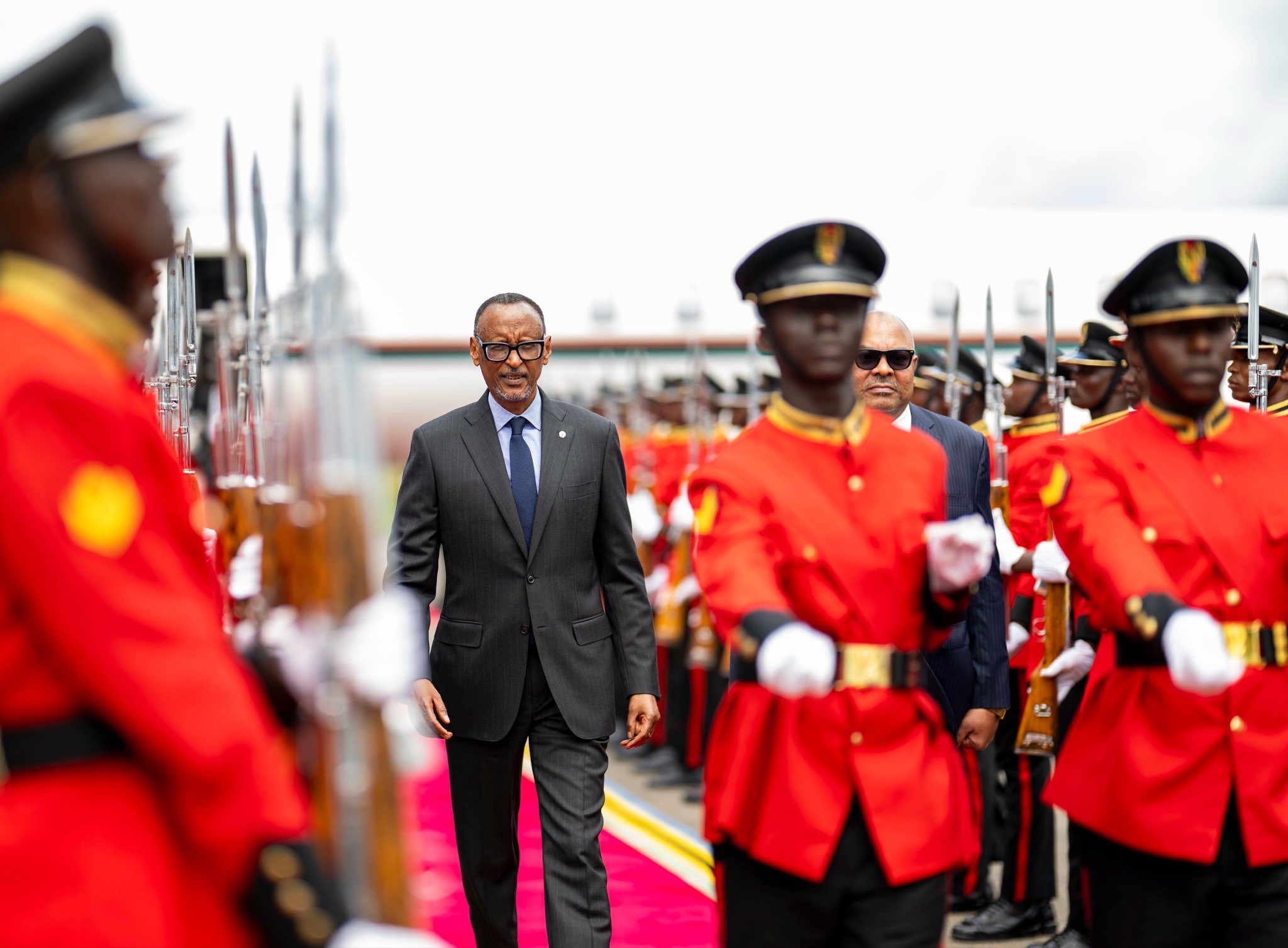
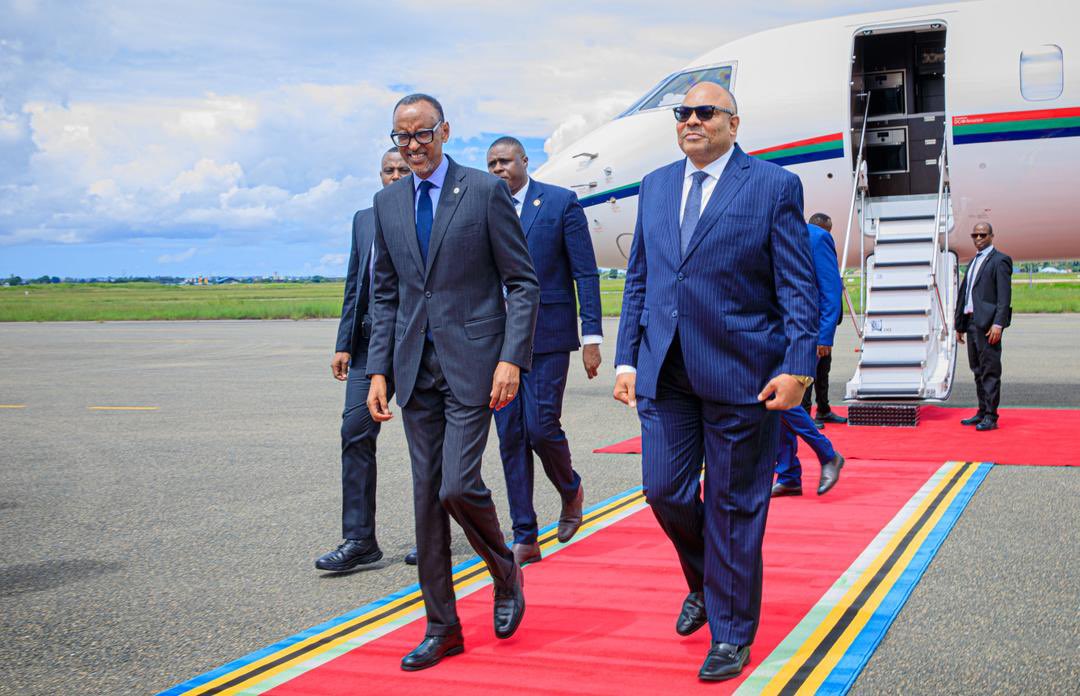
Upon arrival at Dar es Salaam International Airport, President Kagame was received by Minister Kombo and other senior officials.
He is expected to hold talks with his counterpart, President Dr. Samia Suluhu Hassan, focused on deepening bilateral cooperation and strengthening existing partnerships, which will be followed by a joint press conference.
Rwanda has consistently highlighted the strong and long-standing relations with Tanzania, particularly appreciating access to the Port of Dar es Salaam on the Indian Ocean, through which about 70% of its imports are routed.
Citizens of both countries have also established two friendship associations aimed at fostering closer ties: RWATAFA (Rwanda–Tanzania Friendship Association) and TARAFA (Tanzania–Rwanda Friendship Association).
The two countries have signed multiple cooperation agreements in key sectors, including trade, agriculture, security, technology, transport, and industrial development, concluded over different periods.
In July 2025, Rwanda and Tanzania agreed to establish a Tanzania Ports Authority (TPA) office in Kigali, a move expected to enhance and accelerate trade facilitation between the two countries.
As members of the East African Community (EAC), Rwanda and Tanzania also continue to collaborate on major regional infrastructure projects, including the planned railway line linking Isaka and Kigali, aimed at improving the movement of goods and boosting regional integration.
President Paul Kagame arrived in Tanzania on May 3, 2026, for a one-day working visit.The visit follows that of Tanzania’s Minister of Foreign Affairs and East African Cooperation, Mahamoud Thabit Kombo.President Kagame and his host, President Samia Suluhu Hassan of the United Republic of Tanzania, are scheduled to hold a tête-à-tête meeting, which will be followed by a joint press conference.The talks will be focused on deepening bilateral cooperation and strengthening existing partnerships.
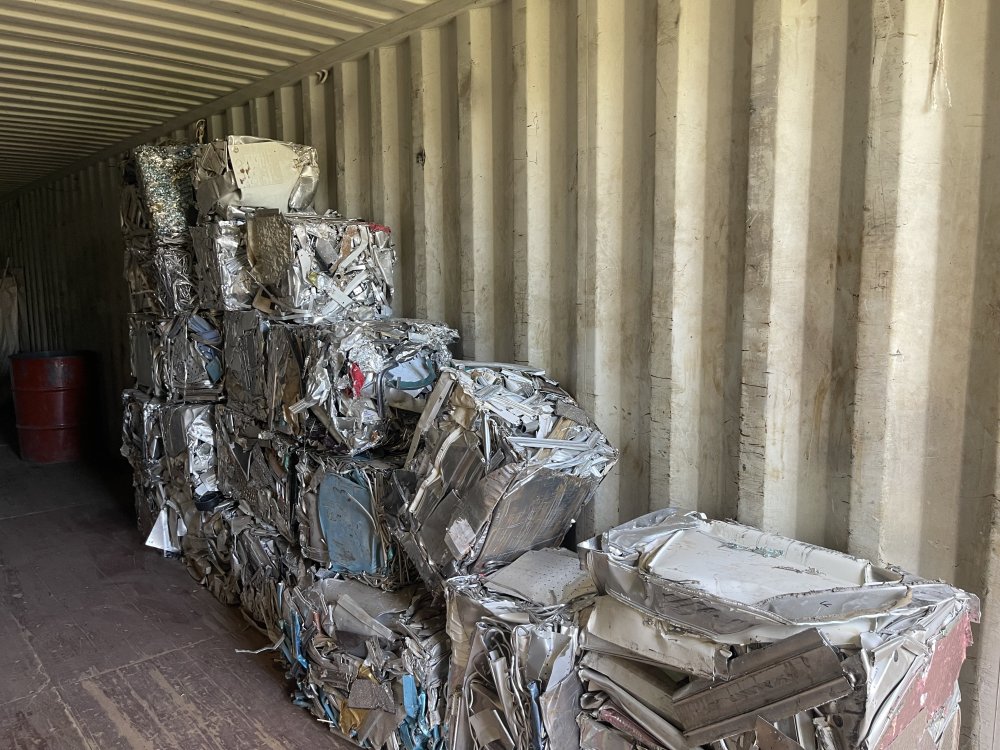
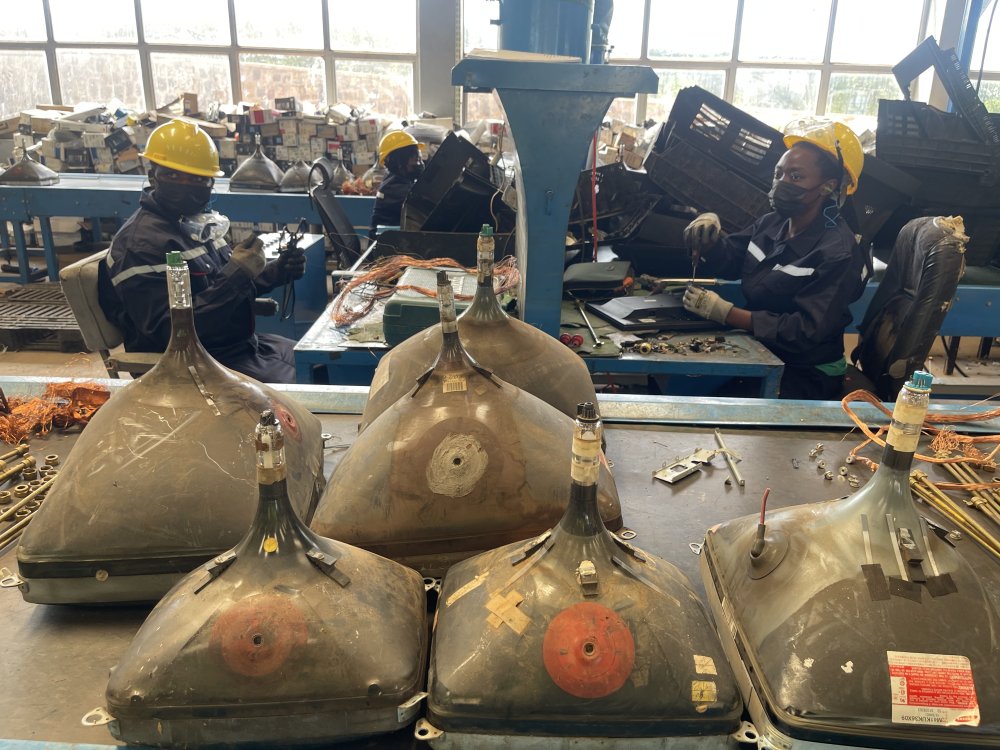
The company, which began operations in 2018, is based in the Bugesera Industrial Zone and currently collects at least 40% of obsolete electronic waste generated in the country. Its operations aim to reduce environmental pollution linked to electronic waste while recovering valuable materials and extending the lifespan of usable devices.
Electronic waste, commonly referred to as e-waste, includes discarded devices such as mobile phones, computers, televisions, kettles, refrigerators, microwaves, irons, printers and other household electronics that are no longer in use but often remain stored in homes.
According to Enviroserve Rwanda Country General Manager Olivier Mbera, many households continue to keep unused electronics despite the environmental and health risks associated with prolonged storage of such items.
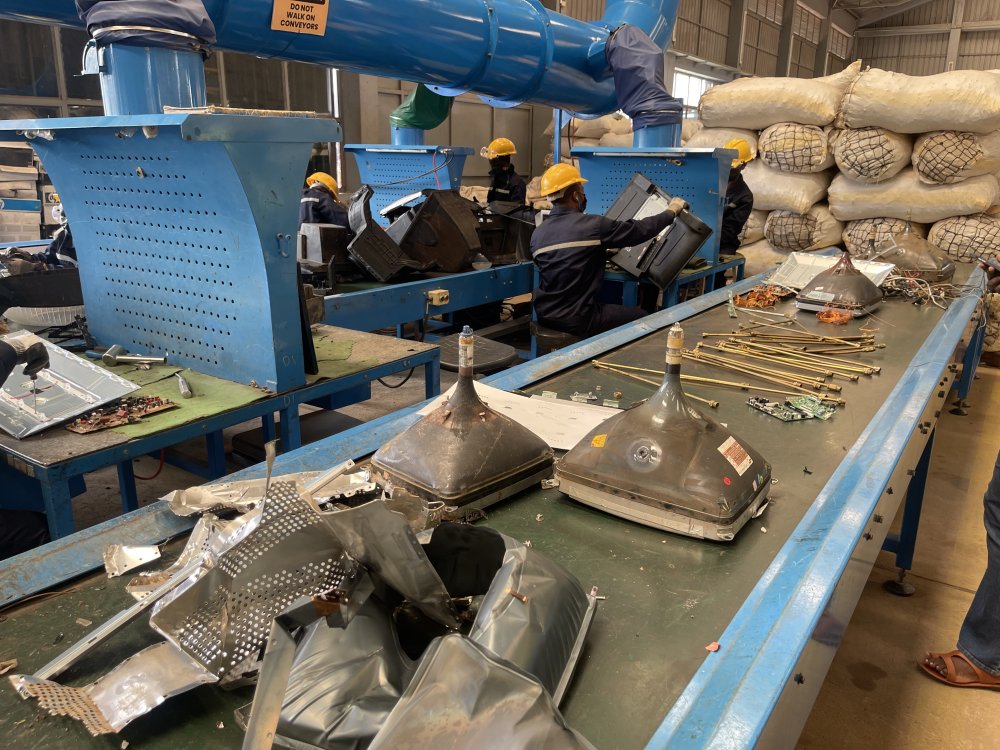
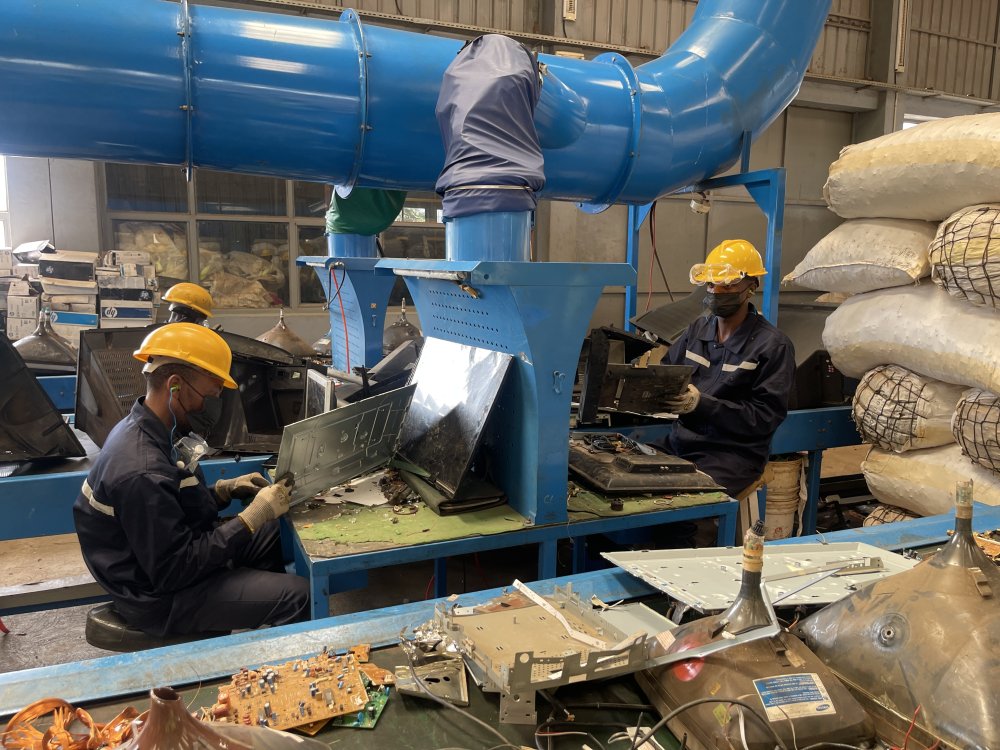
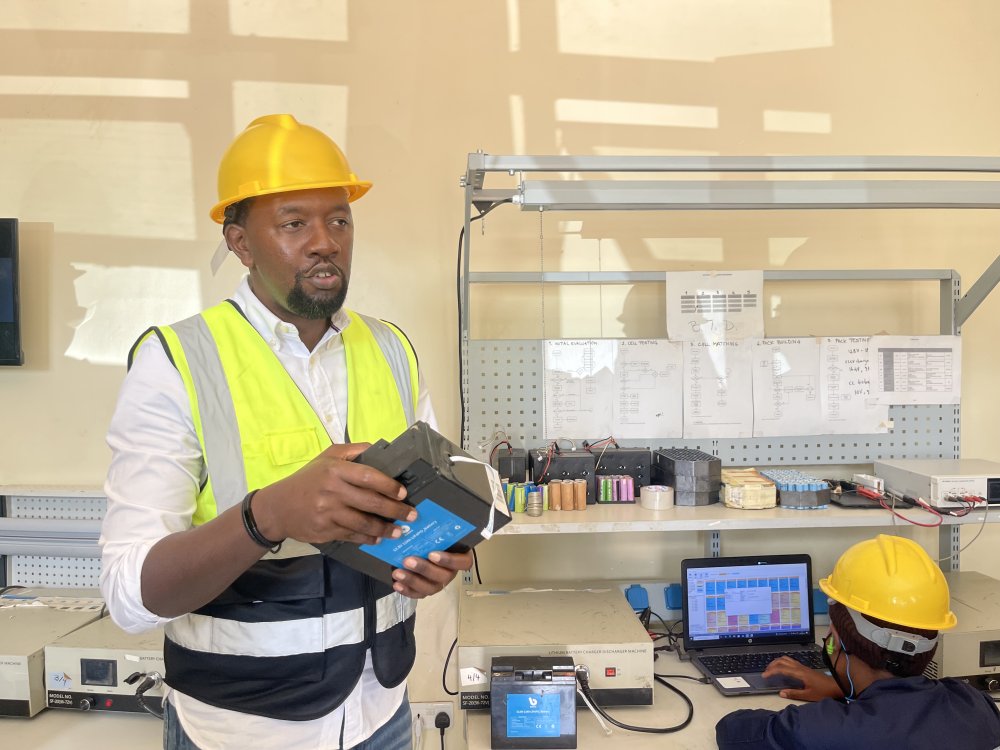
“We have collected up to 8,500 tonnes of electronic waste since we started operating,” Mbera said. “Once these items arrive at the facility, they are either refurbished or dismantled to recover useful components. Each year, we refurbish about 10,000 computers, around half of which are reused in schools, while the rest are sold for use by the general public.”
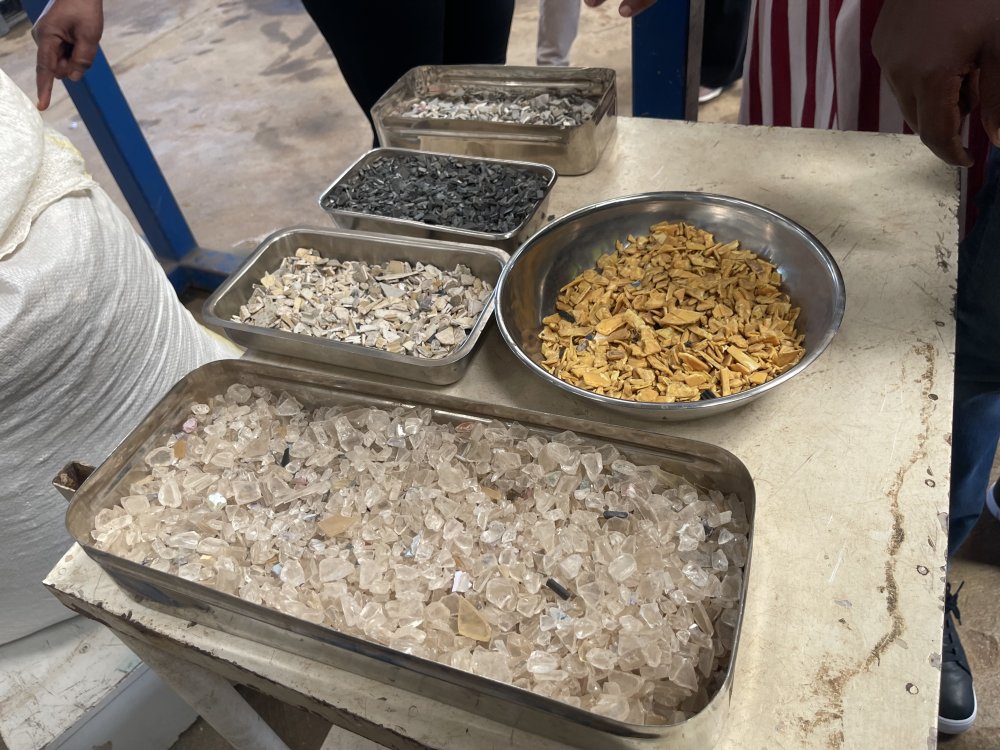
He added that the company has already refurbished and redistributed about 40,000 computers since its establishment, contributing to digital access in schools and communities. Other materials recovered from e-waste are channelled back into industrial recycling streams, while hazardous substances are safely extracted and managed to prevent environmental contamination.
Mbera cautioned against the long-term storage of obsolete electronic devices in households, warning that they may contain hazardous substances that pose risks to both human health and the environment.
“It is not advisable to keep unused electronic devices at home because they contain harmful chemicals that can affect people’s health,” he said. “As devices age, these substances may begin to leak. For example, a swollen phone battery or a refrigerator losing gas can release toxic elements that may contribute to serious health risks and environmental damage.”
Environmental experts also warn that improper handling of e-waste can lead to soil and water contamination due to heavy metals and toxic compounds contained in electronic components.
Government push for safe e-waste management
Beatha Akimpaye, the Division Manager of Environmental Compliance and Enforcement Division at Rwanda Environment Management Authority (REMA), said Rwanda’s e-waste recycling programme was introduced as part of broader efforts to strengthen environmental protection and promote responsible waste management.
She urged the public to properly dispose of electronic devices through designated collection systems instead of keeping them in homes.
“While we depend on electronic devices to keep up with modern technology, when they become waste and are not properly managed, they can harm both the environment and human health,” she said. “People should take such devices to collection centres established by Enviroserve Rwanda so they can be safely recycled or dismantled in an environmentally sound manner.”
Enviroserve Rwanda currently operates 26 e-waste collection centres across the country. Through these centres, the company collects obsolete electronic equipment for sorting, refurbishment, dismantling and recycling. Devices that can be repaired are refurbished and reused, while non-repairable materials are broken down and either recycled locally or exported for further processing.
After collection, some of the materials are shredded, and the recovered components are sold.Old bulky televisions and CRT computer monitors account for a large share of the items collected.According to Enviroserve Rwanda Country General Manager Olivier Mbera, many households continue to keep unused electronics despite the environmental and health risks associated with prolonged storage of such items.
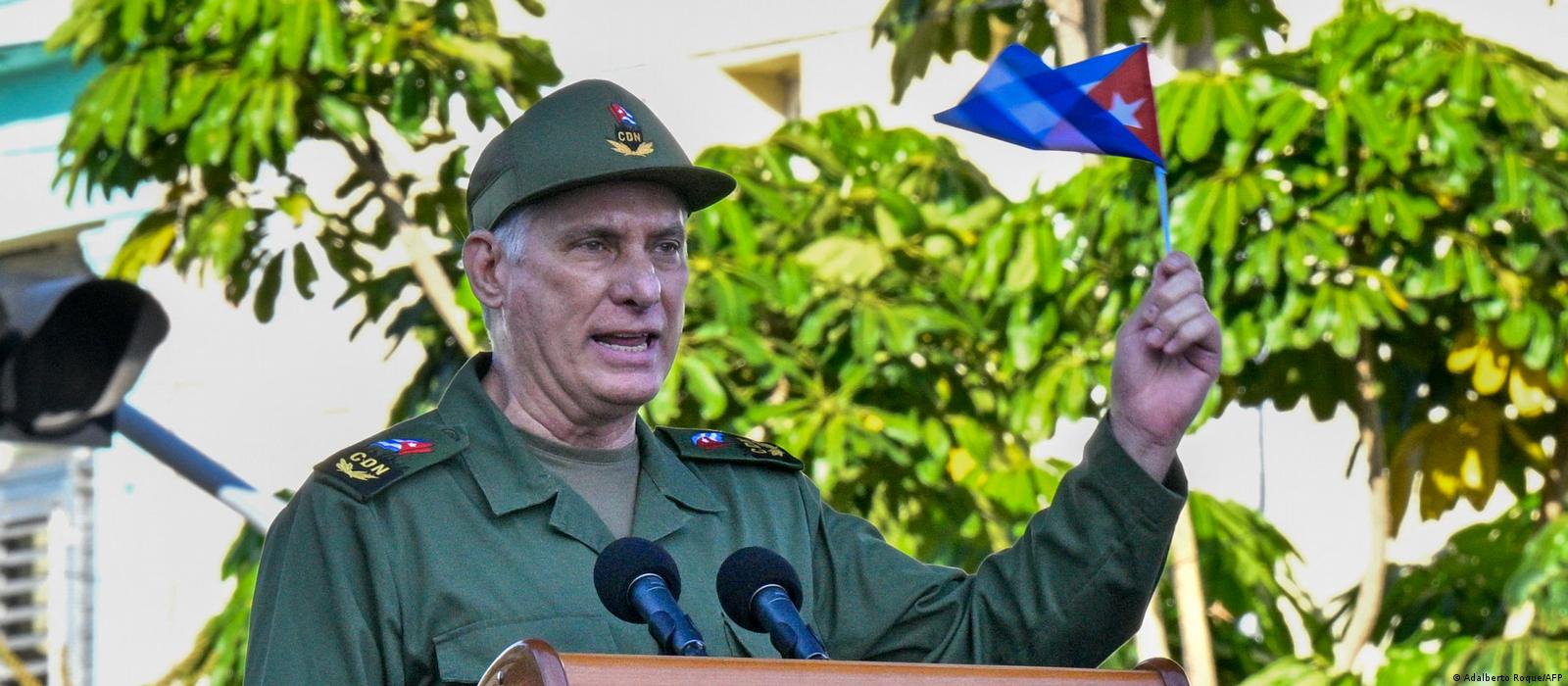
“The U.S. president escalates his threats of military aggression against Cuba to a dangerous and unprecedented scale,” Cuban President Miguel Diaz-Canel wrote on X.
Diaz-Canel called on the international community and the American people to decide whether they would allow “such a drastic criminal act” to serve the interests of a small but wealthy and influential group seeking revenge and domination.
He said that no aggressor, “no matter how powerful,” would find surrender in Cuba, but rather “a people determined to defend sovereignty and independence.”
Cuban Foreign Minister Bruno Rodriguez also said on X the same day that Trump’s “clear and direct” threat of a military attack had raised aggression against Cuba to dangerous levels.
Rodriguez said popular support for the Cuban Revolution was demonstrated “massively” during May Day celebrations on Friday.
Speaking at an event in Palm Beach, Florida, Trump said the United States would take control of Cuba “almost immediately” after “finishing a job,” referring to the conflict with Iran in the Middle East.
He added that he “could” send the aircraft carrier USS Abraham Lincoln to the Caribbean and have it stop about 100 yards off Cuba’s coast “on the way back from Iran.”
Cuban President Miguel Diaz-Canel on Saturday denounced the escalation of Washington’s military threats against the country by US President Donald Trump.
The two suspects are being investigated on allegations of disseminating false information, RIB spokesperson Dr Murangira B. Thierry confirmed to IGIHE.
“It is true that on May 1, 2026, RIB arrested Nsanzimana Augustin and Niyonshuti Emmanuel, suspected of spreading false information that could cause public fear. The offences were committed through social media platforms,” Dr Murangira said.
He added that the suspects are currently being held at RIB’s Remera station as investigations continue.
Spreading false information that may incite fear, unrest, or public disorder through a computer system is an offence punishable under Rwandan law.
The offence is outlined in Law No. 60/2018 of August 22, 2018, on the prevention and punishment of cybercrimes.
If found guilty, a person is liable to a prison sentence of between three and five years, and a fine ranging from 1 million to 3 million Rwandan francs.
Nsanzimana Augustin was arrested alongside Niyonshuti Emmanuel. They are being investigated over allegations of spreading false information through the YouTube channel ‘Imbarutso ya demokarasi’.
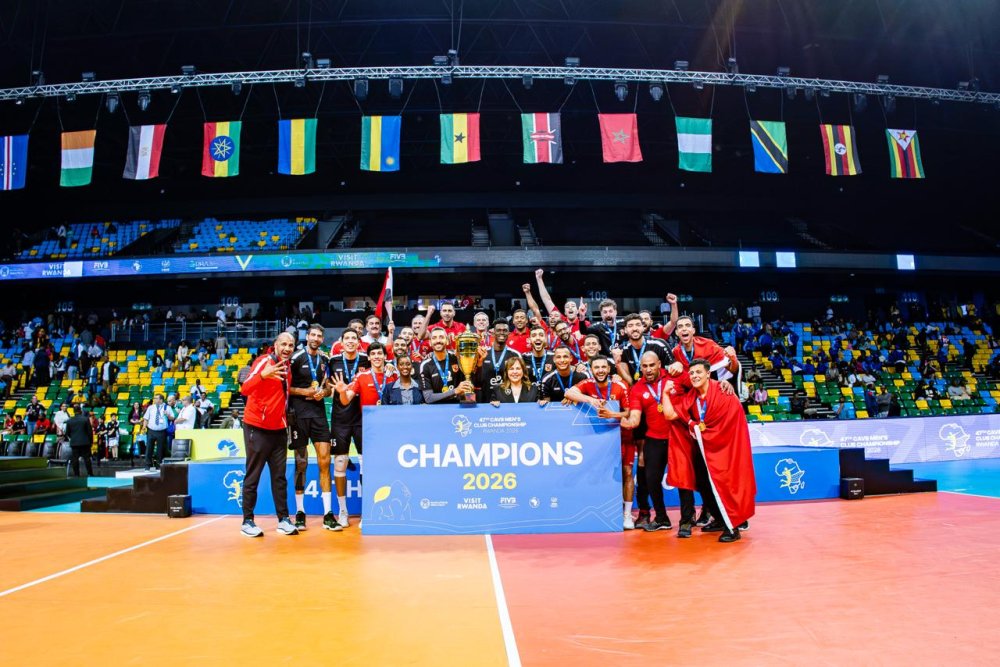
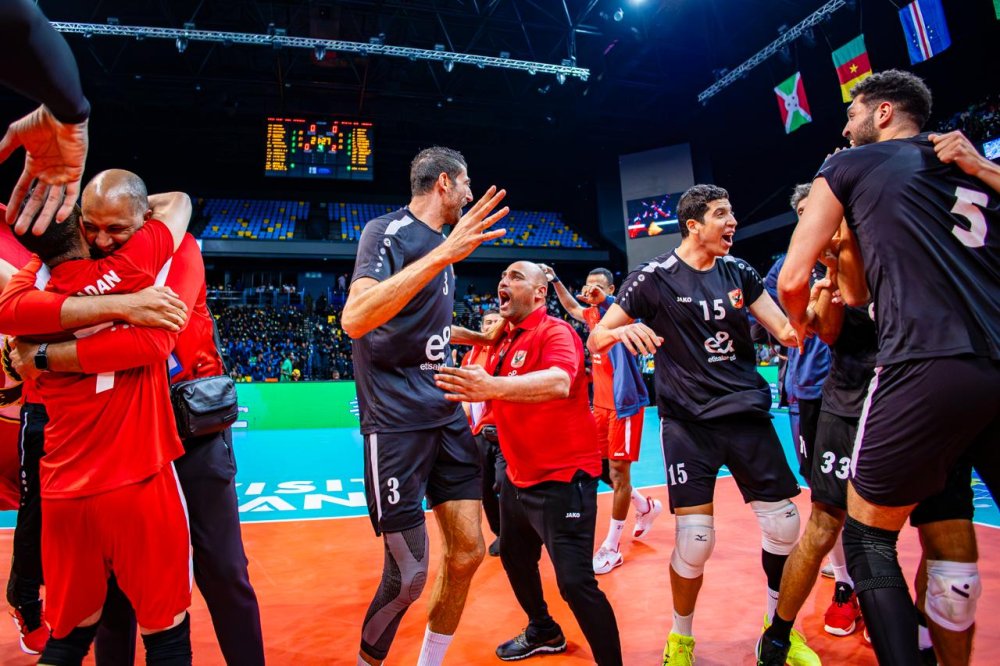
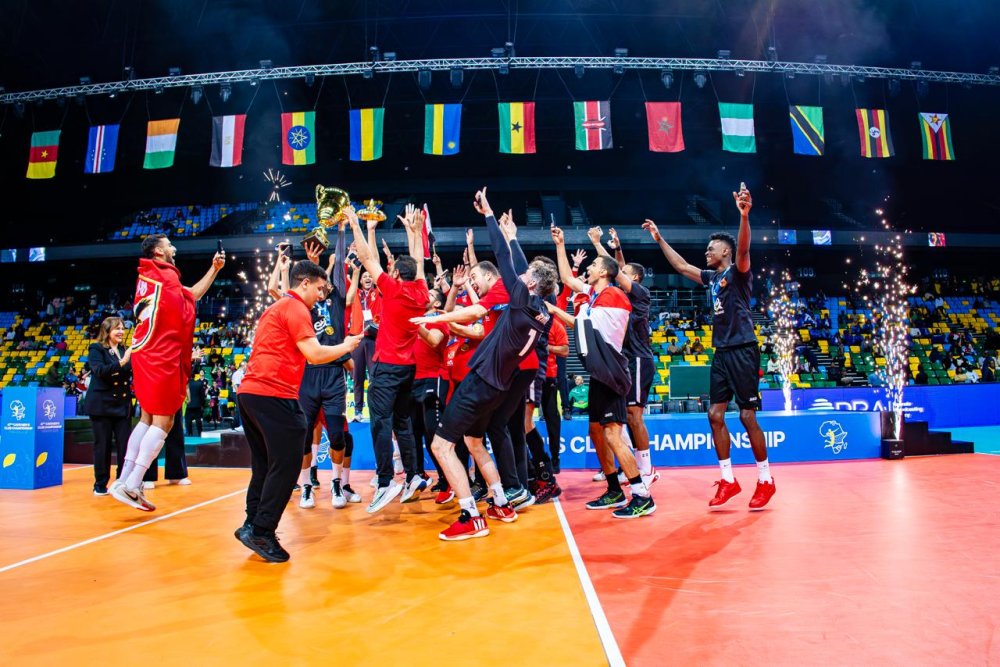
The decisive match of the 47th edition took place at BK Arena on Saturday, May 2, 2026, bringing to a close a 10-day continental competition hosted in Rwanda for the first time.
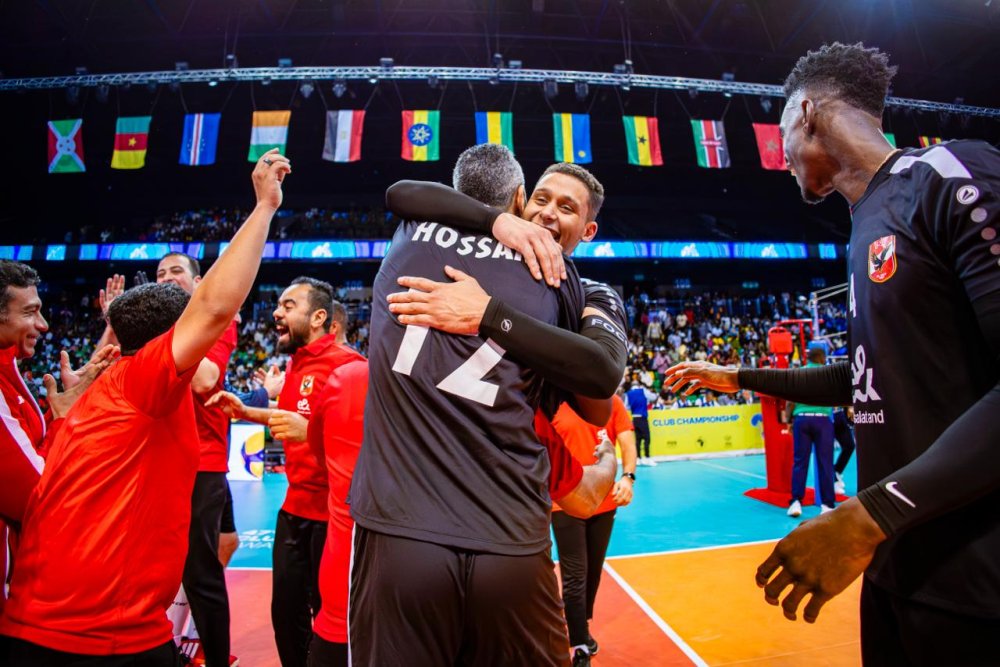
The Egyptian giants claimed their 17th title, extending their record as the most successful club in the tournament’s history. For Police VC, the result marked a historic milestone, as they became the first Rwandan side to reach the final.
Al Ahly dominated the encounter, sealing victory in one hour and 21 minutes. They outscored Police VC 75–63 across the three sets, underlining their control throughout the match.
Despite the loss, Police VC’s Elphas Maikuva Makuto delivered a standout performance, finishing as the match’s top scorer with 17 points. Al Ahly’s Jose Israel Masso Alvarez contributed 13 points.
Makuto also emerged as one of the tournament’s leading performers with a total of 141 points, while Masso Alvarez registered 78 points overall.
Notably, Police VC were the only team in the tournament to push Al Ahly beyond the 20-point mark in a single set. The Egyptian side completed the championship unbeaten, without dropping a single set.
Rwanda’s hosting of the tournament marked a significant milestone, with two of its four teams finishing on the podium. REG VC secured third place after defeating Petrojet Sporting Club 3–1 (25–21, 25–21, 13–25, 25–17).
Other Rwandan teams included Kepler VC, which finished seventh, and APR VC, which placed 11th among the 24 participating clubs.
Individual accolades reflected both Egyptian dominance and strong Rwandan representation. REG VC’s Matui Nicholas was named Best Outside Hitter, while Police VC’s Frank Shyaka (Best Middle Blocker), Melly Brian Kiprui (Best Setter), and Irakoze Alain (Best Libero) were also recognised.
For Al Ahly, Abdelrahman Elhossiny Eissa was named Best Outside Hitter and Most Valuable Player (MVP), having scored 60 points during the tournament. His teammates Abou Abd Elhalim Mohamed (Best Middle Blocker) and Jose Israel Masso Alvarez (Best Opposite) also received awards.
Final standings:
Al Ahly SC (Egypt) Police VC (Rwanda) REG VC (Rwanda) Petrojet SC (Egypt) Port Autonome de Douala (Cameroon) Kenya Ports Authority (Kenya) Kepler VC (Rwanda) Fath Union Sport (Morocco) Ghana Army (Ghana) Nemo Stars (Uganda) APR VC (Rwanda) Nigeria Customs (Nigeria) Equity Bank (Kenya) General Service Unit (Kenya) Kalibi SC (Ghana) Sport-S VC (Uganda) Litto Team VC (Cameroon) Cameroon Volleyball (Cameroon) AS INJS (Côte d’Ivoire) Rukinzo VC (Burundi) Wolaitta Dicha Sports Club (Ethiopia) Black Rhinos VC (Zimbabwe) Atlético Clube do Mindelo (Cape Verde) Prisons VC (Tanzania)
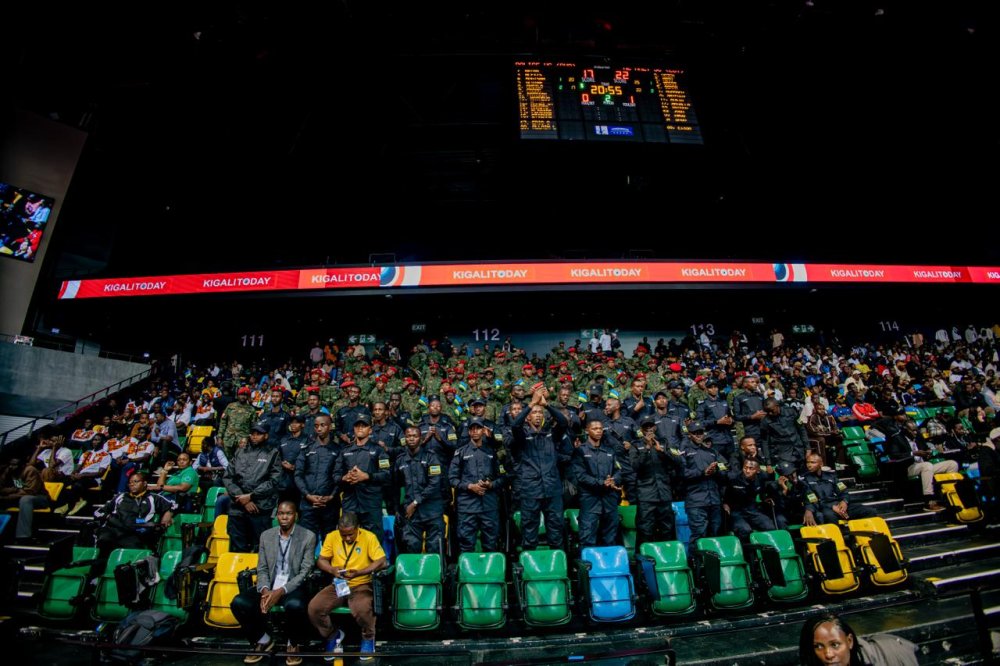
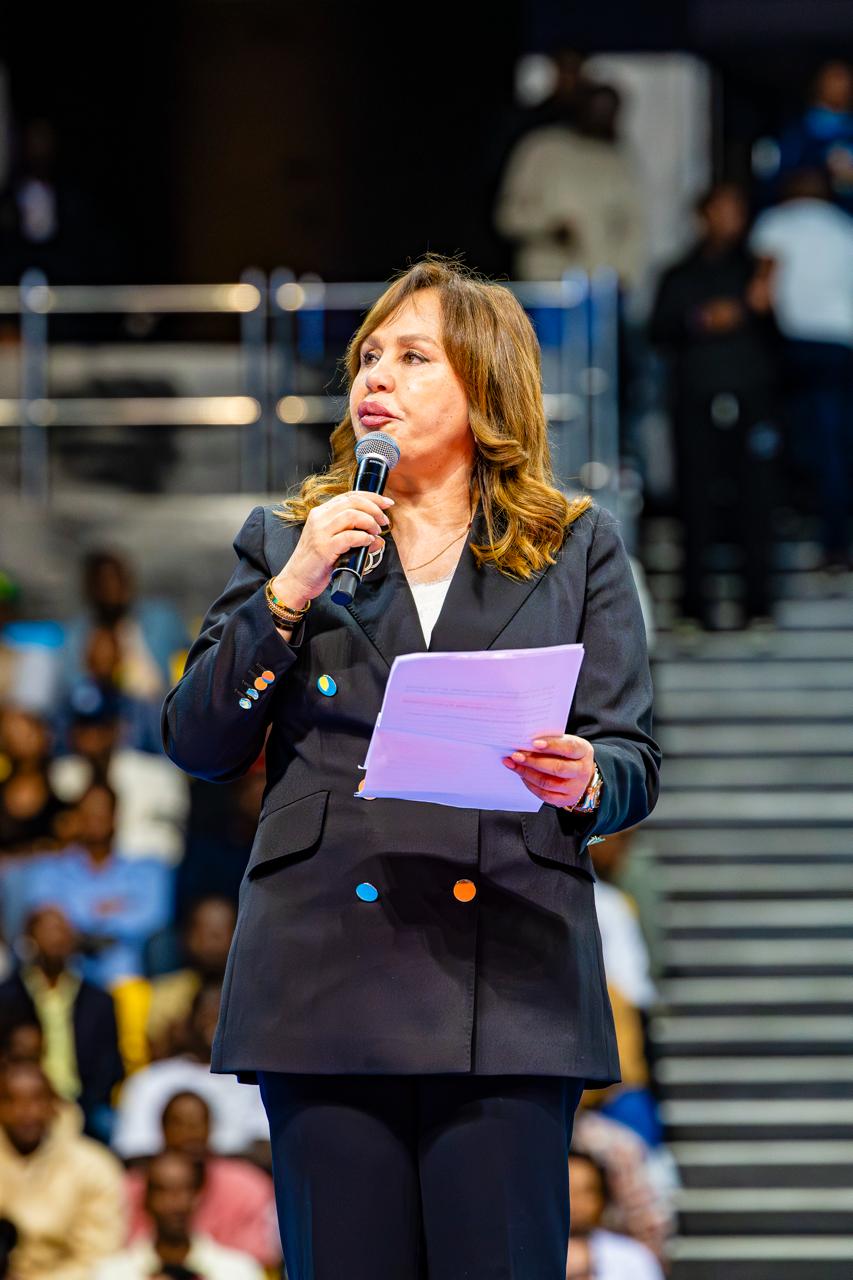
BK Arena was filled with a large crowd of fans during the final of the 2026 CAVB Men’s Club Championship.Police and Rwanda Defence Force personnel jointly rallied behind Police VC as it competed in the final of the African championship for the first time.Minister of Sports Nelly Mukazayire, Inspector General of Police CG Felix Namuhoranye, and Rwanda Volleyball Federation President Ngarambe Raphaël were among the officials who attended the final match.Police VC put up a strong performance but was unable to overcome Al Ahly, the most accomplished club in African volleyball.CAVB President Bouchra Hajij commended Rwanda for successfully hosting the 10-day tournament held in Kigali.Al Ahly celebrates its 17th championship title.
As a hallmark of China-Africa cooperation in the new era, the zero-tariff measure is expected to reduce trade barriers and deliver long-term benefits to people on both sides, injecting fresh momentum into their joint pursuit of modernization while contributing to a more inclusive and universally beneficial global trading system.
A reliable market
On the outskirts of the Ethiopian capital city of Addis Ababa, construction is underway on a new roasting facility for Awo Coffee to meet soaring export orders. According to Awo Coffee General Manager Tesfaye Gebru, about 90 percent of the firm’s roasted products are shipped to China each year.
“Since we began in 2014, the fast-growing Chinese coffee market has emerged as our primary export destination,” said Gebru, noting that in 2024, the company exported about 140 tonnes of Ethiopian green coffee beans and 20 tonnes of processed coffee products to China, with annual growth of around 10 percent.
Awo Coffee sources beans from its own 14-hectare farm. “We purchase beans from smallholder farmers at higher prices, directly boosting their incomes. During harvest seasons, we also hire local villagers to pick coffee cherries,” said Gebru.
Awo’s rapid expansion has been supported by early access to China’s zero-tariff policy. Effective from December 2024, China granted all least developed countries with which it has diplomatic relations zero-tariff treatment for 100 percent tariff lines, including 33 African countries.
The impact on Ethiopian coffee exporters has been swift. Ethiopia, widely known as the home of Arabica coffee, has strengthened its position in the Chinese market, rising to become one of the largest suppliers of coffee to China in recent years.
As China’s zero-tariff policy now extends to 53 African countries, Cameroon cocoa farmer George Wambo Cornyu described it as “a golden opportunity.”
“It’s going to encourage our domestic processing and also value additions,” said Cornyu, also president of Masoka-Ikata Farmers Cooperative in Cameroon. “It is going to trigger industrialization in our own sector.”
Beyond tariff reductions, China has in recent years expanded market access for African exports through upgraded “green channels” and other facilitation initiatives. It has also supported African participation in major trade expos such as the China International Import Expo, helping African products reach global markets.
In 2025, China-Africa trade grew by 17.7 percent year on year to reach 348 billion U.S. dollars, while Africa’s exports to China exceeded 123 billion dollars, reflecting deepening economic and trade ties.
James Kandoya, a senior economic journalist at Tanzania’s The Guardian Newspaper, noted that for a long time, many African products struggled to enter major global markets due to high tariffs, strict standards, or complicated procedures.
“When China opens its market to African exports with zero tariffs, it immediately creates real opportunities. It gives African businesses the feeling that there is a reliable market willing to engage with us on fairer terms. That can encourage more investment in agriculture, processing, and logistics,” he said.
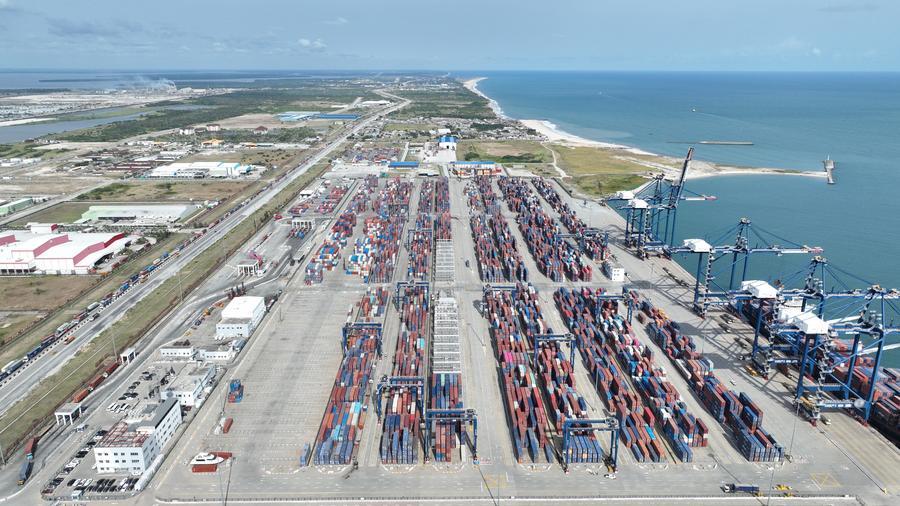
An aerial drone photo taken on March 26, 2026 shows a view of the Lekki port in Lagos, Nigeria. (China Harbour Engineering Company Ltd./Handout via Xinhua)
A driver of African modernization
In March, the first cargo train carrying 54 containers of locally produced goods exported to China under zero-tariff treatment departed from Nairobi, Kenya’s capital. It traveled along the Chinese-built Mombasa-Nairobi Standard Gauge Railway to the port city of Mombasa before continuing by sea to China.
Among the shipments was a batch of avocado oil produced at a processing plant in the Athi River Export Processing Zone on the outskirts of Nairobi, invested in by the Chinese company Sanmark Limited.
Since beginning operation in August 2025, the processing plant has exported about 410 tonnes of avocado oil to China, where the product has evolved from a niche health item to a regular feature on major e-commerce platforms.
With China’s zero-tariff policy taking effect in May, Kenya’s avocado industry players expect further export growth.
“We look forward to exporting more avocado oil and boosting incomes for local farmers,” said Muhammad Khan, operations manager at Sanmark Limited. “I also believe more Chinese investors will be encouraged to enter the Kenyan market and set up processing factories, enhancing the efficiency and resilience of the industrial chain.”
In 2022, fresh Kenyan avocados embarked on their journey to China. Since then, Chinese and Kenyan companies have launched full value-chain cooperation spanning avocado cultivation, processing, cross-border logistics, and end-market distribution, significantly boosting the sector’s overall development.
Describing the zero-tariff initiative as “an unprecedented breakthrough in the export journey,” Lee Kinyanjui, cabinet secretary in the Ministry of Investments, Trade and Industry, said: “This is more than a policy shift; it is a game changer that opens the door to one of the world’s largest consumer markets and positions Kenya for a new era of trade growth and value addition.”
“Over the past two decades, the (China-Africa cooperation) framework has steadily shifted toward trade, industrialization support, and infrastructure development. Duty-free access complements infrastructure corridors, logistics projects, and industrial parks already developed through China-Africa cooperation,” Zimbabwean economic analyst and political commentator Dereck Goto said.
Sharing a similar view, Balew Demissie, a senior communication and publication consultant at the Policy Studies Institute of Ethiopia, said as a combined measure of trade and investment, “the zero-tariff policy closely aligns with Africa’s urgent industrialization agenda.”
“It could complement domestic industrial policies by creating new opportunities for manufacturing expansion, agro-processing, and export-oriented industrialization, thereby injecting fresh momentum into Africa’s modernization trajectory,” he added.
“This is an approach where China is trying to re-establish supply chains that are more predictable, that are more stable in this erratic world,” said Tabani Moyo, research fellow with the Graduate School of Business and Leadership at the University of KwaZulu-Natal, South Africa. “Hence, (there is) a need for the multiple industries in Africa to chip in and drive the modernization agenda through value-addition of their commodities.”
A timely stabilizer
Amid rising volatility and growing protectionism in global trade, China’s zero-tariff policy underscores its firm commitment to fostering an open world economy, advancing shared development across the Global South through practical cooperation, and injecting stability into the global trade system and economic growth.
During the 39th African Union Summit, United Nations Secretary-General Antonio Guterres welcomed the move, appealing to all developed countries and nations with large economic potential to take the same measure.
African Union Commission Chairperson Mahmoud Ali Youssouf said that China’s initiative is particularly vital as Africa bears the brunt of global uncertainties, which have disastrous effects on African economies, particularly those with structural vulnerabilities.
“We also see isolationist policies across the world, while protectionism is growing,” he said, noting that China’s zero-tariff treatment is a “very timely” move that will help Africa tackle global challenges.
“Amid unilateralism and protectionism, China’s zero-tariff treatment enhances trade resilience, supports diversification of African exports, and sustains development prospects by shielding them from external shocks,” said Leseko Makhetha, head of the Department of Economics at the National University of Lesotho.
“It reinforces a rules-based global trading system, offering an alternative to protectionism and helping stabilize trade flows amid global tensions,” Makhetha noted.
This photo taken on April 15, 2026 shows containers at the Nairobi station of the Mombasa-Nairobi Standard Gauge Railway (SGR) in Nairobi, Kenya. (Photo by Nelson Asienwa/Xinhua)
In an exclusive interview with IGIHE, Niyonzima explained that the FDLR was built on a deep-rooted ideology that viewed Tutsis as enemies everywhere, insisting that no country should be governed by a Tutsi.
“What we were mainly taught was the evil nature of the Tutsi, just as we had been taught while still in Rwanda,” he said.
In 2000, he underwent training in intelligence work, a field he later led within the FDLR leadership structure prior to his return to Rwanda.
He described the FDLR leadership system as being organized into commissions similar to ministries, each with its own leadership and operational staff.
His responsibilities included gathering intelligence related to the group, assessing operational risks, recruiting new fighters, and managing relations with other armed groups such as Nyatura, FARDC and Congolese communities more broadly.
Deep-rooted ideology and ethnic targeting
Niyonzima revealed that due to genocidal ideology and anti-Tutsi hatred, anyone perceived to resemble a Tutsi could be targeted, accused of collaboration, or even placed on the front lines.
He emphasized that the FDLR ideology was built on the belief that Tutsis were enemies everywhere.
“We considered every Tutsi an enemy, whether in Uganda, Burundi, Congo, or Rwanda,” he said.
He further noted that the group opposed any possibility of a Tutsi leading a country, viewing them as perpetual adversaries.
False prophecies and ideological indoctrination
As a pastor within the group, Niyonzima said he used the Bible alongside what he described as false prophecies claiming divine support for their cause, including the belief that they would eventually conquer Rwanda.
He explained that each commander had a group of so-called prayer leaders who played a role in mobilization and decision-making, including leadership changes.
“When they wanted to replace a leader, they would use a so-called prophet who would fall down and ‘prophesy’ while covered. This was used to justify decisions,” he said.
Niyonzima also revealed that the group gradually shifted toward promoting ethnic identity over language, deciding to emphasize “Hutu” identity instead of Kinyarwanda.
“We said we should no longer speak Kinyarwanda but Hutu language. We were told we were Hutu and our enemy was the Tutsi,” he said.
He added that the group justified its actions by linking their narrative to grievances about regional conflicts involving Hutus in neighboring countries.
He further stated that intelligence structures within the FDLR monitored individuals planning to leave the group or communicating with people in Rwanda. Such individuals could be targeted and killed under suspicion of betrayal.
“When you believe you are fighting an enemy, everything you do feels justified. We would say: if this person leaves, they will one day become a threat. So we eliminate them early.”
Recruitment of youth and Congolese civilians
Niyonzima rejected claims that the FDLR is composed only of elderly fighters, explaining that the group actively recruited children, including those as young as 14, as well as young Congolese civilians.
He said the recruits were indoctrinated with hatred narratives, teaching them that the Tutsi was their enemy.
He also revealed that recruitment networks existed in neighboring countries, including Burundi and Uganda, and within Congolese communities.
Regret and reflection
Looking back, Niyonzima expressed deep regret for the years he spent in the Congolese forests, saying he lost valuable time that could have been used for personal development.
“My biggest regret is the time I wasted living in fear of nothing. I was afraid to return, but when I eventually did, I found people I left behind doing well. I have nothing to show for those years,” he said.
Niyonzima also expressed remorse for having spread extremist ideology. “What pains me most is that I taught people false ideas that Tutsis are evil, enemies, and cruel. But when I returned, I saw how people live together peacefully. I ask for forgiveness because I acted in ignorance,” he added.
Niyonzima called on former comrades still in eastern Congo forests to return home, urging them not to continue wasting their lives.
He also encouraged cooperation between regional actors, including the Congolese leadership, stressing that confrontation with Rwanda is not a viable path forward.
Niyonzima explained that the FDLR was built on a deep-rooted ideology that viewed Tutsis as enemies everywhere
The final event took place on April 30, 2026, featuring five finalists selected from an initial pool of 1,200 applicants. The challenge is designed to support youth-led innovations that improve productivity and efficiency in the agricultural sector.
The grand prize of Rwf 30 million was awarded to Mutoni Goodluck for her project, Goodness of God Ltd, which produces natural hair care oils designed to promote hair growth and maintenance.
Mutoni explained that she began experimenting with her products in 2019 and officially entered the market in 2024. Her oils are made from natural ingredients including onions, ginger, and garlic.
She noted that sourcing raw materials requires close collaboration with farmers from land preparation to harvest, a process that initially limited her production capacity.
“We were working with about 120 farmers. During dry seasons, production would drop due to limited yields,” she said. “With this support, we plan to organize farmers into groups and train them so we can improve production and ensure consistent supply.”
Isidore Niyigirimpuhwe won second place and received Rwf 20 million for his project, Tech Plus, which focuses on developing egg incubator machines capable of hatching chicks after 21 days.
His innovation includes machines with different capacities, ranging from 120 eggs to large-scale incubators holding up to 40,000 eggs. He said the funding will help increase production capacity.
“We had many clients, but building one machine used to take three to four days. Now we aim to scale up so that we can produce at least one machine per day,” he said.
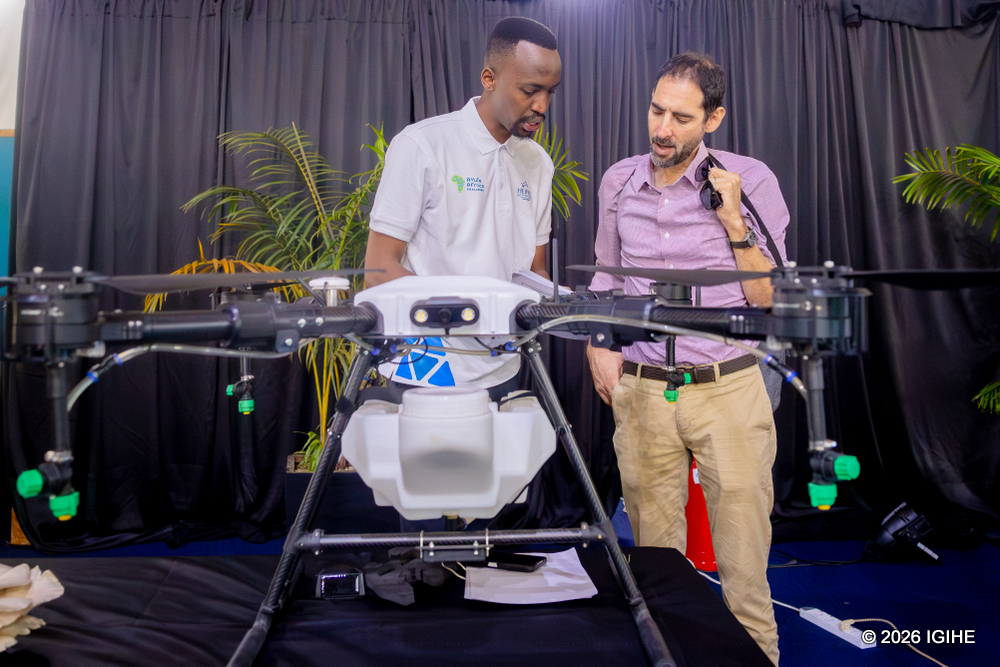
Muyumbano Happy Axel secured third place with Rwf 15 million for his project, Ampere Vision, which develops agricultural drones used for spraying pesticides on crops.
Each drone can cover up to 18 hectares per day, significantly improving efficiency in pest control.
He said the funding will help expand production to meet growing demand. “We had limited drones, which made it difficult to serve many farmers. Now we can scale up because our main challenge was access to equipment,” he said.
Other finalists included Josiane Mujawayesu, who is developing organic fertilizer from biodegradable waste combined with insects such as worms and flies that she breeds for this purpose.
Another finalist, Abdu Usanase, presented a digital platform that helps farmers calculate the quantity of seeds needed and also supports storage solutions that allow crops such as potatoes to be preserved for up to six months without spoiling.
Government and partners emphasize collaboration
Minister of Agriculture and Animal Resources, Dr. Ndabamenye Telesphore, highlighted that young people are increasingly understanding their role in agriculture through innovation and encouraged collaboration among entrepreneurs.
“There is a youth platform in agriculture that brings together everyone from farmers to exporters. What we always encourage is teamwork and partnerships between complementary projects so that profits can grow,” he said.
Verena Ruzibuka, Country Director for Heifer International Rwanda, noted that even participants who did not win are still supported through other programs.
“Even those who do not win continue to benefit from other initiatives that help them expand their markets. For example, we work with mushroom farmers and connect them to solve shared challenges,” she said.
She added that young entrepreneurs also receive continuous mentorship to help strengthen and scale their businesses.
Mutoni Goodluck received the Rwf 30 million grand prize at the AYuTe Africa ChallengeProducts developed by Mutoni Goodluck, winner of the grand prize at the AYuTe Africa ChallengeVerena Ruzibuka, Country Director for Heifer International Rwanda, noted that even participants who did not win are still supported through other programs. Muyumbano Happy Axel won Rwf 15 million prize at the AYuTe Africa ChallengeMuyumbano Happy Axel explains how his agricultural drone operates.Minister of Agriculture and Animal Resources, Dr. Ndabamenye Telesphore, encouraged youth participation in agriculture innovation.Abdu Usanase presents his digital platform helping farmers determine required seeds based on expected yieldsJosiane Mujawayesu explains her organic fertilizer project combining waste and insects such as flies and wormsIsidore Niyigirimpuhwe, inventor of an egg incubation machine, wins second prize of Rwf 20 millionPromising but emerging innovation project was recognized and supported for further developmentThe third edition of the AYuTe Africa Challenge concluded with awards given to outstanding agricultural innovations