Through this second delegation to Burkina Faso, HWPL aimed to ignite a passion for peace in the hearts of government officials and to garner national support for the Declaration of Peace and Cessation of War (DPCW), a peace initiative of global significance.
They engaged with various organizations and signed MOA and MOU to achieve sustainable peace. During the initial dispatch in early April, HWPL conducted peace camps at three schools in Burkina Faso and hosted ceremonies for signing MOAs and MOUs with 14 schools.
According to Africanews, Burkina Faso’s Minister of State, Bassolma Bazié, spoke at the 78th session of the United Nations General Assembly held last September.
“Every year, countless speeches with promises and pledges are given. The discrepancy between speeches and facts on matters of principles contained in the UN Charter, including justice, equality, dignity, integrity, the right to self-determination, the sovereignty of states, the inviolability of territory, and respect for international law, is what can be observed in Libya, in the Sahel (more precisely, Niger), and in the Russia-Ukraine crisis.”
HWPL is engaged in peace activities centered on the Declaration of Peace and Cessation of War (DPCW) with the aim of establishing a legal framework for sustainable peace.
On 14 March 2016, HWPL proclaimed the Declaration of Peace and Cessation of War (DPCW), which was drafted with the participation of international law experts from 15 countries.
This declaration, comprised of 10 articles and 38 clauses, aims to restore the spirit that served as the basis for the establishment of the United Nations and to achieve sustainable peace by promoting the universal values of the global community. The DPCW embodies the principles and measures for preventing and resolving conflicts and sustaining a peaceful global society.
On April 22nd, a meeting was held with Burkina Faso’s Minister of Foreign Affairs, S.E.M Karamoko Jean Marie TRAORE. He stated, “As long as there are industries producing weapons globally, there will always be war. HWPL’s efforts for peace are noble and admirable. HWPL’s activities should be equally accessible to those in conflict, those pursuing peace, and those inciting war.”
On April 24th, a meeting organized by the Ministries of Justice and Human Rights took place, attended by nine officials including the Minister of Justice. Minister of Justice Me Edasso Rodrigue Bayala, the President of the Temporary Legislative Assembly (ALT) Dr. Ousmane BOUGOUMA, and the President of the National Human Rights Commission (CNDH), Mme Gonta Alida Henriette DA, engaged in substantive discussions to support the DPCW.
During this period, meetings were also held with four media outlets. President of UNALFA (Union Nationale de l’Audiovisuel Libre du Faso), Sawadogo Ramousa Jean Baptiste, Kouanda Madi from Burkina Flash Info, journalist Traore Moumouni, François YOGO from Noor Info, and journalist LANKOANDE André from Burkina 24 all expressed willingness to cooperate with HWPL and positively received the idea of implementing HWPL journalism training.
All of them expressed hope for peace in Burkina Faso as they indicated their willingness to sign partnership MOAs and MOUs with HWPL.
HWPL plans to continue its activities for peace realization in Burkina Faso, including peace camps, peace education, the International Religious Peace Academy (IRPA), and support for the Declaration of Peace and Cessation of War (DPCW)
Dr. Thomas R. OUEDRAOGO, the Executive Director of the Center for Democratic Governance (CGD), remarked, “HWPL’s peace-building efforts seem very intriguing. I’ve come to realize that the DPCW is evolution, not revolution.”
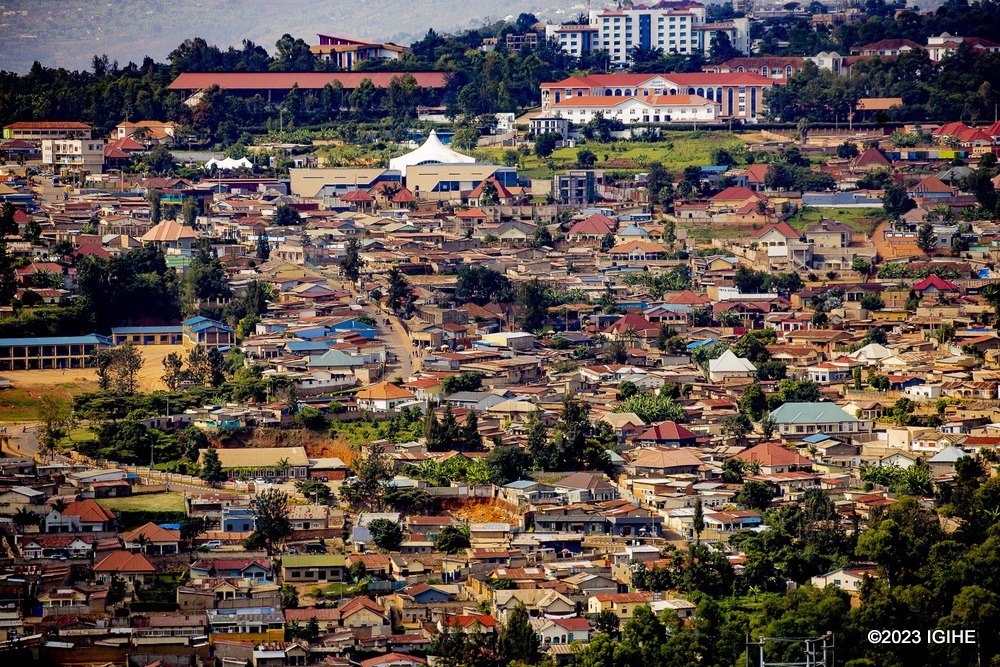
According to data from the Ministry of Infrastructure, the proportion of Rwandans living in villages was supposed to increase from 61% in 2017 to 80% in 2024. However, it has been observed that only 65% currently live in well-organized villages and sites.
Appearing before the Public Accounts Committee on May 8, 2024, Charles Kalinda, the head of policy and planning at the Ministry of Infrastructure, highlighted problems in housing construction that do not meet required standards due to a lack of strict regulations.
He particularly pointed out that only six districts have land use plans, leaving potential occupants uncertain about land use.
Kalinda announced the implementation of a site service strategy, aiming to ensure that each site is operational before being occupied. He also mentioned the establishment of regulations that were previously non-existent.
The housing issues encountered during the implementation of the government development plan will be addressed by the new policy and regulations currently being drafted.
In the City of Kigali, there are 87 developed sites covering an area of 1,381 hectares, offering standard housing tailored to the needs of the population. In other provinces, 42 sites over a total area of 5,113 hectares are waiting to be occupied and are under the responsibility of various authorities.
Moreover, 26 sites distributed across eight districts have been developed, with their plans awaiting approval at ministerial meetings.
The Mayor of Kigali, Samuel Dusengiyumva, acknowledged that some sites developed according to the 2021 guidelines have gaps, due to a lack of clear instructions at the time of their preparation.
The chairman of the Public Accounts Committee, Muhakwa Valens, highlighted over 10 sites with problems, particularly in waste management. He challenged the authorities on measures to address these gaps.
In response, Mayor Dusengiyumva stated that they are working to identify and address the shortcomings, taking into account the needs and requirements of the residents.
He assured that the deficiencies are being corrected immediately.
Currently, more than 130 housing sites are listed in Rwanda.
The National Land Authority plans to finalize plans for 11 districts, so that next year, there will only be six districts for which master plans are still being developed.
This was covered in a discussion on the history of the preparation, implementation, and cessation of the Genocide against the Tutsi in 1994, as well as Rwanda’s journey of rebuilding afterward.
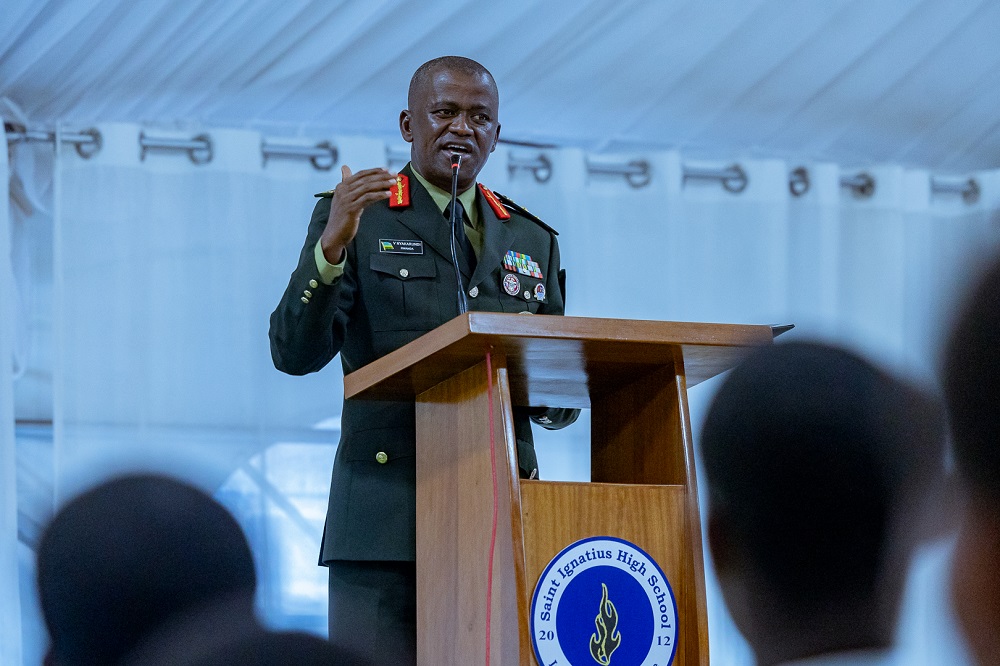
The discussion kicked off the 30th commemoration of the Genocide against the Tutsi at the Saint Ignace Center in Kigali.
Maj Gen Nyakarundi mentioned that when the Genocide was halted, the RPA Inkotanyi forces thought it was over, but some perpetrators fled to DRC and formed groups like the FDLR, and they still intend to destabilize Rwanda’s security.
He said, “So we thought the war had ended, but the ideology had not. From 1996, 1997, 1998, they returned to attack again. The genocidaires who had fled to Mugunga in Congo came back to attack. So, what we did was to issue directives to go and separate the citizens from the killers.”
Maj Gen Nyakarundi pointed out that it was challenging to differentiate between Interahamwe, Ex-FAR, and other Rwandans who had fled to camps in Eastern Congo, including Mugunga, but it was accomplished, and millions who had been held hostage by these killers returned.
Maj Gen Nyakarundi explained that Mobutu Sese Seko’s regime promised the founders of the FDLR help to capture Rwanda, and his successors up to the current Felix Tshisekedi with continued promises assuring FDLR of taking over Rwanda.
He also noted that the DRC government continued to collaborate with the FDLR regardless of the massacres the group continues to commit against Congolese people.
Maj Gen Nyakarundi also touched on how this has led to an increase in Congolese refugees, including those hosted in Rwanda to this day.
He stated, “That’s why you hear there are talks between the Rwandan and Congolese governments, mediated in Angola by the President of Angola, to have these people return home and dismantle the FDLR, but it’s not easy. We do not know what plagues the Congolese.”
He mentioned that the difficulty lies in the lack of willingness from the country to dismantle the FDLR as stipulated by the Luanda agreements, yet it is among the foremost threats to its own people’s security.
Recently, the DRC’s Foreign Minister, Christophe Lutundula, stated that Congo’s forces will not combat the FDLR, suggesting that Rwanda, which has issues with the group, should be the one to deal with it.
In March this year, Lutundula signed the outcomes of meetings held in Angola, promising to collaborate with his government to show readiness to eradicate the FDLR, which has been in Congo for 30 years.
The impeachment initiative was led by GOP Representative Marjorie Taylor Greene, who accused Johnson, a fellow Republican, of aligning too closely with Democratic interests under President Joe Biden’s administration. Greene, in recent weeks, had been vocal about her discontent with Johnson’s leadership, culminating in the motion to vacate after threatening his removal for several weeks.
A “motion to vacate” is a procedural resolution that declares the speakership vacant, aiming to remove the sitting speaker. This procedure was rarely used until it became notably applied during former Speaker Kevin McCarthy’s removal in October.
During the proceedings, Greene criticized Johnson for his actions, including his role in the dismissal of Republican George Santos, who was replaced by a Democrat in a special election in December 2023. She also slammed Johnson for supporting a $61 billion aid package for Ukraine, Israel, and Pakistan, which she claimed compromised national security by adhering to a Democratic agenda.
“Johnson had to choose between Republican priorities and collaboration with Democrats to protect his power, and he chose the latter,” Greene argued.
However, the House leadership countered by proposing a vote to keep Johnson in office. The vote passed with significant support, tallying 359 votes in favor, including 196 Republicans and 163 Democrats.
Despite the intense debate and the charges laid against him, only 43 members voted in favor of removing Johnson, among them 11 Republicans and 32 Democrats.
The quick resolution of this political drama underscores the complexities within party lines and the challenges of bipartisan cooperation in U.S. governance. Johnson’s retention marks a significant moment of unity within a frequently divided House, illustrating the intricate balance of power and the strategic maneuvers often necessary in legislative leadership.
In response, Rwanda suggested that instead, Congo should take Belgium to the same court, to compensate for all the atrocities, including the genocide committed by King Leopold II of Belgium during the colonial era.
This comes amidst a worsening atmosphere between Rwanda and Belgium, which intensified in July 2023 when Rwanda appointed Vincent Karega as its Ambassador to Belgium, only to be rejected by the host country.
Rwanda has stated that it will not send another ambassador as long as the one previously appointed is not accredited or unless Belgium provides a justified reason for the rejection.
What could be the implications of Belgium hiding behind the DRC to punish Rwanda? Tune in for an in-depth discussion “Tubijye Imuzi”.
A feasibility study report unveiled earlier this month identified four Sweet Spots for introducing CBDC in the country, including the need to increase resilience against possible network outages, power failures, and natural disasters; improve innovation and competition; contribute to achieving the cashless economy national initiative over time; and develop faster, cheaper, more transparent, and more inclusive cross-border remittances.
The feasibility study, which began in September 2022, also identified risks related to the adoption of the CBDC by the public, financial providers, and merchants with a high level of concern. To mitigate these risks, the study recommends additional investments in promoting CBDC and education in order to shift existing consumer habits to this new innovative product.
As the consultation process continues, many people are wondering what CBDCs are and how they differ from popular cryptocurrencies like Bitcoin.
In simple language, a CBDC is like digital cash issued by the central bank. It’s similar to regular money we use but in a digital form.
The main difference between CBDC and cryptocurrencies like Bitcoin and Ethereum is that CBDCs are issued and controlled by a country’s central bank, just like physical cash.
On the other hand, cryptocurrencies use a decentralized system for transactions and creating new units.
Because CBDCs are central bank-backed, they are considered a very secure way to hold and transfer money.
If the process to establish the digital currency sails through, Rwanda’s CBDC will be the official digital currency regulated by the National Bank of Rwanda.
“While crypto values change, Rwanda’s CBDC will always match the value of regular money,” BNR explains on its website.
Notably, the CBDC can be like a bank account (account-based) or like digital cash (token-based). Account-based CBDC links ownership to an identity and keeps records with a third party. Token-based CBDC doesn’t need a third party and is like using physical cash.
BNR affirms that CBDC will not replace existing digital payments like cards and electronic payments. However, it may offer new services and more payment options.
The ongoing consultation is aimed at getting public opinion on the Rwanda CBDC. The information will help the central bank understand the technology, regulations, and risks of the new digital money product before its rollout.
Three countries – the Bahamas, Jamaica, and Nigeria – have fully launched CBDCs, while several others are in the piloting stage.
In Nigeria, the eNaira is a central bank digital currency (CBDC) backed by law. It is the digital form of the Naira and is used just like cash.
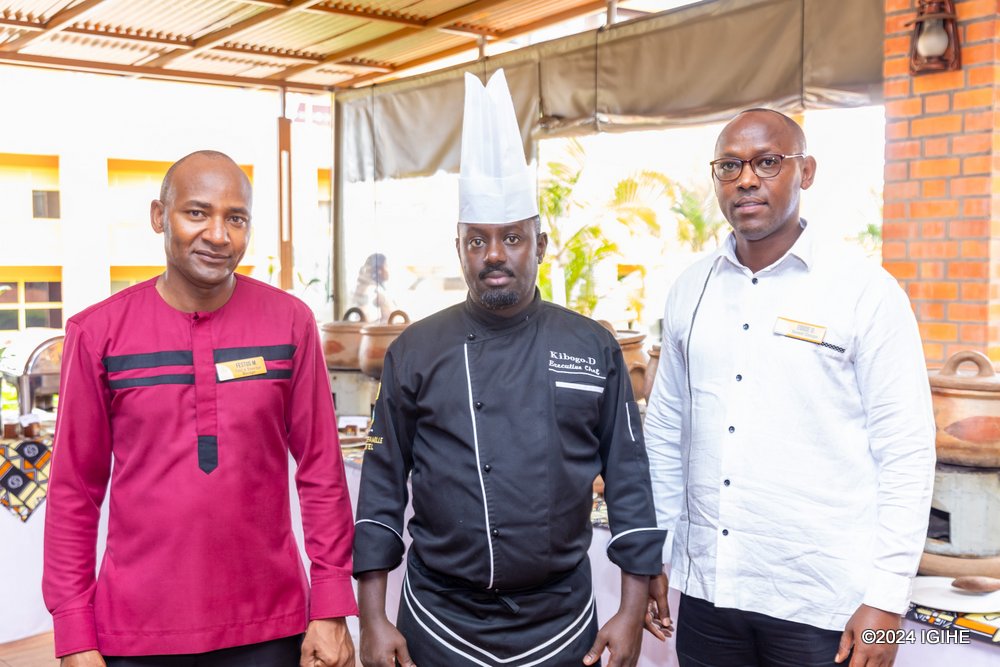
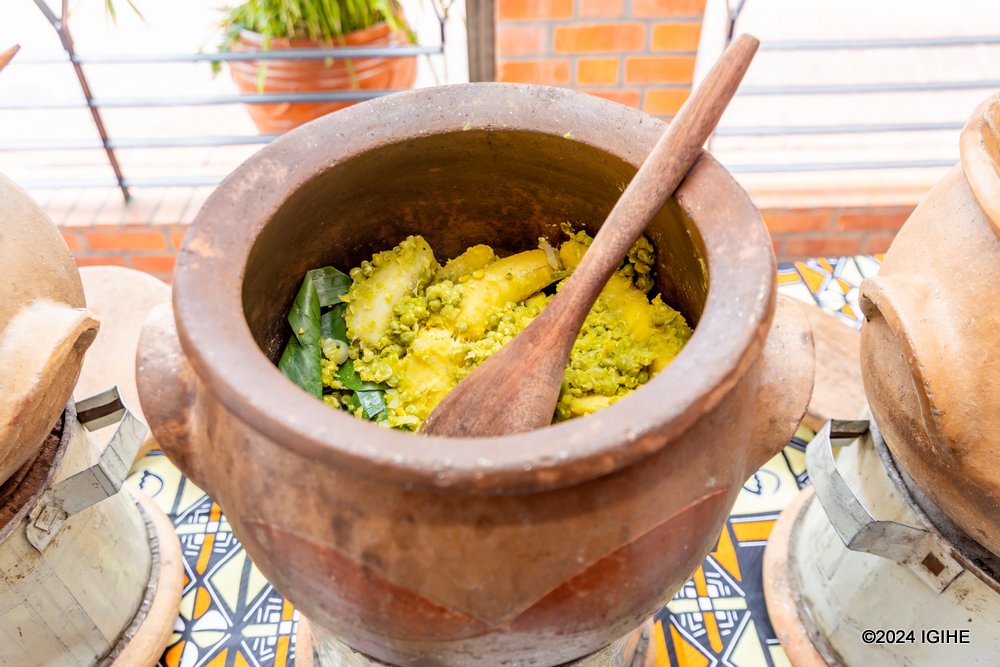
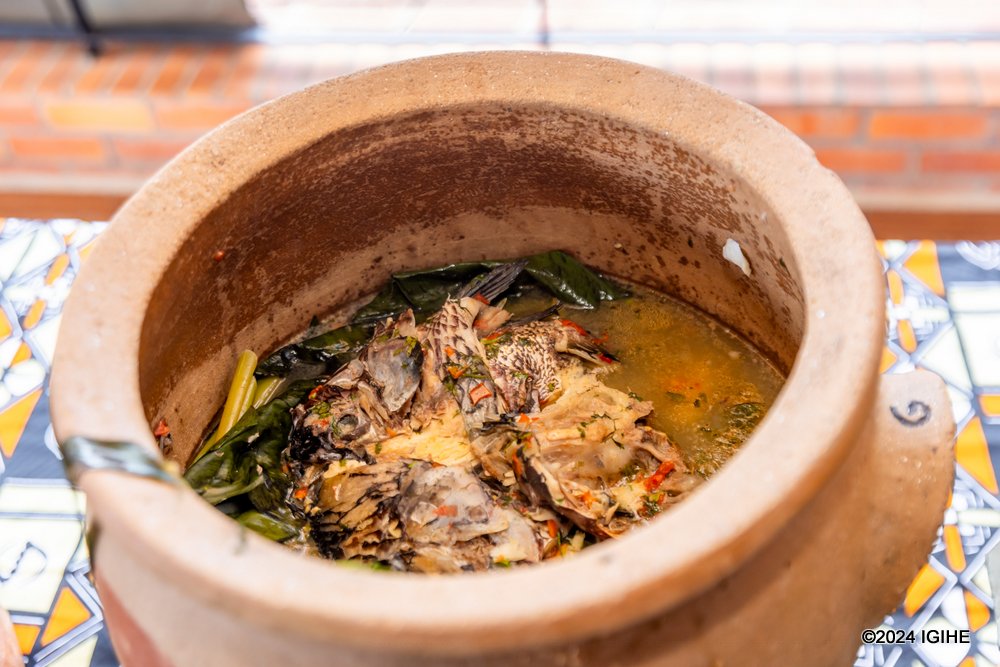
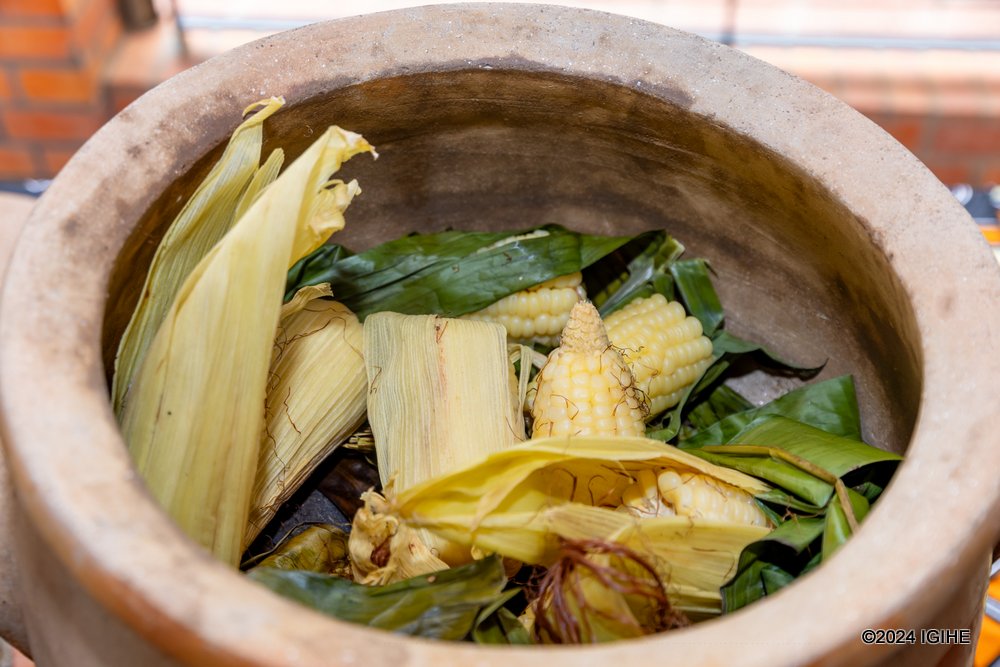
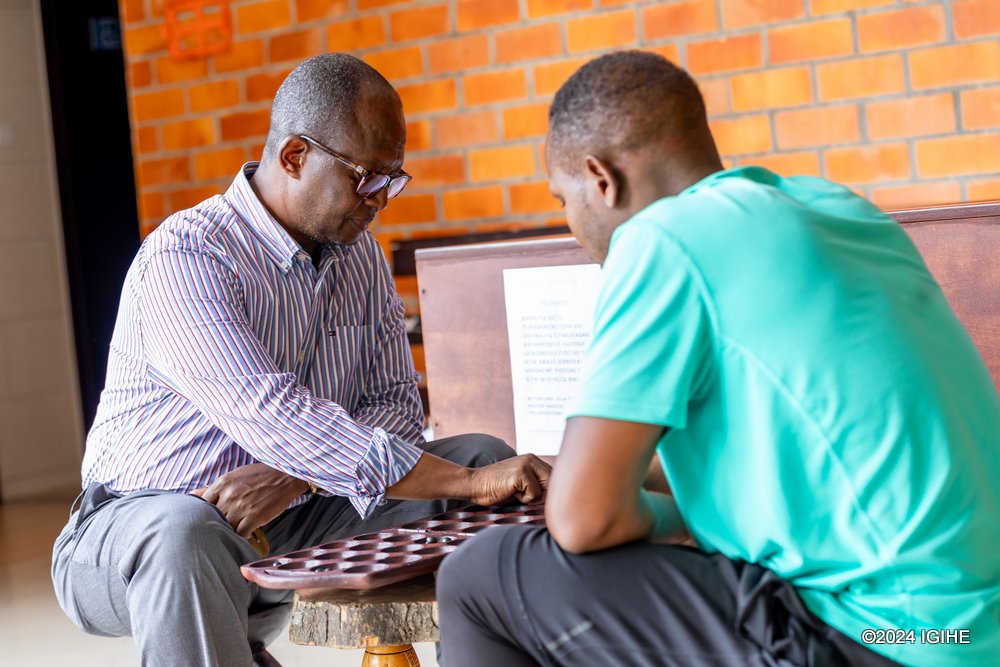
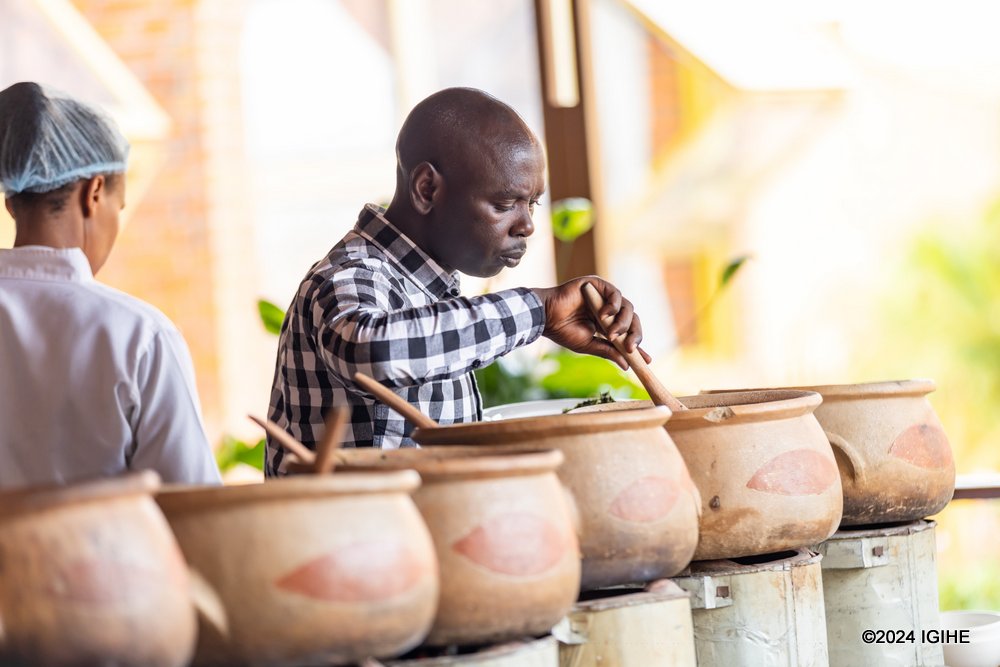
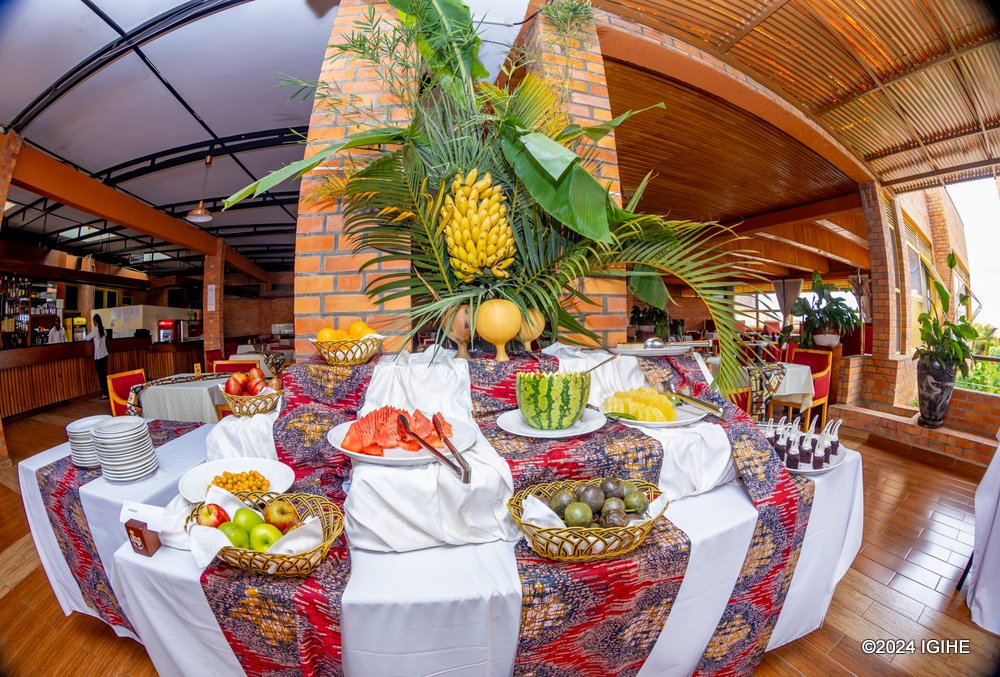
The hotel launched this menu in March of this year under the ‘Sunday African Cuisine’ initiative, which has become popular for its authentic preparation. Early patrons of this cuisine when the kitchen first opened commented on finding a great spot for meals prepared traditionally without excessive spices.
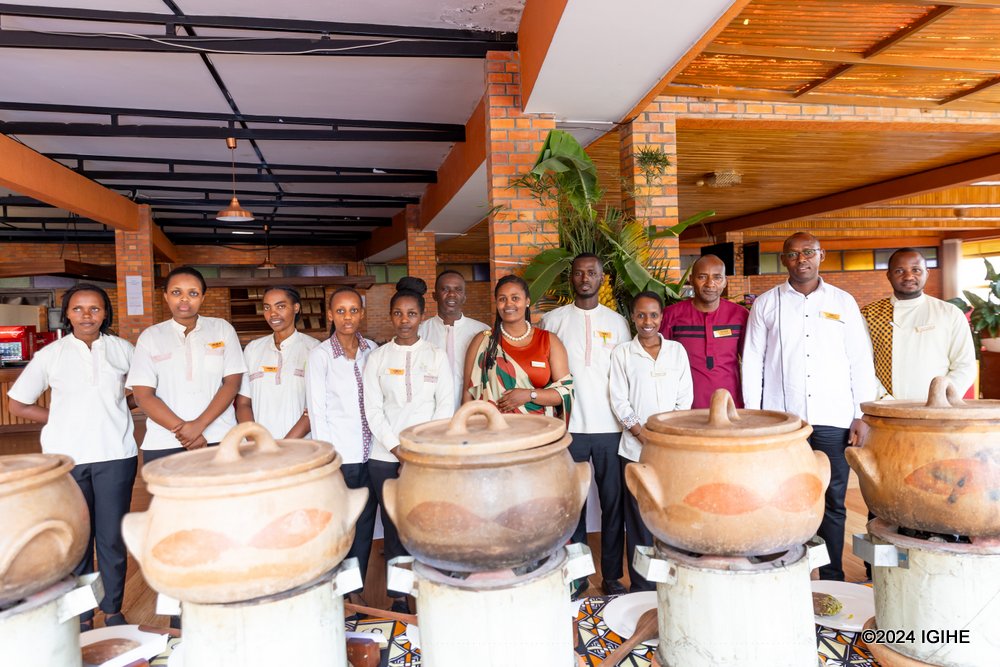
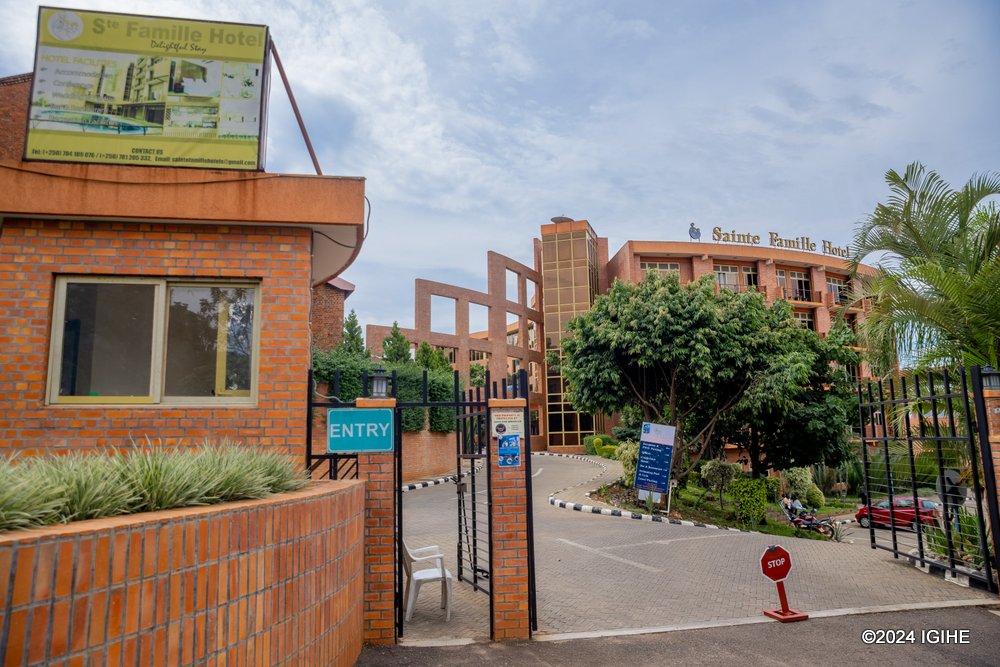
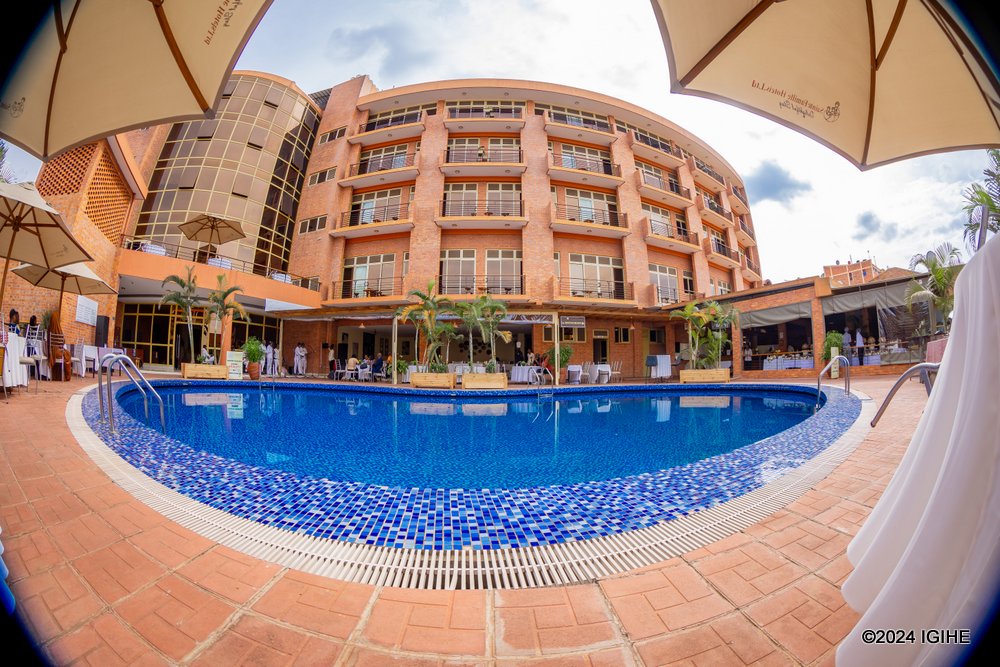
Following a break for the 30th commemoration of the Rwandan Genocide against the Tutsi, the management of Sainte Famille Hotel has announced that the kitchen is now open again, and they are ready to welcome numerous guests.
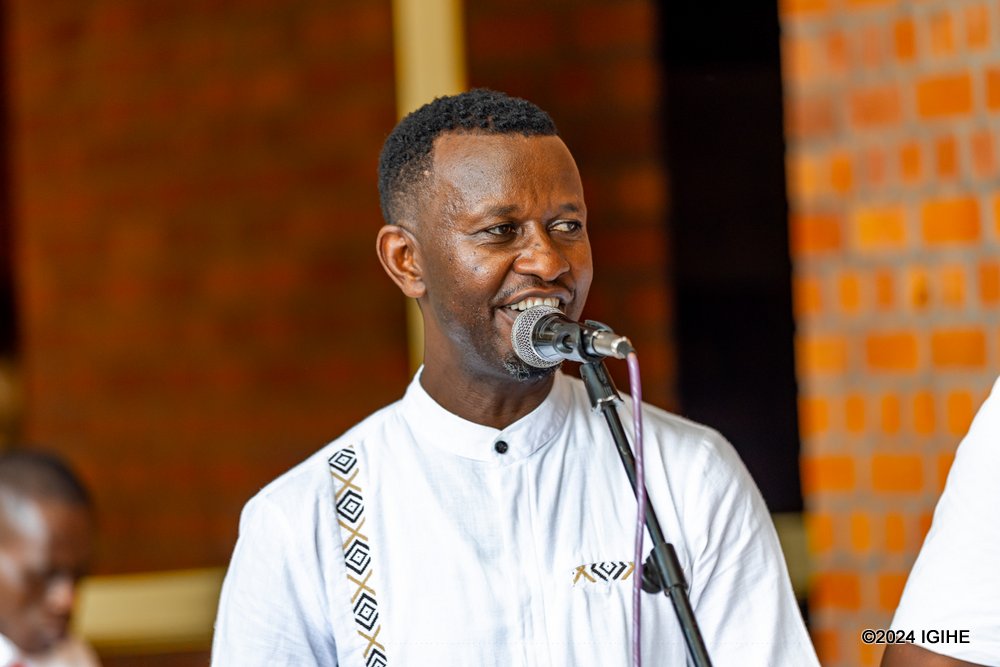
Bukumura Egide, the General Manager of Sainte Famille Hotel, stated that ‘Sunday African Cuisine’ has reopened and they have all Rwandan dishes available, along with the unique traditional beer that cannot be found elsewhere in Kigali.
He said, “‘Sunday African Cuisine’ is an assembly of African dishes primarily Rwandan that people have long requested because they needed them. These are oil-free meals that you can’t find in other hotels in Kigali; this is a novelty for our customers. We started before the commemoration period and had a great attendance. Now we have resumed, reminding our customers that we are back.”
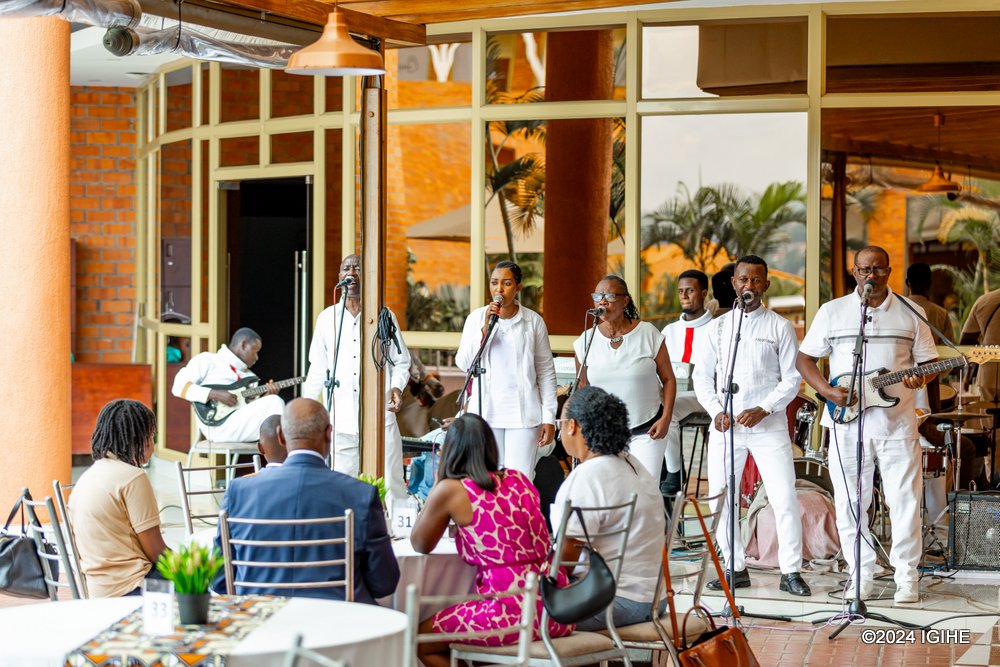
He continued, “These are traditional Rwandan dishes cooked in the old ways, allowing one to eat without hurry as there are no spices added. Another aspect is that these meals are accompanied by Rwandan music from Orchestre Impala, all prepared in the Rwandan style.”
Bukumura added that these meals are served with traditionally brewed beer.
He mentioned, “Here at Sainte Famille Hotel, we have quality beer, and now it’s been taken to another level in preparation because we also have a certification from the National Standards Bureau regarding cleanliness.”
The ‘Sunday African Cuisine’ kitchen is open every Sunday from noon to 10 PM, but the hotel management says that they might extend the hours depending on customer requests. The menu includes meals for adults and children at affordable prices.
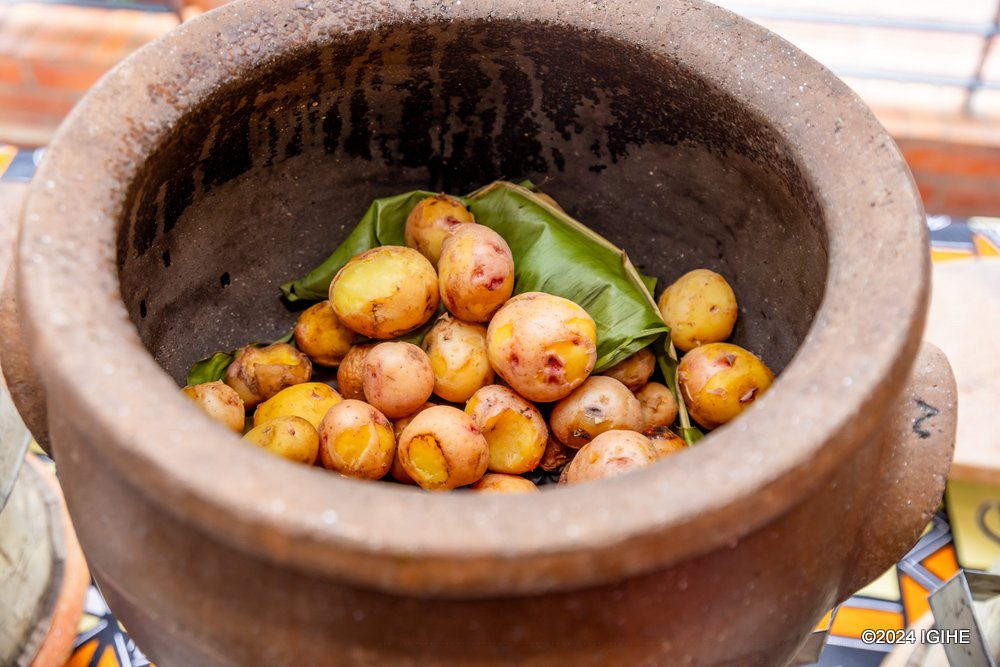
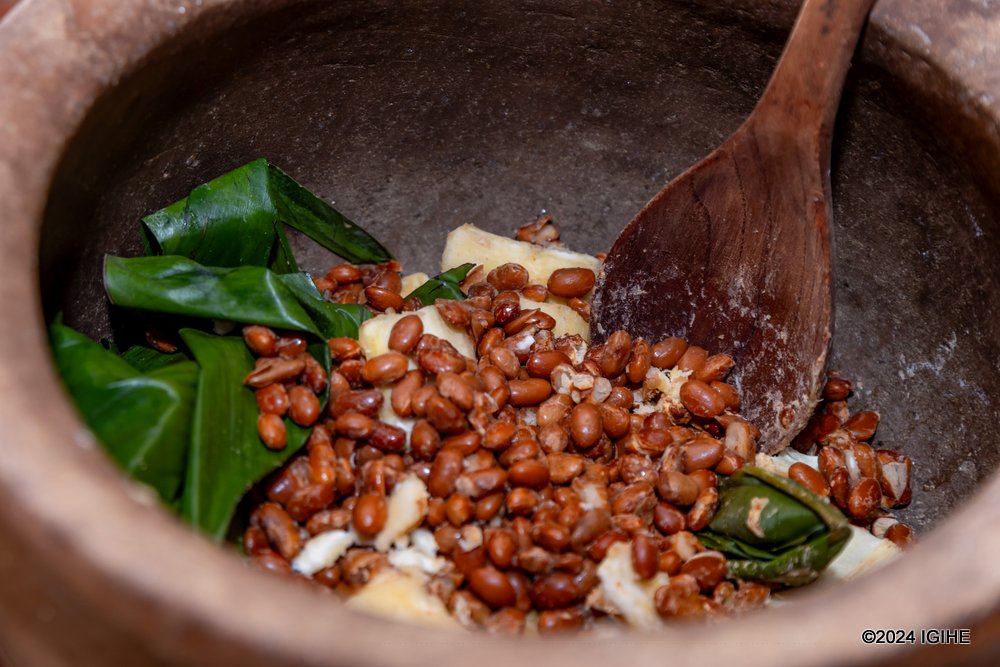
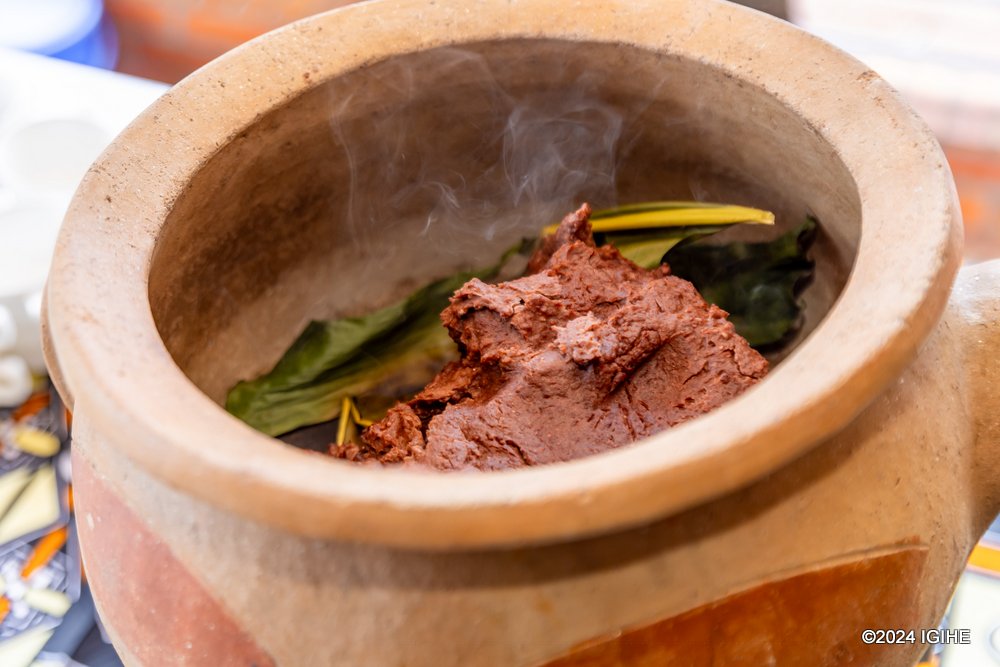
The offerings include cassava, pumpkins, beans, mushrooms, fried or boiled plantains, maize, taro, and various other traditional Rwandan dishes, not forgetting the uniquely brewed traditional beer.
The delegation, led by Brigadier General Gabriel Elias Kwiligwa, arrived in Rwanda on Tuesday and is scheduled to attend the 10th meeting between the Rwanda Defence Forces and TPDF Brigades deployed along the Rwanda-Tanzania borderline.
“The delegation was welcomed by Col Justus Majyambere, Commander 5Div, upon their arrival at Rusumo One Stop Border Post. They proceeded to visit the Kibare Market in the Ndego sector of Kayonza district, an active hub where Tanzanians from Karagwe district frequently engage in trade,” RDF stated in a statement.
The quarterly security meeting will be held in Nyagatare, Eastern Province, and will be preceded by visits to some border areas in Kirehe and Kayonza districts, as well as Akagera National Park.
During the meeting, the forces are expected to deliberate on key issues, including sharing intelligence and information about the border, cross-border crimes, and security issues affecting communities living at the border points.
A similar meeting between Rwanda and Uganda authorities was held in the Eastern Province on Monday, during which the two governments pledged to renew their pledges to enhance cross-border cooperation.
The delegations were led by Clementine Mukeka, the Permanent Secretary of the Ministry of Foreign Affairs and International Cooperation in Rwanda, and Ambassador Julius Kivuna, Head of the Regional Peace and Security Department at the Ministry of Foreign Affairs of Uganda.
“Excited to host the 2nd Rwanda-Uganda Cross Border Security Meeting in Nyagatare! Our shared commitment to peace and prosperity is evident in the high-level attendance from both nations. Let’s work together to build a secure environment and promote sustainable development across our borders,” PS Mukeka said.
Ambassador Kivuna said the meeting provided the delegations with an opportunity to reflect on the progress made by the two countries since the last security meeting held in Butale, Uganda, where they discussed key aspects such as immigration, trade and customs, health, security, and mapping and demarcation of the borders.
“I am proud to report that Uganda has made significant strides in implementing the agreements and frameworks that we discussed in our previous meeting,” Kivuna stated.
“Our commitment to collaboration and cooperation with our Rwandan counterparts has only strengthened, and I am confident that our partnership will flourish in the years to come,” he added.
The officials first met in Kabale, Uganda, in December last year for high-level security deliberations following the reopening of the Gatuna-Katuna border post in January 2022.
Born in Uganda in 1977, the 47-year-old Rwandan grew up in Uganda when the National Resistance Army (NRA) prepared to topple Milton Obote’s administration.
Speaking during a recent interview on Sanny Ntayombya’s podcast ‘Long Form’, Habineza disclosed that he spent most of his childhood hiding alongside his family due to the political instability in the country at the time.
“I was born when there was war in Uganda. There were NRM rebels fighting Obote government and my region was called the Royal Triangle where the war taking place there. We used to see soldiers coming and taking our cows and we used to run,” he said, adding, “It was a sad moment but finally the war ended.”
Besides the political instability, Habineza also revealed that he and other Rwandan children had to endure constant bullying from local kids in the foreign land.
“It was a very difficult time to be in Uganda. We used to be beaten by other Ugandan kids who used to call us Banyarwanda as if Banyarwanda was a crime. I had this name of Habineza which couldn’t be hidden. Sometimes I felt like I was going to hide my name because every time they would call me Kanyarwanda,” he revealed.
“We used to fetch water from some piped water which would come from some springs in the mountains. So they find you there putting a jerrican there they hit you in the head. I could cry I say what is Munyarwanda. I go back crying. I knew that Munyarwanda was a crime. At first, I thought it was an abuse then I let it was a crime and then I said why don’t I change my name? They could tune my name and turn it into abusive words.”
He changed his name four times. First, he called himself Mugisha but faced opposition from his father. He later called himself Frasco, then Francis, and finally settled on Frank.
“I think Frank was more modern because we had some Congolese musicians like Franco,” he remarked.
When normalcy resumed in Uganda after the coup that saw President Yoweri Museveni of the National Resistance Movement (NRM) assume power, he was able to resume school, but sadly, he was forced to deal with the pain of losing his mother at an early age.
“It was a difficult process, and my mother died in between when I was in Primary 4. So that was a very difficult episode. We were three kids, so my father had a responsibility of taking care of us: three kids, one boy, and two girls. It was very difficult,” he said.
The challenging times forced him to get involved in activities of the Rwandan Patriotic Front (RPF) which was then preparing to liberate Rwanda in 1990. He was still in primary school.
“We used to attend youth meetings. The meetings were not public; we used to have them in the bushes. They also used to teach us Kinyarwanda dance. It was good,” he revealed.
In 1994 after the RPF took control of Rwanda following the 100 days of the Genocide against the Tutsi he was among Rwandans who returned home. They settled in Kayonza District in the Eastern Province.
“I was here in early October of 1994. We came in a big truck. The trucks that carry coffee,” he said.
However, he could not stay for long as schools were yet to reopen and he had to go back to Uganda to resume his high school studies.
“In March 1995, I had to go back to Uganda. I had left when I was in Form Three, and by the time I was leaving, schools were yet to reopen in Rwanda. I realized I could not find a job because as a Senior Three graduate, you don’t have a diploma or any certificate. There was also pressure to enrol us in either the army or local defence force. I realized going to the army when you don’t have even an O-level certificate would be a waste of much time here because you wouldn’t be much useful,” Habineza noted.
Back in Uganda, he benefitted from the foster care of renowned Ugandan writer John Nagenda’s family, where he developed a passion for politics and media. He was also a member of the Scouts Club, Wild Life Club and Chairman of the Red Cross Club.
“I had a lot of exposure there seeing newspapers every time watching TV and reading newspapers.”
It was while at high school that he thought of forming a political party to oppose Museveni’s government. He was about 17 years old.
But as fate would have it, he opted to join the National University of Rwanda in Butare, now the University of Rwanda, for his undergraduate studies after high school in 1999.
“When I went to Butare, knowing the history of the genocide in Rwanda, I thought, ‘What can I contribute in Rwanda?’ I said I would put much effort into environmental protection. I also had a passion for media, inspired by my uncle who used to have a column in the New Vision.
“When I came, I got accepted in the New Times. But I wrote like three, four articles, and none of my articles was published. When I went to Butare, they made me a correspondent for the News Line. I wrote for Rwanda News Line, Umuseso, and later the Rwanda Herald, and stopped in 2003.”
It’s while at Butare that he revived his idea of forming a political party in 2002.
“My love for the environment and the media pushed me into having another image of Rwanda. Seeing of what I wished new Rwanda to be. Later on that is when I decided to start a political party,” he added.
The path to starting a new party was, however, not smooth, as he was forced to shelve the idea after advice from government officials who thought he was not ready to run a party in just the second year of university.
“The officials heard me and said, ‘But you are still a young man and you have not finished university. I think I was in the second year then. You don’t even have money. Political parties are not a small thing. It requires money, it requires commitment.’ They also told me, ‘Maybe you are not seeing what is happening in the country. You see, there are these parties like MDR; they are having divisions, they are breaking up. But maybe when you start a new party, some people may misunderstand you and confuse you, or maybe you can become a new home for those people and they may bring trouble to you.’
“So they said, ‘Maybe it’s not a good time to start a new party as a young person.’ I thought the advice they gave me was genuine. I went and told my colleagues that this is the advice I got from the people in Kigali. They think that this is a wrong time for us. It’s too risky,” he revealed.
In 2005 he graduated from the university and was immediately appointed as a personal assistant to the minister of environment, forestry, water and mines.
When the minister was dropped from the Cabinet in 2006, he joined the National Coordinator for the Nile Basin Discourse Forum in Rwanda (NBDF), a civil society platform that had over 50 NGOs involved in the conservation of river Nile.
In 2007, he officially quit RPF and opted to form the Democratic Green Movement of Rwanda Party to oppose the government of the day. After six unsuccessful attempts, his party was finally registered in 2010.
He cited the decision to break ranks with President Paul Kagame’s RPF due to ideological differences, although he remained tight-lipped on details about his presidential manifesto and what he would do differently if elected president. He noted that it would be revealed at a later date, once sanctioned by the party delegates.
With two seats in parliament and one in the Senate, the MP insists that he is determined to run a non-violent opposition in the country.
He dismissed other opposition leaders, including former coalition member Victoire Ingabire Umuhoza, for lacking the best interest of the country and promoting violent opposition ideologies.
“These people, when you say you want nonviolence, they don’t believe in nonviolence, most of them. They would want you to fight. There is a connotation from East Africa where people see opposition fighting here and there, causing trouble, breaking windows, destabilizing everything. So when we say no, we don’t want to do that. Although I was born in Uganda, I don’t want to copy and paste what I see happening in Uganda to here. We have seen a lot of violence in Rwanda, we have the Genocide against the Tutsi. I was not even born here because of those problems from before,” he stated.
“We want something different to do opposition politics, but not like the ones in Uganda or Kenya. But another one where the people of Rwanda will feel safe with you. I have been in a situation where people felt unsafe with me. They said, ‘When you join Franc’s party, you will have trouble and will be put in prison.’ This is what I feel is a better thing than now. People are comfortable being in the Democratic Green Party of Rwanda. People can see a future in the party, people can contribute to the state of the party. We have different ideas and we show them, and we are not killed because we have opposed the government.”
Accusations were made against two colonels from Ukraine’s government protection unit for engaging in “subversive activities against Ukraine for monetary gain,” stated by the office of Ukraine’s Prosecutor General on Tuesday.
Both officials were indicted for treason; additionally, one was implicated in planning a terrorist act.
According to the prosecutor’s office, one suspect was found possessing two drones and ammunition supplied by Russia’s FSB, intended for delivery to another collaborator to execute a bombing.
The SBU disclosed that it had disrupted the “actively evolving plans” to assassinate Zelensky and other high-ranking Ukrainian officials, including SBU head Vasyl Maliuk and Kyrylo Budanov, the leader of Defence Intelligence of Ukraine.
The SBU noted that one objective of the FSB’s agent network was to identify military personnel close to the President’s security team who could abduct and subsequently assassinate him.
Reports suggest Zelensky has been the target of multiple assassination attempts since Russia’s comprehensive invasion of Ukraine began in February 2022.
In August 2023, a woman from Mykolaiv in southern Ukraine was detained for her involvement in a plot to kill Zelensky. She allegedly collected information on Zelensky’s scheduled visit to Mykolaiv to coordinate a Russian airstrike aimed at his assassination. The SBU captured her attempting to relay intelligence to the enemy.
In April, a Polish individual was accused of aiding another purported Russian plot to assassinate Zelensky. He faced charges of preparing to act on behalf of foreign intelligence against the Republic of Poland, a crime punishable by up to eight years in prison.
The man purportedly agreed to inform Russian operatives about security measures at Rzeszów-Jasionka airport in southeastern Poland, frequently used by Zelensky for international departures. The conspiracy was exposed by Ukrainian authorities, leading to his arrest.