President Goita was supposed to step down after 18 months following a coup, but this was extended to two years. Subsequently, he faced significant pressure to leave office after his self-declared term ended.
However, this could change as the government has expressed a desire to postpone elections until 2027, due to the country still grappling with difficult times characterized by poor security, economic downturns, and other issues.
After three months of general discussions, the government now wishes to extend President Goita’s term by another three years, with him potentially leaving office in 2027.
Yet, this is also not straightforward as pressure continues to mount on Goita, who is accused of violating human rights and imprisoning political opponents, charges he seldom addresses.
On the other hand, the Mali government has expressed a desire to negotiate with the groups opposing it and, if necessary, integrate some of their fighters into the national army to end a conflict that has been devastating parts of the country’s north for over a decade.
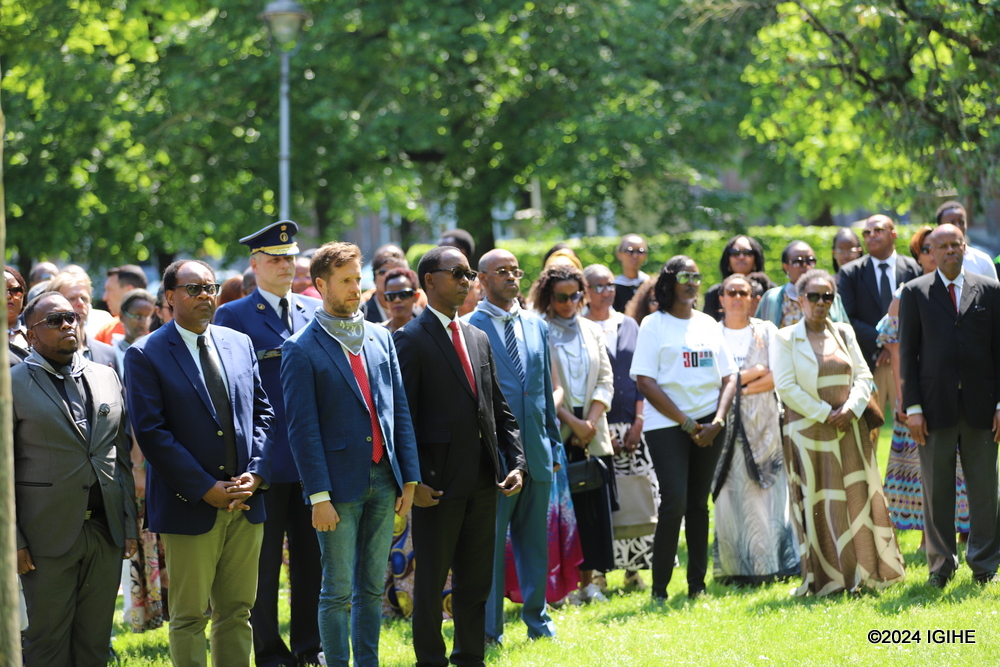
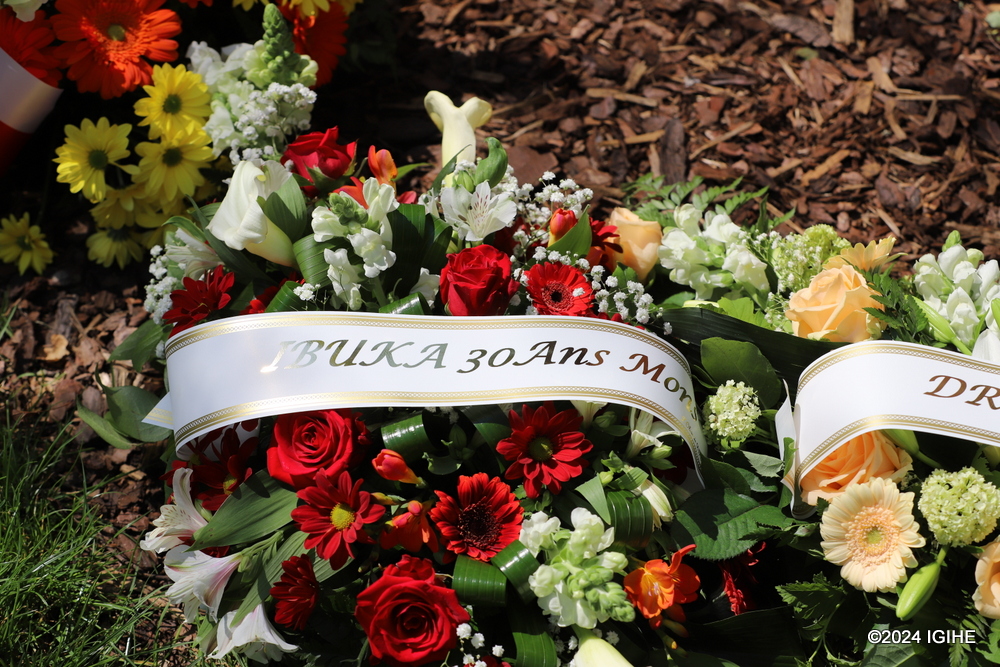
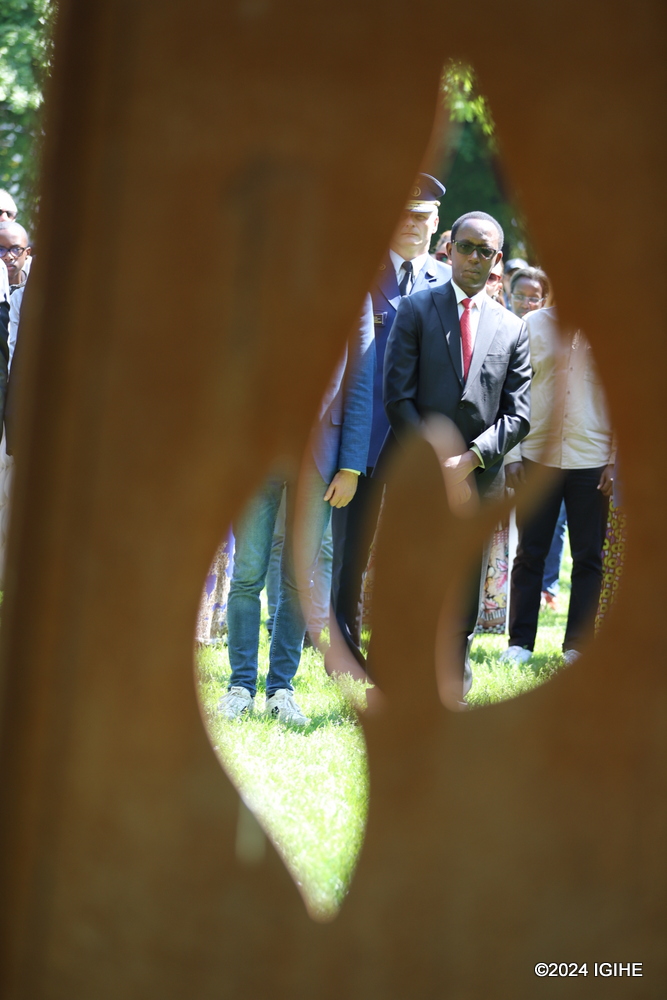
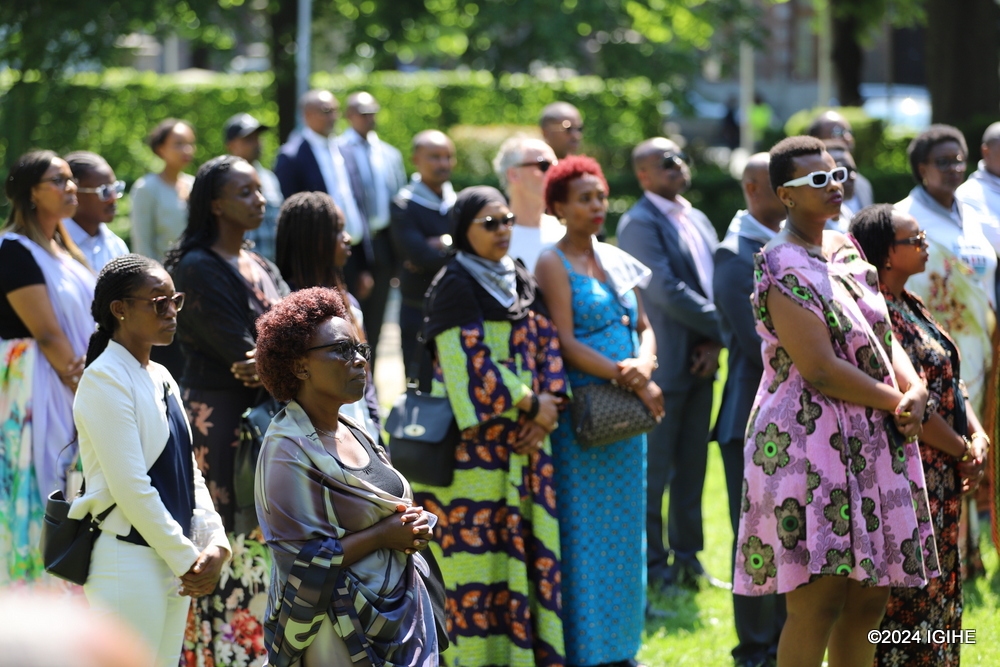
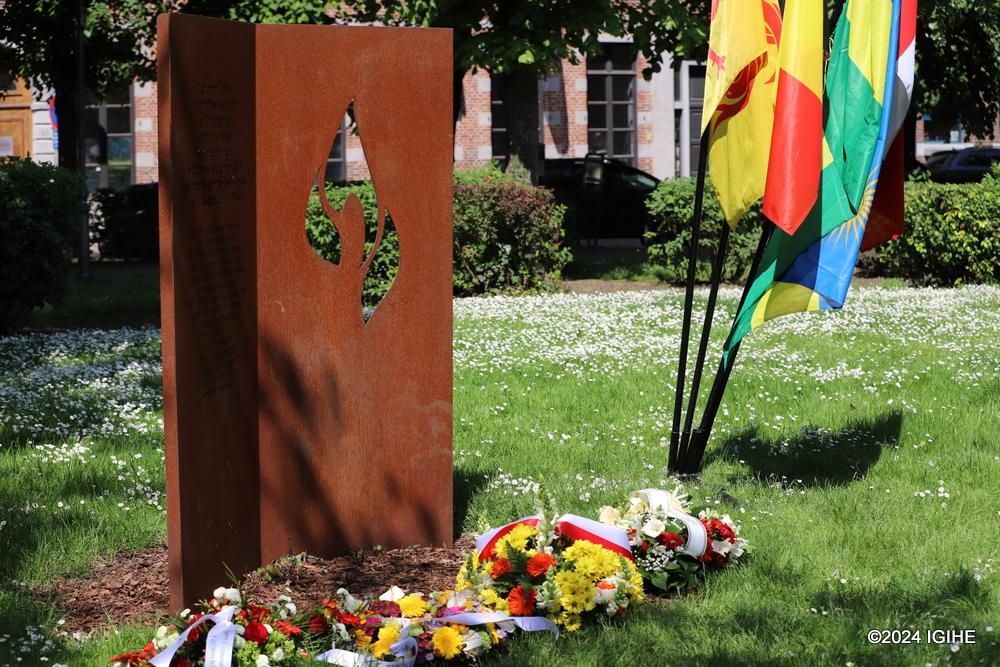
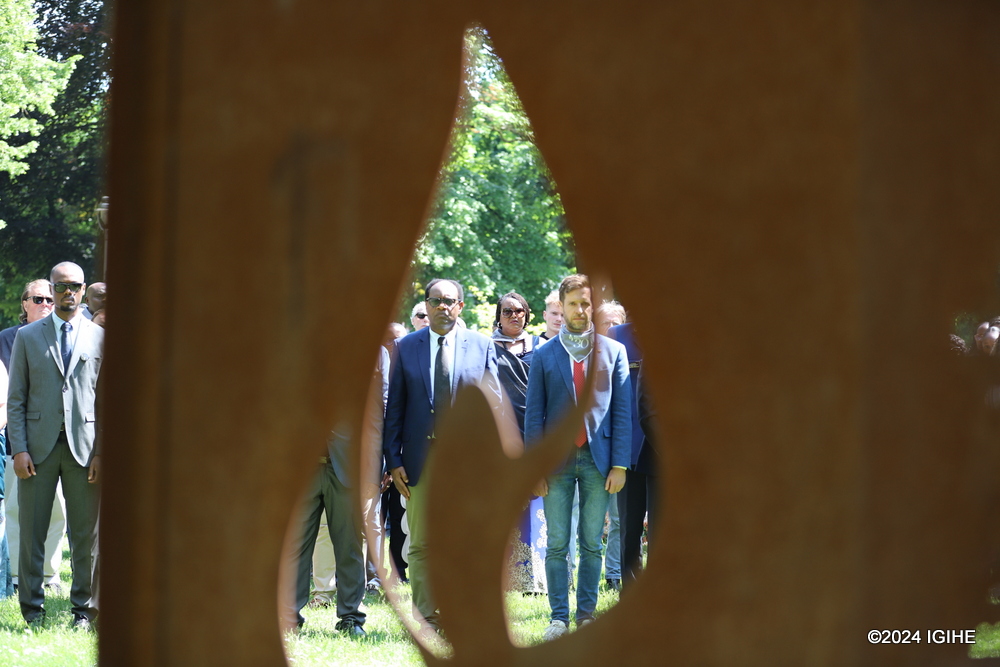
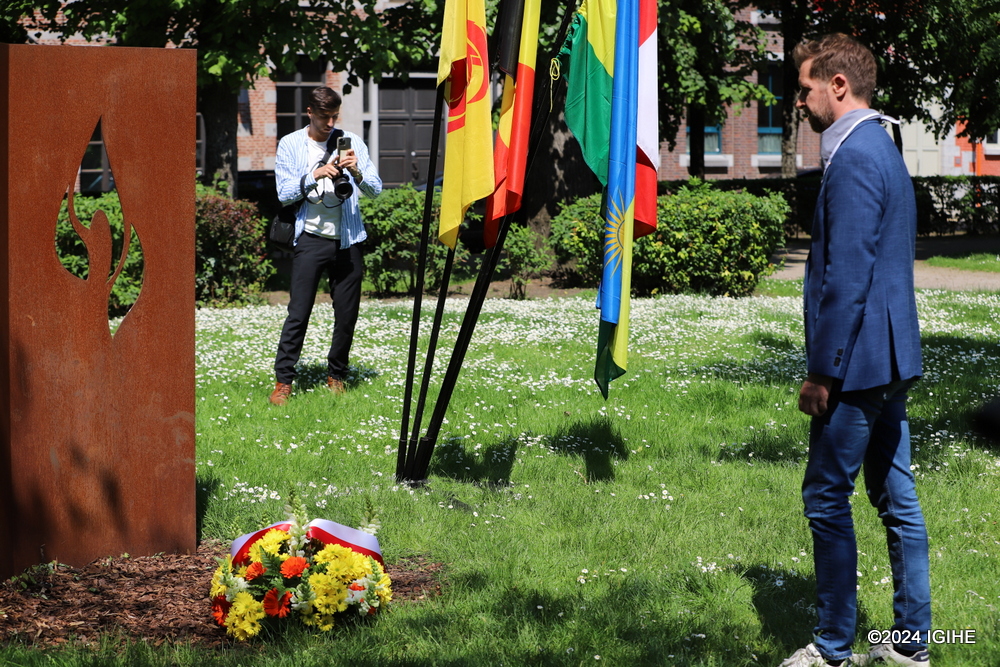
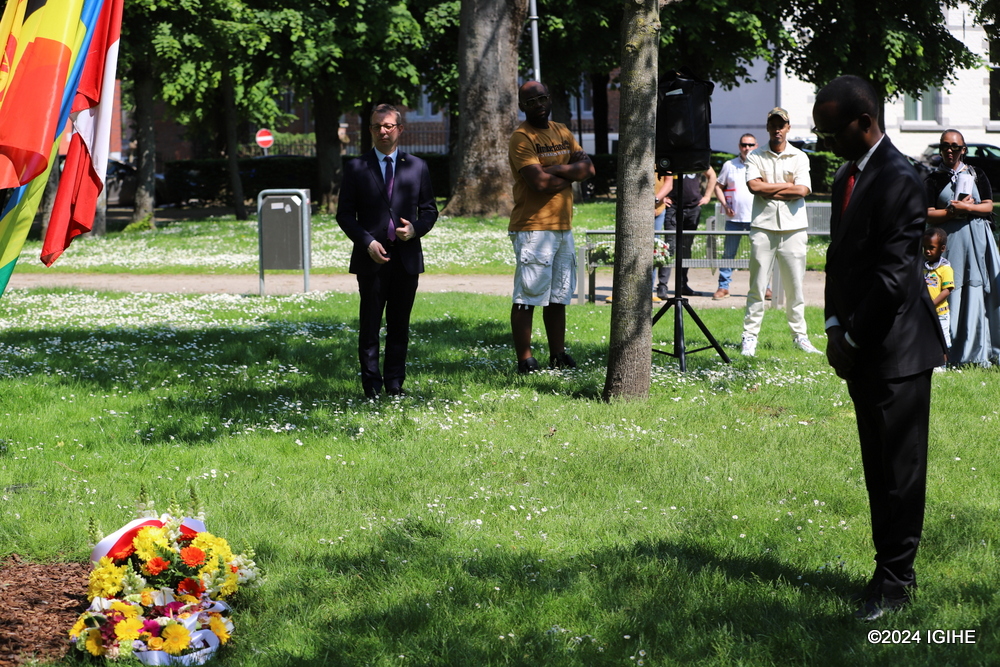
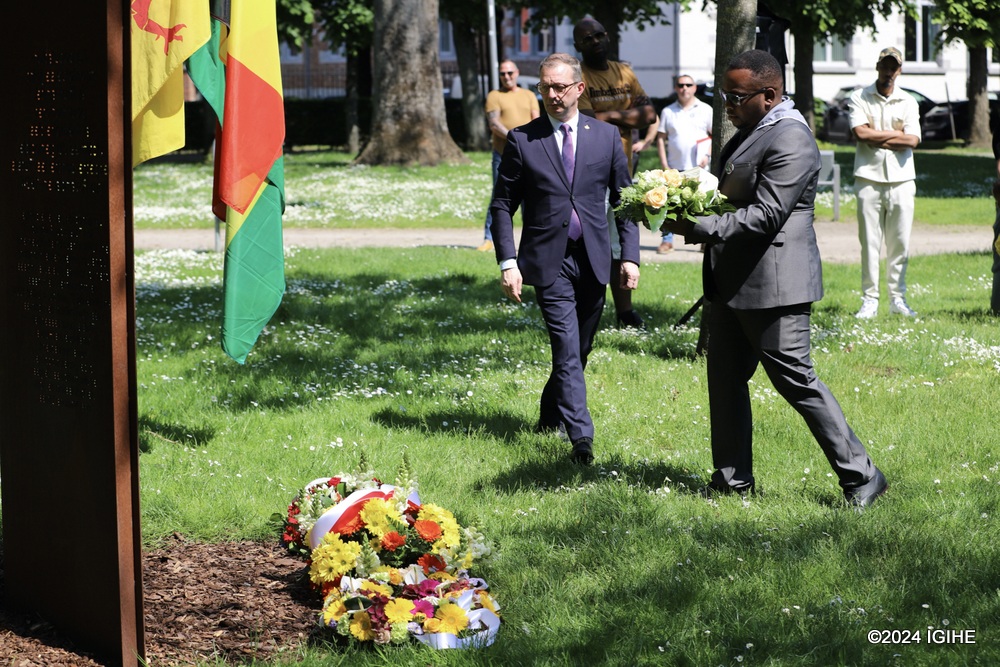
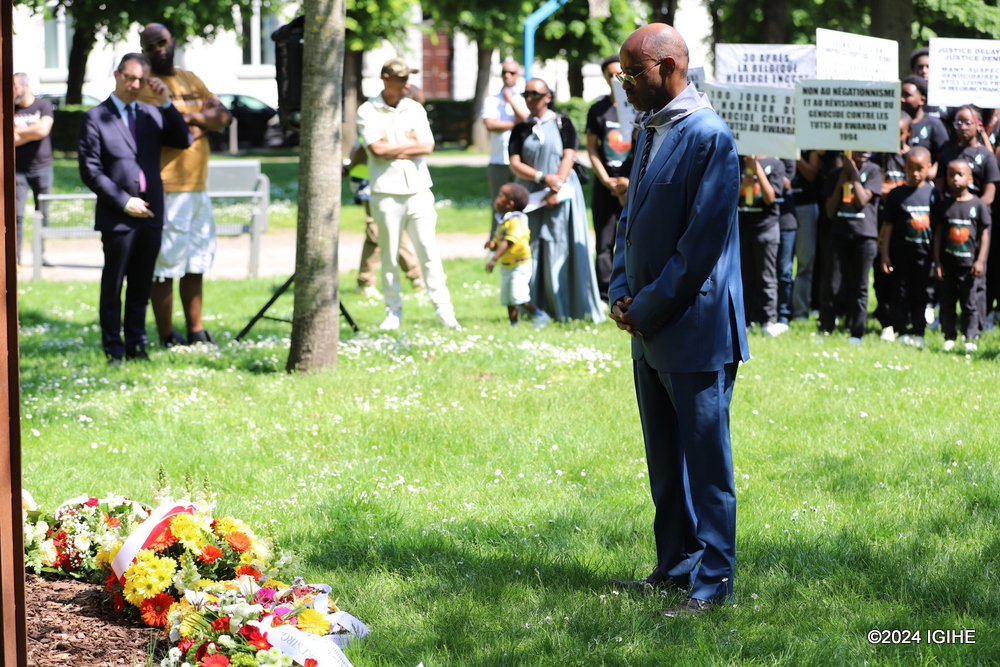
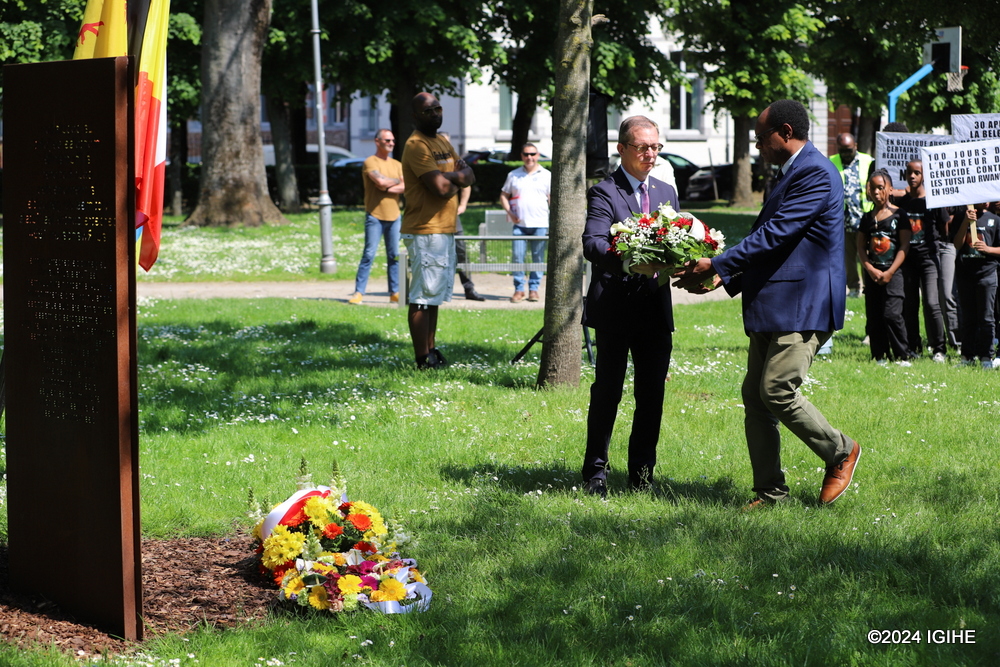
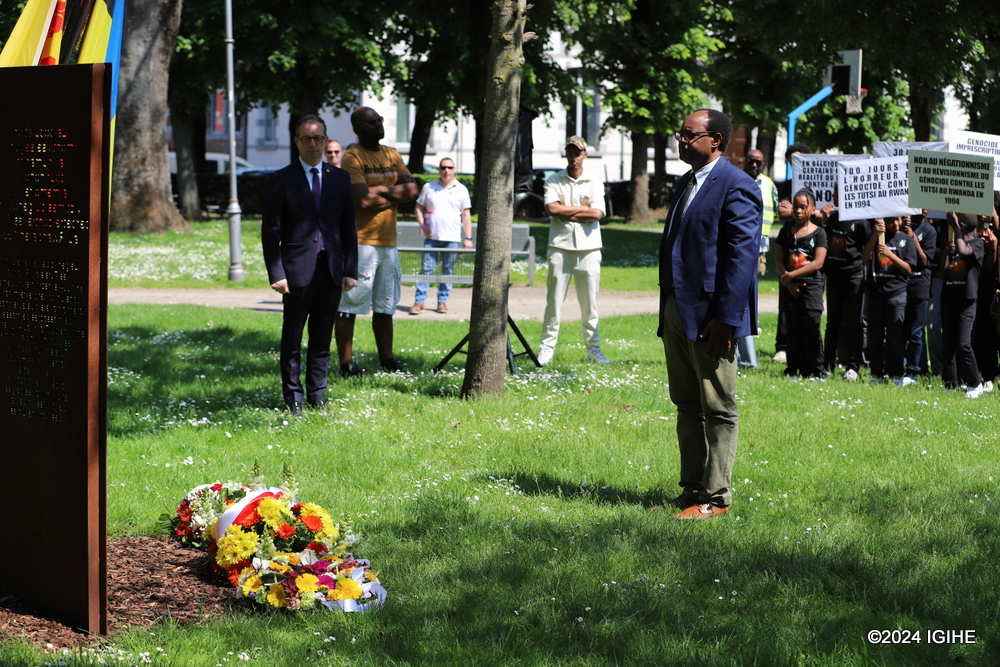
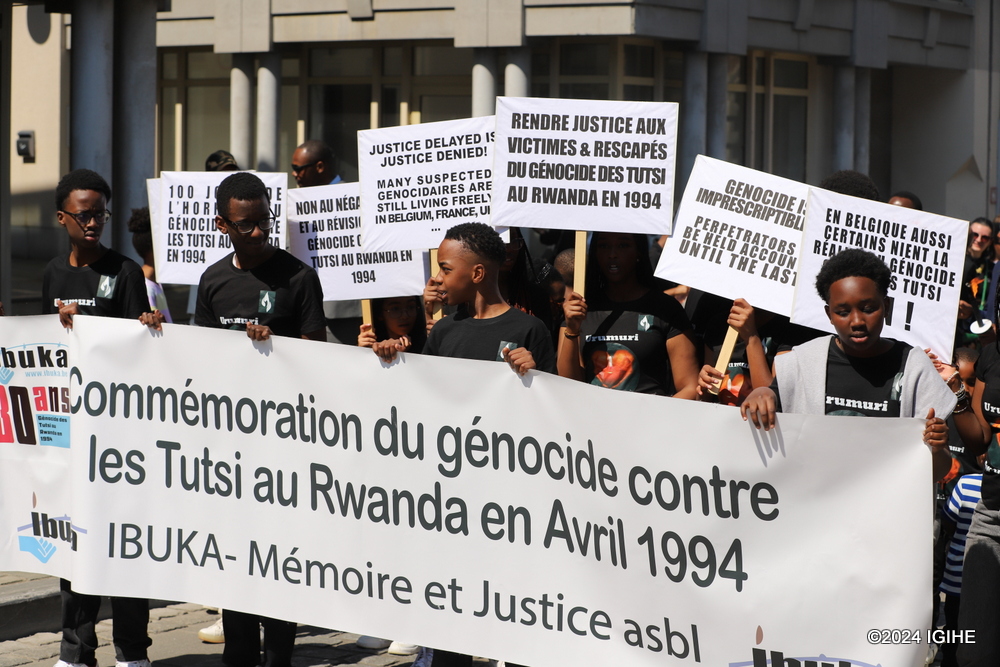
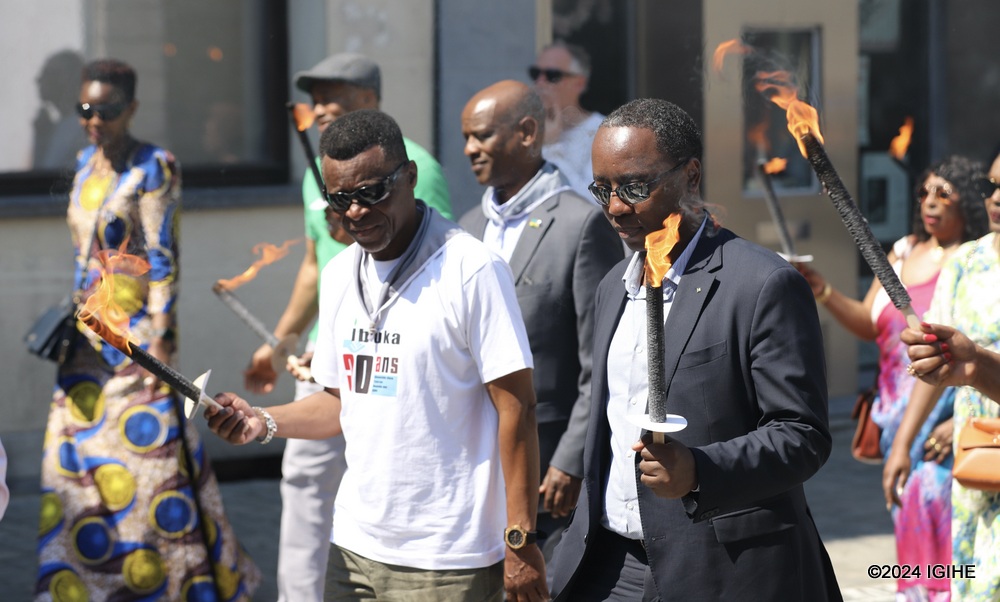
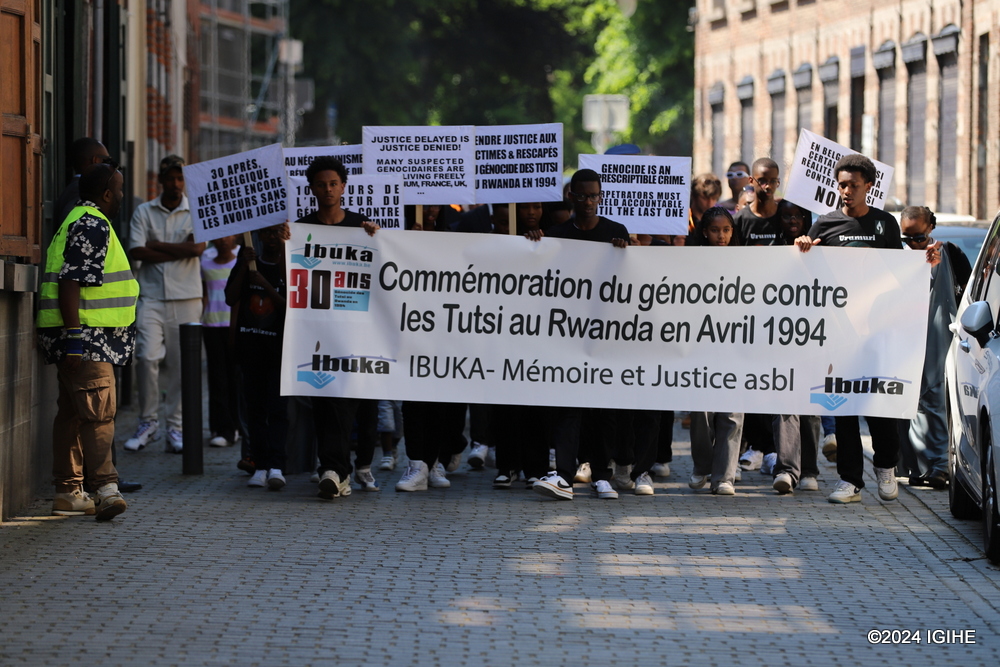
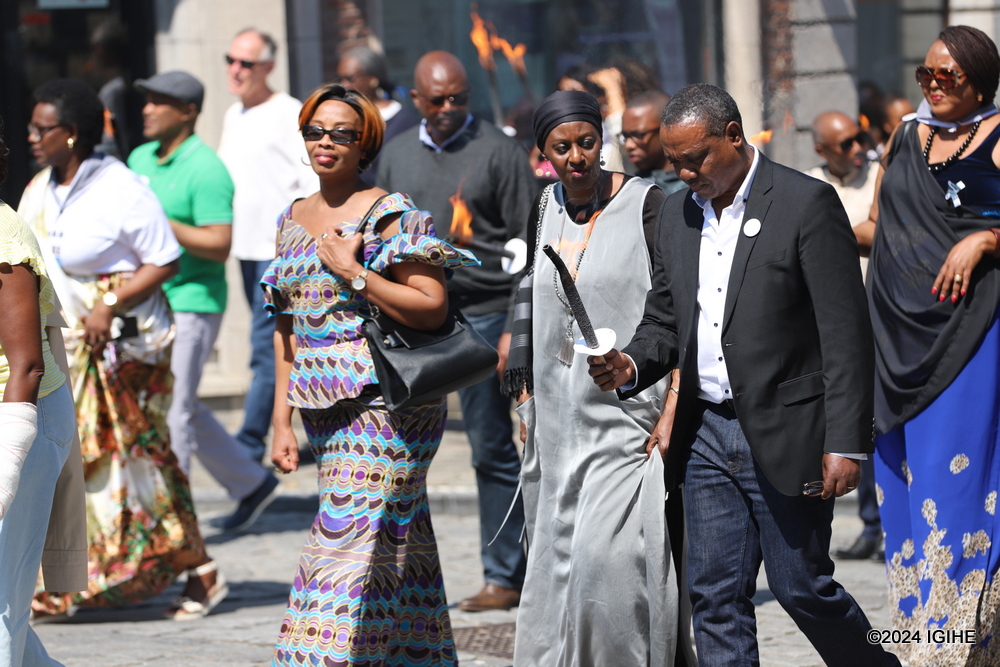
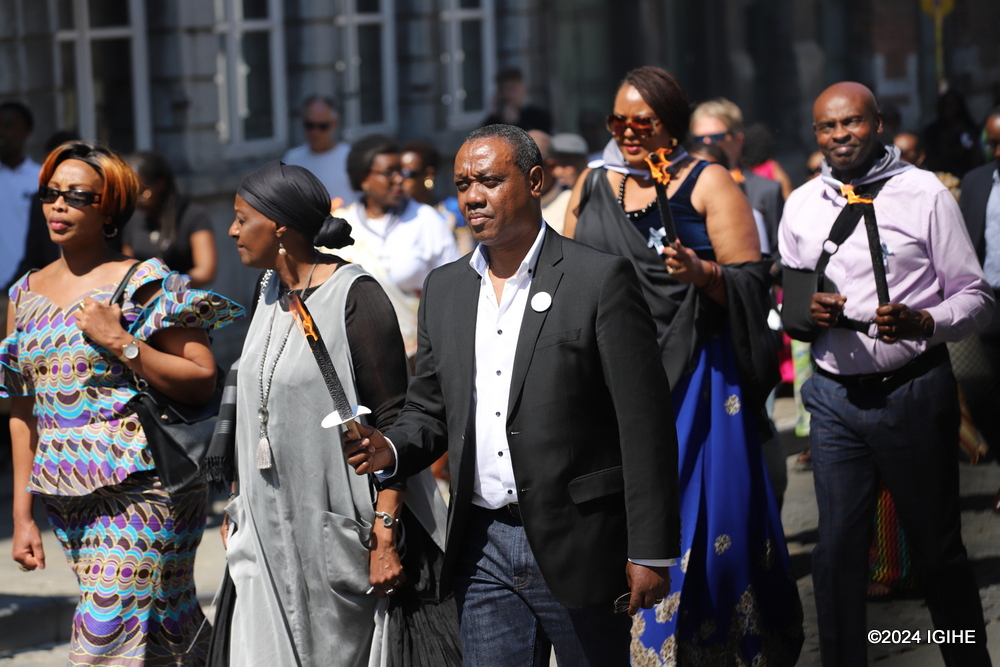
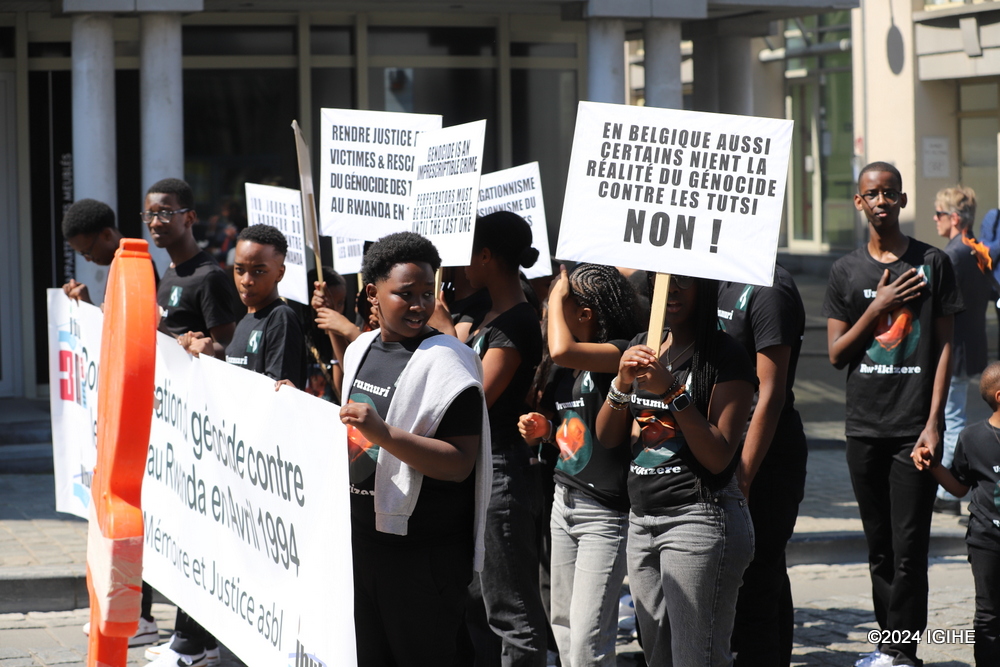
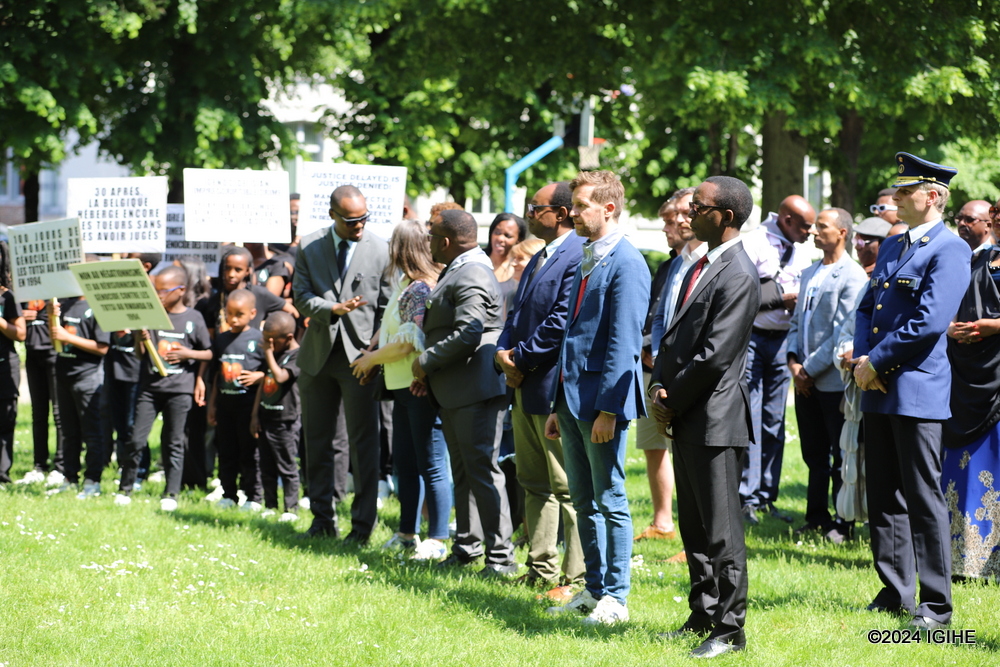
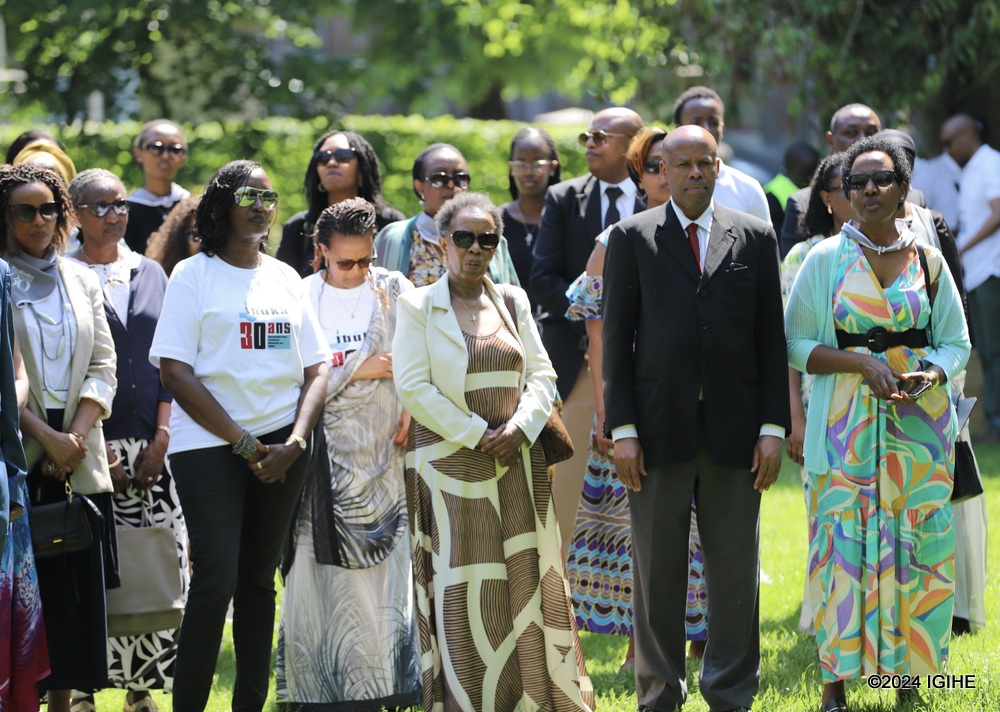
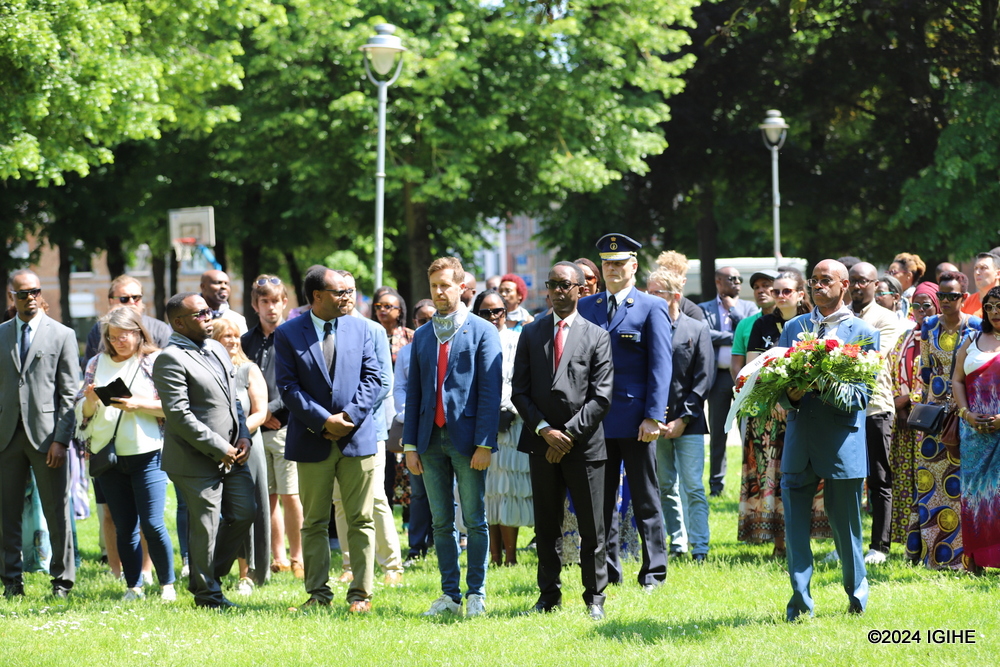
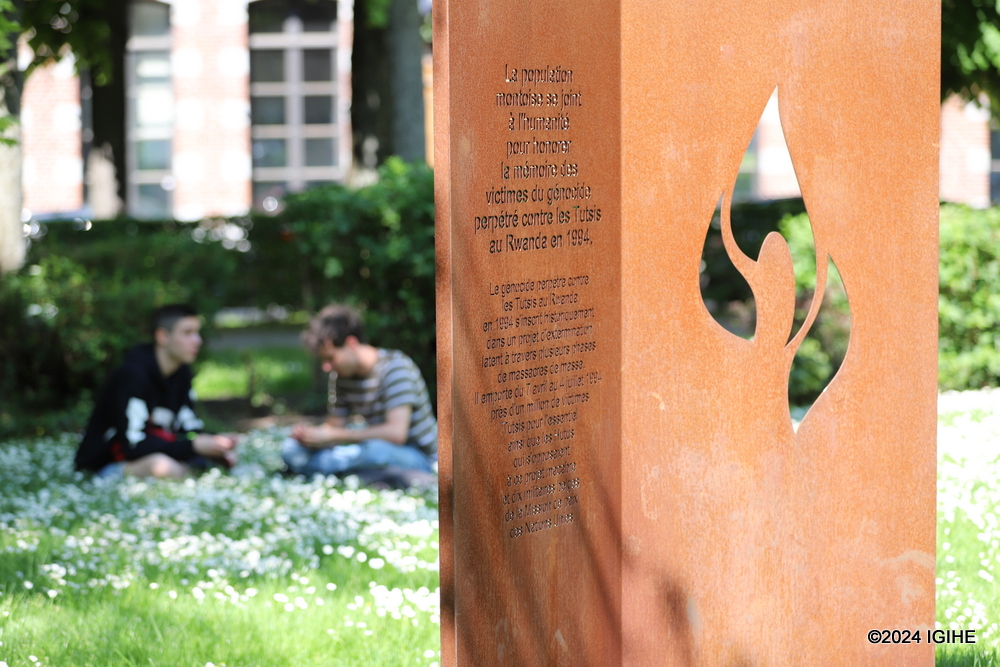
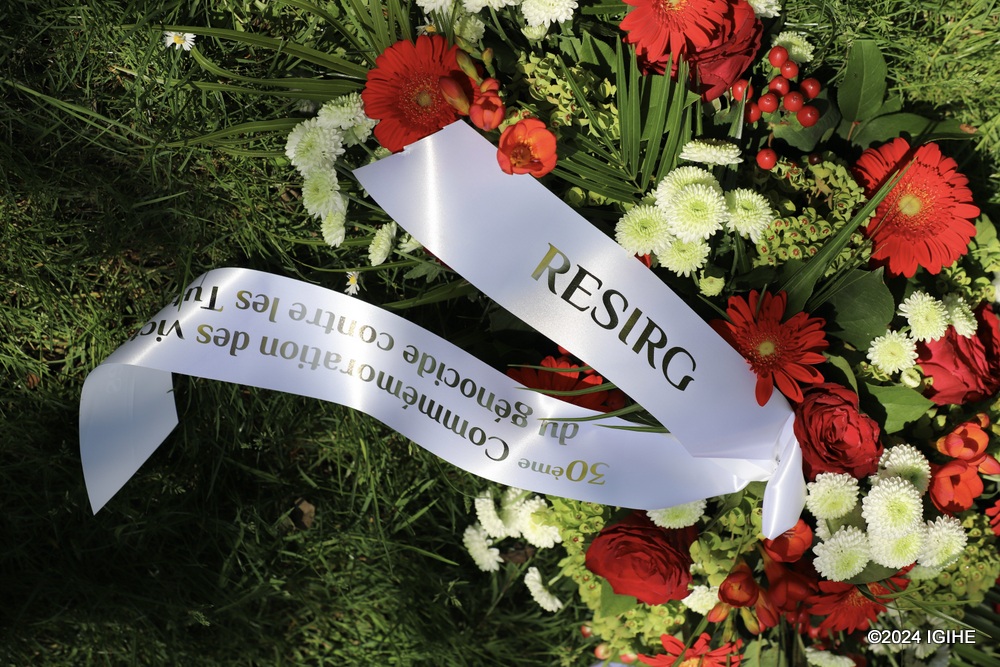
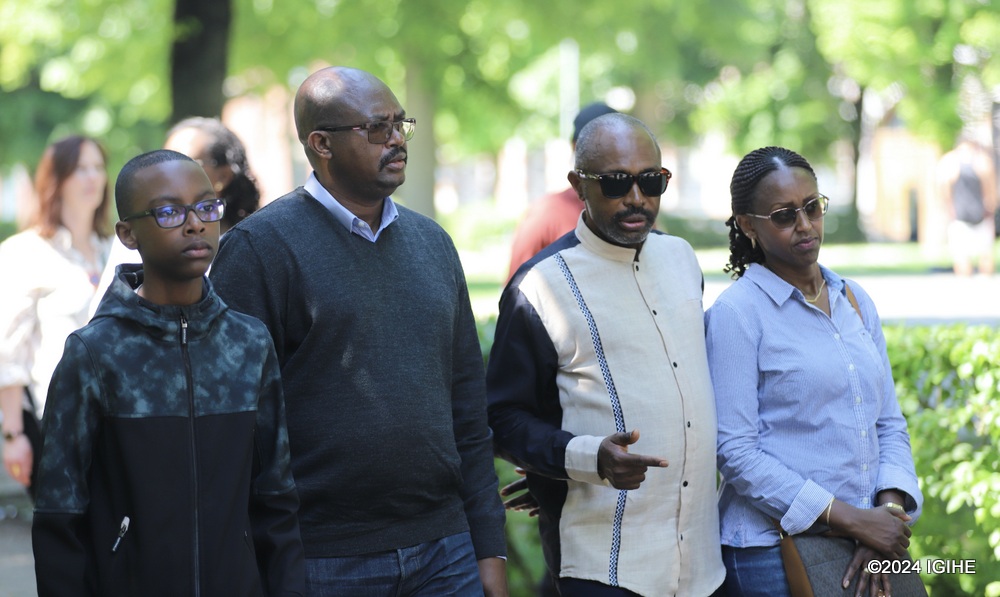
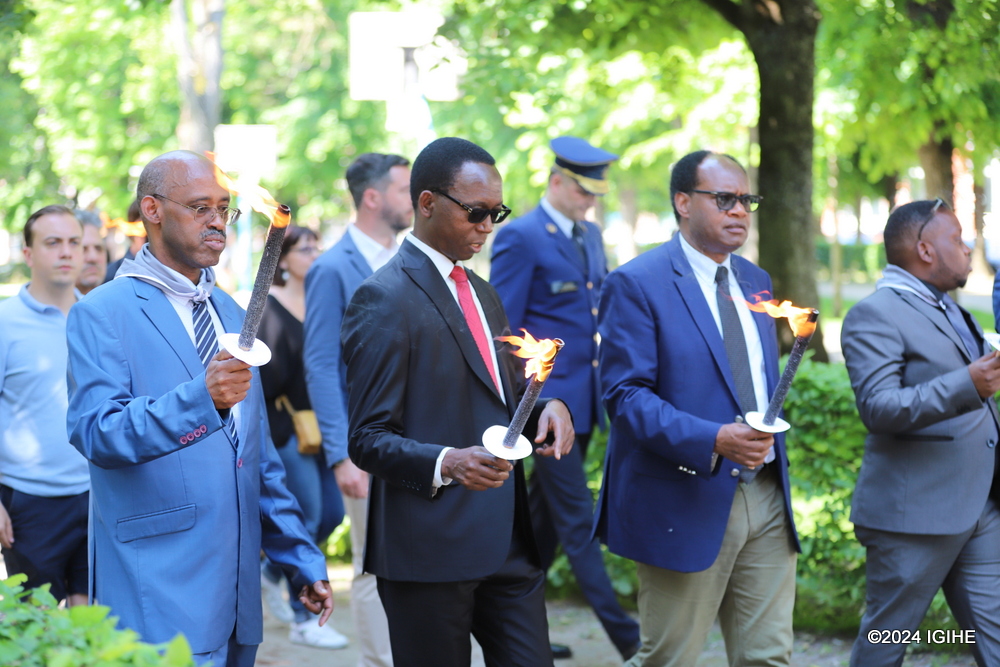
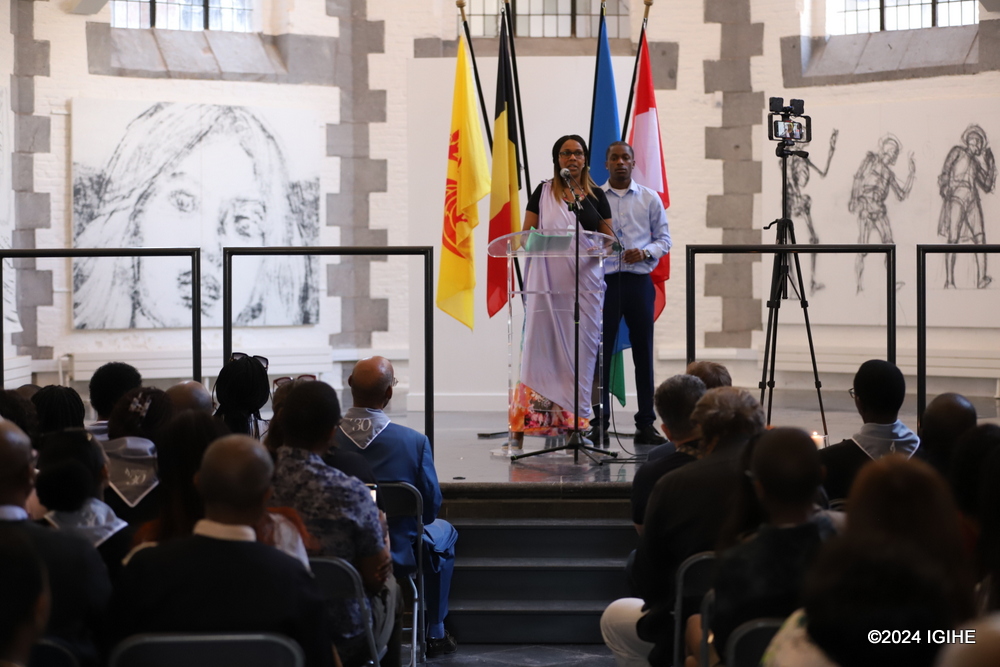
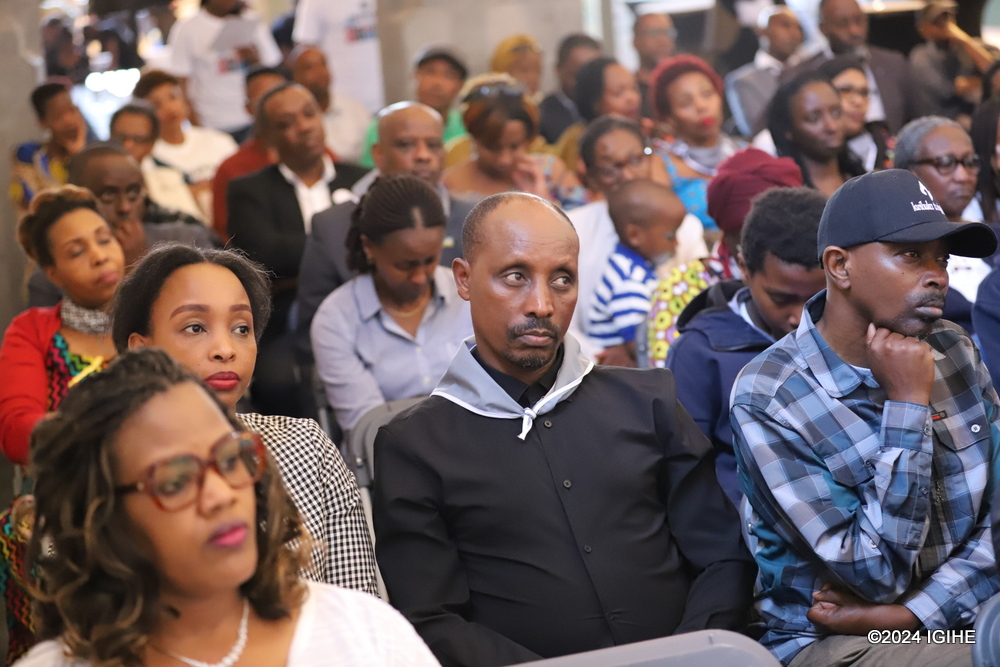
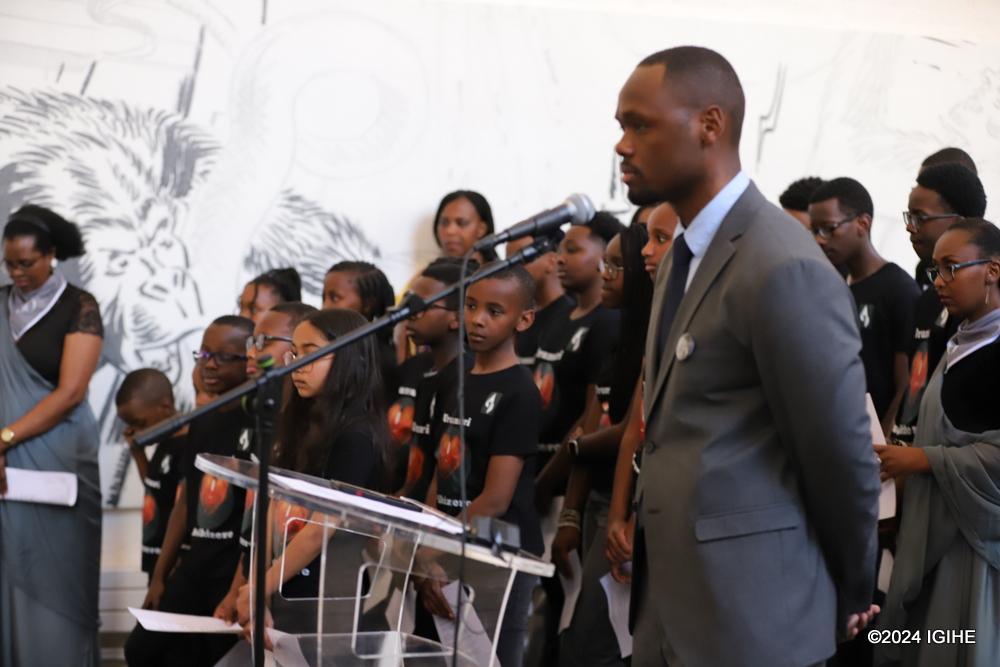
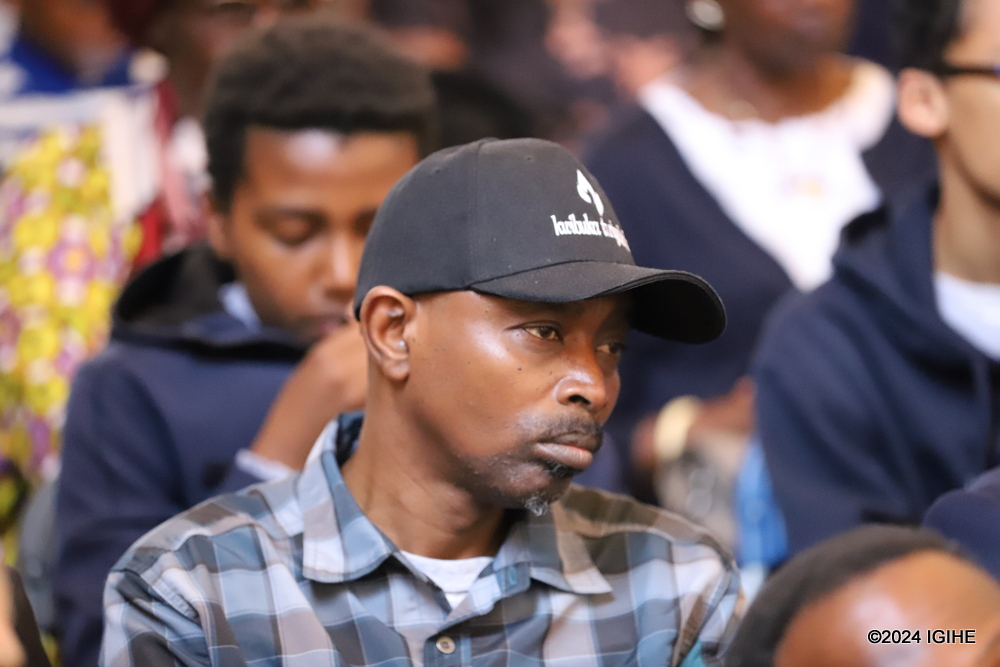
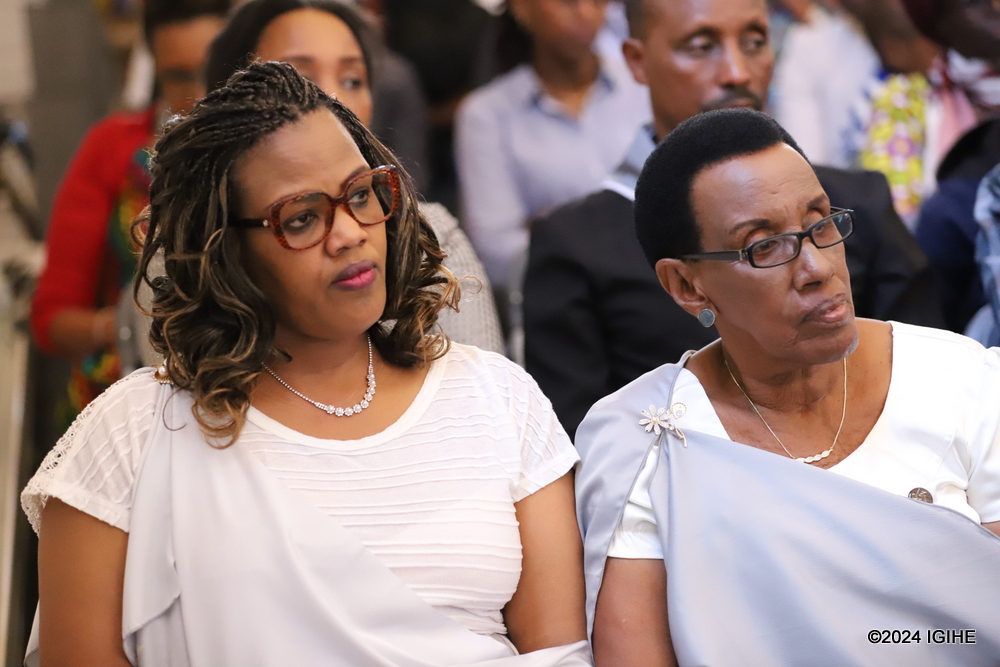
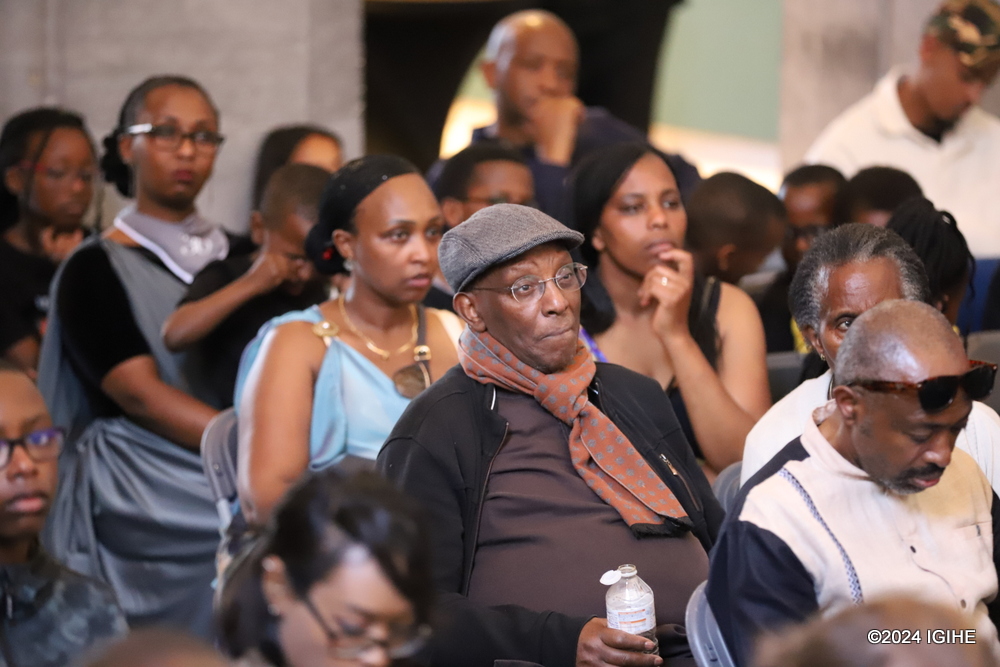
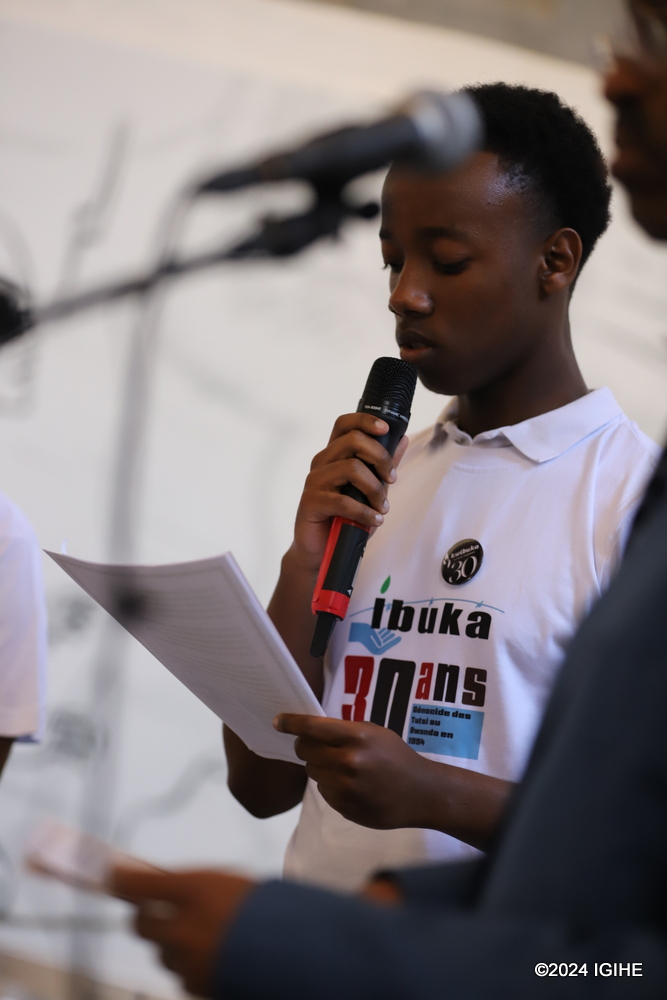
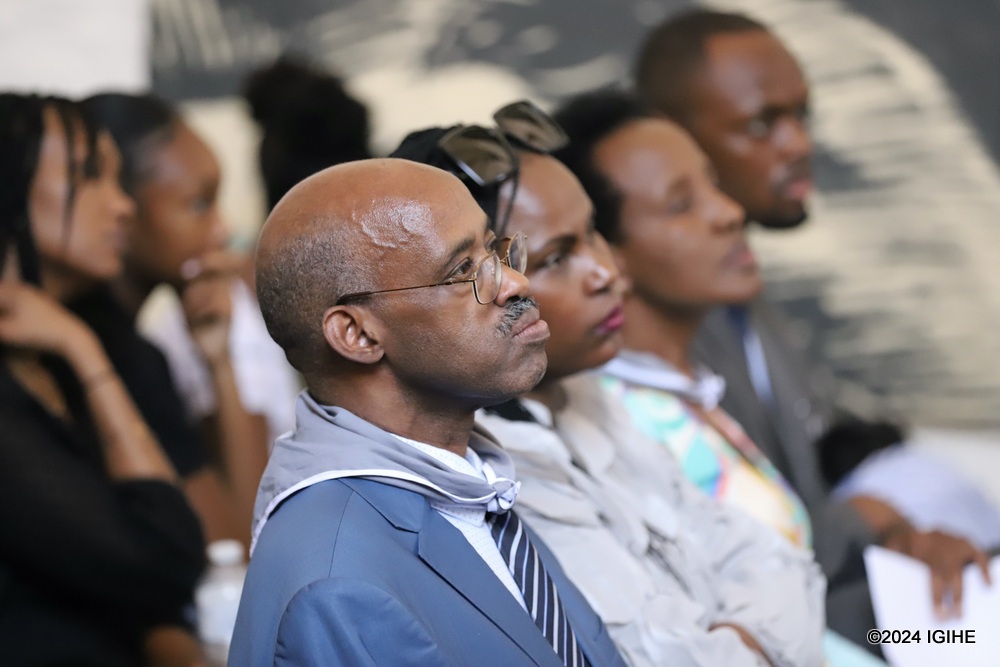
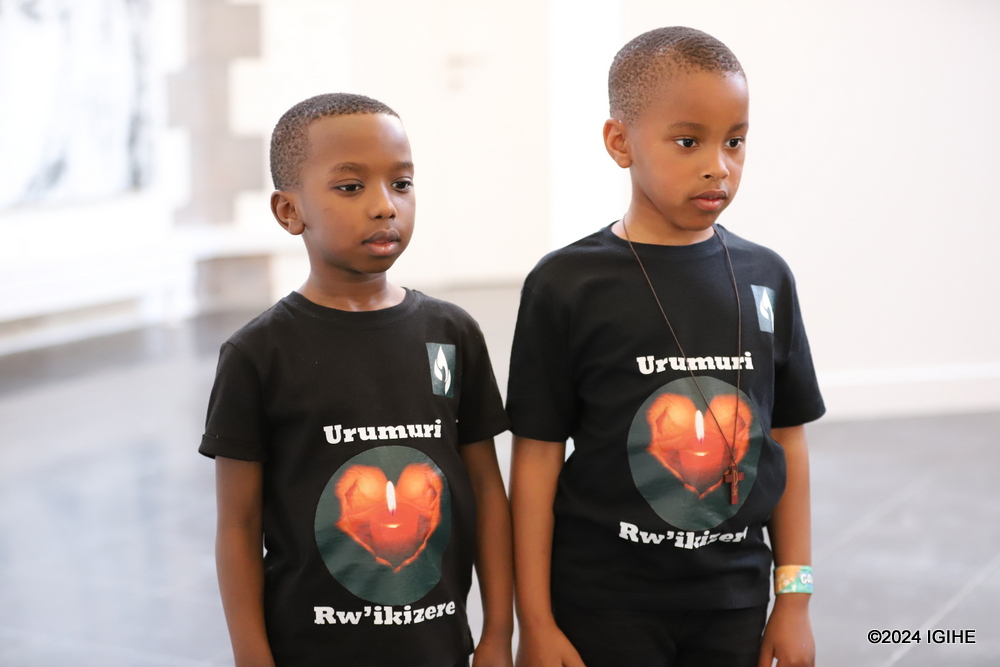
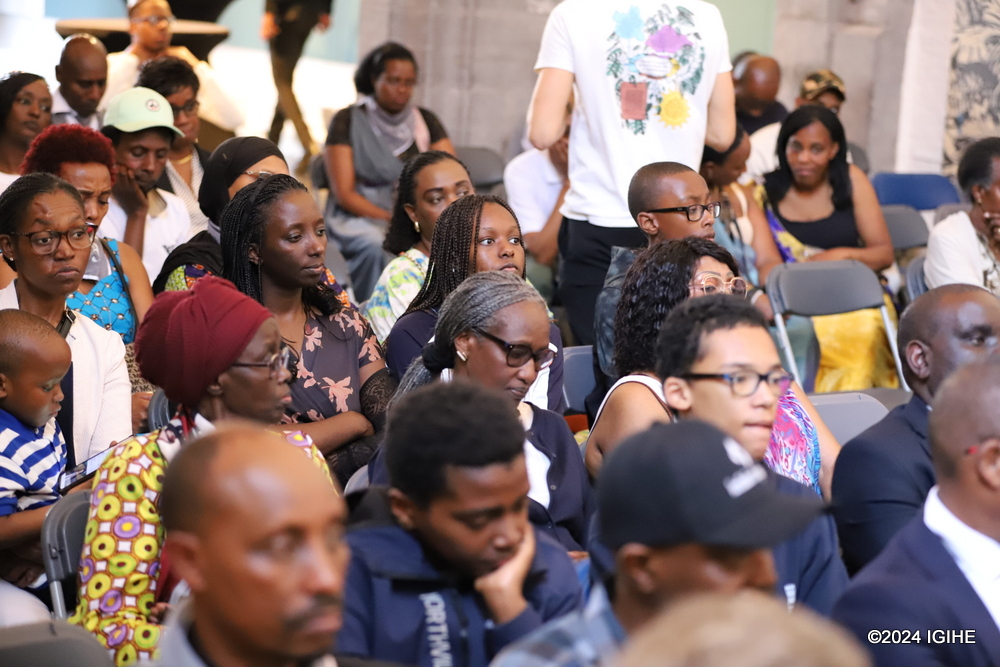
The commemoration, which took place on May 11, 2024, at the Genocide Memorial in ‘Place du Parc’, highlighted concerns that the international community has not done enough to apprehend Genocide suspects who still move freely across Europe and other regions.
The event was organized by a group of genocide survivors in collaboration with the Rwandan Diaspora of Mons and the City Administration.
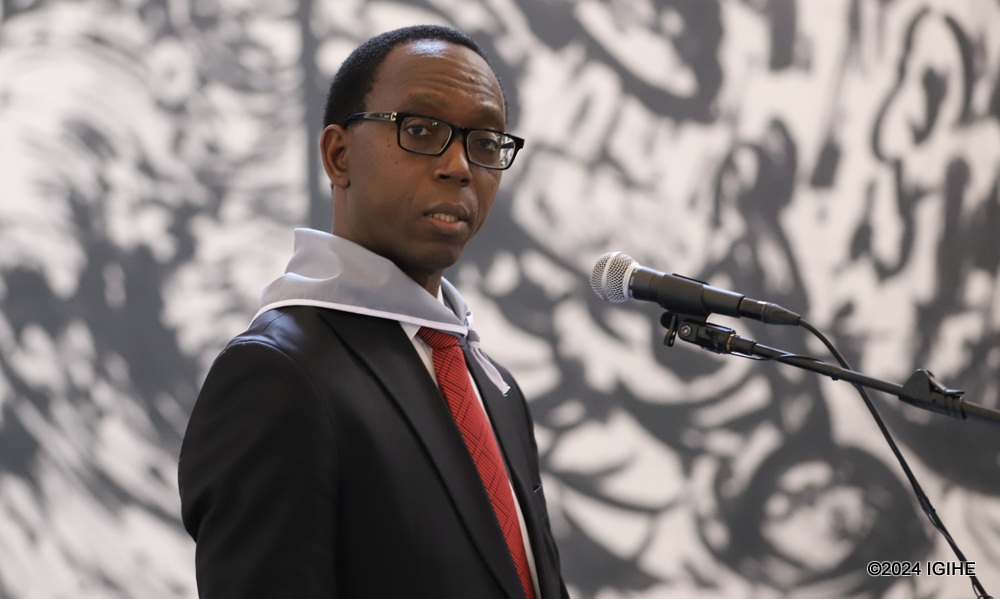
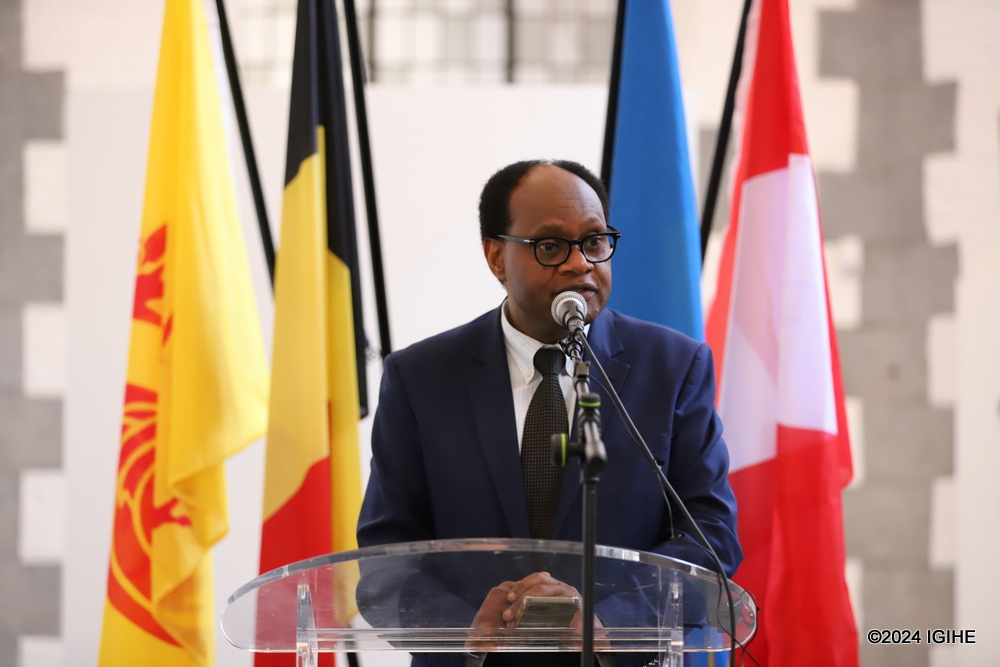
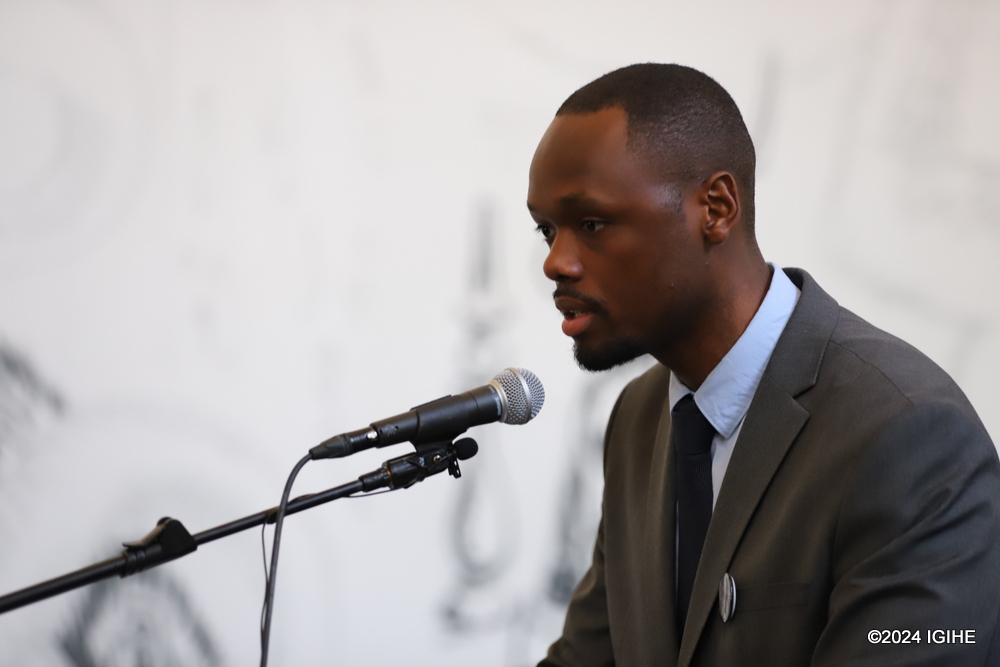
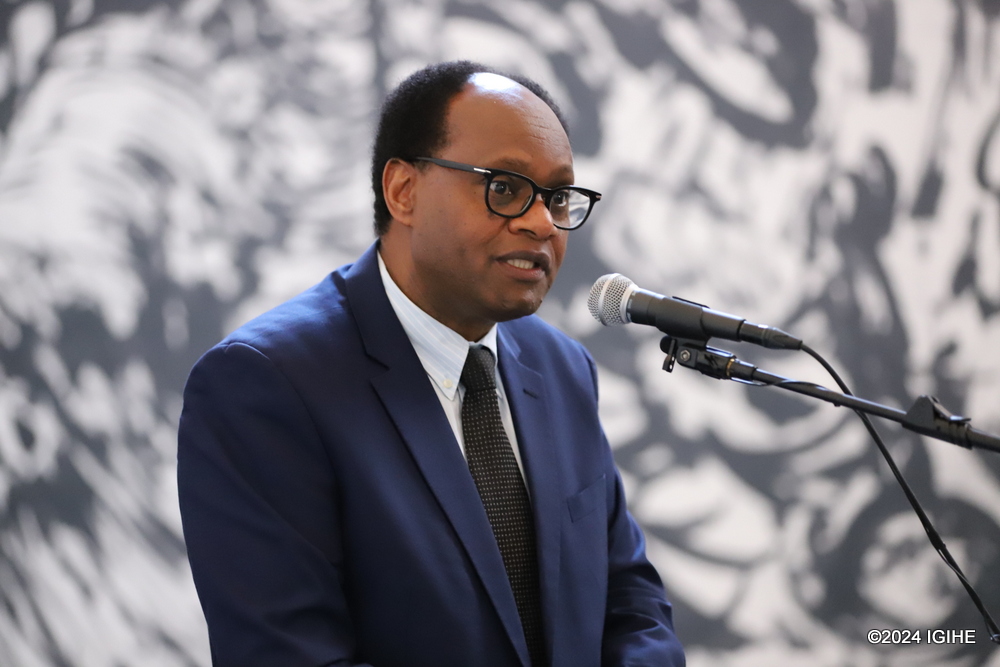
André Bucyana, Chargé d’Affaires at the Rwandan Embassy in Belgium, recounted the history of the 1994 Genocide against the Tutsi, outlining how it was planned, tested, and executed, with the present challenges including denial by those who distort its facts.
He highlighted the importance of remembering the victims, noting that it revives the painful memories for the survivors, while also praising their resilience and continuing recovery efforts.
“However, the path toward justice is still long, despite some trials that have occurred over the past 30 years, particularly here in Belgium,” he added.
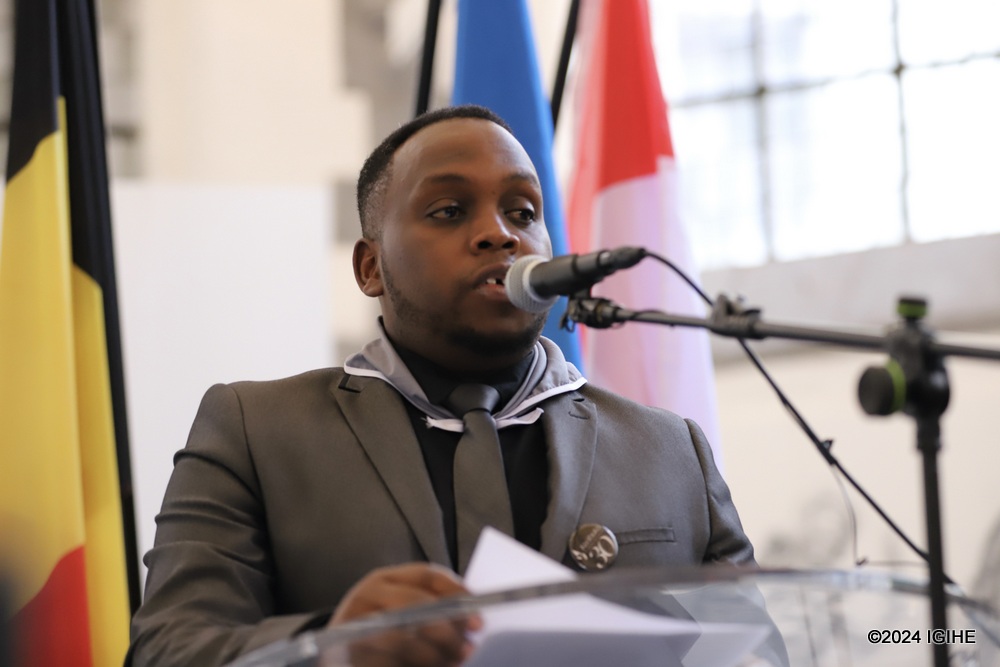
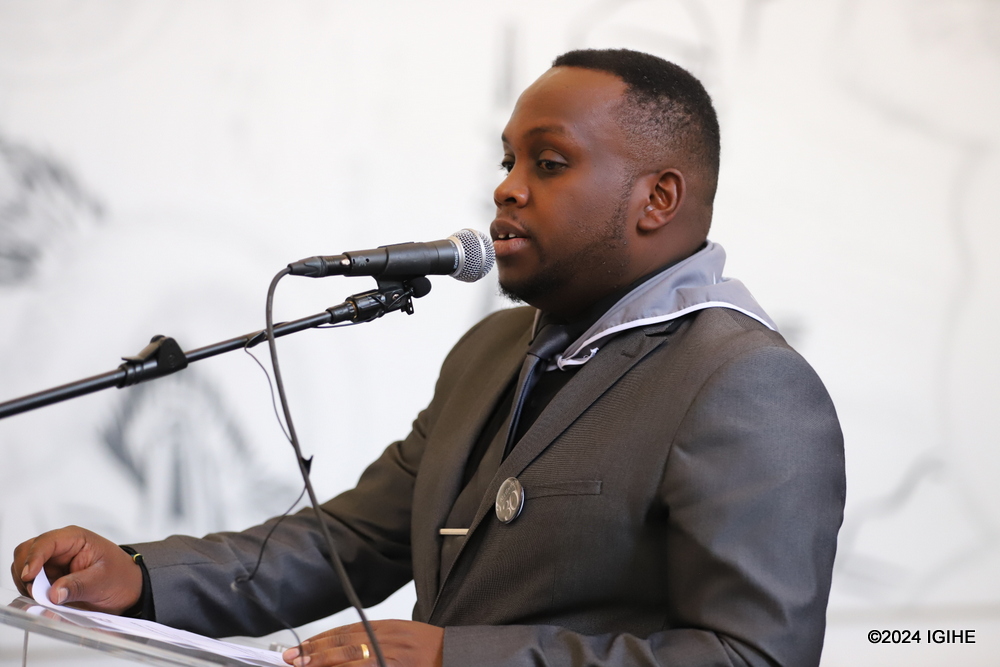
Gilbert Dushimimana, the President of Rwandan community in Belgium known as DRB-Rugari, remarked that people should learn from the leadership of Rwanda to “continue to draw strength from the atrocities committed during the Genocide against the Tutsi” in order to help prevent such history from recurring.
Dushimimana also expressed gratitude towards the Mons administration for its continued support in remembering the genocide against the Tutsi since 2017, “up to the provision of a Genocide Memorial, demonstrating your solidarity with us.”
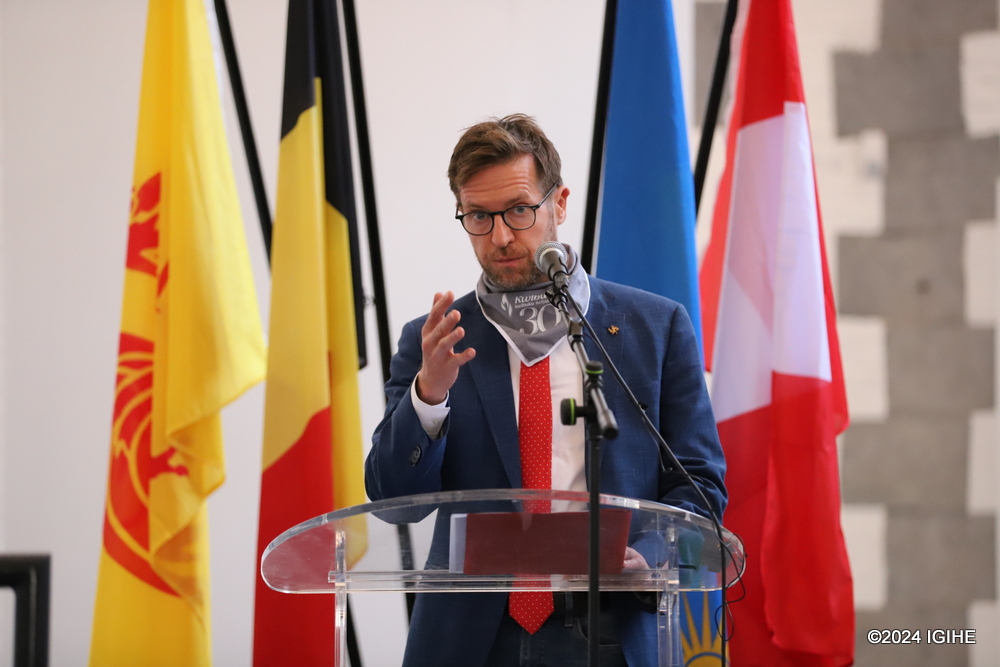
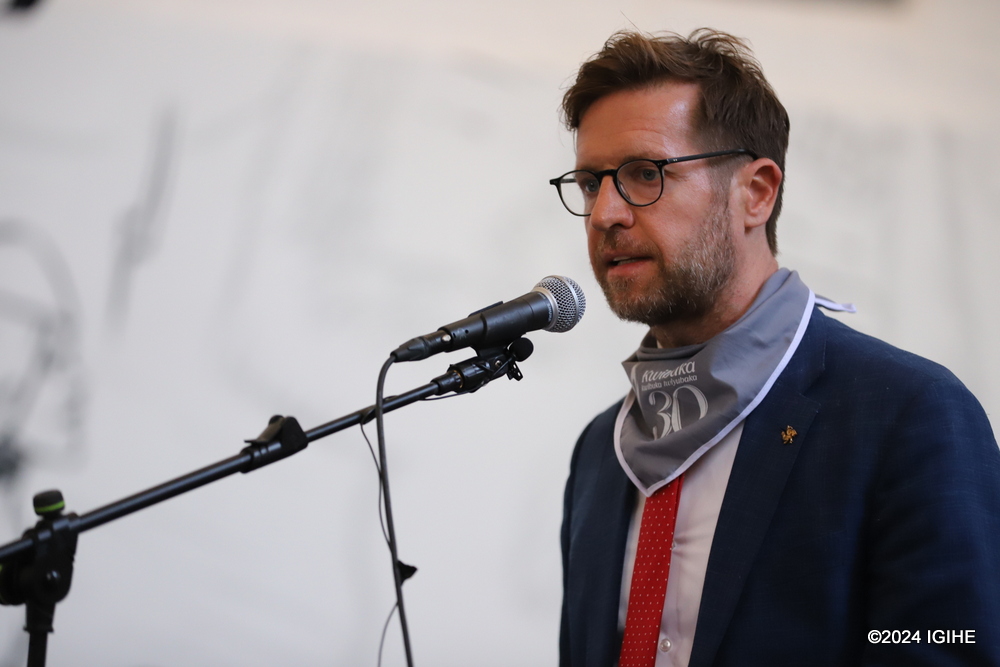
Nicolas Martin, Mayor of Mons, noted that the Genocide against the Tutsi was among the most rapid and widespread genocides, involving the mass slaughter of individuals from various backgrounds. He commended the unyielding spirit of the survivors.
“The sheer brutality of this genocide, when recounted, immediately reminds us of the survivors; thus, our efforts are intended to assist the survivors in continuing to live, regardless of the challenges,” he stated.
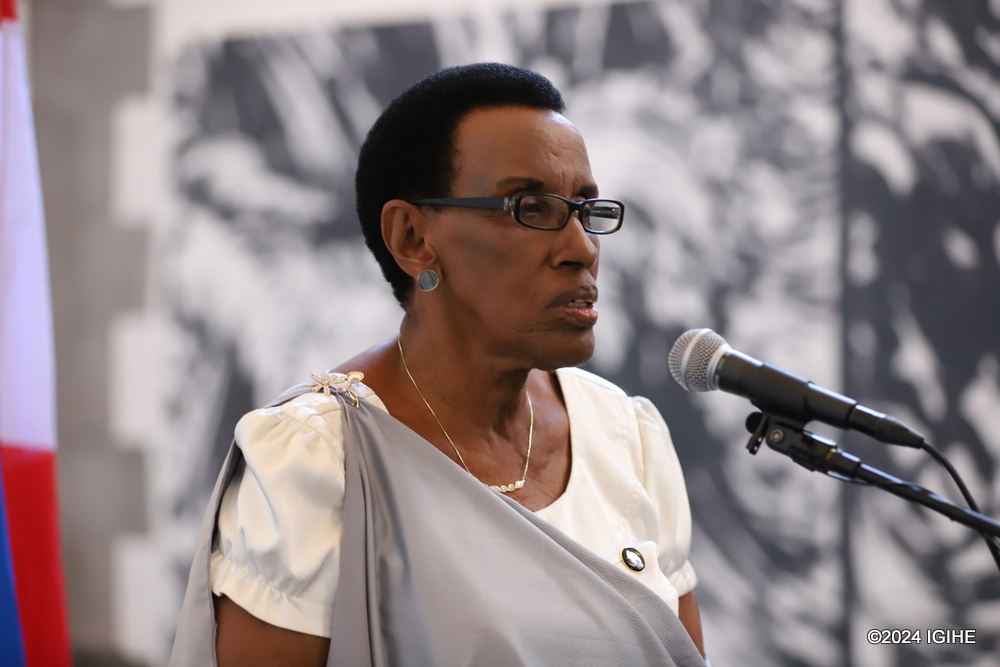
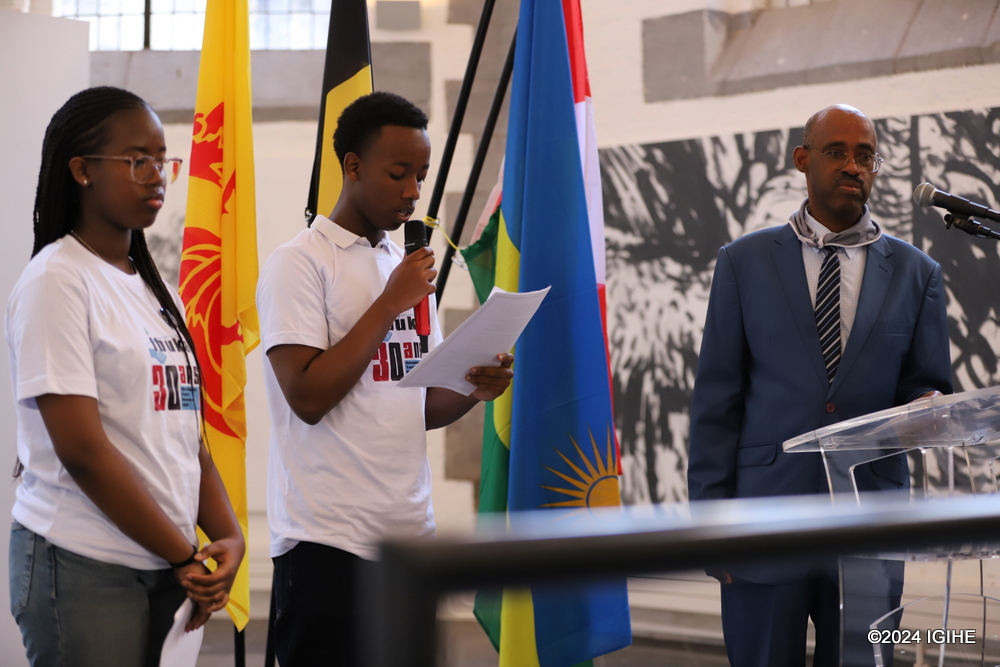
Ernest Sagaga, the President of Ibuka-Mémoire & Justice-Belgique, emphasized that remembering the Genocide against the Tutsi means honoring the lives lost even before the genocide commenced, reflecting on their horrors even though they had been assured protection by the international community, which ultimately let them down.
Sagaga also praised the Mons leadership for providing a space that includes the Memorial for those killed in the Genocide against the Tutsi and Belgian soldiers who died in Kigali on April 7, 1994, when the Genocide officially began.
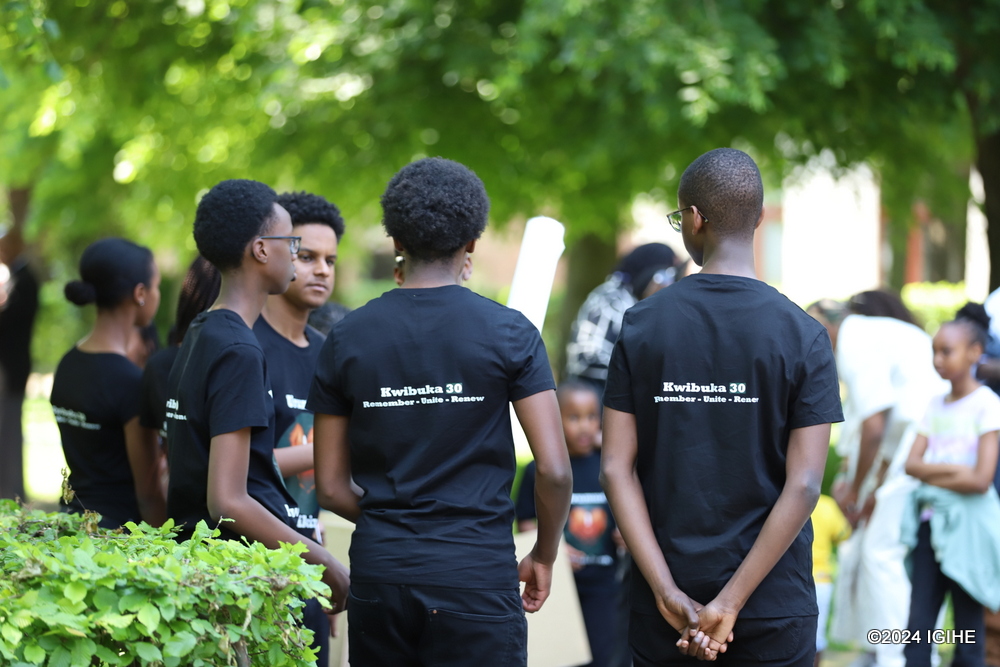
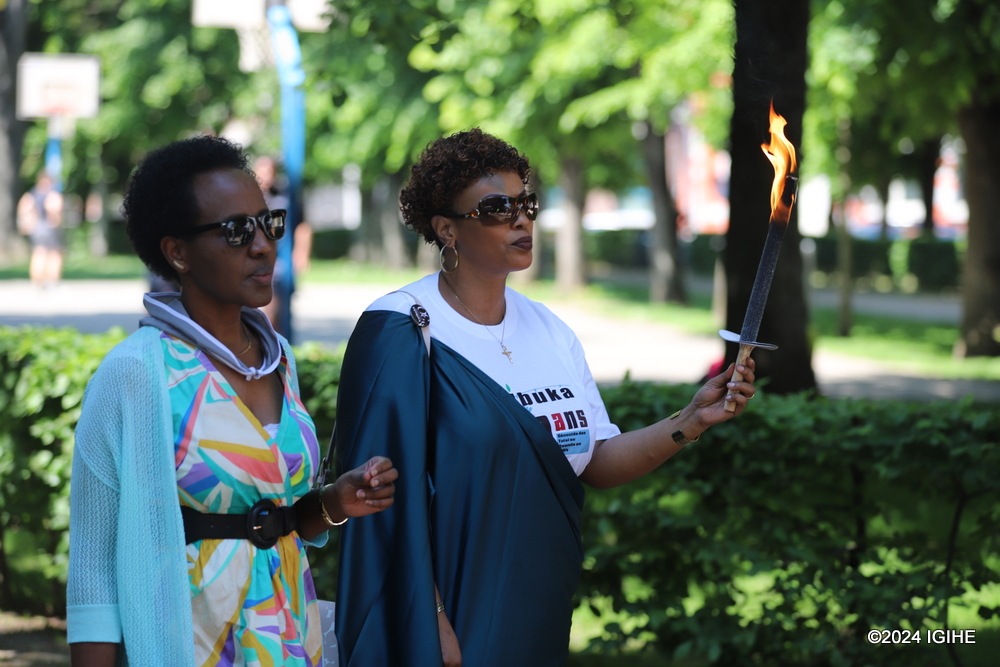
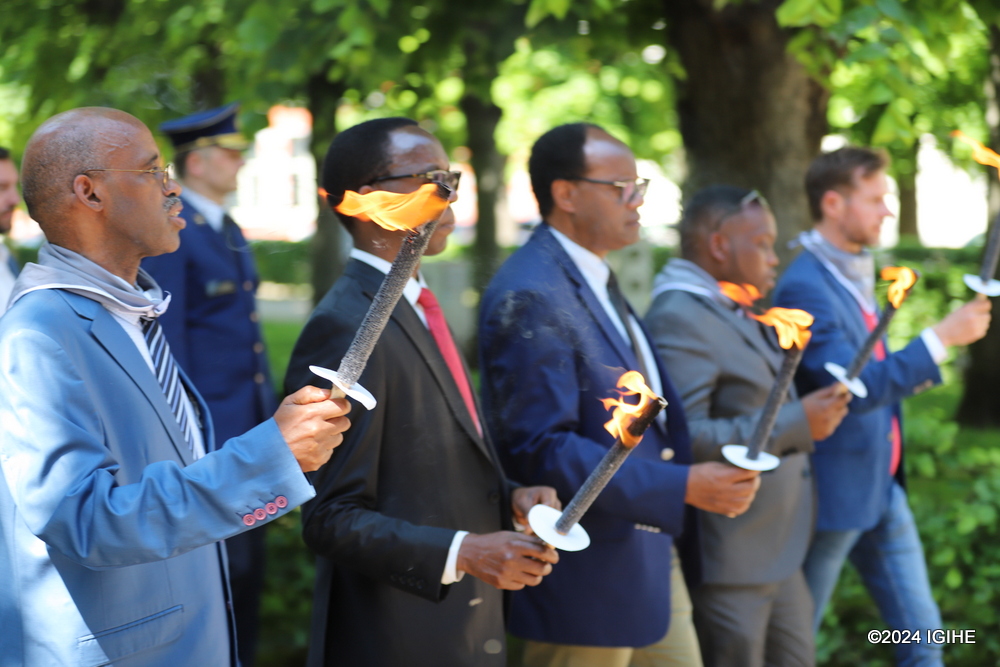
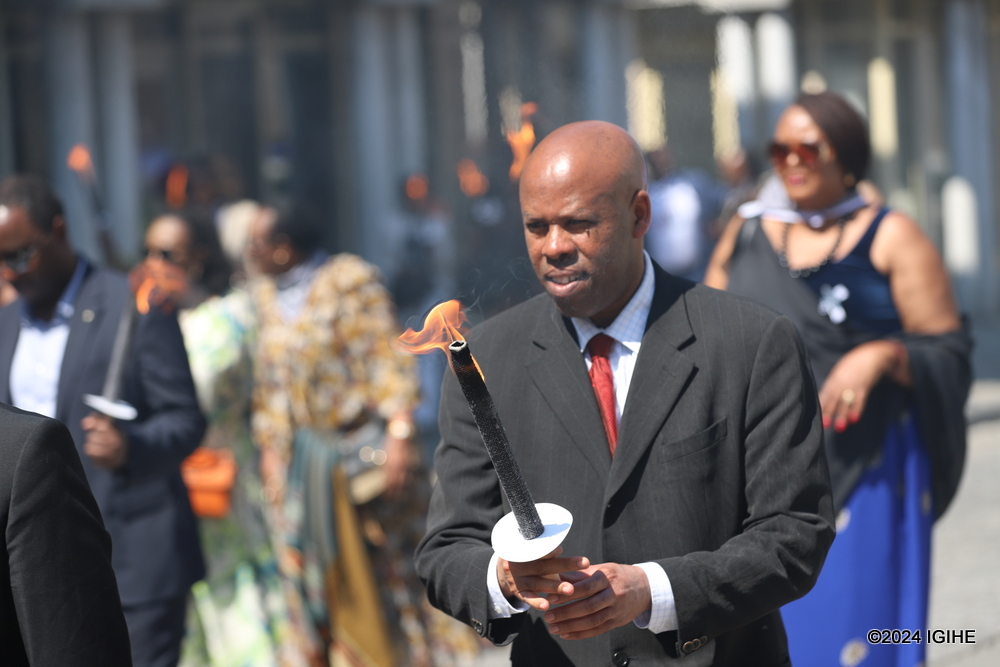
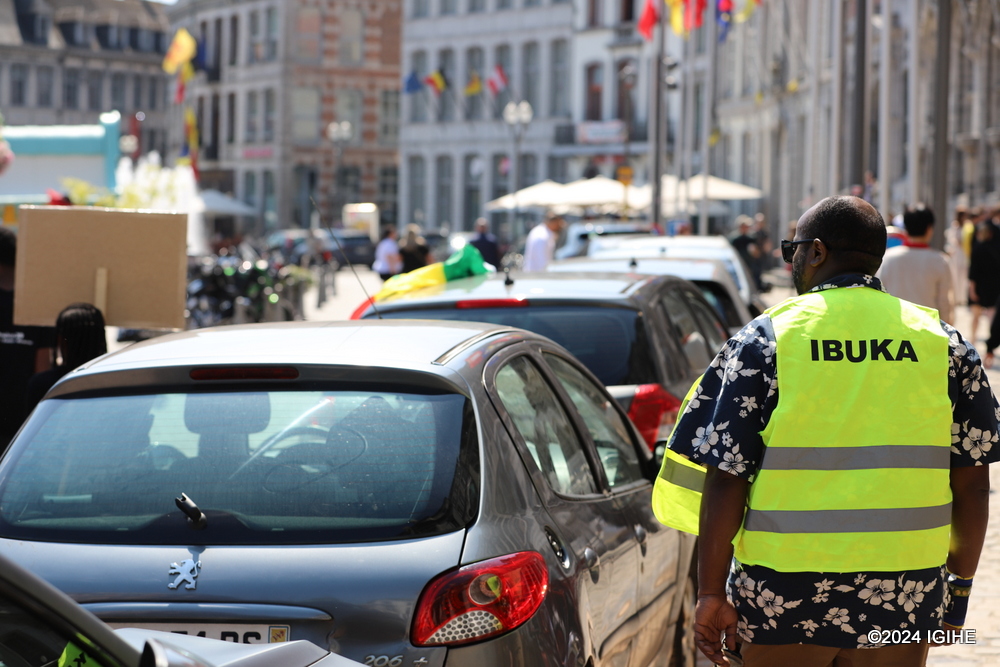
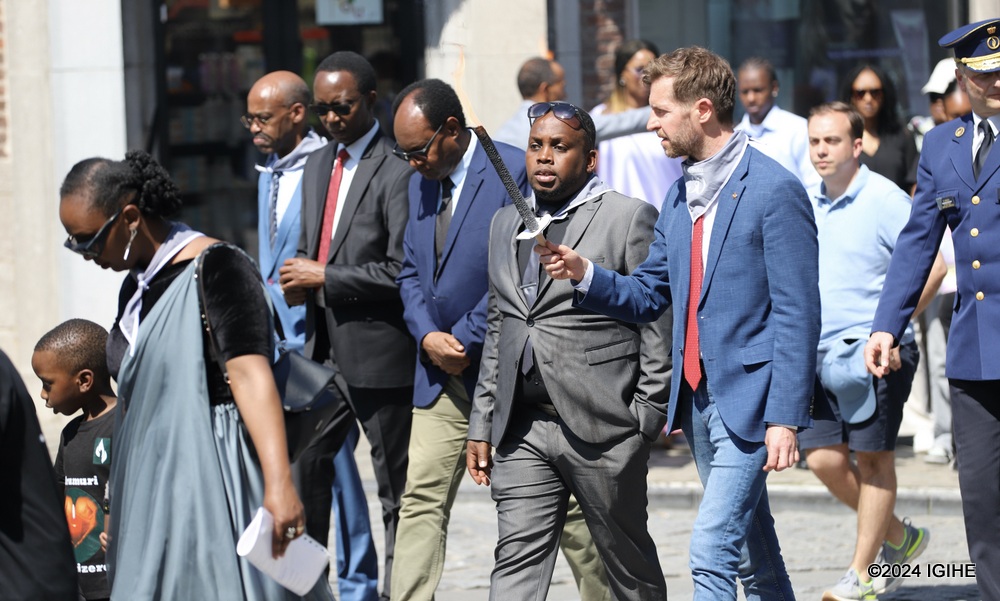
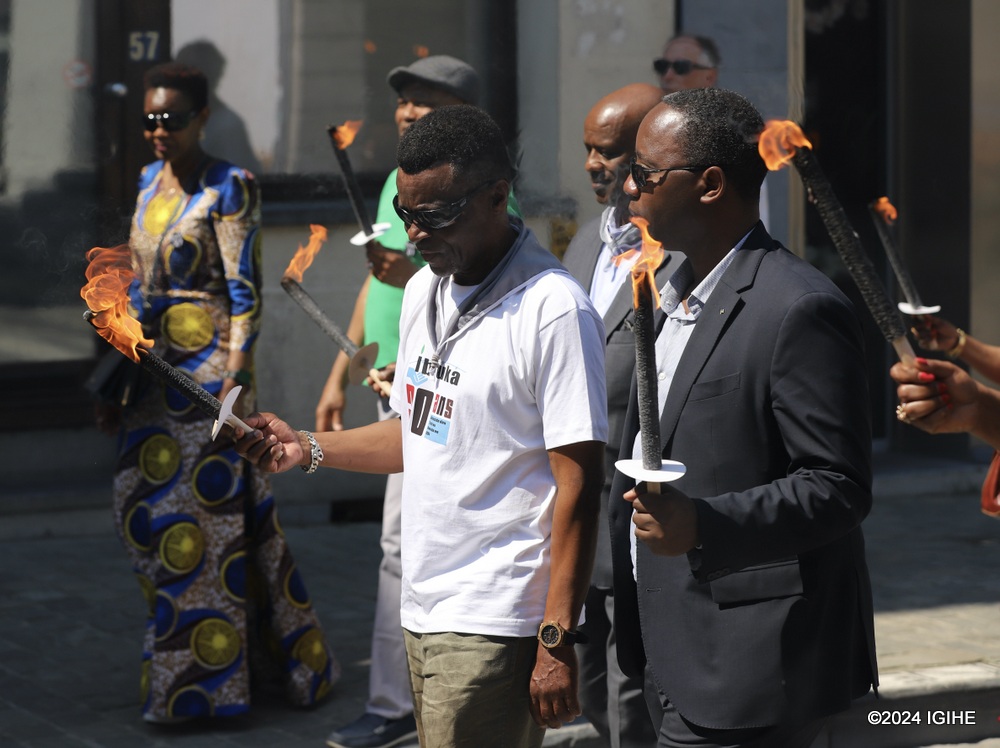
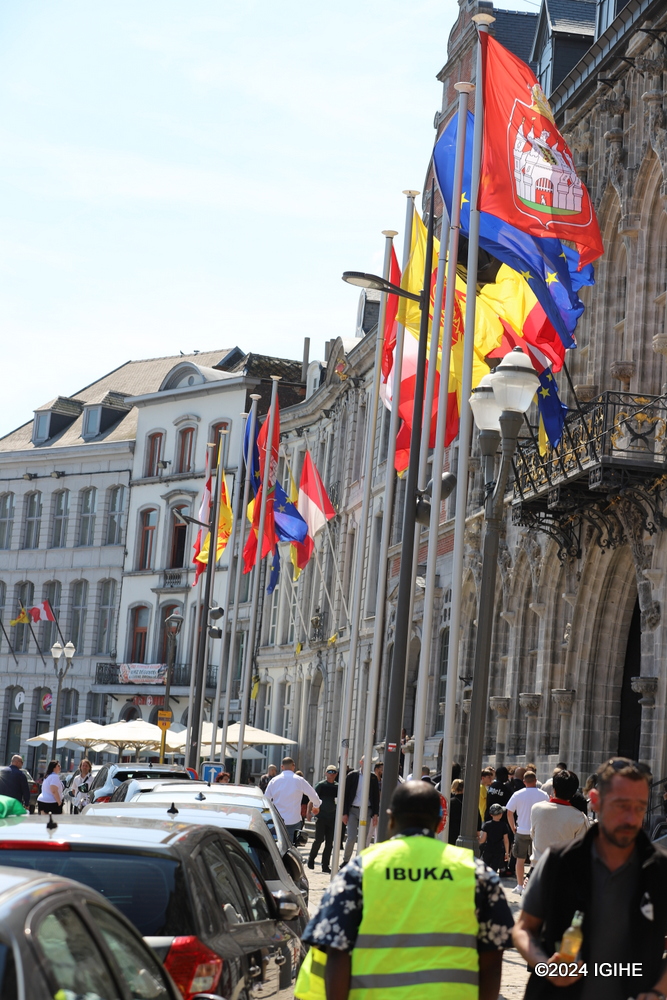
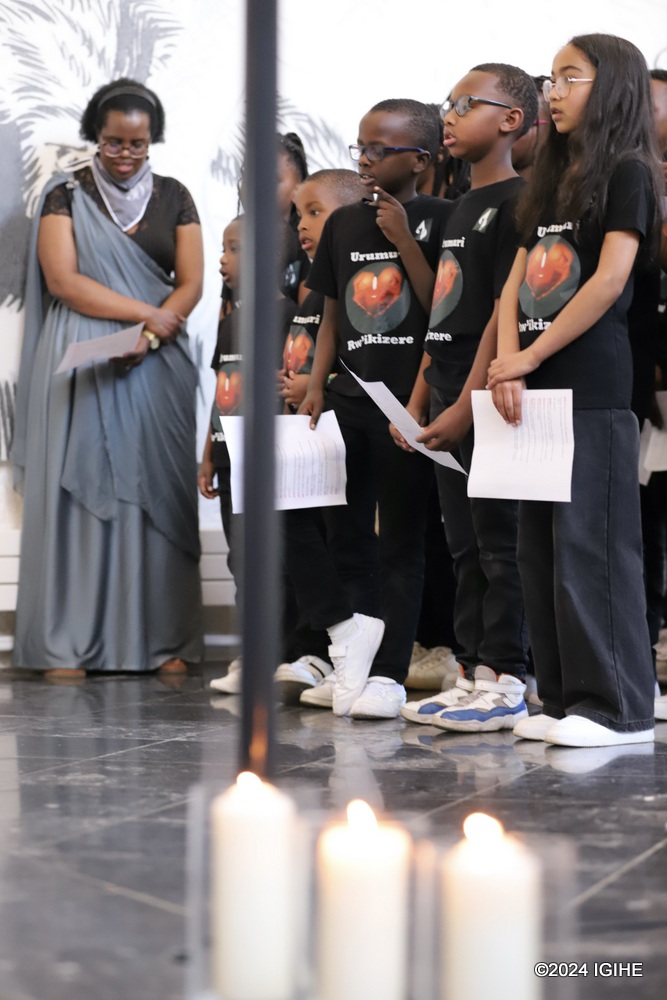
The commemoration featured three segments, including a walk to remember, commemoration talks and testimonies at the “Hotel de Ville de Mons,” and a candlelight vigil in Jemappes, where testimonies were shared and photographs of lost and wiped out families were displayed, reflecting on the lives they led.
This event is part of a series of 30th-anniversary commemorations of the Genocide against the Tutsi that have taken place in various cities across Belgium, including Brussels, Liège, Namur, Ottignies-Louvain-la-Neuve, Bruges, with forthcoming events scheduled in Antwerp, Charleroi, and Tournai.
Internet Service Providers (ISPs) in Rwanda, Kenya, Uganda and Tanzania confirmed on Monday that the technical problem had not been resolved even as internet users continued to complain of frustrating low speeds.
More than 80 million internet users are reported to have been affected by the internet service outage that started at around 10:00 am on Saturday.
Rwanda’s leading telecommunication company, MTN Rwanda, said it was monitoring the situation to provide its customers with normal internet services.
“To our customers, we would like to inform you that the technical problem with the Internet in East Africa has not yet been resolved. We are still monitoring it to provide you with normal internet services. We apologize for the inconvenience caused,” MTN Rwanda said in a post on X (formerly Twitter).
Airtel Rwanda users have also reported slow internet speeds on social media.
In Kenya, leading telco Safaricom confirmed that its internet services had also been affected following an outage on one of the undersea cables that deliver internet traffic in and out of the country.
“We have since activated redundancy measures to minimise service interruption and keep you connected as we await the full restoration of the cable,” Safaricom said, adding, “You may, however, experience reduced internet speeds.”
Responding to customer complaints on Monday the company said the problem was yet to be resolved.
“We are aware of the challenge, and request patience as resolution is ongoing.”
Airtel Uganda also said it was aware of the “intermittent internet service” linked to failures affecting the SEACOM and EASSy subsea cable systems.
Earlier, Cloudflare Radar, which monitors internet connectivity, reported that Tanzania was among the worst-affected countries with traffic falling to 30 per cent of expected levels.
Nape Nnauye, Tanzania’s minister of information, communication and information technology confirmed the service disruption on Sunday, saying the outage was caused by a fault on the cables between Mozambique and South Africa.
“There are ongoing efforts to solve the problem,” he said. “As they continue to solve the problem, we will have very low access to internet and international voice calls.”
Other countries that have reported internet service outages include Malawi, Mozambique and Madagascar.
The competition aims to nurture the entrepreneurial and innovative skills of students starting from a young age. It lasts for six weeks, during which students face a variety of challenges in which they participate online using computers or smartphones. These tasks help them enhance their understanding of societal and global challenges, prompting them to think of inventive solutions.
Initiated in South Africa in 2019 by the Allan and Gill Gray Philanthropy, the program has been a significant influence in Rwanda’s educational landscape.
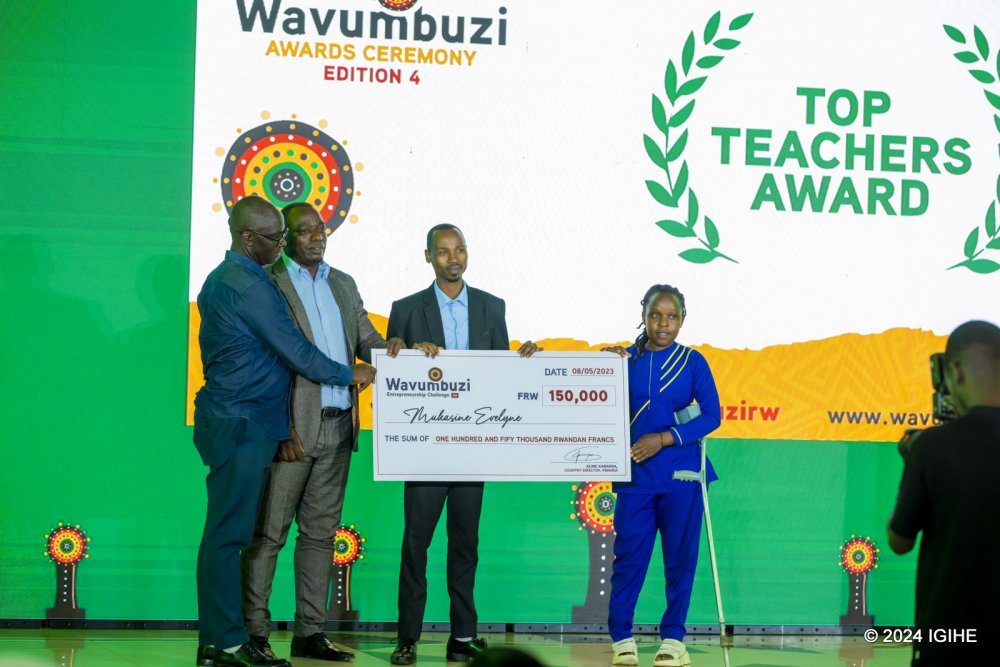
At the awards ceremony on Wednesday, May 8, 2024, for the competition’s fourth iteration, Sherry Uwase, the Marketing and Communications Director at Allan & Gill Gray Philanthropies Rwanda (AGGPR), emphasized the significant effects the initiative has had on the educational sector in Rwanda over the past years.
“The primary benefit of these competitions is that they align with modern entrepreneurial education and future educational plans that focus on quality,” said Uwase.
“Our goal is for more schools to participate in these competitions, helping us reach our objective of equipping all students with entrepreneurial skills early in their lives and preparing them for the job market.”
This year’s competition, held from January 22 to March 6, 2024, presented challenges in fields such as construction, finance, tourism, commerce in Africa, mechatronics, and artificial intelligence (AI).
The competition attracted thousands of students from 900 schools across all districts of the country, with 2,200 teachers aiding and mentoring the participants.
Olive Uwiduhaye, a student at G.S Kareba, won the grand prize, which included a trip to Akagera National Park and training in entrepreneurship.
“I am excited about the training I will receive, as there is much I expect to learn from it. The challenge related to artificial intelligence particularly inspired me to dream of becoming a significant female figure in this region, especially in Rwanda, with diverse knowledge. I also want to advance modern agriculture in my hometown of Nyabihu,” said Uwiduhaye.
Parfait Busabizwa, Permanent Secretary in the Ministry of Youth and Culture, noted the value of such programs for the youth, as they instill a culture of entrepreneurship and nurture future entrepreneurs.
“Teaching them while they are still in school helps them discover their potential and create innovative job opportunities for themselves and their peers early on, fostering a love for it and fine-tuning their projects,” stated Busabizwa.
The Rwandan government, along with its partners and various organizations, continuously strives for the advancement of the country’s youth, launching numerous programs aimed at their development.
An example is the competitions organized by the Ministry of Youth and Culture since 2013, which have engaged over 2,000 young entrepreneurs, leading to the creation of 36,000 job opportunities for other youth.
As the fourth edition of the ‘Wavumbuzi Entrepreneurship Challenge’ concluded, students, teachers, and educational institutions received various awards, including cash and technological equipment such as computers.
The annual report indicates that in 2023, 32,853 deaths were documented in the civil registration system across the country, with non-communicable illnesses accounting for 46 per cent of the deaths, up from 45 per cent in 2022. The chronic diseases include cancer, diabetes, heart disease, stroke and schizophrenia.
The second-largest causes of death in the country were infectious and parasitic diseases such as tuberculosis, pneumonia, diarrhoea, malaria, and measles; maternal and perinatal causes, including maternal haemorrhage and birth trauma; and malnutrition, which represented 43 per cent of the deaths registered in 2023, down from 46 per cent in 2022.
Injuries from accidents accounted for 11 per cent of the deaths registered in 2023, representing an increase of 3 per cent from the 2022 statistics.
The report further shows that of the 32,853 deaths documented in 2023, 53.8 per cent occurred outside health facilities
Mortality statistics show a high number of registered deaths among males compared to females, with a sex ratio at death equivalent to 121.1 male deaths per 100 female deaths in 2023, almost the same as the result in 2022 (122.2).
In 2023, the Northern Province led with the highest number of registered deaths at 8,271, followed by Kigali (7,818), the Southern Province (6,819), the Eastern Province (6,135), and the Western Province (3,509). A total of 301 deaths were not attributed to any province.
In terms of districts, Gasabo District recorded the highest number of deaths due to its high population density, with 1,682, followed by Nyagatare with 1,552 and Rubavu with 1,465. Gicumbi District had 1,415, Musanze District had 1376 deaths, Bugesera District had 1305, followed by Gakenke District with 1242.
Other districts that recorded more than 1,000 deaths were Gatsibo (1,212), Kamonyi (1,203), Muhanga (1,194), Rwamagana (1,119), Nyamasheke (1,099), Rulindo (1,062) and Nyaruguru (1,049).
In terms of the age of the deceased persons, most deaths were recorded within the age bracket of five years and below, followed by persons aged 80 years and above. NISR attributed this trend to the high risk of death at early ages, particularly at birth.
The move is designed to allow customers to receive faster services and for the company to benefit from increased efficiency, with the potential for a single employee’s daily output to multiply by five.
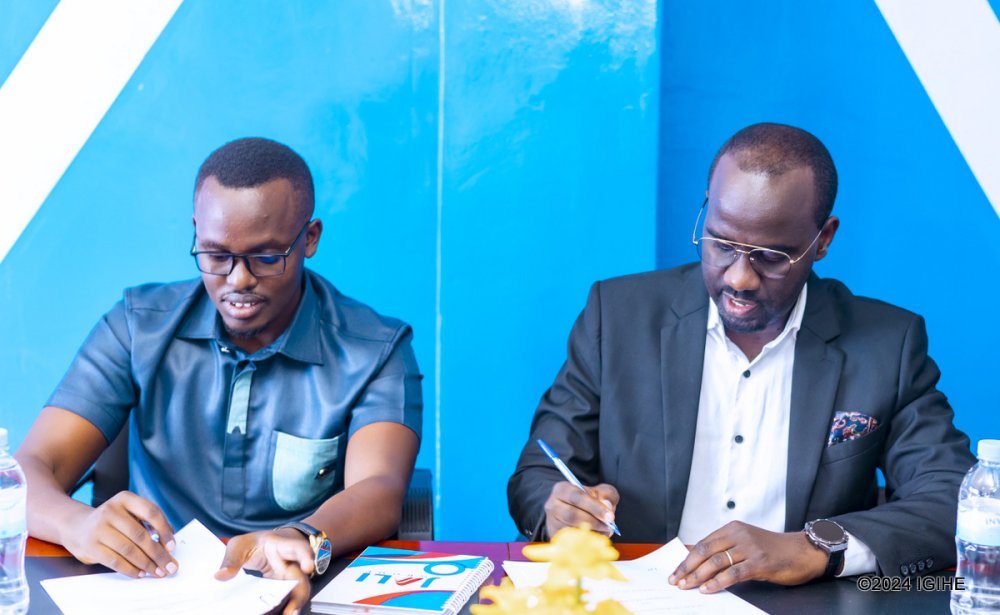
As part of the acquisition, Koi Pay’s team, including experts in software development, have transitioned to Jali Finance.
Felix Nkundimana, the CEO of Jali Finance, explained that the firm had planned to transform into a FinTech company, which necessitated approaching firms specialized in this technology.
Koi Pay was chosen because it met all the required criteria, leading to the integration of their platforms.
“From today, Koi Pay will cease to exist as an independent entity, and all employees will merge into one company. The Koi Pay App will now become the Jali Pay App. We aim to transform Jali Finance into a company that offers financial services using advanced technology, ensuring quick and integrated service delivery,” Nkundimana stated.
He highlighted that the technology adopted is expected to significantly boost both customer satisfaction and corporate profitability. Financial institutions often rely heavily on paper-based processes or small consumer loans that were cumbersome to manage traditionally.
According to Nkundimana, the new technology will fully address these issues, offering customers quicker and more streamlined services, which in turn will enhance the company’s profitability and growth. “If our employee could serve 100 customers before, now with this technology, they can serve up to 500,” he noted.
This technology also reduces potential errors and exhaustion from manual tasks, ensuring customers can access services anytime they need. “Apart from getting services faster, customers will be able to perform some tasks themselves, reducing the need for physical travel to obtain services,” Nkundimana added.
Frank Mugisha, the CEO of Koi Pay, assured customers that they should not worry about the transition, as Koi Pay is merging into a strong and well-established company in the market.
“The services we offered were similar to those of Jali Finance, but they were conducted traditionally without the use of technology and included some that we did not provide. It’s a win for our customers, who will now receive superior services. They should feel that nothing has changed,” Mugisha said.
After three years of operating Koi Pay, Mugisha emphasized that the investment in developing robust platforms has significantly improved service delivery and he has no doubt that “Jali Finance will advance remarkably in its development.”
To date, Jali Finance has helped about 5,000 people acquire motorcycles on loan, with numbers expected to rise. By the end of 2024, they aim to assist over 2,500 more, targeting a total of 7,500 by December this year. The services have been well-received, with 97% of motorcycle loan recipients paying back successfully, many having completed their payments.
Jali Finance also plans to expand into other services soon, such as car loans, low-interest personal loans, and facilitating connections between fuel seekers and suppliers. Additionally, the company anticipates expanding operations into other countries within the year, with technology playing a significant role in this growth.
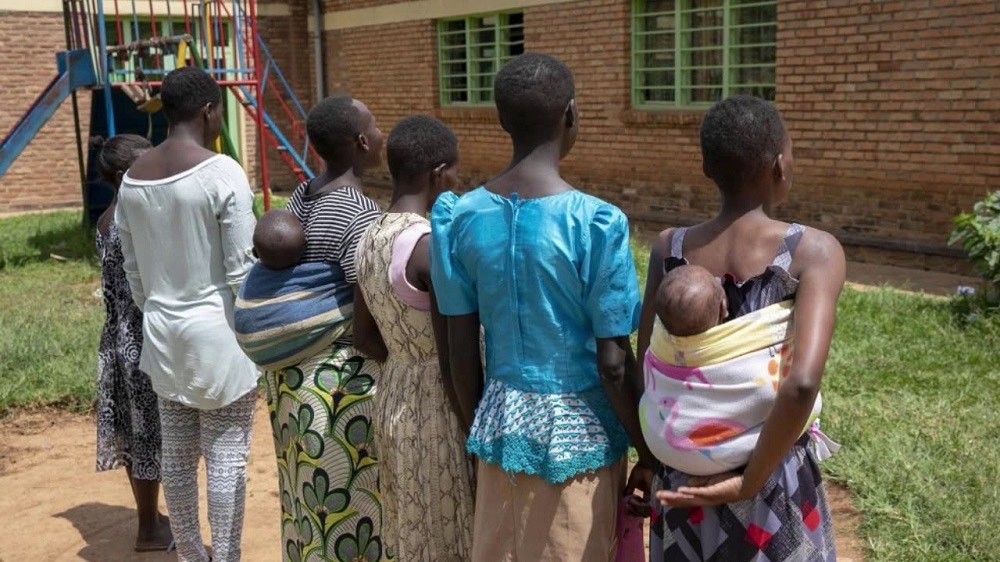
Statistics show that in 2017, there were 17,331 teenage pregnancies, which sharply increased to 23,622 in 2019. In 2020, the number was 19,701, and it rose again to 23,534 in 2021.
The 2023 NISR report on key health and welfare statistics in Rwanda (Rwanda Vital Statistics Report) indicates that women who gave birth that year included those as young as 10 years old.
The report also highlights that there were 102 children registered in the civil status records born to women aged between 10 and 14 in 2022, while those born in 2023 increased to 75.
Children registered as born to women aged between 15 and 19 were 20,109 in 2022, and this number increased to 21,469 in 2023.
In March 2024, during a visit to the Northern Province, the Minister of Gender and Family Promotion, Dr. Valentine Uwamariya, pointed out that when a child is impregnated at a young age, it often results in dropping out of school, and sometimes the child suffers from poor nutrition, or both may live in poor conditions.
She stated, “The first thing that needs to be done after education and explanation is to enforce the laws. Those involved should be punished to serve as a lesson to others, but most importantly, we must all collaborate to protect the child because often it is the parents who are involved, but anyone who sees it must act, and not leave it solely to the family.”
99% of the girls who gave birth aged between 15 and 19 were first-time mothers, while 1% had given birth more than once.
The statistics also show that the children born to these teenage girls had an average birth weight of 2,975 grams. Female infants had an average birth weight of 2,937 grams, while male infants born to these girls weighed an average of 3,013 grams.
The NISR report does not specify the residences of the women under 19 who gave birth but indicates that of the over 340,000 children born countrywide, more than 5% were born to women aged between 15 and 19, and 22% were born to women aged between 20 and 24.
According to MIGEPROF, the number of teenagers aged 14-19 who were impregnated in the Eastern Province in 2023 was 8,801, while in the Northern Province it was 3,724.
Meanwhile, 70 men from the Eastern Province have been prosecuted for the crime of child sexual abuse.
An official communication from the Office of the Guinea President on Sunday indicated that President Kagame is expected to land at the Ahmed Sékou Touré International Airport at 9:00 am.
Senior government officials have been invited to attend the welcoming ceremony at the airport. The officials include the President of the National Security Council, Dansa Kourouma, the Prime Minister, Amadou Oury Bah, heads of various government agencies, members of different ministries, the Chief of Staff of the Armed Forces, the Chief of the Gendarmerie, heads of land, air, and naval forces, diplomats representing their respective countries, international organization representatives, police chiefs, customs officials, conservationists, and the Mayor of Conakry.
The agenda items of the meeting were not immediately disclosed.
The visit, however, comes nearly four months after Guinea’s Interim President, Mamadi Doumbouya, concluded a three-day visit to Rwanda, aimed at strengthening friendship and cooperation ties between the two countries.
Doumbouya was accompanied by the First Lady of Guinea, Lauriane Doumbouya.
President Kagame made a similar trip to Guinea from April 17-18, 2023, which resulted in the signing of an agreement on the creation of a joint cooperation committee between Rwanda and Guinea. This committee covers areas such as agriculture, ICT, education, mining, and security.
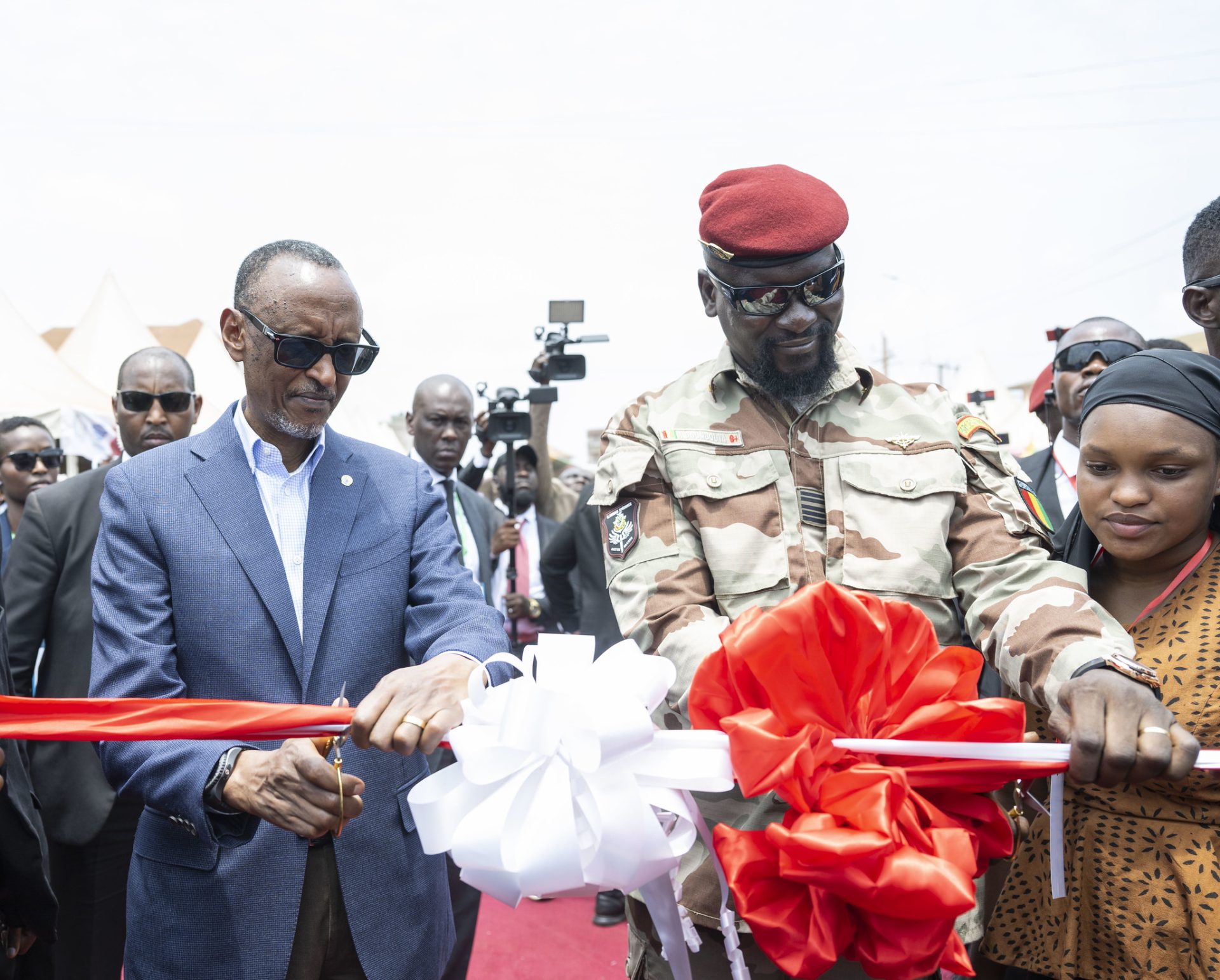
President Kagame and Doumbouya also witnessed the inauguration of a highway interchange connecting Kagbélen to Conakry that was named after President Kagame. The project was initiated to ease movement between major industrial cities and Conakry as well as with neighbouring countries.
Kagame’s visit to Guinea follows a similar visit to Senegal, where he and President Bassirou Diomaye Faye agreed to strengthen ties between the two nations on Sunday.
According to the latest report from the National Institute of Statistics Rwanda (NISR), data sourced from the National Centralized and Integrated Civil Registration and Vital Statistics (NCI-CRVS) System shows that the number of registered legal marriages rose from 35,529 to 57,880 in 2023.
NICR said the sharp increase was likely a result of increased sensitization of couples to formalize their unions.
“These abnormal changes in marriages registered can likely be attributed to the sensitization of couples living in consensual unions to officialize their marriages,” the new report reads in part.
For a marriage to be considered official in Rwanda, it must be officiated by a civil registrar at a sector office, district office, or Rwandan embassy.
It’s estimated that for every population of 1,000 people in Rwanda, 43 marriages were officiated in 2023.
“The comparison of registered marriages with the resident population size gives a crude marriage rate equivalent to 4.3%,” the report adds.
Since 2019, the number of registered marriages has been fluctuating, dropping from 48,526 in 2019 to 30,859 in 2020 against a population of 12,663,116 people.
In 2021, 33,809 marriages were officiated, and in 2022, 35,529 people formalized their unions.
In 2023, a high number of marriages were officiated in Gasabo (5,177) and Rulindo (3,223) districts, while low numbers were observed in Nyabihu district (881) and Embassy (52).
In terms of age trends, there was a general observation that the number of marriages is high among females compared to men under 30 years old, while above 30 years old, the number of marriages becomes high among males compared to females.
On the matrimonial regime, 97.6 per cent of the unions signed a contract detailing joint ownership of their property, dubbed “The Community of Property.
Two per cent of the couples opted for the Limited Community of Property regime, in which spouses agree to pool their respective properties owned on the day of the marriage celebration, to constitute the basis of the acquests as well as the property acquired during marriage by common or separate activity, donation, legacy, or succession.
Some 0.4 per cent of the couples chose the Separation of Property regime, in which spouses agree to contribute to the expenses of the household in proportion to their respective abilities while retaining the right of enjoyment, administration, and free disposal of their personal property.
The report further reveals that the number of marriages is generally high between females and males with the same levels of education.
“Females who attended university are more likely to get married with males having the same level of education (2,743 cases) or those with upper secondary (760) while they are less likely to get married with those who never attended or only attended the preschool (5 and 2 cases, respectively),” the report reads.
Burundi had on Saturday accused Rwanda of training and arming rebel groups blamed for the twin grenade attacks including the attack reported at a packed bus stop in Bujumbura.
However, in a hard-hitting statement on Sunday, the Office of the Government Spokesperson, denied any links with the attackers, insisting that Burundi should desist from associating Rwanda with its internal problems.
“There is something clearly wrong going on with Burundi for its government to accuse Rwanda for recent grenade explosions in Bujumbura, a situation we have absolutely no connection with, and have no reason to be involved in.
“Burundi has a problem with Rwanda, but we have no problem with Burundi. We call on Burundi to solve its own internal problems and not associate Rwanda with such despicable matters,” the statement reads.
BURUNDI SHOULD NOT ASSOCIATE RWANDA WITH ITS INTERNAL PROBLEMS.
— Rwanda Government Communications (@RwandaOGS) May 12, 2024
Burundian Interior Ministry’s spokesman Pierre Nkurikiye told reporters on Saturday that RED-Tabara insurgents were behind the attacks.
He paraded six individuals, aged 28 to 56, to the press, saying they were part of the group destabilizing the country.
“These terrorists were recruited, trained and even equipped with weapons in Rwanda and by Rwanda,” Nkurikiye claimed.
“Afterwards, they are sent to the RED-Tabara terrorist group to be close to Burundi’s borders, and then they enter the country to carry out attacks.”
The relations between Rwanda and Burundi have deteriorated in recent months after Burundian President Evariste Ndayishimiye sustained accusations that Rwanda is financing and training the RED-Tabara group rebels.
RED-Tabara rebel group is considered by the Burundian government as a terrorist movement, with its members being linked to the failed coup attempt in 2015.