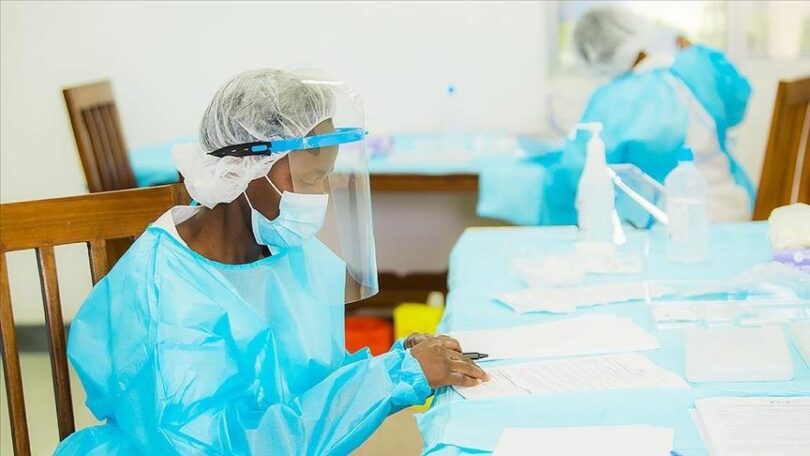
The trial, the first of its kind globally, is being conducted in partnership with the World Health Organization (WHO). It involves testing the safety and efficacy of two treatments: Remdesivir, a drug already used to treat COVID-19, and MBP091, a special antibody designed to fight the Marburg virus.
According to WHO, the trial is the result of two years of work by nearly 200 researchers, developers, Ministry of Health officials, and global partners, including representatives from 17 African countries at risk of filovirus outbreaks, such as Ebola and Marburg.
In addition to the treatments, Rwanda recently rolled out vaccinations for frontline health workers and high-risk individuals.
So far, over 700 vaccine doses have been administered. The first batch of 700 doses, provided by the Sabin Vaccine Institute, arrived just nine days after the outbreak was declared. A second shipment of 1,000 doses followed on October 13, 2024.
Since the outbreak was confirmed late last month, Rwanda has reported 62 cases and 15 deaths from over 4,000 tests conducted. Minister of Health Sabin Nsanzimana has been providing daily updates on the outbreak.
According to the minister, all new confirmed cases have been within the hospital cluster in Kigali and their contacts, and all are under isolation and treatment. There is no evidence of community transmission.
The Marburg virus, which causes hemorrhagic fever, is believed to originate from fruit bats and spreads through close contact with the bodily fluids of infected individuals. Symptoms include fever, chills, headache, muscle aches, rash, chest pain, sore throat, nausea, vomiting, diarrhoea, and unexplained bleeding.
To prevent infection, health experts recommend strict hygiene practices, such as frequent handwashing and avoiding contact with personal items or bodily fluids of individuals showing symptoms of Marburg virus disease.
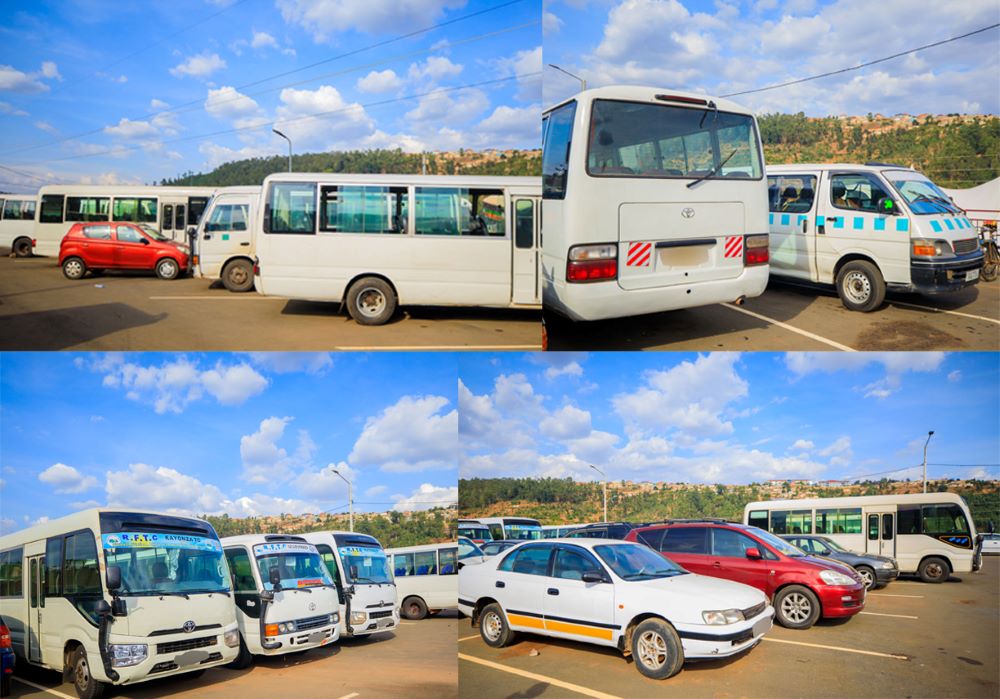
The spokesperson for Traffic and Road Safety, Superintendent of Police (SP) Emmanuel Kayigi, said the operations that started last week, target taxi hires or rental cars that have been turned into public service vehicles, school buses that also conduct public transport and regional buses that operate in town service.
“It has been observed that some transport companies or vehicles operate contrary to their transport authorization license and routes, which affects other transport companies and cause disorder. As a result, Police and RURA are conducting operations to enforce this transport policy. So far, 45 vehicles have been impounded,” SP Kayigi said.
He added that rental cars especially 7-seaters have resorted to town service transport.
He said: “Some buses going to the Eastern Province, for example, load passengers going to Remera or Kabuga from Nyabugogo. When they are coming back, they load people in Kabuga or Remera going to Nyabugogo.
“The same goes for buses from the Southern Province, that opt for town service as they approach Ruliba Clays. Some school buses also conduct public transport when they are not transporting students. This affect companies that are licensed to conduct town service transport.”
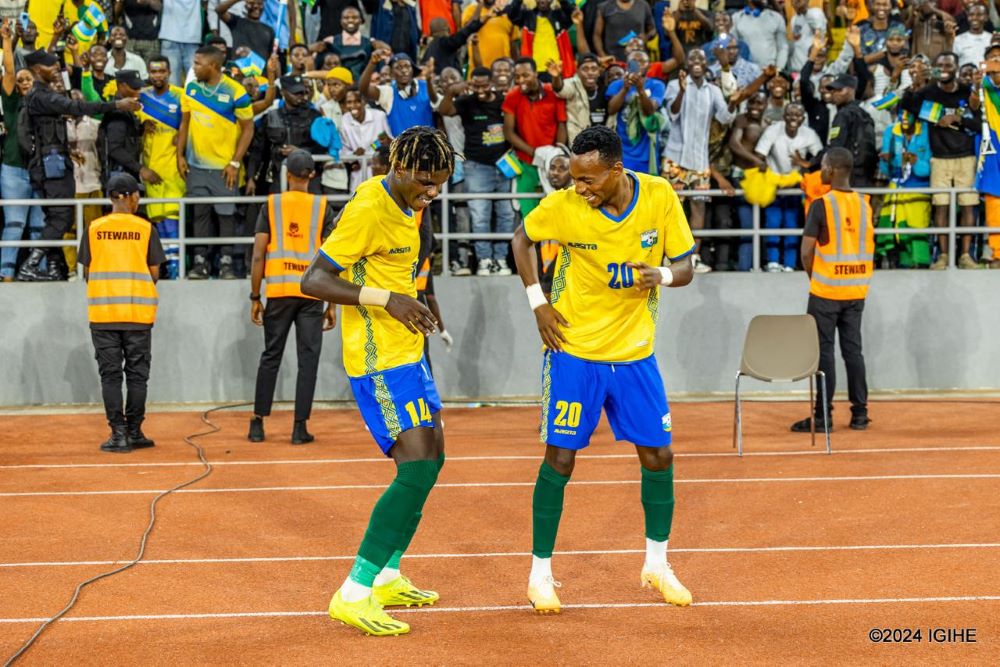
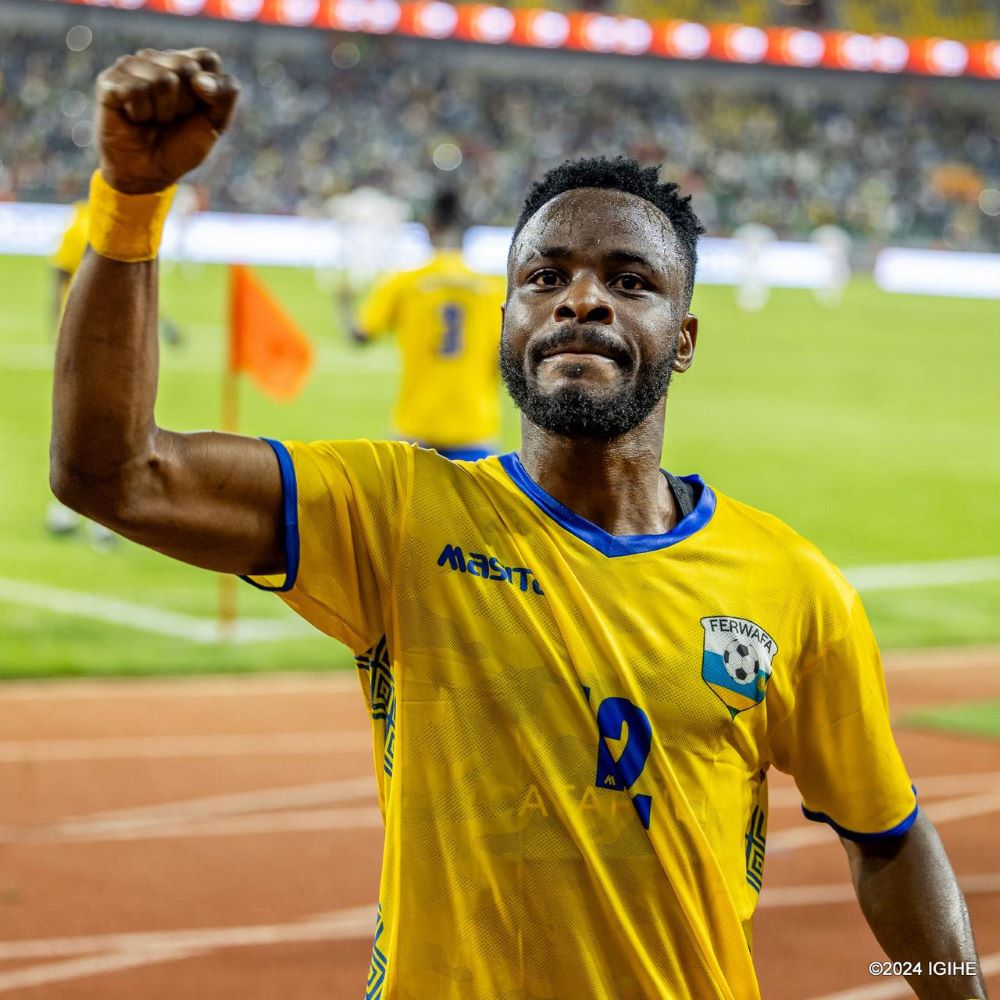
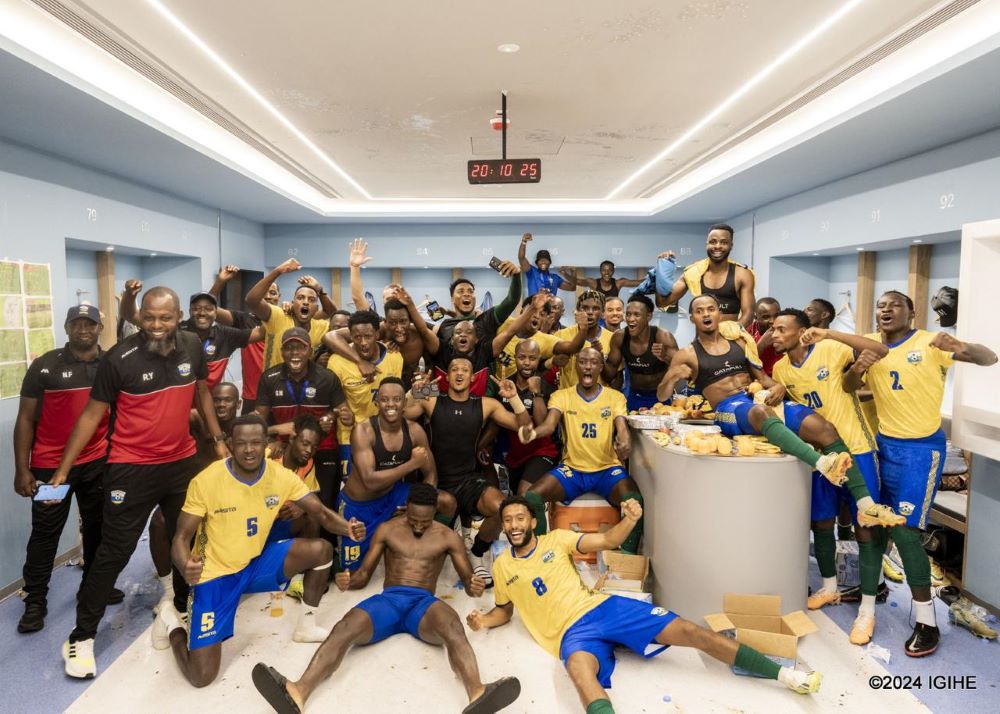
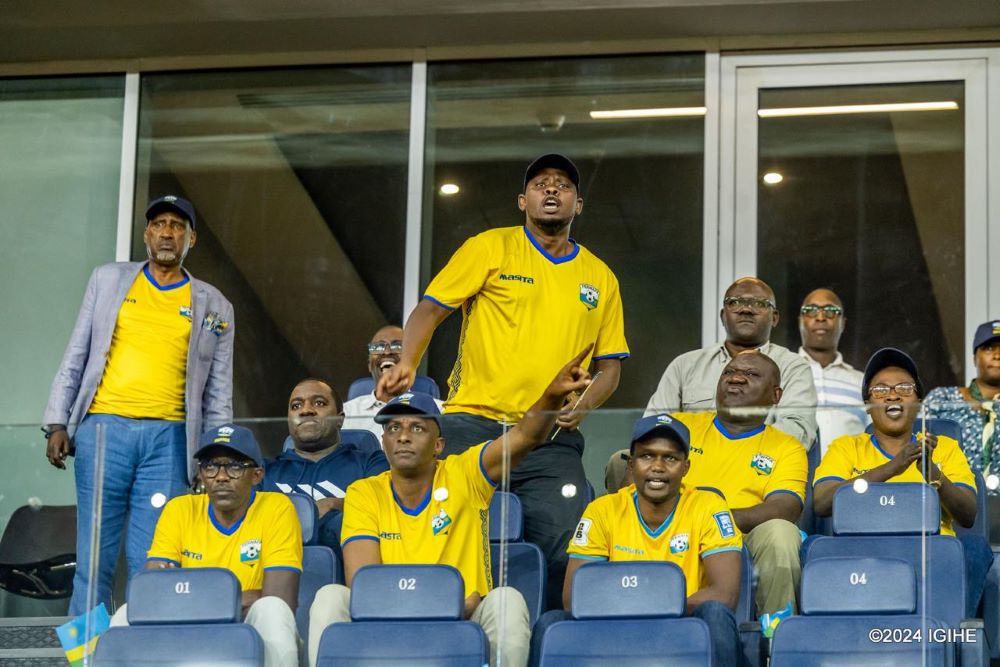
The win was a much-needed boost, as Rwanda aims to claim a spot in the tournament after several setbacks in the qualifying rounds. With goals from Nshuti Innocent and Captain Bizimana Djihadi, scored just two minutes apart, the victory was a testament to Amavubi’s fighting spirit and their refusal to bow out.
The game started on an intense note with Gilbert Mugisha attempting the first shot for Rwanda in the second minute, though it was comfortably saved by Benin’s goalkeeper.
By the 7th minute, Emmanuel Imanishimwe also tried his luck, but once again, Benin’s Souke Marcel was up to the challenge, catching the ball effortlessly.
Despite several promising opportunities and set pieces in the first ten minutes, Amavubi struggled to capitalize on these chances. Missed opportunities, particularly by forward Gilbert Mugisha, left fans frustrated as the team worked to find its rhythm.
In the 25th minute, a foul against Imanishimwe earned Rwanda a free kick, but the effort yielded no result. The first half saw Amavubi dominate possession, especially in the final 15 minutes, keeping Benin on their back foot and forcing the game into their half.
However, Rwanda’s dominance wasn’t reflected on the scoreboard. As the half drew to a close, Niyigena Clement received a yellow card, and Benin delivered a crushing blow with a goal from Andreas William in the 43rd minute.
His perfectly placed shot put Benin ahead, sending the teams into halftime with a 1-0 score line in favor of the visitors. Rwanda’s hopes of qualifying seemed to fade as the first half ended with that narrow lead for Benin, but the second half told a different story.
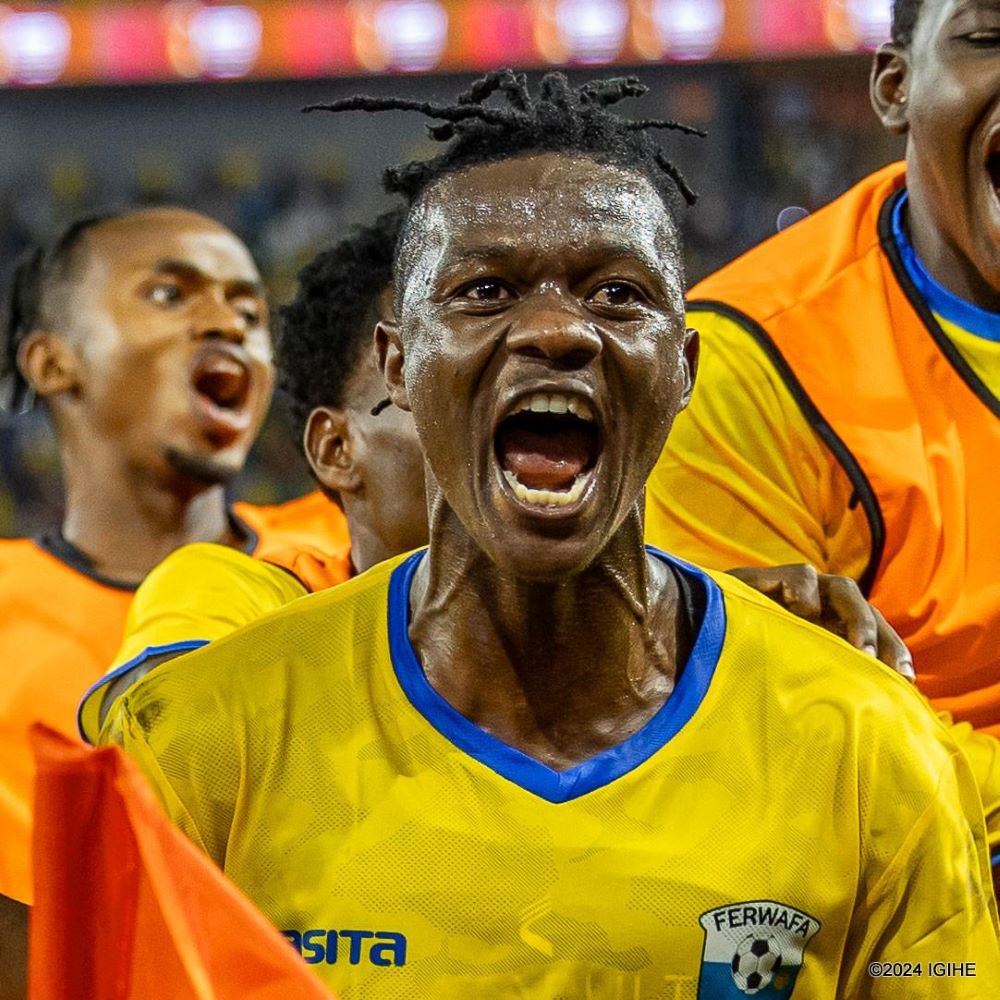
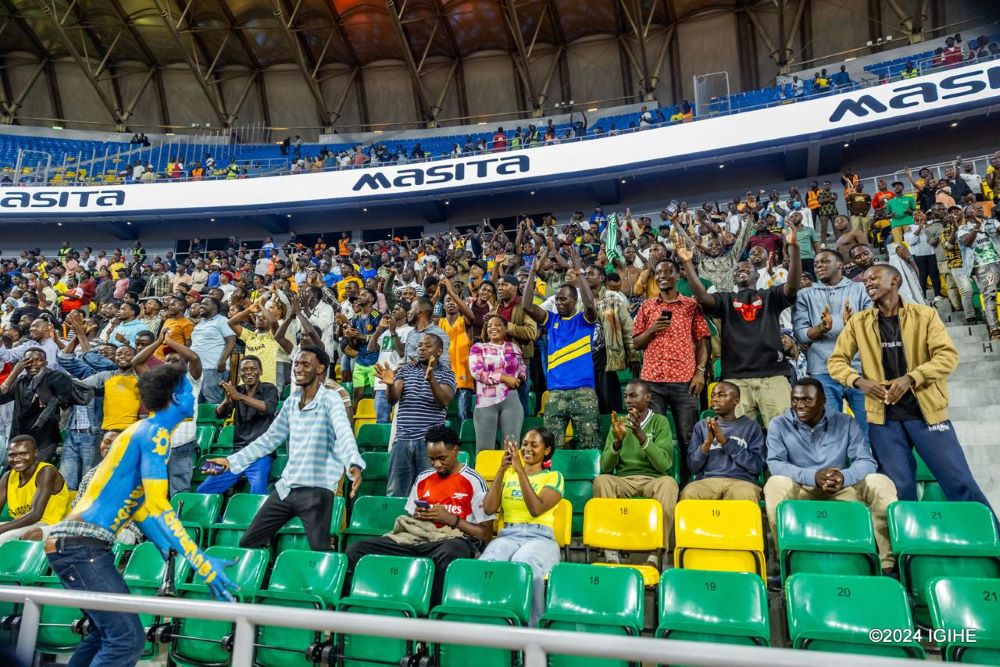
Determined not to let the AFCON dream slip away, Amavubi came out stronger. The pressure mounted, and in the 75th minute, Nshuti Innocent brought the home crowd to life by scoring the equalizer with a tap in shot.
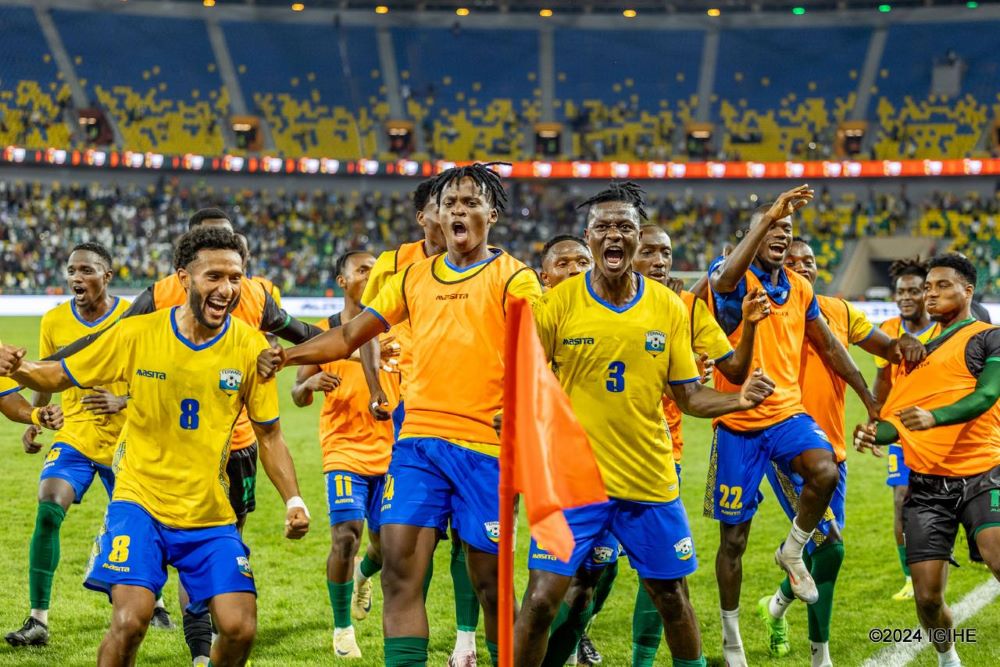
The excitement in the stadium was palpable, and the fans’ energy only grew when, just a minute later, Captain Bizimana Djihadi stepped up to take a penalty, coolly converting it in the 77th minute to give Rwanda the lead.
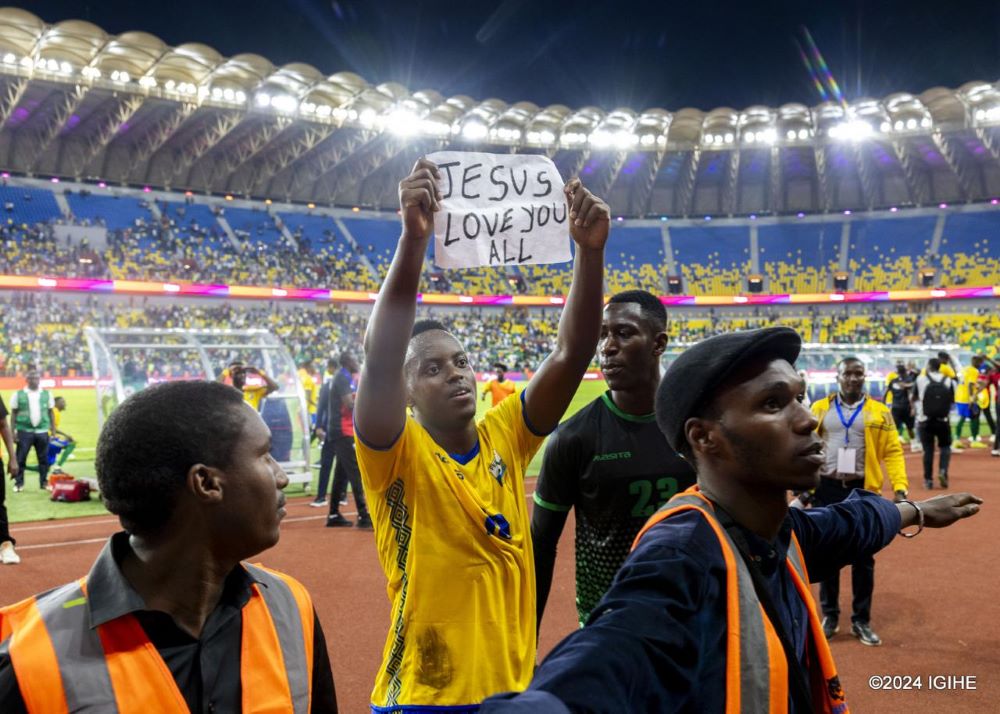
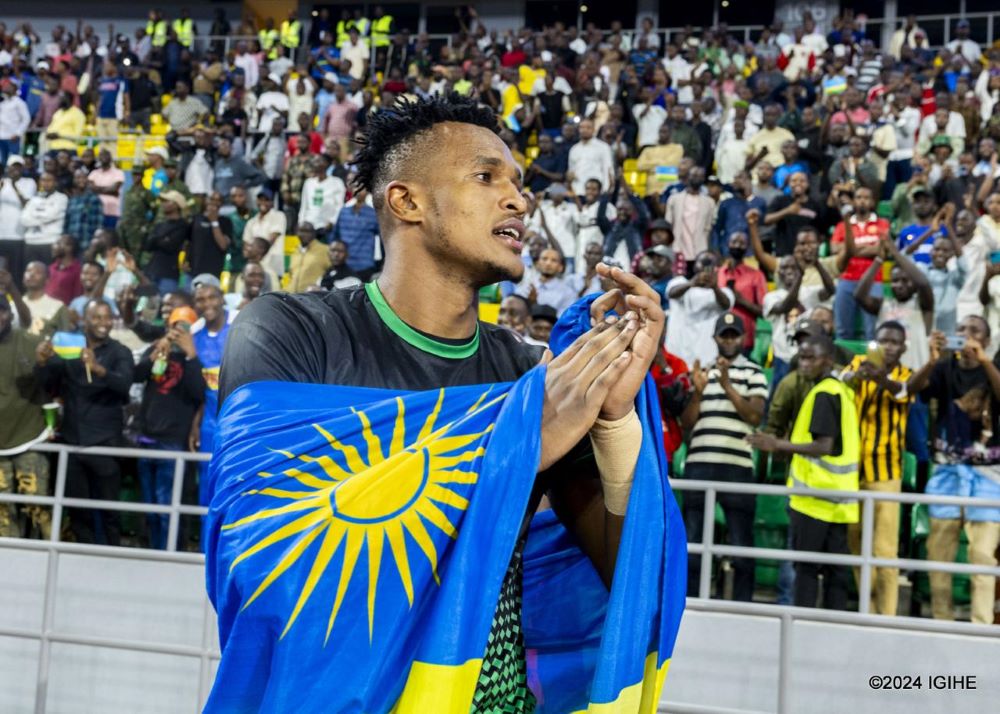
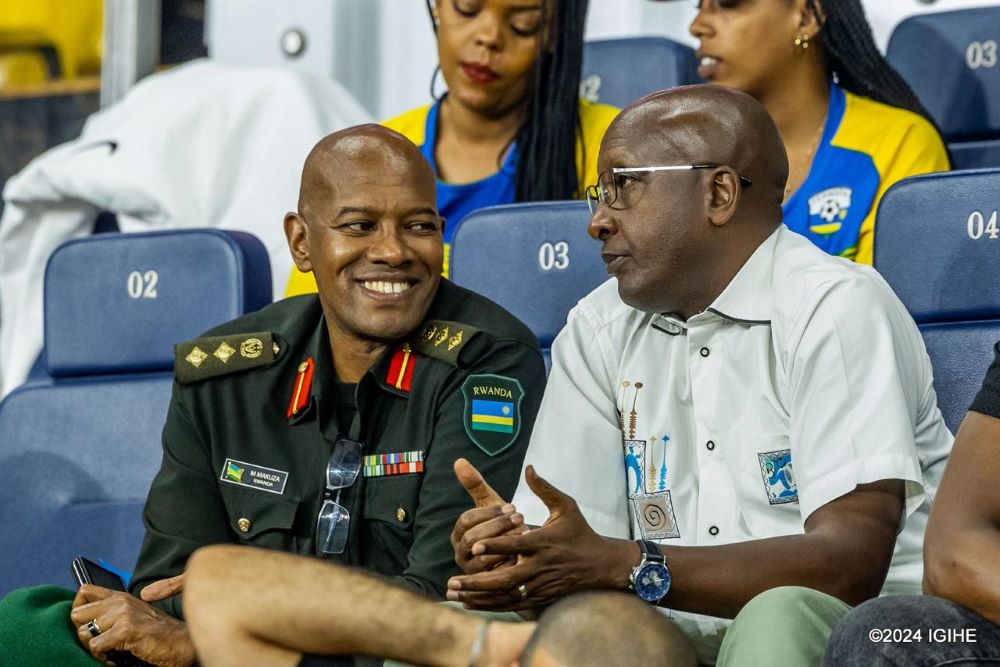
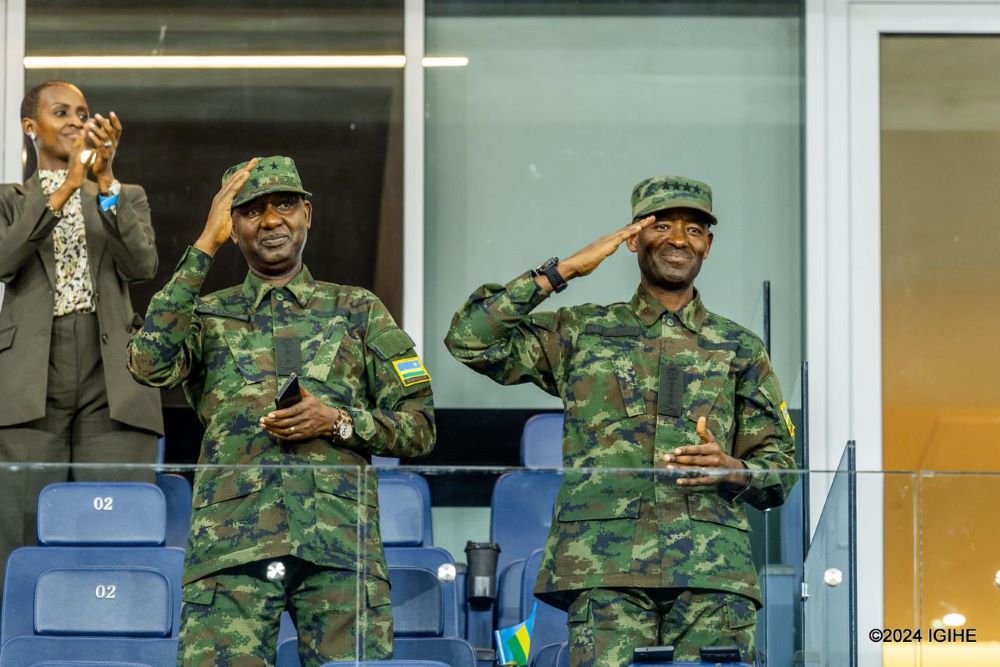
The thunderous celebration that followed saw top government officials acknowledging the team’s performance. The fans erupted in jubilation as Rwanda turned the game around in an extraordinary two-minute burst.
The atmosphere in the stadium was electric, with the crowd throwing their full support behind the team as they held on to their slim lead.
Benin fought back fiercely, pushing for an equalizer in the final minutes of the game. However, Rwanda’s defense held strong, with Fiacre in goal making critical saves to deny Benin any chance of leveling the score. In the four minutes of added time, Amavubi managed to resist Benin’s efforts, securing a well-deserved victory.
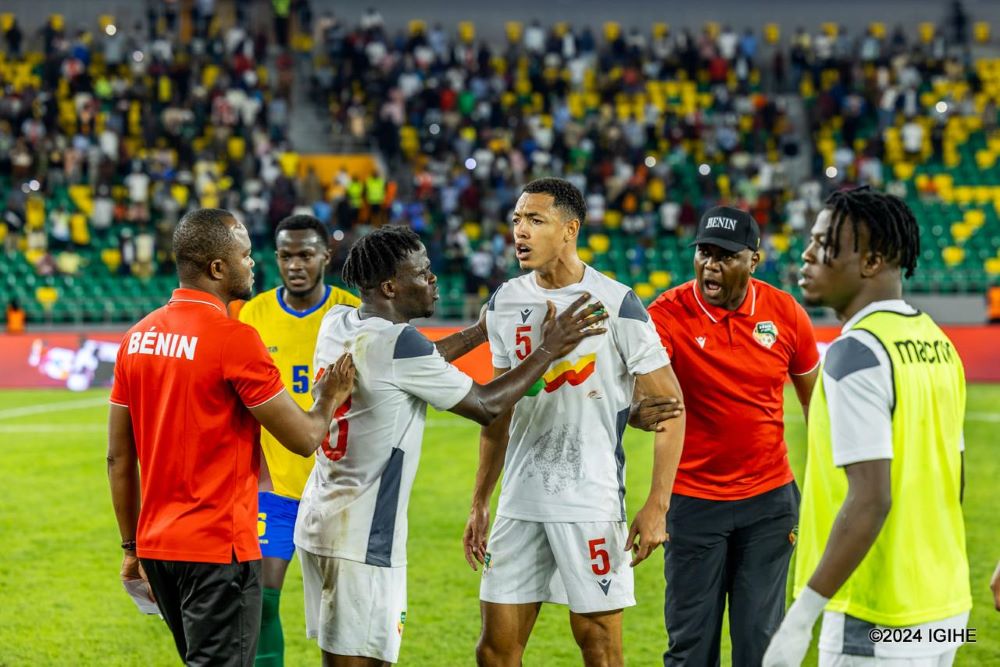
The tension wasn’t only on the field. After the final whistle, officials from Benin expressed their frustration with referee Andofetra Rakotojaona, accusing him of questionable decisions, especially regarding the penalty. Security had to intervene to escort the referee off the field safely, but the controversy did little to dampen Rwanda’s celebrations.
In the other Group games, the fate of some teams remained uncertain. Nigeria, scheduled to play Libya, faced complications upon their arrival. With no clear directives from the hosts, Nigeria decided to retreat after just a day. CAF later confirmed the postponement of the match, stating in an official release.
“The TotalEnergies CAF Africa Cup of Nations Morocco 2025 qualifier fixture between Libya and Nigeria will not take place as scheduled tonight. The matter will be referred to competent CAF bodies,” CAF said.
After the match, Rwanda’s head coach, Torsten Frank, spoke about the challenges his team had faced and praised the players for their resilience.
“You see the quality of the other players. I told my players, I told them our opponents are five times better than us, but good enough our boys used their body physique to protect the ball. They knew that the higher you come, the better if you know your opponent,” said Torsten.
He continued, “I’m happy about the result, and I had told them to utilize any empty space. I was especially happy with the boys in the second half. Nshuti did a great job today, and the way he was protecting and saving the ball was very impressive.”
With this vital win, Rwanda’s dream of qualifying for AFCON 2025 is alive and well. The team’s ability to turn the tide in such a crucial match serves as a beacon of hope for the remaining games in the qualification campaign. Amavubi Stars have shown that, despite the odds, they are determined to fight until the very end.
The 22-page report alleges torture and ill-treatment of prisoners and detainees by officials at Nyarugenge Prison in Kigali, Rubavu Prison in the Western Province, and the Kwa Gacinya detention facility.
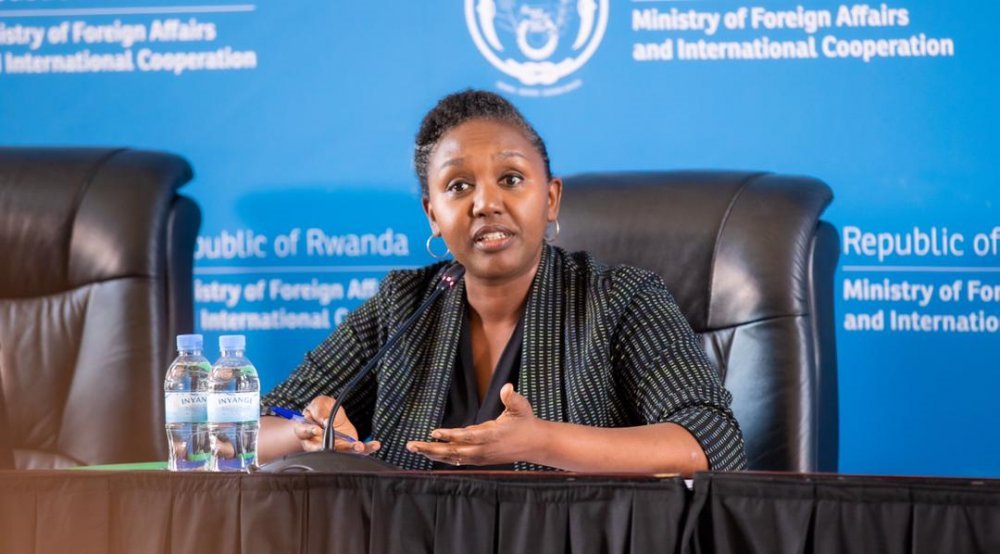
In a swift rejoinder, Rwanda Government Spokesperson Yolande Makolo rubbished the claims, highlighting HRW’s lack of credibility due to its history of false and malicious reports.
“Human Rights Watch does not have a monopoly on human rights and has repeatedly shown itself to be neither serious nor credible. They continue to target Rwanda with fabricated stories, just as they did in 2017 when several Rwandans, whom HRW falsely claimed had been ‘summarily executed’ for stealing goats and fruit, appeared alive at a press conference held by Rwanda’s National Commission for Human Rights,” Makolo stated, referring to HRW’s past report titled “All Thieves Must Be Killed”.
The 2017 report alleged that 37 people were killed by police officers, soldiers, reservists, and members of the District Administration Security Support Organ (DASSO) in the districts of Rubavu and Rutsiro over ‘suspected theft and petty crimes’.
It was later established that all the aforementioned individuals were alive, following an investigation carried out by the National Commission for Human Rights.
In the latest report, titled “‘They Threw Me in the Water and Beat Me’: The Need for Accountability for Torture in Rwanda”, HRW claims that judges in Rwanda ignored complaints from current and former detainees about unlawful detention and ill-treatment.
The organization purports to have relied on testimonies from 28 individuals interviewed between 2019 and 2024 and demands that the government conduct a comprehensive investigation into torture in Rwanda’s prisons.
Ironically, in the same report where HRW accused the government of inaction, they lauded the trial of six prison officials and 12 detainees who were convicted over the assault of inmates in Rubavu Prison in April this year.
HRW has severally been criticized for making false reports motivated by political reasons.
In March 2022, the government spokesperson rejected a report accusing the Rwandan government of abusive prosecutions against opposition members, journalists, and commentators based on their speech and opinions. Makolo termed the report, titled “Rwanda: Wave of Free Speech Prosecutions”, as biased.
In September 2023, HRW released another report accusing Rwanda of abusing the rights of transgender people, sex workers, and street children.
At the time, Rwanda explained the report was a calculated attempt to harm a strategic sector of Rwanda’s economy with fabricated allegations.
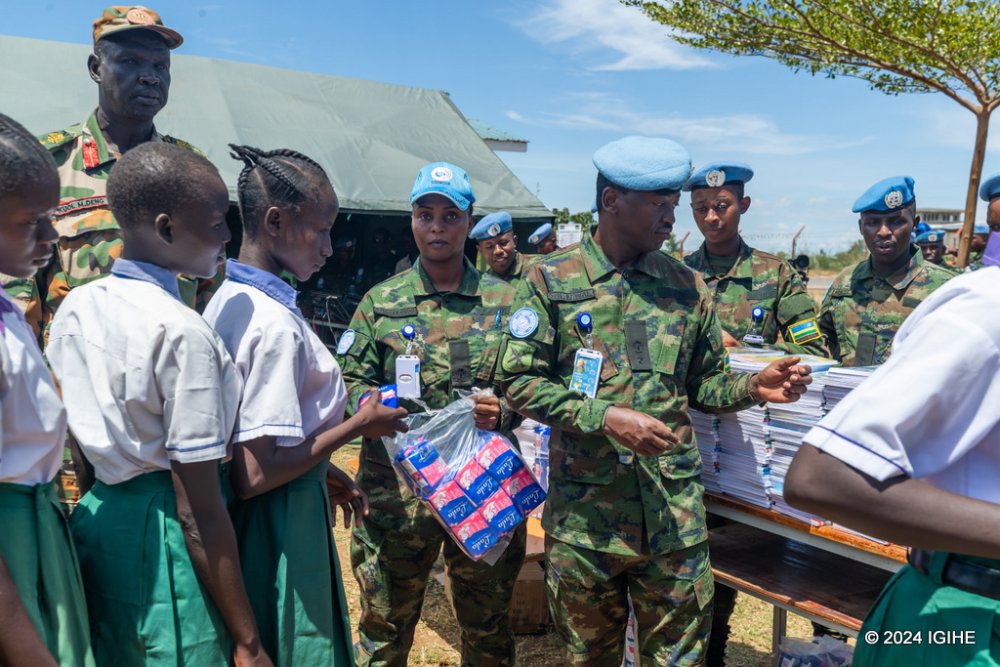
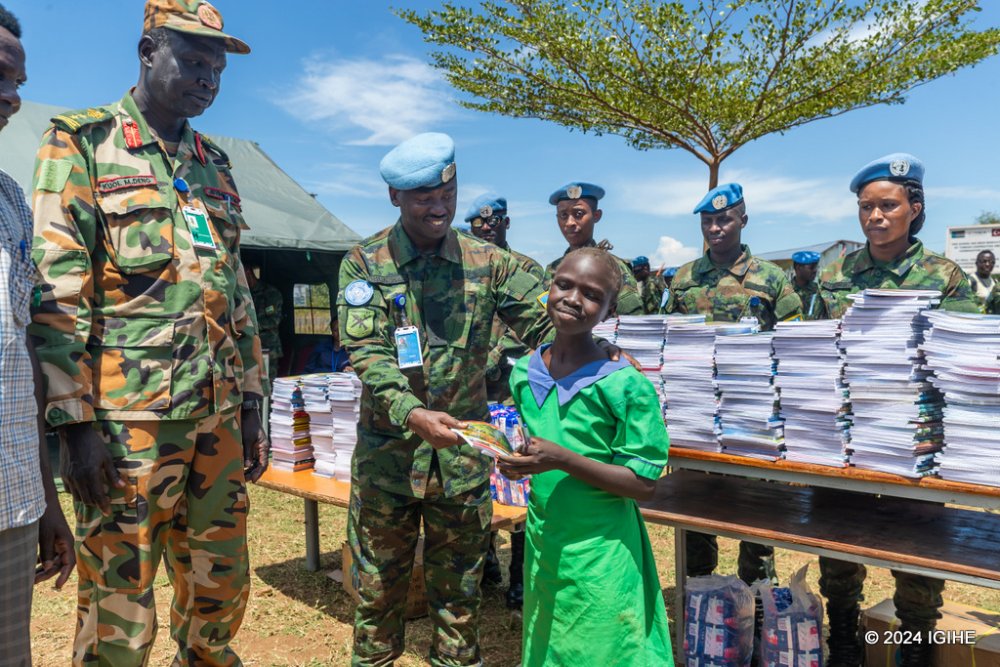
Three young girls from Kapuri Primary School fondly recalled their first encounter with Rwandan soldiers. As they exited their school, they were greeted by the soldiers in Kinyarwanda, a language they had never heard before but quickly embraced, repeating the greetings at home.
Today, these girls—Sarah, Helen, and Charity—are in the 8th grade, preparing for their national exams. With aspirations of pursuing careers in science and theology, they attribute much of their success to the improved school environment, noting the trees, flowers, and overall cleanliness.
The school in Kapuri, built in September 2014 by Rwandan soldiers who noticed students studying under a tree, has become a beacon of hope for the community.
What began as a makeshift learning space under trees has transformed into a fully functioning educational institution, officially opened in 2015. This initiative is just one example of the positive impact the Rwandan soldiers have had as part of their peacekeeping mission in South Sudan, echoing similar contributions they have made in other countries since their involvement in Darfur in 2004.
The school, once home to 200 students, now serves 540, a testament to its growing reputation. Parents recognize its quality, with one parent noting that if children aren’t registered early, they risk missing out on enrollment. As he said, the school’s popularity highlights the profound changes brought about by the Rwandan troops’ involvement.
Rwanda is one of the largest contributors to the United Nations peacekeeping mission in South Sudan, with over 2,500 soldiers and 400 police officers deployed. South Sudan, a nation that has long been troubled by conflict, has benefited greatly from this assistance.
After gaining independence in 2011, peace was short-lived, and civil war between factions led by President Salva Kiir and former Vice President Riek Machar caused widespread devastation, displacing millions and affecting vital resources like oil.
Lieutenant Colonel Simon Kabera, Deputy Spokesperson for the RDF, reflected on the stark difference between 2016, when he first served in South Sudan, and today. “In 2016, there was war. Now, people are returning, and life is returning to normal in the city,” he said.
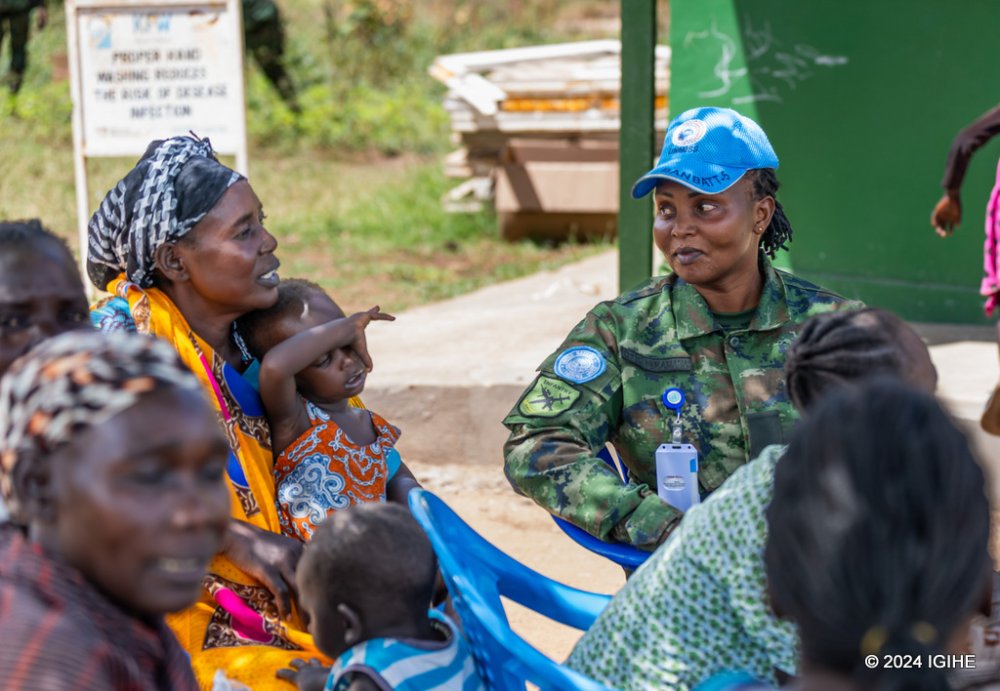
Since their arrival in 2014, Rwandan troops have undertaken various community projects alongside their peacekeeping duties. Lt. Col. Kabera emphasized, “Our primary duty is to protect civilians, but we also carry out community projects like building schools.”
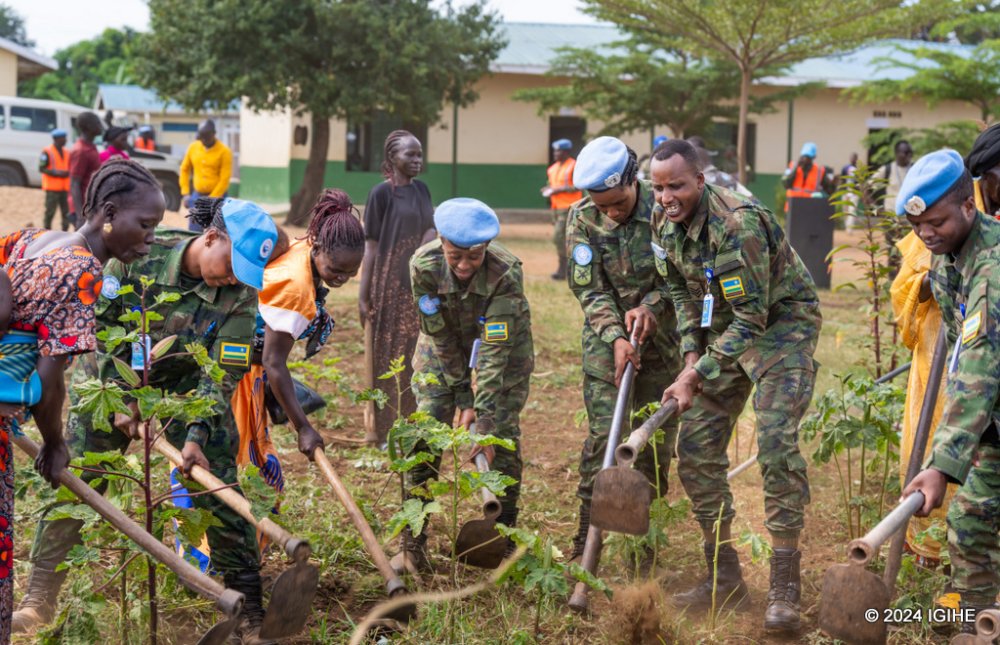
In addition to constructing educational facilities, the troops provide essential items such as stoves, water kiosks, and sports equipment to local communities.
During a recent community outreach event, Rwandan soldiers distributed school supplies and hygiene products, including sanitary pads for girls.
Suzie Nyokajong, an English teacher at Kapuri Primary and Nursery School, expressed her heartfelt appreciation for the improvements.
“We faced many challenges, but thanks to the support of the Rwandan troops, things have changed. Our school is now clean, and our students are performing well,” she said.
Nyokajong also noted the increase in both students and teachers, adding that the beautification efforts, with trees and flowers planted around the school, have created an environment that promotes learning and personal growth.
The ongoing peace and development initiatives led by the Rwandan troops continue to make a lasting difference in the lives of South Sudanese communities, demonstrating the far-reaching impact of peacekeeping efforts beyond the battlefield.
“Among the people of the region, the level of harmony and respect is comprehensive and complete,” Bassam Zakarneh, a member of Fatah’s Revolutionary Council of Palestine, told Xinhua during a recent interview.
Zakarneh has paid multiple visits to China. Speaking of some Western governments’ and media’s smear campaign against China about its Xinjiang policy, he said that the West is “trying to exploit anything to undermine China’s progress and development.”
This March, a delegation of members of political parties from Arab countries headed by Zakarneh, visited Xinjiang. “China’s experience in all regions is rich, and with every visit, we feel the magnitude of the benefit we gain in various fields,” Zakarneh said.
During the visit, the delegation learned about Xinjiang’s development in such areas as agricultural technology, livestream shopping and cross-border e-commerce.
“We find agriculture that does not require much space and land,” Zakarneh said. “Many of our products are destroyed due to the inability to sell them in season, but after learning about the agricultural industrialization carried out by China, our countries can enhance communication to exchange experience in this field.”
The delegation visited mosques and some other places of worship. Zakarneh said China preserves and gives each religion care for its sanctities with full and comprehensive support.
Zakarneh said the delegation expressed respect for China’s treatment of freedom of religion and the extent of its respect for human rights, contrary to what the U.S.-led West has said to distort China’s image and hinder its progress.
The delegation attended an exhibition on China’s counter-terrorism effort as well. “China has creativity in confronting terrorism through the awakening and cohesion of its people and the strength of its security services,” Zakarneh said.
The first measures, he added, are to educate citizens about preventing the infiltration of terrorist ideas and stopping anyone from exploiting this to attack China, by rehabilitating these people and educating them in school, so that they graduate with mastery of crafts, not to mention providing job opportunities and supporting various groups so that everyone in the region could become a producer, whether in agriculture, industry, or trade.
“China has faced this with strength and confidence and opened the borders of the Xinjiang region for all delegations to see for themselves the reality as it is. Our visit and observation on the ground were proof that Western propaganda is false,” Zakarneh said.
Just like the previous revolutions in communication technology, the development of AI cannot escape from the “Collingridge dilemma,” says the report, titled “Responsibility and Mission of News Media in AI Era,” highlighting the quandary between the need for development and the imperative of governance in order to harness AI for the betterment of humanity.
According to the report, released during the ongoing 6th World Media Summit in Urumqi, capital city of northwest China’s Xinjiang Uygur Autonomous Region, the majority, 66 percent, of the news media surveyed worldwide view the impact of generative AI on the industry positively. Additionally, 51.2 percent of the respondents had already started implementing AI technologies.
Media organizations primarily expected generative AI to enhance the timeliness and productivity of news reporting. However, they also expressed apprehensions about the potential credibility risks associated with AI, particularly regarding the “distortion and inaccuracy of news clues and materials.” A substantial 76.4 percent of respondents shared these concerns.
Additionally, a significant majority, 85.6 percent, of the surveyed news media believed that the application of generative AI required better regulation.
These findings were based on a questionnaire survey conducted in 2024. The survey covered over 1,000 respondents from 53 countries and regions, representing a diverse range of media outlets such as newspapers, periodicals, broadcasting and television stations, news agencies, websites, and mobile application service providers.
“AI is driving a new wave of productivity in news media, creating advanced productive forces across content collection, production, distribution, and evaluation,” the report points out.
It empowers both media organizations and consumers with enhanced experiences that transcend time and space, integrating virtual and real-world interactions, and facilitating human-machine communication.
Additionally, AI is fostering new business models, including a media-centric approach for everything, platform-based media, and a digitalized and intelligent industry.
The report, however, warns against multiple risks and challenges brought about by the uncertainty of AI and its misuse.
False information has escalated in scale, form and distribution, triggering a global crisis of authenticity, it says, noting that the technology’s limitations and the users’ private interests have created a “collusion” effect, polluting public opinion and negatively affecting individual perceptions and societal discourse.
Meanwhile, widespread value disputes and ethical dilemmas have put AI in a dilemma between development and governance.
The “intelligence divide” may further widen the gap between people, urban and rural areas, and between the North and the South, promoting technological hegemony and exacerbating global development imbalances, it adds.
The report proposes that news media should shoulder their social responsibilities, commit to a “people-first” approach and promote “intelligence for good” in the era of AI.
To achieve this goal, news media could accelerate intelligent-driven initiatives to enhance media value, prioritize ethical use of AI to establish robust standards, shoulder social responsibilities to optimize the cognitive environment, and foster dialogue and cooperation to improve global governance.
“In this way, powerful media forces will unite to build a community with a shared future and contribute to a better world,” the report says.
[Full Text: Responsibility and Mission of News Media in AI Era->http://www.xinhuanet.com/english/download/CgoMnGcL32CEKXweAAAAABHAdzY203.pdf]
[Click this link to watch the video->https://english.news.cn/20241014/824aacd815514d06a39cf760cbe71f5e/c.html]
Moses Kabali was found guilty by the Kahawa Magistrate Court, where he faced charges of hoaxing under Section 26 of the Prevention of Terrorism Act No. 30 of 2012.
Kabali was accused of writing a false email to the Interpol General Secretariat in France, requesting them to alert Kenyan security agencies, specifically the Anti-Terrorism Police Unit (ATPU), about an imminent terrorist attack.
In the email sent on June 30, 2024, Kabali further claimed that two individuals known to him, along with other unidentified terror operatives, were planning to carry out an attack in Kenya using improvised explosive devices (IEDs).
The prosecution informed the court that once the ATPU was alerted, its detectives launched investigations, leading to the arrest of a female suspect whose phone number was mentioned in Kabali’s report. However, the subsequent investigations revealed that the alert was false and misleading.
“Upon questioning, she disclosed that the phone number in question had been registered using her ID card but was being used by her cousin. A manhunt for the cousin ensued, and she was arrested in Eastleigh, Jam Street, on August 31, 2024. However, further investigations confirmed that she had no links to any terrorist group and was unaware of any planned attack,” the Directorate of Criminal Investigations (DCI) said in a statement.
Kabali was arrested on September 3, 2024, at the California Group of Schools in Eastleigh. A search of his residence led to the seizure of two mobile phones, two laptops, and various documents.
Forensic analysis at the Anti-Terrorism Forensic Laboratory revealed that Kabali was the author of the email, which was found to have originated from his Yahoo mail account.
“It was further established that Kabali had sent the malicious email to the Interpol General Secretariat in France out of anger, intending to punish his wife after their separation,” DCI added.
Kabali was subsequently arraigned in court to face the charges. Chief Magistrate Gideon Kiage sentenced him to five years in prison with an alternative fine of Ksh5 million (approximately Frw 52 million).