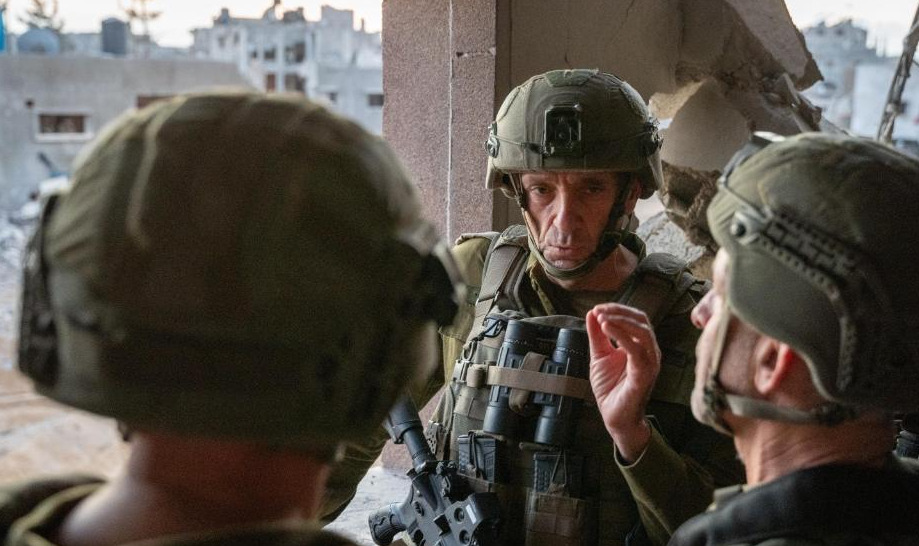
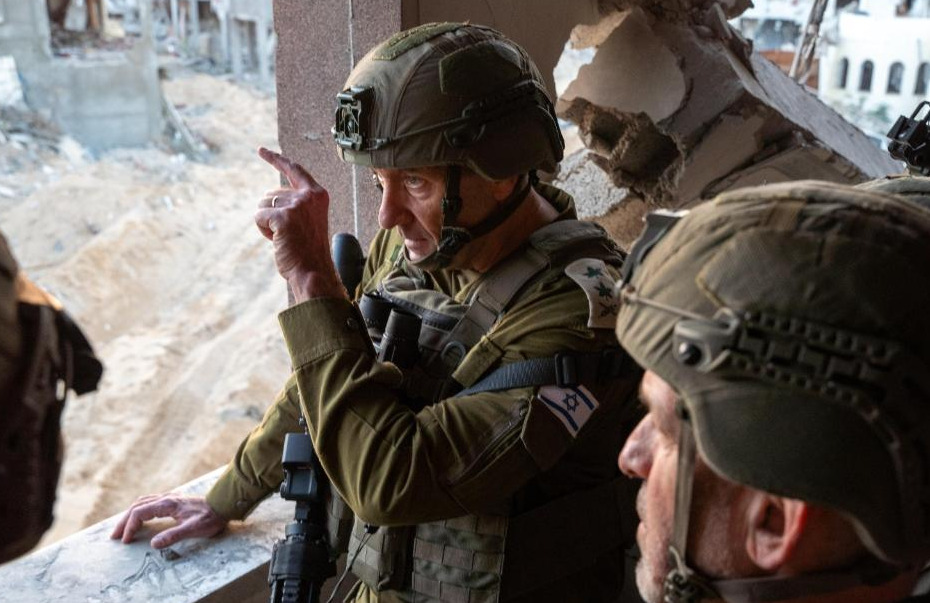
“IDF soldiers from the Southern Command eliminated Yahya Sinwar… in an operation in the southern Gaza Strip,” the Israeli army said in a statement.
The IDF said that its soldiers killed three militants in the operation, and later, it turned out that one of them was Sinwar, who “was responsible for the murder and abduction of many Israelis.”
According to the statement, Sinwar was killed after hiding over the past year behind the civilian population of Gaza, both above and below ground, in Hamas tunnels in the Gaza Strip.
“The dozens of operations carried out by the IDF and the ISA over the last year, and in recent weeks in the area where he was eliminated, restricted Sinwar’s operational movement as he was pursued by the forces and led to his elimination,” the statement added.
Shortly before the IDF statement, Israeli Foreign Minister Israel Katz confirmed Sinwar’s death in a message to foreign ministers of other countries, saying that “this is a great military and moral achievement for Israel.”
According to the foreign minister, “the elimination of Sinwar creates a possibility for the immediate release of the Israeli abductees and to bring about a change that will lead to a new reality in Gaza, without Hamas nor Iranian control.”
Considered the chief architect of the Hamas attack against Israel on October 7, 2023, Sinwar was appointed as Hamas leader in August following the assassination of former leader Ismail Haniyeh in Tehran.
Sinwar was born in October 1962 in the Khan Younis refugee camp in the southern Gaza Strip. He had been jailed in Israeli prison multiple times before his final release in 2011.
After his release, Sinwar was elected to Hamas’s political bureau during the movement’s internal elections in 2012, where he took charge of security matters. In 2013, he assumed leadership of Hamas’s military wing, the al-Qassam Brigades, coordinating efforts between the political bureau and the brigades’ leadership.
He was elected in 2017 as the head of the movement’s political bureau in Gaza, and in 2021, he was re-elected for a second four-year term during the movement’s internal elections.
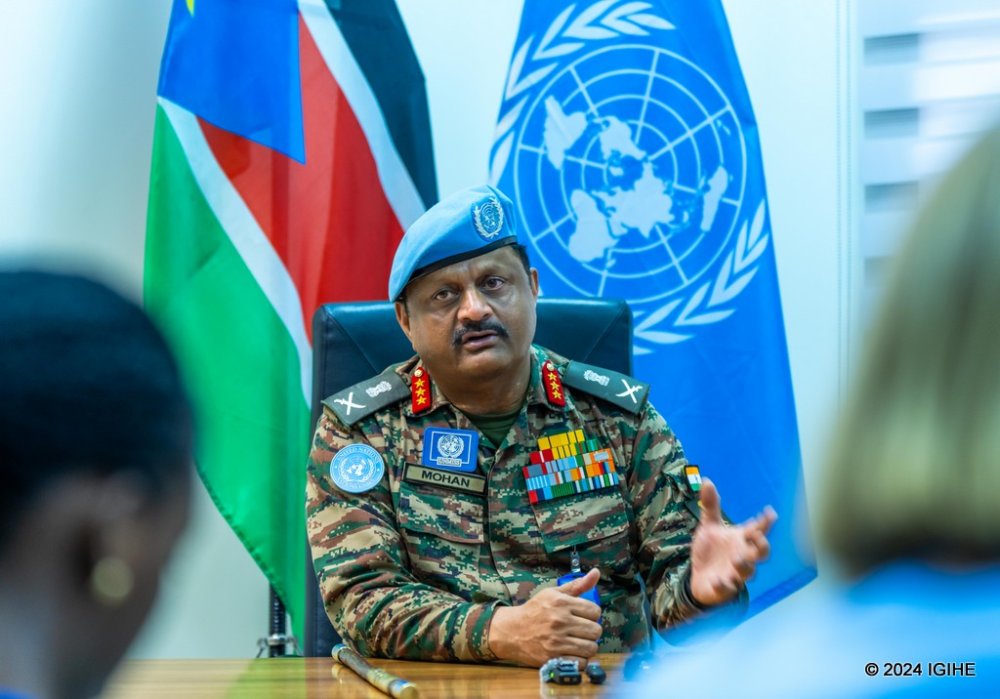
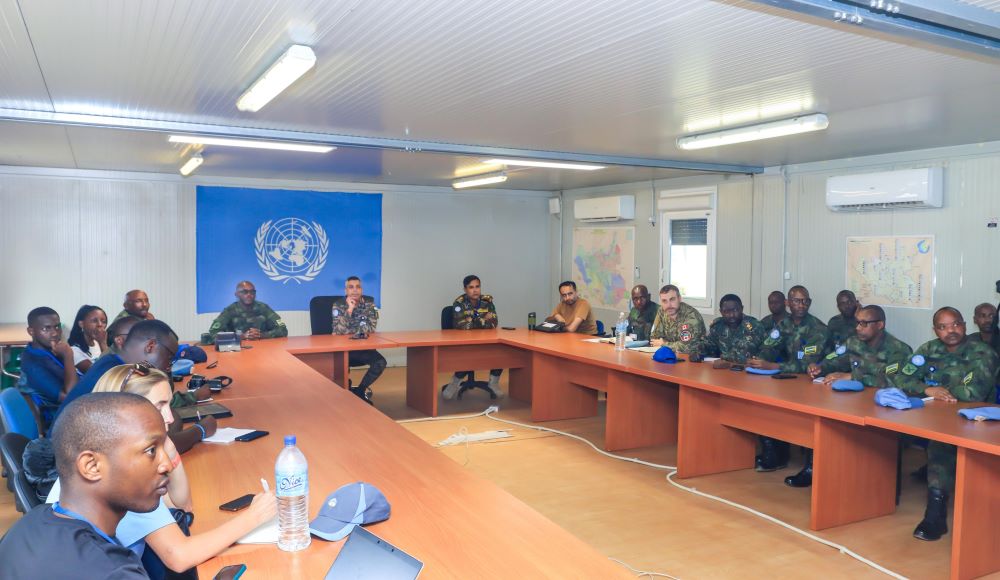
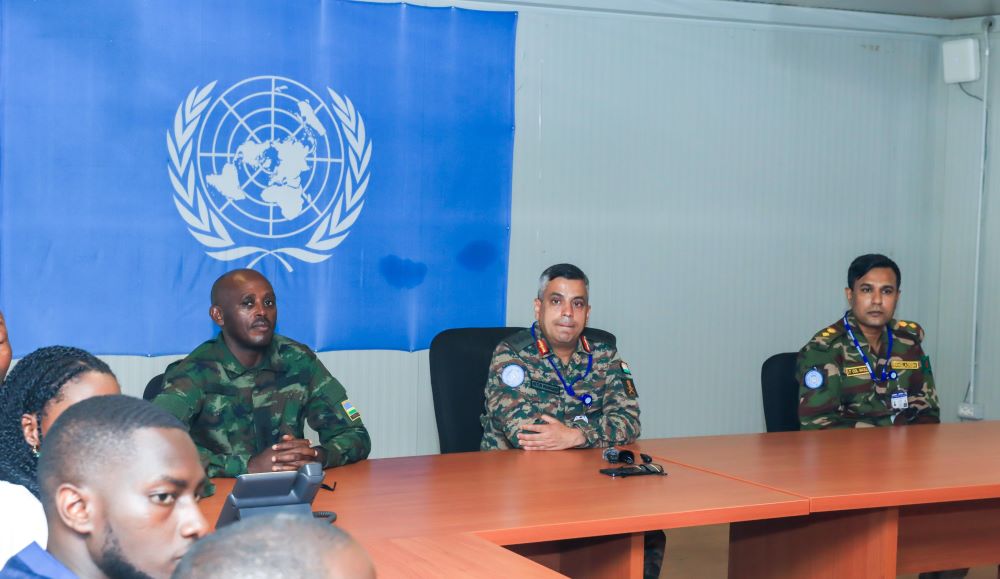
He was speaking on Thursday at a press conference in South Sudan where he highlighted the critical contributions of Rwandan troops.
The United Nations peacekeeping mission in South Sudan, UNMISS, stands as the largest in the world, with over 13,000 troops deployed across various regions of the country.
South Sudan, a young nation that gained independence in 2011, has been plagued by ethnic conflicts among its 63 tribes, resulting in continued instability.
The size and complexity of the mission are compounded by the fact that South Sudan is over 24 times larger than Rwanda, making peacekeeping efforts both extensive and challenging.
Rwanda, known for its exemplary participation in global peacekeeping efforts, has one of the largest contingents in South Sudan.
The country has more than 2,990 personnel in South Sudan, including three infantry battalions, an aviation unit, police units, and senior officers deployed in key roles.
Lt Gen Subramanian underscored the importance of Rwanda’s involvement in the mission, stating that the Rwandan contingent is “the backbone of UNMISS.”
He further elaborated on the strategic significance of Rwanda’s presence, describing the roles of the three battalions stationed in volatile regions like Upper Nile State, Juba, and Eastern Equatoria state.
These battalions not only protect civilians but also serve as a stabilizing force in areas prone to ethnic clashes and armed conflict.
One of the battalions stationed in Upper Nile State is responsible for guarding the only Protection of Civilians (POC) camp managed by UNMISS, which houses over 40,000 displaced individuals.
In addition to securing the camp, Rwandan peacekeepers work alongside the Indian battalion to provide essential services, ensuring the safety and well-being of those affected by conflict.
In Juba, the capital of South Sudan, another Rwandan battalion plays a crucial role in city security and surrounding areas. Initially brought in as part of the Rapid Protection Force in response to the 2016 civil war, this battalion now serves as a vital element in the ongoing efforts to maintain stability.
The third battalion oversees operations in Eastern Equatoria, a region critical to South Sudan’s security landscape.
Besides, the Rwandan aviation unit, the only military aviation unit in UNMISS, provides indispensable support in operations that require rapid deployments, long-distance patrols, and crisis response.
Beyond their military role, Rwandan peacekeepers have also engaged in civil-military cooperation activities (CIMIC), helping to rebuild the war-torn communities in which they serve.
These activities include setting up medical camps, training civilians in essential skills, and providing infrastructure support such as road repairs.
Such efforts are funded by the Rwandan government and designed to strengthen the bond between peacekeepers and local communities.
Rwanda has participated in United Nations peacekeeping missions for 20 years. Additionally, it has been 30 years since the country emerged from the tragic history of the 1994 Genocide against the Tutsi.
Drawing from their own history, having endured and recovered from the 1994 Genocide against the Tutsi, Rwandan troops embody resilience and serve as role models as highlighted by UNMISS commander.
“Each contingent brings with itself its own uniqueness. Now, the Rwandan contingent being our biggest contingent, its uniqueness almost defines us. Now, what is unique about the Rwandan contingent is that in a very short time of organization from 1994, the Rwandan army has very solid doctrines and very well made standard operating procedures,” he noted.
“Officers and troops are very well trained. They are robust, ready to take on any activity. And they understand UN missions very well, being such a major contributor in many missions. So they are a very robust component of the force,” Lt Gen Subramanian added.
He also emphasized that Rwanda’s constitutional mandate for international peacekeeping adds to the country’s sense of purpose in these missions.
The Commander noted that this gives Rwandan peacekeepers a unique edge, as they approach their work not just as an international duty but as part of a national commitment to global stability.
“What Rwanda has suffered in 1994 needs no emphasis, and that gives a certain sense of purpose to their peacekeepers,” he added.
The Rwandan contingent also contributes heavily to operational leadership within UNMISS.
The sector commander in the highly sensitive and flood-prone Unity State is from Rwanda, as well as key officers in the mission’s command structure.
Rwanda’s Deputy Chief of Operations in UNMISS is responsible for the planning and execution of all major missions, further underscoring the leadership role that Rwanda plays in this global peacekeeping effort.
The Senate upheld Gachagua’s impeachment by the National Assembly in a historic vote taken late Thursday night.
Senate Speaker Amason Kingi immediately declared the Deputy President’s office vacant in a gazette notice circulated on the same night.
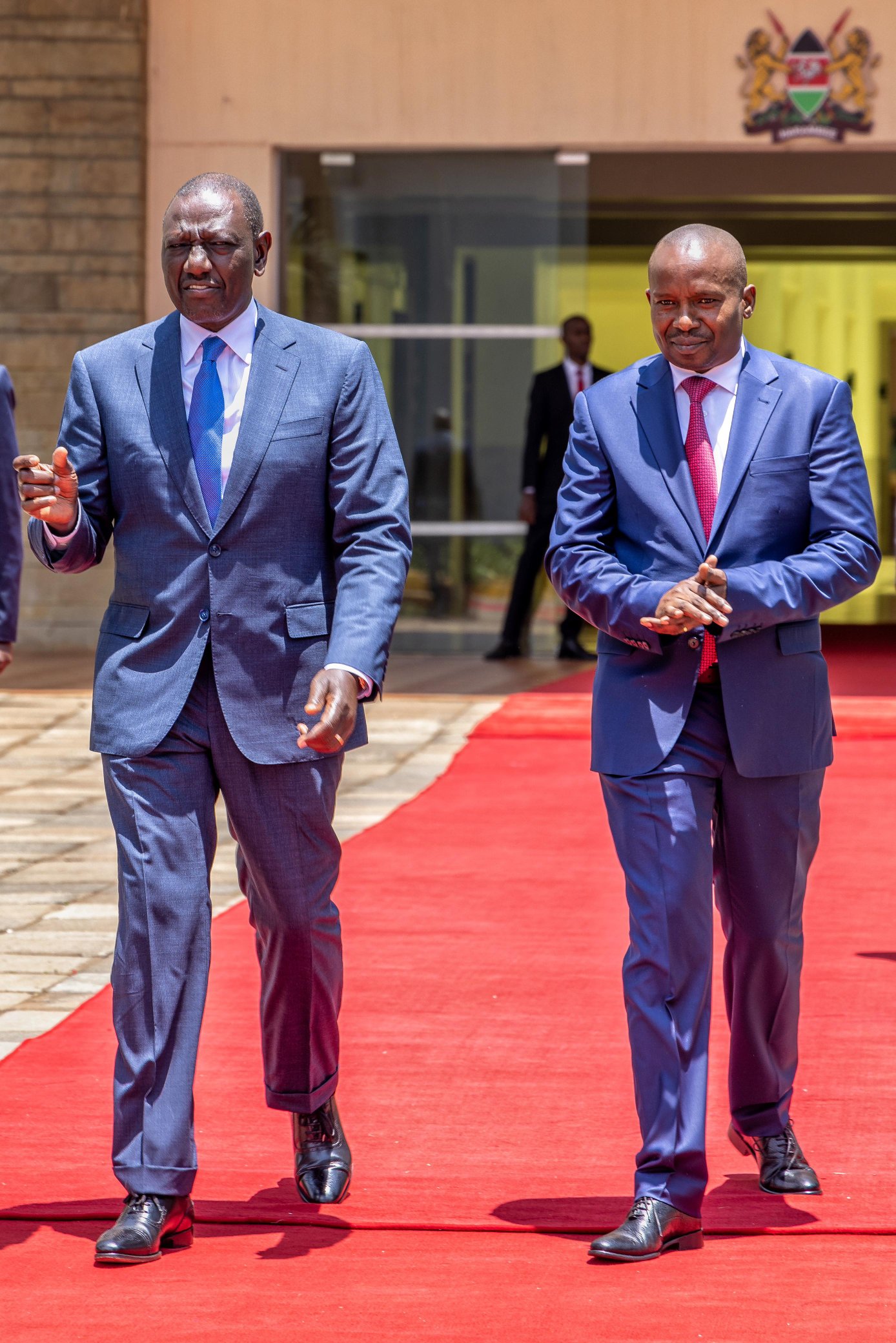
To fill the vacancy, National Assembly Speaker Moses Wetang’ula announced on Friday morning that President Ruto had submitted the name of Prof. Kindiki for approval to replace Gachagua.
The House is expected to hold a special sitting on Friday morning to consider Prof. Kindiki’s nomination.
Kindiki is likely to be approved by MPs as Ruto enjoys a majority in the House.
If Kindiki’s nomination is approved, he will be formally appointed and sworn in as Kenya’s Deputy President.
The 52-year-old is a seasoned lawyer and former senator who represented Tharaka Nithi County between 2013 and 2022. He was also part of a team of lawyers who represented Ruto at the International Criminal Court (ICC) in The Hague, Netherlands, in the crimes against humanity case related to the 2007-2008 post-election violence. The charges against Ruto were later vacated due to insufficient evidence.
Kindiki was among the top candidates considered as President Ruto’s running mate for his presidential campaign. Ruto, however, settled on Gachagua despite a majority of MPs in Ruto’s party overwhelmingly supporting Kindiki. Instead, Kindiki was appointed to serve as the Interior Minister.
{{Gachagua Ousted}}
Gachagua, who is widely reported to have fallen out with President Ruto in recent months, was impeached after Senators upheld five of the 11 grounds tabled for his removal.
Fifty-four senators voted to impeach Gachagua on the first count of gross violation of the Constitution, while 13 voted against his ouster. The charges under this ground included accusations of dividing Kenyans along ethnic lines. The National Assembly cited several instances where he compared the government to a company, suggesting that certain regions held more shares than others.
Besides engaging in divisive politics, Gachagua faced a host of other accusations, including economic crimes, money laundering, insubordination, undermining the government and devolution, as well as bullying and intimidating state officers. However, the charges of economic crimes, money laundering, and bullying failed to gain sufficient support.
The Kenyan Senate required a two-thirds majority, which equates to at least 45 out of the 67 senators, to successfully impeach the Deputy President on any single charge.
Gachagua is the first Deputy President in Kenya’s history to be removed from office through an impeachment process. The impeachment bars him from ever holding public office.
The Senate proceeded with the impeachment trial despite Deputy President Gachagua falling ill and being hospitalized. He is expected to move to court to challenge the impeachment.
The Senate upheld five out of the 11 grounds in the historic vote taken on Thursday night.
Fifty-four senators voted to impeach Gachagua on the first count of gross violation of the Constitution, while 13 voted against his ouster. The charges under this ground included accusations of dividing Kenyans along ethnic lines. The National Assembly cited several instances where he compared the government to a company, suggesting that certain regions hold more shares than others.
Besides engaging in divisive politics, Gachagua faced a host of other accusations, including economic crimes, money laundering, insubordination, undermining the government and devolution, as well as bullying and intimidating state officers. However, the charges of economic crimes, money laundering, and bullying failed to gain sufficient support.
The Kenyan Senate required a two-thirds majority, which equates to at least 45 out of the 67 senators, to successfully impeach the Deputy President on any single charge.
“Pursuant to Article 145(7) and 151(b)(2) of the Constitution and Standing Order 78(8) of the Senate, the Senate has resolved to remove from office, by impeachment, His Excellency Rigathi Gachagua, the Deputy President of Kenya. Accordingly, His Excellency Rigathi Gachagua ceases to hold office,” Senate Speaker Amason Kingi declared.
Gachagua becomes the first Deputy President in Kenya’s history to be removed from office through an impeachment process. The impeachment bars him from ever holding public office.
The Senate proceeded with the impeachment trial despite Deputy President Gachagua falling ill and being hospitalized, according to his lawyers.
The legal team had requested an adjournment of the trial until at least Tuesday, October 22, 2024, but the Senate voted to continue with the proceedings. In protest, Gachagua’s lawyers walked out of the Senate.
The motion of impeachment was tabled by Kibwezi West MP Mwengi Mutuse in the National Assembly on October 1, 2024.
Two hundred and eighty-one lawmakers voted in favour of the motion to remove Gachagua, while 44 opposed it, with only one member of the House abstaining. The motion required support from 233 MPs, representing two-thirds of the total 349 members, to pass through the House.
Speaking during a recent interview, UNMISS Malakal Upper Nile Sector Commander Brig Gen Nakul Rayamajhi emphasized how the collaborative efforts of various contingents, including Rwanabat-2, INBAT-1, and BAN-FMU, helped maintain peace and prevent the loss of lives.
“It’s a success story wherein the collaborative efforts of the entire force, entire sector—north, the Rwanabat-2, the previous contingent, INBAT-1, the previous contingent, and BAN-FMU—were able to control the situation and prevent loss of lives,” he said.
The Commander highlighted several key achievements, including a crucial operation in May, which saw RDF troops play a proactive role in controlling unrest. He attributed their success to the training and readiness of their forces, noting that their approach helped minimize casualties.
“We had just about eight losses, including those four there, the fifth one here outside the POC, and I think three in the town. About eight to ten losses, including injured,” he recounted, labeling it the “second success story.”
Additionally, the RDF has been instrumental in engaging local communities in areas like Nasir County, where a youth mobilization effort to raid cattle due to unemployment was peacefully halted. The Commander detailed how Rwanabat-2, along with local authorities, engaged with the community and the county commissioner to defuse the situation, preventing further violence. “That mobilization was halted, thereby saving lives,” he said.
UNMISS has also introduced integrated medical campaigns to address healthcare needs in remote areas. The Commander explained that RDF medical personnel collaborate with other contingents to attend to emergencies during patrols, offering vital treatment and medicines to affected populations.
He pointed to a recent operation in New Fangak, where RDF medics, alongside other personnel, treated over 270 women and children displaced by floods, providing much-needed malaria medicine.
“Quite a stock of medicines, including malaria tablets for approximately 250 persons, was presented to the county commissioner by Rwanabat and INBAT,” the Commander noted.
The success stories underscore the important role RDF troops play in UNMISS’s broader efforts to protect civilians and promote stability in South Sudan.
The Commander also emphasized that small, consistent steps taken by RDF forces, such as teaching unarmed combat to girls in conflict zones, have the potential to save lives and empower vulnerable communities.
The current conflict in South Sudan, though somewhat reduced in intensity, stems from deep-seated political, ethnic, and resource-related issues that have plagued the country since its independence in 2011.
South Sudan’s journey to statehood began with decades of civil war between Sudan and the southern regions, culminating in the Comprehensive Peace Agreement in 2005, which led to a 2011 referendum for independence. However, internal conflicts soon emerged, primarily driven by political power struggles and ethnic tensions.
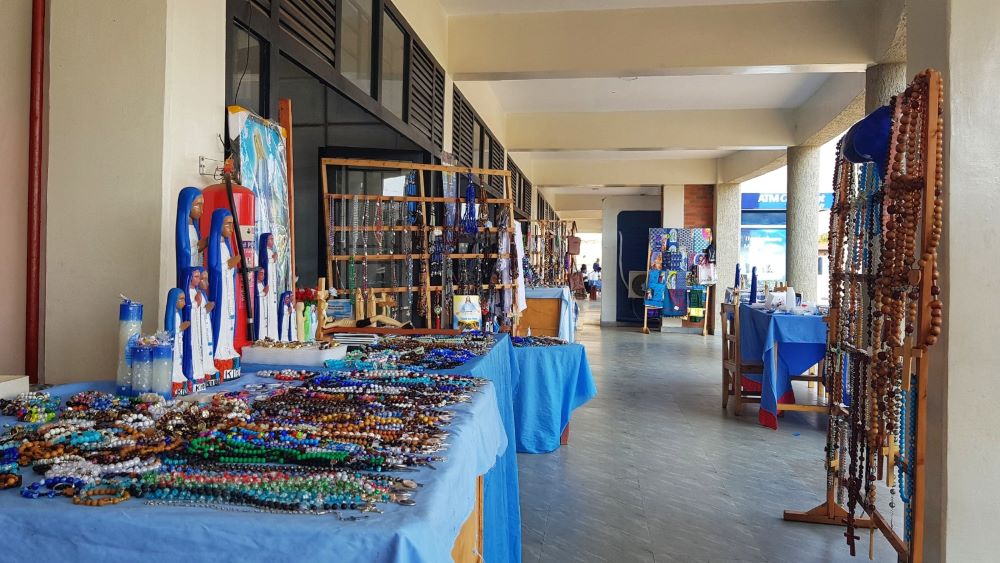
Today, thanks to China’s Belt and Road Initiative (BRI) through cooperation with Rwanda, the pilgrimage to Kibeho has been significantly improved with smooth tarmac roads.
The Belt and Road Initiative, launched by China in 2013, is designed to enhance global trade routes by investing in infrastructure. However, it’s more than just a financial strategy; it’s a visionary project to stimulate economic growth and connectivity across Africa, Asia, and Europe.
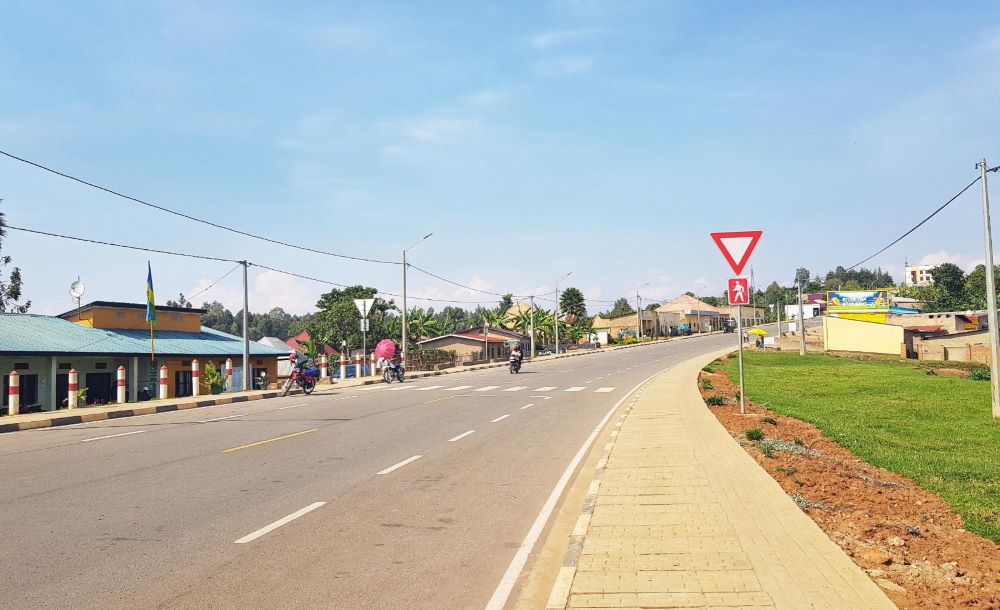
In Rwanda, the impact of this initiative is visible. One of the most notable projects is the road from Huye to Kibeho, a small town in southern Rwanda renowned for the Virgin Mary’s apparitions in the 1980s. This road, once treacherous and riddled with potholes, is now a smooth tarmac route thanks to Chinese investment.
In March 2019, Rwanda embarked on the construction of the Huye-Kibeho-Ndago-Munini and Ndago-Ngoma road, covering 66 kilometers. Completed in 2022 at a cost of over 70 billion Rwandan Francs, the project faced challenges during the COVID-19 pandemic but has since become a symbol of progress for the region.
Residents of Nyaruguru, particularly those in Kibeho and nearby areas, have experienced immediate benefits. Previously, the journey was grueling, especially during the rainy season when the roads became muddy and nearly impassable. Today, thanks to this new infrastructure, pilgrims can travel to Kibeho easily, and the road has sparked economic growth.
Taxi-moto operator Theogene Ndagijimana from Mata recalls the difficult conditions before the road’s construction. “It was tough to get a passenger going to Huye,” he shared. “In the rainy season, the road was slippery, and during the dry season, the dust made the journey unbearable.” Now, he says, “It’s easy. Someone can pray all day and be back in Huye by 7 p.m. without worry.”
The new road has also revitalized local businesses. Namukway Molly, a Ugandan restaurant owner in Kibeho, remarked, “After seeing the progress in Kibeho, we decided to open a restaurant here. We serve mostly Ugandan dishes, and now we have customers from as far as Uganda placing orders on their way to Kigali. The road has made everything easier.”
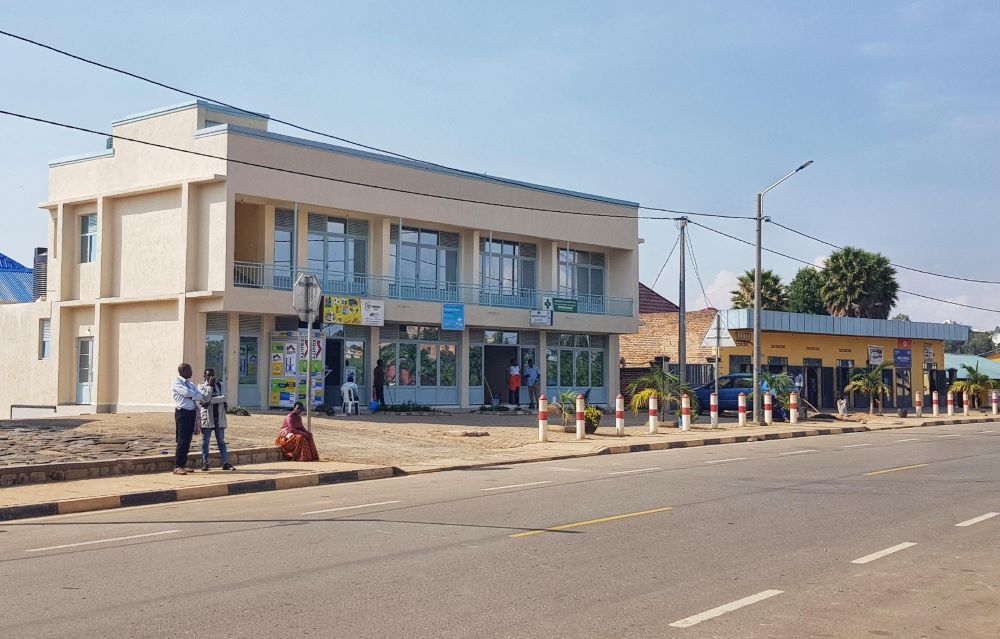
With the increased number of pilgrims, demand for services like accommodation and food has surged, creating new opportunities for local entrepreneurs. Farmers are also reaping the benefits, as lower transport costs enable them to easily get their produce to bigger towns.
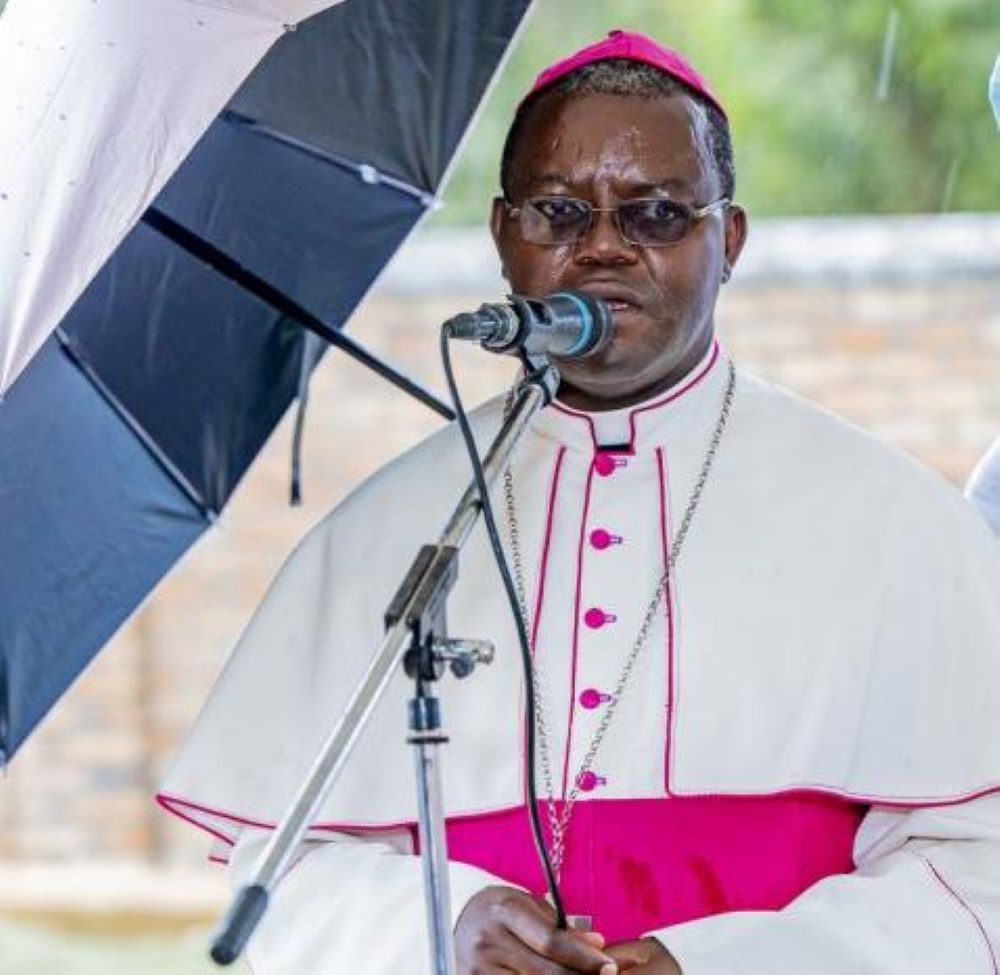
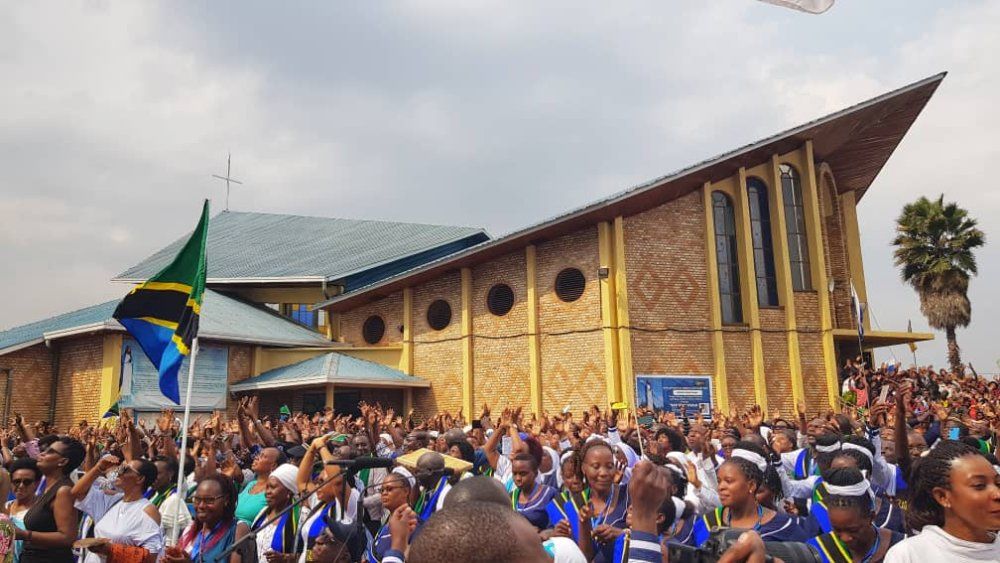
The Bishop of Gikongoro Diocese, Celestin Hakizimana, emphasized the road’s role in boosting the number of visitors to Kibeho. “Before, many, especially the elderly and tourists, were reluctant to make the journey due to poor road conditions. Now, Kibeho is visited not only on major religious days but throughout the year,” he explained. He noted that on Assumption Day alone, over 85,000 people visited the shrine.
Remarkably, the road has also encouraged more foot pilgrimages. “We have pilgrims who walk all the way from Kigali,” Bishop Hakizimana added. “They stay overnight in Ruhango and continue the next day, confident in the safety and cleanliness of the road.”
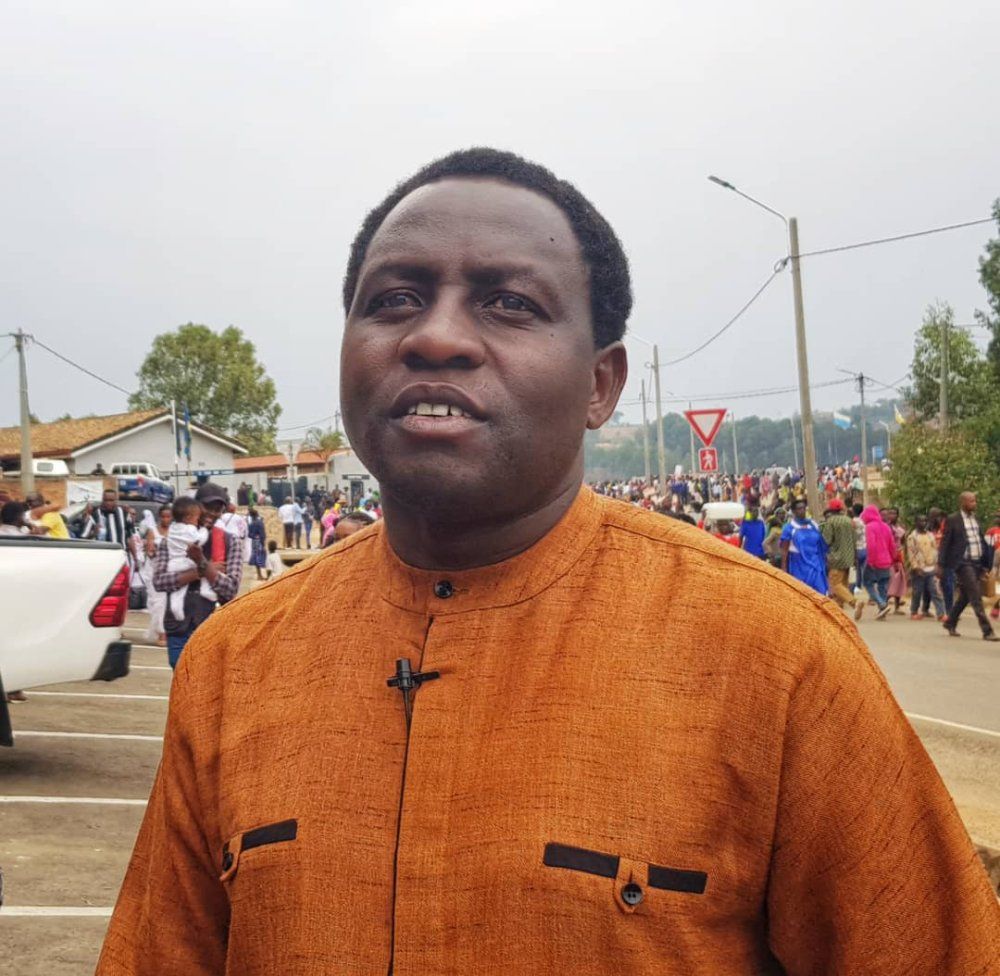
Nyaruguru District Mayor, Dr. Emmanuel Murwanashyaka, described the transformative effect of the road. “Before this road, Kibeho received between 150,000 and 300,000 pilgrims annually. Now, we see over a million visitors each year. The road has also attracted investment in accommodations and businesses.”
{{China-Rwanda Partnership: More than Just Roads}}
China’s investment in Rwanda’s infrastructure extends beyond religious routes. Roads across the country are being improved, unlocking new opportunities for trade, tourism, and investment. In Nyaruguru District, the Huye-Kibeho road introduced tarmac infrastructure to many for the first time.
This collaboration between China and Rwanda is part of a broader partnership, which in 2024 marked 52 years of diplomatic relations. Over $300 million in infrastructure projects have been completed in Rwanda, with a focus on building capacity for future independent projects.
For many Rwandans, the Huye-Kibeho road is more than just a road; it is a bridge to a better future. It has improved daily life, enhanced safety, and opened doors to new economic opportunities.
As Rwanda continues its journey of development, the road to Kibeho stands as a testament to progress, cooperation, and hope. Thanks to this partnership, pilgrims can now journey to praise the Lord in safety, transforming what was once a test of endurance into a celebration of progress.
The coveted continental seat will become vacant in February 2025, as the current chairperson, Moussa Faki, completes his two terms in office.
The chairperson of the AU Commission serves as the Chief Executive Officer of the African Union and is crucial in driving the Union’s agenda while representing the continent on the global stage.
Candidates for the position are nominated by African Union member states, and a high-level panel of eminent Africans assesses and shortlists them based on qualifications, experience, and leadership capabilities. The final election is conducted by the Assembly of the African Union, comprising representatives from all member states. A two-thirds majority by secret ballot is required to elect the new chairperson.
The next AUC chairperson will be elected in February 2025 during the African Union Summit at its headquarters in Addis Ababa, Ethiopia, and will serve a four-year term, renewable once.
The role is rotated among the AU’s five geographical regions: Northern, Southern, Eastern, Western, and Central Africa. This rotation policy ensures inclusivity and representation within the African Union, with each region having an opportunity to lead.
In March 2024, the African Union Executive Council unanimously resolved that the Eastern Africa region would nominate candidates to succeed Faki, who hails from Chad in the Central African region.
{{Candidates
}}
Initially, at least six candidates from Eastern African states expressed interest in the role, but the race has narrowed to four candidates and two main contenders following the withdrawal of former Somali Foreign Affairs Minister Fawzia Yusuf in August.
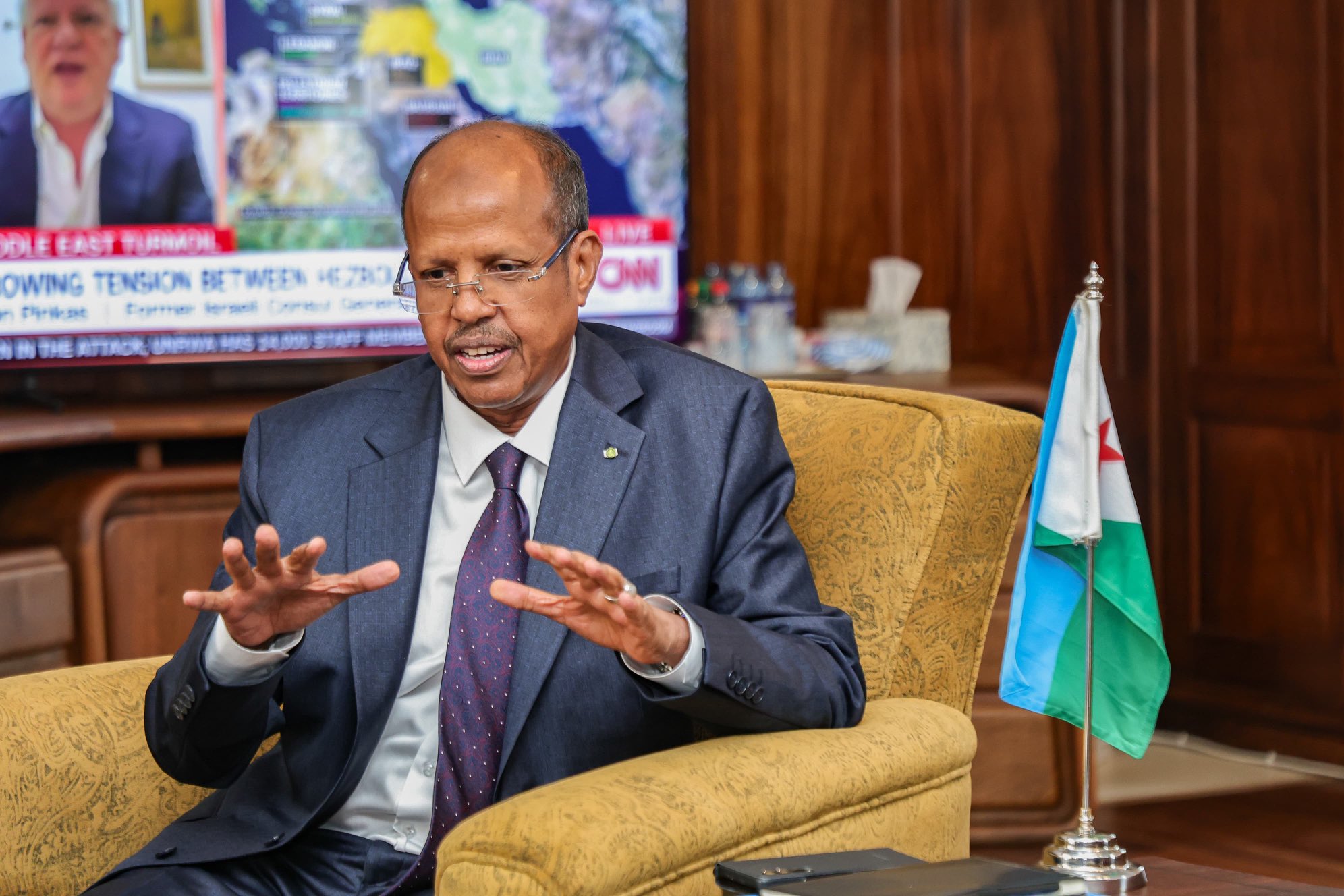
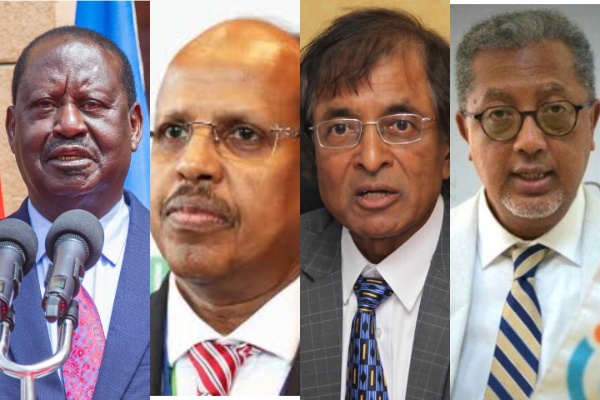
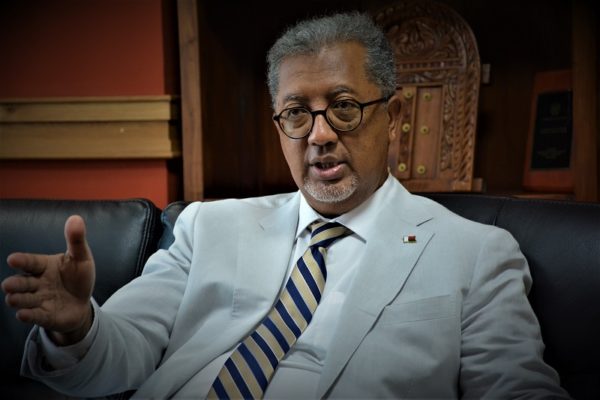
Former Kenyan Prime Minister and longstanding opposition leader Raila Odinga and Djibouti’s former Foreign Minister Mahmoud Ali Youssouf are touted as the frontrunners. Other candidates include Anil Gayan, a former foreign minister of Mauritius; and Richard Randriamandrato, a former foreign minister of Madagascar.
Former Seychelles Vice President Vincent Meriton, who had expressed interest in the position, did not have his candidacy submitted by his country before the August 6, 2024, deadline.
Odinga has already secured backing from East African Community (EAC) member states and Yusuf of Somalia, a significant boost to his bid for the AUC chairmanship.
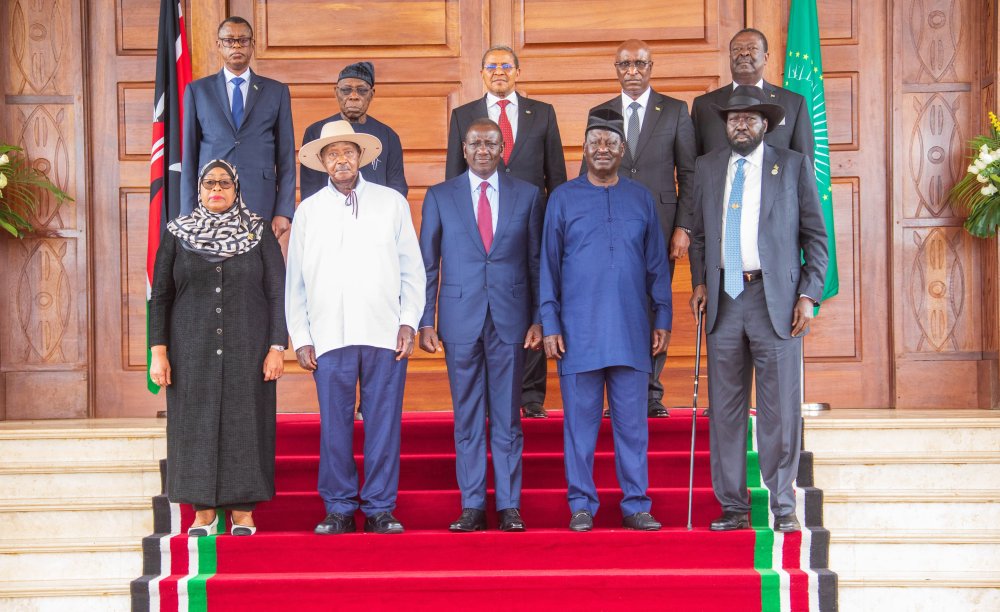
In fact, Odinga’s official bid launch in Nairobi in August was attended by four sitting heads of state: Kenyan President William Ruto, Ugandan President Yoweri Museveni, South Sudanese President Salva Kiir, and Tanzanian President Samia Suluhu. Also in attendance were former presidents Olusegun Obasanjo of Nigeria and Jakaya Kikwete of Tanzania.
Rwanda’s Minister of State for Regional Cooperation, James Kabarebe, represented President Paul Kagame at the event.
While endorsing Odinga, President Ruto expressed confidence in his ability to lead the continent toward prosperity.
“I present to you a visionary Pan-African leader, a statesman, and a veteran mobilizer for positive change. I am confident that he will make Africa proud and powerful,” said Ruto.
Odinga, who has pledged to push for the scrapping of visas for intra-Africa travel and the removal of trade barriers, has also gained support from heads of state in Ghana, Malawi, Mozambique, and Algeria.
However, despite this substantial backing, Odinga faces stiff competition from his Djiboutian counterpart, particularly following the revelation that the Organization of Islamic Cooperation (OIC) has decided to support Mahmoud Ali Youssouf for the AUC chairmanship.
Djibouti’s ambassador to Saudi Arabia, Dya-eddine Bamakhrama, announced that the 50th session of the OIC Council of Ministers of Foreign Affairs, held in Yaoundé, Cameroon, in August, unanimously resolved to back Youssouf.
With at least 27 OIC members from Africa, some pundits believe this could give Odinga a run for his money.
Despite Bamakhrama’s announcement on X, the extent of support from Islamic countries remains to be seen.
{{Anglophone vs Francophone Dynamics
}}
Analysts point out that linguistic divisions between Anglophone and Francophone countries will likely play a significant role in determining the winner.
Kenyan diplomatic affairs analyst Ahmed Hashi predicts Odinga may lose to the Djiboutian candidate, citing the influence of Francophone countries.
“I would be shocked if he even gets a slim majority. The Djiboutian candidate will win with a landslide,” Hashi said during an interview with Kenya’s Citizen TV.
Hashi believes that language blocs—French, English, and Portuguese-speaking nations—will be pivotal in the voting process.
“The AU is divided along these fundamental lines, and the French influence is the biggest,” he explained.
Recalling Kenya’s 2017 defeat in a similar race, when Amina Mohamed lost after seven rounds of voting, Hashi suggested that French-speaking countries had a significant impact on that outcome and might do the same in this election.
“I was the spokesperson at the Ministry of Foreign Affairs during that election. We were confident of winning, but the French government intervened heavily, and we lost. Djibouti, which had supported us, eventually stabbed us in the back,” he said, drawing a parallel to the current situation.
Odinga, however, is relying on his experience and influence from serving as the AU High Representative for Infrastructure Development in Africa between 2018 and 2023 to tilt the odds in his favour.
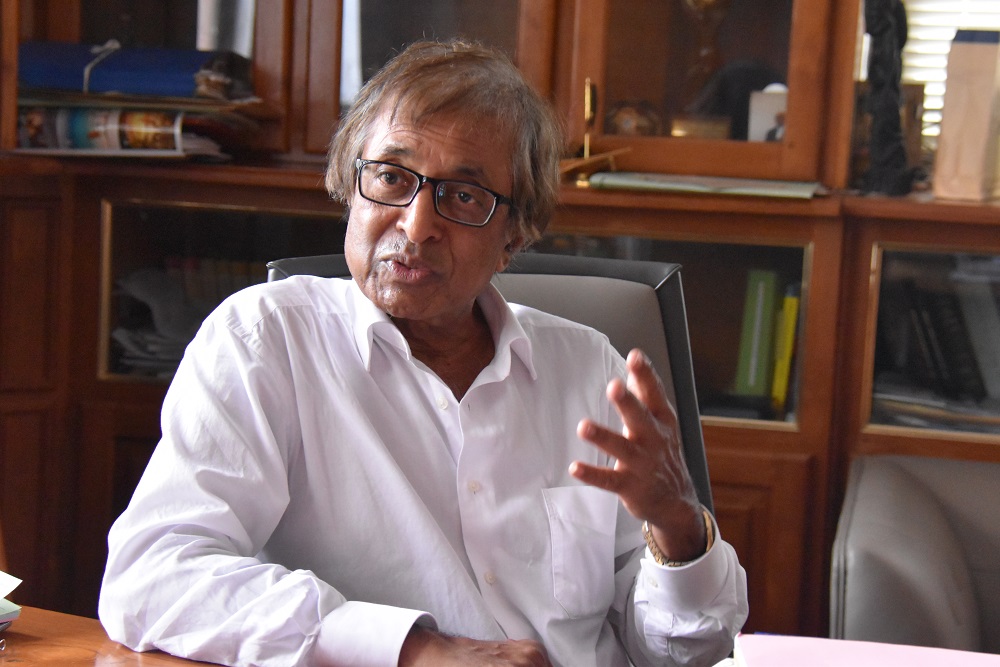
Mauritius’s Anil Gayan is also considered a key contender for the position. A lawyer and former foreign minister, this marks his second attempt at the role, having previously contested for the seat in 2017.
He possesses extensive knowledge of the African Union’s architecture and its commission’s operations, having been deployed by the AU for various assignments.
Notably, in July 2013, he led an AU-appointed investigation team to examine the circumstances surrounding the killing of Abyei’s paramount chief. Additionally, he was involved in United Nations mediation efforts in Guinea-Bissau in 2008.
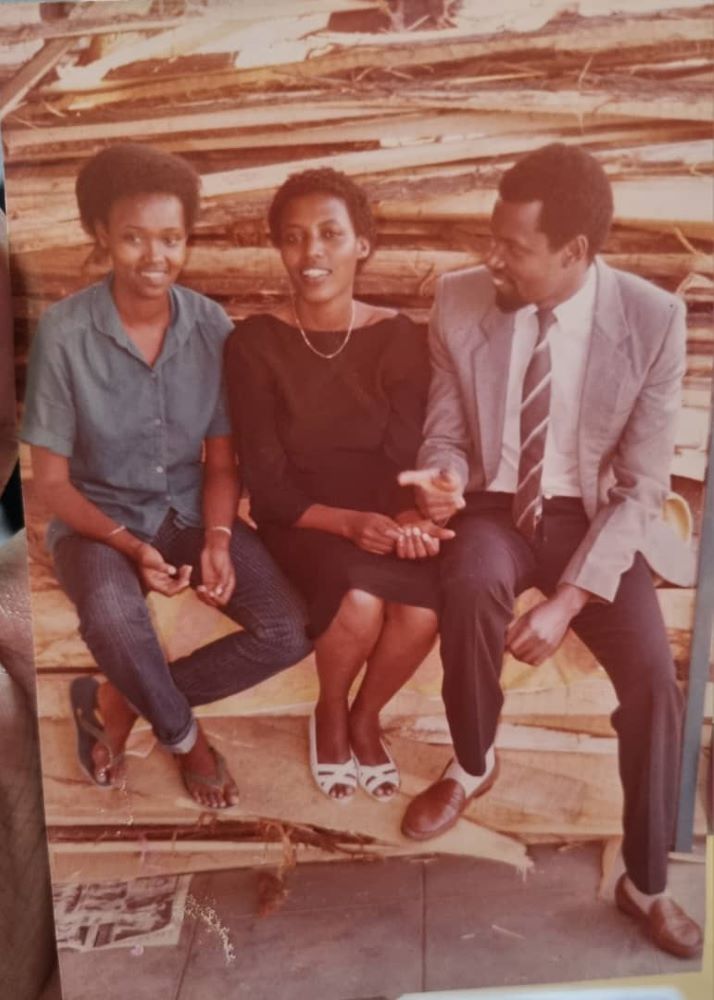
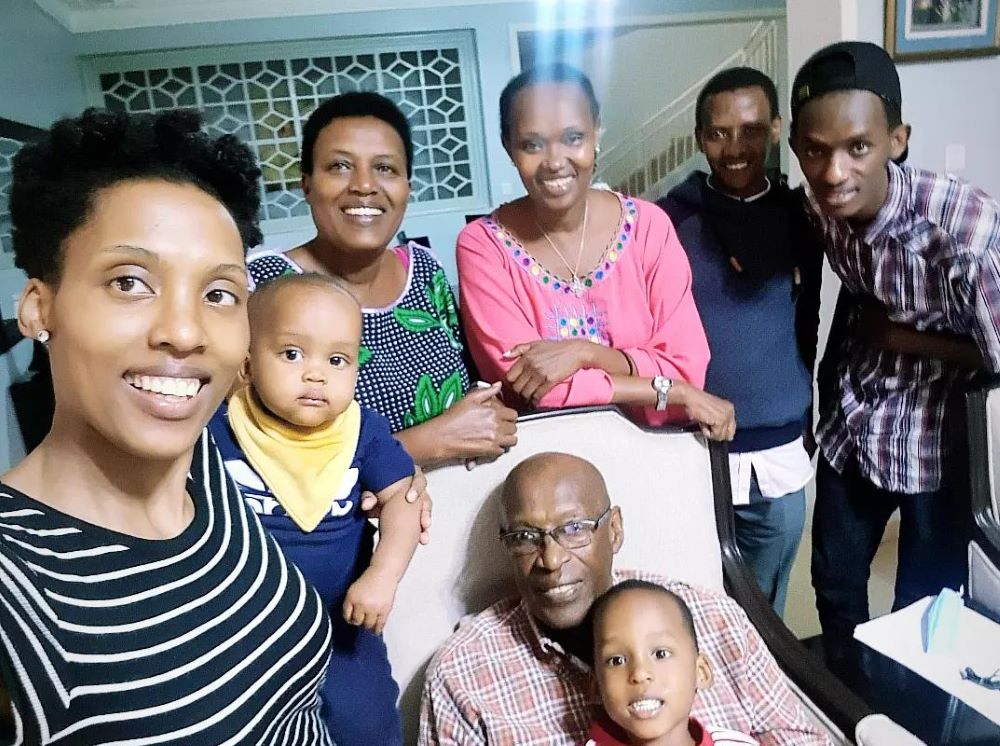
Dr. Joseph Karemera’s journey through life was intertwined with those he cared for, beginning in Umutoni’s family home in Kireka, Kampala, where he stayed while studying at Kololo Secondary School in the early 1980s. He developed a strong bond with her father and they shared a lot.
His warmth extended to many young people who lived in the home where Umutoni’s parents Rutwaza Leonidas and Didasiana Kiguzi treated every child as their own including Karemera.
“My parents instilled in us resilience and self-confidence, even in the face of adversity. When we were ridiculed for being called “Rwandese” during our time as refugees, Uncle Karemera empowered us by affirming our identity,” Umutoni said.
“There is nothing wrong with being Rwandese, he would say, dissolving any insecurities we harbored and replacing them with pride,” she recalled
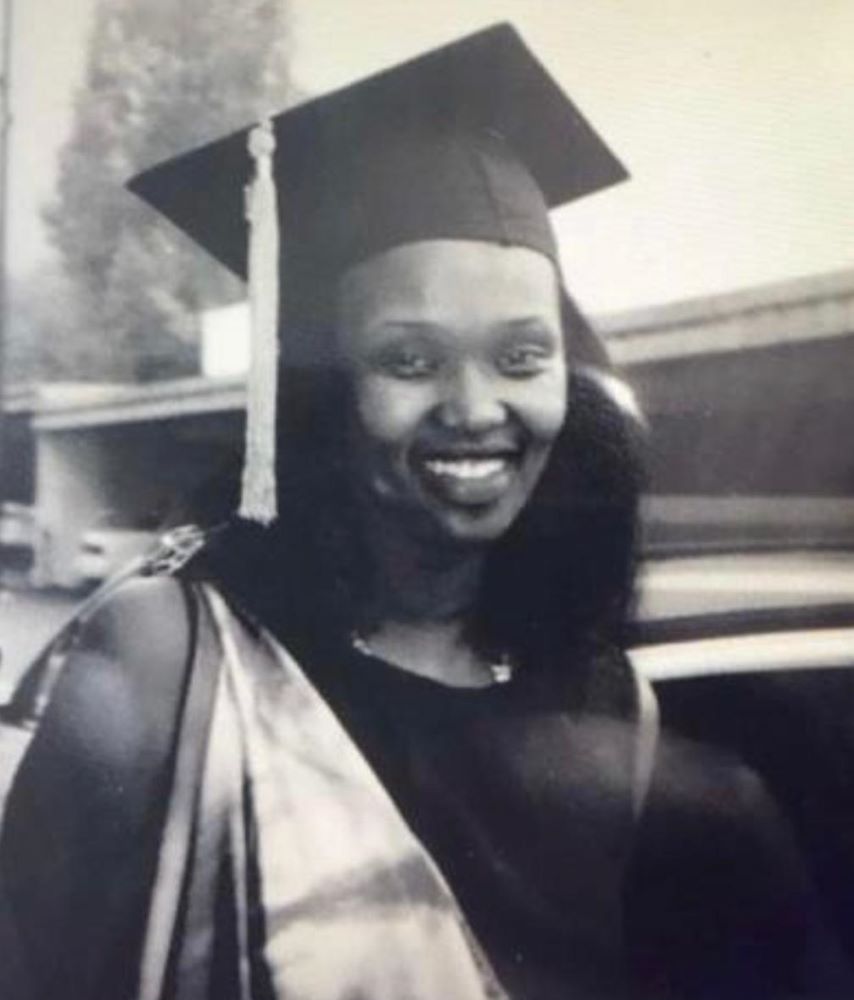
Umutoni says that as a role model, Karemera ignited aspirations in many, including herself. His pursuit of medicine inspired her to dream of becoming a doctor. She passed all her science subjects but due to unforeseen circumstances arrived two weeks late at the school and science classes were full. Karemera personally encouraged her toward the arts section and she eventually pursed law at the university.
“His unwavering support taught me to excel in any path I chose. Later, when I hesitated during law school, he reminded me of our shared determination, famously saying, “Rwandese never quit!” His faith in us never wavered, and his mentorship stretched far beyond academics,” she said.
“Afande Karemera’s generosity knew no bounds. He opened his home to students and family alike, whether during our school holidays in Kenya (Lamu, Mombasa, Machakos, Nakuru, Nairobi Kenyatta Hospital). He accommodated us in his home in Uganda, or Rwanda. He shared what little he had with everyone, a testament to his selflessness and genuine care for those around him.”
His dedication to education was unwavering, as he continuously supported young people’s endeavors, even in times of personal difficulty. Umutoni remembers when she had a two-year-old (Amanda Akaliza), was pregnant with her second child (Paula Kami) and couldn’t afford tuition for a master’s degree.
He encouraged and facilitated her studies, proving that challenges should never hinder ambition. Pregnancy is not a disease he would say, “with hard-work and determination you will make it.”
“But perhaps what truly defined Karemera was his patriotism. Long before Rwanda’s liberation struggle reached its crescendo, he planted the seeds of love for our homeland in us,” she says.
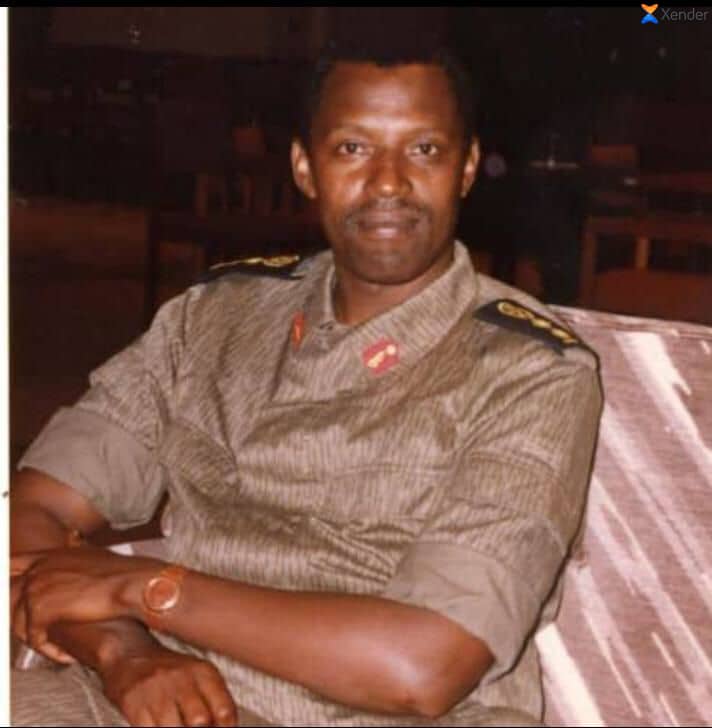
He foresaw the importance of everyone’s participation in building a free Rwanda and never failed to remind each one of the need to fight for that vision. His early involvement in the formation of the Rwandan Patriotic Front (RPF) in 1987 showed his deep commitment to the cause.
His service as Head of Medical Services during the liberation struggle embodied his unyielding dedication to the wellbeing of others and it is an achievement that should be documented because it was a very critical role that was much need by everyone on the battlefield.
“I first new about plans for Liberation in his home and like he did to many young people, he shaped my decisions to join the liberation struggle. I later served with him in Government, we became ambassadors almost at the same time. all this long he was mentoring me.” says Umutoni.
Dr. Karemera was more than just a doctor, minister, or diplomat. He was a visionary leader a comrade whose actions were rooted in love for his country and for his people. Whether as Minister of Health, of education, promoting education in sciences and other courses, or as a diplomat, negotiating and advocating tirelessly for Rwanda’s benefit, he exemplified patriotism and integrity in every role he held.
“He was very loyal to the leadership of the country and this is something he instilled in all around him. Leadership structure, discipline and following guidance of the country were key virtues in his life.”
“In his passing, I reflect on the monumental role he played in shaping not just our nation but the lives of all who had the privilege to know him and be guided by him. We appreciate Karemera’s family for embracing all of us. To Mrs. Ann Karemera, we thank you for sharing him with us, and for your own role as a heroine alongside him. Besides every Hero there is a Heroine and vice versa.”
“You were very young when he left you to join the armed struggle. The sacrifices of the many women who were left with young children, pregnant or newly married and yet you supported all these families. You all deserve to be honored and remembered,” Umutoni emphasized.
“Uncle Karemera, your legacy will live on through the lives you touched, the wisdom you shared, and the love you gave so freely. You will forever remain in our hearts, you are seated with the Lord, watching over us as we and the generations to come continue the work you and your comrades began,” she concluded.
I dedicate this poem as a tribute to You my mentor, parent, dear friend, my guardian Angel; known to many as simply « Uncle Karemera »
.{{
{To my dear mentor and anchor, My treasured guardian
In the quiet shadows where memories reside,
I will always cherish your guide.
In wisdom, like an eagle you taught me to soar,
Each lesson a treasure, each word I adore.
With discipline amid laughter you remain a beacon of kindness and a source of inspiration and pride.
In your nurturing voice, I found strength, you are my mentor and a compass forever true.
In the depths of my heart, your light shines strong and laughter lingers on.
As stars shine above, I’ll carry your wisdom.
So here’s to my mentor, my friend: Time after time I will honor your name.
In my heart you will continue to bloom just the same.
Fare thee well to a true guardian Angel
We will carry your memory with us always.
Yours truly Ambassador Christine Umutoni Nyinawumwami
(One of the many that you mentored)}}}
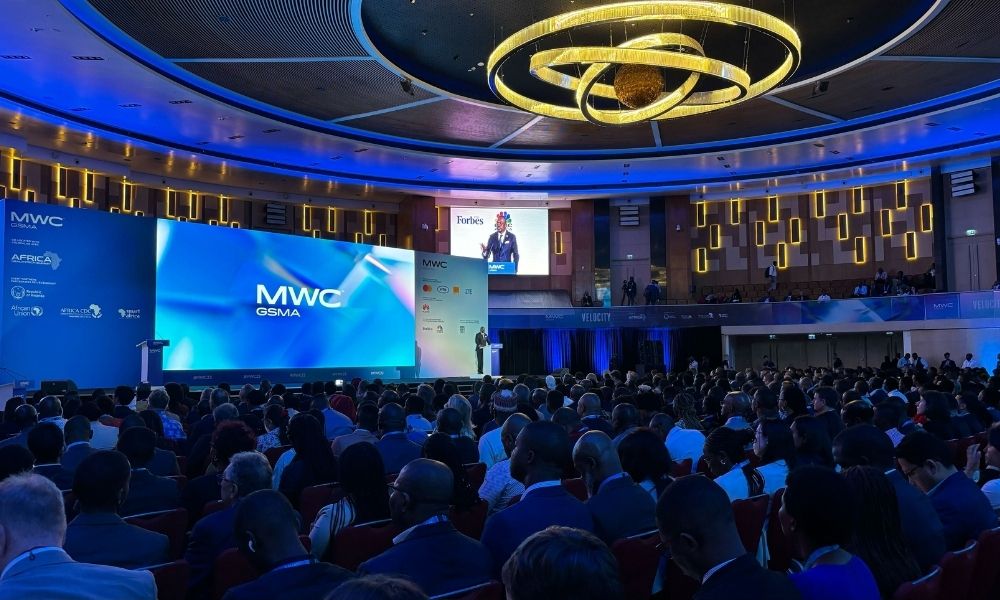
In a statement, the organization representing the interests of mobile network operators worldwide apologized to participants and stated that the event would be rescheduled for a new date in 2025.
“We recognize the inconvenience this may cause to our participants. A new date in 2025 will be announced,” GSMA said.
“Together with the Rwandan Ministry of ICT & Innovation, we look forward to convening Africa’s most influential connectivity event soon,” the organization added.
GSMA did not disclose the reason for postponing the much-awaited conference.
The postponed event is part of the GSMA’s MWC series, which includes flagship events such as MWC Barcelona, MWC Shanghai, and MWC Las Vegas.
The event aims to showcase the region’s advancements in connectivity and technological innovation, particularly in the context of emerging trends like 5G, fintech, and artificial intelligence.
The 2024 edition was set to explore key growth areas such as mobile money and the evolution of Artificial Intelligence (AI).
Last year’s edition welcomed more than 3,400 attendees from over 1,400 companies and featured more than 230 speakers.
The program is designed not only to raise awareness and foster an inclusive work environment across all BK Group subsidiaries but also to provide financial literacy training to people with disabilities.
By combining these two components, the initiative aims to promote both inclusion and economic empowerment for individuals with disabilities.
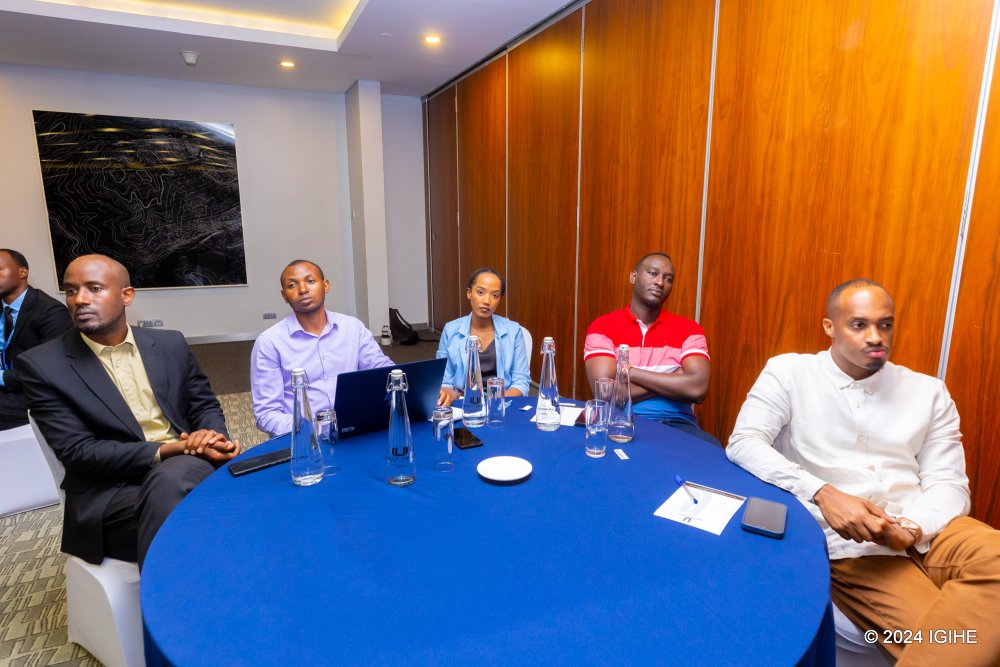
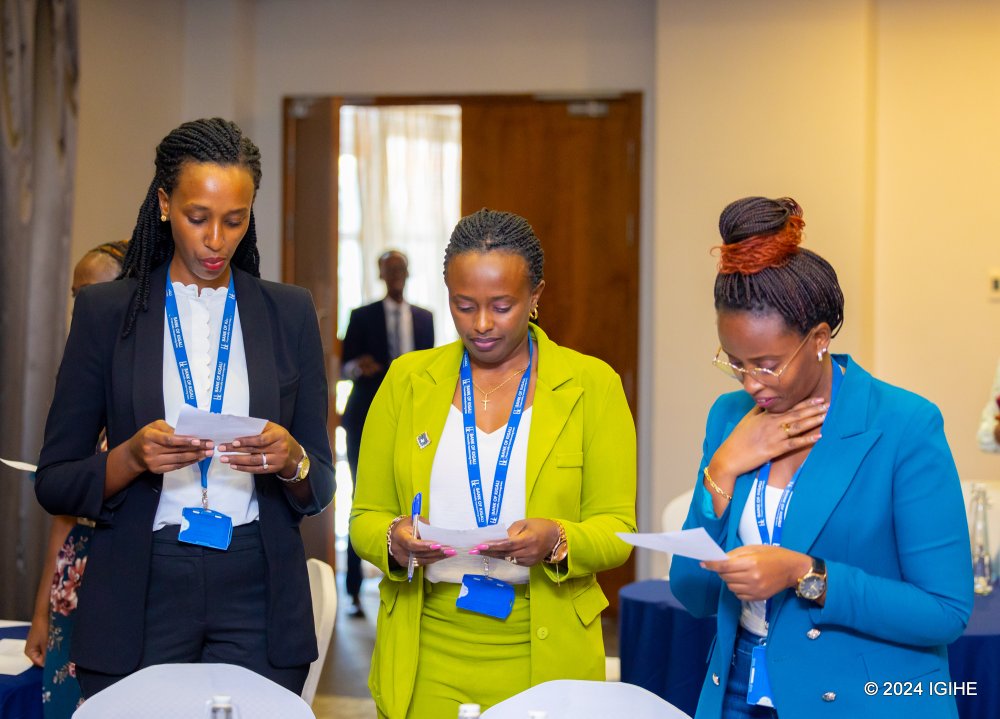
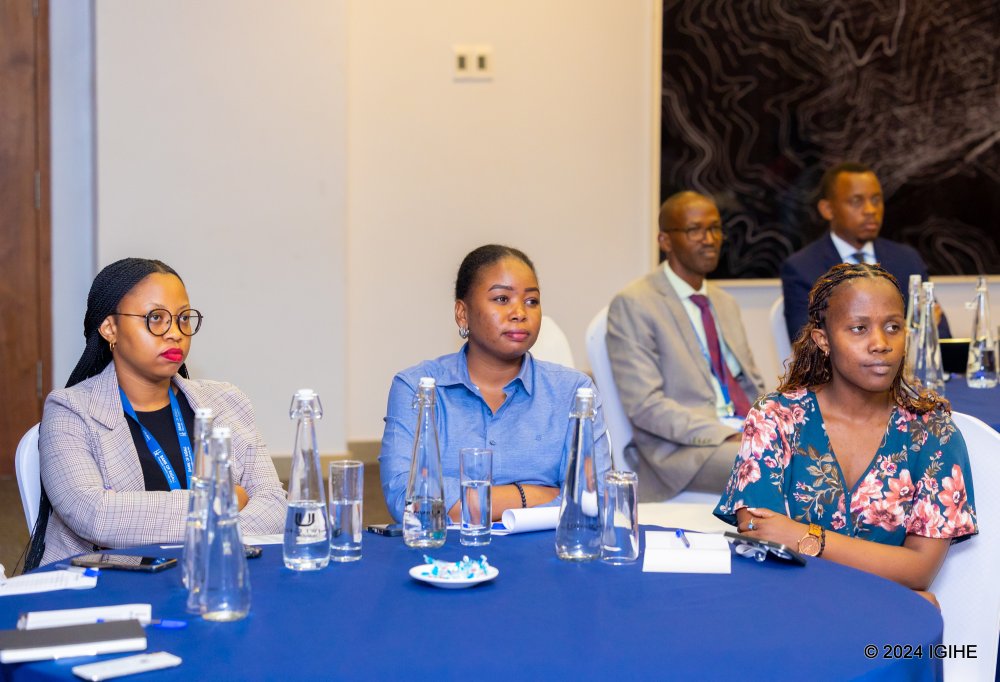
The training began with BK staff and will soon be extended to all BK Group subsidiaries. Mami F. Said, Head of People and Human Resources Business Enablers & Control Functions, welcomed the participants, emphasizing the importance of creating an inclusive workplace culture.
Ingrid Karangwayire, Executive Secretary of BK Foundation, spoke about the significance of the program: “This initiative is about much more than meeting compliance obligations. It’s about ensuring that every individual, regardless of ability, feels supported and valued. By starting with BK staff and providing financial literacy training to people with disabilities, we are laying the foundation for a truly inclusive society.”
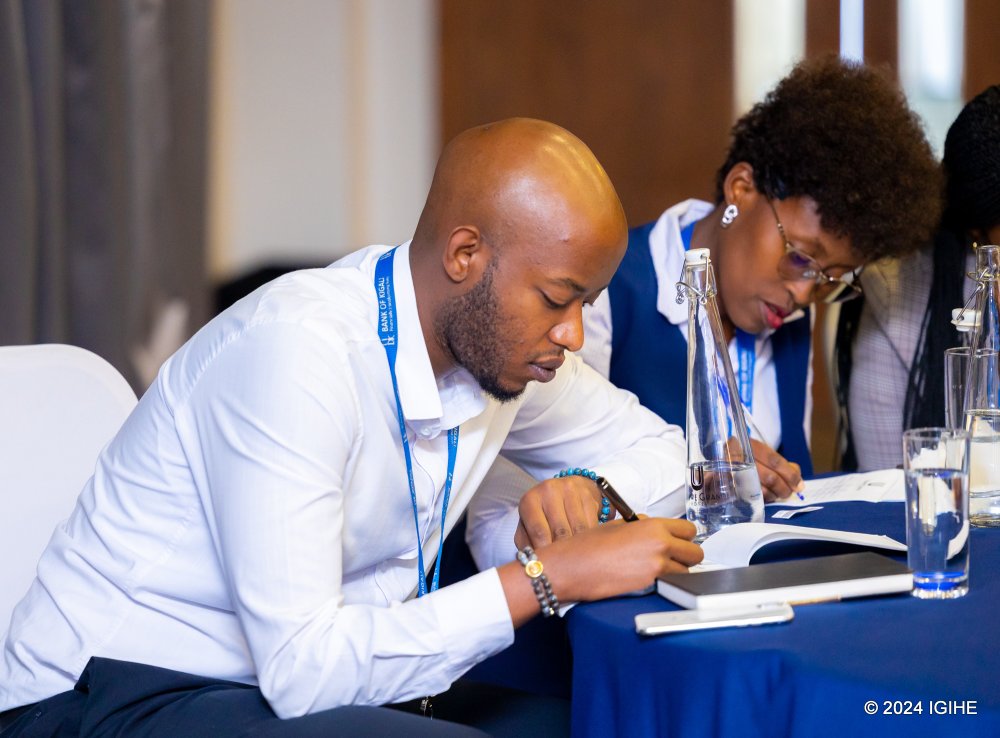
The 20-day training provides BK staff with a comprehensive understanding of disability inclusion, focusing on removing barriers to accessibility and effective communication.
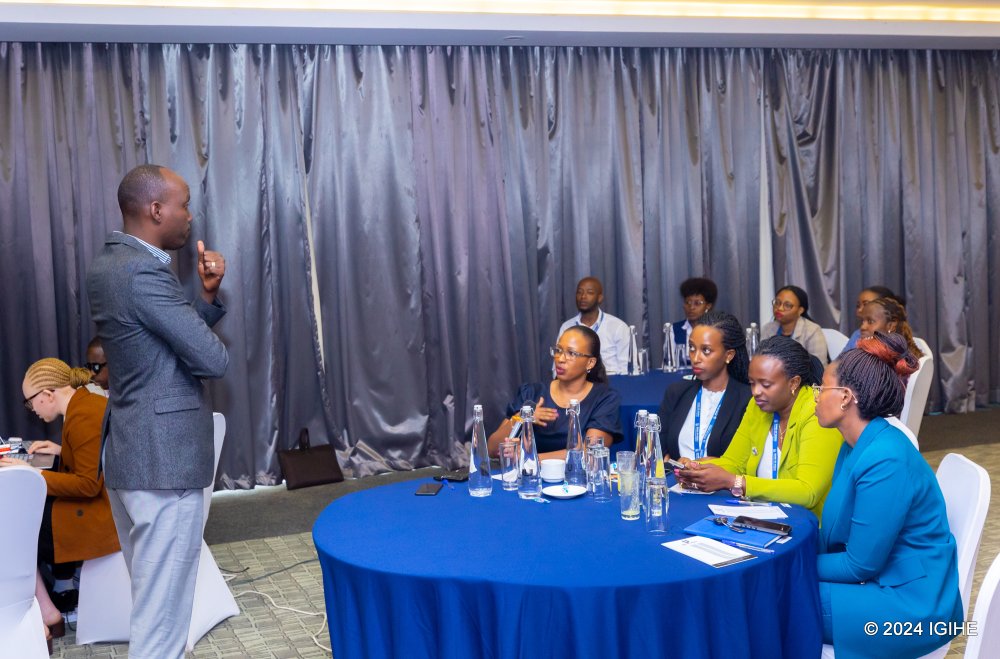
NUDOR experts led interactive exercises that encouraged participants to reflect on personal experiences and explore how they can contribute to creating a more inclusive environment for their peers and customers at large.
The sessions also covered Rwanda’s legal framework on disability rights, ensuring that employees understand their responsibilities in fostering inclusion.
In addition to training staff, the program will empower people with disabilities by offering financial literacy education, equipping them with the knowledge and tools needed for financial independence. This component aligns with BK Foundation’s mission to uplift vulnerable communities and enhance financial inclusion for all.
BK Foundation will continue to roll out the program across all BK Group subsidiaries, ensuring that inclusion becomes a core principle throughout the organization.