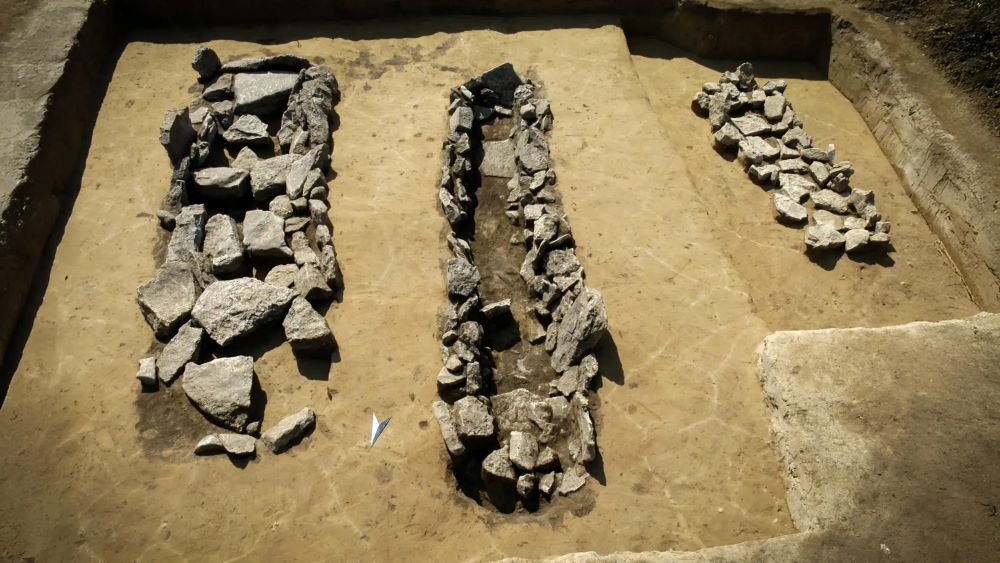
The discoveries come from a major study published in Nature Communications. Researchers studied rare ancient graves found in Germany, Czechia, and Poland to better understand life during the Late Bronze Age, between 1300 and 800 BCE.
At that time, many communities in Europe practiced cremation, meaning bodies were burned after death.
Because cremation destroys much of the human remains scientists usually study, this period has long been difficult to fully understand.
To solve this problem, researchers examined rare graves where bodies had not been cremated. They also studied cremated remains from other sites in Central Germany. Using ancient DNA, chemical analysis, and skeletal studies, scientists learned more about how these communities lived, ate, traveled, and buried their dead.
The study found that most people remained close to where they were born instead of moving far away.
Researchers say new ideas and traditions likely spread through trade and contact between communities rather than large migrations.
Scientists also discovered changes in diet. Many communities began eating broomcorn millet, a crop that originally came from northeast China. Later, people returned to more traditional foods like wheat and barley.
The skeletons showed signs of hard physical work, stress during childhood, and injuries, but researchers found little evidence of large disease outbreaks.
The findings also revealed that burial practices were very diverse. Some people were cremated, while others received traditional burials or more complex funeral rituals.
Researchers say the study shows that Bronze Age Europe was a connected and changing world where people mixed old traditions with new ideas.
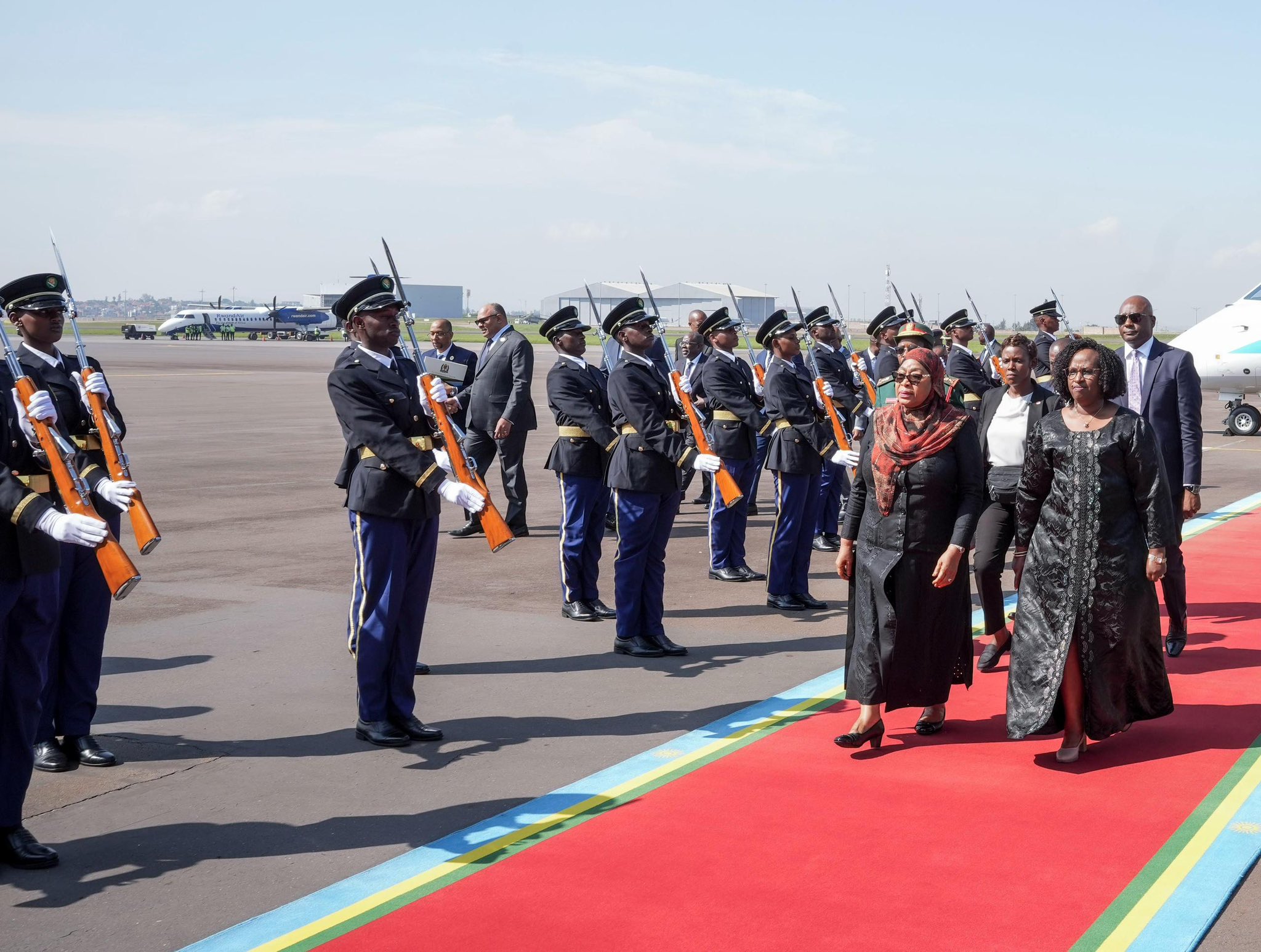
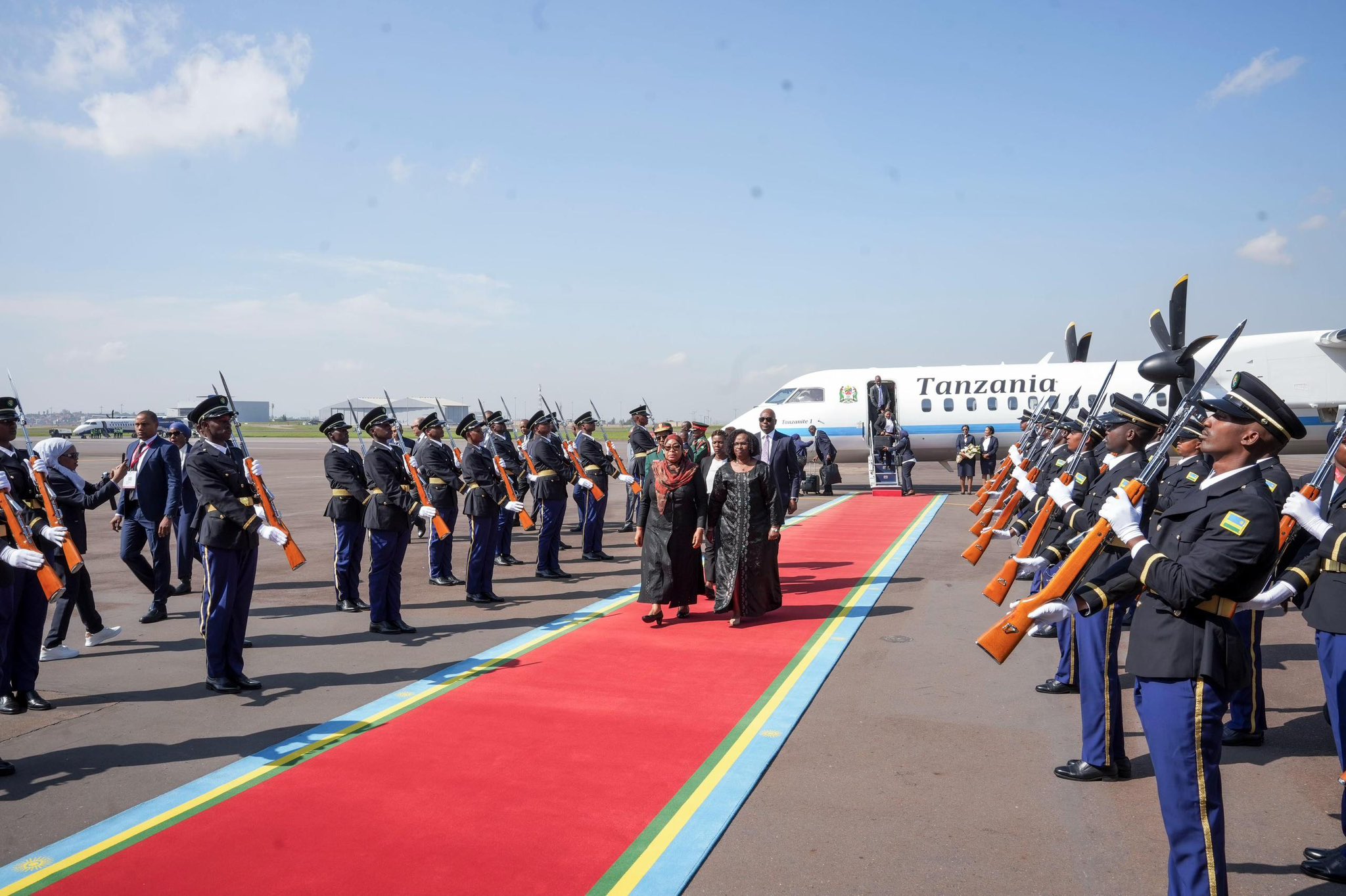
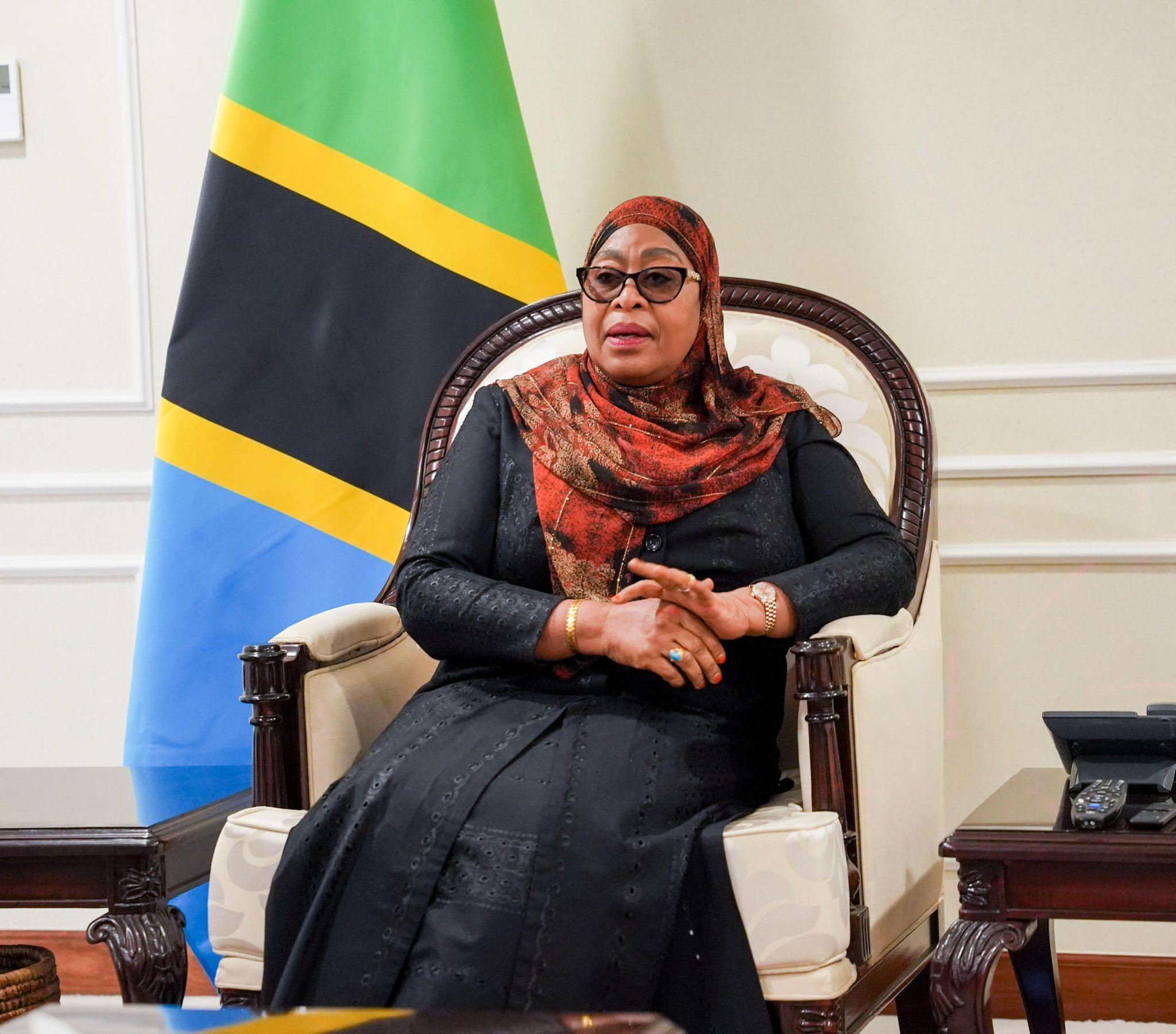
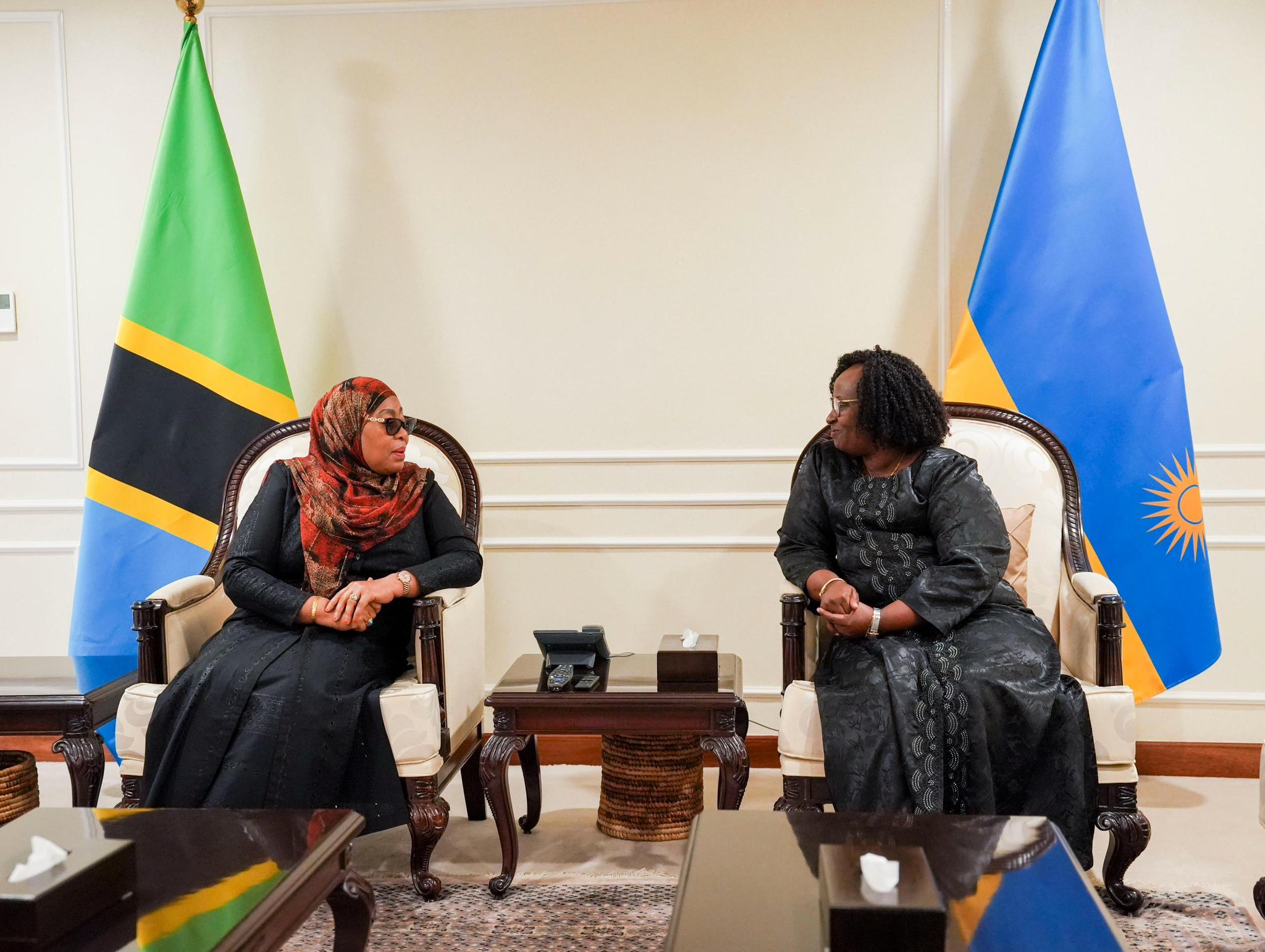
President Samia Suluhu Hassan of Tanzania has arrived in Rwanda to attend the Nuclear Energy Innovation Summit for Africa (NEISA 2026), where regional and global leaders are meeting in Kigali to discuss the future of nuclear science and technology on the continent.
The summit, held under the theme Powering Africa’s Future: Turning Nuclear Energy Ambition into Investable Reality, brings together policymakers, scientists, and energy stakeholders at a time when African countries are increasingly exploring nuclear energy as part of long-term strategies to address rising electricity demand and support industrial development.
For many nations, nuclear discussions are still emerging from being treated as distant or politically sensitive topics into more practical energy planning frameworks.
Rwanda is among the countries actively advancing nuclear energy plans as part of its long-term development strategy. The government aims to generate up to 1.5 gigawatts of electricity from nuclear power by 2050, as it works to expand national electricity generation capacity and prepare for future demand.
Officials estimate that electricity demand in Rwanda could exceed 5,000 megawatts in the coming decades, compared to the current installed capacity of about 406 megawatts. This growing gap has pushed the country to consider more scalable and reliable energy options.
A central part of Rwanda’s approach is the adoption of Small Modular Reactor (SMR) technology, which authorities describe as a more flexible and practical alternative to traditional large nuclear plants. SMRs are seen as better suited for phased deployment and for countries building nuclear capability gradually.
President Paul Kagame has previously described nuclear energy as a key pillar of Rwanda’s industrialisation agenda. Speaking at a nuclear energy summit in Paris earlier this year, he said nuclear power would help diversify the country’s energy mix while ensuring a stable electricity supply for long-term transformation.
NEISA 2026, which runs from 18-21 May, 2026, is expected to bring together several heads of state and senior officials, including Faure Essozimna Gnassingbé of Togo and Rt. Hon. Ali Mahamane Zeine of Niger, alongside leading figures in global nuclear governance and energy policy.
Among the international participants are Rafael Mariano Grossi of the International Atomic Energy Agency, Dr. Lassina Zerbo, William D. Magwood IV of the OECD Nuclear Energy Agency, and Sylvie Bermann of the World Nuclear Exhibition, all contributing to high-level discussions on nuclear development.
The summit positions Rwanda as an emerging hub for continental energy dialogue, as African countries explore nuclear power as part of broader efforts to secure sustainable, reliable, and future-oriented energy systems.
President Samia Suluhu of Tanzania arrived in Rwanda on Tuesday morning.The summit, held under the theme Powering Africa’s Future: Turning Nuclear Energy Ambition into Investable Reality, brings together policymakers, scientists, and energy stakeholders at a time when African countries are increasingly exploring nuclear energy as part of long-term strategies to address rising electricity demand and support industrial development.
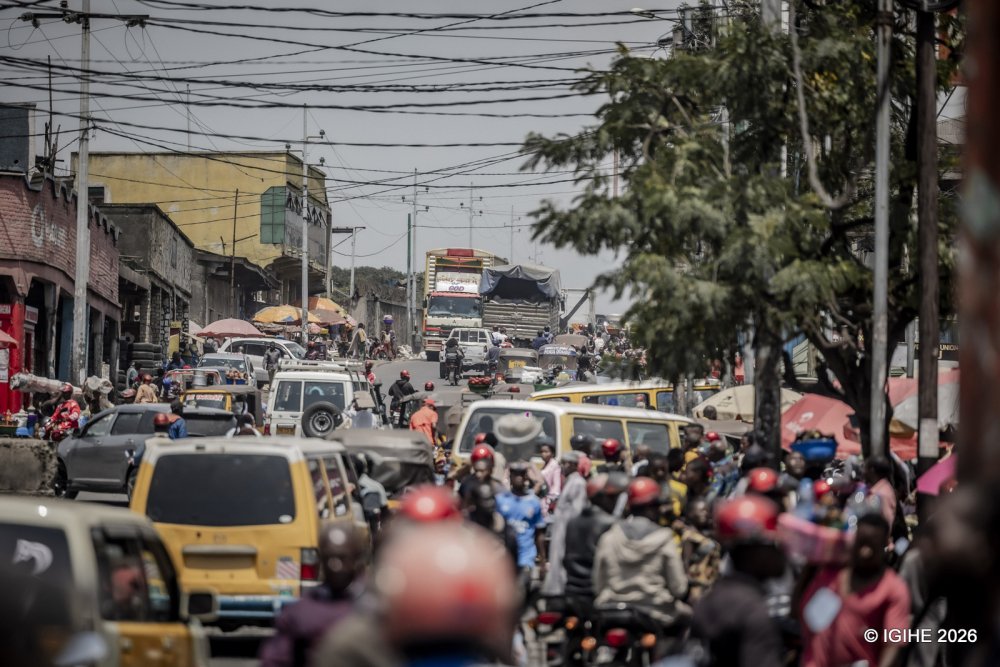
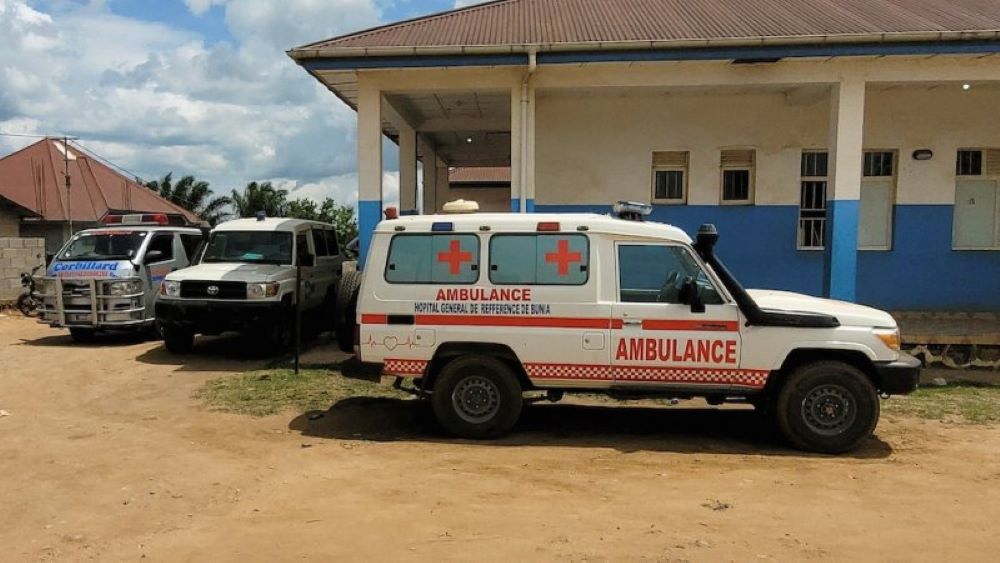
According to the head of Congo’s National Institute for Biomedical Research (INRB), Prof. Jean Jacques Kayembe, the Ebola patient arrived in Goma from the city of Bunia in Ituri Province after her husband died from the virus.
AFC/M23 spokesperson Lawrence Kanyuka said the patient is currently receiving specialized treatment in Goma and that strict measures have been put in place to prevent the spread of the disease.
These include tracing and closely monitoring everyone who had contact with the infected person.
Kanyuka added that AFC/M23 has set up a response team made up of medical experts and partner organizations to conduct investigations, carry out testing, and implement necessary prevention measures.
On the night of May 18, Kanyuka announced that 189 contacts had already been identified. He also said that 22 samples collected that day were sent to the INRB laboratory in Kinshasa for testing.
“Among the results received so far, five samples tested negative while other results are still pending,” he said.
AFC/M23 also reported that a suspected Ebola case was identified in Bukavu, South Kivu Province, but tests conducted by a laboratory in Goma confirmed that the person was not infected.
“So far, in all areas under our control, only one Ebola patient has been confirmed and is being treated in Goma. No other cases have been detected,” the group stated.
The coalition urged residents in the areas it controls not to panic, while encouraging them to remain vigilant and follow preventive measures against the virus.
In response to the outbreak reported in DRC, the Rwandan government closed the border crossings in Rubavu and Rusizi to prevent Ebola from entering the country.
Rwanda has also strengthened border screening and is working closely with local, regional, and international partners to protect public health.
Goma is a densely populated city requiring strict measures to contain the outbreak.
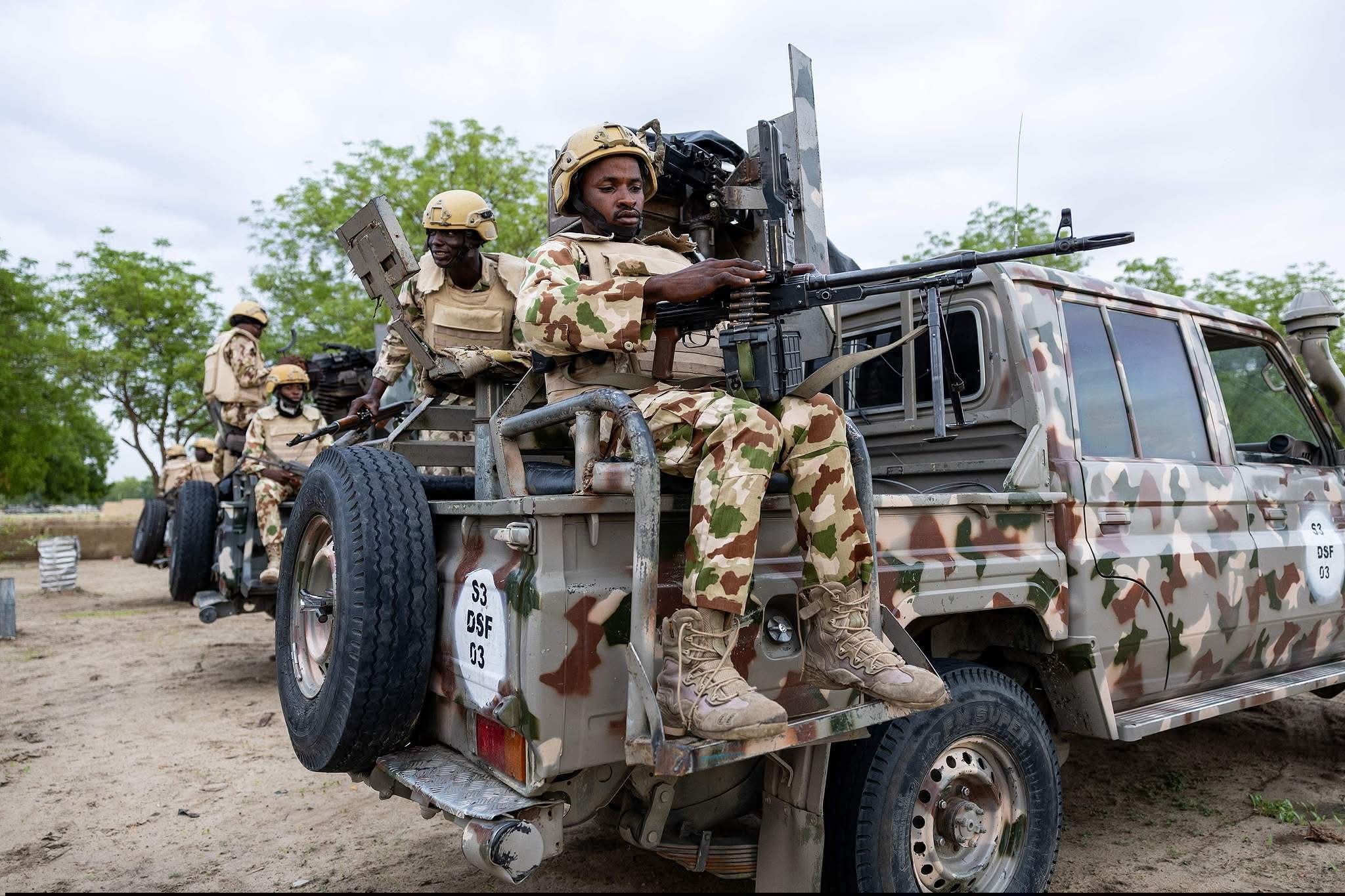
In a statement, military spokesperson Samaila Uba said the operation was carried out in the Metele area of Borno as part of ongoing counter-terrorism efforts in the region.
Uba said the strikes came after the killing of Abu-Bilal al-Minuki, whom the military described as the global second-in-command of IS.
According to the statement, the operation was conducted under a recently established counter-terrorism and intelligence-sharing partnership between Nigeria and the United States aimed at dismantling terrorist networks operating in the region.
The military said the strikes were launched after surveillance detected the gathering and movement of suspected militants, adding that ongoing operations were intended to weaken terrorist networks and deny armed groups safe havens within Nigeria.
The U.S. Africa Command confirmed on Monday that U.S. forces, in coordination with the Nigerian government, conducted additional strikes against IS militants in northeastern Nigeria.
In a statement, the U.S. Africa Command said intelligence had confirmed the targets were IS militants, adding that no U.S. or Nigerian personnel were hurt during the operation, while further assessments were underway.
Nigeria’s military spokesperson, Samaila Uba, said the operation was carried out in the Metele area of Borno as part of ongoing counter-terrorism efforts in the region.
The move comes as the country seeks to expand its electricity generation capacity. The Government of Rwanda estimates that national demand could exceed 5,000 megawatts in the coming decades, compared to the roughly 406 megawatts currently available.
To help bridge that gap, Rwanda has opted to pursue Small Modular Reactor (SMR) technology, arguing that it offers a more practical and scalable solution for the country than conventional large-scale nuclear plants.
President Paul Kagame, while speaking at the Nuclear Energy Summit in Paris, France, in March this year, described nuclear energy as a key pillar for powering the country’s industrial growth while meeting its climate responsibilities.
“We have decided to make nuclear central to our strategy,” Kagame said. “It will diversify our energy mix while providing the stability required for industrial growth and long-term transformation.”
This strategic roadmap takes center stage as Rwanda hosts the second edition of the Nuclear Energy Innovation Summit on Africa (NEISA 2026) at the Kigali Convention Centre. The high-level gathering brings together continental heads of state, including Tanzanian President Samia Suluhu Hassan and Togolese President Faure Gnassingbé, alongside global industry leaders like Rafael Grossi, Director General of the International Atomic Energy Agency (IAEA).
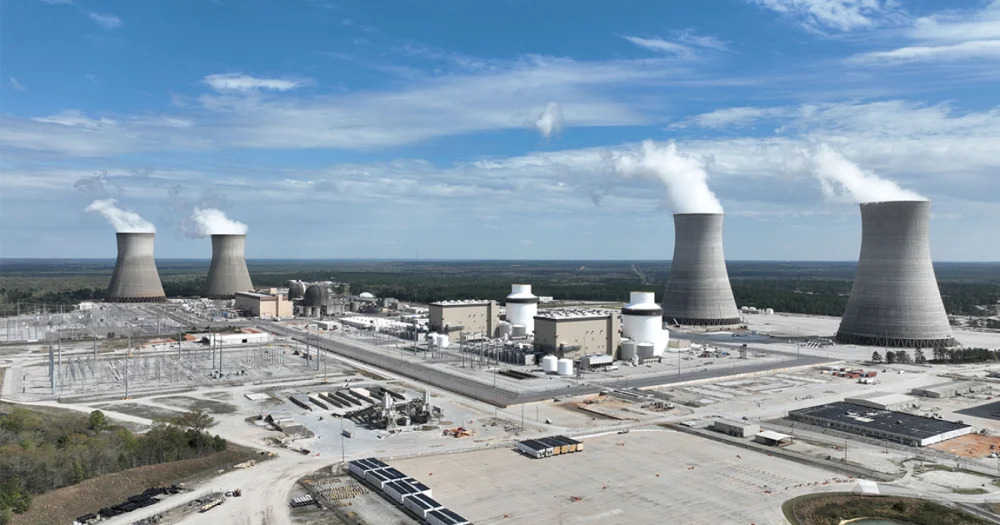
Unlike hydroelectric dams or fossil-fuel-powered plants, nuclear reactors require relatively small amounts of fuel to produce substantial amounts of electricity. Uranium, the fuel used in nuclear power generation, releases heat through a process known as nuclear fission, in which atomic nuclei split apart. The resulting heat is used to produce steam that drives turbines to generate electricity.
According to energy experts, a single gram of uranium can generate enough energy to produce one megawatt of electricity per day, roughly equivalent to the output generated by three tons of coal.
Why Rwanda chose small modular reactors
Rwanda began studying the feasibility of nuclear power in 2017. Early assessments concluded that constructing a large conventional nuclear plant would be difficult due to the country’s limited land area and infrastructure constraints.
Officials noted that a traditional 1,000-megawatt reactor would exceed the absorption capacity of Rwanda’s current electricity grid. In addition, large nuclear facilities typically require extensive exclusion zones of up to 40 kilometers surrounding the site for safety purposes, a condition difficult to meet in Rwanda’s densely populated landscape.
As a result, policymakers turned to Small Modular Reactors, a newer generation of nuclear technology designed to operate on a smaller footprint while maintaining significant electricity output.
SMRs generally require less land, in some cases around 20 hectares, and are designed with passive safety systems intended to automatically shut down reactors in the event of technical failure.
International partnerships taking shape
Rwanda has already entered into several international partnerships aimed at supporting its nuclear energy ambitions.
In 2018, the country launched cooperation with Russia focused on establishing a nuclear research centre that could eventually support domestic nuclear energy production.
In August 2024, Rwanda signed a cooperation agreement with the U.S.-based company Nano Nuclear Energy Inc to collaborate on advanced nuclear technologies intended for electricity generation.
Earlier, the government also signed an agreement with Dual Fluid Energy Inc to test nuclear reactor technologies that could potentially be deployed in Rwanda. The broader objective is for nuclear energy to contribute approximately 1.5 gigawatts of Rwanda’s projected 5-gigawatt electricity demand by 2050.
Site selection and safety assessments underway
Authorities have already identified preliminary locations for future reactor installations based on visible geographic conditions. However, detailed scientific assessments are still underway to determine whether the sites meet international safety requirements.
Among the key considerations are seismic stability, water availability, and population density. Nuclear facilities require reliable water sources for cooling and steam generation and are generally located away from densely populated areas to minimise potential risks.
Multi-billion-dollar investment
The nuclear program is expected to require substantial financial investment.
Although final construction costs have not yet been determined, Rwanda estimates that each megawatt of nuclear generating capacity could cost approximately $4 million to develop.
At that rate, achieving the country’s target of 1,500 megawatts of nuclear-generated electricity could require investments approaching $6 billion, though officials acknowledge that the estimate remains preliminary.
Rwanda is also investing in workforce development to support the emerging sector.
In 2024, reports indicated that more than 200 Rwandan students were selected for overseas training in nuclear science and engineering disciplines. The initiative is intended to build a domestic pool of specialists capable of operating and maintaining future nuclear facilities.
Initial plans focused on deploying a single SMR unit capable of generating approximately 200 megawatts of electricity. Current projections, however, envision four such modules, each producing around 200 megawatts.
The expansion would significantly increase demand for specialised personnel, with estimates suggesting that more than 400 additional experts will eventually be required as the sector grows.
Officials say additional reactor modules could be introduced progressively as Rwanda’s energy needs continue to expand.
Rwanda is advancing plans to integrate nuclear energy into its long-term development strategy, with ambitions to generate up to 1.5 gigawatts of electricity from nuclear power by 2050.
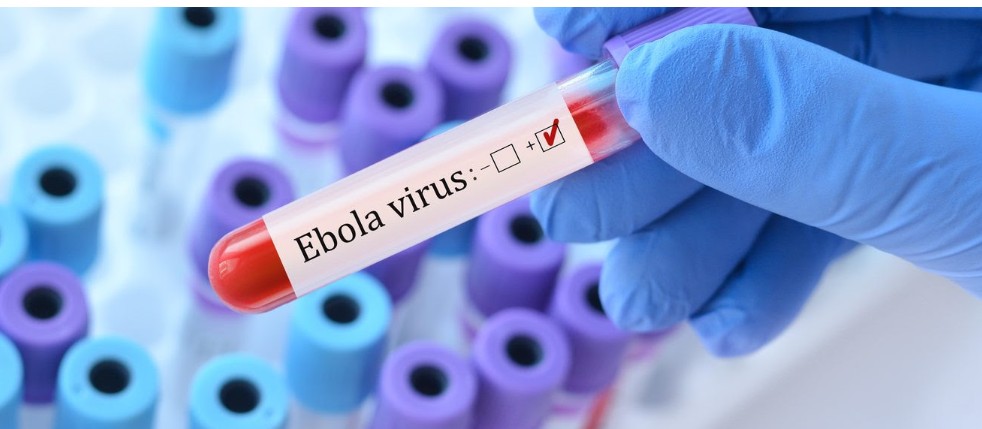
About 435 suspected cases as well as 116 suspected deaths have been reported, DRC Government Spokesperson Patrick Muyaya said late Monday as health authorities race to contain the outbreak amid growing fears of wider regional transmission.
Why this outbreak is different?
The outbreak is caused by the Bundibugyo virus, a rarer Ebola strain than the Zaire strain that has driven most previous outbreaks in the DRC.
Jean-Jacques Muyembe, director of the DRC’s National Institute of Biomedical Research, said the country has recorded 17 Ebola outbreaks since 1976, most caused by the Zaire strain. The Bundibugyo strain, however, has appeared only once before in the country, after first being identified in Uganda in 2007 and later causing an outbreak in eastern DRC in 2012.
He said the Zaire strain is generally more lethal, with fatality rates that can exceed 80 percent, while Bundibugyo is estimated to be less deadly. However, he warned that the current outbreak remains dangerous because it was detected late, is spreading in a conflict-affected region, and involves a strain for which no approved vaccine or specific treatment is available.
The WHO has also noted that, unlike Ebola Zaire, there are currently no approved therapeutics or vaccines specifically targeting the Bundibugyo virus, increasing concerns about potential regional spread. Officials of the Africa Centers for Disease Control and Prevention said vaccine candidates are under consideration for research, but remain at an early stage.
Why detected late?
Health officials and experts have identified two main reasons for the delayed detection: the outbreak may have been spreading for weeks before confirmation, and early laboratory tests were looking for the wrong Ebola strain.
According to authorities in Kinshasa, the presumed index case was a nurse in Ituri’s Rwampara health zone who died after developing symptoms. However, Africa Centers for Disease Control and Prevention Director General Jean Kaseya said the true index case had not yet been identified.
“This outbreak started in April. So far, we don’t know the index case. It means we don’t know how far the magnitude of this outbreak is,” Kaseya said Saturday.
Muyembe said the outbreak was discovered “very late, even too late,” largely because early samples were tested with tools designed to detect Ebola Zaire, not Bundibugyo.
He said samples initially tested negative because local laboratories were using tools specific to Ebola Zaire. Broader testing conducted later in Kinshasa detected the Bundibugyo virus in several samples.
The WHO said it received an alert on May 5 about suspected cases and later deployed a mission to Ituri. This helped confirm the outbreak after weeks of unexplained deaths in the region.
What is being done?
Muyembe said the risk of further spread is high in eastern DRC due to population movement and the challenges of responding in a conflict zone. He warned that the virus could spread beyond the current health zones to other areas or provinces.
Insecurity complicates response efforts, including the safety of health workers, sample transport, supply delivery, patient transfers and communication with communities, he said, recalling that health workers were killed and facilities attacked during the 2018-2020 Ebola outbreak.
With no specific vaccine or treatment for the Bundibugyo strain, health officials said response efforts rely on basic measures such as isolating patients, contact tracing and community engagement. Muyembe noted that a 2012 outbreak of the same strain in northeastern DRC’s Isiro was contained through such public health interventions.
“If you break the chain of transmission, you can control the outbreak,” he said, adding that standard care techniques for hospitalized patients could help stop its spread if properly applied.
Health Minister Roger Kamba said on Sunday that three new treatment sites are being built in the country to increase the capacity of health facilities in the face of the scale of the epidemic.
Neighboring countries, including Rwanda, Burundi and Tanzania, have stepped up surveillance, border screening and emergency preparedness measures.
The Africa Centers for Disease Control and Prevention (Africa CDC) on Monday declared the latest Ebola outbreak in the Democratic Republic of the Congo (DRC) and Uganda as a public health emergency of continental security.
The official declaration came as about 395 suspected cases and 106 associated deaths have been reported in the DRC, mainly in the country’s Mongwalu, Rwampara, and Bunia health zones, as well as in Kampala, Uganda, where two cases and one death have been reported, according to the latest data from the Africa CDC.
The agency also warned that the outbreak is driven by the Bundibugyo strain, for which no strain-specific vaccine is currently available, and which carries a high risk of regional spread.
Africa CDC Director General Jean Kaseya said the declaration would help strengthen regional coordination, mobilize emergency resources, and accelerate preparedness efforts in neighboring countries at risk of transmission.
Africa CDC warned that intense cross-border movement, insecurity in affected areas, and weak infection control measures could increase the risk of regional spread.
“The confirmation of the Bundibugyo Ebola virus in interconnected countries reminds us once again that Africa’s health security is indivisible,” Kaseya said, adding that the agency has already deployed emergency response teams to support containment efforts.
Africa CDC warned that intense cross-border movement, insecurity in affected areas, and weak infection control measures could increase the risk of regional spread.
The May 12-14 trade show, held in the South African coastal city of Durban, brought together exhibitors, airlines, tour operators and officials from across Africa, with discussions focusing on easier visa access, tailored travel products and deeper tourism cooperation with China.
Speaking at the opening ceremony, South African President Cyril Ramaphosa described tourism as both a vibrant expression of national identity and a key driver of economic growth for African countries.
He called on African countries to improve regional connectivity and facilitate intra-African travel while expanding into international markets such as China to better harness tourism’s role in boosting the continent’s economy.
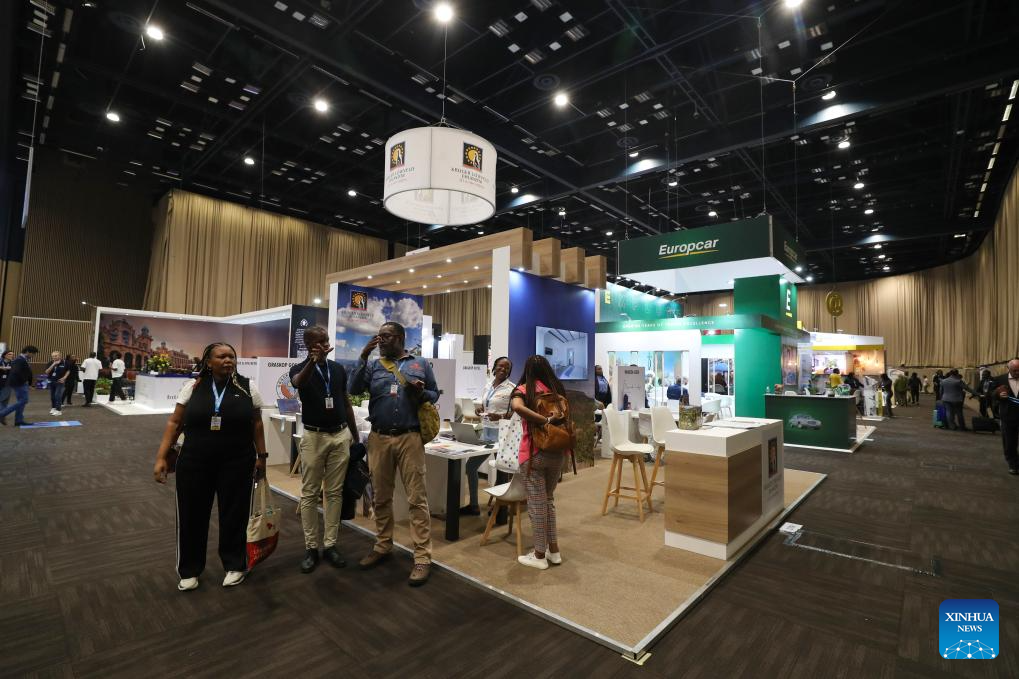
The exhibition floor featured a wide range of tourism offerings, including Rovos Rail train, international airlines, hotel chains and destination management companies. Exhibitors showcased products and services spanning local ground operations, route planning and destination promotion, creating extensive opportunities for global buyers and tourism businesses.
Held under the theme “Unlimited Africa: Growing Africa’s Tourism Economy,” this year’s Indaba attracted 1,225 exhibitors from 22 African countries and nearly 1,000 buyers from over 40 countries and regions.
At national pavilions, tourism enterprises from Namibia, Angola, Gabon, Mauritius and other African countries pitched their signature offerings, including desert adventures, rainforest ecotourism and island holidays.
Speaking to Xinhua, Mozambique’s Minister of Economy Basilio Muhate said that the country regards tourism as a key pillar of economic diversification, noting that Mozambique boasts around 2,700 km of coastline and abundant tourism resources.
“China’s outbound tourism market holds enormous potential, and we attach great importance to tourism cooperation with China,” he said.
Muhate added that Mozambique has, in recent years, explored visa facilitation measures and digital tourism platforms to attract more Chinese visitors.
Gcobani Mancotywa, regional general manager for Asia, Australasia and the Middle East at South African Tourism, told Xinhua that China remains an important source market for South Africa’s tourism sector.
He said South African Tourism has launched official accounts on major Chinese social media platforms such as Xiaohongshu, Weibo and Douyin to introduce the country’s natural scenery and cultural diversity to Chinese travelers.
Mancotywa added that South African Tourism plans to further strengthen digital marketing efforts and deepen cooperation with airlines, leading tour operators and local travel agencies to develop more customized products for Chinese tourists.
In 2025, South Africa’s Department of Home Affairs introduced visa facilitation measures, including the Trusted Tour Operator Scheme and an electronic travel authorization system, to streamline visa applications for Chinese visitors.
Data from South African Tourism shows that around 45,000 Chinese tourists visited South Africa in 2025, with the number expected to exceed 50,000 this year.
A total of 35 Chinese tourism industry representatives attended this year’s event.
Liu Yina, founder and chief executive officer of WTA Travel, a South Africa-based travel company, said Africa’s distinctive tourism resources, combining natural landscapes with rich cultural experiences, are attracting a growing number of Chinese travelers.
“Instead of simply checking off famous attractions, Chinese tourists are now seeking more immersive and unique experiences,” Liu said, noting that birdwatching tours and safari camping trips are becoming increasingly popular among Chinese travelers.
Qiu Yan, product manager for the Africa Region of Youpai Travel, a Shanghai-based travel agency, said more Chinese tourists have in recent years begun to show interest in long-haul African travel, reflecting the strong growth potential of the market.
By attending the trade show, she hopes to learn more about emerging African tourism trends and products, such as culinary tourism and shark cage diving, to create more distinctive travel experiences for Chinese tourists, Qiu said.
People visit the exhibition area of Africa’s Travel Indaba 2026 in Durban, South Africa, May 12, 2026. (Xinhua/Chen Wei)
International Day of the Boy Child is celebrated on May 16 each year across the world. The day recognises the importance of boys’ well-being and the challenges they face, while also celebrating the positive aspects they bring to their communities and families.
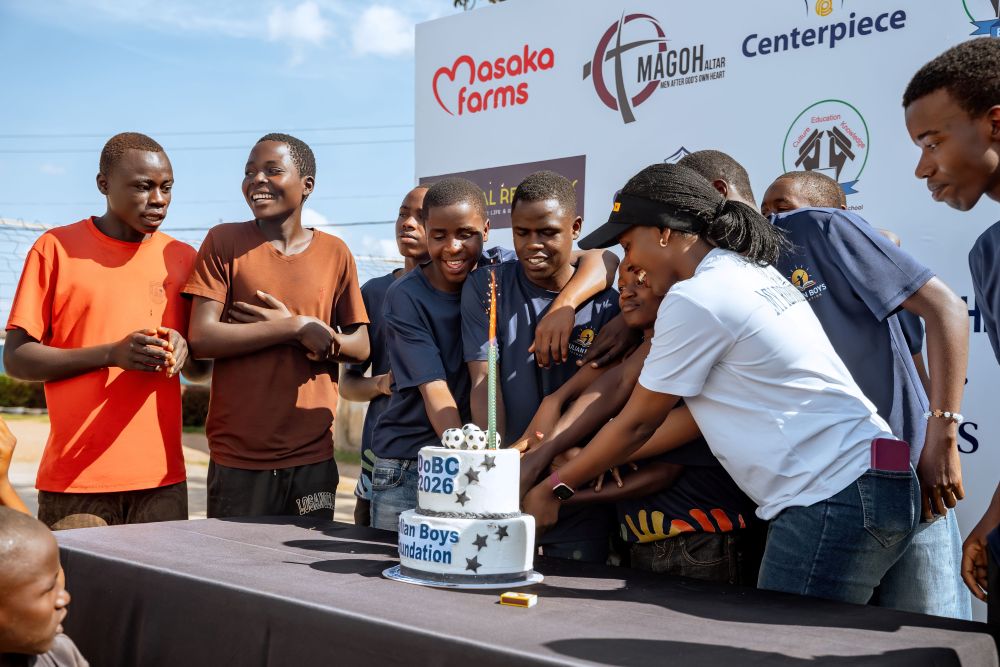
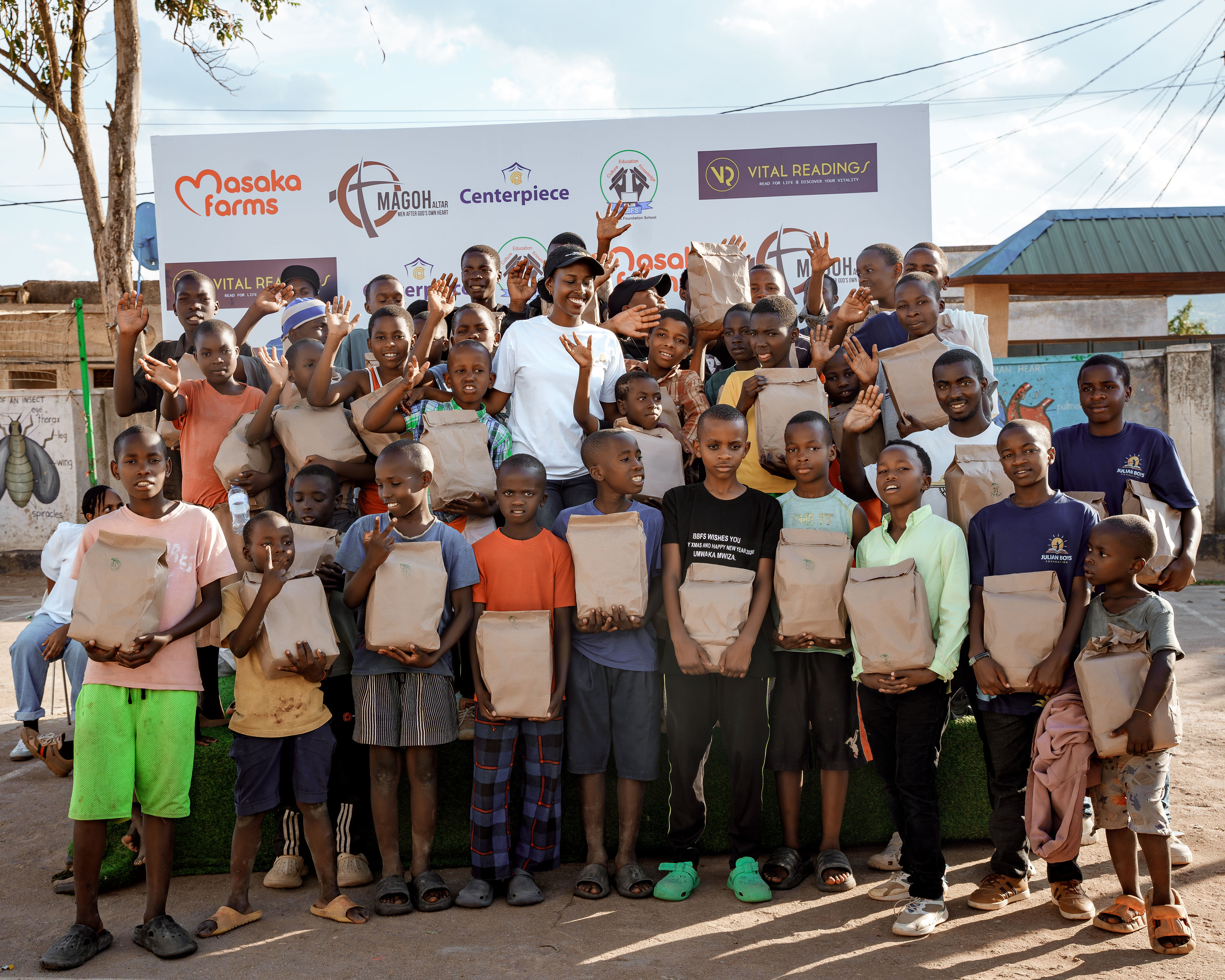
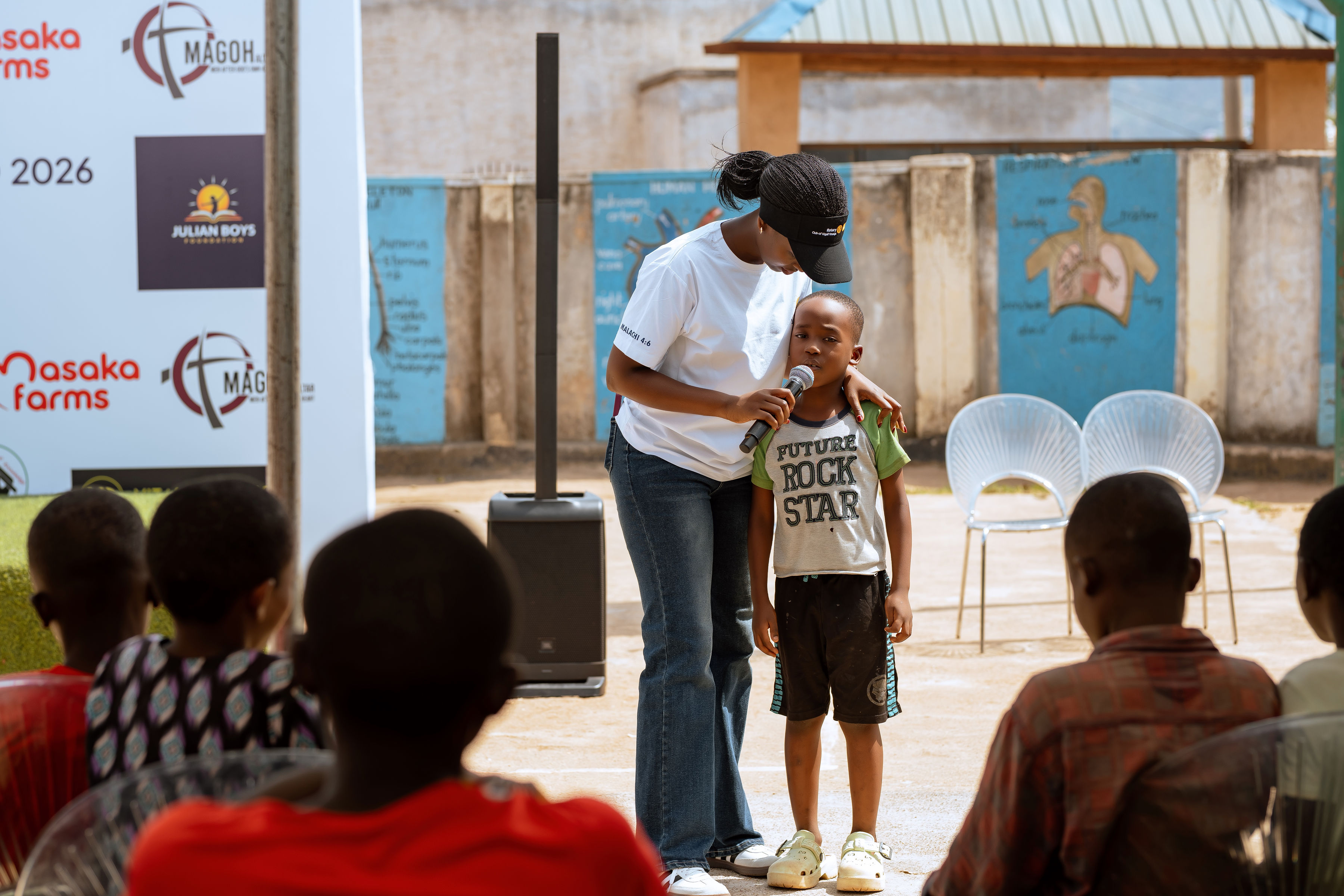
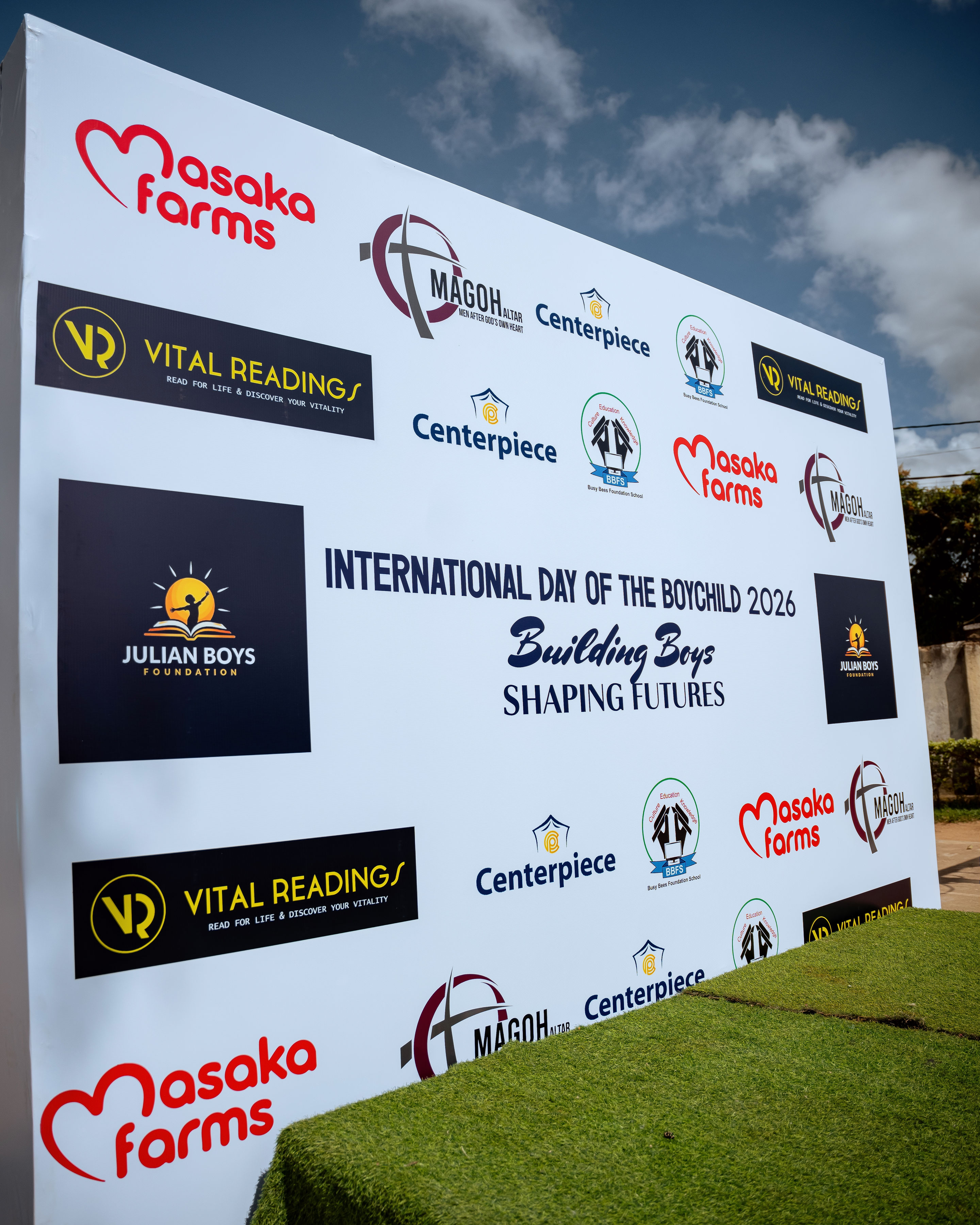
Held at Busy Bees Foundation School in Kigali under the theme “Building Boys, Shaping Futures,” the JBF event brought together boys, mentors, parents, educators, community leaders, and supporters for a day focused on leadership, discipline, identity, emotional well-being, and purpose.
Participants took part in mentorship sessions, interactive discussions, games, team-building activities, inspirational talks, performances, and faith-based conversations designed to encourage confidence, healthy masculinity, and personal growth.
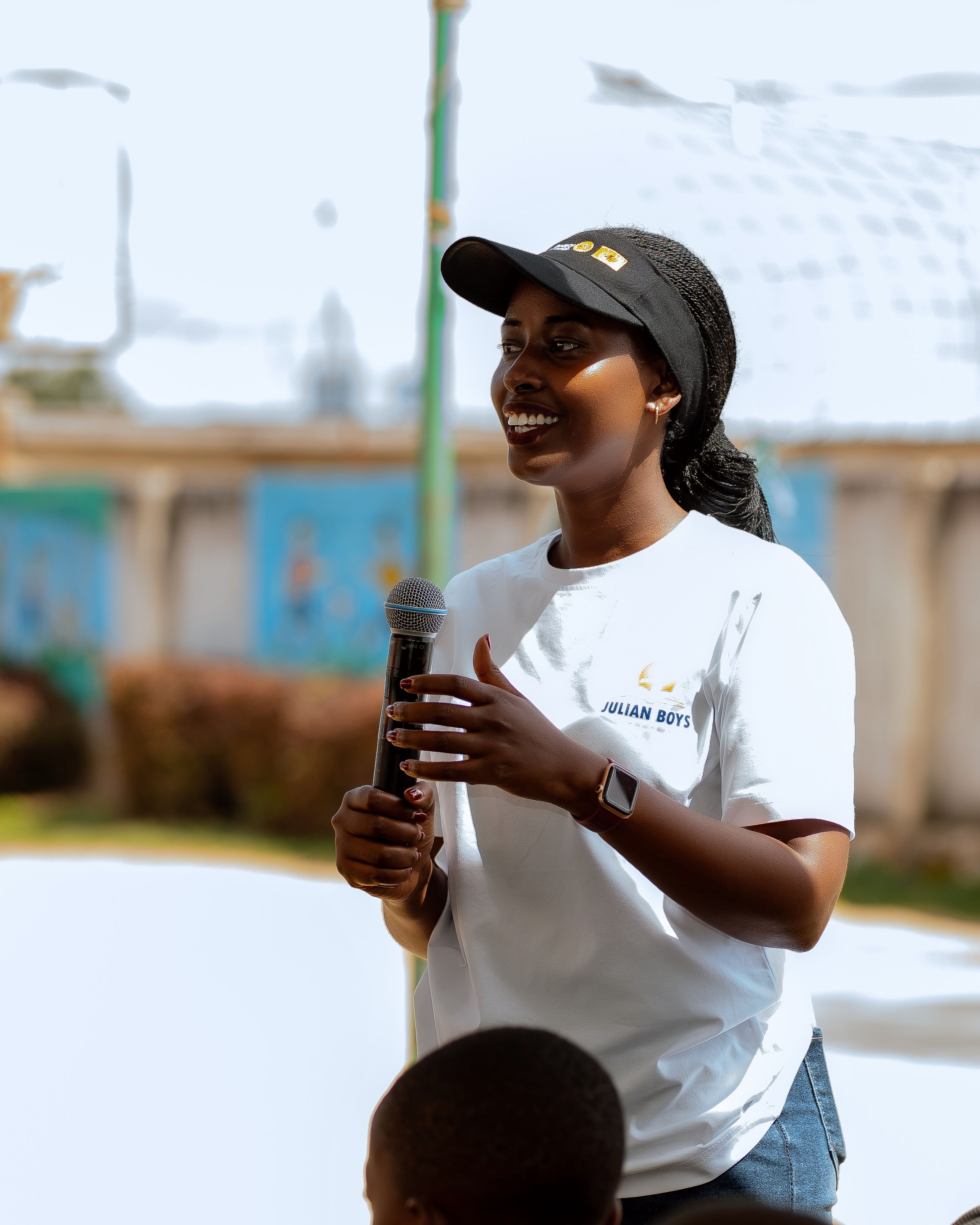
Speaking during the event, Martha Julian Kiiza, founder of the Julian Boys Foundation, emphasised the importance of investing in boys as future leaders.
“International Boy Child Day is more than just an event. It is a reminder that you boys are the men of tomorrow, so your voices matter, and your future matters,” she said.
“Your generation will shape the future, and that journey starts now. The kind of men you become tomorrow depends on the values you build today.”
She urged the boys to grow into young men of character, discipline, prayerfulness, and hard work, noting that the choices they make today will shape both their own futures and that of their communities and country.
Organisers said the celebration sought to create a safe and inspiring environment where boys feel seen, heard, valued, and encouraged to become responsible and purpose-driven men.
Throughout the event, facilitators led age-specific sessions focused on leadership development, emotional expression, community building, and positive social values. The atmosphere was marked by learning, encouragement, and meaningful interaction among participants.
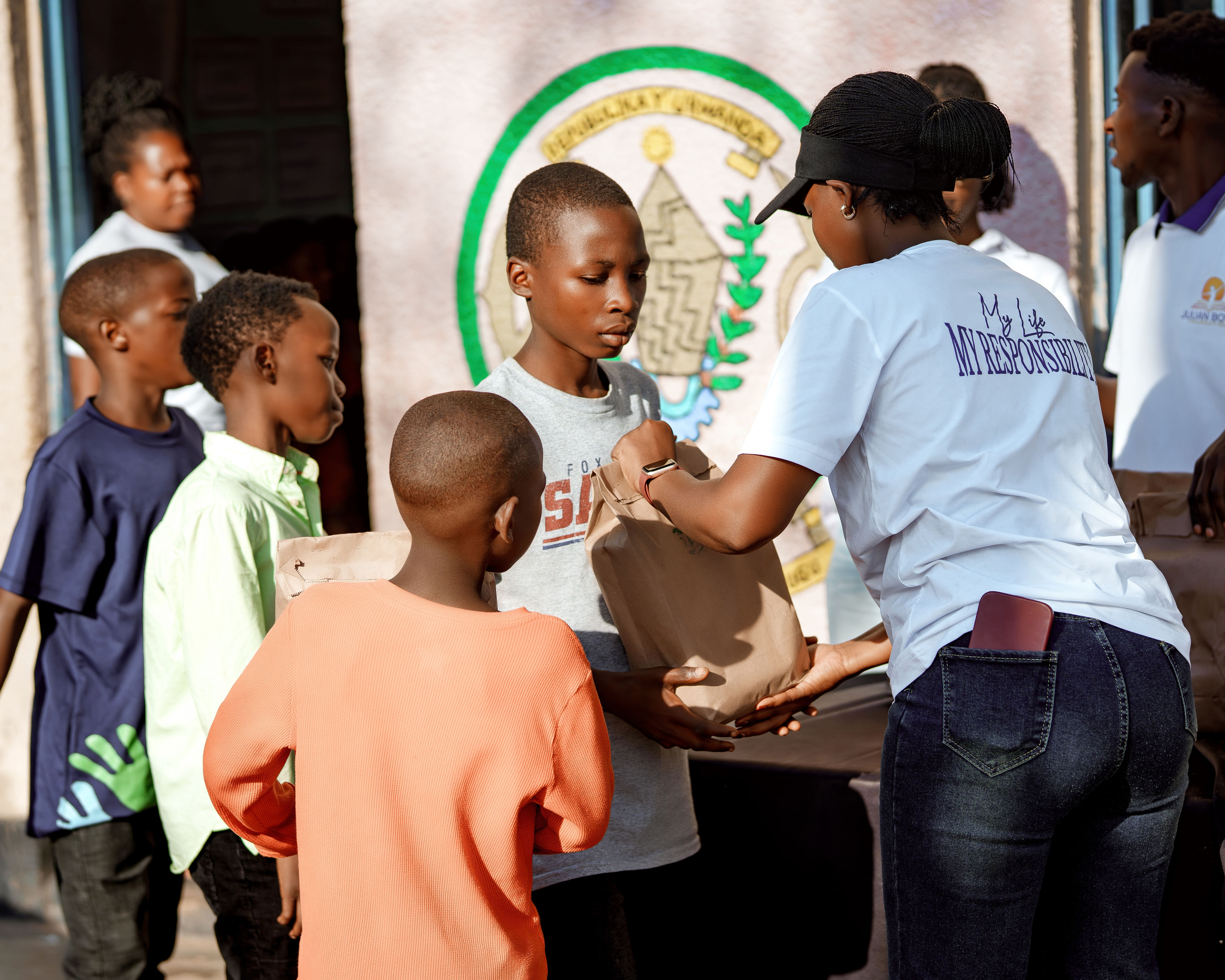
The foundation also used the occasion to reaffirm its commitment to supporting boys from disadvantaged and underserved backgrounds through mentorship, educational support, mental health awareness campaigns, and community outreach initiatives.
The inspiration behind the foundation is deeply personal to its founder. Kiiza was moved by the silent struggles many boys and men face, including depression, substance abuse, emotional suppression, identity crises, and the impact of absentee fatherhood.
A turning point came after hearing the story of a struggling family during a 2017 youth camp in Uganda, where a father battling addiction and gambling had neglected his family, leaving his wife and children in extreme hardship. While many efforts focused on helping the abandoned wife and children, Kiiza said she began to question who was helping the broken man at the centre of the crisis.
The issue became even more personal when her own brother nearly died by suicide after battling depression, drug use, and years of unaddressed emotional pain. The experience, she said, opened her eyes to the hidden struggles affecting many boys and young men.
Those experiences eventually led to the birth of the Julian Boys Foundation, which was established with the vision of empowering boys to become exemplary men who strengthen families and transform nations.
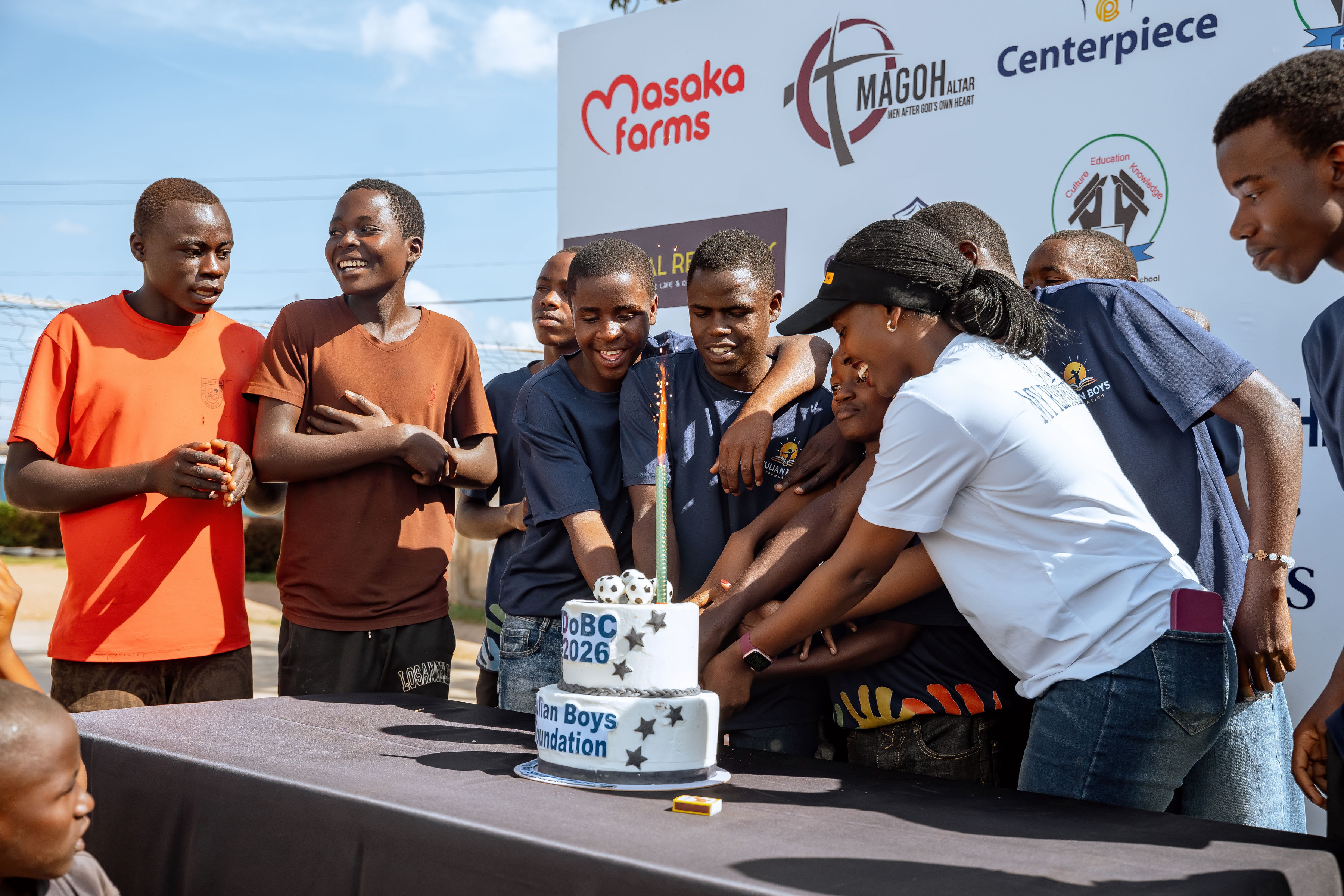
Speaking during the event, Martha Julian Kiiza, founder of the Julian Boys Foundation, emphasised the importance of investing in boys as future leaders.The day recognises the importance of boys’ well-being and the challenges they face, while also celebrating the positive aspects they bring to their communities and families.The boys cut a cake in celebration, symbolising the global observance of the day.Organisers said the celebration sought to create a safe and inspiring environment where boys feel seen, heard, valued, and encouraged to become responsible and purpose-driven men.The foundation also used the occasion to reaffirm its commitment to supporting boys from disadvantaged and underserved backgrounds through mentorship, educational support, mental health awareness campaigns, and community outreach initiatives.The event aimed at empowering young boys through mentorship, leadership training, and values-based discussions.Martha Julian said she founded the foundation with the vision of empowering boys to become exemplary men who strengthen families and transform nations.Held at Busy Bees Foundation School in Kigali under the theme “Building Boys, Shaping Futures,” the JBF event brought together boys, mentors, parents, educators, community leaders, and supporters for a day focused on leadership, discipline, identity, emotional well-being, and purpose.Various partners supported the day’s activities.
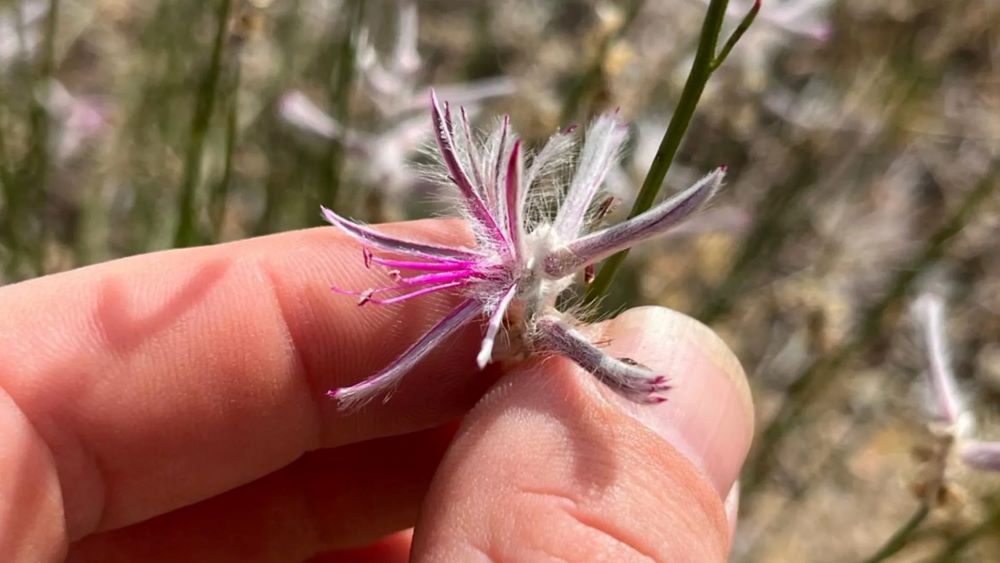
The plant, known as Ptilotus senarius, had not been officially recorded since 1967 and was widely feared extinct.
The discovery began when horticulturalist Aaron Bean spotted an unusual plant while helping with bird banding on a remote property in Queensland. He took photographs of the plant and later uploaded them to the online platform iNaturalist once he regained phone service.
The images eventually caught the attention of botanist Anthony Bean from the Queensland Herbarium, who immediately recognized the species as the long-lost Ptilotus senarius — a plant he had personally described years earlier.
Scientists later confirmed that the species still exists with help from the property owner, who assisted in collecting samples for study.
Researchers say the rediscovery was a combination of luck, technology, and public participation in science.
The plant, known for its purple-pink flowers, grows in rugged parts of northern Australia near the Gulf of Carpentaria. Its rediscovery means it will now be classified as critically endangered instead of extinct, allowing conservation efforts to begin.
Experts say the case also shows the growing importance of citizen science platforms like iNaturalist, where ordinary people share photos of plants and animals they encounter.
Scientists believe such platforms are becoming essential in countries like Australia, where vast remote areas and private land make it difficult for researchers to survey biodiversity alone.
Researchers are now encouraging more people to document wildlife and plants, saying even simple observations can sometimes lead to major scientific discoveries.
The plant, known as Ptilotus senarius, had not been officially recorded since 1967 and was widely feared extinct.