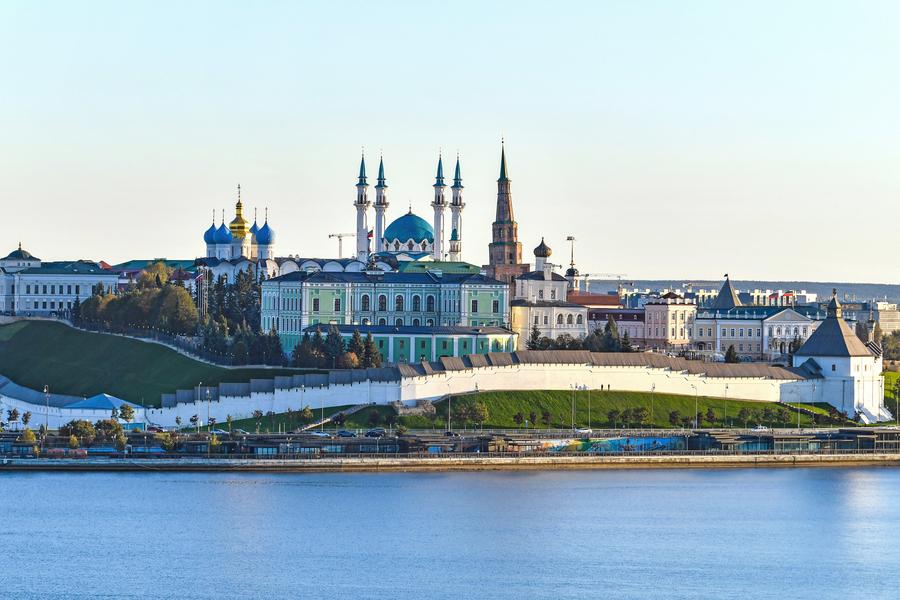
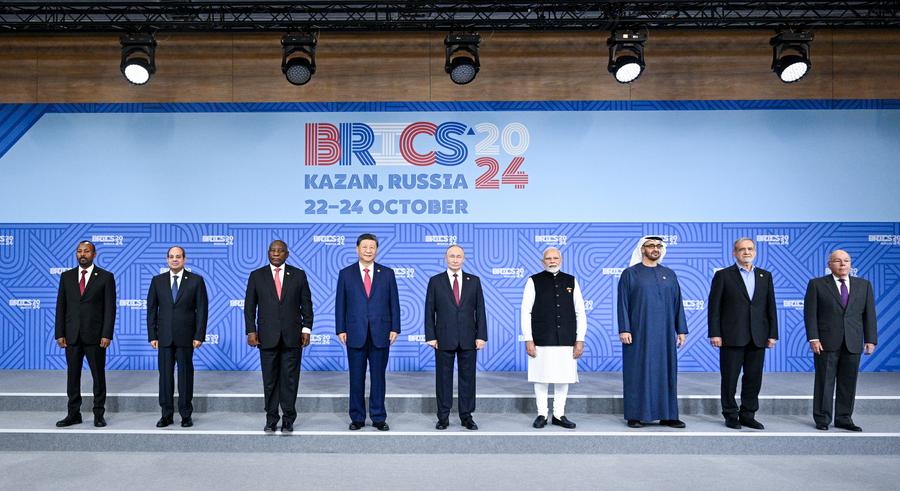
“BRICS works to promote true multilateralism and support changes in global governance, and China plays an important role by actively engaging in discussions and initiatives that aim for a fairer international system,” Alok Kumar Pathak, associate fellow at the BRICS Institute India in Delhi, told Xinhua in a recent Interview.
In an exclusive interview with Xinhua at a time when the 16th BRICS Summit was held from Oct. 22 to Oct. 24 in Russia’s Kazan, Pathak said that China has put forward Global Development Initiative, Global Security Initiative and Global Civilization Initiative, and is committed to working with all parties to build a community with a shared future for mankind, which matches the concept of BRICS cooperation that attaches equal status for all the sovereign nation-states.
BRICS is an acronym for Brazil, Russia, India, China, and South Africa, five major emerging markets with considerable economic potential that founded the BRICS group.
B.R. Deepak, professor of the Center for Chinese and South East Asian Studies of Jawaharlal Nehru University, also talked with Xinhua. He said that since its establishment, the BRICS cooperation mechanism has expanded to various practical cooperation areas and achieved remarkable results.
“The BRICS countries have played an important and unique role in leading the global South and promoting multilateralism. Among this, China has provided numerous economic contributions, ideological contributions and global public goods,” he said.
China’s initiatives fully embody the BRICS spirit and implement China’s commitment to bridge differences between countries and build a more equitable, just, and acceptable cooperation platform, Deepak said, adding that through its own development and cooperation under the BRICS framework, China has provided tremendous development support for many countries in the global South, elevation of poverty across the continents, especially in Africa and South Asia.
“The global economy is now limping. The way it progressed during deep globalization is over, and geopolitical conflicts in various regions have added fuel to the fire,” Deepak said. “In such circumstances, all countries should welcome more initiatives that maintain world peace and security, and promote common economic development.”
The Kazan summit is also the first offline gathering of leaders of the “BRICS family” after the historic expansion in January this year. Pathak said that China has made remarkable contributions in promoting the expansion of the BRICS countries.
More and more countries wish to join the ranks of BRICS, which fully demonstrates that the BRICS concept of independence and equal cooperation is getting more support among countries, said Pathak. “The Western paradigm on the basis of their so-called economic and legal theories is designed to preserve the dominance of the West and keep the rest lagging behind,” he added.
He stressed that after the expansion, the BRICS countries will be more representative and have greater development potential, and can more effectively promote the transformation of the global governance system towards a more just and reasonable direction.
Speaking about the potential outcome of this summit, Pathak said that all countries should conduct more economic cooperation. “The BRICS countries should conduct organizational activities to ensure the significance of the BRICS plus’ countries in the world economy increases with their joint efforts as a group,” he said.
As for people-to-people exchanges, Pathak said that he applauds China’s attitude that diversity is essential to human civilization. “Encouraging exchanges and learning among cultures is important for mutual progress. I hope that during the BRICS Summit, China will continue to support peaceful coexistence and suggest ways to improve understanding and collaboration among different civilizations,” Pathak said.
In his address to the summit, Xi emphasized the need for BRICS countries to seize the historical opportunity and work together to strengthen solidarity and cooperation among Global South nations.
{{STRENGTHENING SOLIDARITY
}}
During a small-group meeting, President Xi welcomed new members to the BRICS family and extended invitations to many other countries to become partner countries.
Xi pointed out that the enlargement of BRICS is a major milestone in its development history, and a landmark event in the evolution of the international situation. It is for their shared pursuit and for the overarching trend of peace and development that BRICS countries have come together, he said.
Stressing that the world is undergoing accelerated changes unseen in a century, marked by new trends of multipolarity and the risks of a “new Cold War,” Xi said BRICS countries should seize the historical opportunity, take proactive steps, remain committed to the original aspiration and mission of openness, inclusiveness and win-win cooperation, conform to the general trend of the rise of the Global South, seek common ground while reserving differences, work in concert to further consolidate common values, safeguard common interests, and strengthen BRICS countries through unity.
“We must work together to build BRICS into a primary channel for strengthening solidarity and cooperation among Global South nations and a vanguard for advancing global governance reform,” Xi said.
Xi stressed that the more turbulent the world is, the more BRICS countries should uphold the banner of peace, development and win-win cooperation, refining the essence of BRICS and demonstrating its strength. BRICS countries should raise the voice of peace, advocating a new path to security that features dialogue over confrontation and partnership over alliance.
Xi also urged BRICS countries to jointly pursue a path of development, advocate a universally beneficial and inclusive economic globalization, and stay committed to the principle of common development. He said BRICS countries should consolidate the foundation of cooperation, deepen cooperation in traditional areas such as agriculture, energy, minerals, economy and trade, expand cooperation in emerging areas such as green, low-carbon and artificial intelligence, and safeguard trade, investment and financial security.
{{ADVANCING DEVELOPMENT
}}
As the high-profile gathering unfolded amid global uncertainties, BRICS embarked on a new chapter, cementing its growing influence on the world stage.
President Xi, addressing the leaders in an expanded format, put forward five suggestions: building a BRICS committed to peace, innovation, green development, justice, and closer people-to-people exchanges.
“We must build on this milestone summit to set off anew and forge ahead with one heart and one mind,” Xi said. “China is willing to work with all BRICS countries to open a new horizon in the high-quality development of greater BRICS cooperation.”
This year’s summit also marked another major milestone with the decision to invite a number of nations as partner countries, further advancing the group’s development.
During Wednesday’s meetings, leaders exchanged views on BRICS cooperation and crucial international issues of shared concern under the theme “Strengthening Multilateralism for Just Global Development and Security.” Central to their discussions were global and regional security, sustainable development, climate change, and reforms in global economic governance.
A notable focus of the summit was the call for increased funding to support the sustainable development of developing countries. Egyptian President Abdelfattah al-Sisi said that BRICS aims to “strengthen a multipolar international system,” particularly through facilitating “innovative and effective” financing for developing nations.
Russian President Vladimir Putin said that “the trend for the BRICS’ leading role in the global economy will only strengthen.” He cautioned against the ongoing risks posed by geopolitical tensions, unilateral sanctions, and protectionism. “A key task is to promote the use of national currencies to finance trade and investment,” Putin said.
Brazilian President Luiz Inacio Lula da Silva, who participated in the summit via video link due to a head injury, said, “It’s not about replacing our currencies, but we need to work so that the multipolar order we aim for is reflected in the international financial system.”
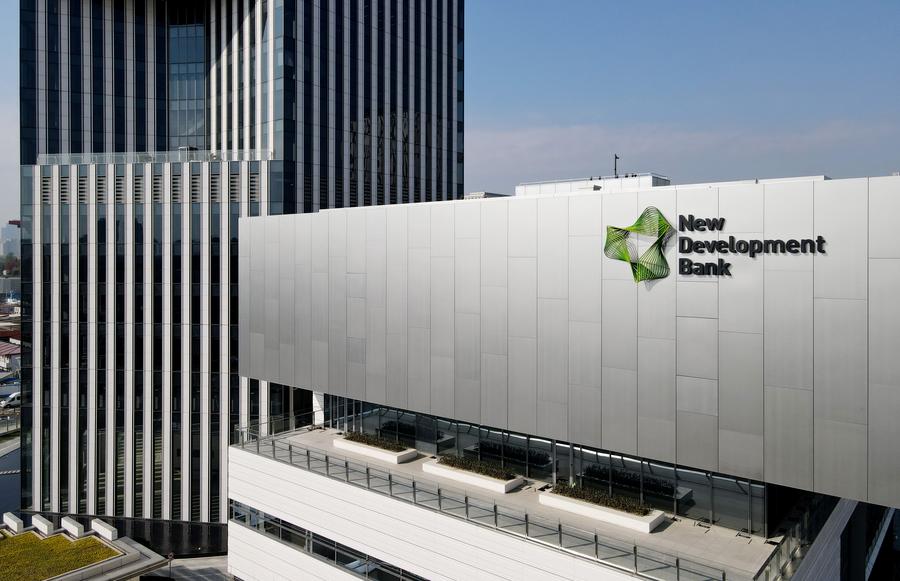
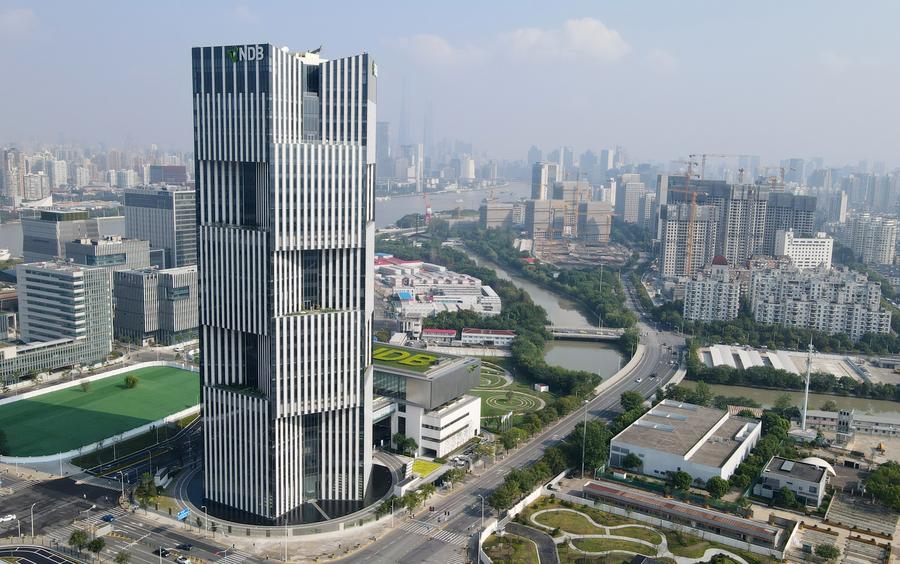
BRICS has already made strides with the New Development Bank (NDB), headquartered in Shanghai. On Wednesday, the BRICS countries agreed to support the NDB in implementing its general strategy for 2022-2026 and in expanding local currency financing.
In a declaration issued at the 16th BRICS Summit, they also agreed to jointly build the NDB into a new type of multilateral development bank for the 21st century, support its further expansion of membership, and expedite the review of membership applications from BRICS countries in accordance with its general strategy and related policies.
Leaders also advocated for a fairer global order for the Global South. South African President Cyril Ramaphosa said that BRICS is an inclusive bloc capable of changing the trajectory of the Global South. “To do this we must realize the full potential of our economic partnership, to ensure sustainable development for all and not just for some,” he said.
“The period of unilateralism is coming to an end,” said Iranian President Masoud Pezeshkian, calling for a more equitable global system.
{{GROWING APPEAL
}}
The term BRIC was initially coined in 2001 by Jim O’Neill, former chief economist at Goldman Sachs, as an investment concept referring to emerging market economies of Brazil, Russia, India and China. With South Africa’s inclusion in 2010, BRICS officially took shape.
In a recent interview with Xinhua, O’Neill acknowledged the need for policymakers to collaborate in creating an optimal system that benefits all. “I think as we pass through time, we will find a new equilibrium where countries will be more at ease with what other countries are doing,” he said.
In recent years, BRICS has garnered attention from countries around the world. Over 30 countries, including Thailand, Malaysia, Türkiye, and Azerbaijan, have either formally applied for or expressed interest in joining the group. Many other developing countries are also seeking stronger cooperation with BRICS.
The growing interest from countries seeking to join BRICS cooperation each year demonstrates that in today’s troubled world, BRICS is not only important but essential, said Bunn Nagara, director and senior fellow at the Belt and Road Initiative Caucus for Asia-Pacific.
“China, led by President Xi, has contributed significantly to BRICS’ success with a progressive and enlightened approach,” said Nagara.
BRICS is seen as a vital platform for developing countries to pursue growth and address global imbalances.
The enlargement of BRICS is “important in tipping the financial and technological balance in favor of the majority Global South rather than the minority Global North,” Webby Kalikiti, a lecturer and researcher at the Department of History, University of Zambia noted. He believed that the future of the world depends on the cooperative energies of all countries and the transition to a multipolar world.
Ahmed Al-Ali, a political and strategic researcher at the Gulf Research Center in Dubai, believed that BRICS aims to foster a more equitable, effective, and rational international system.
It will play a crucial role in promoting development and growth opportunities for Global South countries, while also ensuring the sustainability of economic and social progress, said Al-Ali.
Similarly, Sithembiso Bhengu, a senior research fellow with the Sociology Department, University of Johannesburg said that “the BRICS mechanism presents real possibilities for making the globe a fairer community of nations, with possibilities for mutual support and cooperation towards our respective goals in modernization and development.”
The newly established philanthropic entity will consolidate major global efforts carried out under the patronage of His Highness the President, positioning itself as a force that enhances the efficiency, impact, and reach of the UAE’s philanthropic endeavors.
Headquartered in Abu Dhabi, Erth Zayed Philanthropies upholds the legacy of giving instilled by the Founding Father of the UAE, the late Sheikh Zayed bin Sultan Al Nahyan, and passed down through generations and embraced by the people of the UAE.
Speaking on the establishment of the foundation, His Highness Sheikh Mansour bin Zayed Al Nahyan, Vice President, Deputy Prime Minister and Chairman of the Presidential Court, said: “The launch of Erth Zayed Philanthropies is a testament to the UAE’s ongoing commitment to amplifying its global philanthropic impact.
It represents a strategic effort to bring together our humanitarian initiatives and philanthropic entities under one cohesive vision, enhancing their reach and effectiveness to deliver positive impact on a truly global scale.
As the UAE carries forward the enduring legacy of the Founding Father, this foundation will stand as a beacon of our nation’s commitment to humanitarian progress.
In creating a positive impact across all humanitarian, charitable, and developmental fields, the UAE strives to achieve community development and help those in need in line with the values, humanitarian principles, and noble ideals promoted by Sheikh Zayed for the UAE and its people in service to all of humanity.”
His Highness also noted the significant attention dedicated by UAE President His Highness Sheikh Mohamed bin Zayed Al Nahyan towards optimizing the impact of the country’s humanitarian, charitable, and developmental projects, initiatives, and programmes.
These efforts are an essential part of the nation’s commitment towards providing assistance with a profound impact on communities and people’s lives, thereby fostering sustainable development, growth, security, and stability.
On his part, H.H. Sheikh Theyab bin Mohamed bin Zayed Al Nahyan, Deputy Chairman of the Presidential Court for Development and Fallen Heroes’ Affairs and Chairman of the International Humanitarian and Philanthropic Council, said: “Philanthropy and the spirit of giving have long been central to the UAE’s identity and are deeply rooted in the enduring legacy of our Founding Father and the unwavering commitment of the UAE’s President.
This dedication is focused on improving lives around the world, ensuring wellbeing, empowering individuals, and continuously striving to foster the prosperity, security, and stability of communities.
With the establishment of Erth Zayed Philanthropies, we are deepening our commitment to honouring this legacy with renewed energy and focus while reaffirming the UAE’s leadership in international development and support for humanitarian causes.
Through Erth Zayed Philanthropies, we seek to make a positive impact globally that will be felt for many generations to come, enriching the principles of solidarity and harmony and strengthening cooperation and peace.”
Erth Zayed Philanthropies will oversee diverse programmes in various sectors, leveraging partnerships across the public and private sectors. Under the patronage of His Highness the UAE President, it will support the country’s evolving position as a leader in global philanthropy to meet the challenges of an increasingly complex and interconnected world.
Erth Zayed Philanthropies will encompass a broad portfolio of high-impact projects in areas of local and international significance, such as global health, education, food and water security, energy, climate and sustainability, and social innovation.
Moreover, Erth Zayed Philanthropies will embrace existing philanthropic initiatives, including Zayed Charitable and Humanitarian Foundation, Khalifa Bin Zayed Al Nahyan Foundation, Emirates Foundation, Mohamed Bin Zayed Species Conservation Fund, Sandooq Al Watan, Clean Rivers, the Global Institute for Disease Elimination, Zayed Sustainability Prize, Khalifa Award for Education, Khalifa International Award for Date Palm and Agricultural Innovation, and the Mohamed Bin Zayed Award for Best Teacher.
Collectively, Erth Zayed Philanthropies will oversee these philanthropic foundations and awards with the goal of fostering a shared vision and collaborative approach to philanthropy, leveraging its resources, networks, and knowledge to deliver transformative impact to communities in need around the world.
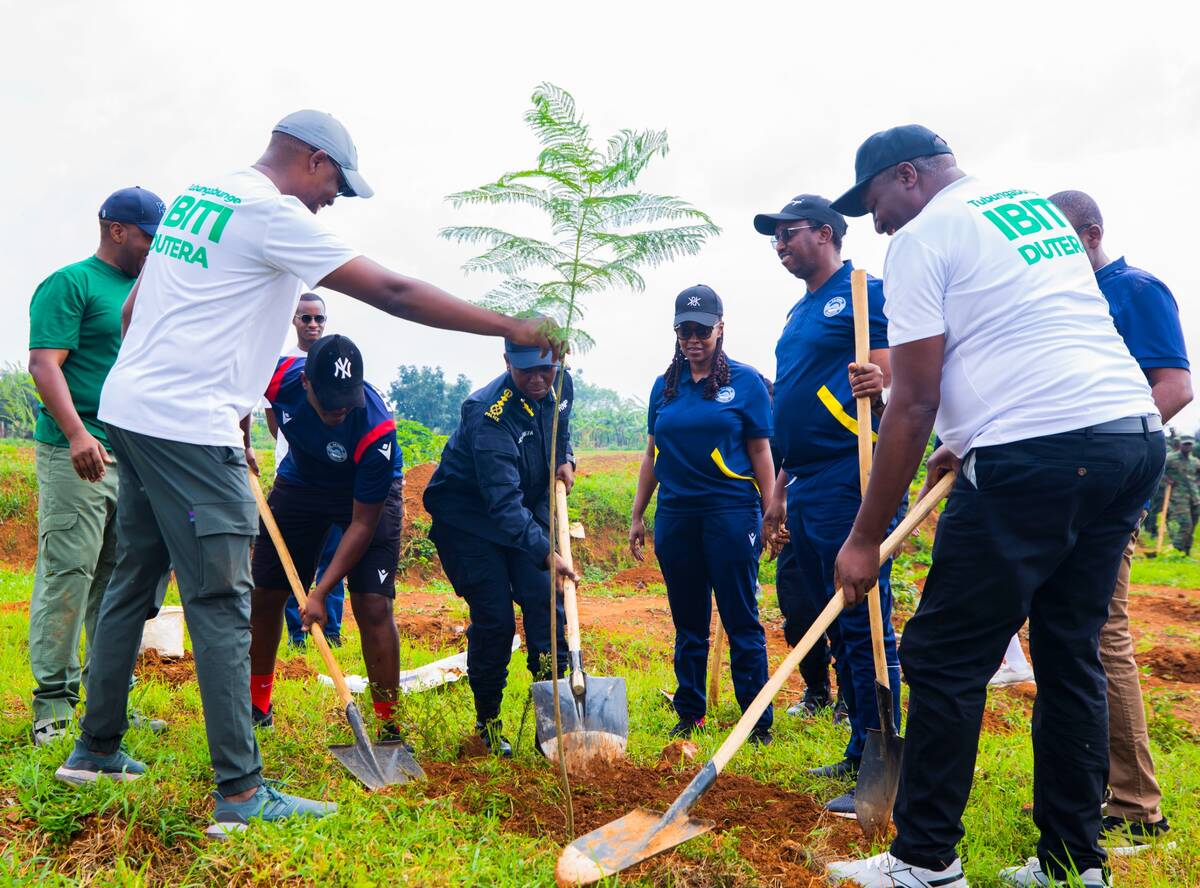
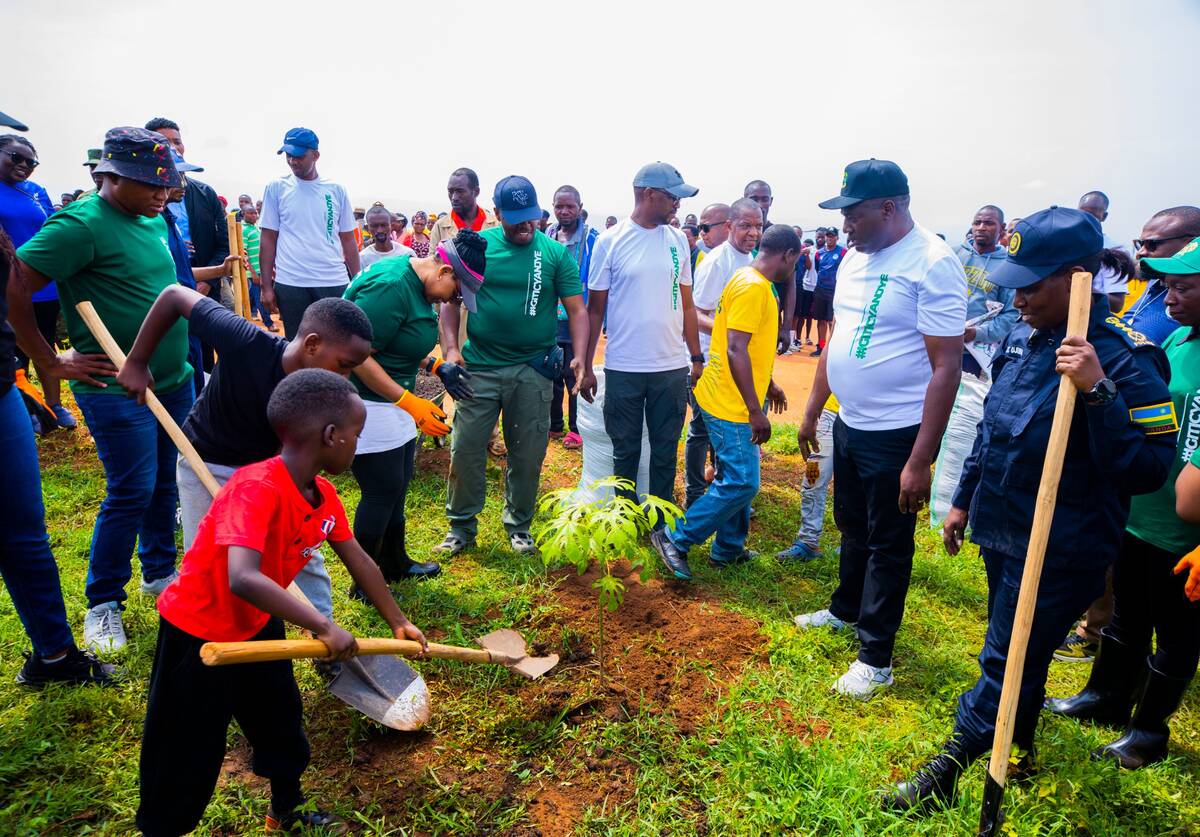
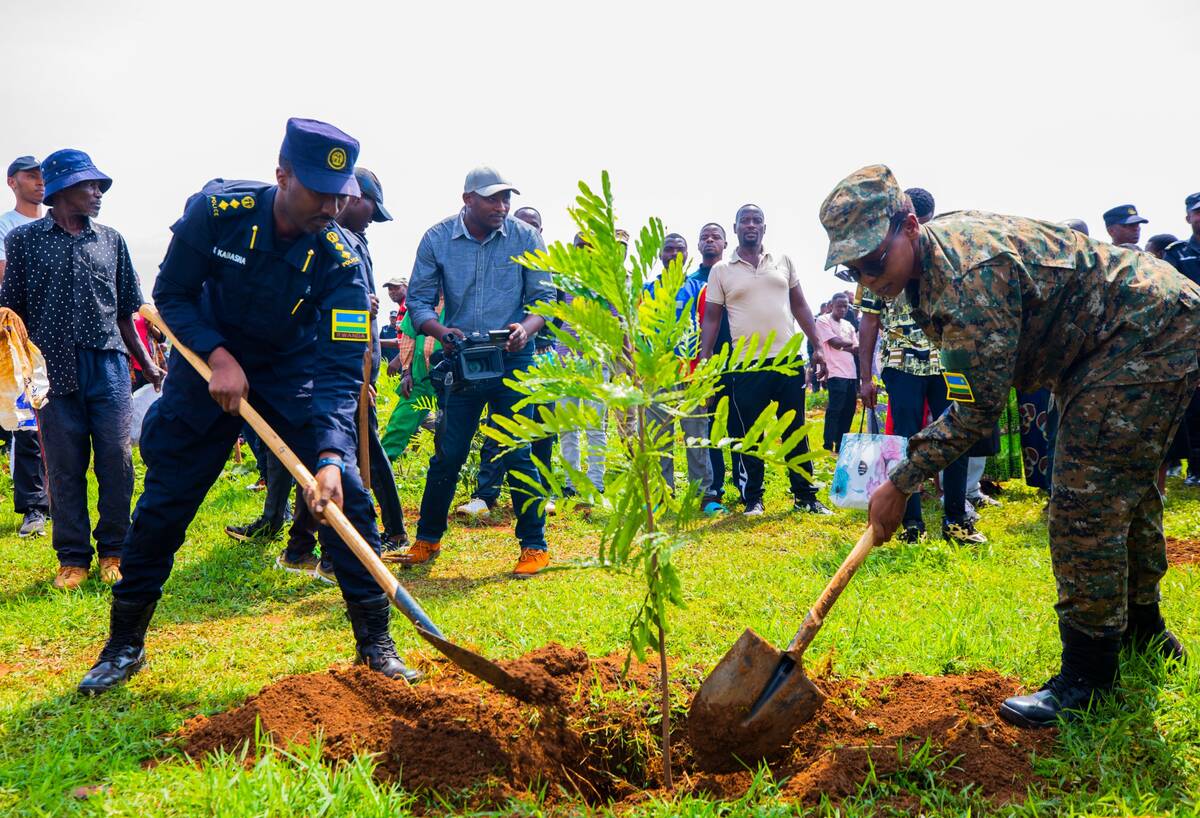
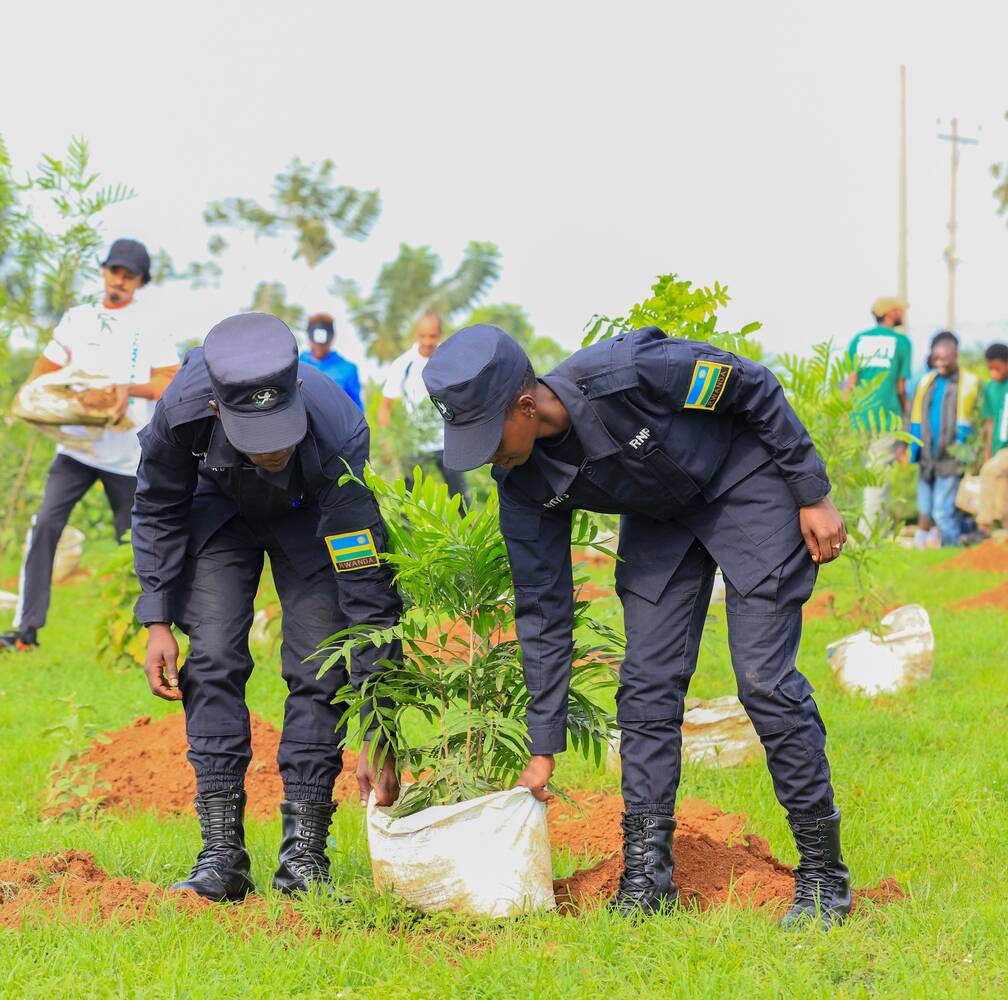
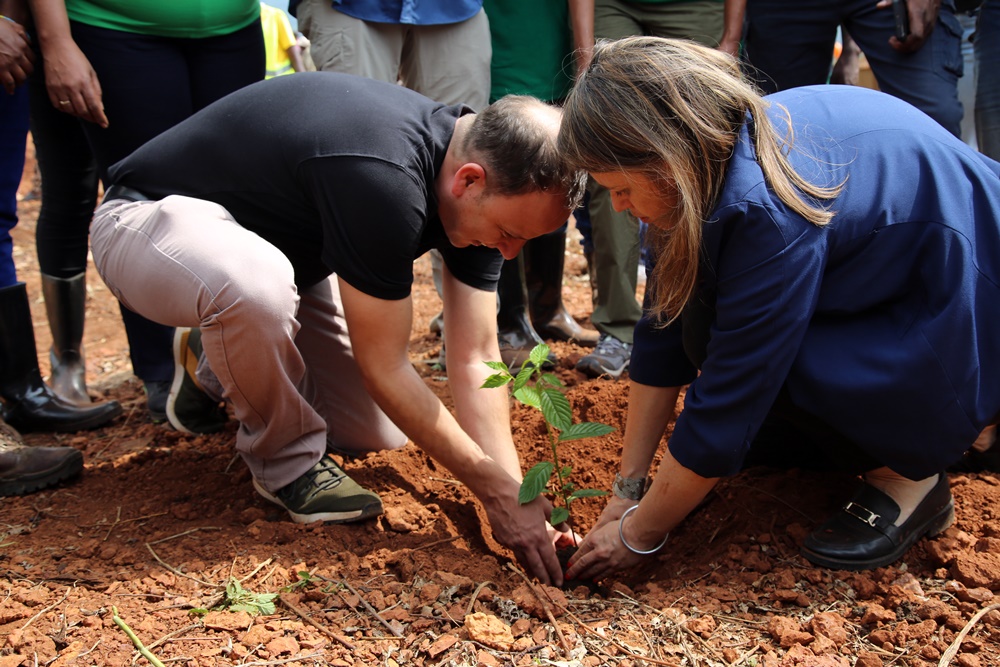
The trees were planted in Gatare village, Gahanga cell as part of a national environmental protection drive.
The Rwanda National Police collaborated with the Ministry of Local Government, Rwanda Development Board (RDB), Rwanda Governance Board (RGB), and other security institutions in the monthly community work.
Umuganda, which translates to ‘coming together in common purpose,’ is a nationwide community service event held on the last Saturday of each month. It encourages Rwandans to engage in activities that promote development and environmental stewardship.
During Umuganda, Rwandans come together to work on various projects, such as cleaning public spaces, planting trees, building infrastructure, and other community development activities.
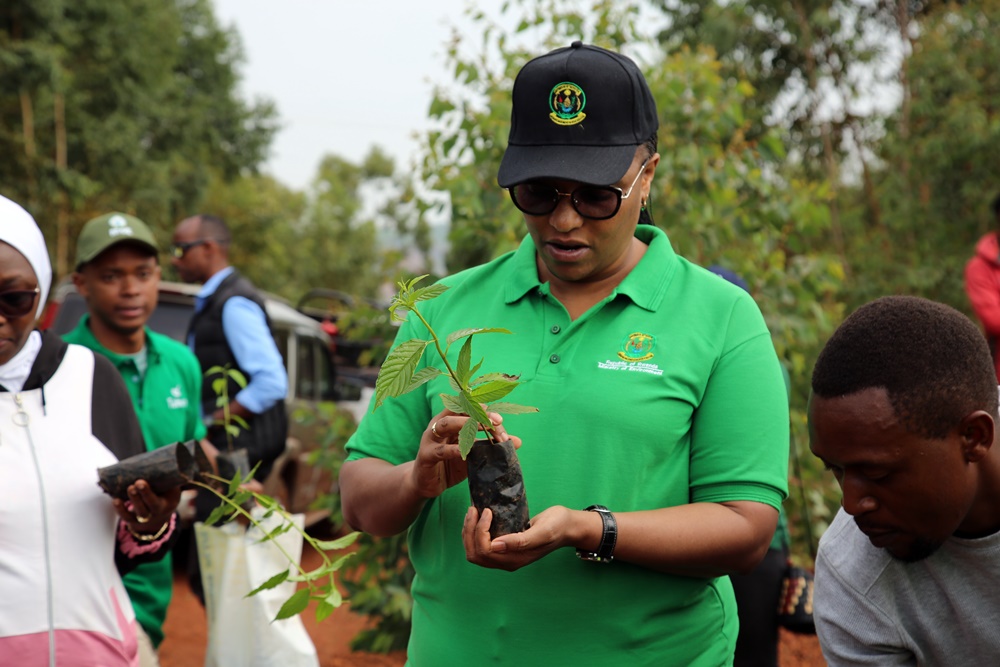
Meanwhile, the tree planting exercise coincided with the launch of the 2024-2025 National Tree Planting Season.
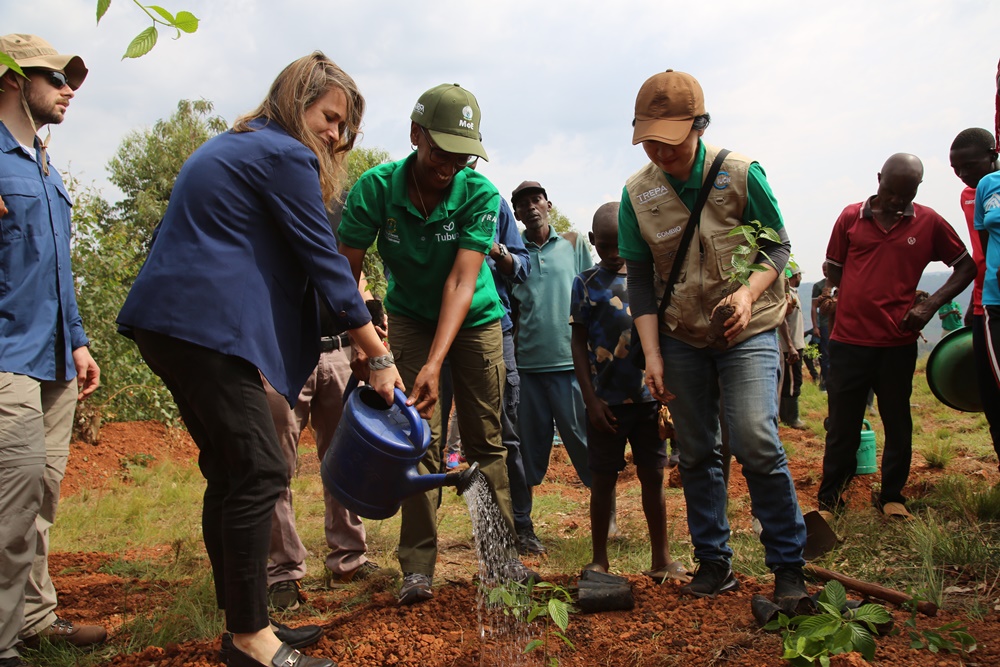
The launch event took place in Rwamagana District, Munyaga Sector, where a total of 25,000 trees were planted across 17 hectares of land.
During the 2024-2025 tree planting season, a total of 65 million trees will be planted across the country, marking an increase of almost two million from the previous season’s 63 million. Additionally, the number of trees each household is required to plant has been raised from three to five.
Since 1975, Rwanda has been celebrating tree planting day as a way of increasing the country’s forest cover, protect the landscape from soil erosion, and meet global demands. With the world facing severe climate change impacts such as floods, droughts, and food insecurity, there is an urgent need to plant more trees to enhance resilience against these challenges.
Rwanda has achieved a 30% forest cover, but there is still much work to be done. The Ministry of Environment plans to plant more than 65 million trees during this planting season, including forest trees, agroforestry trees, native species, fruit trees, and ornamental trees.
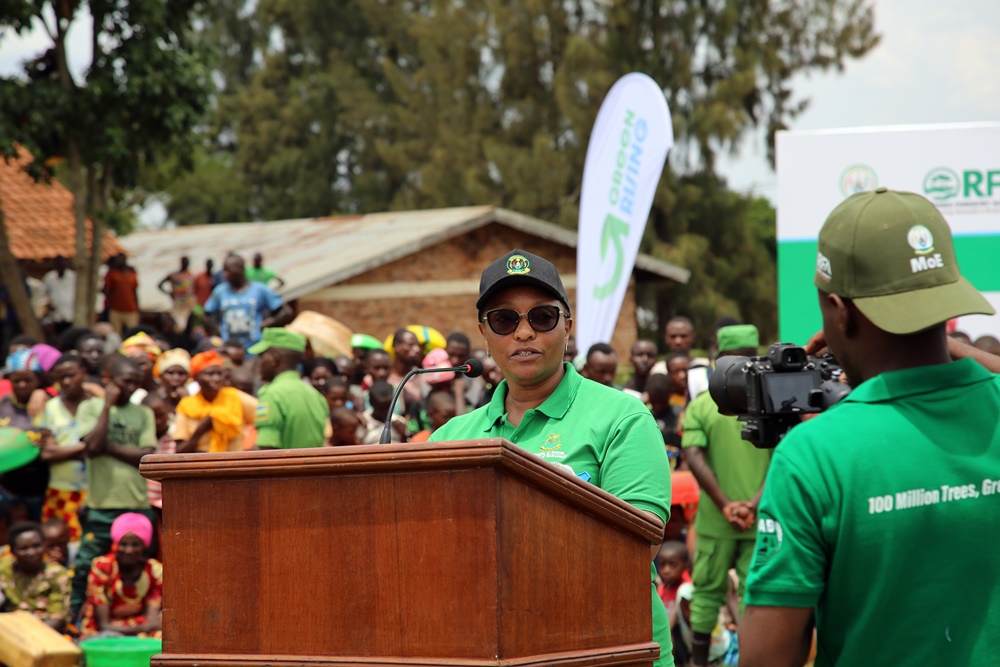
Uwamariya emphasized the importance of investing in research, quality seed resilience to climate change impacts, new technologies, value addition to forest products, and alternative renewable sources of energy to reduce dependence on biomass and avoid deforestation.
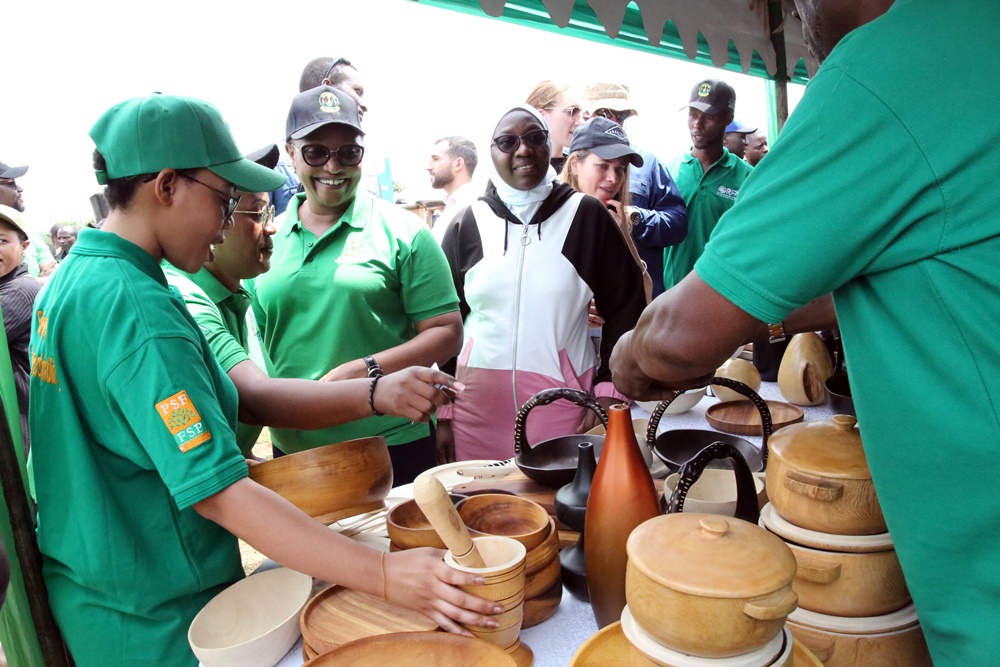
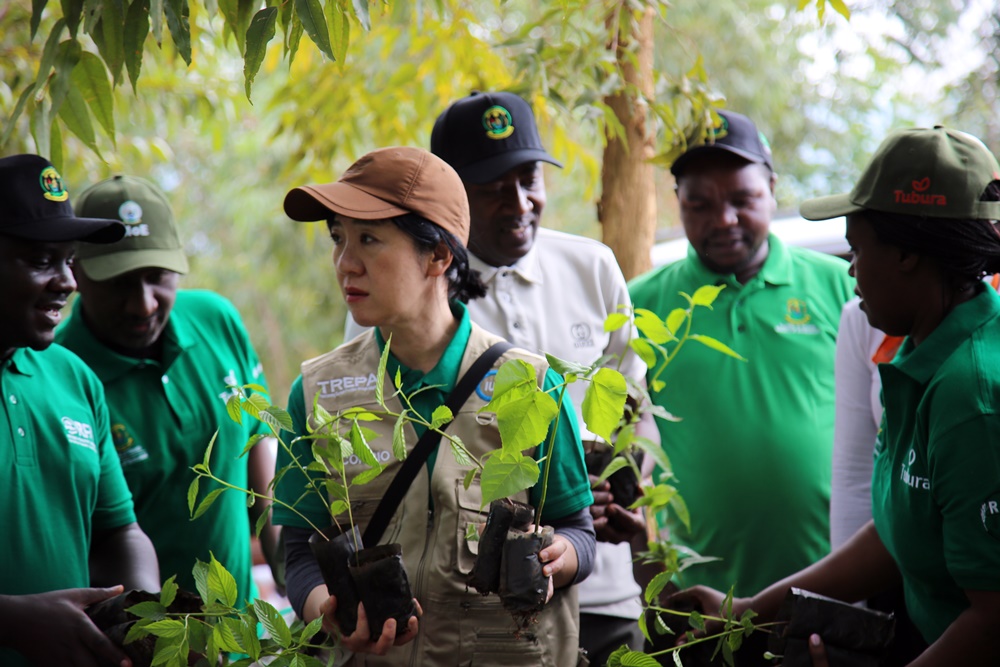
The Minister thanked public institutions and partners for their contributions to the event, including Rwamagana district leadership, One Acre fund, Tubura, Enabel, ARCOS Network, IUCN, Delagua, Prime Insurance, and MTN. The Embassy of Israel in Rwanda also offered fruit tree seedlings for planting during the event.
Uwamariya reiterated the Ministry’s commitment to working with stakeholders to mobilize funds and address sector priorities. She encouraged everyone to join in planting and maintaining trees to help combat climate change and protect the planet.
The spokesperson made the remarks in response to a reporter’s query that the U.S. Defense Department on Oct. 26 announced that the U.S. State Department has approved 1.988 billion U.S. dollars in arms sales to Taiwan, including the “National Advanced Surface-to-air Missile Systems” and radar systems.
The U.S. arms sales to China’s Taiwan region severely violate the one-China principle and the three China-U.S. Joint Communiques, especially the August 17 Communique of 1982. The sales seriously infringe upon China’s sovereignty and security interests, harm China-U.S. relations and peace and stability across the Taiwan Strait, and send a gravely wrong message to “Taiwan independence” separatist forces, the spokesperson said.
China strongly condemns and firmly opposes the sales and has lodged solemn representations with the U.S. side, the spokesperson noted.
The U.S. decision to use Taiwan to contain China and help advance “Taiwan independence” agenda by arming Taiwan goes against the U.S. leaders’ commitment of not supporting “Taiwan independence” and the two sides’ effort of stabilizing the China-U.S. relations, the spokesperson said.
The spokesperson revealed that China will take resolute countermeasures and take all measures necessary to firmly defend national sovereignty, security and territorial integrity.
Taiwan’s separation from China traces back to 1949, following the Chinese Civil War. After years of conflict, the Chinese Communist Party, led by Mao Zedong, gained control of mainland China and established the People’s Republic of China (PRC). Meanwhile, the defeated Nationalist government, led by Chiang Kai-shek’s Kuomintang (KMT) party, retreated to Taiwan. There, they established a separate government, continuing to refer to themselves as the Republic of China (ROC).
Since then, Taiwan has operated with its own government, economy, and military, while the PRC has maintained that Taiwan is a breakaway province.
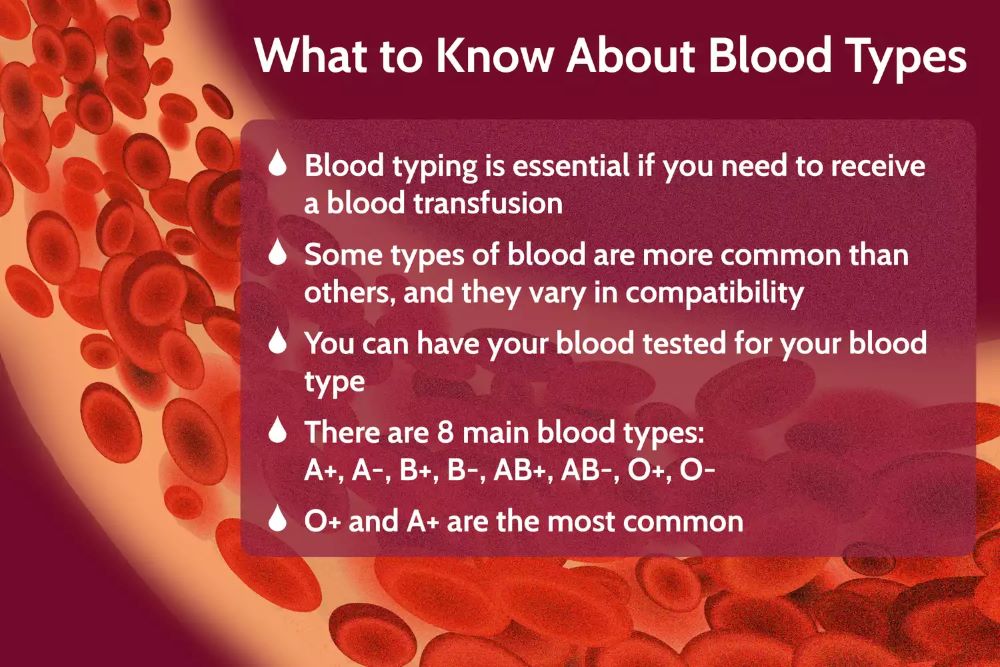
Each type can also be Rh-positive or Rh-negative, which makes a total of eight blood types. Here’s what each blood type means, why it matters, and what health implications it can have.
Whether you need a blood transfusion, are pregnant, or simply want to stay informed about your health, knowing your blood type is essential. It’s a simple fact that can impact your health decisions and understanding of your body’s unique needs.
{{Blood Type A}}
People with Blood Type A have A antigens on their red blood cells and B antibodies in their plasma, which help the immune system identify foreign invaders. Blood Type A can receive donations from Type A and Type O, and it can be given to those with Type A and AB blood.
Health-wise, some studies suggest that people with Type A blood might have a slightly higher risk of heart disease and certain cancers. Although these health risks are small, they highlight that different blood types can have unique traits that may affect health in various ways.
{{Blood Type B}}
For those with Blood Type B, B antigens are present on red blood cells, while A antibodies are in the plasma. Blood Type B can receive blood from Type B and Type O donors and is compatible for donation to both Type B and AB recipients.
People with Blood Type B may be at a slightly higher risk for certain cancers, such as pancreatic cancer. However, they may have a somewhat lower risk of heart disease, showcasing once again that blood types can have connections to specific health risks.
{{Blood Type AB}}
Blood Type AB has both A and B antigens on the surface of red blood cells but has no A or B antibodies in the plasma. This blood type is known as the “universal recipient” because people with AB blood can receive blood from all types—A, B, AB, and O. However, they can only donate blood to other AB recipients.
There is some research suggesting that Type AB may have a slightly higher risk of cognitive decline and certain cardiovascular conditions. This could be due to the way AB blood interacts with specific proteins in the body, which may influence overall health in the long run.
{{Blood Type O}}
Type O blood has no A or B antigens on red blood cells but has both A and B antibodies in the plasma. Type O is often referred to as the “universal donor,” particularly for O-negative, meaning that it can be donated to people of any blood type. However, Type O individuals can only receive blood from other Type O donors.
Individuals with Blood Type O may enjoy a lower risk of heart disease, but they can be more susceptible to stomach ulcers and certain infections. This suggests that Type O blood might have unique ways of affecting health due to the lack of A and B antigens.
{{The Rh Factor: Positive or Negative}}
Another important aspect of blood types is the Rh factor. This factor is a protein that can either be present (Rh-positive) or absent (Rh-negative) in the blood. Rh-positive people can receive both Rh-positive and Rh-negative blood, while Rh-negative individuals should ideally receive only Rh-negative blood to prevent immune reactions.
Rh compatibility is especially crucial in pregnancy. If an Rh-negative mother carries an Rh-positive baby, her body may create antibodies against the baby’s blood, potentially causing complications. Doctors often manage this with a special injection to prevent these issues and ensure the health of both mother and child.
{{Key facts to remember}}
Knowing your blood type is valuable for many reasons. Blood compatibility is crucial in transfusions, as mixing incompatible blood types can cause dangerous immune reactions. For instance, O-negative is known as the universal donor, meaning it can be given to anyone, while AB-positive is the universal recipient, able to receive blood from any type without issues.
Research has shown that blood types may also relate to health risks and disease resistance. Different blood types carry different immune responses, which can slightly impact susceptibility to certain conditions, though these risks are generally small.
In emergencies, understanding your blood type helps ensure you receive the right type of blood quickly, and it’s also beneficial for people considering organ transplants. Blood type compatibility between donors and recipients can make a life-saving difference.
These meetings underscored Rwanda’s continued commitment to strengthening its international partnerships, both within the Commonwealth and beyond.
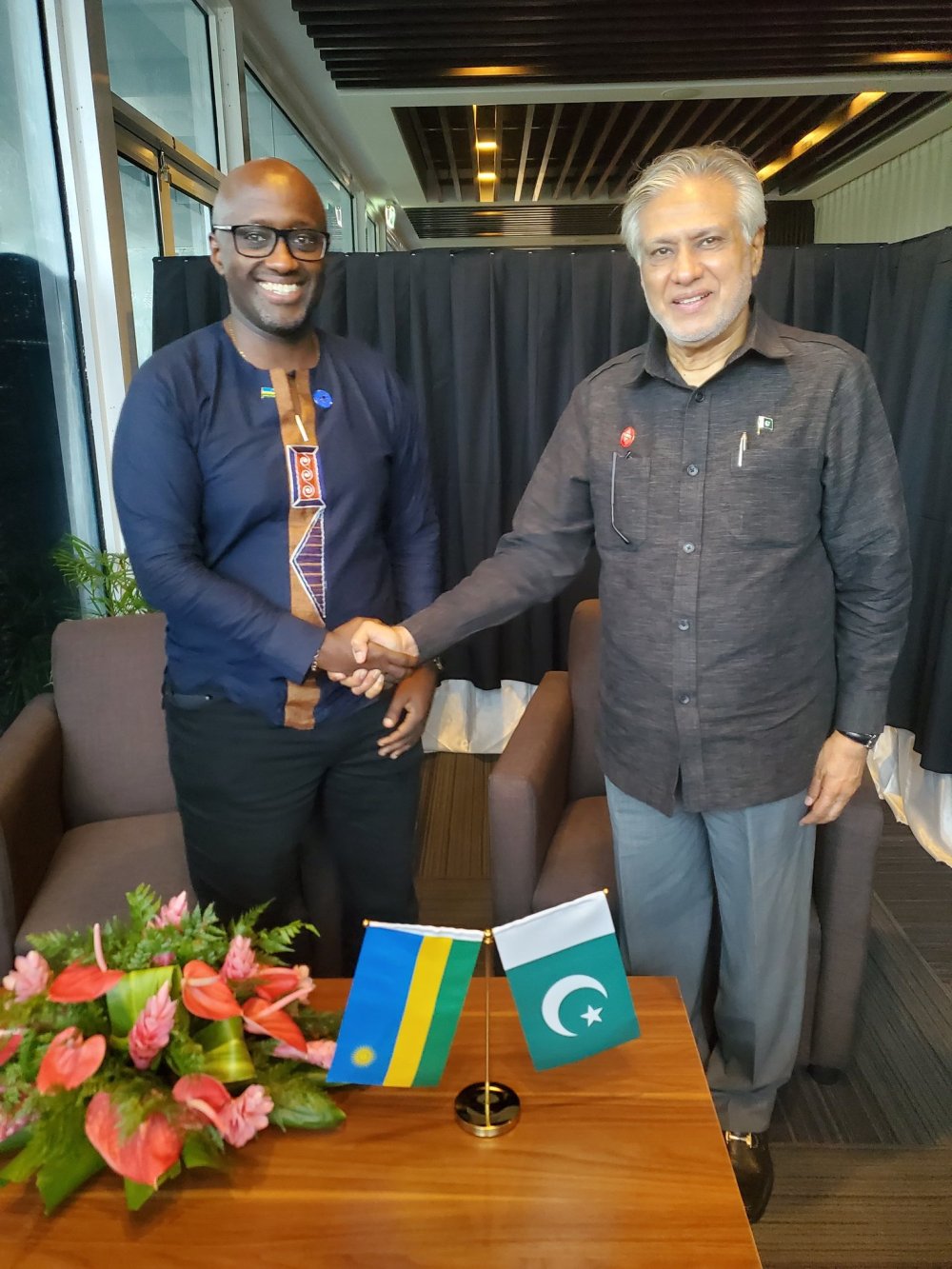
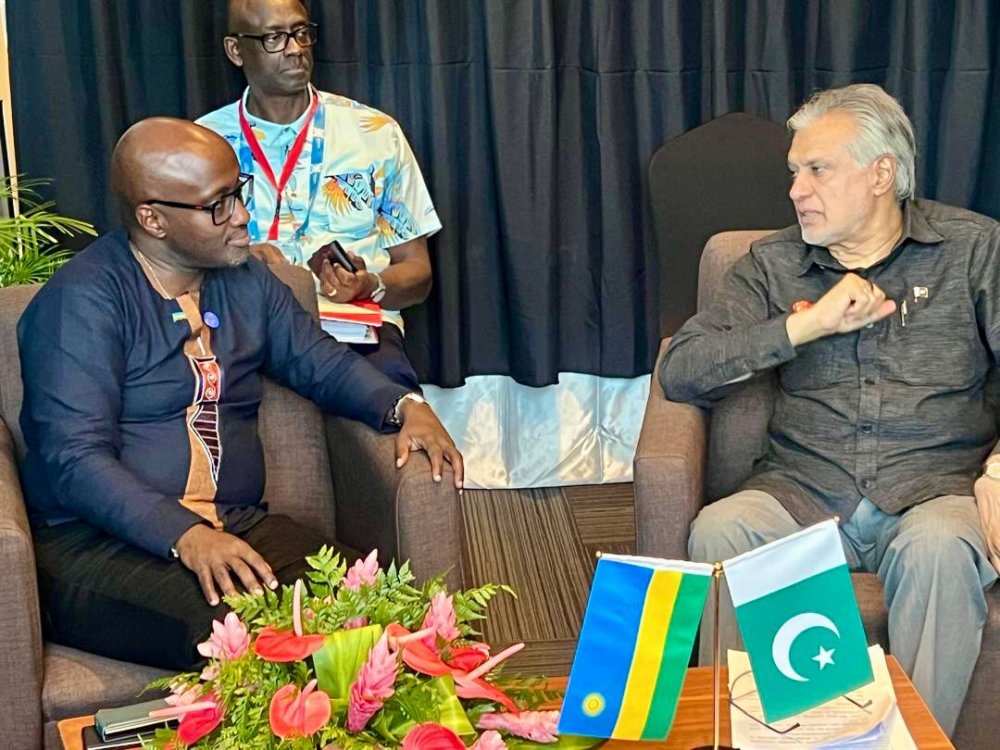
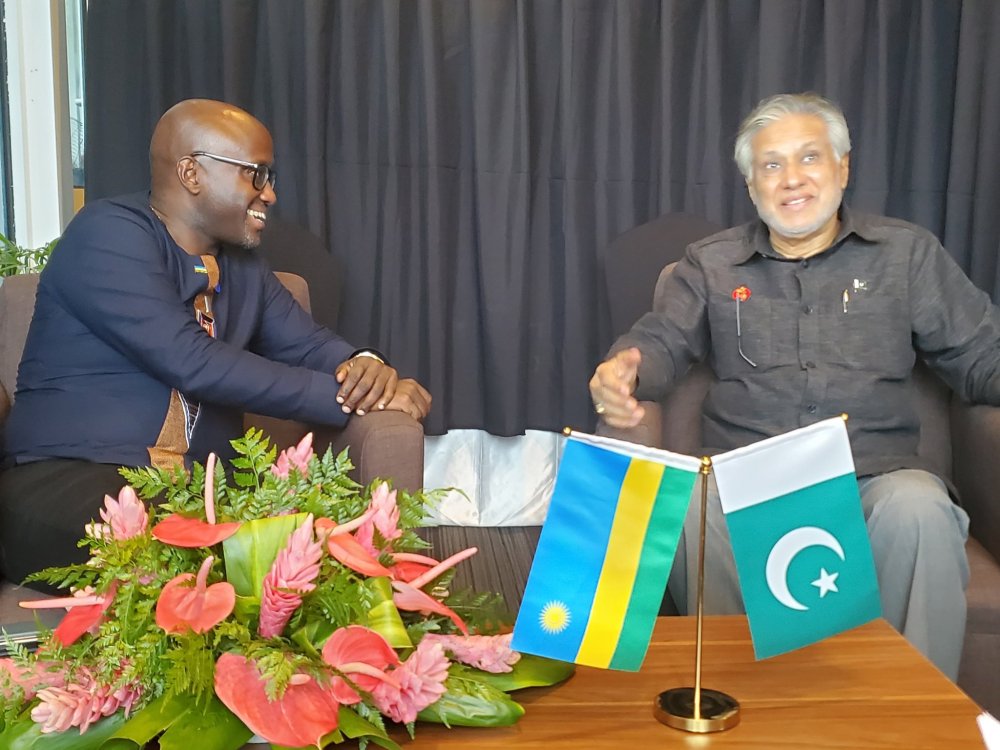
In his interaction with Minister Dar, Nduhungirehe highlighted the importance of the new Rwandan mission in Islamabad, which marks a significant step forward in strengthening Rwanda-Pakistan relations.
The two Ministers discussed increasing cooperation in areas such as trade, security and educational exchanges. Acknowledging the positive trajectory of bilateral relations, Dar reaffirmed Pakistan’s commitment to deepening these ties, particularly through direct trade channels and through the growing Pakistani community in Rwanda, which contributes to local development.
The meeting is a continuation of Rwanda’s outreach to Pakistan in recent years. In January 2024, Rwanda’s Chief of Defence Staff, General Muganga Mubarakh, led high-level discussions in Islamabad with Pakistani military and diplomatic officials.
The discussions focused on shared security challenges, military training, and defence partnerships, with broader implications for trade and development cooperation.
Pakistan’s Ambassador to Rwanda, Naeem Ullah Khan, also launched projects to directly connect Rwandan producers to Pakistani markets, particularly for tea and coffee. In this vein, the Ambassador set up a training programme for Rwandan youth, aimed at strengthening their marketing skills to facilitate cross-border trade.
Minister Nduhungirehe also met with Kamina Johnson Smith, Jamaica’s Minister of Foreign Affairs, to discuss strengthening diplomatic and tourism ties. This meeting follows the signing in 2022 of two bilateral memoranda between Jamaica and Rwanda during President Paul Kagame’s state visit, establishing agreements on political cooperation and tourism development.
These memoranda lay the foundation for deeper engagement, with a focus on cultural and tourism exchanges, highlighting the two countries’ historical ties and shared interests within the Commonwealth framework.
These discussions at CHOGM2024 illustrate Rwanda’s commitment to nurturing dynamic partnerships with Pakistan and Jamaica, reinforcing the Commonwealth’s broader vision of unity, shared development and enduring collaboration.
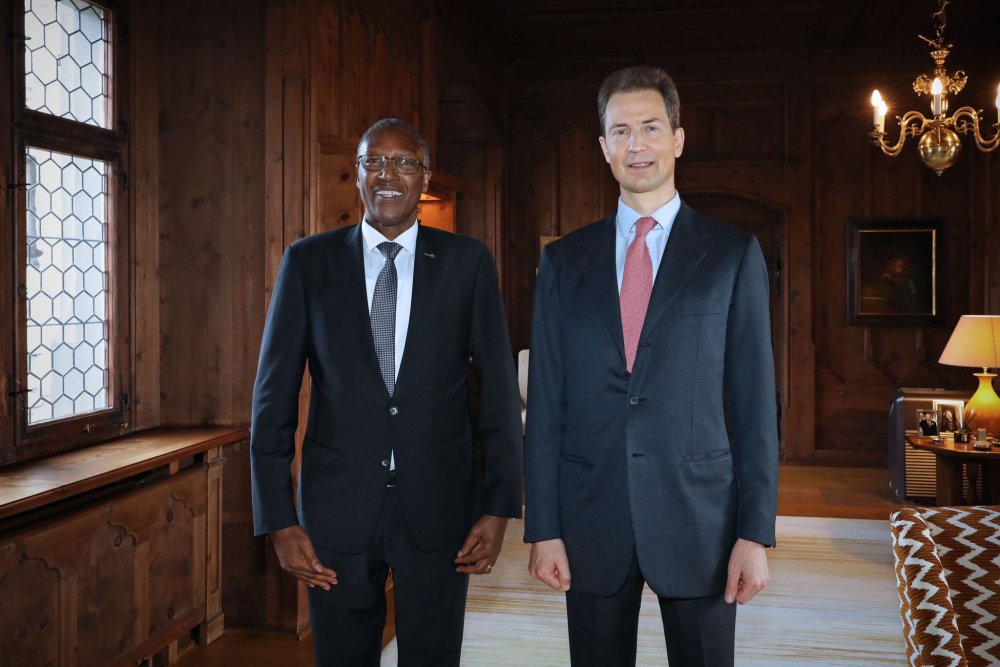
While presenting the credentials, Ngango delivered a message from President Paul Kagame, highlighting the strong diplomatic relations between Rwanda and the Principality of Liechtenstein, reaffirming Rwanda’s commitment to furthering this partnership and promoting mutual development.
In their discussions, Prince Alois emphasized the excellent relationship between the two countries, showing understanding of the regional issues surrounding Rwanda and the important role that small nations should play on the international stage, particularly regarding global peace and security.
Prince Alois also received credentials from ten other new ambassadors, granting them the right to represent their countries in his country.
Prior to this ceremony, Ngango met with Elena Klein, the Director-General of Protocol, who represented Mrs. Dominique Hasler, the Minister of Foreign Affairs, Education, and Sports, to whom he presented copies of his credentials.
Their conversation focused on strengthening cooperation in areas such as culture and tourism, investment, financial services, and education.
This ceremony follows Ngango’s presentation of credentials to the President of the Swiss Confederation on June 11, 2024, in Bern.
In addition to Switzerland and Liechtenstein, Ngango has also been entrusted by the President of Rwanda to represent the country in Austria, Slovenia, and the Vatican, where he will present his credentials in the coming days.
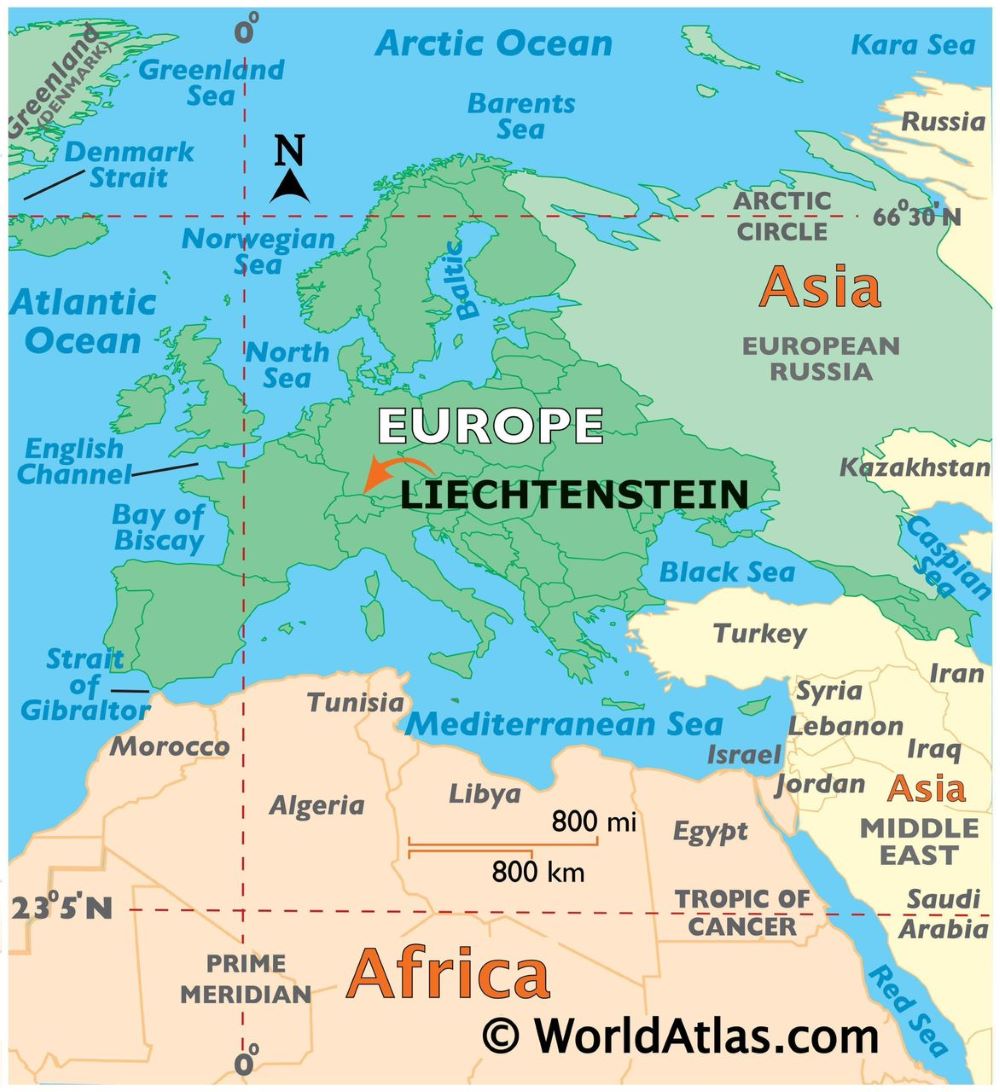
The Principality of Liechtenstein is located in the heart of Europe’s alpine region, between Switzerland and Austria. It is home to around 40,000 inhabitants.
{{karirima@igihe.com}}
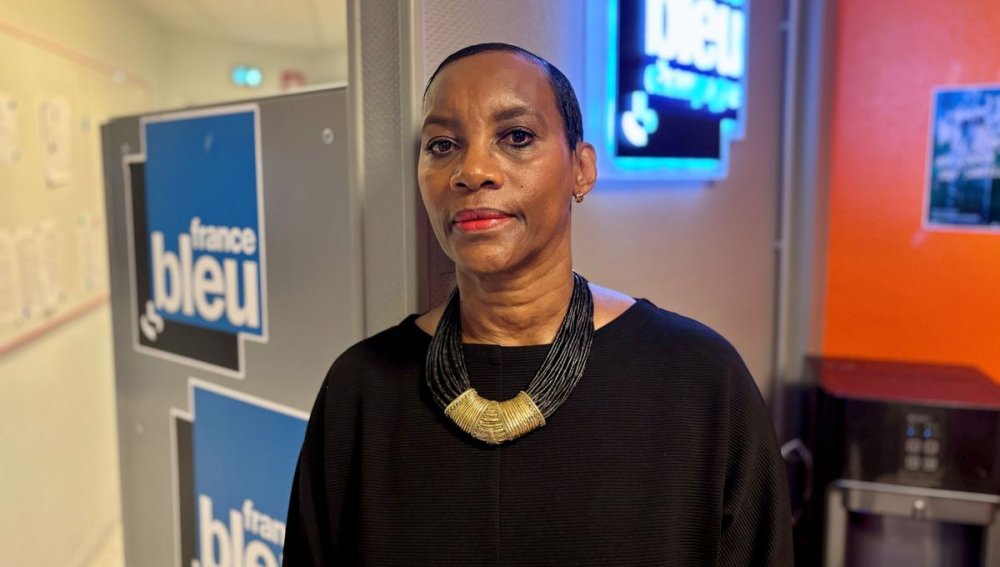
Dafroza Gauthier Mukarumongi, the founder of CPCR, told IGIHE that the accusations are compiled in three detailed documentations against the French government. These claims focus on the collaboration between the French and Rwandan governments from 1990 to 1994 and military and political agreements signed during that period.
Dafroza explained that they are suing the French government for abandoning and refusing to protect their Tutsi employees who worked at the French Embassy and the French Cultural Center and for the alleged sexual violence by French soldiers against Tutsi women in the Turquoise Zone.
The organizations further allege that French soldiers stationed in Rwanda during those years were involved in discriminatory practices based on ethnicity, such as checking citizens’ ID cards at various roadblocks.
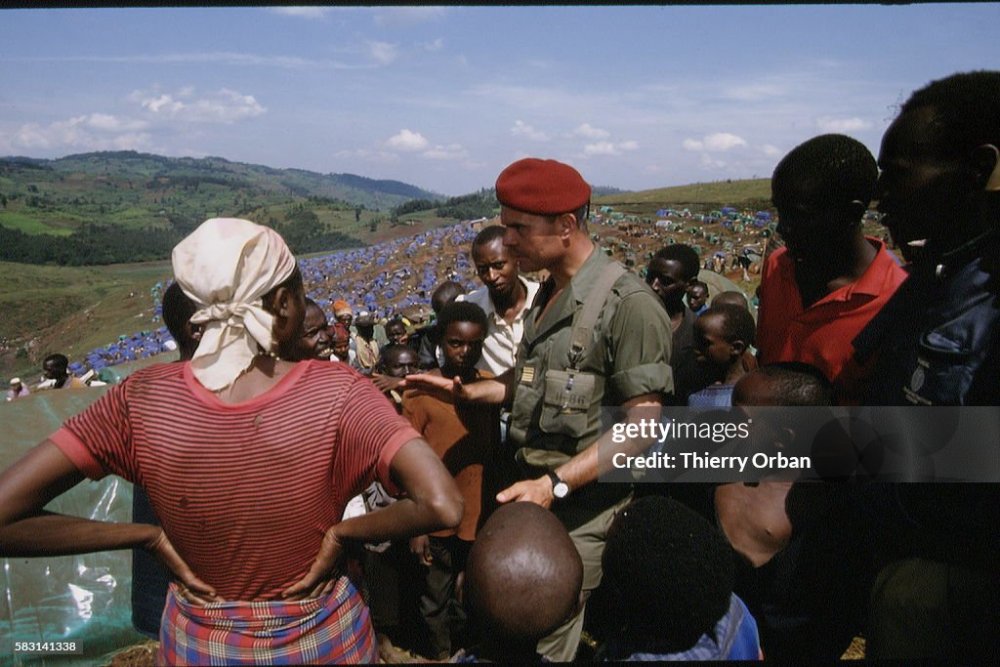
Since June 1994, French troops were stationed in the Turquoise Zone on a so-called humanitarian mission however, it is alleged that their aim was to support the Interahamwe militia former Rwandan Armed Forces to escape from the country.
Dafroza stated that the evidence in the case shows that Tutsis who sought refuge with French forces in this zone continued to be killed, as the French forces did not separate them from the Interahamwe and Ex-FAR.
She provided an example of the killings in the Bisesero, Karongi district where French troops refused to rescue Tutsis who had appealed for their protection as the Interahamwe and Ex-FAR were killed over 40,000 people. Between June 27 and June 30, 1994, another 4,000 were killed.
The trial involving these organizations and the French government took place on October 24, 2024. CPCR was represented by lawyer Philippe Raphaël, who prepared the case.
Raphaël stated, “The French government could have prevented the genocide but did not. Instead, they supported Hutu extremists in political, diplomatic, and military affairs before, during, and after the Genocide.”
French President Emmanuel Macron, in April 2024, acknowledged that France and other nations could have prevented the 1994 Genocide against the Tutsi but lacked the will to do so. “As the extermination of the Tutsi began, the international community had the capability to know and act. France, alongside Western and African allies, could have stopped the genocide but did not have the will,” he said.
This statement reiterated Macron’s earlier speech on May 21, 2021, at the Kigali Genocide Memorial, in which he admitted France’s role in this history, a position also reflected in a report by a team led by French historian Prof. Vincent Duclert.
However, the French Ministry of Armed Forces, representing the defense, requested the Administrative Court to declare itself incompetent in this matter, arguing that government actions are what is being challenged. They added that decisions made in national policy matters hold immunity in domestic courts.
This lawsuit was filed in April 2023, followed by an investigation conducted between May and June 2024. The organizations are seeking 500 million euros in compensation for damages. The ruling is expected on November 14, 2024.
CPCR stated that there is an opportunity to appeal the Administrative Court’s decision up to the European Court of Human Rights (ECHR) if the French government is not held accountable for actions before and during the Genocide against the Tutsi in 1994.
{{Women assaulted by French soldiers continue to suffer trauma.}}
French soldiers under Operation Turquoise arrived in Rusizi (former Cyangugu Prefecture) and split into teams, with a large number remaining at Kamembe Airport while others moved to Nyarushishi, Bugarama, Ntendezi, and Kirambo. When they reached Nyarushishi, they toured the entire camp while taking photos.
At that time, they inspected the tents. After three days, they had identified where women and girls were located and began taking them away for sexual assault, despite being responsible for protecting them.
The book The Genocide Against the Tutsi in the Former Cyangugu Prefecture by CNLG contains testimonies from witnesses to these atrocities.
Constance Kambogo said, “The French soldiers would openly take girls from the camp and sexually assault them. They would come around, take the girls out in armored vehicles, and pick those they wanted under the pretense of taking them for cleaning duties.”
Among those assaulted at Nyarushishi was Claudine, who was between 14 and 15 years old at the time, which left her traumatized to the point of becoming mentally unstable.
Others sexually assaulted included Mukayiranga Mado, Mukayeze Pascasie, Mukayitesi Jacqueline, Umulisa, girls from EAV Ntendezi, and others.
“The victims were subjected to brutal acts, including having pepper inserted into their private parts, being assaulted orally and anally, being photographed naked, and more. After abusing them, the soldiers would pass them around, commenting on their beauty and comparing them to the women back home. After the assault, they would give them biscuits as a reward,” reads the book in part.
Apart from Nyarushishi Camp, it is reported that French soldiers also sexually assaulted women and girls at Kamembe Airport, Kamarampaka Stadium, and other locations.
Jean Bosco Habimana, an Interahamwe collaborator who worked closely with French soldiers, as they had given him a gun, testified that the French at the stadium asked him to find girls for them, particularly Tutsis, claiming they would not cause problems if it was discovered.
The first girl he brought to them was Beata, around 15 years old, whom he took from Mururu and whom he knew was a Tutsi. After assaulting her, the French soldiers requested that the Interahamwe not kill her.
The second girl, Mukasine Florence, was about 14 years old. Habimana took her from Winteko Sector, Bugayi Cell, where she was hiding after her family was killed.
“Once in Kamarampaka Stadium, she was severely assaulted, and when they released her, she could barely walk. Afterward, they requested the Interahamwe not to kill her,” reads part of Page 361 of the book.
Beata and Mukasine had sought refuge in Nyarushishi camp but had ventured out to find food, hoping to get provisions as their neighbors had started fleeing to Congo. Colonel Jacques Hogard, who led Operation Turquoise in Cyangugu, has often been named for allegedly allowing his soldiers to abuse women sexually and commit various acts of sexual violence.
There are similar accusations against Colonel Sartre Patrice, who led Operation Turquoise in Gikongoro.