The telescope is expected to help scientists search for distant planets, study dark matter and dark energy, and explore parts of the universe that remain poorly understood.
NASA had previously planned to launch the mission no later than May 2027, but officials now say development is progressing faster than expected.
NASA Administrator Jared Isaacman described the project as an example of successful cooperation between government institutions and private companies.
The Roman Space Telescope is designed to capture enormous areas of space using high-resolution infrared imaging. Scientists say its technology will allow researchers to study the universe on a much larger scale than before.
During its planned five-year mission, the telescope is expected to collect around 20,000 terabytes of scientific data. Researchers hope to use the information to study nearly 100,000 planets outside the solar system, known as exoplanets, along with hundreds of millions of galaxies and billions of stars.
Scientists also believe the mission could uncover unusual cosmic events and objects never previously observed.
NASA plans to launch the telescope aboard a SpaceX Falcon Heavy rocket from the Kennedy Space Center in Florida.
The mission is being managed by NASA’s Goddard Space Flight Center with support from several research institutions, including the Jet Propulsion Laboratory and the Space Telescope Science Institute.
Experts say the telescope could provide major new insights into how the universe formed and evolved over billions of years.
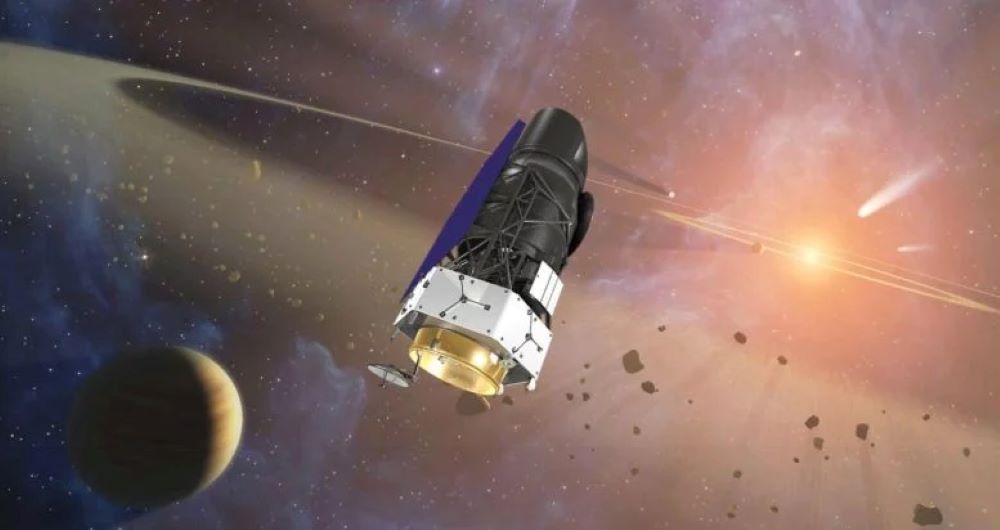
NASA’s Roman Space Telescope could launch in 2026 and dramatically expand humanity’s view of the universe. The mission will scan billions of stars and galaxies while searching for hidden planets and mysterious cosmic phenomena. Credit: NASA
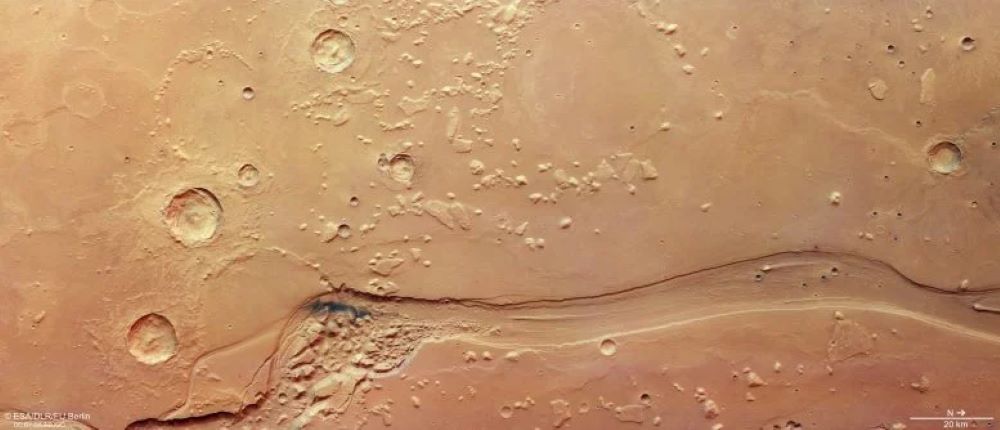
The images were captured by the Mars Express spacecraft, which has been studying Mars since 2003. They focus on Shalbatana Vallis, a huge valley near the Martian equator stretching about 1,300 kilometers, roughly the length of Italy.
Scientists believe the valley formed around 3.5 billion years ago when large amounts of underground water suddenly burst through the planet’s surface. The powerful floods are thought to have carved deep channels as water rushed across the landscape.
Parts of the valley are around 10 kilometers wide and up to 500 meters deep. Researchers say the channel may once have been even deeper before sediments and dust partially filled it over time.
The area also contains signs of volcanic activity, impact craters and collapsed rocky terrain. Dark patches seen in some images are believed to be volcanic ash later spread by Martian winds.
Shalbatana Vallis leads toward Chryse Planitia, one of the lowest regions on Mars. Because many large channels end there, some scientists think the area may once have held a huge ocean when Mars was warmer and wetter than it is today.
The images also reveal smooth surfaces likely formed by ancient lava flows, along with hills and ridges shaped over billions of years.
Scientists say the findings continue to provide important clues about the geological history of Mars and the possibility that water once existed in large amounts on the planet.
This image from ESA’s Mars Express shows part of Shalbatana Vallis, a large channel in Mars’s equatorial region. This image comprises data gathered by Mars Express’s High Resolution Stereo Camera (HRSC) on October 22, 2024 (orbit 26265). Credit: ESA/DLR/FU Berlin
The agreement was signed on the sidelines of the World Health Assembly following a meeting between Russia’s Health Minister, Mikhail Murashko, and Rwanda’s Minister of Health, Dr. Sabin Nsanzimana.
The assembly runs from May 18 to 23, 2026.
According to information shared by Rwanda’s Embassy in Russia, the cooperation covers several areas.
These include strengthening healthcare systems, professional development of medical personnel, prevention, diagnosis, treatment and rehabilitation of both communicable and non-communicable diseases, as well as state regulation of medicines and medical devices and medical scientific research.
It also includes protection of maternal and child health, nuclear medicine, and other related fields.
Nuclear medicine is among the advanced medical fields being developed in Rwanda as part of efforts to expand access to modern diagnostic and treatment technologies.
The technology uses imaging tools such as PET and SPECT scans, combined with radioactive tracers, to detect diseases that are often difficult to identify through conventional imaging. It is used in the diagnosis of conditions such as cancer, heart disease and neurological disorders.
In November 2025, Rwanda’s Cabinet approved partnership agreements to introduce nuclear medicine services as part of efforts to strengthen specialized healthcare delivery.
The country has already acquired a PET Scan machine and is preparing to roll out nuclear medicine services using Cyclotron technology, which produces radiotracers used in early disease detection. The services are expected to be operational in 2026.
These services are planned to be based at the Rwanda Military Hospital in Kanombe, which hosts the Rwanda Cancer Centre, with further expansion expected at King Faisal Hospital following its upgrade.
The agreement adds to ongoing cooperation between Rwanda and Russia in the health sector, particularly in training, research, and healthcare system strengthening.
The MoU was signed between Russia’s Health Minister, Mikhail Murashko and Rwanda’s Minister of Health, Dr. Sabin Nsanzimana. The agreement was signed on the sidelines of the World Health Assembly.
The measures range from nationwide public awareness campaigns about the disease to reinforced screening procedures at border posts and the establishment of facilities where suspected cases can be monitored.
So far, no Ebola case has been confirmed in Rwanda, and no suspected patient has been identified. The country’s borders remain open, but authorities have introduced stricter controls to prevent the spread of the virus.
Rwanda’s Deputy Government Spokesperson, Uwera Jean Maurice, said the country had intensified efforts to contain the Ebola outbreak currently affecting the DRC.
Last weekend, health authorities confirmed a new Ebola case in Ituri Province in eastern DRC. The outbreak has already claimed more than 130 lives.
The Ebola strain involved, known as the Bundibugyo virus, was first identified in Uganda between 2007 and 2008, infecting 149 people and killing 37. It later resurfaced in Isiro, DRC, in 2012, where 57 people were infected and 29 died.
After health officials in Goma announced a confirmed Ebola case, Rwanda immediately moved to reinforce its response measures.
On May 17, 2026, a high-level meeting brought together provincial leaders, officials from the Rwanda Biomedical Centre (RBC), Rubavu District authorities, hospital representatives, and leaders of border sectors.
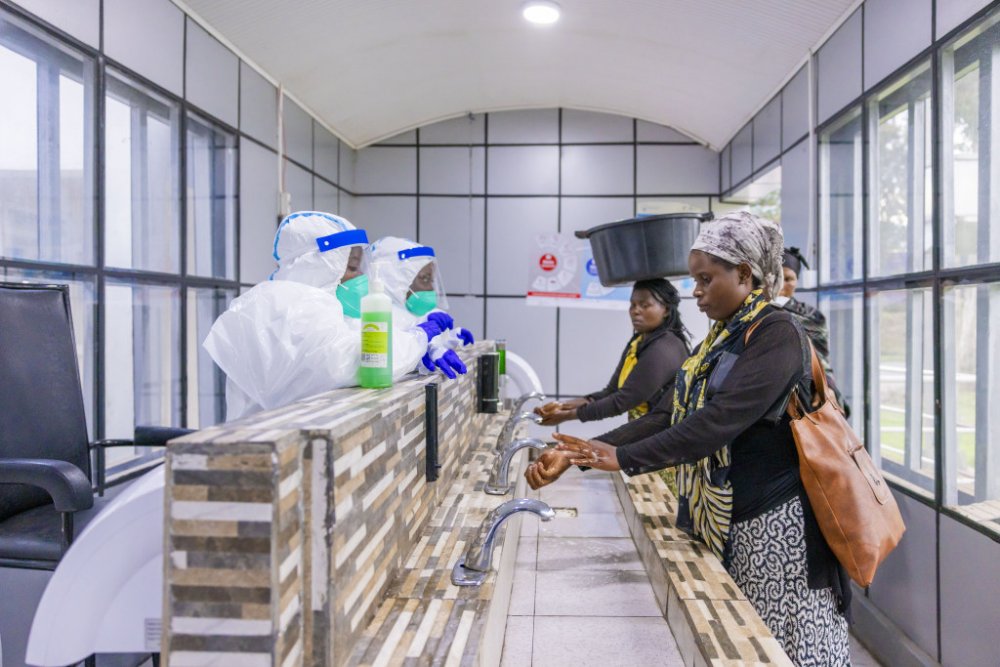
The meeting resolved to strengthen controls at official border crossings, completely stop the use of illegal crossing routes, install handwashing facilities at border points, and suspend the practice of Congolese residents crossing into Rwanda to fetch water.
Authorities also agreed to establish a command post to closely monitor the outbreak and deploy day-and-night border patrols.
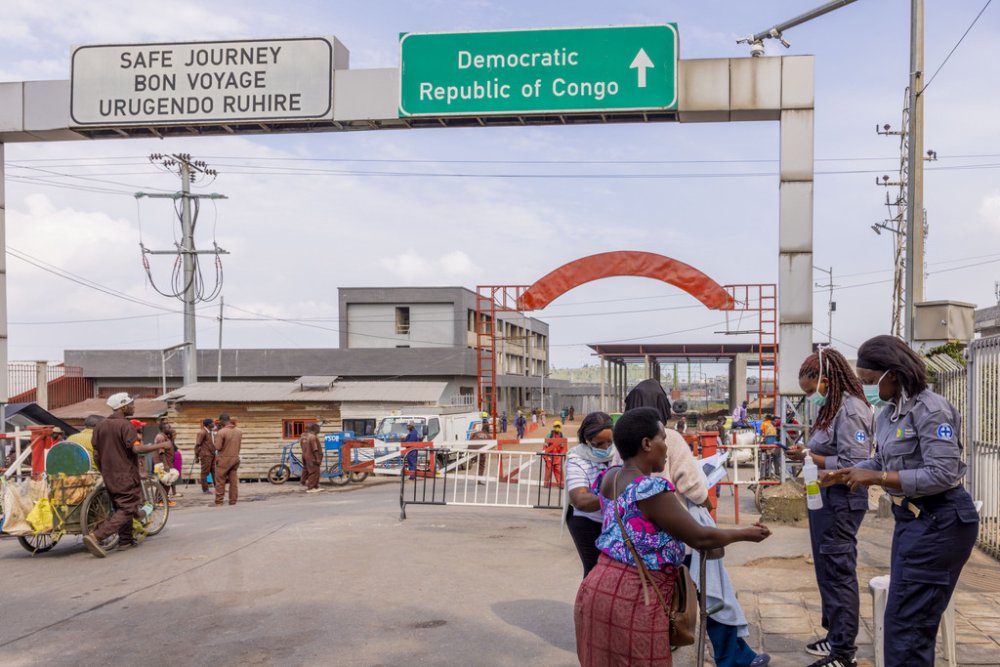
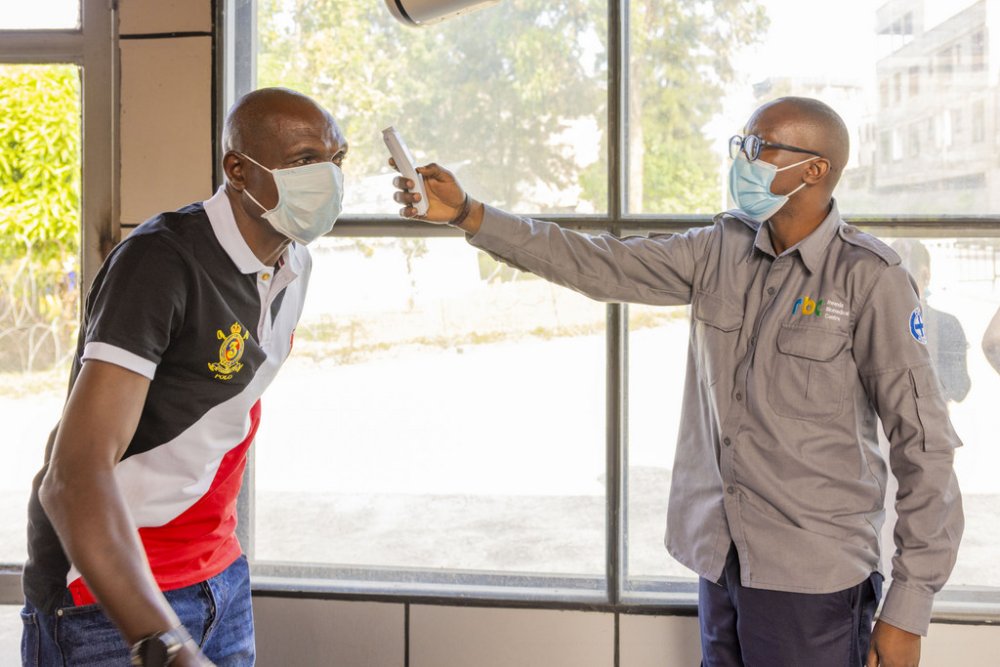
Medical personnel have additionally been stationed at all border posts to screen travelers for Ebola symptoms before they enter the country.
According to Uwera, cross-border traders are also being encouraged to operate in organized groups and cooperatives to help authorities enforce preventive measures more effectively.
“What is currently being done is the screening of people entering and leaving the country. Traders are encouraged to work through cooperatives and comply with the measures put in place to prevent the spread of Ebola,” he said.
He added that border movement continues to be monitored without interrupting trade activities.
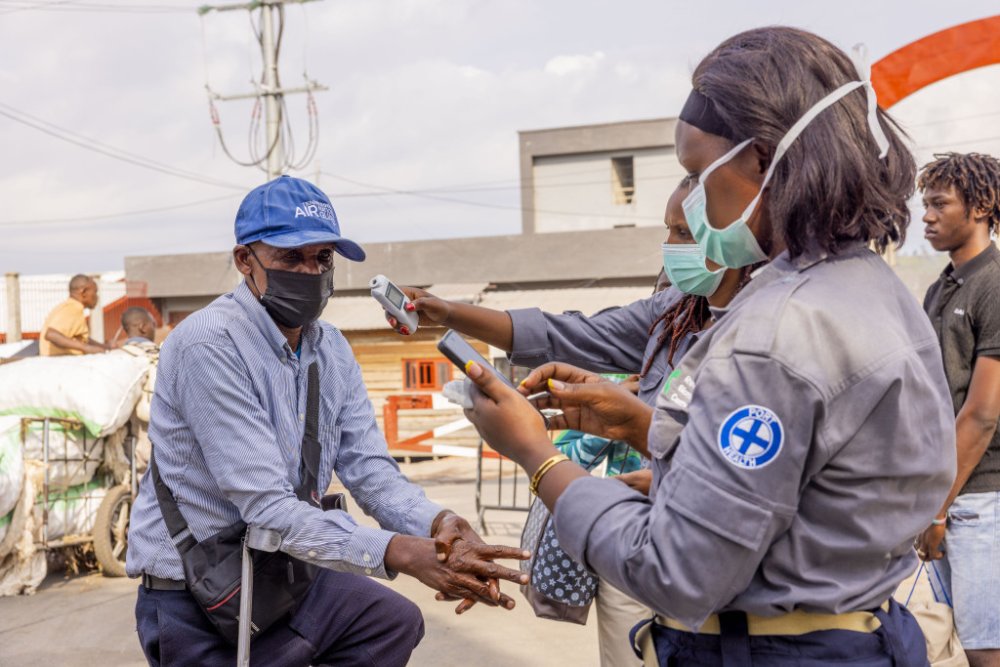
Travelers crossing the border are undergoing temperature checks, while officials are also reviewing their 21-day travel history to identify areas they may have recently visited.
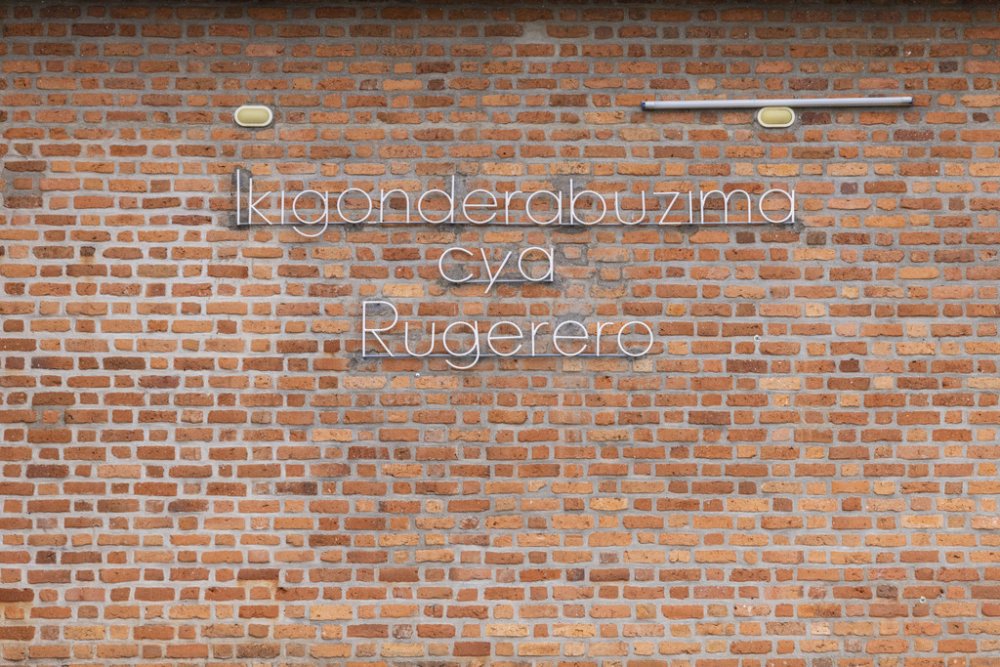
Authorities have further designated facilities to monitor suspected cases and quarantine individuals if necessary. The Rugerero Health Centre has been selected as one of the sites prepared to handle potential Ebola-related cases.
Anyone arriving at the border with symptoms associated with Ebola is immediately transferred to the facility for specialized monitoring and care.
However, Uwera said that, to date, no person showing Ebola symptoms has been identified in Rwanda.
He urged the public to continue following government guidelines and preventive measures to help keep the disease out of the country.
Rwanda has tightened border measures to counter the spread of Ebola outbreak from DRC. Medical personnel have been stationed at the border to detect individuals with Ebola symptoms.Screening individuals upon arrival has been scaled up. Hand washing facilities have been massively set up at border points to reinforce sanitary measures. Rugerero Health Center has been identified among designated sites to host individuals with symptoms of the outbreak. Rwanda has scaled up efforts to contain Ebola outbreak.
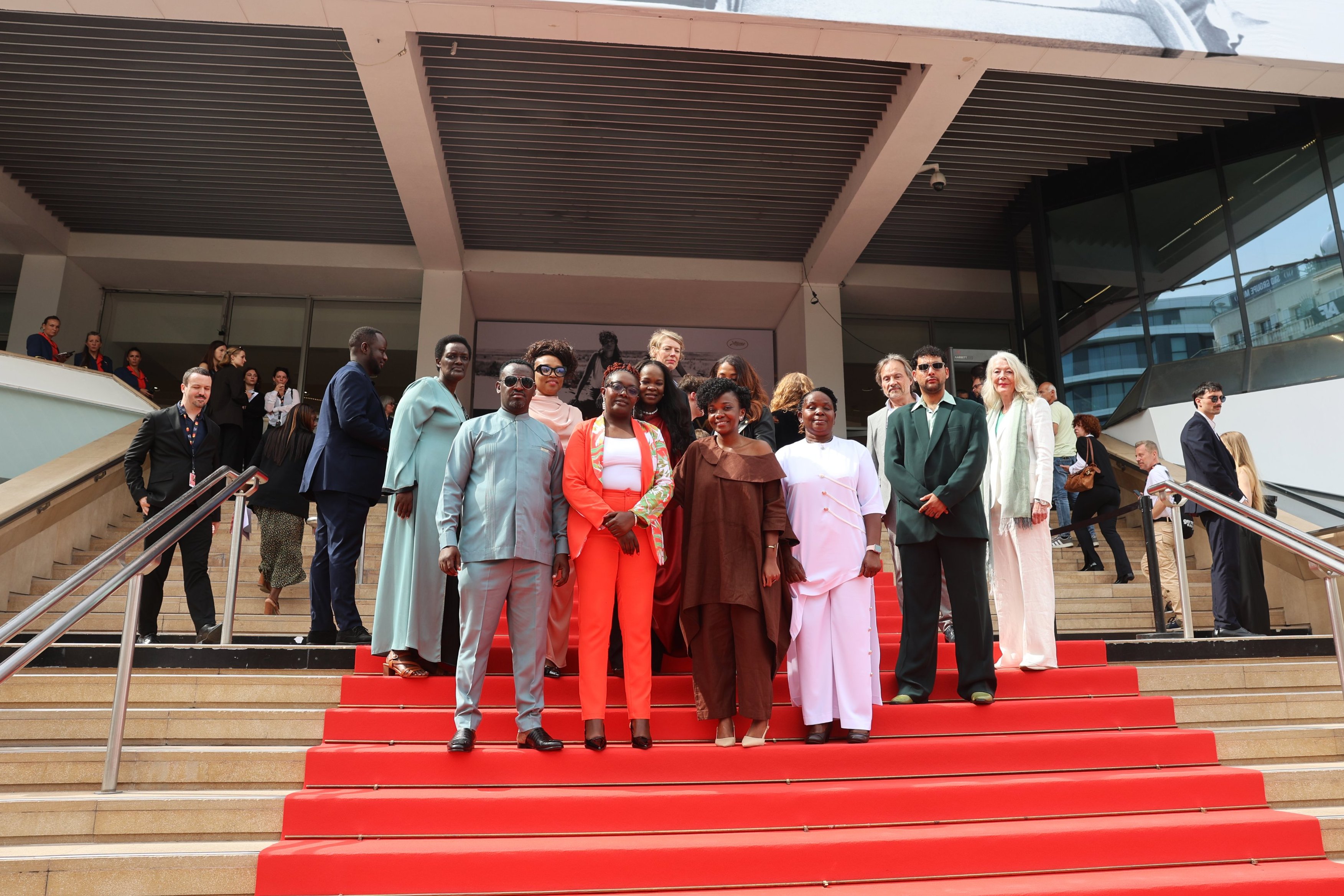
The screening took place on May 19, 2026, and was attended by the Minister of State in the Ministry of Youth and Arts Development, Sandrine Umutoni, as well as Rwanda’s Ambassador to France, François Nkulikiyimfura.
Among the attendees were cast members of Ben’Imana, including Clémentine Uwimana Nyirinkindi, popularly known as Marigarita in Papa Sava. In Ben’Imana, she plays the character Veneranda.
Other cast members present included Isabelle Kabano, Nishimwe Kesia Kelly, Uwabeza Léocadie (known as Nyiragitariro), Uwamahoro Antoinette (popularly known as Siperansiya in Seburikoko), and Tuyisenge Aimé Valens.
The film was selected for the Un Certain Regard section at the 79th edition of the Cannes Film Festival, where it was officially showcased. This section highlights films with unique storytelling styles and is particularly known for recognising emerging cinematic voices.
Ben’Imana becomes the first film directed by a Rwandan filmmaker to be selected in this category. The only other Rwandan-related selection previously noted at Cannes is Munyarugabo (2007), directed by American filmmaker Lee Isaac Chung.
The film’s plot centres on Veneranda, a survivor of the 1994 Genocide against the Tutsi and community mediator whose stability is disrupted when her teenage daughter becomes unexpectedly pregnant. This crisis forces her to confront painful memories from her past, movingly exploring themes of deep forgiveness, intergenerational trauma, and the difficult path to true reconciliation.
Beyond Ben’Imana, Dusabejambo is also known for other works, including A Place for Myself, Icyasha, Behind the World, and Lyiza.
Ben’Imana was produced by Ivorian filmmaker Samantha Biffot, in collaboration with Rwandan producer Uwayezu Marie Epiphanie and Egyptian filmmaker Mostafa El Kashef.
Rwandan filmmaker Marie-Clémentine Dusabejambo and members of the film’s team were recognised and celebrated in Cannes.Dusabejambo, the director of the film, shared the inspiration behind its story.Minister of State in the Ministry of Youth and Arts Development, Sandrine Umutoni, attended the screening.As the cast members were invited to stand during the screening of the film, they came forward to be recognised and appreciated for their roles.
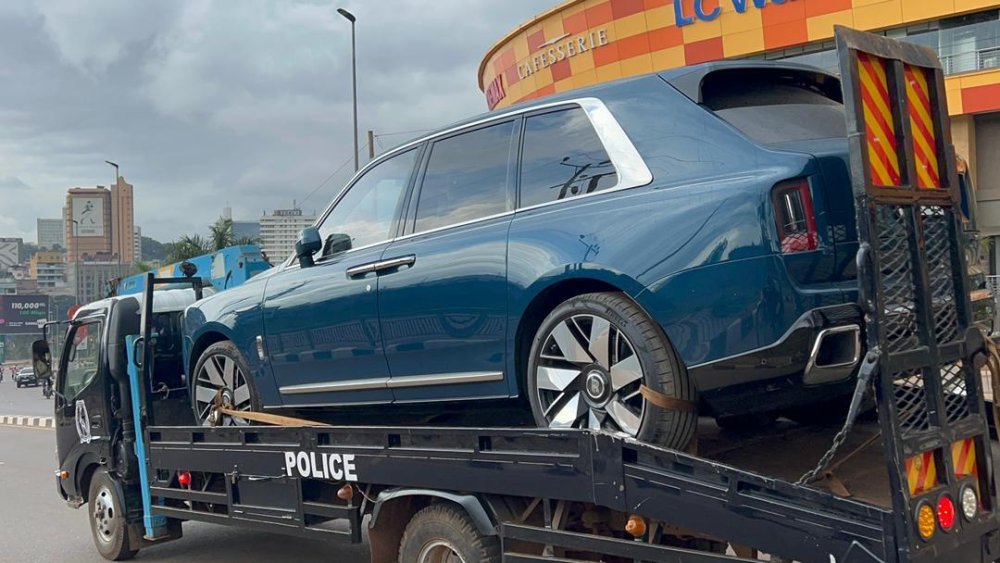
In a statement posted Tuesday evening on his official X account, Muhoozi said the luxury vehicle had already been “captured” by authorities.
“We captured the Rolls-Royce. It’s under our control. We shall auction it and recover the funds of the state,” the First Son wrote.
The remarks mark the latest twist in a fast-growing political controversy surrounding Among and the reported acquisition of the high-end vehicle, which has dominated online debate and political discussion in recent days.
Photos and reports circulating on social media alleged that the Speaker had acquired a Rolls-Royce worth 3.4 billion Ugandan shillings (roughly $900,000), sparking criticism from sections of the public already frustrated by rising living costs, unemployment, and persistent corruption allegations involving public officials.
Although Among reportedly insisted the vehicle was a personal gift, the matter quickly evolved into a wider national conversation about wealth, accountability, and public service.
Gen. Muhoozi and members of his Patriotic League of Uganda (PLU) movement have been particularly vocal, accusing government officials of extravagant spending at a time when many Ugandans are struggling economically.
At the height of the online exchanges, Muhoozi remarked that despite being President Museveni’s son for over five decades, he had never ridden in a Rolls-Royce himself.
“I have been Mzee’s son for 52 years but I have never sat in a Rolls-Royce ever. I don’t think Mzee has sat in one either,” he said in an earlier comment.
The controversy unfolded alongside growing political pressure on Among ahead of the race for Speaker in the upcoming 12th Parliament.
Last weekend, Among announced she would not seek re-election for the Speakership and pledged support for candidates endorsed by President Museveni and the ruling National Resistance Movement (NRM).
Her withdrawal followed increasing political isolation and reports of investigations into alleged corruption and abuse of office involving parliamentary officials and expenditure.
In recent days, security agencies have reportedly intensified operations linked to procurement and financial investigations within Parliament.
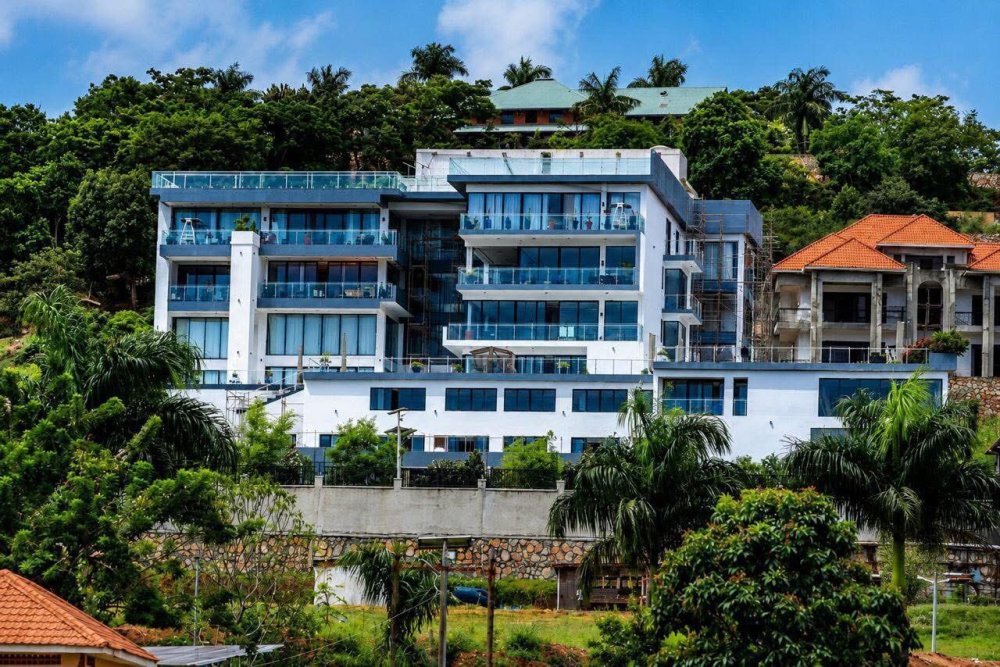
In a statement posted Tuesday evening on his official X account, Muhoozi said the luxury vehicle had already been “captured” by authorities.Security operatives have in recent days conducted coordinated searches at properties belonging to Anita Among as investigations into alleged corruption and illicit wealth accumulation continue.
At least 54 ships transited the Strait of Hormuz between May 11 and 17, compared with only 25 during the previous week, the British shipping industry daily reported, citing vessel-tracking data.
The report said the increase came amid a surge in Iran-related trade activity. It also highlighted that a liquefied natural gas carrier owned by Abu Dhabi National Oil Company entered Gulf waters while operating with its automatic identification system switched off.
Data from London-headquartered maritime analytics company Windward showed that 19 vessels passed through the Strait of Hormuz on Monday, including nine inbound and 10 outbound ships.
Inbound traffic mainly consisted of cargo vessels flying the flags of countries including India and Sri Lanka. Outbound traffic included one tanker and nine cargo ships, five of which were flying the Iranian flag.
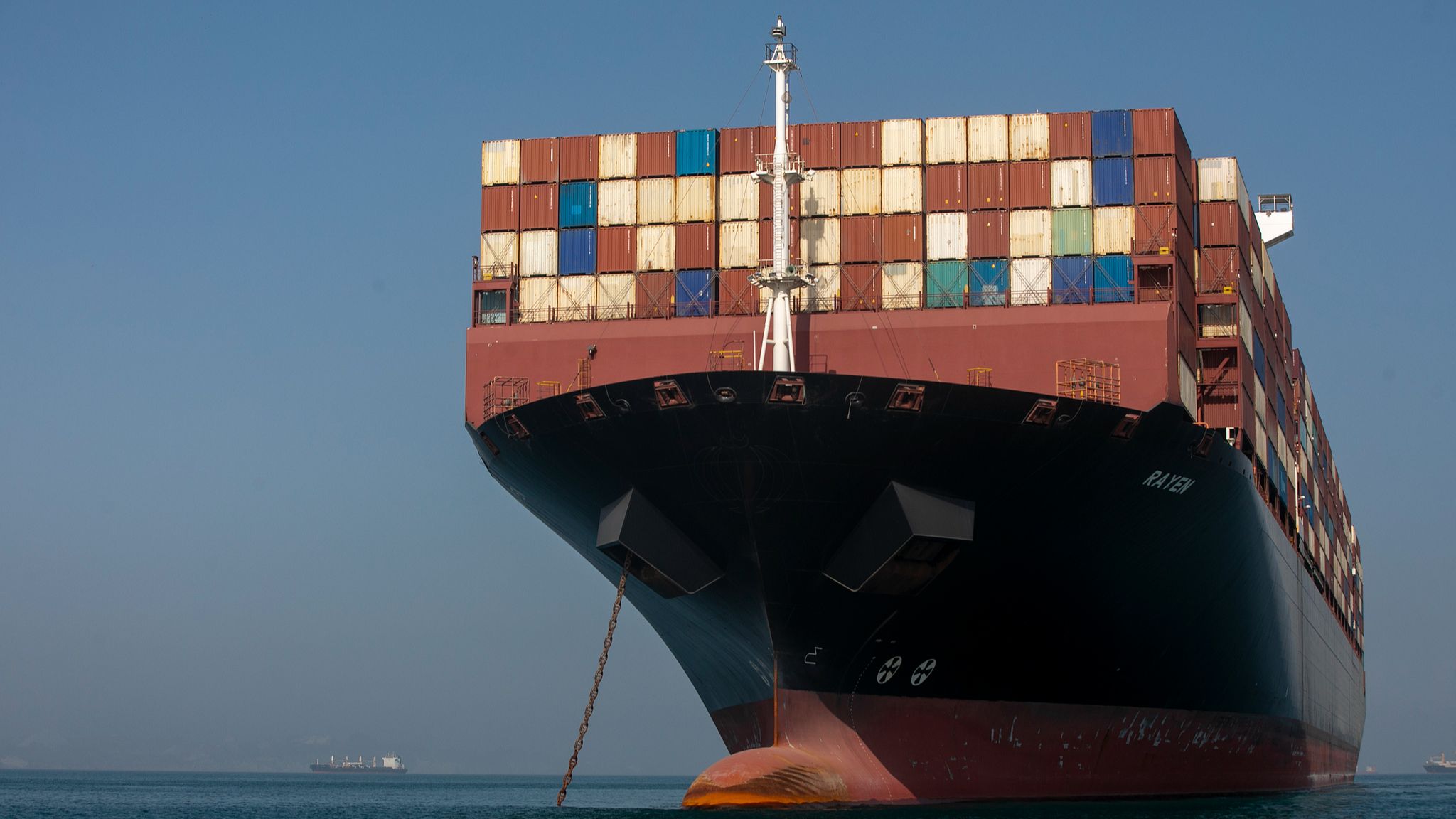
An Iranian-flagged cargo vessel Rayen is anchored on May 16, 2026 in the Strait of Hormuz near Larak Island, Iran. /VCG
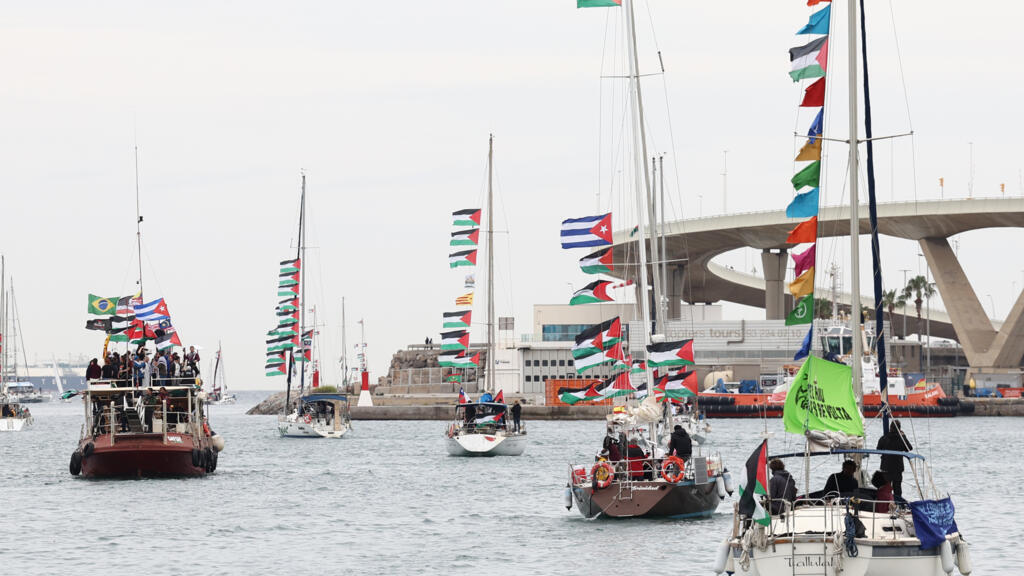
Organizers of the Global Sumud Flotilla said on their website that all boats in their humanitarian convoy were intercepted after Israeli naval vessels surrounded them in international waters, about 250 nautical miles from the coast of Gaza. They said that 428 activists were “kidnapped” by Israel.
Israel began intercepting the ships on Monday morning.
Around midnight Tuesday, the Israeli Foreign Ministry said in a statement that the activists “have been transferred to Israeli vessels and are making their way to Israel,” adding that they would be allowed to meet their consular representatives.
The ministry said Israel would not allow any breach of what it called the “lawful” naval blockade of Gaza. It described the flotilla as “a PR stunt at the service of Hamas.”
The flotilla set sail from Türkiye’s Marmaris coast Thursday in a third attempt to break Israel’s blockade of Gaza and deliver aid to Palestinians in the war-devastated enclave.
A previous flotilla, comprising about 20 boats and 175 activists, was intercepted by Israeli forces on April 30 near the southern Greek island of Crete. Two of the activists were detained for days before being released. Dozens of activists said they were mistreated, abused and beaten by Israeli forces.
The flotilla, carrying aid and medical staff, says it aims to draw international attention to dire conditions in Gaza, where much of the enclave lies in ruins. More than 72,000 people have been killed by Israeli fire and over 172,000 injured since October 2023, according to Gaza health authorities.
Israel began intercepting the ships on Monday morning.
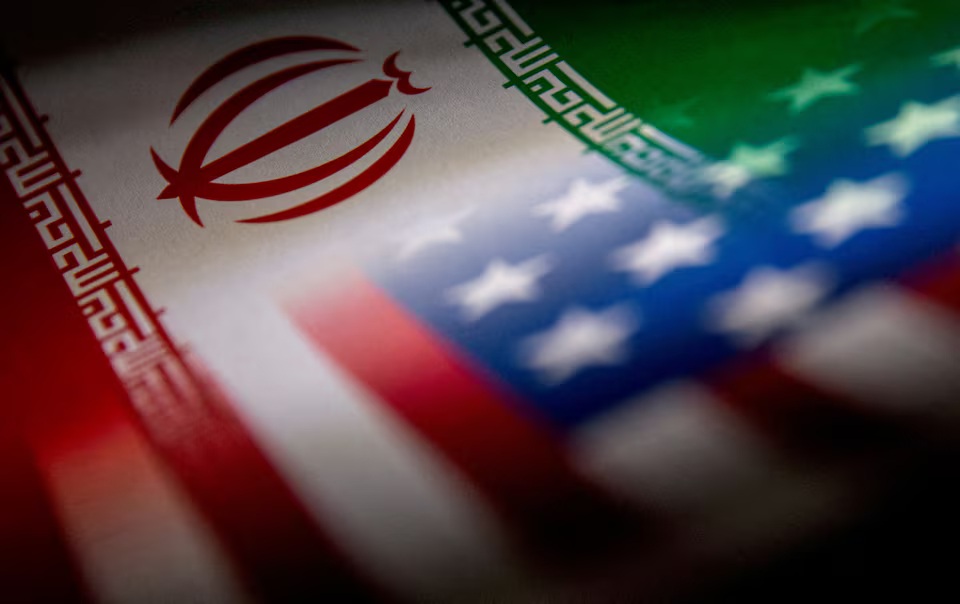
The action, part of the U.S. Economic Fury campaign, targets more than 50 companies, individuals and vessels generating revenue for Tehran, the department said in a press release.
In addition, OFAC also blocked 19 vessels involved in Iranian petroleum and petrochemical shipments to foreign customers, “transactions that have generated hundreds of millions of dollars in revenue.”
The department is also prepared to take action against foreign companies supporting illicit Iranian commerce, including airlines, and may impose secondary sanctions on foreign financial institutions that facilitate Iran’s activities, if necessary, the release said.
The U.S. Department of the Treasury’s Office of Foreign Assets Control (OFAC) on Tuesday designated and blocked a prominent Iranian foreign currency exchange house and associated front companies, claiming they oversee hundreds of millions of dollars in transactions on behalf of sanctioned Iranian banks.
Congo’s Minister of Public Health, Samuel Roger Kamba, said on Tuesday that authorities are still assessing how many of the reported deaths are directly connected to Ebola. At least 30 cases have so far been laboratory confirmed.
The outbreak has affected several urban areas, including Goma, one of the largest cities in eastern Congo. According to the World Health Organization, cases have also been reported across the border in Uganda, where two infections were confirmed in Kampala, including one death involving travelers from Congo.
Speaking during the World Health Assembly in Geneva, World Health Organization Director-General Dr. Tedros Adhanom Ghebreyesus said the organization was concerned about the scale and speed of the outbreak.
He noted that the WHO had declared the situation a public health emergency of international concern following consultations with health officials from both countries.
Health experts say the outbreak involves the Bundibugyo strain of Ebola, a relatively rare variant for which there are no approved vaccines or specific treatments. Previous outbreaks involving this strain were recorded in 2007 and 2012.
Ugandan authorities said surveillance teams have been deployed at border crossings to screen travelers, while laboratories and testing centers have also been activated to support the response.
The WHO said more than 40 experts were deployed to affected areas on Sunday. The agency has also delivered over 12 tons of medical supplies, including protective equipment for healthcare workers, laboratory materials, tents and medicines, with additional supplies expected.
The United States announced the deployment of a Disaster Assistance Response Team to support efforts in Congo and Uganda. Officials said up to 50 clinics in affected regions would receive support for emergency screening, triage and isolation services.
An American doctor working in eastern Congo also tested positive for Ebola after reportedly being exposed while treating patients at Nyankunde Hospital.
The doctor was later evacuated to a U.S. military base in Germany for further treatment, while other high-risk contacts, including family members, remain under quarantine and monitoring.
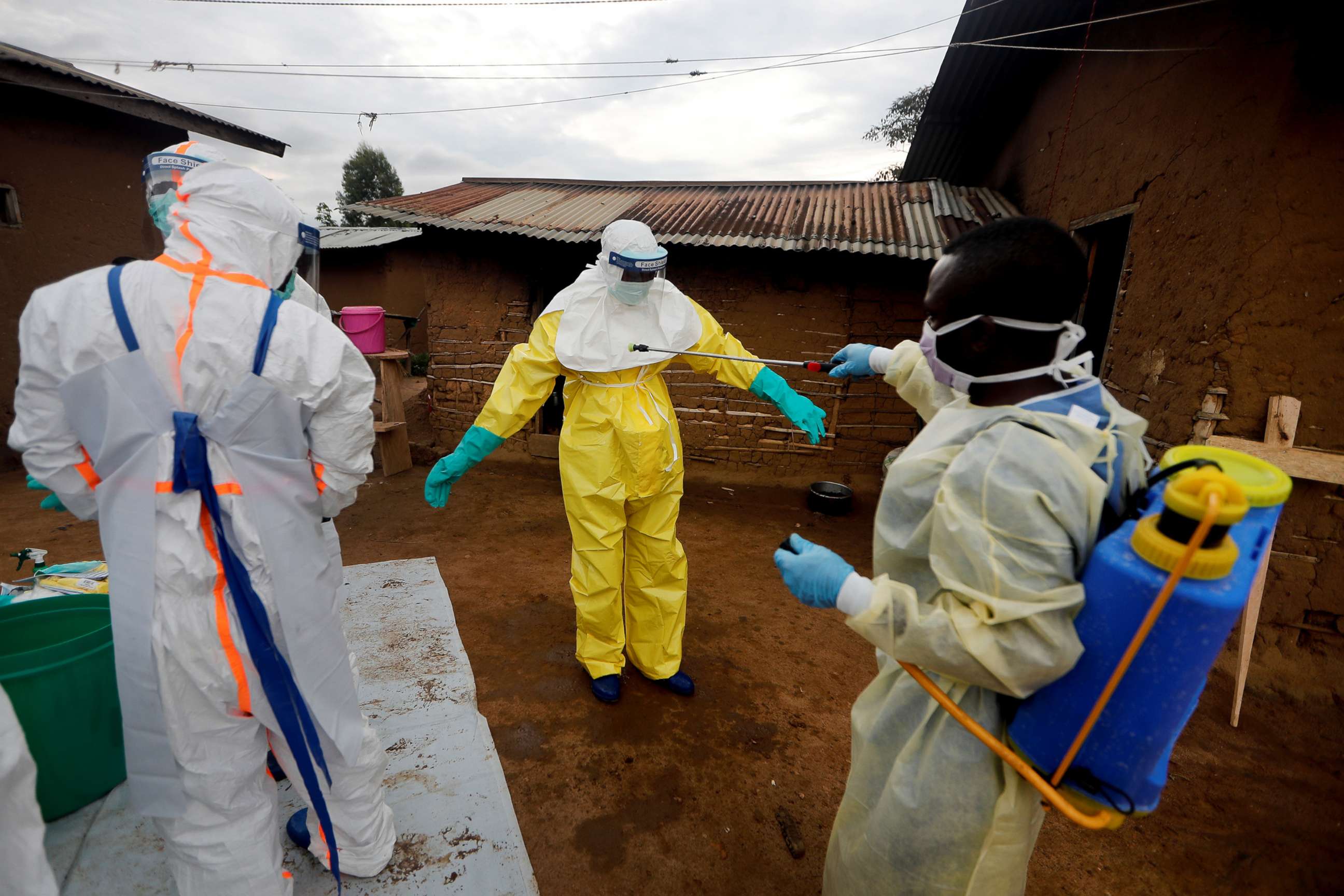
Kavota Mugisha Robert, a healthcare worker, decontaminates his colleague after he entered the house of 85-year-old woman, suspected of dying of Ebola, in the eastern Congolese town of Beni in the Democratic Republic of Congo, Oct. 8, 2019. Zohra Bensemra/Reuters