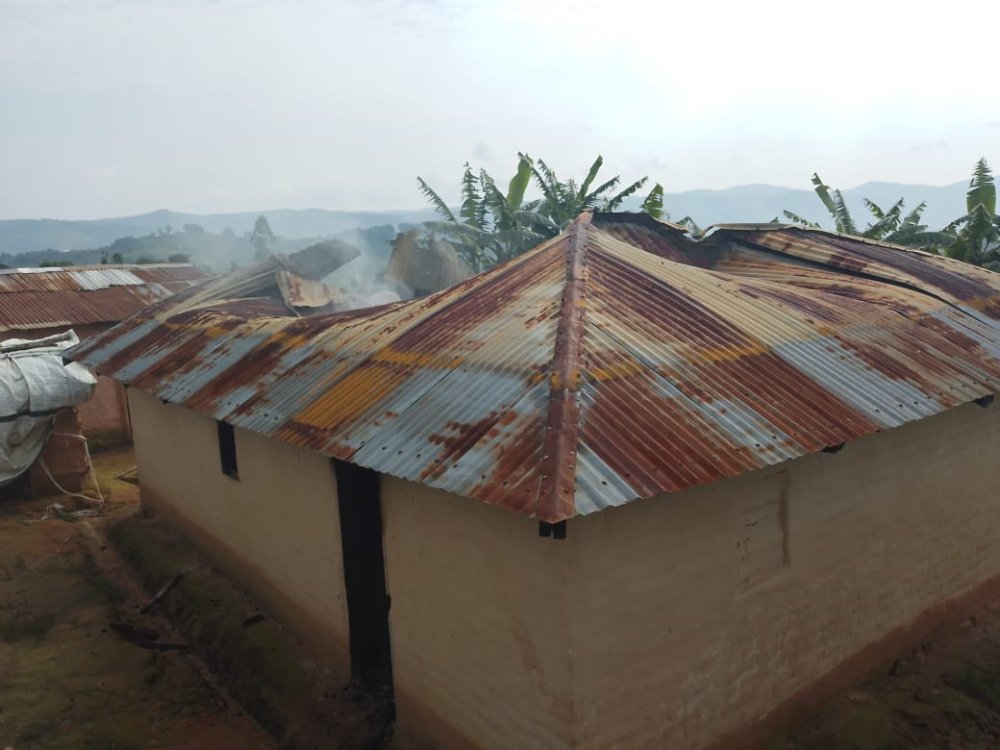
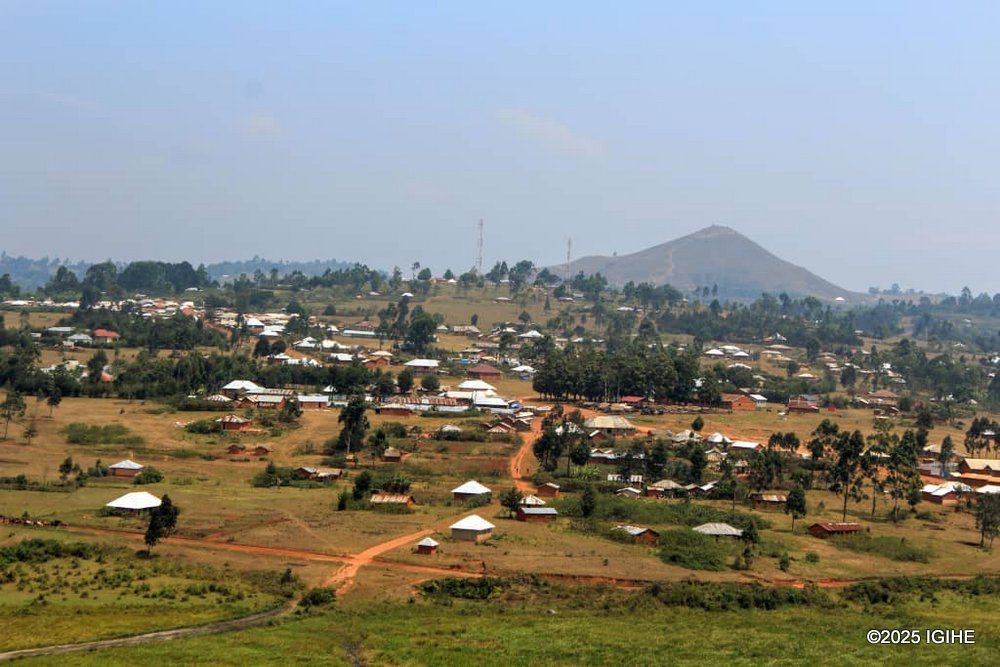
In a statement released on the evening of May 18, AFC/M23 spokesperson Lawrence Kanyuka said several densely populated parts of Minembwe had come under heavy attack from armed drones.
“Drone strikes are currently targeting populated neighborhoods in Minembwe, spreading panic among civilians,” Kanyuka said. “Homes are being destroyed and families are fleeing as explosions and fires continue across the area.”
The coalition claimed the attacks are part of a broader campaign targeting communities in Minembwe and neighboring areas, particularly members of the Banyamulenge community. AFC/M23 accused Burundian troops, FDLR terrorist group and Wazalendo militias of taking part in the operations alongside Congolese government forces.
On the same day, Col Fidèle Rugabo of the MRDP-Twirwaneho armed group, which operates in Minembwe, condemned what he described as a violation of the ceasefire.
“We are alerting both the international community and the Congolese population about these attacks,” Rugabo said. “We will continue defending ourselves until the very end.”
According to AFC/M23, further strikes were carried out on May 19 and 20 in areas including Kalingi, Bidegu and Gakenke, allegedly using Chinese-made KT-6 and CH-4 drones.
The renewed fighting is also said to be disrupting humanitarian activities that had recently resumed in Minembwe. Since late April 2026, teams from the International Committee of the Red Cross had restarted deliveries of medicines and medical supplies to the area.
AFC/M23 further alleged that humanitarian aid vehicles heading to Minembwe on May 19 were intercepted by Wazalendo fighters at Point-Zéro and forced to turn back.
“Kinsasha and its allied forces continue blocking access routes to Minembwe, worsening an already critical humanitarian situation and putting thousands of civilians at risk,” Kanyuka stated.
The coalition also reported fresh overnight attacks between May 20 and the morning of May 21 in Gakenke, Kalingi, Kalonge and Bidegu, again involving suicide drones.
In North Kivu Province, AFC/M23 said Congolese forces also launched attacks around Katoyi center in Masisi Territory.
Despite the continued clashes, AFC/M23 said it would keep fighting to protect civilians and their property.
The AFC/M23 coalition has accused the Democratic Republic of Congo’s army of intensifying military operations in Minembwe and nearby areas of South Kivu Province,
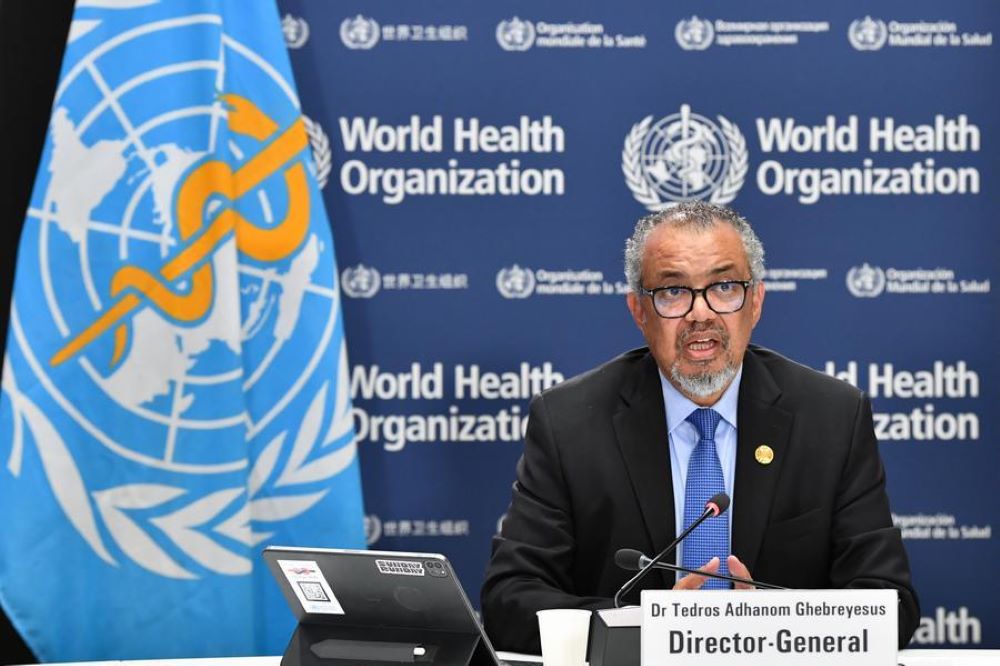
Speaking at a press conference, WHO Director-General Tedros Adhanom Ghebreyesus said that a WHO Emergency Committee met on Tuesday and agreed with his earlier assessment that the Ebola situation in the Democratic Republic of the Congo (DRC) and Uganda is a public health emergency of international concern (PHEIC), but is not a pandemic emergency.
Tedros early on Sunday declared the PHEIC for the Ebola outbreak in the two countries, marking the first time a WHO chief had done so without first convening an Emergency Committee.
So far, 51 cases have been confirmed in the northern provinces of Ituri and North Kivu of the DRC, said Tedros, adding that the scale of the epidemic in the DRC is much larger.
Uganda has also informed WHO of two confirmed cases in the capital Kampala, including one death, among two individuals who traveled from the DRC to Uganda, he said, adding that a U.S. national working in the DRC has also been confirmed positive.
Beyond the confirmed cases, there are almost 600 suspected cases and 139 suspected deaths, said Tedros.
He said the WHO expects the numbers to keep increasing, given the amount of time the virus was circulating before the outbreak was detected.
Tedros said that it was urgent to act immediately to prevent more deaths and mobilize an effective and international response.
The WHO has deployed people, supplies, equipment and funds to support national authorities to respond, he said.
The WHO chief said he has approved an additional 3.4 million U.S. dollars from the Contingency Fund for Emergencies, bringing the total to 3.9 million U.S. dollars.
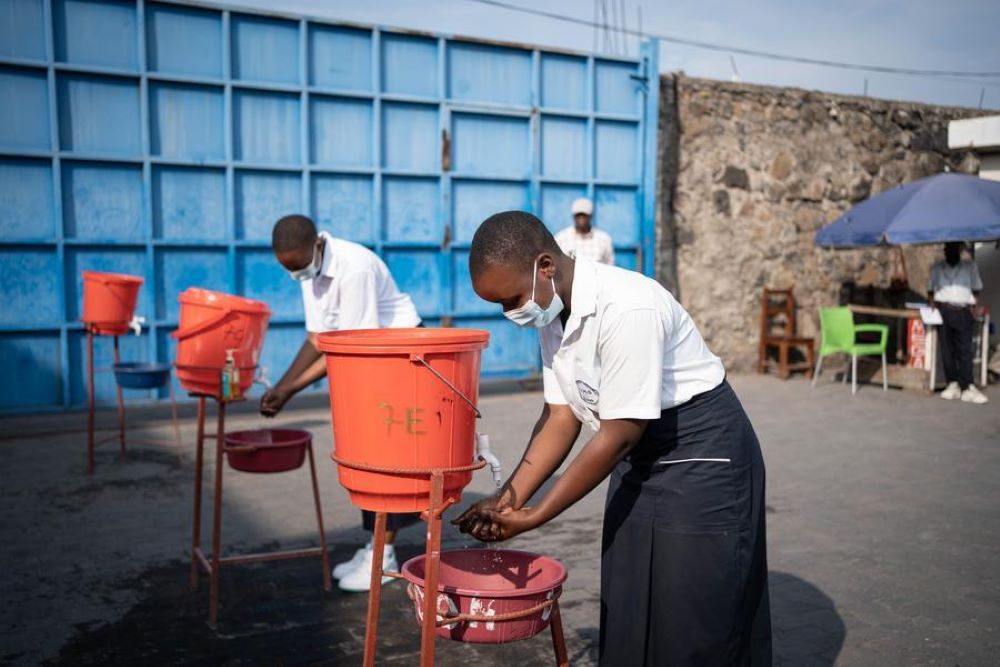
Local residents wash hands under the instruction of medical workers in Goma, the Democratic Republic of the Congo (DRC), on May 19, 2026. (Str/Xinhua)
Head of the World Health Organization (WHO) Tedros Adhanom Ghebreyesus speaks during a press briefing in Geneva, Switzerland, Aug. 7, 2025. (Xinhua/Lian Yi)
“The path to climate justice runs through a rapid, just, and equitable transition away from fossil fuels towards renewable energy,” Guterres said in a statement on the adoption of the UN General Assembly (UNGA) resolution on the advisory opinion of the International Court of Justice (ICJ) on the obligations of states in respect of climate change.
Welcoming the adoption of the resolution, the UN chief said it is “a powerful affirmation of international law, climate justice, science, and the responsibility of states to protect people from the escalating climate crisis.”
“Those least responsible for climate change are paying the highest price,” he said. “That injustice must end.”
“The task ahead is clear — keep 1.5°C within reach and build a safer, fairer, and more resilient future for all,” said Guterres, stressing that renewables proved to be the cheapest and the most secure form of energy supply.
Earlier on Wednesday, the UNGA adopted a draft resolution welcoming the ICJ advisory opinion on states’ obligations on climate change by a recorded vote of 141 in favor, eight against, and 28 abstentions.
The resolution welcomes the ICJ’s advisory opinion in July 2025 on the obligations of states in respect of climate change, affirms the importance of the court’s advisory opinion as an authoritative contribution to the clarification of existing international law, and calls upon all states to comply with their respective obligations under international law to ensure the protection of the climate system and other parts of the environment from anthropogenic greenhouse gas emissions, as identified by the court.
Oil pumpjacks at the Inglewood Oil Field in Culver City, California, the US, May 4, 2026. /VCG
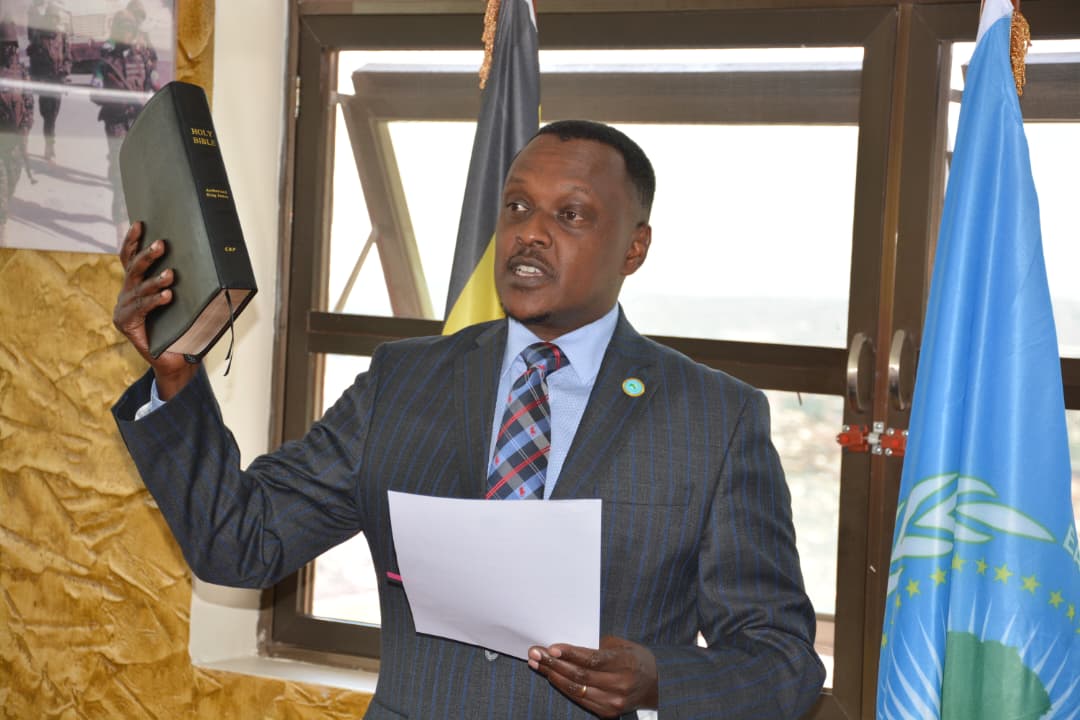
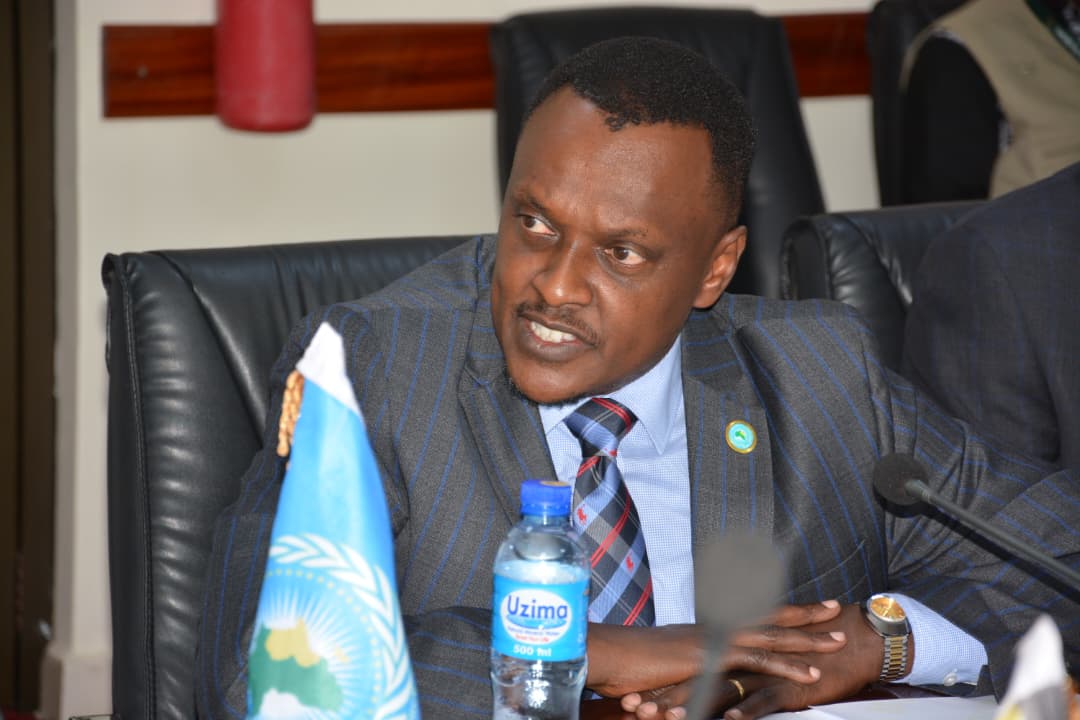
Brig Gen Rwivanga, who has served as the spokesperson of the Rwanda Defence Force since December 2020, was appointed to the new role at the end of last year. His office will be based in Karen, Nairobi, Kenya, where the EASF Secretariat is located.
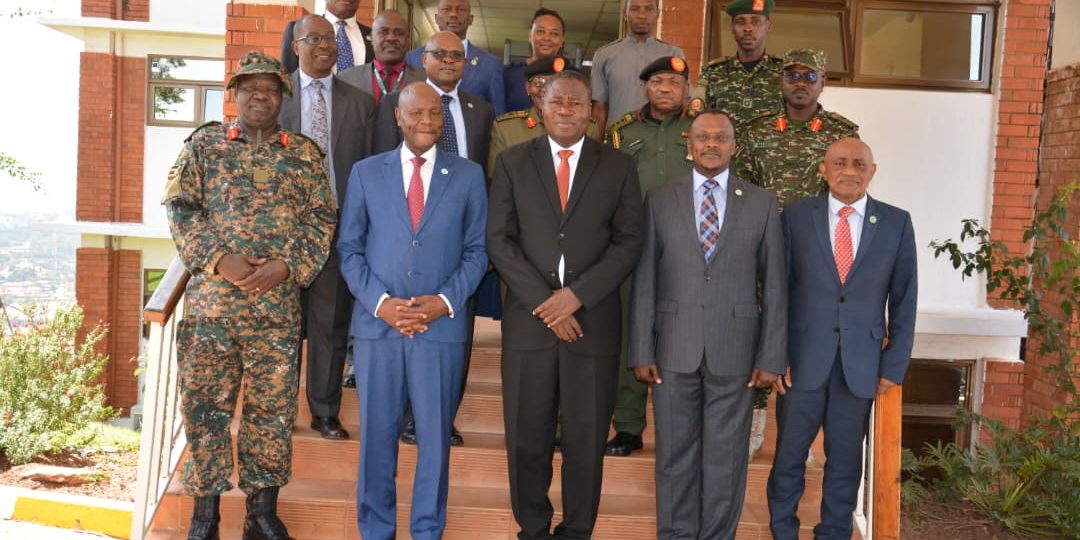
The handover ceremony took place at the Ministry of Defence and Veteran Affairs Headquarters in Mbuya, Kampala, and was presided over by Uganda’s Defence Minister Jacob Marksons Oboth, who chairs the EASF Council of Ministers.
Oboth urged the new Director to build on existing gains and strengthen regional cooperation amid declining external support, calling for greater self-reliance among member states.
“You are stepping into big shoes. You inherit not only the achievements of the past, but also high expectations and a community committed to working with you in unity, professionalism, and purpose,” he remarked.
The handover ceremony took place at the Ministry of Defence and Veteran Affairs Headquarters in Mbuya, Kampala, and was presided over by Uganda’s Defence Minister Jacob Marksons Oboth, who chairs the EASF Council of Ministers.
In his remarks, Brig Gen Rwivanga pledged to lead with transparency, professionalism, and accountability, describing his appointment as both an honour and a solemn responsibility to advance collective peace and security in the region.
He noted that Africa’s security landscape continues to evolve rapidly, with emerging threats including terrorism, violent extremism, cybercrime, unconstitutional changes of government, as well as climate-induced disasters and humanitarian crises.
Rwivanga called for sustained political, operational, and financial support from member states, stressing that predictable funding remains essential to strengthening EASF’s readiness and overall effectiveness.
He further underscored the importance of maintaining strong humanitarian and disaster response capabilities, saying the force must remain ready to support member states in times of floods, droughts, disease outbreaks, and population displacement.
“We have committed ourselves as EASF that whenever there is a humanitarian issue or disaster, whether floods, droughts, earthquakes, diseases like Ebola, or displaced people, the force stands ready to support member states whenever such disasters strike,” he said.
The Eastern Africa Standby Force is one of the African Union’s regional standby mechanisms established to support peacekeeping operations, conflict prevention, humanitarian assistance, and regional security interventions across Eastern Africa.
Brig Gen Rwivanga pledged to lead with transparency, professionalism, and accountability, describing his appointment as both an honour and a solemn responsibility to advance collective peace and security in the region.
“We’re in the final stages of Iran,” Trump told reporters. “We’ll see what happens.”
“We’ll either have a deal or we’re going to do some things that are a little bit nasty. But hopefully that won’t happen,” he added.
The president claimed he is in “no hurry” to finalize a peace agreement with Iran, suggesting that he would not consider making a “limited deal” only focused on reopening the Strait of Hormuz.
“We’re going to give this one shot,” Trump said of a potential deal, ruling out the idea of a partial compromise.
“I’m in no hurry. You never think, ‘Oh, the midterms, I’m in a hurry.’ I’m in no hurry,” Trump said.
The president added that he had a “very good” phone call with Turkish President Recep Tayyip Erdogan earlier on Wednesday. Türkiye is seen as one of key mediators during U.S.-Iran negotiations.
Iran’s Islamic Revolution Guard Corps on Wednesday warned that if the U.S. and Israeli aggression against the country is repeated, the war will extend beyond the West Asia region.
On the same day, Iranian Foreign Minister Seyed Abbas Araghchi warned in a post on X that returning to war with Iran will have many more surprises for the United States, citing a recent report by the U.S. Congress that acknowledged the loss of dozens of aircraft.
On Feb. 28, the United States and Israel launched joint attacks on Tehran and several other Iranian cities, killing Iran’s then Supreme Leader Ali Khamenei, along with senior military commanders and civilians. Iran responded by launching waves of missile and drone strikes targeting Israeli and U.S. bases and assets in the Middle East.
A ceasefire was reached between the warring parties on April 8, followed by one round of peace talks in Pakistan’s capital Islamabad on April 11 and 12, which failed to yield an agreement.
U.S. and Israeli officials have escalated threats of repeating military attacks against Iran over the past few days. Trump on Tuesday claimed Iran’s leaders were “begging” to make a deal, warning that a new U.S. attack could take place in the coming days if no agreement is reached.
The president claimed he is in “no hurry” to finalize a peace agreement with Iran, suggesting that he would not consider making a “limited deal” only focused on reopening the Strait of Hormuz.
The strikes hit several towns in the South and Nabatieh governorates, targeting residential neighborhoods, areas near a government hospital, and a motorcycle on a road, the NNA said.
The deadliest bombardment struck a town in the Tyre district of South Governorate, near the Israeli border, killing 12 people, including a Syrian national, it reported.
Meanwhile, Hezbollah said its fighters clashed with Israeli forces near the southern Lebanese town of Haddatha and targeted Israeli troop gatherings in southern Lebanon.
Israeli forces also carried out a large demolition operation between the border villages of Blida and Mays al-Jabal, triggering a powerful blast.
Lebanese Prime Minister Nawaf Salam said negotiations remain the only way to end the conflict and stressed that weapons should be under the exclusive control of state forces.
Lebanon’s Health Ministry said Israeli attacks since March 2 have killed 3,073 people and wounded 9,362 others.
A ceasefire between Israel and Lebanon took effect in April and has been extended several times, but both sides have continued exchanging attacks.
Speaking Wednesday at the World Health Assembly in Geneva, Lebanese Health Minister Rakan Nasreddine said ongoing Israeli attacks had severely damaged Lebanon’s health sector.
He said 116 healthcare workers had been killed, 16 hospitals damaged, 147 ambulances attacked, and 45 healthcare centers forced to close since March 2.
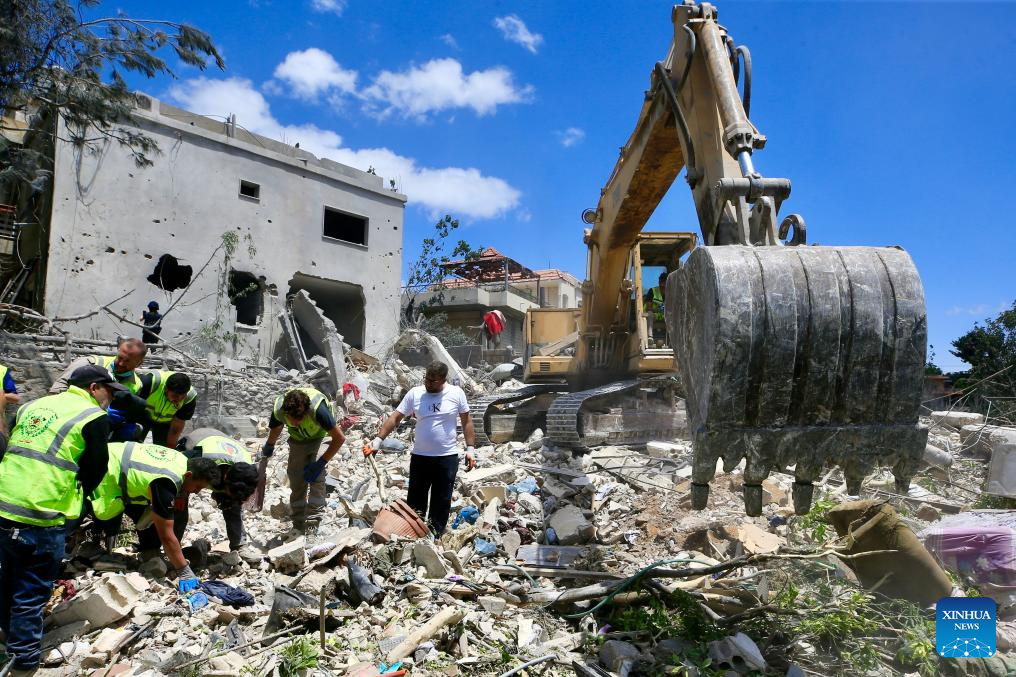
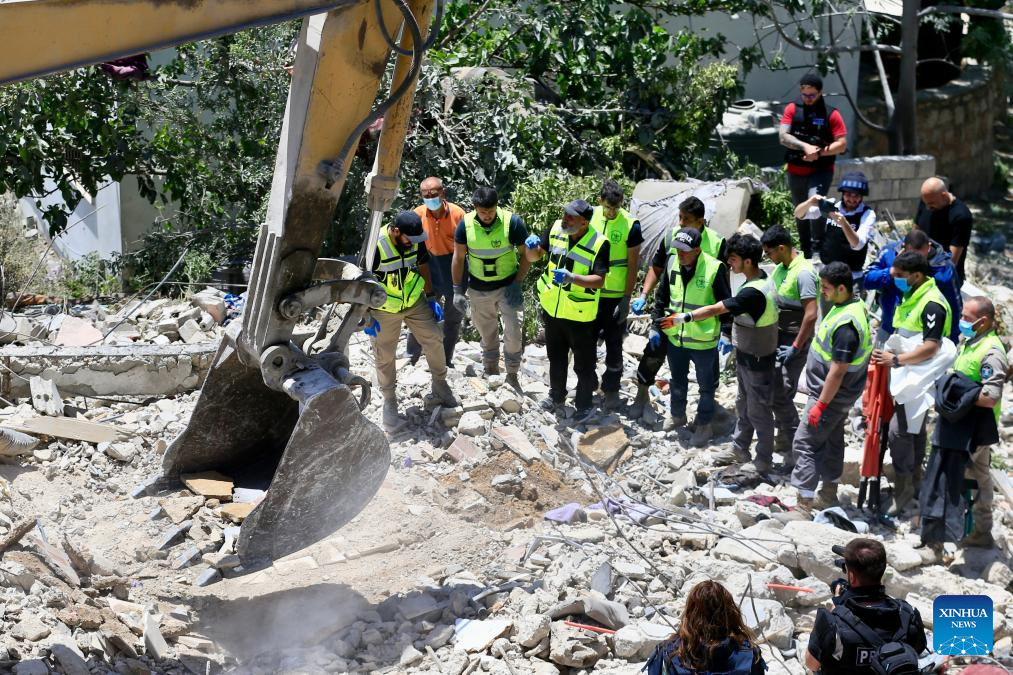
Rescuers search through the rubble for three people reported missing at the scene of an Israeli airstrike in Deir Qanoun En Nahr, near the southern Lebanese city of Tyre, on May 20, 2026. Israeli airstrikes across southern Lebanon overnight into Wednesday killed at least 29 people, including women and children, and wounded dozens more, according to the state-run National News Agency (NNA). (Photo by Ali Hashisho/Xinhua)
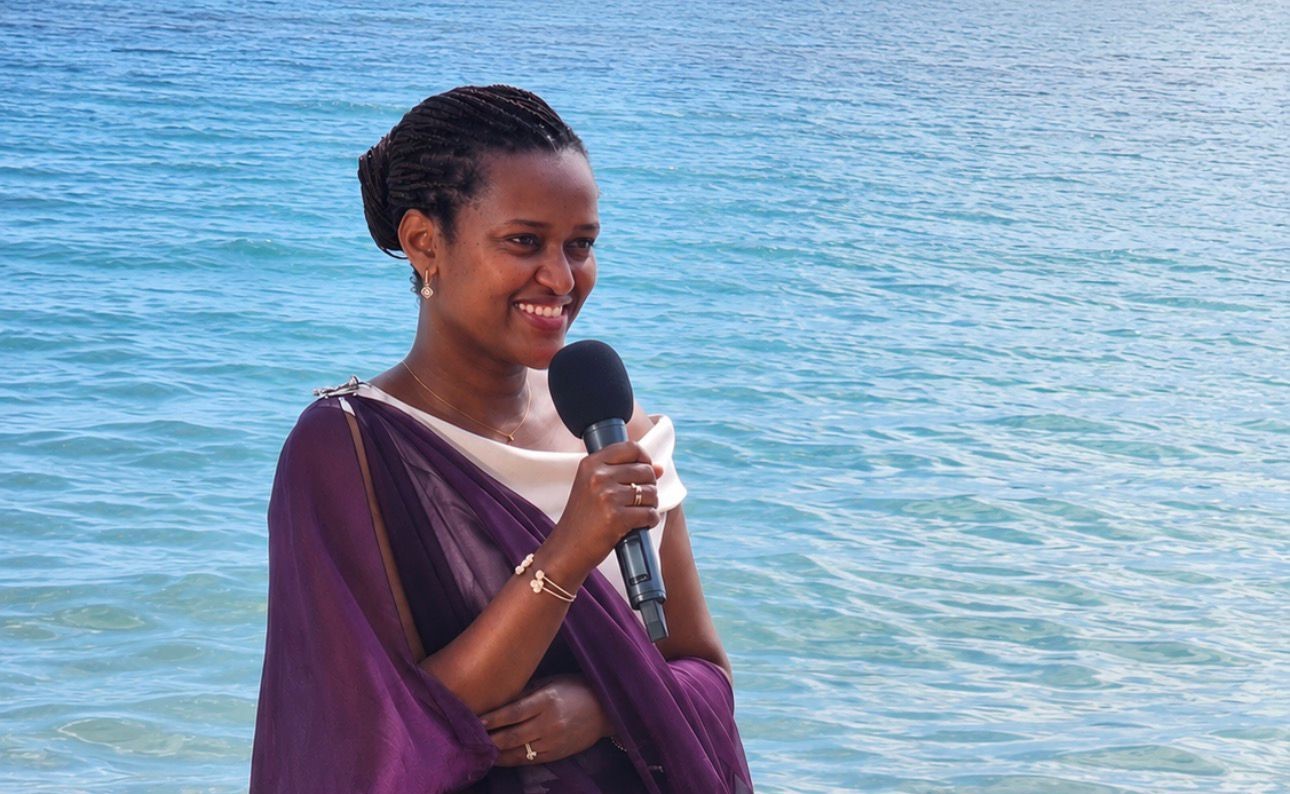
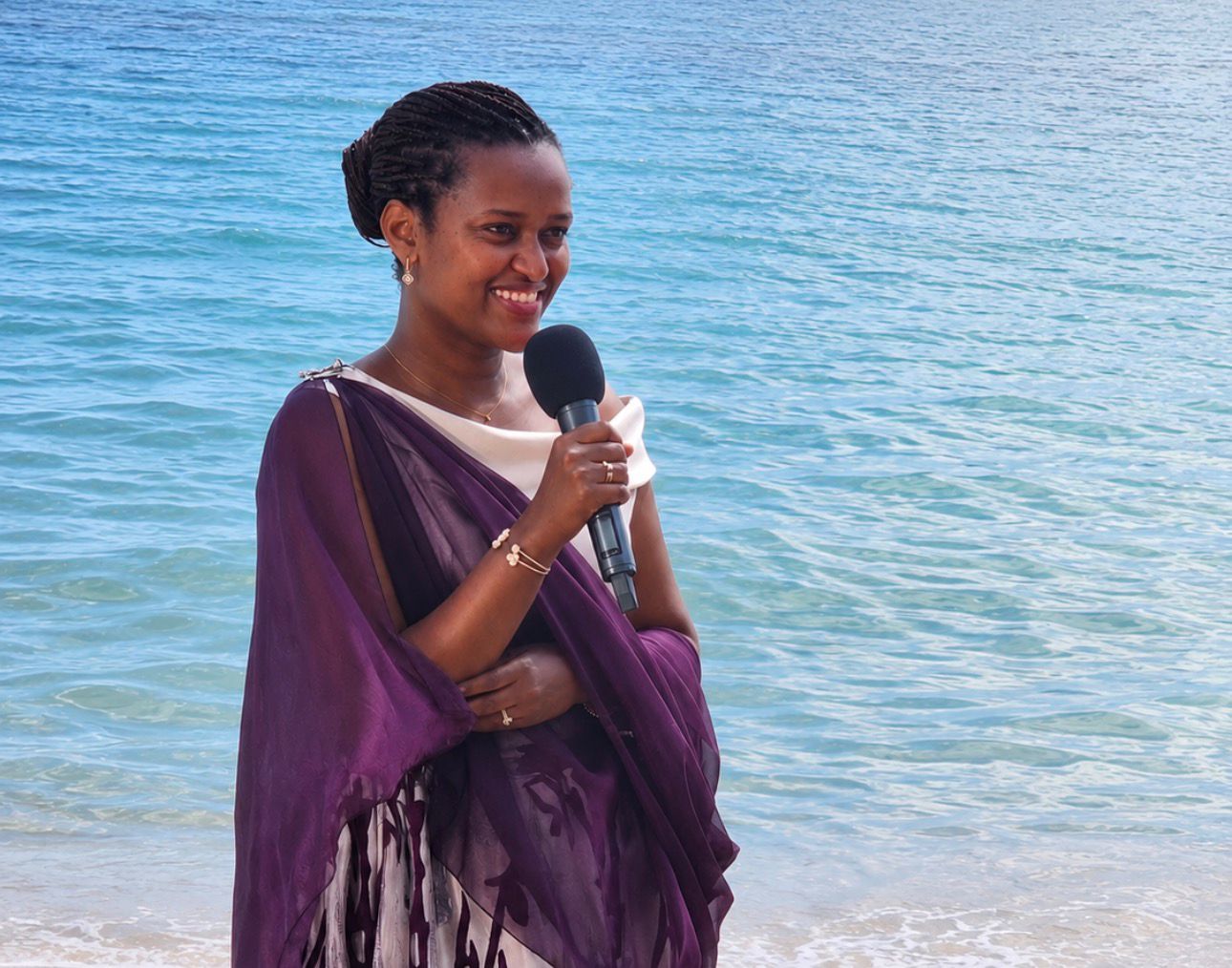
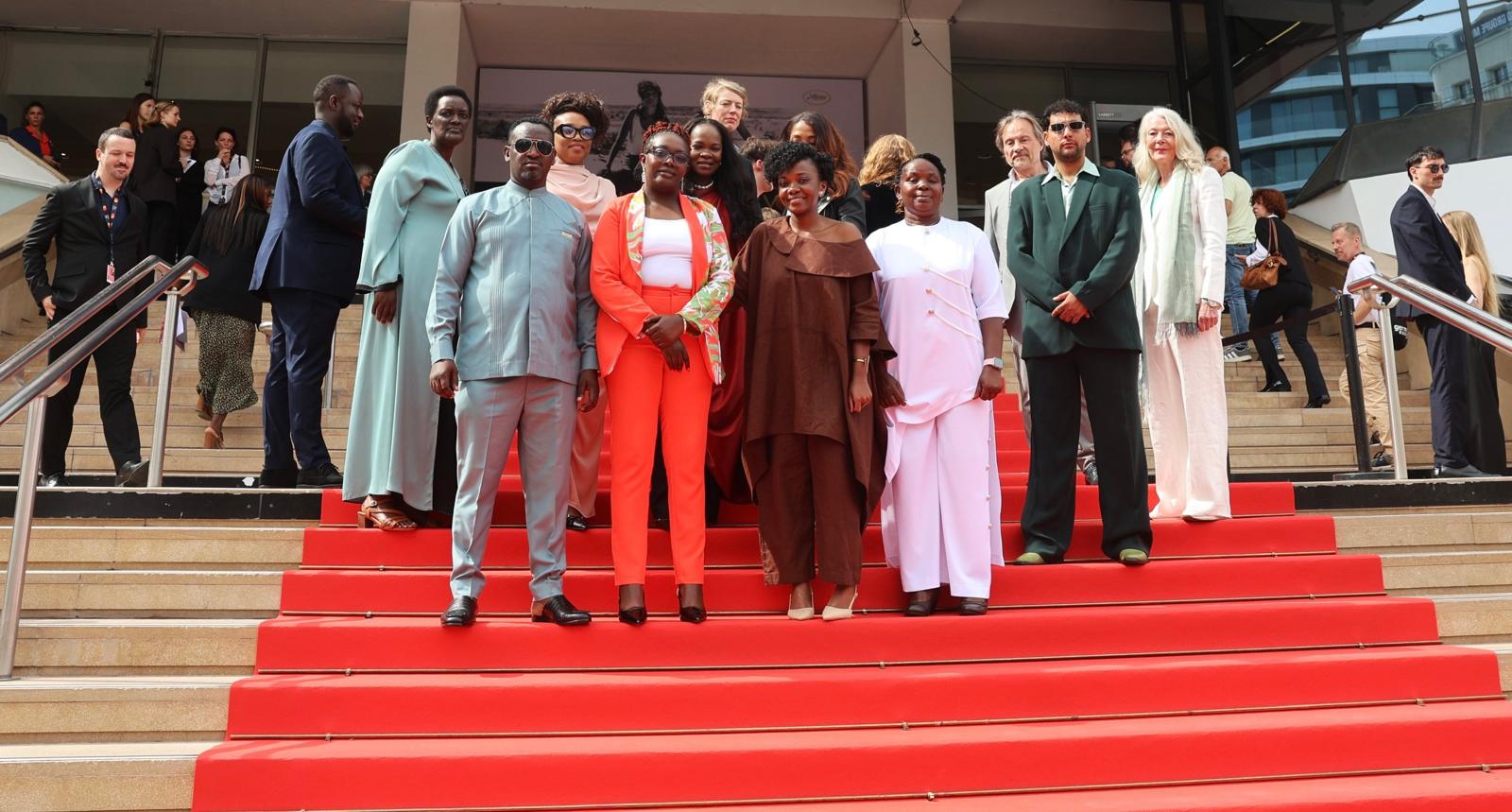
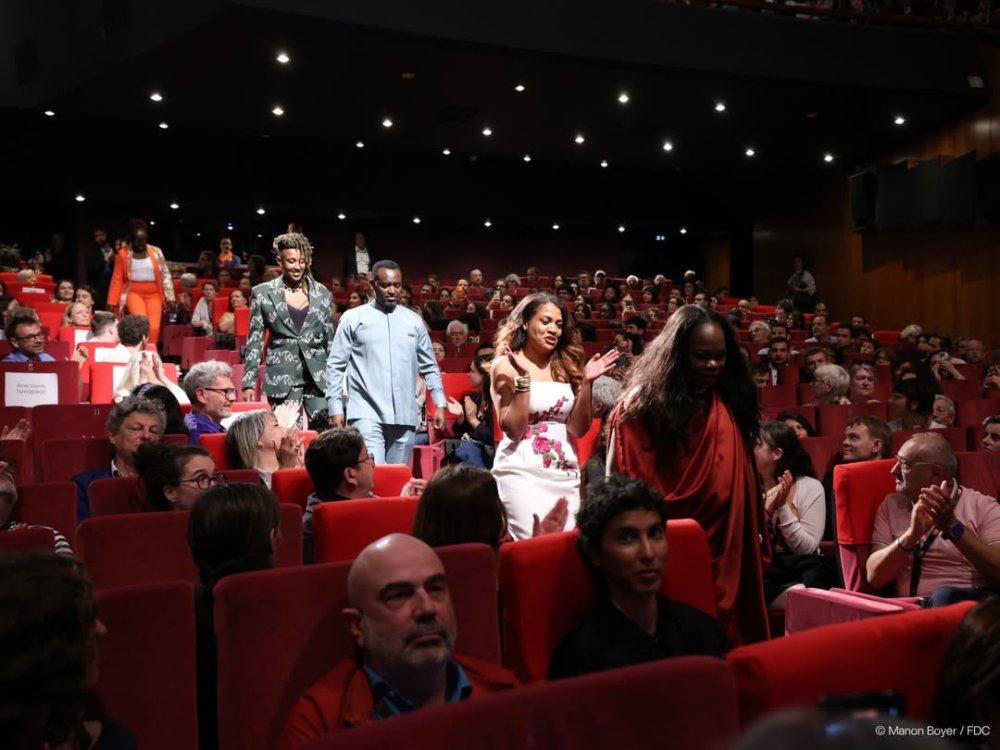
Speaking to IGIHE, the minister reflected on the screening, which took place in a theater hosting more than 1,200 people, including prominent figures from the worlds of cinema, fashion, music, as well as passionate film enthusiasts attending the festival.
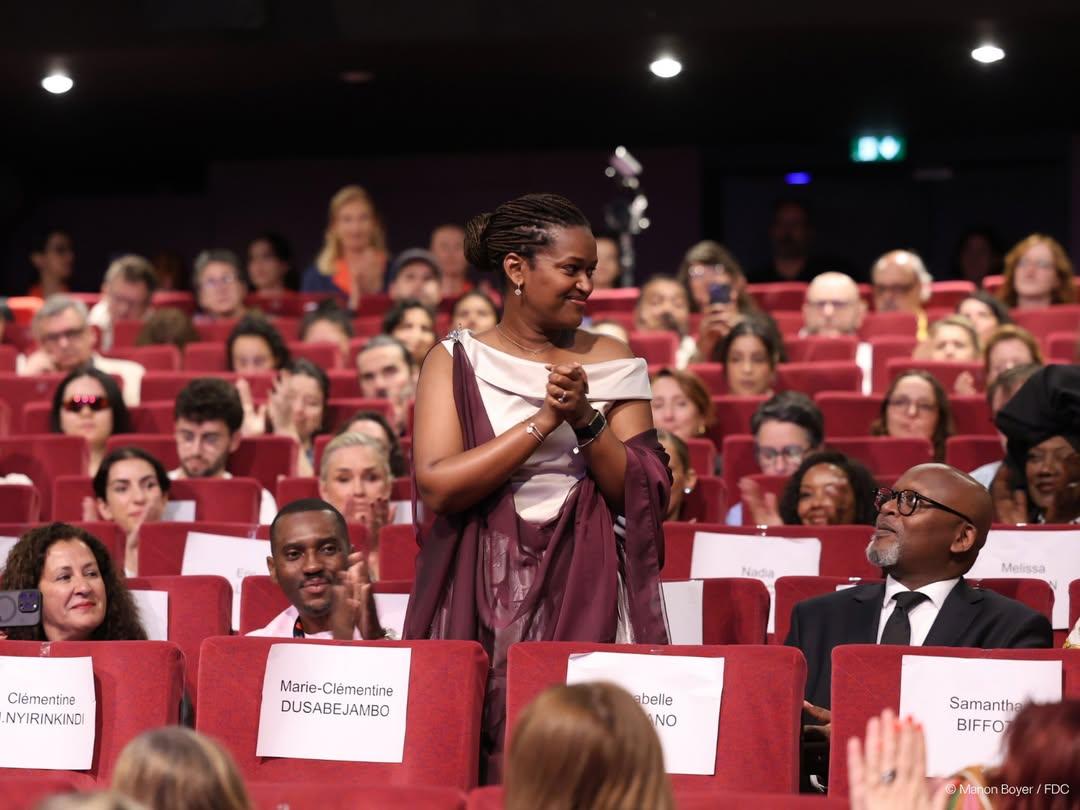
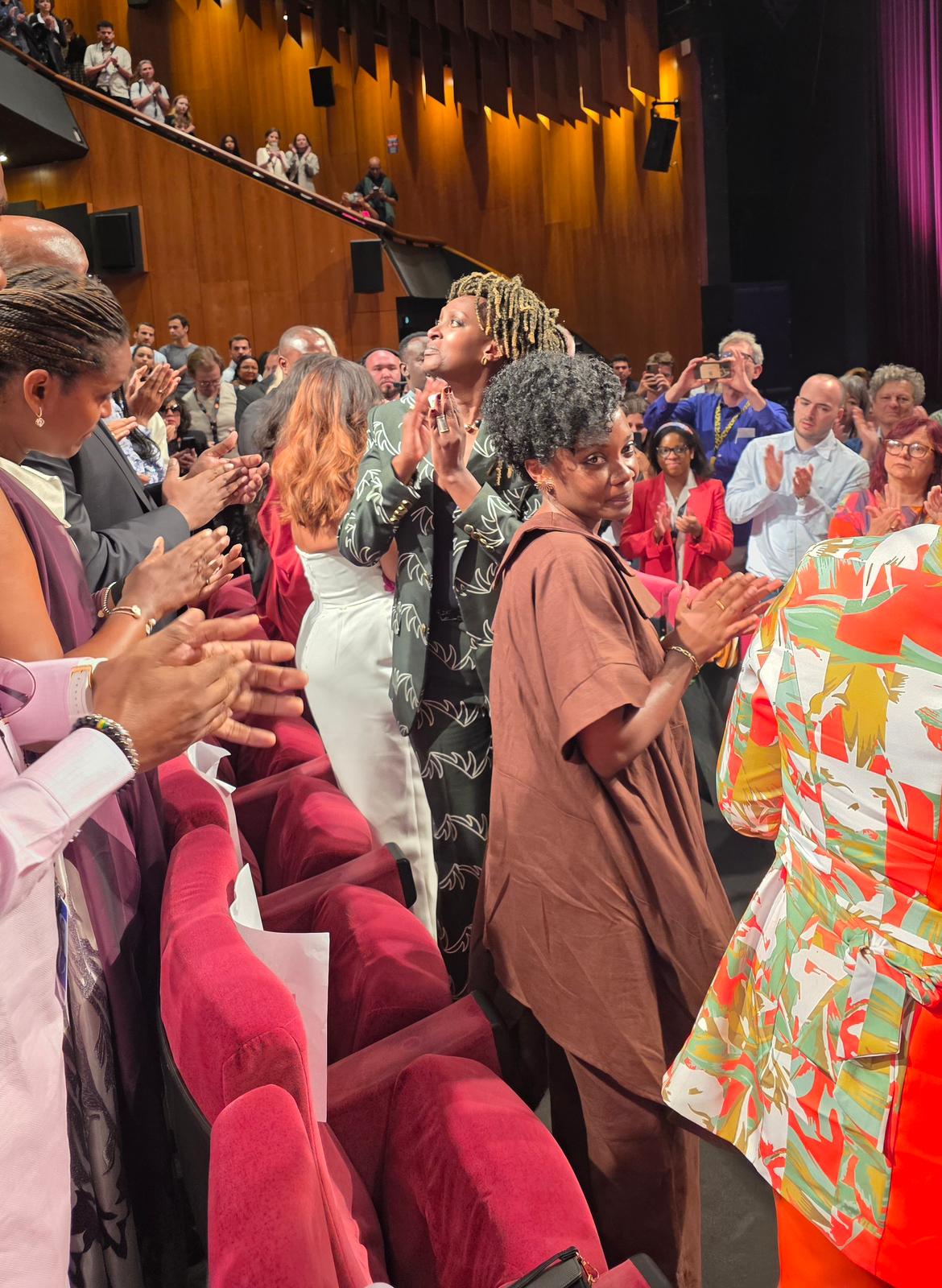
According to her, the audience gave the film a long standing ovation at the end of the screening.
“We received applause that lasted nearly ten minutes,” she said, emphasizing that viewers were particularly touched by the beauty of the cinematography and the delicate way director Marie-Clémentine Dusabejambo brought the story to the big screen.
Umutoni also noted that the film is the result of nearly thirteen years of creative work and perseverance.
“This is a film that honors Rwandan mothers and the depth of emotions they continue to carry after the 1994 Genocide against the Tutsi,” she explained.
The minister also highlighted the pan-African dimension of the project. Ben’Imana is a Rwandan-Gabonese co-production directed by Marie-Clémentine Dusabejambo in collaboration with Gabonese filmmaker Samantha Biffot, with support from France and Norway.
For Umutoni, this collaboration demonstrates how partnerships between African countries can enable African cinema to reach the highest international platforms.
She further stated that reactions from critics, organizers and the international press have been overwhelmingly positive, with several observers predicting a strong international journey for the film.
The film explores themes of reconciliation, forgiveness, resilience and rebuilding after the 1994 Genocide against the Tutsi.
“When you remain authentic and faithful to your culture, you can go very far,” the minister said, adding that Ben’Imana will also open doors for a new generation of African filmmakers.
According to her, several international producers and distributors have already expressed interest in screening the film in different countries around the world.
Minister Sandrine Umutoni has noted that Ben’Imana film is the result of nearly thirteen years of creative work and perseverance.Minister Umutoni Sandrine explained that the film pays tribute to Rwandan mothers and to the depth of the emotions they continue to carry after the 1994 Genocide against the Tutsi. The film Ben’Imana was directed by Marie‑Clémentine DusabejamboThe first screening of the film Ben’Imana at the Festival de Cannes.
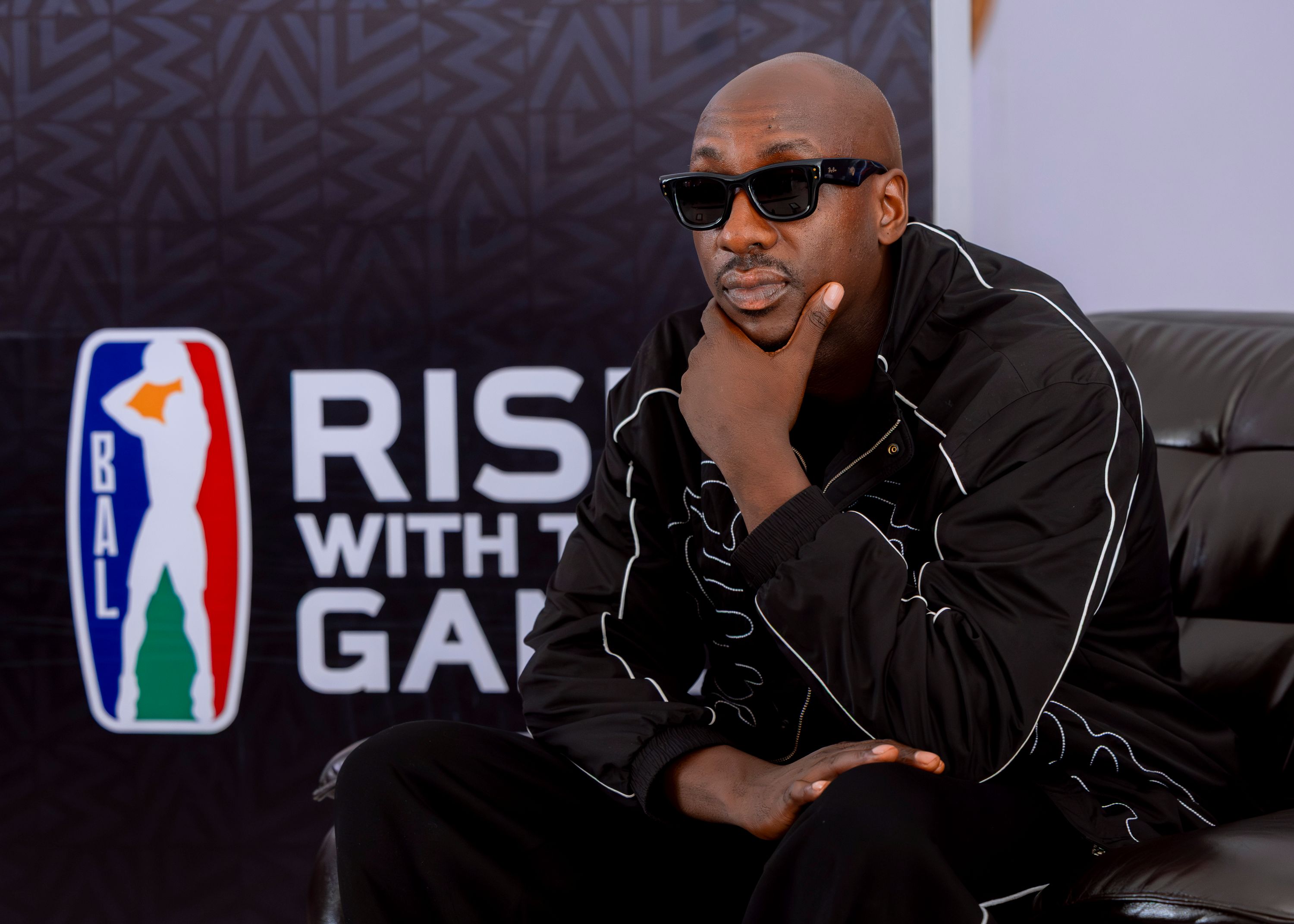
The BAL Playoffs are scheduled to run from May 22 to May 31, 2026, in Kigali, with Bien officially confirmed as one of the headline halftime performers during the tournament.
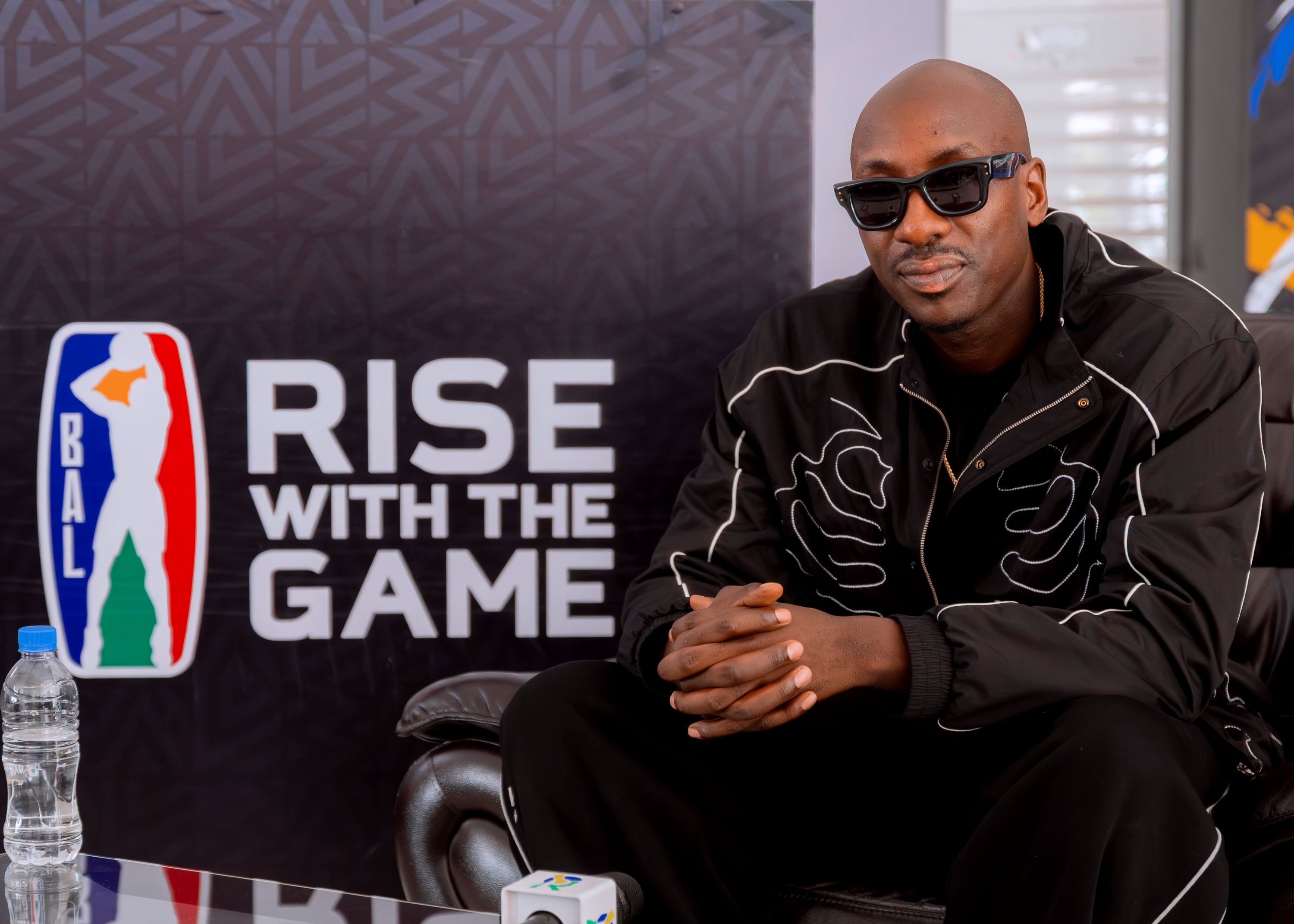
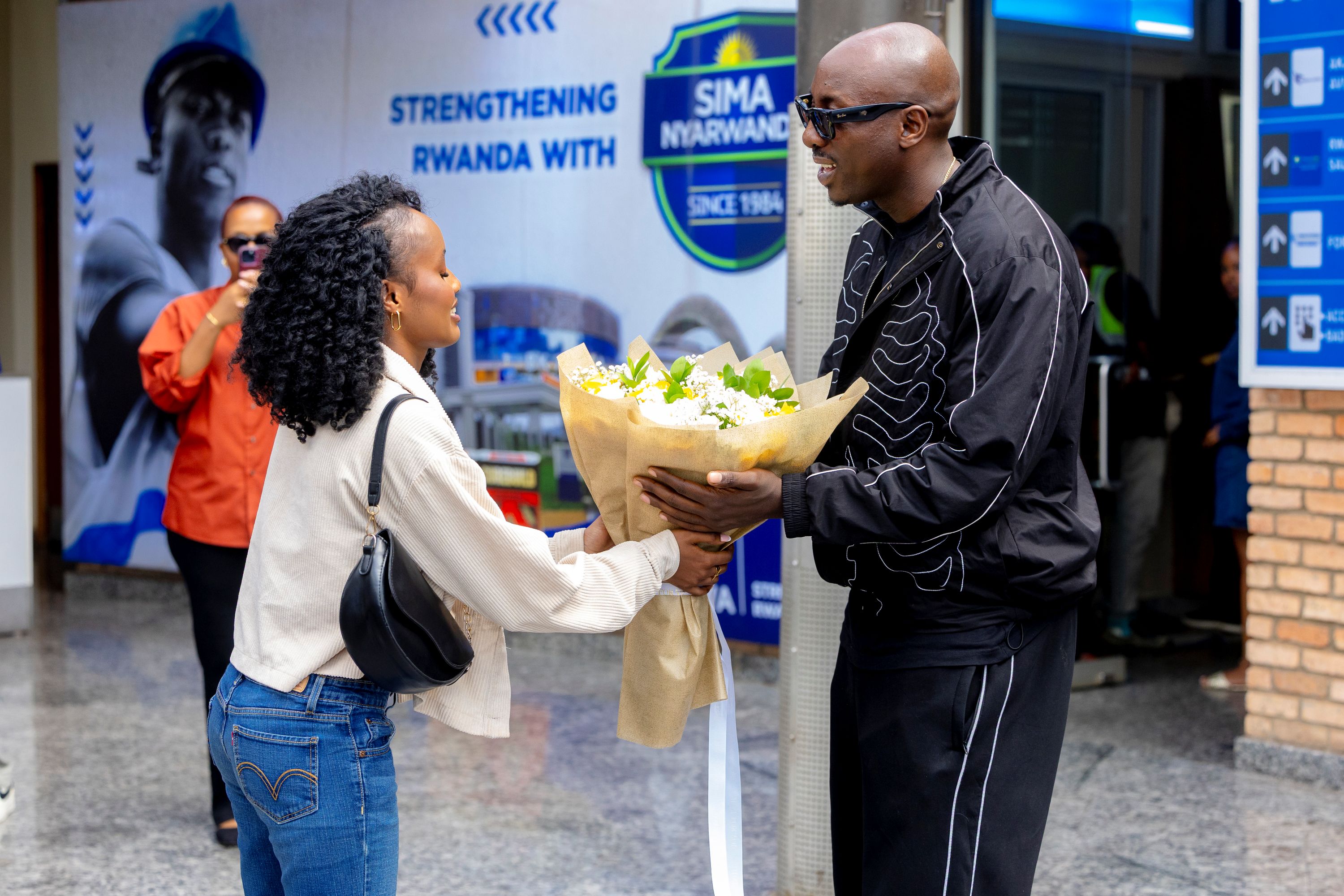
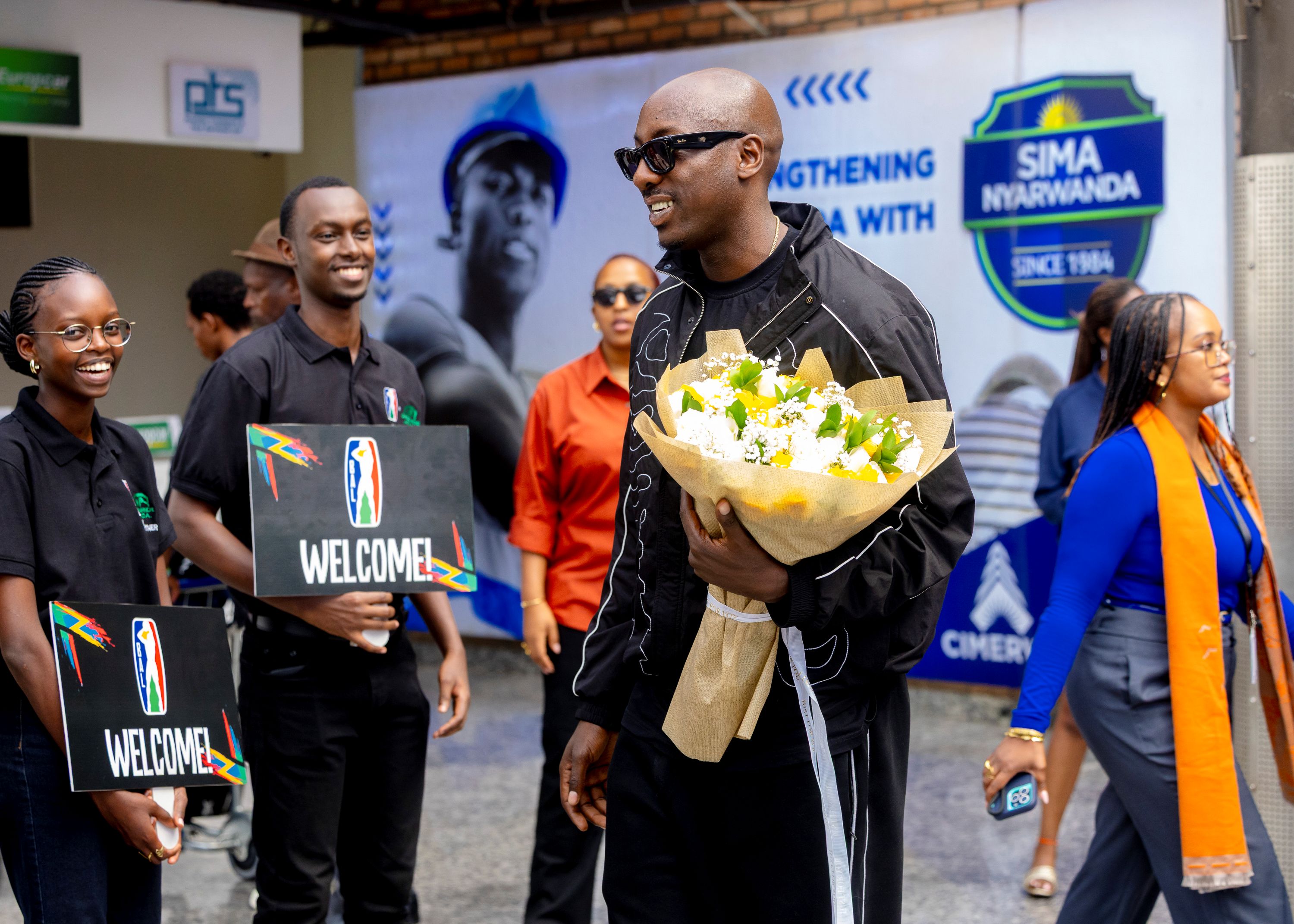
Speaking to the media shortly after landing at Kigali International Airport on Wednesday, May 20, Bien expressed excitement about returning to Rwanda, praising Kigali’s beauty, the country’s peaceful atmosphere, and the growing influence of East African music and sports culture.
Bien expressed excitement about returning to Rwanda.
“I love basketball”
The former member of the popular Sauti Sol boy band, which announced an indefinite hiatus in 2023, said his connection to the BAL goes beyond music, revealing that basketball has been part of his life since childhood.
“I’m sure I’m going to enjoy the games,” Bien said. “I was in Johannesburg a couple of weeks ago, and I really enjoyed the games, especially watching the Rwanda team. They really brought a good game.”
The singer added that basketball remains one of his greatest passions.
“I don’t know if there’s an African artist who has played basketball more than me because I grew up playing basketball. That’s my sport. So I love it and I can’t wait to see what the games have in store for us.”
The singer said basketball remains one of his greatest passions.
Meeting President Kagame
Bien also reflected on his meeting with Paul Kagame during the 2026 NBA All-Star Weekend in Los Angeles earlier this year, describing the Rwandan leader as one of Africa’s strongest champions for sports development.
“Every time I meet President Kagame, it’s very special to me because I look up to him as a leader and a father figure,” he said.
According to Bien, their discussions centered around the future of basketball in Africa and opportunities for young African athletes.
“We spoke about young basketball players and talented sportsmen and women looking to take their gifts to the next level. It was a beautiful moment.”
The singer was warmly received at the airport by the Rwandan organisers. He praised the calm and welcoming nature of Rwandans.
“Kigali is what Africa should look like”
One of the strongest moments from Bien’s interaction with journalists came when he explained why Rwanda continues to draw him back year after year.
“The food, man,” he revealed. “I just want to come eat Rwandese food, eat sombe with goat meat inside.”
But beyond the cuisine, the artist said Kigali represents a vision of what modern African cities can become, following the city’s innovation and development over the past three decades since the Genocide against the Tutsi.
Kigali is widely recognised for its clean and well-organised urban planning, efficient public services, strong emphasis on safety and order, and relatively smooth traffic management.
The city has also built a reputation for environmental cleanliness, supported by innovative sanitation policies and community-driven cleanliness efforts, alongside a growing reputation as a regional hub for conferences, technology, and creative industries.
“I come to Rwanda to see what Africa should look like,” Bien said. “For a long time, whenever people talk about model cities, they mention Geneva and Switzerland and all these places. I’m always telling people there’s Kigali.”
He also praised the calm and welcoming nature of Rwandans.
“The people are peaceful. They’re amazing,” he added.
One of the strongest moments from Bien’s interaction with journalists came when he explained why Rwanda continues to draw him back year after year.
BAL showcases East African talent
Bien hailed the BAL for assembling a predominantly East African entertainment lineup for this year’s playoffs, like Ugandan sensation Joshua Baraka and Tanzania’s Abigail Chams, saying the moment reflects the growing global recognition of East African music.
“For a long time, East African art was made to feel like we weren’t worthy of certain spaces,” he said. “I want to thank the BAL for proving to everybody that East Africa has heavy-hitting music.”
The artist also expressed excitement about sharing the stage with fellow regional stars, while revealing disappointment that Rwandan producer Mugisha Fred Robinson, better known as Element Eleéeh, would not be available for a planned joint performance due to commitments in the United States.
Arsenal, “Finale,” and a champion mindset
An outspoken supporter of Arsenal F.C., Bien also opened up about his hit collaboration “Finale” with Tanzanian superstar Alikiba and the inspiration behind the song.
According to Bien, the track was written with the intention of putting listeners into a “champion mindset.”
“I wanted to make a song that prepares people as if they’re preparing for a final,” he explained. “Whether you’re going to work, going to the gym, or preparing for life, every day could be your final.”
The singer laughed while recalling how he and his wife decided to feature Arsenal supporters in the song’s music video long before the club’s recent success, which saw the club lift the English Premier League title after 22 years on Tuesday.
“Deep down, I knew this was going to be our season,” he joked, adding, “And I hate to say I’m a prophet, but you can see what’s happening now.”
Praise for Rwandan artists
Bien reserved special praise for Rwanda’s music industry, calling local musicians some of the most talented in East Africa.
He singled out Bruce Melodie as “the most talented vocalist in East Africa,” while also applauding producer Element Eleéeh for capturing “the soul of East Africa” through his sound.
The singer further revealed he has several unreleased collaborations with Mike Kayihura and other Rwandan artists, including Kivumbi King.
“I love working with Rwandese musicians,” he said. “They are beautiful people and very musical.”
The BAL Playoffs are scheduled to run from May 22 to May 31, 2026, in Kigali, with Bien officially confirmed as one of the headline halftime performers during the tournament.
Hinting at a solo Kigali concert
Although he has previously performed in Kigali alongside Sauti Sol, Bien admitted he has yet to stage a major solo concert in Rwanda under his own name.
“I would love to come and do a Bien show and invite all my brothers I’ve collaborated with over the years,” he said, hinting at future plans for a standalone Kigali concert.
Sports, music and Africa’s future
Beyond entertainment, Bien spoke passionately about the economic power of sports and music, saying events such as the BAL can create opportunities for young Africans across the continent.
Reflecting on his experience attending the NBA All-Star Weekend in Los Angeles, he said witnessing the economy built around sports and entertainment inspired him to think more deeply about Africa’s potential.
“Music and sport are the two things that unite people the most,” he said.
“These events empower youth and show them that sports can become a viable career path.”
He also argued that East African music is currently enjoying one of its strongest moments yet, with regional artists increasingly dominating charts across Rwanda, Kenya, and Uganda.
“To East Africans, we are now global ambassadors,” Bien said. “All we need to do is keep telling our story and keep making great music.”
As the BAL Playoffs prepare to tip off at BK Arena, Bien says he is ready to deliver both energy and soul to fans in Kigali.
“The show is going to be amazing,” he said. “I’m here with my entire crew and I can’t wait to come and give and share.”
Watch the full video of Bien’s interaction with journalists in Kigali below.
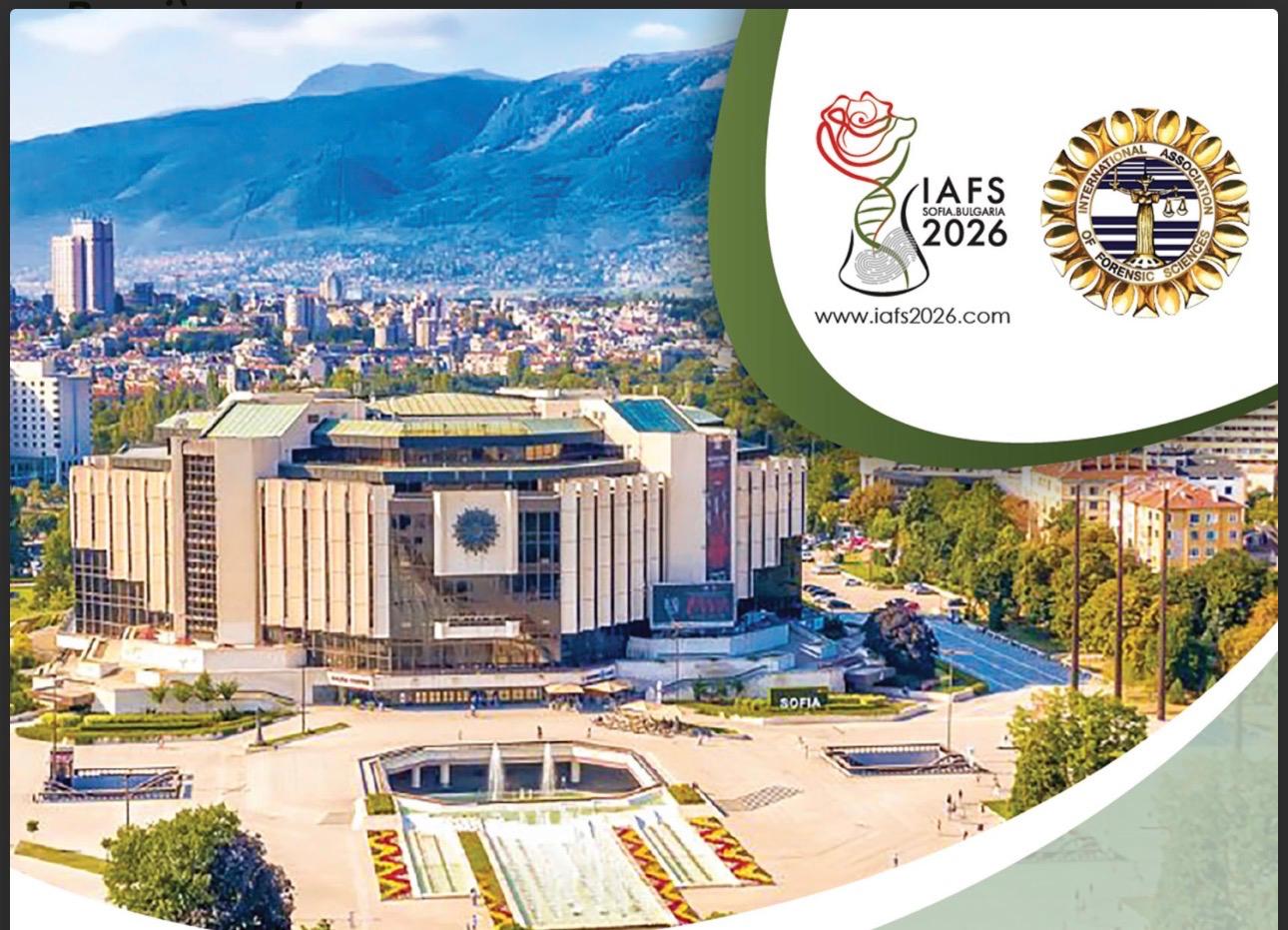
This major international scientific gathering will bring together researchers, forensic pathologists, scientists, investigators, magistrates and forensic experts from around the world to discuss key issues related to forensic sciences, legal medicine and technologies applied to justice.
The Rwandan delegation will be represented by the Rwanda Forensic Institute (RFI) in collaboration with the African Forensic Sciences Academy (AFSA), whose continental headquarters has been based in Kigali since 2022.
Founded in 1957, the IAFS is today regarded as the world’s leading platform dedicated to forensic sciences. Since its establishment, the conference has been held in Europe, North America, Asia and Oceania, but never on the African continent.
Rwanda’s growing presence in forensic sciences
Over the years, Rwanda has strengthened its participation in major international forensic science conferences. The country has notably taken part in the International Association of Forensic Sciences (IAFS) 2023 conference held in Sydney, Australia, as well as the American Academy of Forensic Sciences (AAFS) 2025 meeting in Baltimore, United States. Rwanda has also participated in the European Academy of Forensic Science (EAFS) 2025 conference held in Dublin, Ireland.
Rwanda continues to highlight the rapid development of its forensic science sector, its modern infrastructure, secure environment and strong experience in hosting international conferences.
Kigali already hosts several African scientific initiatives, including the African Forensic Sciences Academy (AFSA), whose inaugural conference was held in Rwanda in 2024.
Sofia 2026: A strategic meeting for the future
The IAFS 2026 meeting in Sofia will also provide an important opportunity for member countries and partners to discuss the future of forensic sciences, international cooperation and the strengthening of scientific capacities across Africa.
Among the topics to be discussed will also be the selection of the host country for the 2029 edition of the IAFS. Rwanda is among the countries interested in hosting this prestigious international scientific congress in the future.
The official announcement of the country selected to host the 2029 edition is expected on May 29, 2026, in Sofia, Bulgaria.
The Rwanda Forensic Institute is a Rwandan institution specializing in forensic sciences and medico-legal analysis.
It supports criminal investigations through DNA analysis, forensic medicine, victim identification, and other scientific expertise that aids justice and public security.
The institute also contributes to building national capacity by training professionals and strengthening forensic and medico-legal systems in Rwanda.
The meeting will take place in Sofia, Bulgaria.Lt Col (Rtd) Dr Charles Karangwa, Director General of the Rwanda Forensic Institute (RFI), and Dr Antonel Olckers, President of the African Forensic Sciences Academy (AFSA).The IAFS 2026 meeting in Sofia will also provide an important opportunity for member countries and partners to discuss the future of forensic sciences.
During the five-day period, Rwanda exported a total of 10,154 tonnes of agricultural and livestock products to international markets.
Coffee exports accounted for 288 tonnes, generating about Rwf2.1 billion. Tea exports exceeded 1,000 tonnes and earned Rwf4.2 billion, making it one of the top-performing export products during the period.
Vegetable exports reached 316 tonnes, bringing in more than Rwf630 million, while fruits totaled 462 tonnes and earned over Rwf454 million.
Flowers exported during the same period amounted to 14 tonnes and generated about Rwf113 million.
Other agricultural products, including tubers, legumes, cereals and related crops, made up the largest share with 7,795 tonnes exported, earning about Rwf.6 billion.
Livestock and animal products contributed 270 tonnes, bringing in more than Rwf565 million.
Officials said Rwanda’s main export destinations included the United States, the United Arab Emirates, Oman, the United Kingdom, the Netherlands, France, and several countries across Africa.
During the five-day period from May 11 to 15, Rwanda exported a total of 10,154 tonnes of agricultural and livestock products to international markets.