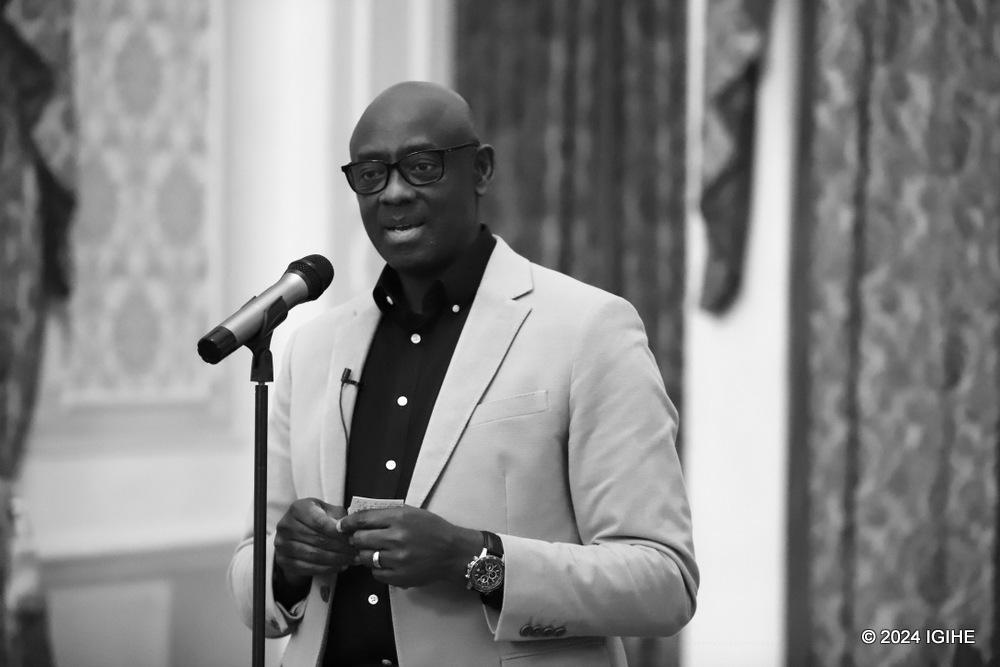
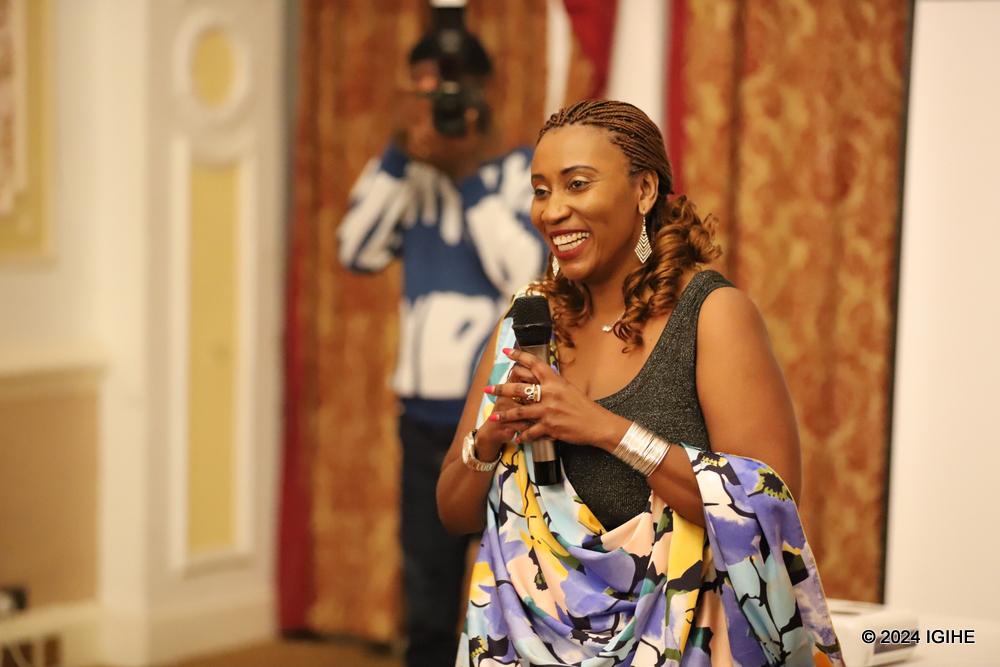
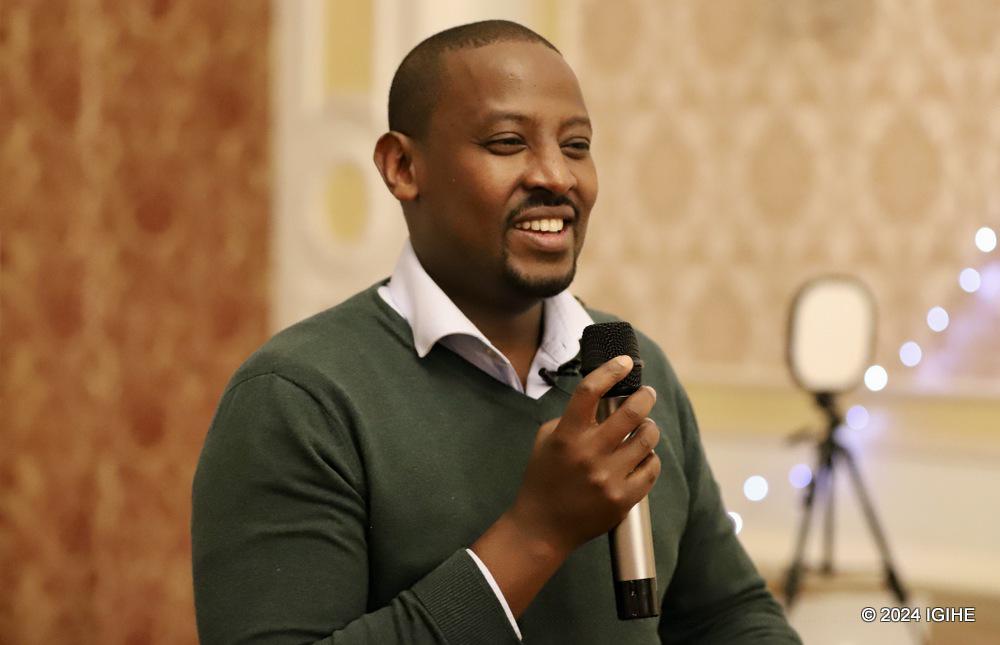
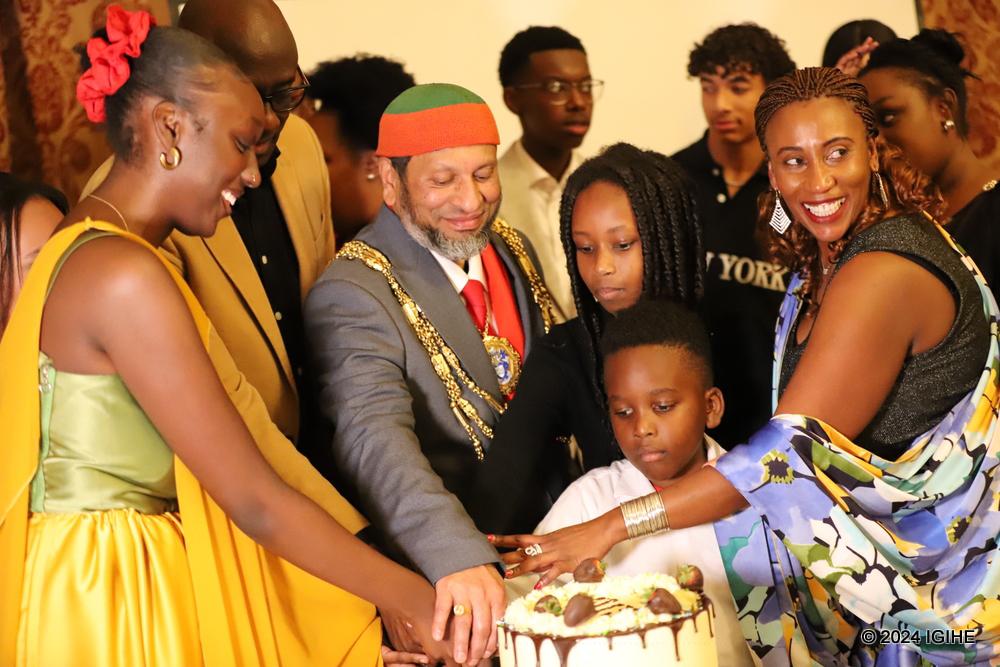
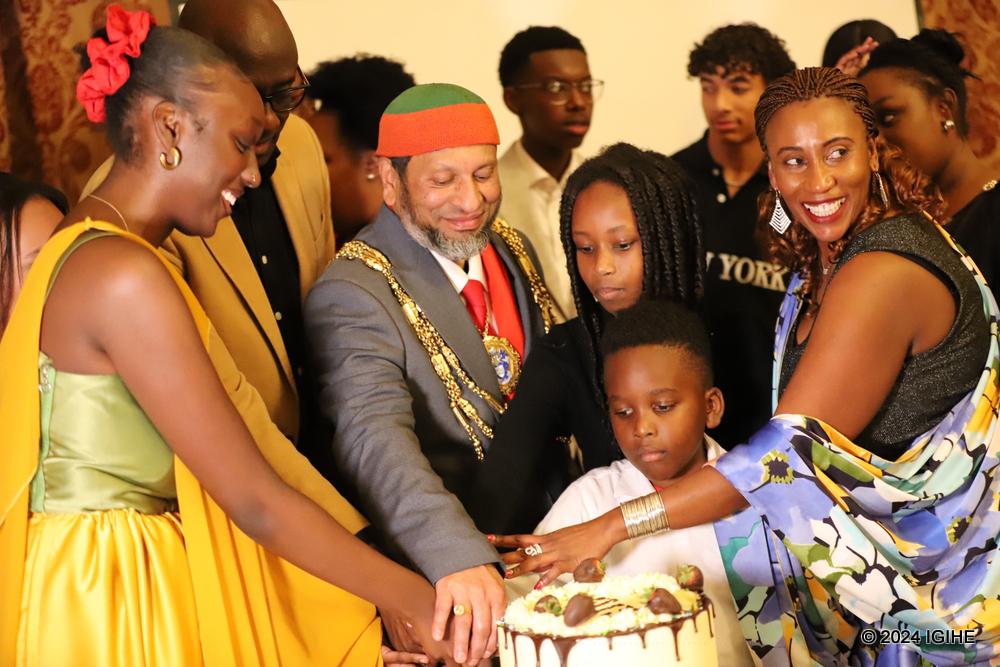
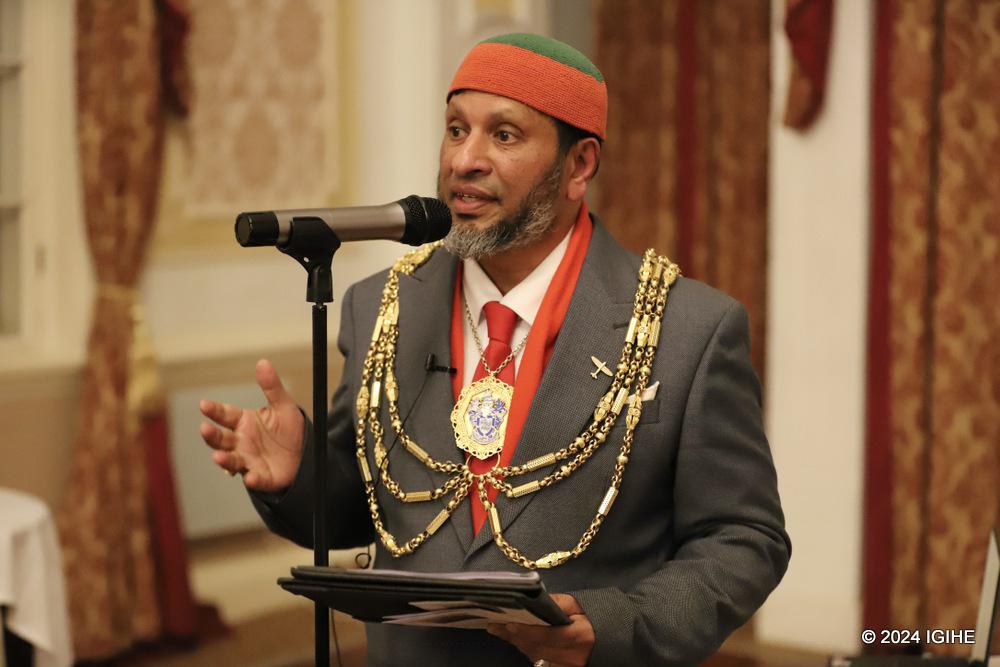
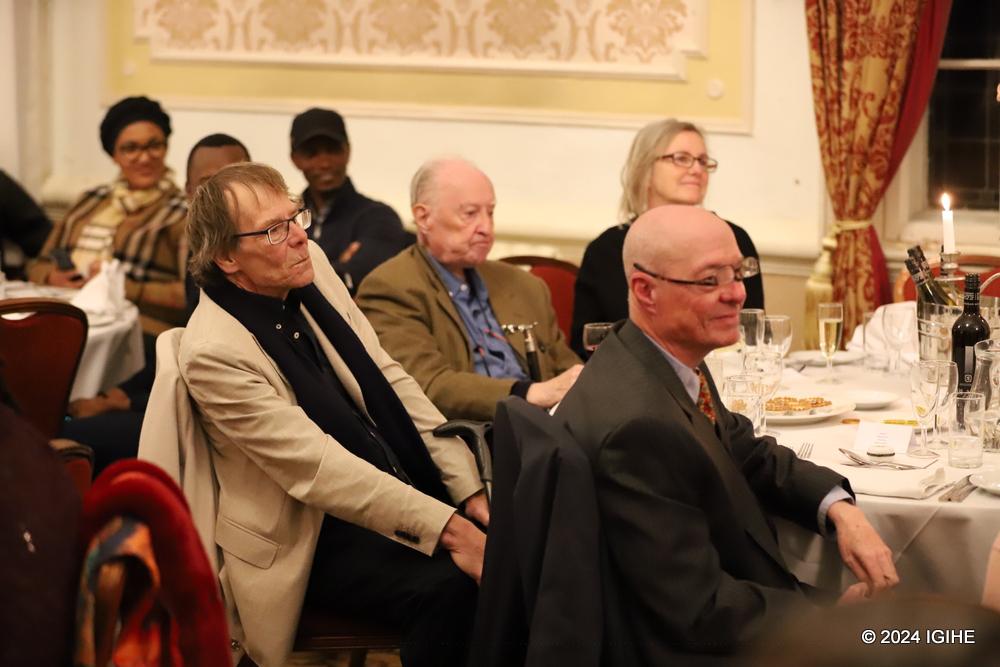
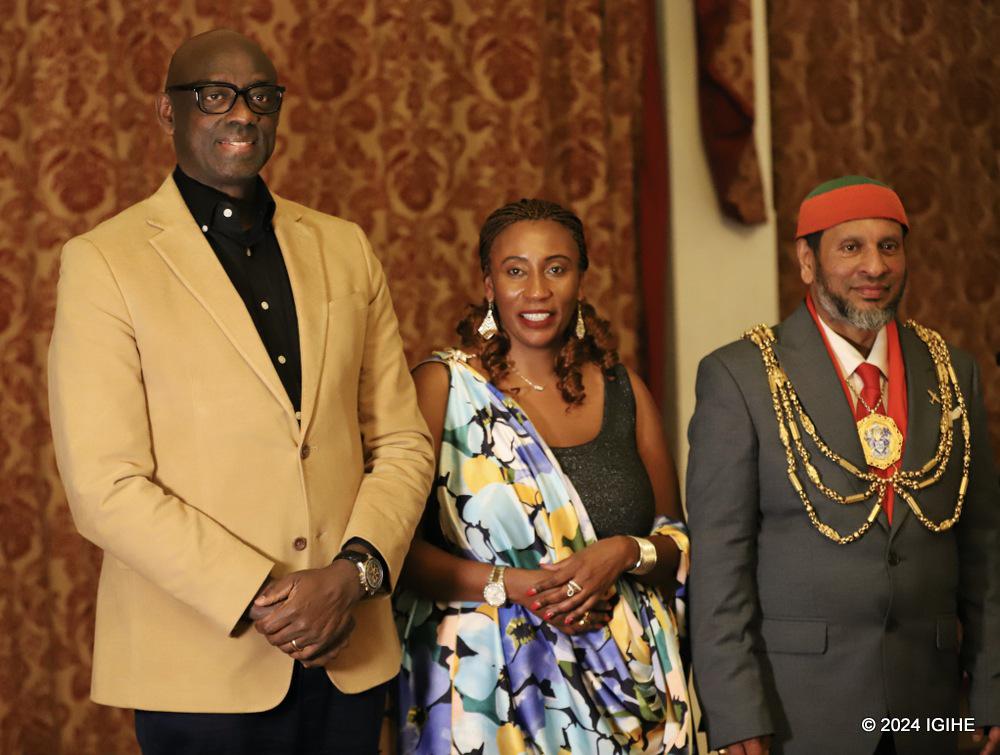
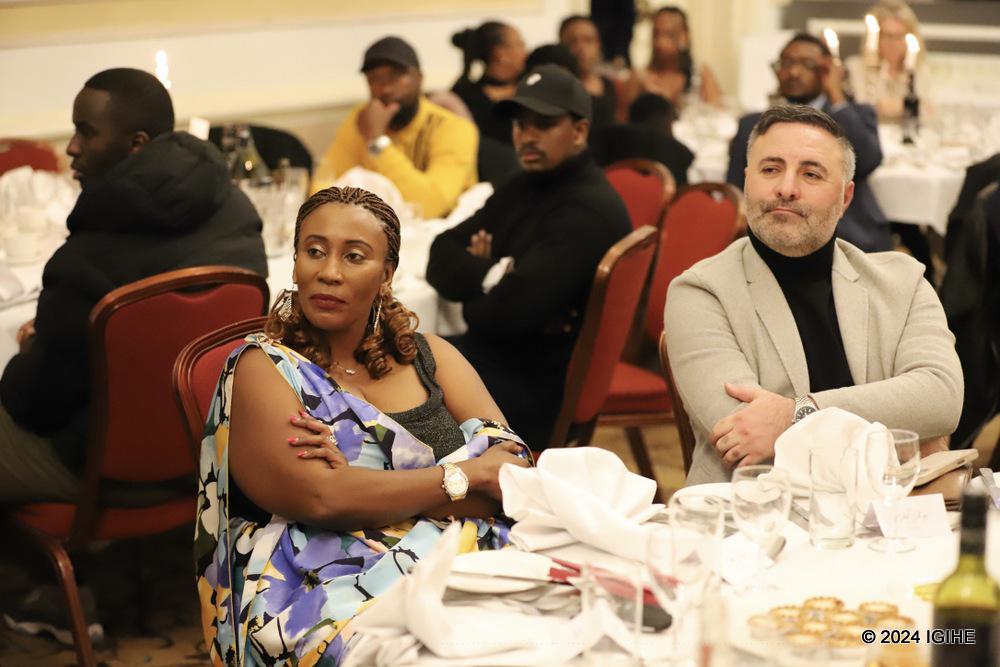
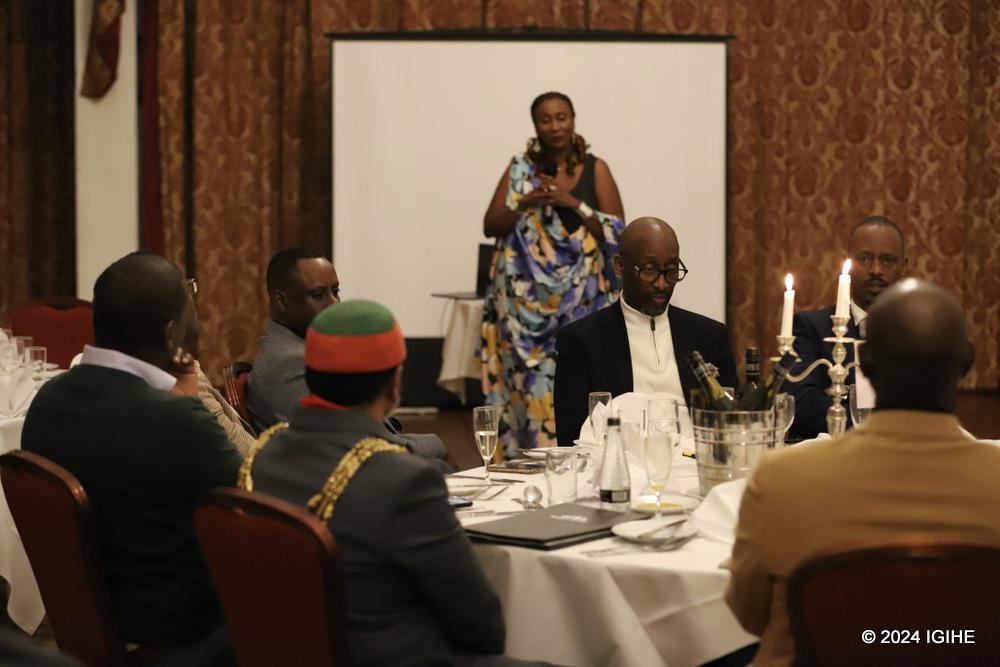
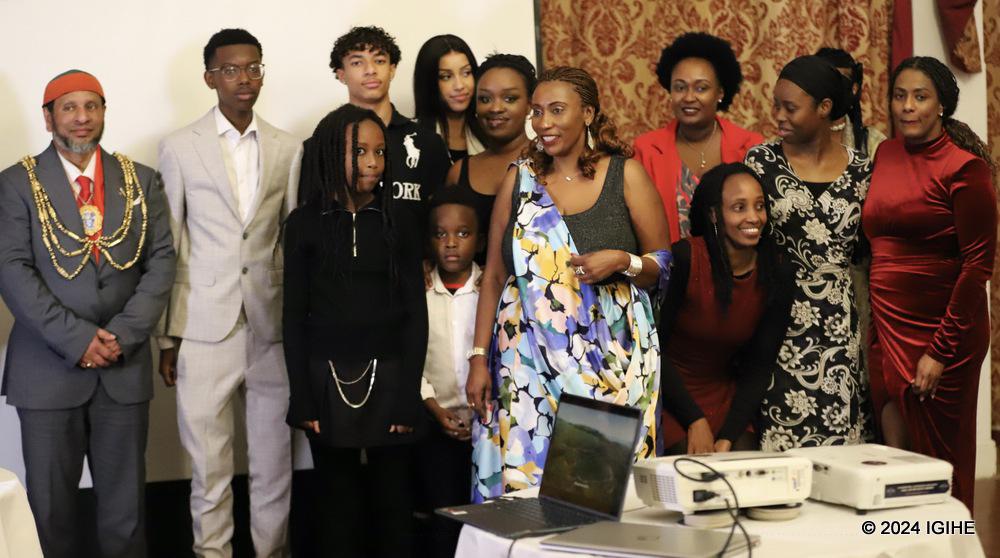
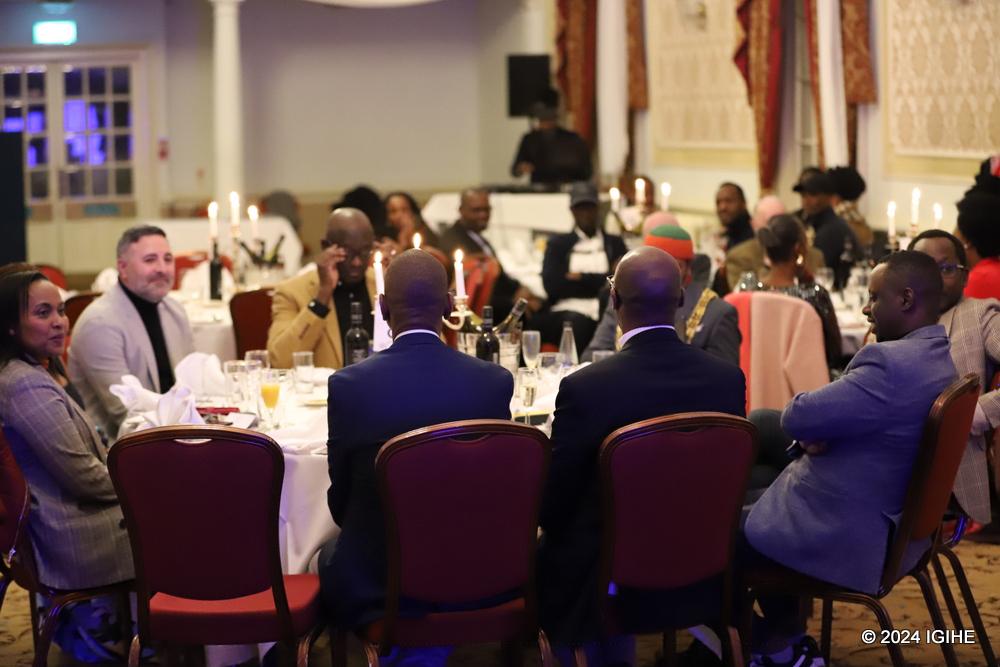
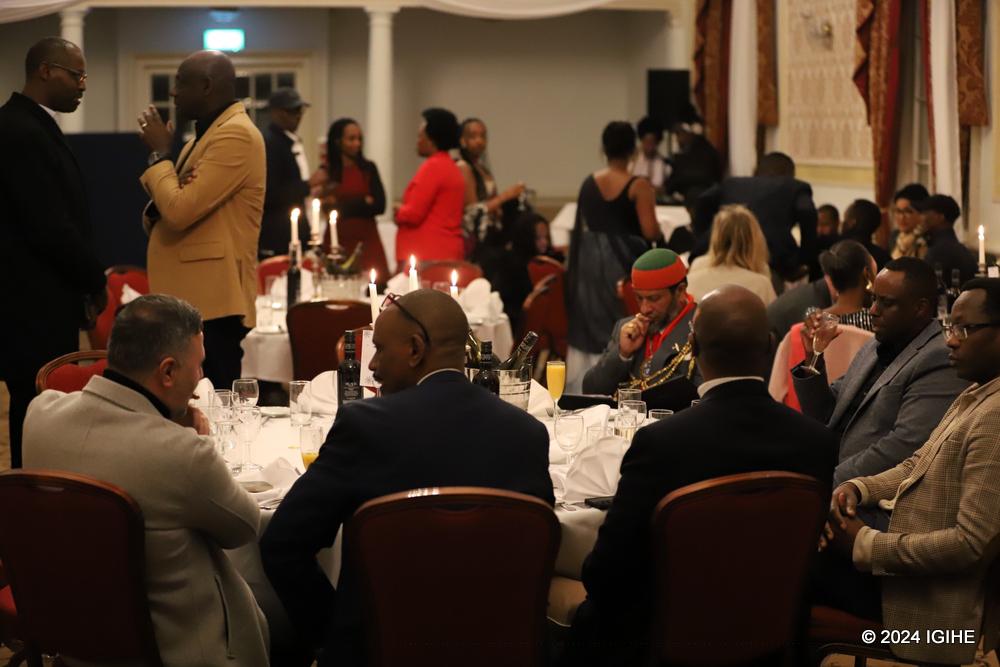
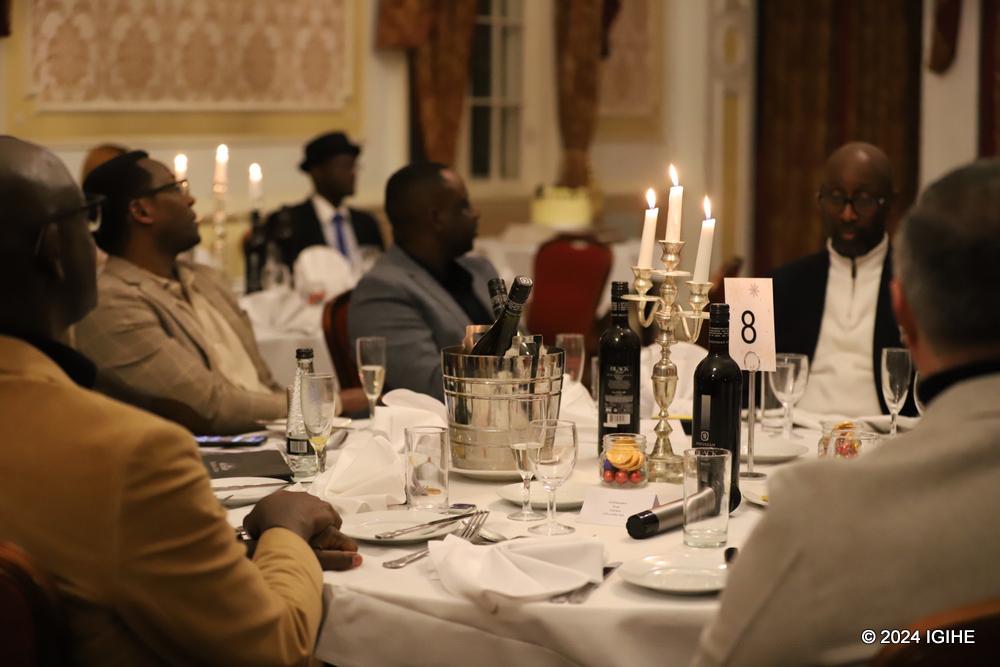
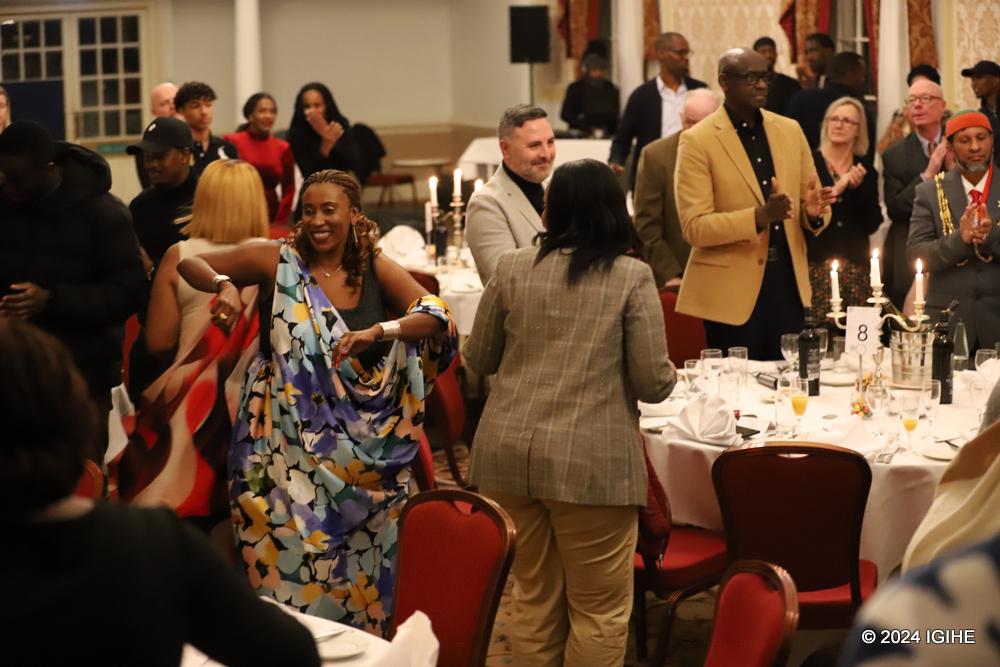
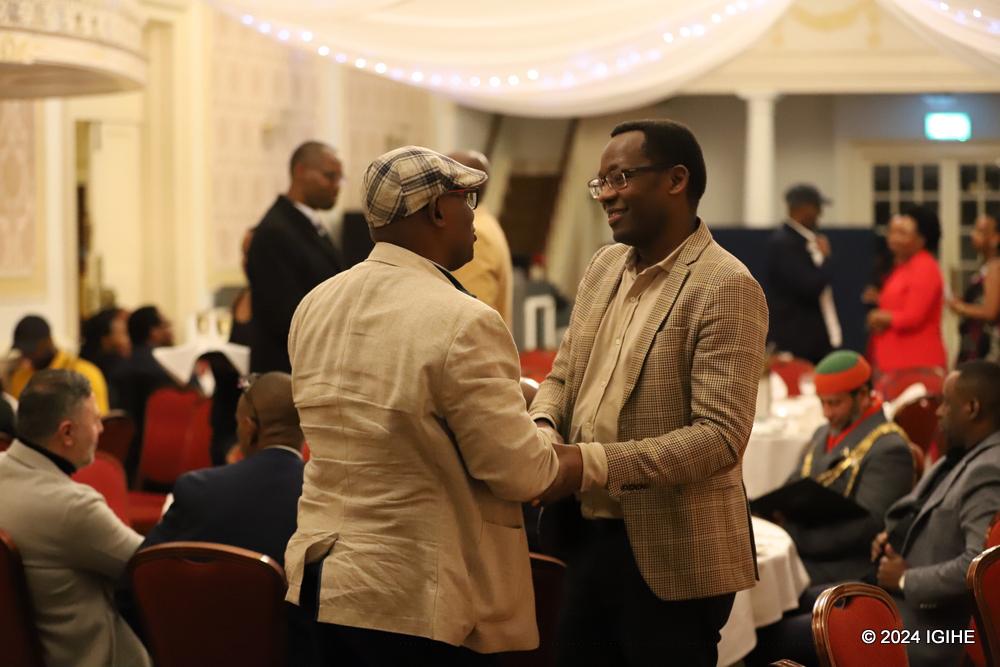
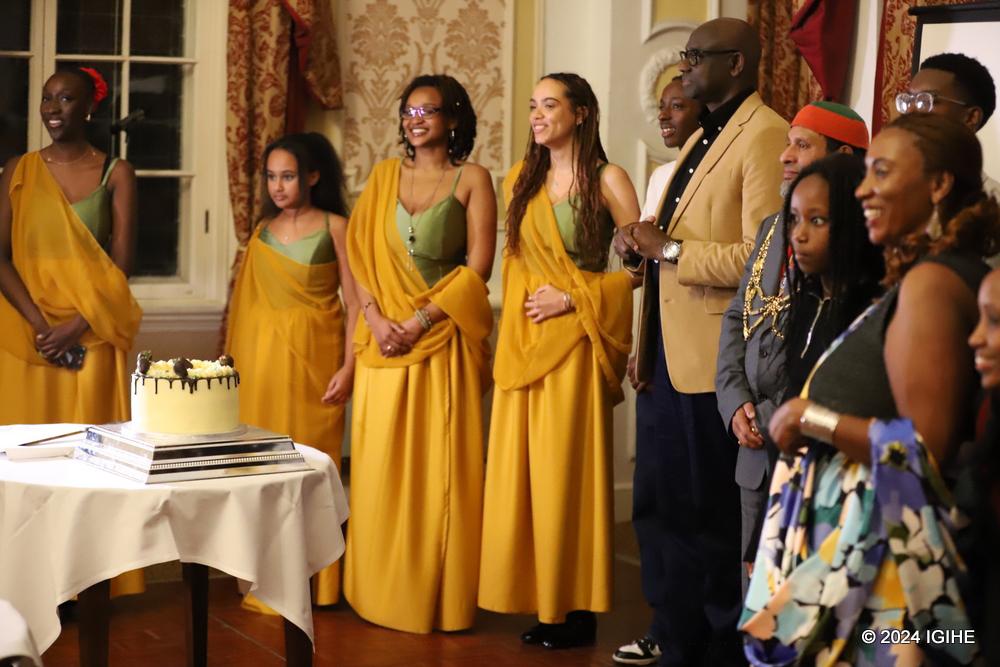
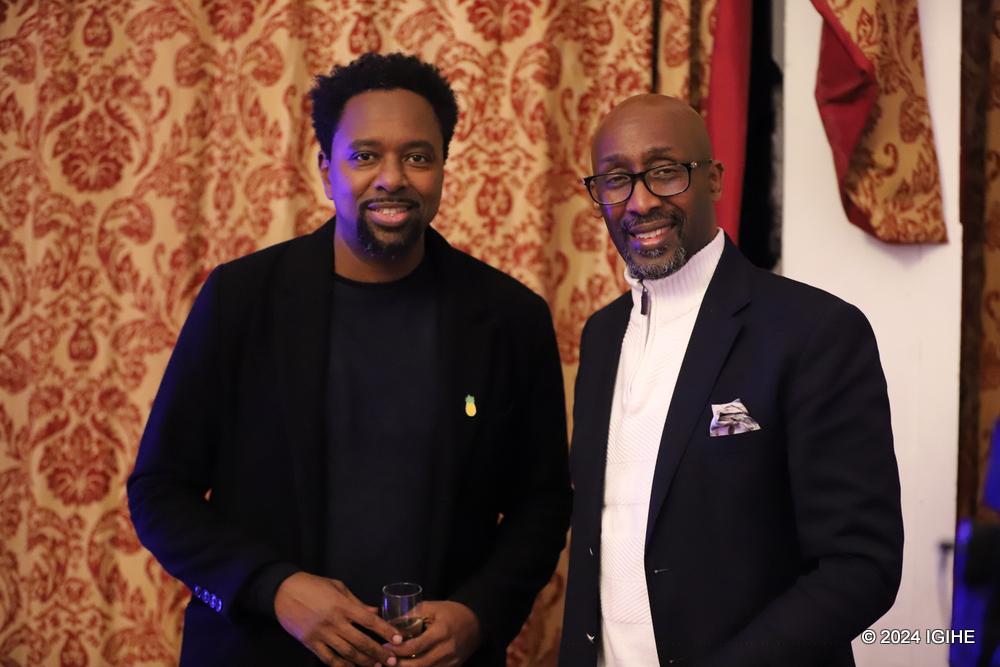
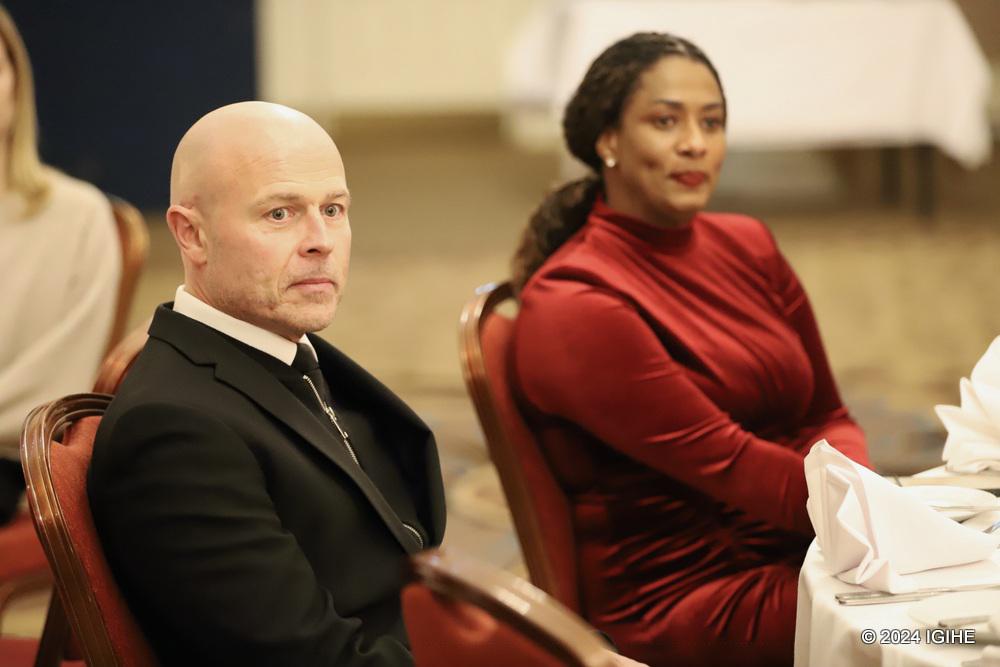
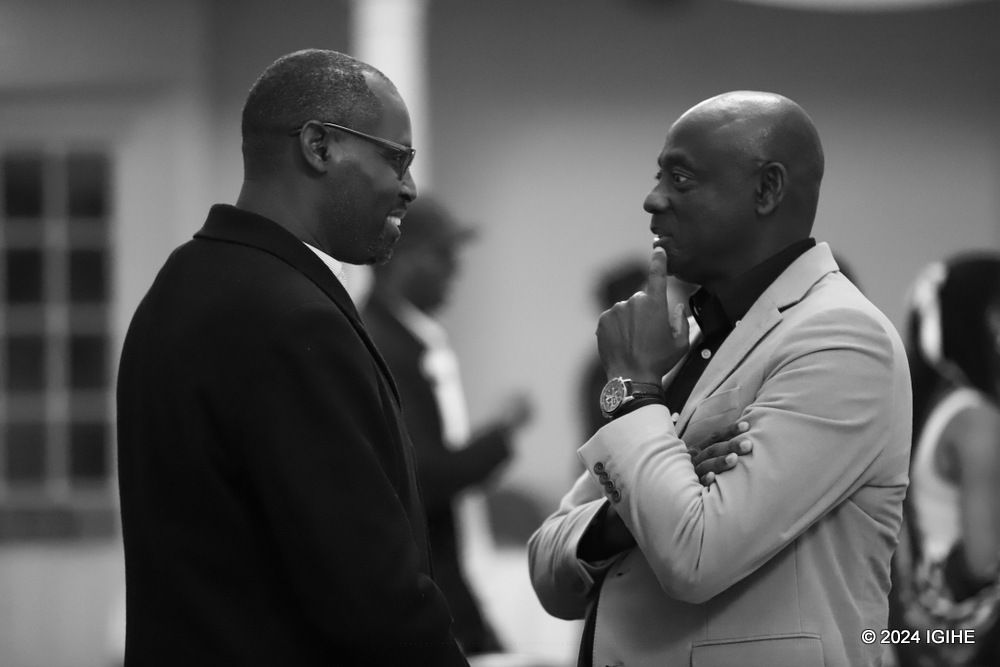
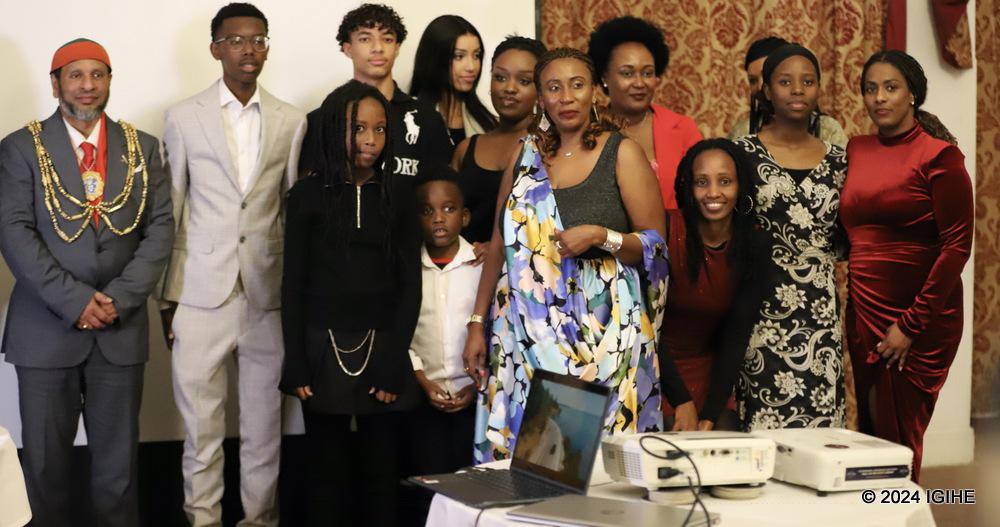
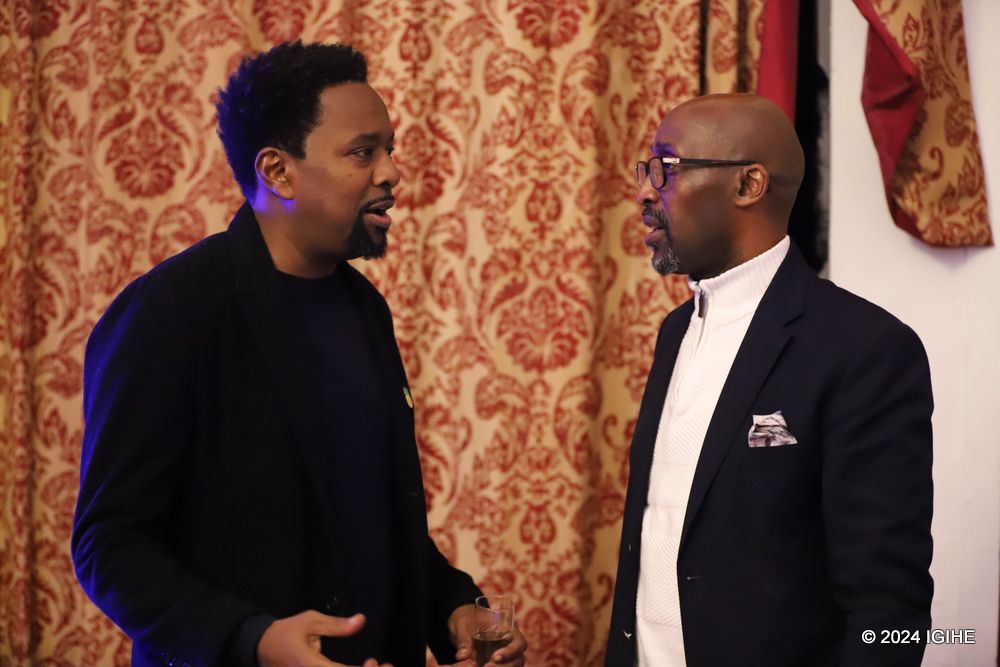
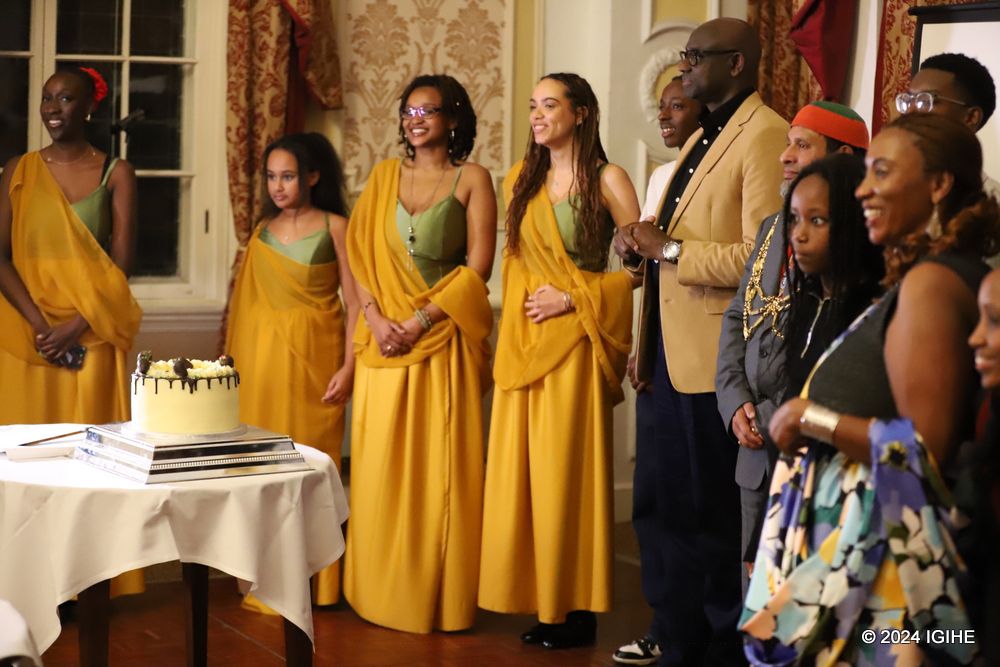
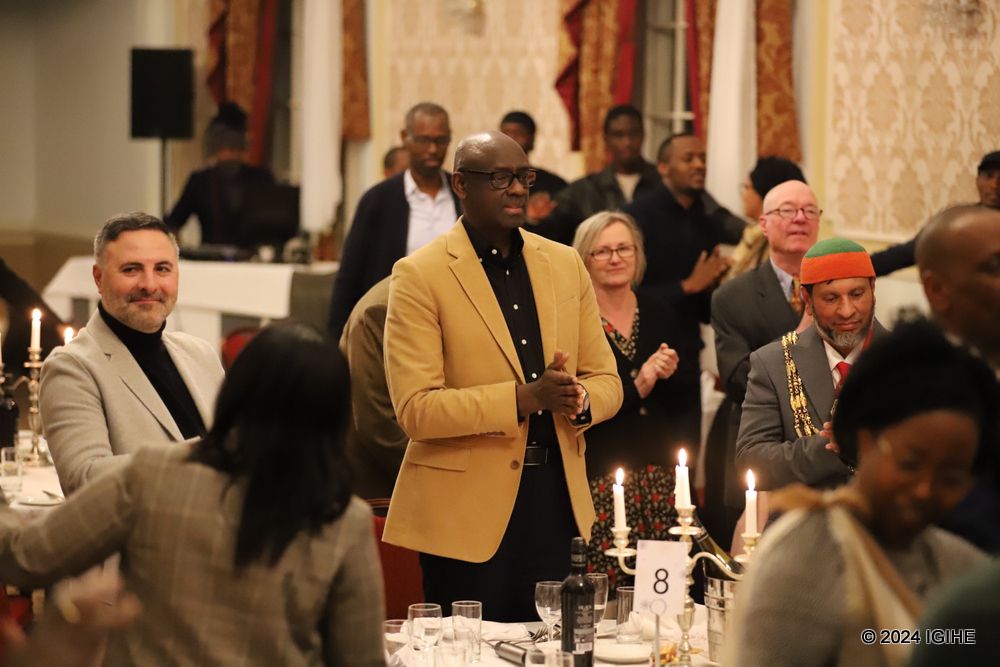
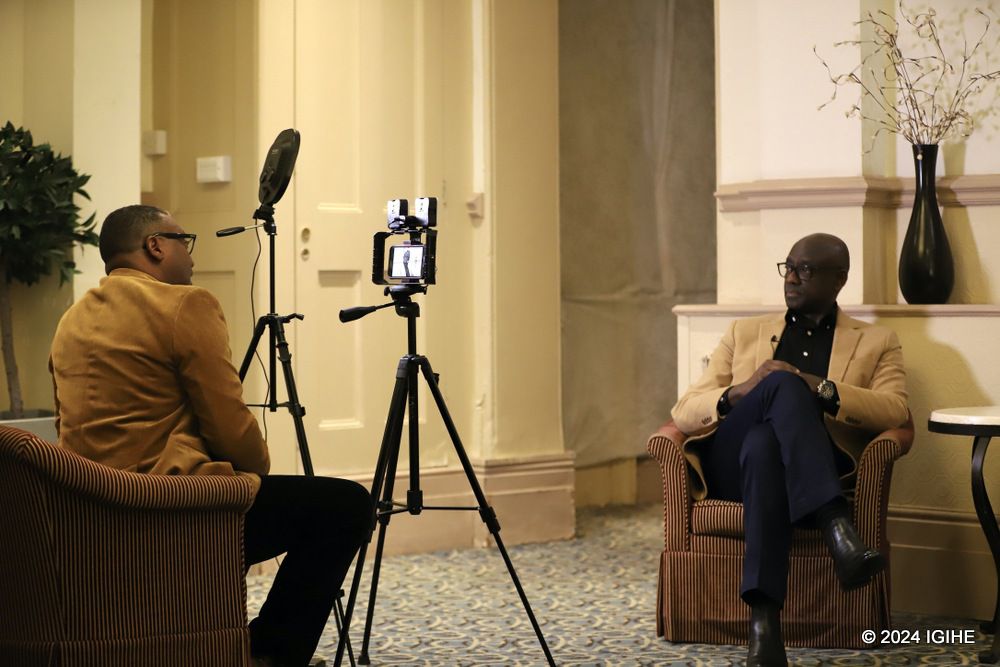
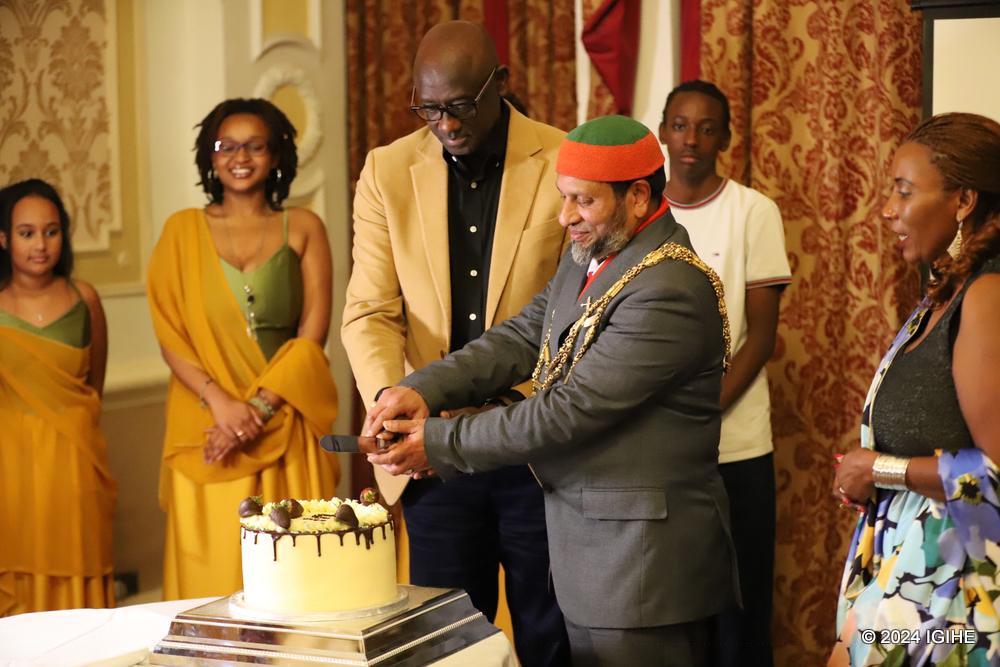
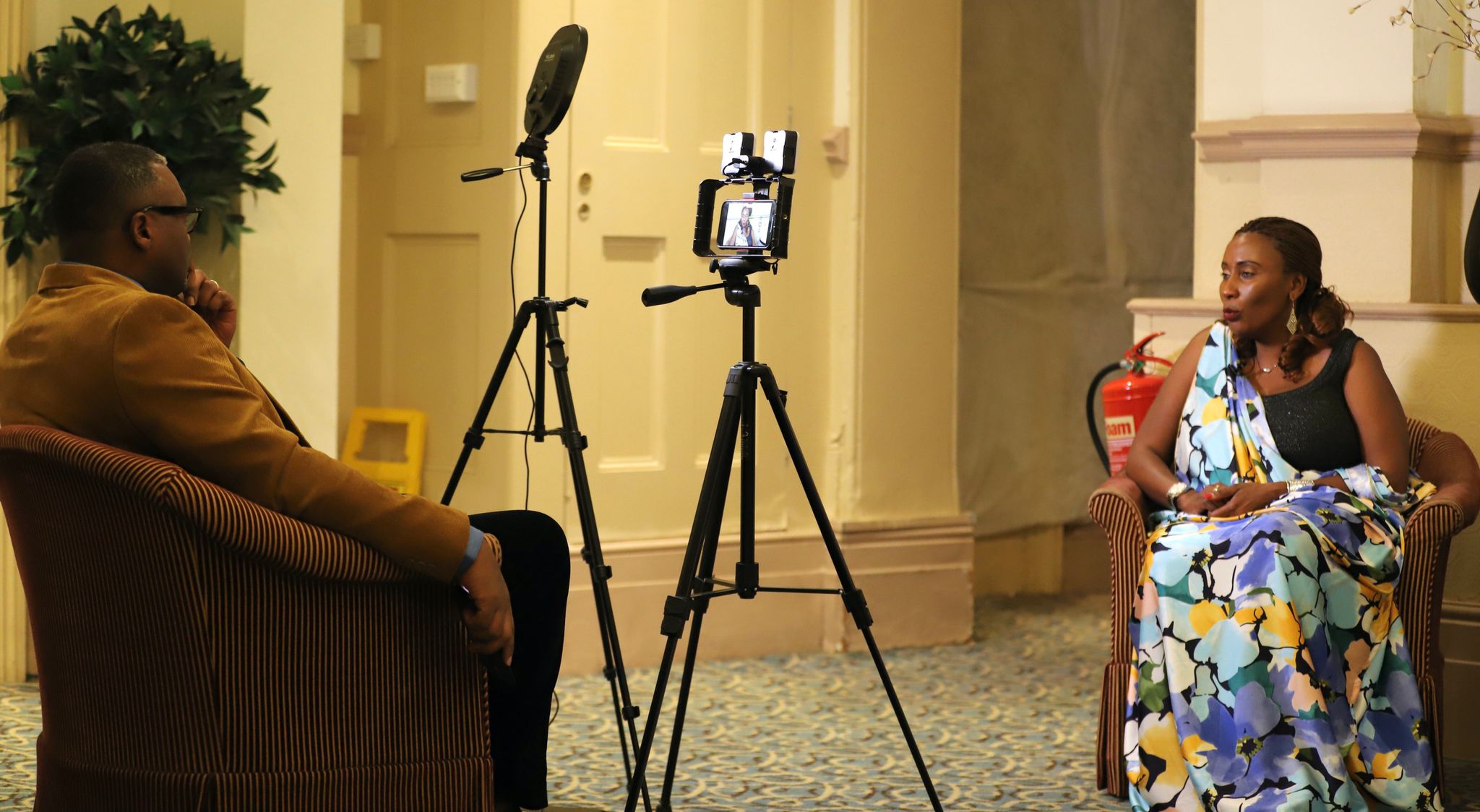
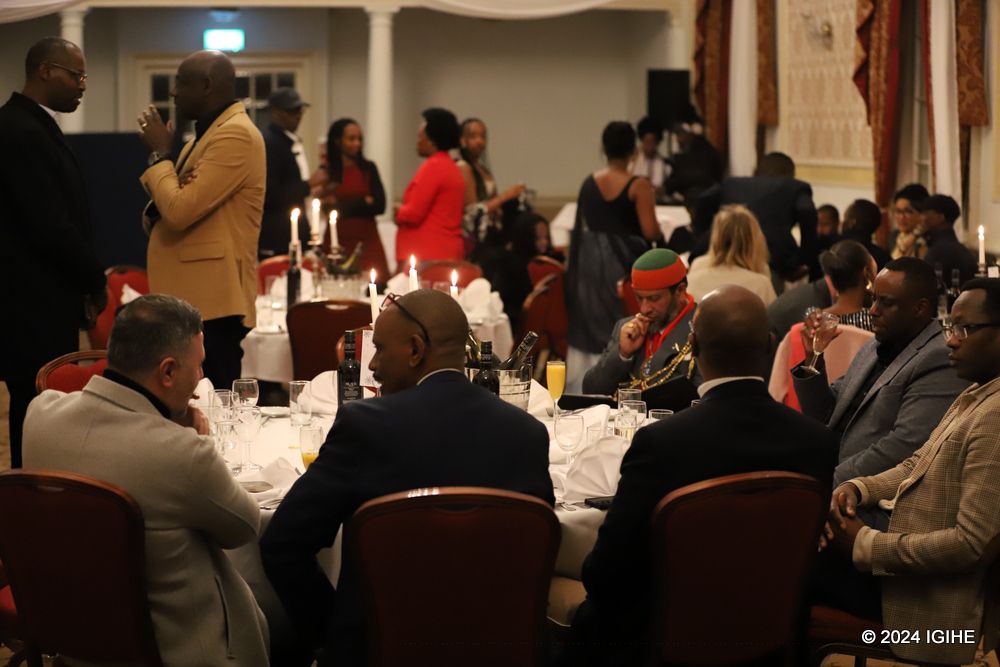
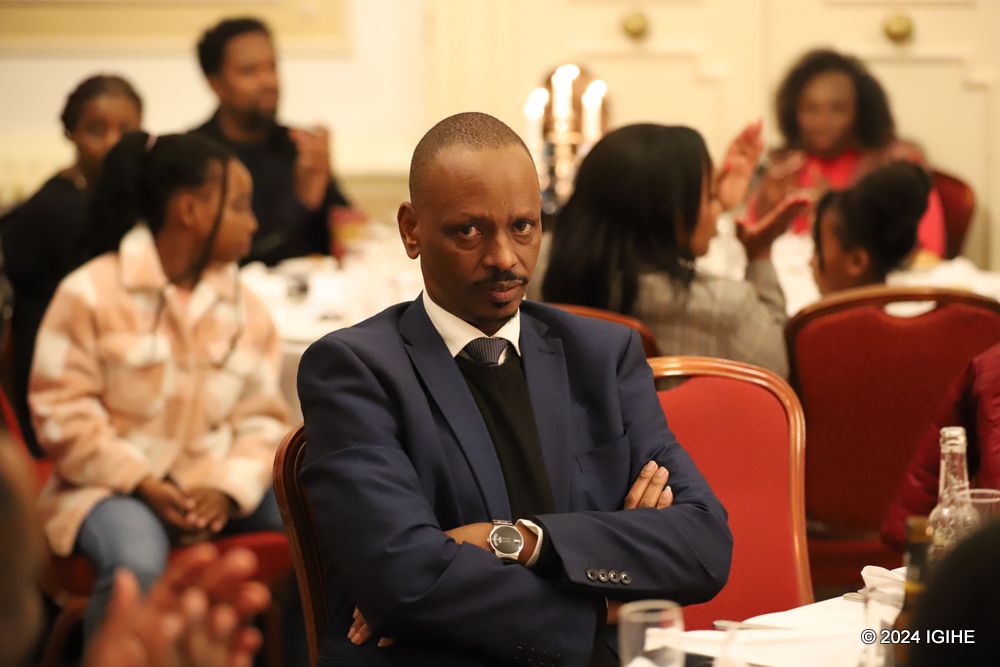
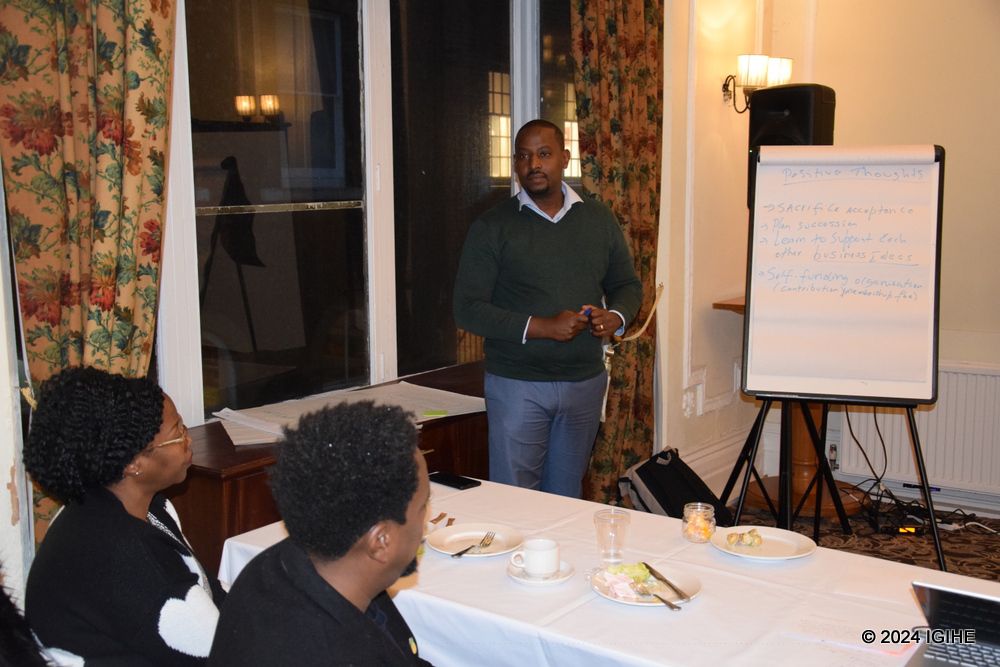
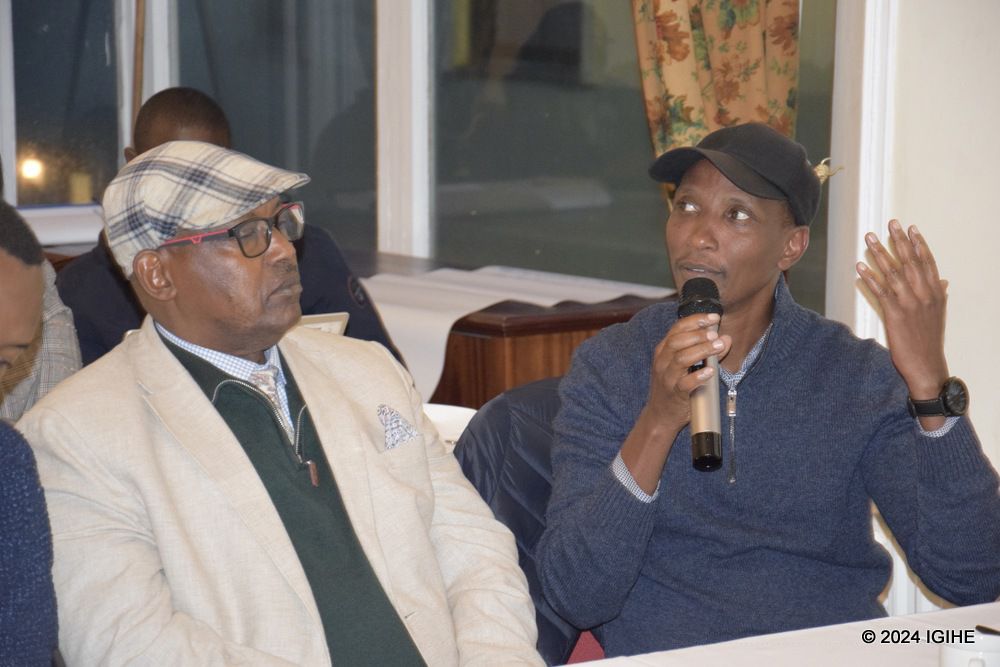
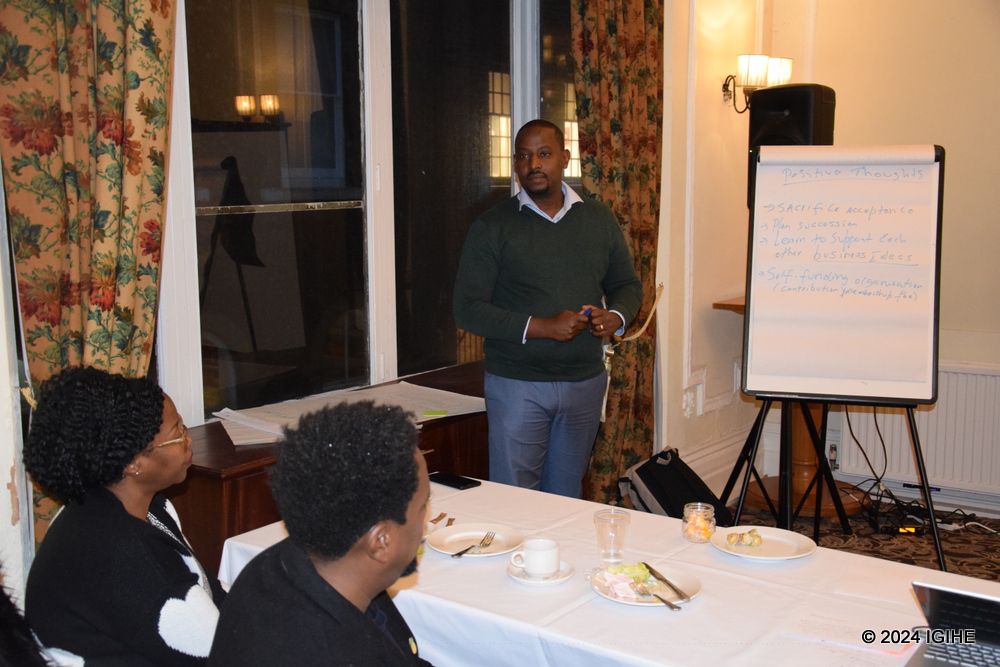
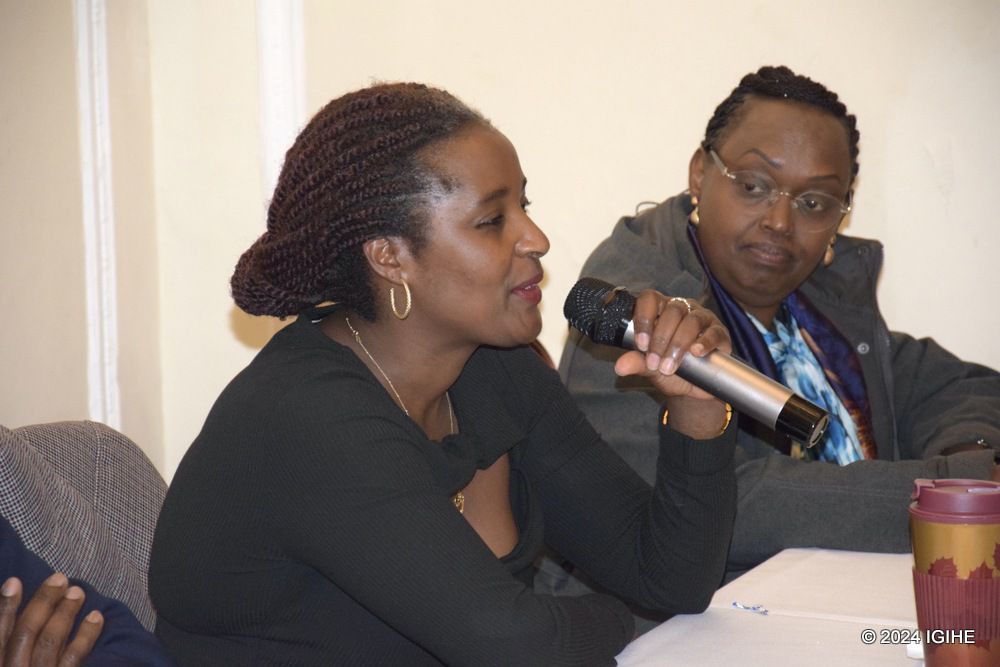
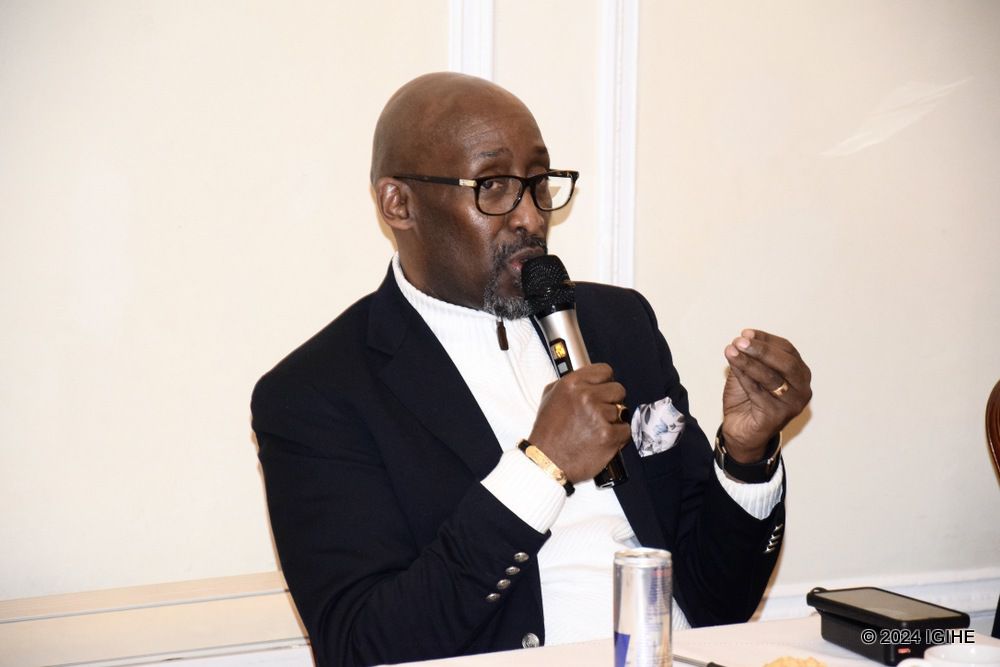
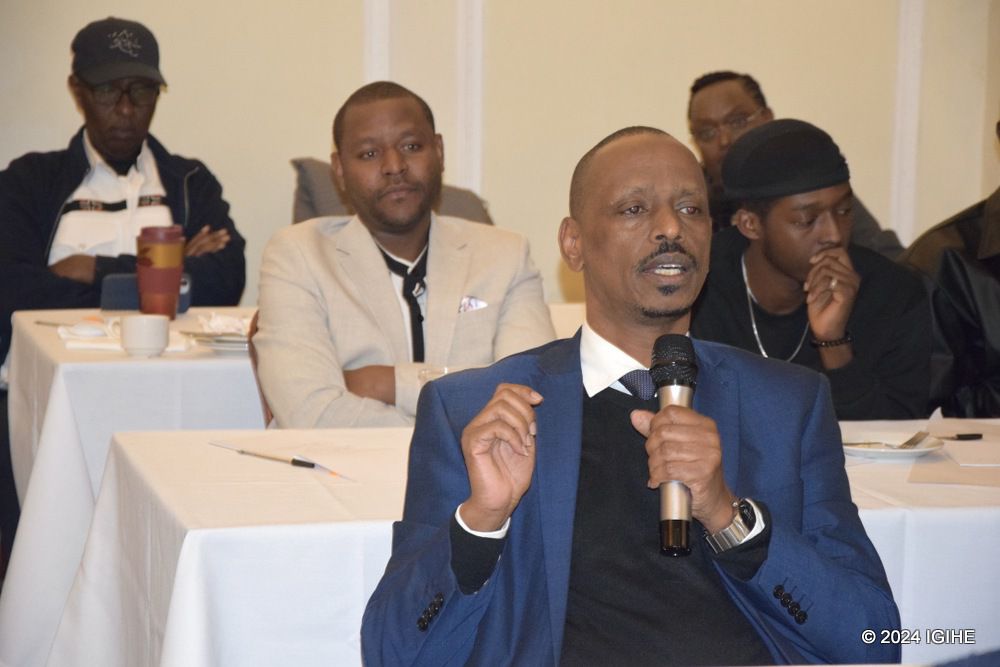
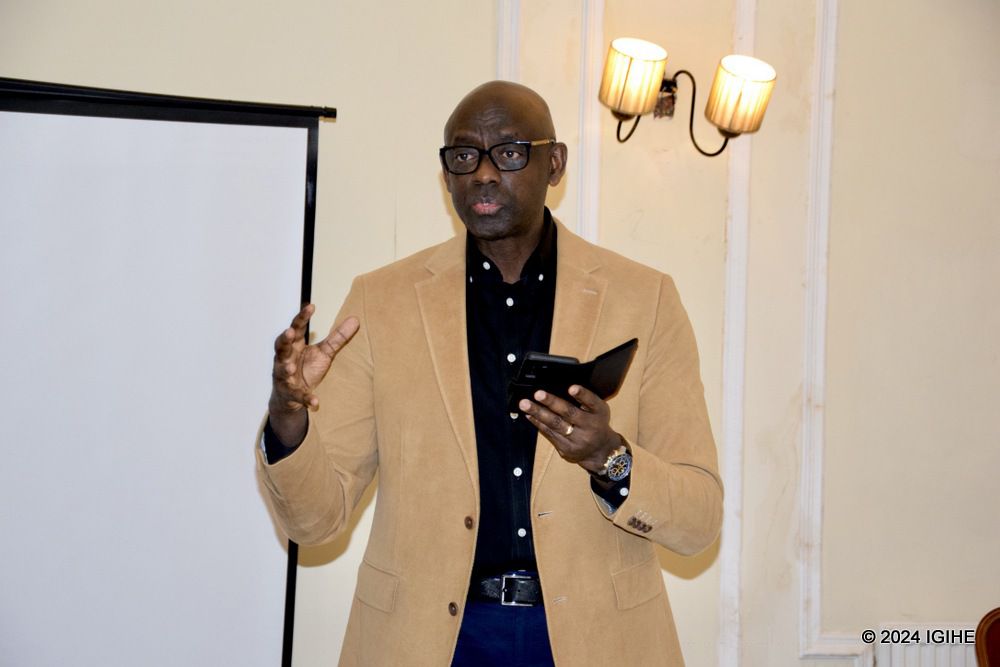
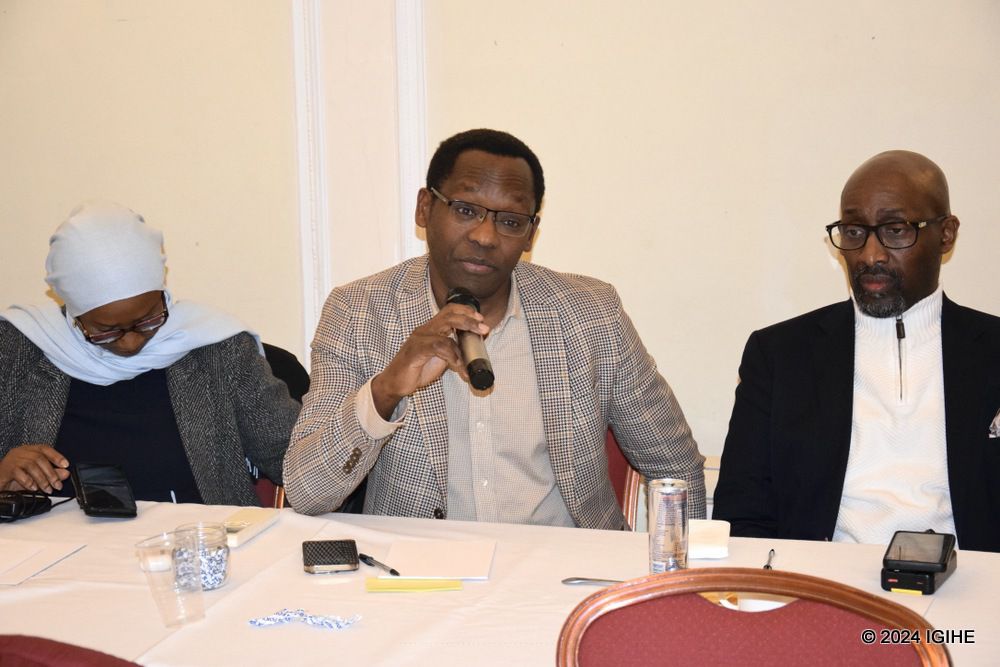
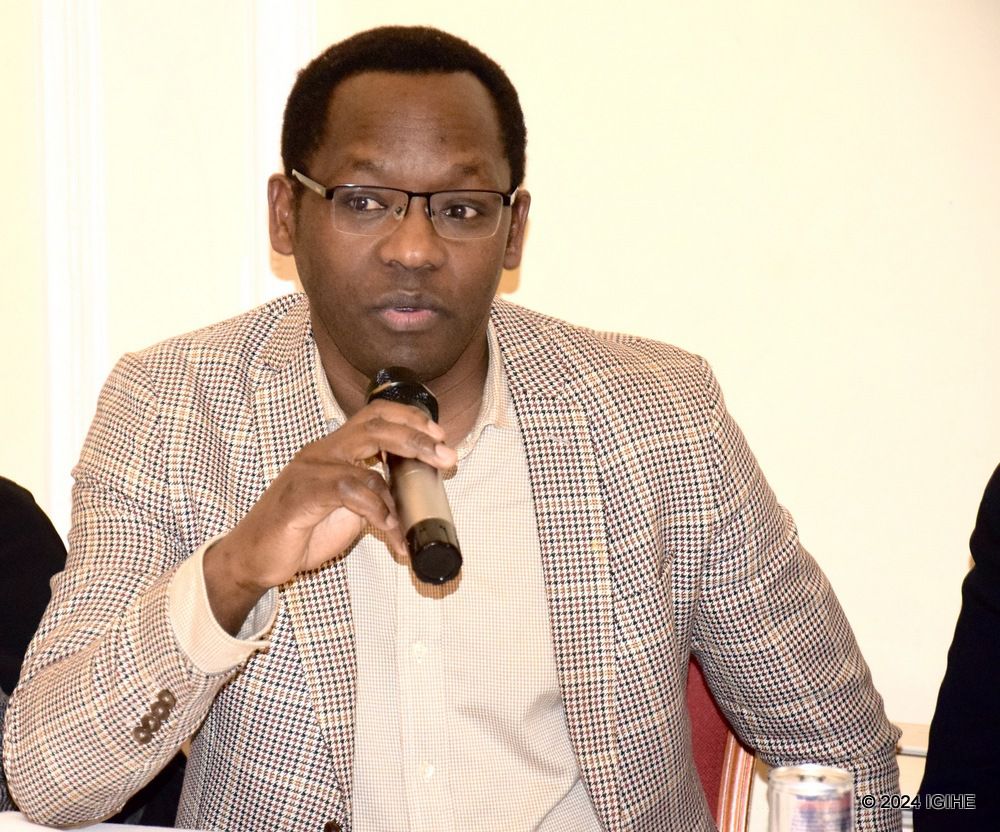
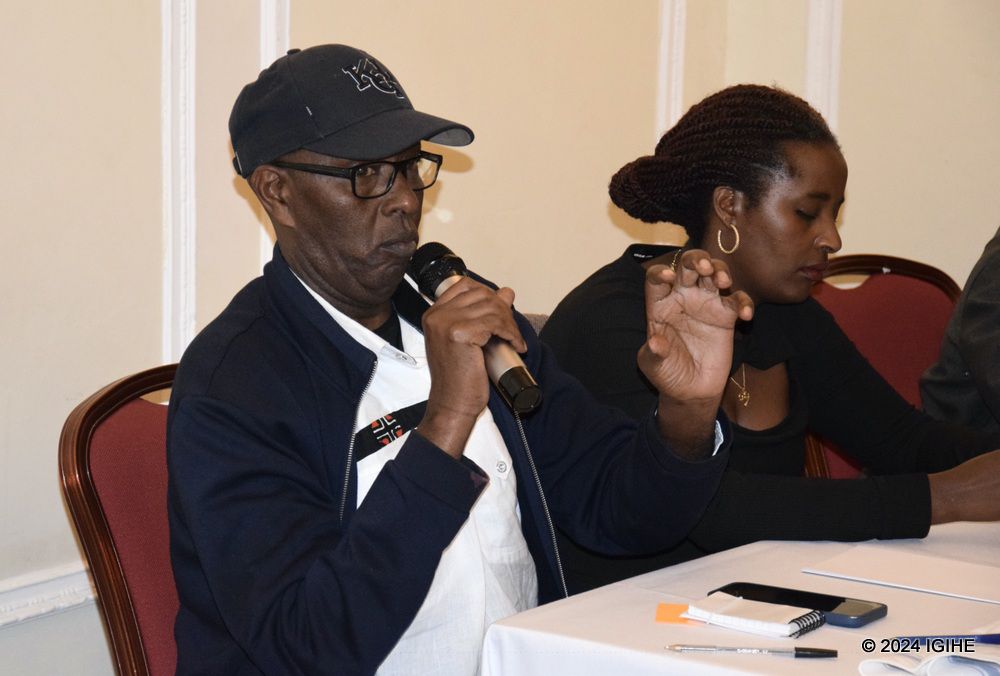
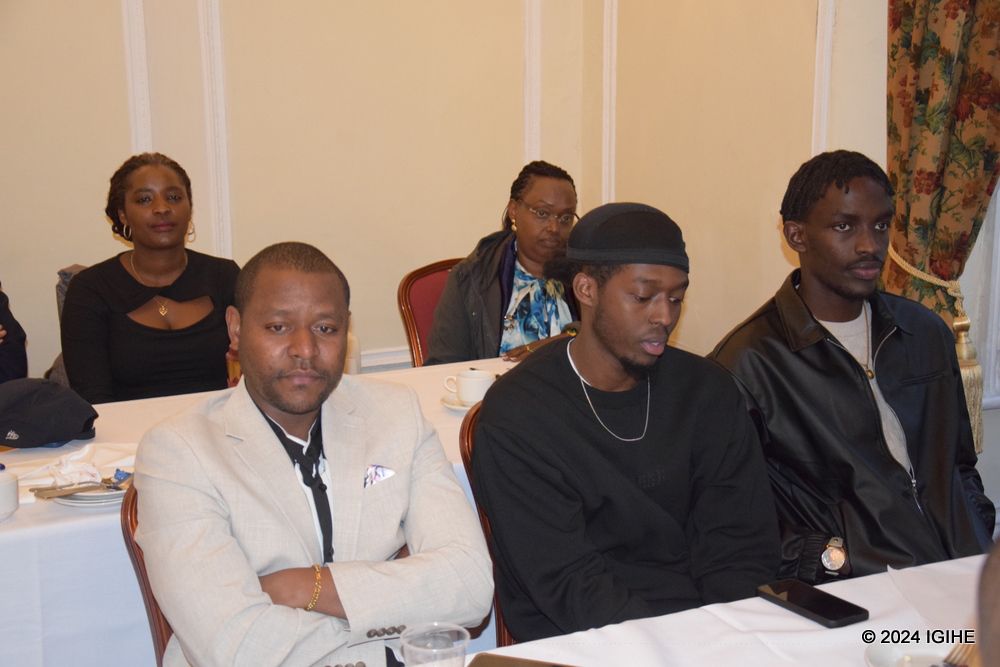
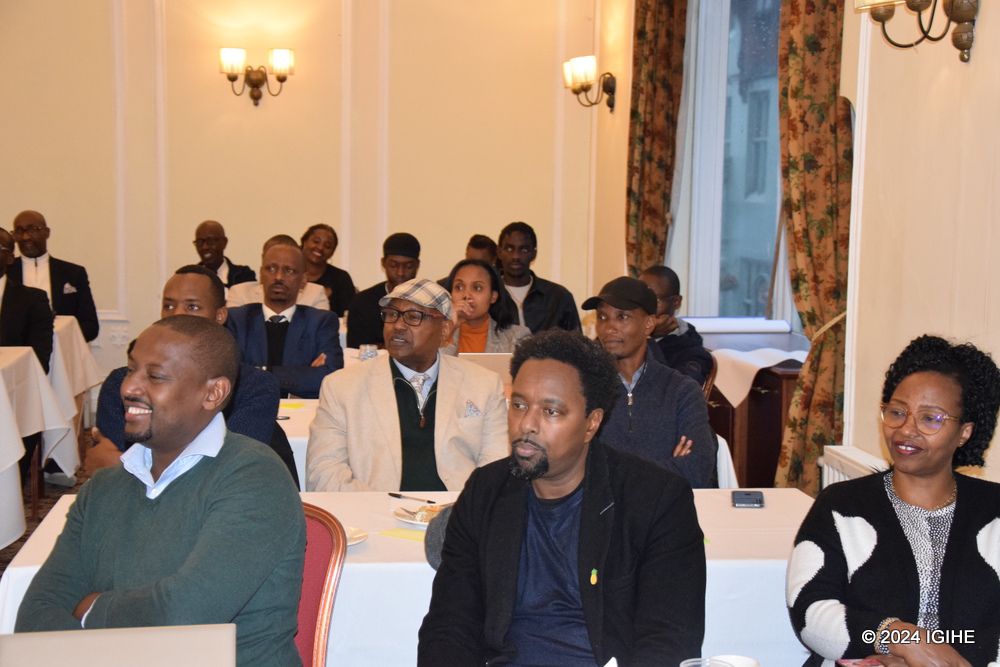
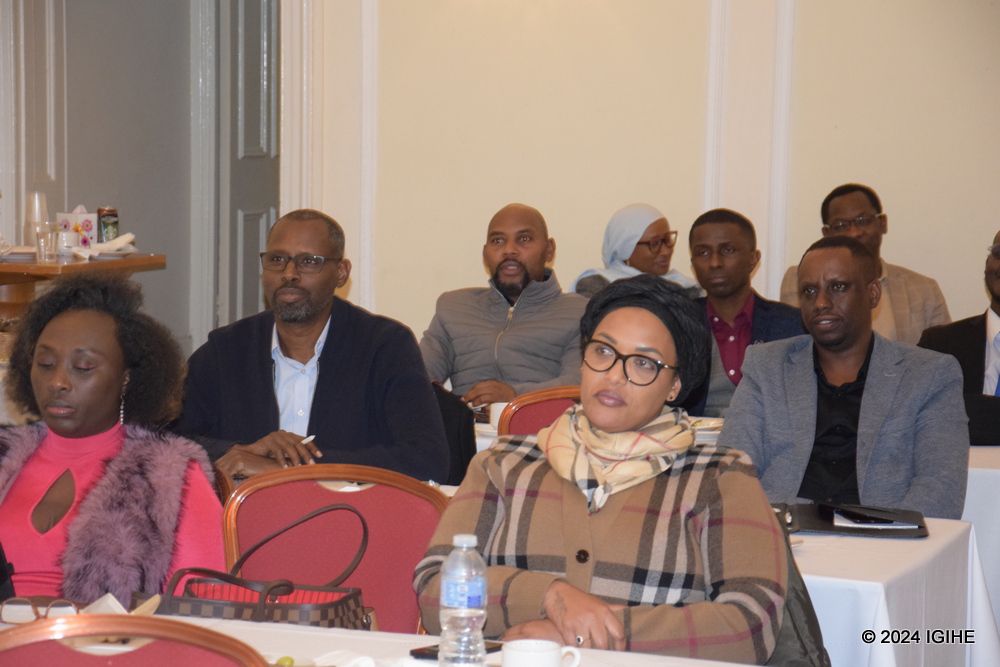
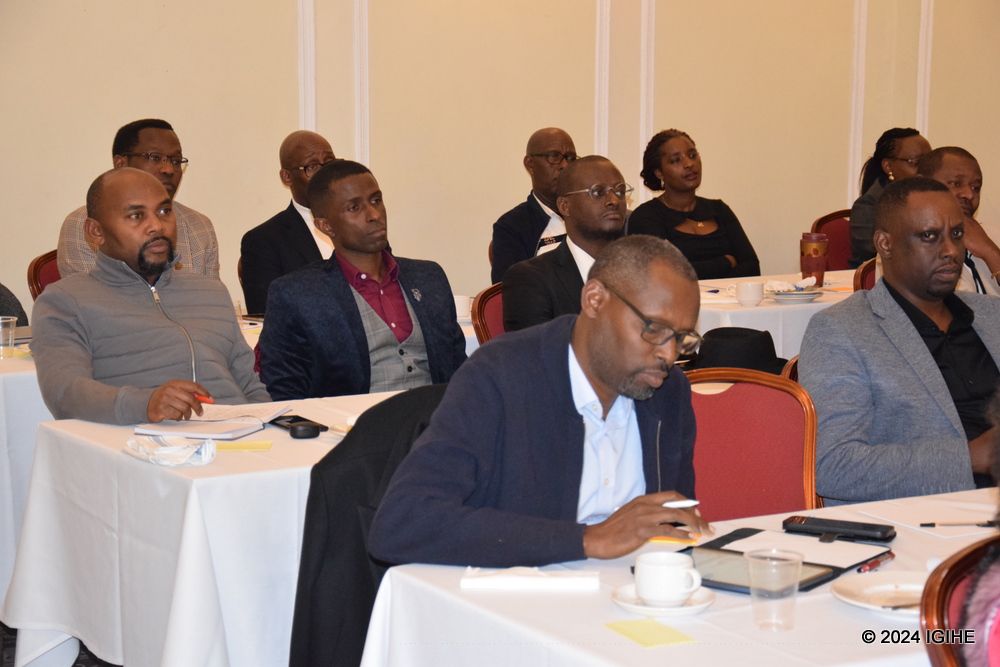
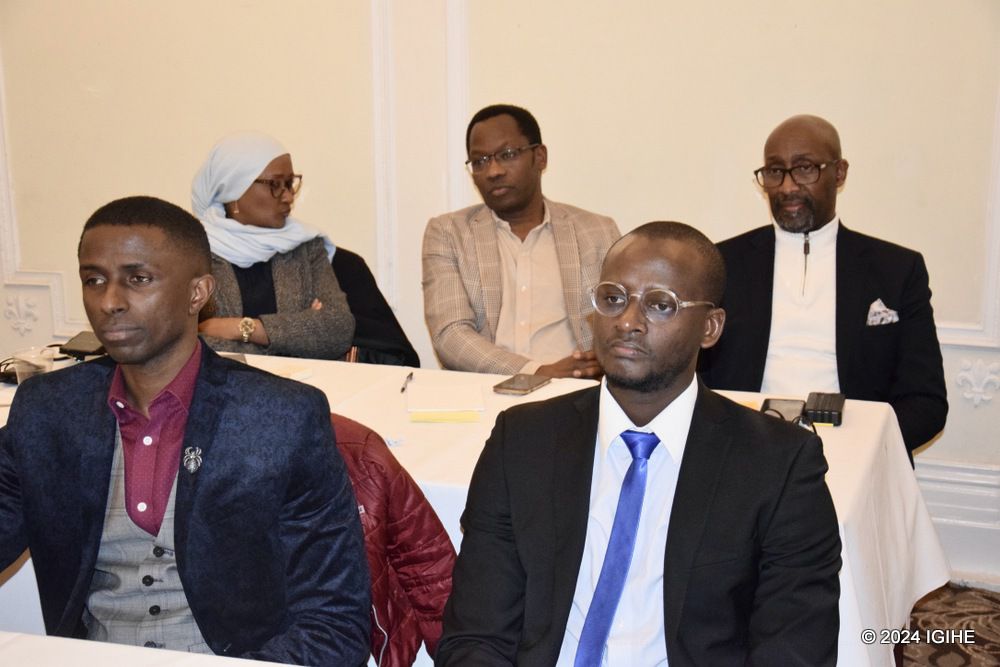
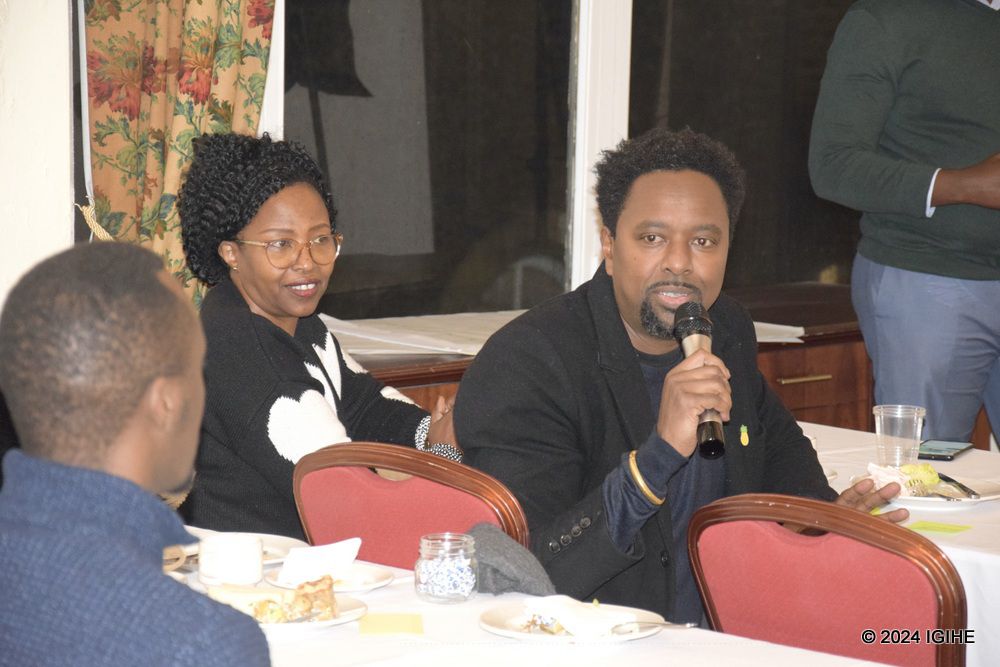
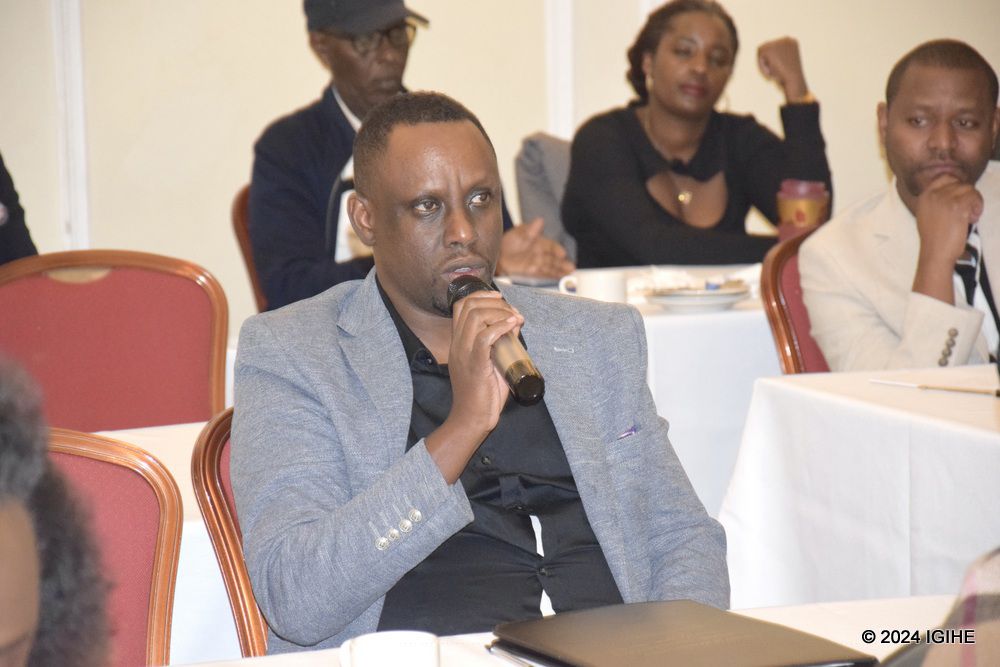
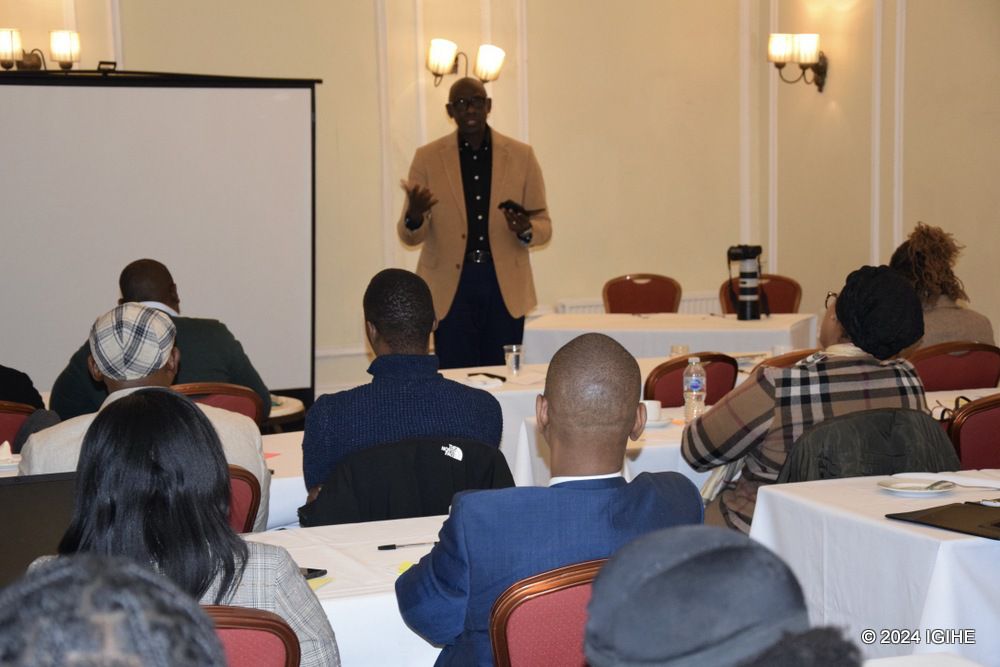
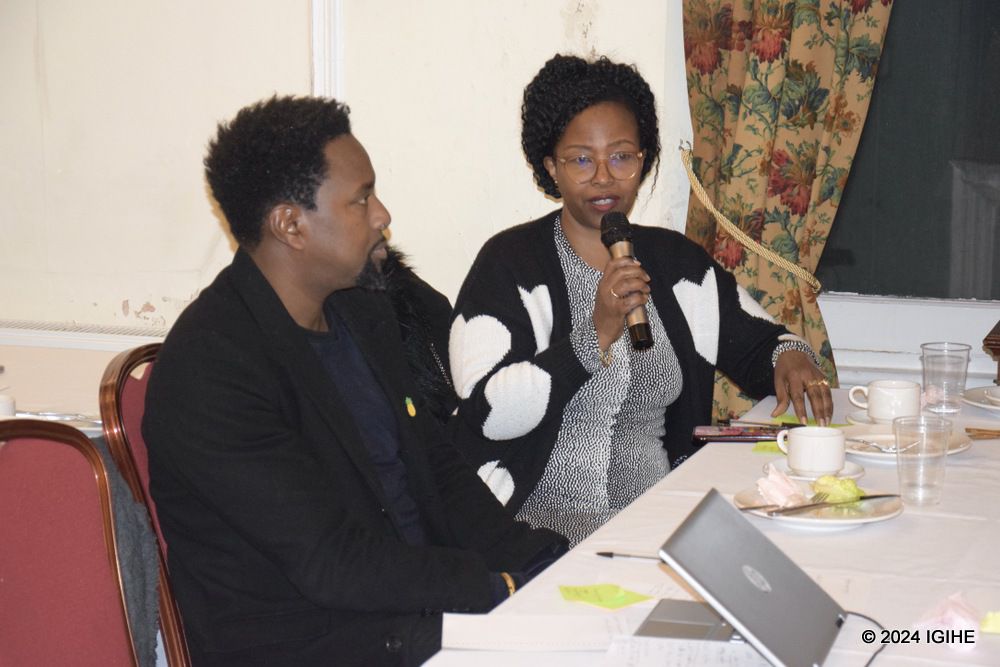
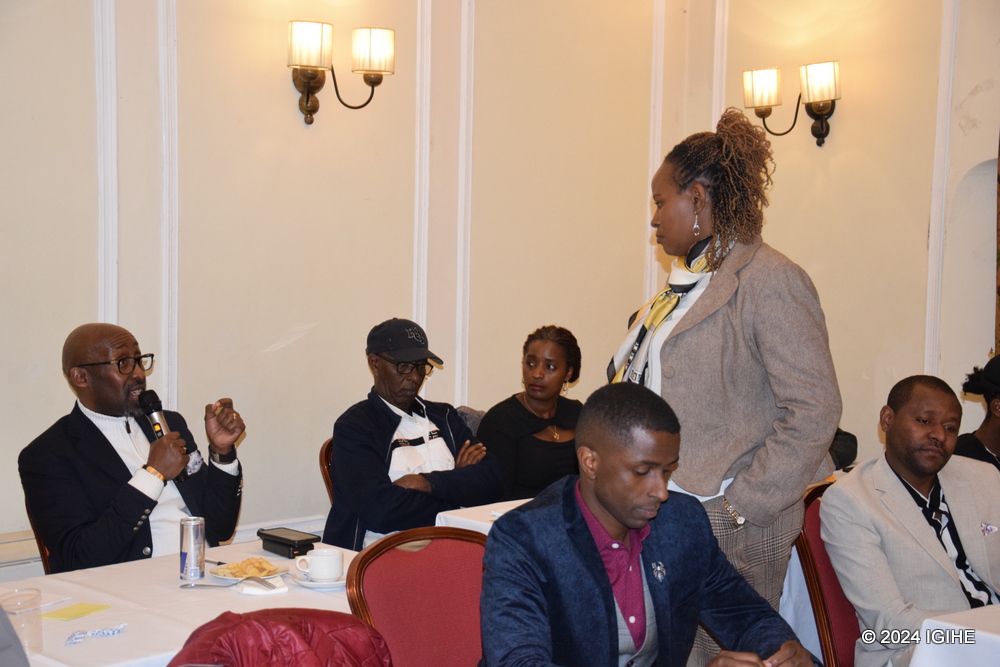
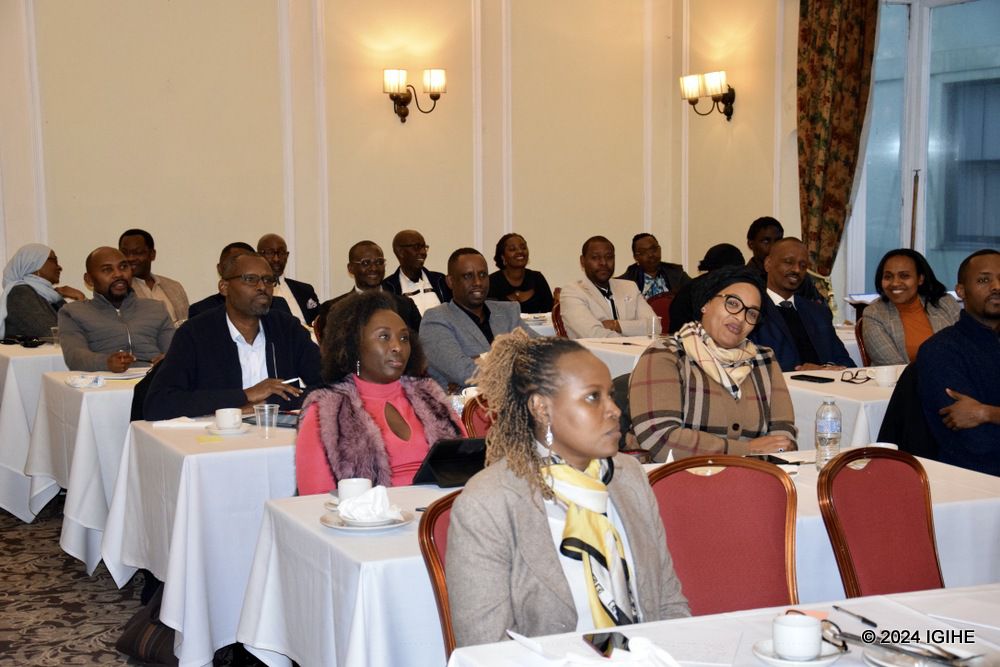
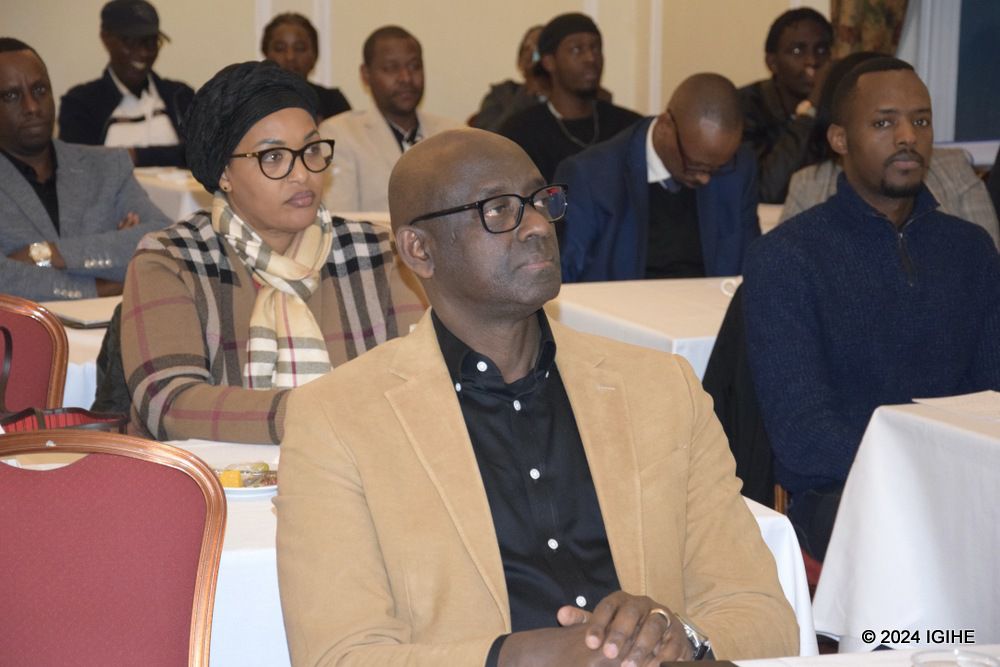
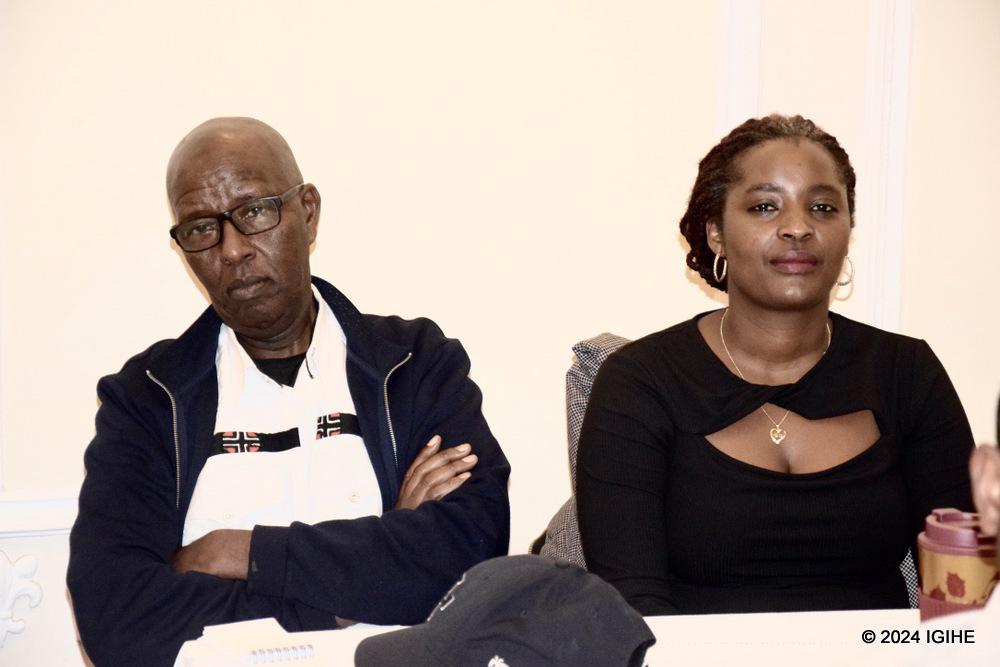
Organized by the Rwandan community in Brighton in collaboration with the National Association of Rwandese Communities in the UK (NARC-UK) and the Rwandan Embassy in the UK, the event featured a retreat and cultural celebration attended by dignitaries and community members alike.
The retreat was attended by Rwanda’s Ambassador to the UK, Johnston Busingye, along with leaders from 14 Rwandan community organizations under NARC-UK.
Reflecting on the retreat’s purpose and outcomes, Ambassador Busingye described it as a crucial platform for unity and progress.
“This retreat was an excellent opportunity to bring together representatives from across the UK. It had been over five years since the last event of this kind. The aim was to reflect on where we’ve come from, where we’re heading, and how we can work together to meet the expectations of the communities we represent,” Busingye said.
He added that discussions focused on key topics such as Rwanda’s development agenda, trade, diaspora remittances, vocational contributions, and fostering unity among Rwandans.
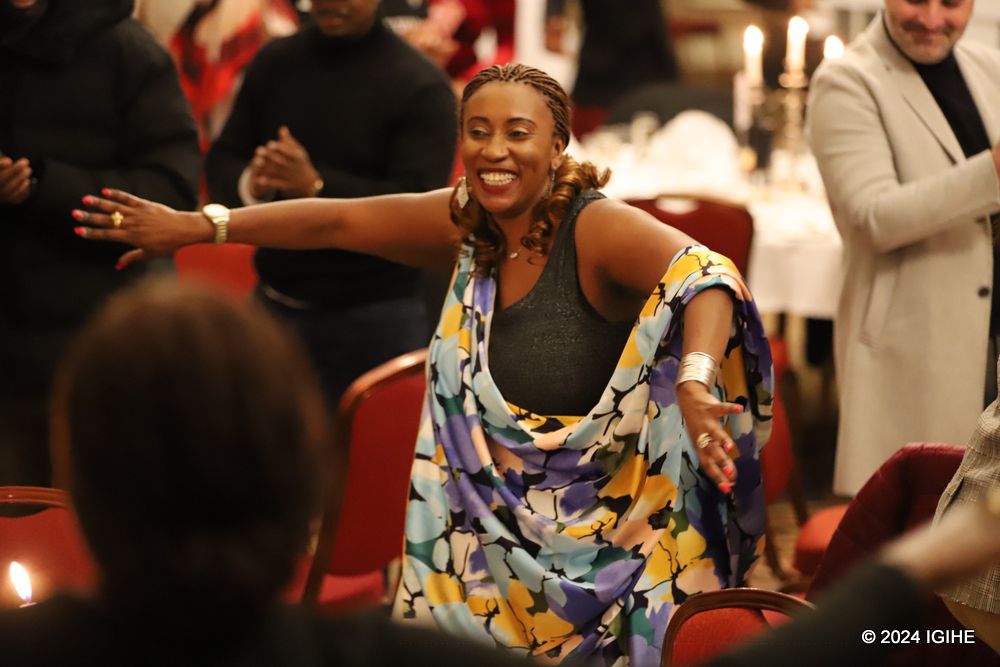
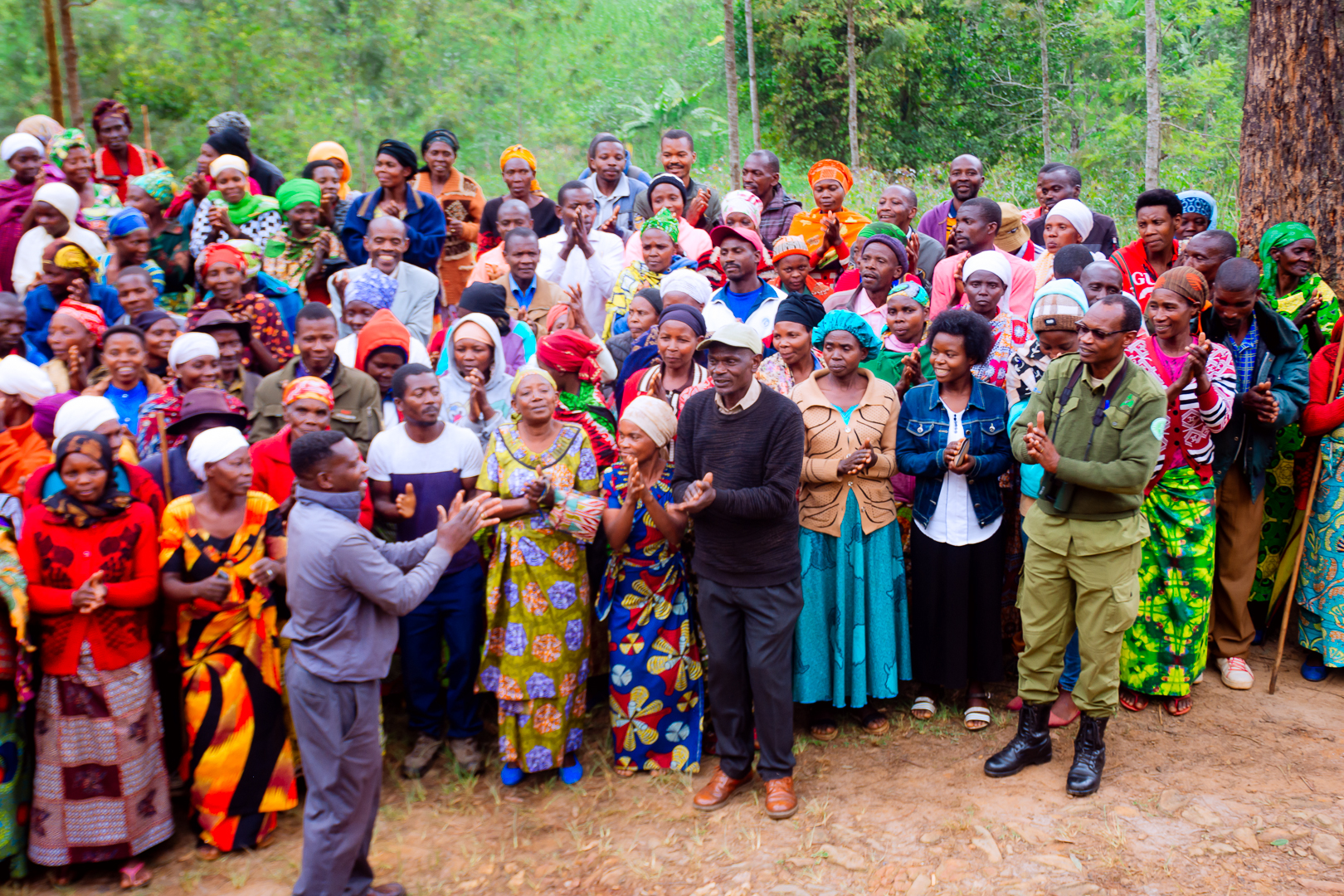
The celebration portion of the event featured cultural showcases, including traditional Rwandan music, dance, and cuisine, fostering a sense of belonging and cultural pride.
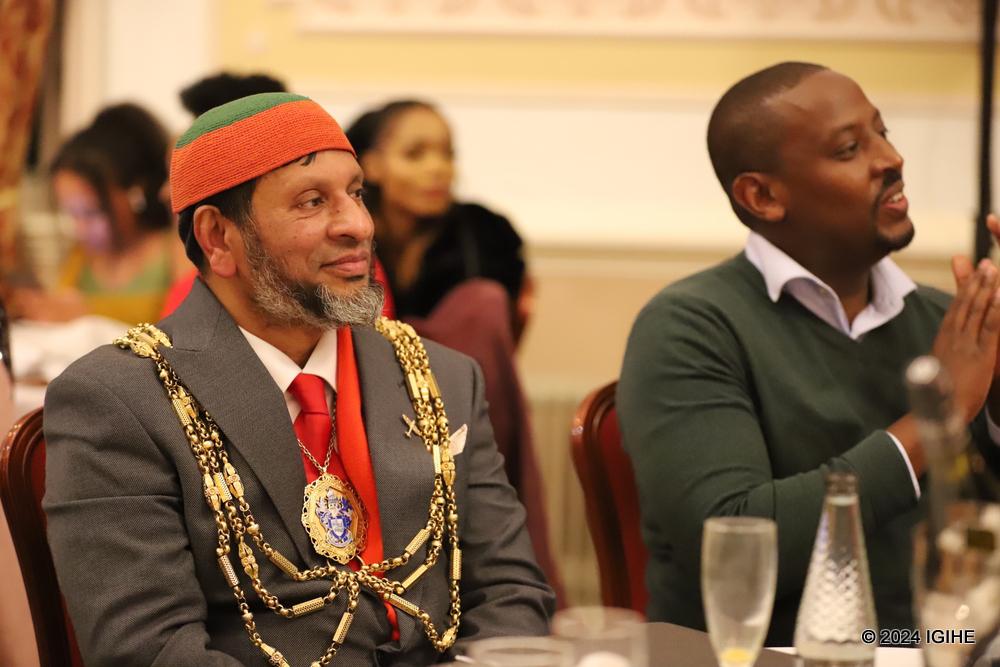
Brighton City Mayor Mohammed Asaduzzaman joined as a special guest and lauded the Rwandan community’s efforts.
He viewed the event as a platform to celebrate the richness of Rwandan culture while promoting unity and understanding among the diverse communities in Brighton.
Event organizer Wibabara Ange highlighted the importance of passing down cultural traditions to younger generations.
“What we’re doing is connecting our children with their roots and showing them our beautiful culture, so they can embrace it as their own. We hope to make this an annual event, bringing together Rwandans and friends of Rwanda in Brighton,” she said.
Jabo Butera, Chairperson of NARC-UK, praised the dedication of attendees who traveled from across the UK to participate.
“I deeply appreciate the commitment of Rwandans who set aside their weekend to come together, engage in discussions, and celebrate,” Butera said.
NARC-UK, which has been active for nine years, is gearing up to celebrate its 10th anniversary next year, reflecting on its achievements in uniting and empowering the Rwandan diaspora community in the UK.
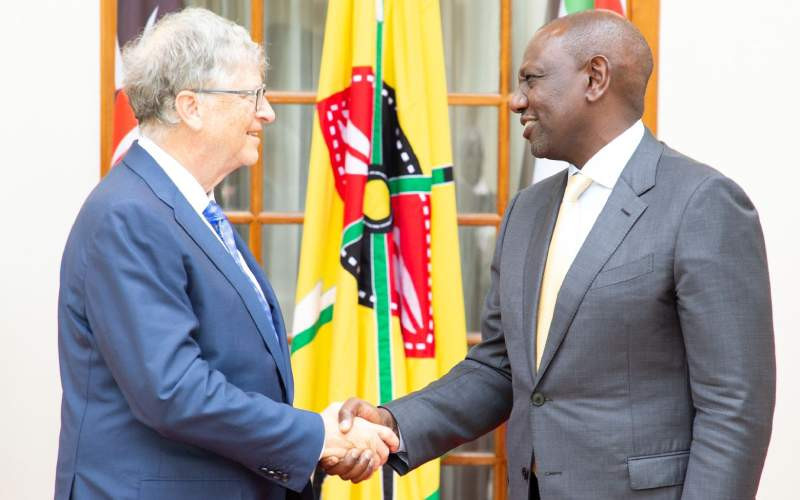
The immunity, granted through a gazette notice on October 4, 2024, had earlier been defended by Prime Cabinet Secretary Musalia Mudavadi, who cited the foundation’s “significant” contributions to development as the basis for the special status.
However, on Monday morning, the court issued orders suspending the privileges pending the hearing and determination of a case filed by the Law Society of Kenya (LSK), which seeks to have the status declared null and void. The LSK has raised concerns over the legality of granting such privileges to a private entity.
The special status afforded the foundation’s officials immunity and protection while conducting its operations in Kenya. The government’s decision sparked public controversy and raised questions about power and accountability. Typically, such privileges are reserved for diplomatic missions.
While defending the government’s decision earlier this month, Mudavadi insisted that the privileges were granted after careful consideration of the foundation’s philanthropic contributions to Kenya.
“We take the concerns of our citizens seriously. I wish to clarify the rationale behind our decision: diplomatic privileges and immunities are tools, not trophies. They are meant to facilitate the seamless operation of organizations advancing the public good, much like the foundational principles of the Vienna Convention,” Mudavadi stated.
He further explained that the foundation, as a charitable trust addressing poverty, disease, and inequality in over 140 countries globally, qualified under Section 11 of the Privileges and Immunities Act to receive such benefits.
The Bill and Melinda Gates Foundation, one of the world’s largest private philanthropic organizations, was founded in 2000 by Microsoft co-founder Bill Gates and his then-wife, Melinda French Gates. Its headquarters are based in Seattle, USA.
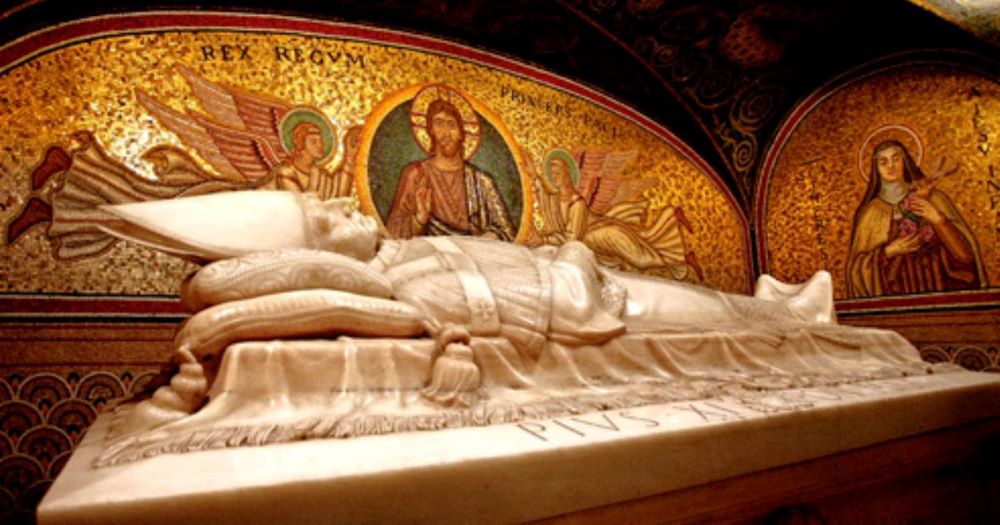
This initiative is set to coincide with the upcoming Holy Year celebrations. On December 2, Pope Francis is expected to inaugurate the webcam, which will be installed beneath the main altar of St. Peter’s Basilica.
Additionally, another webcam is expected to be positioned at the basilica’s Holy Door for the 2025 Jubilee, a significant event during which pilgrims traveling to Rome can receive indulgences for the forgiveness of sins by passing through the Holy Door.
The Vatican described this initiative as providing “symbolic access” for those unable to make the journey to Rome.
The Holy Year, celebrated once every 25 years, is expected to draw an estimated 32 million pilgrims to the Eternal City. Pope Francis will officially open the Holy Door on Christmas Eve to mark the beginning of the Jubilee.
In a further effort to enhance communication during the Holy Year, the Vatican will also launch a new magazine. A notable feature will include a section where Pope Francis responds to questions from readers. Among the first submissions is a heartfelt query from a grandmother concerned about her grandchildren not being baptized.
St. Peter, one of Jesus Christ’s apostles and the first pope, is believed to have been martyred in Rome around 64–68 AD.
According to Christian tradition, he was crucified upside down and buried near his execution site, now part of the Vatican Necropolis. His tomb is regarded as the spiritual heart of the Catholic Church, with St. Peter’s Basilica symbolizing the apostolic foundation of the papacy.
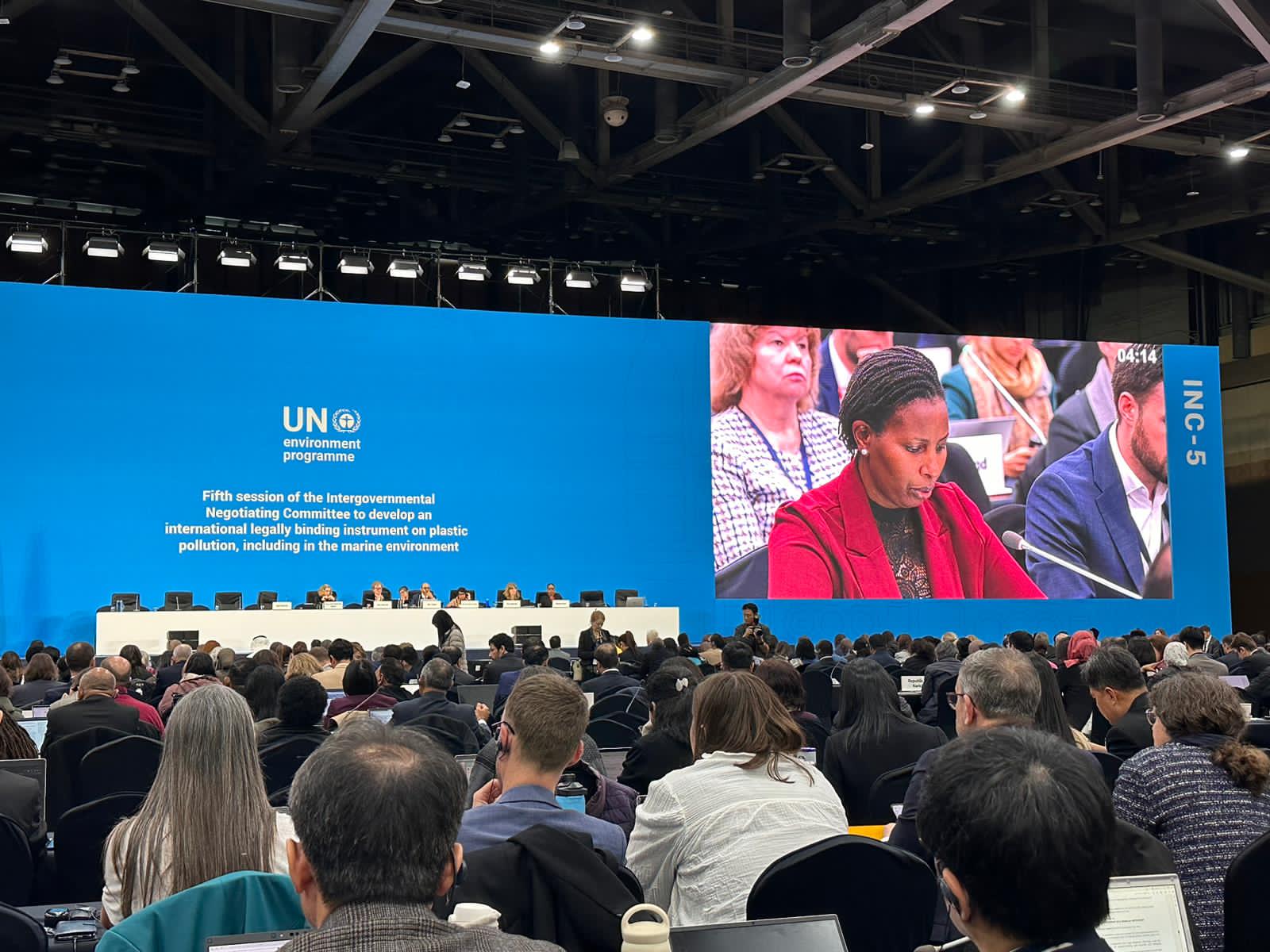
The INC-5 meeting is scheduled to run from November 25 to December 1, 2024, at the Busan Exhibition and Convention Center.
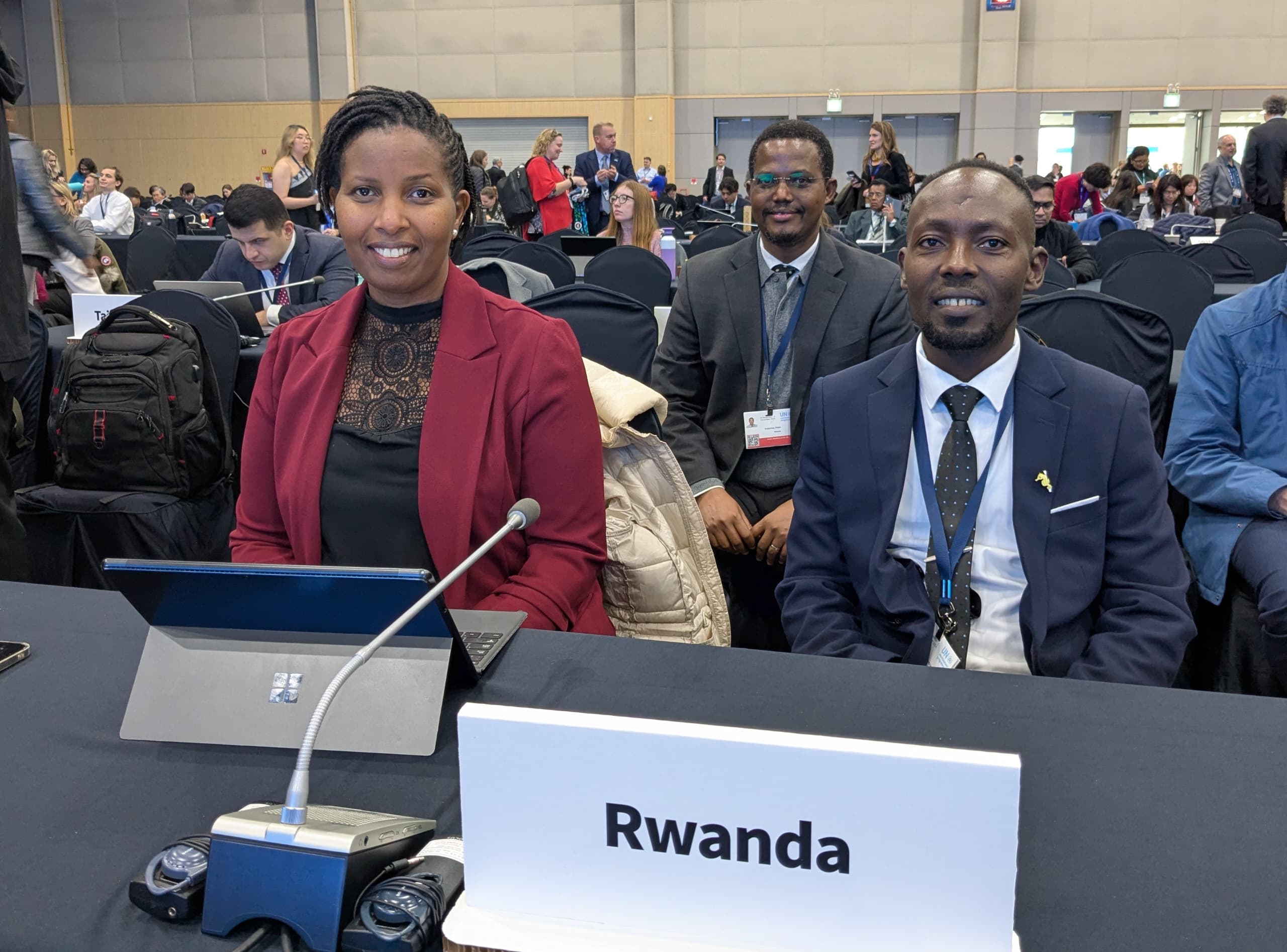
In a statement ahead of the gathering, Rwanda, as co-chair of the High Ambition Coalition to End Plastic Pollution, reaffirmed its commitment to championing a comprehensive treaty that addresses the root causes of plastic pollution and emphasizes accountability.
“Rwanda is calling for ambitious, just, and enforceable global rules to end plastic pollution and safeguard the health of people and the planet,” reads the statement in part.
Rwanda seeks a treaty that encompasses the entire lifecycle of plastic, setting global targets to reduce plastic production to sustainable levels, promoting sustainable alternatives, and fostering vibrant circular economies. The country also stresses the need for legally binding commitments, robust monitoring mechanisms, and accountability frameworks to ensure effective implementation and meaningful progress.
Rwanda is advocating for a start-and-strengthen approach, which would allow for increasing ambition over time. The treaty must also protect and empower the most affected communities while ensuring a just transition for waste pickers and informal workers who play vital roles in managing plastic waste.
Additionally, Rwanda is proposing the establishment of a dedicated Multilateral Fund capable of supporting developing countries in meeting their treaty obligations. This would be complemented by mechanisms to attract broad-based financing to address plastic pollution comprehensively.
In the negotiations, Rwanda aims to leverage its 2008 ban on plastics to inspire global action in addressing environmental challenges and promoting sustainability.
“For two decades, Rwanda has demonstrated its commitment to tackling plastic pollution through bold national policies and regional leadership. We are now taking these home-grown innovations to the world,” said Dr. Valentine Uwamariya, Rwanda’s Minister of Environment.
“At INC-5, we call on the global community to unite behind an ambitious and enforceable treaty that delivers a future free from plastic pollution,” she added.
The ban which prohibits the production, sale, and use of non-biodegradable plastic bags and packaging in Rwanda has had significant positive impacts, including cleaner streets, a boost in tourism, and enhanced environmental protection. Kigali, Rwanda’s capital, has earned recognition as the cleanest city in Africa as a result of these measures.
As the INC-5 negotiations mark the final stage of the treaty development process, Rwanda is urging all stakeholders to seize this historic moment to secure an agreement that safeguards humanity and nature.
The resumption was confirmed in a notice dated November 22, 2024, signed by Francis Kamanzi, Chief Executive Officer of the Rwanda Mines, Petroleum, and Gas Board (RMB).
This development comes after a three-month suspension, implemented on August 8, 2024, to address concerns about illegal mining and trading.
During this period, the RMB conducted mineral inspections, due diligence, and stock assessments across various mines and exporter premises.
“In view of these actions, the RMB hereby announces the resumption of beryllium exportation. All mineral exporters are strictly required to adhere to the mineral certification and export procedures that have been provided,” stated the notice.
The Board outlined measures to ensure responsible exportation.
“Certification will prioritize inspected stock, followed by new production, in full compliance with the established mineral certification and export procedures. These procedures include, but are not limited to, traceable mineral sources and proof of purchase,” the notice added.
The RMB also warned that non-compliant beryl stock would be confiscated and offenders penalized under Rwanda’s mining laws.
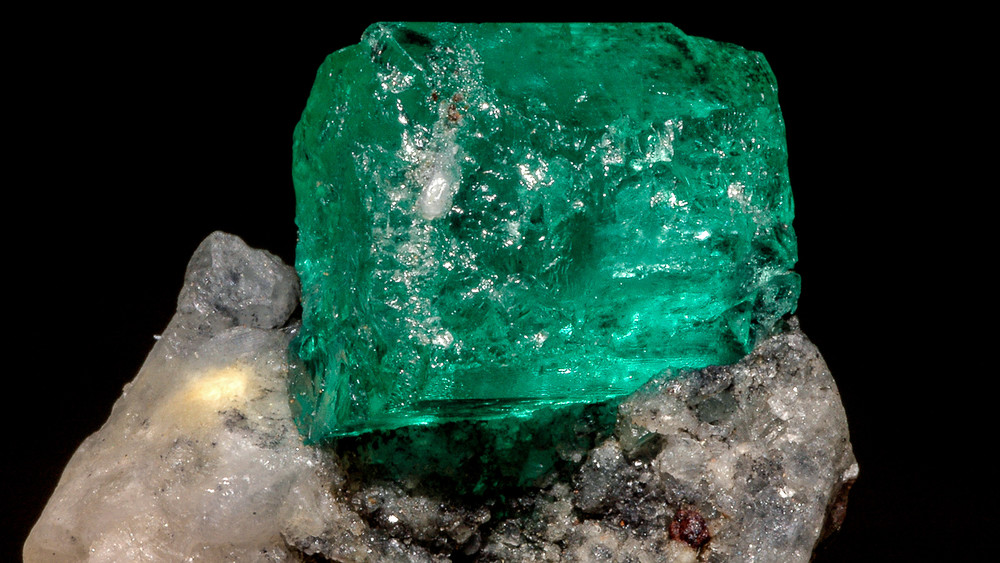
Beryllium, a silver-grey metallic element known for its lightweight properties and high strength, is primarily found in Ngororero District in Rwanda’s Western Province.
Its unique characteristics make it indispensable for manufacturing aircraft components, missiles, satellites, and high-tech electronics due to its excellent thermal and electrical conductivity.
The resumption of beryllium exportation highlights the critical role of Rwanda’s mining sector in the national economy. Alongside other key minerals such as tin, coltan, tungsten, and gold, beryllium significantly contributes to Rwanda’s export earnings.
In the past seven years, the country’s mineral export revenues have shown remarkable growth, rising from $373 million in 2017 to over $1.1 billion in 2023.
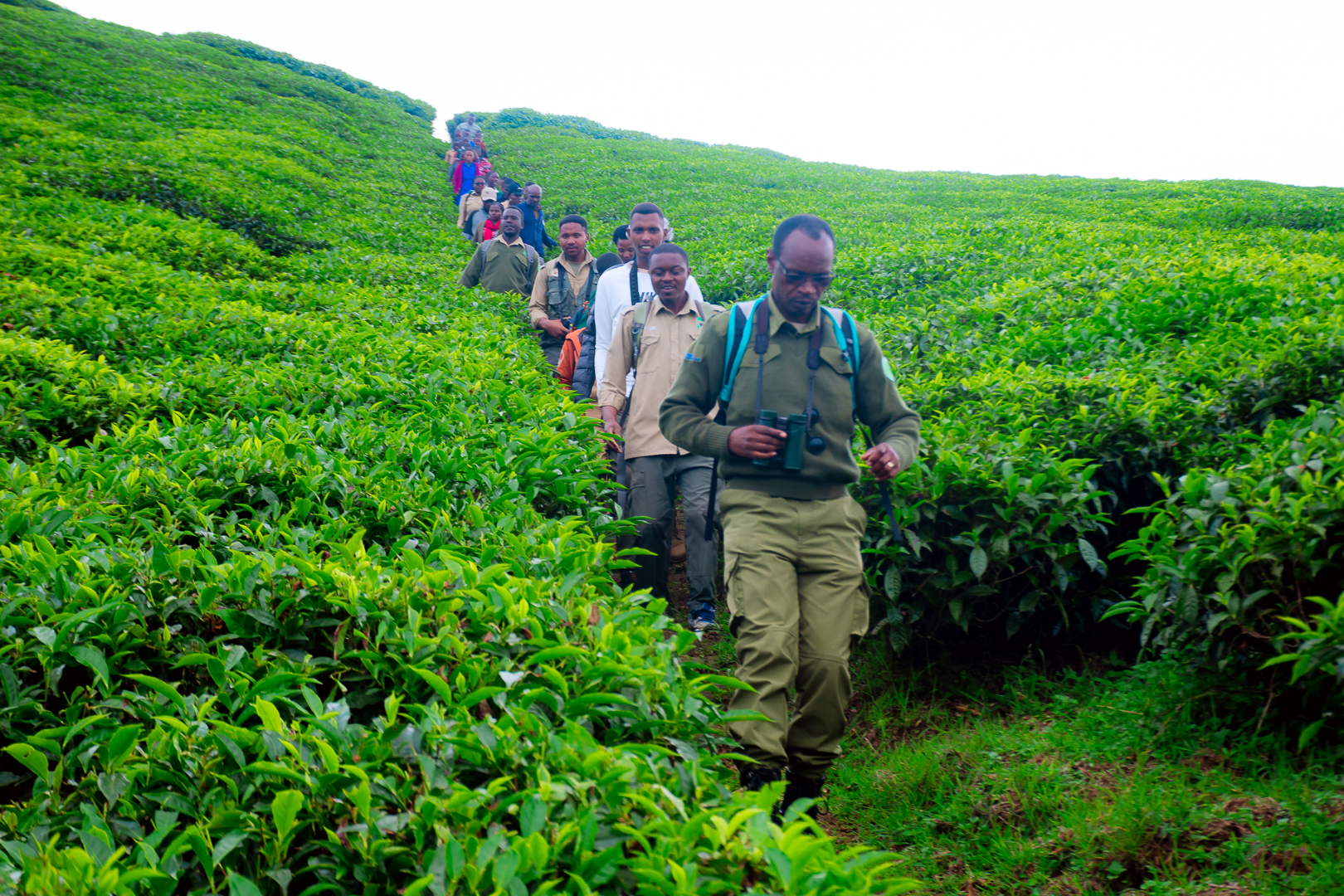
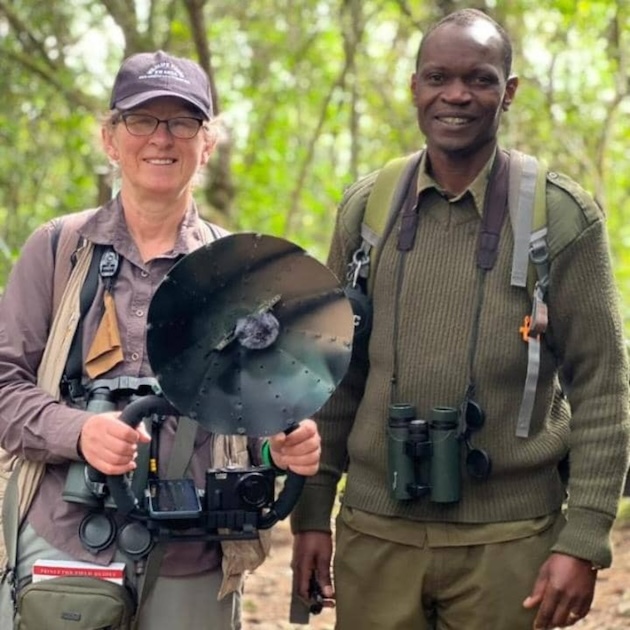
At the tender age of ten, he would sit outside his home in Banda village in Nyamasheke District, often wandering along the edge of Nyungwe National Park, Rwanda’s largest national park, renowned for its rich biodiversity and stunning landscapes. The cacophony of bird calls and the soft rustle of primates moving through the undergrowth constantly piqued his curiosity.
During weekends and school holidays, he played with his mates but often paused to admire the Wildlife Conservation Society (WCS) staff as they ventured into the dense canopy of Nyungwe Forest. They were engaged in conservation activities under the Projet Conservation de la Forêt de Nyungwe (PCFN).
Some of the staff were his neighbours, and Claver Ntoyinkima dreamed of one day joining their ranks.
In the early 1990s, one of his older brothers was recruited to work with WCS, further fueling Claver’s ambition to be part of a team that mitigated threats to the forest and promoted its conservation.
“My brother used to educate the whole family on why we have to conserve the forest. So, I was really interested,” Claver recalls with nostalgia.
As he grew older, his passion for conservation deepened. He got his first opportunity to work in the park while in secondary school, where he assisted researchers and cleaners during school holidays. He also founded and led his school’s environmental club, collaborating with PCFN leaders who often took students into the forest to learn about conservation.
“I worked closely with the PCFN leaders and managers. They would bring their cars to the school, take us to the forest, explain everything, and then bring us back,” he remembers.
After completing secondary school, Claver trained as a teacher and worked as a primary school teacher for one and a half years. However, his passion for conservation led him to transition first to a multilingual receptionist role at the Rwanda Development Board (RDB) and later, in 2000, to the position of park ranger and tourist guide.
Twenty-four years later, his steadfast commitment to preserving the natural world has earned him international recognition. He was recently selected as the sole global winner of the prestigious Tusk Wildlife Ranger Award for his work on bird and primate conservation in Nyungwe National Park.
The 51-year-old father of four will be honoured on November 27, 2024, in London at a ceremony addressed by Prince William and attended by other category winners from across Africa.
Over the past decade, the Tusk Wildlife Ranger Awards have celebrated African conservation heroes, recognizing the dedication and risks rangers face daily to protect wildlife and fragile ecosystems.
Previous winners include Jealous Mpofu from Zimbabwe (2023), Neddy Mulimo from Zambia (2022), Suleiman Saidu from Nigeria (2021), and Amos Gwema from Zimbabwe (2020). This year, the award celebrates Claver’s contributions to Nyungwe National Park, where he has risen through the ranks to become a Senior Ranger and Guide.
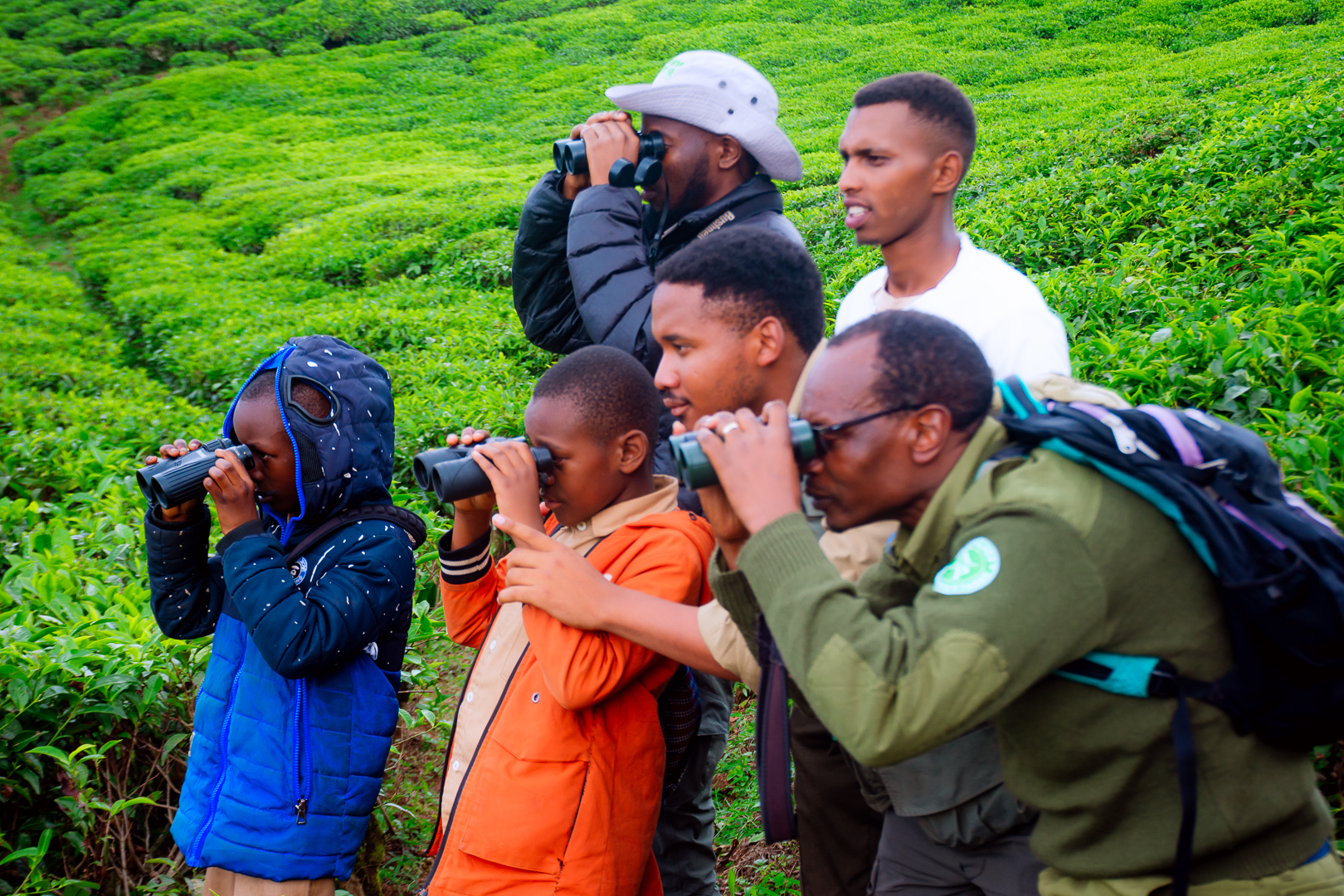
Throughout his career, Claver’s diligence, hard work, and honesty have earned him the respect of colleagues and the community. Some of his notable achievements include habituating colobus monkeys and chimpanzees and launching birdwatching clubs at schools surrounding the park, such as GS Gisakura. Through these clubs, he mentors students to develop a deeper understanding of and commitment to protecting Nyungwe’s ecosystem which includes over 300 bird species.
“Some students from the birdwatching clubs have gone on to become park rangers and guides,” notes Protais Niyigaba, the park manager.
Niyigaba describes Claver as a selfless conservationist whose initiatives have reduced poaching and overdependence on park resources.
“Claver is a naturalist. Born near the park, even his name, Ntoyinkima, reflects his connection to wildlife—it means ‘I’ve luckily found a monkey.’ His work bridges the needs of the community and the park, promoting coexistence,” he says.
Claver has accomplished this through initiatives such as providing goats to local communities in Nyamasheke and promoting goat farming as an alternative to poaching. He also supported the establishment of a cooperative for former poachers, now trained as freelance guides, enabling them to earn livelihoods connected to conservation.
With more than two decades of experience, Claver is known for his expertise, kindness, and mentorship. He collaborates with researchers and shares his extensive knowledge, particularly on bird conservation, contributing to research projects across Rwanda, including those in Volcanoes and Akagera National Parks.
“These initiatives improve livelihoods while protecting nature. Claver doesn’t just do his job for a salary—he goes beyond, creating opportunities for his community,” Niyigaba adds.
Additionally, local communities benefit from government projects funded through tourism revenue-sharing programs, such as constructing classrooms and water infrastructure. These efforts have promoted a sense of ownership and responsibility for conserving the park.
“Now, the communities see the park as a source of support. Some even help control poaching by others who don’t yet understand,” Claver explains.
Claver’s award includes 30,000 pounds (approximately Frw51 million) prize, which he plans to reinvest in community projects.
“There are projects I couldn’t achieve due to limited resources. This award will allow me to take those projects forward and encourage more community involvement in conservation,” he says with optimism.
This is Claver’s first international award and his second overall. In 2007, he received the Rhinoceros Recognition for his conservation efforts.
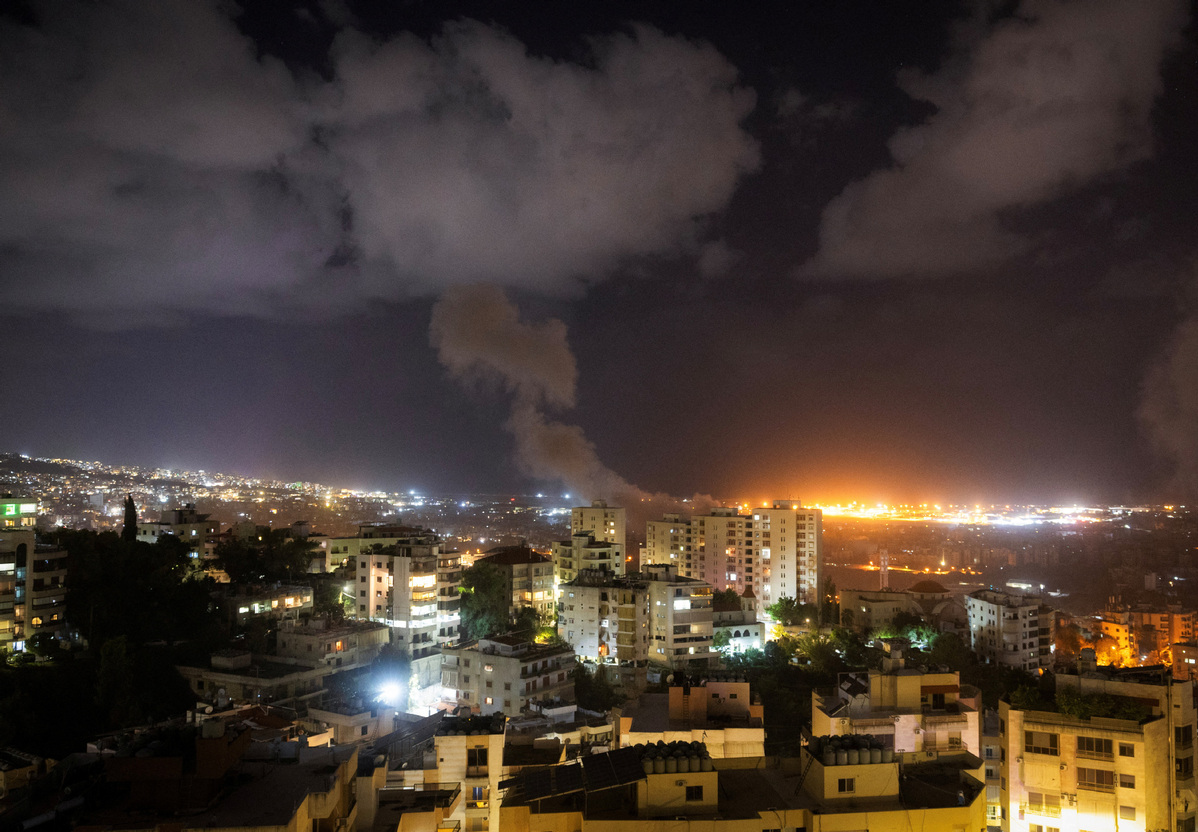
The Israeli military said its warplanes conducted “intelligence-based strikes on Hezbollah command centers” in Beirut’s southern suburbs, targeting areas including Haret Hreik, Burj Barajneh, and Hadath. Local television station al-Jadeed reported 12 airstrikes within half an hour.
Footage shared on social media showed massive black smoke clouds rising above Beirut’s southern suburbs following Sunday’s strikes, which came after Israeli army spokesperson Avichay Adraee warned residents on social media to evacuate several buildings in the area.
The strikes followed Saturday’s deadly attack on an eight-story residential building in Beirut’s Basta Fawka neighborhood. While Israeli media reported the strike targeted a prominent Hezbollah official, Lebanese lawmaker and Hezbollah member Amin Sherri denied any military or civilian party figures were in the building.
In response to the airstrikes, Hezbollah announced it had destroyed five Israeli Merkava tanks in southern Lebanon on Sunday, using guided missiles. The group also claimed to have launched attacks on multiple locations in northern Israel, including Kerem ben Zimra and Kfar Blum.
Since Sept. 23, the Israeli army has intensified its air attack on Lebanon in an escalation of conflict with Hezbollah. Israel further initiated a ground operation across its northern border into Lebanon in early October.
Lebanon’s Health Ministry said on Sunday that Israeli airstrikes have killed 3,754 people and injured 15,626 since the conflict began on Oct. 8, 2023.
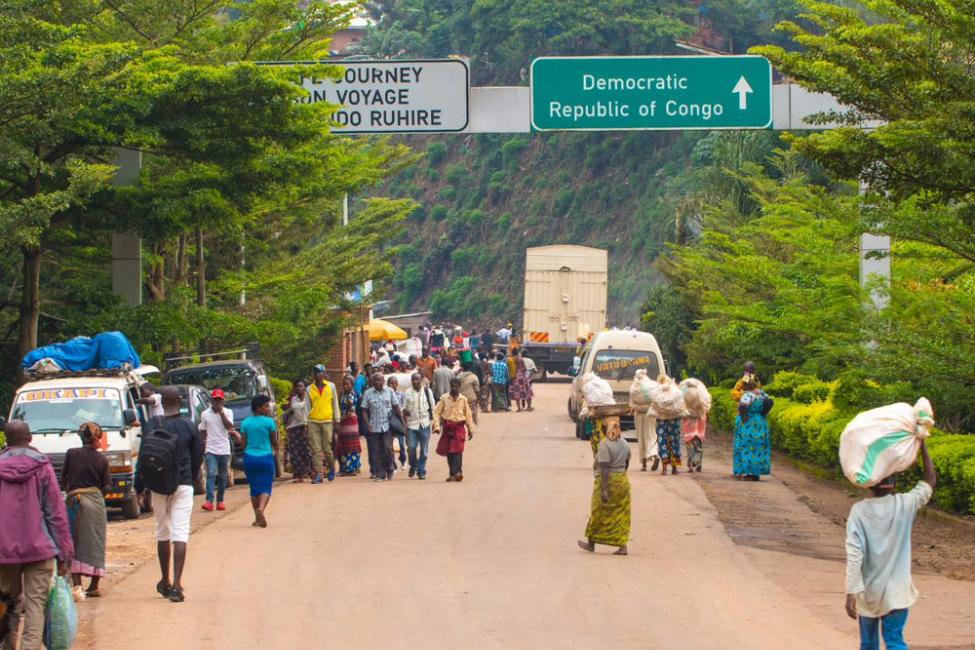
According to NISR reports, the DRC remained Rwanda’s second-largest export market, trailing only the United Arab Emirates (UAE) between January and September 2024.
However, Rwanda imports minimal goods from the DRC, which does not feature among the top 10 sources of Rwandan imports.
Key exports included unprocessed foods and livestock, beverages, raw materials, skincare products, cooking oils, and processed foods.
{{Overall export highlights}}
In January 2024, the DRC ranked as the second-largest importer of goods from Rwanda, purchasing products valued at $17.42 million (Frw 23.81 billion). This represented a 21.61% increase compared to December 2023, when exports were valued at $14.32 million (Frw 19.57 billion).
Re-exports to the DRC also saw significant activity, with the country leading this category in January 2024. Goods worth Frw 68.98 billion were re-exported, marking a 6.94% increase from December 2023 (Frw 64.51 billion).
However, February 2024 saw a slight decline in exports of Rwandan-origin goods to the DRC, which dropped by 6.61% to Frw 22.24 billion from Frw 23.81 billion in January.
Re-exports also experienced a decrease of 7.57%, falling to Frw 63.76 billion compared to the previous month.
In the first nine months of 2024, the DRC emerged as the top destination for re-exports through Rwanda, receiving goods valued at Frw 667.36 billion. Other significant re-export markets included Burundi and Ethiopia, which alternated as secondary importers during the period.
Despite strained bilateral relations since 2022, currently under mediation, trade between Rwanda and the DRC has remained robust.
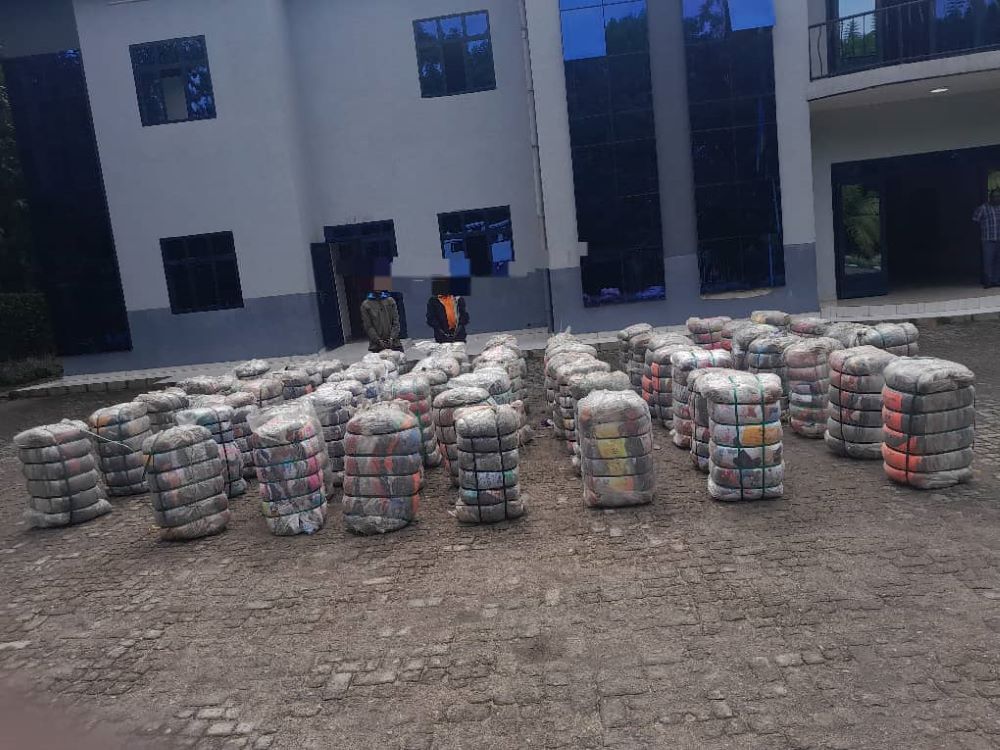
The bales were recovered l in a house located in Gisenyi sector, Kivumu cell in Itangazamakuru village, which was being used as store, when Police searched it on Saturday, November 23.
Two men were arrested at the scene in connection with smuggling and fraud.
The Police spokesperson for the Western region, Superintendent of Police (SP) Bonaventure Twizere Karekezi, said: “Police had information about a group of smugglers, which had sneaked unknown quantities of bales of used clothes into Rwanda from DRC, through a porous border called Kukarundo.”
He added: “Later that day, Police searched the house, which was suspected to be their store, they recovered 62 bales and arrested two people at the scene.
Police is also searching for other seven people said to be members of the same ring and owners of the seized bales of clothes.”
SP Karekezi also warned moto-taxi operators, who facilitate smugglers and drug traffickers.
Early this week, ASOC also impounded a vehicle in Rubavu District, which was transporting 16 bales of smuggled second-hand clothes commonly known as caguwa. Two people were arrested over the same act.
Article 87 of the law on tax procedures provides an imprisonment of between 2 and 5 years, for tax evasion.
Under article 199 of the East African Community Management Act, which is applicable in Rwanda, seized smuggled goods are auctioned.
A vehicle intercepted with smuggled goods is also auctioned and the driver slapped a fine of US$5000.
In the video recorded at Munzenze Prison in Goma, DRC Justice Minister Constant Mutamba is seen inciting inmates to target President Kagame and the Congolese Tutsis, whom he frequently refers to as Rwandans, while calling for violent actions against them and those associated with Rwanda.
“All the prisoners manipulated by Kagame and Rwanda, we will track them down and send them to the Angenga military prison. Know that we will catch them all and we are going to arrest Kagame in person. I warn all those who are in contact with a ‘Rwandan’ or Kagame that they will be taken out of this place and transferred to the Angenga military prison. We refuse that the foreign enemy comes to take our land. Our head of state will not let this country be occupied or governed by the Banyarwanda,” he says in the video.
He is also heard promising to free prisoners who help designate “traitors” and “foreigners” who will then be “arrested and killed.”
“Many among you are innocent but have been mixed here with those who accept being corrupted and manipulated by Rwanda. Know that the enemy of the Congolese people is Kagame… the Rwandans. Know that if you help us in this task, we will free those innocent among you. Come together and denounce them! And if you denounce them, you will receive a reward, and we will release you from this prison. I will personally release you from here,” he adds.
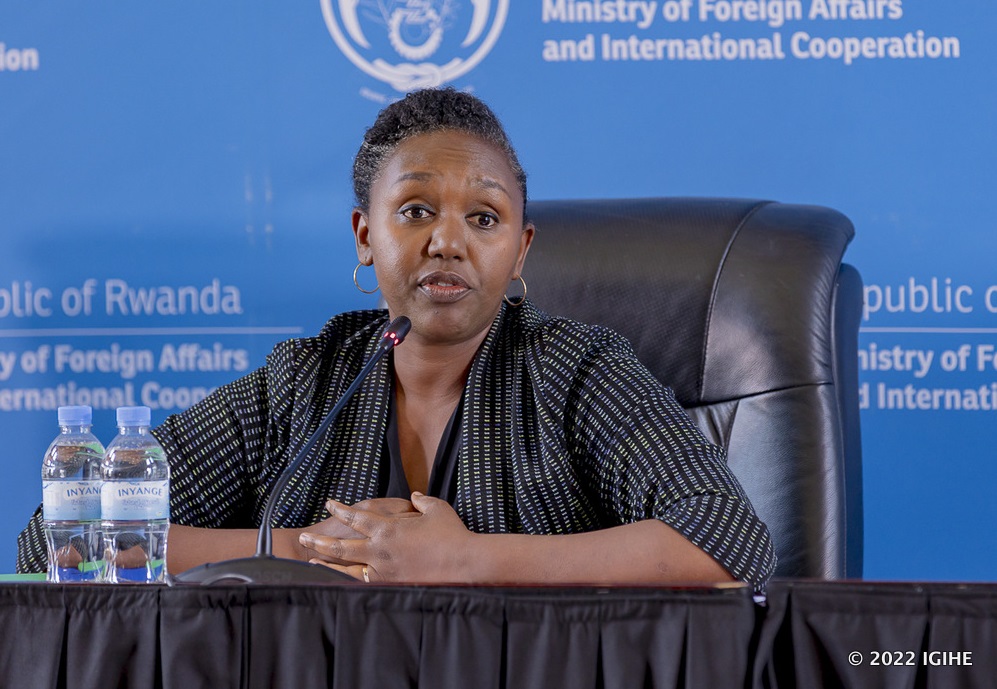
Reacting to the shocking remarks, the Rwandan government spokesperson described them as “extreme provocation” by the minister, stating that the remarks fuel the ongoing conflict involving M23 rebels, government troops, and allied rebel groups.
“Extreme provocation by the DRC Justice Minister at a prison in Goma, a few kilometers from the border with Rwanda. Should we now expect criminals and prisoners in the deadly mix of FDLR, Wazalendo, European mercenaries, and SAMIM fighting for FARDC?” Makolo wrote on X.
Extreme provocation by the DRC justice minister at a prison in Goma, a few kilometers from the border with Rwanda. Should we now expect criminals & prisoners in the deadly mix of FDLR, Wazalendo, european mercenaries and SAMIM fighting for FARDC? https://t.co/eh1irw6noD
The M23 rebels accuse the DRC government of persecuting Congolese Tutsis, leading to tensions in the eastern part of the DRC, near the Rwanda border.
Rwanda has implemented defense mechanisms to protect itself against the FDLR militia, which consists of remnants of the perpetrators of the 1994 Genocide against the Tutsi in Rwanda. The FDLR has been accused of working with the Congolese government to target Congolese Tutsis in the country, many of whom have sought refuge in Rwanda.
Efforts to address the crisis in the DRC have been made through the Luanda and Nairobi peace processes. However, while the Luanda peace process between the DRC and Rwanda aimed to ease tensions, the Congolese government has faced criticism, particularly from Rwanda, for a lack of commitment to resolutions and agreements to end the conflict.