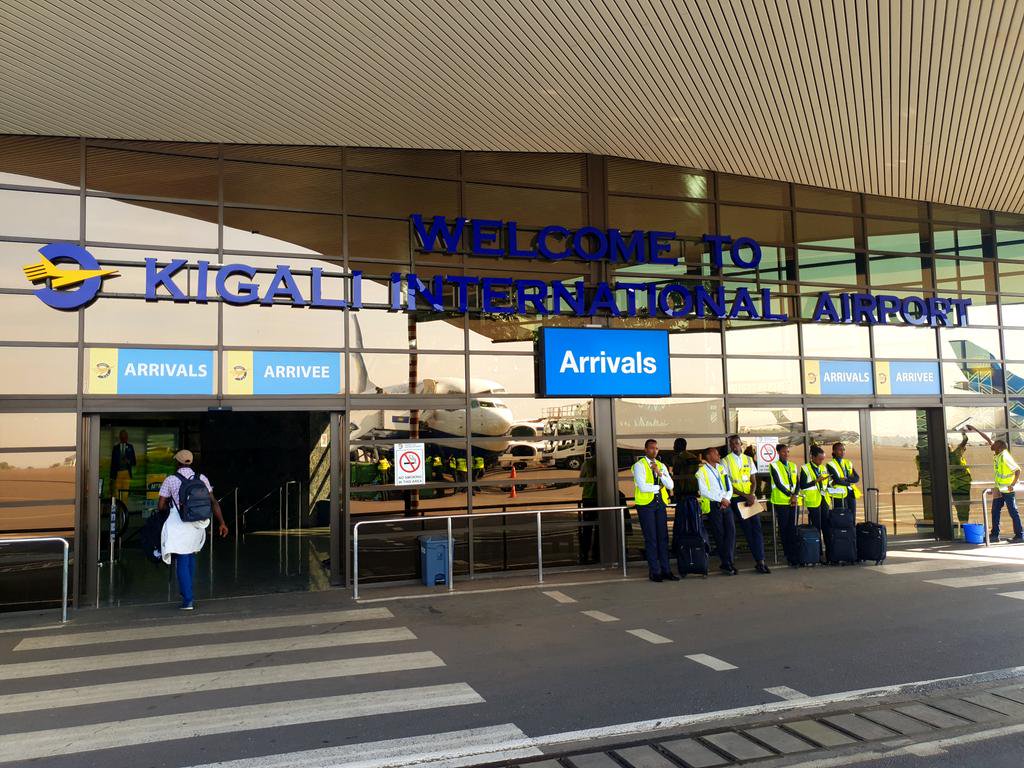
In the [2024 rankings->https://www.visaopenness.org/] by the African Visa Openness Index (AVOI), Rwanda ties at the top position with Benin, Seychelles, and The Gambia, all offering visa-free access to all African travellers.
Rwanda introduced visa-free access for travellers from all African countries in January 2018.
The visa-free policy is part of the country’s efforts to promote Pan-Africanism, regional integration, and ease of movement across the continent. It allows citizens of African Union member states to enter Rwanda without requiring a visa.
Ghana ranks fifth, while Cape Verde and Nigeria share the sixth position. The three countries have mixed policies, offering visa-free access to some African nations and visa-on-arrival options for others.
Completing the top 10 are Guinea-Bissau, Mauritania, and Mauritius, each showcasing a blend of policies.
Other countries that made it into the top 20 include Burundi, Mozambique, Sierra Leone, Djibouti, Comoros, Senegal, Madagascar, Somalia, Ethiopia, and Tanzania.
Interestingly, Kenya’s introduction of new visa policies earlier this year, which the government claimed would simplify access, has instead made the country less accessible.
The East African economic powerhouse has dropped 17 places on the index and now ranks 46th out of 54 African countries.
Notably, the 2024 report highlights the disparities in visa policies among African countries and their impact on regional integration. It underscores how restrictive visa policies hinder free movement, contradicting the aspirations of the African Continental Free Trade Area (AfCFTA) and the AU Agenda 2063.
According to the report, lower-income nations are generally more open to liberal visa policies. In contrast, several higher-income countries continue to maintain restrictive visa regimes, possibly due to concerns that visa openness could incentivize inbound travel for purely economic reasons or create pathways for irregular migration.
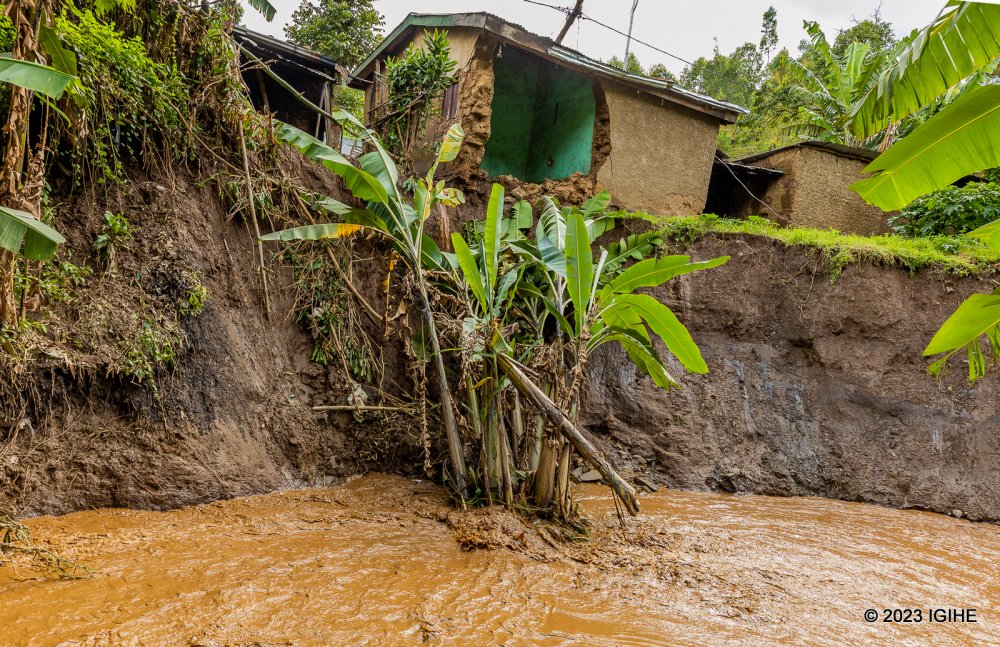
According to MINEMA, the disasters—comprising floods, landslides, and lightning strikes—have affected various regions across the country during this period.
The torrential rains have caused extensive damage to homes, classrooms, crops, and roads in districts such as Gakenke, Gisagara, Kamonyi, Gasabo, Rutsiro, Ngororero, Rusizi, and Gatsibo.
With forecasts predicting more heavy rains in the coming weeks, as confirmed by the Rwanda Meteorological Agency (Meteo Rwanda), MINEMA’s Permanent Secretary, Habinshuti Philippe, has urged residents in high-risk areas to consider relocating to safer locations to mitigate further damage.
“This rainfall has brought a unique pattern of lightning, affecting both people and livestock. In the coming days, we must remain vigilant and take additional precautionary measures, based on the information from the Rwanda Meteorological Agency,” Habinshuti said.
MINEMA is coordinating efforts with the 17 districts most affected by these disasters to safeguard the population. In total, 1,143 families are expected to be relocated due to the landslide risks posed by the areas where they live.
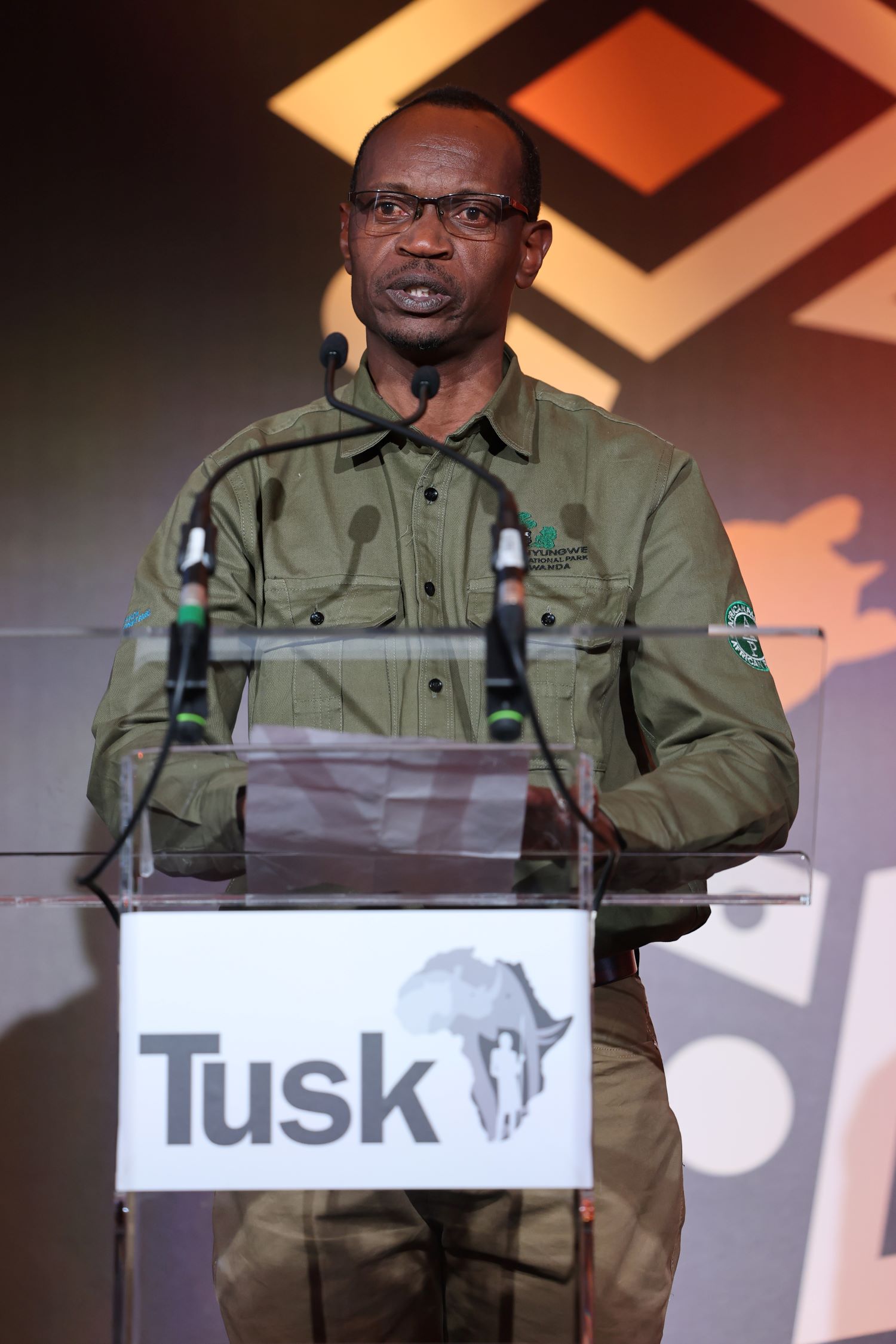
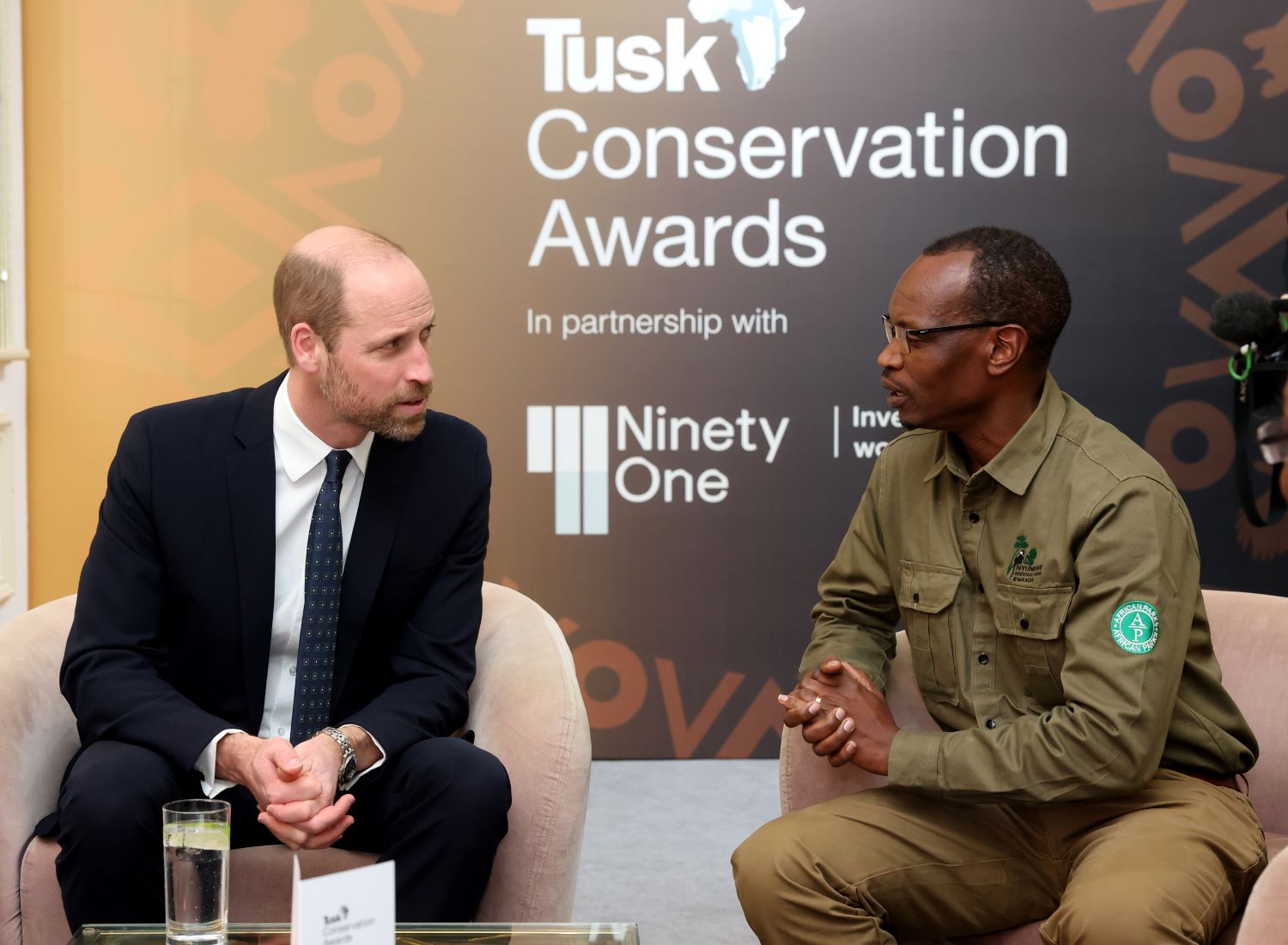
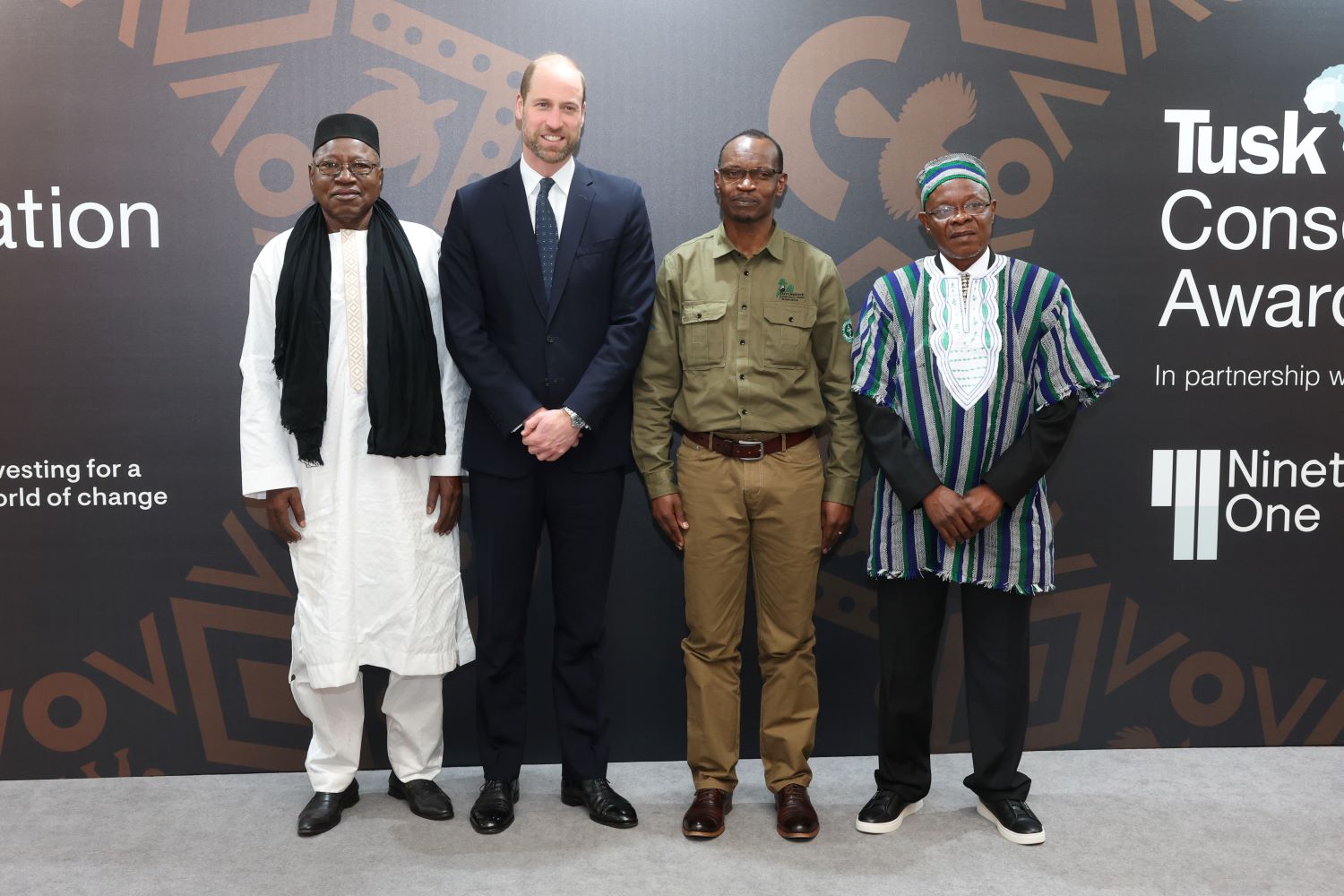
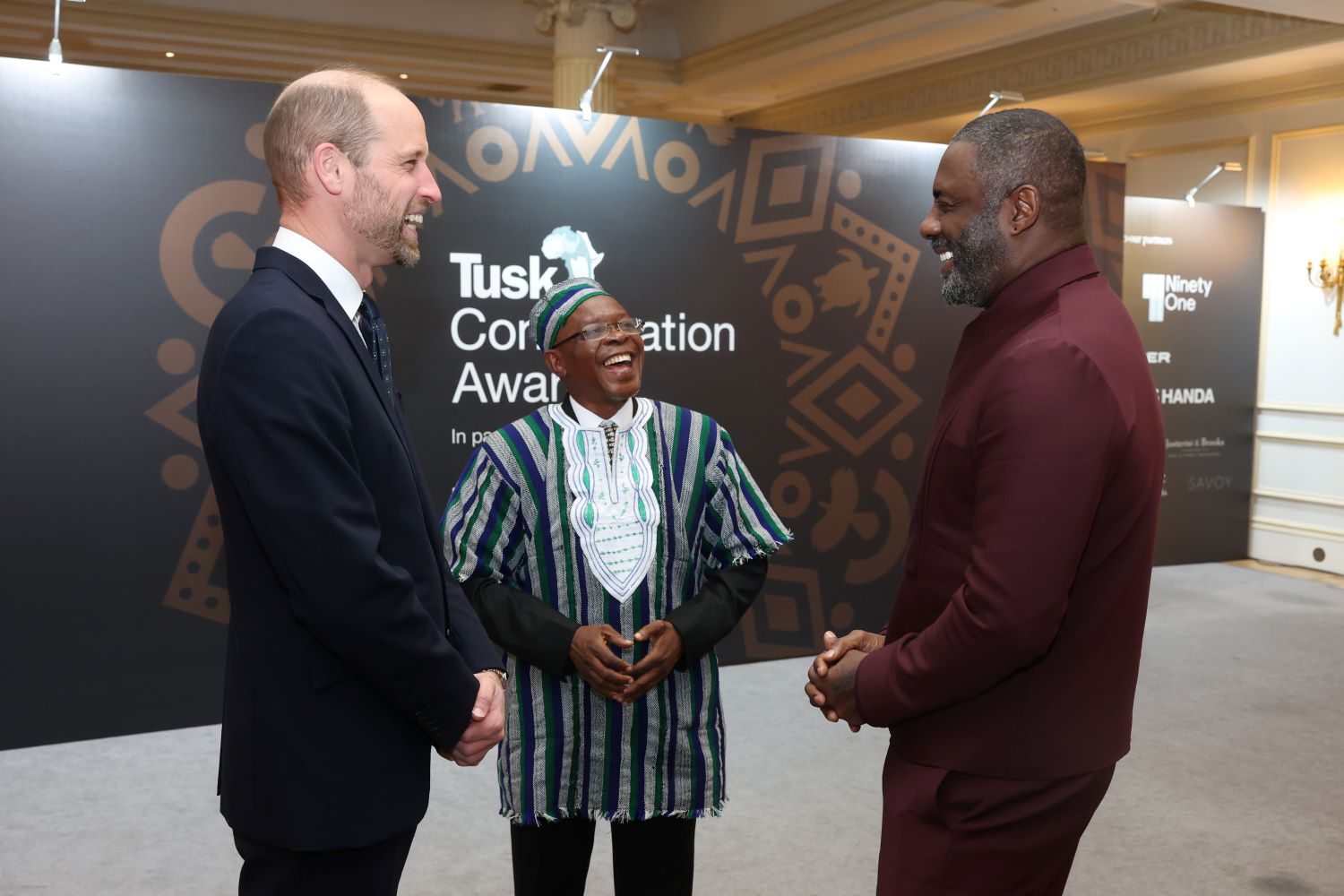
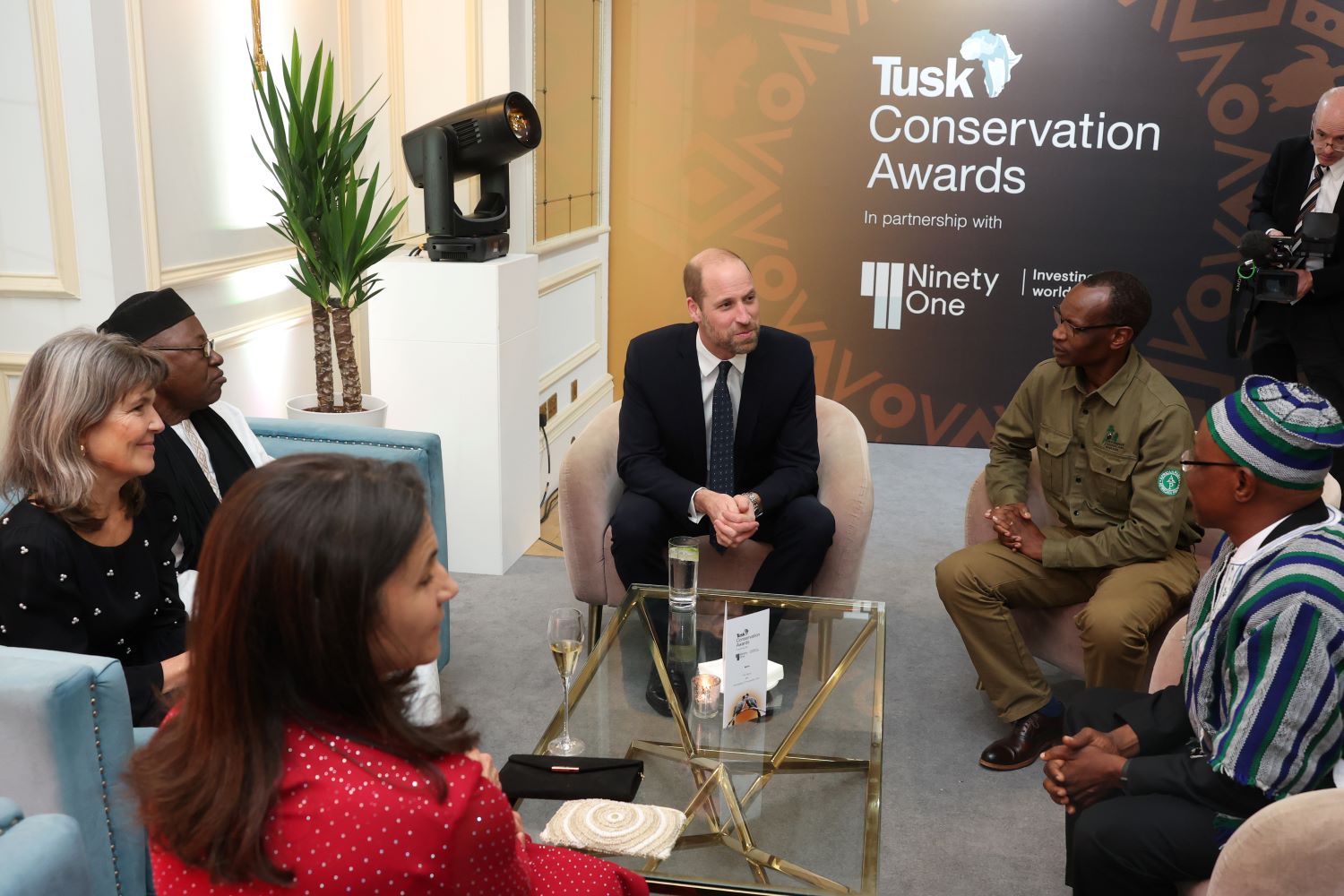
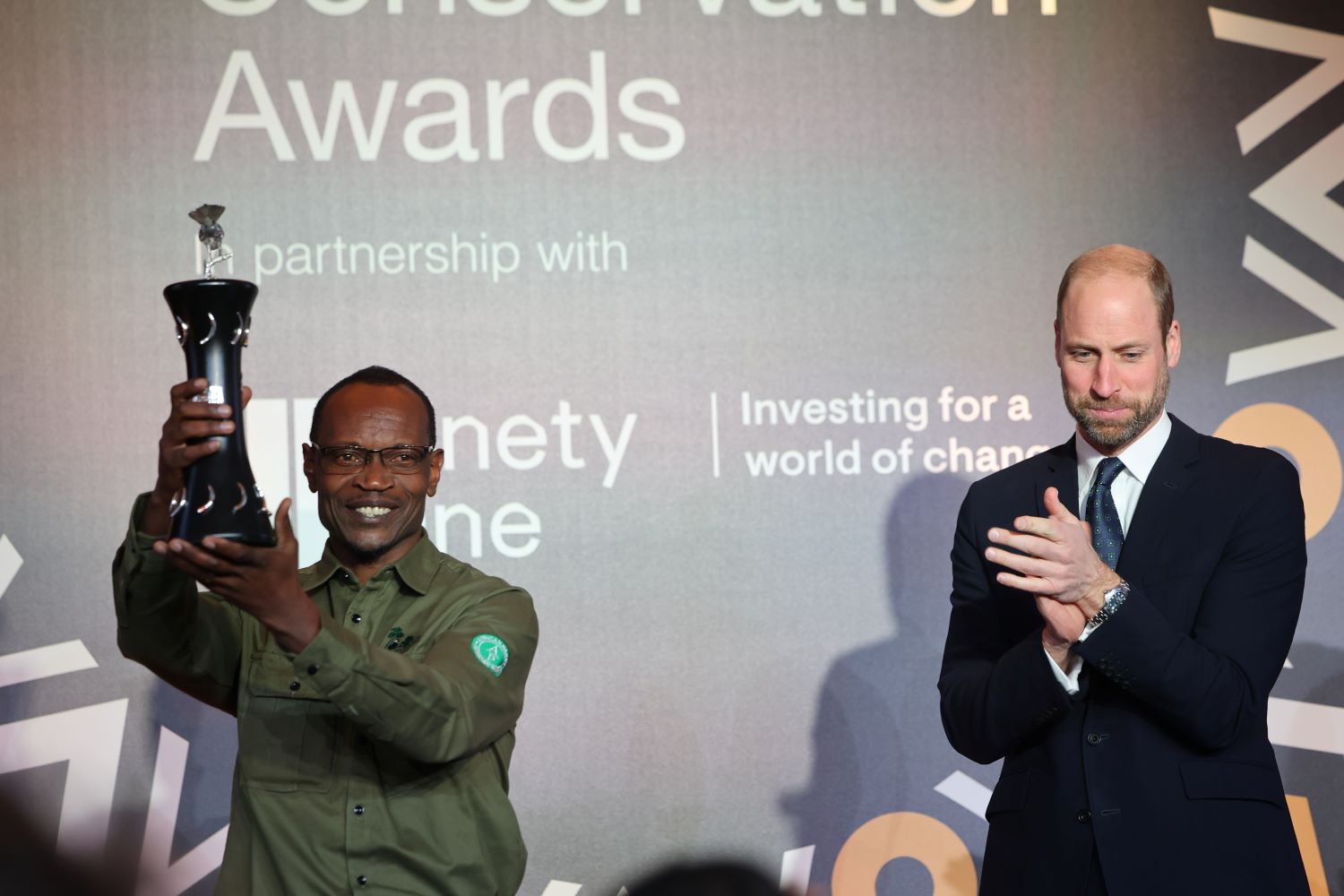
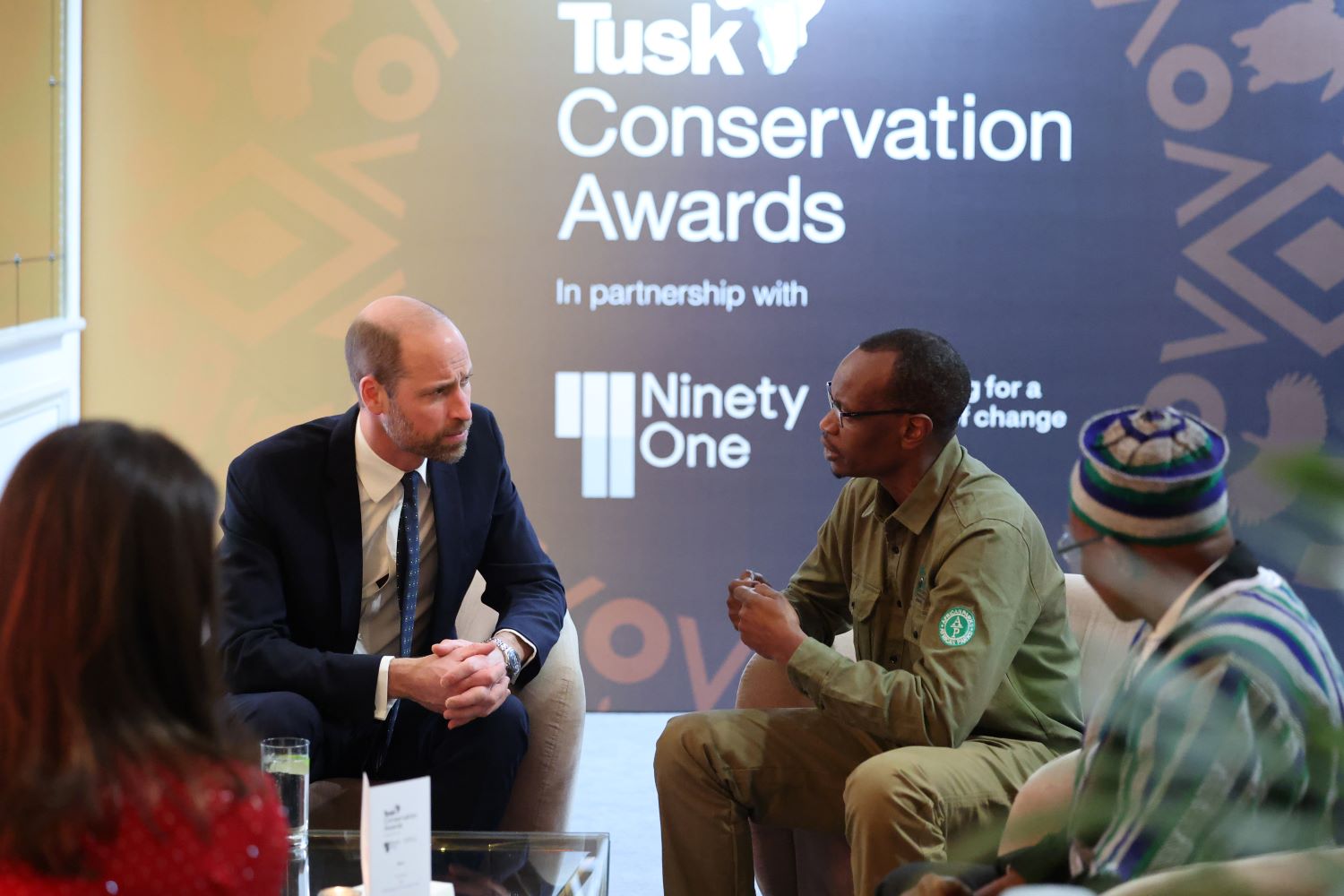
The 51-year-old was one of three top African conservationists honoured by Prince William at the Tusk Conservation Awards ceremony held at The Savoy Hotel in London, the United Kingdom (UK), on the night of Wednesday, November 27, 2024.
The Tusk Wildlife Ranger Award, sponsored by the Nick Maughan Family Foundation, gives international recognition to the dedication and commitment of individuals who work in the field to protect Africa’s wildlife.
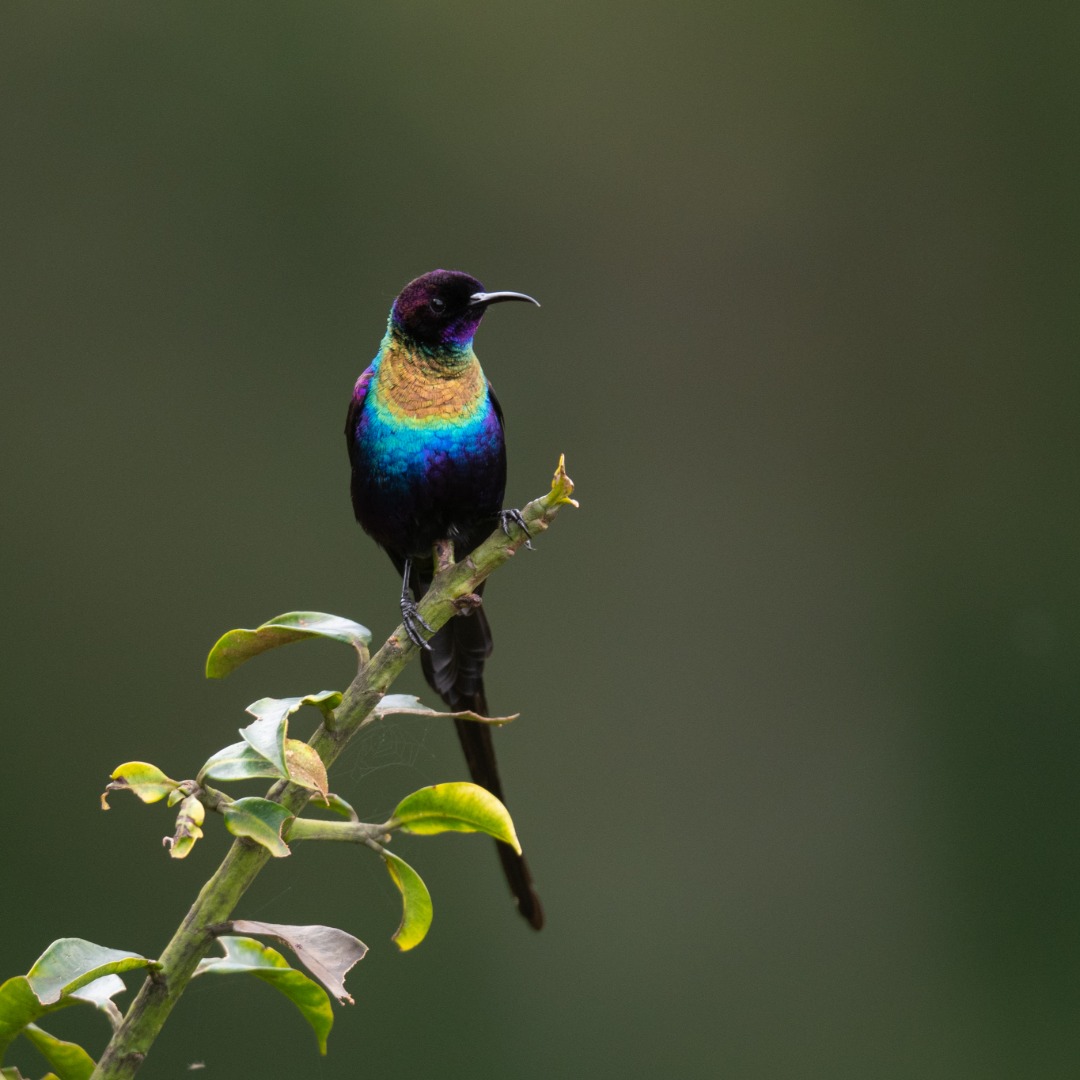
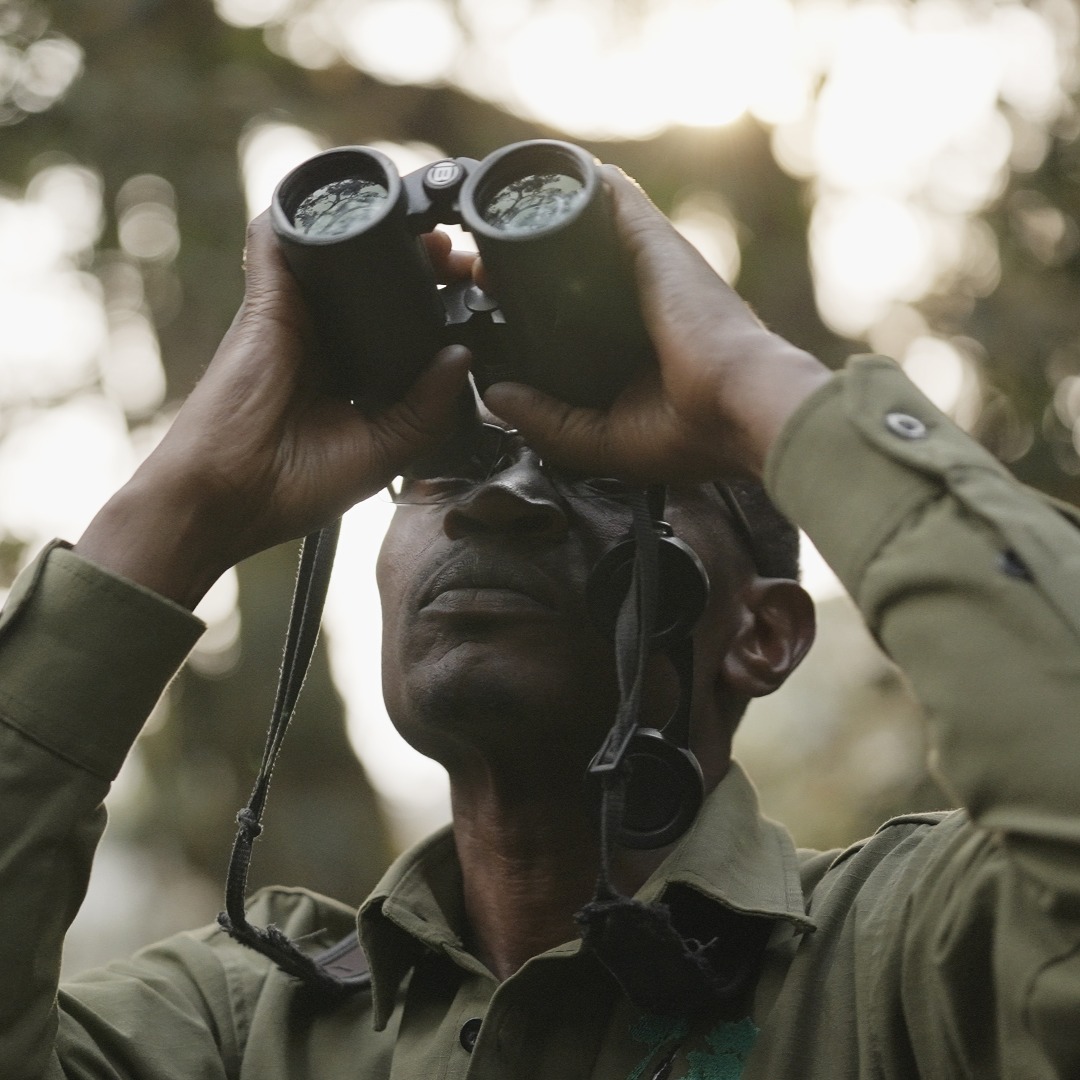
Born near the [Nyungwe forest he now protects->https://en.igihe.com/tourism/article/from-forest-curiosity-to-global-conservation-hero-claver-ntoyinkima-s-journey?var_mode=calcul], Ntoyinkima combines his deep ecological knowledge of the park’s bird population with a passion for educating and inspiring others.
As a ranger, he has played a vital role in primate habituation and anti-poaching patrols, while also guiding scientific research and bird conservation efforts across Rwanda.
The father of four is also keen to extend his legacy to the next generation through conservation clubs he founded for local youth, promoting a lasting commitment to Rwanda’s natural heritage.
He expressed his joy at winning the international award, saying: “I am truly grateful to be a finalist for the 2024 Tusk Conservation Awards; there are no words to describe how proud I am to win this award. The acknowledgement of my dedication and efforts to give back to the community is truly inspiring. I am very grateful for this historical support and recognition of the conservation efforts made by field-based actors like me.”
The 2024 Tusk Conservation Awards also recognized two other exceptional African conservationists: Nomba Ganamé from Mali, who was awarded the Prince William Award for Conservation in Africa for his groundbreaking work in protecting desert elephants, and Edward Aruna from Sierra Leone, who received the Tusk Award for Conservation in Africa for his efforts in marine turtle conservation.
Prince William commended the winners for their relentless dedication and contributions to the preservation of nature, highlighting their pivotal roles in safeguarding Africa’s wildlife and ecosystems.
“Now is the time to support those globally who work to prevent future generations from becoming disconnected from nature. We live in a world in which incredible wildlife exists, and I want that for the generations that follow. I want my children to live in a world where swallows still migrate, gorillas still live in the cloud forests of Uganda, and rhinos still roam the arid rangelands of Namibia.
“It will be thanks to extraordinary leaders – such as those that we are celebrating today – that this will happen. They remind us of the importance of living at peace with nature; they should guide and inspire us all to drive change,” the Prince of Wales stated.
Nick Bubb, CEO of Tusk, emphasized the critical role of conservationists in protecting Africa’s biodiversity.
“Africa is still rich in animal, plant, and marine biodiversity. Tusk’s vision is a future where the continent’s wildlife and human communities not only coexist peacefully, but positively thrive. Tonight we once again celebrate the remarkable, courageous, and committed individuals on the ground who safeguard Africa’s natural heritage day and night, and who demonstrate to us all the power of understanding, respecting, and protecting the natural world,” the CEO remarked.
Hendrik du Toit, Founder and Chief Executive of Ninety One, also spoke about the urgent need for continued conservation efforts, stressing the precarious state of the natural world.
“The endless degradation of the natural world is pushing our planet dangerously close to a series of tipping points that will lead to a less hospitable Earth for people and wildlife.
“Congratulations to all of those who have been recognized at the Tusk Awards. Their dedication to conservation plays a vital role in preserving Africa’s endangered environments and species, and it is essential that we continue to support their unwavering commitment to this task.”
The 12th edition of the awards, organized in partnership with Ninety One, an Anglo-South African asset management firm, was hosted for the second year running by wildlife biologist and presenter Liz Bonnin.
Previous winners of the Tusk Wildlife Ranger Award include Jealous Mpofu from Zimbabwe (2023), Neddy Mulimo from Zambia (2022), Suleiman Saidu from Nigeria (2021), Amos Gwema from Zimbabwe (2020), Benson Kanyembo from Zambia (2019), Julius Obwona from Uganda (2018), Solomon Chidunuka from Zambia and Lucky Ndlovu from South Africa(2017), Manuel Sacaia from Angola (2016) and Edward Ndiritu from Kenya (2015).
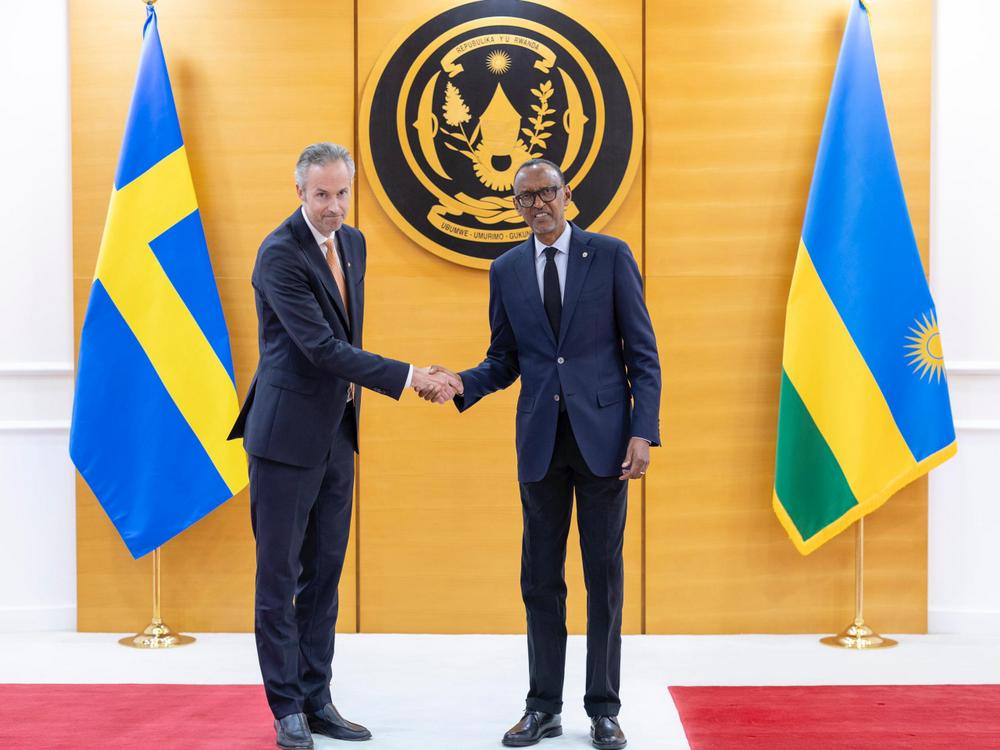
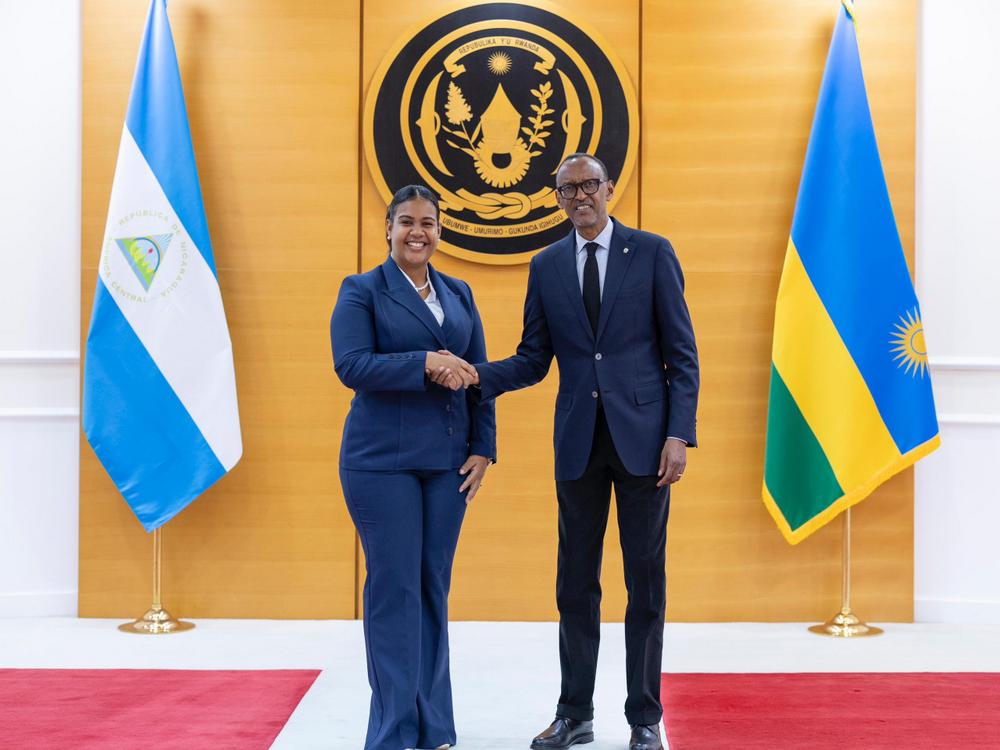
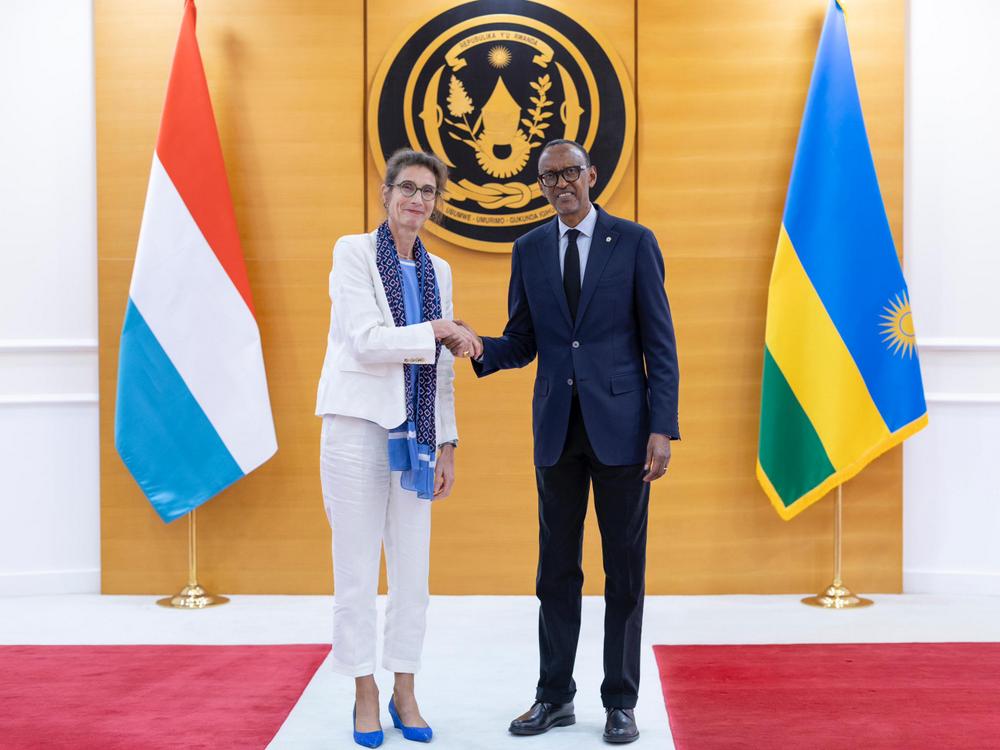
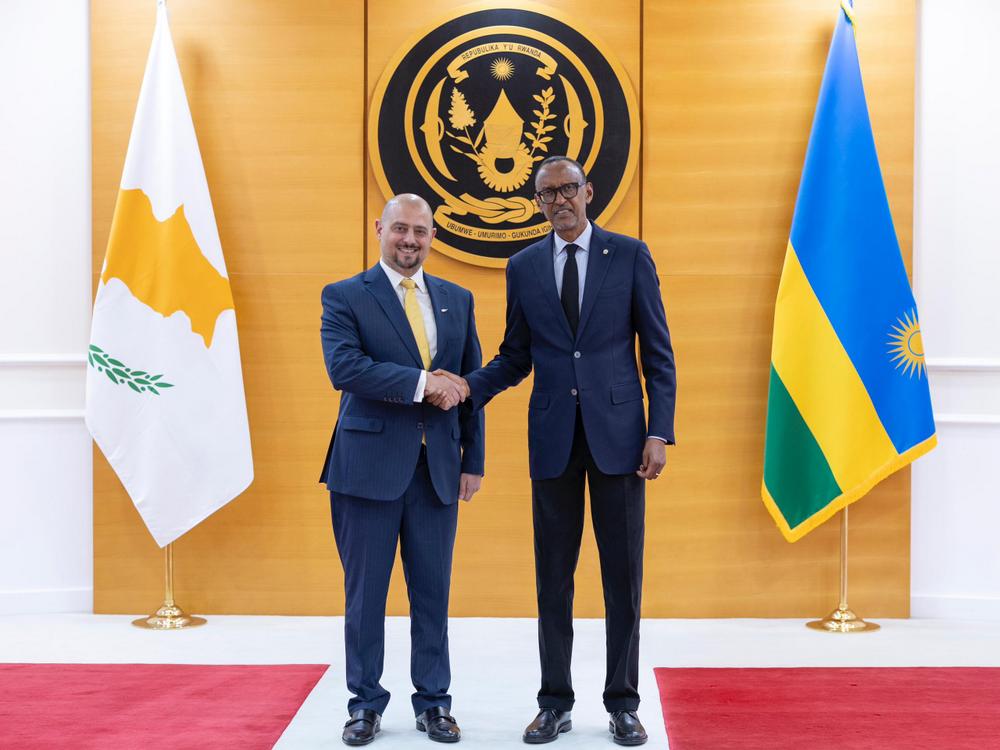
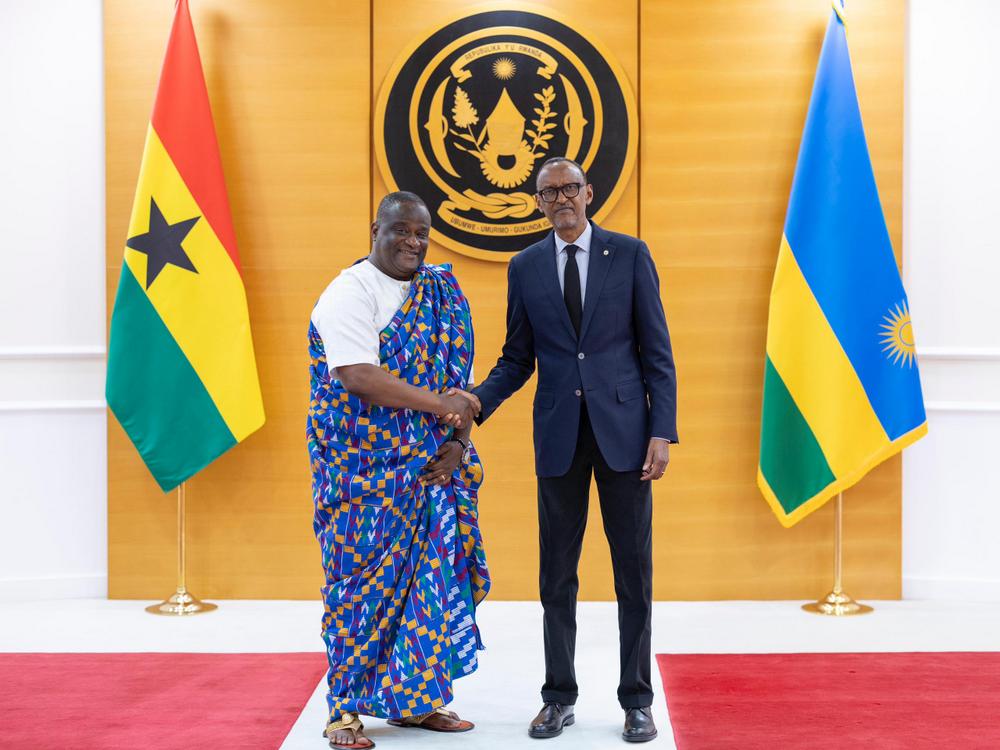
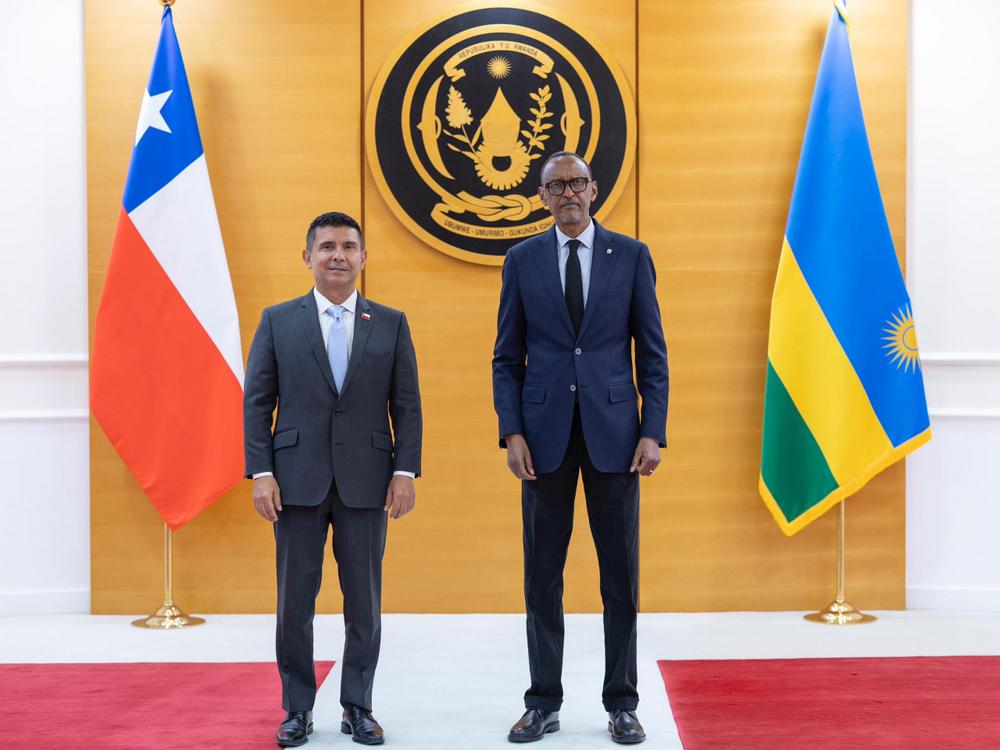
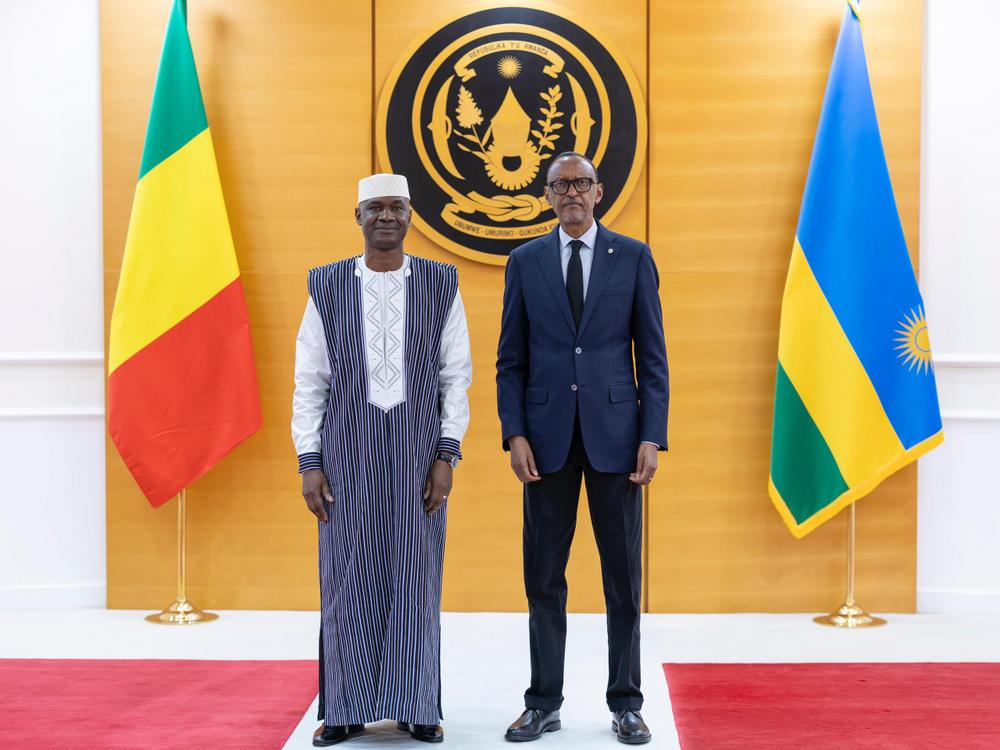
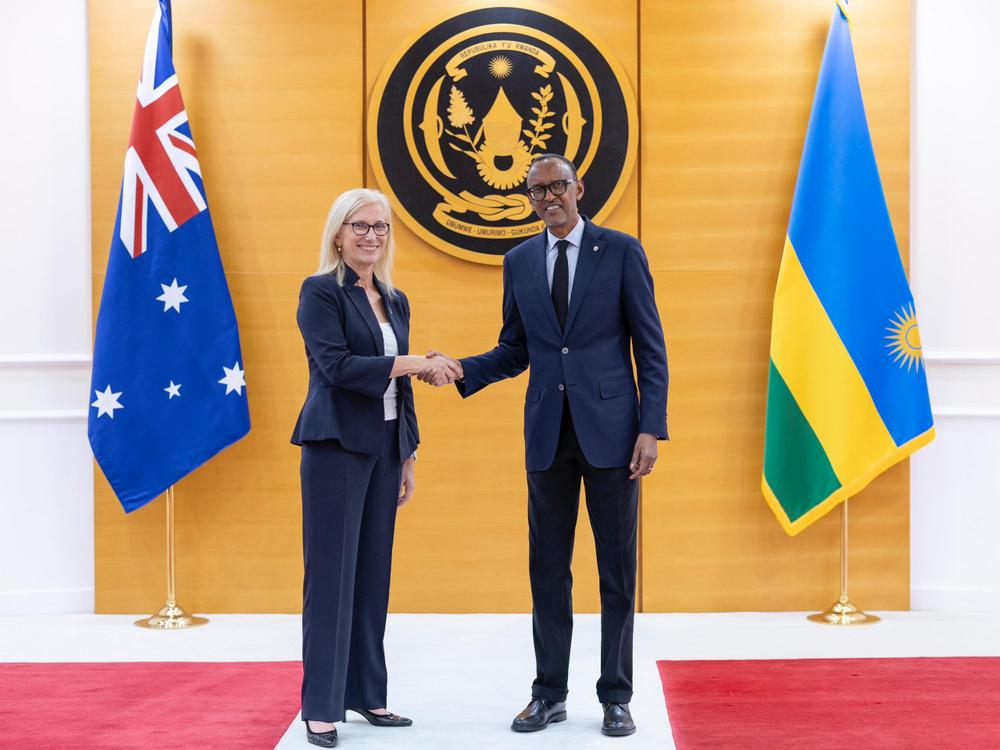
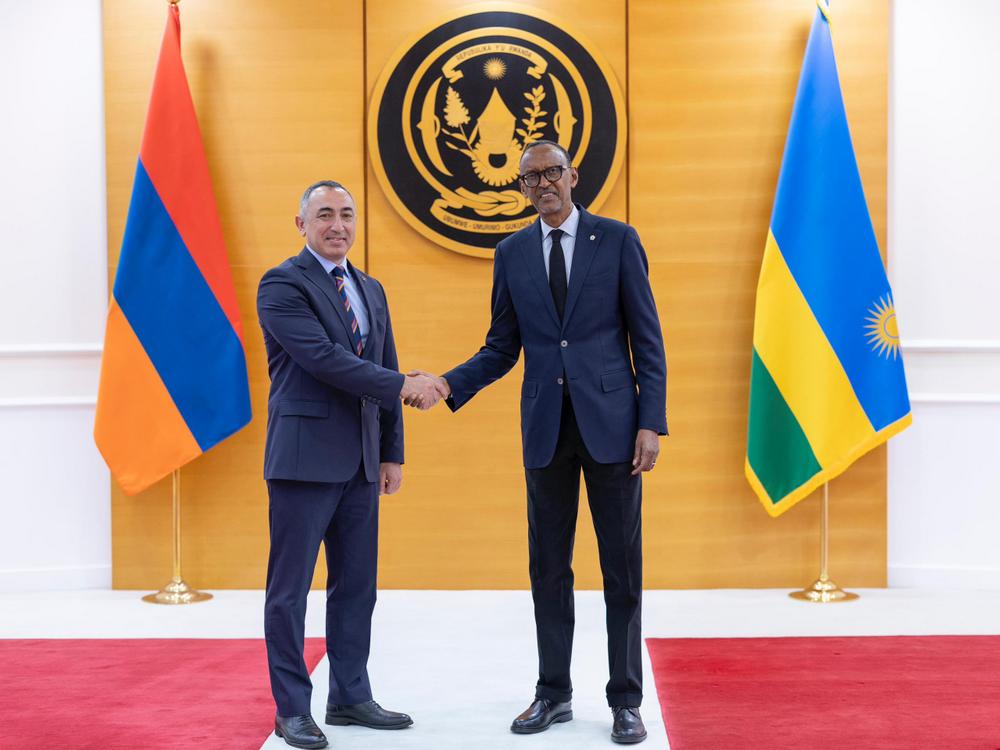
The President also welcomed Ambassador Nadeska Imara Cuthbert Carlson of Nicaragua, High Commissioner Savvas Vladimirou of Cyprus, Ambassador Patricio Alberto Aguirre Vacchieri of Chile, Ambassador Jeanne Crauser of Luxembourg, Ambassador Mirko Giulietti of Switzerland, Ambassador Sahak Sargsyan of Armenia, and High Commissioner Jenny Isabella Da Rin of Australia.
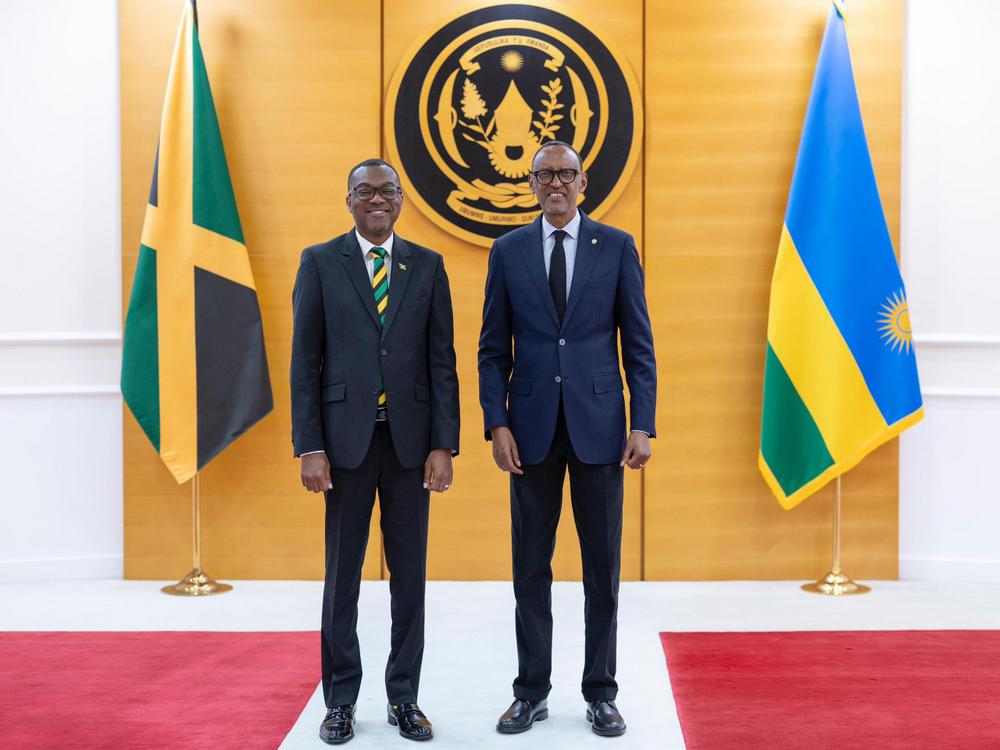
After presenting credentials, High Commissioner Lincoln G. Downer of Jamaica, based in Abuja, Nigeria, expressed his commitment to deepening the already strong bilateral ties between Rwanda and Jamaica.
Both countries have maintained close relations for 26 years, collaborating at the United Nations, within the Caribbean and Pacific States, and the Commonwealth. Cooperation spans justice, tourism, technology, and digitization, with further expansion expected in defense and the medical industry.
Reflecting on exchanges of visits between the two nations’ leaders, Downer highlighted his role in further strengthening their partnership.
“My job is to reiterate and expand our relationship with Rwanda,” he noted. In 2022, President Kagame visited Jamaica during the country’s 60th anniversary of independence, and Jamaican Prime Minister Andrew Holness visited Rwanda the same year.
Ambassador Nadeska Imara Cuthbert Carlson of Nicaragua also emphasized her role in strengthening bilateral ties. She highlighted the shared resilience of both countries, which have overcome challenging periods on their paths to development.
“We are both on the road to development, and our first priority is our people,” she said, stressing the importance of continued cooperation in agriculture, education, and international forums.
Sweden’s Ambassador Dag Sjöögren underscored Rwanda as a valued partner, with both nations sharing significant interests in digitalization, climate adaptation, and green transitions, as well as the broader health sector.
“We look forward to continuing to boost the already very good cooperation between our two countries,” he stated.
As Luxembourg’s first Ambassador to Rwanda, Jeanne Crauser emphasized the longstanding partnership between the two countries, especially in healthcare, rural development, and vocational education.
Luxembourg has supported Rwanda since 1989, and recently signed an agreement worth 12 million euros (approximately 16.7 billion Rwandan Francs) to address climate change challenges.
Crauser also welcomed the appointment of Rwanda’s ambassador to Luxembourg, considering it the beginning of even stronger relations.
Ambassador Sahak Sargsyan of Armenia, the first Armenian Ambassador to Rwanda, outlined the countries’ 20-year diplomatic relationship.
He announced plans to establish a STEM-focused laboratory for students aged 18 and under in Kigali, helping them develop skills before entering university and the workforce.
Ambassador Sahak also mentioned collaborations with the FAST Foundation, an Armenian science and technology organization which wants to share expertise and knowledge with Generation AI initiative in Rwanda.
Meanwhile, High Commissioner Ernest Yaw Amporful of Ghana discussed the thriving trade relations between Ghana and Rwanda and reiterated his commitment to reinforcing these ties, especially by promoting opportunities for small-scale entrepreneurs.
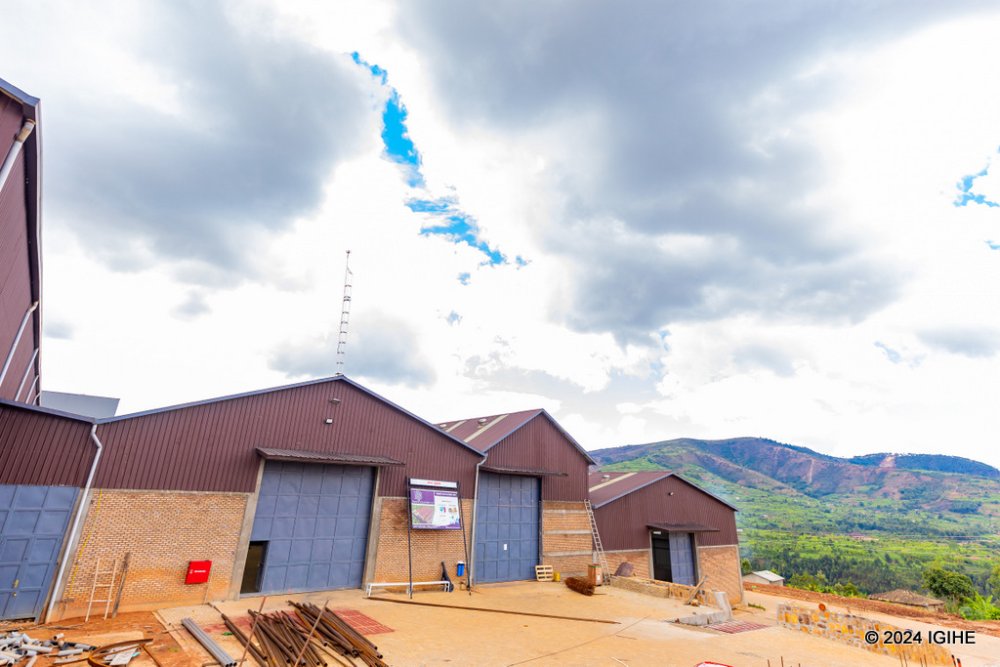
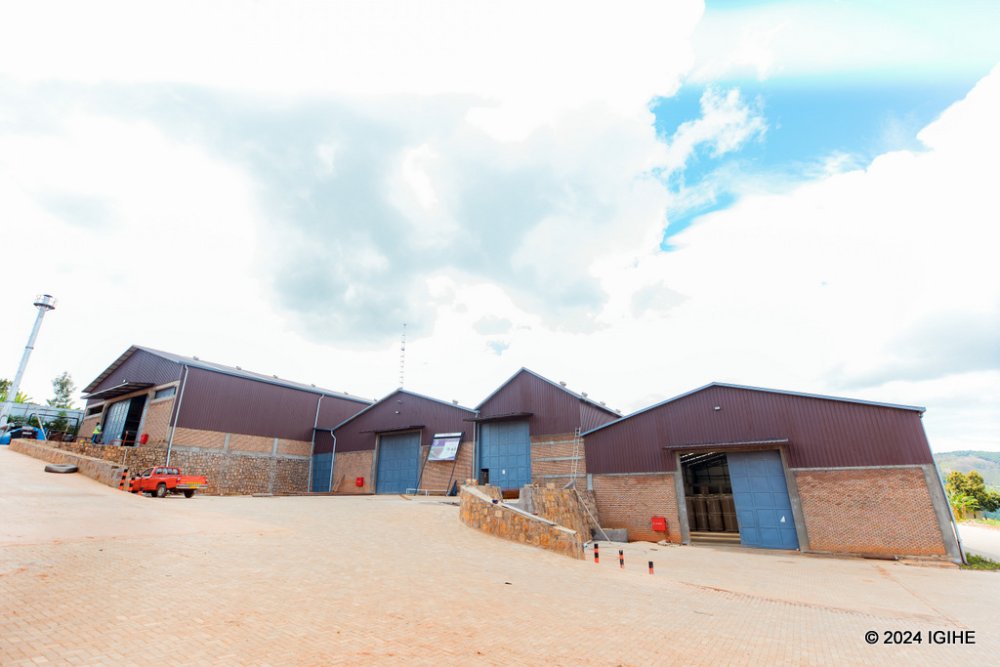
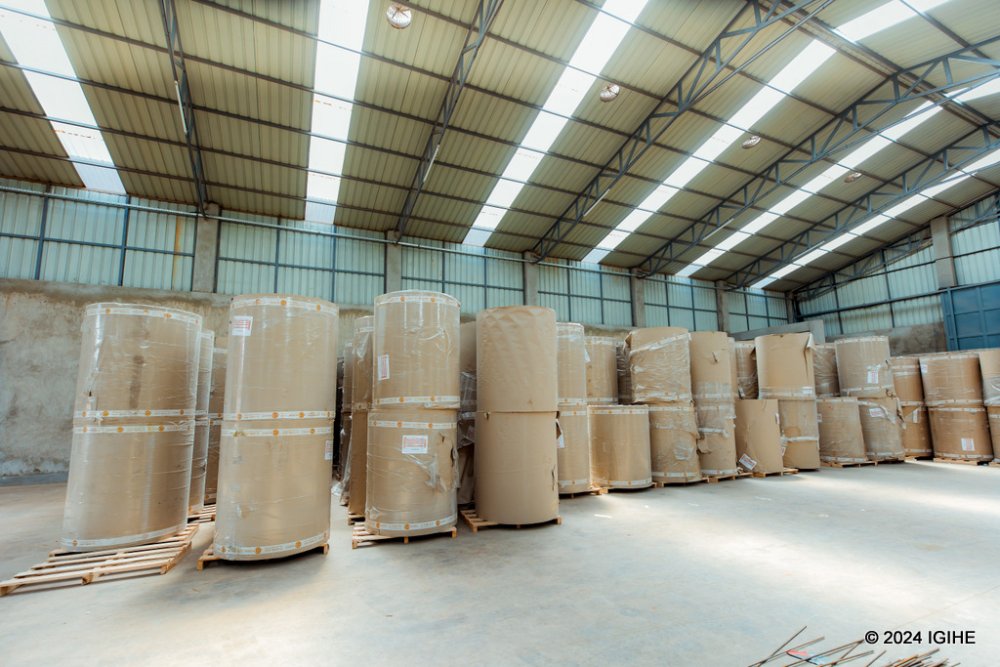
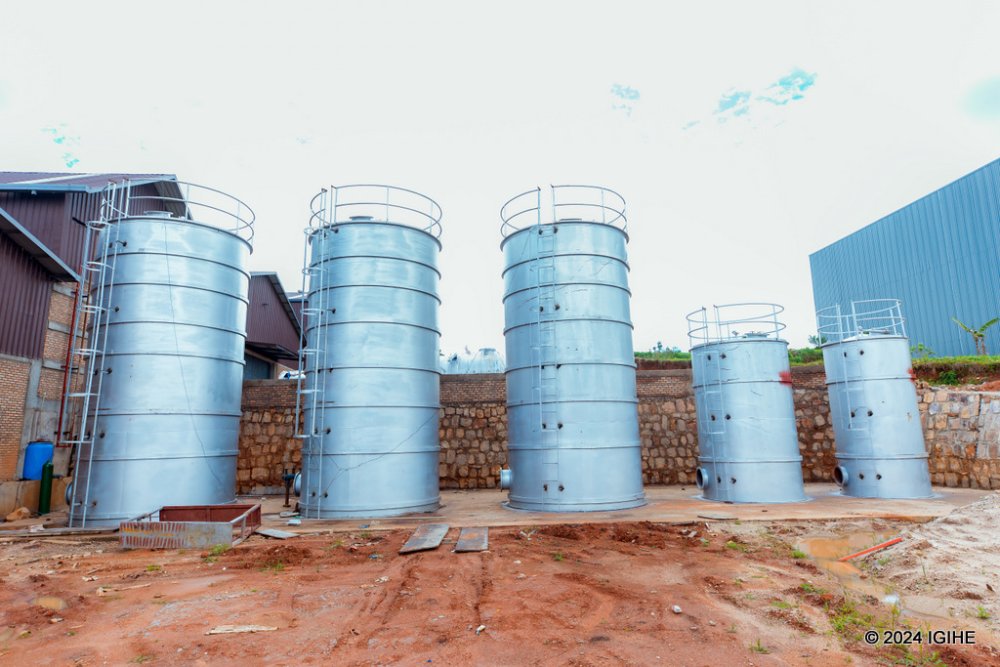
Owned by Irene Basil, a Rwandan entrepreneur based in the United States, the factory is poised to play a pivotal role in the country’s industrial growth.
Basil chose Muhanga as the site for the factory due to its proximity to her hometown and the more affordable land prices compared to other industrial zones.
“I am driven to contribute to the development of my home country, especially my native place,” she shared in a recent interview.
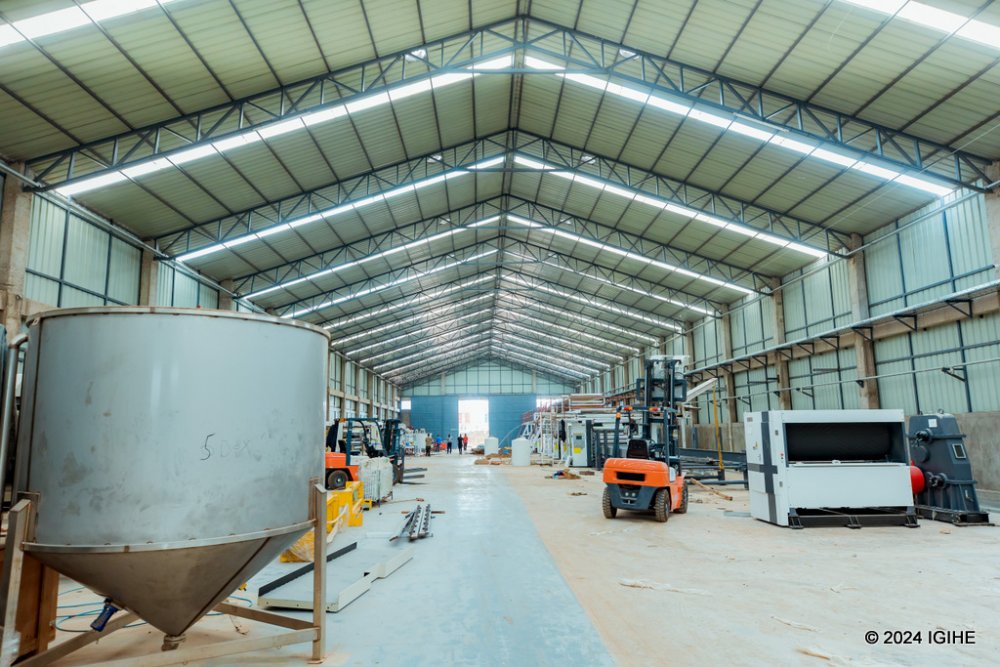
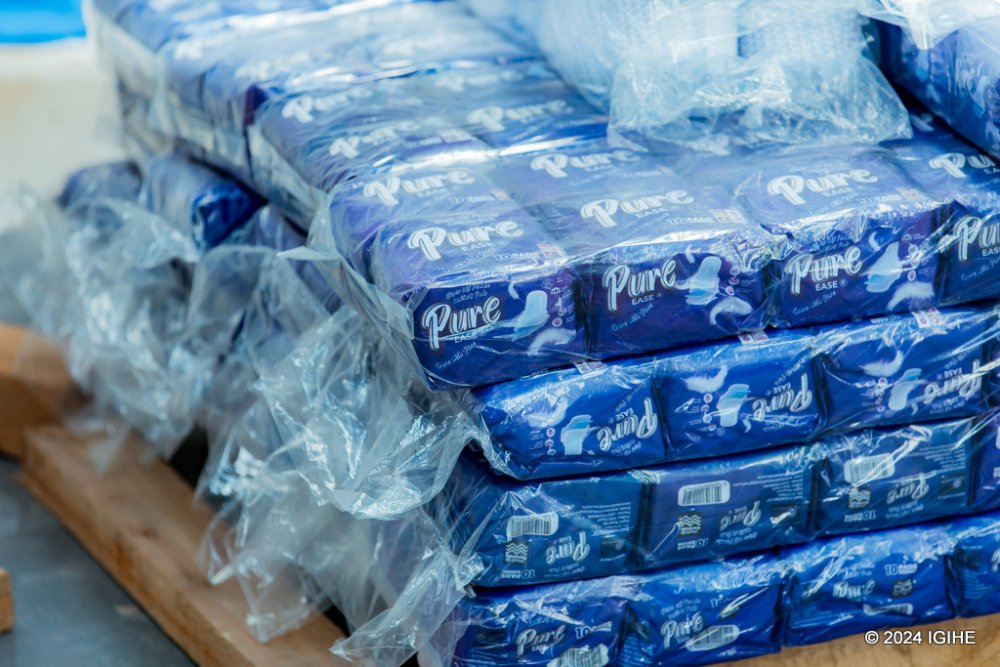
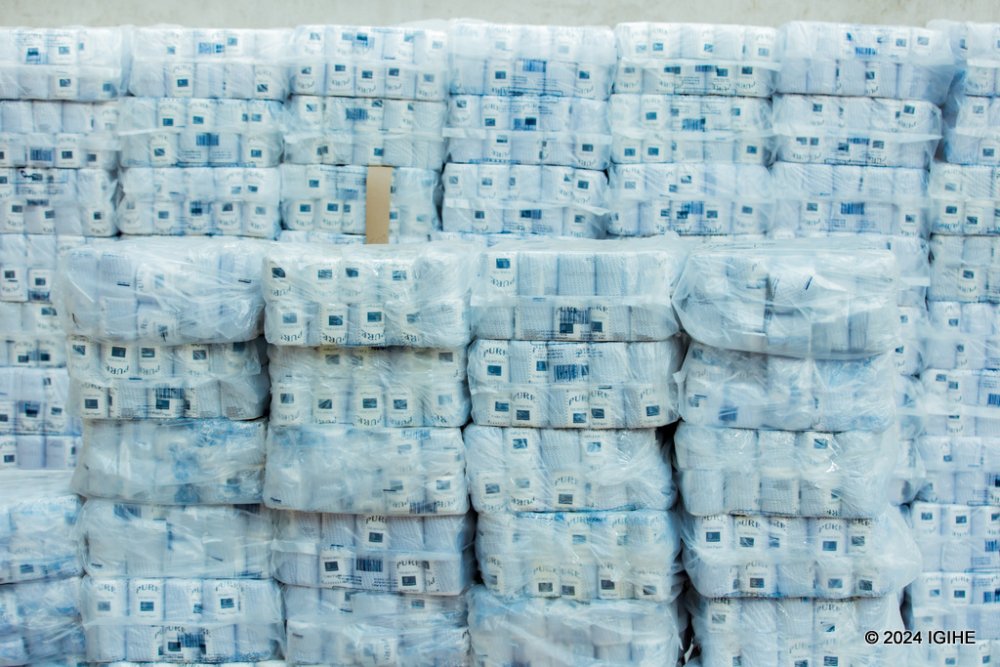
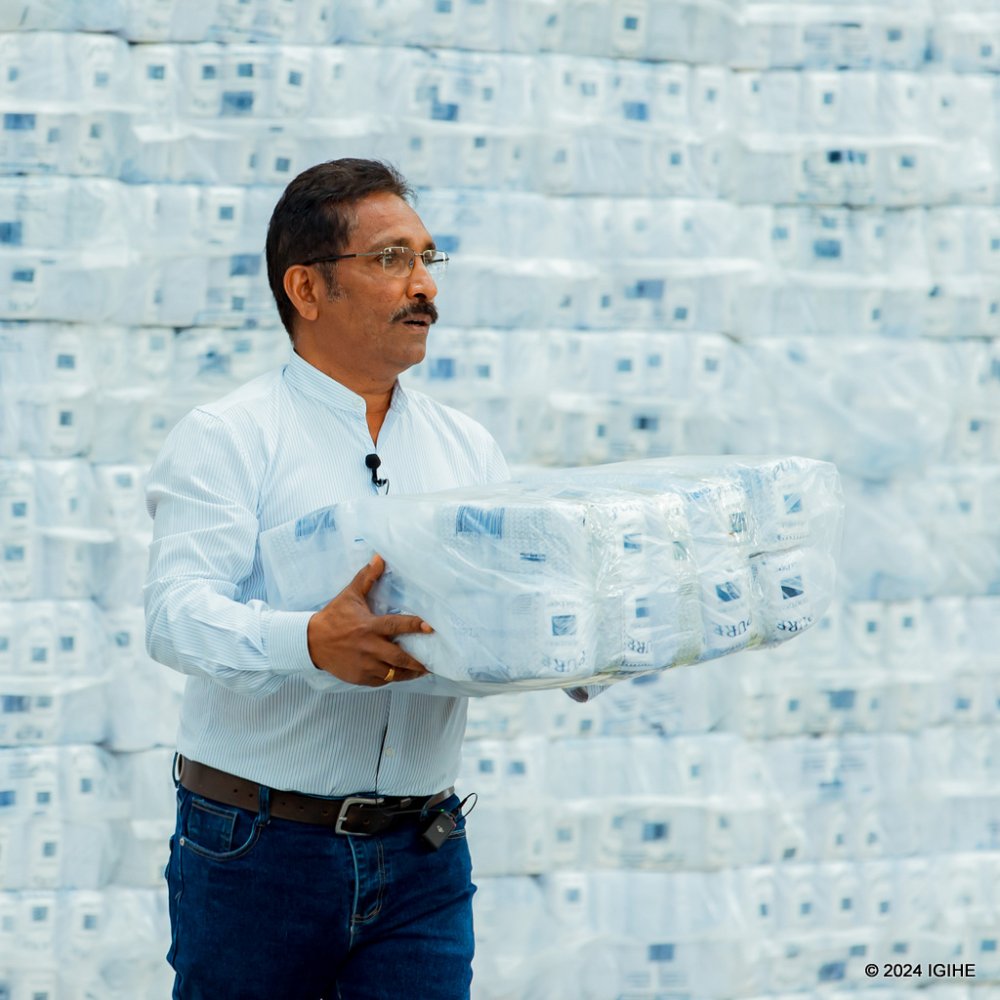
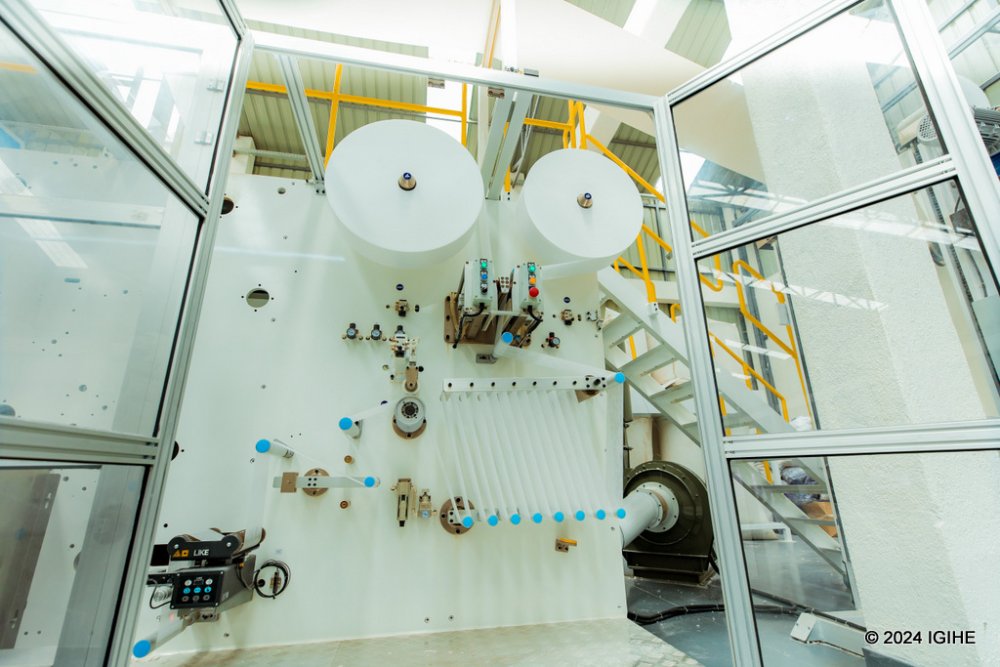
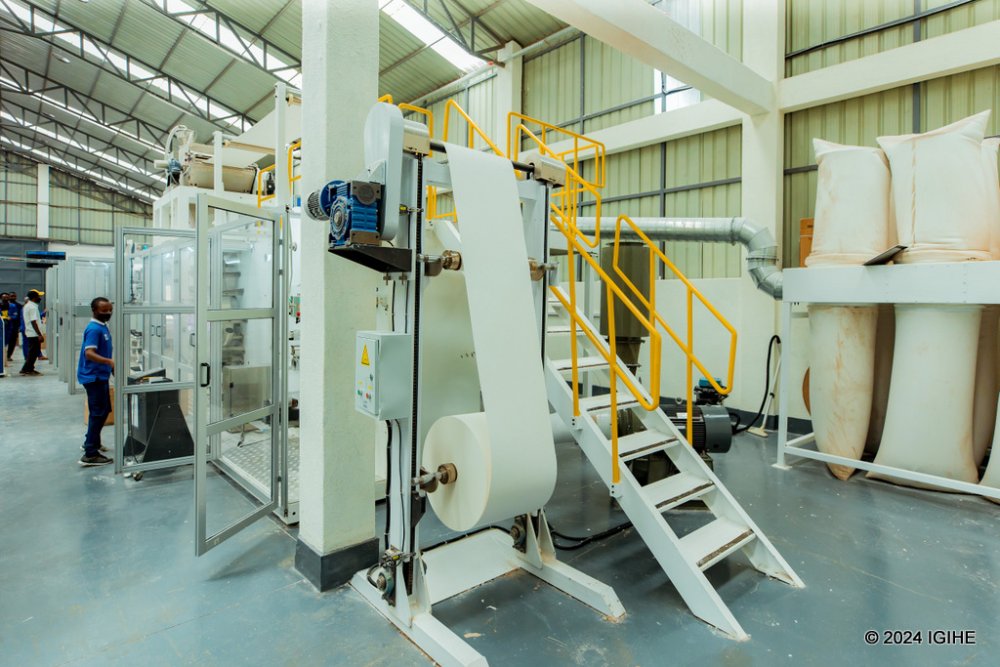
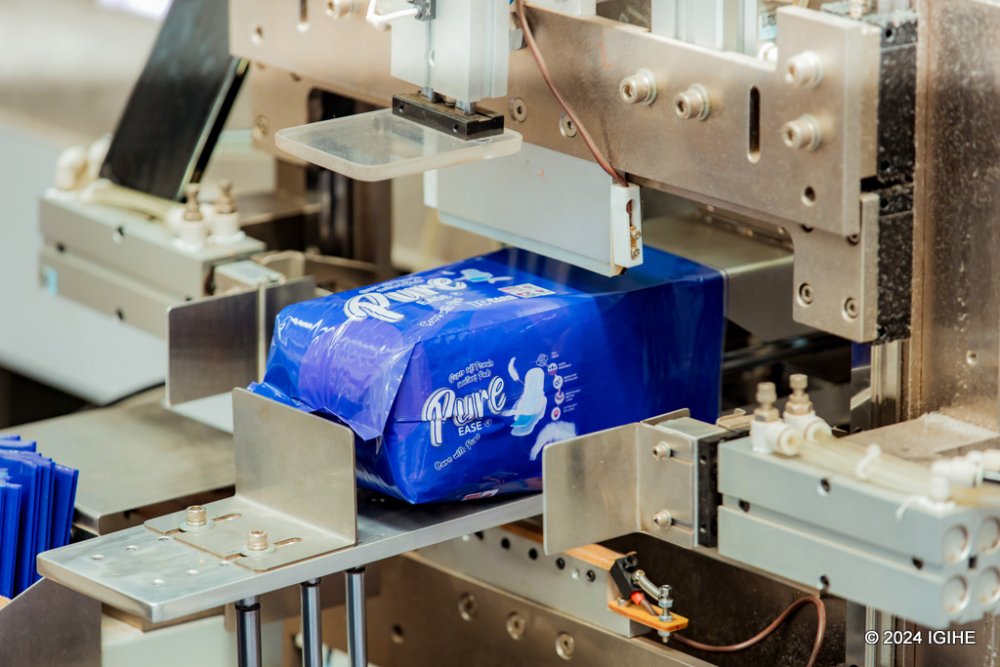
The factory spans four sections, with production already underway for toilet paper. Once fully operational, the facility will produce a variety of products, including toilet paper rolls, laundry soap, sanitary pads under ‘Pure’ brand, and corrugated boxes. The toilet paper section alone can produce over 800 packs daily, each containing ten rolls.
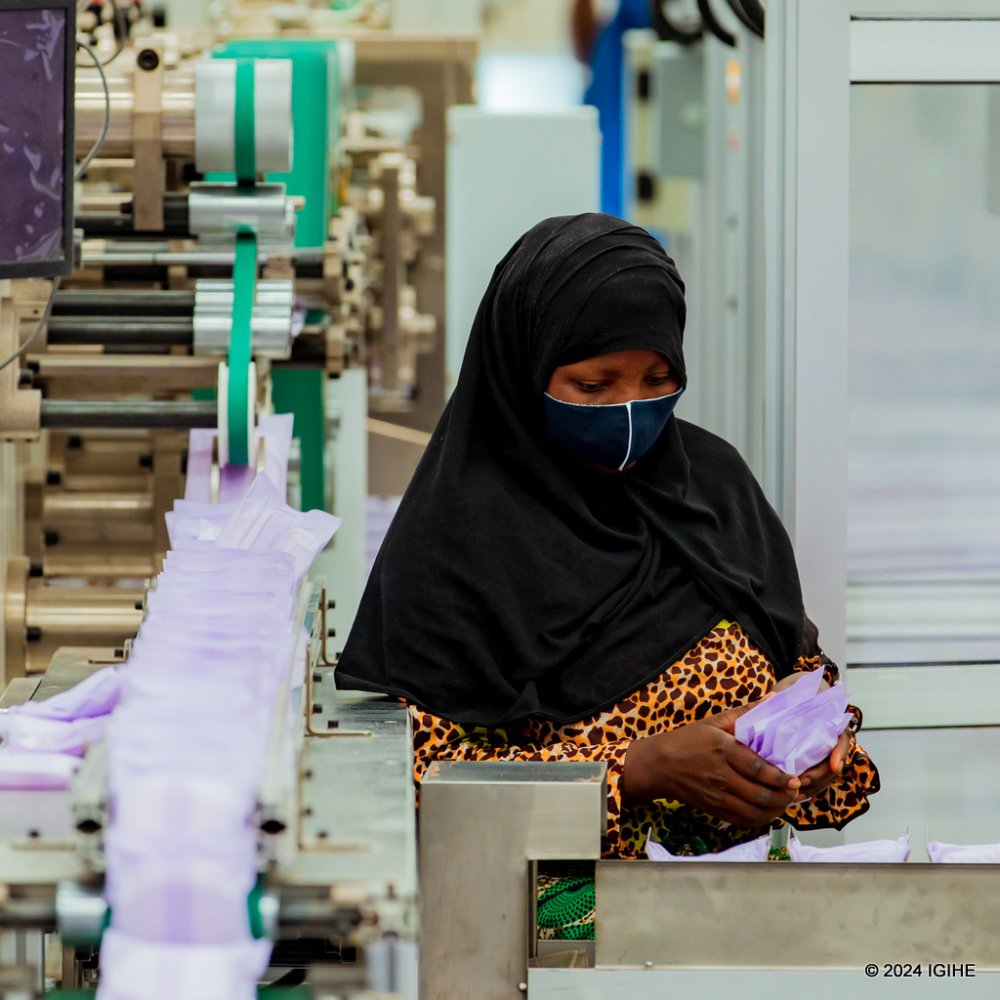
The soap production unit is nearly complete, with 80% of the work finished. It is expected to produce up to 24 metric tons of laundry soap daily, with raw materials imported from Indonesia and India. The plant is also focused on sanitary pad production, becoming the first factory in Rwanda to manufacture them.
“Our capacity is set to produce up to 200,000 pads in an 8-hour shift and 500,000 pads in a 24-hour shift with ten pads packaged together,” said Anir Kumar, the plant manager.
Kumar emphasized the scale of the operation, noting, “This factory has been under construction for the last two years. We are now 99% complete. The final steps involve installing machines for soap and corrugated box production, which will be operational in two months.”
The factory’s infrastructure is designed to accommodate a wide range of products, with raw materials sourced from countries including China, Egypt, India, and Russia.
The sanitary pad production line will rely on imported materials such as PP films and pulps, while the corrugated box unit will provide packaging solutions for a variety of products.
“We want to reach every village and improve the hygiene and quality of life for women,” Kumar added, underscoring the factory’s commitment to quality and its potential impact on public health.
With the factory’s opening, Rwanda’s manufacturing sector is set to see a significant boost.
The new facility will reduce the country’s dependence on imports and provide much-needed employment opportunities.
Over 100 permanent jobs and more than 80 temporary jobs are expected to be created.
The construction of the factory is set to cost $30 million due to the expansion of the product range beyond the initial plans, which originally focused on only soap and sanitary products.
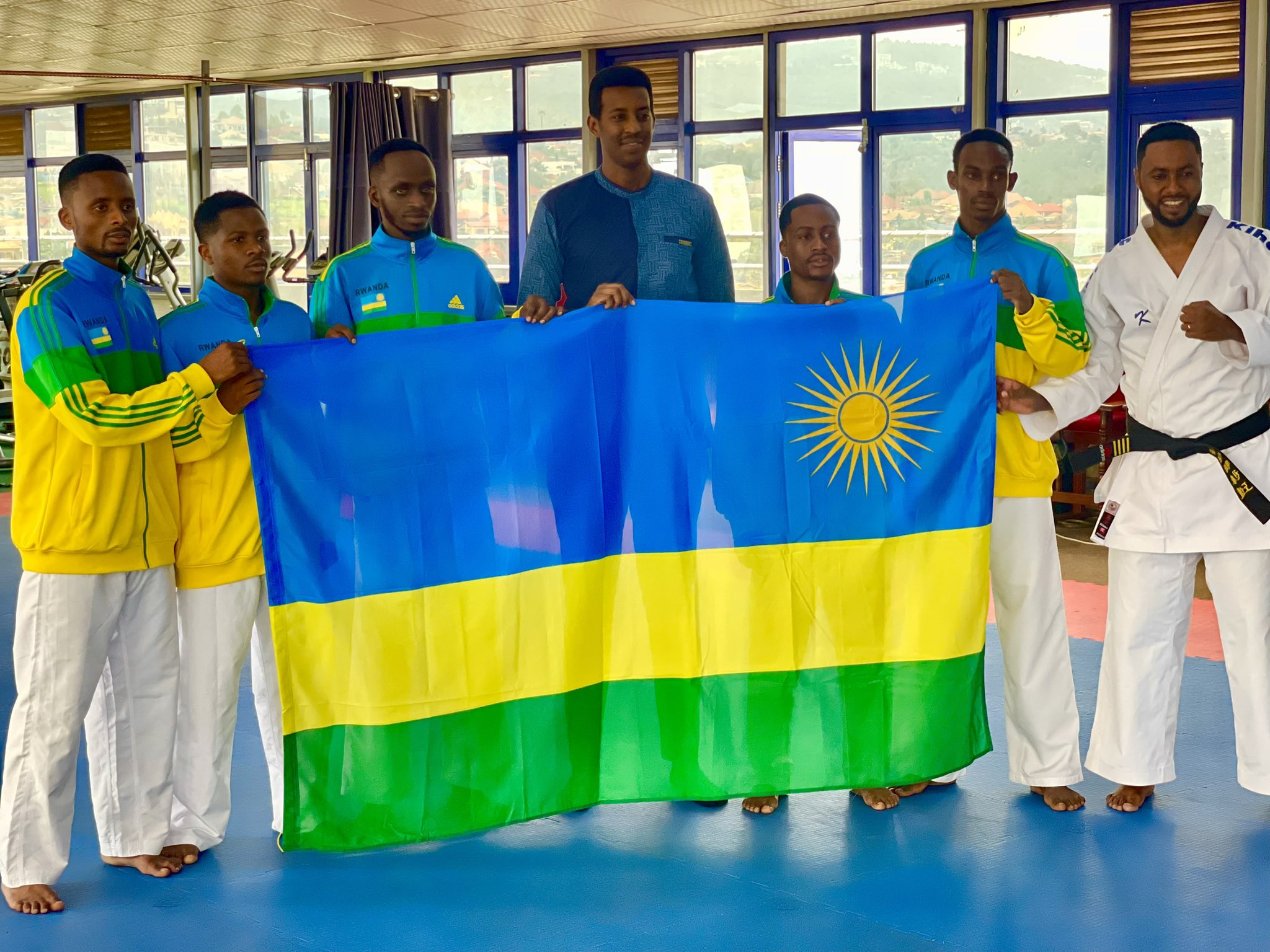
The competition is set to run from November 28 to December 2, 2024, in the city of Durban.
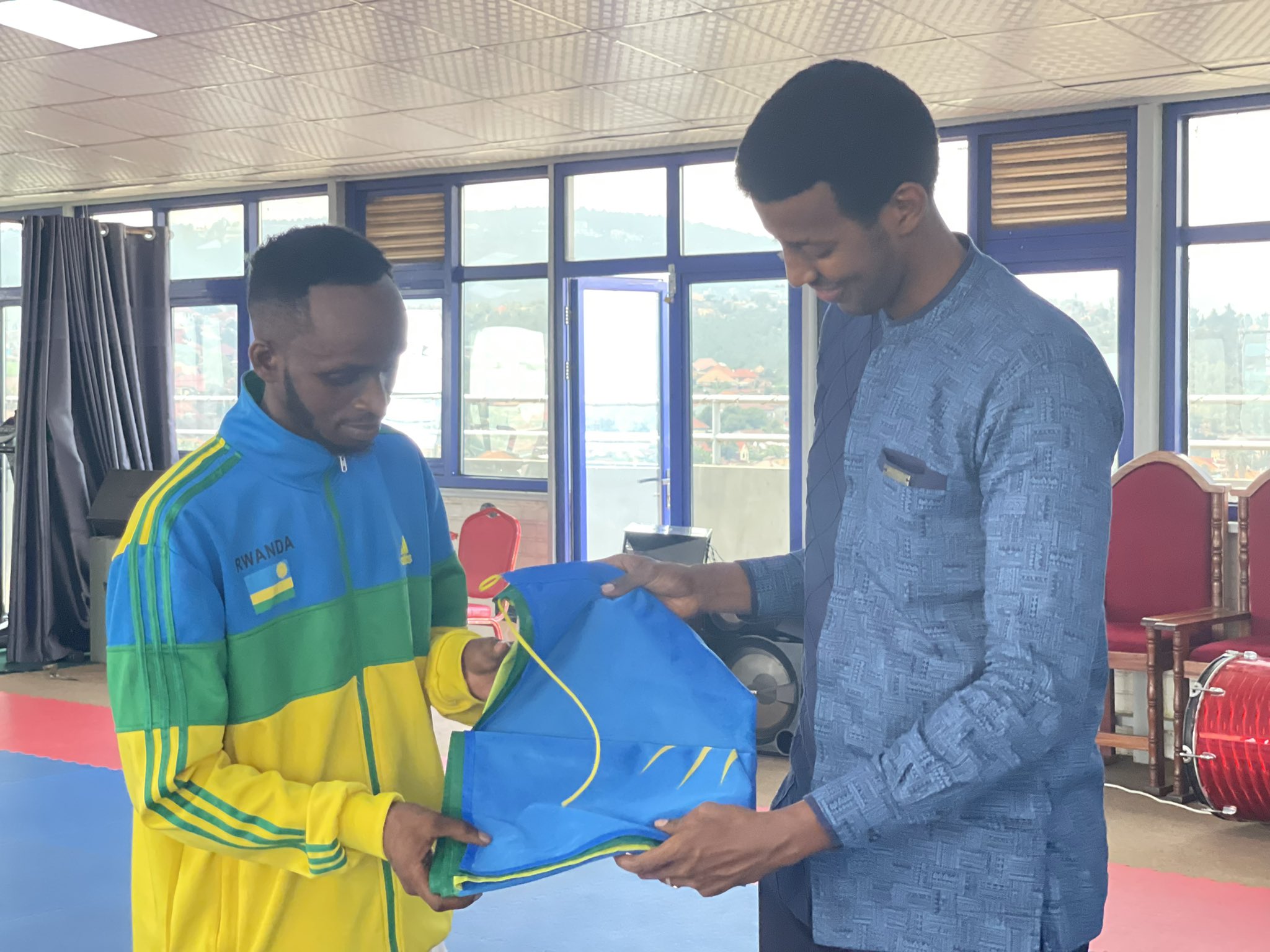
The five athletes, coached by Christian Kamuzinzi, were flagged off by Rwego Ngarambe, Director General in charge of Sports Infrastructure Development and Management at the Ministry of Sports.
While presenting the Rwandan flag to the team, Rwego encouraged the athletes, reaffirming the nation’s full support and confidence in their abilities.
He urged them to give their best effort and aim for medals in the tournament.
The 2024 Commonwealth Karate Championships will bring together athletes from across the Commonwealth for an exciting display of skill and competition.
Competing nations include England, Scotland, Canada, Australia, New Zealand, Trinidad and Tobago, Sri Lanka, Bangladesh and Rwanda among others.
Hosted by Karate South Africa, the event marks a significant milestone as it serves as both a platform for elite karatekas and an opportunity to promote the sport’s growth within the region.
The tournament will feature categories for juniors, seniors, and veterans, showcasing inclusivity across various age groups.
Athletes will compete in Kumite (sparring) and Kata (forms), showcasing diverse styles and techniques.
The event also includes networking opportunities for national karate federations to discuss the development and integration of karate into broader sports systems.
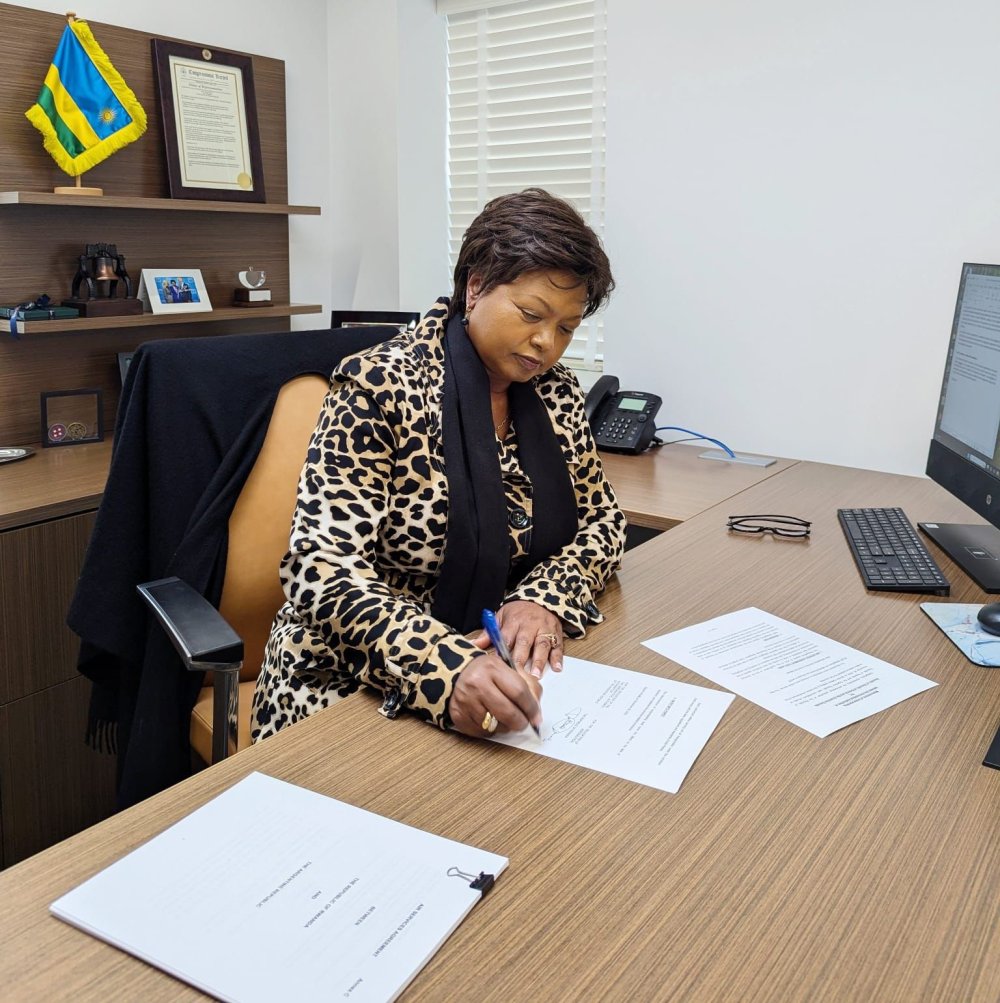
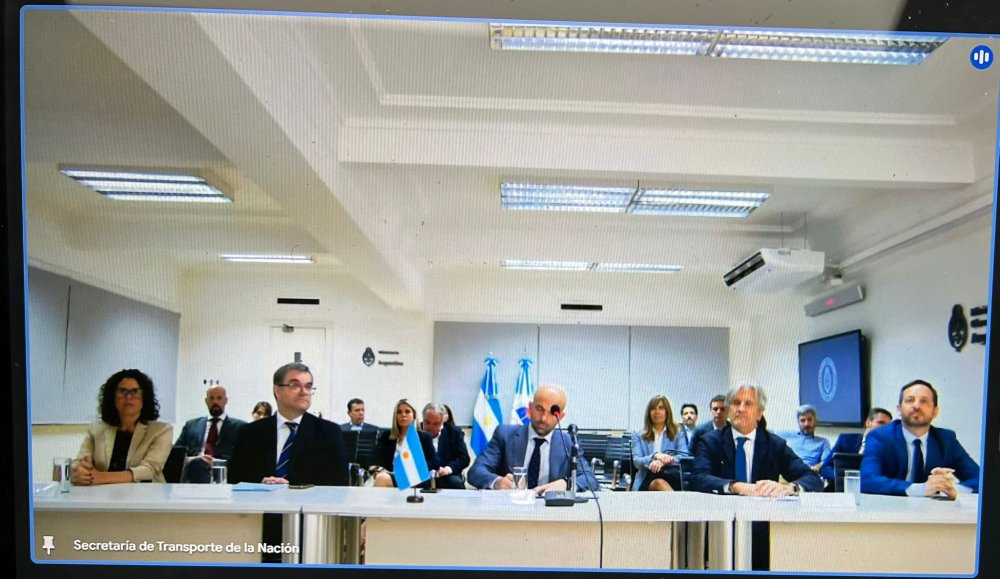
The agreement was signed on Tuesday, November 26, 2024, by Rwanda’s Ambassador to the United States, Mathilde Mukantabana, and Argentina’s Secretary of Transport, Franco Mogetta.
Ambassador Mukantabana praised the signing as a significant step in strengthening bilateral relations.
“This milestone is not only an achievement for our aviation industries but also a symbol of the strong and growing ties between our nations,” she said.
Both Rwanda and Argentina share a history of strong cooperation and are now focused on further expanding and deepening their collaboration across political, economic, commercial, and cultural areas for mutual benefit.
This was revealed during discussions between MINEMA and the Senate’s Standing Committee on Foreign Affairs, Cooperation, and Security on November 27, 2024.
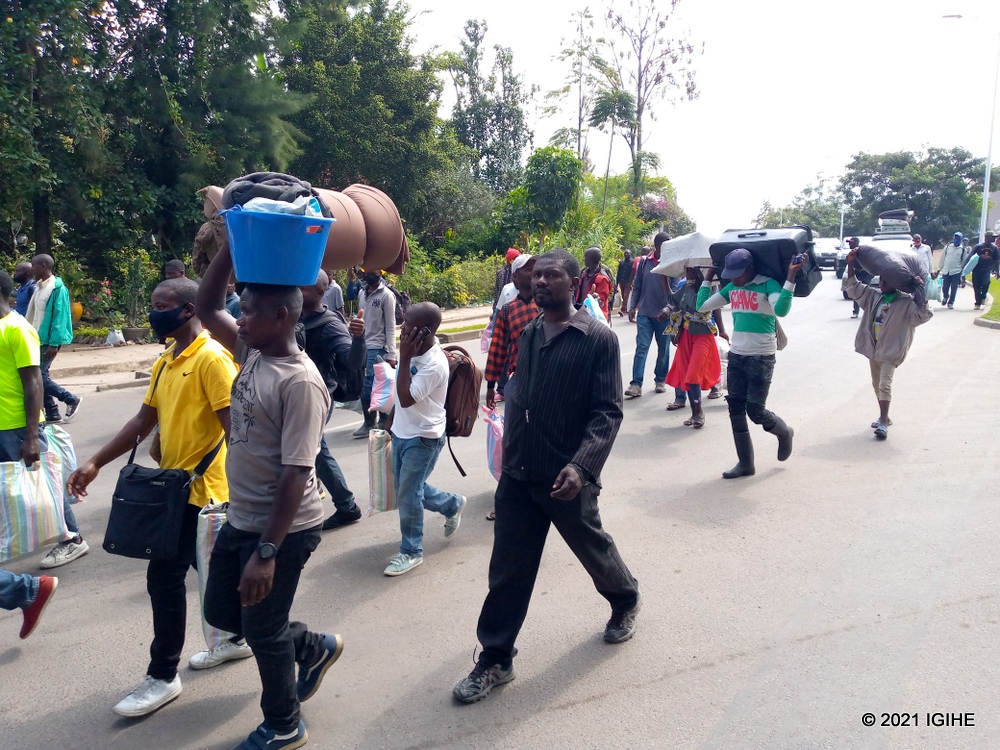
Rwanda has been hosting refugees from the Democratic Republic of Congo (DRC) for the past two years, particularly at the Nkamira refugee camp, where individuals seeking refuge have been granted asylum-seeker status. However, due to limited capacity, many have been relocated to other camps across the country.
Minister of Emergency Management Maj Gen (Rtd) Albert Murasira stated that Rwanda currently accommodates over 135,000 refugees, including nearly 15,000 who have arrived since the escalation of the M23 conflict. However, these refugees have not yet been granted official asylum status.
“We are currently hosting around 14,000 to 15,000 refugees who fled the DRC after the M23 conflict. They have not yet received asylum status. While Nkamira camp currently hosts about 4,000 refugees, the camp lacks the capacity to accommodate the full influx, so they have been relocated to other camps while holding refugee-seeker status,” Murasira explained.
He also mentioned that the total number of people seeking asylum in Rwanda, including those from other countries, exceeds 16,000. Refugees in various camps receive cash assistance to purchase essential items, while those at Nkamira are provided with food supplies.
Among the camps, Mahama hosts the largest number of refugees, with 68,115 individuals.
Other camps with significant refugee populations include Kiziba (14,350), Kigeme (14,868), Mugombwa (11,980), and Nyabiheke (11,480). According to MINEMA statistics, more than 9% of refugees in Rwanda live in urban areas, where they are able to meet their basic needs.
The United Nations Refugee Agency (UNHCR) reports that the DRC has over 7.2 million internally displaced persons.
By September 30, 2024, the number of displaced people from North Kivu—due to the activities of various armed groups, including the FDLR militia and the Wazalendo group—had reached 1.78 million. In the 18 months leading up to September 2024, approximately 865,000 internally displaced persons had returned to their homes.
Makolo’s remarks were in response to a viral video of Congolese Justice Minister Constant Mutamba, who was captured inciting inmates at Munzenze Prison in Goma against Rwandan President Paul Kagame and Congolese Tutsis, whom he referred to as “Banyarwanda.”
In the shocking video, the minister called for violent actions against the Rwandan Head of State and those associated with Rwanda. He was also heard promising to free prisoners who help identify “traitors” and “foreigners,” who would then be “arrested and killed.”
Makolo termed the minister’s violent rhetoric a reflection of the constant tensions Rwanda has to deal with daily.
“How sick is the DRC justice system? So sick that the DRC justice minister Constant Mutamba wore a mask to stem the stench of rot in the Munzenze prison in Goma, a stone’s throw from the Rwandan border, while he spewed, in Kiswahili, hate speech and incited the prisoners to hunt, denounce, and kill ‘Banyarwanda,’ including the President of Rwanda, in exchange for freedom. This is what Rwanda has to deal with every day. This is why Rwanda’s defensive measures remain in place,” the spokesperson wrote on X, while taking a swipe at DRC’s justice system.
Rwanda has in the past put in place defensive measures citing constant threats from the FDLR group, which comprises remnants of the perpetrators of the 1994 Genocide against the Tutsi in Rwanda.
The FDLR militia group has been accused of collaborating with the Congolese government to persecute Congolese Tutsis, many of whom have sought refuge in Rwanda. The persecution led to the rise of the M23 rebel group in 2012, which said it was fighting for the rights of the Tutsi minority in eastern Congo.
The fight between the government forces and the rebels has heightened tensions in the region as the Congolese leadership accused Rwanda of supporting M23. Rwanda denies the claim.
The situation was exacerbated after the Congolese political and military leadership, including President Tshisekedi, repeatedly declared their intention to invade Rwanda and change the country’s elected government by force.
Yesterday, there was progress in the ongoing peace talks between the two countries after an agreement was reached, outlining how the Democratic Forces for the Liberation of Rwanda (FDLR) militia will be dismantled.
The agreement also includes Rwanda lifting the security measures it had put in place due to concerns over its security arising from the political tension in eastern DRC.
The signing of the agreement followed discussions between the two parties in Luanda, Angola. Rwanda was represented by Minister of Foreign Affairs, Olivier Nduhungirehe, while the DRC was represented by Foreign Minister Therese K. Wagner. The meeting was also attended by Angola’s Minister of Foreign Affairs, Tete António, who acted as the mediator.
“Under the deal reached today, effective at 4 a.m. tomorrow local time, the fighting across the Lebanese-Israeli border will end,” Biden said in remarks delivered from the White House Rose Garden.
“This is designed to be a permanent cessation of hostilities. What is left of Hezbollah and other terrorist organizations will not be allowed,” he added.
“Over the next 60 days, Israel will gradually withdraw its remaining forces, and civilians on both sides will soon be able to safely return to their communities and begin to rebuild their homes,” Biden said.
Israel, the president said, “retains the right to self defense” in the event that “Hezbollah or anyone else” breaks the newly announced deal, which was approved by the Israeli cabinet on the same day.
In a U.S.-France joint statement announcing the ceasefire deal, the two countries said the “announcement will create the conditions to restore lasting calm and allow residents in both countries to return safely to their homes on both sides of the Blue Line.”
The Blue Line is a demarcation line drawn by the United Nations on June 7, 2000 that is intended to separate the Israeli and Lebanese armies.
Biden in his remarks said the deal “supports Lebanon’s sovereignty, and so it heralds a new start for Lebanon.” He said no U.S. troops will be deployed to southern Lebanon.
Toward the end of his speech, Biden also alluded to the situation in Gaza, saying, “Just as the Lebanese people deserve a future of security and prosperity, so do the people of Gaza. They too deserve an end of the fighting and displacement.”
Biden said the Israel-Hezbollah ceasefire deal “brings us closer to realizing the affirmative agenda” he has been pursuing for the Middle East region throughout his presidency, one that fulfills the Palestinian people’s legitimate aspirations for establishing a state of their own, shields Israel from terror threats and achieves the full normalization of relations between Saudi Arabia and Israel.
“I believe this agenda remains possible, and in my remaining time in office, I’ll work tirelessly to advance this vision for an integrated, secure and prosperous region,” Biden said.
The Israeli military drastically stepped up its strikes on Beirut hours before the government in Tel-Aviv approved the ceasefire deal, killing at least 25 people on Tuesday, according to a tally counted by CNN based on health ministry figures.