The motion to remove the martial law order was approved at an urgently convened cabinet meeting, according to multiple media outlets.
Before the meeting, Yoon said in a televised address that martial law troops were withdrawn as the National Assembly demanded the lifting of martial law, vowing to lift the martial law at a cabinet meeting to accept the parliamentary demand.
The president asked the National Assembly to stop paralyzing state affairs by trying to impeach government officials, slash the government’s budget for next year and launch a special prosecutor’s team for investigation into scandals involving the first lady.
Yoon declared the emergency martial law Tuesday night, marking the first martial law declaration since the country’s military dictatorship ended in the late 1980s.
The National Assembly held a plenary session, passing a resolution to lift the martial law with 18 lawmakers of the ruling People Power Party and 172 lawmakers of opposition parties in attendance and voting in favor.
In accordance with the constitution, the president should lift a martial law when the 300-member parliament demands the lifting with a majority of lawmakers voting in favor.
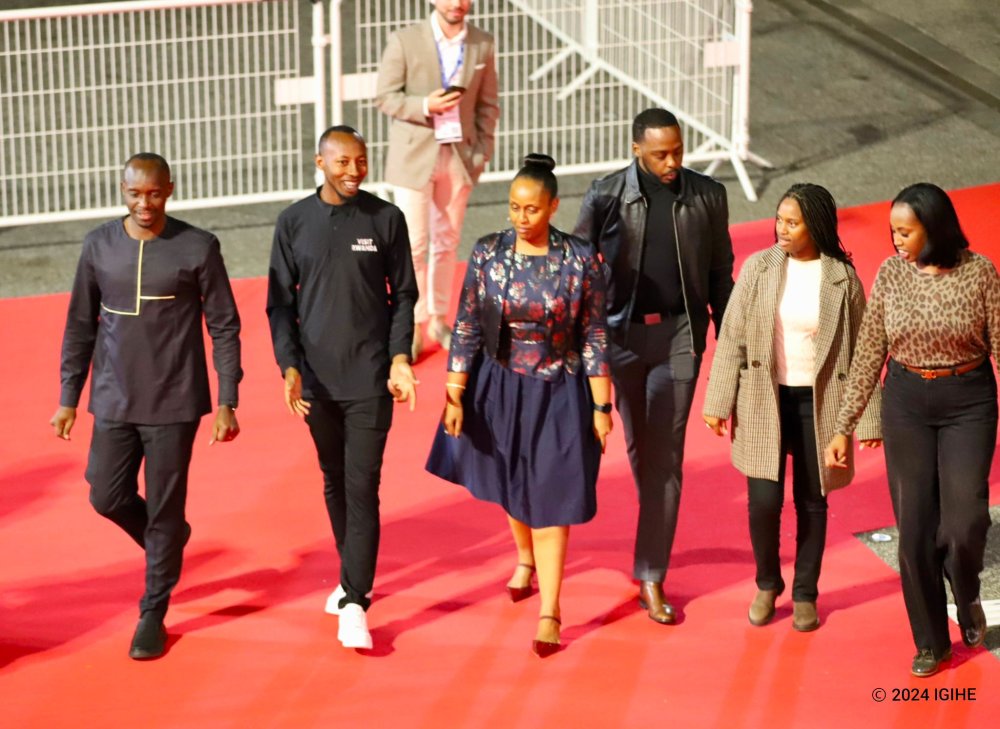
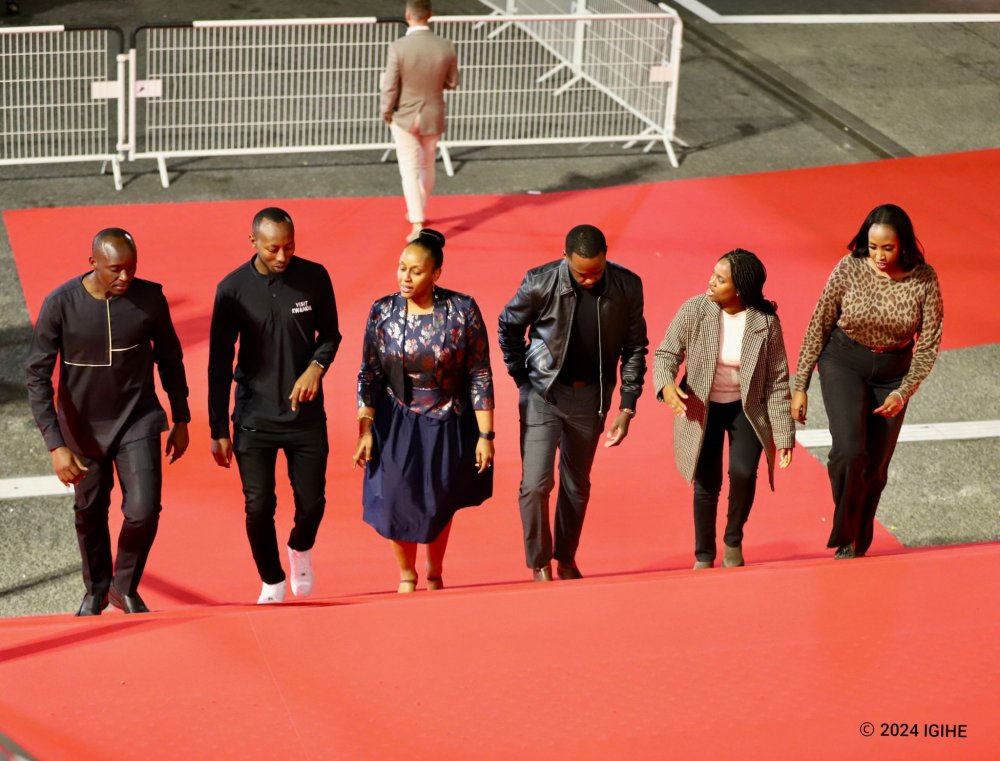
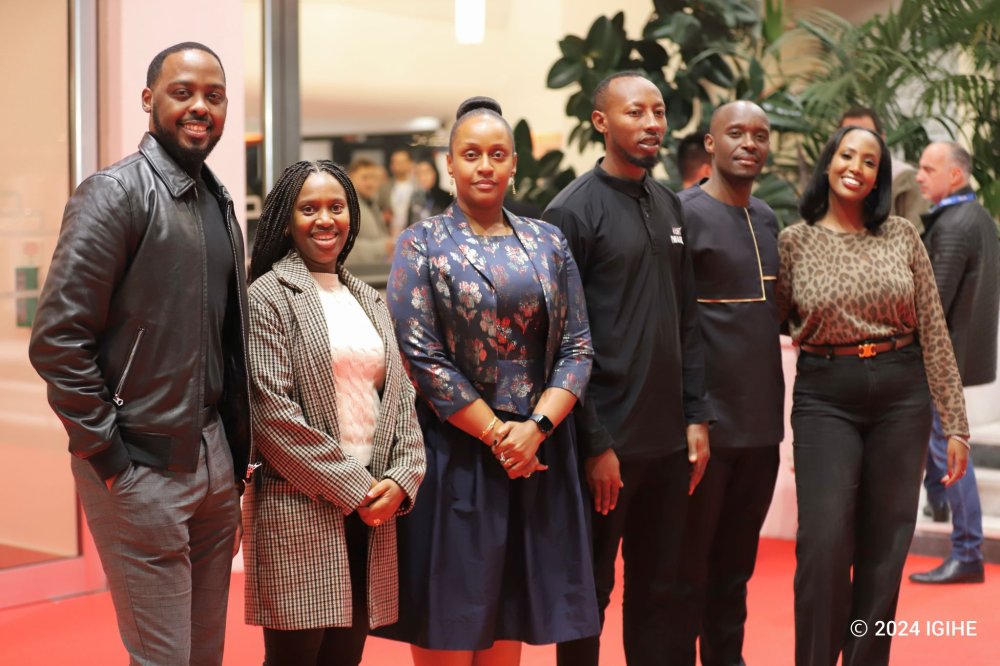
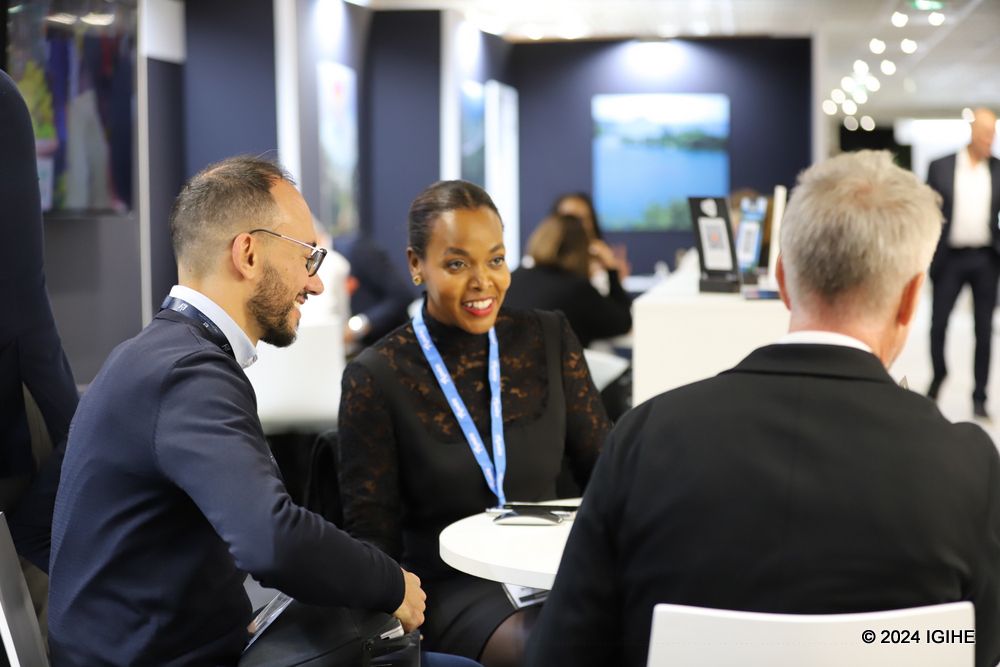
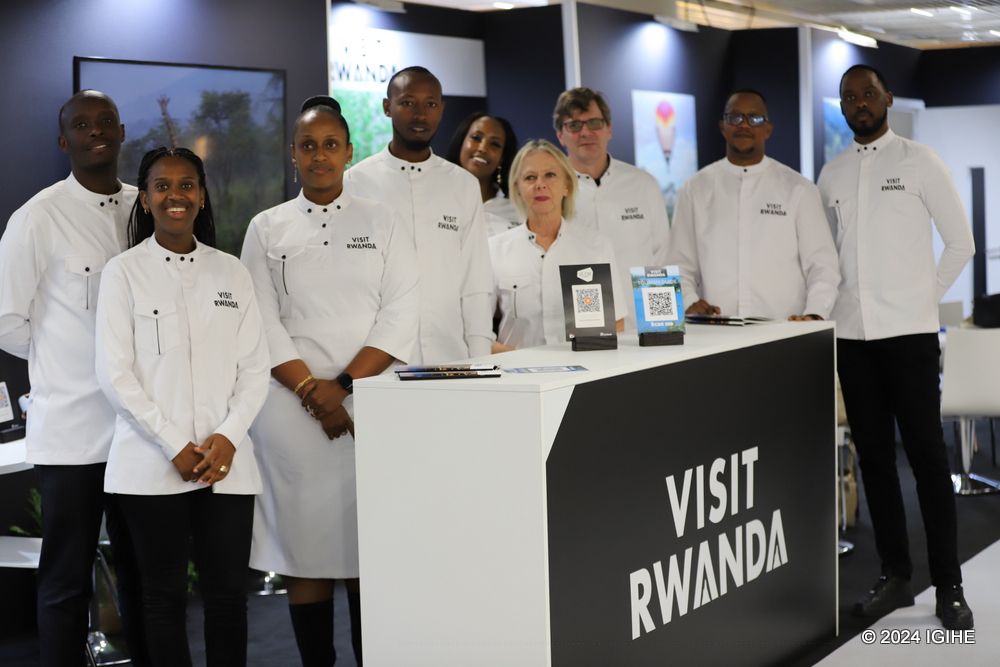
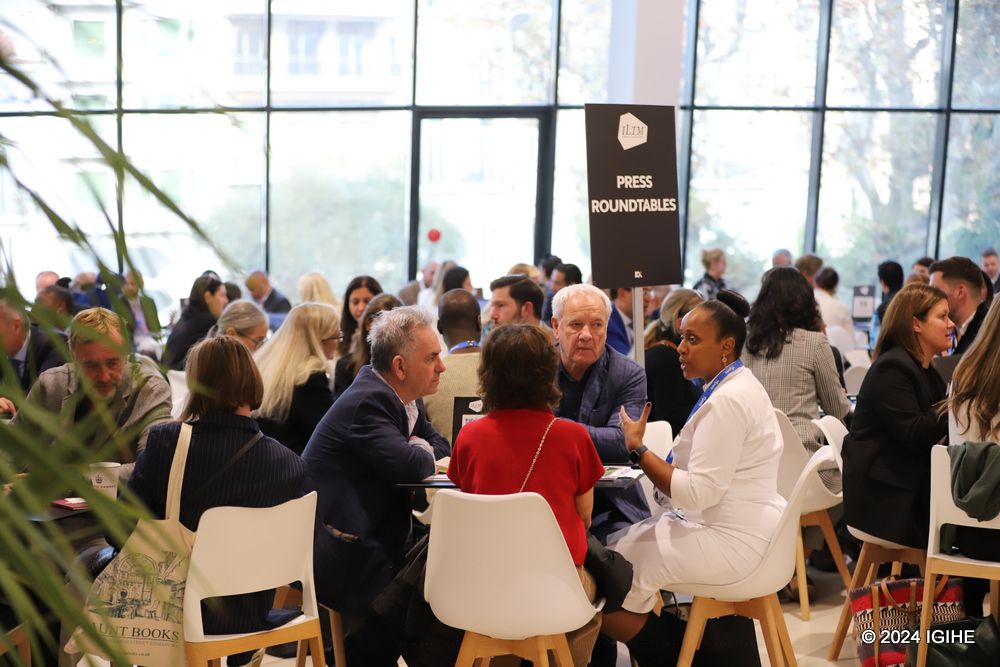
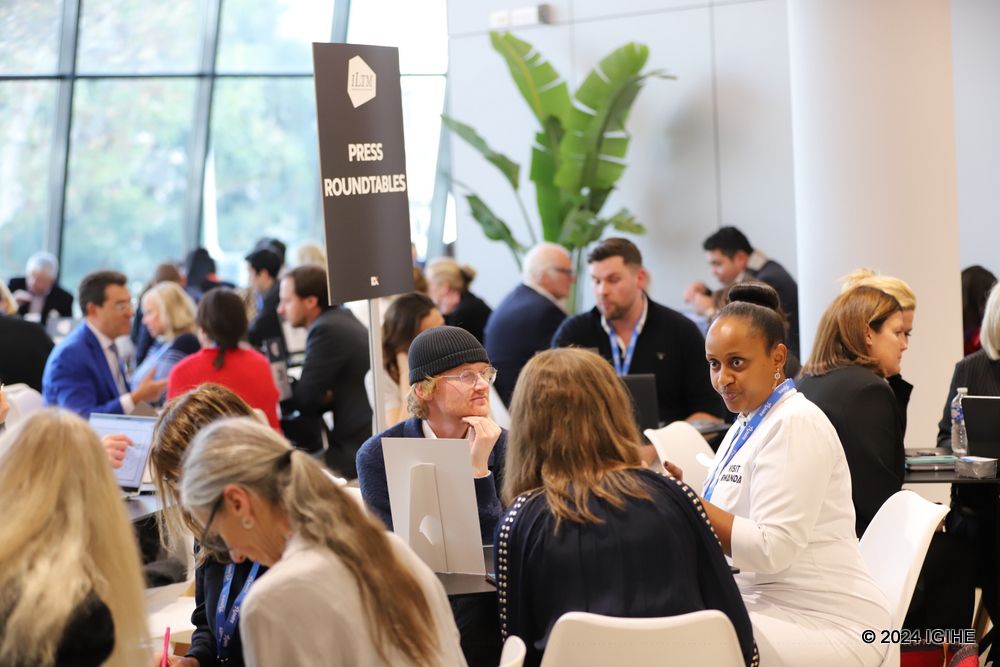
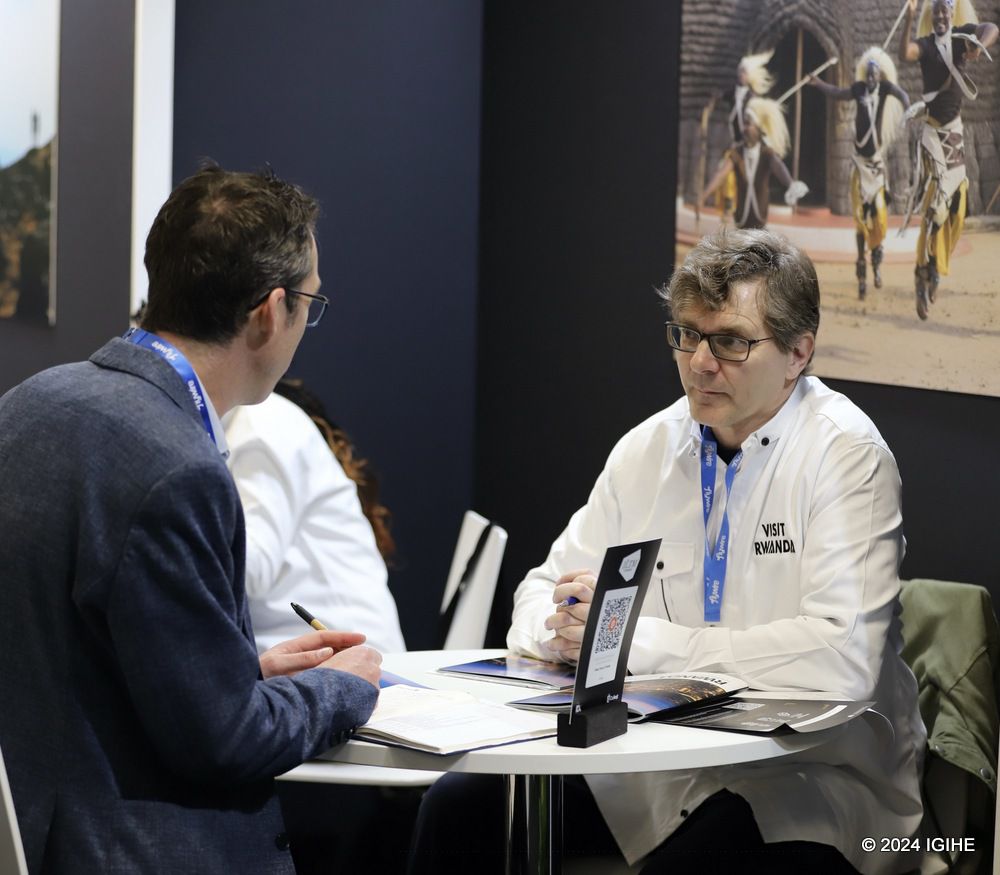
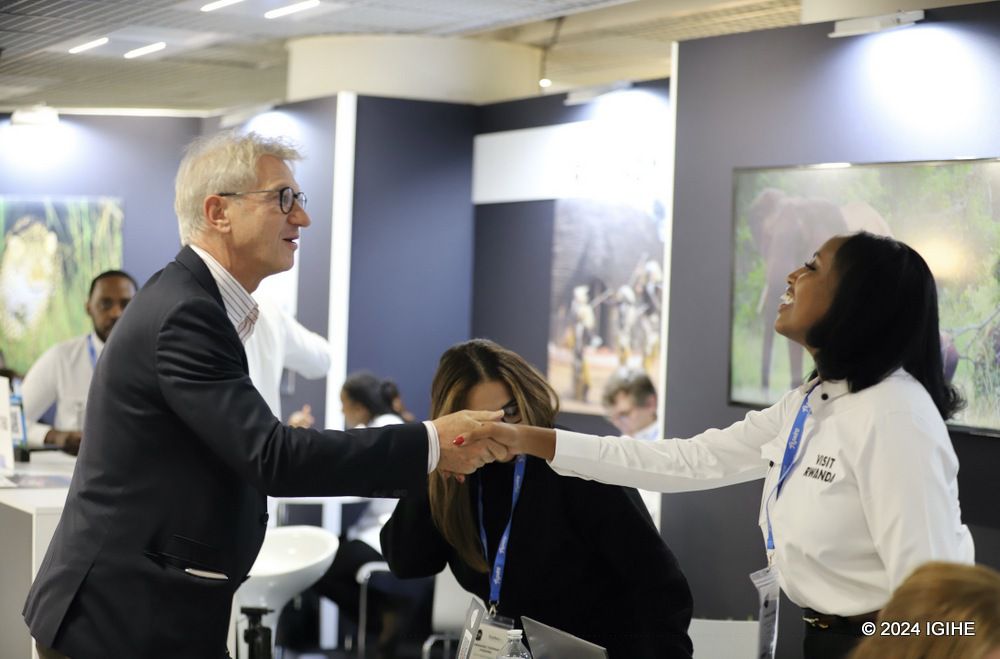
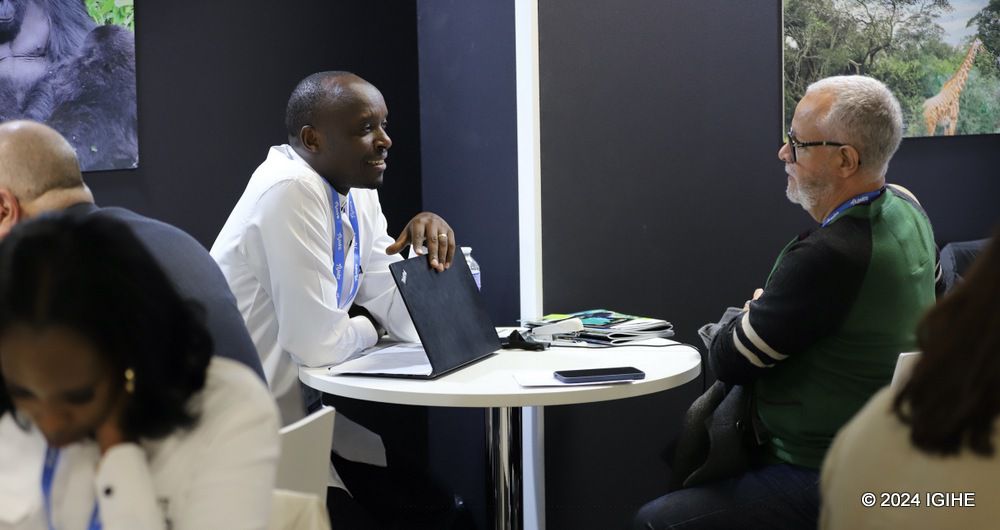
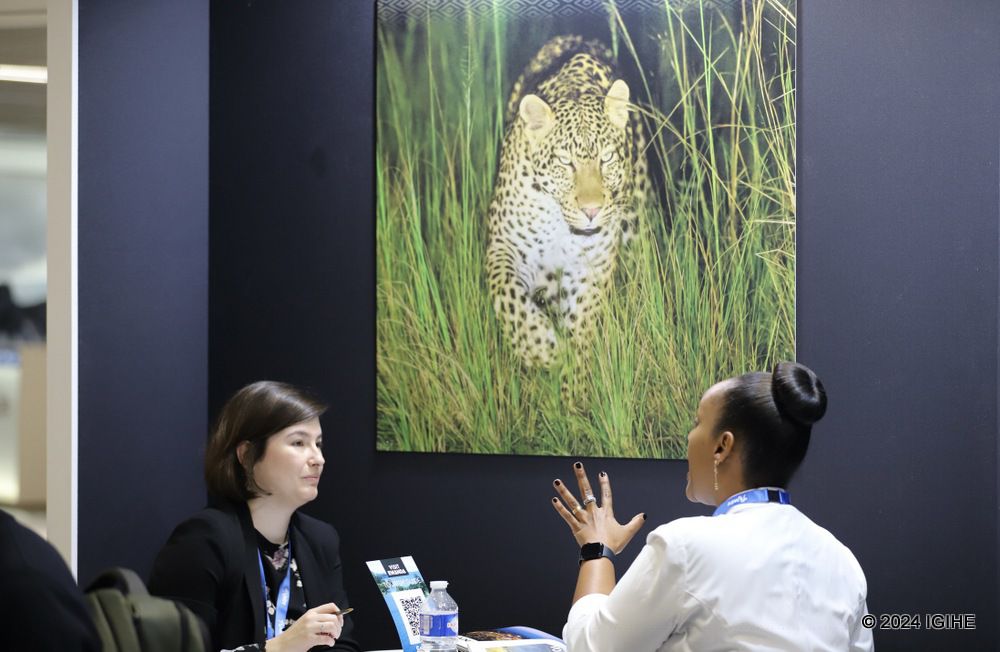
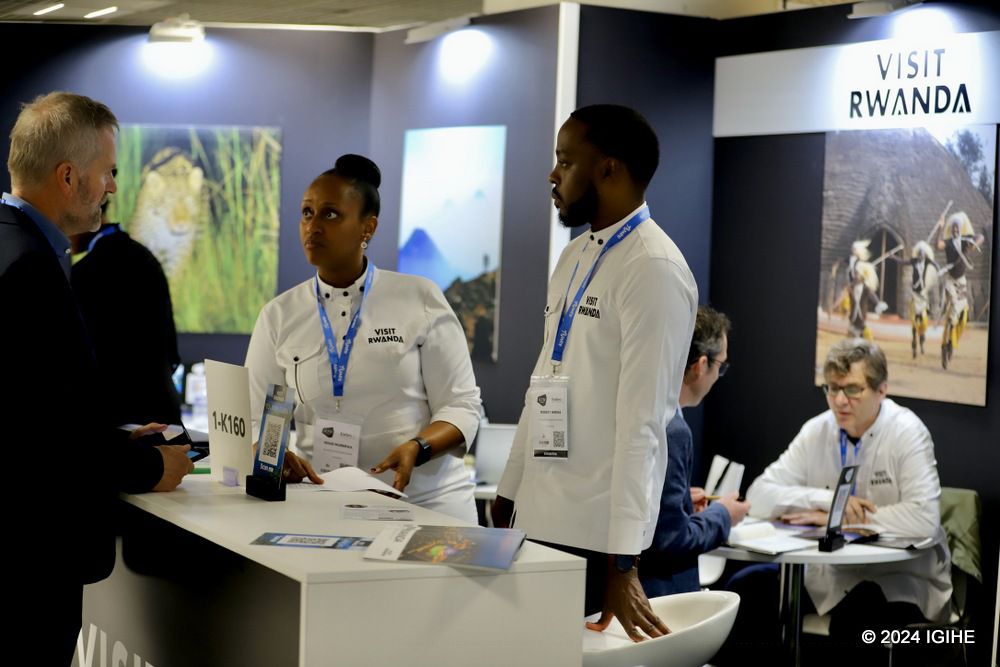
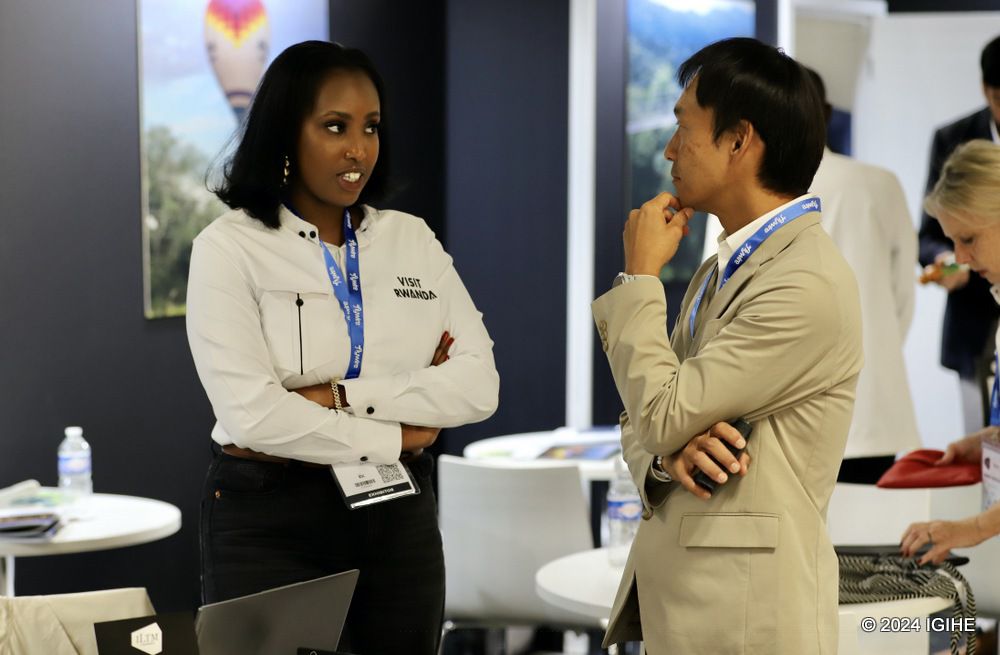
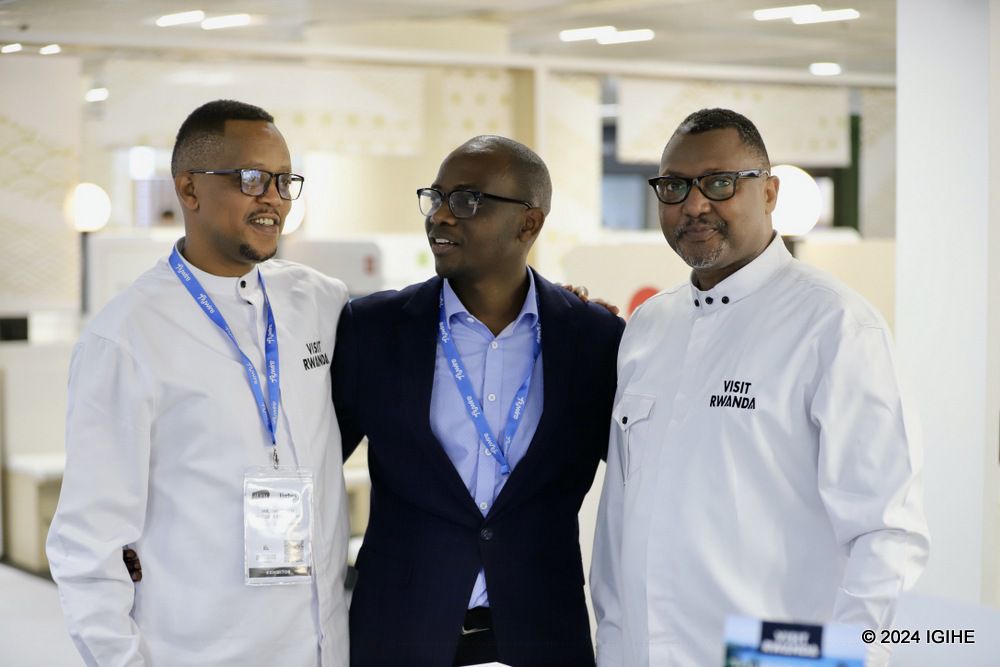
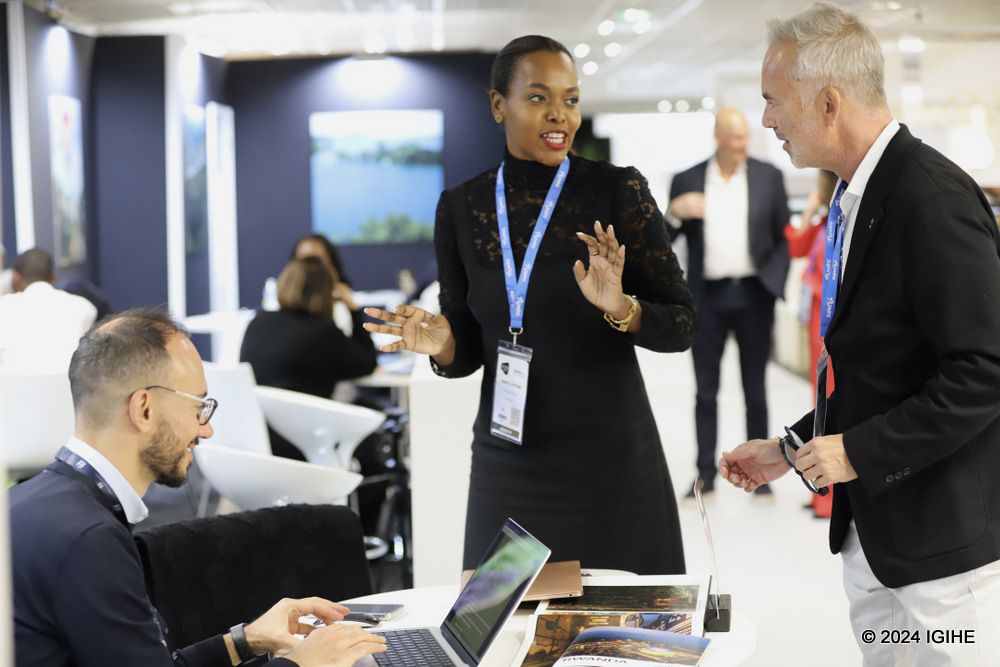
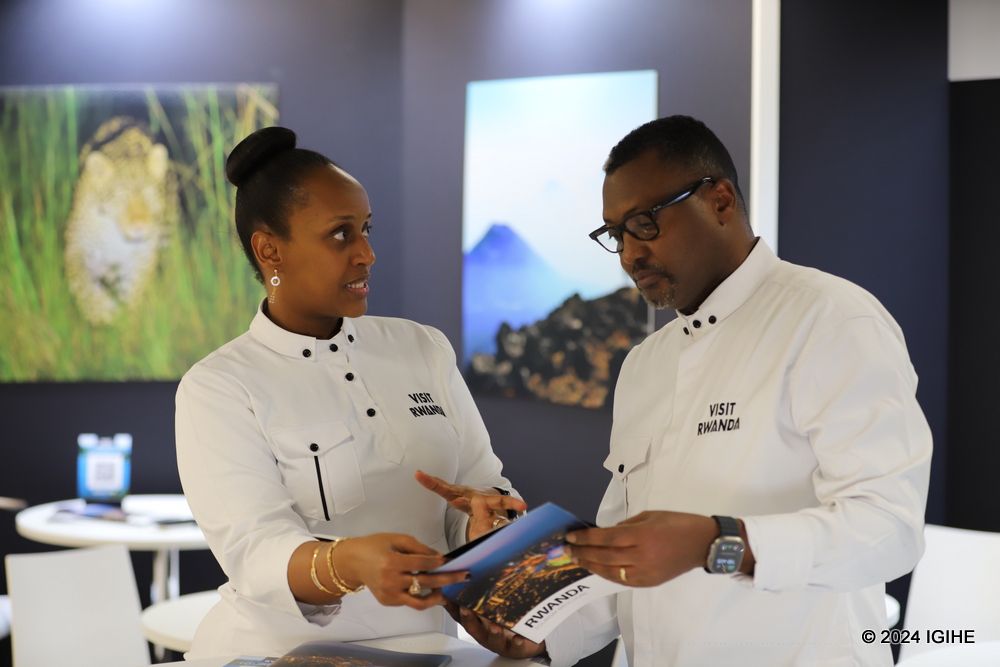
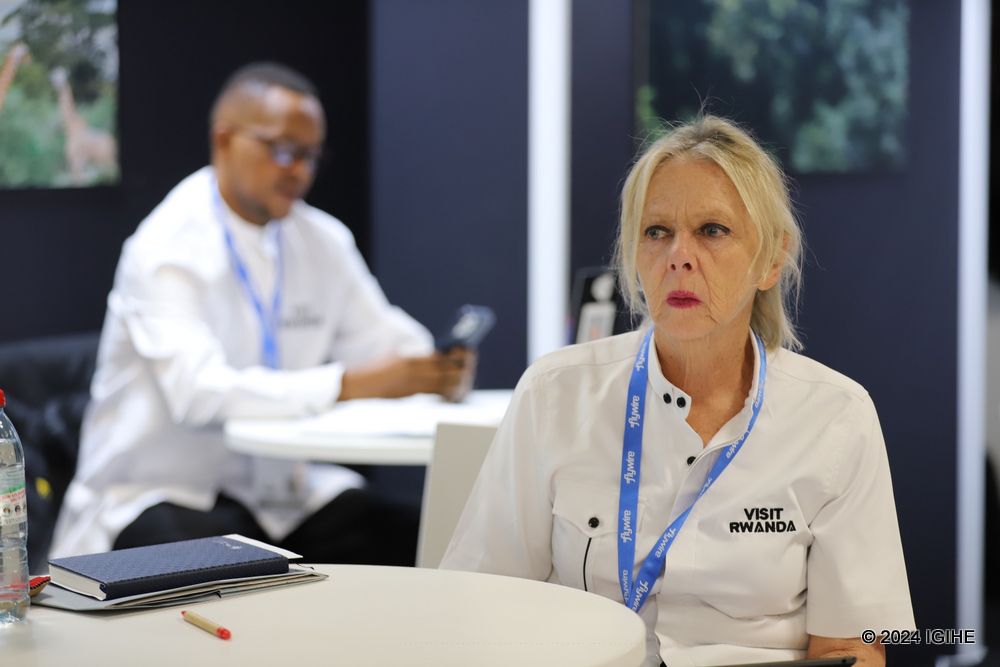
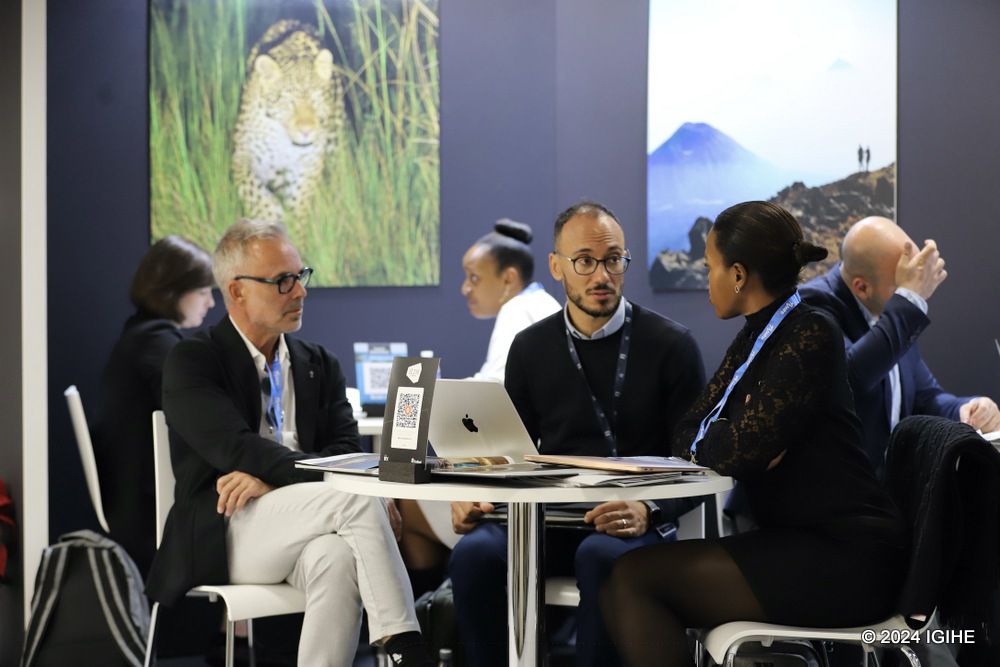
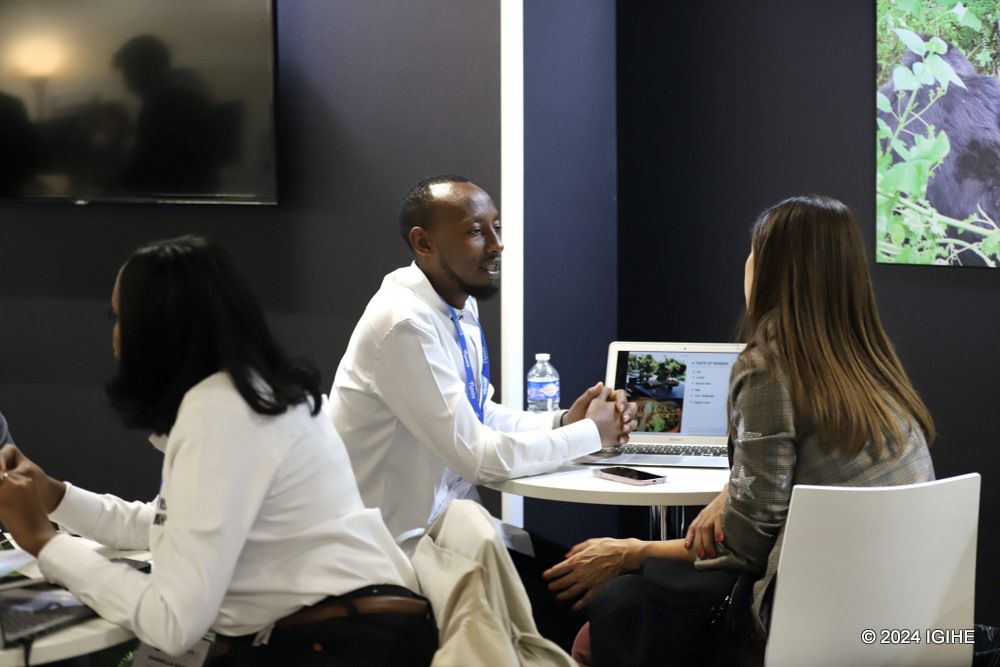
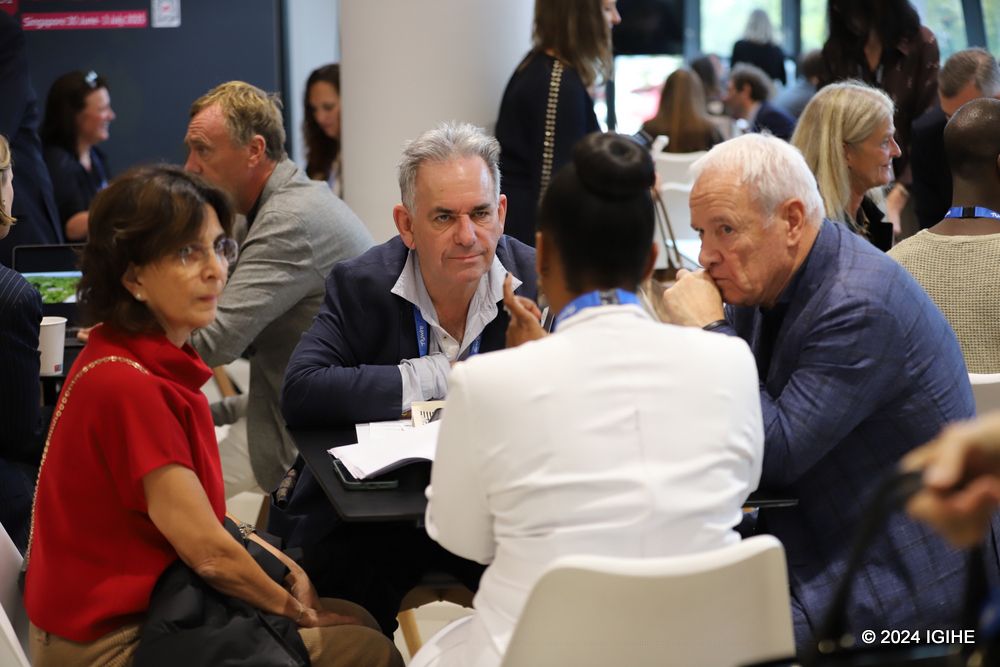
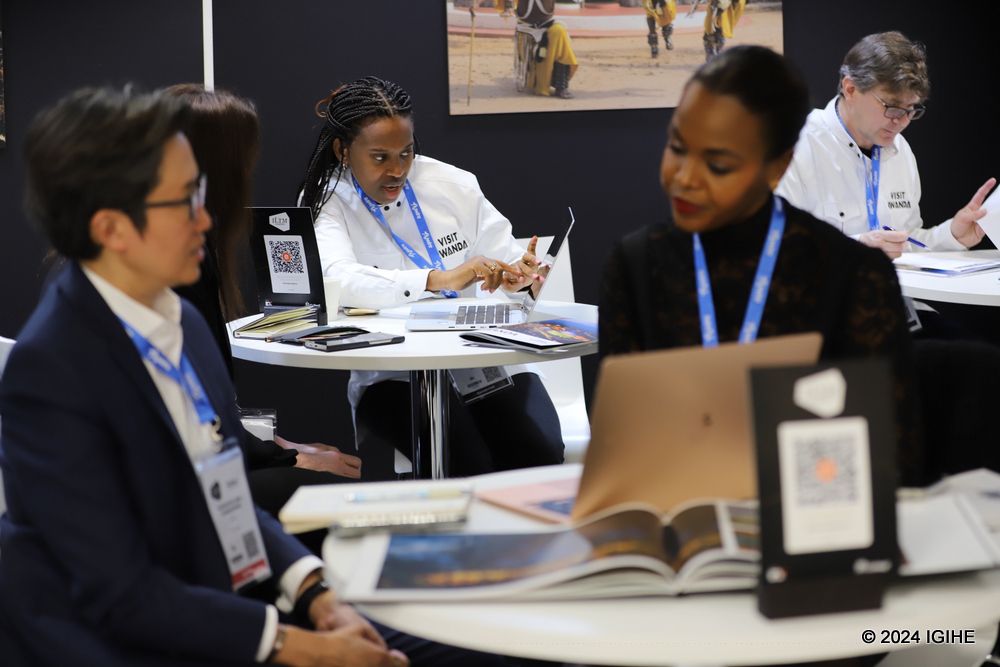
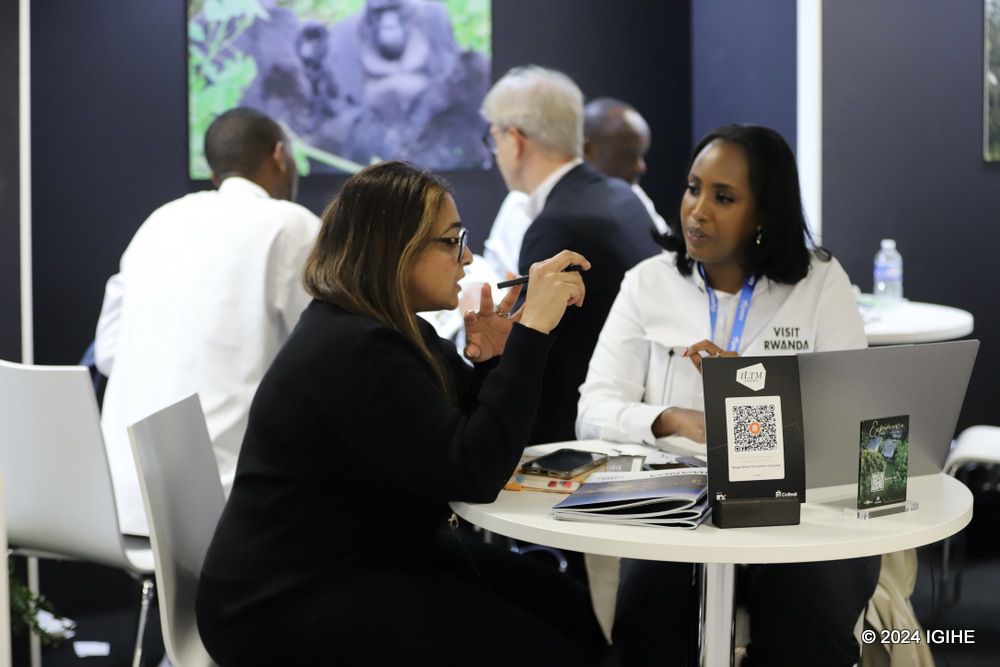
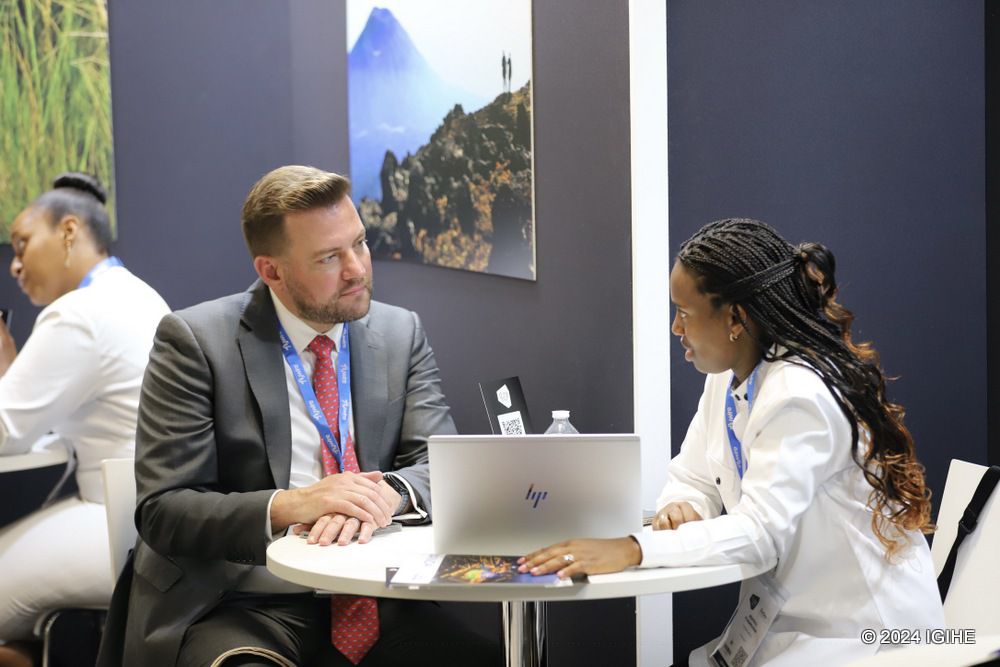
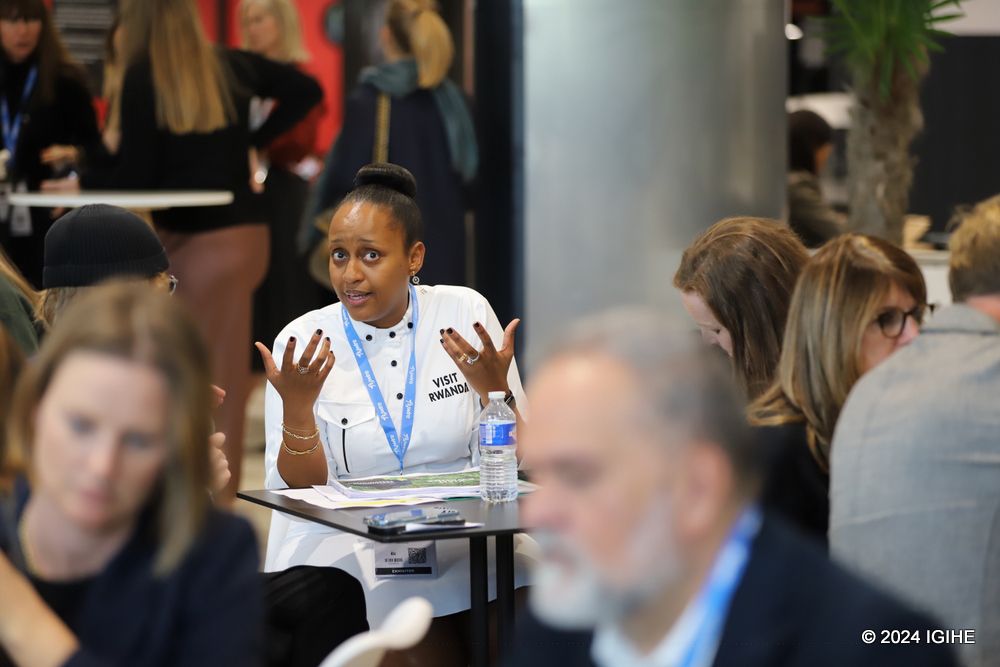
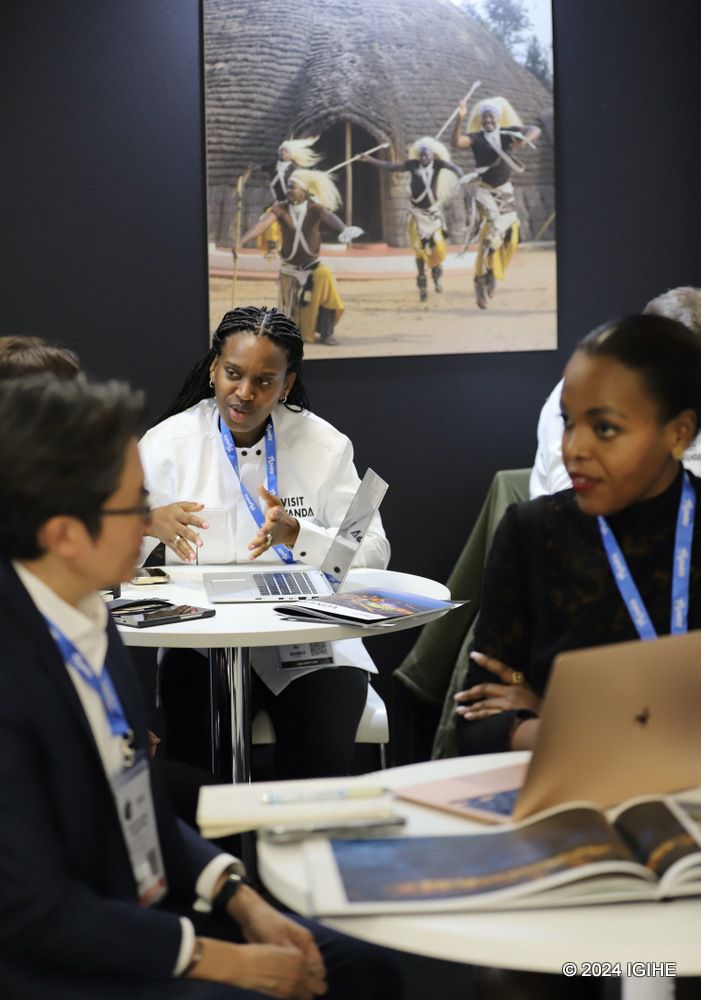
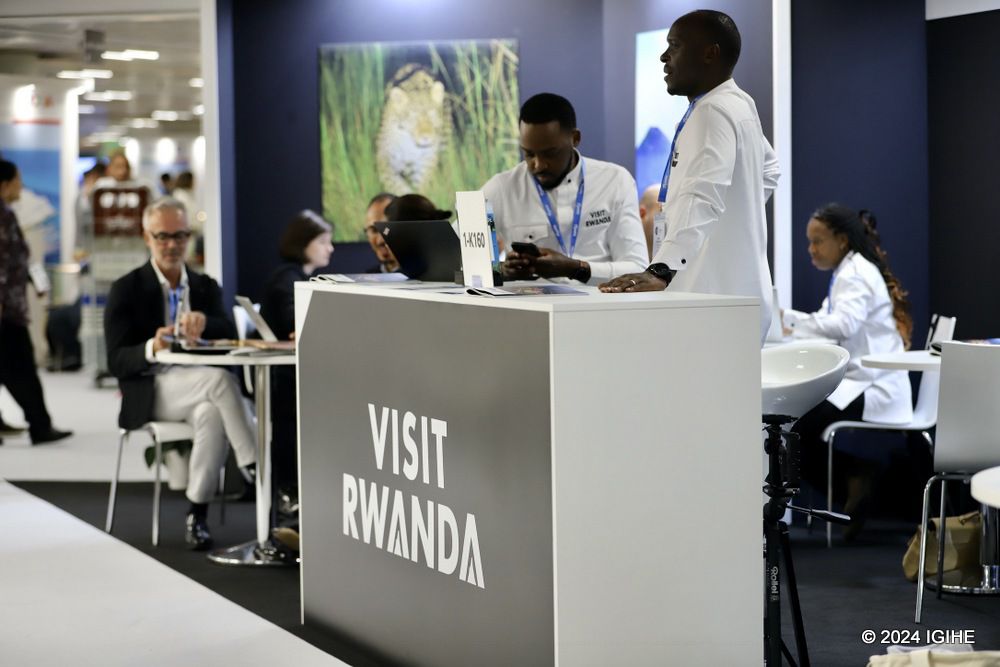
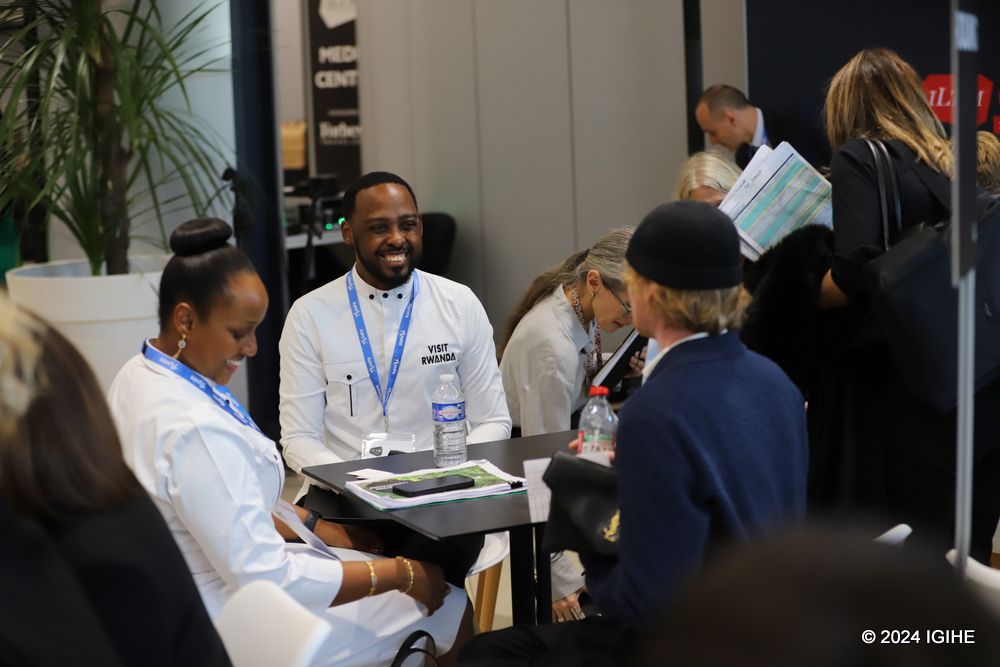
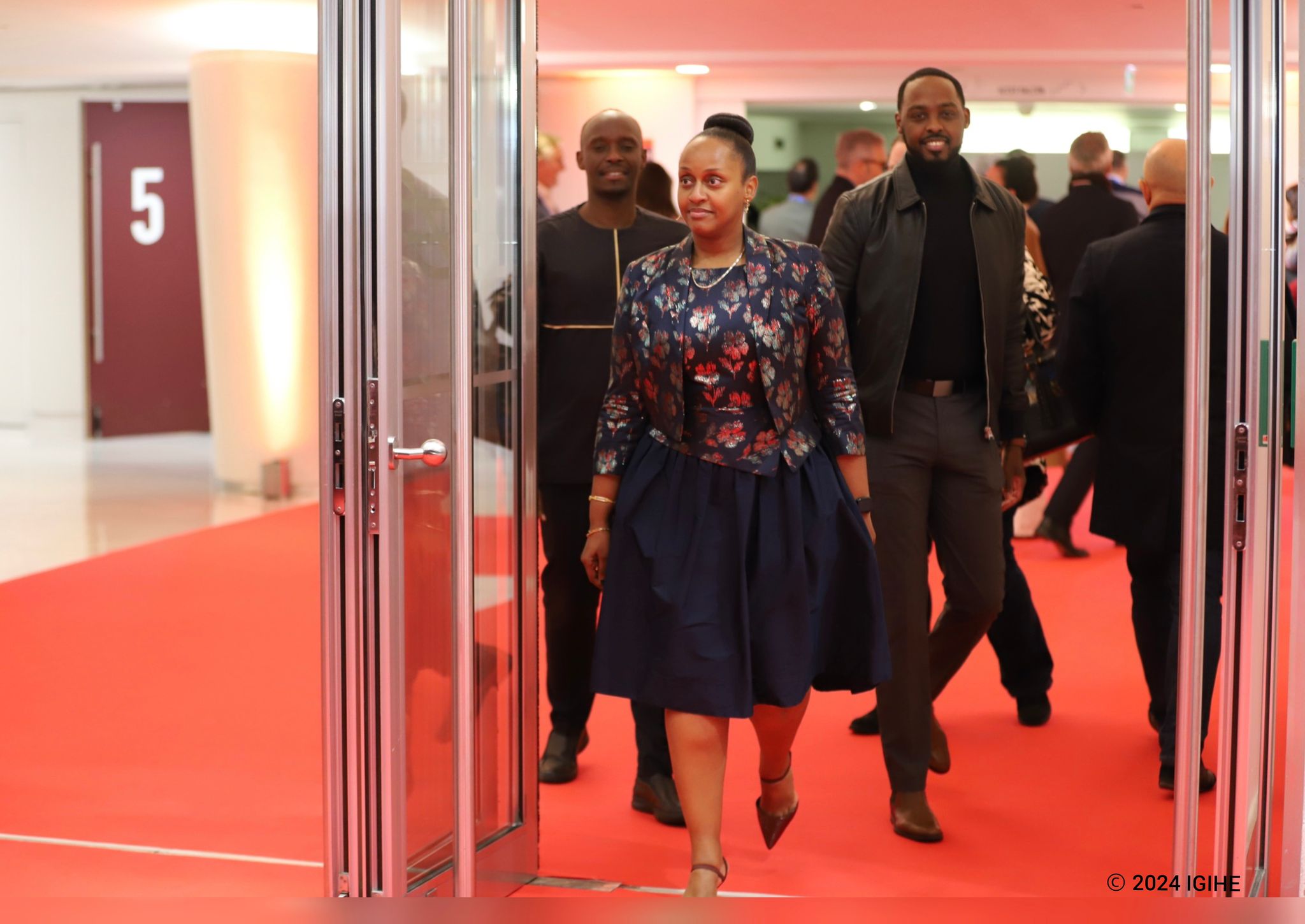
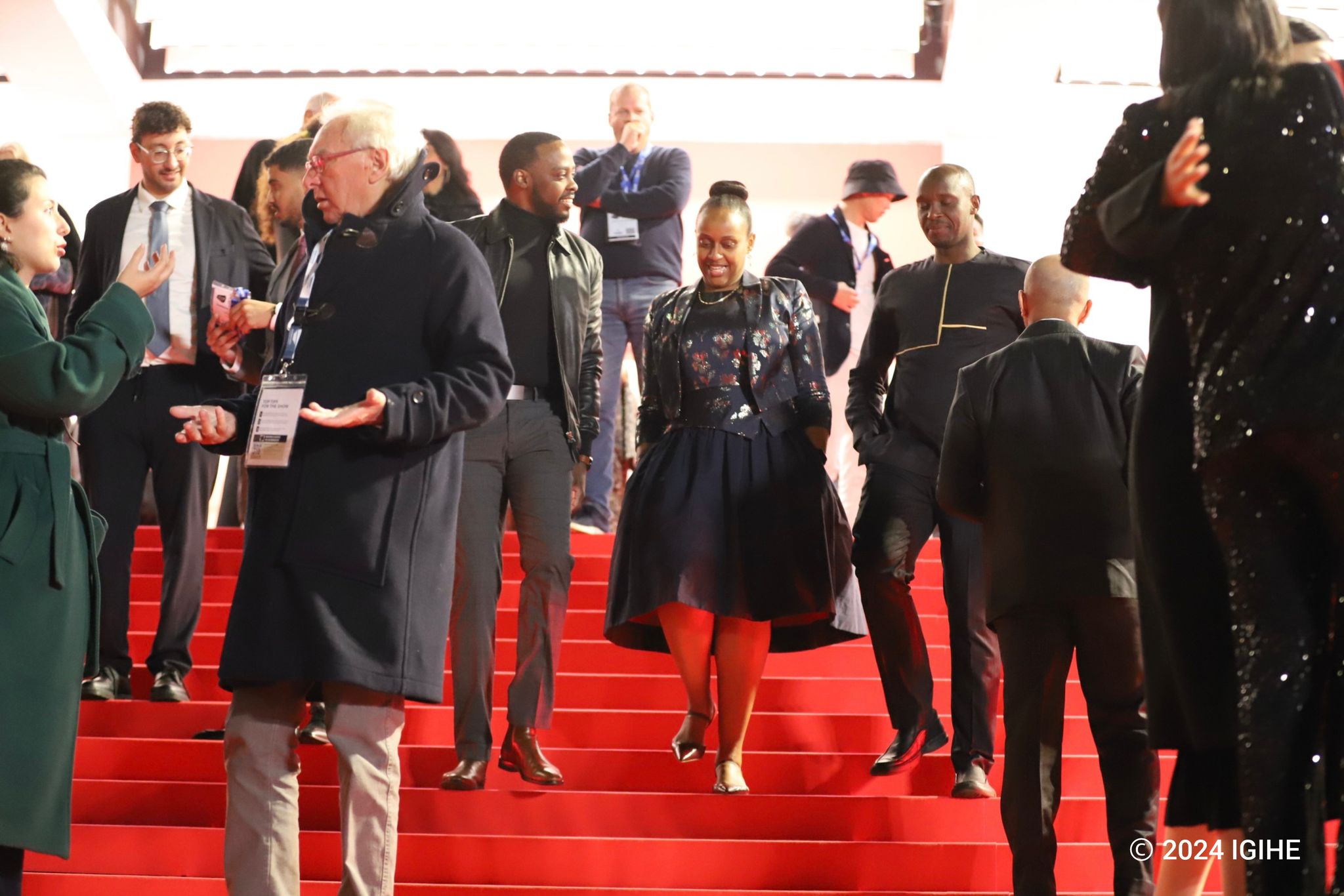
This marks Rwanda’s eighth participation in the prestigious event, represented by the Rwanda Development Board (RDB) leading the delegation of several tour operators, including Wilderness Safaris, Primates Safaris, Uber Luxe Safaris, Rwanda Eco Company Safaris, Songa Africa Tourism Company, Blue Monkey Tours, Africa Journeys, Wildlife Tours, and Palast Tours and Travel.
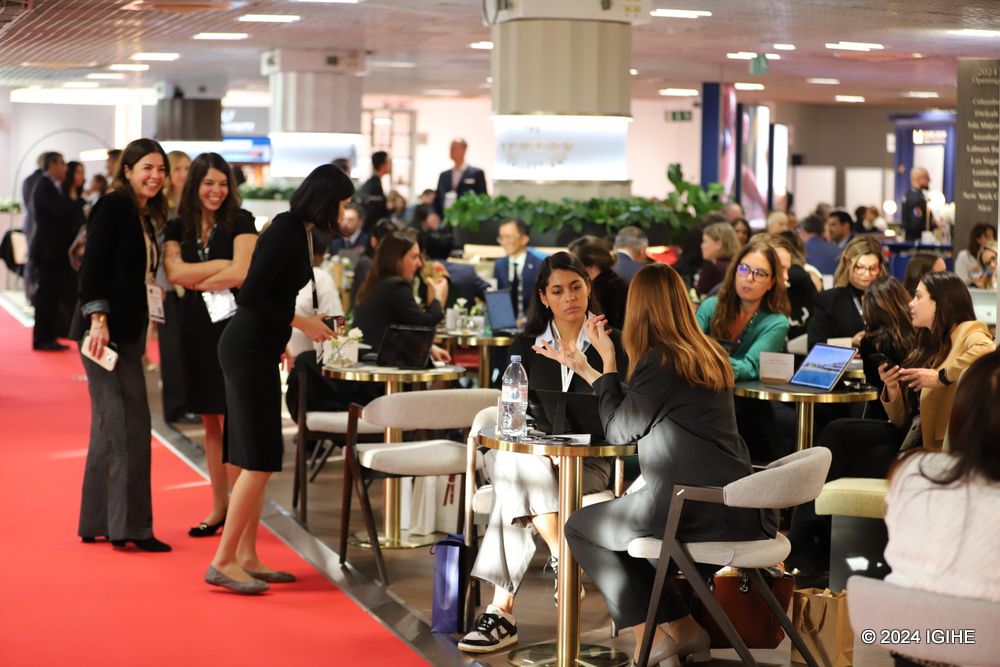
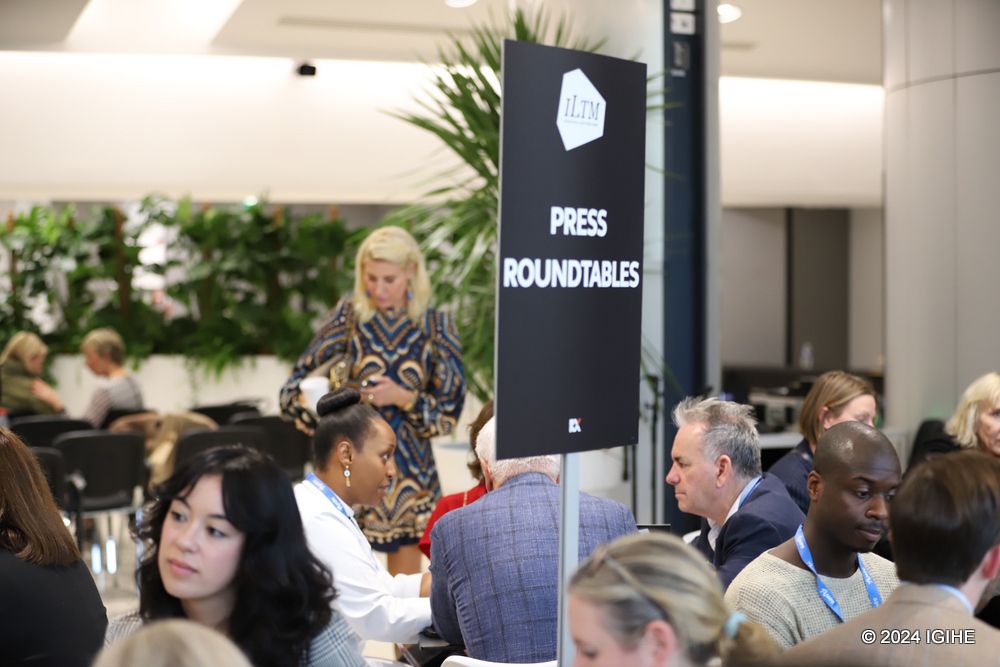
The primary aim of Rwanda’s presence at ILTM is to highlight the country’s rich and diverse tourist attractions, boosting its profile on the international stage. On the opening day alone, over 160 visitors toured Rwanda’s stand, with an additional 33 visitors, including media representatives, hosted by RDB, bringing the total number of visitors to 193.
Rwanda is also set to benefit from the insights of more than 1,800 industry professionals attending the event. ILTM is renowned for connecting luxury travel buyers, sellers, and partners, and draws participants from regions such as Africa, Asia, South America, the Middle East, and China. Rwanda participated in the event last year as well.
According to the World Bank’s report on Rwanda’s economic performance, tourism is expected to play a key role in the country’s growth trajectory.
In 2024, the tourism sector is projected to generate $660 million, up from $620 million in 2023. It is expected that Rwanda’s gorilla tourism will account for $200 million of this total, while conferences and related activities will contribute $90 million.
Sports and entertainment tourism are expected to generate $110 million, with business tourism contributing $68 million. Visitors coming for family and friends are anticipated to bring in $86 million, while other types of visitors will add $46 million to the sector.
In 2023, Rwanda welcomed more than 1.4 million visitors, and projections indicate this number will double by 2029, driven in part by the expansion of RwandAir’s flight routes.
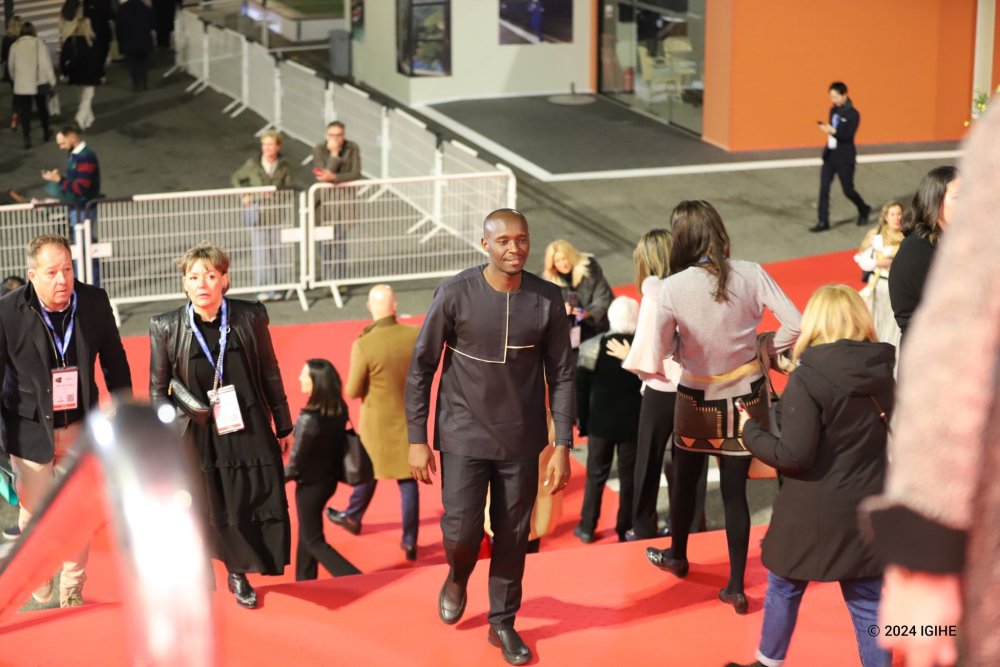
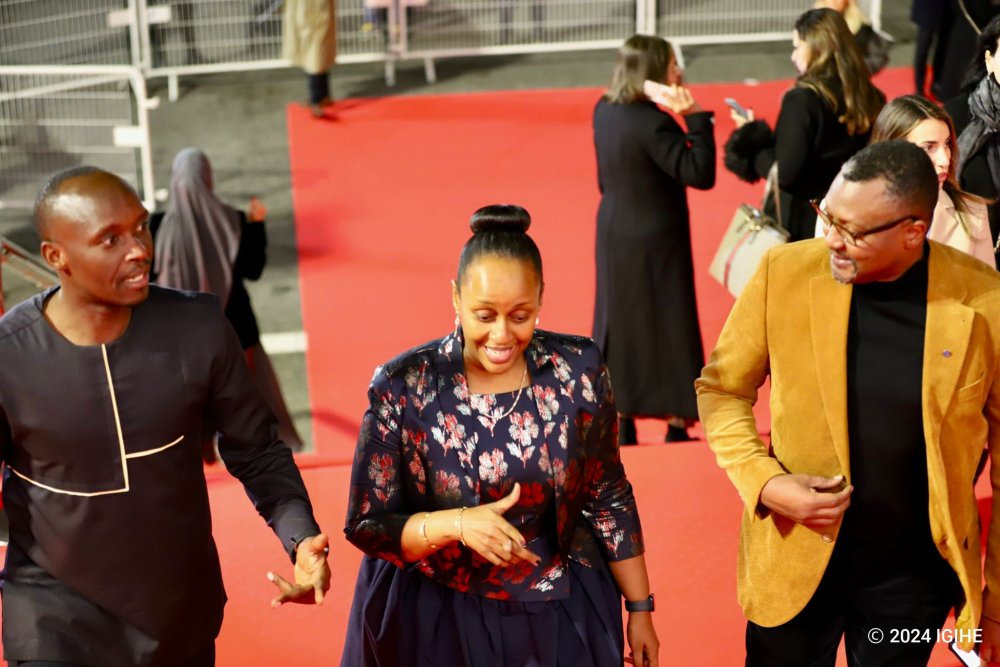
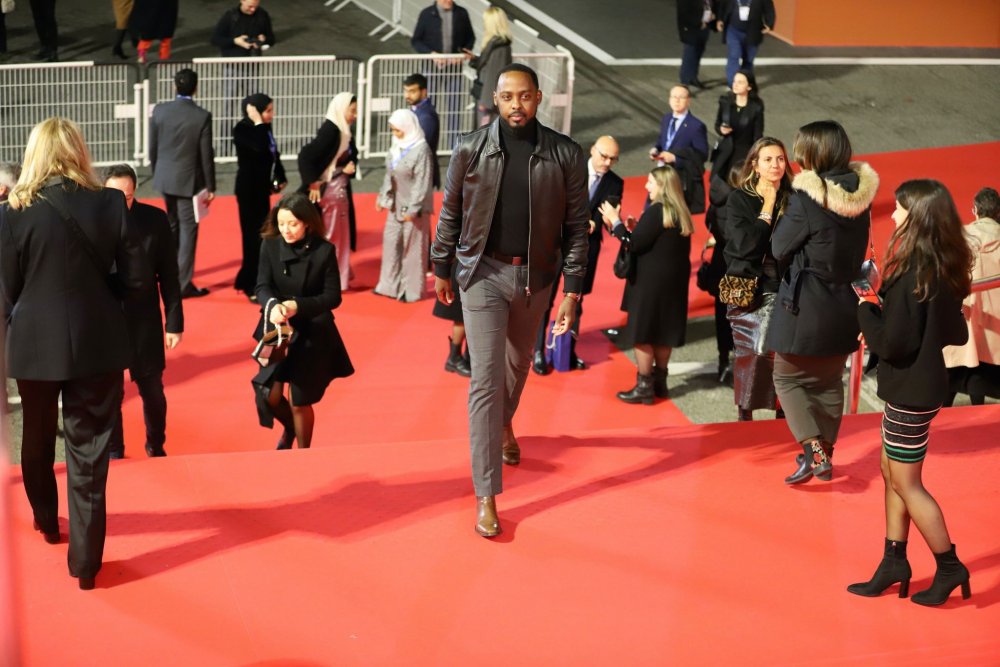
{{Below are some photos from the evening of December 2, 2024, marking the official opening of the ILTM.}}
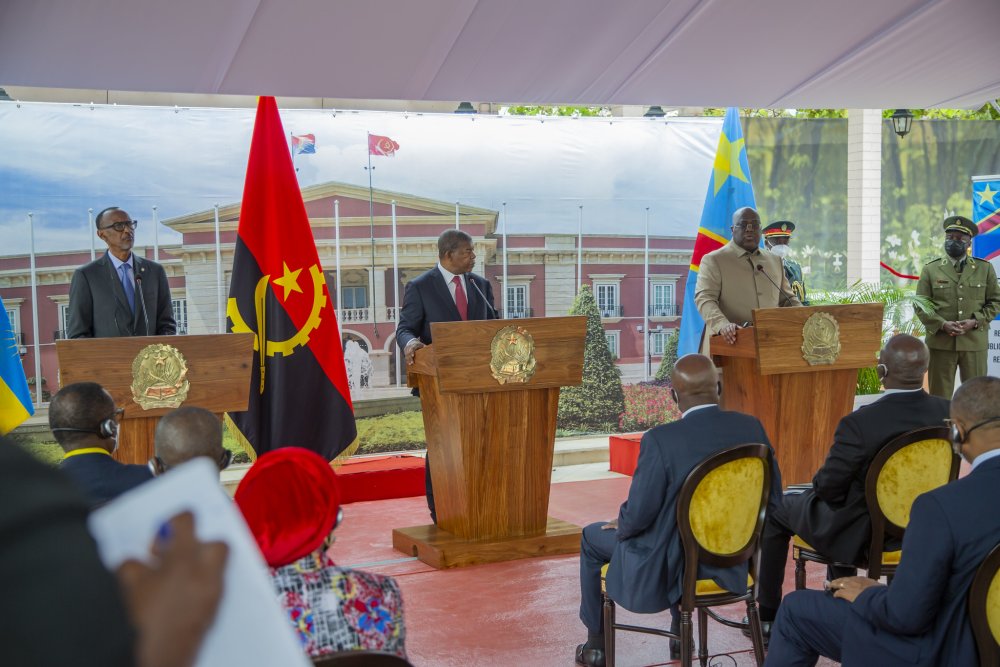
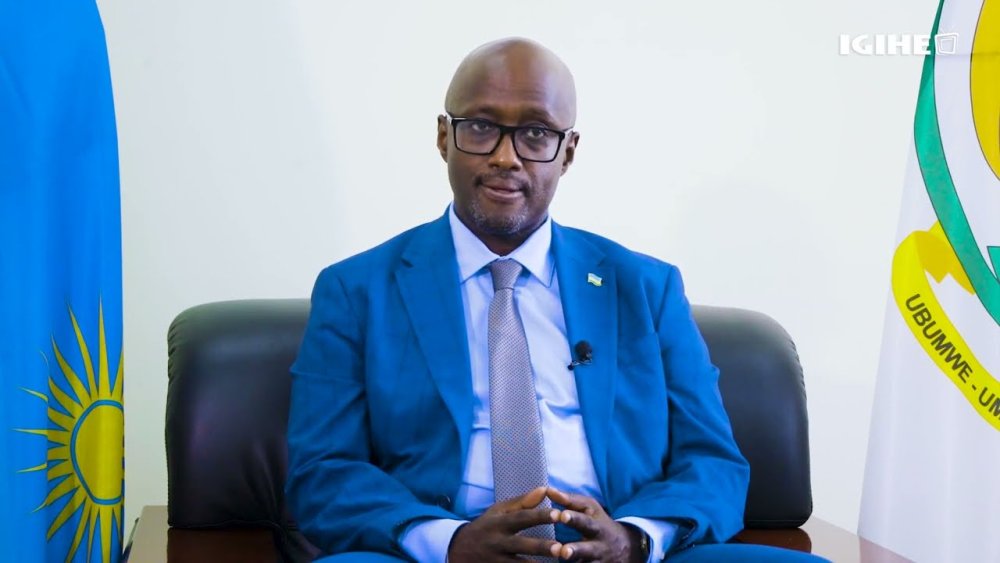
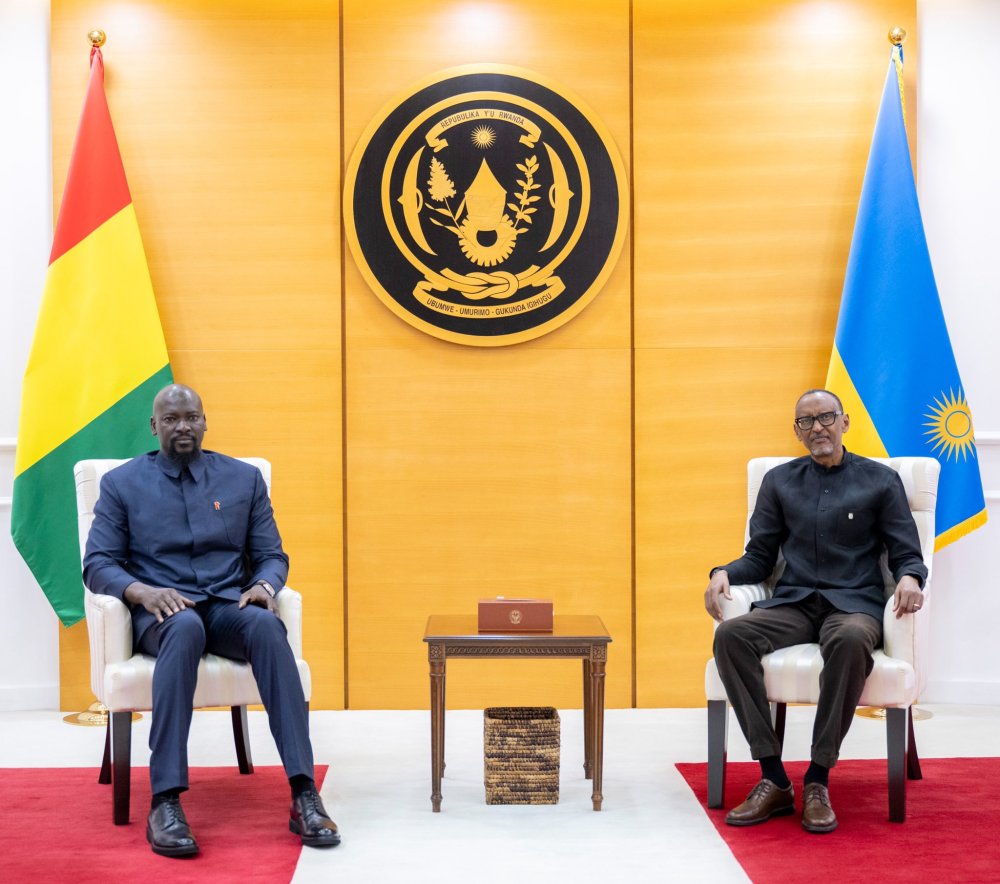
The meeting was confirmed by Rwanda’s Minister of Foreign Affairs and International Cooperation, Ambassador Olivier Nduhungirehe, in an interview with IGIHE on December 4, 2024.
According to the Angolan Presidential Office, ministers representing Angola, Rwanda, and the DRC, who are part of the Luanda peace talks, will also attend the meeting aimed at discussing peace and security in the eastern DRC.
This upcoming discussion will build upon a ministerial meeting held on November 25, 2024, where the three countries agreed to dismantle the Democratic Forces for the Liberation of Rwanda (FDLR) rebel group and to lift the security measures Rwanda had imposed in 2022.
Following the ministerial agreement, President João Lourenço of Angola, acting as the African Union-appointed mediator, spoke with Presidents Kagame and Tshisekedi by phone to discuss the next steps toward peace in the region. Lourenço’s goal is for the two leaders to sign a peace agreement once they have reached a consensus.
The dismantling of the FDLR will occur in three phases. The first phase involves assessing the threat posed by the group, identifying the locations of its bases and weapons. The second phase will involve targeted military operations against the group, and the final phase will focus on repatriating its fighters.
As the FDLR is addressed, Rwanda will lift the security measures it implemented in 2022. A joint security mechanism led by Angola will oversee the entire process.
Minister Nduhungirehe recently noted that the issue of the M23 armed group, which remains a key challenge, was not discussed at the November talks but will be addressed in the upcoming meeting.
In a post on X, President Kagame described the incident as unfortunate and pledged solidarity with the families of the victims during this difficult time.
“My sincere condolences to my brother, President General Mamadi Doumbouya @presi_doumbouya, and to the people of Guinea for the lives lost during the unfortunate incident at the stadium in N’Zérékoré. We stand in solidarity with the families of the victims and the people of Guinea,” the post shared on Tuesday night read.
My sincere condolences to my brother, President General Mamadi Doumbouya @presi_doumbouya and to the people of Guinea for the lives lost during the unfortunate incident at the stadium in N’Zérékoré. We stand in solidarity with the families of the victims and the people of Guinea.
The deadly stampede, which occurred in Guinea’s second-largest city, Nzérékoré, was reported to have been triggered by a controversial refereeing decision.
According to eyewitnesses, the incident happened following chaotic scenes as football fans scrambled to exit the stadium in the final minutes of the game.
The match was part of a tournament held in honour of President Mamadi Doumbouya, who seized power in a coup in September 2021.
This recognition comes after the international body’s acknowledgment of several other Rwandan heritage sites, including four Genocide memorials and Nyungwe National Park, further highlighting the rich cultural and natural heritage of Rwanda.
This momentous event took place on December 3, 2024, during the 19th session of the Intergovernmental Committee for the Safeguarding of Intangible Cultural Heritage, held in Asunción, Paraguay.
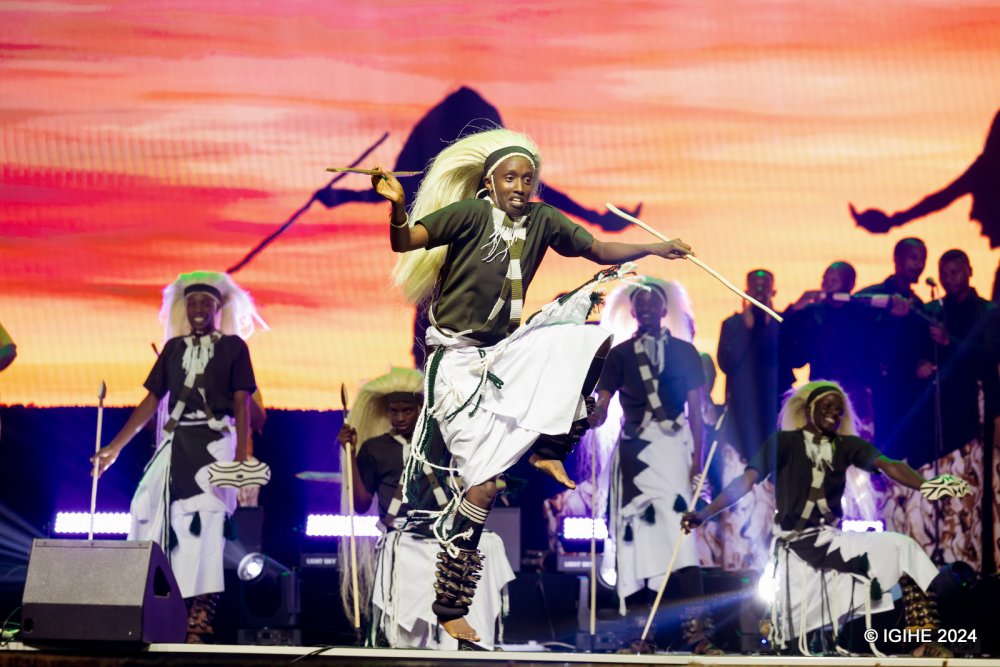
The Intore dance’s inclusion on UNESCO’s prestigious list marks a historic first: it is the first time a Rwandan cultural performance has been inscribed, solidifying the Intore as a significant cultural symbol for both Rwanda and the wider world.
UNESCO’s Intangible Cultural Heritage List is a global effort to safeguard traditions that are passed down through generations. The list aims to preserve practices, knowledge, and skills that define a community’s cultural identity. Currently, 678 elements from 140 countries are included, showcasing the diverse cultural practices and traditions from across the globe.
{{Intore: More than just a dance}}
The Intore dance is a powerful expression of Rwandan culture, performed by a troupe of dancers who recreate the movements of warriors in battle. Dancers form lines that represent the ranks of soldiers preparing for combat, with each movement reflecting strength, courage, and the struggle against an unseen enemy. The rhythm of traditional drums and horns guides the dancers, who wield spears and shields in synchrony with their energetic leaps and footwork.
Accompanying the dance are songs and poems that celebrate themes of victory, power, and national pride, adding a rich auditory layer to the performance.
Today, the Intore dance is widely practiced across Rwanda. It is a prominent feature in national cultural events and festivals, often performed alongside the national ballet in performances that are cherished by both locals and tourists. In addition to state-sponsored events, the dance is celebrated by smaller regional troupes that are found throughout the country. Schools and universities regularly organize training sessions, ensuring that the art form is passed on to younger generations.
The practice is also transmitted within families and communities, further embedding the Intore dance into the social fabric of Rwandan life. Whether at weddings, public celebrations, or during the harvest festival, the dance serves as a vibrant symbol of unity, victory, and cultural pride. It remains a popular form of entertainment and an expression of strength during important national moments.
The inclusion of Intore on UNESCO’s Intangible Cultural Heritage List not only protects the dance from potential extinction but also underscores its role in fostering social cohesion and national identity.
The highly anticipated concert will take place at BK Arena and promises to keep fans entertained well into the night.
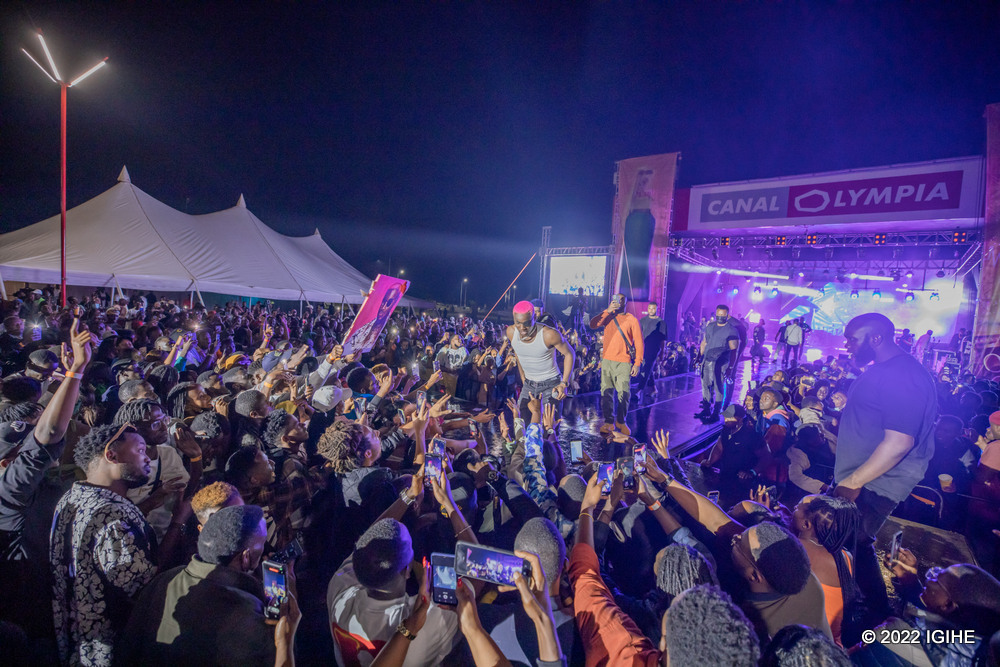
The event marks Ruger’s return to Kigali after two years. The ‘Asiwaju’ hitmaker’s last performance in the Rwandan capital was on February 19, 2022, at a concert held at Canal Olympia in Rebero.
The memorable show also featured performances by Rwandan artists, including Gabiro Guitar, Okkama, Kenny K-Shot, Ish Kevin, Ariel Wayz, Gustave Fuel, and Afrique.
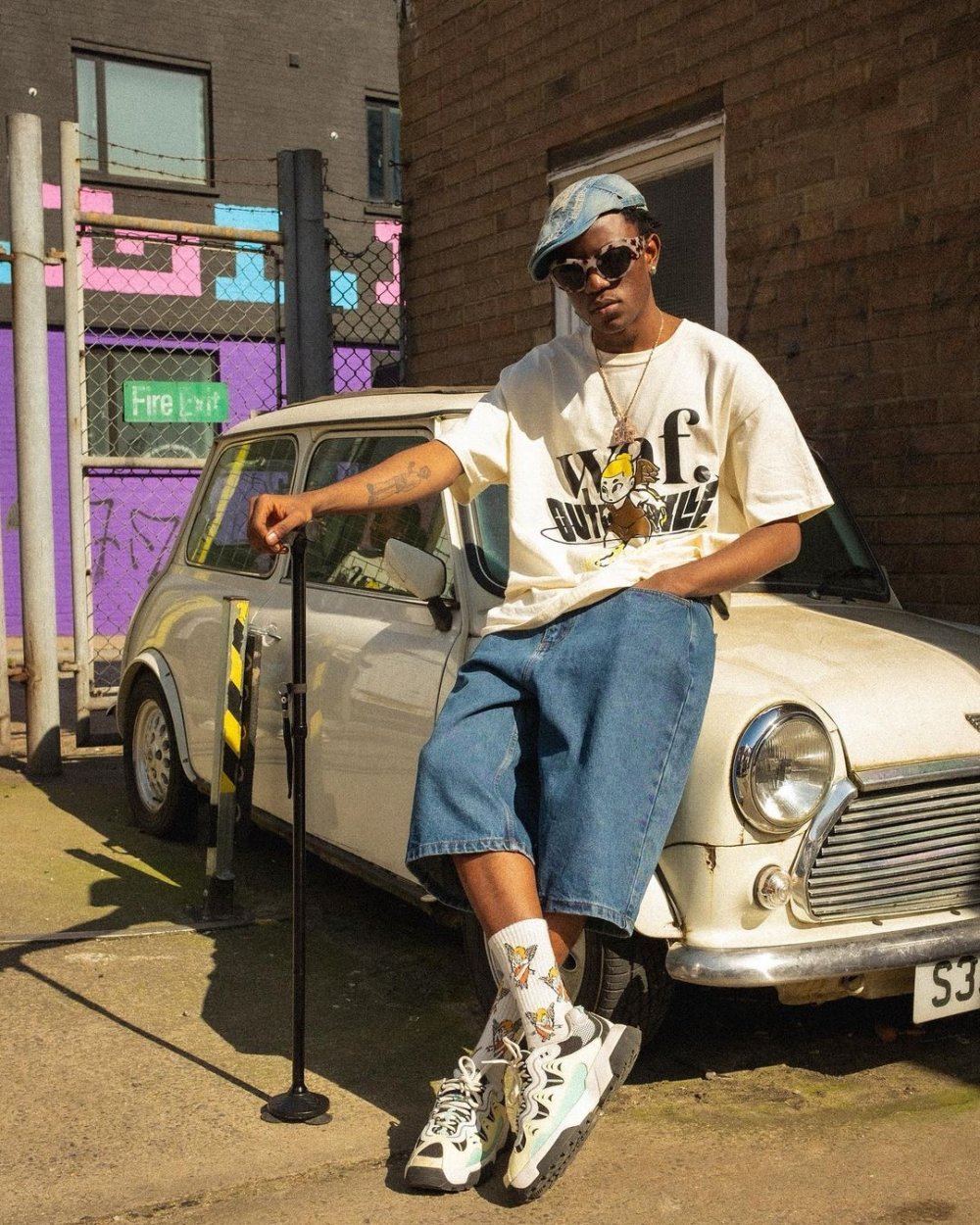
Victony, who is making his debut in Kigali, was initially slated as a guest artist for Davis D’s Shine Boy Fest concert held last weekend. However, last-minute changes saw Nasty C being invited instead.
The 23-year-old, born on January 5, 2001, in Orsu, Imo State, effortlessly blends rap and singing. He is known for hits like Soweto, Kolomental, and Stubborn (a collabo with Asake), among many others.
On the other hand, Ruger is currently one of Nigeria and Africa’s most prominent rising stars. The 25-year-old’s career took off after signing with D’Prince’s Jonzing World Record label.
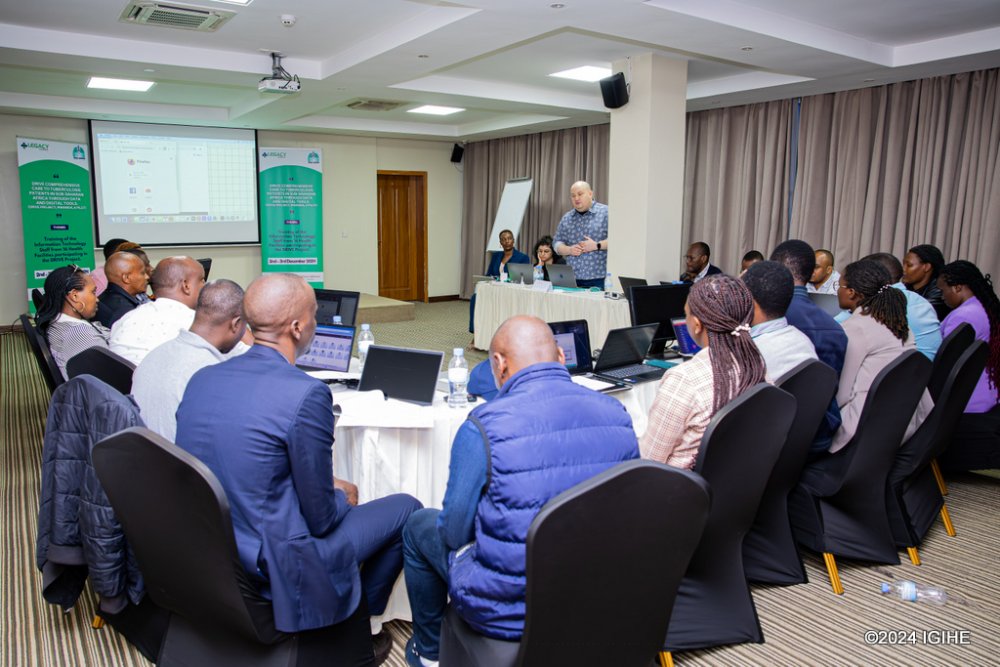
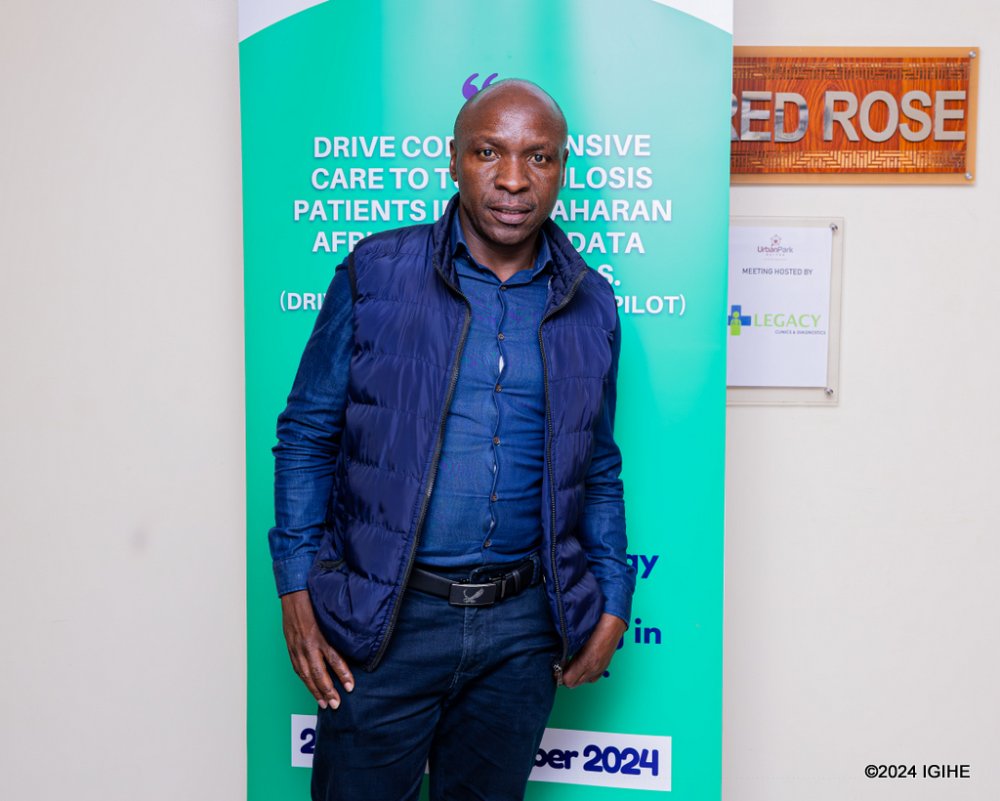
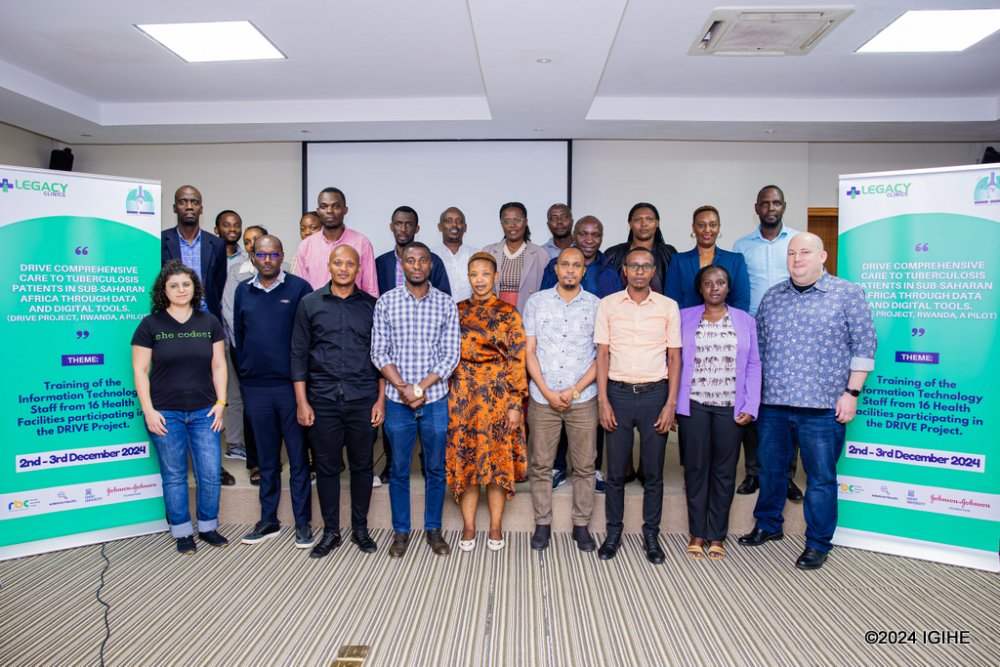
The two-year pilot project aims to assess the prevalence of TB and the effectiveness of efforts to combat the disease, with plans for expansion to other sub-Saharan African countries.
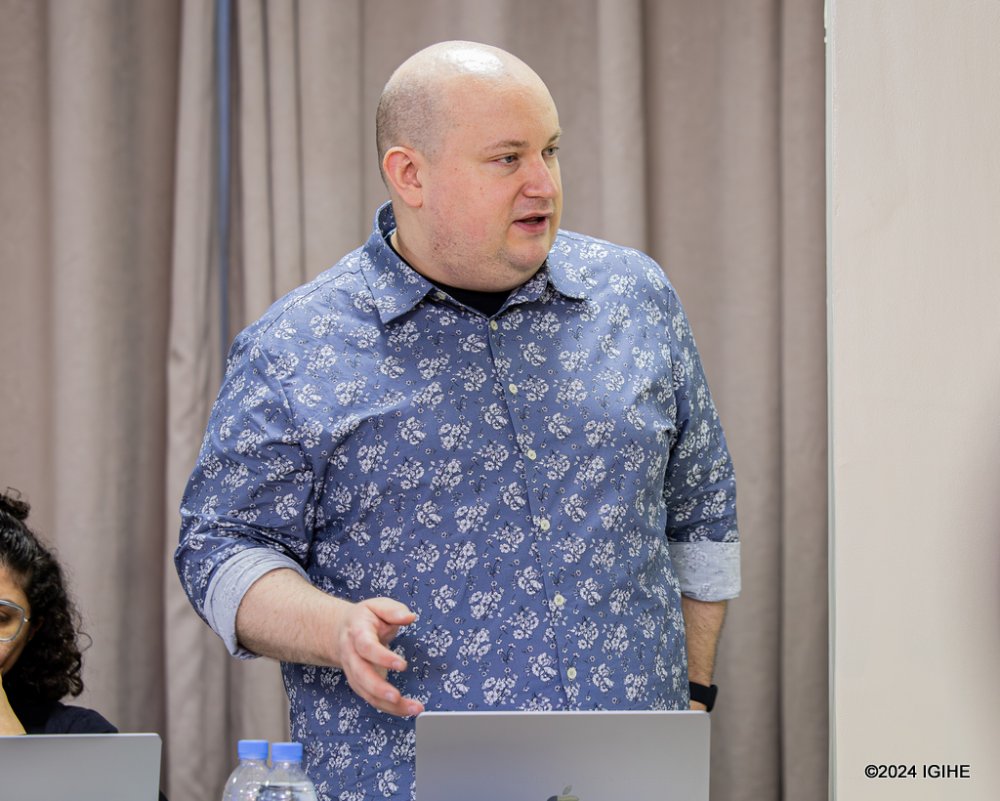
Dr. Kabayiza Jean Claude, the study’s lead researcher, highlighted that the research would provide a comprehensive overview of TB in the region and help identify strategies to address the rising cases.
“Despite improvements in medication availability and the decline of the HIV/AIDS epidemic, we have seen a significant increase in TB cases in both Rwanda and sub-Saharan Africa. This research will help us understand why these numbers are climbing,” Dr. Kabayiza said.
The study aims to collect data from all TB patients treated in Rwanda since the introduction of treatment services. Researchers will specifically focus on 240 patients with multi-drug-resistant TB (MDR-TB), exploring factors such as medication adherence and co-existing health conditions.
“We want to understand their experiences, treatment adherence, and other health challenges they may face. This data will be pivotal in shaping future strategies,” Dr. Kabayiza added.
The research will span 16 hospitals across Rwanda, with a focus on gathering data from TB patients. Among these, 240 MDR-TB patients will undergo tests to identify the factors contributing to the rise in TB cases.
The study will employ the “OMOP CDM” technology to collect and store data, which will be accessible to the Rwanda Biomedical Centre (RBC) for further analysis.
Professor Dr. Twagirumukiza Marc, a medical lecturer at Ghent University, commended Legacy Clinic for its pioneering role in this research, praising its commitment to advancing healthcare.
“Collaborating with international organizations ensures that we gather reliable data, which can inform decision-making and improve healthcare policies,” he said.
Healthcare professionals from participating hospitals expressed the importance of accurate data collection.
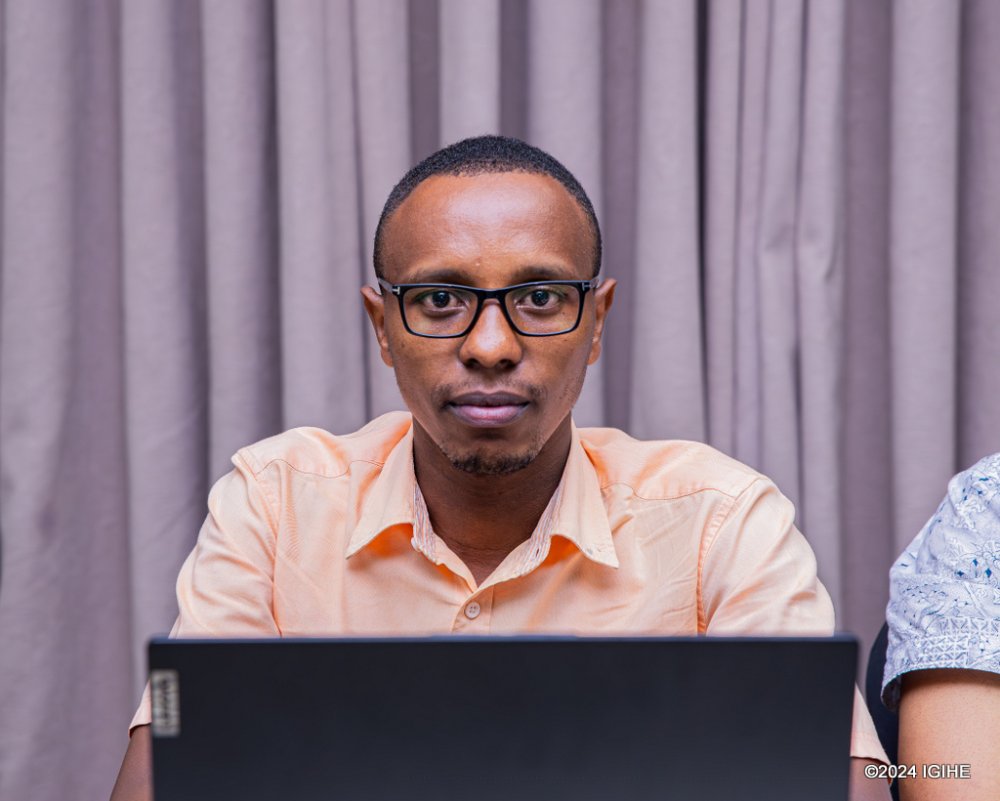
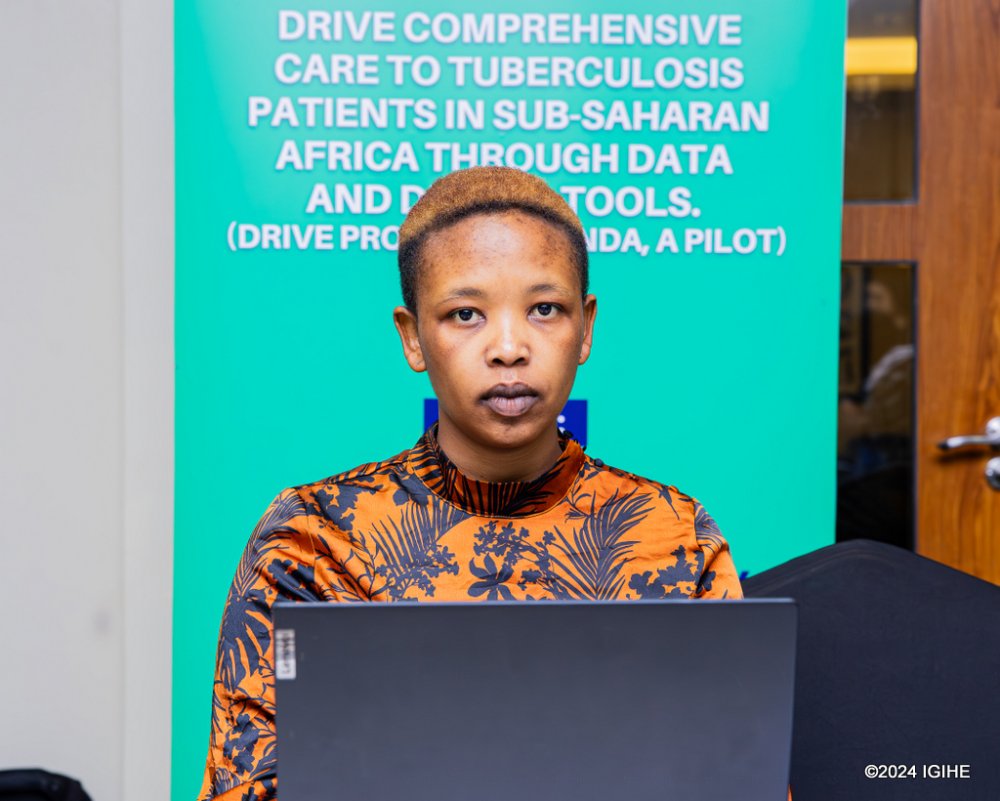
Muhawenimana Janvière, data manager at Ntarama Health Centre, emphasized, “By using technology to centralize data, we ensure its completeness and reliability. This will enable authorities to take informed action.”
Xavier Nkundimana, IT officer at Muhima Hospital, noted that the research will provide policymakers with essential data to guide efforts toward eliminating TB.
The Rwanda Biomedical Centre (RBC) reported that between 2022 and 2023, the country recorded 9,417 new TB cases, including 90 multi-drug-resistant cases. This marked a significant increase from the previous year, when there were only 5,538 new TB cases.
In judicial appointments made on Tuesday, December 3, 2024, President Kagame also named Justice Alphonse Hitiyaremye as Vice President of the Supreme Court.
The appointment of Supreme Court judges is carried out in accordance with Article 154 of the Rwandan Constitution, which stipulates that the Head of State shall appoint judges following consultations with the Cabinet and the High Council of the Judiciary.
The President then submits a list of candidates, equal to the number of vacant posts, to the Senate for approval.
Until her appointment, Mukantaganzwa served as the Chairperson of the Rwanda Law Reform Commission (RLRC), a position she assumed in December 2019.
She is renowned for her central role and contributions to the success of the Gacaca Jurisdiction, which was tasked with handling cases related to the perpetrators of the 1994 Genocide against the Tutsi. She led the institution from 2003 until 2012, concluding its mandate and presenting a comprehensive report to the government.
Mukantaganzwa was also one of the commissioners who drafted the 2003 Rwandan Constitution.
The 60-year-old holds a Master’s degree in Peace and International Relations from the Institute of Peace Studies and International Relations (HIPSIR) at Hekima University College, part of Hekima University in Kenya. Additionally, she pursued a legal studies course at the Institute of Legal Practice and Development (ILPD), where she earned a law degree.
On the other hand, Justice Hitiyaremye has served as a Judge of the Supreme Court of Rwanda since 2019.
Prior to this, he held various positions within the Government of Rwanda, including Judge of the Court of Appeal (2018–2019), Judge of the Supreme Court before the 2018 reform (2013–2018), Deputy Prosecutor General (2006–2013), Inspector General of Prosecution (2004–2006), Regional Chief Prosecutor (Procureur de la République) (2000–2004), Human Rights Officer in the Ministry of Justice (1999), Advisor to the Minister of Justice (1998), and Communication, Documentation, and Legal Information Officer at the Rwandan Embassy in Paris (1996–1997).
Justice Hitiyaremye holds a Master’s in International Public Law from Kiev State University (1995, Ukraine).
He has participated in various trainings, including one on the legal aspects of economic reconstruction organized by the International Development Law Institute, conflict resolution (TPN, Third Party Neutral) training organized by the Canadian Institute of Conflict Resolution, an internship in the Human Rights domain at ULB (Université Libre de Bruxelles) and Strasbourg (France), and a program on the United States Court System organized by The National Center for State Courts (USA).
In addition to his role as a Judge of the Supreme Court, Justice Hitiyaremye also heads the Bureau of the Anti-Corruption Committee within the Judiciary of Rwanda.
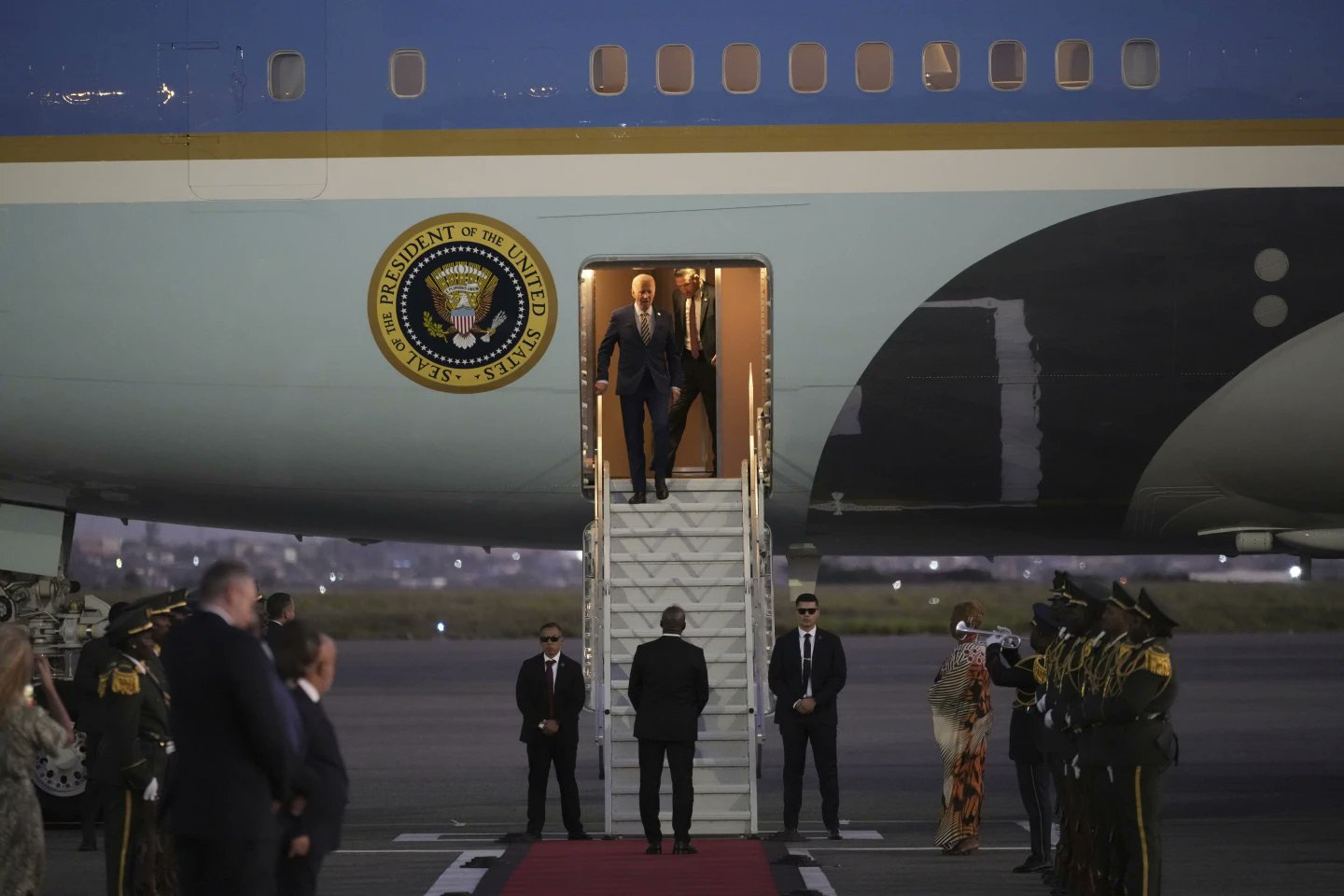
Outgoing United States President Joe Biden arrived in Angola late on Monday for a two-day visit. This marks Biden’s first trip to Africa as president since his inauguration four years ago.
Biden’s visit to the oil-rich, Portuguese-speaking country focuses on a multinational project to rehabilitate a railway line that ferries minerals from inland countries to the Angolan port of Lobito for export.
As part of the preparations for the high-profile visit by a U.S. head of state, the Angolan government declared Tuesday, December 3, and Wednesday, December 4, 2024, as public holidays. The visit has also been greeted with heavy security deployment across the Angolan capital, Luanda.
Biden’s tour will officially kick off with talks with President Joao Lourenco, followed by remarks at the National Slavery Museum on Tuesday.
On Wednesday, Biden is scheduled to travel to Lobito, an Atlantic port city about 500 kilometres south of Luanda.
The port, central to the Lobito Corridor project, has benefited from loans from the United States, the European Union, and other partners to rehabilitate a key railway connecting the mineral-rich inland countries of the Democratic Republic of Congo (DRC) and Zambia with Lobito, from where their minerals can be exported.
The Lobito Corridor project is seen as a direct challenge by the U.S. to China’s extensive investment and increasing influence in the region.
{{China Bans Critical Mineral Exports to the US
}}
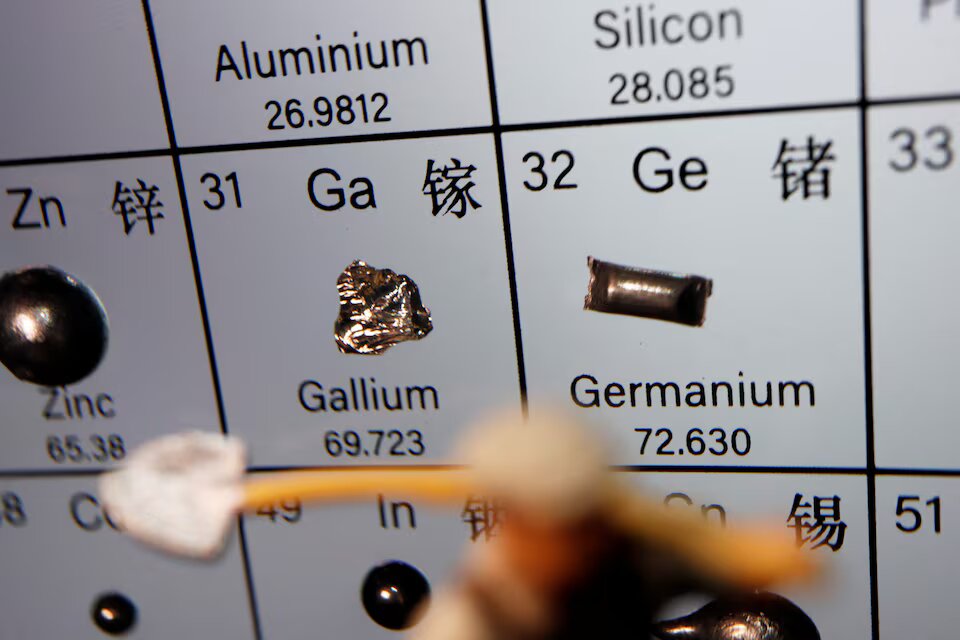
China has announced a ban on the export of certain “dual-use items” associated with gallium, germanium, antimony, and superhard materials to the United States, effective Tuesday, December 3, 2024.
According to the Ministry of Commerce, the country will also enforce stricter scrutiny on end-users and end-uses for graphite dual-use items being shipped to the U.S.
This move follows the U.S. announcement on Monday of its third major crackdown in three years on China’s semiconductor sector, targeting 140 companies, including the chip equipment manufacturer Naura Technology Group.
{{US, Germany Announce Additional Military Assistance to Ukraine
}}
The United States and Germany on Monday announced additional military assistance to Ukraine amid its ongoing war with Russia.
The U.S. Department of Defense said the military aid package, worth $725 million, includes weapons such as air defence capabilities, munitions for rocket systems and artillery, and anti-tank weapons, among others.
Biden’s move is seen by critics as an 11th-hour scramble to support Ukraine with weapons aid, fearing that incoming President Donald Trump will halt such donations. Trump is set to take office in January following his resounding victory last month.
Meanwhile, German Chancellor Olaf Scholz also pledged $680 million in military aid for Ukraine during a visit to Kyiv.
Scholz stated that Ukraine can rely on Germany and that his visit was meant to reinforce that commitment. The military equipment is expected to be delivered to Ukraine before the end of the year.
{{Besigye to Stay Longer in Custody
}}
Ugandan opposition leader Kizza Besigye was remanded for an additional eight days on Monday, December 2, 2024, in a case where he is charged alongside his close ally, Obeid Lutale.
The two suspects were arraigned at the General Court Martial in Makindye, where they face four charges related to engaging in activities that undermine Uganda’s security and the illegal possession of two pistols.
The court’s decision followed a request by Besigye’s lawyers for an adjournment to allow time to process a temporary practising certificate for Kenyan lawyer Martha Karua from the Uganda Law Council.
Court Martial Chairperson Brigadier Robert Freeman Mugabe declined to adjourn the matter to the following day, Tuesday, December 3, 2024, citing a clash with other scheduled cases.
He instead proposed December 10 as the next court date and ordered the suspects to continue being remanded at Luzira Prison.
Besigye has protested his trial in the military court, arguing that he should be tried in a civilian court.
{{Equity Bank’s James Mwangi Appointed to World Bank Group’s High-Level Advisory Council
}}
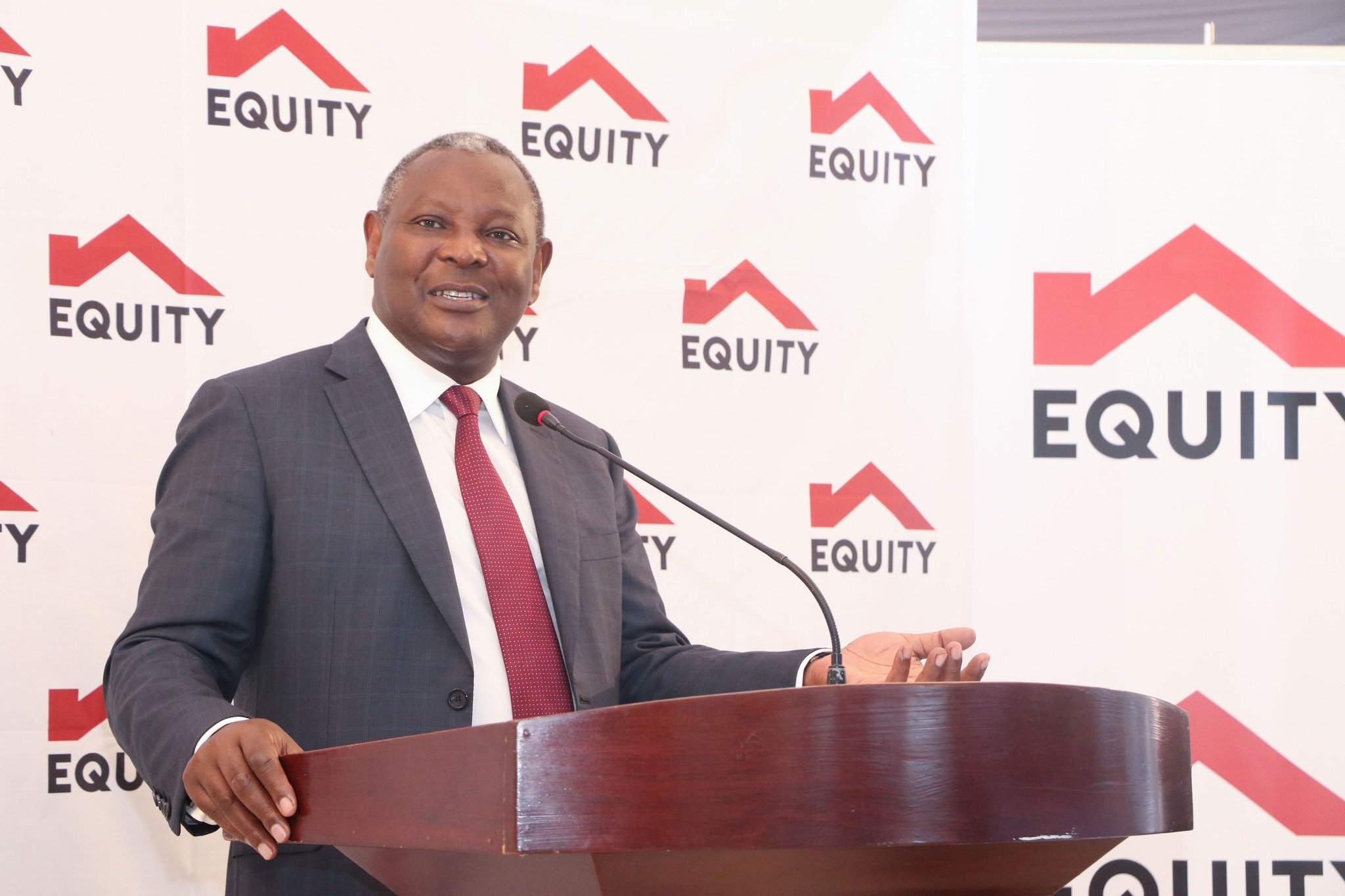
Dr. James Mwangi, Managing Director and CEO of Equity Group Holdings, was appointed on Monday to the World Bank Group’s newly established High-Level Advisory Council on Jobs.
The council, launched during the 2024 World Bank Group-IMF Annual Meeting in Washington, D.C., will focus on providing actionable, scalable policy recommendations to address the global jobs challenge.
This initiative is part of the World Bank’s broader strategy to combat poverty and foster prosperity by prioritizing job creation, particularly for youth and women in emerging and developing economies.
The council’s members, a diverse group of global leaders, will offer insights on how to turn the challenge of job creation into an opportunity for growth, innovation, and social stability.
The African Development Bank (AfDB) has been a driving force in Rwanda’s development since 1994, with a focus on infrastructure projects that support the country’s long-term growth.
By 2023, the AfDB had invested over $2.9 billion in various sectors, with the lion’s share directed toward infrastructure. The transport sector, in particular, has been a major beneficiary of this funding.
AfDB’s contributions have reshaped Rwanda’s transport infrastructure, fueling economic growth and contributing to the country’s national development goals.
In collaboration with the Rwanda Transport Development Agency (RTDA), the AfDB has played a pivotal role in modernizing the country’s transport network, aligning with Rwanda’s Vision 2050 to enhance regional integration and establish the country as a key player in East Africa.
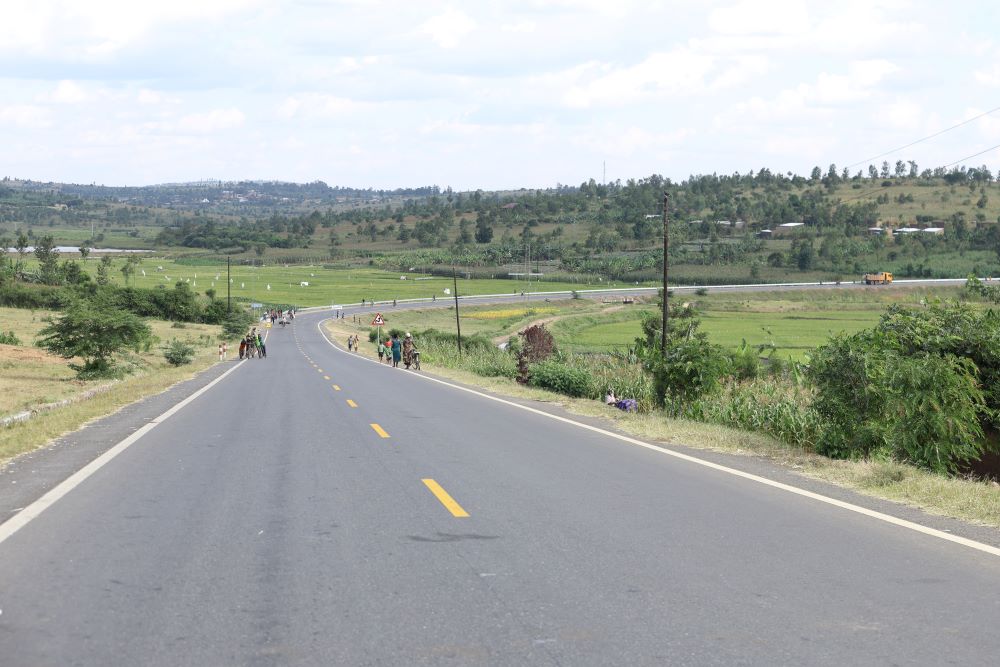
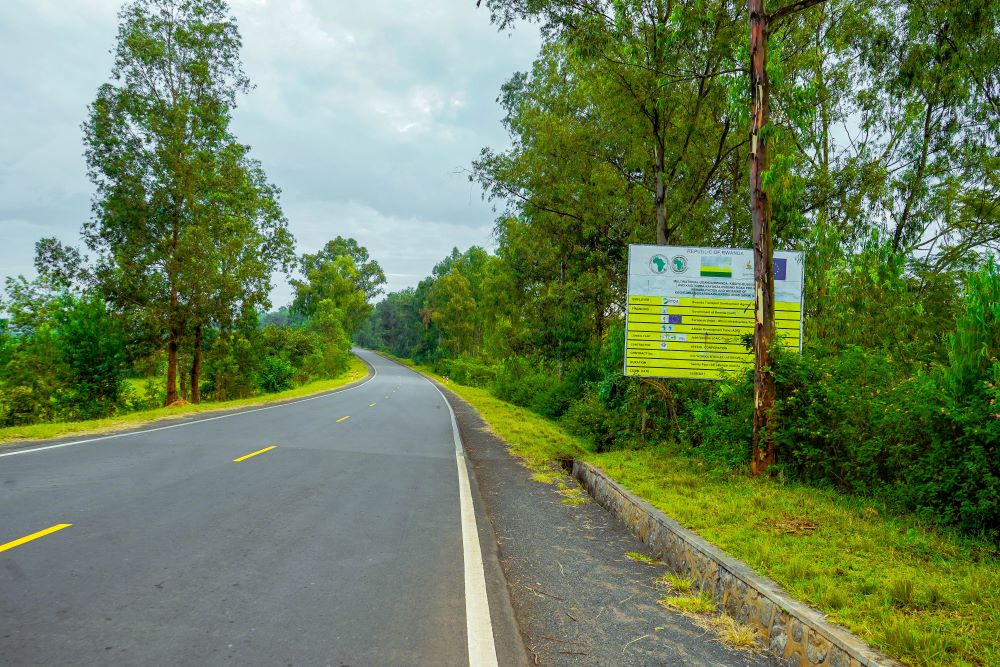
One of the AfDB’s significant impacts has been in road infrastructure, funding the construction and rehabilitation of over 300 kilometers of roads across Rwanda. These efforts have greatly improved connectivity, particularly in rural areas, facilitating trade and access to services.
The AfDB’s support also extended to other vital infrastructure projects, including two ports, two cross-border markets, 10 milk collection centers, 42 classrooms, three multifunctional women’s centers, and 10 water boreholes. These contributions have created a more interconnected and accessible country, with wide-reaching socio-economic benefits.
The economic and regional effects of these investments have been profound. Improved road conditions have reduced vehicle operating costs, and travel times have been shortened, particularly at border crossings, where waiting times have dropped from seven hours to just one.
This has led to an increase in regional trade within the East African Community (EAC), which saw trade exchanges rise to $ 960 million by 2020. Additionally, the rural accessibility rate has risen from 50% to nearly 80%, bringing remote communities closer to markets, healthcare, and educational services.
The social impact of the AfDB-funded projects is equally significant. Over 120,000 temporary jobs were created during the construction phase, with substantial participation from youth and women.
These employment opportunities were complemented by extensive sensitization programs on road safety, environmental conservation, and public health, reaching over 229,000 people. Such initiatives have empowered local communities with the knowledge and skills needed for safer, more sustainable practices.
Moreover, the projects have contributed to education, women’s empowerment, and local economic growth. The infrastructure, including schools and women’s centers, has bolstered the education system and fostered gender equality.
Rural infrastructure improvements have also supported local economies, increasing access to essential markets and services.
Institutionally, these projects have helped build the capacity of the RTDA, enabling the agency to more effectively plan, monitor, and enforce road safety measures. Capacity-building programs and socio-economic studies have strengthened the country’s ability to manage and sustain its transport infrastructure.
“These efforts have boosted economic growth, reduced poverty, and facilitated regional integration,” says Imena Munyampenda, Director General of RTDA. “Additionally, AfDB projects have promoted gender inclusion through community programs, enhanced road safety, and prioritized sustainability.
The technical assistance provided by AfDB has strengthened RTDA’s capacity to manage complex infrastructure projects, which aligns with Rwanda’s vision of resilient and inclusive development.”
In recent years, the AfDB has funded six key transport projects in Rwanda, including the Rusizi–Bugarama, Crete Congo-Nil–Ntendezi, Cyangugu–Ntendezi–Mwityazo, Rubavu–Gisiza, Base–Gicumbi–Rukomo, and Kagitumba–Kayonza–Rusumo roads.
These projects have enhanced regional connectivity, facilitated trade, and furthered Rwanda’s integration within the broader East African region. According to Munyampenda, the completion of these projects marked a transformative milestone for the country’s transport sector.
“Each of these projects plays a critical role in fostering regional integration and enhancing connectivity, which is essential for socio-economic development across Rwanda and the EAC. Together, they have revolutionized Rwanda’s transport infrastructure, strengthening the country’s position as a regional trade hub,” he says.
Accessibility has greatly improved, with 79.73% of rural roads now accessible compared to just 50% previously. This has empowered rural communities and facilitated better access to markets, healthcare, and education.
Munyampenda further emphasizes that the AfDB’s technical assistance has enhanced RTDA’s ability to manage complex infrastructure projects. This support has improved procurement processes, integrated climate-resilient designs into road construction, and fostered a culture of sustainability.
These projects not only serve current needs but are also designed with the future in mind, ensuring long-term viability.
Moving forward, the RTDA’s plans, aligned with Rwanda’s National Strategy for Transformation (NST2), focus on expanding and upgrading the national road network, enhancing rural accessibility, and promoting green transport solutions.
Through its ongoing partnership with the RTDA, the AfDB is helping to create a modern, efficient, and inclusive transport network, driving sustainable growth and enhancing Rwanda’s competitiveness within the region.