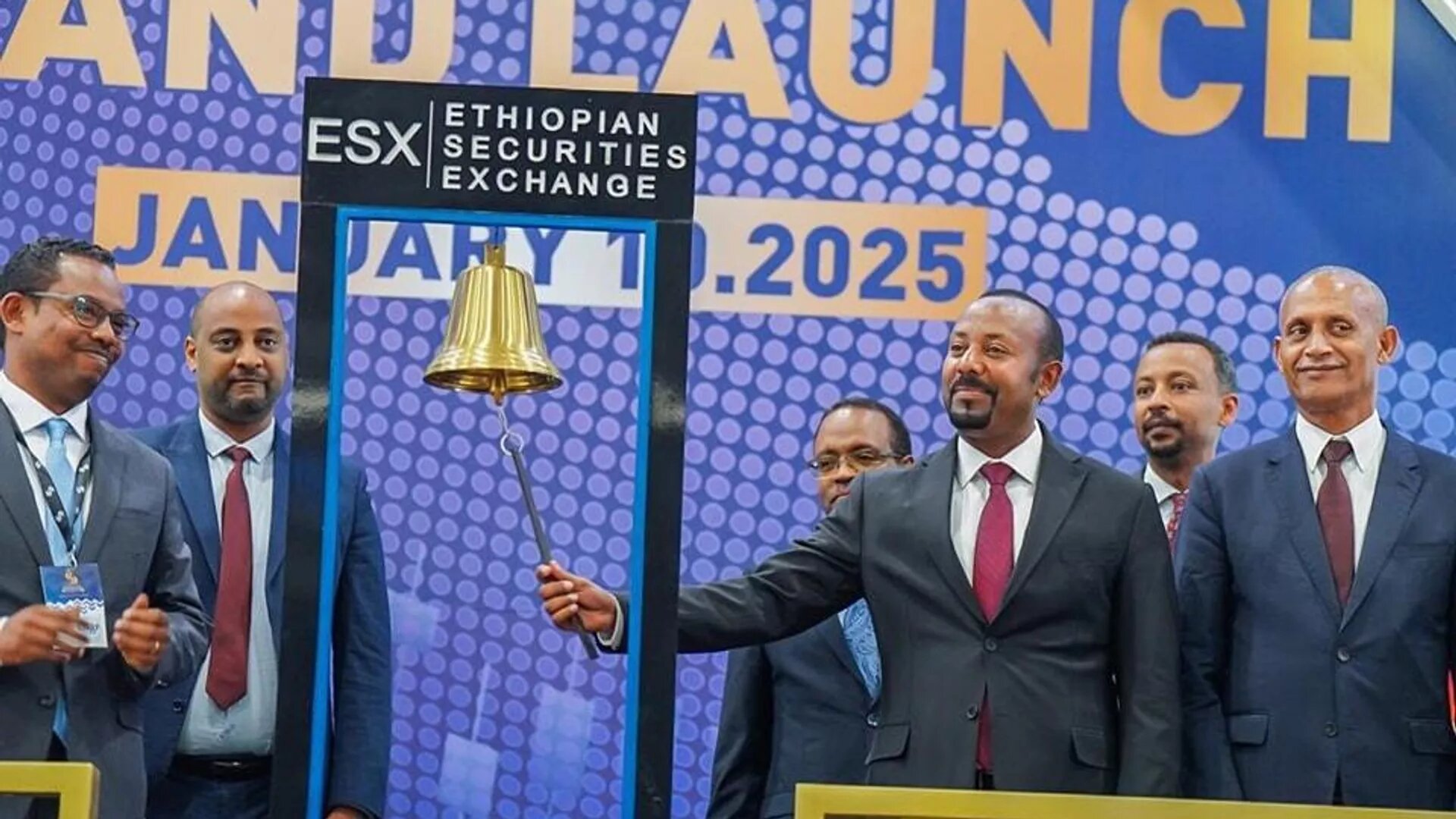
The Ethiopian Securities Exchange (ESX) is seen as a significant step toward establishing “a vibrant capital market ecosystem” in the East African nation, aligning with the Ethiopian government’s recent efforts to liberalize the country’s economy and financial sector.
“In a historic milestone for our economic and financial landscape, we have officially rung the bell to launch the Ethiopian Securities Exchange,” Abiy said after ringing the bell to mark the opening of the stock exchange.
The launch of the ESX would enhance the country’s financial system and contribute to the development of an inclusive economy, he said, adding that the government has invested significant time and conducted extensive research to ensure the exchange’s effectiveness.
The ESX, which operates across various market segments and offers a range of financial products and services tailored to businesses, government entities and institutions, will serve as a platform for both Ethiopian and foreign investors to easily trade in listed equity and debt instruments.
The Ethiopian government said that the ESX aims to provide “a modern, reliable and efficient environment for securities trading through adaptation of modern exchange business operations, skill, technology and trust.”
It also noted that the establishment of Ethiopia’s stock exchange would significantly boost the country’s economic development while building “a sustainable institution that meets the needs of both Ethiopian and regional issuers and investors.”
Meanwhile, Abiy invited investors to explore opportunities in Ethiopia, saying it is “a fast-growing economy with immense potential and a dynamic trajectory toward prosperity.”
The launch of the ESX marks the first stock exchange in Ethiopia since the fall of Emperor Haile Selassie in 1974.
As part of its recent economic liberalization measures, the Ethiopian government last year opened the retail sector to foreign investors, a move that reversed its previous policy of reserving the sector exclusively for local entrepreneurs.
According to the World Bank, Ethiopia, with a population of about 126.5 million, is the second most populous nation in Africa after Nigeria and one of the fastest-growing economies in the region.
In collaboration with Ishuri-Umuco, a cultural school established by Rwandans living in the city of Liège, journalist Hélène Annet and filmmaker Yvan Gorré, a journalist at the Belgian national television station RTBF, traveled to Rwanda with children from the Ishuri-Umuco school.
They were led by Eric Twagirimana, the school’s founder and director, alongside his colleague Karurenzi Donatille.
While visiting Rwanda, they produced the documentary, showcasing the children’s experiences, particularly regarding the history of the genocide and how their parents had lived through it.
It also highlighted how Rwanda has rebuilt itself. Donatille Karurenzi, a survivor from Kabgayi, shared her testimony, which added a unique perspective to the film by combining the children’s conversations with her personal story.
The visual footage and music used in the documentary also contributed to its powerful impact.
Ishuri-Umuco was founded in late 2019 by Rwandans in the diaspora from DRB-Rugari Liège, who came together to provide solutions for their children and help them unite and preserve Rwandan culture.
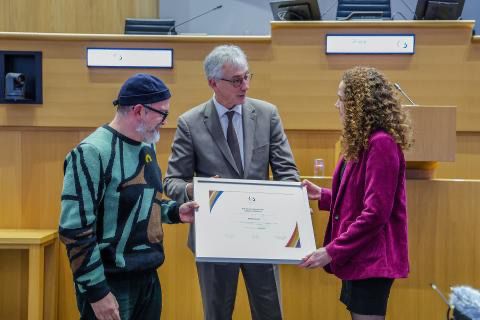
The documentary, titled “La Force des Racines” (translated as “The Strength of Roots”), was chosen from 19 other films to win the Journalism Prize 2024 at the Brussels Parliament.
The jury selected this 26-minute film due to its thoughtful and careful approach, which made it an excellent educational tool for young people to understand the history of the Genocide against the Tutsi and learn about Rwanda’s progress today.
This award, presented by Speaker Benoit Dispa and other Belgian parliamentarians, journalists, researchers, and others, highlights the value of the media as a tool for education and advocacy for positive change. It also underscores the importance of living in peace.
Through the film, Hélène Annet and Yvan Gorré made a significant contribution to explaining the difficult experiences of Rwandans and encouraged young people to confront global issues like violence and discrimination.
Hélène Henet explained that the film was created to highlight the events of the Genocide against the Tutsi using the testimony of Donatille Karurenzi, who was 13 years old in 1994 and survived in Kabgayi.
“For us, it was essential to make this film to revisit the history of the Genocide against the Tutsi that happened 30 years ago in Rwanda.
“Even here in Europe, the seeds of hatred, violence, and denial continue to persist, sometimes in small ways. Our goal is to show that what happened in Rwanda can happen anywhere. It’s a warning for the youth to be alert, understand history, respect one another, and avoid conflicts over differences like race, language, and origins,” she said.
Director Yvan Gorré explained that the documentary sought to highlight the historical ties between Belgium and Rwanda and stressed the relevance of learning from past mistakes.
“Some of these links are difficult,” he noted, “but there is also a present and a diaspora here, including survivors living in Belgium. What was important for us was to exercise a right to memory—not as a passive view of history, but as a positive action,” he noted.
In an interview with IGIHE, Donatille Karurenzi expressed her joy about the award, noting how it would help further spread the film’s impact.
Since its release, teachers and students in Belgium have been using the film in schools, occasionally inviting genocide survivors to share their testimonies for a deeper understanding.
She said, “Beyond the award, we are grateful for the journey that led to the making of this documentary. It gave us the strength to continue teaching children about their country, its history, and the experiences their parents went through. That’s why it’s called ‘La Force des Racines.’”
This award is not just recognition but also honors those affected by and survivors of the Genocide against the Tutsi. It serves as a reminder to people around the world to build a better future based on peace and mutual support.
Eric Twagirimana, the director of Ishuri-Umuco de Liège, expressed his heartfelt gratitude to the National Academy of Culture, the Ministry of Foreign Affairs and International Cooperation, Rwanda National Police and the Ministry of Unity and Civic Engagement for their significant support in the journey that led to the creation of this film.
He also thanked everyone who contributed to making this project a success.
“I also want to thank the parents who work with us to teach our children about culture and all that comes with it in Liège. Keep it up!” he said.
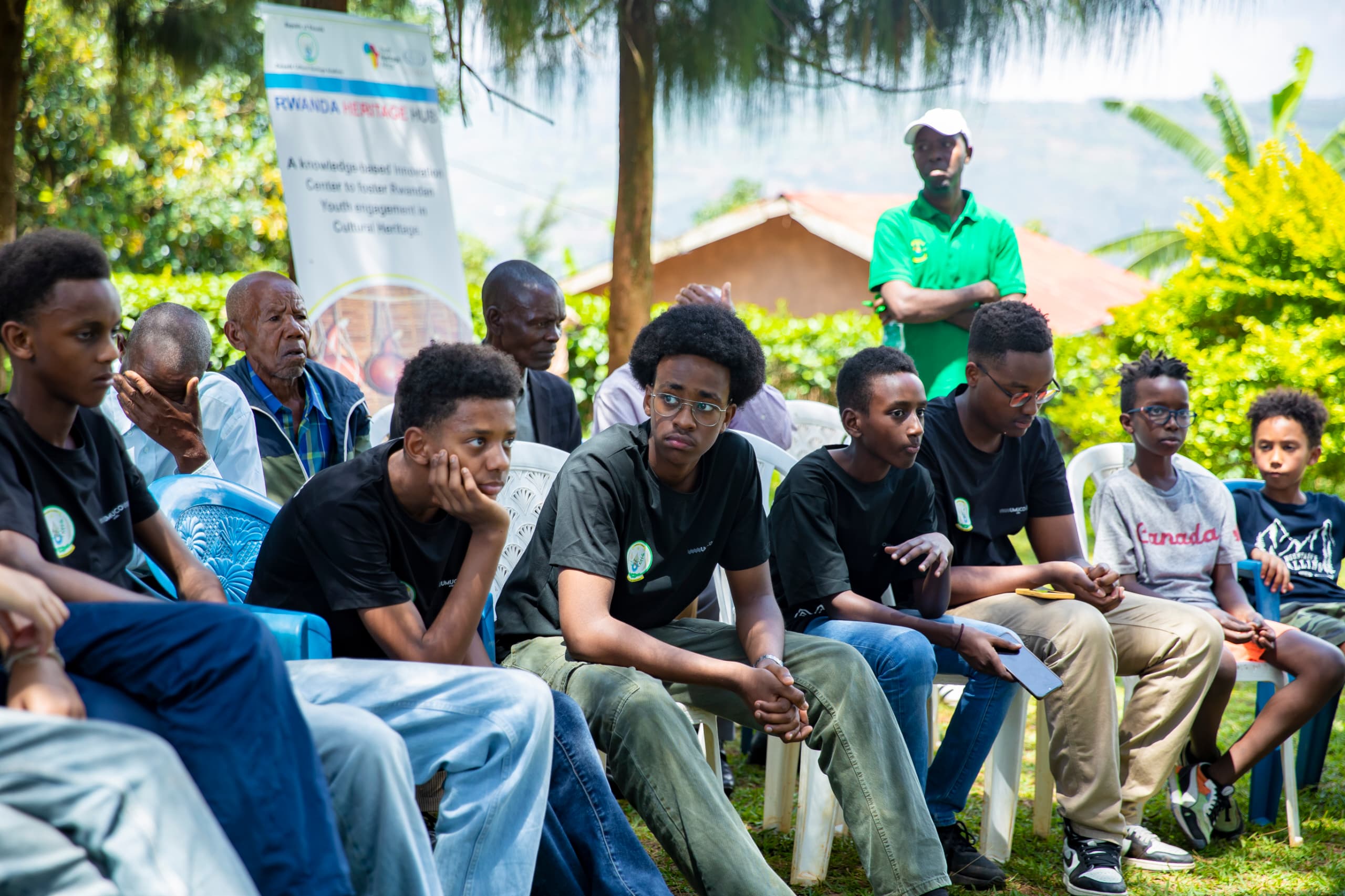
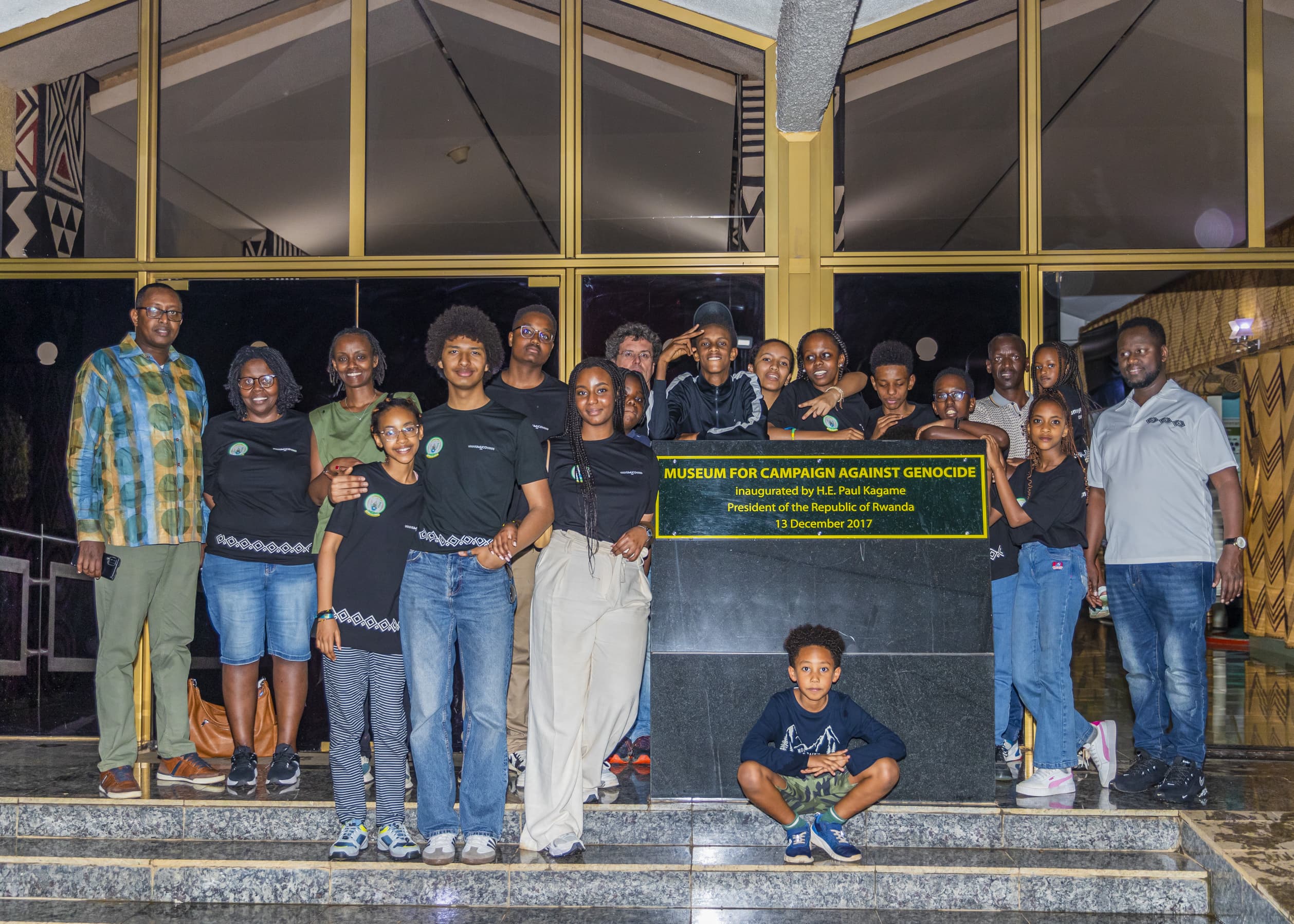
{{Some of the photos of the children and parents from Ishuri-Umuco de Liège during their journey in Rwanda served as the inspiration for this documentary film}}
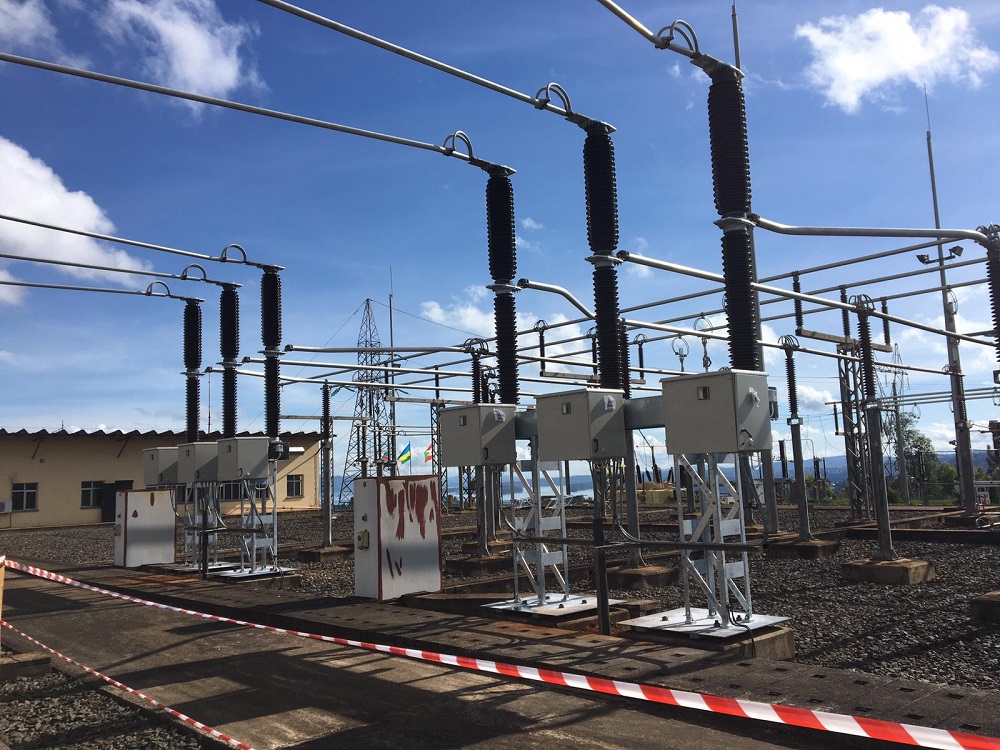
The report shows that electricity transmitted to Uganda’s Kisoro region via the Cyanika border reached 7.57 million kilowatt-hours (KWh) in 2023, up from 6.76 million KWh in 2022.
Similarly, electricity generated at the Mururu II hydropower plant and supplied to the Democratic Republic of Congo (DRC) increased to 240,000 KWh in 2023, compared to 106,000 KWh in 2022.
Further, electricity exported to the DRC through the Kamanyola border rose to 2.83 million KWh in 2023, up from 2.25 million KWh in the previous year.
In total, Rwanda’s electricity exports to Uganda and the DRC amounted to 10.65 million KWh in 2023, a significant rise from 9.12 million KWh recorded in 2022.
Meanwhile, electricity imports into Rwanda surged in 2023, with the country receiving 213.60 million KWh, a sharp increase of 54.47% from the 97.27 million KWh imported in 2022.
Additionally, Uganda’s UNEB delivered 85.25 million KWh of electricity to Rwanda in 2023, a significant jump from 7.03 million KWh in 2022.
The reliance on electricity imports often arises when a country experiences power shortages or when its energy production facilities undergo maintenance.
Recognizing the need for a regional approach to address power deficits, countries in the Great Lakes Region established SNELAC in 1983 as a collective solution.
Domestically, electricity usage within Rwanda also showed substantial growth.
By the end of 2023, 1,504,128 households had access to electricity, including 307,997 in Kigali, 232,194 in the Northern Province, 287,484 in the Southern Province, 354,007 in the Eastern Province, and 322,446 in the Western Province.
This represents an addition of 96,685 households connected to electricity in 2023, compared to the 1,407,443 households recorded in 2022.
Electricity consumption among Rwandan households in 2023 reached 211.16 million KWh, an increase from 178.97 million KWh in the previous year.
Other sectors also contributed significantly to the overall electricity consumption.
Water distribution stations, treatment facilities, and communication towers used 238.30 million KWh, while industries consumed 338.68 million KWh.
Media outlets and broadcasting towers accounted for 5.21 million KWh of electricity usage, and street lighting consumed 26.47 million KWh.
Additionally, healthcare facilities utilized 22.65 million KWh, and statistics institutions used 2.27 million KWh.
As of 6 p.m. local time on Friday, a total of 119 cholera cases have been recorded, with 14 cases confirmed through laboratory testing, while 12 samples remained under analysis.
In the past 24 hours, 24 new cholera cases were identified, with 20 concentrated in Cacuaco Municipality, the epicenter of the outbreak. Cacuaco, a suburban area in Angola’s capital province of Luanda, is home to over 1.2 million people.
Of the 119 cases reported, 53 percent are female and 47 percent male. Eleven of the 12 deaths occurred in Cacuaco.
The bulletin defines a cholera case as “a patient with severe or extreme dehydration, or death due to acute watery diarrhea, with or without vomiting, in individuals over the age of two in areas where cholera is present.”
A confirmed case is “a suspected case where the cholera vibrio has been isolated in stool samples.”
A timeline chart in the bulletin indicated cholera symptoms were first observed in a patient on December 31, 2024.
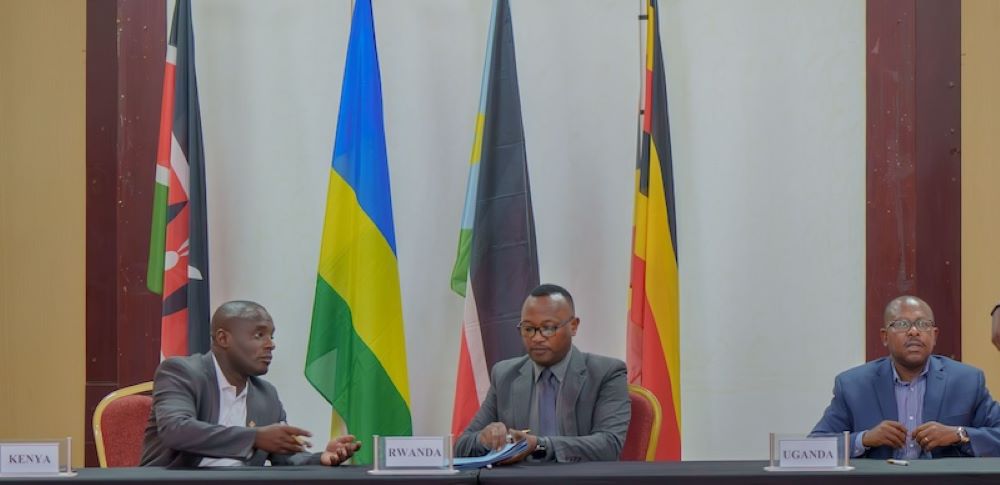
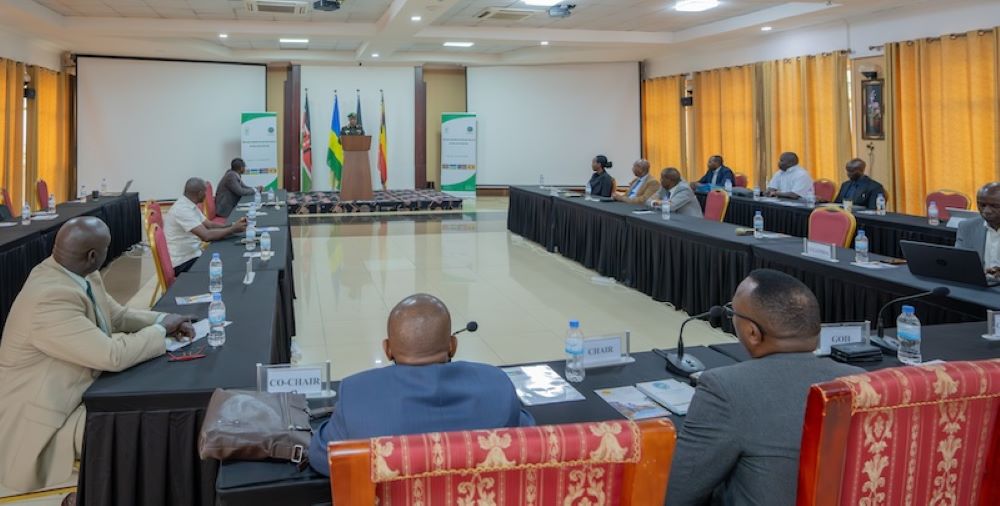
The purpose was to streamline the substance of various NCIP agreements, namely the mechanisms for the mutual defence pact; coordinating foreign affairs, defence, peace, and security policies; and methods for comprehensive conflict prevention, management, and resolution.
During the three-day meetings, the Defence Cooperation Cluster Technical Committee proposed practical recommendations to pave the way for the next senior officials’ session in preparation for the 15th NCIPs Summit.
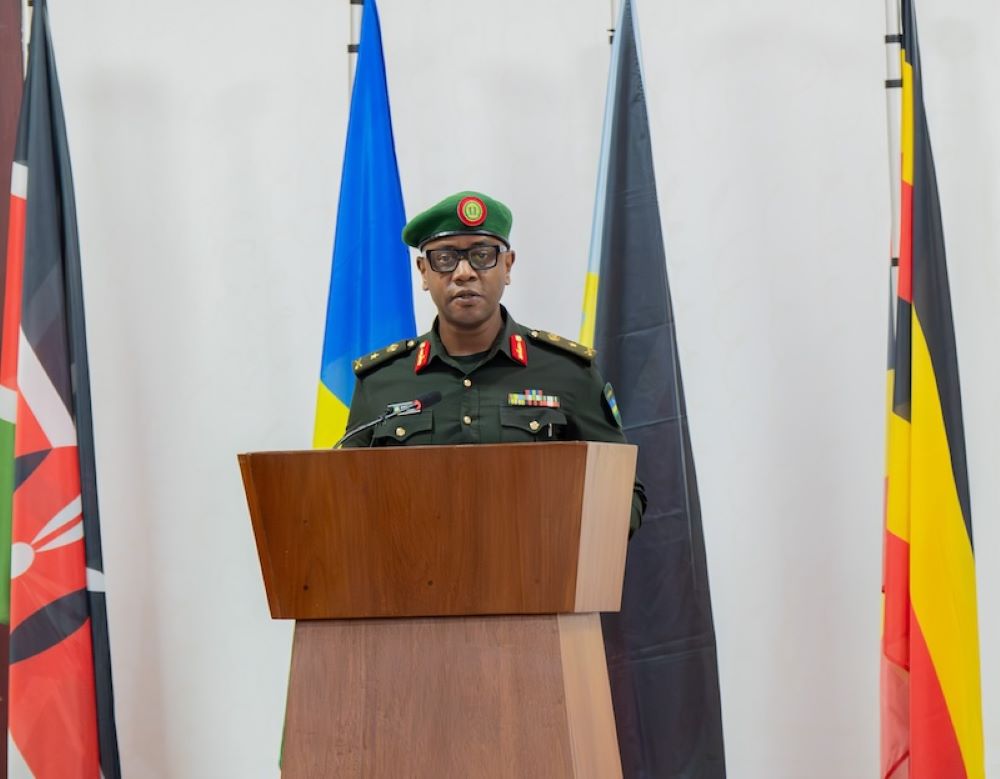
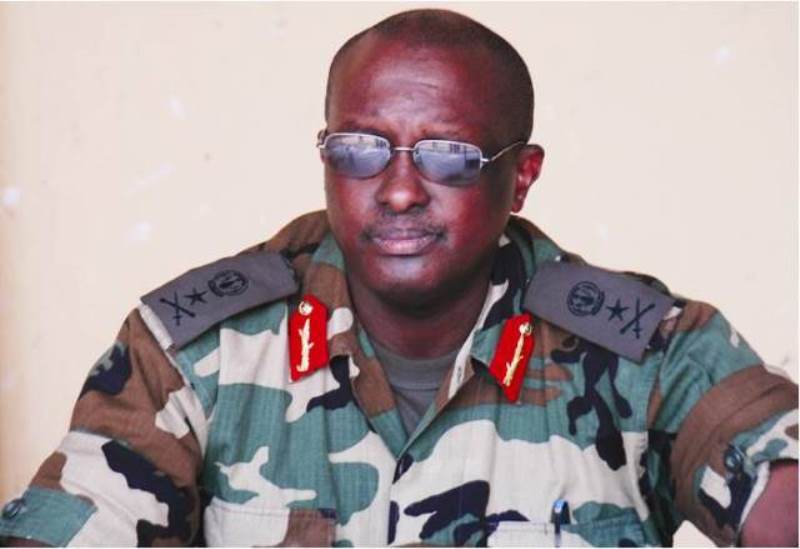
In his closing remarks at the meeting, on behalf of the Ministry of Defence, the Director General of International Military Cooperation, Brigadier General Patrick Karuretwa commended collaborative efforts and constructive dialogue with the selected Technical Committee.
“I would like to express my deepest appreciation to all of you for your hard work and commitment. The collaborative efforts and constructive dialogue we have witnessed here have been truly commendable, and I am confident that the work you have done will provide a solid foundation for the upcoming consultations at Ministerial and, ultimately, Heads of State Level.
“This collaborative momentum will therefore continue to drive our collective efforts going forward. “ Gen Karuretwa stressed.
The General further applauded the key outcomes of these discussions and said “Your dedication to advancing the NCIPs and strengthening our mutual defence cooperation is a testament to the spirit of collaboration and partnership that defines our shared objectives”.
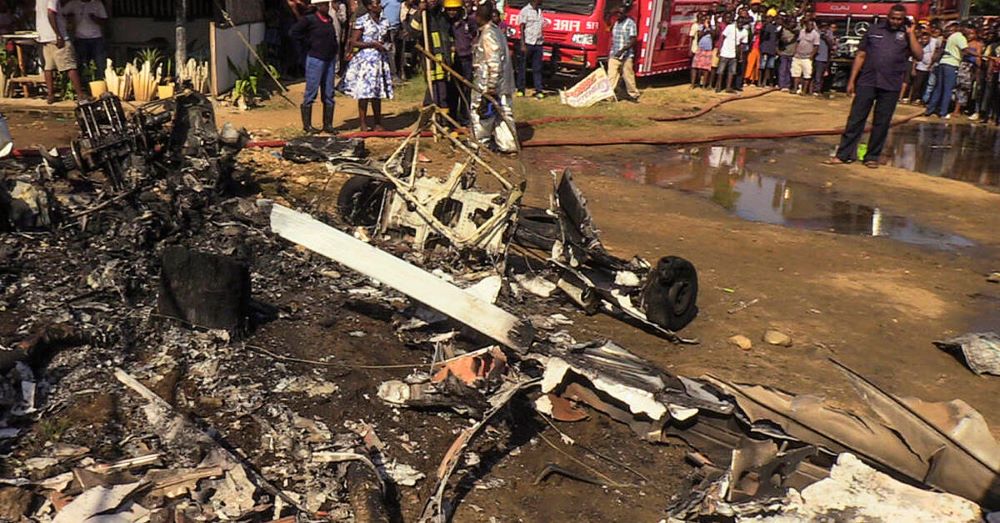
Kilifi County Police Commander Joseph Ongwae reported that the aircraft, identified as 5Y-CDC, took off from Malindi Airport headed to Wilson Airport in Nairobi.
Shortly after takeoff, it experienced mechanical issues and crash-landed approximately two kilometers from the airport at around 2:52 p.m.
The aircraft, carrying a pilot, an instructor, and a student, landed on motorcycles in the area. All three onboard survived the crash, but two motorcycle taxi riders and a pillion passenger were killed. Three others sustained injuries.
Video footage shared online showed the plane engulfed in flames on the road, with nearby makeshift structures also catching fire. Firefighters quickly responded to contain the blaze.
The Kenya Civil Aviation Authority (KCAA) has launched an investigation to determine the cause of the crash. In a statement, the KCAA confirmed that all onboard the aircraft survived and were hospitalized, while expressing regret over the ground fatalities.
Emergency teams and government agencies remain on-site as investigations continue.
The incident involved the willful assault and serious injury of Jean Bosco Ndayishimiye, leaving the victim temporarily incapacitated.
The court ruled that Rutatina would serve the suspended sentence over a one-year probationary period and fined him Rwf 500,000.
The court also found Ismael Sindayigaya and Annet Irasubiza guilty as co-defendants in the case.
Together with Rutatina, they were ordered to jointly compensate the victim with Rwf 10 million in damages.
This case stems from an incident on November 27, 2024, when Rutatina allegedly instructed his employees to assault Ndayishimiye, who had spent the night at Rutatina’s house in Kayonza District while visiting an employee at the retired general’s ranch.
The Rwanda Investigation Bureau (RIB) announced Rutatina’s arrest on December 6, 2024, following an investigation into the matter.
The prosecution later charged Rutatina along with ten of his employees, who faced varying levels of sentencing.
Niyibizi Félicien, alias Rasta, Habumuremyi Jean de Dieu, alias Kazungu, Mutungirehe Gérald, Ntabanganyimana Dan, alias Kidamage, Bucyensenge Casmir, and Rwema Samson were all convicted of willful assault causing harm.
The court issued different suspended prison terms and fines for each of them, while Bagorwanubusa Théoneste and Mupenzi Lameck were found guilty of failing to assist a person in danger.
All convicted individuals were collectively ordered to pay the compensation to Ndayishimiye.
However, they were exempted from covering court fees due to their detention during the proceedings. The court granted them the right to appeal within 30 days.
Maj Gen (Rtd) Rutatina retired from the military in 2016, having previously served as the Head of Military Intelligence for the Rwanda Defence Force.
Rwandan law specifies that retired military personnel fall under civilian legal jurisdiction.
“In solidarity with the Venezuelan people, the U.S. Government and our partners around the world are taking action today. The Department of State is increasing the reward offers to up to $25 million each for information leading to the arrests and/or convictions of Nicolás Maduro and Maduro’s Minister of Interior Diosdado Cabello,” reads a statement by U.S. Department of State.
The U.S. has also added a new reward offer of up to $15 million for Maduro’s Defense Minister Vladimir Padrino López.
While only a few nations, including Russia, have recognized Maduro’s victory in Venezuela’s disputed July election, the Cuban and Nicaraguan presidents were reportedly the only foreign leaders present at his inauguration.
Maduro rose to power following the death of socialist leader Hugo Chávez in 2013.
He faces numerous allegations, including corruption, human rights abuses, and involvement in drug trafficking.
Maduro declared victory for a third term in July last year, but the United States and the European Parliament declared Maduro’s opponent, Edmundo González, the “president-elect,” further challenging Maduro’s legitimacy.
González, who fled Venezuela in September and is currently living in Spain, has embarked on a tour of the Americas to gain international backing.
In response, the Maduro government has issued an arrest warrant for González and is offering a $100,000 reward for any information leading to his capture.
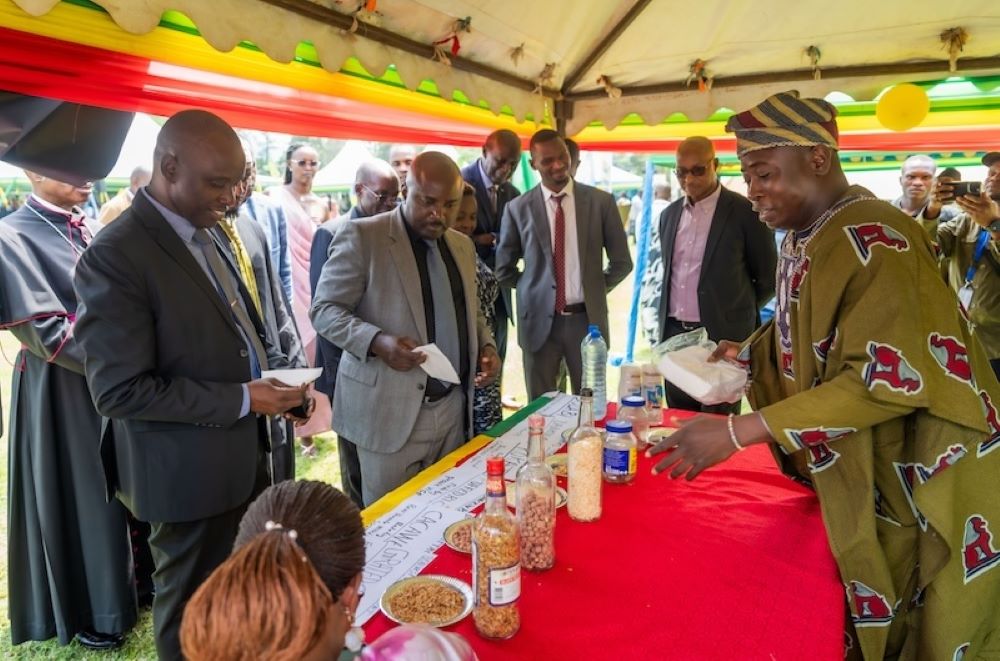
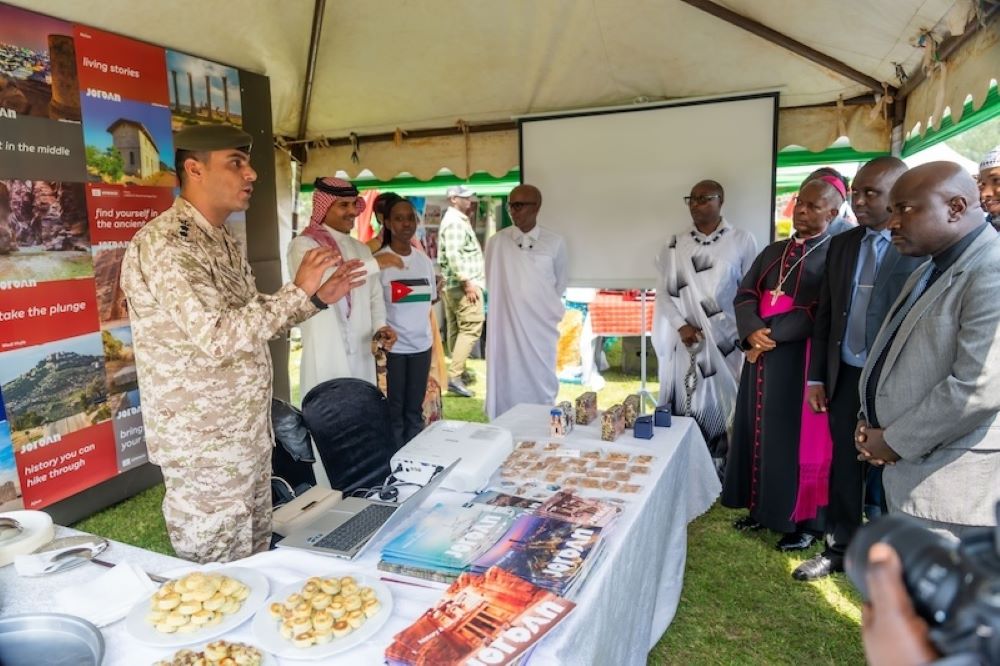
This year’s event featured 108 senior military officers from 19 African nations, including one from Jordan, who showcased their unique traditions through cuisine, attire, music, and dance.
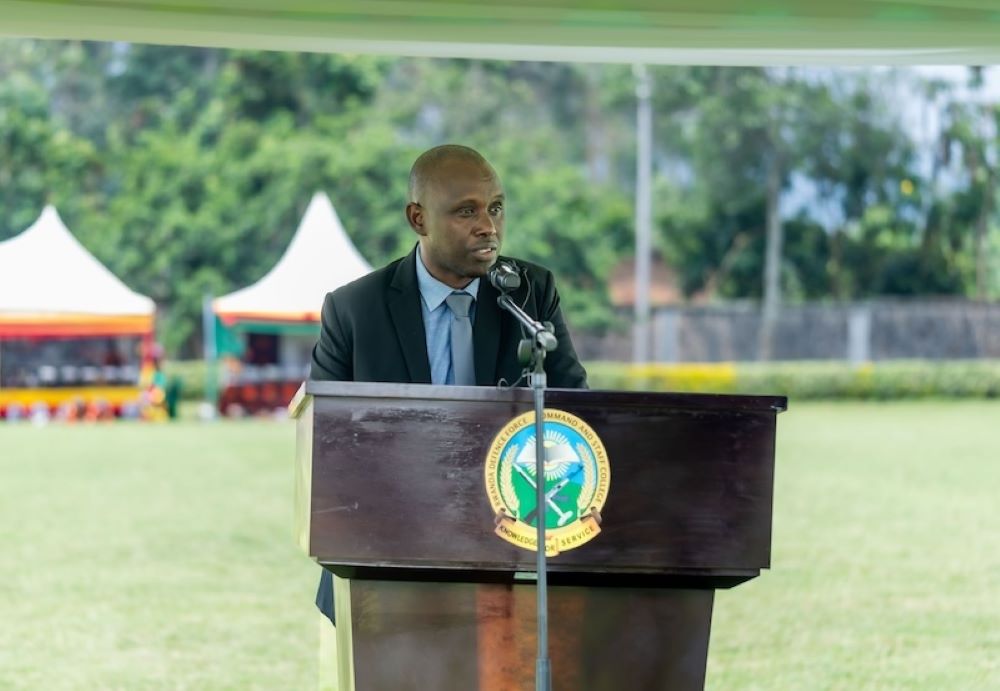
As he presided over the event on behalf of the Chief of Defence Staff, Brig Gen Andrew Nyamvumba, RDFCSC Commandant highlighted that culture celebrates unity in diversity.
“Each culture showcased not only the unique identities of our respective nations but also the shared values that bind us together as members of the armed forces and of the global village. In our line of duty, understanding and respecting cultural differences is paramount.
“It enhances our operational effectiveness and strengthens the bonds between us. Culture shapes our behaviours, informs our values, and fosters discipline within our ranks,” said the Commandant.
Lt Col Robert Oumo Odeke from Uganda, representing allied students emphasised that their gathering is a testament to richness of their different cultures.
“Here, we are not just students or officers; but also cultural ambassadors. We represent nations with distinct identities, yet we come together to share, to learn, and to celebrate.
“This diversity should not in any way be taken as a barrier, but rather as a bridge. It is through events like this that we strengthen our bonds and deepen our understanding of one another,” he noted.
The event provided a platform for students to exchange knowledge about their traditions, beliefs, values, and cultural diversity.
Participating countries this year included Rwanda, Benin, Botswana, Burkina Faso, Central African Republic, Eswatini, Ethiopia, Ghana, Guinea, Jordan, Kenya, Malawi, Mali, Mozambique, Niger, Nigeria, South Sudan, Tanzania, Uganda and Zambia.
Cultural Day remains a cornerstone of RDFCSC’s mission, showcasing the value of cultural understanding in tackling shared challenges and strengthening military cooperation across Africa.
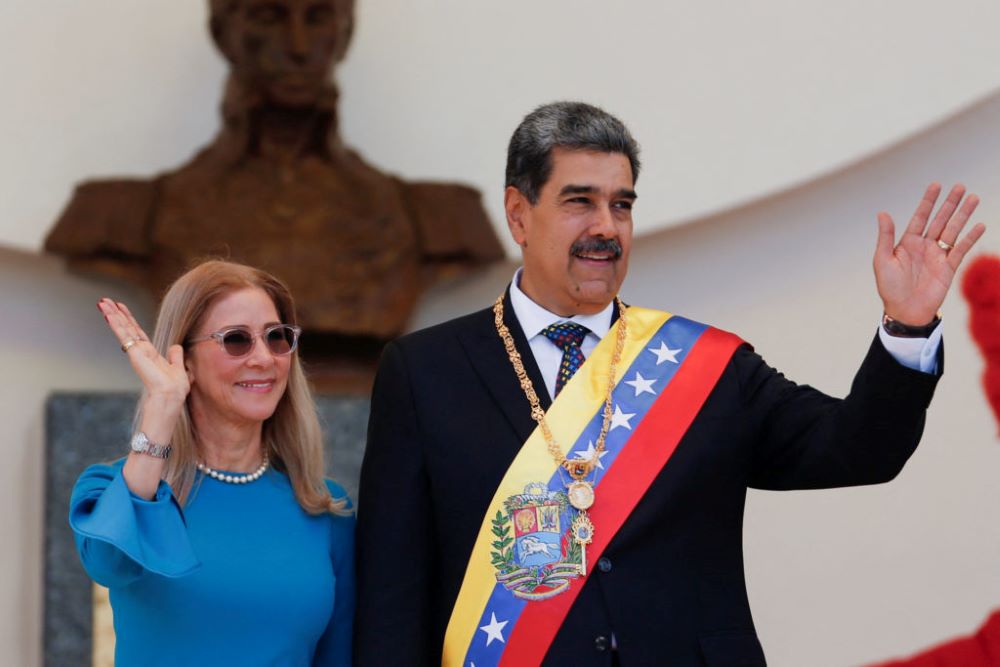
Venezuelan President Nicolás Maduro was sworn in for a third six-year term on Friday, following a contentious election marked by claims of voter fraud.
His opponent, Edmundo González, had declared victory in the July election, alleging widespread irregularities.
Maduro’s inauguration defied mounting international pressure and sanctions, particularly from the United States, which has recognized González as the winner of the presidential race.
“May this new presidential term be a period of peace, of prosperity, of equality and the new democracy,” Maduro declared, pledging to uphold the laws of Venezuela.
The swearing-in ceremony came a day after a rare public appearance by opposition leader María Corina Machado, who led a protest against Maduro’s rule.
According to Machado’s team, she was briefly detained during the demonstration, adding to the ongoing tensions.
Maduro, a former bus driver, rose to power following the death of left-wing leader Hugo Chávez in 2013.
His leadership has been plagued by accusations of authoritarianism, along with severe economic and political crises that have deeply affected the country.
The July 28 presidential election sparked widespread protests, with many Venezuelans contesting the results.
However, a heavy-handed government response quickly quelled the demonstrations. During the unrest, an estimated 2,000 people were arrested, and at least 25 lost their lives.