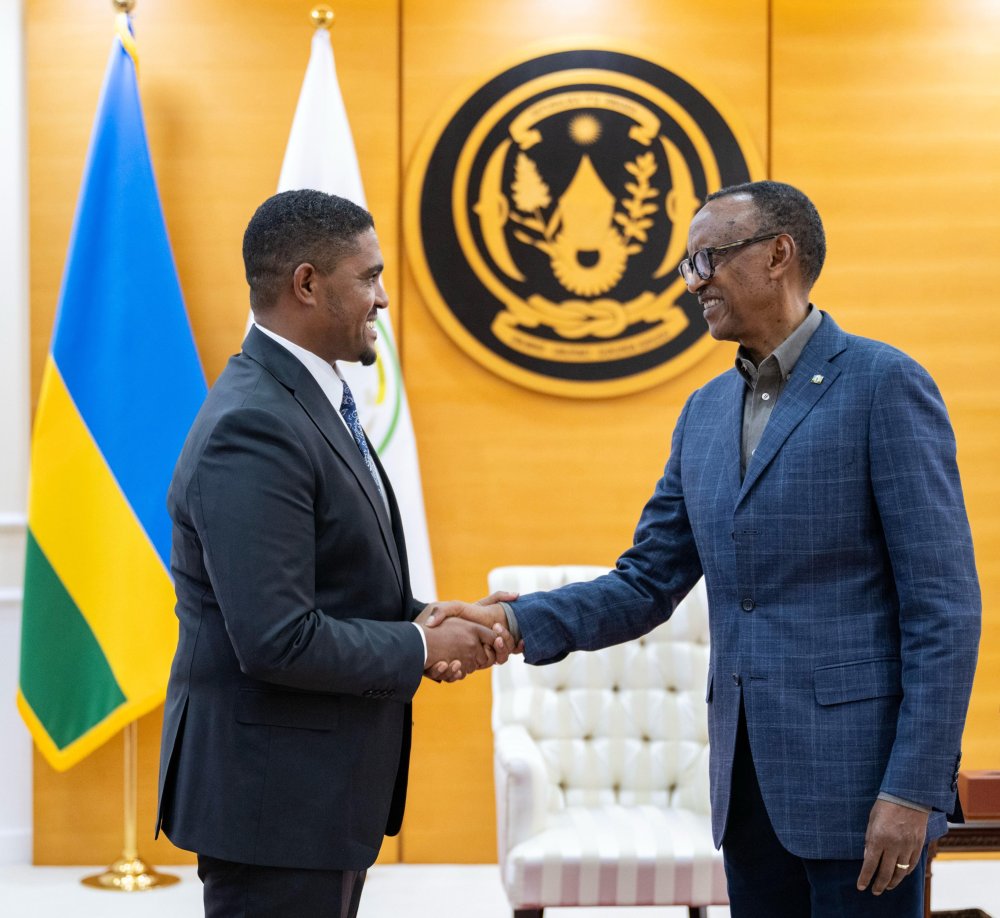
The meeting was confirmed by the Office of the President through a statement shared on X, which highlighted that both parties discussed the bilateral relations.
Shimelis Abdisa has been leading Oromia since April 2019 and has been Chief Staff of the Prime Minister since 2018, Abiy Ahmed, since 2018.
Oromia is the largest region in Ethiopia, covering more than 350,000 square kilometers and home to nearly 40 million people, approximately a third of Ethiopia’s population.
The region is located in central Ethiopia, extending to the western part, sharing borders with other parts of the country in the Horn of Africa, excluding Tigray.
Oromia is known for its fertile land, natural resources, and agricultural production, particularly coffee.
It is also rich in minerals such as gold, gemstones, and others. However, the region has faced political challenges, natural disasters, and other issues.
Rwanda and Ethiopia have a strong relationship based on diplomatic respect and cooperation agreements aimed at benefiting their citizens.
The two countries have signed various agreements, including those focused on cooperation in law enforcement, media, sports, tourism, healthcare, education, and culture.
Their partnership extends to agriculture, trade, education, and air travel services with agreements between RwandAir and Ethiopian Airlines.
In 2024, Rwanda and Ethiopia signed cooperation agreements in five areas, including political collaboration, business, sports, disaster management, and investment.
The countries also share a deep connection through their people-to-people exchanges. In April 2024, Ethiopia’s Prime Minister, Dr. Abiy Ahmed, attended Rwanda’s commemoration of the 30th anniversary of the 1994 Genocide against the Tutsi.
President Kagame and Dr. Ahmed have held several discussions, including during the 2023 Africa-Saudi Arabia summit, to further strengthen the relationship between the two nations.
The two leaders also met in 2021 during a two-day visit Dr. Ahmed made to Rwanda.
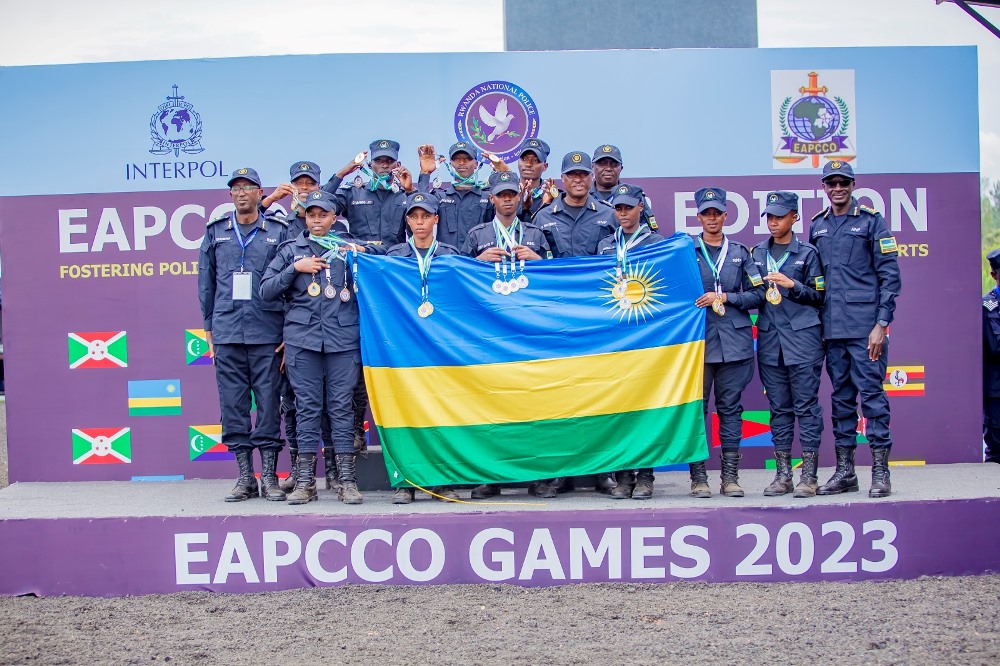
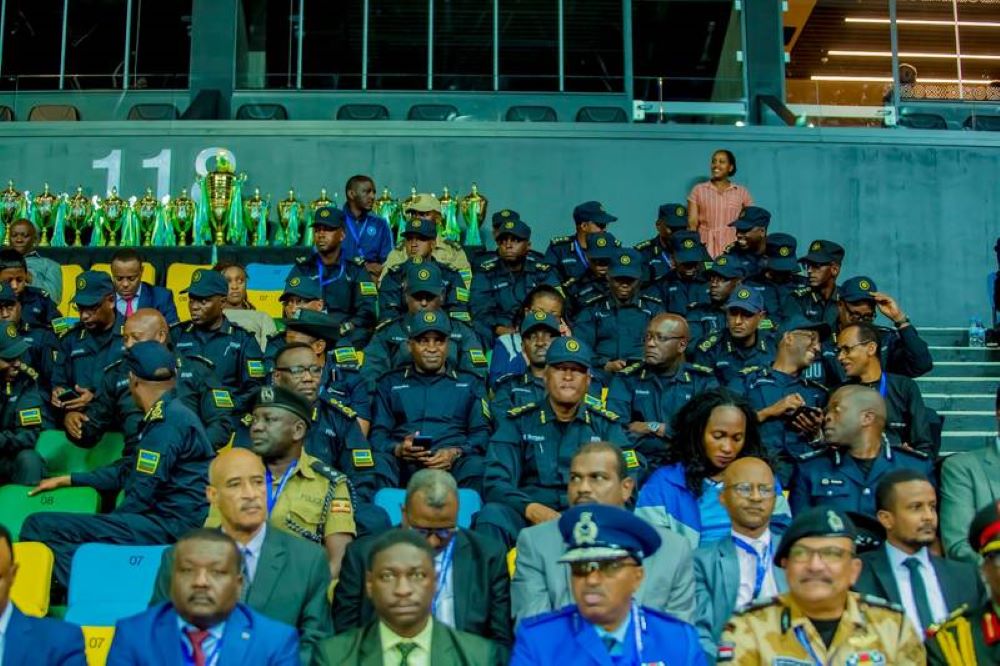
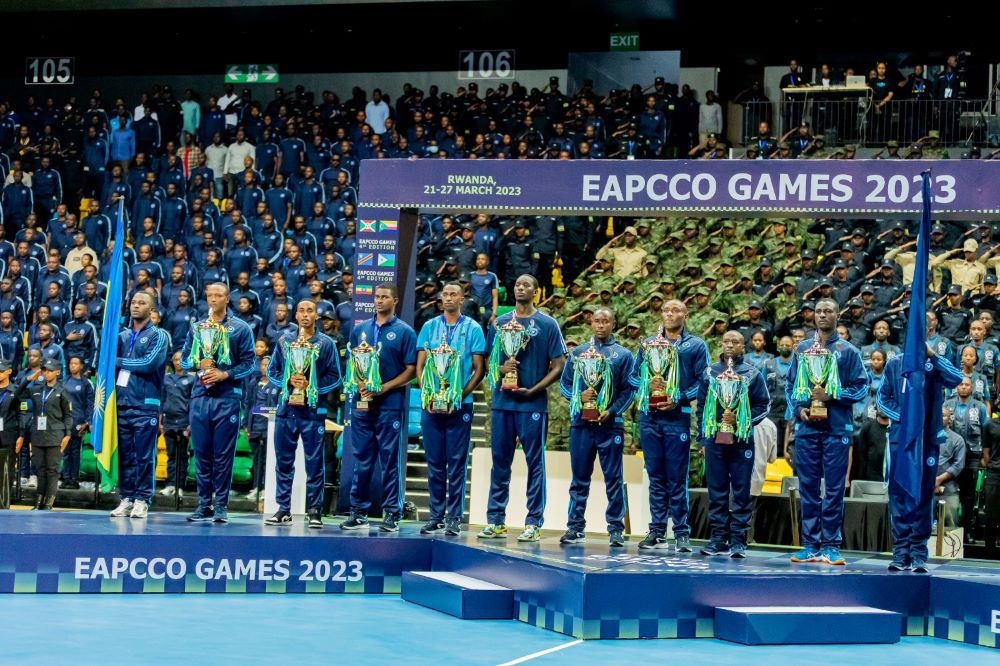
This pivotal gathering will bring together Chiefs of Police from 14 member countries to engage in discussions aimed at strengthening cross-border cooperation in combating emerging security threats.
As the region grapples with increasingly sophisticated and transnational criminal activities, the AGM serves as a critical platform for addressing shared challenges, fostering intelligence exchange, and enhancing the collective capacity of law enforcement agencies.
The theme of this year’s meeting, “Strengthening regional law enforcement cooperation to counter terrorism, transnational, organized, and emerging crimes,” reflects the growing need for robust collaboration in tackling complex security issues that transcend national borders.
The meeting will not only focus on current crime trends but will also explore innovative solutions to enhance regional security and prevent future threats.
A unified response to regional security challenges
Founded in 1998 in Kampala, Uganda, EAPCCO was established as a regional response to the increasing threat posed by transnational and organized crimes.
The organization aims to unite law enforcement agencies in Eastern Africa to combat these shared threats.
The 14 member countries of EAPCCO include Rwanda, Uganda, Kenya, Tanzania, Burundi, Comoros, Ethiopia, Eritrea, Djibouti, Sudan, South Sudan, Democratic Republic of Congo, Seychelles, and Somalia.
EAPCCO’s core mission revolves around strengthening cooperation among member states to address regional crime, share vital intelligence, and build capacity to effectively combat emerging threats.
Over the years, the organization has evolved into a key player in regional security, ensuring that law enforcement agencies remain equipped to tackle challenges that affect the entire region.
{{Collaboration and capacity building}}
EAPCCO’s main objectives focus on promoting cooperation, enhancing crime management, and strengthening law enforcement across the region.
This includes fostering joint strategies to combat cross-border and related crimes, disseminating information on criminal activities, and facilitating efficient management of criminal records.
The organization also places a significant emphasis on training and capacity building, ensuring that law enforcement agencies are well-prepared to meet the region’s evolving security needs.
Through its various subcommittees and initiatives, EAPCCO continually develops new approaches to address the complex landscape of regional security.
The organization’s efforts have been instrumental in shaping a more cohesive and effective regional response to emerging crime trends.
{{Focus areas of the 26th AGM}}
The 26th AGM will focus on addressing key crime areas that are increasingly affecting the region, including financial crimes, terrorism, human trafficking, drug trafficking, cybercrime, and intellectual property crimes.
These areas have become more interconnected and complex, necessitating a coordinated response from member states.
{{Reviewing resolutions’ implementation}}
At the AGM, Chiefs of Police will review the implementation of previous resolutions and evaluate the effectiveness of ongoing efforts to combat transnational organized crime.
The meeting will provide an opportunity to assess the challenges faced in implementing these strategies and identify actionable measures to overcome obstacles.
Additionally, the meeting will facilitate the approval of new recommendations and resolutions aimed at improving regional cooperation and enhancing the capacity of law enforcement agencies.
The AGM will also serve as a platform for sharing best practices and experiences, allowing member countries to learn from one another’s successes and challenges in tackling criminal activities.
Through these discussions, EAPCCO will continue to refine its strategies, ensuring that law enforcement agencies are better equipped to address both current and emerging threats.
{{A showcase of tactical excellence}}
This year’s AGM introduces a dynamic new feature: the EAPCCO SWAT Challenge.
Set to take place from January 29-30, 2025, at the Counter-Terrorism Training Center (CTTC) in Bugesera District, the SWAT Challenge will showcase the operational readiness and skills of police tactical units from EAPCCO member countries.
Elite law enforcement teams will compete in various exercises designed to test their physical fitness, teamwork, and tactical expertise in responding to security incidents.
The event will not only serve as a demonstration of the region’s capacity to respond to critical security situations but will also foster knowledge sharing among participating teams.
The best-performing units will be recognized for their excellence in law enforcement, further promoting a spirit of healthy competition and continuous improvement among the region’s law enforcement agencies.
{{EAPCCO Events}}
The AGM key events include the meeting of Chiefs of Police—a supreme decision-making authority of EAPCCO—Council of Ministers, and sideline meetings that include the Permanent Co-Coordinating Committee (PCC) composed of directors of Criminal Investigations and Heads of National Central Bureaus (NCB).
Other sideline subcommittee meetings include those on legal, training, cybercrime, gender and counter-terrorism.
Each session provides a unique opportunity to share experiences, review progress, and discuss new ways to address challenges facing the region.
During the AGM, there is always change of chairmanship to the Chief of Police of the host country.
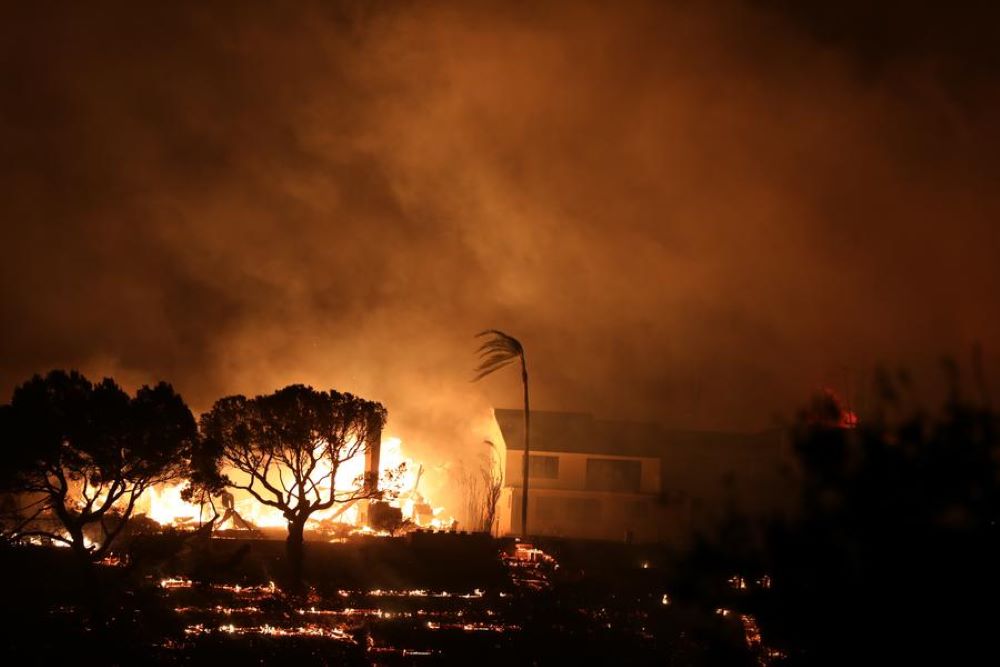
The National Weather Service issued red flag warnings for severe fire conditions through Wednesday, with dangerously high winds expected to return.
Sustained winds of 50 mph and gusts up to 70 mph are forecast for the region, particularly on Tuesday, which could make firefighting efforts even more difficult.
The combination of dry conditions, low humidity, and strong Santa Ana winds is fueling the flames, making this one of the most perilous fire seasons in recent memory.
Fire crews received additional support on Sunday, with 70 water trucks deployed to help fight the flames. Aircraft also dropped fire retardant along vulnerable hillsides in an attempt to slow the spread of the fires.
The fires, which began last week, have been exacerbated by the dry conditions and the powerful Santa Ana winds, which have turned them into catastrophic wildfires.
More than a dozen people are missing in the areas affected by the Eaton Fire and Palisades Fire, and authorities are working to confirm whether some of the missing may be among the fatalities.
With little rainfall in the area for over eight months, the region remains highly susceptible to further fire risks, and officials are bracing for the worst as winds pick up again.
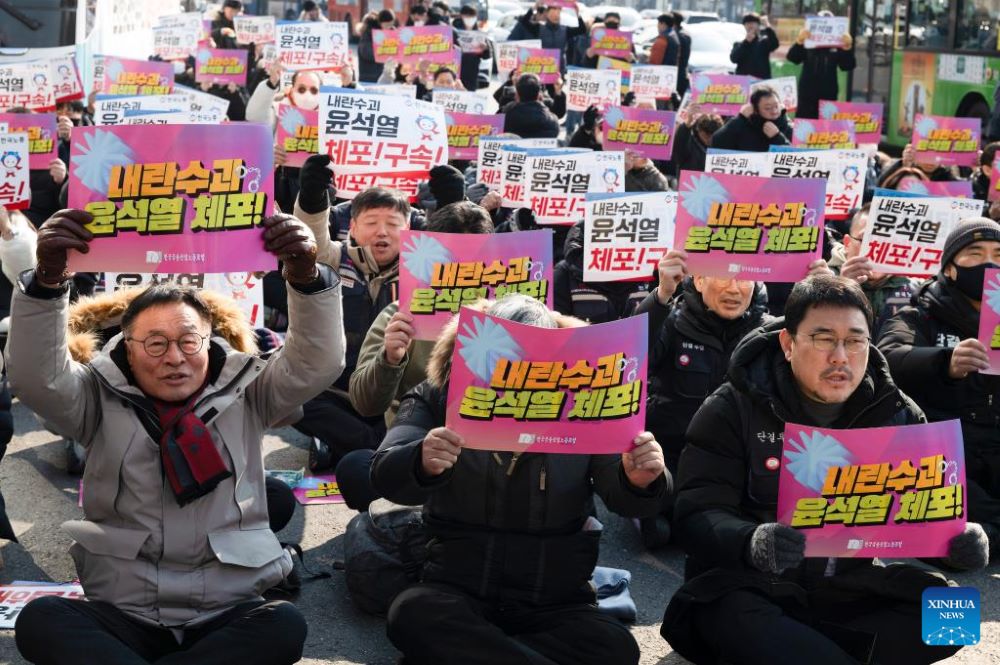
Yoon’s lawyer, Yun Gap-geun, expressed fears over potential security risks, citing efforts by the Corruption Investigation Office for High-ranking Officials (CIO) and the National Office of Investigation (NOI) to arrest the impeached president.
Yoon’s legal team emphasized that the president would only attend the trial once these safety issues are addressed.
The constitutional court is set to begin hearings on January 14, with additional sessions planned for January 16, 21, 23, and February 4.
The impeachment motion, passed by the National Assembly on December 14, 2024, suspended Yoon’s presidential powers for up to 180 days while the court deliberates.
Yoon, who faces charges related to insurrection, declared martial law on December 3, which was overturned by the assembly.
Despite a failed attempt to arrest him on January 3, a Seoul court has since extended the warrant for his apprehension.
The agreement was reached during a meeting in Addis Ababa, the capital of Ethiopia, between Ethiopian Prime Minister Abiy Ahmed and Somali President Hassan Sheikh Mohamud, who is on a working visit to Ethiopia.
The leaders held constructive discussions on regional and bilateral issues, aiming to deepen the fraternal bond between their peoples, according to a joint communique released Saturday evening.
Both leaders agreed to “restore and enhance” bilateral relations through full diplomatic representation in their respective capitals. They also emphasized closer collaboration between their diplomatic missions on multilateral and regional matters of mutual interest, the communique said.
Noting that the stability of the region requires the two countries’ strong cooperation based on mutual trust, confidence, and respect, the two leaders pledged to strengthen coordination on improving regional relations and fostering common understanding and shared progress.
The leaders further underscored the need to enhance security cooperation, particularly in countering the threat posed by extremist militant groups in the region. They agreed to direct their security agencies to deepen collaboration in promoting peace and stability, it noted.
Reaffirming their commitment to the Ankara Declaration, the two leaders pledged to expedite technical negotiations outlined in the agreement.
The Somali president’s visit to Ethiopia followed last month’s Turkish-mediated talks in Ankara, which helped resolve misunderstandings and de-escalate diplomatic tensions that had strained relations throughout 2024.
The diplomatic rift had been escalating between the two neighboring countries after Ethiopia and Somaliland reportedly signed an agreement earlier in 2024, allowing Ethiopia access to the Red Sea in exchange for its recognition of Somaliland, a self-declared region of Somalia, as an independent state. Somalia said the agreement is legally invalid.
As part of the normalization efforts, Ethiopia’s Defense Minister Aisha Mohammed led a high-level delegation to Somalia earlier this month, reiterating both nations’ commitment to strengthening bilateral relations.
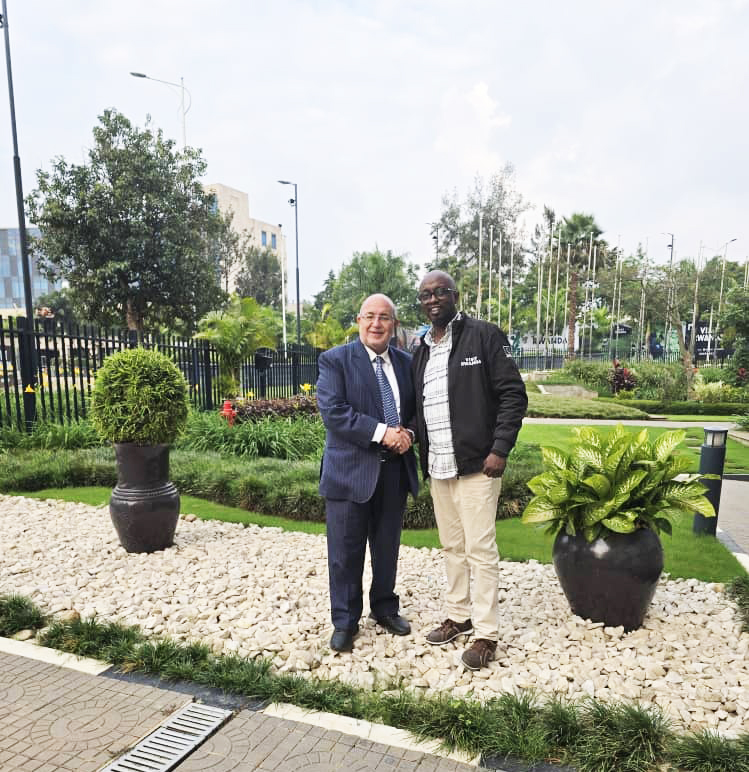
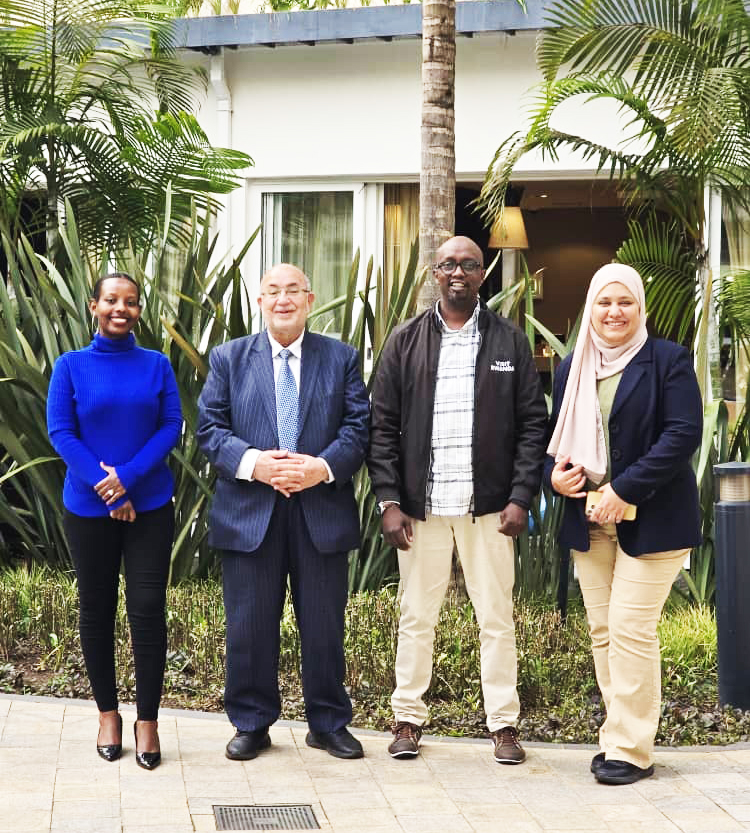
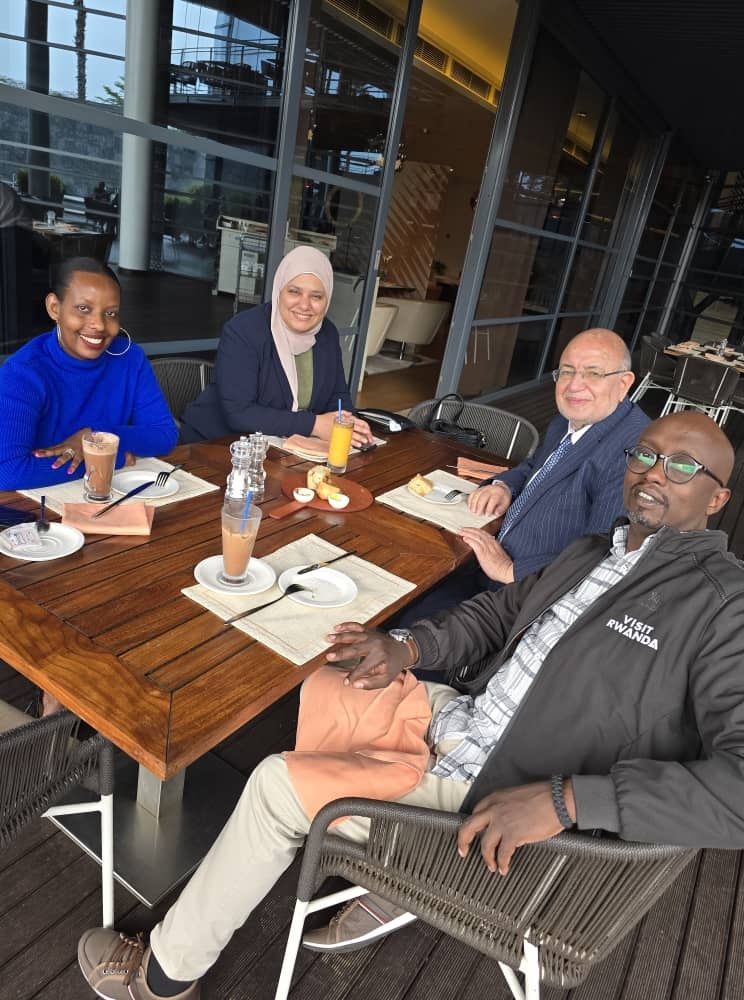
Dr. Wagih Azzam and Noha Soliman arrived in Kigali on Saturday, January 11, 2025, where they were welcomed by the President of the Rwanda Cycling Federation (FERWACY), Ndayishimiye Samson, and the federation’s Second Vice President, Kayirebwa Liliane.
The FERWACY President told IGIHE that the CAC leader’s visit aims to assess Rwanda’s preparations for hosting the UCI Road World Championships, scheduled to take place in Kigali from September 21-28 this year.
“They came to evaluate our progress in preparing for the UCI Road World Championships, hold discussions about collaboration with the federation, encourage African countries to participate in large numbers in the World Championships, and discuss the UCI Satellite program we are planning to launch,” he said.
The CAC President is also scheduled to tour the routes designated for the UCI Road World Championships before wrapping up his visit to Rwanda on Tuesday.
Rwanda is set to make history as the first African country to host the prestigious competition, now in its 98th edition.
As these cellular factories gradually slow their production, they unveil the striking silver tones that characterize mature hair. At the heart of hair pigmentation lies melanin, the remarkable compound responsible for giving our hair its distinctive color.
Produced by specialized cells called melanocytes, melanin comes in two primary forms: eumelanin, which creates brown and black pigments, and pheomelanin, responsible for red and blonde shades. These pigments combine in varying proportions to create the vast spectrum of natural hair colors observed in humans.
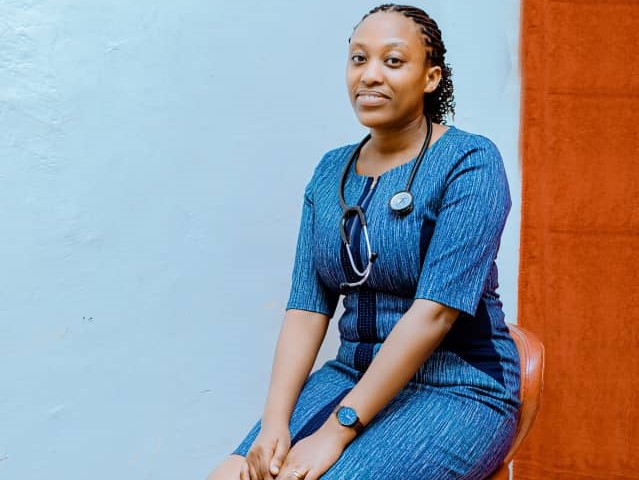
Jenipher Niyonziza, a Medical Doctor based at Ruhengeri Referral Hospital in Musanze district explains that melanocytes don’t work alone in this intricate process. She says that they partner with hair follicle cells, orchestrating a complex biological dance that determines hair color.
Niyonziza, who exhibits a keen interest in Dermatology says that during hair growth, melanocytes transfer melanin to keratinocytes, the cells that form the hair shaft. “This transfer occurs through a fascinating process called melanin unit transfer, where pigment-containing packages are delivered to growing hair cells,” she says.
As one ages, several changes occur within the hair follicles that contribute to the silvering process. The melanocytes gradually become less efficient at producing melanin, and some may stop functioning altogether.
This decline isn’t uniform across all hair follicles, which explains why some areas of hair turn gray while others retain their original color. The process typically begins with a reduction in melanin production, leading to lighter shades before eventually resulting in white hair.
Niyonziza also says that genes play a crucial role in determining when and how quickly hair turns silver. Scientific research has identified several genes involved in the timing of hair graying, including IRF4, which helps regulate melanin production.
These genetic factors explain why some people begin to notice silver strands in their twenties while others maintain their natural color well into their fifties or beyond.
{{Environmental influences and stress factor on hair color}}
While genetics set the stage for when hair begins to turn silver, environmental factors can significantly impact this timeline.
Oxidative stress, caused by factors such as pollution, UV radiation, and certain lifestyle choices, can accelerate the graying process by damaging melanocytes and disrupting melanin production. This explains why smokers often experience premature graying compared to non-smokers.
Recent scientific research has revealed fascinating insights into the relationship between stress and hair graying. Chronic stress can affect the melanocyte stem cells responsible for maintaining the population of melanin-producing cells.
When these stem cells become depleted, the affected hair follicles can no longer produce pigmented hair, resulting in silver strands.
{{Medical conditions and the role of nutrition}}
The food we eat can influence the health of our hair follicles and their ability to produce pigment. Essential nutrients such as vitamin B12, folate, copper, and vitamin D play crucial roles in melanin production and overall hair health.
A deficiency in these nutrients may contribute to premature graying, highlighting the importance of a balanced diet in maintaining natural hair color.
Several medical conditions can influence the graying process. Autoimmune disorders, thyroid problems, and vitiligo can all affect melanin production and lead to premature graying.
Understanding these medical connections helps healthcare providers better diagnose and treat underlying conditions that may be contributing to unexpected hair color changes.
According Niyonziza, while the natural graying process is generally considered permanent, some research suggests that addressing underlying nutritional deficiencies or health conditions may help restore some hair color in certain cases.
However, these instances are relatively rare and typically occur only when the graying is caused by reversible factors rather than natural aging.
The emergence of silver hair represents more than just a cosmetic change; it marks a natural milestone in the human biological journey. While society has traditionally viewed gray hair through the lens of aging, many people now celebrate their silver strands as a symbol of wisdom and authenticity.
This shift in perspective has led to the “silver revolution,” where individuals proudly showcase their natural hair color transition.
As scientists continue to explore the mechanisms behind hair graying, seeking to understand better how to maintain or restore natural hair color, recent advances in stem cell research and genetic studies offer promising insights into potential future treatments for those who wish to maintain their natural hair color longer.
The journey from pigmented to silver hair involves complex biological processes influenced by genetics, environment, and lifestyle choices. Understanding these mechanisms not only satisfies scientific curiosity but also helps make informed decisions about hair care and maintenance.
Whether choosing to embrace the silver or seek ways to maintain natural color, knowledge of these processes empowers humanity to approach the transition with confidence and understanding.
As research continues to unlock new insights into hair biology, additional factors that influence the graying process may be discovered.
Until then, appreciating the intricate science behind this natural transformation helps one view silver strands not as a sign of aging but as a testament to the fascinating biological processes at work within the human body.
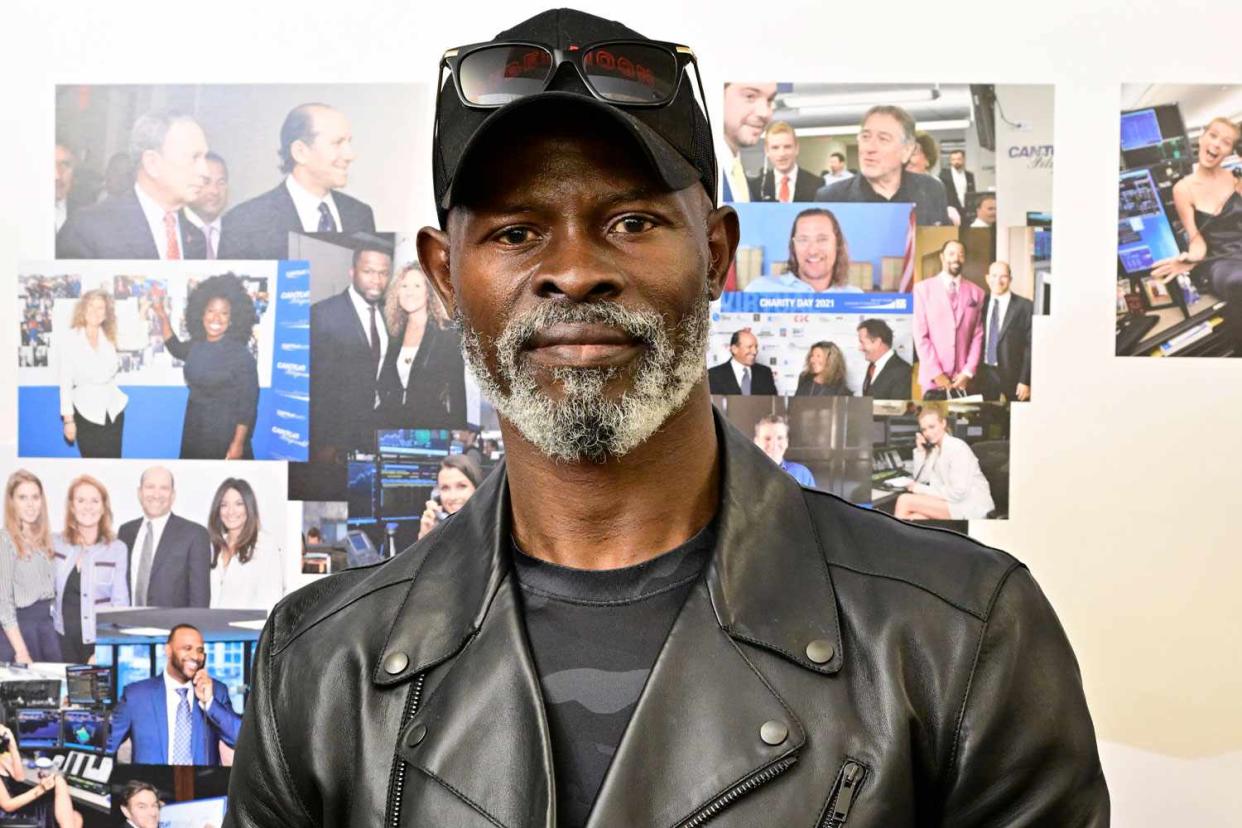
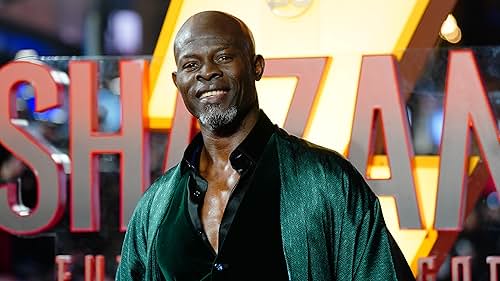
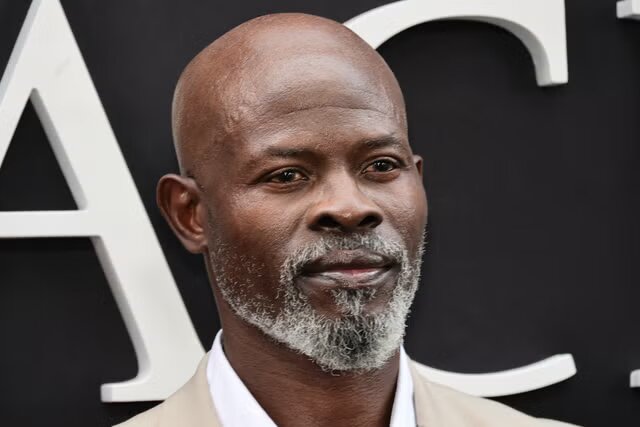
In a candid interview on CNN’s ‘African Voices Changemakers’, the Beninese-born actor shared that he continues to find himself underpaid even after over two decades in the industry and being featured in multiple blockbuster films.
“I’m still struggling to make a living,” Hounsou confessed. “I’ve been in this business making films now for over two decades with two Oscar nominations, been in many blockbuster films, and yet, I’m still struggling financially. I’m definitely underpaid.”
Reflecting on his career, which includes standout roles in Ridley Scott’s ‘Gladiator’, Steven Spielberg’s ‘Amistad’, ‘Blood Diamond’, and ‘In America’, Hounsou expressed his frustration with the financial compensation he receives despite his critical acclaim.
His performances in ‘In America’ and ‘Blood Diamond’ earned him Academy Award nominations, yet he claimed that financial recognition hasn’t followed.
Hounsou also addressed a painful memory from his ‘Amistad’ breakthrough in 1997, where he portrayed Cinqué, the leader of a slave revolt. He alleged that his lack of an Oscar nomination at the time was influenced by racism and xenophobia.
“I was nominated for the Golden Globe, but they ignored me for the Oscars, talking about the fact that they thought that I had just came off the boat and off the streets,” he said.
“Even though I successfully did that [film], they just didn’t feel like I was an actor to whom they should pay any respect. This conceptual idea of diversity still has a long way to go. Systemic racism don’t change like that anytime soon.”
Hounsou’s journey to stardom began when he immigrated to Lyon, France, at age 12, after growing up in Cotonou, Benin. Homeless and struggling after dropping out of school, he was discovered by a photographer who introduced him to fashion designer Thierry Mugler.
Hounsou then pursued modeling, becoming a prominent figure in the Paris fashion scene. His career later transitioned to acting with notable roles in ‘Without You I’m Nothing’ (1990) and ‘Stargate’ (1994).
This is not the first time Hounsou has spoken about his financial struggles despite his success in other films like ‘A Quiet Place: Day One,’ ‘Gran Turismo,’ and ‘Shazam! Fury of the Gods.’
In a 2023 interview with ‘The Guardian’, he stated, “I’m still struggling to try to make a dollar! I’ve come up in the business with some people who are absolutely well off and have very little of my accolades. So I feel cheated, tremendously cheated, in terms of finances and in terms of the workload as well.”
Hounsou opened up about difficult meetings with studio executives, saying: “I’ve gone to studios for meetings and they’re like: ‘Wow, we felt like you just got off the boat and then went back [after Amistad]. We didn’t know you were here as a true actor.’ When you hear things like that, you can see that some people’s vision of you, or what you represent, is very limiting. But it is what it is. It’s up to me to redeem that.”
Looking ahead, Hounsou has a slate of upcoming thrillers, including the horror film ‘The Monster’ with director Darren Lynn Bousman, a shark movie titled ‘Beneath the Storm’ opposite Phoebe Dynevor, and a claustrophobic thriller called ‘The Zealot’ alongside Kodi Smit-McPhee.
The Brazilian international moved to United in a high-profile £85m deal, but the negotiations were drawn out, leaving Antony frustrated. During the transfer saga, he reportedly missed training sessions and matches, prompting Ajax to fine him for absenteeism.
The fines, reportedly amounting to several hundred thousand euros, were deducted from his wages, even after the deal was finalized. Antony has since contested the fines, bringing the matter to the arbitration committee of the Dutch football association.
The hearings are going on near Utrecht, with the player seeking restitution for what he claims was “unlawful” behavior by Ajax. According to Dutch outlet AD, Antony first approached the committee six months ago.
Ajax’s former manager, Alfred Schreuder, addressed the situation at the time, stating: “I only want players who are fully focused on Ajax. We have talked about it, and I think it is a difficult situation.”
Antony’s career at Manchester United has been inconsistent since his move. While he made a promising start, scoring on his debut against Arsenal in a 3-1 win, his form has faltered.
Across three seasons, he has managed just 12 goals in all competitions, with only one coming this season in a League Cup match against Barnsley. The arbitration committee’s decision is expected within a month.
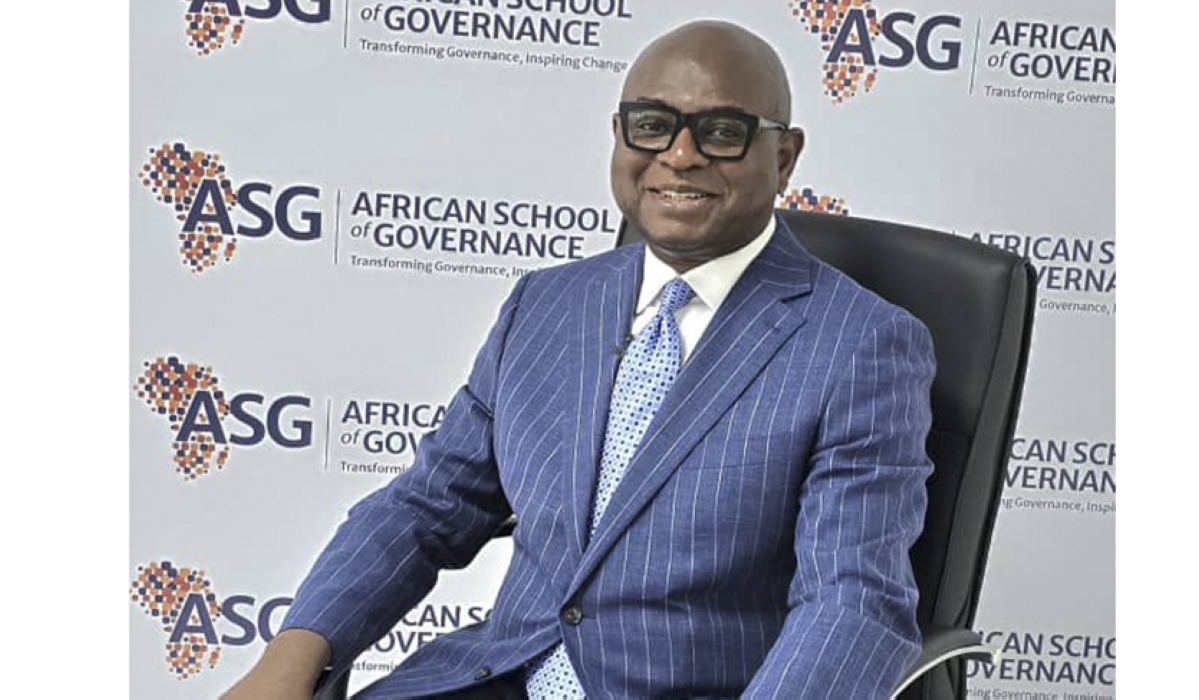
The leadership group will guide the institution as it continues its mission to promote academic excellence and innovation in governance across the African continent. The ASG initiative, launched in October 2024, aims to be a transformative force in leadership development across Africa.
In a statement, Professor Kingsley Moghalu, President of ASG, highlighted the significance of the appointments, emphasizing that the new leadership team is composed of world-class executives committed to advancing governance education.
“This exceptional group of leaders embodies the values of the African School of Governance. Their collective expertise, vision, and commitment to education and governance will drive our mission to shape the next generation of leaders in Africa,” Prof. Moghalu said.
Professor Anna Lucy Mdee, a renowned academic in the Politics of Global Development, has been appointed Acting Vice-President of Academic Affairs. Prof. Mdee, currently based at the University of Leeds, UK, brings over 25 years of experience in development research across Africa, with a focus on sustainable development, local governance, and social protection. She holds multiple degrees, including a PhD in International Development from the University of Bradford, UK.
Dr. Edward Kadozi has been appointed Director of Academic Affairs. With a PhD in Economics from the University of Amsterdam and vast experience in environmental economics and development economics, Dr. Kadozi previously taught at the University of Rwanda and Kigali Independent University. He is also the founder of the Center for Development Policy, a Pan-African research think tank.
Dr. Lite J. Nartey has been named Director of Executive Education. Holding a PhD from The Wharton School of the University of Pennsylvania, Dr. Nartey has extensive experience designing educational programs at top global institutions such as INSEAD and Tufts University. She is also a Managing Partner at Saense Strategy Consulting LLC.
In addition to the academic leaders, Ms. Ngozichukwu C. Njemanze has been appointed Director and Senior Policy Adviser to the President of ASG. A governance expert with vast experience in corporate governance, Ms. Njemanze has previously worked at the World Bank and the Central Bank of Nigeria.
Ms. Aissatou Diajhate will serve as the Director of External Affairs and Acting Director of Admissions. With a strong background in institutional partnerships and philanthropy, Ms. Diajhate has held leadership roles at institutions such as Mastercard Foundation and Suffolk University.
The appointments mark a new phase for ASG, which is committed to shaping future African leaders capable of tackling the continent’s governance challenges. The institution’s curriculum will integrate African socio-economic contexts, offering Master’s programs such as the Master of Public Administration (MPA) and Executive Master of Public Administration (EMPA) for professionals.
ASG is also building research centres dedicated to generating evidence-based solutions tailored to African governance challenges. These initiatives will engage with governments and other stakeholders to promote good governance and sustainable development across Africa.
With its distinguished leadership team and continued focus on innovation in governance education, ASG is poised to play a critical role in advancing leadership and governance excellence on the continent.
The African School of Governance is a pioneering institution focused on transforming leadership and governance in Africa.
ASG offers graduate-level programs and conducts research to develop innovative solutions to governance challenges.
The institution is backed by leading African figures, including President Paul Kagame and former Ethiopian Prime Minister Hailemariam Desalegn, and receives support from the Mastercard Foundation.