Other partners include Bulgaria, Ukraine, Moldova, Paraguay, the Philippines, UNICEF, and the UN Special Representative on Violence Against Children.
British High Commissioner Alison Thorpe expressed her delight at Rwanda’s participation from the outset of this crucial campaign. She commended the Rwandan government for its dedication to children’s social care reform, particularly through its support for the Kigali Declaration on Child Care and Protection Reform in 2022.
“I look forward to building on this momentum, jointly championing this cause, so we can strengthen the global alliance and improve the lives of children everywhere,” Thorpe said.
Rwanda’s Tubarerere Mu Muryango (TMM) programme, part of the national childcare reform strategy, has already achieved significant milestones in de-institutionalizing children.
By the end of 2022, over 90% of children without disabilities who had been in institutional care since 2012 had transitioned to family-based care.
The Ministry of Gender and Family Promotion reaffirmed Rwanda’s commitment to collaborating with the UK to launch and promote the global campaign.
This commitment aligns with Rwanda’s belief that “caring for vulnerable children is a responsibility of the whole community” and that every child deserves to grow up in a family setting.
The UK Foreign Secretary emphasized the importance of ensuring that every child worldwide has the right to a safe and loving family environment.
The alliance aims to strengthen families to prevent child separation and promote alternative forms of family-based care, such as kinship care, where a child is cared for by a relative or close friend.
This alliance represents a significant step in the UK’s broader campaign to end the institutionalization of children, which is up to five times more costly than family-based care.
Later this year, the campaign will advance with the launch of a Global Charter to further this mission.
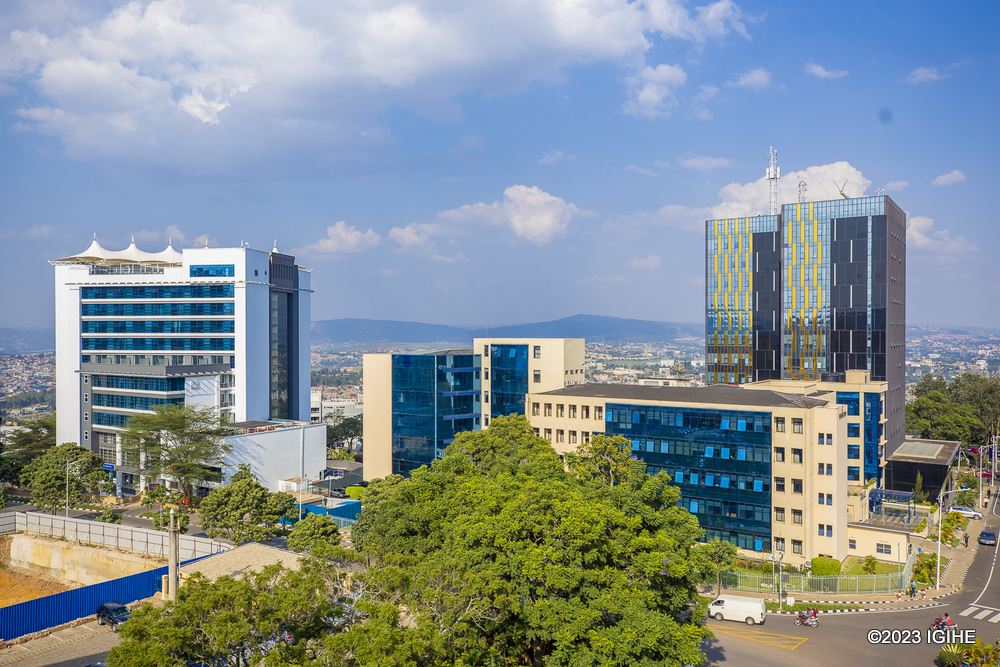
The growth, fueled by foreign investments in Rwandan businesses and assets, reflects the country’s increasing appeal to international investors and highlights the government’s efforts to improve its investment landscape.
FDI was the dominant contributor to Foreign Private Capital (FPC), making up 80.8% of total inflows. FPC increased by 33.8% to reach USD 888.9 million in 2023.
The report attributes the remarkable growth to several factors, including robust economic performance, with Rwanda maintaining an average GDP growth of 8.2% in both 2022 and 2023.
The growth in FDI inflows was driven by significant increases in equity capital, reinvested earnings, and intra-company borrowings. Equity capital alone grew by 22.7%, while reinvested earnings rose by 36.2%. Intra-company borrowings saw the highest jump at 72.9%, reflecting confidence among international parent companies in their Rwandan subsidiaries.
Sectors leading the charge included the financial sector, which attracted 21.4% of total FDI inflows, followed by manufacturing (19.1%), ICT (13.9%), and wholesale and retail trade (13.8%). Notably, real estate activities saw a drastic surge of 1,966%, demonstrating a growing demand for infrastructure development.
{{Countries driving the inflows
}}
Mauritius emerged as the top source of FDI, contributing 28.2% of total inflows in 2023. Investments from Mauritius were predominantly directed towards electricity, gas, financial services, and wholesale and retail trade.
India followed with a 12.2% share, focusing on ICT and education sectors, while Kenya accounted for 9.5% of the total, despite a decline compared to previous years. The United States, France, and Germany also significantly increased their investments, with growth rates of 86.6%, 408%, and a staggering 1,350%, respectively. These countries’ contributions were concentrated in real estate, manufacturing, and agriculture.
FDI’s impact extended beyond financial metrics, contributing to a 20.3% growth in employment within FPC enterprises. Over 10,000 new jobs were created, primarily in managerial and technical roles, underscoring the transformative potential of these investments in enhancing local skillsets and livelihoods.
The Rwandan government’s Second National Strategy for Transformation (NST2) aims to double private investment from $2.2 billion in 2023 to $4.6 billion by 2029.
Key initiatives, such as the Manufacture and Build to Recover Program (MBRP), are expected to sustain this momentum. With USD 2.38 billion already mobilized through MBRP, the government remains optimistic about meeting its targets.
The Foreign Private Capital (FPC) survey is conducted by the Central Bank, the Rwanda Development Board (RDB), and the National Institute of Statistics of Rwanda (NISR).
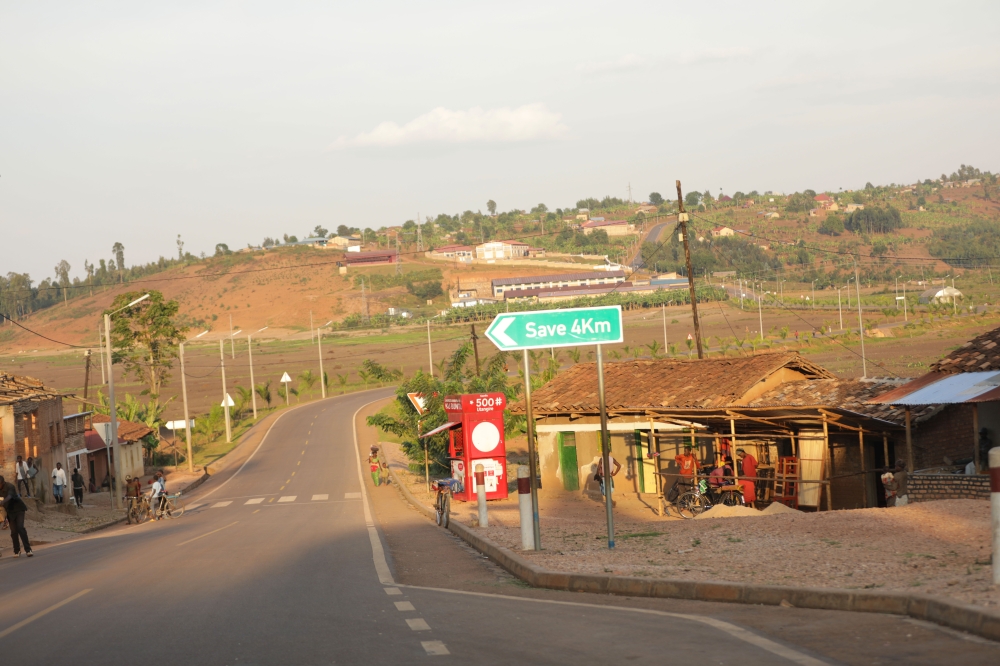
The suspects allegedly killed the woman identified as Clementine Mukandekezi, who lived alone in her home in Munazi Cell, Save Sector, Gisagara District.
The suspects are said to have broke into Mukandekezi’s house, raped her, and then murdered her before stealing some of her belongings.
During the attack, Mukandekezi screamed for help, alerting neighbors who immediately contacted the police.
Witnesses reported that Mukandekezi called out the name of one of the suspects during the assault.
Police responded around 1 a.m. after hearing the commotion. Neighbors used the sector leader’s vehicle to rush Mukandekezi to the hospital, where she was pronounced dead.
Three suspects were initially arrested and detained at Save Police Station. However, by 5:30 a.m., it was discovered that they had escaped by digging through the wall of their cell and removing bricks.
Rwanda National Police Spokesperson ACP Boniface Rutikanga confirmed the incident, saying the suspects identified as Nshimiyimana Eric, 22, and Nshimiyimana Innocent, 20, fled the station by digging a hole in the wall.
“After the escape was noticed, we launched a search operation. At around 12:30 p.m., a police officer encountered two of them in hiding. They resisted arrest, and the officer shot them. The third suspect, Gabiro Jean de Dieu, was apprehended,” ACP Rutikanga explained.
An investigation is underway to determine how the suspects managed to escape from custody and to uncover the motive behind their heinous crime against Mukandekezi.
IGIHE has learnt that one of the suspects, Nshimiyimana Innocent, had recently been released from prison where he was serving a two-year sentence for theft. He had been allowed to complete the remainder of his sentence outside prison.
ACP Rutikanga commended the residents for reporting the incident to the authorities and aiding in the search.
“We appreciate the residents’ cooperation in reporting the crime and providing information that led to the apprehension of the suspects. We assure Rwandans that the police will continue to pursue anyone who commits crimes and tries to evade justice. Ensuring the safety of Rwandans is our duty,” he said.
He also urged citizens to remain vigilant and report anyone involved in criminal activities to prevent a repeat of such incidents.
The dam will have a height of 27.5 meters, a crest length of 377 meters, and a reservoir capacity of 6.5 million cubic meters, with a catchment area of 56.9 square kilometres.
The initiative aims to improve agricultural resilience to climate change and will facilitate the irrigation of 2,640 hectares of farmland in Gisagara District.
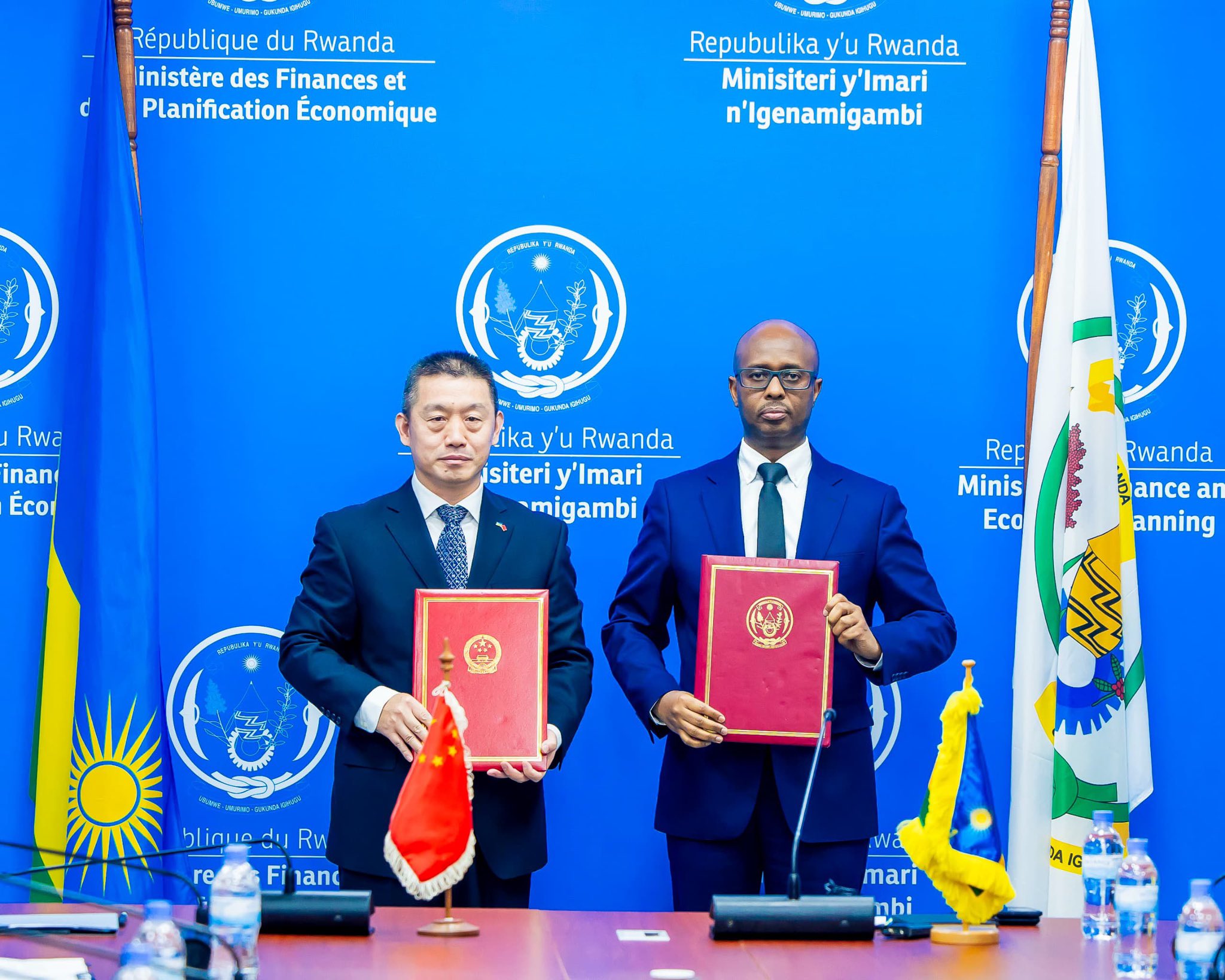
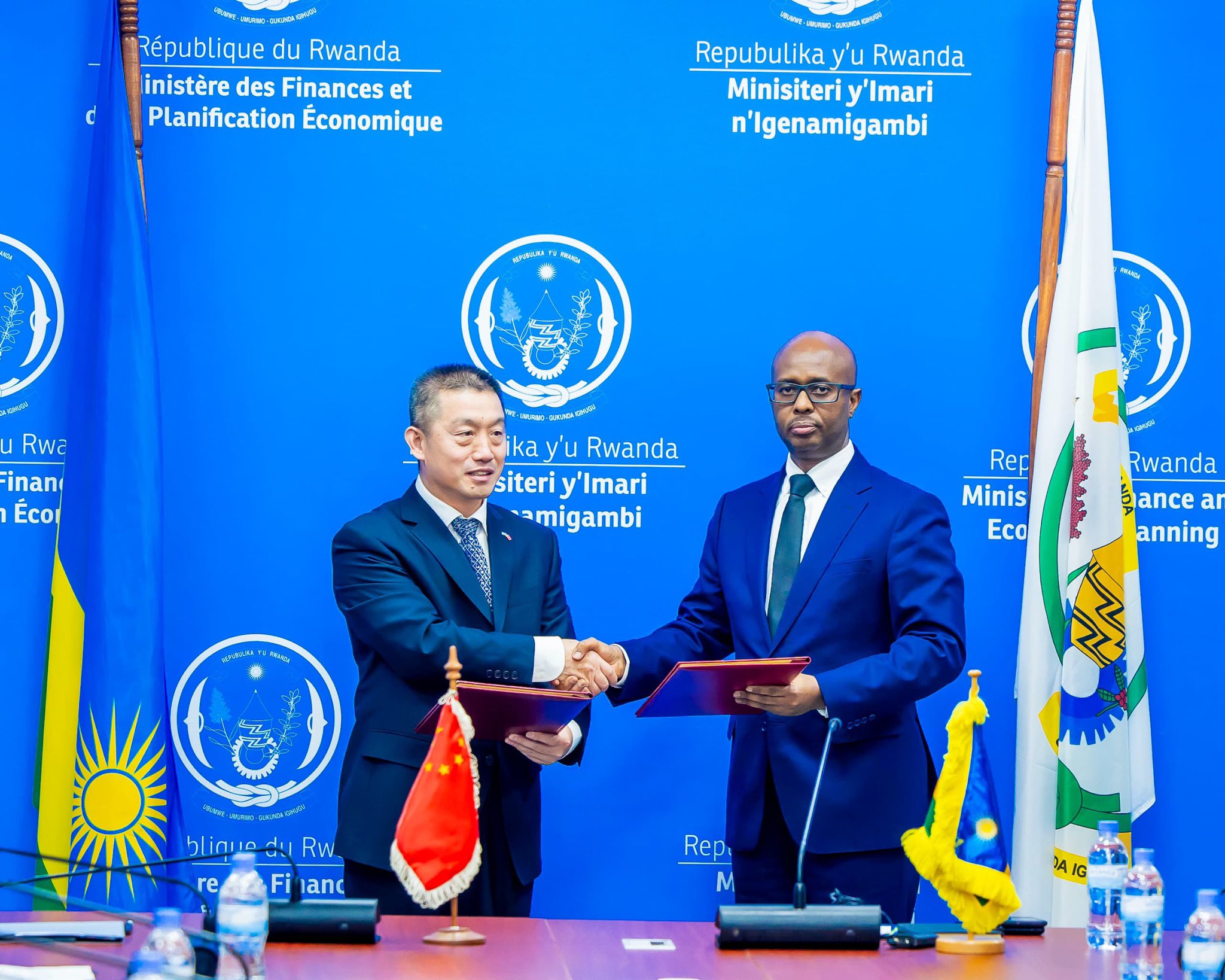
The concessional financing loan agreement was formalized during a signing ceremony attended by the Minister of Finance and Economic Planning, Yusuf Murangwa, and China’s Ambassador to Rwanda, Wang Xuekun. The agreement reflects the growing economic partnership between the two nations.
The project supports Rwanda’s Second National Strategy for Transformation (NST2) goals, which promote water-saving technologies to boost irrigation productivity and drive economic growth.
Speaking during the signing ceremony, Minister Murangwa praised China’s continued support, noting that the partnership will help achieve Rwanda’s agricultural transformation agenda.
“China has been a steadfast development partner for Rwanda, supporting various sectors critical to our development aspirations. The Giseke Dam and irrigation project will significantly contribute to the sustainable transformation of agriculture, as outlined in NST2,” he said.
Ambassador Wang Xuekun, on his part, hailed the project as a milestone in implementing President Xi Jinping’s “10 Partnership Action Plans” for China-Africa cooperation.
“This project is a tangible outcome of the China-Rwanda collaboration and holds significant importance in advancing Rwanda’s agricultural modernization and production capacity,” Ambassador Wang remarked.
An estimated 915 households, comprising 4,578 individuals, will directly benefit from the irrigation infrastructure, enabling them to cultivate crops more efficiently.
The project is also expected to boost the commercialization of agricultural products in local and regional markets, driving economic growth in Gisagara District and beyond.
The deal reinforces the robust economic cooperation between Rwanda and China, which has seen significant investments in infrastructure, education, health, and energy.
Currently, China’s financial support to Rwanda includes $600 million in concessional loans and grants, with $450 million allocated to loans and $150 million to grants.
Mondlane of the Podemos party made the comments during an interview with the BBC, signalling a potential thaw in the icy relationship between the two political rivals.
The overture comes after months of unrest following Mozambique’s contested October 2024 election, which Chapo won with 65% of the vote. Mondlane, who secured 24%, has consistently denounced the results as fraudulent.
In the interview with the BBC, Mondlane stated that he had decided to temporarily halt protests. However, he outlined three demands as conditions for resolving the ongoing political crisis.
These include the unconditional release of 5,000 individuals detained during the demonstrations, financial compensation for the families of those killed by security forces, and the provision of free medical treatment for those injured in the post-election unrest.
“If [President Chapo] meets these conditions, I will open a window for negotiations,” Mondlane told the BBC. He added that he would be willing to serve in Chapo’s government if the president genuinely sought dialogue.
President Chapo of the Frelimo party was inaugurated on January 15, 2025, in Maputo in a ceremony conducted under heavy security.
Addressing around 2,500 attendees, Chapo vowed to unify the nation, stating, “Together, we will restore patriotism and pride in being Mozambican.”
He also pledged to combat corruption and deliver reforms aimed at decentralizing power, promoting human rights, and improving the economy.
“Mozambique cannot remain a hostage to corruption, nepotism, and incompetence,” Chapo declared.
Chapo affirmed his pledge to create job opportunities for the nation’s youth, adding that economic revitalization was key to stability.
“We must recover our country economically… it’s easy to destroy, but building is not an easy task,” he said.
President Chapo has also indicated openness to forming an inclusive government.
“We are considering profiles of individuals who demonstrate competence, patriotism, and meritocracy,” Chapo said, referring to ongoing discussions about involving opposition members in governance.
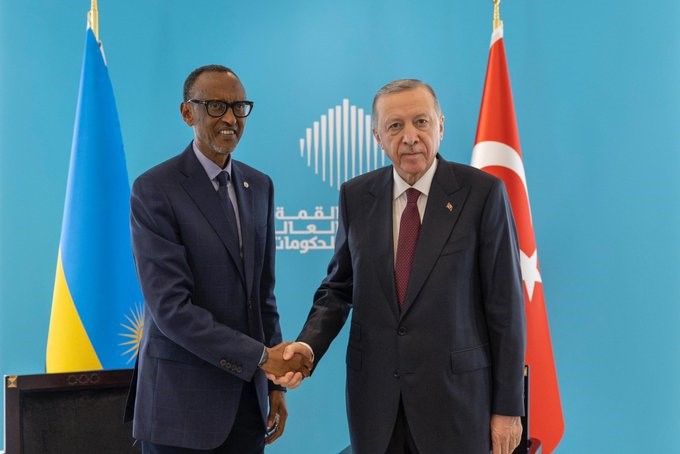
In a message shared on X, President Kagame described the incident as tragic, extending his condolences to President Recep Tayyip Erdoğan and the bereaved families. He also wished a quick recovery to those who were injured.
“My heartfelt condolences to President Recep Tayyip Erdoğan and the people of Türkiye for the tragic loss of life in the devastating fire at the ski resort in Bolu. Our thoughts are with the bereaved families and all those affected by this tragedy. We extend our wishes for recovery to those injured,” he wrote on Wednesday morning.
The tragedy occurred early Wednesday at the Grand Kartal Hotel, located in the popular Kartalkaya ski resort in the Bolu mountains of western Turkey.
The 12-storey hotel, which housed 238 registered guests, was engulfed in flames after the fire broke out on the restaurant floor at around 3:30 a.m. local time.
Survivors recounted harrowing scenes of panic as they scrambled to escape, with some jumping from windows to evade the smoke-filled corridors.
The incident occurred at the height of Turkey’s winter tourism season, as many families from Istanbul and Ankara had travelled to the Bolu mountains for skiing.
The fire has sparked widespread grief and anger in Turkey, with Interior Minister Ali Yerlikaya confirming the detention of nine people, including the hotel owner, in connection with the tragedy.
Authorities are investigating the hotel’s safety measures, as survivors reported that no fire alarms were activated during the incident, leaving guests to navigate the dark, smoke-filled building without guidance.
The Turkish government is working to identify victims, with DNA tests being conducted at a forensic institute.
The hotel management issued a statement expressing profound sorrow and pledged full cooperation with authorities to uncover the cause of the disaster.
President Erdoğan declared Wednesday a day of national mourning to honour the victims.
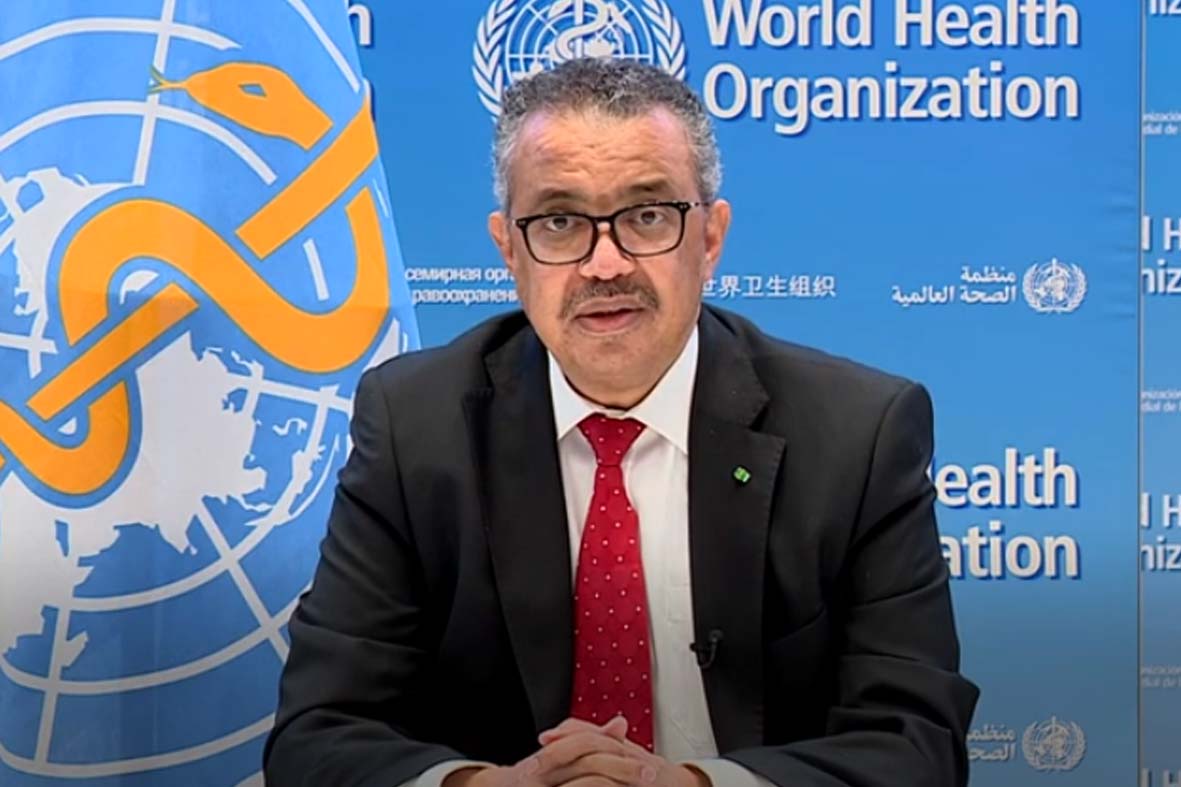
In a statement released on Tuesday, the WHO also said it looks forward to maintaining its partnership through constructive dialogue. It reaffirmed its commitment to addressing the root causes of diseases, strengthening health systems, and detecting, preventing, and responding to health emergencies, such as disease outbreaks.
The organization emphasized its crucial role in safeguarding global health and safety, including the well-being of the American people.
The statement highlighted that the United States has been a founding member of the WHO since 1948 and has played a vital role in shaping and governing the organization with other 193 member states, actively participating in the World Health Assembly and the WHO Executive Board.
The WHO acknowledged the contributions of American institutions to its mission and the mutual benefits derived from the U.S. membership.
The statement also underscored the historic reforms undertaken by the WHO over the past seven years developed collaboratively with the United States and other member states. These reforms aim to enhance the organization’s accountability, cost-effectiveness, and global impact, with ongoing efforts to strengthen these achievements.
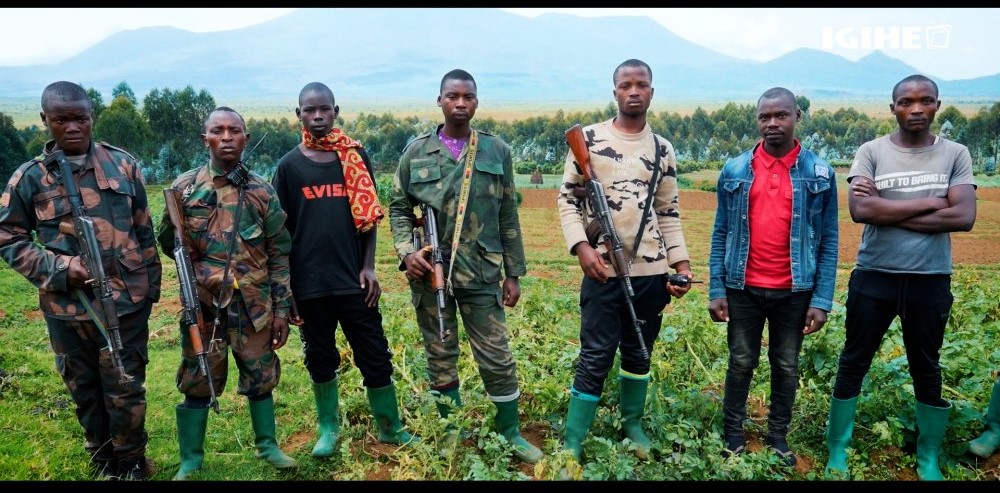
Describing the complex web of alliances between FARDC, FDLR terrorist group, Wazalendo, and other militias, he paints a chilling picture of the battlefield where survival came at the cost of morality and humanity.
“Whenever we were about to fight, Gen Justin would give us orders on how we should behave in battle and give us ammunition: one would take the machine gun, another the RPG, and another the mortar,” Niyitanga recounted.
“They were provided by FARDC, and we would go to the frontline with assurance of invading Rwanda. After that, we would go to the battle and find FARDC, FDLR, and Burundians there. We used to form a coalition comprising the FARDC, Wazalendo, FDLR and fight together.”
Niyitanga’s journey began when he entered the DRC to seek work but was soon swept into the ranks of the Nyatura militia, along with his companions, after being coerced to carry water for armed groups.
Less than two months of training in a camp called Ntiti left him and other recruits unprepared for the brutality of the battlefield in Eastern DRC, where survival often hinged on compliance with their commanders’ ruthless orders.
“Anyone who disobeyed orders was killed,” he admitted, “so we complied, fighting against M23, even though we were always defeated.”
His experiences echo those of Hatangimana Delphin, a 21-year-old soldier who also defected from the Wazalendo militia.
Hatangimana’s story began tragically when he and other herdsmen were ambushed while grazing cattle.
Rebels stole their livestock, killed his companions, and left him alone and terrified. In a desperate bid to survive, he agreed to join the militia and eventually became a bodyguard to their senior leader.
“As Wazalendo, we fought battles alongside FDLR, FARDC, and other groups,” Hatangimana shared.
“They would coordinate us all. For instance, they would say our battalion should lead, and FDLR would back us up, while FARDC would reinforce us. All weapons, bullets, food supplies, and these heavy weapons came from FARDC.”
{{Collaboration between FARDC, FDLR, Wazalendo, and Burundians}}
Ishimwe Patrick, 24, had spent years fighting for the terrorist group FDLR. However, upon witnessing its corrupt practices and its genocidal agenda that devastated Rwanda, he decided to defect—even though it felt like signing his own death warrant, as anyone caught fleeing was killed on the spot.
He confirmed that the recent battles they fought against M23 were coordinated with FARDC and other groups allied with the Kinshasa regime’s military.
But despite their heavy weaponry, the M23 forces led by Gen Sultan Makenga consistently defeated them.
He recounted, “We fought at Kishishe alongside FARDC. We fought at Kibilizi with Mai Mai, FARDC, and FDLR. We moved to Kirundure with FARDC and Mai Mai.”
He added that wounded FDLR fighters were treated in government hospitals in DRC, but those who died were abandoned, exposing the inhumane nature of the operations.
{{Genocidal ideology }}
Ishimwe Patrick joined FDLR alongside 200 other fighters, but over time he realized their mission was futile. They suffered constant defeats, often being overwhelmed in battle.
He said, “The ideology of Wazalendo, FDLR, and FARDC is that M23 consists of Rwandans invading Congo. They told us that after defeating M23, we would invade Rwanda. However, given the infighting, tribalism, and disunity within these groups, I doubt they will ever achieve their goals.”
The ideology of extermination, particularly targeting Tutsis, was deeply ingrained in FDLR fighters, FARDC, and allied militias. This doctrine was instilled during their training.
Mugisha, who defected from Wazalendo, explained, “There was someone we lived with called Gen Hadaranka. They claimed he collaborated with Rwanda, even though he was a Congolese soldier working with Mbokani. They later arrested another person, accusing him of being Tutsi. They discriminated against us, even tormenting civilians.”
{{Plot to attack Rwanda}}
Defectors from Wazalendo and FDLR testified that their training and battles revolved around defeating M23 and eventually invading Rwanda.
Niyitanga said, “Life in Congo was extremely challenging. We lived in the forests, and if you came across a woman with money, you would rob her. Our general would order us to find someone with money, break into their house at night, and take it. If they resisted, we would shoot them.”
These young men were brainwashed into believing that looting and killing civilians were ways to sustain themselves.
Hatangimana added, “They told us to fight against Rwanda by fighting M23, accusing them of being Rwandans. They also instructed us to take whatever civilians had so we could survive—soap and other necessities.”
He revealed that their battles would rarely succeed, and whenever M23 retaliated, they would scatter. The wounded were taken to government hospitals in Goma, while the dead were left behind.
{{Message to the youth}}
Having experienced the horrors of the Congolese forests—watching people being killed, looting civilians, and killing for survival—these young defectors said it was a life they would not wish on anyone.
They urged Rwandan youth to seize the opportunities Rwanda offers instead of plunging into a death trap.
Niyitanga said, “Our Rwanda is peaceful. Going to Congo is like embracing death and misery. It is better to stay in Rwanda and contribute to its development.”
Hatangimana appealed to other youth still in FDLR, Wazalendo, and similar militias to return and join the effort to build their country.
He concluded, “I urge my fellow Rwandan youth to avoid being misled by those who promise riches in Congo. They tell you that you will find wealth, but it’s all a lie. You leave a peaceful life in Rwanda only to find that where you came from was better than where you’re going.”
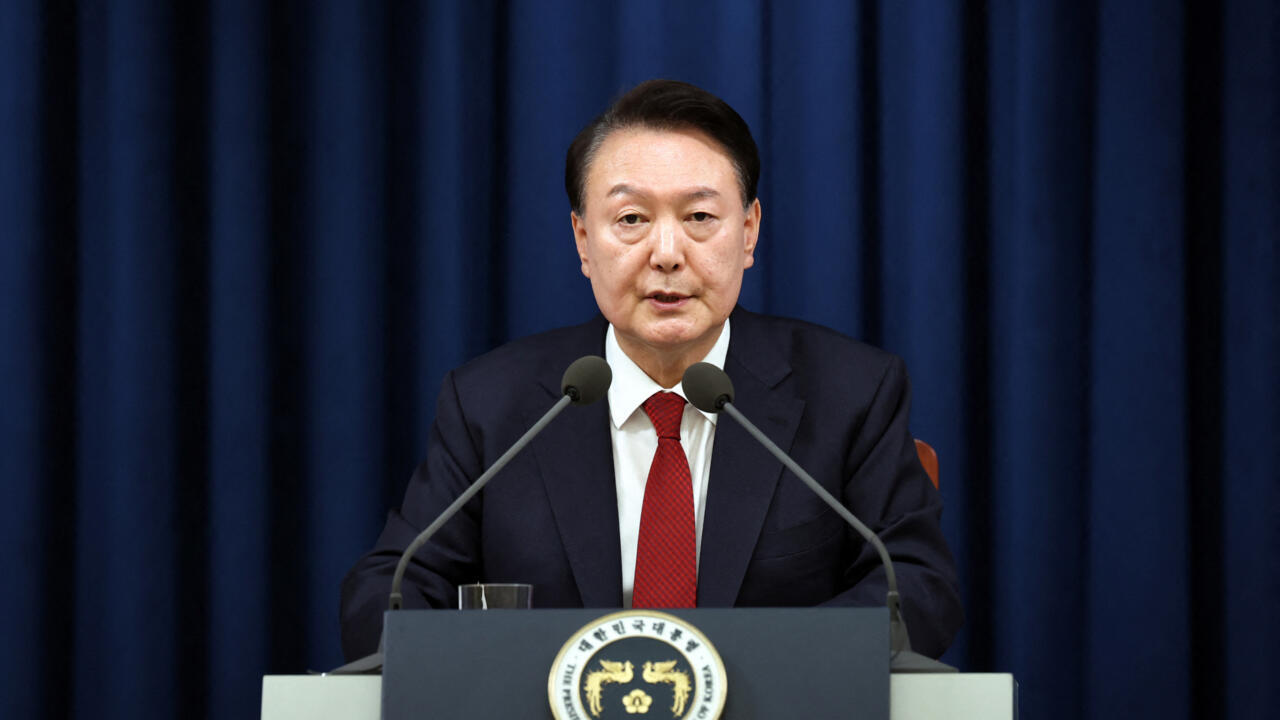
The president arrived at the court around 2:00 p.m. local time and departed roughly 100 minutes later. This marked a historic moment as the first time an impeached South Korean president attended such a hearing in person.
When questioned during the third formal hearing about whether he had ordered military commanders to forcibly remove lawmakers opposing his martial law declaration, Yoon simply responded, “No.”
Yoon, accused of being a key figure in an alleged insurrection, imposed martial law on December 3 last year. However, the National Assembly revoked it within hours.
The impeachment motion, passed by the opposition-led National Assembly on December 14, suspended Yoon’s presidential powers. The constitutional court now has up to 180 days to deliberate the case.
If at least six of the court’s justices uphold the impeachment, Yoon will be permanently removed from office, prompting a presidential election within 60 days.
Following the hearing, Yoon visited an Armed Forces hospital dedicated to high-ranking officials and their families before returning to the Seoul Detention Center.
The next court hearings are scheduled for later this month and early February. Meanwhile, Yoon remains in detention under an extended warrant granted by a Seoul court.
On Saturday, he attended a four-hour warrant hearing, arguing the legitimacy of his martial law declaration and defending his reputation.
The deadline for submitting declarations for the 2024 rental income is January 31, and RRA has emphasized the importance of using the exact rental amounts received to prevent unintended penalties.
Those renting out buildings, property improvements rented in whole or in part, or any other rented immovable property located in Rwanda, are encouraged to declare early.
The law determining the sources of revenue and property of decentralized entities stipulates that a person is liable for tax when rental income exceeds Frw180,000 per year, provided they are not registered under corporate income tax.
Property owners must have a written contract with the tenant bearing the signatures of both parties.
Karasira Ernest, Assistant Commissioner in charge of the Provincial and Decentralized Revenue Division at RRA, emphasized the importance of using genuine contracts during tax declarations to avoid penalties.
“Property owners are required to provide accurate information as the basis for the tax amounts declared and paid. For example, issuing a contract indicating that a tenant pays Frw 200,000 in rent while actually receiving Frw500,000 would be misleading, violating the law. Both property owners and tenants should have a truthful agreement where the actual payment amounts are clearly reflected in the documents or receipts issued after payment,” he said.
Karasira urged property owners to declare the required tax and, if possible, pay immediately or by the January 31 deadline.
“Property owners are urged to act swiftly to avoid penalties for missing the deadline. Secondly, I remind everyone to provide accurate declarations and avoid submitting false information. If it is later discovered that the data provided was inaccurate, not only will the due tax be paid, but additional penalties will also be imposed,” he added.
{{Penalties}}
The law provides a penalty of 40% of the tax due for late declarations or providing false information. Unpaid taxes are also subject to a 1.5% monthly interest and an additional charge of 10% of the tax due. However, this surcharge cannot exceed Frw100, 000.
{{How rental income tax is calculated}}
When calculating rental income tax, 50% of the rental income received during the year is exempt from taxation, as it is considered a maintenance cost for the property. Interest on bank loans related to the rented property is also deducted from taxable income.
The remaining taxable amount is subject to a 0% rate for annual rental income from Frw1 to Frw180,000; 20% for annual rental income from Frw180,001 to Frw 1 million; and 30% for annual rental income exceeding Frw 1 million.
The declaration is made through the RRA website, where taxpayers must provide accurate rental details including tenant’s name, the rental period, monthly payment, and the total amount paid throughout the year.
The system automatically calculates the tax payable based on the information provided.