Musa Ismaila, the health commissioner in Kebbi, told the media in the state capital, Birnin Kebbi, that the outbreak, declared in late January, became more fatal last week with a sudden rise in suspected cases.
“A total of 248 suspected cases have been recorded. We are facing the unfortunate situation of an outbreak with a higher-than-usual number of cases, characterized by symptoms such as fever, severe headache, neck stiffness, stomach ache, vomiting, diarrhea and sensitivity to light,” Ismaila said.
Drugs and other medical supplies have been distributed to the affected local government areas, and the state government is working to contain the situation.
CSM outbreaks are mostly caused by Neisseria meningitidis serogroup A. In Nigeria, these outbreaks typically occur during the dry season due to low humidity and dusty conditions and usually subside with the onset of the rainy season.
When the Rwandan Patriotic Army (RPA) halted the 1994 Genocide against the Tutsi, Rwanda’s national treasury was empty, having been looted by the previous government.
At that time, 90% of Rwanda’s development relied on foreign aid. However, the government set a clear goal to break free from this dependency.
In an interview with American journalist Mario Nawfall, Kagame revealed that some international organizations wanted refugee camps in both eastern Zaire (now the Democratic Republic of Congo) and Rwanda to remain, ensuring continued financial flows for their operations.
However, Rwanda prioritized repatriating refugees, resettling displaced citizens, and securing national stability to focus on development.
Initially, much of Rwanda’s reconstruction was funded by aid, but Kagame insisted that donor support should be aligned with the country’s priorities.
He explained that Rwanda made it clear that aid should be used effectively, rather than being dictated solely by donor interests.
When asked whether aid comes with hidden costs, Kagame acknowledged that it can function like a liability, depending on how it is managed.
“That has been our position from the beginning. We have told people that we appreciate aid, we needed it and still need it to an extent, but we need it so that we build capacities not to need it in the near future,” he stated.
Kagame explained that this perspective has not always been well received by other African leaders.
“These discussions have dominated for many years, and many conversations we have had between those who need support. The question for us has always been, we need it. We can put a debt to it, we can show where we need it but we also work out how to get out of it,” he stated.
Kagame highlighted that Rwanda’s stance on aid has attracted a lot of problems, with some branding its leadership as arrogant,insensitive or dictatorial simply for advocating self-determination.
He further explained that accepting aid indefinitely allows donors to control a nation’s policies.
“We tried to differentiate it. It is not that we don’t want aid for the sake of not wanting it. We are saying aid creates dependency. By the way, dependency is on the better side even. The other one is whoever gives you aid controls your life,” he said.
“In fact, that is why they want you to stay with aid so that they continue controlling your life and even threaten, use it as a tool to direct you where they want you to go. You keep threatening, if you don’t do this, we will switch off. It is absolutely weaponized. Quote me on that,” added Kagame.
Kagame recalled a 1998 meeting with European ministers who wanted to dictate where Rwanda should allocate aid funds.
As Vice President at the time, he insisted that donors agree on priorities with Rwanda rather than unilaterally deciding how funds would be spent.
The UK and three allied nations accepted this approach, allowing for a more transparent aid process with mutual accountability.
Kagame also recounted Rwanda’s decision to restrict second-hand clothing imports to promote local textile industries.
While serving as Chair of the East African Community (EAC), he urged regional leaders to support local garment production instead of relying on imported used clothes.
Leaders agreed to impose higher tariffs on second-hand clothing to reduce imports and build our textile industry.
However, the U.S. opposed the move, pressuring EAC countries to maintain CAGUWA imports.
Under pressure, most member states abandoned the plan, but Rwanda stood firm, leading to its removal from the African Growth and Opportunity Act (AGOA).
Despite such challenges, Rwanda’s economy has consistently grown at an annual rate of over 8%. The country’s per capita income has risen from $111 in 1994 to $1,040 in 2023, reflecting its commitment to self-sufficiency and sustainable development.
The decision came after Ontario Premier Doug Ford spoke with U.S. Commerce Secretary Howard Lutnick, agreeing to suspend the 25 percent charge on electricity exports.
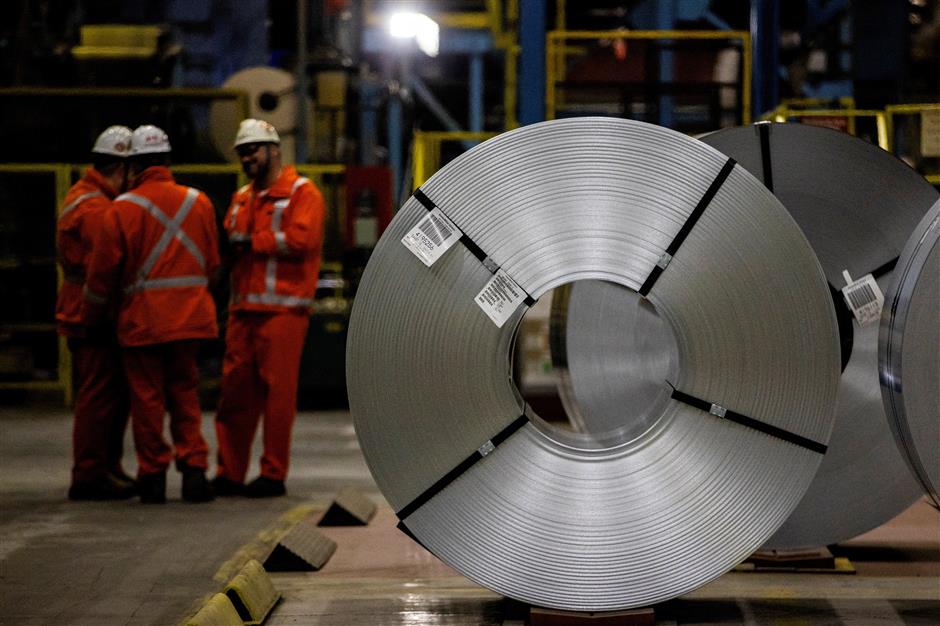
White House spokesman Kush Desai confirmed the reversal, stating that President Donald Trump had initially threatened to impose a 50 percent tariff on Canadian steel and aluminum in retaliation.
Trump had announced the additional tariffs earlier on Tuesday in response to Ontario’s surcharge on electricity exports to Michigan, Minnesota, and New York. However, Ontario’s quick concession led to a de-escalation.
Ford is set to visit Washington on Thursday to discuss a “renewed USMCA” with Lutnick ahead of the April 2 reciprocal tariff deadline.
Previously, Trump had imposed a 25 percent tariff on Canadian and Mexican imports starting March 4 but later adjusted the policy, exempting goods that met USMCA conditions.
Meanwhile, a broader 25 percent tariff on steel and aluminum for all U.S. trading partners is still set to take effect on March 12, with no exemptions, as per Trump’s previous executive orders.
The Canadian government had already announced phased retaliatory tariffs on $107 billion worth of U.S. goods, with $30 billion in tariffs already in place.
Despite recent tensions, both sides are now focusing on trade negotiations to prevent further economic strain.
As part of the deal, the U.S. will resume intelligence sharing and security assistance to Ukraine. Talks also emphasized humanitarian aid efforts and the need for European involvement in future peace negotiations. Additionally, both nations agreed to expedite a deal on developing Ukraine’s critical mineral resources.
The meeting included U.S. Secretary of State Marco Rubio, National Security Advisor Mike Waltz, and top Ukrainian officials, alongside Saudi representatives. At a press conference, Rubio expressed hope that Russia would accept the ceasefire, stating, “The ball is in their court.”
Ukrainian President Volodymyr Zelensky called the discussions “constructive,” confirming the ceasefire would take effect immediately if Russia agrees. U.S. President Donald Trump hinted at an upcoming conversation with Russian President Vladimir Putin, expressing optimism about a broader peace agreement.
Russia has acknowledged the talks but remains cautious. Kremlin spokesperson Dmitry Peskov warned against premature celebrations, while Foreign Ministry spokeswoman Maria Zakharova confirmed possible upcoming U.S.-Russia contacts.
European leaders, including European Commission President Ursula von der Leyen and French President Emmanuel Macron, welcomed the ceasefire discussions, with Macron urging NATO and EU military leaders to outline security guarantees for Ukraine.
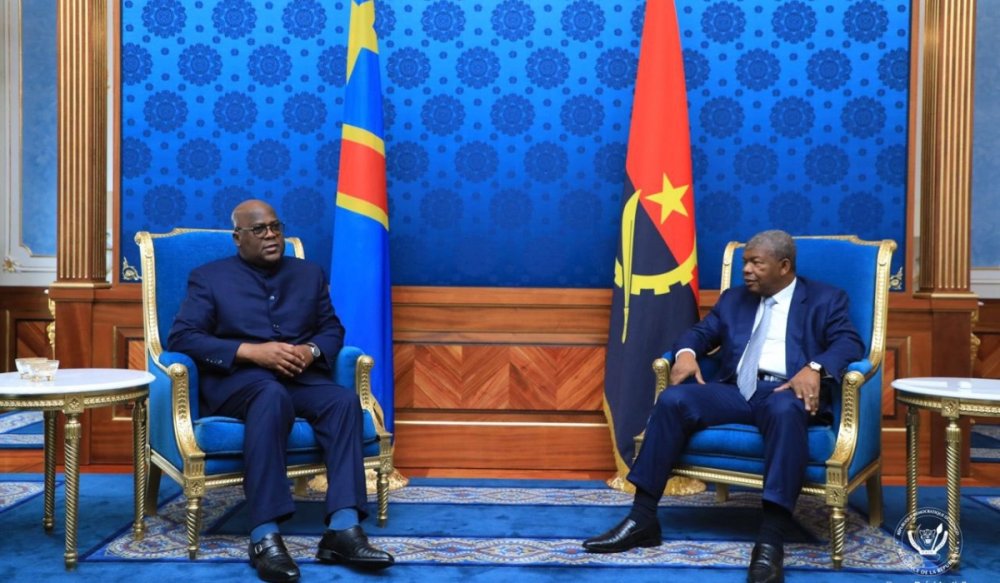
The announcement, made on March 11, 2025, follows a brief visit by DRC President Félix Tshisekedi to Luanda.
Angola, acting as the official mediator in the conflict, confirmed that it will first hold preliminary consultations with M23 representatives to organize a delegation for the upcoming talks with the Kinshasa government.
This decision marks a significant shift by the DRC government, which had previously refused to engage with M23 despite the rebel group’s control over large areas in eastern DRC, particularly in North Kivu and South Kivu provinces.
President Tshisekedi has consistently rejected direct engagement with M23. He did not attend the East African Community (EAC) and Southern African Development Community (SADC) summit in Dar es Salaam on February 8, where regional leaders discussed pathways to peace in eastern Congo.
One key resolution from that summit was a formal request urging the DRC government to engage in talks with M23 to find a lasting solution to the conflict. While M23 welcomed the proposal, the Kinshasa administration remained opposed to negotiations, until now.
The pressure on Tshisekedi increased during the African Union (AU) summit held on February 15, which he also skipped to attend a security conference in Munich, Germany. The AU summit endorsed the earlier resolutions from EAC and SADC, reinforcing the call for direct dialogue with M23.
For its part, M23 has long criticized previous peace processes in Nairobi and Luanda, arguing that decisions were made without their involvement.
With Angola’s mediation, the upcoming talks mark the first formal dialogue between the two sides after months of escalating conflict.
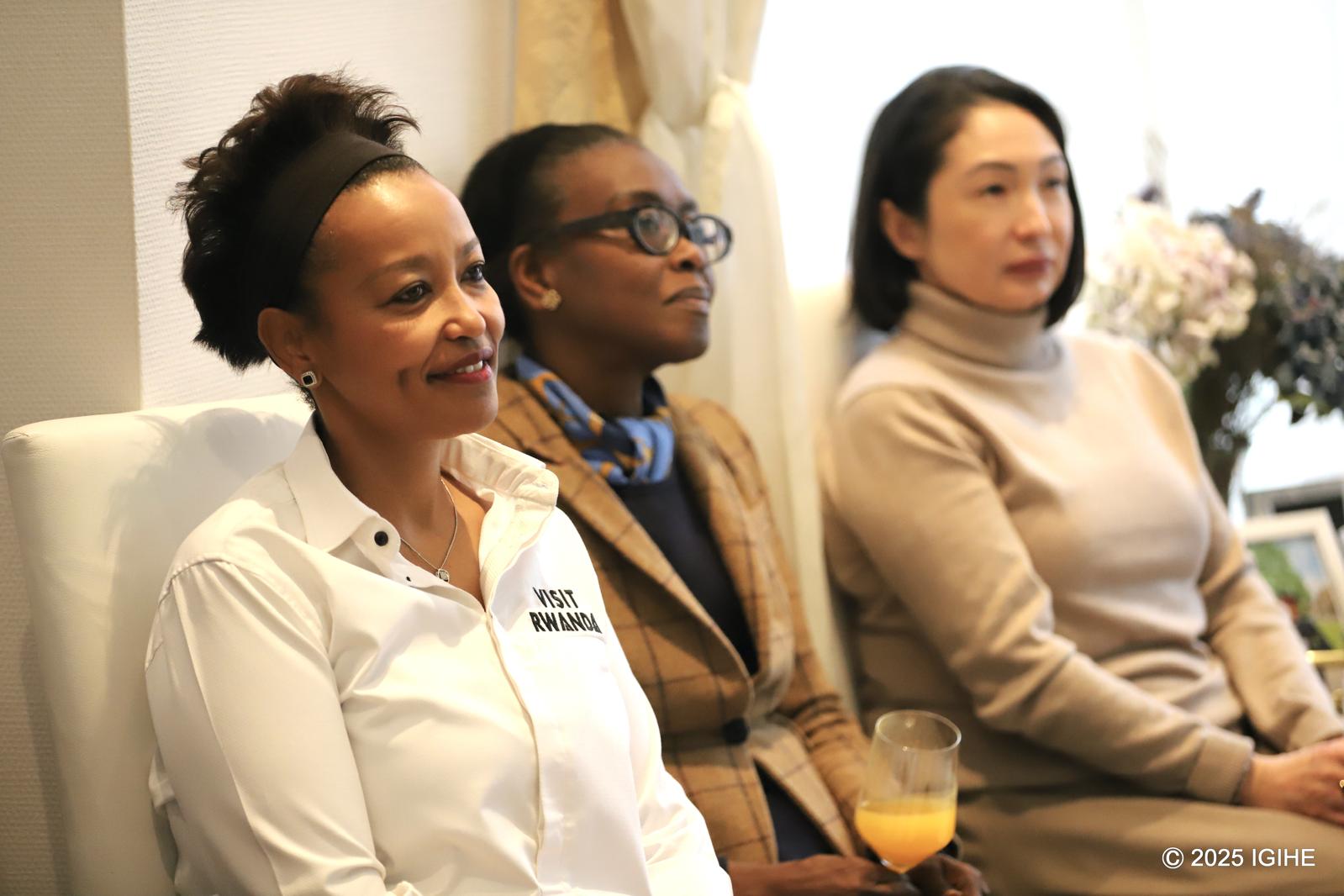
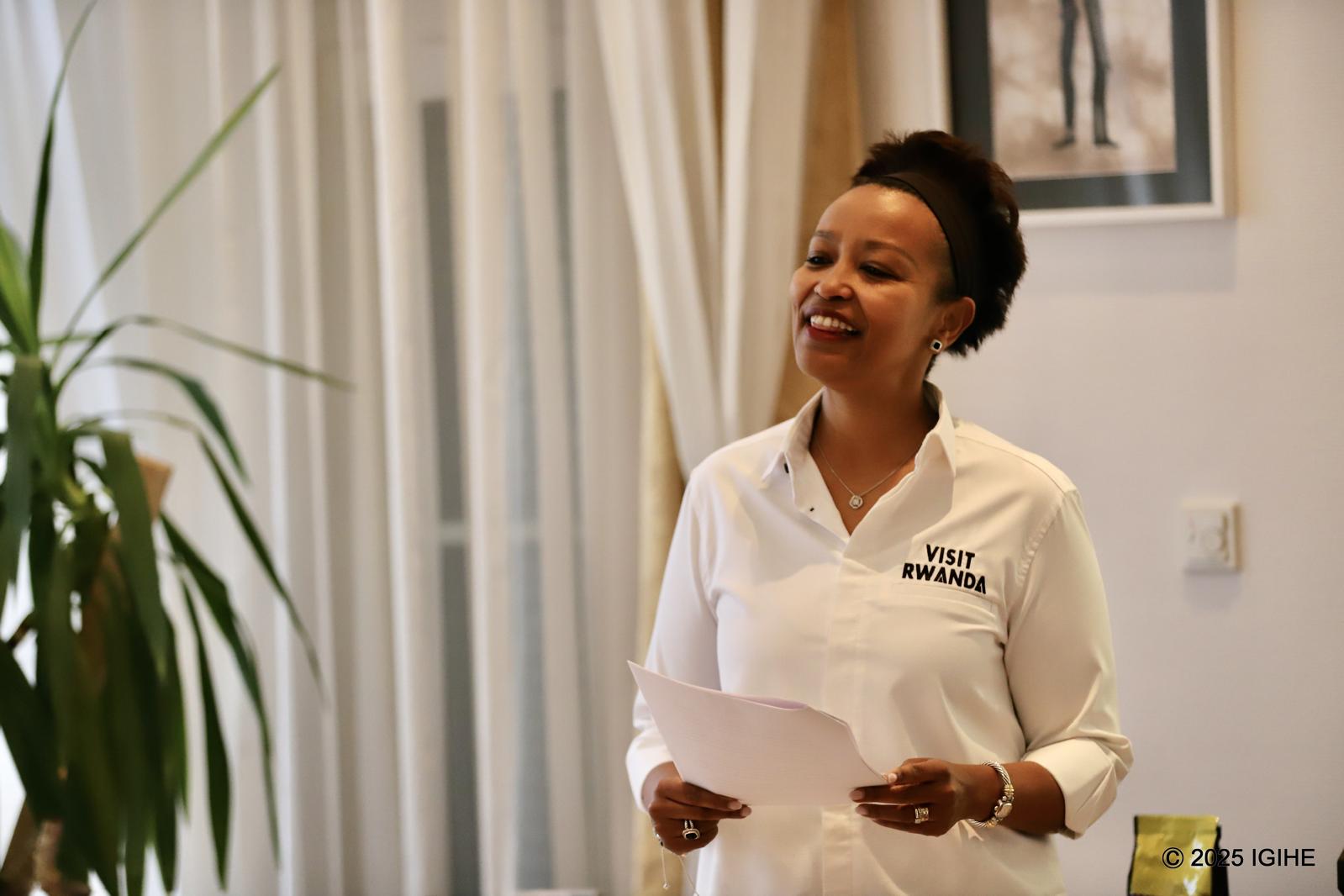
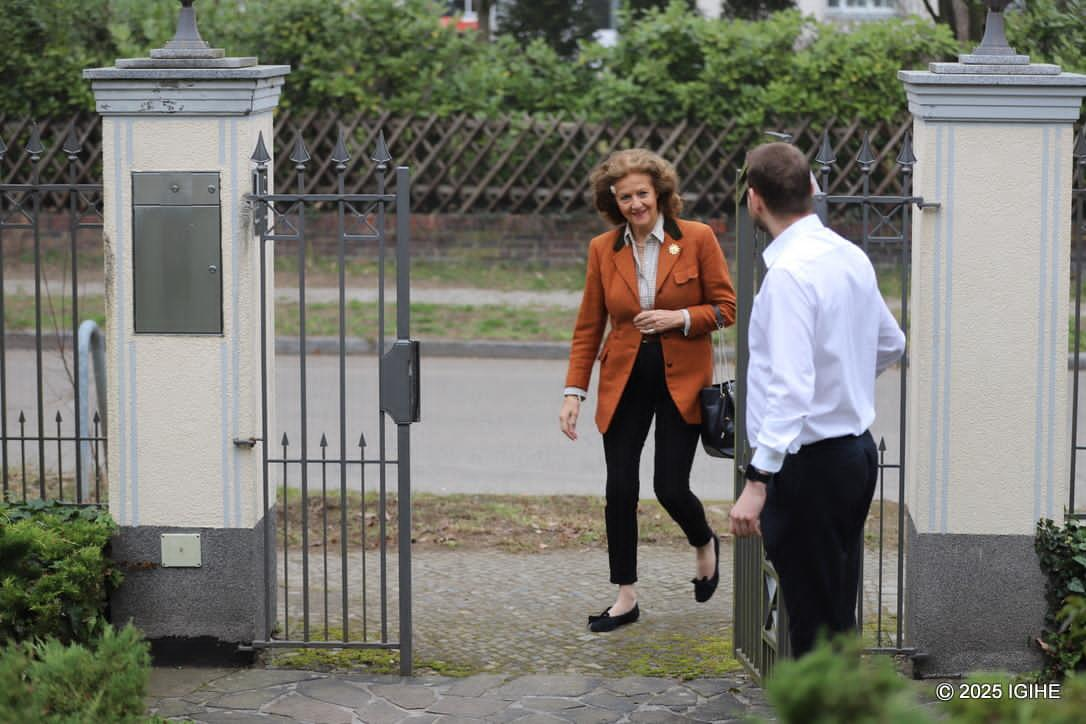
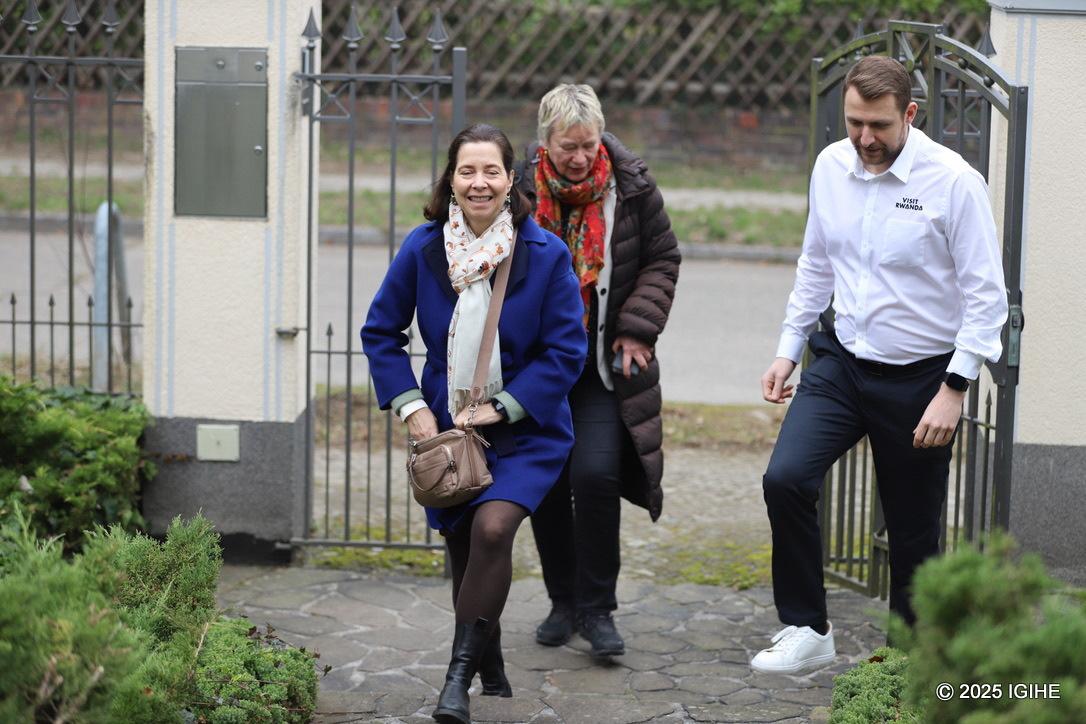
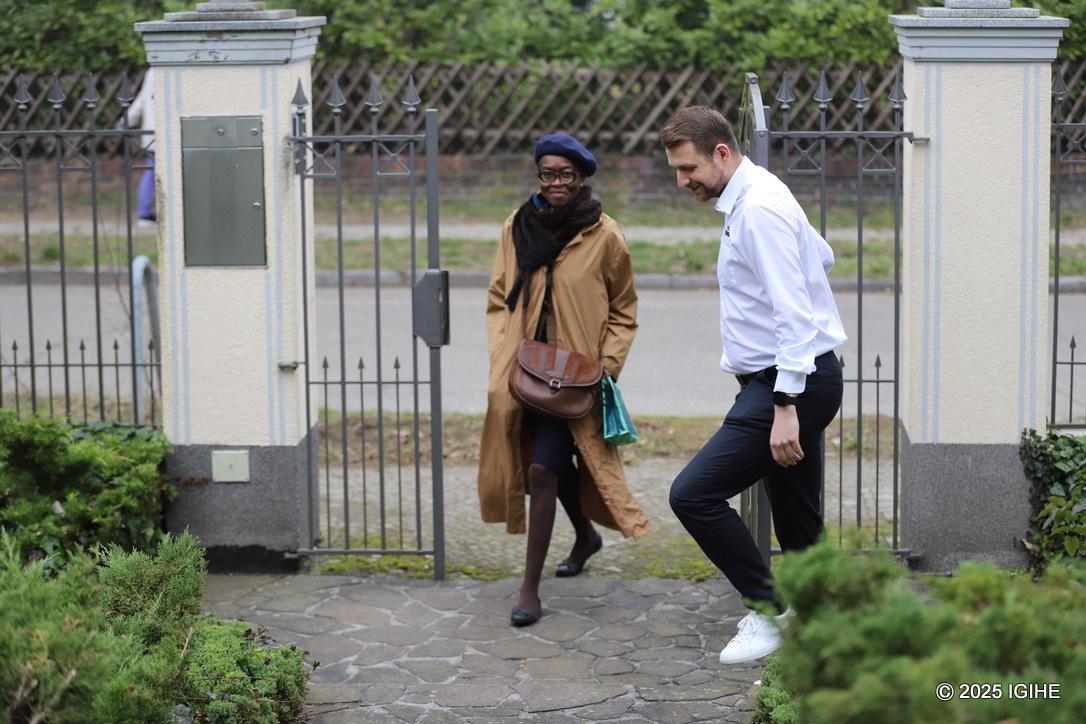
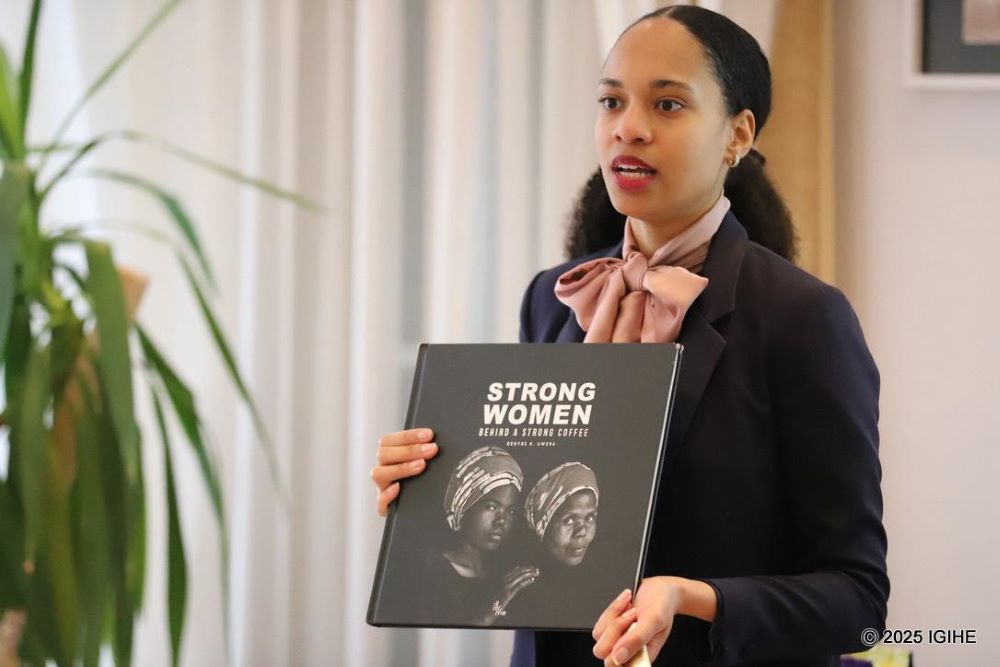
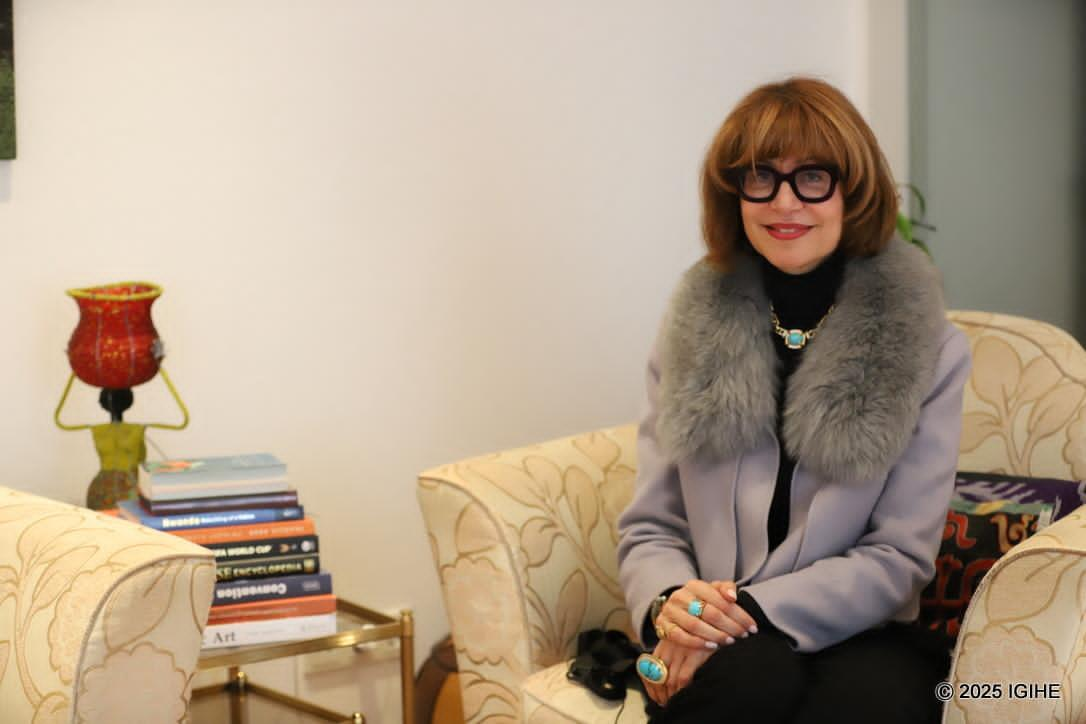
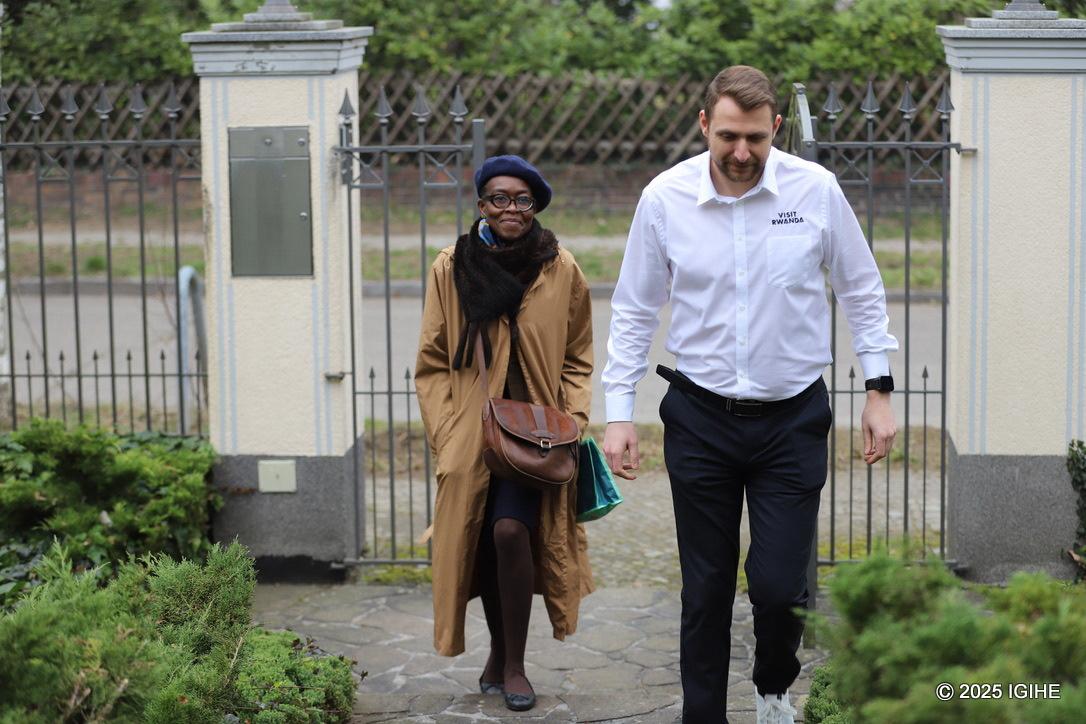
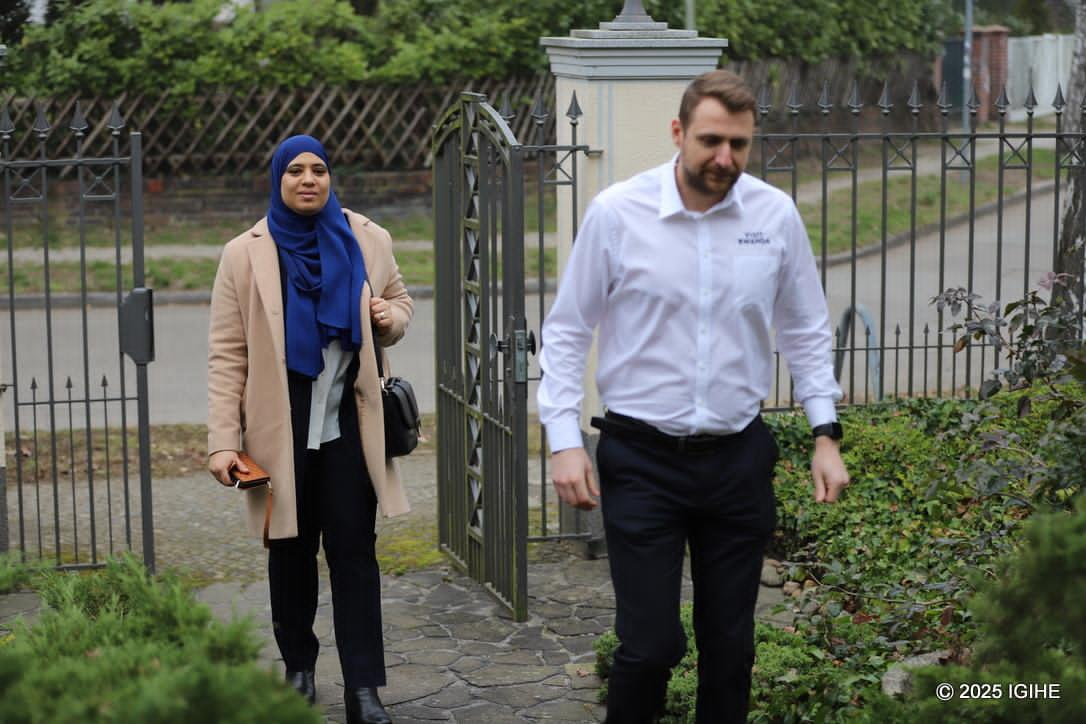
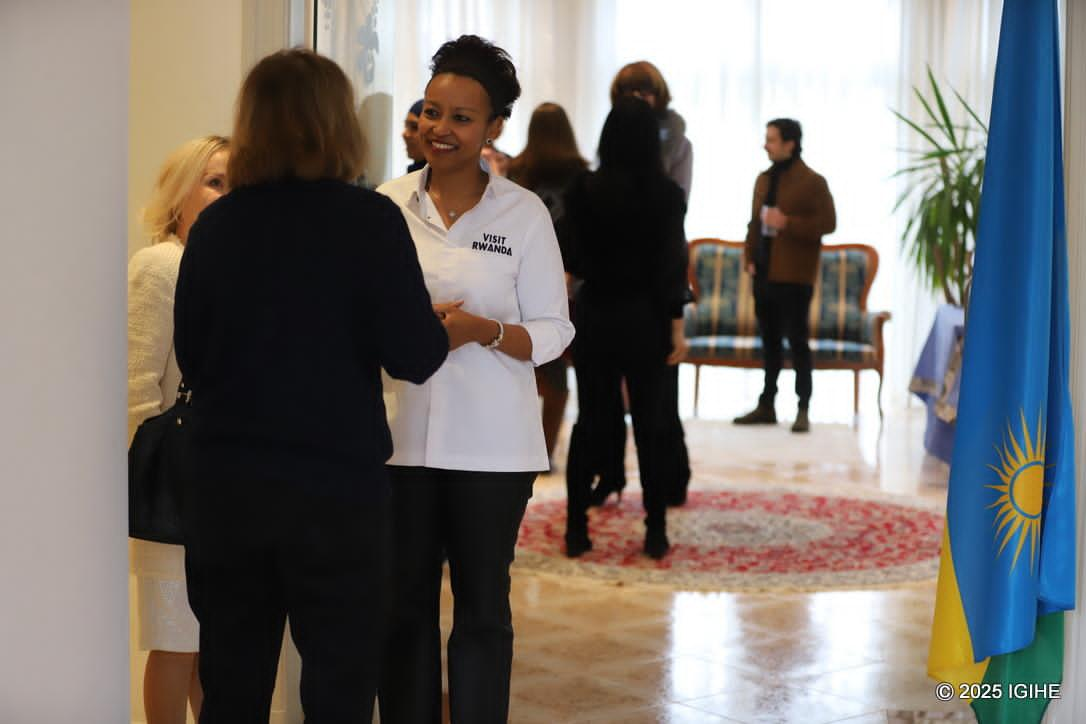
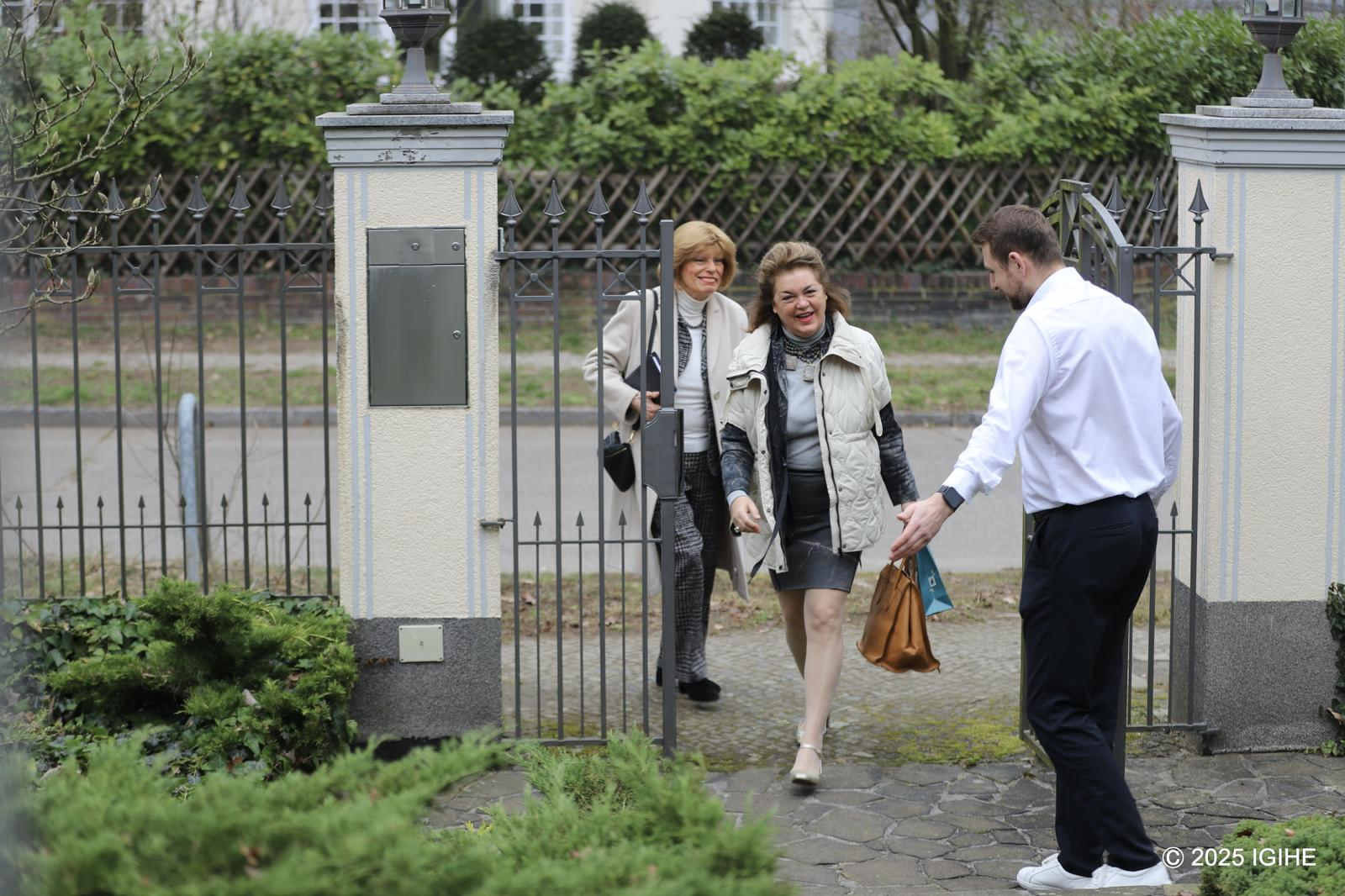
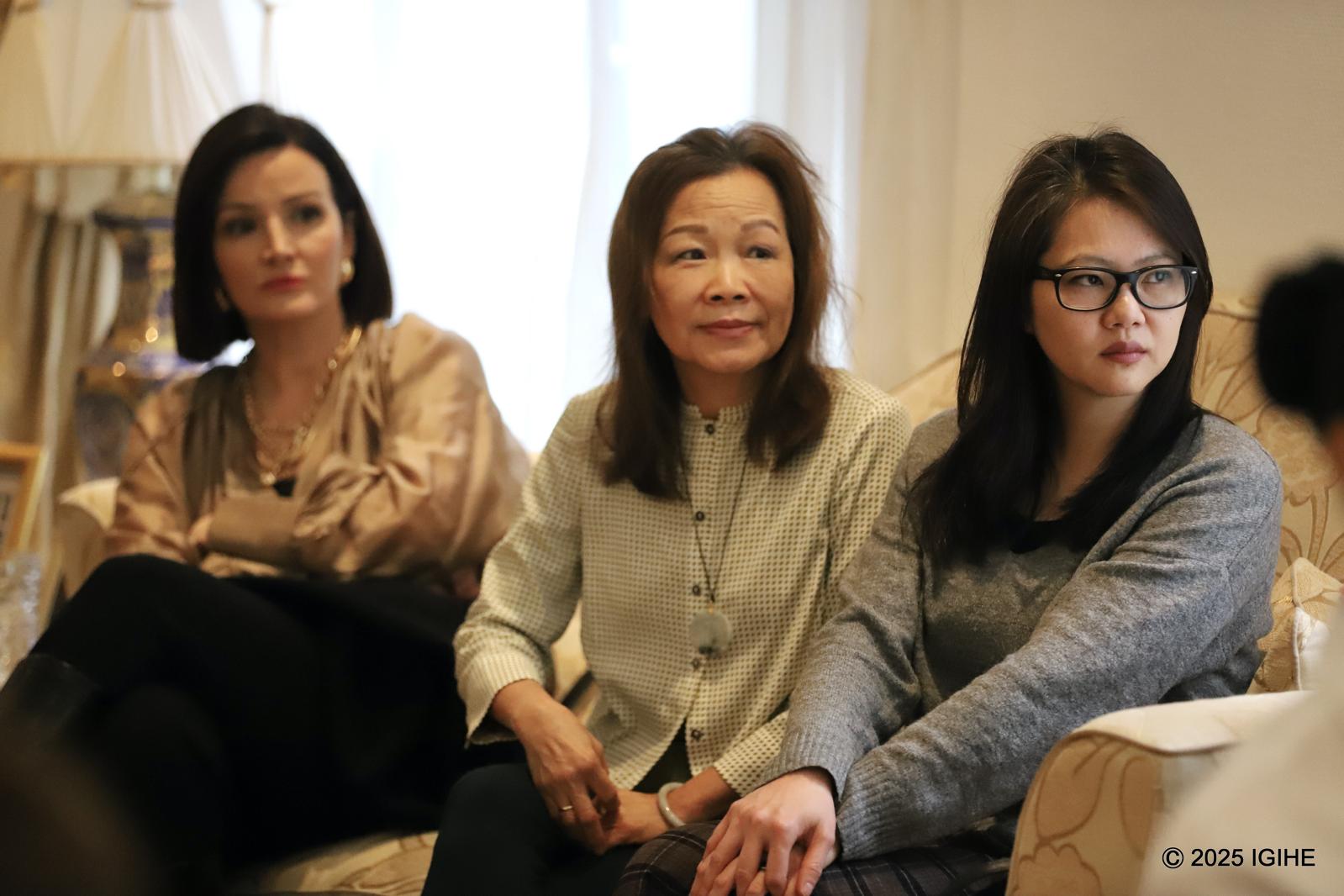
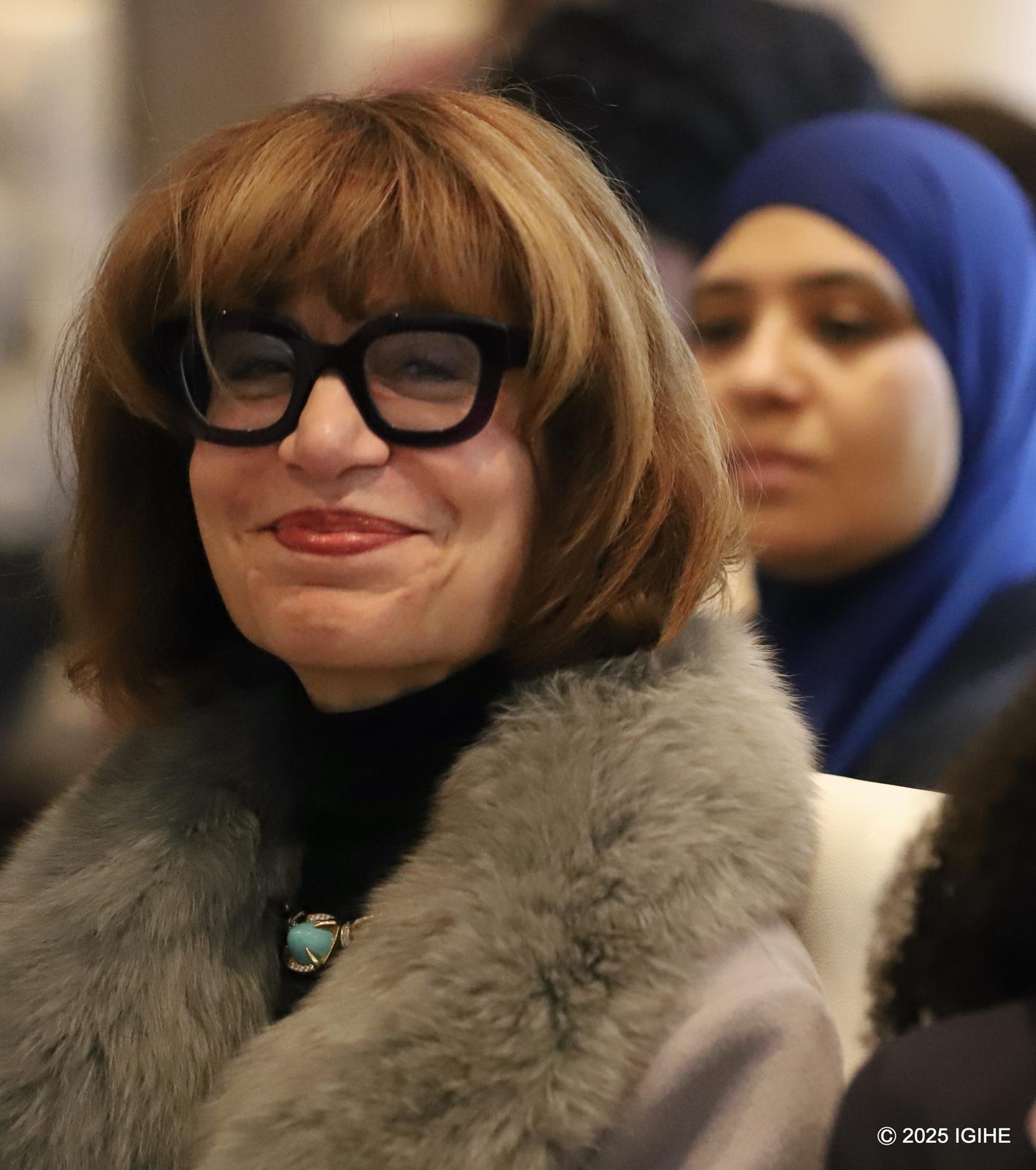
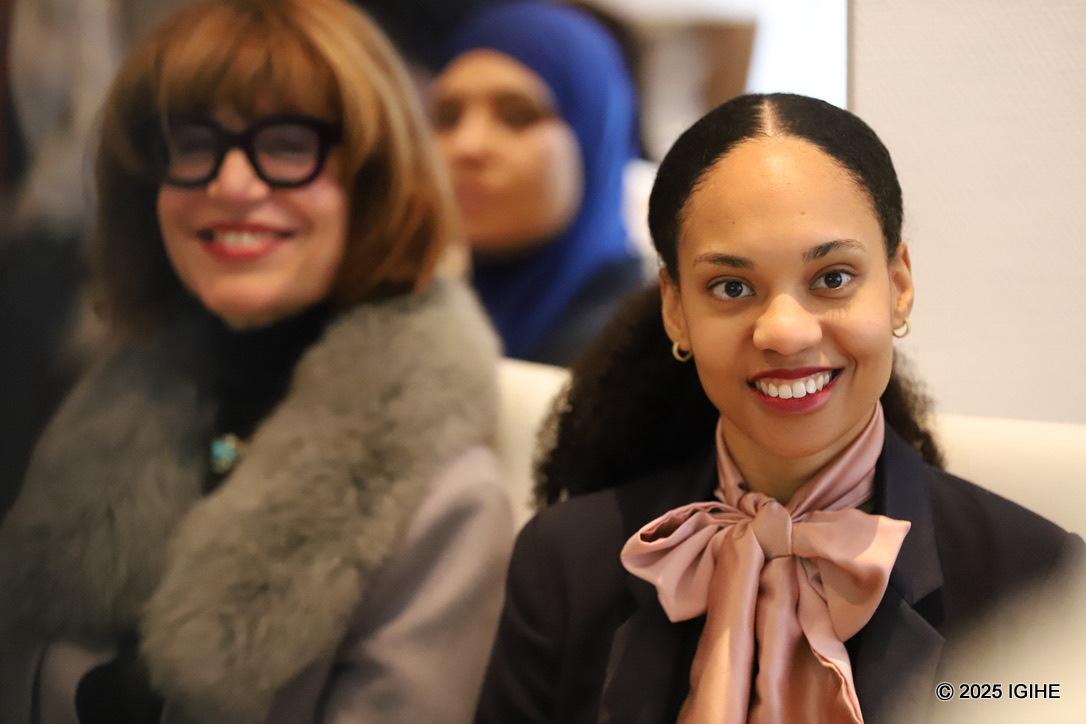
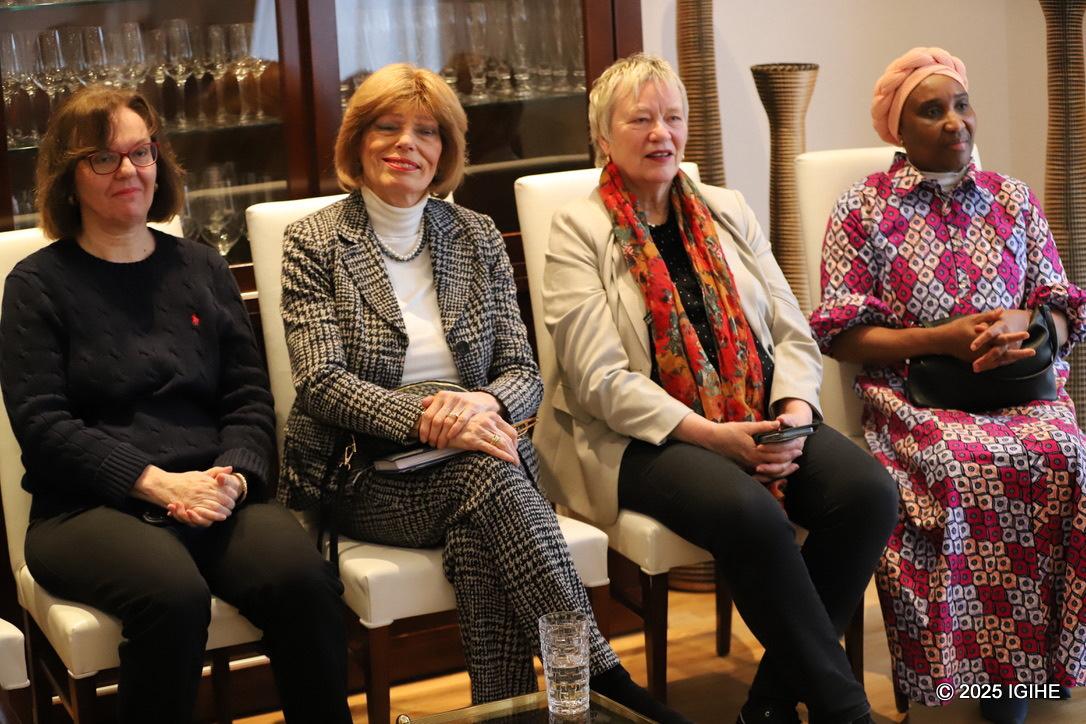
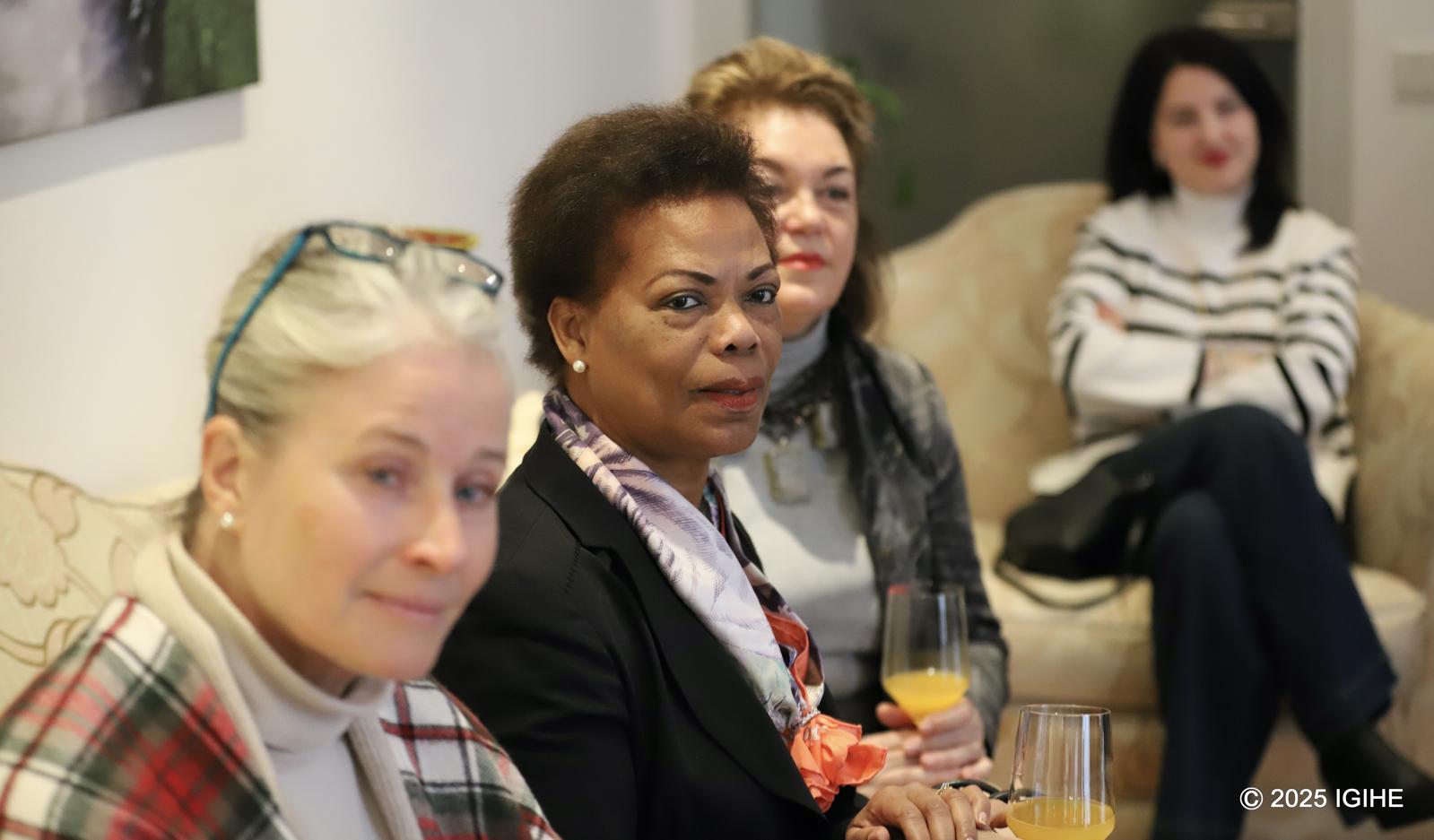
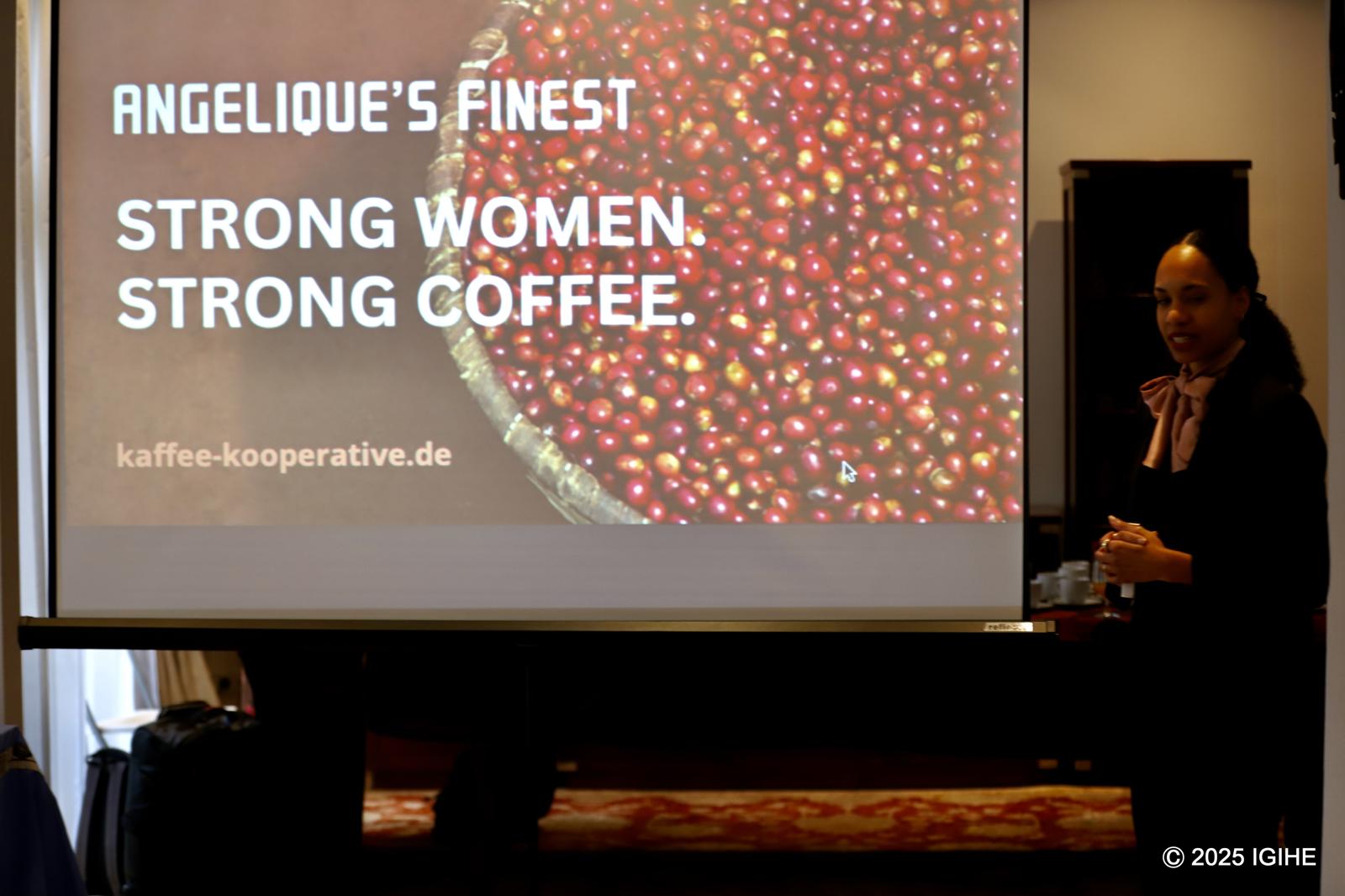
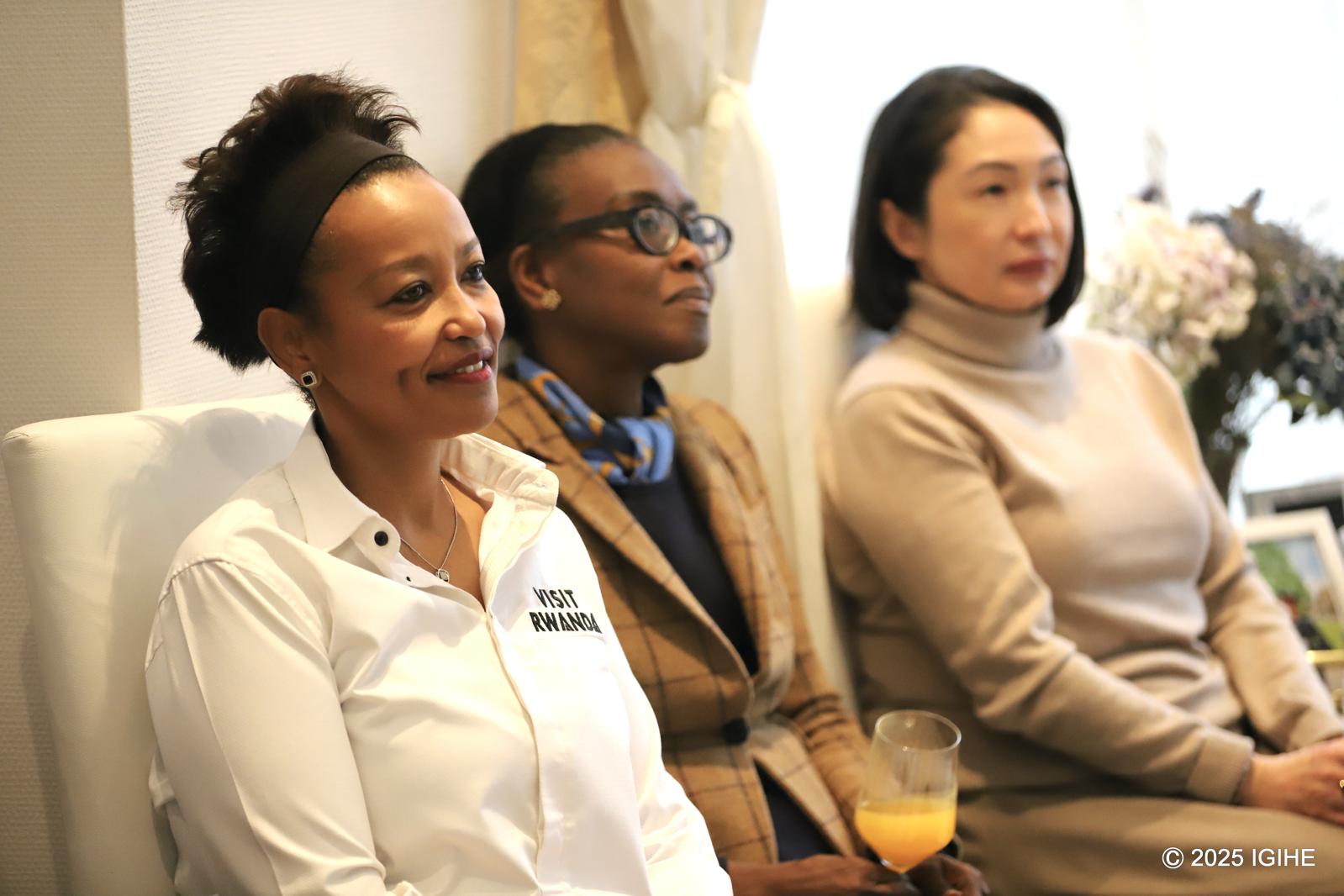
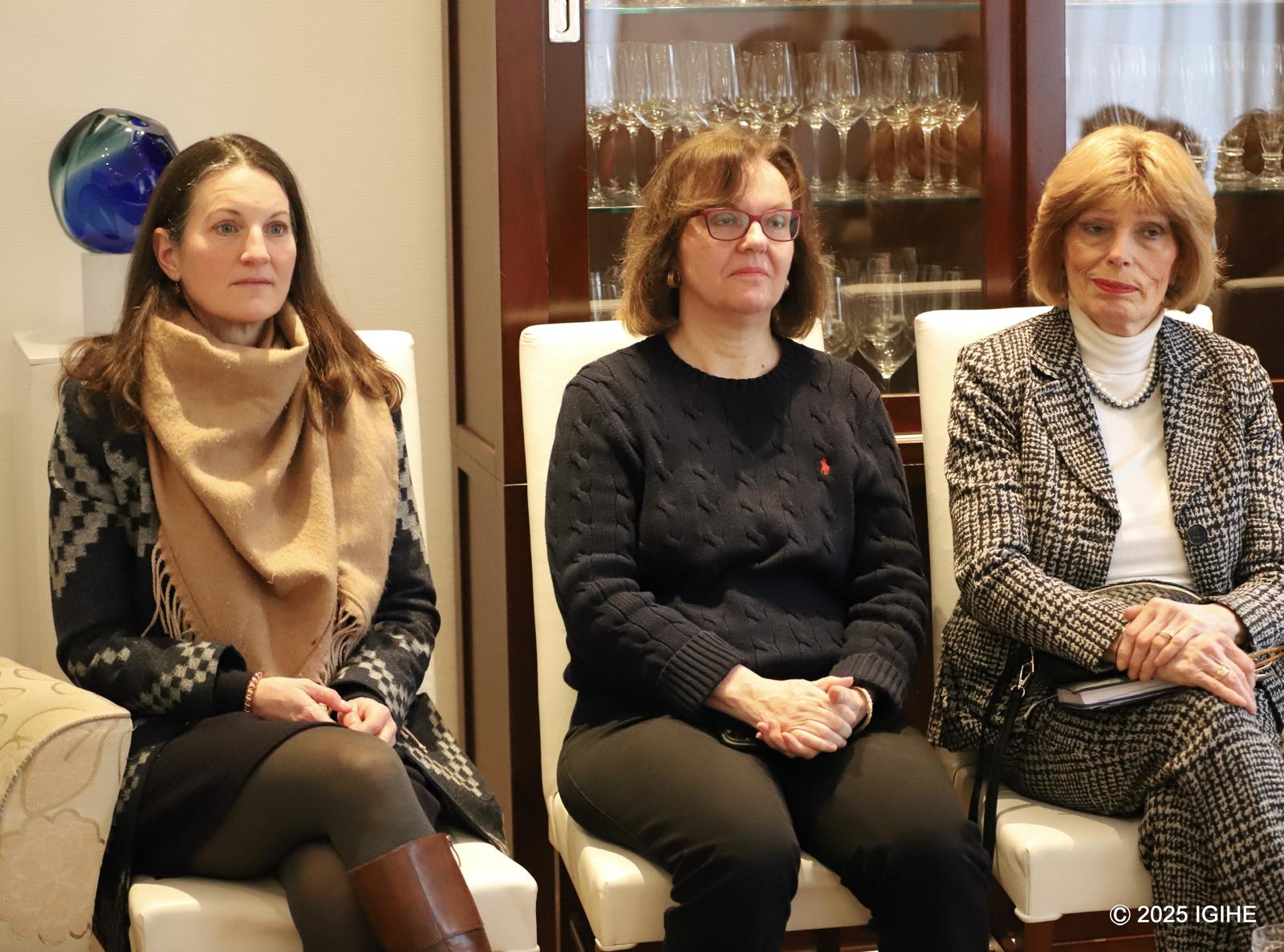
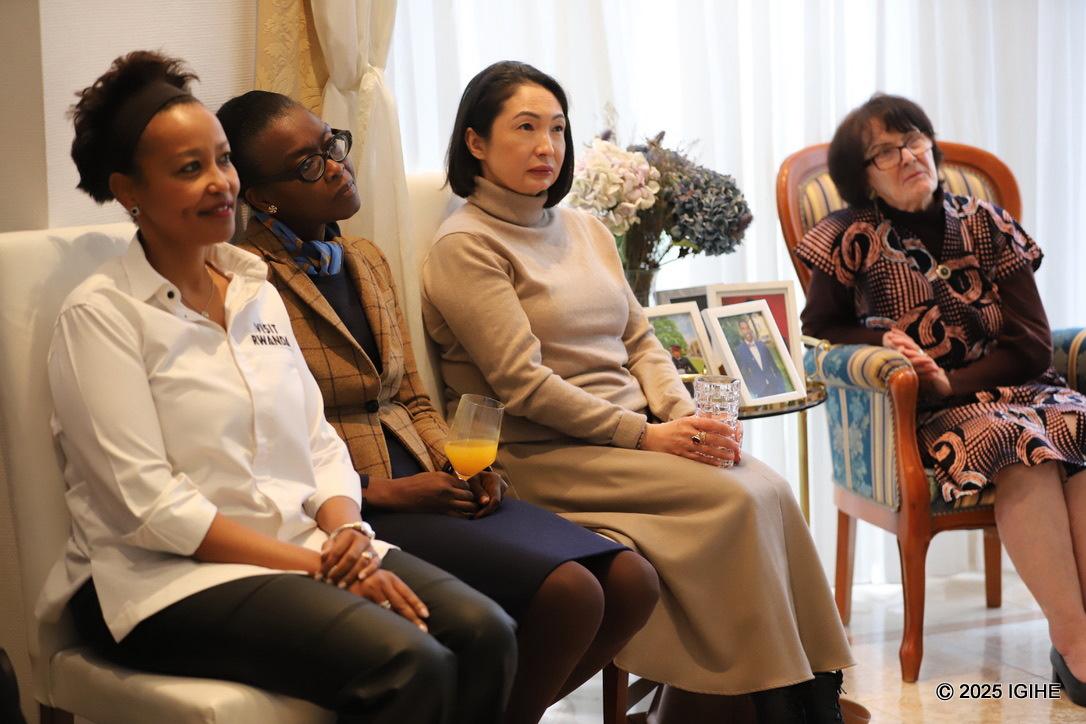
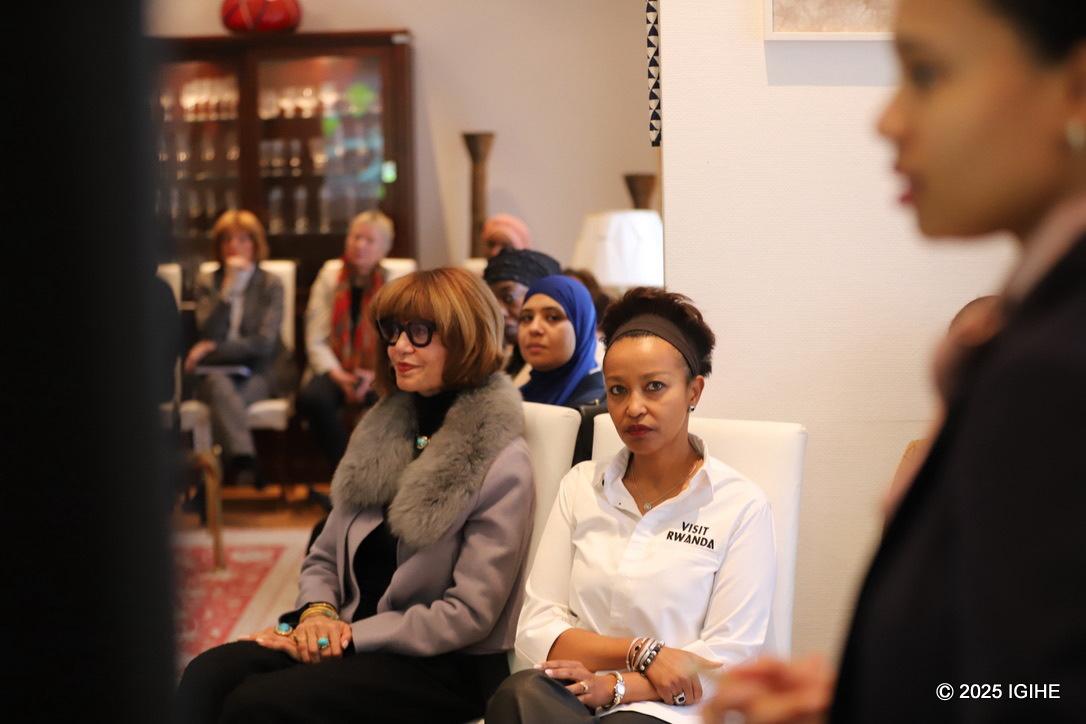
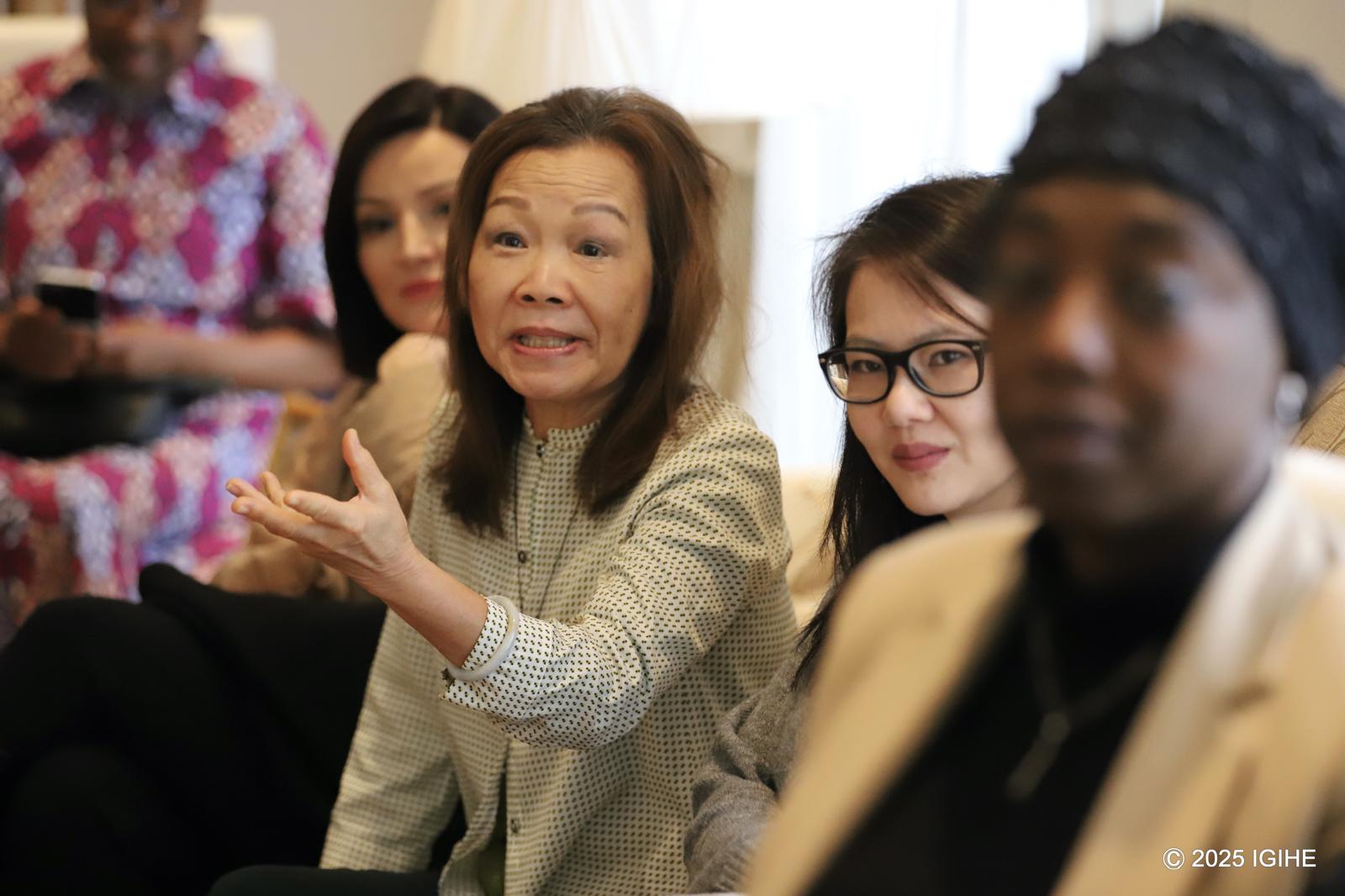
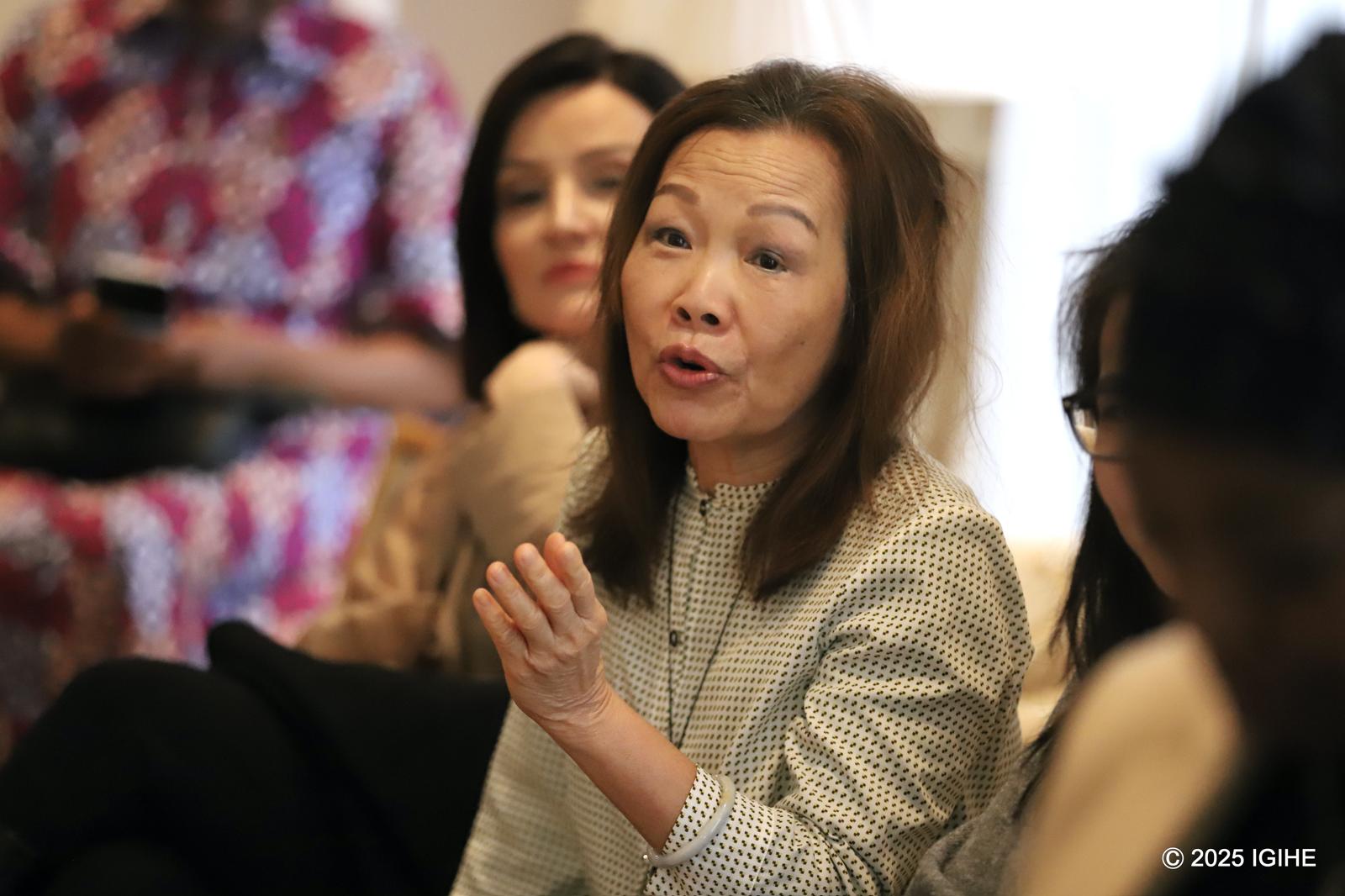
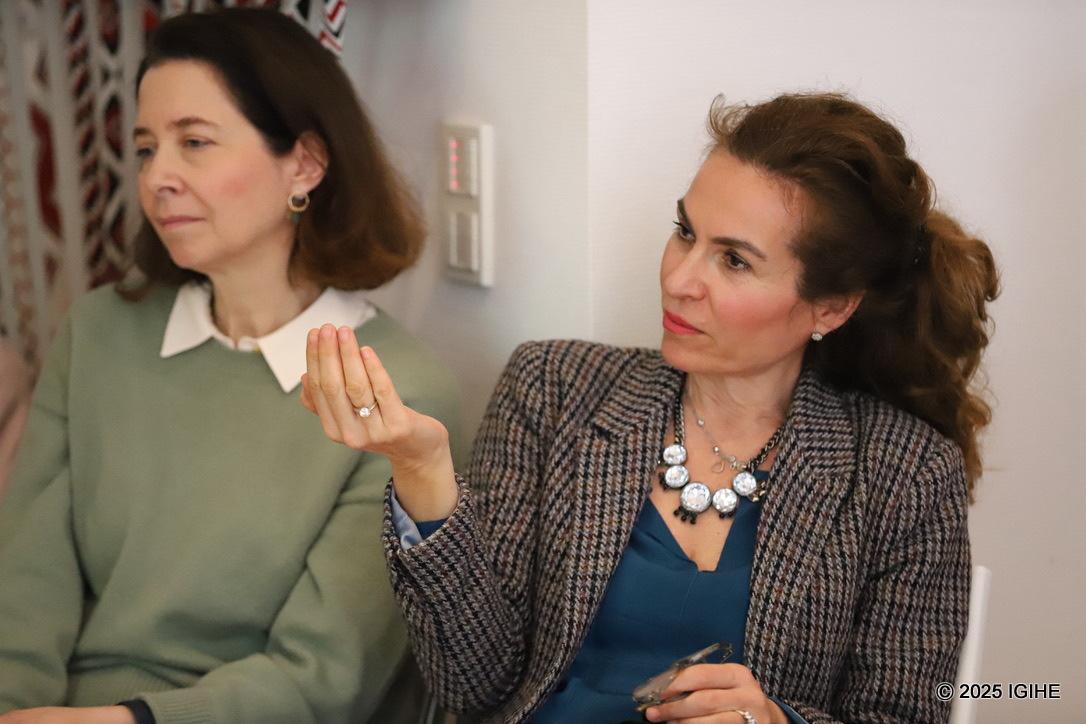
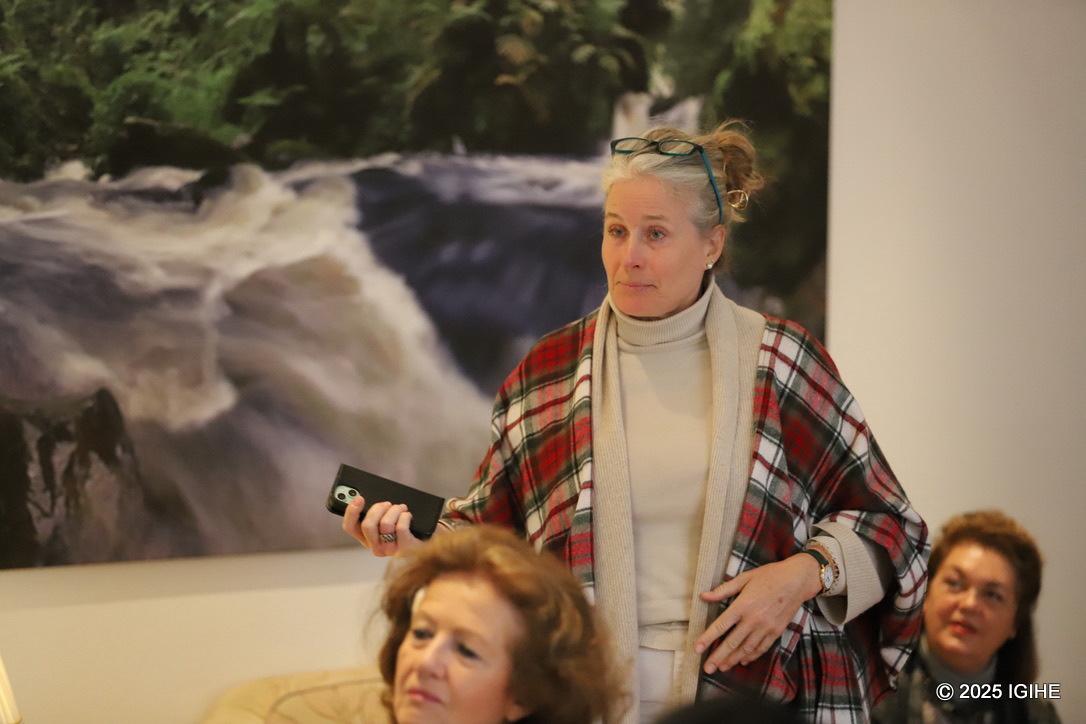
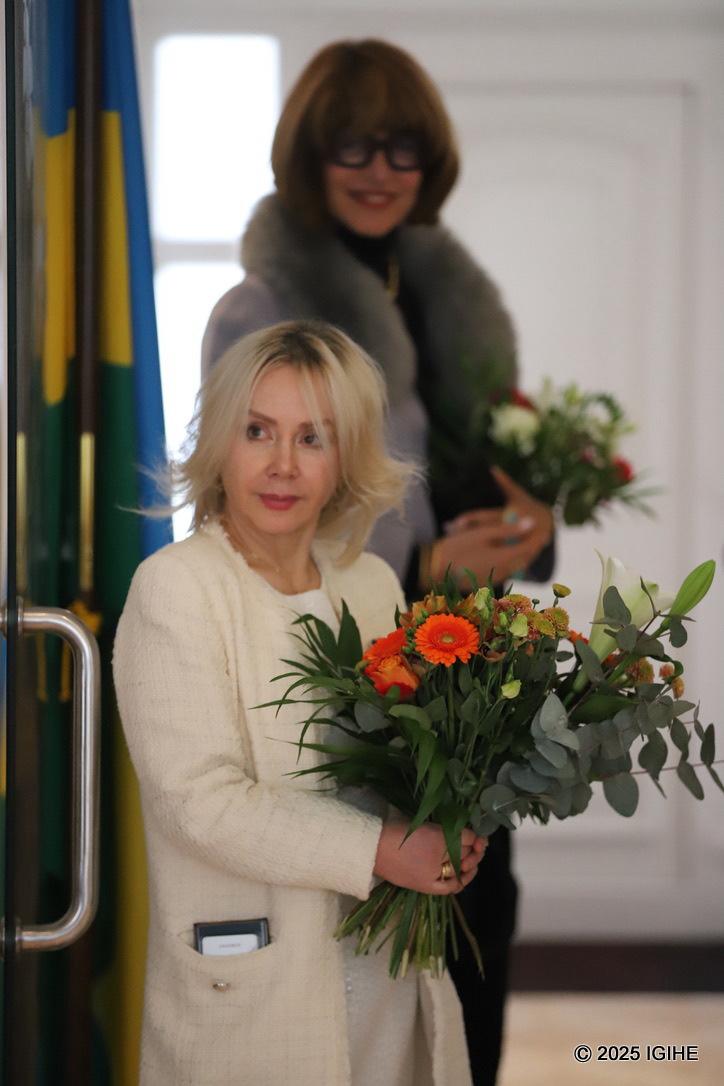
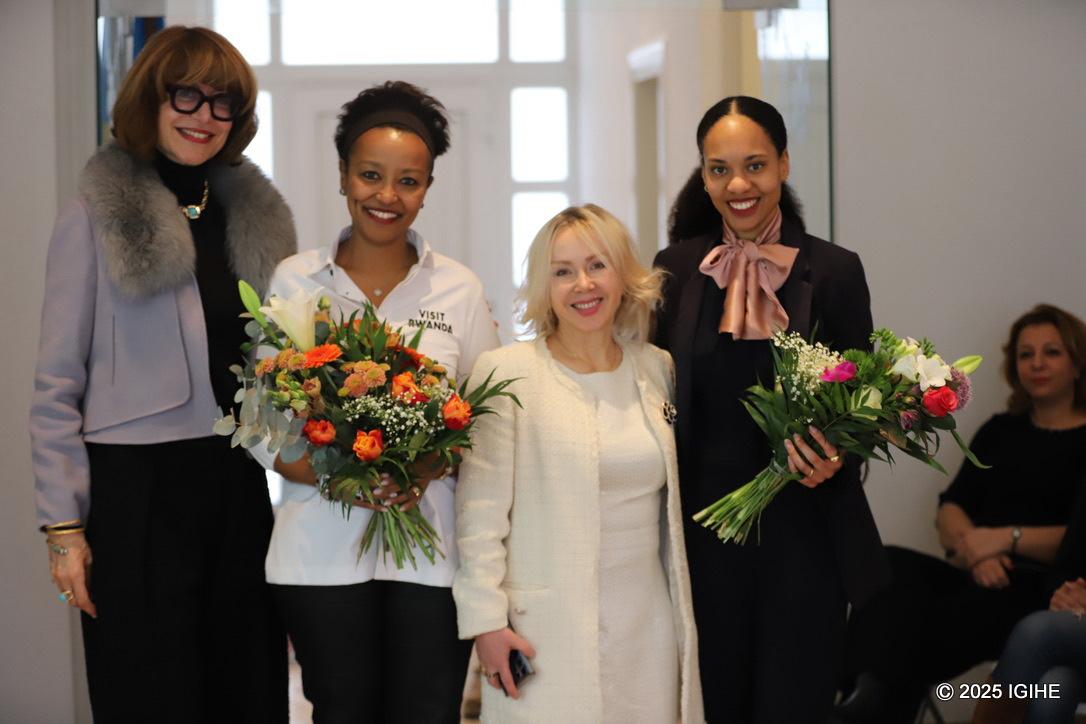
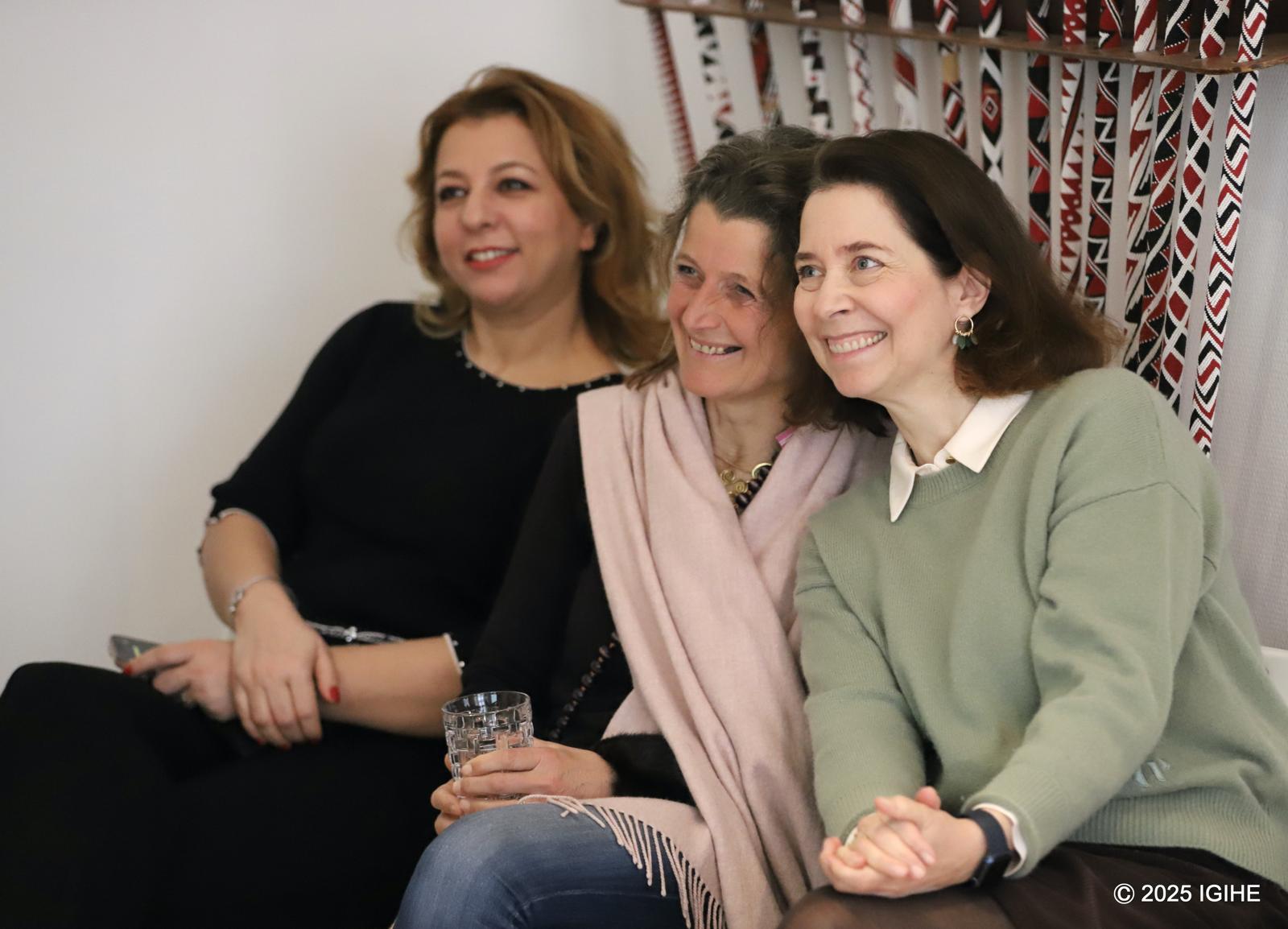
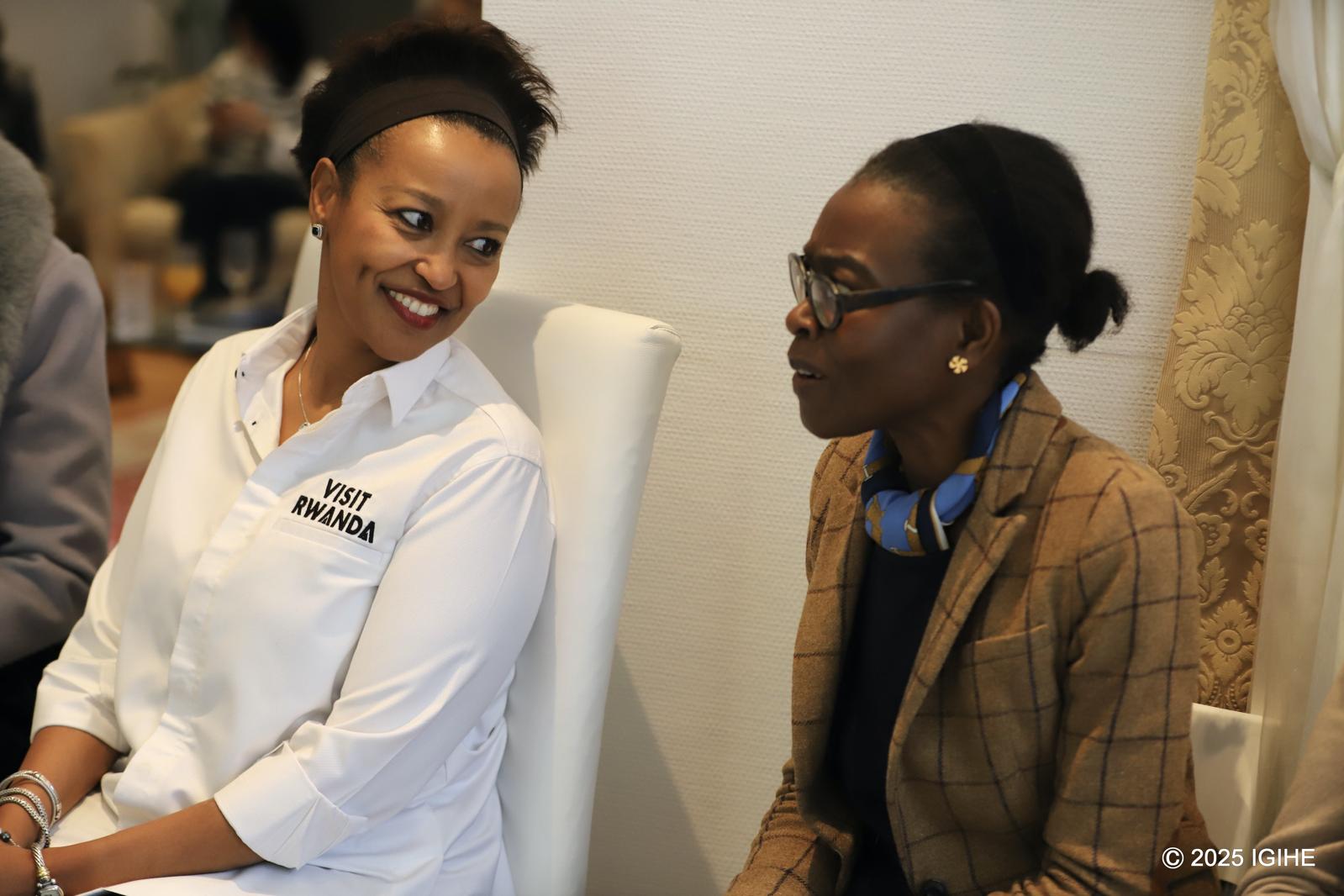
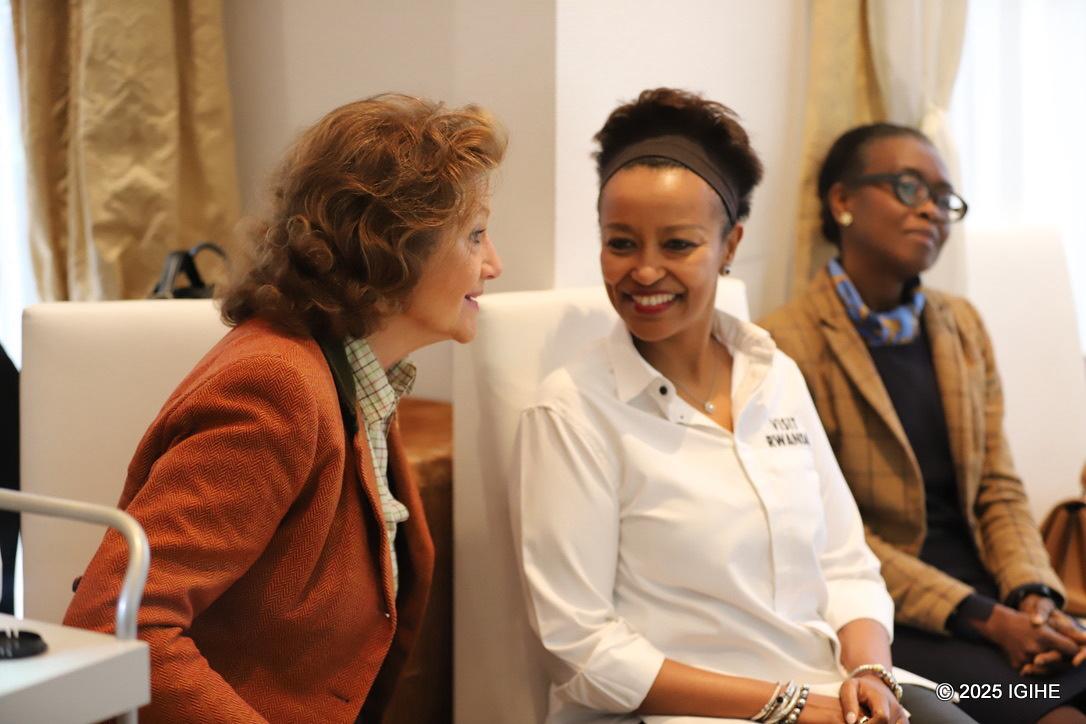
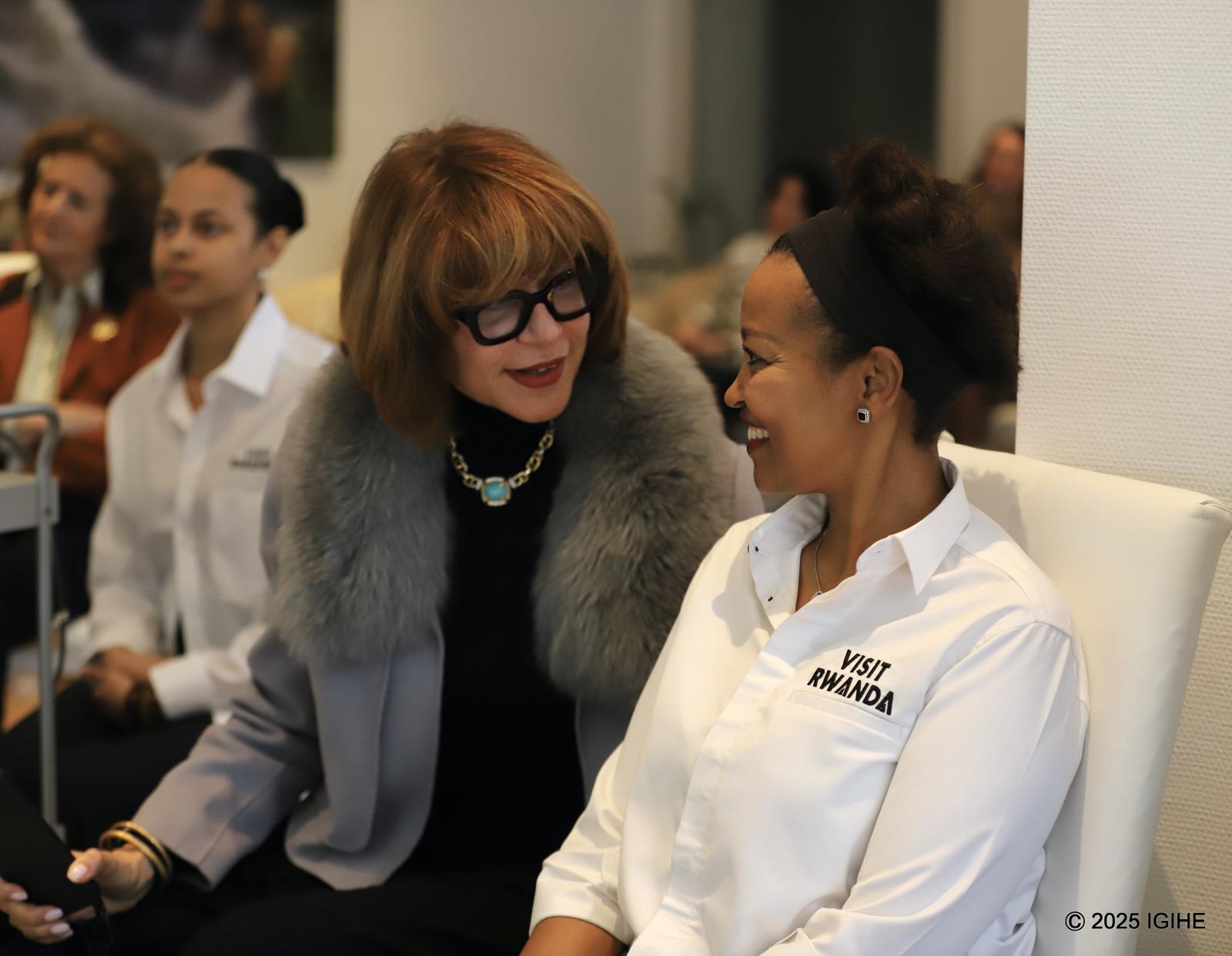
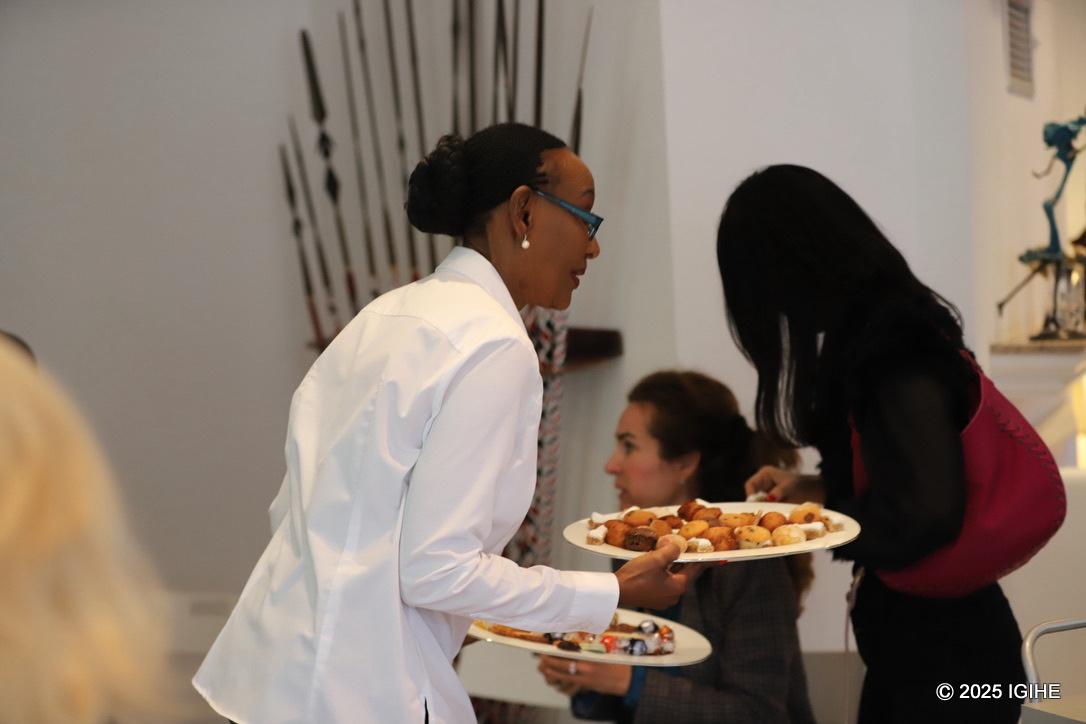
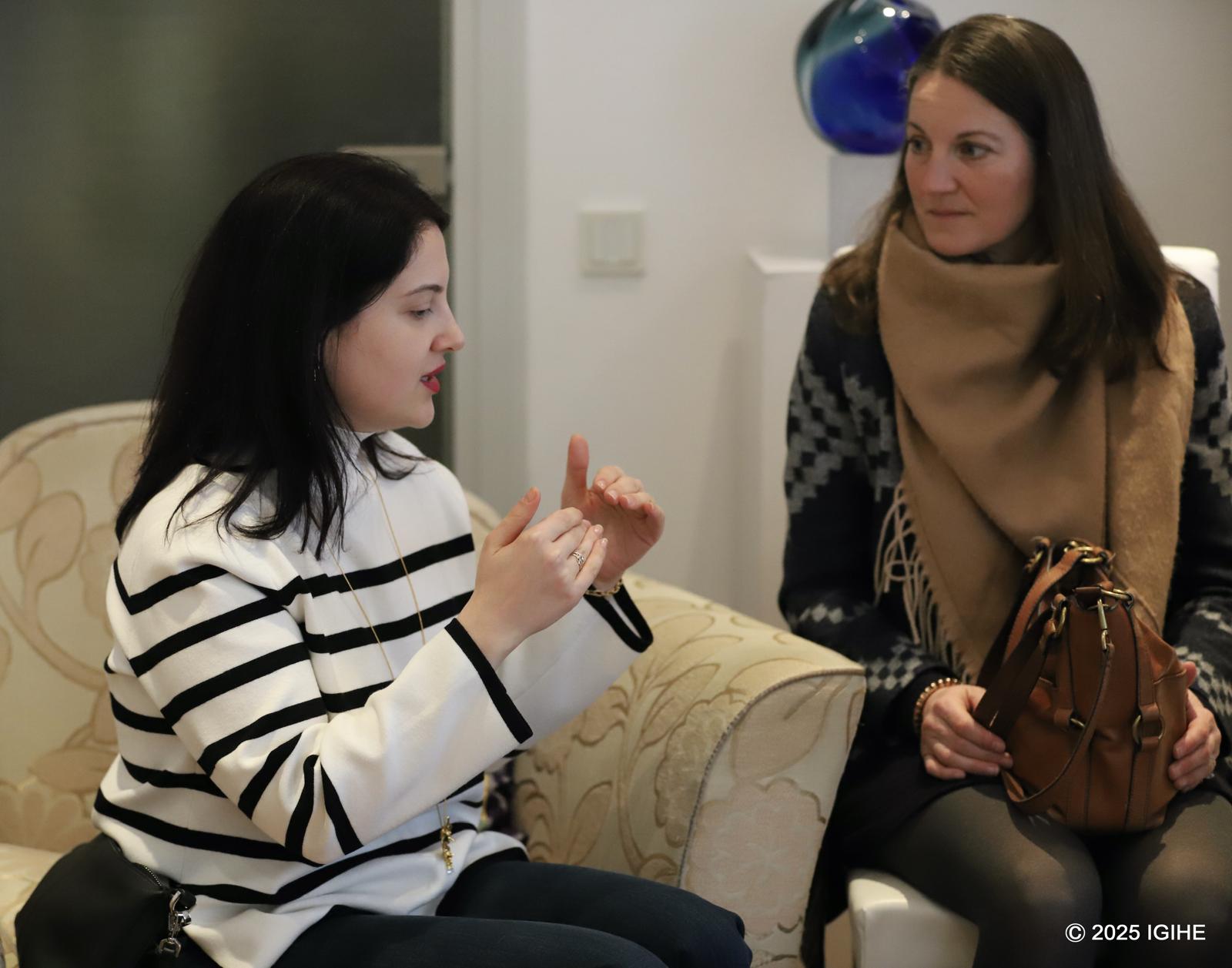
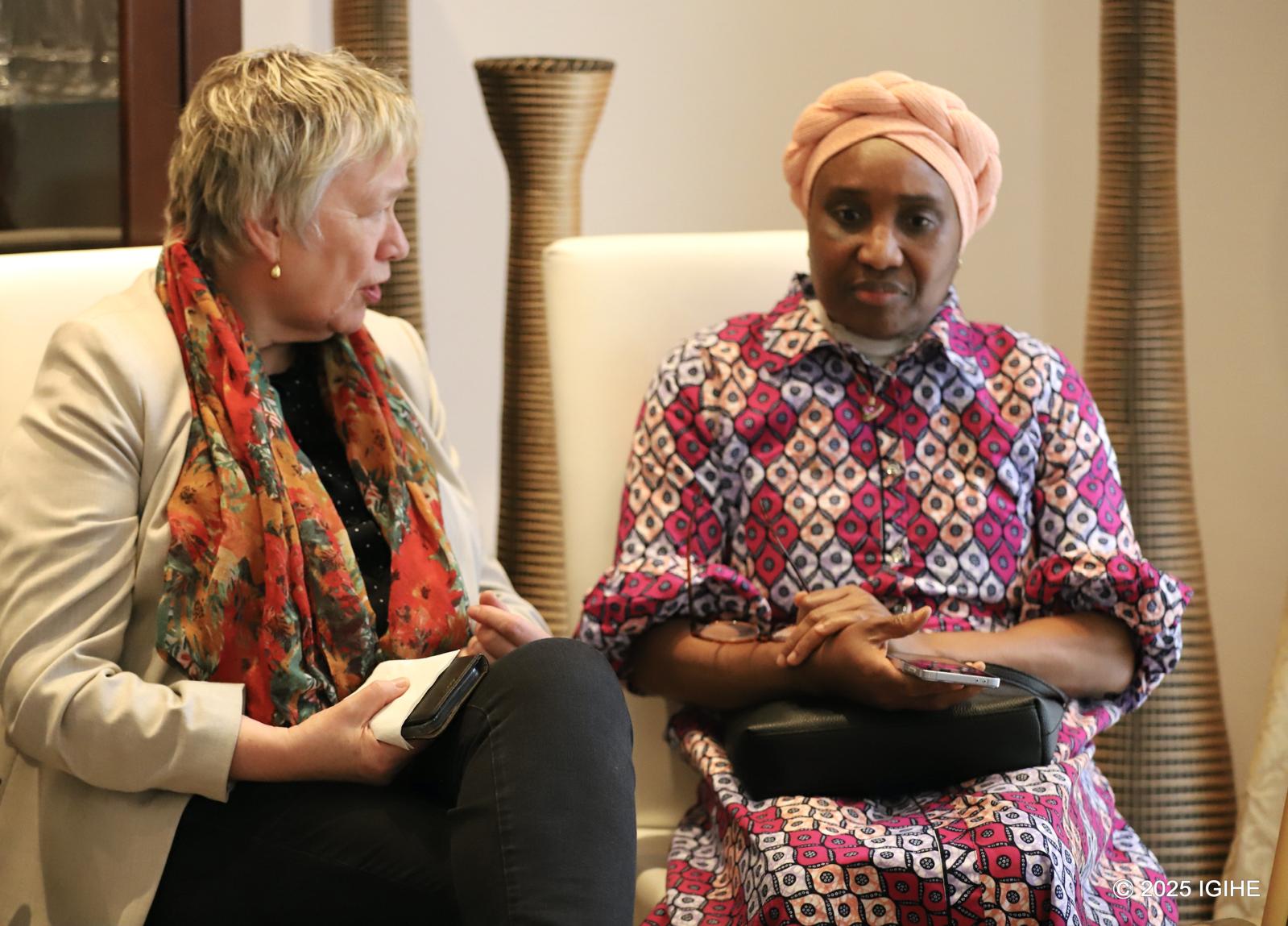
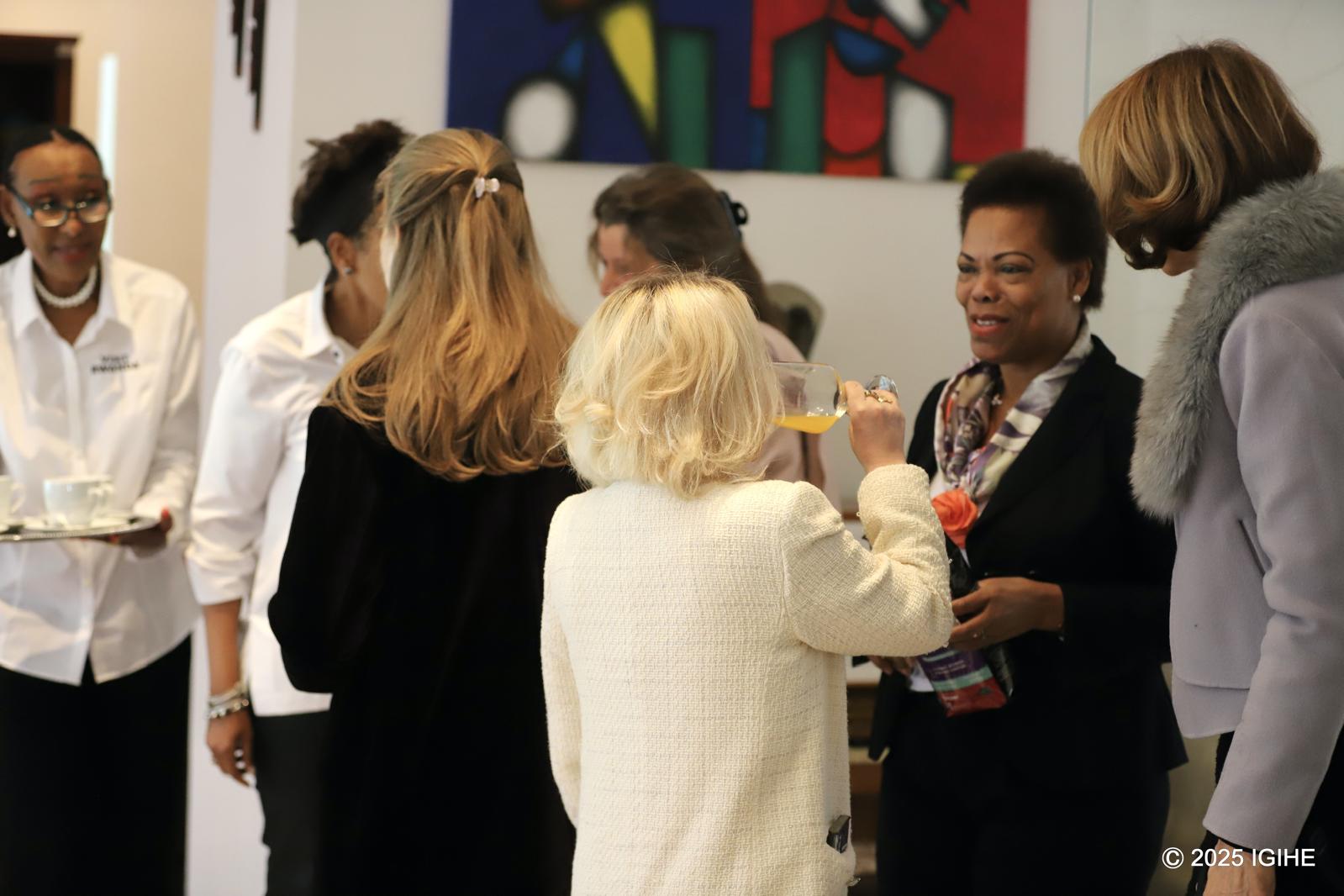
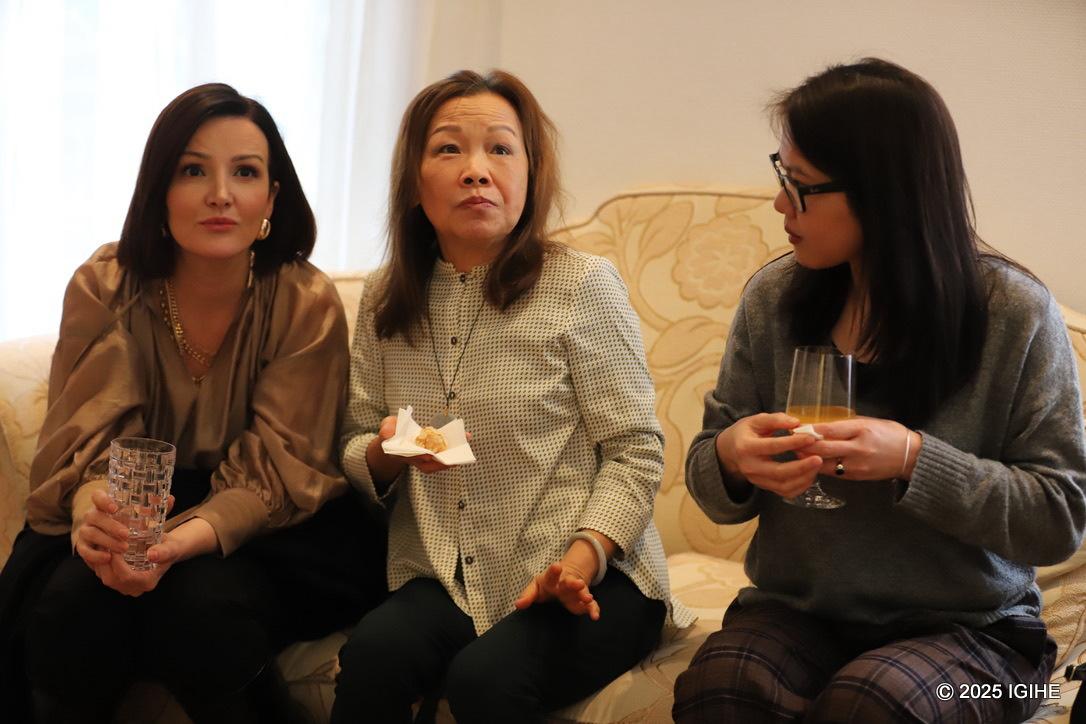
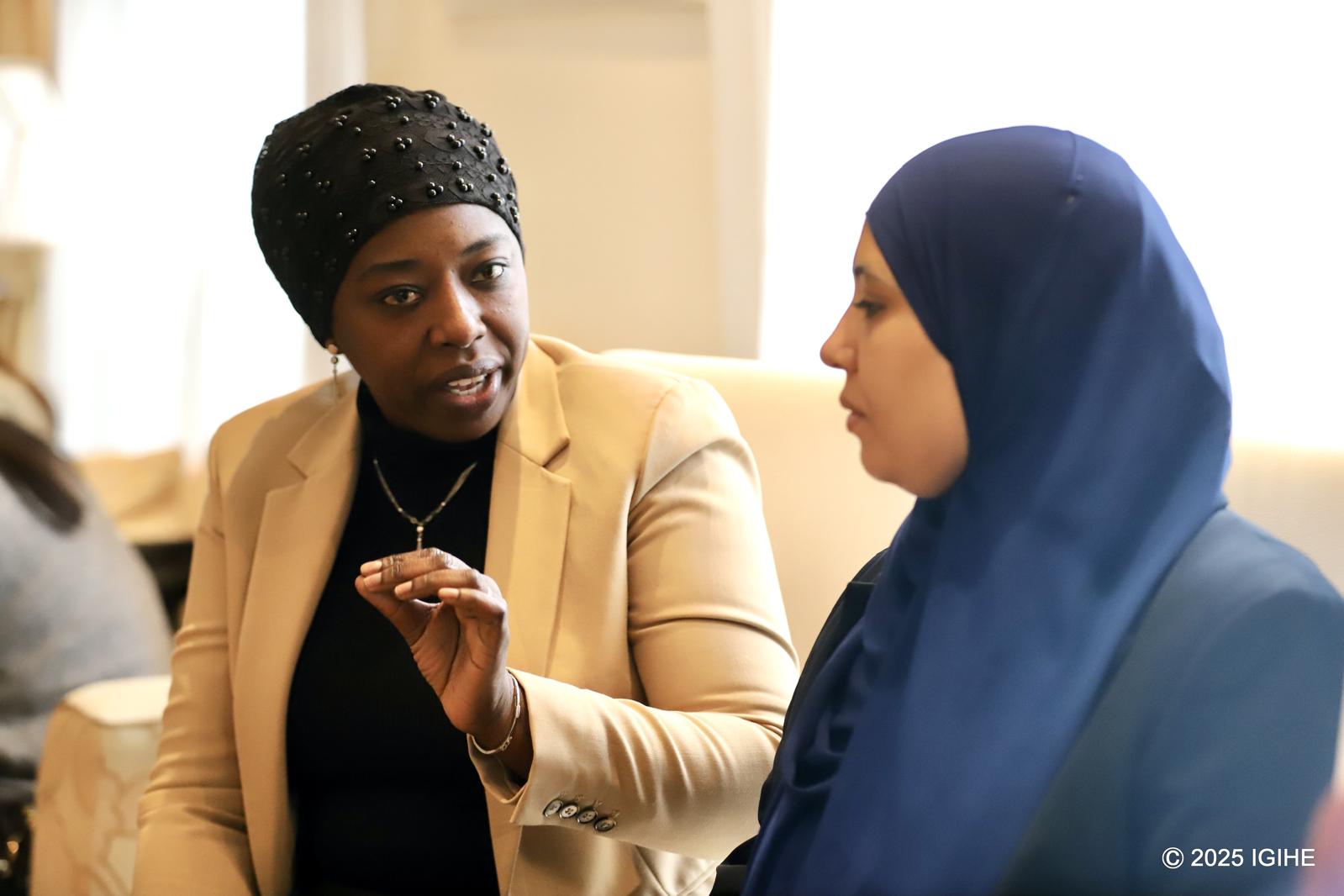
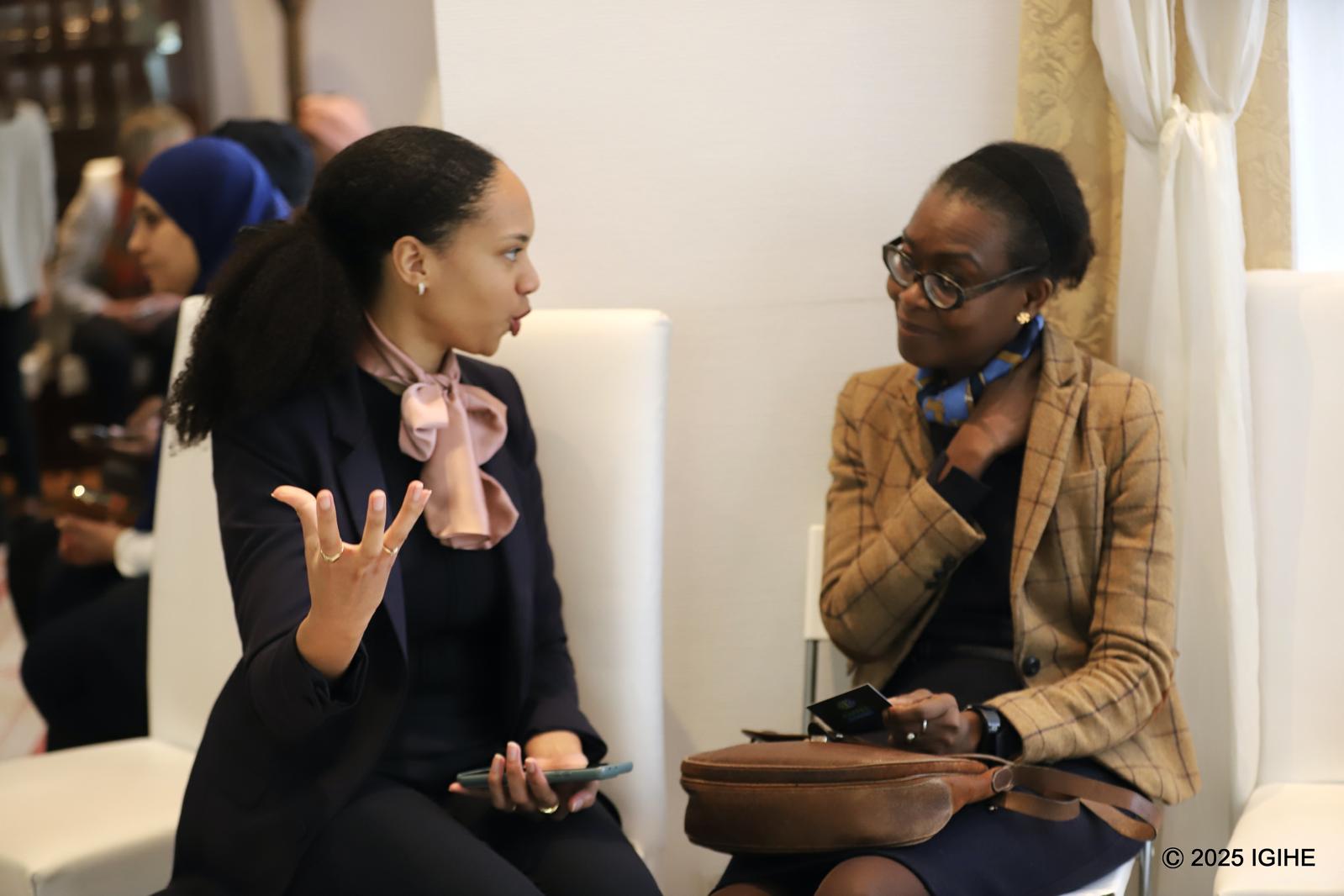
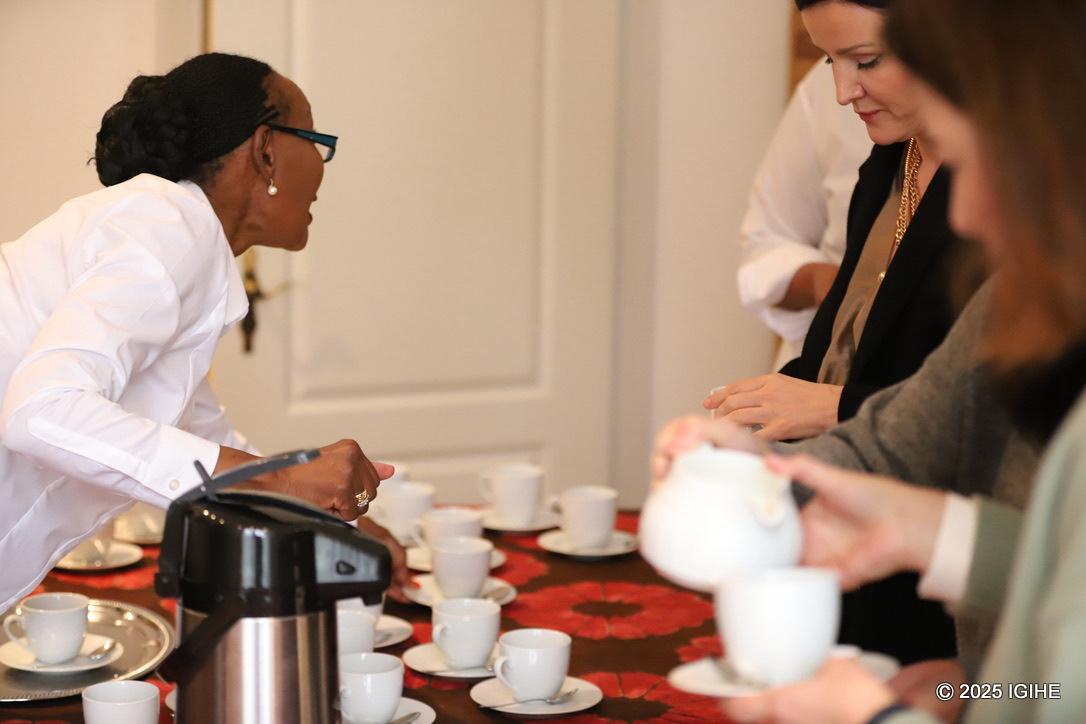
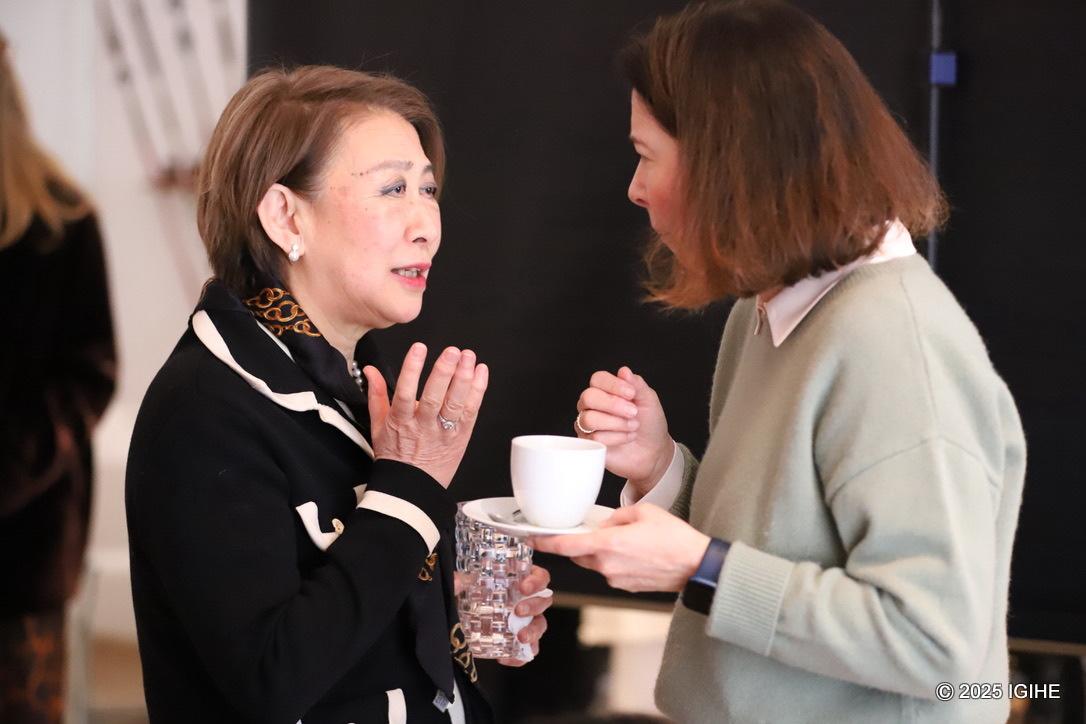
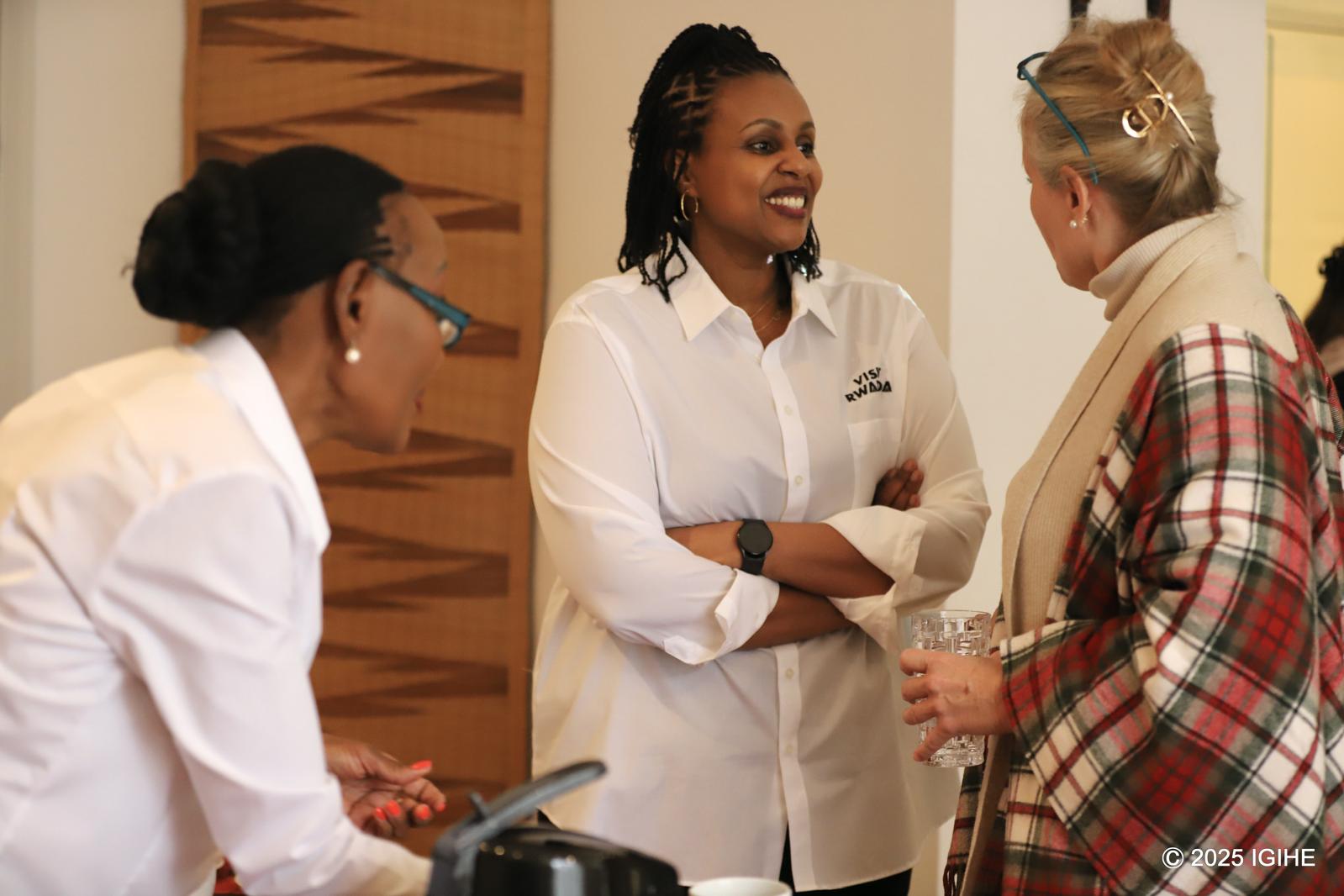
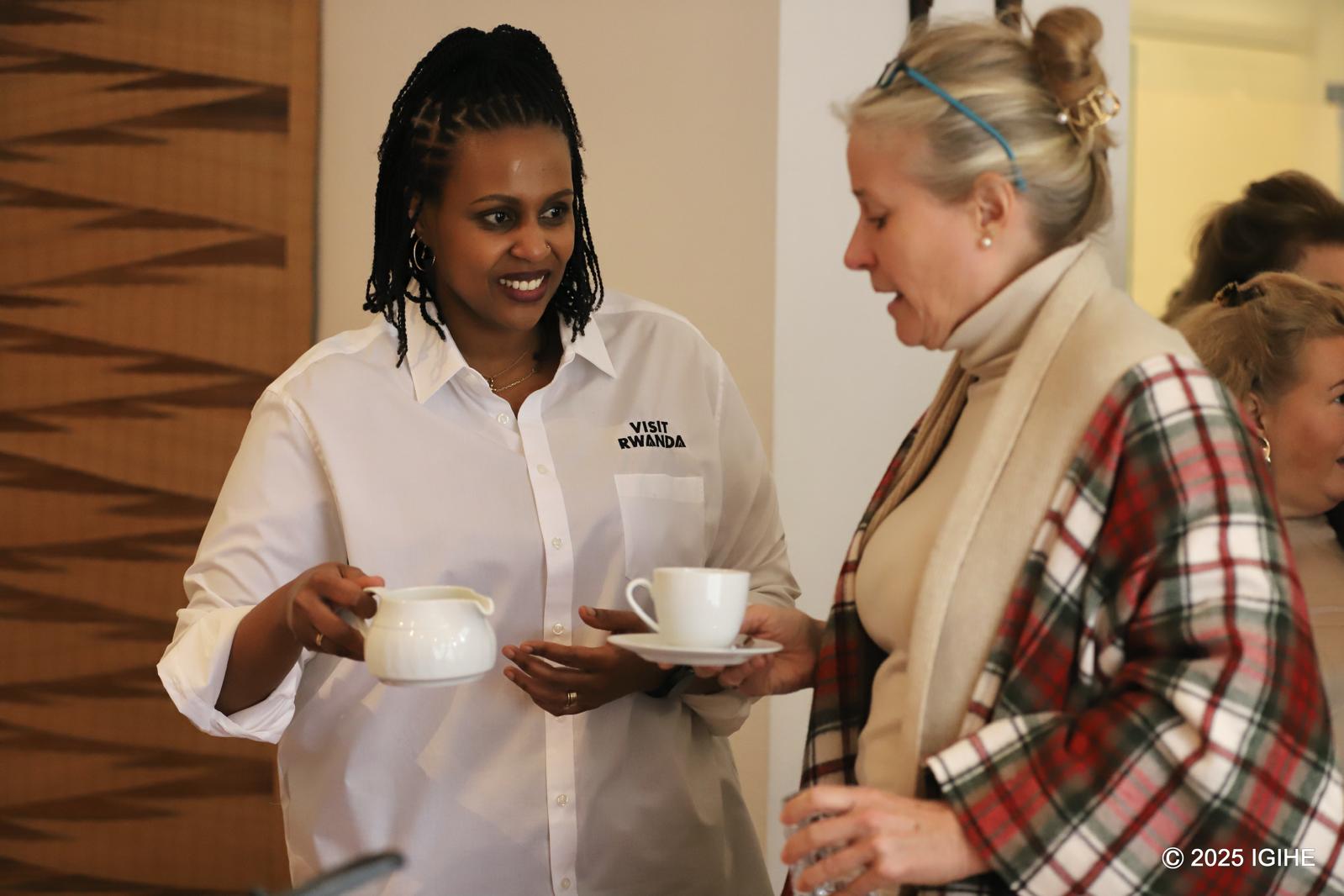
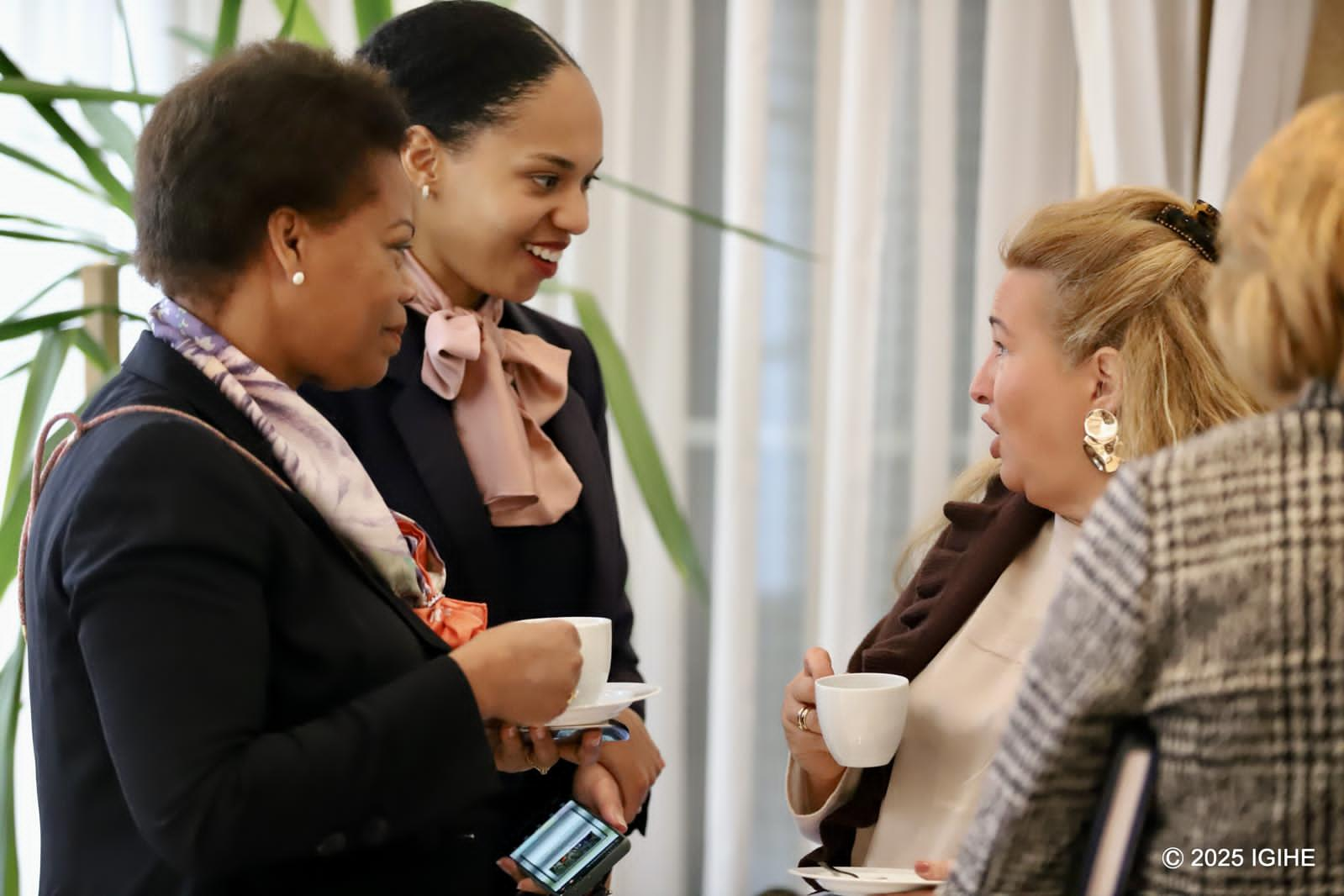
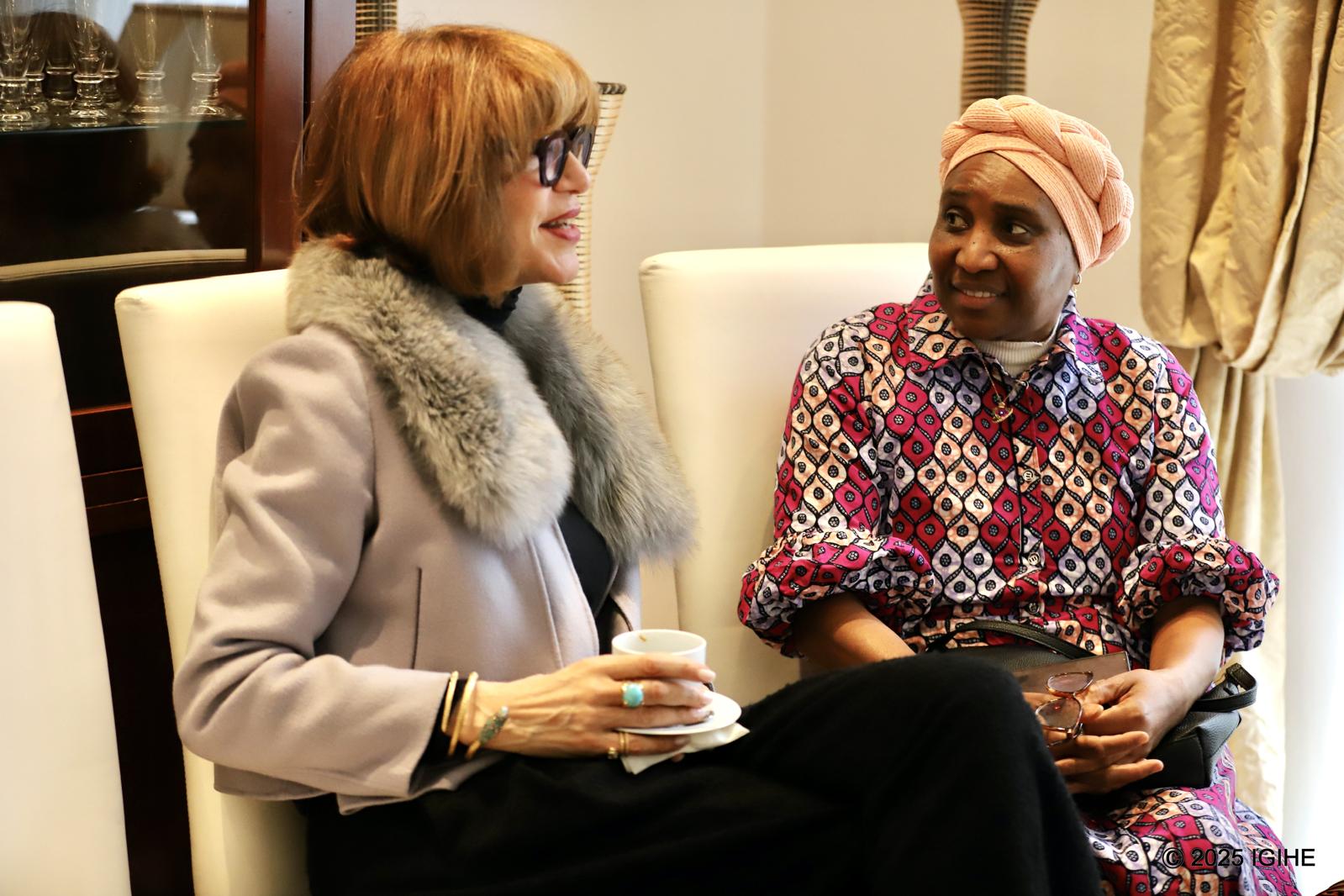
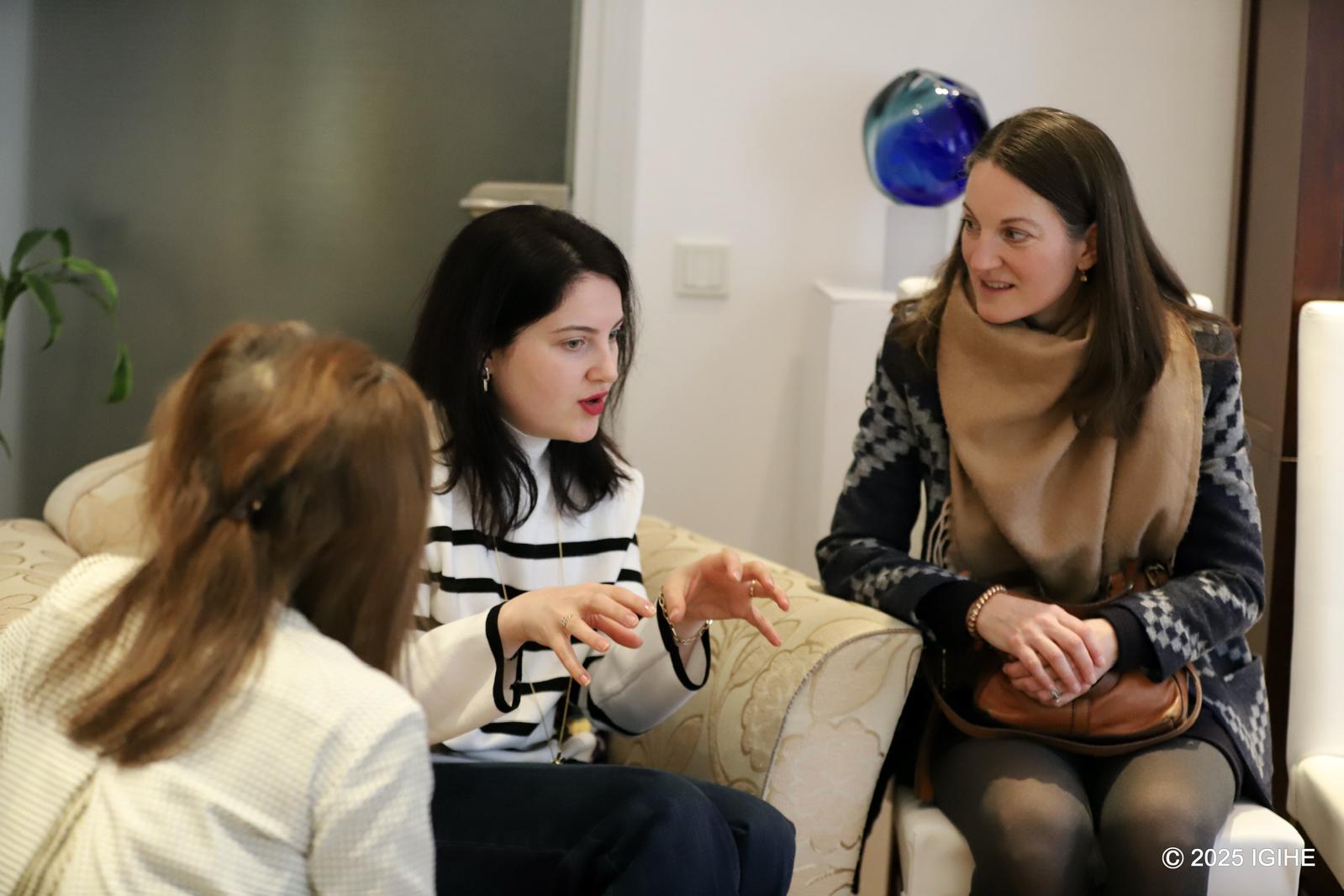
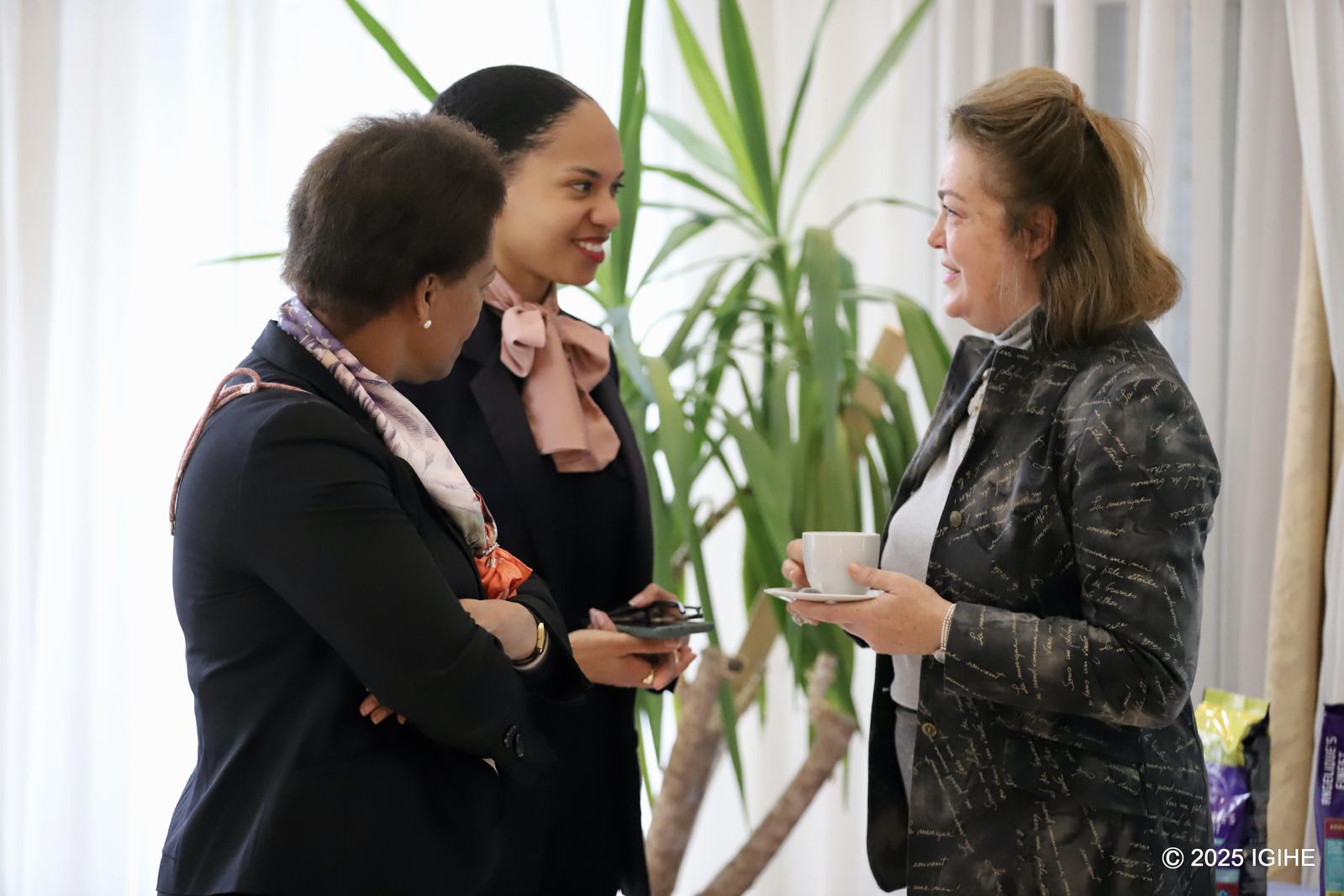
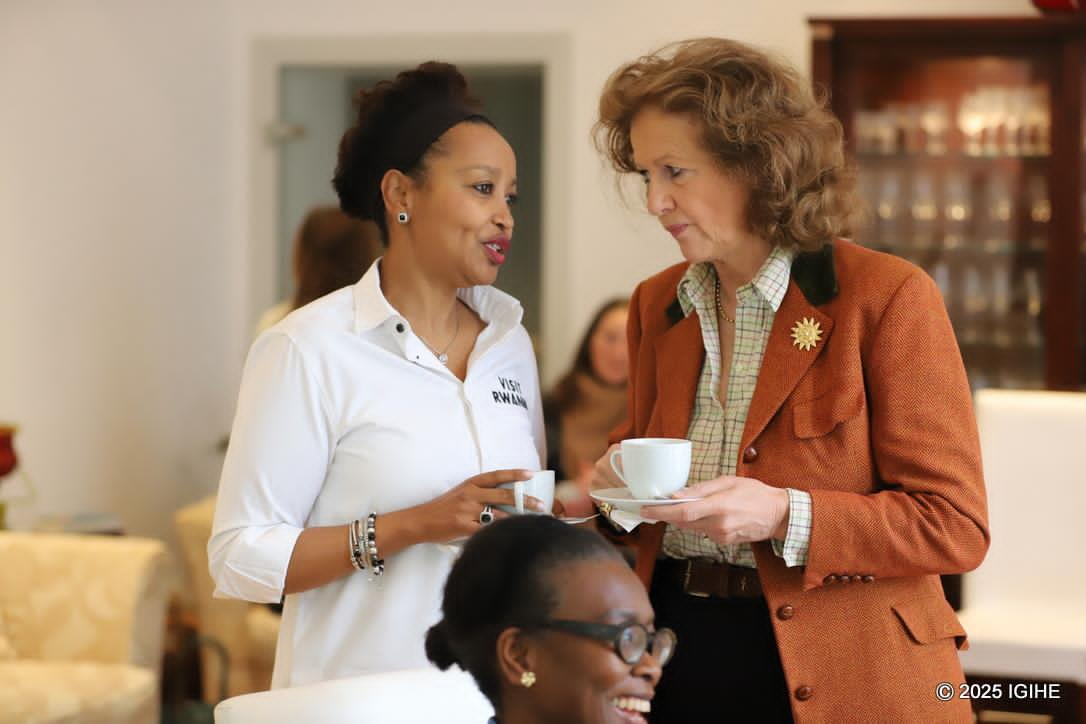
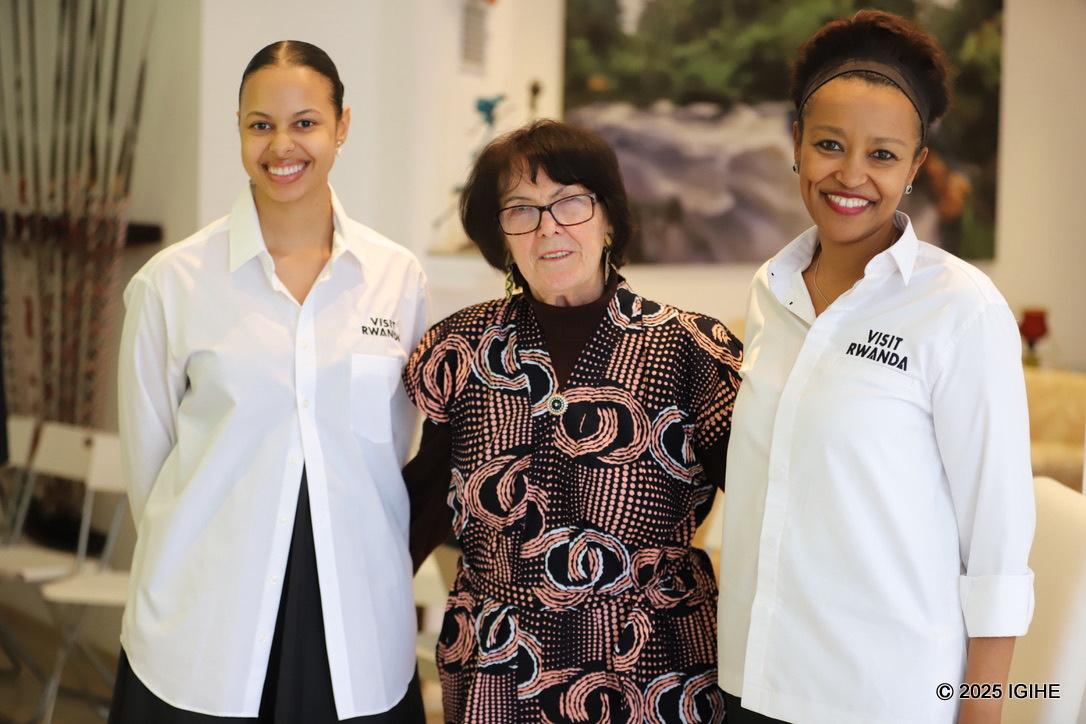
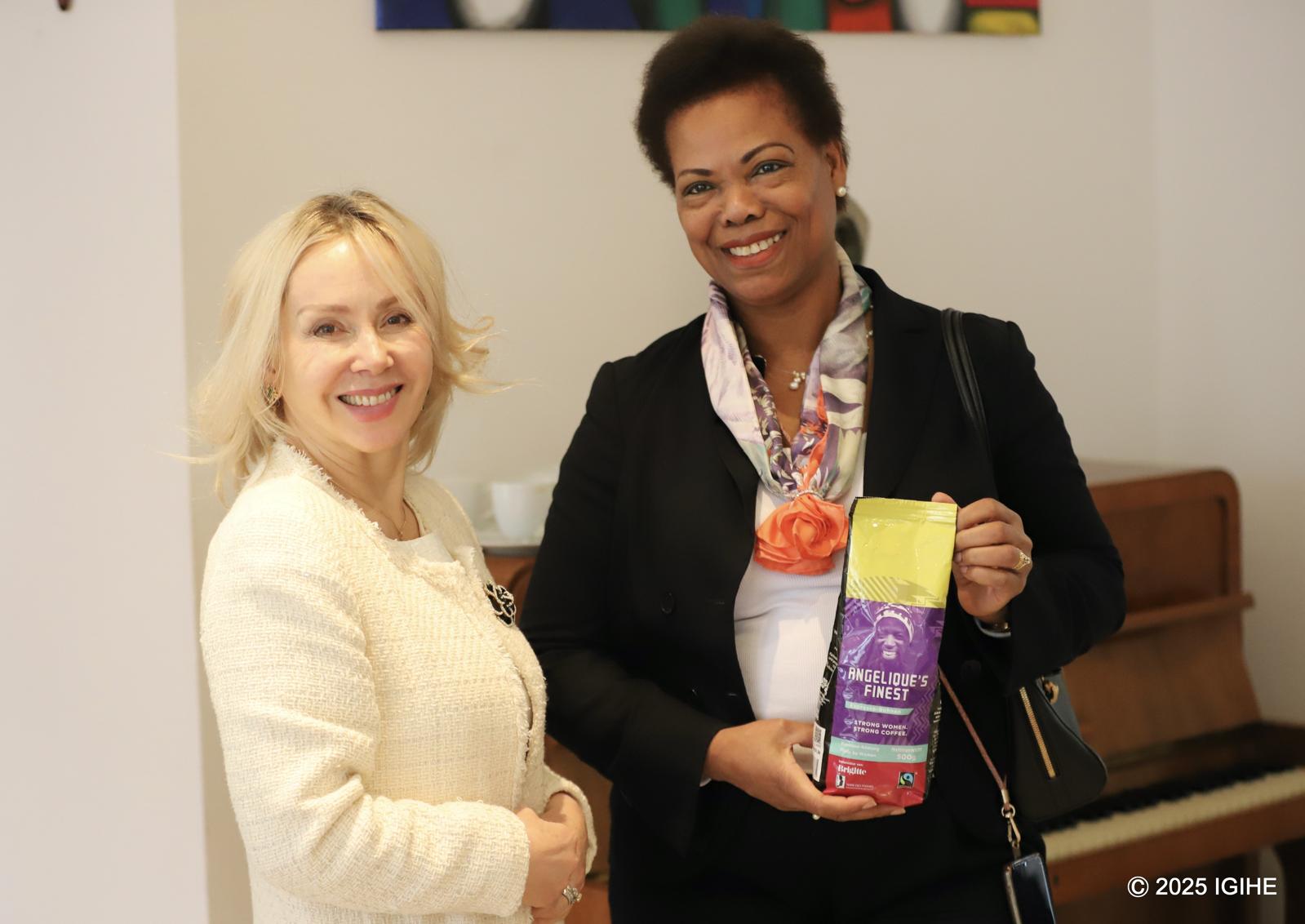
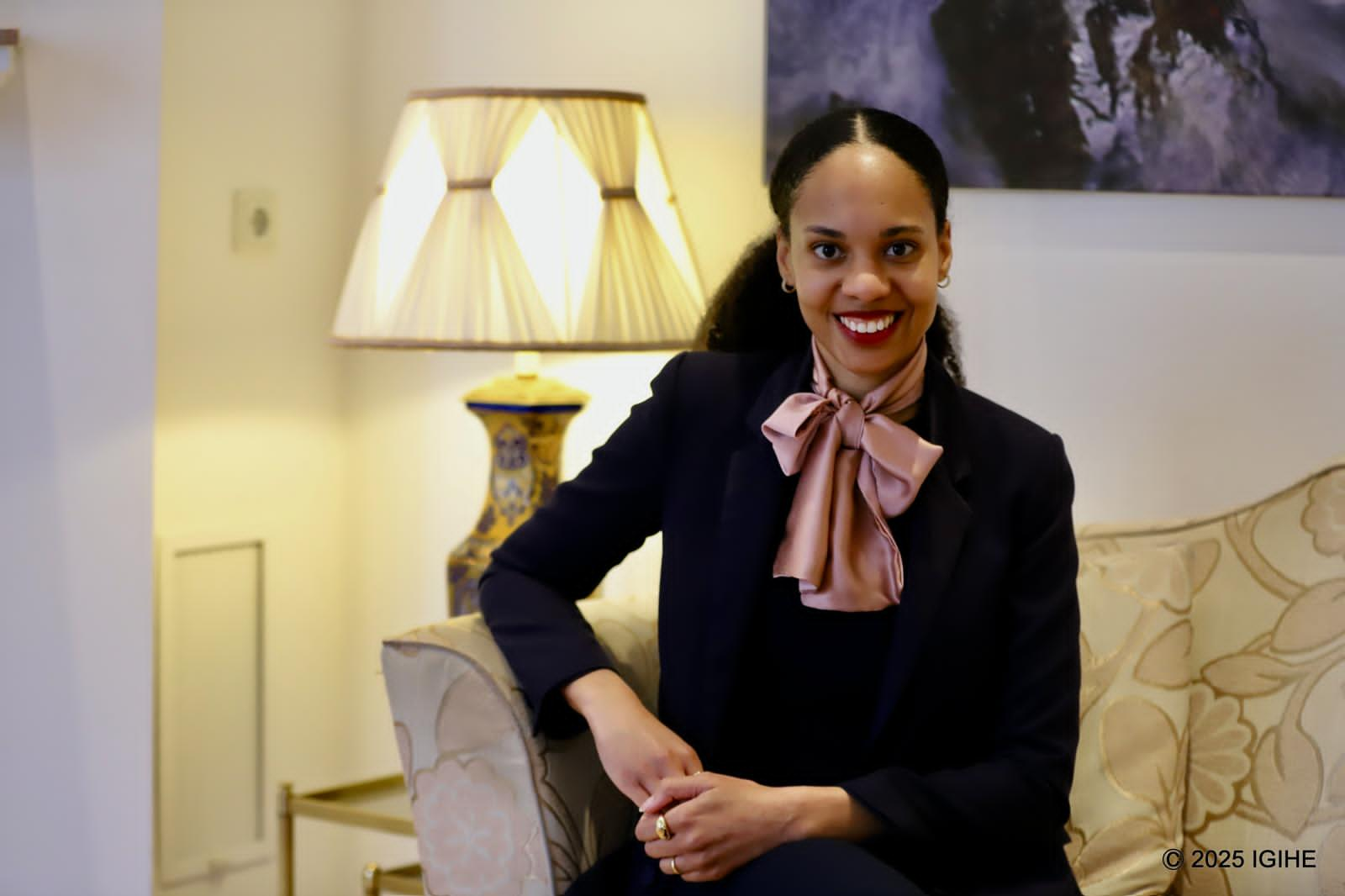
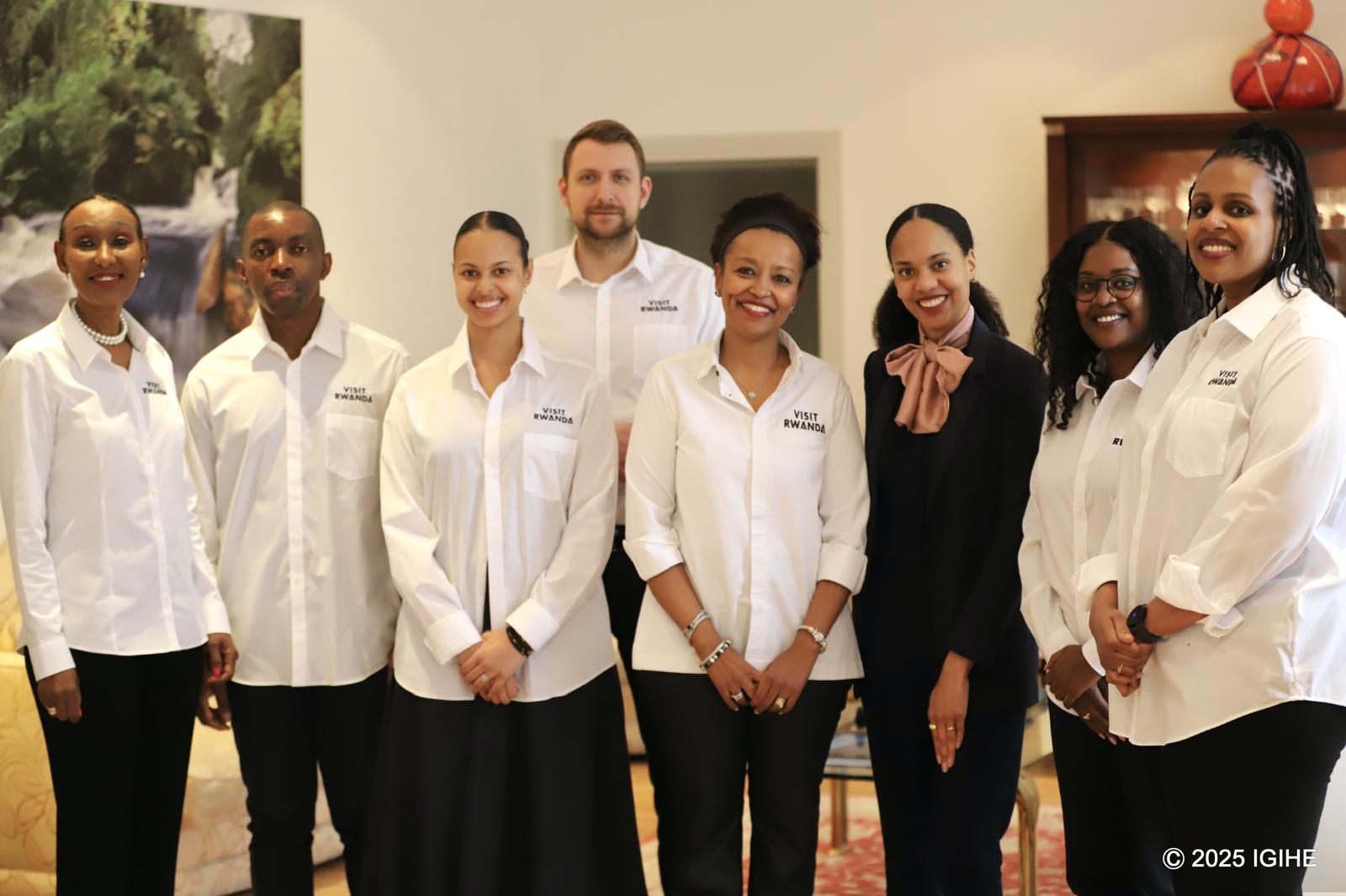
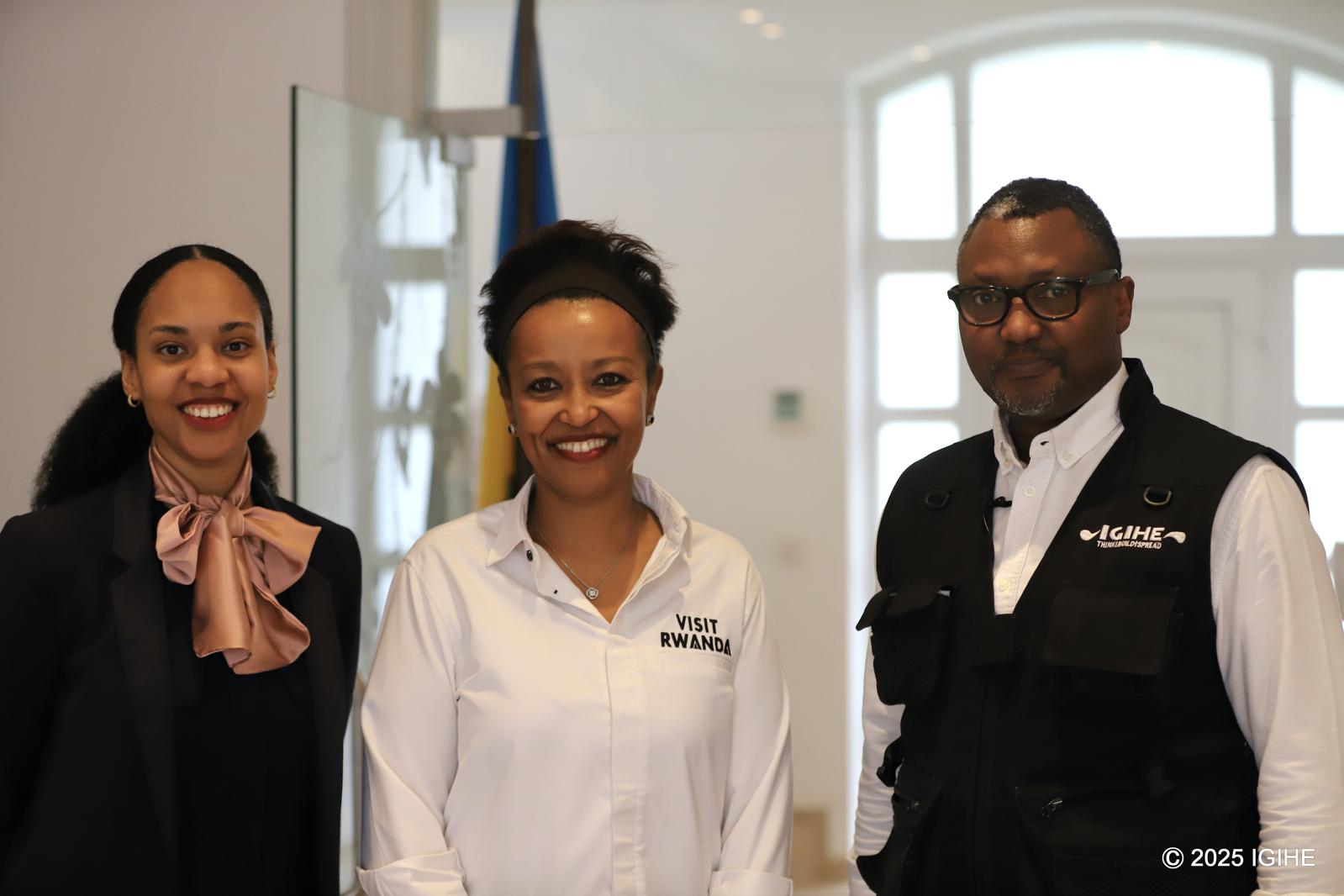
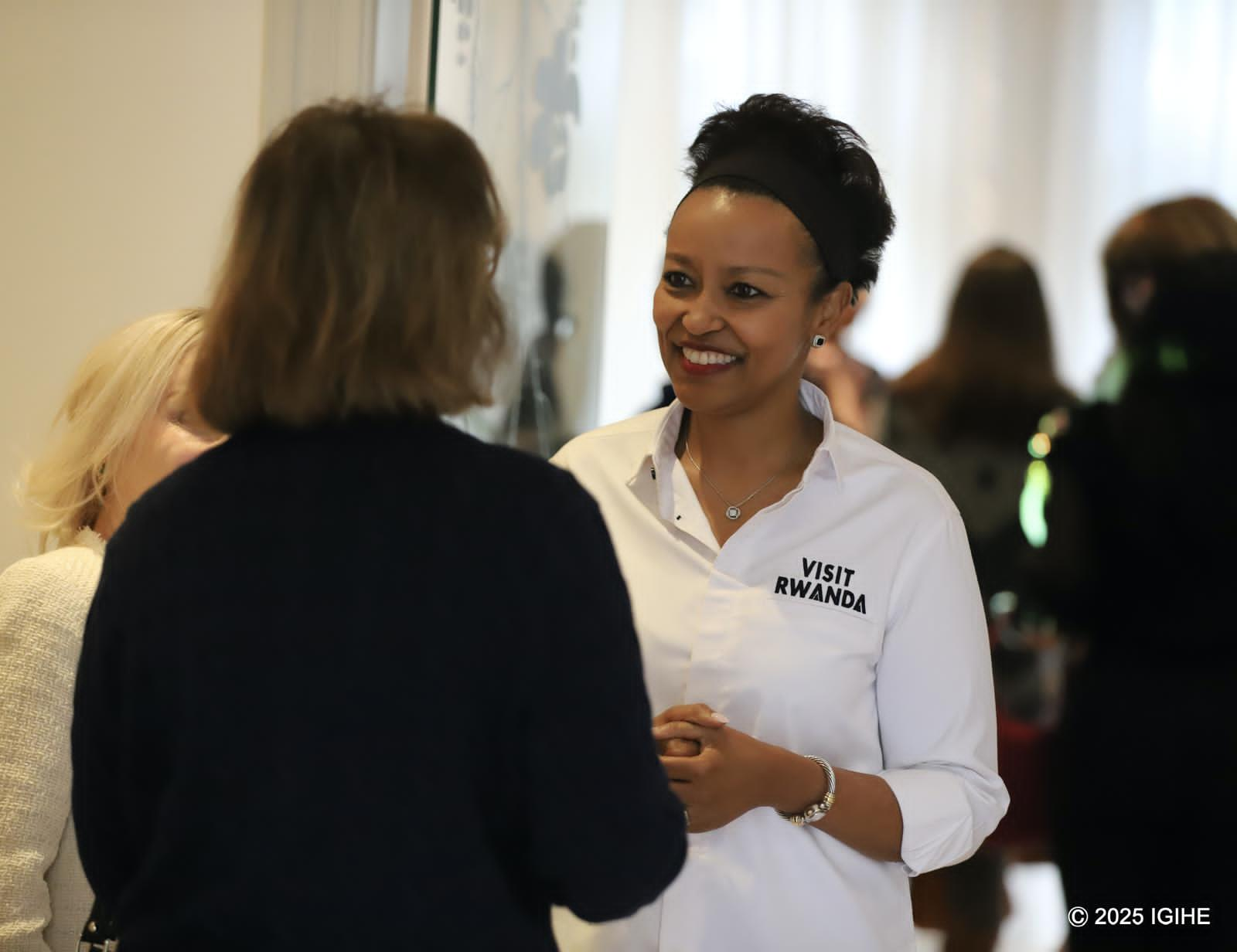
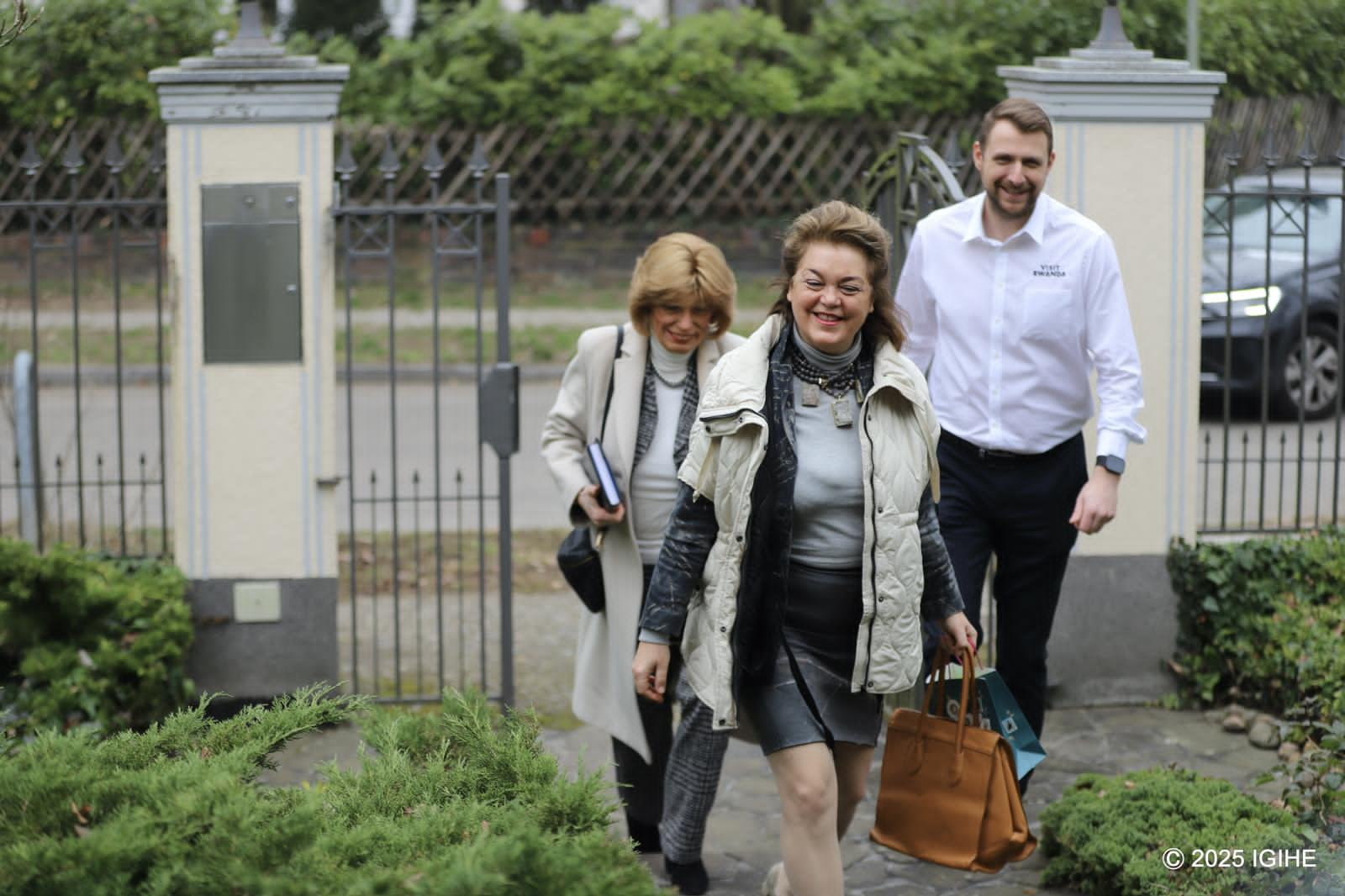
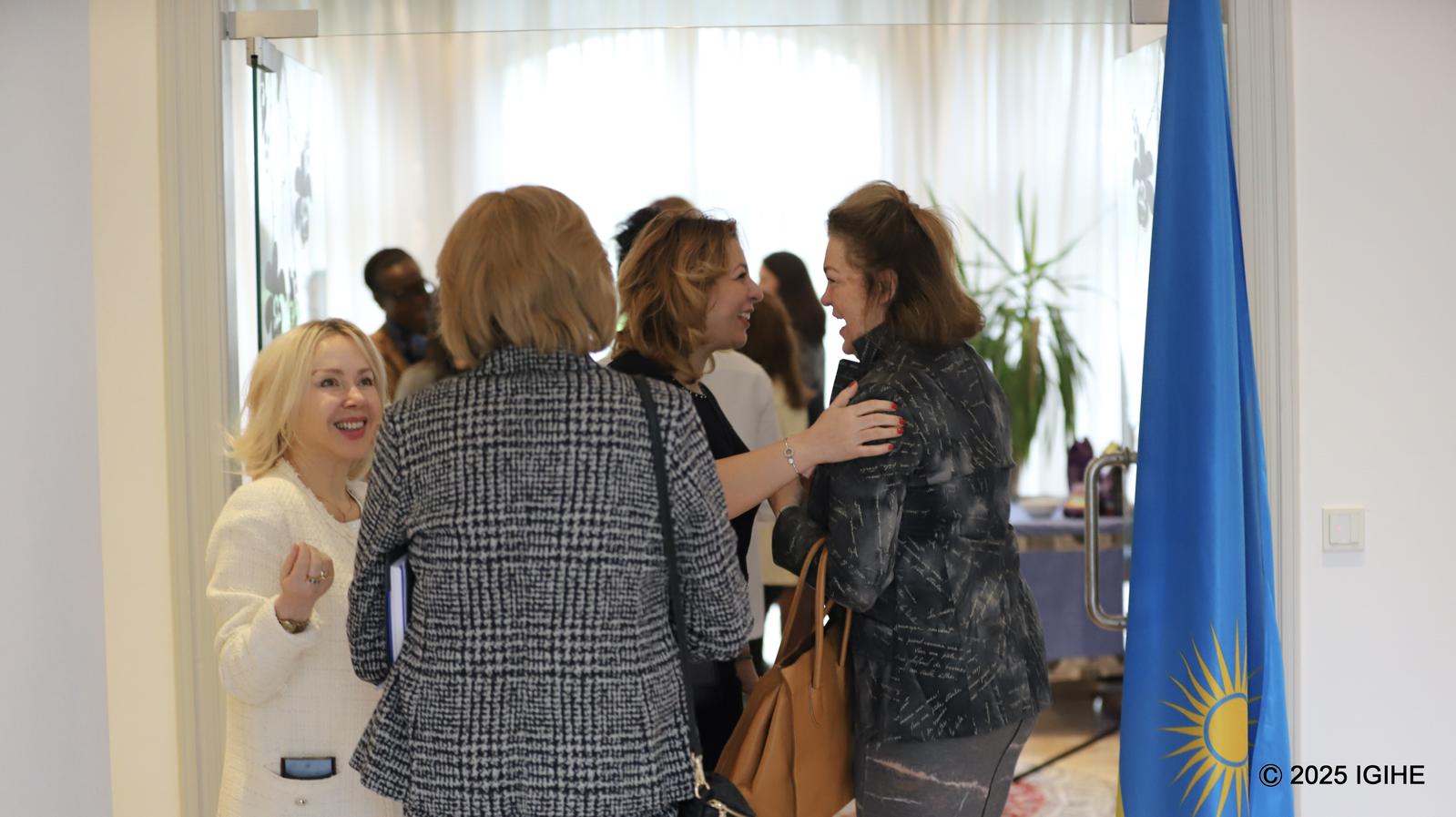
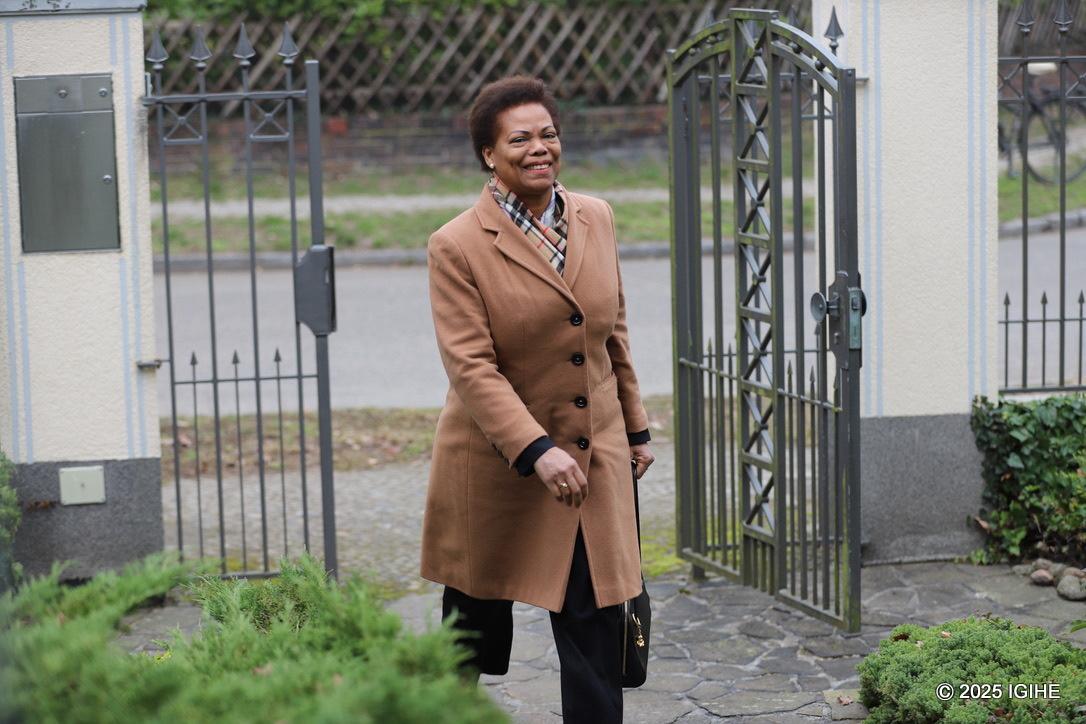
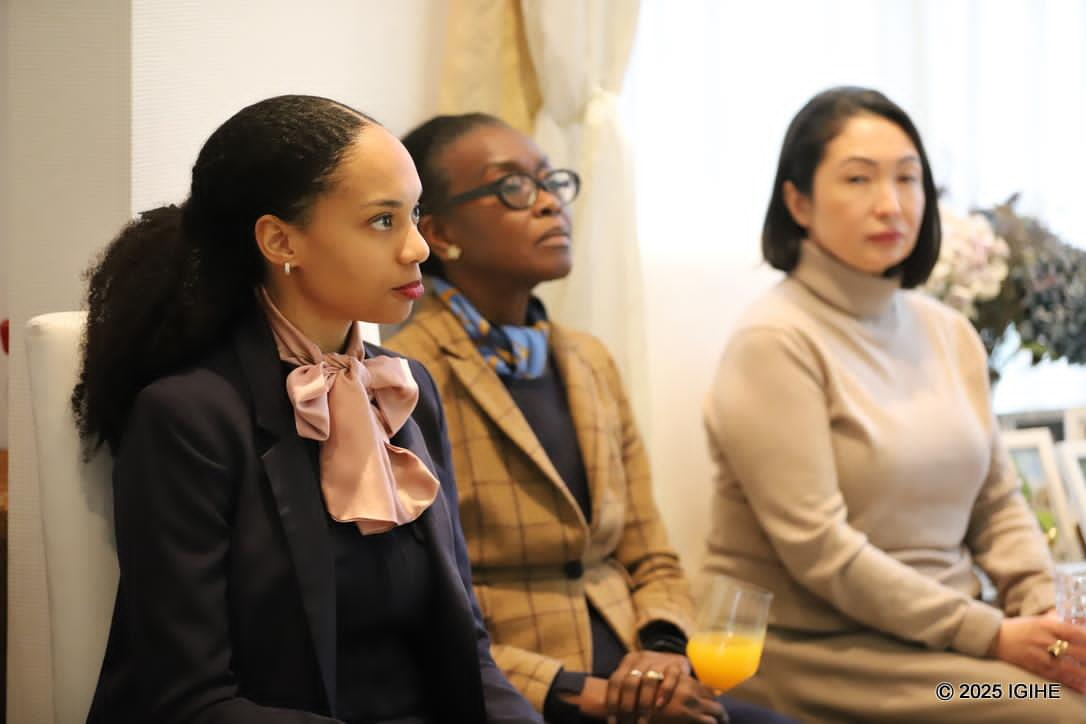
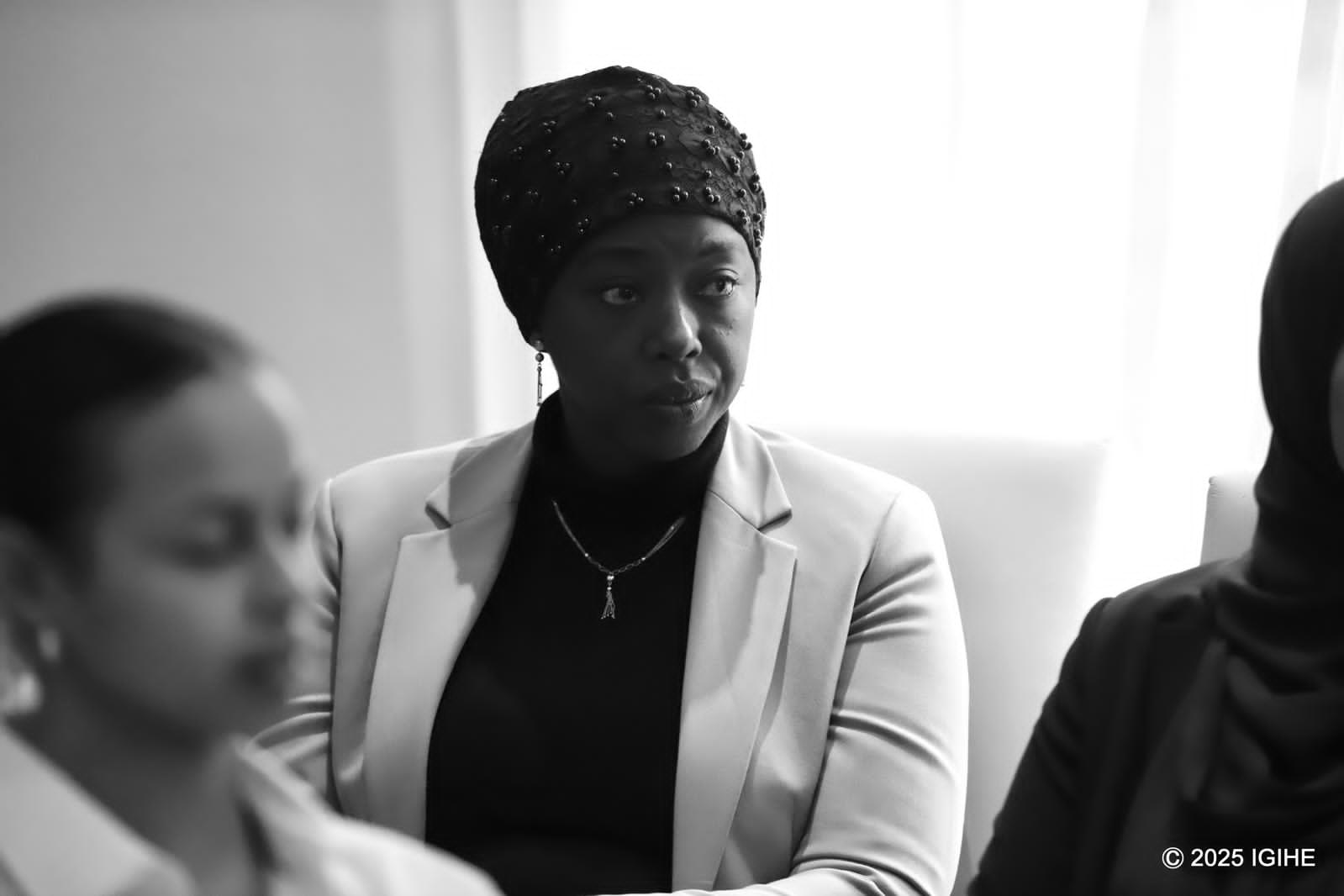
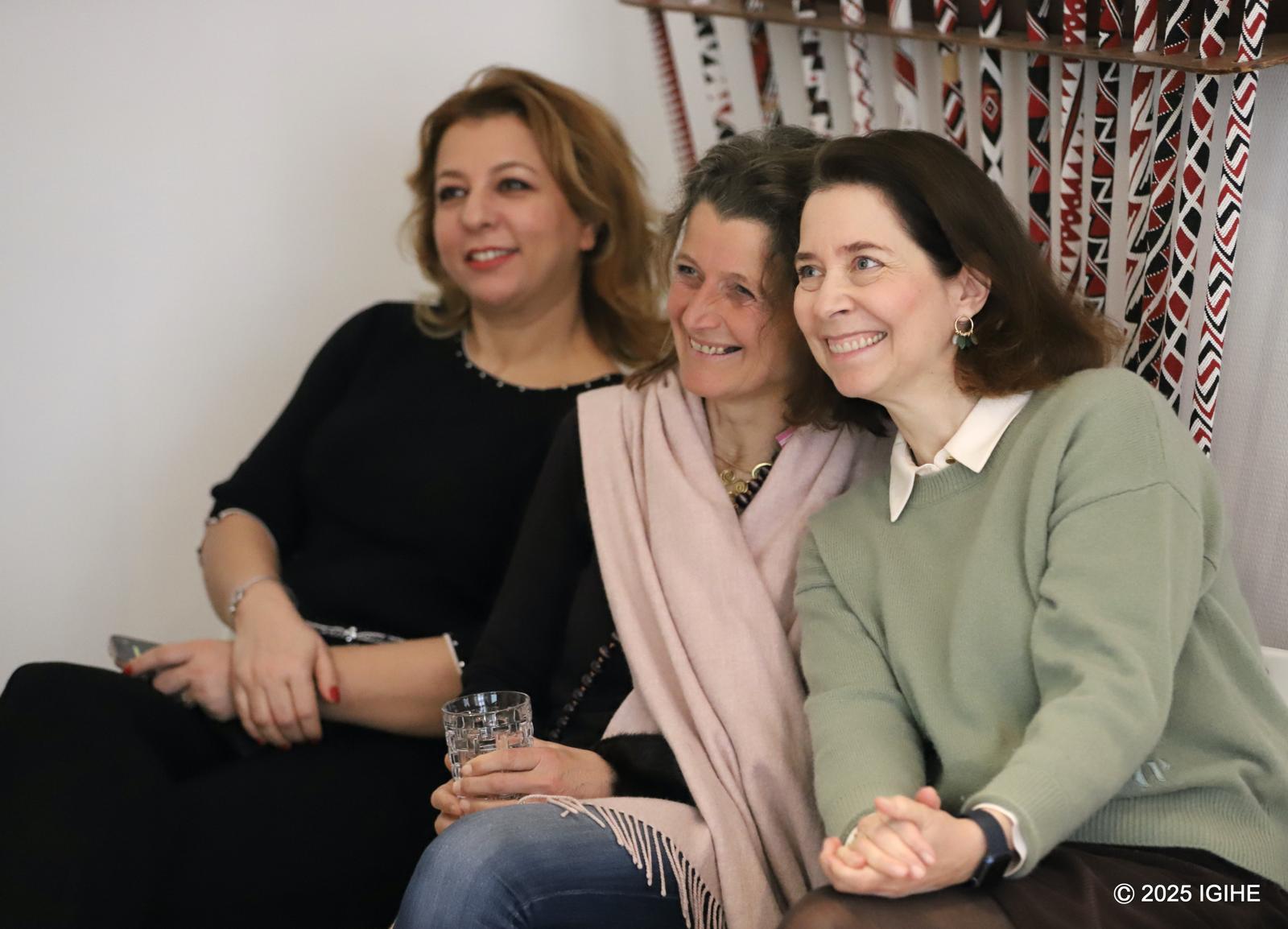
The event, hosted by the Ambassador’s wife, Ndatirwa Jeanne, highlighted Rwanda’s commitment to gender equality, sustainability, and economic empowerment—reinforcing the nation’s philosophy of “Trade, not aid.”
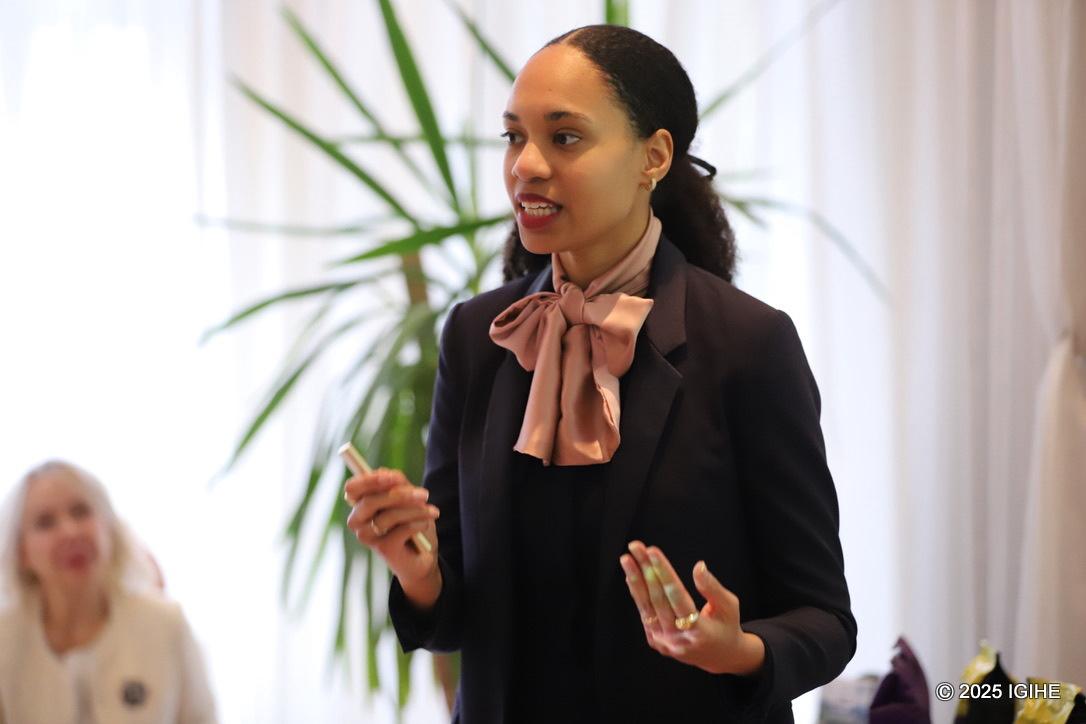
In her address, Ndatirwa underscored Rwanda’s longstanding dedication to gender equality and self-reliance, emphasizing that the country has actively implemented policies that empower women across all sectors.
“Rwanda stands as a global model, not just in words but in tangible, transformative action,” she stated.
Reflecting on Rwanda’s history, she explained that after the 1994 Genocide against the Tutsi, the country adopted a “Leave No One Behind” approach, ensuring inclusive governance and sustainable development.
Rwanda’s leadership in political representation is evident, with women making up 61% of Parliament and 50% of the Cabinet, holding key ministerial positions in ICT, Environment, and Public Service.
“This political empowerment is not symbolic—it has translated into laws and policies that prioritize women’s rights and social protection,” she affirmed.
Beyond politics, Ndatirwa highlighted Rwanda’s significant progress in women’s economic empowerment. Initiatives such as Umurenge SACCOs (savings and credit cooperatives), gender-focused bank loans, and the Women’s Entrepreneurship Development Program (WEDP) have enabled financial inclusion, with 63% of Rwandan women having access to formal financial services.
“Trade, not aid, is what happens when sustainability meets sound women empowerment governance,” she remarked, reinforcing Rwanda’s approach to self-reliance.
Education was another key focus of her address, with Rwanda successfully closing the gender gap in schooling. Currently, 97% of girls are enrolled in primary education, with equal participation in secondary school. STEM programs for girls and technical education initiatives further equip young women with the necessary skills to thrive in modern industries.
On sustainability, Ndatirwa highlighted Rwanda’s progressive environmental policies, including the 2008 ban on plastic, investment in renewable energy, and sustainable agriculture programs. She emphasized that economic diversification has enabled Rwanda to expand beyond traditional exports like coffee and tea into mining, textiles, and technology.
While acknowledging Rwanda’s progress, she reminded attendees that more work remains. “Our commitment to gender equality has never been stronger. But while we are called to accelerate action, let’s continue to move even faster,” she urged.
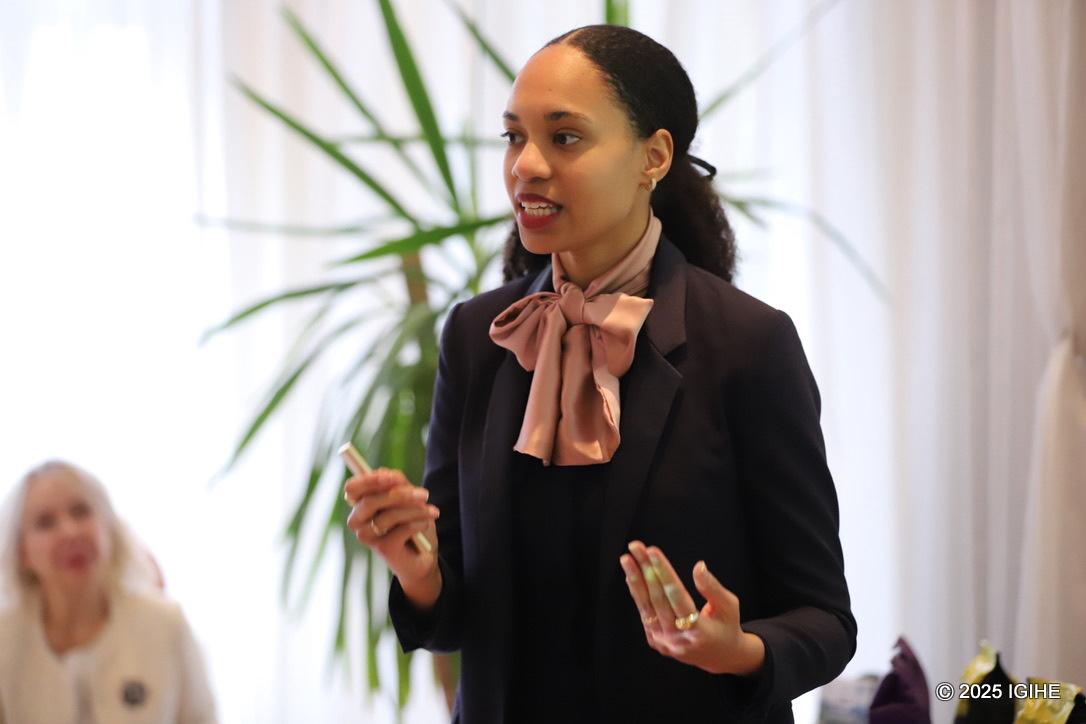
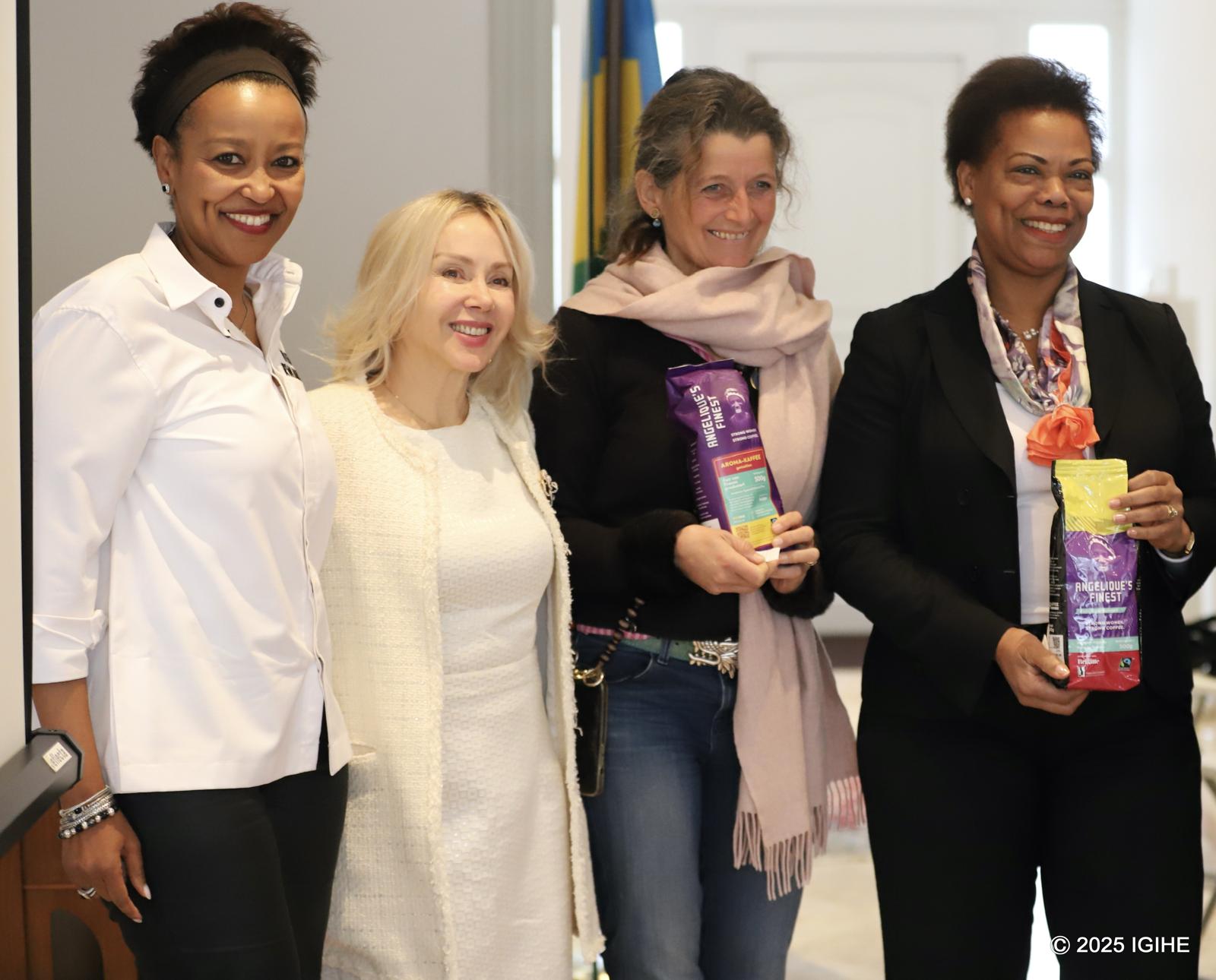
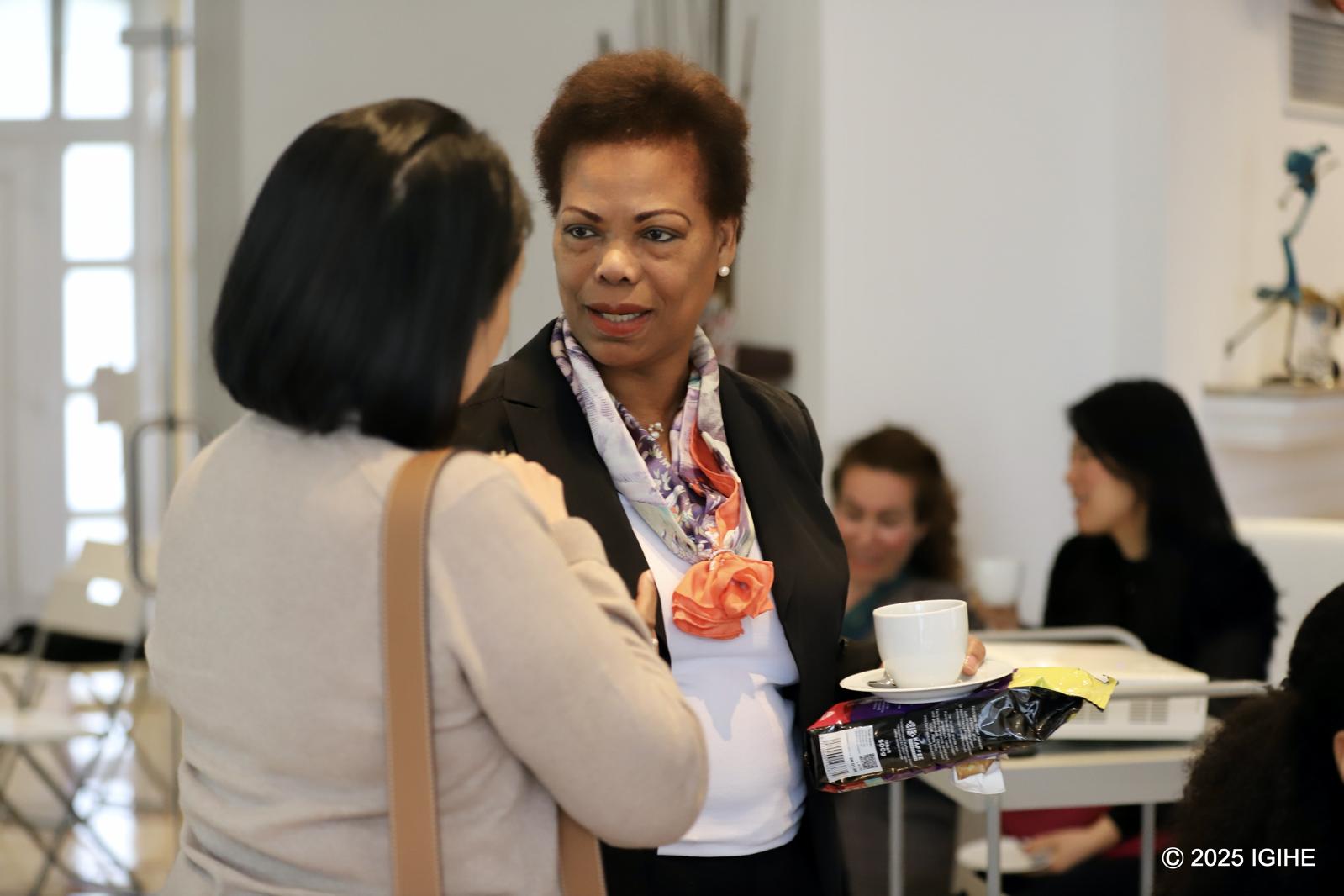
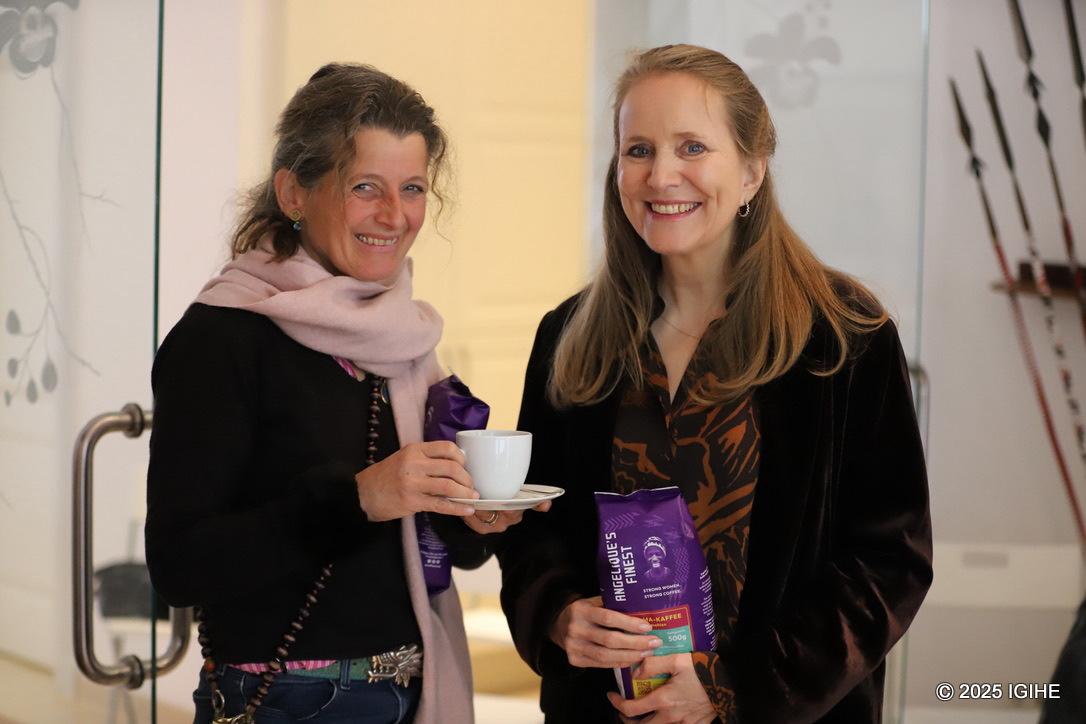
The event also featured insights from Maura Oerding, CEO of the Coffee Cooperative and representative of Angelique’s Finest Coffee. The cooperative, consisting of over 2,000 Rwandan women, produces coffee sold in Germany, France, Switzerland, and Austria—cultivated, washed, and roasted in Rwanda before reaching global markets.
“This event was about celebrating the impact being created by 2,300 Rwandan coffee farmers—women who are not only producing high-quality coffee but are also leading the charge for fair and sustainable coffee,” she said.
She emphasized that Rwanda’s women-led coffee cooperative is a model of economic independence and ownership, demonstrating that conscious consumer choices can drive global impact. “With one cup of coffee, we can make a difference,” she added.
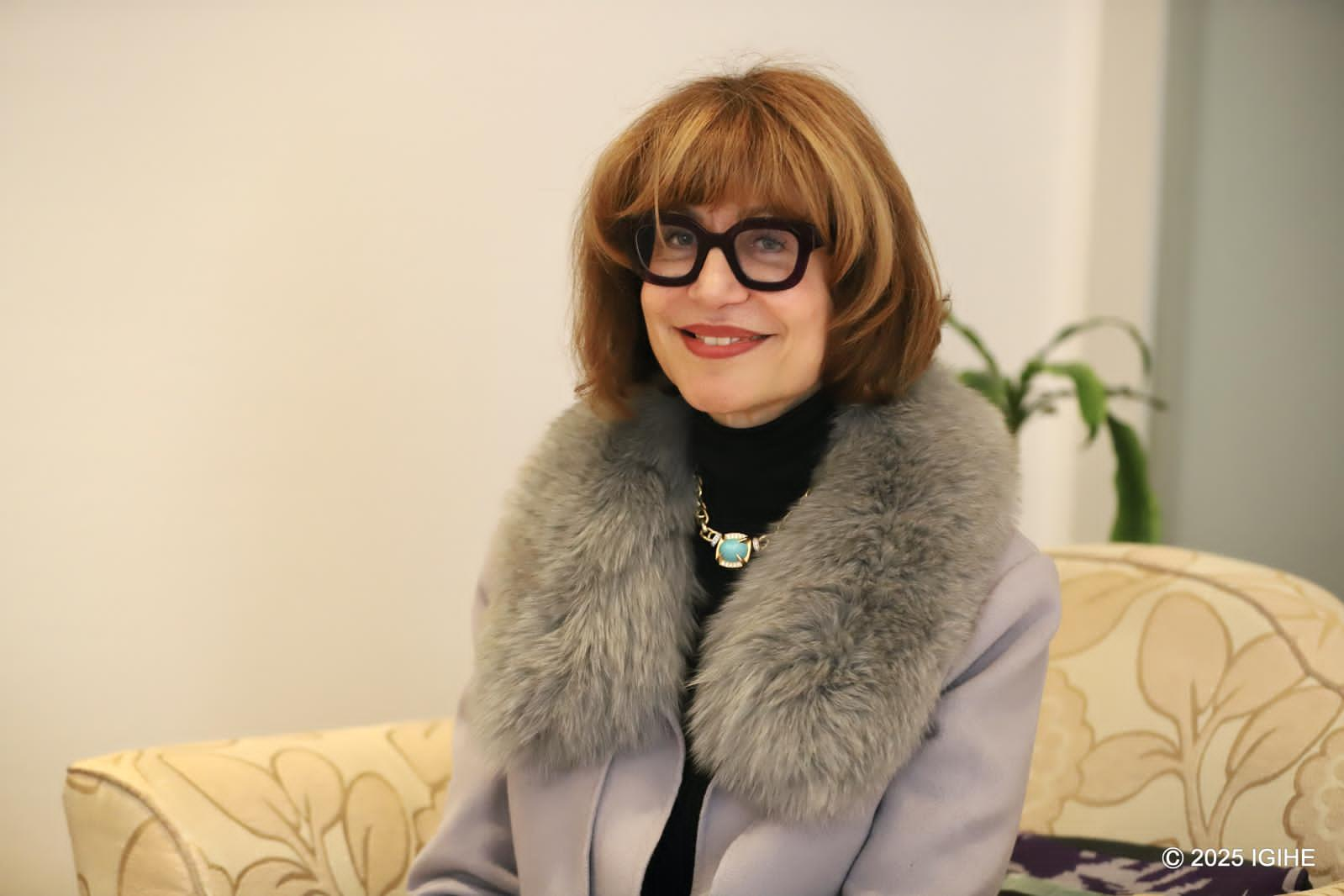
Jane Williams-Boock, the Rector of Touro University Berlin, one of the American university’s campuses in Berlin, also shared her insights.
She reflected on how the event provided an opportunity to learn about Rwanda’s transformation, transitioning to a model of sustainability across agriculture, energy, and legal rights.
Boock also praised Rwanda’s educational policies, particularly the free 12-year education system that has significantly boosted female participation in leadership.
Ramata Ouattara-Diabate, the wife of the Ambassador of Ivory Coast, expressed her deep appreciation for Ndatirwa, who brought them together to discuss women’s self-reliance, inspired by the progress of women in Rwanda.
The gathering in Berlin served as both a celebration and a call to action—showcasing how Rwanda’s model of empowering women through trade and sustainable development continues to inspire global conversations on self-reliance and progress.
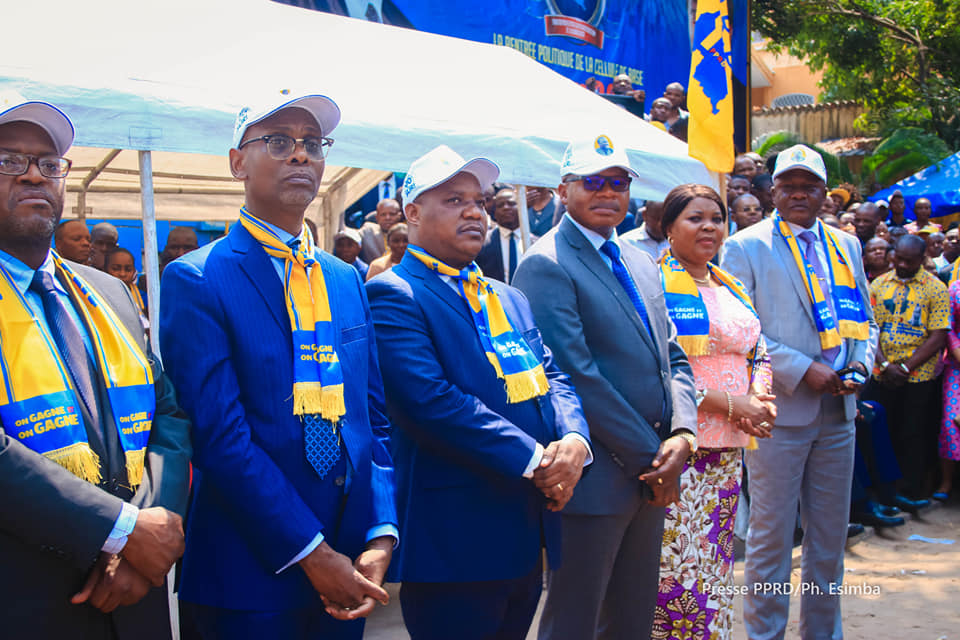
This directive applies to the party’s Vice President, Aubin Minaku, the Secretary-General, Emmanuel Ramazani Shadary, and the Deputy Secretary-General, Ferdinand Kambere.
The order was issued after the three leaders were questioned by the Military Prosecutor, Colonel Ntambwe Kapenga Benjamin, on March 10, 2025.
The military prosecutor’s office sent approximately ten letters of summons to various members of Kabila’s party though only the three attended the hearing in the capital, Kinshasa.
Jean Mbuyu, a lawyer for the officials and former security adviser to Kabila, said the exact reasons for the summons were unclear.
After the hearing, Minaku revealed that the questioning centered on remarks he made on February 26, where he referenced Kabila and urged party members to prepare for action.
“The chief said, ‘we must be ready for anything,’” Minaku said, referring to Kabila. He elaborated, “When the chief says we must be ready for everything, each of us, a pure-blooded (party member) understands… the time for silence, for clandestine actions is over, now is the time for open actions.”
Minaku emphasized that the officials would cooperate fully with the legal process. “We are taking a purely republican approach, not one of rebellion,” he told Reuters, stressing their loyalty to the country.
He also denied any links between the party and armed groups, stating, “We clearly denounced any illicit presence of foreign forces.”
Despite the questioning, no formal charges were brought against the officials, according to Marcel Bombamba, another lawyer representing the group.
Justice Minister Constant Mutamba recently stated that senior PPRD officials are suspected of collaborating with the AFC/M23 coalition, which is engaged in armed conflict with the Congolese military.
“These leaders, along with senior officers of the Congolese armed forces, will face formal legal proceedings starting on March 13, 2025,” Mutamba explained.
The investigation into PPRD officials began after DRC President Félix Tshisekedi and other members of the Congolese government accused former President Joseph Kabila of supporting AFC/M23 rebels.
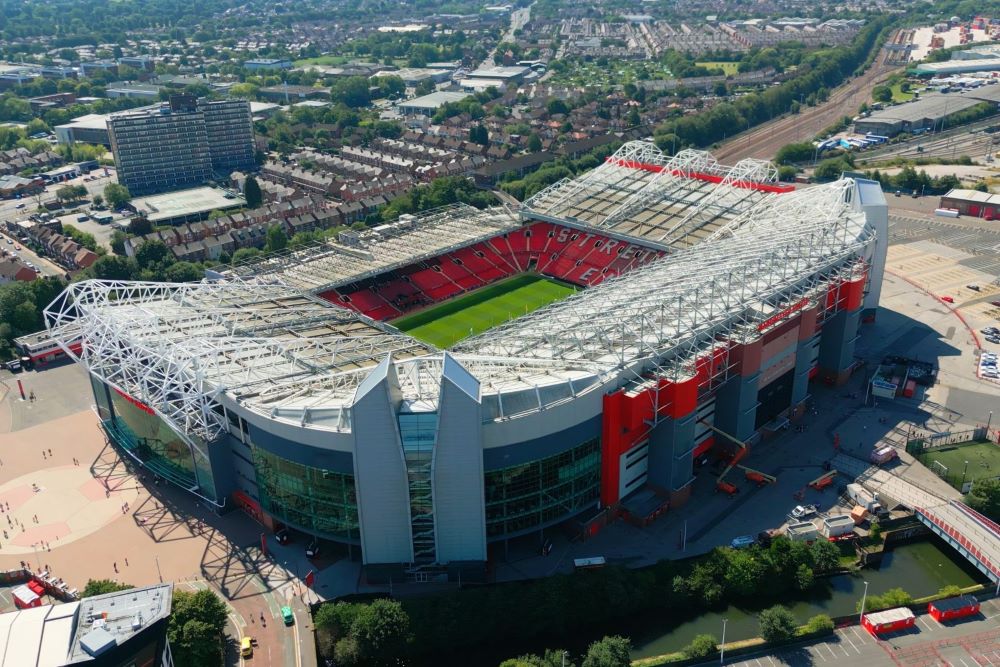
The 13-time Premier League Champion’s current ground, Old Trafford, was once considered among the best stadiums in world soccer, but it is now in dire need of improvement after years of stagnation.
Ratcliffe has previously spoken about creating a “national stadium in the North” which would serve both the Red Devils as well as host other major games, such as the Champions League final and national team fixtures.
“Our current stadium has served us brilliantly for the past 115 years, but it has fallen behind the best arenas in world sport,” Ratcliffe said in a club statement about the new stadium.
“By building next to the existing site, we will be able to preserve the essence of Old Trafford, while creating a truly state-of-the-art stadium that transforms the fan experience only footsteps from our historic home.”
World-renowned architect Norman Foster, who is leading the new design, described it as one of the most exciting projects in the world today. “It all starts with the fans’ experience, bringing them closer than ever to the pitch and acoustically cultivating a huge roar,” he said.
It comes as part of the UK government’s wider regeneration project of the city, which promises social and economic renewal of the surrounding area. The announcement will come as good news to fans, who have had very little to cheer about in recent months.
United is currently languishing 14th in the Premier League and is on track to finish in its lowest league position in decades. Off the pitch, the new hierarchy is attempting to turn around a dire financial situation, with the club heavily in debt.
In a recent interview with former United star Gary Neville, who is part of the task-force for the new stadium project, Ratcliffe said the club would “run out of money” by November if things didn’t change.
As a result, the club has announced several cost-cutting measures which have proved very unpopular with fans, including hundreds of job losses.
In addition to the job cuts, the club has also taken the decision to end free lunches for staff, reduce executive bonuses and stop donations to certain charitable causes, according to Reuters.
“We can’t put our head in the sand, we have to deal with the problem and it’s a big problem, not a small problem,” Ratlciffe said on The Overlap, in his interview with Neville.
In another wide-ranging interview with BBC Sport, which was also published the day before the new stadium announcement, Ratcliffe backed new manager Ruben Amorim to turn around the team’s form.
He also admitted the previous regime had made a number of mistakes that have led to poor recruitment decisions which are still costing the club today. Without naming exactly which players he was referring to, Ratcliffe also said some players “are not good enough and some probably are overpaid.”
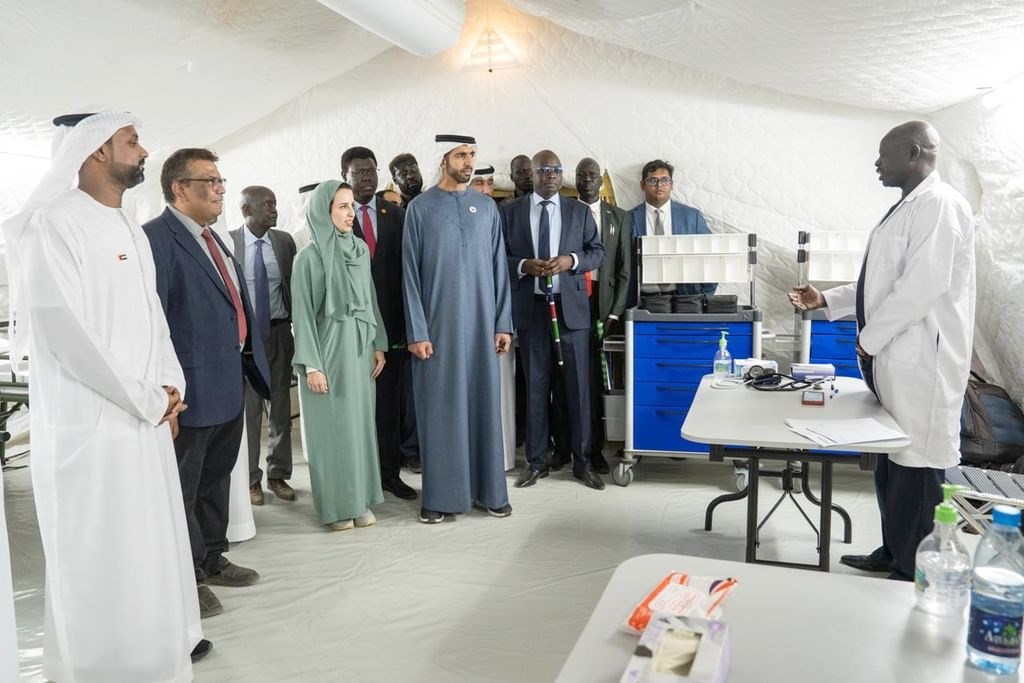
The event was attended by several ministers and officials from both the UAE and South Sudan, and international organizations.
The opening of the hospital – under the supervision of the International Humanitarian and Philanthropic Council – underscores the UAE’s humanitarian commitment to developing and supporting communities in need and those facing challenges in accessing essential services, especially urgent healthcare and proper treatment, which is a fundamental requirement for all segments of society, including men, women, and children.
This is particularly significant in light of ongoing health challenges, such as the spread of malaria caused by insufficient medical services and inadequate access to medication. As a result, Madhol Field Hospital will play a key role in improving the quality of healthcare in South Sudan.
During his speech at the hospital’s inauguration, Sheikh Shakhboot bin Nahyan Al Nahyan, Minister of State, affirmed that the development and charity projects implemented by the UAE are a fundamental aspect of the country’s commitment to supporting communities in need. The UAE’s initiatives are carried out in close collaboration with the relevant international organisations, focusing on international priority projects such as education and healthcare.
“The inauguration of Madhol Field Hospital embodies the legacy of generosity and giving established by the late Sheikh Zayed bin Sultan Al Nahyan, and also reflects the visionary leadership focusing on development and solidarity of Sheikh Mohamed bin Zayed Al Nahyan, UAE President, in addressing healthcare challenges and providing sustainable solutions to struggling regions with significant shortages in access to essential healthcare services,” he stated.
“The UAE is dedicated to empowering communities through humanitarian and development projects, as well as individuals through skills development.Today, as we celebrate with South Sudan and reap the benefits of our strong bilateral relations and deep-rooted values, we announce the inauguration of Madhol Field Hospital, which has a 100-bed capacity, and several specialized clinics to treat approximately two million people from the host community, South Sudanese returning from Sudan, and Sudanese refugees in Northern Bahr el Ghazal state,” Sheikh Shakhboot added.
He emphasized that this hospital is the third healthcare facility built by the UAE to provide medical services to Sudanese refugees in neighboring countries. The facility follows the successful establishment of two field hospitals in Amdjarass and Abéché, Chad.
“Since its founding, humanitarian aid and the protection of civilians, particularly the sick, children, the elderly, and women, have served as the foundation of the UAE’s policy.
“In this regard, the UAE has been resolute in its position in relation to the crisis in Sudan since April 2023. The country’s primary focus remains on addressing the catastrophic humanitarian situation, and adopting an approach prioritising civilians’ requirements and fulfilling their needs,” Sheikh Shakhboot remarked.
Furthermore, Sheikh Shakhboot underscored the UAE’s steadfast and unwavering commitment to support all efforts to address this catastrophic crisis, and to work alongside regional and international partners to ensure stability and peace for the Sudanese people, reflecting the core values of humanitarian solidarity deeply rooted in the UAE’s leadership and people.
He continued, “The UAE announced an additional USD 200 million of aid during the High-Level Humanitarian Conference for the People of Sudan, held in Addis Ababa. The conference, the first to be held for Sudan this year, will serve as a catalyst for future conferences that are scheduled to assist the people of Sudan. The additional aid reflects the UAE’s unwavering and continuous support for the Sudanese people.
“Since the onset of the crisis, the UAE has provided more than US$600 million to support a humanitarian response. Moreover, the UAE has provided US$3.5 billion of humanitarian aid over the past 10 years to the people of Sudan, affirming the country’s unwavering commitment to support people in need during crises.”
For his part, Sultan Mohammed Al Shamsi, Deputy Chairman of the UAE Aid Agency, underlined that the bilateral relations between the two countries are entering new levels of cooperation across various fields and sectors. The healthcare sector is regarded as a global priority that aligns with Sustainable Development Goals, focusing on promoting good health and well-being.
This is achieved through the establishment of medical infrastructure, including public hospitals and specialized centers, and the development of health systems – all aimed at capacity building and development, and addressing future challenges, such as the spread of diseases and epidemics. Madhol Field Hospital will aim to provide essential medical services and treatments to various segments in the Madhol region and surrounding areas.
For his part, Dr. Humphrey Karamagi, World Health Organization (WHO) Representative for South Sudan, said, “We express our appreciation to the UAE for its leading international humanitarian efforts in enhancing the healthcare sector in Africa, through several projects and initiatives. These include the construction of hospitals to meet the needs of millions and improve various healthcare services. The opening of Madhol Field Hospital today stands as one of the UAE’s projects aimed at serving people from various surrounding regions, including refugees.”
For his part, Simon Uber Mawut, Governor of Northern Bahr el Ghazal thanked the UAE for constructing Madhol Field Hospital, which will aim to address health challenges in the region.
“Today is a historic day for the residents of Northern Bahr el Ghazal state and the entire region,” he noted.
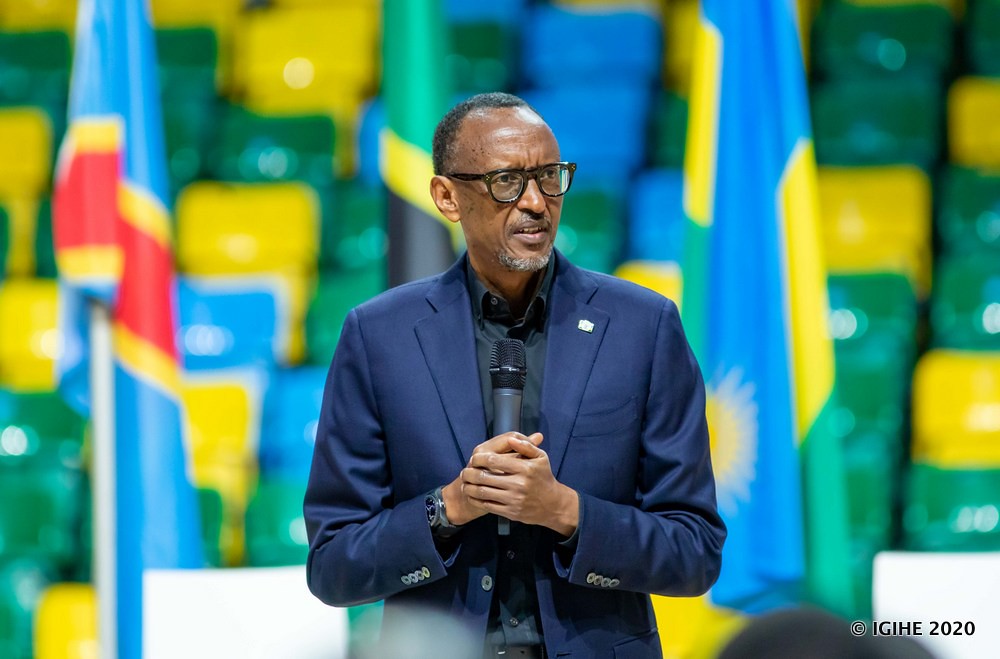
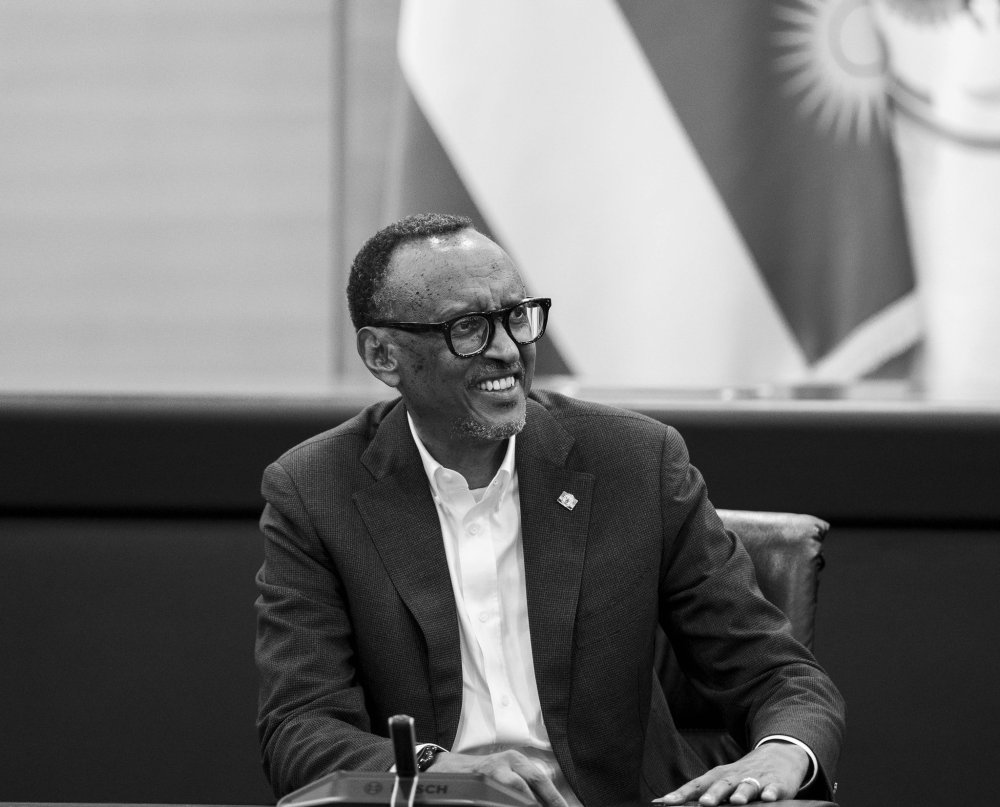
Speaking in an interview with American blogger Mario Nawfall, Kagame was asked why some African nations have not achieved Rwanda’s rapid development since the 1994 Genocide against the Tutsi.
In response, he suggested that other African countries with abundant natural resources could surpass Rwanda’s progress if they adopted effective governance and leadership strategies.
“For others, what I see, if they want to do things similar to ours, they can maybe succeed even more. But the decision has to be made by leaders, and it’s about politics,” Kagame stated.
He further emphasized that Africa has the potential to rise to global economic prominence, as the same factors that have made other regions prosperous exist on the continent.
“Africa is still lagging behind other continents, but the things that have made other nations wealthy are the same things that can make Africa wealthy. Because Africa is endowed with resources,” he explained.
The DRC spans 2.3 million square kilometers and has a population exceeding 100 million. Despite its vast land and resources, it continues to seek international aid.
“Take a country like DRC. Congo is an incredibly rich country. Why would a country like that ever have to beg for anything from anyone? Why? I’m just using the question to answer you to show that it’s about politics. It’s about management. It’s about, by the way, that integrity that we’re talking about,” Kagame remarked.
He further noted that Africans, including Rwandans, Senegalese, and Congolese, have the same capabilities as people in developed nations like the United States and Europe, but poor governance remains a major obstacle.
When asked what hinders DRC’s development, Kagame pointed to broader political issues across Africa.
“It’s the politics of our continent. The system is flawed,” he said.
The DRC is one of the richest nations in terms of mineral wealth, possessing vast deposits of coltan, gold, tin, and diamonds. However, despite holding an estimated $24 trillion in natural resources, it remains among the world’s poorest countries due to governance challenges.