In an address at the opening session of the Mission 300 Africa Energy Summit in Tanzania’s port city of Dar es Salaam Monday, AfDB President Akinwumi Adesina said the Islamic Development Bank announced 2.5 billion U.S. dollars in support, the Asian Infrastructure Investment Bank 1.5 billion dollars and the OPEC Fund 2 billion dollars.
Adesina said the AfDB and the World Bank would commit 40 billion dollars toward Mission 300, with 18.2 billion dollars from the AfDB and 22 billion dollars from the World Bank Group. He said access to electricity is critical to Africa’s economic growth, adding that the lack of adequate electricity reduces Africa’s gross domestic product by 2 percent to 4 percent annually.
Adesina said in implementing Mission 300, critical reforms will be needed to expand the share of renewables, improve the functioning and performance of utilities, and ensure transparency in licensing, power purchase agreements, and predictable tariff regimes that reflect the cost of production.
“The private sector will also be critical in expanding mini-grids and off-grid systems to reach millions of people without access to grid-based power in rural areas,” said the AfDB chief.
Opening the summit that brought together 25 African heads of state and 2,600 delegates, Tanzanian President Samia Suluhu Hassan said Mission 300 would help accelerate her country’s ambitious national clean cooking strategy aimed at ensuring that 80 percent of Tanzanians use clean cooking solutions by the year 2034.
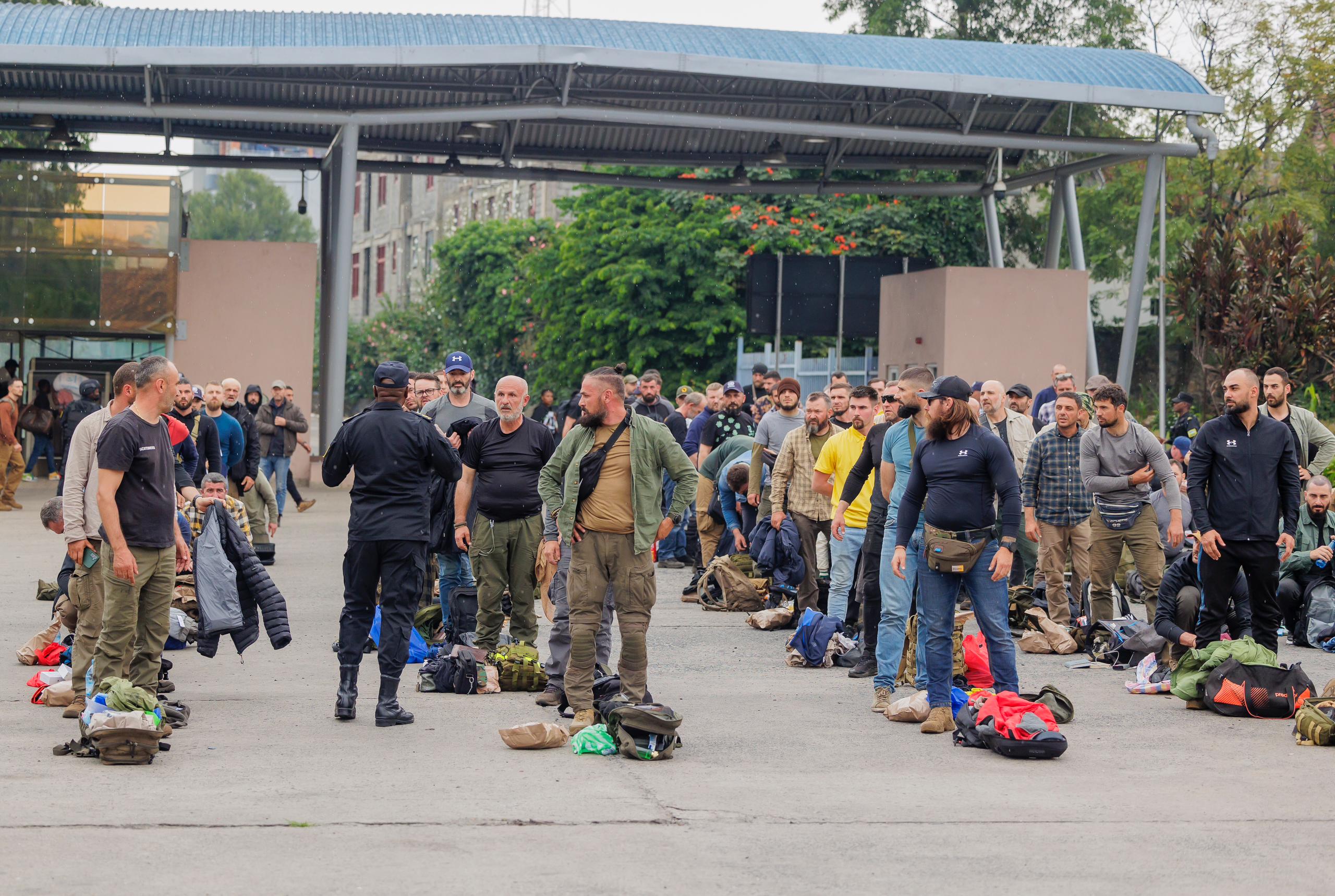
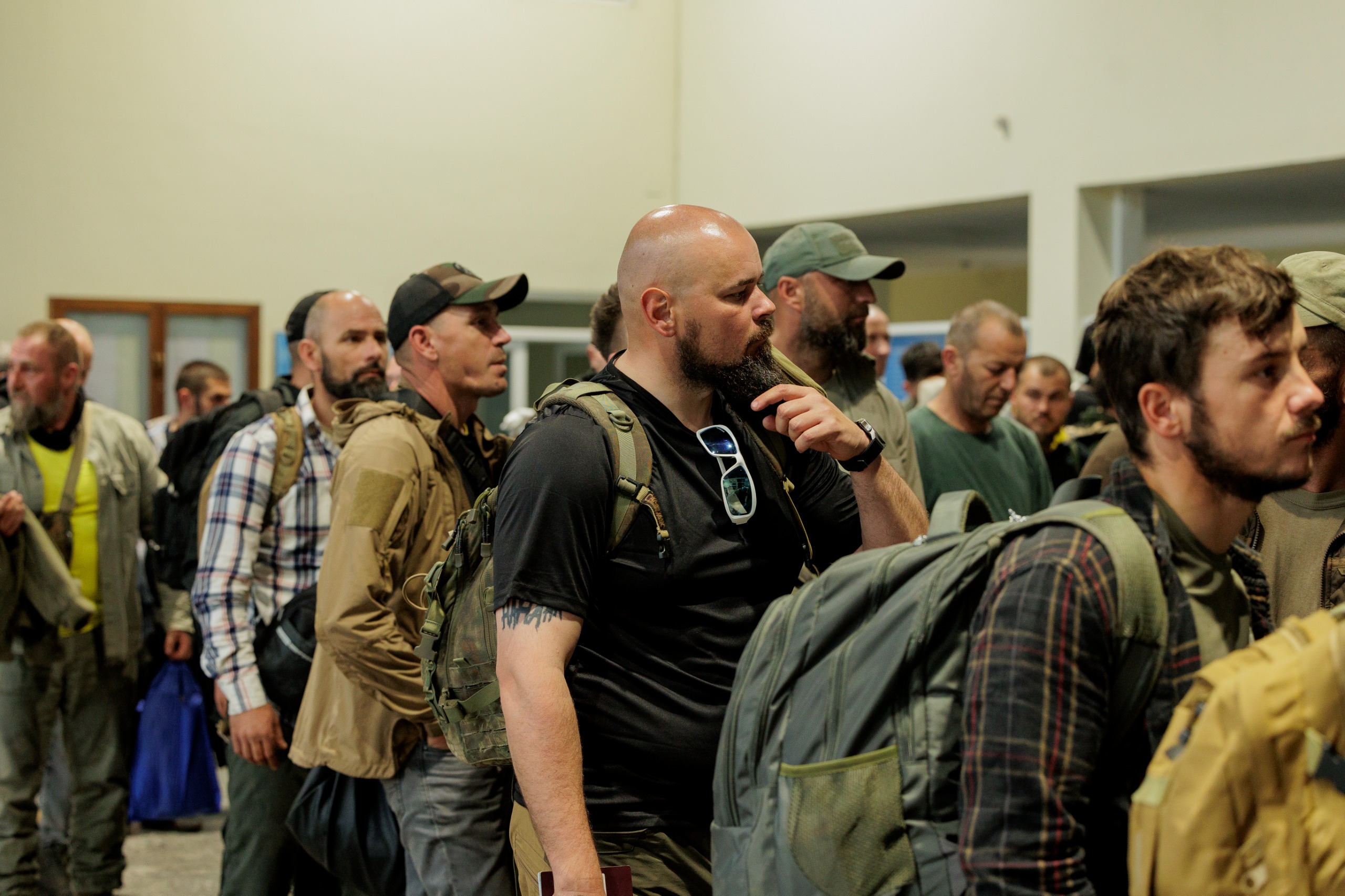
Lt Col Ngoma voiced his displeasure during a brief encounter at the Grande Barrière border post with one of the mercenaries who had been fighting alongside the Congolese army, FARDC, and other allied forces and militias to combat the M23 in eastern Congo.
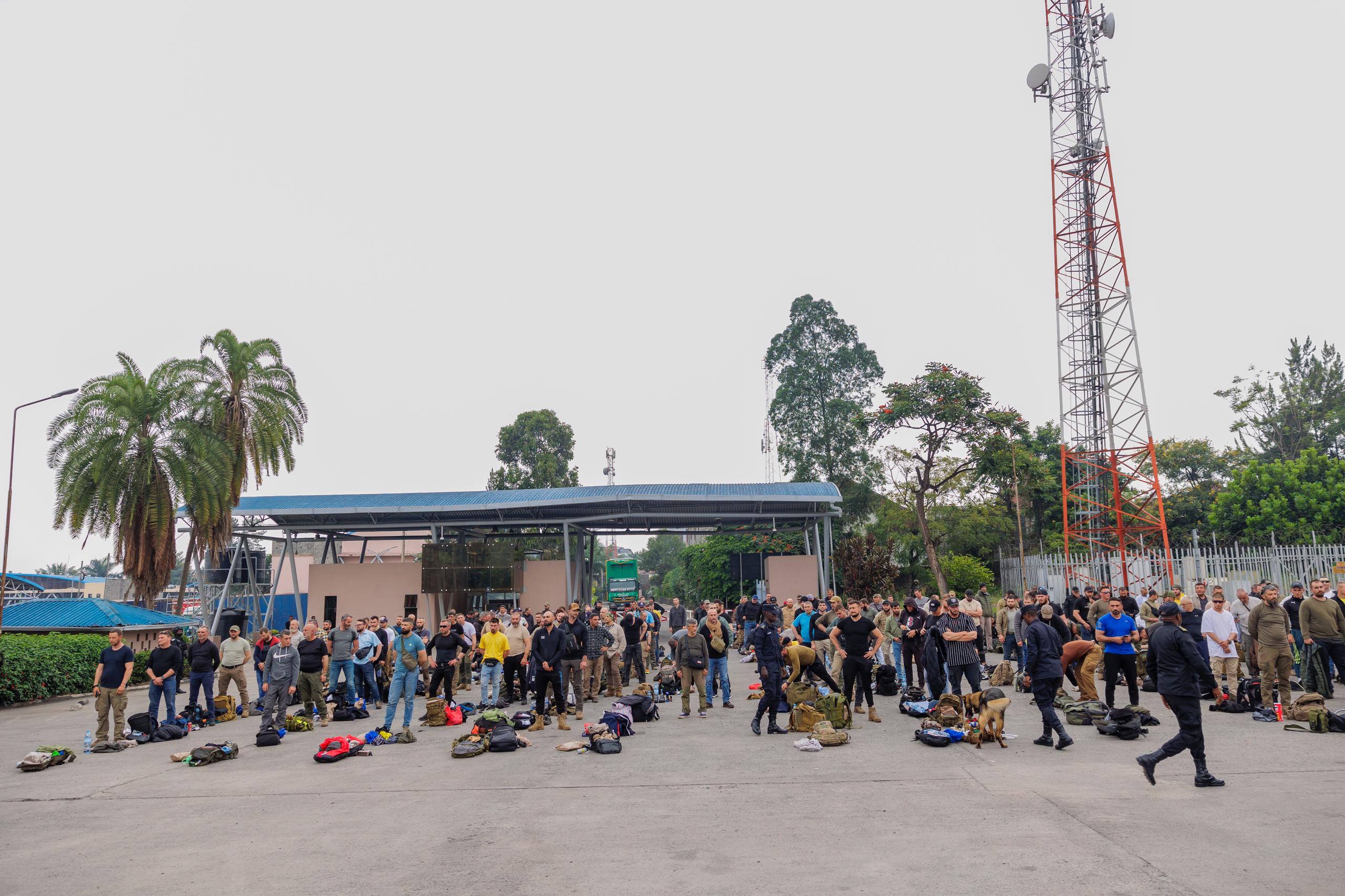
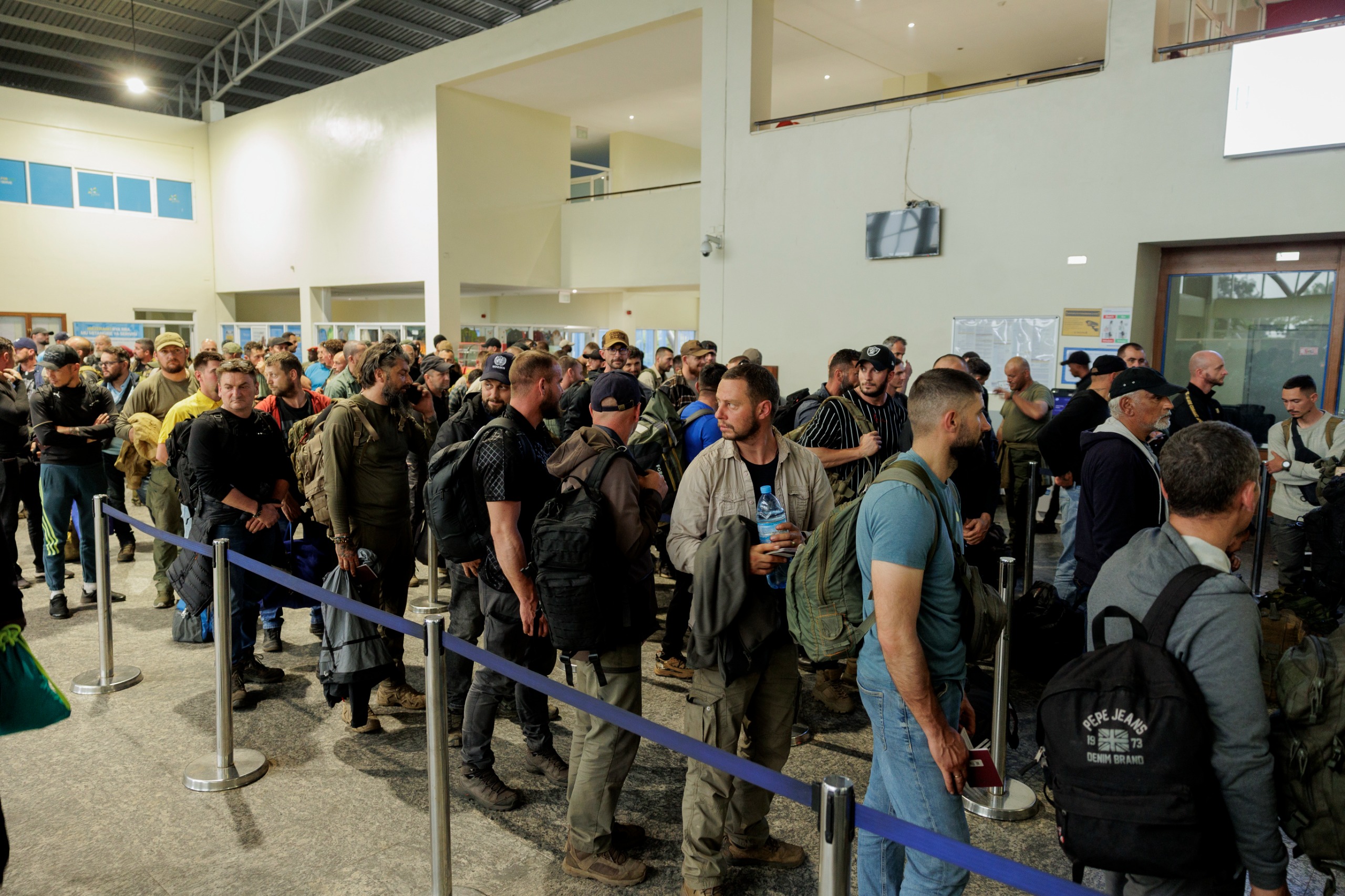
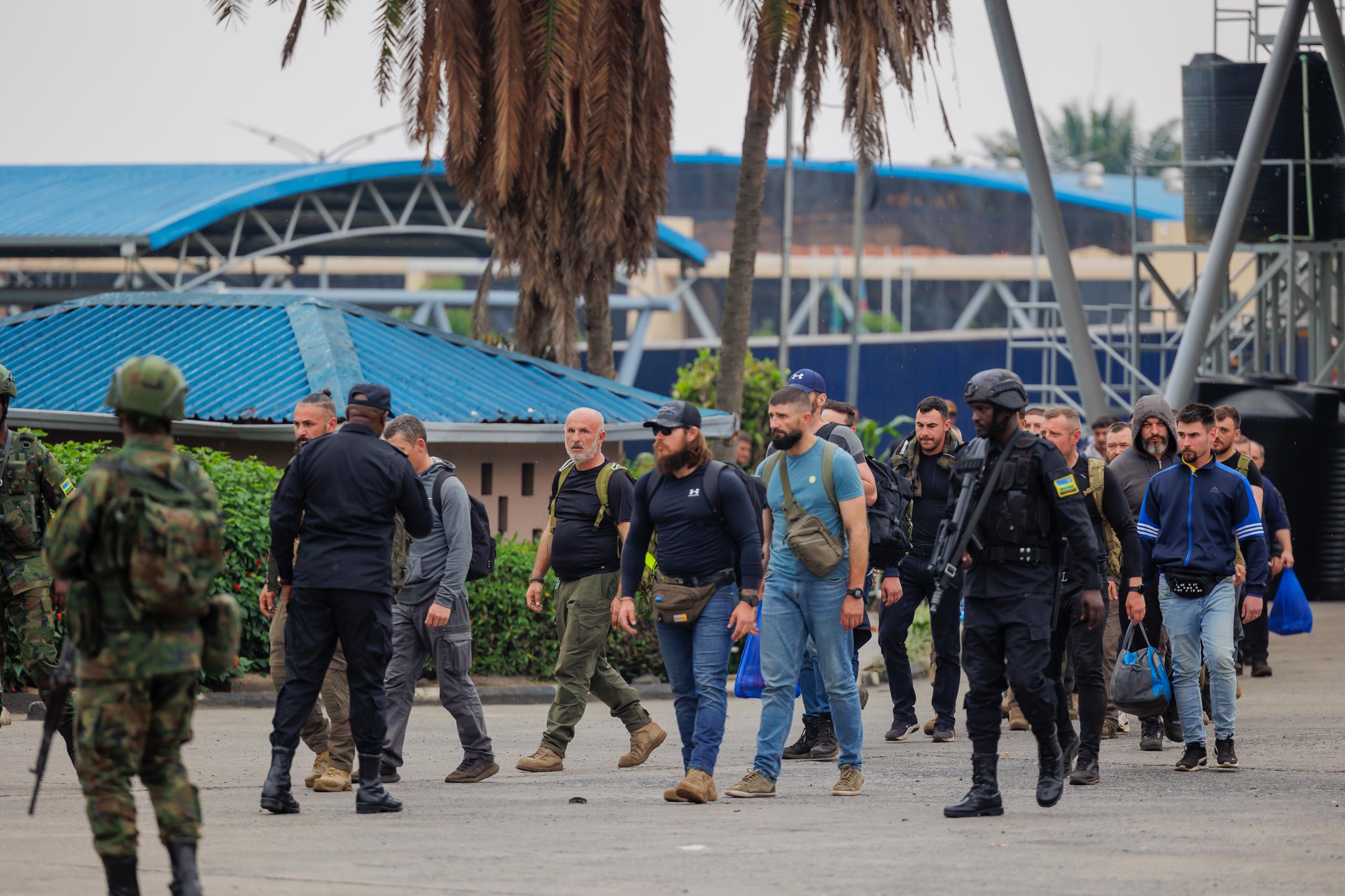
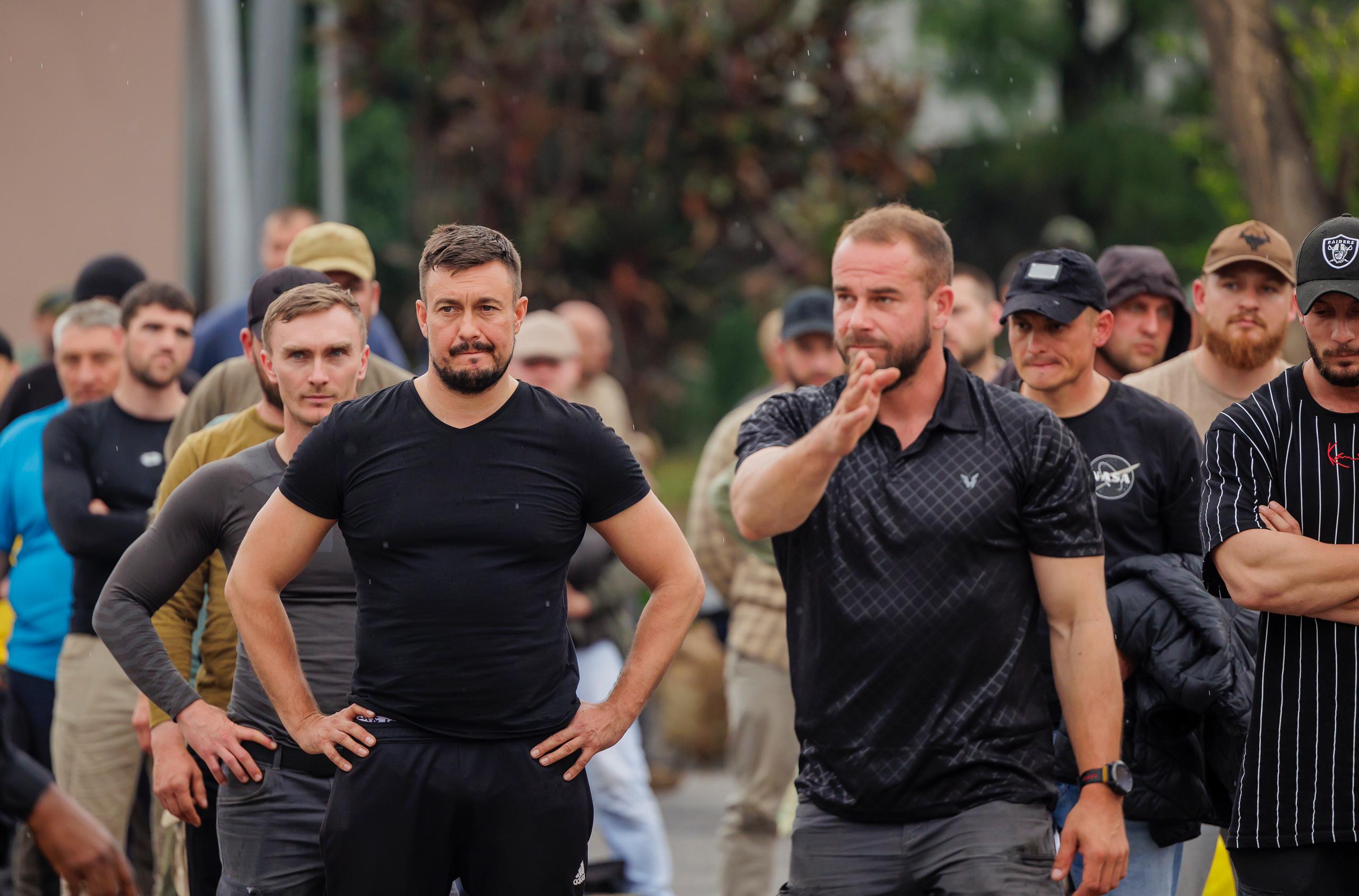
The more than 280 mercenaries, mostly from Romania, were fleeing Goma through Rwanda after the city was captured by M23 fighters on Monday.
Before being handed over to the Rwandan side, Lt Col Ngoma was seen confronting one of the mercenaries, believed to be the commander of the unit.
He told the mercenary that the M23 is fighting for the future of the Congolese children and that they should stay out of the war.
“We are fighting for the future of our children. We have a rich country, but we have foolish leaders. Every month, you get paid $8,000, but a Congolese soldier earns less than $100. Don’t fool us. We want Congo to be a respectable country. Don’t bring your games here. Don’t ever bring your games back to Congo, do you understand? We are fighting for our future,” he said angrily.
Lt Col Ngoma then instructed the commander to sit down, cross his legs, and put his hands on his head. The mercenary complied, and after a brief moment, Lt Col Ngoma told him to stand up and join the others.
Since M23 took control of the city of Goma, many government soldiers there surrendered, while others fled to Rwanda. The European mercenaries, however, handed themselves over to MONUSCO peacekeepers, who confiscated their weapons.
In Goma, around 800 mercenaries from the RALF group were stationed in North Kivu, where they also protected the town of Sake.
They were all hired by Horațiu Potra from Romania, who was arrested in December by the Romanian government for violating laws on weapons and ammunition and for public incitement.
The mercenaries are expected to be flown home from Kigali International Airport later on Wednesday.
Foreign organisations operating in Goma including the United Nations requested to evacuate their staff and families through Rwanda following the closure of the Goma airspace and waterways last week.
M23, which is fighting for the rights of the minority Tutsi community in DRC, had accused the Congolese army and allied forces of “using Goma airport to load bombs that are killing the civilian population”.
Rwanda Ntabwo ari Congo 😁😁😁😁
Lt colonel Willy Ngoma arimo arakora nk’umusirikare wenyewe uri ku rugamba😁
Ati mwabajinga mwe muzi ibyo mwakoze hano, muri imfungwa z’intambara ati kwanza wewe icara hasi nonaha
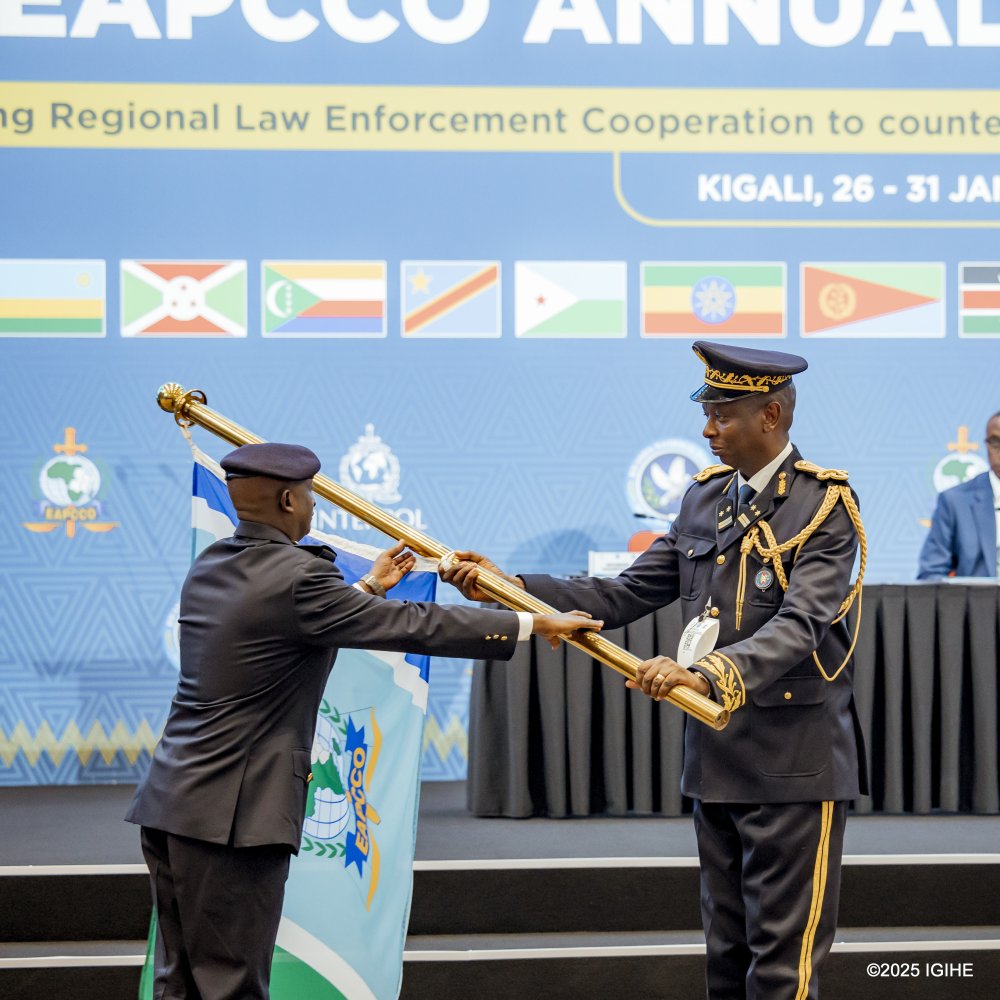
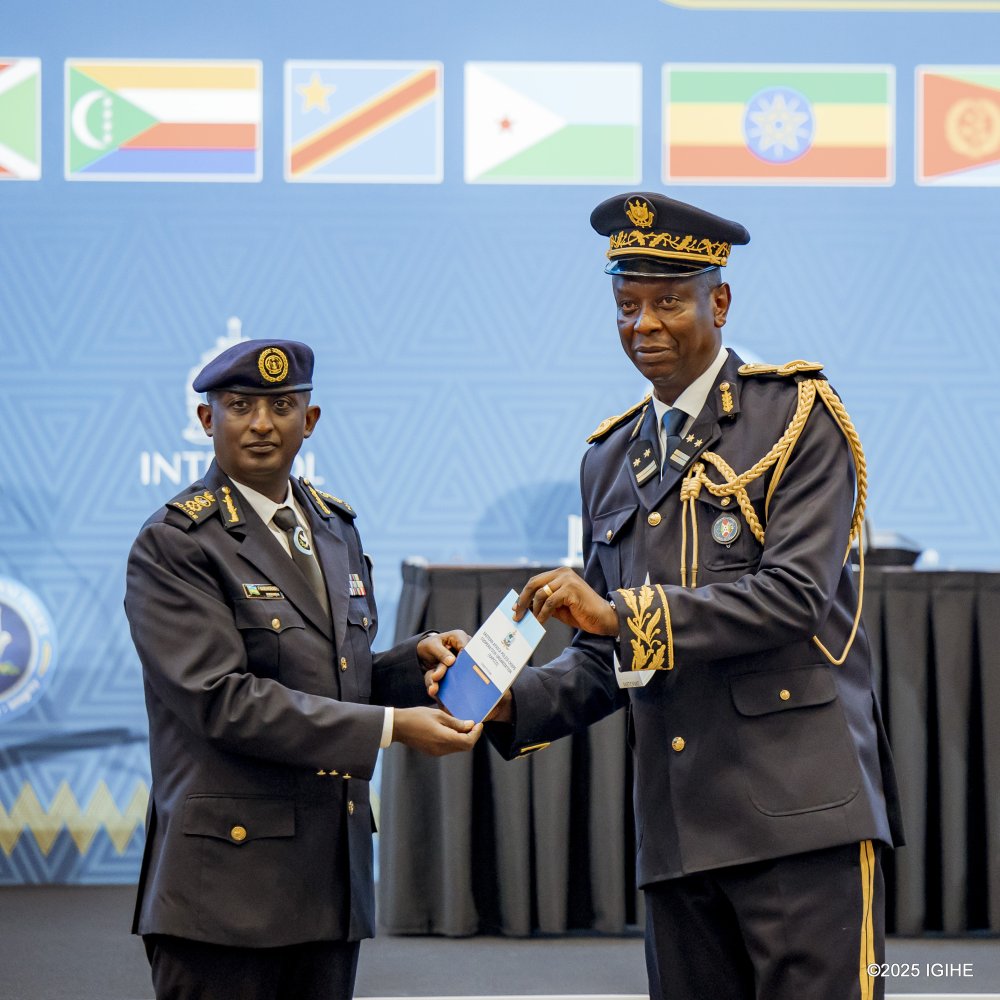
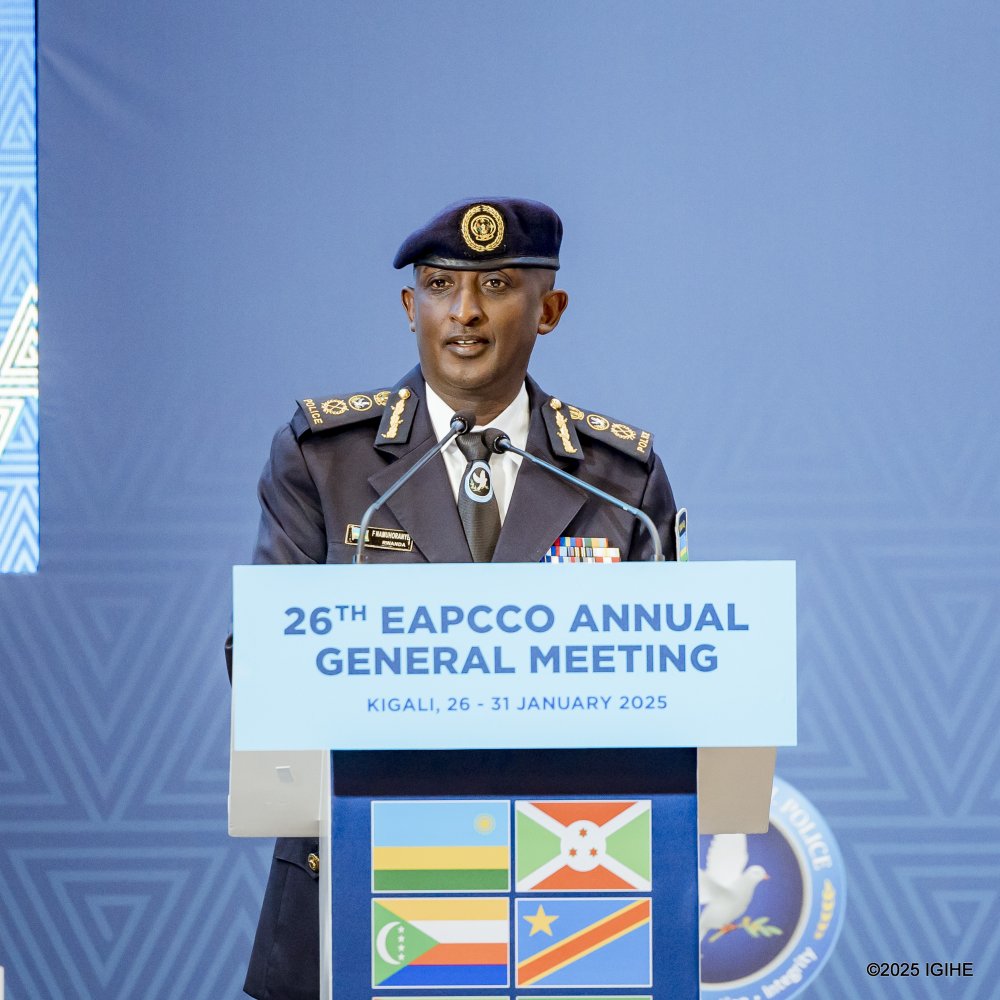
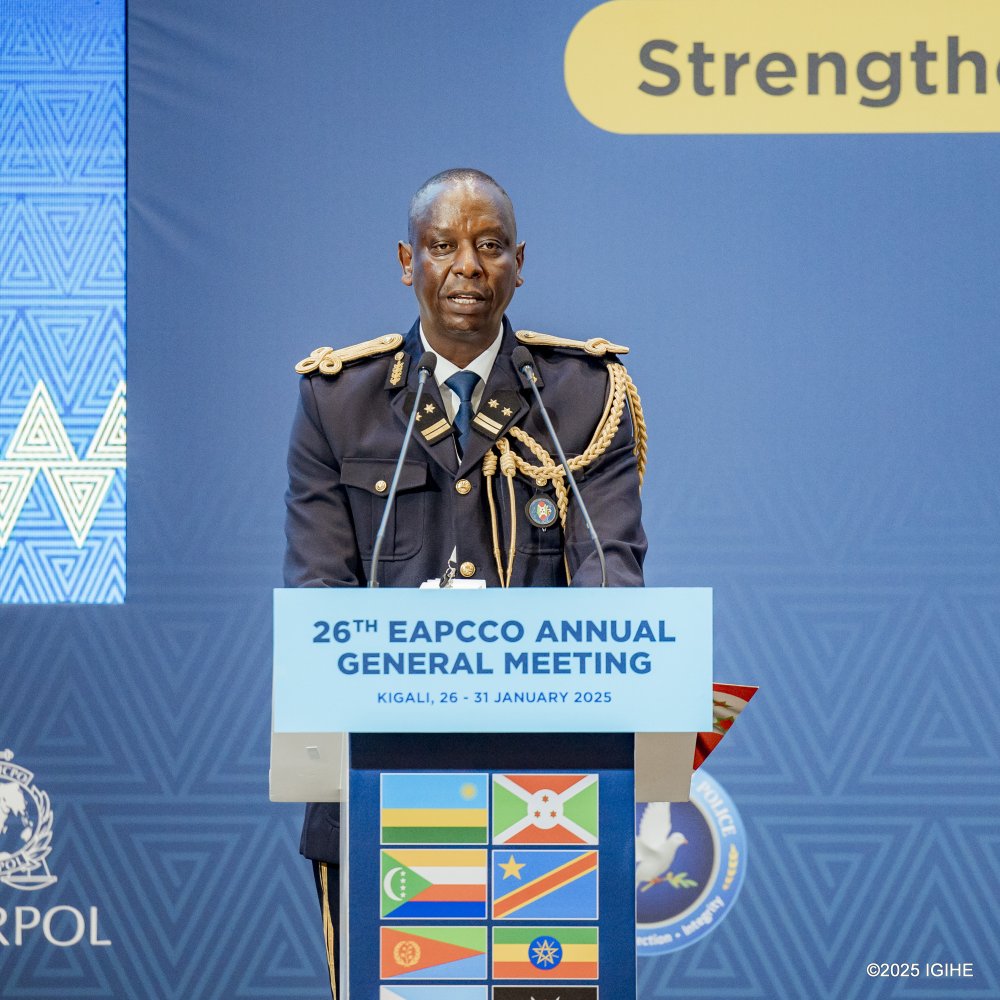
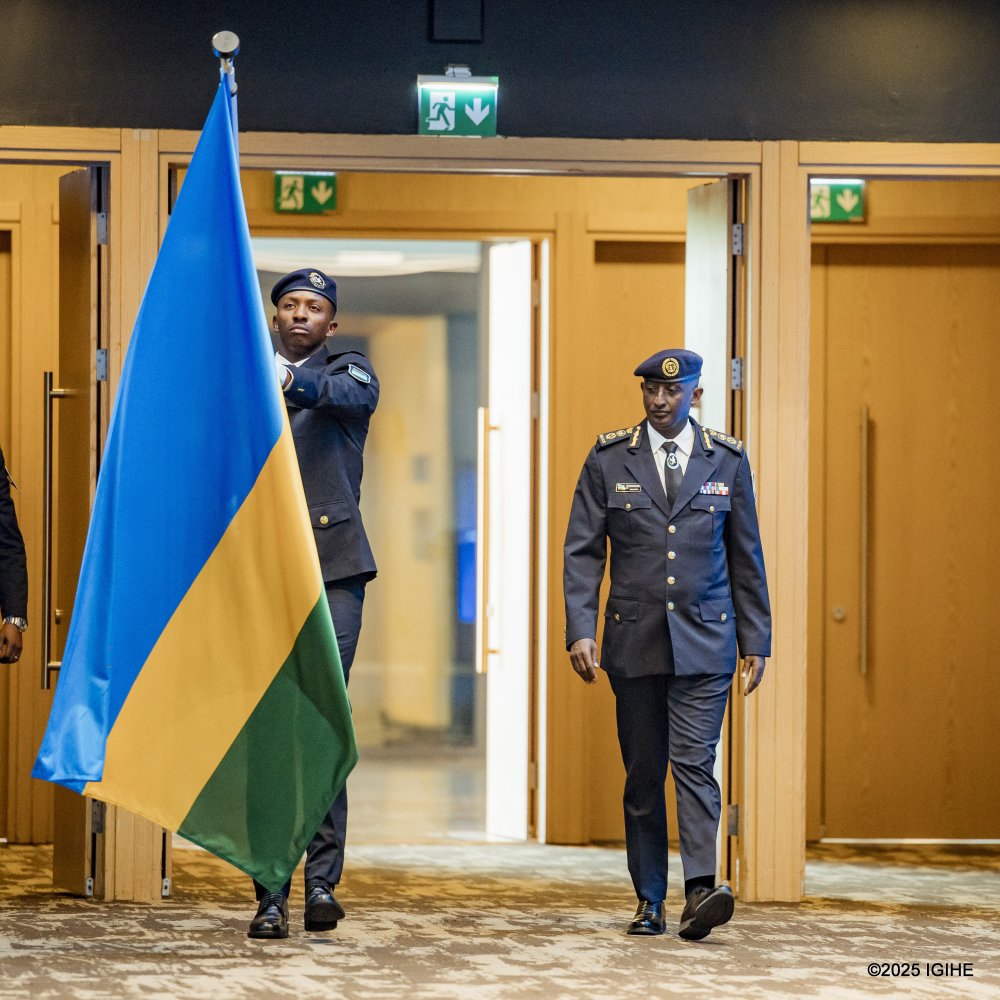
Inspector General of Police (IGP) CG Félix Namuhoranye assumed responsibility as the new chairperson of EAPCCO, succeeding Brigadier General Joseph Ninteretse, the IGP of Burundi National Police, at the 26th EAPCCO Council of Police Chiefs Annual General Meeting (AGM) held in Kigali.
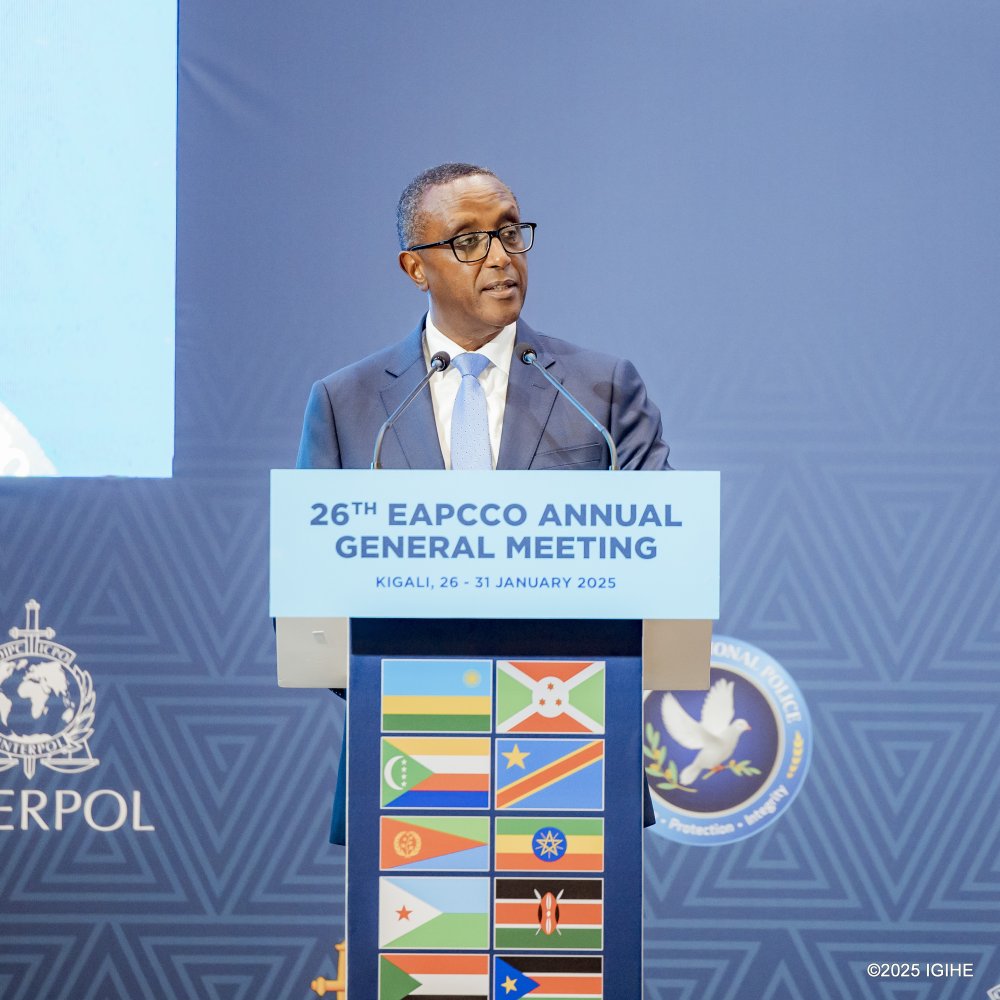
The 26th EAPCCO AGM, themed “Strengthening Regional Law Enforcement Cooperation to Counter Terrorism, Transnational Organized, and Emerging Crimes,” was opened by Minister of Interior Vincent Biruta. The meeting was attended by police chiefs and their representatives from EAPCCO member states.
Speaking during the handover ceremony at the Kigali Convention Centre, Ninteretse emphasized that the transition of leadership to Rwanda signifies that the organization will continue to expand and fulfil its responsibilities in promoting regional security.
“As I hand over the leadership today, I am proud to leave this position in good hands. I believe the region will achieve great things during this term of EAPCCO leadership,” he said.
Ninteretse also praised the warm welcome he received in Rwanda and wished the participants of the AGM success in collaborating to find solutions to ongoing regional issues.
He stated that police forces in the region should strengthen cooperation and information sharing to effectively manage the security of citizens in member countries.
“As EAPCCO, we must come together in collaboration, sharing information and expertise to combat terrorism. We cannot achieve this unless we work together, with our police forces collaborating beyond borders, setting aside political differences and focusing on our shared goals,” he emphasized.
He highlighted that criminals have changed their tactics, and therefore, new strategies, including regional cooperation in data collection, crime investigation, and the use of technology, should be implemented to counter these evolving threats.
He also noted that during Burundi’s leadership of EAPCCO, significant achievements had been made, including signing a cooperation agreement with China.
On his part, Rwanda’s police chief, Namuhoranye, affirmed that the responsibilities entrusted to him for leading EAPCCO over the next year would be carried out diligently for the benefit of the member states.
“I understand the responsibilities that come with this position. But one thing I know is that, with your support, we will achieve much,” he said.
“As you all know, the region faces security challenges, but these challenges can be overcome. The key is to preserve and promote unity, cooperation in fulfilling the organization’s duties,” he added.
Minister Biruta also called on the police forces in the region to strengthen collaboration, foster good cooperation, and share information in the fight against crime and to promote security for the people of the region.
Founded in 1998 in Kampala, Uganda, EAPCCO was established as a regional response to the increasing threat posed by transnational and organized crimes. The organization aims to unite law enforcement agencies in Eastern Africa to combat these shared threats.
The 14 member countries of EAPCCO include Rwanda, Uganda, Kenya, Tanzania, Burundi, Comoros, Ethiopia, Eritrea, Djibouti, Sudan, South Sudan, the Democratic Republic of Congo, Seychelles, and Somalia.
The mercenaries, from the RALF group, a private military company based in Romania, had been collaborating with FARDC to combat the M23 since 2022.
They suffered a setback when M23 fighters defeated the coalition forces and captured the city of Goma on Monday, forcing them to surrender to MONUSCO peacekeepers.
On Wednesday, the mercenaries were granted safe passage through Rwanda to return home from Goma.
They now join thousands of people fleeing the conflict region who have been granted safe passage by the Rwandan government through the Grande Barrier border. Others include nearly 2,000 United Nations personnel and their families, as well as at least 40 World Bank employees.
The UN requested to evacuate their staff and families through Rwanda following the closure of the Goma airspace and waterways last week. M23, which is fighting for the rights of the minority Tusi community in DRC, had accused the Congolese army and allied forces of “using Goma airport to load bombs that are killing the civilian population”.
In the city of Goma, there were around 800 mercenaries from the RALF group stationed in North Kivu, where they also protected the town of Sake. They were all hired by Horațiu Potra from Romania, who was arrested in December by the Romanian government for violating laws on weapons and ammunition and for public incitement.
Additionally, there were 20 other mercenaries from the Bulgarian Agemira group.
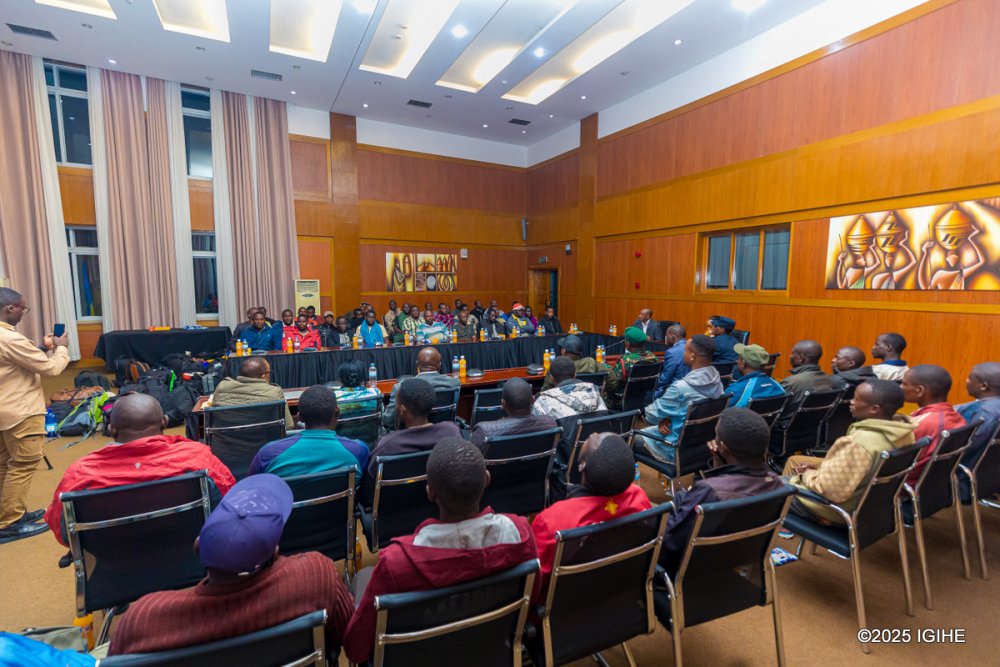
The meeting brought together stakeholders from the rice sector to assess progress, discuss challenges, and advocate for increased investment to strengthen the sector’s development.
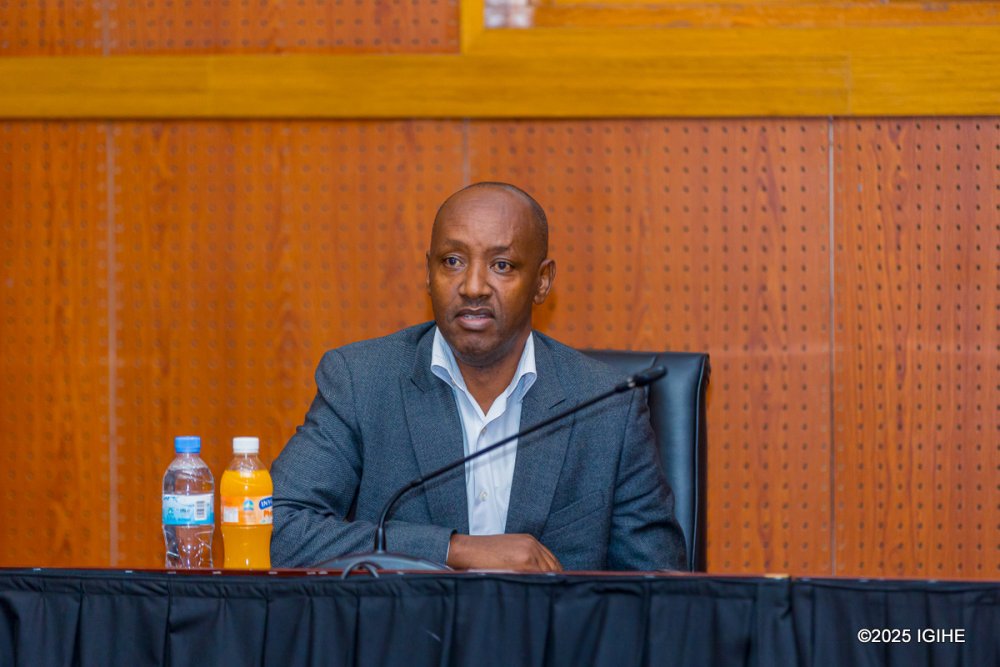
In his opening remarks, the Minister of Agriculture and Animal Resources, Dr. Mark Cyubahiro Bagabe, emphasized the importance of improving rice productivity and aligning production with market demands.
“The rice value chain has become a critical part of Rwanda’s food systems. Income from rice cultivation contributes to improved livelihoods in rural areas and drives national economic growth,” he stated.
The event was organized under the leadership of Ms. Alice Mukamugena, the Director General of Agriculture Value Chain Management and Trade at MINAGRI, who highlighted the importance of collaboration in achieving the sector’s goals.
“This meeting provides an essential platform for stakeholders to share progress, identify challenges, and work together toward solutions for the growth of Rwanda’s rice sector,” she remarked.
{{Progress and Challenges in the Rice Sector
}}
During the meeting, updates on the progress of the rice sector over the past five years were shared. The area under rice cultivation expanded from 29,600 hectares to 34,900 hectares, and annual paddy rice production increased from 116,500 to 141,900 metric tons.
Post-harvest infrastructure has also improved, with 585 drying grounds now capable of processing 14,495 metric tons of paddy rice. Additionally, 28 rice milling companies currently operate in Rwanda, 14 of which are certified by the Rwanda Standards Board (RSB).
These companies are organized under the Rwanda Forum for Rice Millers (RFRM), an industry body that promotes coordination, advocates for millers’ needs, and works to enhance the efficiency and competitiveness of the rice milling sector.
Farmer cooperatives were also recognized as key drivers of the rice sector’s development. The sector is supported by 120 cooperatives, of which 75 are organized into unions under the National Federation of Rice Farmers’ Cooperatives (FUCORIRWA). FUCORIRWA plays a vital role in coordinating activities across the value chain, from production to marketing, ensuring that farmers’ interests are well-represented and their productivity enhanced.
The meeting also featured participation from the Rwanda Agriculture and Animal Resources Development Board (RAB), which plays a critical role in addressing the challenges of rice breeding and seed production. RAB collaborates with research institutions and private sector partners to develop high-yield, resilient rice varieties. Its efforts have been instrumental in improving seed availability, but gaps in the seed system remain a key barrier, highlighting the need for continued investment in seed production and distribution systems.
Despite these achievements, challenges remain. Only 55% of the potential area for rice cultivation has been developed, and climate change impacts, such as flash floods and water scarcity, pose risks to rice farming. Furthermore, low utilization rates of local rice mills—currently operating at 47% capacity—and gaps in post-harvest infrastructure constrain the sector’s potential. Rwanda continues to import 78% of its rice to meet demand.
“These challenges also present untapped opportunities for investment,” Dr. Bagabe noted, urging stakeholders to collaborate on solutions. He reaffirmed the government’s commitment to implementing the National Rice Development Strategy-2 (NRDS-2) in alignment with the National Strategy for Transformation (NST2) and the Strategic Plan for Agriculture Transformation (PSTA5).
{{Key Insights and Partnerships
}}
Ms. Shiotsuka Minako, Chief Representative of JICA in Rwanda, addressed the audience, highlighting JICA’s support for the rice sector through the Coalition for African Rice Development (CARD) initiative.
She explained that Rwanda has been an active member of CARD since its launch in 2010, which aims to double rice production across Africa. Under this initiative, Rwanda successfully implemented its first National Rice Development Strategy (NRDS-1) and is now making strides with NRDS-2 (2020–2030).
Ms. Shiotsuka commended MINAGRI for its leadership and reiterated JICA’s commitment to providing technical support and capacity building to further enhance the rice value chain in Rwanda.
{{Vision for the Future
}}
The NRDS-2 aims to triple domestic rice production to 390,000 metric tons by 2030. This will be achieved by expanding the area under rice cultivation to 60,000 hectares and increasing productivity to 6.5 metric tons per hectare. MINAGRI and RAB will play central roles in driving this transformation, providing strategic leadership and ensuring that necessary investments and policies are implemented to strengthen the entire rice value chain.
By supporting these efforts, FUCORIRWA and RFRM will foster coordination among farmers and millers, advocate for their needs, and improve the efficiency and competitiveness of rice production and processing. RAB’s leadership in rice breeding and seed production will also remain critical to boosting productivity and ensuring that farmers have access to high-quality, resilient seeds.
Ms. Mukamugena, in her closing remarks, reiterated the importance of collective efforts in achieving the sector’s goals.
“The growth of the rice sector requires collaboration not only from the government but also from all stakeholders. Together, we can achieve sustainable development in this vital sector,” she concluded.
The drivers, who escaped the fighting with the help of M23 rebels, included 34 Tanzanians, nine Burundians, and three Kenyans.
Clashes between M23 and the Congolese army (FARDC) and its allies erupted near Goma International Airport, where the drivers were stationed in a nearby parking lot. As the violence escalated, their hopes of survival faded.
At the onset of the conflict, they hid beneath their trucks, struggling without food, water, or basic necessities. In a desperate plea for help, they used social media to call for assistance.
After securing the area, M23 forces responded to their distress call and rescued them.
The rescue operation was led by M23 spokesperson Lt Col Willy Ngoma, who reassured the drivers before escorting them to the Rwandan border.
Among those rescued was Burundian driver Ndinzayaha Shadrack, who frequently travels to Tanzania, Kenya, the DRC, and Zambia.
He left Dar es Salaam on January 3, 2025, and arrived in Goma on January 11, where his truck remained unloaded for two weeks before the conflict erupted.
Recalling the ordeal, he told IGIHE: “Gunfire lasted for two days, and we had no way out. We sent distress messages on social media. Today, M23 soldiers told us they had come to rescue us after seeing our call for help. They gathered us together, and Lt Col Willy Ngoma reassured us before escorting us to the Rwandan border.”
Ndinzayaha added: “None of us believed we would survive. The airport became a battlefield, with bullets flying over us. I am truly grateful to M23 for saving us and giving us hope when we had none.”
Another driver, Ndayizeye Alexandre, had left Dar es Salaam transporting flour for the WFP to the DRC.
He described the harrowing experience: “M23 saved our lives, and I can’t thank them enough. May God bless them. Without them, we would have died. Bullets were everywhere, and we hid under our trucks. I was even shot in the head, but by God’s grace, the bullet didn’t kill me. We are also grateful to the Rwandan government for their generosity.”
Kenyan driver David Kahiga was transporting WFP goods from Mombasa to Goma. He arrived in Goma on January 5, 2025, only to be caught in the conflict days later, watching his chances of survival disappear.
“I never thought I would be standing here today. I sincerely thank the Rwandan government for receiving us, taking care of us, and now handing us over to our embassies. We cried out for help, and they responded. As for M23, I cannot thank them enough—we owe them our lives. We spent four days without food or water, with bullets flying above us, but they came and rescued us,” he said.
The drivers expressed deep gratitude to the Rwandan government for providing them with food, shelter, and other necessities at its own expense until they were safely handed over to their embassies.
Alex Mutamba, Division Manager for EAC and Eastern Africa Affairs at the Ministry of Foreign Affairs, emphasized that Rwanda values strong regional ties and offers assistance without discrimination.
“We help everyone, regardless of nationality. If others find themselves stranded, we will assist them as well. As you have seen, Rwanda provided transportation and other necessities. Rwanda is a country that welcomes all,” he stated.
The embassies of Tanzania, Burundi, and Kenya in Rwanda are now working on repatriating their nationals.
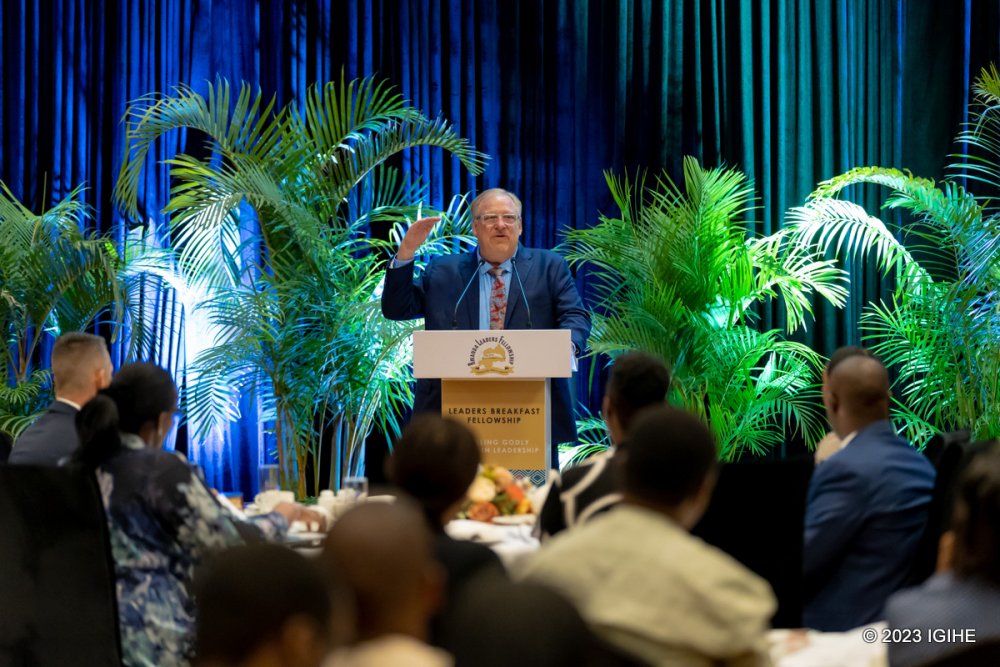
The President shared his message on X on January 28, 2024, the same day Pastor Warren was born in 1954 in San Jose, California.
“Dear Pastor Rick Warren—Jeannette and I send our warmest greetings to you and Kay. Also, we take this opportunity to wish you ALL the best for your birthday today and many years ahead of good health! Bless,” he posted.
Pastor Warren is a close friend of President Kagame and has often spoken about their unique relationship.
He has expressed deep admiration for Rwanda’s resilience, highlighting how remarkable it is for the country to rebuild itself after the devastating 1994 Genocide against the Tutsi, which claimed over a million lives and left many displaced.
Over the years, Pastor Warren has been actively involved in various initiatives in Rwanda. Recently, he attended Rwanda Day in Washington, D.C., on February 2-3, 2024, where he delivered a speech encouraging Rwandans to defend and love their country.
In 2023, while in Rwanda for the national prayer breakfast, Pastor Warren reflected on a special bond he has with the country—owning cows gifted to him by a Rwandan, which have since multiplied.
Pastor Warren has also been a vocal defender of Rwanda against its critics. In 2019, he noted that those who speak negatively about the country do so because they are unwilling to acknowledge its achievements.
He praised Rwanda as one of the best places to live, citing its transformation from a tragic past into a model nation.
Pastor Warren first visited Rwanda in 2004 and has since described the country’s progress as extraordinary.
Following the success of his book The Purpose Driven Life, Rwanda invited his Saddleback Church to send volunteers to support the country’s development efforts. This led to the launch of the Peace Plan humanitarian development program in 2005.
To date, over 4,000 churches in Rwanda have partnered with the Peace Plan, helping thousands of volunteers implement community development projects across the country.
The President shared an update on his X platform on January 29, 2025, stating: “Had a productive conversation with US Secretary of State, Marco Rubio on the need to ensure a ceasefire in Eastern DRC and address the root causes of the conflict once and for all, and on the importance of deepening our bilateral ties based upon respect for our respective national interests. I look forward to working with the Trump Administration to create the prosperity and security that the people of our region deserve.”
This conversation took place amid escalating clashes between the M23 rebel group and the Congolese army, which have intensified in recent days. The M23 has gained control of Goma and surrounding areas, forcing numerous FARDC soldiers, allied militias, and foreign forces such as SAMIDRC and mercenaries to either surrender or flee to Rwanda.
The situation was followed by protests in Kinshasa on January 28, 2025, where demonstrators, backed by the Congolese government, gathered outside the embassies of Rwanda, the United States, Uganda, Kenya, and France, accusing these nations of supporting M23’s advances in Goma.
Speaking at a diplomatic reception at the Kigali Convention Centre on January 16, 2025, President Kagame reiterated that resolving the crisis in eastern DRC requires addressing its root causes rather than blaming Rwanda for Congo’s internal challenges.
He also questioned the effectiveness of UN peacekeeping forces, which have been in DRC for over 30 years without achieving meaningful results.
Additionally, he highlighted the continued presence of perpetrators of the 1994 Genocide against the Tutsi in eastern DRC.
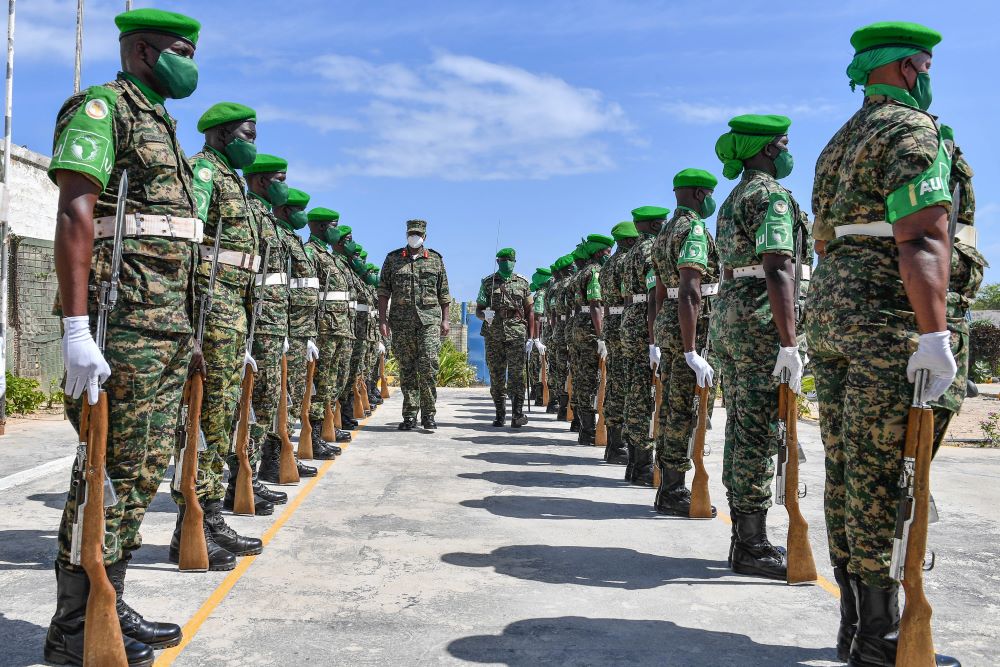
Military spokesperson Felix Kulayigye told Xinhua that Uganda has been assigned an additional sector previously covered by Burundian forces.
Kulayigye explained that reinforcing Uganda’s presence in Somalia is necessary since the current number of troops is insufficient to manage both sectors.
He added that deployment will commence once AUSSOM finalizes the required paperwork.
Uganda has been part of peacekeeping efforts in Somalia since 2007. Until January, Burundi was among the countries contributing troops to the mission, alongside Djibouti, Ethiopia, Kenya, and Uganda.
The National Communication Authority (NCA), the industry regulator, said the aim of addressing graphic and defamatory content has been successfully achieved.
“The rise of violence linked to social media content in South Sudan underscores the need for a balanced approach that addresses the root causes of online incitement while protecting the rights of the population,” NCA Director General Napoleon Adok Gai said in a letter to telecommunications operators and internet service providers in the country.
The temporary ban followed a week-long suspension of the platforms, which began on January 22 after two days of riots that saw people killed, and shops looted and vandalized.
According to police, a total of 17 Sudanese nationals lost their lives across South Sudan in the night riots.
Several South Sudanese have been angered by footage from Sudan that shows the killings of South Sudanese nationals by the Sudanese Armed Forces on January 11 in Wad Madani, Al Jazirah State, Sudan.
Gai said the South Sudanese refugees in Wad Madani were subjected to violent attacks resulting in the deaths of women and children, subsequently captured in videos and shared on social media without regard.
The footage sparked deadly violent riots, particularly in Juba, the capital of South Sudan, and in three states: Warrap, Northern Bahr El Ghazal, and Warrap.
Gai said the ban was imposed to curb the circulation of content deemed to incite violence and instability.
The industry regulator, however, lauded internet service providers and mobile network operators for their cooperation during the blockade and urged stakeholders, including platform operators Meta and TikTok, to strengthen monitoring and report harmful content to prevent future incidents.
“The lifting of the blockage is part of our efforts to foster a safer digital environment and promote peace and stability in the country,” Gai said, adding that the regulator will be reaching out to all stakeholders in the future to avoid similar shutdowns.