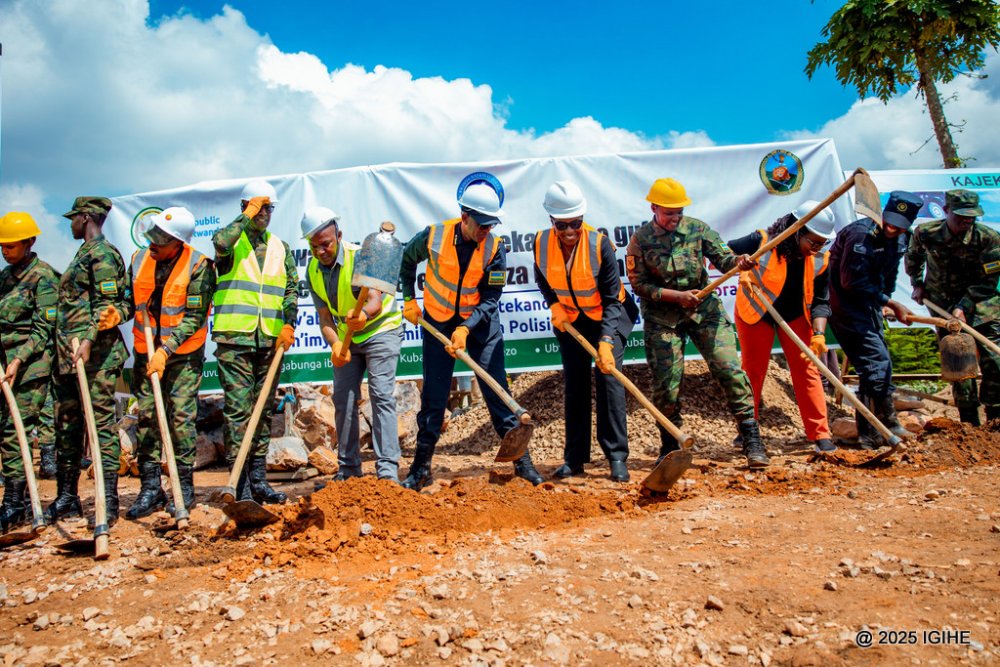
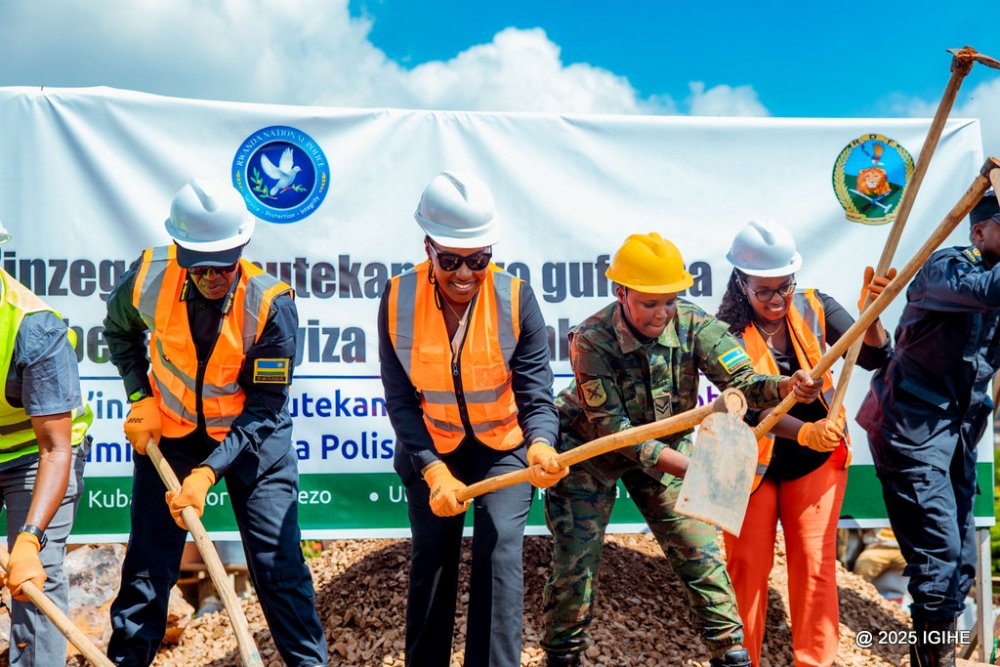
The three-month COP2025 outreach activities are part of Kwibohora 31. It is held under the theme: “Rwanda Citizens in Partnership with Defence and Security Organs celebrating Kwibohora 31, and 25 years of RNP contribution to National Development.”
The countrywide human security initiatives will focus mainly on providing free medical services, heifer; construction of houses for the disadvantaged families, constructing roads connecting communities, extending clean water to remote communities, construction of Early Childhood Development (ECD) centres, and environmental protection.
The Minister of Infrastructure, Dr. Jimmy Gasore and Inspector General of Police (IGP), CG Felix Namuhoranye launched the initiatives in Cyanika, Burera District, where they handed over a dummy cheque of Frw10 million to a cooperative of former smugglers.
In Rulindo District, the Minister of Local Government, Dr. Patrice Mugenzi alongside the RDF Army Chief of Staff, Maj Gen Vincent Nyakarundi, officially launched the construction of a 2.5km water supply system to Cyinzuzi Health Center and neighbouring communities.
The Minister of Health, Dr Sabin Nsanzimana together with the RDF Medical Health Service Chief of Staff, Maj Gen Dr Ephrem Rurangwa, launched the COP25 activities in Nyagatare District will focus on the provision of medical services, including orthopedics, general surgery, urology, ENT, dental, ophthalmology, dermatology, gynecology and obstetrics, internal medicine, pediatrics and family planning.
In Nyabihu District, the Minister of Interior, Dr. Vincent Biruta accompanied by the Deputy Inspector General of Police (DIGP) in Charge of Administration and Personnel, DCG Jeanne Chantal Ujeneza launched the construction of ECDs.
The launch of COP25 in City of Kigali was presided over by the Minister of State for Education, Claudette Irere together with the Deputy IGP in Charge of Operations, Vincent Sano, while the RDF Reserve Force Chief of Staff, Maj Gen Alex Kagame and the Executive Secretary of the Southern Province Nshimiyimana Vedaste, launched the construction of 10 houses for disadvantaged families in Nyanza District, Muyira Sector.
Despite the severed ties, many are questioning the future of Belgian-led initiatives in Rwanda, including schools, businesses, and transportation services.
Speaking to RBA, Alain Mukurarinda, Rwanda’s Deputy Government Spokesperson, reassured the public that certain activities would continue to operate to avoid disruptions for beneficiaries.
“For instance, regarding the École Belge de Kigali, the academic year is already in progress and will conclude in June 2025. There should be no issue for students finishing this school year. The diplomatic break applies to embassies, not students or Belgian teachers, who make up about 90% of the school’s staff. Regular school employees were not expelled, so students will be able to complete the academic year.”
Mukurarinda added that while Belgium previously provided financial support to the school, the existing budget is expected to sustain operations for the remainder of the academic year. A long-term solution will be explored if diplomatic ties remain severed.
Regarding travel and trade, Mukurarinda noted that RwandAir flights to Belgium and Brussels Airlines flights to Rwanda may continue, though some aspects of operations could be affected.
“Belgium’s economic interests in Rwanda do not vanish overnight. Even with our historical ties, it is impossible to completely sever all relations,” he explained.
Mukuralinda further elucidated that many businesses operate independently of diplomatic agreements, where Belgian companies and investors will likely continue their activities in Rwanda
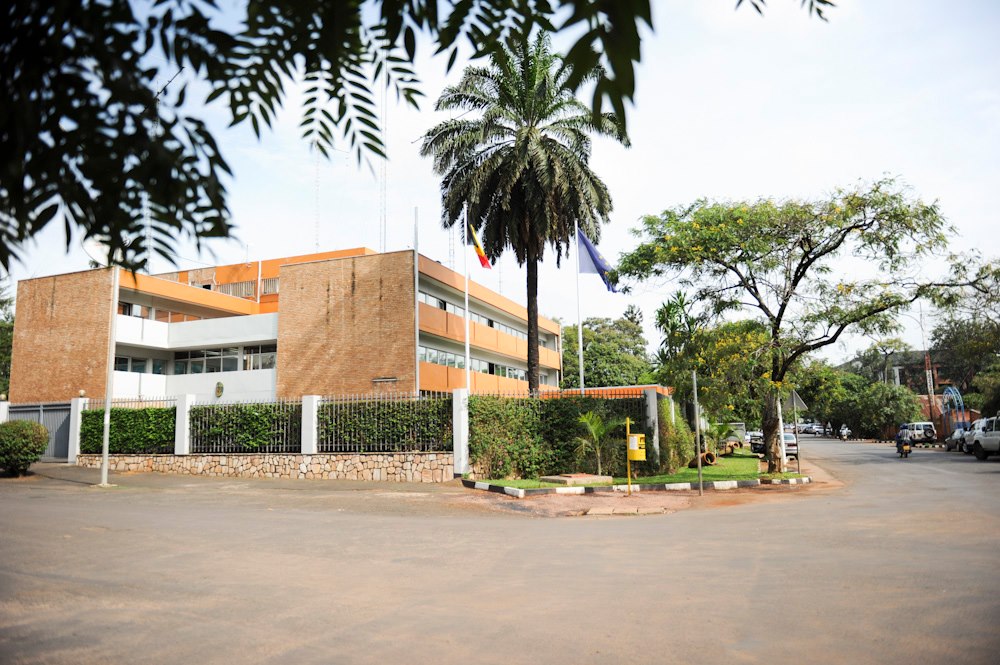
Before the diplomatic rift, Rwanda’s ambassador to Belgium also represented the country at the European Union, given that the EU headquarters is in Brussels. With the shift, Rwanda has reassigned these responsibilities to its ambassador in Germany.
Mukurarinda emphasized that the decision to cut ties with Belgium was not made lightly but was preceded by multiple warnings. He pointed to Belgium’s one-sided stance on regional tensions between Rwanda and the Democratic Republic of Congo (DRC) as a key factor in the decision.
“The DRC has its narrative, and Rwanda has its own. Belgium, having colonized both countries, is well aware of their histories, including how borders were drawn and ethnic identities recorded. Given this knowledge, Belgium should not take one side while dismissing Rwanda’s concerns,” he stated.
Rwanda views Belgium’s approach as unacceptable, especially as Belgium has continued to impose economic and diplomatic pressure on Rwanda while disregarding Kigali’s perspective.
Tensions escalated when Belgium refused to accept Rwanda’s newly appointed ambassador due to his past assignments in the DRC and South Africa, despite the fact that he had no criminal record or legal charges against him. In response, Rwanda rejected Belgium’s designated ambassador.
In February 2025, Rwanda officially terminated its cooperation agreements with Belgium, canceling development projects worth €95 million (approximately RWF 140 billion) that had been planned for 2024-2029. The remaining €80 million (RWF 118 billion) in project funds will no longer be implemented.
Mukurarinda criticized Belgium’s persistent efforts to isolate Rwanda by urging international organizations and financial institutions to impose sanctions.
“While Belgium aggressively lobbies for Rwanda’s isolation, pushing for development sanctions and penalties, where do they place Rwanda’s concerns?” he questioned.
He stressed that Rwanda had made repeated diplomatic efforts to resolve these issues with Belgium, but Brussels remained uncooperative. Consequently, Rwanda saw no reason to maintain what it viewed as a deceptive and hypocritical relationship.
Mukurarinda urged Rwandans to support the government’s decision, emphasizing that the move was necessary to safeguard Rwanda’s sovereignty.
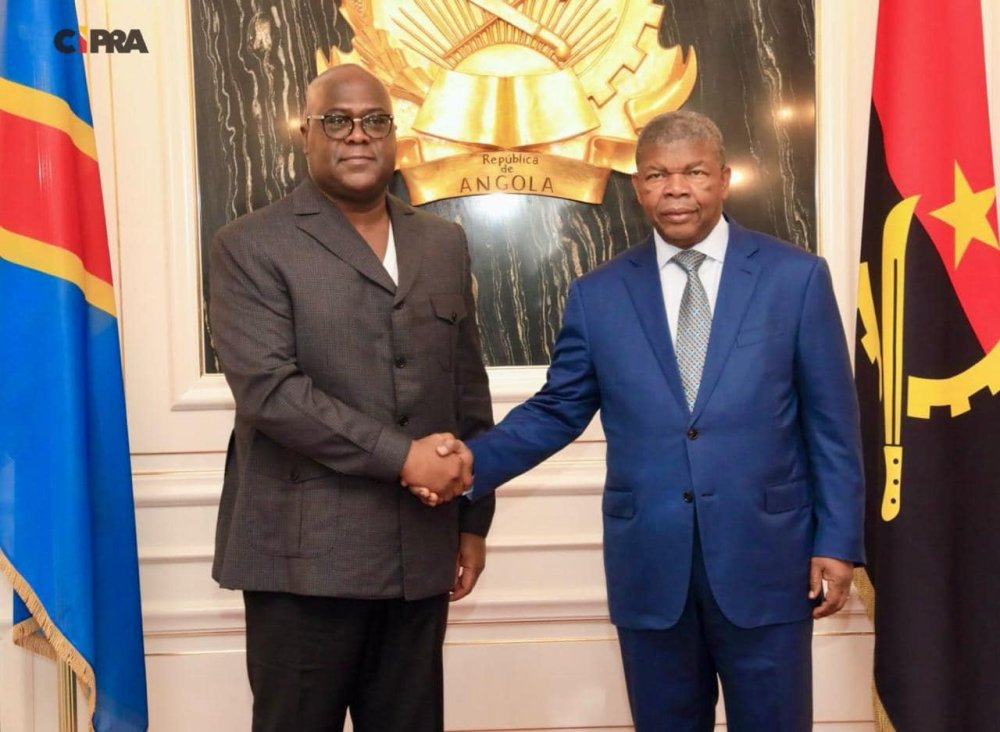
The talks were organized under the mediation of Angolan President João Lourenço, who also serves as the Chairperson of the African Union (AU).
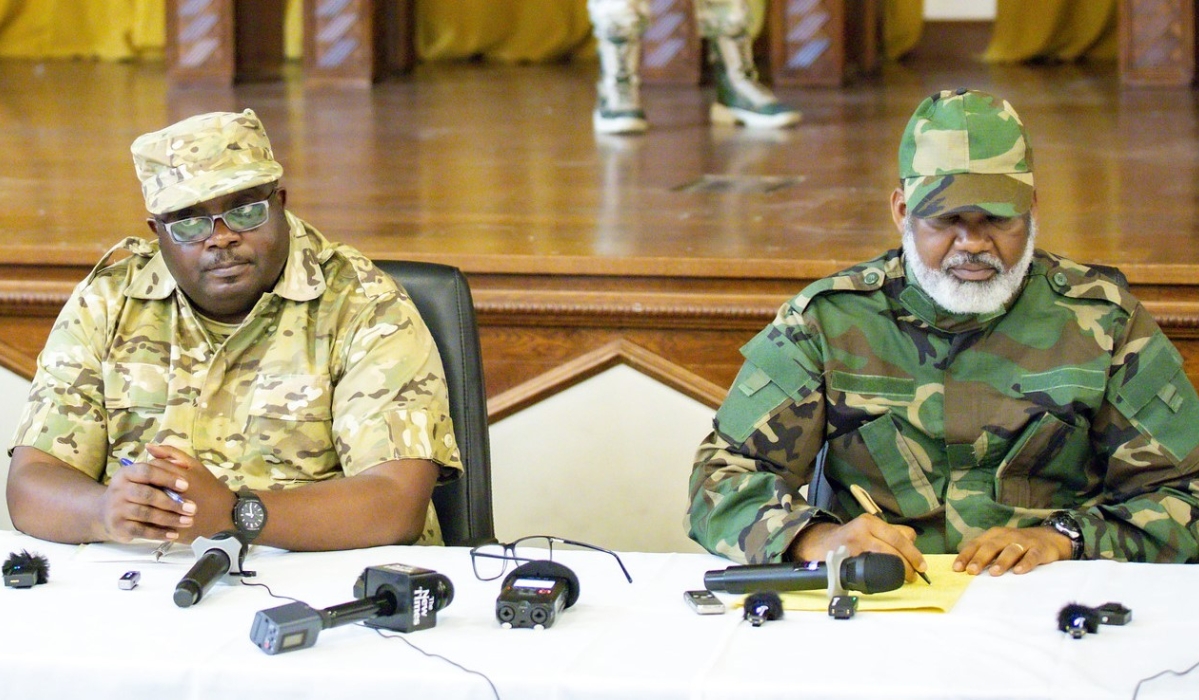
However, just a day before the scheduled discussions, AFC/M23 issued an official statement signed by political spokesperson, Lawrence Kanyuka, declaring its withdrawal, citing international sanctions and ongoing military actions by the Kinshasa government as key reasons.
In the statement released on March 17, 2025, the group expressed frustration over what it described as deliberate efforts to obstruct the negotiations.
“The Alliance Fleuve Congo (AFC/M23) deeply regrets that certain international institutions are deliberately undermining peace efforts in the Democratic Republic of Congo and obstructing the much-anticipated talks,” the statement reads.
AFC/M23 particularly pointed to the latest sanctions imposed on its members, stating that these measures have hindered the credibility of the negotiations.
“Successive sanctions imposed on our members, including those enacted on the eve of the Luanda discussions, severely undermine direct dialogue and make any progress impossible,” the group declared.
Additionally, the statement accused President Félix Tshisekedi’s administration of continuing military aggression against AFC/M23 forces and civilian areas.
“This incomprehensible and ambiguous stance only encourages Mr. Félix Antoine Tshisekedi Tshilombo to continue with his warmongering program,” the statement claimed.
The group further alleged that the Kinshasa regime and its allies were responsible for indiscriminate attacks on both civilian areas and AFC/M23 positions, utilizing heavy artillery and aerial bombardments.
“AFC/M23 draws the attention of the International and National Community to the warmongering campaign of the coalition forces of Kinshasa regime through multiple ground attacks and indiscriminate bombardments of densely populated areas as well as our positions, using fighter jets and CH-4 combat drones,” the statement added.
Given these circumstances, AFC/M23 announced that it could no longer take part in the peace talks. “Under these circumstances, the talks have become impracticable. Consequently, our organisation can no longer continue to participate in the discussions,” the statement concluded.
The decision came just hours after AFC/M23 had initially confirmed sending a five-member delegation to Angola to represent the group in the negotiations.
Meanwhile, the Congolese government had also confirmed its participation, with a delegation led by Transport Minister Jean-Pierre Bemba, a former Minister of Defense and leader of the armed group Movement for the Liberation of Congo (MLC).
With the collapse of these talks, the future of peace efforts in eastern DRC remains uncertain, as both sides continue to trade accusations over the ongoing hostilities.
Beneath its rolling hills lies a wealth of minerals that have become critical to the country’s economic ambitions.
The nation is endowed with high-value minerals, including Wolfram, Cassiterite, and Coltan—essential components in the production of aerospace equipment, military technology, and consumer electronics.
These minerals are in high demand globally, positioning Rwanda as a key player in the supply chain of strategic raw materials.
Mining has long been a cornerstone of Rwanda’s economic development, and today, the sector is expanding rapidly.
Annual mineral production ranges between 8,000 and 10,000 tons, and with the government’s push for modernization and investment, the industry continues to attract both local and international stakeholders.
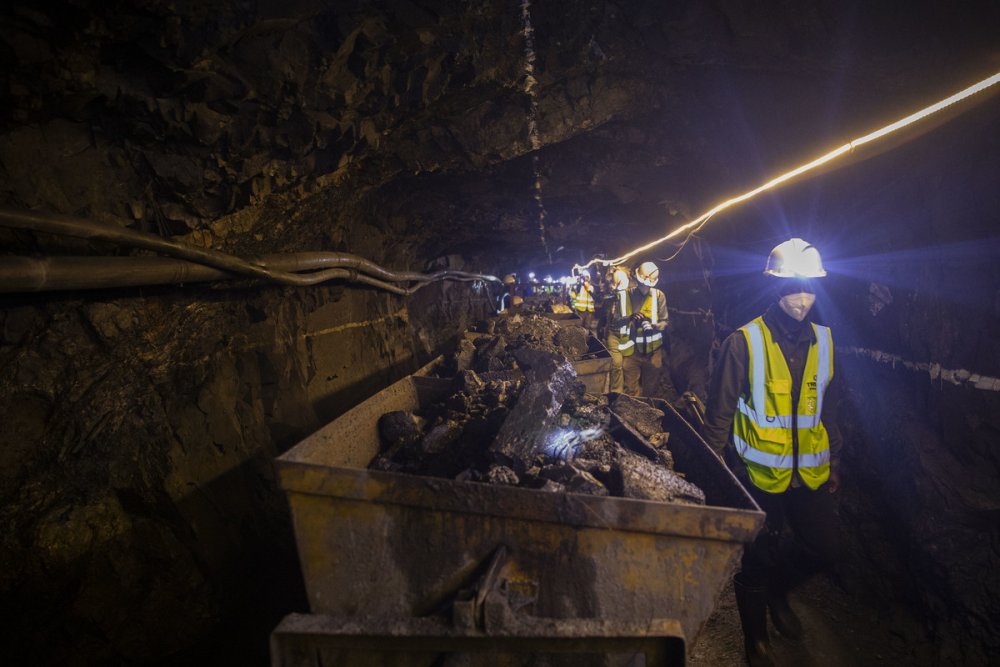
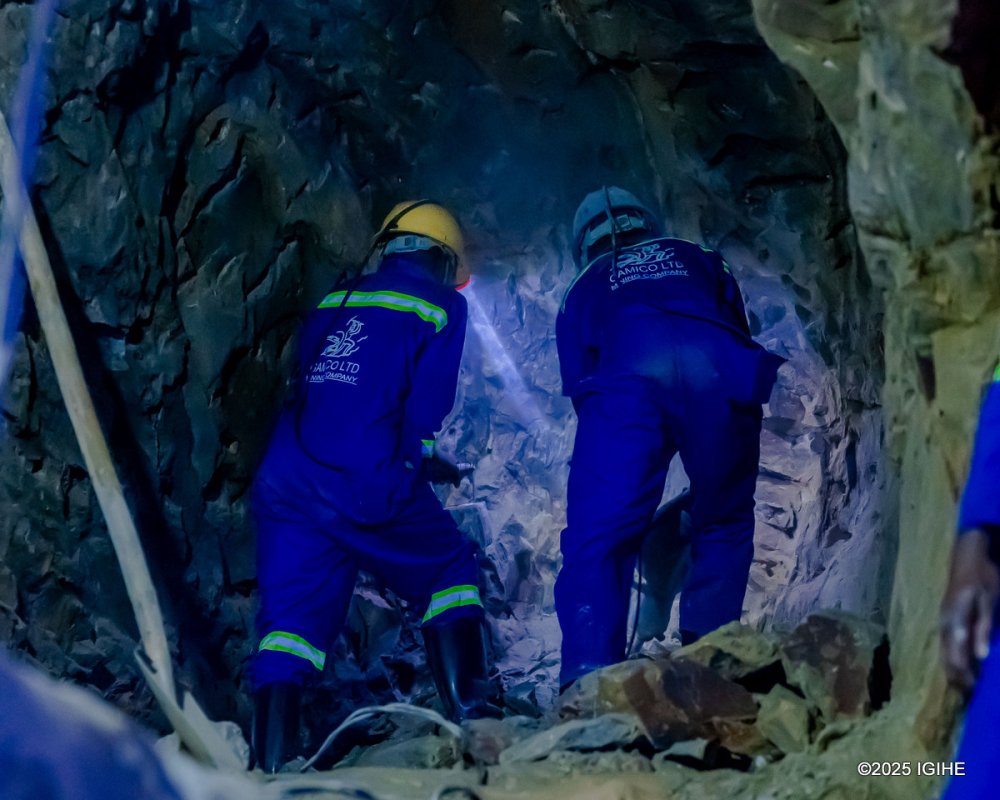
A visit to several mining sites across the country provides a glimpse into the scale of these operations, where mining companies are extracting and refining minerals to meet both local and international demand.
Among the many licensed mining operations, several sites stand out in terms of production and employment.
The Nyakabingo mine in Rulindo, the Rukaragata mine in Ngororero, the Mwurire-Nzige-Rubona mines in Rwamagana, and the Bashyamba mine in Nyarugenge collectively produce around 2,000 tons of minerals annually.
These operations employ nearly 5,000 workers, supporting thousands of families and making mining one of the most impactful industries in the country.
{{A sector driven by investment and innovation}}
Mining in Rwanda is capital-intensive, with investors injecting millions of dollars into exploration, machinery, and infrastructure to improve efficiency.
Trinity Metals, which operates the Nyakabingo mine, has invested over $40 million in its operations, while Power M, which runs the Rukaragata site, has allocated significant resources to mechanizing its processes.
With a combination of surface and underground mining techniques, these companies are ensuring that Rwanda’s mineral reserves remain productive for decades to come.
Studies indicate that, if managed efficiently, these deposits could sustain mining activities for at least 50 years.
The growth of the sector is not only benefiting investors but also transforming the lives of workers.
For many miners, the industry has provided financial stability and opportunities to improve their standard of living.
Twizerimana Jean Claude, a miner at the Bashyamba site, shared how his work has enabled him to build a future.
“When I started working here, I earned Frw 94,000 in my first week. The following week, I was paid Frw 114,000. In two weeks, my lowest pay was Frw 190,000. When mining conditions are good, I can earn up to Frw 800,000 in 15 days,” he said.
Similarly, Yankurije Betty, who has worked at the Rukaragata mine for seven years, described how mining has helped her achieve financial independence.
“In these seven years, I have achieved so much. Before, I had no money, but now I pay for my children’s education, built a house, bought two cows, and acquired land worth Frw 600,000,” she explained.
{{Economic contribution}}
The impact of mining extends beyond individual workers to the national economy. According to the Rwanda Mining Board, mineral exports generated over $1.1 billion in 2023, marking a 43% increase from the previous year.
The National Institute of Statistics of Rwanda further reported that as of January 2025, mineral output had risen by 4.3% compared to the same period in 2024.
Despite Rwanda’s established mineral wealth, external claims have occasionally questioned the country’s reserves, suggesting that significant mineral deposits lie just beyond its borders.
However, geological research strongly disputes this. Ray Power, a British investor and owner of Power M in Ngororero, as well as Power Resources International, a coltan refinery in Bugesera, dismissed these claims.
According to him, minerals do not have borders given that the region shares the same geological characteristics.
He further revealed that a 600-meter section of his mining site contains deposits that could be extracted for the next 16 years using modern techniques.
The Kibaran-Angolan Belt, a mineral-rich geological formation, runs through Rwanda, the Democratic Republic of the Congo, Angola, Zambia, and the Central African Republic, further confirming the country’s resource potential.
Donat Nsengumuremyi, the Division Manager of the Mining Extraction and Inspection Division at the Rwanda Mining Board, reinforced this point.
“Rwanda has abundant mineral resources because it is situated within the Kibaran Belt, right at its core. If we are at the center, that means we have significant deposits. There is still a long way to go in terms of exploration,” he said.
He also noted that while Rwanda has made remarkable progress in mining, the sector is still in its early stages of deep exploration.
“Unlike other countries that have drilled up to two kilometers deep, Rwanda has yet to reach even one kilometer in depth,” he added.
{{Investing in research and mineral processing}}
To ensure sustainable growth, Rwanda has invested in mining education and research. Since 2015, the University of Rwanda has expanded its mining program, increasing the number of trained geologists and mining engineers.
These efforts have been critical in ensuring compliance with environmental and safety regulations while optimizing production processes.
Beyond tin, tungsten, and tantalum, Rwanda is also home to gold, lithium, gemstones, and sapphire, particularly in the Western Province.
Ongoing studies continue to map and quantify these resources, further solidifying Rwanda’s standing in the global mining industry.
A major focus for Rwanda is increasing local mineral processing capacity. The government aims to refine 80% of extracted minerals domestically by 2029, up from the current 40%.
This shift is expected to reduce reliance on raw mineral exports while strengthening the country’s industrial sector.
Investments in key refineries such as Gasabo Gold Refinery, LuNa Smelter, and Power Resources International Ltd are already improving Rwanda’s ability to process gold, tin, and coltan.
In addition, a three-year geological survey is underway to assess high-potential mining areas, with a focus on lithium, gold, cassiterite, and coltan—minerals that are highly sought after in global markets.
With continued investment and strategic policy improvements, Rwanda aims to increase the mining sector’s contribution to the economy to $2.2 billion by 2029.
Speaking candidly on The Long Form podcast about the ethnic violence that shaped his youth and the resilience that propelled him forward, Dr. Biruta offered a rare glimpse into the experiences that forged his commitment to a unified and stable Rwanda.
Born in 1958 in Rulindo District, Dr. Biruta was just a year old when the 1959 violence against the Tutsi ethnic community erupted, setting the stage for decades of sectarian strife.
Reflecting on his childhood, the former Minister of Foreign Affairs recalled, “As a young child, I heard my parents and visitors talk about violent events: destroyed properties, relatives in exile. It made me aware that I was growing up in an unstable, unsafe environment. You understood you were a target for violence.”
This early awareness planted the seeds of a political consciousness that would later define his career.
The turning point came in 1973 when, at age 15, Dr. Biruta was expelled from Kabgayi Seminary, where he was attending secondary school, during the ethnic purges.
“We were expelled on April 15, I believe,” he recounted. “I went home, planning to go into exile in Zaire on July 6. But on July 5, the borders closed due to a curfew, so I couldn’t leave.”
The thwarted escape—narrowly averted by chance—kept him in Rwanda, where he later returned to school despite the odds.
“I was fortunate to be accepted back, though I had to repeat a year. Not everyone was so lucky,” he added, underscoring the precariousness of those times.
His pursuit of education faced steep hurdles due to Rwanda’s discriminatory policies against Tutsis. “Discrimination limited Tutsi access to public schools,” he explained.
At Kabgayi Seminary, the Catholic Church provided an alternative.
“I didn’t necessarily want to be a priest—it was my only chance at secondary education. I took exams for both public schools and seminaries to maximize my chances.”
The Church sought bright students, and Dr. Biruta qualified: “If you met academic and Christian criteria, you could get in. I was fortunate to be accepted.”
After surviving the 1973 expulsion, he graduated from secondary school in 1978 and applied to the National University of Rwanda’s Faculty of Medicine.
“Medical school wasn’t the most popular choice—it was tough, six years with four terms annually, unlike law or economics, which were shorter and led to better-paying jobs,” he said.
“But they selected the best science students from secondary schools. I was lucky to be accepted.”
His motivation was both practical and idealistic: “I’d wanted to be a doctor since I was young… by a desire to serve the community and work independently, not reliant on government goodwill. The 1973 events also lingered; I thought medicine would help me integrate if I went into exile.”
Dr. Biruta graduated in September 1984, but even then, discrimination persisted. “The best graduates were typically selected as assistants at the university hospital, with opportunities for specialization. Despite qualifying, I and other Tutsi colleagues were sidelined and sent elsewhere,” he recounted.
Assigned to Byumba Hospital, he began his career as a doctor, later rising to director of Ruhengeri District Hospital in 1988.
The 1994 Genocide against the Tutsi once again put his survival instincts to the test. Living in Kigali’s Kimihurura neighbourhood near the parliament, Dr. Biruta narrowly escaped death and was ultimately rescued by the Rwandan Patriotic Front (RPF), which ended the genocide and liberated the country from the genocidal government.
“I was rescued on April 8 by RPF soldiers,” he said. “They came to our houses—I recognized them and opened the gate.” The rescue came amid chaos, just days after the genocide began.
“They weren’t looking only for me; they were saving people in that area,” he clarified.
“We stayed at parliament, later moving to Byumba at the war’s end.”
Reflecting on his survival, he remarked, “I was not arrested in 1990, I managed to relocate from Ruhengeri on February 6, 1993, two days before an RPF attack, and I was at home when the plane of President Habyarimana went down. It’s just fortune.”
His family, too, was spared, though he kept his fears private: “You don’t show your children you’re anxious… but I’d tell my wife, ‘X, Y, Z have been arrested. If I’m taken, know where the money and food are, and move.’”
After the liberation of the country, he played a pivotal role in rebuilding Rwanda’s health system and the PSD, eventually rising to its presidency in 2001.
“We identified surviving members uninvolved in the genocide, formed a political bureau, and rebuilt,” he noted, highlighting the painstaking effort to restore both party and nation.
Today, as a cabinet minister and party leader, Dr. Biruta balances immense responsibilities with a quiet pragmatism.
“You have to find time for all these aspects, prioritizing what the country has entrusted you with,” he said of his dual roles.
Defending Rwanda’s consensus-driven governance model against critics who call it a one-party state, he argued, “Our constitution… reflects our history and culture—not the U.S. or Norway. Results—like development—prove it works.”
Looking ahead, Dr. Biruta remains optimistic yet vigilant. “I’m excited by Rwanda’s development path—achieving more, faster,” he said, though he cautioned, “I worry about our region—conflicts and leadership challenges could slow us.”
His story, from a child marked by violence to a leader shaping Rwanda’s future, embodies resilience and purpose—a narrative he hopes will inspire the nation’s youth.
Watch the full interview on The Long Form Podcast below:
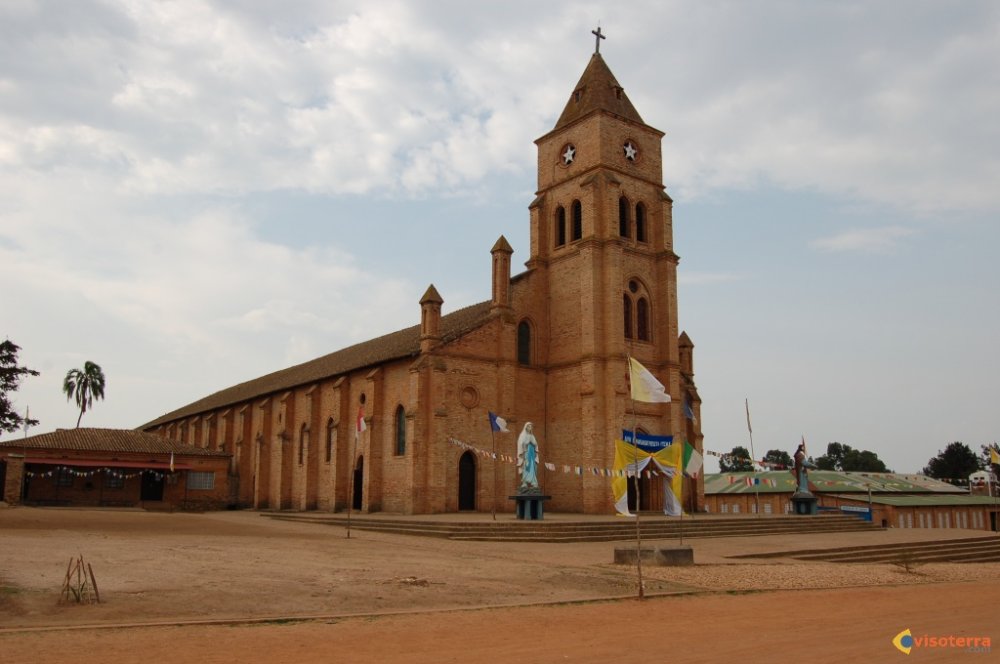
This decision was part of the resolutions from the 173rd General Assembly of the Catholic Bishops’ Conference of Rwanda, which took place from March 11 to March 14, 2025.
The meeting brought together various bishops and was led by Antoine Cardinal Kambanda, the Archbishop of Kigali and President of the Catholic Bishops’ Conference of Rwanda. It was attended by bishops from all nine Catholic dioceses in the country.
During the assembly, the bishops discussed several issues, including the closure of churches across the country due to non-compliance with government regulations. They also reviewed the new directives issued by the Rwanda Governance Board (RGB) concerning faith-based organizations.
Additionally, the meeting addressed the restructuring of the commissions and services of the Catholic Bishops’ Conference, along with other important matters affecting the Church.
Following discussions on the closure of churches, the bishops noted that some have remained closed for seven months despite having fulfilled the necessary requirements. They resolved to once again appeal to the relevant authorities to allow these churches to reopen.
Furthermore, they committed to continued dialogue with government institutions to ensure a better understanding and implementation of the new regulations governing religious organizations.
The Catholic Church’s request aligns with similar concerns raised by other religious denominations operating in Rwanda. Many churches, mosques, and other places of worship that were previously shut down have expressed frustration, stating that they have met the required standards but remain closed.
This issue was also highlighted by Sheikh Mussa Sindayigaya, the Mufti of Rwanda and Vice President of the Rwanda Interfaith Council (RIC), during a public meeting with President Paul Kagame at BK Arena on Sunday, March 16, 2025.
Sheikh Sindayigaya requested the President to consider reopening places of worship that now comply with government regulations, emphasizing that religious institutions should be allowed to operate if they meet the necessary requirements.
In August 2024, the Rwanda Governance Board (RGB) revealed that out of the more than 13,000 places of worship that underwent inspections, approximately 59.3% were shut down for failing to meet compliance standards.
As 2025 progresses, various religious organizations have made it a priority to ensure that their closed places of worship meet the required criteria so they can resume their activities.
According to a statement the Ministry of Foreign Affairs, Rwanda’s decision has been communicated to Belgium and taken after careful consideration of several factors, all linked with Belgium’s pitiful attempts to sustain its neocolonial delusions.
The statement, which marks a significant diplomatic rupture, further states that Belgium has “consistently undermined Rwanda, both well before and during the ongoing conflict in the Democratic Republic of Congo (DRC),” accusing the former colonial power of taking a biased stance in regional affairs.
Rwanda’s government also accused Belgium of actively working against its interests on multiple fronts, particularly regarding the situation in the DRC.
“Belgium has clearly taken sides in a regional conflict and continues to systematically mobilize against Rwanda in different forums, using lies and manipulation to secure an unjustified hostile opinion of Rwanda, in an attempt to destabilize both Rwanda and the region,” the statement read.
The Ministry of Foreign Affairs also highlighted Belgium’s historical role in fueling ethnic divisions in Rwanda, stating: “Beyond Belgium’s destructive historical role in fueling the ethnic extremism that resulted in entrenched discrimination and persecution, and ultimately the 1994 Genocide against the Tutsi, it has also allowed Belgian territory to be used by groups that propagate genocide denial and sustain genocidal ideology.”
Following this decision, all Belgian diplomats in Rwanda have been given 48 hours to leave the country. The Rwandan government affirmed that, in accordance with the Vienna Convention, it will ensure the protection of the Belgian embassy’s premises, property, and archives in Kigali.
“This decision reflects Rwanda’s commitment to safeguarding our national interests and the dignity of Rwandans, as well as upholding the principles of sovereignty, peace, and mutual respect,” the ministry stated.
Shortly after Rwanda’s decision, Belgium’s Deputy Prime Minister and Foreign Minister, Maxime Prevot took to X to announce that Belgium will reciprocate with similar measures.
Rwanda has been accused of supporting the M23 rebel group, a claim it has consistently denied. Instead, the Rwandan government maintains that its primary concern is the ongoing collaboration between the Congolese government and the FDLR militia, an armed group composed of remnants of the perpetrators of the 1994 Genocide against the Tutsi, who remain intent on destabilizing Rwanda.
Belgium has reportedly been at the forefront of lobbying for sanctions against Rwanda.
Speaking to thousands of Kigali residents at BK Arena on Sunday as part of his citizen outreach program, President Paul Kagame [strongly condemned Belgium’s attempts to push for sanctions against Rwanda->https://en.igihe.com/news/article/we-don-t-want-to-be-belgians-kagame-slams-external-pressure-reassures-national]. He accused the former colonial power of maintaining a long-standing pattern of interference and undermining Rwanda’s sovereignty.
Dismissing these pressures as futile, Kagame emphasized that Rwanda has faced far greater challenges in the past and will continue to emerge stronger.
In a statement, the group’s spokesperson, Lawrence Kanyuka, confirmed their participation, stating that the delegation would depart for the Angolan capital on Monday, March 17, ahead of talks scheduled for the following day.
“The Congo River Alliance (AFC/M23) informs the public that it is sending, this Monday, March 17, 2025, a delegation of five people to Luanda, capital of Angola, to take part in direct dialogue at the request of the Angolan authorities,” the statement read.
Kanyuka also expressed gratitude to Angolan President João Lourenço for his “tireless efforts” to mediate a peaceful resolution to the conflict.
The Congolese government has also confirmed that its delegation will participate in the talks on Tuesday.
The meeting marks a turning point in the ongoing crisis, as President Félix Tshisekedi, who has previously refused to engage directly with M23, appears to be shifting his stance. The decision to enter negotiations comes after a series of military setbacks and increasing pressure from regional leaders and international bodies.
Angola has played a central role in facilitating dialogue, urging both parties to observe a ceasefire ahead of the talks.
Earlier, President Lourenço emphasized that “the ceasefire must include all possible hostile actions against the civilian population and the occupation of new positions.”
Despite previous ceasefire agreements frequently being violated, the Angolan government affirms that it’s committed to brokering a lasting peace.
The conflict in eastern DRC has escalated significantly in recent months, with M23 capturing key cities, including Goma and Bukavu.
The conflict stems from what the rebels term as long-standing ethnic persecution against Kinyarwanda-speaking Congolese.
The group has long criticized previous peace processes in Nairobi and Luanda, arguing that they were excluded from key decisions.
The upcoming dialogue presents the first formal opportunity for the rebel group to engage directly with the Kinshasa government and address their demands.
This follows the Southern African Development Community (SADC) decision to terminate its military mission in the conflict-ridden eastern DRC and commence a phased withdrawal.
The decision to pull the plug on the mission was reached during a virtual Extraordinary Summit of Heads of State and Government, chaired by Zimbabwean President Emmerson Mnangagwa, on March 13, 2025.
The summit focused on the deteriorating security situation in eastern DRC, where SADC troops had been deployed since December 2023 to support the Congolese army in its battle against the M23 rebel group.
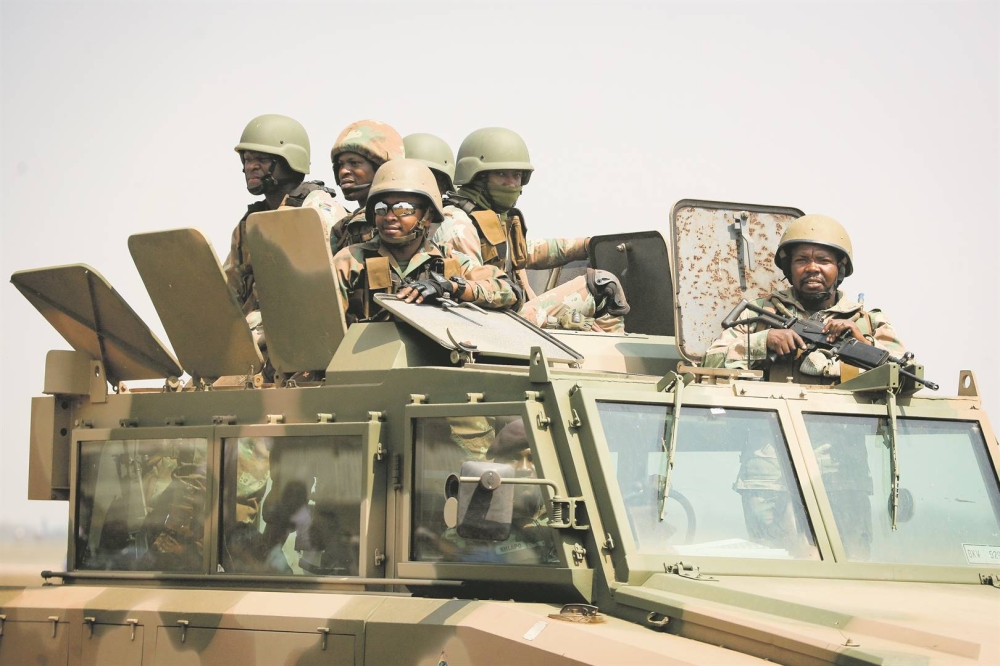
The Joint Standing Committee on Defence, co-chaired by Malusi Gigaba and Phiroane Phala, welcomed the withdrawal decision, particularly in light of the loss of 14 SANDF soldiers in the mission.
However, they emphasised the need for clarity on the logistical aspects of the withdrawal, the security implications for troops remaining under the United Nations Organization Stabilization Mission in the DRC (MONUSCO), and measures to ensure the safe return of military equipment.
“We will schedule an urgent meeting to obtain the envisioned phased plan of action for implementing the withdrawal,” a statement issued by the Parliament Communications Services on behalf of the co-chairs of the Joint Standing Committee on Defence, Malusi Gigaba and Phiroane Phala, reads in part.
“This meeting must also address the implications for soldiers remaining part of MONUSCO and assess the security risks involved.”
The committee termed the termination of the mission as a constructive step toward addressing the conflict in eastern Congo through diplomatic and political solutions.
The co-chairs affirm that SADC’s commitment to supporting alternative interventions, in coordination with the East African Community (EAC), demonstrates the bloc’s dedication to lasting peace in the region.
“The recommitment by SADC Heads of State to merge the Luanda and Nairobi peace processes reaffirms our belief that dialogue should be at the centre of efforts to resolve the DRC conflict,” the statement added.
“Achieving peace and stability in eastern DRC is a precondition for economic growth and development, not only for the DRC but for the entire region.”
Since SAMIDRC’s deployment, the mission has faced operational hurdles, including battlefield casualties.
Apart from the 14 South African soldiers killed, two Malawian and two Tanzanian soldiers also lost their lives during clashes that led to the capture of Goma in January. Many others sustained injuries, raising questions about the mission’s sustainability.
The decision to withdraw the troops coincides with peace talks between the DRC government and M23 rebels, set to begin in Angola on March 18, in what is seen as a crucial step toward resolving the long-running conflict.
The M23 and AFC rebel alliance accuse the Congolese government of poor governance and decades of persecution of the minority Kinyarwanda-speaking communities.
Angola previously stated that direct peace negotiations between the DRC government and M23 rebels would begin in the capital, Luanda, on March 18.
President Felix Tshisekedi, who has long refused dialogue with M23, has been reconsidering his stance following a series of military setbacks and waning regional support.
“At this stage, we can’t say who will make up the delegation,” said presidential spokesperson Tina Salama.
M23 acknowledged receiving Angola’s invitation, but its spokesperson, Lawrence Kanyuka, did not confirm whether the group would participate.
Following the announcement of the talks, M23 issued several demands, including a request for President Tshisekedi to publicly commit to direct negotiations.
Angola has been working to mediate a ceasefire and ease tensions between the DRC and Rwanda, which has been accused of backing the Tutsi-led rebel group-a charge Rwanda denies.
The conflict in eastern DRC, which has persisted for decades, stems from the aftermath of Rwanda’s 1994 Genocide against the Tutsi and the ongoing battle for control of the region’s vast mineral wealth.
The situation has significantly deteriorated this year, with M23 gaining territory it had never previously controlled, including strategic cities and numerous smaller localities.
The Congolese government reports that at least 7,000 people have been killed since January, while the United Nations estimates that at least 600,000 have been displaced since November.
Angolan President João Lourenço urged all parties to cease hostilities from midnight to facilitate the negotiations.
“The ceasefire must include all possible hostile actions against the civilian population and the occupation of new positions,” Lourenço said in a statement. However, ceasefire agreements have frequently been violated by both the DRC and M23.