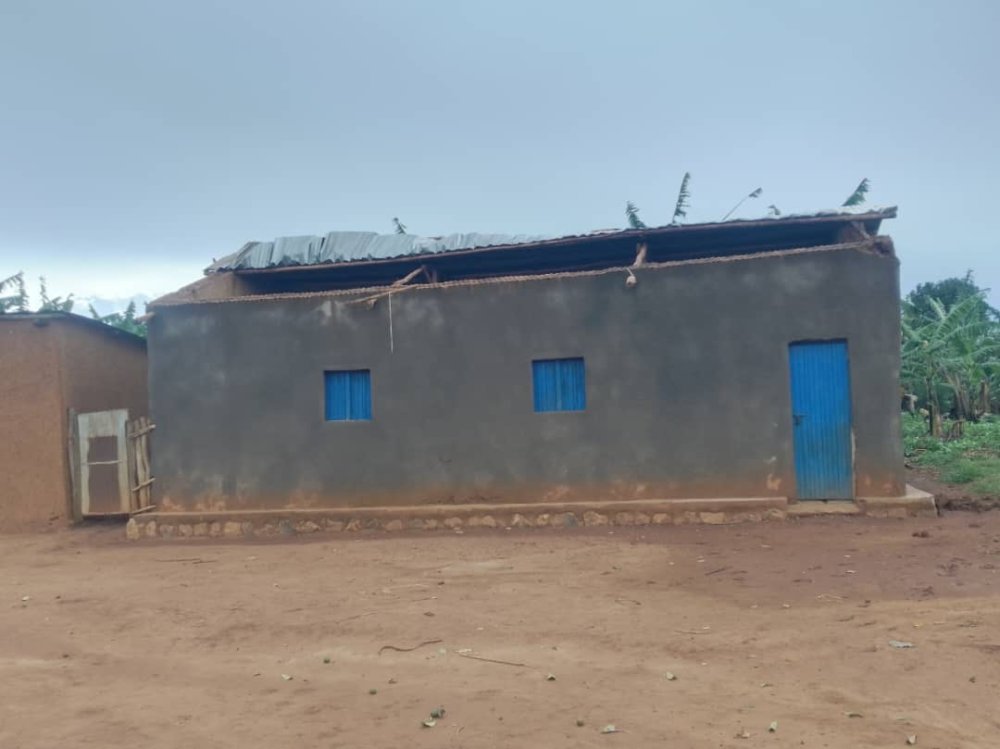
The rain which poured down on the evening of March 18, 2025, affected the entire district, with the hardest-hit areas being the sectors of Remera, Murambi, Kiziguro, and Kiramuruzi. These sectors saw severe damage to homes and infrastructure.
Gatsibo District Mayor, Richard Gasana, told IGIHE that, as of the latest count, 126 homes, including kitchens, were destroyed. Additionally, 60 hectares of banana plantations, which are widespread in the affected areas, were severely damaged.
“This rainfall impacted the whole district but caused the most destruction in Remera, Kiziguro, Murambi, and Kiramuruzi. We’ve counted 126 destroyed homes, including kitchens. We are still collecting data. Some residents had their roofs blown off, while others saw their kitchens destroyed. Additionally, 60 hectares of banana plantations were heavily damaged,” he said.
Gasana explained that immediate relief efforts included providing temporary shelter for affected families, with many seeking refuge with neighbours. The district is currently working to secure roofing materials to repair the damaged homes.
He noted that some families are managing to source their own roofing materials and carry out repairs independently, while the district is focusing on assisting those without the means to do so.
Gasana also urged residents to take preventive measures, such as reinforcing their roofs, as the region continues to experience heavy rainfall, often accompanied by strong winds that can cause further damage to homes if not adequately secured.
The Ministry of Emergency Management (MINEMA) recently issued a warning to Rwandans to remain cautious during this period of heavy rainfall, as flooding and lightning strikes can sometimes prove fatal.
MINEMA’s statistics show that disasters resulted in the loss of 191 lives in 2024.
The DRC possesses mineral wealth valued at an estimated $24 trillion, making it the richest country in the world in terms of untapped resources. However, despite this vast wealth, the Congolese people continue to struggle with extreme poverty.
A 2024 World Bank report revealed that 73.5% of the Congolese population survives on less than $2.15 per day.
While Tshisekedi struggles to improve the lives of his citizens, the armed group M23 continues to seize territories from the Congolese army in North and South Kivu provinces.
Tshisekedi accuses Rwanda of supporting M23, using this claim to push for sanctions against Rwanda and the rebel group from countries like the U.S. Rwanda refutes the claim, and blames Congo for collaboration with FDLR rettorist group.
He has now tied this request to potential business deals, promising lucrative mining contracts to American companies in exchange for action against Rwanda and M23.
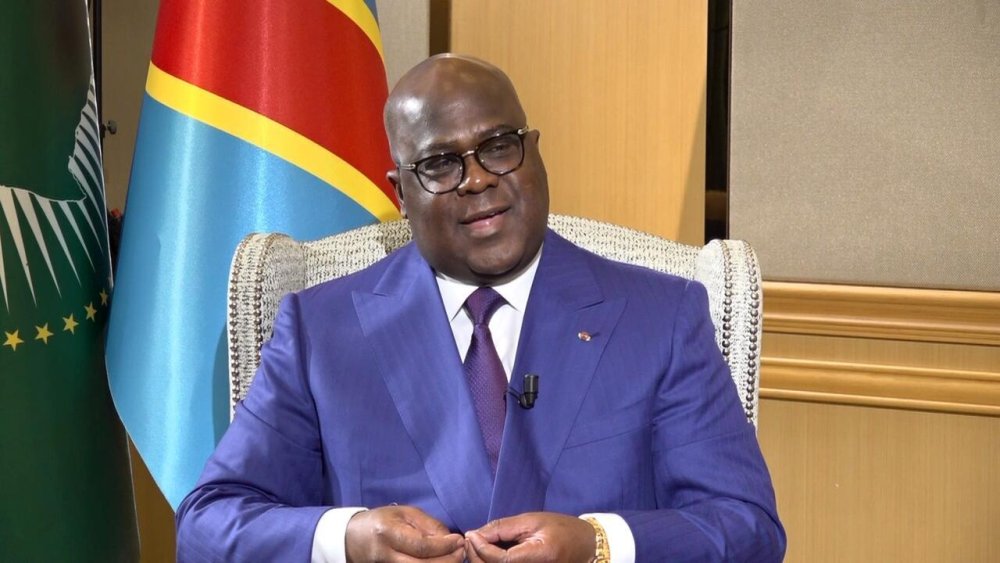
In an interview with Fox News on 19 March 2025, Tshisekedi emphasised his desire to deepen cooperation with the U.S., citing its global influence.
“We believe that the United States, given its global standing and role, is a key partner we should work with. We are also pleased to see that under Trump’s administration, things are moving swiftly for both sides,” he said.
The DRC holds a significant share of the world’s mineral reserves, including 70% of the global cobalt supply—essential for electric vehicle batteries—along with 60% of coltan, tin, gold, and diamonds.
Tshisekedi stated that he wants to collaborate with a country that can both enhance DRC’s security and help process its minerals locally instead of exporting raw materials.
He believes that the agreements with the U.S. will help reduce poverty in DRC by creating jobs.
“We want to mine these minerals but also process them here to create more jobs. We seek partnerships that will bring lasting peace and security to our country,” he added.
When asked how these agreements would contribute to DRC’s security, Tshisekedi explained that strengthening the country’s military capabilities is a priority and that the U.S. could use its influence to pressure armed groups operating in the region.
“We must build the capacity of our security forces. I believe the U.S. has the power to exert pressure and impose sanctions to control the armed groups destabilising our country,” he said.
When asked what the U.S. stands to gain from these agreements, Tshisekedi pointed out that American tech companies would benefit from a steady supply of high-quality minerals for their advanced manufacturing processes.
China is currently the dominant player in DRC’s mining sector, controlling several mining sites across the country. Beijing has also supplied Tshisekedi’s government with military equipment, including CH-4 drones, to combat M23 rebels.
Tshisekedi recalled that in the 1970s and 1980s, the U.S. played a significant role in DRC’s mining industry. He expressed his willingness to return to those arrangements.
“They say ‘a vacuum will always be filled.’ It’s not that China has increased its presence in Africa, but rather that the U.S. has withdrawn. We would be delighted to see our American friends back, as they were more involved here than the Chinese in the 1970s and 1980s,” he remarked.
While Tshisekedi continues to push for sanctions against Rwanda, the DRC government has maintained its cooperation with the FDLR, an armed group considered a terrorist organisation.
The FDLR was founded by individuals responsible for the 1994 Genocide against the Tutsi. The DRC government has reportedly pledged to support the group in its objective of overthrowing the Rwandan government.
Attempting to deflect criticism of his support for the FDLR, Tshisekedi claimed that the international community had asked DRC to host “Rwandan refugees” after the genocide, which, according to him, led to ongoing instability in the country.
He now uses this argument to justify his appeal for sanctions against Rwanda.
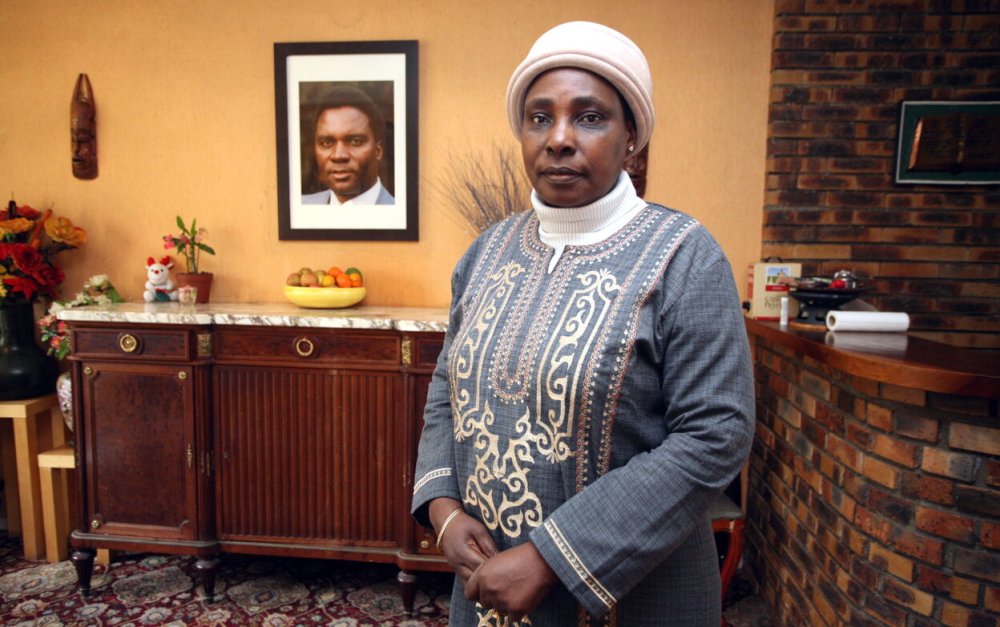
The French National Anti-Terrorism Prosecutor’s Office (PNAT) has requested an expanded investigation into Kanziga’s alleged involvement in the 1994 Genocide against the Tutsi.
According to previous investigations, PNAT noted that the inquiry had been conducted on a limited scope and called for hearing more witnesses and further investigating additional actions.
Attorney Richard Gisagara explained that the French judiciary had initially examined Kanziga’s involvement in crimes committed from April 7, 1994, despite it being known that French forces evacuated her from Rwanda on April 9, 1994.
He further stated that PNAT is now requesting an investigation into crimes committed as early as March 1, 1994. Gisagara also revealed that the prosecution seeks to add the charge of participation in the planning of the genocide, which would hold accountable individuals who played an indirect role in the crimes.
The prosecution’s request was originally set to be reviewed in a closed-door session on March 19, 2025. However, according to the French international broadcaster RFI, the hearing did not take place due to missing documents required by the Court of Appeal. The court has now rescheduled the review for May 21, 2025, as reported by the media outlet.
In 2007, the Rwandan government issued an arrest warrant for Kanziga, accusing her of genocide and crimes against humanity. However, the French judiciary refused to extradite her and later suspended its investigation.
The Collective of Civil Parties for Rwanda (CPCR), an organization advocating for justice against genocide fugitives in France, stated that Kanziga provided financial support to RTLM, a radio station that broadcasted hate speech targeting the Tutsi.
The CPCR also claimed that Kanziga, a prominent member of the “Akazu” inner circle, was involved in compiling lists of influential Tutsis to be killed during the 1994 Genocide against the Tutsi.
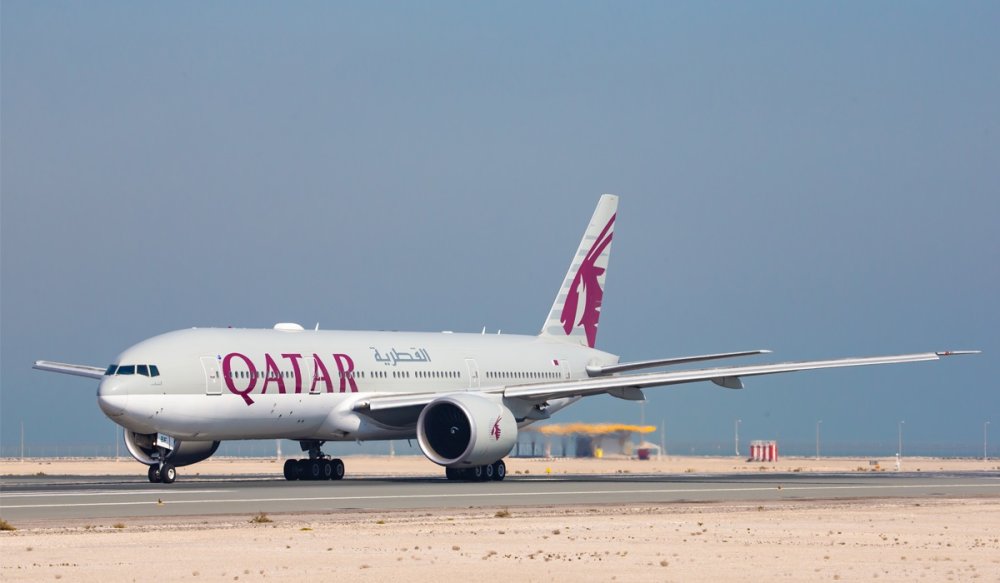
According to Travel And Tour World, the airline will operate four weekly flights using an Airbus A320, which is expected to elevate Rwanda’s position as a prominent travel hub in the region and contribute to the growth of tourism across Africa.
The resumption of this nonstop service to Rwanda’s capital is a significant milestone, enhancing global connectivity and offering improved access for both business and leisure travelers to East Africa.
Qatar Airways’ direct flights are anticipated to have a lasting impact on Rwanda’s tourism sector. The country has been making strides in promoting eco-tourism, adventure travel, and business conferences.
With this direct connection to Hamad International Airport in Doha, a key global transit hub, international arrivals are expected to increase, and outbound travelers will have easier access to destinations beyond Africa.
Besides, the direct flight eliminates previous stopovers, reducing travel time between Doha and Kigali. Moreover, Doha’s central location as a major transit hub ensures better access for passengers from North America, Europe, and Asia, making it easier for international visitors to reach Rwanda.
Rwandan travelers will also benefit from seamless access to Qatar Airways’ extensive global network, enhancing both business and leisure travel opportunities.
The return of Qatar Airways to Kigali is expected to boost Rwanda’s tourism, providing easier access to the country’s renowned attractions, such as its luxury lodges and the world-famous gorilla trekking experiences in Volcanoes National Park.
Additionally, the direct flights will support business travel between Africa and the Middle East.
As part of the oneworld alliance, Qatar Airways continues to expand its presence in Africa to meet the growing demand for premium travel and enhanced connectivity.
The airline’s commitment to sustainability is evident in its selection of the Airbus A320 for this route, which offers both efficiency and passenger comfort for mid-range flights.
According to recent data, over 1.4 million visitors traveled to Rwanda in 2023, with projections indicating a doubling of this number by 2029. This growth is expected to be accompanied by an expansion of routes by Rwanda’s national carrier, RwandAir.
Qatar Airways has also partnered with RwandAir, including in cargo operations, and the two airlines signed a codeshare agreement in 2021.
The partnership between Qatar and Rwanda has been strong since diplomatic relations were established in May 2017.
The collaboration spans various sectors, including infrastructure development and aviation, with Qatar Airways acquiring a 60% stake in Rwanda’s Bugesera International Airport project in December 2019.
This partnership aims to position Rwanda as a key aviation hub in Central Africa.
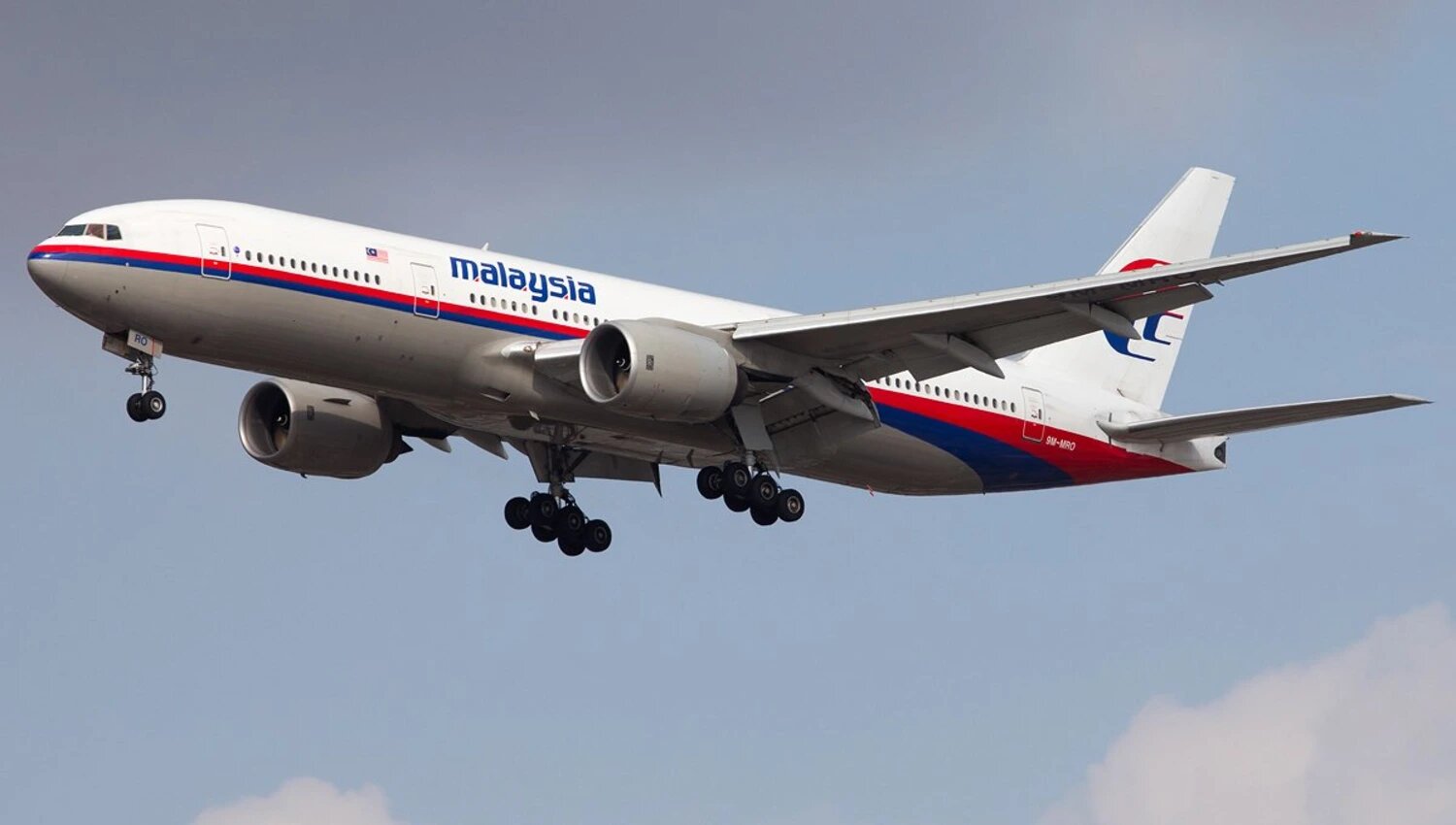
Transport Minister Anthony Loke confirmed on Wednesday, March 19, 2025, that the government had finalised an agreement with U.S.-based marine robotics firm Ocean Infinity to resume the search in the southern Indian Ocean.
The deal operates under a “no find, no fee” basis, meaning the company will only receive its $70 million payout if it successfully locates the aircraft wreckage.
“The government is committed to continuing the search operation and providing closure for the families of the MH370 passengers,” Loke stated.
The new search, expected to last 18 months, will focus on a 15,000-square-kilometre section of the ocean floor.
This follows previous search efforts by Malaysia, Australia, and China, which covered a 120,000-square-kilometre area but yielded no definitive answers. Ocean Infinity had also conducted an independent search in 2018 but found nothing.
Investigators have long believed the Boeing 777, carrying 227 passengers and 12 crew members, diverted from its planned route from Kuala Lumpur to Beijing before ultimately crashing into the southern Indian Ocean.
While debris linked to the aircraft has washed up along Africa’s coast and on islands in the Indian Ocean, the exact crash site remains unknown.
{{The long road to answers
}}
Following MH370’s disappearance on March 8, 2014, a multinational search involving 26 countries failed to locate the wreckage. Investigators determined the aircraft’s communication systems were deliberately switched off less than an hour into its flight, after which it changed course and flew for hours until its fuel was exhausted.
Three months ago, Malaysia signalled its willingness to resume the search, and with the latest approval, Ocean Infinity is expected to deploy advanced deep-sea scanning technology to explore the new target area.
Ocean Infinity’s CEO, Oliver Plunkett, has previously indicated that the company’s technology has significantly improved since its last attempt in 2018. The firm has been working with aviation experts to refine its search strategy, with a vessel already deployed to the site earlier this year.
The search is set to resume between January and April, considered the most favourable window for deep-sea exploration.
For the families of MH370 passengers, the renewed search brings a glimmer of hope after years of frustration and unanswered questions. Many have continued to press for accountability, demanding compensation from Malaysia Airlines, Boeing, and other entities linked to the doomed flight.
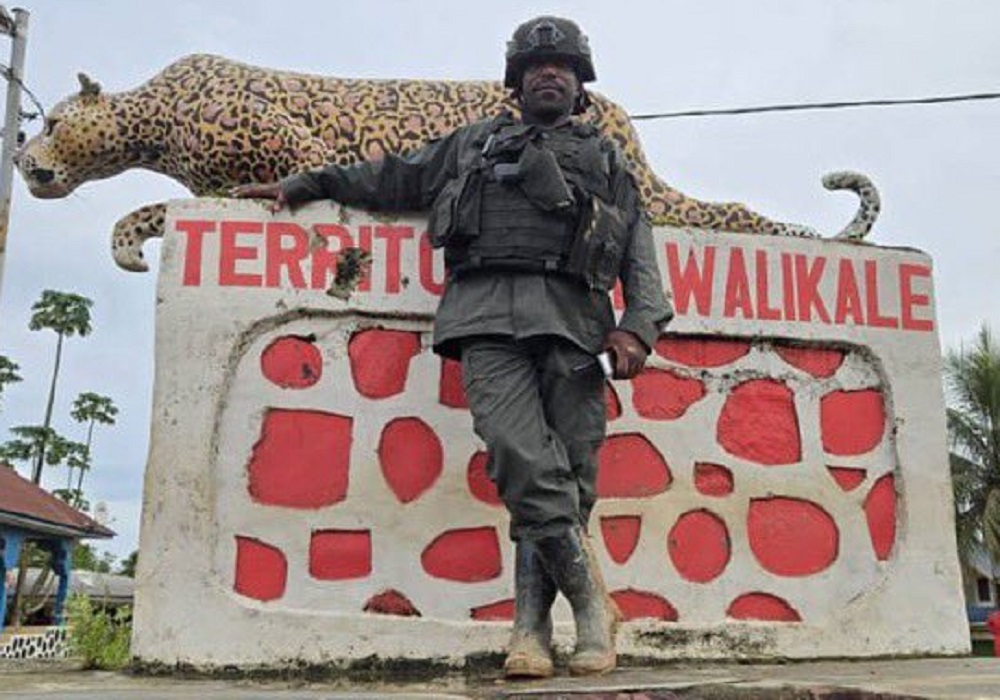
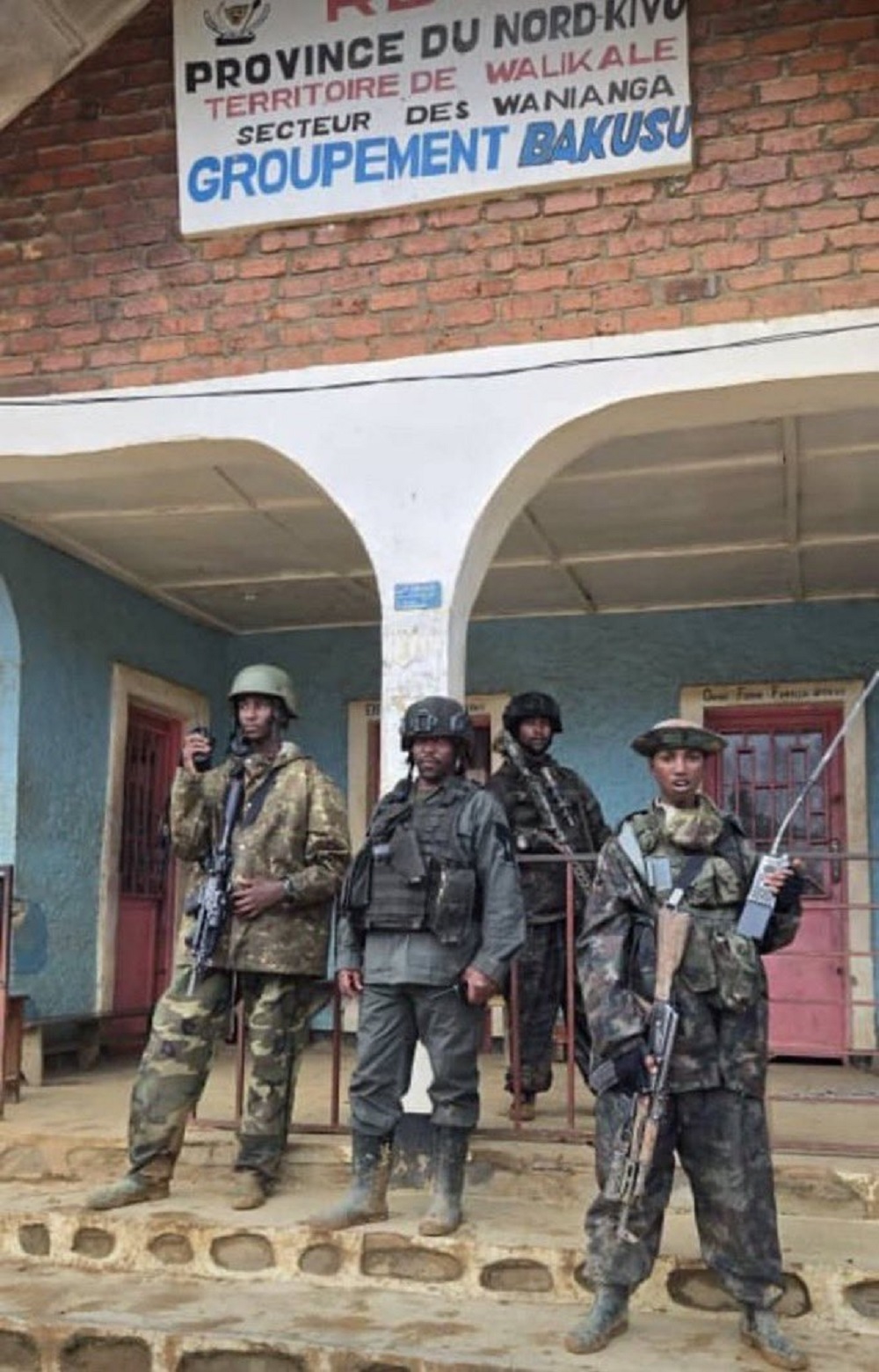
M23 entered the city after seizing surrounding areas, including Ngora, Kisima, and Mubanda, on March 19, 2025. The DRC forces guarding the city retreated toward Kisangani, located in Tshopo province.
The fighting followed an offensive launched by the DRC army coalition on M23 positions in areas recently captured by the group in Walikale, including Mpofu and Kibua, which forced the coalition to retreat.
Clashes in Walikale began in early March after days of fierce battles between M23 fighters and the DRC military coalition in the western part of Masisi territory.
After M23 captured Nyabiondo and Kashebere on March 13, the American and Canadian-owned Alphamin company suspended tin mining operations at the Bisie mines.
Bisie produces 4% of the world’s tin supply. In the first quarter of 2023, Alphamin extracted 3,187 tons of the valuable mineral from the site.
M23 has, in recent months, captured large swathes of territory in the North and South Kivu provinces, including the cities of Goma and Bukavu, in an escalating conflict with the Congolese government.
The rebels accuse President Félix Tshisekedi’s administration of poor governance and decades of marginalization of Kinyarwanda-speaking communities in the region, which has led to the displacement of hundreds of thousands of refugees.
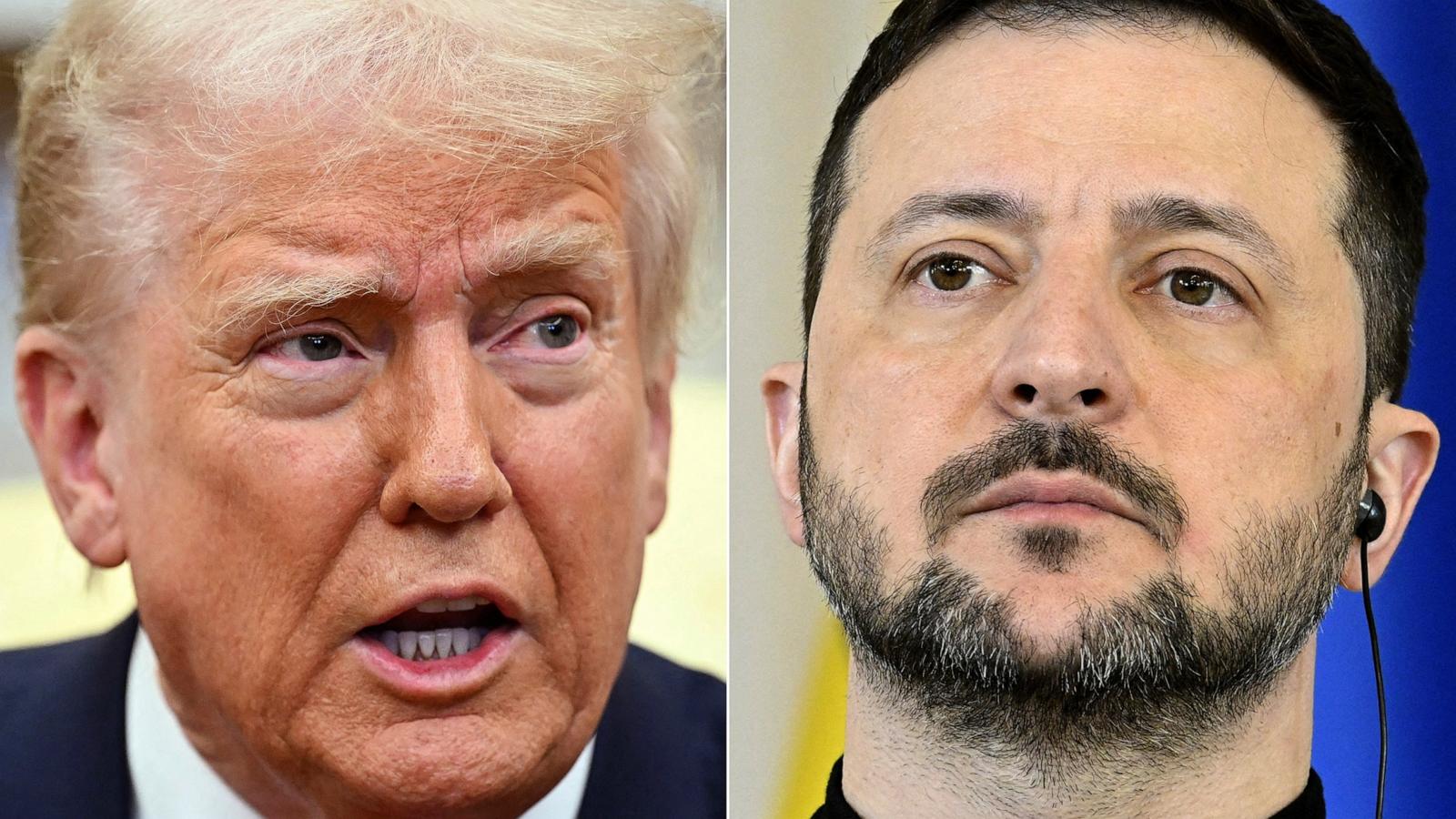
The phone call came one day after Trump and Russian President Vladimir Putin agreed on Tuesday in their phone talks that the peace in Ukraine “will begin with an energy and infrastructure ceasefire” in Ukraine.
U.S. and Ukraine’s “technical teams will meet in Saudi Arabia in the coming days to discuss broadening the ceasefire to the Black Sea on the way to a full ceasefire” in Ukraine, said a statement signed by U.S. Secretary of State Marco Rubio and National Security Advisor Mike Waltz.
Trump and Zelensky discussed the situation in Kursk and “agreed to share information closely between their defense staffs as the battlefield situation evolved,” said the statement.
During the phone conversation, Zelensky asked for additional air defense systems, particularly Patriot missile systems, and “President Trump agreed to work with him to find what was available particularly in Europe,” said the statement.
Trump also discussed Ukraine’s electrical supply and nuclear power plants with Zelensky and told the latter: “The United States could be very helpful in running those plants. American ownership of those plants would be the best protection for that infrastructure and support for Ukrainian energy infrastructure.”
Zelensky wrote on X after speaking to Trump, “One of the first steps toward fully ending the war could be ending strikes on energy and other civilian infrastructure. I supported this step, and Ukraine confirmed that we are ready to implement it.”
However, the White House statement on Wednesday did not mention that the partial ceasefire would apply to civilian infrastructure as Zelensky suggested.
White House press secretary Karoline Leavitt confirmed at a press briefing later on Wednesday that all intelligence sharing between the United States and Ukraine will continue.
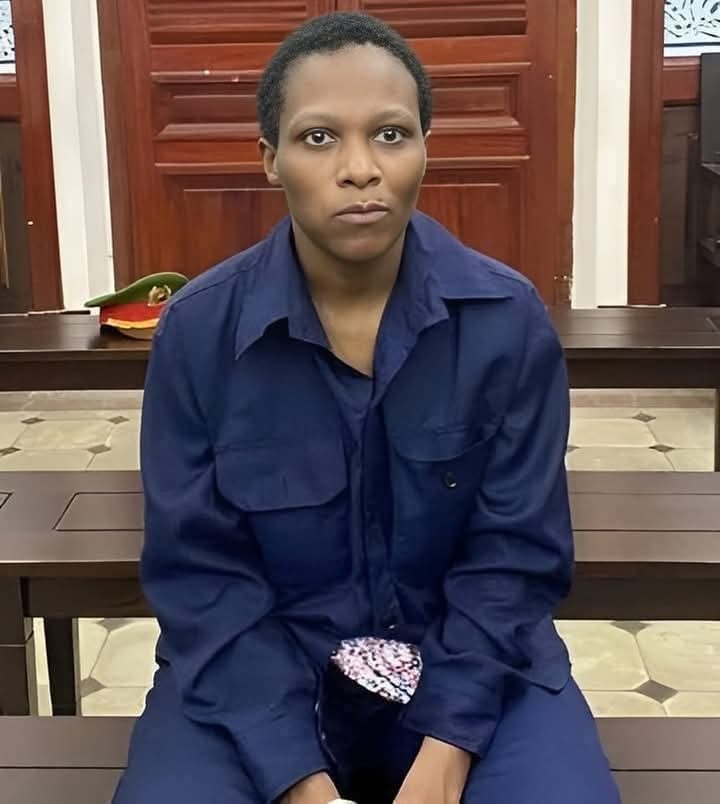
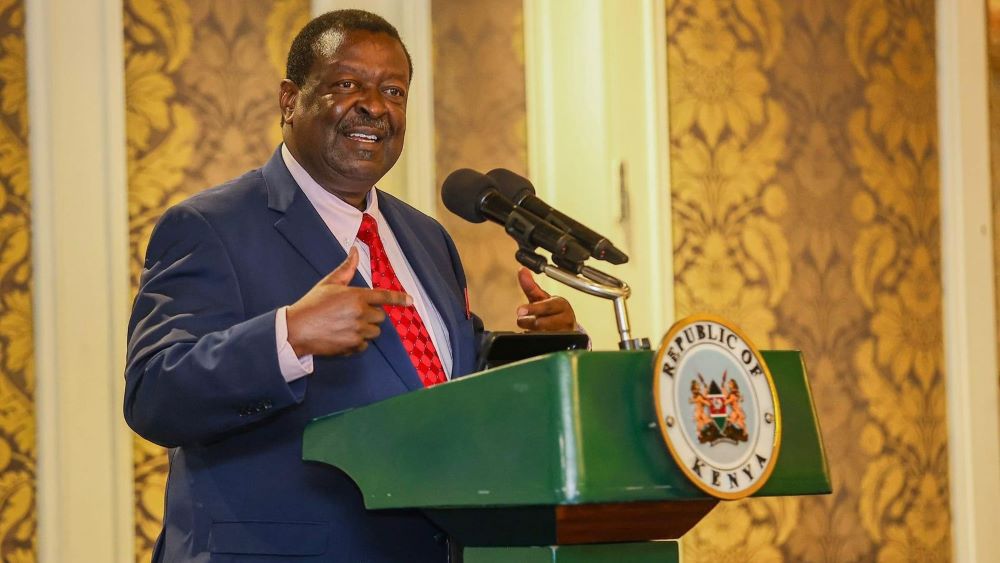
Speaking on the matter, Foreign Affairs Cabinet Secretary Musalia Mudavadi confirmed that his ministry is actively working to secure clemency for Nduta, though it is not seeking to overturn the charges against her.
Nduta was arrested in Vietnam after being caught with cocaine at the airport. Reports indicate that she had managed to pass through security screenings in Ethiopia and Qatar before being apprehended.
Vietnam, known for its strict anti-drug laws, imposes harsh penalties, including capital punishment, for drug-related offenses.
Mudavadi also revealed that Nduta’s case is not an isolated incident. According to the ministry, over 1,000 Kenyan nationals are currently facing various legal charges in different countries. However, further details on these cases remain undisclosed.
The news of Nduta’s looming execution has sparked widespread concern, with many Kenyans calling on the government to intervene and prevent her from facing the death penalty.
Advocacy groups and members of the public have urged authorities to engage in diplomatic negotiations to secure a more lenient sentence.
As efforts continue, the government remains in discussions with Vietnamese officials, emphasizing the importance of diplomatic engagement in such cases. The fate of Nduta now depends on the success of these negotiations, as well as Vietnam’s response to Kenya’s appeal for clemency.
The government noted that many imported hybrid cars were outdated, with their hybrid technology often malfunctioning or failing after a short period. Between July 2021 and July 2024, data revealed that 45% of hybrid vehicles imported into Rwanda were between 10 and 14 years old.
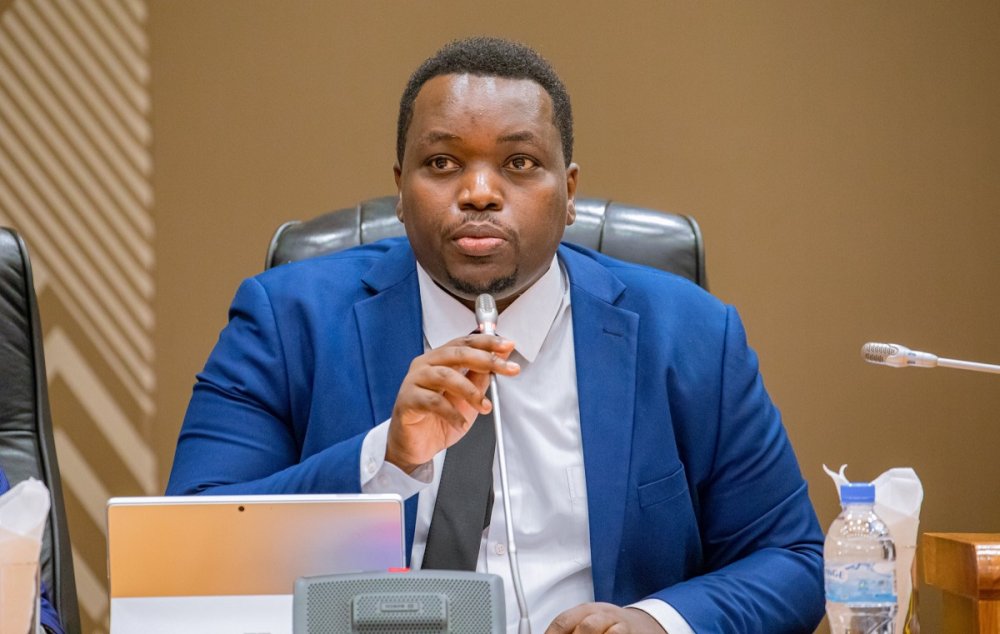
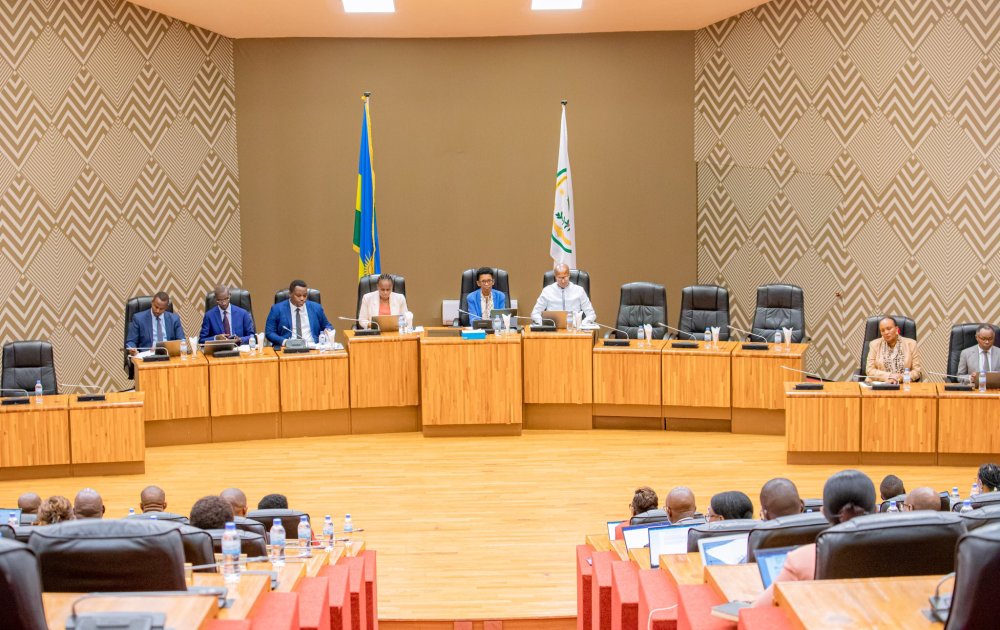
During a parliamentary session on March 19, 2025, where amendments to the VAT law were discussed, Minister of State in the Ministry of Finance and Economic Planning, Godfrey Kabera, explained that several previously exempted items had become obsolete and needed to be taxed.
“The list of goods now subject to VAT includes technology equipment and services related to media and telecommunications, road transport for goods, mobile phones that use SIM cards, hybrid vehicles, and their batteries,” Kabera stated.
Some exemptions remain, but only for a limited period. Fully electric vehicles and electric charging station equipment will continue to be tax-free until June 30, 2028.
Equipment related to renewable energy will remain tax-free until June 30, 2028, while industrial machinery and raw materials for manufacturing will be exempt until June 30, 2026.
{{Rwanda’s environmental and economic justification}}
Kabera pointed out that many imported hybrid cars were too old to function effectively as hybrid vehicles and ended up relying solely on gasoline or diesel, thereby defeating the environmental purpose of tax exemptions.
“When these cars are too old, they operate only on gasoline or diesel, meaning that our environmental goals are not being met. Now that people are familiar with hybrid cars, we want to encourage the purchase of newer models. That is why we introduced a tax system that varies based on the car’s age,” he explained.
Kabera emphasized that Rwanda aims to encourage the importation of new or fully electric vehicles to align with its environmental protection policies. “For VAT, we believe it is time for people to adapt. Fully electric cars remain exempt, and we want to ensure that our environmental protection and climate preservation strategies focus primarily on promoting fully electric vehicles,” he added.
The new VAT policy on hybrid cars will be based on their age at the time of importation. Vehicles under three years old will be taxed at 5%, those between three and eight years old at 10%, and those older than eight years at 15%.
{{VAT reintroduced on mobile phones}}
The government has also decided to reinstate VAT on mobile phones, citing the fact that over 80% of households in Rwanda already own one. Initially, telecommunications devices were exempt from VAT to encourage digital adoption, but the high penetration rate has led to a policy shift.
Kabera clarified that the new tax would not significantly increase phone prices or discourage their use.
“The issue is not the cost of smartphones but the fact that many people lack the knowledge to use them effectively,” he noted.
MP Jean Claude Ntezimana raised concerns about how taxing mobile phones could impact Rwanda’s digital transformation efforts.
“In the past, the government encouraged citizens to adopt digital technology to accelerate development. Now that over 80% of households own phones, I worry that introducing taxes could hinder efforts to achieve 100% penetration, which is crucial for national progress,” he said.
Kabera reassured lawmakers that the government was working on initiatives to improve digital literacy so that more Rwandans could effectively use smartphones and other technological tools.
The warrant was issued by Chief Magistrate Ronald Kayizzi, who was satisfied that Ssemakadde is on the run outside the country. The court has ordered Interpol to arrest him on sight.
The charges against Ssemakadde stem from allegations that he insulted the modesty of Director of Public Prosecutions (DPP) Jane Frances Abodo during a symposium in November 2024. The remarks, which went viral on social media, sparked public outrage.
Ssemakadde’s legal team had argued that he should not be compelled to appear in court in person, citing his illness and a pending High Court ruling. However, the prosecution insisted on his physical presence to formally address the charges.
This development marks a significant escalation in the legal proceedings against Ssemakadde, who is also facing separate charges for contempt of court.
The Uganda Law Society president has been at the center of controversy in recent months, with his comments sparking widespread debate about free speech and the limits of public discourse.