Pharco Pharmaceuticals, founded in 1983 by Dr. Hassan Abbas Helmy, is one of Egypt’s major pharmaceutical firms. It produces a wide range of medications under the Pharco brand and distributes them in over 50 countries.
In 2019 alone, the company sold 750 million medicine packages globally. Some of its key products include Acne Zinc for skin treatment, Alambuphine for fever relief, and Alfatral, used in the treatment of urinary tract infections.
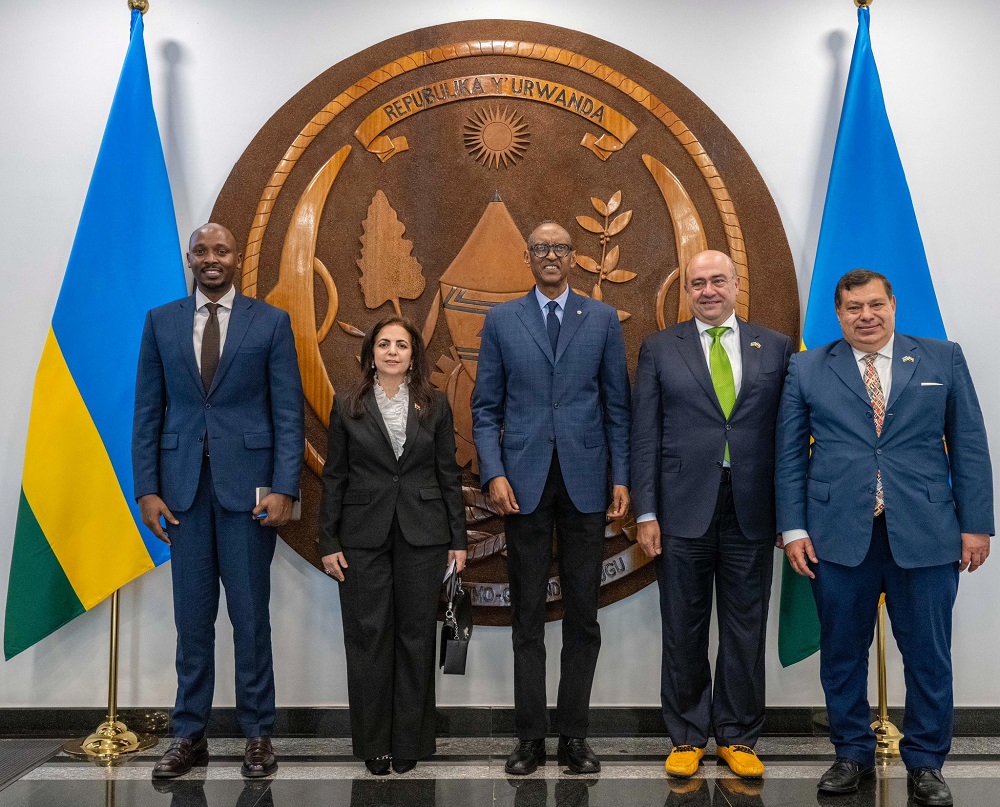
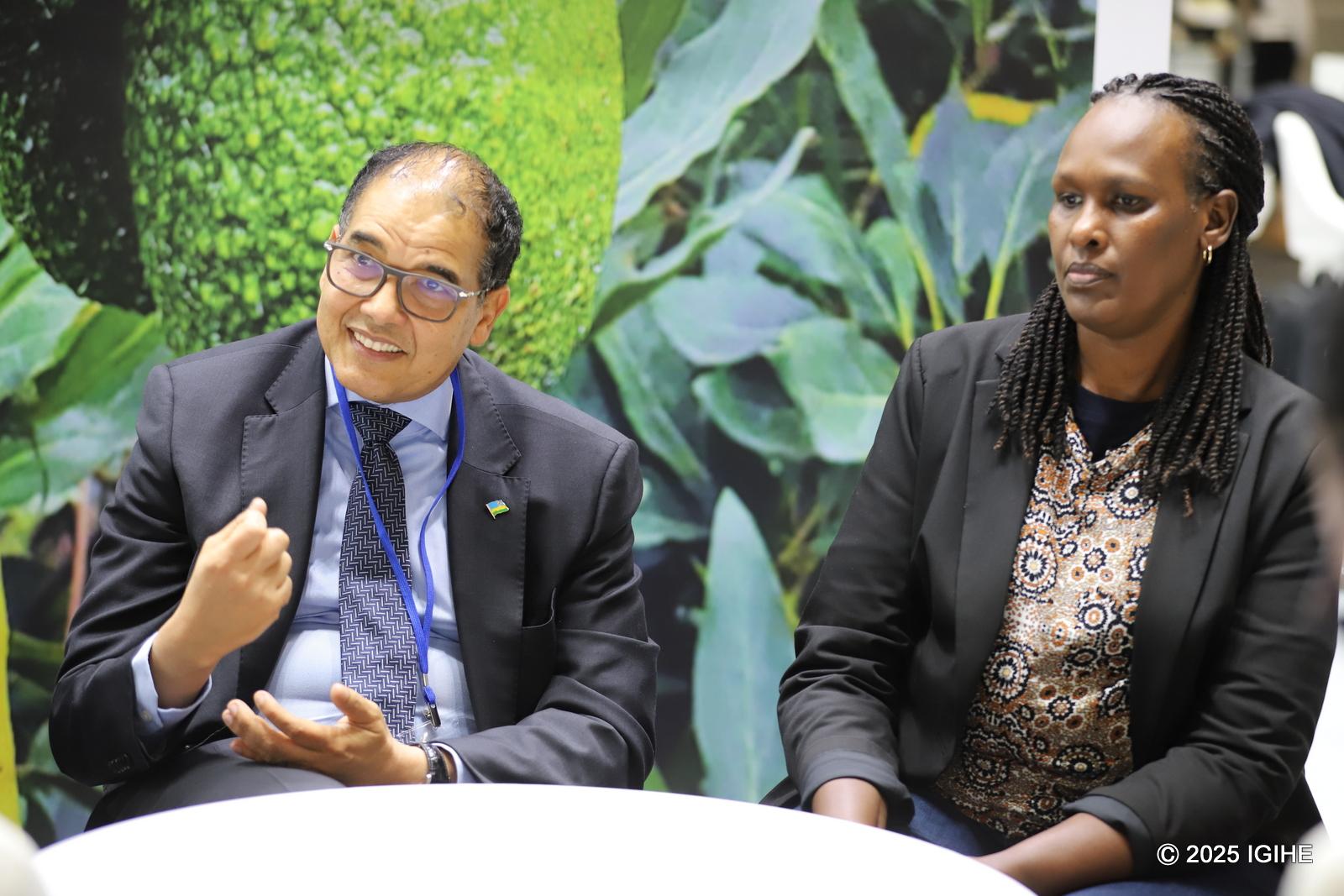
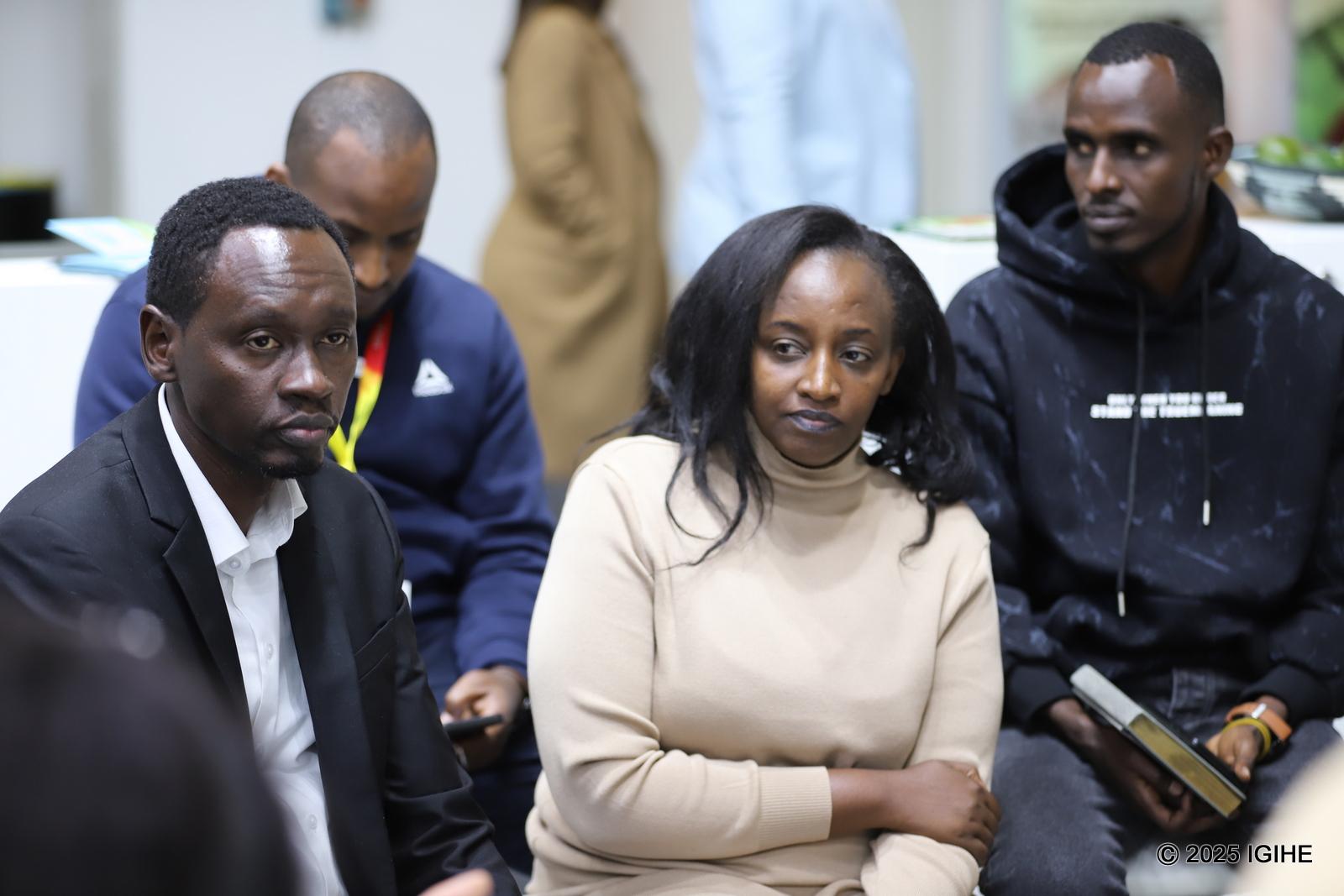
On Thursday, President Paul Kagame met with a delegation from Pharco Pharmaceuticals, led by its CEO, Dr. Sherine Abbas Helmy. The discussions were also attended by Rwanda’s Minister of Health, Dr. Sabin Nsanzimana.
According to Village Urugwiro, the meeting focused on identifying areas of collaboration between Rwanda and the pharmaceutical firm, particularly in the healthcare and pharmaceutical sectors.
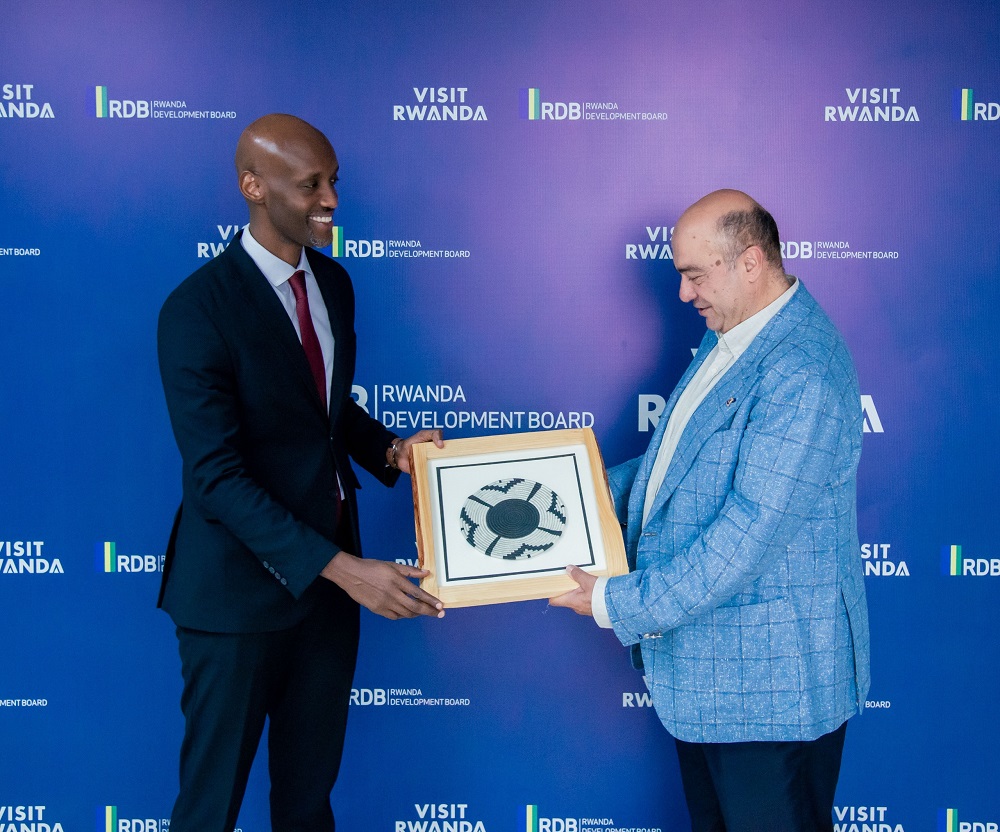
Before meeting President Kagame, Dr. Sherine Abbas Helmy and his delegation also held discussions with Jean-Guy Afrika, CEO of the Rwanda Development Board (RDB).
Following the meeting, RDB stated, “The discussions explored opportunities to expand access to essential medicines, conduct clinical trials, and establish local pharmaceutical manufacturing.”
Rwanda has been making significant investments in its healthcare sector, aiming to improve medical services and modernize healthcare infrastructure. These efforts seek to reduce the number of Rwandans seeking medical treatment abroad while attracting international patients to the country’s healthcare facilities.
If the pharmaceutical factory project is launched, it will complement Rwanda’s ongoing initiative to establish a vaccine manufacturing plant in partnership with Germany’s BioNTech.
Additionally, in November, RDB signed an agreement with Bio Usawa Inc. to build a pharmaceutical plant specializing in the production of treatments for severe eye diseases, including those affecting diabetic patients.
The virtual event brought together key industry leaders to educate the public on the advantages, risks, and accessibility of CIS.
CIS are investment funds that gather money from multiple investors and allocate it into a diversified portfolio of assets. These schemes offer several benefits, including professional fund management, lower investment risk through diversification, and access to investment opportunities that may be difficult for individual investors to reach.
In Rwanda, two CIS are currently licensed: the RNIT Iterambere Fund and the BKC Aguka Fund. By the end of December 2024, their total assets under management (AUM) had grown to RWF 67.49 billion, with 34,465 unit holders, up from RWF 64 billion and 28,895 unit holders in June 2024.
This growth reflects increasing investor confidence and participation in Rwanda’s capital markets.
Agnes Nyirankeza, CEO of BCP Investment Managers noted that “The CIS industry can help create quality jobs in Rwanda by employing financial analysts and portfolio managers. It is a crucial part of our economy, offering diverse investment opportunities with professional management.”
Siongo Kisoso, Managing Director of BK Capital stressed that “The future of CIS in Rwanda is bright. As the market develops, we expect greater innovation, increased investor participation, and a wider range of investment options. CIS provide a balanced approach, combining professional management with accessibility and risk diversification.”
Jonathan Gatera, CEO of RNIT Iterambere Fund said that since launching in 2016 as Rwanda’s first CIS, the RNIT Iterambere Fund has grown its assets from RWF 3 billion to over RWF 45 billion.
“Investors can start with as little as RWF 2,000 and only need an ID card. The Net Asset Value per unit has increased from RWF 1,000 to RWF 1,238, reflecting an annual net return of about 11.78%. We plan to introduce more schemes to enable broader participation,” he said.
Pierre-Célestin Rwabukumba, CEO of the Rwanda Stock Exchange (RSE) expressed commitment to educating the public on CIS, as they provide the easiest access to the market.
“I encourage BK Capital to consider listing on the RSE for visibility, and I urge all stakeholders to introduce more CIS and investment products to expand opportunities for everyone,” he advised.
Thapelo Tsheole, CEO of the Capital Market Authority (CMA) explained that CIS offer the simplest entry point for market investment.
“To enhance productivity, we must create more schemes, develop new investment products, and invest in technology. By working together, we can broaden the scope of CIS in Rwanda,” he said.
As Rwanda’s capital markets continue to expand, the rise of CIS will play a key role in driving financial inclusion and economic development, providing investors with accessible and secure long-term investment opportunities.
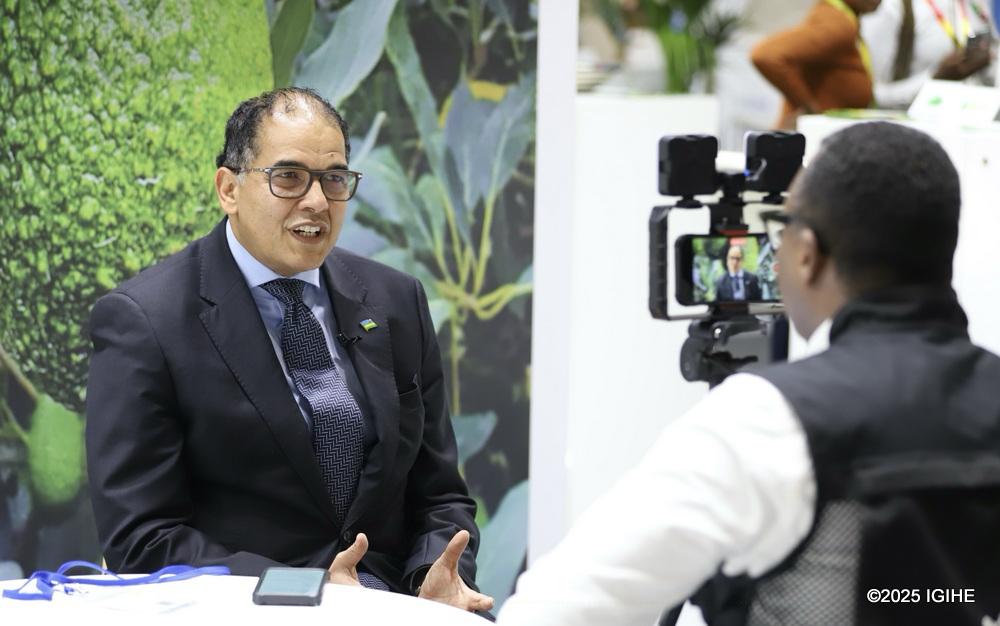
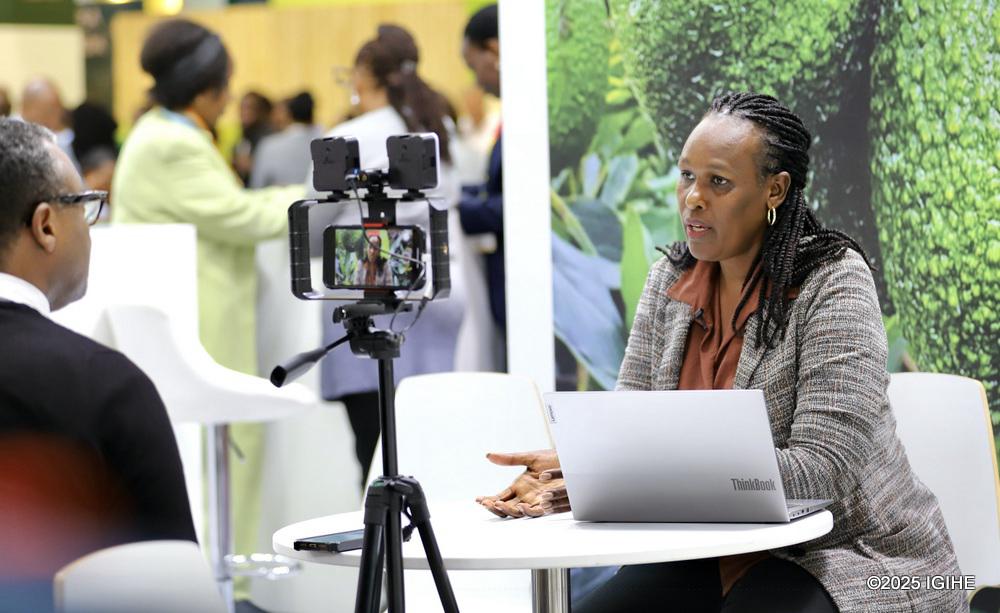
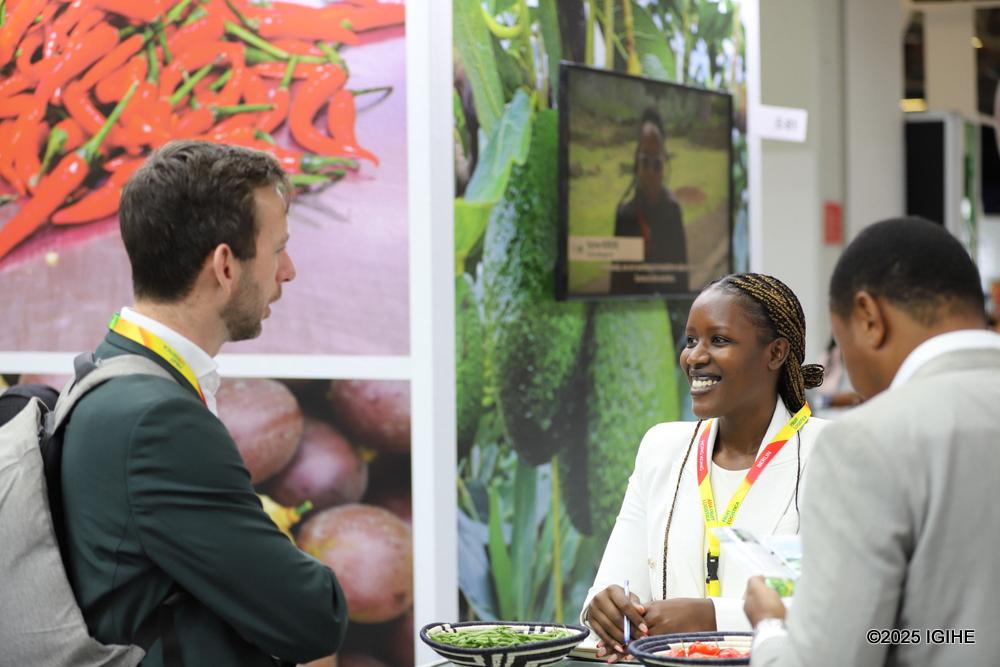
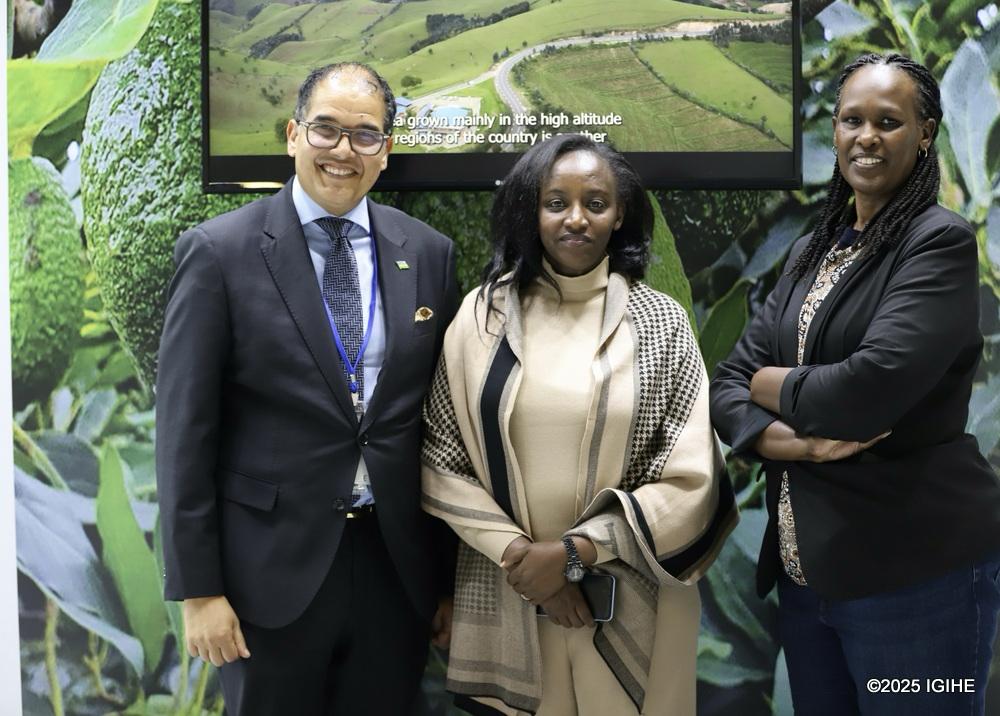
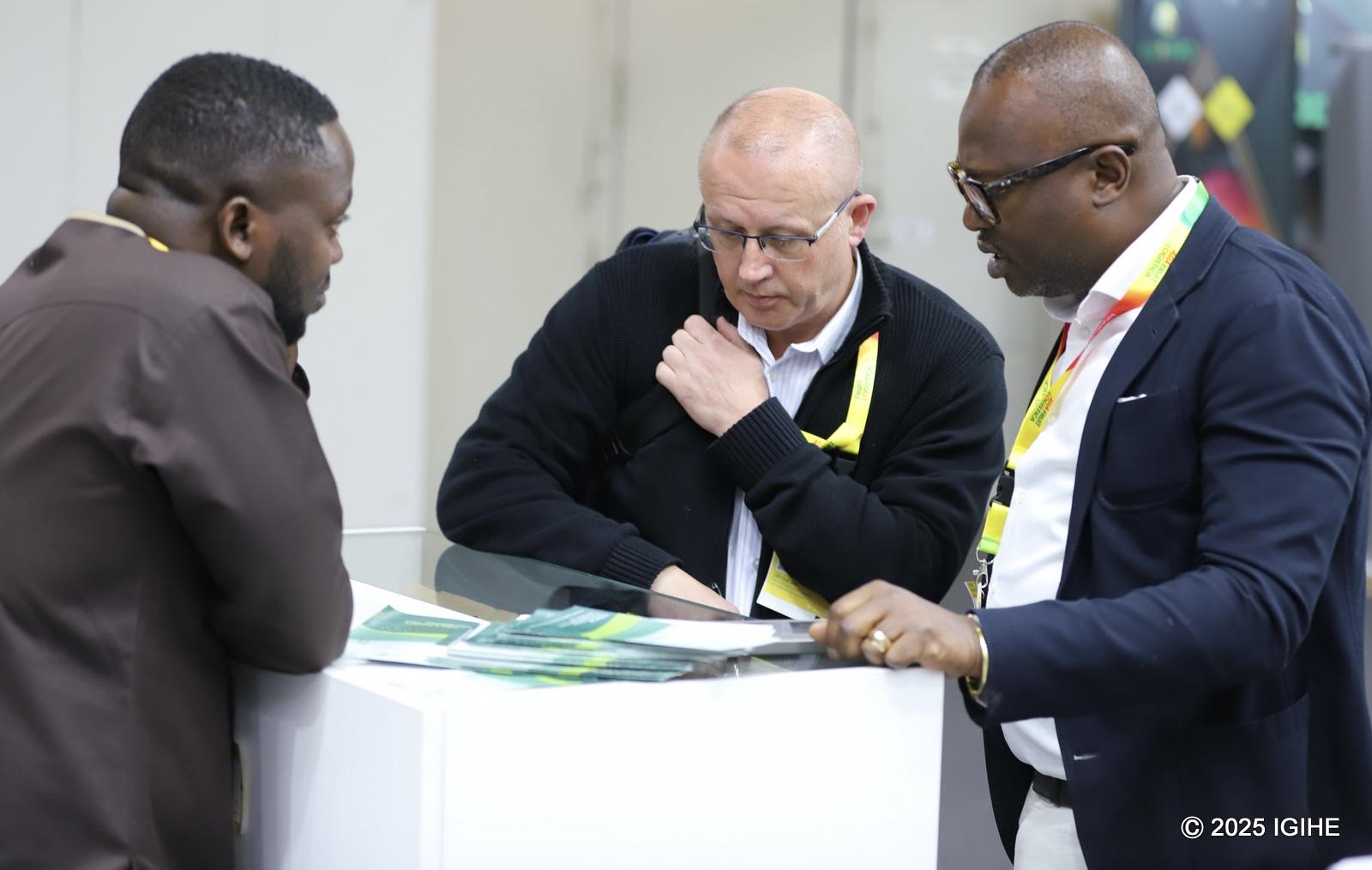
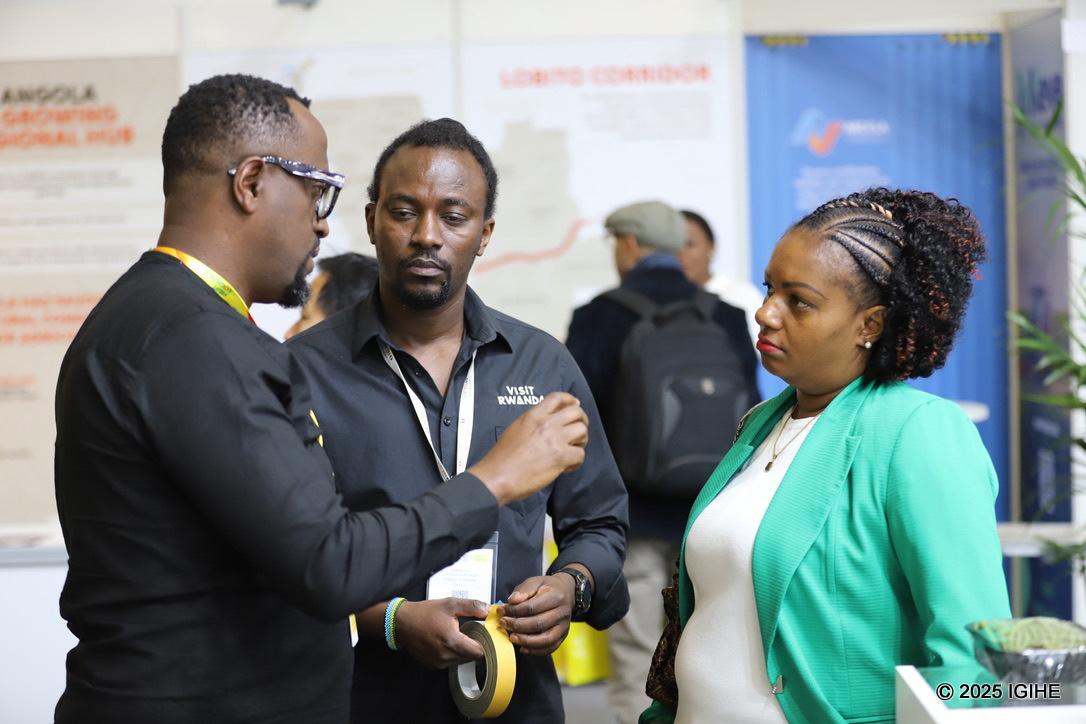
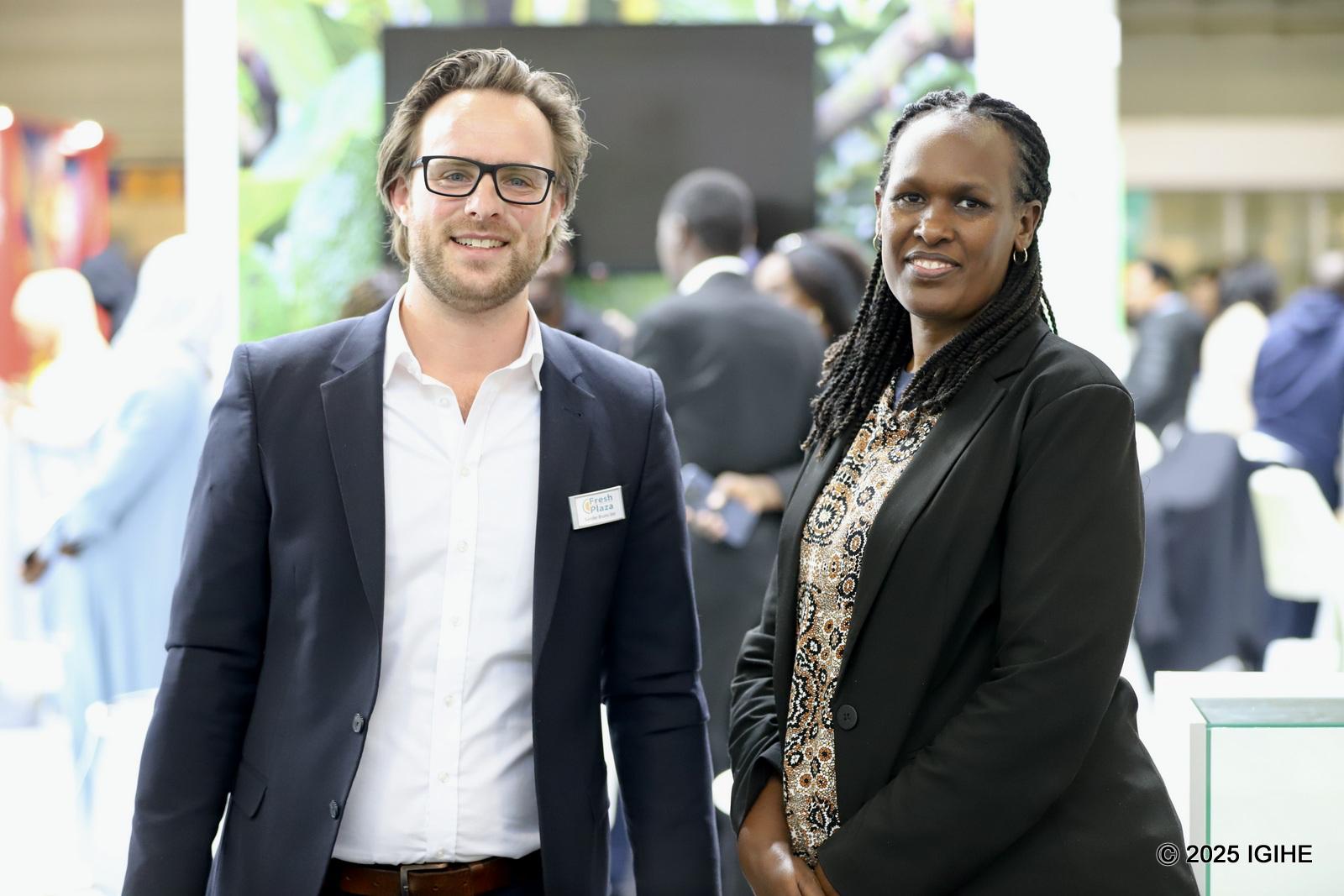
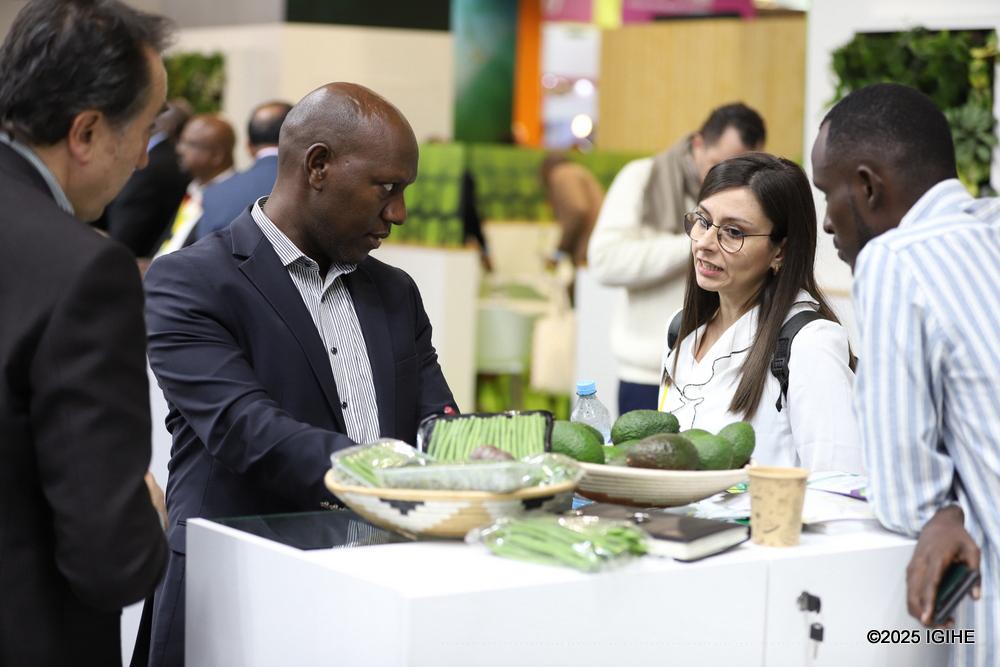
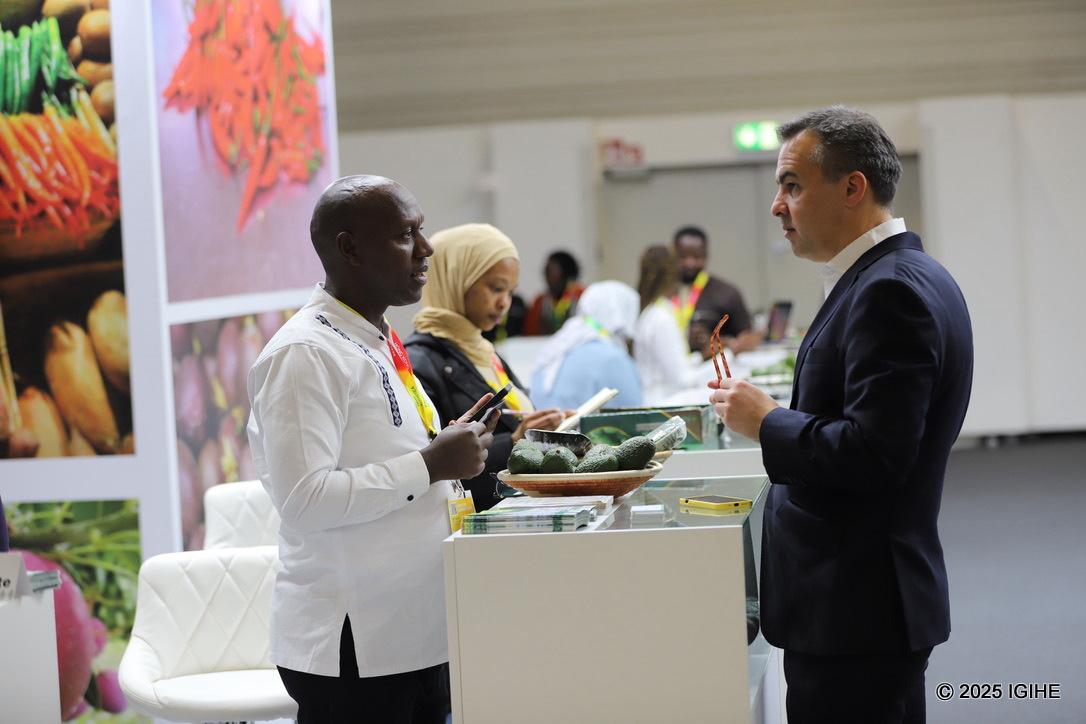
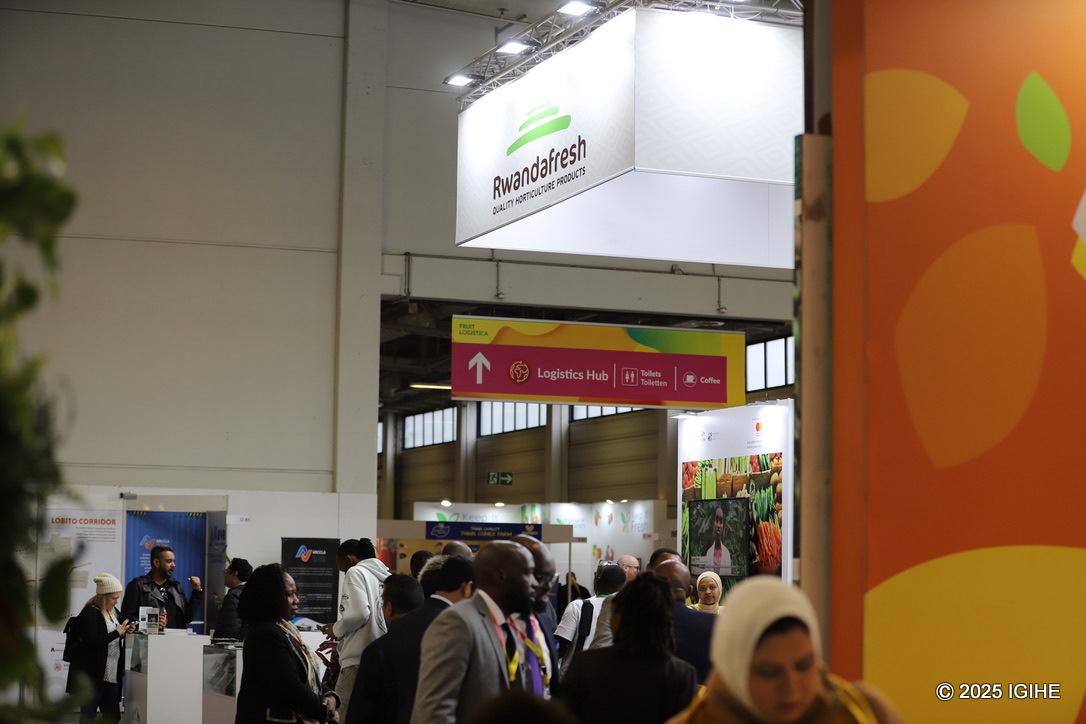
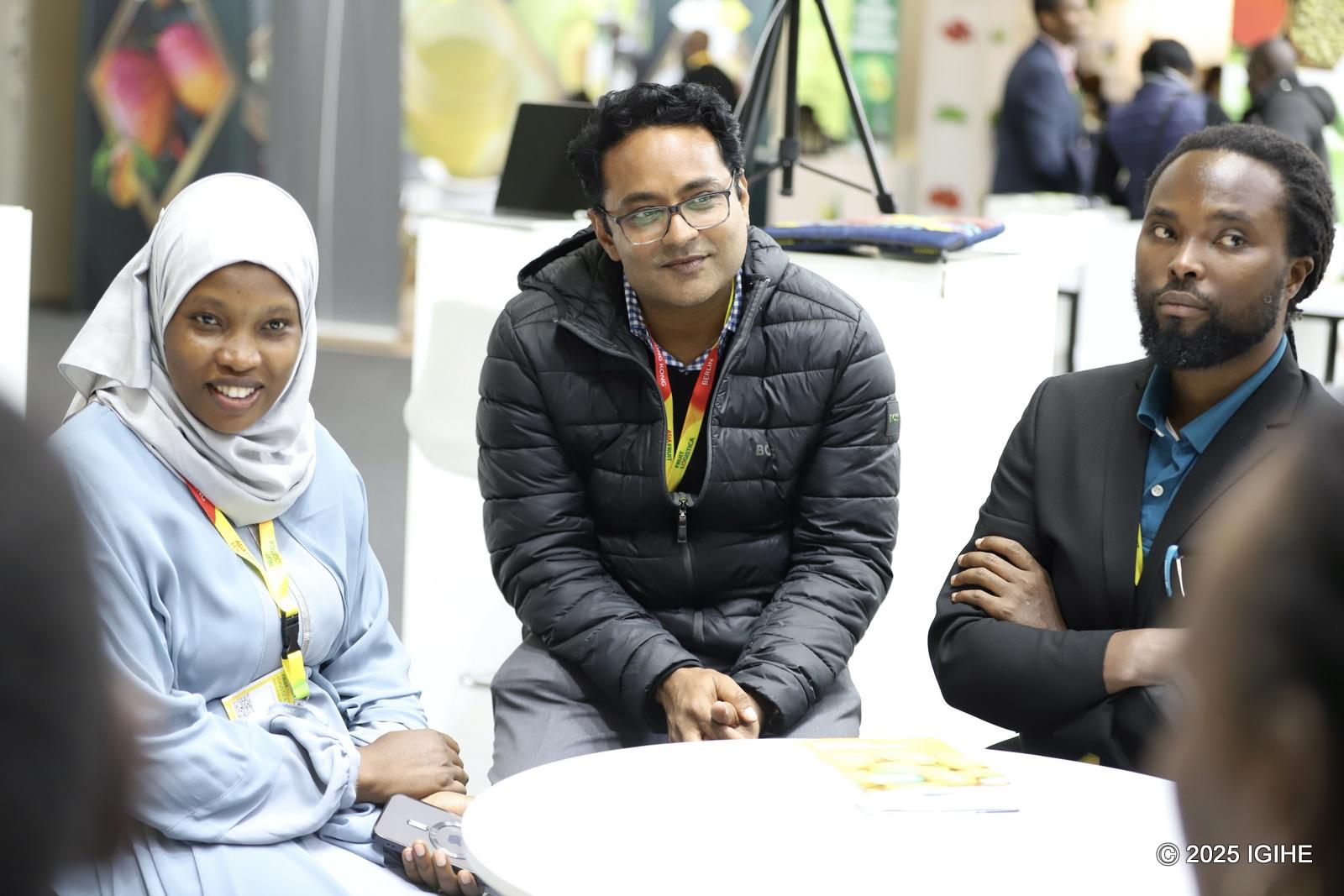
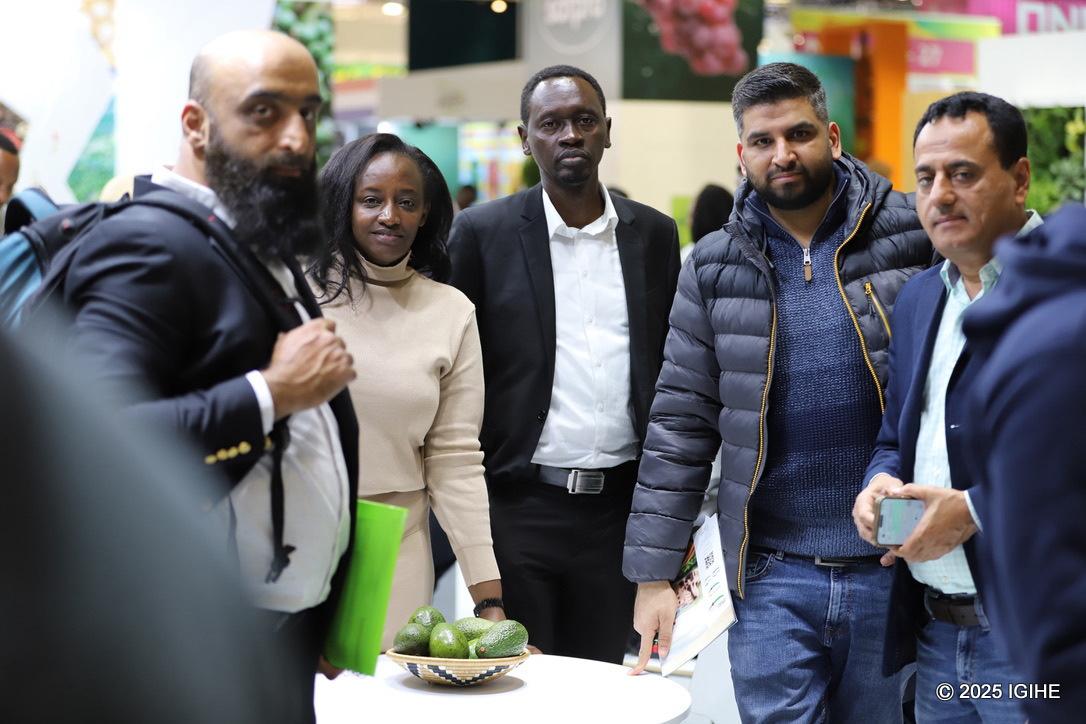
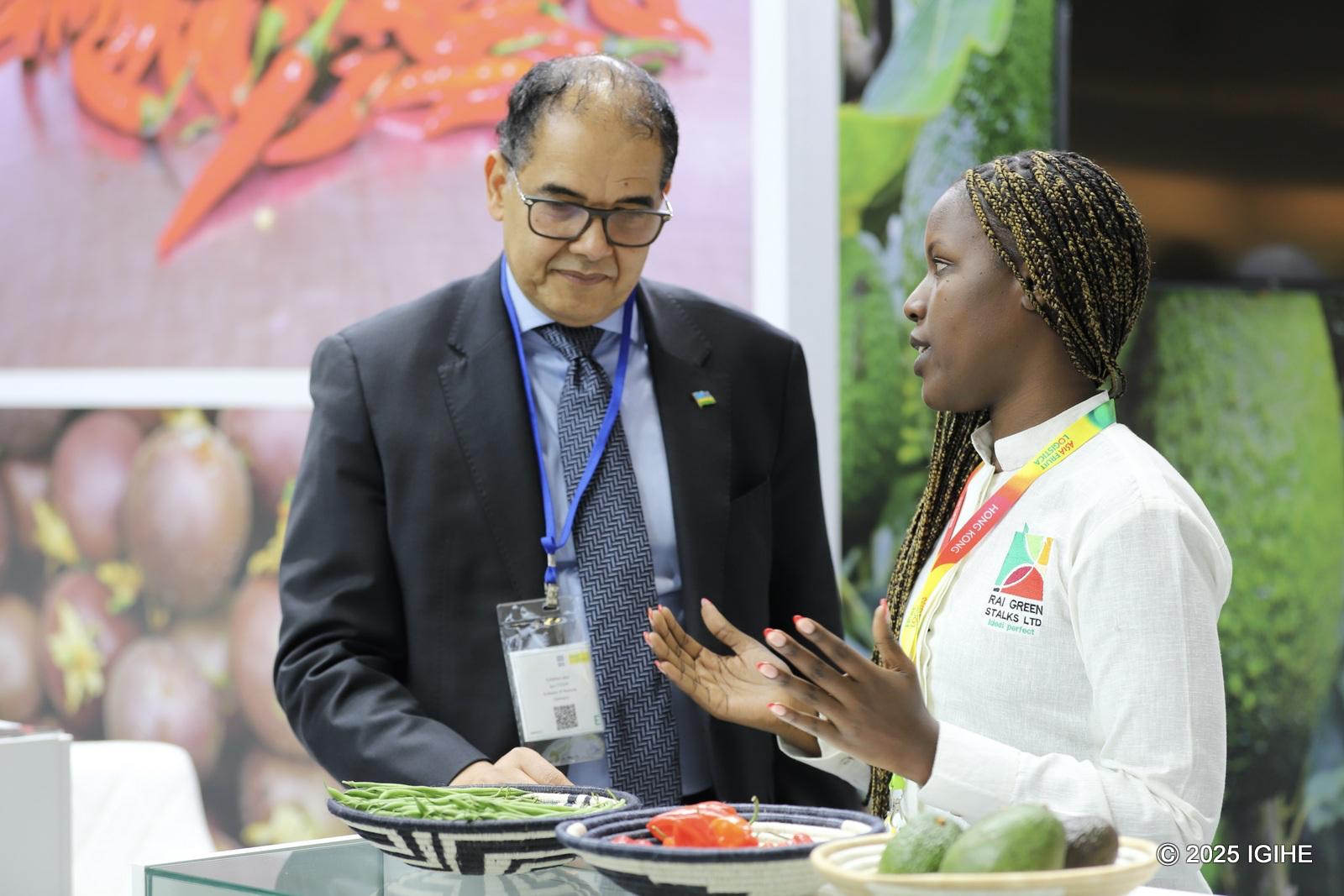
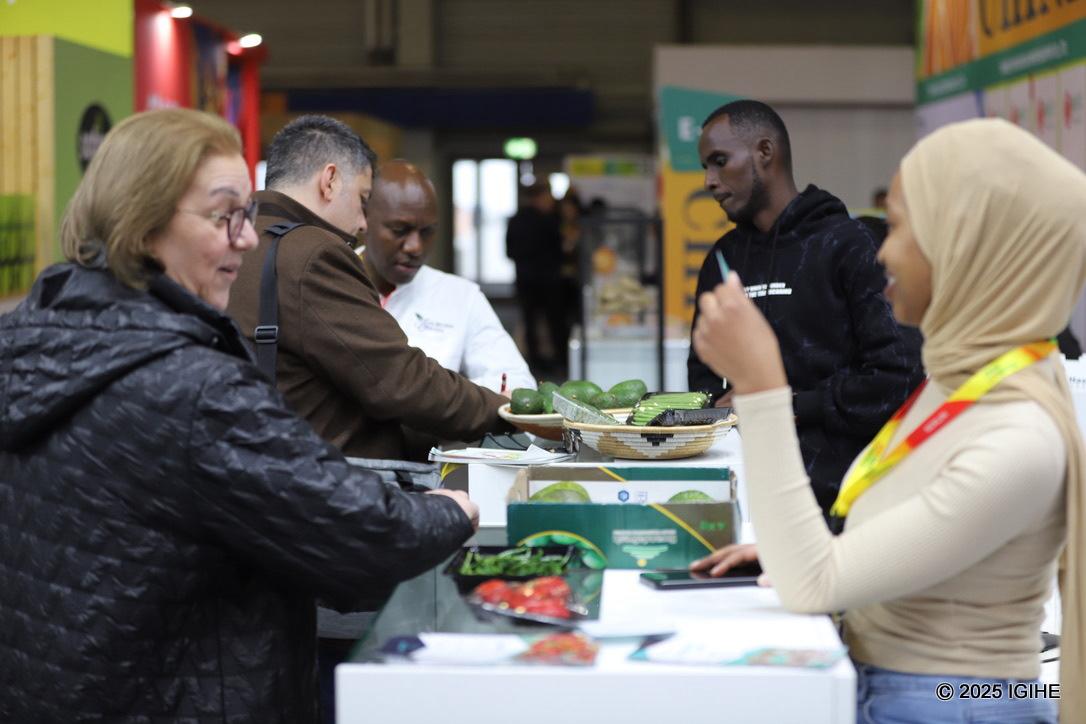
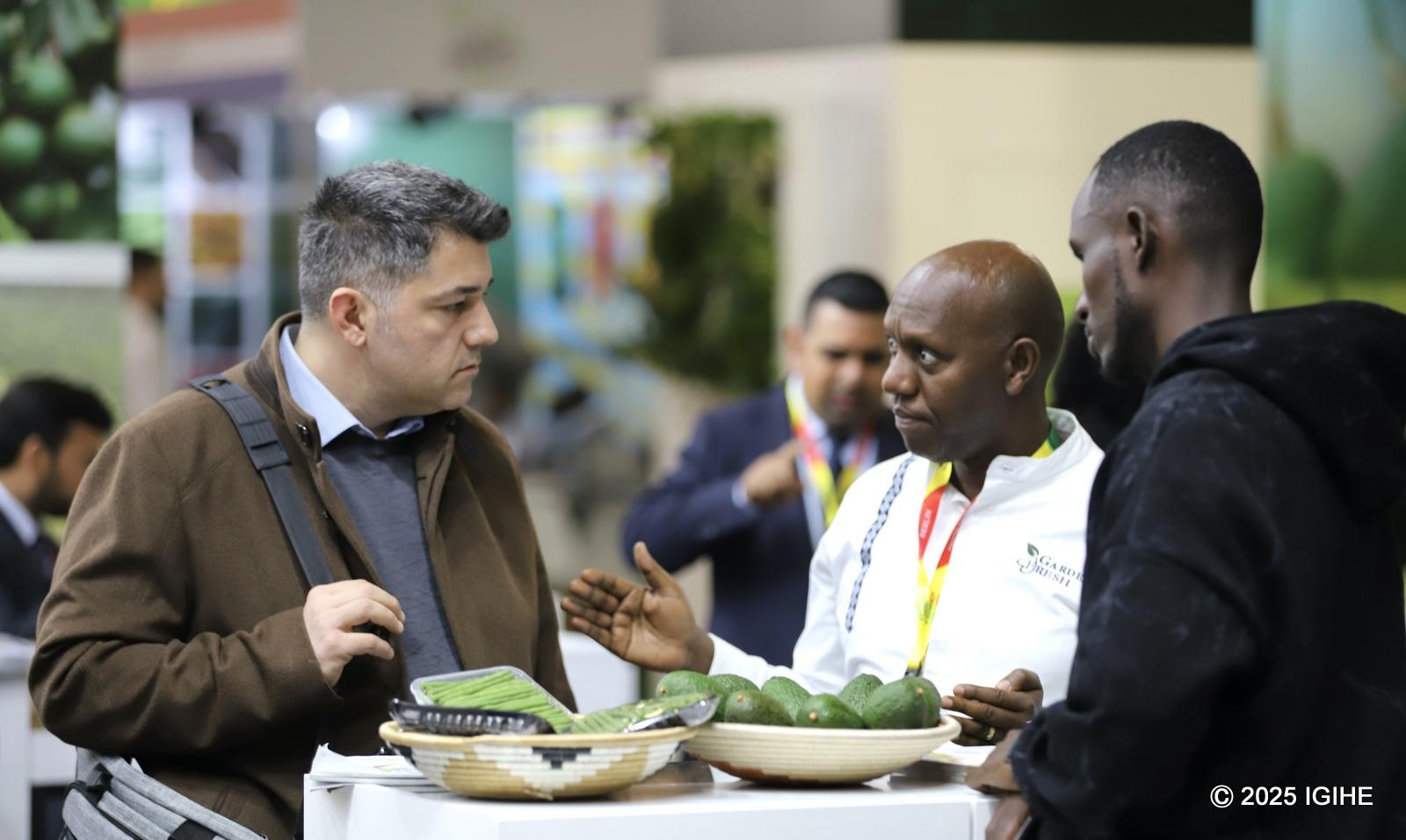
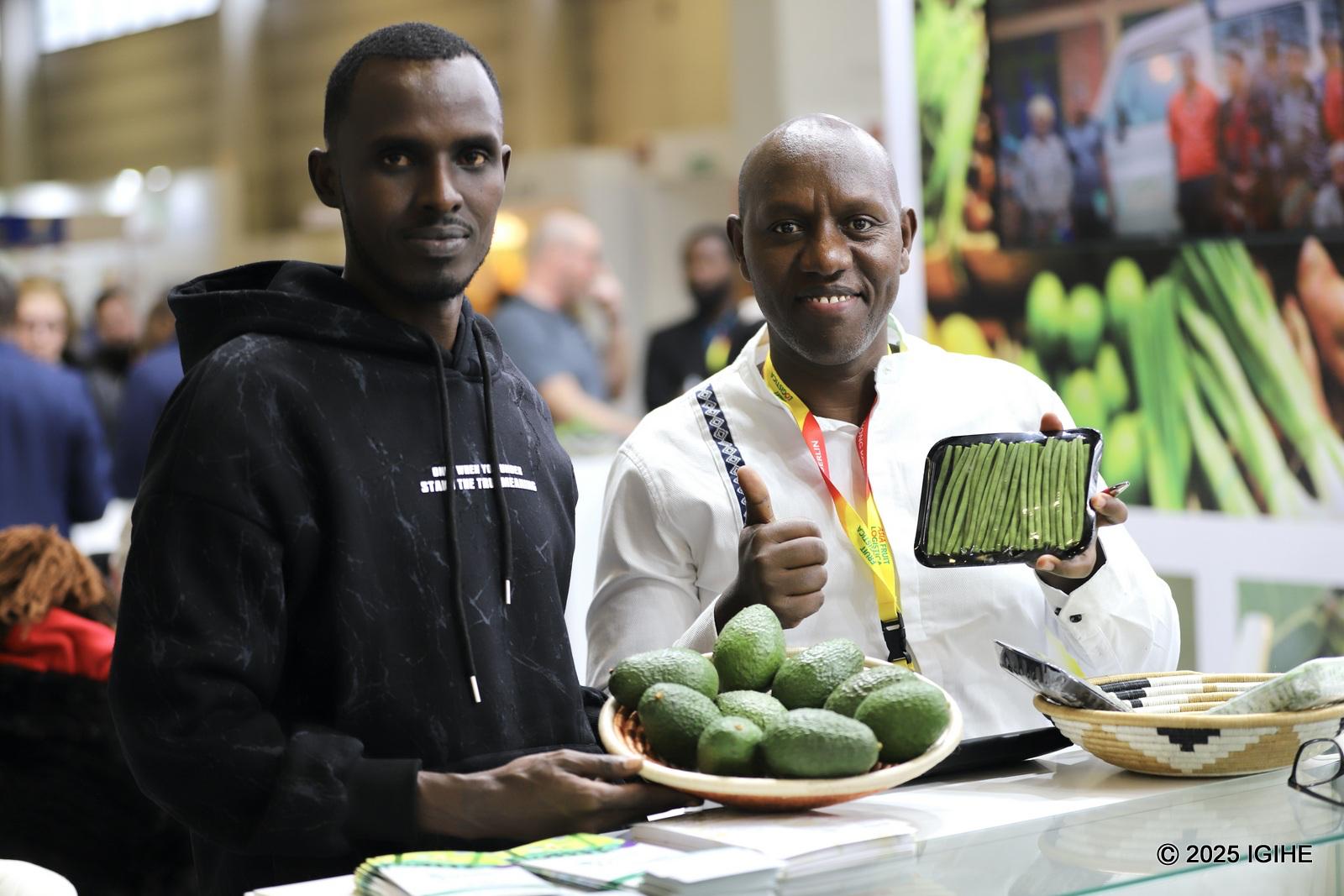
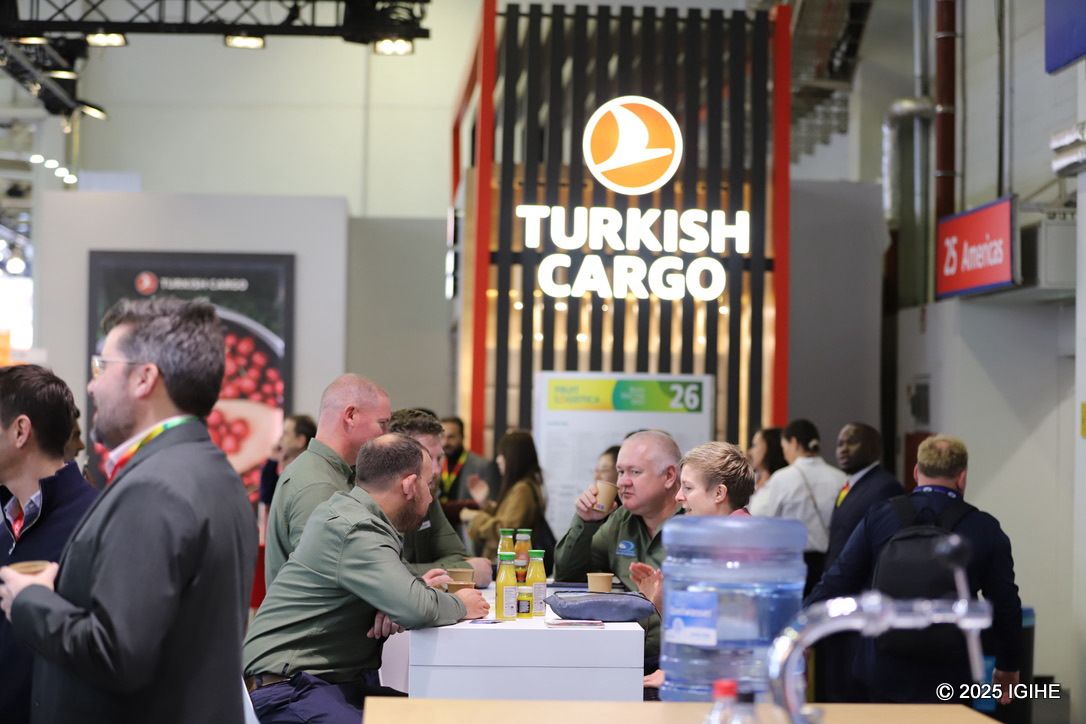
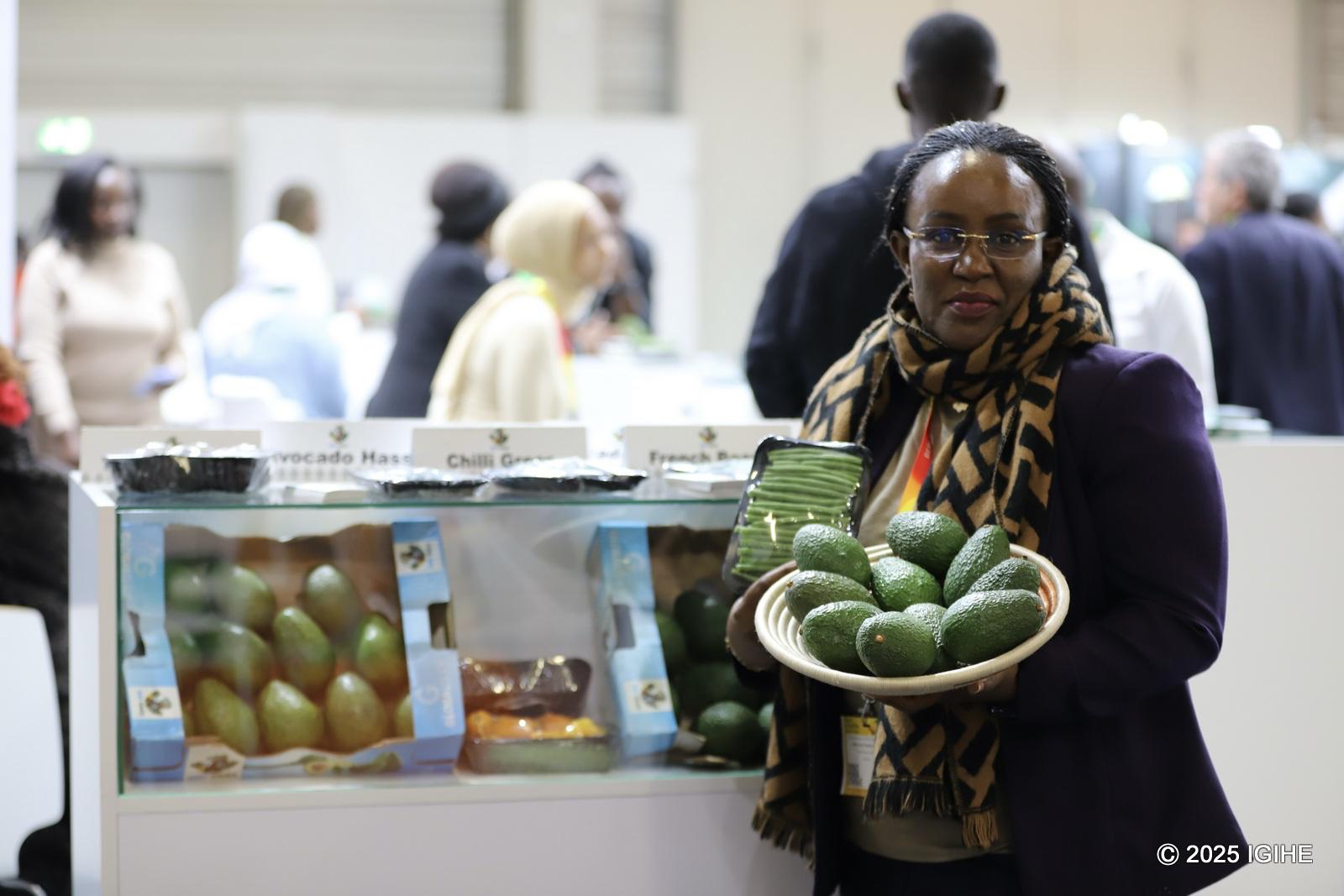
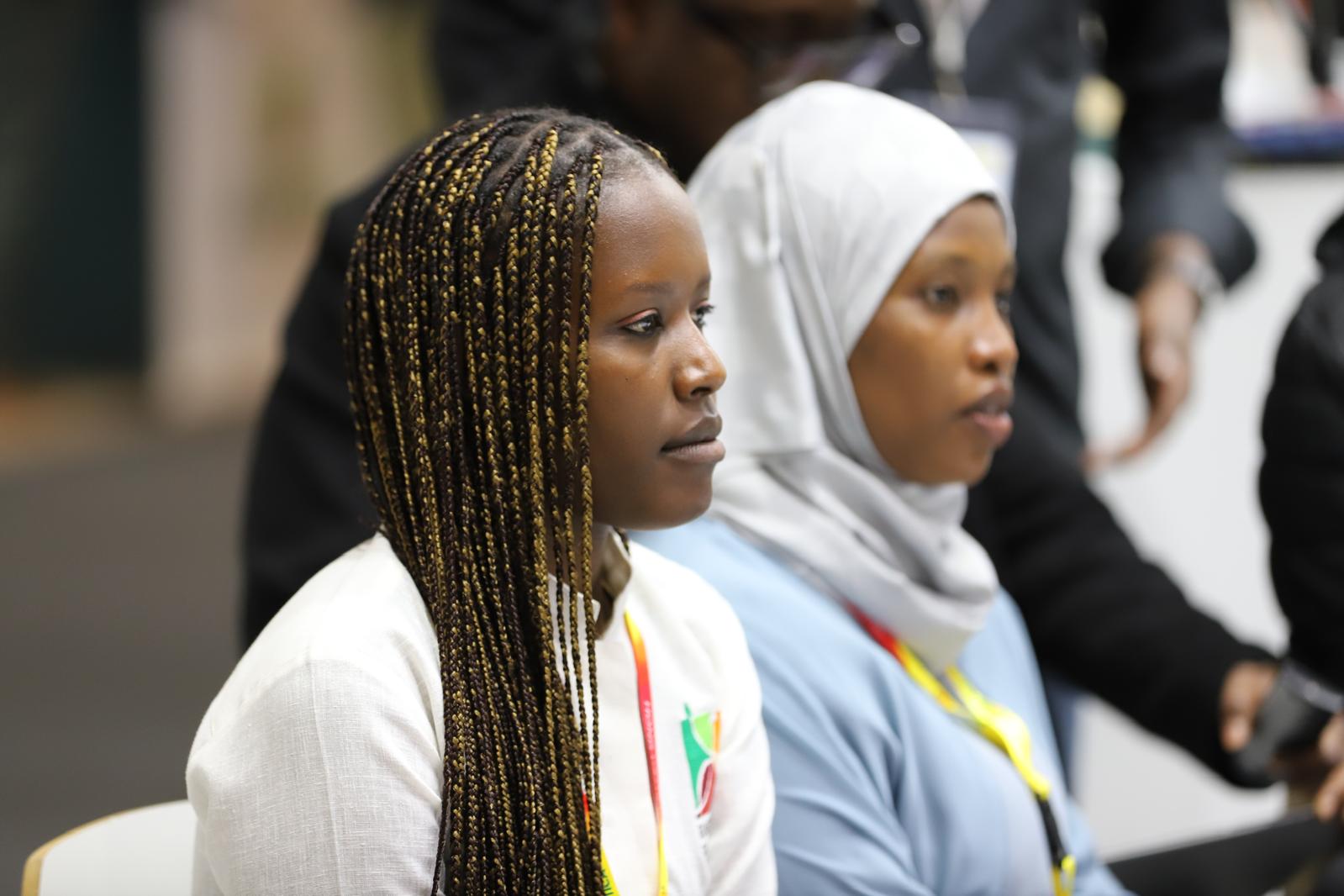
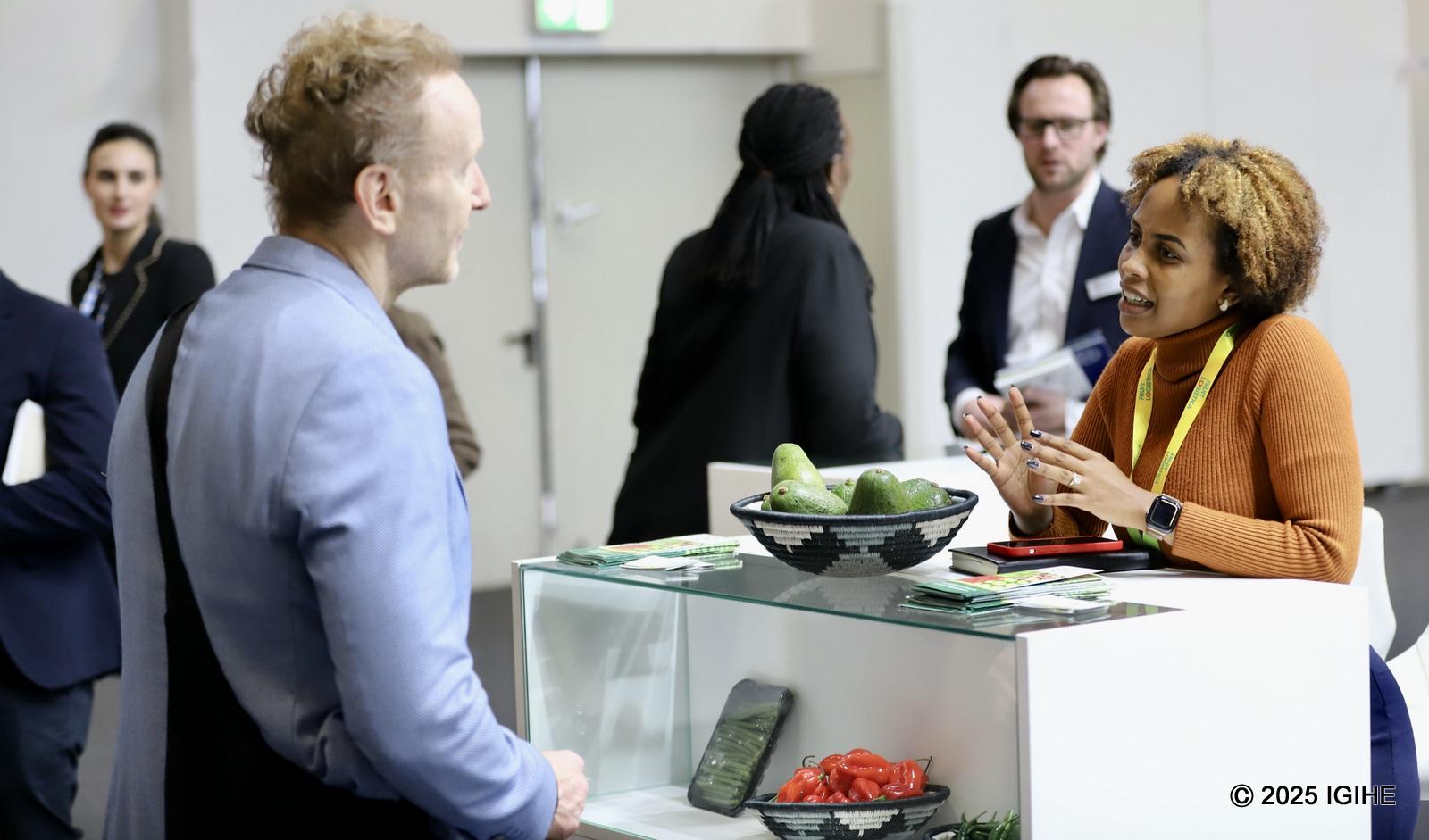
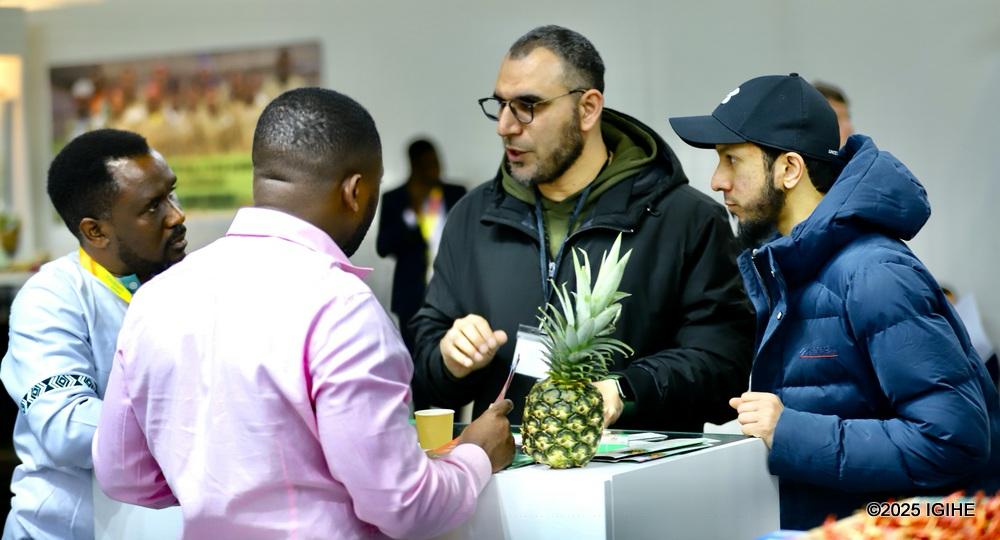
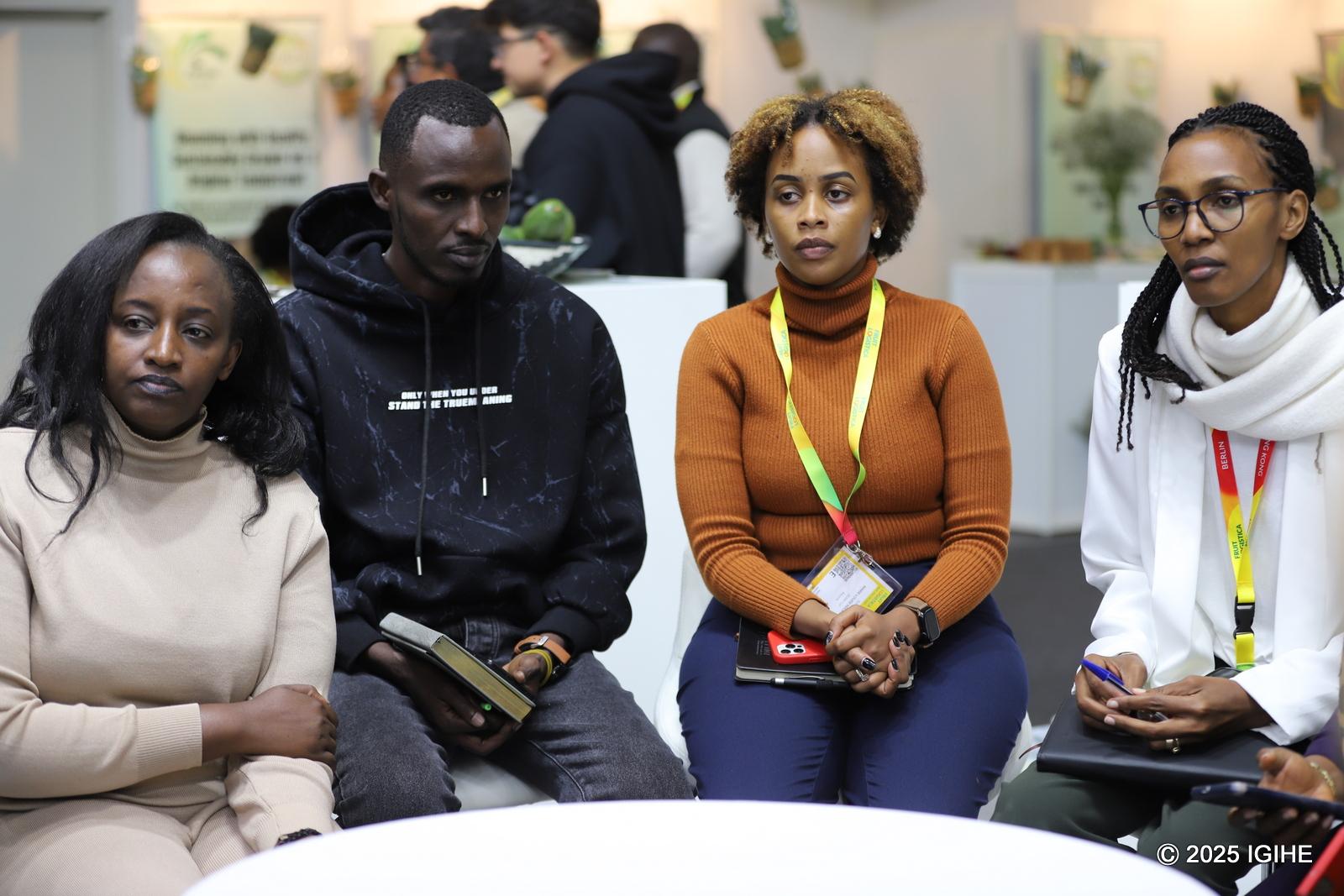
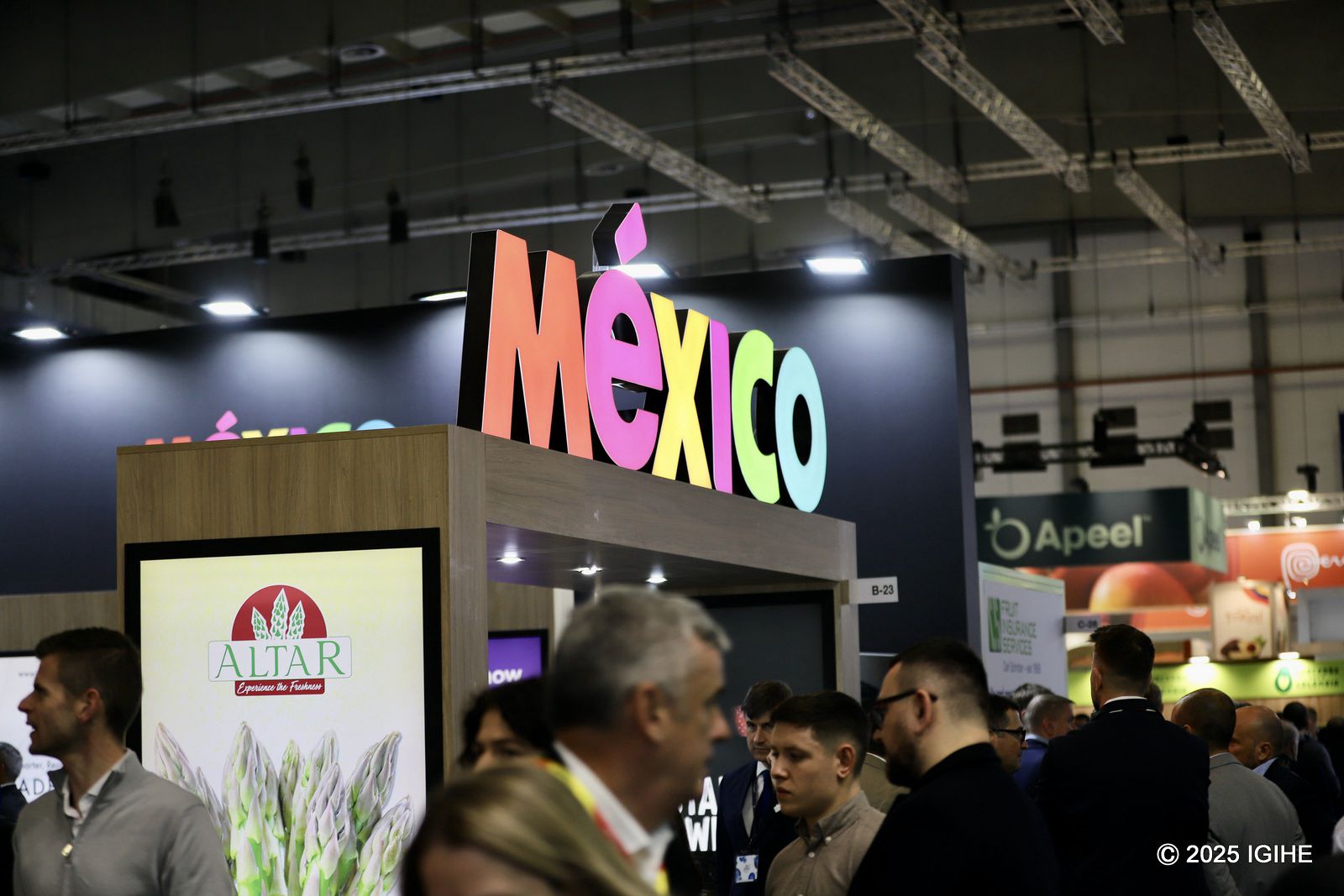
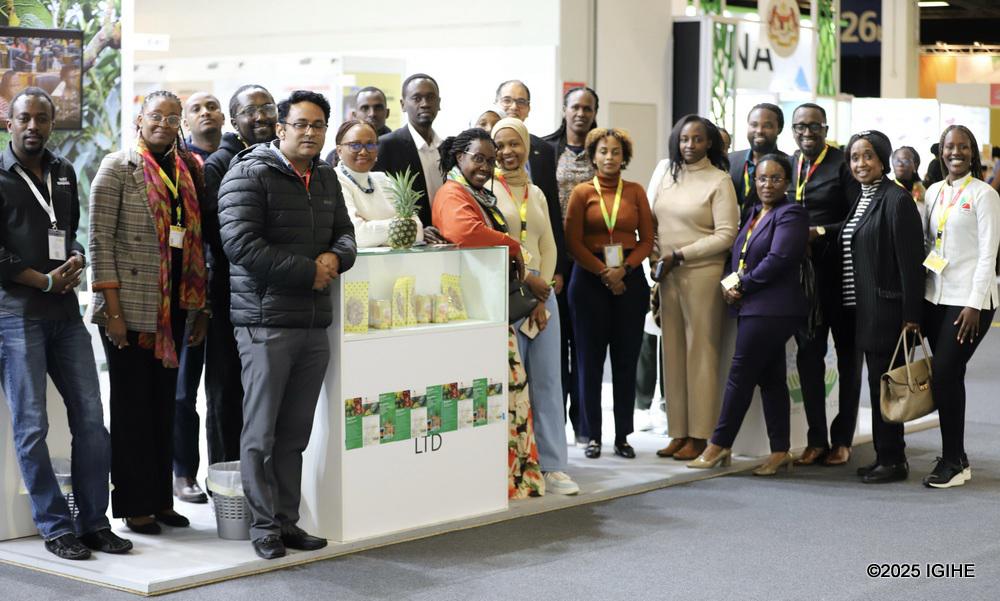
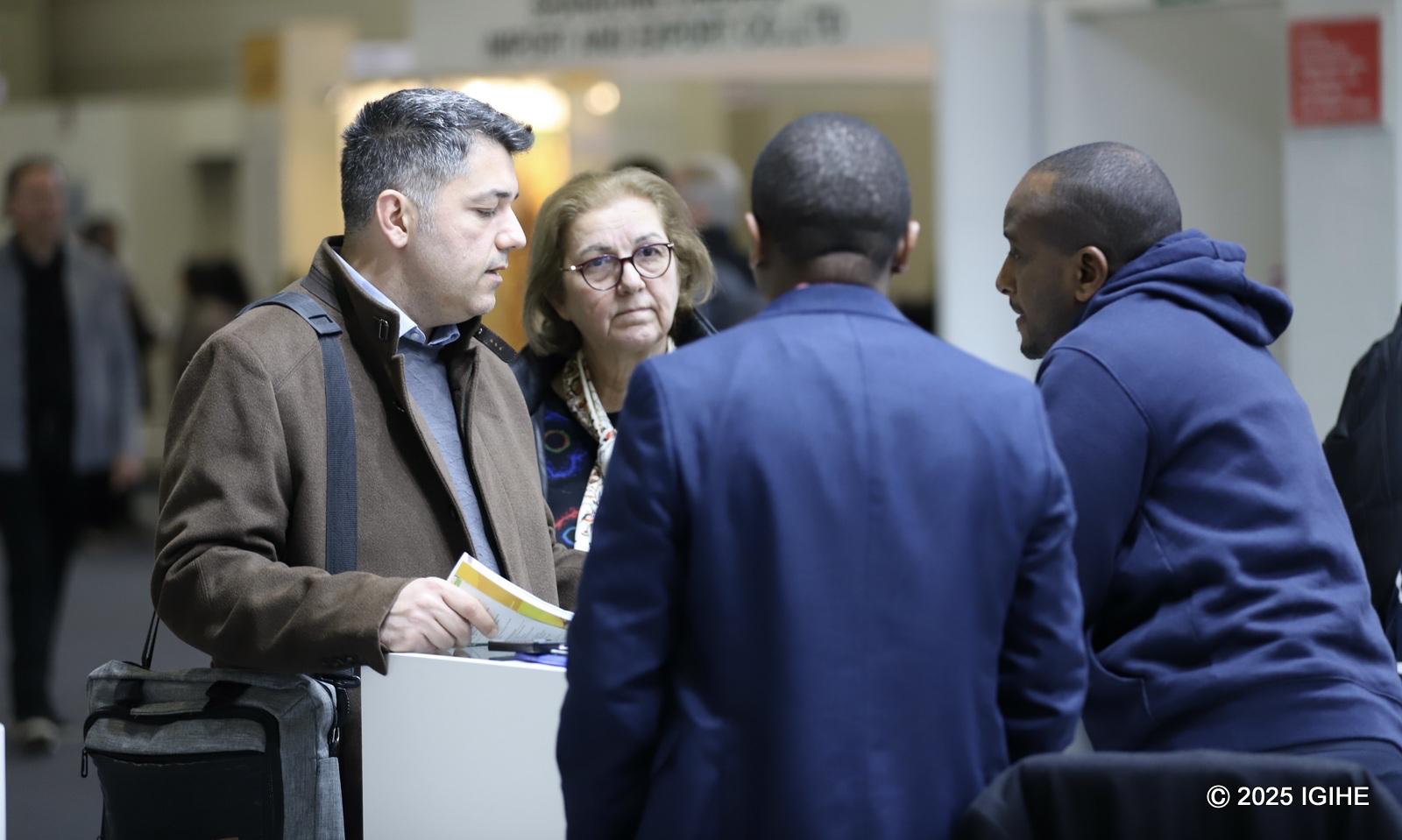
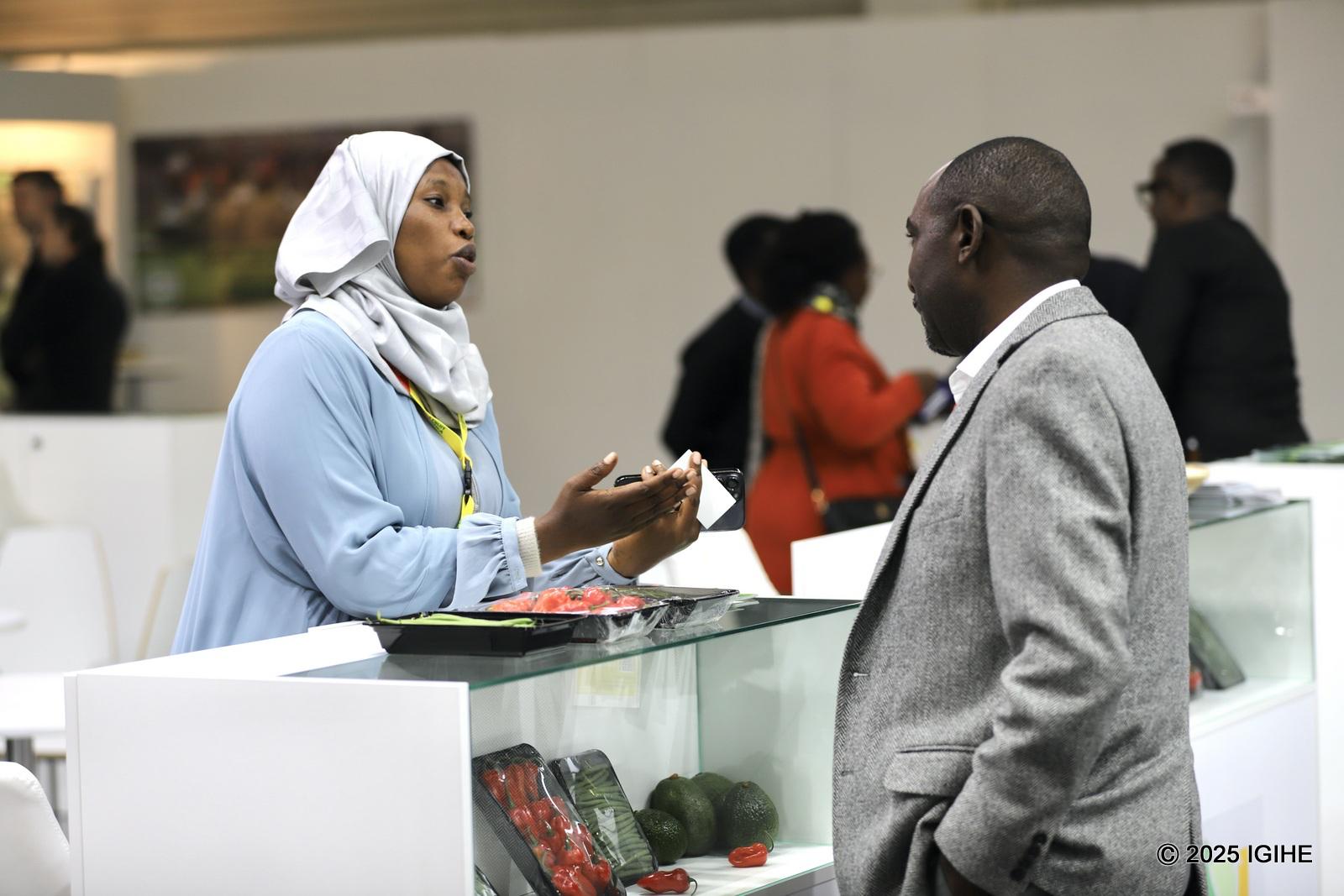
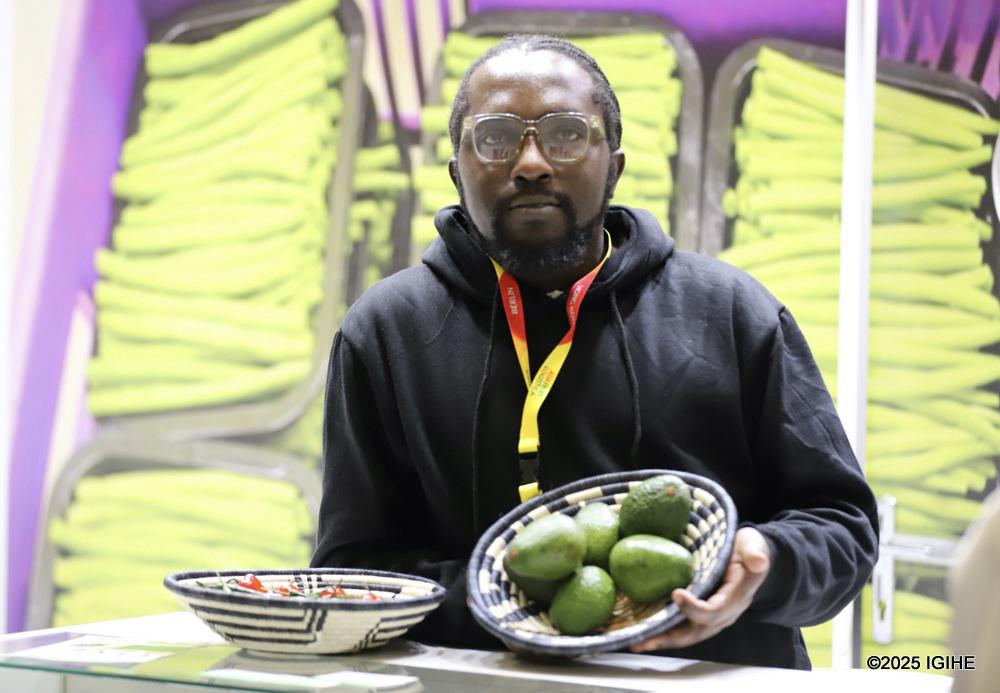
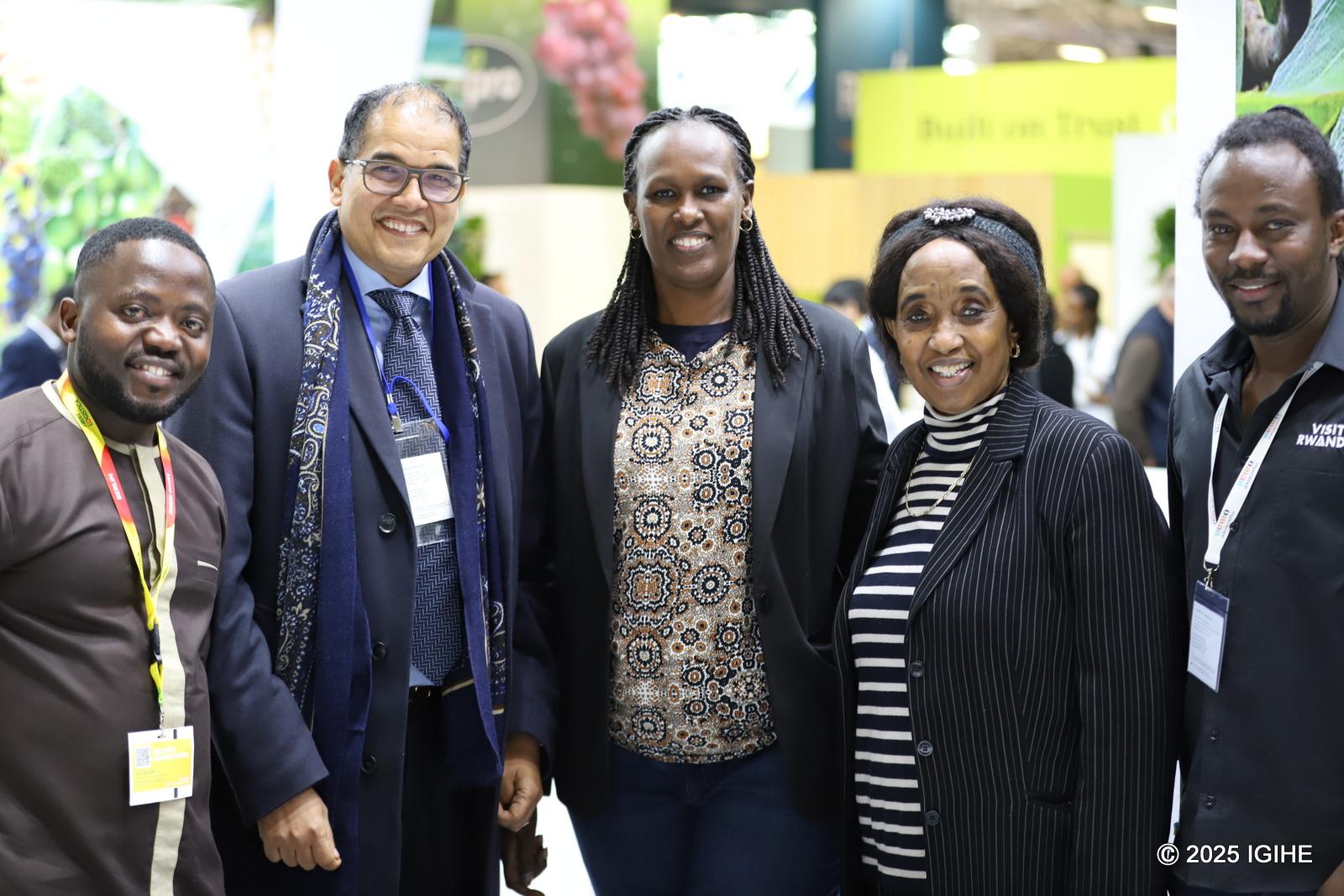
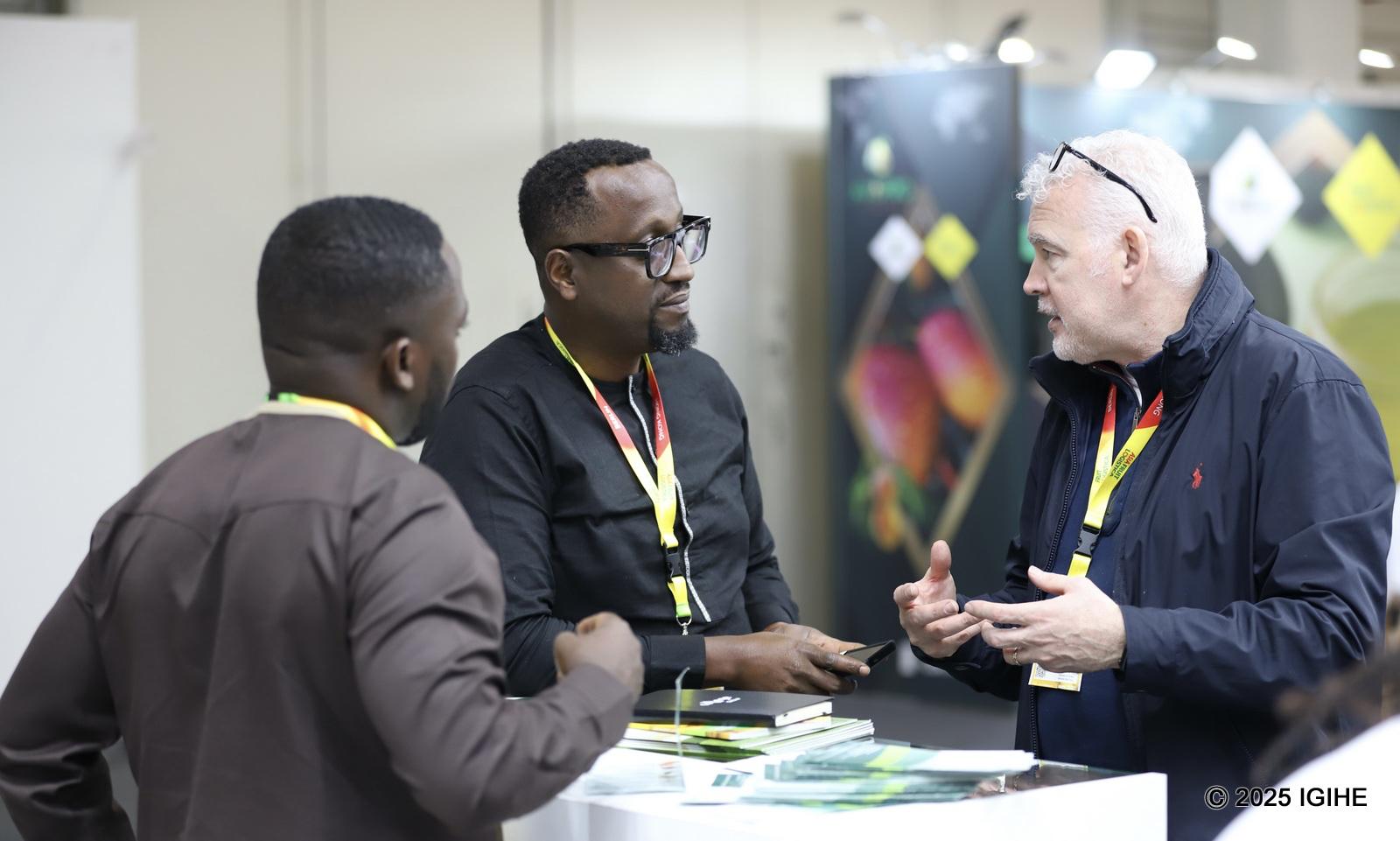
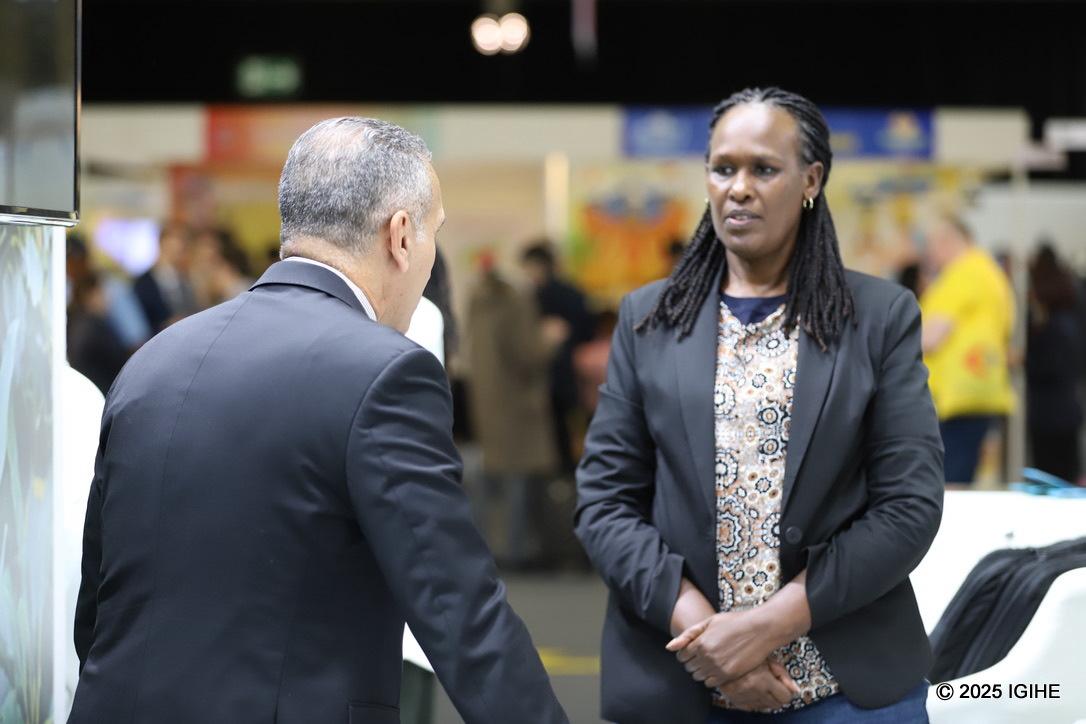
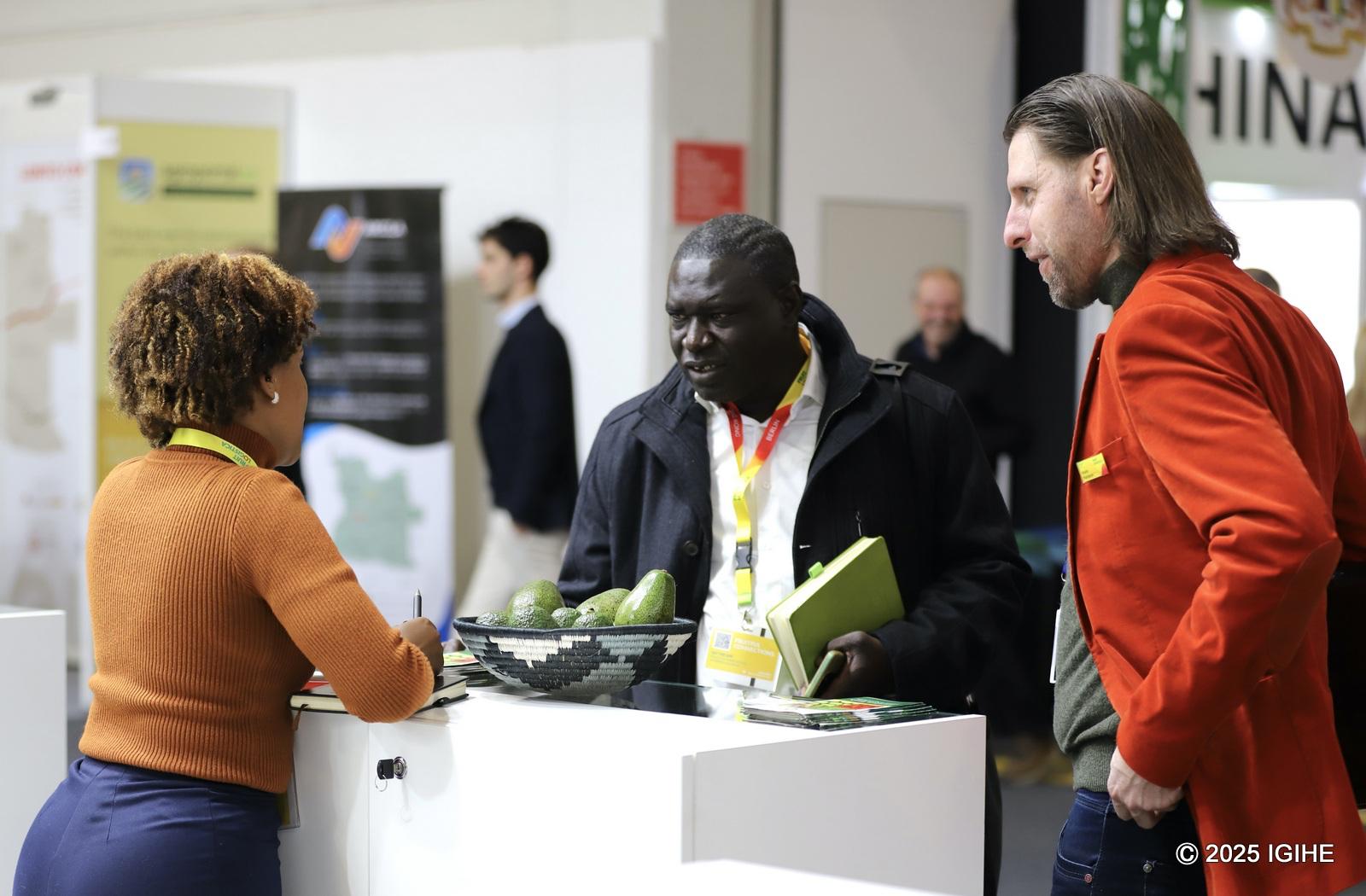
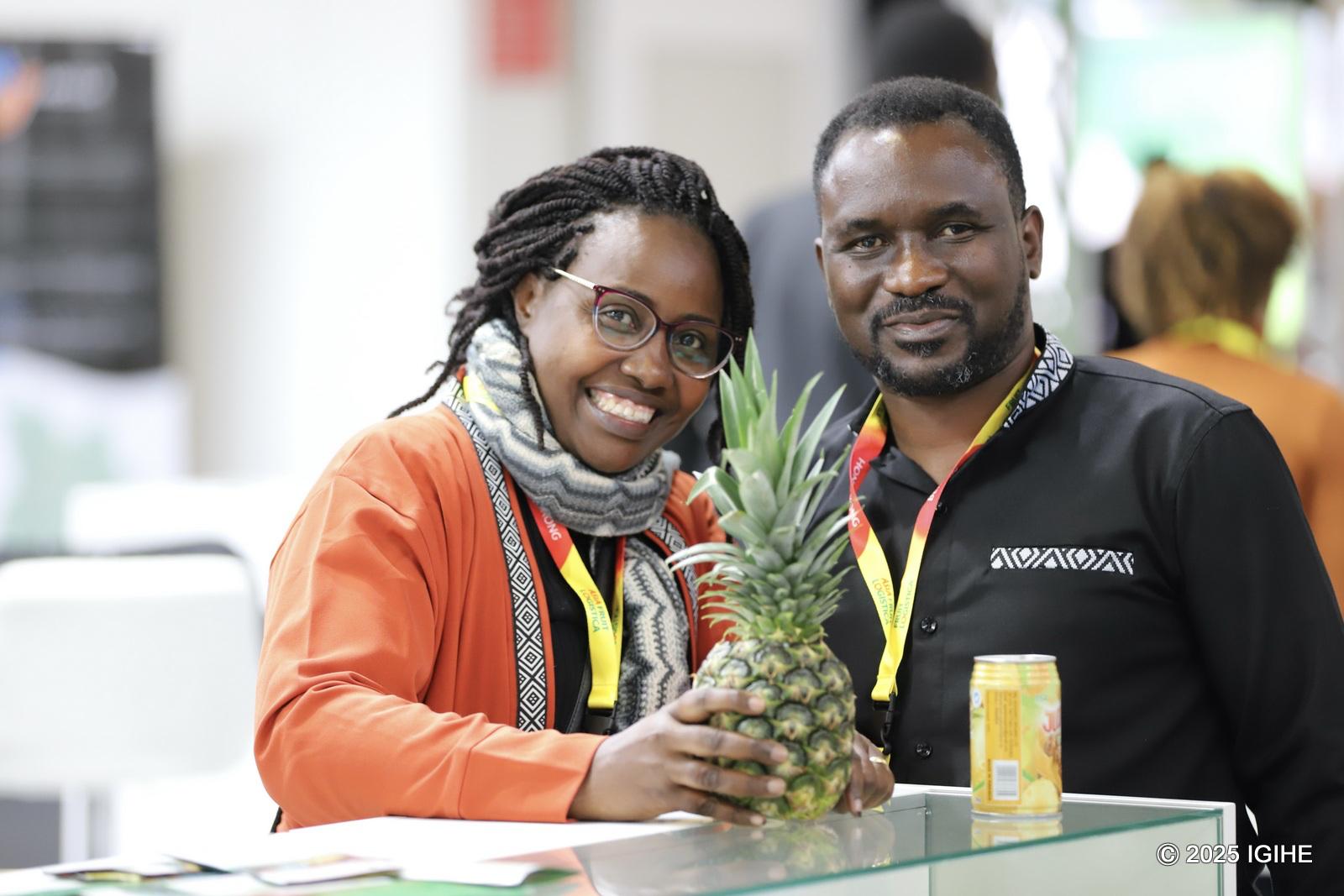
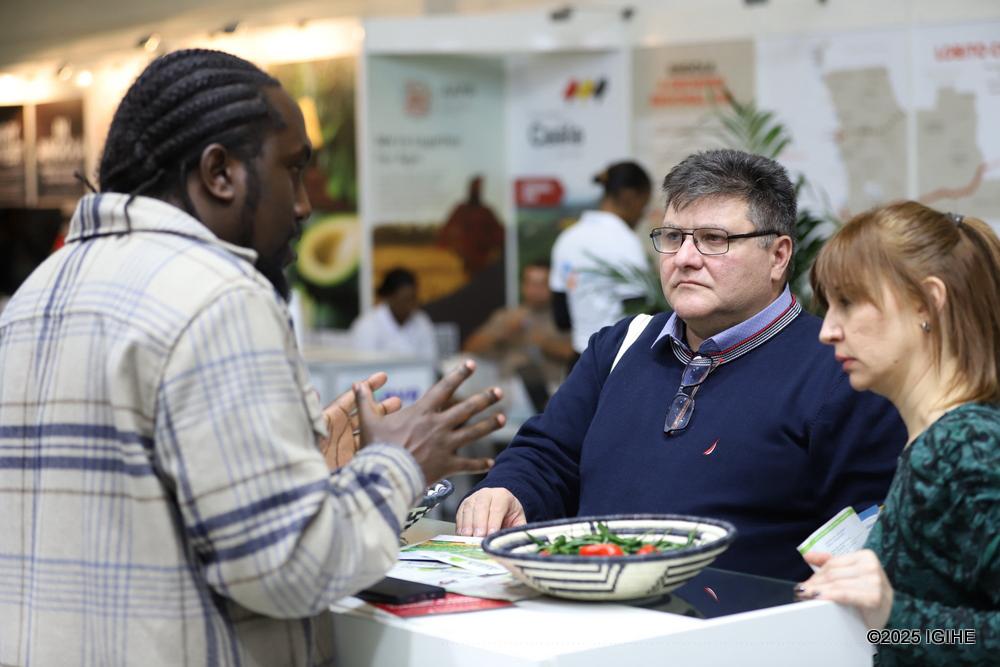
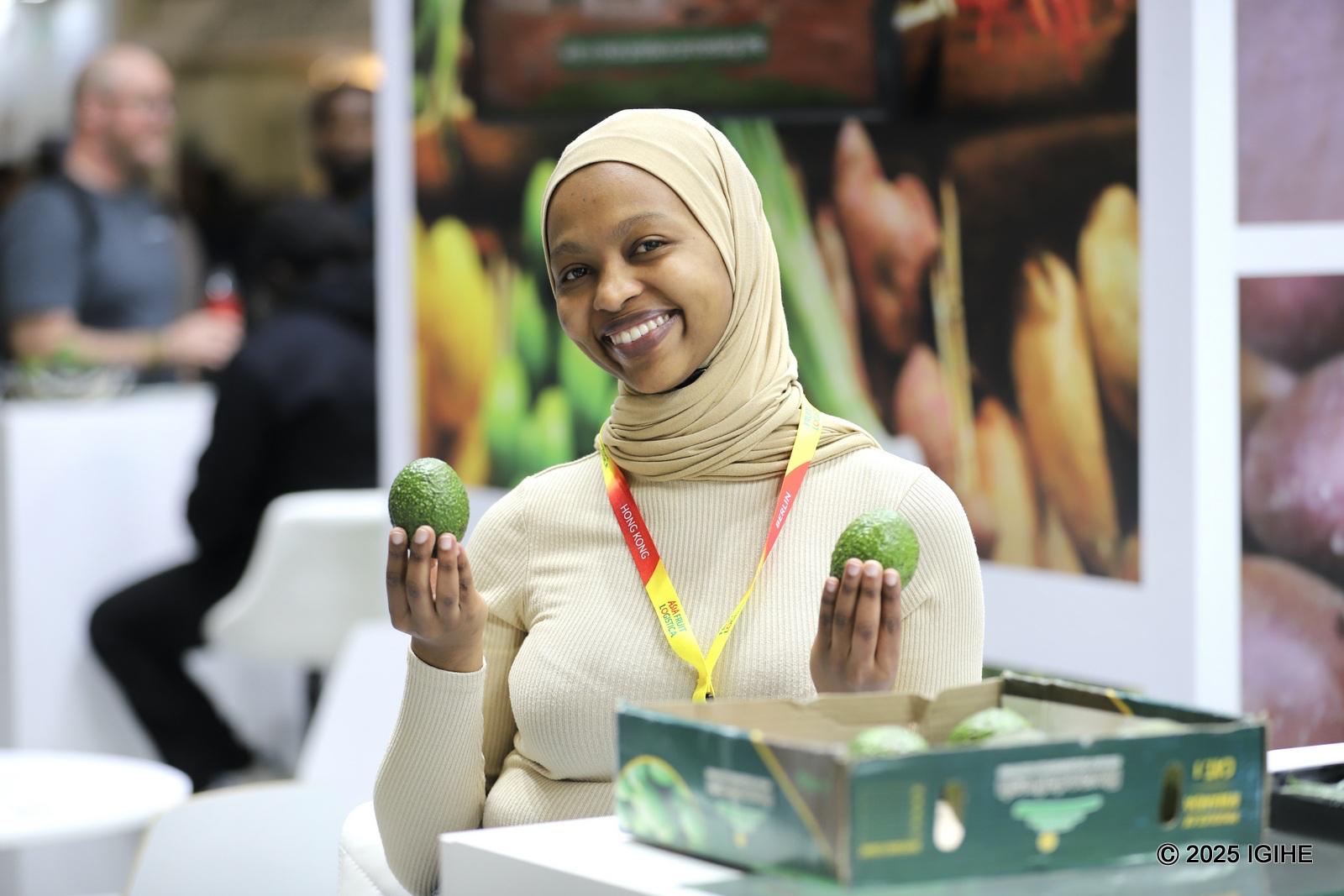
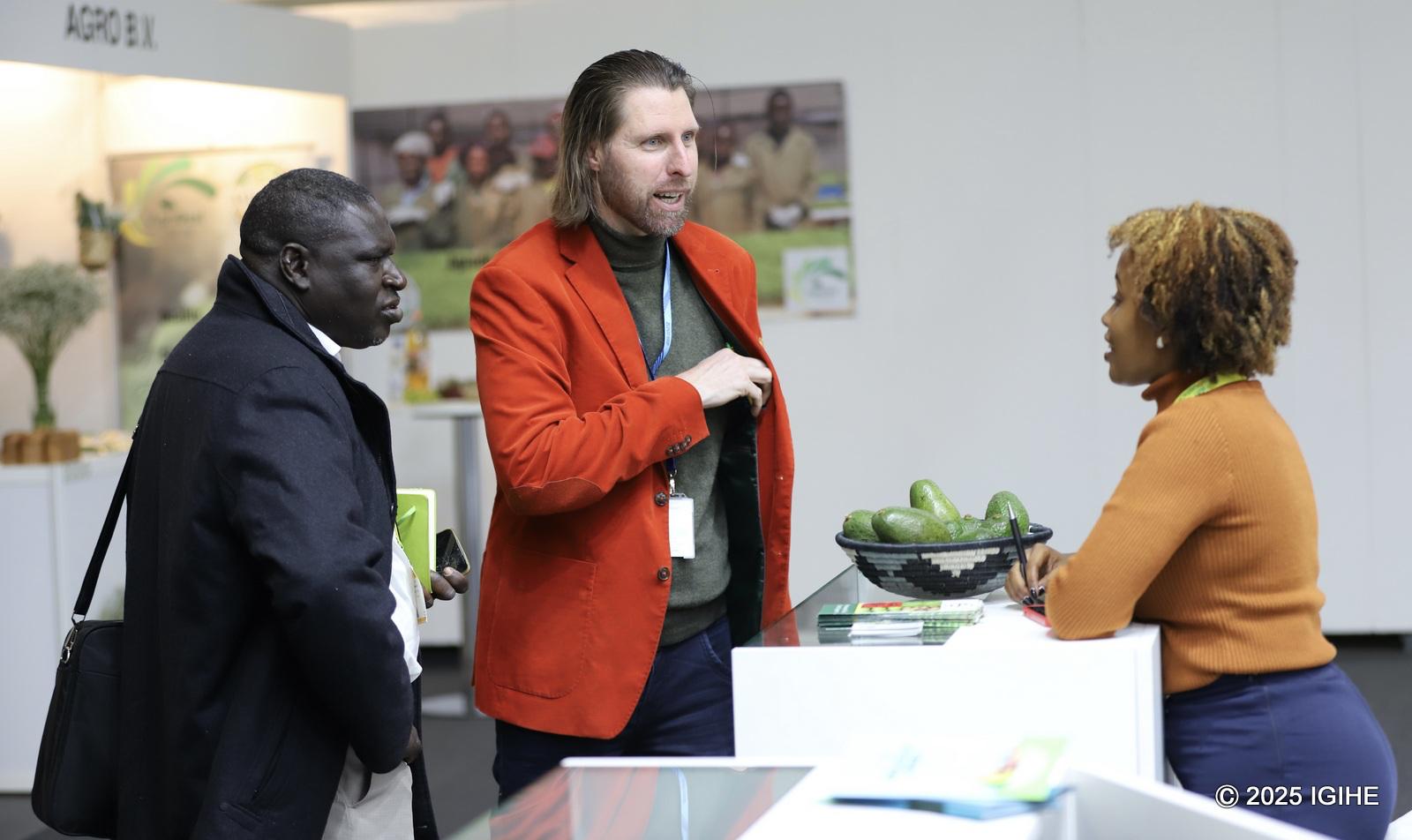
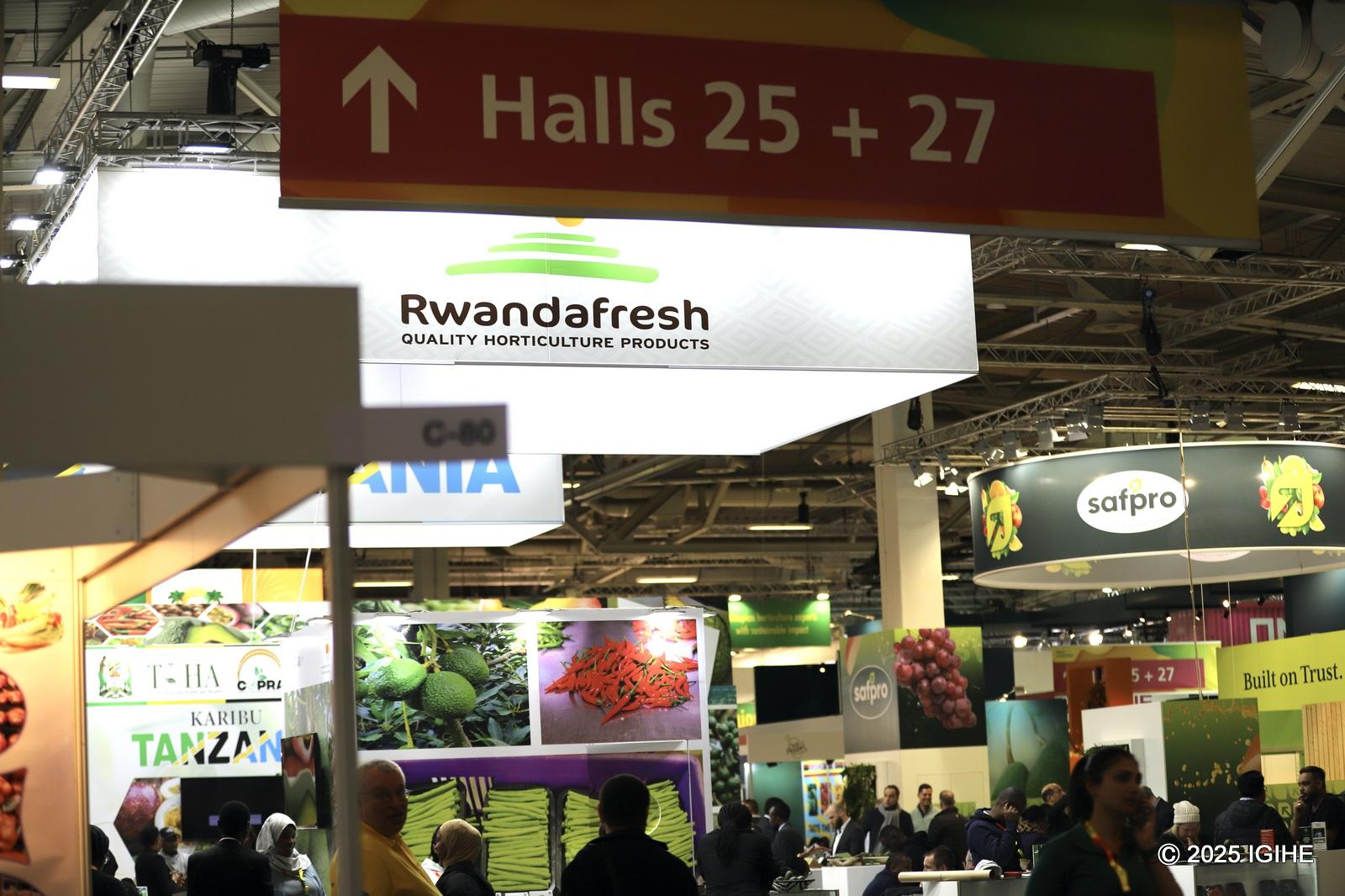
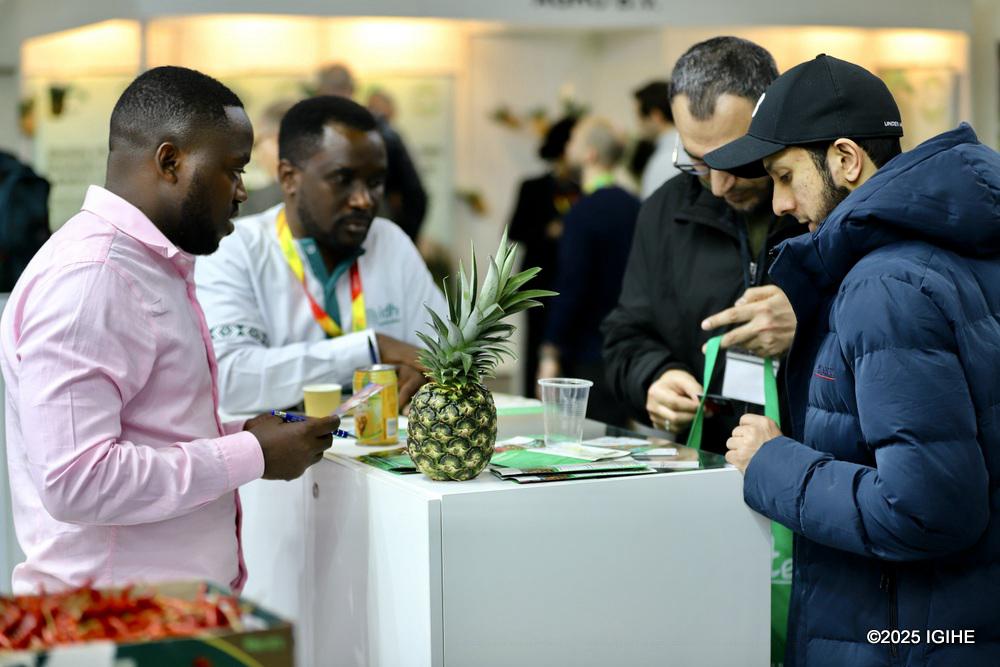
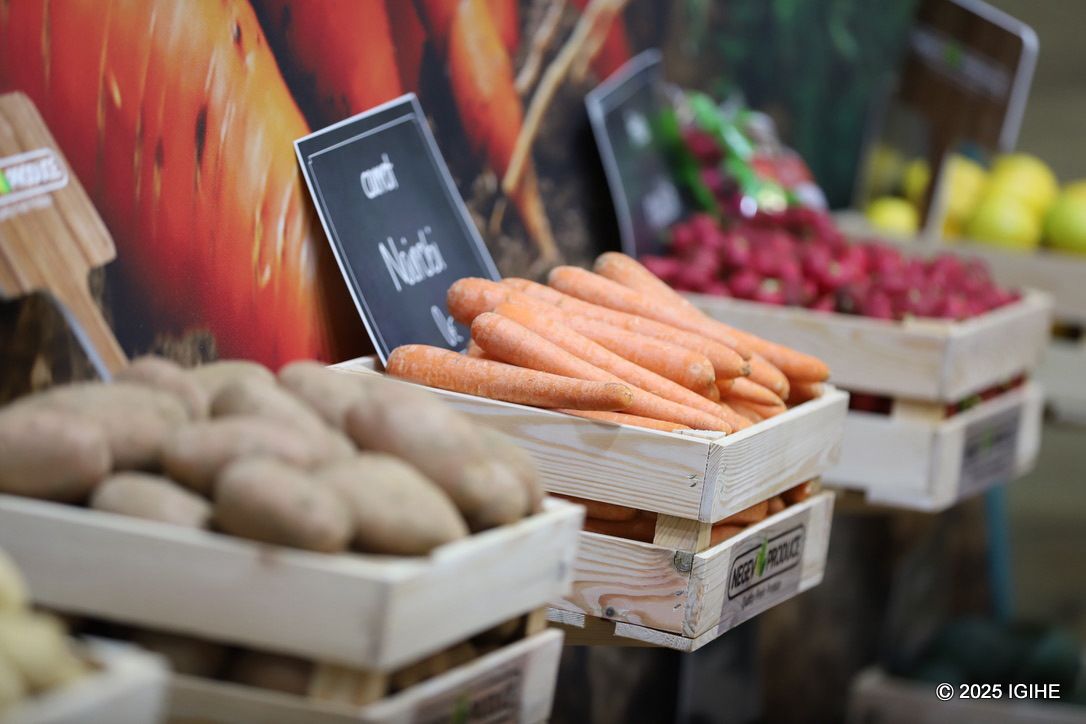
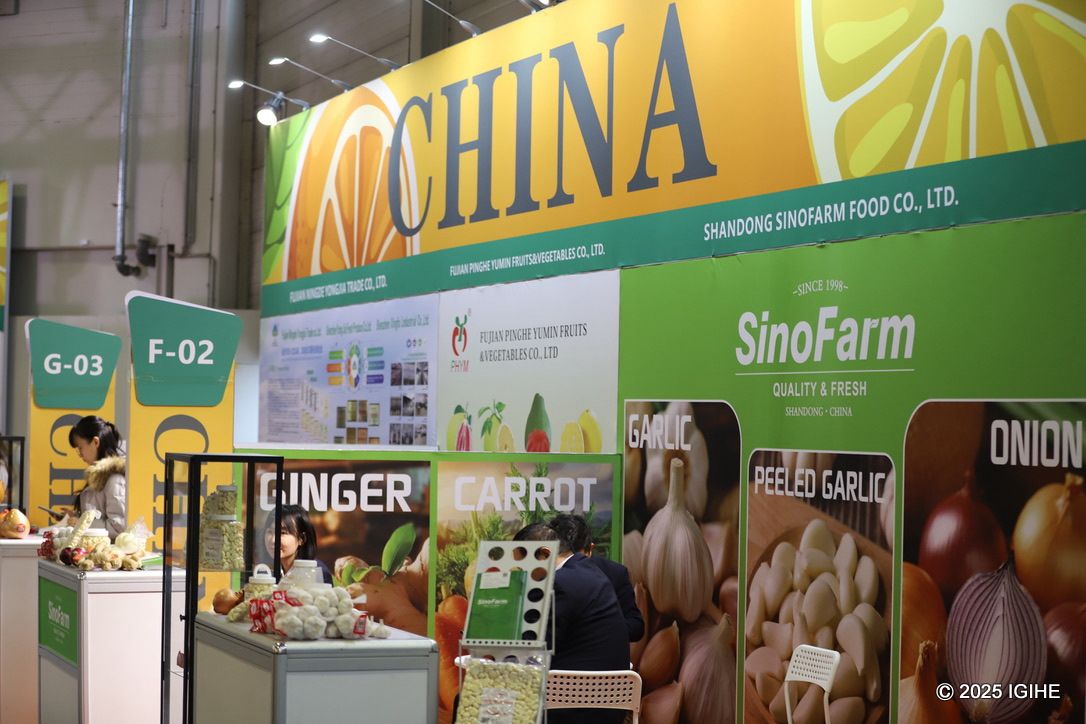
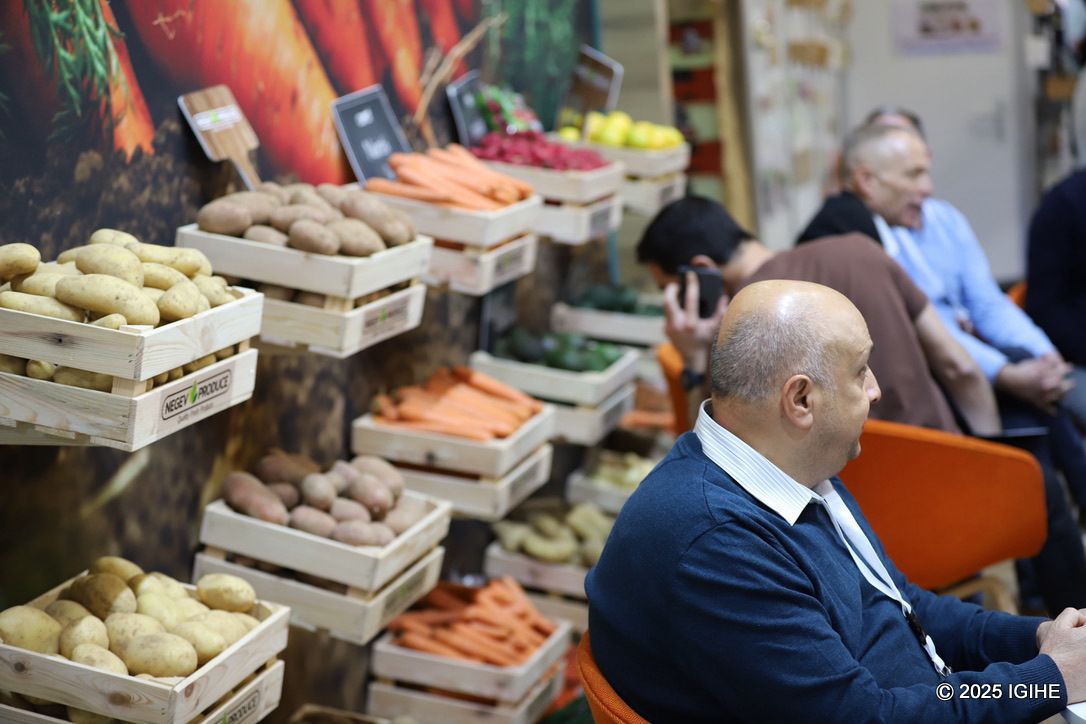
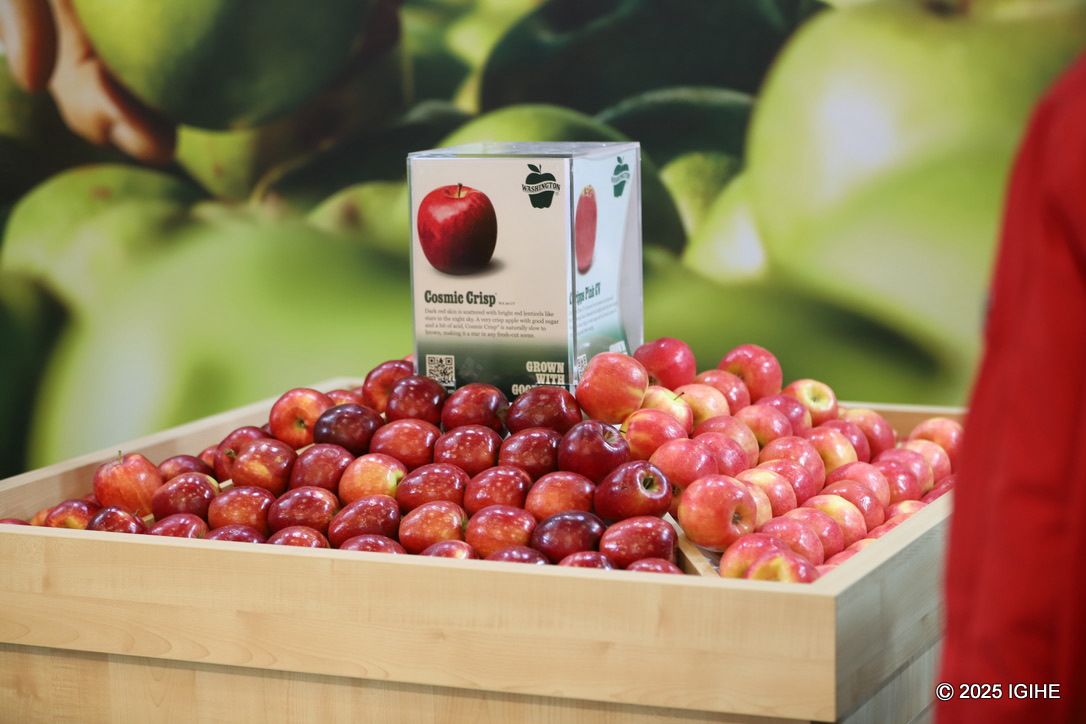
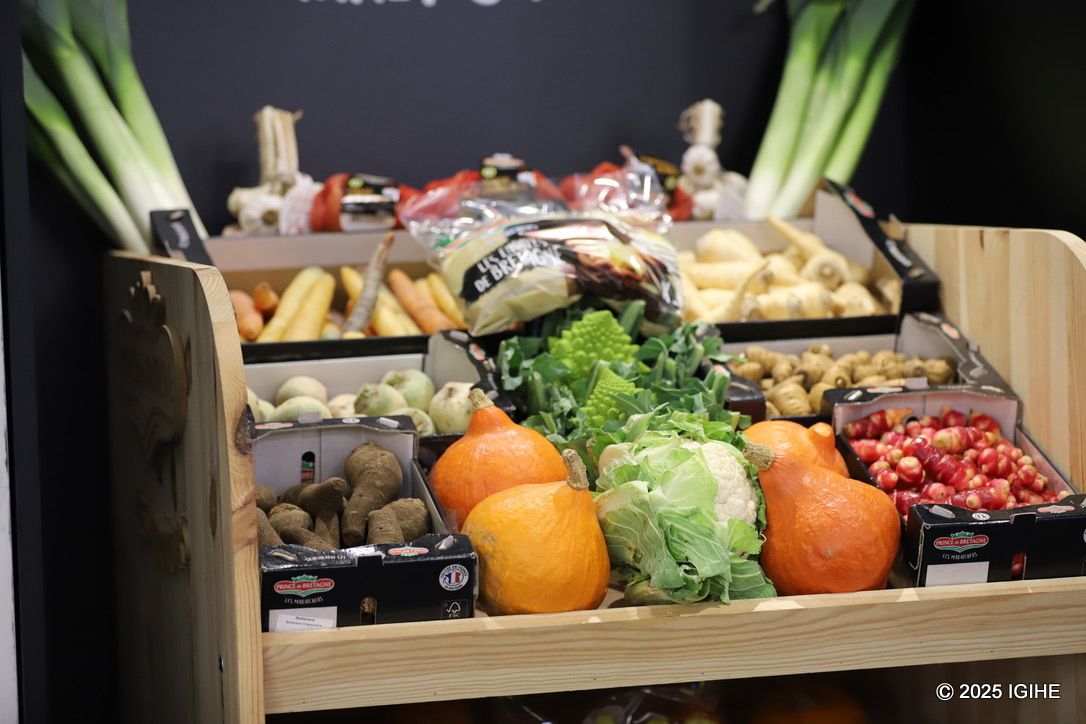
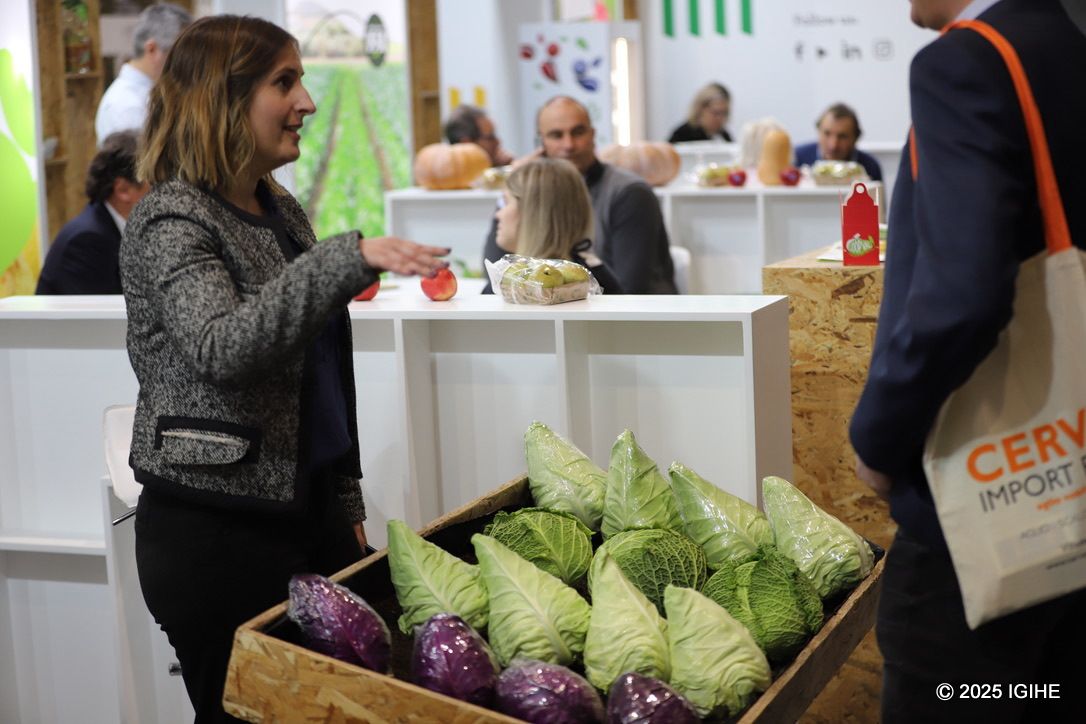
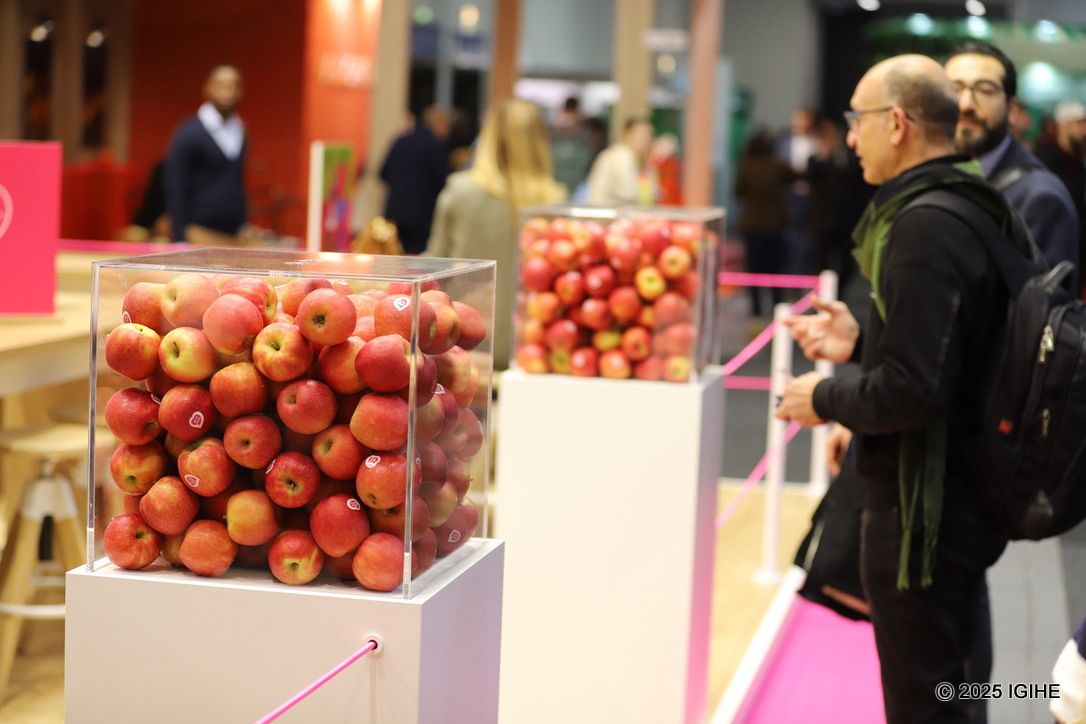
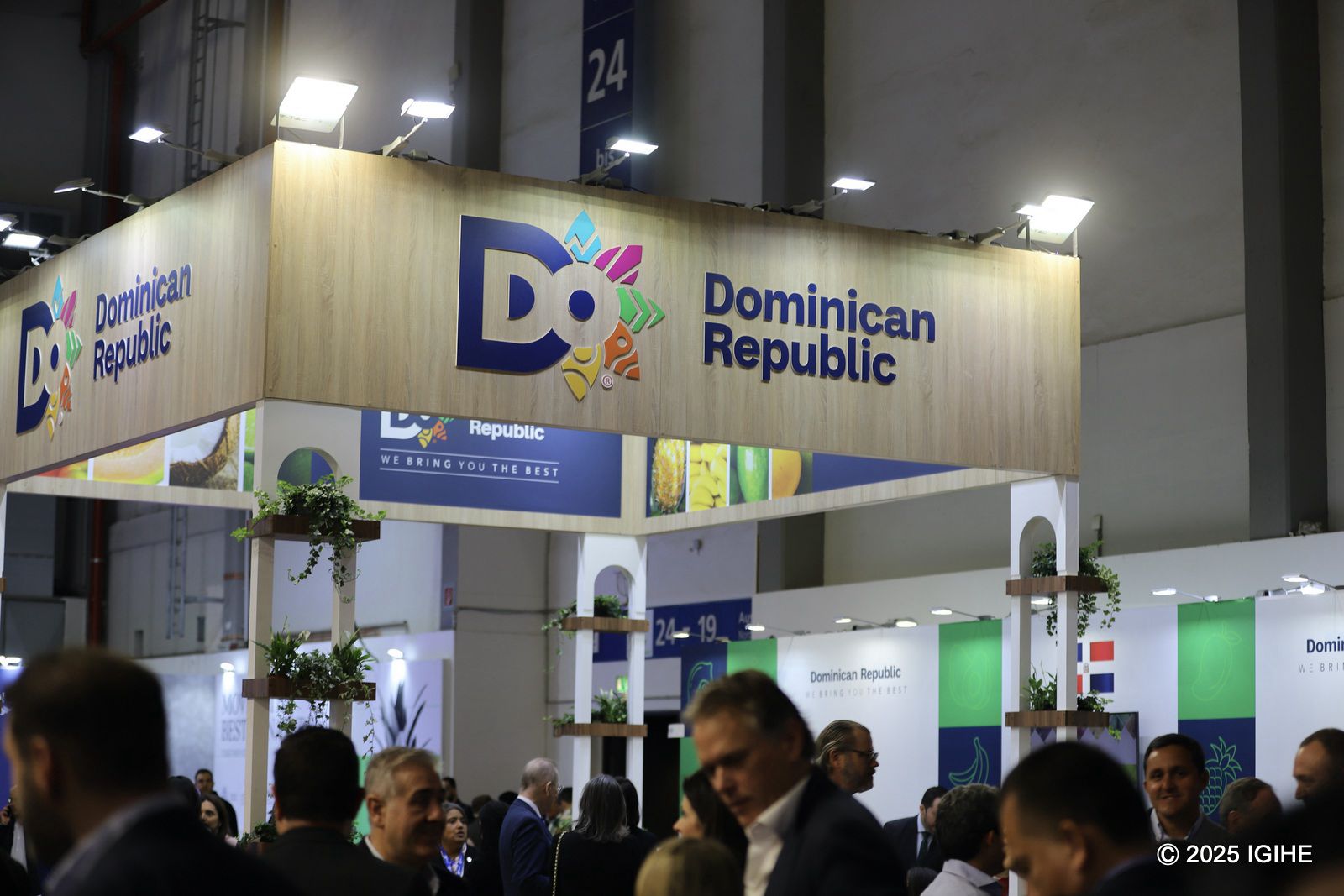
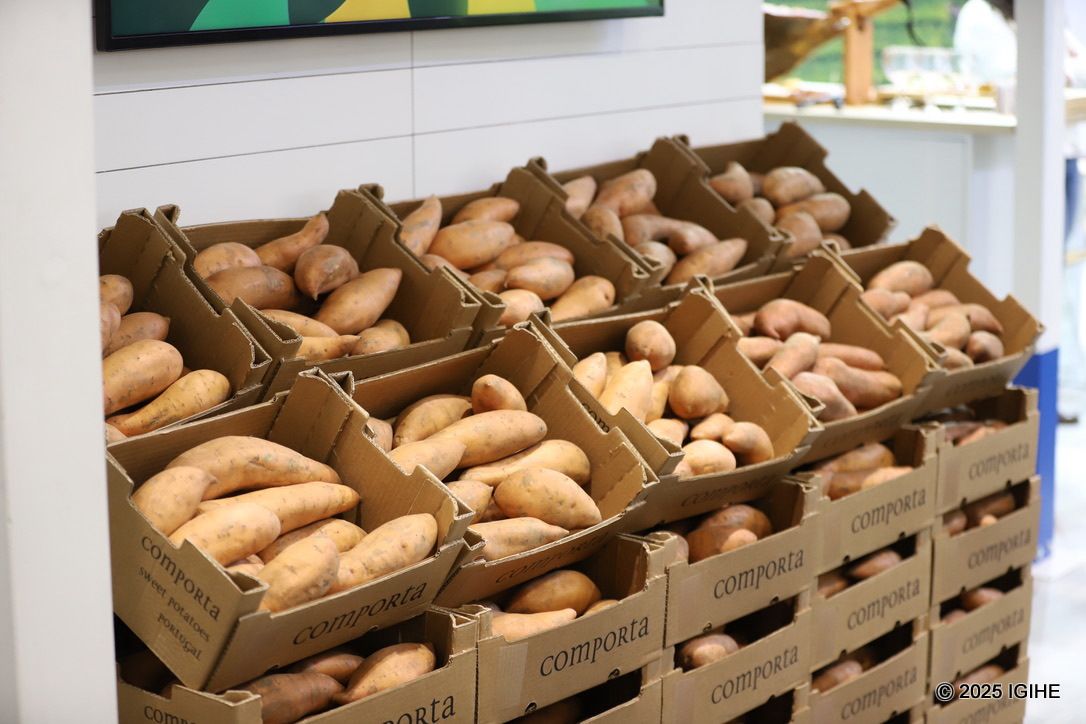
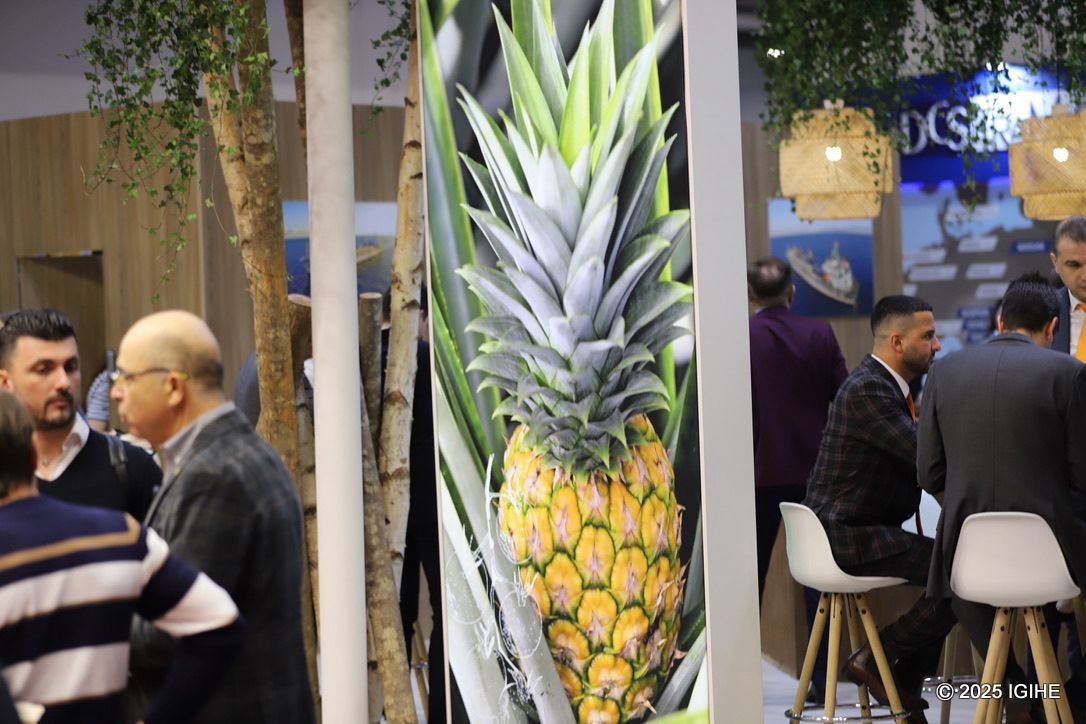
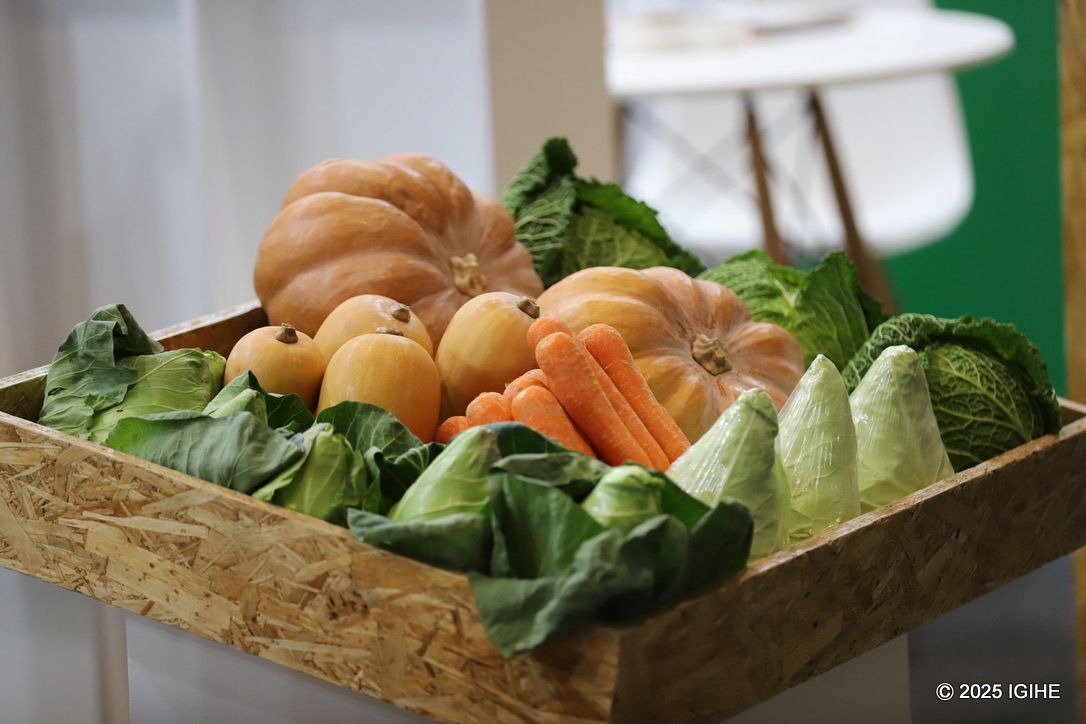
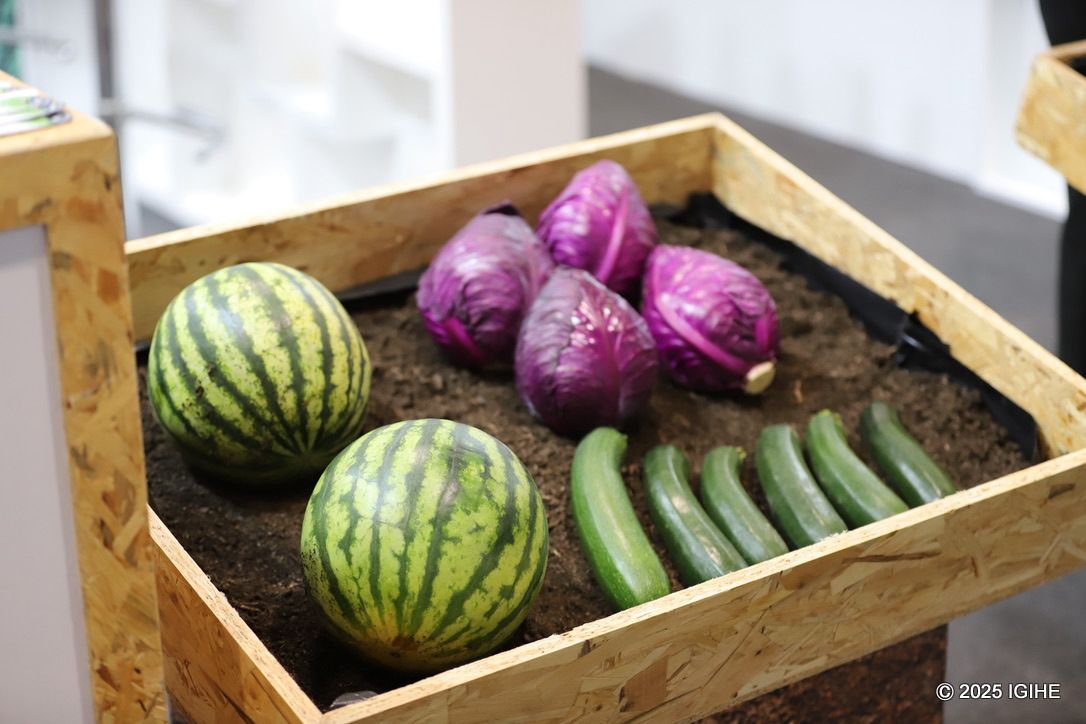
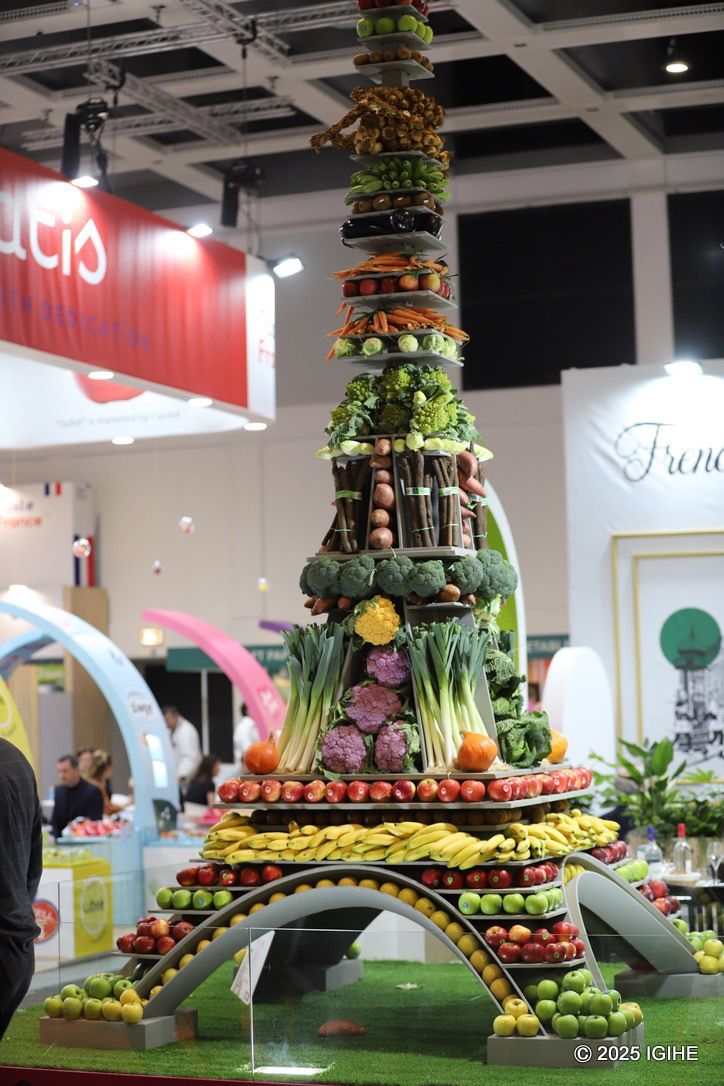
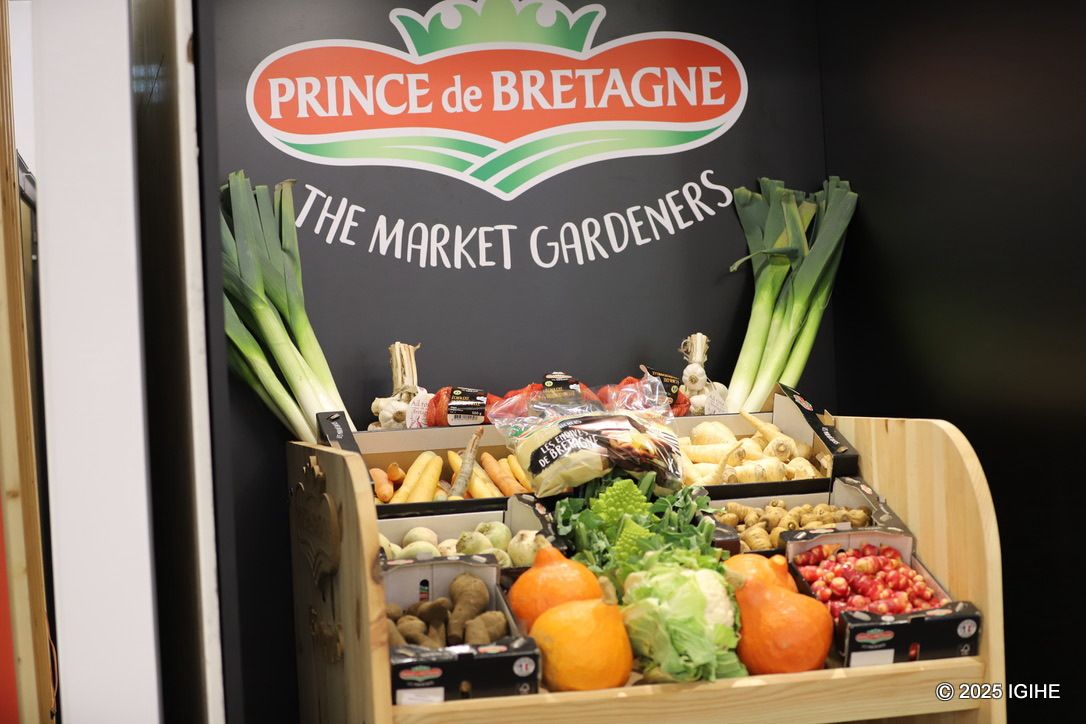
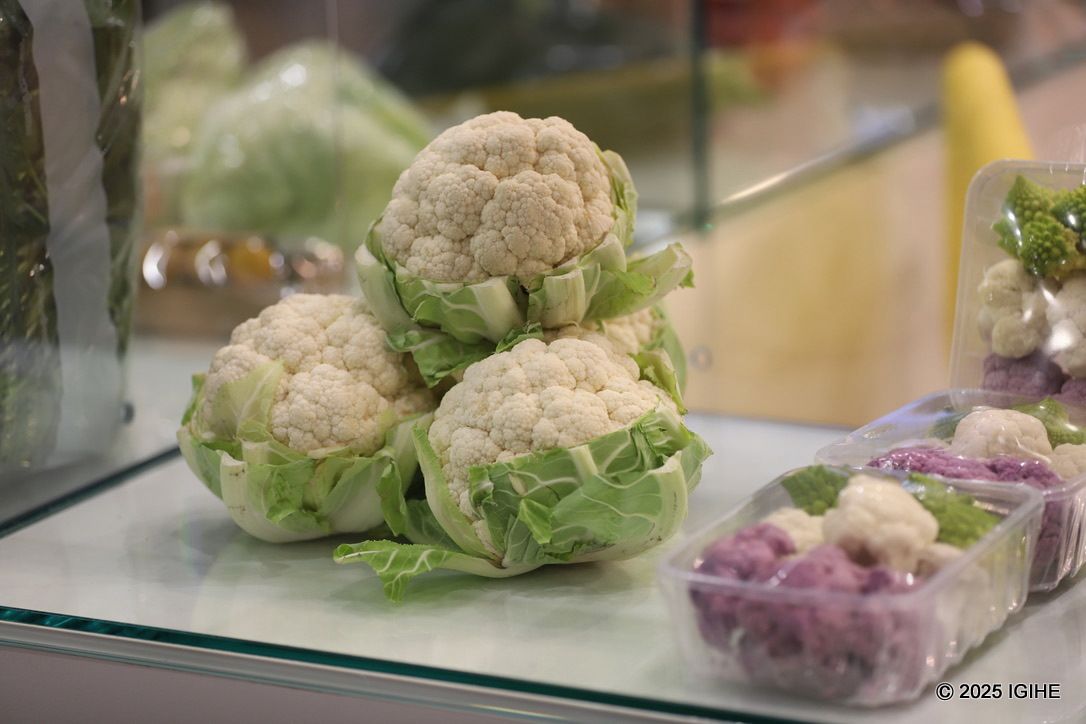
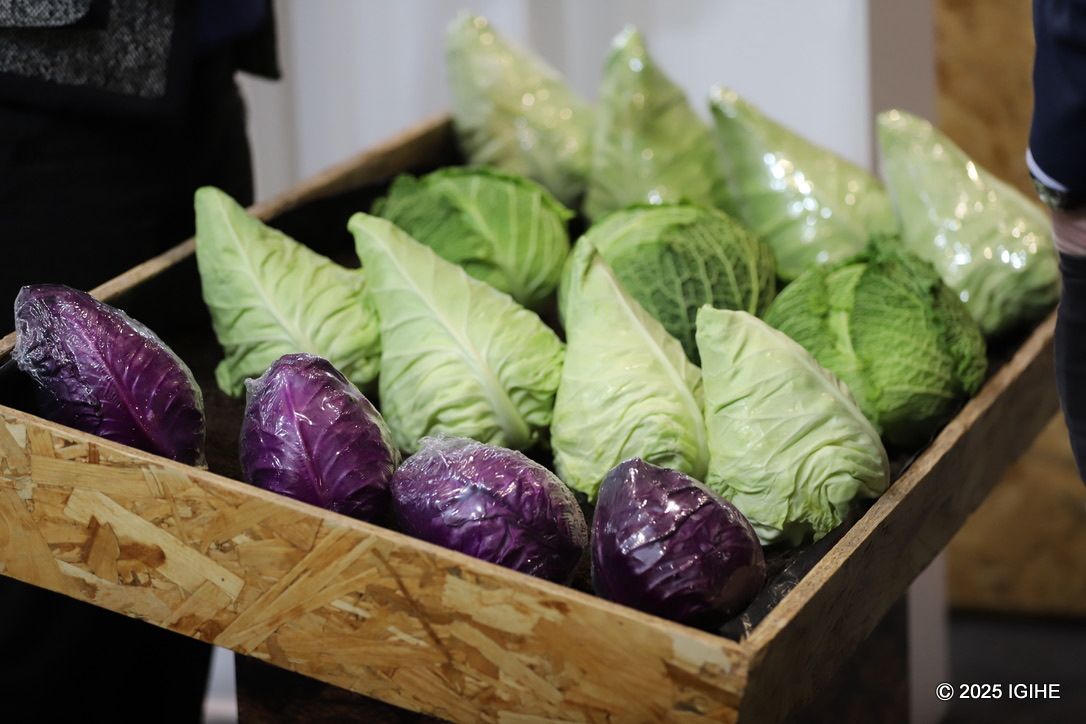
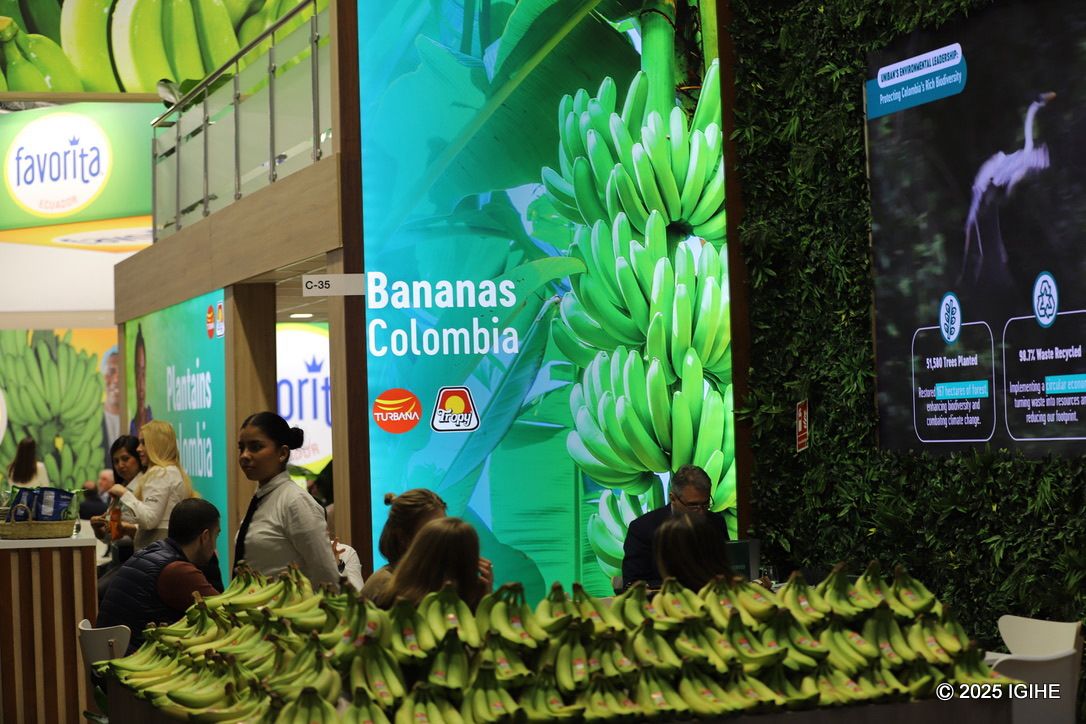
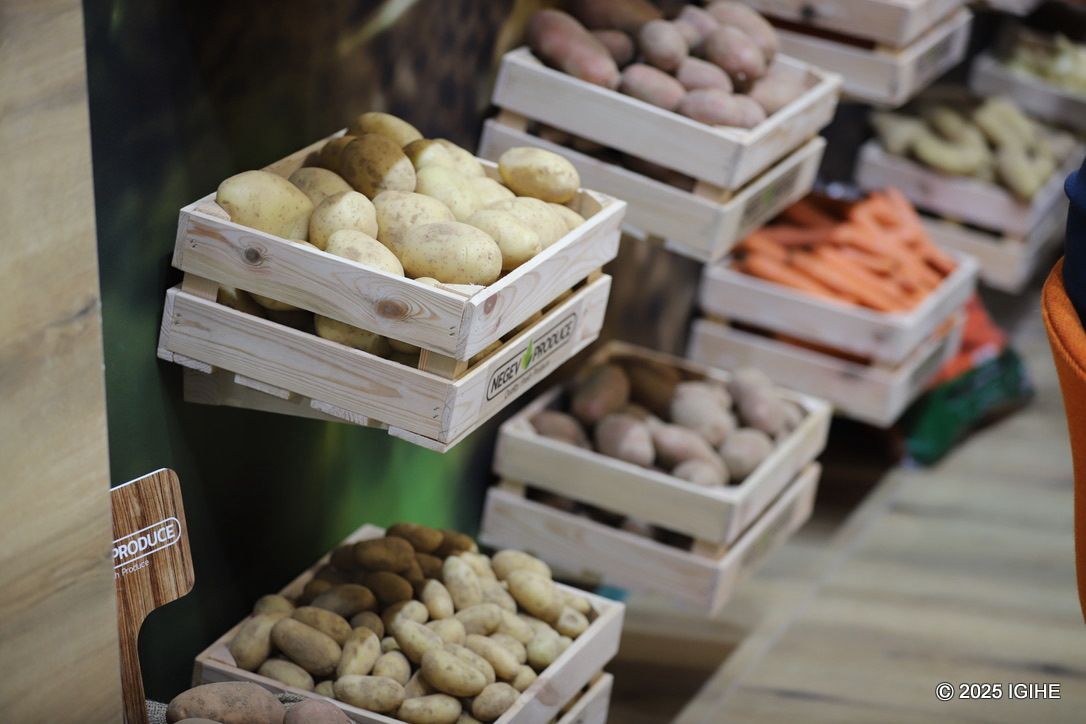
Rwanda’s Ambassador to Germany, Igor César, praised the participating Rwandan companies for showcasing their high-quality fruits and vegetables.
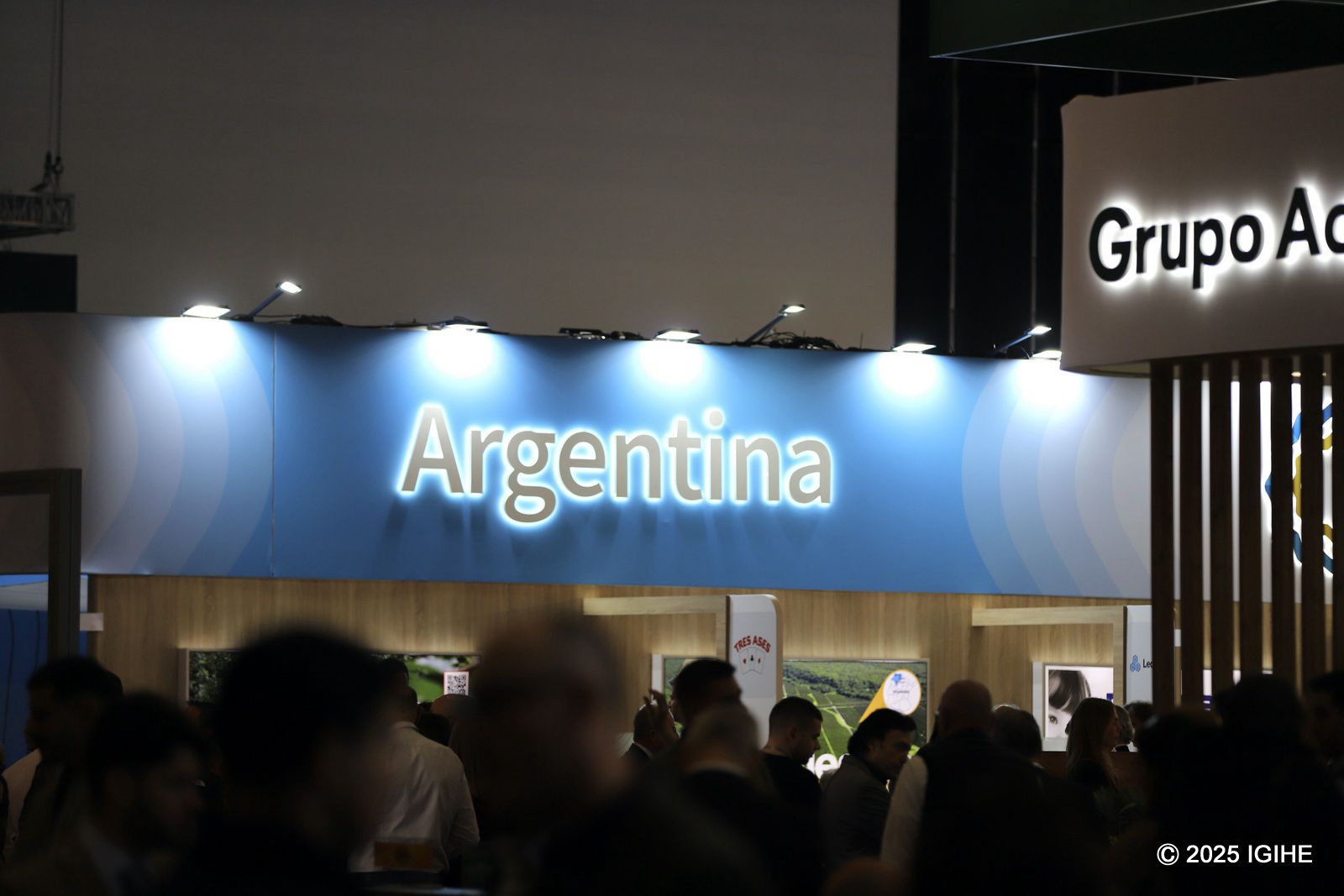
“Despite being a landlocked country, Rwanda continues to leverage its strength and expertise to access global markets like ‘Fruit Logistica’ in Berlin,” he said.
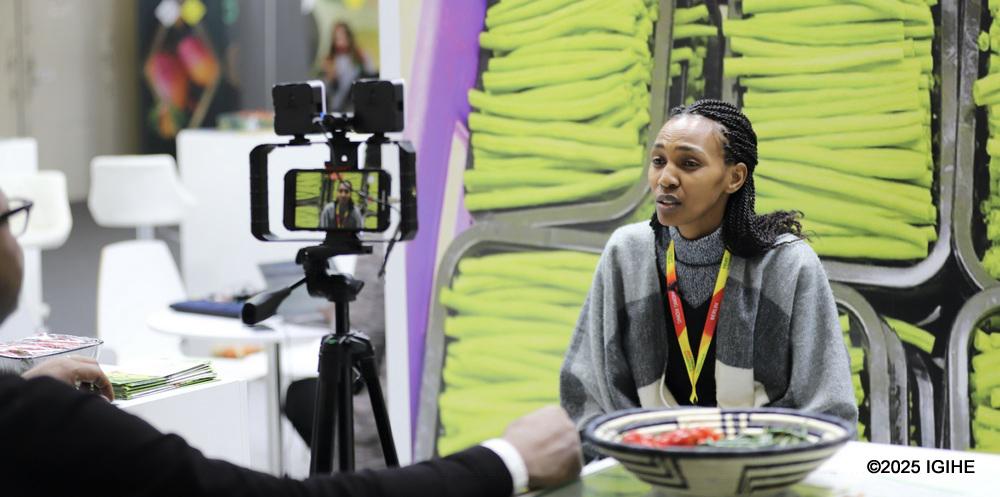
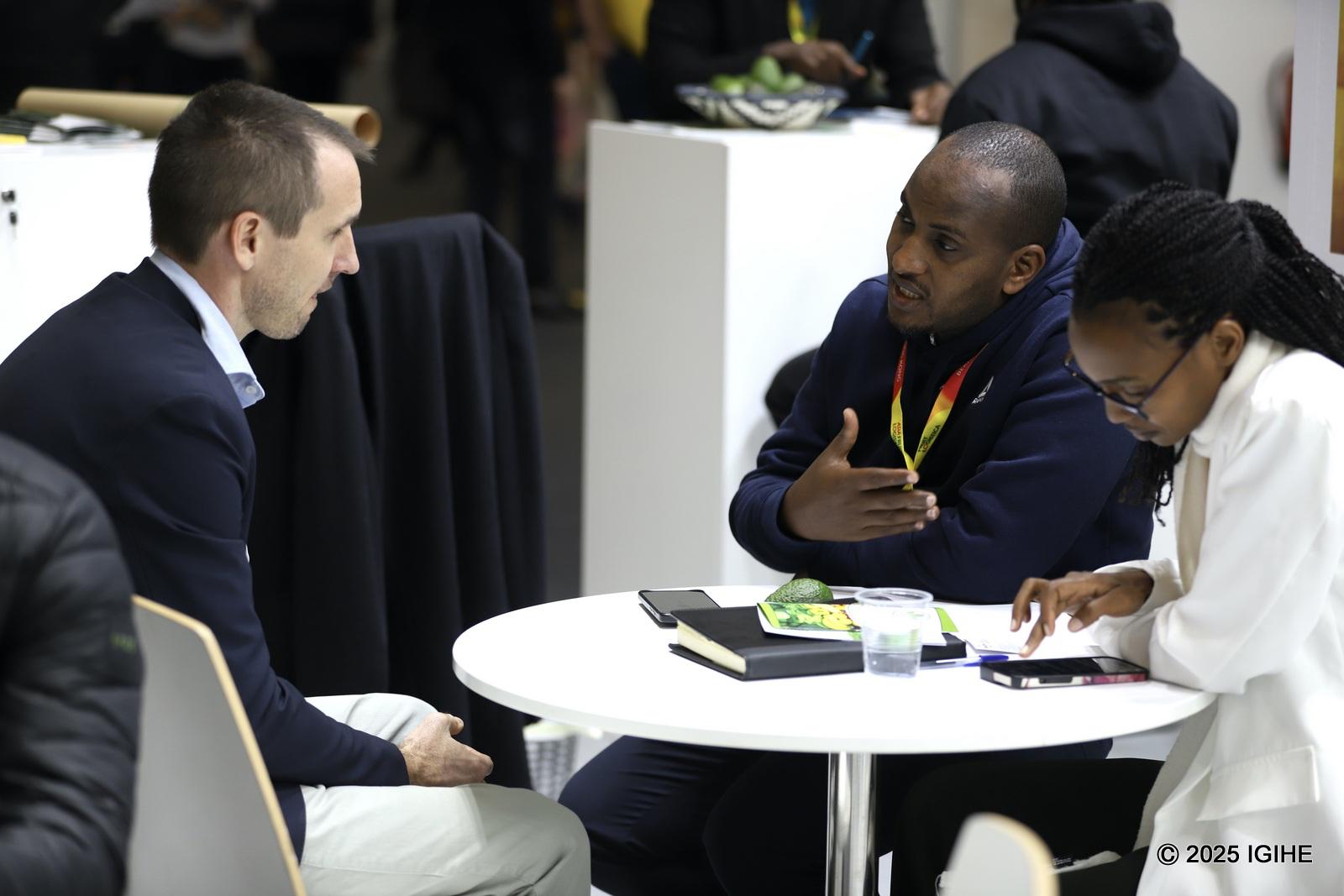
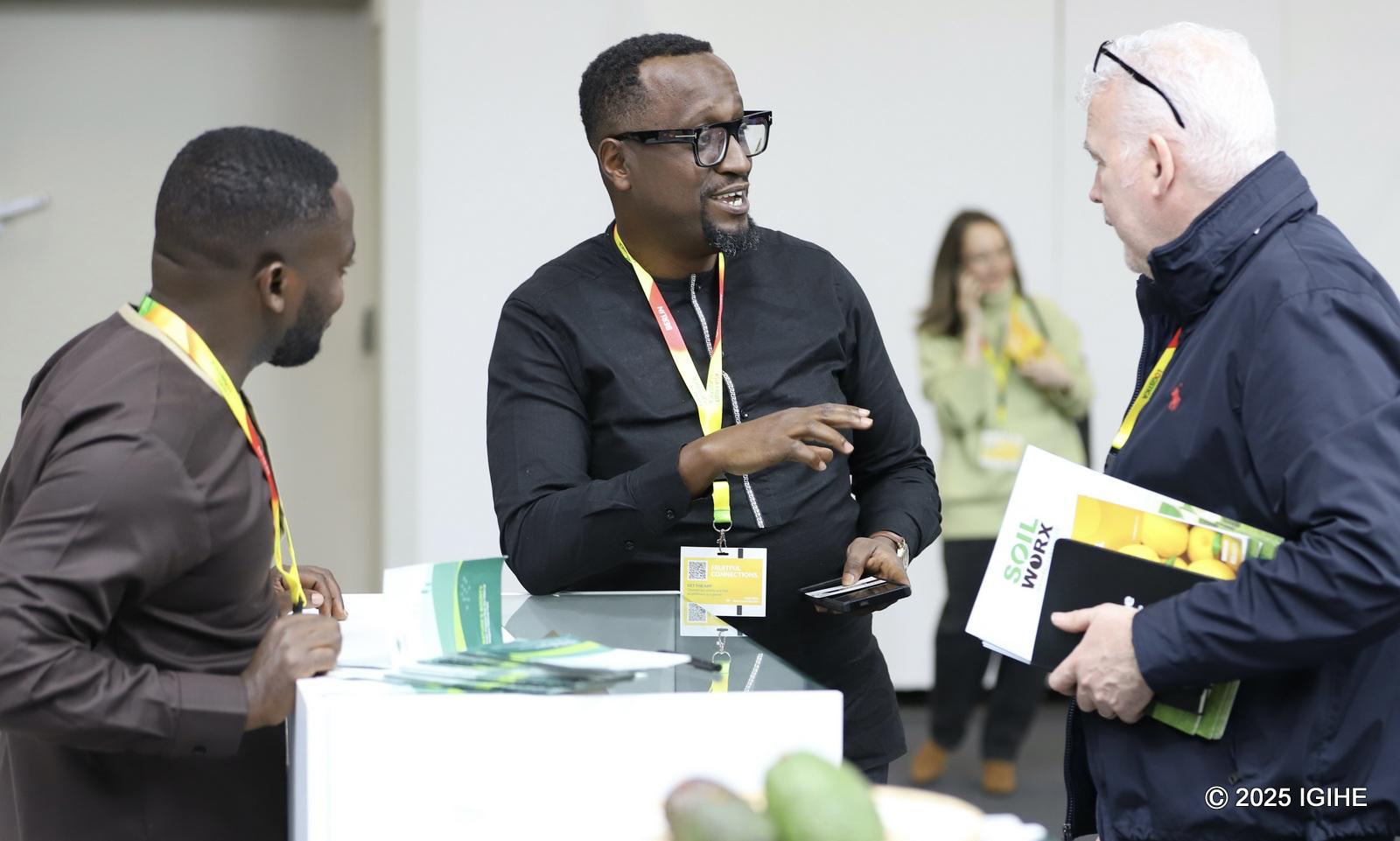
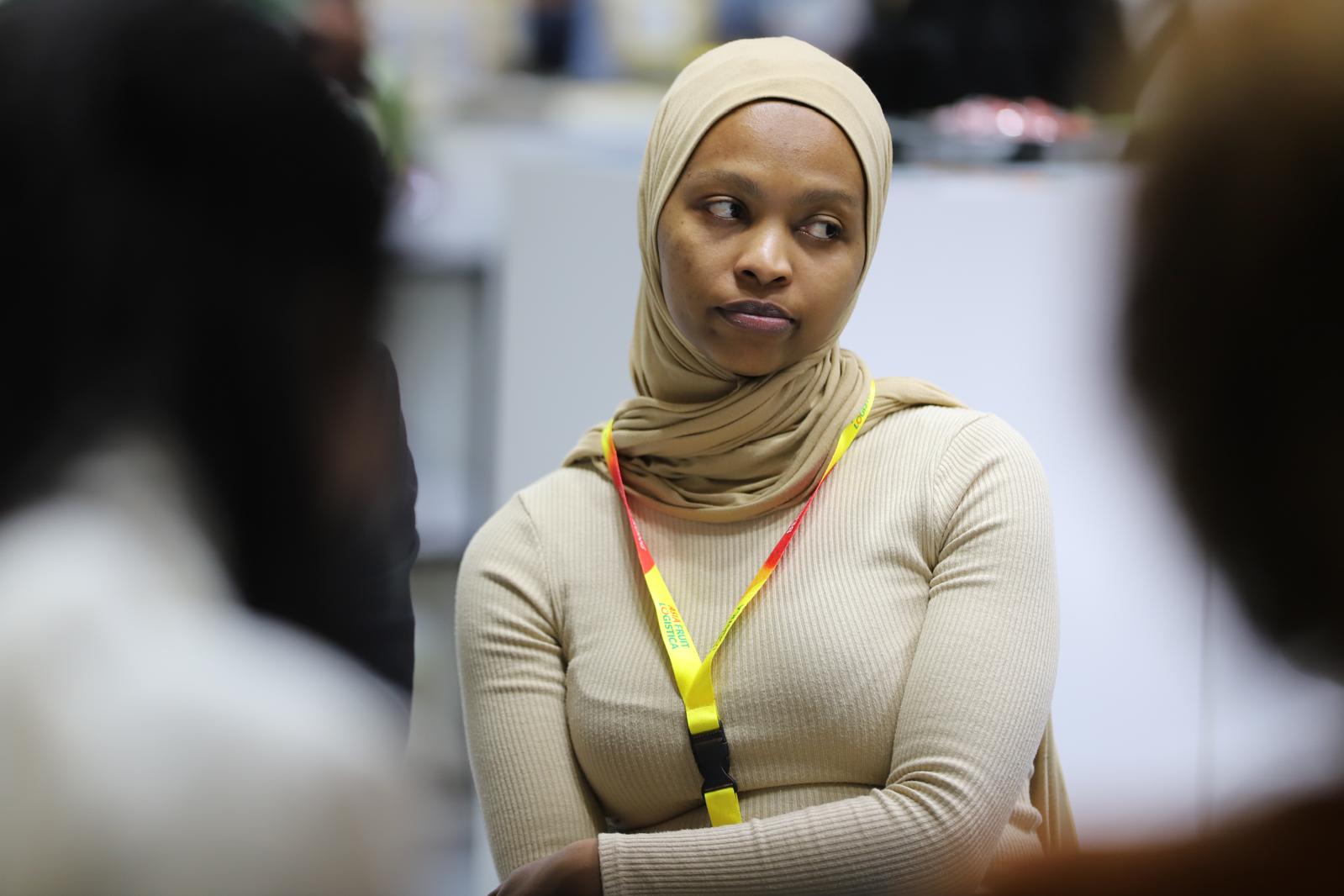
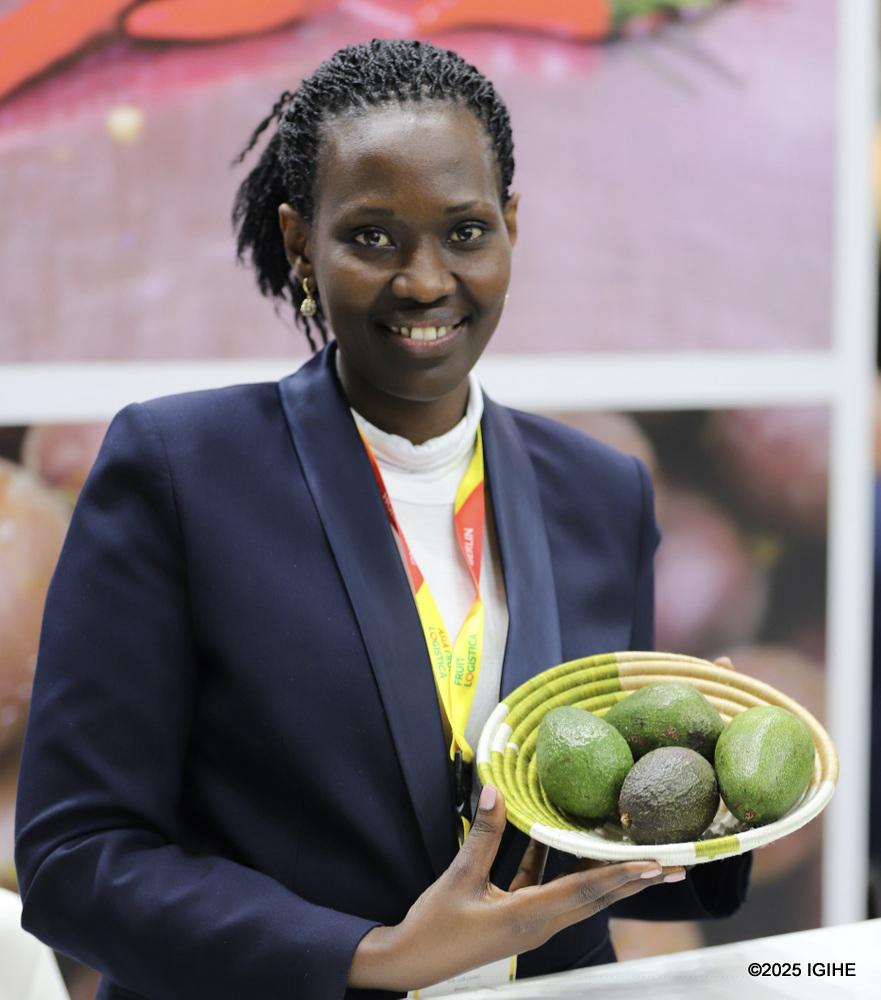
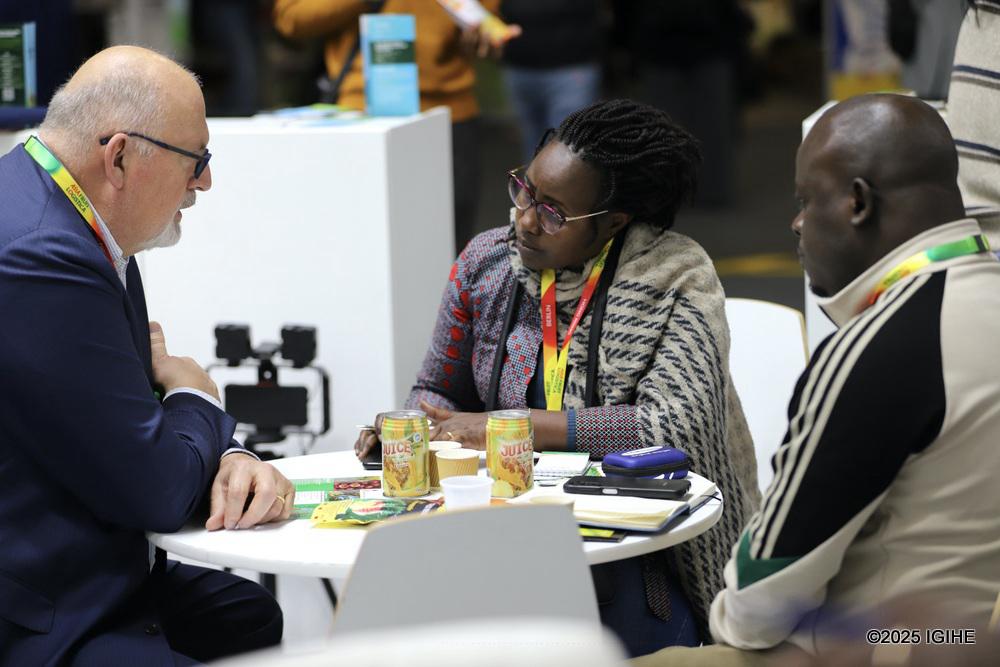
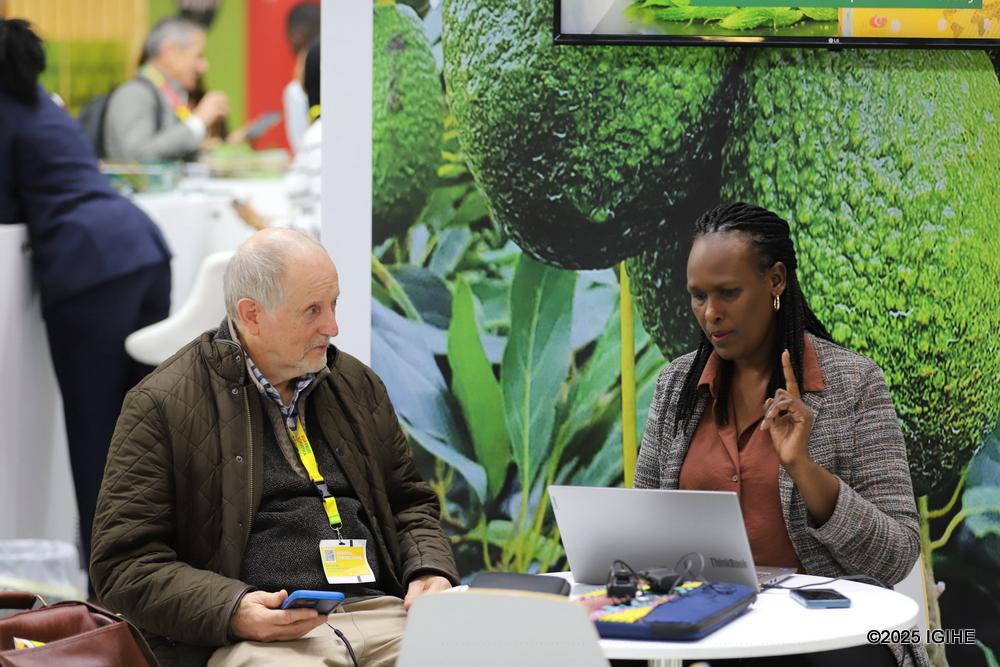
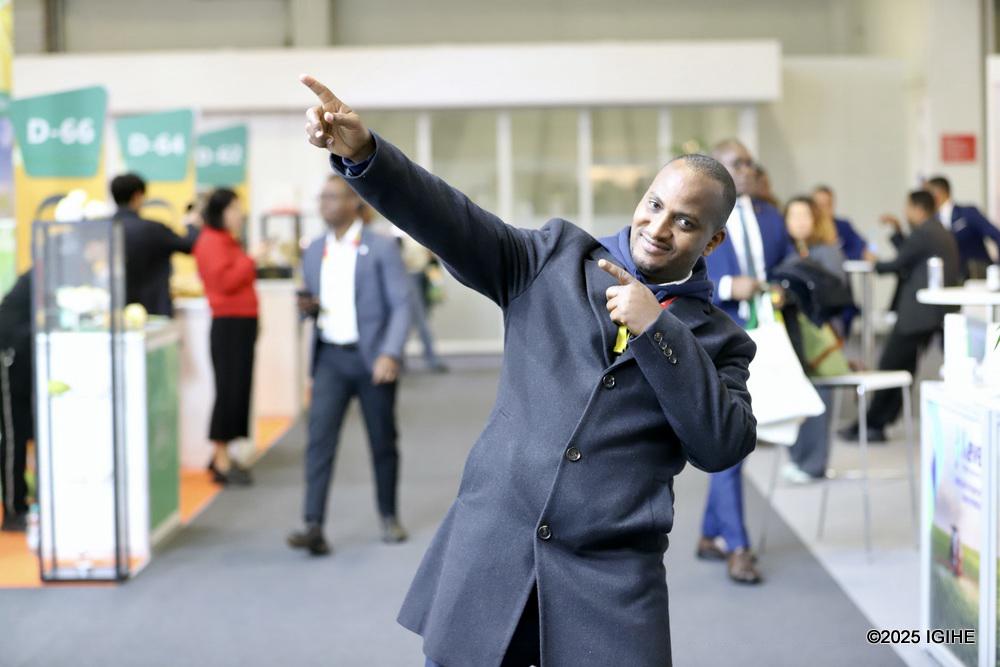
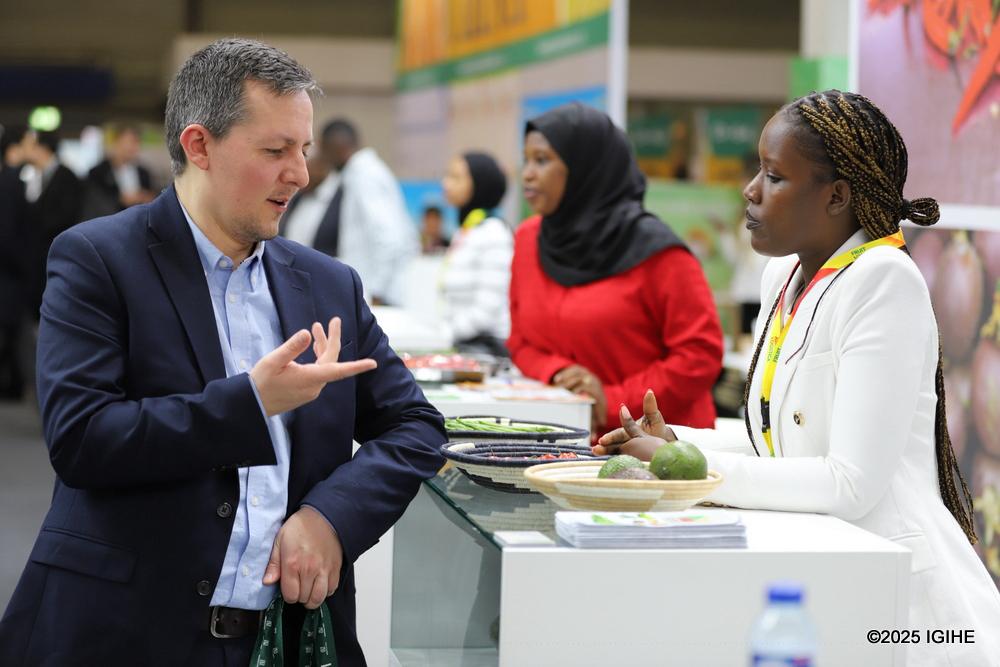
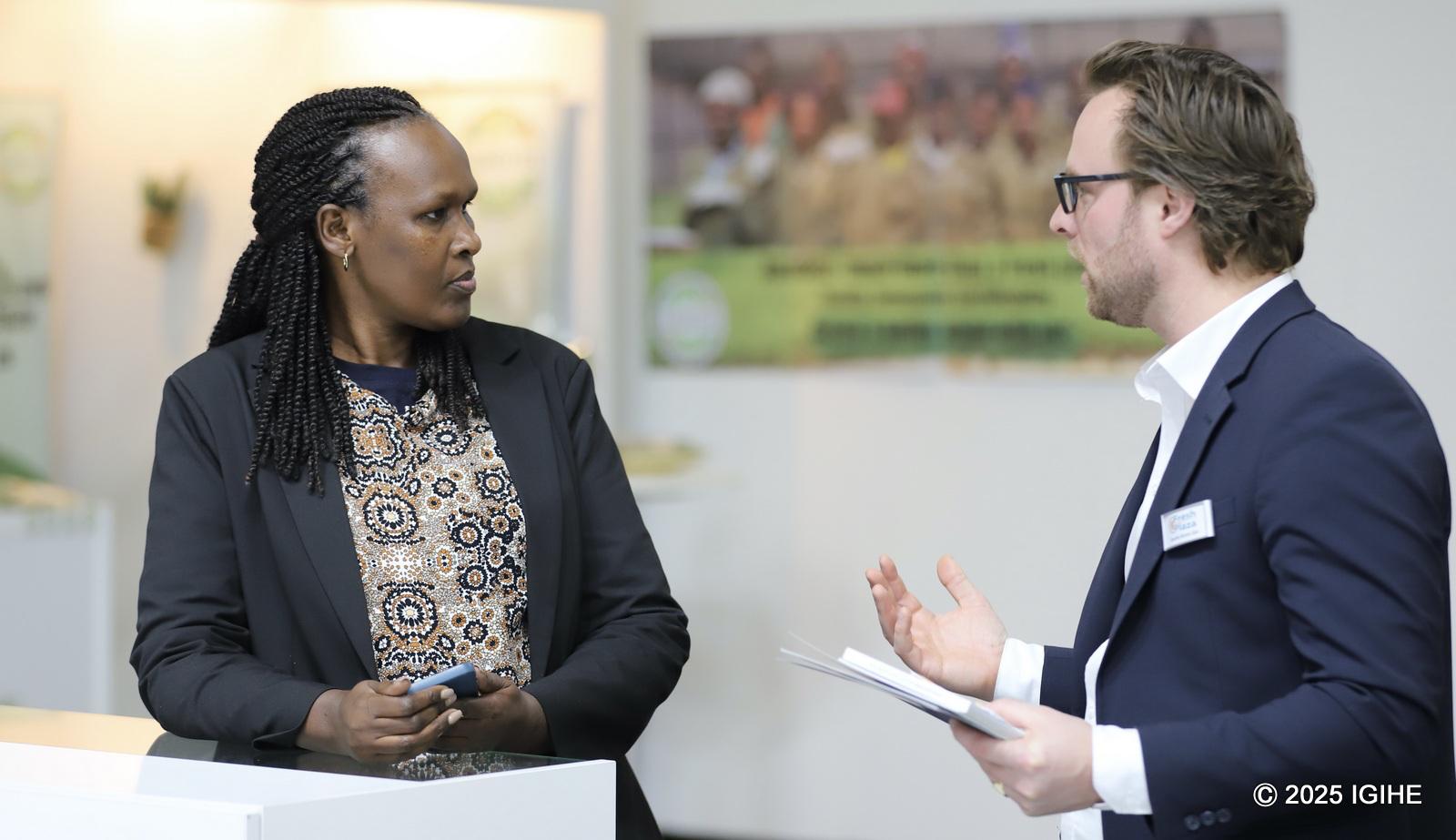
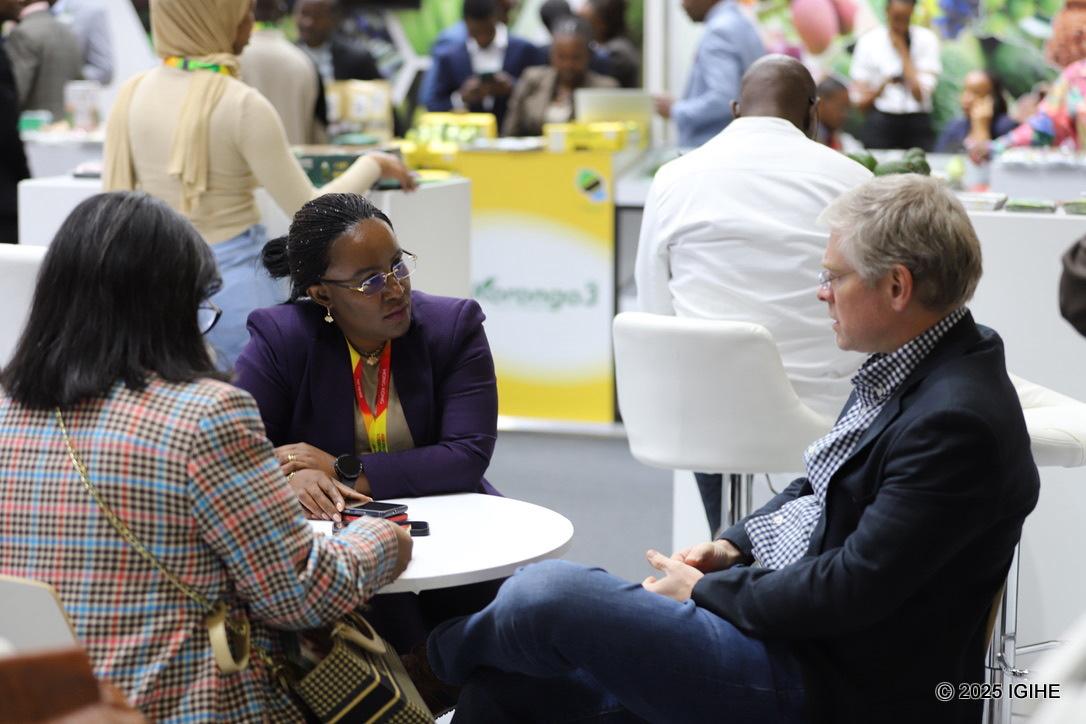
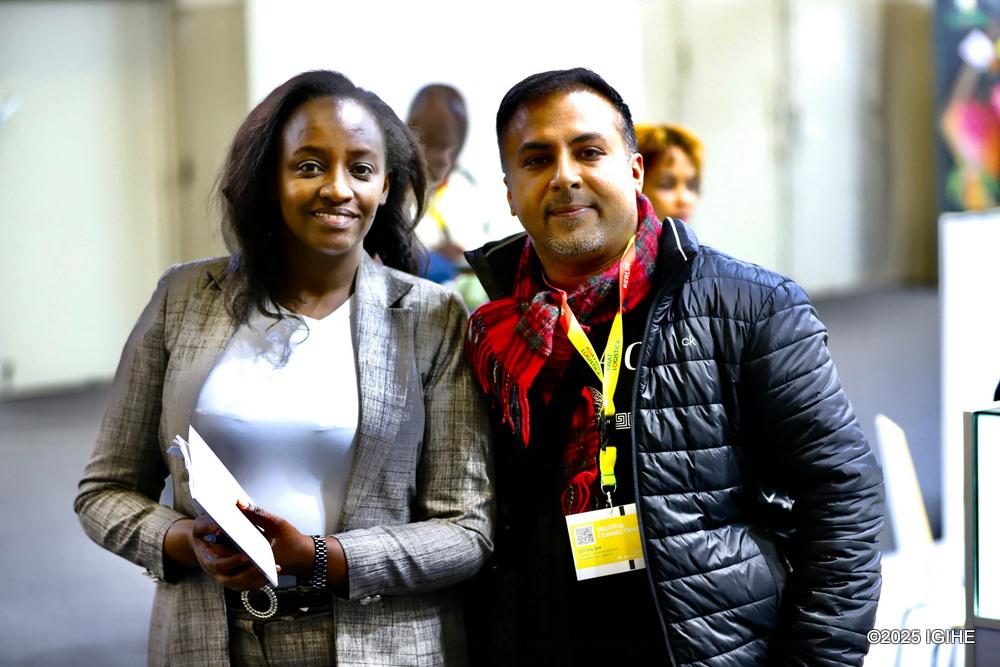
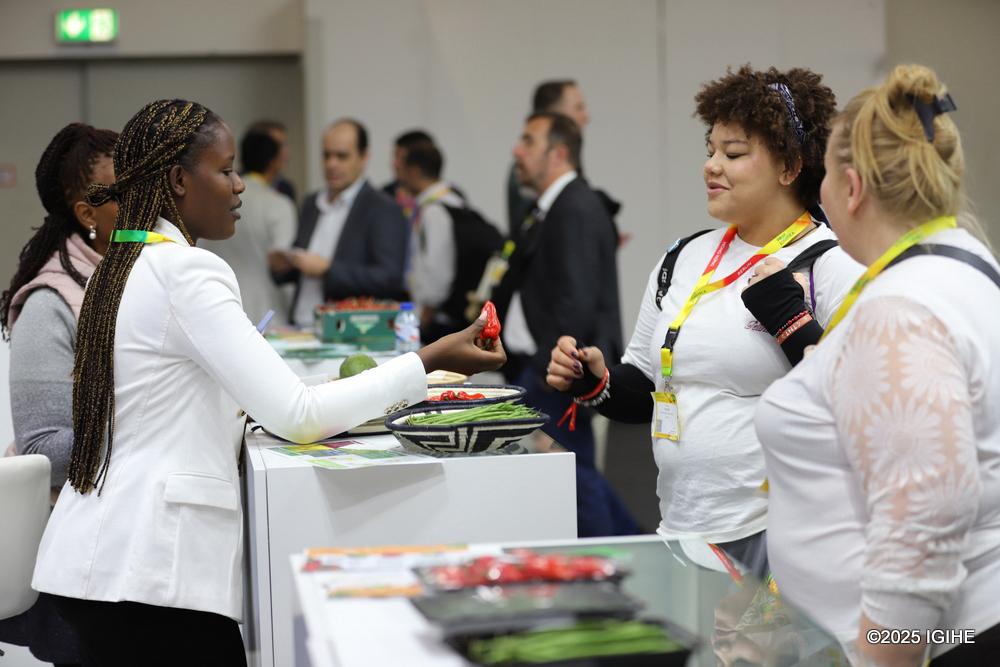
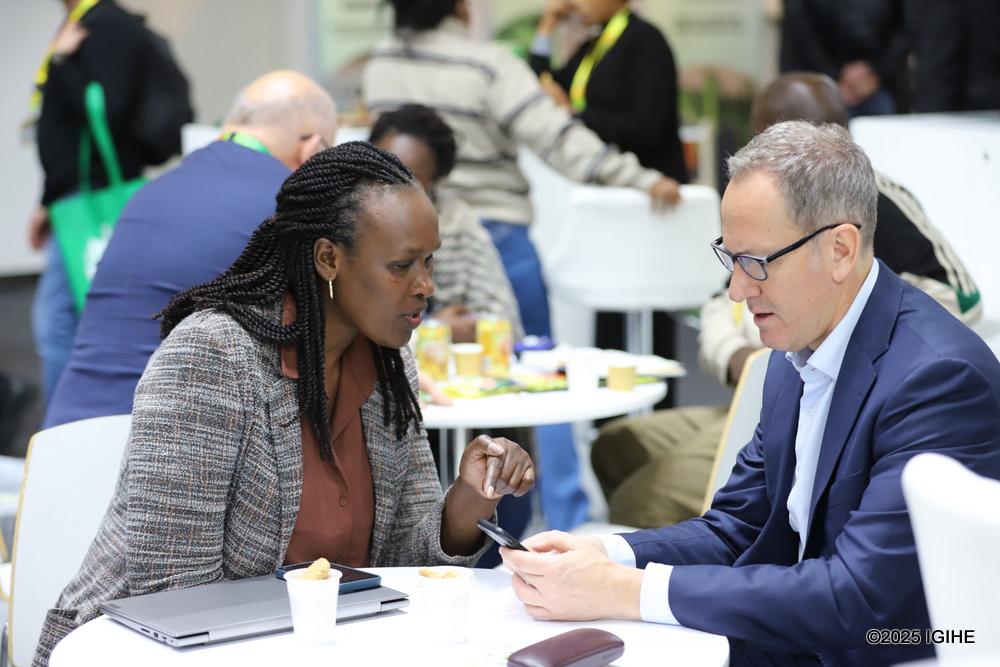
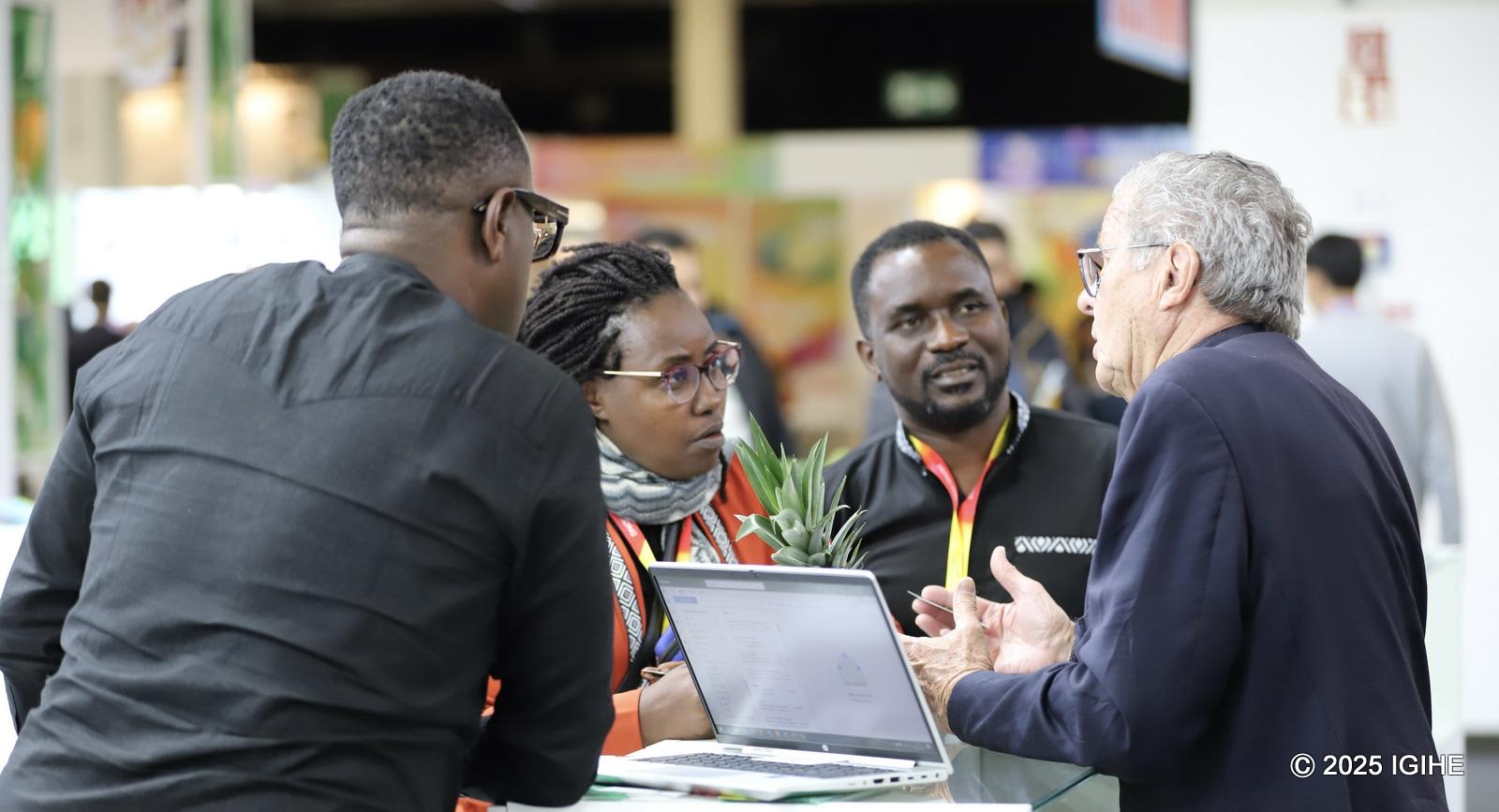
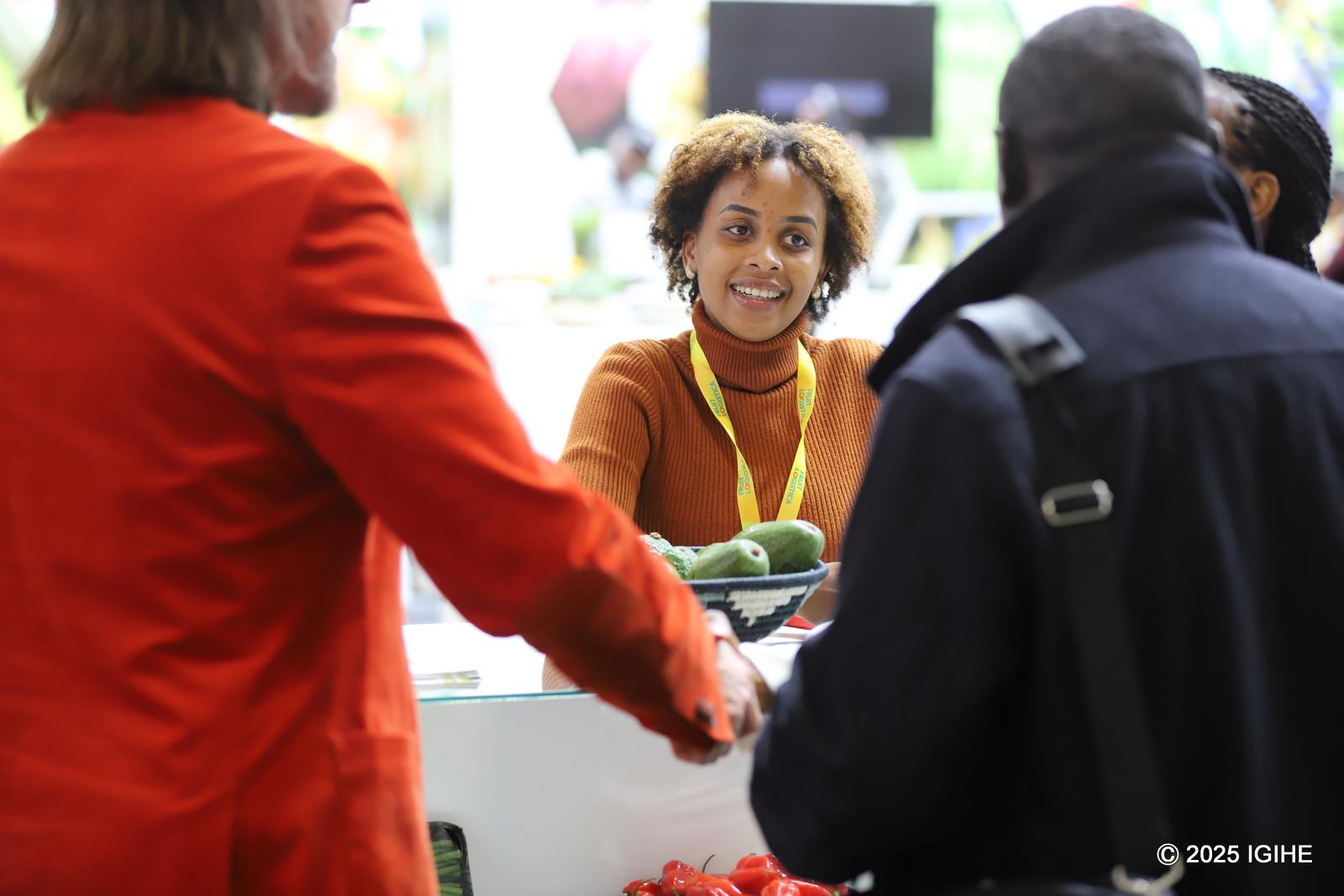
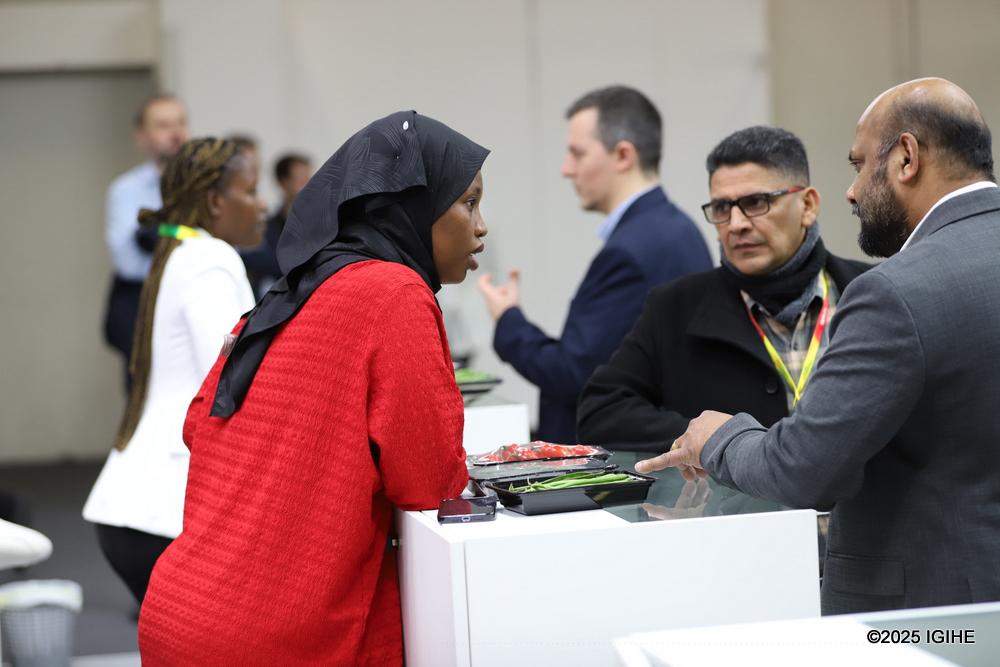
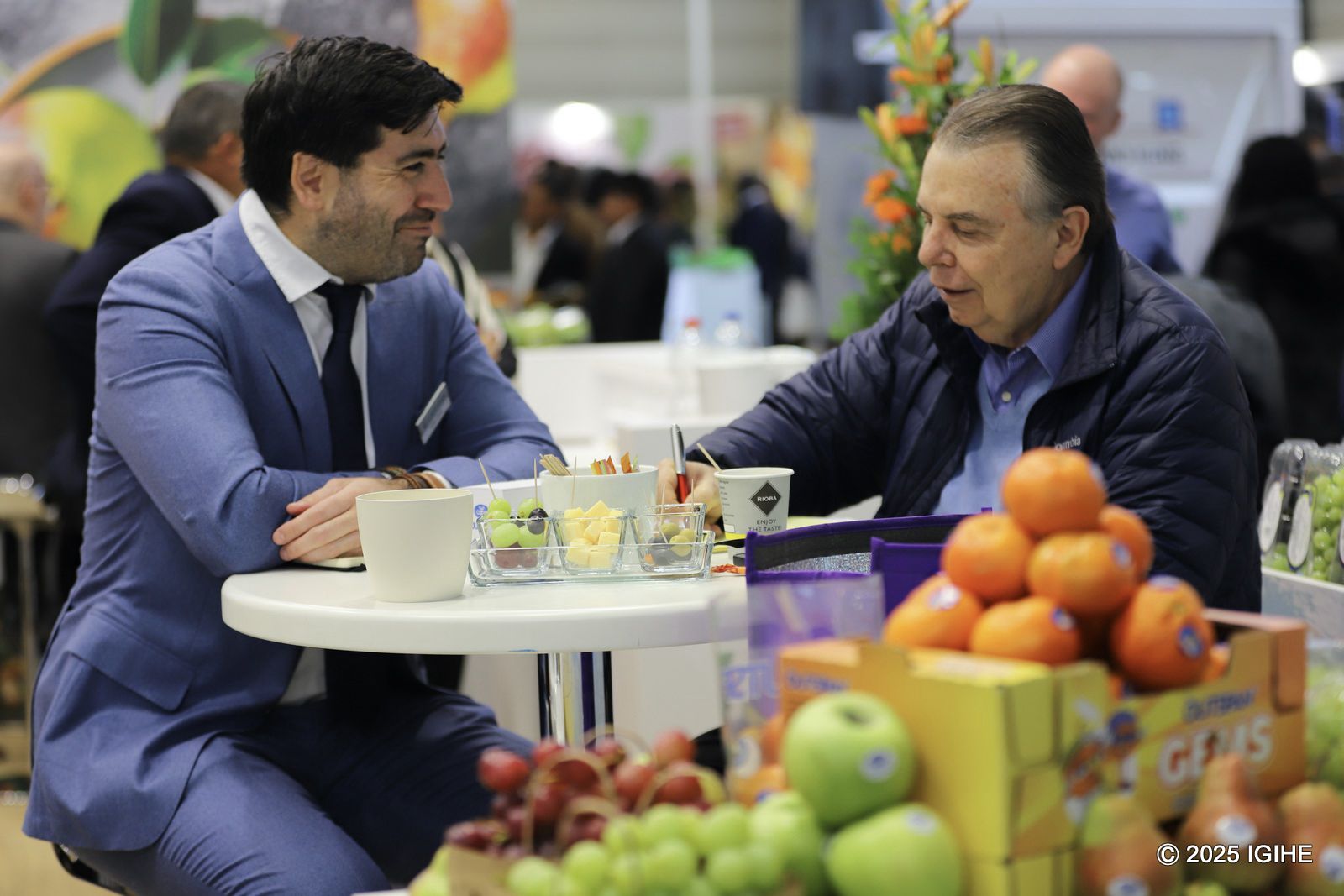
Janet Basiima, Export Market Development and Innovation Division Manager also highlighted the significance of the event: “We are excited to participate once again in this trade fair, as it is one of the largest platforms where we secure market opportunities, engage with buyers, and exchange knowledge.”
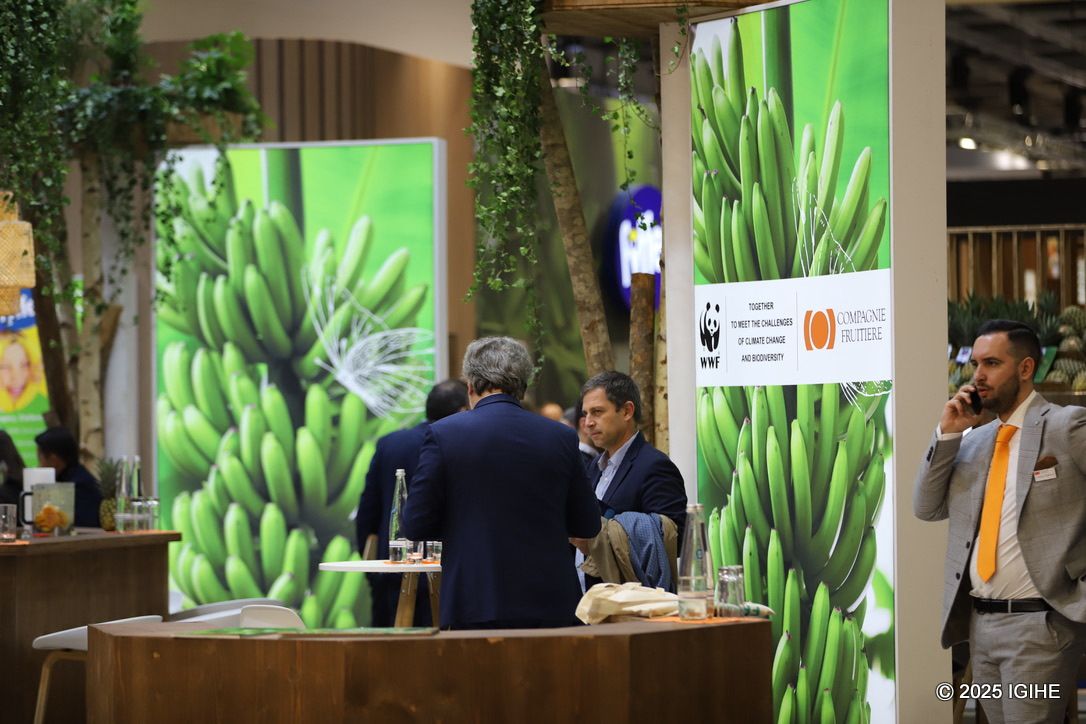
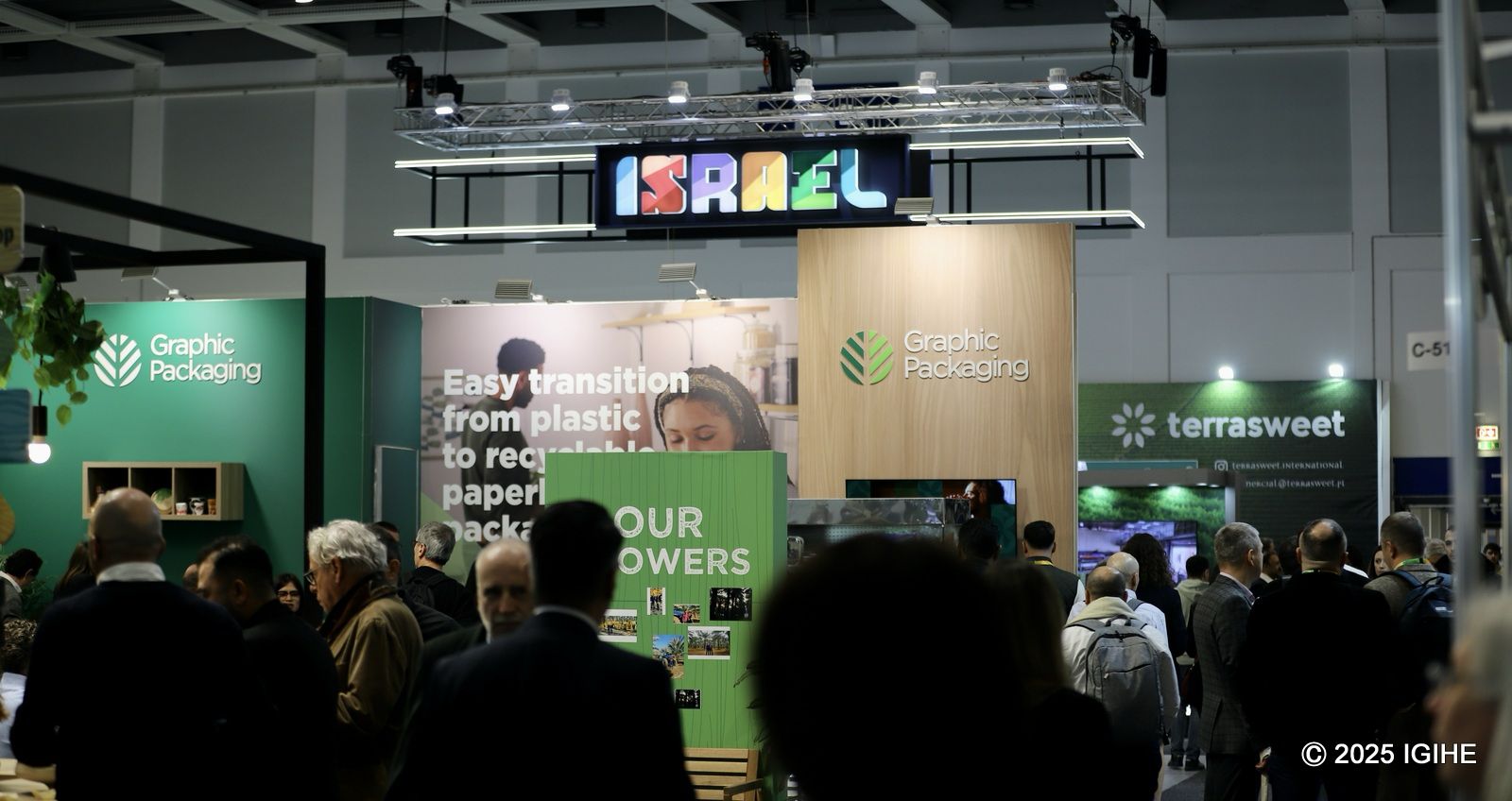
This year’s edition features 91 participating countries, with over 115,000 exhibitors and visitors, including farmers and buyers from around the world.
“It is also a valuable learning experience, allowing us to understand best practices in handling and transporting fresh produce,” she added.
Basiima also emphasized RwandAir’s critical role in ensuring the timely delivery of Rwanda’s fresh produce to global markets. “Fruits and vegetables require specialized transport as they are highly perishable. RwandAir helps us ensure efficient deliveries,” she noted.
“For destinations beyond RwandAir’s coverage, we rely on KLM and Ethiopian Airlines. Recently, we conducted trial shipments for avocado exports to Dubai, and if successful, we may expand it.”
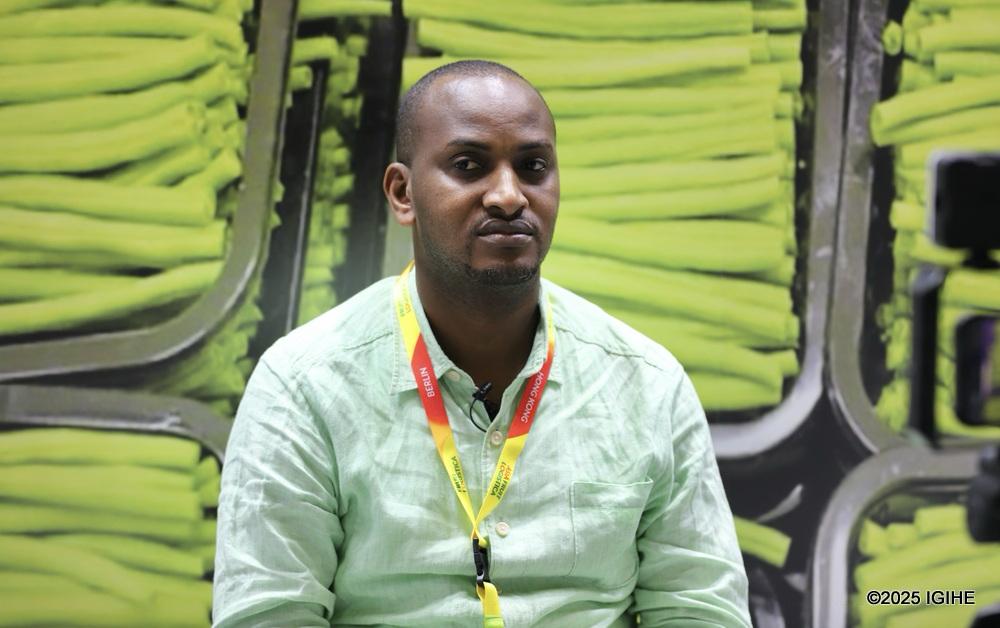
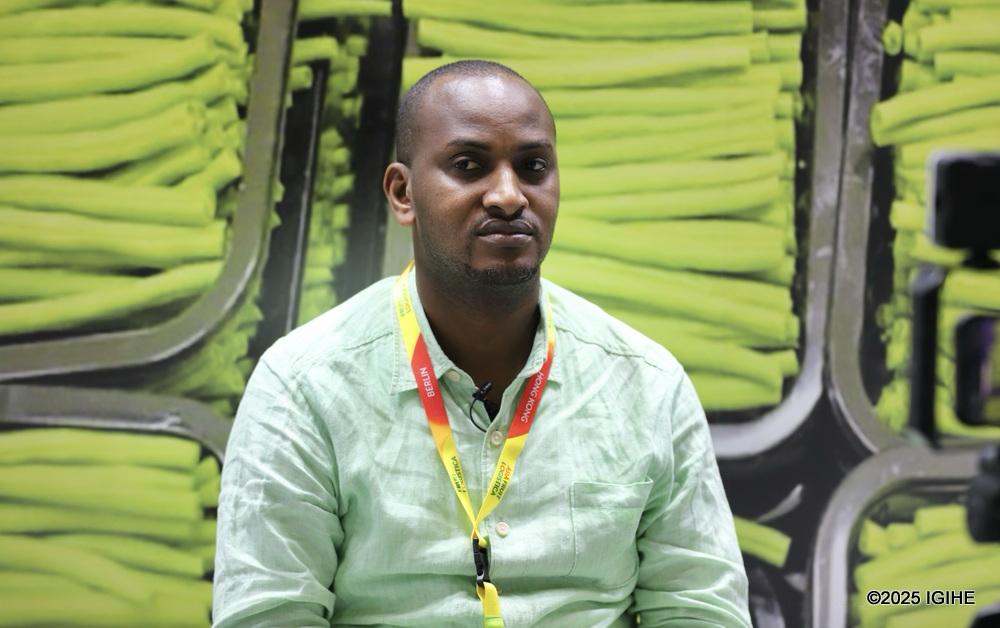
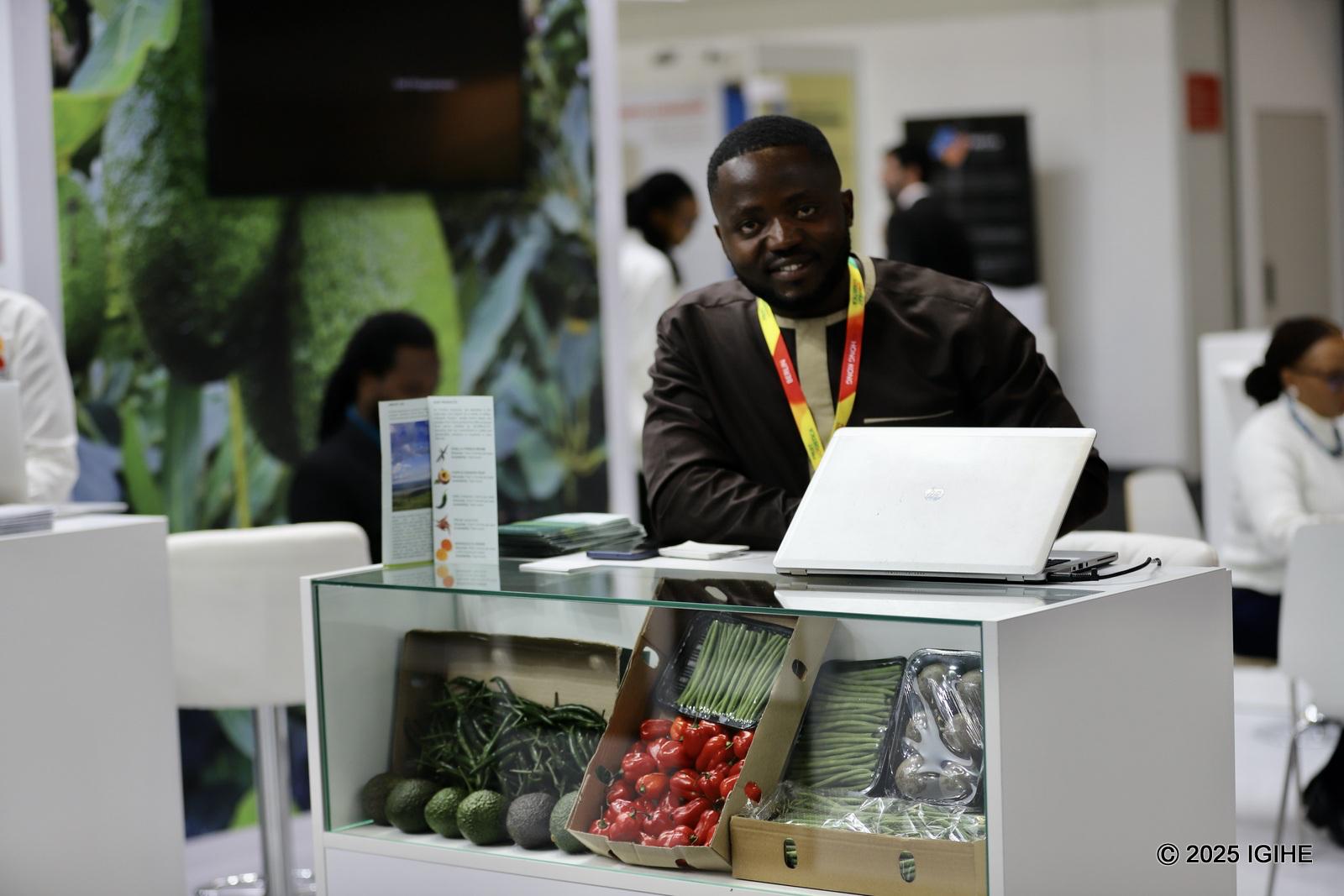
Rukundo Robert, the founder of Almond Green Farm and Chairperson of Horticulture Exporters Association of Rwanda (HEAR), underscored the importance of Rwanda’s participation in global trade fairs.
“We engage with international partners to expand our markets. Being here also allows us to assess our progress and set future goals for increasing export volumes. I appreciate the government’s support in securing opportunities like these for us.”
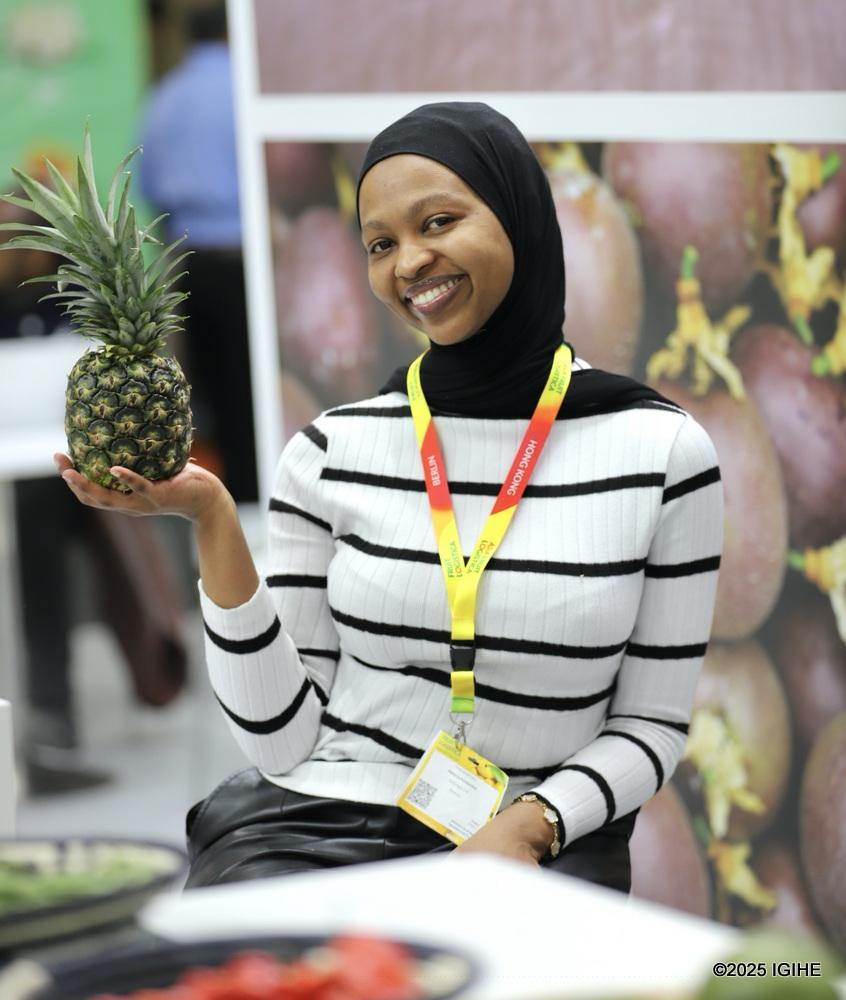
Angel Rugema Uwantege, a representative of BAHAGE Foods and a regular exhibitor at ‘Fruit Logistica,’ shared her experience: “Every year, we gain new insights, whether in marketing technologies, climate change adaptation, or advanced farming techniques.”
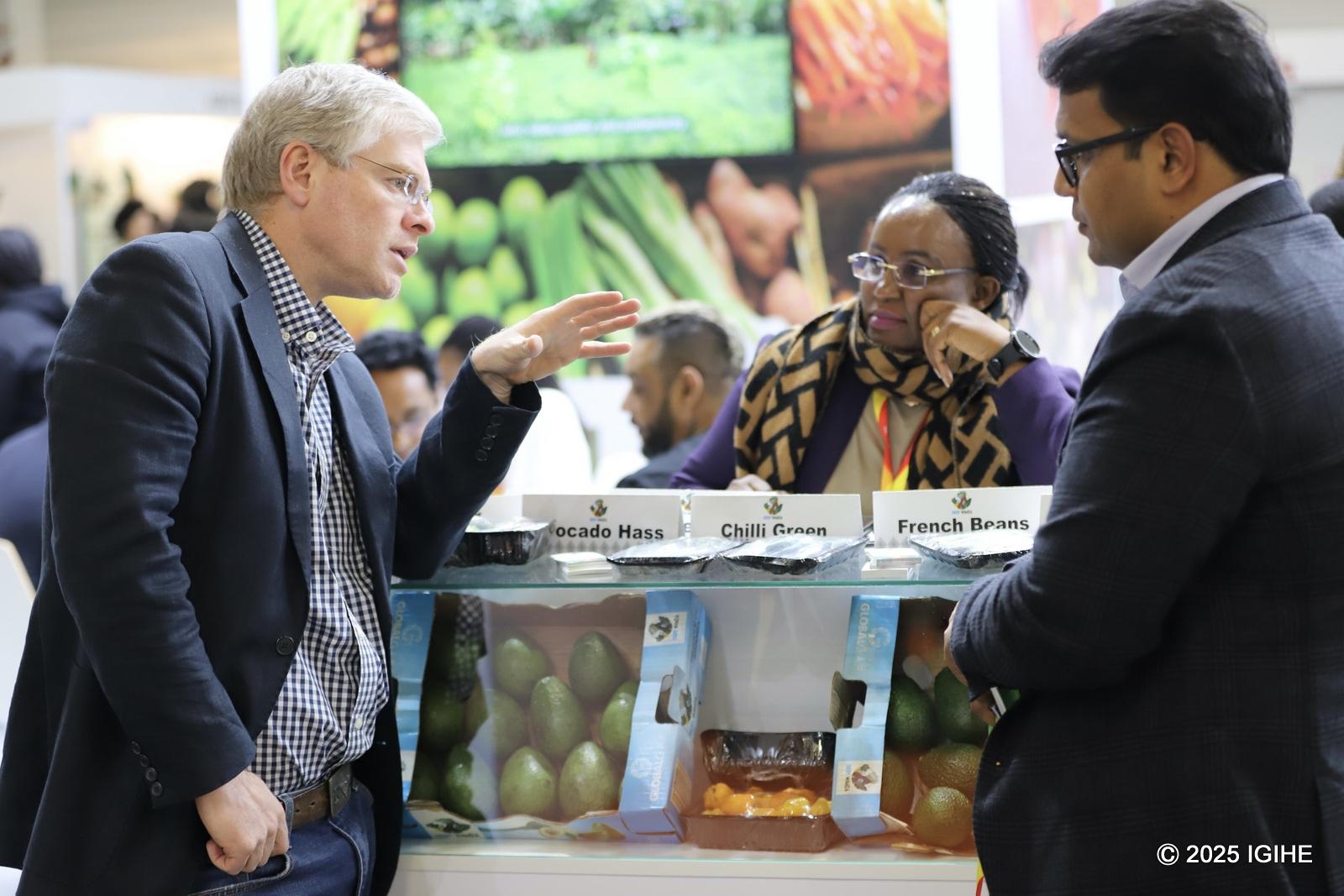
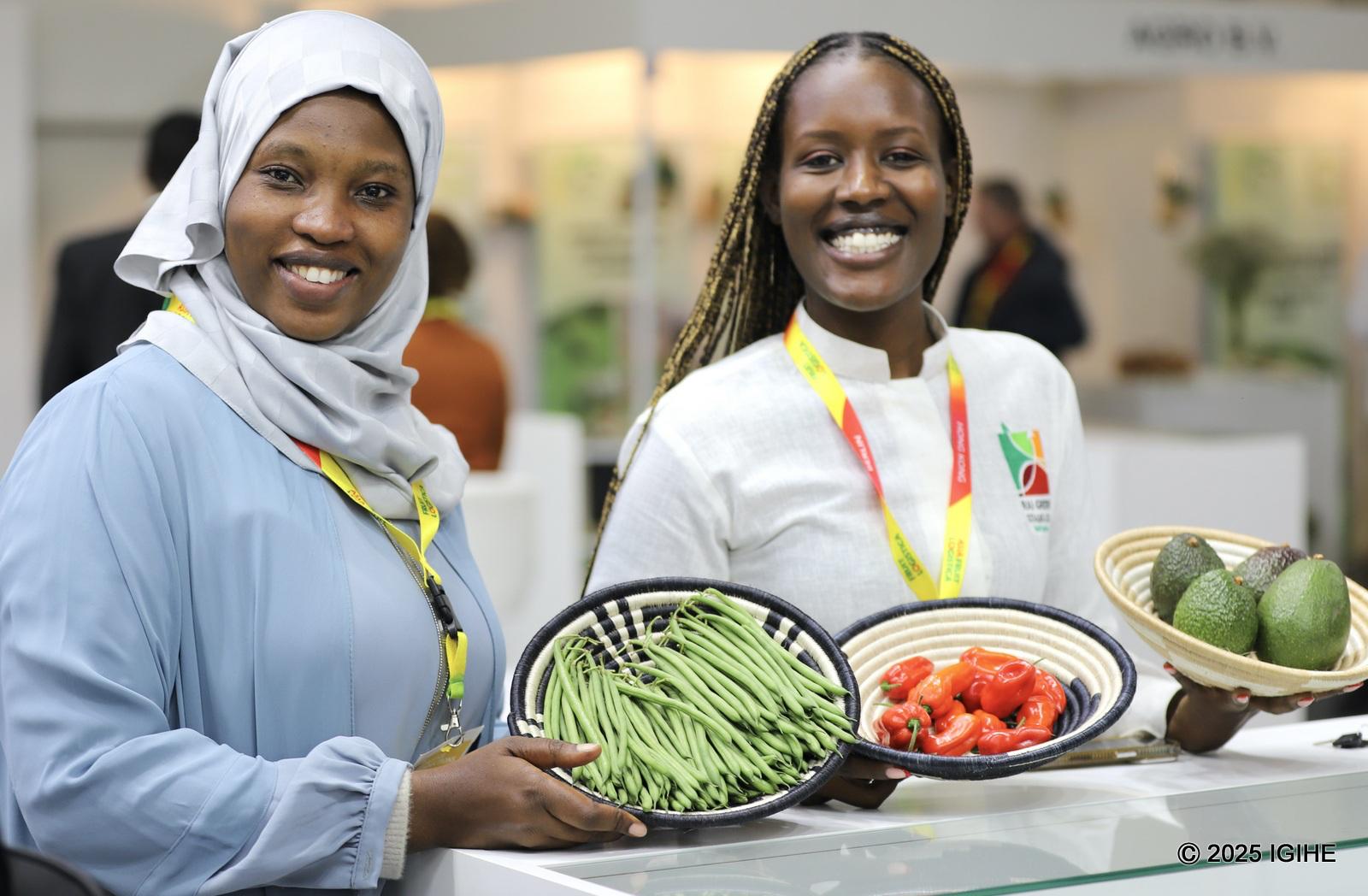
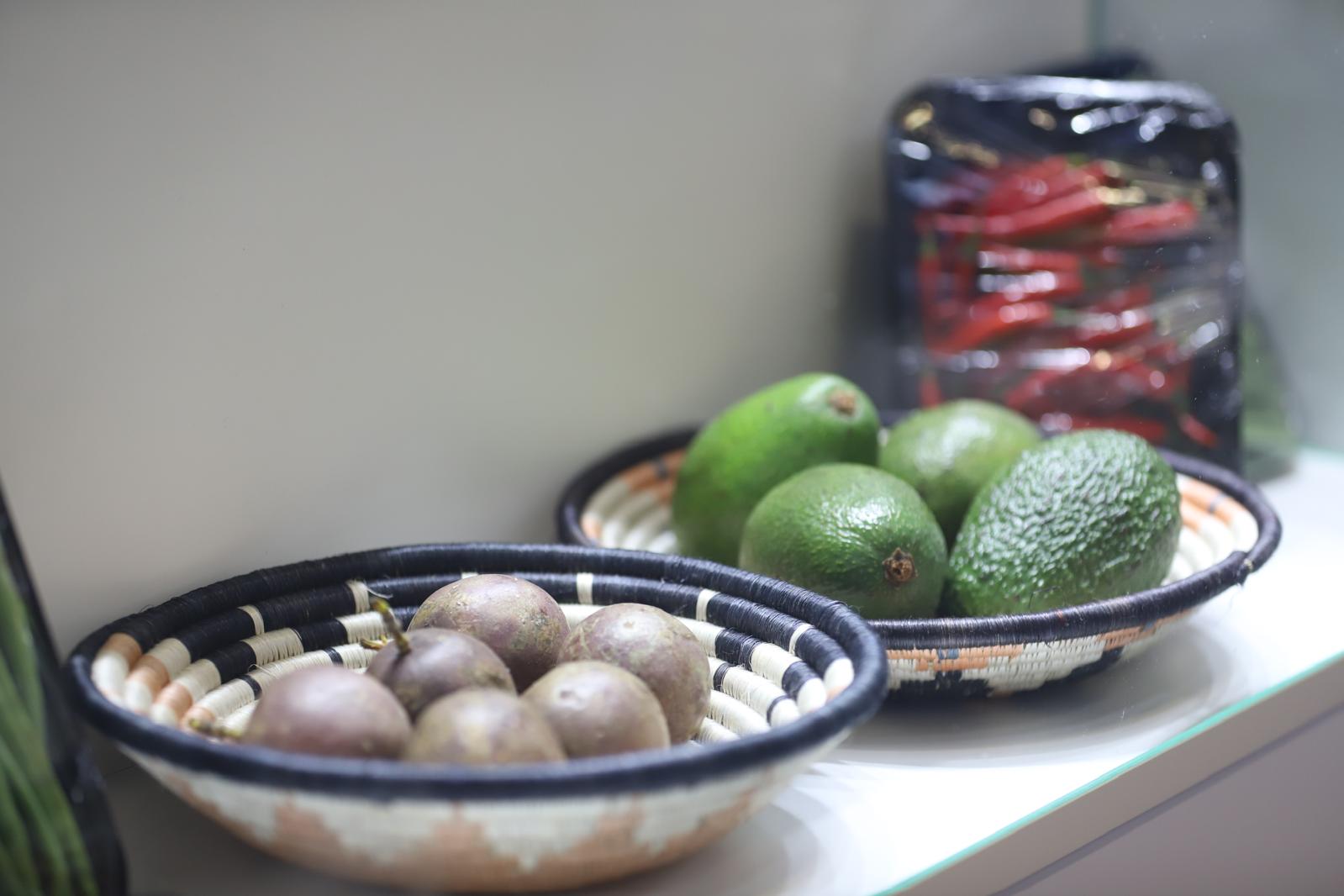
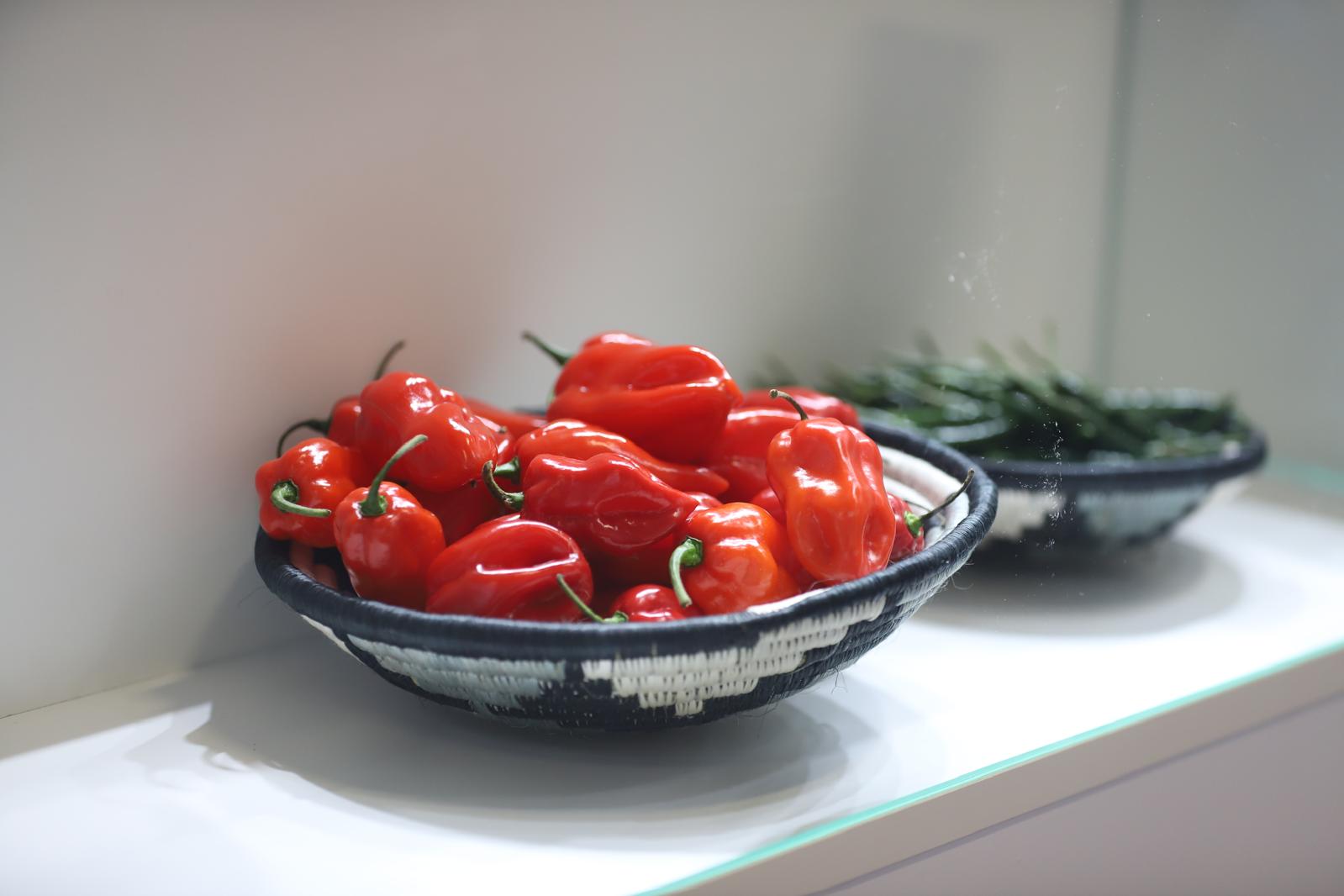
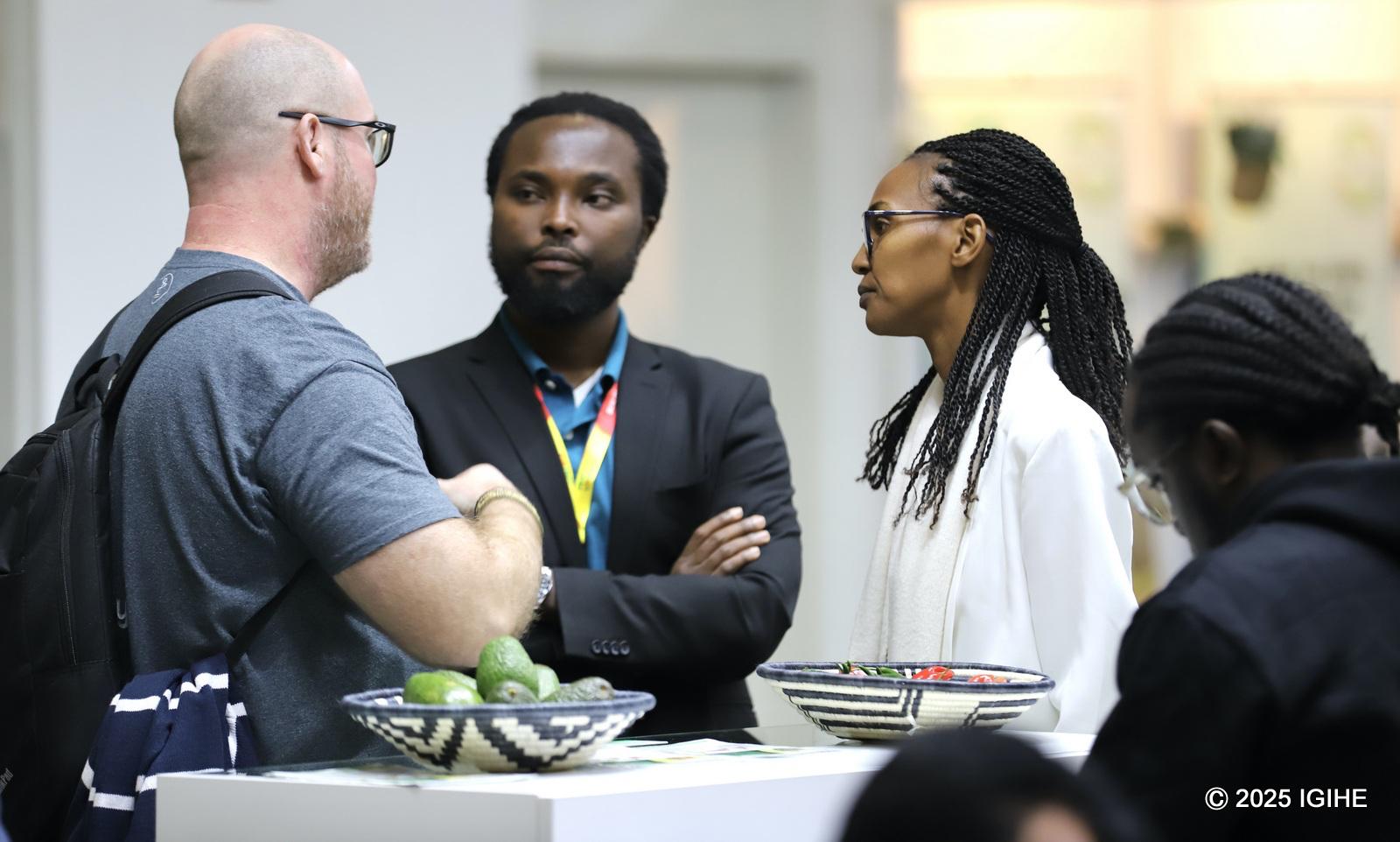
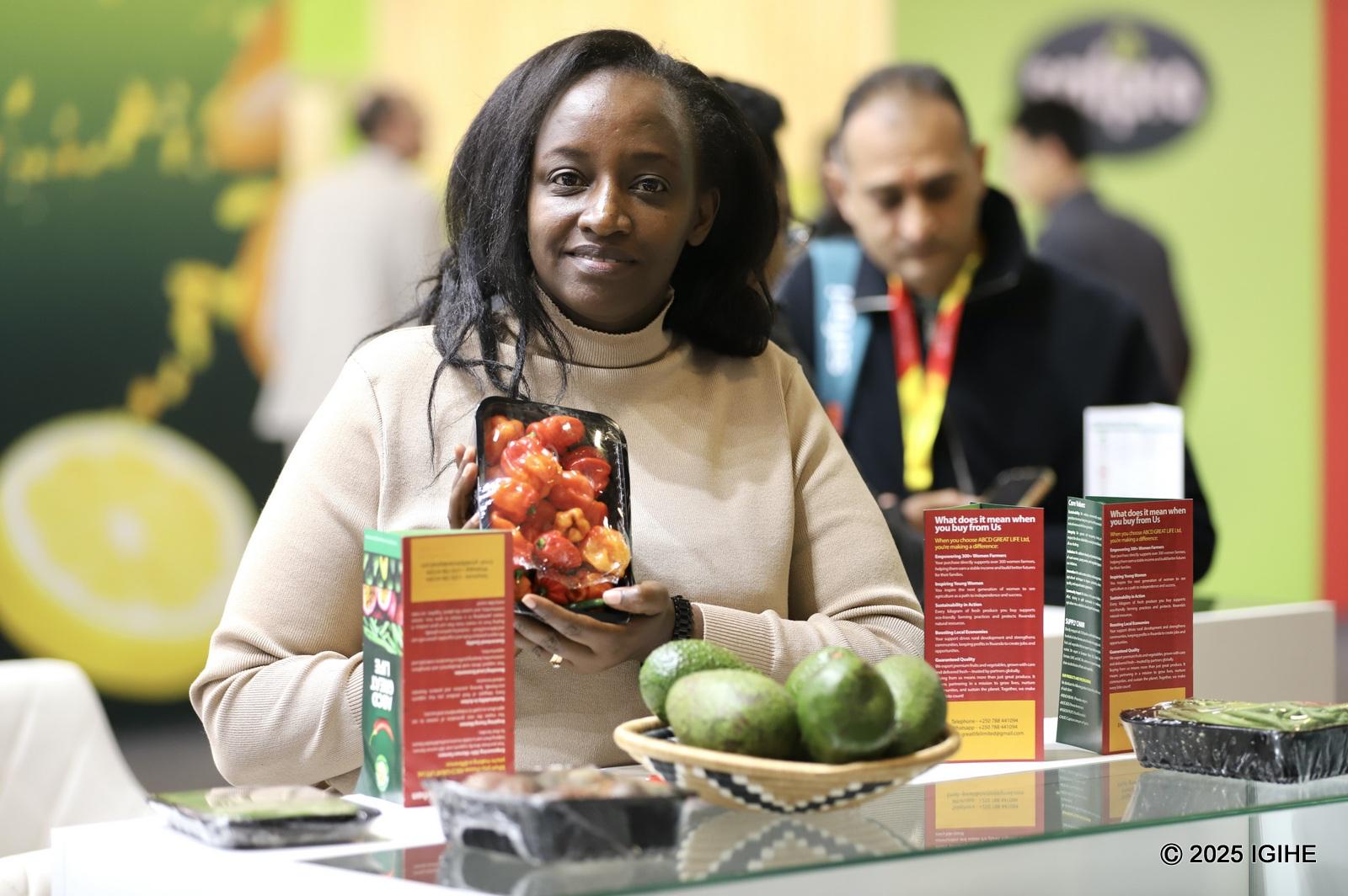
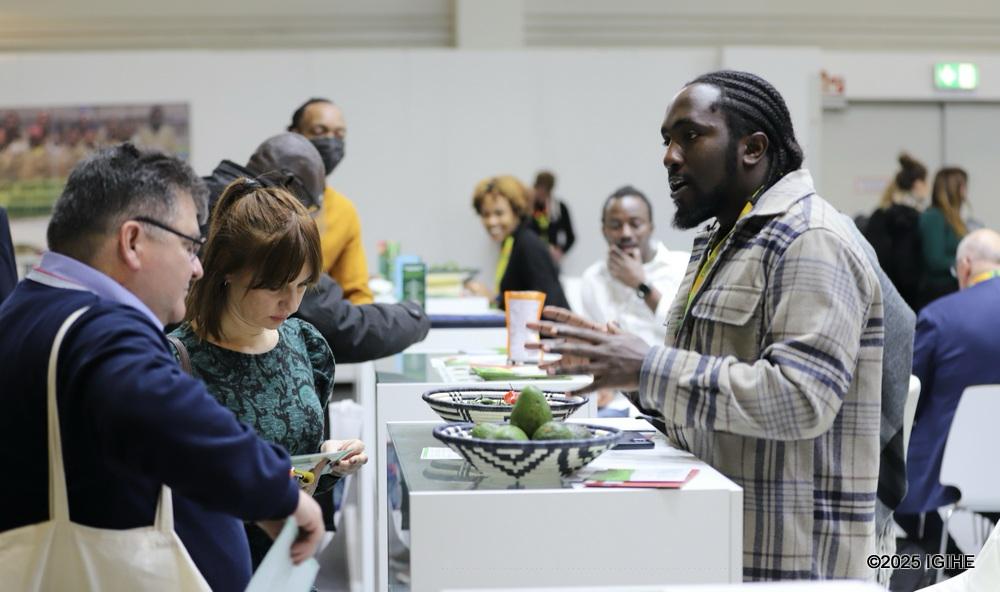
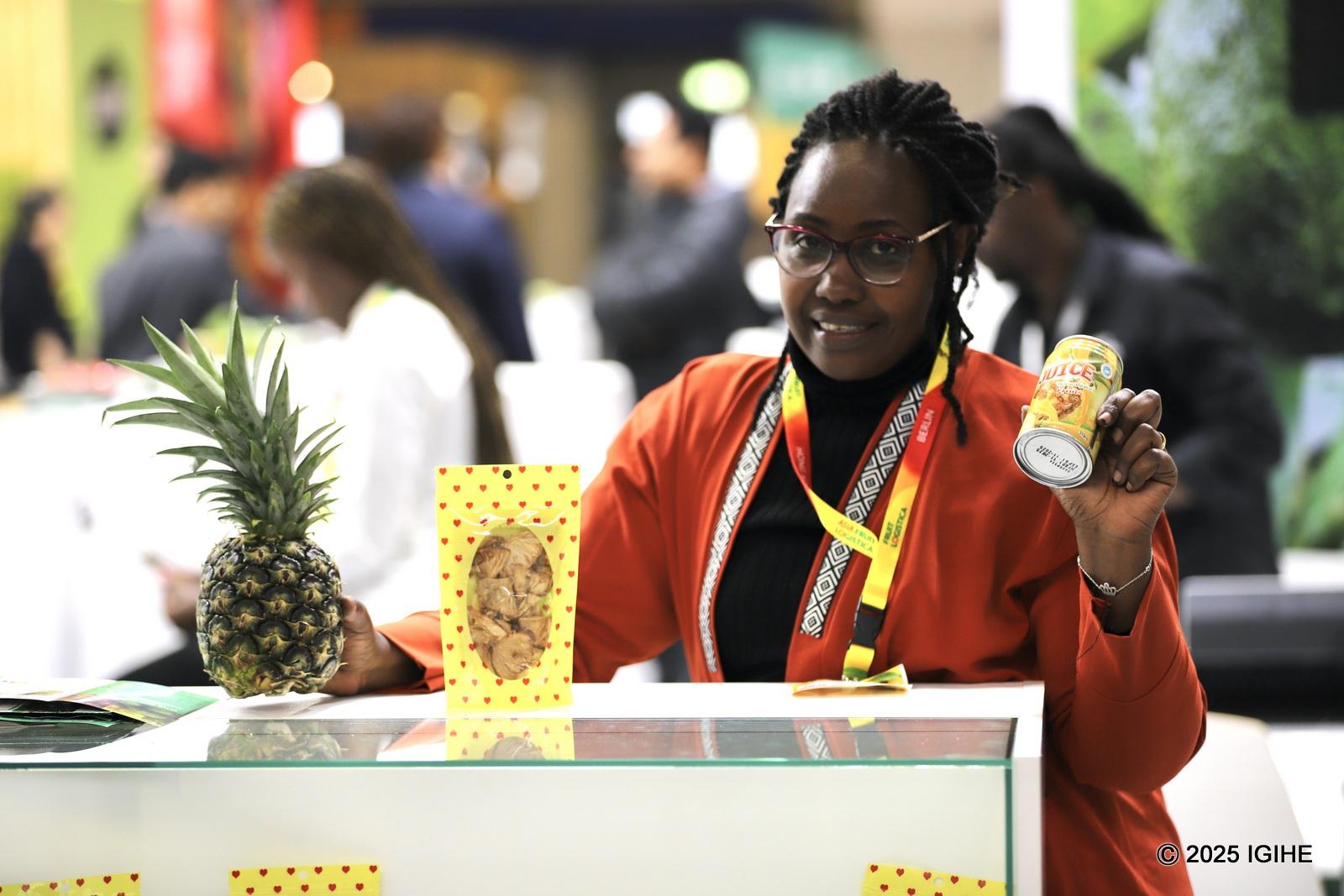
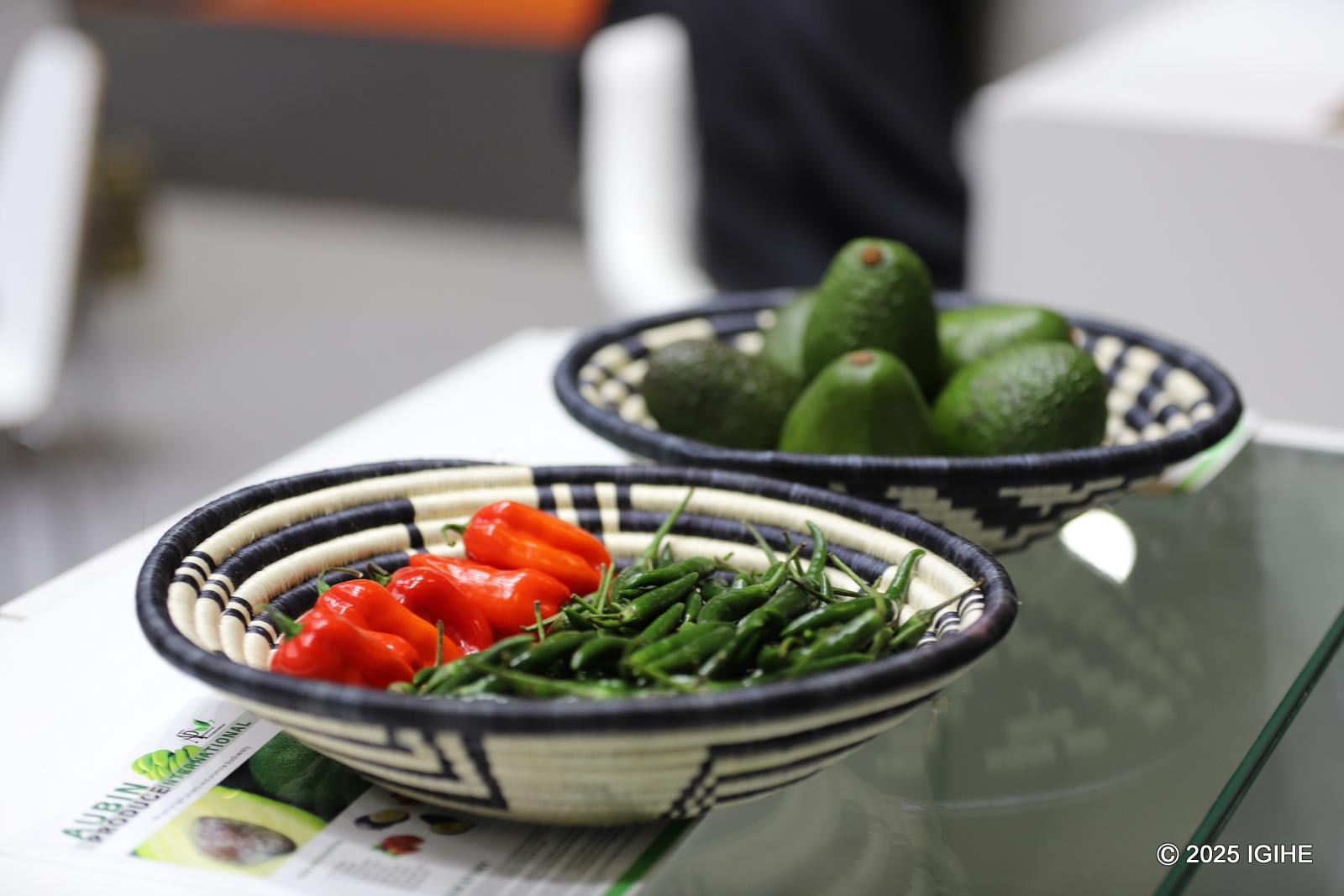
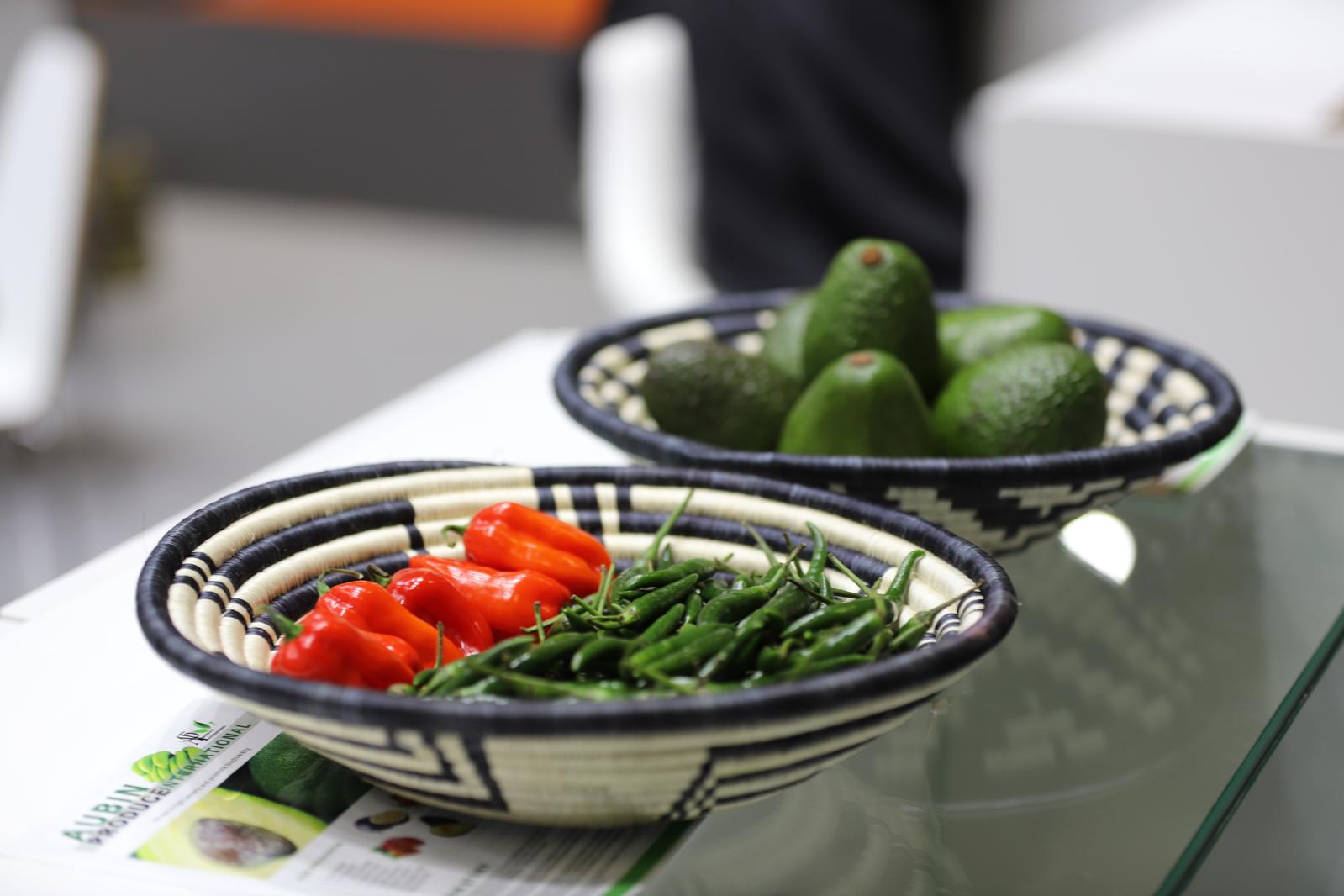
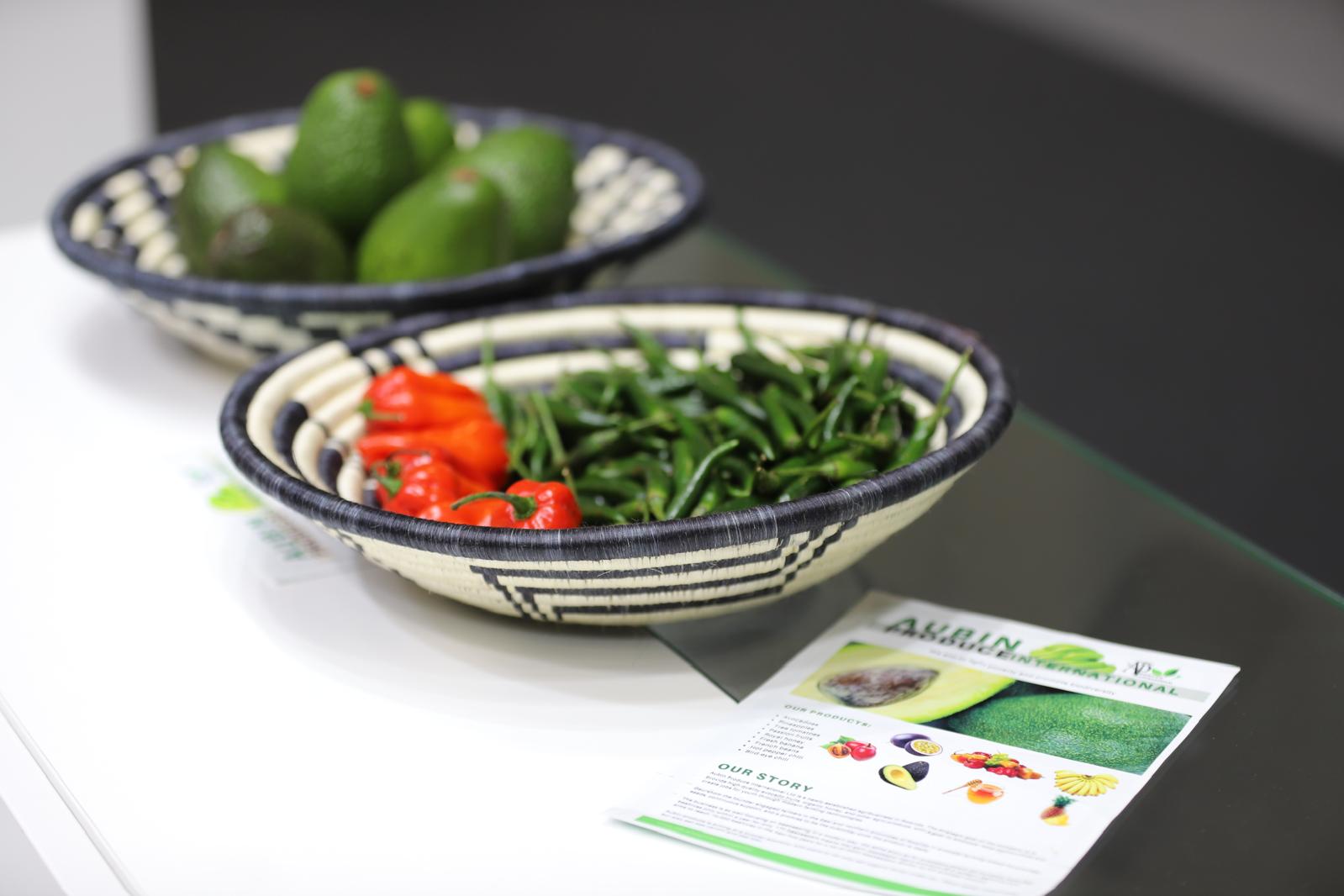
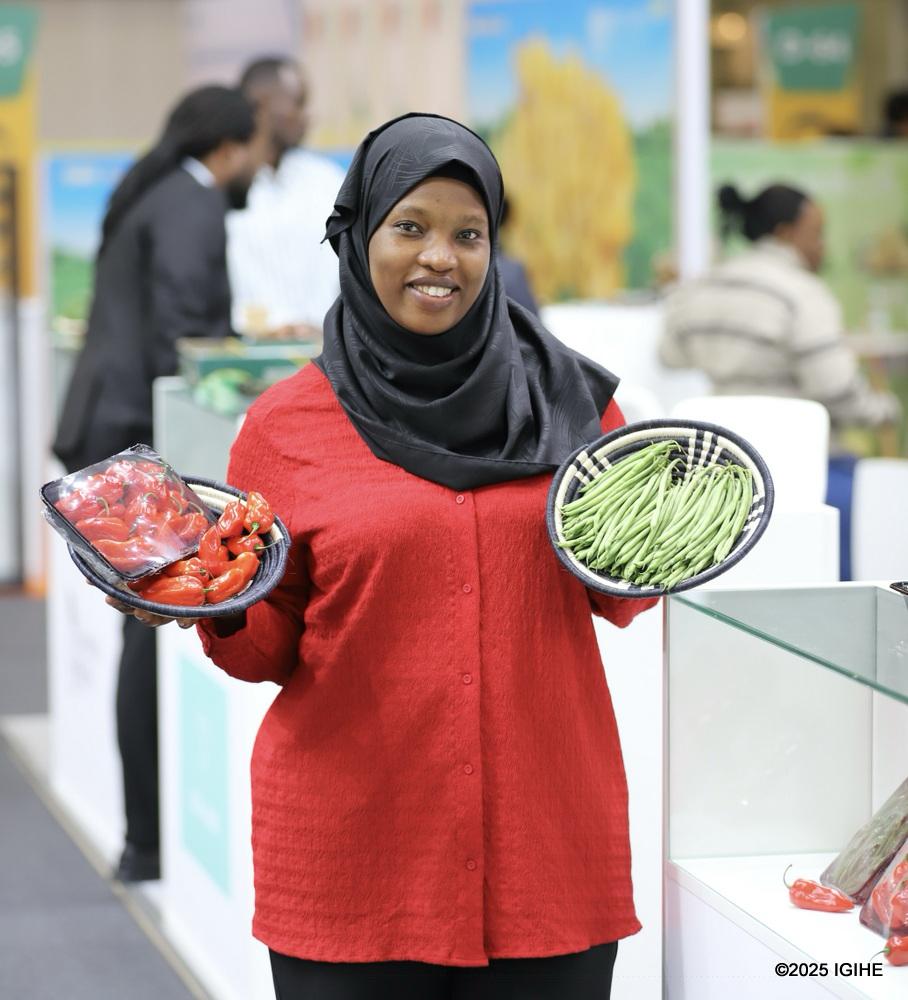
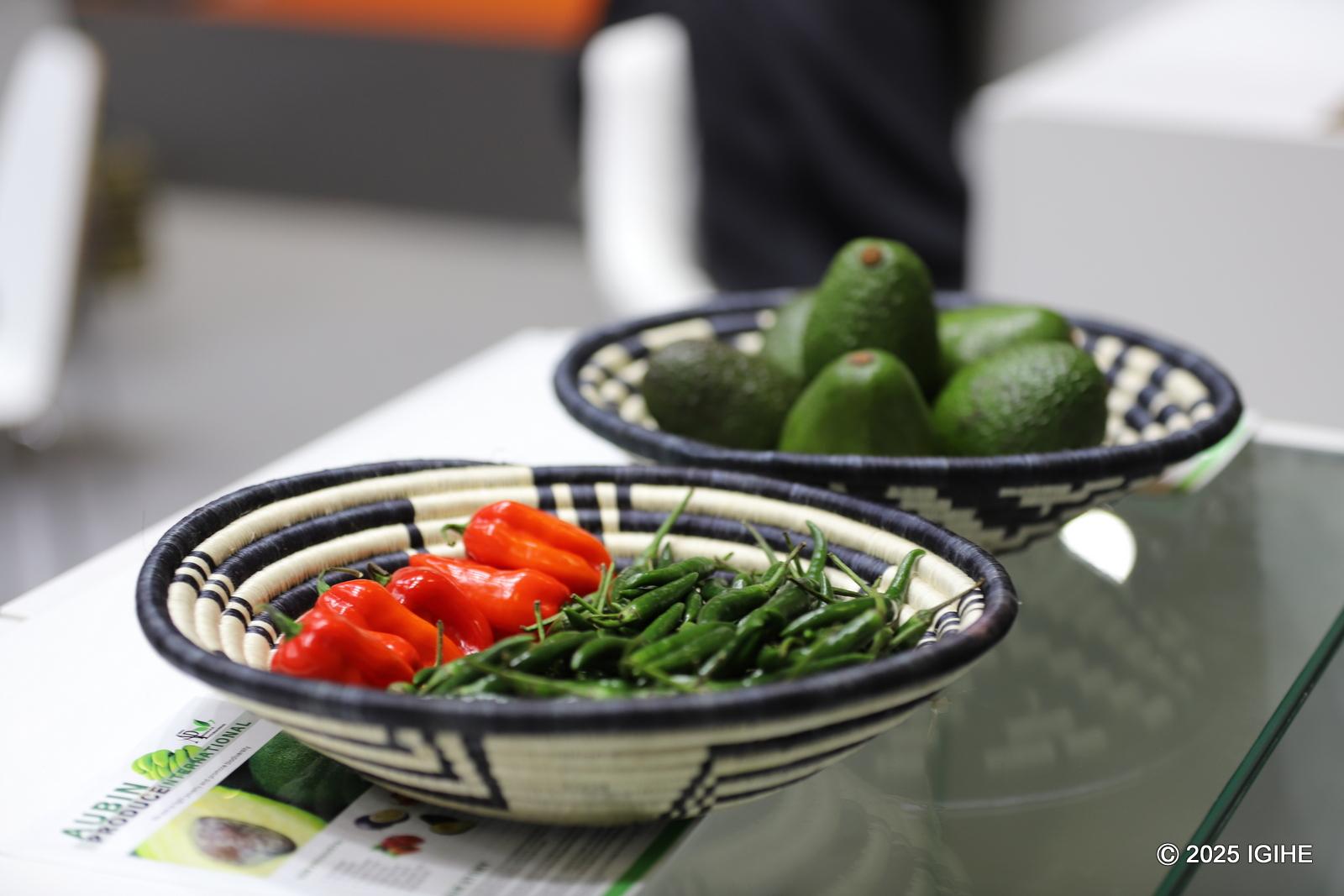
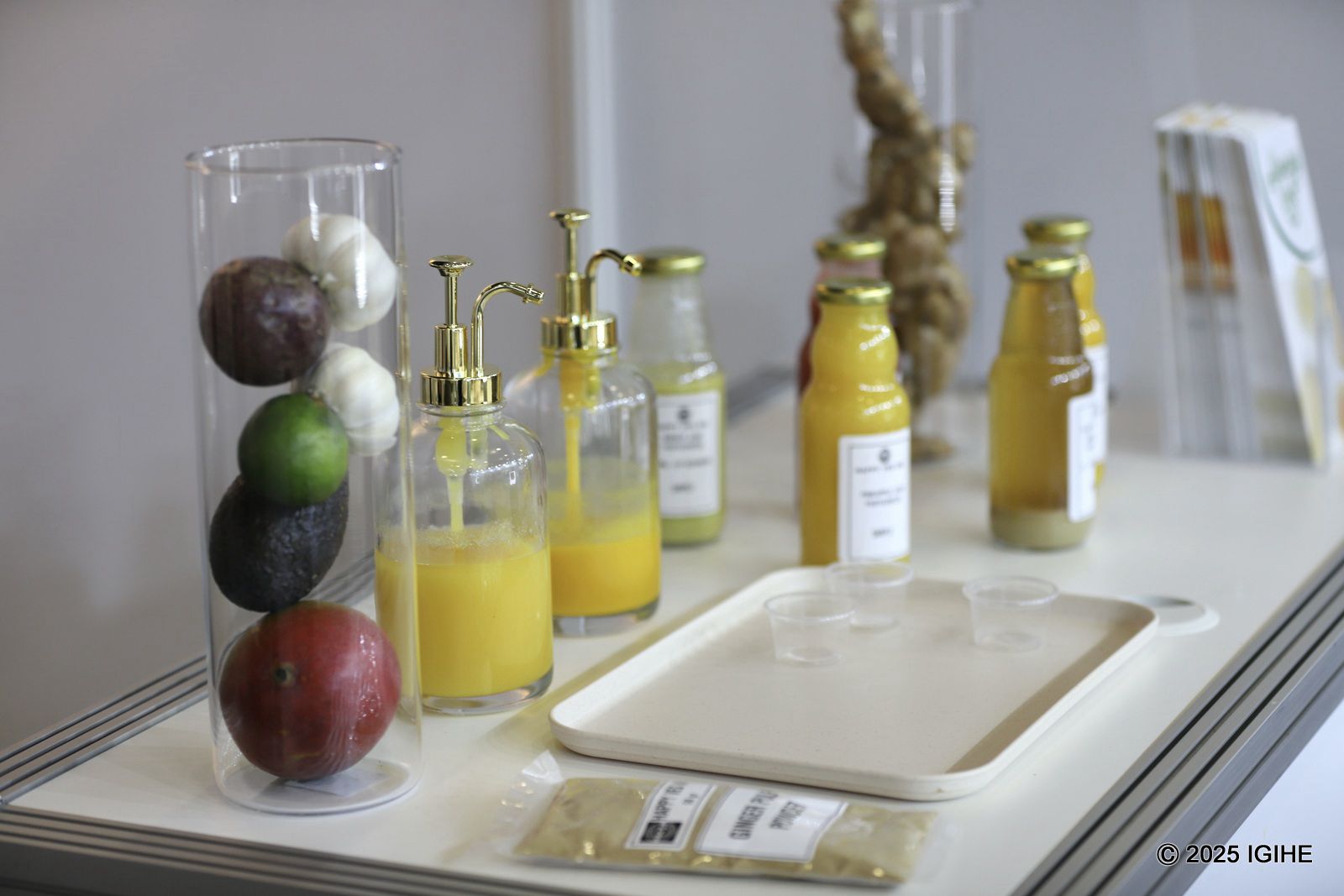
Rwanda exports fruits and vegetables to countries including France, the United Kingdom, the Netherlands, and the United Arab Emirates. This year, Rwandan exhibitors showcased avocados, chili, French beans, and passion fruit.
In 2024, Rwanda exported 97,165 tons of fruits and vegetables, generating $75.1 million (over RWF 104.5 billion), accounting for 8.95% of the country’s total agricultural exports.
The country’s agricultural exports continue to grow, with revenues surpassing $839.2 million (over RWF 1.162 trillion) in the 2023/2024 fiscal year, according to the Ministry of Agriculture.
Key export products include coffee, which generated $78.71 million, and tea, which brought in over $114.88 million in 2023/2024.
In addition to the rising fresh produce sector, which contributed over $75.12 million, Rwanda earned $562.43 million from value-added agricultural products and livestock exports, while pyrethrum exports generated $8 million.
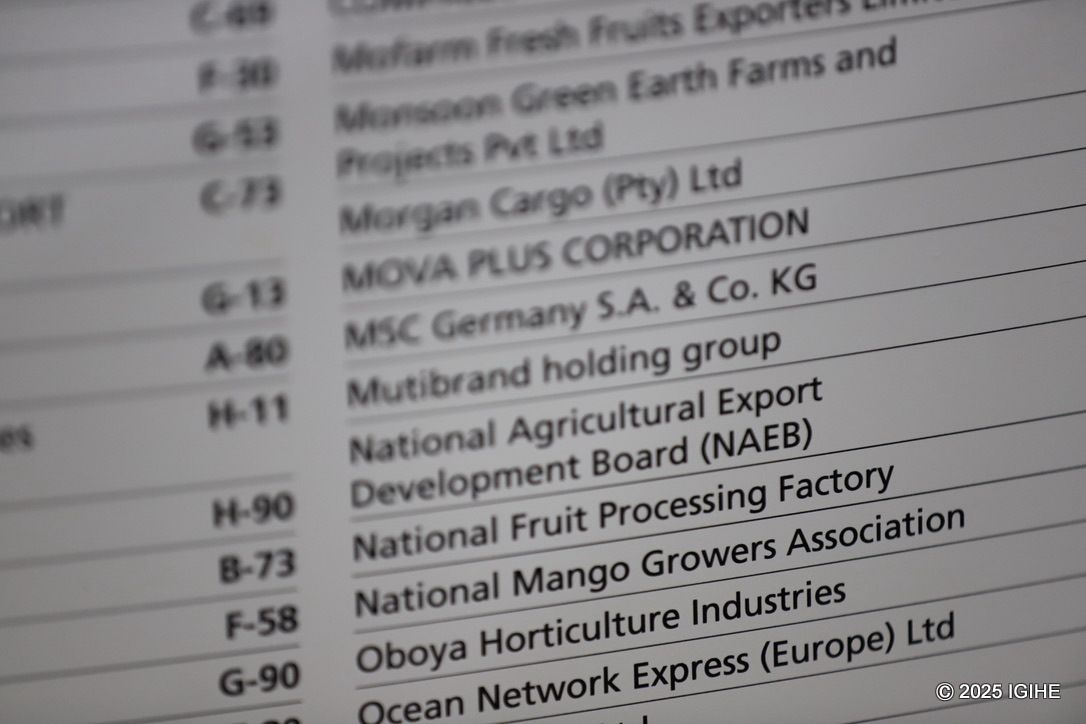
According to NAEB, between 2020 and 2024, Rwanda exported 261.6 million kilograms of horticultural products, including 170.8 million kilograms of vegetables, 86.4 million kilograms of fruits, and 4.3 million kilograms of flowers.
These exports earned Rwanda $233.6 million (over RWF 317 billion), with vegetables contributing $128.5 million, fruits $79.5 million, and flowers over $25.4 million.
The rewards are based on invoices requested during the months of October, November, and December 2024.
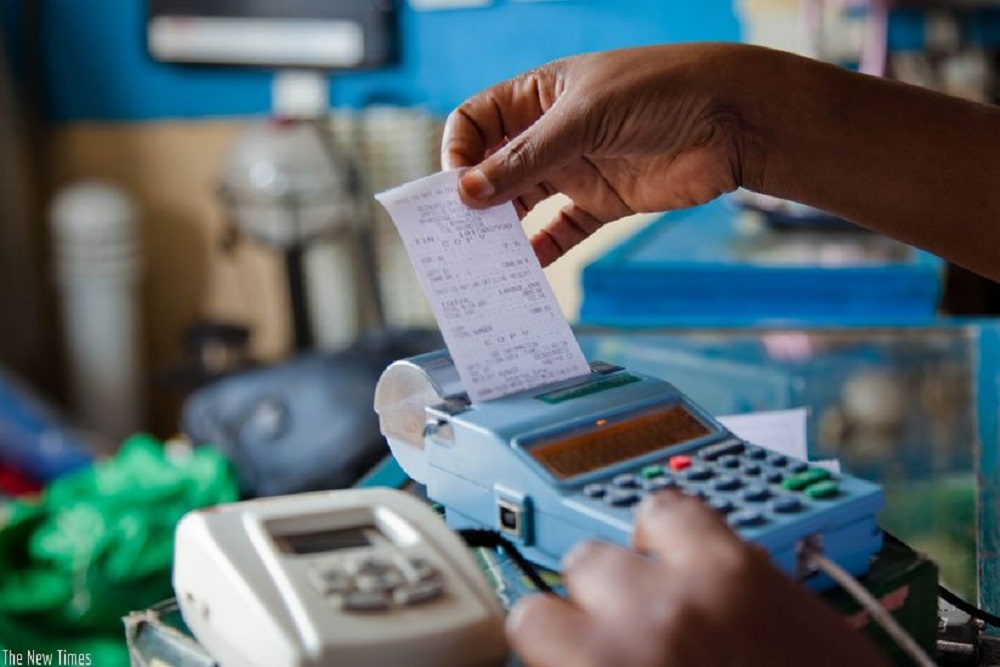
A Ministerial Order gazetted in March 2024, stipulates that a final consumer, who purchase an item not intended for business, is entitled to a reward of 10% of the VAT amount indicated on the invoice.
To receive the reward, one must be registered under this program by dialing *800# and choosing EBM services or using MyRRA. After registration, the consumer is required to always remind the seller to include their phone number on the invoice issued.
Jean Paulin Uwitonze, Assistant Commissioner for Taxpayer Services and Communications, emphasized that this reward is not a short-term promotion and encouraged everyone to participate, contributing to national development while also benefiting personally.
Since April 2024, about 58,000 people have registered for VAT rewards. Among them, 18,215, who made invoiced purchases in the last third quarter, started receiving their rewards amounting to Frw184.4 billion, since Wednesday.
“Of those registered, more than 43,000 have already requested invoices since this program started in April last year. The total value of invoices requested so far is a substantial Frw97.3 billion, with VAT amounting to nearly Frw15 billion,” Uwitonze stated.
Given that the reward is 10% of the VAT paid on these invoices, final consumers have collectively accumulated Frw1.48 billion in rewards.
Uwitonze urged all buyers to consistently request EBM invoices and reminded business owners of their obligation to issue them, warning of penalties for non-compliance.
A consumer, who is denied an invoice for the goods purchased, is urged to report it to the tax administration. In doing so, the affected final consumer receives an additional reward equal to 50% of the penalty imposed on the seller.
To report the trader, who refuses to issue an EBM invoice or provides incorrect one, consumers can send a message to the RRA WhatsApp number 0739008010.
“Infrastructure like roads, schools, hospitals, and security; all these need resources. Everyone should contribute to national development, knowing that sustainable progress comes from our collective efforts towards tax compliance,” Uwitonze added.
{{Why the received reward might be lower than expected}}
While consumers continue to receive their rewards, some have noticed that the amount received is lower than the amount displayed in the system, either via *800# or MyRRA.
This may be due to various factors, including the invoices belonging to the ongoing fourth quarter. The reward amount is deposited quarterly to the mobile money or bank account designated by the final consumer after the declaration of VAT.
“Sometimes, a consumer requests an EBM invoice, but the seller does not declare it or pay the corresponding VAT. In such cases, the unpaid VAT is deducted from the reward amount pending further follow up with the taxpayer in question, leading to differences between the expected and received rewards,” Uwitonze explained.
“There could also be ongoing verification before granting the reward on certain invoices, or a seller might have failed to declare some information. This means that the expected reward cannot be disbursed immediately. However, once the taxes are recovered, they are added to the pool of pending rewards and paid out accordingly.”
Some cases have also been reported where rewards were sent but did not reach recipients due to technical issues, requiring reprocessing, he said. In issuing EBM invoices, some sellers also generate invoices and later cancel them falsely claiming they were issued by mistake.
Uwitonze assured that such fraudulent practices would not succeed, as the system tracks all seller activities, including invoice issuance, refunds, and inventory adjustments.
He warned that tax audits could be conducted at any time, and those found engaging in such malpractices would have to correct them and face heavy penalties as provided by the law.
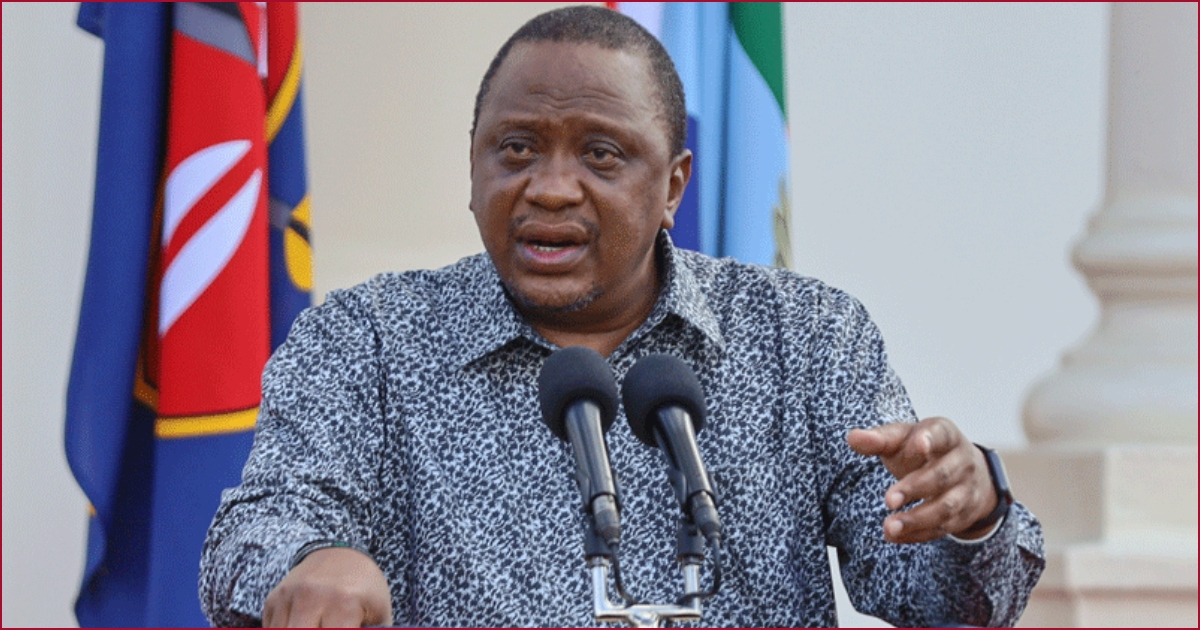
Kenyatta, the facilitator of the East African Community (EAC)-led Nairobi Peace Process, emphasized that both initiatives play complementary roles in addressing the multi-layered crisis.
“The two processes of Luanda and Nairobi hold the greatest promise for a resolution and termination of the crisis in the eastern DRC. The two processes are complementary and interdependent,” Kenyatta stated in a briefing submitted to the EAC, the African Union (AU), and the Southern African Development Community (SADC) on Thursday, February 6, 2025.
{{Distinct yet complementary approaches
}}
The Nairobi Process, spearheaded by the EAC, aims to mediate a resolution between the Government of the DRC and various armed groups active in the eastern regions of the country. Since its inception in 2022, the initiative has hosted multiple rounds of peace talks in Nairobi, aiming to facilitate the disarmament and reintegration of armed factions.
“The political aspect [of the Nairobi Process] focused on engaging all stakeholders including armed groups, political factions, civil society, and regional partners in an inclusive conversation aimed at resolving the conflict and fostering long-term peace,” Kenyatta explained.
This initiative also led to the deployment of the EAC Regional Force (EACRF) to maintain security in volatile areas. However, recent political shifts in the DRC, coupled with renewed violence in North and South Kivu, have significantly undermined its progress.
The Luanda Peace Process, on the other hand, is mediated by Angola under the International Conference on the Great Lakes Region (ICGLR) and the African Union (AU). It primarily seeks to de-escalate tensions between the DRC and Rwanda, which Kinshasa accuses of backing the M23 rebel group—claims that President Paul Kagame has repeatedly dismissed.
In November 2022, the process facilitated a ceasefire agreement between the DRC government and M23 rebels, but its implementation has been inconsistent.
Kenyatta’s report highlights setbacks faced by the Nairobi Peace Process, particularly the disruption caused by the December 2023 DRC elections and the subsequent formation of a new government. These political shifts slowed down peace negotiations, exacerbating security instability in the region.
“Following the December 2023 elections in the DRC, the formation of a new government delayed the resumption of the Nairobi Process. While engagements with key stakeholders continued, the lack of political momentum, coupled with renewed hostilities in North Kivu and South Kivu, has significantly undermined the progress made in 2022-2023,” he stated.
The M23 rebels last month regained control of key towns, including Goma, leading to renewed conflict in the eastern DRC.
Despite these challenges, Kenyatta remains hopeful that a concerted effort involving both peace processes can lead to lasting peace.
“There is an African solution to this African problem, and it is predicated on bringing both DRC and Rwanda back to the negotiation table while at the same time ensuring that the internal dynamics of people and politics in the eastern DRC are managed and directed to a path of peace and reconciliation through the Intra-Congolese Dialogue process,” he asserted.
The upcoming joint Summit of SADC and EAC, scheduled for February 7-8, 2025, in Dar es Salaam, Tanzania, as well as the African Union’s 37th Ordinary Session, will be crucial in determining the next steps for the peace efforts.
Kenyatta’s report urges renewed political will, regional coordination, and sustained international support to prevent further deterioration of the security situation.
These lawmakers have called for the withdrawal of South African troops and the repatriation of the fallen soldiers, though challenges persist as some troops are reportedly surrounded by M23 fighters.
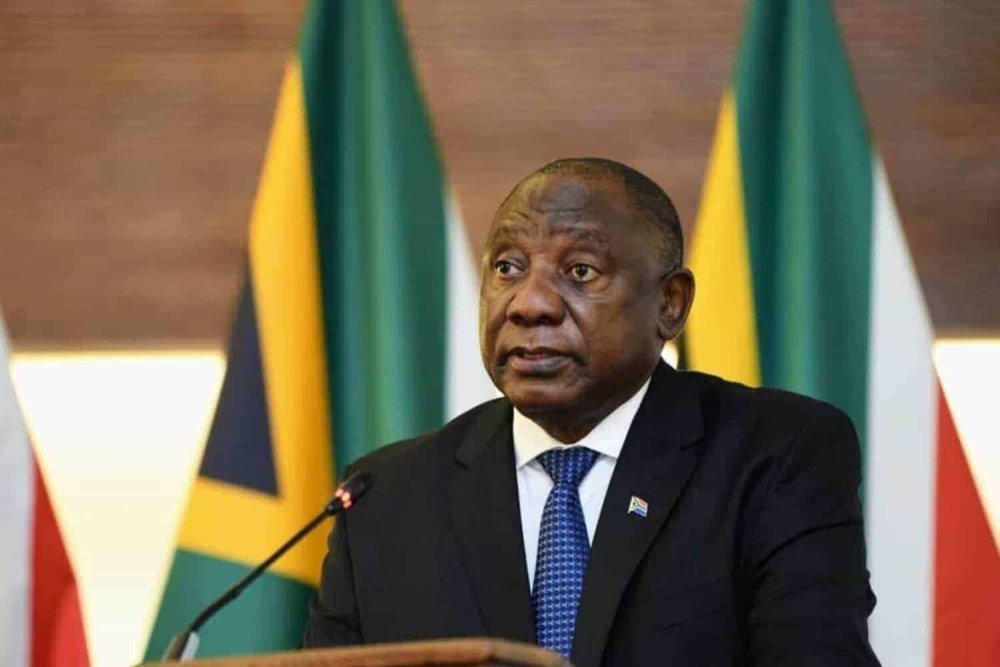
As he declared national mourning in the State of the Nation Address on Thursday, February 6, 2025, President Cyril Ramaphosa read the names of the fallen soldiers, who held various ranks, including Corporals, Staff Sergeants, Riflemen, and Privates.
“I have directed that the national flag be flown at half-mast in honor of these fallen heroes for a week, starting tomorrow morning,” he said.
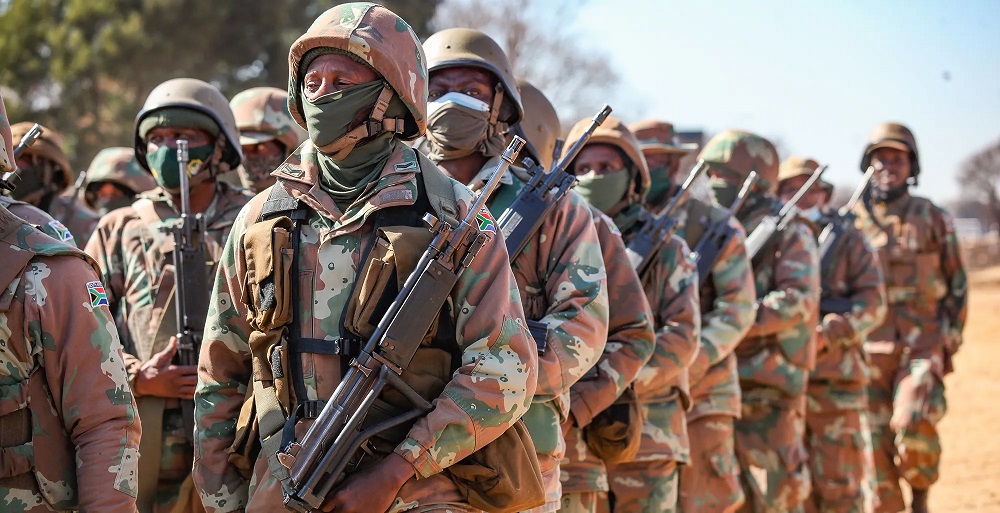
The South African National Defence Force (SANDF) deployed soldiers to the eastern DRC as part of the Southern African Development Community (SADC) since 2023. The mandate was extended for another year in November 2024.
The initial deployment consisted of 5,000 soldiers, including 2,900 from South Africa, which leads the mission, alongside 2,100 from Tanzania and Malawi.
On June 26, 2024, it was announced that SADC had reinforced its presence in Goma, increasing troop numbers from the initial 5,000 in North Kivu to over 9,000.
Reports indicate that South Africa contributed an additional 2,600 troops, while Tanzania and Malawi reinforced their contingents with 750 and 1,000 soldiers, respectively.
Despite this buildup, the forces have not met the DRC government’s expectations, as they have failed to push M23 out of the areas under its control. Instead, the rebel group has continued to expand its territory.
Ramaphosa’s recent statement has sparked mixed reactions. Critics have questioned the characterization of South African soldiers in the DRC as peacekeepers, noting that they were directly involved in combat with M23.
Some have even suggested that the soldiers were sent to the conflict zone as part of the president’s mining interests, with claims that they were sent to die in the process.
The bodies of South African soldiers who died in clashes with the M23 rebel group continue to decompose in Goma, with reports indicating that some remain scattered in different locations and have not been placed in hospital mortuaries.
According to Rwanda’s Presidency, their discussions focused on strengthening bilateral cooperation in key sectors.
Rwanda and Morocco share a longstanding partnership, reinforced through multiple agreements over the years.
In 2016, King Mohammed VI visited Rwanda, during which the two nations signed 19 cooperation agreements in areas such as banking, diplomatic relations, and investment facilitation.
One of the agreements allowed diplomatic passport holders to travel between the two countries without restrictions.
In 2019, Rwanda and Morocco signed 12 additional agreements in Rabat, further solidifying their collaboration. Morocco remains a key partner in education, offering numerous scholarships to African students, including Rwandans.
In 2020, Rwanda’s then-Minister of Foreign Affairs, Dr. Vincent Biruta, and his Moroccan counterpart signed two agreements, one enhancing government collaboration and another focused on sports development in Africa.
On the same day, President Kagame also met with Dr. Sherine Abbas Helmy, CEO of Pharco Pharmaceuticals, to explore potential partnerships in healthcare and pharmaceuticals.
Professor Thomas Mandrup, an associate professor at Stellenbosch University and the Royal Danish Defence College, criticized the mission, arguing that it was ill-advised due to insufficient resources and poor planning.
SANDF deployed soldiers to the eastern DRC as part of the Southern African Development Community (SADC) mission which comprises nearly 3,000 troops. The mandate was extended for another year in November 2024.
The operation saw South African forces supporting the Congolese army and allied militia groups in confronting the M23 rebel group, which had been attempting to capture the city of Goma.
At least 14 SANDF soldiers lost their lives in fierce fighting in and around Goma, as well as in the battle for control over the town of Sake in late January.
Professor Mandrup explained that the mission’s offensive nature was a critical misstep. The SANDF was given a mandate to neutralize rebel groups, particularly M23, and was expected to carry out offensive operations.
However, according to Mandrup, the SANDF was not adequately equipped for such a task, nor were they fully prepared for the complexities of the situation on the ground.
“The South African Defence Force is underfunded and has been for years,” said Mandrup. “The necessary renewal of equipment and operational readiness has not taken place, leaving the SANDF with outdated tools for an operation of this scale.”
He added that while certain elite units within the SANDF, such as the special forces, maintain international reputations for excellence, the broader force faces significant challenges, including personnel shortages and a lack of adequate training and equipment.
Furthermore, Mandrup noted that warnings from military analysts, academics, and professionals were ignored before the deployment.
“The political level failed to address these warnings, deploying soldiers without the necessary means to carry out their mandate effectively,” he added.
South Africa’s Minister for Defence, Angie Motshekga, was on Tuesday at pains to explain to members of parliament in the Joint Standing Committee on Defence the decision to deploy forces without essential support like air cover and offensive tools.
The MPs rejected Minister Motshekga’s explanation that South African soldiers were sent to the Democratic Republic of the Congo (DRC) to restore peace in the eastern region. The MPs argued that the true nature of the mission was unclear, with some asserting that the troops should be brought home immediately.
The Minister’s comments raised more questions about the decision-making process, with Mandrup asking whether the risks were properly assessed and whether the SANDF Chief was given adequate resources to ensure success.
The fighting reached a critical point on January 27 when M23 captured Goma, a strategic city in North Kivu, forcing Congolese troops to retreat. While thousands of soldiers sought protection under the United Nations (UN) peacekeeping mission, others crossed into Rwanda.
It was an ironic twist. Just days earlier, these same forces and their coalition had launched attacks into Rwandan territory, resulting in the tragic deaths of 16 innocent civilians.
Yet, when they found themselves on the losing end of the battle, Rwanda responded not with hostility but with dignity and humanitarian aid.
Many of these soldiers surrendered because they felt abandoned. Upon arrival in Rwanda, several soldiers admitted they had been deployed into battle with no clear mission, inadequate equipment, and minimal leadership.
They described being sent to fight M23 as though they were being led to their deaths, prompting them to lay down their weapons and seek refuge.
One soldier, upon reaching Rubavu, told IGIHE that when M23 entered Goma, they were stationed at the city’s airport.
“How could we be sent to the airport when the enemy forces had surrounded the entire city and were firing everywhere? That combat strategy made no sense,” he said.
He explained that when he saw shells heading toward their location, he realized the situation was deteriorating. He sought refuge at a UN peacekeeping mission, MONUSCO camp, but after being turned away, he fled to Rwanda.
While some soldiers fled to Rwanda, others sought shelter under MONUSCO, with over 3,000 FARDC troops currently under its protection. Their future remains uncertain as the situation in eastern DRC continues to evolve.
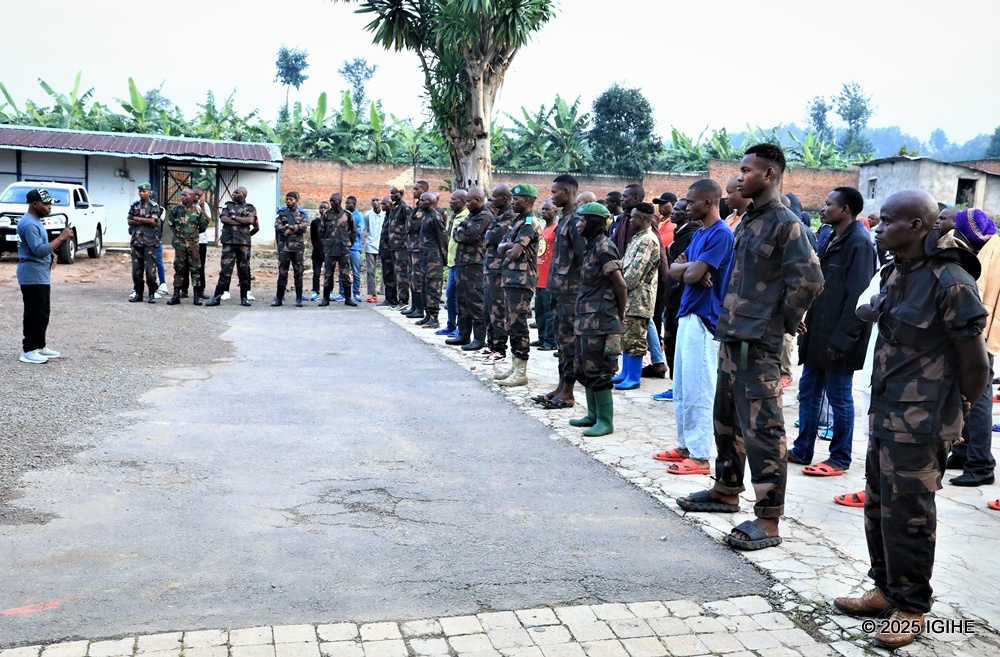
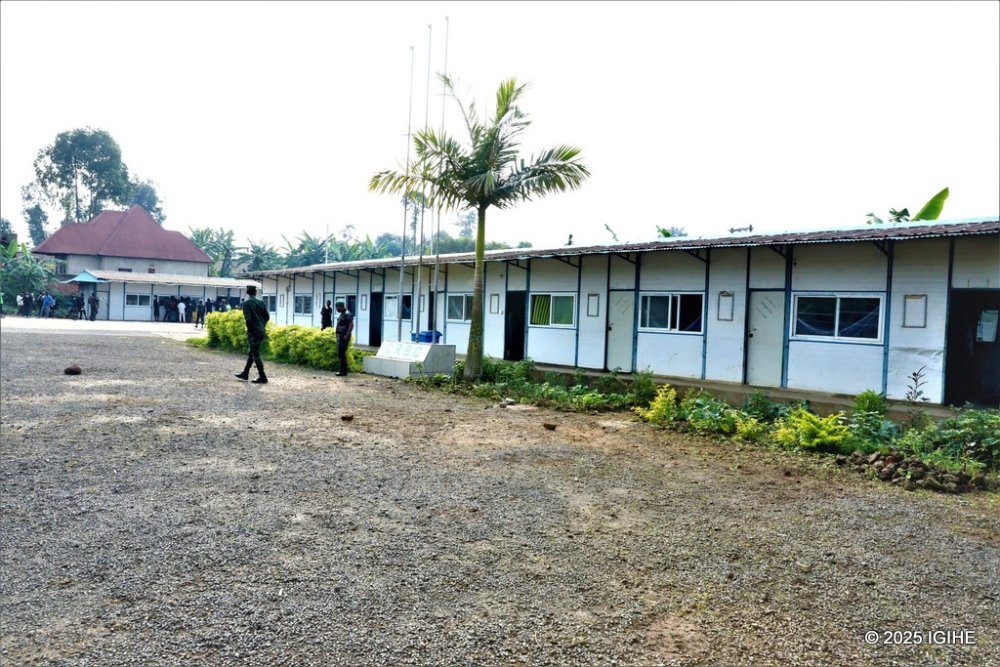
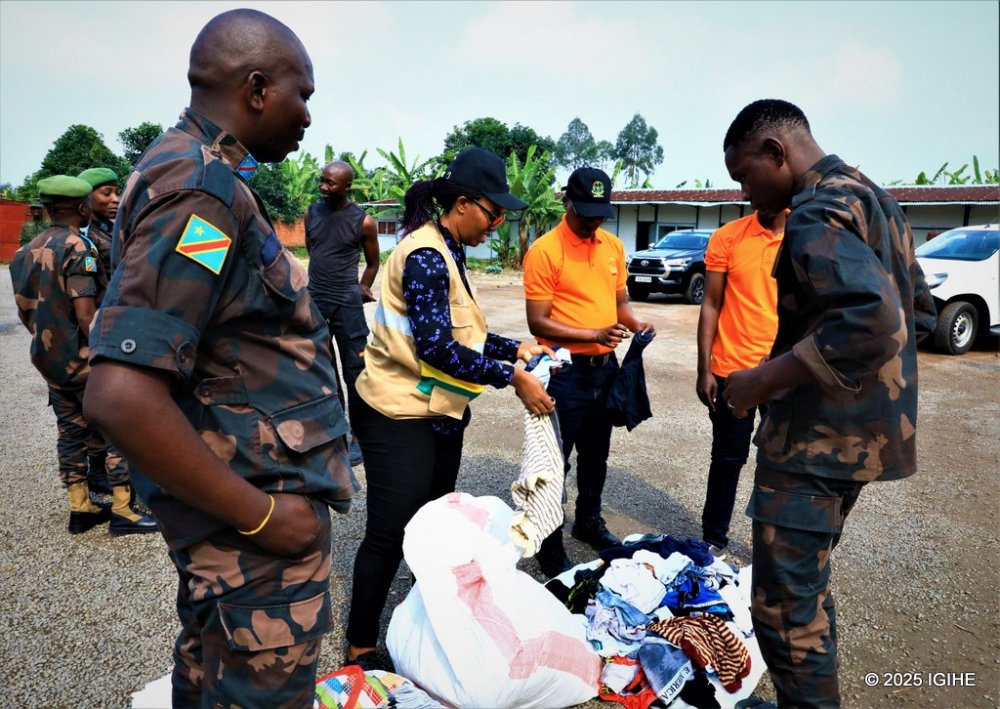
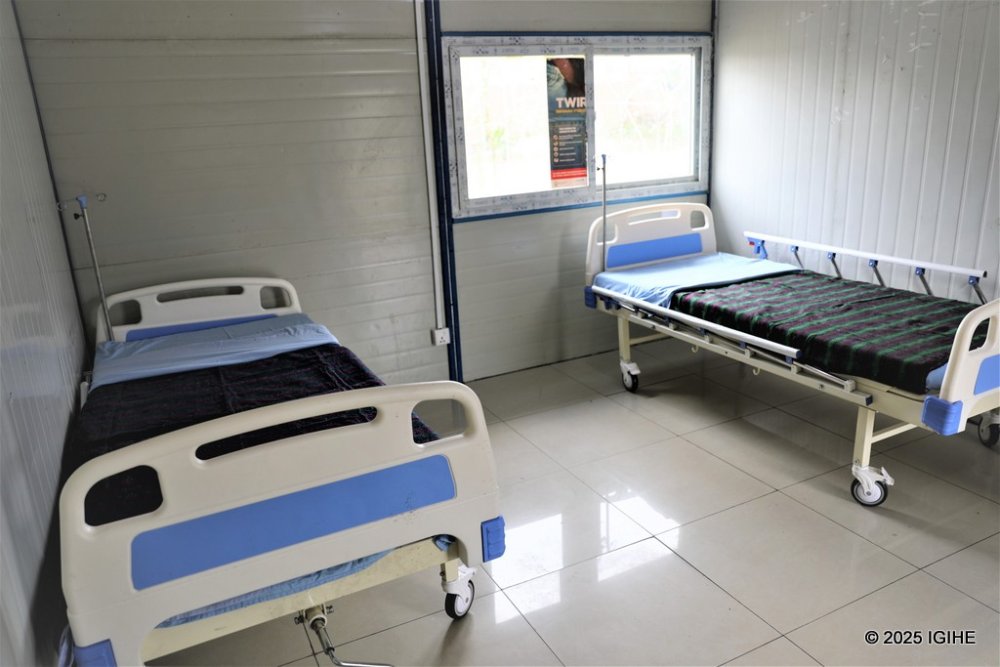
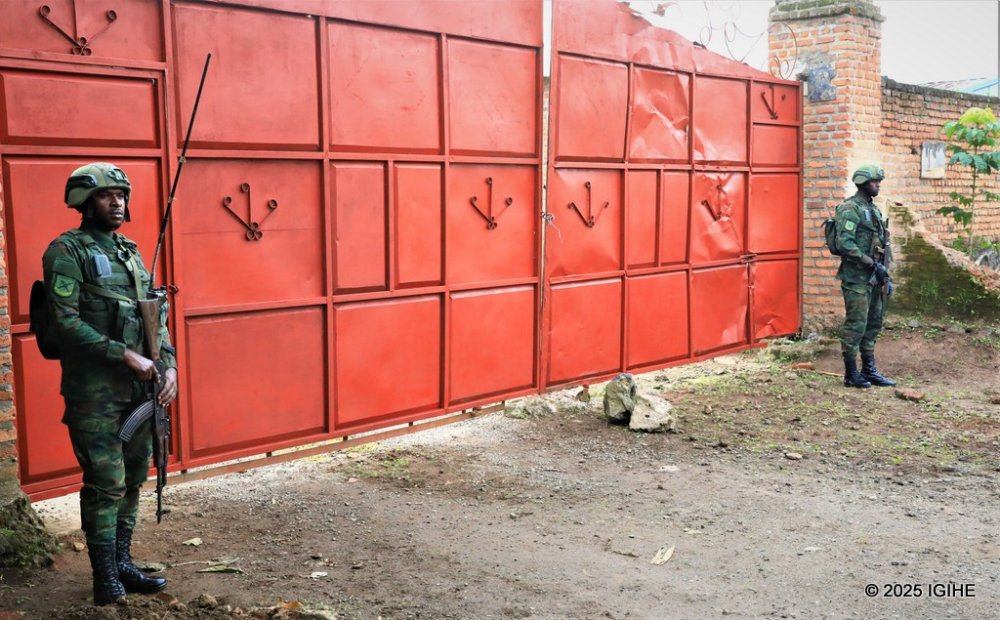
Now, 131 FARDC soldiers are sheltered in Rugerero Sector, Rubavu District, receiving food, clothing, medical care, and proper living conditions. Among them is a female soldier.
The accommodation offers structure and stability, contrasting with the uncertainty of war.
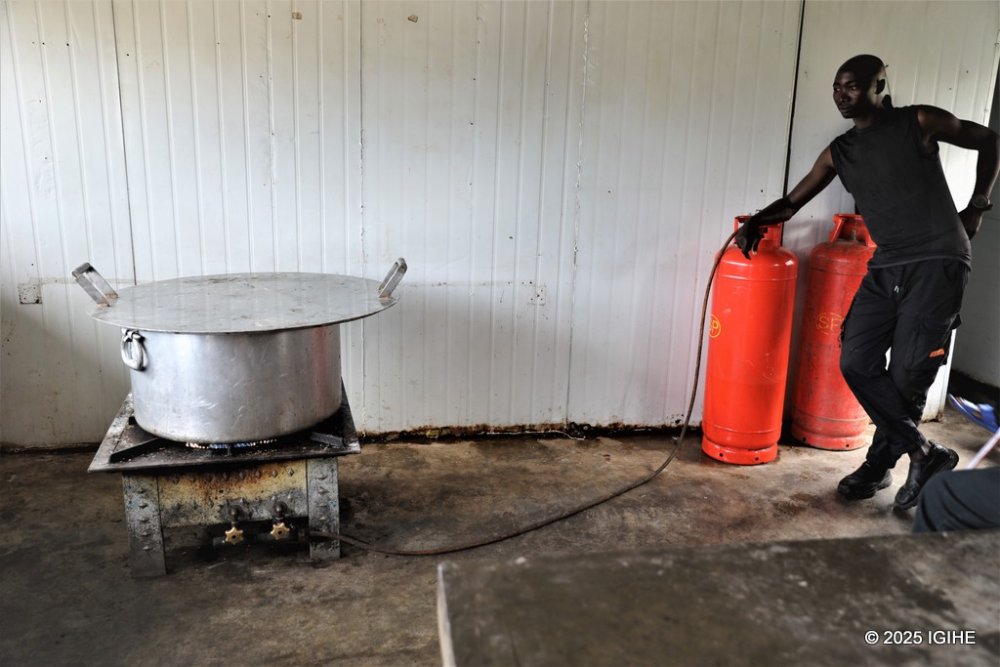
The soldiers have access to recreational facilities and a dedicated kitchen where they prepare meals from the supplies provided.
Some have even admitted that their current conditions in Rwanda are better than what they experienced in the DRC, highlighting the struggles they faced within their own ranks.
One of the surrendered soldiers, Lt. Kasereke Tshombe, praised the reception they received in Rwanda and made an appeal to his government to facilitate their return home.
“We are grateful to the government of Rwanda for their warm welcome. Our appeal to the Congolese government is to facilitate our safe return home. We also request means to communicate with our families so they know we are safe,” he said.
AFC/M23 coordinator Corneille Nangaa recently emphasized that both those who surrendered and those captured on the battlefield remain their brothers.
“They are Congolese, just like us. They had a mission to accomplish, but they were sent by their president, who later abandoned them. They fought to protect his power. He left them to starve, recruited children into the army, rushed their training, and sent them to the battlefield under the influence of drugs.”
Nangaa added that the captured soldiers have choices regarding their future, especially since many had already lost the will to fight. However, he stressed that they would not be abandoned.
“Some are even willing to join us and be part of our revolution. We are sending them to centers where they will be taught self-reliance, good conduct, and how a revolution works,” he said.
It wasn’t just soldiers who fled the violence. Ordinary Congolese civilians also sought refuge in Rwanda, escaping the chaos of war. They were welcomed, given essential supplies, and, as stability gradually returned to Goma, many have since begun their journey back home.
For the people of Goma, the reality on the ground has changed. Businesses have reopened, hospitals are functional, and schools are running without disruption. Residents report feeling safer than before, relieved from the abuses they previously endured at the hands of undisciplined soldiers.
Rwanda’s decision to shelter former enemy soldiers and displaced civilians, despite previous hostilities, reflects a broader commitment to humanitarian values, choosing to extend a hand where others might have turned them away.
The 2025 edition of the race is set to take place from February 23 to March 2, bringing together top cyclists from Africa and around the world.
In a press statement issued on Thursday, February 6, Tour du Rwanda and the Rwanda Cycling Federation (FERWACY) reassured teams, riders, and fans that the security situation in Rwanda remains stable.
While recent clashes in Eastern DRC had briefly affected areas near the Rwandan border, organisers stated that all necessary measures have been taken to prevent any disruption to the race.
“Life in Rubavu and all across Rwanda continues as normal. Therefore, the Tour du Rwanda can proceed without any alteration to the schedule, and riders, teams, and supporters can be assured of a safe and enjoyable event,” the statement read.
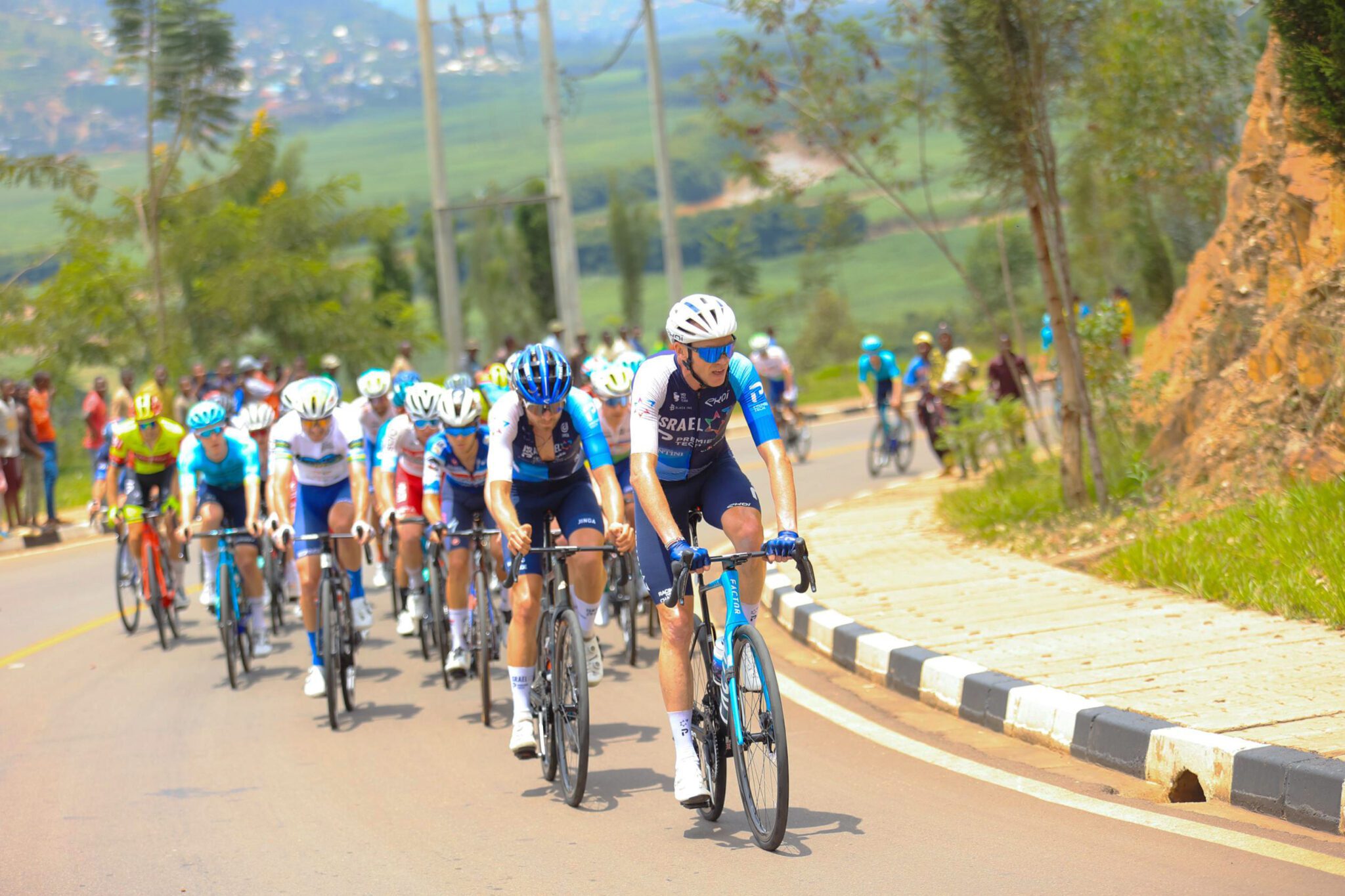
The Tour du Rwanda, first held in 1988, has grown into one of Africa’s most renowned cycling events. Initially a regional competition, the race became part of the UCI Africa Tour in 2009 and is currently classified as a 2.1 category race, attracting elite professional teams from across the world.
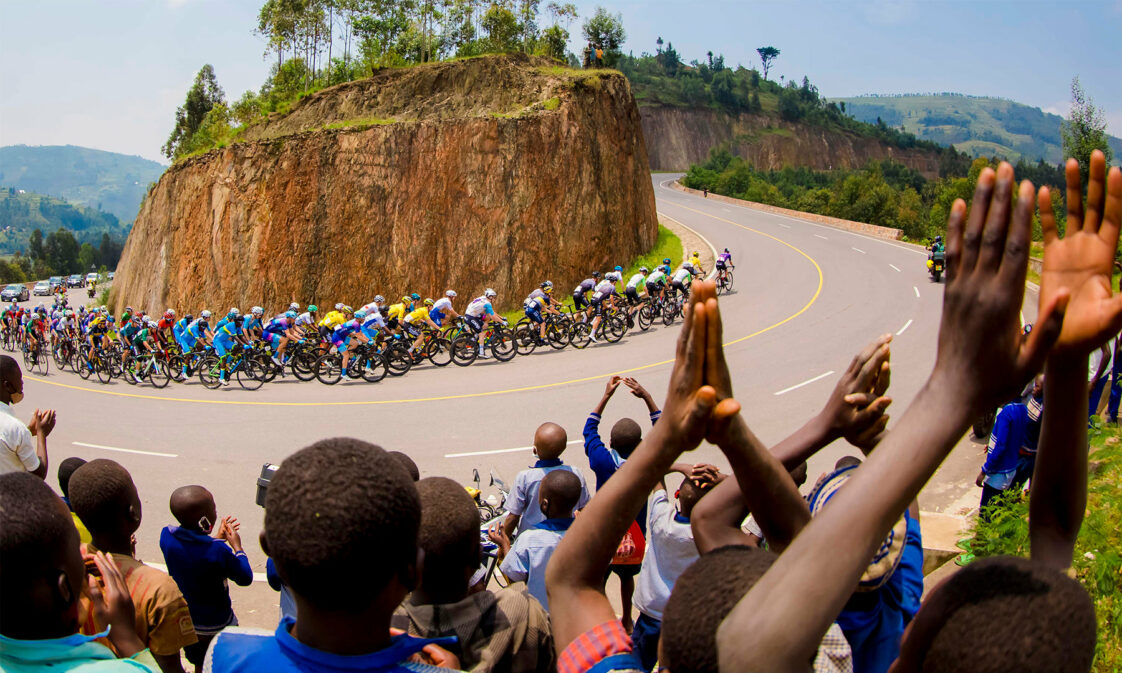
Known for its challenging mountainous routes, the Tour du Rwanda is regarded as one of the most demanding races on the continent. The event not only tests the endurance and skill of cyclists but also showcases Rwanda’s breathtaking landscapes and vibrant culture.
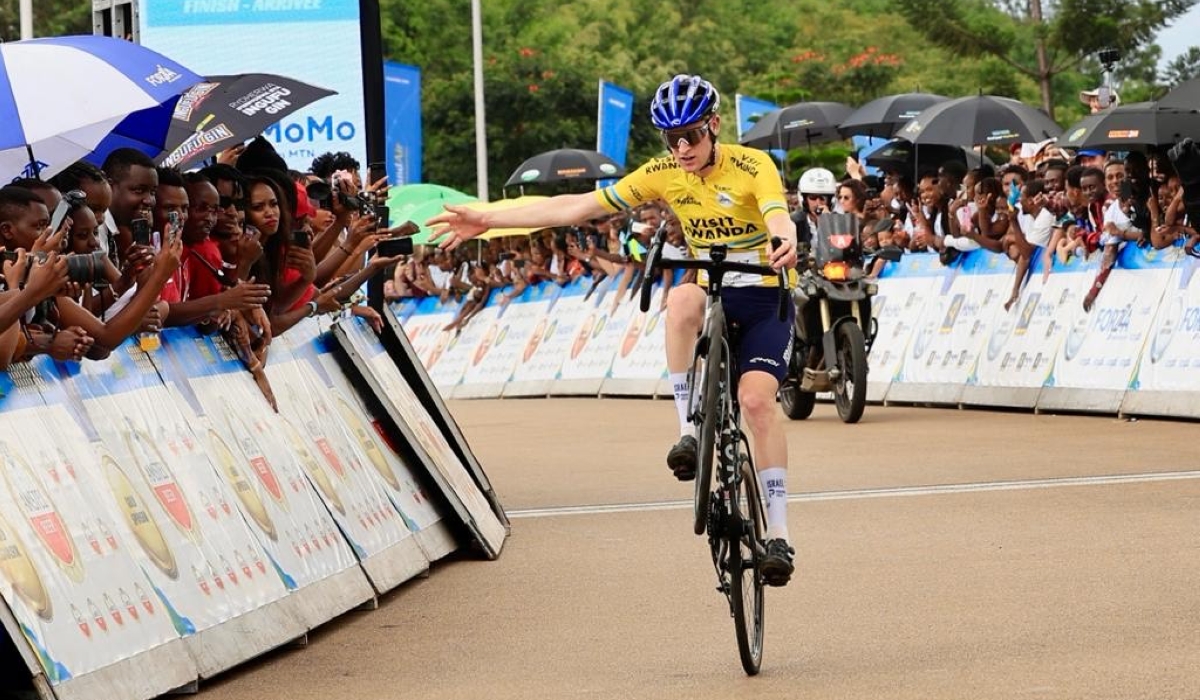
Joe Blackmore from Israel – Premier Tech won the 2024 Tour du Rwanda. He had a fantastic race, even celebrating his 21st birthday during the event and taking the race lead that day. He sealed his victory with a solo win in the final stage in Kigali. It was his first UCI race win, making it a very special achievement.
Beyond its sporting significance, the Tour du Rwanda plays a crucial role in promoting tourism and economic development in the country. The event is a major source of national pride, uniting Rwandans who enthusiastically line the race routes to cheer for local and international riders.