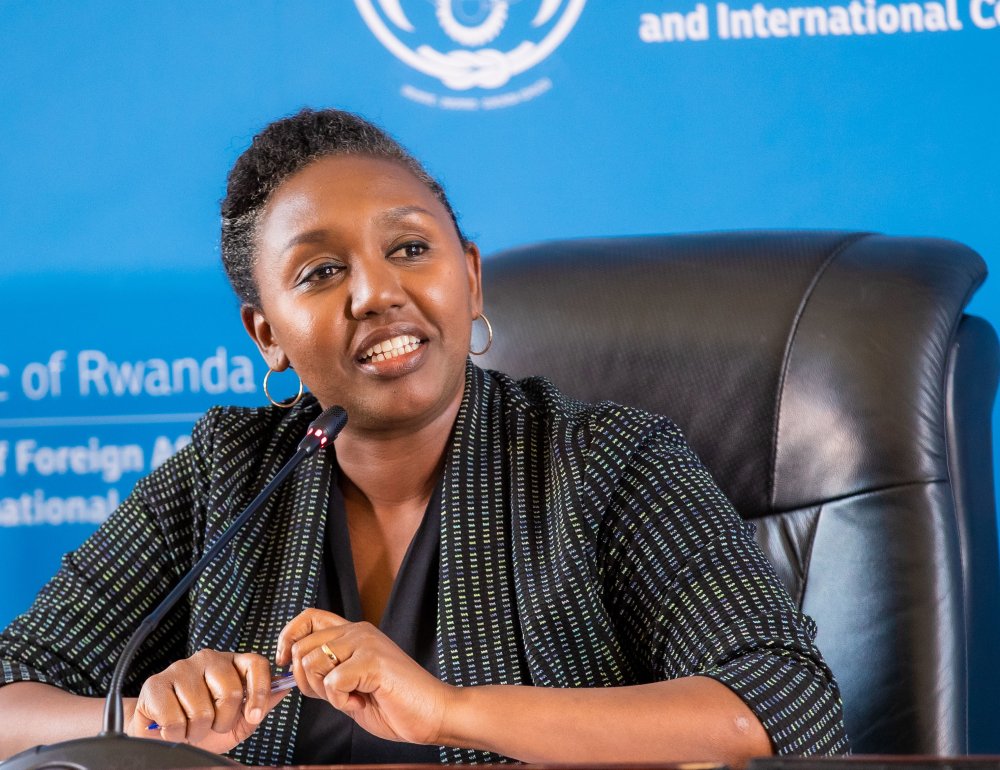
In a statement delivered on February 6, 2025, Amb. Ngango countered accusations from the DRC government that Rwanda supports the armed group M23.
He described these claims as a diversion tactic aimed at concealing Kinshasa’s true intentions.
“We categorically oppose the DRC’s attempts to portray Rwanda as responsible for the insecurity in eastern DRC. This is a well-known deflection tactic used by Kinshasa to avoid accountability for the atrocities it and allied armed groups are inflicting on its own citizens,” he stated.
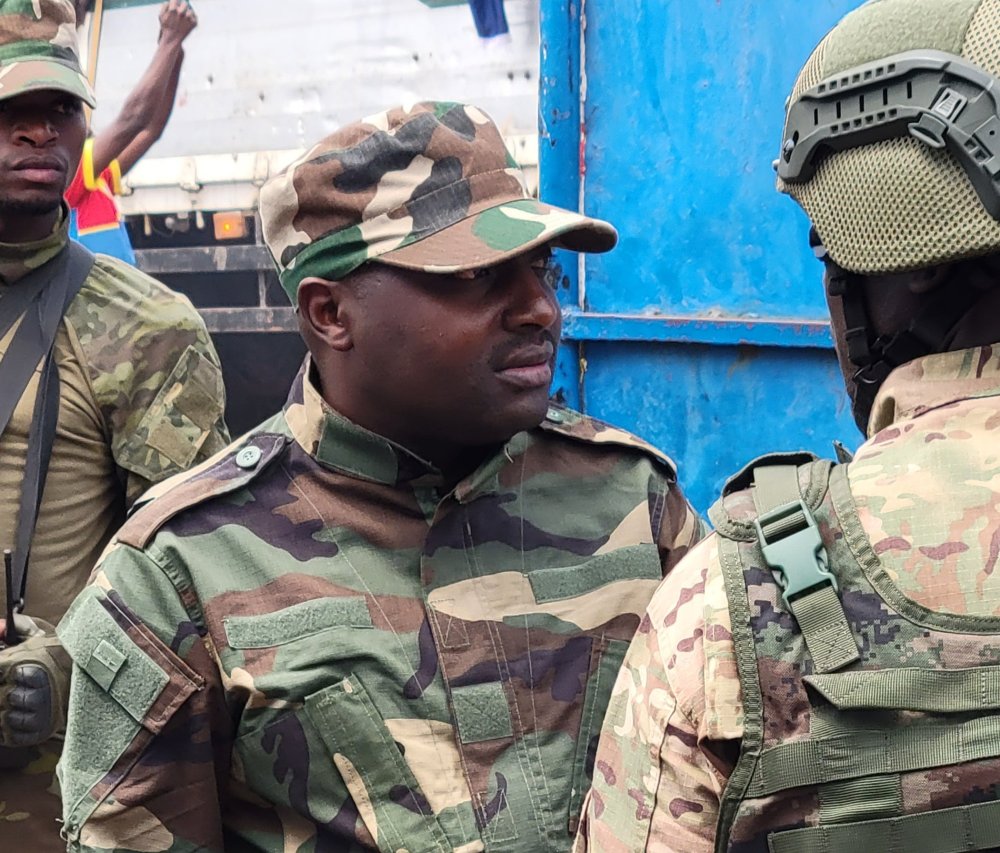
M23 fighters seized the city of Goma in the early hours of January 27, 2025, just four days after capturing Sake, a town in Masisi territory.
They now control key infrastructure in Goma, including the airport, and have established a new administration for North Kivu province.
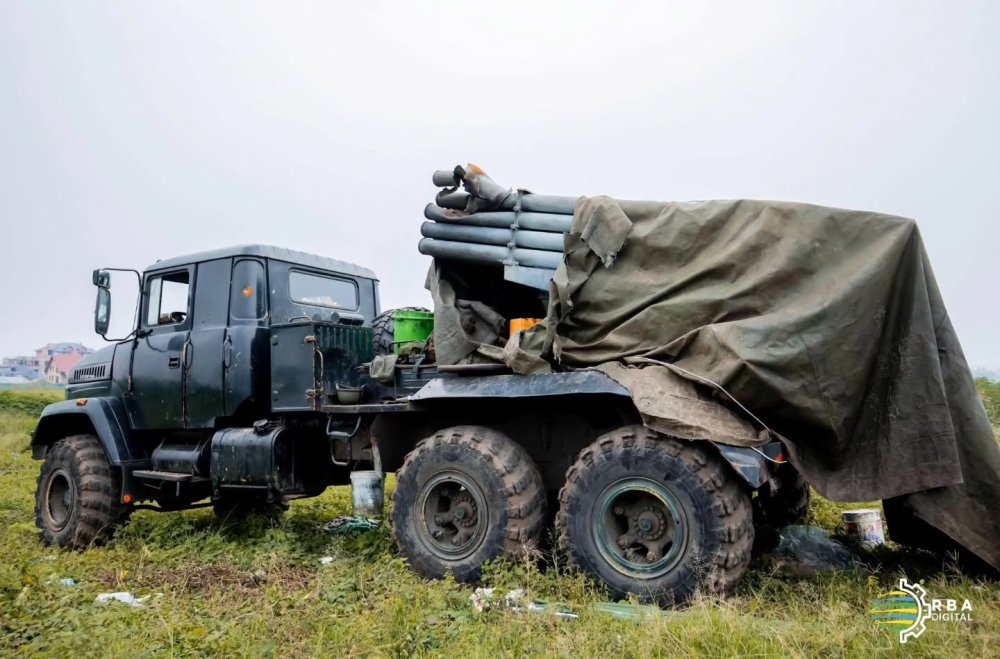
Amb. Ngango revealed that as M23 advanced into Goma, the DRC’s military coalition had been preparing large-scale attacks against Rwanda, amassing weapons in and around the city.
“What is clear, however, is the imminent threat the current situation poses to Rwanda. Following the fall of Goma, new evidence has emerged of large-scale attacks planned against Rwanda. The Kinshasa-backed coalition has stockpiled a significant number of weapons and military equipment near Rwanda’s border, mostly in and around Goma airport,” he explained.
He further disclosed that the arsenal included heavy artillery and attack drones, which were not directed at M23 but instead pointed at Rwanda.
“The weapons were not positioned in the theater of operations against M23; rather, they were aimed directly at Rwanda,” he added.
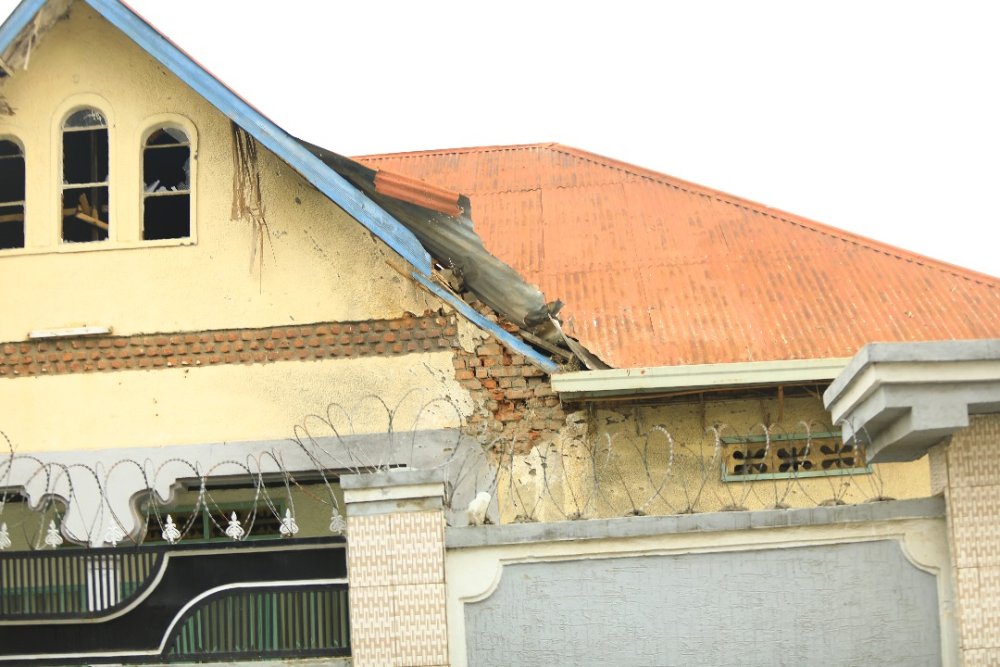
Amb. Ngango also reminded the Council that after M23 took control of Goma, the DRC army shelled Rwandan territory, killing 16 civilians, injuring over 150, and damaging approximately 280 homes and properties.
Rwanda’s Minister of Foreign Affairs and International Cooperation, Ambassador Olivier Nduhungirehe, recently warned that if the DRC government persists with its plans to attack Rwanda, Rwanda will maintain the defensive measures it has put in place along the border.
In a post on X, Makolo dismissed the claims published by the British newspaper, noting that the article’s content was unsurprising given the authors’ history.
The story was written by two journalists, including Michela Wrong, who is known for publishing narratives that discredit Rwanda.
Published on February 7, 2025, the article alleges that more than 600 Rwandan soldiers have died in eastern DRC while fighting alongside M23 against FARDC. However, the authors provided no evidence to support the claims.
Makolo pointed out that one of the major flaws in the article is the lack of credible sources, with all quoted individuals reportedly choosing to remain anonymous.
“All anonymous sources and conjecture. Ridiculous of the Guardian to build a story with no story. ‘We hear that….’ Not surprising given one of the authors wrote a whole book based on rumours. Pathetic,” Makolo wrote on Friday.
She added, “There is a real story to be told about the people of this region and our desire for peace and progress – but that’s too much to ask of the Guardian and these heartless armchair hacks.”
Although Makolo did not explicitly name the author of the book, many linked her remarks to Michela Wrong, who previously published a book targeting Rwanda and its leadership.
Rwanda has frequently been accused of supporting M23, with the Congolese government calling for sanctions against Kigali. However, Rwanda has consistently denied these allegations, instead accusing the DRC of collaborating with the FDLR, an armed group composed of individuals responsible for the 1994 Genocide against the Tutsi.
Rwanda has presented evidence to support its claims, asserting that FDLR fighters are actively engaged in the ongoing conflict alongside the Congolese army.
M23’s newly appointed Governor of North Kivu Province, Bahati ‘Erasto’ Musanga Joseph, made these remarks following his official inauguration on February 6, 2025.
North Kivu’s former governor, Maj. Gen. Peter Cirimwami, was shot by M23 fighters on the front lines during a recent battle with government forces.
Videos circulated on social media on January 27, 2025—the day M23 seized control of Goma—showed large numbers of inmates running out of the prison.
Bahati stated that the escaped prisoners who remain at large are among the “problems” facing the new administration.
“This city is facing three major problems. The first is that the prison was holding criminals. All of those criminals have been released; they are now out. They escaped—the government freed them before we arrived here [in Goma],” he told the media.
He added that the new leadership of North Kivu is working with local authorities to apprehend “all criminals” seeking to disrupt security, including the escaped inmates from Munzenze Prison.
The move, announced on Thursday, has sparked global condemnation while receiving support from some quarters.
The sanctions come in response to the ICC’s recent arrest warrants for Israeli Prime Minister Benjamin Netanyahu over alleged war crimes in Gaza, which Israel denies, and a Hamas commander.
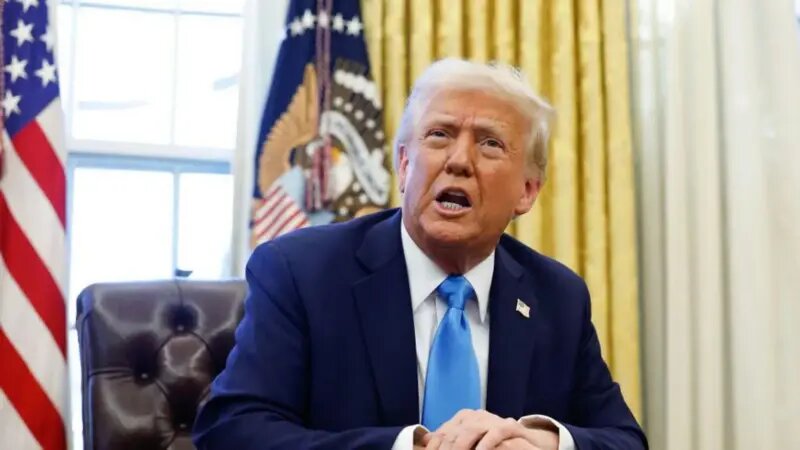
Trump accused the court of engaging in “illegitimate and baseless actions” that threaten U.S. sovereignty and national security interests.
In a statement, the ICC condemned the sanctions and vowed to continue its judicial work.
“The court stands firmly by its personnel and pledges to continue providing justice and hope to millions of innocent victims of atrocities across the world,” the ICC said, urging its 125 member states to support its staff.
Trump’s executive order has drawn sharp criticism from European leaders. European Commission President Ursula von der Leyen condemned the sanctions, stating that the ICC “must be able to freely pursue the fight against global impunity.”
Dutch Foreign Minister Caspar Veldkamp also voiced regret, emphasizing the court’s role in combating war crimes.
Meanwhile, Hungarian Prime Minister Viktor Orban, a staunch Trump ally, praised the move, suggesting it was time for Hungary to reconsider its participation in the ICC.
“New winds are blowing in international politics. We call it the Trump-tornado,” Orban posted on X.
The sanctions include asset freezes and travel bans on designated ICC officials and their families. Court officials met in The Hague on Friday to assess the implications of these measures, which could significantly impact the court’s operations.
The U.S. has historically opposed ICC jurisdiction over its nationals. During his first administration, Trump imposed similar sanctions on former ICC prosecutor Fatou Bensouda over investigations into alleged American war crimes in Afghanistan. Those sanctions were later lifted by President Joe Biden’s administration.
The ICC has faced resistance from powerful nations before. In 2023, Russia banned ICC chief prosecutor Karim Khan and placed him on a wanted list after the court issued an arrest warrant for President Vladimir Putin over the alleged deportation of Ukrainian children.
In response to increasing pressure on the ICC, a coalition of nations, including South Africa and Malaysia, recently formed the ‘Hague Group’ to defend the court’s authority and rulings.
The UN has urged Washington to reverse its decision, warning that the sanctions undermine international justice efforts. However, Trump and his allies remain firm in their stance, arguing that the ICC unfairly targets Israel and threatens U.S. national security interests.
According to Radio France Internationale (RFI), the move aims to thwart a potential offensive by the M23 armed group to capture the city of Bukavu.
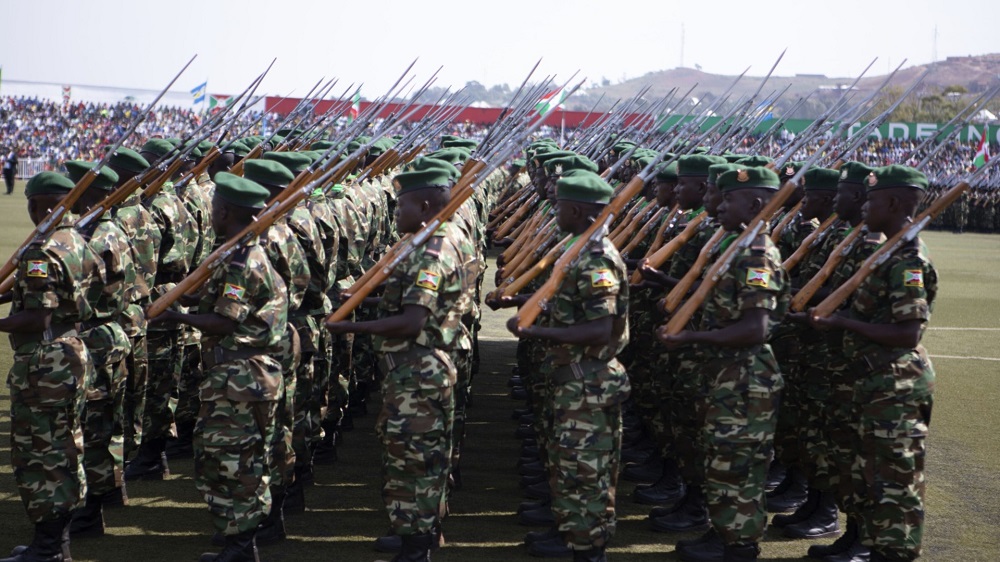
The reinforcements consist of a full battalion. Reports indicate that the troops were assembled at a military base in Gatumba, near the border, before their deployment to the DRC.
This battalion will be the 16th unit of Burundian forces stationed in the DRC since 2022, following a cooperation agreement between the two countries to combat armed groups in North and South Kivu.
Burundian troops have been fighting alongside the Congolese army in a coalition that includes the FDLR, a terrorist group formed by remnant perpetrators of the 1994 Genocide against the Tutsi.
Previously, all Burundian troops stationed in North Kivu were redeployed to South Kivu after suffering losses against M23. They are now securing key strategic locations, including Kavumu, home to a critical airport.
The withdrawal of these troops, led by Brigadier General Pontien Hakizimana, also known as “Mingi,” from North Kivu reportedly facilitated M23’s capture of Sake and Goma.
Reports now suggest that M23 could advance toward Bukavu if its positions continue to come under attack.
Although there is no written rule that states when a person is expected to be married, society has developed much more respect for married individuals than those who are single.
It is the desire of every parent to see their child married before they grow old and most times, these parents will pressure their children into finding a worthy lover.
However, much leniency is given to men than women when it comes to seeking out a lover and marrying. Human society ties a woman’s identity to her success in building a home and her capabilities to sustain her family.
Being a spinster has proven to be difficult as pressure is mostly mounted on women from to marry early before they are no longer attractive in the eyes of men. This rhetoric has birthed a popular dating sites or campaigns which most unmarried women attend in hopes of finding a man.
52-year Pascasia Nyinawumuntu, a mother of seven says that women marry early to avoid so many complications, including health, as menopause often begins between 45 and 55 years old, barring women from procreating and starting a biological family with their husbands.
“As young girls, we were raised to always marry early so we could be of use to our husbands. There was an ancient belief of marriage as strictly for procreation and the extension of legitimate lineages unlike these days where people marry for love or just for fun,” she explained.
In the past, women were believed to always find favor in the eyes of the man who would marry them and care for them, therefore making their individuality and desires obsolete as they would eventually end up as family home caregivers.
Today, according to popular opinion, men have always married later than women, except for some men who married early.
With the strong voice of feminism and the recognition of women beyond their matrimonial services, women are beginning to embrace individuality, such as creating a life and career for themselves before choosing to settle and marry, just as men.
While women are told to marry early, between the ages of 20 and 25, men are allowed to ‘hustle’ and be excused from marrying as early. This part helps society embrace the idea of a young girl marrying an older and accomplished man.
A random survey carried out by IGIHE in Kigali City indicates that, on average, “unmarried youth and their parents view 20 to 25 as acceptable ages for women to marry, while ages 23 to 30 are appropriate for men.
Historically, men’s income-earning capabilities were necessary for marriage, while attractiveness and household capabilities were more important for women.
{{Feminism, a pushback on women marrying early}}
Feminists understand the power dynamic between a man and a woman in a traditional marriage, whereby the men are always authoritative and have dominion over their households.
This is because their wives, who have been conditioned to marry early before chasing any personal goal, have to be financially dependent on them (their husbands). Feminists believe that women should shun the idea of marrying early and instead focus on personal growth and achievements before settling to create a family.
Although there have been fights against women ageing without marriage and starting a home, feminists strive to ensure that all women get the chance to choose their lives and what they want with them rather than being conditioned to enjoy such a life for themselves.
Feminists have claimed that early marriages often lead to early childbirth, and this could pose a disaster for women, especially if they are not emotionally or physically prepared to take on such life-threatening roles.
{{Should women marry early or not?}}
Marrying early or marrying at all is best left to any individual who identifies as an adult. Men are pressured to produce off springs and women are asked to marry early while they are fertile.
However, before any man is congratulated for starting a family, he must be scrutinized by those around him as they gauge his financial capacity to understand if he is ready to take on the role of a “breadwinner.”
This scrutiny is why men are often given the freedom to marry whenever they want, as they could also produce off springs at any age, unlike women.
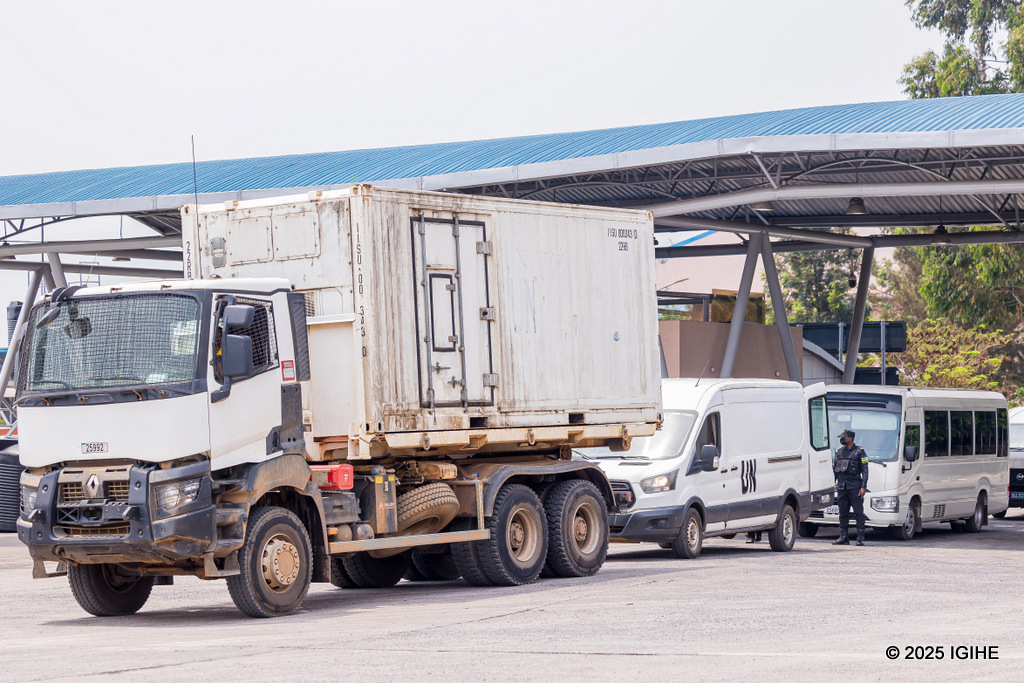
The remains were transported through the main Rwanda-DRC border crossing, La Corniche, around noon on Friday in a truck belonging to the United Nations peacekeeping mission in the DRC (MONUSCO). They were escorted by other UN vehicles.
After arriving in Rwanda, the convoy continued to the Cyanika border post, from where it was set to proceed to Kampala, Uganda. The bodies will later be flown to South Africa via Entebbe International Airport.
Four other bodies, two each of deceased soldiers from Malawi and Tanzania, were also repatriated from Goma on Friday.
Some of the soldiers were killed in the battle to capture Goma City, while others perished in clashes in Sake involving M23, the Congolese military, and allied coalition forces.
Earlier reports indicated that the bodies had begun to decompose and [remained scattered in different locations->https://en.igihe.com/news/article/decomposing-bodies-of-sa-soldiers-left-unattended-in-goma?var_mode=calcul], having not been placed in hospital mortuaries.
The repatriation was initially scheduled for Wednesday but was delayed due to negotiations between M23, South Africa and the Southern African Development Community (SADC), which is contributing troops to the eastern Congo.
The bodies were cleared for transport after M23, which now controls Goma, agreed to hand them over to South Africa through MONUSCO, the UN mission in the region.
The repatriation of the bodies is a sigh of relief for the South African Defence Force (SANDF) and the South African government, which had come under heavy criticism from members of parliament over the mission in eastern Congo.
Members of the South African Parliament on Tuesday rejected Defense Minister Angelina Matsie Motshekga’s explanation that South African soldiers were sent to the DRC to restore peace in the eastern region.
The MPs argued that the true nature of the mission was unclear, with some asserting that the troops should be withdrawn immediately.
Amid pressure on the government to recall the troops, President Cyril Ramaphosa, during a State of the Nation address on Thursday, hinted at bringing the soldiers home in response to growing calls for a political solution to the conflict in the eastern region.
The conflict pits the Congolese government against the M23 rebel group, which is fighting the marginalization and persecution of Congolese Rwandophones—a situation that has persisted for decades.
Heads of state from the East African Community and SADC will be holding an extraordinary summit in Dar es Salaam, Tanzania, this weekend to address the escalating conflict.
As a pivotal figure in Rwanda’s political transformation, Gasamagera shared his perspectives on how the RPF has led the country through significant progress, its ongoing commitment to unity and progress, and the future direction that the party intends to take in shaping Rwanda’s growth.
{{Leadership as the cornerstone of national development}}
During the interview, Gasamagera explained that the RPF’s leadership philosophy is fundamentally tied to the principles of resilience, unity, and clear strategic direction.
“Under President Paul Kagame’s guidance, the RPF has transformed Rwanda from a post-genocide society into one of Africa’s fastest-growing economies,” he said.
According to him, the party’s vision revolves around leadership that not only holds power but also inspires collaboration and ensures that every Rwandan has a stake in the country’s success.
Reflecting on the party’s role in uniting a divided nation, Gasamagera noted that leadership within the RPF is about more than governance. It’s about healing historical wounds and building a foundation of trust and cooperation among all citizens.
He highlighted that the RPF’s success in Rwanda is rooted in its leadership’s ability to prioritize inclusivity, good governance, and sustainable development. For him, leadership should empower citizens and contribute to a society where everyone can thrive.
As Secretary-General, Gasamagera plays a pivotal role in maintaining the RPF’s values and reinforcing its commitment to social justice, economic opportunity, and national stability. His leadership focuses on ensuring that these values continue to guide the party as it looks ahead to a future of continued progress.
{{The RPF’s vision for the future}}
Looking to the future, Gasamagera spoke with great optimism about Rwanda’s continued progress and the RPF’s role in fostering long-term national development.
He emphasized that Rwanda’s future growth will rely heavily on sectors such as technology, agriculture, and tourism, areas that are already central to the party’s strategic focus.
Gasamagera is particularly passionate about Rwanda’s goal of becoming a regional technology hub, noting that the country’s digital transformation is a crucial pillar of the RPF’s vision. According to him, technological innovation will play a key role in Rwanda’s economic diversification, which is essential for sustainable growth.
The RPF is already investing in digital infrastructure and creating an environment conducive to innovation and entrepreneurship, which Gasamagera sees as essential for Rwanda’s competitiveness on the global stage.
Furthermore, Gasamagera underscored the RPF’s commitment to fostering an inclusive society where all citizens have access to education, healthcare, and opportunities for upward mobility.
The party’s policies, continue to reflect a dedication to reducing inequality and empowering marginalized communities, ensuring that every Rwandan benefits from the nation’s progress is at the core of the party’s long-term vision.
{{A legacy of unity and progress}}
Gasamagera conveyed a deep sense of responsibility for the RPF’s legacy and the future of leadership within the party. He emphasized the importance of nurturing new leaders who are aligned with the RPF’s core values and who are committed to building on the achievements of the past.
The success of the RPF, he noted, is not solely attributed to the party’s historical leadership but to its ability to evolve and adapt to the changing needs of the nation.
In his view, the future of leadership within the RPF lies in ensuring that the party remains relevant, transparent, and accountable while maintaining its focus on national unity and sustainable development. He believes that fostering a new generation of leaders who embrace these principles will ensure the continuity of the party’s vision for Rwanda’s future.
Gasamagera also spoke about the importance of leadership in maintaining Rwanda’s social cohesion. He believes that the RPF’s continued success will depend on how well the party can preserve the unity achieved since the 1994 Genocide against the Tutsi while navigating the challenges that come with rapid modernization and global interconnectedness.
As the RPF’s Secretary-General, Gasamagera works tirelessly to maintain this balance and ensure that the party remains focused on its core mission of promoting peace, prosperity, and unity. His insights into the RPF’s leadership and vision for Rwanda’s future offer a compelling picture of the party’s unwavering commitment to the nation’s development.
He makes it clear that leadership is the driving force behind Rwanda’s achievements and future growth. As the Secretary-General of the RPF, his focus remains on ensuring that the party stays true to its founding principles while adapting to new challenges and opportunities in an ever-changing world.
The RPF’s legacy, as envisioned is one of sustained unity and progress. A political party that has guided Rwanda from recovery to prosperity and remains dedicated to shaping a brighter, more inclusive future.
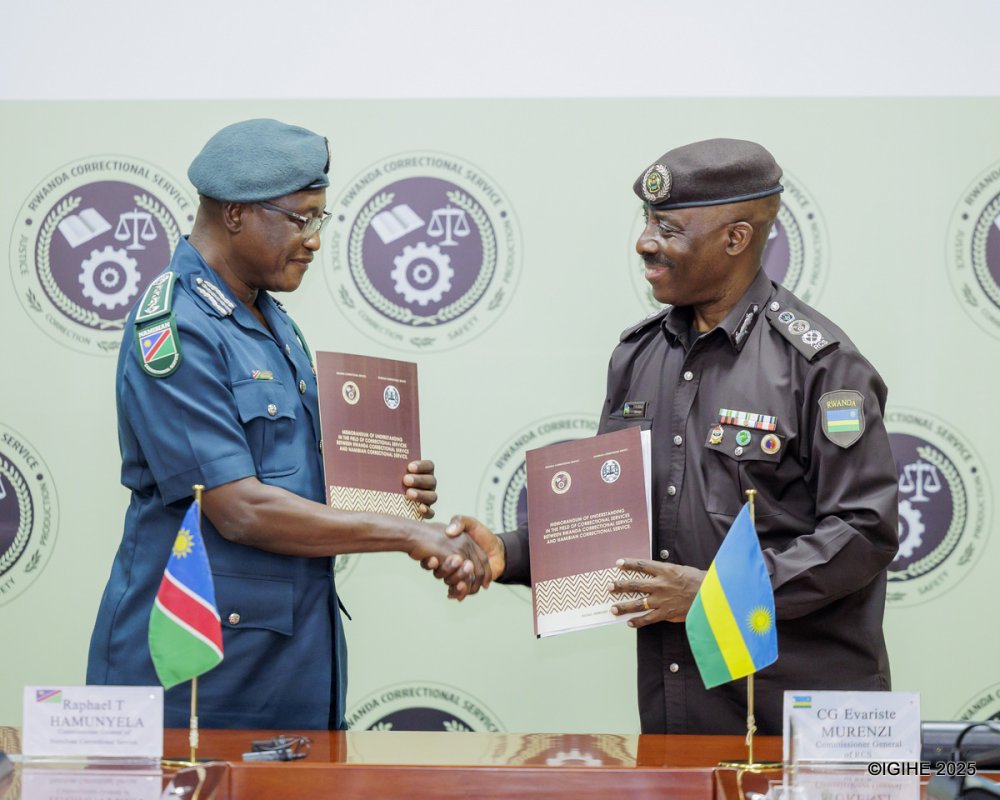
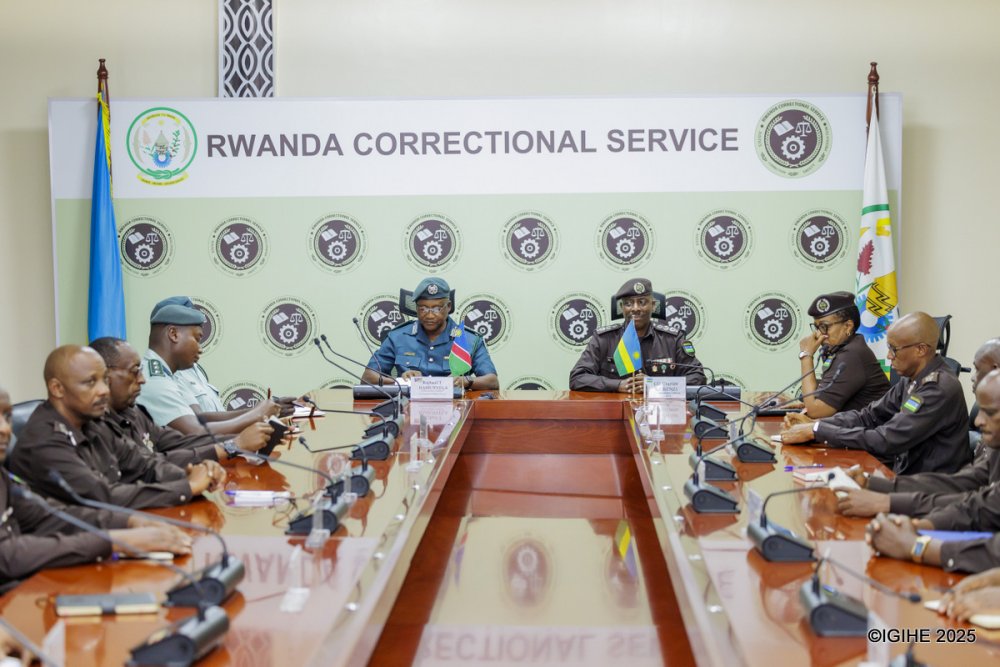
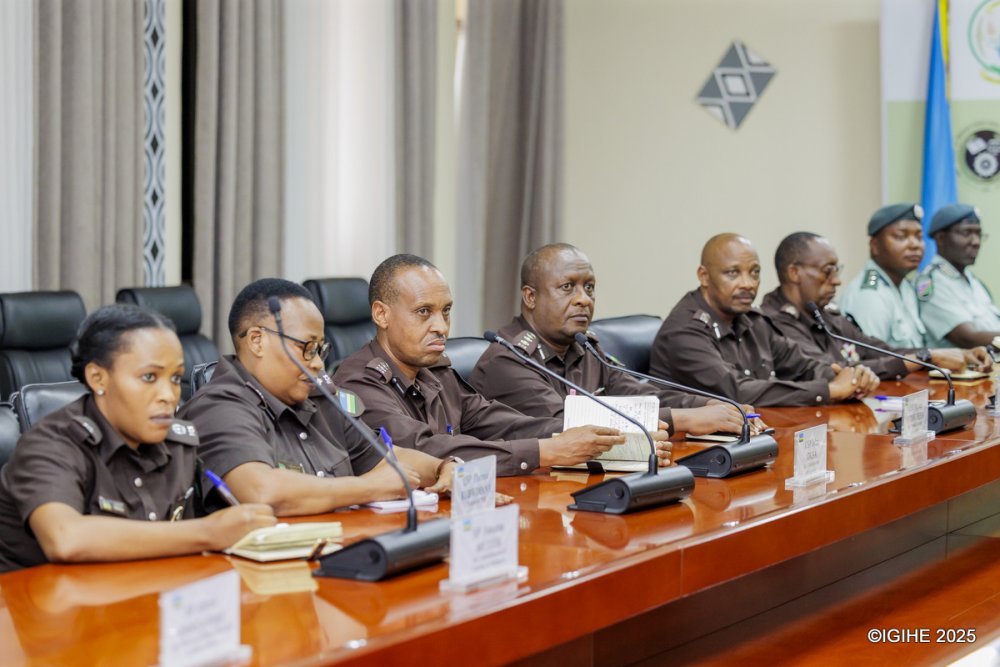
The agreement was signed at the conclusion of a visit by a delegation from Namibia’s Correctional Service, which was in Rwanda from February 4 to 6, 2025.
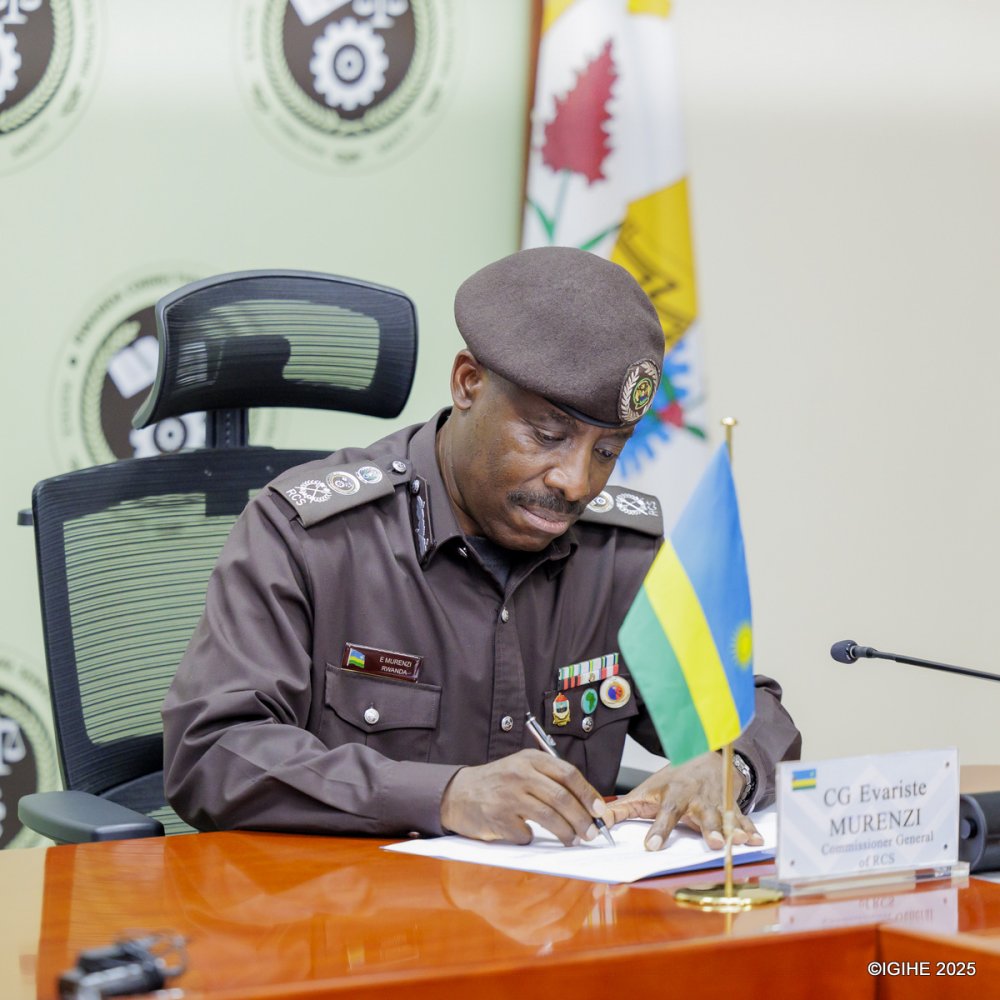
The ceremony took place on February 6, 2025, with Rwanda represented by the Commissioner General of Rwanda Correctional Service (RCS), Murenzi Evariste, and Namibia represented by the Commissioner General of its Correctional Service, Raphael T. Hamunyela.
The pact aims to facilitate the exchange of technical knowledge, best practices in prisoner management, staff training, and the sharing of information related to correctional services. It also includes provisions for study visits between the two countries, joint research and assessments, as well as cultural and sports exchanges.
During the visit, Hamunyela and his delegation commended Rwanda’s approach to environmental conservation in correctional facilities and the emphasis on protecting inmates’ rights. They also praised the training programs provided to correctional officers in Rwanda, which help enhance their skills.
Similarly, RCS expressed appreciation for Namibia’s vocational training programs within its correctional facilities, which equip inmates with industrial skills, increasing their chances of securing employment or starting their own businesses after reintegration.
Rwanda and Namibia have an existing history of cooperation in various sectors. Since 2015, the police forces of both nations have maintained a partnership, particularly in training programs. By 2022, at least 15 senior Namibian police officers had completed advanced training at Rwanda’s National Police College.
Beyond security cooperation, the two countries have also signed agreements on airspace sharing to enhance trade, tourism, and the movement of people between Rwanda and Namibia.
The embassy stated that his narratives align with hate speech and ongoing acts of violence targeting Banyamulenge and Kinyarwanda-speaking Congolese, particularly those of Tutsi descent.
On February 6, 2025, the embassy expressed its concerns via X in response to South African news outlet Newzroom Afrika, which had recently given Kayumba a platform to share what it called his “truth” about the security crisis in eastern DRC.
This controversy stems from growing tensions between Rwanda and South Africa, following remarks by President Cyril Ramaphosa, who labeled the Rwanda Defence Force (RDF) as “rebels” and denied key aspects of his discussions with President Kagame regarding the war in eastern DRC.
South African troops are deployed in DRC under the regional military coalition fighting M23 rebels, and some of them were recently killed in clashes.
After interviewing Rwanda’s government spokesperson, Yolande Makolo, Newzroom Afrika deleted the discussion and instead aired an interview with Kayumba Nyamwasa, where he made inflammatory remarks about Rwanda’s leadership.
In a 33-minute and 30-second interview, Kayumba made several accusations against the Rwandan government, even going as far as legitimizing the FDLR, a militia responsible for the 1994 Genocide against the Tutsi, while discrediting M23, which has been fighting for the rights of Kinyarwanda-speaking Congolese.
The Rwandan Embassy in South Africa reminded the public that Kayumba, despite his attempts to portray himself as innocent, has been actively involved in destabilizing Rwanda through the Rwandan National Congress (RNC) and its armed wing, P5.
“Since 2012, Kayumba’s RNC and its P5 coalition have recruited and trained rebels in eastern DRC with the intent of toppling Rwanda’s leadership. Though Kayumba and his associates have failed in their objectives, these rebel groups have contributed to terrorism and targeted attacks against Tutsi Congolese, with support from the Kinshasa government,” reads the statement.
The embassy further pointed out that Kayumba’s collaboration with genocidal FDLR forces has worsened the humanitarian crisis, forcing many civilians into exile across the region.
“Rwanda urges the media to exercise caution and avoid giving a platform to armed groups that threaten peace and security in our region,” the embassy added.
On February 2, 2025, Yolande Makolo also took to X to expose Kayumba’s deceptive tactics. She noted that Newzroom Afrika’s decision to delete the interview about South African troops and instead air an interview with a fugitive convicted in absentia of a 24-year prison sentence by a Rwandan military court confirmed South Africa’s ulterior motives.
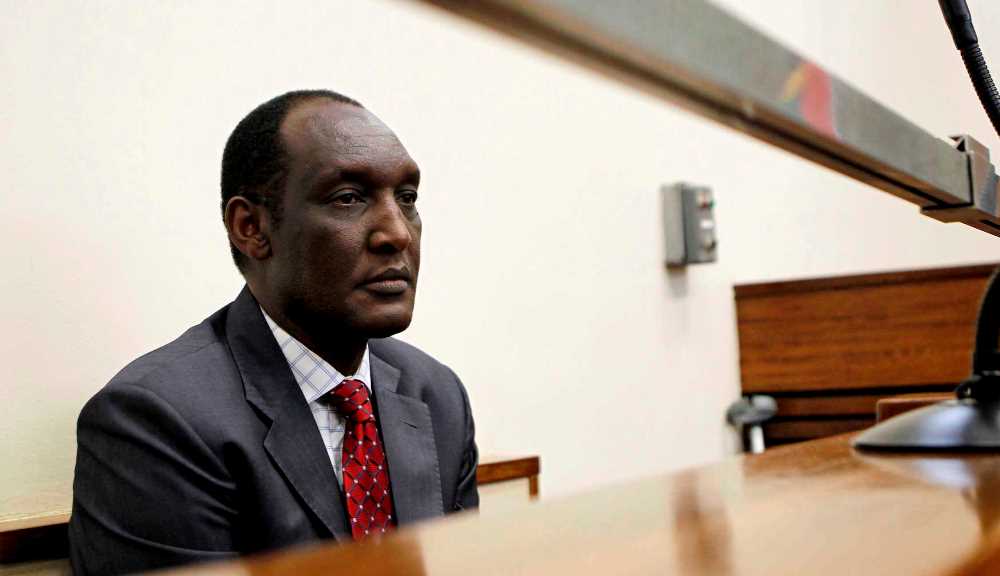
Kayumba Nyamwasa was convicted on January 14, 2011, on charges including forming a terrorist group, attempting to destabilize the country, and violating national laws. His crimes date back to 2010, when grenade attacks in Kigali killed multiple civilians.
Over the years, various reports have linked Kayumba to efforts in eastern DRC to recruit fighters for a planned attack on Rwanda.