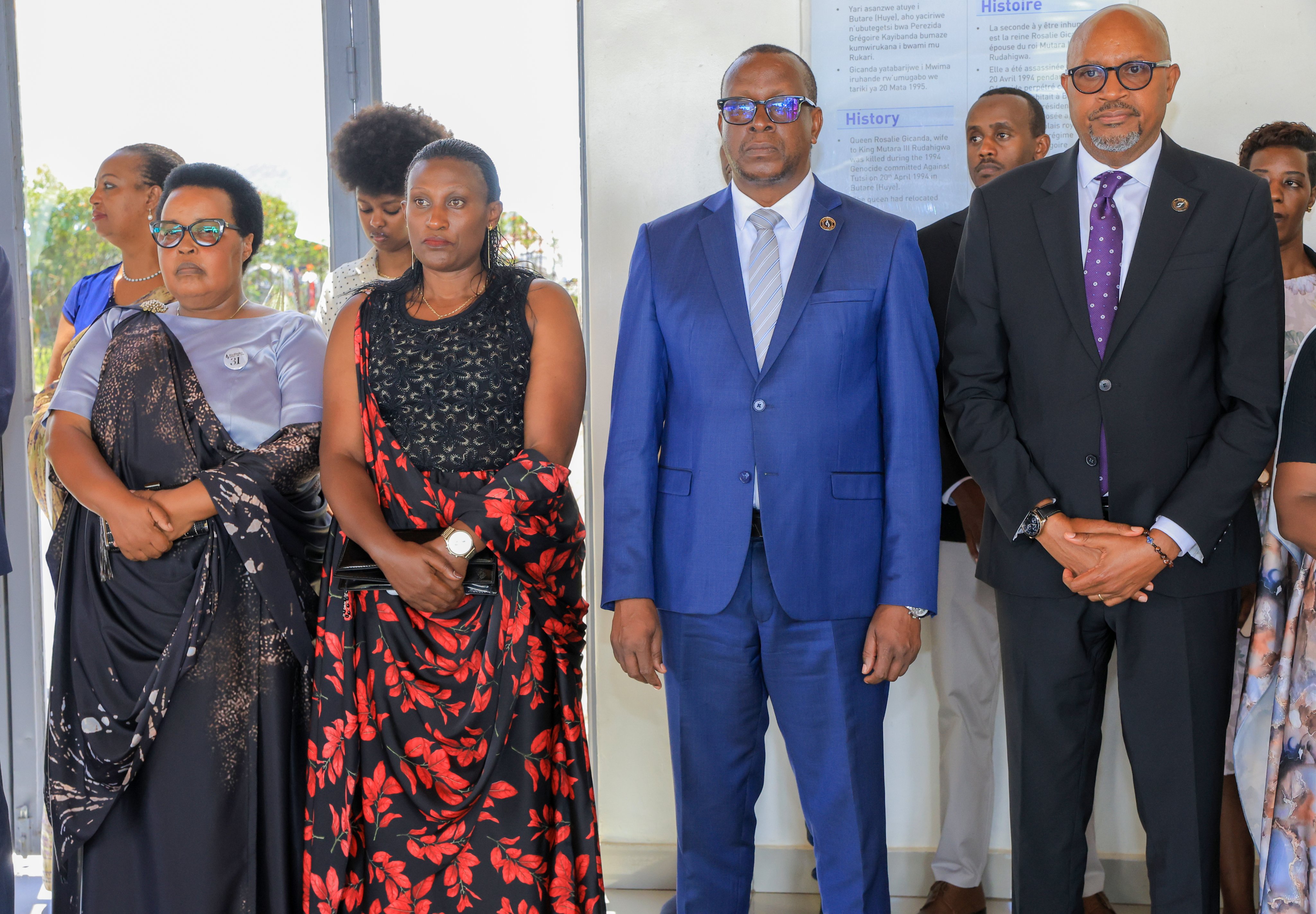
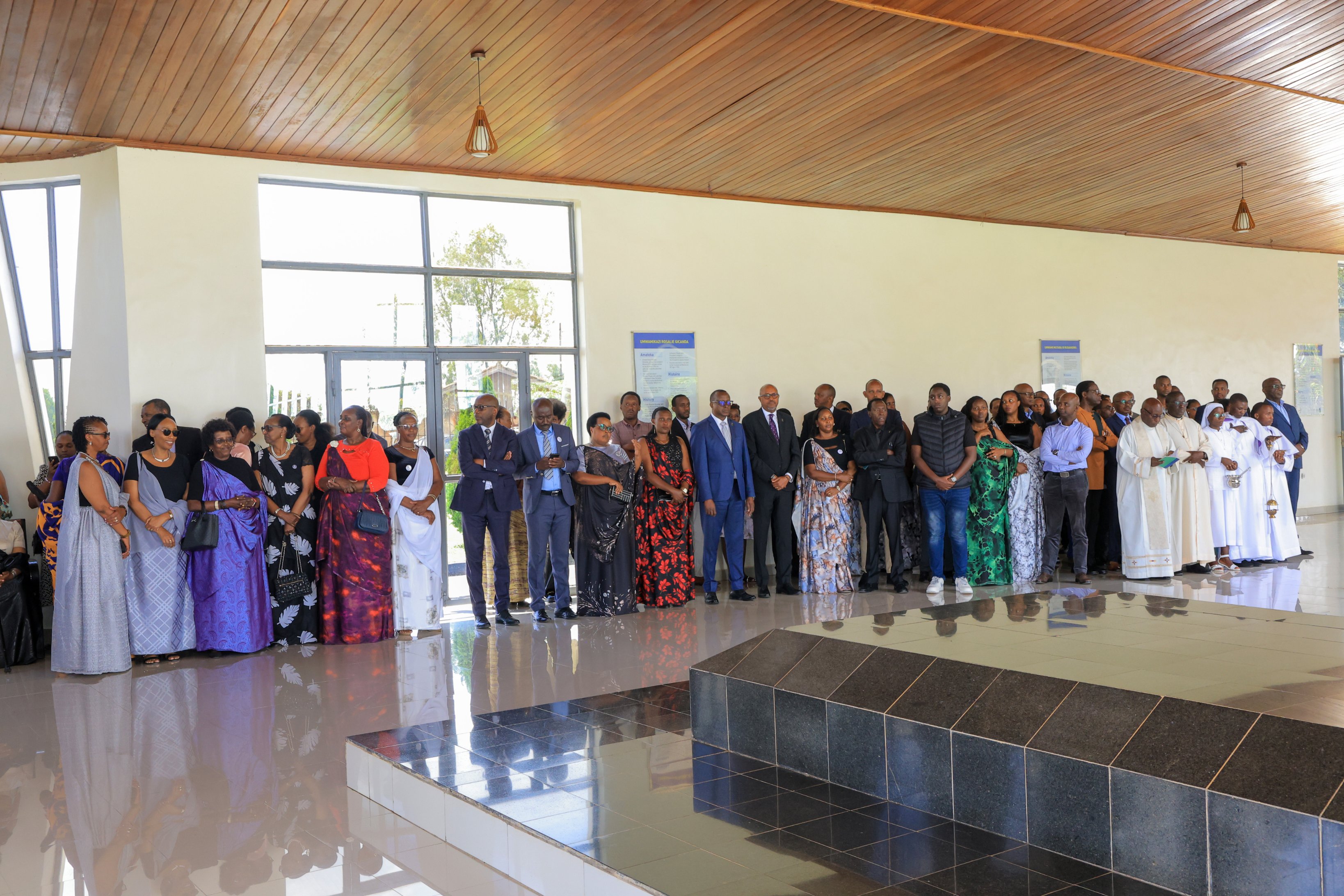
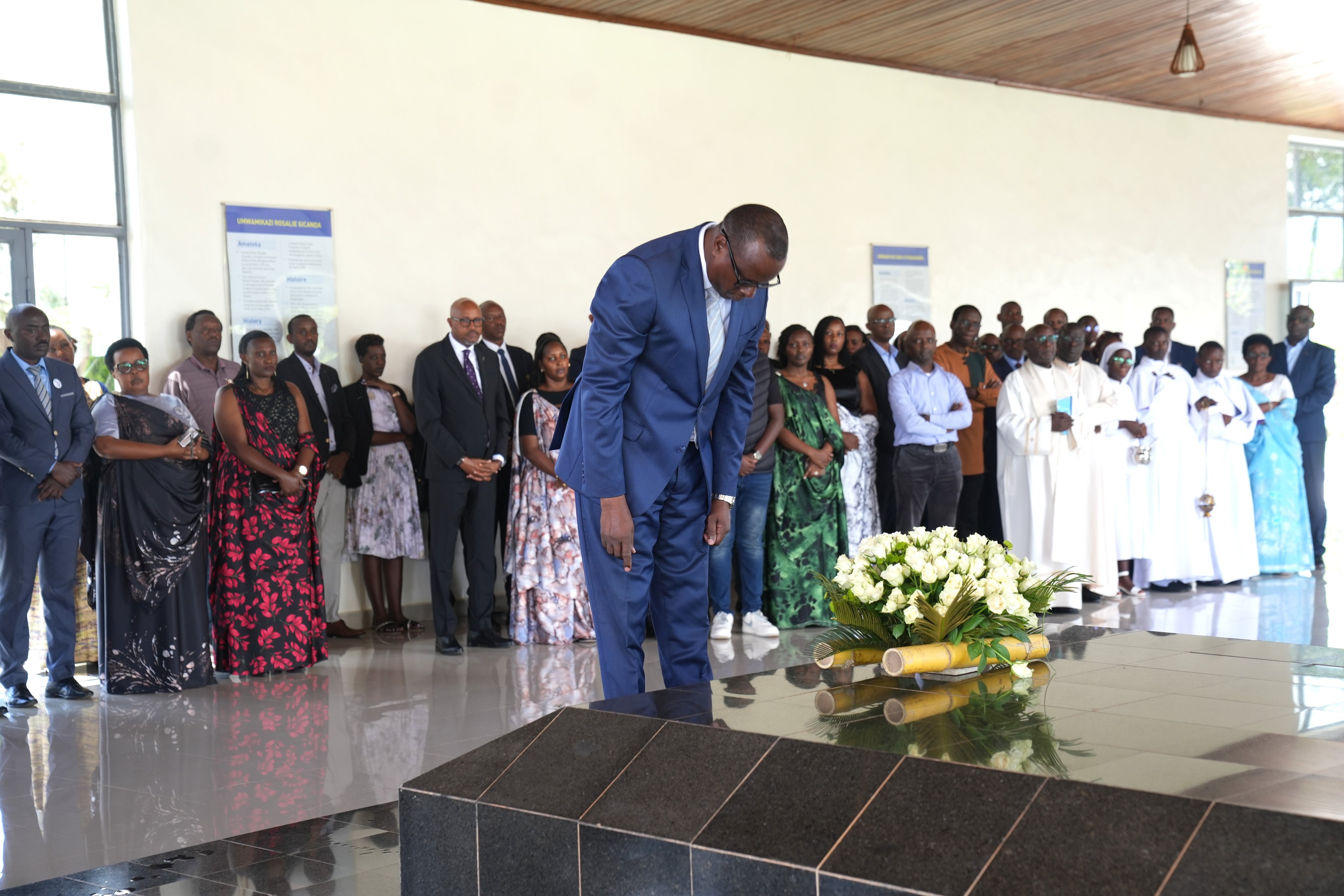
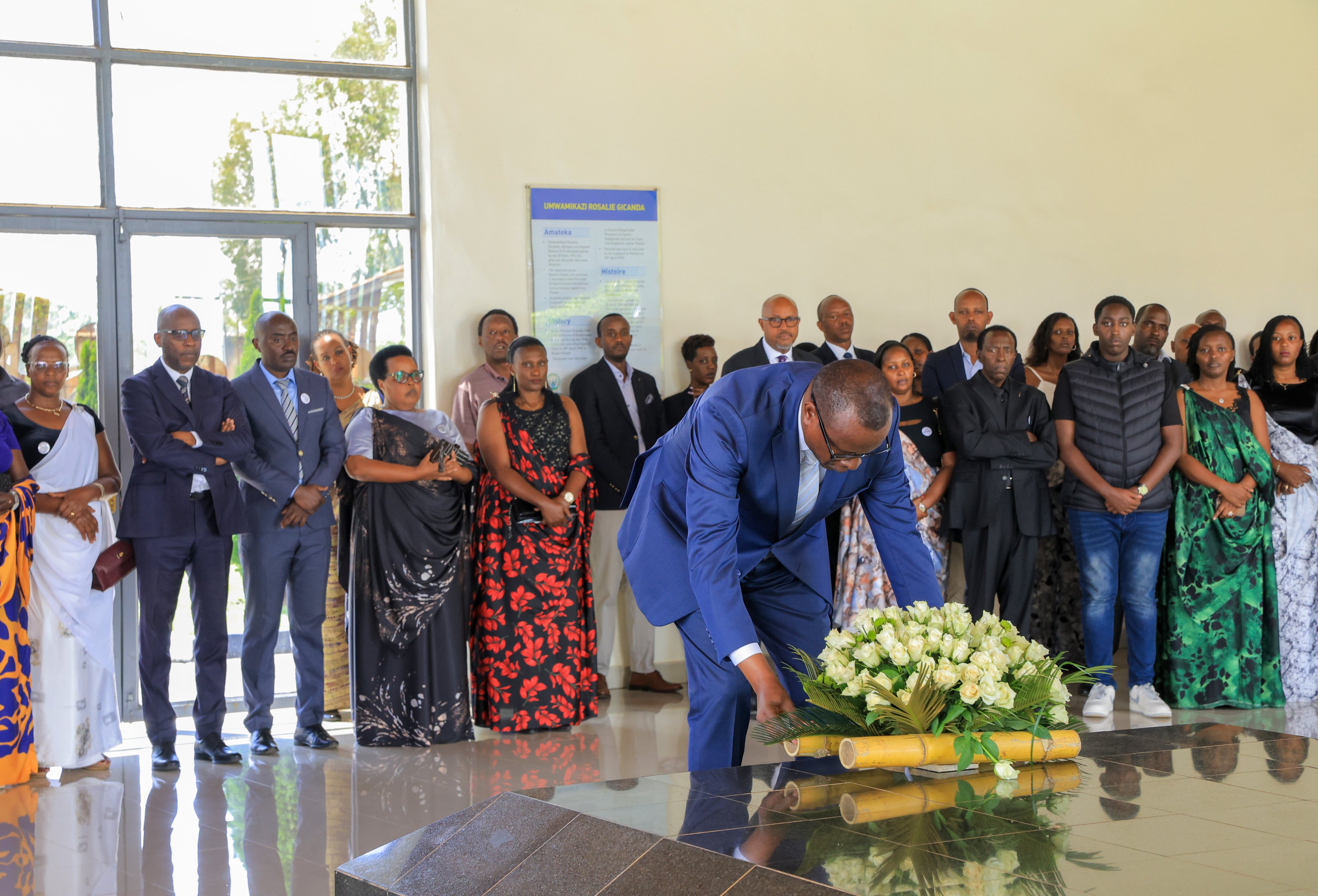
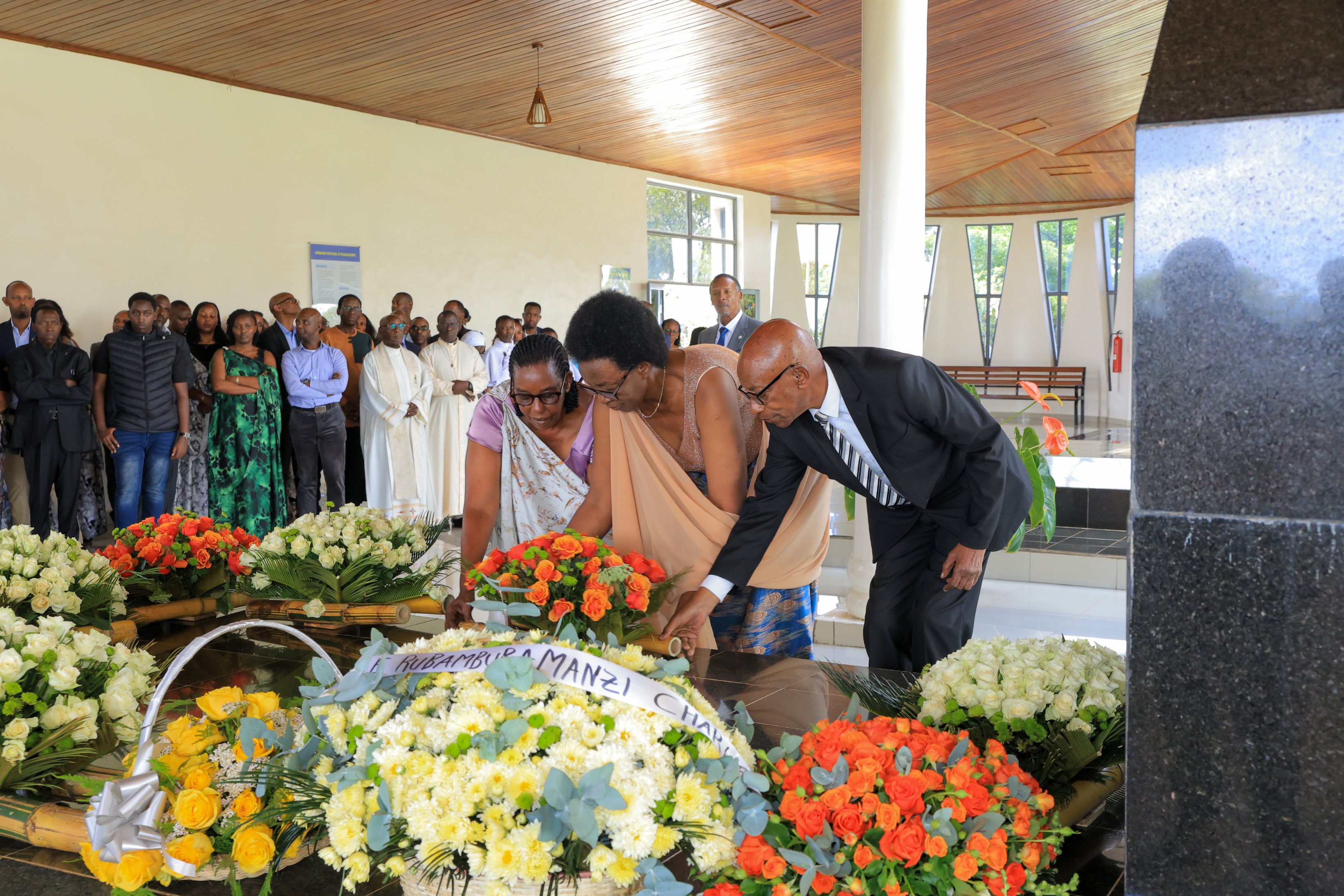
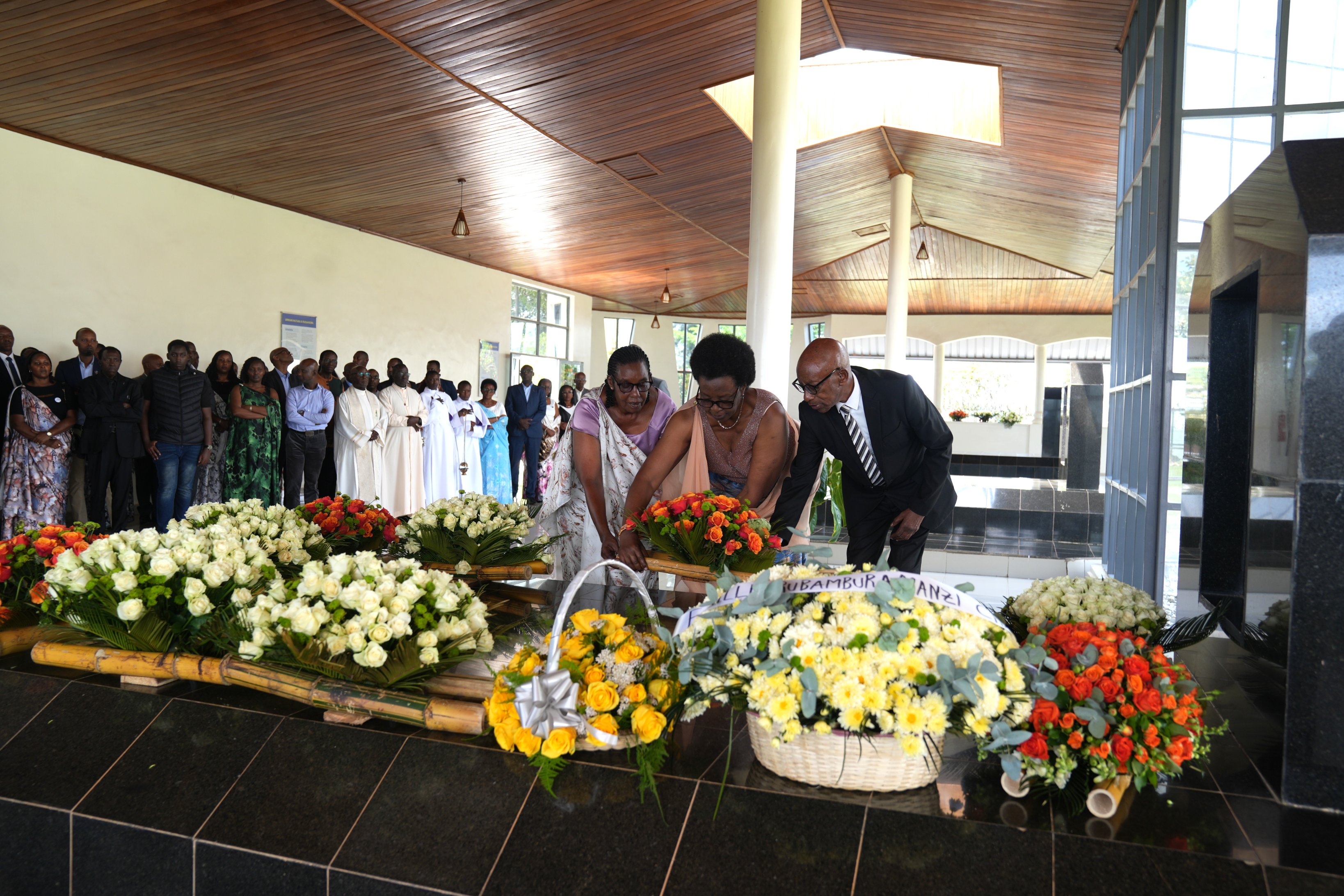
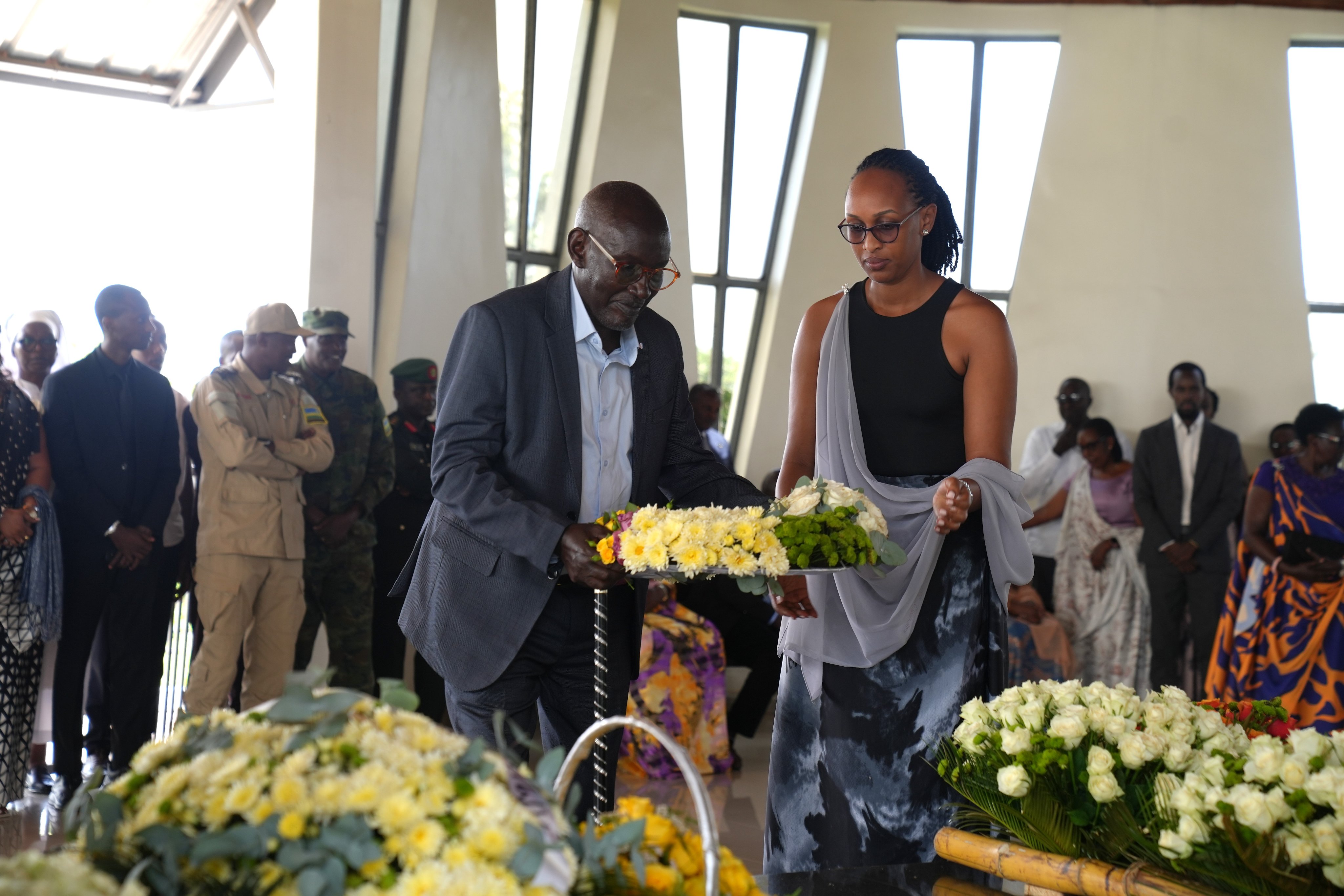
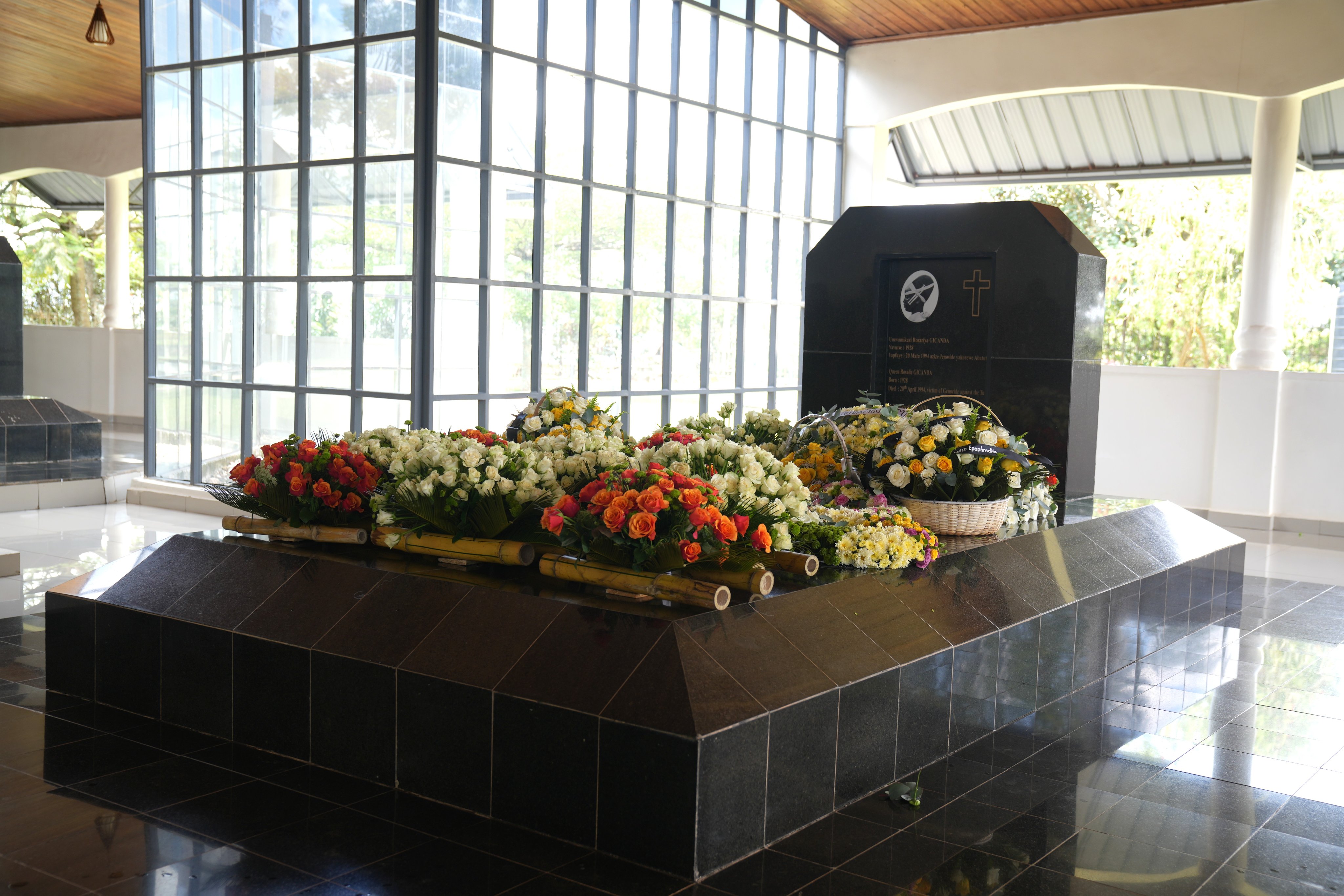
The solemn event took place in Mwima, Nyanza District, where Queen Gicanda is buried.
The event was preceded by a memorial Mass held in remembrance of Rwanda’s last queen, bringing together her family, friends, and officials from various institutions. The group, led by Minister Bizimana, later proceeded to Mwima Hill, where they laid wreaths at her final resting place and offered prayers in her honour.
Queen Rosalie Gicanda, the widow of King Mutara III Rudahigwa, was tragically killed on April 20, 1994, just weeks into the Genocide. Revered for her humility and quiet dignity, she remains a powerful symbol of resilience and national identity. Her killing marked one of the many painful losses Rwanda endured during the Genocide.
This year’s commemoration is part of the broader 100-day national mourning period honouring more than one million lives lost in 1994.
In a letter dated April 17, 2025, to the President of the House of Representatives, Foreign Affairs Minister Caspar Veldkamp outlined a strategic realignment of the Netherlands’ global diplomatic footprint. The move, which aims to trim the mission network’s budget by 10% (equivalent to €70 million), comes amid shifting geopolitical dynamics and a broader government effort to cut costs.
Under the plan, the embassies in Burundi, Cuba (Havana), South Sudan (Juba), Libya (Tripoli), and Myanmar (Yangon) will be closed, along with consulates-general in Antwerp (Belgium) and Rio de Janeiro (Brazil). The closure of these seven missions is expected to save €25 million.
Minister Veldkamp said the decision was driven by a need for a “realistic foreign policy” that balances values, economic interests, and national resilience in an increasingly fragmented world.
“Far-reaching changes are under way around the world,” he noted, citing the rise of new power blocs, the assertiveness of China, the resurgence of Russian influence, and the evolving foreign policy orientation of African states.
The closure of the Dutch embassy in Bujumbura is particularly significant, given the Netherlands’ longstanding development cooperation with Burundi. While the letter acknowledges the political and development ties in the Great Lakes region, it notes that the country’s relative geopolitical weight and the scope for diplomatic influence were key considerations in the decision to close the mission.
Security and high operational costs were also factored into the closures of embassies in places like Juba and Tripoli. In these locations, mitigating security risks has become increasingly expensive and complex.
Despite the closures, the Netherlands intends to maintain its diplomatic presence through alternative structures. In Brazil, for instance, the Dutch network includes the embassy in Brasília and two Netherlands Business Support Offices (NBSOs), allowing for continued engagement even after the closure of the consulate-general in Rio de Janeiro. In Belgium, the proximity of the principal mission in Brussels will compensate for the Antwerp consulate’s closure.
The Ministry of Foreign Affairs emphasised that all closures will be carefully managed to ensure a smooth handover of responsibilities. Other Dutch embassies will assume co-accreditation for countries affected by the closures to maintain consular services and diplomatic relations.
Minister Veldkamp also hinted at the possibility of opening new missions in other parts of the world, including Syria, depending on future geopolitical developments. Details on additional closures and potential expansions are expected to be included in the ministry’s 2026 draft budget.
The complexity of preparing essays, securing recommendations, managing multiple deadlines, and understanding financial aid options can leave even the most capable students uncertain of how to move forward.
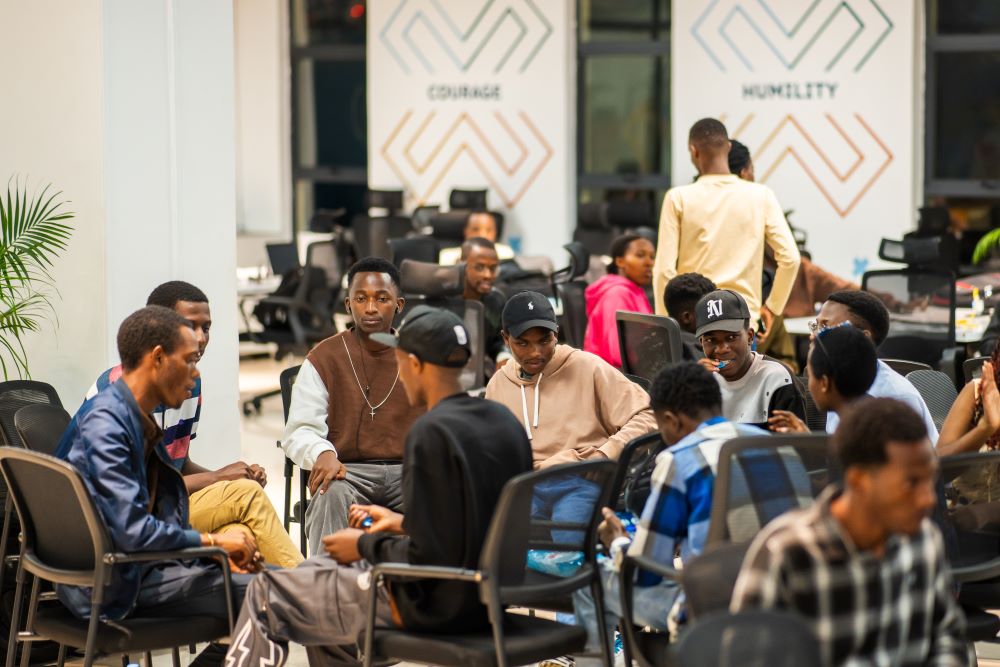
Recognizing these challenges, ALX Rwanda introduced the ALX Pathway Program, an eight-month initiative that aims to bring clarity, strategy, and support to students applying for universities around the world.
Rather than relying on motivational slogans or vague guidance, the program takes a structured, skills-based approach to helping learners make informed and realistic decisions about their educational futures.
A key feature of the program is the way it redefines how students think about university selection. This helps students create university shortlists that reflect both their aspirations and practical needs.
In one of the early sessions, known as the University application power hour, students are encouraged to move beyond name-brand institutions and consider factors like academic fit, affordability, campus environment, and post-graduation opportunities.
To support this process, ALX Pathway trains learners in digital tools such as google sheets to track and compare universities. Instead of passively absorbing advice, students collect and analyze their own data, from tuition costs to faculty profiles and student reviews.
This creates a clearer picture of where they are most likely to succeed. The program’s methodology transforms what is often a chaotic and emotional decision into one grounded in research and critical thinking.
The timeline of the Pathway program mirrors the stages of a real application process. Participants begin by researching schools and narrowing their choices. Over time, they move into standardized test preparation, drafting and revising essays, gathering recommendation letters, and preparing for interviews.
This step-by-step approach eliminates last-minute stress and teaches students how to manage large, long-term tasks, skills that will serve them well in university and beyond.
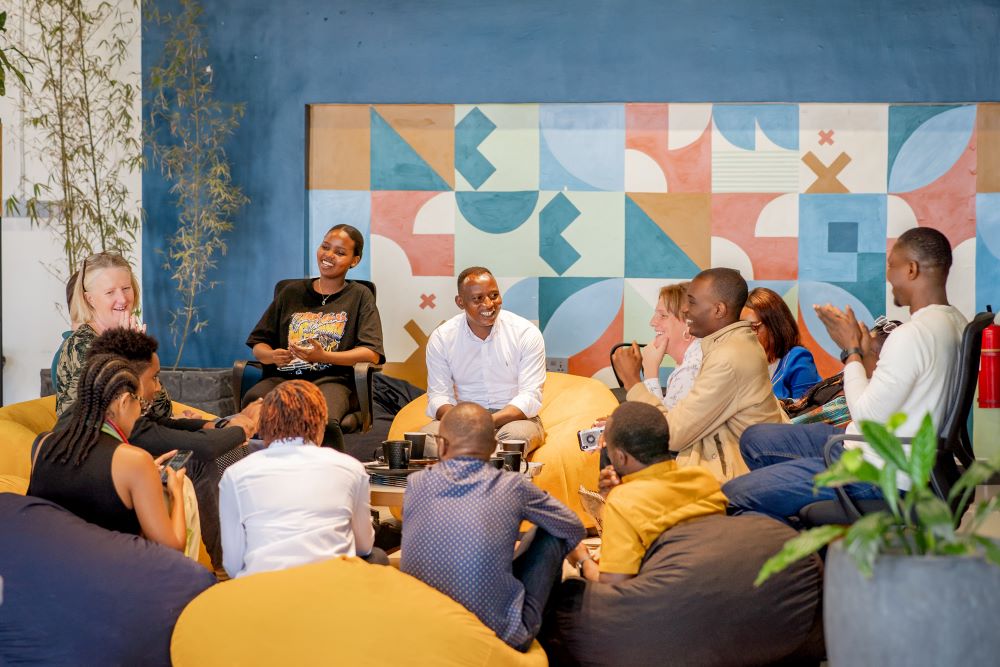
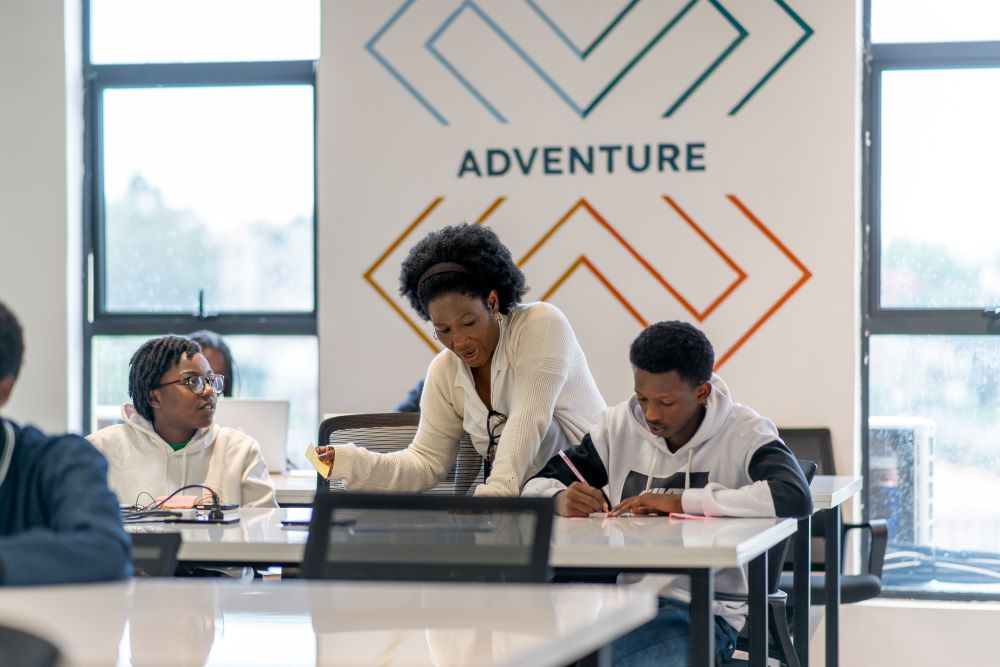
Beyond tools and timelines, the program also emphasizes collaboration. Weekly sessions allow learners to work through common application components together. Office hours provide one-on-one guidance, and a community learning model ensures that students regularly exchange feedback and insight.
For many, it’s the first time they’ve had structured peer support in the context of education planning.
Cedric, one of the Pathway Program coordinators, says the goal is to maintain consistent communication and guidance throughout the process.
“We know this journey can be long and difficult, especially for students navigating it for the first time. That’s why we provide regular updates, toolkits, and reminders, and we make ourselves available for support based on each learner’s individual needs,” he said.
Many participants report that by the end of the program, their understanding of higher education has expanded significantly. Some students shared that they initially applied with only two high-profile schools in mind, but now have a list of five universities.
Importantly, the ALX Pathway model doesn’t promise guaranteed admission or shortcut success. What it offers is a way to navigate a difficult process with discipline, support, and strategy.
In regions where systemic obstacles have historically limited access to quality education, this kind of structured preparation can have a transformative effect.
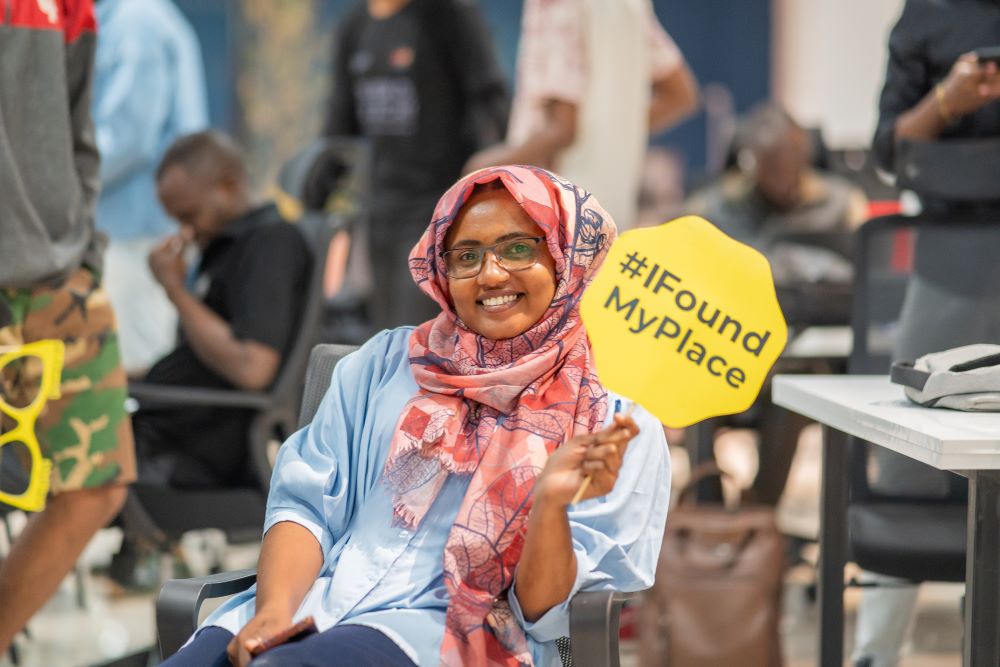
With the May cohort now open for applications, the program continues to attract learners from across Rwanda who are seeking more than just scholarships, they are looking for a practical route through the confusion of international admissions.
For students ready to apply or parents looking for a reliable support system for their children’s higher education journey, the ALX Pathway Program is accepting applications until April 21, 2025.
Interested individuals can visit [alxafrica.com/join-pathway->https://www.alxafrica.com/join-pathway/] or call 0796 163 394 for more information.
In a statement dated Friday, April 18, the Ministry of Justice announced that it had instructed both the Auditor General of the Armed Forces (FARDC) and the Prosecutor General at the Court of Cassation to initiate criminal proceedings against Kabila.
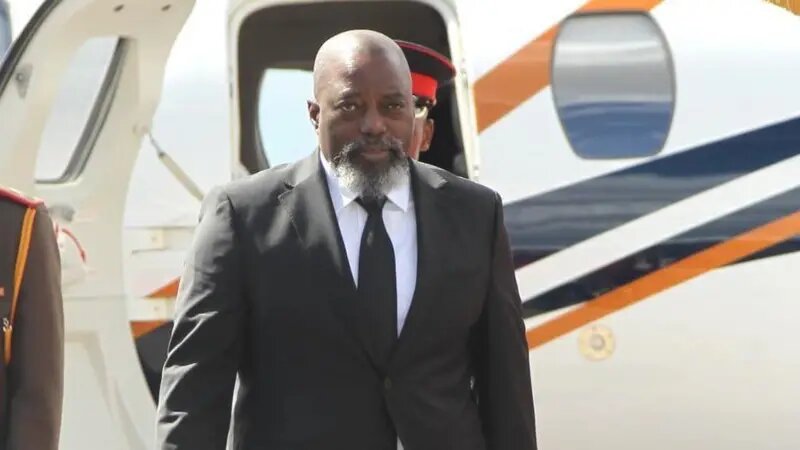
The ministry accuses Kabila of playing a direct role in the ongoing insurgency by the AFC/M23, which has, in recent months, resulted in the capture of strategic areas in eastern Congo, including the cities of Goma and Bukavu.
“In addition, the seizure of all the former Congolese Head of State’s movable and immovable assets has been ordered,” the statement reads.
Additionally, the Ministry of Justice has imposed movement restrictions on what it describes as Kabila’s “collaborators involved in this case of high treason against the Nation.”
The latest development follows Kabila’s recent visit to rebel-controlled Goma after his return to the DRC. The rebels seized the city in January, citing poor governance, ethnic cleansing, and the persecution of minority Kinyarwanda-speaking communities.
Kabila, who ruled the country from 2001 to 2019, had been living in exile in South Africa and Zimbabwe. His return came after he pledged to help address what he described as “serious security issues and challenges in all other sectors of national life.”
Kabila remains an influential figure in Congolese politics, with a loyal base of supporters across the country.
Recently, his wife, Olive Lembe, claimed she is being targeted by the country’s security agencies, following reports that security forces had raided the former president’s residence.
“It is persecution that we are suffering at the hands of the security services and this regime,” Lembe said in an interview with local media on Thursday, April 17.
“They are persecuting us and deliberately damaging the image of our activities.”
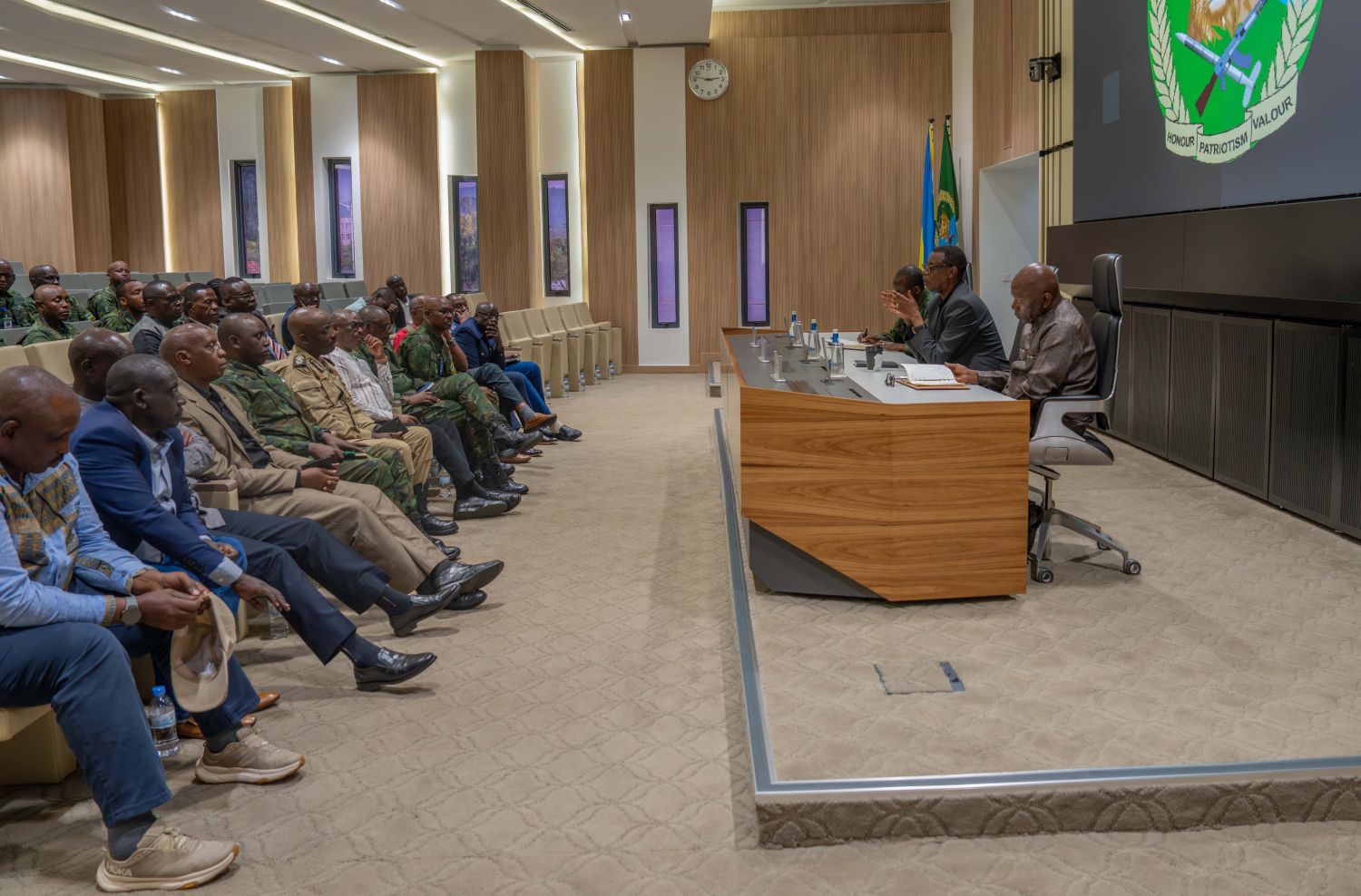
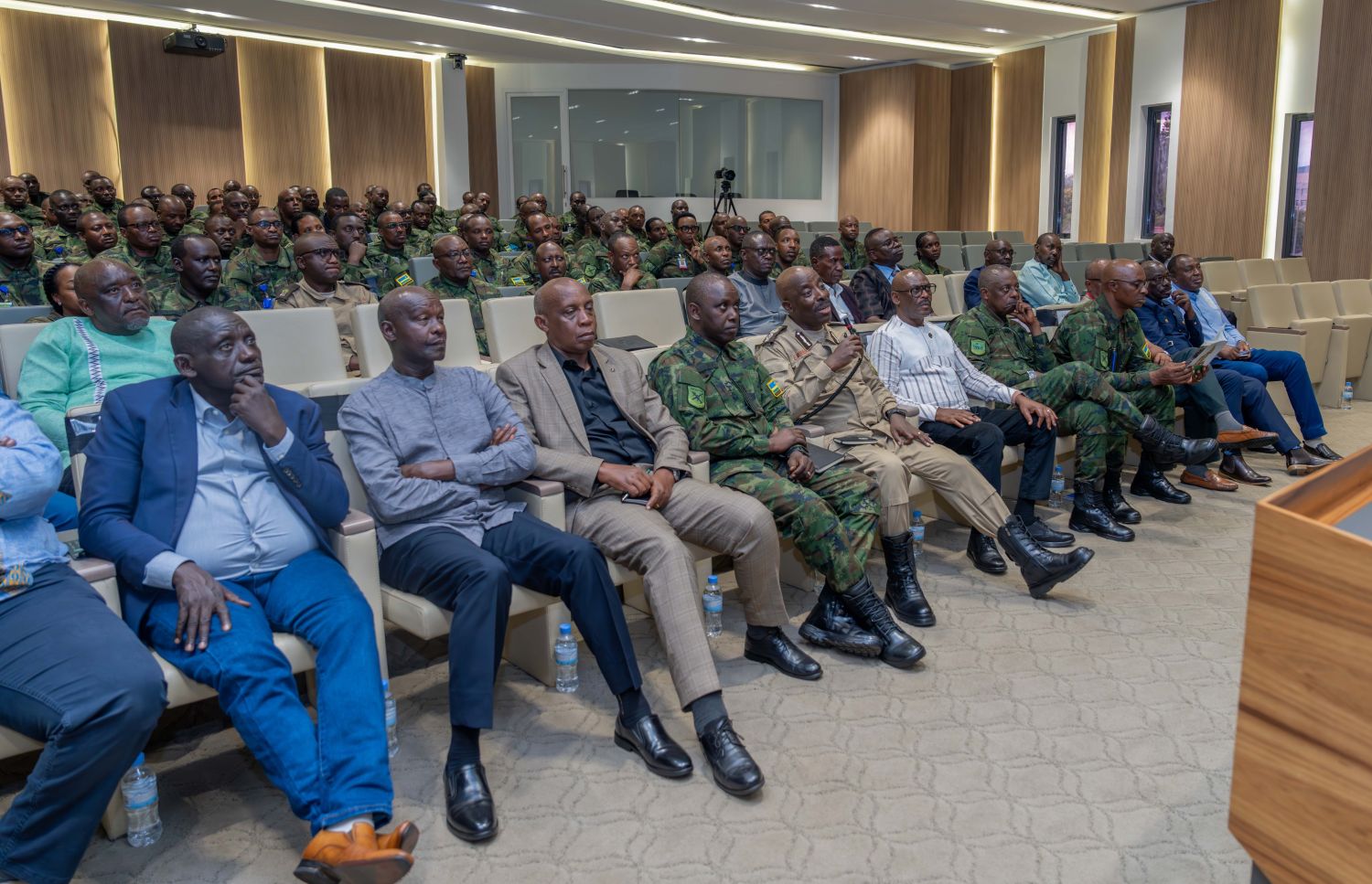
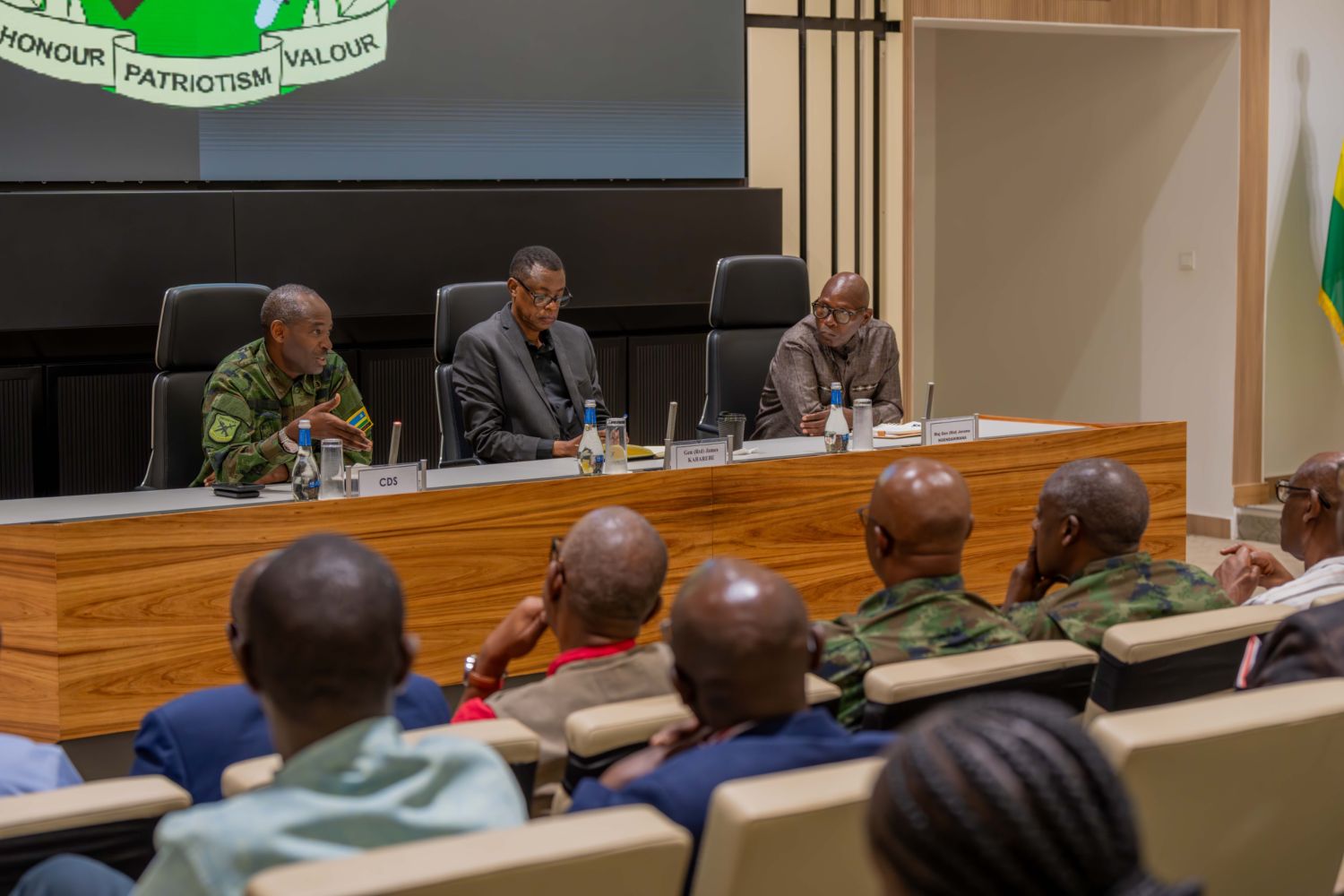
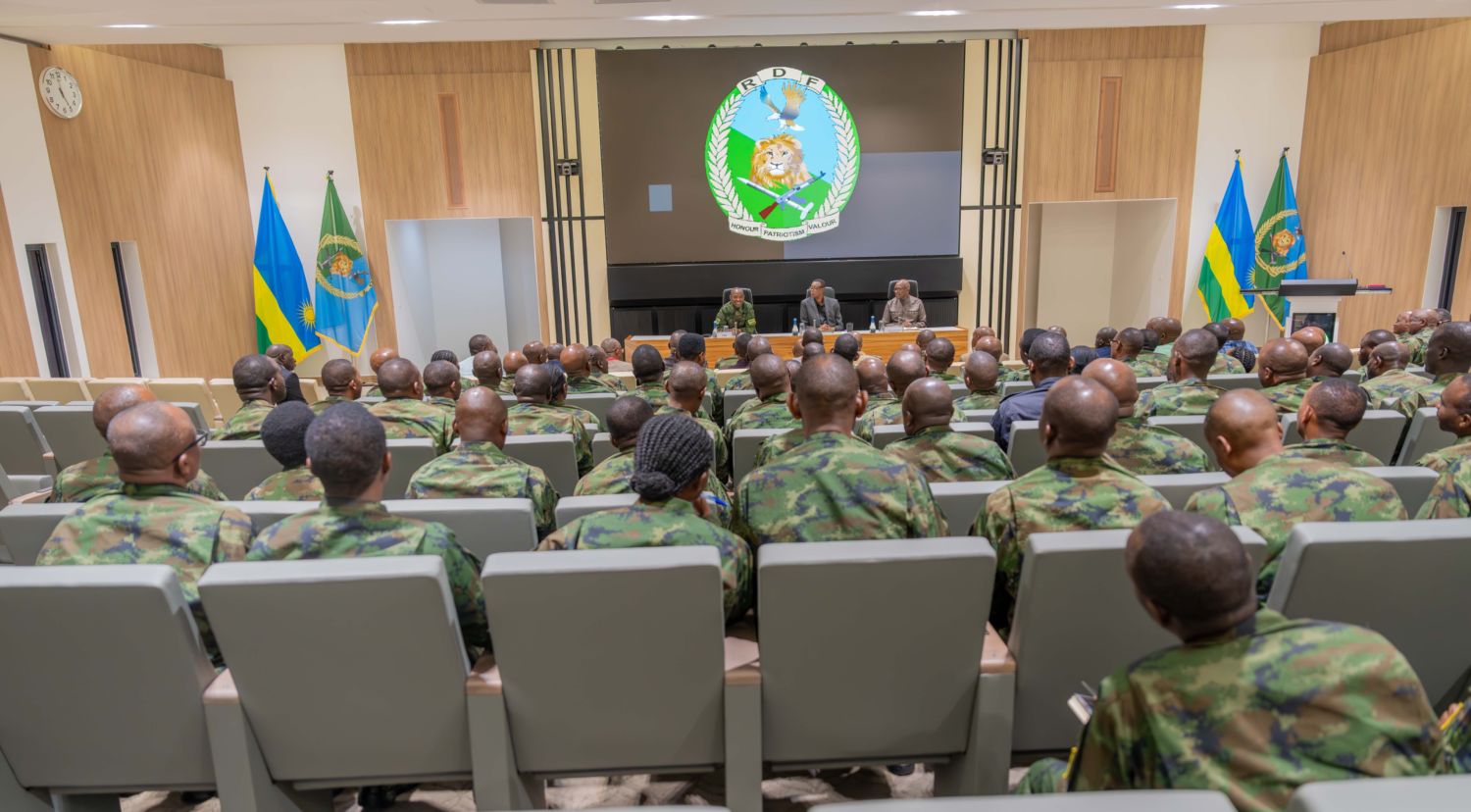
Addressing students and faculty of the Senior Command and Staff Course (SCSC), Intake 13, at RDF Headquarters in Kimihurura on Saturday, April 19, Gen (Rtd) Kabarebe emphasised that Rwanda’s national security continues to depend on the RDF’s enduring spirit of readiness and resilience.
“During his remarks, Gen (Rtd) Kabarebe emphasised the significance of the study tour, noting that it had provided students with vital insights and information for their research,” RDF said.
“He underscored that Rwanda’s national security relies on the RDF’s readiness, an enduring quality that defined RPA soldiers during the Liberation War. He urged students to preserve and uphold that legacy in the face of foreign interference and emerging threats.”
Gen (Rtd) Kabarebe made the remarks during a closing session of a five-day RPA Liberation War Study Tour.
The tour, which is part of the Military History Module, offered participants an immersive examination of key battles, strategic decisions, and operational challenges faced by RPA forces during the 1990–1994 war.
Participants visited historic sites and engaged in analytical sessions designed to draw tactical and strategic lessons from the Liberation War. Discussions centred on the early stages of the war, which began on October 1, 1990, in Kagitumba and traced major turning points throughout the campaign.
Students also interacted with RDF generals and senior officers, who shared firsthand accounts of planning, execution, and setbacks encountered during major operations. The discussions offered opportunities for critical engagement, allowing students to ask questions, clarify issues, and gain a deeper understanding of the planning and execution of key military operations.
The Senior Command and Staff Course is designed to prepare mid-level officers for higher command and strategic responsibilities within the RDF and beyond.
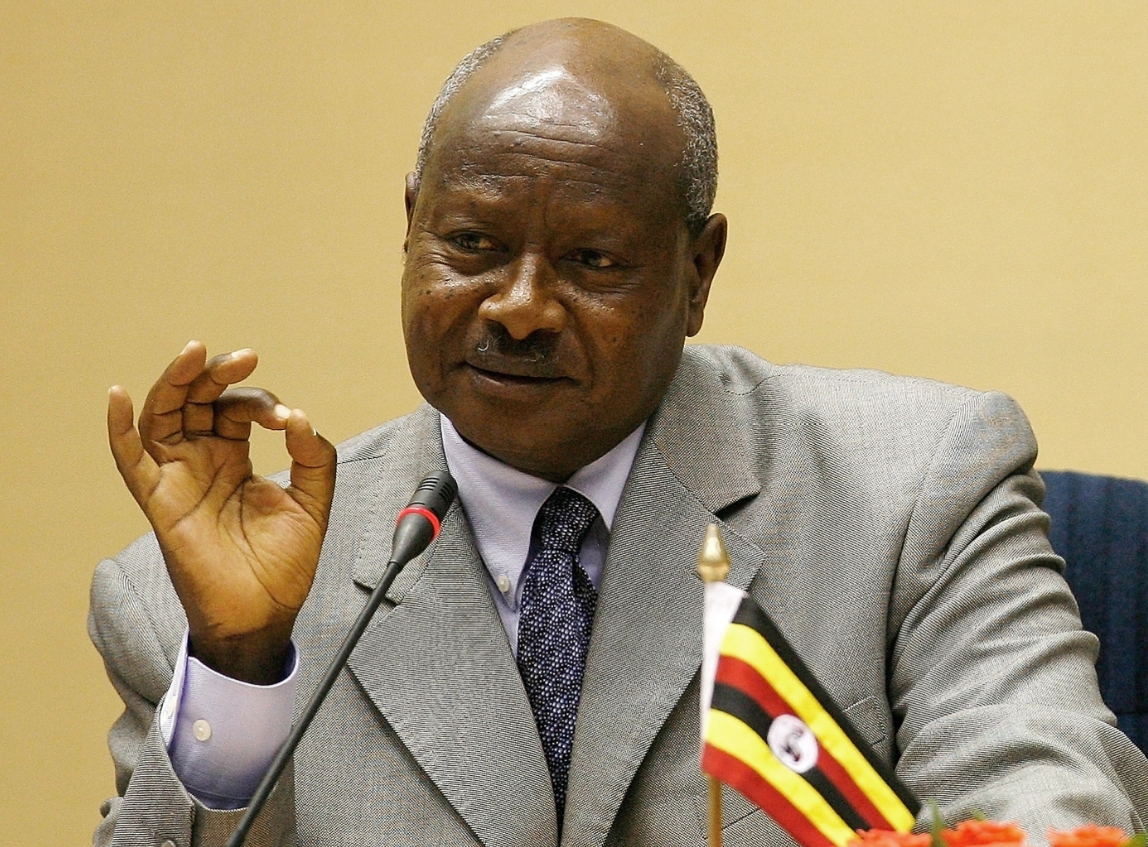
In a speech shared by the state-owned Uganda Broadcasting Corporation on Thursday, Museveni said Uganda already has alternative markets for its exports.
“Trump has put a tax, what shall we do? You have Africa, work on Africa,” Museveni said, emphasizing the continent’s vast geographic size and large population.
“In the next 30 years, the population of Africa will be the biggest in the world. It will be one quarter of the human race,” the president said.
Earlier, Odrek Rwabwogo, chairman of the Presidential Advisory Committee on Exports and Industrial Development, told local media that Uganda is already diversifying its export destinations, with promising prospects in Europe and Asia.
Britain has shown strong demand in the grain and coffee sectors, Rwabwogo said, adding that with Uganda Airlines set to launch flights to the European country this or next month, there are hopes of expanding market access for Ugandan products — not only coffee but also grains and bananas, which are already being exported there.
According to the Office of the U.S. Trade Representative, total goods trade between the United States and Uganda reached 238.9 million U.S. dollars in 2024, with Uganda exporting 132.6 million dollars worth of goods to the United States and importing 106.3 million dollars.
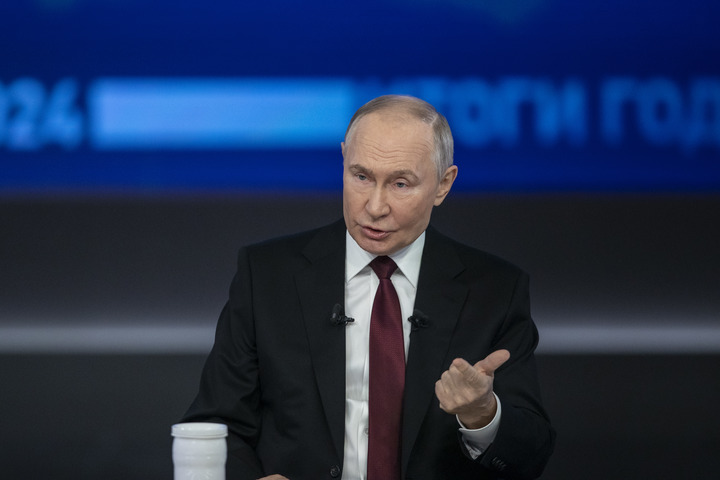
The truce will start from 6:00 p.m. local time (1500 GMT) on Saturday and last until midnight on Sunday into Monday (2100 GMT on Sunday).
“I have ordered a complete cessation of hostilities during this period,” Putin was quoted by the Kremlin’s Telegram account as saying at a meeting with Russian Chief of the General Staff Valery Gerasimov.
Putin also noted that Russia hopes Ukraine will follow suit and cease hostilities during the period.
“Our armed forces must remain on high alert to repel possible ceasefire violations, provocations and any aggressive actions by the enemy,” the Russian president added.
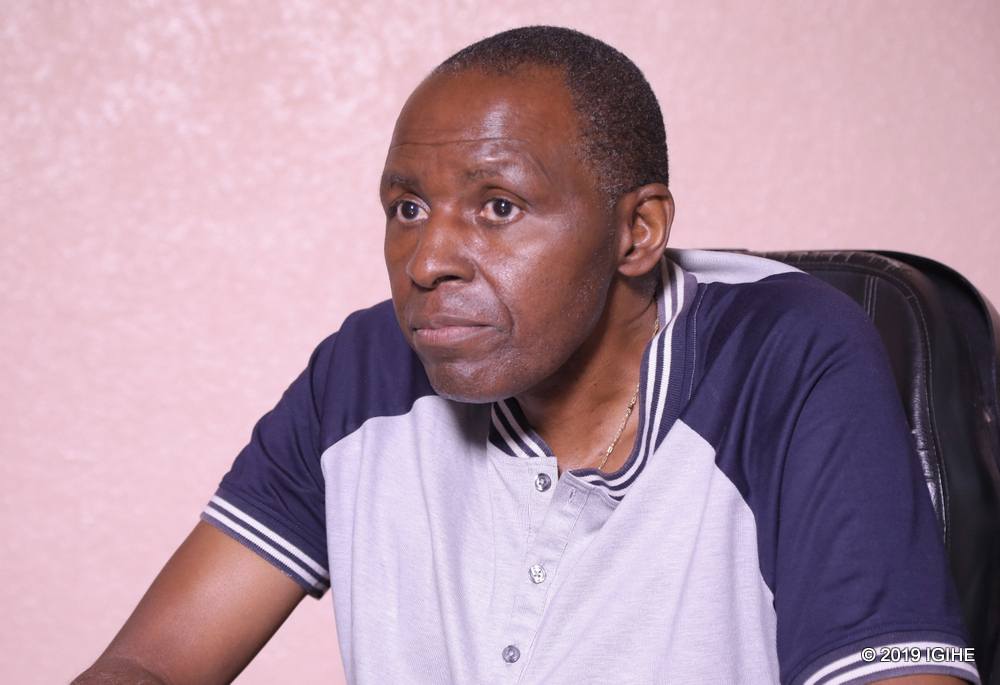
Kilimobenecyo, one of Rwanda’s most talented visual artists in history, died in the early hours of Saturday April 19, 2025.
Despite his remarkable contributions, Kilimobenecyo remained largely out of the spotlight and rarely appeared in the media. He gave only one interview, which was with IGIHE, in which he spoke about his artistic journey.
He was known for his humility and deep talent, and he loved to talk and joke with people, making it easy for young artists to identify with him.
His passion for art began at a young age while studying at the Nyundo School of Art, where he excelled. After graduating, he received a scholarship from the Soviet Union and went on to study graphic arts at the Institute of Fine Arts in Kyiv.
After completing his studies, he returned to Rwanda and in 1988 started working at the national printing press, where he was responsible for illustration, design, and editing content. He initially worked by hand, as computers were not yet available, but eventually bought his first computer in 1989.
Among his most notable and lasting creations is the current Rwandan national flag, which began official use on December 31, 2001. His design for the flag and the national coat of arms was selected as the best in a nationwide competition.
The idea to include a sun in the national flag was entirely his own, as it had not been among the required design elements. Like his other works, he always aimed to create something original and meaningful.
Kilimobenecyo also designed many of the symbols used by the Rwanda Defence Forces, from the layout of inscriptions on their uniforms to the insignias of various military units.
Over the years, he created numerous other official emblems used in state ceremonies, including a symbolic sword presented to President Kagame in 2017.
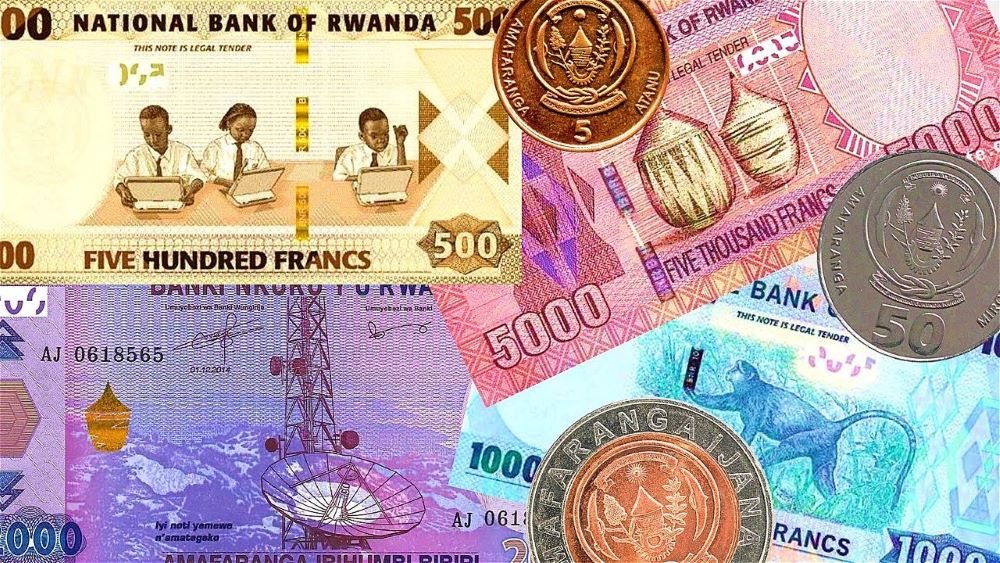
He also illustrated several Rwandan banknotes currently in use, including the Frw 5000, 2000, 1000, and 500 denominations, as well as coins such as the 100.
Recently, he shared with IGIHE a collection of restored historical photos, which he had digitally enhanced to modern standards as part of his effort to show younger generations what life looked like in the past.
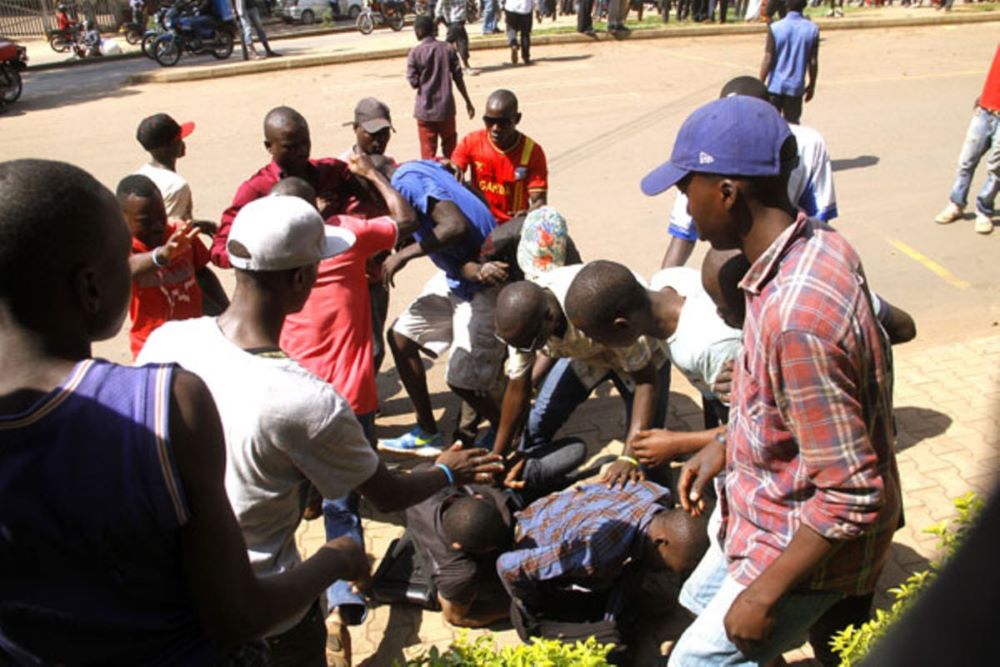
The violent attack occurred two days ago in Bwanika Village, located in the Bufumbo Sub-county of Mbale District. According to eyewitnesses, tensions had been simmering for weeks after the body of a middle-aged man was discovered in a nearby thicket under suspicious circumstances.
The villagers, convinced that a local family was involved in the murder, took matters into their own hands, leading to a deadly assault that left five people dead and several homes in ashes.
Among the victims were the family’s patriarch and matriarch, as well as three adult children. Two younger family members reportedly managed to escape and are currently in protective custody.
In a further act of vengeance, the mob set fire to six houses belonging to the family, reducing them to rubble and ashes.
Residents said they had grown increasingly restless due to what they claimed was police inaction over the murder case. “We kept waiting for justice, but nothing happened. People got tired and took action,” one local told reporters on condition of anonymity.
Authorities have since condemned the attack, calling it a gross violation of the law.
Mbale District Deputy Commissioner, Sarah Nabirye, confirmed the incident and revealed that officers from the Directorate of Criminal Investigations (DCI) have launched a full-scale investigation into both the lynching and the initial murder.
“This kind of mob justice is unacceptable and will not be tolerated. We urge residents to let the law take its course and refrain from taking justice into their own hands,” Nabirye stated.
The bodies of the deceased have been transferred to Mbale Regional Referral Hospital for postmortem examinations.
Police patrols have been intensified in the area to prevent further violence, and several suspects linked to the mob attack have already been apprehended.
As the community grapples with the aftermath of the deadly assault, leaders are calling for calm, urging residents to seek lawful ways of resolving conflicts.
This brutal episode has once again spotlighted the dangers of mob justice and the urgent need for stronger faith in Uganda’s criminal justice system.
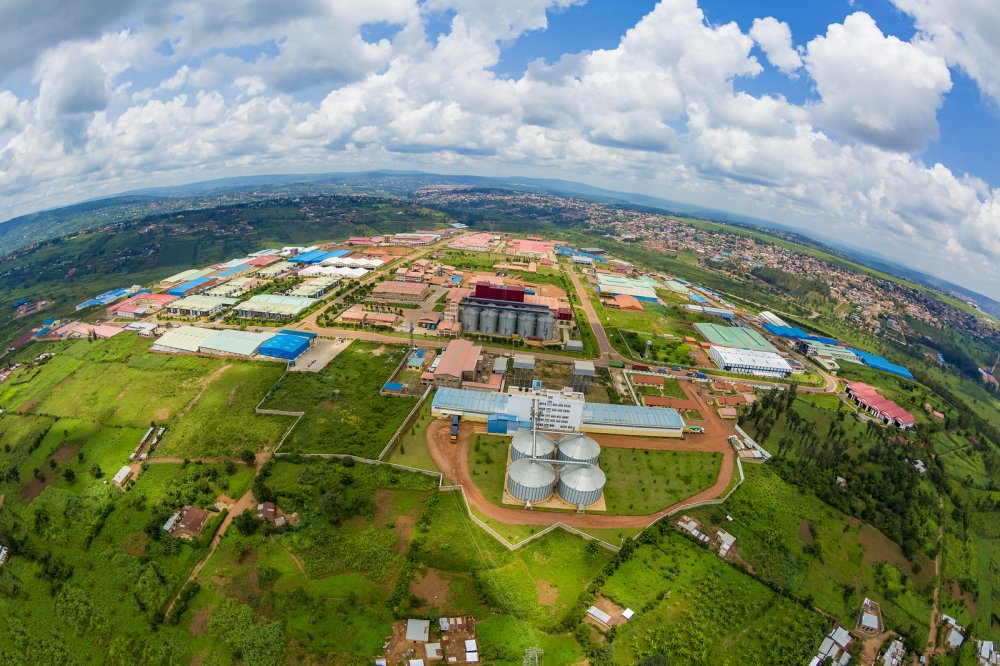
In total, RDB registered 612 new investment projects during the year. The report shows that three main sectors including manufacturing, financial services and insurance, and real estate, accounted for 77.9% of the total investment value.
Manufacturing alone attracted $1.35 billion, while the financial services and insurance sector brought in $811.2 million. Real estate-related activities received $377.7 million in new investments.
The report indicates that Asia was the leading source of foreign investments in Rwanda in 2024, contributing $907 million across 100 projects, representing 37.4% of all investments.
Africa followed with $579.3 million in 188 projects, while the Americas contributed $485.6 million through 39 projects. Europe invested $404.1 million in 52 projects.
The Middle East contributed $41.5 million across 11 projects, and Oceania invested $8.3 million in three projects. Domestic investment amounted to $782.8 million across 191 projects, accounting for 24.4% of the total investments made in 2024.
Among foreign countries, China led the way, investing $460 million in 58 projects. It was followed closely by India, which invested $445.1 million in 35 projects, and the United States, which committed $441.3 million across 31 projects.
Nigeria was Africa’s top investor, contributing $313 million through 22 projects. The United Kingdom followed with $144.6 million in 14 projects, the Netherlands with $103.9 million, and Ireland with more than $93.6 million, though invested in just three projects.
Eritrea also made a notable contribution of $93.6 million across 65 projects, followed by Ethiopia, which invested over $57.6 million in 16 projects.
Several major projects were registered in 2024. These included Bio Usawa Biotechnology Ltd, which will construct a plant to manufacture treatments for serious eye diseases.
Nation Cement Holding Ltd acquired 99.94% of shares in CIMERWA. Ramba Investment Africa Holdings Ltd and Parklane Group Ltd made significant entries in the construction and real estate sectors.
Other notable investments included TTEC CX Solutions Rwanda Ltd, which supports digital skills development across industries, Basigo Rwanda Ltd in public transportation, Rio Tinto Exploration Rwanda Ltd, which is helping drive Rwanda’s mineral exploration efforts, and Bestred Technology Development Rwanda Co., Ltd in the technology sector.