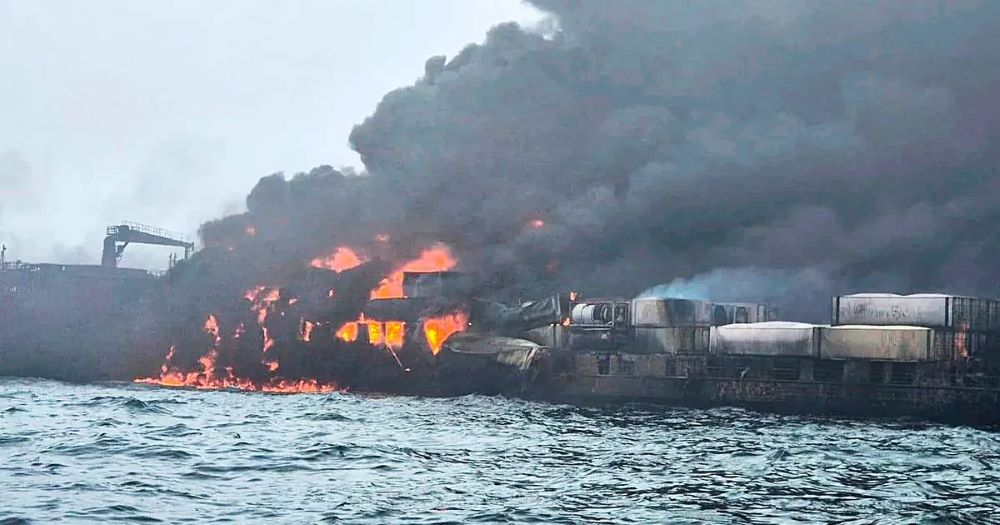
A total of 36 people were rescued following the incident, with one crew member taken to the hospital, stated Matthew Atkinson, Divisional Commander of the Coastguard.
The collision occurred near the coastal city of Hull and involved the U.S.-registered oil tanker Stena Immaculate and the Portuguese-flagged container ship Solong.
Efforts to assess the environmental impact of the incident are ongoing, with reports confirming that jet fuel has leaked into the sea.
Several crew members reportedly abandoned ship following the collision, and both vessels were said to have been on fire, according to a statement by the Royal National Lifeboat Institution.
The Stena Immaculate, which had come from the Greek port of Agioi Theodoroi, was anchored just outside Hull at the time of the collision. Meanwhile, the Solong had been on its way from Grangemouth, Scotland, to Rotterdam, Netherlands.
The incident occurred around 2:00 a.m. on Tuesday in Kigarama Sector, Mburabuturo Village, after Siborurema broke into a home and stole valuables, including cash, two smartphones, a laptop, shoes, trousers, and a shirt.
The homeowner, who lives alone, noticed the intruder and immediately alerted the neighborhood security patrol, which then contacted the police.
According to Rwanda National Police (RNP) Spokesperson ACP Boniface Rutikanga, officers and security personnel arrived at the scene, prompting Siborurema to flee toward a nearby swamp.
“The community patrol agents had called officers from Kigarama Police Station, and together they pursued the suspect. Upon reaching the swamp, he dropped the stolen items, grabbed a machete, and attempted to attack one of the patrol agents. A police officer then shot him, resulting in his death,” said ACP Rutikanga.
Authorities confirmed that Siborurema was a repeat offender with a long history of theft-related arrests dating back to 2016.
Between May 2017 and March 2018, he spent nine months in prison for theft. In 2018, he was arrested again, served a short prison sentence, and was later sent to the Iwawa Rehabilitation Center, where he spent a year.
Following his release, he was arrested again for theft and imprisoned in Mageragere Prison from June 2020 to June 2022. However, after his release, he resumed criminal activities and was sent back to Iwawa.
Siborurema was among those recently discharged from Iwawa on March 7, 2025, after undergoing rehabilitation for theft and drug abuse.
ACP Rutikanga urged individuals returning from rehabilitation at Iwawa to take advantage of the skills and opportunities provided to them.
“Iwawa is designed to help individuals reform and reintegrate into society as productive members. Those who return to criminal activities will not be tolerated,” he emphasized.
The stolen items, including the laptop, smartphones, shoes, and clothing, were recovered and will be returned to their rightful owner.
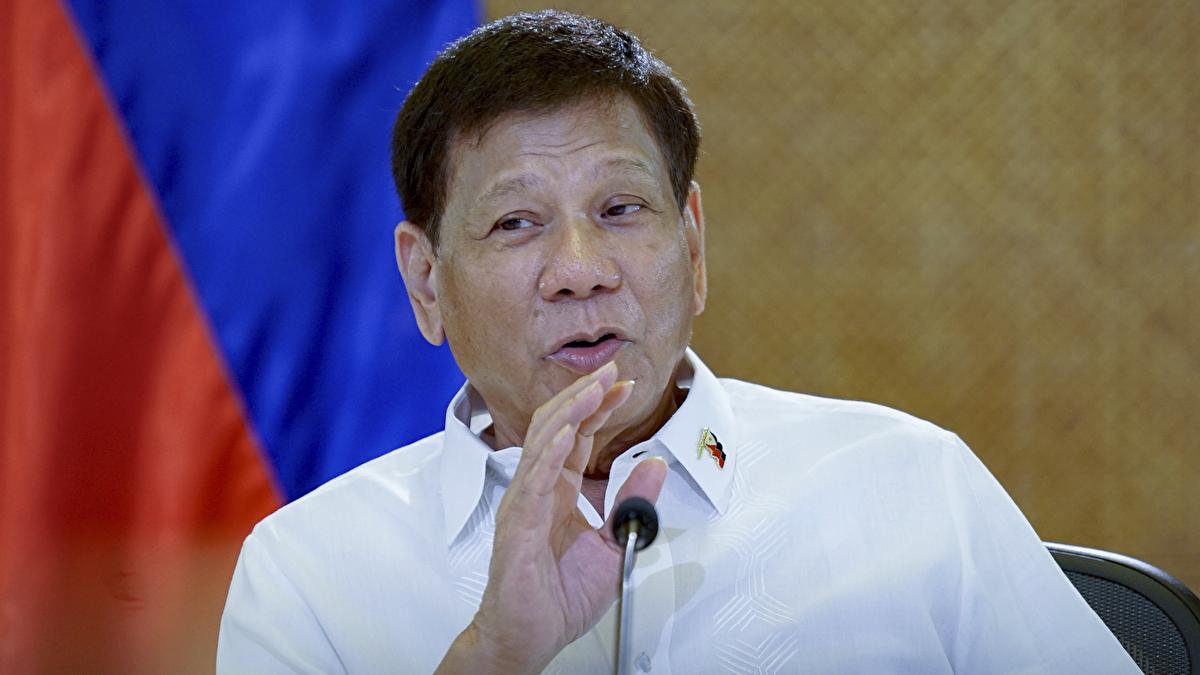
The Presidential Communications Office confirmed that Interpol in Manila received an official copy of the arrest warrant issued by the International Criminal Court (ICC) earlier that morning.
“Upon his arrival, the prosecutor general served the ICC notification for an arrest warrant to the former president for the crime of crime against humanity,” the government said in a statement.
“He’s now in the custody of authorities,” it said.
The charge of crimes against humanity stems from Duterte’s harsh anti-drug campaign. During his presidency from 2016 to 2022, the controversial “war on drugs” led to thousands of deaths, including those of children, with the arrest warrant stating that suspects were denied due process under the law.
Human Rights Watch (HRW) welcomed Duterte’s arrest, calling it “a crucial step toward accountability in the Philippines.”
The Philippines withdrew from the ICC in 2019, during Duterte’s administration.
As president, Duterte spearheaded a controversial “war on drugs,” which garnered significant attention both locally and internationally.
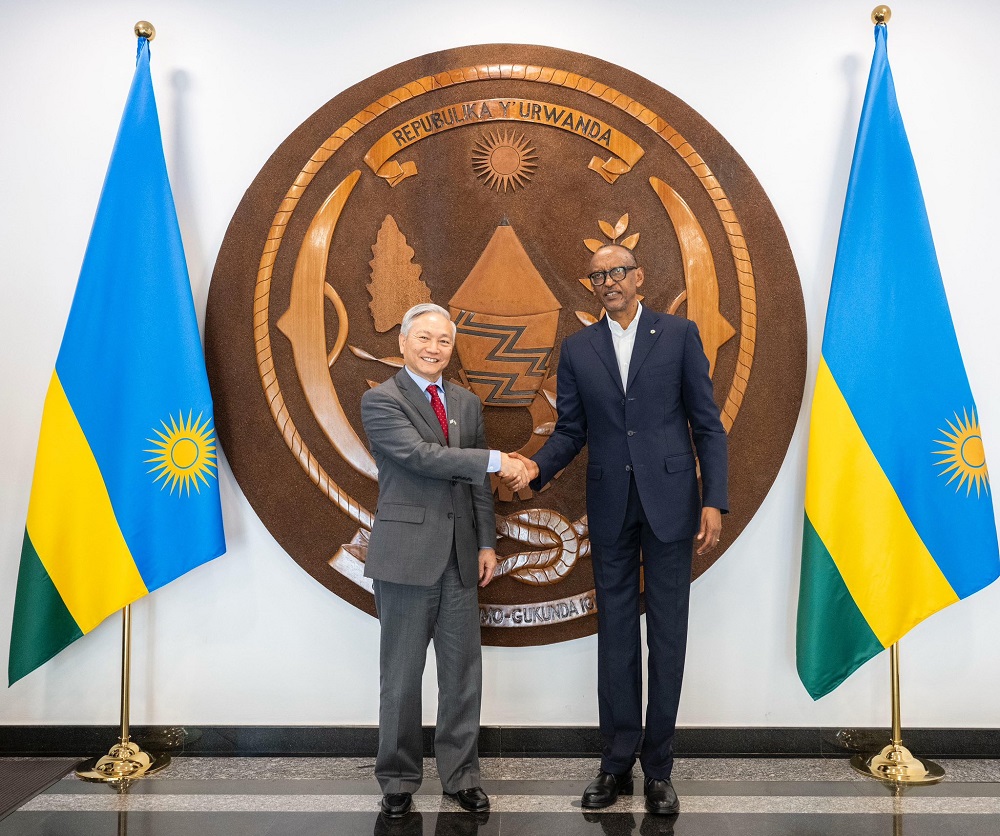
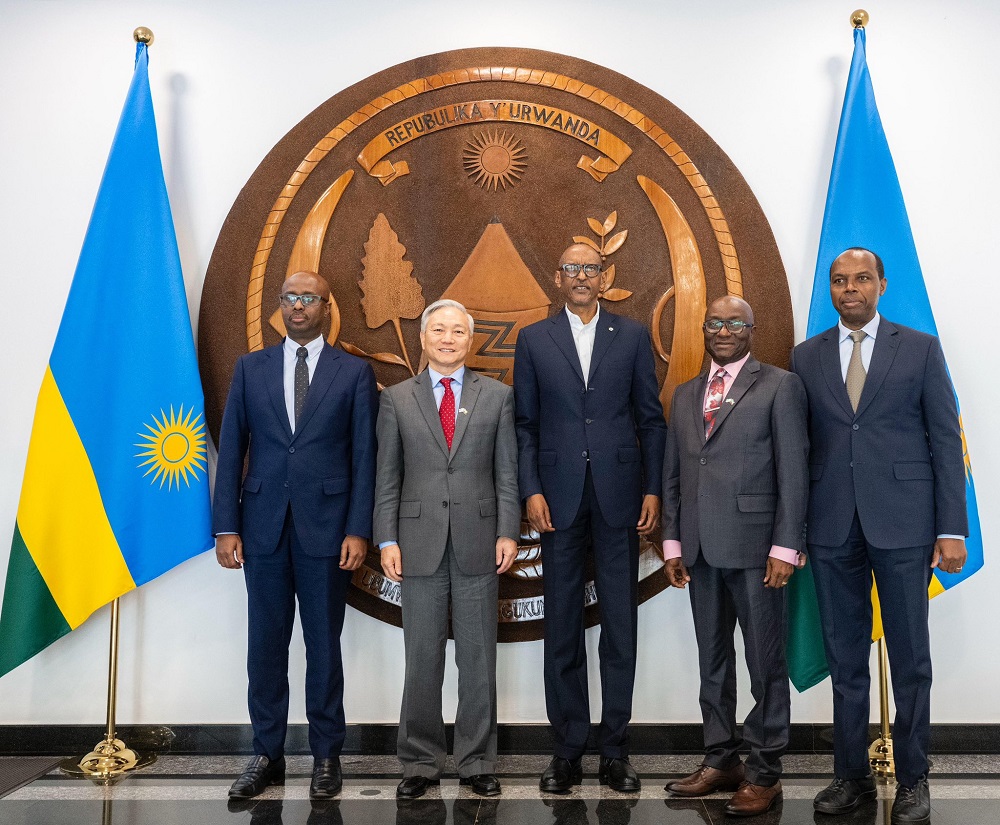
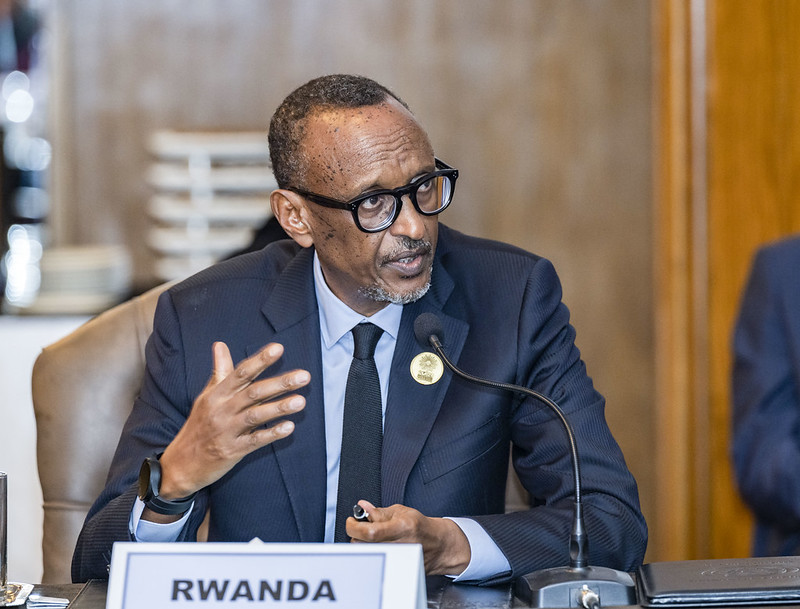
During the meeting, President Kagame was accompanied by Francis Gatare, his Special Advisor, and Murangwa Yusuf, the Minister of Finance and Economic Planning.
The World Bank, established in 1944, is an international institution responsible for providing loans and grants to support development projects in emerging economies.
Over time, the Government of Rwanda and the World Bank have signed several development agreements, including a Frw355billion deal signed in December 2024 to support environmentally sustainable private-sector investments.
Between March 14 and September 9, 2025, government and the World Bank will collaborate on six projects focusing on environmental protection, urban transportation services, refugee assistance, and disaster response.
For these initiatives, the World Bank plans to provide Rwanda with USD 531.81 million (over Frw763billion) to support project implementation, pending approval by the Bank’s Board of Directors.
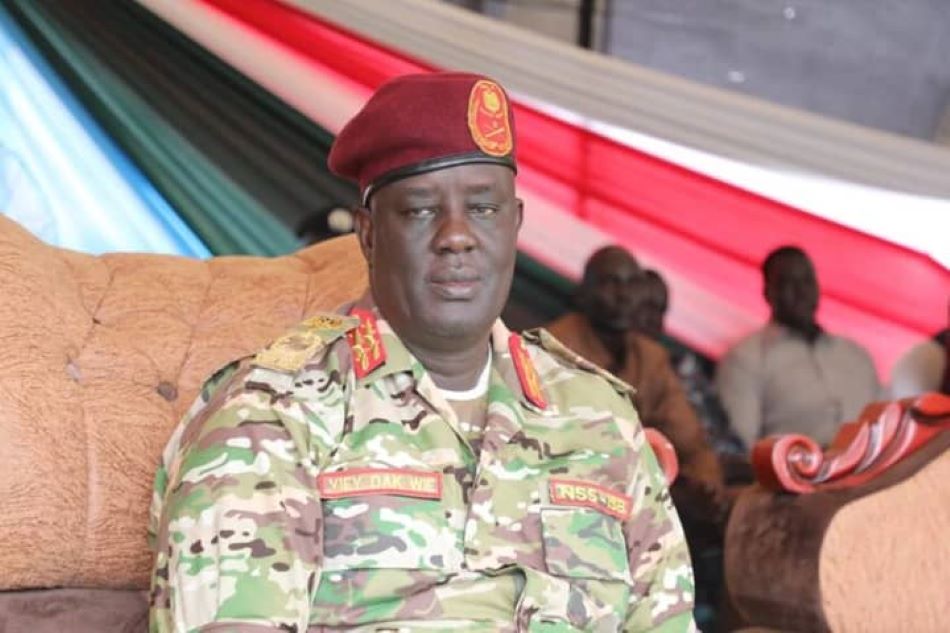
Maj. Gen. Lul Ruai Koang confirmed that Lt. Gen. Yeiy Dak fled to Jonglei State, specifically the Lou Nuer area. He explained that some members of the SPLA-IO, who were integrated during the unification of forces, became fearful and fled Juba.
Lul urged them to return to the capital and resume their duties. He made these remarks during a press conference in Juba, Monday, March 10, 2025.
“Some components of the SPLA-IO, which were integrated into the system during the unification of the second level of command, began to fear, especially those who had been fueling and funding the conflict in Nasir,” Lul stated.
“Those who felt they had contributed to the unrest in Nasir through mobilization and funding took off. Some went into hiding here, while others fled to the nearest SPLA-IO cantonment areas in Central Equatoria, Terekeka, and some even as far as Lou Nuer areas,” he said.
“As we speak, we have the Deputy Director General for National Security ISB, Lt. Gen. Yeiy Dak, who was in charge of operations, having fled to the Lou Nuer area,” he added.
“We are appealing to them, including those who went as far as Lou Nuer, to return, and for those still nearby, to come back and resume their normal duties.”
Last week, the SPLM-IO claimed that several of its members, including Deputy Chief of Defense Forces Gen. Duop Lam and Petroleum Minister Puot Kang, had been “arbitrarily arrested.”
Last week, Information Minister Michael Makuei confirmed that the officials were arrested for violating the law.
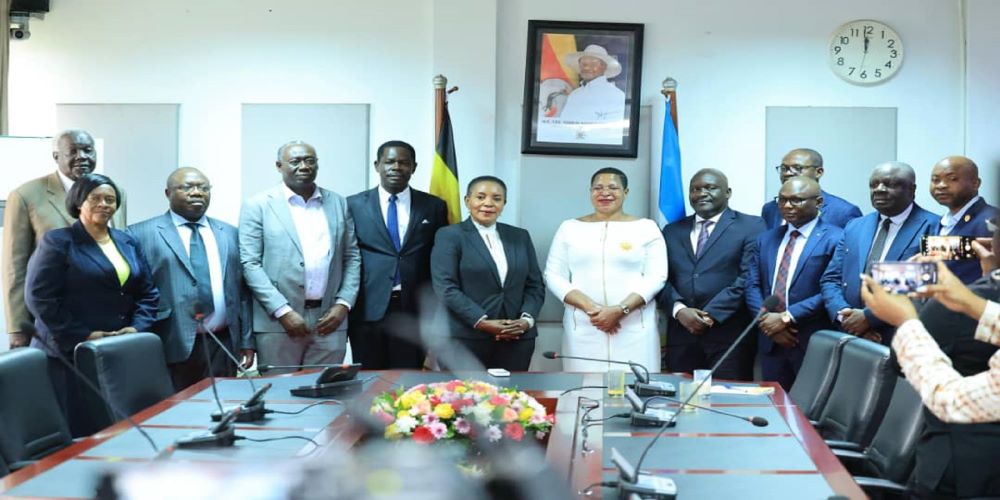
The delegation led by the Speaker of the National Assembly of Zambia and President of PF-ICGLR, Rt. Hon. Nelly Mutti Butete will also meet President Yoweri Museveni.
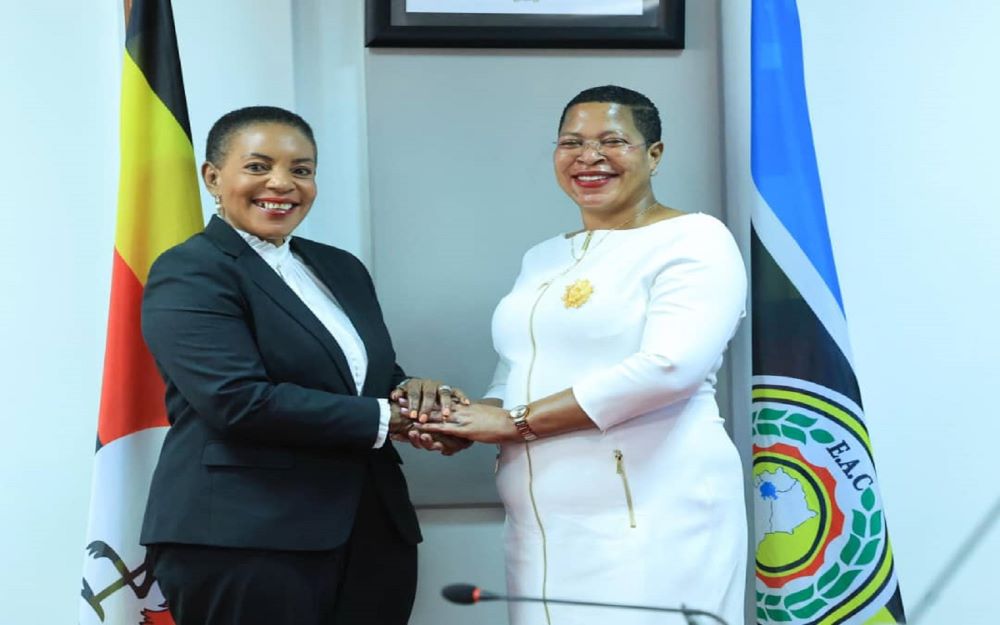
Welcoming the delegation to Uganda, Speaker, Anita Among on Monday, 10 March 2025 at Parliament commended them for their commitment to regional peace and reaffirmed Uganda’s support for African-led solutions to the continent’s challenges.
“As Africans, we have always agreed that African problems can only be solved locally. This pursuit that you are doing, moving from one country to another, meeting heads of state to find the best way to achieve peace, is a very good initiative and I applaud you and your team for that,” she said.
Among also reiterated Uganda’s commitment to regional peace, stating that peace in the DRC is crucial for stability in the Great Lakes Region.
“Problem-solving is why they are here. We want to see how best peace can be created in the DRC and that peace can only be achieved with our heads of state and with us as Africans. It begins with us,” she said.
Among also highlighted Uganda’s active participation in the forum, noting that the country remains up to date on its financial obligations.
Butete outlined the objectives of the visit, emphasizing the importance of regional leadership in resolving conflicts.
“This is the fourth phase on issues relating to peace and security in the Eastern DRC,” she said adding that, ’without peace, we cannot interact, and even regional integration cannot prosper. Peace is a precursor to development.
She underscored the need for African nations to take charge of their security concerns, avoiding external intervention where possible.
“We don’t want to invite strangers to come and intervene in our affairs when we have responsible leaders in our presence who can take charge and guide citizens to ensure peace and stability in the region,” Butete stated.
The delegation’s findings will be presented to the PF-ICGLR plenary in April before being escalated to higher levels for further discussion.
Butete, who is concluding her term as President of the forum, emphasized the importance of tangible progress before the leadership transition in Angola.
Uganda remains a key player in regional peace and security efforts, advocating for home-grown solutions to Africa’s challenges.
The rise in prices was primarily driven by increases in transport, food, and hospitality costs.
The report highlights that urban inflation, which is the headline index for monetary policy, saw a notable uptick, reflecting the ongoing economic dynamics.
“Urban CPI increased by 6.3 percent on an annual basis (February 2025 compared to February 2024) and by 0.7 percent on a monthly basis (February 2025 to January 2025),” the report states.
Among the key contributors to the inflation surge were transport costs, which rose by 17.4% year-on-year, and restaurant and hotel prices, which climbed by 11.6%.
The price of food and non-alcoholic beverages increased by 4.5%, while housing, water, electricity, gas, and other fuels saw a 2.9% rise.
Rural areas, however, experienced a milder price increase, with rural CPI rising by 2.2% annually and 1% on a monthly basis. This resulted in an overall national inflation rate of 3.8% year-on-year.
The NISR compiles Rwanda’s CPI using price data from over 1,622 products across the country, tracking inflation trends that impact households and businesses.
With inflationary pressures persisting, policymakers and businesses will be closely monitoring economic trends in the coming months.
Now settled in Kigali, Rwanda, with his family, the former wide receiver is gearing up to open SZY, a high-end vegan restaurant, in May. His journey, from earning $8 million in America’s most bruising sport to crafting crispy mushroom sandwiches in East Africa, is as radical as it is inspiring.
Doctson opened up about his journey in a recent episode of The Long Form Podcast, recorded in his airy Kigali home.
Over a vegan meal of battered oyster mushrooms and eggplant “fish sticks,” he traced a path shaped by ambition, injury, and reinvention.
“This is my new team,” he said, nodding to his chef Jackson and staff. “I’m repeating my NFL drive—leadership, success, but with food.”
Born in Montgomery, Alabama, Doctson grew up in a modest single-parent household, raised by a mother who stretched food stamps to feed him and his brother. A move to Texas in 1999 planted the seeds for his football ascent.
At Texas Christian University (TCU), his talent as a wide receiver caught the NFL’s eye, landing him a 22nd overall pick by the Redskins in 2016.
At 22, he signed a $8 million contract—$6 million after taxes—a windfall he barely understood.
“I texted my agent, ‘How much?’” he recalled. “I thought, ‘I can get fast food and a haircut!’”
But wealth brought complexity. With no financial literacy training, Doctson navigated requests from family—once lending $15,000 he never recouped—and a league culture that often leaves players broke post-career.
He invested in real estate, a move that spared him that fate, but the NFL’s physical toll was harder to dodge.
A rare Achilles arthritis sidelined him in his rookie year, followed by a 2019 concussion that still triggers migraines, forcing him to wear sunglasses indoors.
“I was a lab rat,” he said of the grueling treatments. “I wasn’t enjoying the money or life.”
Retirement came abruptly in 2021 when the Arizona Cardinals cut him mid-meeting. At 29, with a fiancé, Haley, and a son to anchor him, Doctson walked away.
“I switched it off, cold turkey,” he said. “I’d done enough.” It was Haley, met in 2018 during his darkest days, who helped him heal through travel—including trips to Rwanda that changed his life.
Rwanda first captivated Doctson in 2018. After George Floyd’s death and Covid’s chaos, America felt “unsafe” to him as a Black man. “Stepping off the plane here, I smelled clean air, saw my people, felt home,” he said.
By 2024, he’d relocated his family permanently, trading Doritos for a quieter, freer life. “Police don’t scare me here,” he added.
Veganism emerged as his next frontier. A meat-eater in the NFL—where he was fined for losing weight—Doctson turned plant-based in 2020, seeking health and recovery.
“My body rejects meat now,” he explained, likening its smell to tobacco smoke.
Self-taught via YouTube and inspired by vegan chef Todd Anderson, he mastered dishes like cashew cream-slathered slaw and seaweed-spiced eggplant. His kids, raised vegan, thrive on mushrooms and beans, though he’s open to them exploring meat later.
“I’m giving them tools for their path,” he said.
SZY vegan restaurant aims to bring that vision to Rwanda. Set behind KABC in Kigali, the restaurant will blend high-end dining with plant-based innovation—think honey mustard from Rwandan honey and coleslaw sans dairy.
“Food was a prison in the NFL,” Doctson reflected. “Veganism’s my challenge now—failure, then reward.”
Partnered with Anderson, he’s betting on Rwanda’s growing expat and health-conscious scene, despite its meat-rich traditions.
For Doctson, Rwanda is more than a business venture; it’s a legacy for his children.
“We chose here for safety—no shootings, no fear like in America,” he told the podcast, addressing his kids 20 years from now.
From NFL stardom to vegan visionary, Josh Doctson’s reinvention proves some plays are bigger than the field.
Watch the full interview on The Long Form Podcast below.
According to reports, the suspect, Collins Leitich, alias Chepkulei, a resident of Asis Village in Ndugulu location, took it upon himself to establish a police patrol base at a building, and went as far as painting the structure in official police colors, creating the impression of a legitimate security post.
The discovery of the unauthorized base was made by local authorities, who promptly commenced investigations.
Officers from Kamuyu Police Post, under Kondoo Police Station, were alerted and recorded the incident under OB04/08/03/2025.
Residents expressed shock at the revelation. “We were surprised to learn that the police patrol base was not official. Many of us thought it was a genuine initiative to improve security in the area,” said one of the residents.
Authorities have yet to establish the suspect’s motive for setting up the unauthorized patrol base. Police have assured residents that appropriate action will be taken as they continue with their investigations.
According to reports given by most Kenyans, the man did this due to lack of jobs. Taking to his different social media platforms to speak on this, the former Governor of Nairobi, Honorable Mike Sonko stated that nothing is impossible in Kenya.
In a candid interview with content creator Mario Nawfal on his 69 X Minutes show, President Kagame maintained that despite the UN’s 26-year presence in the DRC, it has failed to achieve any meaningful accomplishments, as the region continues to grapple with constant conflict, making much-needed peace and stability elusive.
“What did they actually come to do? To keep peace? What peace? To bring peace? What peace have they brought? Did they come to solve the security problem caused by the FDLR, which has been in Congo for 30 years? Nothing. So why are they still there?” President Kagame posed.
The United Nations Organization Stabilization Mission in the DRC (MONUSCO), initially established as MONUC, has been stationed in the country since 1999. Despite its mandate to stabilize the country, protect civilians, and support the Congolese government, the mission has failed to curb violence.
With an annual budget exceeding $1.13 billion and a contingent of approximately 23,000 peacekeepers, MONUSCO remains the most expensive UN peacekeeping mission.
In the interview, Kagame reiterated that the conflict in the DRC stems from the arbitrary borders drawn by colonial powers, with the Congolese government failing to recognize Kinyarwanda-speaking Congolese, who found themselves within DRC territory, as its citizens.
“It was just an open space. They drew a line, left Rwanda on this side, and called the other side Congo. But this line divided families. These are the ones who are fighting—the ones the government is uprooting and telling to go back to Rwanda. They are M23,” Kagame explained.
The president pointed out that Rwanda currently hosts 130,000 refugees from DRC, some of whom have been in the country for over 23 years.
At the same time, the Rwandan Head of State denied claims that Rwanda is behind the conflict in eastern Congo to plunder its neighbor’s mineral resources.
“If you look at a list of 100 entities—China, Europe, the US, Canada, and so on, including all of us in the region—who are interested in Congo’s minerals, Rwanda would come 100th, at the very bottom. But the situation has been framed in a way that makes it seem as though the ones least concerned about minerals are the ones responsible for the entire problem. Meanwhile, these 100 entities are the ones making billions and leaving nothing behind, yet Rwanda is made to absorb the blame,” he stated.
Kagame maintained that Rwanda’s primary concern in the region is the presence of the FDLR in Congo, a group composed of remnants of the perpetrators of the 1994 Genocide against the Tutsi, which continues to pose a threat with its mission for regime change in Rwanda.
“The FDLR—those who committed genocide—went to Congo 30 years ago. They have since worked with politicians and become part of the political landscape. They cause problems for the Congolese, but their ultimate goal is to destabilize Rwanda,” he said.
Kagame also criticized Congolese President Félix Tshisekedi’s approach to the crisis, accusing him of harboring extremist views while refusing to engage in dialogue with the M23 rebels to resolve the escalating conflict in eastern Congo.
Kagame also questioned Tshisekedi’s legitimacy, saying the said the Congolese President has never been elected.
“By the way, I don’t mind how he became president. He was not elected either time. The first time, Joseph [Kabila] handed power over to him—there’s no question about that. The second time, he simply declared himself the winner, and everyone was told to keep quiet. But that’s not my problem.”
Meanwhile, in eastern Congo, M23 rebels continue to battle government forces and their allies—including the FDLR, SADC troops, the Burundian army, and various militia groups—over longstanding grievances related to the marginalization of Congolese Tutsis.
Recent territorial gains by M23 have led to the capture of strategic towns in North and South Kivu, including Goma and Bukavu.