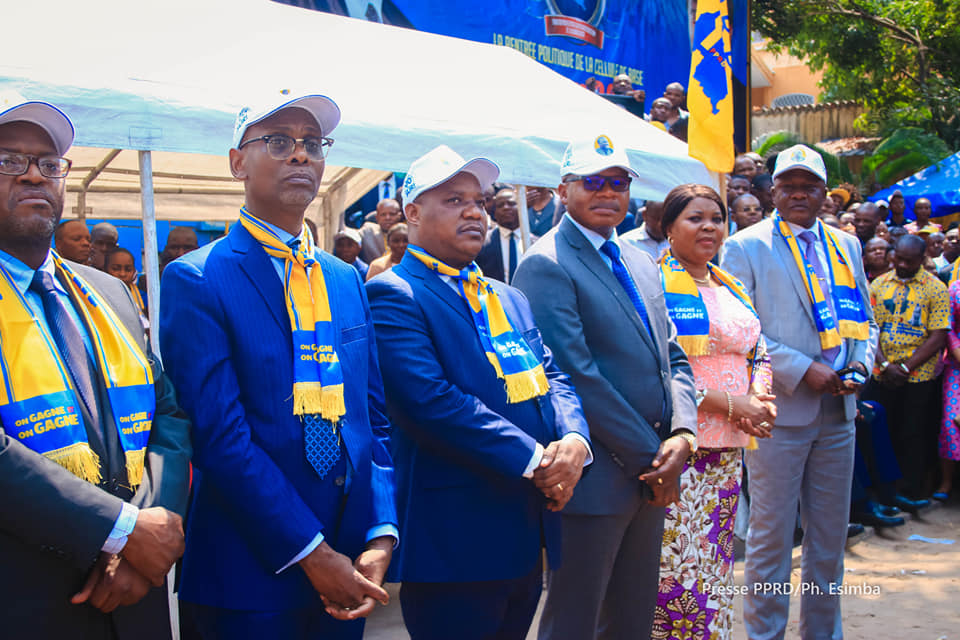
This directive applies to the party’s Vice President, Aubin Minaku, the Secretary-General, Emmanuel Ramazani Shadary, and the Deputy Secretary-General, Ferdinand Kambere.
The order was issued after the three leaders were questioned by the Military Prosecutor, Colonel Ntambwe Kapenga Benjamin, on March 10, 2025.
The military prosecutor’s office sent approximately ten letters of summons to various members of Kabila’s party though only the three attended the hearing in the capital, Kinshasa.
Jean Mbuyu, a lawyer for the officials and former security adviser to Kabila, said the exact reasons for the summons were unclear.
After the hearing, Minaku revealed that the questioning centered on remarks he made on February 26, where he referenced Kabila and urged party members to prepare for action.
“The chief said, ‘we must be ready for anything,’” Minaku said, referring to Kabila. He elaborated, “When the chief says we must be ready for everything, each of us, a pure-blooded (party member) understands… the time for silence, for clandestine actions is over, now is the time for open actions.”
Minaku emphasized that the officials would cooperate fully with the legal process. “We are taking a purely republican approach, not one of rebellion,” he told Reuters, stressing their loyalty to the country.
He also denied any links between the party and armed groups, stating, “We clearly denounced any illicit presence of foreign forces.”
Despite the questioning, no formal charges were brought against the officials, according to Marcel Bombamba, another lawyer representing the group.
Justice Minister Constant Mutamba recently stated that senior PPRD officials are suspected of collaborating with the AFC/M23 coalition, which is engaged in armed conflict with the Congolese military.
“These leaders, along with senior officers of the Congolese armed forces, will face formal legal proceedings starting on March 13, 2025,” Mutamba explained.
The investigation into PPRD officials began after DRC President Félix Tshisekedi and other members of the Congolese government accused former President Joseph Kabila of supporting AFC/M23 rebels.
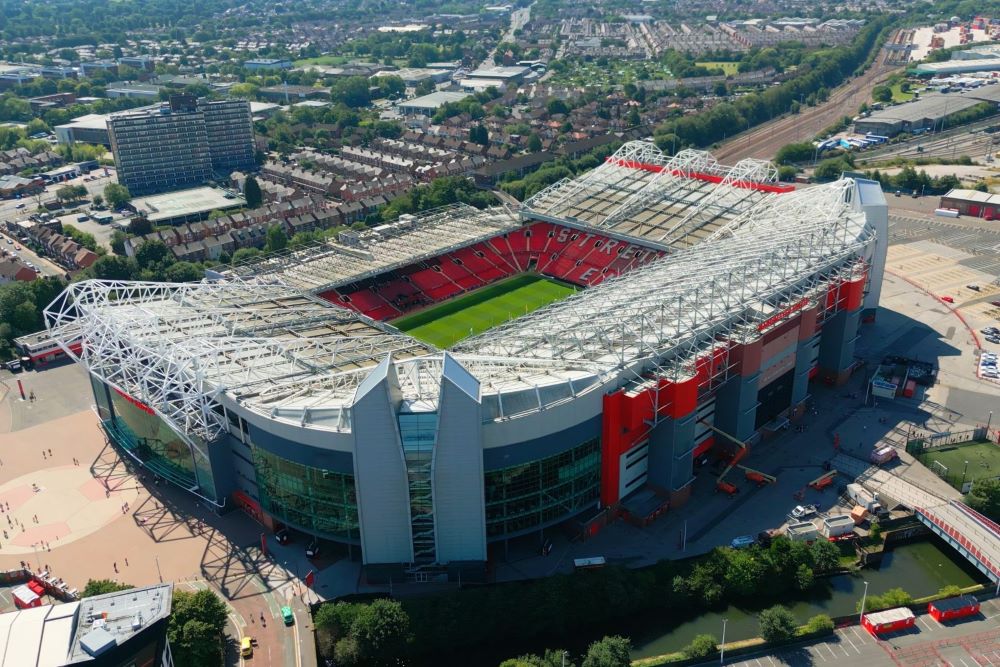
The 13-time Premier League Champion’s current ground, Old Trafford, was once considered among the best stadiums in world soccer, but it is now in dire need of improvement after years of stagnation.
Ratcliffe has previously spoken about creating a “national stadium in the North” which would serve both the Red Devils as well as host other major games, such as the Champions League final and national team fixtures.
“Our current stadium has served us brilliantly for the past 115 years, but it has fallen behind the best arenas in world sport,” Ratcliffe said in a club statement about the new stadium.
“By building next to the existing site, we will be able to preserve the essence of Old Trafford, while creating a truly state-of-the-art stadium that transforms the fan experience only footsteps from our historic home.”
World-renowned architect Norman Foster, who is leading the new design, described it as one of the most exciting projects in the world today. “It all starts with the fans’ experience, bringing them closer than ever to the pitch and acoustically cultivating a huge roar,” he said.
It comes as part of the UK government’s wider regeneration project of the city, which promises social and economic renewal of the surrounding area. The announcement will come as good news to fans, who have had very little to cheer about in recent months.
United is currently languishing 14th in the Premier League and is on track to finish in its lowest league position in decades. Off the pitch, the new hierarchy is attempting to turn around a dire financial situation, with the club heavily in debt.
In a recent interview with former United star Gary Neville, who is part of the task-force for the new stadium project, Ratcliffe said the club would “run out of money” by November if things didn’t change.
As a result, the club has announced several cost-cutting measures which have proved very unpopular with fans, including hundreds of job losses.
In addition to the job cuts, the club has also taken the decision to end free lunches for staff, reduce executive bonuses and stop donations to certain charitable causes, according to Reuters.
“We can’t put our head in the sand, we have to deal with the problem and it’s a big problem, not a small problem,” Ratlciffe said on The Overlap, in his interview with Neville.
In another wide-ranging interview with BBC Sport, which was also published the day before the new stadium announcement, Ratcliffe backed new manager Ruben Amorim to turn around the team’s form.
He also admitted the previous regime had made a number of mistakes that have led to poor recruitment decisions which are still costing the club today. Without naming exactly which players he was referring to, Ratcliffe also said some players “are not good enough and some probably are overpaid.”
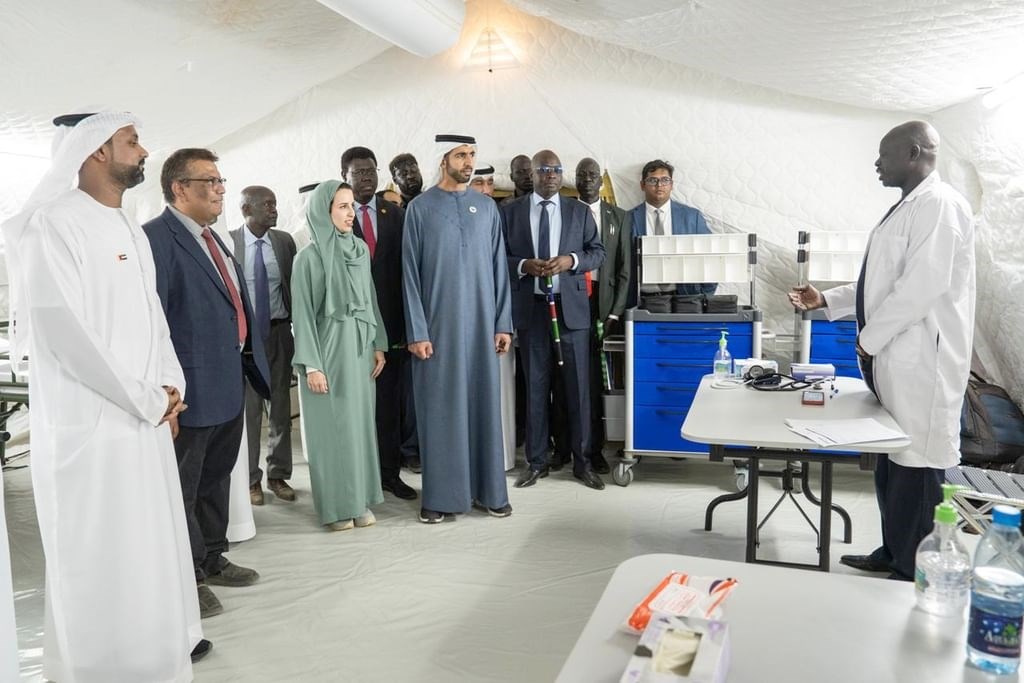
The event was attended by several ministers and officials from both the UAE and South Sudan, and international organizations.
The opening of the hospital – under the supervision of the International Humanitarian and Philanthropic Council – underscores the UAE’s humanitarian commitment to developing and supporting communities in need and those facing challenges in accessing essential services, especially urgent healthcare and proper treatment, which is a fundamental requirement for all segments of society, including men, women, and children.
This is particularly significant in light of ongoing health challenges, such as the spread of malaria caused by insufficient medical services and inadequate access to medication. As a result, Madhol Field Hospital will play a key role in improving the quality of healthcare in South Sudan.
During his speech at the hospital’s inauguration, Sheikh Shakhboot bin Nahyan Al Nahyan, Minister of State, affirmed that the development and charity projects implemented by the UAE are a fundamental aspect of the country’s commitment to supporting communities in need. The UAE’s initiatives are carried out in close collaboration with the relevant international organisations, focusing on international priority projects such as education and healthcare.
“The inauguration of Madhol Field Hospital embodies the legacy of generosity and giving established by the late Sheikh Zayed bin Sultan Al Nahyan, and also reflects the visionary leadership focusing on development and solidarity of Sheikh Mohamed bin Zayed Al Nahyan, UAE President, in addressing healthcare challenges and providing sustainable solutions to struggling regions with significant shortages in access to essential healthcare services,” he stated.
“The UAE is dedicated to empowering communities through humanitarian and development projects, as well as individuals through skills development.Today, as we celebrate with South Sudan and reap the benefits of our strong bilateral relations and deep-rooted values, we announce the inauguration of Madhol Field Hospital, which has a 100-bed capacity, and several specialized clinics to treat approximately two million people from the host community, South Sudanese returning from Sudan, and Sudanese refugees in Northern Bahr el Ghazal state,” Sheikh Shakhboot added.
He emphasized that this hospital is the third healthcare facility built by the UAE to provide medical services to Sudanese refugees in neighboring countries. The facility follows the successful establishment of two field hospitals in Amdjarass and Abéché, Chad.
“Since its founding, humanitarian aid and the protection of civilians, particularly the sick, children, the elderly, and women, have served as the foundation of the UAE’s policy.
“In this regard, the UAE has been resolute in its position in relation to the crisis in Sudan since April 2023. The country’s primary focus remains on addressing the catastrophic humanitarian situation, and adopting an approach prioritising civilians’ requirements and fulfilling their needs,” Sheikh Shakhboot remarked.
Furthermore, Sheikh Shakhboot underscored the UAE’s steadfast and unwavering commitment to support all efforts to address this catastrophic crisis, and to work alongside regional and international partners to ensure stability and peace for the Sudanese people, reflecting the core values of humanitarian solidarity deeply rooted in the UAE’s leadership and people.
He continued, “The UAE announced an additional USD 200 million of aid during the High-Level Humanitarian Conference for the People of Sudan, held in Addis Ababa. The conference, the first to be held for Sudan this year, will serve as a catalyst for future conferences that are scheduled to assist the people of Sudan. The additional aid reflects the UAE’s unwavering and continuous support for the Sudanese people.
“Since the onset of the crisis, the UAE has provided more than US$600 million to support a humanitarian response. Moreover, the UAE has provided US$3.5 billion of humanitarian aid over the past 10 years to the people of Sudan, affirming the country’s unwavering commitment to support people in need during crises.”
For his part, Sultan Mohammed Al Shamsi, Deputy Chairman of the UAE Aid Agency, underlined that the bilateral relations between the two countries are entering new levels of cooperation across various fields and sectors. The healthcare sector is regarded as a global priority that aligns with Sustainable Development Goals, focusing on promoting good health and well-being.
This is achieved through the establishment of medical infrastructure, including public hospitals and specialized centers, and the development of health systems – all aimed at capacity building and development, and addressing future challenges, such as the spread of diseases and epidemics. Madhol Field Hospital will aim to provide essential medical services and treatments to various segments in the Madhol region and surrounding areas.
For his part, Dr. Humphrey Karamagi, World Health Organization (WHO) Representative for South Sudan, said, “We express our appreciation to the UAE for its leading international humanitarian efforts in enhancing the healthcare sector in Africa, through several projects and initiatives. These include the construction of hospitals to meet the needs of millions and improve various healthcare services. The opening of Madhol Field Hospital today stands as one of the UAE’s projects aimed at serving people from various surrounding regions, including refugees.”
For his part, Simon Uber Mawut, Governor of Northern Bahr el Ghazal thanked the UAE for constructing Madhol Field Hospital, which will aim to address health challenges in the region.
“Today is a historic day for the residents of Northern Bahr el Ghazal state and the entire region,” he noted.
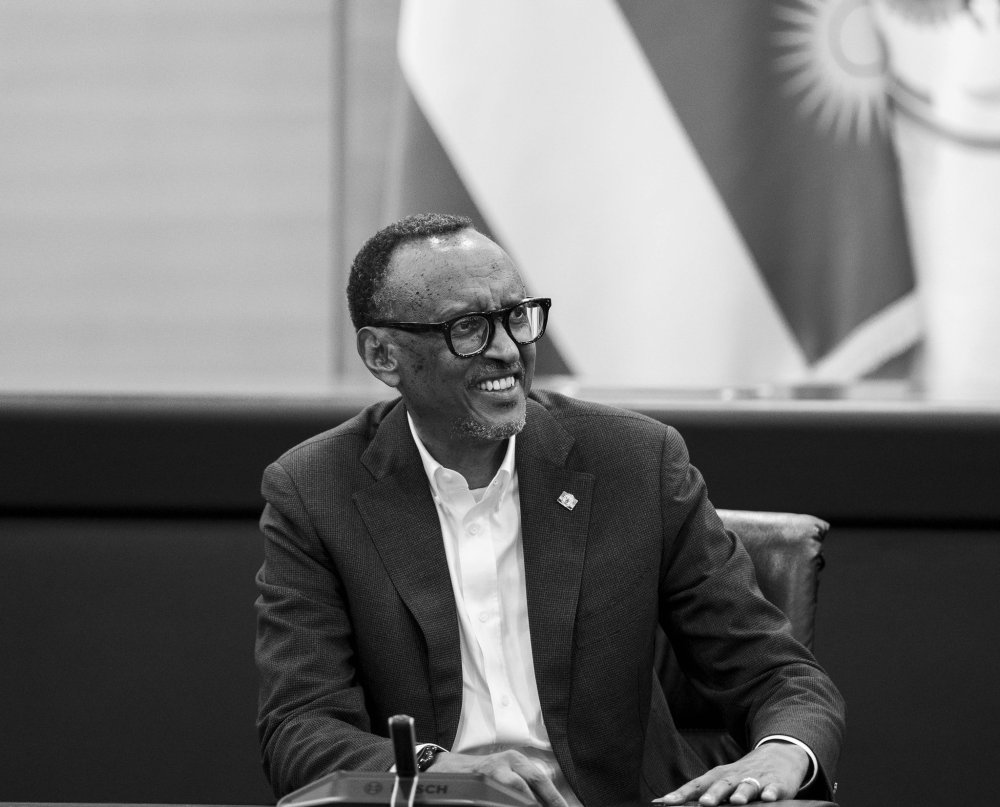
Speaking in an interview with American blogger Mario Nawfall, Kagame was asked why some African nations have not achieved Rwanda’s rapid development since the 1994 Genocide against the Tutsi.
In response, he suggested that other African countries with abundant natural resources could surpass Rwanda’s progress if they adopted effective governance and leadership strategies.
“For others, what I see, if they want to do things similar to ours, they can maybe succeed even more. But the decision has to be made by leaders, and it’s about politics,” Kagame stated.
He further emphasized that Africa has the potential to rise to global economic prominence, as the same factors that have made other regions prosperous exist on the continent.
“Africa is still lagging behind other continents, but the things that have made other nations wealthy are the same things that can make Africa wealthy. Because Africa is endowed with resources,” he explained.
The DRC spans 2.3 million square kilometers and has a population exceeding 100 million. Despite its vast land and resources, it continues to seek international aid.
“Take a country like DRC. Congo is an incredibly rich country. Why would a country like that ever have to beg for anything from anyone? Why? I’m just using the question to answer you to show that it’s about politics. It’s about management. It’s about, by the way, that integrity that we’re talking about,” Kagame remarked.
He further noted that Africans, including Rwandans, Senegalese, and Congolese, have the same capabilities as people in developed nations like the United States and Europe, but poor governance remains a major obstacle.
When asked what hinders DRC’s development, Kagame pointed to broader political issues across Africa.
“It’s the politics of our continent. The system is flawed,” he said.
The DRC is one of the richest nations in terms of mineral wealth, possessing vast deposits of coltan, gold, tin, and diamonds. However, despite holding an estimated $24 trillion in natural resources, it remains among the world’s poorest countries due to governance challenges.
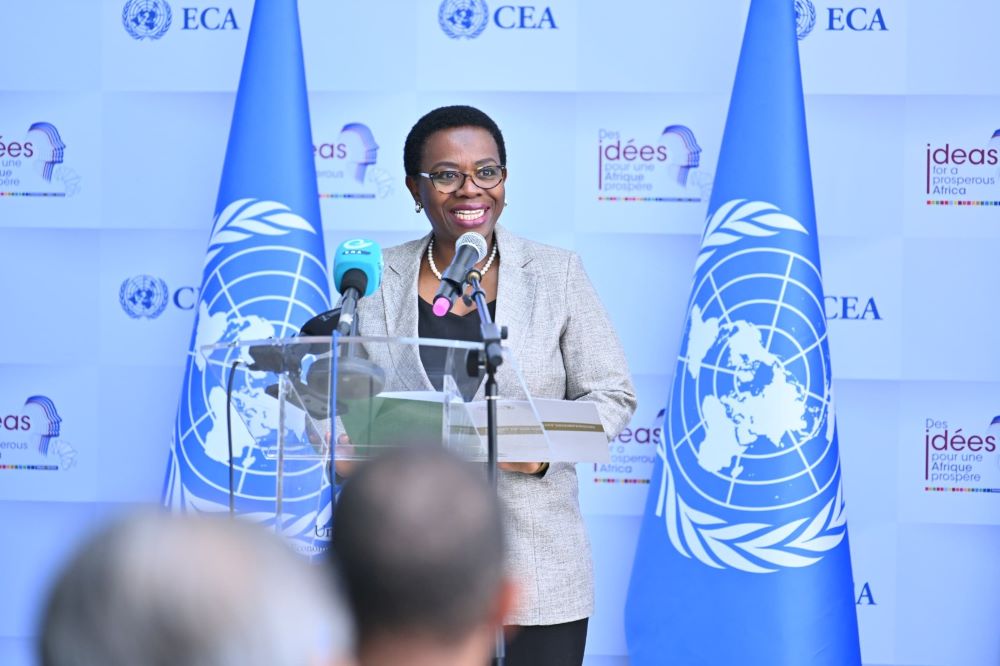
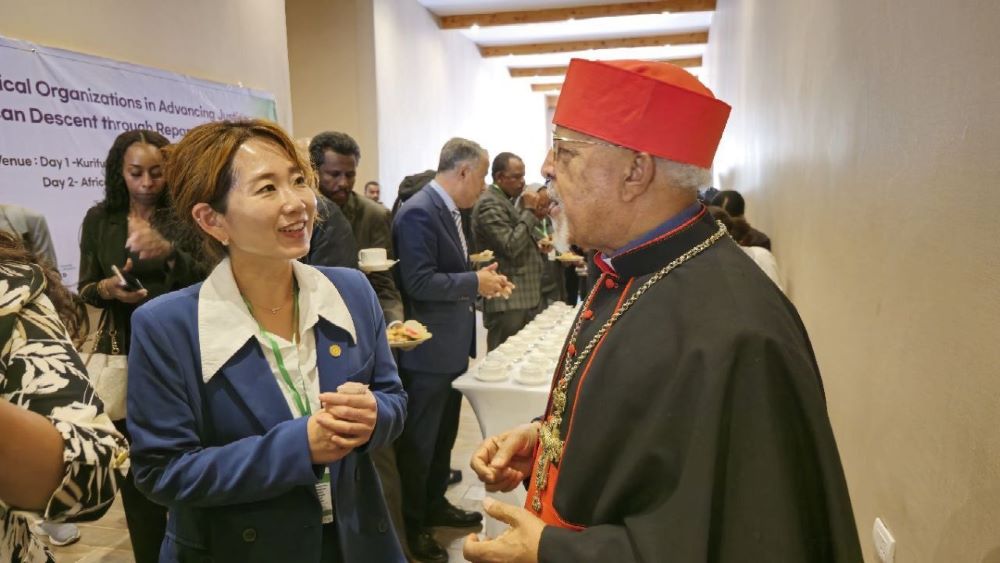
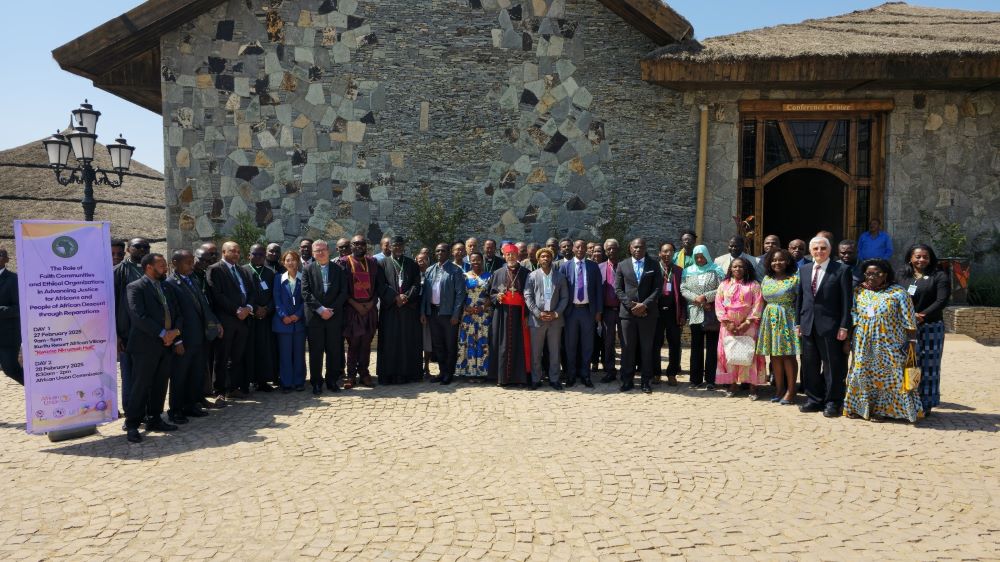
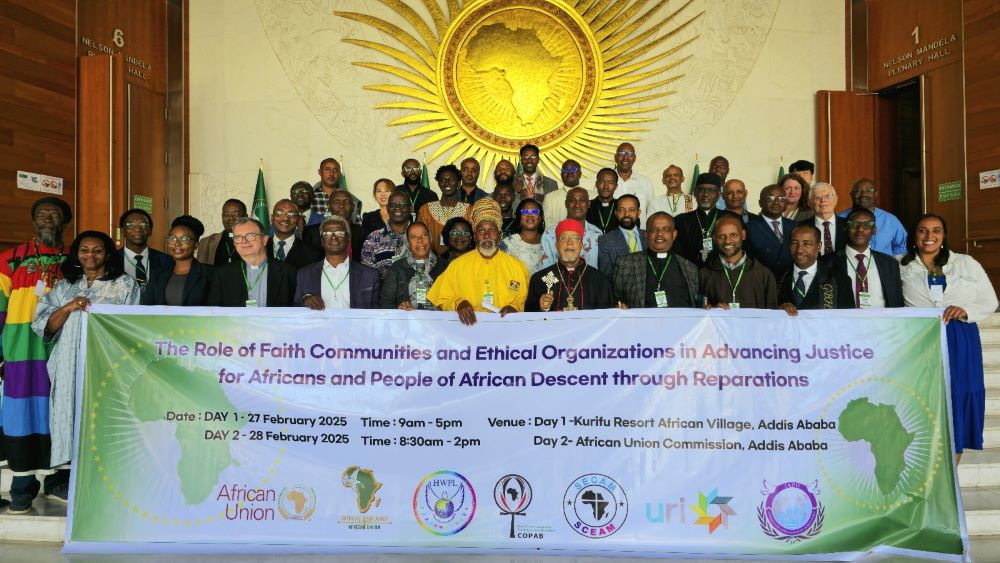
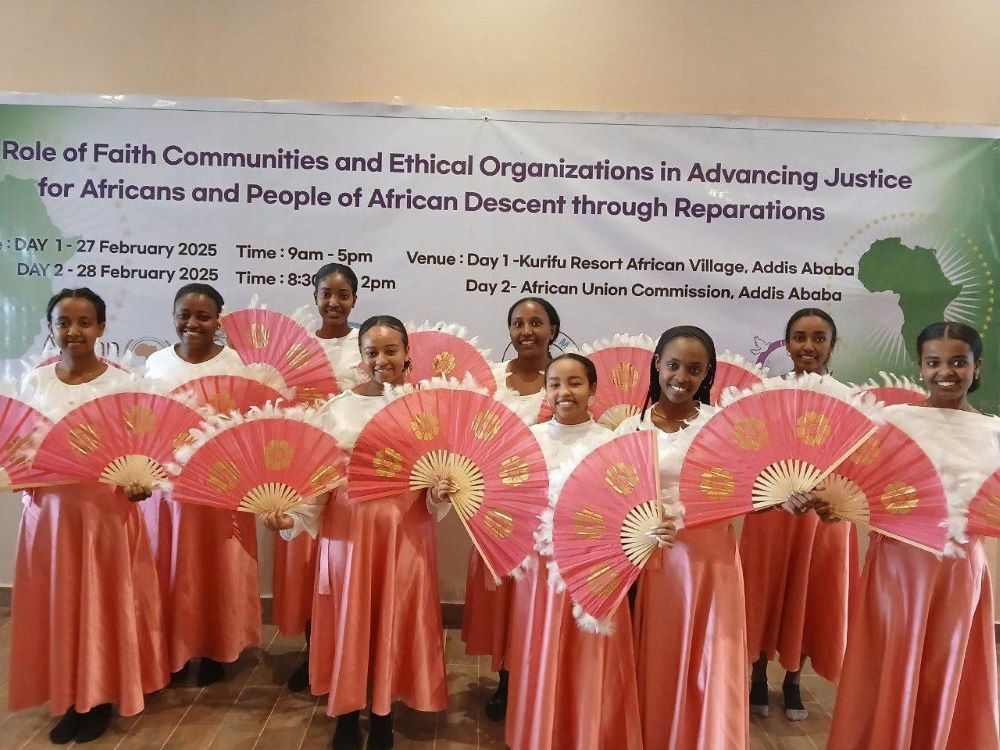
The workshop, organized under the theme, “The role of faith communities and ethical organizations in advancing justice for Africans and people of African descent through reparations,” brought together approximately 70 dignitaries.
Notable attendees included H.E. Amma Adomaa Twum-Amoah, Ambassador of Ghana, H.E. Dr. Monique Nsanzabaganwa, Deputy Chairperson of the AUC, and Dr. Sousan Massoud, UNESCO Regional Director for Eastern Africa.
The event sought to align faith-based initiatives with the African Union’s 2025 agenda dedicated to promoting justice through reparations.
During her opening remarks, Monique Nsanzabaganwa underscored the essential role of faith communities and ethical organizations in addressing the historical injustices faced by Africans and people of African descent.
“Faith-based organizations carry a profound moral responsibility to advance reparative justice and foster collective healing,” she stated.
The African Union has declared 2025 as the “Year of Justice for Africans and People of African Descent Through Reparations,” an initiative launched during the 38th AU Summit in February 2025.
This landmark declaration reflects the AU’s commitment to addressing the enduring socio-economic impacts of colonialism, the transatlantic slave trade, and systemic discrimination.
The initiative emphasizes a multi-faceted approach to reparations, combining legal, political, economic, and social measures with the ethical and spiritual dimensions crucial for reconciliation.
The workshop culminated in the signing of the Addis Ababa declaration by religious, ethical, and scientific organizations on reparations proclaimed in the African Union.
This declaration calls for the establishment of an AU Committee of experts on reparations to develop a unified African policy and implement an African program of action on reparations. It also advocates for the recognition of ecological debt, highlighting the environmental damage caused by colonial exploitation and resource extraction.
The Addis Ababa declaration refrains from directly identifying specific parties responsible for reparations. Instead, it frames reparations as a collective global effort to address historical wrongs rather than seeking compensation solely from former colonial powers.
The declaration further proposes the creation of an Ethical Reference Group to guide the AU’s reparations initiatives and urges the African Union to declare a decade of reparations to amplify global awareness and promote restorative justice.
Amma Adomaa Twum-Amoah praised the workshop’s ability to unite diverse stakeholders, expressing optimism about future collaboration. “This event marks a significant step toward addressing historical injustices through collective action and sustained cooperation,” she said.
Dr. Sousan Massoud emphasized the value of cross-cultural dialogue in fostering understanding and healing. “Cultural exchange is a powerful tool to bridge divides and promote lasting peace,” she remarked.
The workshop’s outcomes include a proposal to establish the African Religious Peace Academy (ARPA), an institution that will focus on fostering interfaith dialogue and educational programs promoting religious harmony and peacebuilding across the continent.
Participants also agreed to explore the formation of a continental religious unity body under the AU framework. This body will bring together African religious leaders to support the AU’s global peace agenda and strengthen religious solidarity.
There are also plans to develop a peace mediation body to facilitate conflict resolution across African nations. This mediation body will work closely with the AU to address regional disputes through dialogue and peaceful negotiation.
The event was co-hosted by several prominent organizations, including Heavenly Culture, World Peace, Restoration of Light (HWPL), Citizens and Diaspora Organizations (CIDO), African Union Chaplaincy (AU Chaplaincy), Pan African Conference of Traditional and Customary Authorities (COPAB), Symposium of Episcopal Conferences of Africa and Madagascar (SECAM), Interreligious Association for Peace and Development Africa (IAPD Africa), and the United Religions Initiative (URI).
The Addis Ababa declaration represents a critical milestone in the ongoing struggle for reparative justice. By fostering collaboration between the African Union and faith-based organizations, the declaration aims to transform the moral and legal imperatives of reparations into concrete actions.
With the year of justice for Africans and people of African descent through reparations underway, this initiative sets a powerful precedent for addressing historical injustices and promoting a future rooted in justice and reconciliation.
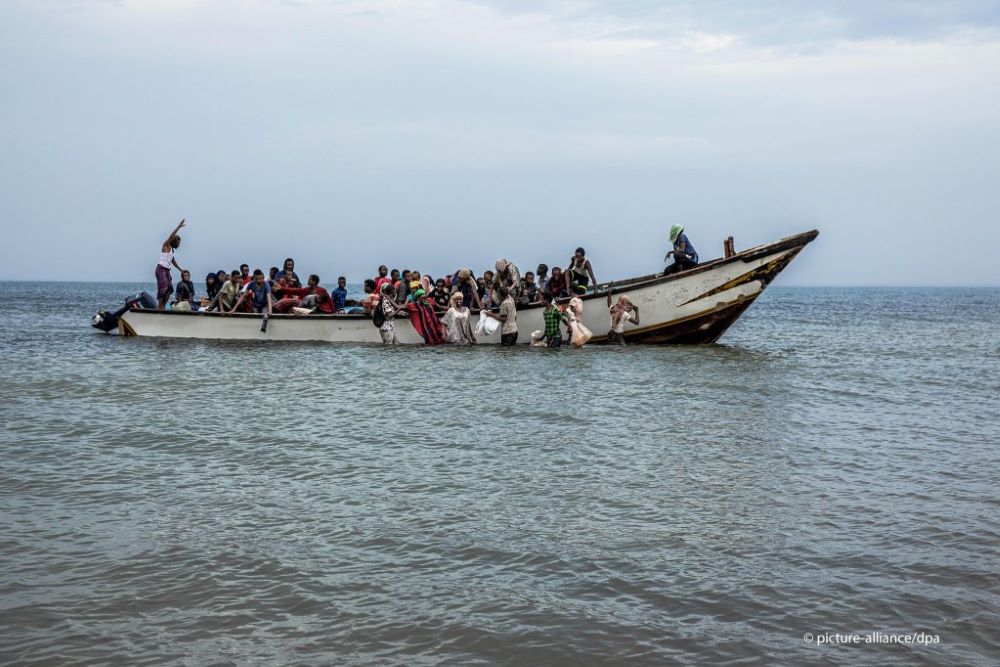
This discovery follows reports from the International Organization for Migration (IOM) on Friday, which stated that 186 individuals were missing after four migrant boats capsized off the coasts of Yemen and Djibouti.
The official, who requested anonymity, noted that the death toll could rise as search operations continue along the coastline. Local fishermen have been assisting authorities in retrieving the bodies.
The IOM reported that the perilous route between the eastern Horn of Africa and Yemen claimed 558 lives in 2024, emphasizing that “urgent action is needed to save lives.”
In 2024, UN reports indicated that 60,897 African migrants entered Yemen after undertaking hazardous sea journeys.
The maritime route from the Horn of Africa to Yemen is known for its extreme risks, with migrants often traveling in overcrowded and unseaworthy vessels operated by smugglers. Many aim to reach Gulf countries for employment opportunities.
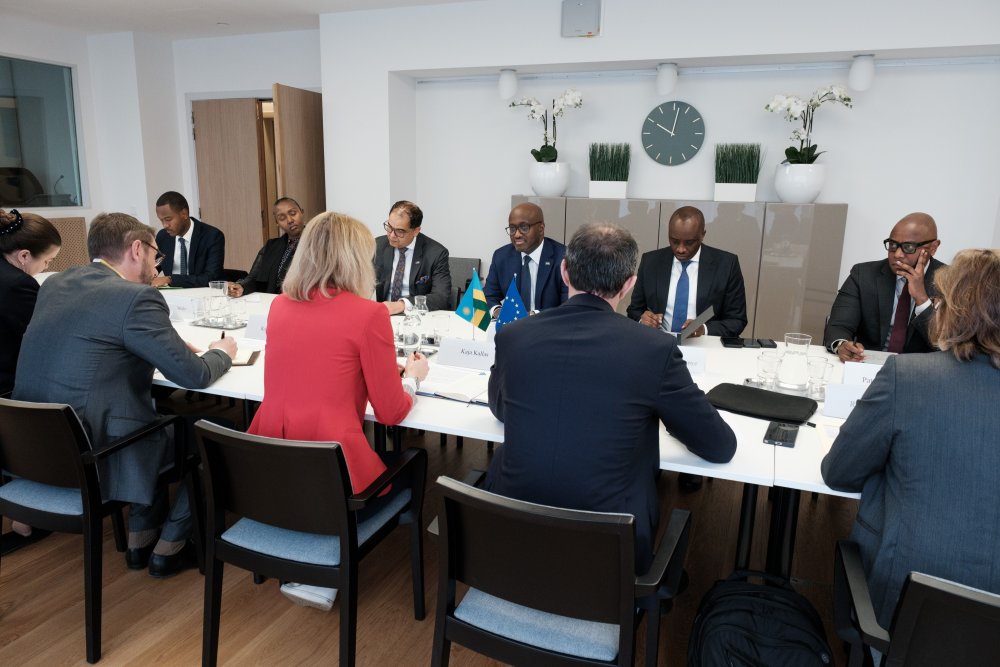
Minister Nduhungirehe made this statement on Monday, March 10, 2025, during discussions with Kaja Kallas, the EU’s High Representative for Foreign Affairs and Security Policy.
He stressed that the ongoing conflict in eastern DRC was not initiated by Rwanda, nor would Rwanda take responsibility for Congo’s governance and security failures.
“I pointed out that the ongoing conflict in the DRC was not started by Rwanda, and we will not accept to bear the burden of the DRC’s governance and security failures,” Nduhungirehe stated in a message shared on X.
Since the M23 rebel group resumed fighting in late 2021, the Congolese government has repeatedly accused Rwanda of supporting the group, which claims to be fighting for the rights of Congolese Rwandophones, particularly Tutsis, who have been persecuted.
Rwanda, however, maintains that it has no involvement with M23 and insists that the crisis is an internal Congolese matter that should be resolved through dialogue to ensure the safe return of Congolese refugees who have spent years in exile across the region.
During the Brussels meeting, Minister Nduhungirehe expressed Rwanda’s growing concerns over its own security, which he said the international community has consistently ignored.
“Rwanda’s national security concerns have long been ignored or dismissed, despite the existential threat from the DRC-based/supported FDLR genocidal militia and hostile military forces allied with the Congolese army that were active in our border area,” he said.
The minister further criticized the bias against Rwanda in the Congo conflict, warning that such an approach undermines the African-led mediation process, to which Rwanda is fully committed.
His remarks came just hours after Kaja Kallas called for M23 to respect Congo’s territorial integrity and withdraw from the areas it controls, urging both Rwanda and the DRC to engage in talks.
However, Kallas’ comments were met with widespread criticism, with many pointing out that calling for M23’s withdrawal failed to acknowledge that the areas it occupies are home to Congolese communities who have long faced persecution.
Since resuming its military campaign, M23 has seized large territories in eastern DRC, including Goma, the de facto capital of North Kivu, and Bukavu, the capital of South Kivu.
Despite M23 expressing willingness for dialogue, Congolese President Félix Tshisekedi has rejected negotiations, insisting that there will be no talks with the group.
Rwanda’s national theme, “Empowered women, stronger nation,” emphasizes that a country can only thrive when women are given equal opportunities to lead and contribute to society.
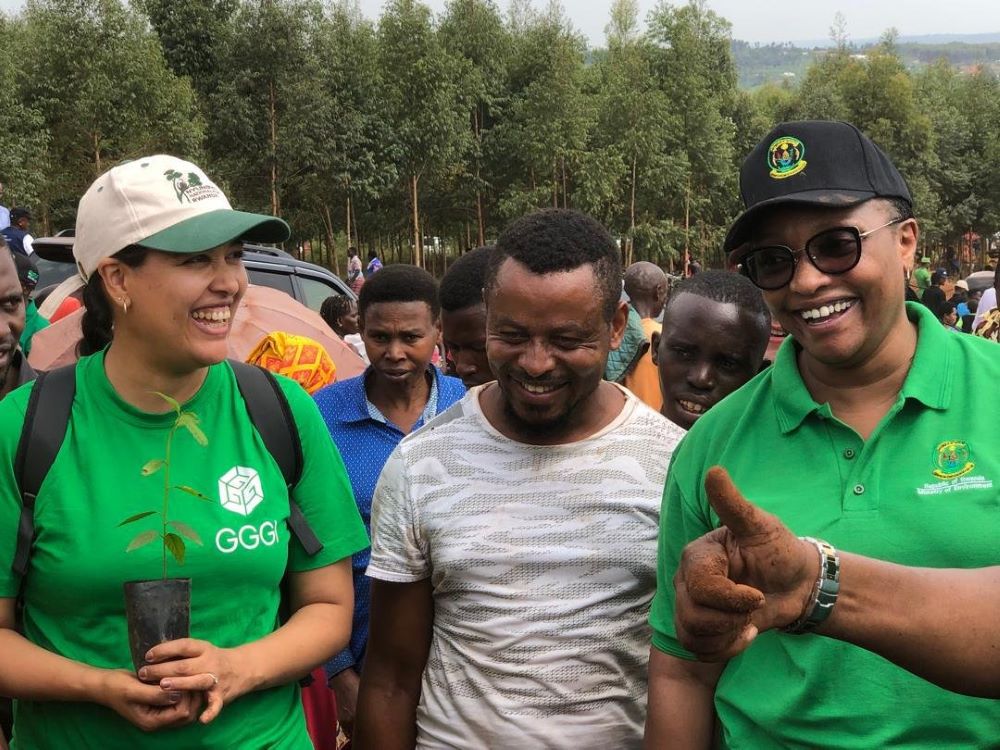
Dr. Valentine Uwamariya, Rwanda’s Minister of Environment, and Caroline Raes, the Country Representative of the Global Green Growth Institute (GGGI) in Rwanda, are two women who understand the power of women in climate action.
Uwamariya, having served as Rwanda’s Minister of Gender and Family Promotion before her current role, has witnessed how empowering women can lead to stronger environmental outcomes.
She believes that “Women’s knowledge and action are vital for climate resilience. Supporting their leadership is key to safeguarding Rwanda’s environmental future and strengthening the foundation of families and communities.”
Caroline Raes, who hails from Ethiopia and has worked across multiple continents, shares a similar perspective. Since moving to Rwanda two years ago to lead the Global Green Growth Institute (GGGI), she has been inspired by the country’s commitment to gender equality and environmental sustainability.
“When women gain skills, power, and control over their own lives, they become strong agents of change within their communities, shaping the values, aspirations, and opportunities available to the next generation,” Raes states.
She is dedicated to ensuring that GGGI continues to empower women through various projects that foster climate resilience and sustainable development.
Rwanda has made remarkable progress in promoting gender equality, particularly in leadership roles. Women hold 63.8% of seats in the Chamber of Deputies and 45.4% of cabinet positions.
This representation is not just symbolic; it has a direct impact on policy-making. Rwanda’s Green Growth and Climate Resilience Strategy actively integrates gender considerations into national climate initiatives.
Through gender-responsive budgeting, the government ensures that resources are allocated to programs supporting women in climate adaptation.
One of the critical areas where this commitment is evident is in land ownership. The Land Tenure Regularization program has increased women’s land ownership rights to 26% as of 2023.
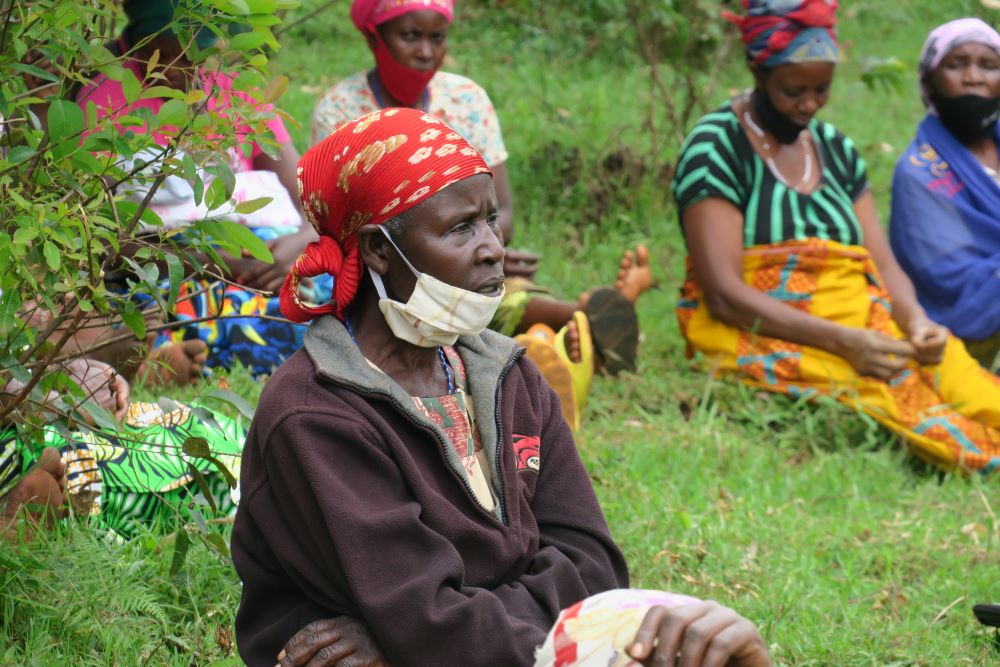
This is vital because access to land empowers women farmers, who make up 77.7% of Rwanda’s agricultural workforce, to implement sustainable agricultural practices and withstand climate shocks.
However, women-headed households remain disproportionately affected by climate-related disasters such as droughts and floods. Limited access to credit and formal employment exacerbates their vulnerability.
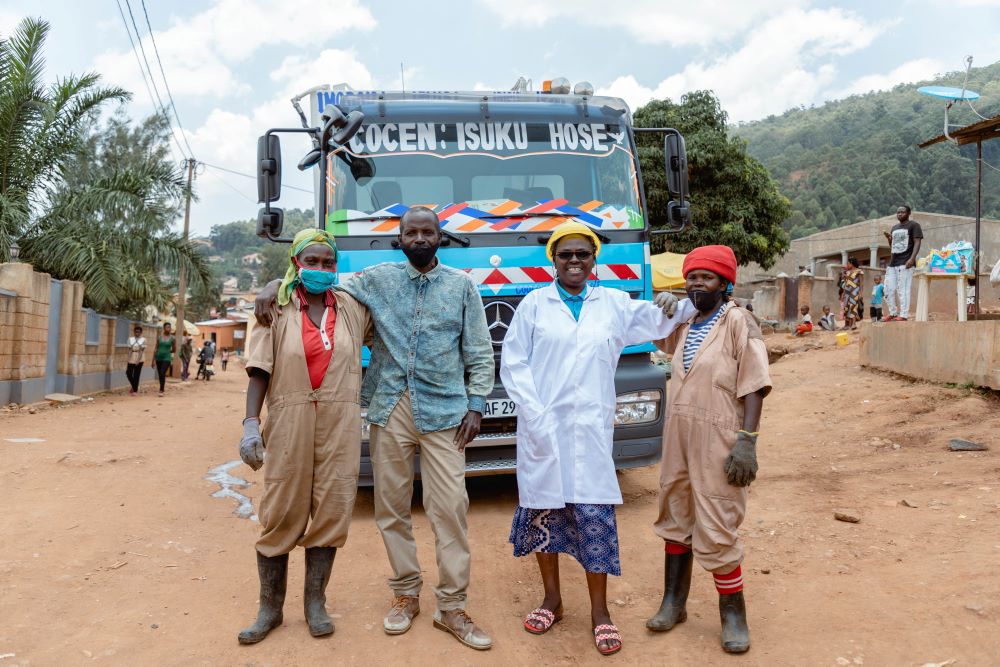
The waste management sector provides another example of the challenges and opportunities for women in climate action. An assessment conducted by GGGI in December 2022 revealed significant gender inequalities in Rwanda’s waste sector.
Women involved in waste sorting and management face poor working conditions, lack of protective equipment, and limited decision-making power.
Cultural norms further restrict their access to training and resources, making it harder for them to adopt safer practices. To address these gaps, GGGI has implemented initiatives to improve working conditions and enhance women’s participation in the circular economy.
In 2023, GGGI partnered with the Ministry of Environment and the Grand Duchy of Luxembourg to create 75 green jobs, including for women in waste management.
The organization also trained 114 women in circular economy strategies and developed a gender action plan to promote equitable opportunities in the waste sector. These efforts are part of a broader vision to nurture a new generation of female climate leaders who will drive sustainable development in Rwanda.
Looking ahead, GGGI is supporting the development of a gender equality and social inclusion index to track the integration of gender-responsive actions in Rwanda’s climate initiatives. This tool will help policymakers monitor progress and ensure that women and other marginalized groups are not left behind.
Additionally, as Rwanda prepares to revise its Nationally Determined Contributions (NDCs) under the Paris Agreement, GGGI is working closely with the government to mainstream gender equality and social inclusion in climate policies.
Recognizing the unique challenges faced by rural women, GGGI is conducting an assessment to identify their climate resilience needs. This initiative, part of a Green Climate Fund (GCF) Readiness project, will inform targeted interventions to empower rural women as environmental stewards.
By addressing their specific needs and providing them with the necessary resources, Rwanda aims to strengthen the resilience of entire communities against climate change.
Empowering women for climate action is not just about fairness, it is a strategic imperative. When women are equipped with the right tools, they drive sustainable development, foster social cohesion, and inspire future generations to take climate action seriously.
“To build a more resilient and sustainable world, it is crucial that we move away from perceiving women and girls as just vulnerable and passive individuals but rather consider them as critical agents of change,” Raes emphasizes.
During this International Women’s month, Rwanda stands as a beacon of what is possible when women are given the opportunity to lead.
By continuing to invest in women’s empowerment, particularly in climate action, the nation is laying the foundation for a more equitable and sustainable future.
And as the world faces increasing climate challenges, the leadership and resilience of women will be indispensable in shaping solutions that benefit everyone.
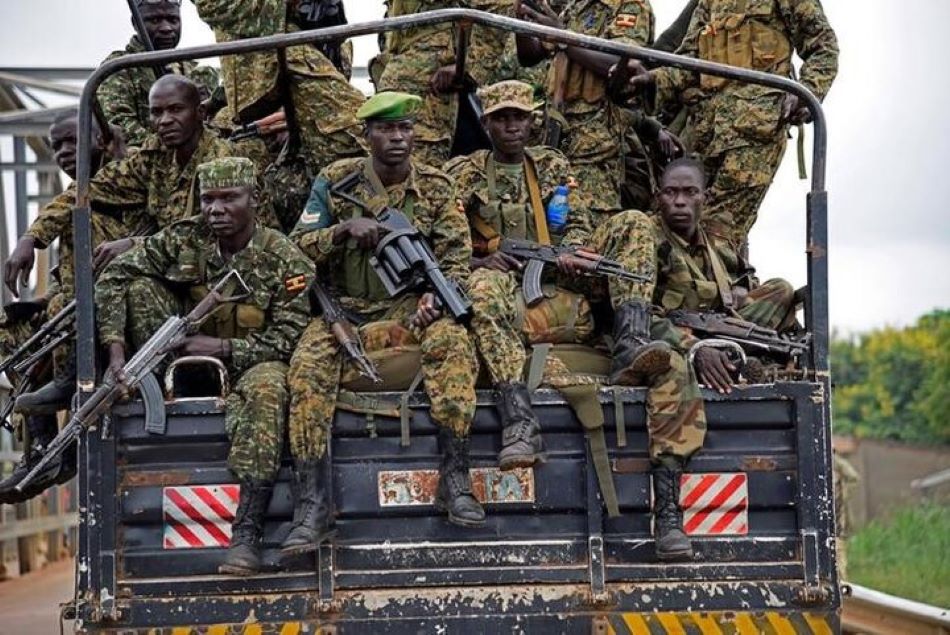
Muhoozi, who was among the commanders of the UPDF special military operation to protect Juba in 2013, today warned that any move against President Salva Kiir would be considered a declaration of war against Uganda.
“We, the UPDF, only recognize one President of South Sudan, H.E. Salva Kiir. He is our ‘Afande’ even in UPDF because he is the younger brother of Mzee. Any move against him is a declaration of war against Uganda,” said Muhoozi.
“All those who commit that crime will learn what it means.” added the former Special Forces commander. He further revealed that Uganda’s Special Forces had already entered Juba as of two days ago to “secure” the city.
The deployment of UPDF troops comes at a critical time when South Sudan is teetering on the edge of renewed conflict, following the latest clashes between SSPDF and the White Army, a Nuer youth militia that has overrun government positions in Upper Nile State.
The situation has escalated further with political arrests in Juba and accusations that First Vice President Riek Machar’s SPLA-IO faction is backing the White Army’s advance.
President Kiir last week ordered the arrests of SPLA-IO’s Chief of Staff, Lt. Gen. Gabriel Duop Lam and the Minister of Petroleum, Puot Kang.
The ongoing military confrontations and the mobilization of militia groups have increased fears of renewed large-scale conflict.
Uganda’s intervention echoes its previous military deployments in South Sudan, when President Museveni sent troops to protect Juba in 2013-2014, during the civil war that saw Machar’s forces attempt to overrun the capital.
At that time, UPDF was deployed to secure key government installations, including the State House, the army headquarters, and Juba International Airport.
The latest intervention signals Uganda’s direct military commitment to preserving Kiir’s hold on power at a time when the Revitalized Peace Agreement is under extreme strain.
The deployment of Ugandan special forces to Juba drastically shifts the power balance in South Sudan’s internal conflict.
It strengthens Kiir’s position militarily and politically while sending a clear message to opposition forces that any attempt to challenge his rule will face regional military retaliation.
For Machar and his SPLA-IO faction, Uganda’s move presents a significant obstacle. The White Army’s offensive in Nasir had already heightened tensions, and now with foreign troops securing Juba, the prospects of any military challenge to Kiir appear increasingly difficult.
Uganda’s previous involvement provoked retaliatory actions from opposition factions and escalated tensions with regional players who viewed Kampala’s move as an overreach into South Sudan’s sovereignty.
Kenyan President William Ruto has already been engaging Kiir and Machar in peace talks, urging dialogue to de-escalate tensions.
In recent years, faith-based organizations have significantly increased in Rwanda, with some churches renting conference rooms in prominent Kigali hotels, while others lease venues for events.
An inspection conducted in 2024 to evaluate whether churches were complying with laws passed in 2018 left over 9,800 places of worship shut down. More than 50 churches were stripped of their licenses, preventing them from operating in the country.
On March 6, 2025, RGB introduced new regulations that require religious organizations to submit proof of compliance with building and zoning requirements for any place of worship.
This ensures that only spaces that meet structural and location standards for religious activities will be allowed to operate.
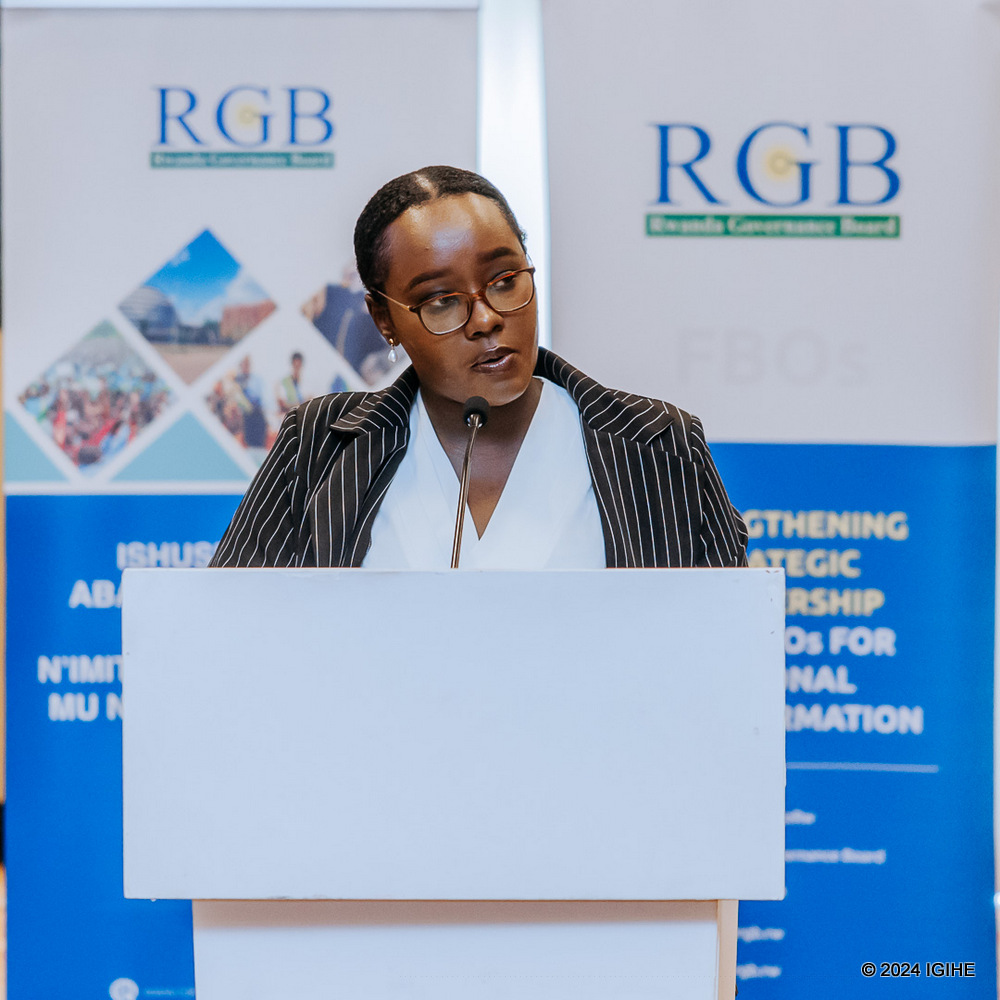
Speaking to the RBA, Dr. Uwicyeza made it clear that the establishment of “mobile churches,” where people simply move from one rented space to another, will not be tolerated.
She stressed that once religious groups face difficulties and leave, they create ongoing problems in the communities they leave behind.
Additionally, Dr. Uwicyeza strongly opposed the use of buildings not designated for religious purposes and repurposing them into places of worship. For instance, a building used as a bar on one day and a church the next would not be permitted under the new regulations.
Moreover, churches cannot operate in buildings that do not meet the required standards. Attempts to bypass the regulations by renting spaces that technically meet building standards but fail to fulfill the requirements for religious activities will result in the loss of operating licenses.
The updated regulations require that individuals wishing to establish a church or its branches in a given area must gather signatures from at least 1,000 people who believe the religious space will benefit the community.
Furthermore, they must demonstrate that the church will contribute positively to local development.
Dr. Uwicyeza also raised concerns over the exploitation of church workers, particularly those who work full-time without proper compensation.
A study by RGB in 2023/2024 revealed that only 23.1% of religious organizations had clear documentation on their operations, vision, and implementation strategies, while 76.9% had approved budgets and operational plans.
Additionally, only 30.8% of faith-based organizations employed permanent staff with signed contracts and benefits such as health insurance and pension contributions.
She emphasized that it is unacceptable for individuals working full-time from Monday to Sunday without salary, pension contributions, or health insurance. As she said, such practices, which exploit workers, will no longer be tolerated.
Religious organizations planning to open new branches must also provide proof of contributions to social security for their workers, in line with set regulations.
As of July 2024, there were 345 religious institutions in Rwanda, with affiliated organizations bringing the total to 563.