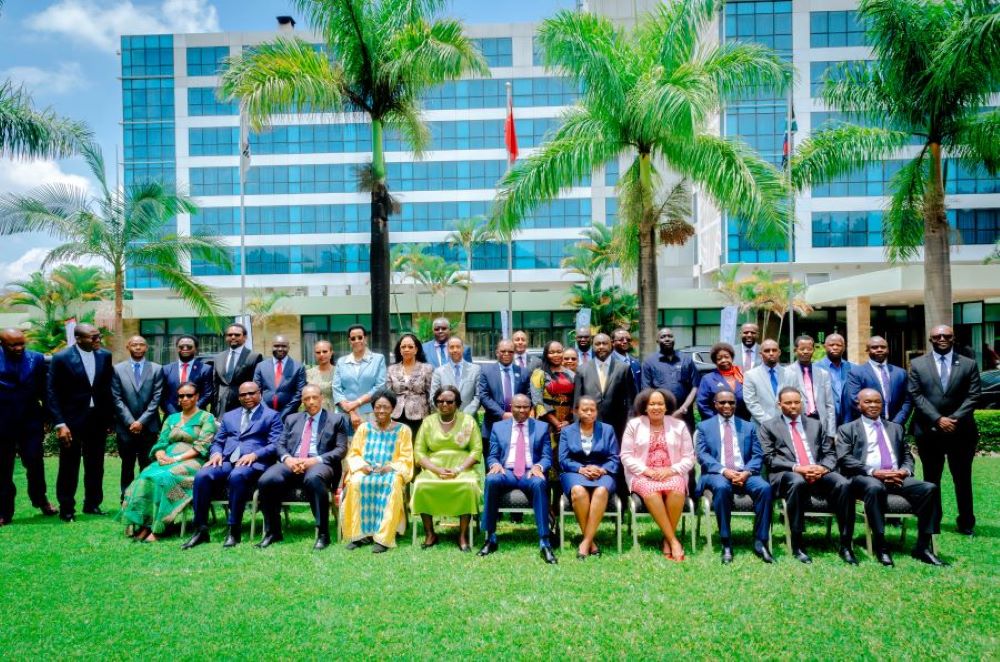
The Chief Executive Officer of the Capital Market Authority, Thapelo Tsheole noted these developments will help to establish of a competitive and accessible capital market.
According to Tsheole, Rwanda is actively strengthening its capital market through regulatory enhancements, expanded financial education programs, and digital transformation.
The government has also introduced incentives to encourage new listings and is fostering the growth of the corporate bond market.
“Investors should consider Rwanda due to its strong governance, pro-business policies, and strategic position as a gateway to the broader East African market. The country’s stable macroeconomic environment and ongoing infrastructure investments provide compelling long-term growth opportunities,” said Tsheole.
He further explained that CMA is implementing regulatory improvements to enhance transparency, streamline listing requirements, and facilitate capital inflows.
“Legal and tax reforms have been introduced to attract global financial institutions, and partnerships with regional and international financial centers are being strengthened,” he said.
To attract and retain foreign investors, Rwanda prioritizes policy consistency, regulatory stability, and investor-friendly reforms. New tax incentives make long-term investments even more attractive, including favorable tax rates for newly listed companies based on the percentage of shares sold to the public.
They include a 20% tax rate for companies selling at least 40% of shares to the public and 25% tax rate for companies selling at least 30% of shares to the public.
Rwanda’s capital market is undergoing a transformative journey, with initiatives that drive competitiveness, liquidity, and investor engagement.
With strong governance, business-friendly policies, and a commitment to financial sector development, Rwanda is positioning itself as a dynamic and attractive destination for investors regionally and globally.
She made the revelation on March 14, 2025, during a consultative meeting held at Parliament, where she emphasized the growing prevalence of corruption and the need for stricter measures to combat it.
“Both those who offer bribes and those who request them are punished equally. Furthermore, corruption crimes have no statute of limitations. This legal milestone ensures that whenever evidence emerges or new information surfaces, individuals can be investigated and held accountable for their actions,” Habyarimana stated.
She highlighted the challenge of gathering evidence in corruption cases, explaining that both bribe-givers and recipients often change their tactics to evade detection.
Another major obstacle she pointed out was the difficulty in recovering assets acquired through corruption, as many perpetrators register their property under other people’s names to avoid confiscation.
According to Habyarimana, effective case follow-up and improved cooperation between institutions are crucial in obtaining sufficient evidence and successfully prosecuting corruption cases.
Over the past five years, the National Public Prosecution Authority (NPPA) has handled 6,111 cases involving more than 11,000 individuals linked to corruption offenses.
In 2019 alone, the NPPA received 1,240 corruption-related cases involving 2,925 individuals. Of these, 757 cases were taken to court, while 363 were closed.
During the 2020-2021 period, 1,224 cases were registered, implicating 2,191 individuals. Among them, 751 were forwarded to the courts, 455 were closed, and 18 remained under investigation.
For the 2021-2022 period, the prosecution received 1,199 cases involving 2,195 individuals. Of these, 598 were filed in court, 502 were closed, and 99 cases were still under review.
In 2022-2023, the number of cases increased to 1,378, involving 2,610 people. The NPPA took 616 cases to court, closed 632, and continued investigating 130 cases.
However, during the 2023-2024 period, the number of corruption-related cases decreased, with 1,070 cases involving 1,937 individuals being registered. Among these, 474 were presented in court, 467 were closed, and 130 remained under investigation.
Habyarimana explained that cases may be closed for various reasons, including resolving disputes through alternative means, recovering misappropriated funds, or insufficient evidence to proceed with prosecution. She also reported that the NPPA has achieved a conviction rate of 76.5% in corruption-related cases brought to court.
“Each year, we observe an increase in the conviction rate. Overall, the NPPA’s success rate in all criminal cases exceeds 90%, but for corruption-related offenses, which significantly undermine the country’s economy, our rate remains slightly lower despite the progress being made,” she noted.
Habyarimana also highlighted several challenges hindering the fight against corruption. These include the use of advanced technology to conceal illicit activities, limited technical knowledge in detecting corruption, fear of reporting incidents, and the deliberate concealment of information by those with vested interests.
However, she assured that the NPPA is strengthening cooperation with other institutions to enhance the capacity of prosecutors and investigators.
The Prosecutor General further revealed that within the past five years, 13 NPPA staff members were suspected of engaging in corruption. Of these, 10 were prosecuted, two are still under investigation, and three were dismissed from their positions due to conduct linked to corruption.
Despite the ongoing challenges, Habyarimana reaffirmed the NPPA’s commitment to tackling corruption and enhancing transparency.
She emphasized the importance of continuous collaboration among institutions and called for increased public engagement in reporting and preventing corruption to ensure a just and accountable society.
These scholarships will support teachers seeking to obtain a bachelor’s degree in critical fields, including Early Childhood Education, Special Needs Education, Sciences, and Languages, starting in the 2025/2026 academic year.
According to REB, applicants must be Rwandan citizens aged 35 years or younger. Eligible candidates should hold either an A2 certificate from a recognized Teacher Training College (TTC) or an A1 diploma in education.
For those who completed their studies abroad, a recognized equivalence certificate verifying that their qualifications align with Rwanda’s education system will be required.
REB further specified that applicants must have at least three years of teaching experience. Additionally, they should not have been suspended from their teaching duties for more than three months.
Interested candidates are required to submit their applications accompanied by several supporting documents. These include a certified copy of their A2 or A1 academic certificate from a recognized institution and academic transcripts from either A2 (result slip) or A1 (transcript).
Applicants must also provide a copy of their appointment letter confirming their employment as a teacher and a disciplinary clearance form for the 2023/2024 academic year, signed by the district office.
REB has announced that the application process will be conducted online through the Teacher Management Information System (TMIS) portal, accessible at https://tmis.reb.rw/. The registration window will open on March 17, 2025, and will close on March 28, 2025.
This scholarship initiative reflects REB’s commitment to improving the quality of education in Rwanda by enhancing teachers’ professional capacities.
Through these opportunities, the government aims to empower educators with advanced skills and knowledge to better serve students and contribute to the country’s educational development.
REB has encouraged all eligible teachers to apply and seize this opportunity to further their education and play a greater role in shaping the future of Rwanda’s education system.
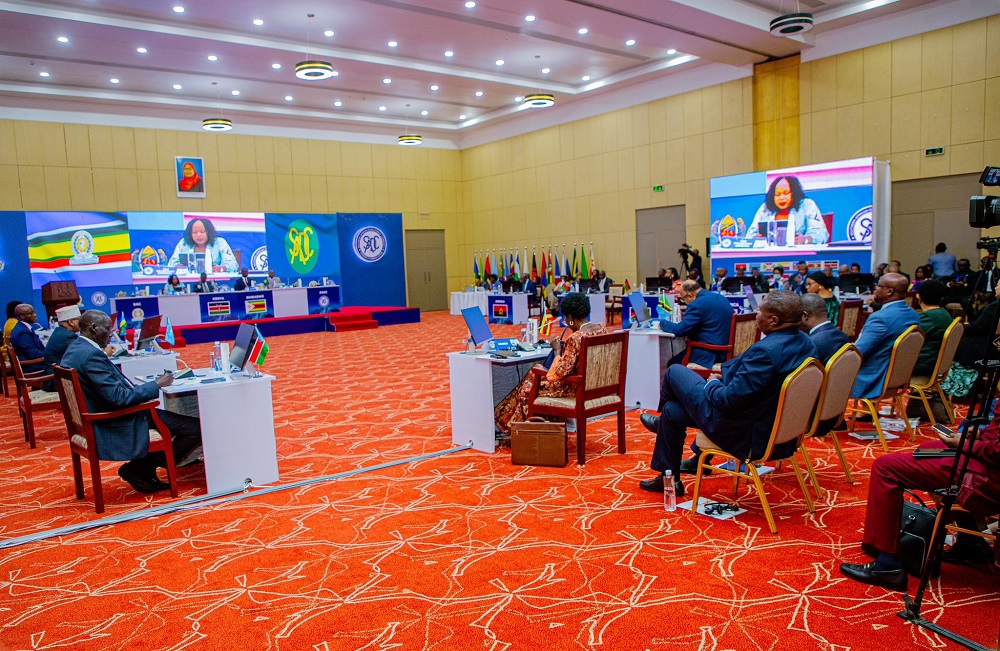
Rwanda’s Minister of Foreign Affairs and Cooperation, Ambassador Olivier Nduhungirehe, confirmed that the ministerial talks will take place in Harare, Zimbabwe, on March 17, 2025.
During the summit, the ministers will review a report prepared by the chiefs of defence staff from EAC and SADC, who met in Dar es Salaam on February 24, regarding the cessation of hostilities in eastern DRC and ongoing humanitarian operations.
Additionally, the meeting will focus on preparing a framework for political talks between the DRC government and its adversaries.
The EAC and SADC ministers’ meeting follows decisions made by the heads of state of the two organisations during their extraordinary summit in Dar es Salaam, Tanzania, on February 8, 2025.
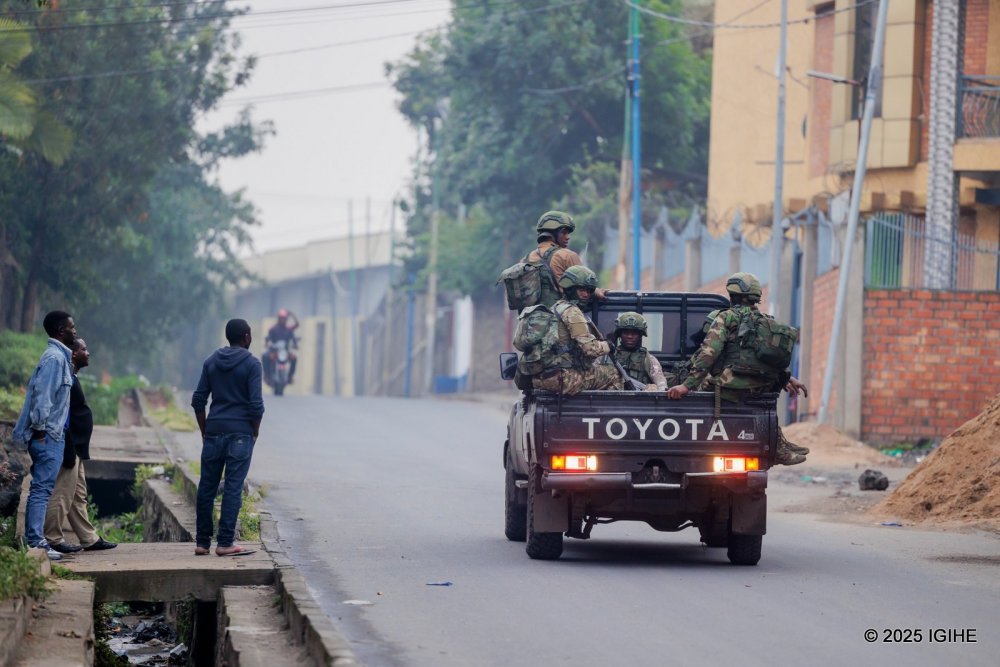
The meeting comes amid plans for the phased withdrawal of SADC troops from eastern Congo.
On March 13, 2025, an extraordinary summit of SADC heads of state reaffirmed that political dialogue is key to ending the conflict in eastern DRC, ahead of proposed talks between the Congolese government and M23 in Angola, scheduled for March 18.
The heads of state decided to withdraw SADC troops from DRC after nearly a year and four months of deployment. The troops include soldiers from South Africa, Tanzania, and Malawi.
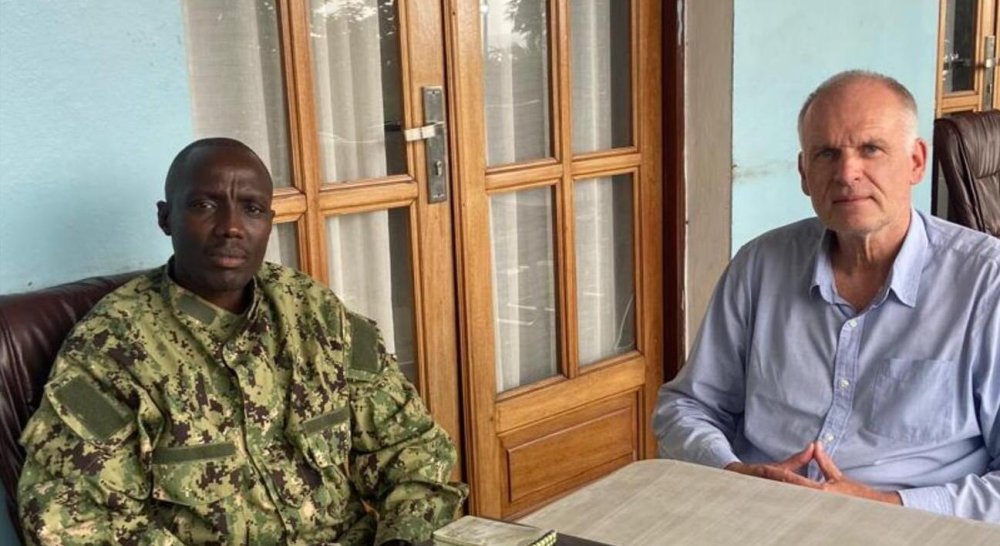
General Sultani Makenga, M23’s military leader, recently sat down for an exclusive interview with Belgian researcher and former senator Alain Destexhe, discussing the group’s motivations, the controversy surrounding minerals, accusations of foreign backing, and their vision for Congo’s future.
This conversation comes as international pressure mounts for M23 to withdraw from captured territories, including Goma and Bukavu, while sanctions have been imposed on both the group and Rwanda.
Meanwhile, the DRC government accuses Rwanda of fueling the insurgency, a claim Rwanda refutes, instead pointing to Kinshasa’s internal governance failures and its alleged collaboration with the FDLR, a group responsible for the 1994 Genocide against the Tutsi in Rwanda.
In this candid Q&A, Makenga addresses these accusations head-on, questions the role of MONUSCO, and shares his perspective on what the international community is missing about the crisis in eastern Congo.
{{AD: Are you calling for MONUSCO’s departure because it participated in combat against you? }}
{{SM: }} No, but MONUSCO has deviated from its peacekeeping mission and should remain neutral. Even though MONUSCO fired at us, we are not driven by a spirit of revenge. Once the fight is over, we hold no hatred for former adversaries.
{{AD: What is your stance on the European Union’s request for the reopening of Goma Airport to deliver humanitarian aid?}}
{{SM:}} I support this, but the FARDC (Congolese Armed Forces) destroyed and looted the control tower, and they left fortifications and numerous vehicles on the runways, which we fear might be mined. The (grassy) terrain around the airport might also be mined. Go see for yourself! (AD: I went there, and it will be the subject of a future post on X.)
{{AD: What is your view on accusations of being Rwanda’s puppets?}}
{{SM: }} The Kinshasa regime is looking for a scapegoat for the problems it created or failed to resolve. The Rwandans understand us and try to explain our situation to the world.
They are our neighbors and our brothers, and like us, they have long faced the threat of the FDLR. We also still have hundreds of thousands of refugees in camps in Rwanda who want to return home.
{{AD: Do you believe Tshisekedi intended to attack Rwanda?}}
{{SM:}} He said it himself. Moreover, given the forces and weapons he had concentrated in Goma and the alliances he formed in the region, particularly with Burundi and the FDLR, it seems obvious to me.
{{AD: Is FDLR still a threat?}}
{{SM:}} The FDLR members are everywhere in the FARDC, including in the presidential guard. They have been re-equipped and rearmed.
They cannot win a war against us, but they can still attack civilians in our vast area, where villages are spread out.
Three days ago, they killed 40 people in the village of Kirumbu. Furthermore, along with the FARDC, the FDLR are destroying Virunga National Park, which we want to protect.
{{AD: Some say that minerals are your main objective. What’s your response?}}
{{SM: }} Listen! First of all, we spent years in areas where there were no mines at all. When we take control of a place with a mine, like in Rubaya, we do not interfere in any way with the local population’s artisanal mining activities, which are organized through cooperatives.
The minerals are then purchased by intermediaries who sell them to companies that export them.
{{AD: You do not intervene in the trade?}}
{{SM: }} Not at all! (Firm tone). But since we have controlled the border in Goma and Bukavu, we collect customs duties on goods—at lower rates and without the arbitrariness and corruption that characterize the Kinshasa regime.
{{AD: What about the sanctions against you and Rwanda?}}
{{SM: }} They are unfair. The truth will eventually come out. When our people are killed, no one cares, and there are no sanctions. But when we react, we are sanctioned.
AD: What is the relationship between the political and military branches of M23?
{{SM: }} Bertrand Bisimwa is the president of M23, I am the vice president, and I handle the military branch. We are part of a broader platform, the Alliance Fleuve Congo (AFC), coordinated by Corneille Nangaa.
{{AD: Life in Goma seems normal, but the banks are closed. Why?}}
{{SM: }} Kinshasa closed the banks. The money deposited in banks does not belong to Tshisekedi but to the clients! He is punishing the population and continuing his plundering from afar.
{{AD: Is M23 multiethnic?}}
SM: Our president is Shi, our spokesperson is Luba like Tshisekedi, the deputy spokesperson is Mukongo from Bas-Congo [Lower Congo River] (he lists several names along with their ethnic backgrounds), but we want to build a nation and a state that go beyond these ethnic divisions, which handicap our great country.
{{AD: What message do you want to send to the international community?}}
SM: Our struggle is existential. We are fighting for our survival. We want a united, decentralized, and federal Congo that urgently addresses development and governance issues. Have you seen how Congolese people live under Tshisekedi? What has he done for them?
{{AD: You are a fighter. You spent five years in extremely difficult conditions on the heights of Mount Sabyinyo at the borders of three countries—Congo, Rwanda, and Uganda. How did you live? In a house?}}
{{Sultani Makenga:}} (Laughs). I will invite you to go see for yourself!
{This interview was conducted by Alain DESTEXHE in Goma, DRC, on March 12, 2025. Born on June 19, 1958, Alain Destexhe is a Belgian politician who served as a senator from 1995 to 2011 and as a member of the Brussels Regional Parliament until 2019.
A former member of the liberal Mouvement Réformateur (MR), he also represented Belgium at the World Economic Forum.
In 2006, he was awarded the Prize for Liberty by Nova Civitas. Destexhe held key leadership roles, serving as Secretary-General of Médecins Sans Frontières from 1991 to 1995 and as President of the International Crisis Group from 1997 to October 1999.}
2. Général Makenga (M23) : "Nous ne sommes pas dans le business des minerais, nous défendons une cause" L'aéroport de Goma peut rouvrir mais … Sultani Makenga, le chef militaire du M23 contrôle un territoire plus grand que deux fois la Belgique. Condamné à mort par Kinshasa, sa… pic.twitter.com/cfGDcObuQq
Speculation about Gen Omega’s death surfaced in January 2025 after clashes between the M23 armed group and a coalition of Congolese army forces and FDLR fighters in areas including Kanyamahoro, Sake, and the outskirts of Goma.
On March 1, 2025, when M23 handed over captured FDLR fighters to Rwanda—including Brig Gen Jean Baptiste Gakwerere—M23’s deputy spokesperson, Dr Oscar Balinda, told IGIHE that Gen Omega’s body had not been found.
“Gen Omega’s whereabouts will be revealed soon. We are still searching for him. I personally entered his bunker in Kanyamahoro, beneath Nyiragongo Volcano. No one was inside, and we did not find his body either,” Dr Balinda stated.
In an interview with Jeune Afrique, Brig Gen Rwivanga confirmed that the RDF is still seeking information about Gen Omega. He noted that the RDF is yet to determine whether he is dead or alive.
“We have not received Pacifique Ntawunguka. We are waiting to confirm whether he was captured, killed, or is still alive,” Brig Gen Rwivanga said.
{{Who is Gen Omega?}}
Gen Omega, born in 1964 in what is now Ngororero District, Western Province, Rwanda, studied at Collège Christ-Roi in Nyanza before attending Rwanda’s Military Academy (ESM) in Kigali. He later trained as a pilot in Egypt, Greece, and France.
Between 1990 and 1994, he held the rank of Lieutenant in the former Rwandan army (Ex-FAR). During the 1994 Genocide against the Tutsi, he led Battalion 94 in Mutara but was defeated by the Rwandan Patriotic Army (RPA). Wounded in the leg, he fled to Kigali before eventually escaping Rwanda.
Despite efforts by the Rwandan government to persuade him to return home—like some former FDLR members—Gen Omega refused. He infamously told Gen (Rtd) James Kabarebe, a former RDF Chief of Defence Staff, that he would only return to Rwanda if no Tutsi remained in the country.
After the death of Gen Sylvestre Mudacumura in September 2019, Gen Omega took over as the FDLR’s military leader.
In September 2024, the DRC army launched operations described as a manhunt, but it was later revealed that these operations were merely a facade.
However, a UN expert report later revealed that Gen Maj Peter Cirimwami, then Governor of North Kivu, had tipped him off, allowing him to relocate before the operation began.
The FDLR, a terrorist group composed of perpetrators of the 1994 Genocide against the Tutsi, has long sought to destabilise Rwanda through armed conflict.
The DRC government has been accused of collaborating with the FDLR, allowing it to operate freely within its borders.
The fate of Gen Omega remains unknown, but ongoing investigations may soon reveal whether he is still alive or has been eliminated.
“Rwanda and Burundi are on a promising path to ending hostilities and reaching an understanding, as discussions between the leaders of both countries continue,” he stated.
The ongoing discussions referenced by Minister Nduhungirehe include a meeting held in Rwanda two weeks ago between intelligence officials from both countries and another meeting in Kirundo Province on March 10, 2025.
Relations between Rwanda and Burundi deteriorated in late 2023 when Burundian President Evariste Ndayishimiye accused Rwanda of supporting the RED Tabara rebel group, which had launched an attack on Gatumba Zone near Bujumbura.
Rwanda strongly denied these allegations, explaining that it had never collaborated with any group opposing the Bujumbura government. However, Burundi dismissed these explanations and, in January 2024, closed all land borders with Rwanda, citing security concerns.
The East African Community (EAC), led by South Sudan’s President Salva Mayardit Kiir, attempted to mediate between the two nations, emphasizing the bloc’s goal of fostering regional trade and cooperation.
In July 2024, during an EAC foreign ministers’ retreat in Zanzibar, Minister Nduhungirehe and his Burundian counterpart, Albert Shingiro, agreed that the two countries would resolve their disputes without external mediation.
It was decided that envoys from both nations would meet by October 2024 to discuss the issues. However, the meeting did not take place as planned, signaling a setback in the reconciliation process.
By September 2024, Minister Nduhungirehe expressed optimism, stating that the people of Rwanda and Burundi were “brothers and sisters” and that both governments had the willingness to resolve their differences.
“Rwandans and Burundians are brothers, and there is a shared commitment to solving the issues between our two countries,” he remarked.
The beginning of 2025 marked a low point in Rwanda-Burundi relations. In late January, President Ndayishimiye made strong statements against Rwanda, indicating readiness to confront the country.
His rhetoric echoed comments he made in Kinshasa in January 2024, where he suggested that Burundian youth would help Rwandans change their government, which he claimed was oppressing the region.
On February 11, during a visit to Kirundo Province near the Rwandan border, President Ndayishimiye told the local population that Burundians were prepared to defeat Rwandans, emphasizing historical victories dating back to the monarchical era.
“Prepare yourselves, do not be afraid. We know them well. From Bugesera to here, since the monarchy, they have never defeated us. Do you think they can beat us now? Remind them, ‘Do you know where this all started in Kirundo?’” he declared.
However, during a meeting with foreign diplomats in Burundi on February 27, President Ndayishimiye struck a more conciliatory tone, expressing his government’s readiness to engage in dialogue with Rwanda to resolve their disputes peacefully.
“To prevent war between our two countries, we are willing to resolve our differences through peaceful means. We initiated talks with Rwanda in 2020, and to this day, Burundi remains open to dialogue to address the issues between our nations,” he stated.
This is not the first time Rwanda and Burundi have experienced and resolved tensions. Between 2015 and 2020, the two countries faced a diplomatic crisis, but negotiations eventually led to the reopening of their previously closed borders.
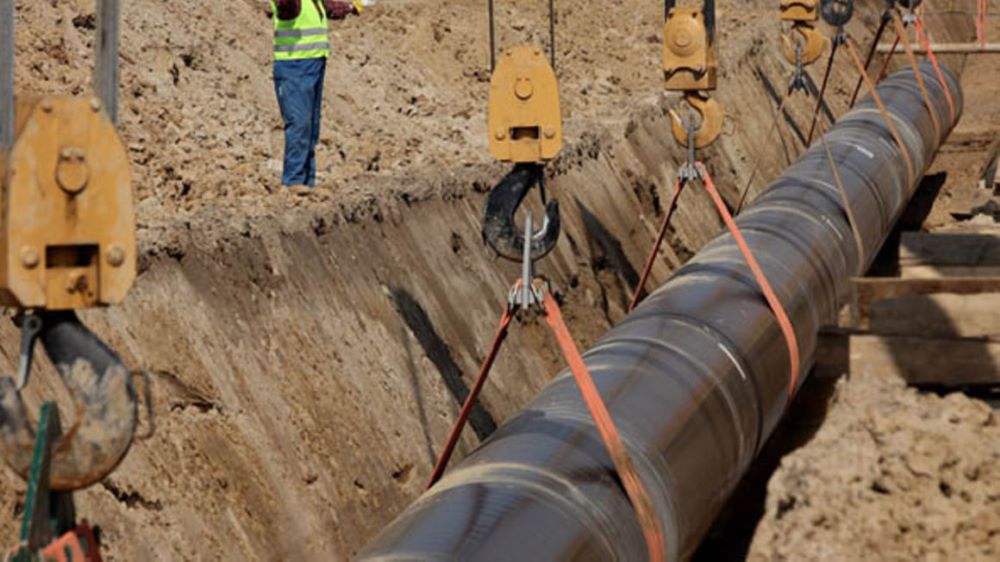
The $5 billion project, which will transport 230,000 barrels of oil per day at peak production, has reached an overall progress of 55 percent, according to Guillaume Dulout, the managing director of Eacop Ltd.
“The project is at 55 percent. We hope in 2026 that the oil will flow from Uganda’s Albertine down to Tanga. That is our objective,” Dulout told participants at the 11th East African Petroleum Conference and Exhibition (EAPCE) 2025.
The pipeline, which spans 1,443km from Uganda’s Hoima District to the Indian Ocean port of Tanga in Tanzania, is expected to position East Africa as a key player in global energy markets.
Despite facing challenges, Dulout said that crucial components of the infrastructure are complete, while others are on track for completion by the end of this year and the pipeline itself, next year.
The offshore facility, which includes the jetty, terminal, and export hub, is at 70.4 percent completion, while the construction of the high-tech oil export terminal is anticipated to be completed by October 2025.
The project has faced pressure from activists, who have threatened to disrupt the project’s efforts to secure external financing. However, Dulout said that the project is on track to meet its deadline.
The Eacop project is a key component of Uganda’s oil and gas sector, which is expected to drive economic growth and development in the country.
The project has also created economic opportunities for local communities, with approximately 80 percent of the pipeline lying in Tanzanian territory, spanning eight regions.
The buried, thermally insulated pipeline is designed to minimize its environmental footprint while providing economic benefits to local communities.
EACOP project starts at Hoima, close to Lake Albert, and cross Uganda-Tanzania border between Masaka and Bukoba, past Lake Victoria, following its western border, traversing Tanzania, passing close to Kahama, Singida, Kondoa, into Tanga.
The March 18 talks in Luanda, Angola, mark the first official dialogue between the two sides after months of intensifying conflict, but M23 insists that Kinshasa must demonstrate genuine willingness to engage.
In a statement issued on March 13 by its spokesperson, Lawrence Kanyuka, M23 reiterated that a military solution cannot resolve the crisis in eastern Congo. The group welcomed Angola’s mediation efforts but criticized the DRC government’s past reluctance to engage.
“The Kinshasa regime has persistently refused to engage in dialogue and has repeatedly declared that it will NEVER negotiate with our organisation,” M23 stated, citing recent remarks by DRC government spokesperson Patrick Muyaya.
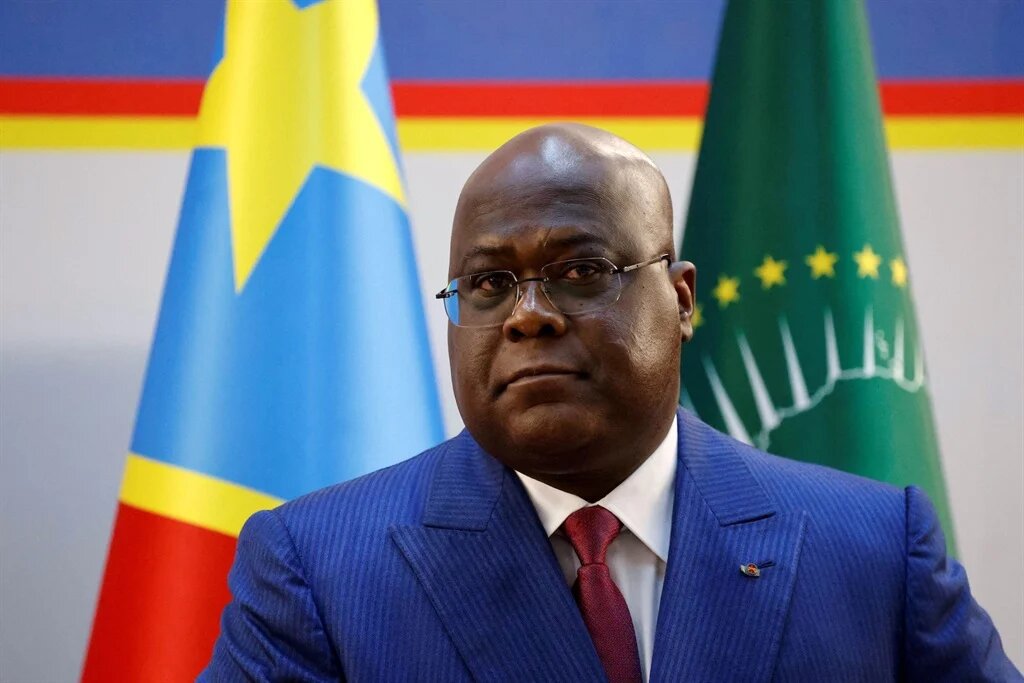
The group called on Tshisekedi to make an unequivocal public declaration committing to direct negotiations.
M23 also raised concerns about the mediation process, urging Angola to formally notify all stakeholders about the structure and terms of the talks.
The group claimed that it has only learned about the negotiations through a statement published on the Facebook page of the Angolan Presidency, highlighting the need for greater transparency.
Additionally, M23 requested clarification on the implementation of resolutions adopted at the East African Community (EAC) and Southern African Development Community (SADC) summit in Dar es Salaam on February 8, which called for a political settlement to the conflict.
The conflict has worsened since late January when M23 captured the strategic city of Goma, followed by Bukavu in February. Despite these advances, Kinshasa had previously maintained a hardline stance, refusing to engage in direct negotiations with the rebel group.
Pressure has been mounting on Tshisekedi to change his position. During the African Union (AU) summit on February 15, regional leaders reinforced calls for direct engagement with M23. However, Tshisekedi skipped the summit, choosing instead to attend a security conference in Munich, Germany.
With the March 18 talks approaching, M23 insists that Tshisekedi’s public commitment to the process is crucial for building trust and ensuring productive discussions.
The leaders convened in Arusha, Tanzania on Thursday March 13, for a two-day Strategic Dialogue for Heads of Public Service and Ministers, where they discussed critical barriers hindering the EAC’s integration.
Key challenges identified included fragmented national policies, weak engagement frameworks, and inadequate financial and human resources, all of which have slowed the implementation of regional commitments.
To address these issues, the meeting emphasized the need for a robust monitoring mechanism to ensure national policies align with regional objectives. Leaders also called for stronger policy coordination, sustained collaboration, and reinforced accountability to accelerate integration efforts.
Beatrice Askul Moe, Chairperson of the EAC Council of Ministers and Kenya’s Cabinet Secretary for EAC Affairs, urged Heads of Public Service to ensure compliance with regional commitments.
“We must acknowledge that the pace of implementing regional protocols has sometimes fallen short. Your oversight can help identify bottlenecks, address implementation challenges and hold relevant agencies accountable for their regional obligations,” she stated.
Kenya’s Chief of Staff and Head of Public Service, Mr. Felix Koskei, emphasized the importance of financial commitments from Partner States, calling for the timely implementation of directives made by EAC Heads of State.
Similarly, Uganda’s Minister for EAC Affairs and First Deputy Prime Minister, Rebecca Alitwala Kadaga, stressed the need for regional leaders to fully familiarize themselves with EAC laws and ensure their enforcement.
EAC Secretary General, Veronica Nduva, highlighted the risks posed by competing national interests, resource constraints, and delays in financial disbursements.
She underscored that a lack of coordinated governance has led to persistent Non-Tariff Barriers (NTBs), negatively impacting regional trade. She called for greater alignment and accountability from EAC Organs, Coordinating Ministries, and Heads of Public Service.
Dr. Peter Kiuluku, Director General of the Eastern and Southern African Management Institute (ESAMI), urged EAC Partner States to embrace a technology-driven economy, value creation, and strategic collaboration to enhance regional competitiveness.
The dialogue, supported by ESAMI and GIZ, reaffirmed the EAC’s commitment to long-term economic transformation and global competitiveness.
Among those in attendance were Permanent Secretaries, Ambassadors, representatives from government institutions, and academia members, all contributing to the discourse on a stronger, more unified East African Community.