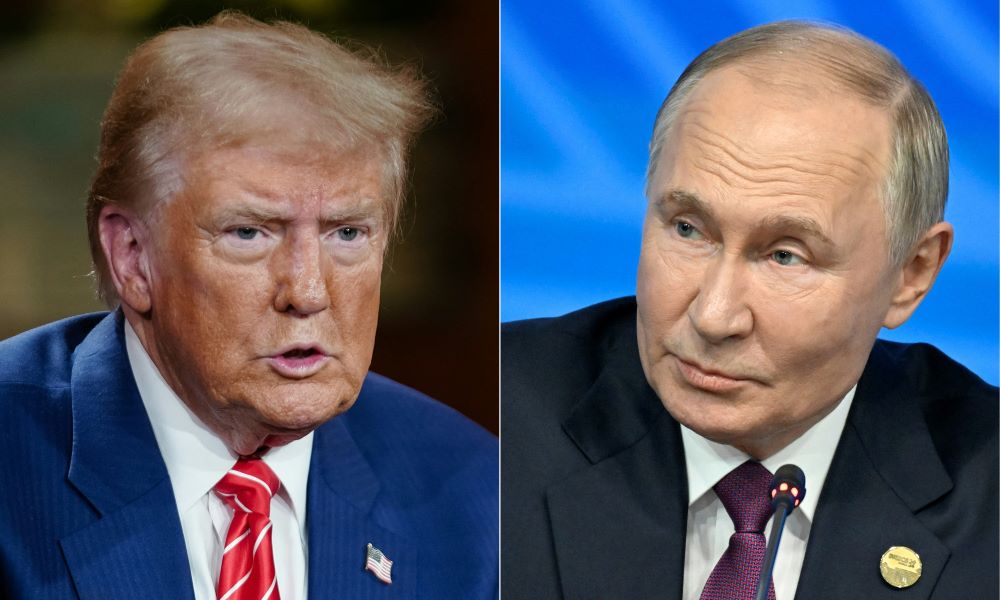
“What Vladimir Putin doesn’t realize is that if it weren’t for me, lots of really bad things would have already happened to Russia, and I mean REALLY BAD. He’s playing with fire!” Trump wrote in a Truth Social post Tuesday morning.
Trump on Sunday made harsh remarks on both Putin and Ukrainian President Volodymyr Zelensky.
“I’m not happy with what Putin’s doing,” Trump told reporters before he took Air Force One from Morristown, New Jersey back to Washington, D.C.
“I don’t know what the hell happened to Putin,” he said.
Later on Sunday evening, Trump wrote in a Truth Social post that Putin “has gone absolutely CRAZY!”
He then turned to Zelensky, saying he was doing his country “no favors by talking the way he does,” a reference to statements Zelensky made earlier on Sunday criticizing U.S. silence on the latest Russian attacks.
The Trump administration has warned in recent months that it could walk away from the frustrating negotiations for a cease-fire between Russia and Ukraine.
In response to Trump’s escalating criticism, Russian Security Council Deputy Chairman Dmitry Medvedev wrote in a social media post on Tuesday that “Regarding Trump’s words about Putin ‘playing with fire’ and ‘really bad things’ happening to Russia. I only know of one REALLY BAD thing – WWIII. I hope Trump understands this.”
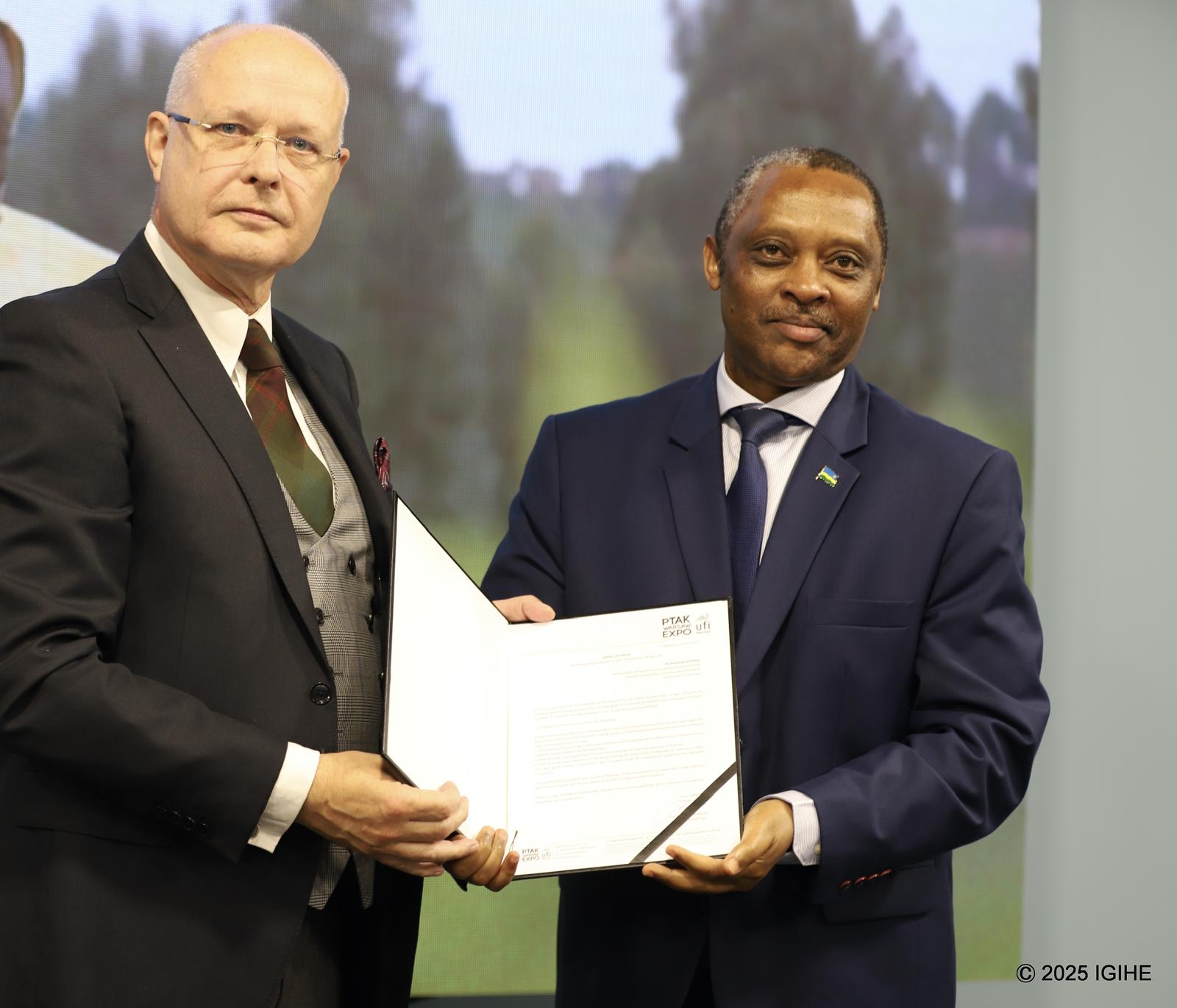
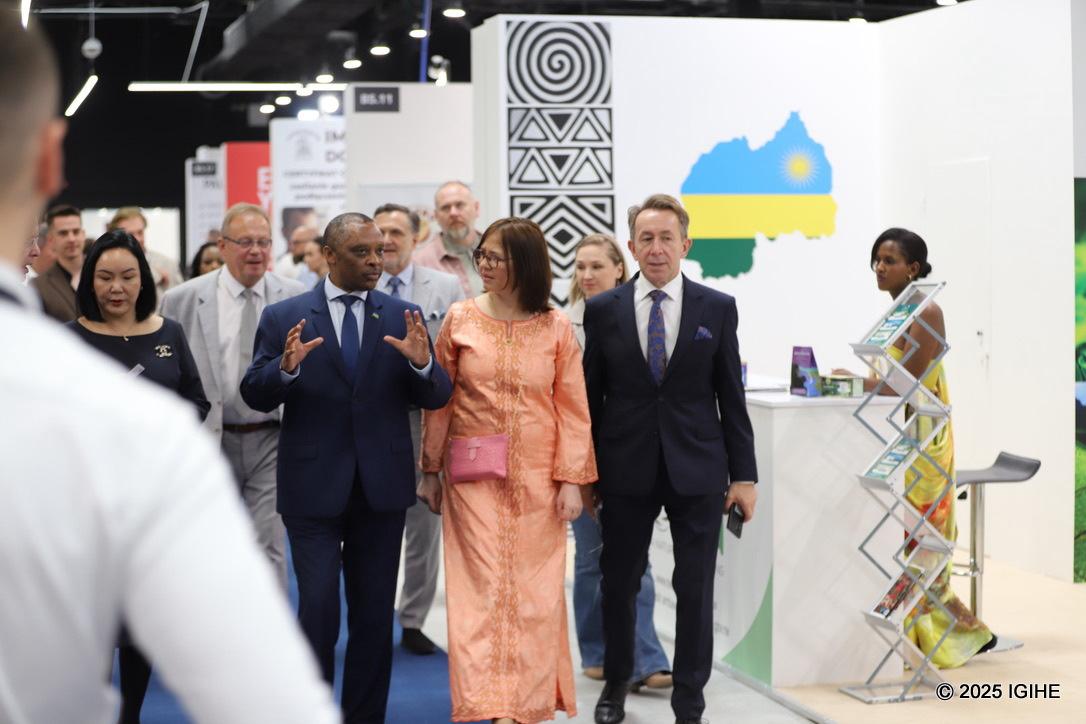
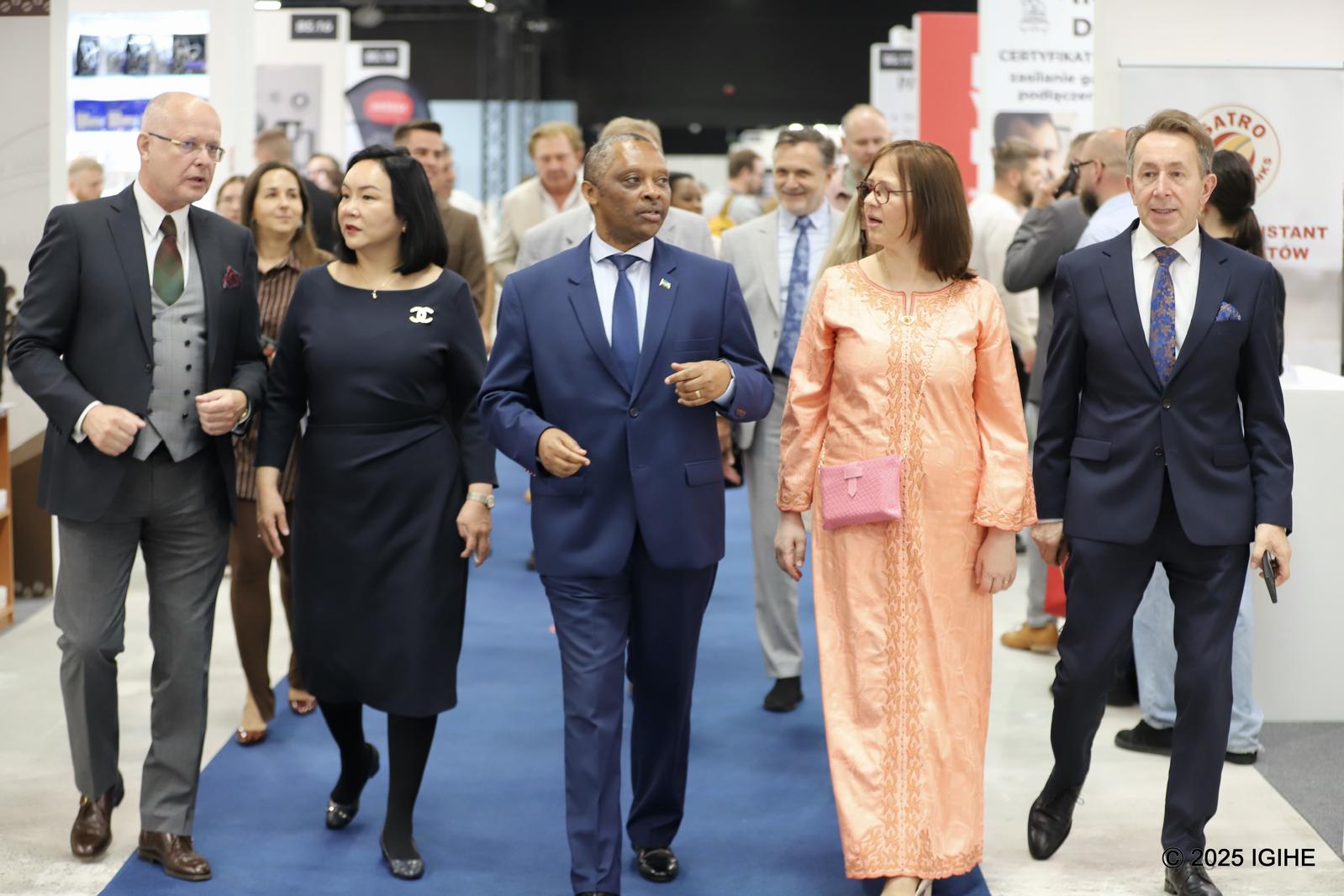
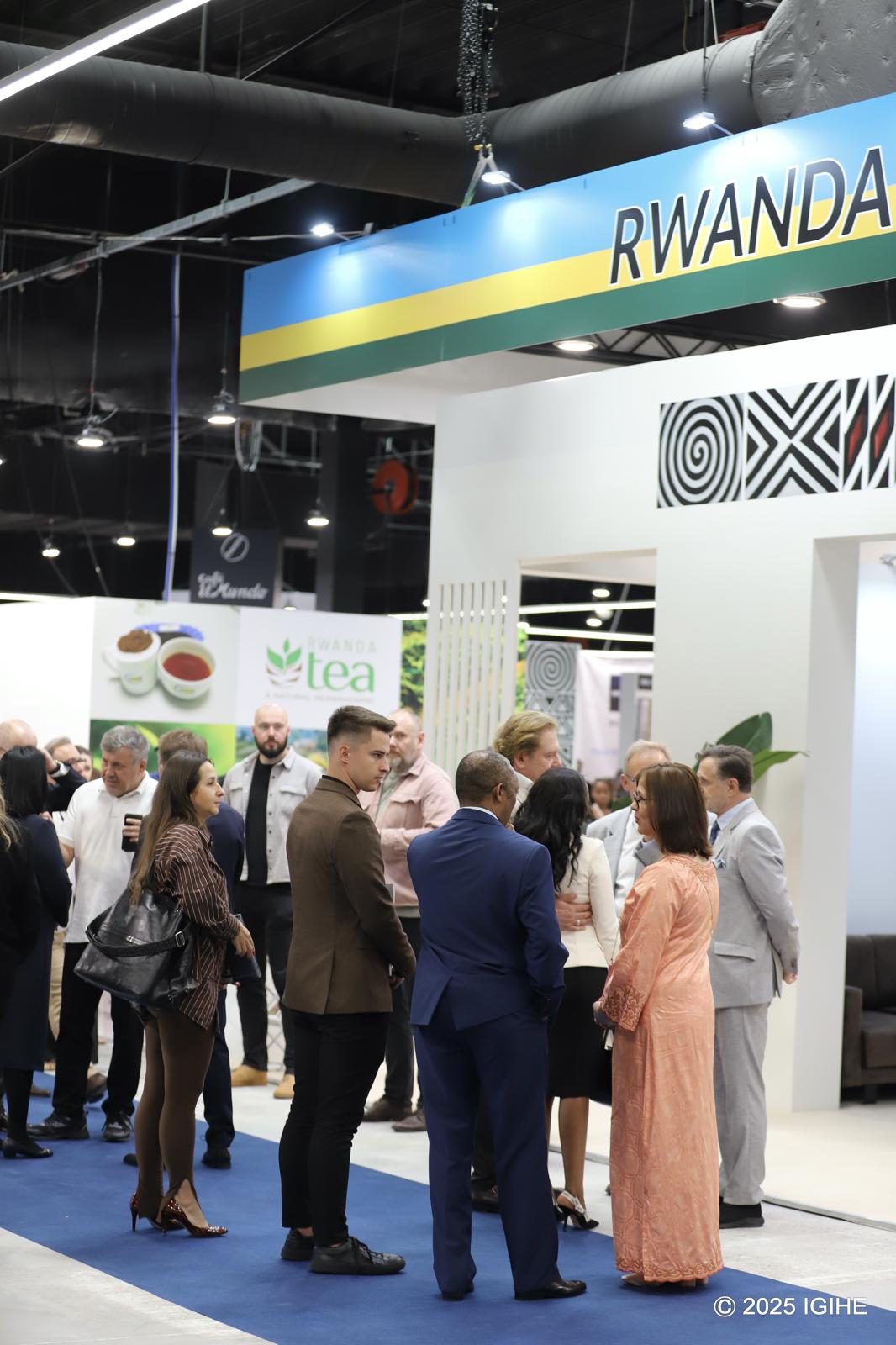
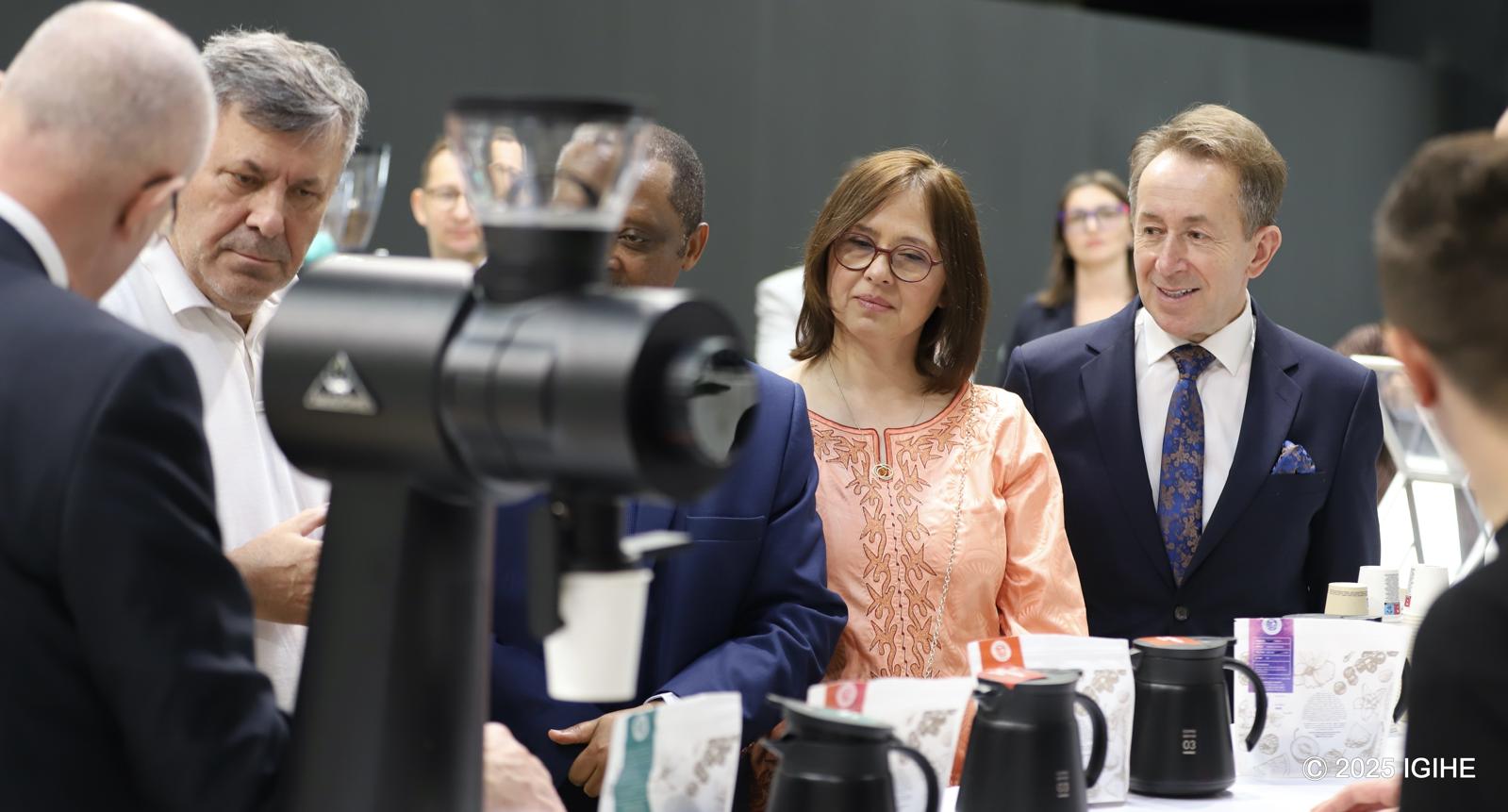
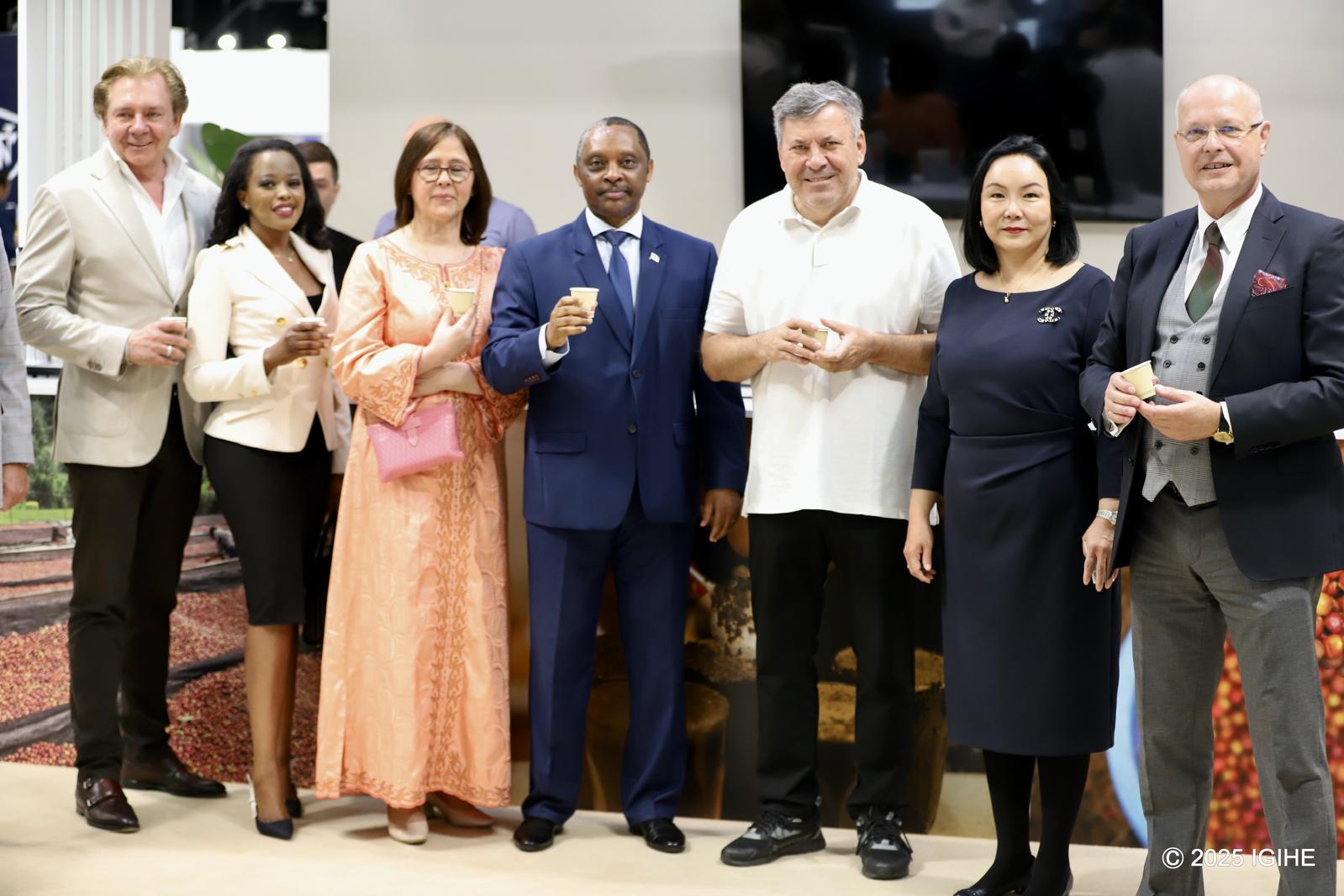
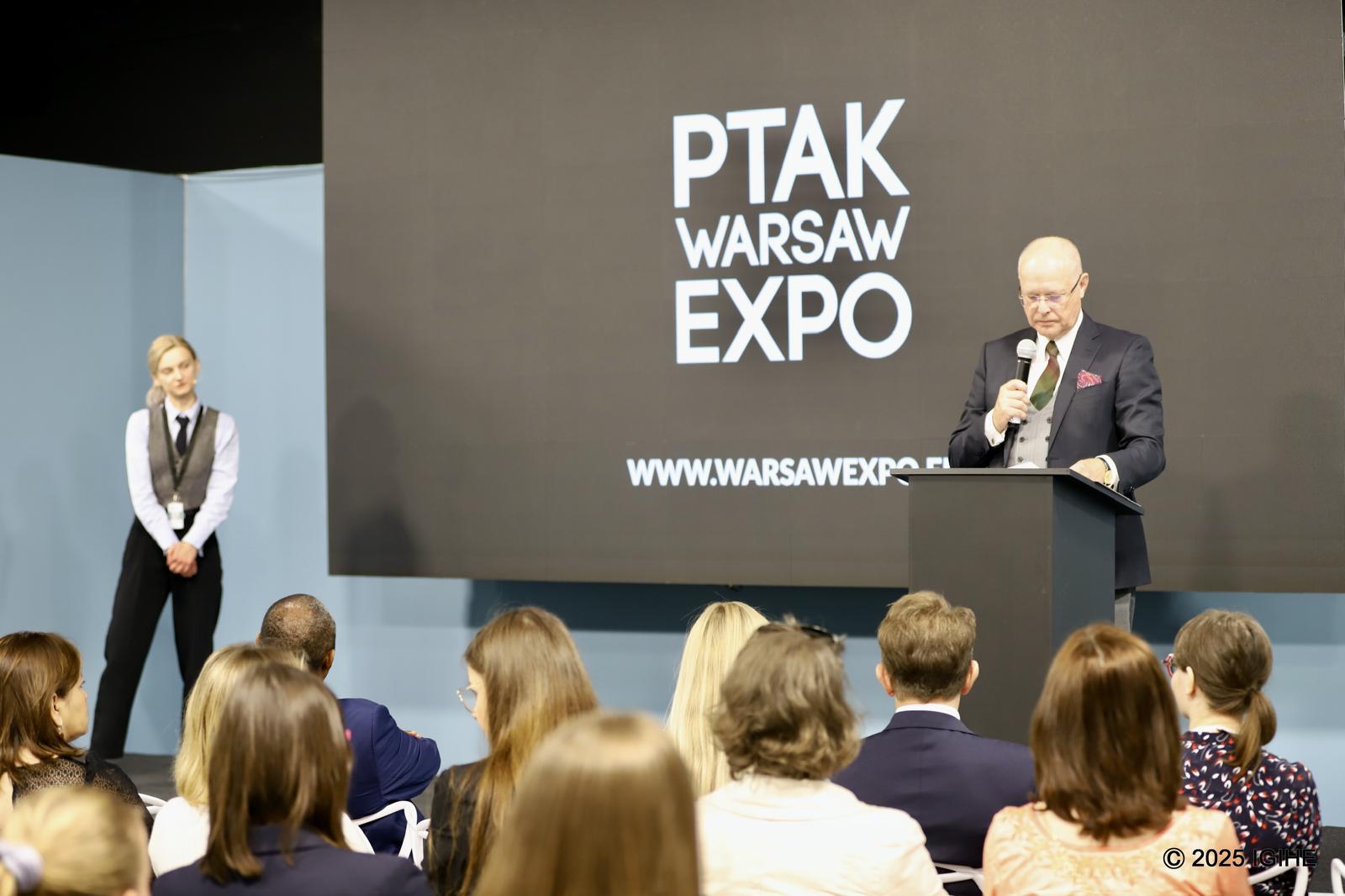
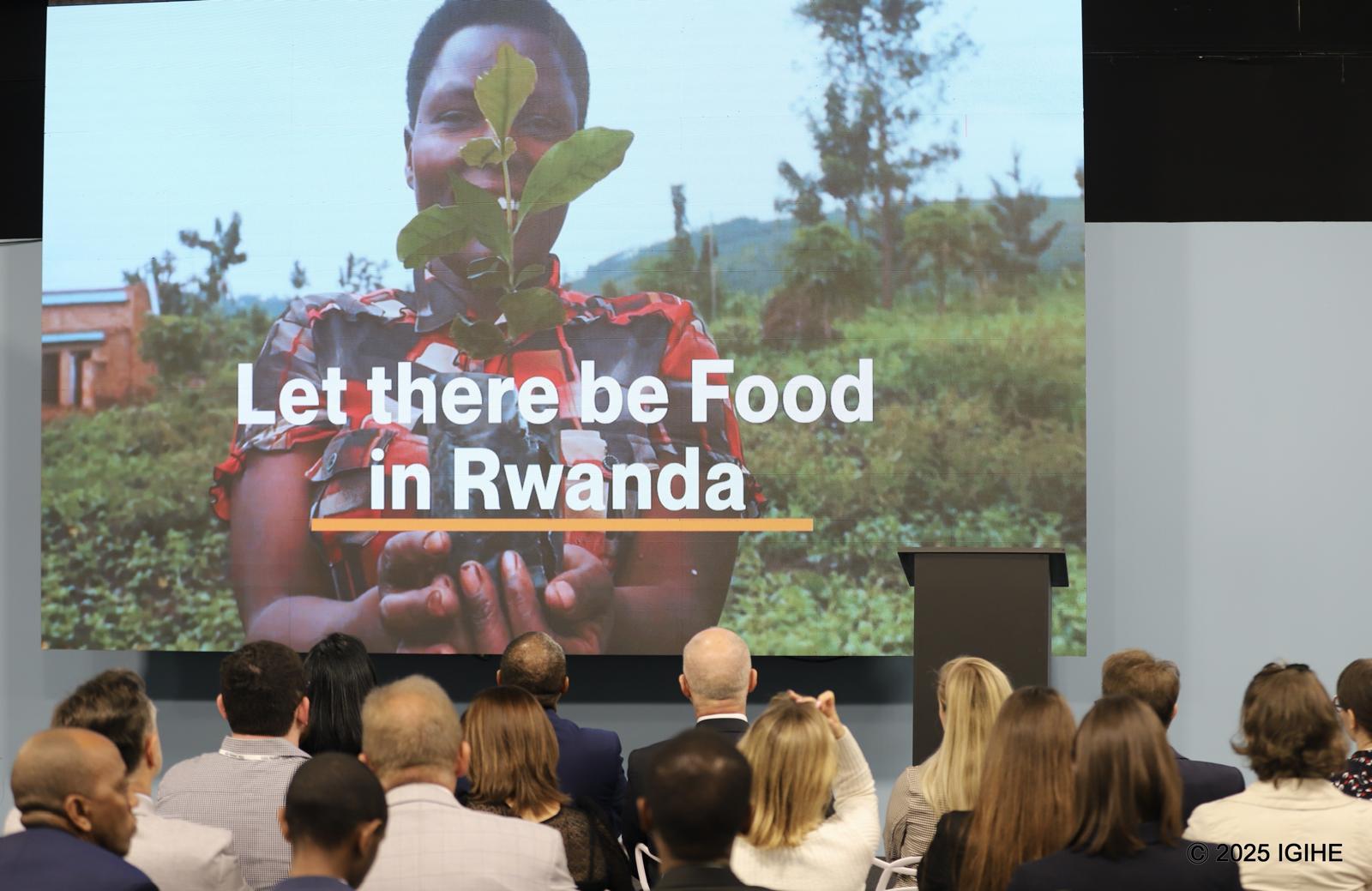
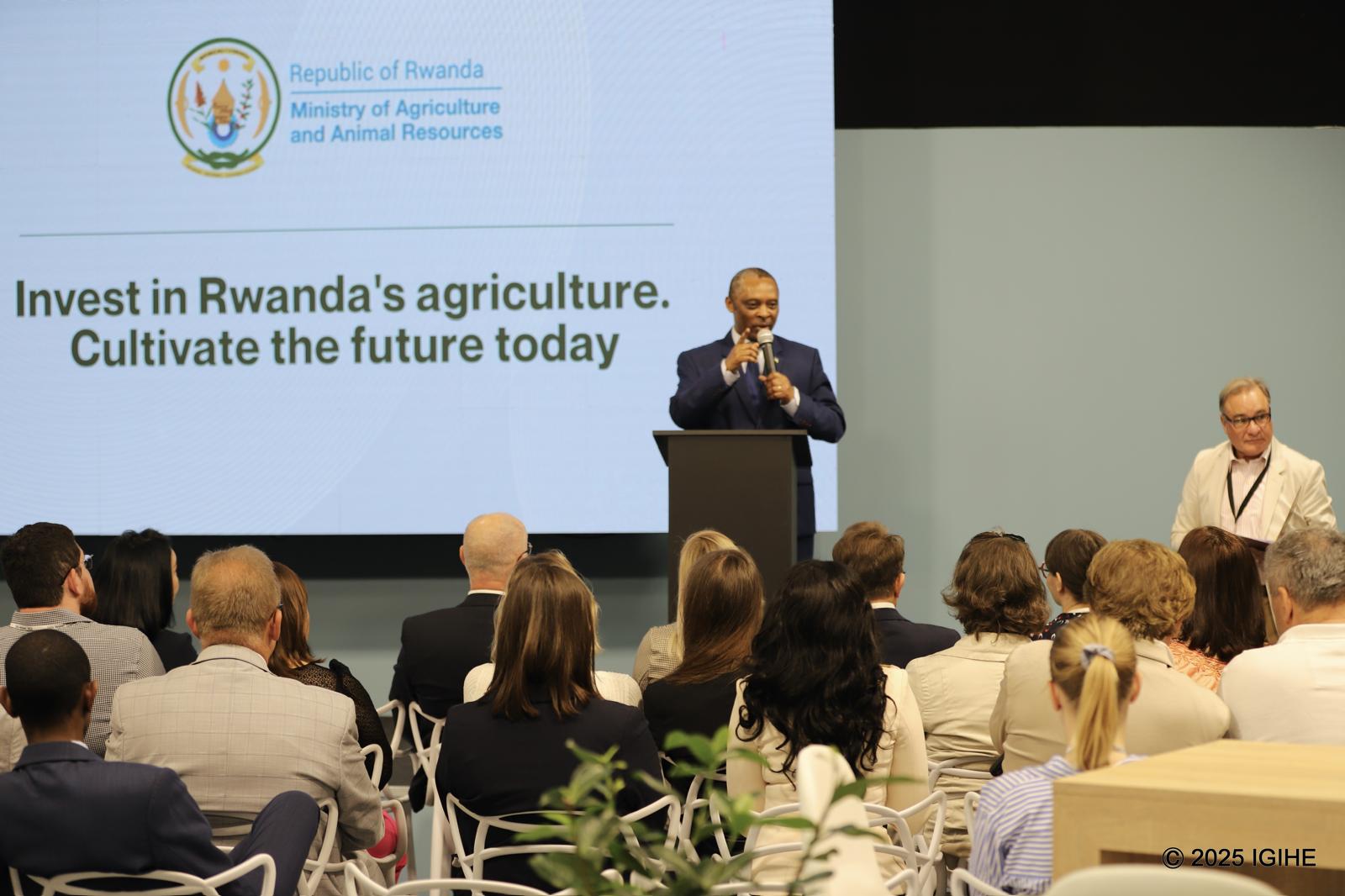
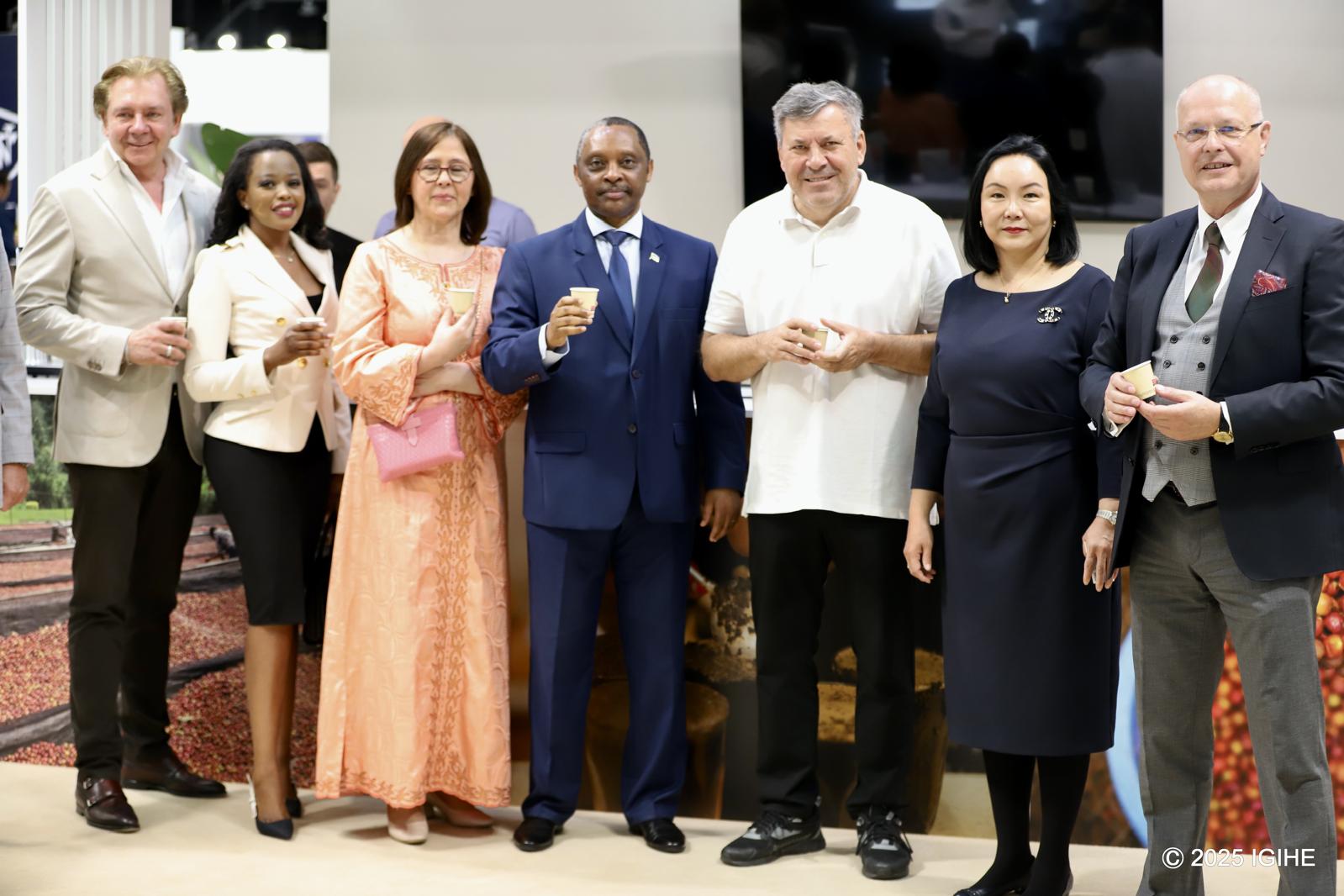
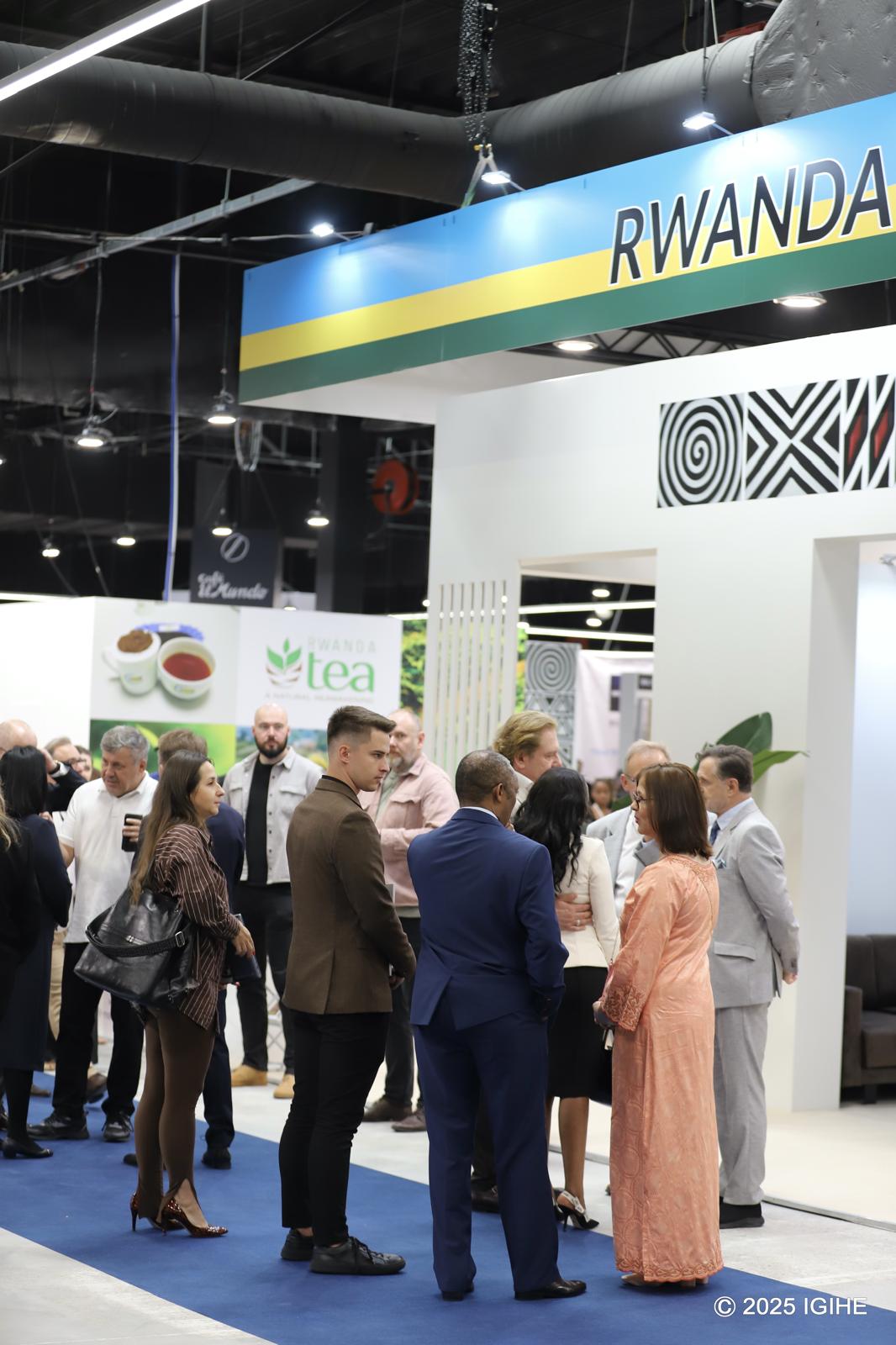
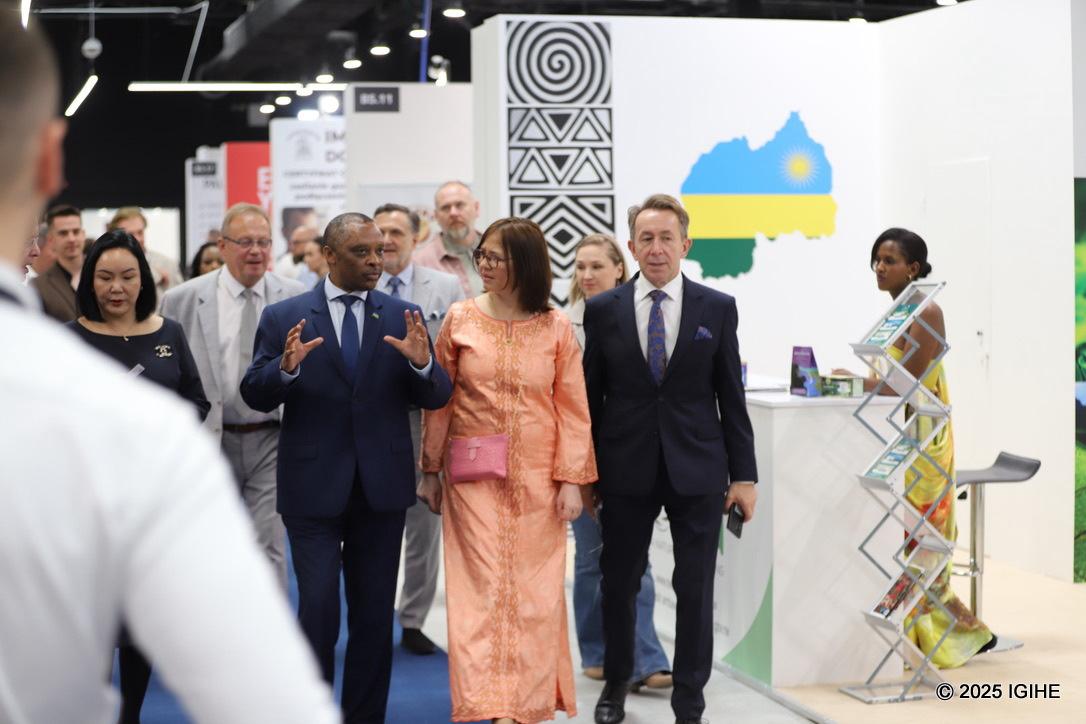
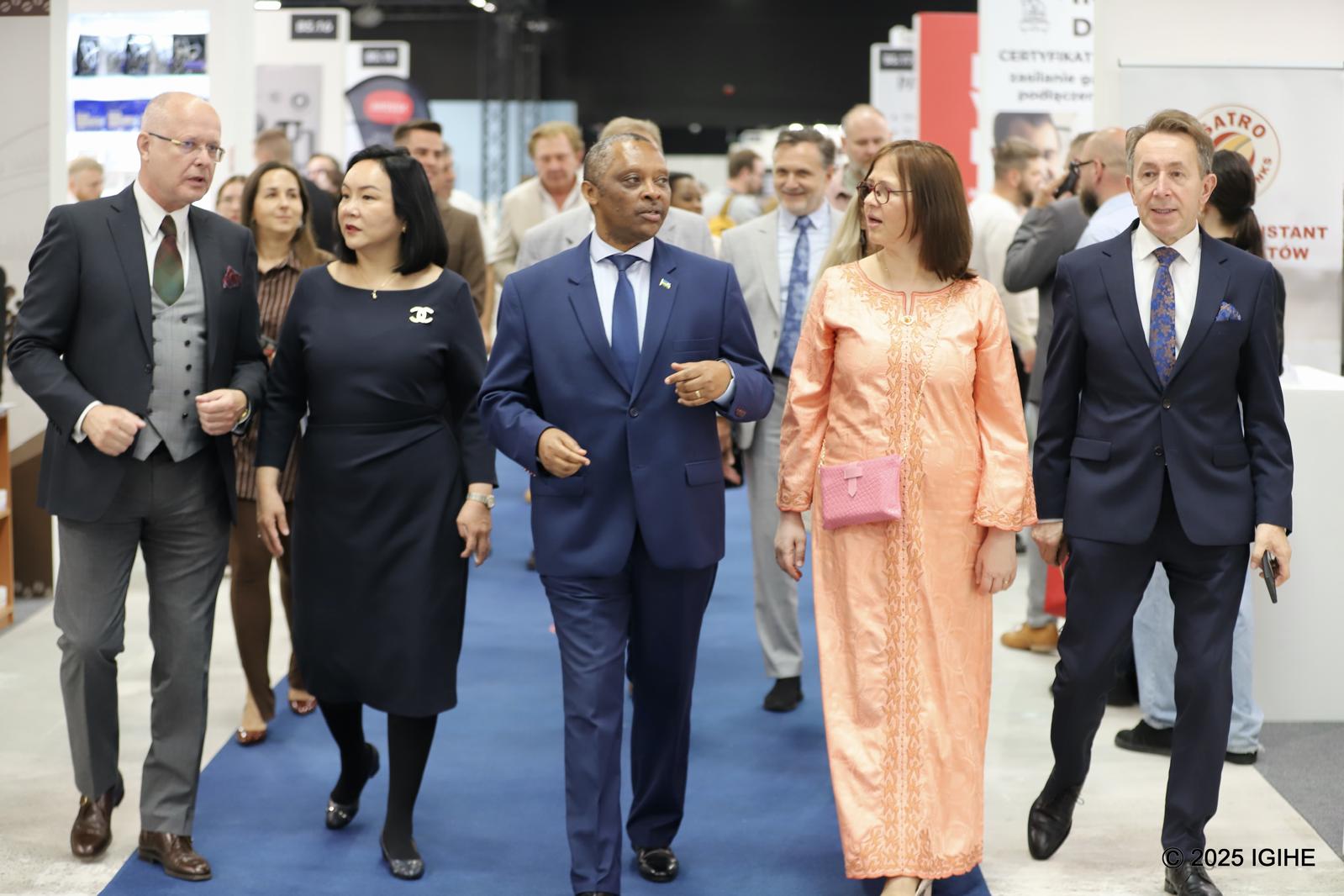
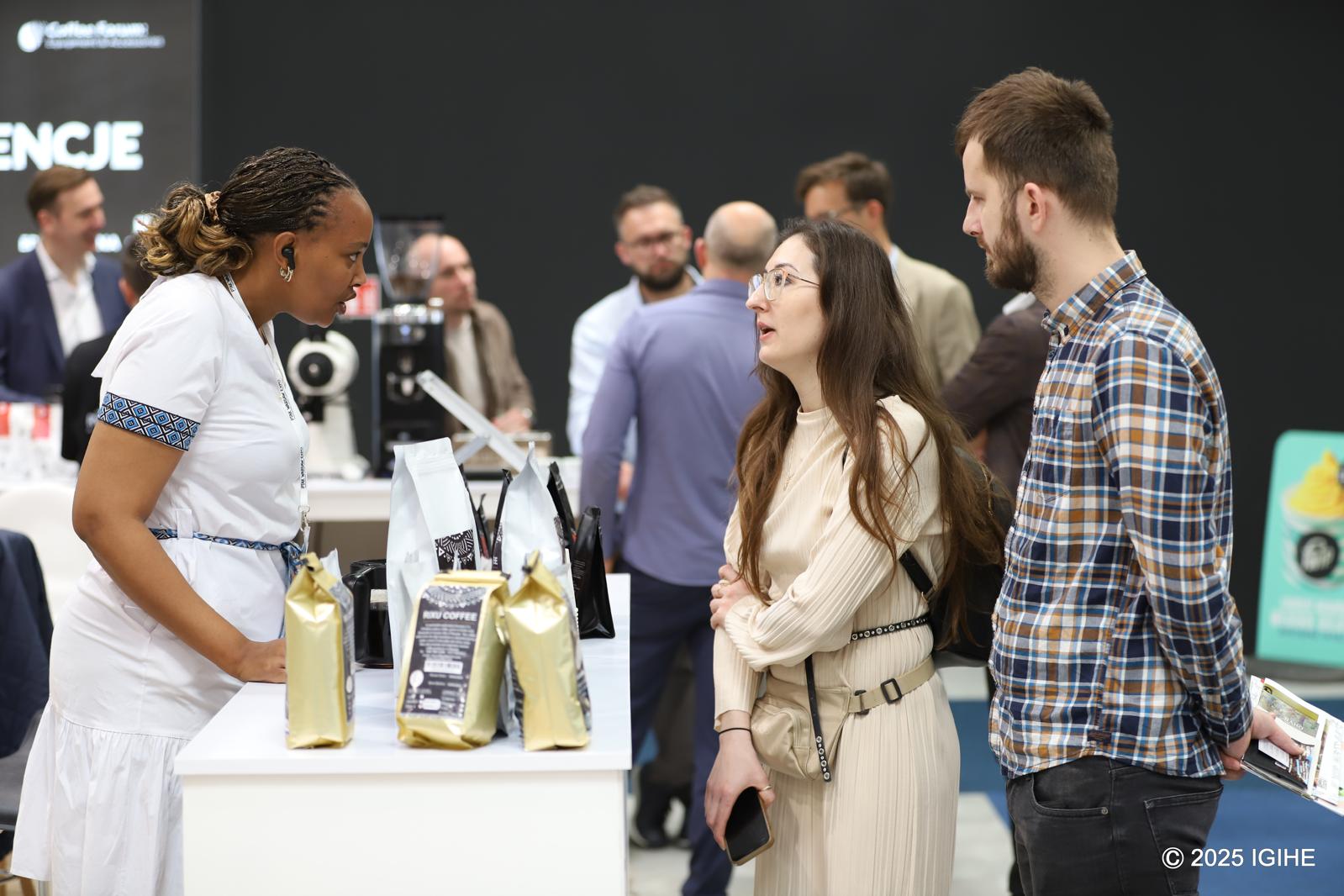
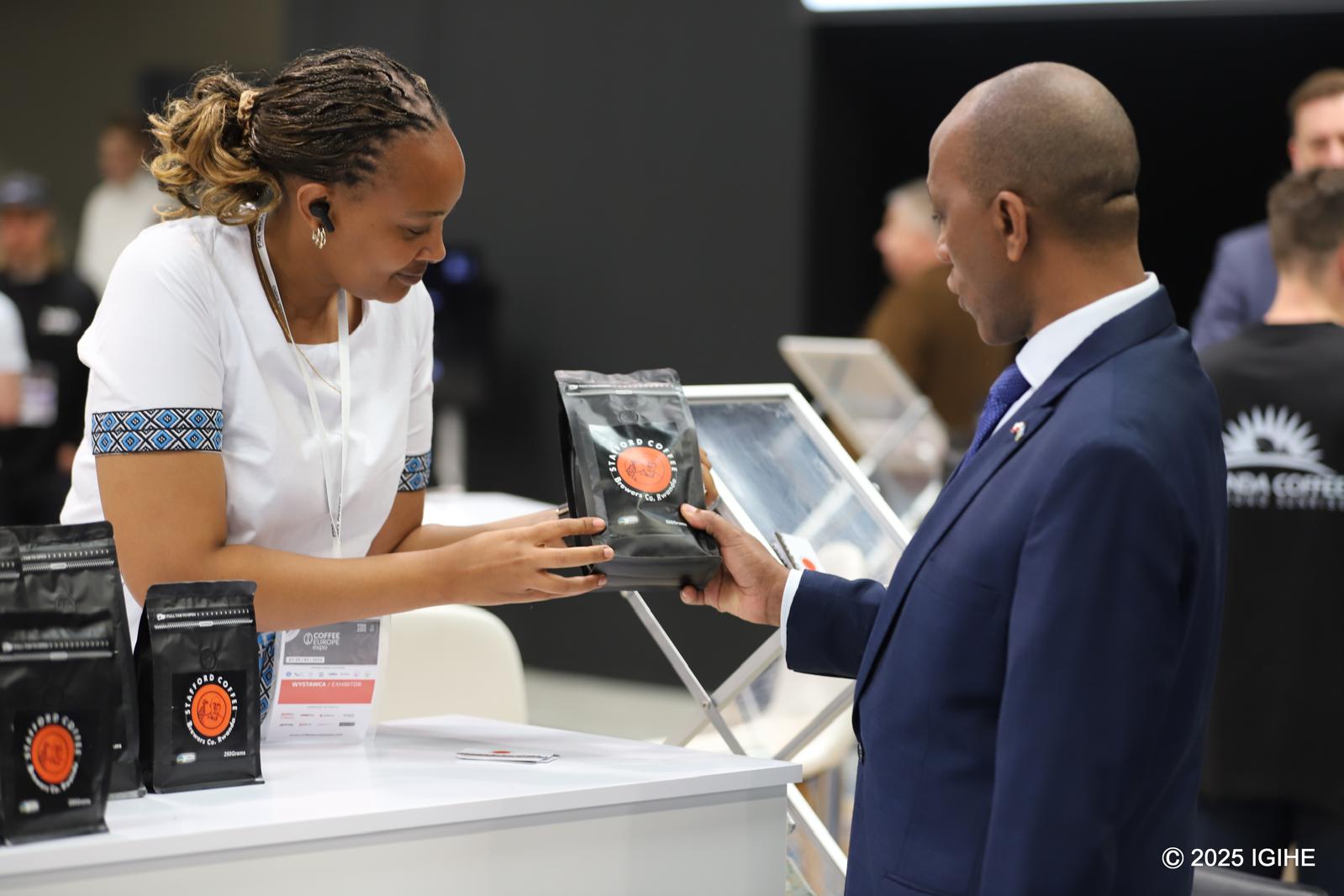
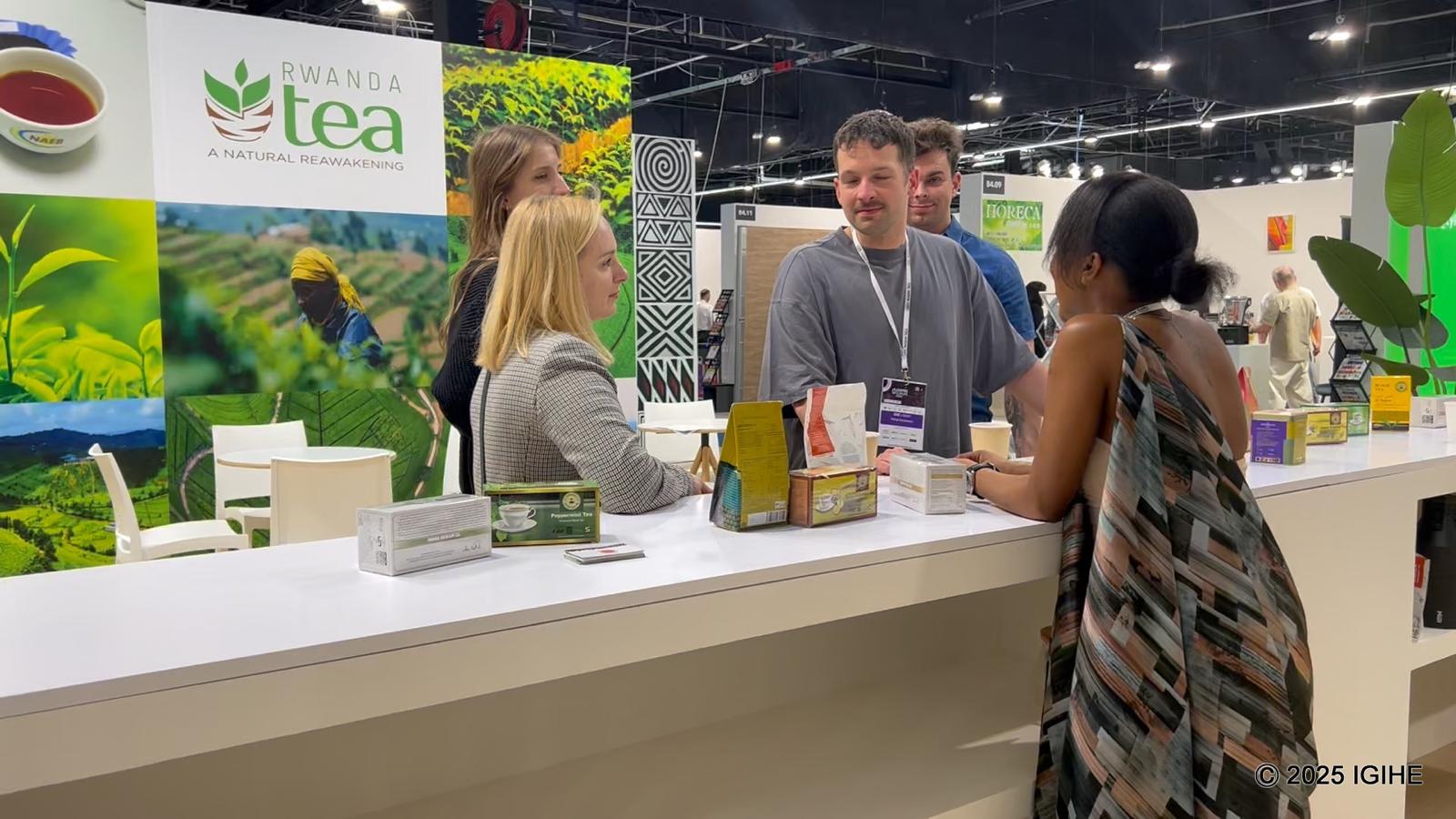
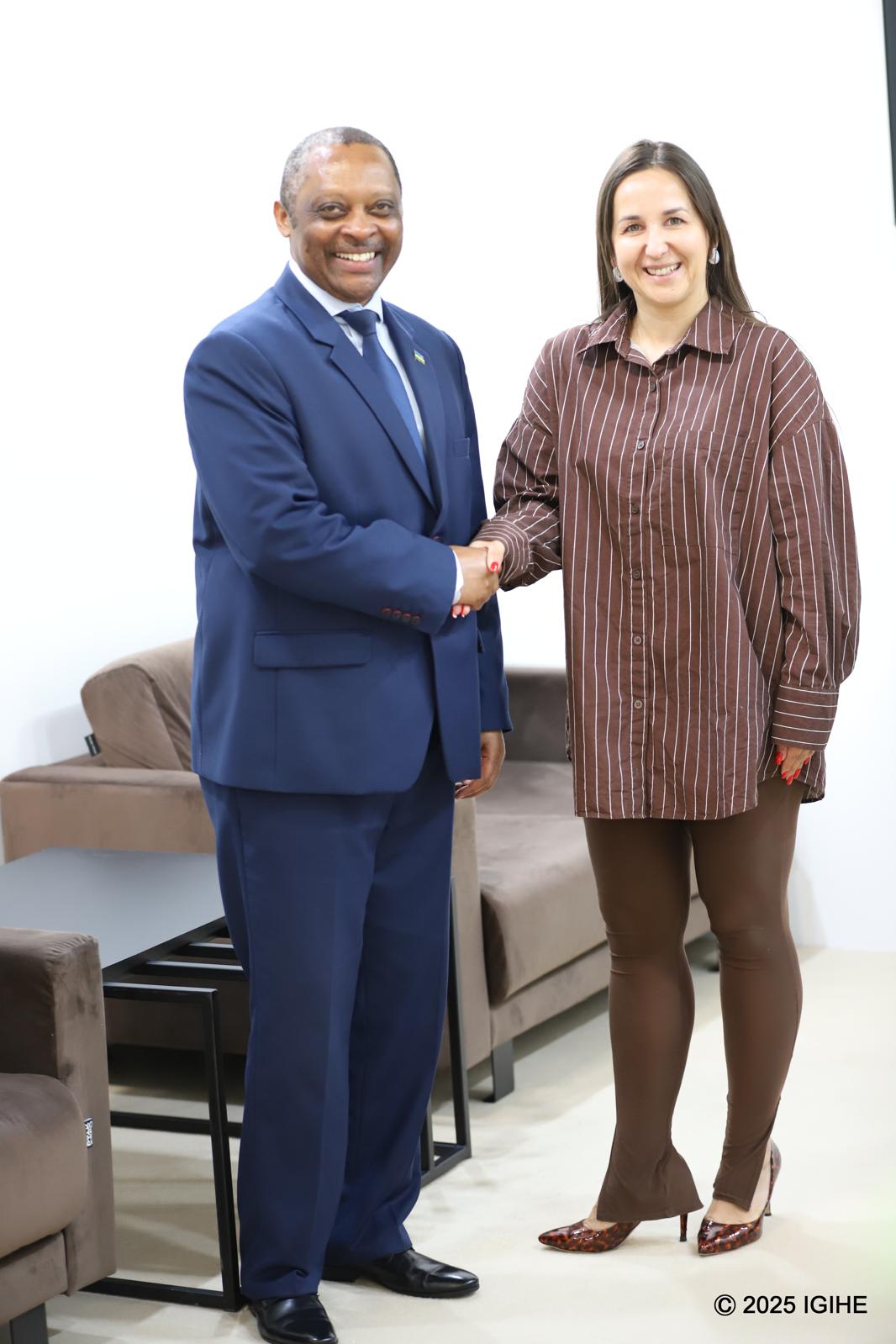
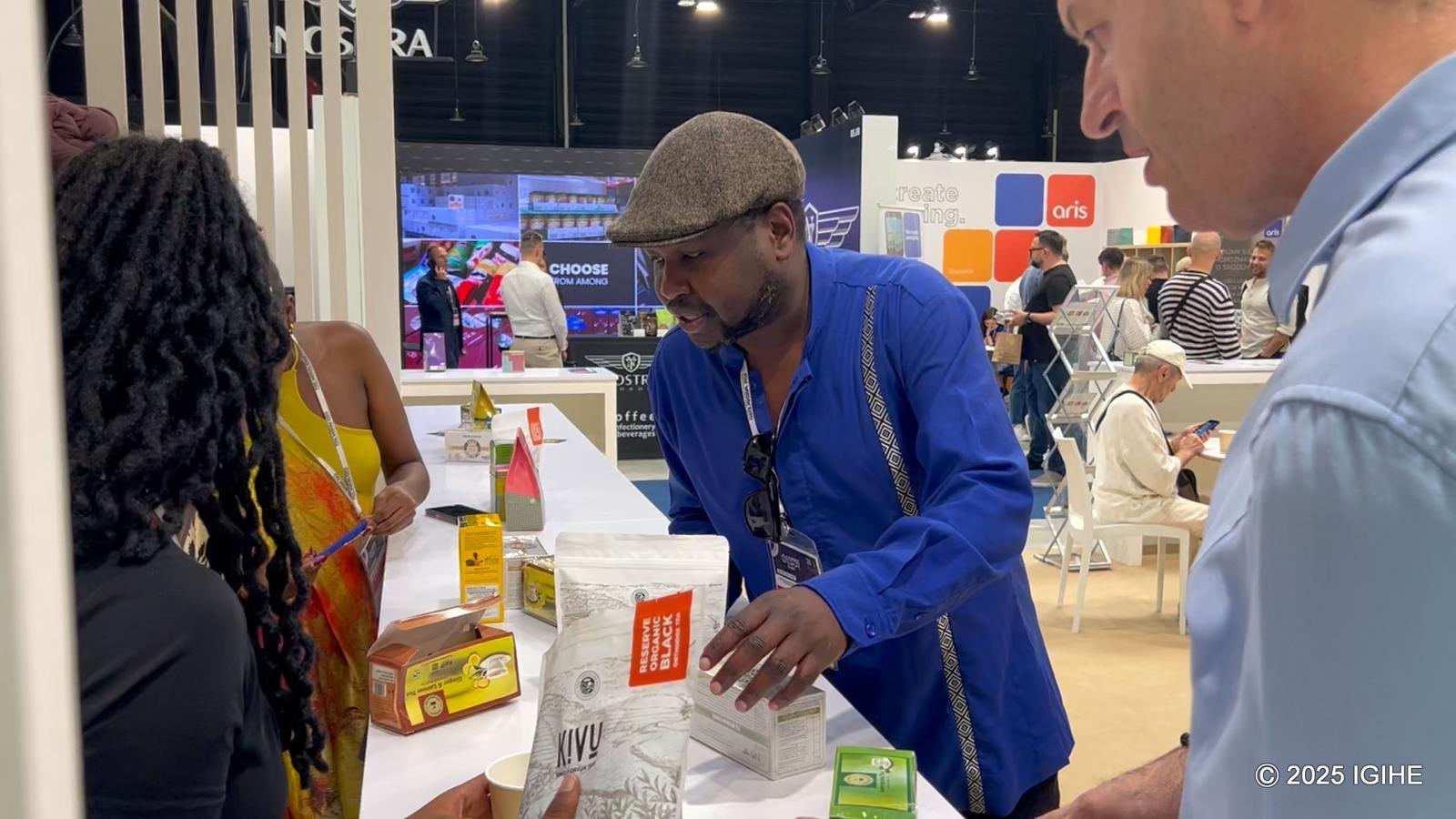
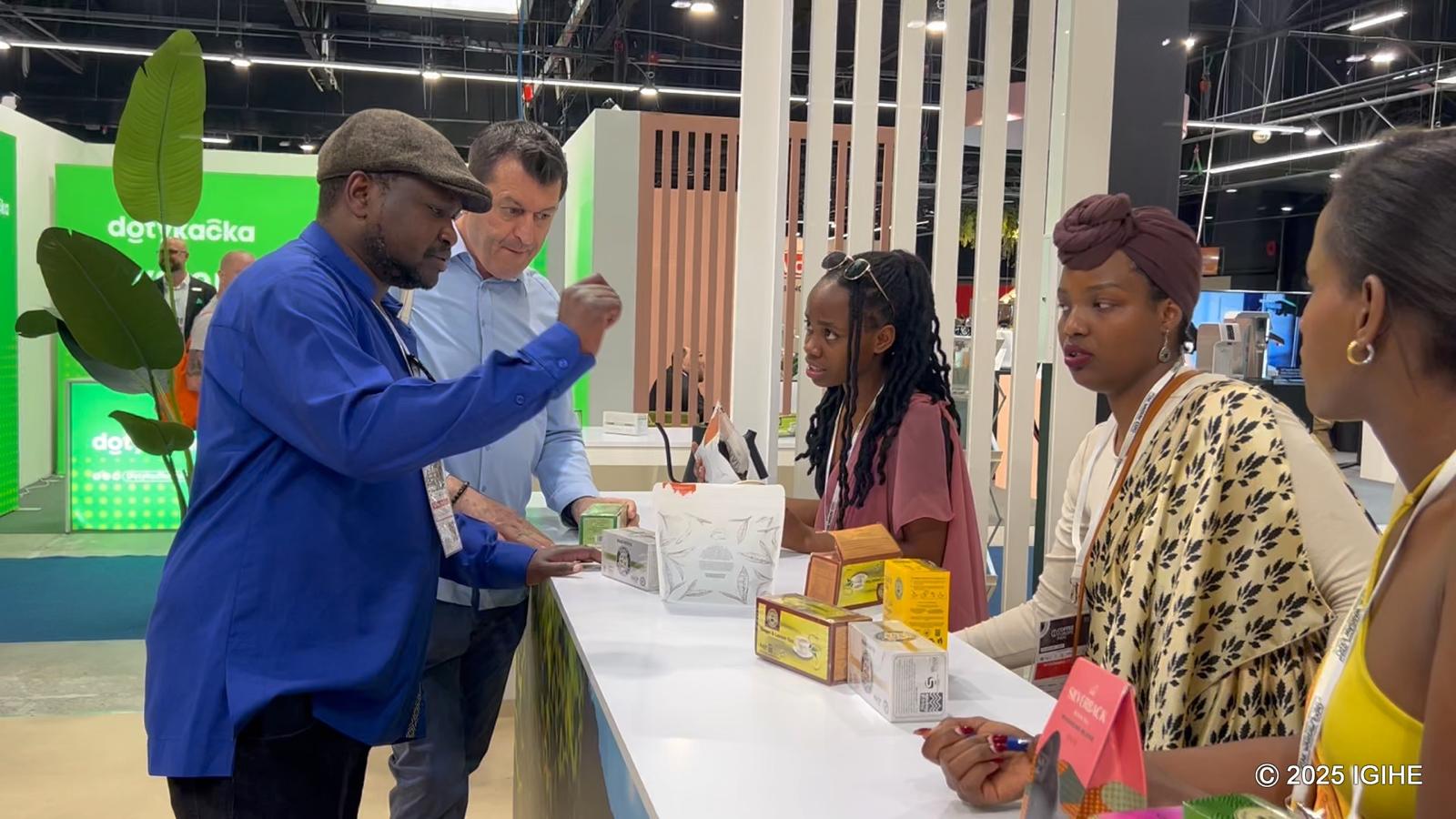
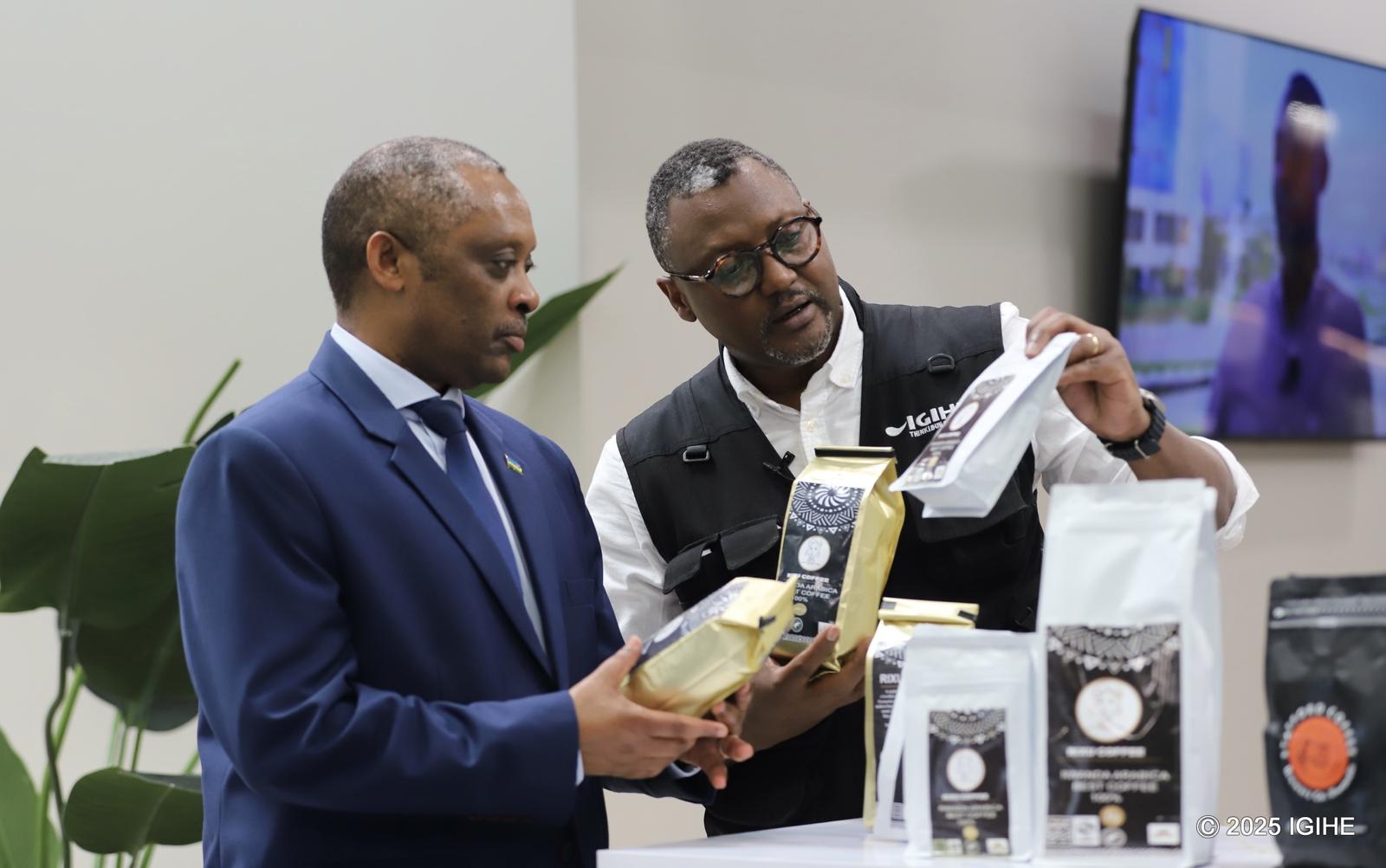
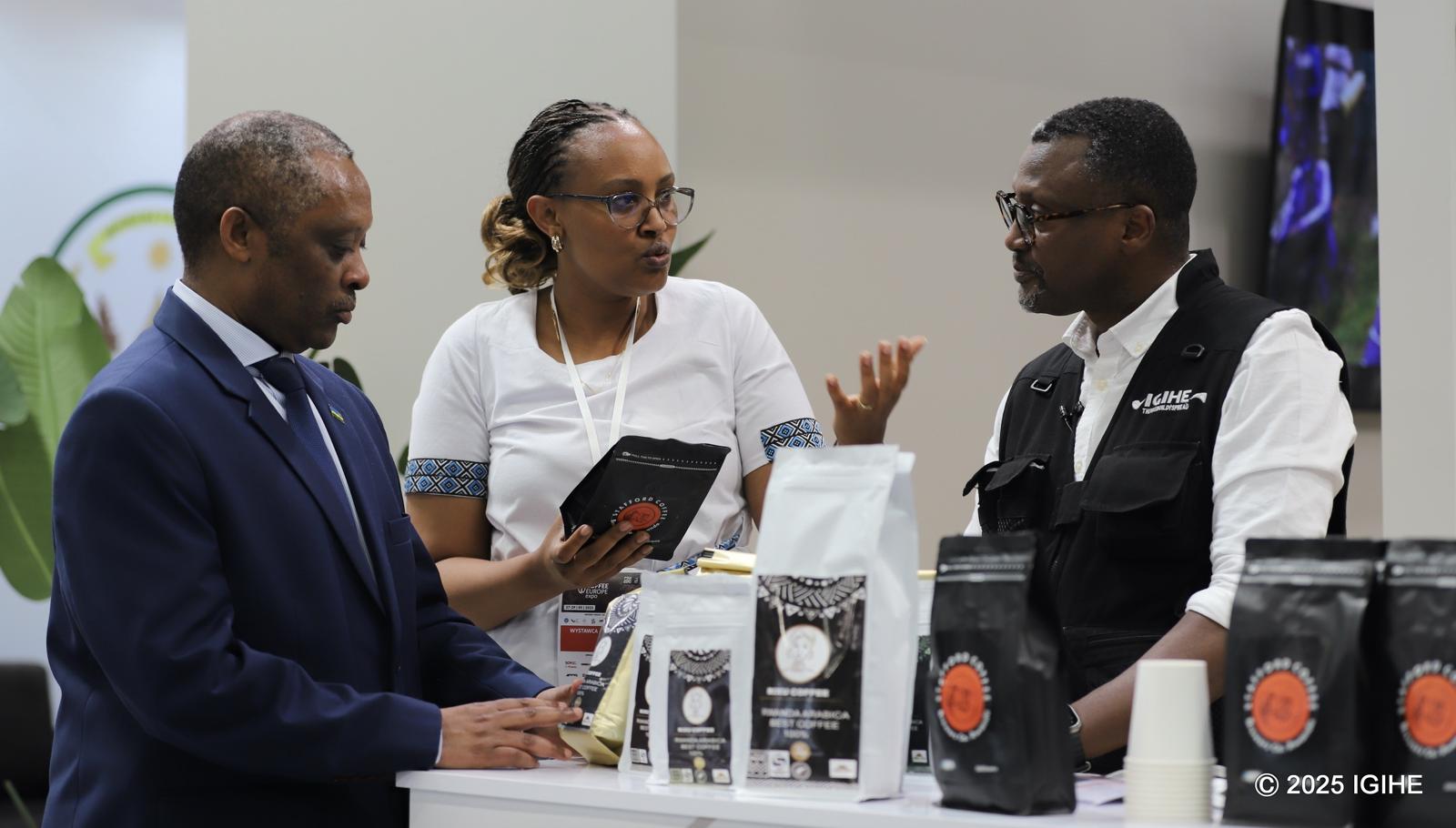
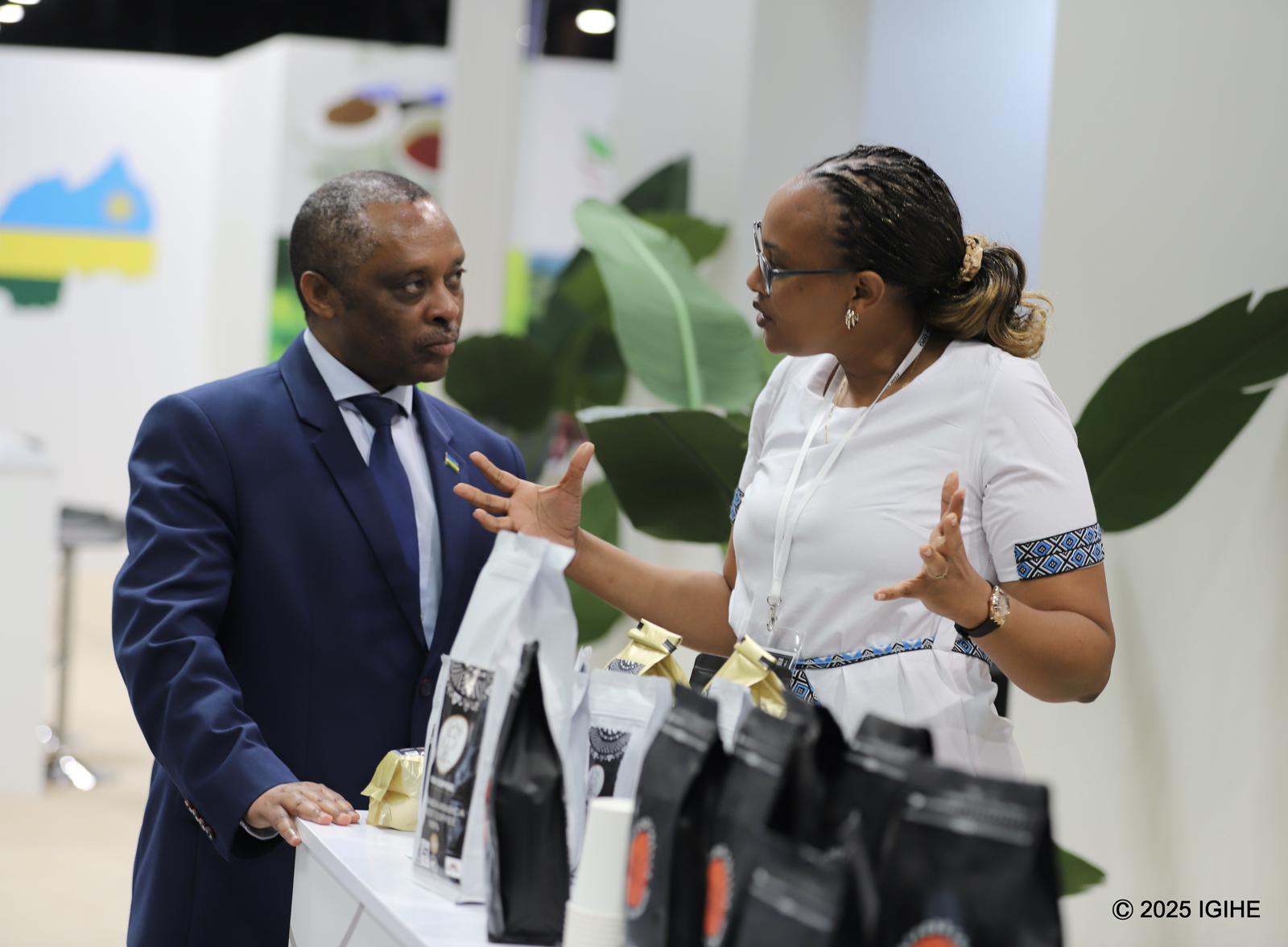
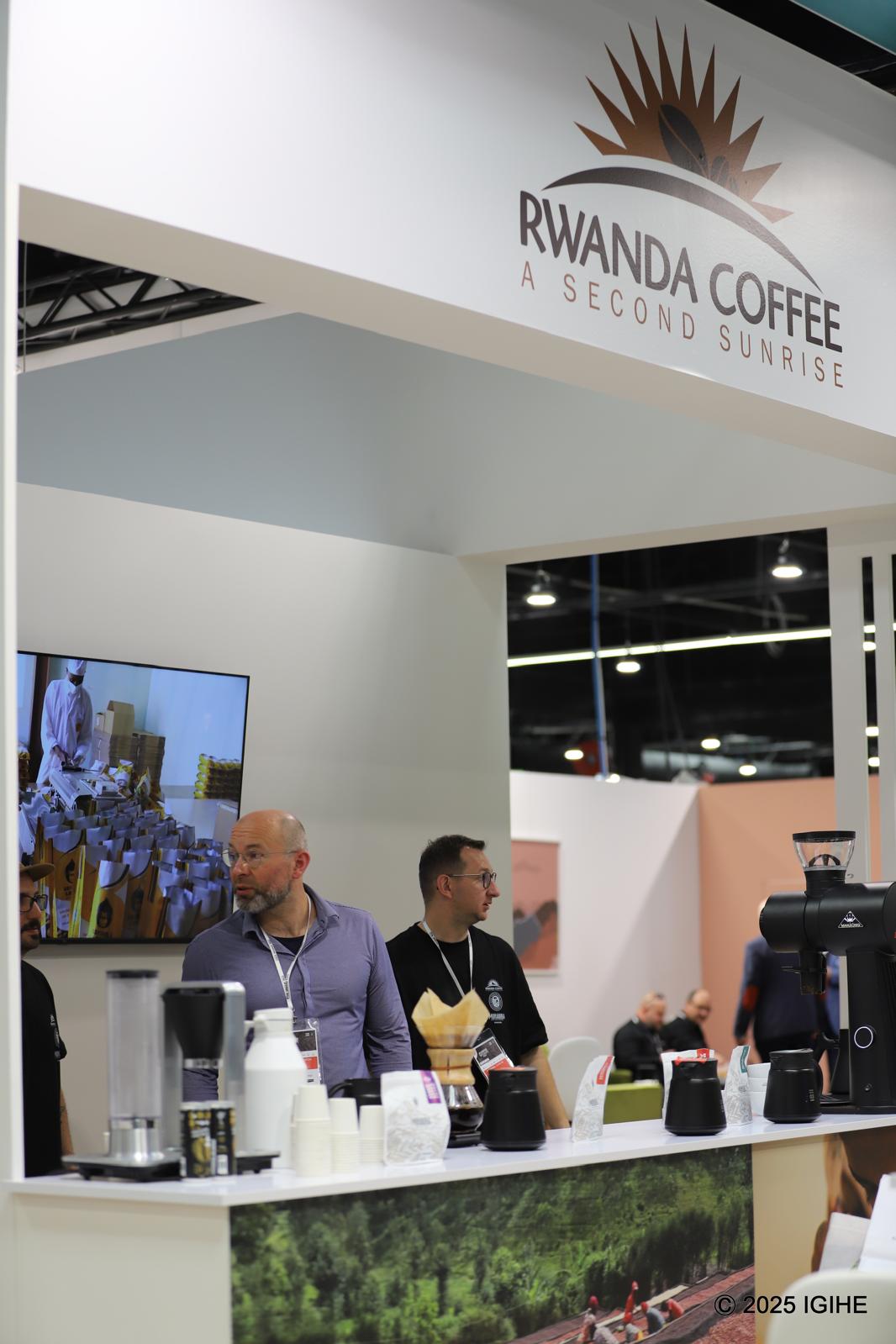
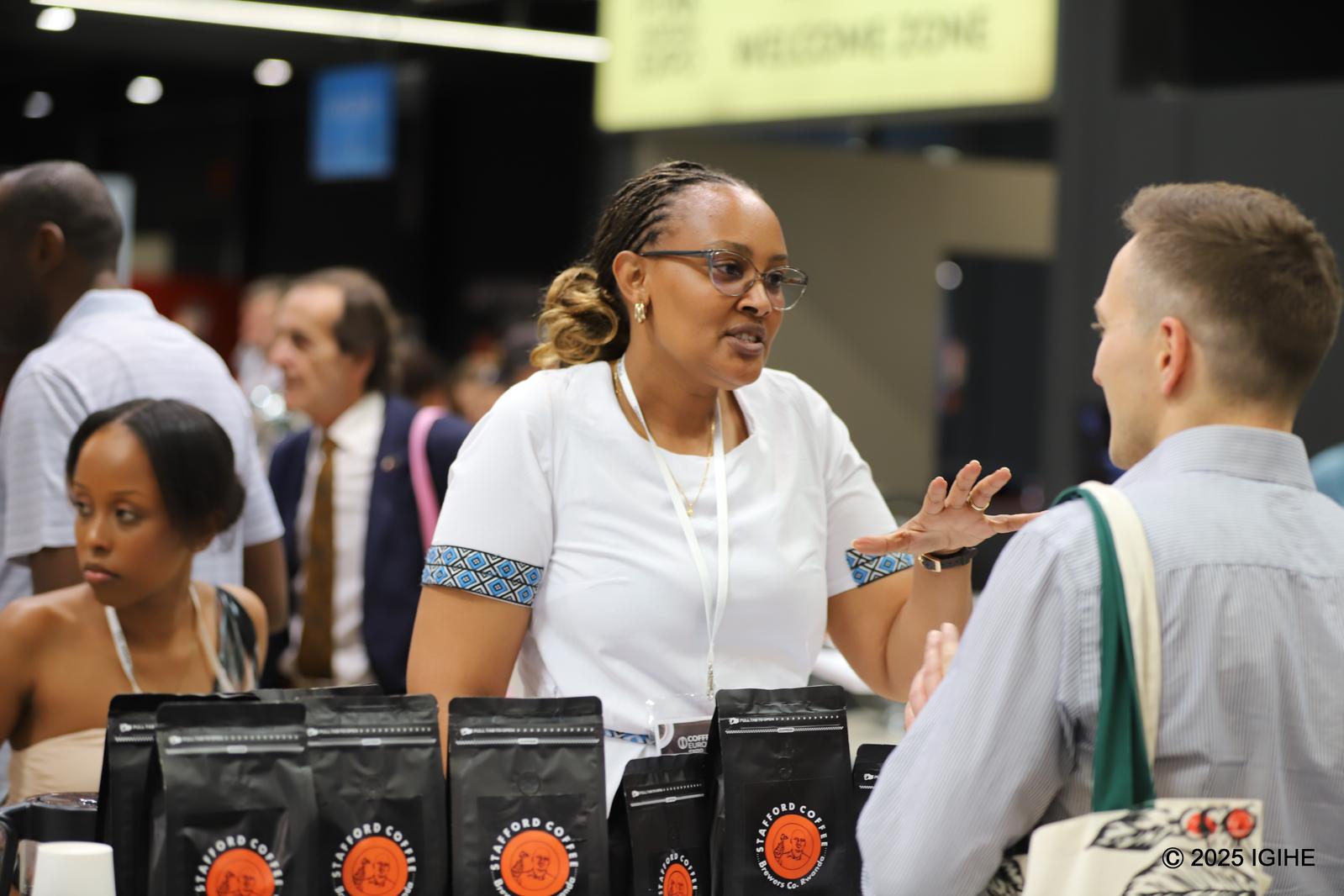
At the opening, Rwanda was recognized as a partner country. Represented by the Rwandan Embassy in Poland and various private sector companies, Rwanda’s participation highlights its growing presence in the international coffee market.
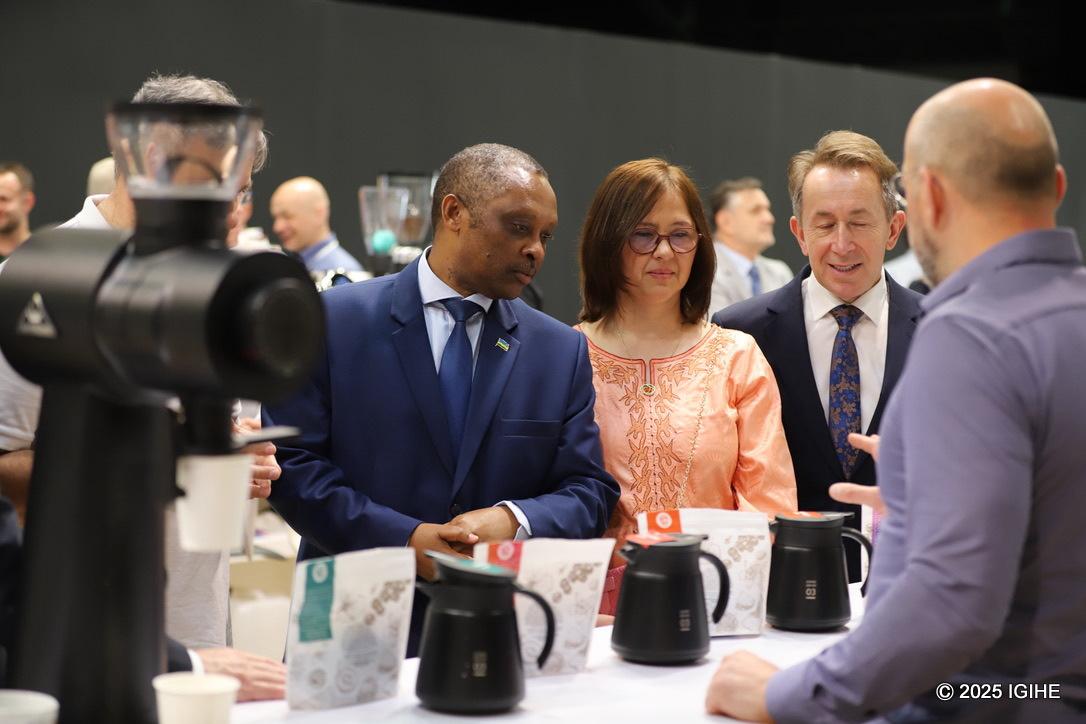
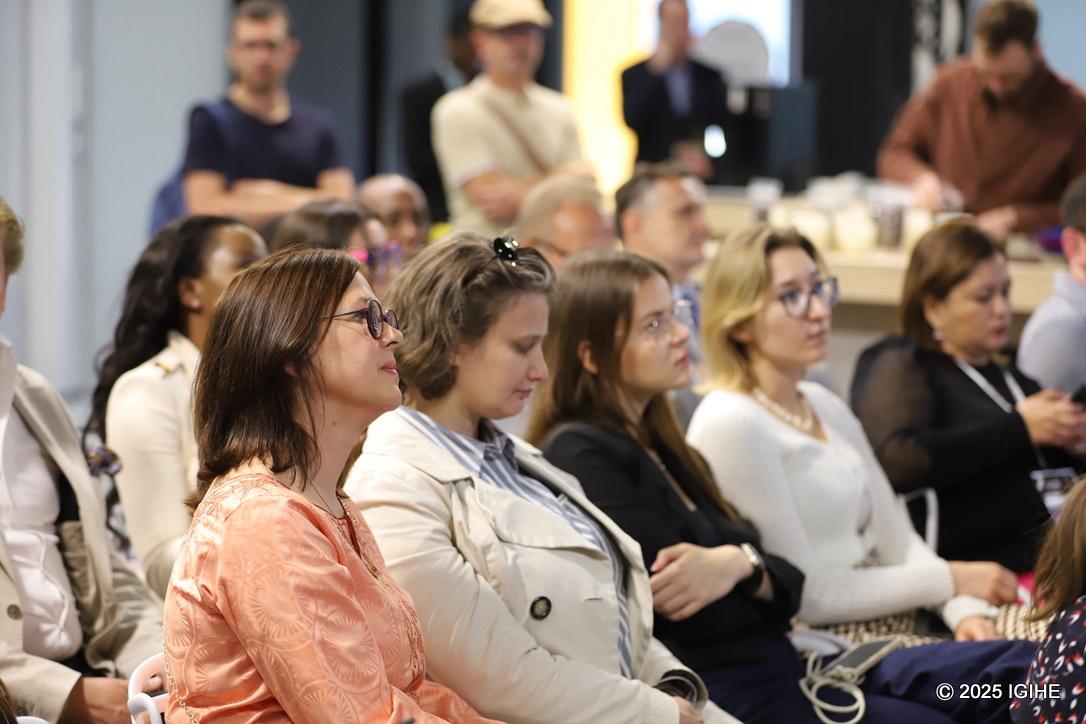
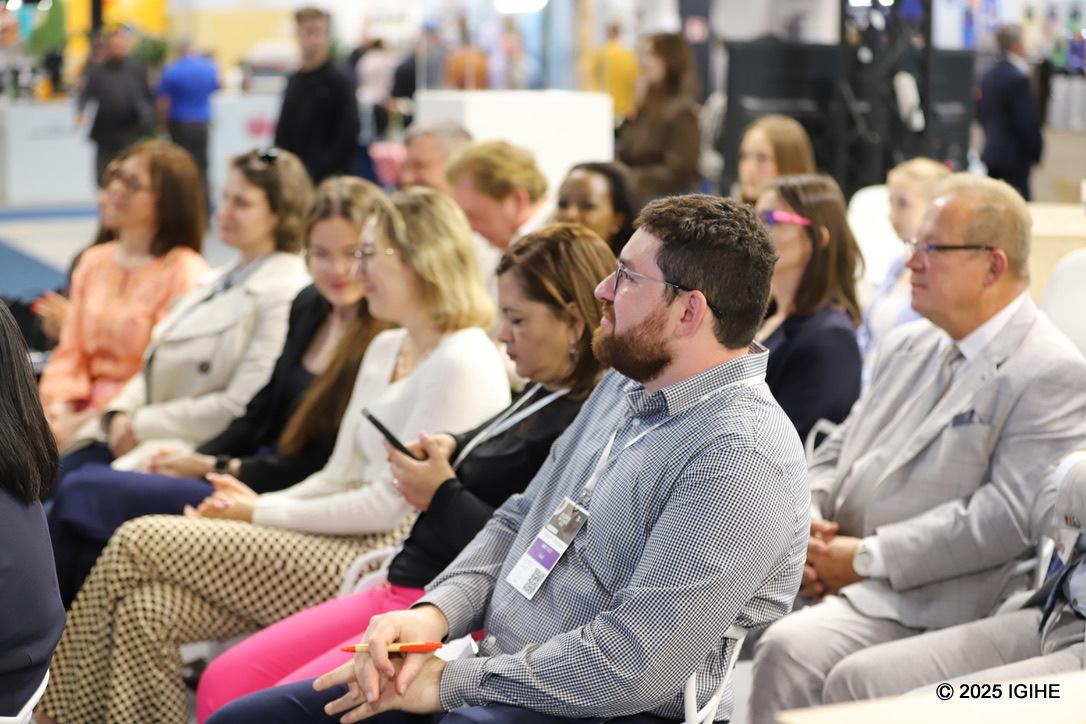
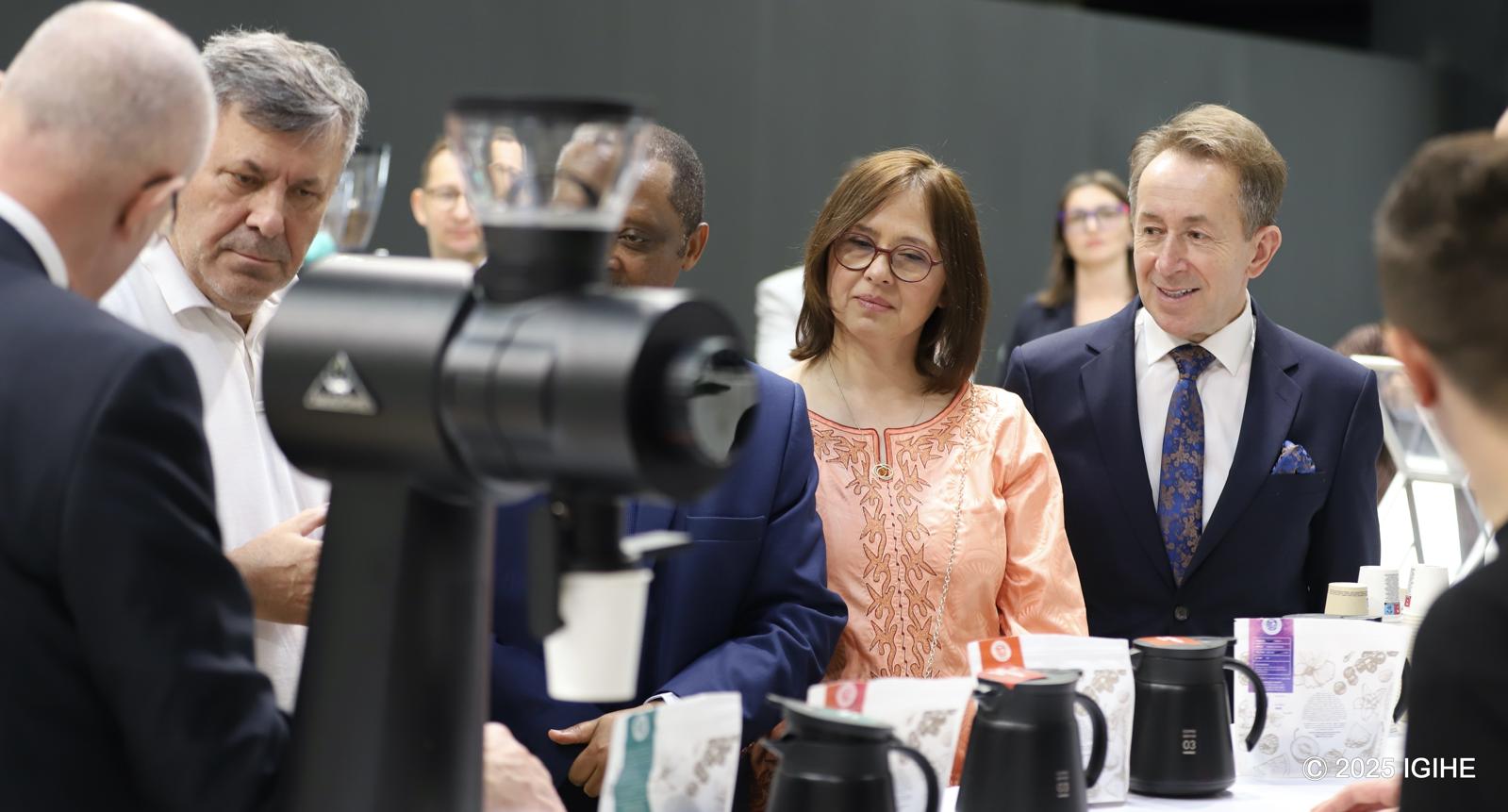
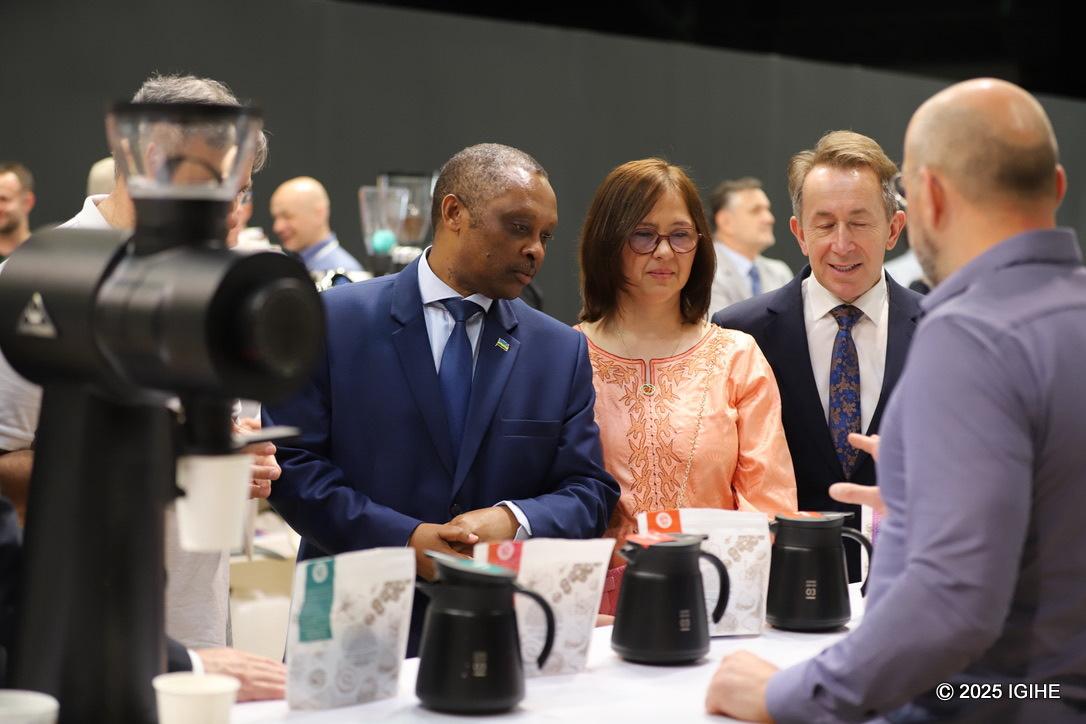
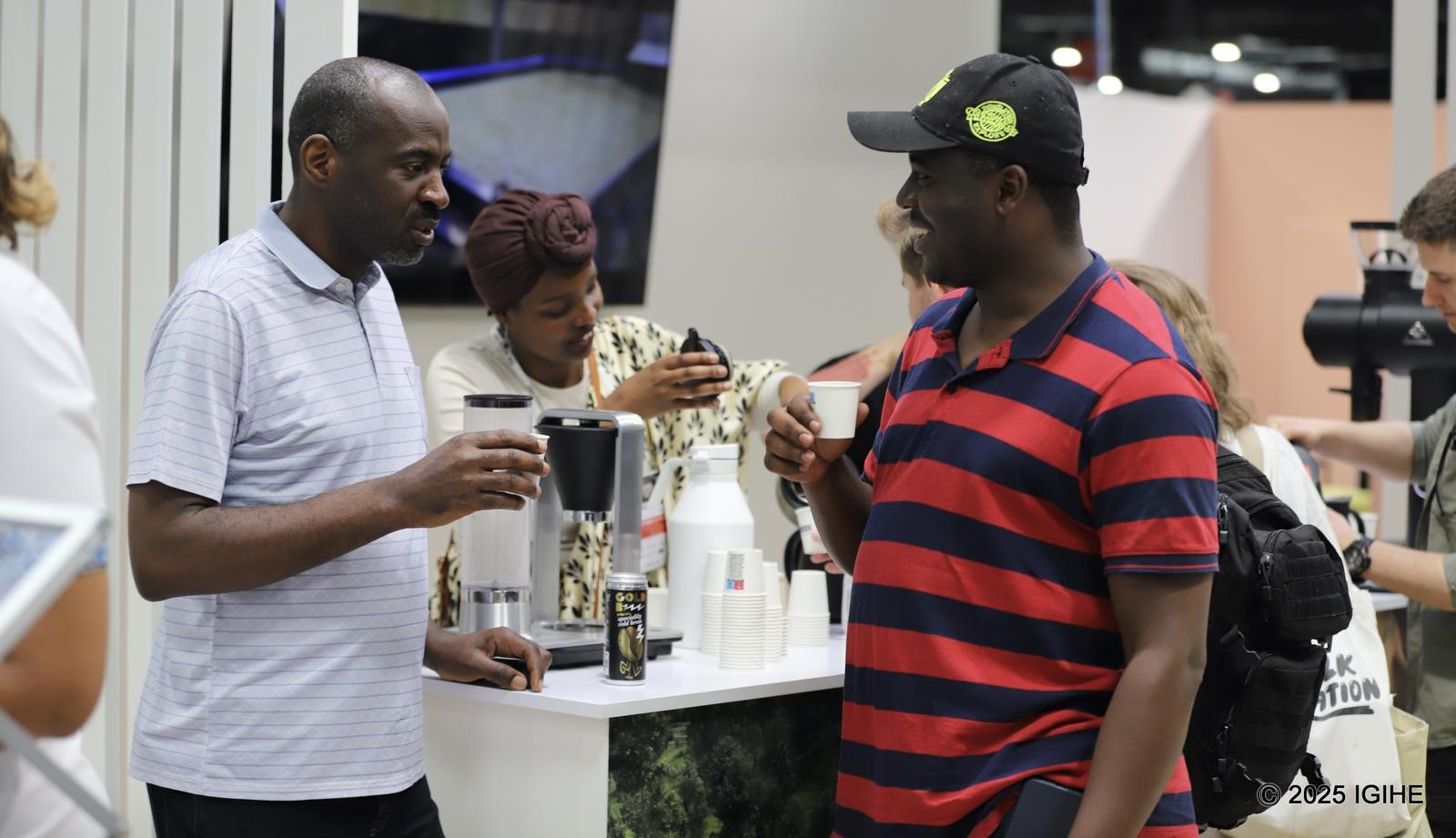
The expo running from May 27–29, 2025, brought together industry leaders, offering a platform to explore cutting-edge innovations in coffee production, roasting, brewing, and retail.
The accompanying congress provides opportunities for expanding knowledge, acquiring skills, and networking with global coffee sector players.
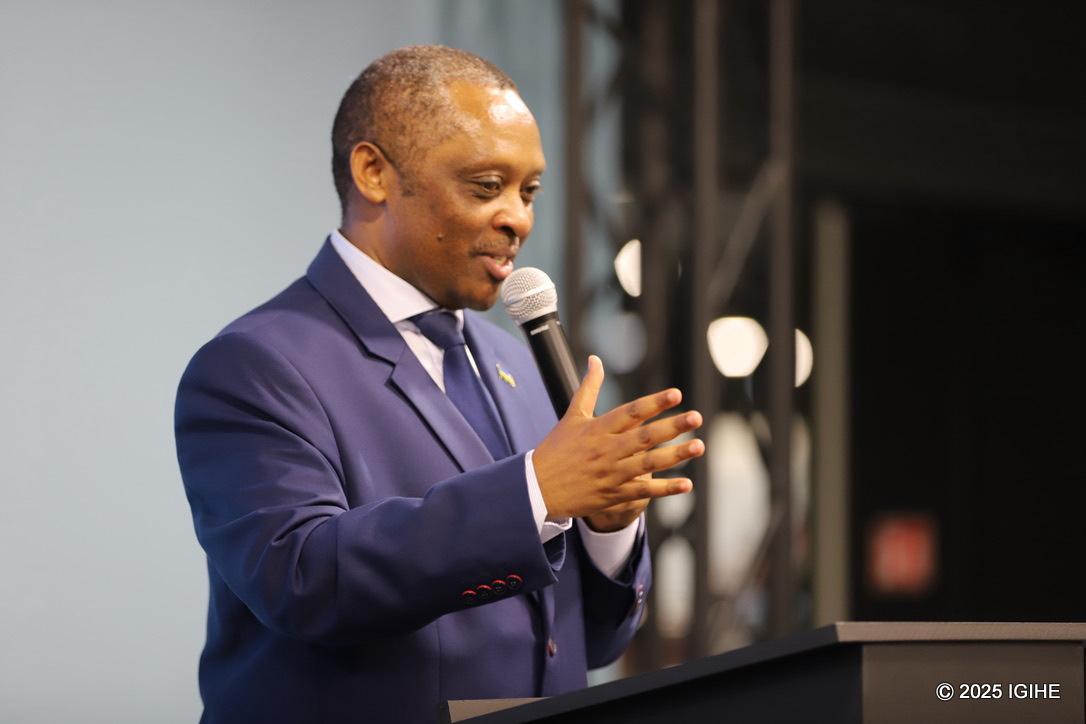
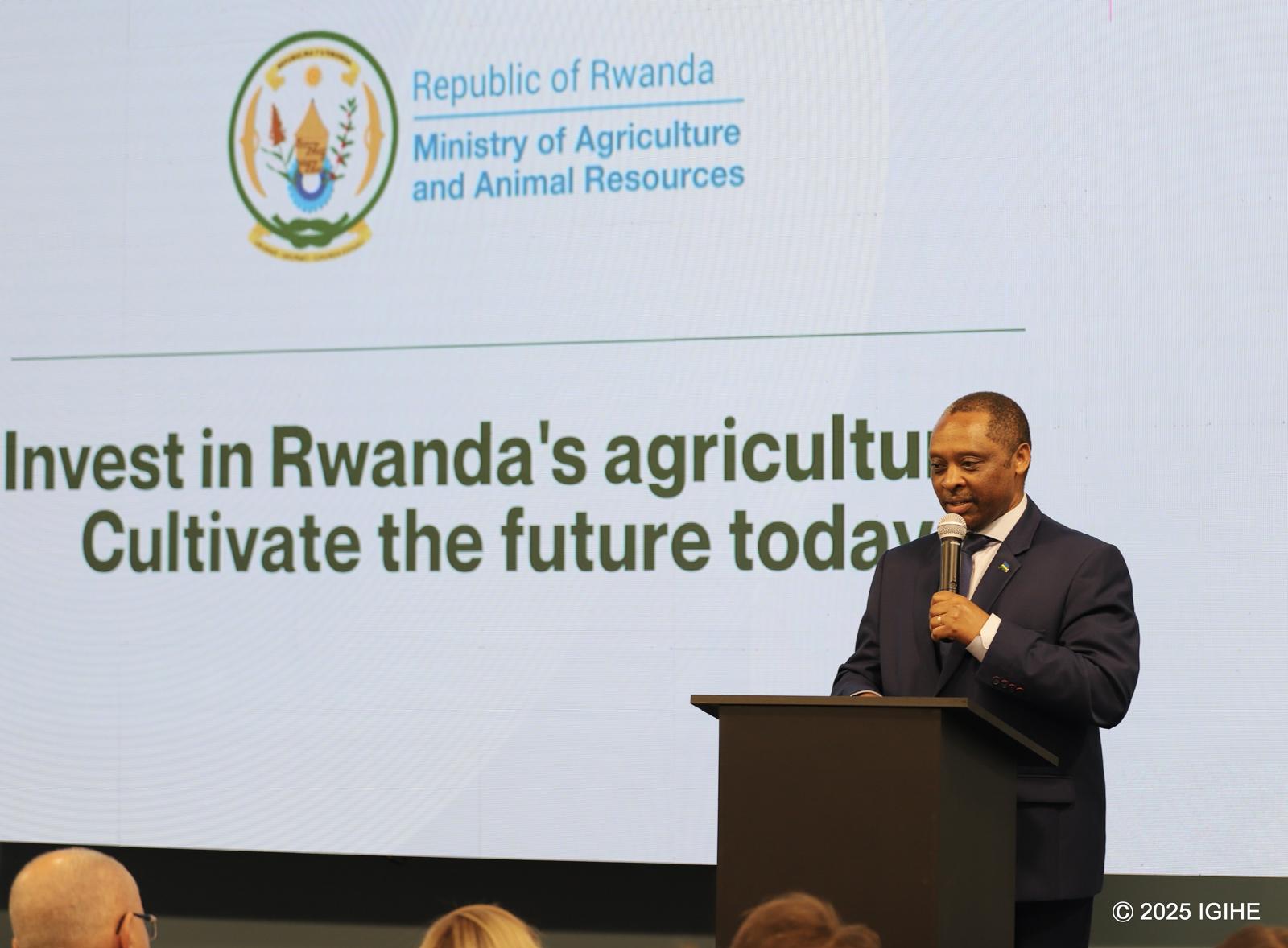
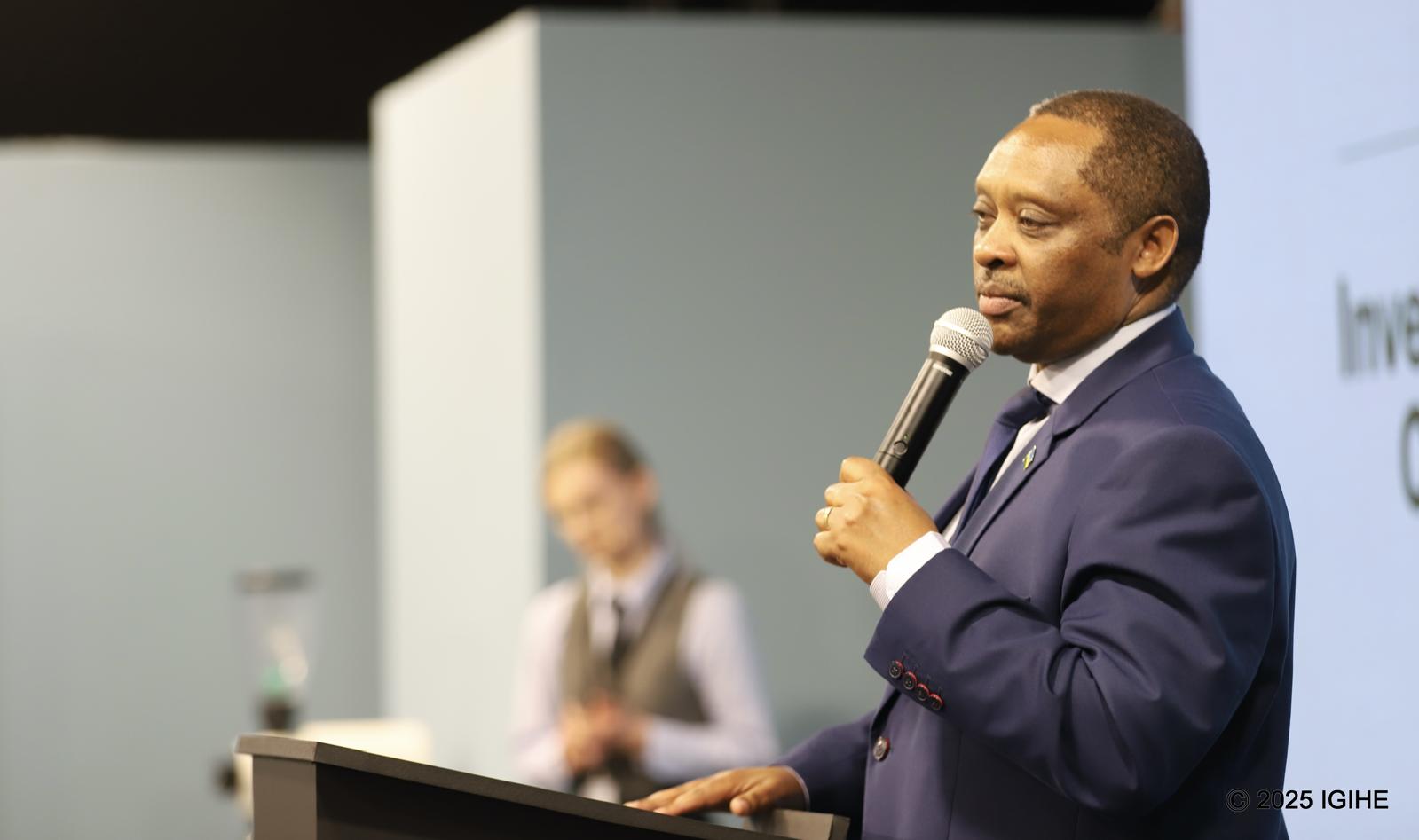
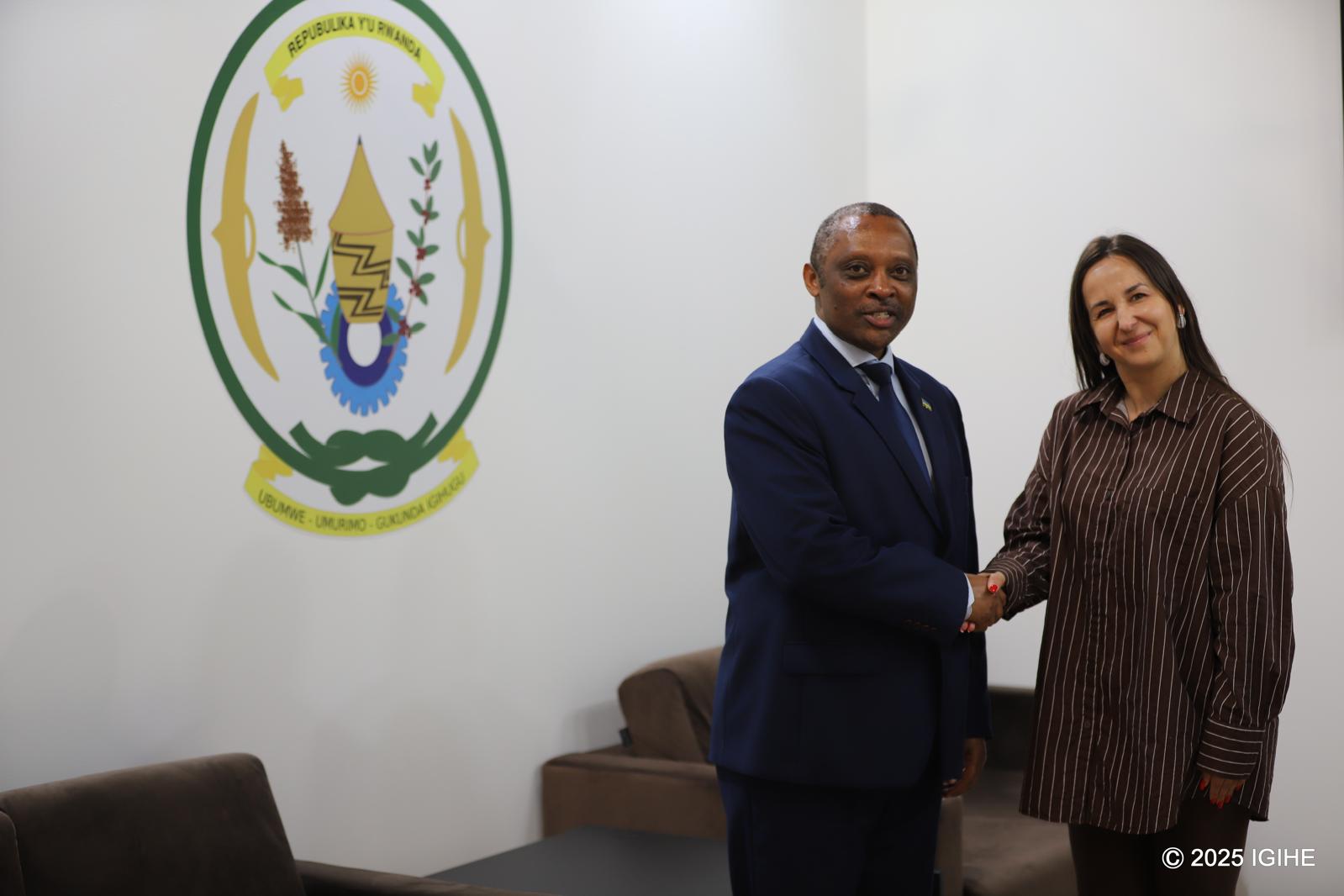
In an interview with IGIHE after the opening, Prof. Anastase Shyaka, Rwanda’s Ambassador to Poland, highlighted that Rwanda’s prominent role as a partner country reflects the organizers’ recognition of the nation’s rising influence in the coffee industry.
“This shows that the organizers attach great importance to Rwanda, and we thank them for that,” he said.
The expo attracted distinguished attendees, including the President of Ptak Warsaw and Poland’s former Minister of the Economy and Deputy Prime Minister, who initiated a partnership with Africa a decade ago and has continued to nurture it.
Rwanda’s participation symbolized the strong bilateral ties and Poland’s view of Rwanda as a welcoming and dynamic hub for trade and investment.
“Rwanda’s participation at the opening is a symbol that this country values our partnership and sees Rwanda as a nation mobilizing traders to participate,” Ambassador Anastase noted.
Discussions at the expo highlighted Rwanda’s visionary approach, particularly its innovative use of technology in agriculture, which impressed many attendees.
“Those we discussed expressed happiness about Rwanda’s vision. Some were impressed by the way we deploy technology in agriculture,” the ambassador shared.
This enthusiasm has sparked interest in deeper collaboration, with organizers and participants expressing a desire for more Rwandan involvement in future programs.
“We are participating for the first time, but with optimism, it won’t be the last participation,” Prof. Shyaka added.
Rwanda’s success at the expo was bolstered by its strong leadership and strategic partnerships, particularly with the National Agricultural Export Development Board (NAEB).
The NAEB’s bold vision for expanding markets for Rwandan agricultural produce, including its world-renowned coffee, was a key driver of the country’s impactful presence.
“They are eager for Rwanda’s involvement and are waiting for more, thanks to Rwanda’s good leadership and partnership with NAEB,” Anastase emphasized.
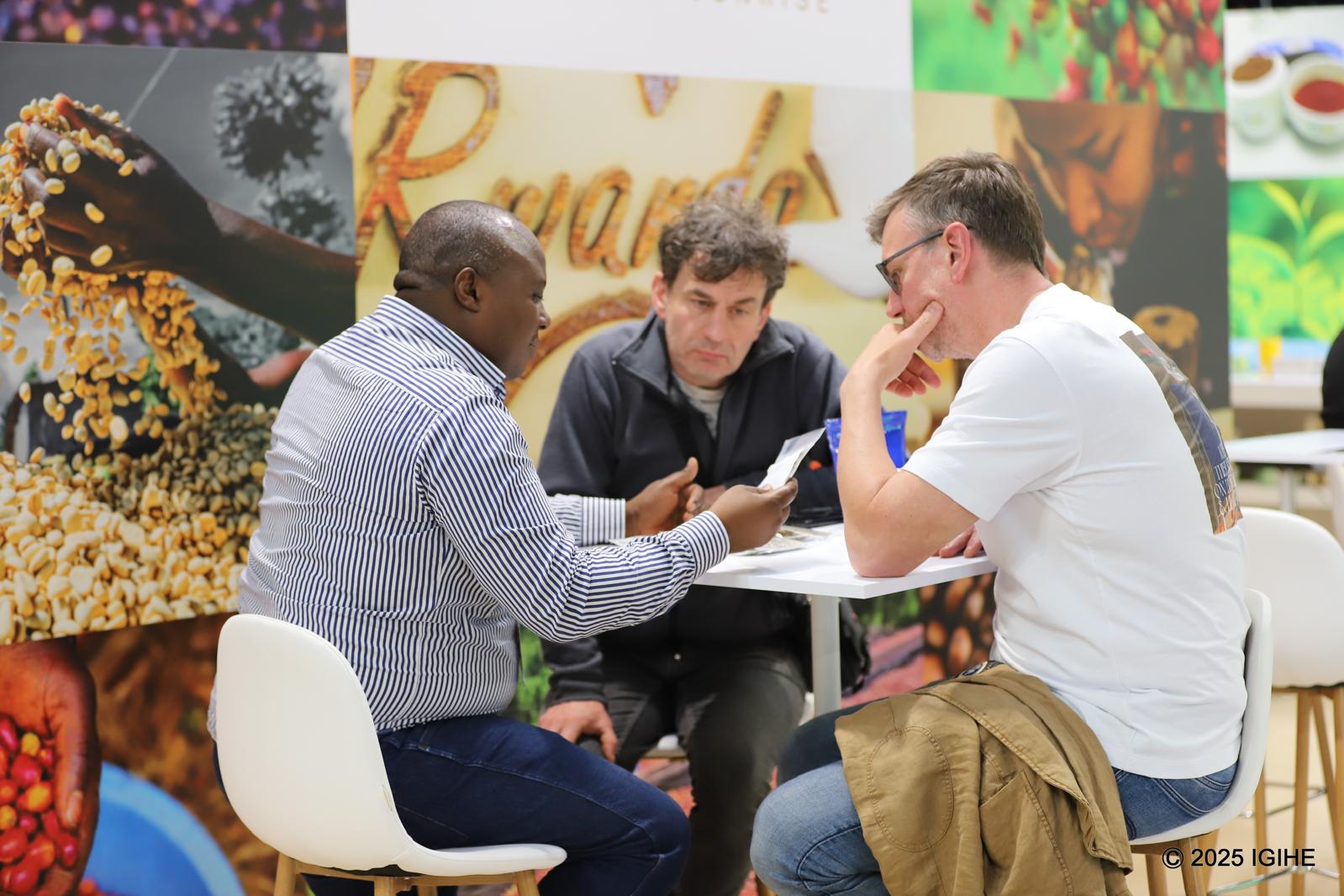
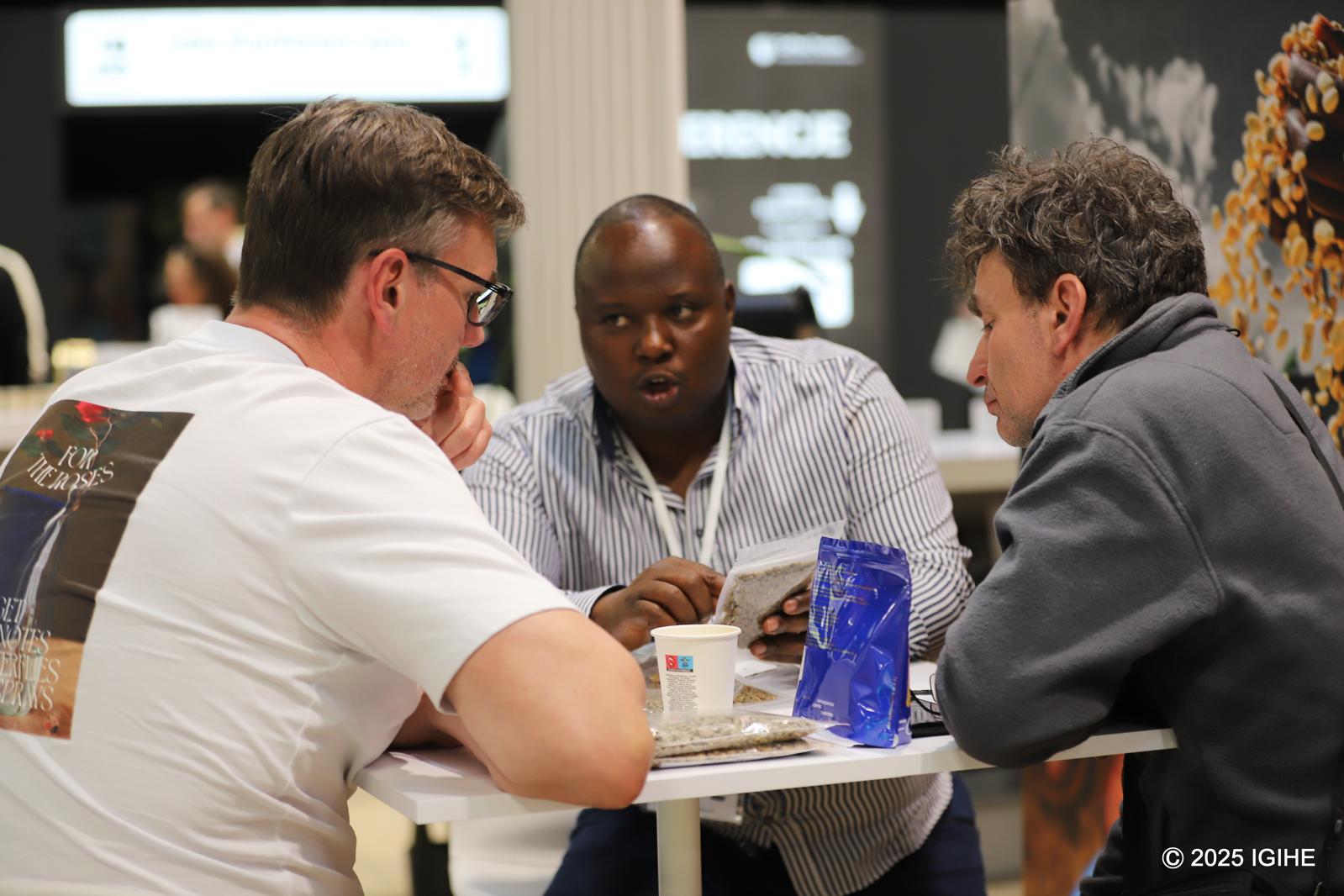
A significant focus of Rwanda’s participation was engaging the private sector, with Rwandan companies exploring market expansion opportunities.
“As the embassy and colleagues, we are here to help Rwanda connect with potential partners to gain benefits—it is our responsibility,” he affirmed.
Rwanda’s ambitions extend beyond participation, with a clear goal to elevate its coffee and tea industries to rank among Africa’s top five.
“We will be glad to see Rwanda moving forward in coffee and tea rankings, aiming to be among the top five on the continent. We want this success to come to Rwanda,” Prof. Shyaka declared, highlighting the mandate given by the President of the Republic to drive this vision forward.
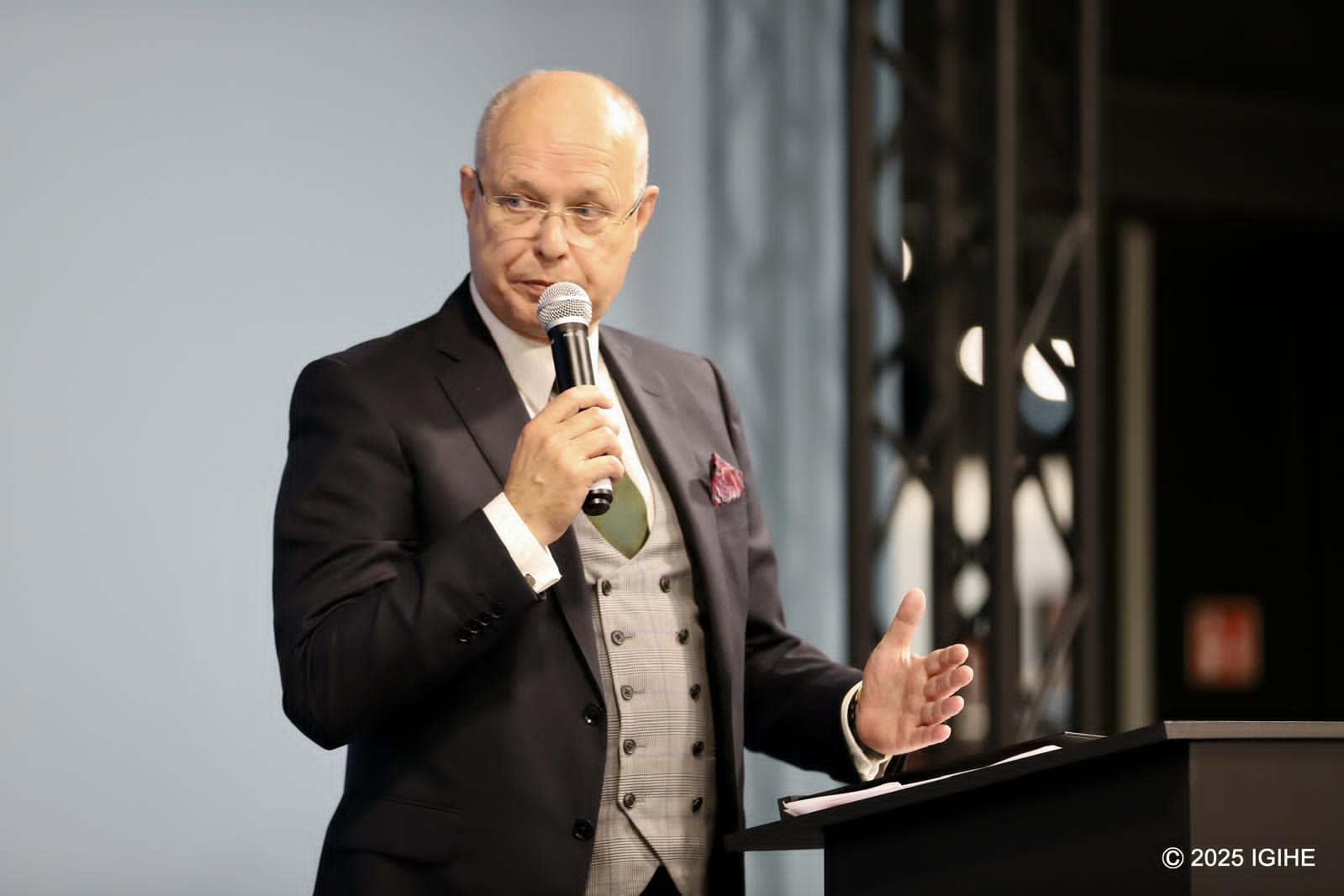
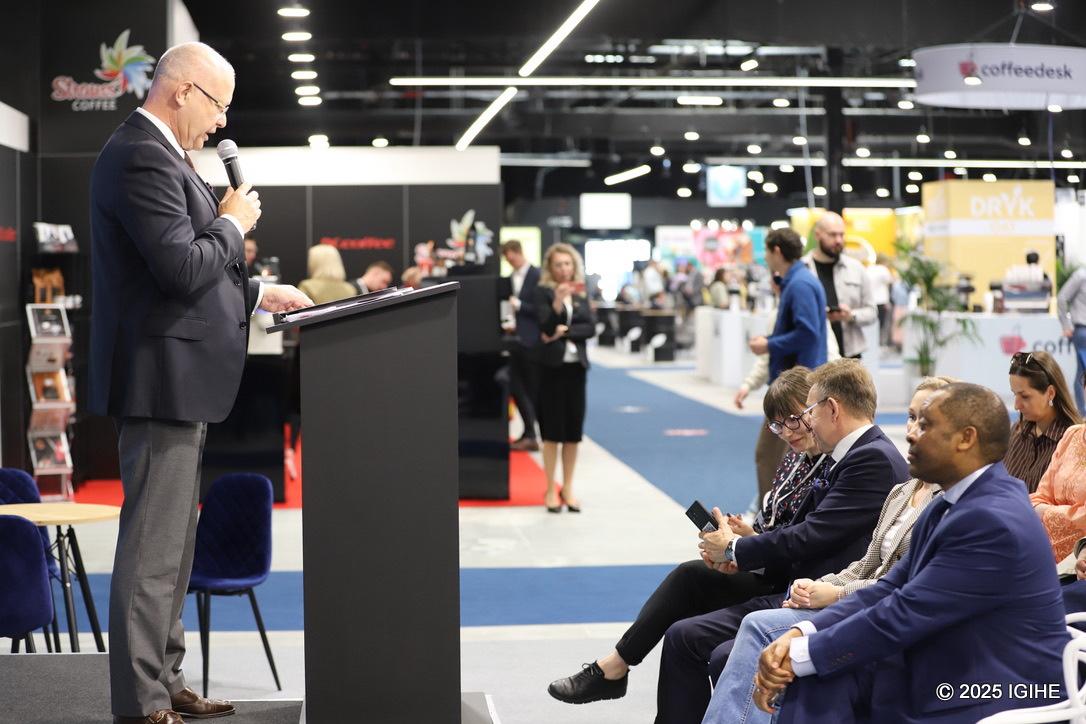
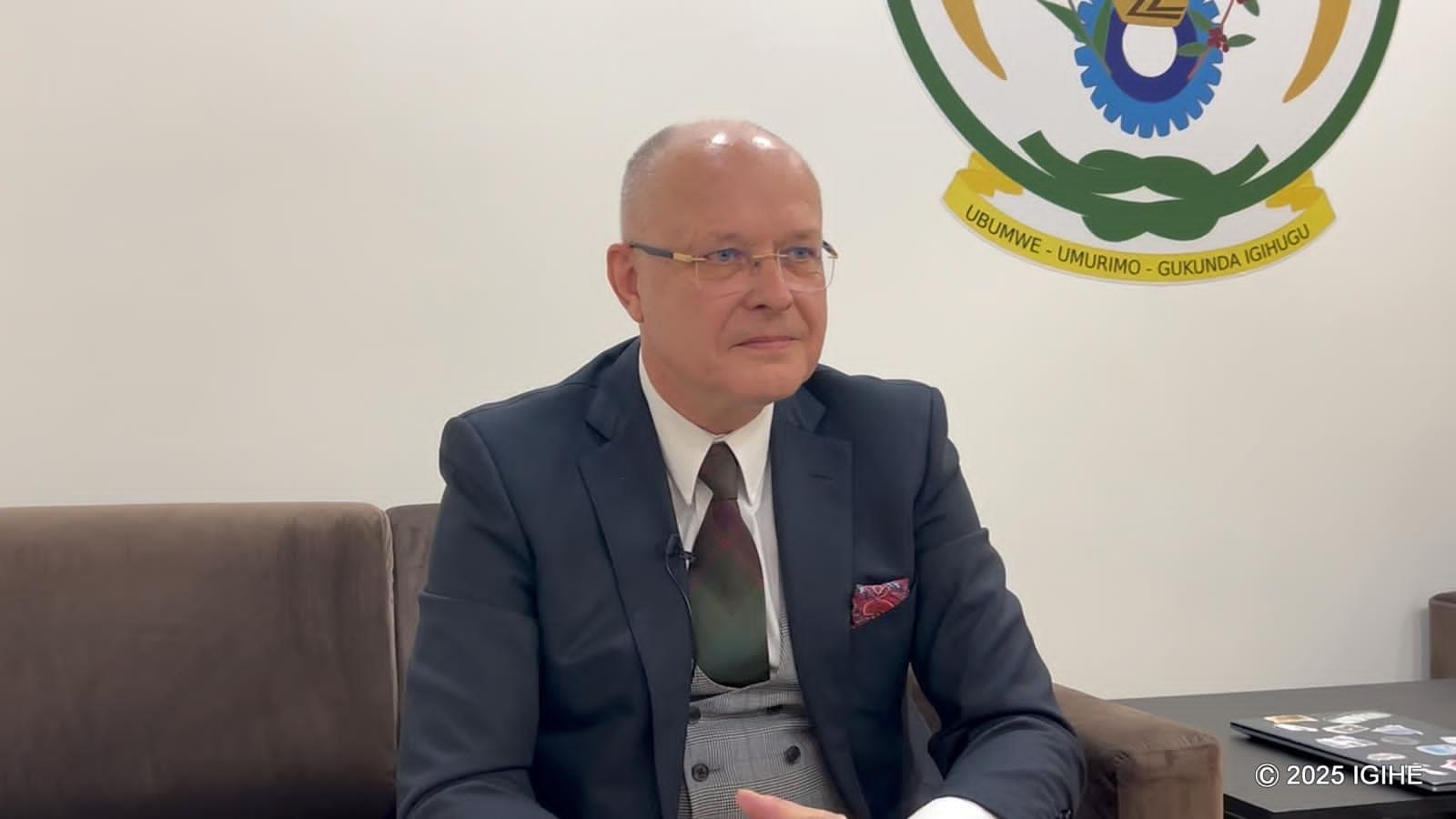
Tomasz Szypuła, Chairman of the Board of Ptak Warsaw Expo, extended a warm welcome to Rwanda as the event’s partner country, emphasizing the growing bonds of solidarity and friendship between Poland and Rwanda.
Szypuła also outlined a vision for enhanced cooperation to boost Rwanda’s competitiveness in Poland and Central and Eastern Europe, while also promoting Polish trade in Rwanda.
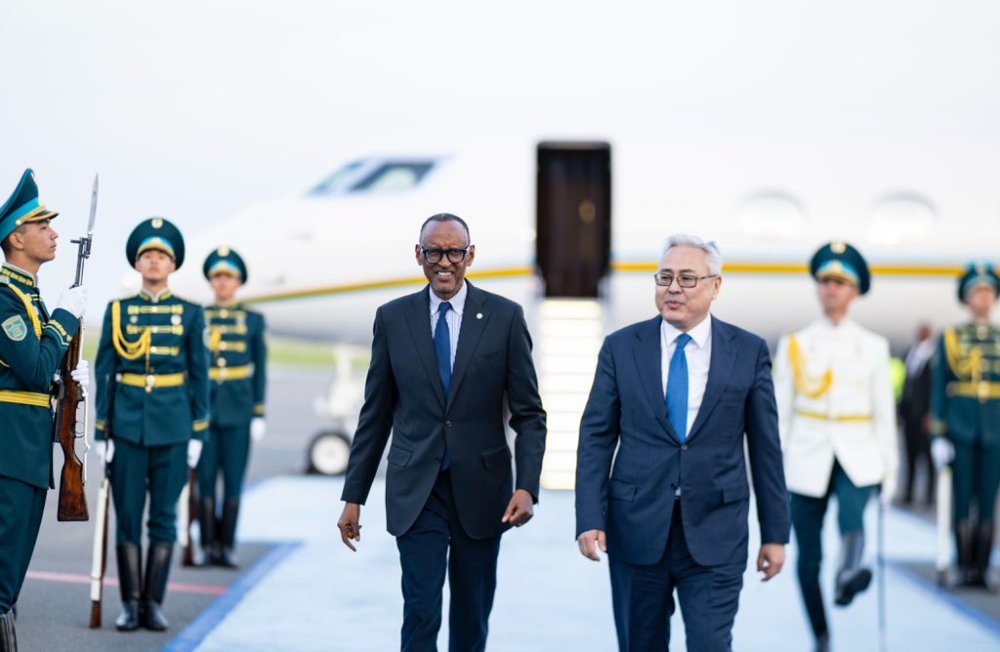
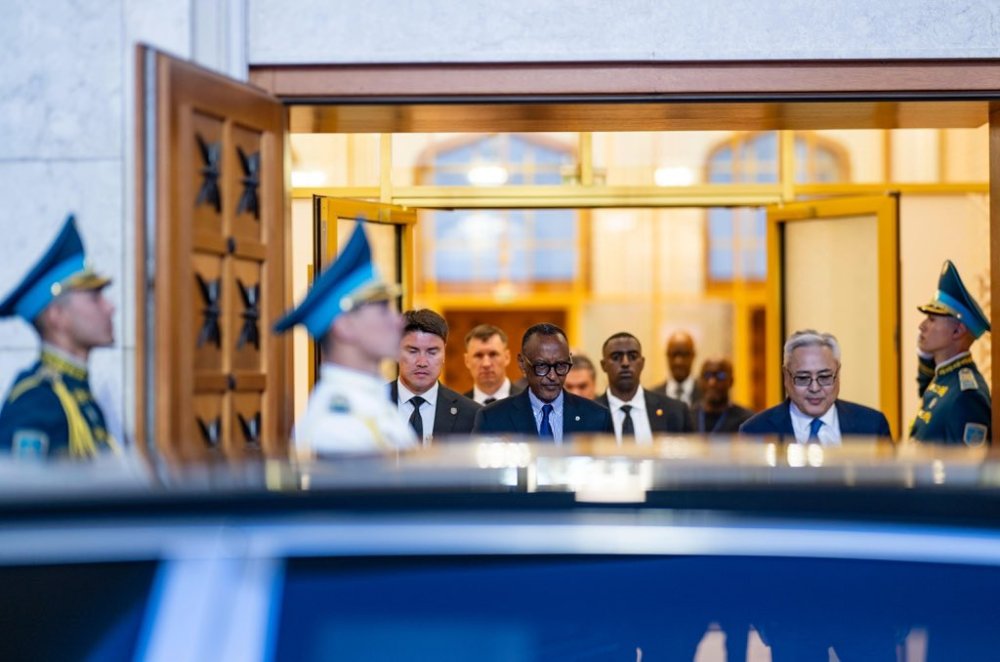
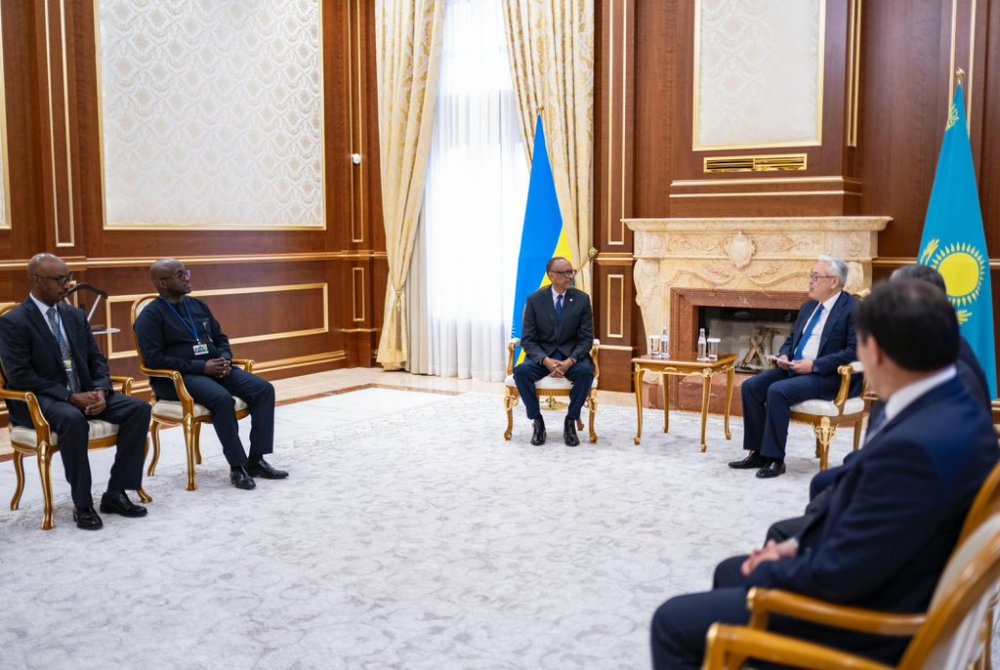
According to Rwanda’s Office of the President, Kagame and his host President Kassym-Jomart Tokayev will also hold a closed-door meeting on Wednesday before addressing a joint press conference.
The Astana International Forum is slated for May 29 through 30, will bring together global leaders and experts to discuss pressing world issues.
Rwanda’s diplomatic ties with Kazakhstan were formally established in 2016 when Rwanda appointed a representative to the Central Asian nation.
On September 25, 2024, Rwanda’s Minister of Foreign Affairs Olivier Nduhungirehe held a bilateral meeting with Murat Nurtleu, Deputy Prime Minister and Minister of Foreign Affairs of the Republic of Kazakhstan, on the sidelines of the 79th session of the United Nations General Assembly (UNGA79).
During this meeting, both ministers signed an agreement on Visa Exemption for citizens of both countries.
Kazakhstan is a major economic and political player in Central Asia, contributing about 60% of the region’s GDP, largely driven by oil and gas exports. The country is also rich in mineral resources.
The Astana International Forum, held annually in the capital city of Astana, began in 2008.
The forum brings together heads of state, entrepreneurs, experts, and international organizations to address global challenges such as security, international politics, energy, climate change, and economic development.
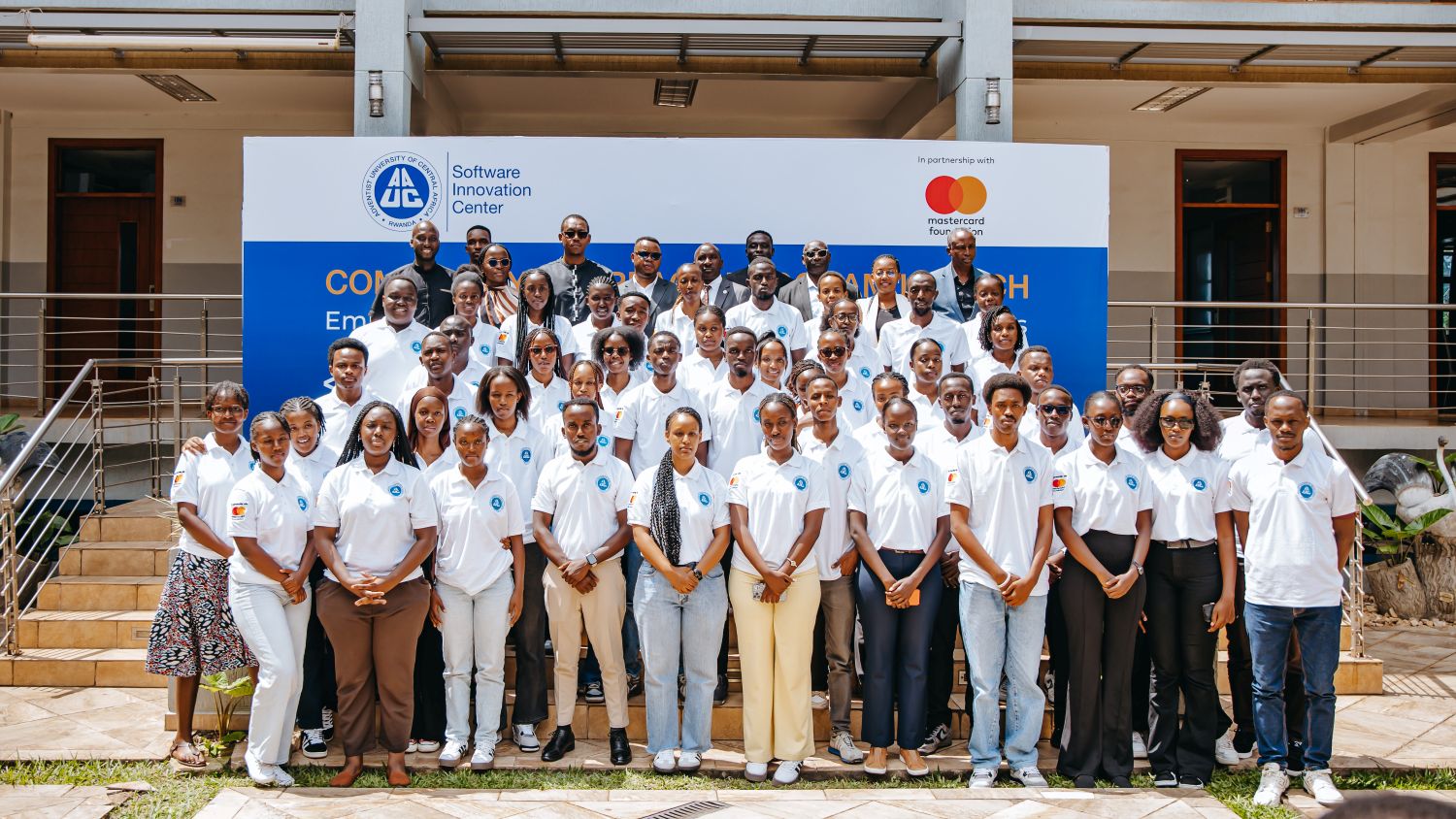
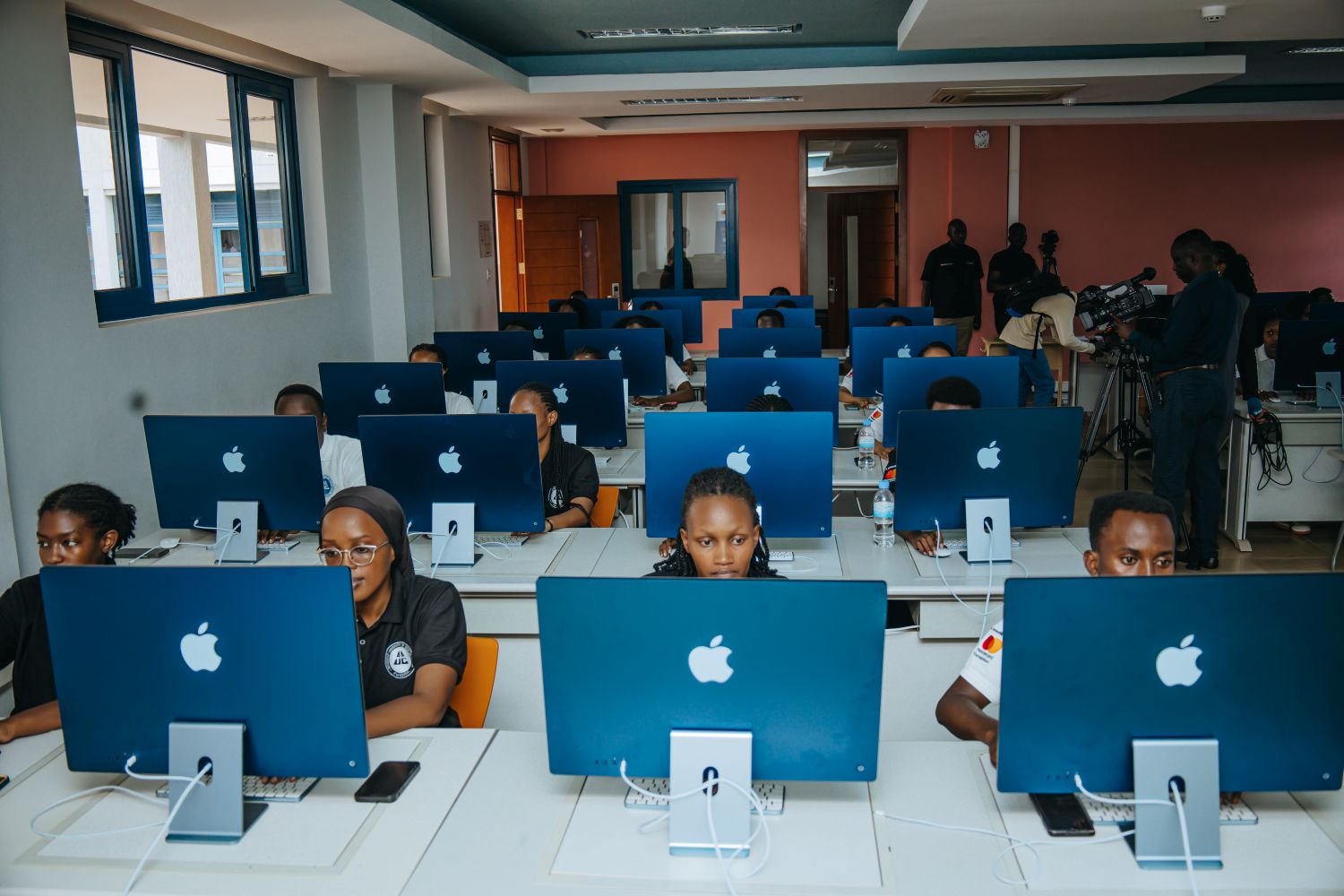
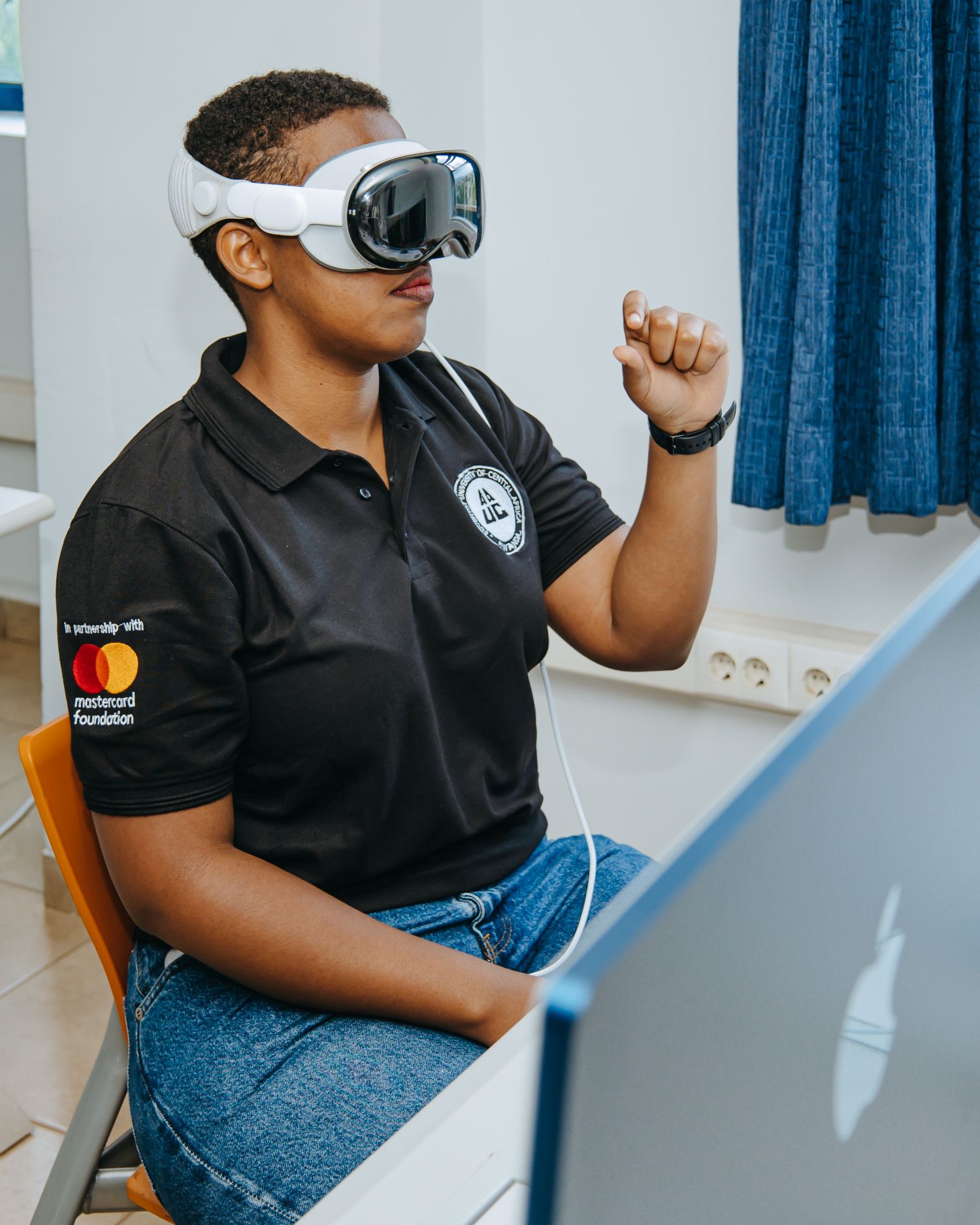
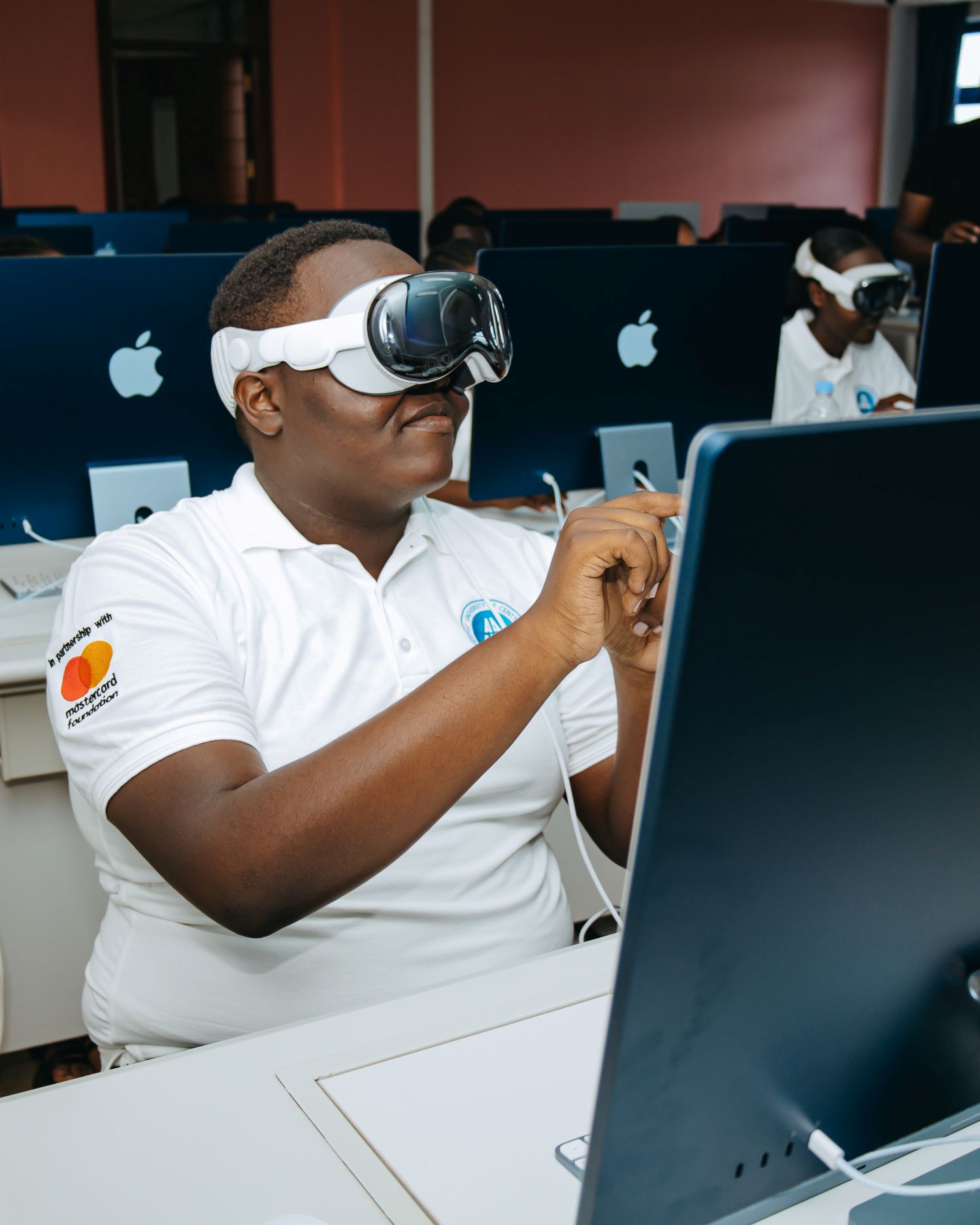
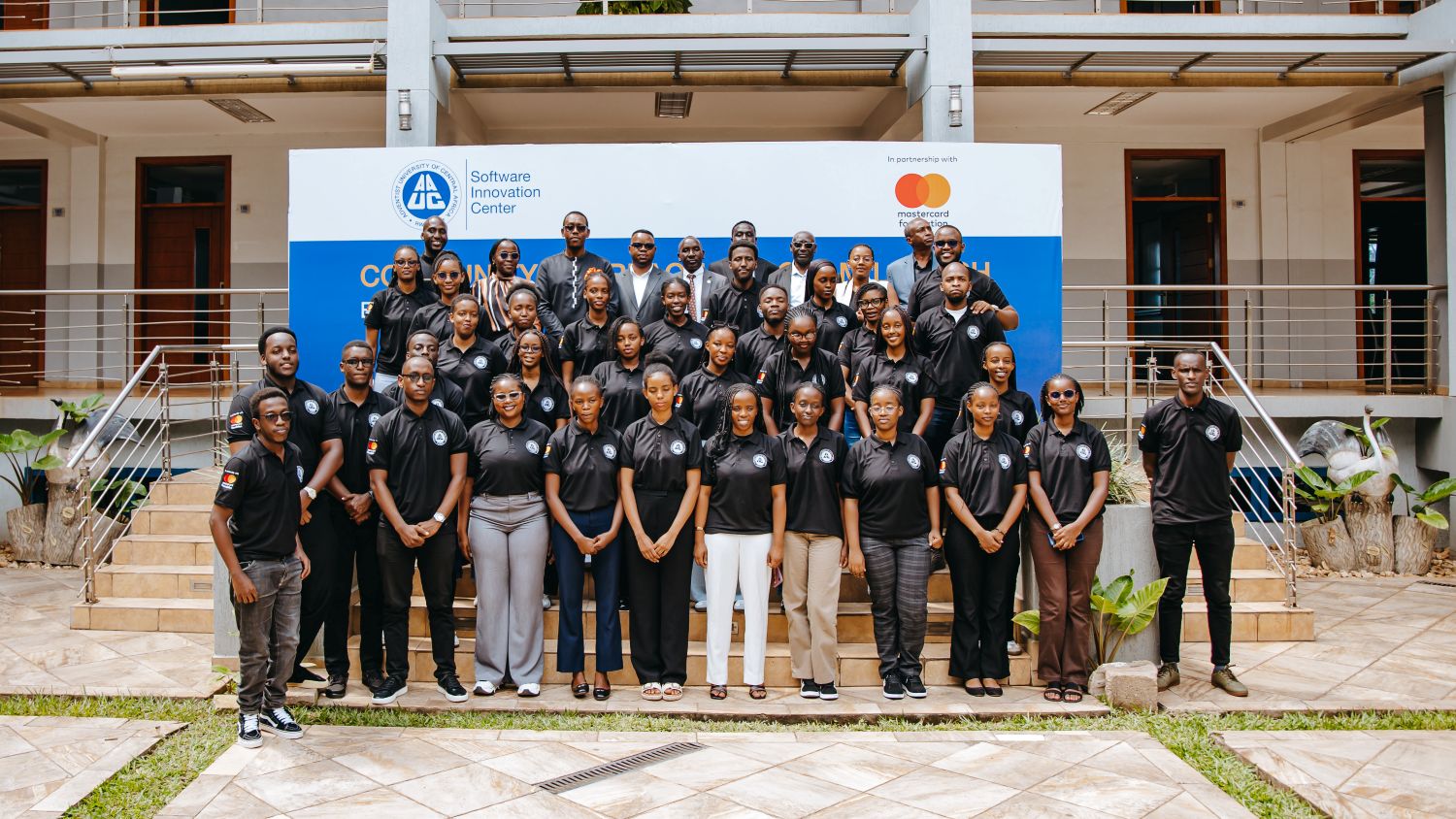
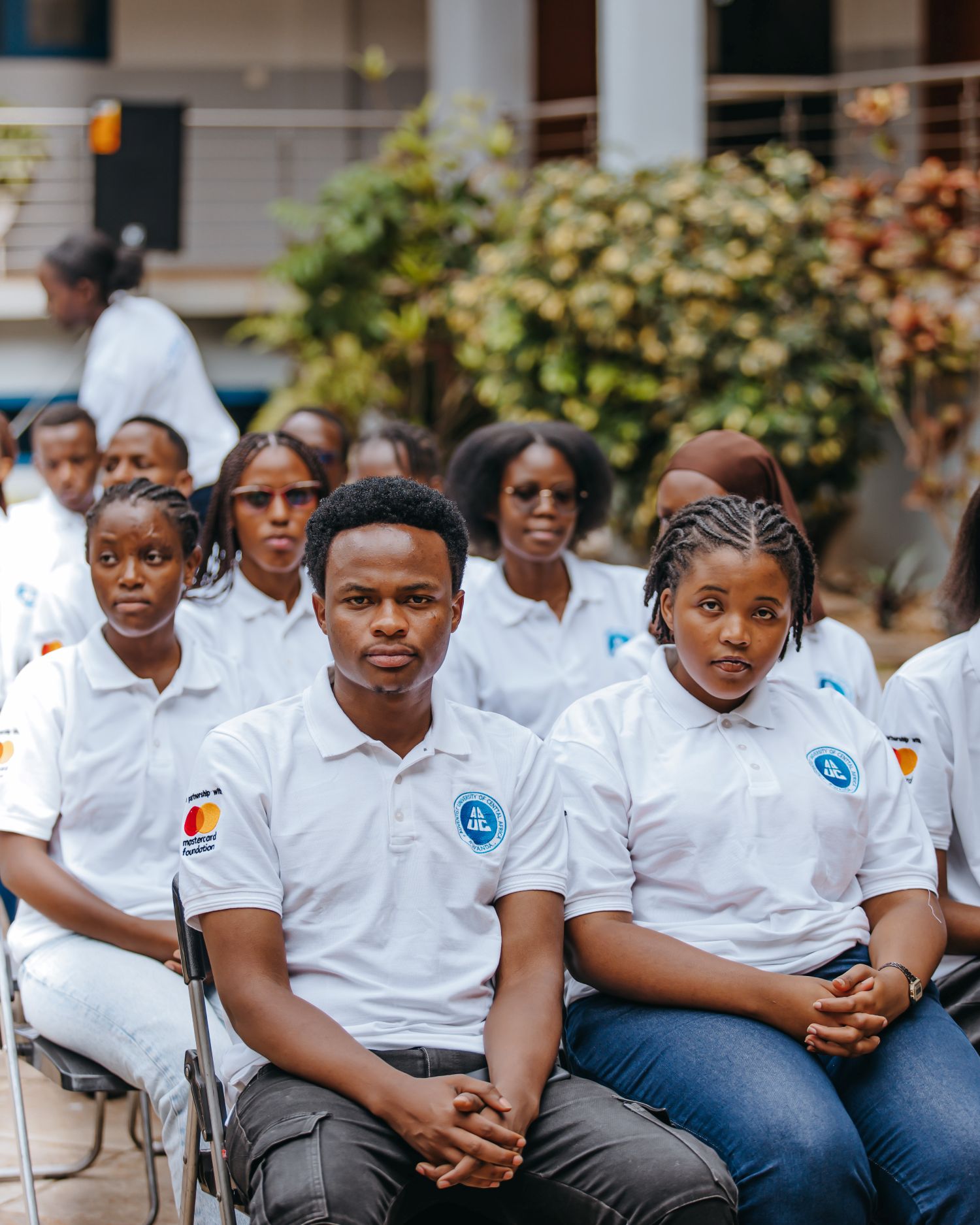
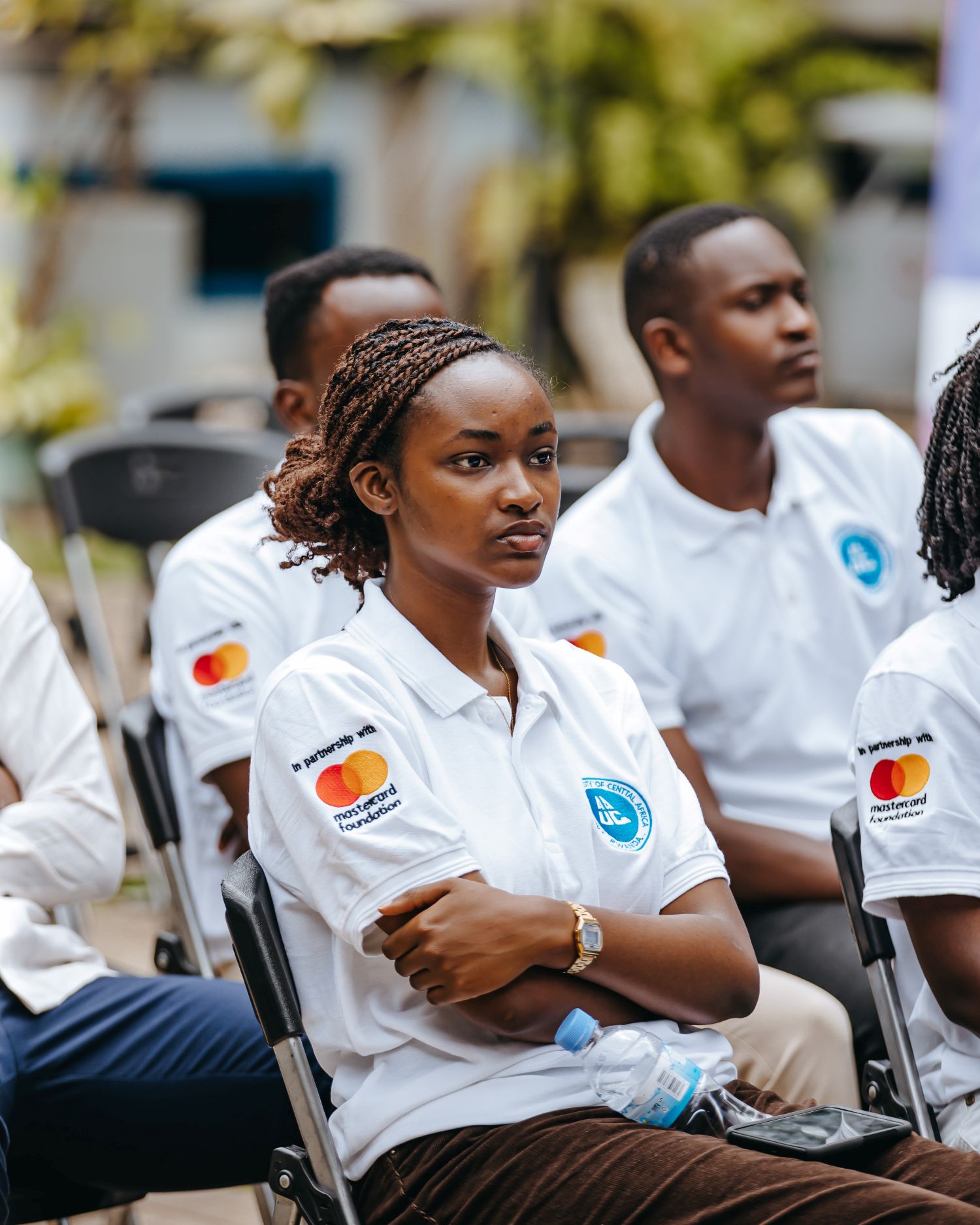
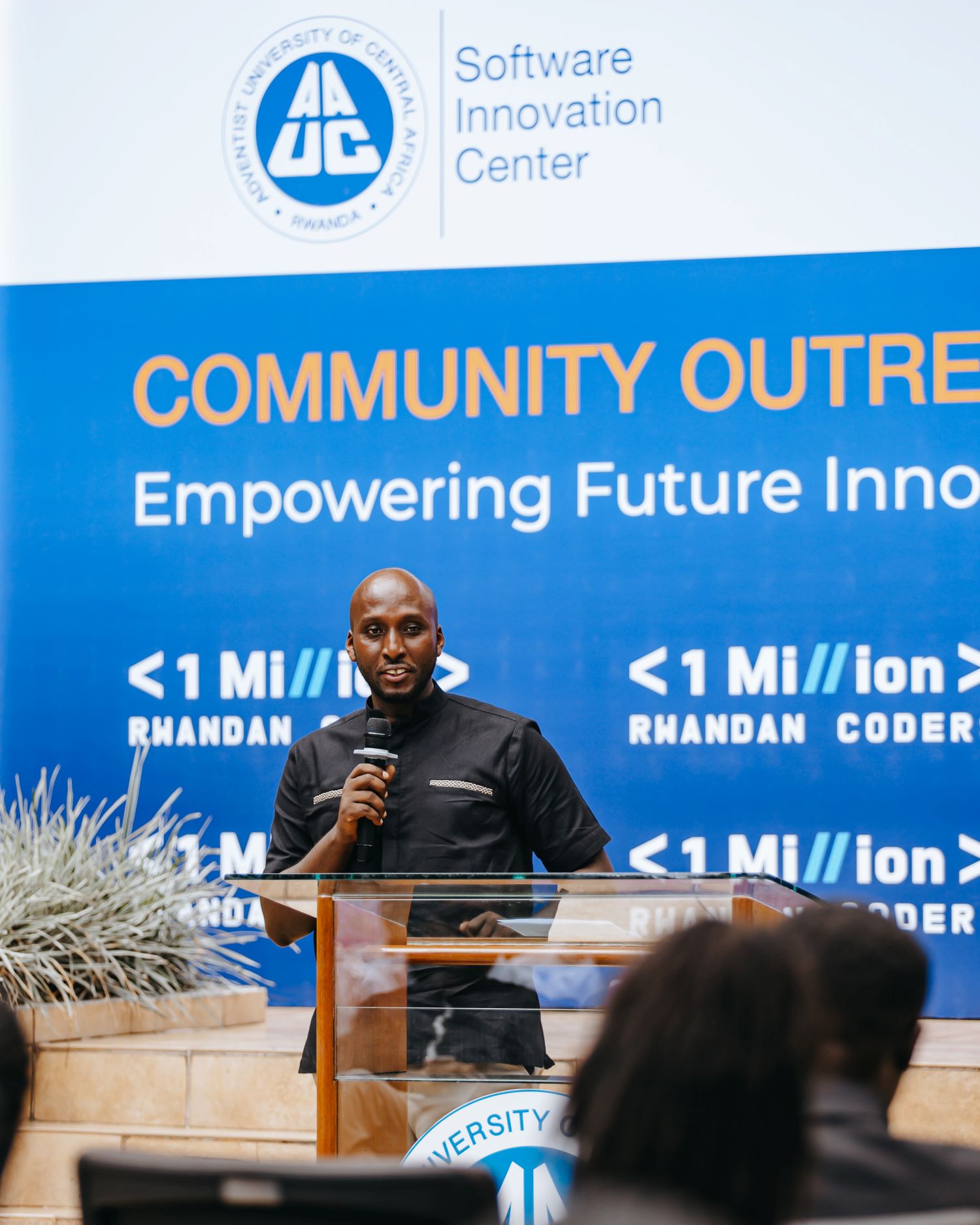
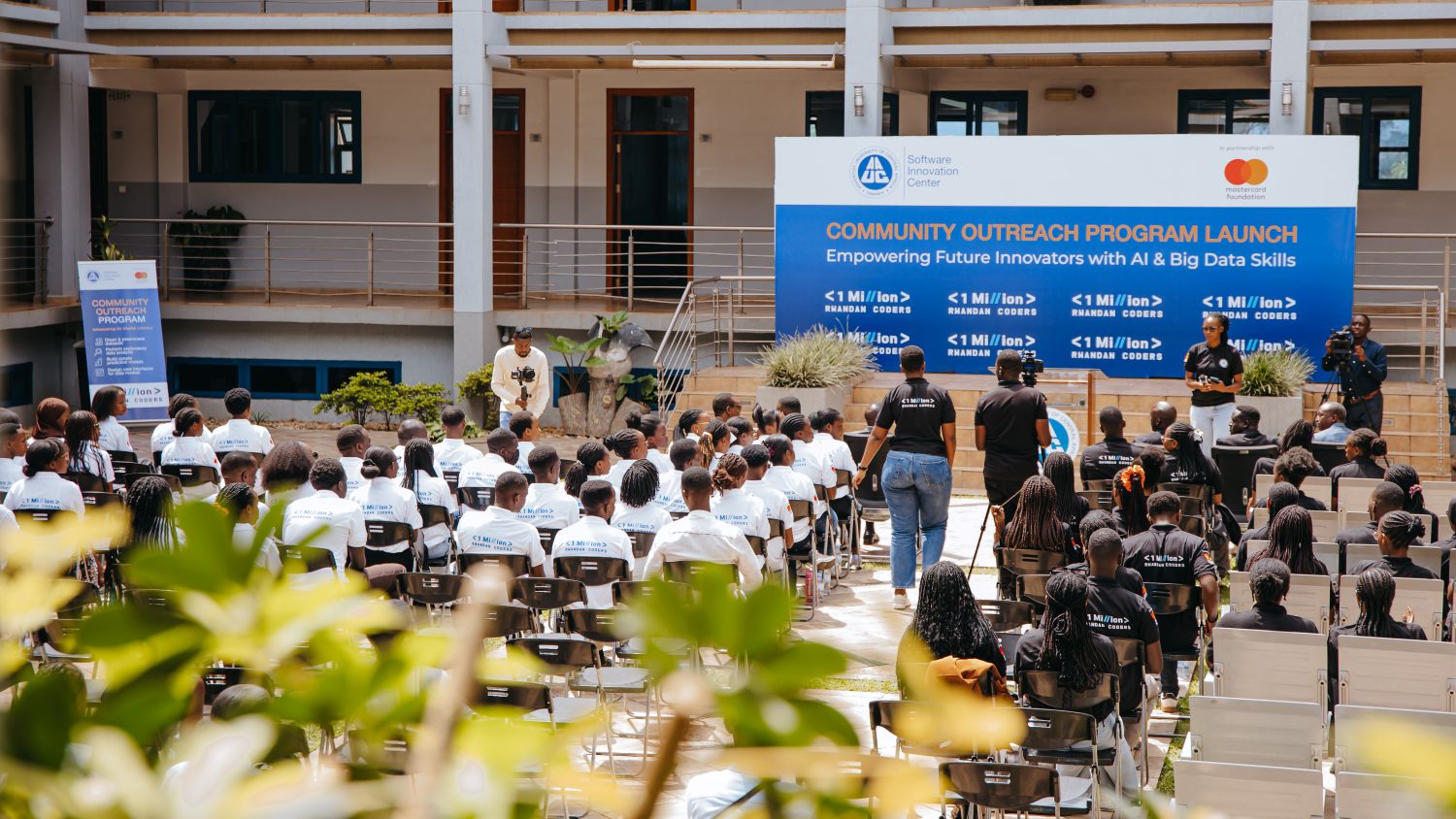
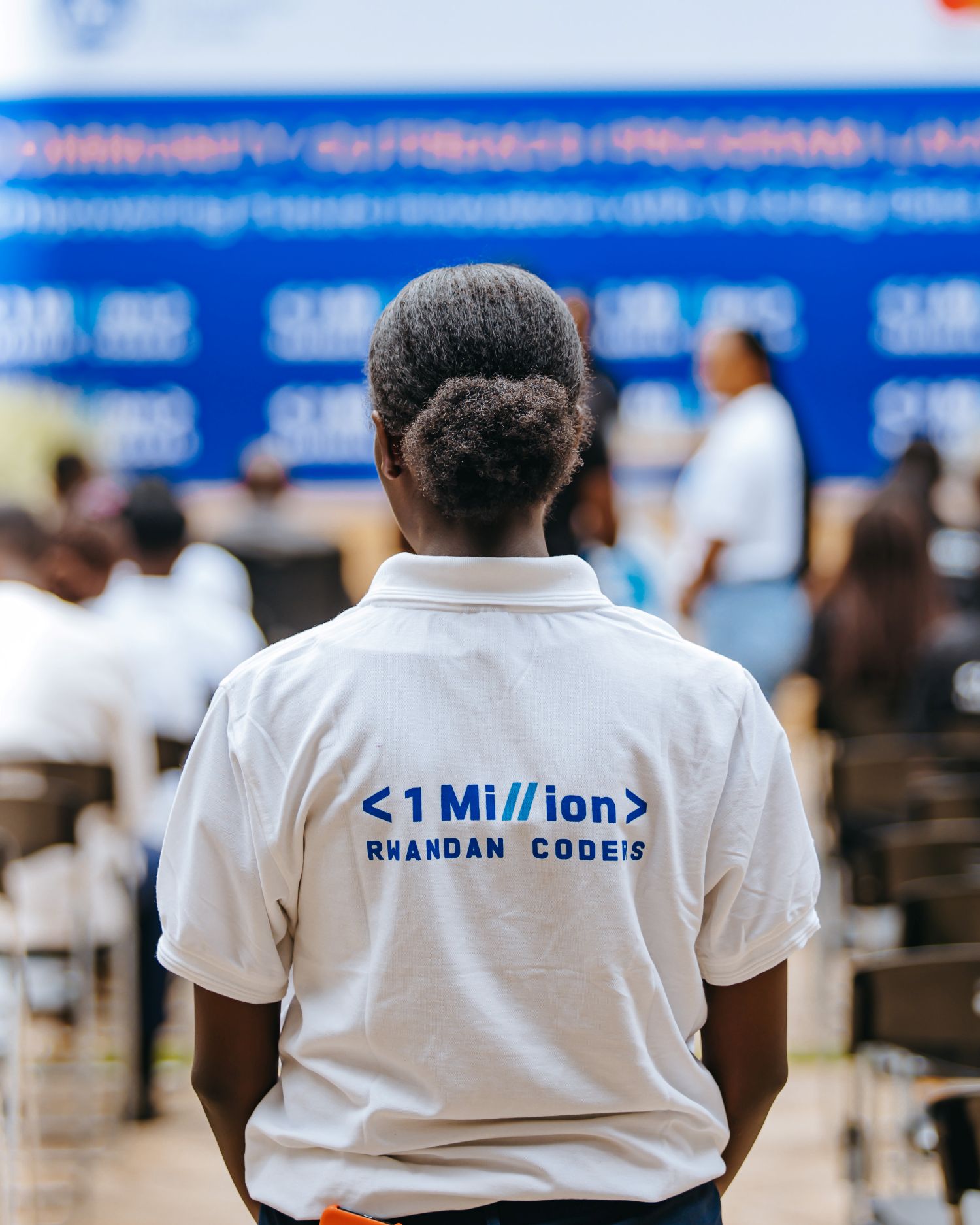
Since its launch just over a year ago, the AUCA Software Innovation Center has become a hub for hands-on learning, innovation, and industry collaboration. The initiative bridges the gap between classroom education and real-world tech challenges, preparing students for meaningful careers in the digital economy by equipping them with the skills, confidence, and mindset they need.
“The AUCA Innovation Center has always been part of our long-term dream to integrate technology and innovation into the core of our academic mission,” said Assoc. Prof. Eustace Penniecook, Vice Chancellor of AUCA.
“Today, we are proud to see that dream become reality—and even more proud to see how this initiative aligns with Rwanda’s Vision 2050 to build a knowledge-based, digital economy.”
The Center is closely aligned with national priorities, including Rwanda’s Vision 2050 and the National Digital Talent Policy, by focusing on digital inclusion, innovation, and youth employment.
“This is more than academic innovation—it’s a strategic response to Rwanda’s development priorities,” said Assoc. Prof. Theogene Niyonzima, Academic Vice Chancellor. “We are preparing digital talent that the country and continent need.”
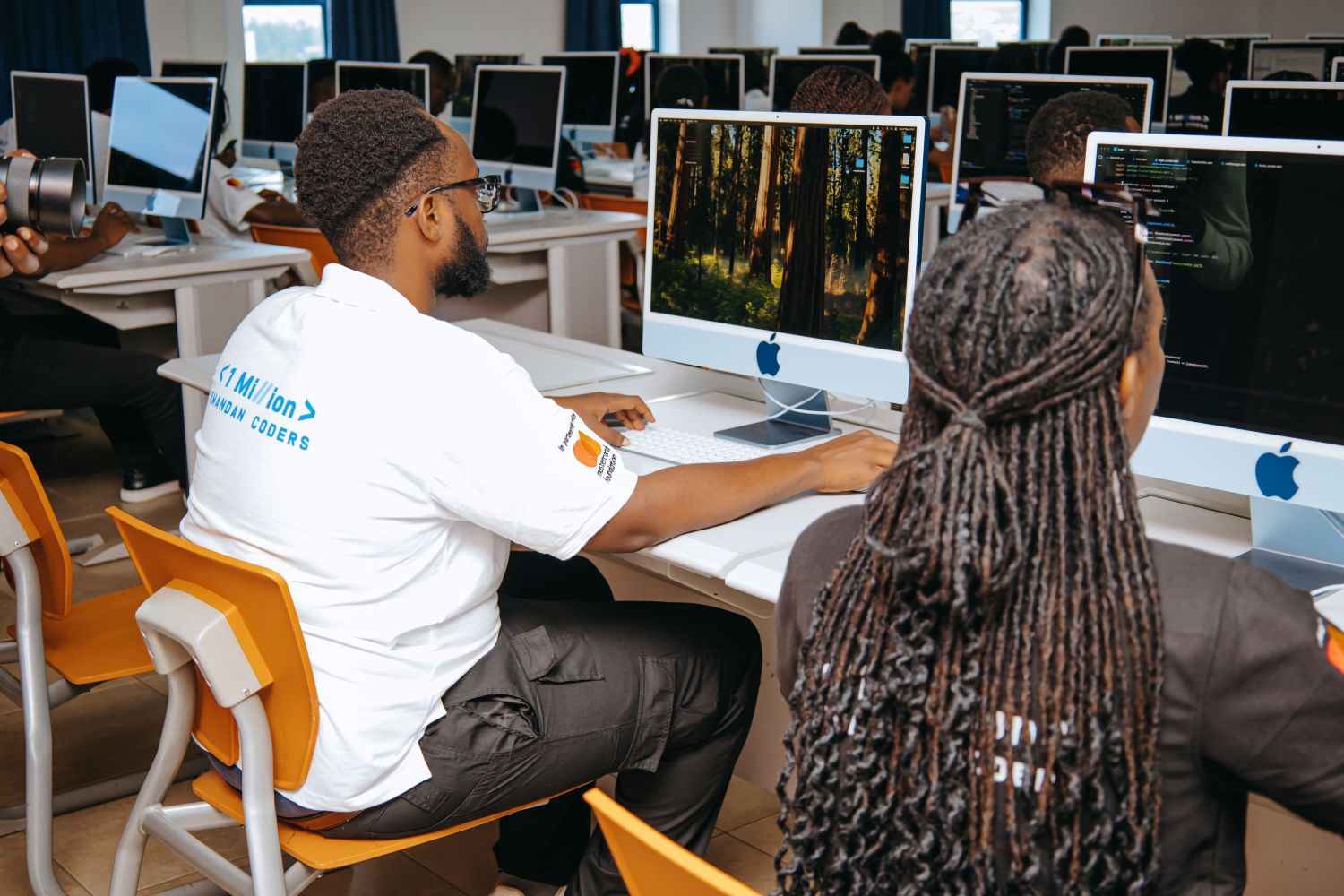
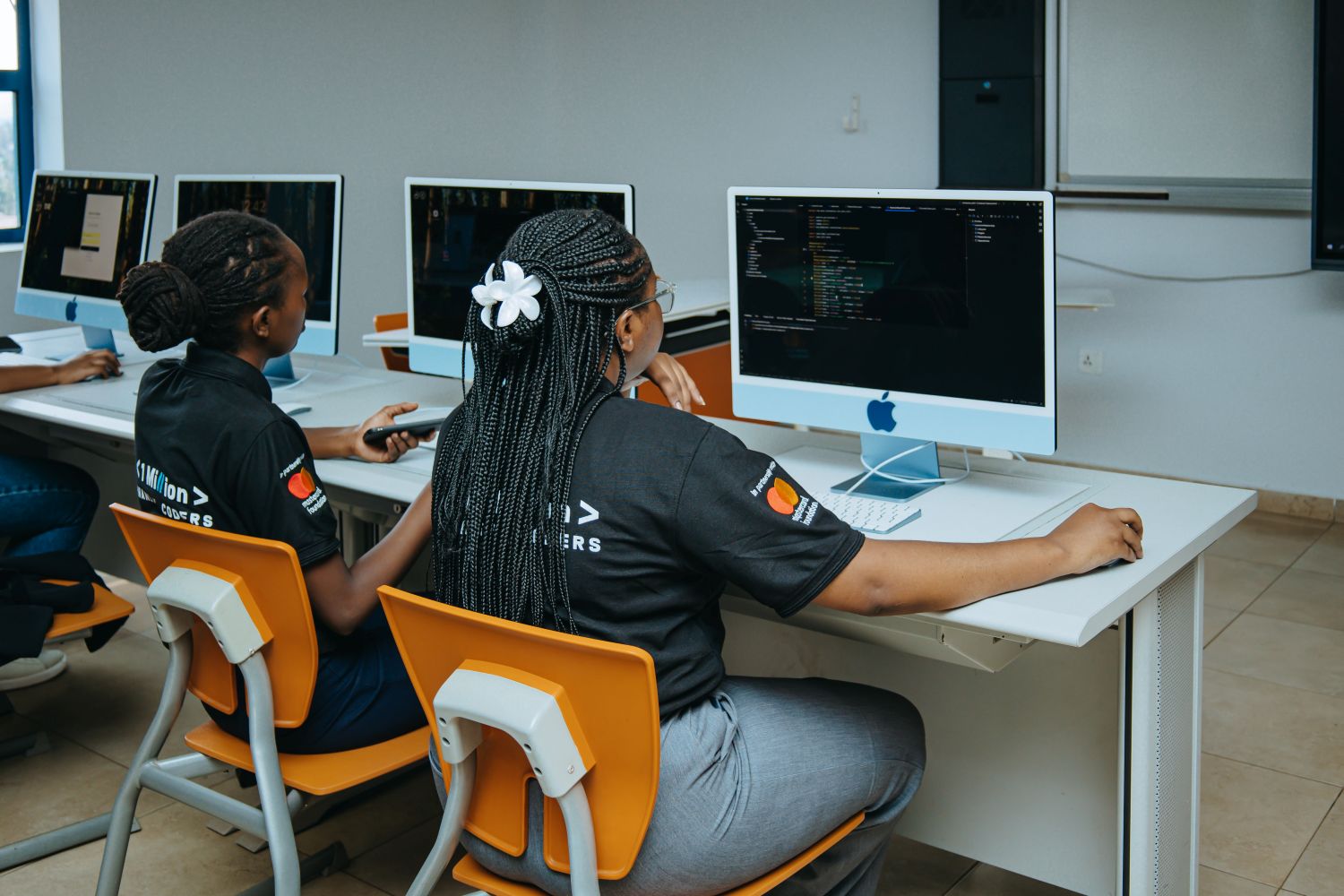
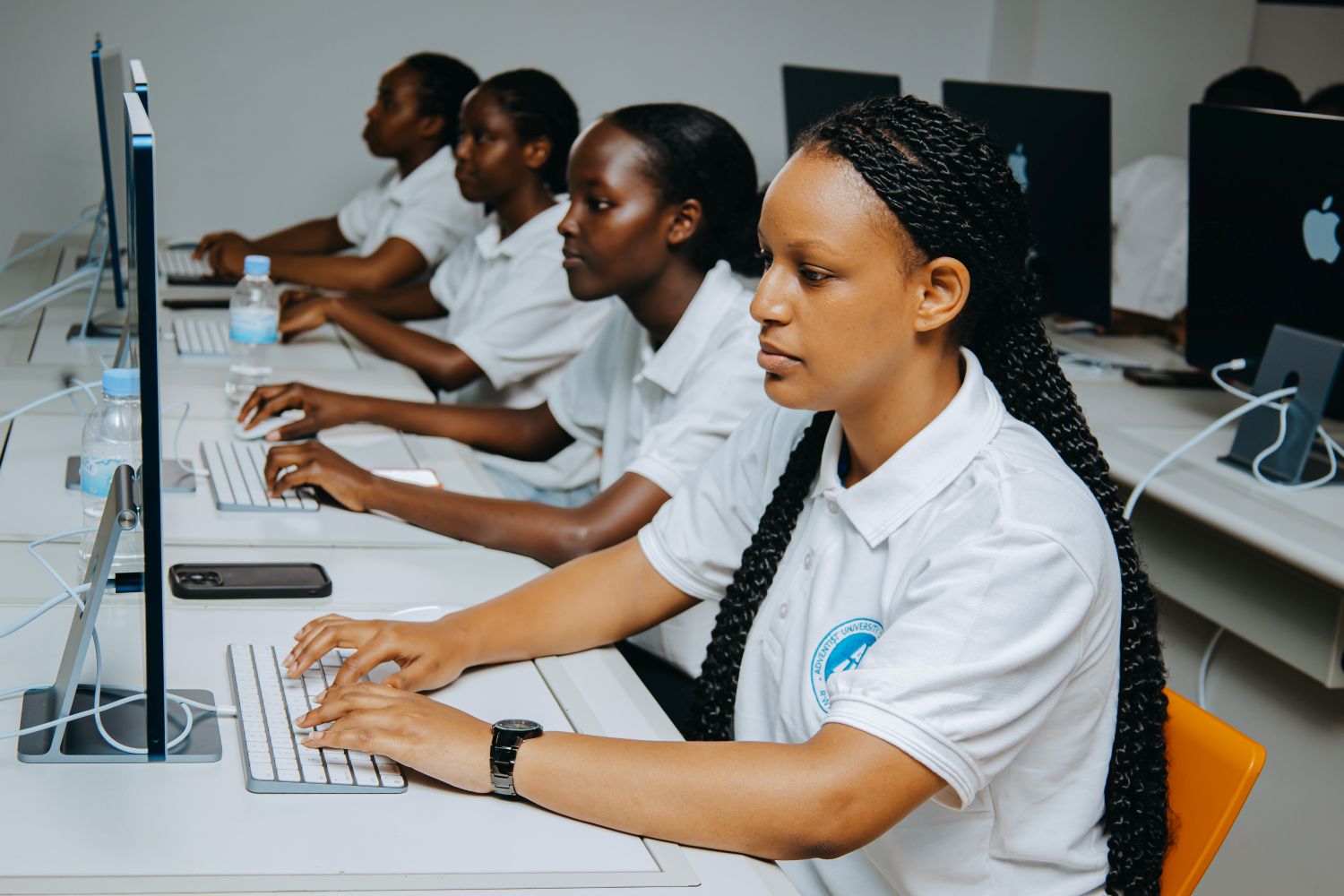
Students are trained in high-demand areas such as cybersecurity, mobile programming, cloud computing, data science, and UI/UX design. These practical skills are essential for thriving in a global digital economy.
Commenting on the skills gained, Diane Habimana Ishimwe, a software engineering student, said: “The hands-on courses in cybersecurity, entrepreneurship, and data science built my confidence. I later secured an internship at RISA, where I gained real-world experience in Rwanda’s tech ecosystem.”
The Innovation Center’s impact is also driven by strong partnerships. A collaboration with AmaliTech, launched in September 2024, is providing mentorship and internship opportunities to help students transition into the workforce.
Additionally, a memorandum of understanding signed with Irembo in October 2024 allows students to engage in live public service tech projects, while a recent agreement with German Test Solution brings global engineering training standards to AUCA.
The program is also a force for inclusion. With more than 60% female participation, it is helping break gender barriers and inspire more young women to enter the tech space. Students have also gained international exposure through platforms like the Global AI Summit in Africa.
Grace Ishimwe Umwiza, a health cluster innovator, built a maternal and child health monitoring system through the program and now sees herself as a digital health advocate.
Final-year student Hope Wilberforce Tuyishime credited the Mastercard Foundation-supported training with fast-tracking his career by equipping him with web development and big data skills.
“This is about unlocking the potential of young minds to solve Africa’s most pressing challenges,” said Prince Ishimwe Mukotsi, the Center’s coordinator.
Through its expanding reach and deep commitment to youth-led solutions, the Center is positioning AUCA and Rwanda as a leading force in Africa’s digital transformation.
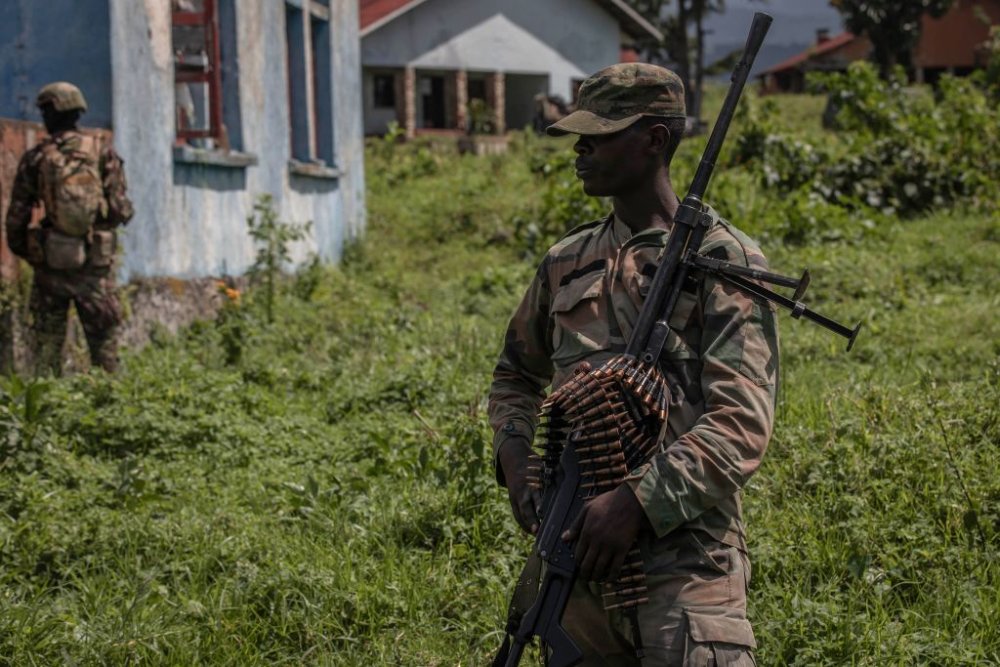
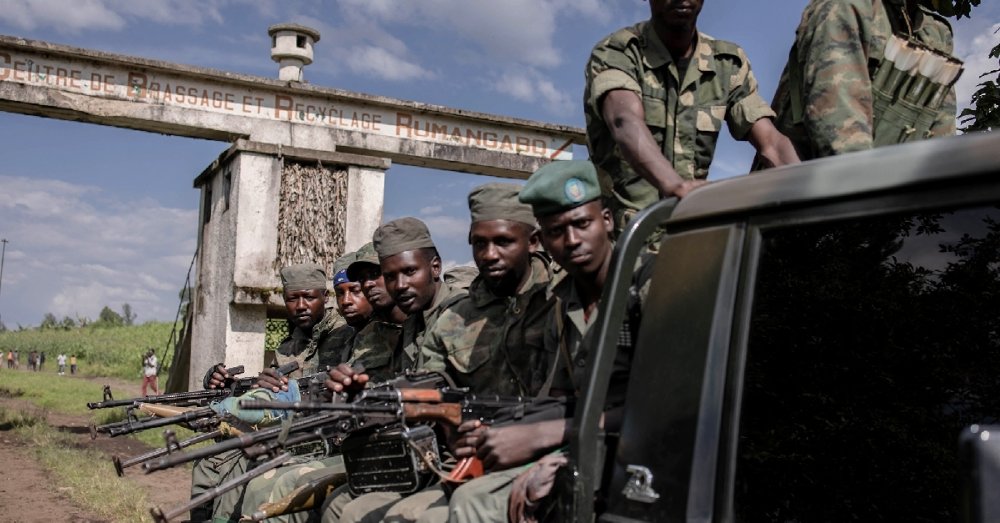
Popular Congolese news outlet 7sur7, citing a source close to the former president, reported on Tuesday that Kabila’s tour of the Rumangabo military base—currently under the control of the rebel group—was aimed at understanding the conditions under which Congolese citizens are trained after choosing to join the AFC/M23 “revolution.”
“As a trained soldier, Joseph Kabila has all the necessary capabilities to bring a new dynamic to this armed opposition,” the source said.
“He is not obliged to formally join the movement to contribute his expertise and help lift the country out of its current crisis.”
The visit is part of a broader engagement that includes scheduled high-level meetings with the armed wing of the M23/AFC to assess the current situation and explore prospects aligned with Kabila’s political vision and his proposed twelve-point plan to address the national crisis.
The AFC/M23 movement, which has gained control of key areas in North Kivu province, including Goma, confirmed Kabila’s arrival on Monday, May 26, after two years in South Africa.
Corneille Nangaa, the coordinator of AFC/M23, welcomed the return of a leader he described as a “great political figure.”
“He made the right choice, rather than remaining in forced exile,” Nangaa said in a statement posted on X.
Kabila’s return came just two days after he launched a scathing attack on President Felix Tshisekedi’s government, accusing it of promoting populism, lies, tribalism, nepotism, and impunity.
In a 45-minute address on Friday, the former head of state stressed that the issues have shattered national unity and left the country vulnerable.
The tensions between the two former allies have deepened over the years, with Tshisekedi’s administration accusing Kabila of supporting the M23/AFC insurgency. Last month, the Ministry of Justice ordered legal proceedings against Kabila as well as the seizure of his assets over alleged ties with the rebel group.
On Thursday, May 22, the Congolese Senate voted to lift Kabila’s immunity as senator for life, opening the door for legal proceedings against him on treason-related charges.
Kabila, 53, ruled the DRC from 2001 until January 2019. His current activities, including his visit to the rebel stronghold, signal an escalating political crisis, even as M23 accuses the Kinshasa administration of lacking commitment to resolving the conflict through the Qatar-led process.
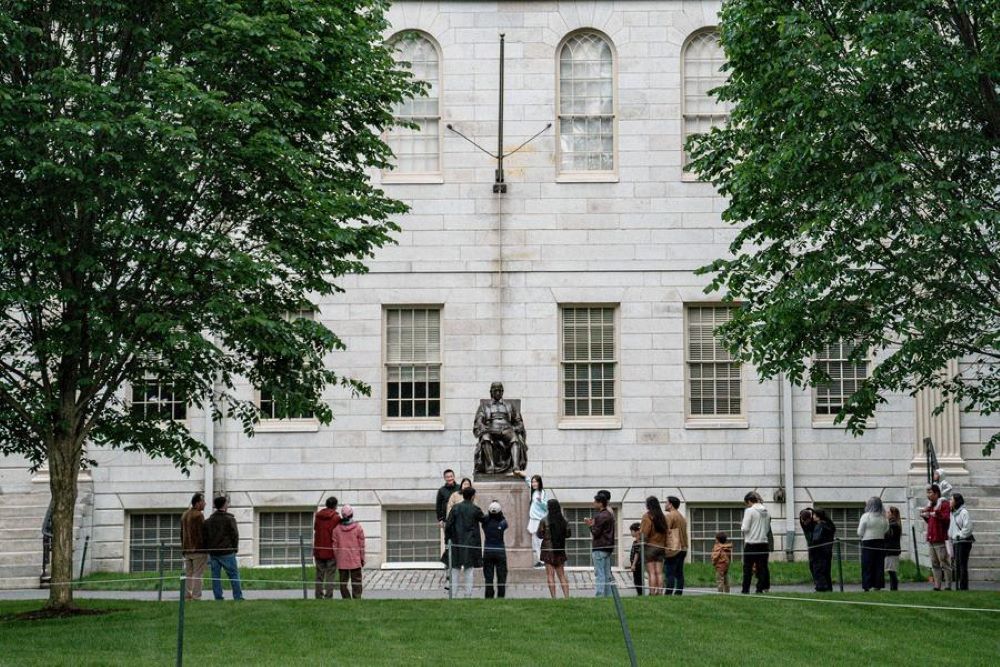
“I am considering taking Three Billion Dollars of Grant Money away from a very antisemitic Harvard, and giving it to TRADE SCHOOLS all across our land,” Trump said in a post on social media. “What a great investment that would be for the USA, and so badly needed!!!”
The Trump administration has already moved to freeze funding and block Harvard’s ability to enroll international students in an intensifying battle over what the president has cast as a failure by the Ivy League university and others to crack down on antisemitism. Harvard is the oldest and richest U.S. university with a 53 billion U.S. dollars endowment.
“Administration officials have been using that rationale to pressure schools to institute wide policy changes that university officials say infringe on free speech and their academic missions,” noted Bloomberg News in its report about the move.
“Harvard has been front and center in Trump’s campaign, with the administration already suspending more than 2.6 billion U.S. dollars in federal research money and saying the school won’t be able to receive new funding,” it added.
Speaking to German Chancellor Friedrich Merz over phone, Xi once again congratulated him on assuming office.
He pointed out that as the world undergoes accelerated changes unseen in a century and the international landscape is marked by transformation and turbulence, the strategic and global significance of China-Germany and China-EU relations has become even more prominent.
A sound and stable China-Germany relationship serves both countries’ interests, and meets the expectations of various sectors in China and Europe, the Chinese president added.
China and Germany have developed their bilateral relations based on mutual respect, seeking common ground while shelving differences, and win-win cooperation, Xi stressed, calling on both sides to maintain and carry forward this fine tradition.
First, Xi called for consolidating political mutual trust. He said China views Germany as a partner, welcomes Germany’s development and prosperity, and is willing to maintain close high-level exchanges with Germany, respect each other’s core interests and consolidate the political foundation of bilateral relations.
Second, Xi urged the two sides to enhance the resilience of their ties. He said both sides should not only continue to expand the existing cooperation in traditional fields such as automobiles, mechanical manufacturing and chemical industry, but seek more collaboration in cutting-edge fields such as artificial intelligence and quantum technology, and strengthen exchanges and cooperation in areas including climate change and green development, contributing the wisdom and solutions of China and Germany to global sustainable development.
Third, Xi noted that bilateral cooperation should continue to gather momentum. He said that China is willing to share with Germany development opportunities brought by its high-level opening-up, adding that China hopes Germany will offer more policy support and facilitation for two-way investment, and provide a fair, transparent and non-discriminatory business environment for Chinese enterprises.
Xi pointed out that facts have fully proven that partnership is the proper positioning of China-Germany and China-EU relations, and a stable and predictable policy environment is essential to ensuring bilateral cooperation.
As major countries, he added, both sides share a common responsibility. Noting that this year marks the 50th anniversary of diplomatic relations between China and the EU, Xi said that the two sides should jointly review the successful experience in the development of China-EU relations and send a positive signal in support of multilateralism and free trade, as well as deepening openness and mutually beneficial cooperation.
For his part, Merz said that China is one of the world’s most important countries, and Germany-China relations have seen sound development, with deepened cooperation yielding fruitful results.
Bilateral cooperation is particularly significant in the current international landscape as both China and Germany are the world’s major economies, the German chancellor added.
The new German government adheres to the one-China policy, and is willing to push for greater progress in their strategic partnership in a constructive and practical manner, he said.
Germany expects to conduct closer exchanges and cooperation with China in various areas, uphold opening-up and mutual benefit, boost fair trade, safeguard world peace and jointly tackle climate change and other global challenges, Merz said.
A healthy and steady development of EU-China relations is in the interest of both sides, and Germany is willing to play an active part in this regard, he said.
The two leaders also exchanged views on the Ukraine crisis.
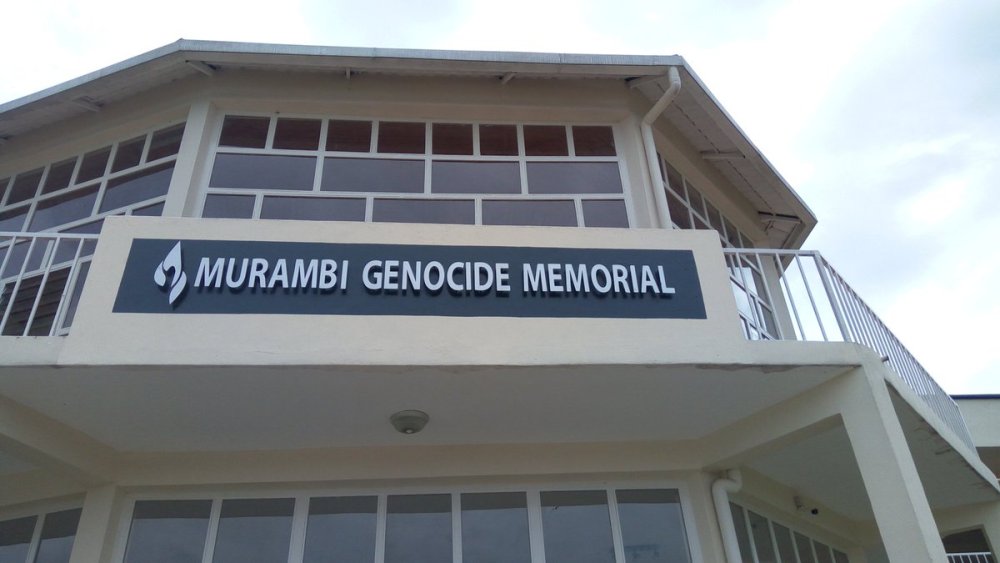
The memorials include the Kigali Genocide Memorial at Gisozi, the Nyamata Memorial in Bugesera, the Murambi Memorial in Nyamagabe, and the Bisesero Memorial in the Western Province.
In 2022, before their designation as World Heritage Sites, these four memorials recorded over 101,000 visitors—54,845 of whom were foreigners and 46,600 Rwandans.
Following their inscription on the World Heritage List in 2024, total visitor numbers surged to more than 193,000. The number of foreign visitors more than doubled, exceeding 120,000, while Rwandan visitors increased to over 73,000.
Veneranda Ingabire, Executive Director of Memory and Genocide prevention at the Ministry of National Unity, told RBA that the 54.2% rise in foreign visitors reflects the memorials’ growing international visibility.
She noted that the world has embraced the responsibility to promote these sites’ significance and encourage more visits to deepen understanding.
Lydie Mutesi from Aegis Trust, the organization managing the Kigali Genocide Memorial, emphasized that their team has been strengthened with new knowledge and capacity to professionally accommodate the increasing number of visitors.
Enhanced training ensures that Rwanda’s history is preserved and communicated effectively, allowing the memorials’ message to resonate worldwide.
The four Genocide Memorials were officially inscribed as UNESCO World Heritage Sites by the United Nations Educational, Scientific and Cultural Organization (UNESCO) on September 20, 2023, marking a major milestone in their preservation and global recognition.
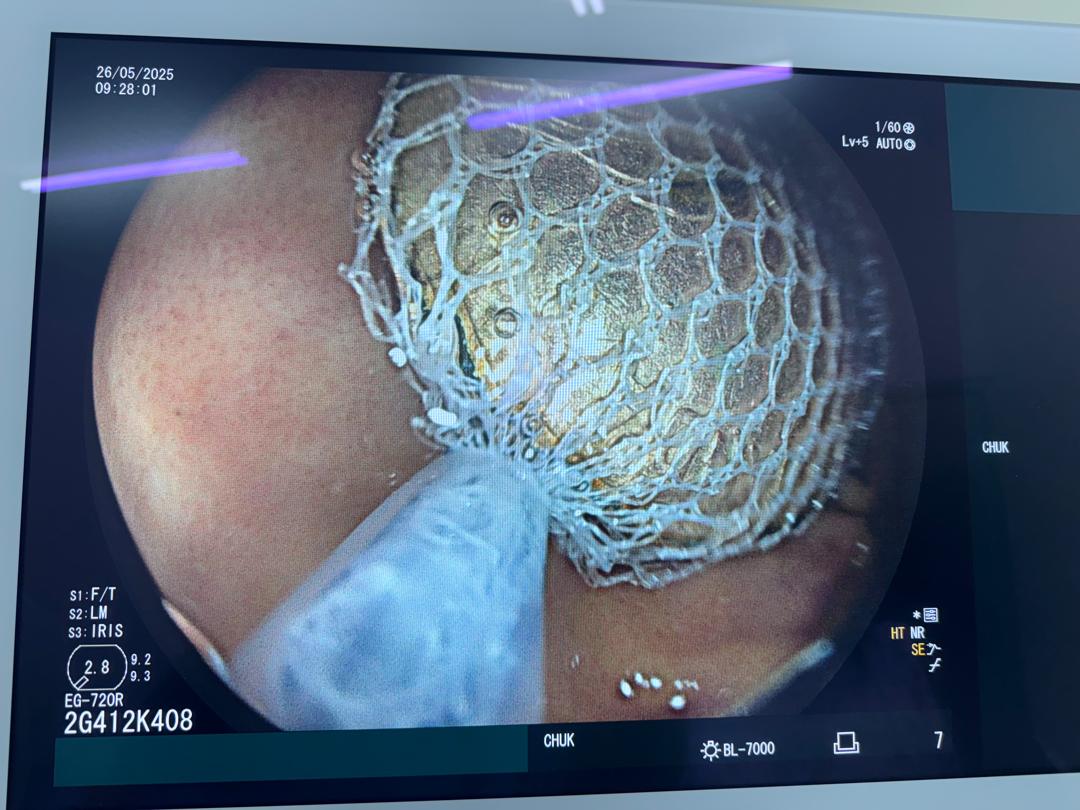
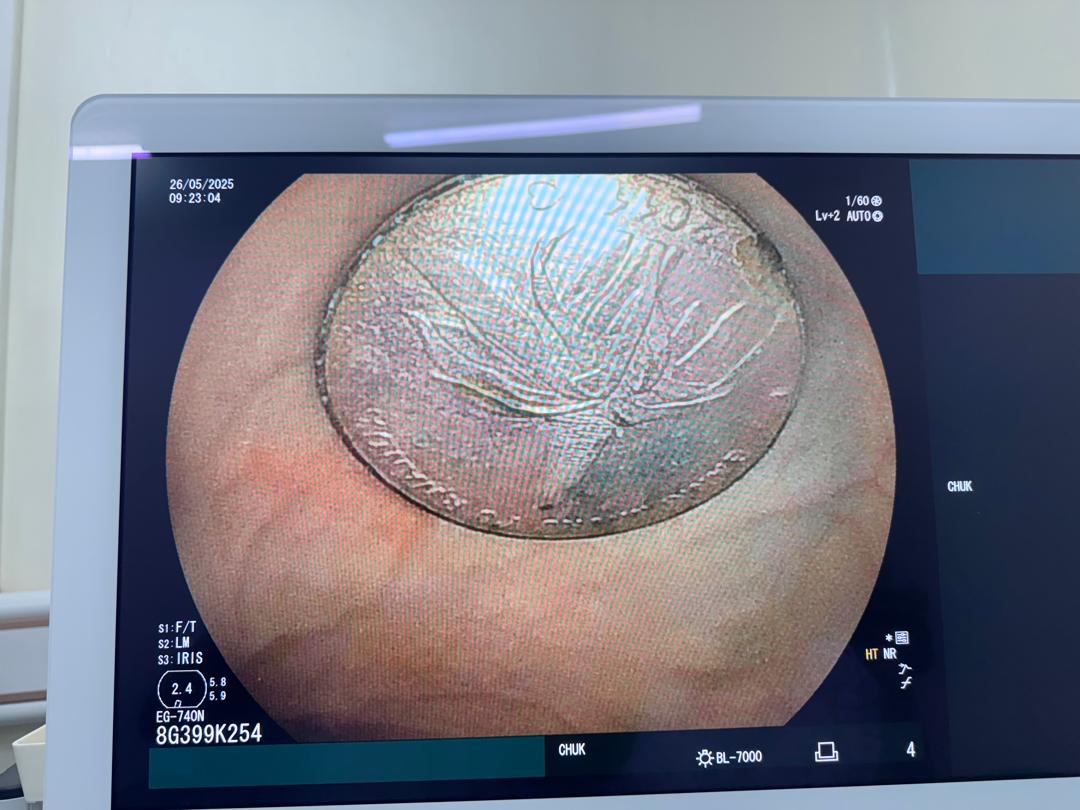
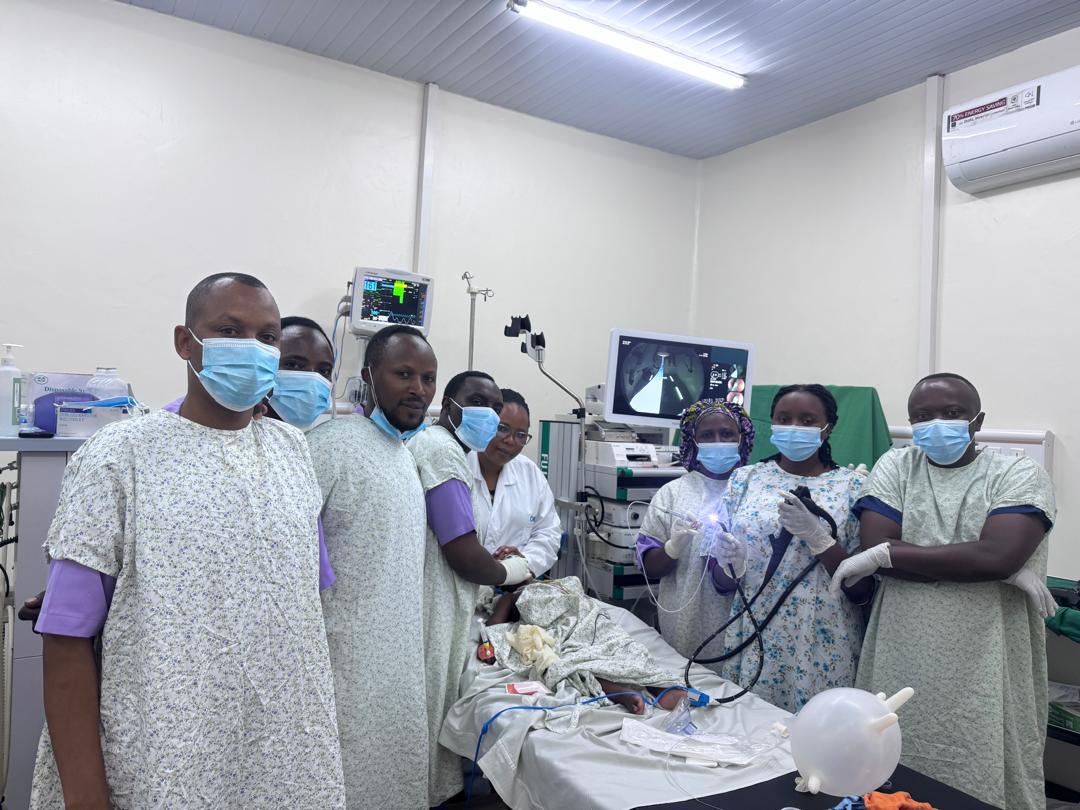
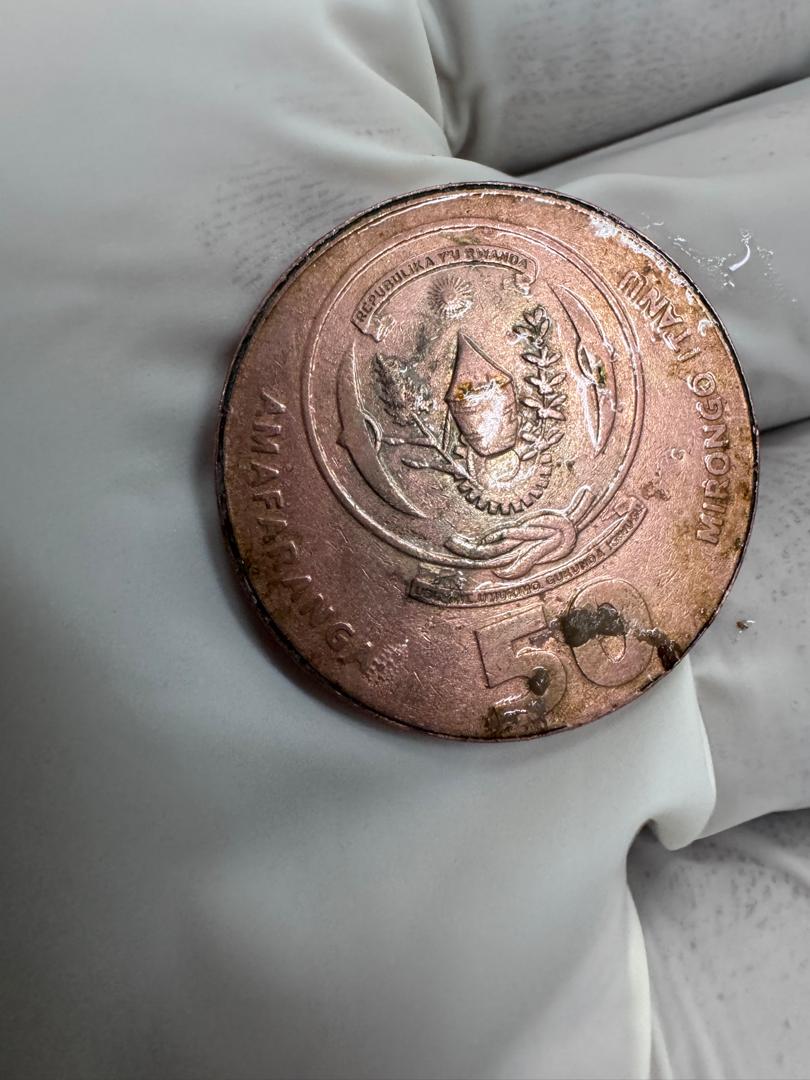
The Frw 50 coin was extracted on Monday, May 26, 2025, using endoscopy, a minimally invasive procedure that avoided the need for surgery.
The child’s mother said she had initially been told that surgery would be necessary to remove the coin.
However, doctors at CHUK’s gastrointestinal (GI) medical service used an endoscope, a flexible tube with a camera and tools inserted through the mouth into the stomach, to locate and safely remove the foreign object.
Endoscopy allows doctors to diagnose and treat conditions inside the digestive tract without making incisions, reducing recovery time and risks associated with open surgery.
This successful procedure comes amid growing advances in Rwanda’s medical field. Earlier this month, King Faisal Hospital performed the country’s first percutaneous closure of a patent foramen ovale (PFO), a rare heart procedure conducted on a stroke patient.
The procedure, carried out on May 16, was led by visiting Swiss cardiologist Dr. Hugues Lucron alongside Rwandan specialist Dr. Gérard Misago.
A PFO is a small opening between the heart’s upper chambers that normally closes after birth but can remain open in some people, increasing the risk of stroke.
Using a catheter inserted through a vein, the medical team deployed a nickel-titanium closure device to seal the opening permanently. Over time, heart tissue grows around the device, completing the repair.
King Faisal Hospital expressed gratitude to Occlutech Europe and its partners for supporting this national milestone, calling it a significant step forward in advancing cardiovascular care in Rwanda.
The two recent successful procedures showcase Rwanda’s progress in adopting minimally invasive medical technologies that enhance patient outcomes and save lives.
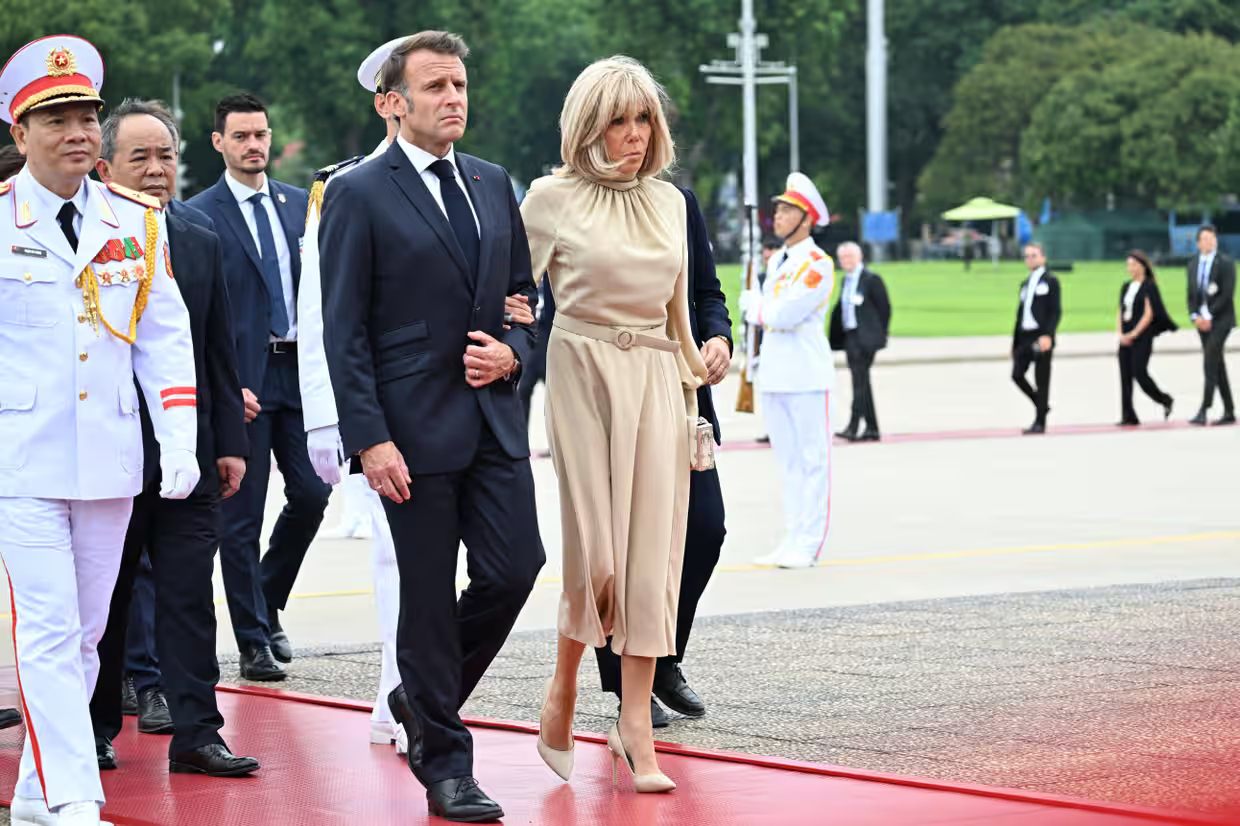
The brief but widely circulated footage shows Macron stepping out of a plane in Hanoi on Sunday evening as part of a state visit to Vietnam.
As he emerges at the aircraft doorway, Brigitte Macron’s hands suddenly reach out and shove his face. The president appears momentarily startled but quickly regains his composure and waves to the press waiting on the tarmac.
Speaking to reporters in Hanoi on Monday, Macron, who is 24 years younger than his 72-year-old wife, sought to clarify the situation: “There’s a video showing me joking and teasing my wife, and somehow that becomes a sort of geo-planetary catastrophe,” he said. “We were just joking around, as we do quite often.”
SHOCKING: French President Emmanuel Macron SHOVED IN THE FACE by his wife Brigitte as they exit a plane in Vietnam! This looks like an EXTREMELY toxic relationship. Imagine your husband leading a nation, trying to stand up to powerhouses like Putin & Trump & his toxic wife… pic.twitter.com/7PWc1CkaG7
— Tehseen Poonawalla Official 🇮🇳 (@tehseenp) May 26, 2025
The Élysée Palace, after initially downplaying the footage, later explained that the couple were “unwinding” and “playfully teasing each other” ahead of the start of their formal engagements.
A presidential source quoted by CNN described the incident as “a moment of closeness,” adding: “No more was needed to feed the mills of the conspiracy theorists.”
Macron, who has increasingly found himself the target of disinformation campaigns linked to Russia, criticised the amplification of the clip by what he described as a familiar ecosystem of online actors.
“People have thought I shared a bag of cocaine, tussled with the Turkish president, now that I’m having a domestic dispute with my wife… None of this is true. Everyone needs to calm down,” he said.
Earlier this month, the Élysée also refuted another viral claim, circulated by pro-Kremlin accounts and U.S. conspiracy theorist Alex Jones, that Macron was using cocaine aboard a train to Kyiv with German Chancellor Friedrich Merz and UK Prime Minister Keir Starmer.
The claim stemmed from a crumpled tissue seen in footage. French officials responded by posting an image with the caption: “This is a tissue. For blowing your nose.”
As the disinformation swirl continued, Macron emphasised the importance of not letting such moments overshadow diplomacy.
“Commentators even explained this morning that my diplomacy was that of a battered husband,” he joked.
Meanwhile, the president’s Southeast Asia trip continued on a more serious note. France and Vietnam signed €9 billion worth of deals on Monday, covering sectors including aerospace, defense, energy, transportation, and pharmaceuticals.
Among them was an agreement for Vietnam to purchase 20 Airbus aircraft — part of efforts to boost bilateral ties amid growing trade instability linked to U.S. tariffs under Donald Trump’s administration.
The visit marks the first formal state trip to Vietnam by a French presidential couple in nearly a decade.