The organisers of the event announced its postponement on Thursday night, saying, “A new date will be announced very soon.”
“Those unable to attend will, of course, be refunded,” the statement added.
The April 7 date, officially recognized by the United Nations as the International Day of Reflection on the Genocide, holds deep meaning for the Rwandan community, and the concert has raised concerns that it could undermine the significance of the commemoration.
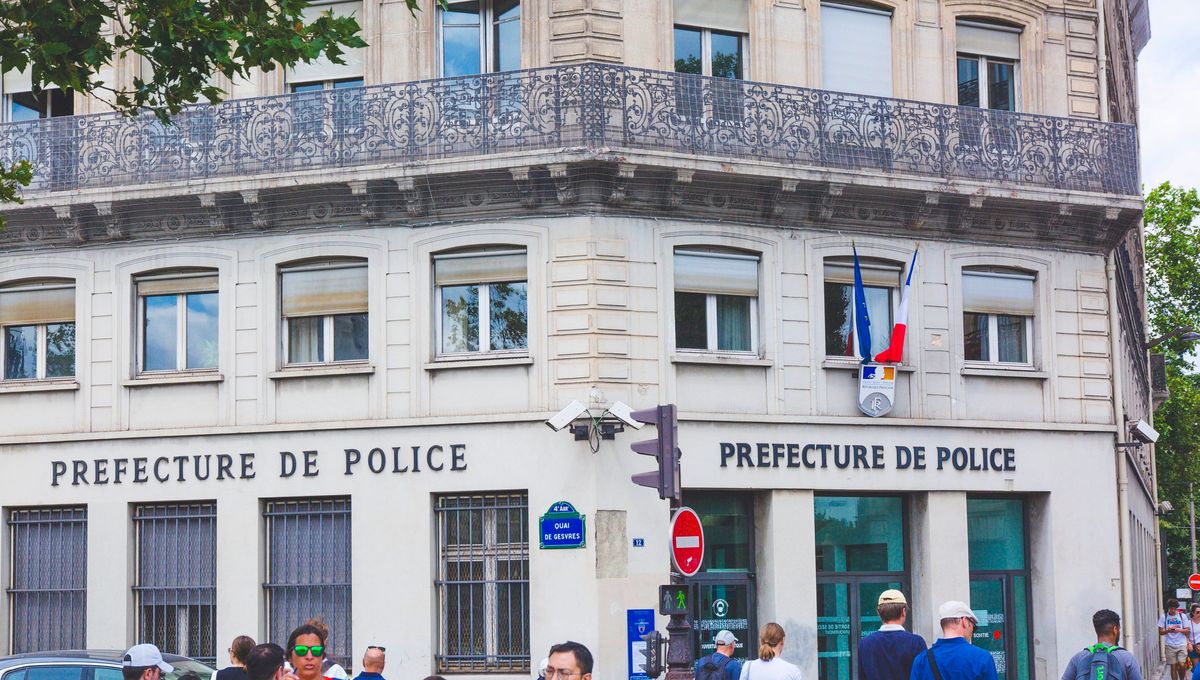
The police had earlier in the day heeded the call to stop the event following a letter from Mayor Anne Hidalgo, who cited the potential for public disorder.
The mayor had indicated that the concert’s timing was inappropriate, given the sensitive nature of the date.
Responding to the mayor’s concerns on Thursday, the police stated that the city’s police chief, Laurent Nunez, would request the concert’s rescheduling due to these concerns or face a ban.
“The Prefect of Police, Laurent Nunez, will ask the organizers to reschedule the concert to a date other than April 7th, due to the risk of public order disturbances. If not, the Prefect of Police will initiate a procedure to ban the event,” the police department said in a statement on X.
The organizers of the event had claimed that the concert was meant to raise funds for children affected by the conflict in the eastern Democratic Republic of Congo (DRC), where the Congolese government accuses Rwanda of backing M23 rebels, a claim that Rwanda has repeatedly denied.
The President of the Rwandan diaspora in France, Rwanda’s Ambassador to France, François Nkulikiyimfura, and representatives of survivor organizations had raised concerns with the mayor, warning that the event could undermine genocide remembrance efforts.
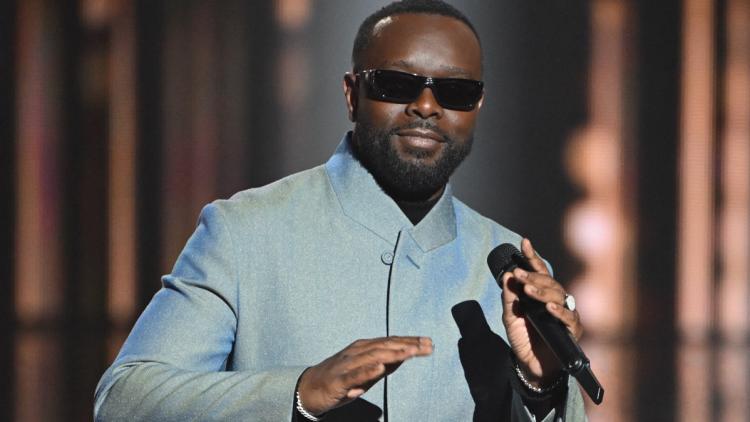
Critics of the concert say some of the scheduled Congolese performers, including Maître Gims and Youssoupha, have previously expressed controversial views about Rwanda, adding to the tension already present between the Rwandan and Congolese communities in Paris.
UNICEF France, the intended beneficiary, had already distanced itself from the event, citing the significance of the date.
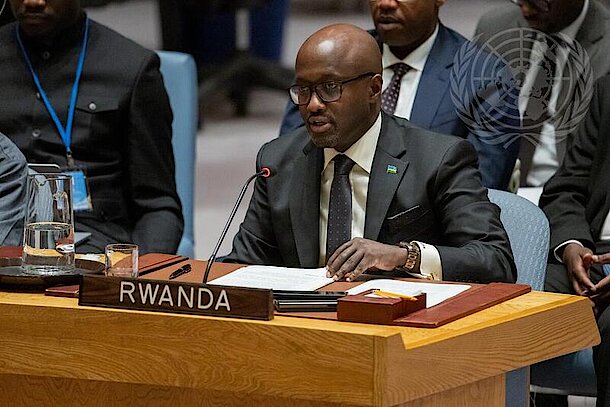
Addressing the UN Security Council in New York on Thursday, March 27, 2025, Nduhungirehe condemned the failure to hold Kinshasa accountable for its role in fueling the crisis and defended Rwanda’s border security measures as necessary for national protection.
Minister Nduhungirehe accused the UN and its peacekeeping mission, MONUSCO, of perpetuating a misleading narrative that places disproportionate blame on Rwanda while ignoring key factors contributing to instability in eastern DRC.
He highlighted that, despite repeated evidence of the DRC integrating fighters from the FDLR genocidal militia—linked to the 1994 Genocide against the Tutsi in Rwanda—into its national army, international actors continue to turn a blind eye.
“The conflict was not started by Rwanda, yet the burden has been placed squarely on our shoulders,” Nduhungirehe stated. “The failure to hold the DRC accountable for its governance failures and alliances with violent groups only exacerbates the crisis.”
Nduhungirehe emphasised that one of the root causes of the instability is the continued presence of the FDLR militia in the eastern DRC. According to the minister, the group has engaged in ethnic massacres, child soldier recruitment, and cross-border attacks, yet international actors fail to acknowledge its impact.
“The recent capture and handover of FDLR commanders, including a senior figure, further confirms the DRC government’s support for this group,” he noted, accusing Kinshasa of equipping and funding these forces.
Another major issue raised was the long-standing persecution of Congolese Tutsi and other Kinyarwanda-speaking communities in eastern DRC. Nduhungirehe described this as a consequence of deep-seated ethnic discrimination stemming from colonial history.
“As a result of systemic persecution, hundreds of thousands of Congolese Tutsi remain displaced, forced to seek refuge in Rwanda, Uganda, and beyond,” he said, calling for an end to targeted violence against these communities.
In a scathing critique, Nduhungirehe pointed to MONUSCO’s long-standing failure to neutralise armed groups in eastern DRC, despite operating as the UN’s most expensive peacekeeping mission for over 25 years.
“In 2013, this very Council adopted Resolution 2098, mandating Monusco’s Force Intervention Brigade (FIB) to eliminate all armed groups, including the FDLR. However, instead of fulfilling this obligation, Monusco focused its military efforts almost exclusively on M23, leaving the FDLR to operate with impunity,” he asserted.
The minister also denounced MONUSCO’s alleged direct involvement in military operations alongside the DRC army and European mercenaries, some of whom were forced to return home after the capture of Goma by the M23 rebels.
“Not only has Monusco failed in its mission, but it has also placed itself in a position of belligerence,” he added.
Responding to criticism of Rwanda’s defensive actions along the border, Nduhungirehe reiterated that Rwanda will not compromise its national security.
“Our defensive measures will remain in place until there is a credible framework for long-term security guarantees,” he affirmed, rejecting any suggestion that Rwanda should lower its guard while its borders remain threatened.
Despite his criticisms, Nduhungirehe welcomed recent efforts to advance a political resolution, particularly the recent joint summit between the East African Community (EAC) and the Southern African Development Community (SADC), which seeks to merge existing peace processes. He expressed Rwanda’s full support for these African-led initiatives and urged the international community to do the same.
“A sustainable political solution with long-term security guarantees for Rwanda will allow us to get back to the serious and urgent work of developing our country and integrating our region together with our neighbors,” he remarked.
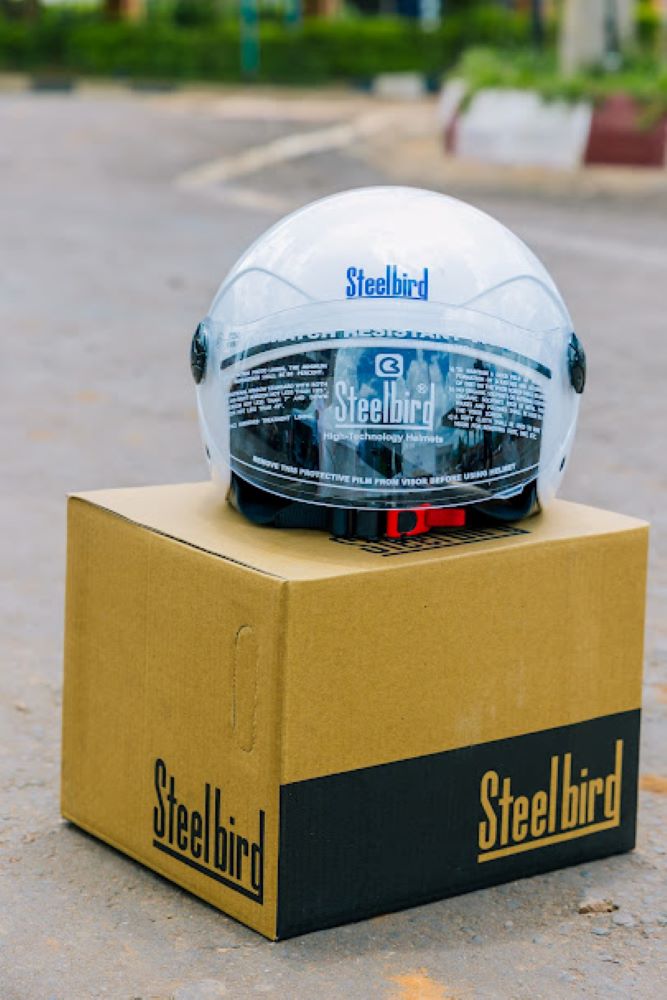
According to the World Health Organization (WHO), motorcycle users are involved in 28% of serious road accidents, and this number can rise to 75% in some countries. To address this, the campaign promotes access to affordable and reliable helmets, with support from the United Nations.
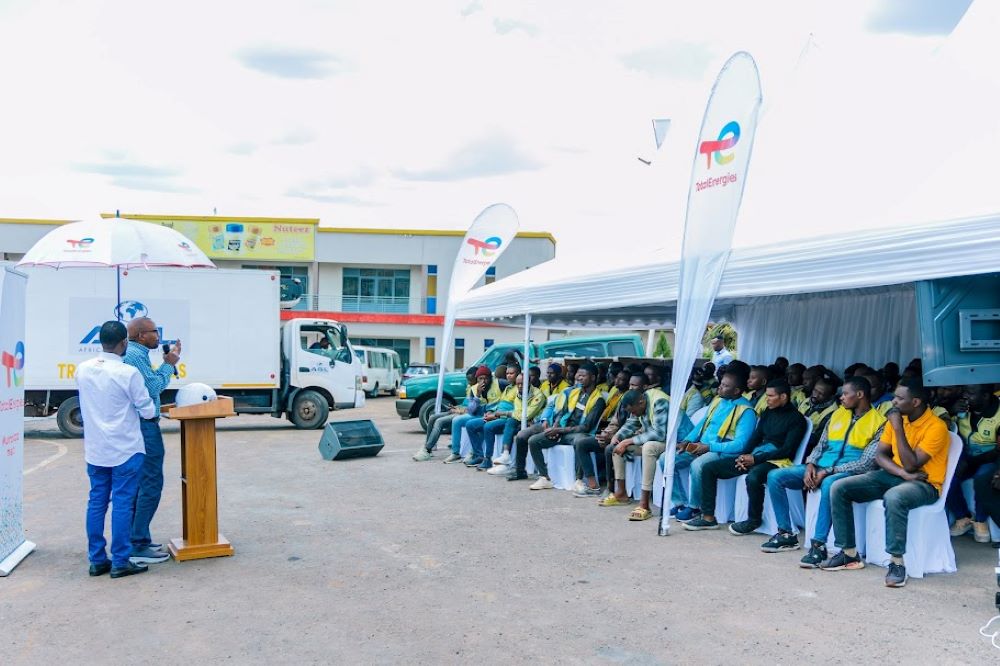
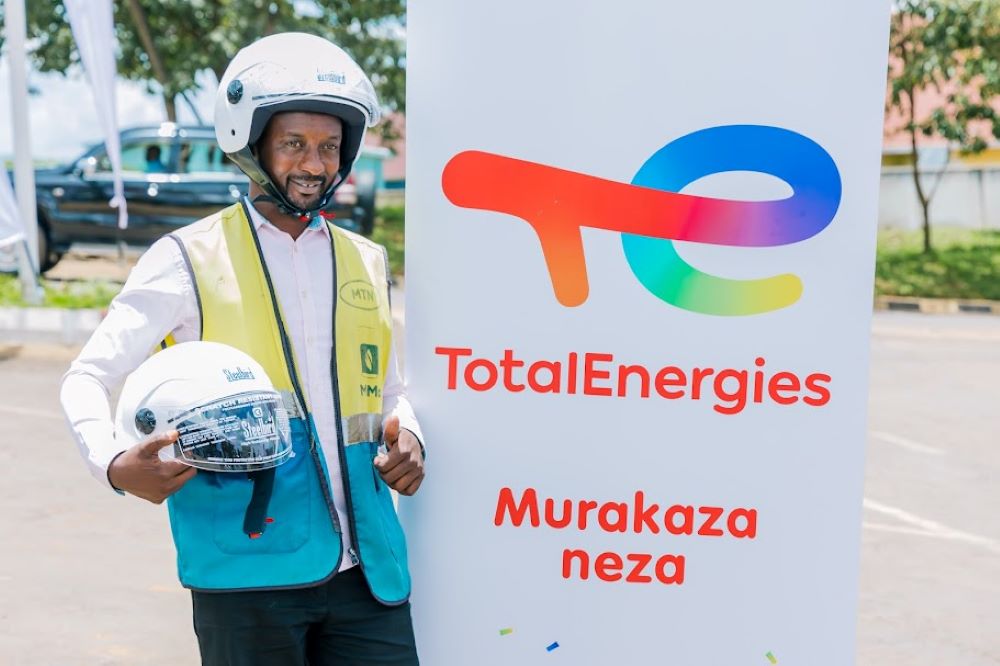
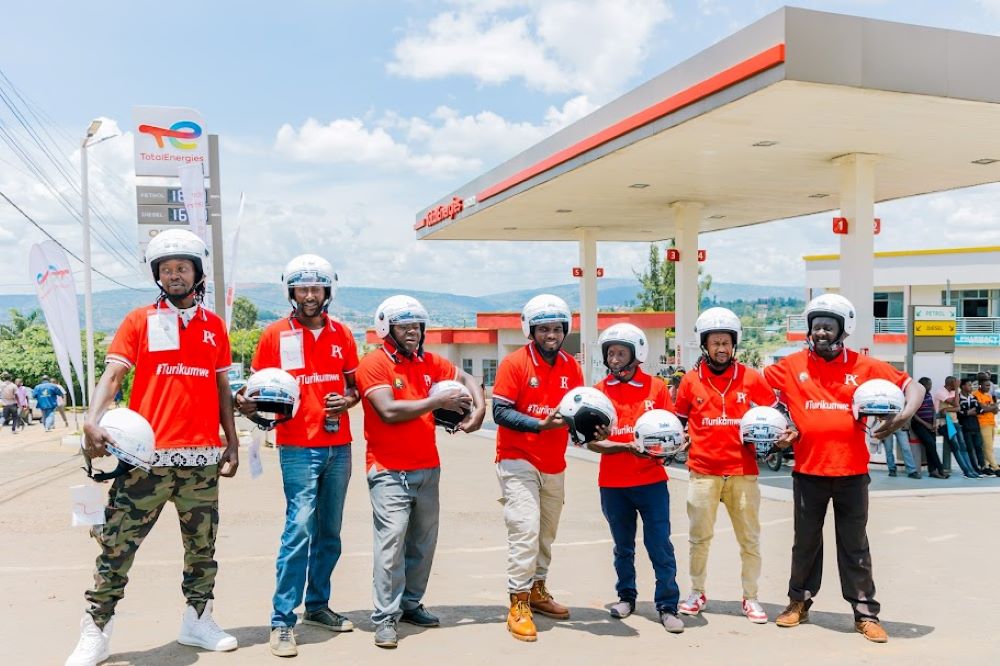
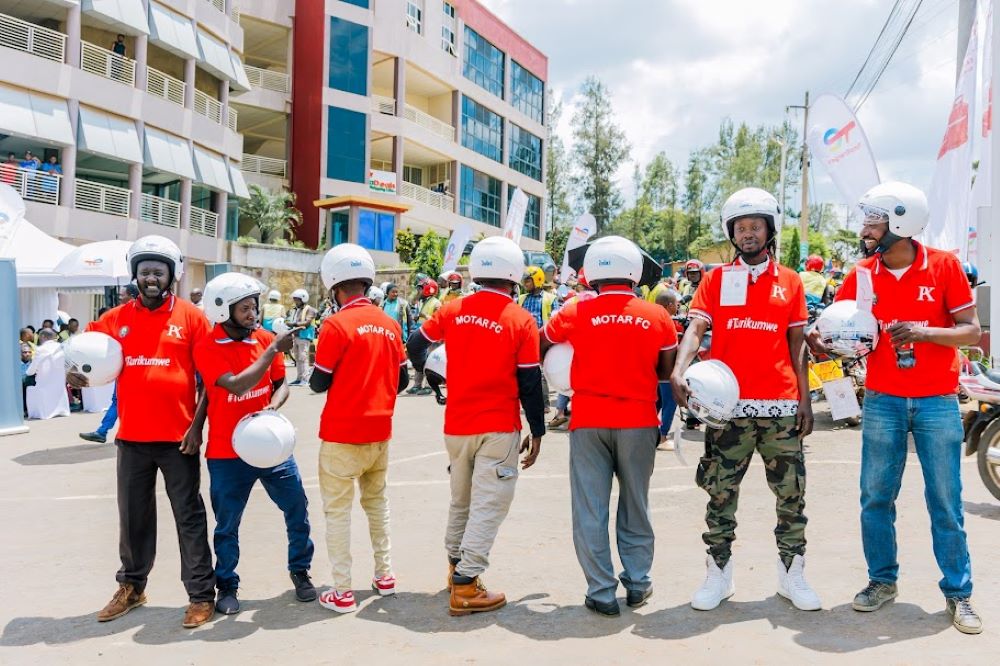
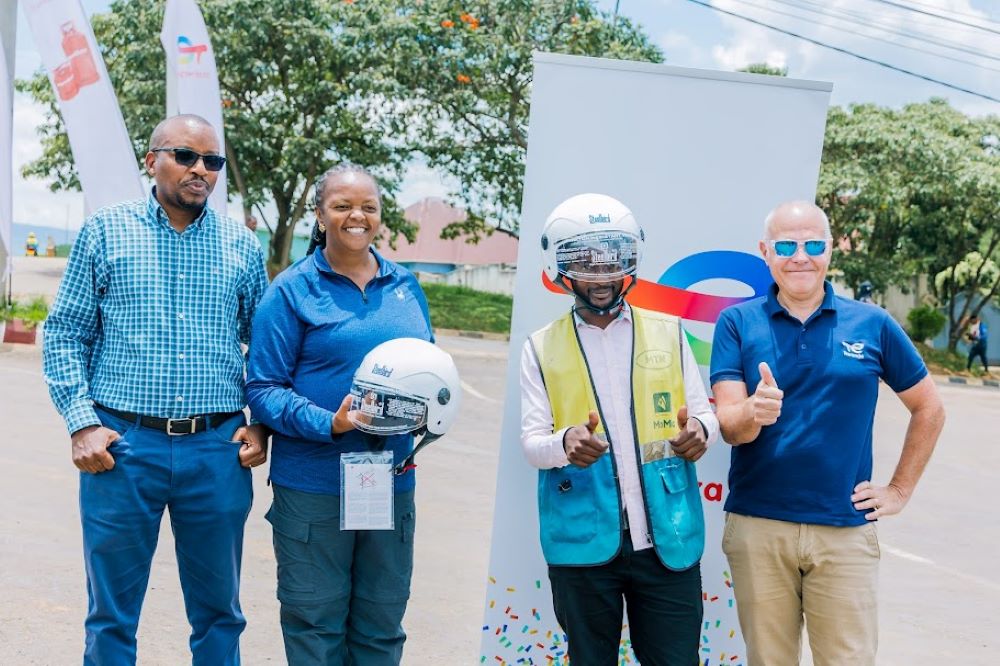
Last week, a handover event occurred at the TotalEnergies station in Gisozi, Gasabo District. During the event, 200 helmets were given to 100 motorcyclists, with each rider receiving two helmets. The activity was led by TotalEnergies Marketing Rwanda (TEMR).
This is part of the first phase of a global initiative called #Tuwurinde (Helmet 4 Life), supported by the TotalEnergies Foundation. Through this programme, 100,000 helmets will be distributed in 42 countries across Africa, Asia, and the Americas.
The helmet distribution campaign supports the United Nations’ road safety goals by making protective headgear more accessible and affordable for riders worldwide.
Before receiving the helmets, the motorcyclists were reminded about key road safety practices, including obeying traffic rules, using protective gear, maintaining their motorcycles regularly, and avoiding traffic violations.
This activity is expected to continue across motorcycle cooperatives in the three districts of Kigali. The City of Kigali, MININFRA, Rwanda National Police, and RURA are jointly encouraging all motorcyclists to use certified helmets for their safety and that of their passengers.
In a statement issued on Thursday, March 27, the Rwanda Governance Board said the directive takes effect immediately.
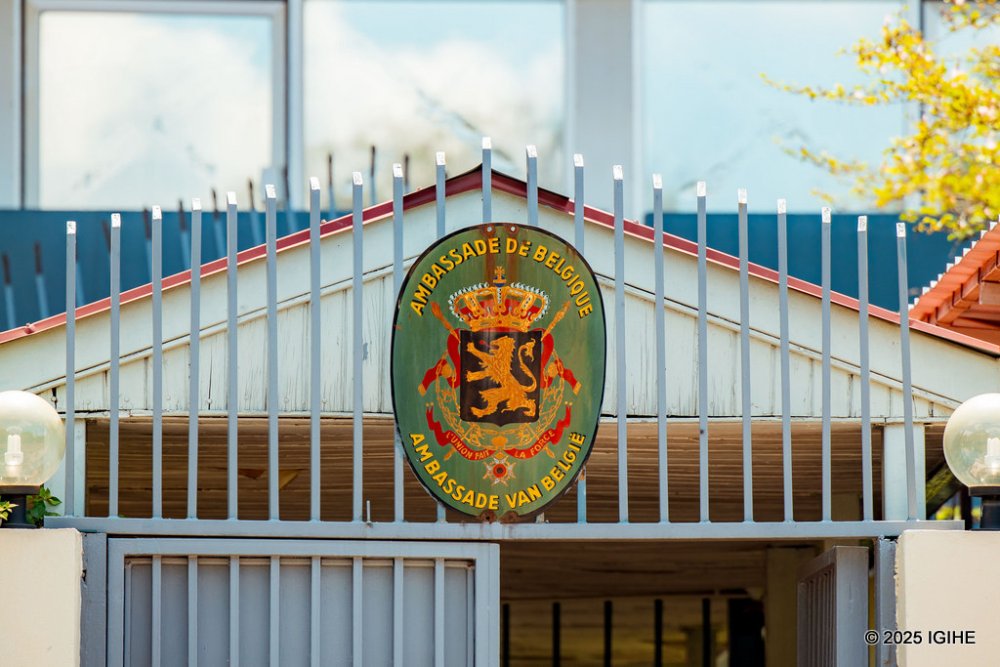
The new policy forbids all forms of collaboration, partnerships, and engagements with the Belgian government, its agencies, and related non-governmental cooperation actors.
Additionally, the directive bans any financial transactions involving the Belgian government or its institutions. This includes, but is not limited to, budget support, project funding, and technical assistance grants.
The prohibition extends to financial contributions made directly or indirectly through third-party intermediaries, with strict penalties for any attempts to circumvent these restrictions.
The Rwanda Governance Board (RGB) directed that all active projects or agreements involving Belgian-linked entities be terminated immediately.
Entities found violating the directive could face severe consequences, including suspension of registration or even revocation of legal status, as well as other legal and administrative sanctions.
“Any attempts to circumvent these financial restrictions, including indirect transactions through subsidiaries or partner organisations, will be subject to strict penalties,” RGB stated.
Rwanda severed diplomatic ties with Belgium on March 17, 2025, accusing Belgium’s pitiful attempts to sustain its neocolonial delusions.
The government noted that Belgium had “consistently undermined Rwanda, both before and during the ongoing conflict in the Democratic Republic of Congo (DRC),” accusing the former colonial power of taking a biased stance in regional affairs.
“Belgium has clearly taken sides in a regional conflict and continues to systematically mobilize against Rwanda in different forums, using lies and manipulation to secure an unjustified hostile opinion of Rwanda, in an attempt to destabilize both Rwanda and the region,” the government said.
Rwanda has been accused of supporting the M23 rebel group, a claim it has consistently denied. Instead, the Rwandan government maintains that its primary concern is the ongoing collaboration between the Congolese government and the FDLR militia, an armed group composed of remnants of the perpetrators of the 1994 Genocide against the Tutsi, who remain intent on destabilizing Rwanda.
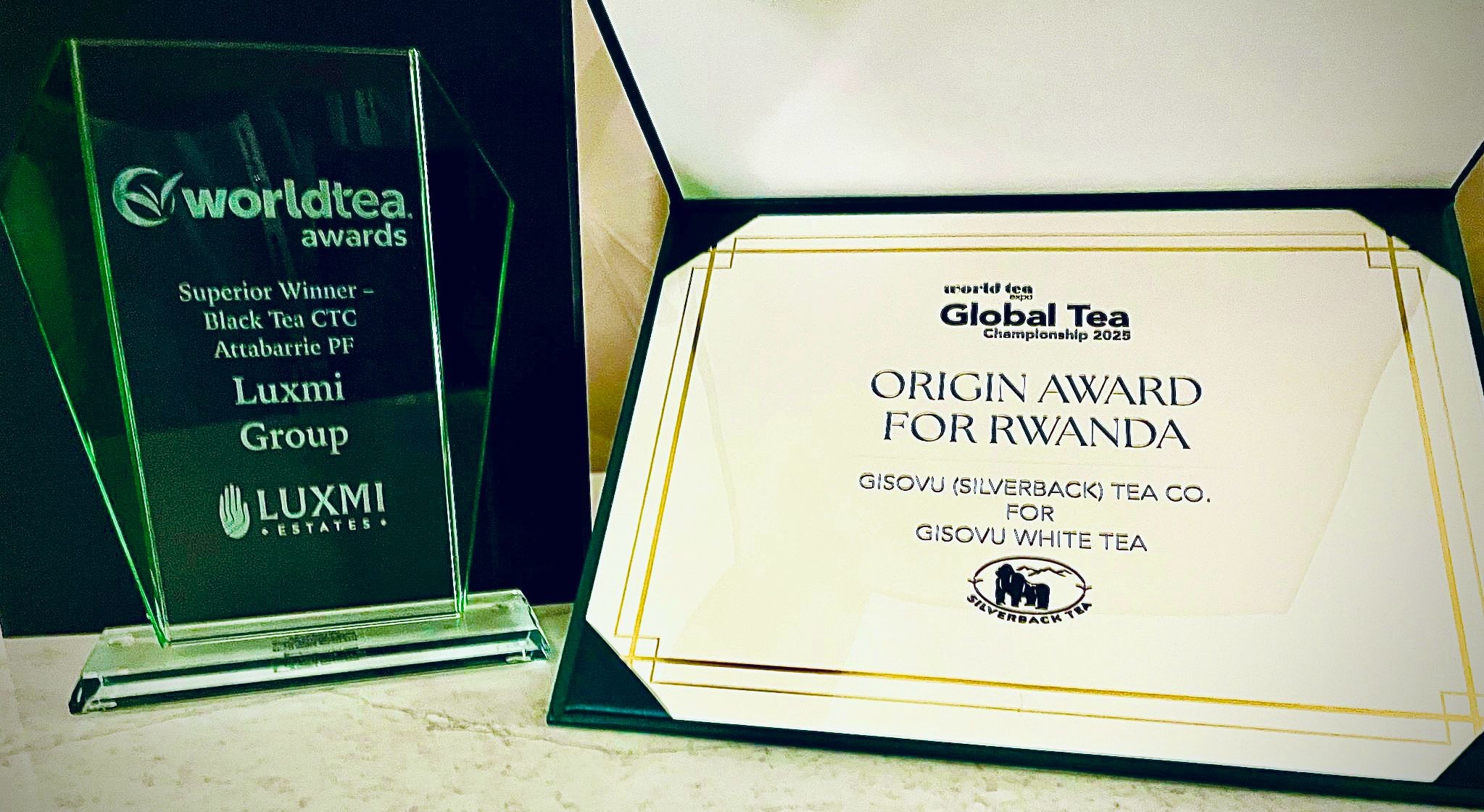
This remarkable achievement places Rwandan tea alongside the world’s finest tea producers, further solidifying its reputation on the global stage.
Meanwhile, Attabarie Tea in Assam, another estate under the Luxmi Group, was declared the Superior Winner in the Black Tea CTC category, the largest category in the competition.
The Global World Tea Championships is a highly esteemed competition that celebrates excellence in tea production.
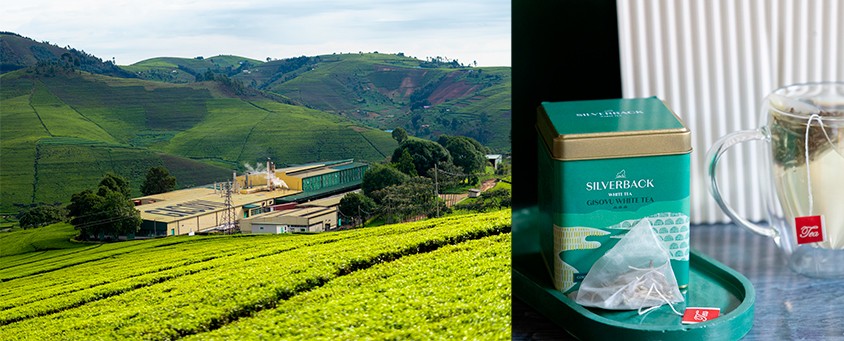
The Luxmi Group produces approximately 30 million kilograms of tea across 25 estates in Rwanda, Assam, and Darjeeling. The group includes the iconic Makaibari Estate in Darjeeling and Sorwathe Ltd, Rwanda’s most diversified tea company. Sorwathe produces a variety of teas, including organic, orthodox, CTC black, specialty, green, white, and Fairtrade-certified teas.
Commenting on the achievement, Mr. Dipankar Chatterjee, Chairman of Luxmi Group, said:
“Luxmi, in Assam, Darjeeling, and Rwanda, has evolved its plantation practices—including pruning, plucking, and manufacturing—to consistently produce high-quality teas. I congratulate our managers and workers for their relentless pursuit of excellence.”
Mr. Rudra Chatterjee, Managing Director of Luxmi Tea and Chairman of Silverback Tea Company in Rwanda, added: “This award is considered the ‘Oscar’ of the tea industry. Our goal is to produce the finest teas from the world’s best regions: the flavorful Darjeeling tea from Makaibari, the strong Assam tea from Attabarie, and the bright Rwandan teas from Gisovu.”
He further stated: “To make tea popular, we need to produce the highest quality teas. These awards belong to every worker and farmer whose passion and skills make our teas extraordinary.”
CEO of Silverback Tea Company, Mr. Nzeki Samuel Munyao, also commented: “This international recognition for Gisovu Tea Company highlights our strong commitment to quality and the excellent collaboration among all players in the value chain. A big appreciation to the entire team!”
The recognition of Gisovu Tea Company – Silverback Tea Company on the global stage is a proud moment for Rwanda’s tea industry, reinforcing the country’s reputation as a producer of bright, high-quality teas. This is further reflected in the success of Rugabano Tea Company Pvt Ltd, which topped Rwanda’s NAEB average selling price rankings in 2024, and Pfunda Tea Company, which sources its green leaves from the lush gardens near Gishwati Forest.
With continued innovation and excellence in tea cultivation, Rwandan teas are gaining a strong foothold in the global market.
The date, officially recognized by the United Nations as the International Day of Reflection on the Genocide, holds deep meaning for the Rwandan community, and the concert has raised concerns that it could undermine the significance of the commemoration.
Mayor Anne Hidalgo had requested that the Paris police intervene, citing the potential for public disorder.
In a letter to the police, the mayor emphasized that the concert’s timing was inappropriate, given the sensitive nature of the date.
Responding to the mayor’s concerns on Thursday, the police stated that the city’s police chief, Laurent Nunez, would request the concert’s rescheduling due to these concerns or face a ban.
“The Prefect of Police, Laurent Nunez, will ask the organizers to reschedule the concert to a date other than April 7th, due to the risk of public order disturbances. If not, the Prefect of Police will initiate a procedure to ban the event,” the police department said in a statement on X.
The organizers of the event had claimed that the concert was meant to raise funds for children affected by the conflict in the eastern Democratic Republic of Congo (DRC), where the Congolese government accuses Rwanda of backing M23 rebels, a claim that Rwanda has repeatedly denied.
The President of the Rwandan diaspora in France, Rwanda’s Ambassador to France, François Nkulikiyimfura, and representatives of survivor organizations had raised concerns with the mayor, warning that the event could undermine genocide remembrance efforts.
Critics of the concert say some of the scheduled Congolese performers, including Maître Gims and Youssoupha, have previously expressed controversial views about Rwanda, adding to the tension already present between the Rwandan and Congolese communities in Paris.
UNICEF France, the intended beneficiary, has already distanced itself from the event if it goes ahead on April 7, citing the significance of the date.
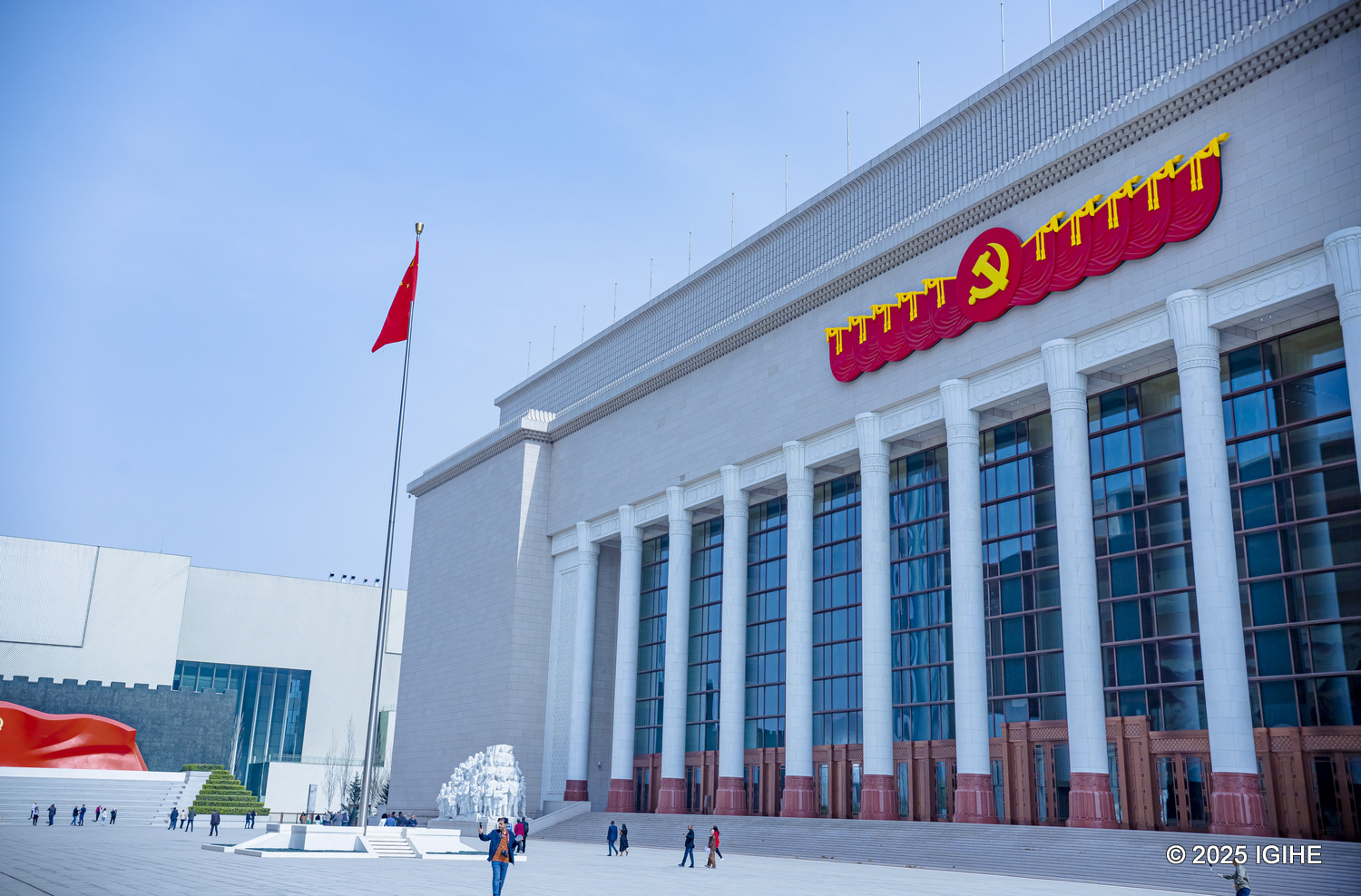
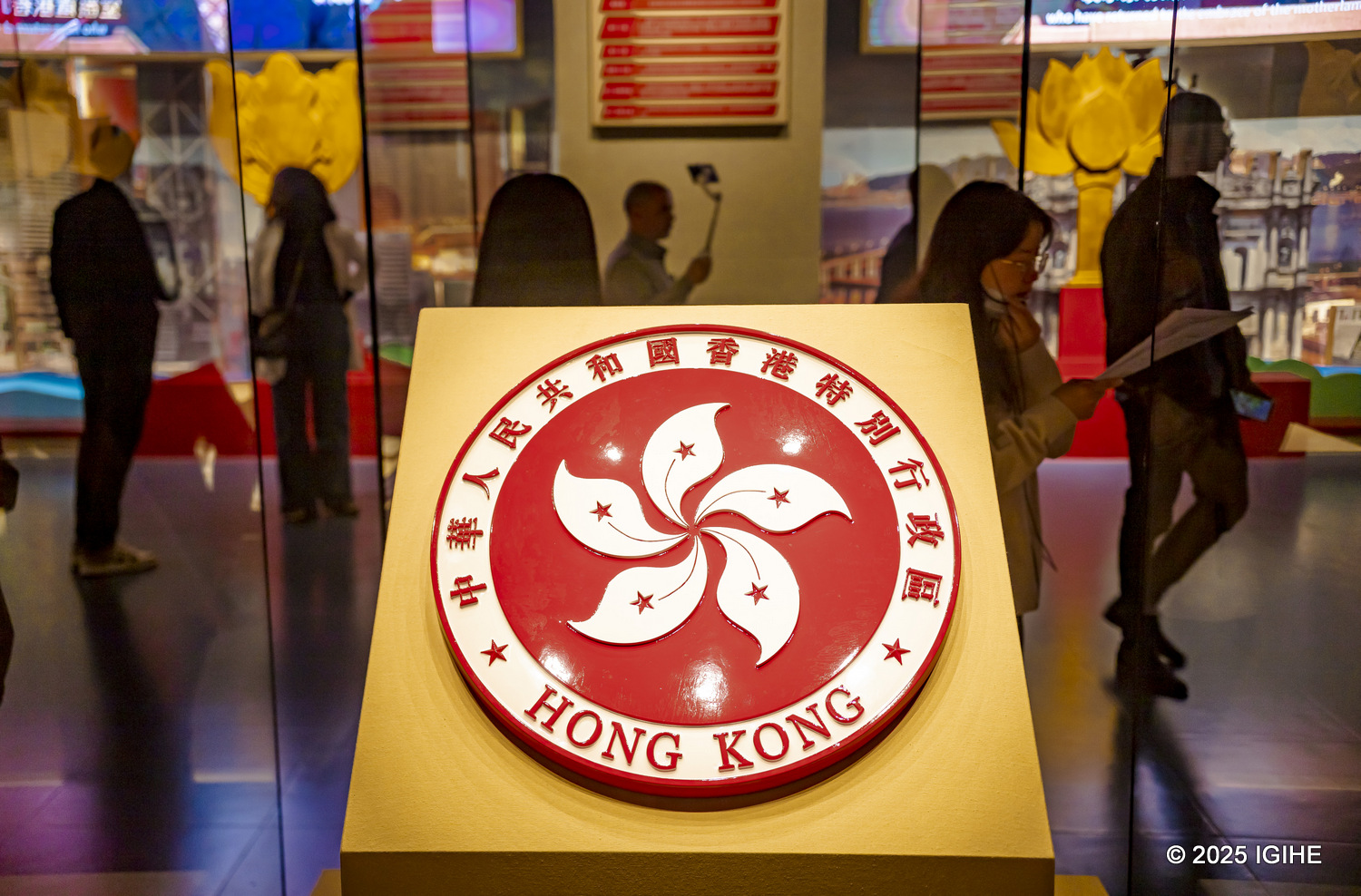
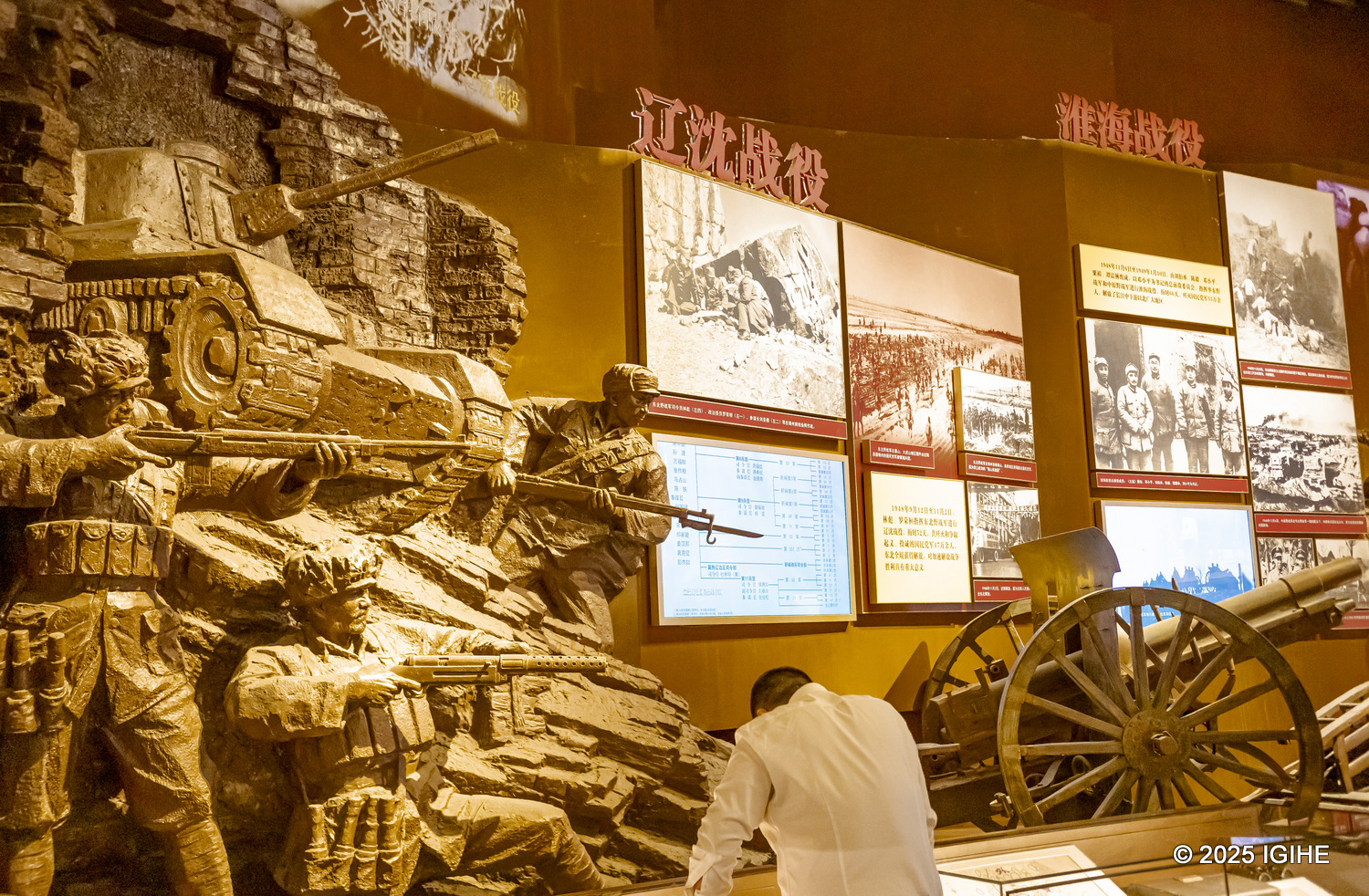
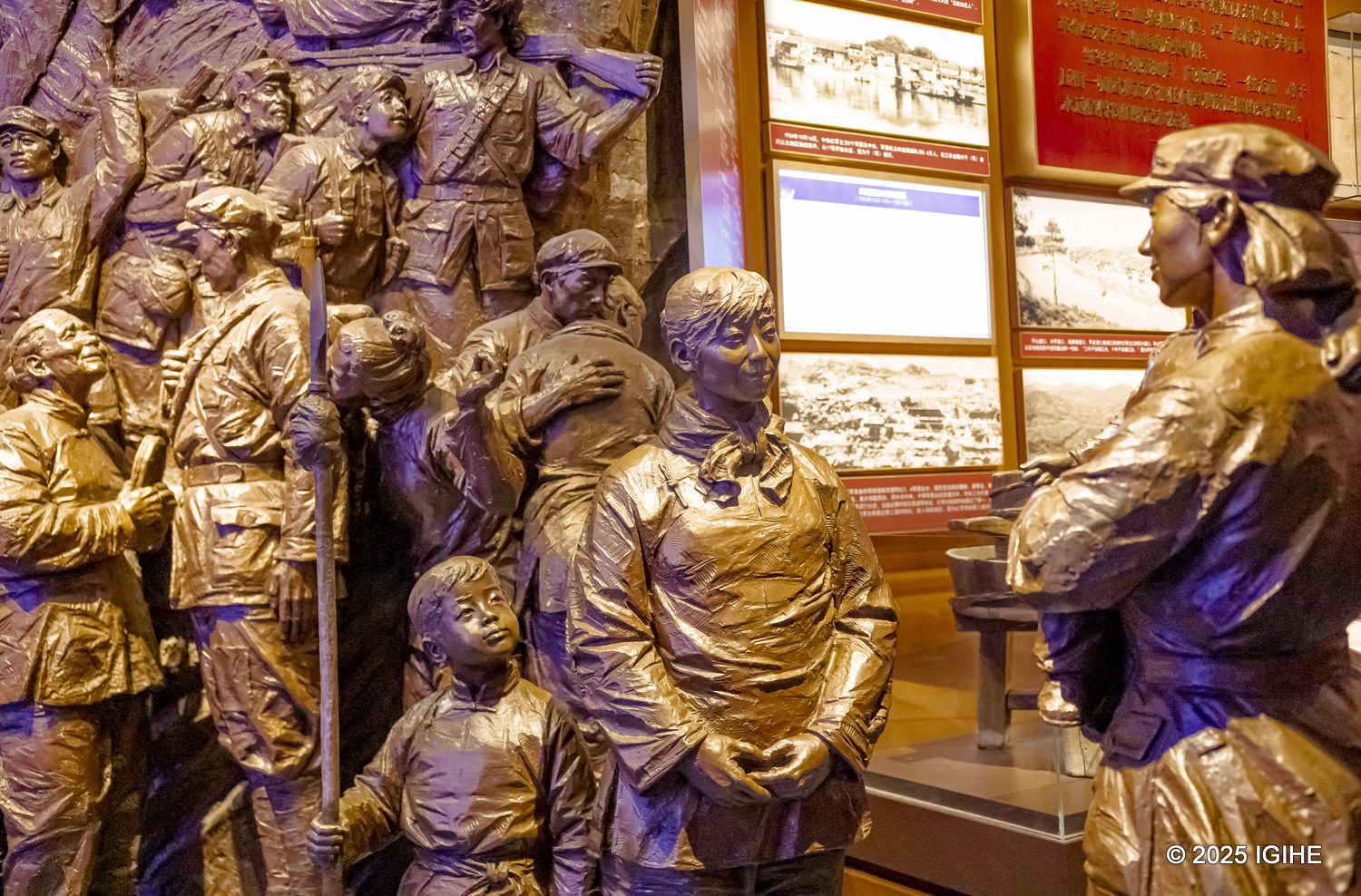
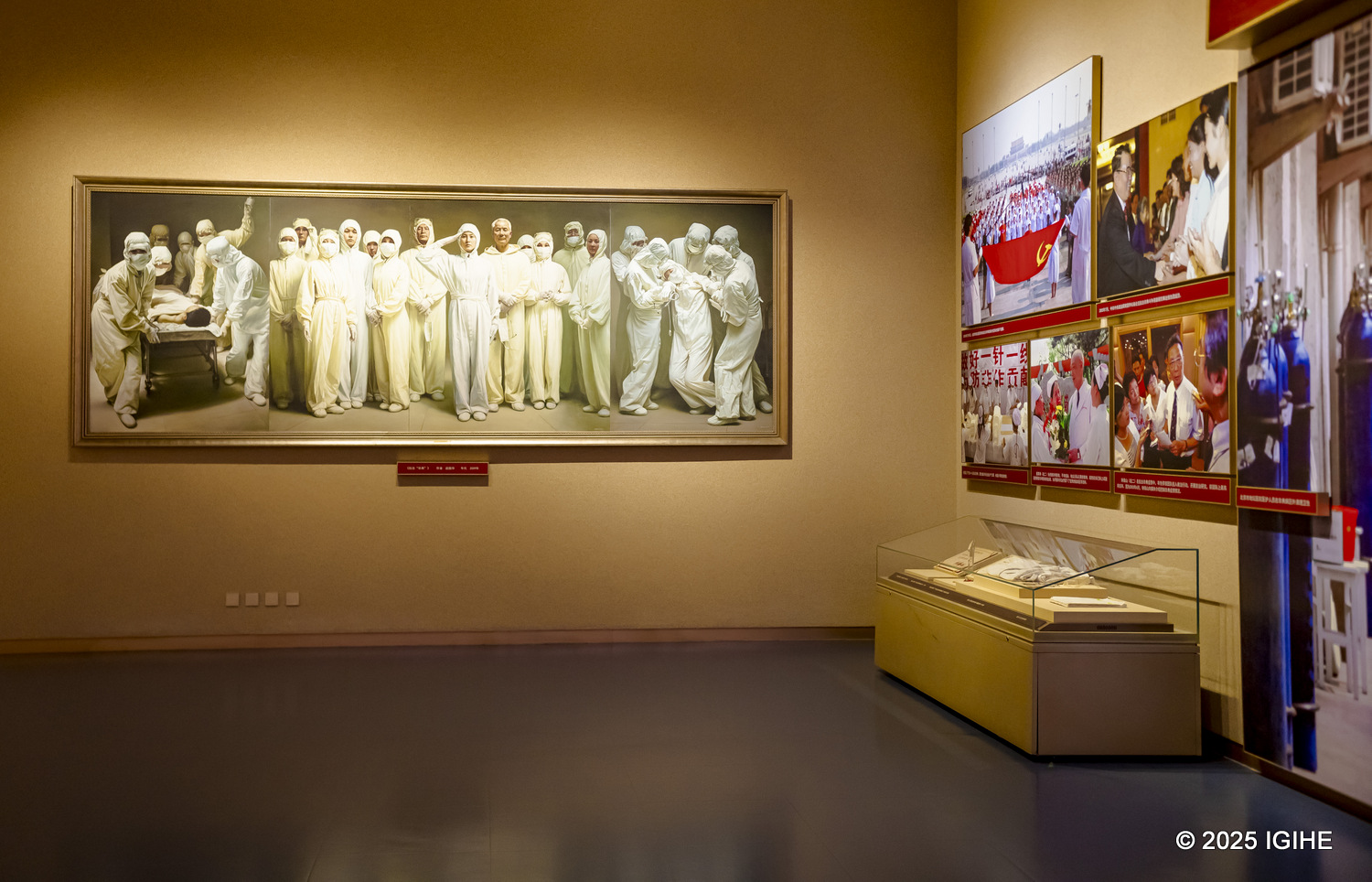
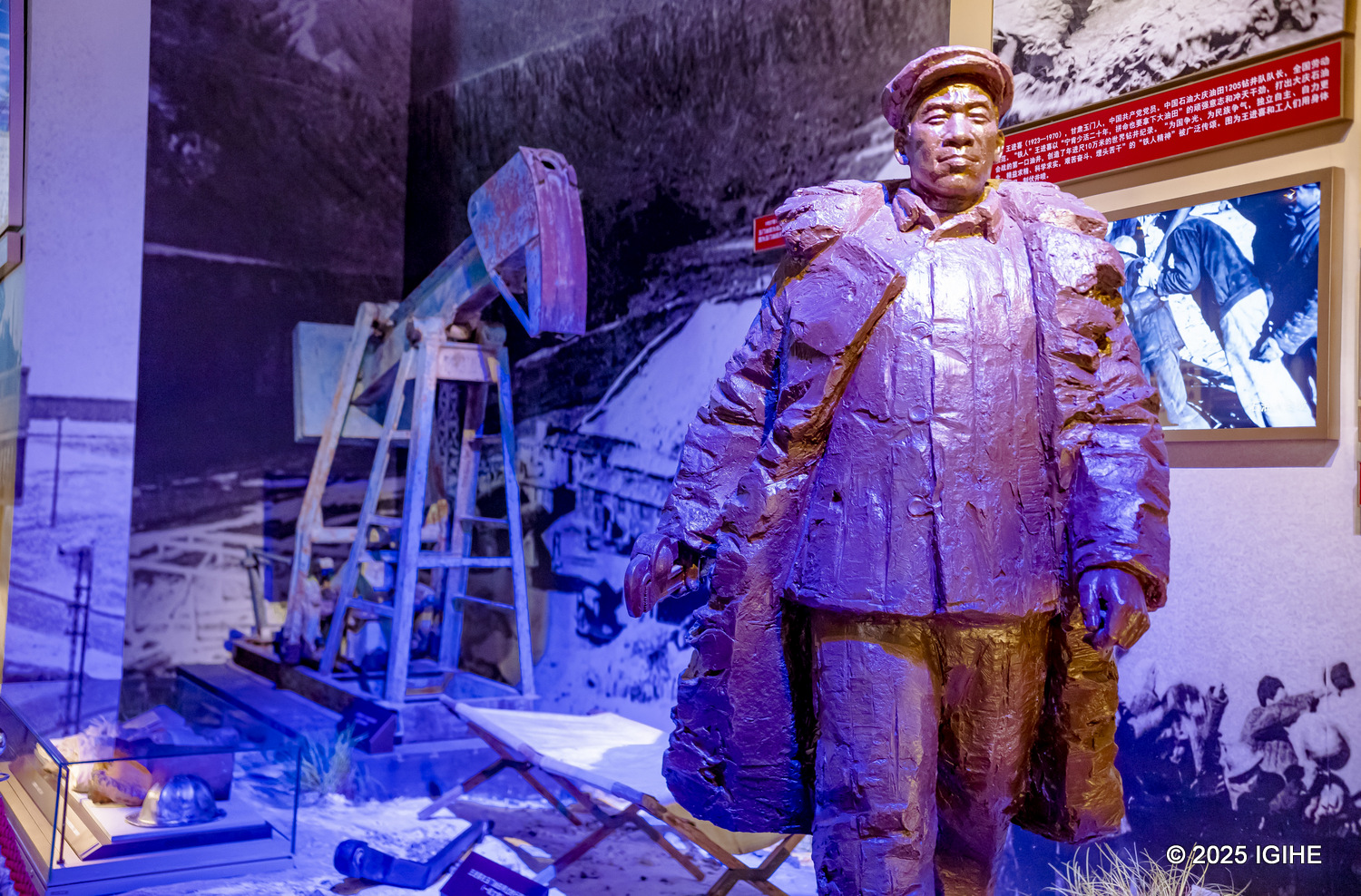
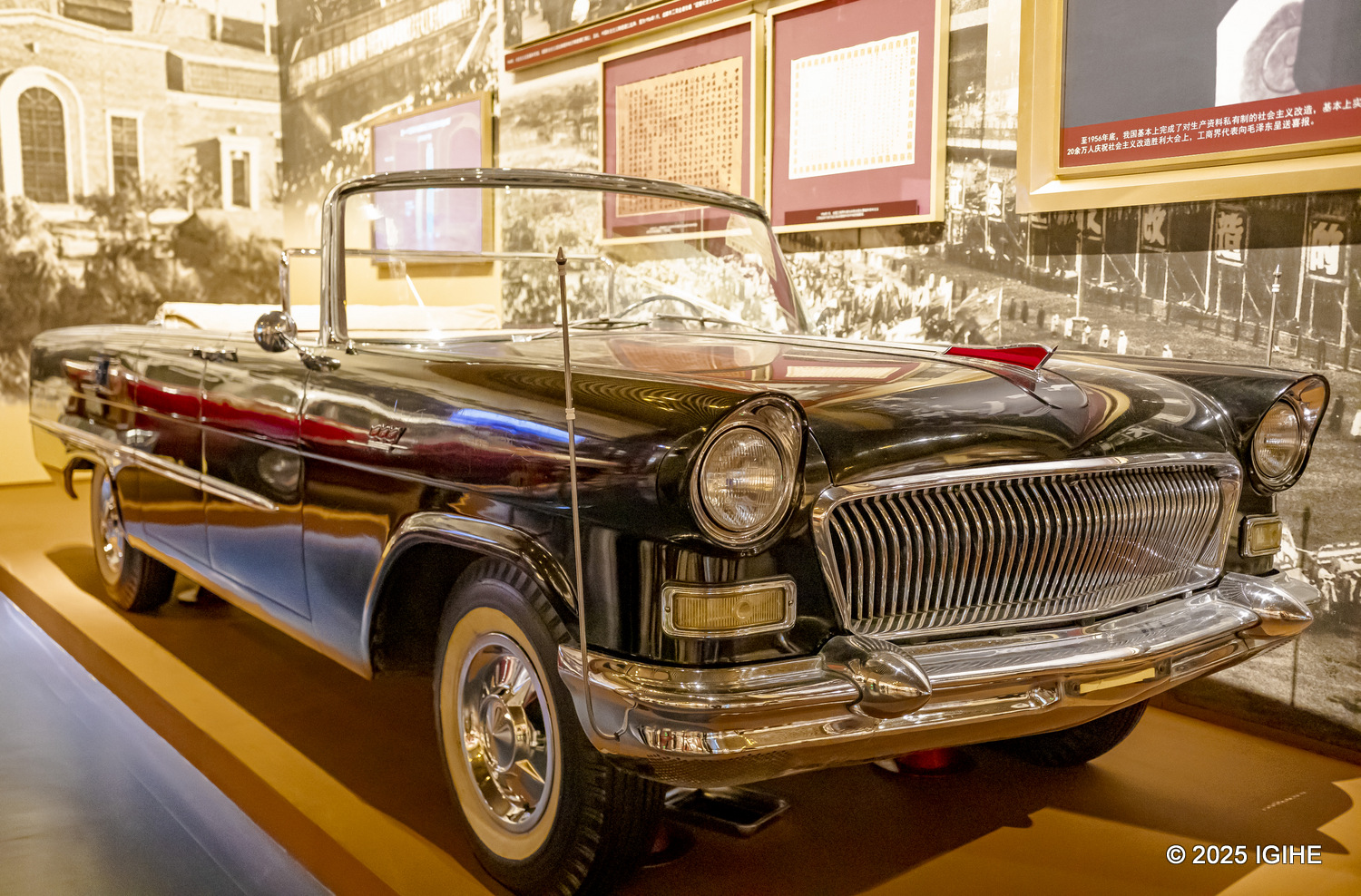
The exhibition hall showcases the Party’s history, achievements, and milestones through artifacts, documents, multimedia displays, and interactive exhibits. Located in Beijing’s Chaoyang District, near the Olympic Park, it stands as a testament to the CPC’s century-long journey.
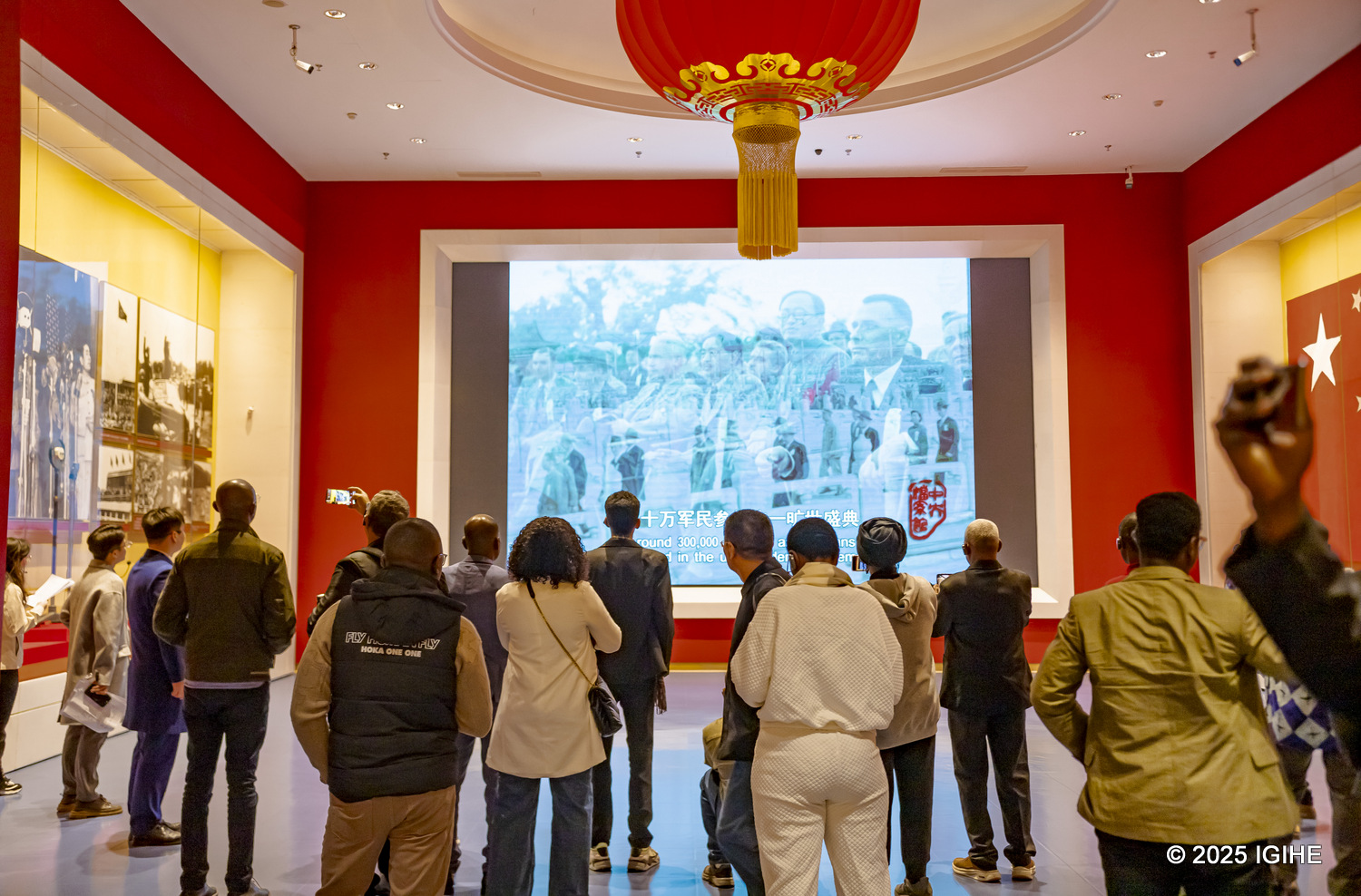
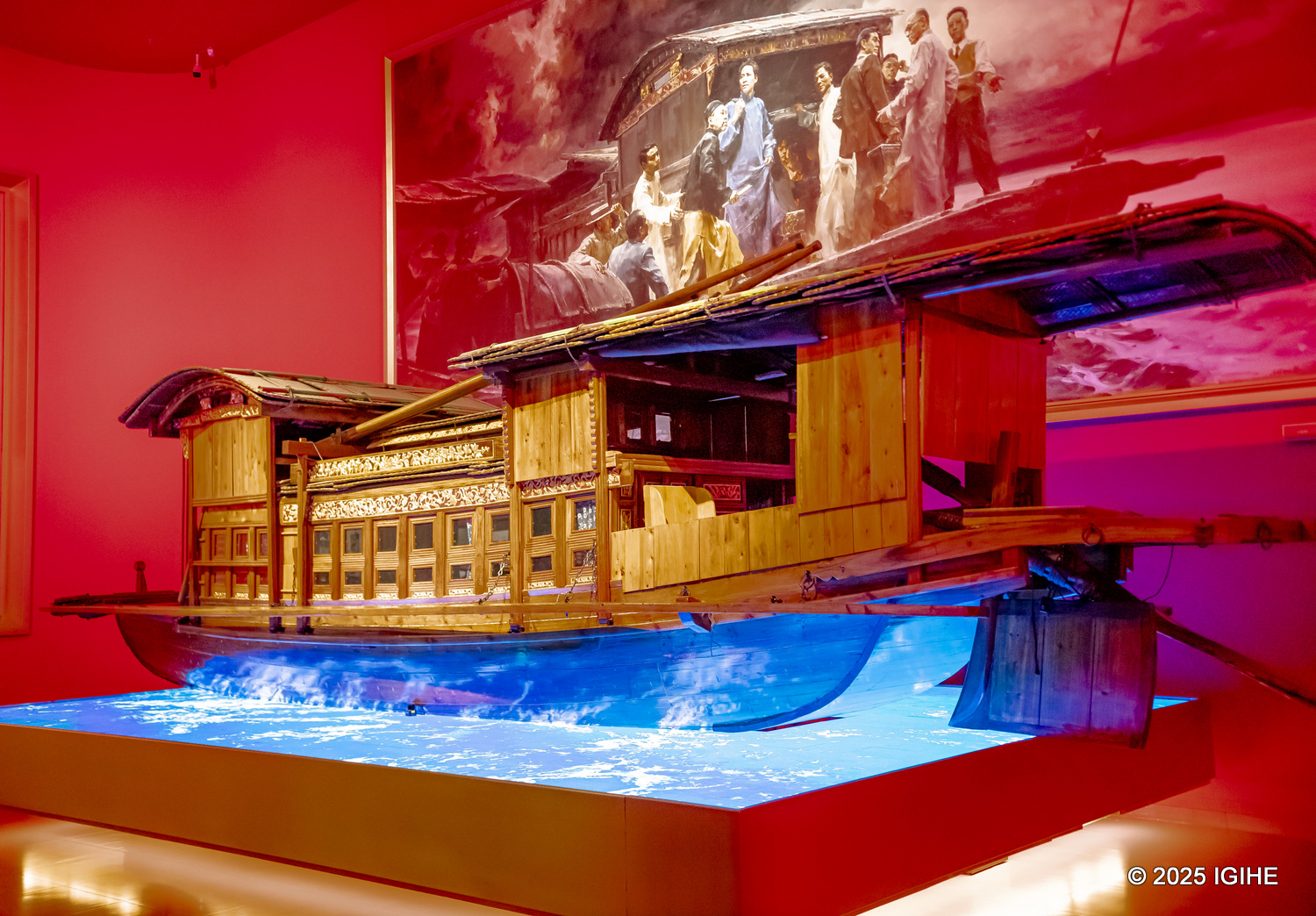
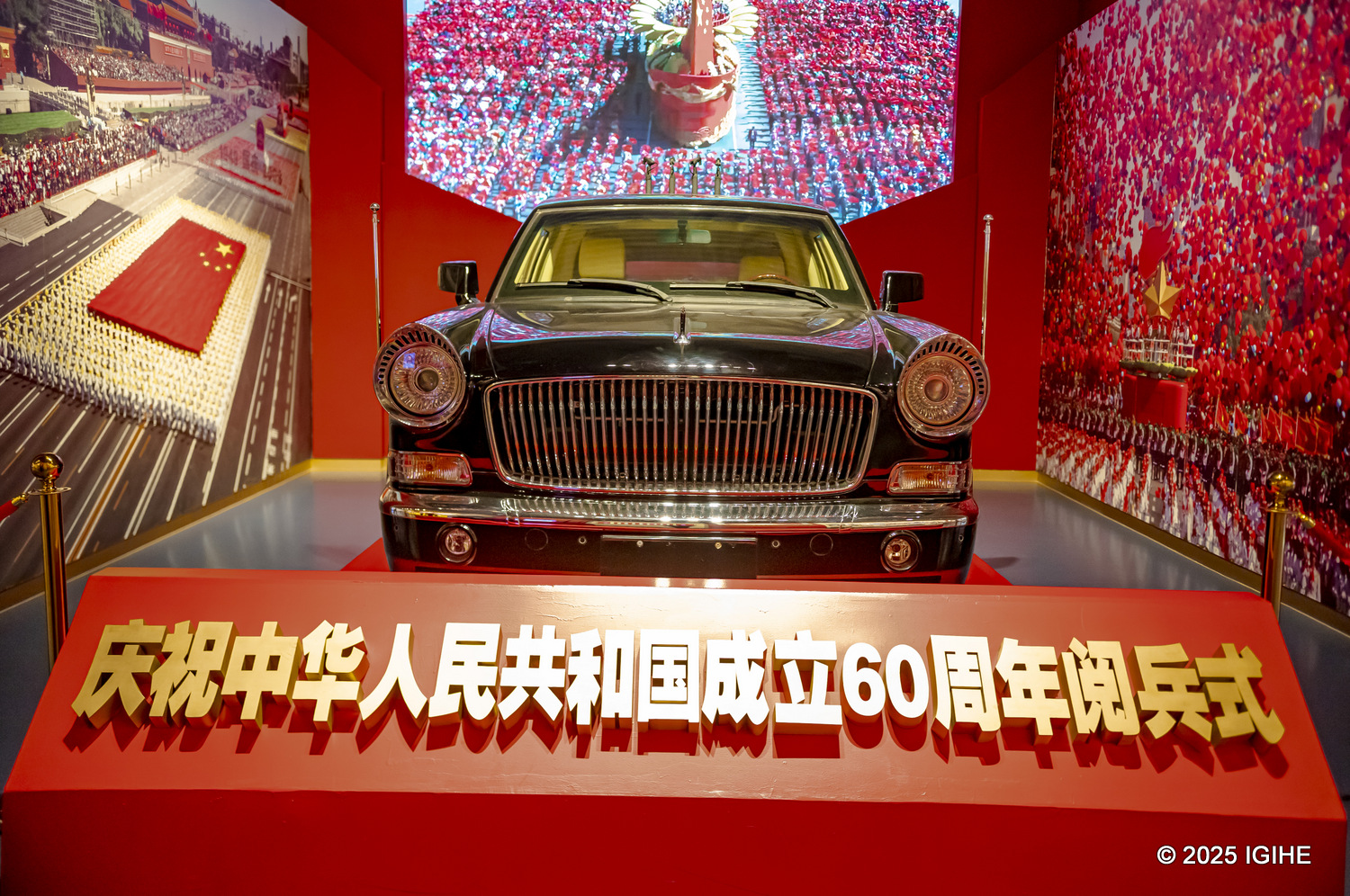
Inside, visitors encounter an extensive collection of historical items and photographs, including rare Party documents, original manuscripts, and personal belongings of key leaders like Mao Zedong and Deng Xiaoping. Advanced multimedia technology enhances the experience, bringing history to life.
Beyond being a historical archive, the hall serves as an educational and patriotic site, reinforcing the Party’s legacy and development. It has become a key destination for Party members, students, and researchers.
A visit to the Museum of the Communist Party of China is a rare and unforgettable experience. Walking through its vast halls offers a deeper appreciation of the Party’s enduring influence.
Here are five fascinating facts about the museum:
{{1. The Largest Party History Museum in China
}}
Spanning an impressive 150,000 square meters, the CPC History Exhibition Hall is the largest museum dedicated to a political party in China.
Unlike other historical museums that focus on isolated events, this hall presents a sweeping narrative of the CPC’s evolution. It chronicles defining moments such as the Long March, the founding of the People’s Republic of China in 1949, and the country’s economic reforms in the late 20th century.
{{2. Over 2,500 Exhibits
}}
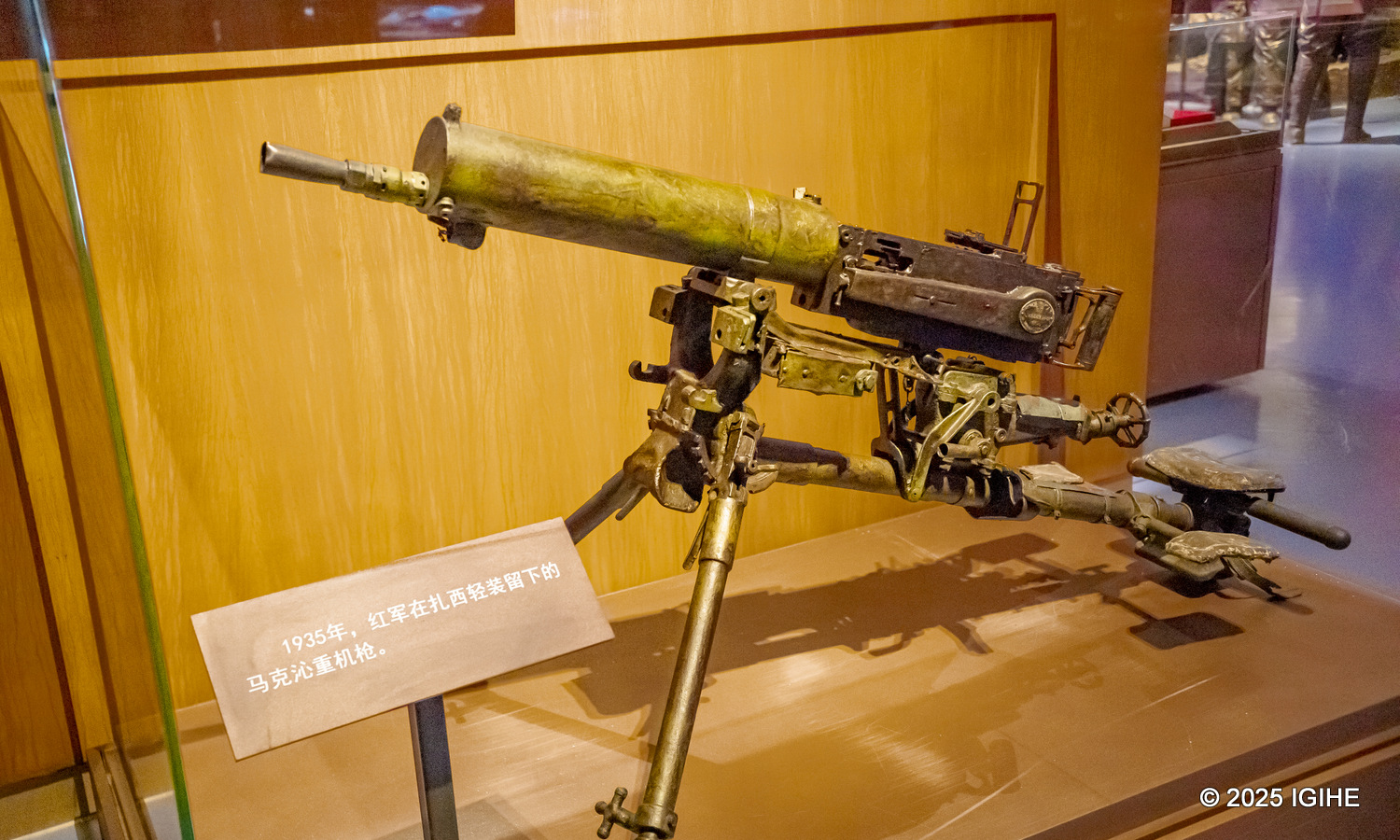
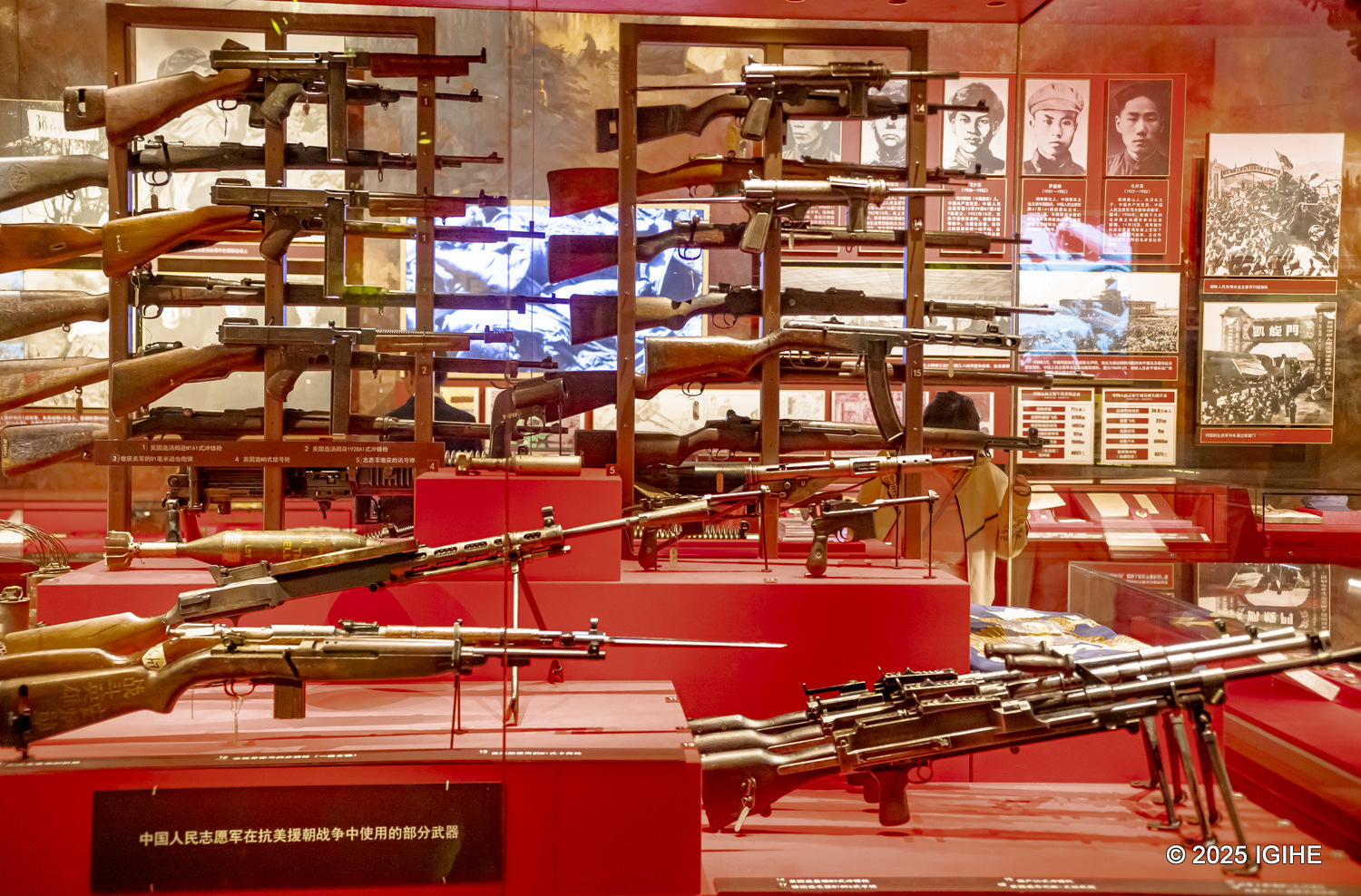
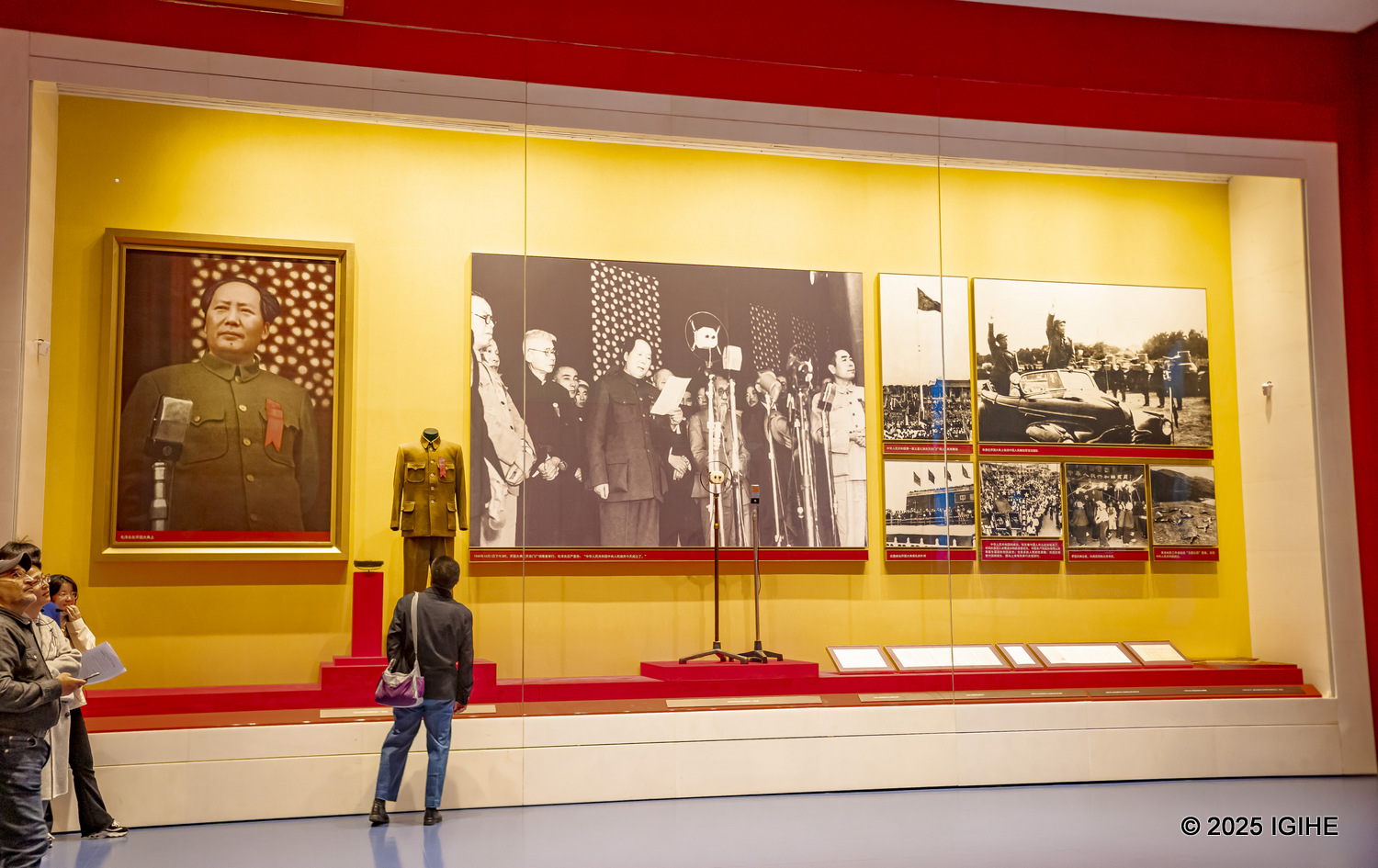
Key exhibits include original documents from the First National Congress in 1921, marking the Party’s founding; relics from the Long March, such as weapons, clothing, and personal items used by Red Army soldiers; and Mao Zedong’s handwritten notes and speeches, including the declaration of the People’s Republic of China in 1949.
Others are records from China’s economic transformation under Deng Xiaoping, highlighting key policies of reform and opening up; and technological achievements, including China’s space program, high-speed rail development, and the Belt and Road Initiative.
{{3. A High-Tech Approach to History
}}
While deeply rooted in historical narratives, the museum embraces cutting-edge technology to immerse visitors in the CPC’s past.
One of the museum’s most striking features is its use of cutting-edge technology to bring history to life. A 360-degree immersive theatre transports visitors into key moments of the past, from the intense battles of the Red Army to China’s groundbreaking first spacewalk.
Artificial intelligence narrators provide insightful commentary, offering deeper context and guiding guests through the Party’s historical milestones. Augmented reality reconstructions further enhance the experience, allowing visitors to engage with digital recreations of historical events.
This seamless fusion of history and technology makes the museum’s storytelling not only immersive but also particularly appealing to younger generations accustomed to digital interactions.
{{4. Symbolic Architecture
}}
The CPC History Exhibition Hall stands as a symbolic structure, with every detail of its design reflecting the Party’s revolutionary spirit.
The architecture is laden with meaning, with each feature serving as a reminder of the Party’s enduring legacy. The striking red façade captures the essence of the Party’s revolutionary roots, while a massive golden hammer-and-sickle emblem underscores the CPC’s leadership role in shaping the nation.
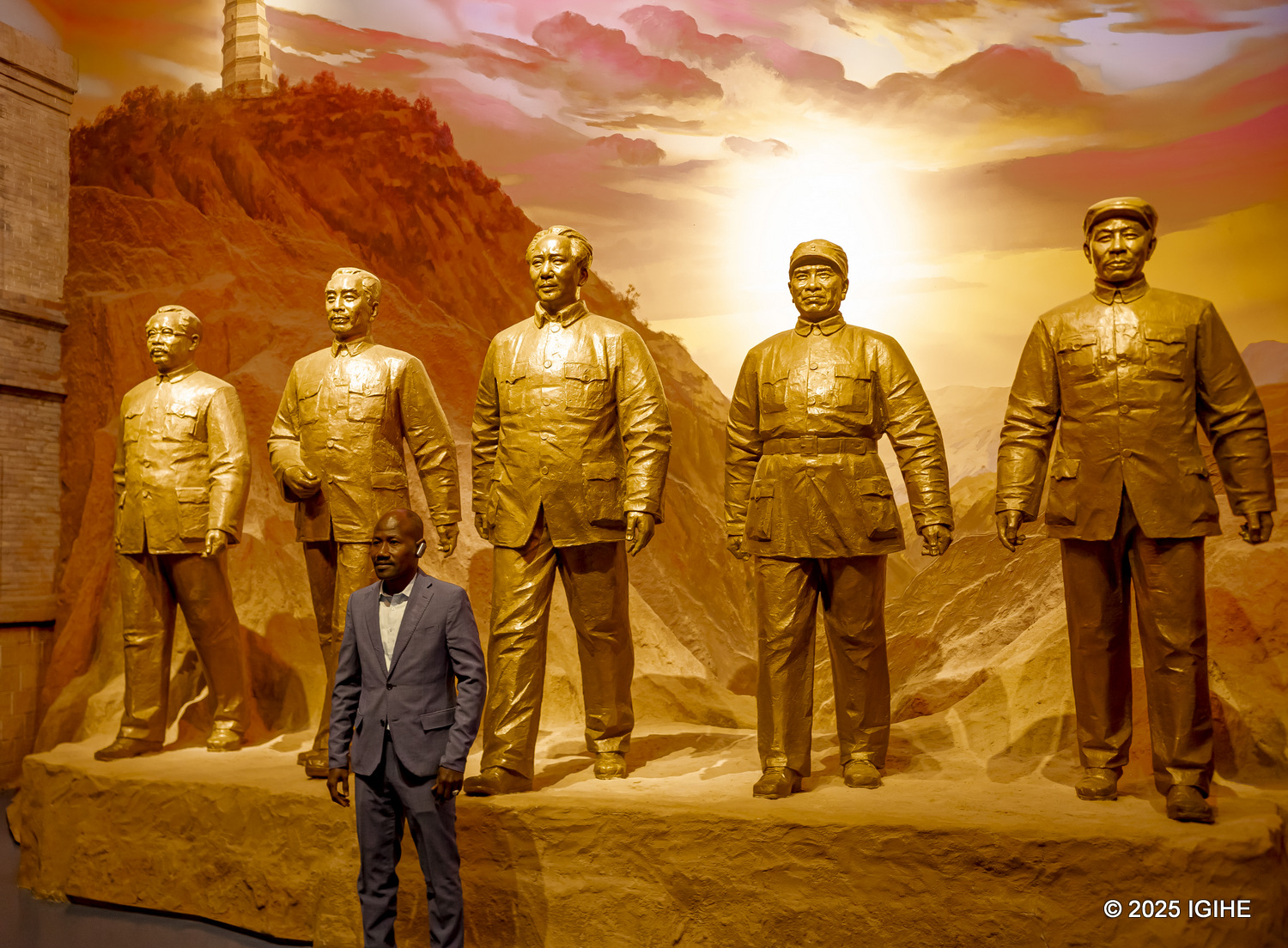
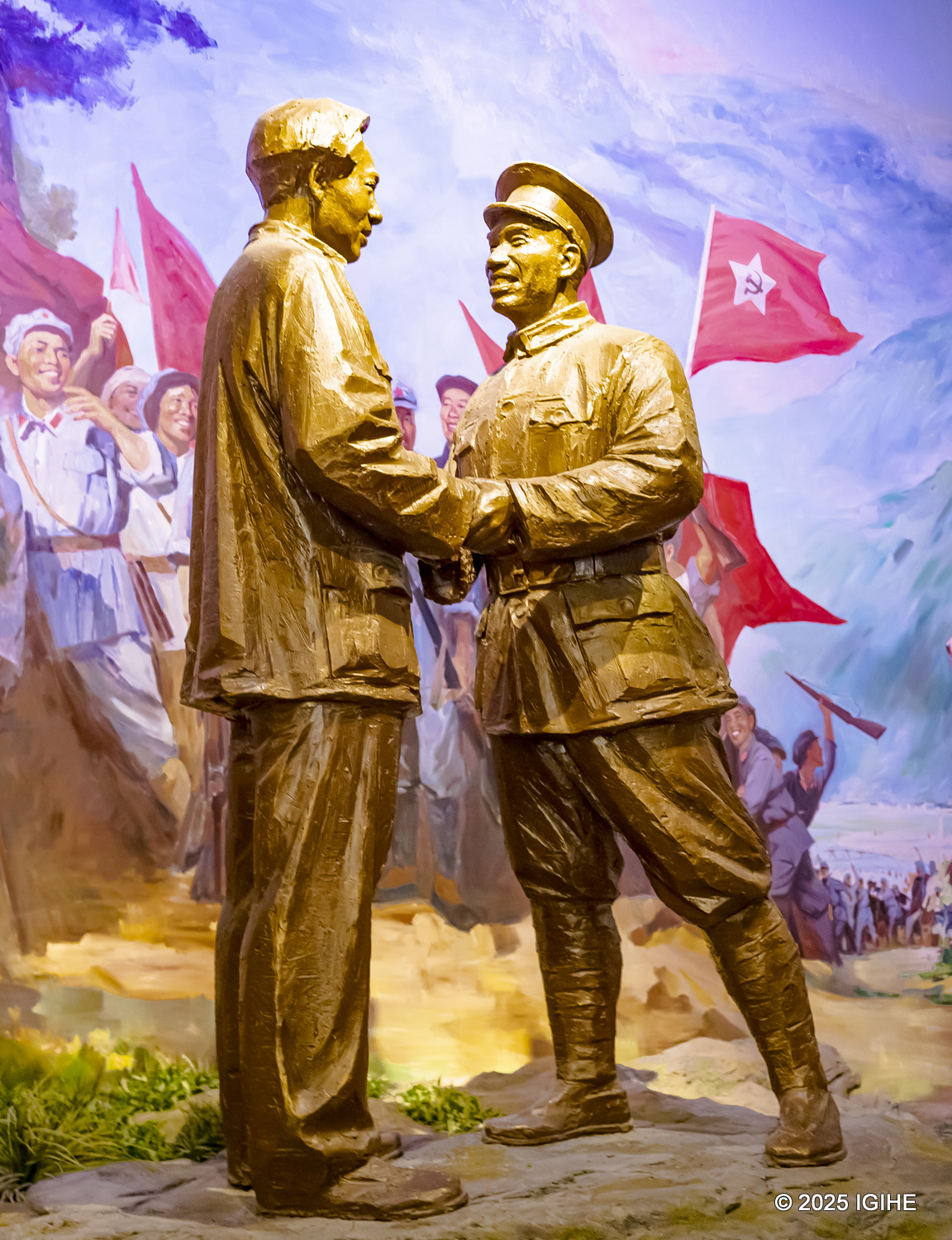
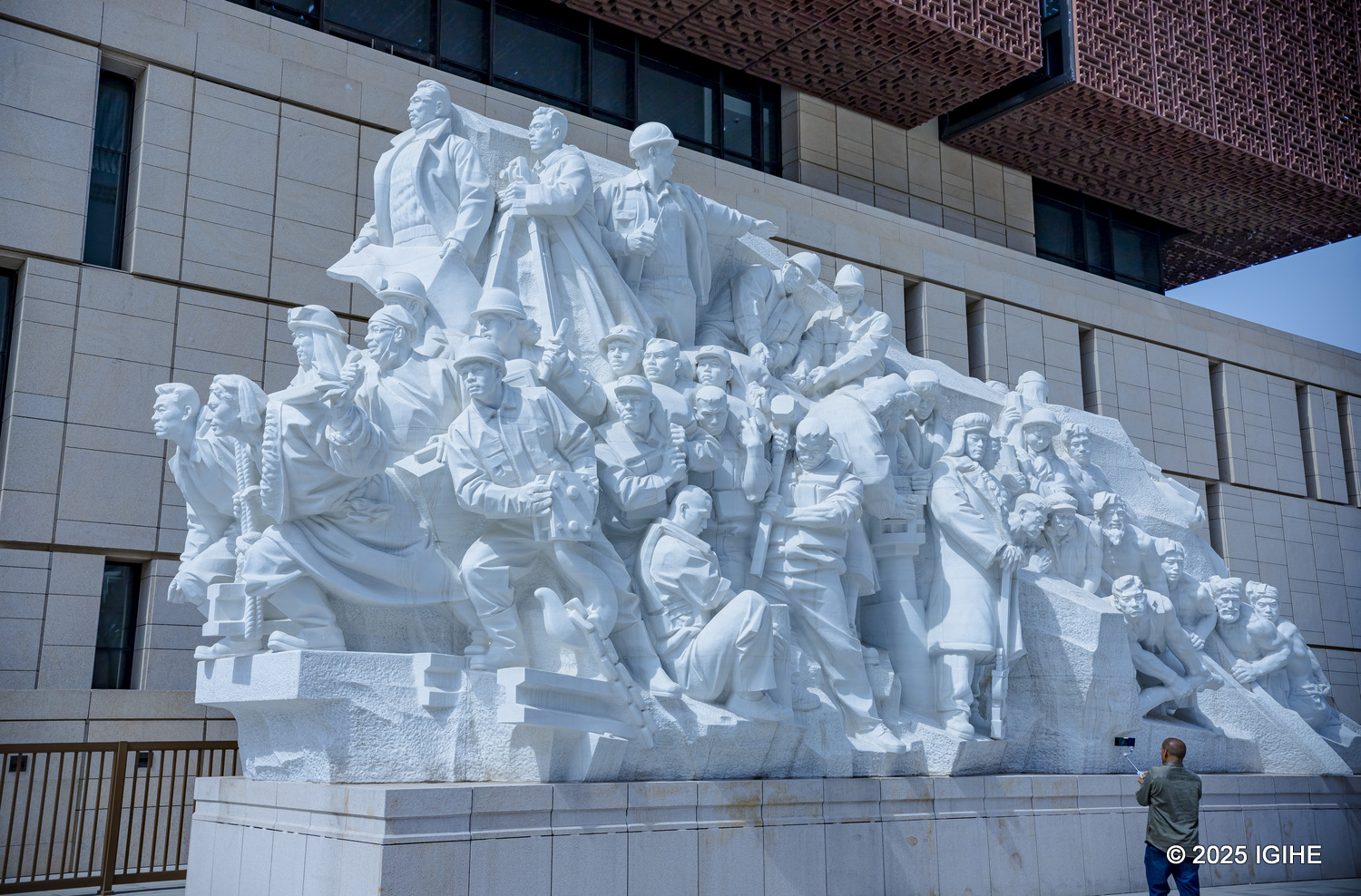
A grand star-shaped dome, inspired by the Great Hall of the People, symbolizes national unity and strength. Inside, sculptures and murals of key CPC figures like Mao Zedong, Zhou Enlai, and Deng Xiaoping highlight their pivotal contributions to China’s development.
Central to the building, the main structure takes the form of the Chinese character “人” (ren), meaning “people,” symbolizing the Party’s steadfast commitment to serving the people.
{{5. Xi Jinping’s Personal Involvement
}}
The establishment of the CPC History Exhibition Hall was personally overseen by President Xi Jinping, who stressed its importance in reinforcing Party unity and educating future generations. Beyond preserving history, the museum serves a political function, shaping narratives about the CPC’s legacy.
Before its official opening, Xi Jinping led a delegation of senior Party officials on a private tour, underscoring its significance. Today, the hall is a mandatory stop for Party cadres and students, reinforcing ideological training.
As Xi Jinping has frequently stated, “History is the best textbook.” The CPC History Exhibition Hall stands as a powerful instrument in preserving and promoting the Party’s vision for China’s future.
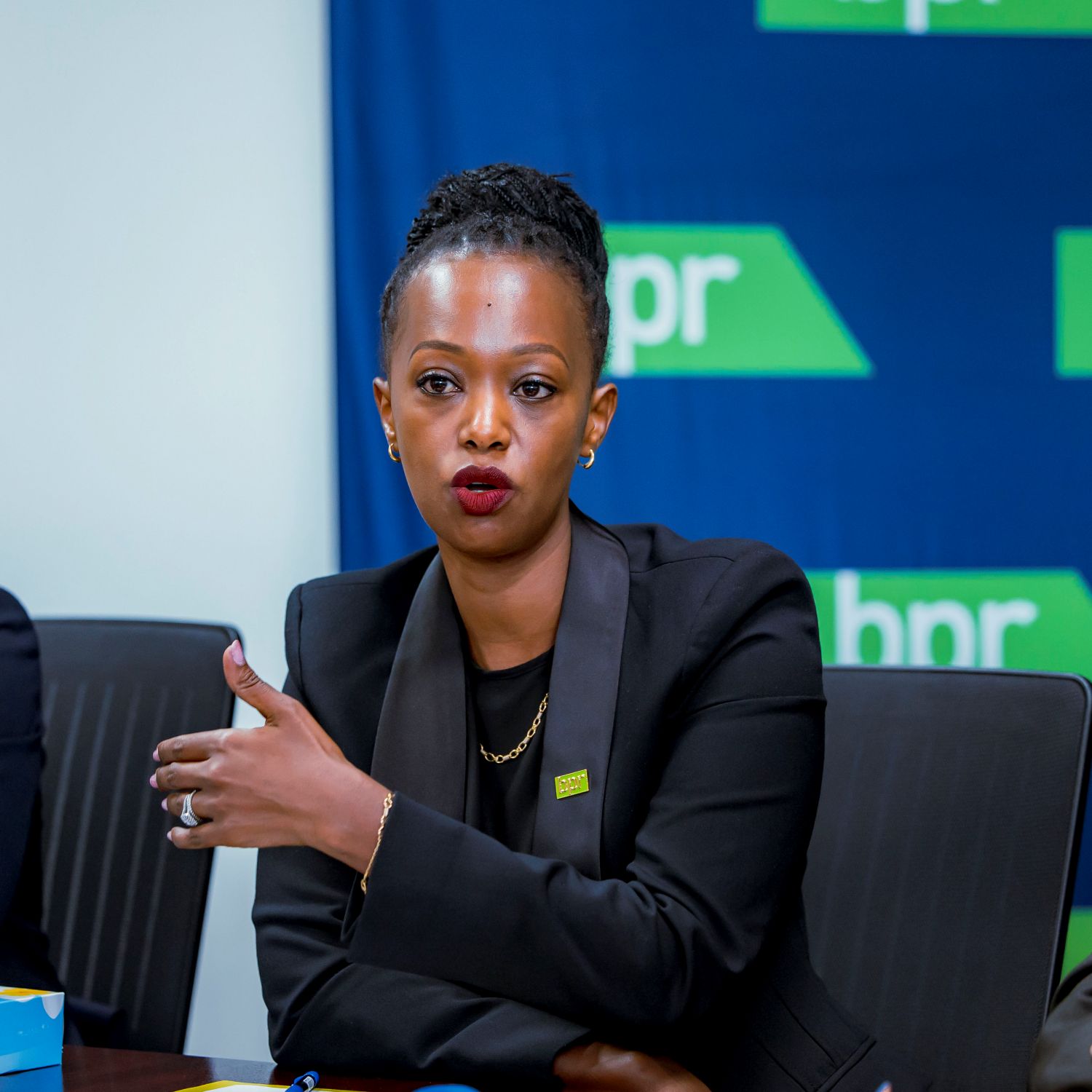
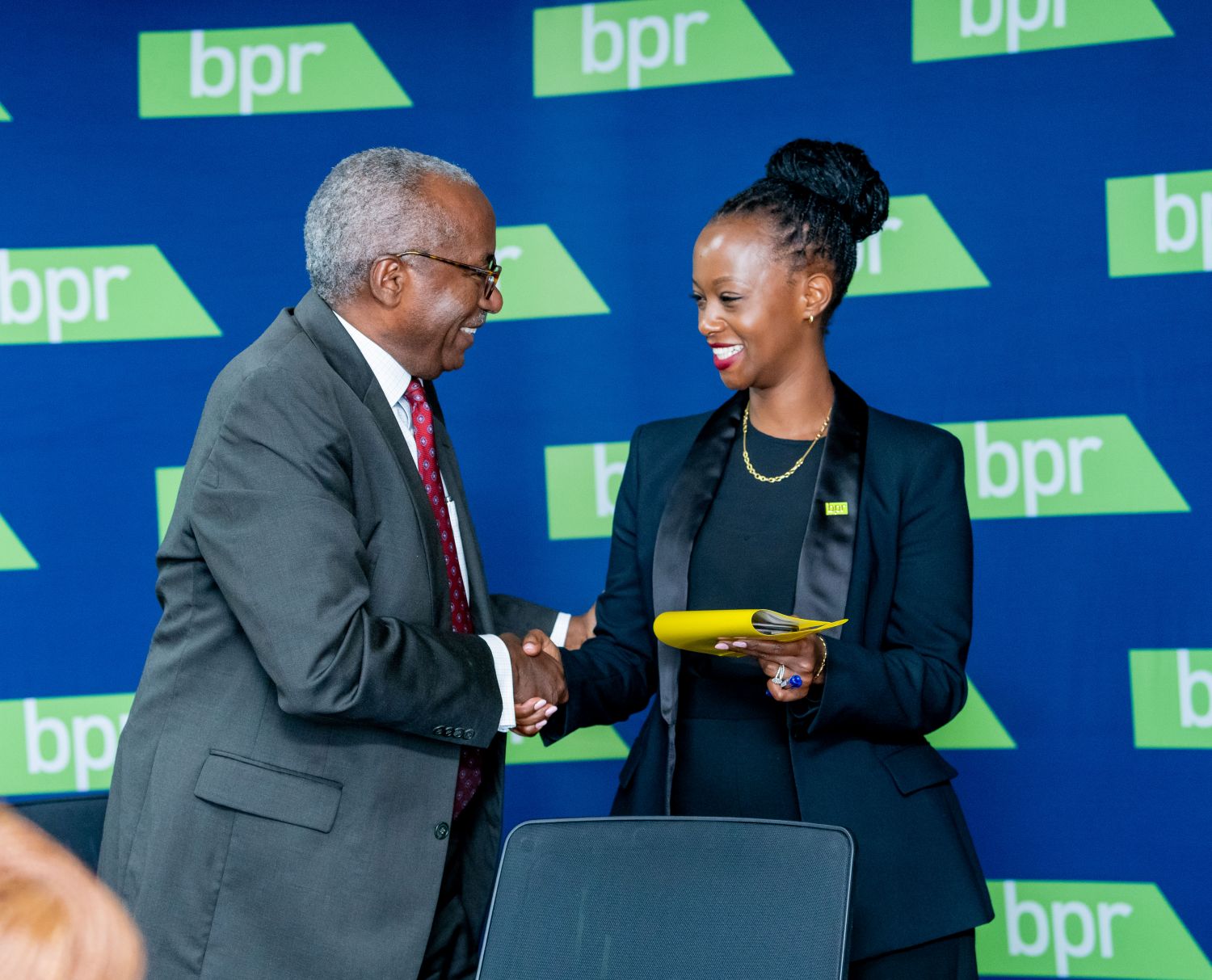
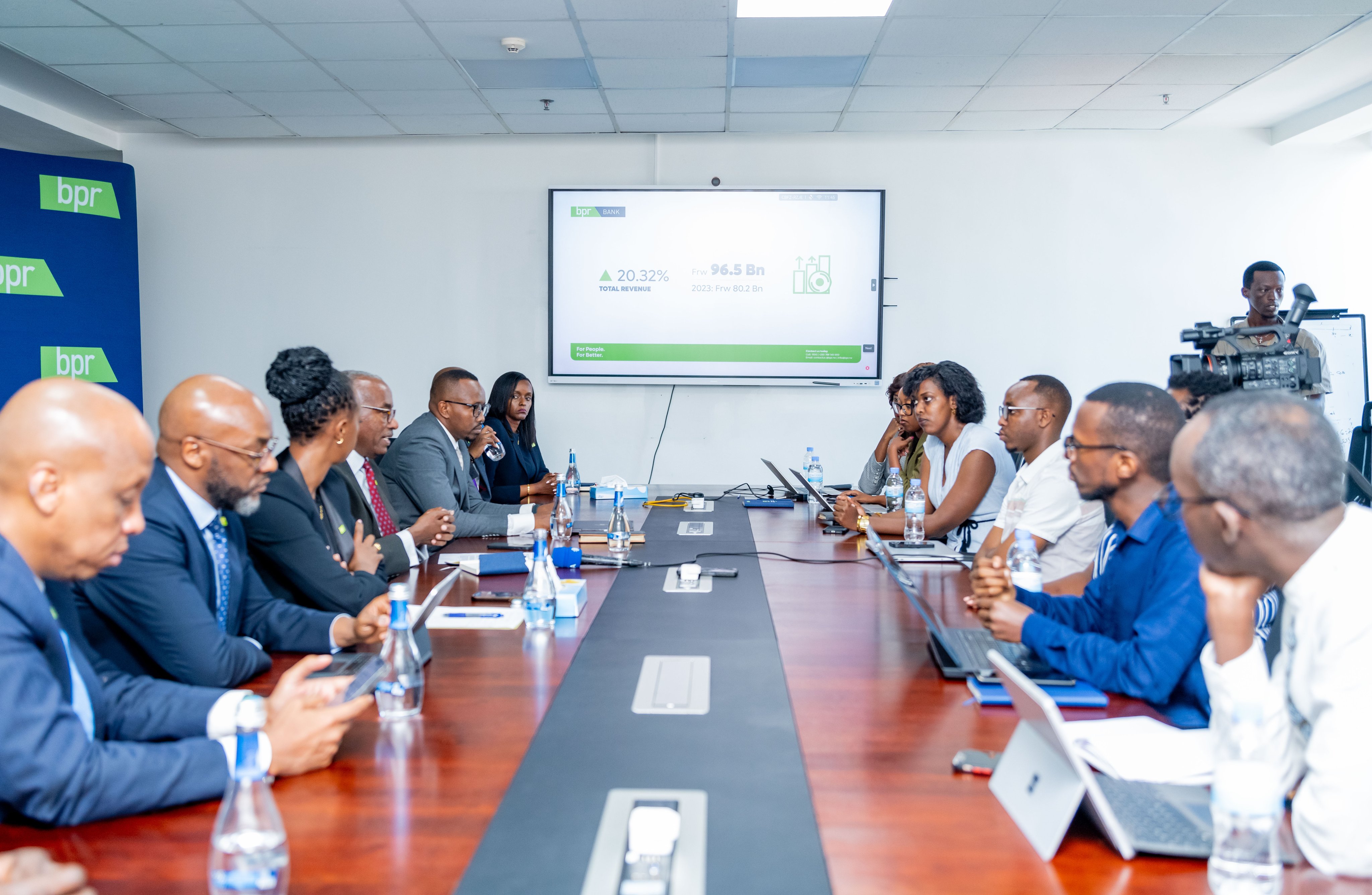
Addressing a press conference attended by shareholders and key stakeholders on Thursday, March 27, 2025, BPR Bank Rwanda Managing Director Patience Mutesi said the impressive profit growth was driven by a 23% increase in net interest income, which rose to Frw80.3 billion.
The bank also recorded a 13% rise in customer deposits, reaching Frw757.1 billion, while net loans and advances increased by 8% to Frw620.6 billion. Total assets grew to Frw971.8 billion, demonstrating strong financial stability.
“Our financial results reaffirm our strong market position,” said the MD. “Profit after tax of Frw29.7 billion represents robust growth across our business segments. This performance was driven by a 23% increase in net interest income, growth in our SME lending portfolio, and investments in key earning assets.”
Mutesi further noted that the bank has been at the forefront of digital banking advancements, successfully rolling out a Unified Omni-channel banking platform that integrates mobile, internet, and USSD banking to enhance customer experience.
Additionally, the bank has strengthened its sustainability agenda through green finance initiatives, supported by partnerships such as a $40 million (Frw53.8 billion) financing package from the International Finance Corporation (IFC) to enhance SME lending and support Rwanda’s economic diversification.
As part of its commitment to youth empowerment and entrepreneurship, the bank launched the BPR Igire Alumni Club, which has supported over 1,000 young entrepreneurs, with 40 businesses receiving seed capital.
Owing to its strong performance, the bank has proposed a 13.7% dividend payout to shareholders, subject to approval at the upcoming Annual General Meeting (AGM).
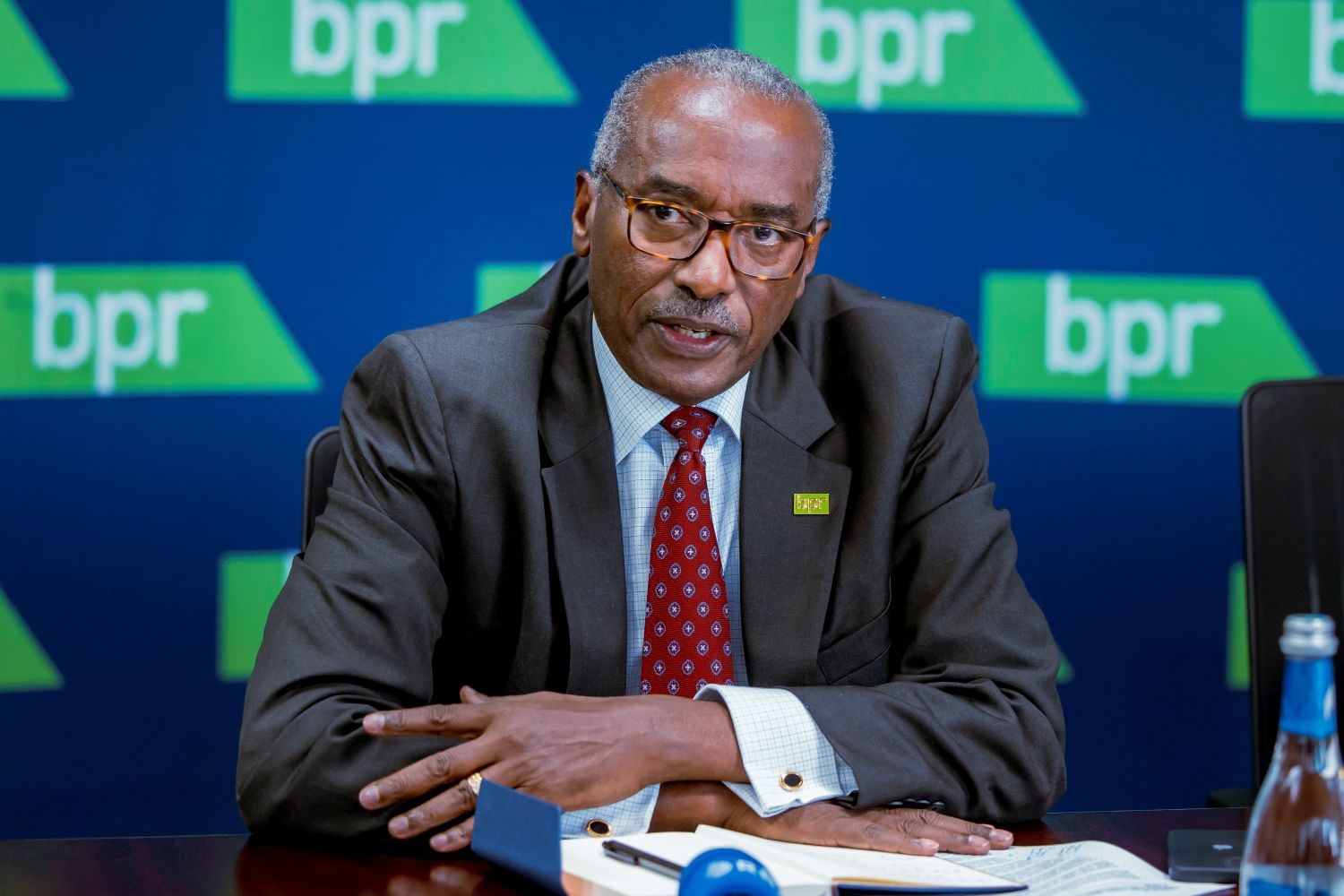
Speaking on the proposed dividend payout, George Rubagumya, Chairman of the Board of Directors, stated, “From a shareholder perspective, our solid financial performance has enabled the Board to propose a dividend payout of 13.7% of profit after tax for approval at the AGM. We have always believed in delivering consistent returns to our shareholders while retaining sufficient capital for future investments.”
One of the key milestones the bank celebrated in 2024 was its 50th anniversary, marking five decades of banking excellence in Rwanda. The milestone was commemorated with multiple stakeholder engagements, culminating in a grand gala scheduled for August 4, 2024.
Looking ahead, the bank affirmed that it remains committed to sustained growth, financial innovation, and economic impact through its strong financial foundation, digital transformation, and environmental, social, and governance (ESG) initiatives.
The tariffs, scheduled to take effect on April 2 for vehicles and later for parts, are part of Trump’s broader strategy to boost American manufacturing and protect domestic industries. However, the decision has drawn sharp criticism from global trade partners, industry leaders, and economic analysts.
Trump has framed the tariffs as a measure to stimulate domestic car production and create jobs in the United States.
“If you build your car in the United States, there is no tariff,” Trump stated during a press conference, emphasizing his goal to encourage companies to shift operations to American soil.
He further claimed that the policy would lead to “tremendous growth” in the domestic car industry.
However, experts predict a different outcome. Analysts warn that the tariffs could disrupt the industry, increase vehicle prices, and temporarily shut down car production lines due to the reliance on foreign-made parts.
A study by the Anderson Economic Group estimates that the cost of vehicles in the U.S. could rise between $4,000 and $10,000 per car. The tariffs are expected to impact both foreign automakers and American manufacturers who depend on imported components.
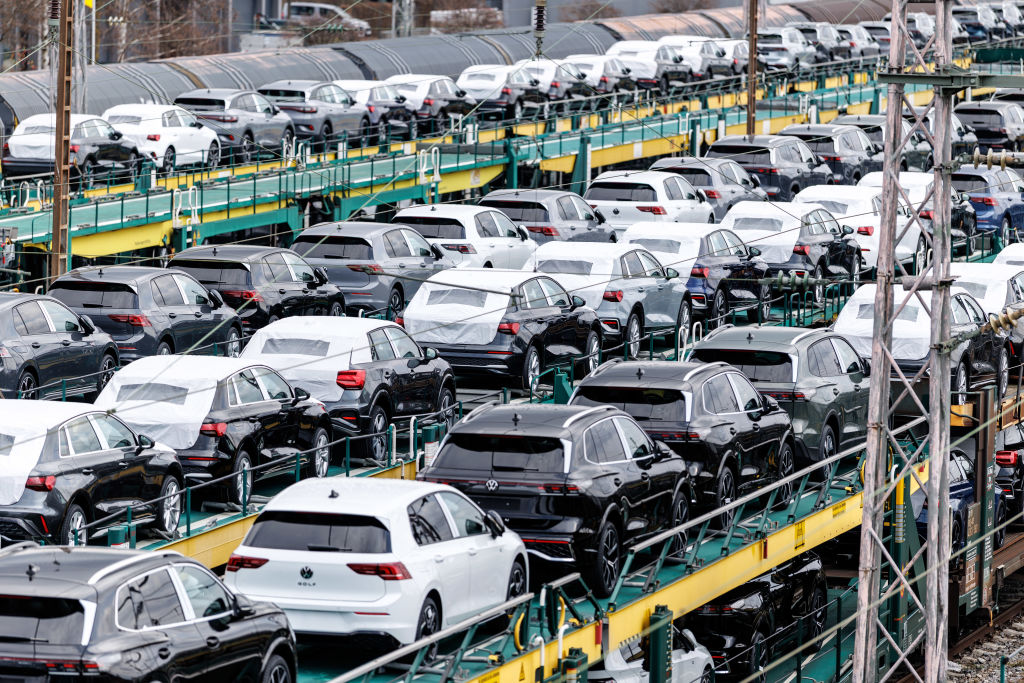
The U.S. imported approximately eight million cars in the last year, accounting for $240 billion in trade.
The top suppliers of vehicles to the U.S. include Mexico, South Korea, Japan, Canada, and Germany. Additionally, many U.S. automakers have significant manufacturing operations in Mexico and Canada, benefiting from long-standing trade agreements.
While tariffs on Canadian and Mexican car parts will be temporarily exempted as the U.S. Customs and Border Protection establishes a duty assessment system, the move still threatens trade relations between the nations.
{{Market response
}}
Following the announcement, shares in major automakers fell sharply. General Motors’ stock slid by roughly 3%, while Stellantis, the parent company of Jeep and Chrysler, dropped by 3.6%. The Japanese auto industry also took a hit, with shares in Toyota, Nissan, and Honda all declining amid uncertainty over potential retaliatory actions.
Tesla CEO Elon Musk acknowledged that the tariffs would also impact his company, stating on social media that “the tariff impact on Tesla is still significant.”
Industry leaders, including the American Automotive Policy Council, have urged the administration to reconsider, warning that higher production costs could lead to job losses and decreased consumer demand.
International leaders have condemned the tariffs. Canadian Prime Minister Justin Trudeau labeled them a “direct attack” on Canada’s auto sector, while European Commission President Ursula von der Leyen stated that the European Union would review the measures before deciding on a response. Japan’s Prime Minister Fumio Kishida suggested that his government would explore “all options” in reaction to the tariffs.
For American consumers, the tariffs are expected to result in higher car prices. Industry experts predict that dealerships may increase prices on existing stock, even before new tariff-affected vehicles arrive.
Additionally, a decrease in vehicle availability due to reduced production could drive prices up further, mirroring trends seen during past supply chain disruptions, such as the 2021 semiconductor shortage.
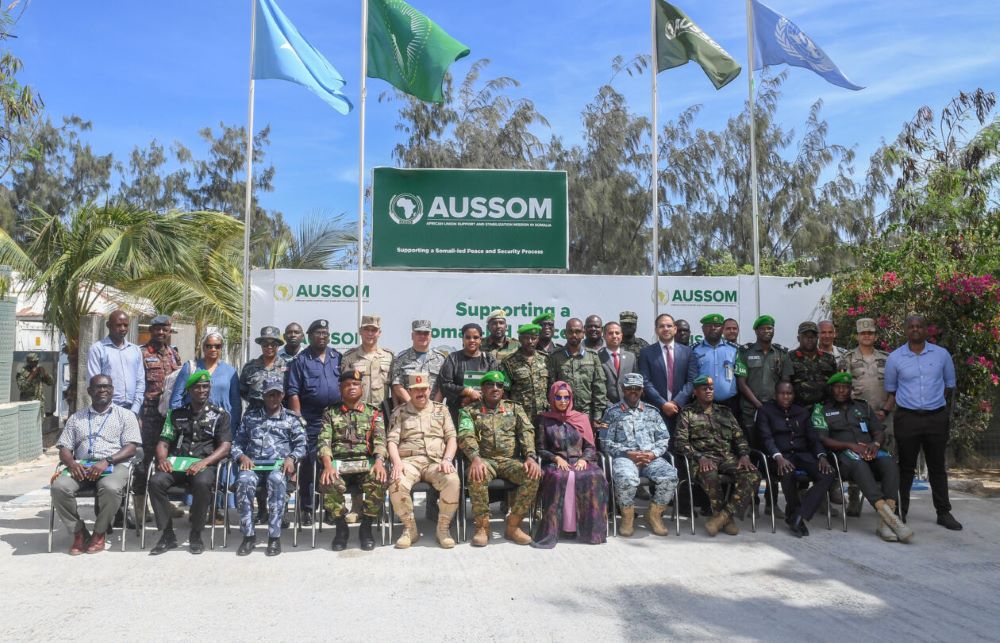
The meeting focused on finalizing the force composition and deployment plans, marking a crucial step in transitioning from the African Union Transition Mission in Somalia (ATMIS) to AUSSOM, which is scheduled to become fully operational by July 1.
One of the major outcomes of the meeting was the completion of the Statement of Unit Requirements (SUR), which outlines the specific troop and police capabilities necessary for AUSSOM to carry out its mission effectively.
This includes a range of components such as Quick Reaction Forces, Tactical Battle Groups, and Intelligence, Surveillance, and Reconnaissance capabilities. Additionally, aviation enablers and police units were also incorporated into the plan.
The finalized SUR aims to enhance AUSSOM’s ability to counter al-Shabab and stabilize Somalia. Senior Defense Advisor to the Somali President, Jihan Abdullahi Hassan, emphasized that AUSSOM’s planning must align with Somalia’s national security vision to ensure sustainability and incorporate lessons from past missions.
The meeting also addressed sector boundaries, military and police deployments, and strategic adjustments to improve force mobility and operational readiness as the new mission takes shape.