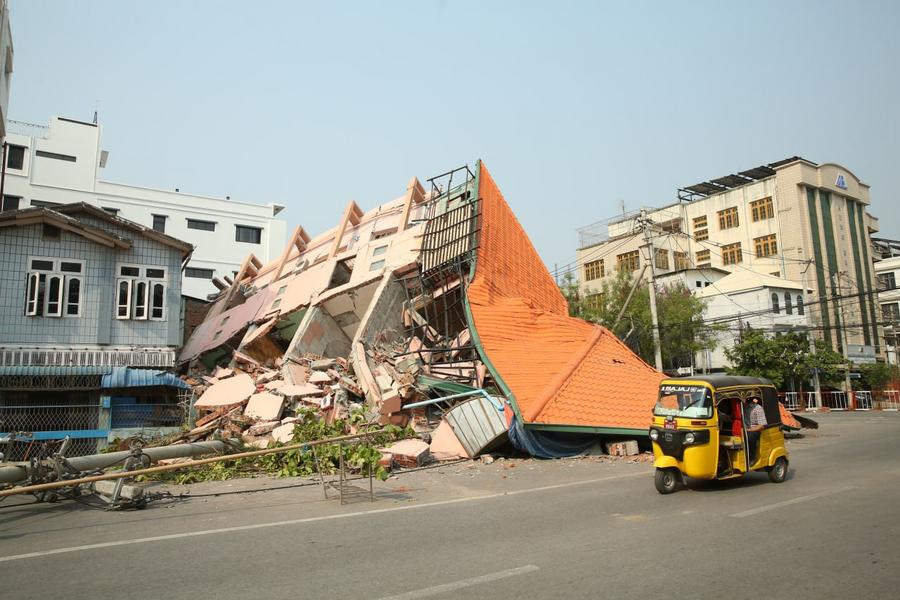
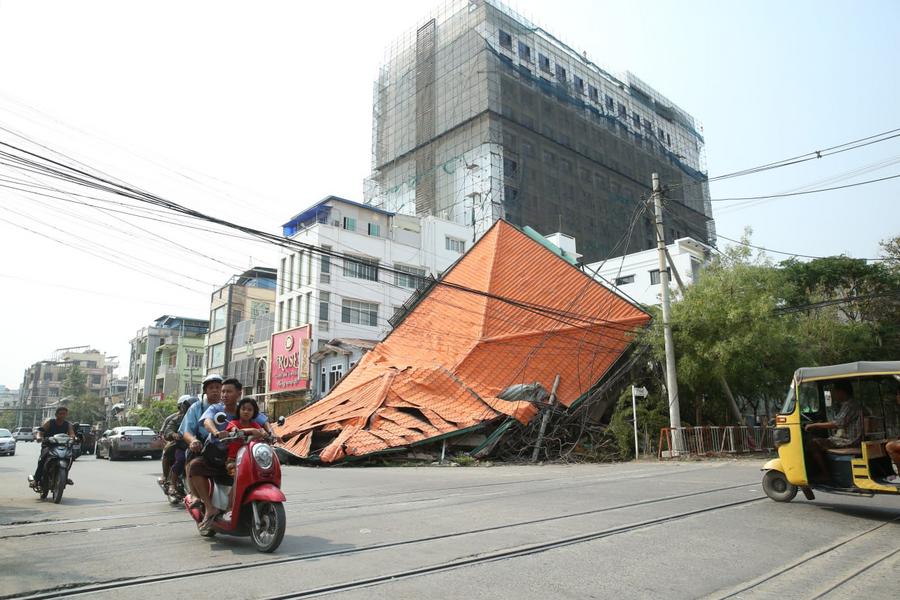
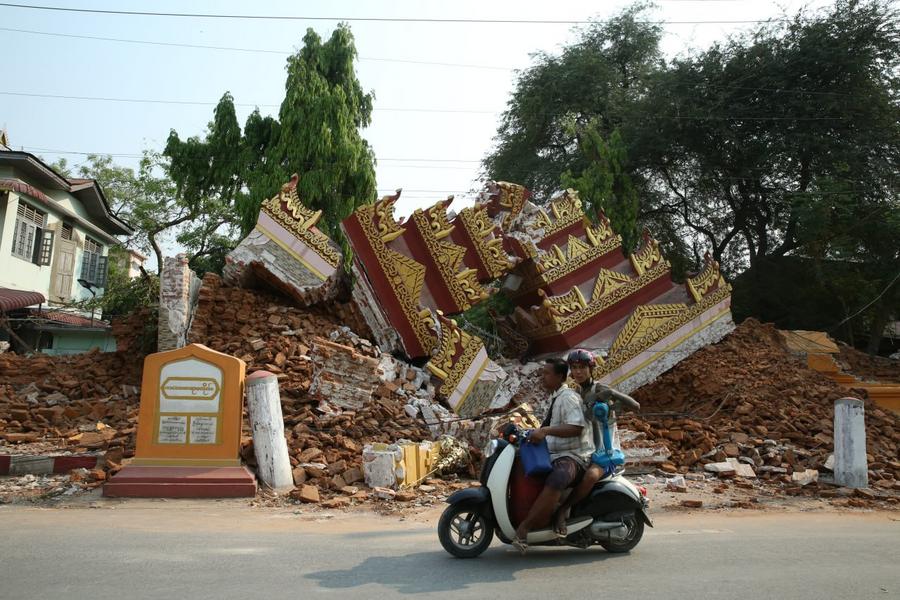
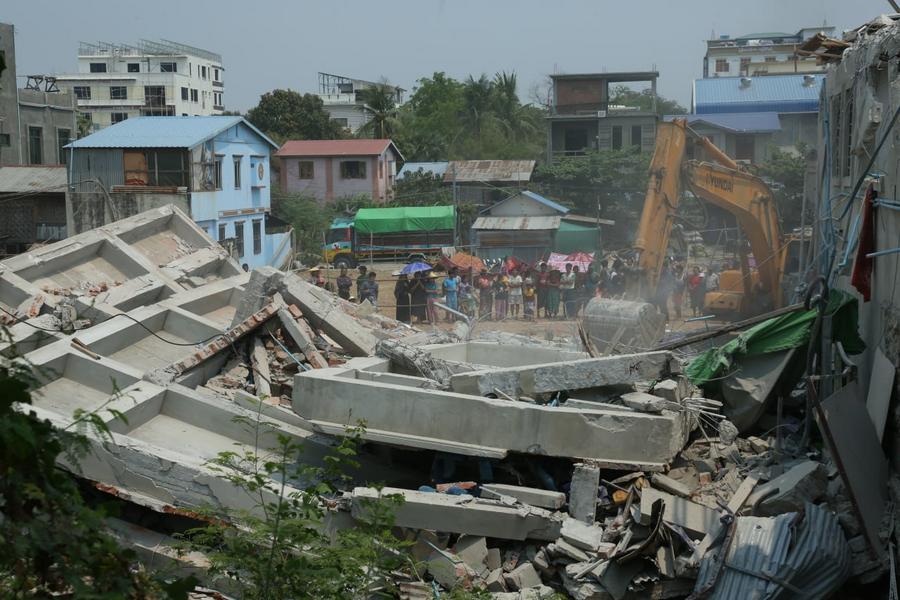
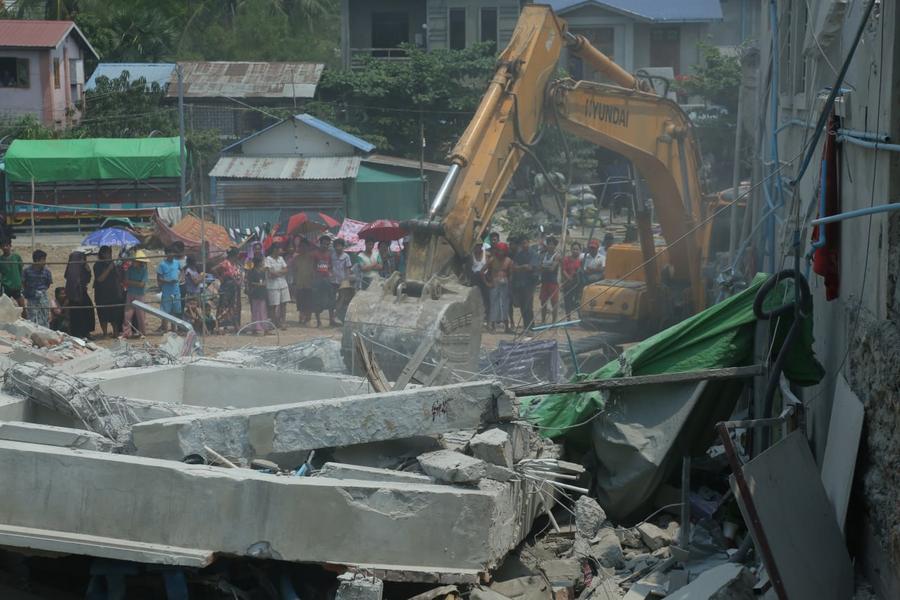
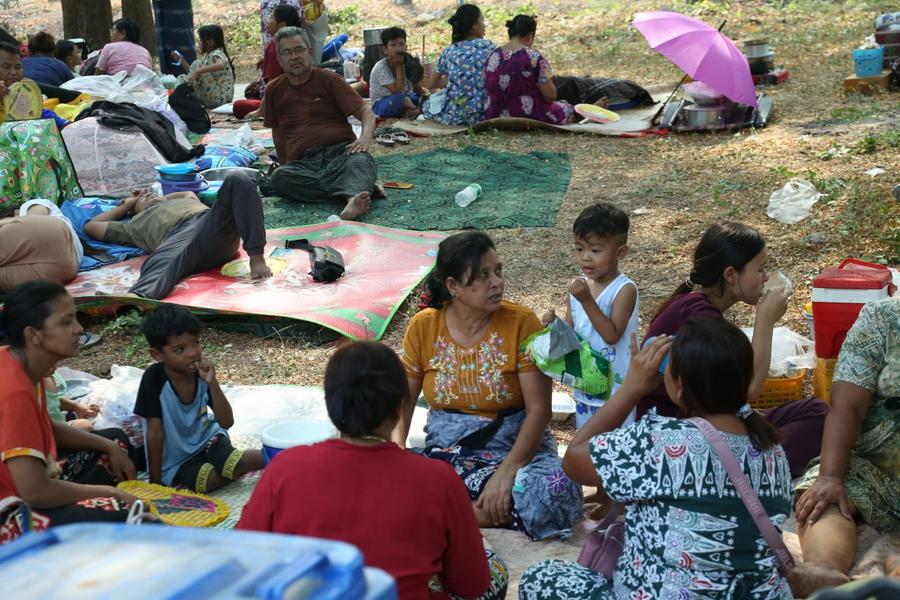
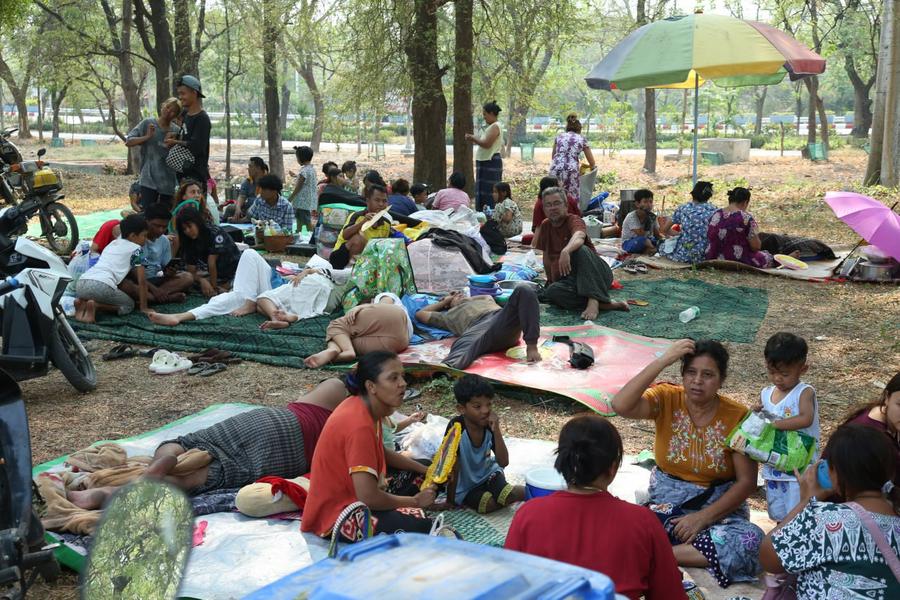
The earthquake hit the southeast Asian country on Friday, with Mandalay, Bago, Magway, the northeastern Shan state, Sagaing, and Nay Pyi Taw among the hardest-hit regions.
A Chinese rescue team arrived at Yangon International Airport in Myanmar on Saturday afternoon to assist in disaster relief efforts.
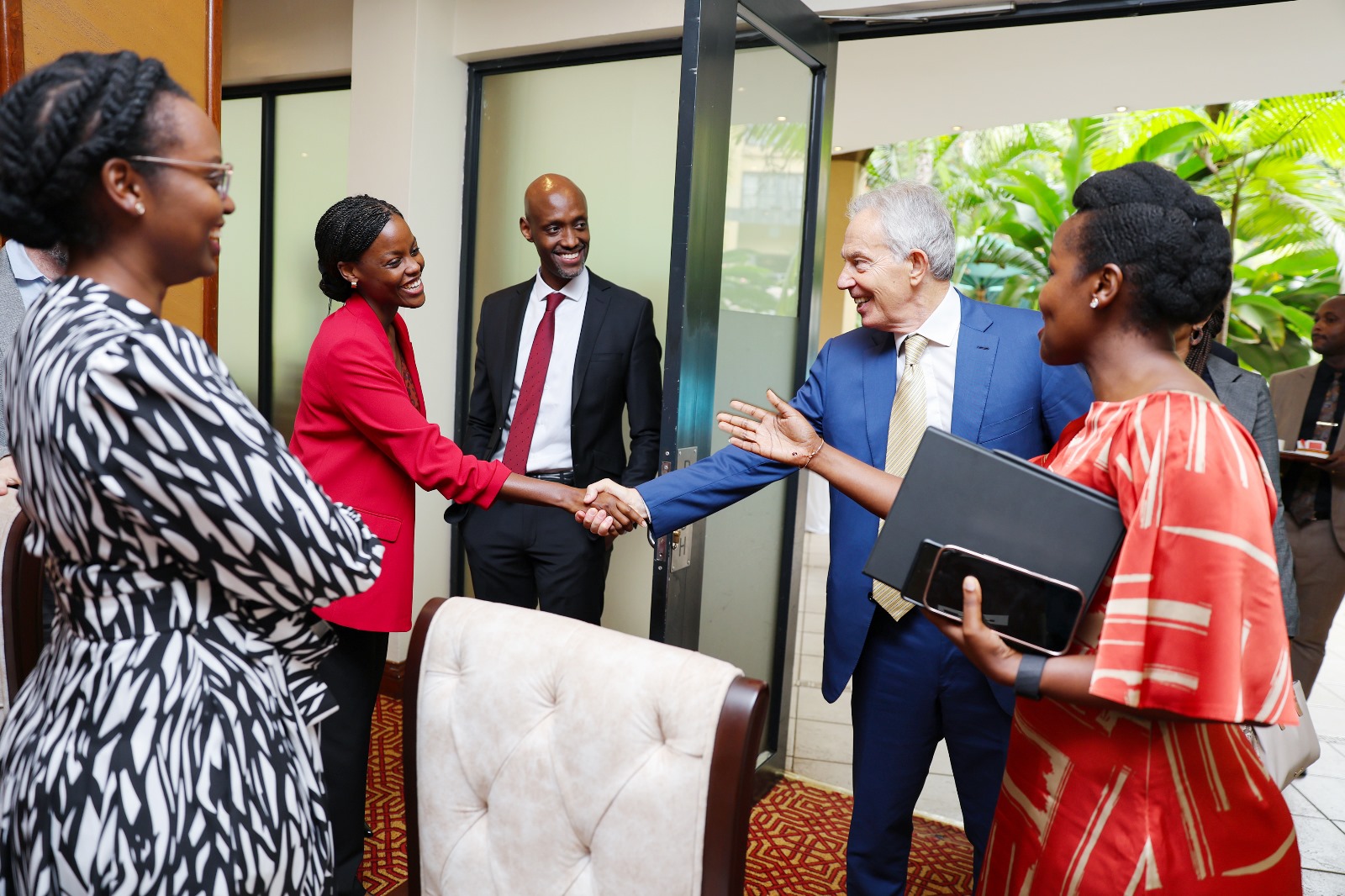
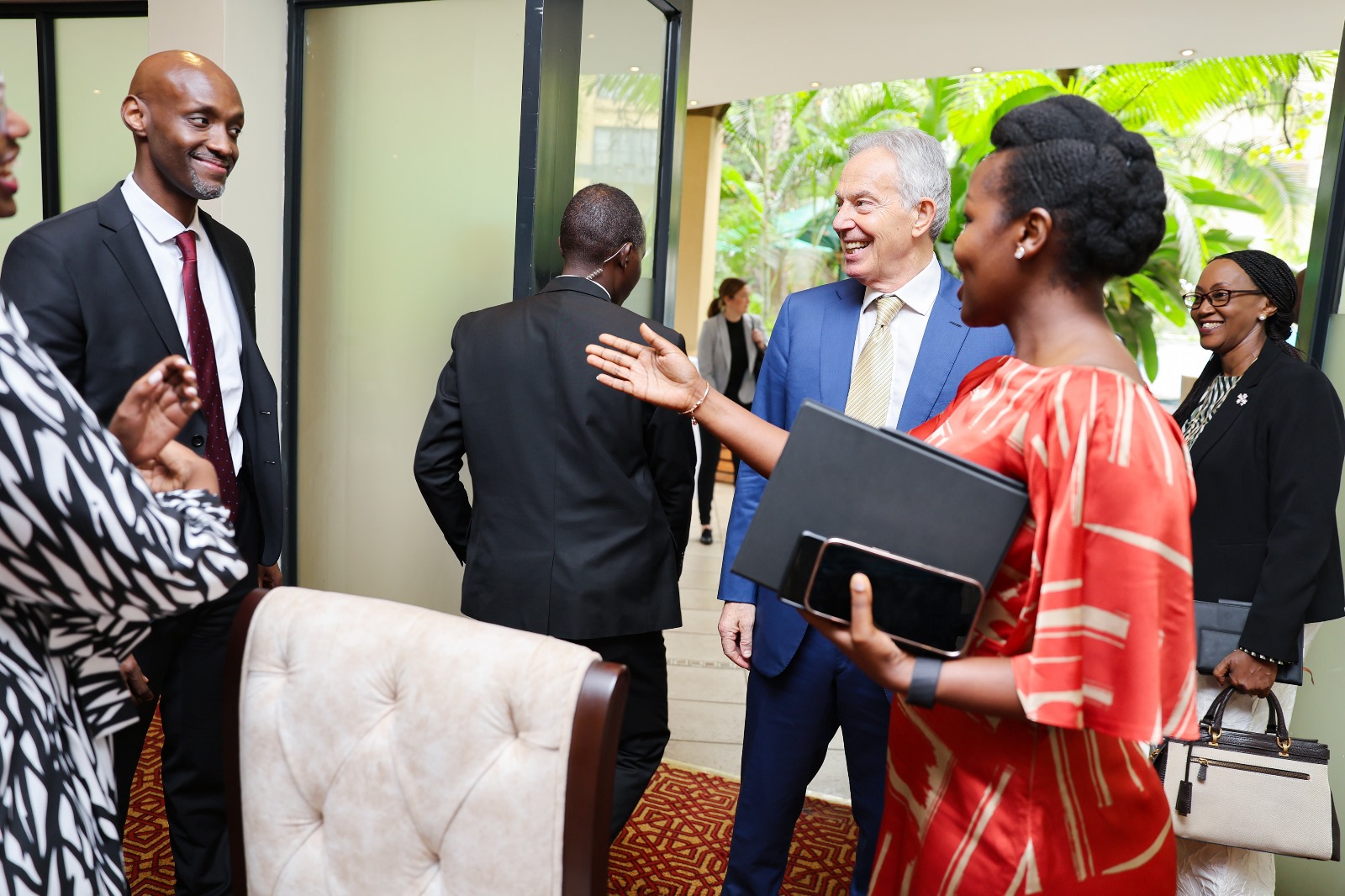
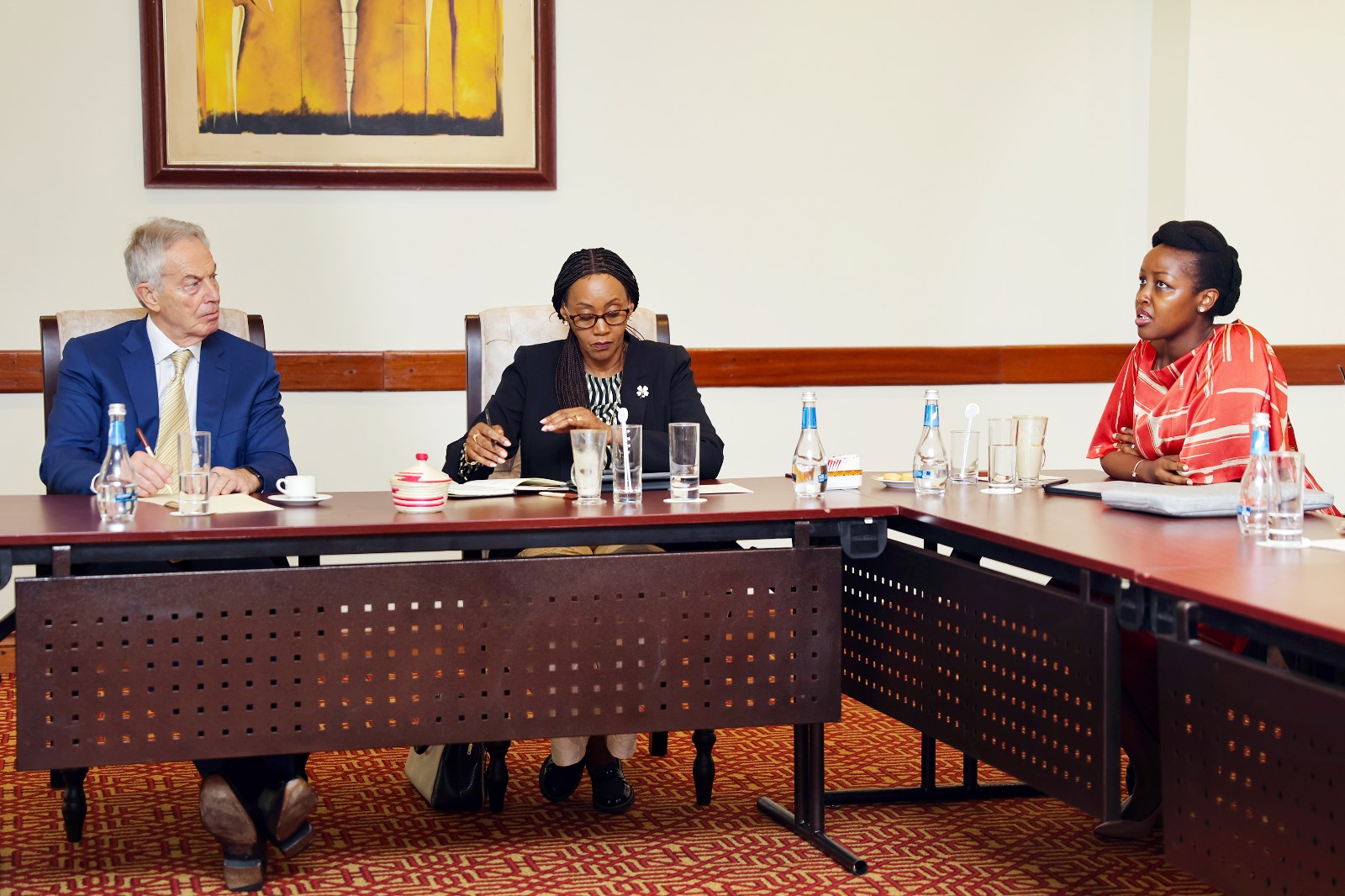
According to Rwanda’s Minister of ICT and Innovation, Paula Ingabire, the high-level discussions focused on leveraging technology to accelerate development.
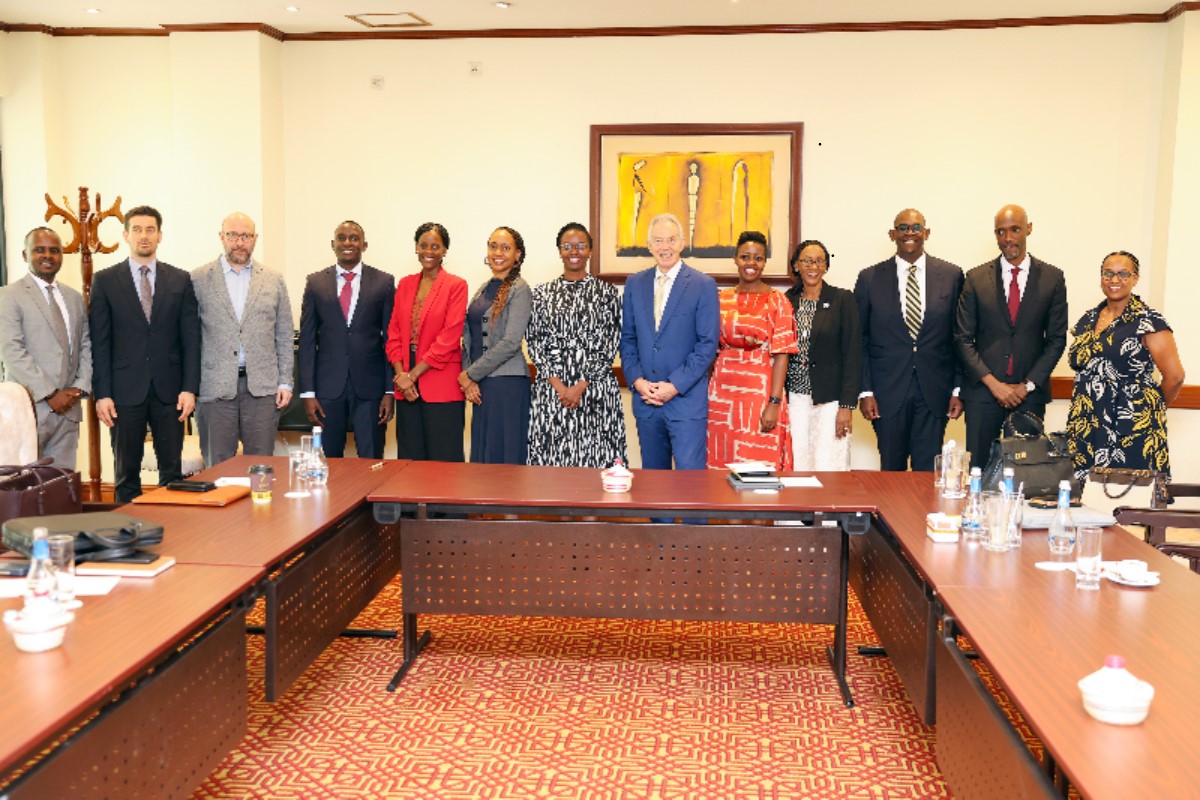
Rwanda Development Board (RDB) CEO Jean Guy Afrika and members of the Government of Rwanda Steering Committee attended the talks.
“Honoured to welcome H.E Sir Tony Blair, heading a delegation of @InstituteGC senior leadership in Africa, who were in Kigali to meet with the Government of Rwanda Steering Committee. The meeting discussed the partnership between the Tony Blair Institute and the Government of Rwanda, and explored collaborations on technology to accelerate development,” the minister said in a statement.
Blair, who served as the Prime Minister of the United Kingdom from 1997 to 2007, has been actively involved in Rwanda’s development since 2008, when he became an advisor to the government. Through the Africa Governance Initiative (AGI), later integrated into the Tony Blair Institute, his team has worked to improve service delivery, attract investment, and strengthen institutional capacity.
Key areas of partnership have included strategic capacity building, economic transformation, and investment promotion.
The Tony Blair Institute has played a role in advancing Rwanda’s development agenda, supporting initiatives like the Strategic Capacity Building Initiative (SCBI) and aiding in infrastructure and digital economy reforms.
Blair, who has praised Rwanda’s governance model in the past, has actively promoted the country as a leading destination for investment in Africa. His efforts have contributed to initiatives such as the expansion of electricity access and technology-driven economic growth.
Saturday’s meeting underscored the continued commitment to deepening collaboration, particularly in the tech sector, as Rwanda positions itself as a regional leader in digital transformation and innovation.
Further details on new initiatives from the meeting are expected to emerge as discussions progress between the Tony Blair Institute and the Government of Rwanda.
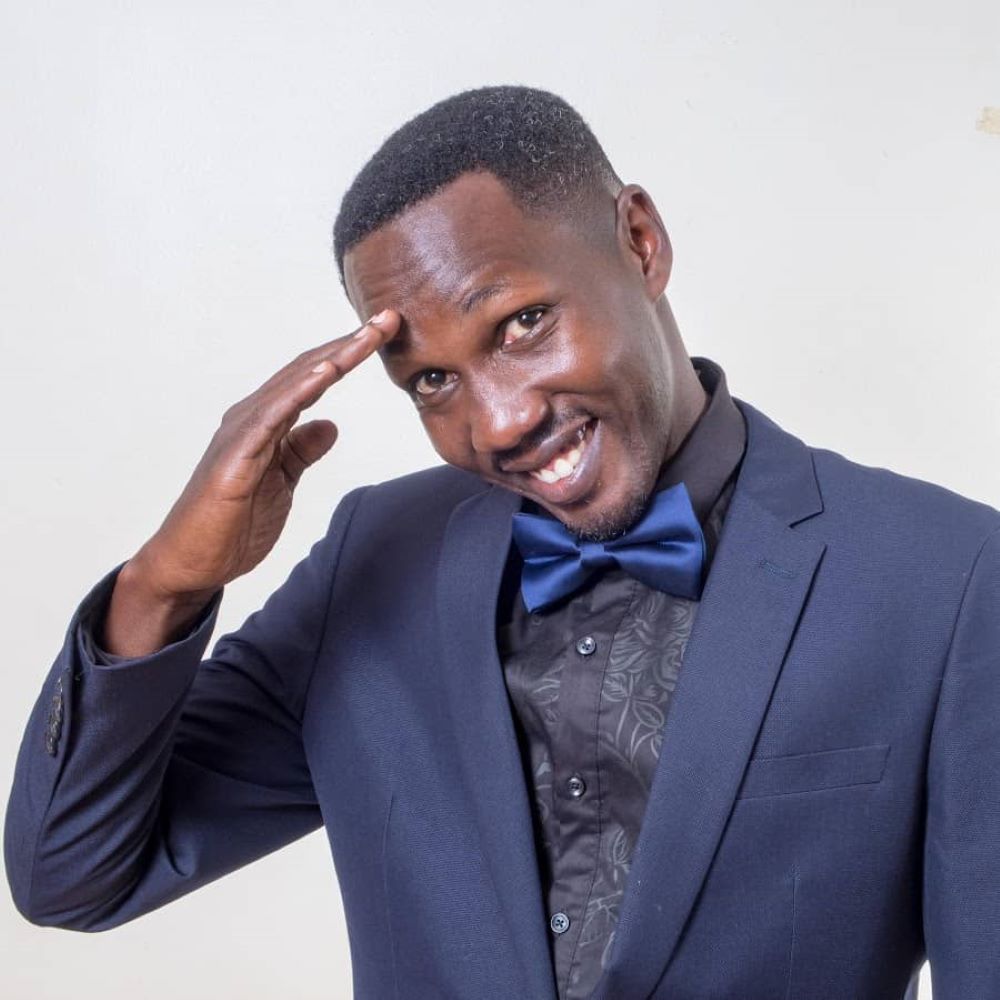
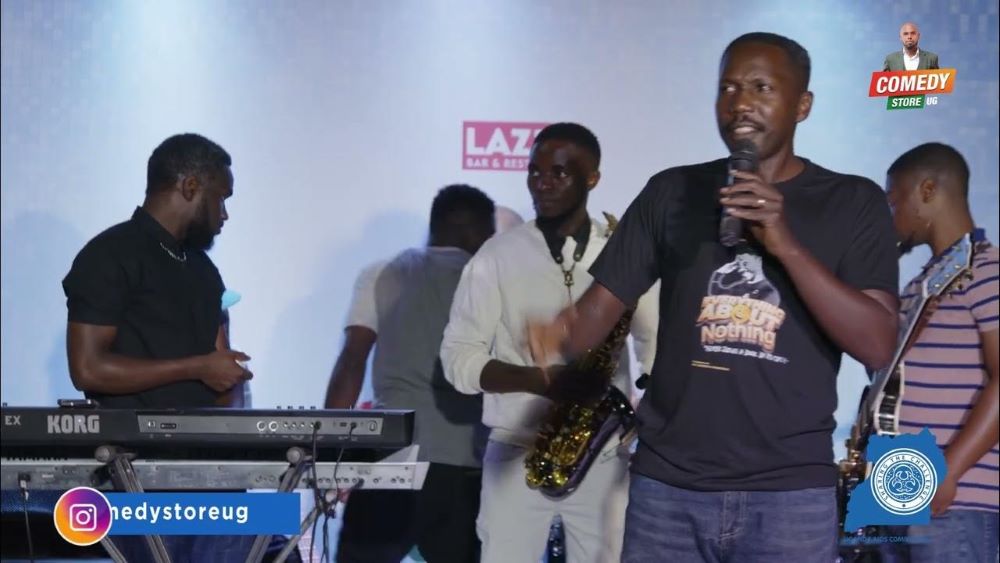
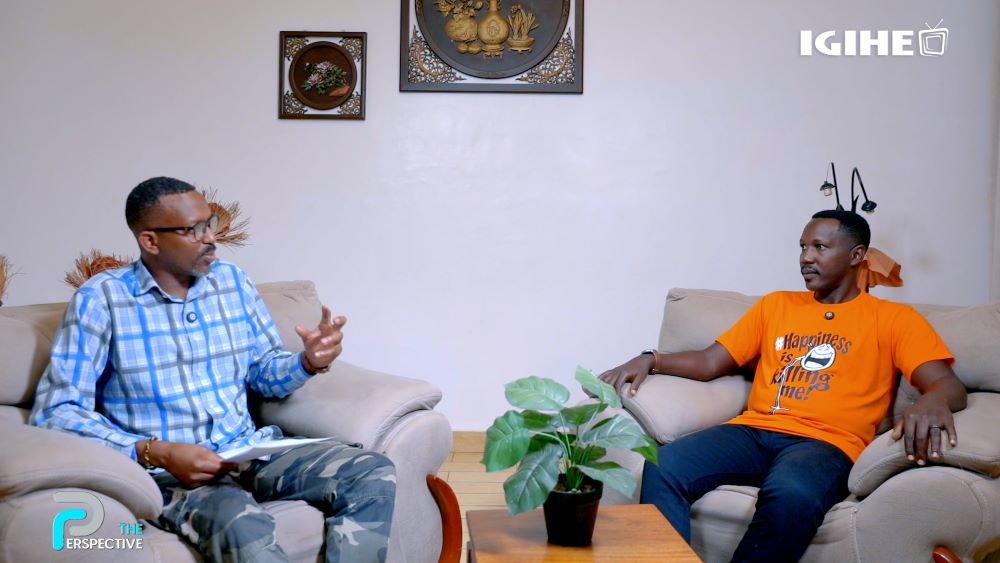
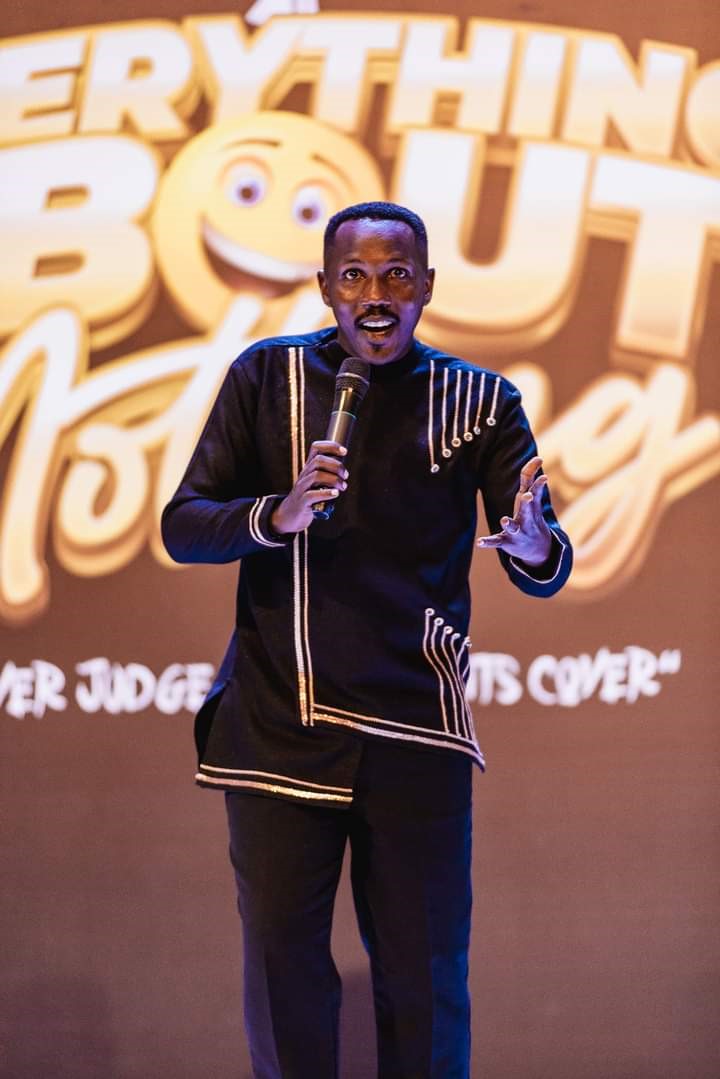
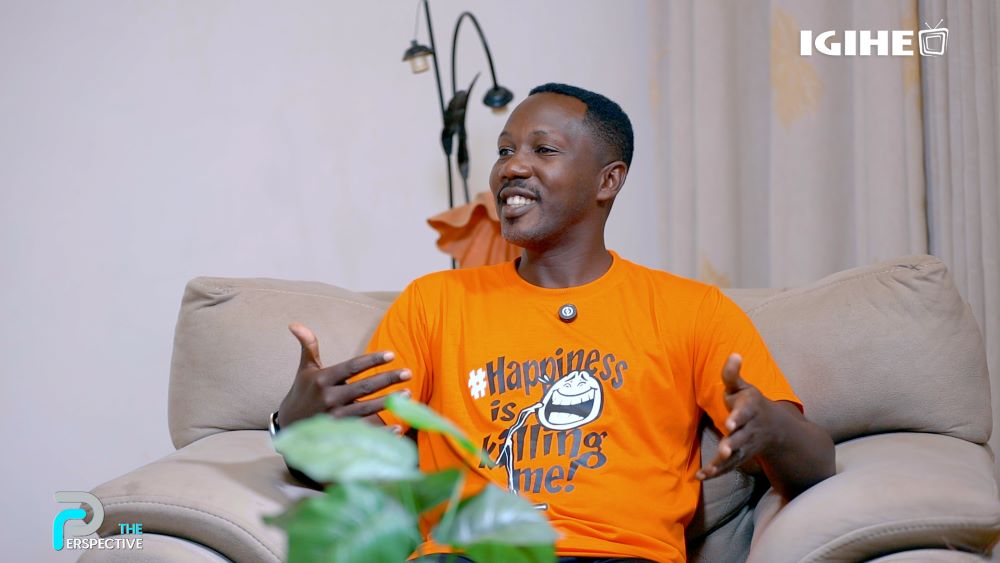
Born in Uganda, Pablo’s early passions were drama, music, and dance, but his true ambition was journalism. He admired news anchors for their storytelling abilities and believed in the power of communication.
After pursuing a degree in Mass Media, Journalism, and Creative Writing, Pablo’s dream of becoming a journalist led him to a job in entertainment journalism.
Assigned to cover theatre performances and entertainment events, Pablo found himself in front of Uganda’s National Theatre in 2003, where he was introduced to a group experimenting with comedy. Initially sent by his editor to find a “hook” for a story, Pablo ended up discovering a whole new world of comedy.
“I went to my editor and told her about a comedy group trying something new. She told me to find something more interesting, but in my search for the angle, I got hooked myself,” he recalls.
As he immersed himself in their creative process, Pablo’s wit naturally shone through. The comedy group saw his potential and invited him to join them. His transition from a passive observer to an active participant came quickly, and before long, he was on stage, sharing his humor with the audience.
Pablo’s big break came when he was asked to emcee between performances. Instead of simply announcing acts, he began offering his comedic take on current events, joking about newspaper headlines and finding humor in everyday life.
Audiences responded enthusiastically, and Pablo’s career as a stand-up comedian was born. “I didn’t even know I was doing stand-up comedy. I was just making people laugh between shows, but they called me a comedian, and I started to embrace it,” Pablo admits.
In 2009, Pablo’s comedy career took a huge leap forward when he won the Stand-Up Uganda competition, securing the title of the country’s funniest person and a prize of $10,000.
With his newfound fame, he launched Pablo Live, a platform for emerging comedians. His goal was to create opportunities for young talent, just as he had stumbled upon his own.
Pablo’s influence wasn’t limited to Uganda. He developed a strong connection with Rwanda, a country whose culture and people he greatly admired. “The people are warm, and even their language has a way of making you feel good, even when they say they don’t like you. Rwanda is surely the heartbeat of Africa,” he says.
In Rwanda, he saw a growing comedy scene and mentored many young comedians. He advised them on the importance of staying grounded and focusing on their craft, rather than letting success cloud their judgment.
Pablo recognizes the power of comedy to spark conversations about serious topics, even though it’s often tricky to find the balance. “Comedy is a funny way of being serious. We talk about important issues, but in a way that makes people laugh. It’s tricky, especially when it comes to politics,” he says.
Though Pablo has occasionally faced criticism for his jokes, particularly political ones, he has learned to take feedback and adapt. “I once cracked a political joke that I thought wasn’t offensive, but people from the system told me, ‘Pablo, there are other jokes you can tell. Leave politics out of it.’ And I understood.”
Despite these challenges, Pablo remains optimistic about the future of East African comedy. “With digital platforms, we now have the chance to reach global audiences. African comedy is growing, and it’s evolving in exciting ways.”
He encourages young comedians to keep evolving, saying, “Comedy is like a living organism. A joke told twice isn’t as funny. You have to stay fresh and always be aware of your audience.”
Pablo’s legacy is already taking shape, seen in the success of comedians he mentored, such as Mercy and Rusine, who have become prominent voices in Rwanda’s comedy scene. “The seeds we planted years ago are now flourishing. That’s the real reward,” he reflects.
For Pablo, comedy is more than just entertainment; it’s a way to tell stories, challenge norms, and inspire change. His unplanned path from journalism to comedy is proof that life’s most rewarding journeys often come from unexpected places.
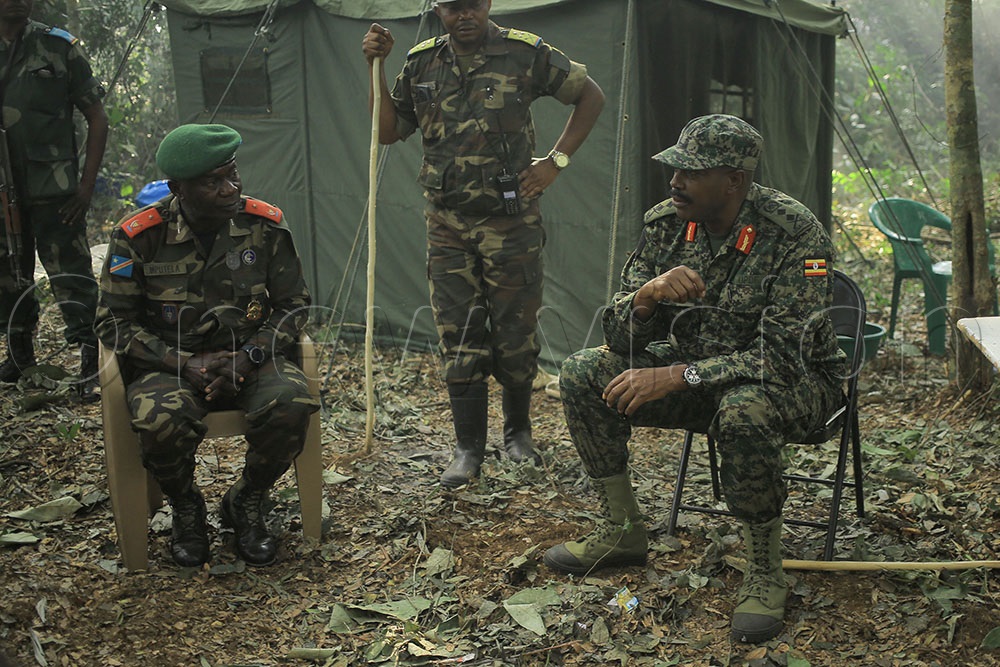
The decision was reached after two days of high-level talks in Bunia between General Muhanga Kayanja, Commander of the Uganda People’s Defence Forces (UPDF) Land Forces, and General Ychaligonza Jacques, Director of Operations and Intelligence for the Congolese Armed Forces (FARDC).
The expanded mission aims to neutralize ADF terrorists and local armed groups that have rejected peace efforts and continue to destabilize the region. “The aim is to restore peace throughout the Ituri region, which has been plagued by armed violence for years,” said a joint statement issued after the meeting on Friday.
The announcement came as fighting intensified near Fataki, where CODECO fighters clashed with UPDF troops in the village of Bethléem. Local residents reported heavy gunfire and explosions that echoed throughout Fataki, forcing civilians to flee.
The fresh violence followed a brutal attack last week by CODECO militias at the Lodda displaced persons’ camp, where six people, including four children, were killed.
The clashes are part of a broader and increasingly violent confrontation between the UPDF and CODECO. Recently, in a major confrontation in Fataki, UPDF forces repelled sustained attacks by CODECO militants over two days.
According to the UPDF, 242 militants were killed, making it one of the bloodiest engagements of the operation to date. However, the victory came at a cost.
Colonel David Byaruhanga, a senior UPDF officer, died from injuries sustained during the battle. According to UPDF acting spokesperson Col. Chris Magezi, the colonel was wounded by a malfunctioned RPG (rocket-propelled grenade) fired during combat.
The Cooperative for the Development of the Congo (CODECO) has long been blamed for some of the most brutal atrocities in eastern DRC. The Lendu-dominated militia has been responsible for massacres, ethnic killings, village burnings, and the targeting of Hema civilians for over a decade.
The group has recently been linked to a strategic alliance with the ADF, further complicating the security environment.
CODECO’s attacks, especially in Djugu and Mahagi, have driven tens of thousands of people from their homes. Local and international humanitarian organizations are warning of a deepening crisis as violence spreads and access to aid becomes increasingly restricted.
With the inclusion of Bunia in Operation Shujaa’s scope, the DRC and Uganda are signaling a new and more aggressive phase in their fight against armed groups in the Ituri Province.
Originally launched in late 2021 to target ADF strongholds in North Kivu and Ituri, the operation now appears set to tackle a broader range of militias resisting disarmament and reintegration.
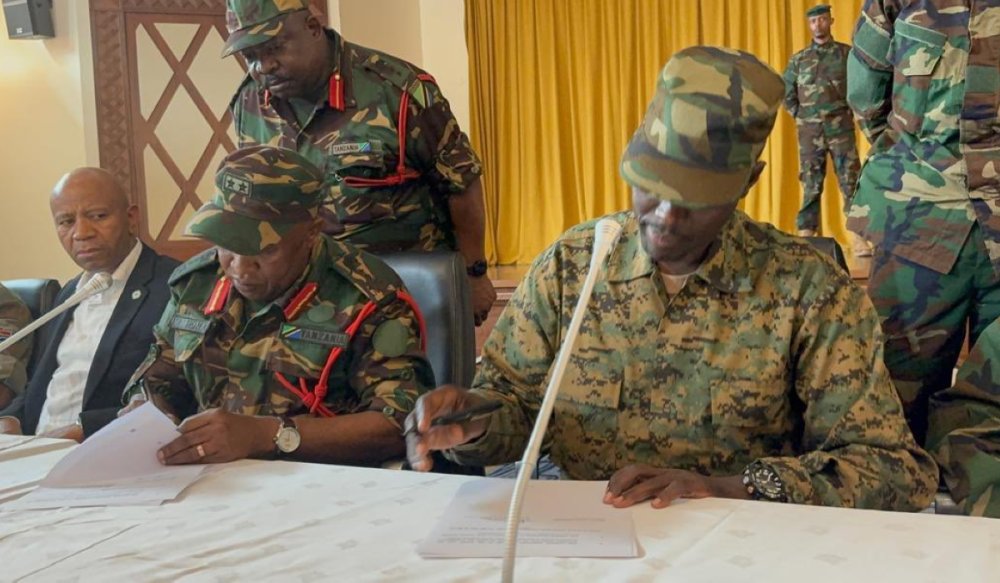
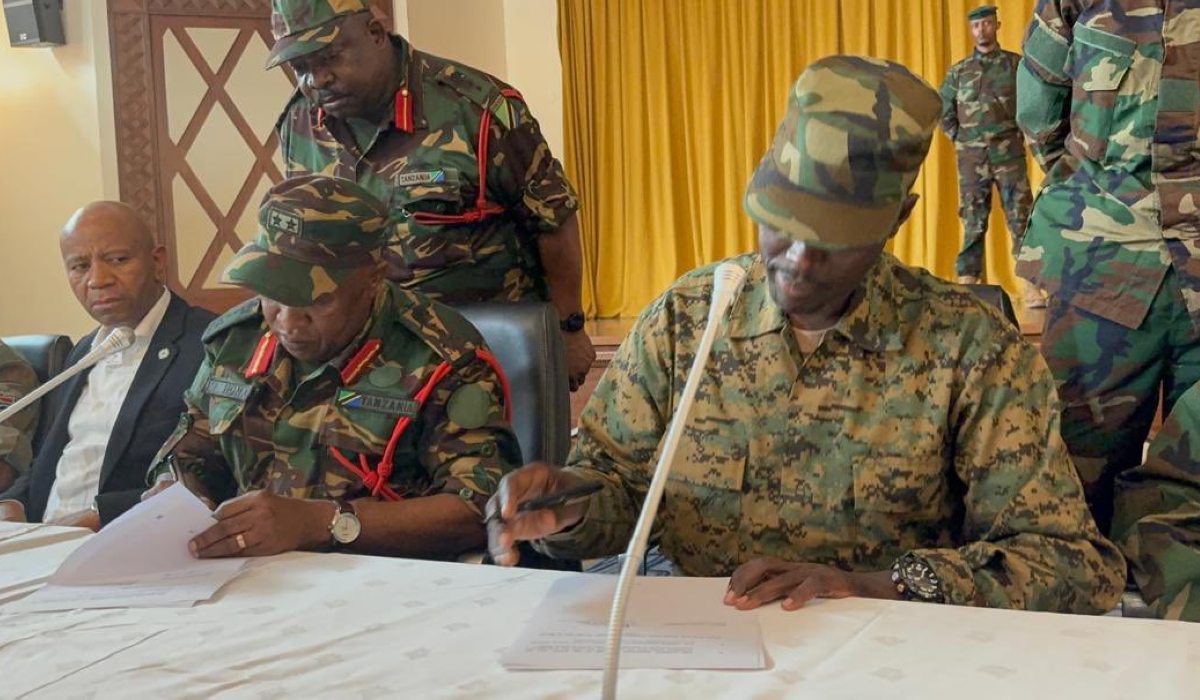
This is contained in an agreement that was signed between the M23 rebels and SADC leaders. The agreement announced on Friday was signed after a meeting between the parties that took place at the Serena Hotel in Goma city.
General Sultan Emmanuel Makenga, military commander, Brigadier General Bernard Byamungu, deputy chief of defense forces and Erasto Bahati Musanga, Governor of North Kivu province, represented M23 rebels in the meeting.
SADC was represented by General Rudzani Maphwanya, Chief of South African Defense Forces, Lieutenant General Zyeele Zambia army commander, Major General Saiford Kalisha representative of the chief of defense force of Malawi, Major General Ibarahim Michael Mhona representative of the Defense Force of United Republic of Tanzania and Professor Thelestane Kula, Director organ on politics, defense and Security Affairs of SADC.
According to the agreement, M23 rebels will facilitate the immediate withdrawal of SADC Mission in the DRC (SAMIDRC) troops with their weapons and equipment. The agreement, however, puts a condition that all weapons and other military equipment belonging to the Armed Forces of the Democratic Republic of Congo (FARDC) will stay in the hands of the rebels.
The agreement also indicates that M23 rebels will coordinate the freedom of movement of SAMIDRC troops in preparation for withdrawal. The leaders also agreed that all parties will facilitate a joint technical team to assess the status of Goma International Airport in readiness for reopening, and SADC will assist in repairing to facilitate troops’ withdrawal.
The meeting happened the same day when M23 President Bertrand Bisimwa and Colonel Imani Nzenze, rebels’ intelligence chief, arrived in Qatar’s capital Doha to meet DRC government officials in peace talks mediated by Qatar’s President, Sheikh Tamim bin Hamad bin Khalifa Al Thani.
Early this month, President Hamad also hosted Felix Tshishekedi, DR Congo President and Paul Kagame of Rwanda to discuss a peace deal in eastern DR Congo.
M23 ordered SAMIDRC troops to surrender after the fall of Goma city and neighboring areas where they had been deployed since December 2023. Rebels now control major areas of North and South Kivu provinces since the resumption of insurgency in 2022.
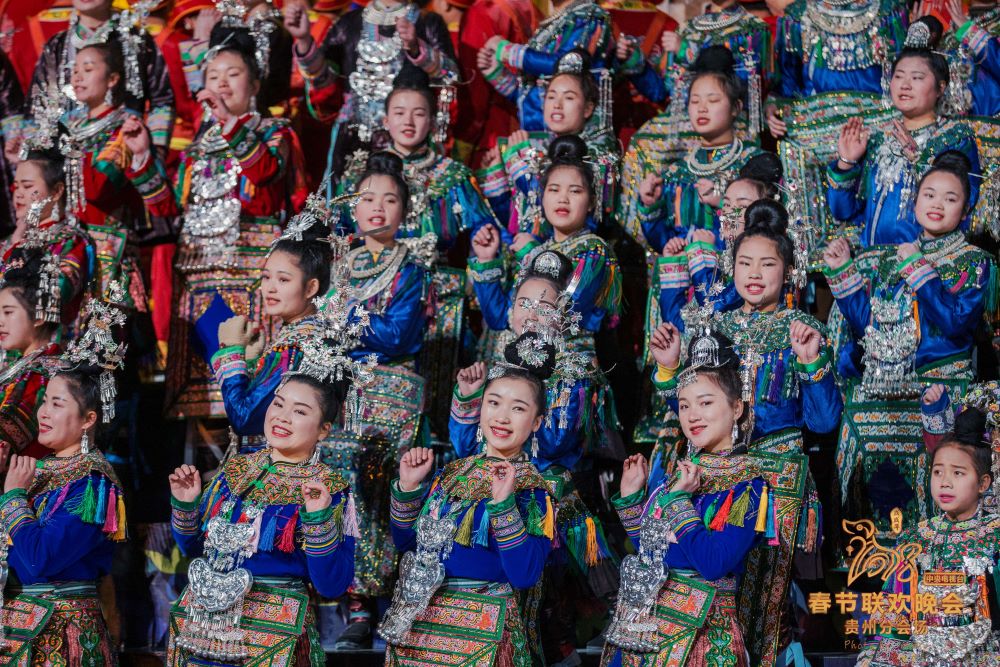
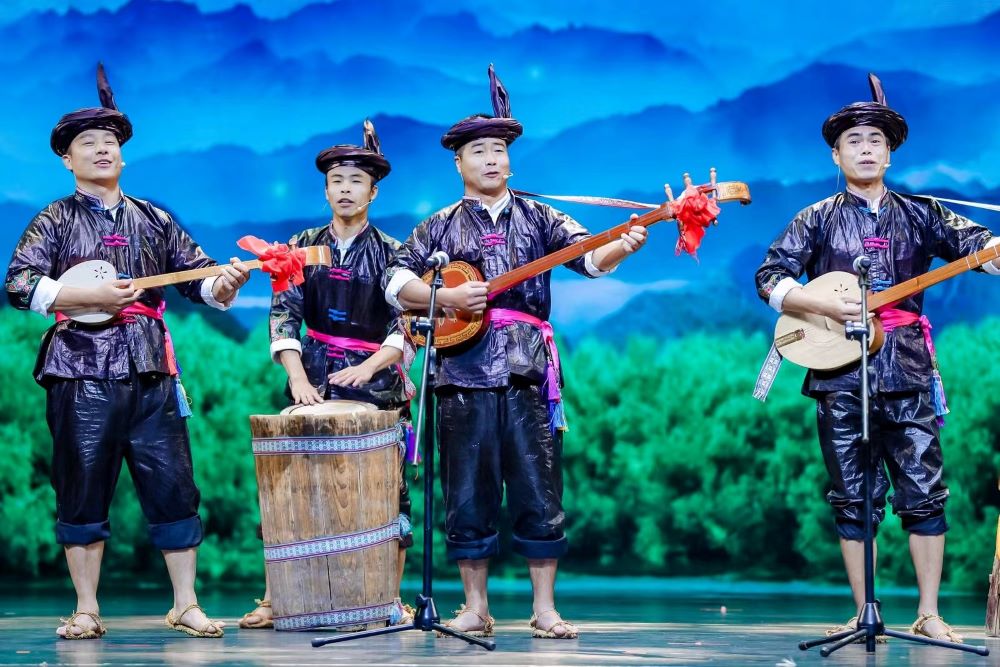
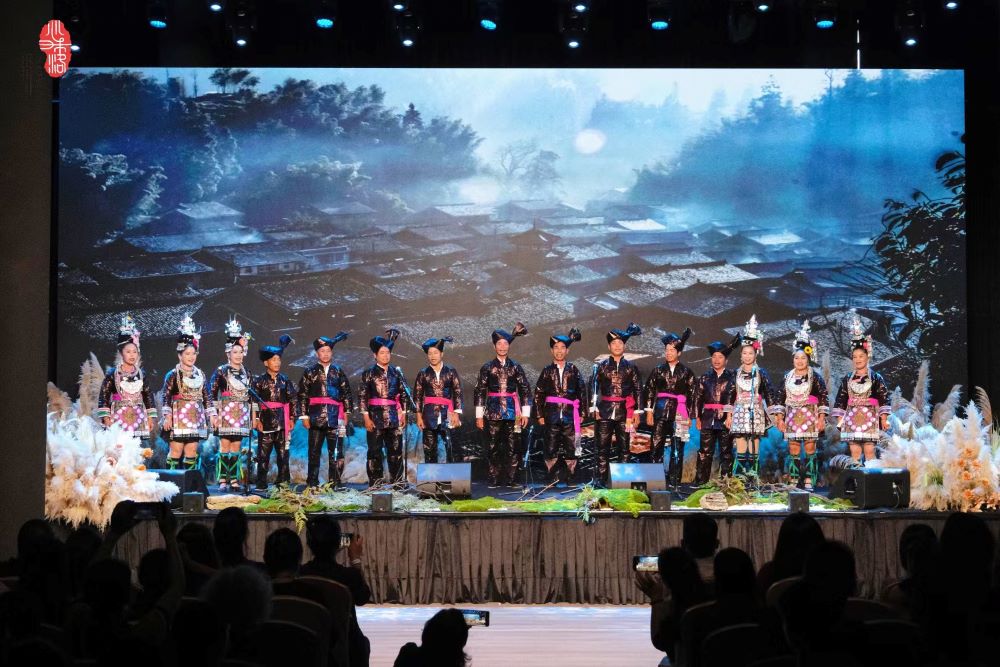
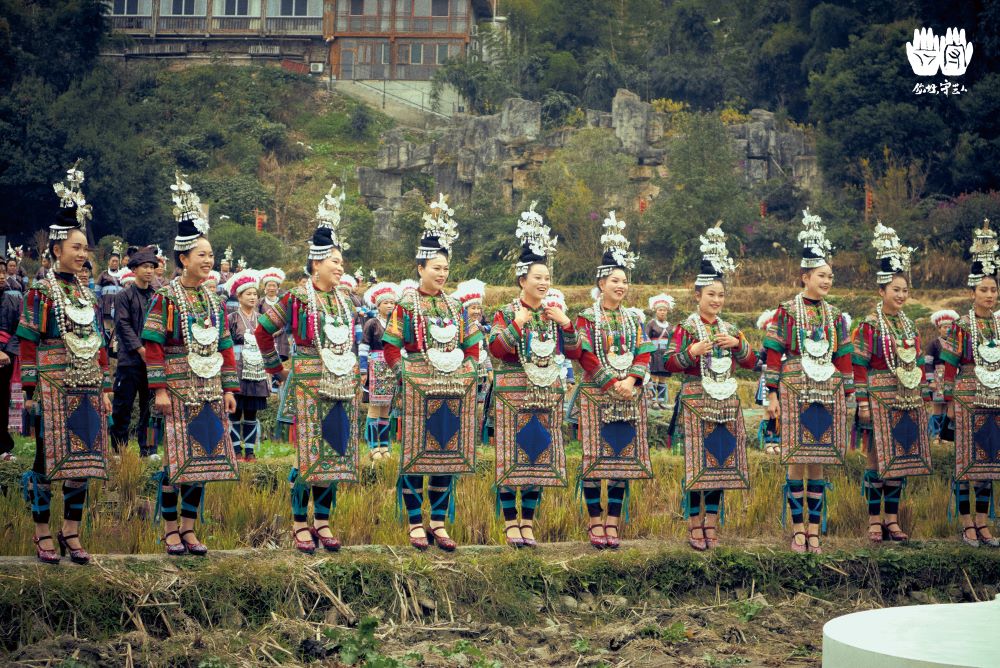
Though I did not understand the lyrics, the harmony and rhythm spoke to my soul. The Grand Song of Dong is a mesmerizing a cappella folk tradition that has endured for over 2,500 years.
Originating from the Dong people of China’s Guizhou Province, this unique choral art form was inscribed on UNESCO’s Representative List of the Intangible Cultural Heritage of Humanity in 2009.
Unlike conventional choral performances, the Grand Song of Dong requires no conductor or instrumental accompaniment. Instead, it masterfully blends multiple vocal parts to recreate sounds of nature, labor, love, and history.
The Dong people, an ethnic minority group with a rich cultural heritage, have historically relied on music to preserve their traditions.
Without a written language for much of their history, they passed down knowledge, moral values, and communal wisdom through songs. This makes the Grand Song more than just an artistic expression. It is a living repository of the Dong people’s history and way of life.
At the concert, each performance seemed to capture a different facet of Dong culture. Some songs mimicked the chirping of birds and the whispering wind, reinforcing the group’s deep connection with nature.
Others conveyed emotions of love, friendship, and collective memories. The seamless blend of voices created an auditory experience so rich and immersive that it felt like stepping into a different world.
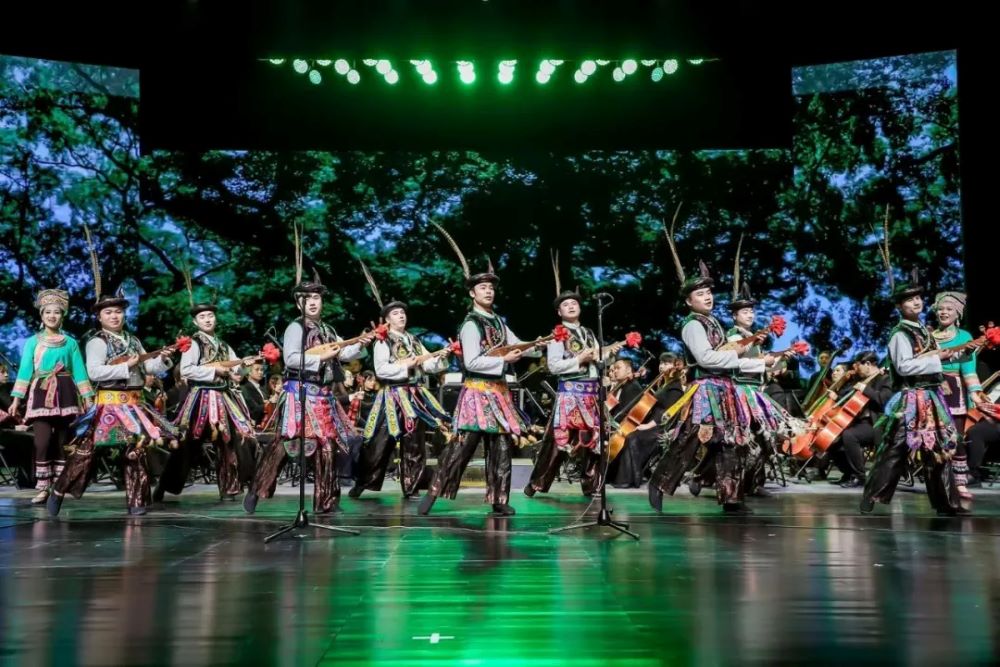
Liping County, often referred to as the “capital of Dong Township,” plays a central role in preserving and promoting this tradition. The Liping Grand Song of Dong Ethnic Group (LPGS), established in 1972, has been instrumental in showcasing Dong music on global stages.
The ensemble has performed in France, Italy, Russia, and beyond, earning international acclaim. The influence of the Grand Song extends beyond traditional folk circles.
LPGS has collaborated with prominent artists, including Belgian pianist Jean François Maljean and celebrated Chinese musicians. Their performances at prestigious events, such as the 2008 Olympic Games and the 10th International Choral Festival in Vienna, underscore the global significance of this musical heritage.
As the concert drew to a close, I found myself wishing for more. Though it lasted nearly two hours, the performance felt fleeting, a testament to the captivating nature of the Grand Song of Dong.
Fortunately, I left with more than just memories. I had captured short videos and photos, preserving the magic of the evening. Experiencing this extraordinary tradition firsthand reaffirmed the timeless power of music to connect people across cultures.
The Grand Song of Dong is not just an art form; it is a bridge between past and present, between tradition and modernity. And for one unforgettable night, I was fortunate enough to walk across it
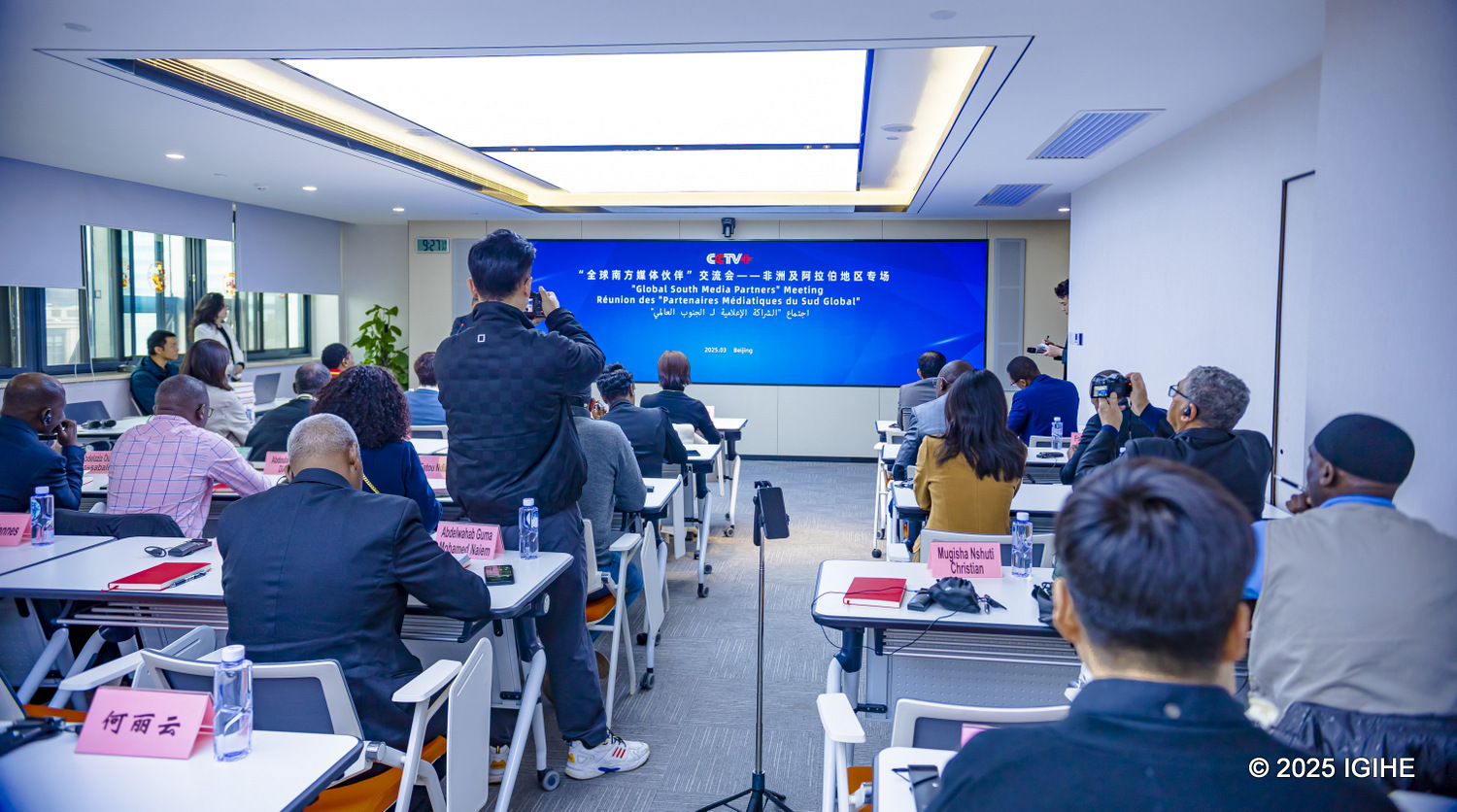
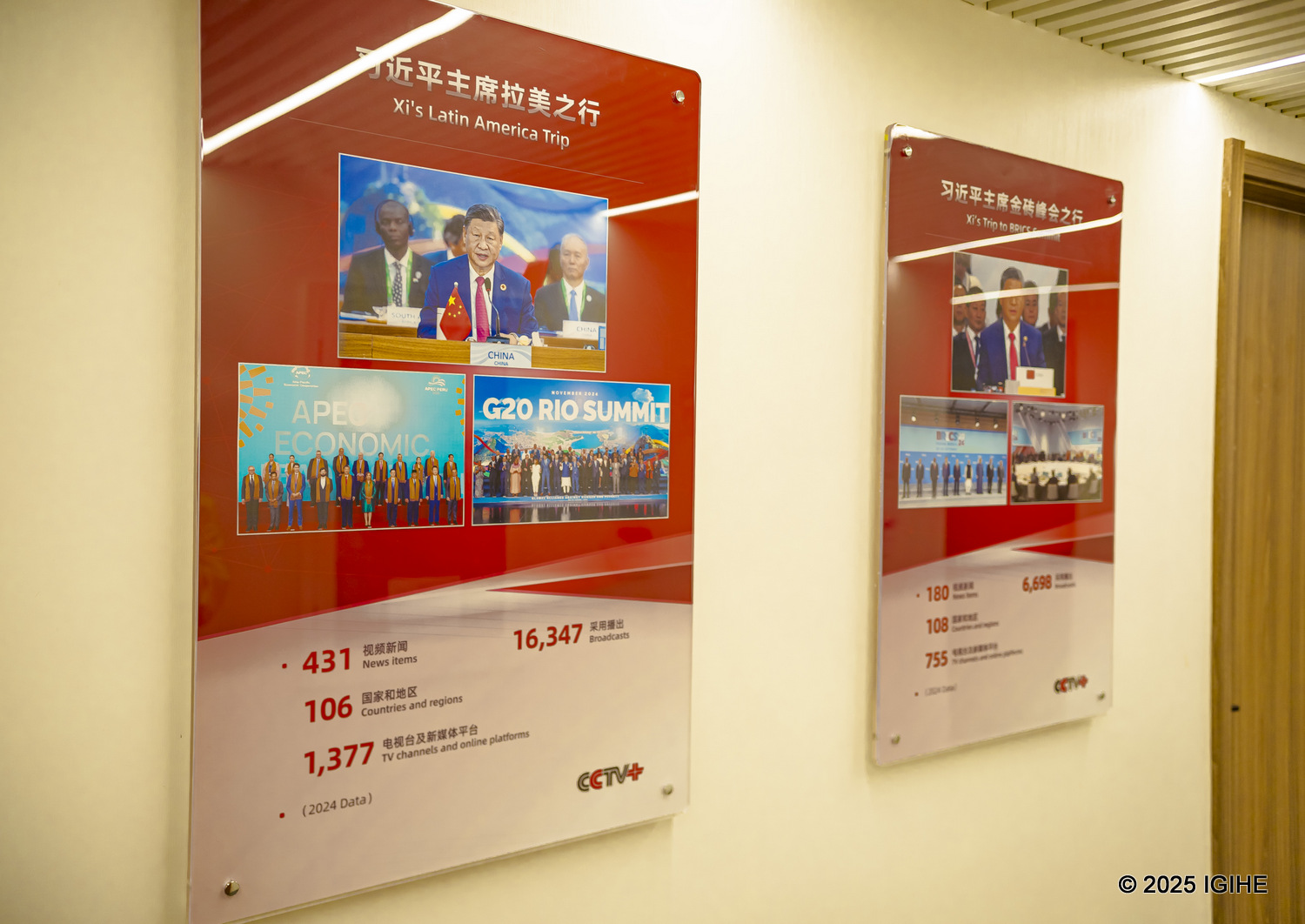
In recent years, its focus has increasingly shifted towards fostering media partnerships and driving innovation within the Global South.
At the December 2024 Media Forum, CCTV, together with the Asia-Pacific Radio and Television Union, the Arab States Radio and Television Union, the African Radio and Television Union, and the Latin American Press Union, launched the “Global South Media Dialogue and Cooperation Mechanism” and successfully held the first “Global South Media Dialogue.”
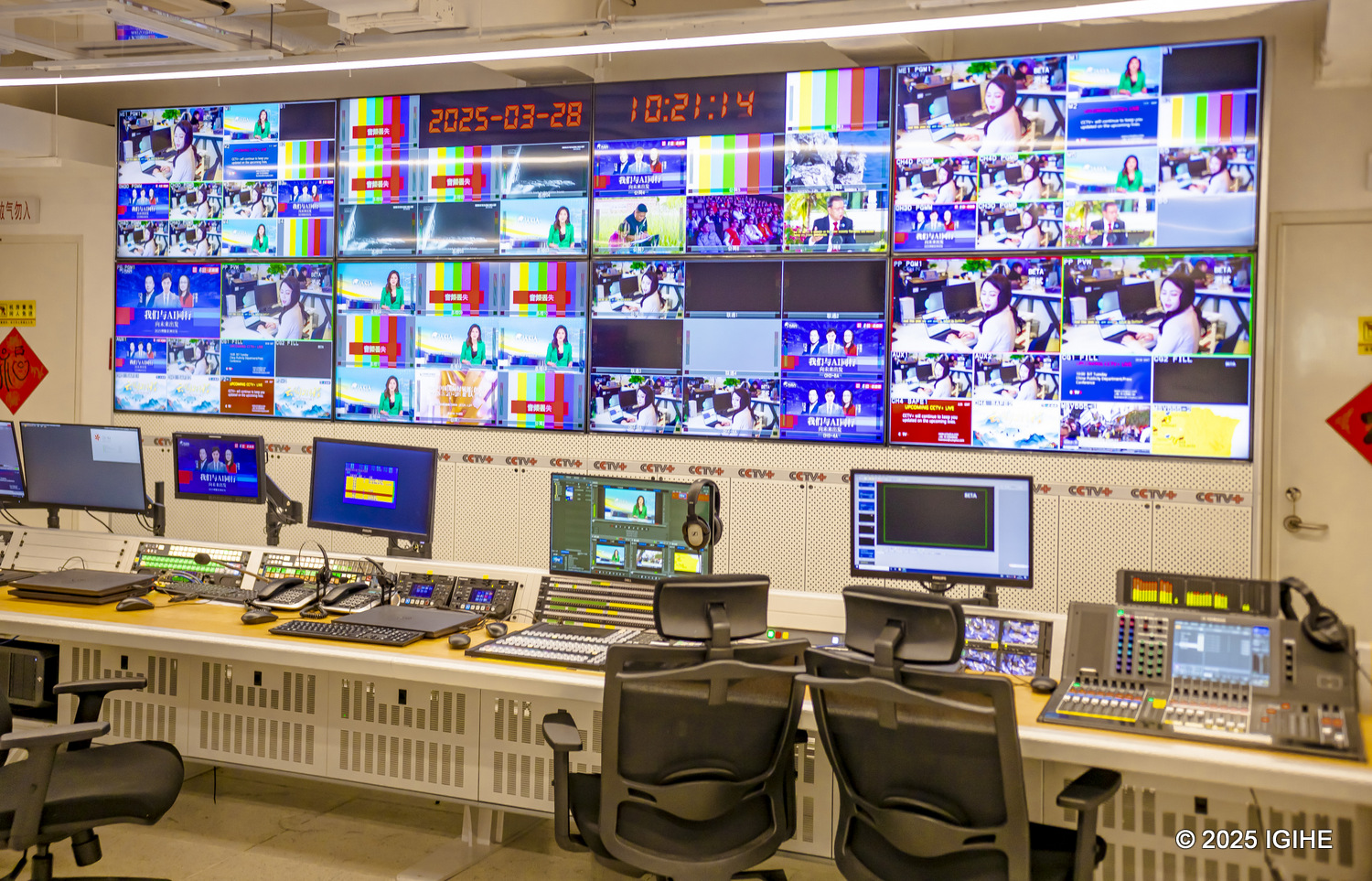
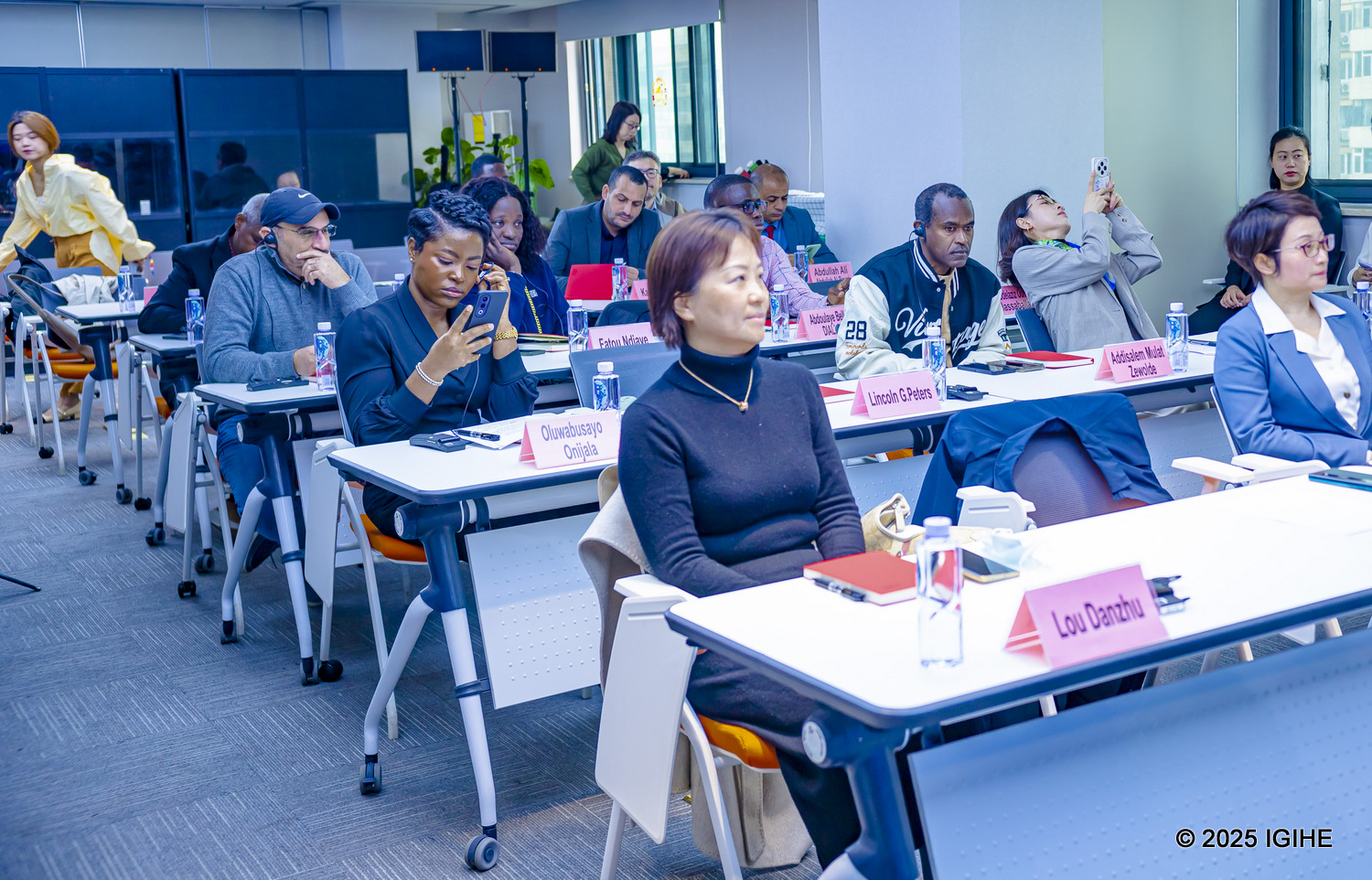
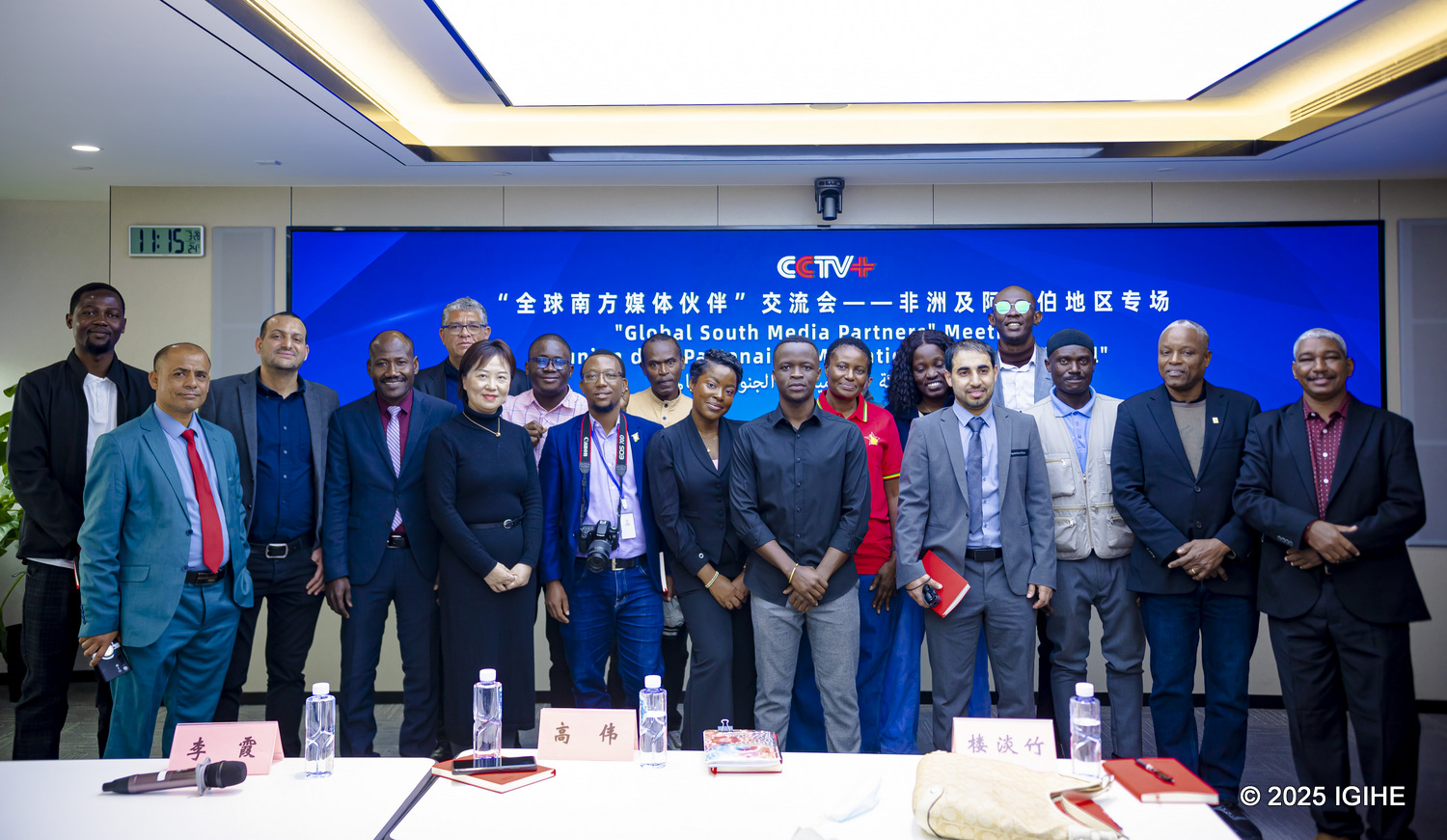
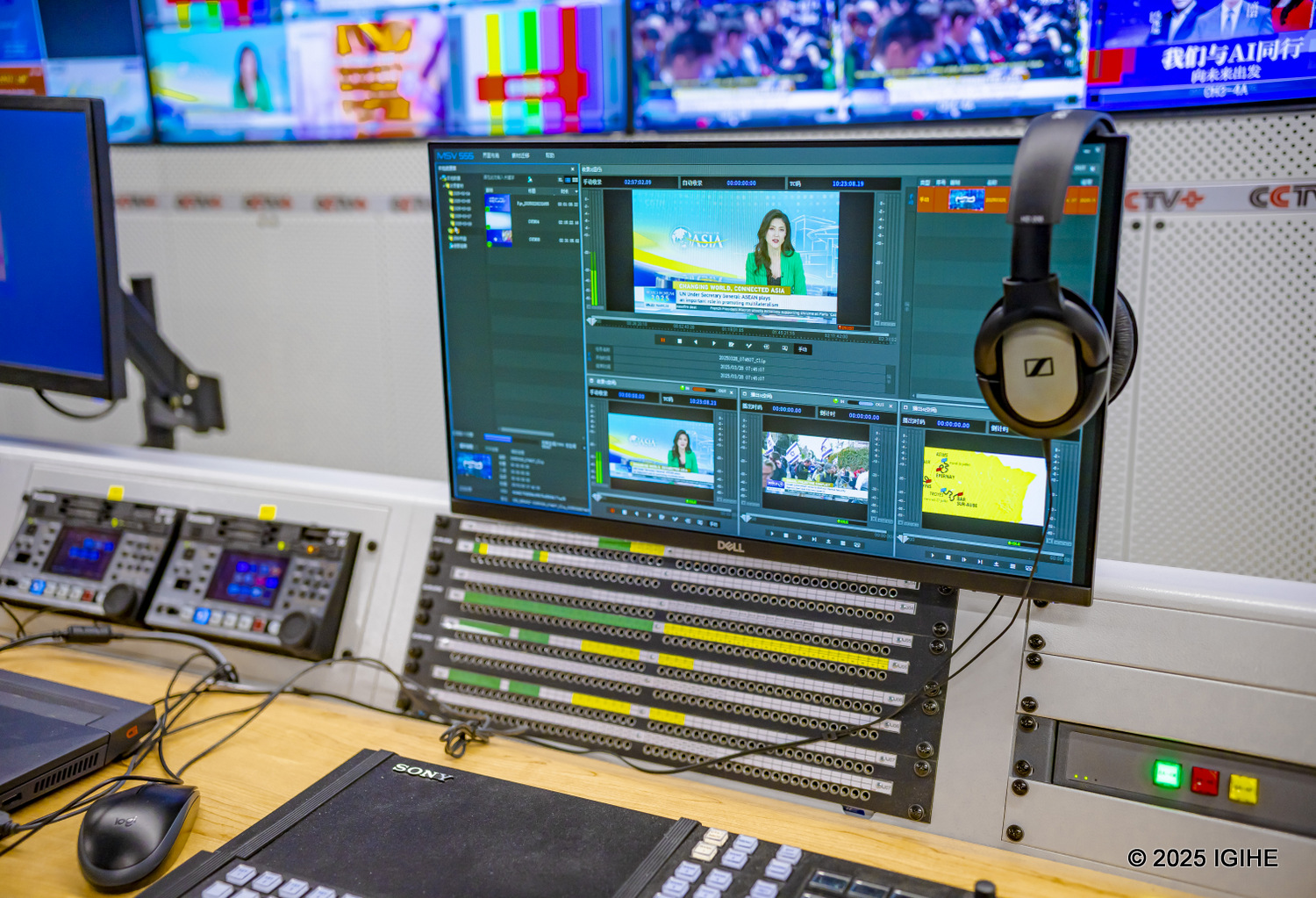
During a visit of international journalists at CCTV headquarters, highlighting the significance of this initiative, Managing Director & Editor-in-Chief at CCTV, Gao Wei stated, “That also helped to further discuss innovative cooperation in the various fields, such as AI, media, convergence, and other fields.”
As part of its commitment to leveraging technology in media, CCTV Plus has introduced a “multi-language intelligent translation platform and a customized service platform for integrated media.”
Additionally, it has launched “MediaPix,” a tool that “can complete the creation and editing of text, audio, pictures, videos, very conveniently, and also help to increase the efficiency of our work.”
These technological advancements reflect a broader effort to streamline media production and enhance storytelling capabilities within the Global South.
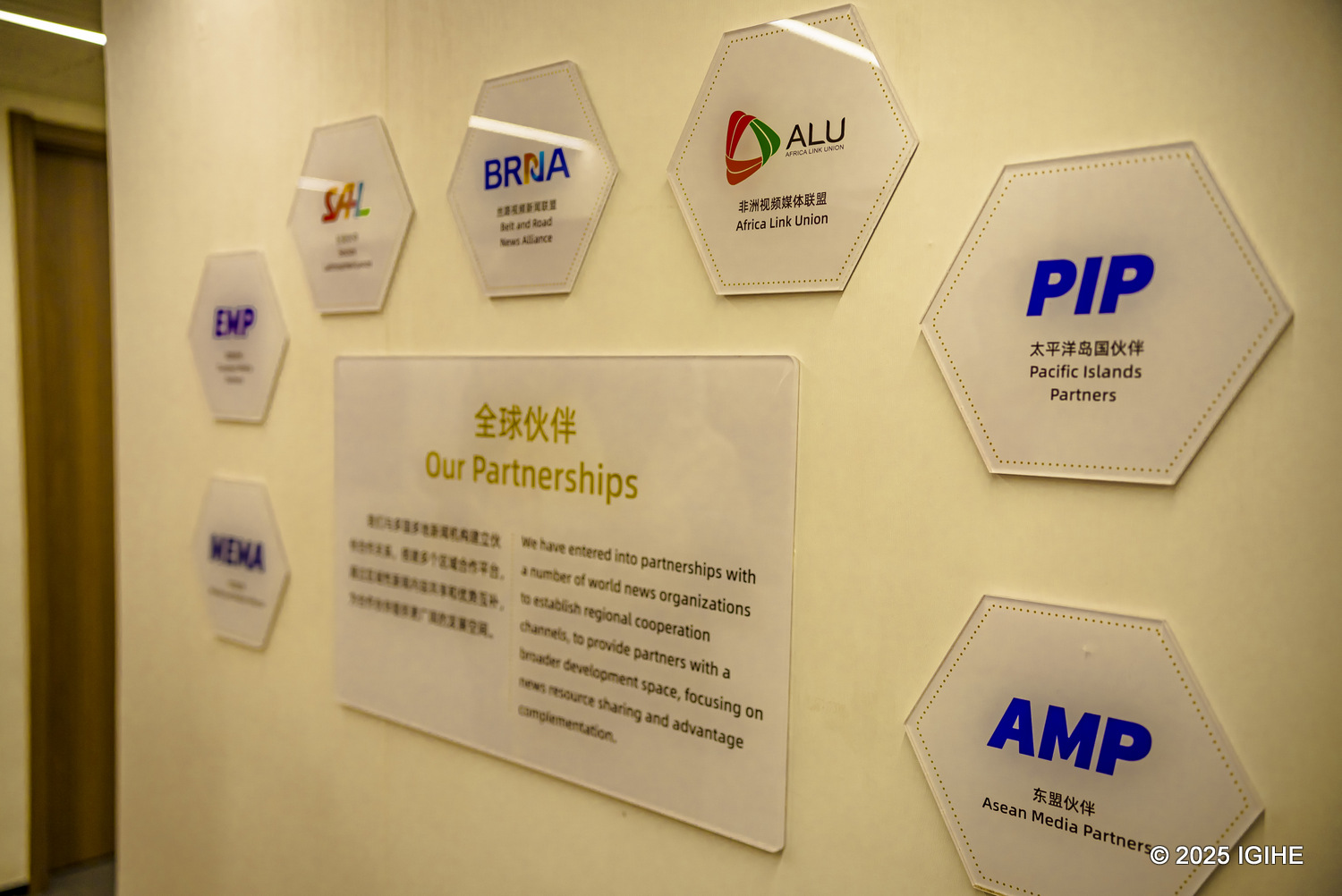
On the basis of existing collaborations, CCTV Plus is spearheading efforts to establish a “Global South Media Partnership Mechanism through a multi-dimensional cooperation.”
This initiative underscores China’s strategic interest in fostering deeper media ties among Global South countries. “For CCTV Plus, we are also committed to further enhance the media competitiveness and international influence of the Global South countries,” Wei emphasized.
CCTV’s global strategy is informed by the rapidly evolving geopolitical and technological landscape. “At present, the world landscape is undergoing profound changes. China and the countries of the Global South share a will and a hope in the spirit of working together for global cooperation and a hope to build a platform for news reporting and also to realize the mutual benefit of the cooperation,” he remarked.
With this vision, CCTV has invited media stakeholders worldwide to join its efforts in strengthening media cooperation across the Global South.
“And here, I would also like to invite our media friends presenting here today to join the Global South Media Cooperation Mechanism and work with us to push the media cooperation of countries in the Global South to a higher level that we talk about. And the Global South Media Cooperation Mechanism actually already includes a lot of friends. We hope to see you there as well. And hope to see you all.”
CCTV’s approach aligns with its broader goals of technological leadership and cross-border media collaboration. By harnessing AI, media convergence, and multilingual platforms like MediaPix, it aims to solidify its role as a global media powerhouse.
As the organization continues expanding its influence, its partnerships within the Global South will play a critical role in shaping the future of international media cooperation.
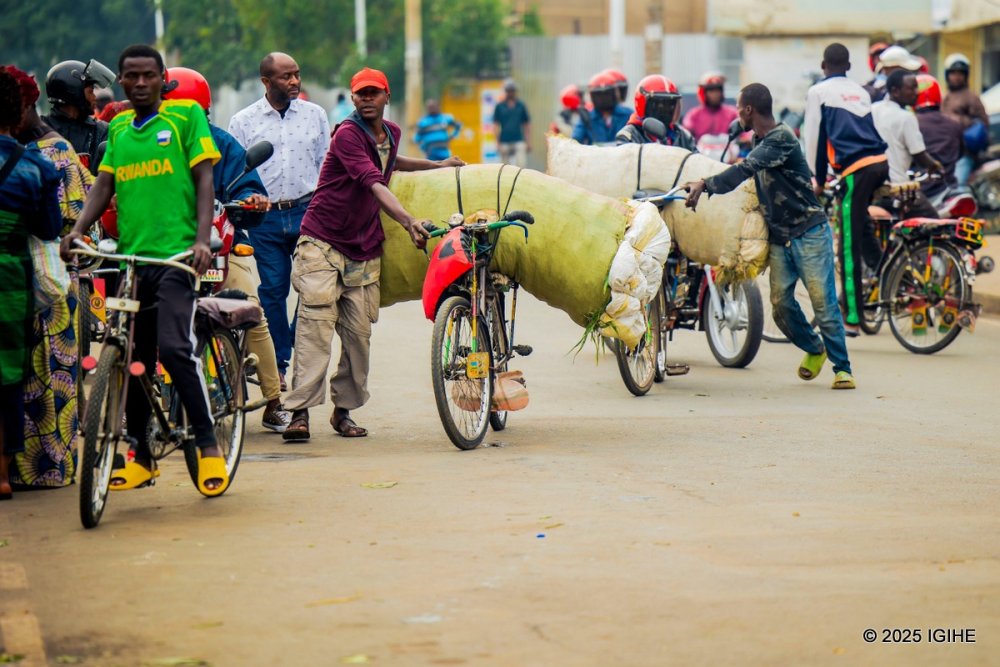
This influx is largely attributed to the reopening of land and water routes, which had been restricted due to the conflict.
The main border points, Grande Barrière (La Corniche), Petite Barrière, and Kabuhanga, now operate from 6:00 AM to 10:00 PM, significantly improving trade and movement.
Before COVID-19, over 50,000 people crossed these borders daily, with Grande Barrière running 24/7. However, when the M23 conflict erupted, Kinshasa imposed strict border regulations, limiting access from 6:00 AM to 3:00 PM.
Following M23’s capture of Goma, border restrictions were lifted, allowing freer movement of people and goods. This change has revitalized economic activity, particularly benefiting small-scale traders who had previously faced monopolistic restrictions.
Françoise Muhorakeye, a trader from Gisenyi, shared her relief, “Before, Congolese traders controlled everything. We couldn’t sell directly to buyers and had to leave our goods with intermediaries, who paid us whatever they wanted, often causing losses.”
Ange Gabriella Uwimana echoed similar sentiments, “Now, I can buy vegetables for Frw2,000 across the border, sell them for Frw4,000, and return for more without worrying about time limits. I can now provide for my children and save money, unlike before when intermediaries took most of the profits.”
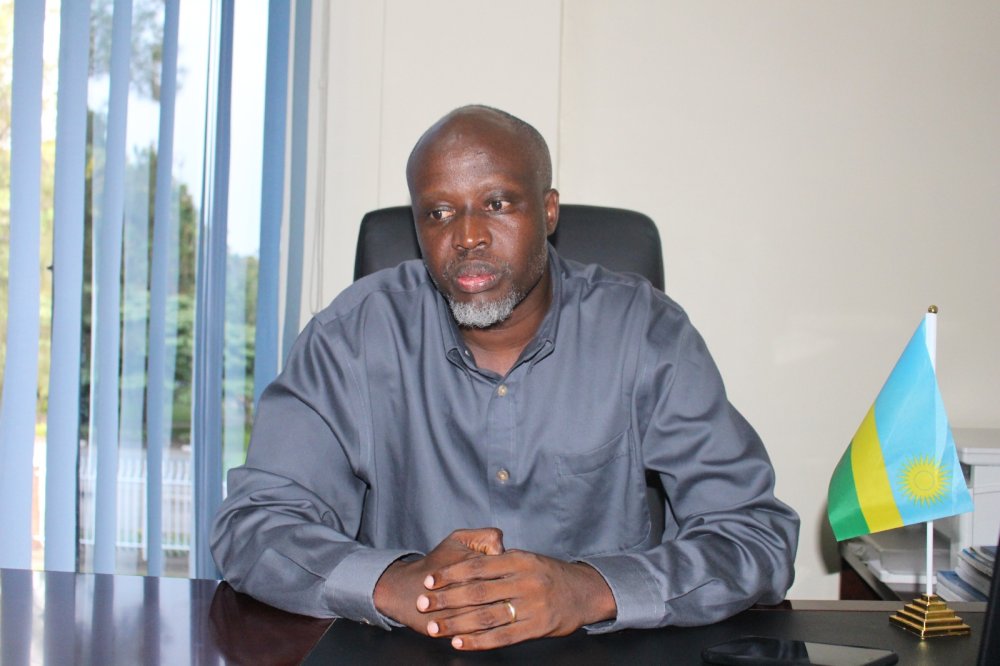
Rubavu District’s Vice Mayor for Economic Development, Nzabonimpa Deogratias, confirmed that the increased hours and improved trade conditions have driven the rise in border traffic.
“Currently, around 38,000 people use these borders daily. This proves that time is money, and lost time is costly. The numbers have grown from 20,000 after COVID-19, showing that trade between Rubavu and Goma is thriving again.”
He also highlighted how the improved movement has benefited hospitality businesses in Gisenyi, as more Goma residents visit for leisure and return without time constraints.
Encouraging investors to capitalize on the economic growth, he concluded, “There is demand, but the market is struggling to meet it. I urge businesspeople to invest because people need goods and services.”
The first edition of the hackathon was held in September last year, marking the beginning of a new chapter in Rwanda’s tech landscape, led by Irembo—a company renowned for digitizing and streamlining government services through innovative digital platforms.
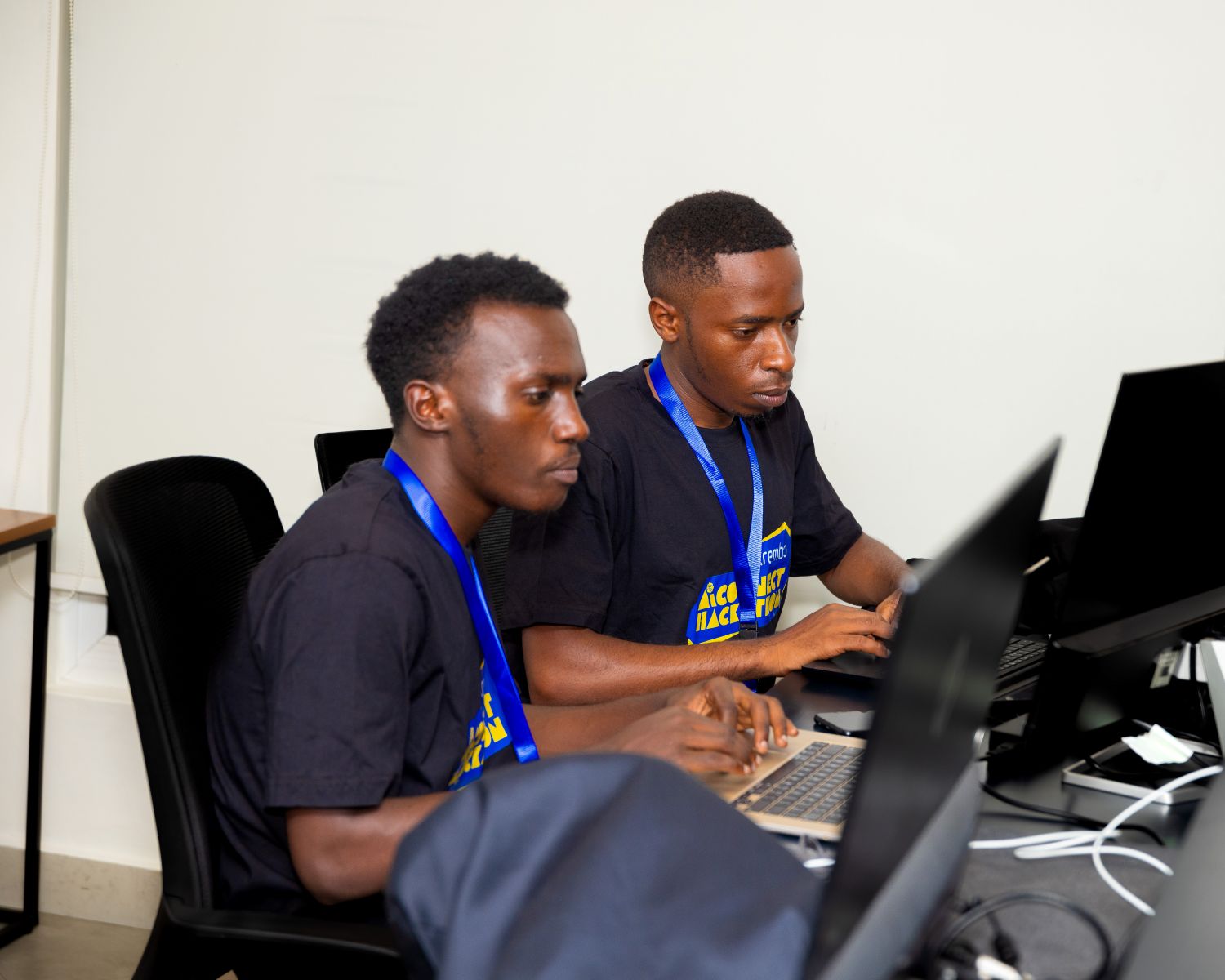
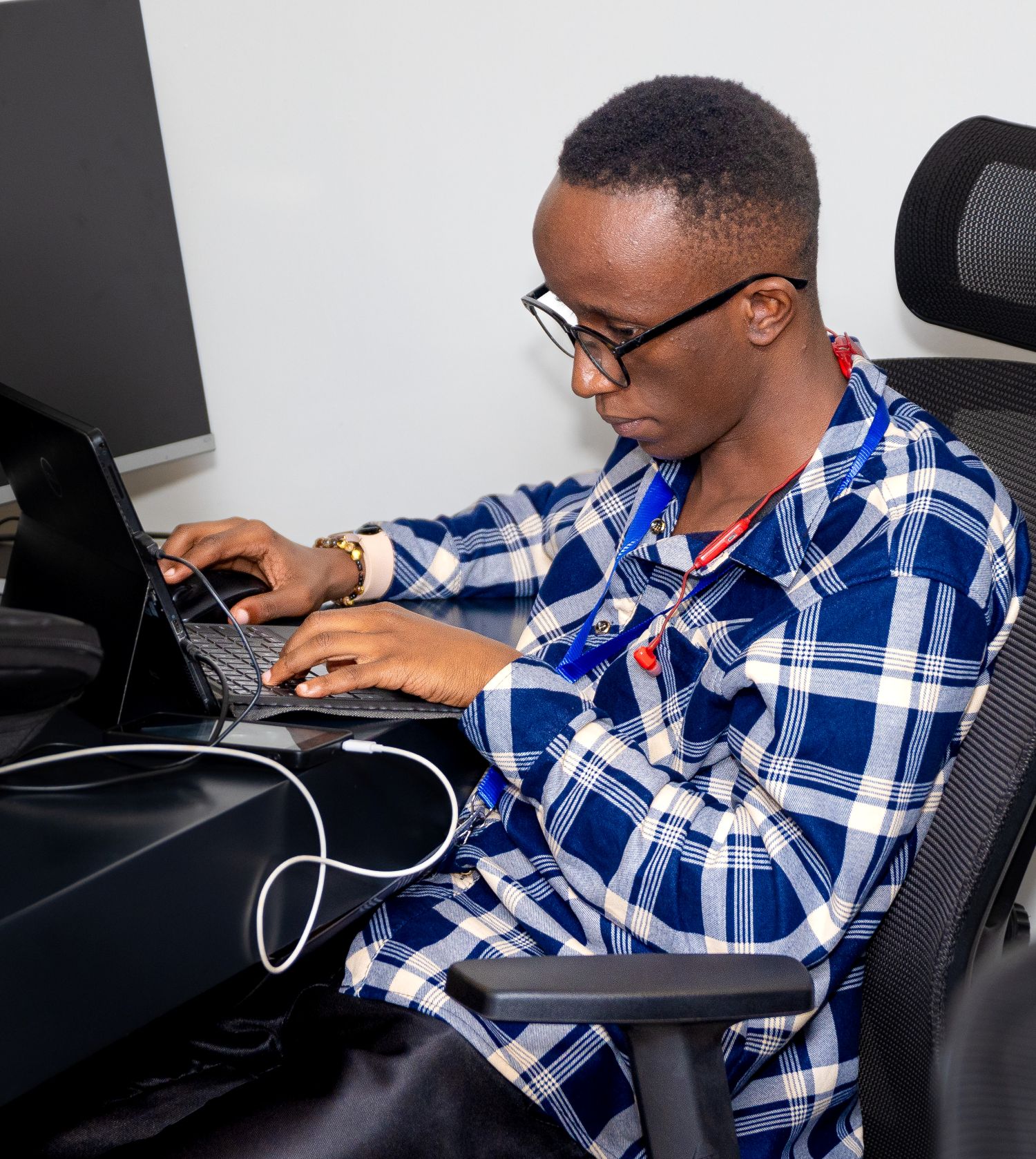
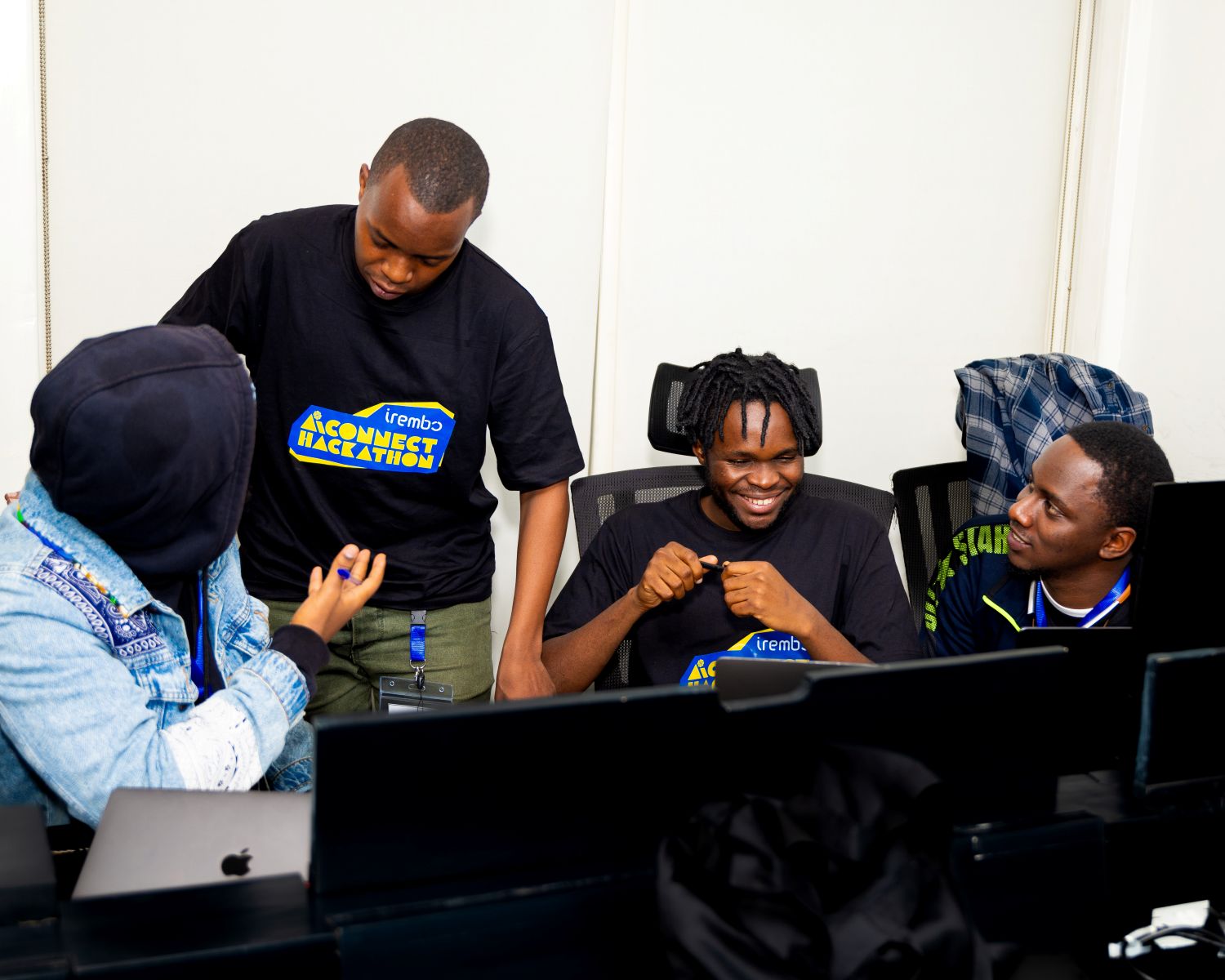
The 2025 team comprises 63 young and ambitious software engineers from diverse backgrounds, working in groups of two to four, eager to leave their mark in the annals of technology.
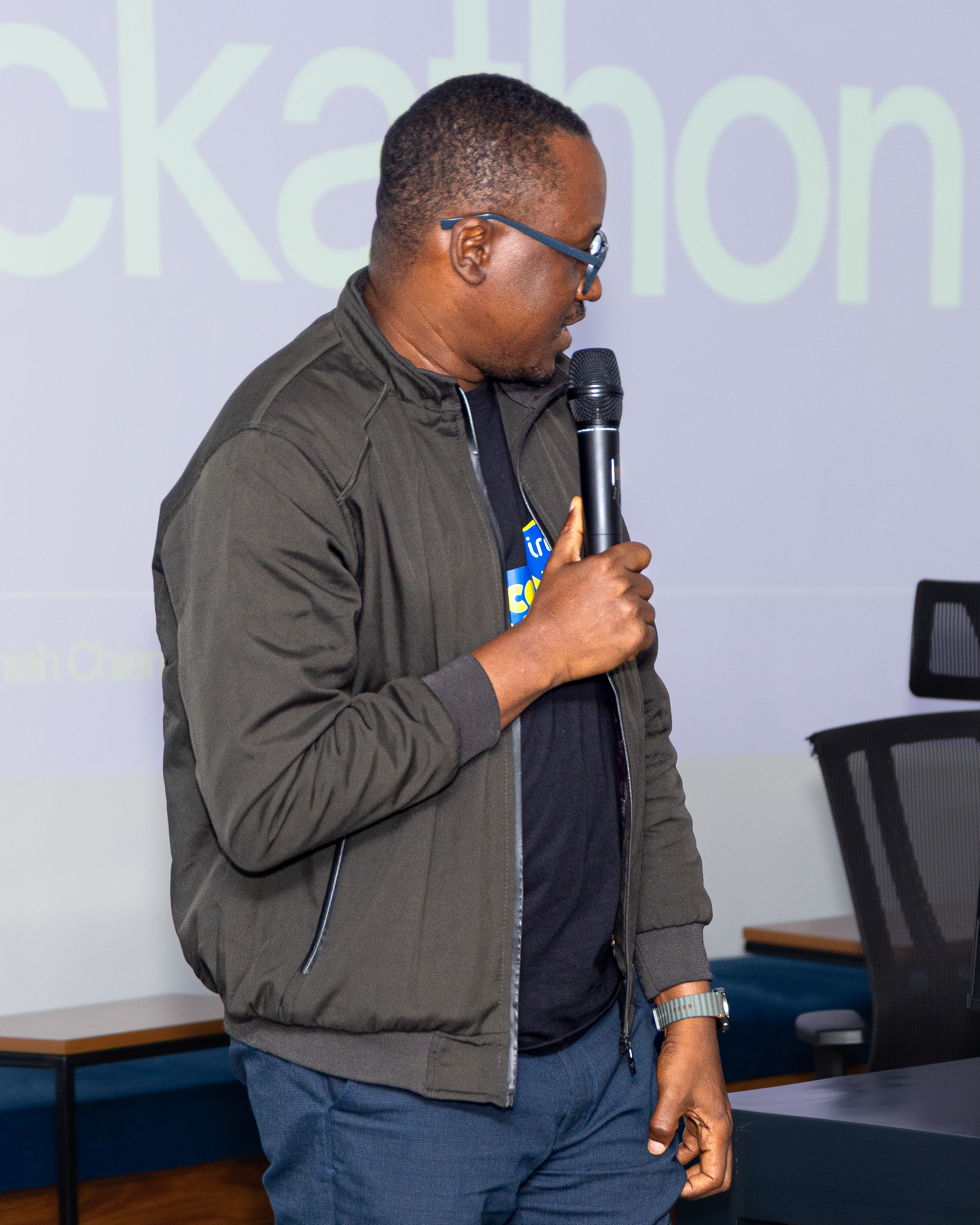
Speaking during the opening ceremony of the hackathon at the Irembo Campus in Nyarutarama, Peter Charles Djomga, Director of Software Engineering at Irembo, rallied the participants to seize the moment and push boundaries to create solutions that address real-world challenges and drive meaningful impact in society.
“This is your chance to show the world what you’re capable of,” Djomga declared. “Take these 48 hours, use the latest AI tools, and build solutions that don’t just win prizes but change lives—because that’s where the true value lies.”
He noted that the participating teams were selected from more than 80 submissions, reflecting the growing enthusiasm for AI innovation in Rwanda. This rigorous preselection process narrowed the pool down to 20 standout teams with a total of 63 participants.
The hackathon’s timing is strategic, aligning with Rwanda’s upcoming inaugural Global AI Summit on Africa, scheduled for April 3-4, 2025.
Djomga explained that hosting the event now positions Irembo as a key player in the nation’s artificial intelligence landscape, amplifying the country’s push to become a regional tech hub.
“We’re setting the stage for the Summit,” he remarked, “showing that Rwanda isn’t just following global trends—we’re shaping them, starting with these innovators right here.”
In developing practical AI solutions, the participants will leverage large language models (LLMs) and locally built technologies. Teams will also have the opportunity to access IremboPay APIs to integrate cutting-edge digital payment solutions into their projects. Pindo, a partner of the event, will provide access to its latest speech-to-text and text-to-speech AI models for voice-enabled applications.
Other sponsors of the event include the World Economic Forum (WEF), RSSB, and Digital Umuganda, among others.
Coding for the projects is expected to close at 9:00 a.m. on Sunday, March 30, 2025, when the participants will submit their projects. Presentations of the solutions to a panel of distinguished judges will then commence and conclude by 5:00 p.m. on Sunday.
After the evaluations, the winners will be announced and awarded during a ceremony to be held later that evening at the Irembo Campus in Nyarutarama.
The stakes are higher this year, with the top prize remaining at 5 million Rwandan francs, while second place has increased to 3 million, up from 2 million in the first edition, and third place now stands at 2 million, up from 1 million.
Beyond the cash rewards, all participants gain invaluable exposure, networking opportunities, and the chance for career boosts. Djomga noted that last year’s winner, Cedric Izabayo, joined Irembo—a hint at potential paths for this year’s standouts—while emphasizing that the true goal is crafting solutions to streamline digital services.
As Rwanda races toward its National Strategy for Transformation goal of a million developers by 2030, this 48-hour hackathon is a microcosm of that ambition. Djomga framed it as a quality-driven effort: “It’s not about the number—it’s about pushing the boundaries of what’s possible.”
Participants like Hirwa Venuste, a Chief Technology Officer (CTO) with over a decade of tech experience, see it as a chance to make a mark.
“I’m excited to create something the community can benefit from—AI can solve so many problems today,” he told IGIHE.
Likewise, Kerianne Nabampema, a graduating Carnegie Mellon University student, aims to inspire: “I’m a go-getter—I had this crazy idea, and I want to show what’s possible, especially for women in tech.”
By Sunday evening, the efforts of these ambitious tech enthusiasts will not only crown new winners but also shine a spotlight on Rwanda’s rising tech stars in the fast-paced tech industry.
The engagement, held at the Serena Hotel in Goma, brought together military chiefs from SADC and AFC/M23, was announced through a joint statement signed by Major General Sultani Makenga, representing AFC/M23, and Major General Ibrahim M. Mhona, representing SADC and the Army Defence sub-committee.
The agreement outlined immediate steps for the withdrawal of SAMIDRC troops, who will leave with their weapons and equipment while ensuring that all FARDC weapons and equipment remain behind.
AFC/M23 also committed to coordinating the freedom of movement for SAMIDRC troops in preparation for their withdrawal, in accordance with principles agreed upon during the meeting.
To further support this process, SADC military chiefs and AFC/M23 agreed to conduct a Joint Technical team assessment to evaluate the readiness of Goma International Airport for reopening, with SADC offering assistance in repairing the airport to facilitate the smooth withdrawal of troops.
The meeting, attended by senior defence officials from across the SADC region, included General Rudzani Maphwanya, Chief of the South African National Defence Force; Lieutenant General Geoffrey C. Zyeele, Commander of the Zambia Army; Major General Saiford Kalisha, representing the Chief of Defence Force of Malawi; and Major General Ibrahim Michael Mhona, representing the Chief of Defence Forces of the United Republic of Tanzania.
Also present were Professor Kula I. Theletsane, Director of the Organ on Politics, Defence, and Security Affairs at SADC, Major General Sultani Makenga, Military Coordinator of AFC/M23 and Chief of Defence Forces of ARC, Brigadier General Bernard Byamungu, Deputy Chief of Defence Forces of ARC, and Bahati Musanga Erasto, Governor of North Kivu Province.
In addition to troop withdrawal and airport rehabilitation, the agreement highlighted the need for a follow-up meeting between SADC and AFC/M23 at a mutually agreed venue and date to monitor the progress of these commitments.
Both parties expressed their gratitude for the efforts made by SADC and AFC/M23 leadership to facilitate the engagement, emphasizing that the agreement marks a crucial step toward a peaceful resolution of the ongoing conflict.
Following the meeting, M23’s military spokesperson, Lt. Col. Willy Ngoma, shared a video capturing a lighthearted moment with SAMIDRC troops, who hugged and cheered him.
In the video, the troops affectionately gave him the nickname “Quickly,” a reference to the day he swiftly oversaw the eviction of European mercenaries who had turned into prisoners of war (POWs) in Goma.
M23’s Lt. Col. Willy Ngoma shared a light moment with SAMIDRC troops who hugged and cheered him, even giving him the nickname “Quickly”, a nod to the day he swiftly oversaw the eviction of European mercenaries turned POWs in Goma. pic.twitter.com/xowxgacCrH