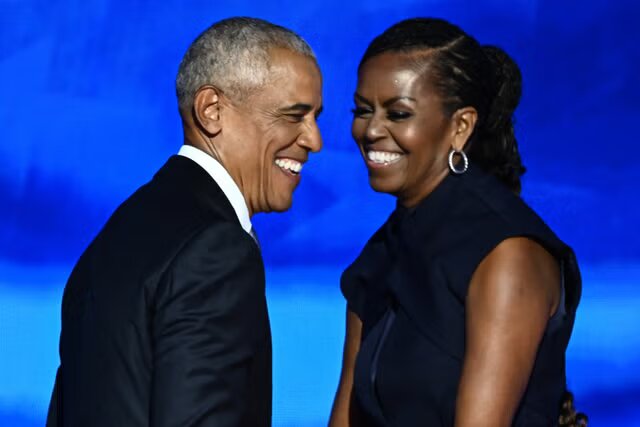
Speaking candidly on the Work in Progress podcast hosted by actress Sophia Bush, the former First Lady addressed why her absence from certain high-profile events—including Donald Trump’s inauguration and the funeral of former President Jimmy Carter—sparked whispers of a possible split from her husband of 32 years.
Without directly naming the events or explicitly denying the divorce speculation, Mrs Obama dismissed the narrative, saying: “This couldn’t be a grown woman just making a set of decisions for herself, right? But that’s what society does to us.”
She reflected on the public’s reaction to her stepping back from some traditional roles, saying it revealed a broader issue about expectations placed on women.
“People couldn’t even fathom that I was making a choice for myself—they had to assume that my husband and I are divorcing.”
Mrs Obama, who has continued to speak at major events like the Democratic National Convention and remains engaged in advocacy, including girls’ education, explained that she’s simply choosing what’s best for her.
“I chose to do what was best for me. Not what I had to do. Not what I thought other people wanted me to do,” she said.
The Obamas, who marked their 32nd wedding anniversary in October last year, have long been admired for their relationship.
In her memoir Becoming, Mrs Obama has previously acknowledged the challenges they faced, particularly during their time in the White House.
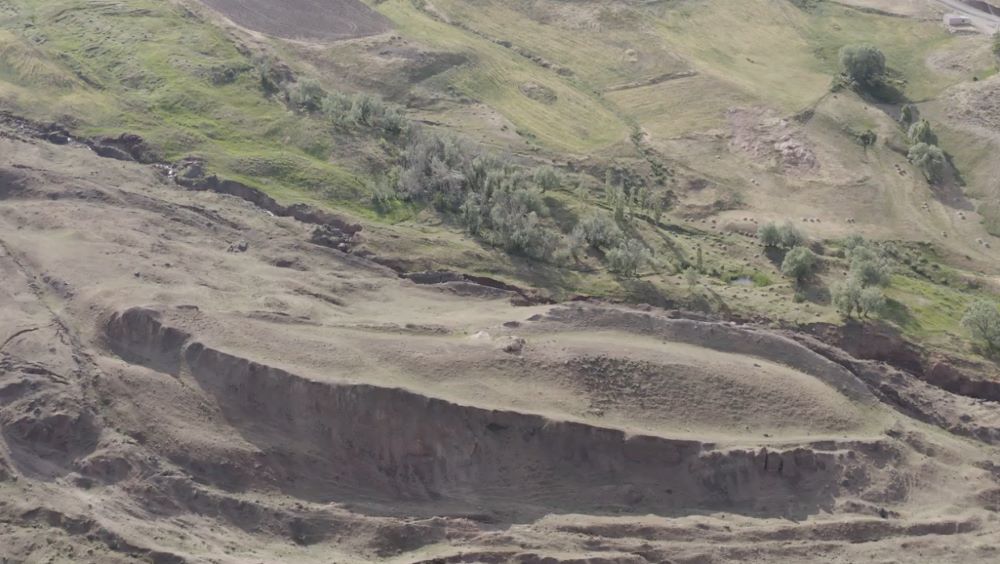
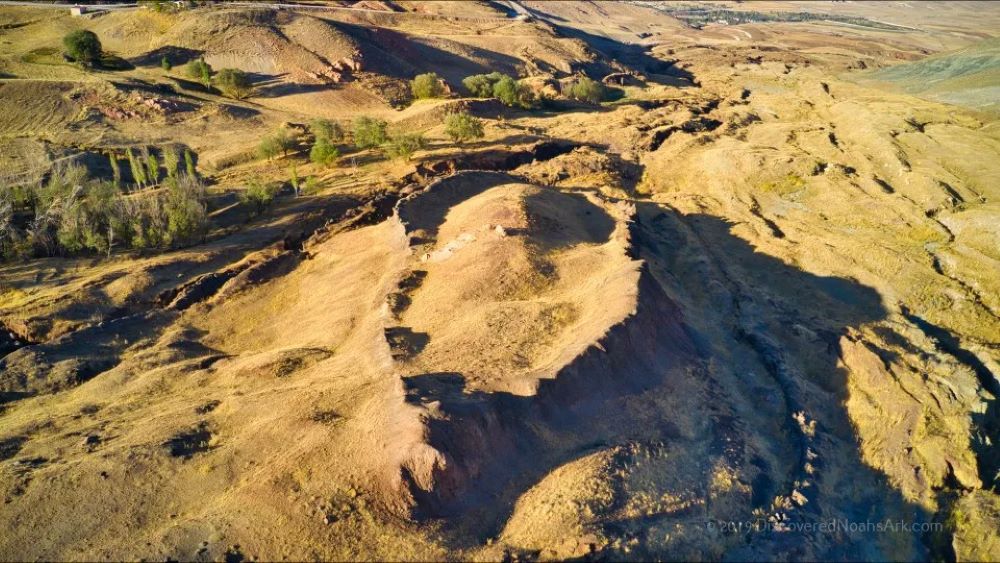
Scientists and researchers claim to have discovered the location of the famous Noah’s Ark in Turkey, just 30 kilometres south of the summit of Mount Ararat.
Experts are yet to officially confirm the ark’s existence but many have speculated around the spot due to the legendary Durupinar formation.
A 538ft geological structure made of limonite can be seen lying by the mountain which closely resembles the exact dimensions of the ark, according to the Bible. The scientists have expresses confidence of uncovering the truth in the coming years and have already laid out their excavation plans.
Operations at what they label the “boat site” haven’t started yet with dozens of geophysical surveys, core drilling, and careful planning still to take place.
Top researcher Andrew Jones said the location lies in an active earth flow with harsh winters, so protecting the area is a top priority.
“Over the next few years, our Turkish university partners will conduct non-destructive tests like soil sampling, radar scans, and other methods to determine if the structures we’ve detected are truly man-made or simply natural formations,” he said.
“Only after we gather enough evidence and have a proper preservation plan in place will we consider excavating,” he explained.
The team have already had several positive results back from testing the land which has only increased their excitement over a match. Turkish geologist Doctor Memet Salih Bayraktutan collected 22 soil samples from inside and just outside of the “boat shape” last year.
These were shipped off to be analyzed at Ataturk University in Erzurum and came back with some remarkable results.
It was found that there was a lower pH inside the suspected ark structure as well as having a higher organic matter. More potassium was also clearly see inside compared to outside. “These changes are consistent with rotting wood,” the research team say.
It was also discovered was that the grass inside actually turns lighter and more yellow in the autumn. This has made them believe that the structure is an ancient creation made by man rather than an ecological change to the landscape overtime.
In October 2019, a full ground-penetrating radar (GPR) scan was also carried out at the site using two antenna frequencies. The goal was to explore different depths through the radar pulses from the machinery which go on to create images of what’s beneath the ground without digging.
It sends electromagnetic waves into the soil which when hit objects, potentially buried artefacts, walls, or graves, they bounce back to a receiver. Jones described the GPR as “a non-invasive peek into the past”.
It is mainly used to save time, reduces costs, and preserve dig sites. Initial scans of the site showed rectangular shapes were sat around 22ft down within the boat-shaped formation.
Another American geophysicist re-examined the data and claimed to find a long hallway which opened up into a large central space. This has led researchers to believe there are still open cavities inside the formation which Noah’s Ark Scans hope to soon drill into.
{{Why is locating Noah’s ark important?}}
For those involved in the research, the importance of the discovery is not just limited to its religious implications.
While Noah’s ark is a key element in Christianity, Islam, and Judaism, the story also speaks to larger human questions about survival, faith, and the fragility of life in the face of natural disasters.
The team’s findings, particularly the materials embedded in the formation’s soil, suggest that the area may have been submerged in a vast body of water at some point, potential signs suggesting evidence of the great flood
While the theory remains highly speculative, the notion that ancient humans witnessed and survived such a cataclysm has captivated scholars and theologians alike for centuries.
For scientists and archaeologists alike, the potential to link these scientific findings with one of history’s most famous legends is as daunting as it is crucial.
The story is also a key part of the Abrahamic religious traditions (Judaism, Christianity, and Islam) and is often interpreted as a message of faith, obedience, and God’s promise to never destroy the Earth with a flood again.
According to the Book of Genesis, chapters 6 to 9, God decided to flood the Earth because of humanity’s widespread wickedness.
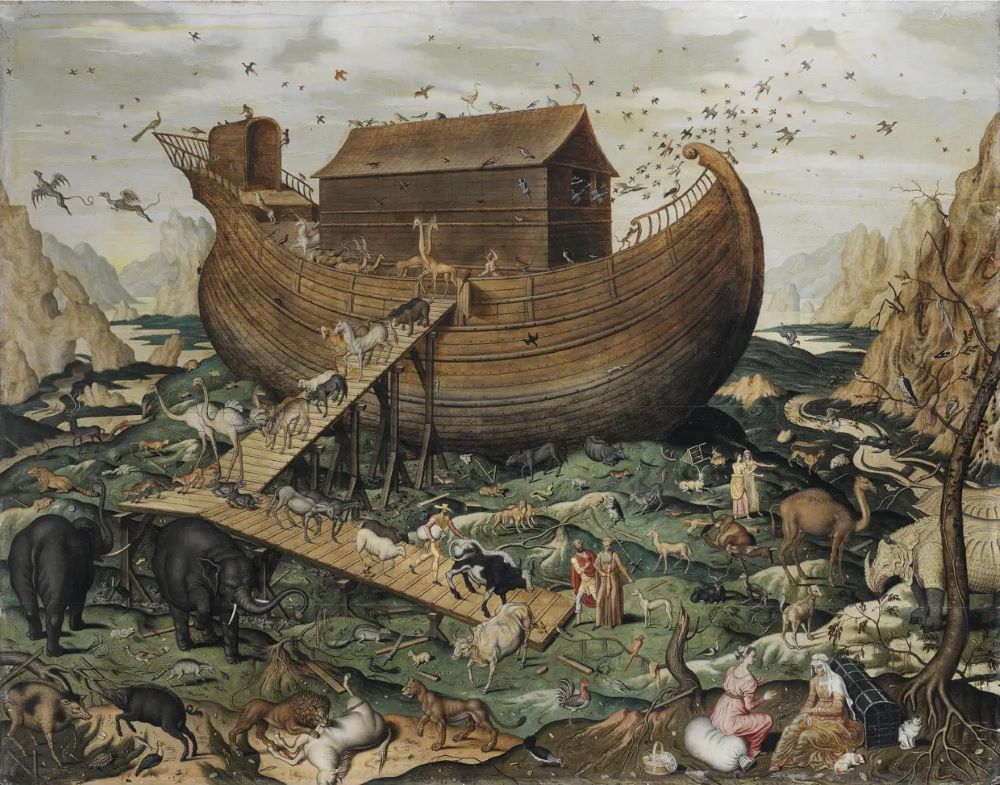
But he chose to spare Noah because of his righteousness and tasked him with building a large ark to save himself, his family, and a pair of every animal. The team are looking to create a gap and use a camera to see inside without damaging the site.
“We also plan to take core samples from across the formation, which should help us confirm whether the right angles and geometric patterns we see on the GPR scans are man-made structures or just natural formations,” Jones said.
So far, results support the existing theories. The soil tests suggest this formation isn’t simply part of the surrounding mud flow, it’s a distinct object. This comes as startling new archaeological evidence could finally solve another religious mystery.
New clues are emerging from the dust of one of the world’s most historic sites which could finally settle a long-standing debate over the death of Jesus and where he was buried.
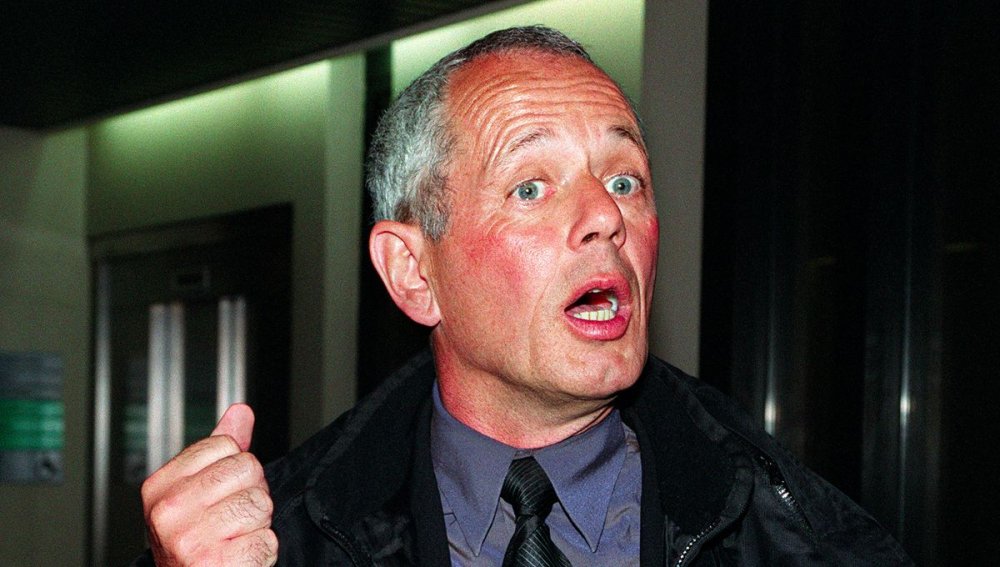
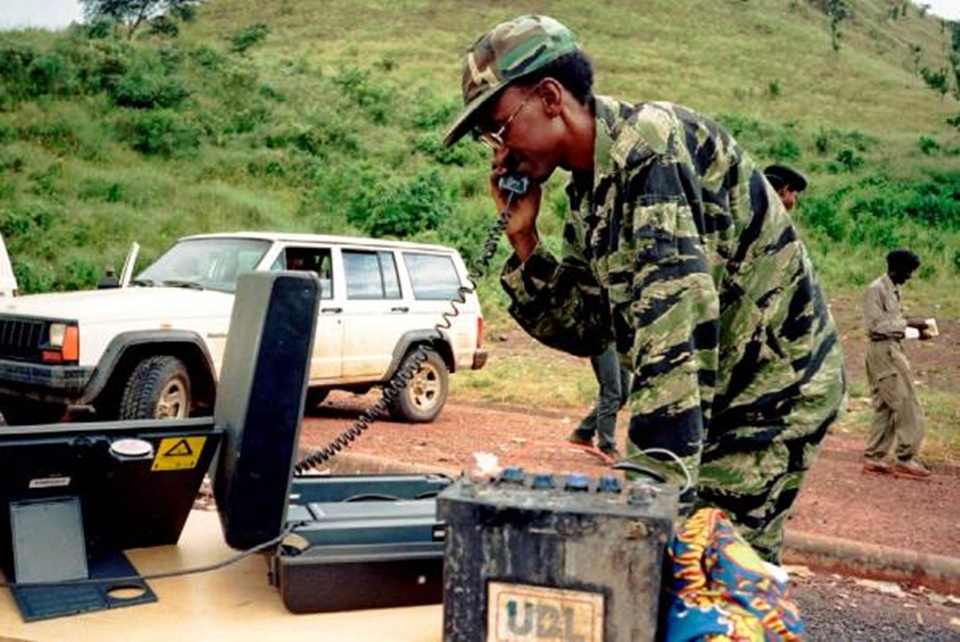
Instead, he turned his attention to eliminating the commander of the Rwandan Patriotic Army (RPA), Major Paul Kagame. To carry out this plan, Habyarimana turned to Captain Paul Barril, a former French gendarme and an official envoy of French President François Mitterrand.
Barril, already close to the Rwandan regime, was tasked with a covert operation called “Insecticide,” a code name that revealed its brutal intentions; to weaken the Rwandan Patriotic Front (RPF) and assassinate its top leadership, particularly Kagame.
Barril had begun working with the Rwandan government in 1990, shortly after the RPF launched its liberation war. He helped facilitate weapons deals and provided military training, support that would later prove critical in preparing state forces and militias for the 1994 Genocide against the Tutsi.
In a 2004 interview with filmmaker Raphaël Glucksmann, Barril admitted that one of his earliest assignments was to “infiltrate and spy on the RPF down to its roots.”
According to a 2013 report by the French NGO Survie, Barril was hired in early 1993 to carry out the “Insecticide” operation, receiving $130,000 for his efforts. His priority target being Kagame.
Although the exact details of the assassination plot remain unclear, Survie notes that Kagame was to be killed at his base in Mulindi. It was not the regime’s first attempt. Back in 1991, a woman had been sent to poison Kagame but was caught before executing the plan. Barril’s attempt also failed.
With the assassination plan unsuccessful, Barril refocused his efforts on reinforcing the regime’s military capabilities. He helped train elite units at the Bigogwe military camp in today’s Nyabihu District.
These soldiers were tasked with undermining RPF operations and accelerating the extermination of Tutsi civilians.
His efforts complemented those of CRAP (Commando de Reconnaissance et d’Action en Profondeur), a French-trained unit established in 1992 to obstruct RPF advances. Despite this foreign-backed support, the Rwandan army continued to lose ground.
As the genocide escalated in mid-1994, Barril was again called upon. The then Minister of Defense Augustin Bizimana wrote to him, requesting for 1,000 French mercenaries to assist the struggling Rwandan military.
Barril received $1.2 million for the mission. The mercenaries were sent, but they failed to prevent the fall of Kigali or stop the RPF.
In September 1994, an increasingly desperate Bizimana wrote again, this time demanding a refund for services Barril had failed to deliver, a moment that captured the crumbling authority of the genocidal regime.
In the years following the genocide, Barril sought to distance himself from his role. He spread the false claim that the genocide would not have occurred had President Habyarimana not been assassinated, ignoring his own direct involvement in preparing the structures that carried it out.
Barril’s testimony has been consistently inconsistent, often marked by contradictions and falsehoods. He also falsely claimed to be in possession of the black box from Habyarimana’s downed plane, a statement later debunked.
Though he failed to carry out his most notorious mission, his contributions to the arming and training of genocidal forces remain part of the historical record. His legacy is not one of success, but of complicity.
He had just wrapped up a regional summit in Arusha, Tanzania, where heads of state from Rwanda, Burundi, and neighboring countries had gathered to discuss regional security. The meeting dragged on, and Ntaryamira was in a rush to return home.
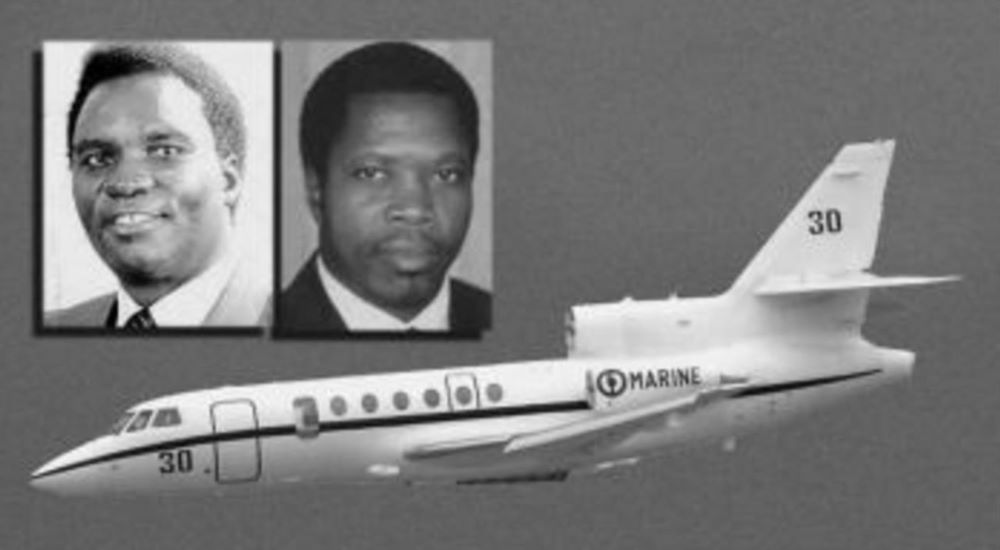
His own jet, a sleek Falcon, was out of commission, undergoing repairs in Switzerland. Instead, he had made the trip to Arusha in a painfully slow Beechcraft he had borrowed, what one might call a flying tractor by presidential standards.
Desperate to avoid a late-night arrival in Bujumbura, Ntaryamira decided to pull strings. According to his former security chief, Déo Ngendahayo, the Burundian president made an unplanned request to his Rwandan counterpart Juvénal Habyarimana and asked, quite literally, for a “lift”.
“He stood up and said, ‘I’m going to ask President Habyarimana for a ride. I’m running late. It wasn’t something we had planned. There was no time to discuss security. He made the decision on the spot,” Ngendahayo recalled.
Habyarimana agreed, but only had three extra seats; one for Ntaryamira himself, one for his minister, and one for his aide-de-camp. Ngendahayo, who was in charge of the president’s security, didn’t make the cut, an opportunity that would turn out to be a twist of fate that saved his life.
Earlier that day, Habyarimana had visited Gbadolite in Zaire to meet Mobutu Sese Seko. Intelligence had reportedly warned him that if he went to the summit in Arusha, his plane would be shot down. Still, he went, perhaps thinking he could outfly fate.
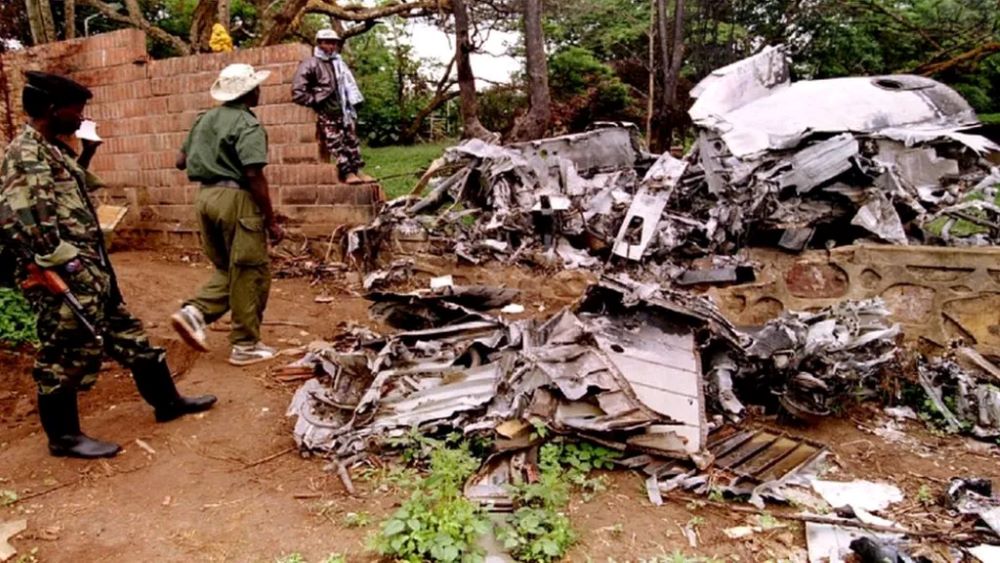
At 8 p.m., as the Dassault Falcon 50 approached Kanombe Airport, two missiles struck it from the sky. The plane exploded midair and crashed into the garden of Habyarimana’s own residence in Kanombe. Everyone on board died instantly, including Ntaryamira, the man who had begged for a faster ride home.
Ngendahayo has since denied any conspiracy suggesting Habyarimana brought Ntaryamira aboard to shield himself with another head of state. “It wasn’t like that,” he said. “He just asked. And Habyarimana said yes.”
A rushed decision, a borrowed seat, a fatal shortcut. In the end, the president of Burundi didn’t just miss his ride, he hitched one straight into history’s deadliest turning points.
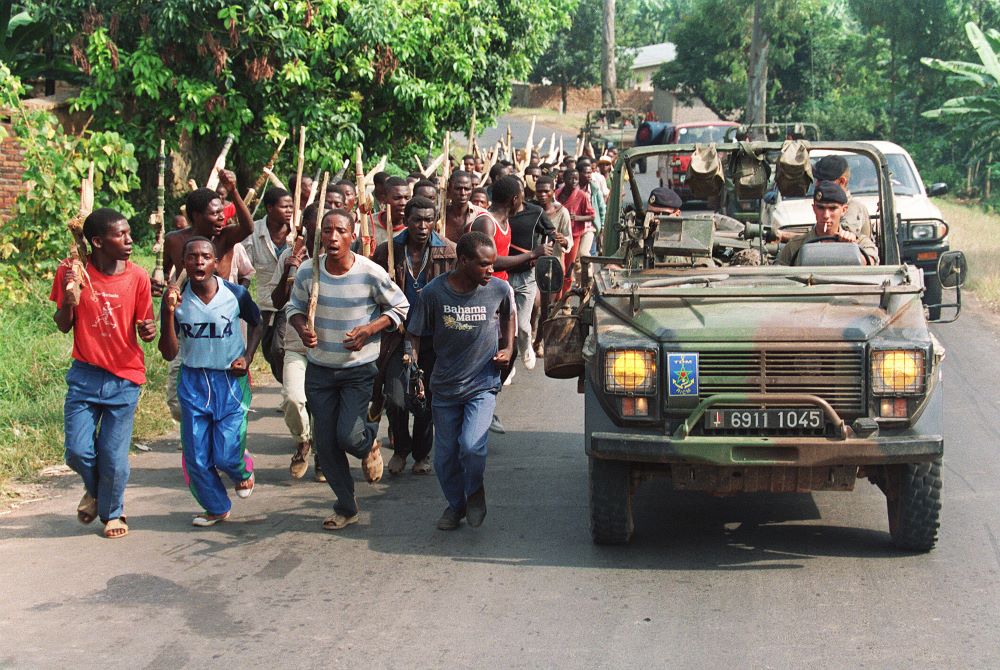
These narratives argue that the genocide was a reaction by Hutu civilians, enraged by the downing of President Habyarimana’s plane, prompting them to lash out and begin killing Tutsi across the country overnight.
But beyond the lists of names, the pre-dug mass graves, and the early massacres that occurred throughout Rwanda, irrefutable evidence had already been gathered by the international community showing that Habyarimana’s regime was planning to exterminate at least 700,000 Tutsi.
France, a staunch ally of President Habyarimana, learnt of this plot as early as October 1990, just days after the Rwandan Patriotic Front (RPF) launched its liberation struggle.
At the time, Colonel René Galinié, then the French military attaché at the French embassy in Kigali, had served in Rwanda for three years.
On October 8, 1990, he sent a report to his superiors in Paris warning that Tutsi civilians in Kigali were being arrested and killed. This came in the wake of a crackdown on alleged RPF collaborators that began on October 5.
Five days later, Galinié sent another dispatch. He reported that organized Hutu groups were hunting down Tutsi in the hills, and that killings had already begun in Kibilira commune (now in Ngororero District).
A 1998 report by the French Parliamentary Commission later confirmed that between October 11 and 13, 1990, 348 Tutsi were massacred in Kibilira, and more than 500 homes were burned down. None of the victims were RPF fighters or affiliated with the movement, they were killed simply for being Tutsi.
When asked by journalists about the massacre in Kibilira, President Habyarimana dismissed it, saying, “There’s nothing serious, all the people respect the authorities.”
By October 9, 1990, just over a week after the RPF launched its offensive, the Rwandan Ministry of Justice announced it had arrested over 3,000 alleged collaborators, while other reports estimated the number of detainees to be over 10,000.
Galinié continued to send telegrams to Paris, reporting the ongoing killing of Tutsi and emphasizing that President Habyarimana supported the violence. It’s important to note that this was in 1990, four years before the genocide actually began.
In his reports, Galinié warned that unless the RPF was stopped from reclaiming territory, Habyarimana’s government would intensify attacks on Tutsi civilians. He argued that France might feel compelled to intervene militarily.
In a telegraph dated October 24, 1990, Col. Galinié wrote, “Based on my analysis and the information received over recent days, a plan is underway to eliminate around 700,000 Tutsi inside the country.”
“The government will not agree to give up parts of the country through [peace] negotiations if it means handing them over to Tutsi who want to reclaim the power they lost in 1959. They fear that the RPF will establish a Tutsi monarchy in those areas. Whether done openly or secretly, this could lead to the killing of between 500,000 and 700,000 Tutsi, carried out by Hutu,” he continued.
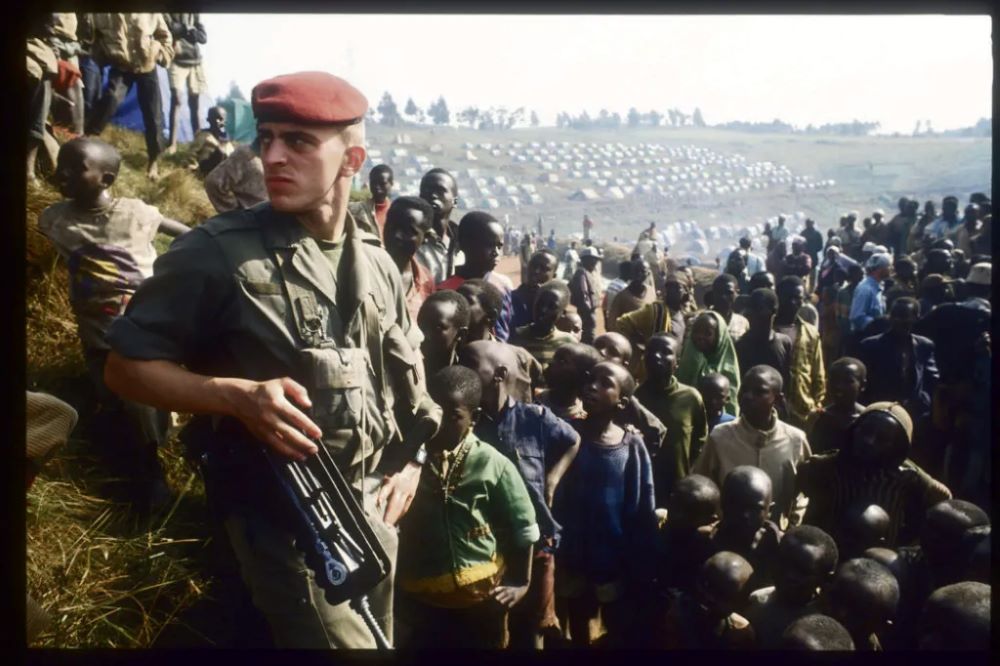
Despite these alarming warnings, France did not act to stop the genocide plans. Instead, when the RPF captured Umutara, France deployed troops to Rwanda under Operation Noroît, officially claiming the mission was to evacuate French nationals, but effectively providing military support to Habyarimana’s regime.
French troops not only remained in Rwanda but also continued training Habyarimana’s army and assisted them in battle, even after warnings that a genocide was being prepared.
Rather than pressuring Habyarimana to stop the killings, France praised his handling of the so-called “accomplices” in late 1990, a move widely condemned by human rights organizations, who accused the Rwandan government of continuing to kill and persecute innocent people under the pretext of arresting collaborators.
Even Radio France Internationale (RFI), funded by the French government, failed to report the scale of the atrocities, despite overwhelming evidence. Instead, it downplayed the events in Rwanda, ignoring the reality unfolding on the ground.
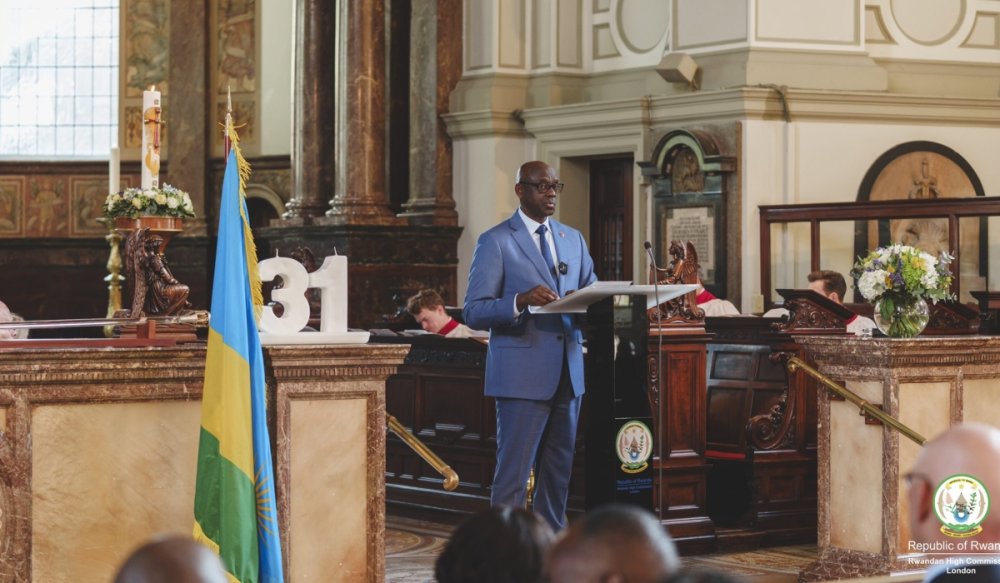
Rwanda’s High Commissioner to the UK, Amb. Johnston Busingye, reiterated this appeal during the launch of the 31st commemoration of the Genocide against the Tutsi, held by Rwandans living in the UK.
Busingye emphasized that the continued presence of genocide suspects in the UK remains a serious obstacle to justice for survivors of the Genocide. He called on the UK to strengthen its cooperation with Rwanda to ensure justice is served for crimes committed during the 1994 Genocide against the Tutsi.
“Survivors deserve justice while they are still alive. It offers deep comfort. Many Western countries, including the United States, Canada, Germany, the Netherlands, Denmark, France, and Sweden have either prosecuted or extradited genocide suspects. But the UK continues to host them. Six known genocide suspects are still residing on British soil and are known to the authorities,” he said.
He noted that Rwanda has repeatedly requested for their extradition, and once again called on countries to uphold international laws they have ratified, including UN conventions on genocide prevention and punishment.
Busingye explained that Rwanda initially pursued legal channels to request the suspects’ extradition for trial in Rwanda. Although British courts acknowledged that the suspects had a case to answer, they ruled that they would not receive a fair trial if returned to Rwanda.
Nevertheless, Rwanda remains hopeful that justice will ultimately be delivered, even as the suspects age.
He stressed that testimonies from survivors should help the international community fully grasp the reality of the Genocide, during which over a million innocent people were murdered in broad daylight simply because of how they were born, while the world watched in silence.
He reminded the audience of the day the UN Security Council decided to reduce the number of UNAMIR peacekeeping troops in Rwanda from 2,165 to just 270 even as genocide was underway.
This happened despite pleas from commanders on the ground, such as Canadian General Roméo Dallaire, who called for more troops.
Among the genocide suspects still living in the UK are Célestin Mutabaruka, Dr. Vincent Bajinya, Emmanuel Nteziryayo, Célestin Ugirashebuja, and Charles Munyaneza.
Busingye also emphasized the importance of remembrance and vigilance. “We must remember, and stay alert to ensure the ideology of genocide does not return, even in disguised language or divisive policies,” he said.
He highlighted the importance of teaching the history of the Genocide against the Tutsi in schools to help young people understand what happened, recognize the warning signs, and ensure it never happens again.
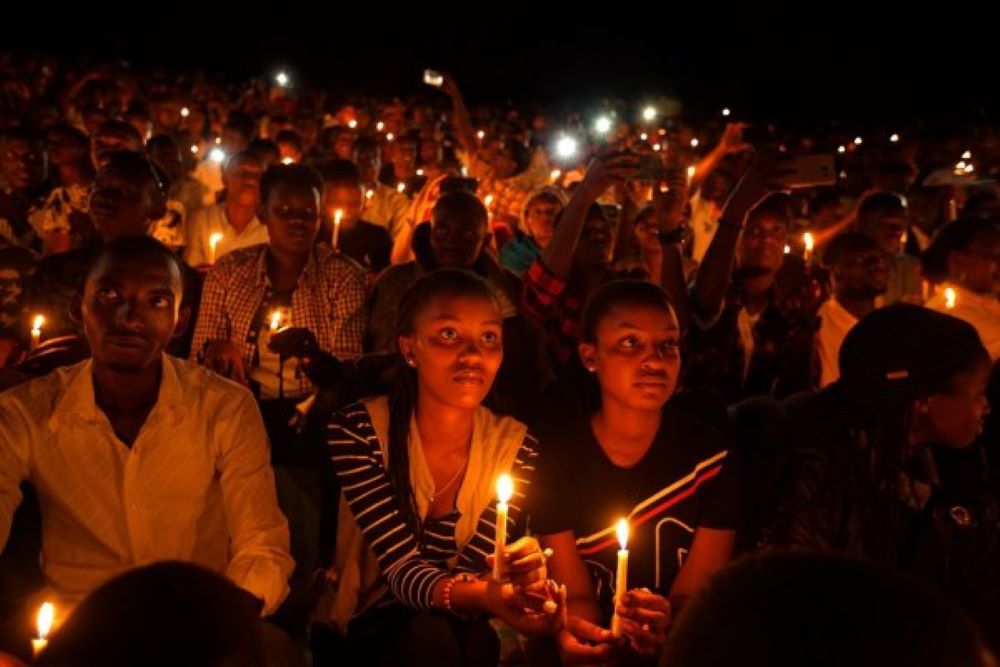
Jabo Butera, Chairperson of the Rwandan Community in the UK, noted that Rwandans living in cities such as Manchester, Newcastle, and Portsmouth came together to mark the beginning of the 100 days of commemoration, not only on April 7 but also through ongoing events.
“April 7 is the first day of the 31st commemoration, but other activities are planned during these 100 days of remembrance. For instance, on May 3, we will hold a major gathering in Portsmouth for the National Rwandan Community Association event,” he said.
Commemorations are also planned in other cities, including Liverpool, many of which host memorials dedicated to the victims of the Genocide against the Tutsi.
Butera urged Rwandans living in the UK to keep their identity and history close to heart. “Being Rwandan should live in our hearts. These are our stories, and we must teach them to the world, especially to the younger generation.”
He made these remarks on April 9, 2025, during the 31st commemoration of the 1994 Genocide against the Tutsi at the Nyanza Genocide Memorial in Kicukiro District. The event was organized by Our Past Initiative organization.
Minister Utumatwishima pointed out that a significant challenge remains in the form of genocide ideology, which is becoming evident among young people who have not had the opportunity to study, such as herders and domestic workers.
He expressed concern that those seeking to distort history are targeting this group of youth, who have not had the same educational opportunities, unlike those who have received formal education and thus better understand the history.
“The enemy may have realized that we, those who managed to go to school and come from resourceful families, are now more aware of the history. There is still a problem with some youth who have not had this opportunity,” Dr. Utumatwishima noted.
The Minister urged educated youth to take it upon themselves to teach those who have not had the chance to learn about the genocide, and to help eliminate any form of genocide ideology and hatred among their peers.
“Let us work together with ‘Our Past Initiative’ and other youth organizations to find ways to reach those young people and teach them. Genocide ideology, cruelty, and hatred lead to nothing but destruction. We must fight against it relentlessly,” he emphasized.
‘Our Past Initiative’, which has been commemorating the Genocide Against the Tutsi since 2012, brings together youth each year on April 9 to engage in discussions about the history of the genocide.
The event brought together leaders and experts from around the world. The conference was presided over by Dr Diogene Bideri, a National Prosecutor and expert in international criminal law.
The discussion focused on reflecting upon what occurred in 1994, when over one million Tutsi were brutally killed, and the lessons that can be drawn from that tragedy—particularly for the youth. It also served as a moment to honor the victims while reaffirming the collective commitment to ensuring that such atrocities never happen again.
The discussion featured three main presentations from international legal experts:
{{The Genocide Ideology and the Duty to Remember: }} This presentation focused on how genocide ideology evolved in Rwanda during the colonial period, the First and Second Republics, the methods used to spread it—including hate speeches and propaganda and the danger such an ideology poses to humanity. The presentation was given by Dr. Sibo Gahizi Yves, a lecturer at ILPD and expert in international criminal law.
Another similarly important theme was {{The Institutional Francophone in the Face of the Genocide Against the Tutsi in Rwanda }} by Dr. Aymeric Durez, a lecturer at Javeriana University in Bogotá, Republic of Colombia in Latin America, and expert in international relations.
He examined the failure of the Francophonie institutions in Rwanda, their silent complicity in genocide their support to the genocidaire government and their dishonest shift of blame to those who stopped the Genocide against the Tutsi. Dr Durez investigated archives from the Francophonie and the French Ministry of Foreign Affairs. These archives prove that these two institutions were informed about the preparation of Genocide against the Tutsi but kept silent.
{{The next theme was The Genocide Against the Tutsi in Rwanda in 1994:}} What Lessons Can We Learn Today?Professor Roger Koudé, a lecturer at the Catholic University of Lyon in France and expert in international law, discussed the recurring global vow of “Never again” after every genocide.
Despite these vows, atrocities have continued to occur, such as the Genocide against the Tutsi in Rwanda, the genocide in Srebrenica, and the situation that is ongoing in Darfur since 2003. Despite efforts by the international community, the risk of genocide remains a pressing reality in many parts of the world, particularly in Africa, the Near and Middle East, and Asia.
Studies, including those by the UN and the Atrocity Forecasting Project, highlight Africa as especially vulnerable, underscoring the need for the continent to play a leading role in international efforts to prevent and sanction genocide.
In light of current crises like the war in Ukraine, where both sides allege genocide, such risks must be taken seriously to avoid repeating the failures of the past. Professor Roger Koudé recalled that the UN Secretary-General António Guterres has emphasized the fact that preventing genocide is not only a moral duty but also a legal obligation under international law, primarily falling on states.
The leadership of the Institute of Legal Practice and Development hailed the partnership with the Chaire UNESCO of the Catholic University of Lyon that has facilitated the organization of the conference. The two institutions share the same goal of raising global awareness against genocide ideology.
In his opening remarks, the Rector of ILPD, Dr Aimé Muyoboke reminded that one of the primary goals of the 1948 Genocide convention was to prevent genocide ideology.
He reminded that article 2 of the genocide convention has made it a crime to have ‘an intention to destroy in whole or in part” one of the four protected groups, namely racial, religious, national and ethnic groups.
“The criminalization of the intent aimed to send a strong message of zero tolerance to all forms of discriminations that are the early stage of genocide,” he said.
Dr. Muyoboke indicated that the genocide against the Tutsi was an indication of the failure of the Genocide Convention that, a generation later, is again defied in the Great Lakes Region and elsewhere in the world.
“Risk factors of genocide in Eastern DRC, in Myanmar, Syria to name a few are of public notice. The world should not say again it did not know. It should rather remember that in regions where genocide happened before the risk of genocide is three times higher and act promptly to prevent a new genocide. The resurgence of hate speeches and propaganda, if not contained and eradicated forever, will make this convention to be an illusion,” he concluded.
For ILPD and the Chaire UNESCO of the Catholic University of Lyon, the conference was an introduction to another conference planned in June 2025 in Kigali-Rwanda.
The end-goal is the transfer of knowledge, skills and competence to the young people from all over the world in matters related to the fight against genocide ideology and transitional justice.
Participants from all over the world commended this initiative and appreciated the partnership between the two institutions.
The company’s insurance service revenue rose by 13.8%, from Rwf19.6 billion in 2023 to Rwf22.3 billion in 2024, highlighting robust business expansion and growing market confidence.
According to its [annual financial report->https://igihe.com/serivisi/gutangaza-amatangazo/article/prime-insurance-limited-annual-report-and-financial-statements-for-the-year-227098?var_mode=calcul], Prime Insurance recorded pre-tax earnings of Rwf6.2 billion and contributed Rwf1.8 billion in taxes, underlining its growing contribution to Rwanda’s economic development.
This strong performance stands out in an industry that collectively posted Rwf15 billion in profit after tax for the year. Prime Insurance paid Rwf6 billion in claims a testament to the company’s solid commitment to meeting policyholder obligations.
In just three years since entering the medical insurance segment, Prime Insurance has emerged as Rwanda’s fourth-largest provider, underscoring its agility and competitive edge in new markets.
Reflecting its strong financial footing, the Board of Directors has approved a dividend payout of Rwf500 million to shareholders a notable development and a testament to the company’s leading position in the sector and its strong performance.
The company’s total assets also saw a substantial rise, growing from Rwf30 billion in 2023 to Rwf38 billion in 2024. This Rwf8 billion increase further reinforces Prime Insurance’s sustained financial strength and market leadership.
With these record-breaking results, Prime Insurance continues to redefine excellence in Rwanda’s insurance industry, solidifying its dominance in general insurance while rapidly scaling up in the medical insurance space.
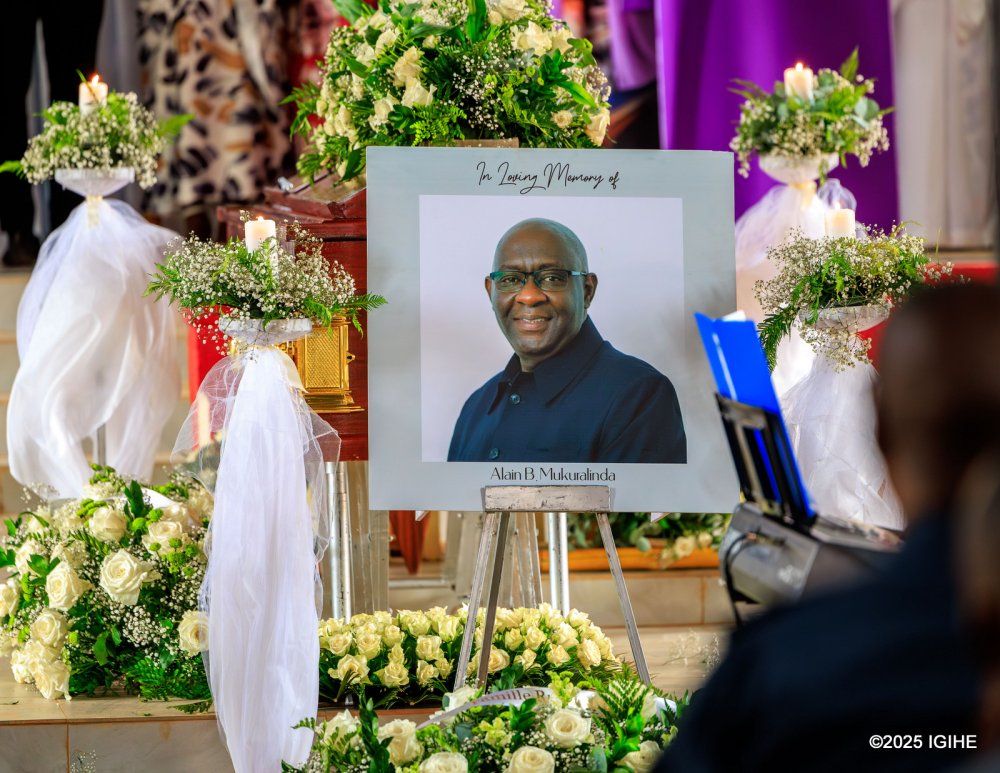
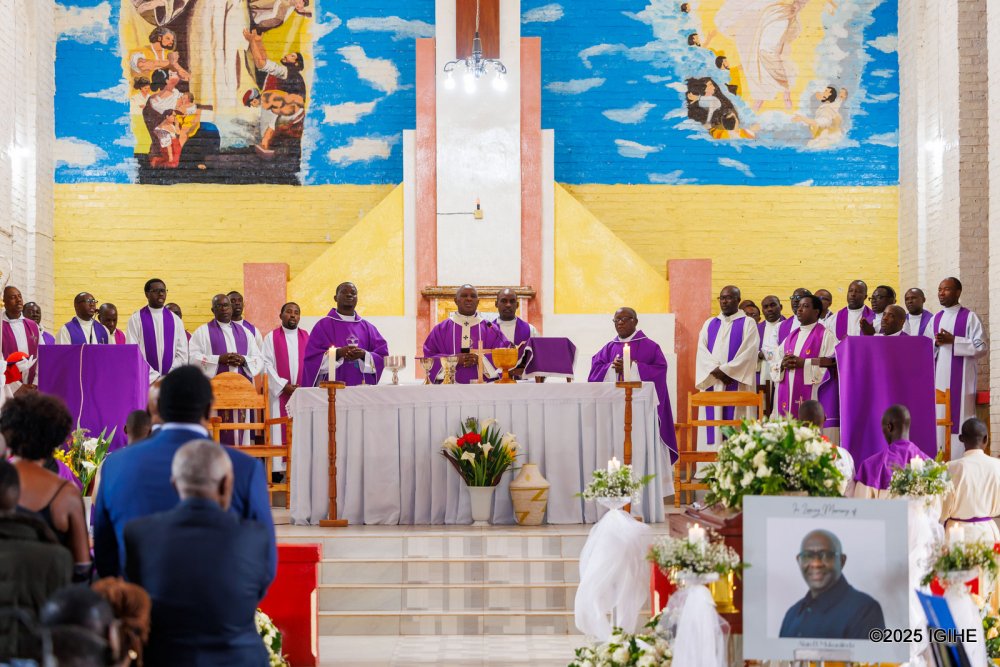
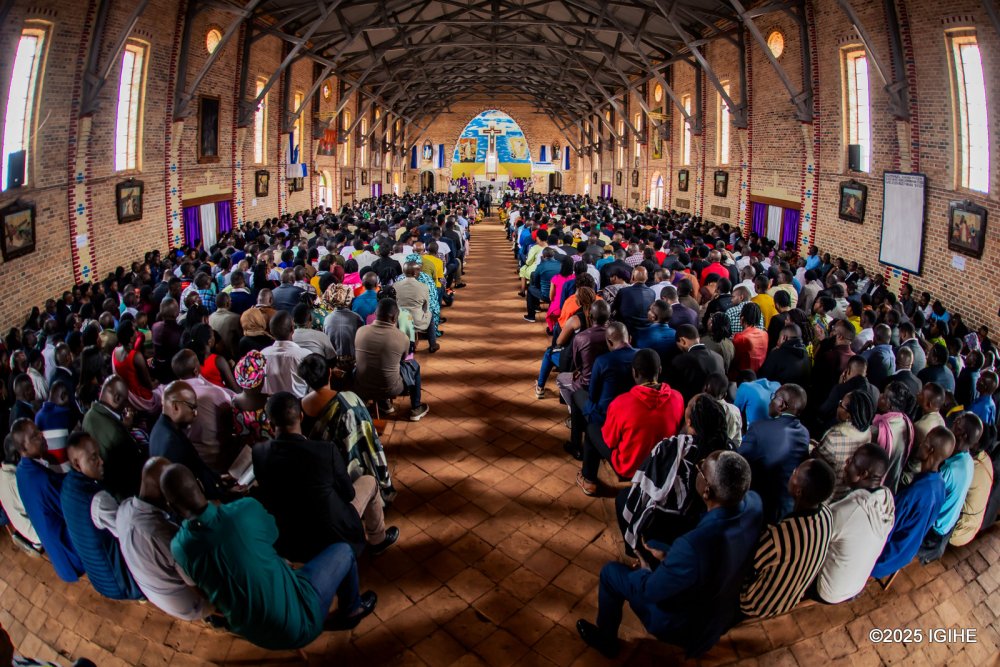
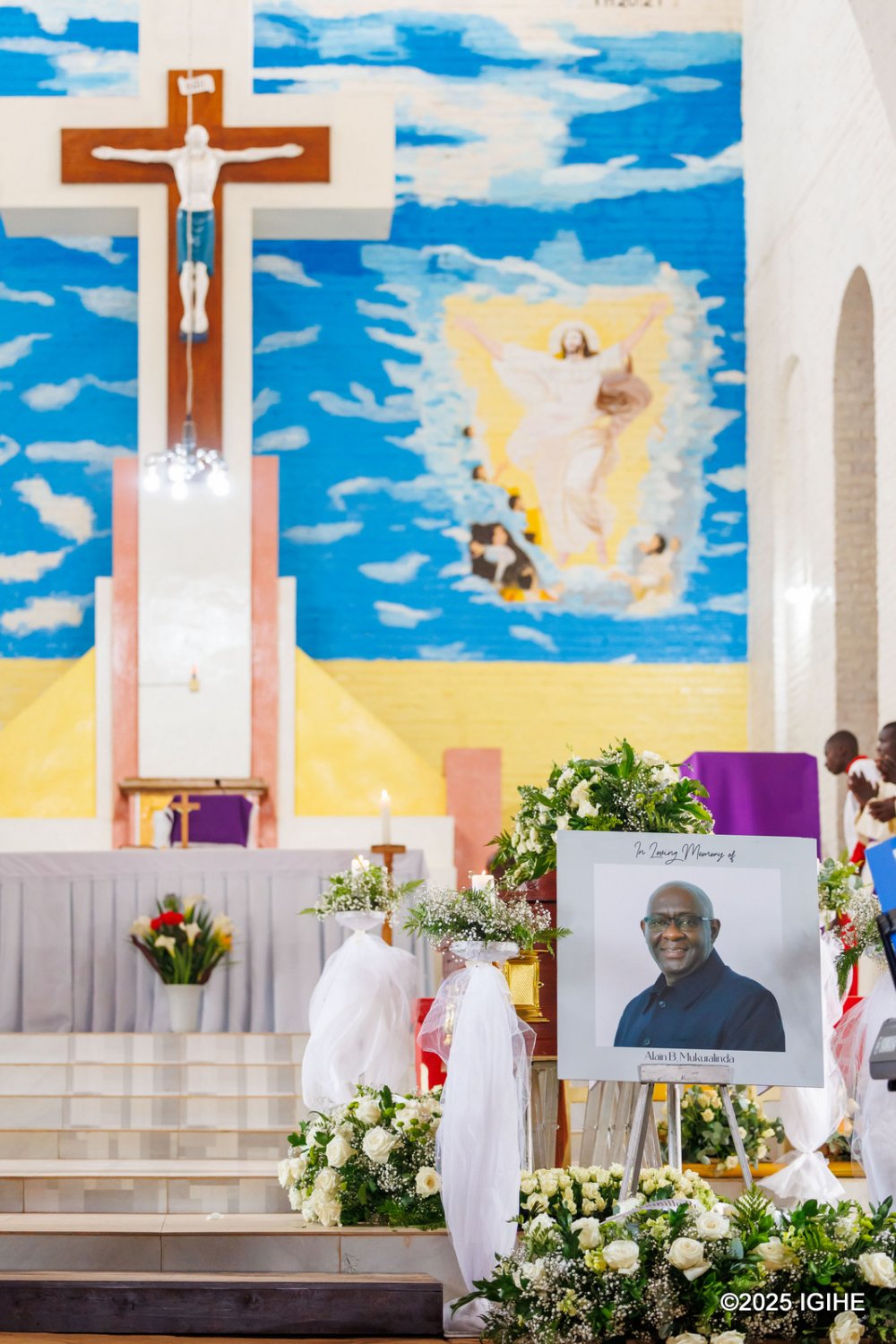
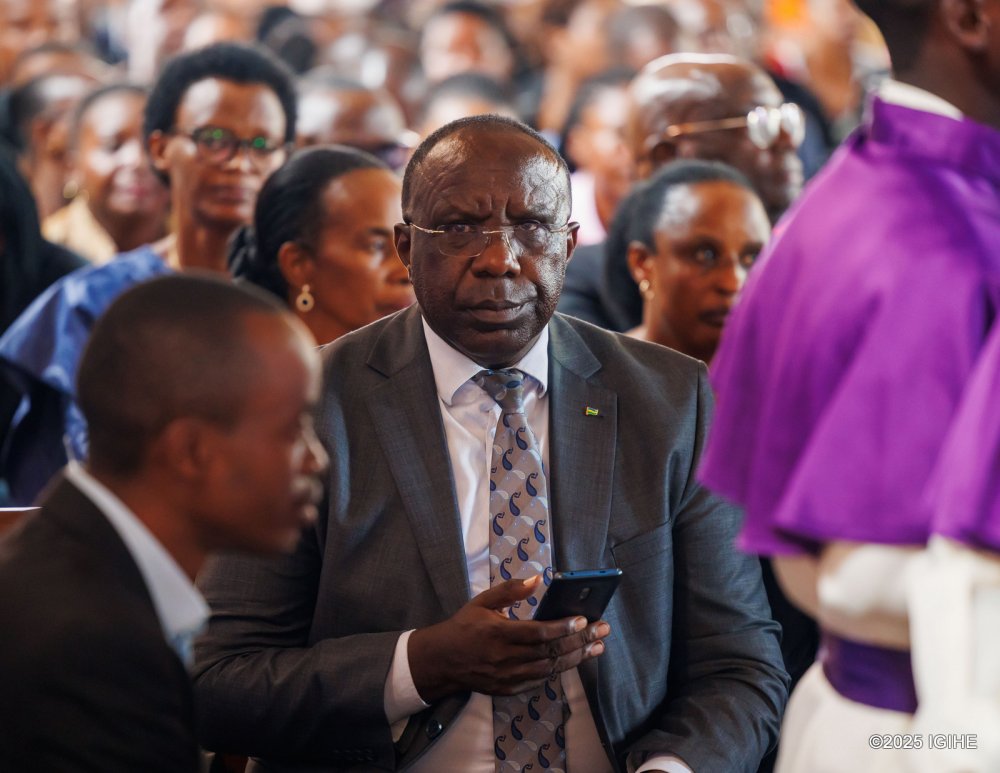
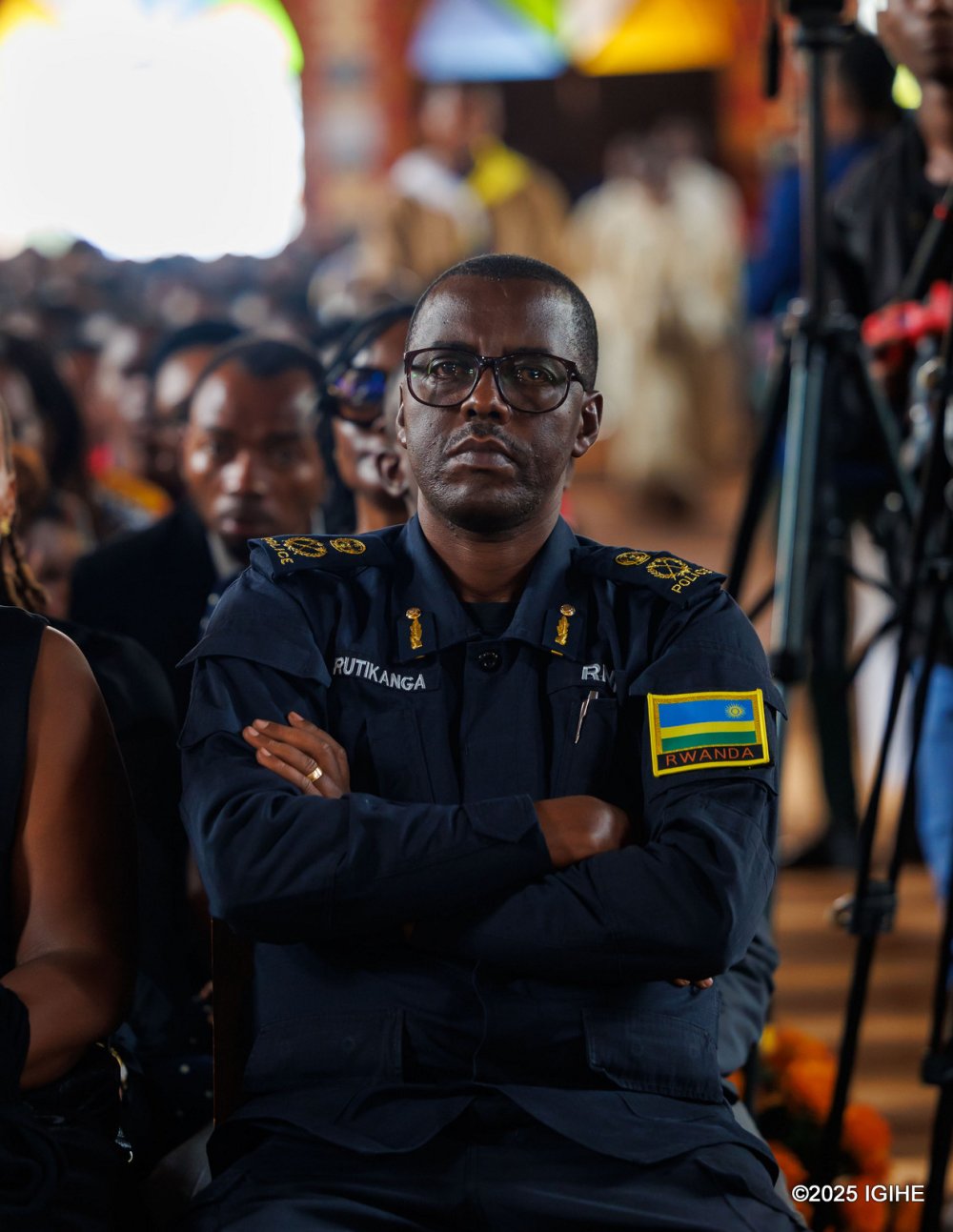
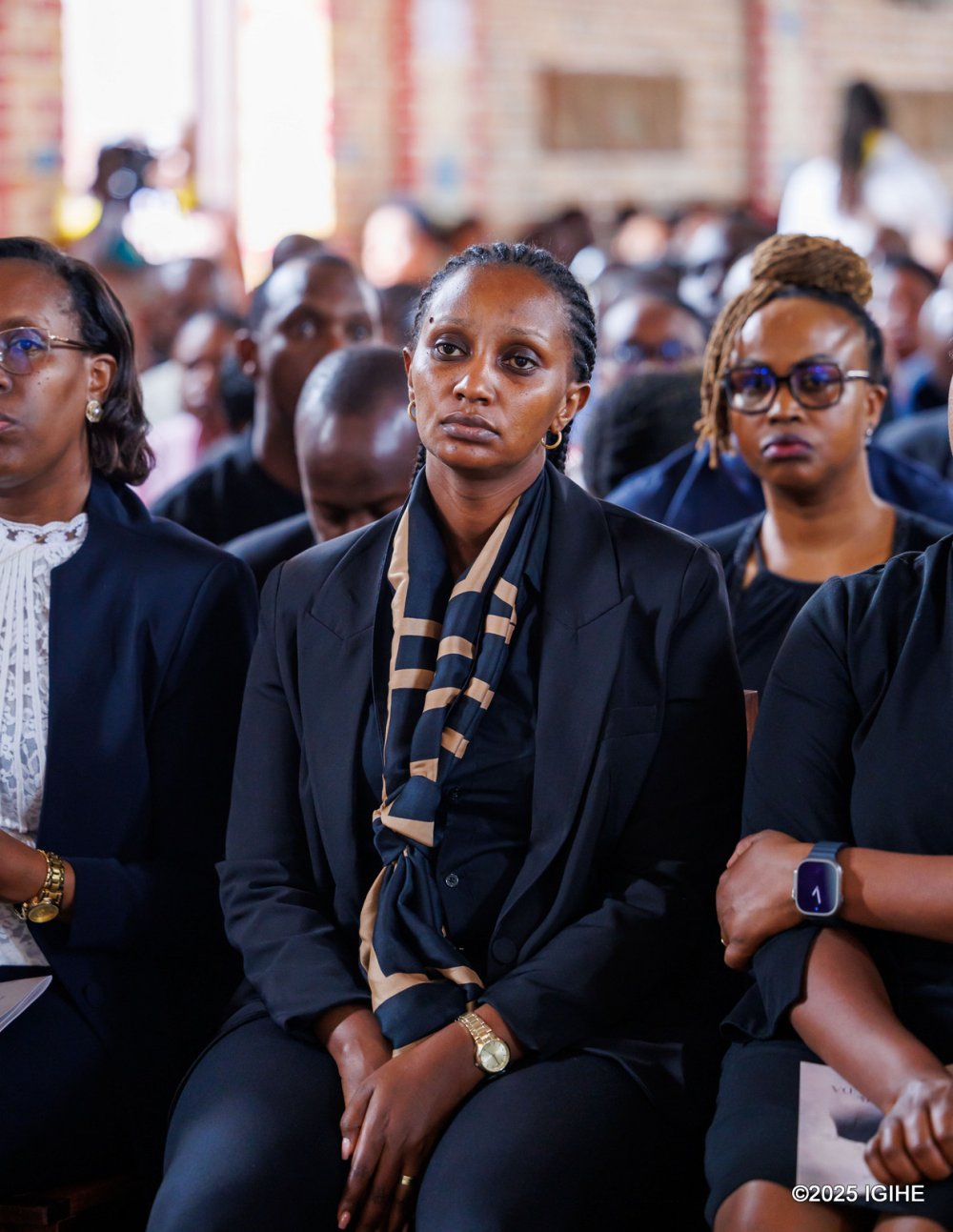
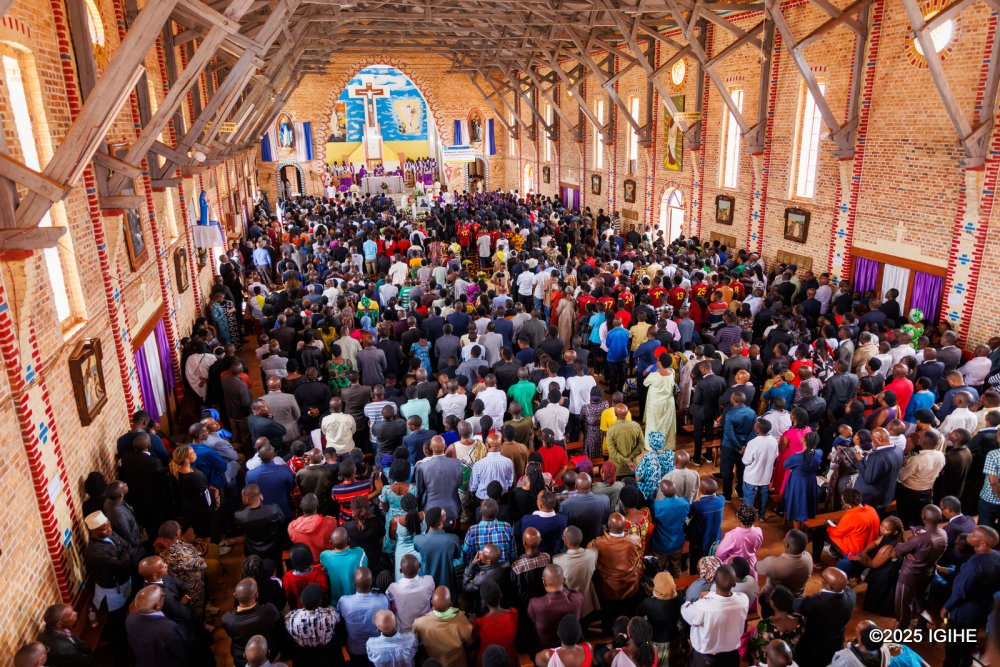
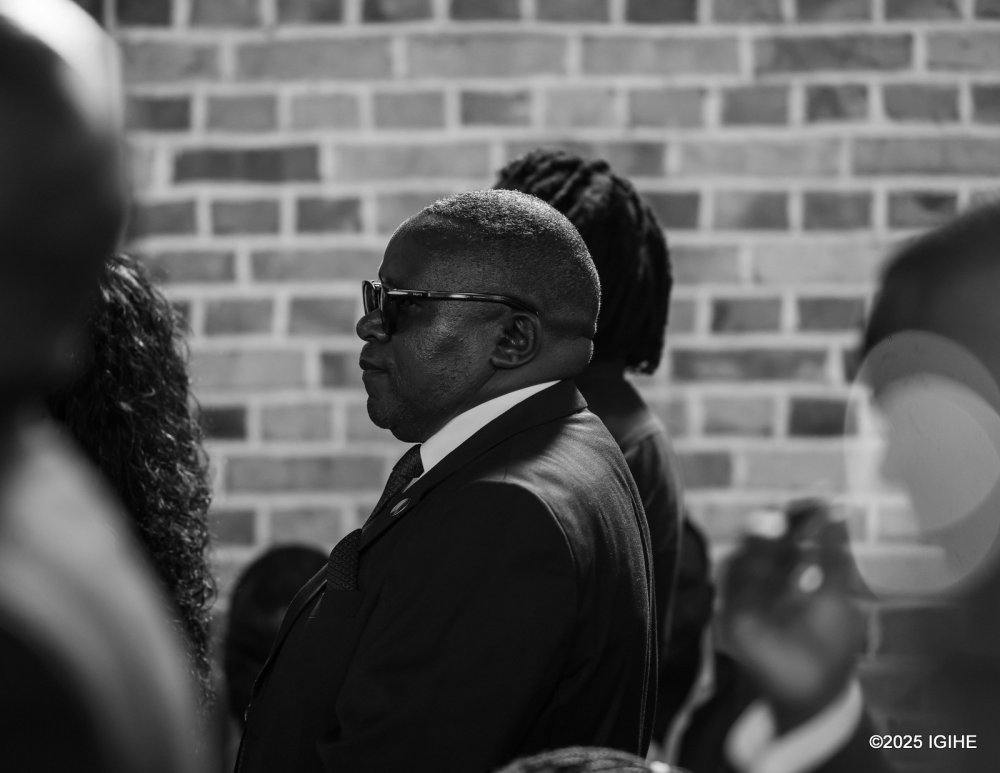
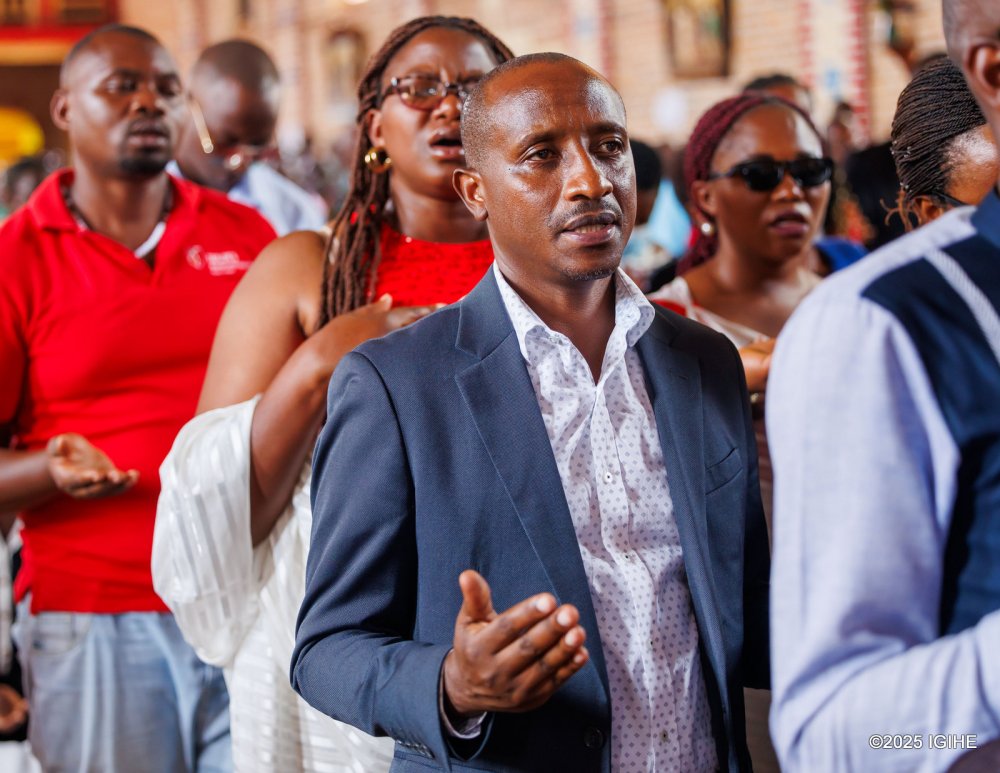
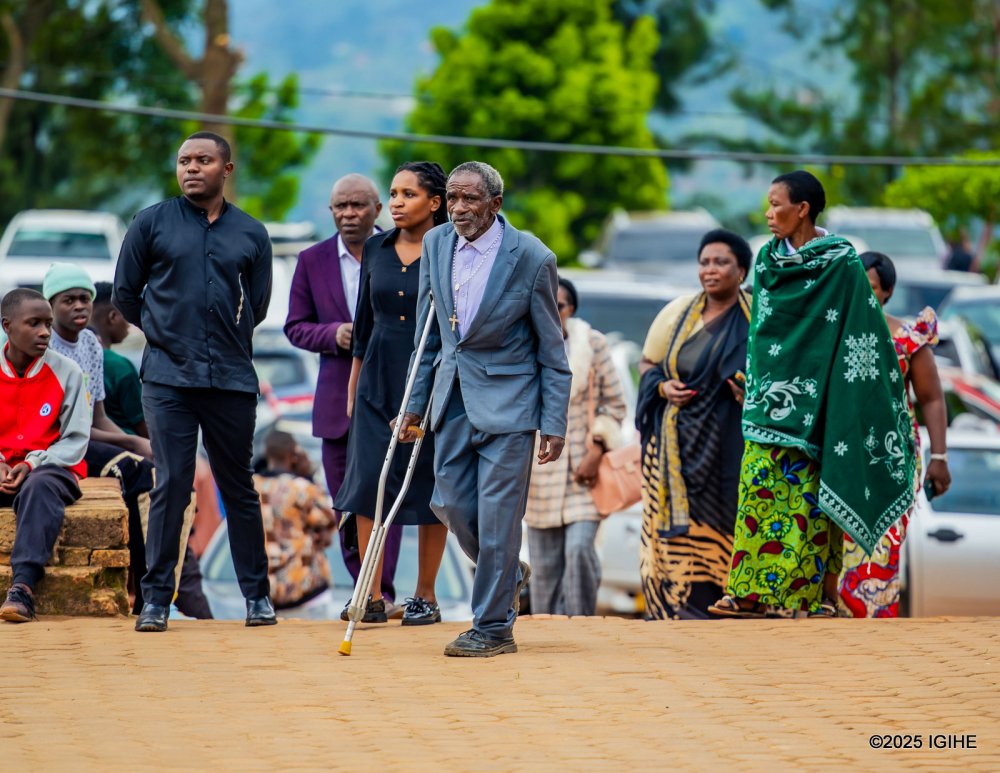
The requiem mass drew a distinguished crowd, including ministers, Prosecutor General Angelique Habyarimana, Government Spokesperson Yolande Makolo, Rwanda National Police Spokesperson ACP Boniface Rutikanga, and Rwanda Broadcasting Agency Director General Cleophas Barore, among others.
Musicians, artists, and athletes also gathered to pay their respects.
A well-known figure in Rwanda’s arts community, Mukuralinda was celebrated by entertainers such as Clapton Kibonke, Ndimbati, DJ Bisoso, DJ Ira, and Mico The Best.
In tribute to his contributions, artists composed a song honoring his legacy in the music industry.
During a funeral service held the evening before his burial, Muyoboke Alex reflected on Mukuralinda’s pivotal role in advancing the sector, urging others to preserve his progress.
Mukuralinda’s love for sports was equally evident. Athletes and coaches from his former team, Tsinda Batsinde, attended to honor his memory.
A passionate football enthusiast, he founded a youth football team and composed the anthem “Tsinda Batsinde” for Rwanda’s national team, Amavubi, alongside other popular songs cherished by local clubs.
In his homily, Cardinal Kambanda spoke of the profound loss felt by those who knew Mukuralinda.
“Death is painful when it takes someone like Alain Mukuralinda—someone vital to his family and destined for even greater things. Yet, while it saddens us, life does not end with death,” he said.
The Cardinal praised Mukuralinda’s generosity, deep faith, and dedication to nurturing young talent, particularly children from disadvantaged backgrounds. “That is a powerful legacy he has left us,” he added.
Sina Gerard, a close family member, remembered Mukuralinda as a humble man who inspired younger generations with his work ethic and love for music.
Recalling their six years together—spanning Mukuralinda’s return from studies in Belgium to the building of his own family—Gerard noted their harmonious bond.
Mukuralinda’s wife, overcome with emotion, thanked those who supported their family during this challenging time.
She spoke of her husband’s unwavering devotion to both his career and loved ones, emphasizing his ability to balance both with care and affection.
Born in 1970 in Rulindo, Mukuralinda moved to Kigali with his family at age two.
He built a distinguished career in justice and politics, serving as a prosecutor and spokesperson for the Public Prosecution Authority.
In the entertainment world, he gained fame as a musician under the stage name “Alain Muku” and founded Boss Papa, a company dedicated to supporting artists.
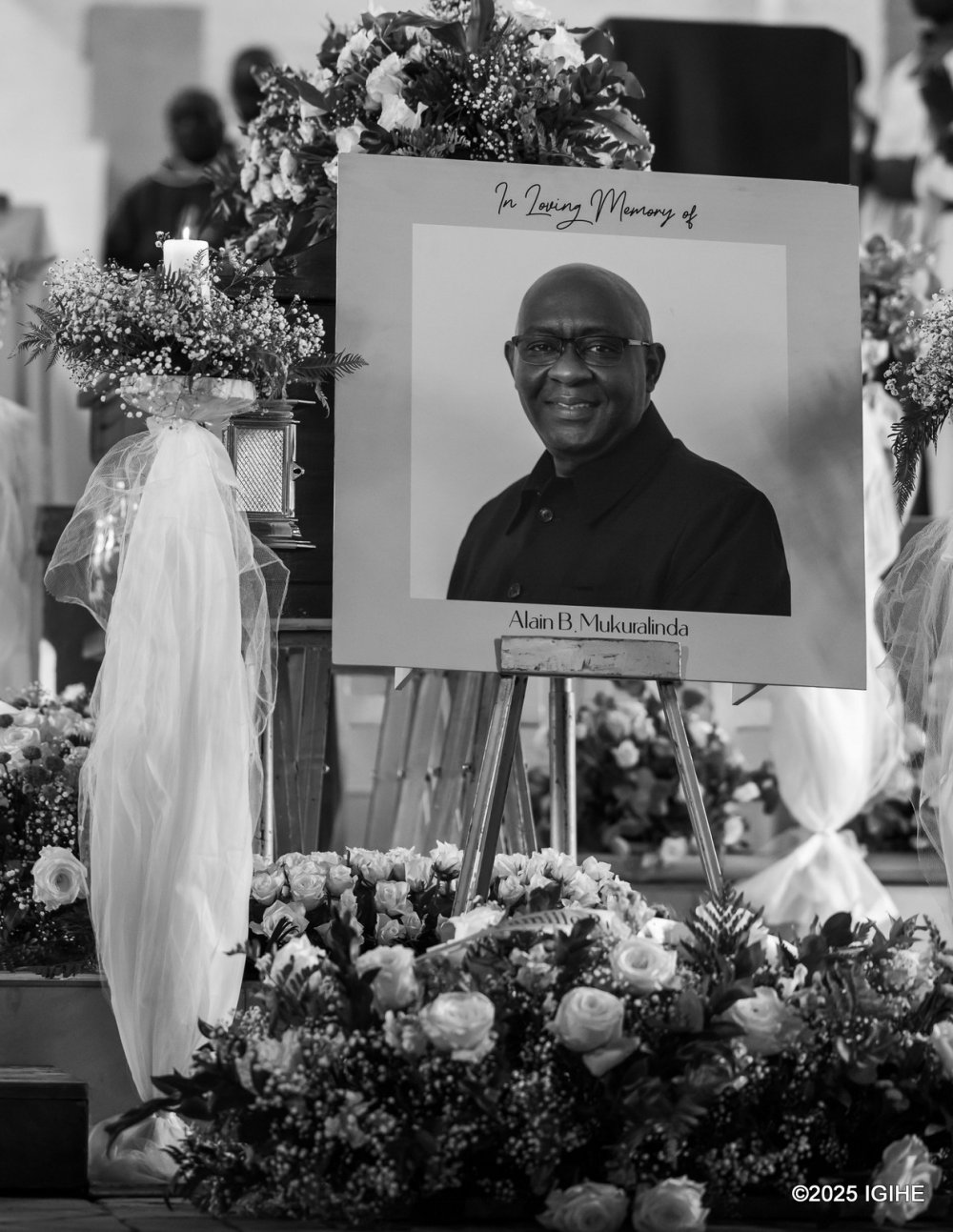
Mukuralinda leaves behind a rich legacy of unity, compassion, and steadfast support for Rwanda’s youth, forever etched in the nation’s cultural and sporting history.