As of December 15, 2024, Africa has recorded 13,769 confirmed Mpox cases across 20 countries, resulting in 60 deaths, according to WHO’s latest report.
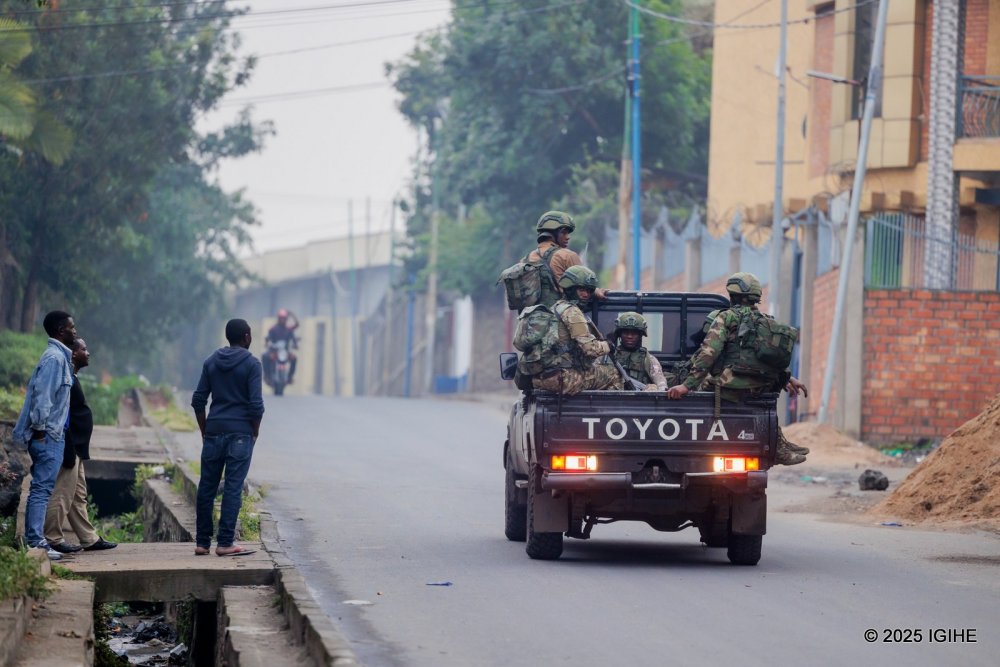
The DRC remains the epicenter, accounting for 9,513 confirmed cases. While the epidemic trend in the DRC has stabilized in recent weeks, WHO warns against overconfidence, citing potential delays in reporting.
The outbreak has been complicated by the emergence of clade 1b, a more virulent and poorly understood variant first identified in the DRC in September 2023.
This strain has since been detected in other countries, including Sweden and Thailand, marking its geographical expansion beyond Africa.
Mpox, caused by the monkeypox virus, is transmitted through direct contact with infected individuals, contaminated materials, or animals. Clade 1b’s estimated mortality rate of 3.6% is significantly higher than that of earlier strains, raising global alarm.
The WHO emphasized the need for continued vigilance, noting the limited understanding of clade 1b’s transmissibility and long-term impact. Efforts to monitor and control the outbreak are ongoing as cases continue to be reported both within and outside Africa.
The celebration of these achievements took place on Monday, December 23, 2024, following the games held in Mombasa, Kenya.
Among the highlights was a Bronze Medal won by Deputy Mukabalisa Germaine in the 800-meter race, along with a Volleyball trophy for men and other various medals.
The Speaker of the Rwandan Parliament, Lower House, Kazarwa Gertrude, commended the participants for making the country proud.
She assured that equipment challenges would be addressed next time, and that preparations would be enhanced.
Deputy Mukabalisa Germaine, who won the Bronze Medal in the 800-meter race, shared that the next goal is to secure Gold Medals.
“The leaders have assured us that the equipment challenges will be resolved, so we are confident things will improve. The aim of these games is to promote unity and cooperation among all Parliaments, and we have achieved that,” she said.
The next edition of the games is scheduled to take place in Burundi in December 2025.
In a joint communique, the organizations praised progress made in 2024, including a sustained ceasefire and steps toward electoral and constitutional planning.
However, they voiced concerns over delays in implementing key transitional tasks, which led to the extension of the transitional period in September.
The statement urged the government to capitalize on this extension—the final one, as assured by President Salva Kiir Mayardit—to accelerate the deployment of unified forces, strengthen transitional security arrangements, and ensure inclusivity in the peace process.
The missions also emphasized the need for expanded civic education to engage political parties, civil society, and the media in addressing implementation challenges.
With elections set for December 2026, the communique highlighted the importance of beginning detailed planning early in 2025 and maintaining global trust by demonstrating commitment to peace and stability.
The AUMISS, IGAD, and UNMISS reaffirmed their support for South Sudan and stressed that the year ahead offers a critical opportunity to solidify peace and lay the groundwork for credible elections.
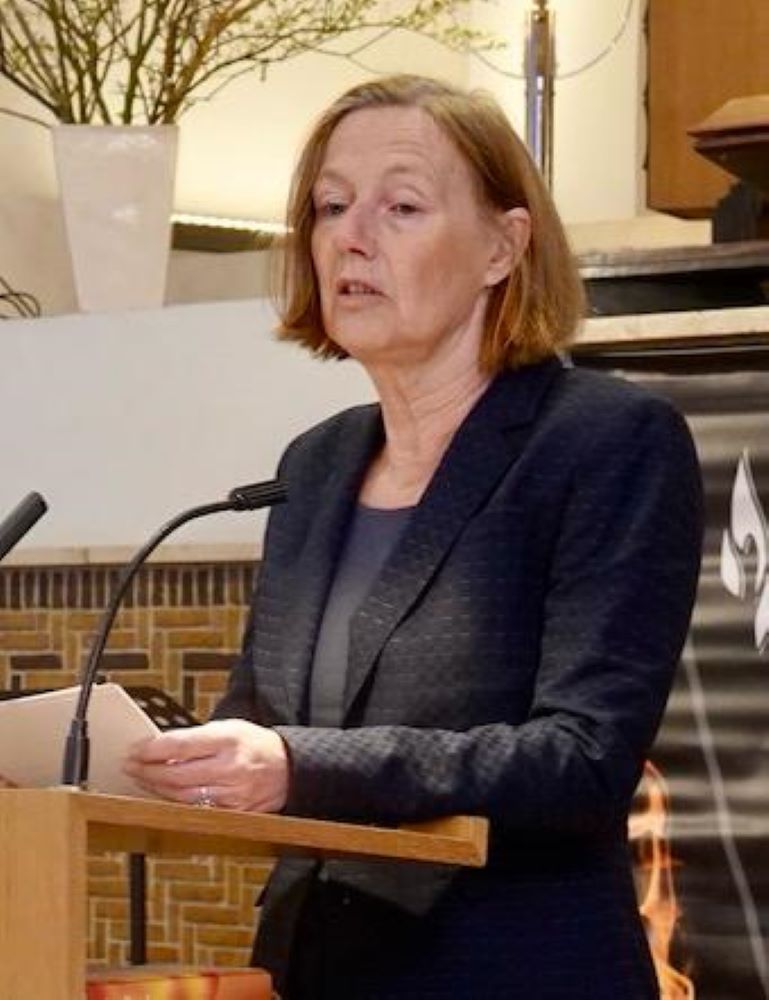
Ms. Hammarskjöld succeeds Miguel de Serpa Soares of Portugal, who has been commended for his dedicated service to the Organization.
Until Ms. Hammarskjöld assumes her new role, Stephen Mathias, the Assistant Secretary-General for Legal Affairs, will continue as Acting Under-Secretary-General.
Bringing over three decades of experience, Ms. Hammarskjöld currently serves as Director-General for Legal Affairs at the Swedish Ministry of Foreign Affairs, where she heads the Legal Department.
Her extensive career includes expertise in security policy, international law, human rights, and treaty law.
Throughout her 10 years in senior management, she has held notable positions such as Director-General for Political Affairs, Ambassador of Sweden to Israel, and Deputy Director in the Department for European Security Policy.
Additionally, she represented Sweden at the Permanent Mission to the United Nations in New York.
Ms. Hammarskjöld holds a Master of Laws degree in international law from both the University of Cambridge in the United Kingdom and the University of Uppsala in Sweden.
She has also pursued studies in peace-and-conflict research, French, and literature.
Fluent in English and Swedish, she is also proficient in French and Spanish, enhancing her ability to navigate the multilingual demands of her new role.
Chapo, representing the ruling party Frelimo, secured 65.17% of the votes, a slight decrease from the 70.67% initially announced by the National Electoral Commission (CNE) in October.
His main rival, Venancio Mondlane of the extra-parliamentary Podemos party, garnered 24.19%, while Renamo’s Ossufo Momade and Lutero Simango of the MDM captured 6.62% and 4.02%, respectively.
Lucia Ribeiro, President of the CC, acknowledged irregularities during the election but noted they were insufficient to nullify the results.
In parliamentary elections, Frelimo retained its dominance, winning 171 of the 250 seats.
Podemos followed with 43 seats, Renamo secured 28, and the MDM claimed 8.
Post-election violence has cast a shadow over the results, with local reports indicating over 100 civilian deaths and hundreds injured.
Despite the unrest, Chapo is set to succeed outgoing President Filipe Nyusi, continuing Frelimo’s long-standing leadership.
One of the key innovations about his invention is the ability to measure vital signs, such as blood pressure and weight, simultaneously. This drastically reduces the time required for tests that previously took doctors 2–3 minutes per patient.
Irankunda is the Founded Innovahyper Technologies, a company that provides tech-driven solutions in healthcare and construction. It refurbishes old tech devices into modern construction tools and produces medical equipment designed to detect non-communicable diseases under a service called “Baho Nursebots.”
Currently, Innovahyper Technologies is preparing 60 machines for deployment across Rwanda’s 30 districts. Their work has garnered attention internationally, with interest from other countries in adopting their solutions for combating non-communicable diseases.
However, the journey was not without challenges. Irankunda is privy to difficulties operating in rural areas lacking infrastructure like electricity. In response, they adapted their machines to run on solar power.
He grew up in a rural area with a keen interest in technology, inspired by his entrepreneur parents. His passion for innovation was fueled by a life-threatening illness during his childhood, which left him hospitalized for six months due to inadequate medical care. This experience motivated him to improve healthcare for others.
After completing his university education in engineering, Irankunda began researching ways to contribute to society and create job opportunities for youth. During the COVID-19 pandemic, his team developed machines to measure body temperature, but the products quickly lost relevance as the pandemic subsided.
Undeterred, they sought long-term solutions and conceived the idea of creating Nursebots to address the growing number of deaths from non-communicable diseases, which account for 70% of global deaths and 44% in Rwanda.
Their innovation has been applauded by medical professionals and community members alike for significantly improving diagnostic efficiency.
“Doctors shared the challenges they face, and we discovered that we had reduced the time needed for patient testing. Our robot completes all measurements in under 60 seconds, with results viewable on a phone,” Irankunda said.
He encouraged youth to recognize their potential and seize the opportunities available today.
“Youth shouldn’t see themselves as just tomorrow’s strength. We are the strength of today. We have the capability and the support of our country to create solutions and achieve great things,” he emphasized.
The angel went forth to tell her that she would conceive and give birth to a son, who would become the savior of the world. Mary got troubled by these words, wondering what kind of greeting this might be.
This event took place in northern Israel, in the city of Nazareth, about a three-hour journey from Israel’s capital, Jerusalem.
Nazareth is a small city located uphill. It does not boast the same cleanliness as other parts of Israel, and its houses are not as modern. The majority of its residents are Muslims, making it the largest Arab city in Israel.
Despite this, Christians and Muslims coexist peacefully in the city, with mutual respect for each other’s history.
One of the most noticeable features of Nazareth is the abundance of churches scattered across the city, most of which belong to Christian denominations such as Methodists, Baptists, and Orthodox Christians.
On the hill where Gabriel began his message, stands the Basilica of the Annunciation. This church, built in 1956 by architect Giovanni Muzio, was designed to provide a sanctuary for visitors from around the world to reflect on the message given to the Virgin Mary.
The Basilica of the Annunciation is a key attraction for tourists visiting Israel, particularly Nazareth. Upon arrival, visitors are welcomed by artistic depictions of the Virgin Mary, created by various countries according to their cultural perspectives.
African, European, and South American countries have contributed images of Mary, which are displayed in the church. Many visitors, predominantly women, come to see this historic site. However, like other parts of Israel, the current war has significantly reduced the number of tourists.
Zalina, a tour guide mainly hosting visitors from South America, told IGIHE that she usually attends to visitor from Brazil and it’s exciting to see people from different cultures and languages every year.
“However, fewer people are coming these days. It’s sad to see this place like this. The reason is that people are afraid to visit Israel or the Middle East, and many airlines have canceled their flights. Even those who want to come cannot find a way.”
The Basilica is divided into two parts. One section preserves the history of the site where the Virgin Mary received the message. Visitors are shown the spot where Mary sat and the pillar where it is said Gabriel stood. Unlike other parts of the church, this section retains its ancient appearance.
The upper section of the Basilica is used for Mass, featuring artworks depicting Jesus’ early life, from conception and birth to how his family fled to Egypt.
There is a permanent altar for prayer, where visitors give thanks and seek intercession from the Virgin Mary. Many women, inspired by Mary’s story, pray while carrying rosaries, often reciting them as they walk.
In the surrounding area, souvenirs related to the Virgin Mary, such as images, rosaries, and other religious items, are sold. Every day, locals gather at the Basilica for morning Mass in Italian and Arabic.
Nazareth is just an hour’s drive from Lebanon. At the Israel-Lebanon border, recent attacks by Hezbollah caused significant destruction, forcing many residents to flee. During those times, residents of Nazareth described the situation as tense.
Zalina described the turmoil during the war with Hezbollah, noting that alarms rang out across Israel, including in Nazareth, where both Christians and Muslims coexist peacefully.
She is sad that Hezbollah’s attacks spared no one, targeting cities like Nazareth and Jerusalem, sacred to many. Despite the devastation, she expressed relief that calm has been restored and life is returning to normal as people move forward.
On December 22, 2024, Rufyikiri was welcomed by President Evariste Ndayishimiye at the Presidential Office. Photos of the meeting show the two leaders engaging in a cordial and friendly discussion.
The Presidential Office spokesperson, Gatoni Rosine Guilene, shared four photos of Rufyikiri and Ndayishimiye on social media, writing, “It is a joy for the Head of State, Evariste Ndayishimiye, to see citizens returning home freely.”
Rufyikiri was among the prominent voices opposing the decision of former President Pierre Nkurunziza to run for a controversial third term. It is reported that his opposition to this move led to threats from the government.
In June 2015, Rufyikiri traveled abroad for medical treatment and decided to remain in exile due to security concerns. During his time outside Burundi, he continued to voice his disapproval of Nkurunziza’s extended tenure, which he argued violated the two-term limit set by the Constitution.
In June 2016, Rufyikiri published a 32-page book titled “Echec de la transformation du CNDD-FDD du mouvement rebelle en parti politique au Burundi: une question d’équilibre entre le changement et la continuité” (The Failure to Transform CNDD-FDD from a Rebel Movement into a Political Party in Burundi: Balancing Change and Continuity).
This book examines the CNDD-FDD’s rise to power in 2005 and the challenges it faced in transitioning from a rebel movement to a functioning political party.
It is unclear whether Rufyikiri intends to remain in Burundi or plans to return abroad. However, his meeting with President Ndayishimiye, who was a close ally of the late President Nkurunziza, signals a positive step toward reconciliation.
In a statement shared on X, Police spokesperson ACP Rutikanga Boniface urged the youth to be cautious and desist from actions that would undermine their value during the festive holidays.
“Young people, as you go on holiday, avoid using drugs, refrain from ‘house parties’ that lead to drunkenness and other degrading behaviors such as vandalism, fighting, and even actions that could cost you your life or cause serious injury. This is a time to reflect on your academic achievements but also to think about your future goals,” he said.
He further advised parents, to watch out and know where their children are and what they are doing, as it helps in ensuring the safety of the youth, who are the future generation of Rwanda.
Rutikanga also reminded alcohol vendors that alcohol is not for children and that even adults who begin to drink should not continue to sell it irresponsibly.
He urged them to observe noise restrictions, ensuring that the volume is kept at a level that doesn’t interrupt the neighborhood.
Rutikanga appealed to the public to drink responsibly, avoid driving under the influence of alcohol, and wished everyone a Merry Christmas and a Happy New Year.
The management of Kozo Restaurant confirmed Tyler ICU’s performance on New Year’s Eve in a promotional poster, promising a night filled with dazzling acts and surprises.
“Join us for an extraordinary New Year’s Eve at Kozo. An unforgettable night of live performance, dazzling acts, and electrifying vibes,” the restaurant announced.
Tyler ICU, whose real name is Austin Khulani Baloyi, has become a key figure in the Amapiano genre. He is known for his skilful music production and energetic performances.
He is celebrated for his hit tracks, such as “Mnike,” which was certified platinum in South Africa, and “Bella Ciao,” a collaboration with Nicole Elocin, DJ Maphorisa, and Kabza De Small.
Tyler ICU’s hit “Banyana” with DJ Maphorisa also earned double platinum status. The songs have propelled him into the spotlight, making him one of the most sought-after DJs in the Amapiano scene.
The upcoming performance in Kigali follows Tyler ICU’s successful debut in the city in August 2023, when he performed at Atelier Du Vin, alongside popular Rwandan artists.
The event was a massive hit, drawing a lively crowd, predominantly young fans, who enjoyed the midnight performance of Amapiano music. His show was a major highlight of the night, culminating in the early hours of the morning.