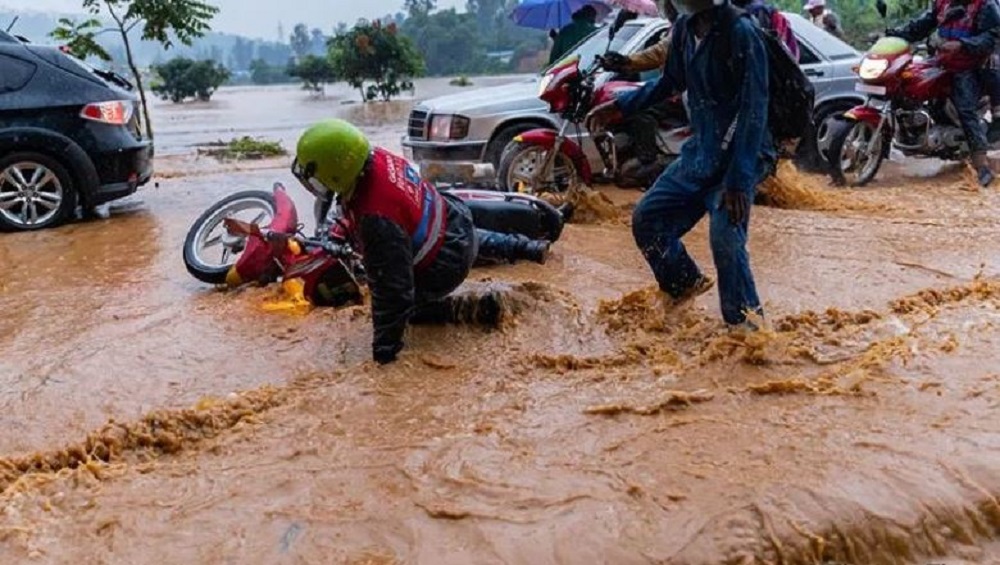
Speaking to the Rwanda Broadcasting Agency (RBA), Mayor Dusengiyumva confirmed the casualties and property damage, stating, “Two people were killed, 27 houses were destroyed, and several roads were temporarily closed due to the rain.”
He further noted that the city authorities are collaborating closely with residents to relocate those residing in areas identified as high-risk and are strongly advising the public to avoid water drainage channels during periods of heavy rainfall.
The Ministry of Emergency Management (MINEMA) has previously reported the significant impact of disasters nationwide, revealing that 191 lives were lost to such events across Rwanda in 2024.
Currently, authorities are issuing urgent calls for vigilance to residents of Kigali, as well as those in the Northern and Western provinces and the southern districts of Nyamagabe and Nyaruguru, as forecasts indicate more heavy rains are expected in the coming days.
This recent disaster follows a weather advisory issued on April 11, 2025, by Rwanda’s Meteorology Agency, Meteo Rwanda, which predicted rainfall levels between 25mm and 60mm from April 11 to 13.
The forecast explicitly warned the public about potential hazards, including flooding in swamps, landslides, soil erosion, the collapse of unstable slopes, and the risks associated with lightning.
Meteo Rwanda had urged all Rwandans to proactively implement preventive measures to mitigate the dangers posed by the anticipated heavy rainfall.
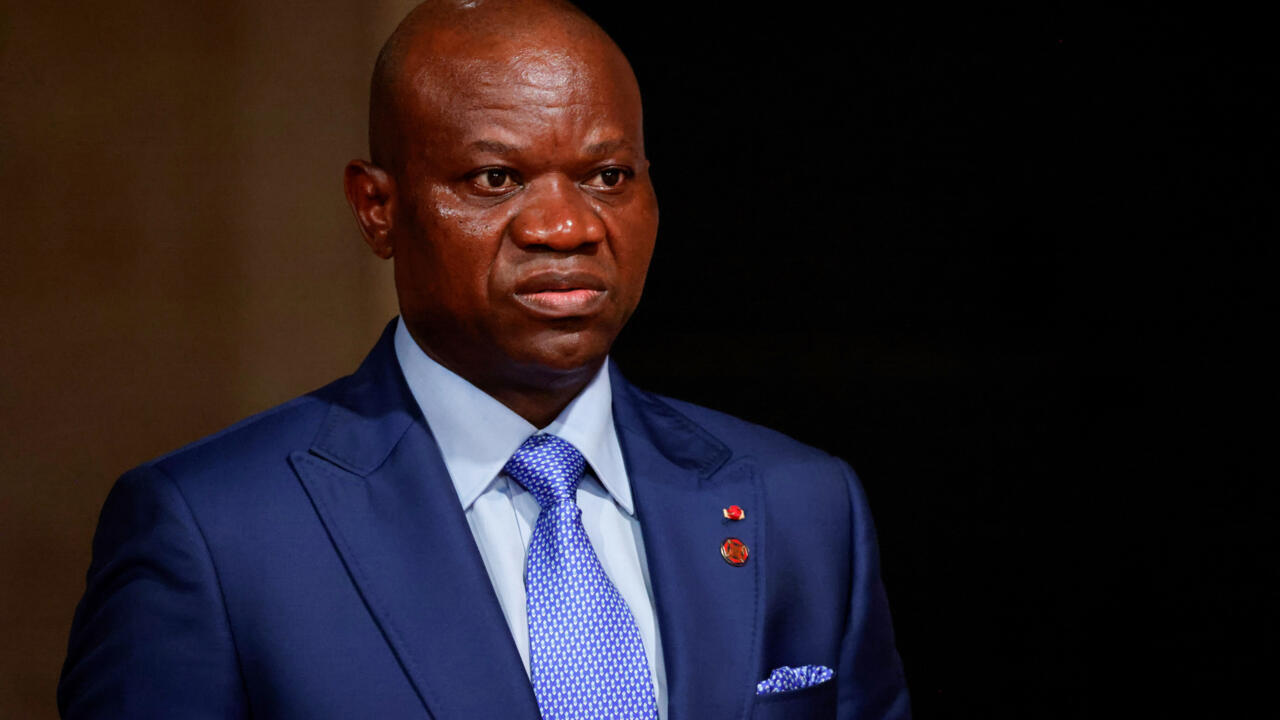
Nguema secured a commanding victory with 90.35% of the vote, Interior Minister Hermann Immongault confirmed. His closest rival, former Prime Minister Alain-Claude Bilie By Nze, garnered just 3.02%.
The election registered 920,200 eligible voters, including over 28,000 from abroad, and achieved a voter turnout of 70.4%, the minister added.
This marks Gabon’s first presidential election since the ousting of former President Ali Bongo Ondimba, and represents a key milestone in the country’s return to constitutional governance following the political transition.
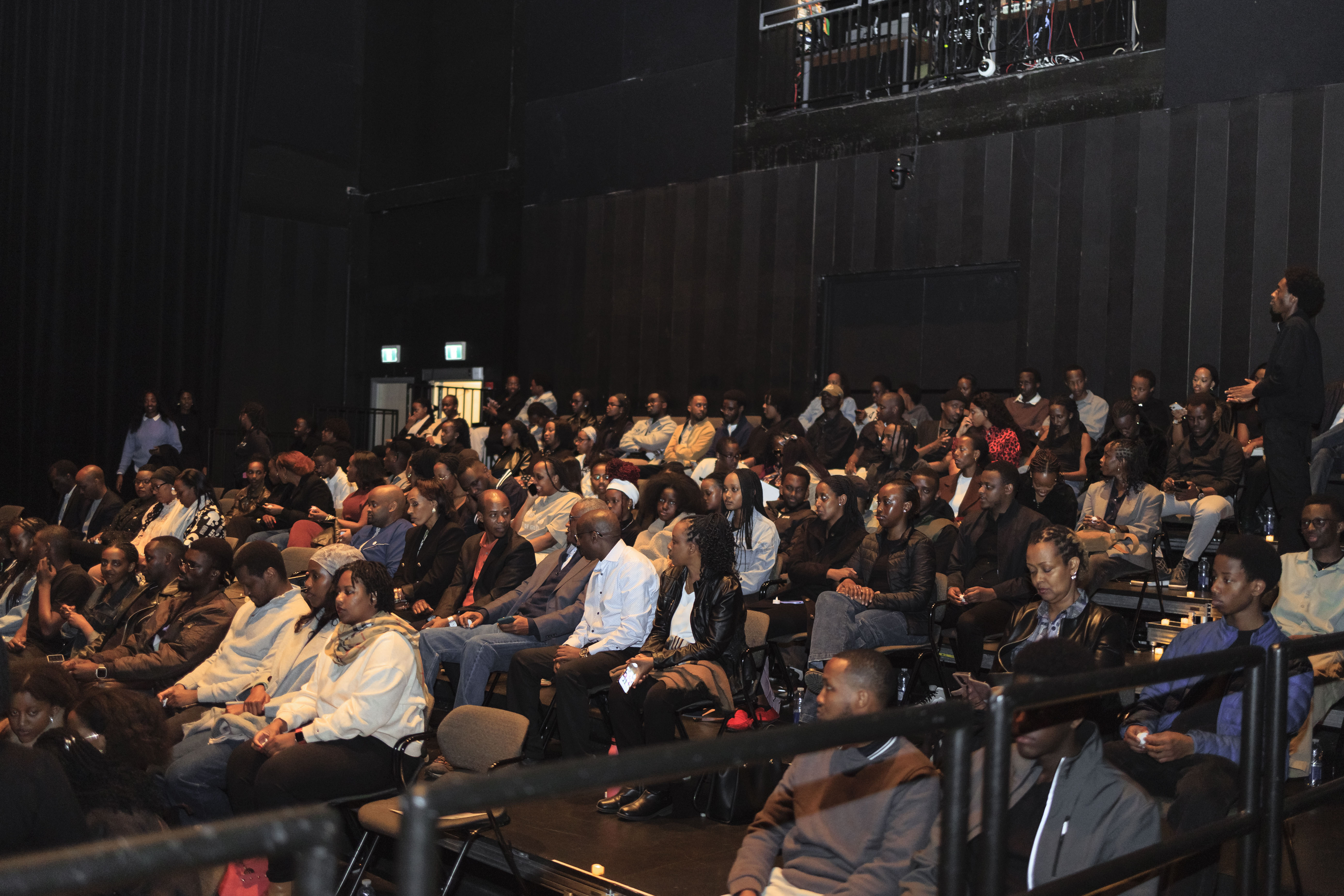
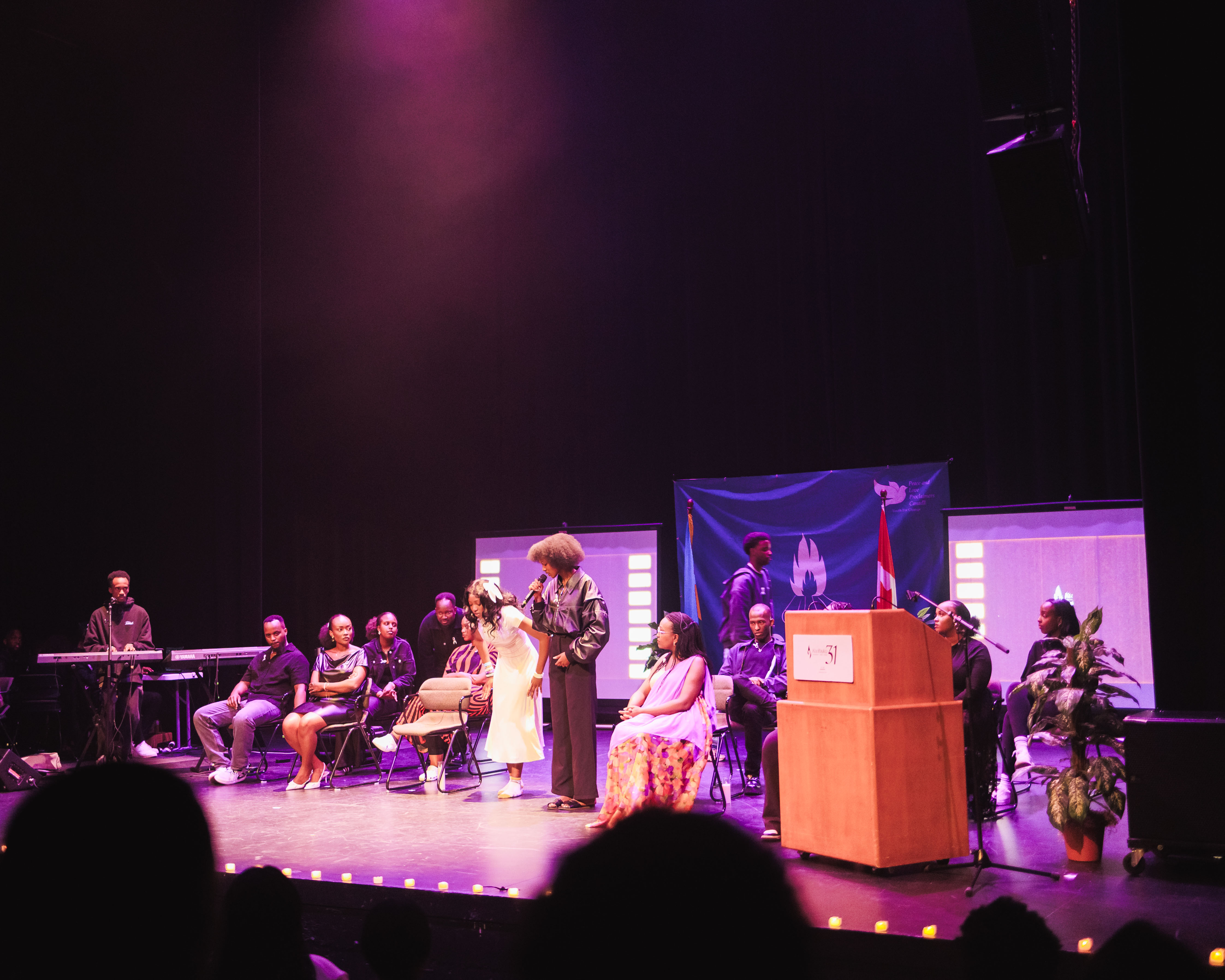
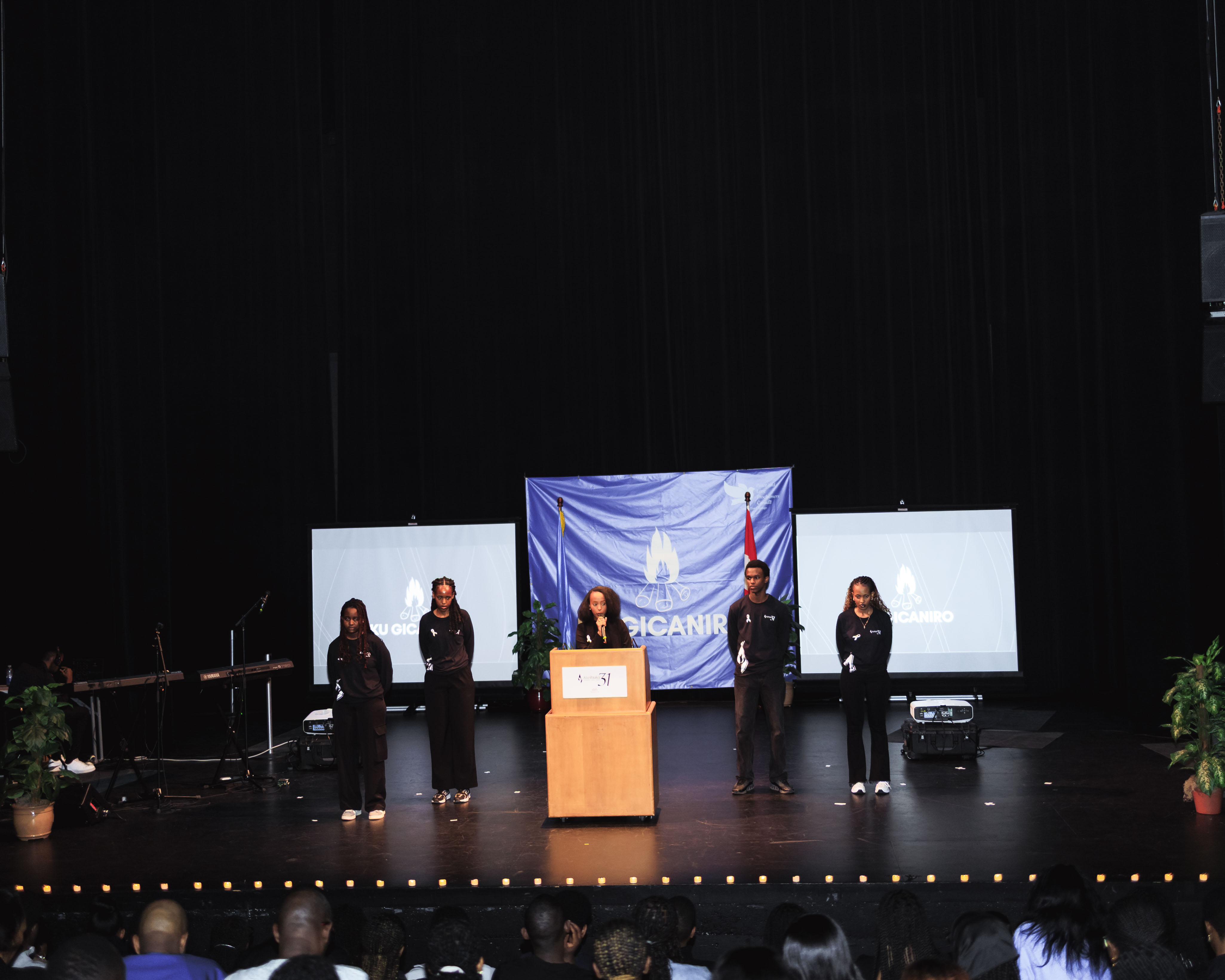
Organized by Peace and Love Proclaimers (PLP) Canada, the event—whose name “Ku Gicaniro” means “at the bonfire” in Kinyarwanda—served as a symbolic gathering space for community reflection and healing. It brought together youth, survivors, and allies in an artistic tribute to the more than one million lives lost during one of the 20th century’s darkest chapters.
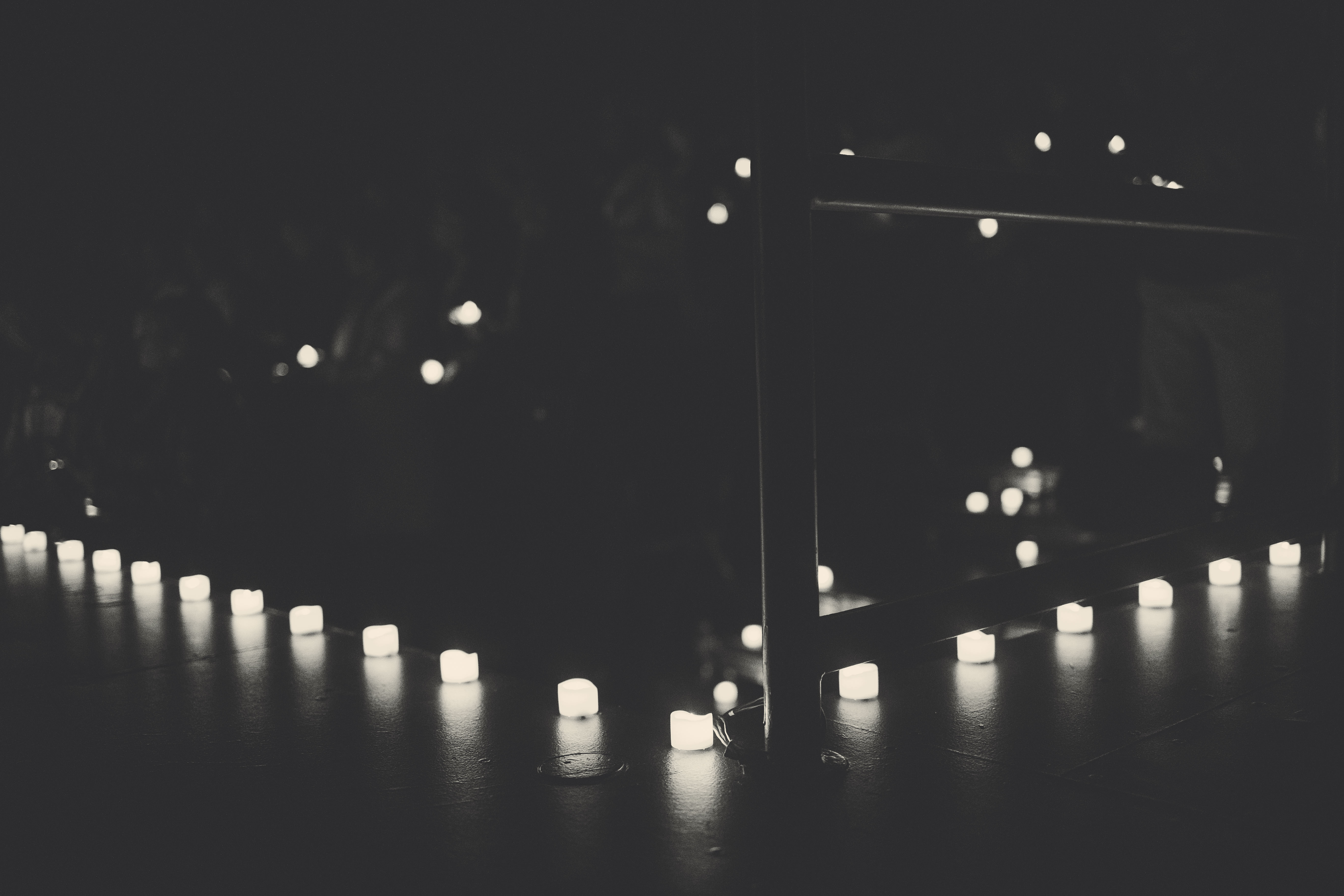
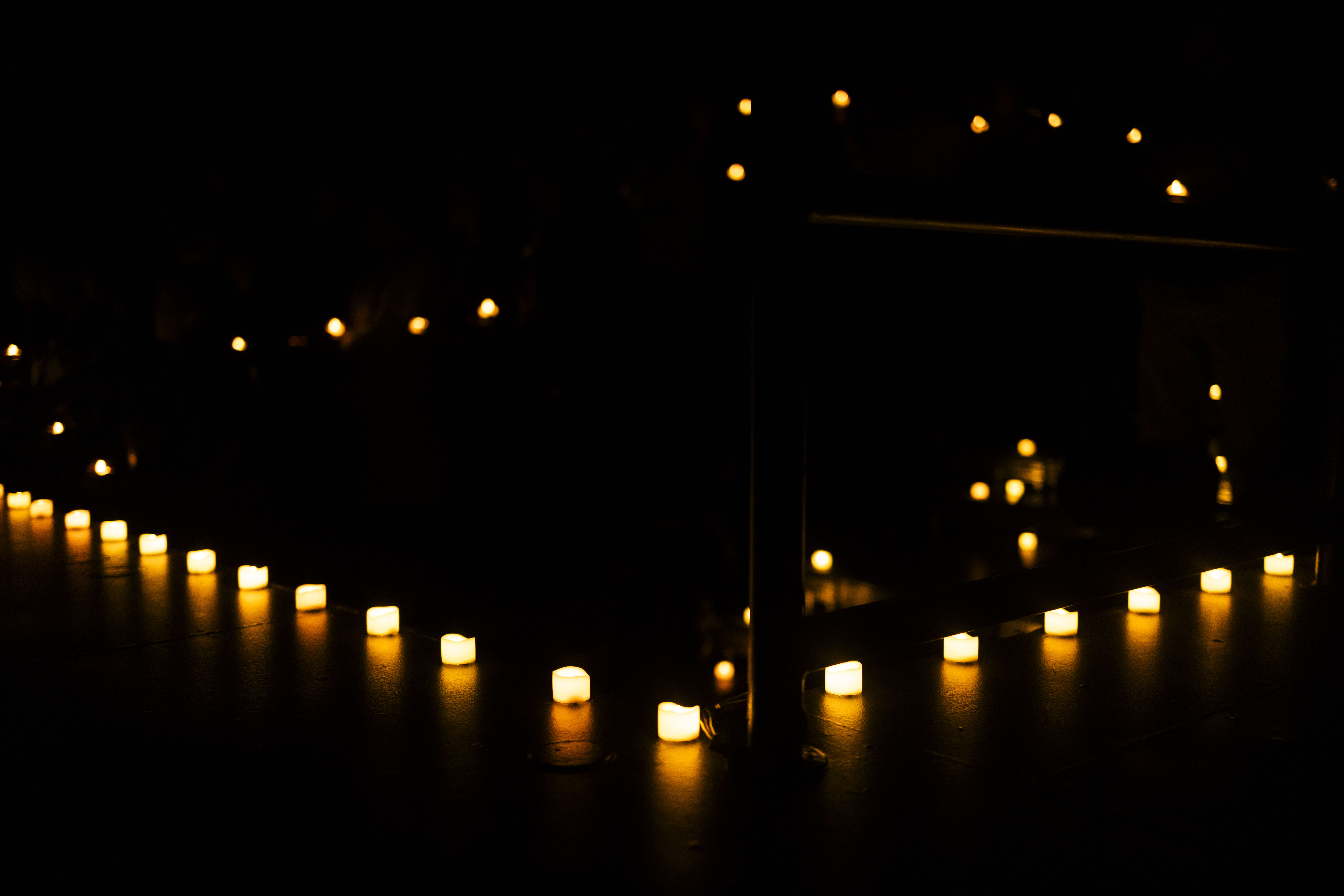
The evening began with a moment of silence, a reading of victims’ names, and a candle-lighting ceremony that transformed grief into collective reverence. The moments honoured not just those who died, but who they were: students, sisters, fathers, dreamers.
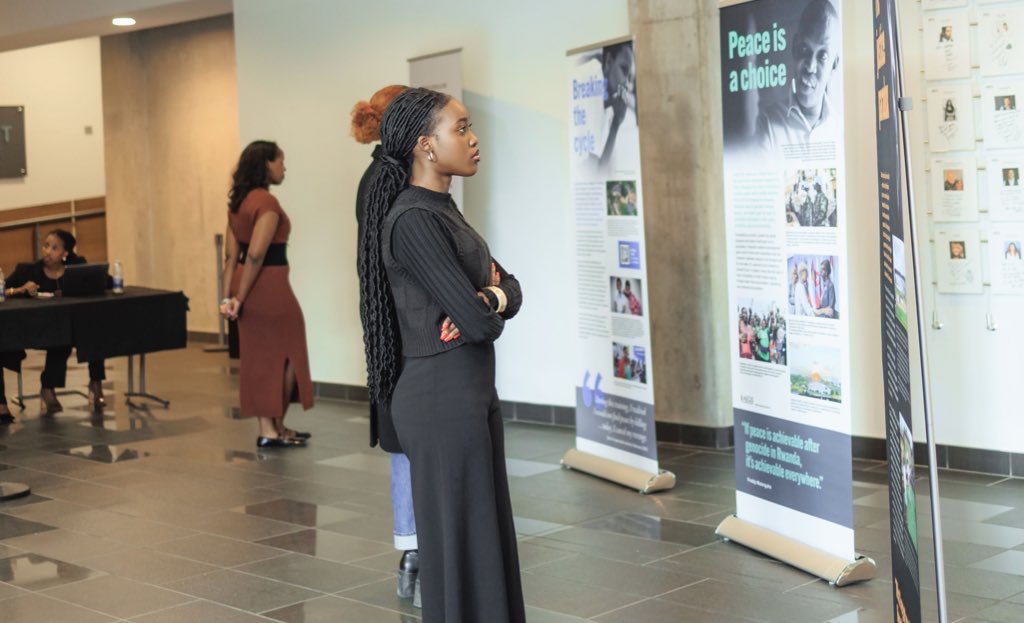
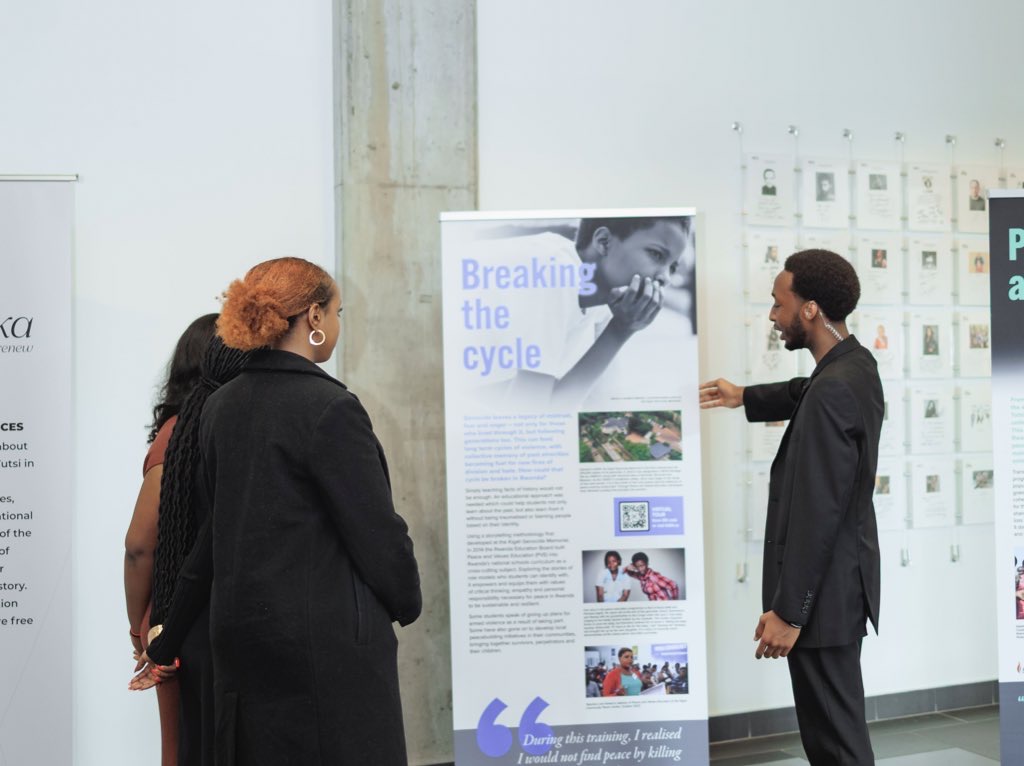
A curated exhibition welcomed guests before the formal program, offering a powerful walk through visual and written testimonies. The intention, organizers said, was not to consume history, but to carry it—to resist forgetting through art and storytelling.
Art was at the heart of the program. Musical performances and a stage play provided emotional expression where words alone might fall short. The performance reminded the audience that “art remembers what history tries to forget.”
One of the most moving moments came when genocide survivor Mukarukundo Godelieve, known as Maman Casta, publicly shared her story for the first time in a heartfelt conversation with her daughter, Casta. The dialogue between mother and daughter became a powerful handoff of memory: an intimate, courageous act of intergenerational truth-telling.
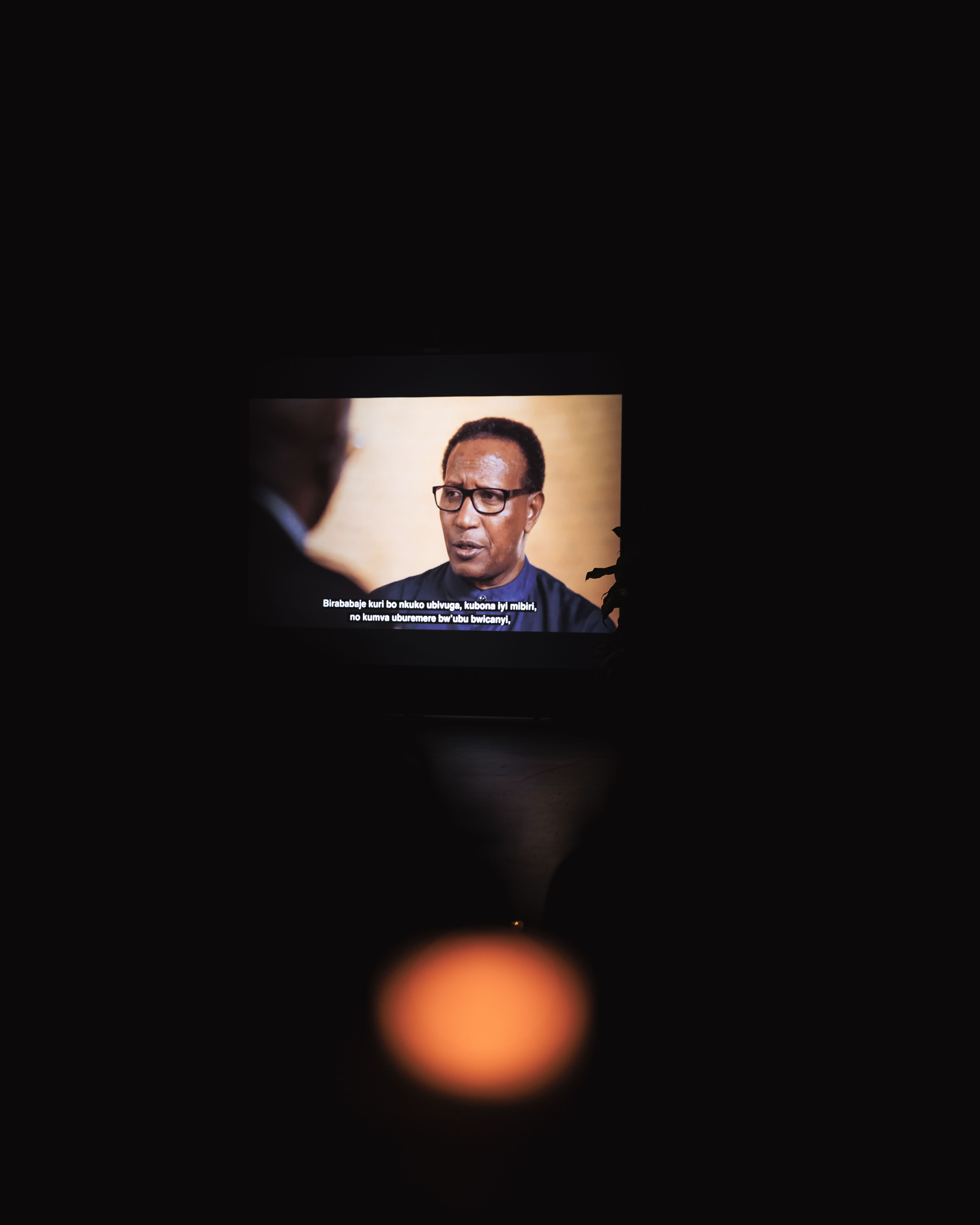
A documentary screening followed, exploring how to teach the history of genocide to children. It posed a challenging but necessary question: How do you explain a wound this deep to a child? The film emphasized the importance of teaching with honesty, compassion, and clarity, especially as survivor voices grow fewer with time.
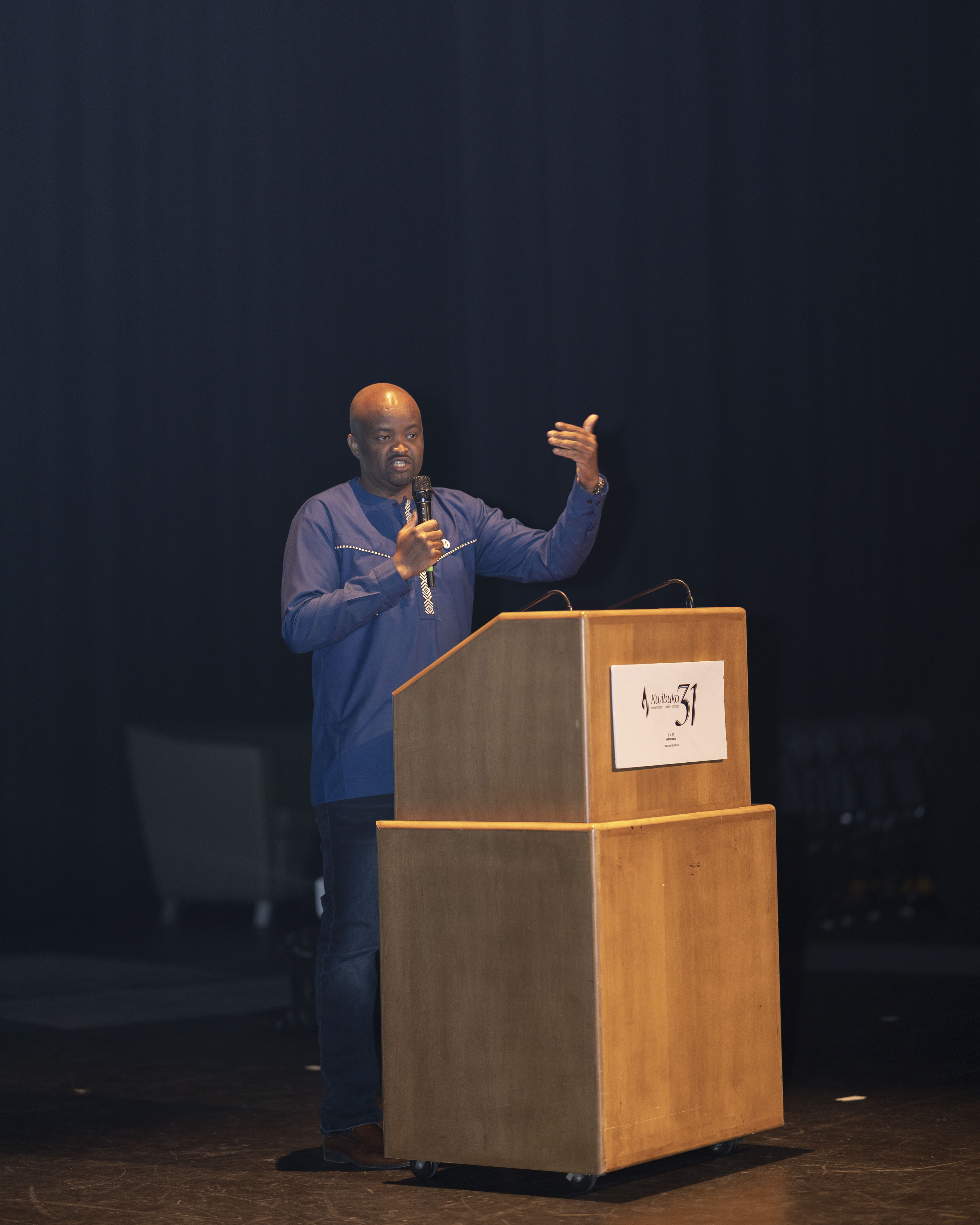
In his address, Pascal Kanyemera, President of the Humura Survivors Association, praised the youth-led effort, highlighting the role of digital platforms in combating genocide denial. He also spoke about Humura’s ongoing memorial initiatives to preserve truth and history.
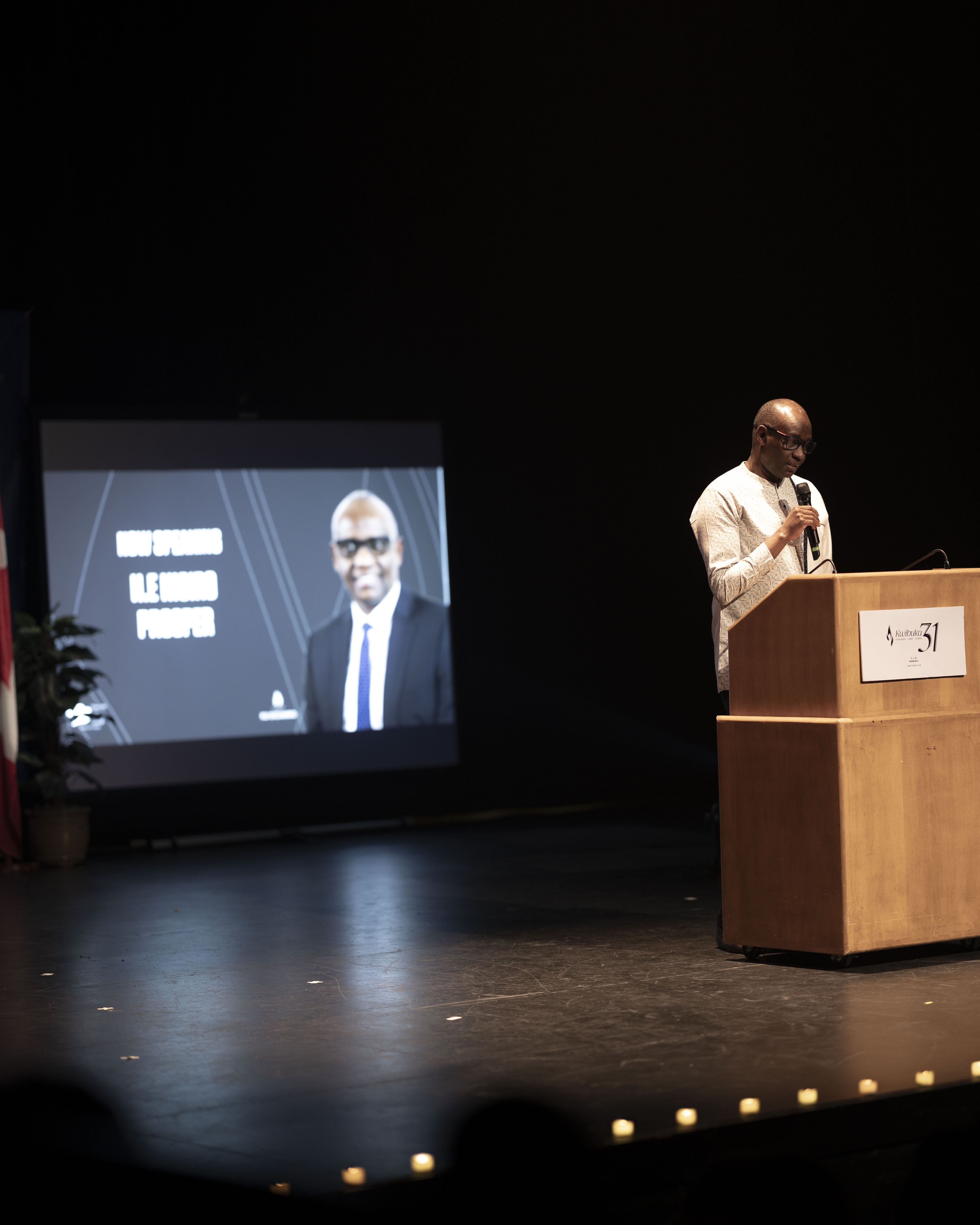
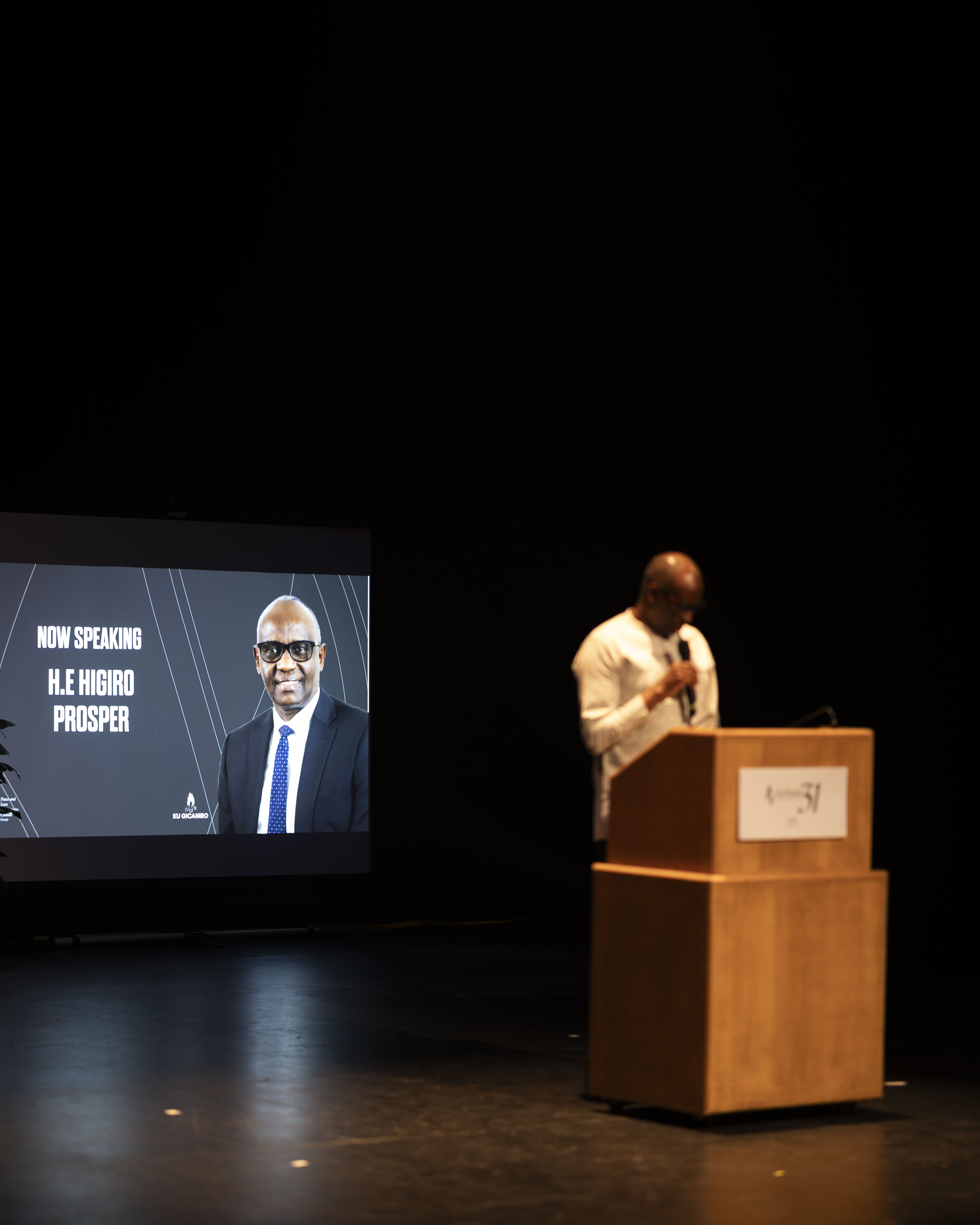
The Rwandan Ambassador to Canada, Prosper Higiro, offered a powerful reminder that genocide is not an accident but a deliberate political crime. He spoke candidly about the ideology that preceded the 1994 atrocities and urged the youth to stand firm in defending unity, dignity, and truth.
The evening closed with remarks from Danny, Representative of PLP Canada, who reaffirmed the organization’s commitment to remembrance and youth engagement. He stated that the aim of PLP Canada is to create safe, intentional, and powerful spaces, where young people can remember, reflect, and reconnect with their identity and history.
The evening left attendees moved, inspired, and reminded that while the genocide against the Tutsi ended 31 years ago, the responsibility to remember — and to resist forgetting — lives on through the voices and visions of Rwanda’s youth.
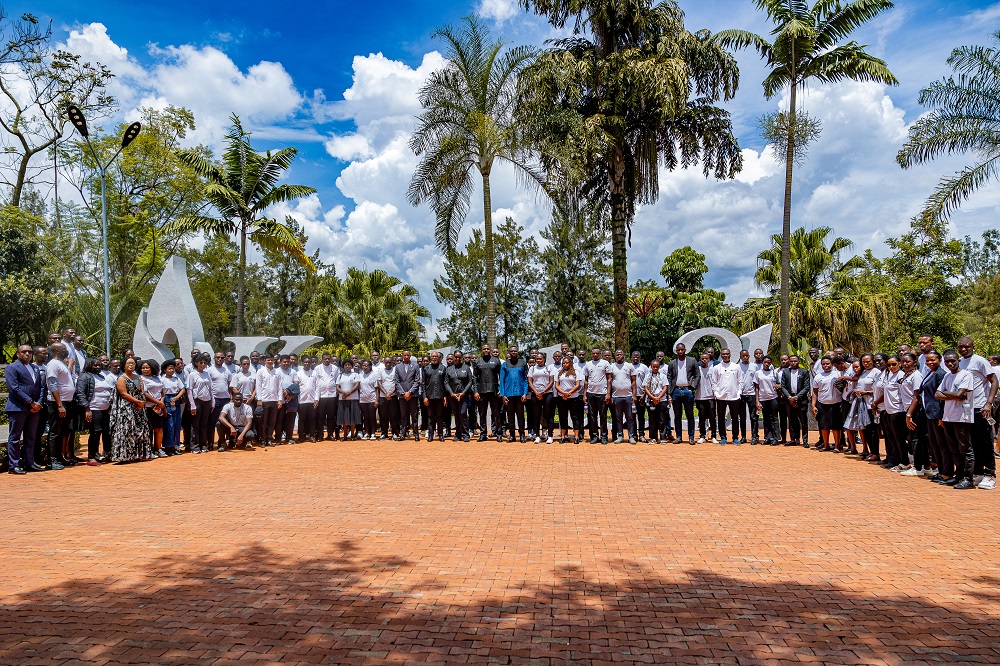
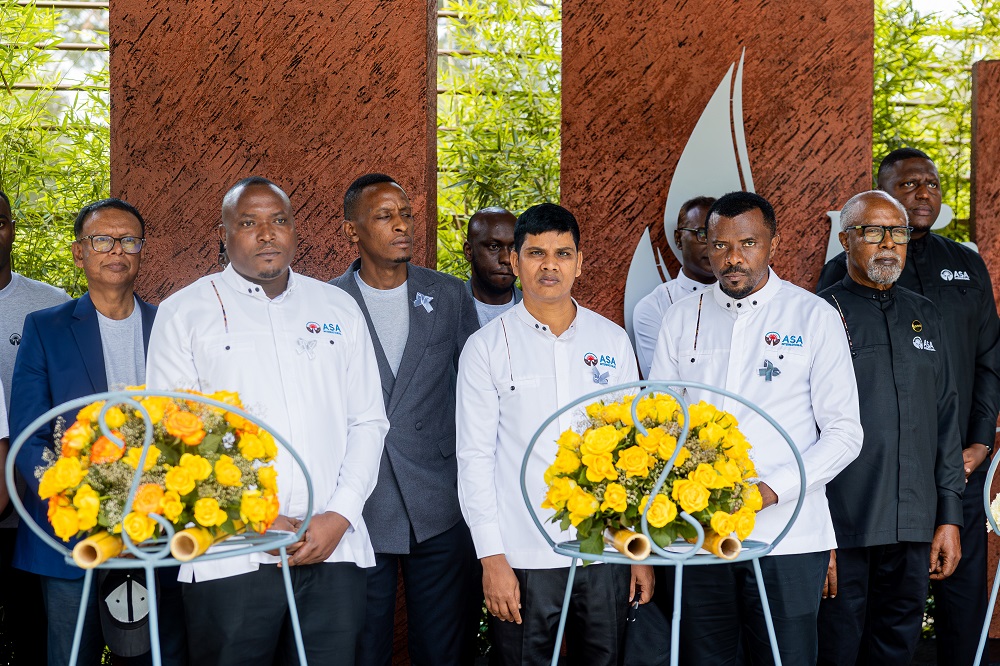
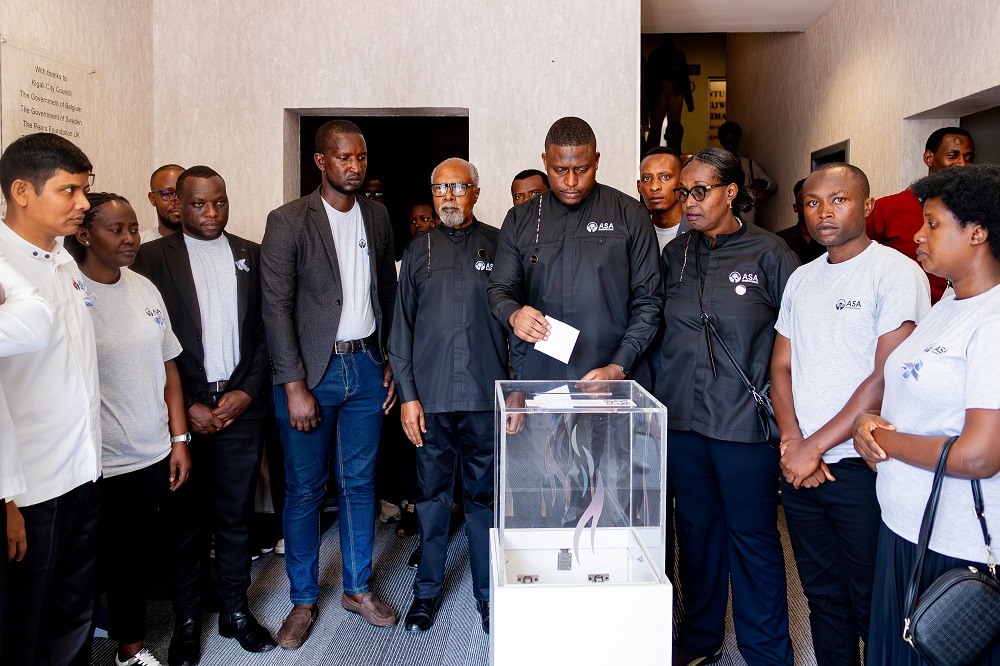
On April 12, 2025, the ASA team visited the Kigali Genocide Memorial as part of the national commemoration marking the 31st anniversary of the Genocide against the Tutsi.
During the visit, they were guided through the memorial’s exhibits, which chronicle the events leading up to the genocide and the devastating consequences of hate-driven politics under the First and Second Republics. They also listened to powerful survivor testimonies and witnessed Rwanda’s extraordinary journey of recovery and reconciliation.
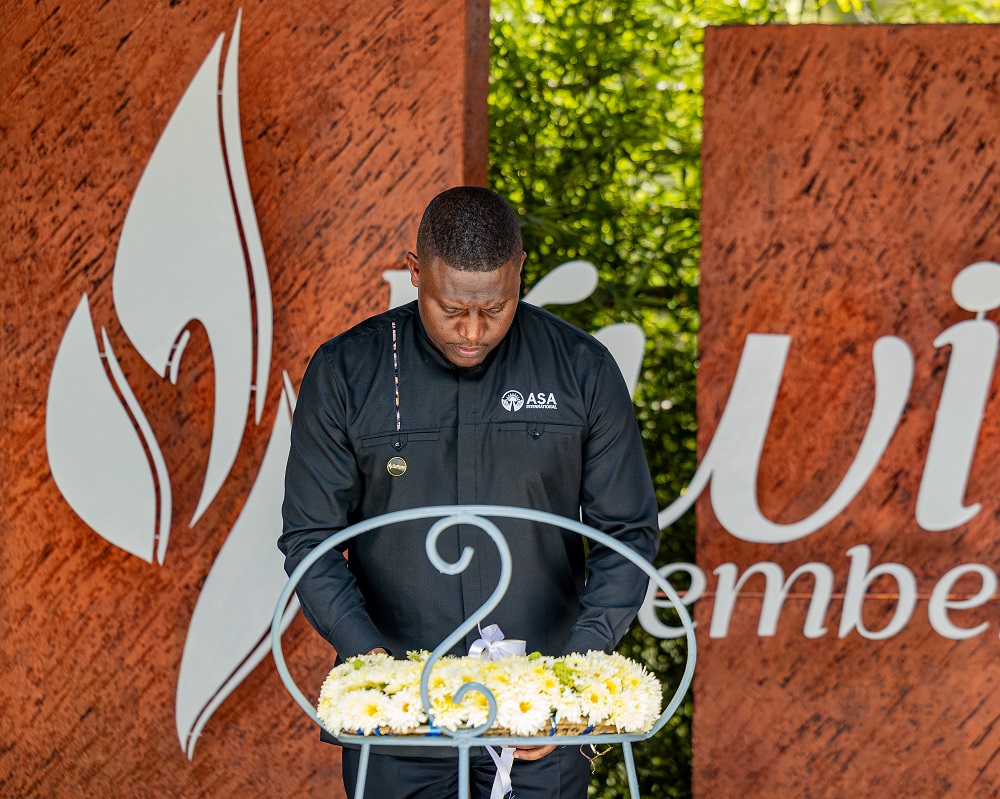
The visit concluded with a solemn wreath-laying ceremony at the memorial’s mass graves, honoring the more than one million lives lost.
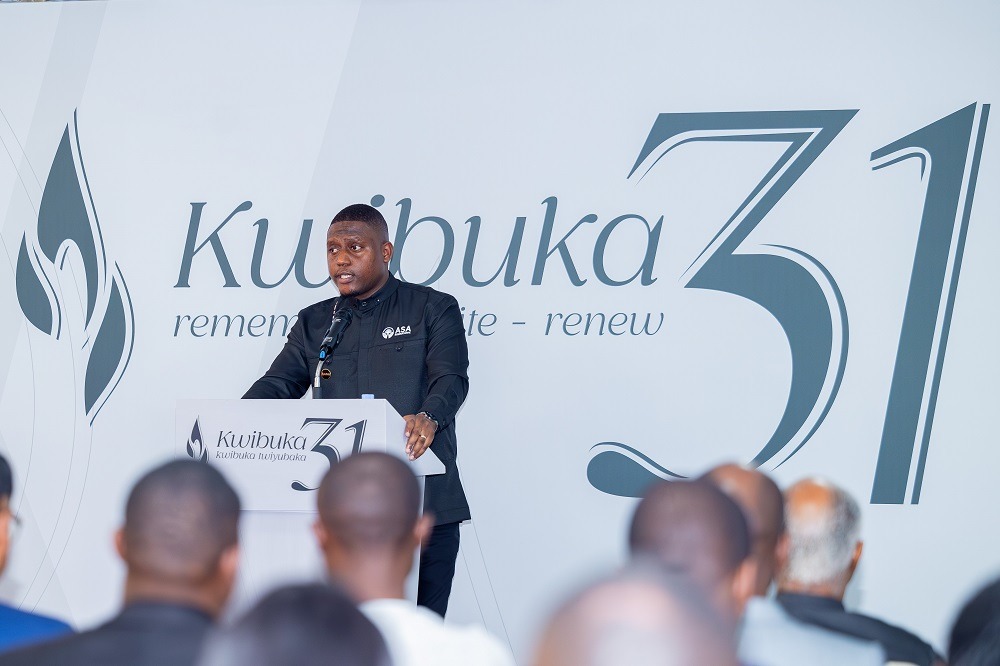
Christian Salifou, Managing Director of ASA International (Rwanda) Plc, described the visit as a meaningful act of remembrance and solidarity with the people of Rwanda and the international community.
He expressed gratitude to those who risked—and sacrificed—their lives to save others during the genocide, and stressed the importance of preserving historical truth and educating future generations to ensure such horrors are never repeated.
Gerard Mpyisi, Chairman of ASA International (Rwanda) Plc, expressed profound sorrow that the genocide was planned and executed while much of the international community remained silent.
He lamented the continued denial of the genocide by some global leaders even after it was stopped by the RPF Inkotanyi—many of whom chose to mischaracterize it as “ethnic conflict” rather than recognizing it as genocide.
“It’s heartbreaking that some of the people who denied the Genocide against the Tutsi were representatives of major international organizations, including the United Nations at the time,” Mpyisi noted.
He urged all Rwandans, wherever they may be, to remain vigilant and active in ensuring that such atrocities are never repeated. He also called for national unity in confronting and rejecting groups like the FDLR, which continue to propagate genocidal ideologies.
Several ASA International (Rwanda) staff who are genocide survivors shared emotional testimonies of the trauma they endured and the resilience they’ve shown in rebuilding their lives.
Jean Nepomuscene Ndagijimana, a survivor, recounted the harrowing experience of witnessing the murder of his relatives as a young child.
“I was only seven years old during the genocide. I didn’t fully understand what was happening, but I saw it all,” he shared. “While hiding with my mother, I saw my uncle, Rutagarama, struck on the head with a machete. I became the eldest in my family after we lost 23 members of our extended family.”
Despite the trauma and the burden of caring for his younger siblings at such a young age, he managed to continue his education with the support of Genocide Survivors Assistance Fund (FARG). Today, he is a husband and father, and his siblings have also gone on to build meaningful lives.
The visit left a profound impact on the ASA team, strengthening their resolve to honor the memory of the victims, confront genocide denial, and promote a culture of peace, remembrance, and unity.
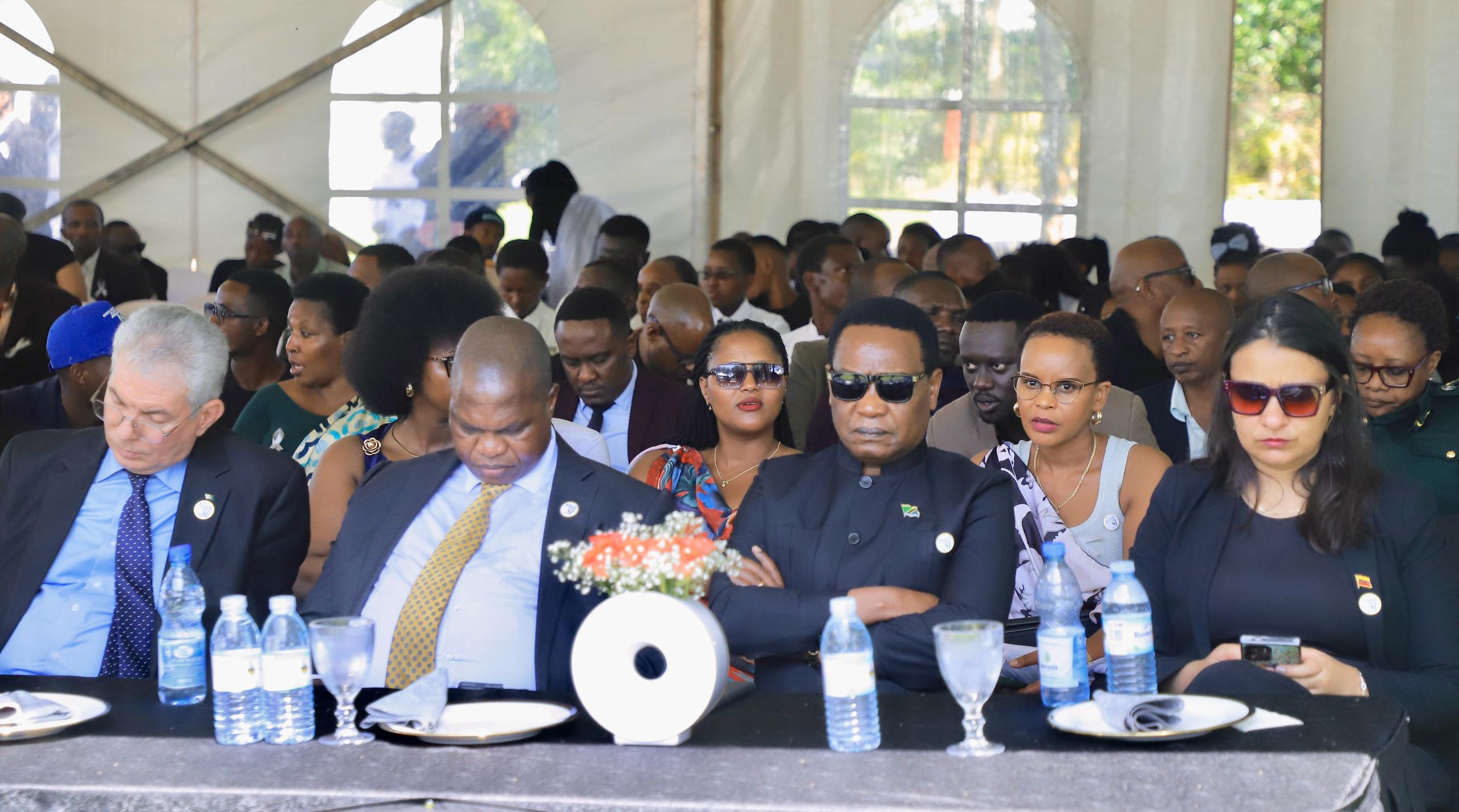
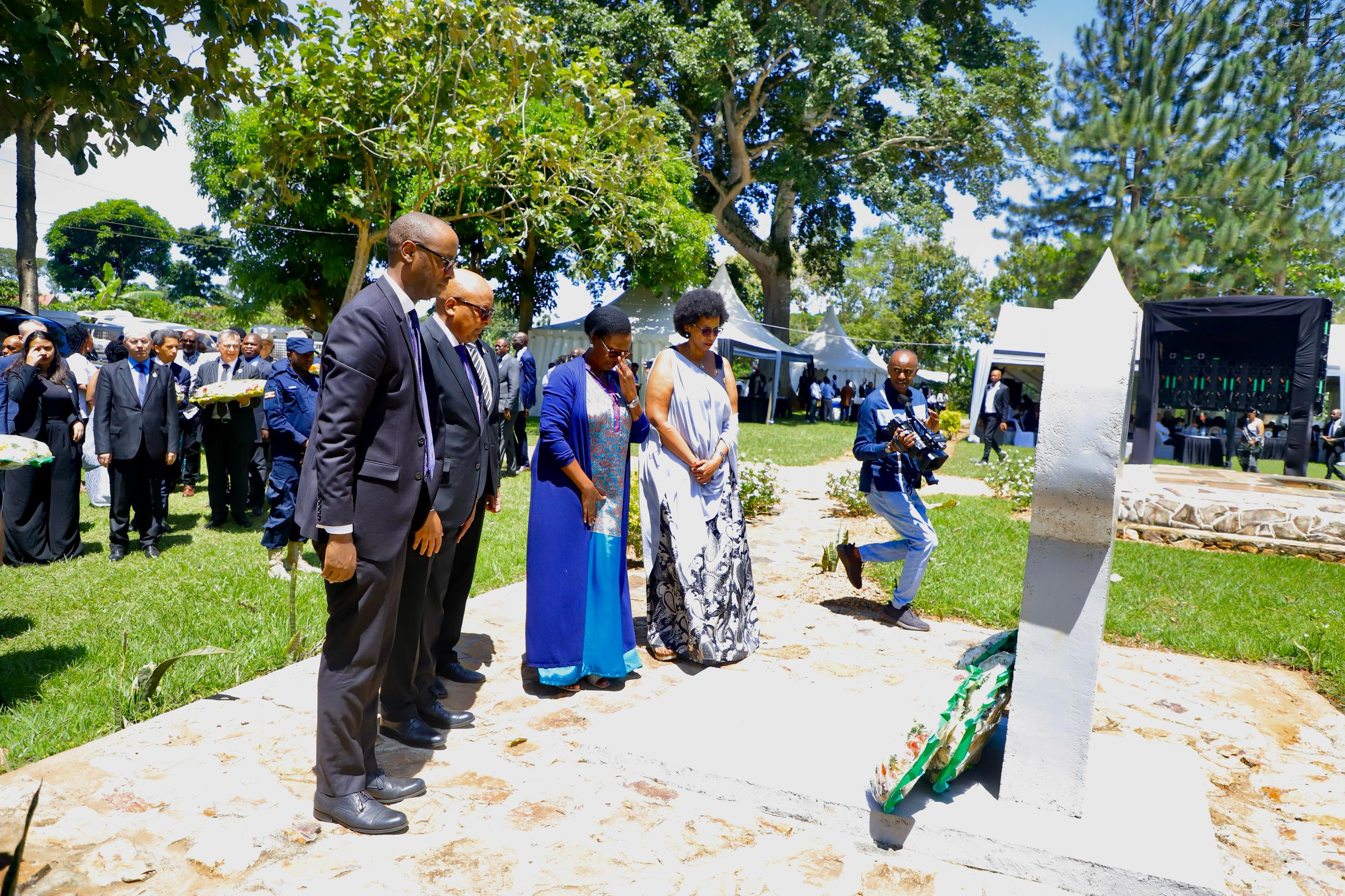
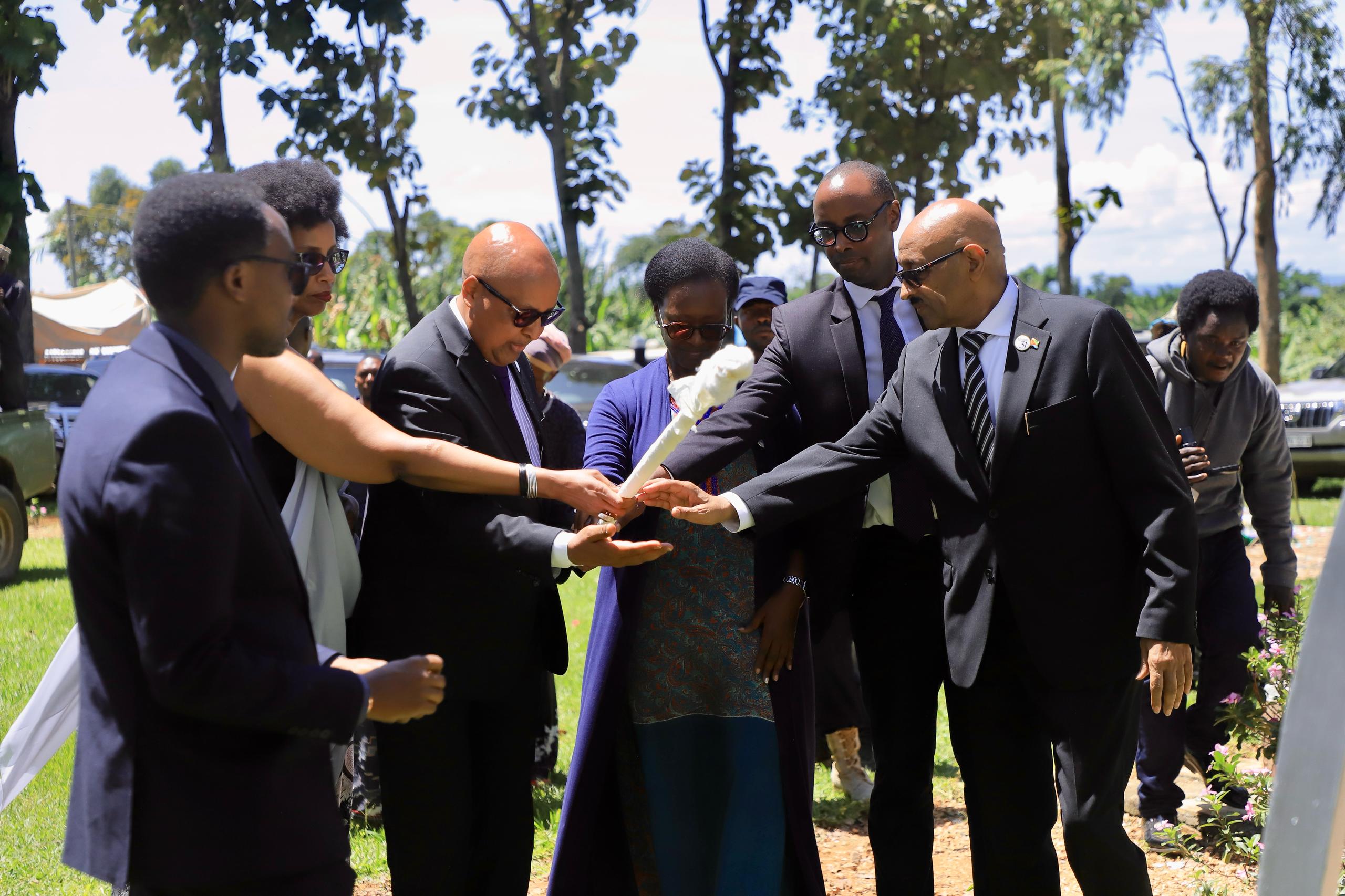
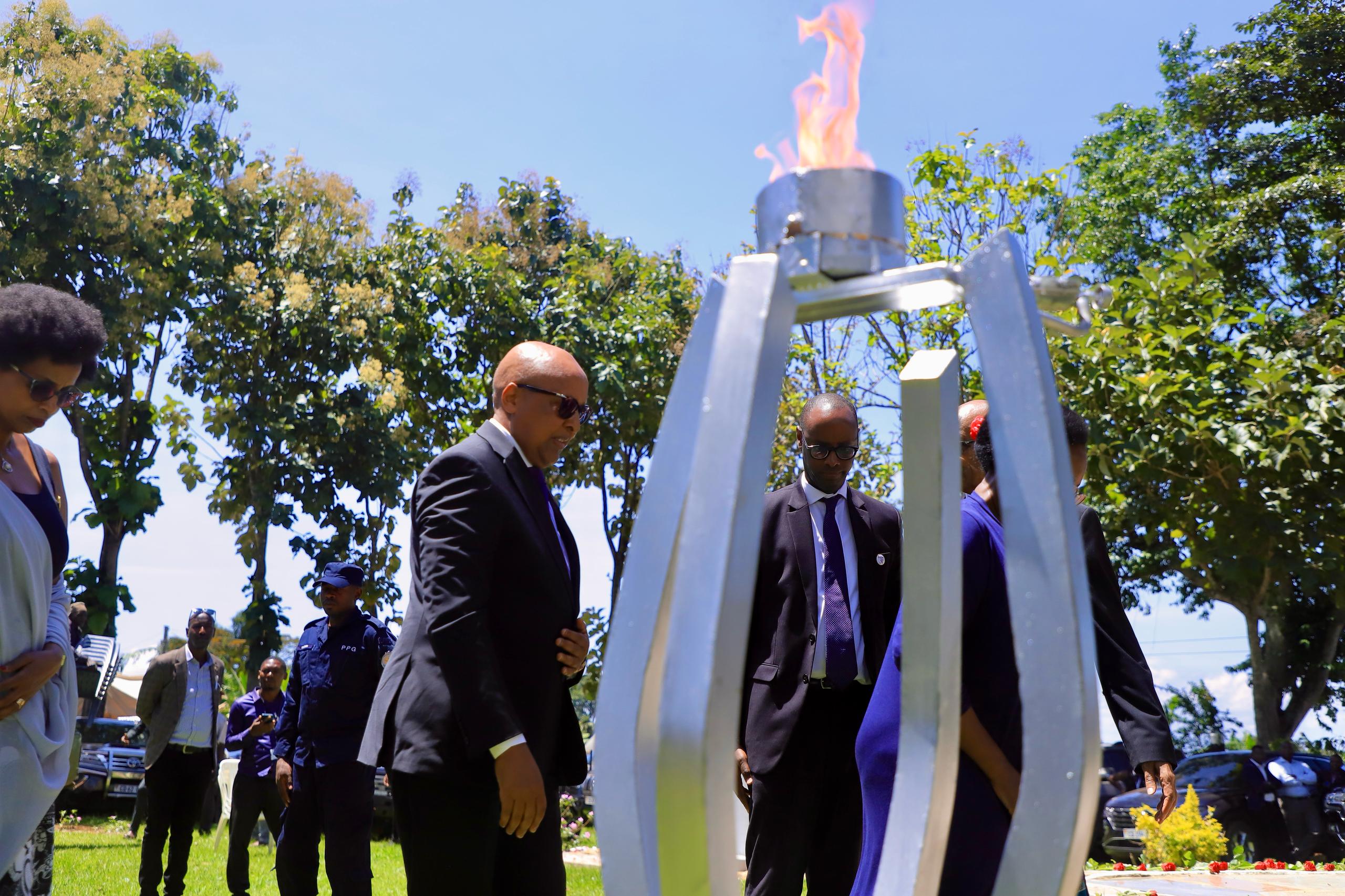
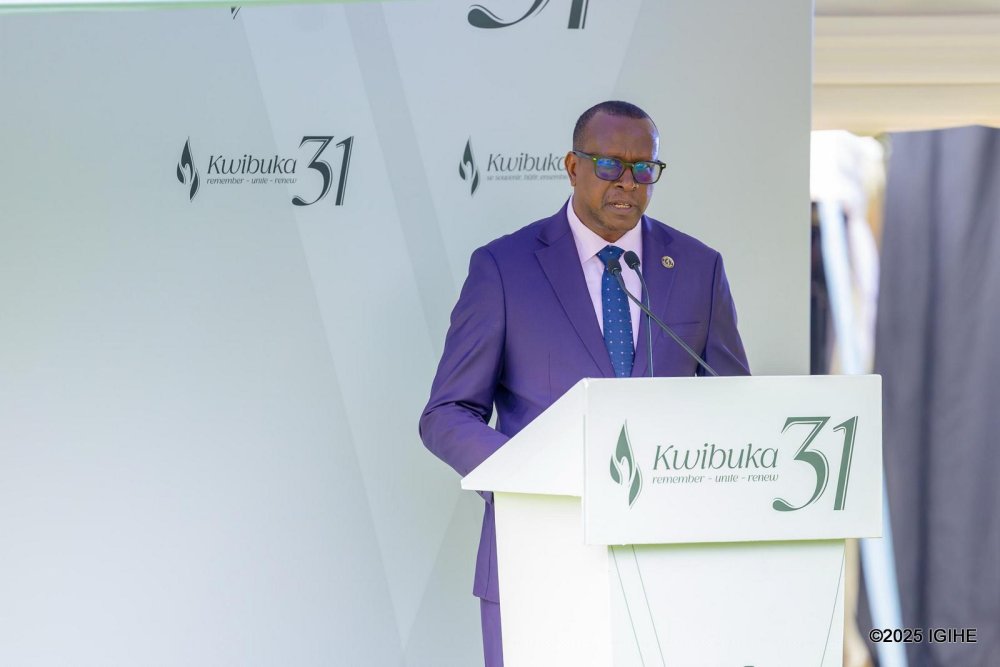
The sombre ceremony was marked by prayers led by different religious leaders, testimonies from Genocide survivors, as well as the laying of wreaths on mass graves at the site.
Rwanda’s High Commissioner to Uganda, Amb. Joseph Rutabana told thousands of mourners that the same ideology which fuelled the 1994 Genocide against the Tutsi in Rwanda continues to spread in neighbouring countries.
“We currently see it in the Eastern DRC, where local populations are mobilized to kill Congolese Tutsi (whom they relate to Tutsis in Rwanda). This is coupled by hate speech and other precursors of genocide incitement,” he said.
Rutabana emphasised that education remains one of the most powerful tools to preserve the memory of the victims and to combat the ideology that led to their deaths.
“It is important to reflect on the root causes and consequences of the Genocide so that not only Rwandans, but the world at large, take the necessary steps to punish the crime of genocide and prevent it from happening again,” he said.
Grief filled the air as mourners—mainly youth and a delegation from the HUMURA Lake Victoria Warakoze Genocide Survivors’ Association—sat in the tents, remembering the brutal and inhumane ways their loved ones were killed during the Genocide.
Alice Kaboyo, Uganda’s State Minister for the Luwero-Rwenzori Triangle and the guest of honour, noted that the rise of misinformation and hate speech, particularly online, poses a serious threat to social cohesion and peace.
“Education must therefore be at the forefront of our efforts to combat these dangers. By fostering critical thinking, promoting human rights education, we can equip Africa’s youth to reject division and violence and build a more inclusive society. Schools and universities must serve as spaces for dialogue, reconciliation and mutual respect,” she said.
A total of 10,983 victims of the Genocide against the Tutsi are buried in various memorial sites across Uganda. Kasensero Genocide Memorial site in Rakai District is the resting place of 2,875 victims; Lambu Genocide Memorial site in Masaka District holds 3,337 bodies; and Ggolo Genocide Memorial site in Mpigi District is home to 4,771 victims.
The announcement was made on Saturday in the capital, Dodoma, by Ramadhani Kailima, Director of Elections at the Independent National Electoral Commission (INEC).
While defending the commission’s tough stance, Kailima stressed that the code is a vital tool for ensuring fair and transparent elections at all levels—presidential, parliamentary, and local.
“The code of conduct is fundamental for guaranteeing integrity in the electoral process. All political parties were required to sign it,” Kailima stated, adding that Chadema was the only party out of 19 registered groups that refused to do so.
The code outlines expectations for ethical political behaviour ahead of the October polls, and failure to comply was previously flagged by the electoral body as grounds for disqualification.
Chadema’s rejection of the code stems from its longstanding call for sweeping electoral reforms.
The party has insisted that meaningful changes—such as constitutional amendments, the establishment of a genuinely independent electoral commission, and updated electoral laws—must be implemented before it agrees to participate in elections.
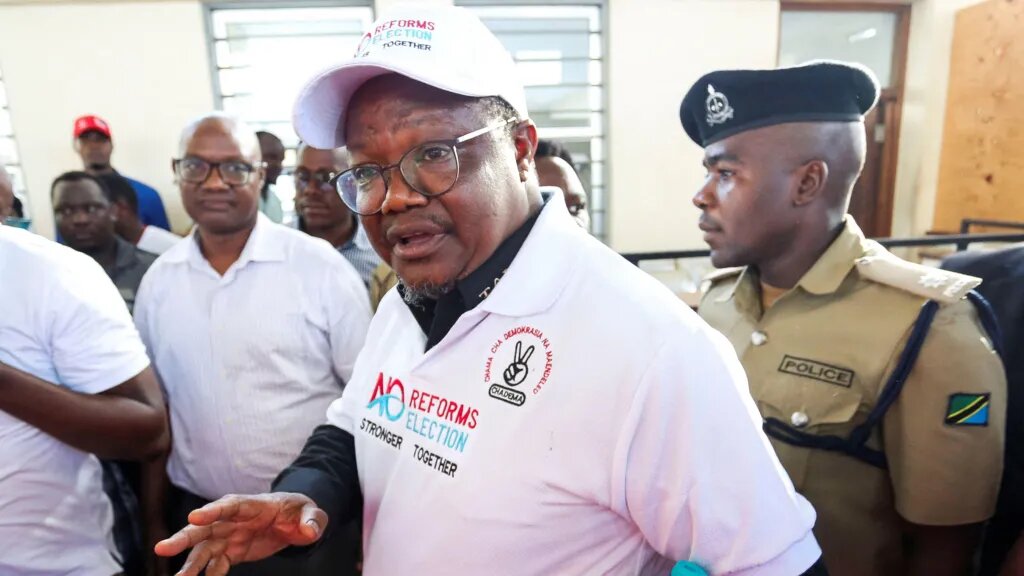
John Mnyika, Chadema’s Secretary General, reiterated the party’s “No Reforms, No Election” stance, arguing that the current framework is skewed in favour of the ruling Chama Cha Mapinduzi (CCM).
Although the government enacted limited reforms in 2024, Chadema maintains these changes fall far short of addressing systemic imbalances.
The ban marks a deepening standoff between the opposition and the state, further complicated by the recent arrest of prominent Chadema figure Tundu Lissu.
A former presidential candidate and one of the party’s most vocal leaders, Lissu was detained after a public rally where he called for electoral reform.
On Thursday, the 57-year-old politician was charged with treason after being accused of inciting rebellion and attempting to disrupt the electoral process. The offence carries a potential death sentence.
Dr. Bizimana made these remarks on April 13, 2025, as the official Genocide Commemoration Week drew to a close, a time observed in conjunction with the commemoration of politicians who were killed for standing against the genocide ideology and its execution.
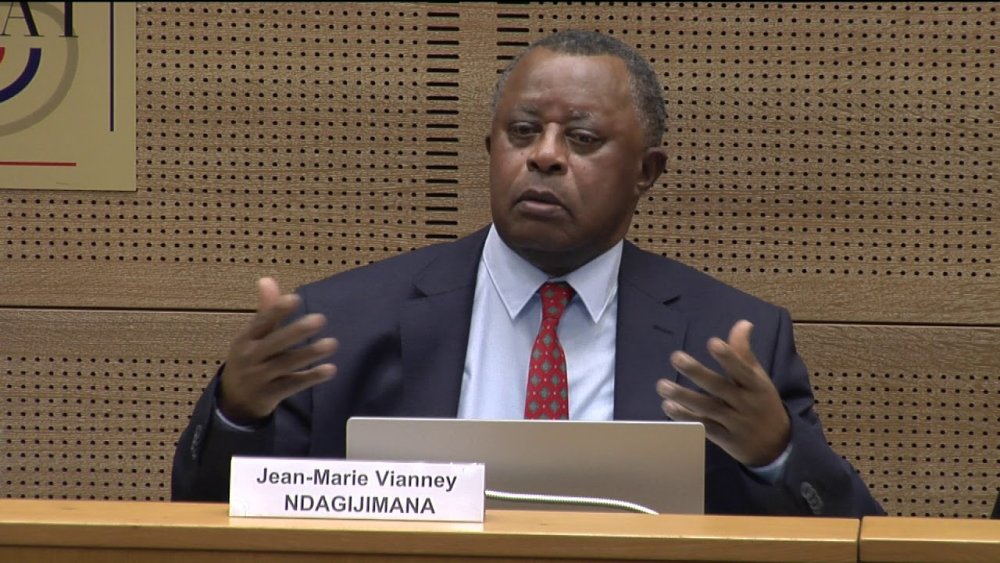
He explained that Ndagijimana, who briefly served as Minister of Foreign Affairs in the post-genocide Government of National Unity in 1994, now falsely claims that fewer than 350,000 Tutsi were killed, despite verified records showing over one million victims.
Dr. Bizimana also exposed lesser-known facts about Ndagijimana, stating that he uses the guise of political activism and human rights advocacy to conceal his past misconduct.
“In the Government of National Unity established in July 1994, JMV Ndagijimana was appointed Minister of Foreign Affairs. However, just two months later, he fled Rwanda after embezzling around $200,000, which belonged to the government,” Dr. Bizimana stated.
He added that then-Prime Minister Faustin Twagiramungu, a close friend of Ndagijimana and fellow native of Rusizi District, disclosed this theft in an official statement dated October 19, 1994, and in interviews with international media. Despite Ndagijimana’s frequent threats of legal action against those who accused him of theft, Twagiramungu passed away without ever being sued.
Instead, Ngarukiye Léon, then Director of Cabinet in the Ministry of Foreign Affairs, who had handed the money to Ndagijimana at Kigali International Airport, was the one taken to court. In a French court ruling on November 6, 2023, Ngarukiye won the case, effectively confirming Ndagijimana’s guilt.
On October 4, 1994, Ngarukiye who was part of a Rwandan delegation traveling to the UN General Assembly in New York, entrusted the funds to Ndagijimana for delivery to the newly reopened Rwandan Embassy in France.
Instead, Ndagijimana absconded with the money to France. Dr. Bizimana noted that despite losing the case, Ndagijimana never publicly acknowledged it, aware that the court proceedings exposed his theft.
Dr. Bizimana further revealed that this was not Ndagijimana’s first instance of financial malfeasance. A 1995 audit at the Rwandan Embassy in Paris uncovered that during his tenure as ambassador (1990–1994), he exploited the political turmoil in Rwanda beginning in 1992 to commit further fraud.
In September 1992, Ndagijimana illicitly sold a government-owned house in Paris without informing the Ministry of Foreign Affairs. He sold it for 1.85 million of the then French currency, a significant devaluation from its purchase price of 3.75 million, suggesting a hasty and self-serving transaction.
Dr. Bizimana disclosed that prior to the sale, Ndagijimana falsely reported the house as damaged, even intentionally setting fire to a portion of it. He subsequently requested and received 1.3 million francs for renovations, despite initially claiming only 700,000 francs were needed.
{{Theft from his domestic worker}}
The same audit also revealed Ndagijimana’s theft of 75,200 French francs (equivalent to approximately RWF 20 million today) from his Ethiopian domestic worker. Dr. Bizimana explained that Ndagijimana instructed the embassy’s accountant, Athanase Nsengiyumva, to pay domestic workers’ salaries through his personal bank account, subsequently failing to remit the funds to his employees, particularly his Ethiopian houseworker.
Dr. Bizimana emphasized that Ndagijimana’s pattern of misconduct set a negative precedent, inspiring other Rwandan diplomats to engage in similar criminal activities after the genocide. These included damaging government properties, selling embassy assets, and unlawfully occupying government residences long after their diplomatic service ended.
Among those implicated were Ukobizaba Martin, Nderebeza Anasthase, and Shirampaka Anasthase. The most egregious case, according to the minister, involved Col Sebastien Ntahobari, Rwanda’s Military Cooperation Attaché in Paris from 1992 to December 1994.
Recalled by the Ministry of Defense, Ntahobari refused to return to Rwanda and remained in France until his death. An audit revealed his full control over embassy funds in 1993, a period marked by substantial transfers for arms procurement, and his embezzlement of over $2 million in collusion with then-Minister Augustin Bizimana, who approved the transfers, and other embassy staff.
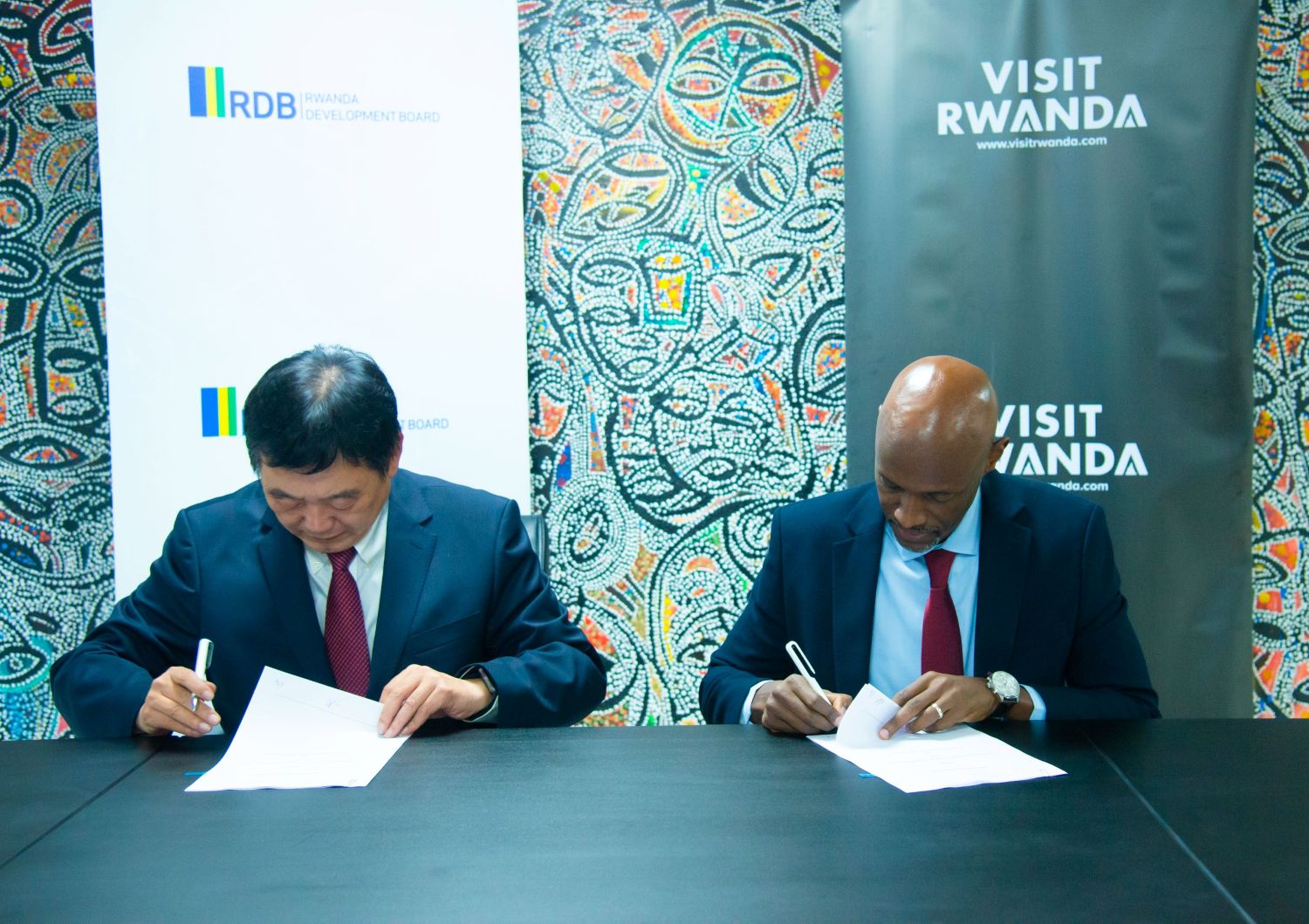
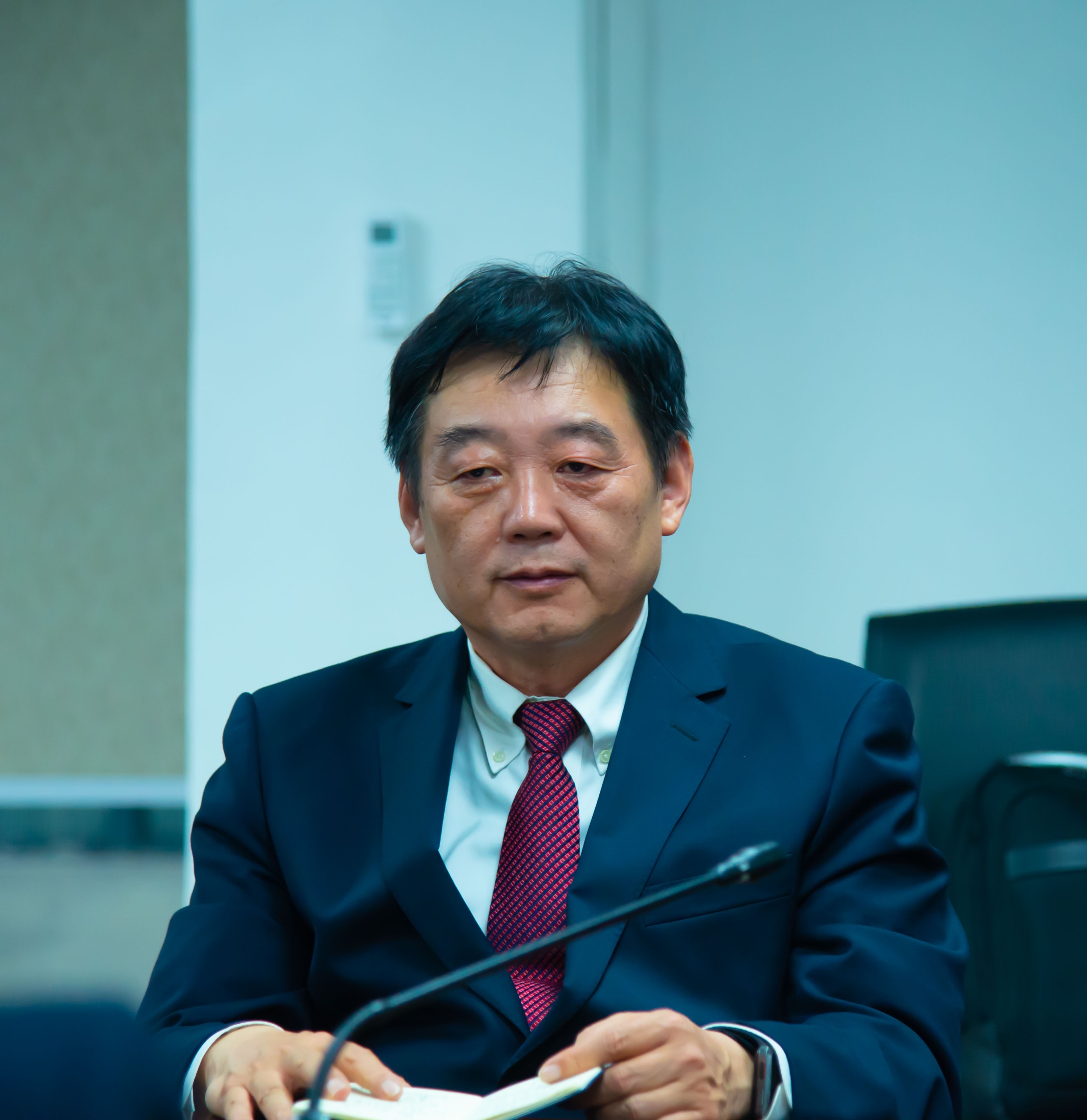
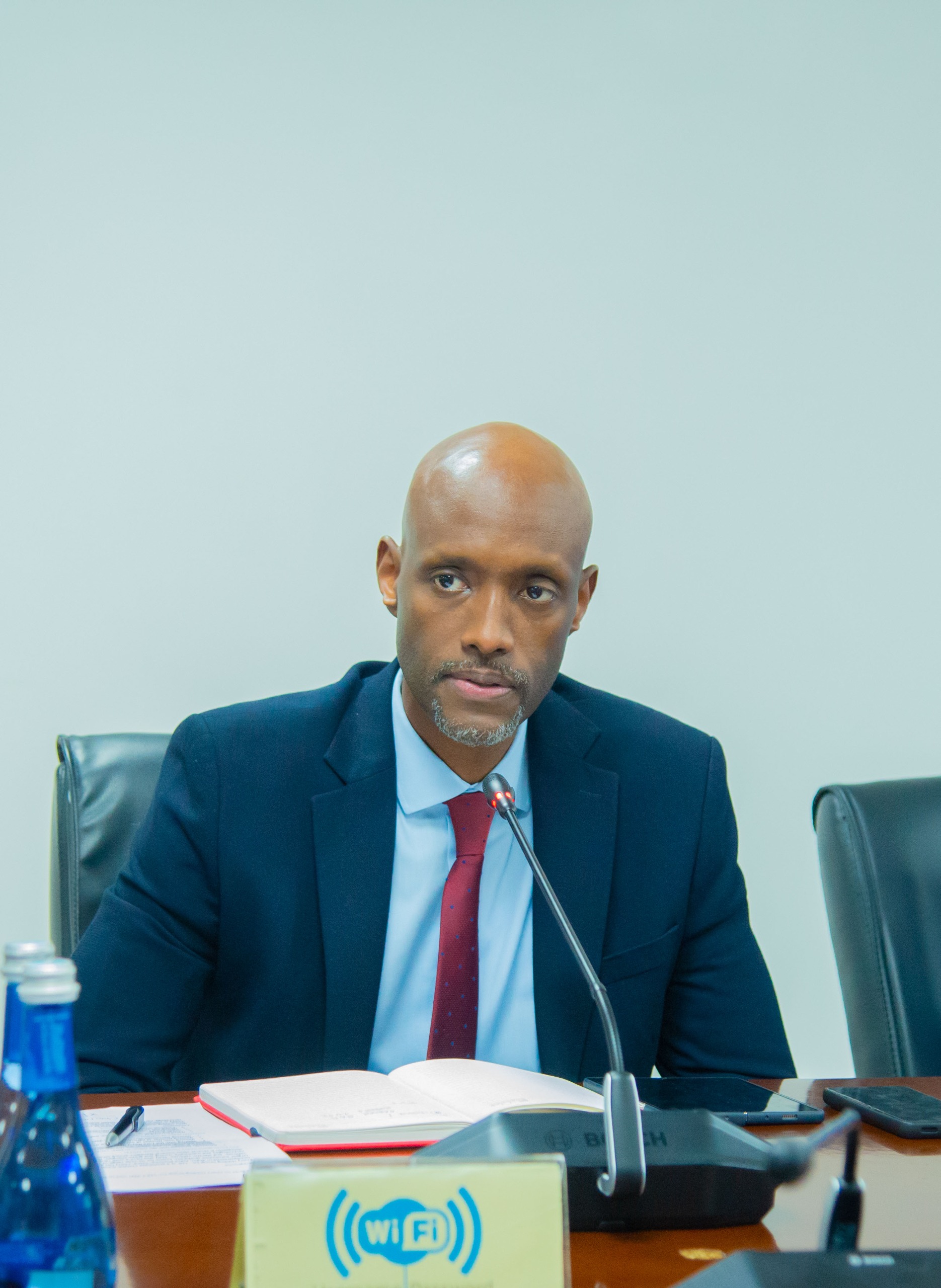
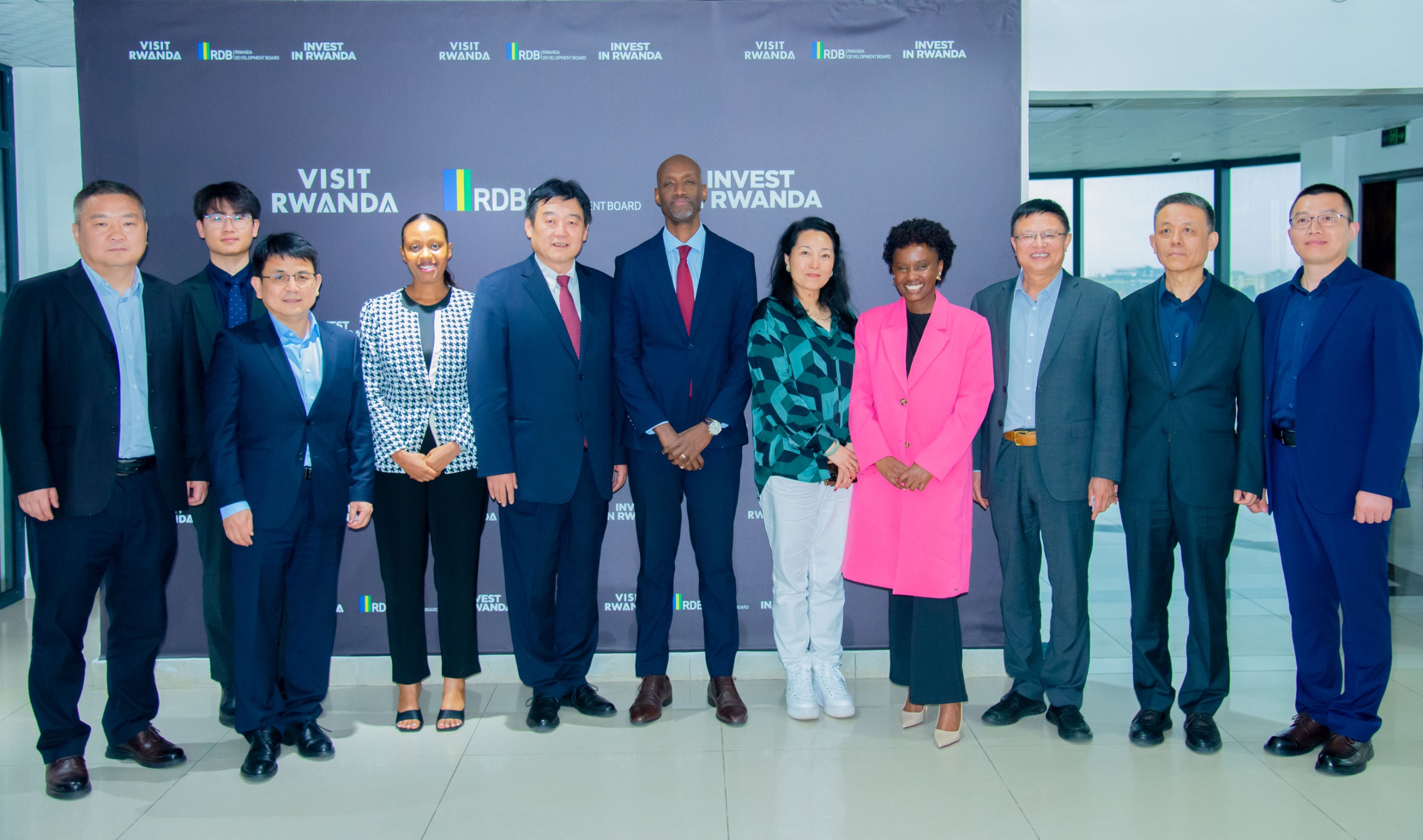
The agreement was sealed at the conclusion of a two-day visit by Chery’s Chairperson, Xu Hui, and his delegation on Saturday, April 12. They were received by RDB CEO Jean-Guy Afrika, who signed the MoU on behalf of Rwanda.
The partnership aims to accelerate Rwanda’s transition to a green economy and boost strategic sectors aligned with the country’s development agenda.
Chery Automobile Co. Ltd, founded in 1997 and headquartered in Wuhu, Anhui, China, is one of China’s leading automakers, known for its focus on independent innovation and global expansion.
Chery has been China’s number one passenger vehicle exporter for 22 consecutive years, maintaining the top spot in 2024. In 2023, it ranked first in export volume among Chinese automakers, surpassing SAIC Motor.
With a revenue of $39.09 billion, the group ranked 385th on the 2024 Fortune Global 500 list, which ranks the top 500 corporations worldwide by revenue.
In a notice quietly posted by U.S. Customs and Border Protection on Friday evening, the administration revealed that smartphones, computer monitors, semiconductors, and various electronic components — including memory chips and flat-panel displays — will be excluded from the 145% reciprocal tariff introduced earlier this week.
The exemption, which is retroactive to goods shipped or released from bonded warehouses on or after April 5, does not extend to the separate 20% levy targeting China’s alleged role in fentanyl trafficking.
The move marks a significant shift in the White House’s trade posture, following an outcry from technology firms over the potentially devastating impact of the tariffs on supply chains and consumer prices.
“This is a game-changing development for the tech sector,” said Dan Ives, a technology analyst at Wedbush Securities. “Big Tech can exhale. These exemptions remove the black cloud hanging over companies like Apple, Microsoft, and Nvidia.”
Analysts had warned that without the exemption, U.S. consumers could see the price of an iPhone surge to more than $3,000, with ripple effects across the broader economy. Apple, which relies on China for around 90% of its iPhone manufacturing, was particularly exposed. The tech giant has reportedly lost over $600 billion in market value since Trump’s tariff announcement last week.
Despite the tariff relief, the White House maintains that the long-term goal remains the repatriation of tech manufacturing.
“President Trump has made it clear: the United States cannot remain dependent on China for critical technologies,” White House Press Secretary Karoline Leavitt said Saturday.
“These exemptions are temporary — they provide breathing room while companies accelerate plans to onshore production.”
Trump echoed that sentiment during a brief exchange with reporters aboard Air Force One.
“We’re taking in a lot of money,” he said. “But we’re also being strategic. There will be exceptions — smart ones — to protect American jobs in the long run.”
The tariff exemptions, covering 20 product categories, are part of a wider recalibration of Trump’s trade strategy.
Earlier in the week, the president imposed a universal 10% tariff on imports from most countries — excluding China — while granting a 90-day grace period to nations that had not retaliated against U.S. trade measures. China, however, remains subject to heightened penalties after its own retaliatory tariff hike of 84% on U.S. goods.
Notably, the exemptions apply to components that are difficult or costly to source domestically, such as microchips and flash storage. These are vital to the operations of not only American tech firms but also Asian manufacturing giants like Taiwan Semiconductor Manufacturing Company (TSMC) and South Korea’s Samsung and SK Hynix, which may benefit from continued U.S. demand.
Even as the exemptions ease immediate concerns, questions linger over the long-term trajectory of U.S.-China trade after China on Friday announced a 125% retaliatory tariff on products imported from the U.S.
In a strongly worded statement issued on April 12, the group accused SAMIDRC troops of participating in a joint military operation alongside the Congolese army (FARDC), the FDLR militia, and the Wazalendo group in an attempt to retake Goma, which has been under rebel control since January.
The group said the offensive, launched on the night of April 11, was decisively repelled by its forces. It also demanded the immediate withdrawal of SADC forces from Congo and the surrender of Congolese soldiers stationed within United Nations mission facilities.
“The attacks… violate the existing SADC agreements and delay the rehabilitation of Goma Airport,” said AFC/M23 spokesperson Lawrence Kanyuka.
“We demand the immediate withdrawal of SAMIDRC forces and the surrender of FARDC troops stationed within MONUSCO facilities.”
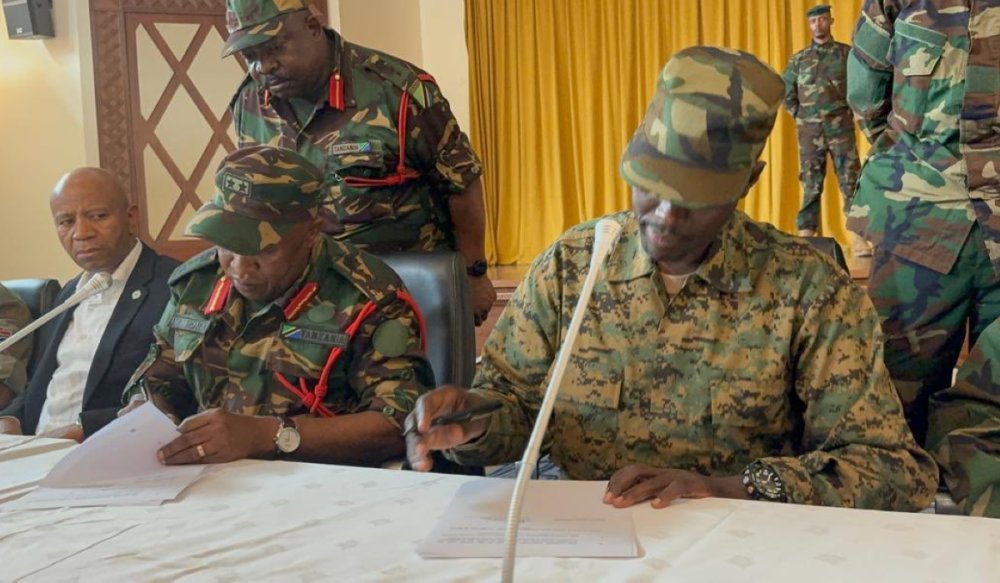
The breach comes just weeks after the rebels and SAMIDRC troops signed an agreement on March 28 to facilitate the peaceful withdrawal of regional forces following their defeat and the rebels’ takeover of Goma.”
Negotiated in Goma, the deal outlined the immediate and orderly withdrawal of SAMIDRC troops, allowing them to leave with their weapons and equipment, while stipulating that any FARDC arms in their possession be left behind.
The accord also included plans for SADC to support the rehabilitation of Goma International Airport and conduct a joint technical assessment to ensure its operational readiness for troop withdrawal.
However, the recent clashes have raised doubts over the future of the ceasefire and the credibility of the withdrawal process.
“The AFC/M23 reaffirms its unwavering commitment to protect and defend the civilian population, in all its diversity, whatever the cost,” the rebel group said, while warning it may be forced to reconsider its stance if provocations persist.