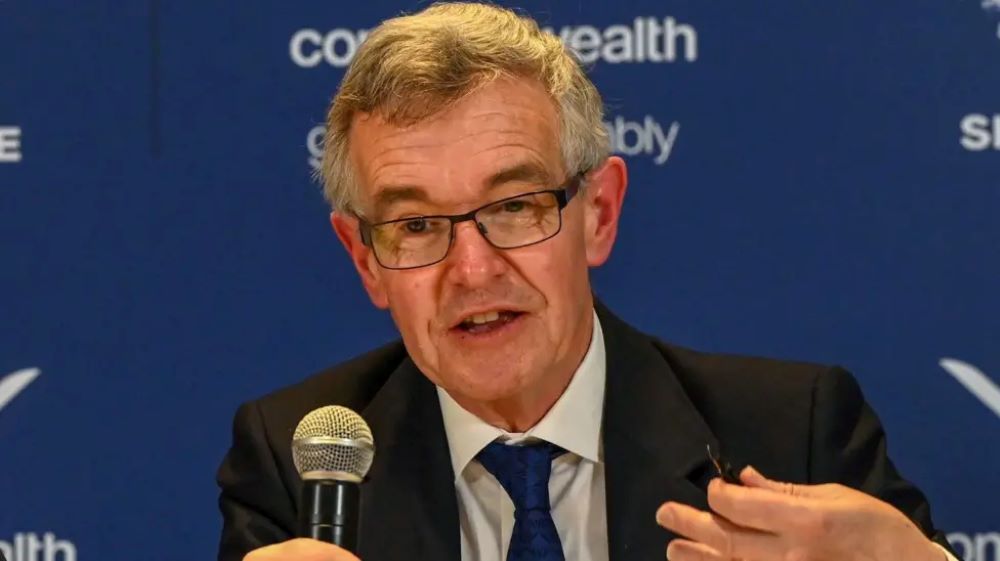
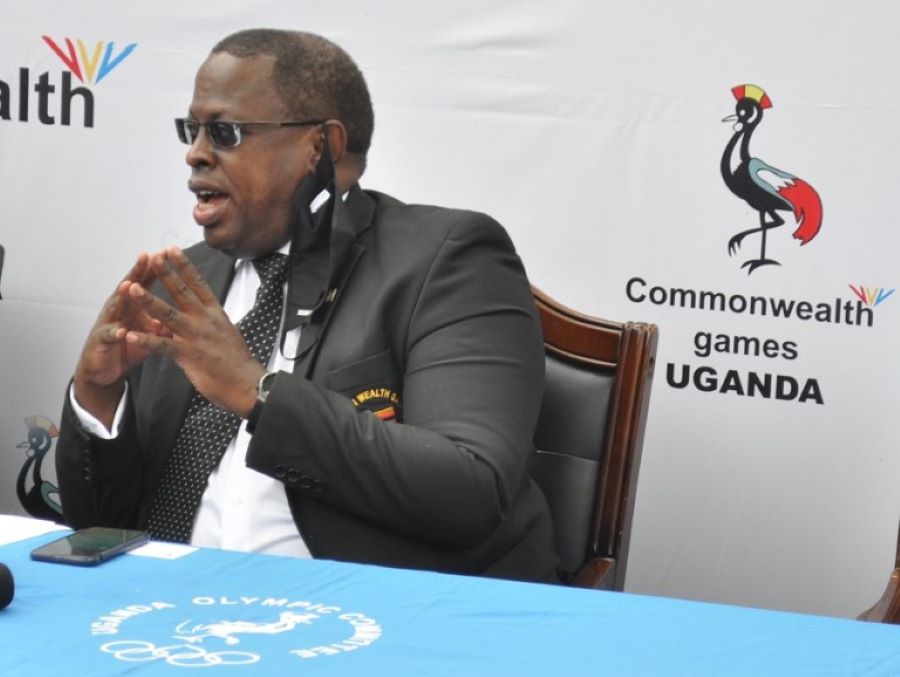
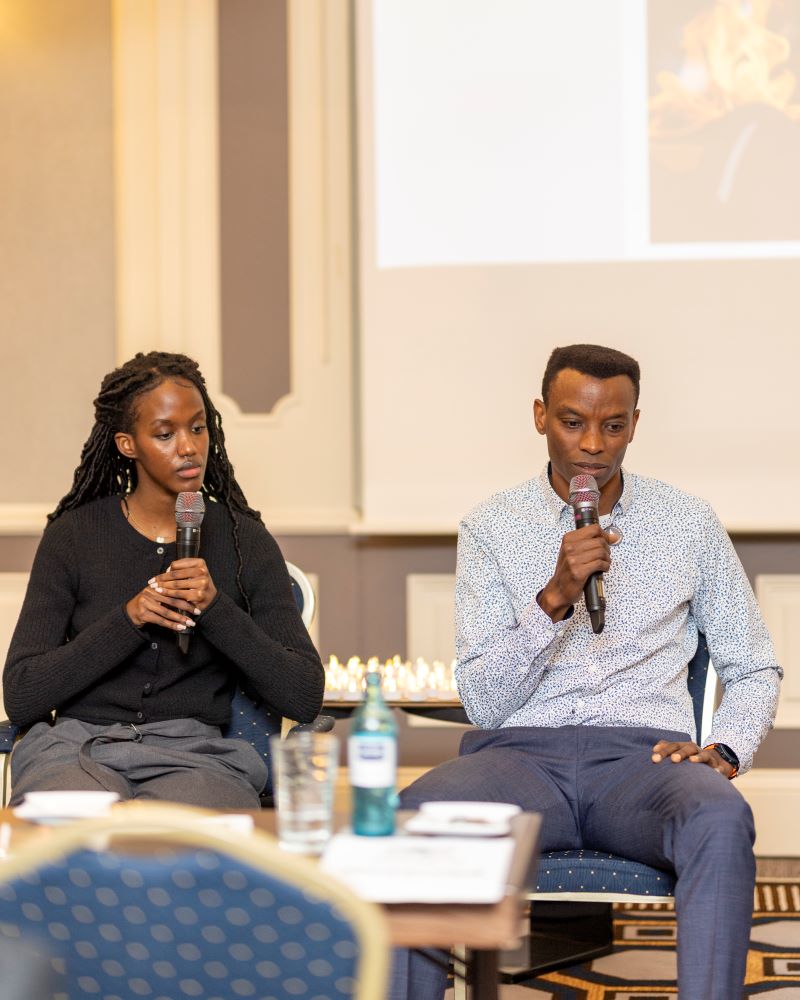
The Ugandan lawyer and sports administrator was named following an announced resignation of President Chris Jenkins to guide Commonwealth Sport until elections in November 2025.
Jenkins, who took the role in November 2023, will be remembered for his longstanding service and contribution to the Commonwealth Sport movement.
“I am particularly proud of the opportunities I have been given to advance Sport for Development and especially Para inclusion through our GAPS program and want to thank all my Commonwealth Games Association colleagues and friends for their support,” said Jenkins.
Commonwealth Sport CEO Katie Sadleir explained that with a mid-term resignation the Constitution allows for an interim President to be appointed by the Executive Board, and a new President will be elected by the membership at the next General Assembly in November 2025.
“The Board appointed Dr. Donald Rukare as interim President until the General Assembly. We look forward to working with Donald in this role as we continue driving the organization’s event operations and wider movement forward,” said Sadleir.
“We look forward to welcoming a new President in November to lead us through our upcoming period of growth and continued transformation,” he added.
“I am ready to step into this role and thank the Board for their confidence in me. We have come through a particularly challenging period in our Games history, and we are now building momentum towards an outstanding Commonwealth Games in Glasgow in 2026,” said Rukare upon his appointment.
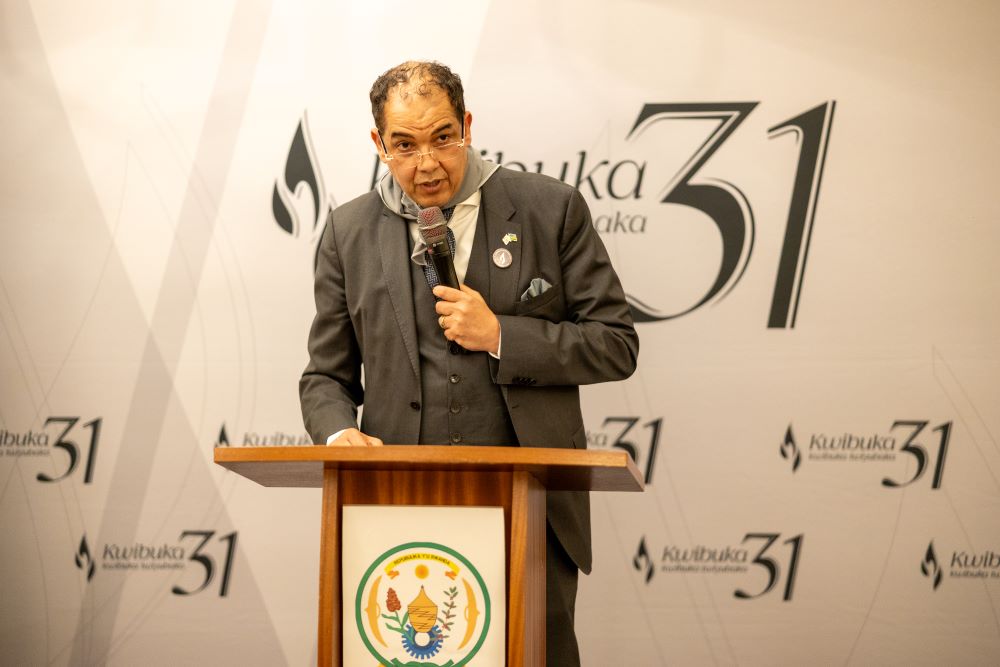
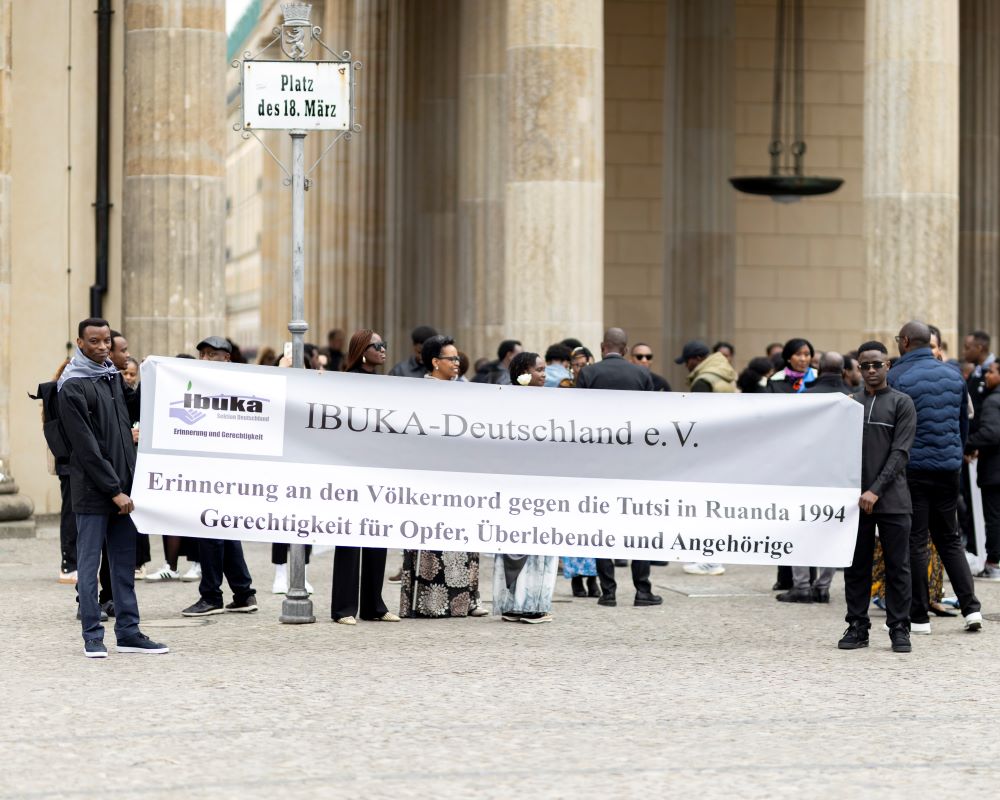
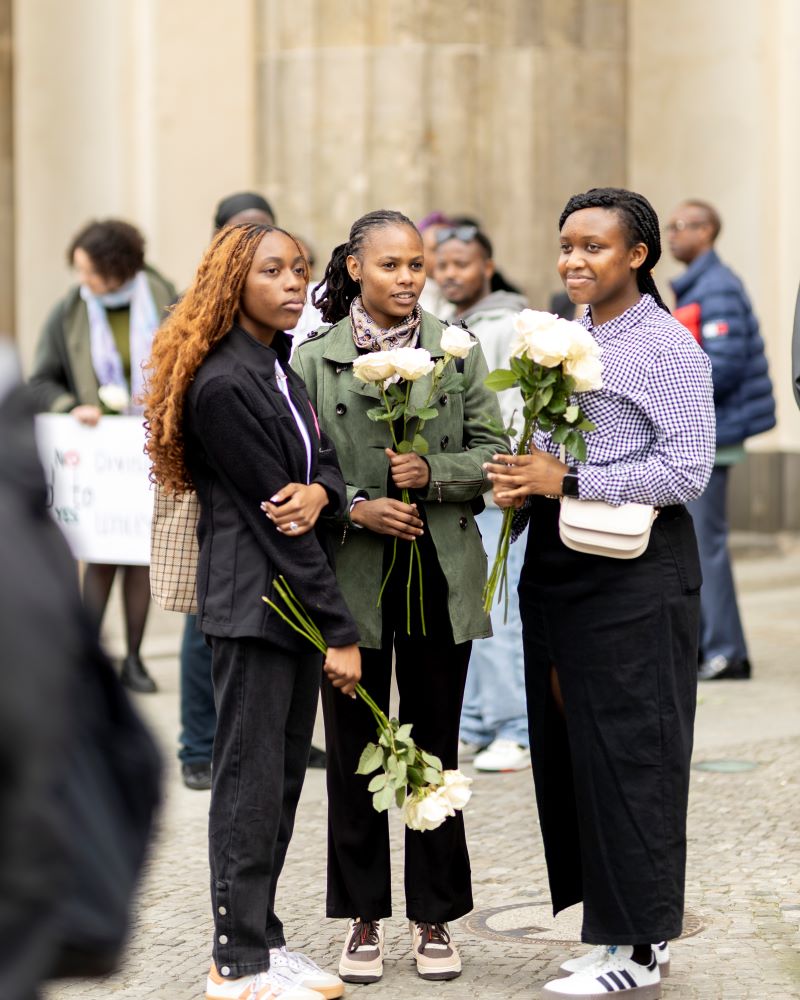
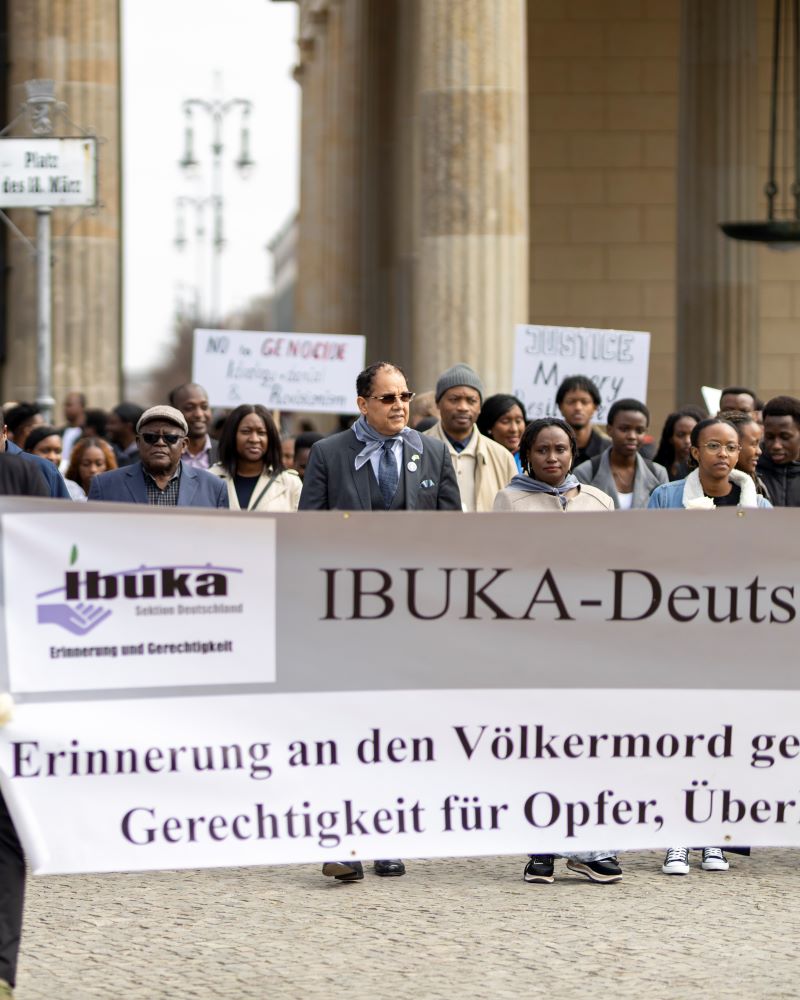
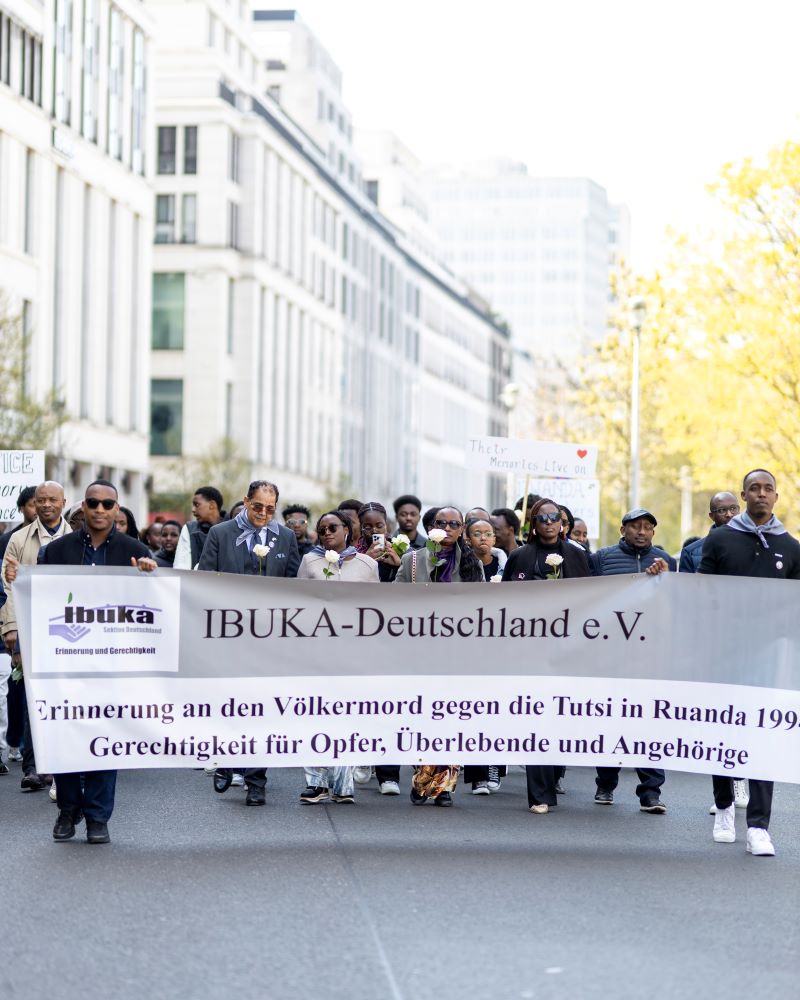
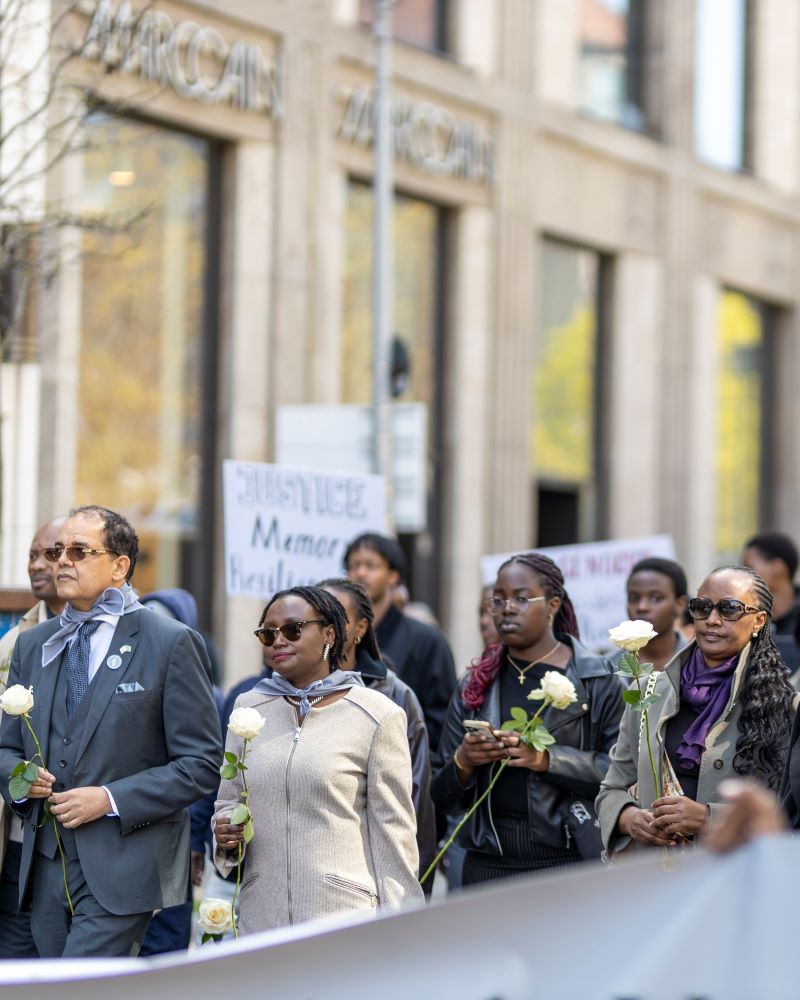
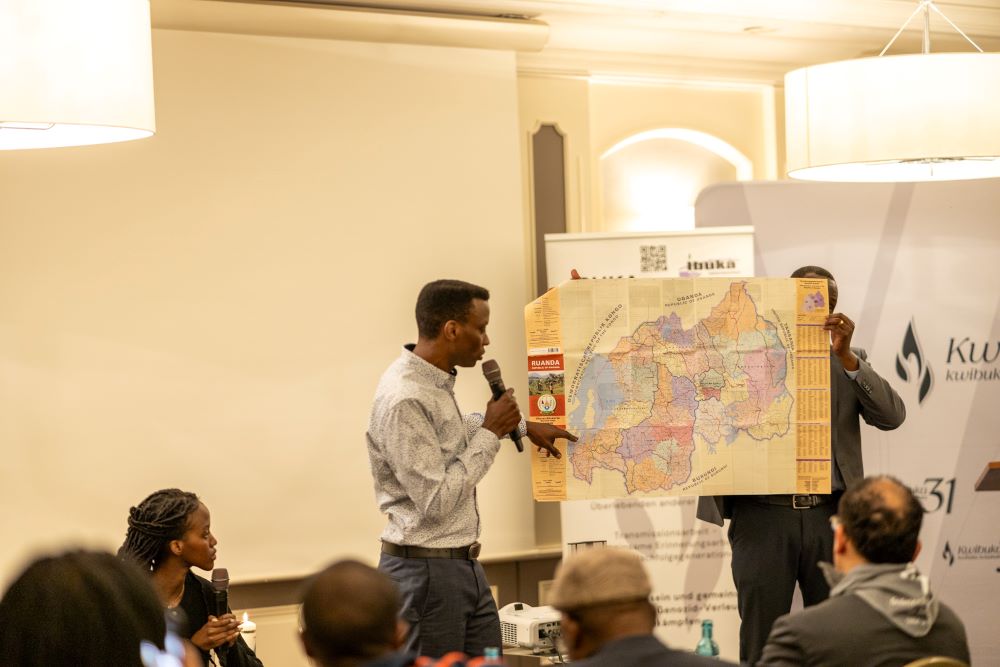
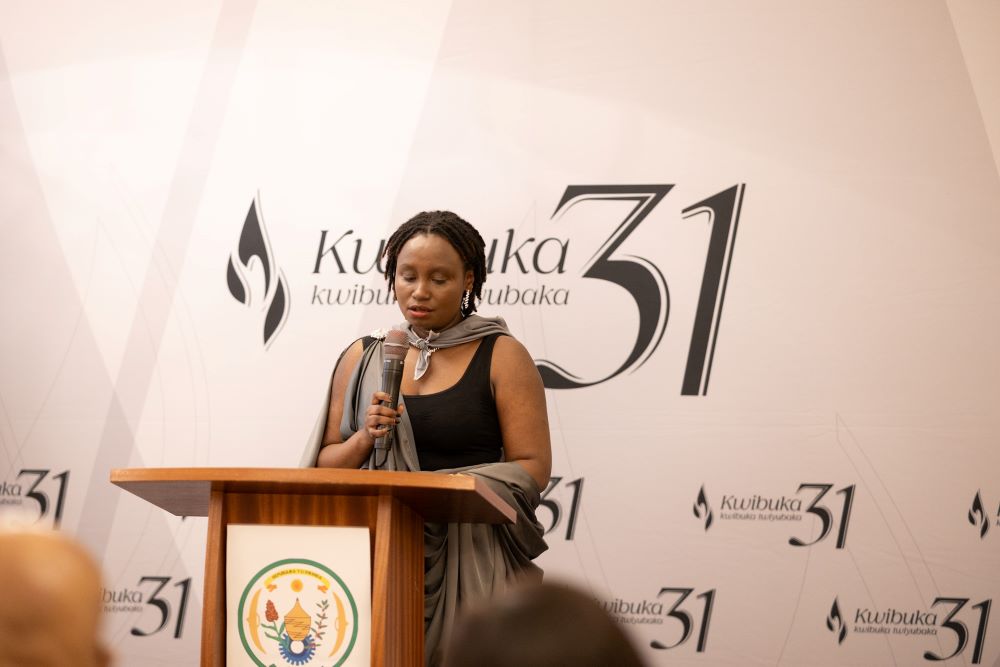
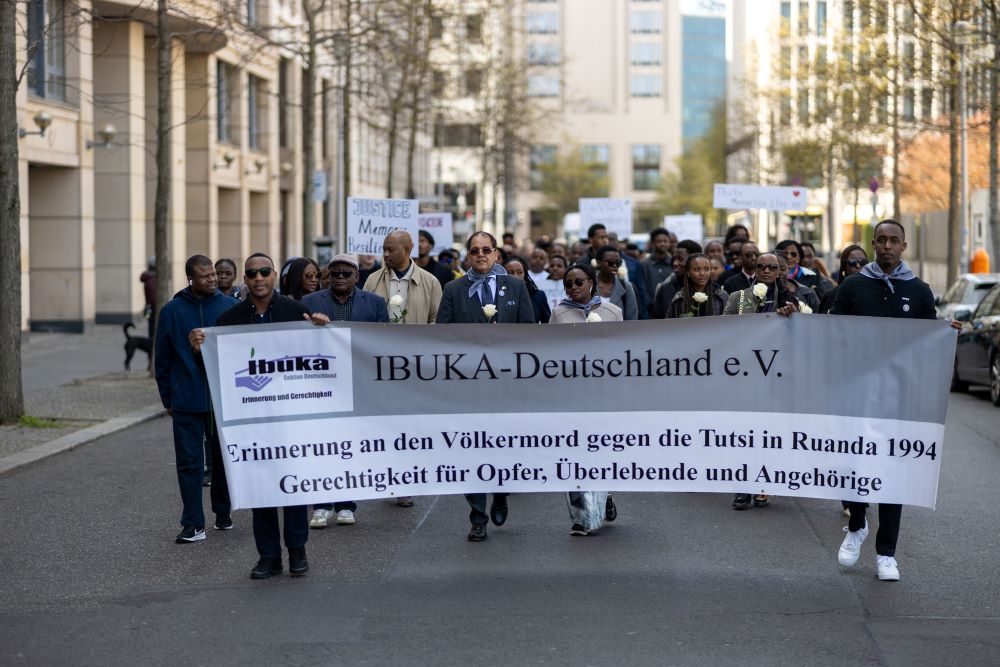
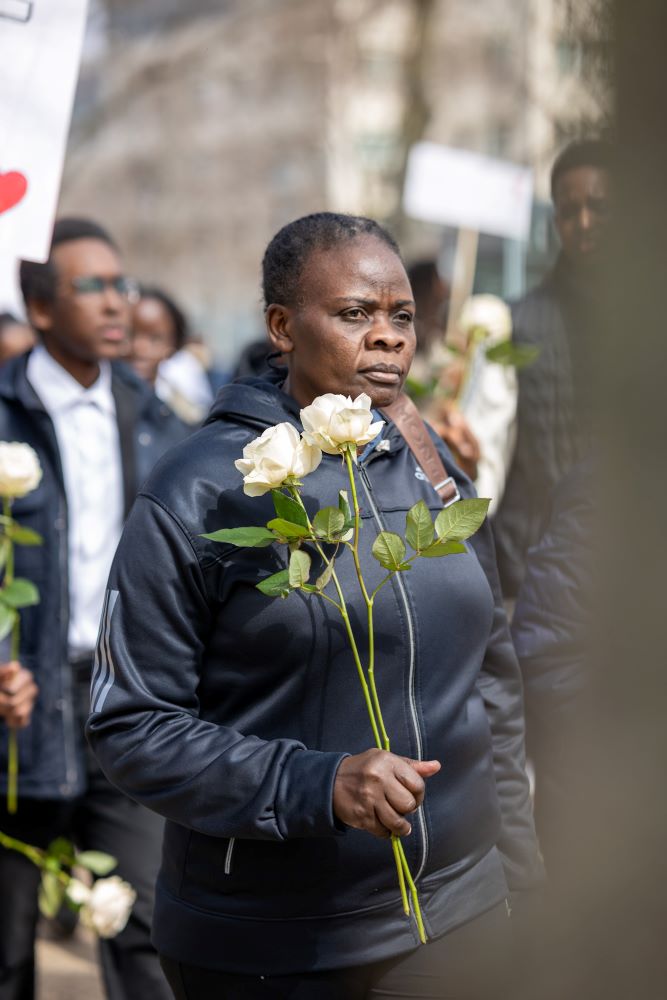
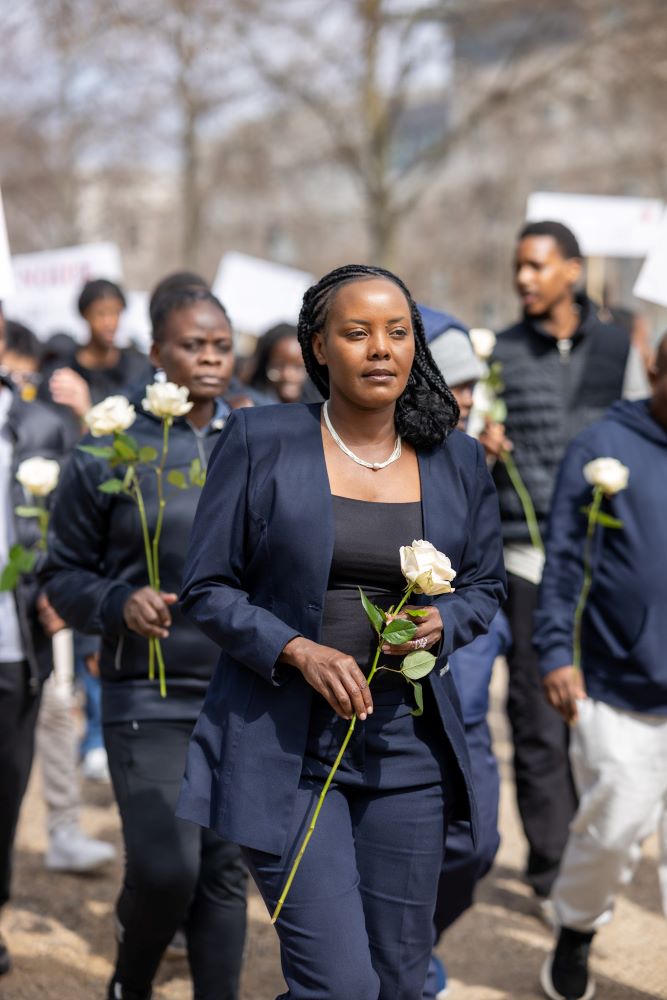
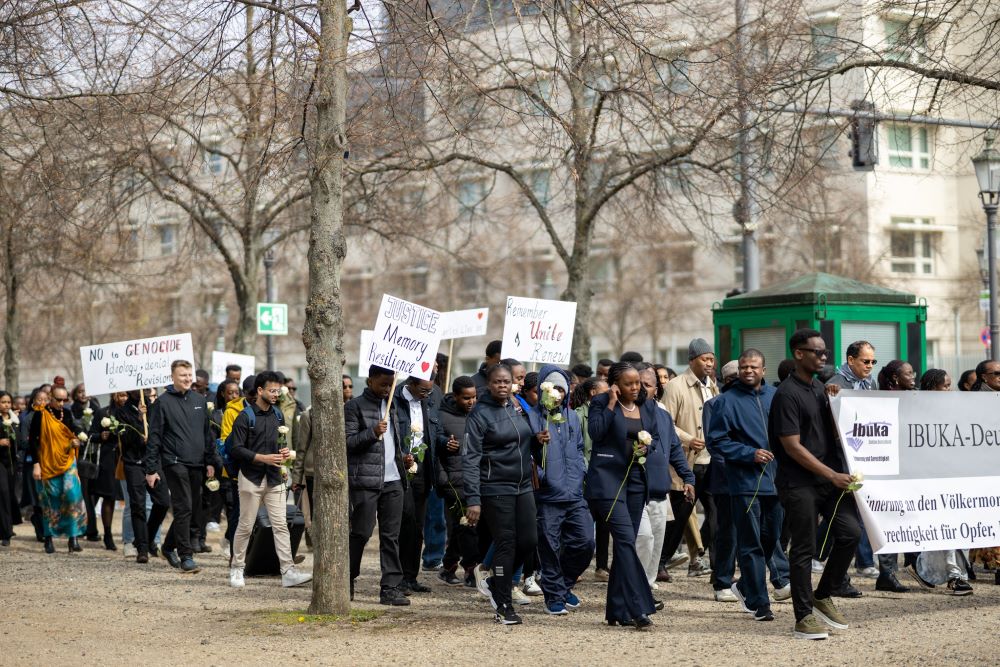
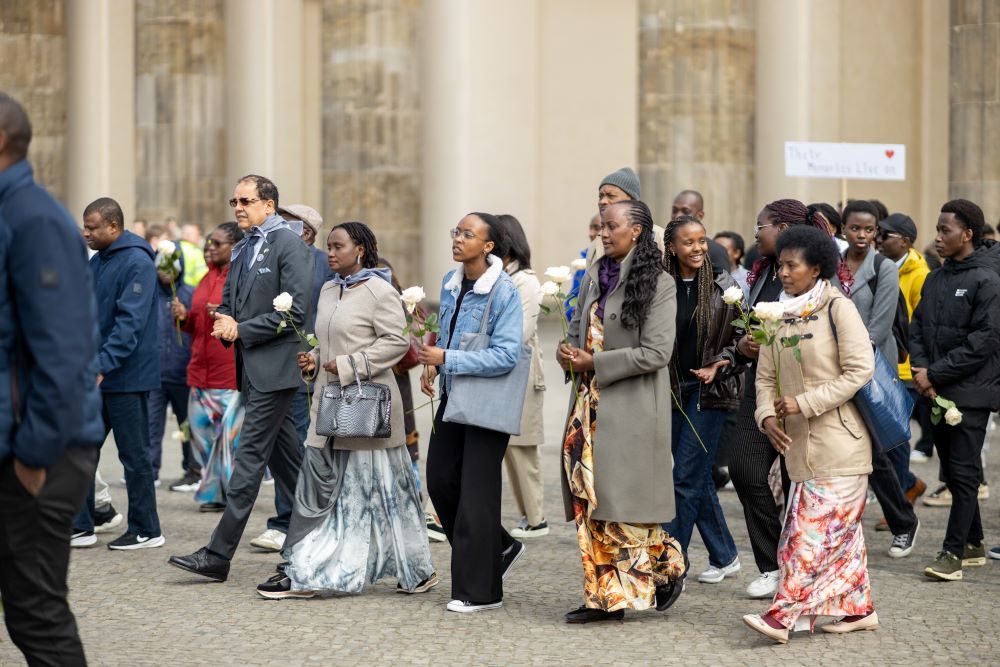
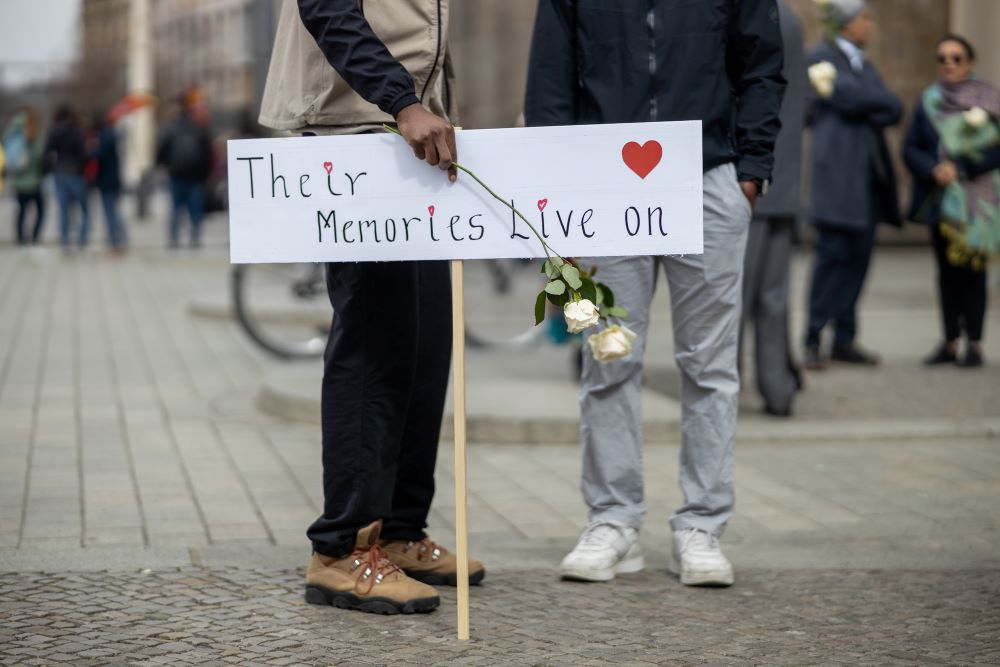
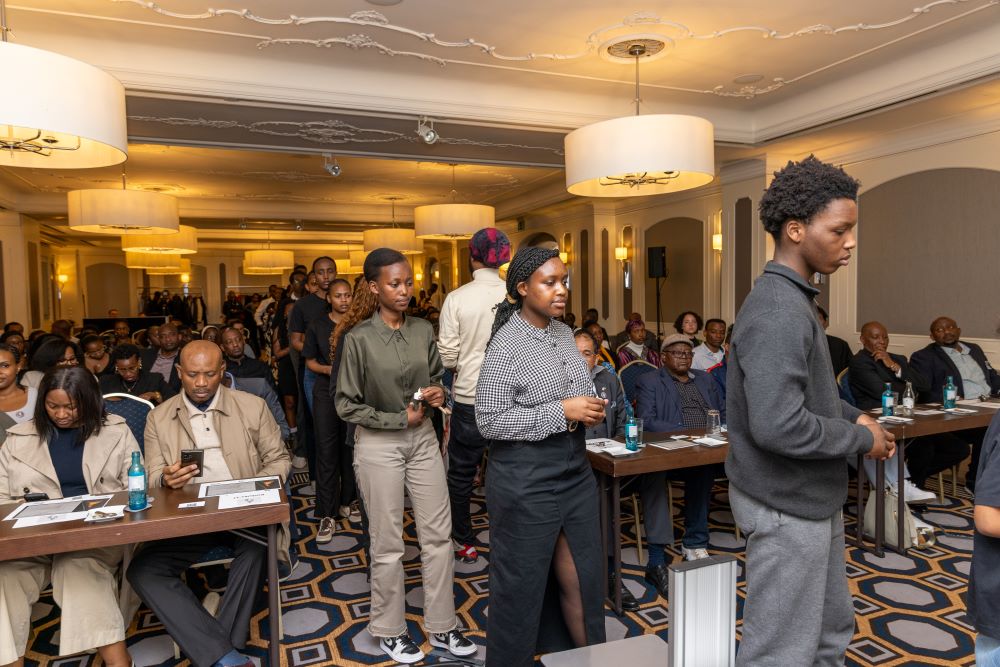
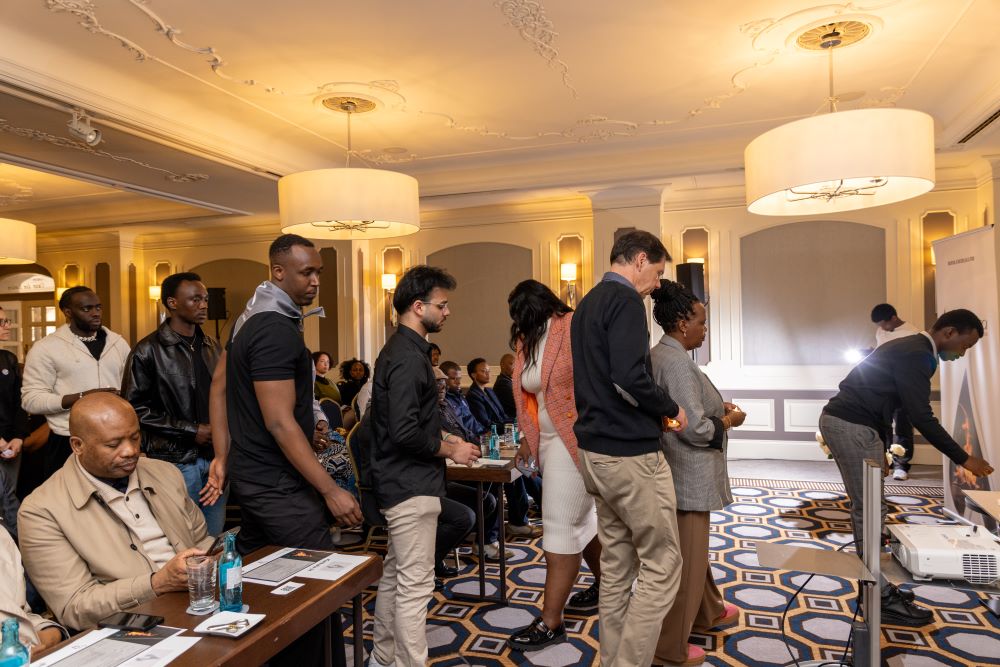
Amb. Igor delivered this message on April 12 in Berlin, as the Rwandan community in Germany commemorated the 31st anniversary of the 1994 Genocide against the Tutsi.
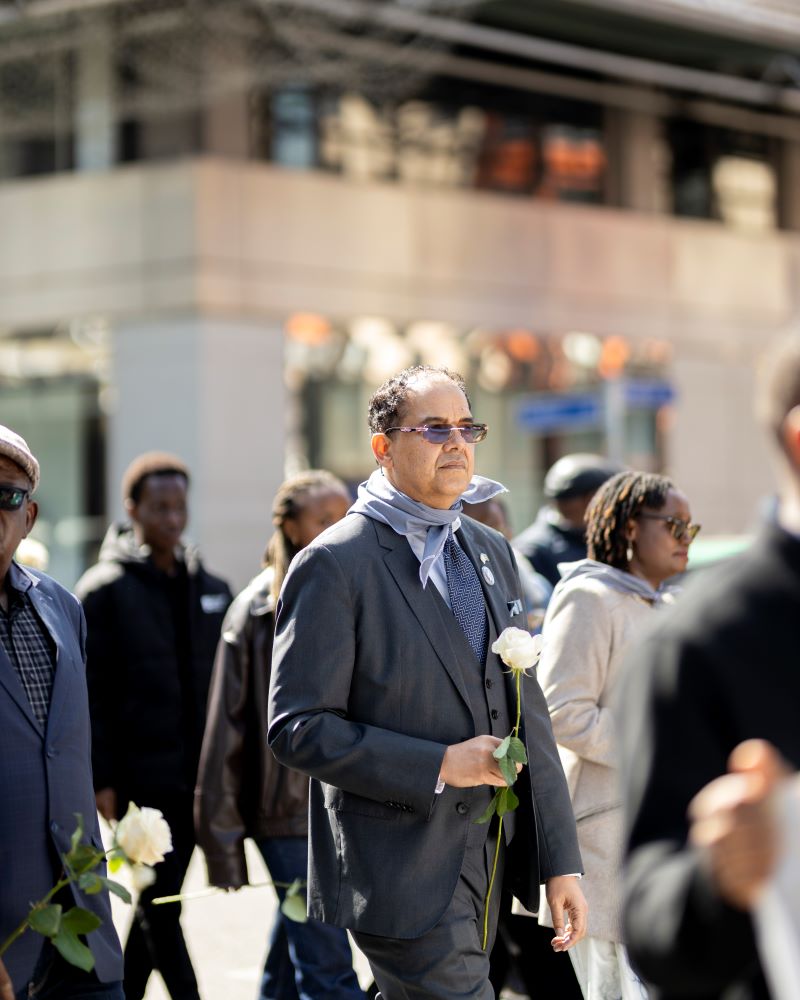
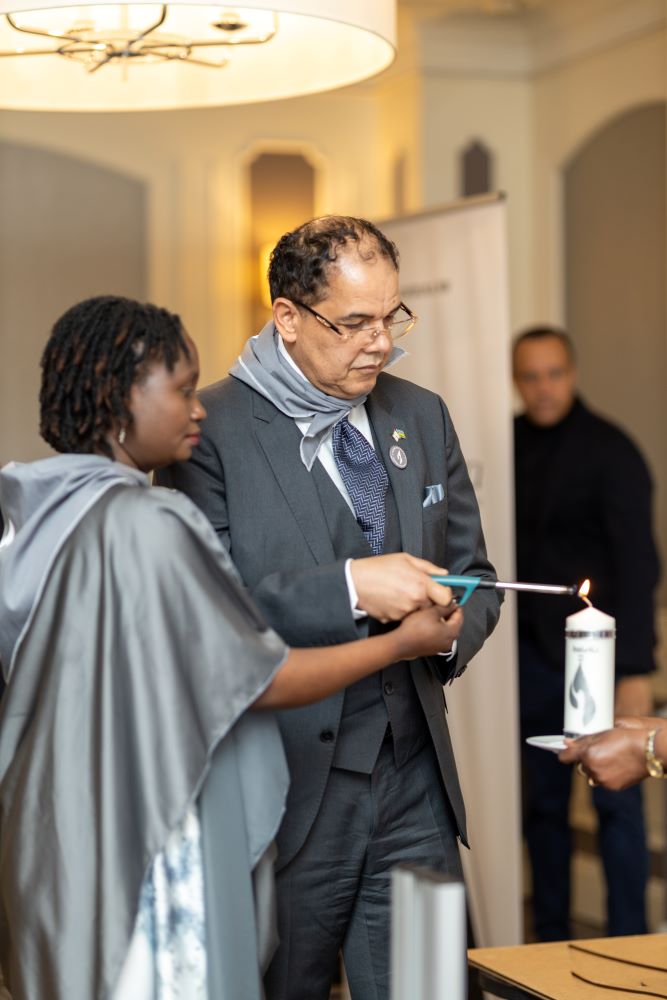
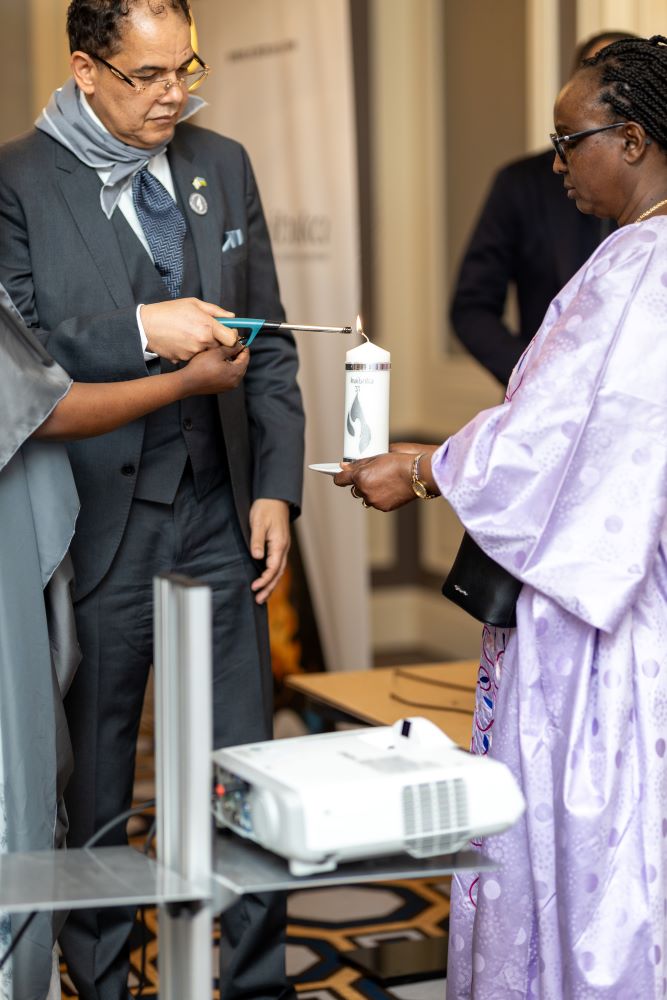
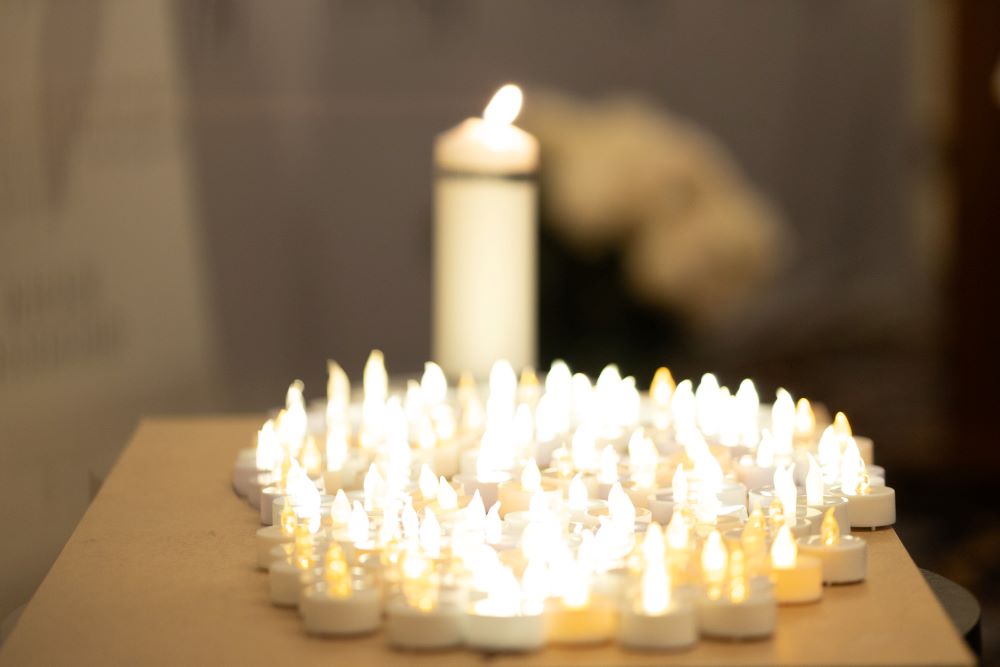
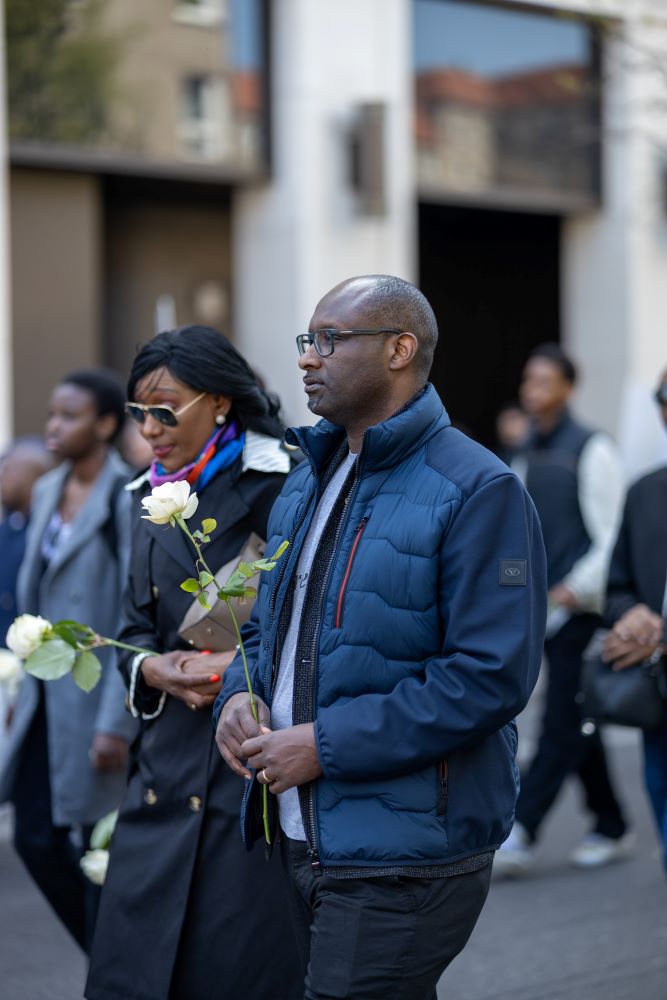
The commemoration event included a Walk to Remember and the lighting of the Flame of Hope. Participants also observed a moment of silence to honor the victims of the genocide.
Addressing the gathered participants, Amb. Igor emphasized the historical context of the genocide, stating, “The genocide against the Tutsi in Rwanda from April to July 1994 was the culmination of decades long ethnic based hate and ideology of division instigated, taught and spread since the colonial period in Rwanda by the colonial administrations, the Catholic White Fathers, the missionaries that led Rwanda and built their policies on ethnic division and hatred against Tutsi.”
He further detailed Belgium’s direct involvement, explaining, “This led to recurring cycles of genocidal violence, waves of unpunished killings and massacres of Tutsi between 1959-1963 under the supervision of Belgian military officers mandated by the Belgian Administration.”
According to the ambassador, this “colonial administration installed a culture of impunity, enabling the deep-rooted hatred that led to the planning and execution of the Genocide against the Tutsi in 1994.”
The Ambassador also criticized Belgium’s contemporary stance, asserting, “Genocide ideology and genocide denial prevails and it is still being spread in neighbouring countries and abroad, under the cover and support of some western countries among which Belgium, a country that has deep rooted responsibilities in Rwanda’s tragic past.”
Amb. Igor also expressed his disapproval of recent political decisions in Europe, pointedly referencing the cancellation of a genocide commemoration event in Belgium.
He argued that “suspending a commemoration because of a tense political climate sends a clear message: that remembrance and commemoration is optional…That it can wait,” directly challenging the idea that remembrance is secondary to political considerations.
He concluded by stressing the fundamental importance of memory and its role in confronting difficult truths, stating, “But memory, by definition, disturbs. It questions. It confronts. It forces us to face what others prefer to forget.”
Judence Kayitesi, President of Ibuka Deutschland, underscored the vital role of youth in preserving history, rejecting all forms of discrimination, and ensuring that genocide never occurs again.
“You must be the voice of truth, challenging harmful ideologies wherever they emerge. You must be agents of change, guardians of memory, and defenders against denial and distortion,” she noted.
Kayitesi, President of Ibuka-Germany, reminded participants that remembrance is not merely ceremonial but a shared responsibility.
“Kwibuka is everyone’s responsibility,” she stated, calling on the international community to stand firmly against genocide denial and distortion.
He was speaking at the 31st commemoration of the 1994 Genocide against the Tutsi, held in Kibeho, Nyaruguru District, on April 14, 2025.
The commemoration focused on the events of April 14, 1994, when thousands of Tutsi who had fled to Kibeho Parish from the former communes of Mubuga, Rwamiko, and Kivu were brutally attacked.
Interahamwe militias, supported by soldiers and gendarmes, attacked and set fire to the church, resulting in the deaths of over 30,000 people.
The atmosphere of ethnic hostility in Kibeho prior to the genocide was described by Marc Manirakiza, a genocide survivor from Nyange Cell, Kibeho Sector.
Manirakiza recounted an incident in 1992 where he was subjected to ethnic insults while working at his brother’s restaurant, being told that Tutsi had no right to conduct business there.
He also recalled a disturbing event at GS Marie Merci, where students staged a mock funeral for their Tutsi headteacher, symbolically burying bundles in a gesture of hate.
Manirakiza’s testimony directly addressed the role of the clergy during the genocide. He stated that on April 14, 1994, “the killers did not spare the church, and the clergy did nothing to help.”
He further accused the clergy of actively collaborating with the perpetrators, revealing, “The clergy in Kibeho, who were not being targeted, collaborated with killers. They held meetings with Munini Sub-Prefect Damien Biniga, ignored our cries for food and water, and instead prepared the massacre of Tutsi at Kibeho.”
Following his escape from Kibeho, Manirakiza fled to Karama in Huye, then to Nyumba Parish, and eventually sought refuge in Burundi, where he later joined the RPF liberation forces.
Christine Muhongayire, First Vice President of Ibuka, highlighted the prolonged duration of the genocide in Nyaruguru, attributing it to the presence of “Zone Turquoise,” the French-declared zone that provided a safe haven for genocidaires.
Muhongayire stressed the importance of remembrance as a tool for educating the youth and urged individuals with firsthand knowledge of the genocide to share their testimonies or document their experiences.
In his address, Minister Bizimana expressed his deep sorrow over the transformation of Kibeho, a place once considered holy, into a site of immense suffering.
“Kibeho Parish was established in 1934, and by the time the genocide happened, teachings had been delivered there for 60 years. It was a parish known for having many clergy members, which should have helped those who sought refuge there to survive—but that’s not what happened,” he lamented.
“Take for example Father Emmanuel Uwayezu, who had students from GS Marie Merci killed and even encouraged other children to kill their fellow students. All of this was the result of hateful ideology that had spread throughout the country, including among members of the clergy,” added Dr. Bizimana.
To illustrate the pervasiveness of hate propaganda, Minister Bizimana referenced an article in Issue 70 of the Urunana newspaper, published at Nyakibanda Major Seminary in October 1990.
The article contained a seminarian’s description of the RPF (Inkotanyi) as “anti-Rwandan,” demonstrating how deeply ingrained divisive ideologies had become within religious institutions.
NSW Police said in a statement this morning that the NSW Emergency responded to reports of an aircraft crash at about 7:15 a.m. local time on Tuesday at an airstrip in the small town of White Cliffs in northwest NSW.
The male pilot of the aircraft died at the scene but has not been formally identified.
Initial inquiries indicated that the man was the sole occupant of the aircraft, said the police.
Police officers as well as ambulance paramedics, firefighters and personnel from the NSW State Emergency Service were deployed to the scene.
Police established a crime scene and have commenced an investigation into the circumstances surrounding the incident with assistance from the Australian Transport Safety Bureau.
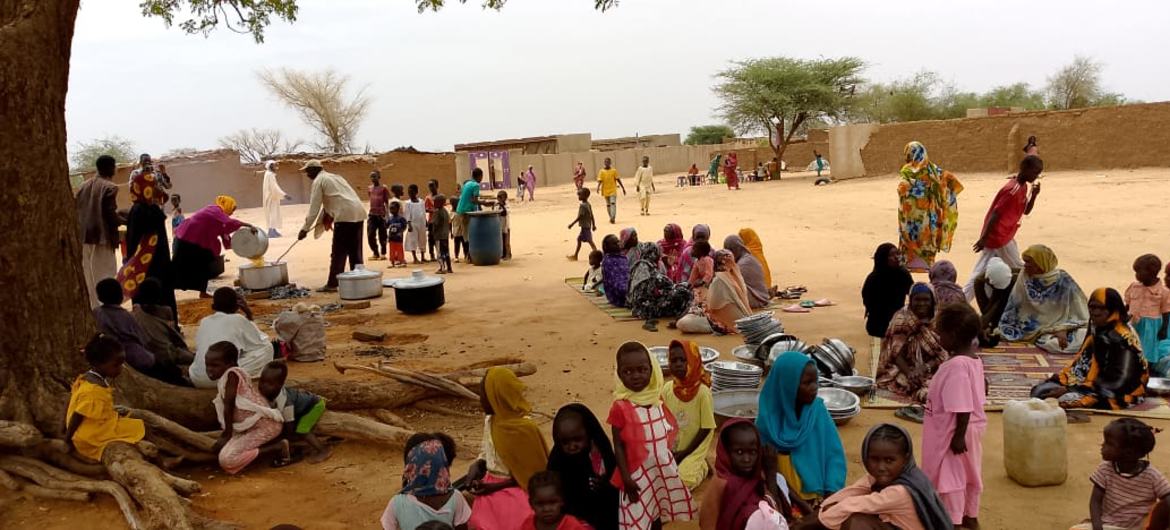
According to the UN Office for the Coordination of Humanitarian Affairs (OCHA), at least 10 humanitarian workers from Relief International were among the dead. UNICEF reported that 23 children were killed.
UN Secretary-General António Guterres condemned the killings, with the UN’s Sudan Coordinator calling for an immediate end to hostilities and justice for victims.
The International Organization for Migration (IOM) said around 16,000 people fled Zamzam, while additional clashes in Um Kadadah left over 50 dead and 900 homes destroyed. Nearly 19,000 people have been displaced from the region since Thursday.
OCHA warned of worsening humanitarian conditions, including critical shortages of food, water, and fuel.
2Relief supplies are being mobilized, but access remains limited due to insecurity. The World Health Organization noted that over 160 attacks on health facilities have occurred since Sudan’s civil conflict began in April 2023.
In a statement, Tinubu expressed “profound sorrow” and directed security agencies to investigate the incident and identify those responsible.
“We cannot allow this devastation and the tit-for-tat attacks to continue. Enough is enough,” the president said, adding that he had discussed the issue with the state governor and proposed steps toward lasting peace.
Plateau State, often a flashpoint for violence due to religious and ethnic tensions, has seen a string of deadly attacks. Just over a week ago, 52 people were killed in a separate incident in Bokkos. The motive behind the latest attack remains unknown.
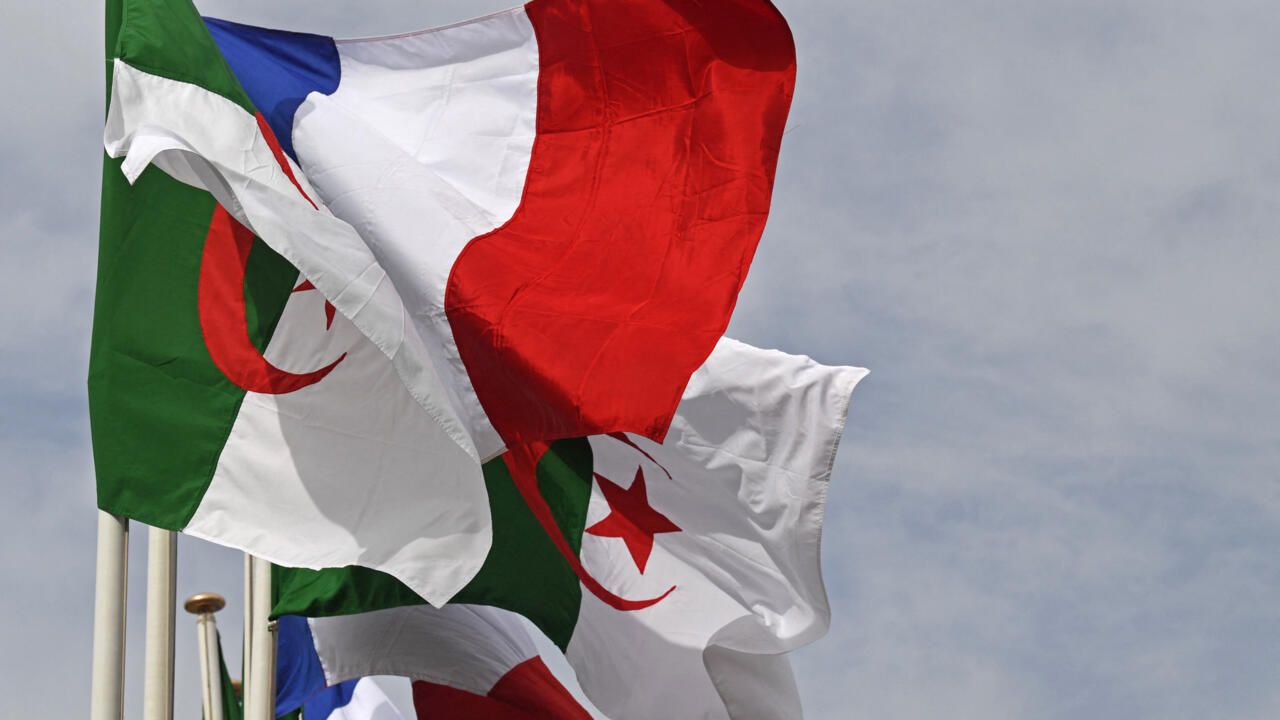
The move comes in response to the arrest of an Algerian consular staff member by French authorities—an action Algeria condemned as a flagrant breach of diplomatic immunity.
France has acknowledged receiving the expulsion order, which includes staff from the French Interior Ministry.
In reaction, French Foreign Minister Jean-Noël Barrot called on Algeria to reconsider the decision, warning that France was “prepared to respond immediately” should the expulsions proceed.
The diplomatic row intensified over the weekend when Algeria summoned French Ambassador Stéphane Romatet to protest the arrest. The detained official is reportedly suspected of connections to the 2024 disappearance of Amir Boukhras, a Paris-based Algerian activist known online as “AmirDZ.”
Algeria rejected the allegations, stating that the only link cited by French authorities was the diplomat’s phone being near Boukhras’ home. It denounced the arrest as a “fabricated pretext” and demanded the official’s immediate release, arguing the incident jeopardizes recent efforts to mend ties.
Algeria further warned that any additional violations of its sovereignty would provoke a reciprocal and firm response.
This is the most serious diplomatic rift between the two nations in recent years, reviving historical tensions tied to colonial rule, while current disagreements over immigration policy and France’s support for Morocco in Western Sahara disputes continue to fuel friction.
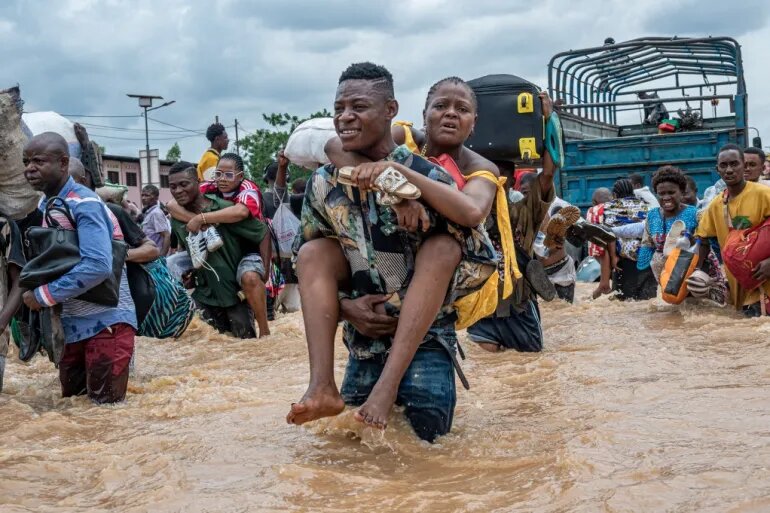
According to the latest data, 11 health zones in Kinshasa have been impacted, with more than 5,000 people displaced. At least 72 people have died, and 170 others have been injured due to torrential rains and resulting floods.
Tanganyika and South Kivu provinces, in the eastern part of the country, have also reported significant damage, with local authorities working to assess the full extent of the humanitarian needs.
Emergency shelters and care centers have been established in Kinshasa’s stadiums. However, with the Stade des Martyrs, the country’s biggest sports stadium, already hosting over 4,500 people, authorities have initiated a decongestion plan to transfer displaced residents to other venues.
The health ministry reaffirmed its commitment to strengthening multi-sectoral coordination and ensuring swift, targeted, and coordinated responses to both health and humanitarian emergencies.
Continued heavy rainfall has been forecast for the coming days, raising fears of further destruction in the city of 17 million, already vulnerable due to rapid and unregulated urban expansion.
The DRC’s rainy season typically runs from November through May.
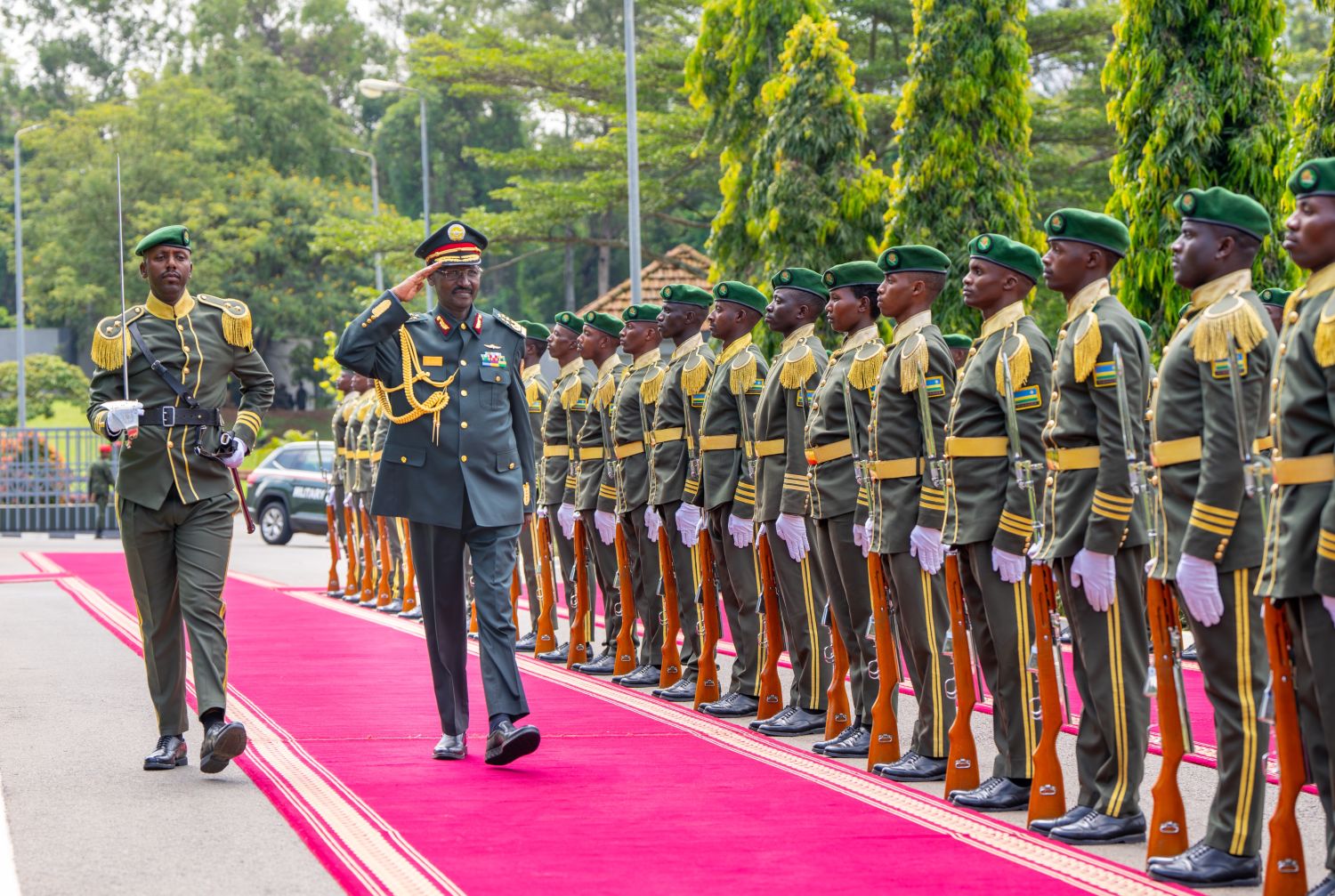
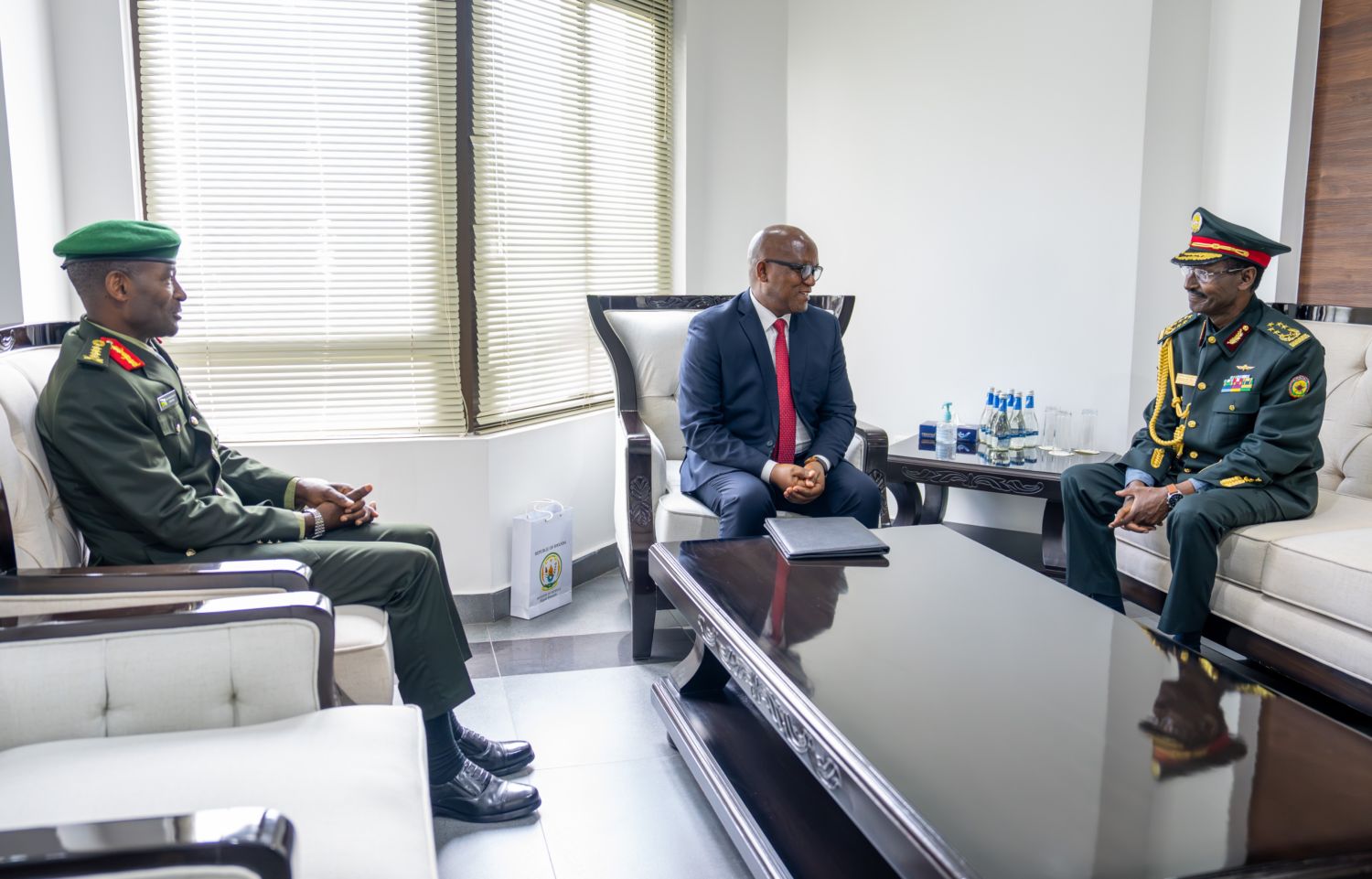
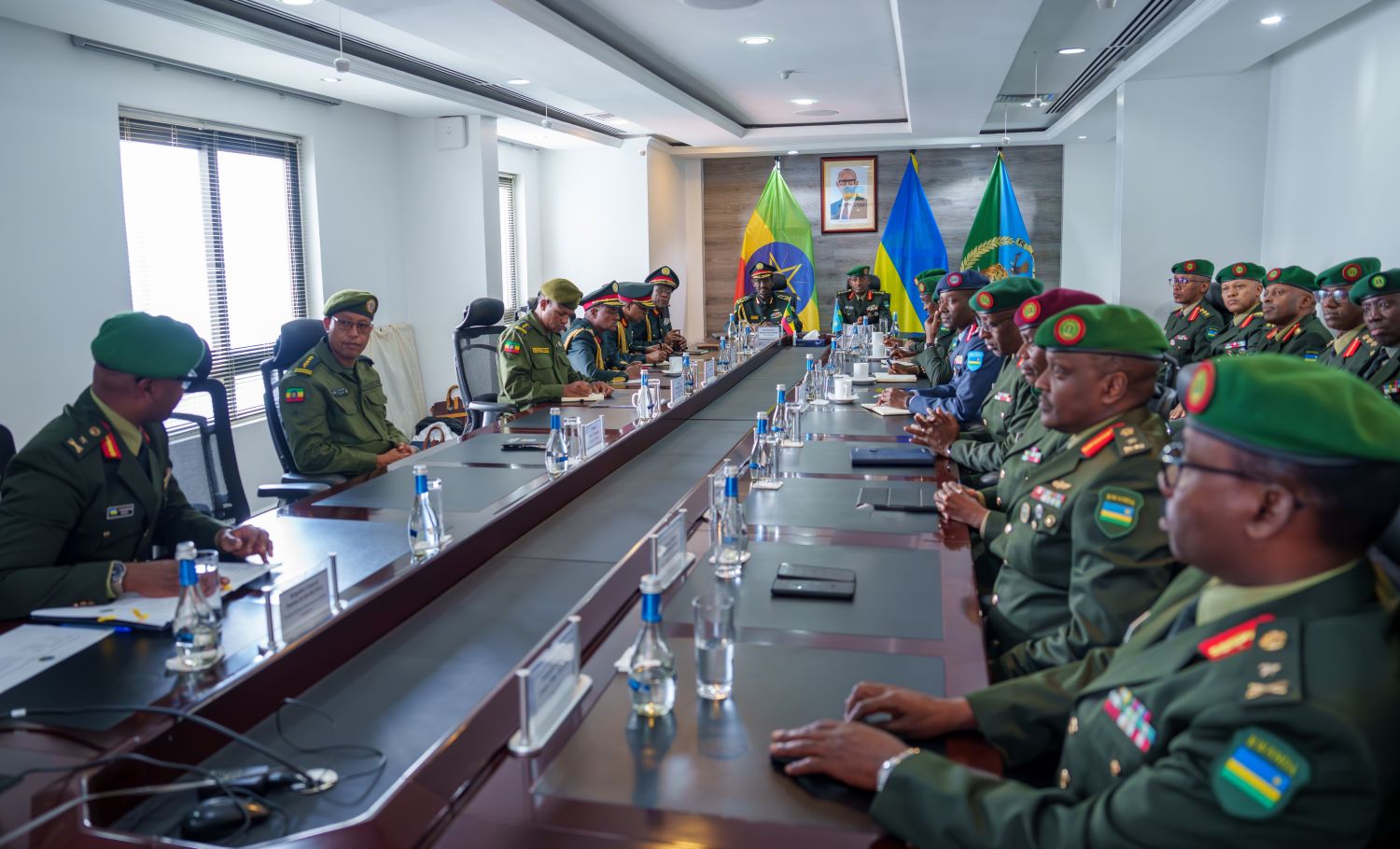
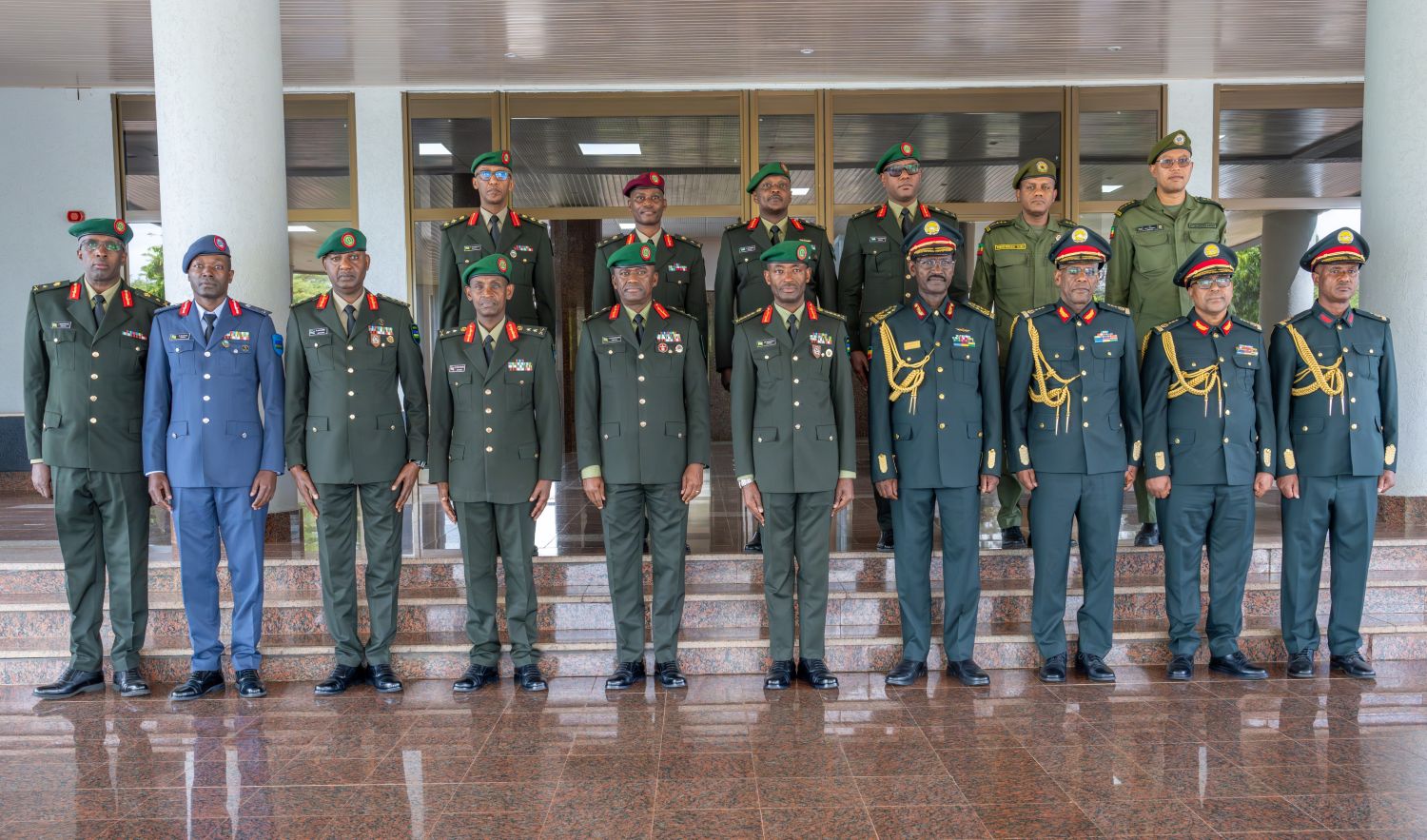
Field Marshal Jula was received by General MK Mubarakh, Chief of Defence Staff of the Rwanda Defence Force (RDF), at RDF Headquarters in Kimihurura during a series of engagements on Monday. He also paid a courtesy call on Rwanda’s Minister of Defence, Juvenal Marizamunda.
In a statement, the Ministry of Defence described the visit as a key opportunity to deepen the longstanding bilateral cooperation between Rwanda and Ethiopia.
Discussions between the military leaders are focused on expanding collaboration in defence and related sectors, reaffirming both nations’ commitment to strengthening strategic partnerships and advancing regional peace and security.
Field Marshal Jula’s visit follows a recent trip by General Mubarakh to Ethiopia on March 13 2025, during which the two defence chiefs signed a Memorandum of Understanding on Defence Cooperation.
As part of his itinerary, the Ethiopian military chief is also scheduled to visit the Kigali Genocide Memorial and the Campaign Against Genocide Museum to pay tribute to the victims of the 1994 Genocide against the Tutsi, as Rwanda marks the 31st commemoration of the tragedy.
{{Rwanda and Ethiopia ties
}}
Rwanda and Ethiopia have enjoyed over 20 years of military cooperation, initially focused on joint military training. The partnership has since expanded to include collaboration between the police forces of both countries.
Beyond defense and police cooperation, Rwanda and Ethiopia share strong bilateral ties in sectors such as agriculture, trade, education, and more.
Over the past seven years, the two nations have also signed agreements in air travel services, allowing for seamless cooperation between their airlines, RwandAir and Ethiopian Airlines.
The rise was driven by strong performances in both goods and services exports, with the United Arab Emirates (UAE) and the Democratic Republic of Congo (DRC) emerging as the country’s top export destinations.
Rwanda’s top exports include minerals such as gold, coltan, and wolfram, as well as agricultural products like coffee and tea.
The UAE led Rwanda’s export market with a 63.9% increase, reaching over $1.5 billion in value. The DRC followed with a 32.3% rise to approximately $229.5 million.
Exports to Luxembourg surged by an astonishing 243.8%, reaching $55.4 million. Other top markets include China ($83.6 million) and the United Kingdom ($36.1 million).
According to the report, Rwanda’s export growth has been underpinned by targeted interventions from RDB. In 2024, 243 companies across key sectors—including manufacturing, agro-processing, horticulture, services, and handicrafts—were facilitated to access both regional and international markets, generating $164.1 million in export revenues.
To enhance the competitiveness of local businesses and boost Rwanda’s participation in international trade, the Rwanda Development Board rolled out a range of targeted support programs in 2024.
A total of 152 companies received hands-on coaching focused on international trade standards, pricing strategies, product packaging, and compliance with the African Continental Free Trade Area (AfCFTA) requirements.
At the same time, 155 businesses enrolled in the E-Commerce Readiness Program, with 15 completing advanced training to expand their digital sales channels. In addition, 124 small and medium-sized enterprises (SMEs) benefited from business development services that included access to affordable financing, grant opportunities, and tailored advisory support.
To help firms meet global quality requirements, 52 SMEs were supported in obtaining internationally recognized certifications.
Furthermore, 112 SMEs took part in trade fairs and expos held in Senegal, South Sudan, and Rwanda, providing them with platforms to showcase their products, generate immediate sales, and forge new business contracts.