“Unlike in the past, the army is not evacuating areas that have been cleared and seized,” Katz stated.”Unlike in the past, the (Israeli military) is not evacuating areas that have been cleared and seized,” said Defence Minister Israel Katz.
According to Euro News, this stance risks setting back ongoing ceasefire negotiations with Hamas, which demands a full Israeli withdrawal from Gaza for the release of the remaining hostages.
Israel currently controls more than half of the Gaza Strip after resuming military operations last month. It also maintains forces in parts of southern Lebanon and a buffer zone in Syria.
Palestinians, Lebanon, and Syria consider Israel’s military presence an illegal occupation under international law.
Israel argues that holding these zones is essential to prevent future attacks like the one carried out by Hamas on October 7, 2023, which killed around 1,200 people and led to 251 abductions.
Prime Minister Benjamin Netanyahu has vowed to annihilate Hamas and return the remaining 59 hostages who are still in Gaza, 24 of whom are believed to be alive.
Netanyahu also supports a plan, originally proposed by former U.S. President Donald Trump, to resettle much of Gaza’s population in other countries through what he calls “voluntary emigration.”
However, the proposal has been widely condemned by Palestinians, Arab nations, and human rights experts as a likely breach of international law.
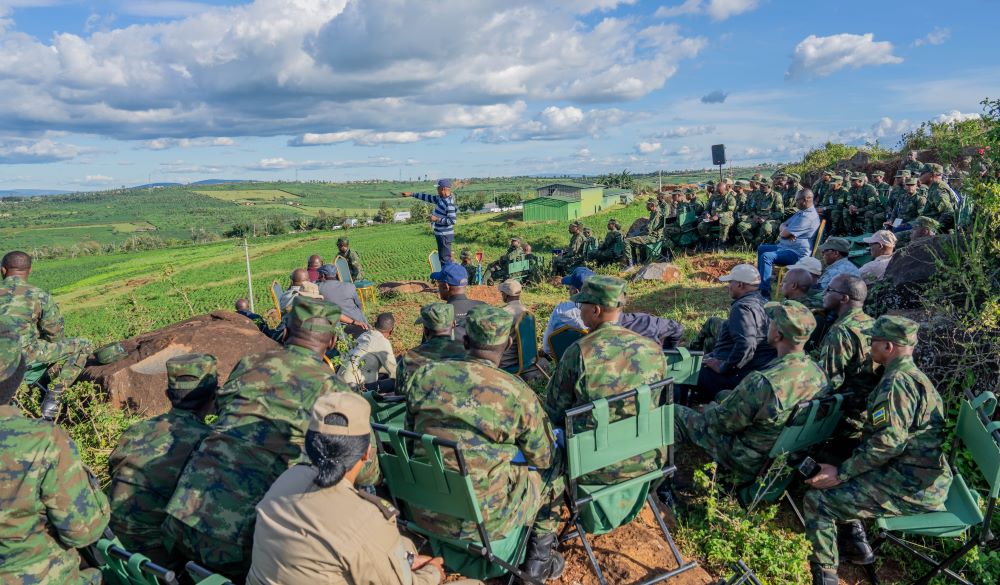
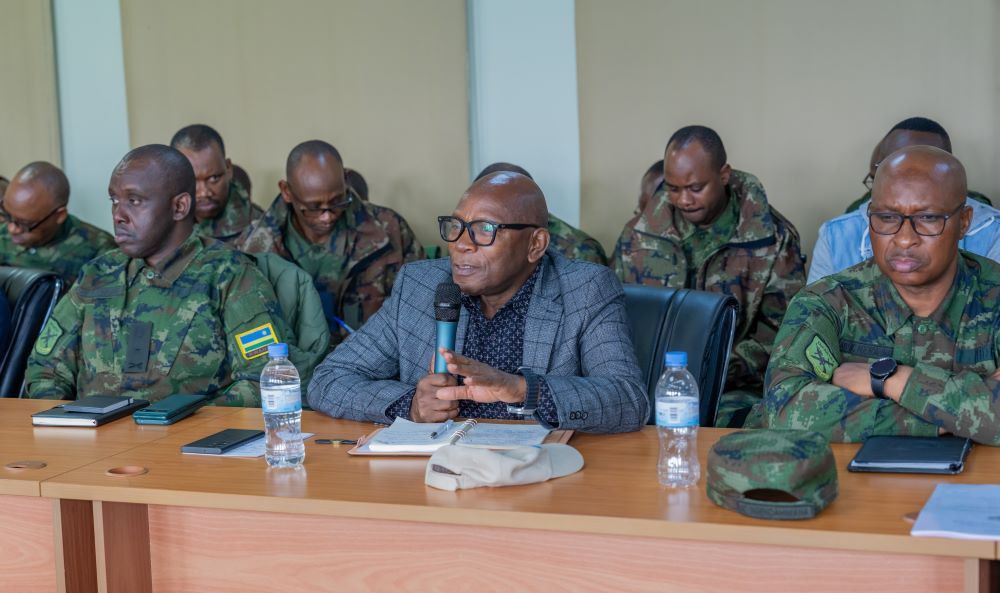
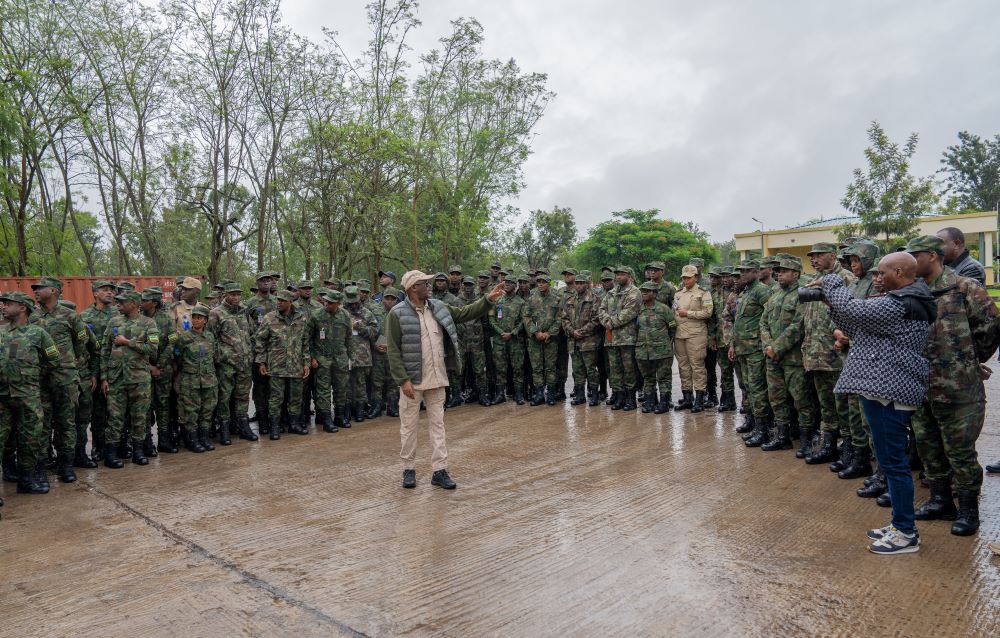
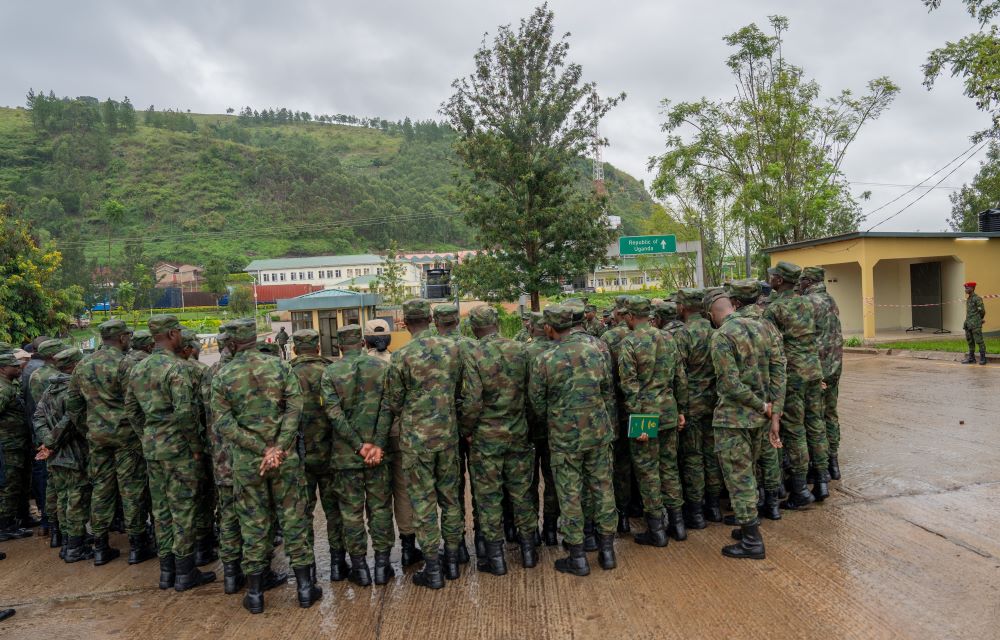
The tour began at the Kagitumba border post, where students received comprehensive briefings from RDF generals and senior commanders who participated in the RPA liberation war.
The briefings offered critical insights at both operational and tactical levels, informing the students about the strategic planning, operational and tactical engagements of the RPA Liberation War.
The objective of the tour is to analyse and research key battles of the RPF/RPA Liberation War, focusing on how the war was strategically planned as well as operationally and tactically executed, to derive valuable lessons.
The tour follows a sequenced route through the regions of Umutara, Byumba, Ruhengeri, Kigali, and the Southern Province
“President Trump’s unlawful tariffs are wreaking chaos on California families, businesses, and our economy – driving up prices and threatening jobs,” Newsom said in a statement, adding that “We’re standing up for American families who can’t afford to let the chaos continue.”
“Donald Trump does not have the authority to impose these destructive and chaotic tariffs. America stands to lose too much,” said the governor in a post on X platform.
“We’re taking him to court,” said the governor.
“California is the largest manufacturing state in our union, one of the largest trading partners around the globe. No state will be impacted more than the state of California as it relates to the unilateral authority that’s been asserted by the Trump administration to impose the largest tax increases in modern American history,” he noted.
Newsom pointed out that “In America, forty percent of goods movements in this country come through two ports of entry in California. About 50 percent of that from China itself.”
In the lawsuit, expected to be filed in the U.S. District Court for the Northern District of California, California officials will argue that the law, known as the International Emergency Economic Powers Act, which Trump cited to impose the tariffs, does not grant him the ability to unilaterally adopt those tariffs.
California, also the most populated U.S. state, is the first state in the nation to sue Trump administration on tariffs.
The Golden State is the largest importer among all U.S. states, with more than 675 billion U.S. dollars in two-way trade supporting millions of jobs throughout the state. Mexico, Canada and China are California’s top three export destinations, buying nearly 67 billion dollars in California exports, which was over one-third of the state’s 183 billion dollars in exported goods in 2024, according to the data released by the governor’s office.
He emphasised the need for China and Africa to work more closely to defend multilateralism and fairness in global trade, stating that the world is entering a dangerous period of uncertainty and geopolitical tension.
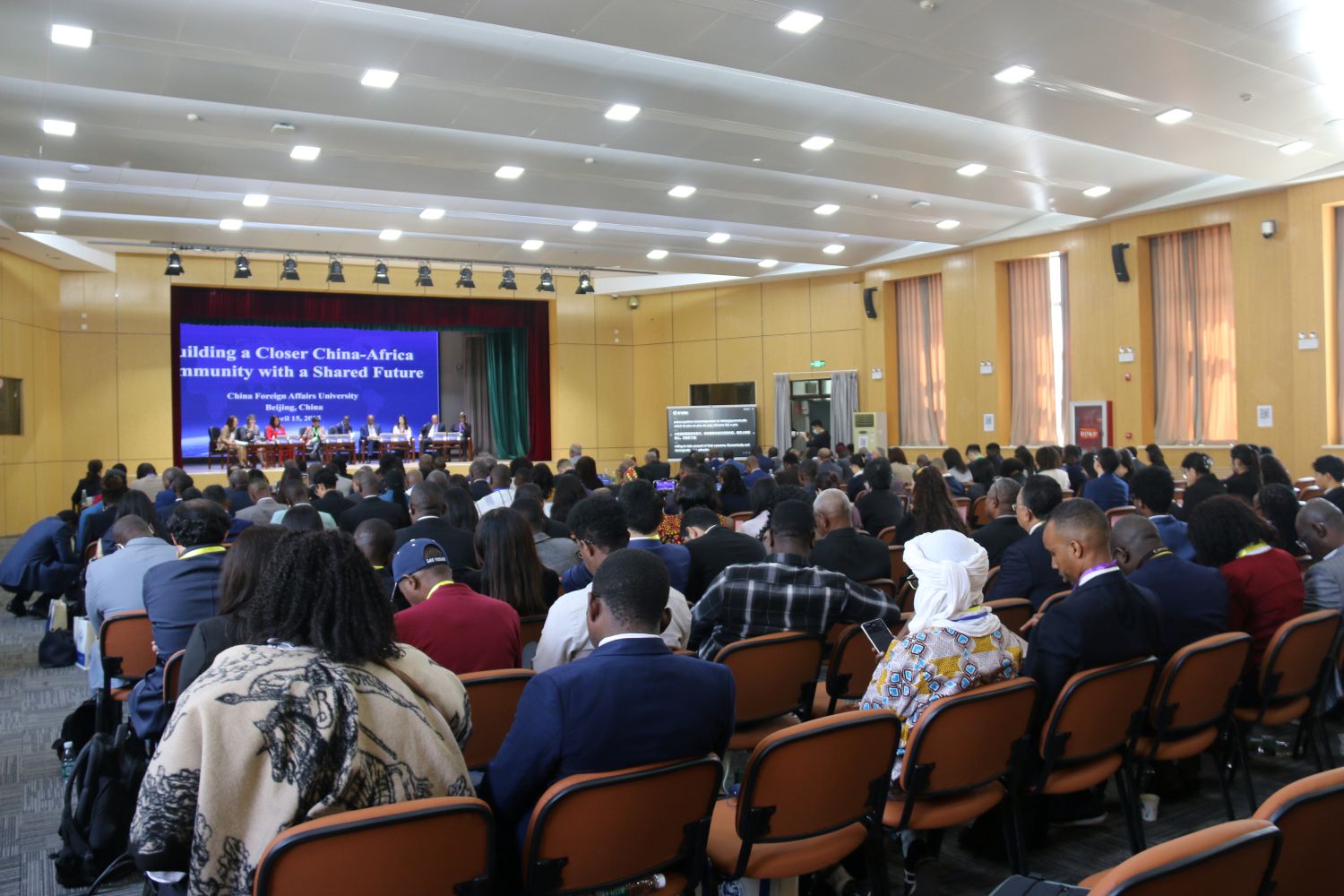
Xue made the remarks on April 15, 2025, in Beijing during a high-level seminar hosted by the China Foreign Affairs University (CFAU), under the theme “Building a China-Africa Community with a Shared Future.”
The event brought together African and Chinese diplomats, scholars, policymakers, and young leaders to explore deeper cooperation between the two regions in diplomacy, education, security, infrastructure, and cultural exchange.
Reaffirming China’s opposition to economic coercion, Xue warned that “hegemony, decoupling supply chains, building trade barriers, and using tariffs as weapons” are destabilising global trade.
His comments come in the wake of renewed trade tensions between China and the United States, including a controversial move by President Donald Trump to impose a whopping 145% tariff on Chinese imports, prompting China to retaliate with tariffs of up to 125%. Many economists and diplomats have warned that the tit-for-tat exchange marks a major escalation in the ongoing trade war, raising fears of deeper disruption to global supply chains and financial markets.
“Global instability and uncertainty are on the rise. The world is, again, at a critical juncture,” Xue said.
“We need to jointly shoulder historical responsibilities and advocate for an equal and orderly multipolar world, as well as universally beneficial and inclusive economic globalisation. China is ready to work with Africa to remember history, forge ahead together, and jointly uphold the basic rules of international relations based on the purposes and principles of the UN Charter.”
Xue’s message aligns with China’s broader diplomatic agenda of building a “Community with a Shared Future for Mankind”—a concept rooted in mutual benefit, non-interference, and collective progress, especially among developing nations. The seminar provided a platform to align that vision with Africa’s aspirations for inclusive growth and modernisation.
The event was hosted by the China Foreign Affairs University, a premier institution directly under the Ministry of Foreign Affairs of China. Known for training the country’s top diplomats, CFAU plays a key role in shaping international dialogue and global policy through research and education.
It is part of China’s “Double First-Class” university initiative and houses the Research Centre on Building a Community with a Shared Future for Mankind, which is dedicated to advancing China’s global diplomatic narrative.
Speaking during the seminar, Paul Kamweru Ndungu, Director General of the Foreign Service Academy of Kenya, underscored the importance of preparing African diplomats for emerging global challenges.
“Diplomats must be prepared and equipped with sound knowledge, strategies, and the right skills to handle the complex and shifting diplomatic environment, so they can remain relevant and effective in addressing 21st-century problems,” he said.
“We are at the doorstep of a new future, and as we go into that future, we must be ready to confront every obstacle… every challenge—and we must remain strong and united for the good of the China-Africa community with a shared future, and for the good of all of us,” he added.
CFAU President Professor Wang Fan expressed optimism about the future of China-Africa cooperation, describing it as essential for building a better world.
“To combat global challenges and jointly build a better world has received more and more recognition and support, especially from African countries and with more companies joining us. We will surely go further on this new journey. Building a community with a shared future is our shared dream, and modernisation is the path to turn that dream into reality.”
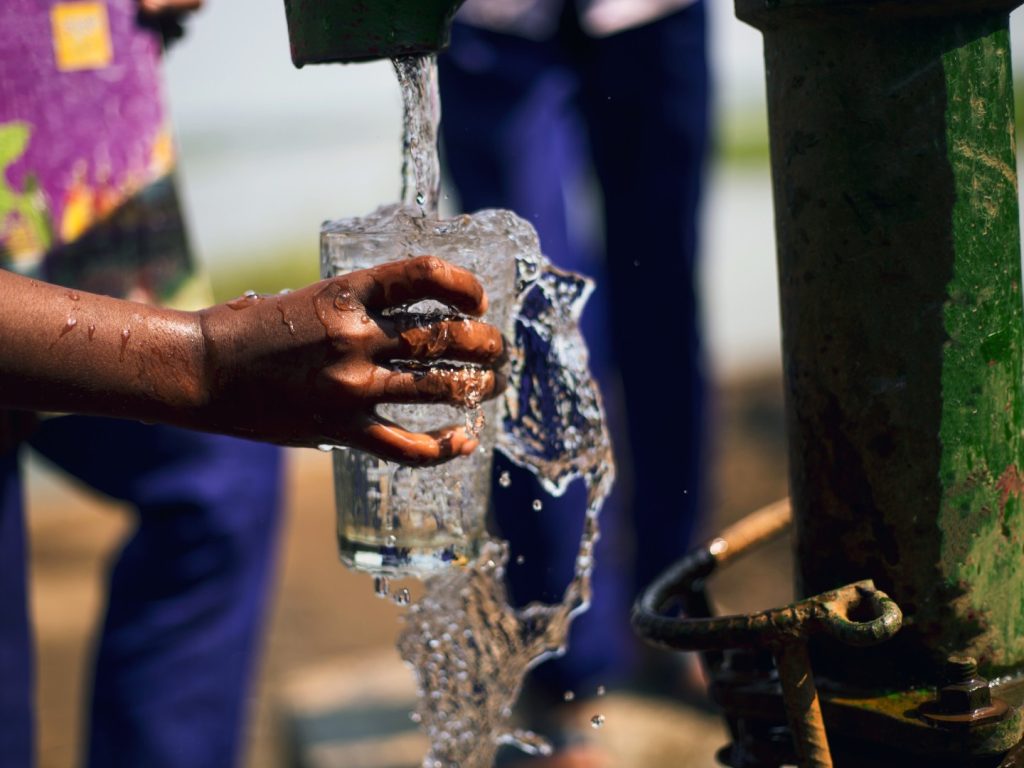
This marks a notable increase from 87% in 2017, reflecting continued national efforts to improve living conditions across the country.
The report defines improved water sources as those that include piped water into homes or neighbouring dwellings, public standpipes, protected wells and springs, boreholes, rainwater, bottled water, and tanker truck deliveries.
Among the various sources, access to piped water into the home or bottled water rose from 9% in 2017 to 16% in 2024. Similarly, piped connections to neighbouring homes or public standpipes increased from 35% to 39%.
However, reliance on “other improved sources,” such as protected wells and springs, saw a decline—from 43% in 2017 to 35% in 2024—indicating a shift toward more reliable infrastructure.
The survey also reveals that 68% of households use a basic drinking water service, defined as water from an improved source that can be collected within 30 minutes. Meanwhile, 21% fall under the “limited service” category, spending over 30 minutes to access water.
The EICV7 report goes beyond water access, offering a comprehensive look at living conditions across the country.
Among other findings, the survey highlighted a sharp rise in access to electricity, climbing from 34% in 2017 to 72% in 2024. This includes 50% of households connected to the national grid and 22% relying on solar power. Rural electrification saw dramatic gains, with access increasing from 24% to 65% over the same period.
In terms of clean energy for cooking, only 5% of households nationwide use clean fuels, a modest increase from 1% in 2017. Urban areas saw higher adoption at 17%, while rural areas lag behind at just 1%.
The majority of households continue to rely on traditional fuels such as firewood (63%), straw or sticks (12%), and charcoal (19%).
The report also highlighted significant progress in poverty reduction. The national poverty rate dropped to 27.4% in 2024, down from 39.8% in 2017. Extreme poverty has also been halved, from a predicted 11.3% to 5.4%.
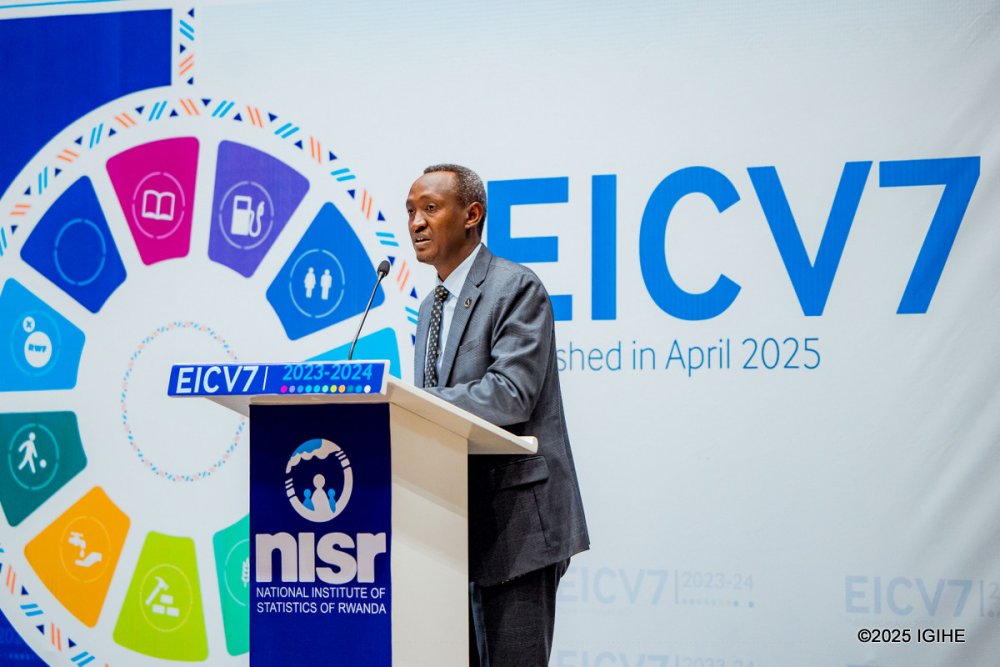
Speaking at the event, Minister of Finance and Economic Planning Yusuf Murangwa described the release of the report as timely, noting that it will support evidence-based policymaking to achieve the goals of the Second National Strategy for Transformation (NST2).
“These results will define where and how the government and partners should invest to get maximum results for NST2 objectives by 2029,” he stated.
The renewed agreement is set to deepen the relationship between Rwanda and one of Europe’s leading football clubs, placing a strong emphasis on youth development, cultural exchange, and tourism promotion.
Jean-Guy Afrika, Chief Executive Officer of the Rwanda Development Board (RDB), described the extension as a strong indicator of the partnership’s success and pledged to further build on it.
“This partnership has contributed significantly to positioning Rwanda as a leading destination for tourism and investment and a beacon for talent, sports, and cultural innovation,” he said.
“Renewing through 2028 allows us to build on that success and create even more impact for Rwandans and the global PSG community.”
Visit Rwanda is the tourism promotion arm of RDB. The institution has active partnerships with Arsenal and Bayern Munich, two football powerhouses in England and Germany respectively.
Since the partnership with PSG began six years ago, the Visit Rwanda brand has gained widespread exposure through PSG’s global platforms.
From in-stadium branding at Parc des Princes to creative campaigns and immersive storytelling, the collaboration has introduced millions of fans to Rwanda’s natural beauty, rich culture, and hospitality. The unique initiative has seen Rwandan coffee served to thousands of PSG supporters in Paris, France, blending culture with fan engagement.
A key pillar of the partnership is its focus on youth empowerment. PSG Academy Rwanda, launched under the agreement, has trained more than 400 young Rwandans in elite football, academics, and mentorship.
In 2022, the academy’s U13 team won the PSG Academy World Cup, earning international acclaim and showcasing Rwanda’s budding football talent.
The new phase of the partnership promises even greater visibility for Rwanda, including the placement of the Visit Rwanda logo on training kits at PSG’s U.S.-based academies and on the sleeves of PSG’s men’s first team during the FIFA Club World Cup in 2025.
Victoriano Melero, CEO of Paris Saint-Germain, emphasised that the renewed partnership reflects a shared commitment to meaningful engagement and community impact.
“We are looking forward to continuing this journey with Visit Rwanda. This partnership goes far beyond visibility, it’s about values, real opportunities, and long-term impact. Together, we’re demonstrating how football can inspire, empower, and connect communities around the world.”
Since 2019, the PSG-Visit Rwanda partnership has stood out as an innovative model of sports diplomacy—linking tourism, economic development, and social investment. With the latest renewal, Rwanda aims to further cement its reputation as a premier travel destination and a forward-looking nation leveraging sport for inclusive growth.
In an exclusive interview on the Rundown podcast, Ingabire outlined Rwanda’s ambitious agenda and the broader opportunities AI presents for the continent.
“What I’m more excited about is the quality of conversations we’ve had, the engagements, the optimism. We truly can shape what the future of AI looks like for Africa,” Ingabire said.
One of the standout moments for her was seeing young innovators, especially in the creative industry, harnessing AI in unexpected ways.
“It’s amazing to see them using AI for video development and digital creativity. You’d think most would focus on agriculture or healthcare, but these young people are pushing boundaries in culture and media,” she noted.
According to her, Rwanda’s leadership on AI stems from deliberate planning and a collaborative spirit. “We’ve done our homework. We understand the value of AI, but we also know we can’t do it alone. Collaboration is essential, between policymakers, industry players, and startups,” she explained.
That collaboration extends across borders, with initiatives like the creation of a 3,400-hour Kinyarwanda dataset now scaled to 16 African languages across 14 countries.
This effort, driven by the Rwanda center for the fourth industrial revolution, is building foundational infrastructure that enables AI to reflect Africa’s linguistic and cultural diversity.
With a median age of 19 across Africa, talent is both abundant and untapped. Rwanda has partnered with institutions like Carnegie Mellon University and the African Institute for Mathematical Sciences to train engineers in AI and machine learning.
More uniquely, the country’s Coding Academy is preparing gifted 13-year-olds in a three-year intensive program portraying skilling the youth is another top priority.
But as Rwanda builds talent, it’s also focused on creating jobs and markets for them. “We can’t just build talent without a market to absorb them,” she said. “Money follows talent. Investors will come when they see quality solutions,” she said.
The Minister was clear-eyed about challenges too, particularly infrastructure and regulation. Yet she believes the continent holds natural advantages. “Skills are our low-hanging fruit. We’re youthful, open to innovation, and we have real problems AI can help solve.”
Rwanda’s AI strategy is deeply rooted in values. “Transparency, privacy, data reliability, and eliminating bias are essential. The country began its AI journey by enacting a data protection and privacy law, long before launching a national AI strategy,” she emphasized.
Inclusion, especially gender inclusion, remains central as women are encouraged not just on using AI but building and leading in AI by designing solutions that benefit them too.
Despite Rwanda’s relatively small market size, the country’s speed and efficiency make it a proving ground for foreign partners. “People come here doubting the market size, but once they see how fast things move, they start betting on us. And we bet on them too,” she revealed.
Rwanda is also using AI to bridge urban-rural divides. From developing AI chatbots to assist community health workers to building solutions for underserved areas, inclusion is at the heart of every rollout.
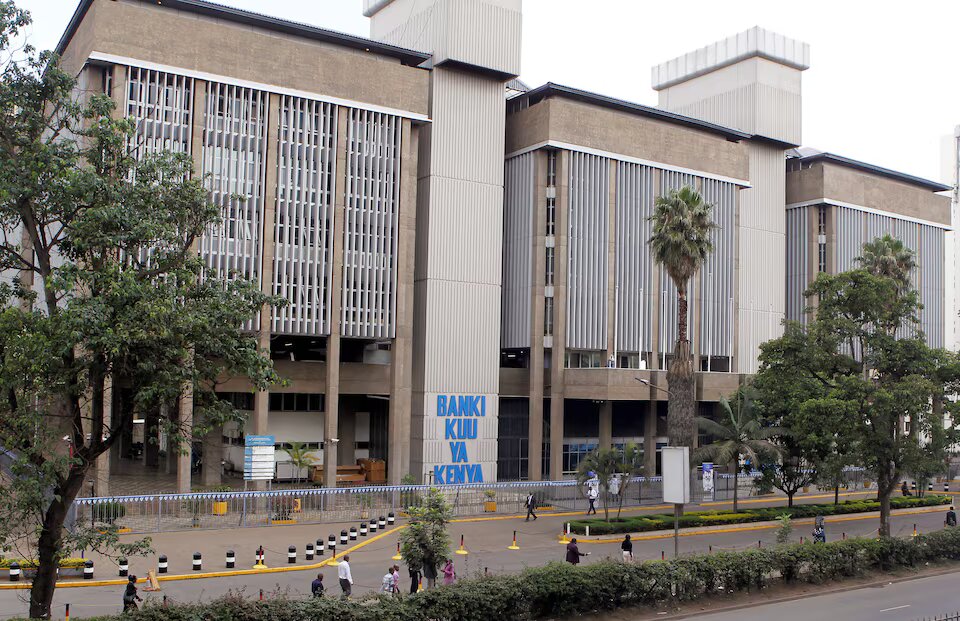
The apex bank said in a statement issued in the Kenyan capital of Nairobi that the ban, which has been in place since November 2015, was imposed against the backdrop of operational challenges in the sector.
“It was intended to provide space for the strengthening of the Kenyan banking sector. Since then, significant strides have been made in strengthening the legal framework for Kenya’s banking sector,” the CBK said.
Since the moratorium was placed, there have been about 10 mergers and acquisitions by existing players and the entry of foreign strategic investors.
The CBK said its recent increase in minimum core capital requirement for commercial banks to 10 billion Kenyan shillings (about 77.2 million U.S. dollars) will further strengthen the sector.
It added that stronger and more resilient banks will be able to navigate the growing risks in global, regional, and domestic arenas, and support large-scale financing needs to meet Kenya’s development operations.
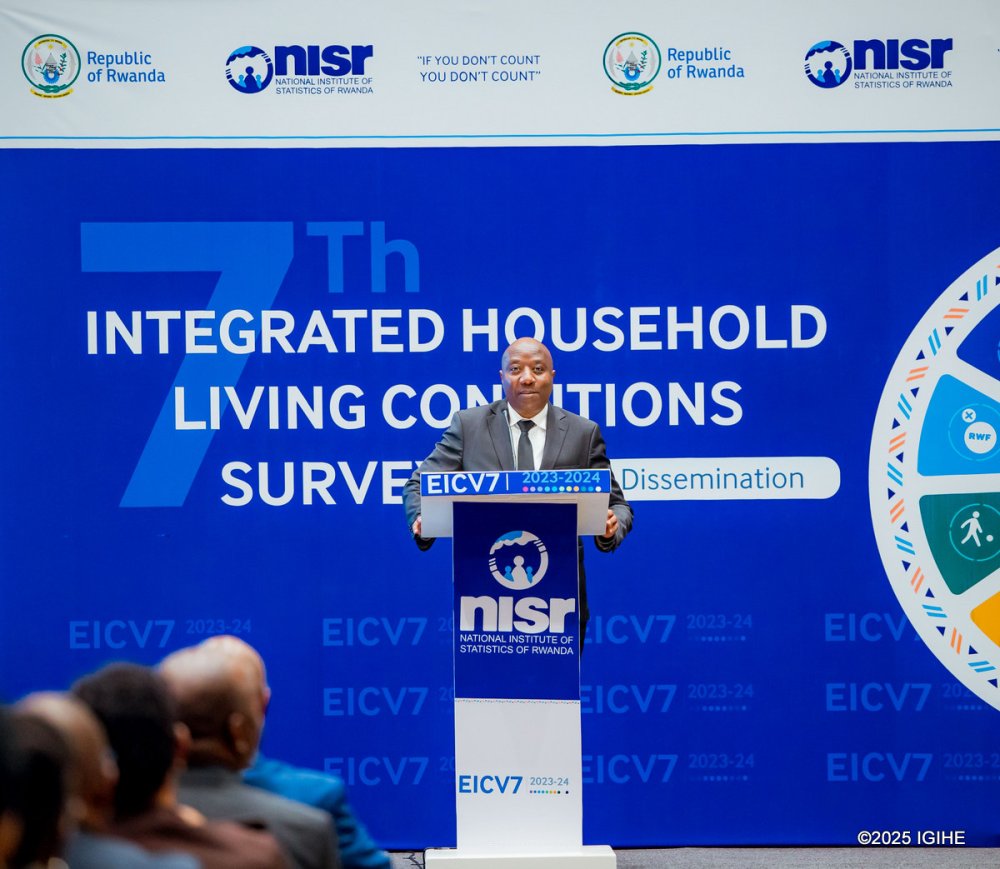
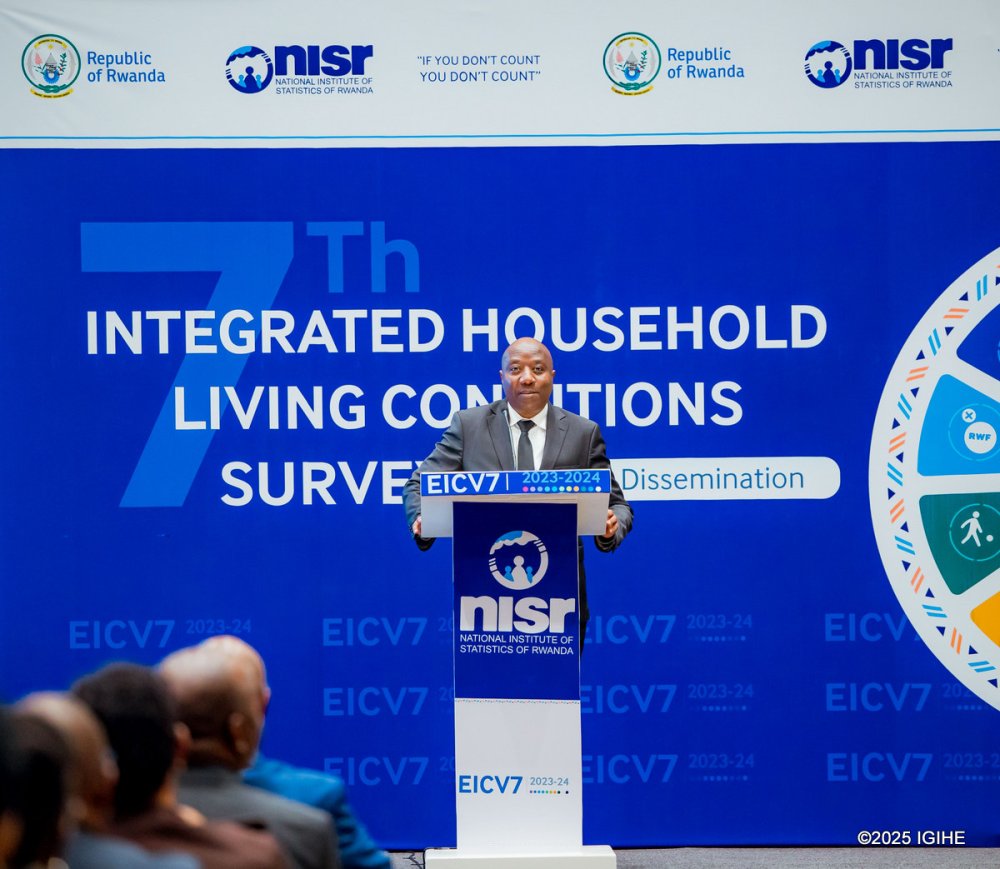
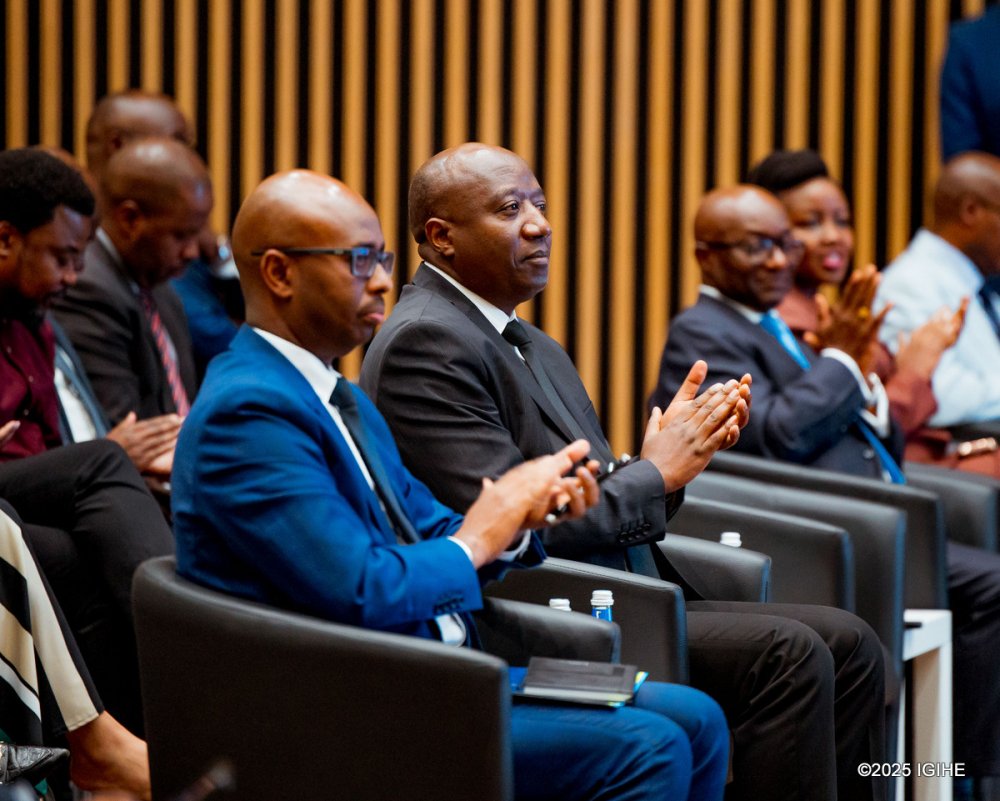
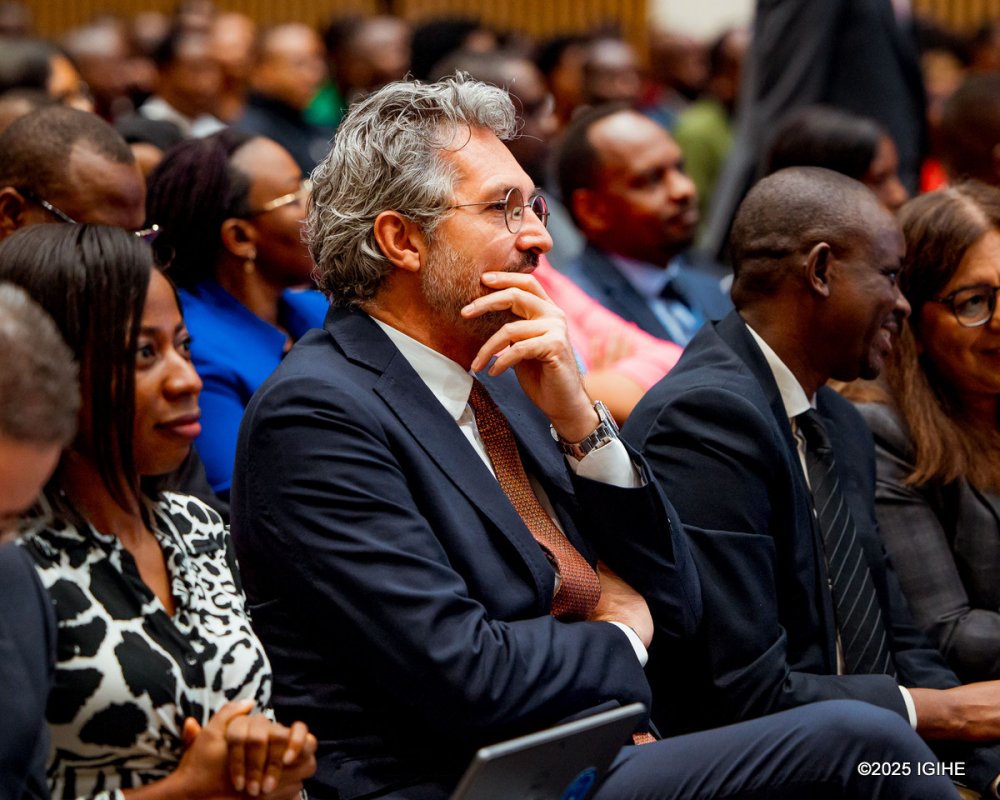
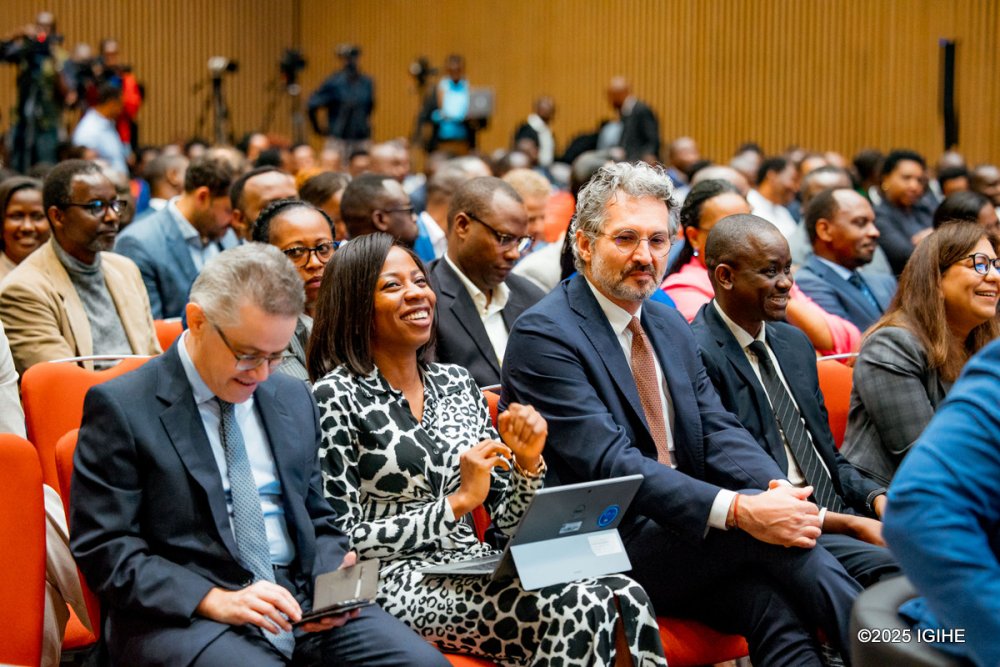
The pledge was made by Prime Minister Édouard Ngirente during the official launch of the 7th Integrated Household Living Conditions Survey (EICV7) at the Kigali Convention Centre on Wednesday, April 16, 2025.
The latest data from the National Institute of Statistics of Rwanda (NISR) shows that the national poverty rate fell from 39.8% in 2017 to 27.4% in 2024, with approximately 1.5 million Rwandans lifted out of poverty over the past seven years.
This 12.4 percentage-point reduction was achieved during the implementation of the first National Strategy for Transformation (NST1).
“These achievements were realized over the seven years of implementing NST1,” said Prime Minister Ngirente.
“They were driven mainly by strategic investments made by the Government of Rwanda and its partners. Our goal remains clear: we are determined to make sure that no one is left behind,” he added.
He credited the progress to targeted efforts in social protection, economic recovery post-COVID-19, and infrastructure development.
“The long-standing social protection schemes played an important role in improving the well-being of our citizens,” Ngirente noted.
“These efforts have also effectively contributed to the creation of income-generating activities and job opportunities in Rwanda, and it is a clear demonstration of the impact that can be achieved through good planning and effective implementation.”
The survey, conducted between October 2023 and October 2024 and covering over 15,000 households nationwide, also revealed a significant drop in extreme poverty—from 11.3% in 2017 to just 5.4% in 2024. Notably, the report by NISR estimates that a Rwandan currently needs at least Rwf 560,027 annually to meet basic needs, including food and non-food essentials.
Rural areas, traditionally more affected by poverty, have seen substantial improvements. While rural poverty now stands at 31.6%, urban poverty is significantly lower at 16.7%. Musanze District emerged as a standout success story, recording a dramatic decline in poverty from 42.3% to 21.0%—the highest improvement among all districts.
Additionally, the number of districts with over 40% of their population living in poverty has dropped from 22 in 2017 to just 14 in 2024. Meanwhile, 16 districts now report poverty levels below the national average.
The Prime Minister noted that Rwanda’s strong post-COVID economic recovery—marked by an average growth rate of 9.1% over the last four years—has played a critical role in these gains.
“This recovery has created more jobs and boosted household incomes, which we see reflected in the increase in household consumption,” he said.
Improvements have not been limited to income. The EICV7 findings indicate that access to electricity increased from 34.4% to 72%, mobile phone ownership rose from 66.9% to 84.6%, and internet access doubled from 17% to 30%.
Minister of Finance and Economic Planning Yusuf Murangwa praised the report’s timing, emphasising its importance for evidence-based policymaking under the Second National Strategy for Transformation (NST2), which runs until 2029.
“These results will guide government and partners in making targeted investments that yield maximum impact,” he said.
As Rwanda marches toward its Vision 2050 and the Sustainable Development Goals (SDGs), Prime Minister Ngirente reaffirmed the government’s resolve to elevate every member of the Rwandan society.
“Our aspirations are high, but so is our determination. We want every family, in every corner of Rwanda, to benefit from our economic development.”
The 7th Integrated Household Living Conditions Survey (EICV7), conducted between October 2023 and October 2024, covered 15,066 households across the country. The report was officially launched by Prime Minister Édouard Ngirente at the Kigali Convention Centre on Wednesday.
The survey shows that the national poverty rate dropped from 39.8% in 2017 to 27.4% in 2024, with approximately 1.5 million Rwandans lifted out of poverty since the last survey.
“These achievements were realized over the seven years of implementing the first National Strategy for Transformation (NST1),” said Prime Minister Ngirente during the launch. “They were driven mainly by strategic investments made by the Government of Rwanda and its partners over the last seven years.”
He added: “The long-standing social protection schemes played an important role in improving the well-being of our citizens. These efforts have also effectively contributed to the creation of income-generating activities and job opportunities in Rwanda, and it is a clear demonstration of the impact that can be achieved through good planning and effective implementation.”
The rural poverty rate now stands at 31.6%, while urban areas report a significantly lower rate of 16.7%. The Western Province remains the most affected, while the City of Kigali reports the lowest poverty levels.
Among the districts, Musanze recorded the most dramatic improvement, with poverty levels falling from 42.3% to 21.0%—a 21.3 percentage-point drop.
Only 14 districts had more than 40% of their population living in poverty in 2024, down from 22 districts in 2017. Meanwhile, 16 districts now report poverty rates below the national average.
Extreme poverty also declined sharply, dropping by 5.9 percentage points compared to 2017. The national extreme poverty rate now stands at 3.1%.
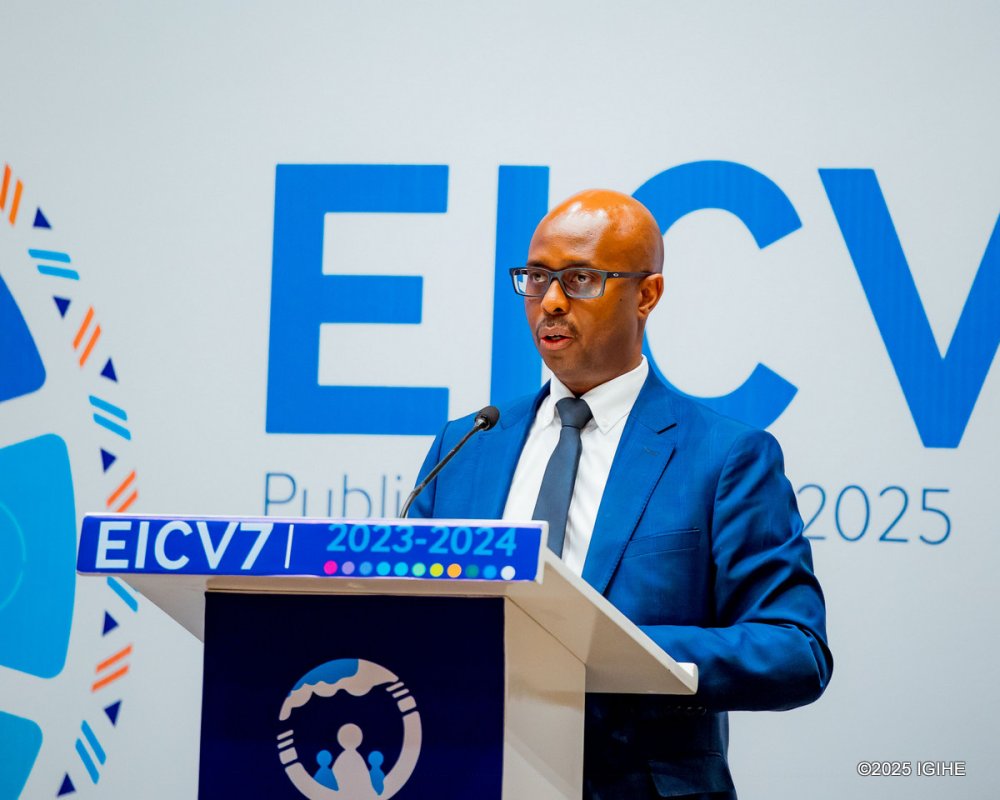
According to NISR Director General Ivan Murenzi, a Rwandan needs at least 560,027 Rwandan Francs annually to meet the basic cost of food and non-food necessities.
The report also highlighted improvements in other socio-economic indicators, particularly in rural areas, where access to electricity, mobile phones, internet, and improved drinking water sources has significantly increased. Household access to electricity rose from 34.4% to 72%; mobile phone ownership increased from 66.9% to 84.6%; and internet access grew from 17% to 30%.
Speaking at the event, Minister of Finance and Economic Planning Yusuf Murangwa described the release of the report as timely, noting that it will support evidence-based policymaking to achieve the goals of the Second National Strategy for Transformation (NST2).
“These results will define where and how the government and partners should invest to get maximum results for NST2 objectives by 2029,” he stated.