On January 24, 2025, Jeune Afrique reported that not only have those close to Tshisekedi confirmed this news, but other sources, including security officials, also confirmed the death of Gen Maj Cirimwami.
Reuters news agency also reported that they received confirmation from a member of the DRC government, along with documentation from the United Nations, all supporting the claim that Gen Maj Cirimwami died from his injuries.
The spokesperson for the DRC government, Patrick Muyaga, and the country’s military spokesperson, Maj Gen Sylvain Ekenge, have not commented to Jeune Afrique about the incident, although sources from the Southern African Development Community ((SAMIDRC) troops confirmed that Cirimwami had been injured and rushed to Kinshasa.
The spokesperson for the M23 armed group’s political wing, Lawrence Kanyuka, announced on the night of January 23, 2025, that their fighters had killed Gen Maj Cirimwami in the Kasengezi area.
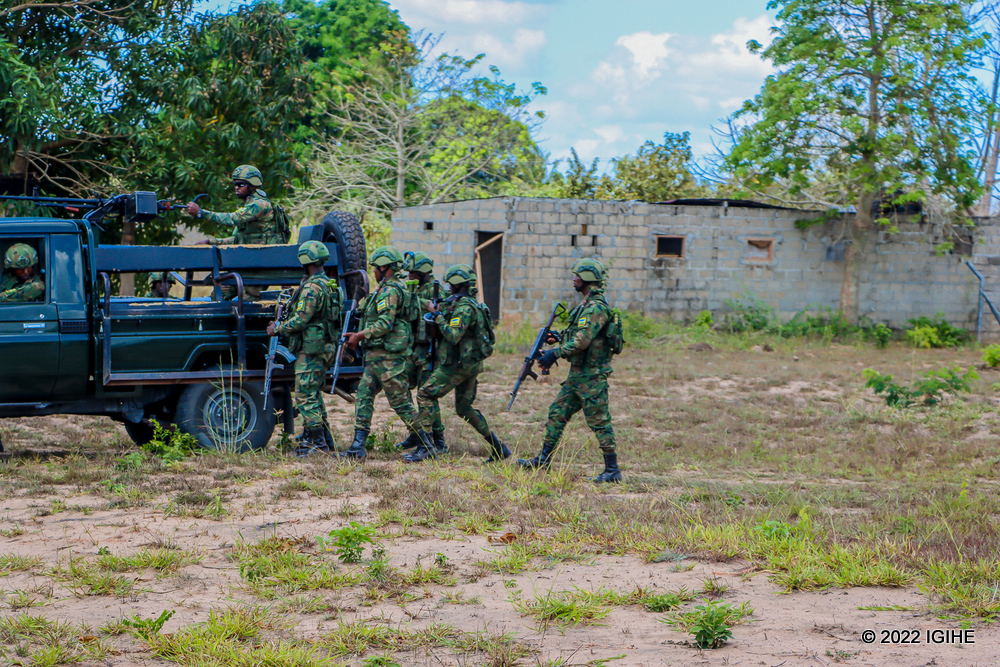
Maj Gen Cirimwami was seen in a viral video on social media, appearing alongside DRC soldiers. It was reported that he had gone to support troops fighting against M23 in the city of Sake.
The fighting in Sake has severely destabilized the DRC government. It prompted President Tshisekedi to cut short his trip to Switzerland, where he had attended an international economic summit, in order to convene an urgent security and cabinet meeting.
About 5 million children in the 17 malaria-endemic African countries, which represents more than 70 percent of the global malaria burden, have been protected from the disease after being inoculated, Gavi said in a statement issued Thursday in Nairobi, the Kenyan capital.
Gavi Chief Executive Officer Sania Nishtar described the consistent rollout of the malaria vaccine as a game changer in combating the mosquito-transmitted disease.
“This early data is a small indicator of the potential public health impact of a program we hope to scale up dramatically by the end of this decade, protecting tens of millions of children around the world, and reducing the stress malaria imposes on African health systems,” Nishtar said.
The successful implementation of pilot malaria vaccination programs in Ghana, Kenya and Malawi from 2019 to 2023, which reached 2 million children and led to a 13 percent drop in overall child mortality, has informed rollout in other high-burden countries on the continent, according to Gavi.
In addition to vaccines, other vital interventions like mass distribution of insecticide treated nets have been pivotal in reducing malaria transmission and deaths in Africa, Gavi said.
The introduction of malaria vaccine in African countries grappling with strife, including Sudan and the Democratic Republic of the Congo, was hailed by the agency for revitalizing malaria fight, Gavi noted.
In 2025, Gavi plans to introduce malaria vaccines in six to eight new countries, including Uganda, Ethiopia, Guinea, Mali and Burundi, protecting an additional 13 million children by the end of the year.
Between 2026 and 2030, Gavi aims to help high-burden countries protect an additional 50 million children with four doses of the malaria vaccine upon availability of funding, it said.
The prosecution’s special investigative headquarters made the request to the Seoul Central District Court on Thursday, which was predicted to decide on the extension as early as Friday.
A warrant to keep Yoon in custody for up to 20 days, including the arrest period, was issued by another Seoul court on Jan. 19.
The prosecution was widely expected to indict Yoon under detention for insurrection and other charges.
Yoon was apprehended in presidential office on Jan. 15, becoming the country’s first sitting president to be arrested.
The motion to impeach Yoon was passed through the National Assembly on Dec. 14 last year and was delivered to the constitutional court to deliberate it for up to 180 days, during which Yoon’s presidential power is suspended.
Yoon, who was named by investigative agencies as a suspected ringleader on insurrection charge, declared a martial law on the night of Dec. 3, but it was revoked by the National Assembly hours later.
Over the years, Rwanda has implemented a range of strategies—integrating community involvement, cutting-edge technology, and strong tourism frameworks—ensuring these creatures not only survive but thrive.
Mountain gorillas, which are primarily found in the [Volcanoes National Park->https://www.silverbacktour.com/], have seen a remarkable population increase. Thanks to years of concentrated conservation efforts, the global population of mountain gorillas has risen to 1,063, with 604 of these living in the Virunga Mountain range, which includes Rwanda.
In the 1980s, the species was on the brink of extinction, with fewer than 250 individuals remaining. Rwanda, which is home to Volcanoes National Park, has been a leader in this recovery.
One of the cornerstones of Rwanda’s success in gorilla conservation is its revenue-sharing program. For years, a portion of the income generated by gorilla tourism has been reinvested into the communities surrounding Volcanoes National Park.
This program is built on the premise that local communities should benefit directly from the preservation of these endangered animals.
In 2023, gorilla tourism generated a staggering $650 million, a 35% increase from the previous year, marking another significant milestone for the tourism sector. This growth is largely attributed to the increasing number of tourists visiting Rwanda’s gorilla sites, with 25,927 visitors in 2023—a 29.4% increase from the previous year.
With the number of tourists steadily growing, this revenue has been reinvested into infrastructure and community projects.
Since 2005, the Rwandan government has invested over Frw10 billion in improving the livelihoods of those living near the parks, funding projects such as schools, healthcare facilities, water systems, and sanitation.
The government also increased the revenue-sharing percentage from 5% to 10% in 2017, ensuring that communities continue to directly benefit from the thriving tourism sector.
Beyond direct financial benefits, Rwanda’s conservation efforts have been supported by a range of research institutions, including the renowned Dian Fossey Gorilla Fund. This organization plays a vital role in tracking gorilla populations, educating the public about the importance of conservation, and assisting in the protection of the animals from poachers.
Their efforts, along with those of local rangers and conservationists, have been instrumental in the survival and growth of the mountain gorilla population.
In addition to these long-standing conservation measures, Rwanda has embraced innovative solutions to further safeguard its gorillas. The government recently introduced an AI-powered initiative called “Interspecies Money.”
This unique program enables tourists to make symbolic financial contributions during real-time interactions with the gorillas via digital wallets, similar to mobile money platforms like MoMo.
The funds collected through this initiative are used to protect gorilla habitats and improve their overall well-being, offering an innovative way for tourists to contribute directly to conservation while enhancing their experience.
Rwanda’s annual Kwita Izina ceremony, now in its 20th year, has also played a pivotal role in the conservation story.
This event, which involves the naming of newborn gorillas, celebrates the progress of the conservation efforts and serves to raise awareness about the importance of protecting the species.
Since its inception, 395 baby gorillas have been named during the ceremony. The event draws global attention, attracting celebrities, conservationists, and dignitaries who come together to celebrate Rwanda’s achievements in gorilla conservation.
It’s a symbolic moment that connects the global community to Rwanda’s efforts and reminds everyone of the importance of sustaining these efforts for generations to come.
Rwanda’s use of technology has also been integral in advancing its conservation efforts. In addition to traditional monitoring methods, the country has pioneered the use of GPS tracking collars, camera traps, and drones to keep a close eye on the gorillas and their habitats.
These tools allow conservationists to monitor the animals in real-time, detect illegal activities, and assess the health of the park’s ecosystem.
In fact, daily staff members—149 in total—work in the high-altitude forests of Volcanoes National Park to monitor the gorillas and ensure their safety. Another 27 staff members assist tourists, ensuring that both the animals and visitors have a safe and enriching experience.
Looking ahead, Rwanda’s tourism sector is projected to continue expanding. The country’s goal is to generate $1.1 billion in revenue by 2024 under the second phase of its National Strategy for Transformation (NST2).
As the demand for eco-tourism grows, the Rwandan government remains committed to ensuring that the benefits of gorilla tourism are shared with local communities, supporting their development and creating new opportunities.
Rwanda’s conservation efforts are not limited to gorillas but extend to broader environmental protection strategies. By ensuring the long-term sustainability of its protected areas, Rwanda is positioning itself as a model for other nations striving to balance wildlife protection with economic development.
The country’s success demonstrates that with thoughtful planning, innovative solutions, and community involvement, it is possible to create a future where both endangered species and human communities can thrive side by side.
Kagame was speaking at a joint press conference with his Turkish counterpart, Recep Tayyip Erdoğan, in Ankara on Thursday, where he expressed appreciation for Turkish investments, particularly highlighting the renovation of the Amaro National Stadium—an important project that showcases the strengthening partnership between the two nations.
President Kagame and First Lady Jeannette Kagame arrived in Turkey on January 22, 2025, for an official visit.
They visited different places including Anıtkabir, the resting place of Mustafa Kemal Atatürk, and laid a wreath in honor of the leader who held power from 1923 until his death in 1938.
Anıtkabir mausoleum complex is located in the Çankaya district of Ankara, the capital of Turkey. It was constructed between 1944 and 1953.
Both leaders also held a tête-à-tête meeting before a bilateral discussion with members of both delegations.
The heads of state also witnessed the signing of four agreements in the fields of; Media and communications, Civil aircraft accident and serious incident investigation, Radio and television and Military electronics and C4I technologies.
In his remarks, Kagame said that the signing of the agreements is an indication of this shared vision for deeper cooperation and highlighted the impact of Turkish investments in Rwanda’s infrastructure development.
“We appreciate Turkey’s significant investments and support. We have had the recent renovation of Amaro National Stadium as being one of the examples. There are many other projects in the pipeline, and here I cannot miss thanking the company from Turkey, SUMMA.”
Kagame further emphasized the important role of Turkish companies, citing SUMA’s significant impact on Rwanda’s infrastructure development.
“I want to express how significant their presence has been in this development of infrastructure in our country and spreading to the region and beyond,” he added.
As of January 2023, Rwanda registered Turkish investments worth over US$500 million in the fields of industry, construction and hospitality among others.
Some of the mega projects executed by Turkish firms include the construction of Kigali Convention Centre, BK Arena and the renovation of Amahoro Stadium.
Kagame underscored Rwanda’s continued openness to welcoming even more Turkish businesses.
“There is certainly a lot we can do together and learn from one another,” he remarked, highlighting the mutual benefits that both countries can derive from their growing economic ties.
Kagame also acknowledged Turkey’s broader role in global peace and security, particularly in conflict resolution.
He praised Turkish President Recep Tayyip Erdogan for his mediation efforts in the Somalia-Ethiopia conflict, noting, “I want to commend you for your mediation efforts in various conflicts, and notably the recent commendable efforts you put into bringing Somalia and Ethiopia together.”
Kagame expressed confidence that these mediation skills could prove valuable in addressing regional challenges, especially in relation to the Democratic Republic of the Congo.
The President also stressed that Rwanda’s experience in conflict resolution has shaped the country’s approach to global security.
“The uncertain global security environment shows us that we must tackle instability ourselves instead of outsourcing that responsibility,” he said, highlighting Rwanda’s proactive role in conflict resolution.
The President also praised the strength, unity, and resilience demonstrated by the Turkish people in the aftermath of the devastating earthquakes of 2023, noting that Turkey’s recovery efforts provided a lesson for the rest of the world.
President Erdoğan, in his remarks, described the visit as an important milestone in the bilateral relationship between Rwanda and Turkey.
The bilateral relations between Rwanda and Turkey have grown significantly since Rwanda opened its embassy in Ankara in 2013. The following year, Turkey reciprocated by opening its embassy in Kigali.
“I have now determined that the continued redaction and withholding of information from records pertaining to the assassination of President John F. Kennedy is not consistent with the public interest and the release of these records is long overdue,” Trump said in the executive order.
“And although no Act of Congress directs the release of information pertaining to the assassinations of Senator Robert F. Kennedy and the Reverend Dr. Martin Luther King, Jr., I have determined that the release of all records in the Federal government’s possession pertaining to each of those assassinations is also in the public interest,” Trump said.
In the executive order, Trump instructed the Director of National Intelligence and the Attorney General to present a plan to him for the “full and complete” release of records relating to the assassination of JFK within 15 days. The Senate has confirmed neither of the nominations.
Trump also directed that they have 45 days to present a plan to release all the RFK and MLK files.
JFK, the 35th president of the United States, was assassinated on Nov. 22, 1963, in Dallas, Texas, while riding in a motorcade. Lee Harvey Oswald was arrested for the murder, yet numerous conspiracy theories about the circumstances of Oswald’s dramatic death two days after the assassination remain prevalent even today.
In 1992, Congress required that all documents related to the assassinations be made available to the public within 25 years, by October 26, 2017.
In his first term that started in January 2017, Trump accepted proposed redactions from executive departments and agencies, but ordered the continued re-evaluation of those remaining redactions.
Joe Biden, who succeeded Trump, issued subsequent certifications concerning these records in 2021, 2022, and 2023, which gave agencies additional time to review the documents and withhold information from public disclosure, according to the order.
Biden’s press secretary, Karine Jean-Pierre, said on June 30, 2023 that 99 percent of records associated with JFK’s assassination were available for public consumption through the National Archives and Records Administration.
RFK, another prominent figure from the Kennedy family, was well-known for his roles as a U.S. senator and attorney general. He was assassinated in 1968 during his campaign for the Democratic presidential nomination. Trump’s nominee for secretary of health and human services, Robert F. Kennedy Jr., is a son of RFK senior.
MLK stands as one of the most prominent figures in the American civil rights movement. He is widely celebrated for his commitment to nonviolent campaign against racial segregation and inequality, as well as his famous “I Have a Dream” speech.
Through a post on the social media platform X, Kanyuka stated, “General Chirimwami is dead,” describing the military general as the “Commander-in-Chief of the FDLR,” a terrorist group composed of the remnants of the perpetrators of the 1994 Genocide against the Tutsi in Rwanda.
He added: “He was killed in Kasengezi while visiting the front lines to have his photo taken.”
Maj. Gen. Cirimwami was widely known as a strong supporter of armed groups such as Wazalendo and FDLR. He openly demonstrated his role in coordinating operations between the Congolese army (FARDC) and these groups, especially in their conflict with the M23 rebels.
Numerous expert reports have indicated that Maj. Gen. Cirimwami played a key role in strengthening ties between the FDLR, the Congolese government, and its military forces.
The military governor’s killing was reported just hours after the M23 announced its intention to seize the city of Goma, considered the capital of North Kivu Province in DRC.
The group’s political spokesperson stated that the residents of Goma were suffering and promised their liberation.
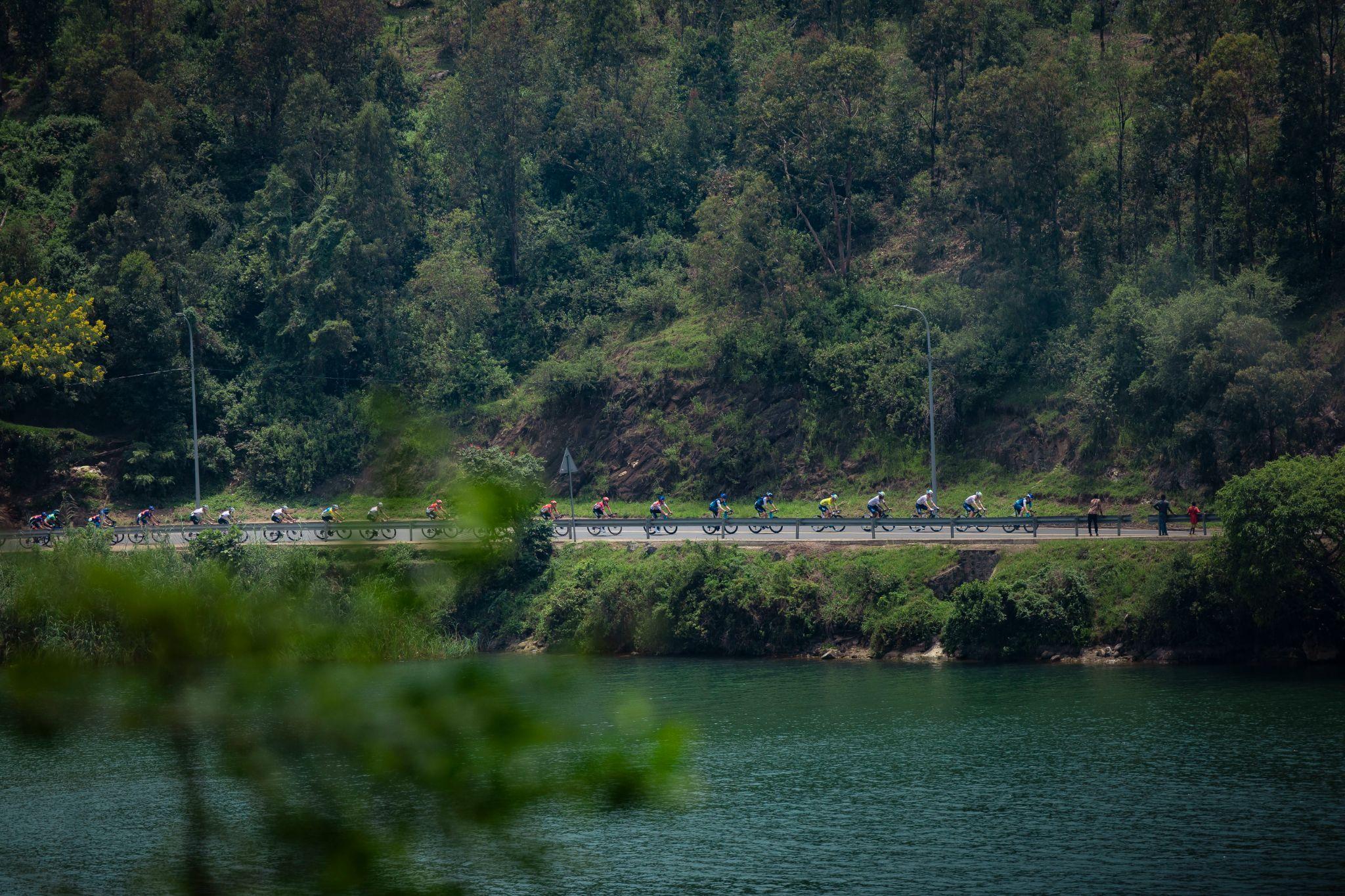
Earlier in the day the M23 fighters had clashed with Congolese forces near the city of Sake, located just over 20 kilometres from Goma, before seizing the town.
The Congolese military deployed fighter jets in areas near Sake in an attempt to push M23 forces out of the city. Reports indicate that Maj. Gen. Cirimwami had gone to support the troops on the ground but was ultimately killed in the clashes, as confirmed by M23.
M23 forces are not only present in Sake but also control other areas surrounding Goma, including Minova near Lake Kivu and Kibumba in the Nyiragongo territory.
M23’s political spokesperson, Lawrence Kanyuka, stated on January 23, 2025, that while the group has assured it harbours no hostile intentions toward the peacekeeping forces, they are preparing to defend themselves against potential attacks.
M23 fighters, engaged in clashes with the Congolese army and allied forces, seized Sake, a town located just over 20 kilometres from Goma, on Thursday after repeatedly warning UN and SAMIDRC forces to stay out of the ongoing conflict.
“All signals indicate that MONUSCO and SAMIDRC are ready to attack us. Therefore, we will defend ourselves,” Kanyuka wrote on his X page.
The capture of Sake, a key strategic point, marks a significant escalation in the ongoing violence between the rebel group and government forces. M23 says it is defending the interests of minority Congolese Tutsis, many of whom have suffered discrimination and exclusion in DRC.
Footage from the Sake-Goma road showed Congolese forces, alongside UN and SADC troops, retreating eastward.
Meanwhile, reports indicate that the Congolese army has begun deploying warplanes in an effort to dislodge M23 fighters from Sake, even as the group vows to advance and capture Goma
“The people of Goma have suffered greatly, like other Congolese. The AFC/M23 is on its way to liberate them, and they must prepare to welcome this liberation. They need not fear anything: the AFC/M23 is coming to bring them peace,” the spokesperson added.
Rwanda’s Minister of Foreign Affairs and International Cooperation, Ambassador Olivier Nduhungirehe, made this pledge during a diplomatic reception held in Washington, D.C., on Wednesday to celebrate the incoming U.S. administration.
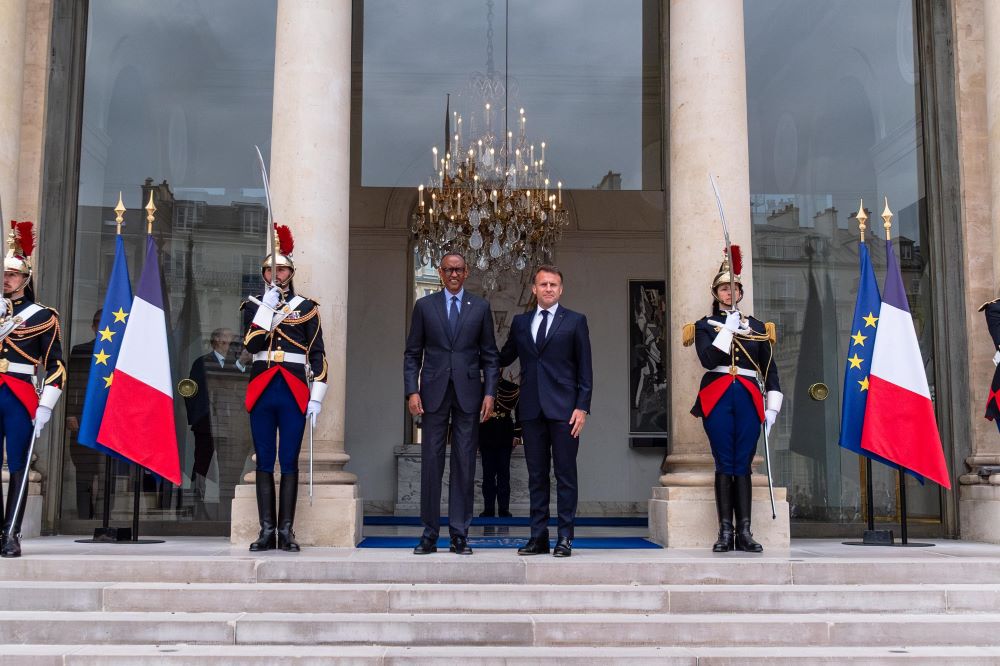
The event, organized by Rwanda’s Embassy in the United States and Ambassador Robert C. O’Brien, brought together members of the diplomatic corps, government officials, business leaders, and friends of Rwanda.
During the gathering, which was attended by Mathilde Mukantabana, the Ambassador of the Republic of Rwanda to the United States, Minister Nduhungirehe emphasized Rwanda’s commitment to fostering stronger partnerships with the U.S. and other nations represented at the reception.
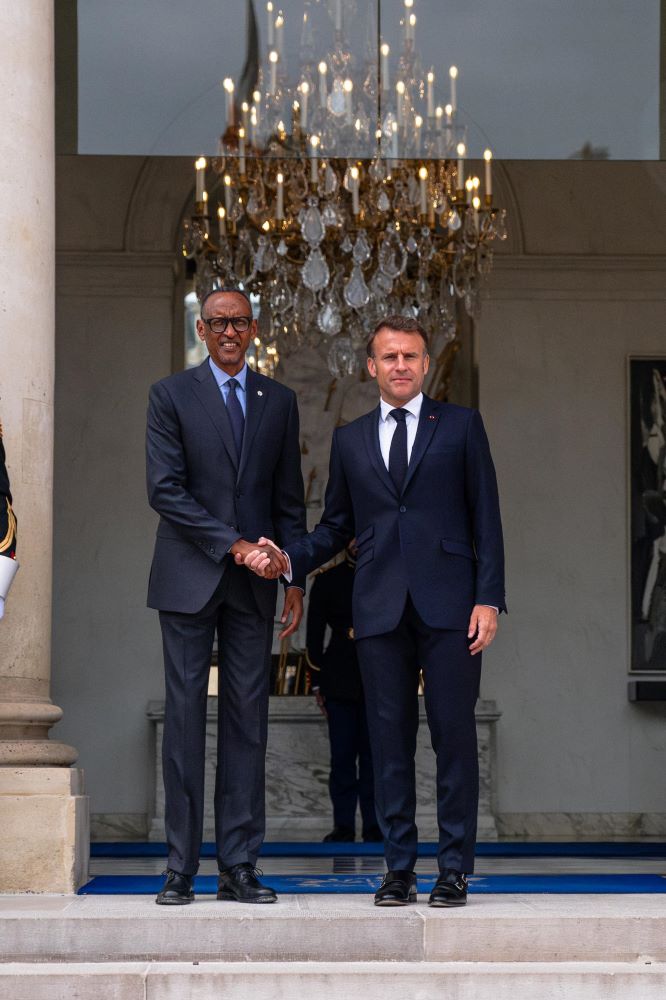
“Rwanda is committed to further strengthen its relations with the United States of America, under the Trump Administration,” he said.
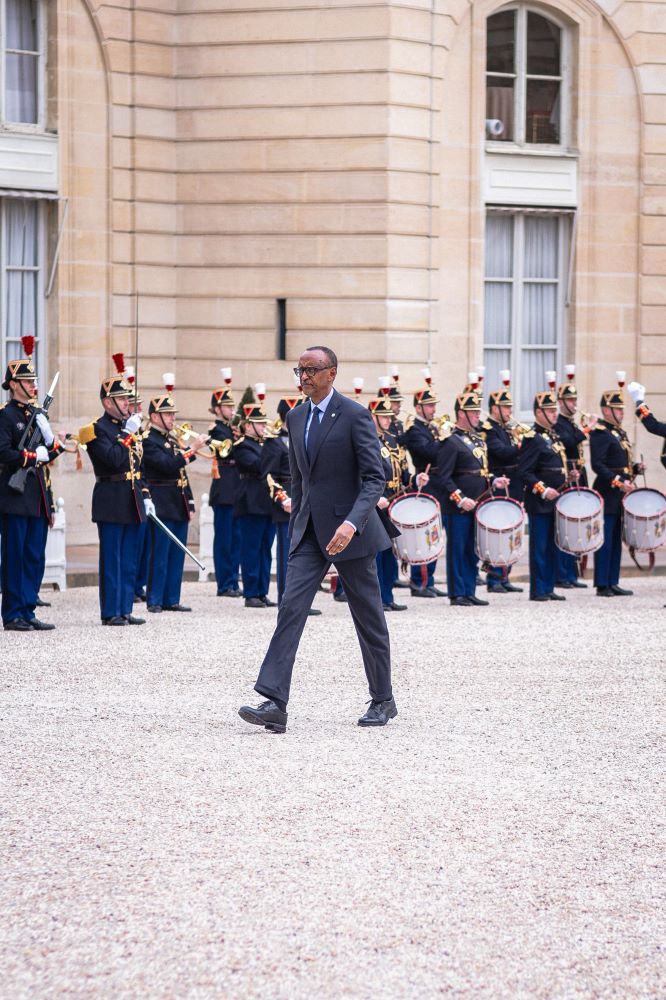
Ambassador O’Brien’s presence at the gathering was particularly significant. He served as the 27th U.S. National Security Advisor between 2019 and 2021. As President Trump’s principal advisor on all aspects of American foreign policy and national security, O’Brien previously led the U.S. government’s diplomatic efforts on hostage-related matters.
The event served as a platform to celebrate the incoming U.S. administration and underscore Rwanda’s vision of continued bilateral and multilateral cooperation.
President Trump was inaugurated on Monday, January 20, after defeating Democrat Kamala Harris in the presidential election held in November last year.
Earlier in the month, President Paul Kagame expressed optimism about potential shifts in U.S. foreign policy under Trump’s leadership, particularly concerning African matters.
This includes the crisis in the eastern Democratic Republic of the Congo (DRC), which has been fueled by ongoing clashes between the M23 rebel group and the Congolese army, along with allied militias such as the FDLR—a group composed of individuals responsible for the 1994 Genocide against the Tutsi in Rwanda.
President Kagame shared his views during a New Year press conference on January 9, 2025, where he addressed various topics.
In response to a question from an Al Jazeera journalist about what new developments might be expected from the new U.S. administration regarding the DRC, President Kagame stated that he respects the changes in leadership, acknowledging that they were made for valid reasons.
“I respect the change that has taken place in the United States because for it to happen, it must have been for very good reasons that the Americans endorsed with their vote,” he said.
Kagame also noted that while the transition represents democratic processes, the U.S.’s approach to political issues is expected to evolve.
“There are many things, even geopolitically, at least the approach, that are going to change for sure […] I think that it will be the same with the approach to how African matters may be dealt with generally, and specifically with Eastern Congo. The same might see change happen,” he remarked.
“That’s what I think from a distance, and I am just waiting for what will follow,” he added.
The President has, in the past, accused the international community of turning a blind eye to the root causes of tensions in eastern Congo. He insists that the issues stem from, among others, arbitrary drawing of borders during the colonial era and governance issues.
President Kagame and First Lady Jeannette arrived in Turkey on January 22, 2025, for an official working visit.
On January 23, they visited Anıtkabir, the resting place of Mustafa Kemal Atatürk, and laid a wreath in honor of the leader who held power from 1923 until his death in 1938.
Anıtkabir mausoleum complex is located in the Çankaya district of Ankara, the capital of Turkey. It was constructed between 1944 and 1953.
Mustafa Kemal Atatürk, renowned as Mustafa Kemal Pasha until 1921, was a Turkish Field Marshal and political leader who spearheaded the revolution that established Turkey as an independent and modern republic.
President Kagame is also scheduled to hold talks with Turkish President Recep Tayyip Erdoğan.
Following their private discussions, the two leaders are expected to address the press and later attend a state dinner together.
The bilateral relations between Rwanda and Turkey have grown significantly since Rwanda opened its embassy in Ankara in 2013.
The following year, Turkey reciprocated by opening its embassy in Kigali. To strengthen this partnership further, Turkey’s Minister of Foreign Affairs, Mevlüt Çavuşoğlu, visited Rwanda in May 2016.
During this visit, three cooperation agreements were signed, focusing on foreign affairs, education, and easing travel between the two countries.
Currently, the governments of Rwanda and Turkey have 18 cooperation agreements, covering areas such as culture, science, technology, and innovation.
Some of these agreements were signed in January 2023 during a visit to Rwanda by Minister Mevlüt Çavuşoğlu, reinforcing the long-standing ties between the two nations.