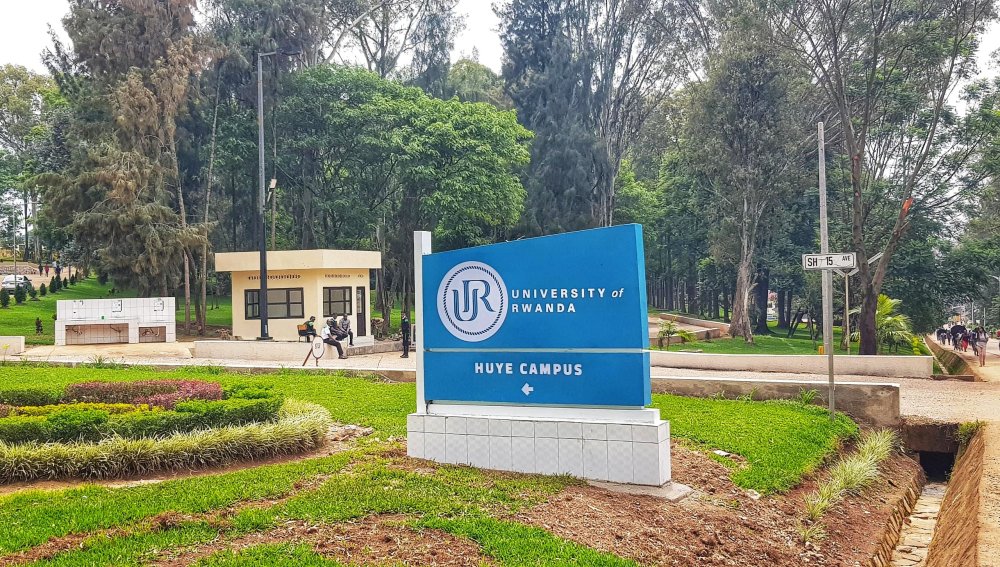
According to university officials, the programme is in advanced stages of development and has already been validated internally. It is now under review by the Higher Education Council (HEC) for final accreditation.
Once approved, it will be Rwanda’s first degree programme dedicated to nuclear science.
Prof. Ignace Gatare, Principal of the College of Science and Technology, said the programme aims to build a skilled workforce to support national goals in nuclear energy and related fields.
“We are looking forward to receiving feedback from HEC in regards to the national framework for accreditation of the new program,” Gatare told the New Times.
The four-year curriculum will start with core courses in physics, mathematics, electronics, and measurement technologies. Advanced years will introduce specialised topics in nuclear technology, aligning with Rwanda’s broader plans to develop peaceful applications of nuclear energy.
This initiative complements Rwanda’s strategy to build a nuclear research centre in partnership with Russia. The centre will focus on producing radioactive materials for cancer diagnosis and treatment, enhancing agriculture through radiation technologies, and advancing industrial testing methods.
Rwanda’s ambitions go further. The country plans to host Africa’s first demonstration of a Dual Fluid nuclear reactor and is pursuing small modular reactor (SMR) technology to meet growing electricity demands sustainably. SMRs are compact, safer alternatives to traditional reactors and are seen as key to Rwanda’s Vision 2050 goals.
Fidèle Ndahayo, CEO of the Rwanda Atomic Energy Board, previously emphasised the urgency of diversifying energy sources. With national energy capacity currently estimated at 650–700 MW, Rwanda needs to boost output to as much as 4.5 GW by 2050 to fuel economic growth.
The new academic programme is expected to play a critical role in supporting this transition by producing professionals who can contribute to sectors such as energy, healthcare, agriculture, pharmaceuticals, and mining.
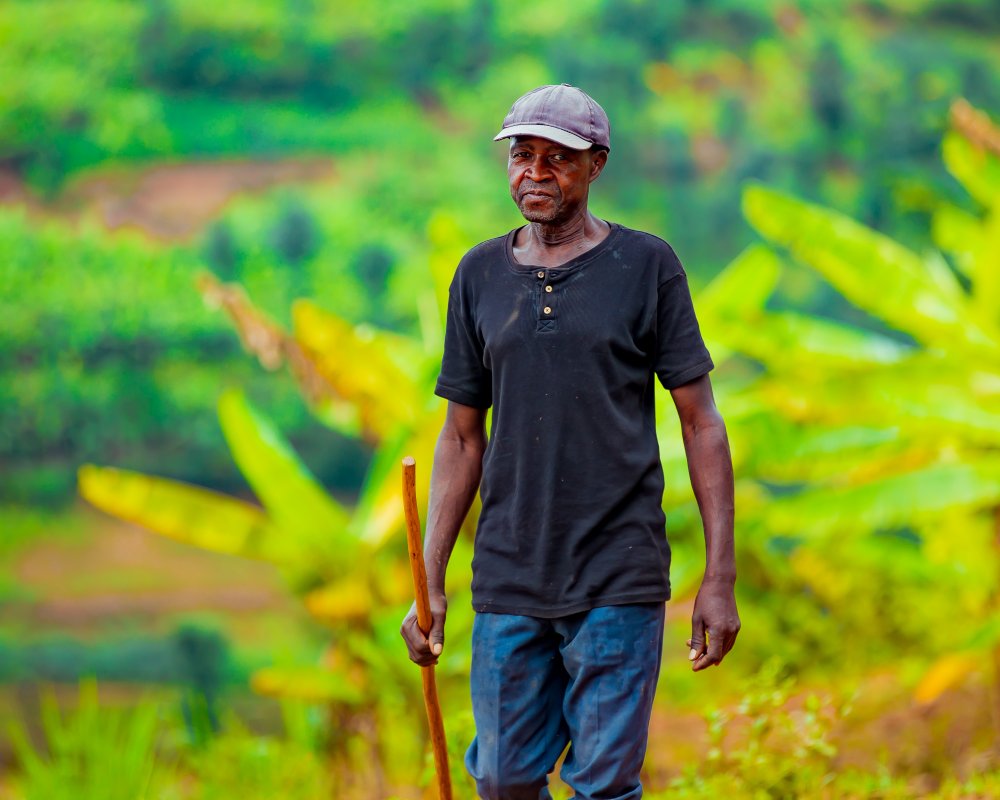
In his home area of Murundi Sector, Karongi District, Habiyaremye became widely known for the sheer number of people he killed during the Genocide against the Tutsi. Gacaca court records show he took the lives of more than 300 Tutsis, many of them his neighbours, acquaintances, and even friends.
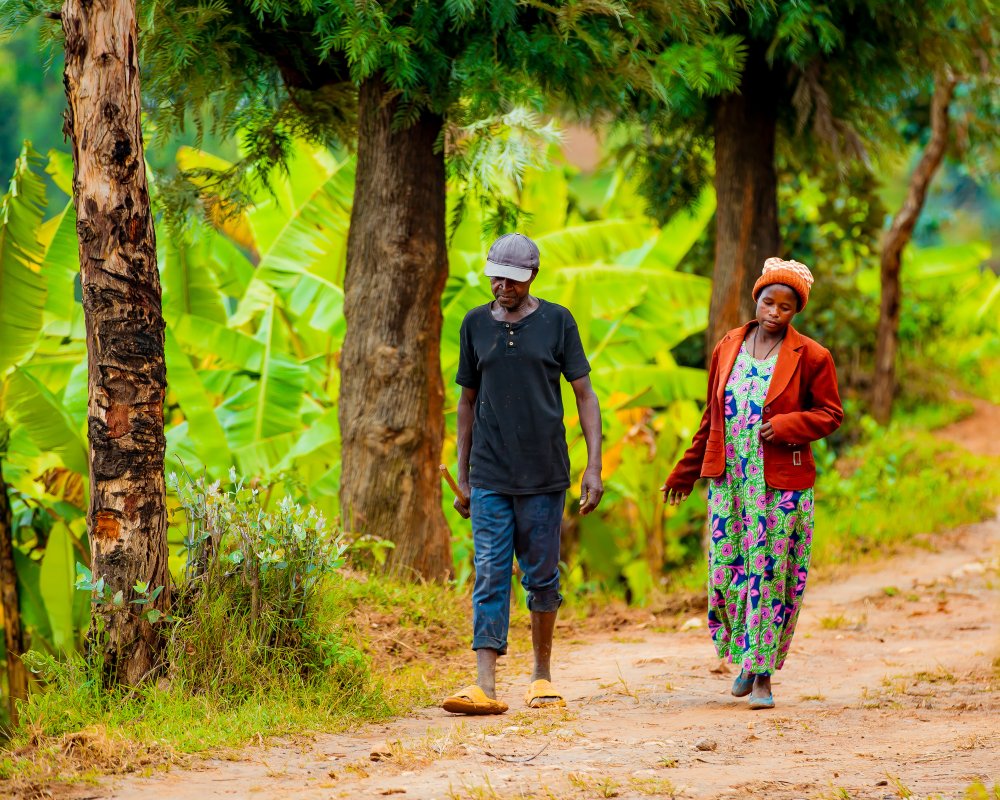
Today, he still lives in the same region. The once densely populated hills of Gasharu Cell, where many Tutsi families had lived, now bear only terraced slopes and forests.
“That area was home to many Tutsis,” says Mukamatayo Anne Marie, President of Ibuka in Gasharu. “They were completely wiped out. Families like that of Mukakimenyi and Ntoyihuku vanished. No one from those homes is left.”
The story of Habiyaremye resurfaced during a past commemoration of the Genocide against the Tutsi, when the Minister of National Unity and Civic Engagement, Dr. Jean Damascène Bizimana, cited him as an example of the scale of killings that occurred in the area.
“One striking case is in Nyamushishi Cell, Murundi Sector, where one man was found to have personally killed more people than any other individual identified through the Gacaca court system,” Dr. Bizimana said.
“Habiyaremye Bernard, known as ‘Kimashini’, murdered more than 300 people by name. He even remembers some of them.”
During the Genocide, Habiyaremye participated actively in killings. He recalls how it began:
“We were neighbours. One day, a man said to me, ‘They killed my daughter. Now I have no one to avenge me.’ That’s when I started. His name was Tharcisse Nzabahimana—I killed him. After that, I continued. I felt like it would catch up with me if I didn’t.”
Eventually, Habiyaremye was arrested and tried under the Gacaca court system. After serving his sentence, he returned to live in the same community he had once terrorised.
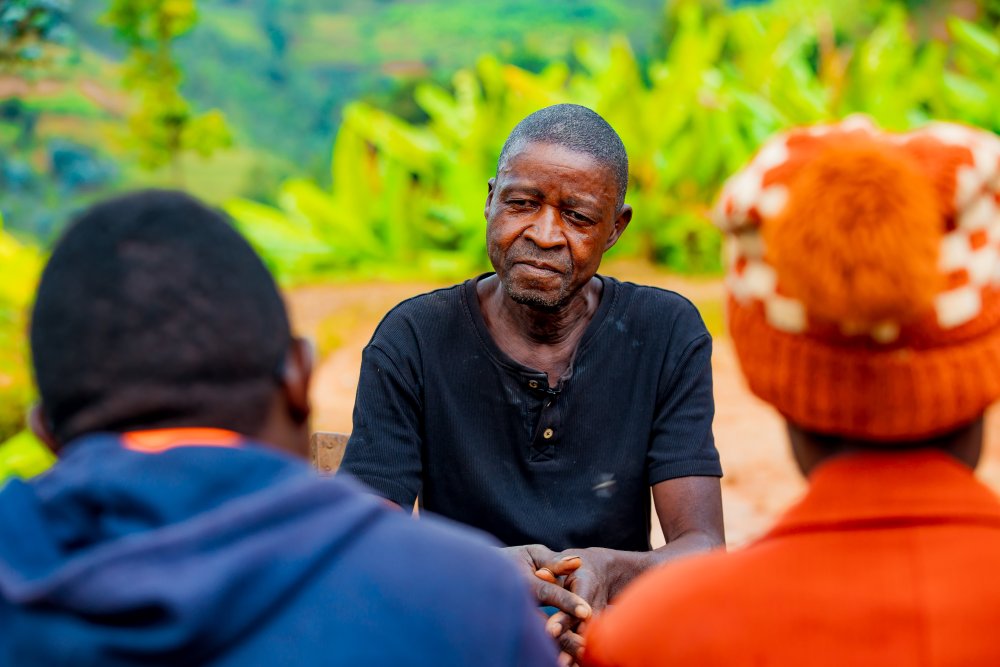
“Those I killed were close to me—neighbours with whom we shared meals, worked together in the fields, and lived peacefully before the genocide,” he admits. “Some were killed by others, but we had all lived together.”
Surprisingly, Habiyaremye says he was not rejected by his community upon return:
“I’ve never been turned away. I eat where others eat. I can’t say I have enemies.”
On whether he feels remorse, he reflects: “I wasn’t myself—I was like a statue. No one with a heart could do what I did and claim to be a good person.”
He credits Rwanda’s post-genocide education and reconciliation programmes for helping him and others like him to reflect, take responsibility, and rejoin the community.
“Unity and reconciliation have been powerful,” he says. “If you look around Rwanda, it’s clear the country has been rebuilt.”
Habiyaremye believes the fight against genocide ideology is everyone’s duty: “It still exists, but it can be identified and rooted out. That mindset must not find space in Rwanda.”
He says he now lives in peace with genocide survivors—some of whose relatives he killed:
“We live together, eat together, and talk. No one tells me to go away. I don’t hide, and they don’t avoid me.”
He also thanked President Paul Kagame for restoring national unity and said he now plays a role in building the same country he once helped tear apart.
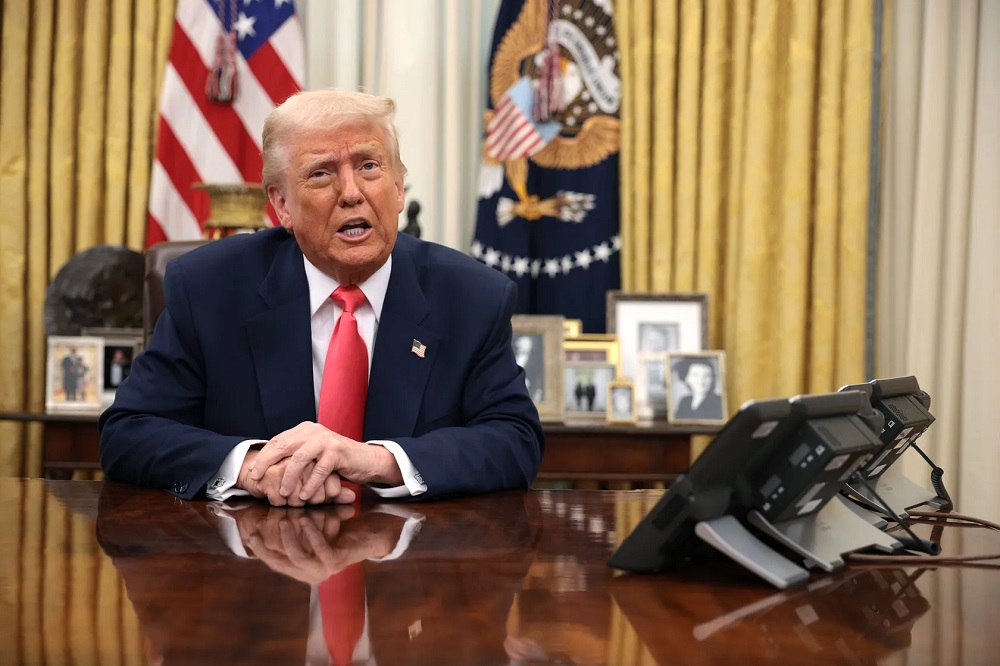
Trump made the remarks while hosting Ramaphosa and his delegation, who are in the U.S. to revitalise diplomatic and economic ties with Washington.
In a wide-ranging discussion that touched on regional conflicts, trade, and African development, Trump singled out the Rwanda–DRC peace process as a highlight of his administration’s recent diplomatic efforts.
The mediation process is coordinated by Senior Advisor for Africa Massad Boulos.
“Looking very good,” President Trump said. “I’m hearing phenomenal reports because what I was hearing before was deaths, deaths and chopping of heads off. It was very horrible over there. It was really brave of you [Boulos], to go there. I really appreciate it. It looks like we have something very substantial.”
The U.S.-led mediation has made significant headway in recent months following widespread tensions that escalated after the takeover of large swaths of territory in eastern Congo by the M23 rebels, fighting what they describe as decades of persecution and marginalisation of Kinyarwanda-speaking Congolese.
While the Congo accuses Rwanda of backing the M23 rebels, Rwanda denies this, stating that its main concern is the presence of the FDLR militia group, linked to the 1994 Genocide against the Tutsi, and its collaboration with the Congolese army, which poses a security threat along the border with Rwanda.
During the meeting at the White House on Wednesday, Boulos confirmed that Rwanda and the DRC recently signed a declaration of principles and have submitted their respective versions of a peace agreement. A unified draft incorporating both proposals has now been shared with both parties for final review.
“We are in the process of finalising it,” Boulos said. “A couple of weeks ago, the two parties signed a declaration of principle in which they agreed on the way forward. They have both submitted draft peace agreements, and we have compiled one that incorporates their suggestions. It looks very good.”
The U.S. State Department last week also confirmed that a peace agreement draft had been shared with President Paul Kagame and President Félix Tshisekedi of the DRC.
If all parties approve the final version, a landmark signing ceremony is scheduled for June at the White House. Presidents Kagame and Tshisekedi are expected to attend the event, which will also feature the signing of new economic cooperation deals with the United States.
Before the deal can be finalised, the U.S. has outlined key preconditions, particularly for the DRC. These include disbanding the FDLR militia and enacting governance reforms to ensure a fairer distribution of national resources.
If successful, the agreement could usher in a new era of stability for the long-troubled eastern DRC and boost regional economic integration, with U.S. investments playing a pivotal role.
Trump said his involvement in the conflict was motivated by a desire to save lives, not geopolitical gain.
“I have nothing to do with Rwanda and Congo, but I felt I had a very talented person in this administration, and I sent him there. He did an unbelievable job. He has done the hardest part of the job. I want to save the lives of each and every African—if it’s in Europe, wherever it may be,” Trump told the delegation.
In typical fashion, Trump also drew parallels to other global conflicts, saying that “we settled” tensions between India and Pakistan “in less than two days” through strategic trade diplomacy, while also citing ongoing efforts to resolve the conflict between Russia and Ukraine.
“It’s a very small investment for me compared to the consequences,” he added.
{{Ramaphosa hails mediation efforts
}}
President Ramaphosa thanked the U.S. for its role in pushing forward a peaceful resolution, revealing that the Southern African Development Community (SADC) had withdrawn its troops from eastern Congo to make way for diplomatic talks.
His visit to Washington comes amid efforts to reset relations between South Africa and the United States, especially in light of recent tensions and controversy over claims of racial violence in South Africa, which saw Trump offer refuge to white farmers fleeing the country.
Despite disagreements during the meeting, particularly when Trump raised long-standing “white genocide” claims, Ramaphosa expressed satisfaction with the private discussions, calling the visit “a great success” in opening communication channels and advancing trade opportunities.
{{Trump’s message to Africa
}}
As Africa Day approaches on May 25, President Trump shared a broader message of peace and prosperity for the continent, stating that what he wants to see is peace across Africa.
“What I want is peace. I want to see happiness. I want to see health. You have an incredible land that has tremendous value—a lot of countries don’t have that,” he stated.
“We have settled a war that has been raging for years, Rwanda and the Congo, and I think we have done it.”
This decision overturns a 2024 ruling by a French court, which had dismissed the case on the grounds of insufficient evidence.
The Collectif des Parties Civiles pour le Rwanda (CPCR), rights group dedicated to prosecuting genocide suspects, successfully appealed the dismissal.
The Paris Court of Appeal ordered a renewed investigation into Mbarushimana’s alleged role in the atrocities.
Speaking with IGIHE, CPCR co-founder Dafroza Gauthier welcomed the ruling.
“We are pleased that the judiciary has agreed to reopen the investigation to uncover new evidence,” she said.
Mbarushimana worked for the United Nations Development Programme (UNDP) during the genocide.
In April 1994, after the UN evacuated foreign staff from Rwanda, he was tasked with protecting local employees. Hired by the UN in 1992, he was dismissed in 2001 following allegations of involvement in the deaths of 32 people, including UN staff.
UN war crimes investigator Tony Greig reported that Mbarushimana personally shot two victims and was implicated in the killing of Florence Ngirumpatse, UNDP’s human resources chief in Rwanda, and several Tutsi children she had sheltered, aged 8 to 18.
Greig’s findings, submitted to the International Criminal Tribunal for Rwanda (ICTR), included testimonies from 25 witnesses alleging Mbarushimana’s direct involvement in the massacre and support for the Interahamwe militia, which spearheaded the genocide.
On April 7, 2024, Rwandan President Paul Kagame publicly criticized Mbarushimana’s freedom, noting that Florence Ngirumpatse was his cousin.
Kagame further disclosed that his cousin was betrayed by a colleague to the killers and celebrated after her death.
He expressed his disappointment that no action was ever taken against the UNDP staffer despite evidence implicating him.
“It later emerged that a Rwandan working at the UNDP betrayed his Tutsi colleague to the killers. Witnesses remember him celebrating Florence’s murder the night after the attack. He continued his career with the UN for many years even after evidence implicating him emerged. He is still a free man now living in France,” Kagame narrated.
In 2008, the CPCR requested an investigation into Mbarushimana by the Paris court handling crimes against humanity.
French authorities dismissed the case in October 2024, citing insufficient evidence and unreliable witness testimony.
The CPCR appealed, arguing that the ruling ignored critical testimonies and a UN internal report detailing Mbarushimana’s alleged crimes.
On May 21, 2025, the Paris Court of Appeal acknowledged these oversights, ordering a re-examination of evidence and new witness interviews. The reopened investigation has renewed hopes for accountability.
{{Links to the FDLR}}
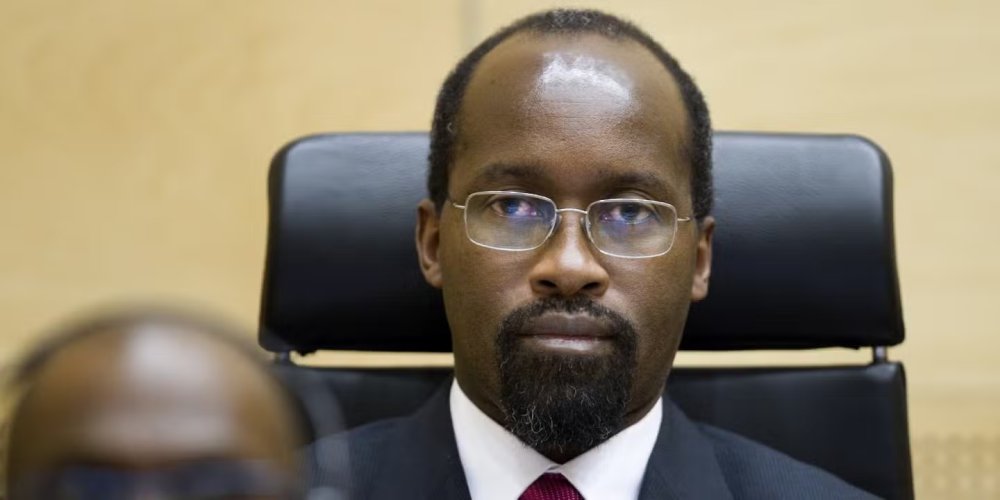
Mbarushimana’s alleged crimes extend beyond 1994. He is linked to the Democratic Forces for the Liberation of Rwanda (FDLR), a terrorist group operating in eastern Democratic Republic of the Congo, where he reportedly served as Executive Secretary.
In 2010, the International Criminal Court (ICC) arrested him in France on 13 counts of war crimes and crimes against humanity committed by FDLR fighters in 2009.
The ICC released him in 2011 citing insufficient evidence, and he has since lived freely in France.
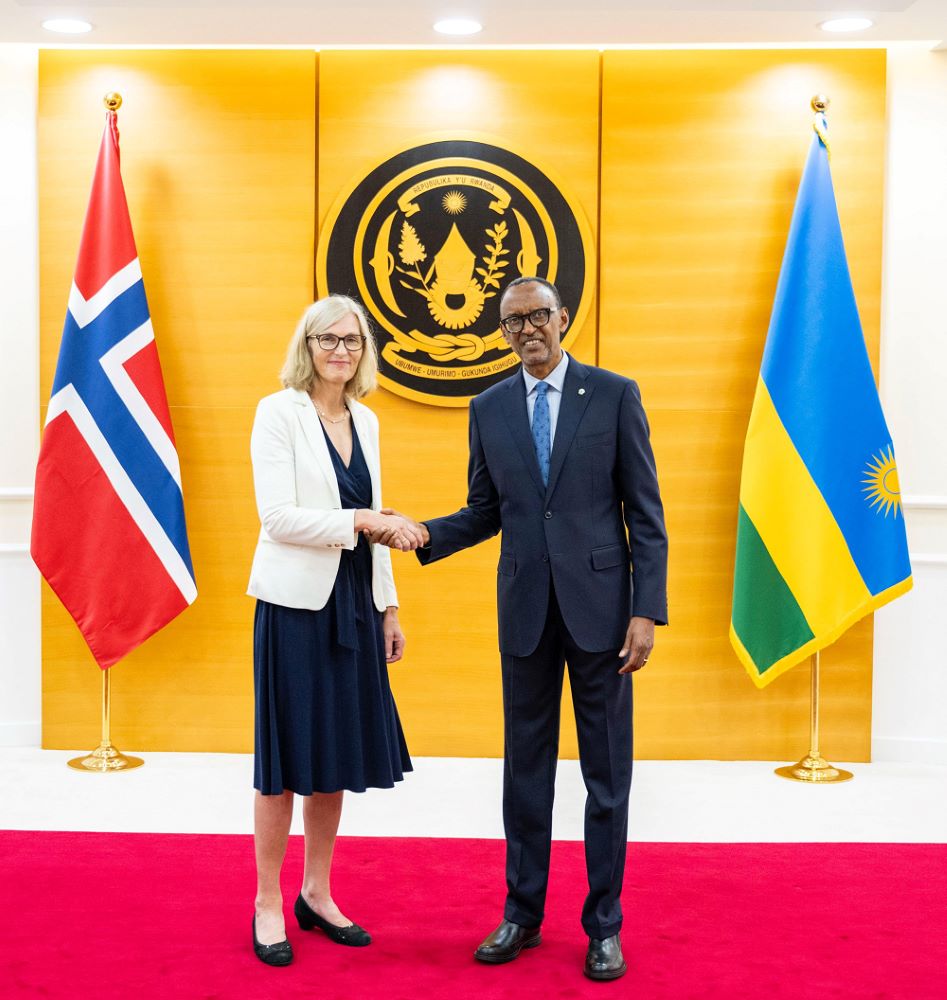
Among the envoys were Sylver Aboubakar Minko Mi Nseme of Gabon, Vu Thanh Huyen of Vietnam, Viacheslav Yatsiuk of Ukraine, and others representing Chad, South Sudan, Argentina, Somalia, Tanzania, Angola, Sudan, and Norway.
A particularly notable development is the appointment of Viacheslav Yatsiuk as Ukraine’s new ambassador to Rwanda. He replaces Andrii Pravednyk, who had served in the role from 2021 until February 2025.
This follows the recent opening of Ukraine’s first embassy in Kigali on April 18, 2024—an important milestone in the bilateral relationship.
The embassy is currently headed by a Chargé d’Affaires as preparations continue for Ambassador Yatsiuk to officially assume his duties.
Ambassador Yatsiuk spoke warmly of the commonalities between Ukraine and Rwanda, noting that although the two countries are separated by more than 6,000 kilometers, they share histories of resilience.
He emphasized Ukraine’s deep respect for Rwanda’s progress under President Kagame’s leadership and expressed hope for Rwanda’s support as Ukraine continues to defend its sovereignty amid ongoing conflict with Russia.
He also identified areas of potential collaboration, including agriculture, technology, fertilizer production, and broader economic development.
The new ambassador from Vietnam, Vu Thanh Huyen, will be based in Dar es Salaam, Tanzania, while overseeing Vietnam’s diplomatic interests in Rwanda.
Vietnam and Rwanda established formal relations in 1975, and the partnership has been strengthened over the years.
A milestone in this relationship came in 2008 when President Kagame visited Vietnam, resulting in cooperation agreements in agriculture, health, and education. Today, the two countries continue to work toward shared goals such as sustainable development and economic transparency.
One of the most symbolic moments of the day was the appointment of Dr. Sylver Aboubakar Minko Mi Nseme as Gabon’s first ambassador based in Kigali.
Although Gabon and Rwanda have had diplomatic relations since 1976, the position had remained vacant since 2016. Dr. Minko Mi Nseme’s appointment marks a renewed commitment to deepen ties, especially in education, culture, and trade.
He emphasized the importance of collaboration, noting that over 2,000 Gabonese students are currently studying in Rwanda.
Ambassador Dr. Habib Gallus Kambanga of Tanzania pledged to focus on enhancing cooperation and trade between the two neighboring nations. Similarly, Ilyas Ali Hassan of Somalia affirmed his intent to strengthen bilateral relations.
From Sudan, Ambassador Khalid Musa Dafalla expressed admiration for Rwanda’s achievements in peacebuilding and national reconciliation, highlighting opportunities for agricultural trade.
Paul Malong Akaro of South Sudan echoed similar sentiments, emphasizing the appeal of Rwanda’s education sector, which continues to attract students from his country.
Chad’s Ambassador Abdelkerim Ahmadaye Bakhit, who last visited Rwanda five years ago, shared his appreciation for the development he witnessed upon his return.
He affirmed that Chad could draw valuable lessons from Rwanda’s progress, particularly in the area of education.
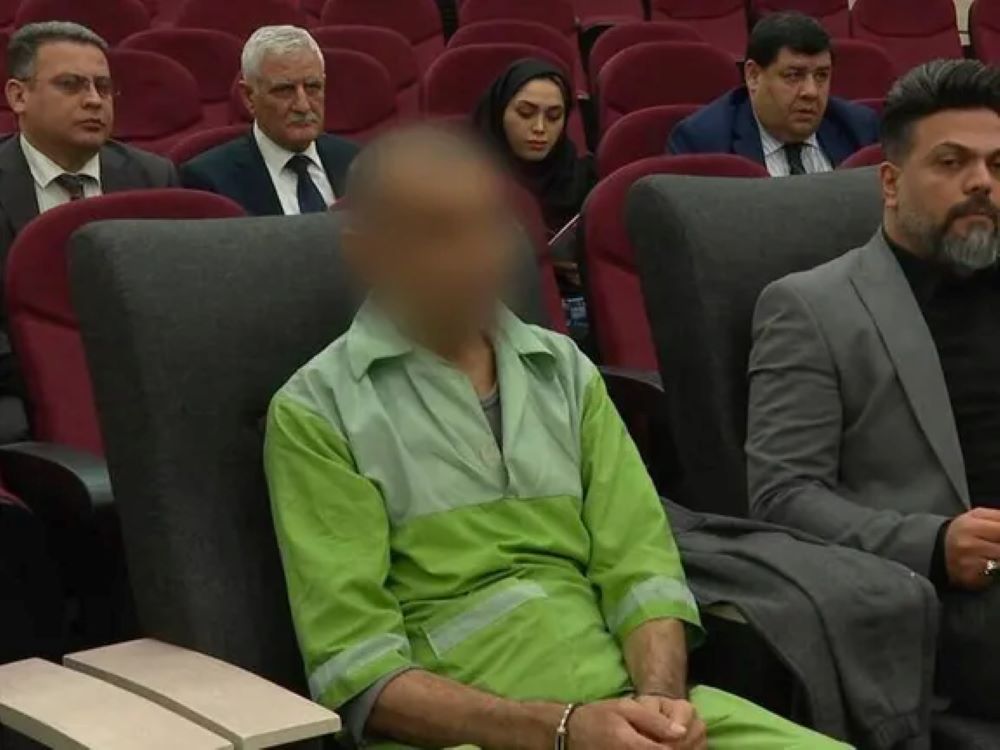
The man attacked the diplomatic mission on Jan. 27, 2023, with a Kalashnikov rifle, killing a staff member and injuring two others, Tehran Police told local media in the wake of the incident.
The man was executed after the completion of relevant judicial investigations and trial process, during which he was convicted of willfully murdering an Azerbaijani national using a firearm inside the embassy, purchasing, carrying, and keeping an illegal weapon and ammunition, and disrupting public order, the Mizan news agency affiliated with the judiciary reported.
The ruling against him was also upheld by the Supreme Court of Iran, according to the report.
In the aftermath of the incident, Azerbaijan shut down its embassy in Iran. Baku described the attack as an “act of terror,” but Tehran said investigations revealed that the assailant had “personal and family-related” motives.
Azerbaijan reopened the embassy at a new location in Tehran in July 2024, after nearly a year and a half, with a guarantee from Iran that it would take appropriate measures to ensure the security of the new embassy.
During the visit, Xi toured the Luoyang Bearing Group Co., Ltd., the White Horse Temple, and the Longmen Grottoes.
He learned about local efforts to accelerate the development of advanced manufacturing, enhance the protection and utilization of historical and cultural heritage, and promote the high-quality development of the cultural and tourism sector.
Xi pointed out that poverty eradication, a global issue, is a common goal of all countries in the world.
Through arduous efforts, China has successfully won the battle against poverty, achieved the poverty reduction target of the United Nations 2030 Agenda for Sustainable Development ten years ahead of schedule, blazed a poverty reduction path with Chinese characteristics, and written a new chapter in the history of mankind’s fight against poverty, Xi said.
Stressing that the root cause of poverty is inadequate development, Xi said the SCO has actively carried out cooperation on poverty reduction and sustainable development in recent years, achieving remarkable results.
As the rotating chair of the SCO, China is willing to continuously enhance policy communication with all parties, share poverty reduction experience, deepen practical cooperation, help more countries explore poverty reduction and sustainable development paths that suit their national conditions, and join hands to build a beautiful world free from poverty and with common prosperity, Xi noted.
The forum opened in Xi’an on Tuesday under the theme of “Sustained Poverty Reduction and Cooperative Development: Advancing Poverty Alleviation and Sustainable Development among SCO Countries.” The forum was co-hosted by the SCO Committee on Good-Neighborliness, Friendship and Cooperation and the People’s Government of Shaanxi Province.
Xi made the remarks during his inspection tour in a bearing producer in Luoyang City, central China’s Henan Province, on Monday afternoon.
Xi visited the company’s intelligent manufacturing plant to learn about the performance and applications of various types of bearing products. He inspected the intelligent production lines and had an amiable conversation with the workers.
“China has always adhered to the path of developing the real economy. From the past reliance on imported matches, soap and iron, to now becoming the world’s largest manufacturing country with the most complete industrial categories, we have taken the right path,” Xi noted.
China must continue to strengthen the manufacturing sector, adhere to the principles of building self-reliance and strength, and master core technologies in key fields, Xi said.
He also urged efforts to strengthen collaboration between industries, universities and research institutes, and cultivate a large number of high-quality talents.
The producer, Luoyang Bearing Group Co., Ltd., is a traditional manufacturing firm that has invested heavily in scientific and technological research and made significant progress in industrial upgrading in recent years. Its wind turbine main bearings now hold over 40 percent of the domestic market share.
Xi, also general secretary of the Communist Party of China Central Committee and chairman of the Central Military Commission, made the remarks during his inspection tour of the cities of Luoyang and Zhengzhou in the province on Monday and Tuesday.
He emphasized that Henan should focus on building a modern industrial system and strengthening its agricultural capacity, improving people’s well-being and social governance, enhancing ecological and environmental protection, and promoting cultural prosperity.
On Monday afternoon, Xi visited Luoyang Bearing Group Co., Ltd. Its predecessor was a factory established during China’s inaugural five-year plan period (1953-1957). The five-year plan laid the industrial foundation via concentrated efforts to build New China’s first steel production base and first auto manufacturer.
It is imperative to maintain a robust and reasonable share of the manufacturing, a key pillar of the national economy, in the process of advancing Chinese modernization, Xi said.
“Modern manufacturing relies on sci-tech empowerment,” Xi said, while calling for greater efforts in the quest for core technological breakthroughs and pursuit of a path of independent innovation.
Xi then visited the White Horse Temple, originally built during the Eastern Han Dynasty (25-220), where he learned about the adaptation of Buddhism to the Chinese context and local efforts to preserve cultural relics.
At the Longmen Grottoes, an over 1,500-year-old UNESCO World Heritage site which also represents the pinnacle of Chinese stone carving art, Xi underlined the importance of preserving, inheriting and promoting these treasures of Chinese culture.
The integration of culture and tourism holds great potential, Xi said, requiring efforts to promote the high-quality development of the sector and turn it into a pillar industry that benefits the people and enriches their lives.
On Tuesday morning, Xi heard the provincial authorities’ work report.
Xi emphasized that high-quality development is fundamental to advancing Chinese modernization. In the face of a complex external environment, China should unwaveringly focus on managing domestic affairs well and expanding high-standard opening up, he added.
Xi called for concrete efforts to maintain the stability of employment, businesses, the market and expectations.
As an economic powerhouse, Henan should strengthen its real economy as the bedrock of development and foster new quality productive forces tailored to local strengths, Xi said.
He also highlighted the need to enhance farmland protection and development, advance comprehensive rural revitalization through integrated urban-rural development, and strengthen the ecological conservation of key river basins.
Xi urged more efforts to strengthen social governance as Henan faces complex and diverse social issues due to its large population, high population density, and significant population mobility.
He also demanded the province to enhance Party-building within new-type economic and social organizations and among groups in new forms of employment, emphasizing the need to improve public services, and forestall and defuse risks in key sectors to safeguard social stability.
Carrying out the education campaign to implement the Party central leadership’s “eight-point decision” on improving work conduct is a major task for Party-building work this year, and the focus should be put on solving problems, Xi said.
As drought has lingered in certain regions of the country since the beginning of this year, Xi called for better water allocation to safeguard water supply for residents and meet agricultural irrigation needs.
Xi urged all regions to make thorough preparations for flood prevention and control as the flood season arrives.