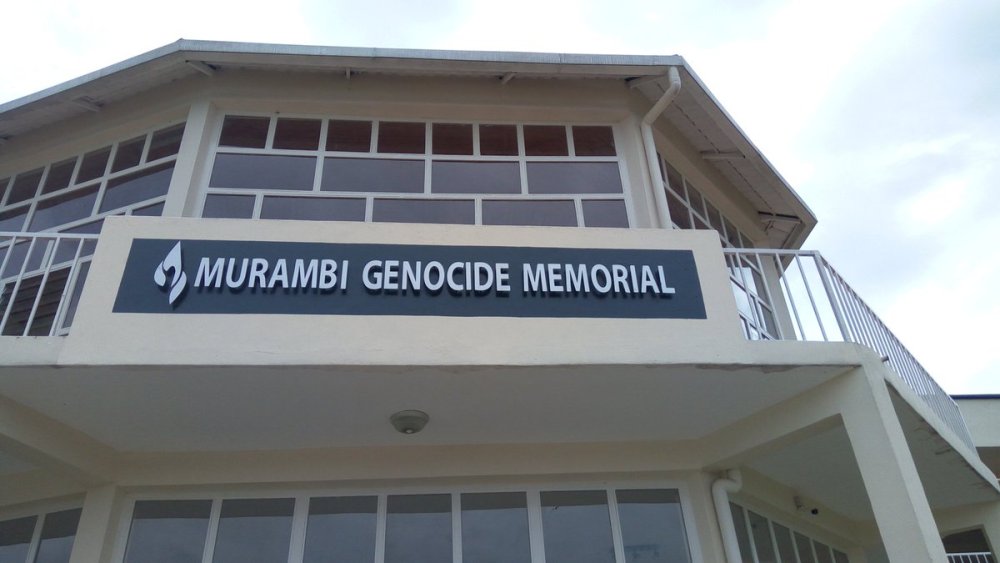
The memorials include the Kigali Genocide Memorial at Gisozi, the Nyamata Memorial in Bugesera, the Murambi Memorial in Nyamagabe, and the Bisesero Memorial in the Western Province.
In 2022, before their designation as World Heritage Sites, these four memorials recorded over 101,000 visitors—54,845 of whom were foreigners and 46,600 Rwandans.
Following their inscription on the World Heritage List in 2024, total visitor numbers surged to more than 193,000. The number of foreign visitors more than doubled, exceeding 120,000, while Rwandan visitors increased to over 73,000.
Veneranda Ingabire, Executive Director of Memory and Genocide prevention at the Ministry of National Unity, told RBA that the 54.2% rise in foreign visitors reflects the memorials’ growing international visibility.
She noted that the world has embraced the responsibility to promote these sites’ significance and encourage more visits to deepen understanding.
Lydie Mutesi from Aegis Trust, the organization managing the Kigali Genocide Memorial, emphasized that their team has been strengthened with new knowledge and capacity to professionally accommodate the increasing number of visitors.
Enhanced training ensures that Rwanda’s history is preserved and communicated effectively, allowing the memorials’ message to resonate worldwide.
The four Genocide Memorials were officially inscribed as UNESCO World Heritage Sites by the United Nations Educational, Scientific and Cultural Organization (UNESCO) on September 20, 2023, marking a major milestone in their preservation and global recognition.
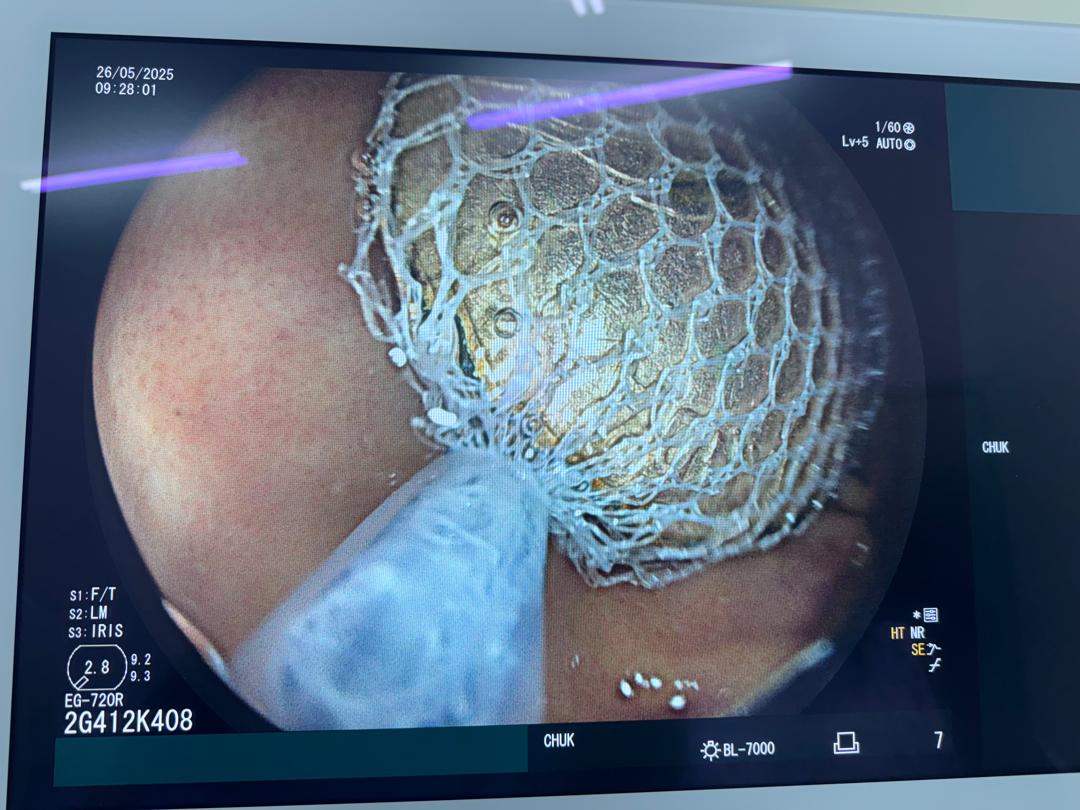
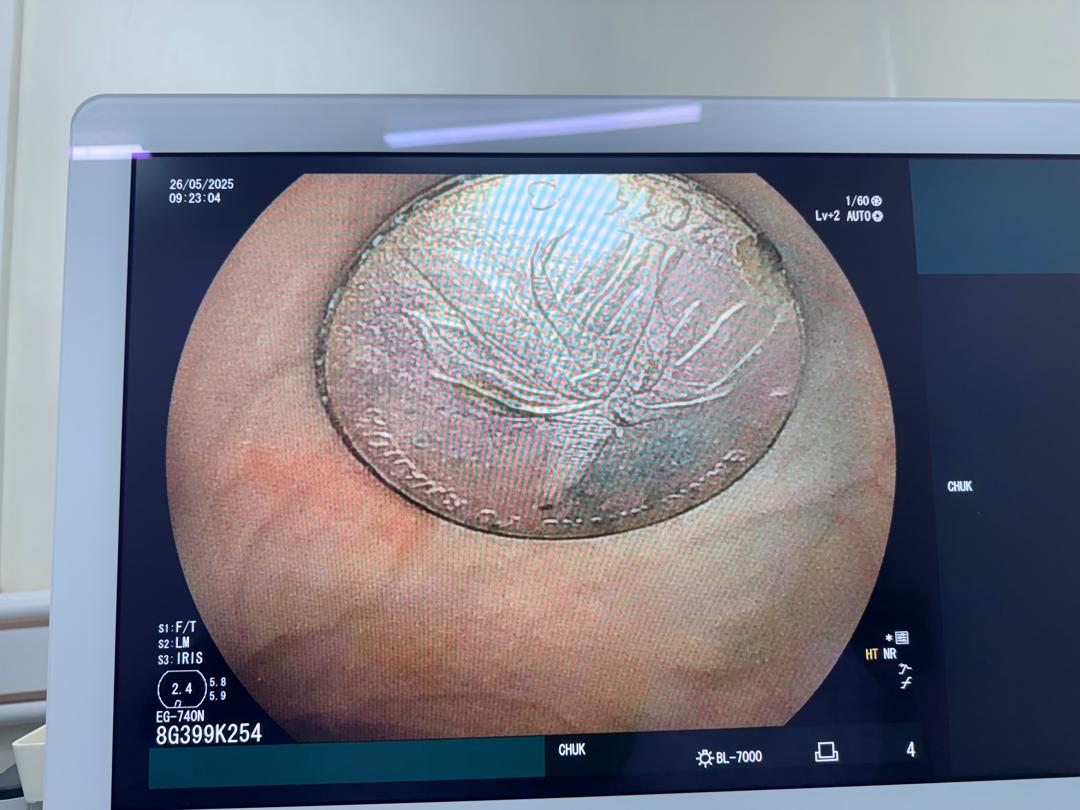
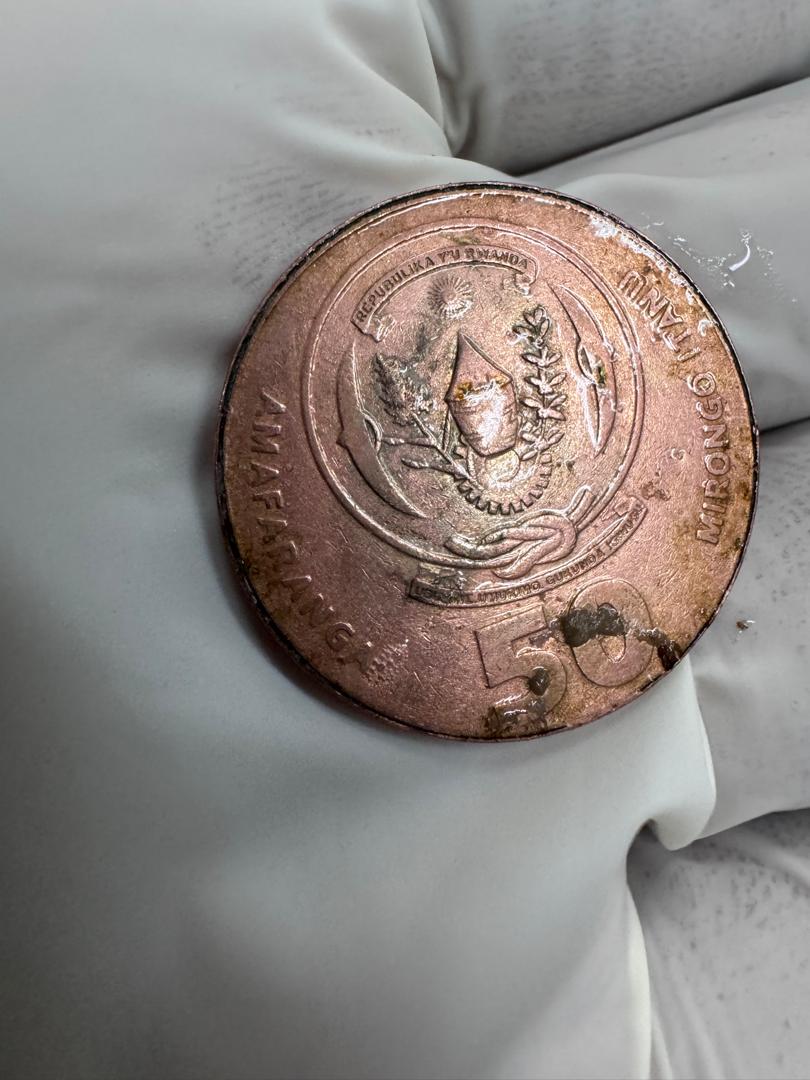
The Frw 50 coin was extracted on Monday, May 26, 2025, using endoscopy, a minimally invasive procedure that avoided the need for surgery.
The child’s mother said she had initially been told that surgery would be necessary to remove the coin.
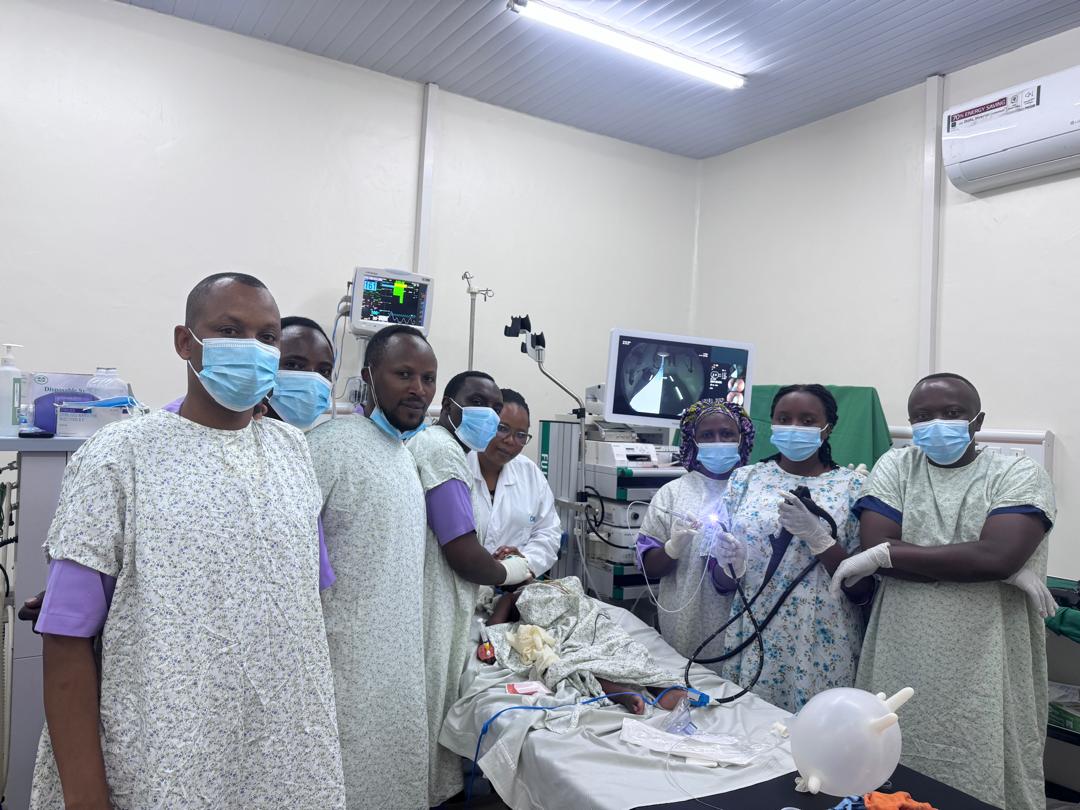
However, doctors at CHUK’s gastrointestinal (GI) medical service used an endoscope, a flexible tube with a camera and tools inserted through the mouth into the stomach, to locate and safely remove the foreign object.
Endoscopy allows doctors to diagnose and treat conditions inside the digestive tract without making incisions, reducing recovery time and risks associated with open surgery.
This successful procedure comes amid growing advances in Rwanda’s medical field. Earlier this month, King Faisal Hospital performed the country’s first percutaneous closure of a patent foramen ovale (PFO), a rare heart procedure conducted on a stroke patient.
The procedure, carried out on May 16, was led by visiting Swiss cardiologist Dr. Hugues Lucron alongside Rwandan specialist Dr. Gérard Misago.
A PFO is a small opening between the heart’s upper chambers that normally closes after birth but can remain open in some people, increasing the risk of stroke.
Using a catheter inserted through a vein, the medical team deployed a nickel-titanium closure device to seal the opening permanently. Over time, heart tissue grows around the device, completing the repair.
King Faisal Hospital expressed gratitude to Occlutech Europe and its partners for supporting this national milestone, calling it a significant step forward in advancing cardiovascular care in Rwanda.
The two recent successful procedures showcase Rwanda’s progress in adopting minimally invasive medical technologies that enhance patient outcomes and save lives.
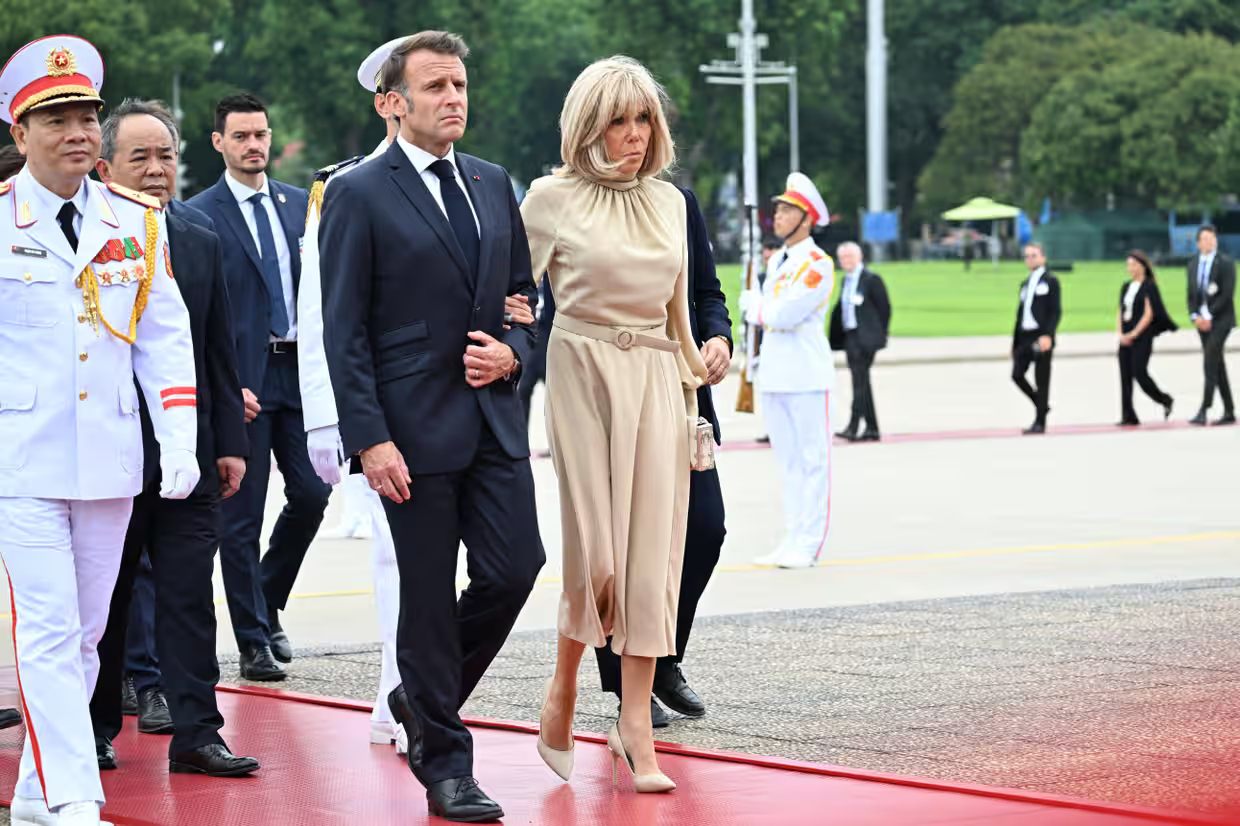
The brief but widely circulated footage shows Macron stepping out of a plane in Hanoi on Sunday evening as part of a state visit to Vietnam.
As he emerges at the aircraft doorway, Brigitte Macron’s hands suddenly reach out and shove his face. The president appears momentarily startled but quickly regains his composure and waves to the press waiting on the tarmac.
Speaking to reporters in Hanoi on Monday, Macron, who is 24 years younger than his 72-year-old wife, sought to clarify the situation: “There’s a video showing me joking and teasing my wife, and somehow that becomes a sort of geo-planetary catastrophe,” he said. “We were just joking around, as we do quite often.”
SHOCKING: French President Emmanuel Macron SHOVED IN THE FACE by his wife Brigitte as they exit a plane in Vietnam! This looks like an EXTREMELY toxic relationship. Imagine your husband leading a nation, trying to stand up to powerhouses like Putin & Trump & his toxic wife… pic.twitter.com/7PWc1CkaG7
— Tehseen Poonawalla Official 🇮🇳 (@tehseenp) May 26, 2025
The Élysée Palace, after initially downplaying the footage, later explained that the couple were “unwinding” and “playfully teasing each other” ahead of the start of their formal engagements.
A presidential source quoted by CNN described the incident as “a moment of closeness,” adding: “No more was needed to feed the mills of the conspiracy theorists.”
Macron, who has increasingly found himself the target of disinformation campaigns linked to Russia, criticised the amplification of the clip by what he described as a familiar ecosystem of online actors.
“People have thought I shared a bag of cocaine, tussled with the Turkish president, now that I’m having a domestic dispute with my wife… None of this is true. Everyone needs to calm down,” he said.
Earlier this month, the Élysée also refuted another viral claim, circulated by pro-Kremlin accounts and U.S. conspiracy theorist Alex Jones, that Macron was using cocaine aboard a train to Kyiv with German Chancellor Friedrich Merz and UK Prime Minister Keir Starmer.
The claim stemmed from a crumpled tissue seen in footage. French officials responded by posting an image with the caption: “This is a tissue. For blowing your nose.”
As the disinformation swirl continued, Macron emphasised the importance of not letting such moments overshadow diplomacy.
“Commentators even explained this morning that my diplomacy was that of a battered husband,” he joked.
Meanwhile, the president’s Southeast Asia trip continued on a more serious note. France and Vietnam signed €9 billion worth of deals on Monday, covering sectors including aerospace, defense, energy, transportation, and pharmaceuticals.
Among them was an agreement for Vietnam to purchase 20 Airbus aircraft — part of efforts to boost bilateral ties amid growing trade instability linked to U.S. tariffs under Donald Trump’s administration.
The visit marks the first formal state trip to Vietnam by a French presidential couple in nearly a decade.
Speaking at a press conference in Berlin, German Federal Foreign Office spokesperson Kathrin Deschauer said there was no formalized military cooperation with Uganda.
The Ugandan military said Sunday that it has suspended all defense and military cooperation with Germany in response to “credible intelligence reports” that German Ambassador to Uganda Mathias Schauer is actively engaged in subversive activities in the country.
Deschauer noted that Germany was not aware of any background or context that could explain such allegations.
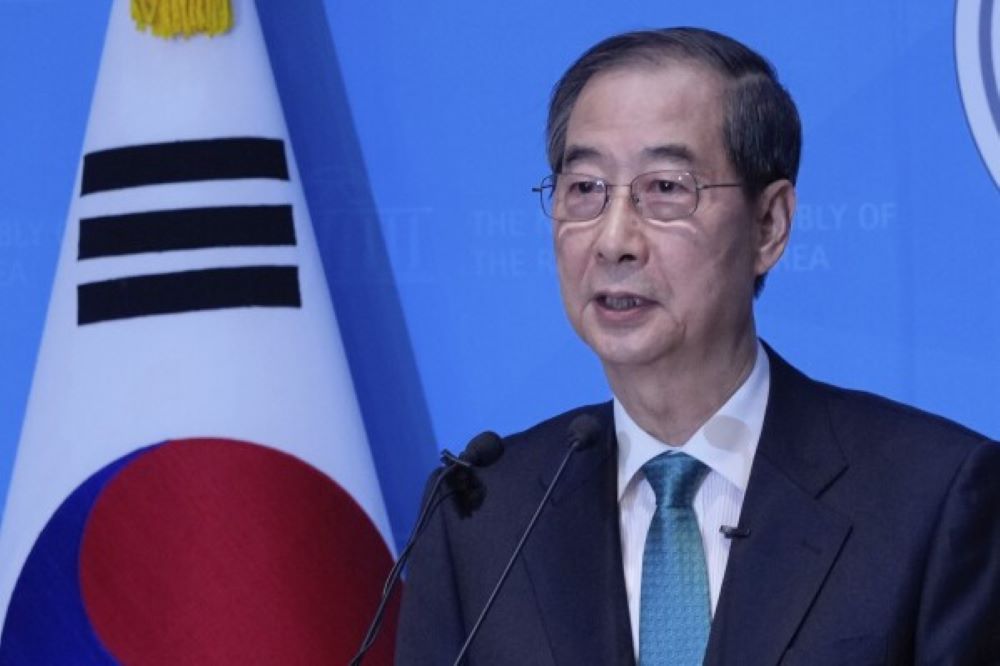
Han and Choi have been under investigation as suspects of insurrection and prevented from leaving the country in the middle of this month.
The police special investigative unit summoned Han and Choi as well as Lee Sang-min, former interior minister who was prohibited from leaving the country last December, for questioning on Monday.
The three former government officials were suspected of being involved in the botched martial law bid by former President Yoon Suk-yeol, who was removed from office in April.
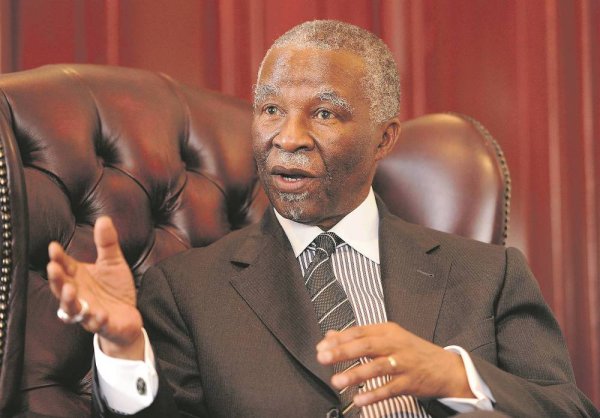
Mbeki made the remarks in an interview with SABC while commenting on the recent return of former Congolese President Joseph Kabila to his homeland after two years in exile in South Africa.
Kabila arrived in the rebel-controlled city of Goma last week after the [Congolese Senate lifted his immunity ->https://en.igihe.com/news/article/drc-strips-former-president-kabila-of-immunity-over-treason-charges] from prosecution over allegations of supporting the AFC/M23 group.
During the interview, Mbeki clarified that he has not spoken with Kabila since the recent developments.
“I’m sure I will be able to speak to him at some point,” Mbeki said.
But the 82-year-old former head of state stressed that the conflict in the DRC, which has dragged on for decades, lies with the Congolese government’s failure to address the country’s internal challenges effectively.
Mbeki criticized successive governments in Kinshasa, including Kabila’s, for not fully understanding the complexities of the Congo and its colonial legacy. He invoked the vision of Patrice Lumumba, the DRC’s iconic independence leader, who prioritized uniting the Congolese people against the divisions sown by Belgian colonial rule.
“When the government in Kinshasa is hostile to the Banyamulenge in the eastern Congo because they are Rwandan-speaking, or takes a position against Kabila, who comes from the Katanga region, say he’s a traitor, he’s supporting M23, punish him, the whole population of Katanga is going to be against that government in Kinshasa,” Mbeki explained.
“It doesn’t solve anything for Kinshasa or the Congo.”
Addressing the ongoing talks between the DRC, the United States, and Rwanda to resolve the conflict, Mbeki noted that little would be achieved unless the Congolese government is committed to resolving its own issues internally by engaging with the rebels and addressing their concerns, including decades of marginalisation and persecution.
“The notion that the government of the Congo and the government of Rwanda can meet and sign a peace agreement to solve the problems of the eastern Congo is wrong,” he stated, noting that past attempts at such agreements have failed to address the root causes of the conflict.
“The problems of eastern Congo are domestic to the Congo. They don’t originate from outside its borders,” he added, in an apparent reference to the DRC’s repeated claims that Rwanda is destabilising the eastern region by backing M23.
Rwanda has consistently denied Congo’s allegations, insisting that its main concern is the presence of the FDLR militia, linked to the 1994 Genocide against the Tutsi, in the neighbouring country, which poses a security threat to Rwanda.
Meanwhile, Mbeki has advocated for a Congolese-led approach to resolve the conflict in the east, reiterating the importance of dialogue between Kinshasa and groups like M23.
“Kinshasa must talk to M23; they must sort out all of this,” he urged. While discussions with neighboring countries like Rwanda are necessary, Mbeki stressed, “The solution to the Congo problem does not lie in Kigali; it lies in Kinshasa.”
Mbeki has been vocal about the crisis in eastern Congo and has, in the past, [criticised efforts to resolve it through military action->https://en.igihe.com/news/article/former-sa-president-thabo-mbeki-calls-for-disengagement-of-troops-in-eastern] rather than political diplomacy.
These include Eswatini, Guinea, Liberia, Malawi, Mali, Zimbabwe, Georgia, France, Poland, Oman, Suriname, and Canada. The move is expected to strengthen Rwanda’s international connectivity and support its ambitions in aviation, trade, and tourism.
During the same session, the Cabinet also adopted a national data sharing policy aimed at establishing a secure and legally compliant framework for sharing data across public institutions.
The Cabinet further approved periodic reports on Rwanda’s implementation of international human rights treaties.
Additionally, a Ministerial Order concerning the guardianship of children by the state and regulations on intercountry adoption was approved.
The meeting also noted upcoming national events. The 18ᵗʰ National Agriculture Show is scheduled to take place in Mulindi, Kigali, from June 18 to 27, 2025.
Rwanda will also host the 2025 International Organization for Standardization (ISO) Annual Meeting in Kigali from October 6 to 10.
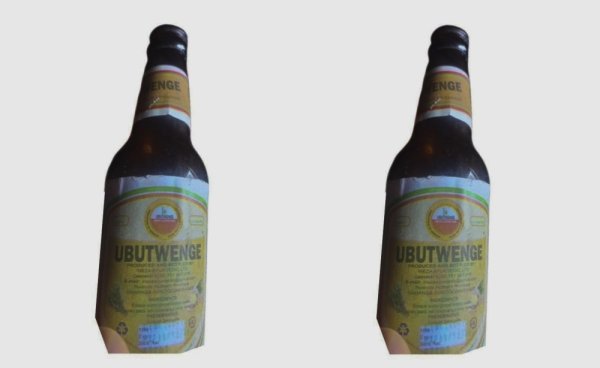
According to a notice dated May 25, 2025, laboratory analysis of the product revealed that it does not meet the required national standard RS 344:2023 for plant-flavoured alcoholic drinks. As a result, the Rwanda FDA has declared the product illegal and unsafe for public consumption.
INEZA Ayurvedic Ltd, the manufacturer of Ubutwenge, is based in Musanze District, Busogo Sector, Gisesero Cell. Authorities confirmed that the company has been producing the drink without proper authorisation and outside the required safety guidelines.
Rwanda FDA has instructed the public to immediately stop consuming the drink to avoid potential health risks.
Retailers have also been ordered to remove all Ubutwenge stock from their shelves and return it to distributors. Wholesalers are required to accept the returned products and coordinate their return to the manufacturer.
Furthermore, the manufacturer has been directed to ensure the safe disposal of all recalled stock.
“The manufacturer, INEZA Ayurvedic Ltd, is requested to organize the immediate and safe disposal of returned stocks of Ubutwenge,” said Prof. Emile Bienvenu, Director General of Rwanda FDA.
Speaking on the latest episode of The Long Form Podcast, hosted by Sanny Ntayombya in Goma, Ngarambe shared his inspiring journey from stateless refugee to provincial leader, outlining his vision for peace and inclusion under the Alliance of Forces for Change (AFC)/M23 administration.
Born in 1985 in South Kivu, Ngarambe’s early life was defined by persecution. As a Congolese Tutsi, he faced systemic discrimination in a country where Kinyarwanda-speaking communities have long been branded as outsiders.
The 1994 Genocide against Tutsis in neighbouring Rwanda triggered a wave of violence that spilt into Congo, forcing Ngarambe’s family to flee when he was eight.
“They hunted us down,” he recalled, describing how his uncle was brutally killed and his father disappeared after being captured by government forces. Ngarambe, his mother, and siblings endured a harrowing 400-kilometre trek, imprisonment, and starvation before reaching refugee camps in Rwanda.
Life in camps like Mudende and Nkamira brought further trauma. In 1997, attacks on Mudende killed thousands, leaving Ngarambe, then 12, haunted by the sound of bullets.
“Nothing is left for me to fear,” he said, reflecting on how those experiences forged his resilience.
After stints in Uganda’s Nakivale camp, Ngarambe resettled in Canada in 2013, where he built a stable life with his wife and three children. Yet, the plight of his people never left him.
“I told my brother, ‘You can’t leave what’s burning inside you,’” he said, explaining his return to activism from the diaspora.
In February 2025, just days after AFC/M23 took control of Goma, Ngarambe was unexpectedly named Vice Governor.
Thrust into leadership, he has overseen rapid changes in North Kivu’s capital. In just 100 days, his administration restored water to neighbourhoods that lacked it for over a decade, provided 24-hour electricity, and reduced violent crime in areas like Ndosho, once a hotspot for kidnappings.
“People are waking up to a new reality—no bullets, water in every neighbourhood,” Ngarambe said.
According to him, market prices have also dropped, with a bag of potatoes falling from $120 to affordable levels, easing the burden on residents.
Ngarambe’s vision extends beyond infrastructure. He aims to end the marginalisation of Congolese Tutsis and other Kinyarwanda-speaking communities, whose citizenship was stripped in the 1980s.
“Being Tutsi shouldn’t be a death sentence,” he asserted, emphasising inclusive governance that protects all ethnic groups. His administration is resolving land disputes—often a source of deadly conflict—through dialogue, fostering handshakes over bloodshed.
He also called on the Congolese diaspora to return, urging them to bring skills to rebuild the region.
Amid criticism from a section of the international community over the operations of the rebel group, Ngarambe said his administration remains committed to changing people’s lives.
He also dismissed claims that the group is backed by Rwanda, describing them as “old propaganda.”
“The Rwanda accusation is old propaganda. Kinshasa uses it to deflect from its failures. We’re Congolese, fighting for Congolese rights. If Rwanda supports us, where’s the evidence? Show me the troops, the weapons,” he said, arguing that the government’s arming of militias like the FDLR—comprising remnants of those responsible for the 1994 Genocide against the Tutsi in Rwanda—has fueled instability.
“It’s a lie to rally their base and gain foreign sympathy,” he added.
Addressing reports of cash flow challenges caused by the closure of banks in Goma by the Kinshasa administration, he acknowledged it remains a challenge but noted that local markets are still vibrant, supported by the AFC/M23-backed CADECO Bank, which reopened in April.
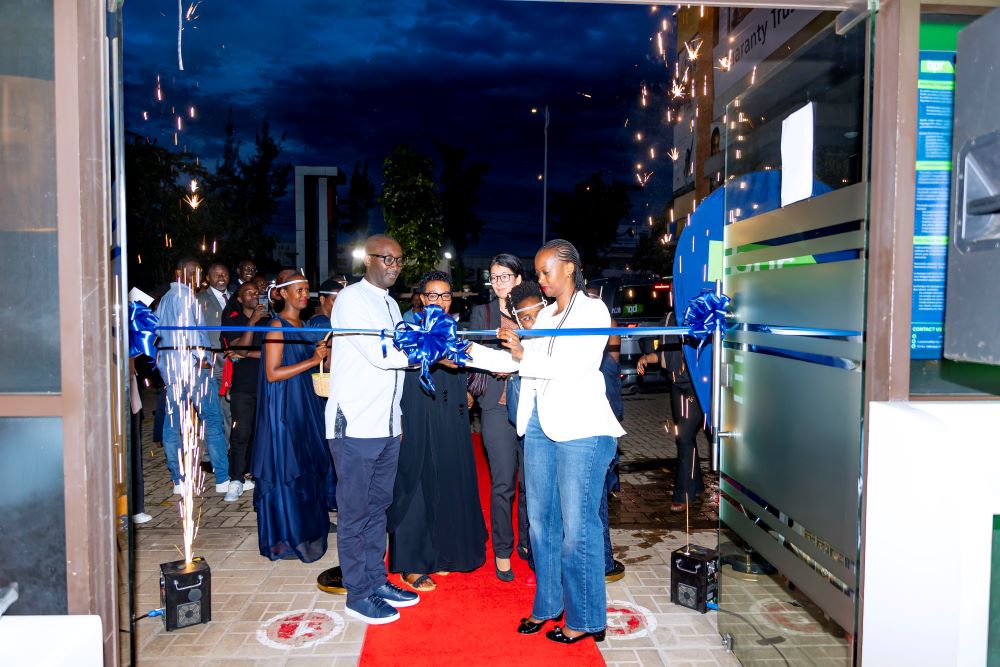
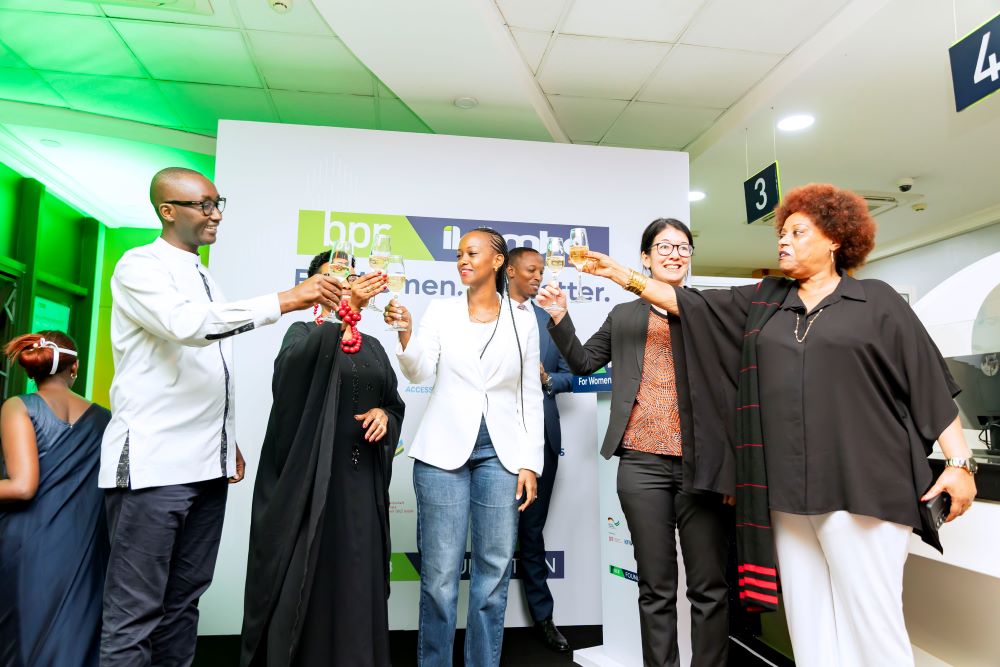
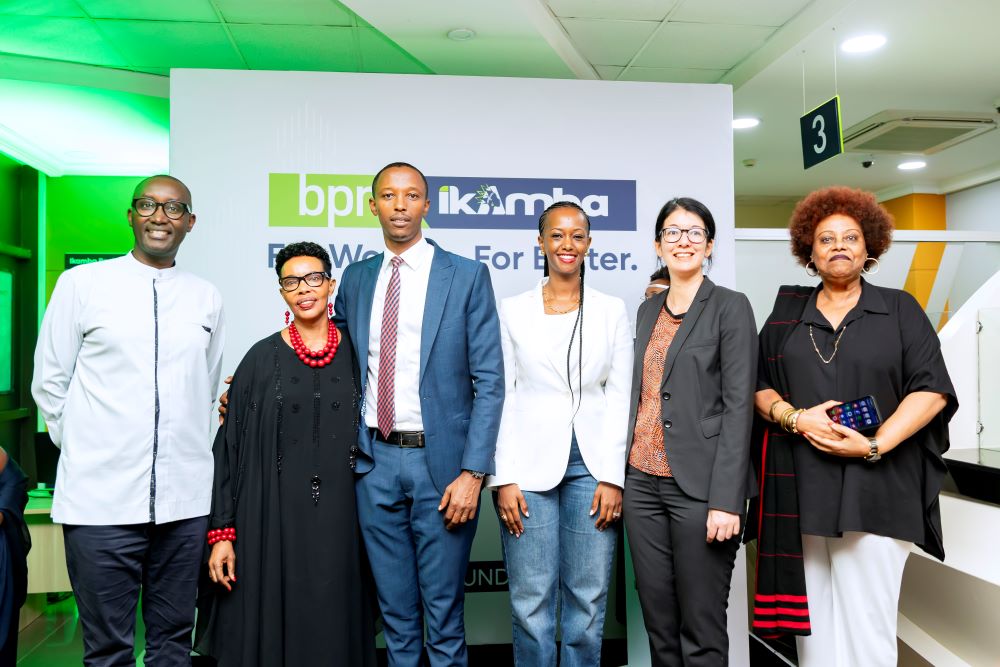
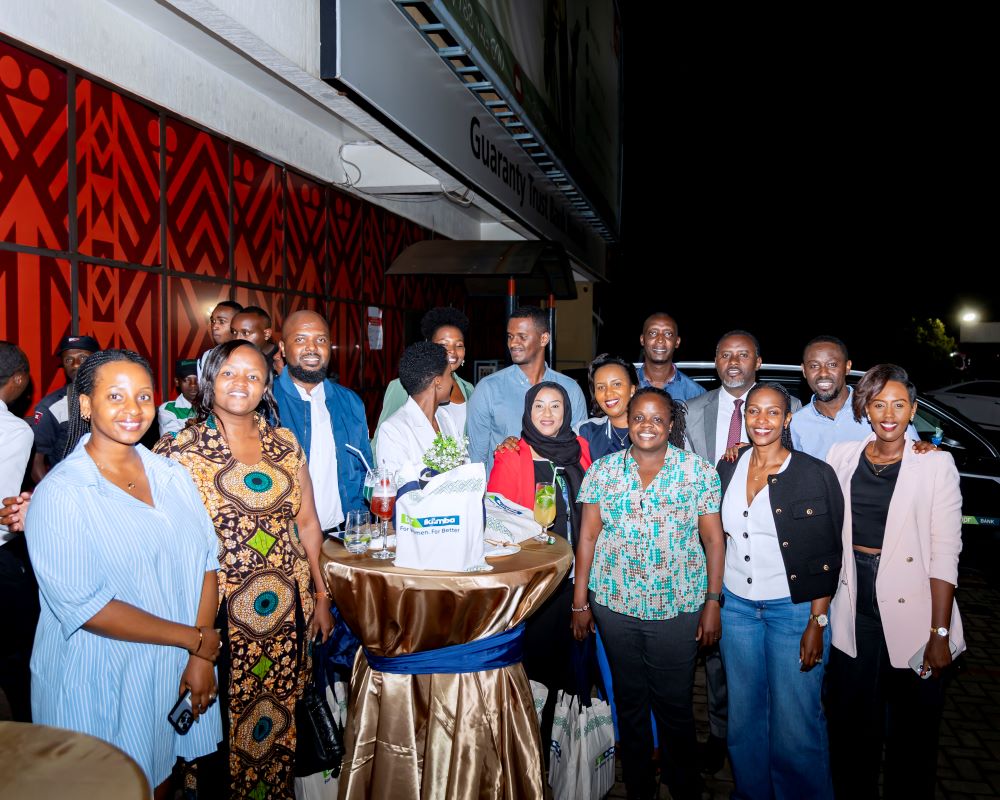
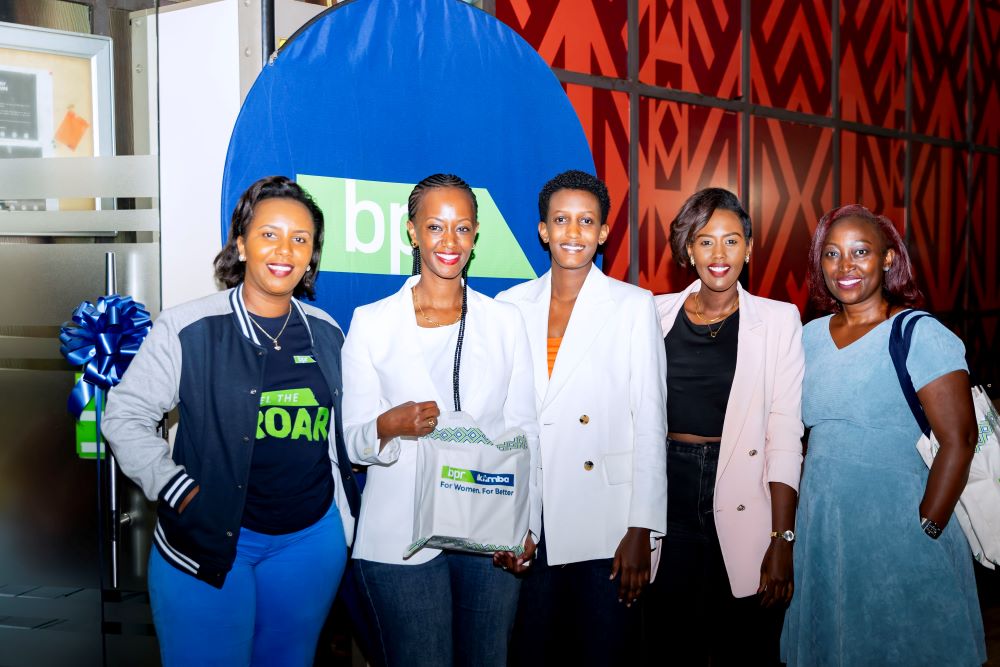
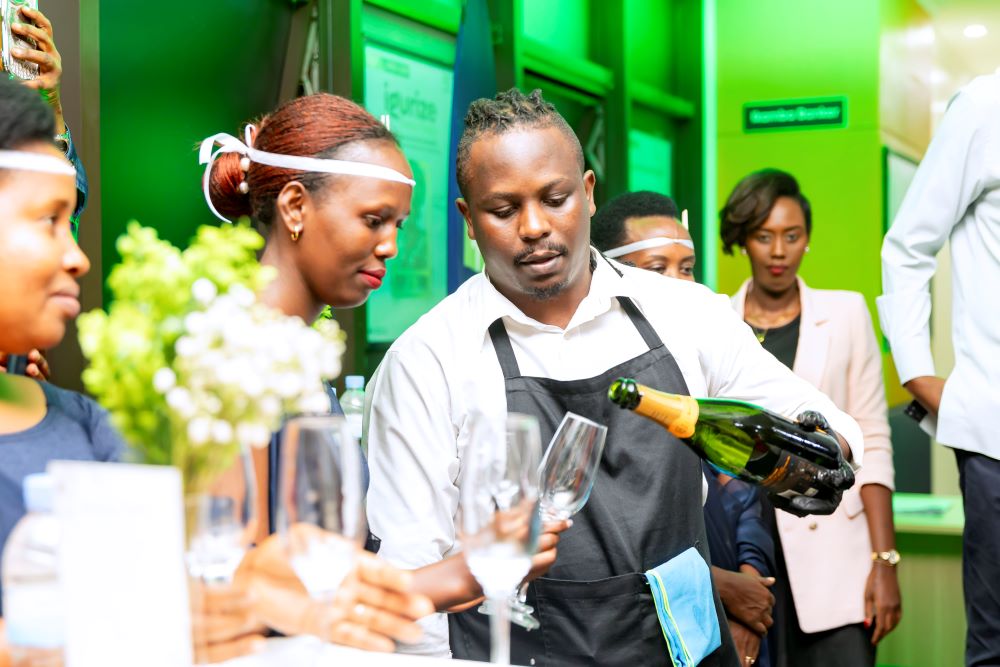
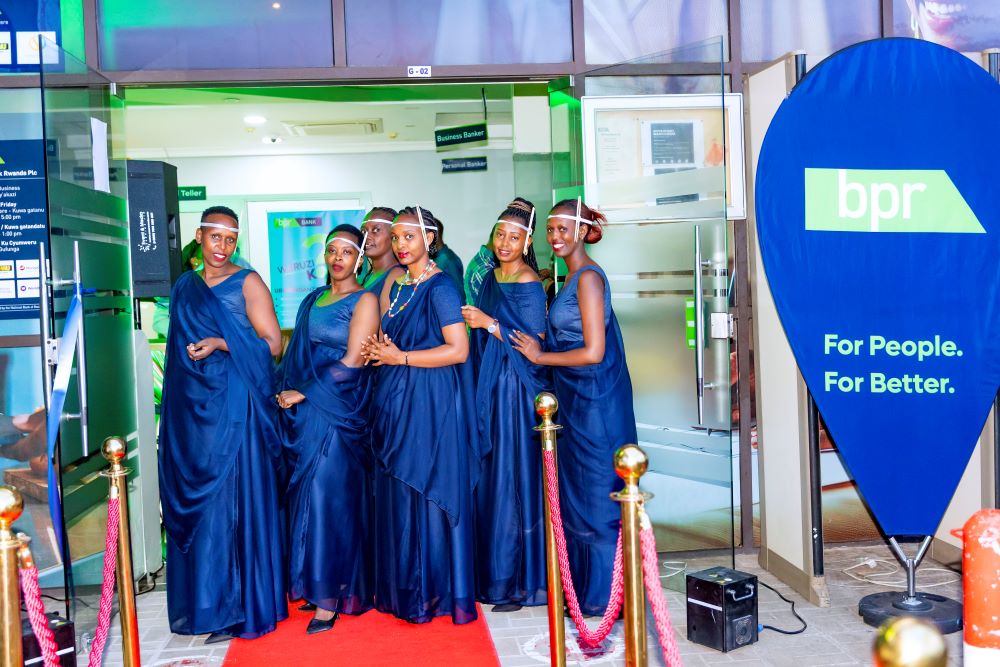
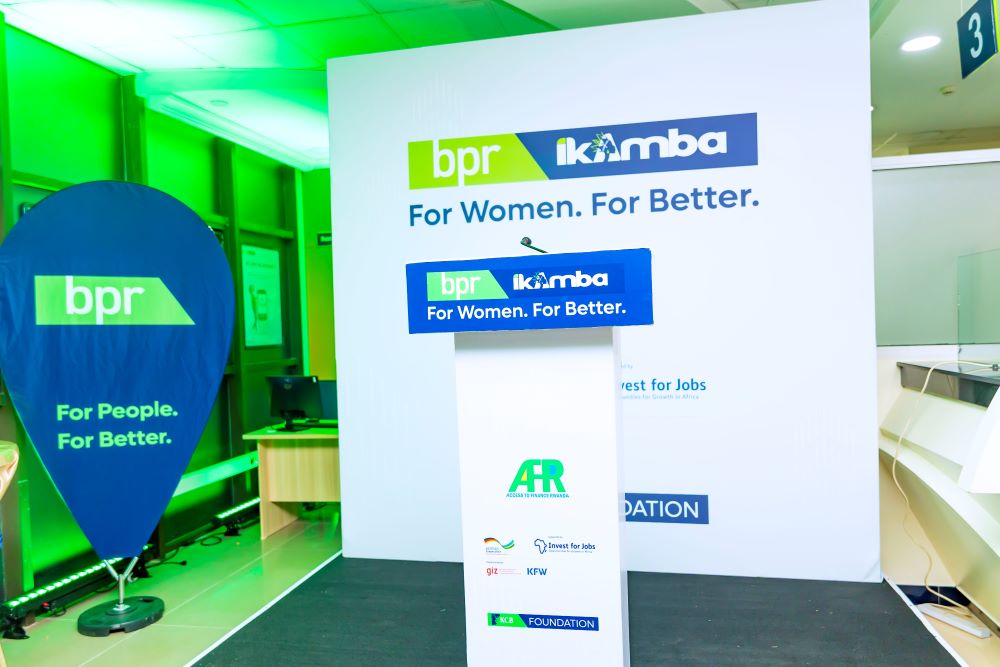
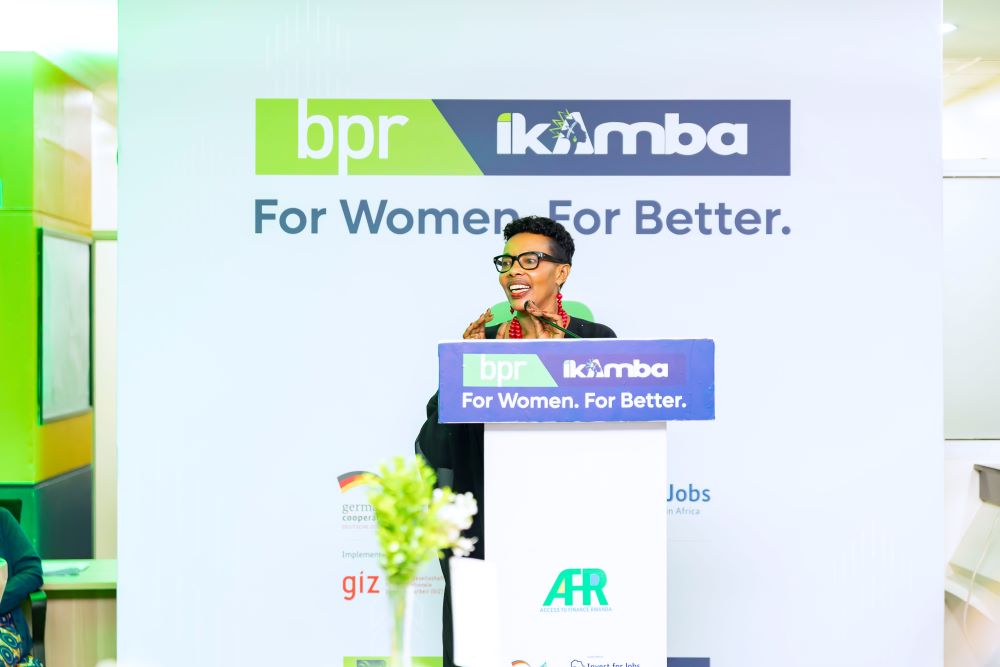
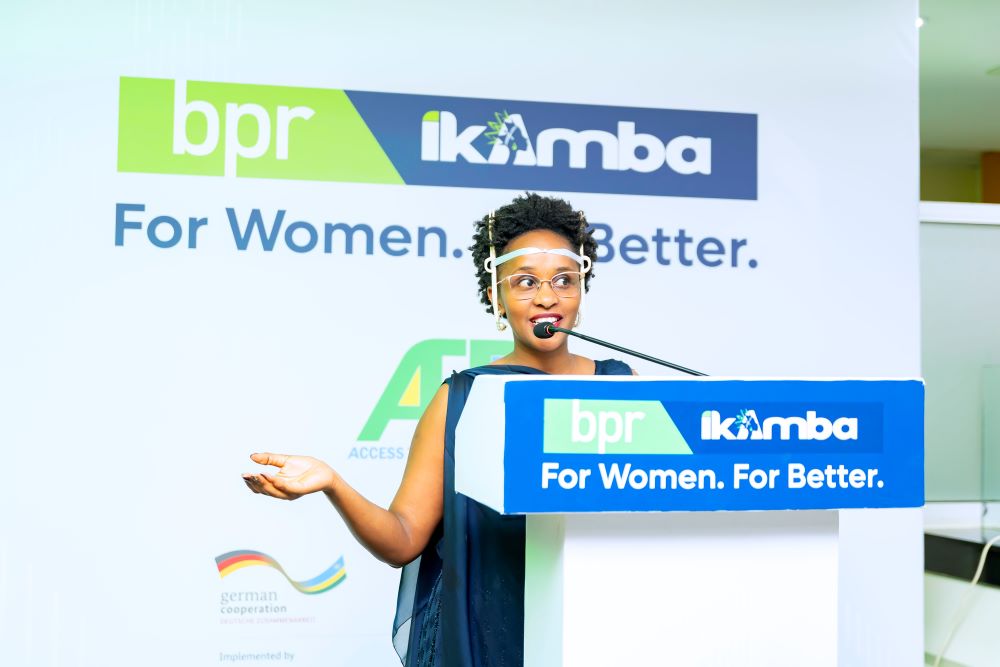
The launch event took place on Friday at the MIC Branch, BPR’s flagship location for the Ikamba proposition, and brought together women entrepreneurs, key partners such as GIZ,Access to Finance Rwanda (AFR), and the KCB Foundation, as well as BPR Bank’s management and staff.
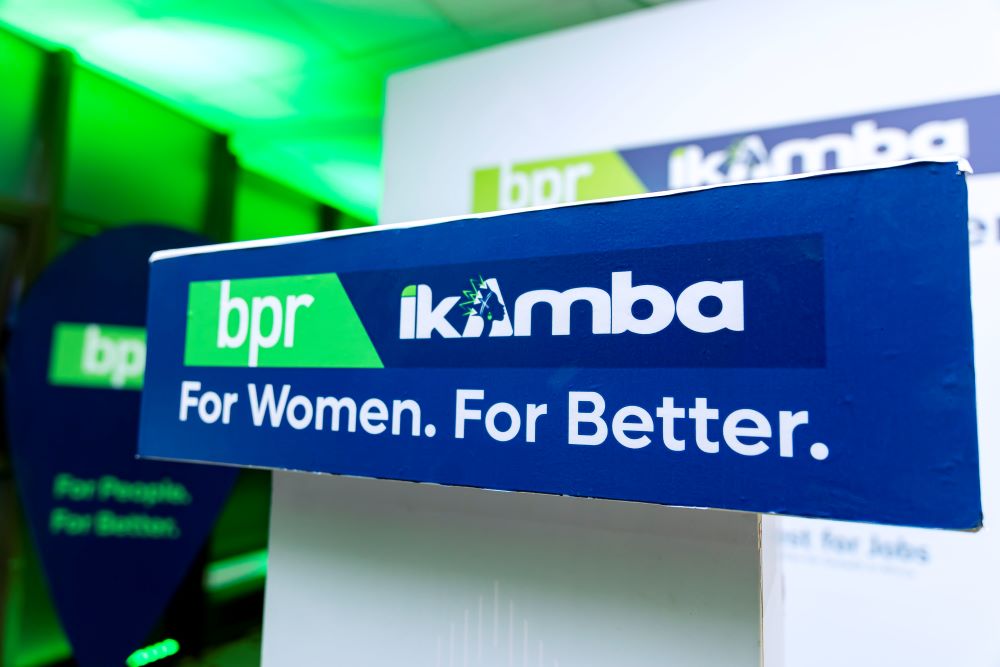
Ikamba combines both financial and non-financial services tailored to the needs of WSMEs. These include flexible cash-flow-based loans of up to Frw 100 million, reduced transaction fees, smart savings options, and access to dedicated WSME branches with personalized support.
Additionally, members benefit from business insights, capacity-building programs, and discounted access to the BPR Biashara Club, all geared toward fostering business growth and financial inclusion.
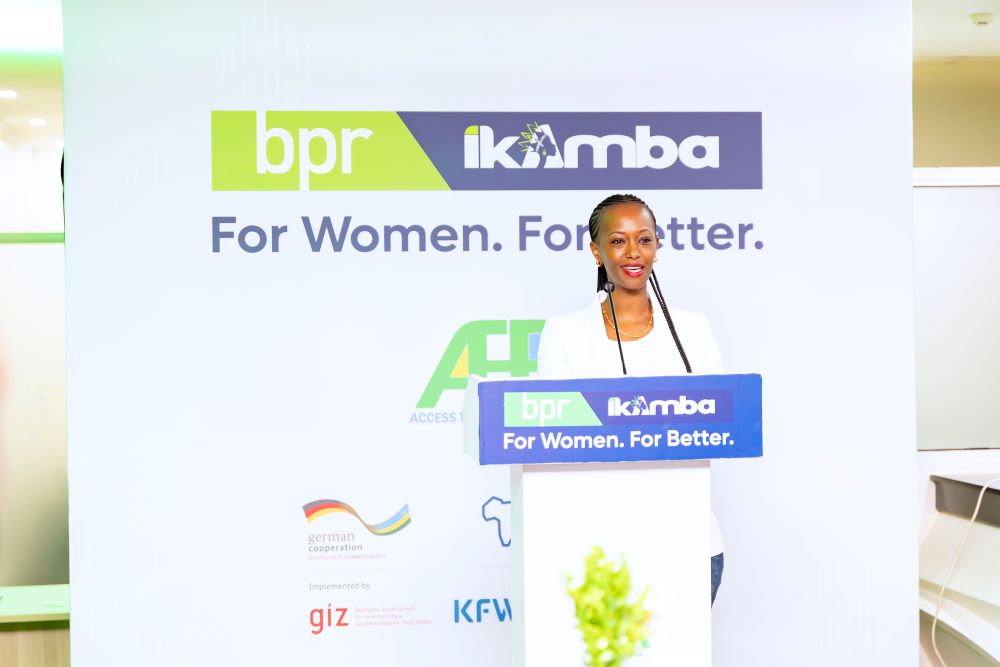
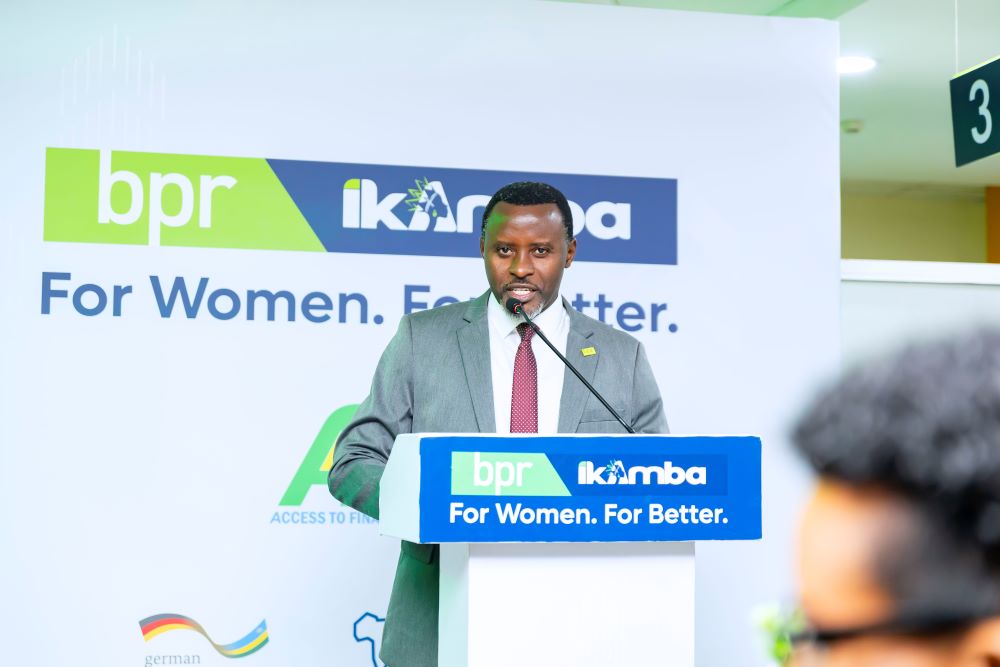
In her remarks, Patience Mutesi, Managing Director of BPR Bank Rwanda, emphasized the bank’s commitment to economic inclusion: “With Ikamba, we are making a bold statement – that Rwandan women in business deserve more than just access to finance; they deserve a partner that understands their unique journeys.
“We are proud to launch this proposition at our MIC Branch, with plans to roll it out to more branches across the country. Ikamba reflects our values of inclusivity, resilience, and innovation.”
BPR is partnering with Access to Finance Rwanda (AFR) and GIZ to bring Ikamba to life.
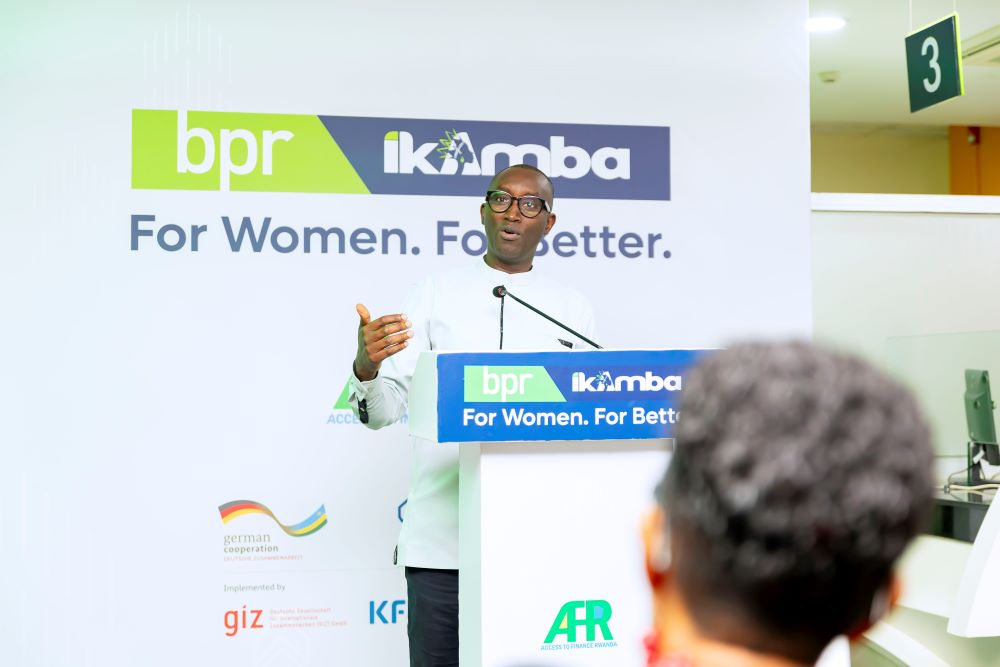
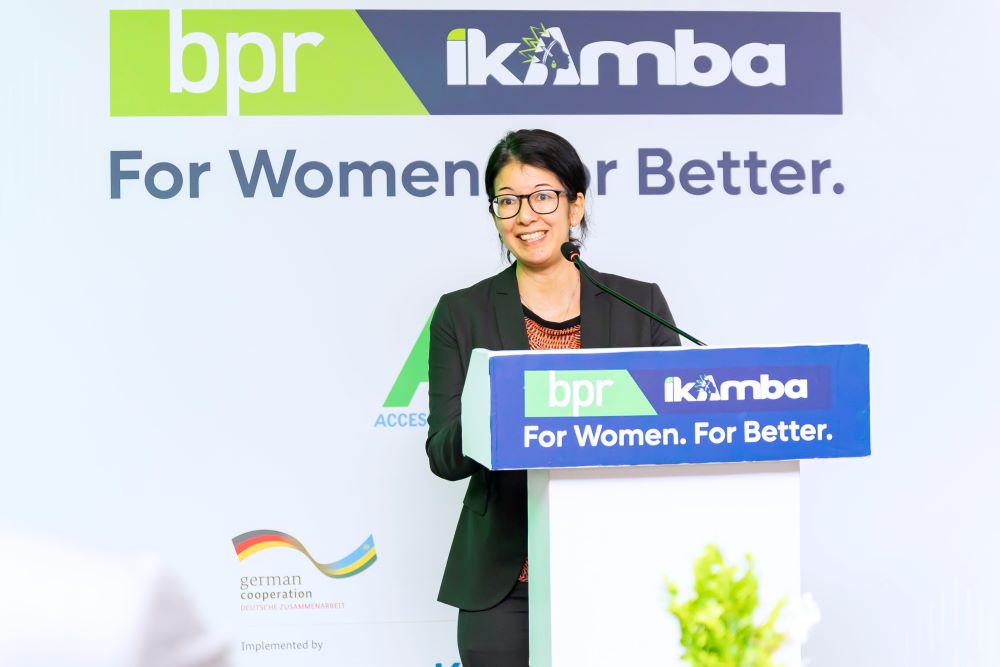
Commenting on the development, Jean Bosco Iyacu, CEO of AFR, remarked: “Ikamba is a result of strategic co-design with BPR Bank to unlock financing for women entrepreneurs in a way that is practical, scalable, and sustainable.
“We are proud to support this initiative, which aligns with our mission to facilitate a diverse and inclusive financial sector that supports increased resilience and sustainable livelihoods for all and contributes to Rwanda’s economic transformation.”
BPR’s MIC Branch is the first dedicated location to roll out the Ikamba proposition. The bank plans to expand to additional branches over time to ensure broader accessibility and continued support for women entrepreneurs across Rwanda.