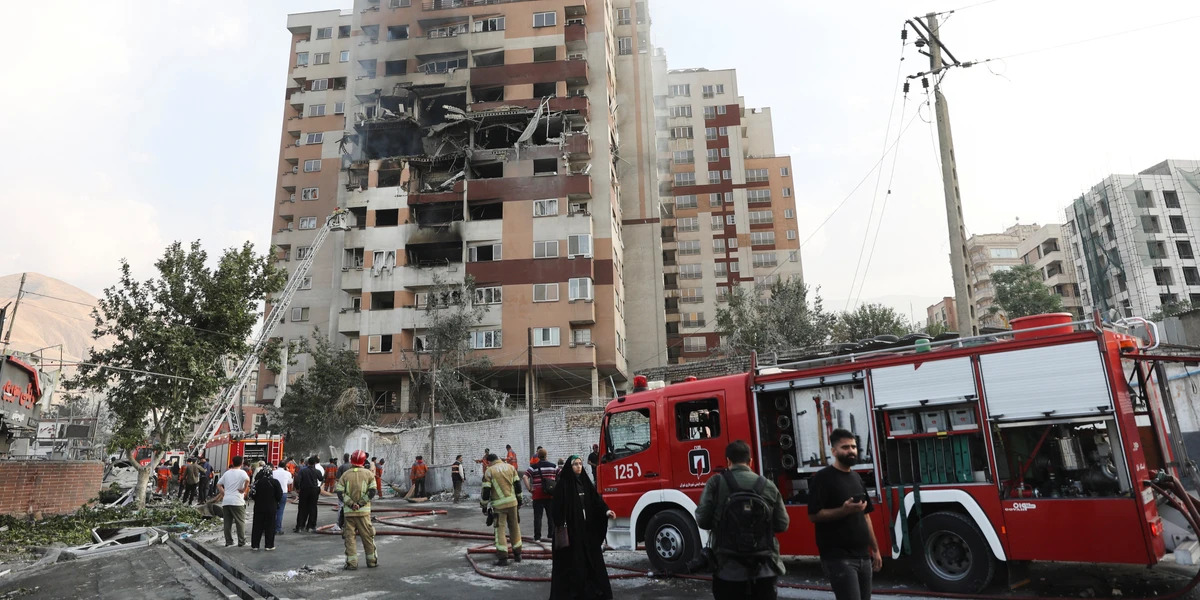
The strikes, among the most extensive on Iranian soil since the 1980s war with Iraq, killed at least two of Tehran’s most senior military figures and plunged the Middle East into a perilous new chapter of conflict.
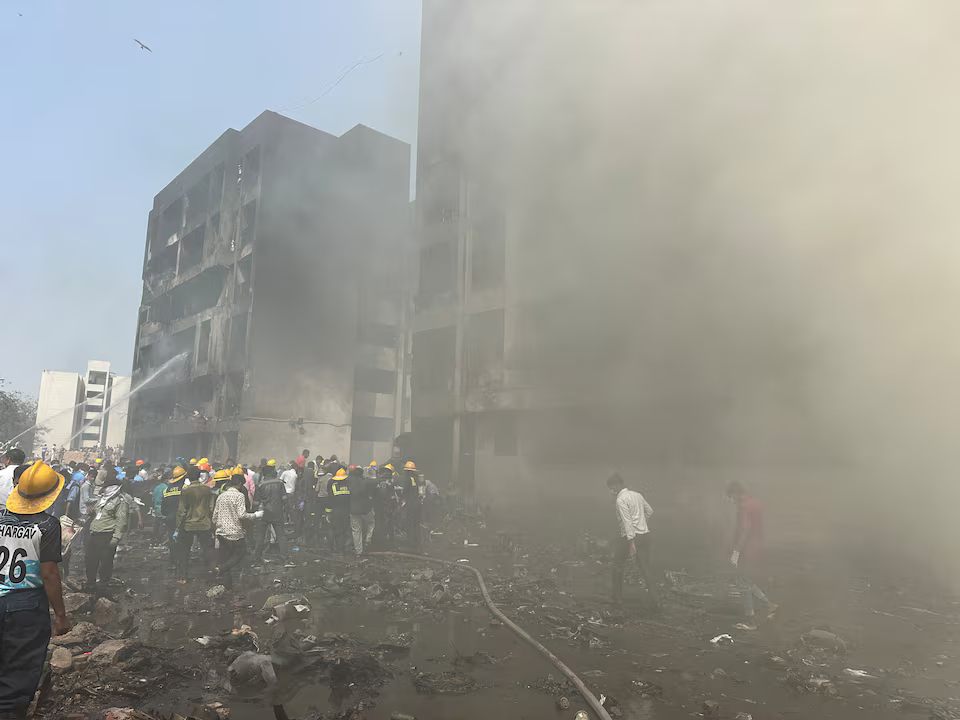
Multiple strategic sites across Iran were hit, including the country’s primary uranium enrichment facility at Natanz, where plumes of black smoke were seen rising. The International Atomic Energy Agency later confirmed the site had been struck and said it was monitoring radiation levels.
Iran’s state-run media confirmed the deaths of two key figures: Gen. Hossein Salami, the commander of the powerful Revolutionary Guard, and Gen. Mohammad Bagheri, the chief of staff of the armed forces. Several top scientists linked to Iran’s nuclear programme were also reported killed, although their identities have not yet been disclosed.
Supreme Leader Ayatollah Ali Khamenei vowed “severe punishment,” accusing Israel of a “wicked crime” and claiming that residential areas were also struck.
In an initial retaliatory move, Iran launched more than 100 drones toward Israel, though Israeli military officials said most were intercepted.
Brig. Gen. Effie Defrin, spokesperson for the Israeli Defense Forces, described the strikes as a “preemptive measure” involving around 200 aircraft targeting approximately 100 Iranian sites.
“We struck the heart of their nuclear and missile development infrastructure,” he said, adding that operations were ongoing.
Prime Minister Benjamin Netanyahu defended the move, calling it a battle for Israel’s survival.
“This is a clear and present danger to our nation,” he said in a televised address. “We will continue until this threat is permanently removed.”
He further stated that the strike was aimed at Iran’s regime, not its people, expressing hope that it would mark the beginning of the end for what he called a “brutal dictatorship.”
The timing of the attack coincides with increasing international pressure on Iran. Just a day earlier, the IAEA Board of Governors issued a formal censure against Tehran for its refusal to cooperate with nuclear inspectors. Iran responded by announcing the establishment of a third enrichment site and the deployment of advanced centrifuges.
The Trump administration, which had advised against a strike during ongoing nuclear negotiations, denied any involvement.
“We were not part of these operations,” U.S. Secretary of State Marco Rubio said.
“Our focus now is on safeguarding American personnel in the region.”
The U.S. had quietly withdrawn some diplomats from Baghdad earlier in the week and urged military families to consider leaving the region.
As airspace across Iran, Israel, Iraq, and Jordan was shut down, oil markets reacted sharply. Brent crude prices surged nearly 8%, and Israel’s main airport closed temporarily.
Analysts warn that a full-blown regional war is now a real possibility, especially if Iran’s promised retaliation causes civilian casualties inside Israel.
Vishwash Kumar Ramesh, a 40-year-old British national seated in 11A aboard Air India Flight AI171, lived to recount the harrowing moments when the Boeing 787-8 Dreamliner crashed just seconds after takeoff from Ahmedabad’s Sardar Vallabhbhai Patel International Airport.
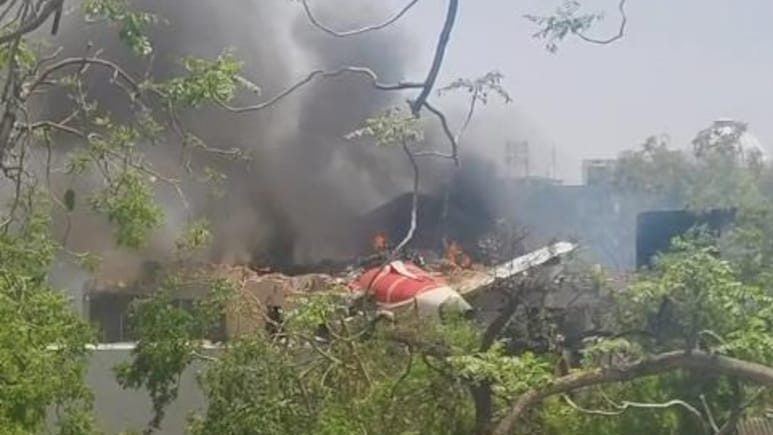
The London-bound flight, carrying 242 people, including 11 children and crew, crashed into a residential complex housing doctors less than a minute after departing at 1:39 p.m. on Thursday. The impact triggered a massive fireball and left a trail of destruction and despair in the heart of Gujarat’s largest city.
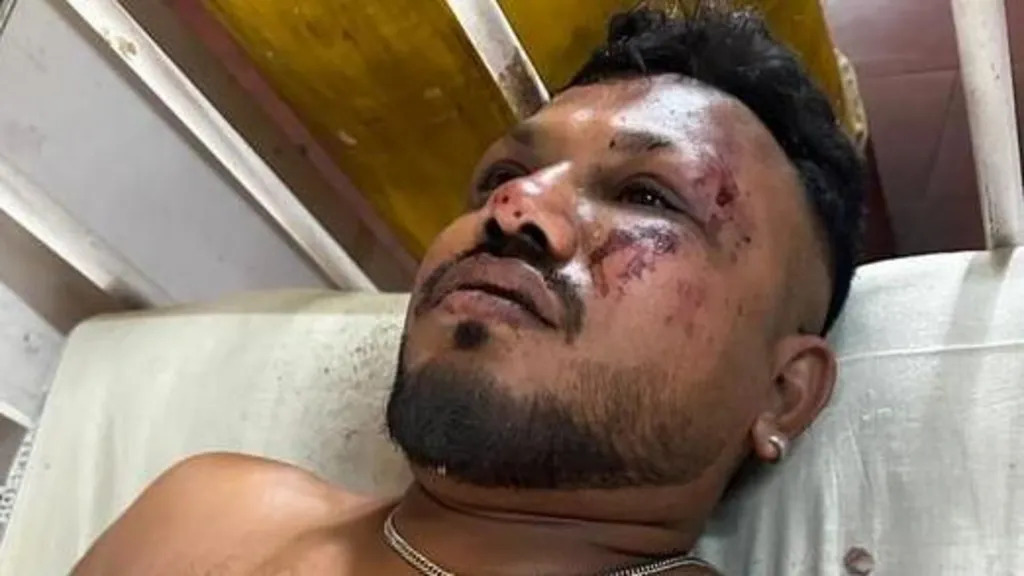
Lying in a general ward at Civil Hospital, Asarwa, Vishwash described the chaos that unfolded.
“Thirty seconds after take-off, there was a loud noise and then the plane crashed. It all happened so quickly,” he told Hindustan Times.
He sustained injuries to his chest, eyes and feet, but managed to crawl from the debris and escape.
“When I got up, there were bodies all around me. I was scared. I stood up and ran. There were pieces of the plane all around me. Someone grabbed hold of me and put me in an ambulance,” he recalled, clutching his boarding pass, which confirmed his assigned seat: 11A.
Vishwash, who has lived in London for two decades, had been visiting family in India. He was returning to the UK with his older brother, 45-year-old Ajay Kumar Ramesh, who was seated in another part of the aircraft.
“We visited Diu. He was travelling with me and I can’t find him anymore. Please help me find him,” he pleaded.
Police Commissioner GS Malik confirmed to news agency ANI that one passenger, the individual in seat 11A, had survived.
“He is under treatment at the hospital,” Malik said.
Rescue teams continue to comb through the charred wreckage, searching for remains and survivors. Authorities have yet to release an official death toll, though visuals from the crash site show a scene of near-total devastation.
Among those reportedly on board was former Gujarat Chief Minister Vijay Rupani.
Air India confirmed the passenger manifest included 169 Indian nationals, 53 British citizens, seven Portuguese nationals, and one Canadian.
The Royal Family issued a statement expressing shock and offering “special prayers and deepest possible sympathy” to affected families across multiple nations.
UK Foreign Secretary David Lammy told the House of Commons that crisis teams have been activated in London and Delhi.
“We know that British nationals were on board, and we are working urgently with Indian authorities to provide support,” Lammy said.
The plane, a Boeing 787-8 registered as VT-ANB, was part of Air India’s Dreamliner fleet. The cause of the crash remains under investigation, though aviation authorities confirmed that the aircraft issued a distress call shortly after takeoff before losing contact with air traffic control.
India’s Prime Minister Narendra Modi has ordered a full investigation and instructed federal and local agencies to provide maximum support to rescue and recovery operations. The airport remains closed indefinitely, and Boeing has said it is working to gather more information as global scrutiny intensifies.
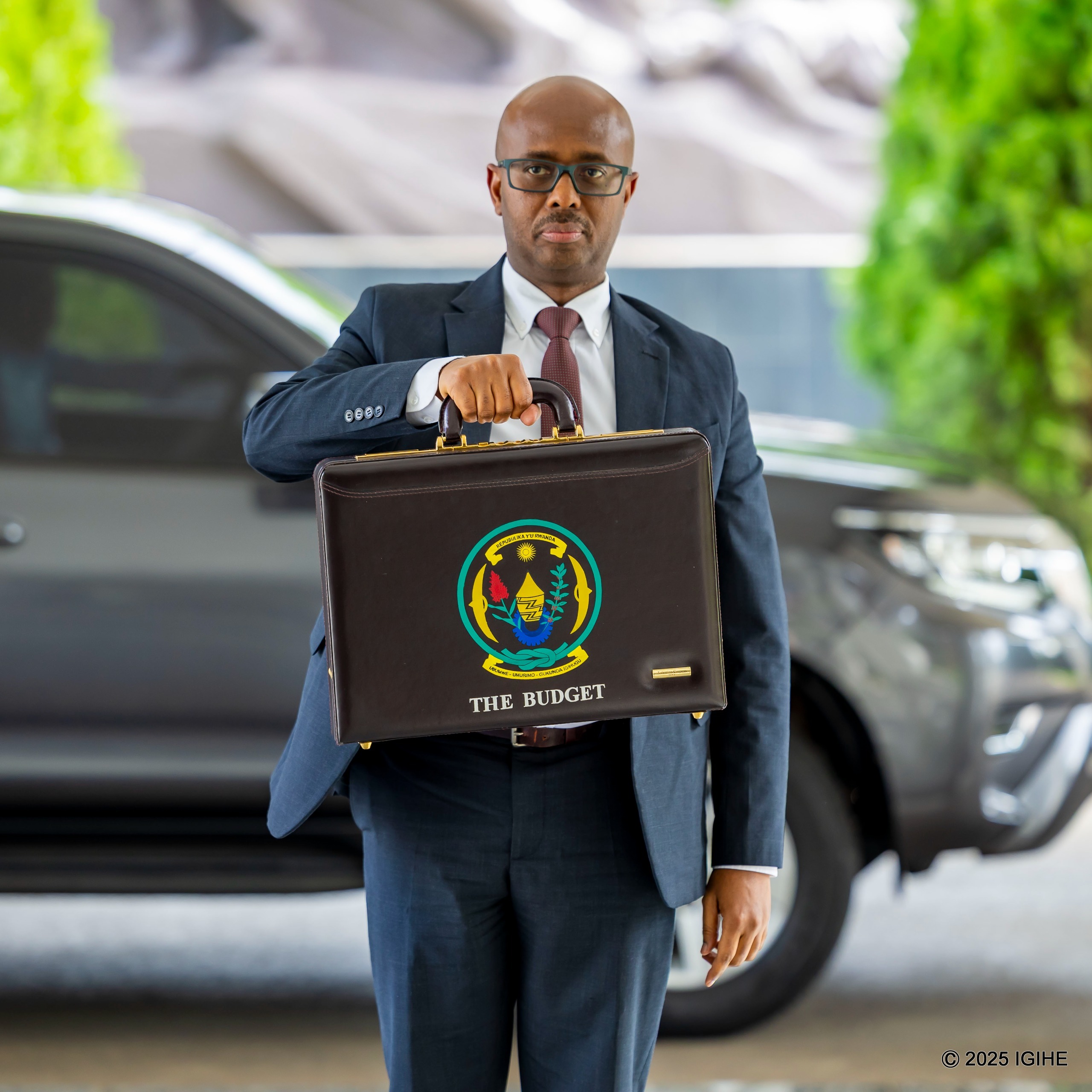
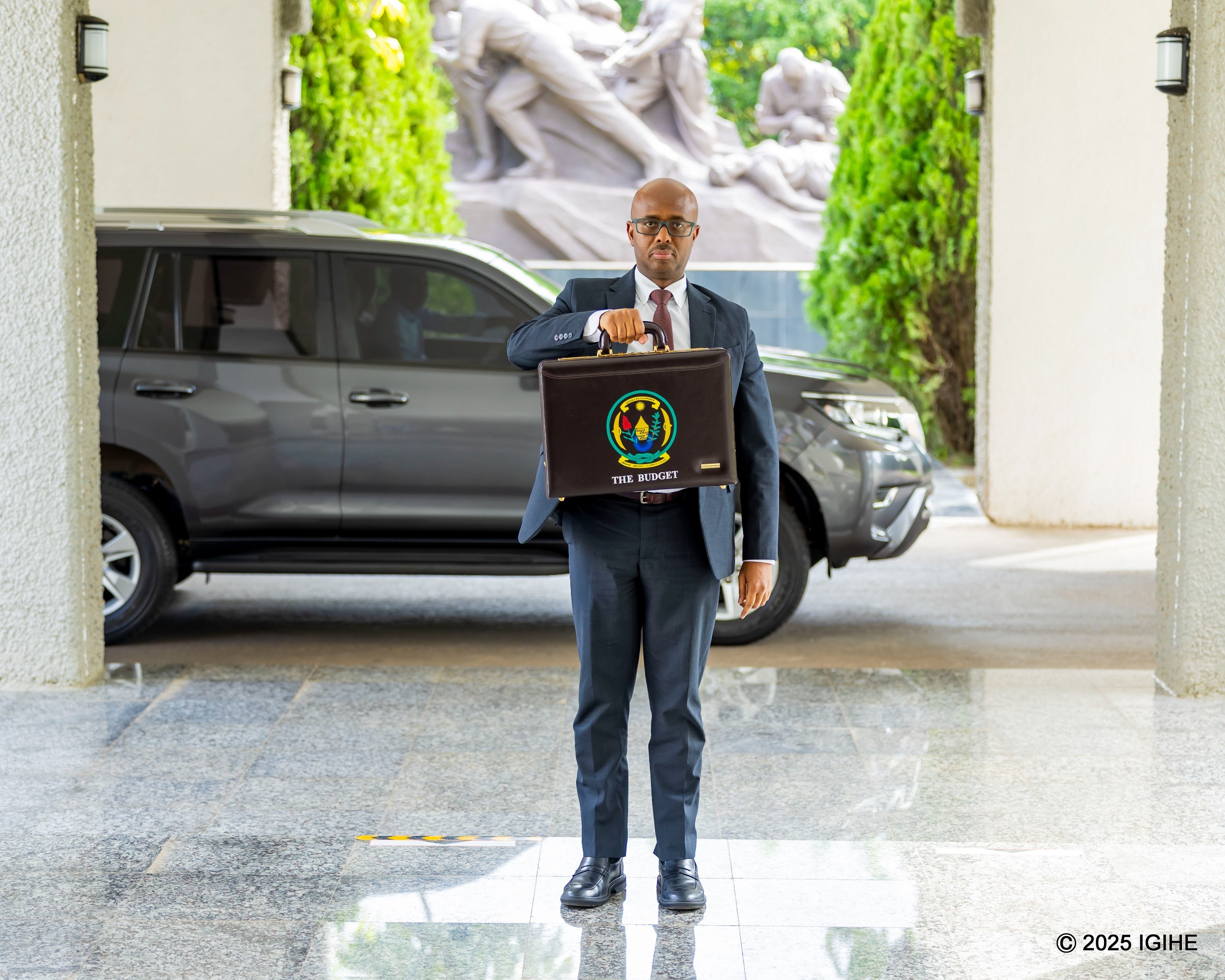
The ambitious spending plan, unveiled on Thursday, June 12, by Minister of Finance and Economic Planning Yusuf Murangwa, reflects a strong commitment to strategic investments aimed at accelerating economic transformation and enhancing national resilience.
Presenting the budget to Parliament, Minister Murangwa stressed the importance of aligning fiscal priorities with Rwanda’s National Strategy for Transformation (NST-2), citing the need for sustained infrastructure development, enhanced service delivery, and inclusive economic growth.
“The Government is prioritizing spending to support investments that will help us achieve our NST-2 goals,” said Minister Murangwa. .
“We are also working to manage public finances carefully to reduce our budget deficit, stabilise debt, and make our economy more resilient to external shocks. At the same time, we want to improve household incomes and spending.”
The lion’s share of the budget, Frw 4.42 trillion (62.8%), has been allocated to economic transformation. Key investments include the construction of the New Kigali International Airport, expansion of access to electricity and clean water, modernisation of the transport network, and support for urban and rural settlement development.
The government is also focused on stimulating local manufacturing and exports to reduce the trade deficit, boosting the financial sector, promoting job creation, and strengthening climate resilience.
The social transformation pillar will receive Frw 1.53 trillion (21.7%) to improve healthcare and education services, strengthen social protection programmes, support family and gender promotion, and enhance disaster preparedness and nutrition services.
A total of Frw 1.09 trillion (15.5%) is earmarked for transformational governance. This funding will support service delivery improvements, public financial management, justice system reforms, and peace and security efforts, while also bolstering Rwanda’s economic diplomacy.
{{Budget financing
}}
The Frw 7.03 trillion budget will be financed through a mix of domestic and external sources.
Domestic revenues are projected at Frw 4.11 trillion, consisting of Frw 3.63 trillion in tax revenue and Frw 477.2 billion from other sources. External grants are estimated at Frw 585.2 billion, while loans, largely concessional, will contribute Frw 2.15 trillion.
Of the total expenditure, Frw 4.35 trillion will go toward recurrent spending, while Frw 2.68 trillion is allocated for capital investments, including equity funding and policy lending.
Rwanda’s budget announcement coincides with similar fiscal year presentations across East African Community (EAC) member states, all delivered under the shared theme: “Inclusive economic transformation through domestic resource mobilisation and resilient strategic Investment for job creation and improved livelihoods.”
The SADC Secretariat announced the commencement of the second phase of the withdrawal process on Thursday, 12 June 2025.
The exercise entails the repatriation of mission personnel along with their personal belongings and the remaining operational equipment.
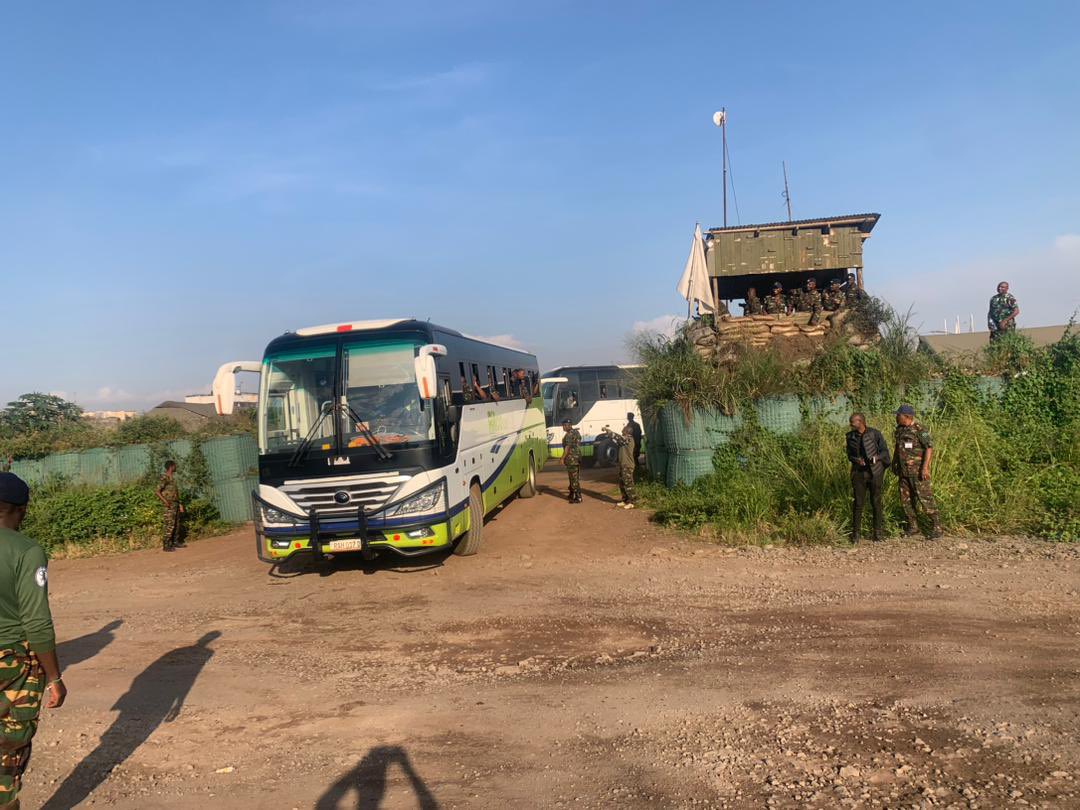
The withdrawing troops will be transported by road through Rwanda to Tanzania, where the Tanzanian contingent will continue to Dar es Salaam. South African and Malawian contingents will be airlifted to their respective countries.
The mission, launched in December 2023 to support Congolese forces in neutralising the M23 rebel group, was terminated in March.
The first phase of the withdrawal, which began on 29 April, focused on the removal of equipment and logistical supplies.
“SADC remains fully committed to supporting peace, security and political stability in the DRC and the broader region,” the bloc said.
“The orderly withdrawal reflects our adherence to collective security principles and support for peaceful conflict resolution.”
Deployed with an offensive mandate, SAMIDRC was tasked with pushing back the M23 rebels, who have repeatedly stated they are fighting against the marginalisation and persecution of Kinyarwanda-speaking communities in the DRC. However, the mission faced significant operational challenges.
In January, M23 rebels seized the strategic city of Goma in North Kivu, dealing a serious blow to the regional intervention force. The confrontation resulted in the deaths of 18 SADC troops, including 14 from South Africa, two from Malawi, and two from Tanzania, and left dozens injured.
Since the loss of Goma, SAMIDRC forces had largely remained confined to their bases, amid growing political pressure from within SADC member states to disengage. In South Africa, lawmakers increasingly questioned the rationale behind continued military involvement.
For over 15,000 years, dogs have been our steadfast partners, a bond traced back to an ancient pet dog buried alongside humans in Oberkassel, Germany. Science confirms what every dog owner feels: when you lock eyes with your pup, oxytocin (the love hormone) surges in both of you.
Your dog truly loves you back. But being a great friend to your dog takes more than treats and belly rubs. It requires care, patience, and sometimes a trip to dog school.
In Kigali’s Kimironko neighbourhood, a unique haven is reshaping how Rwandans view their four-legged friends.
Dog Haus is Rwanda’s first dog academy, where wagging tails meet purposeful training, and dogs transform from backyard guards to cherished family members. This is no fast-food joint. It’s a place where dogs learn good behaviour, build strength, and occasionally master tricks to steal the show.
Behind this mission are passionate individuals like Carla, Nderitu, and Dieubon, whose love for dogs is sparking a canine cultural revolution in Rwanda, turning ordinary pups into wonders of companionship.
Carla, a Belgian national, arrived in Rwanda two and a half years ago with two suitcases, a big heart, and two dogs. Her pack soon grew to four after she adopted a street dog and kept a foster pup from Wag, a local animal welfare group.
“I’ve always loved animals,” Carla says, smiling warmly as she sits surrounded by her furry crew.
Carla’s journey to Dog Haus began with a striking observation that many dogs in Rwanda were treated less like family and more like living alarm systems, locked up by day, released at night to fend off intruders, and often left lonely.
“It would make the dog aggressive,” Carla recalls. “I’m happy to see that’s happening less now.”
Determined to change this, she joined Dog Haus to create a safe space where dogs are seen as emotional, intelligent beings.
For Carla, training goes beyond simple commands like sit or stay. She wants owners to understand that dogs aren’t just guards—they’re companions, friends, even four-legged therapists.
“Once you start to know your dog,” she says, “you see how they miss you when you’re gone.”
Through her work, Carla is helping dogs rise from mere utility to wonders of love and loyalty.
At Dog Haus, there is also Nderitu Mushangi, a certified dog trainer whose calm demeanor and fur-covered clothes reflect the quiet confidence of someone who has spent years working closely with animals.
Trained in Kenya and inspired by his veterinarian father, he has worked with over 30 dogs, including Dogo Argentinos, Caucasian Shepherds, German Shepherds, Malinois, and Dobermans.
According to Nderitu, breed matters. A Maltese and a Malinois might both be cute, but one will snuggle in your lap while the other chases a leaf at 90 km/h.
“Before they get even a breed, they have to understand what the breed comes with,” he explains.
At Dog Haus, Nderitu trains about 15 dogs at a time, but his star pupil is his own: Tequitos, a canine legend who won the 2024 Doctober Fest.
Tequitos doesn’t just sit and stay. He skates, rides bikes, opens doors, and even performs CPR. If you pass out, Tequitos might save your life, or at least slobber you awake.
Nderitu’s work goes beyond tricks, though. It’s about building a shared language between dog and owner, where both learn from each other.
“Every day, you’re learning something from the dog, and you’re teaching the dog something,” he says.
{{The dog whisperer of Kimironko
}}
Ngabonzima Mugisha Dieubon, Dog Haus’s unofficial Dog Whisperer, found his calling during a childhood game of hide-and-seek when he stumbled upon a dog and her puppies.
“I started feeding them, and something just clicked,” he says.
Without formal training, Dieubon had a natural knack for understanding dogs, whether aggressive or anxious.
“I could sense when a dog was defensive or scared. I treated them with understanding,” he explains.
Dieubon’s mission took shape when he rescued a local street dog and trained it to outperform some imported breeds.
“People think only foreign dogs can be trained,” he says. His scrappy street pup, now a star at Dog Haus, proves otherwise.
Starting with free training sessions after high school, Dieubon turned his passion into a profession.
“I wasn’t planning to make it a job,” he admits. “I just wanted to train my dog and maybe post it online.”
But his methods worked, and word spread. By turning a street dog into a shining example of skill and loyalty, Dieubon showcases the wonder of giving any dog a chance to thrive.
At Dog Haus, everyone believes that dogs are more than just security tools or status symbols. They are living beings with emotions and needs. Carla, Nderitu, and Dieubon work together with a shared goal to change how Rwandans think about their dogs and to foster stronger, more compassionate relationships.
“Training with your dog matters,” Dieubon emphasises.
A two-week program with an involved owner is more effective than a month of training without them. While foreign residents often grasp this, local owners are still catching up, but Dog Haus is bridging that gap.
Training benefits both dogs and their owners. Without proper guidance, dogs can become confused, resulting in jumped-on guests, ignored commands, and chewed-up shoes. When dogs are trained to respond to commands like “sit” or “stay,” daily life becomes safer and more manageable for everyone.
Dieubon stresses responsibility: “A dog should never leave the compound without a leash. The streets are unpredictable with chickens, goats, and toddlers with brochettes.”
To him, a leash isn’t about control; it’s about keeping your dog safe in the streets.
Costs are part of the equation, but manageable. Dieubon explains that feeding a dog might cost Frw 150,000, depending on whether you choose processed kibble or natural food. Puppies need quality nutrition to avoid health issues.
“If you don’t take care of your dog, it shows in their behaviour,” Dieubon warns.
Compared to replacing furniture or paying for vet visits, training is a bargain. Dog Haus’s accessible programs make this transformation possible for more Rwandans, turning dogs into wonders of harmony in the home.
Dog Haus is also challenging stereotypes, such as the belief that only foreign breeds can be trained or that dog ownership is a luxury.
Dieubon’s street-dog success story proves local pups can shine, and affordable programs make training accessible. Even tricky breeds like the Chow Chow, stubborn as a coworker who ignores your emails, can be trained with the right approach, though Dieubon admits they’re not for beginners.
Dogs have been close to humans since ancient times, evolving from hunting companions to valued family members. Dog Haus is helping Rwanda recognise this reality. Whether it’s a rescued street dog gaining confidence, a Malinois developing impressive skills, or Tequitos performing life-saving CPR, the dogs at Dog Haus are showing Kigali a new approach to caring for and living alongside their canine companions.
Watch the full Dog Haus documentary to discover more about the team’s work.
Flight AI171, a Boeing 787-8 Dreamliner, issued a distress call shortly after its 1:39 p.m. departure local time. Seconds later, the aircraft lost contact with air traffic control and plummeted into a densely populated residential area near the airport, triggering a massive fireball and sending thick black smoke into the sky.
India’s federal health minister confirmed that “many people” had been killed, though an official death toll has yet to be announced. Eyewitnesses and footage from local media showed the charred wreckage ablaze, emergency responders pulling victims from the debris, and ambulances rushing the injured to nearby hospitals.
The airline confirmed the plane was en route to London’s Gatwick Airport and had 217 adults and 11 children on board, along with crew. According to Air India, the nationalities of those aboard included 169 Indian nationals, 53 Britons, seven Portuguese citizens, and one Canadian.
“Rescue teams are working tirelessly at the site. Our thoughts are with the families of those affected,” Air India said in a statement posted on X.
The crash occurred in Ahmedabad, the main city in Prime Minister Narendra Modi’s home state of Gujarat. Modi has directed aviation authorities to “extend all possible support” to the rescue and recovery efforts. The city’s airport, operated by the Adani Group, suspended all flight operations indefinitely.
Gautam Adani, chairman of the Adani Group, expressed his condolences on social media: “We are shocked and deeply saddened by the tragedy of Air India Flight 171. Our hearts go out to the families who have suffered an unimaginable loss.”
Aviation tracking service Flightradar24 reported that the last signal from the aircraft was received moments after departure.
The jet, registered as VT-ANB, is part of Boeing’s Dreamliner fleet and one of the most advanced commercial aircraft in use.
Boeing has acknowledged the crash and said it is working to gather more information. Shares in the U.S. aircraft manufacturer fell 6.8% in pre-market trading.
Britain’s Foreign Office said it was urgently working with Indian authorities to confirm facts and provide support to British nationals affected by the crash.
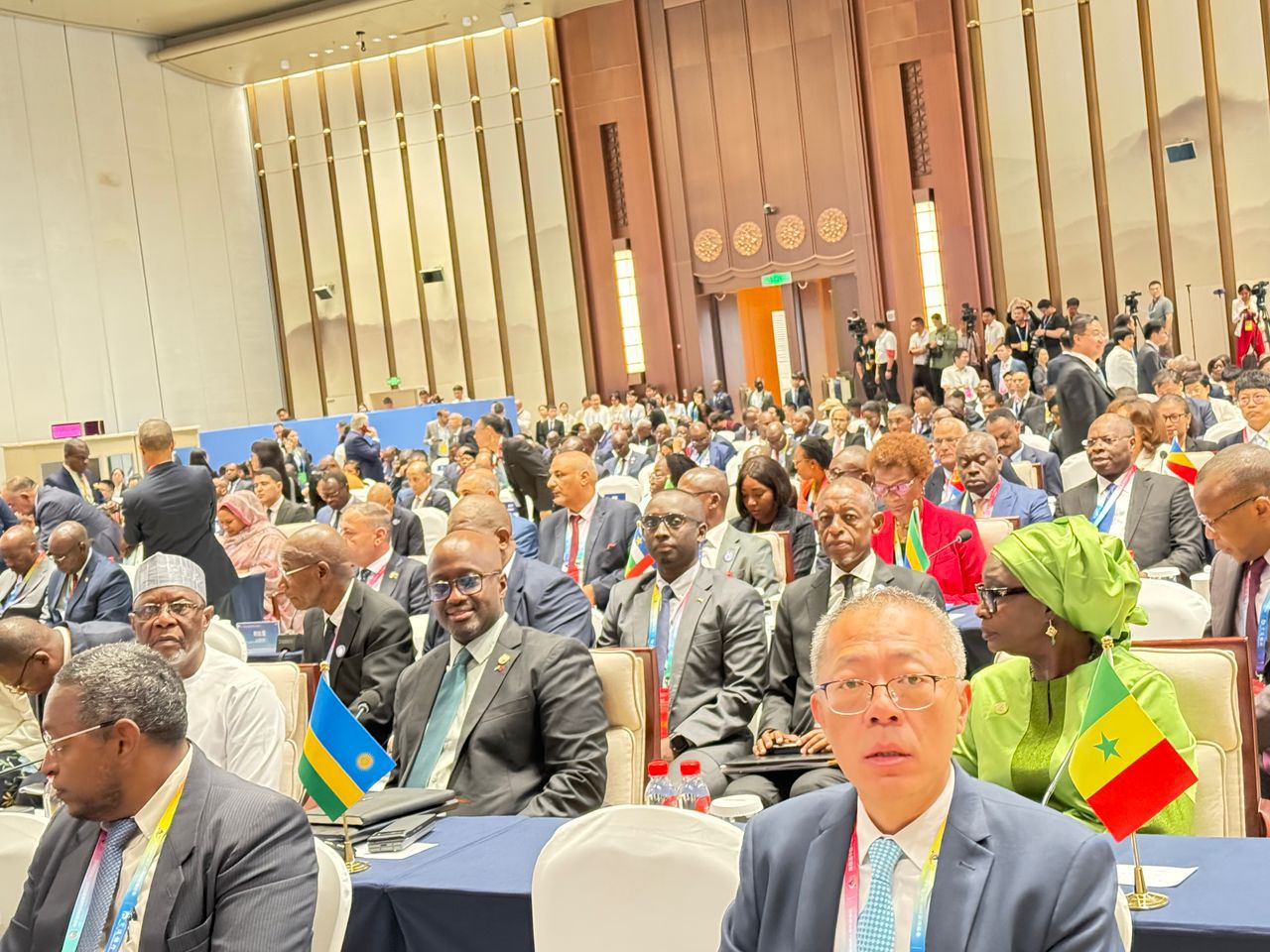
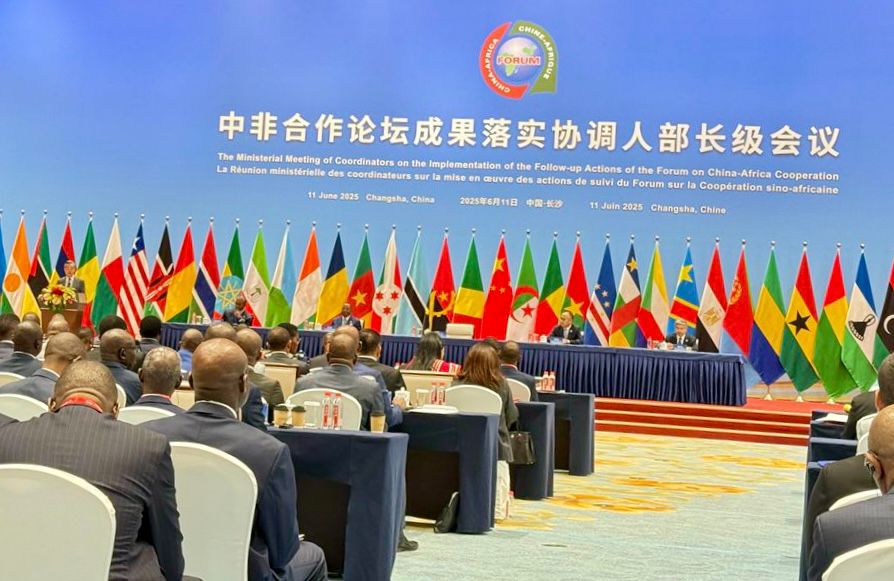
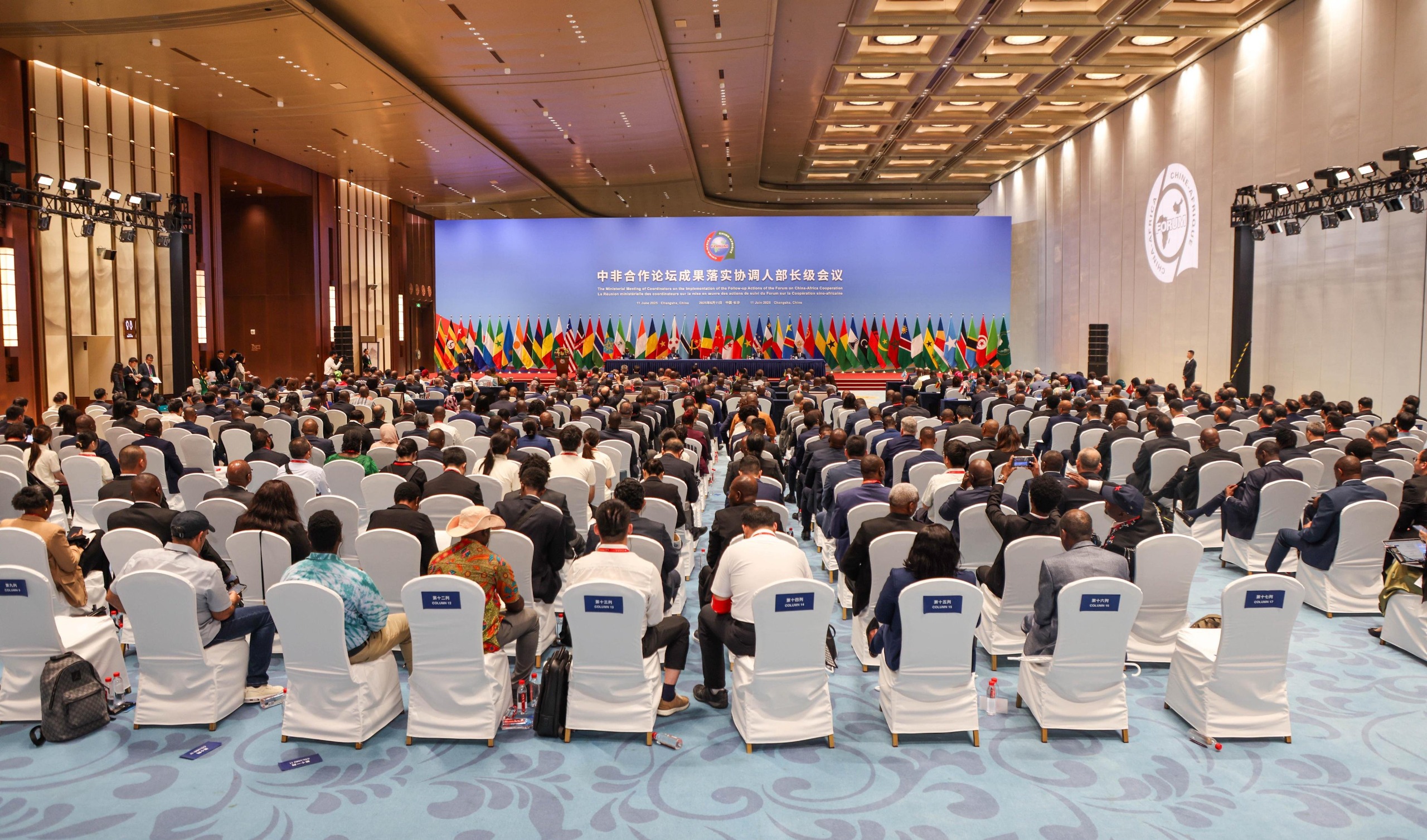
The minister made the remarks at the Ministerial Meeting of Coordinators on the Implementation of the Follow-up Actions of the Forum on China-Africa Cooperation (FOCAC) held in Changsha, where he commended the broader China–Africa cooperation framework and its impact across multiple sectors.
“China and Africa enjoy strong and dynamic relations built on shared aspirations and reflected in tangible, people-centred results,” he said.
“The same holds true for Rwanda–China ties, which continue to grow through practical and mutually beneficial cooperation.”
His remarks come at a time when Rwanda and China are experiencing a renewed phase of economic engagement, marked by increased trade, new investment commitments, and a shared vision for sustainable development.
In a recent interview, Rwanda’s Ambassador to China, James Kimonyo, described the bilateral relationship as having moved “from engagement to action.” He credited the Rwandan government’s investor-friendly environment and China’s growing appetite for sustainable, innovation-led partnerships.
The results are already visible. Rwanda’s exports to China surged from $35 million in 2019 to nearly $160 million in 2024, a more than 350 percent increase in just five years.
Traditional exports like coffee and tea have been joined by newer products such as chilli, all benefiting from China’s zero-tariff policy for developing countries.
China, in turn, exports roughly $500 million worth of goods to Rwanda annually, illustrating a growing but still imbalanced trade relationship. However, the most significant shift is happening in direct investment. Between November 2023 and May 2024, more than 26 Chinese companies visited Rwanda, many returning with concrete investment proposals.
China was also the top source of foreign direct investment in Rwanda last year, ahead of India and the United States.
“All this begins with what our government has done in terms of creating a very conducive, attractive environment for investment,” said Kimonyo.
The alignment of Rwanda’s development goals with China’s “high-quality development” strategy, centred on sustainability, technology, and innovation, has opened new avenues of collaboration.
From climate-smart agriculture and green construction to smart transport and environmentally friendly manufacturing, the future of Rwanda–China cooperation is poised to be both transformative and sustainable.
The country’s highest court rejected an appeal filed by Fernandez’s legal team against lower-court rulings, confirming both the prison term and her lifetime ban from holding public office.
The ruling stemmed from the so-called “Vialidad case,” which investigated the awarding of 51 road construction contracts in the southern province of Santa Cruz to companies owned by businessman Lazaro Baez during the administrations of Nestor Kirchner (2003-2007) and Cristina Fernandez de Kirchner (2007-2015), the widow of Nestor Kirchner.
Fernandez has repeatedly denied wrongdoing and described the legal proceedings as politically motivated persecution.
The two feature in the latest episode of The Long Form Podcast, hosted by Sanny Ntayombya, where they shared their impressions of Rwanda, the universal language of financial literacy, and the untapped opportunities for Black investment on the continent.
{{Discovering Rwanda’s charm
}}
Upon landing in Kigali, Bilal and Millings were struck by Rwanda’s stunning landscapes and efficiency.
“It surpassed my expectations,” Bilal said. “I knew it was going to be clean, efficient, but I didn’t know it was going to be so beautiful—mountain ranges, hills, lights at night.”
Millings echoed, noting the seamless airport processes and pristine streets, even at night.
“This is a hidden treasure that the world doesn’t know about,” he said, challenging outdated media portrayals of Rwanda like those shown in movies like Hotel Rwanda.
The country’s transformation over the past 30 years since the 1994 Genocide against the Tutsi impressed the duo.
Millings remarked, “Seeing the infrastructure, real estate, businesses, and a tech hub today—it’s remarkable. What does it look like in the next 10, 15 years?”
Rwanda’s rapid growth, driven by strong leadership and a unified vision, positions it as a model for African progress and a magnet for Black investors worldwide.
Earn Your Leisure is renowned for making financial literacy accessible and culturally relevant for Black communities. In Rwanda, Bilal and Millings explored how this mission aligns with Africa’s economic rise.
When asked why a young Black investor from the U.S. should consider Rwanda, Bilal highlighted its stability and low corruption.
“You need confidence, especially in a foreign country,” he said. “Rwanda has a lot going for itself—low to almost no corruption.” This, paired with a young, dynamic population, makes Rwanda a prime destination for Black capital.
The duo also discussed their investment in Ghana, where they’re developing Sombra City, a diaspora-friendly welcome city.
Bilal explained, “It’s a model that can be replicated in Rwanda and beyond, creating something that welcomes you and keeps you here.”
The episode also emphasised Pan-Africanism, highlighting the shared history and destiny of African and African-American communities. Millings noted that cultural shifts, through music, social media, and initiatives like Ghana’s Year of Return, have bridged the gap.
“Culture is a door that gets people in, like a Trojan horse,” he said. “Once inside, they see opportunities and feel comfortable investing.”
Bilal addressed historical barriers, noting that negative media portrayals of Africa, including war, poverty, and danger, were intentional to deter Black investment.
“Social media now lets us see things in real time, countering that narrative,” he said.
This shift, Bilal believes, empowers Black Americans to view Africa as a home for economic and cultural reconnection.
{{The power of wealth
}}
Bilal and Millings reflected on how wealth shapes the Black experience.
“Having money and being independent allows you freedom—allows you to be you,” Bilal said.
“You don’t have to code-switch or change who you are.” Yet, Millings added, “Money doesn’t exempt you from being a Black man in America. You’re never fully safe.”
Bilal hopes his children and grandchildren will see this Rwanda visit as a pivotal moment in Africa’s rise.
“I hope they understand the significance of a new world order—the real rise of Africa,” he said. Millings envisioned a future where Rwanda, Ghana, and Kenya become regular destinations for the diaspora, not as tourists but as stakeholders.
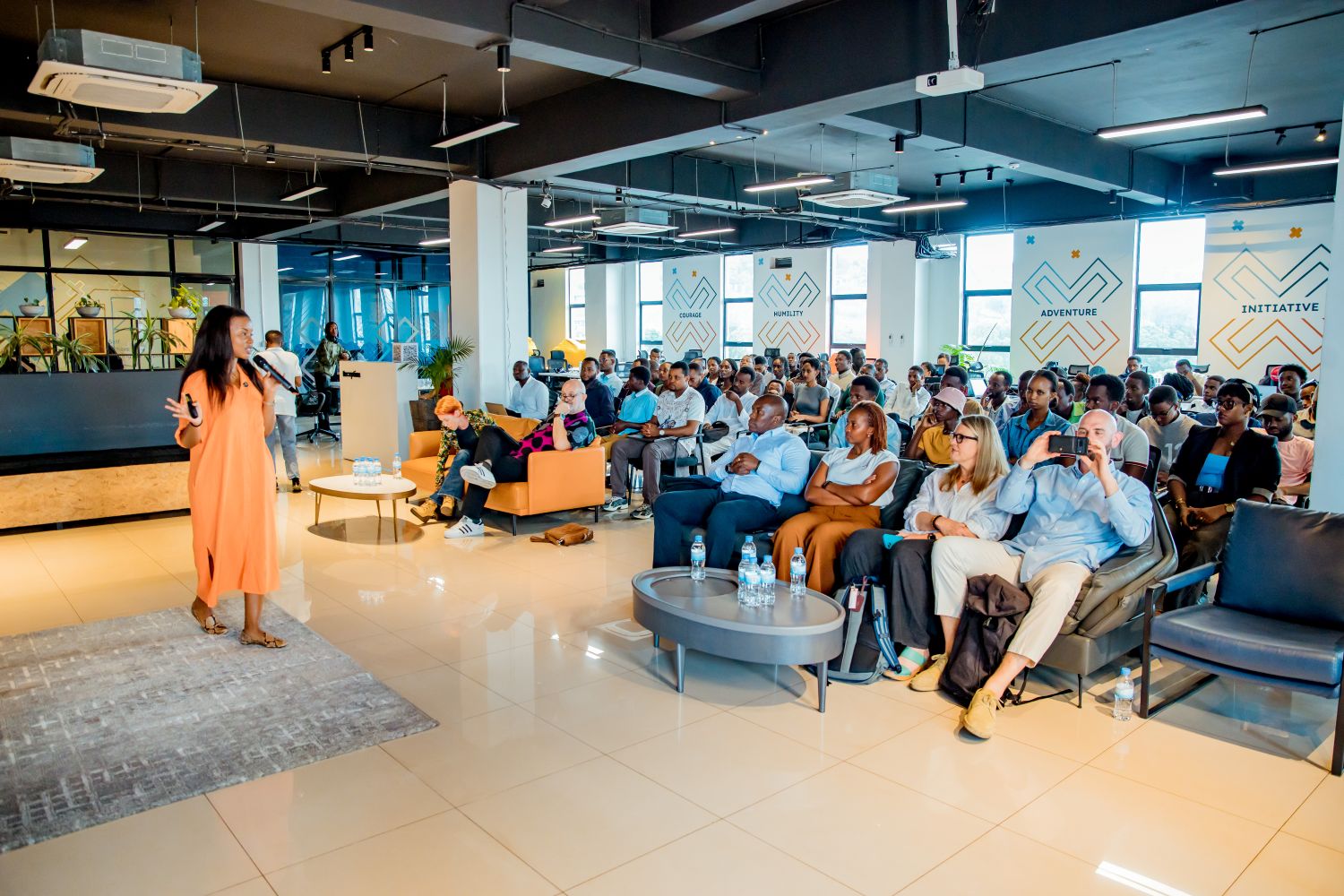
Founded as part of the African Leadership Group’s vision to develop 3 million ethical leaders by 2030, ALX Rwanda operates a state-of-the-art tech hub in Kigali, focused on equipping young Africans with a blend of technical and professional skills to thrive in the digital economy and become future leaders and entrepreneurs, without the barrier of costly traditional degrees.
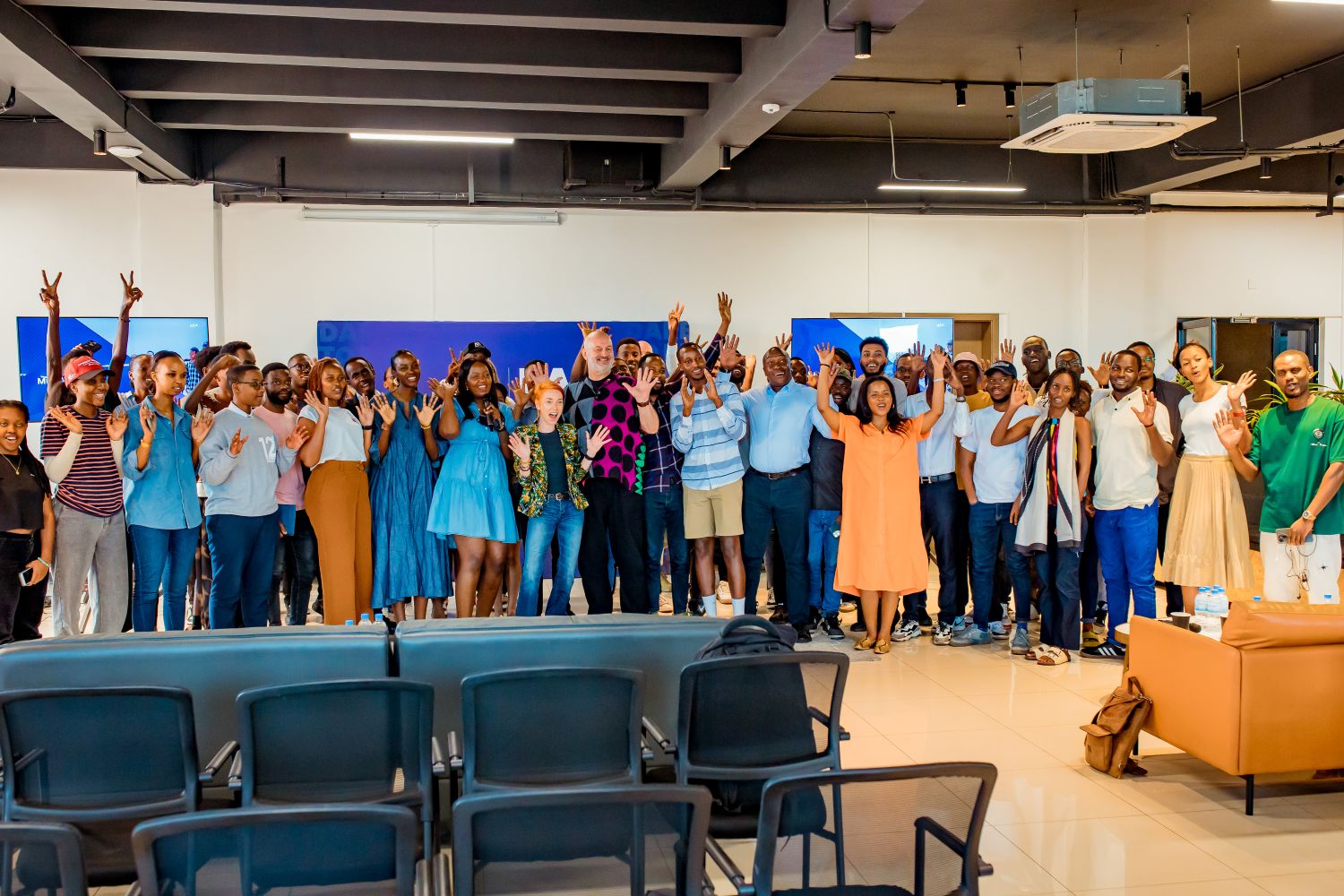
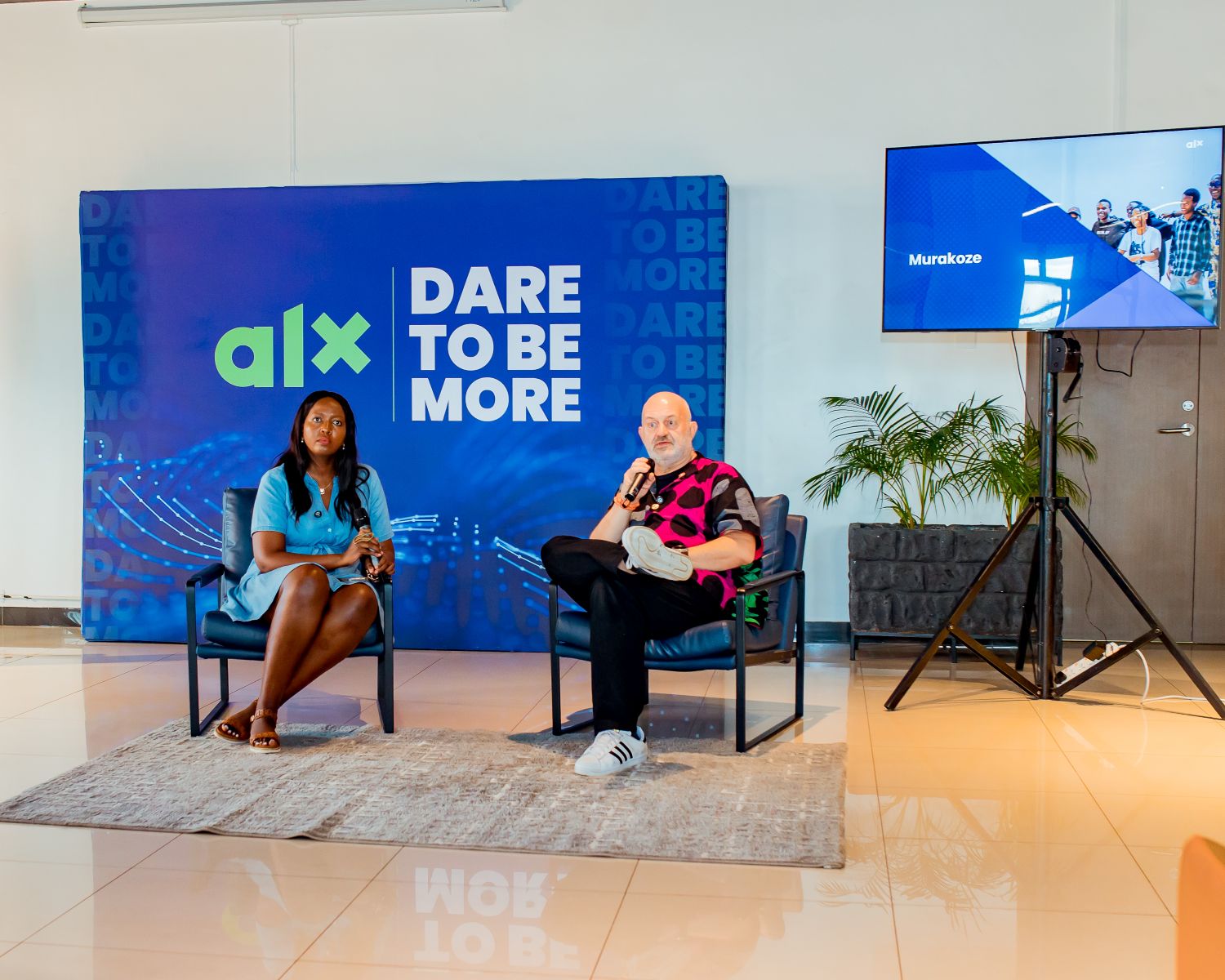
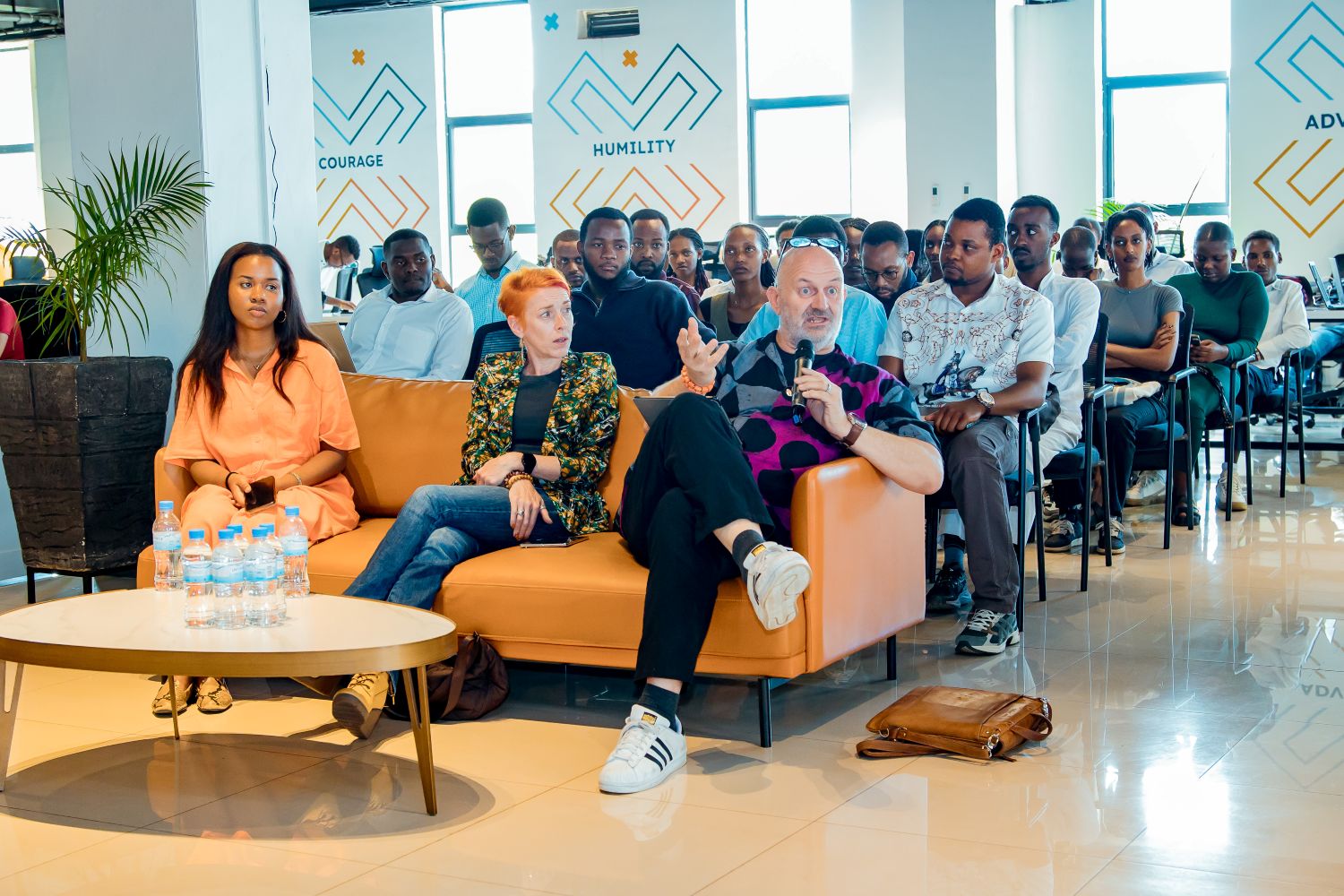
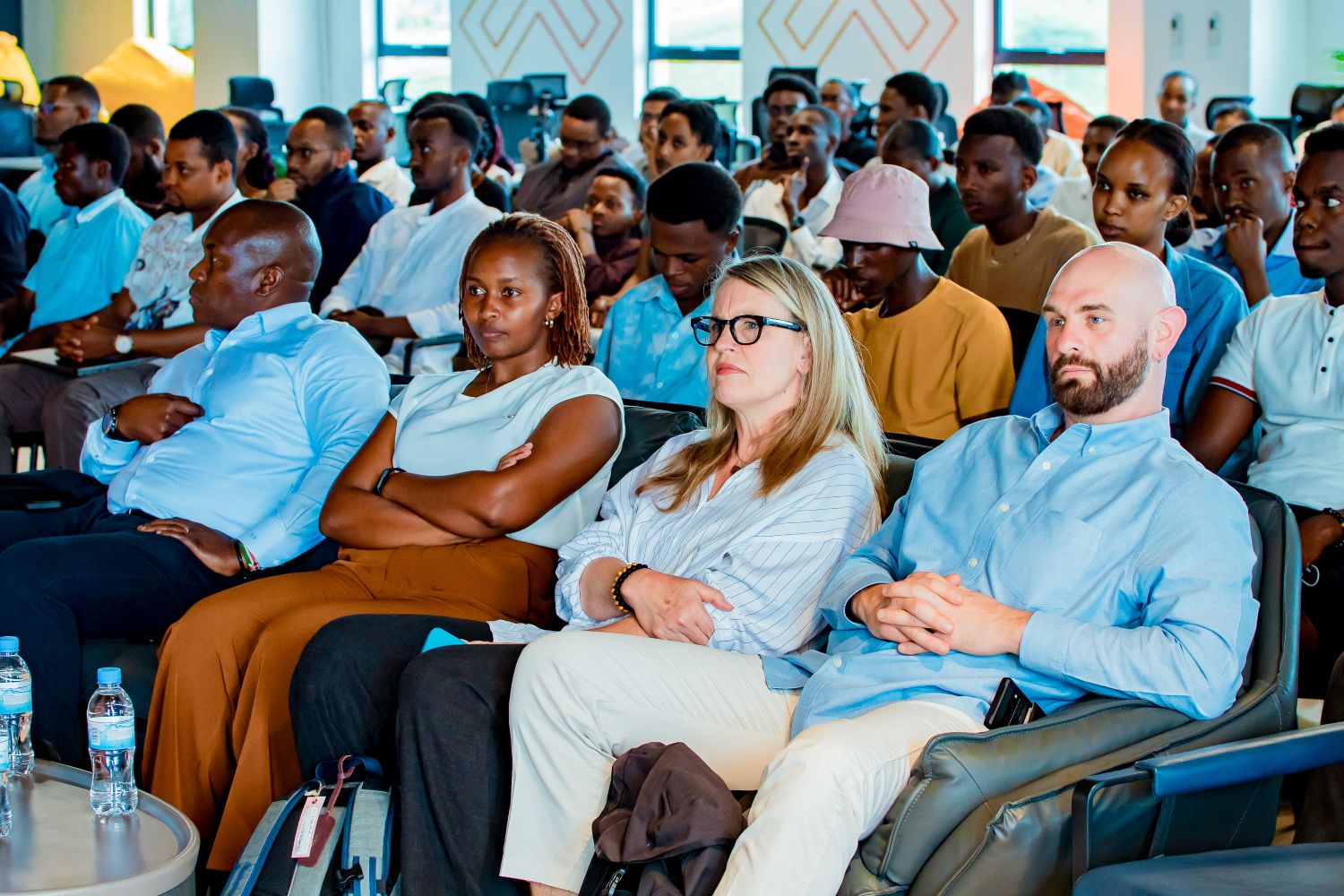
Vogel’s visit was part of the organisation’s program to bring prominent industry leaders to inspire and empower the next generation of African tech innovators.
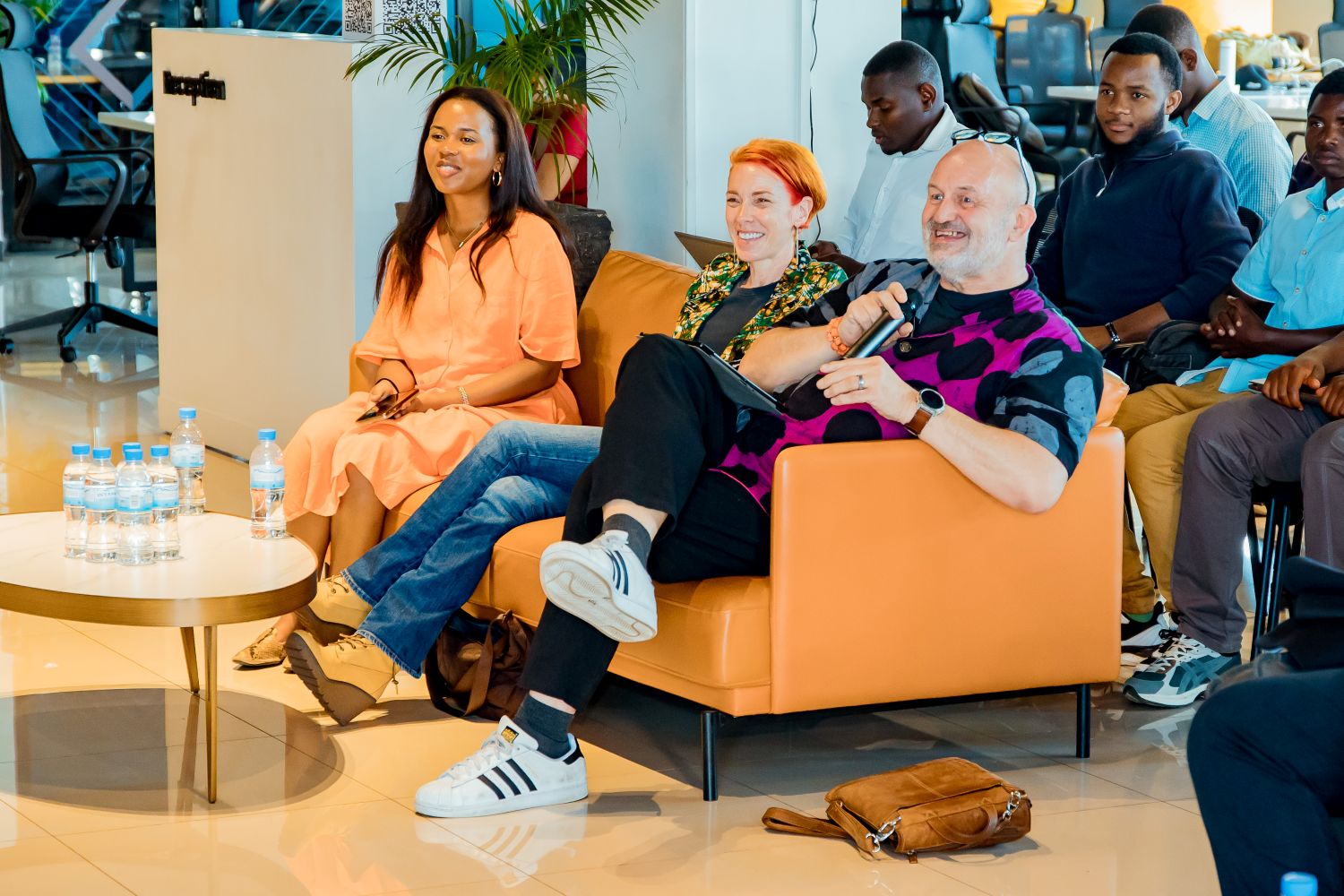
The tech guru, widely known as ‘The Godfather of the Cloud’ for his pivotal role in developing Amazon Web Services (AWS), was accompanied by a team that included some members of the tech giant from Africa and beyond.
Speaking at the event, Vogels praised ALX’s scalable model, noting its growth from training 250 students in 2004 to 250,000 across Africa today.
“ALX gives people hope,” he said during a Q&A session moderated by ALX Rwanda Marketing Manager Jacinta Gitau. “It’s about creating a future for Africa’s youth, whether as software engineers or entrepreneurs, and building a foundation for a successful life.”
Vogels emphasised that ALX’s agile, skills-based approach meets global tech workforce demands more effectively than traditional four-year degrees. He cited his recent trip to Germany, where he noted 80,000 open IT positions as a case in point.
“The ALX model is what I would call a model for modern times of learning,” he asserted.
The CTO challenged the students to apply technology to solve “the hardest problems that there are,” particularly those unique to Africa, such as healthcare, food security, and economic stability.
Citing his documentary series Now Go Build, Vogels highlighted a startup in Indonesia that empowered smallholder farmers by providing digital identities to secure loans, a model he encouraged ALX learners to emulate.
“You understand your own problems best,” he said. “Africa is a big enough continent to build a really good business while doing good.”
Vogel advised students to embrace failure as a learning opportunity, prioritise customer-centric solutions, and consider operational, security, and cost factors from day one.
“Never stop learning, and don’t be afraid to experiment,” Vogels told the students, leaving them inspired to harness technology for a brighter, more inclusive future.
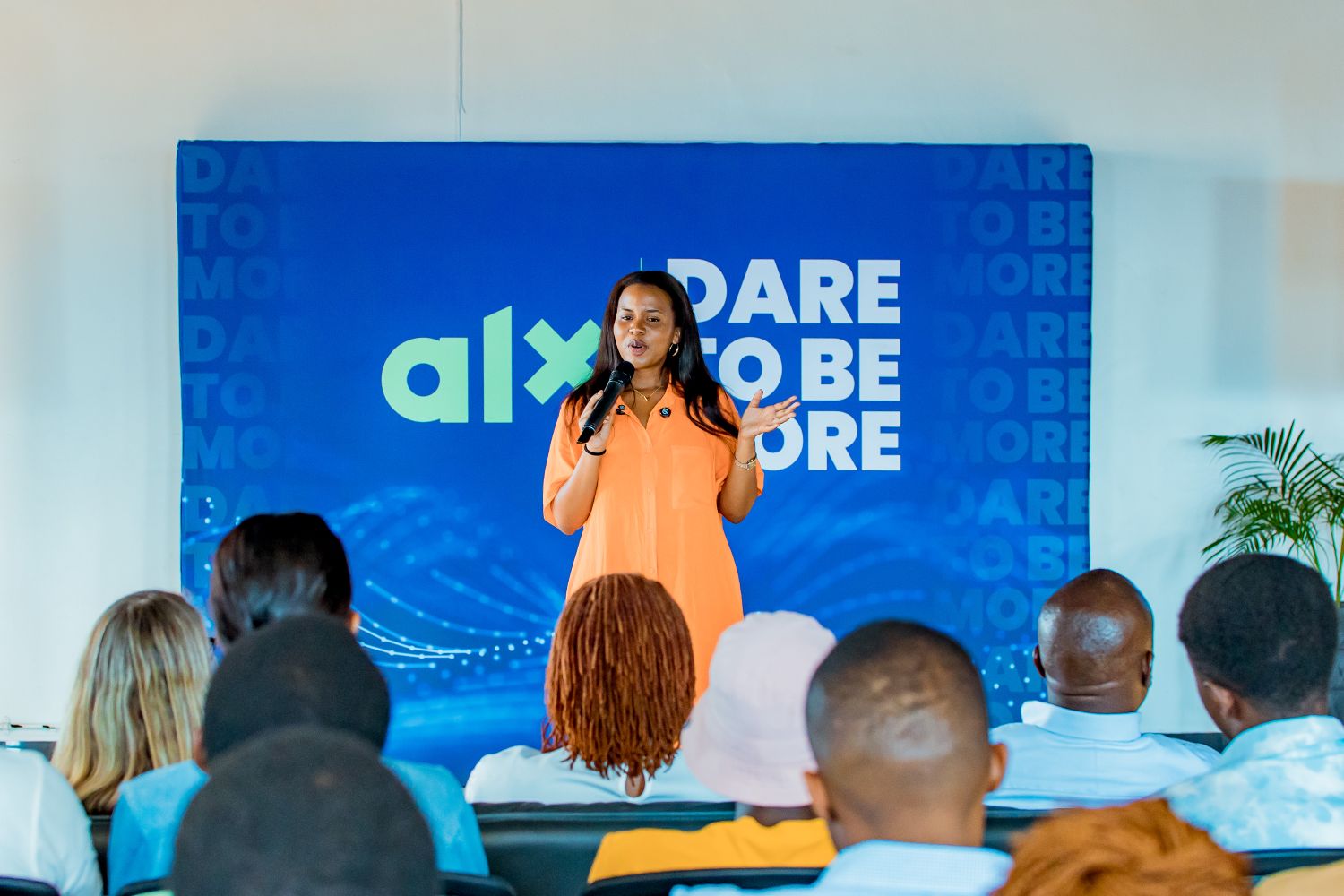
Nimie Chaylone, General Manager of ALX Rwanda and Kenya, underscored the importance of the visit, highlighting its alignment with ALX’s mission to develop world-class tech talent across the continent.
“Hosting Dr. Vogels showcases the high standard of talent we’re producing,” she said. “One of our alumni today shared that they secured an internship at Amazon in England after taking our AWS Cloud Computing course, a testament to ALX’s global impact.”
Chaylone highlighted ALX’s mission to train 5 million young Africans by equipping them with in-demand skills in software engineering, data science, and cloud computing, supported by partnerships with organisations like the Mastercard Foundation.
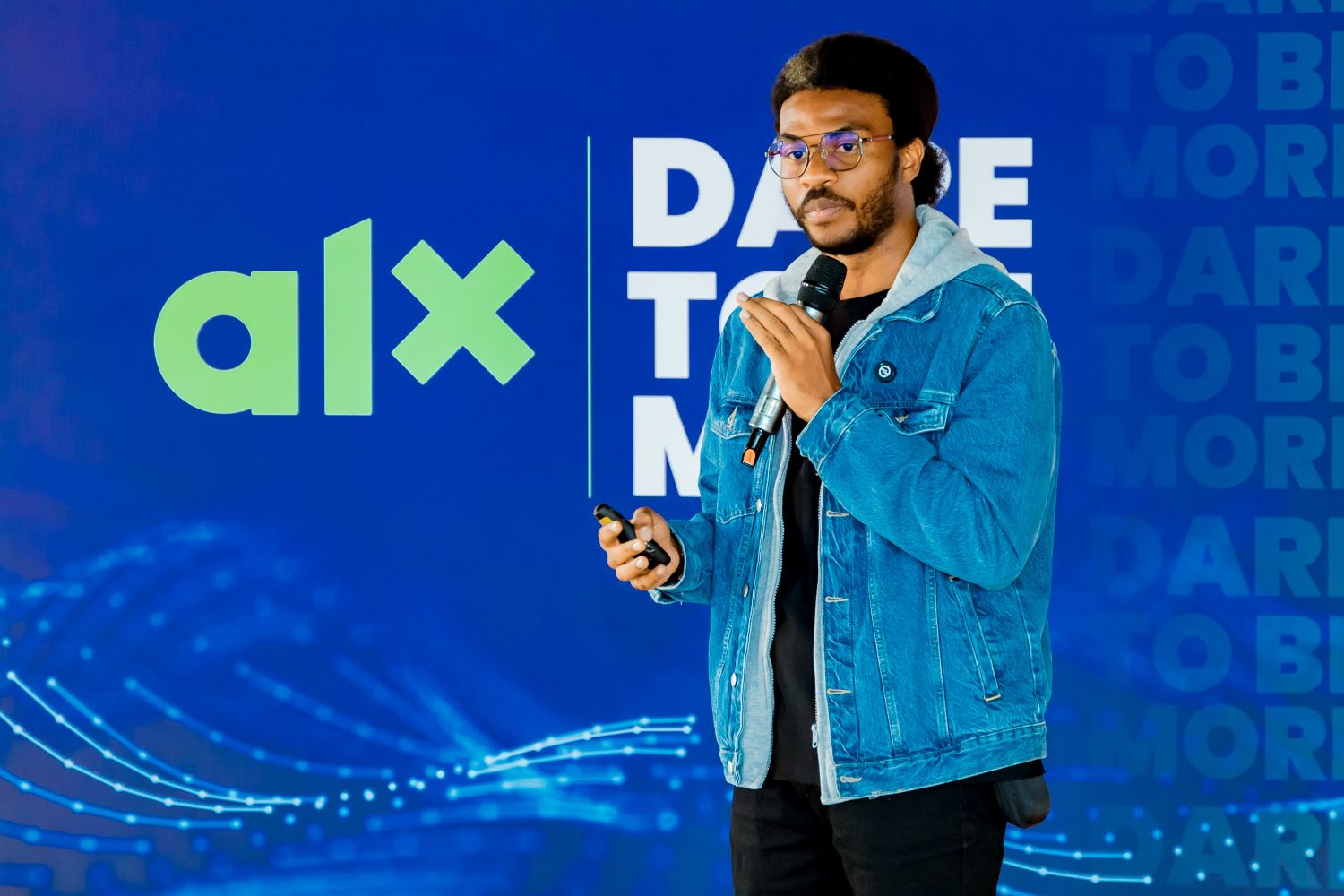
During the event, students and alumni presented innovative projects tackling pressing challenges across diverse sectors. Among them was Signverse, an AI-powered platform that translates text and speech into sign language using 3D characters and motion capture technology.
Another standout was Lifeline, a program dedicated to delivering affordable healthcare solutions by improving access to life-saving medications and clinical tests for African patients. Additionally, MediXR showcased its pioneering software, leveraging extended reality technology to transform medical education and training through immersive learning experiences.
Branice Kazira, an ALX Founder Academy alumna and one of the brains behind Signverse, explained that the application aims to address communication barriers faced by the 40 million deaf or hard-of-hearing individuals in Africa. So far, Signverse has achieved a 90% accuracy rate and built a database of 3,200 Kenyan sign language words and phrases.
With over 1,500 users testing its beta version in Kenya, Kazira’s project exemplifies the mission-driven innovation ALX champions.
In a post-event reflection, Kazira, a second-year software engineering student at the African Leadership, termed the session as “incredibly inspiring”.
“It was incredibly inspiring to learn from people who’ve shaped the global tech ecosystem,” she said. “Dr. Vogels reminded us of the importance of lifelong learning and approaching challenges with creativity and curiosity.”
She also credited ALX for equipping her with critical soft skills, particularly in communication and presentation, which have been pivotal in shaping her entrepreneurial mindset and confidence as she builds her future in tech.
Teddy Ntawe of Tuza Wellness Center also shared how the ALX program had been a transformative force in his personal and professional journey.
“ALX helped me grow into a bold, agile, and business-minded individual,” he said. “The biggest shift was in my confidence. I used to be quiet and unsure of myself. I never imagined I could become the outspoken, driven person I am today.”
ALX Rwanda offers a comprehensive range of programs designed to prepare learners for success in various areas. Its technical skills track includes in-demand courses such as Back-End Engineering, Front-End Engineering, AWS Cloud Computing, Cybersecurity, and AI Career Essentials (AICE), equipping students with the tools to excel in the digital economy.
The professional foundations track focuses on developing essential workplace, communication, and leadership competencies through targeted training. In the creative disciplines, ALX is expanding its offerings to meet the rising demand of the creator economy, with programs in content creation, graphic design, and digital storytelling.
The entrepreneurship track is delivered through ALX Ventures, which supports aspiring business leaders through two specialised programs: the Freelancer Academy (FLA), designed for independent professionals, and the Founders Academy (FA), tailored for those building startups.
Lastly, the Pathway Program serves recent high school graduates seeking scholarships, equipping them with academic foundations, leadership development, and career readiness skills to help them transition into higher education or the workforce with confidence.