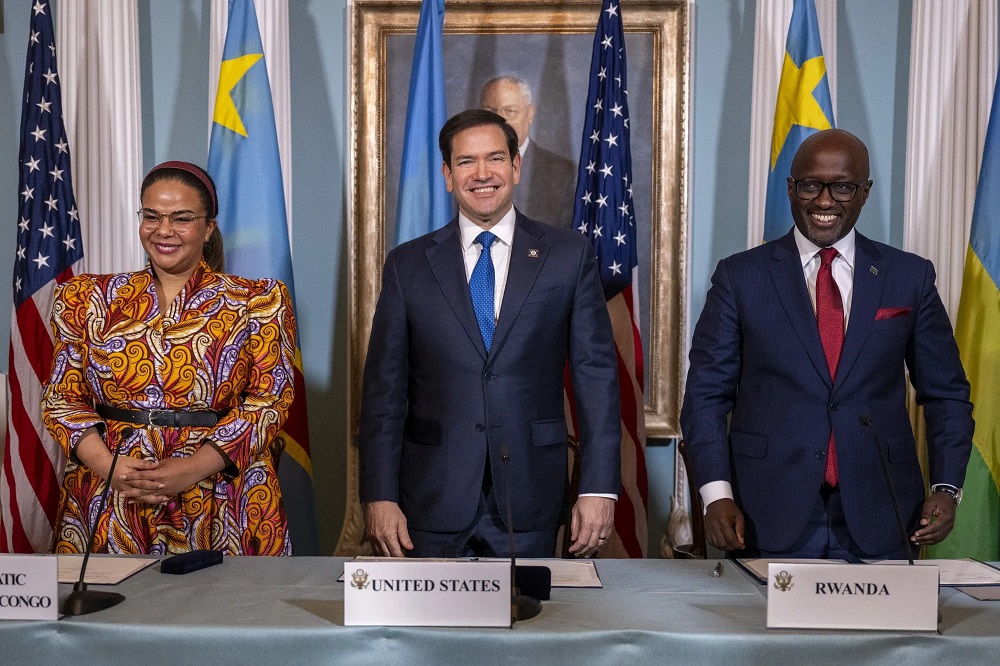
The anticipated mid-June signing at the White House, aimed at achieving long lasting peace in eastern DRC, has been delayed to align with the complexities of ongoing negotiations.
In a statement shared on X, Minister Nduhungirehe explained that after several email exchanges between U.S., Congolese, and Rwandan officials, physical negotiations at the expert level have now commenced in Washington.
As he said, the goal is to craft a “comprehensive, realistic, and win-win peace agreement”.
The minister emphasized that the draft agreement, once finalized by experts, will be submitted to the foreign ministers of both nations for approval before being presented to the heads of state for signing.
This development follows a U.S.-brokered Declaration of Principles signed on April 25, 2025, by the foreign ministers of Rwanda and the DRC, which outlined a commitment to peace and economic cooperation.
The process leading up to the signing involves several prerequisites. Among them, the DRC is expected to address pressing security concerns affecting Rwanda, particularly the issue of the FDLR rebel group operating within Congolese territory.
The United States has also requested that Rwanda halt what it alleges to be support for the M23 rebel movement—allegations Kigali has consistently denied.
At the same time, the DRC is expected to undertake internal reforms that promote more equitable distribution of resources across its provinces and strengthen local governance.
Once the agreement is signed, the U.S. is also expected to enter into economic agreements with both Rwanda and the DRC.
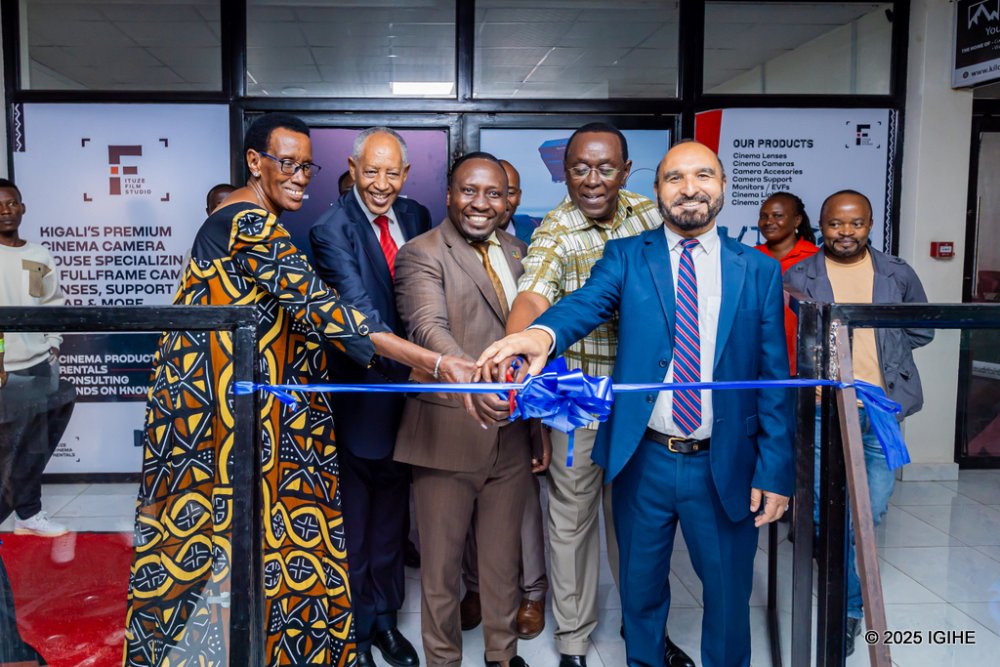
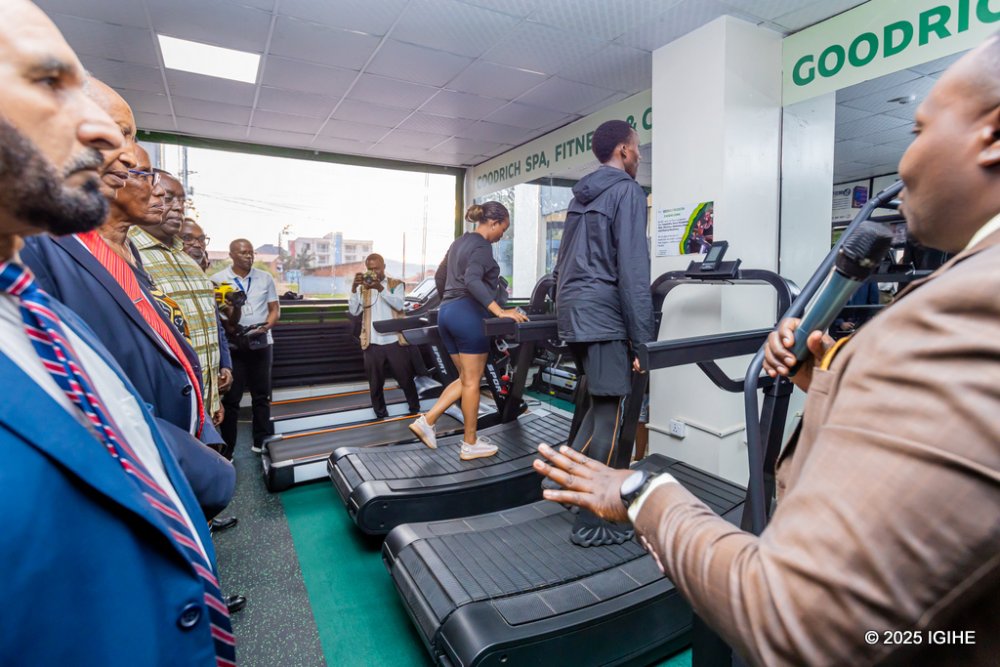
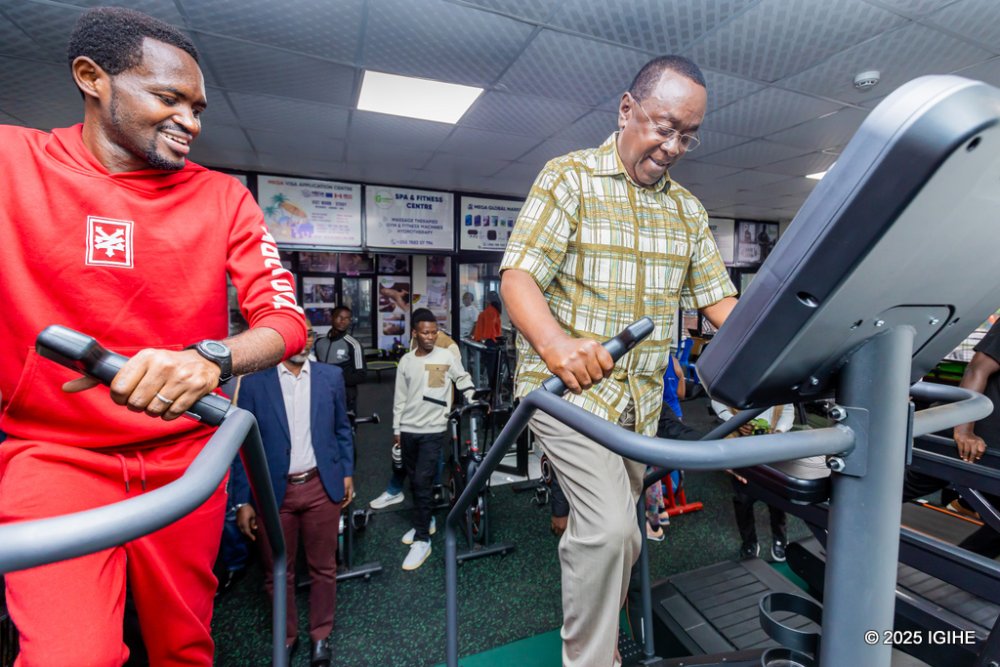
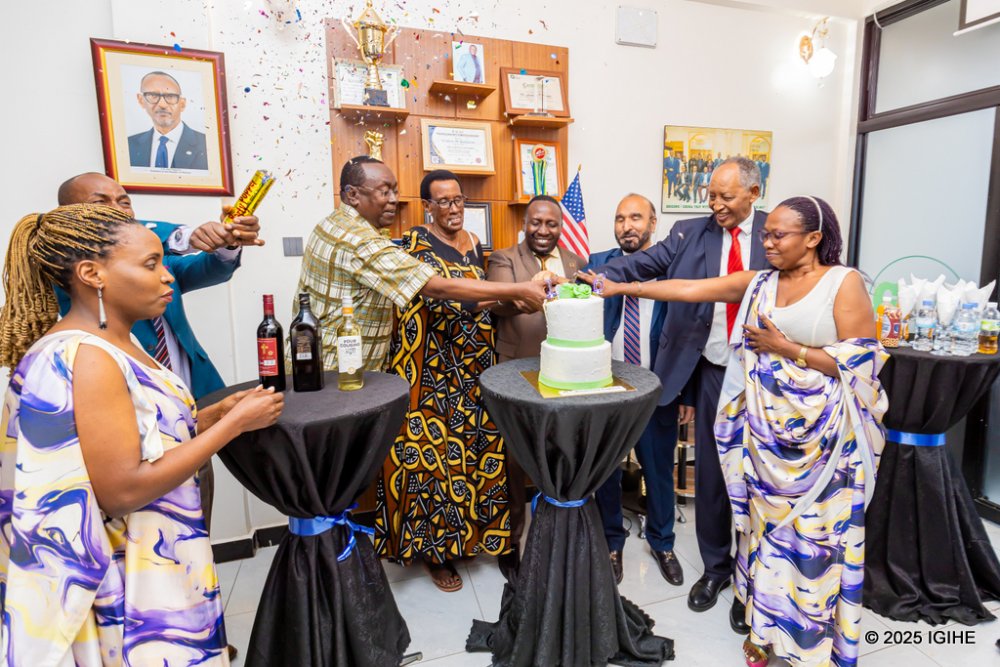
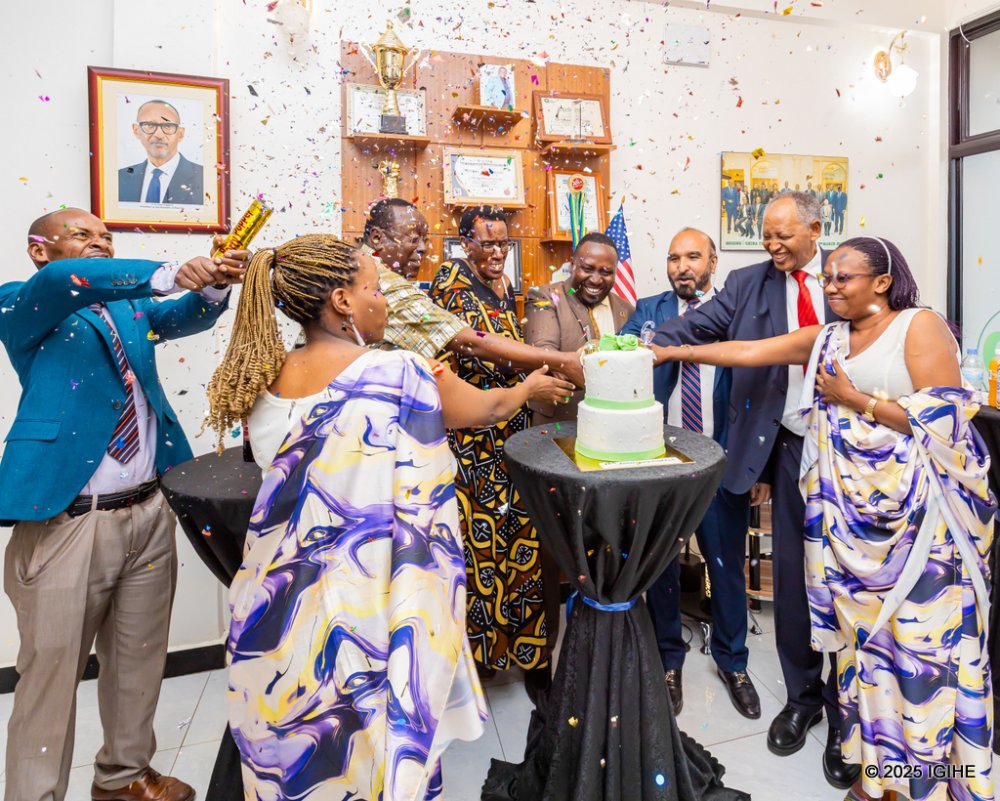
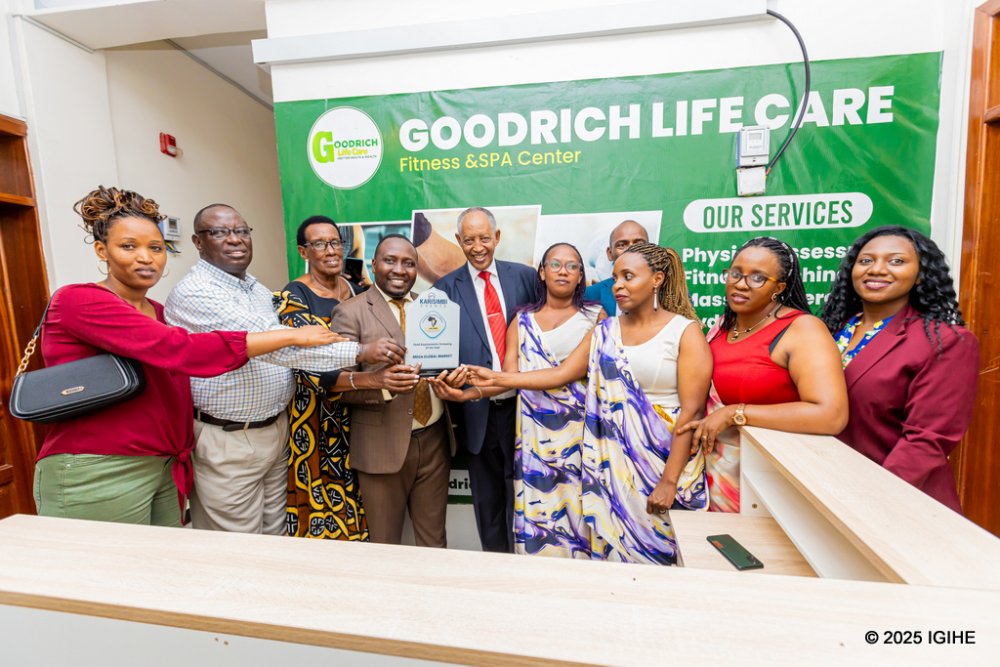
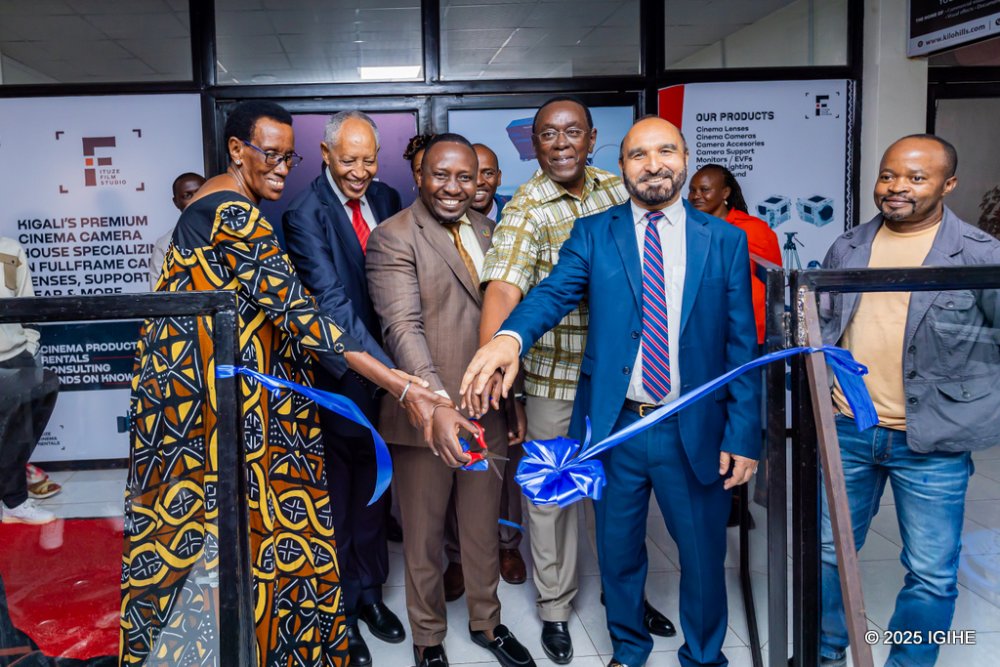
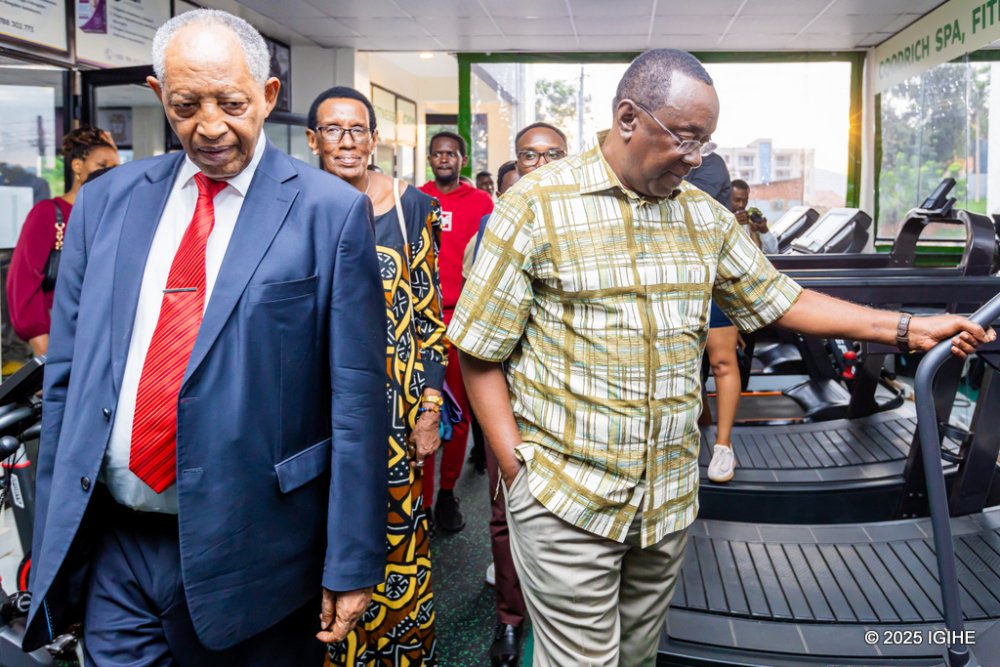
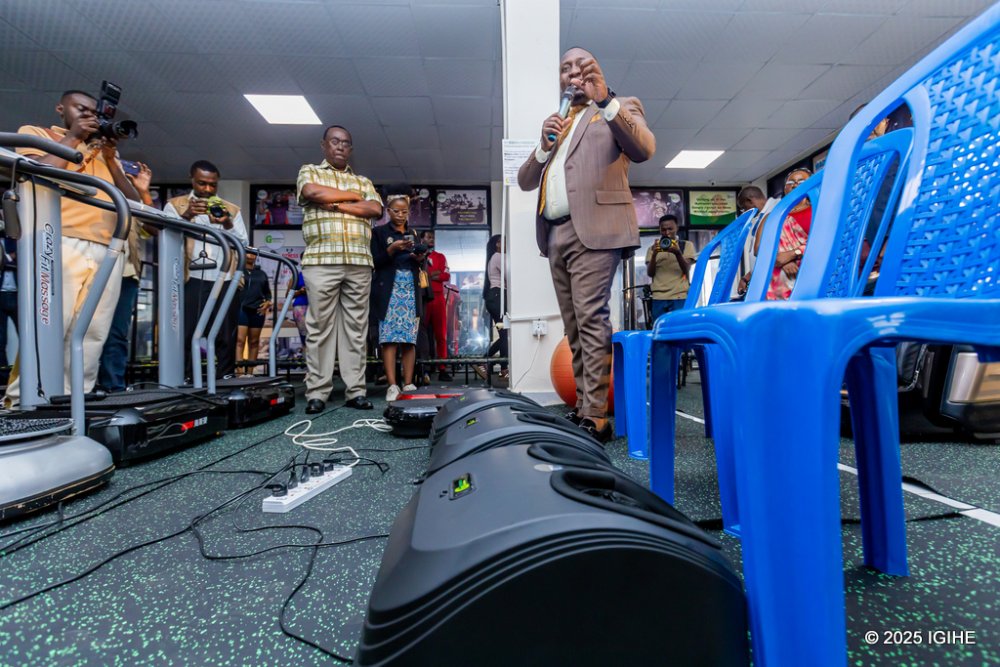
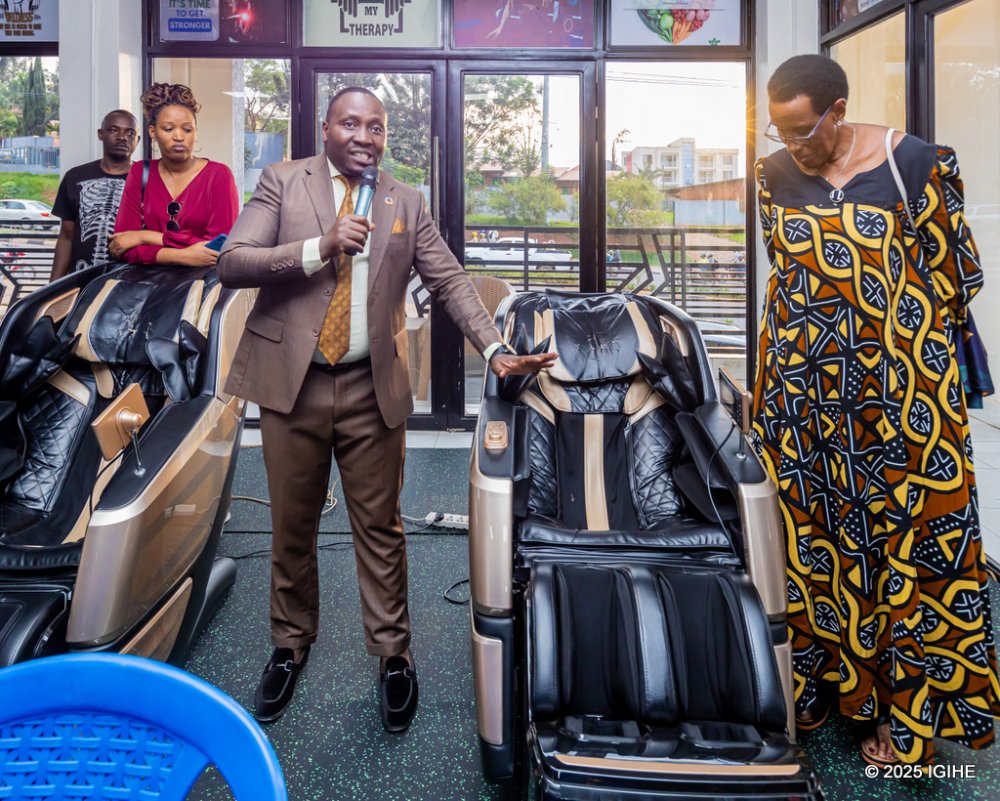
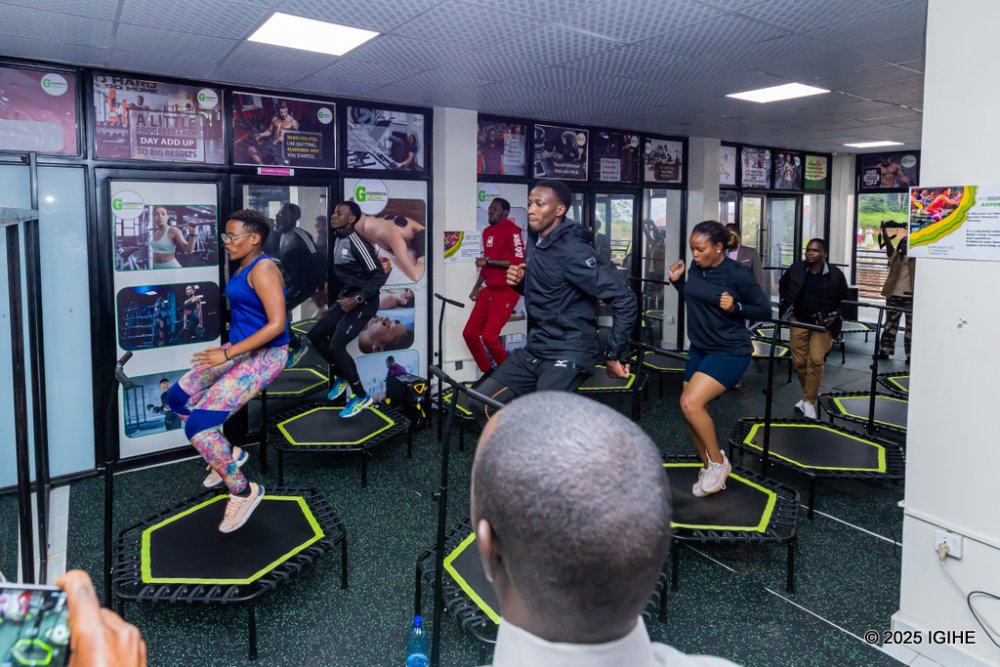
The gym is divided into five main zones, each designed to meet specific wellness needs. These include the Body Fitness Zone, which features machines that help stimulate and activate different body parts; the Stretching and Recovery Zone, equipped with massage and therapy machines for joint flexibility and recovery; and the Strength Training Zone, which offers equipment targeting arms, legs, and other muscle groups.
There is also an Aerobic Zone, where general fitness exercises are performed to music, and a Cardio Zone, dedicated to improving heart function and blood circulation.
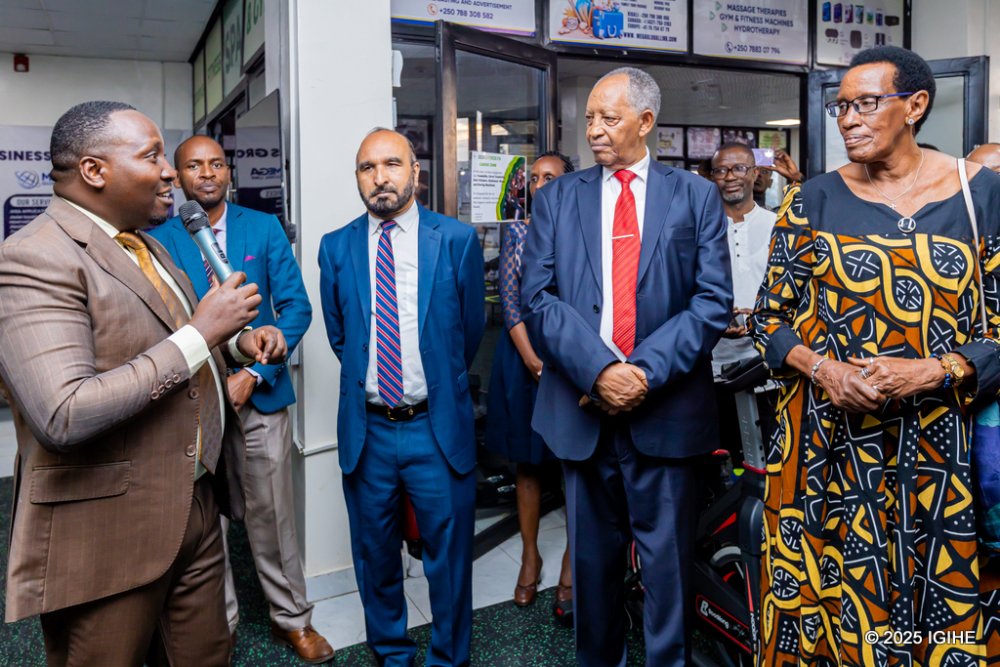
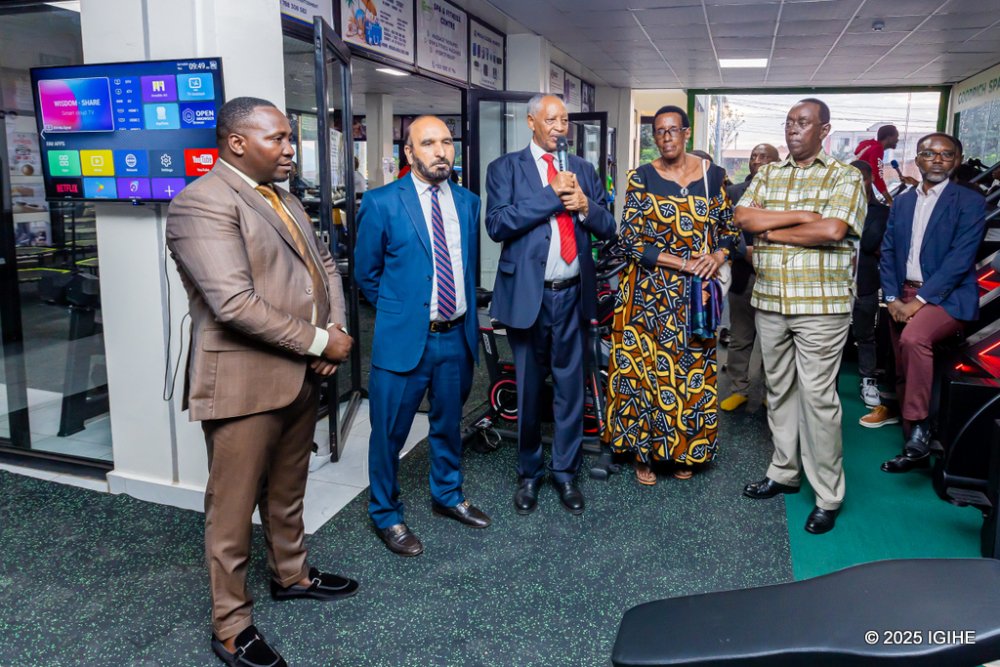
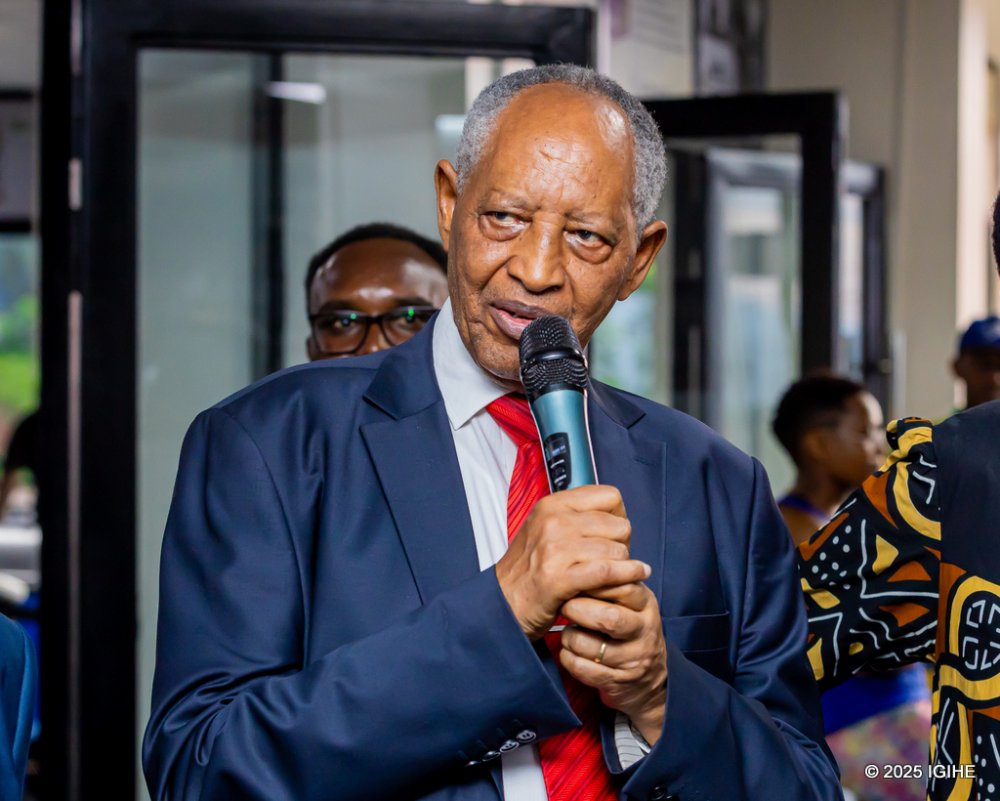
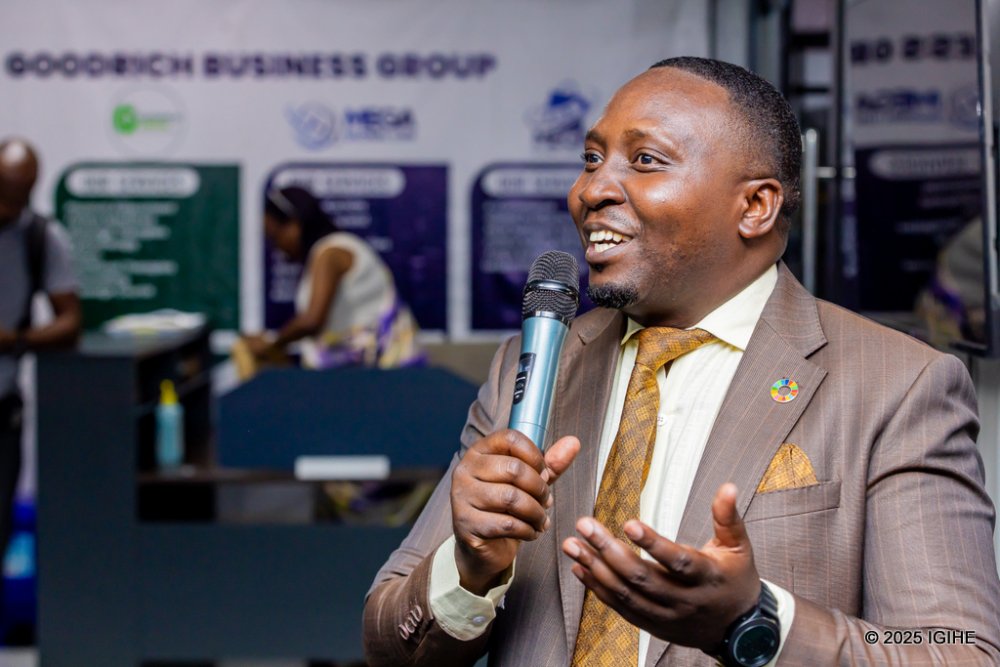
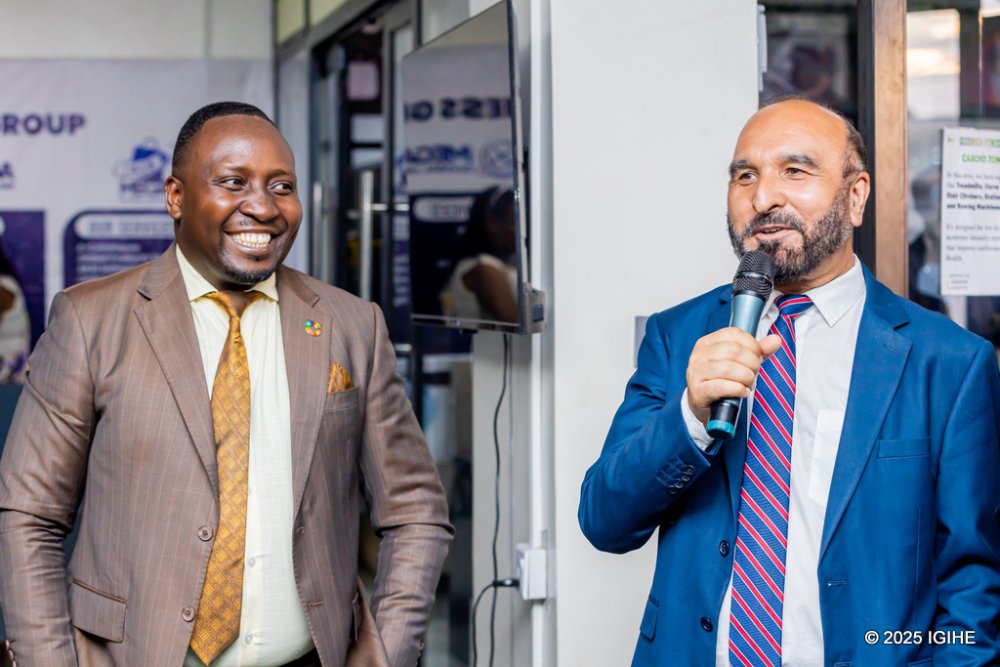
Speaking at the launch, Dr. Francis Habumugisha, CEO of Goodrich Business Group, emphasized that the gym complements their ongoing initiative called “Medium Fitness Gym at Workplace or Home”, encouraging people to set up personal gyms at home or at work.
“We sell gym equipment for only $11,500 to anyone who wants to stay fit from the comfort of their home or workplace,” he explained.
Dr. Habumugisha said that Goodrich Group Lifecare has supported over 19,600 clients in Rwanda alone, with many testimonies confirming improved health outcomes through their products.
He added that the idea to establish a gym was born out of concern over people misusing poorly managed gyms, often leading to injury.
“I realized many people don’t have guidance in gyms. That’s why we set up a gym with professional trainers and machines that serve all needs,” he said.
The gym, which cost $250,000 to equip, boasts 86 machines, enough to serve as many users simultaneously. It can accommodate over 300–400 clients per day.
The facility also features diagnostic machines that evaluate an individual’s physical condition before starting workouts, ensuring users operate within safe limits.
“We introduced body assessment systems that help determine what your body can handle before you start using the gym,” Dr. Habumugisha said.
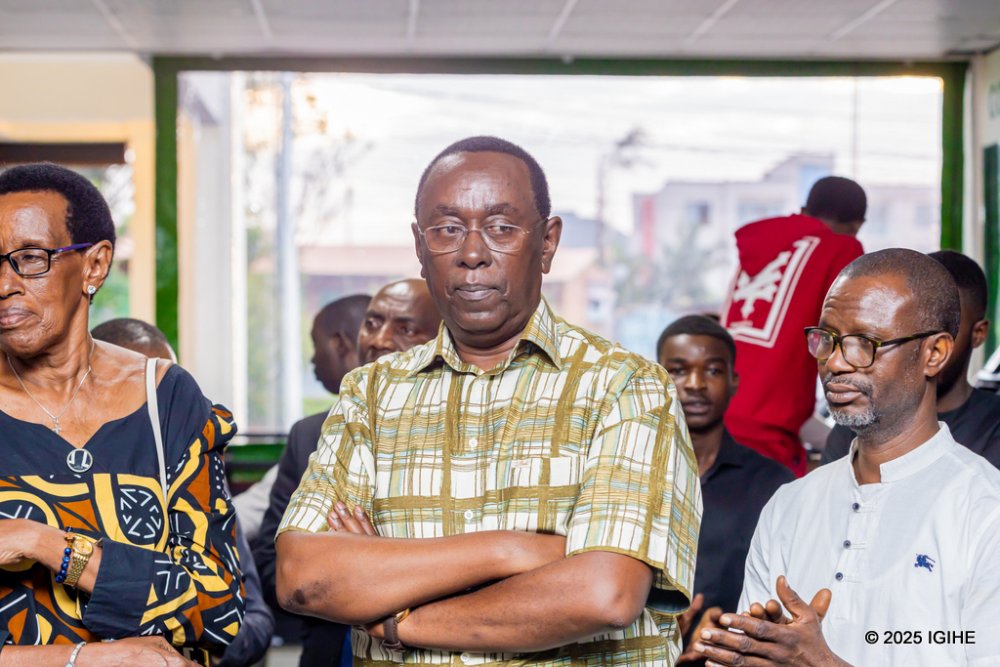
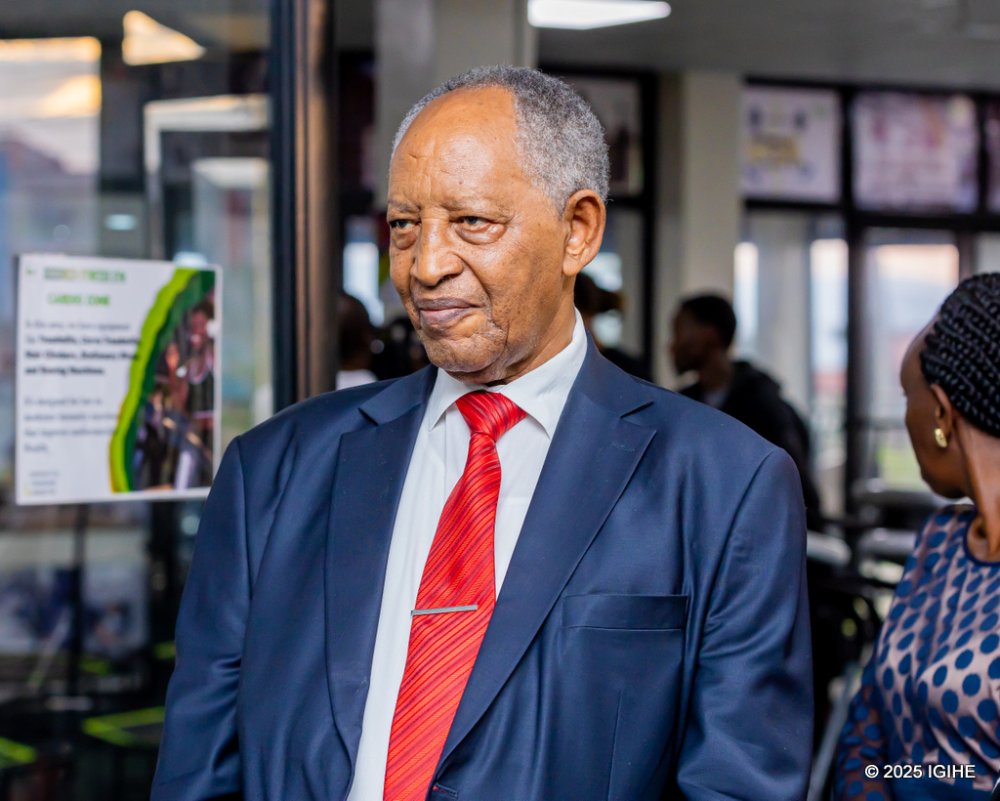
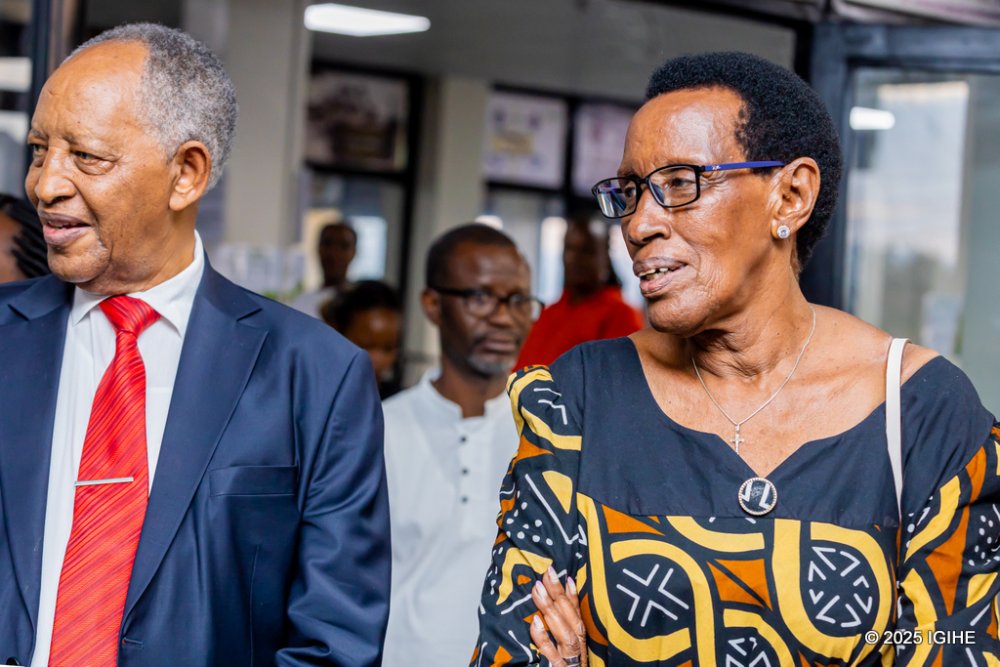
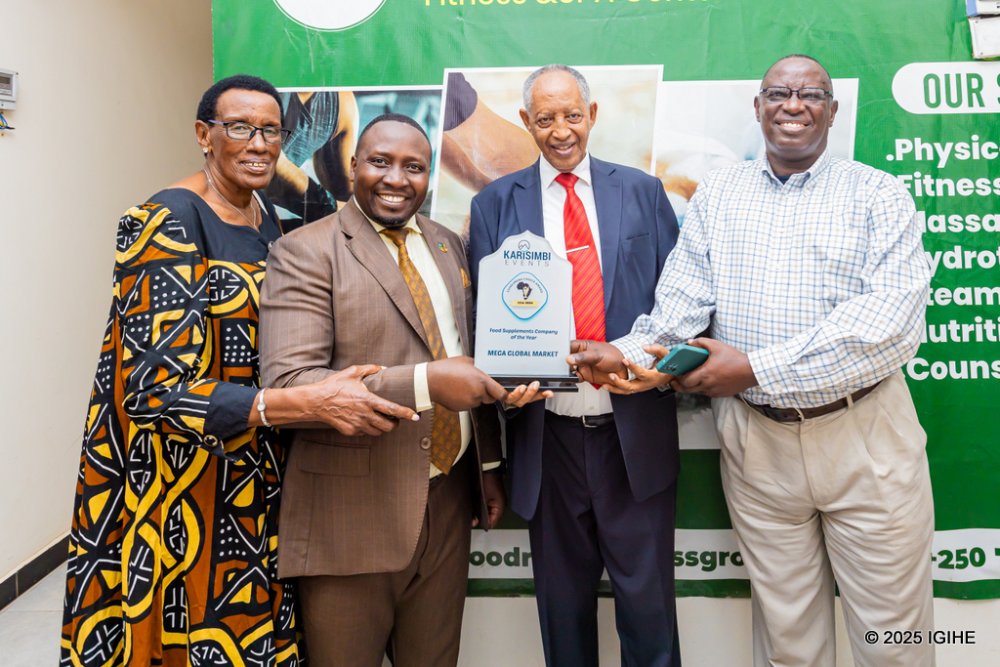
The launch event was attended by high-profile guests, including Ambassador Naeem Khan of Pakistan, former Prime Minister Bernard Makuza, singer Mariya Yohana, and Kigali Independent University (ULK) Chancellor Prof. Rwigamba Balinda.
Prof. Rwigamba praised the idea of encouraging home and workplace gyms. “Their supplements contain vital vitamins. Having fitness spaces at home or work is a smart and preventive health measure, which I strongly support,” he said.
Singer Mariya Yohana shared her personal experience, saying that Goodrich products helped her manage memory loss and joint pain. “I couldn’t even bend due to past injuries. But after using their nutritional supplements, I regained strength and now do my chores,” she testified.
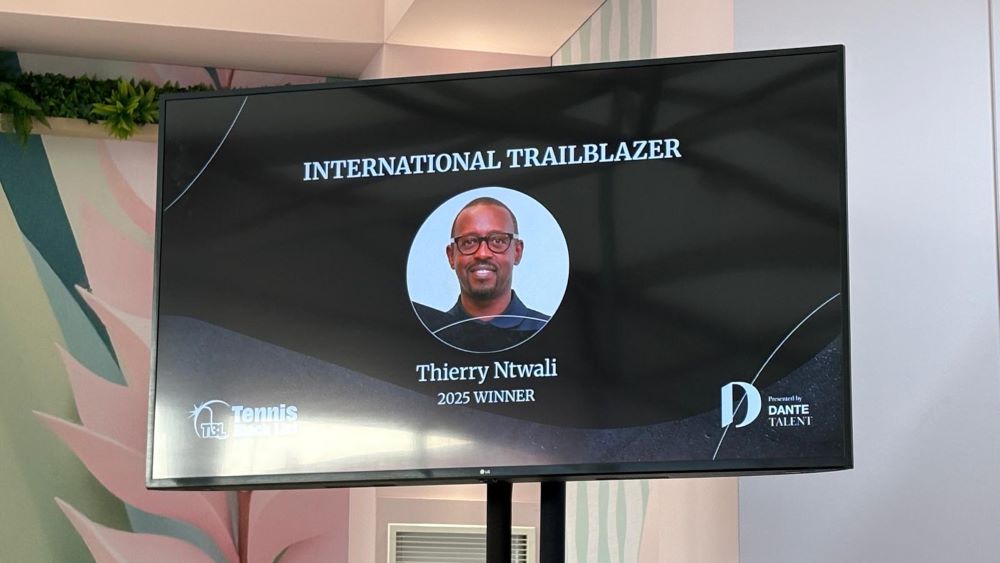
Currently serving as the ITF Development Officer for East and Central Africa, a role he has held since 2011, Ntwali has played a pivotal part in transforming the tennis landscape across the region.
His work includes supporting national federations, organizing elite tournaments, and spearheading programs like the Junior Tennis Initiative.
In Rwanda, Ntwali has previously served as Technical Director of the Rwanda Tennis Federation, national coach, Davis Cup captain, and Executive Director of the National Olympic Committee. He also led the national delegation as Chef de Mission during the 2008 Beijing Olympics.
Ntwali expressed delight at receiving the International Trailblazer award from the Tennis Black List.
“I am proud, humbled and filled with gratitude. As someone who has dedicated more than a decade to the development of tennis in East and Central Africa, this recognition is deeply meaningful, not just for me personally but for the entire region.
“It shines a light on the often-unseen efforts taking place to grow the game in communities where tennis is still emerging.”
The Tennis Black List, launched in 2022, is the only global platform focused on recognizing and celebrating Black and mixed-Black contributions to tennis—from grassroots to professional levels.
Inspired by similar initiatives in football and rugby, the platform seeks to create a legacy of visibility and impact.
Founders Anne-Marie Batson and Richard Sackey Addo emphasized the movement’s legacy.
“Tennis Black List is creating space for Black and mixed-black heritage excellence to be seen, honoured and remembered across all areas of tennis.”
With this award, Thierry Ntwali joins a growing list of global changemakers using tennis as a tool for transformation and inclusion.
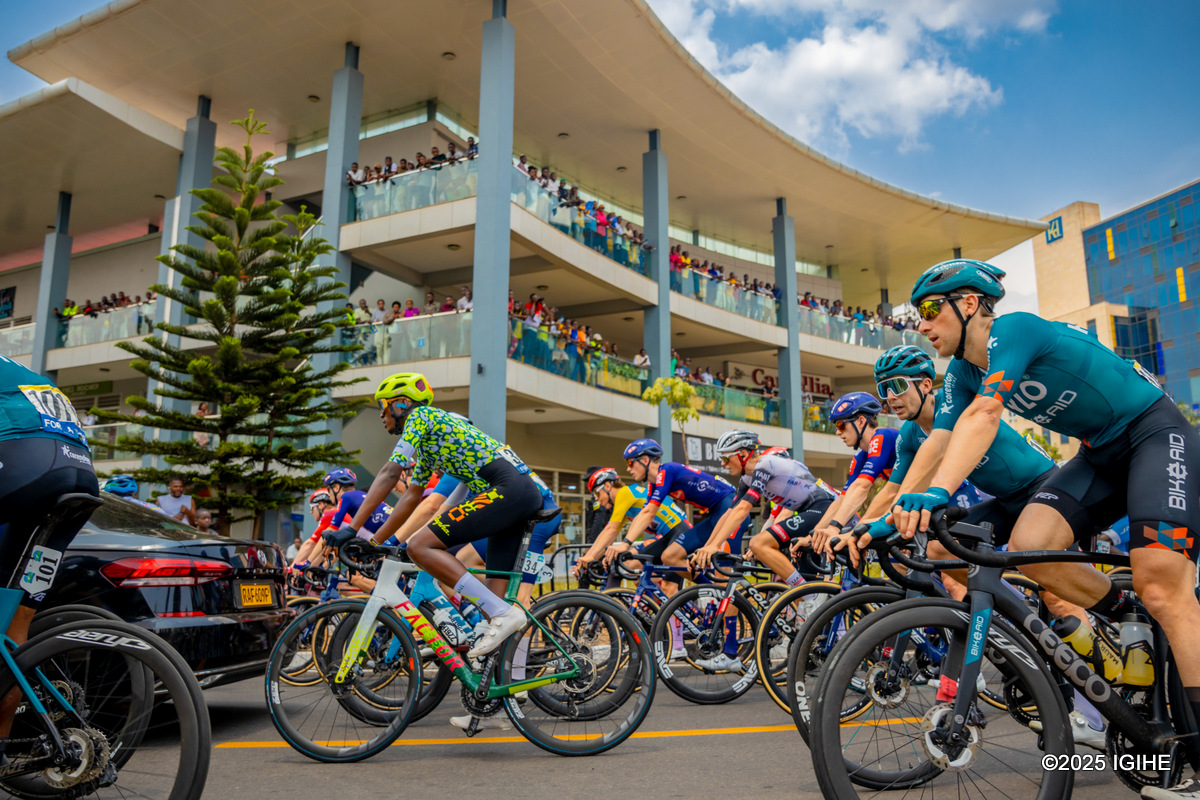
Ndayishimiye was speaking exclusively to Cyclingnews in Glasgow after attending the final stage of the Tour of Britain Women at the invitation of British Cycling, where he emphasized the significance of the championship.
“It’s the biggest event in the cycling world. So, for me as the President of the Federation, and for the Federation, the country, the continent, it’s a pleasure,” he said.
Ndayishimiye also expressed gratitude to the Union Cycliste Internationale (UCI) and the global cycling community for trusting Rwanda with the responsibility to host such a monumental event.
“We appreciate the good relationship we have with the UCI and the rest of the world for giving us this opportunity and trusting us to deliver,” he added.
The 2025 UCI Road World Championships in Kigali are expected to be a game-changer for the sport in Africa.
The Kigali event is expected to attract global attention, boost local infrastructure, draw investment, and inspire a new generation of African cyclists.
Beyond the competition itself, the UCI is committed to leaving a lasting legacy. As part of its long-term development strategy, the UCI recently opened a World Cycling Centre satellite in Rwanda, aimed at nurturing talent across the continent.
“In February, we opened the UCI satellite, the second one on the continent of Africa,” Ndayishimiye noted. “It’s a good opportunity not only for the riders, but also for everybody else involved, commissaires, coaches, mechanics. All of that is part of the legacy we are looking at.”
With the countdown to Kigali 2025 officially underway, anticipation is growing. The event is expected to elevate the continent’s presence on the global cycling map for years to come.
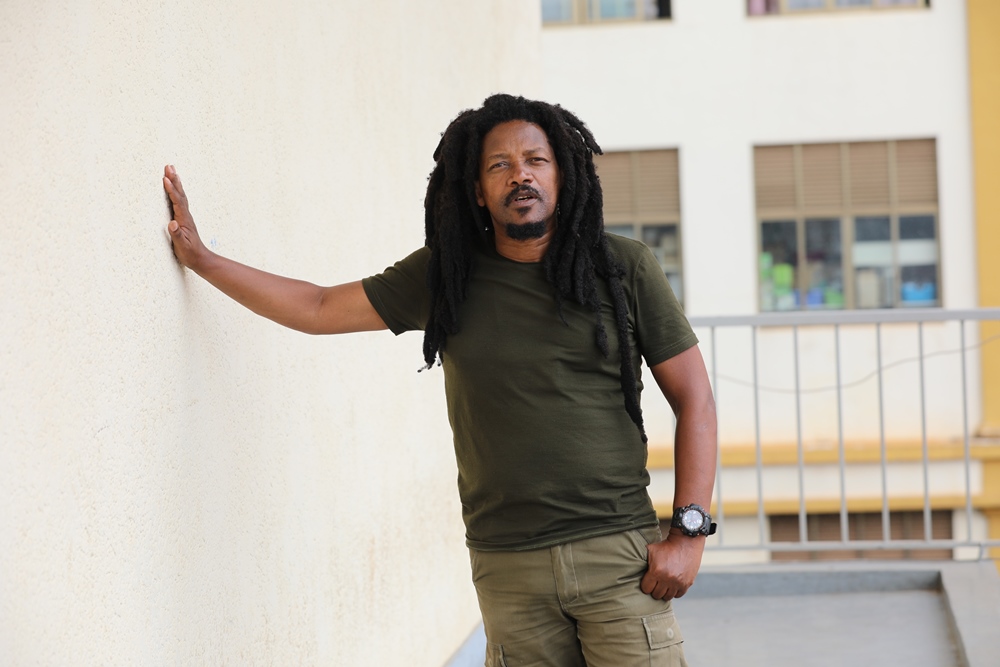
The source confirmed that the musician succumbed to illness. Natty Dread had been undergoing treatment at University Medical Center Hamburg-Eppendorf (UKE) since September 2022.
In February 2024, after several months of treatment, he returned to Kigali and attended the premiere of a Bob Marley documentary screened at Canal Olympia. At the time, he told IGIHE he was feeling better and optimistic about his recovery.
Although his condition had improved at one point, enough for him to travel back to Rwanda, his health later declined, prompting his return to Germany for further care, where he eventually died.
Born Mitali Raphael in 1969 (though official documents list 1964, a date he reportedly altered to join the military), Natty Dread was born in Uganda, where his parents had taken refuge.
When he was three, his family relocated to Kenya, where he later met Israeli family friends who introduced him to connections in Jamaica, eventually leading him to meet Bob Marley.
Holding Israeli citizenship, Natty Dread is best known for his hit song “Hobe Rwanda”, which remains popular among Rwandan music lovers. He is survived by seven children from four different women.
Natty Dread holds a significant place in Rwanda’s post-genocide cultural history, being the first international artist to perform in the country after the 1994 Genocide against the Tutsi. He shared the stage with Cedella Booker, Bob Marley’s mother, during a historic concert in 1996.
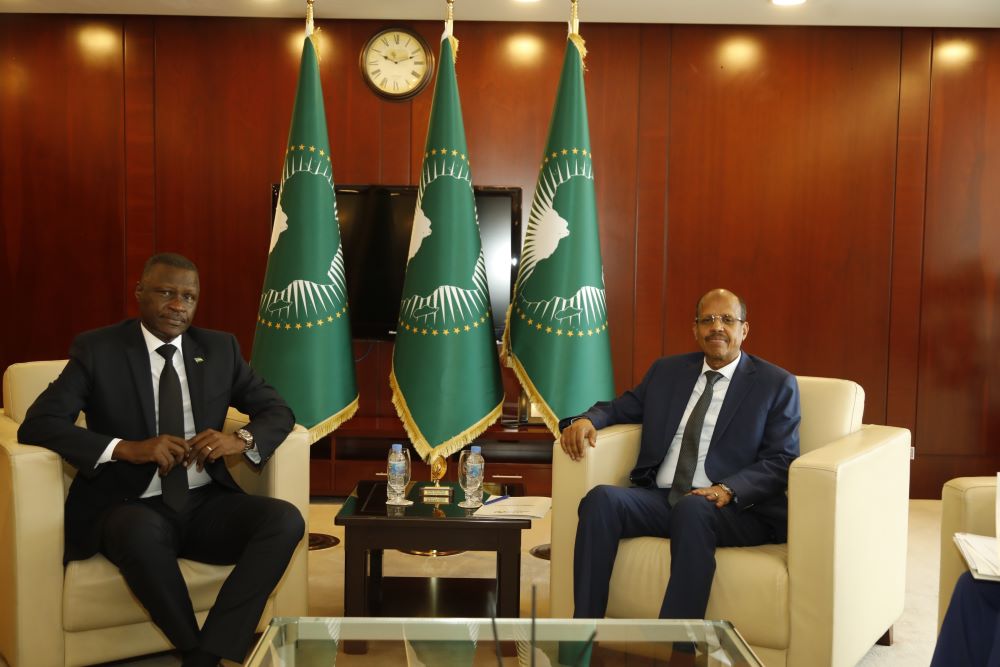
During the meeting, the Chairperson welcomed the collaborative efforts of the EAC and SADC in de-escalating tensions in Eastern DRC and acknowledged progress towards a peace agreement.
Youssouf and Amb. Karamba also reaffirmed their commitment to advancing the implementation of the South Sudan peace agreement.
On peacekeeping on the continent, they underscored the importance of sustainable peacekeeping financing, with UNSC Resolution 2719 providing a key framework for predictable support.
Amb. Karamba expressed appreciation for the Chairperson’s early visit to Kigali and reiterated Rwanda’s continued support for his leadership.
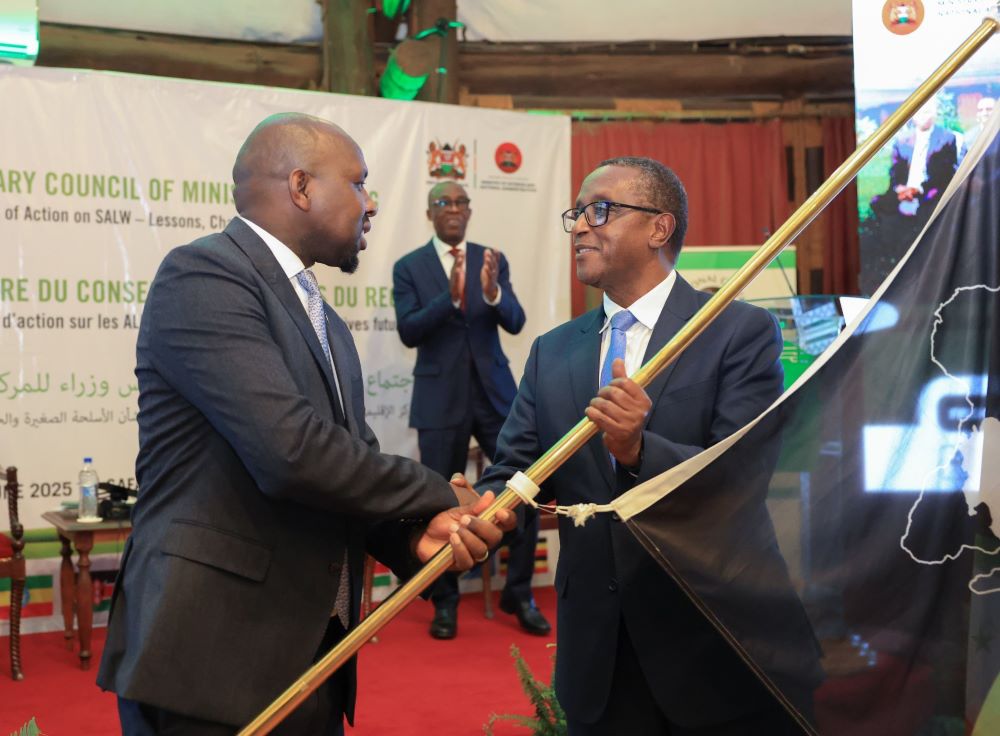
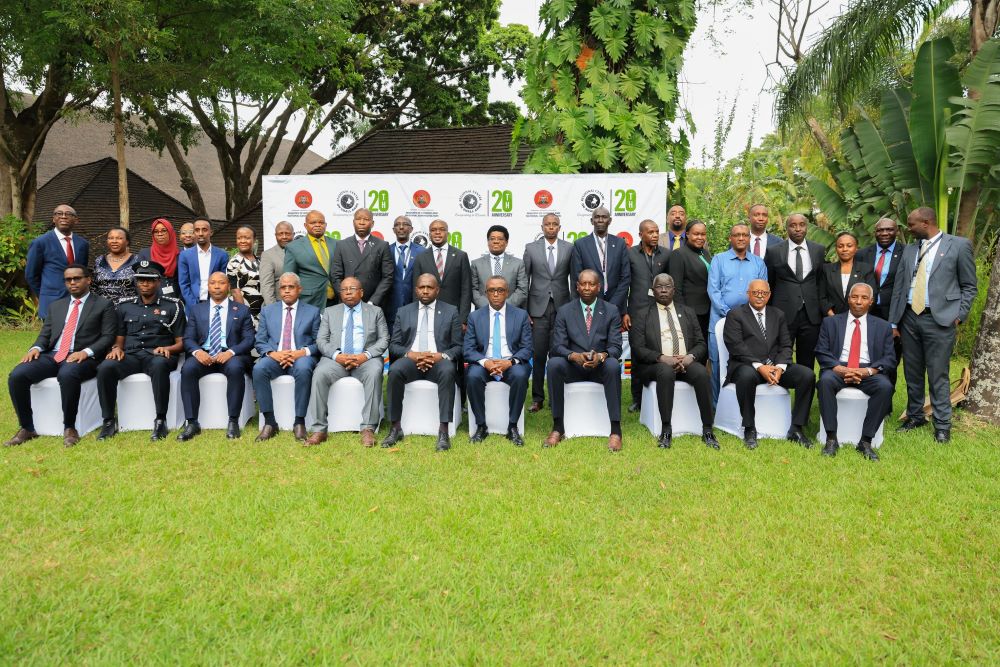
The handover ceremony, which took place at the Safari Park Hotel in Nairobi from June 9 to 13, 2025, was presided over by Kenya’s Cabinet Secretary for Interior, Kipchumba Murkomen, who passed the RECSA flag and instruments of establishment to Rwanda.
Rwanda will be deputized by Tanzania in this leadership role. The high-level meeting brought together ministers and representatives from various member states, including Rwanda’s Minister of Interior, Dr. Vincent Biruta.
One of the key resolutions from the meeting was a renewed commitment to the effective implementation of all provisions of the Nairobi Protocol and harmonized binding instruments aimed at combating the proliferation of small arms and light weapons.
Additionally, member states agreed that the 17th Technical Advisory Committee and the 12th Ordinary Council of Ministers meetings will be held in Kigali in 2026 and 2027, respectively.
The meeting was attended by ministers and plenipotentiaries from Burundi, Central African Republic, Djibouti, Democratic Republic of Congo, Eritrea, Kenya, Rwanda, Somalia, South Sudan, Tanzania, and Uganda.
The five-day meeting concluded with a unified commitment to addressing the ongoing challenges posed by small arms proliferation and reinforcing cooperation among member states and international partners to promote sustainable peace and security.
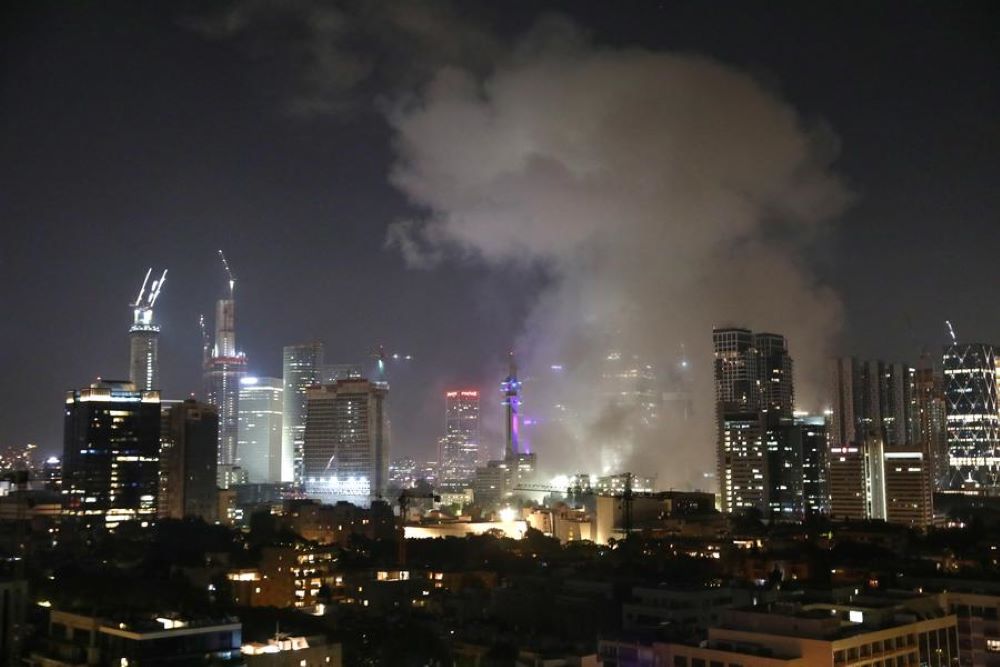
The MDA reported two people critically injured, two moderately, four lightly-moderately, while the remaining individuals suffered light injuries or trauma-related symptoms, including panic attacks.
Following the launches, air defense sirens were activated, sending millions of residents to protected rooms and shelters for more than an hour.
Israel Defense Forces (IDF) spokesman Effie Defrin said that most missiles were intercepted by the air defense system or did not reach their target. He noted that the injuries reported occurred inside buildings, with several caused by shrapnel from intercepted missiles.
Israeli Defense Minister Israel Katz said following the launches that “Iran crossed red lines when it dared to fire missiles at civilian population centers in Israel.”
“We will continue to protect the citizens of Israel,” he said, warning that the country would “ensure that Tehran pays a very heavy price for its criminal actions.”
Meanwhile, the IDF denied Iranian media reports that Iran had downed an Israeli fighter jet and detained its pilot.
In a separate statement, the IDF said it had attacked earlier Friday Iranian Air Force bases in western Iran, destroying Tabriz Airbase, without providing further details.
It added that the IDF attacked and destroyed dozens of Iranian air defense targets, drones, and surface-to-surface missile launchers.
“The IDF is prepared to continue to operate as necessary,” the statement read. “The IDF is continuously conducting situational assessments and will continue to update on developments.”
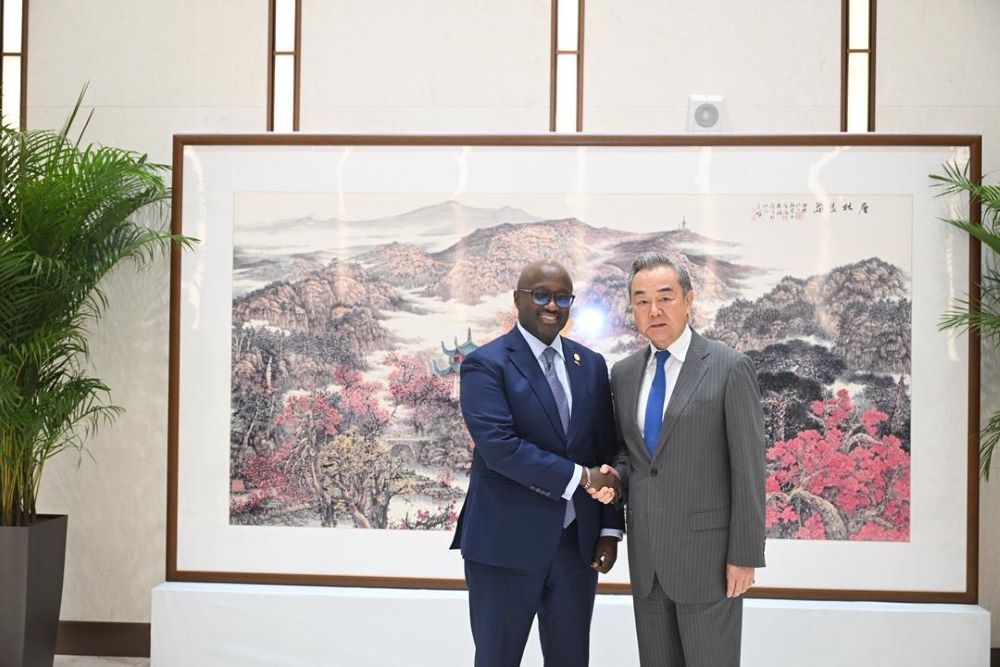
The discussions underscored the growing strategic partnership between the two nations, building on the outcomes of the 2024 Beijing Summit of the Forum on China-Africa Cooperation (FOCAC).
During the meeting, Wang Yi emphasized the elevation of China-Rwanda relations to a comprehensive strategic partnership, a milestone achieved during last year’s FOCAC Summit when Presidents Xi Jinping and Paul Kagame issued a joint statement to advance the three global initiatives proposed by China: the Global Development Initiative, the Global Security Initiative, and the Global Civilization Initiative.
These initiatives provide a robust framework for advancing bilateral ties and aligning development goals. Wang stressed that both nations are committed to supporting each other, implementing the FOCAC outcomes, and upholding the Changsha Declaration to safeguard the interests of developing countries and promote international fairness and justice.
A key focus of the discussions was the shared vision for modernization. Wang Yi articulated that modernization does not equate to Westernization, advocating for a model that aligns with each country’s unique national conditions.
China expressed its willingness to engage in mutual learning with Rwanda on governance experiences, aiming to foster self-reliant and sustainable development paths that enhance the well-being of their people and contribute to global progress. This approach resonates with Rwanda’s Vision 2050, a national plan to transform the country into an upper-middle-income economy by 2035 and a high-income economy by 2050.
Wang Yi reaffirmed China’s support for Rwanda’s development ambitions, pledging to deepen practical cooperation across various sectors, including infrastructure, health, and education, while fostering exchanges between governments, political parties, legislatures, and local communities. This commitment builds on over five decades of friendship, during which China has contributed significantly to Rwanda’s development, particularly in areas such as road construction, electricity, and healthcare.
Minister Nduhungirehe echoed these sentiments, noting the positive outcomes of the long-standing partnership. He highlighted the tangible benefits of the elevated bilateral relationship following the 2024 FOCAC Summit, particularly for the Rwandan people.
Nduhungirehe reaffirmed Rwanda’s steadfast commitment to the one-China principle and expressed enthusiasm for implementing the ten partnership actions outlined at the Summit, which aim to drive modernization through independent and self-reliant means. Rwanda also voiced strong support for China’s three global initiatives, recognizing their potential to foster a peaceful and prosperous world.
The meeting also addressed regional peace and security, with a focus on the eastern Democratic Republic of Congo (DRC). Nduhungirehe commended China’s active role in promoting dialogue and political solutions to the conflict in the region. Wang Yi reiterated China’s commitment to playing a constructive role in fostering peace in eastern DRC, emphasizing diplomacy and collaboration.
Since the establishment of diplomatic relations in 1971, Rwanda and China have forged a strong relationship grounded in mutual respect and a shared vision for development. In recent years, this bond has grown through increased partnerships and political understanding.
During his stay in China Nduhungrehe attended the Ministerial Meeting of Coordinators on the Implementation of the Follow-up Actions of the Forum on China-Africa Cooperation (FOCAC) held in Changsha, where he commended the broader China–Africa cooperation framework and its impact across multiple sectors.
He also met with members of the Rwandan Community in Changsha and surrounding cities and presided over the Rwanda-China Investment Promotion forum.
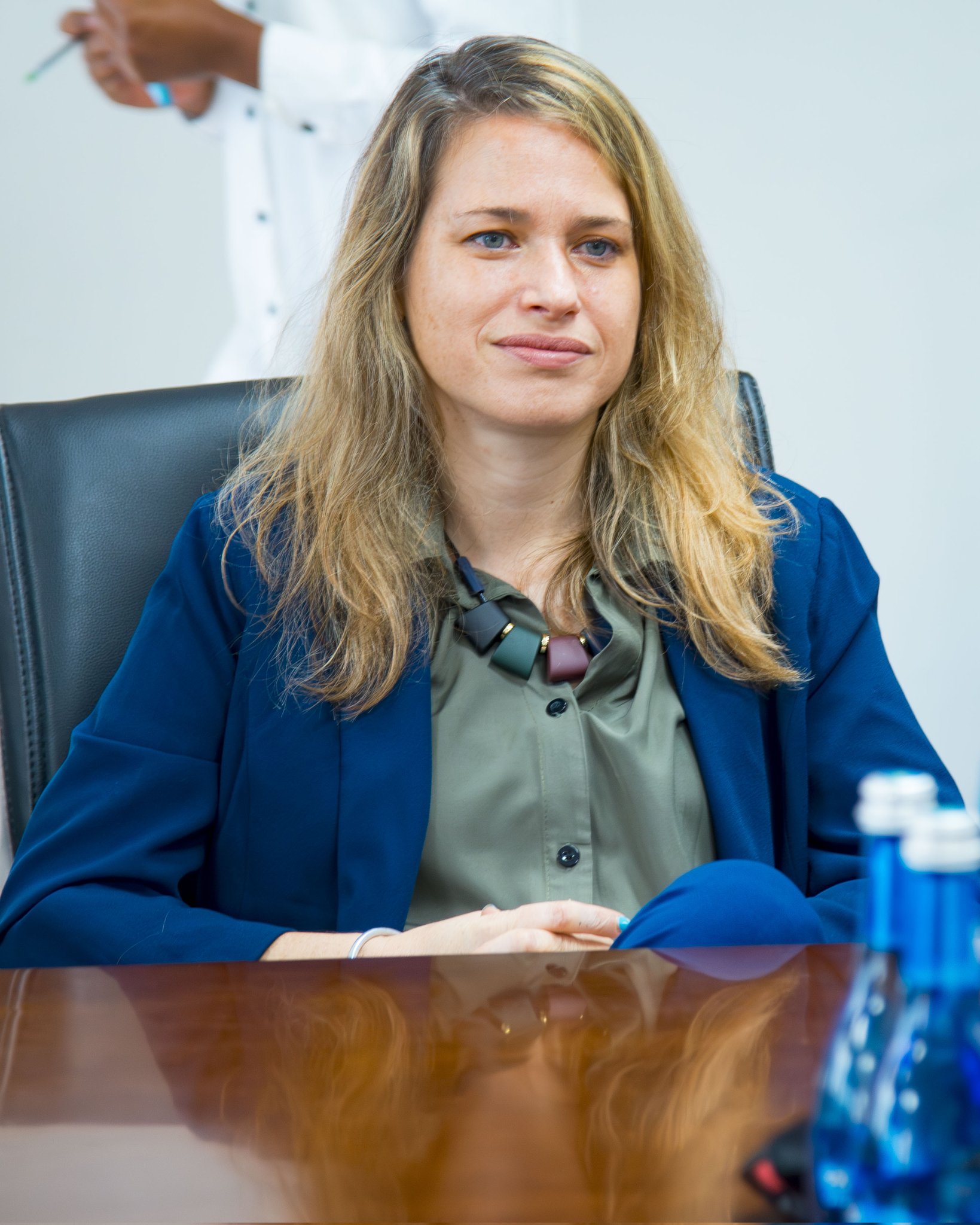
In a statement following the large-scale airstrikes on Iranian soil early Friday, Amb. Weiss outlined the rationale behind the operation, saying Iran’s accelerating nuclear weapons programme left Israel with no choice but to act decisively.
“Iran is only moments away from a nuclear weapon,” Weiss told IGIHE. “The threat posed by Iran is imminent, and Israel had no choice but to remove it before it is too late.”
The airstrikes, which marked one of the most extensive attacks on Iranian territory since the 1980s war with Iraq, targeted key elements of Iran’s nuclear and missile infrastructure. Among the targets was the uranium enrichment facility at Natanz, where the International Atomic Energy Agency (IAEA) later confirmed damage and said it was monitoring radiation levels.
According to Israeli military officials, the operation involved approximately 200 aircraft striking around 100 locations tied to Iran’s nuclear development and missile delivery systems.
The Iranian regime, long accused by Israel of pursuing nuclear weapons under the guise of a peaceful programme, was described by Weiss as having “deceived the world” and “conducted negotiations in bad faith” while continuing to enrich uranium and advance weaponisation efforts.
IAEA reports, she noted, prove beyond doubt that Iran’s programme is intended for military purposes.
The Friday strikes killed several senior Iranian military figures, including Gen. Hossein Salami, commander of the Revolutionary Guard, and Gen. Mohammad Bagheri, chief of staff of the armed forces. Several top scientists associated with Iran’s nuclear programme were also reported dead, although their names have not been officially released.
In response, Iran launched over 100 drones toward Israel in a retaliatory move. Most of them were intercepted, according to Israeli defense officials.
Supreme Leader Ayatollah Ali Khamenei condemned the attack as a “wicked crime” and vowed “severe punishment,” claiming that residential areas were also hit. Israel, however, has insisted that its campaign is precisely targeted at military infrastructure and not civilians.
“Israel is not targeting the Iranian people,” Weiss emphasised. “We are acting against radical forces that threaten our security. Every feasible measure is being taken to minimise harm to uninvolved civilians.”
The ambassador further accused Tehran of being the world’s leading state sponsor of terrorism, saying that for years it has used its resources to build a military apparatus designed to fulfil its leaders’ repeated and explicit calls for Israel’s destruction.
She cited a statement made just last month by Iran’s Supreme Leader, Ayatollah Khamenei, who referred to Israel as a “lethal, dangerous, cancerous tumor” that should be “eradicated.”
Prime Minister Benjamin Netanyahu echoed that sentiment in a televised address, calling the operation “a battle for Israel’s survival” and expressing hope that it would lead to the dismantling of what he called a “brutal dictatorship.”
The timing of Israel’s operation follows increasing international scrutiny of Iran’s nuclear activities. Just a day before the attack, the IAEA Board of Governors issued a formal censure against Iran for its refusal to fully cooperate with inspections.
Meanwhile, the United States, which had been engaged in nuclear negotiations with Iran, distanced itself from the strike. U.S. Secretary of State Marco Rubio confirmed that Washington had not participated and was now focused on protecting American personnel in the region.
As Iran warns that “the gates of hell will open” in retaliation, U.S. President Donald Trump said it is not too late for Iran to halt the Israeli attacks by agreeing to curb its nuclear programme.