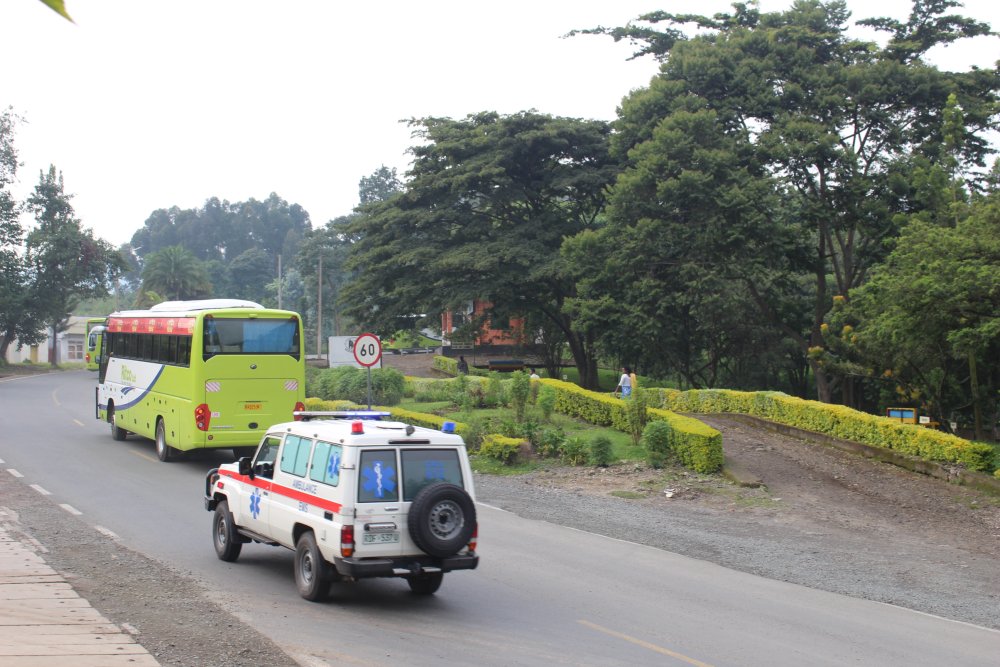
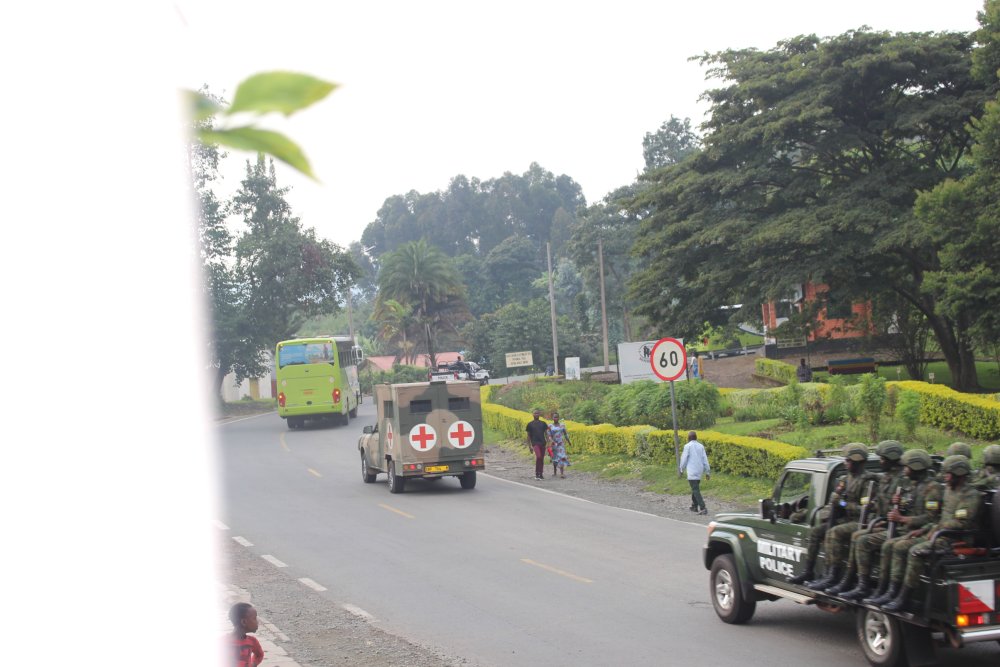
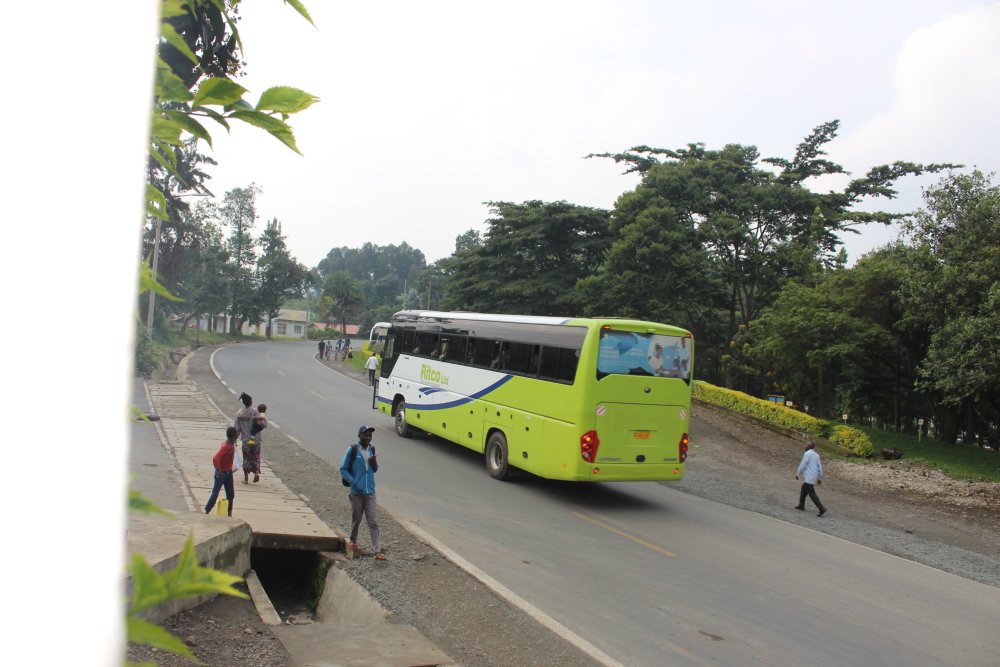
The troops consist of 317 soldiers from South Africa and 144 from Malawi. They travelled in 11 RITCO buses, escorted by Rwandan security agencies.
The troops crossed the ‘Grande Barrière’ border post a few minutes before 9:00 a.m., and headed to Kigali, from where they continued their journey to Tanzania to be airlifted to their home countries.
The repatriation of SAMIDRC troops through Rwanda began on June 12, 2025, as part of the second phase of the withdrawal process.
The mission, launched in December 2023 to support Congolese forces in neutralising the M23 rebel group, was terminated in March.
The first phase of the withdrawal, which began on 29 April, focused on the removal of equipment and logistical supplies.
Deployed with an offensive mandate, SAMIDRC was tasked with pushing back the M23 rebels, who have repeatedly stated they are fighting against the marginalisation and persecution of Kinyarwanda-speaking communities in the DRC. However, the mission faced significant operational challenges.
In January, M23 rebels seized the strategic city of Goma in North Kivu, dealing a serious blow to the regional intervention force. The confrontation resulted in the deaths of 18 SADC troops, including 14 from South Africa, two from Malawi, and two from Tanzania, and left dozens injured.
Since the loss of Goma, SAMIDRC forces had largely remained confined to their bases, amid growing political pressure from within SADC member states to disengage. In South Africa, lawmakers increasingly questioned the rationale behind continued military involvement.
The announcement, made by the Embassy of Rwanda in the United States, confirms the two artists will join afrobeat sensation The Ben for a much-anticipated concert on July 5. The trio is expected to bring high energy and unforgettable performances to the main stage.
The celebration kicks off on July 4 with a powerful performance by cultural icon Massamba Intore, setting the tone for a weekend of music, unity, and pride. Gospel favourite Meddy will close out the event on July 6, leading a worship and praise session as attendees wrap up the three-day gathering on a spiritual high.
This year’s edition will be hosted at the Irving Convention Center in Texas, marking the return of Rwanda Convention USA after a five-year break—the last one being held in 2019.
The convention offers Rwandans living across the U.S. a vibrant space to reconnect, reflect, and celebrate both Rwanda’s Liberation Day and American Independence Day, which are both commemorated on July 4.
“Despite the complexity surrounding Iran, we completed the Bushehr nuclear reactor there. We’ve also signed contracts to build two additional reactors,” Putin said.
U.S. President Donald Trump promised to support Russia’s demand to ensure the safety of Russian employees of the Bushehr Nuclear Power Plant, Putin said, adding that Russia acts within the framework of international norms in Iran and asks to ensure the safety of personnel in Bushehr.
“Our specialists are on the ground in Bushehr — 250 based there full-time and others on temporary deployment. The total workforce can hit 600. And we’re not pulling out,” Putin said during a meeting with the heads of major international news agencies in St. Petersburg.
Putin also said that he is concerned about the situation around Iran’s nuclear facilities.
Threats to Iran’s nuclear facilities require Russia to participate in the search for peaceful solutions, Putin added.
In a Friday briefing at an emergency meeting of the UN Security Council, International Atomic Energy Agency (IAEA) Director General Rafael Grossi warned of the risk of nuclear contamination from Israeli attacks on Iranian nuclear facilities.
Grossi said that the Bushehr Nuclear Power Plant is an operating nuclear power plant, which hosts thousands of kilograms of nuclear material. “I want to make it absolutely and completely clear: In case of an attack on the Bushehr Nuclear Power Plant, a direct hit could result in a very high release of radioactivity to the environment.”
Putin made the remarks in response to a question from Fu Hua, president of Xinhua News Agency, during a meeting with heads of major international news agencies in St. Petersburg.
Putin emphasized that Russia has established itself as a key economic partner for China, with bilateral trade reaching 240 billion U.S. dollars in 2024. He noted that the two countries have launched a series of practical investment projects and that the scale of investment is expected to grow further.
“This achievement stems not only from China’s economic growth in scale and quality but also from the enduring friendship that binds our countries,” he added.
Putin said financial cooperation is now a top priority in bilateral relations, with a focus on ensuring stable capital flows to sustain economic momentum and drive new breakthroughs in trade.
He also highlighted enormous cooperation potential in high-tech, aerospace and aircraft manufacturing.
Putin stressed that China has achieved remarkable success in the field of artificial intelligence, creating tenfold efficiency at one-tenth the cost of competitors, which is “amazing and gratifying.”
As economic and cultural ties deepen, Putin noted growing interest in the Chinese language across Russia. Currently, about 25,000 young Russians are enrolled in Chinese educational institutions.
The regularly held Russia-China theme years have not only deepened cultural and people-to-people cooperation and exchanges, but also enhanced mutual understanding between the two peoples, he said.
Putin also shared a personal anecdote, revealing that his daughter began studying Chinese with a tutor in the early 2000s, and that his granddaughter now speaks fluent Chinese with her teacher from Beijing.
The media event was organized on the sidelines of the 28th St. Petersburg International Economic Forum.
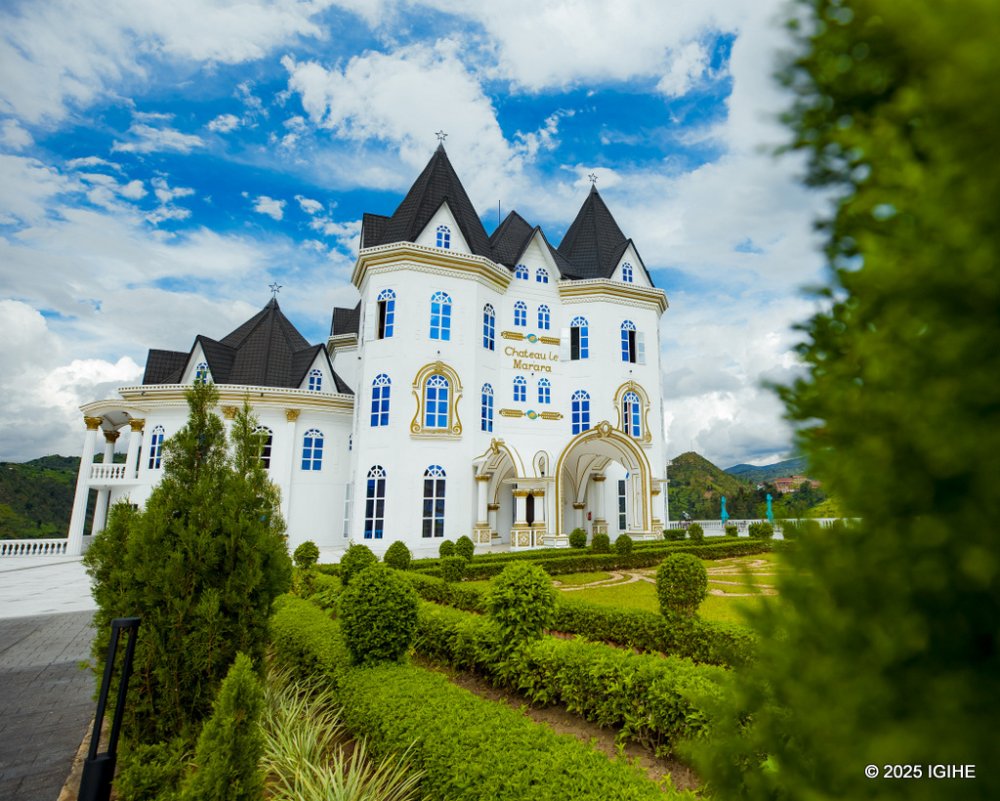
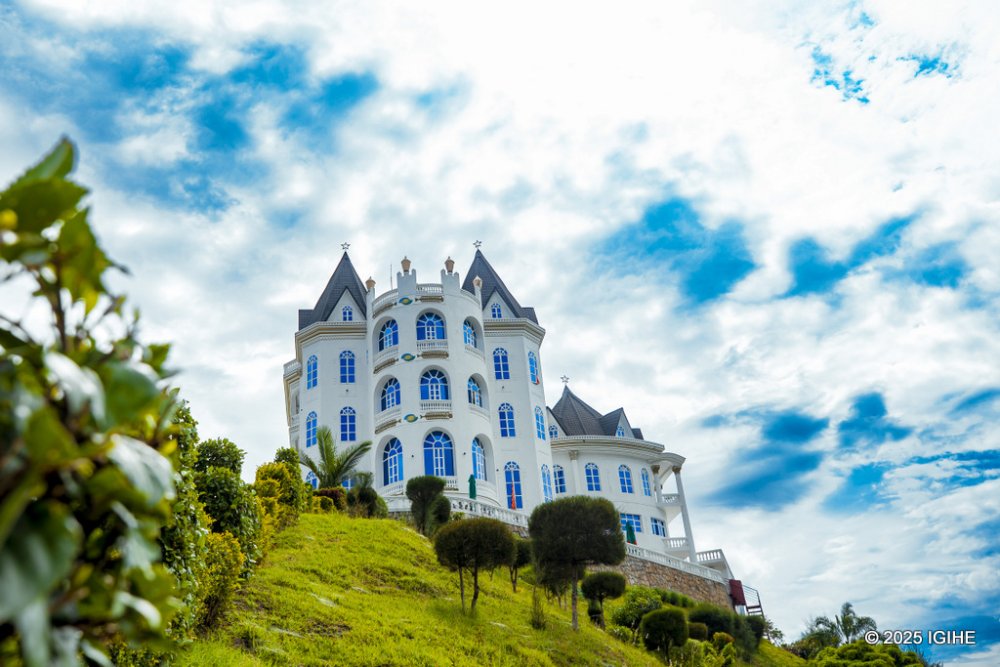
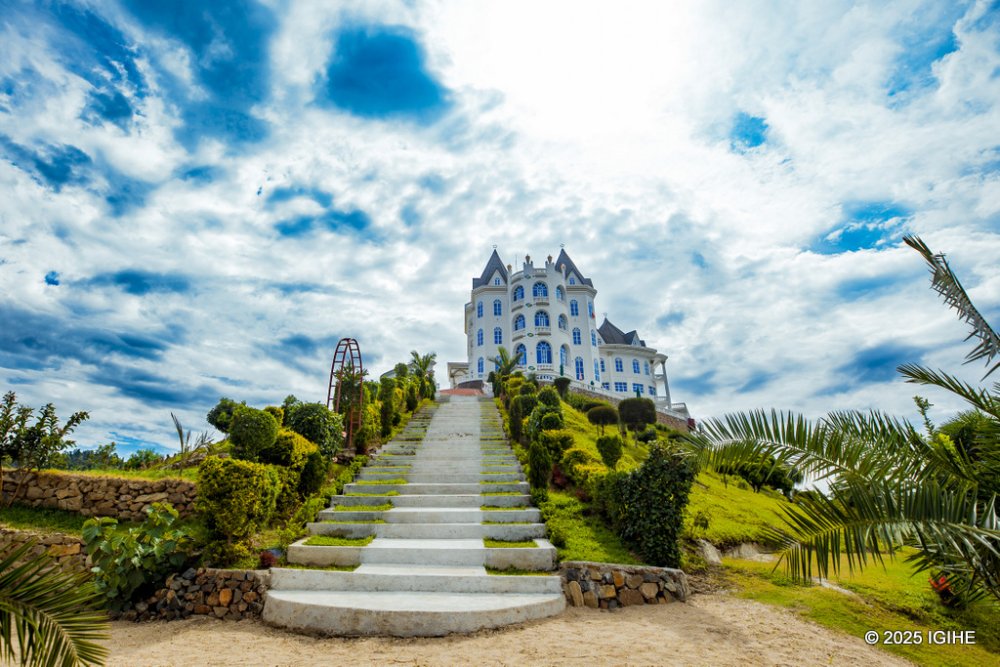
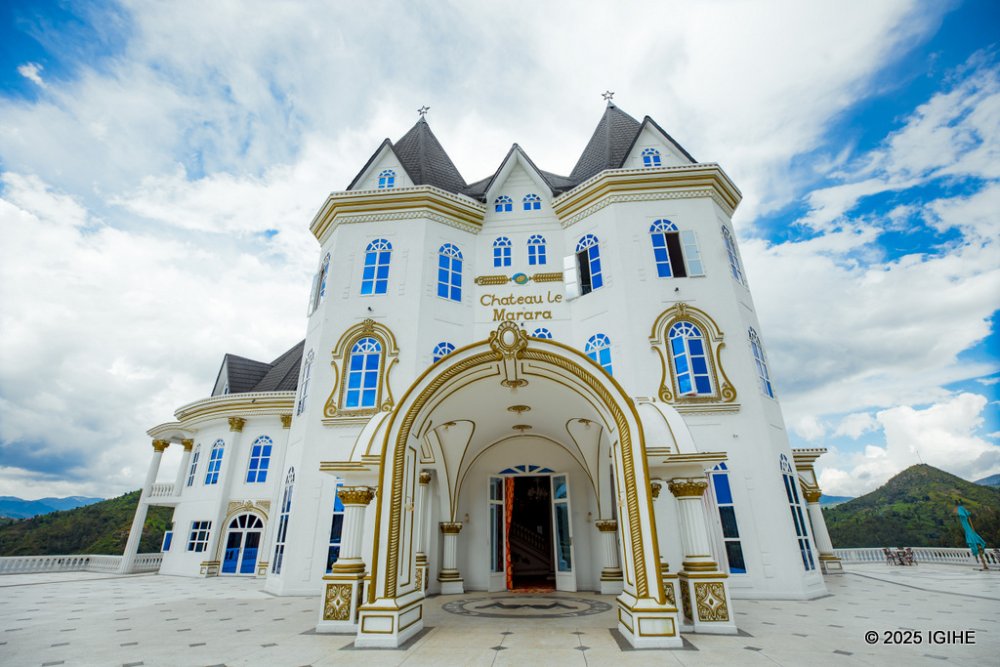
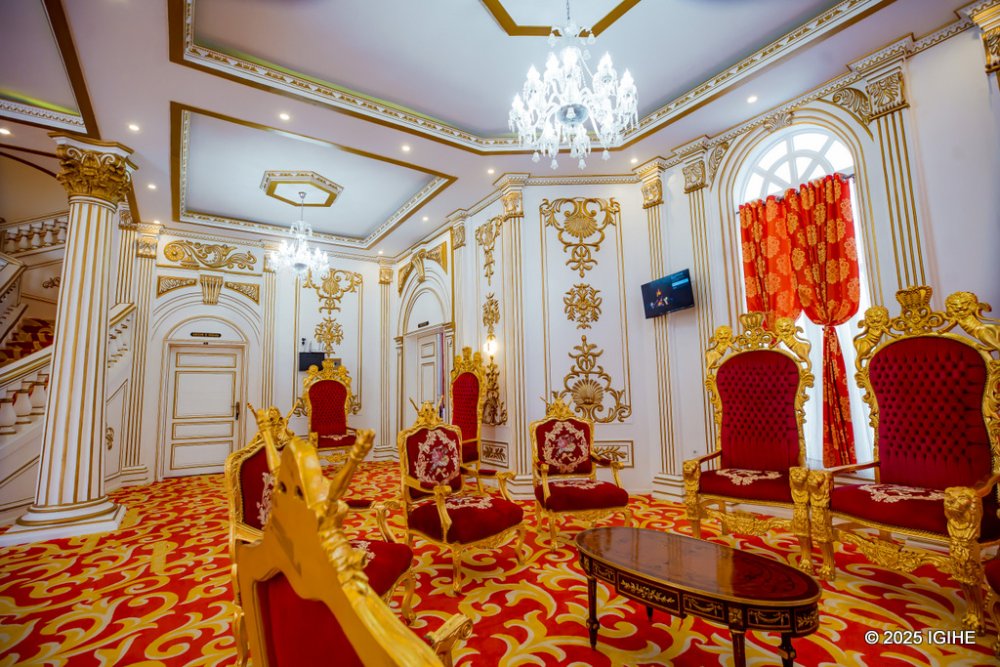
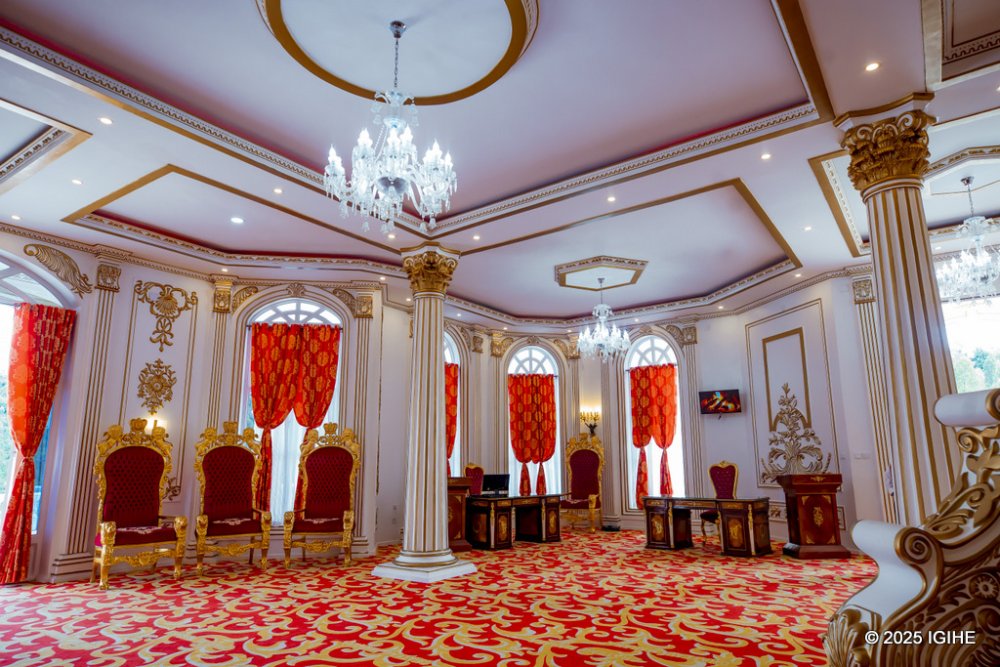
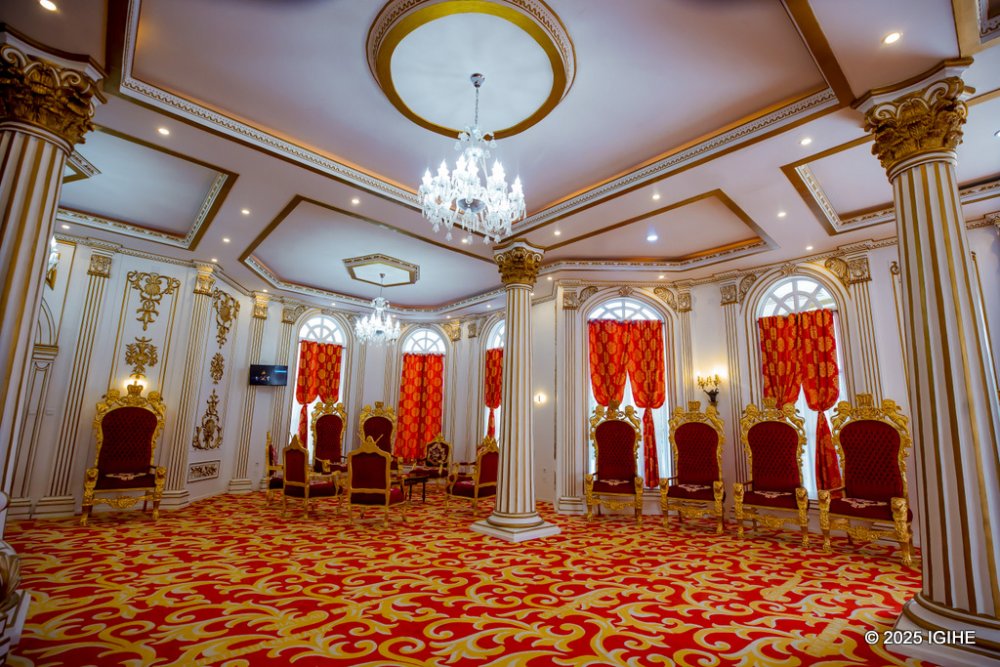
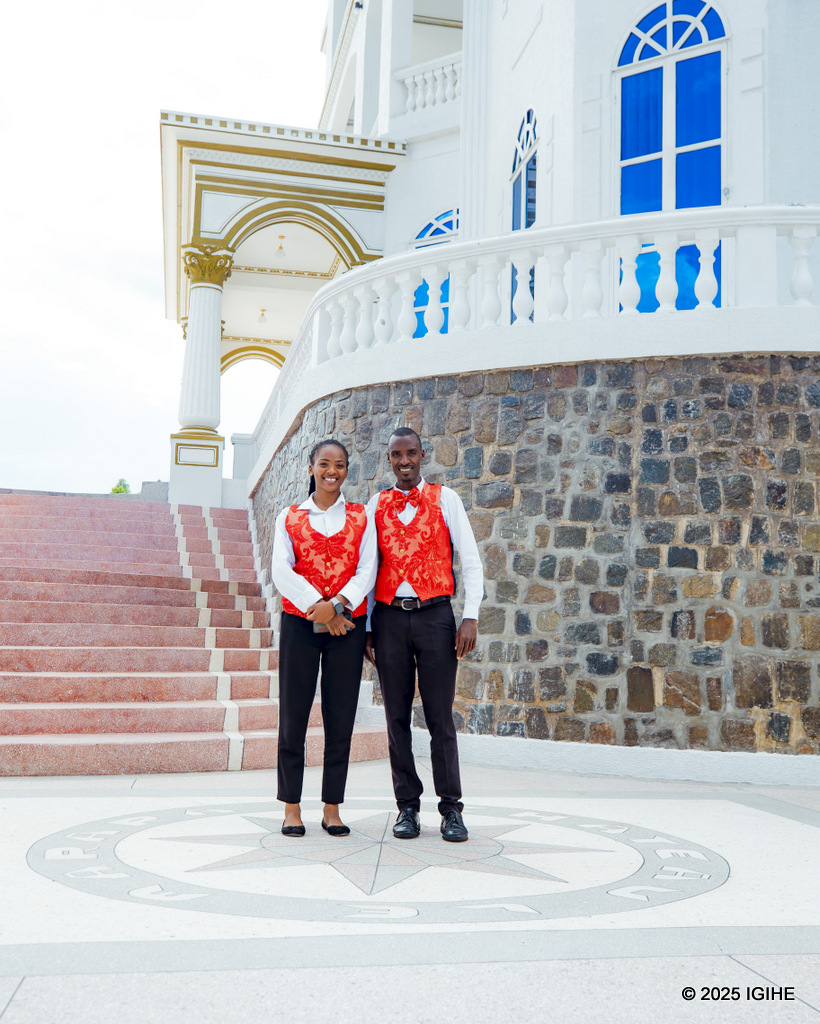
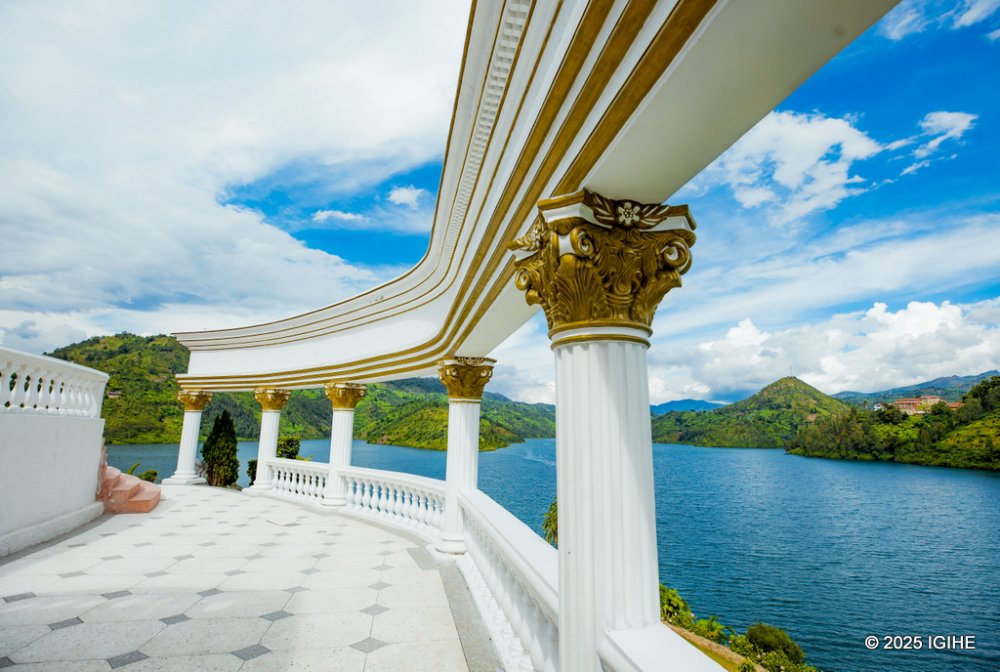
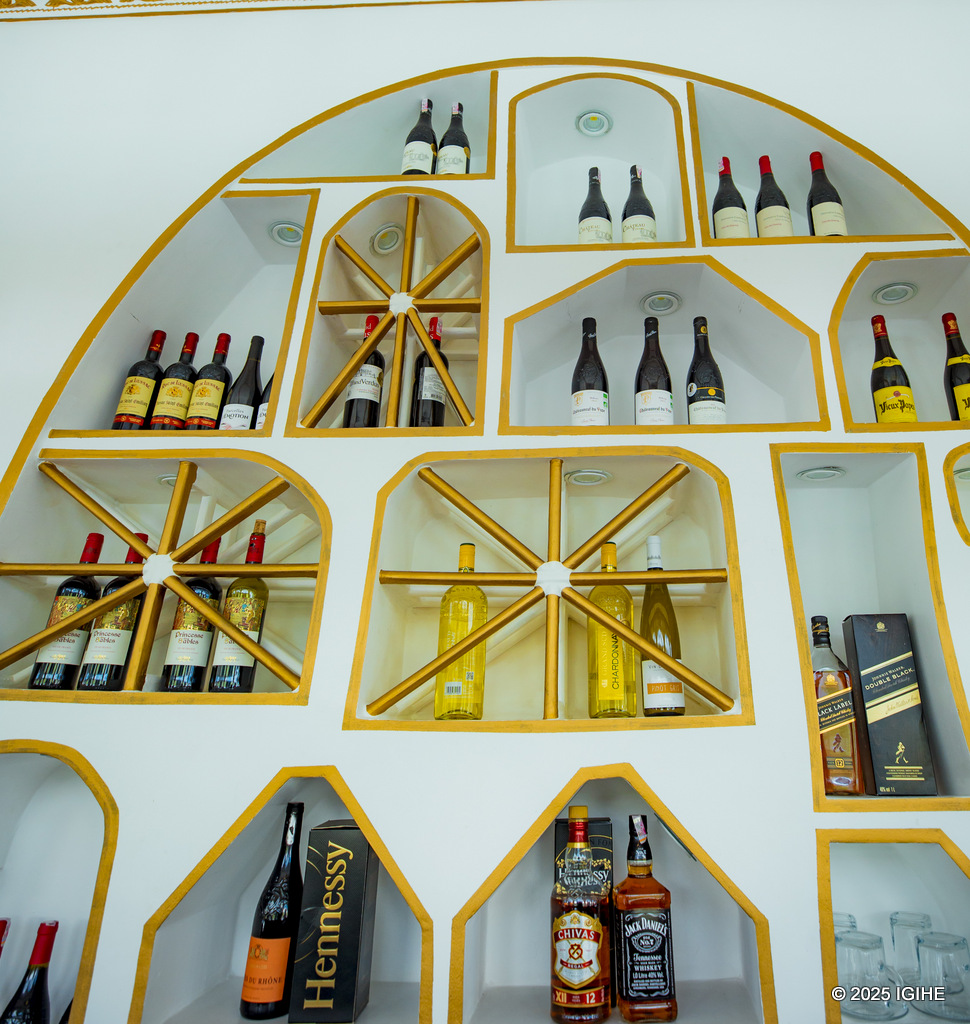
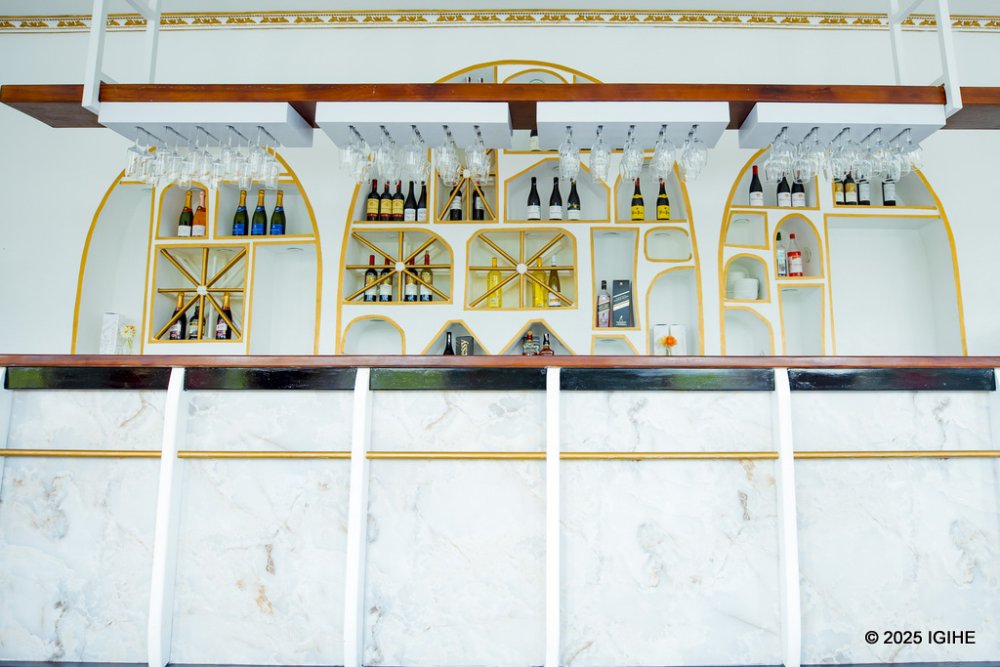
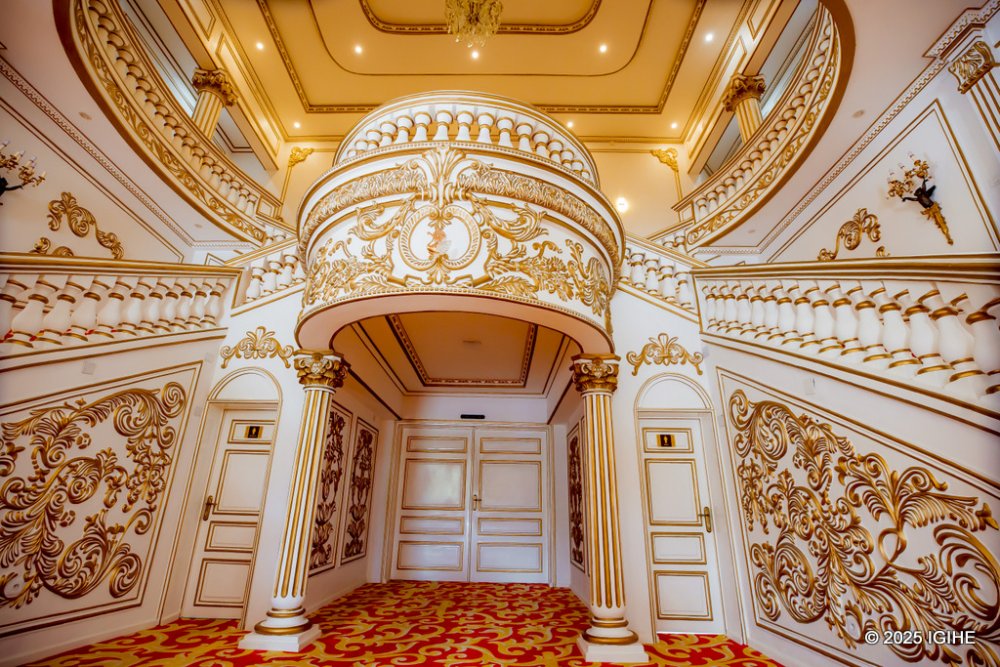
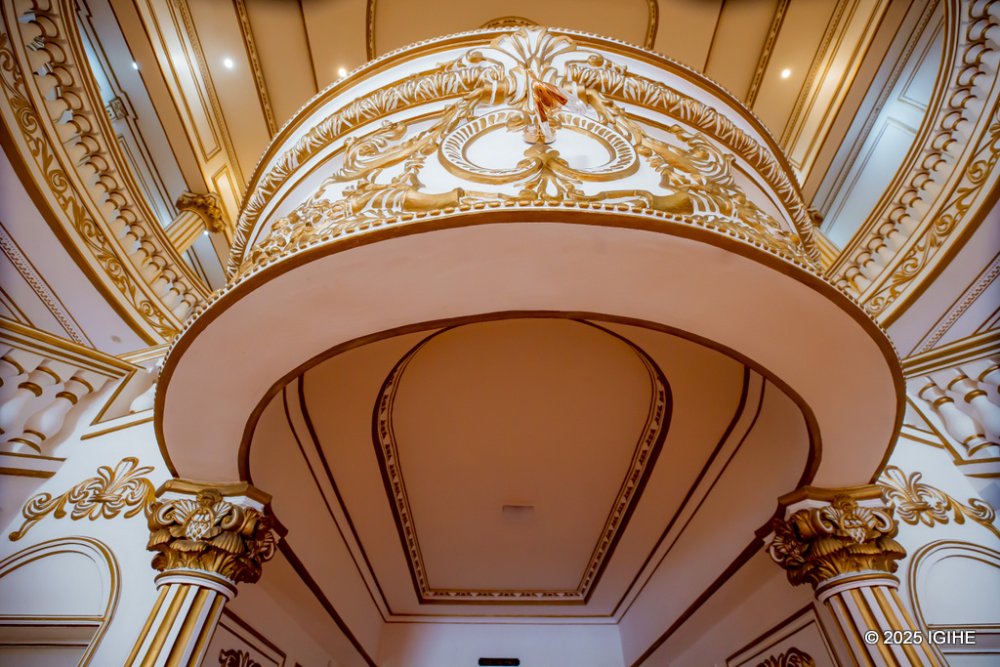
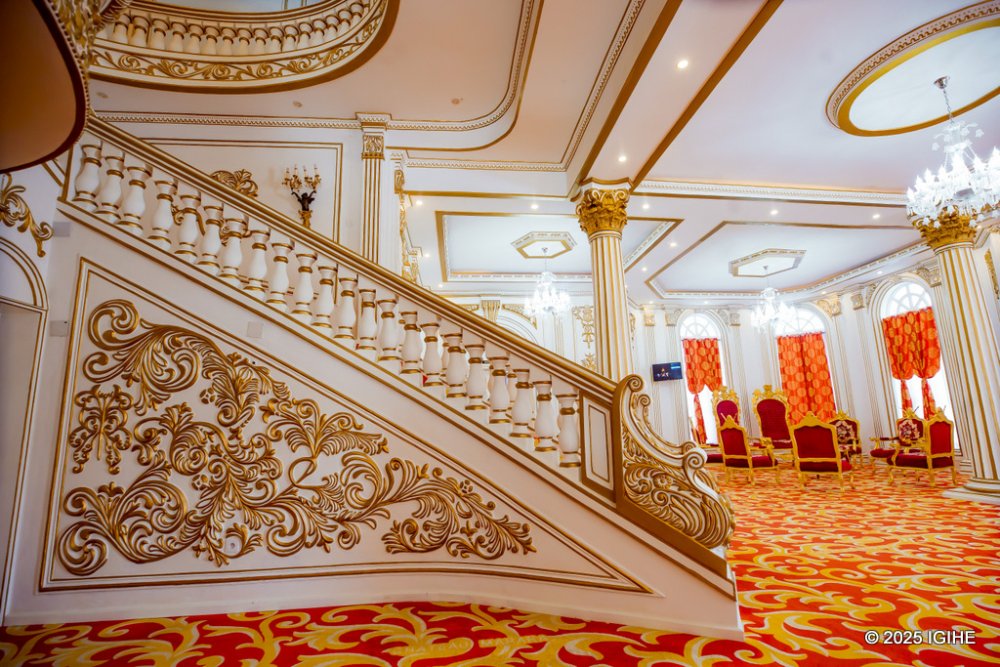
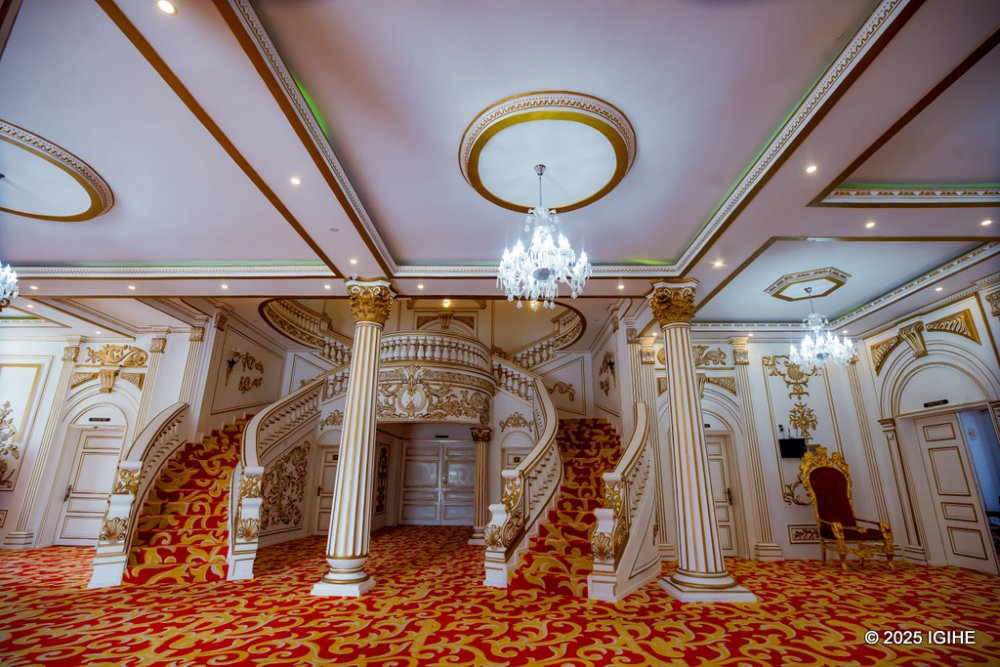
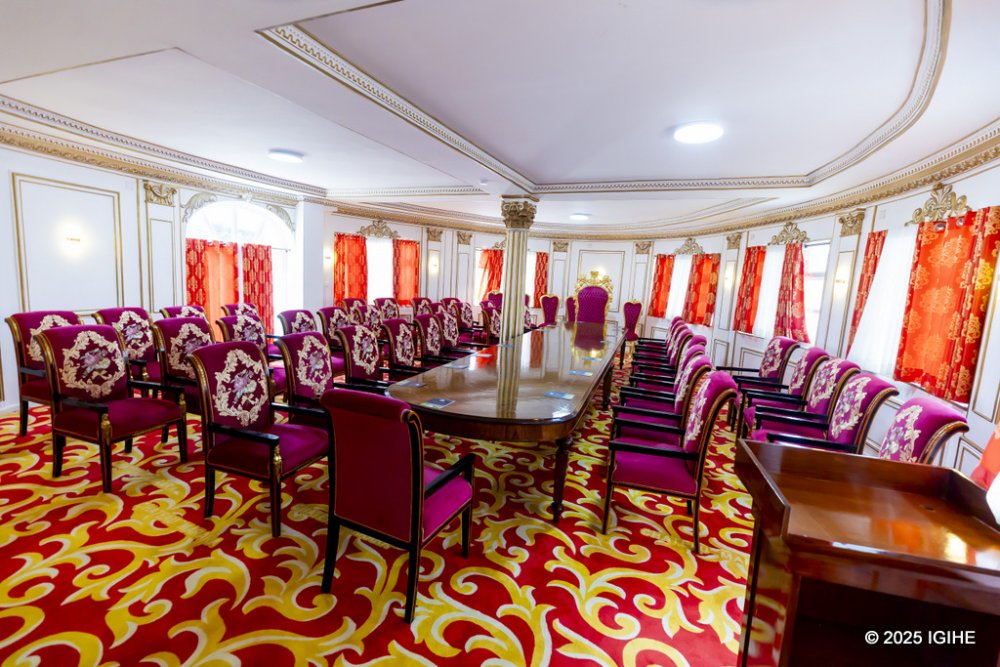
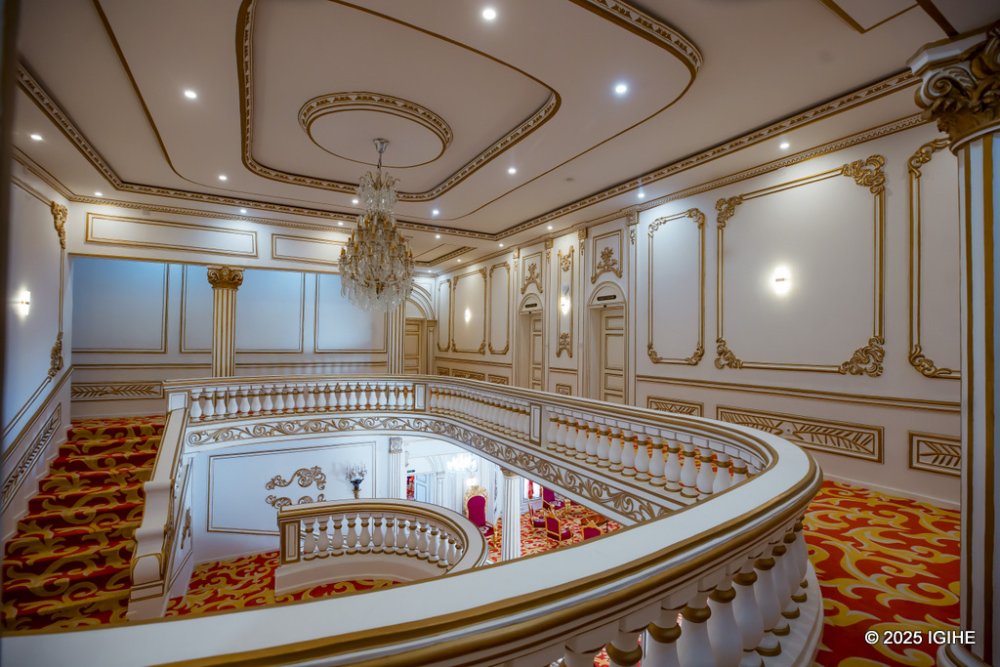
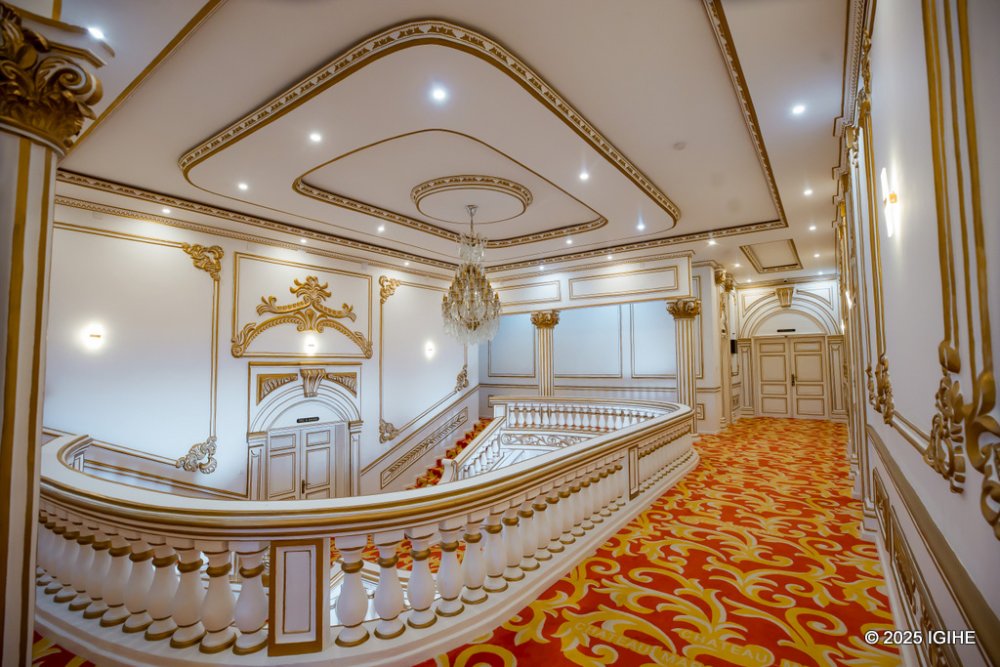
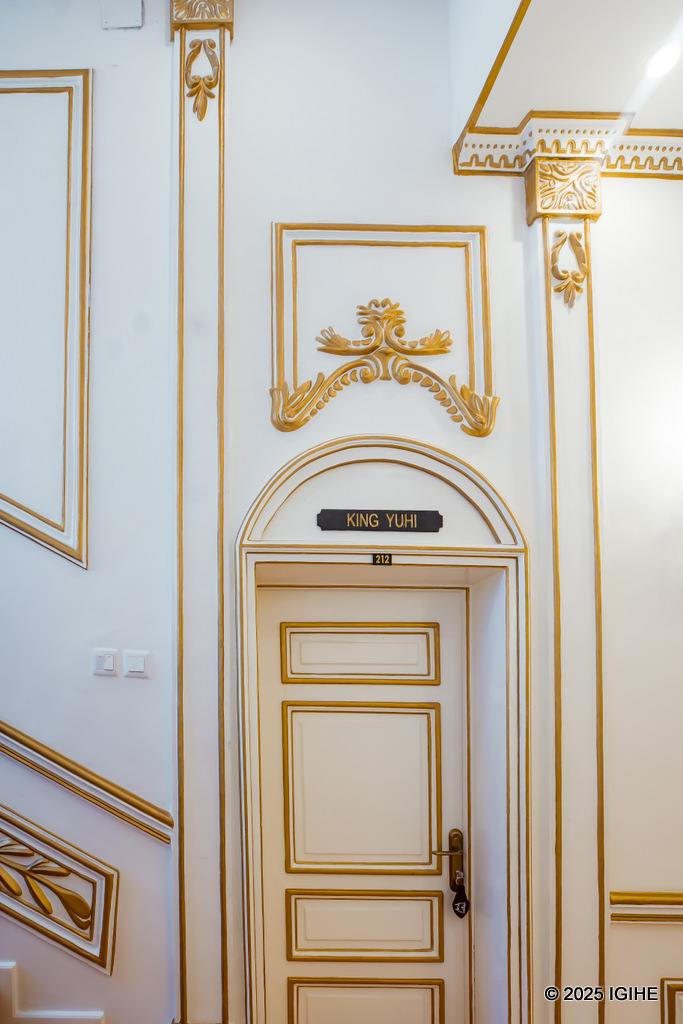
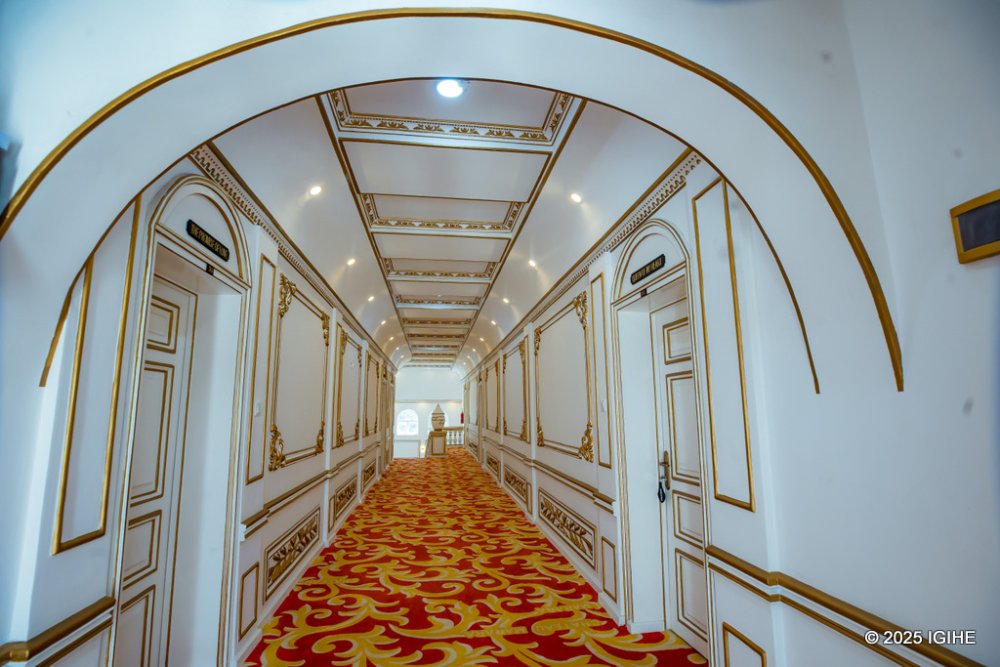
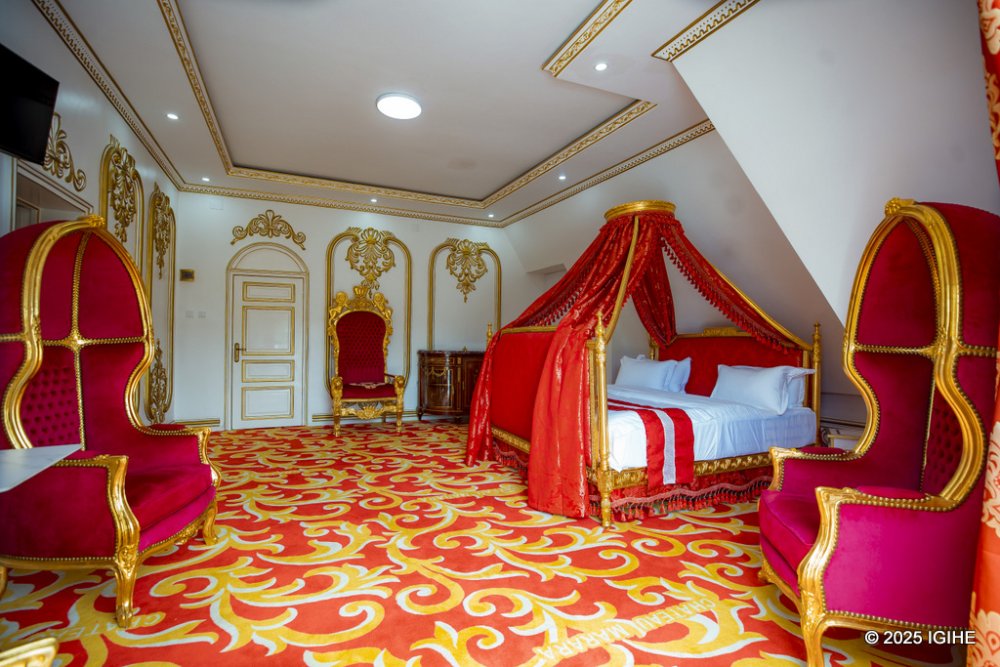
Unlike most hotels in Rwanda, Château le Marara is modelled after a European-style château, a type of grand architecture traditionally associated with royalty and nobility. These buildings, common across Europe between the 8th and 16th centuries, were fortified residences for kings and the elite, serving both as homes and places of governance, celebrations, and decision-making.
Examples of such historic châteaux include Neuschwanstein Castle in Germany, Château de Chenonceau in France, and Himeji Castle in Japan. While rare on the African continent, Rwanda now proudly hosts its own version—open not just for viewing, but also for overnight stays.
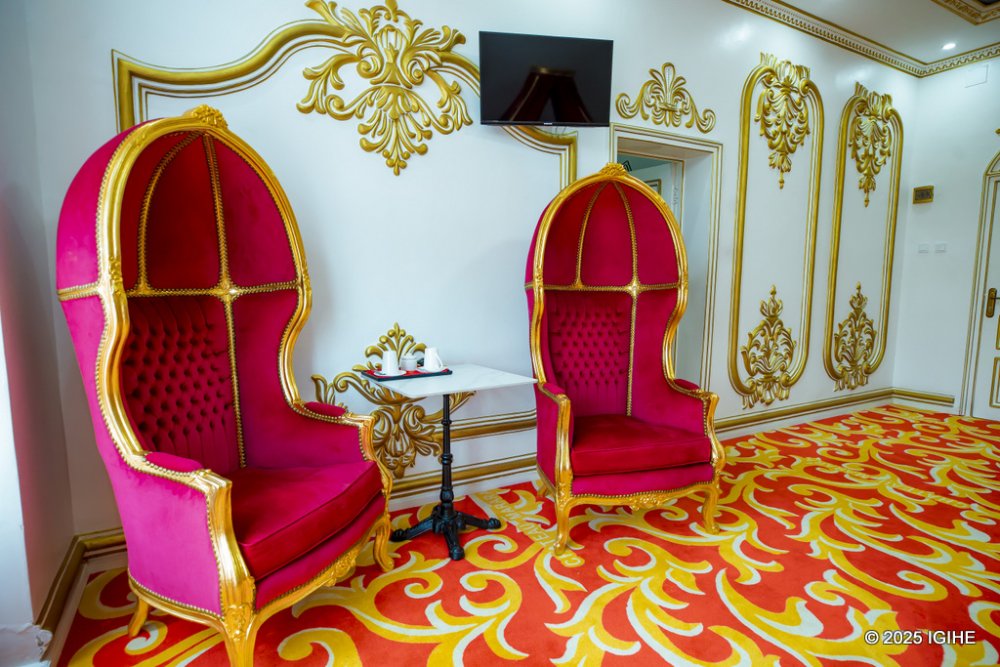
Upon entry, guests are welcomed into a display suite known as “Fou de Toi,” named after the hit song by Element EleéeH, Ross Kana, and Bruce Melodie. The music video for the song, which has garnered over 24 million views on YouTube, prominently features the hotel during its construction phase, helping catapult Château le Marara into public awareness.
“The song played a huge role in promoting Château le Marara while it was still under construction. Many people learned about the hotel through that video,” says Mucyo Solange, a manager at the hotel.
“This room is used to showcase what the other rooms look like. It’s representative of the entire hotel’s style, which is consistent throughout.”
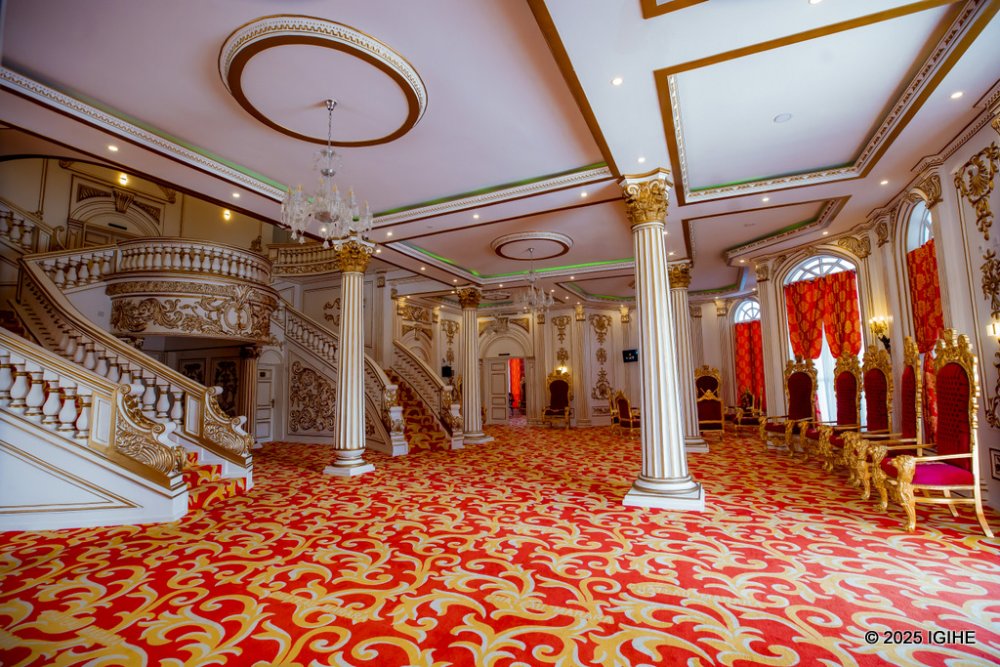
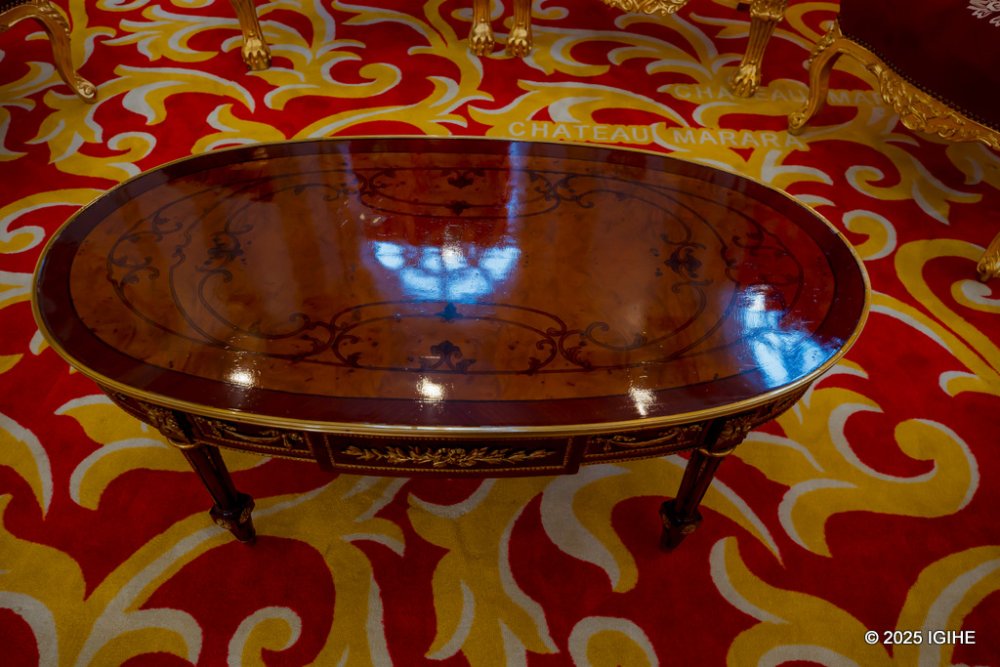
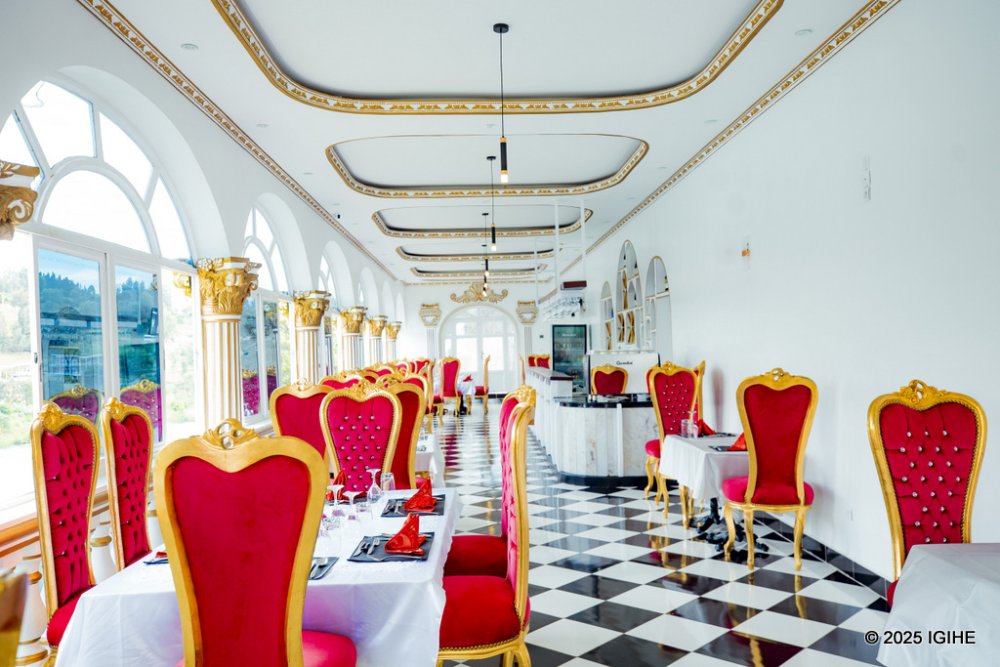
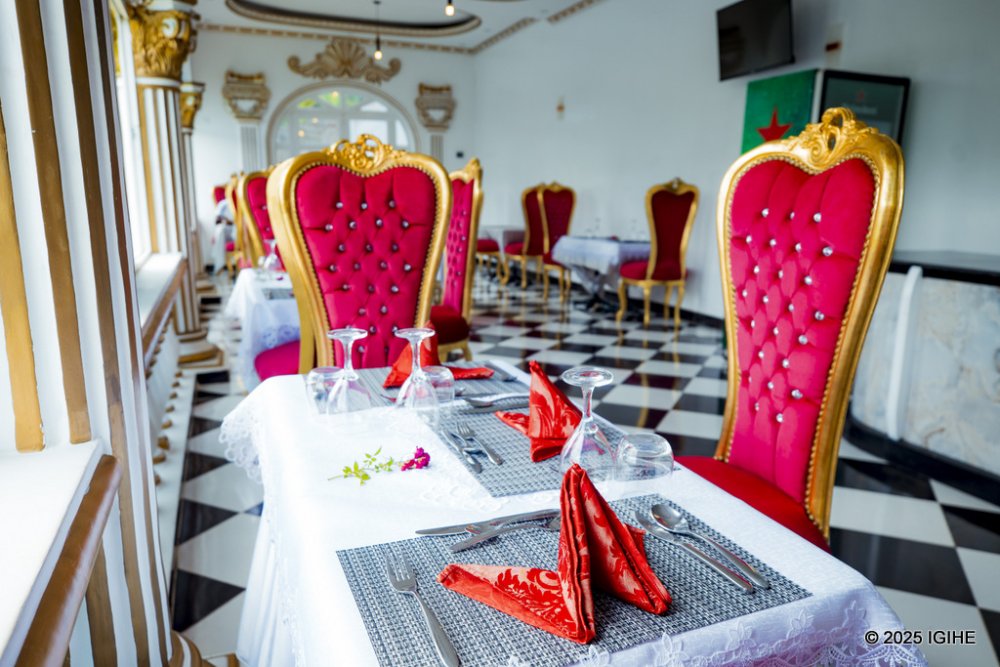
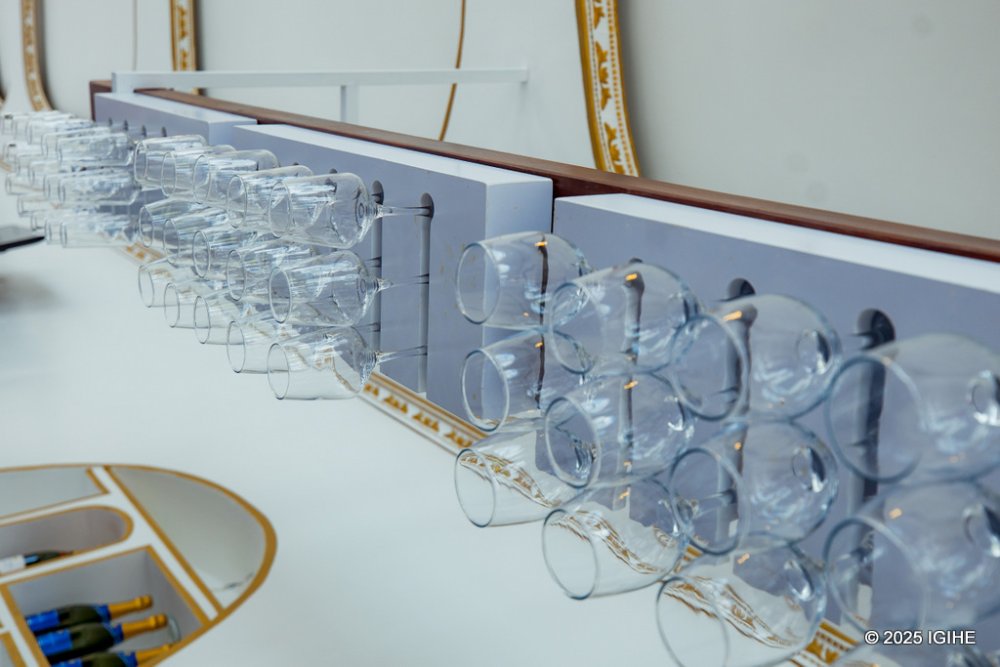
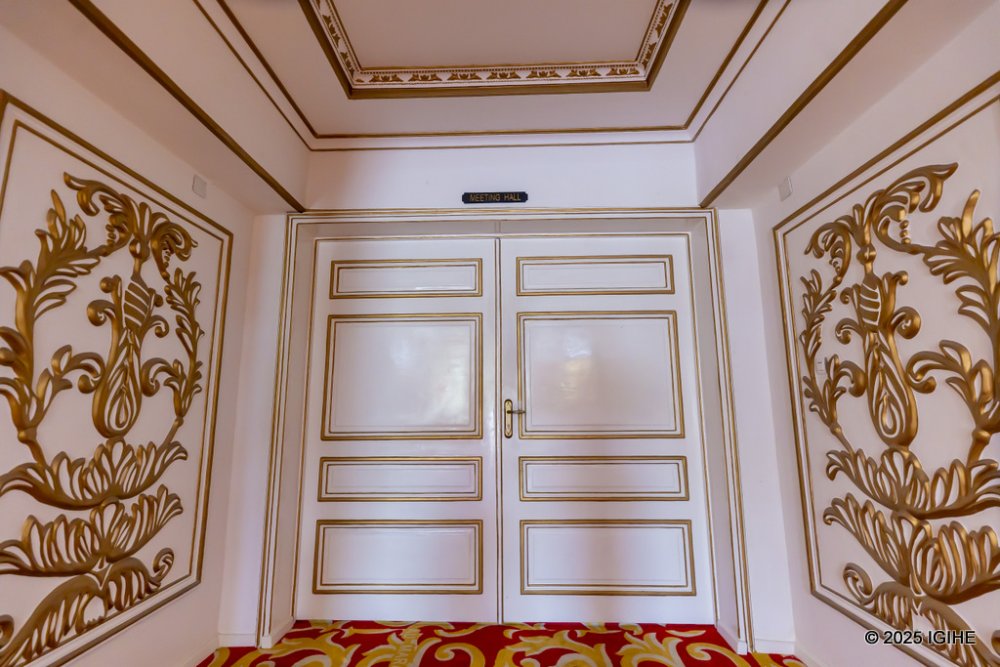
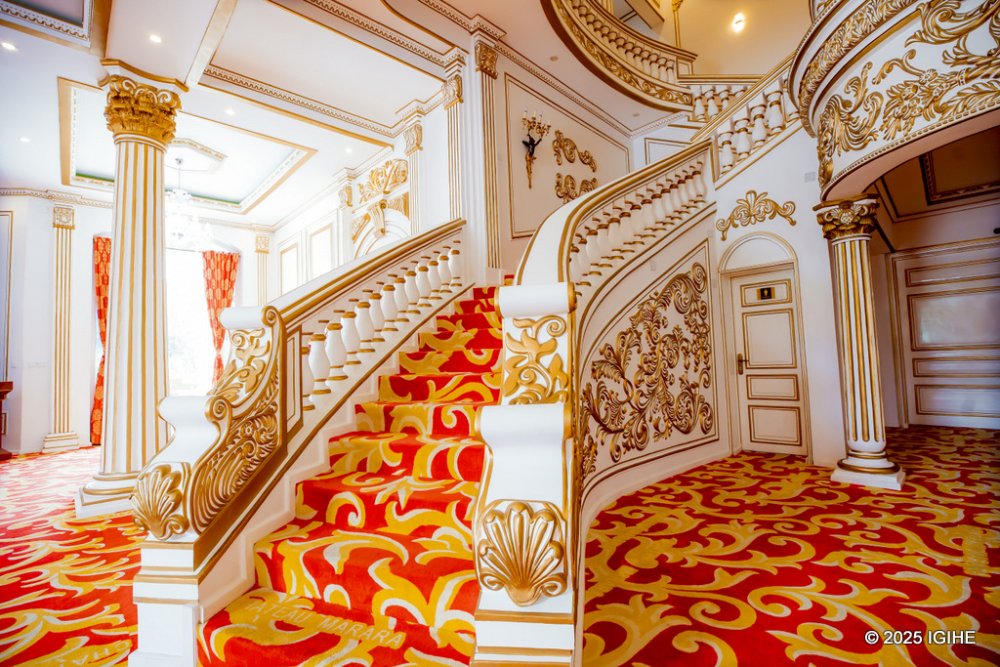
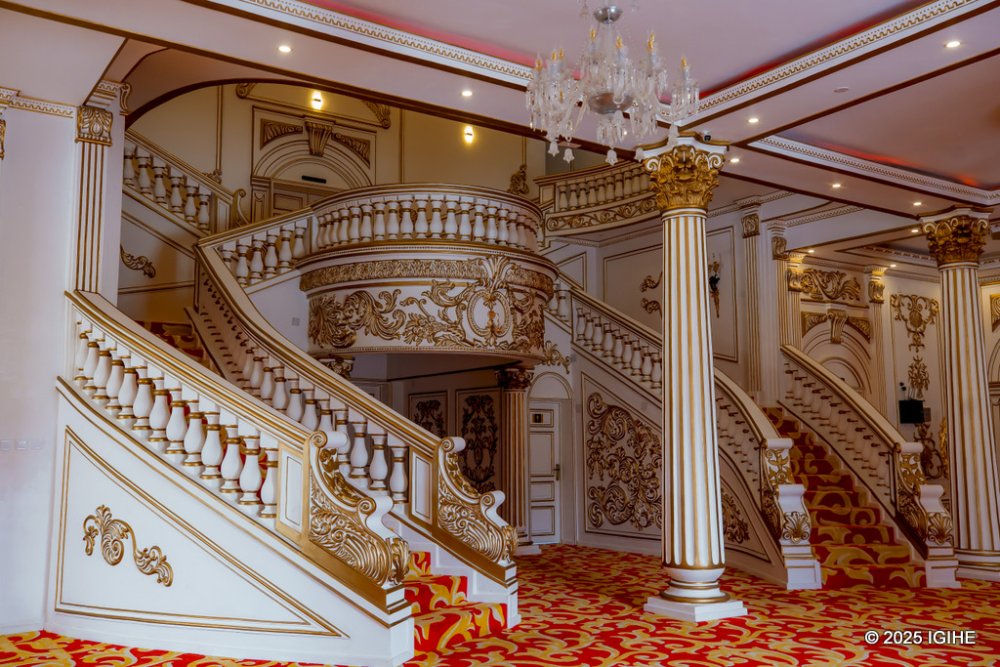
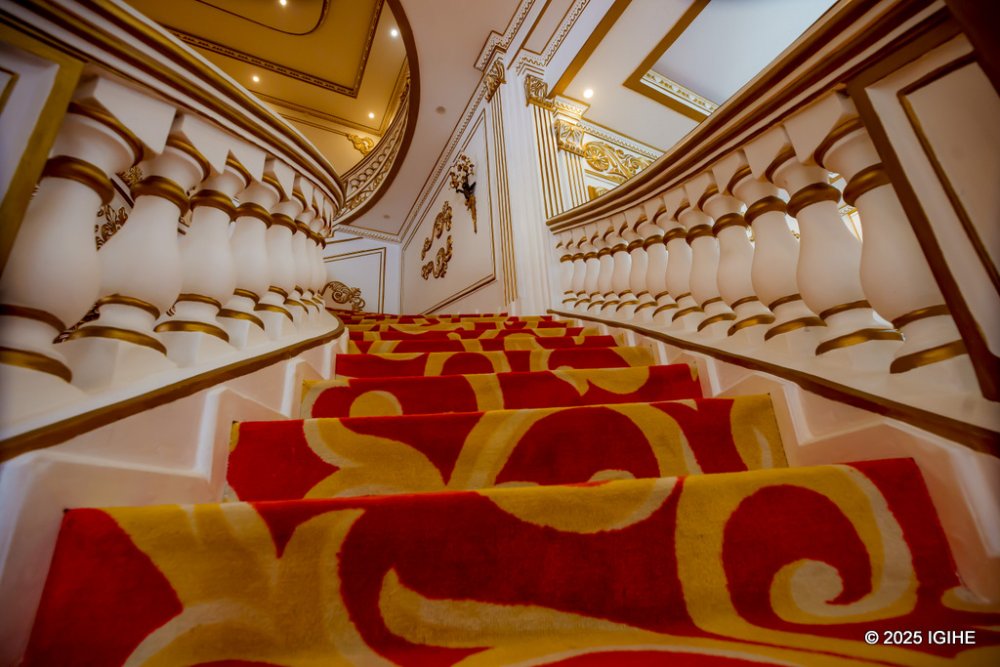
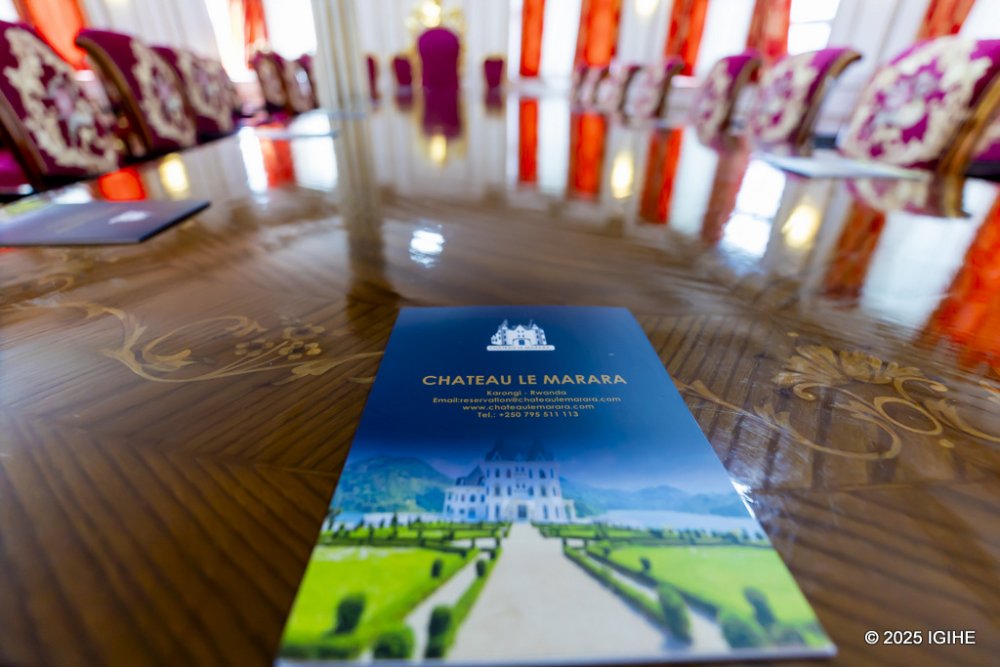
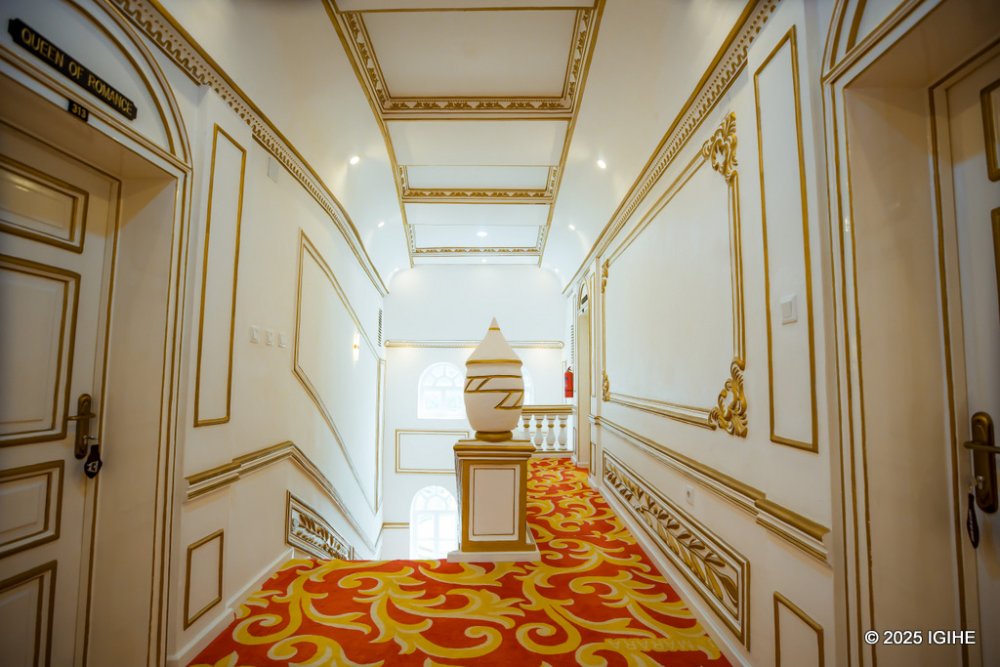
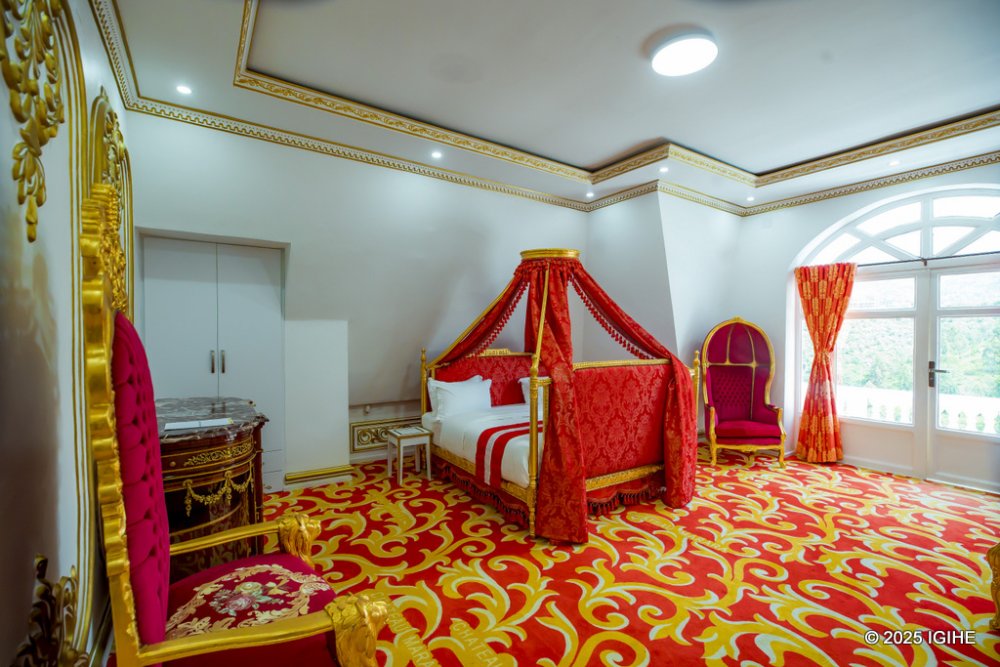
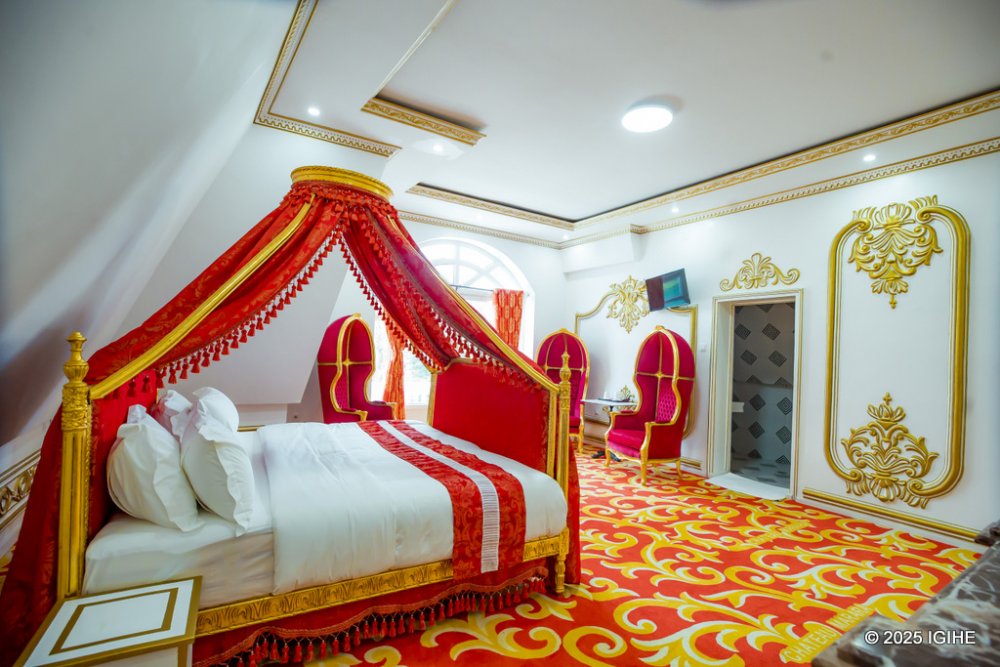
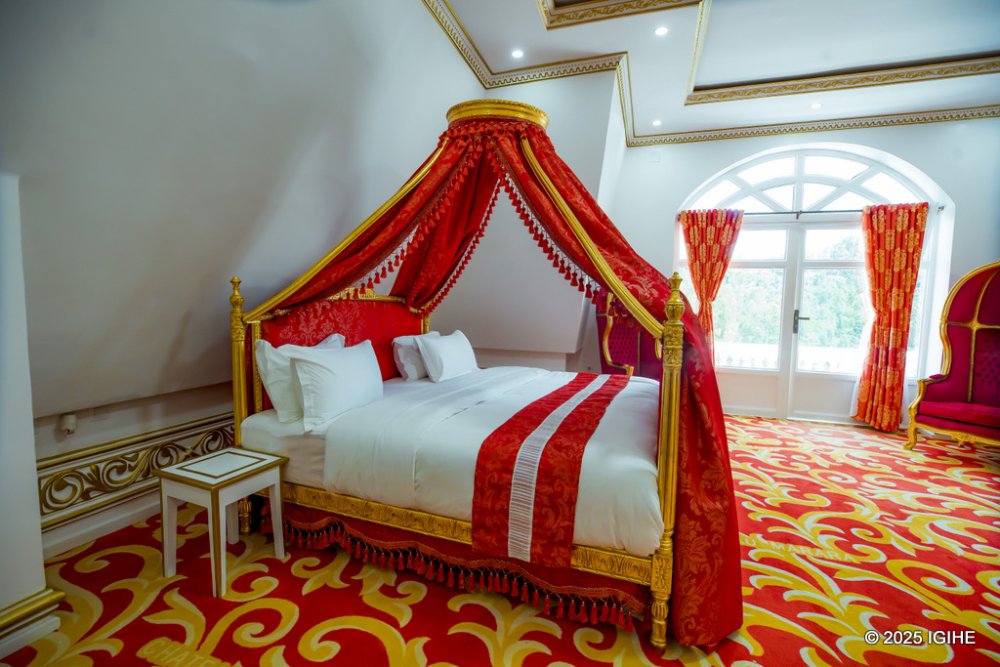
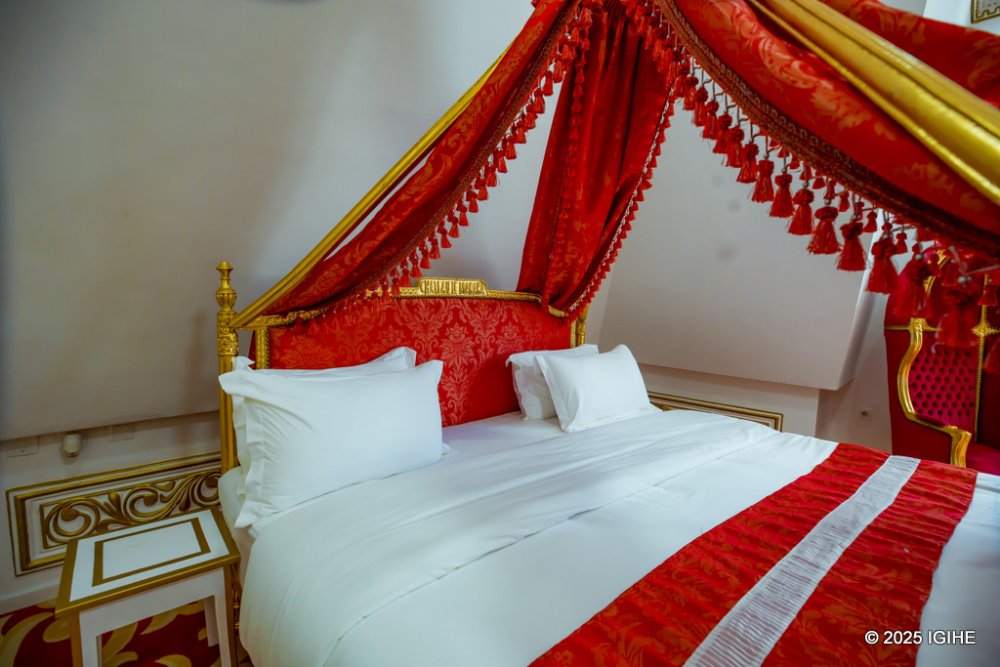
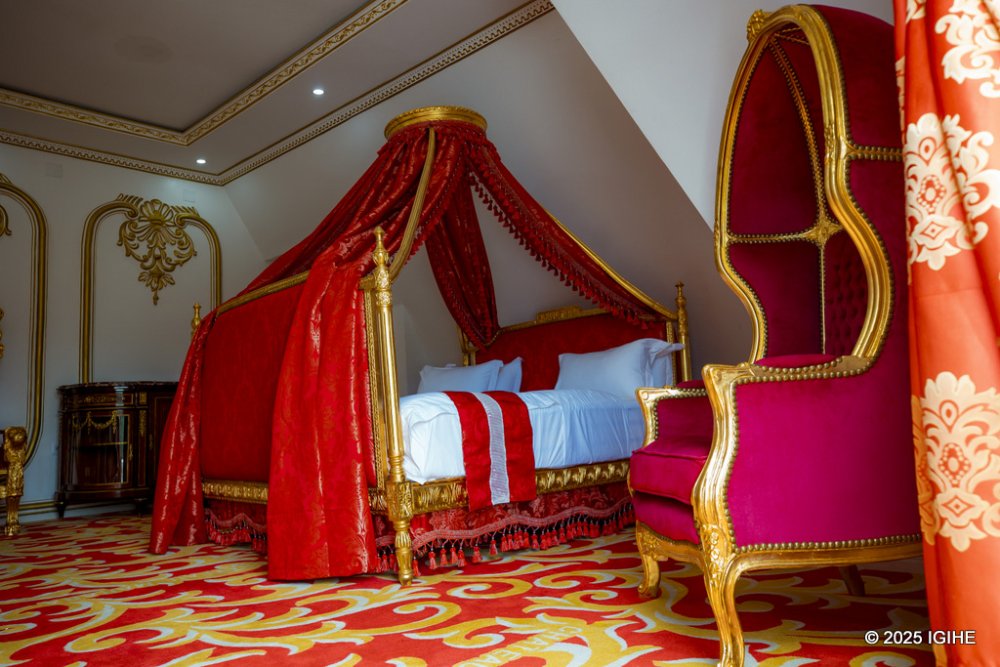
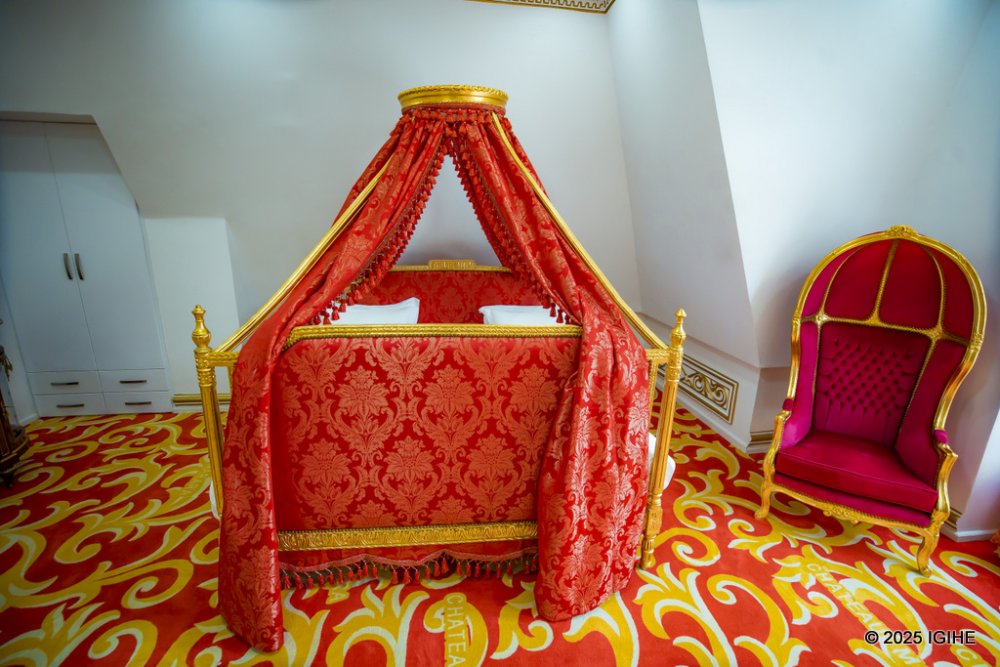
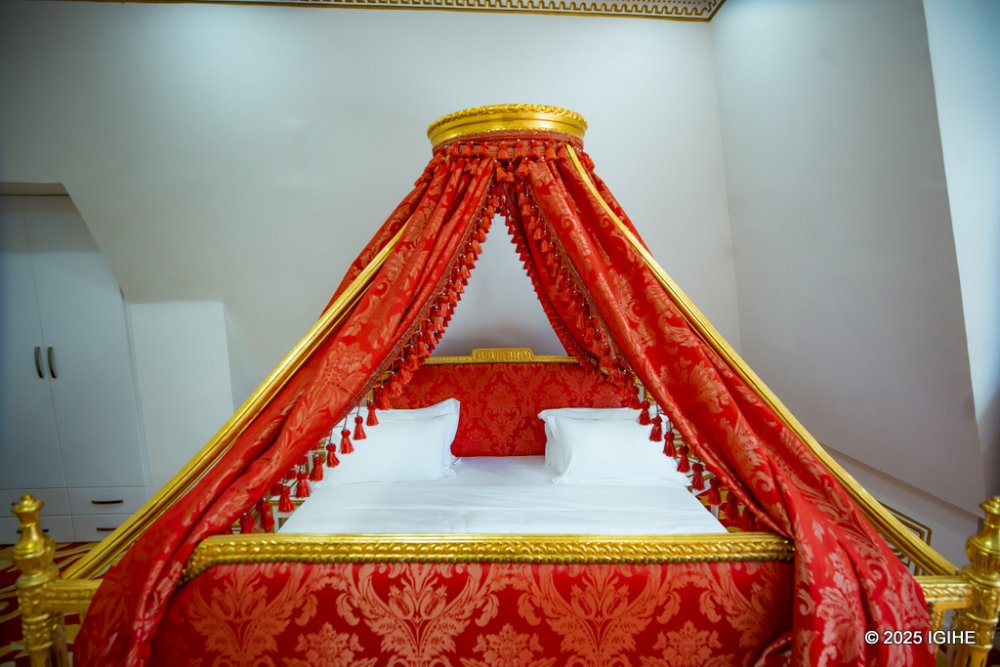
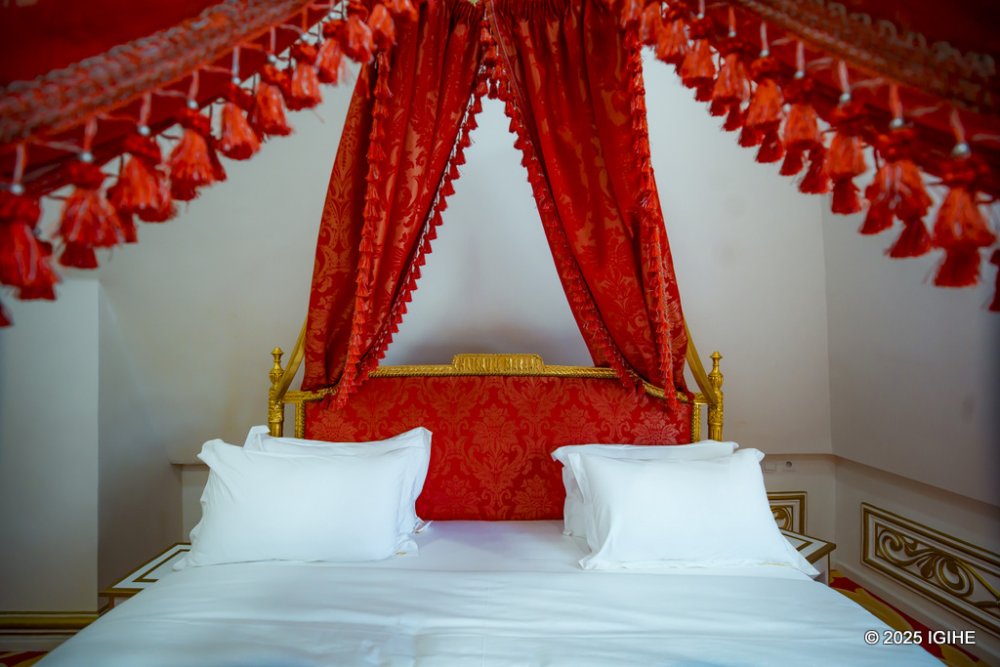
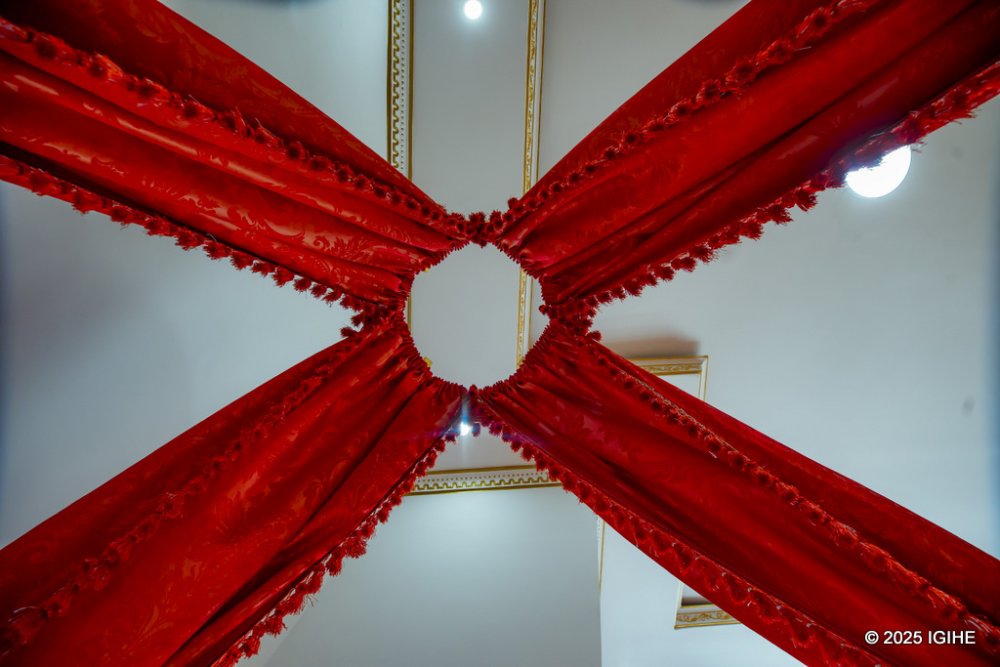
From the walls and beds to the carpets, sofas, and curtains, every detail at Château le Marara reflects royal grandeur.
“Everything is inspired by the traditional château aesthetic. In France and other parts of Europe, châteaux were homes to kings and nobles. Similarly, in Rwanda, our own kings also lived in beautiful, distinguished settings. That’s the inspiration behind our beds, chairs, and decor—it’s a tribute to royal living,” Mucyo explains.
The dominant colour throughout the hotel is red, a deliberate design choice.
“Red is traditionally associated with royalty. Even at weddings, someone in a red gown always stands out,” she adds.
Each room in the hotel has a distinct name, some inspired by the hills of Karongi, others by themes of Rwandan royalty and love.
In total, the hotel features 21 rooms, plus a VIP suite. The ground floor has two rooms, the first floor six, the second floor seven, and the third floor, which is built within the rooftop space typical of many European châteaux, contains six rooms.
Among these is the VIP suite, which includes a private lounge area.
“It’s like the other rooms but has exclusive features, such as a private sitting area and an additional room on the lower level,” Mucyo notes.
The hotel also offers discounts for long stays.
“We offer flexibility. For guests staying multiple nights, especially those coming with family or for a honeymoon, we adjust the rates based on their agreement with management,” the manager explains.
Another standout is the “Le President” suite, described by Mucyo as the most luxurious room in the hotel.
“It’s our best suite. The furniture, space, balcony view, and dressing area set it apart from the rest.”
Interest in the hotel has grown steadily, with many Rwandans reaching out for more information and making visits.
“Rwandans are curious and excited to see the place. They write to us, ask questions, and come to experience it themselves,” Mucyo shares.
Having a château-style hotel in Rwanda is a point of pride for her.
“It’s a great honour. First, it adds to Rwanda’s beauty and tourism appeal. But more than that, investing in your own country and building something appreciated both locally and internationally is deeply fulfilling.”
The hotel also works closely with the local community. Mucyo emphasises their commitment to sourcing from nearby residents:
“We buy locally, especially basic food items and supplies. Of course, there are some things we need to source from Kigali or even from abroad, but we make it a priority to work with the local community. We purchase goods from them and also create job opportunities.”
At $200 a night, Château le Marara offers more than just accommodation. It delivers a royal experience rooted in heritage, refined design, and the warmth of Rwandan hospitality.
{{Video: Igisubizo Isaac
Photos: Kwizera Remy Moses}}
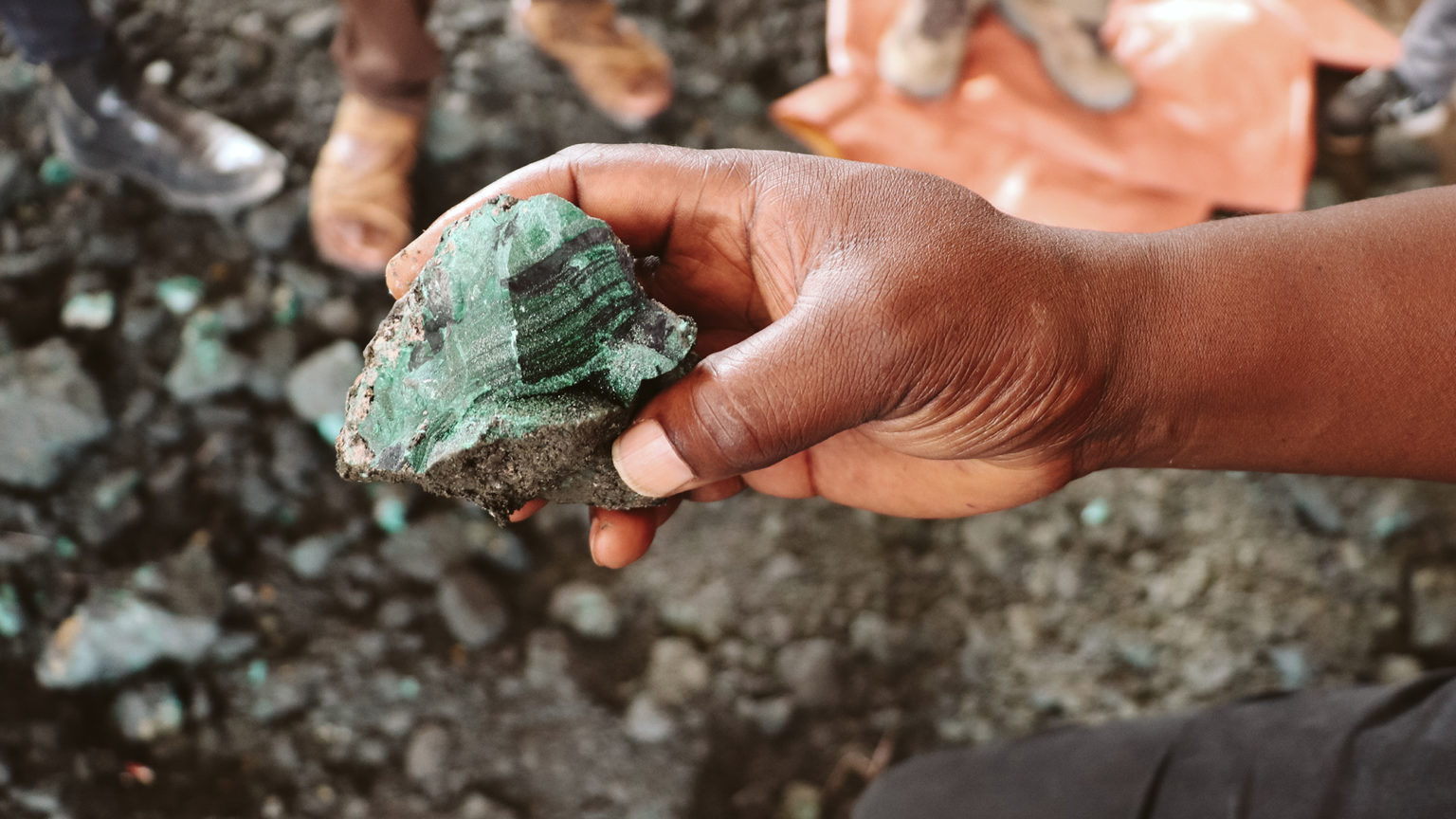
The move follows a four-month export halt announced in February. The extension was announced on Saturday by the DRC’s Regulatory and Oversight Authority for Strategic Mineral Substances Markets (ARECOMS), the national body responsible for regulating the trade of critical mineral substances.
Established in 2019, ARECOMS oversees the regulation of strategic minerals such as coltan, cobalt and germanium. Its mandate includes stabilizing markets, formalizing the artisanal sector, and ensuring compliance with international anti-money laundering and counter-terrorism financing regulations.
According to an official statement, the extended ban covers all cobalt extracted from industrial, semi-industrial, small-scale and artisanal mining operations, and takes effect immediately from the date of signature, June 21.
ARECOMS said that a new decision will be issued before the end of the suspension period, which may either modify, extend, or lift the current export ban, depending on market developments.
According to London-based data analytics and consulting firm GlobalData, the DRC’s cobalt production is projected to reach 244 kilotonnes in 2024. The country is the world’s largest cobalt producer, supplying over 80 percent of global output.
Cobalt is a critical raw material used across various industries, particularly in the production of rechargeable batteries for electric vehicles, smartphones, and other electronic devices. The DRC’s cobalt mining industry is primarily concentrated in the Katanga region, where both industrial and artisanal operations are prevalent.
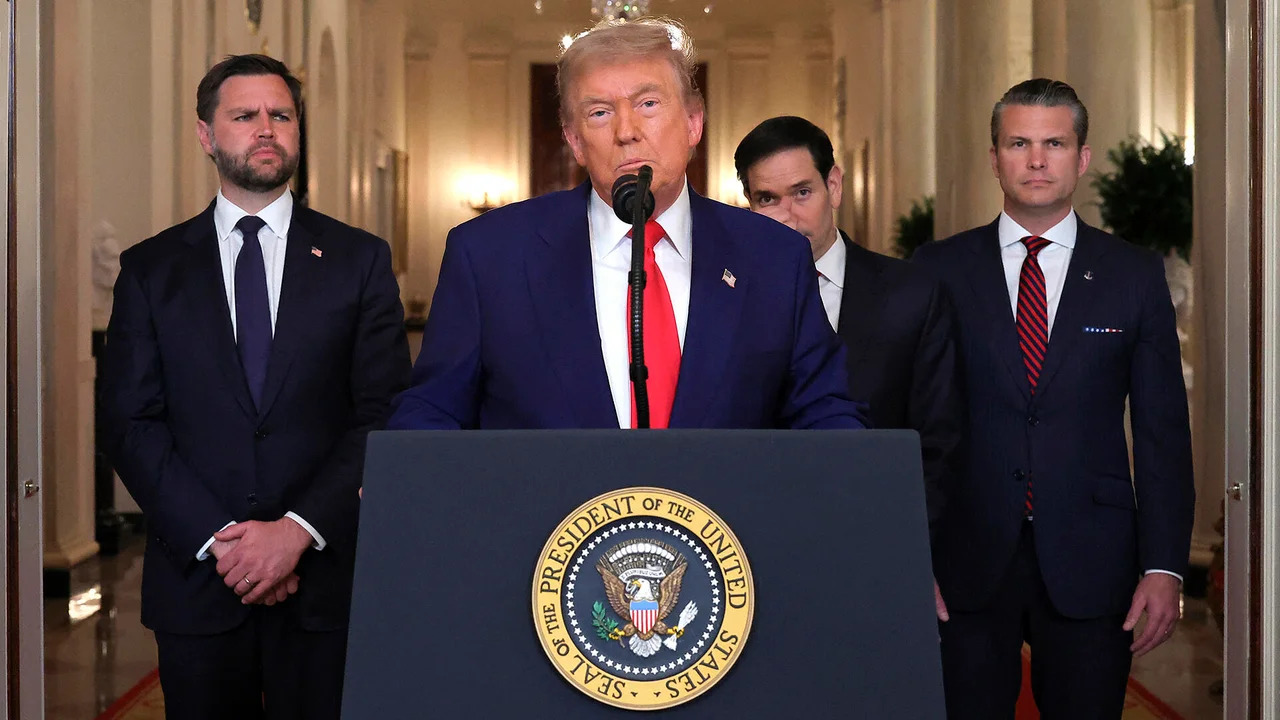
President Donald Trump, addressing the nation from the White House, confirmed the precision strikes on Iran’s key nuclear facilities—Fordo, Natanz, and Esfahan—describing the operation as a “spectacular military success.”
“Iran’s key nuclear enrichment facilities have been completely and totally obliterated,” Trump declared. “Our objective was the destruction of Iran’s nuclear capacity and to eliminate the threat posed by the world’s number one state sponsor of terror.”
The strikes were carried out without congressional authorisation.
According to senior Pentagon officials, three B-2 bombers dropped GBU-57 “bunker-buster” bombs on the underground Fordo enrichment site, buried nearly 300 feet beneath a mountain. Tomahawk missiles launched from U.S. Navy submarines struck the Natanz and Esfahan sites.
All aircraft reportedly exited Iranian airspace without incident. The United Nations’ nuclear watchdog, the IAEA, said it had not detected elevated radiation levels following the strikes.
{{Iran vows retaliation
}}
Iran’s Foreign Minister Abbas Araghchi denounced the attack as a “heinous and illegal use of force” and warned on social media that the strikes “will have everlasting consequences.”
“Iran reserves all options to defend its sovereignty, interests, and people,” Araghchi said. Iran’s ambassador to the UN has requested an emergency Security Council meeting.
Iran’s Atomic Energy Organisation confirmed damage to the nuclear facilities but said the attacks would not deter the country’s nuclear ambitions.
“This will only strengthen our resolve,” the agency said.
Flanked by Vice President JD Vance and senior officials in the White House Situation Room, Trump warned that “there will either be peace, or there will be tragedy for Iran far greater than what we have witnessed over the last eight days.”
In a follow-up post on Truth Social, Trump warned: “Any retaliation by Iran against the United States of America will be met with force far greater than what was witnessed tonight.”
Photos released by the White House showed top administration figures, including Defence Secretary Pete Hegseth, Secretary of State Marco Rubio, CIA Director John Ratcliffe, and Director of National Intelligence Tulsi Gabbard, monitoring the operation.
{{Mixed reactions at home
}}
While some Republicans praised the strikes, others expressed concern. House Speaker Mike Johnson supported the action, but Rep. Marjorie Taylor Greene posted: “This is not our fight.”
Democrats were more critical. Senate Minority Leader Chuck Schumer and House Democratic Leader Hakeem Jeffries condemned the president for acting unilaterally and bypassing Congress.
“President Trump misled the country and took action that risks entangling the United States in another endless war,” Jeffries said.
Senator Mark Warner of Virginia added: “He campaigned on ending foreign wars. Tonight, he may have started a new one.”
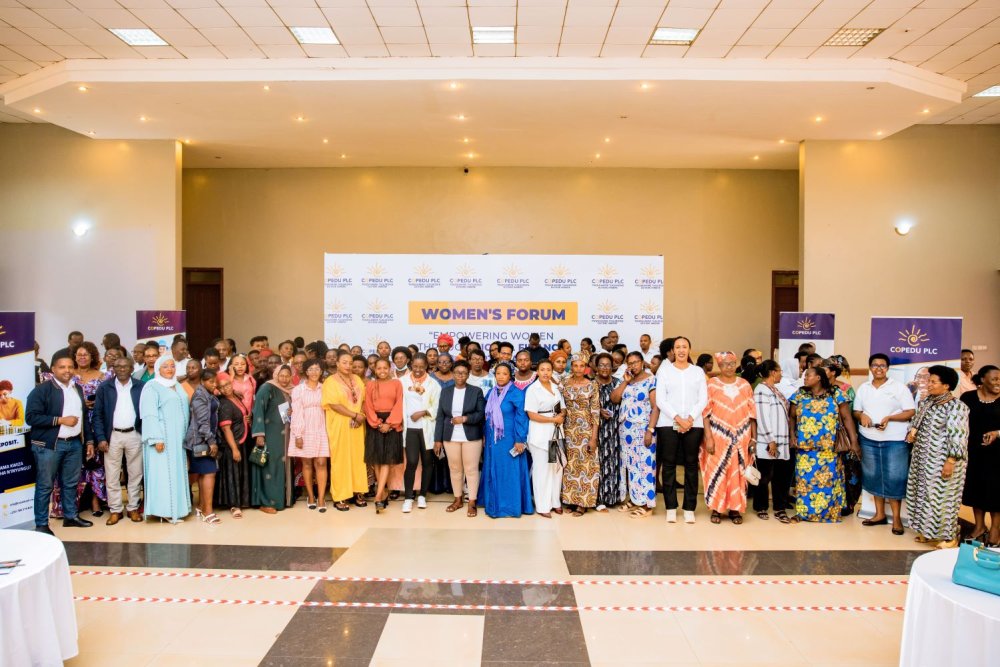
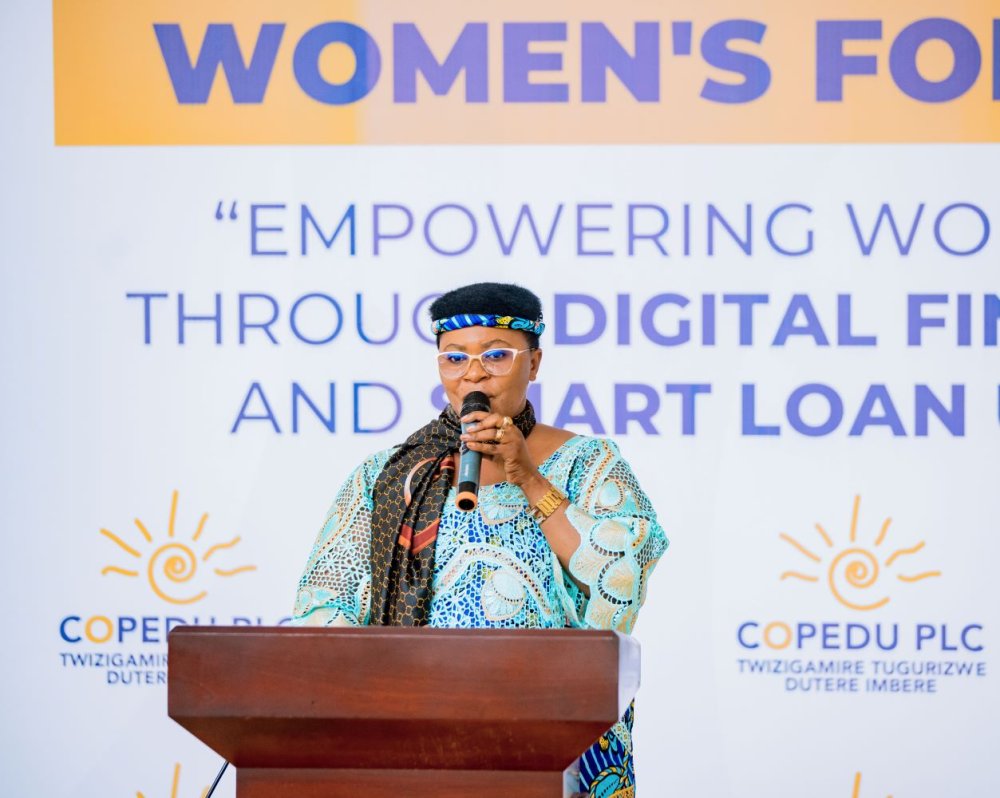
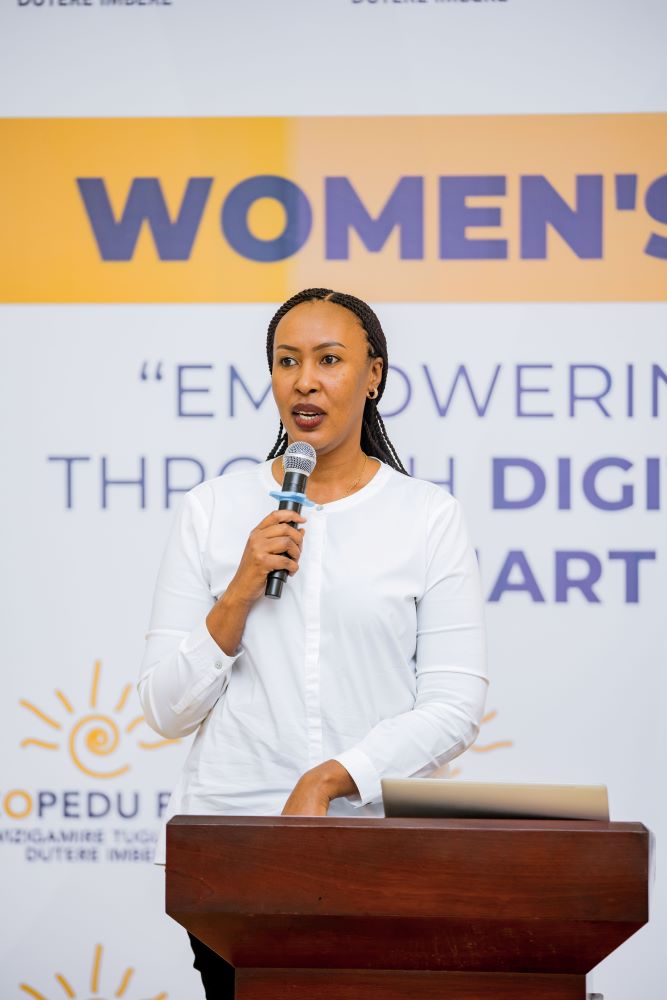
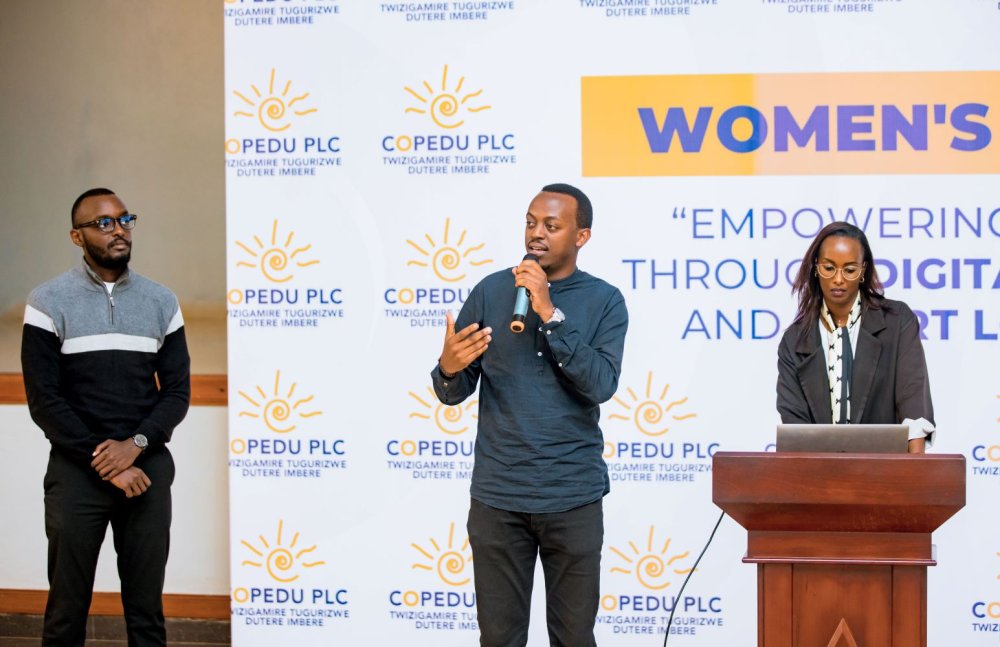
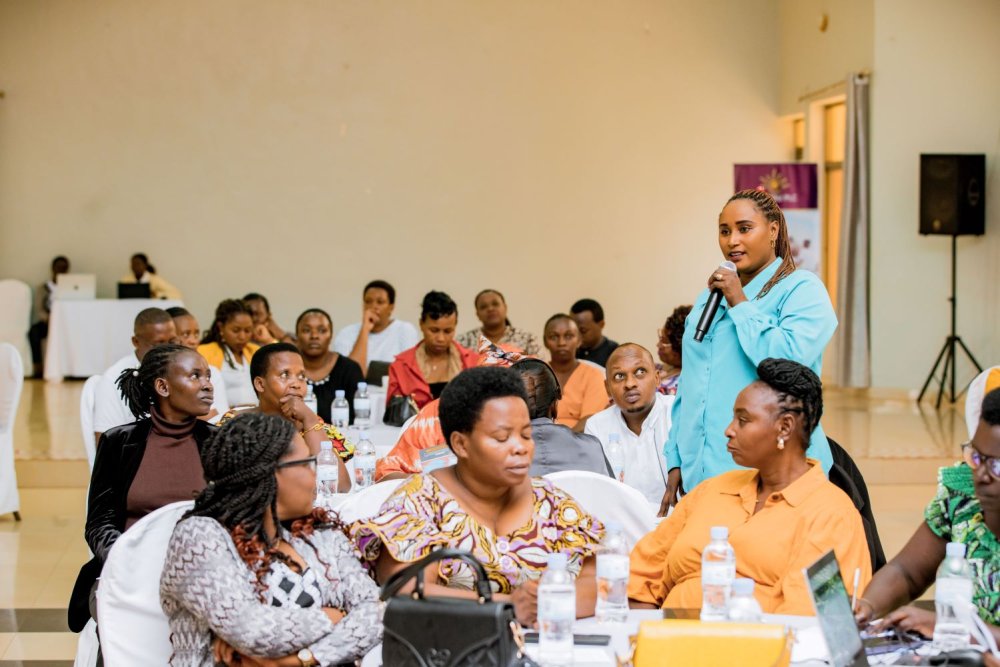
The event brought together women in business, COPEDU Plc clients, and the institution’s leadership to exchange ideas on improving collaboration and maximizing opportunities designed specifically for women within COPEDU’s financial services.
Among the participants was Mediatrice Niwemutoni, who shared her personal journey of growth through COPEDU’s support.
She began with a group loan of Frw 200,000 while running a small potato business. With time, she advanced to an individual loan of Frw 2.4 million and expanded her business. Today, she is a distributor for Bralirwa’s non-alcoholic beverages, managing a business worth over Frw 100 million.
Niwemutoni encouraged other women to pursue their goals with courage and commitment, noting that success stems from dedication and a strong work ethic.
The Managing Director of COPEDU Plc, Raissa Muyango, explained that the training aimed to help women scale their businesses by easing access to credit and promoting the use of digital platforms.
She highlighted Igire Mugore, a loan product designed for women entrepreneurs, which offers financing from Frw 500,000 up to Frw 5 million. The initiative targets women who face challenges in securing traditional collateral for loans.
Muyango also emphasized that such events are valuable opportunities for two-way dialogue, enabling the institution to listen to clients, respond to their needs, and improve service delivery.
Also speaking at the event was Herve Christian Gombaniro, a business development manager at RSwitch, a digital financial services provider.
He introduced eKashi, a new platform that allows clients from COPEDU and other financial institutions to make digital payments conveniently and securely without having to travel.
Currently, COPEDU Plc operates 11 branches across Rwanda, including its headquarters in Kicukiro and additional locations in Remera, Batsinda, Nyabugogo, the Nyarugenge Market, Gisozi, Kimironko, Kicukiro (branch), CHIC, Rwamagana, and Kabuga.
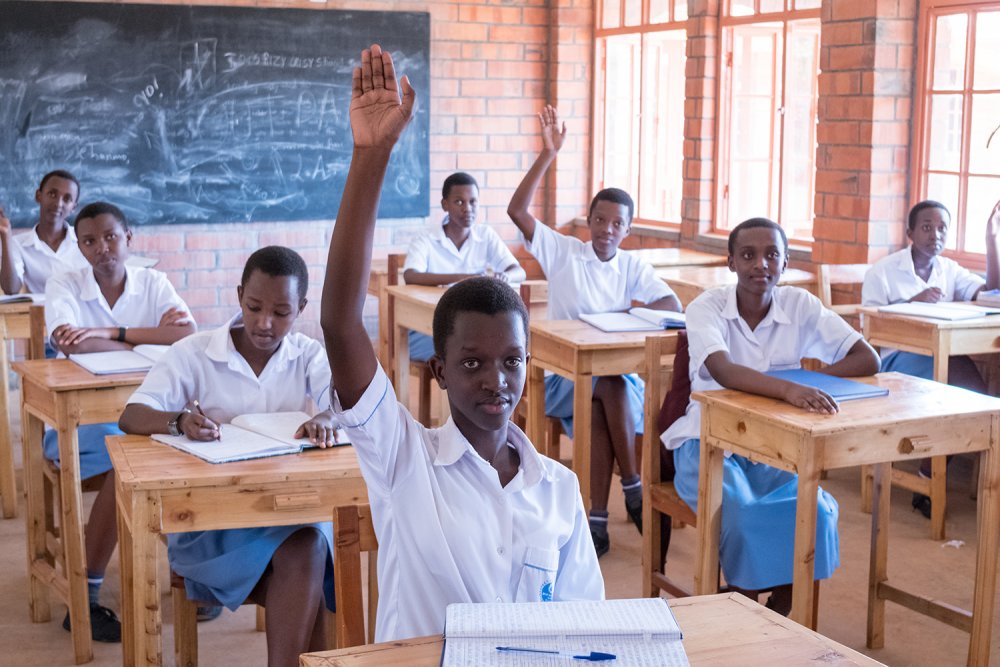
Under the new system, students will no longer choose from the existing 11 subject combinations. Instead, they will follow one of three broad “learning pathways”: Mathematics and Science, Arts and Humanities, or Languages.
This change, presented during the second day of the National Education Conference, on June 20, 2025, is part of broader efforts to align the country’s education system with Rwanda’s Vision 2050.
“All existing subject combinations will be organized under these three pathways,” the Minister of Education, Nsengimana Joseph said. “This change is part of our broader vision to equip students with knowledge and skills to make informed choices, whether they continue to university or enter the job market [after secondary school].”
“We’re working closely with schools during the summer holidays to assess their readiness. There will be no surprises,” the minister added.
The reform aims to ensure students graduate with skills that meet labor market demands, both locally and internationally, while fostering a knowledge-based economy.
Previously, after completing the Ordinary Level and passing national exams, students would select from 11 subject combinations within general education or opt for technical and vocational training.
The revised approach will simplify this by offering just three clearly defined tracks, each focusing on a specific cluster of knowledge and competencies.
The Ministry emphasized that although students will choose from the three new pathways, certain core subjects will be mandatory for all, regardless of their specialization.
These include Mathematics, English, ICT (Information and Communication Technology), and Entrepreneurship. The rationale is to equip every student with essential skills for further education or employment.
The reform process involved consultation with over 5,500 stakeholders, including students, parents, teachers, school leaders, and local leaders.
According to the Ministry, the shift to learning pathways will not only simplify implementation but also improve quality.
While the reform will be rolled out gradually to avoid disruption, students currently enrolled in the existing combinations will not be affected as they will complete their studies under the current framework.
Similarly, past graduates with diplomas based on previous subject combinations will continue to have their qualifications recognized.
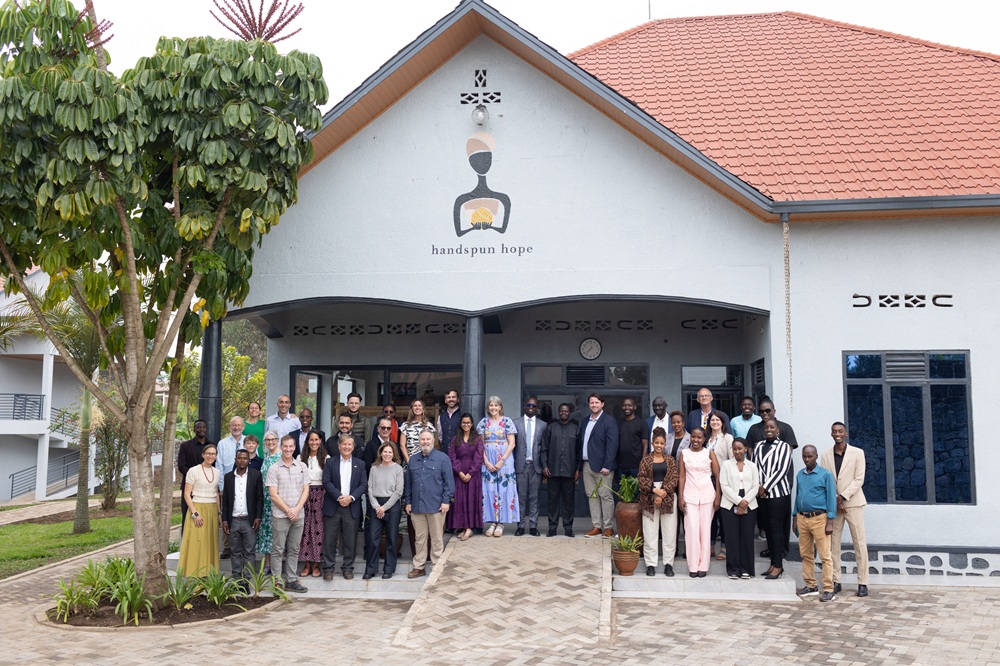
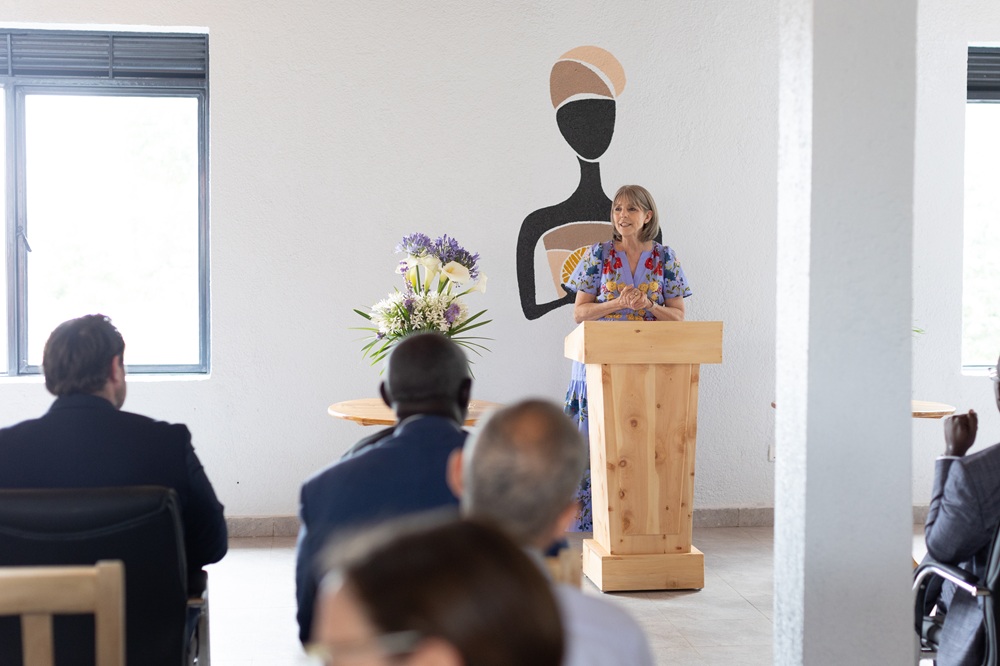
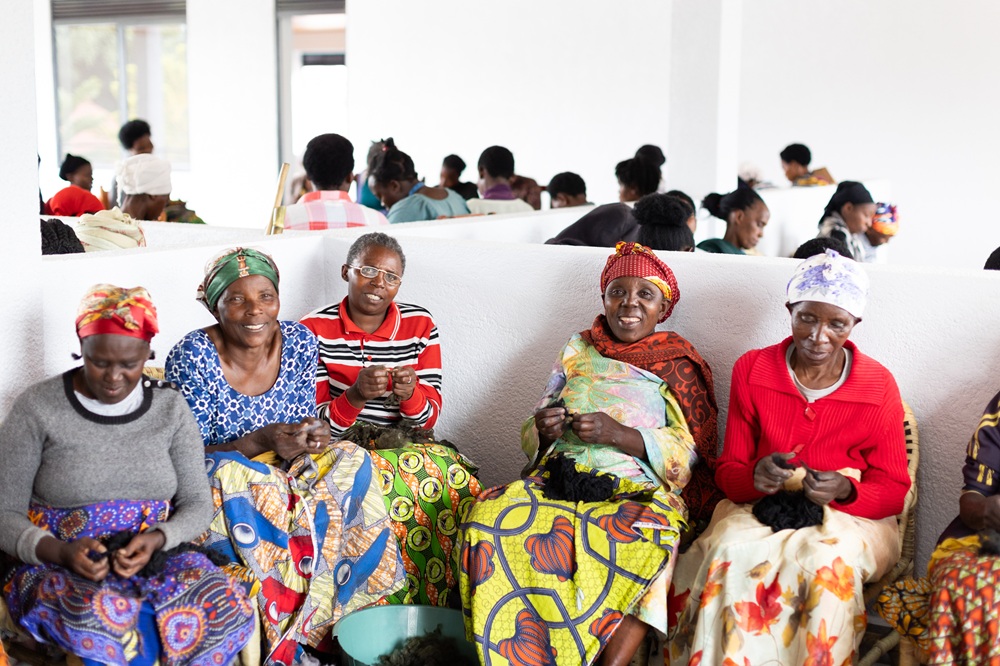
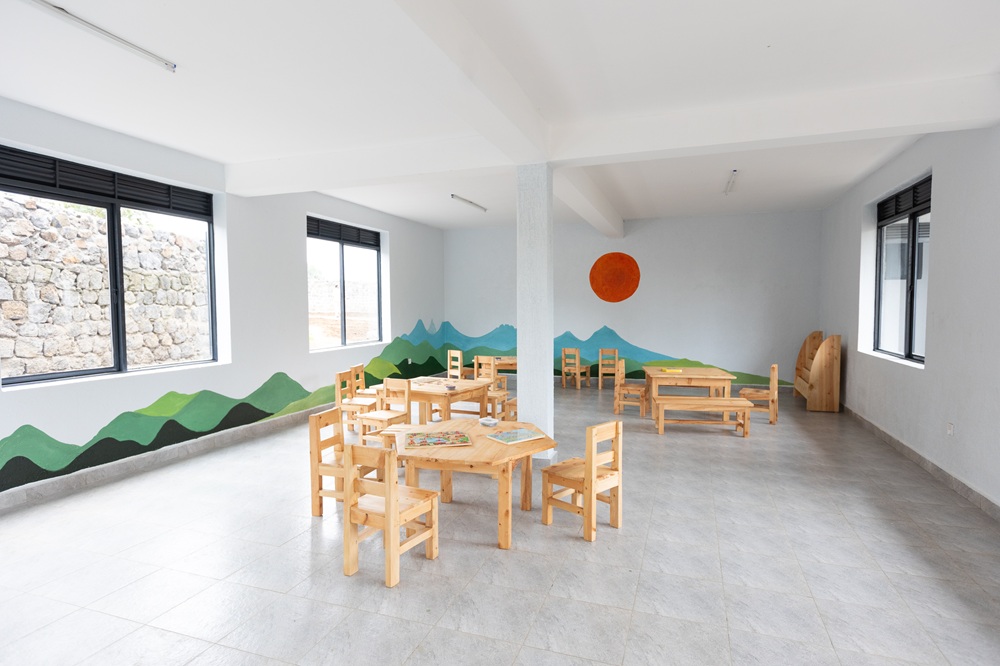
This recognition was made on June 19, 2025, by the Mayor of Musanze District, Nsengimana Claudien, during the inauguration of two new buildings. These facilities are designed to support women with various challenges and to house an Early Childhood Development (ECD) center aimed at nurturing young children.
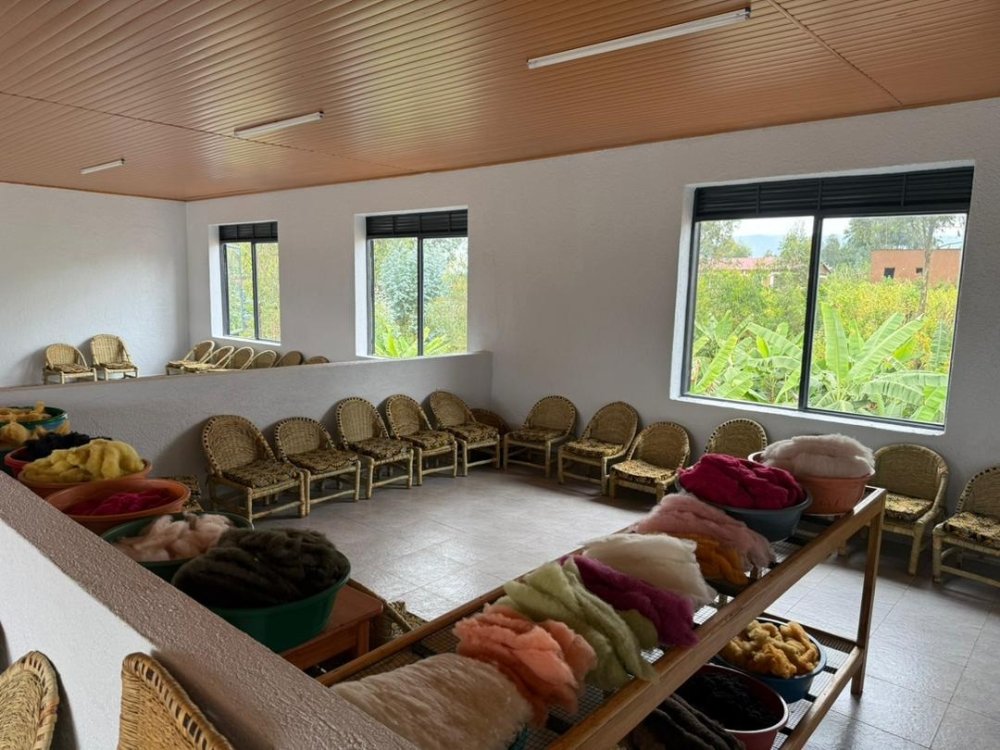
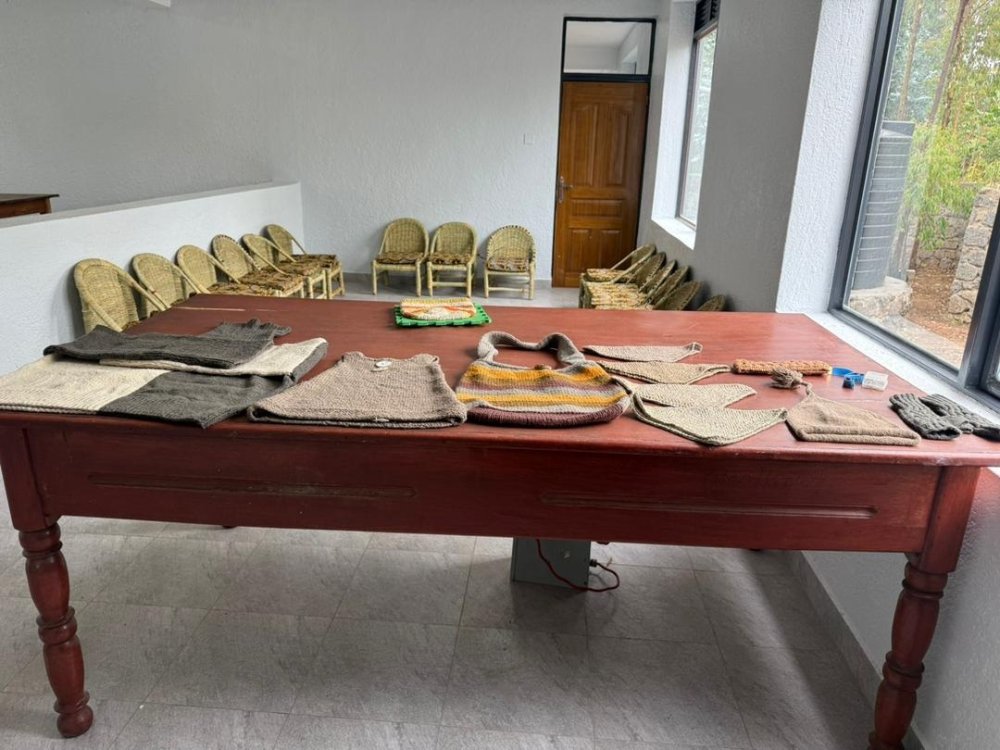
Handspun Hope is a Christian, non-governmental organization operating in Rwanda’s Northern Province, particularly in Musanze District. Its mission is to combat poverty affecting vulnerable women and their families by offering holistic support.
The newly inaugurated buildings will host a daycare center, which marks a significant step in promoting quality early childhood education.
Additionally, the infrastructure will be used for vocational training for women, prayer gatherings, health consultations, and includes a multi-purpose hall with a capacity of over 300 people, along with classrooms and other facilities.
Nsengimana emphasized that Handspun Hope has been a valuable partner since 2007. The organization primarily supports women who have faced severe trauma, including domestic abuse, HIV/AIDS, and social marginalization.
“The organization provides a monthly salary of Frw 120,000 to its beneficiaries, with an additional Frw 16,700 deposited into a savings scheme. But beyond the financial support, Handspun Hope offers psychological care and promotes Christian values to encourage women to rebuild their lives,” he stated.
The district also noted that Handspun Hope’s work aligns with Rwanda’s National Strategy for Transformation (NST 2), particularly in the areas of financial and economic development, women empowerment, and infrastructure improvement.
In light of this, the district has requested the organization to expand its services, including increasing the number of children served by the ECD center, supporting more women, contributing to road construction, improving access to clean water, and helping single mothers.
The Musanze administration affirmed its readiness to sign a Memorandum of Understanding (MoU) with Handspun Hope to enhance their collaboration and promote the welfare of the population more effectively.
Confiance Igiraneza, the Country Director of Handspun Hope, stated that the organization’s primary mission is to promote the development of Rwandan society, especially rural women, by ensuring holistic education for children, improving child nutrition, and supporting other community-based development activities.
Igiraneza also highlighted that the organization employs specialized staff who support daily wellbeing, including mental health professionals, general practitioners, a social worker, and a nurse.
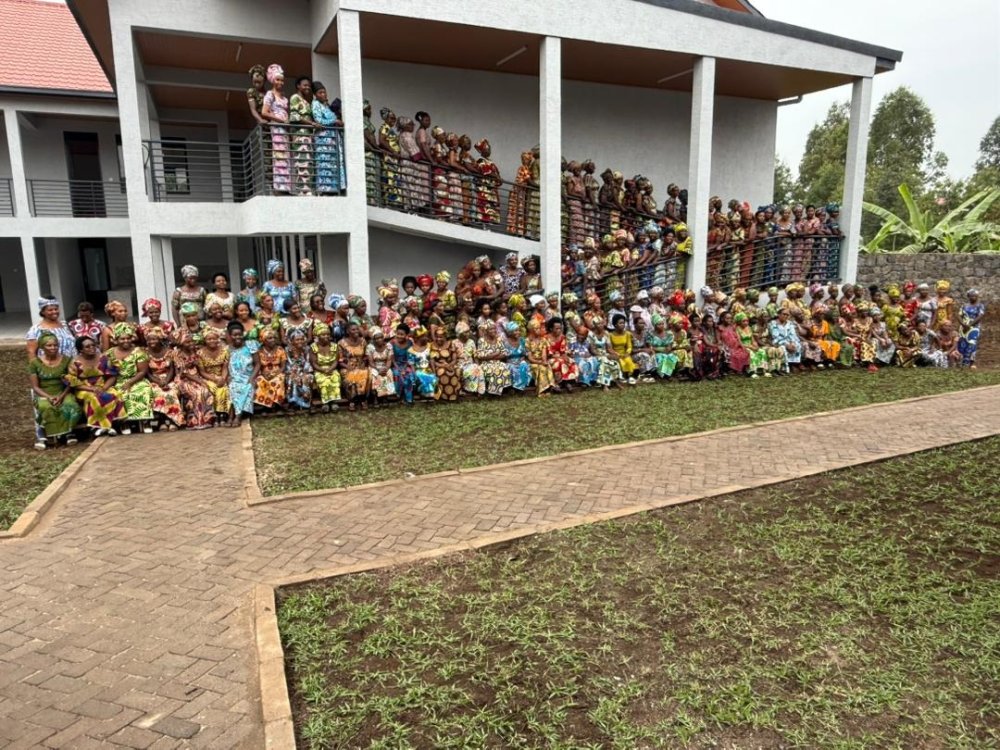
Their goal is to provide sustainable wellbeing for the women and their families. Currently, Handspun Hope supports over 200 women dealing with challenges such as HIV/AIDS, diabetes, and other conditions, along with their more than 100 children.
The organization has built schools, a health clinic, an early childhood development center, and other facilities to improve the quality of life for its beneficiaries.