The motion was passed with 299 votes in favor, above a required minimum of 226, lawmaker Yaroslav Zheleznyak said in a post on Telegram.
The government-run Ukrinform news agency said one of the reasons for this decision is “the asymmetric conditions,” given that Russia is not a party to the convention, adding that the suspension would last until the complete cessation of the conflict.
Ukraine ratified the convention in 2005. Last month, Ukrainian President Volodymyr Zelensky signed a decree to withdraw the country from the treaty.
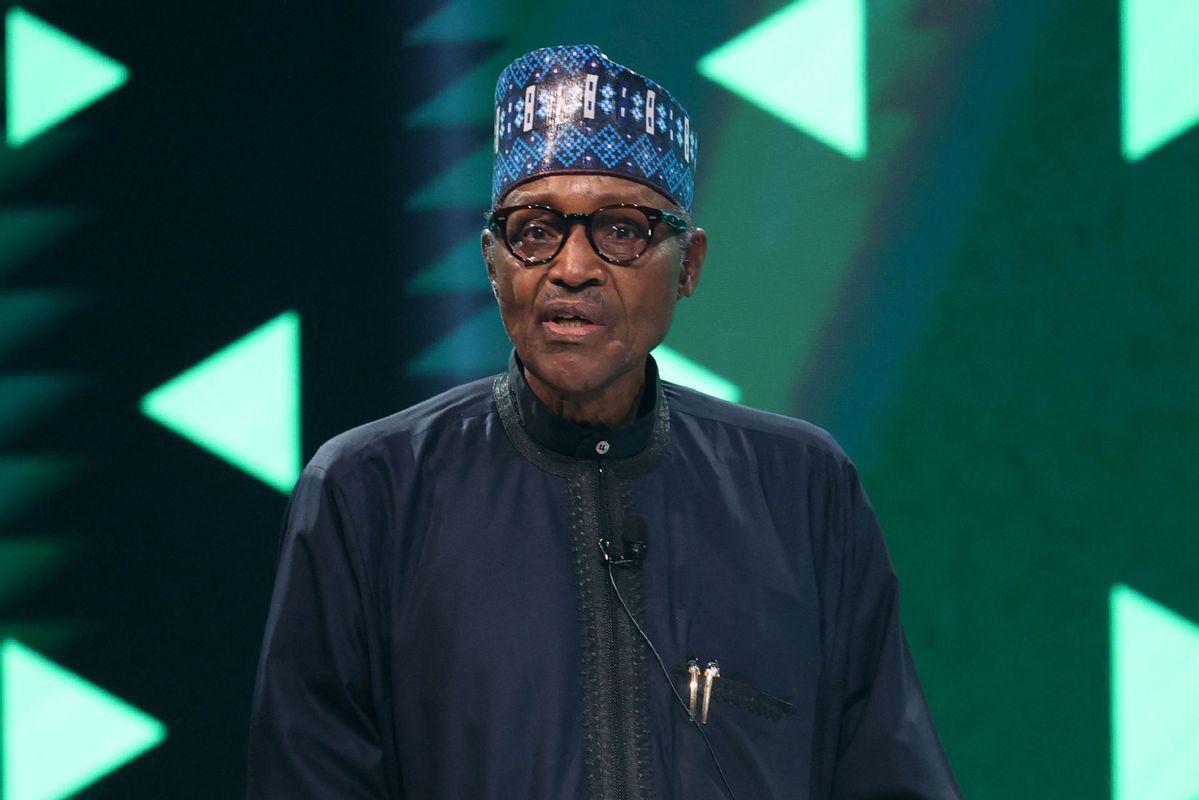
Buhari, who served as Nigerian president from 2015 to 2023, died Sunday in a clinic in London where he had been receiving medical treatment. He was aged 82.
The late former president’s body, draped in the national colors, arrived in Katsina from London on Tuesday afternoon. His body was lowered into the grave at 5:50 p.m. local time, preceded by a military parade and a 21-gun salute by the armed forces.
The atmosphere in Daura was a mix of sorrow and reverence as thousands paid their last respects to a leader who significantly shaped Nigeria’s contemporary history. Security was exceptionally tight, with a heavy presence of military and police personnel ensuring a smooth and dignified proceeding.
President Bola Tinubu, who had earlier declared a seven-day national mourning period with flags flown at half-mast, attended the final rites of passage of his predecessor. Dignitaries, including serving and past West African leaders, family members, and a mammoth crowd of mourners, witnessed the burial rites.
Earlier, in his eulogy, Tinubu described Buhari as a “patriotic statesman” whose contributions to national unity and development would forever be etched in the annals of Nigerian history. “He served our nation with dedication and an unyielding spirit,” the president said, emphasizing Buhari’s legacy of discipline and service.
Born on Dec. 17, 1942, Buhari had a distinguished career in both the military and civilian governance. He spent years in political activism before successfully contesting the presidency in 2015, becoming the first opposition candidate to defeat an incumbent president in Nigeria’s history. He was re-elected in 2019 and handed over power to Tinubu on May 29, 2023.
During his two terms as president, Buhari’s administration focused on three key areas: security, anti-corruption, and economic diversification. He launched significant campaigns against the Boko Haram insurgency in the northeast and worked to recover looted public funds.
His tenure also saw efforts to boost agriculture and infrastructure development, though it was marked by economic challenges.
With the right techniques, even the smallest rooms can feel open, organised, and welcoming. From studio apartments to tiny bedrooms, design is less about size and more about smart solutions.
{{Use light colours to open up the space
}}
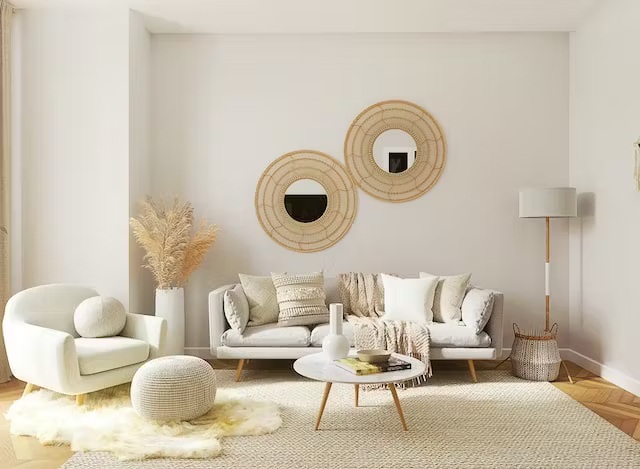
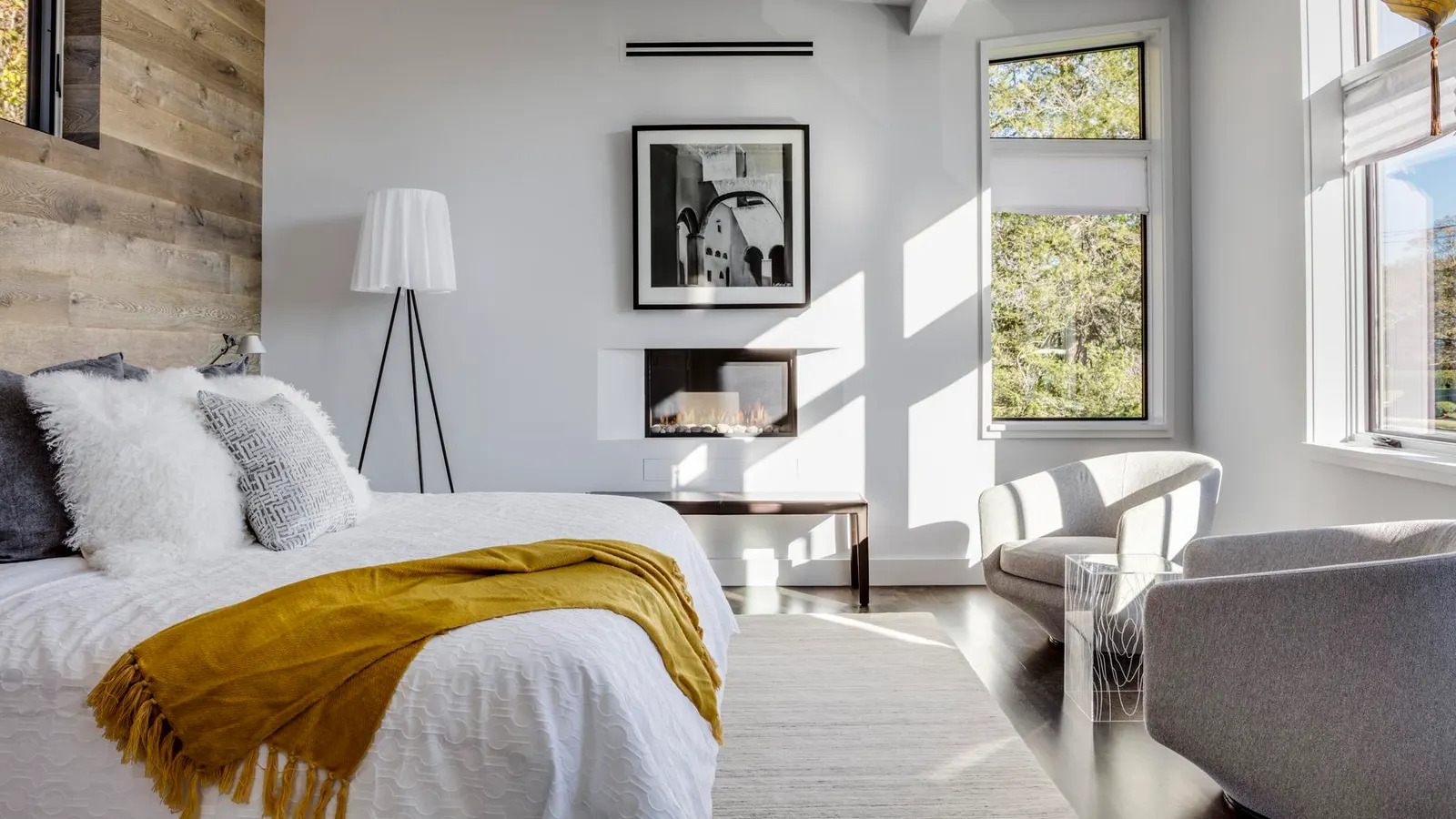
Designers at HGTV emphasise that light shades such as whites, soft greys, and pastels reflect more natural light, making a room appear larger and brighter. Darker colours absorb light, which can make walls feel like they’re closing in. Painting walls and ceilings in the same soft tones also creates a seamless look that visually expands the room.
{{Choose multifunctional furniture
}}
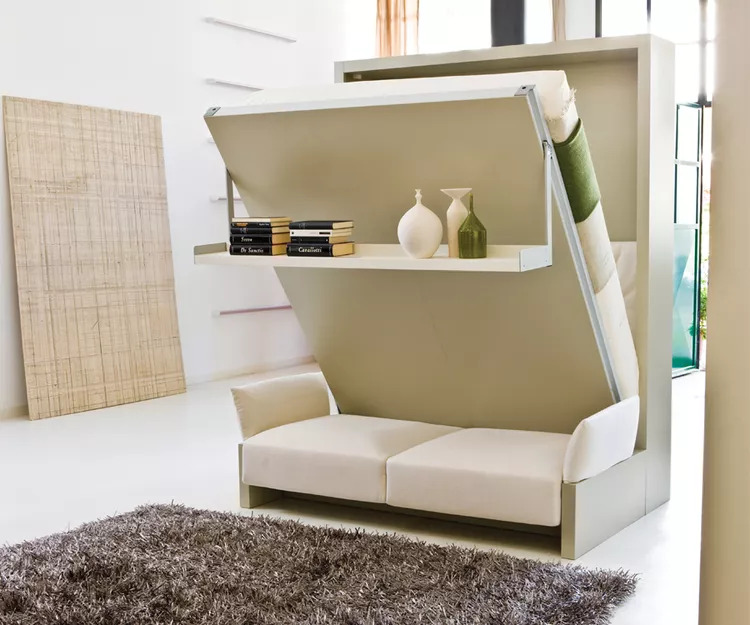
Experts from IKEA, a store that offers home furnishings and accessories to make customers’ living spaces more comfortable and stylish, recommend investing in furniture that serves more than one purpose.
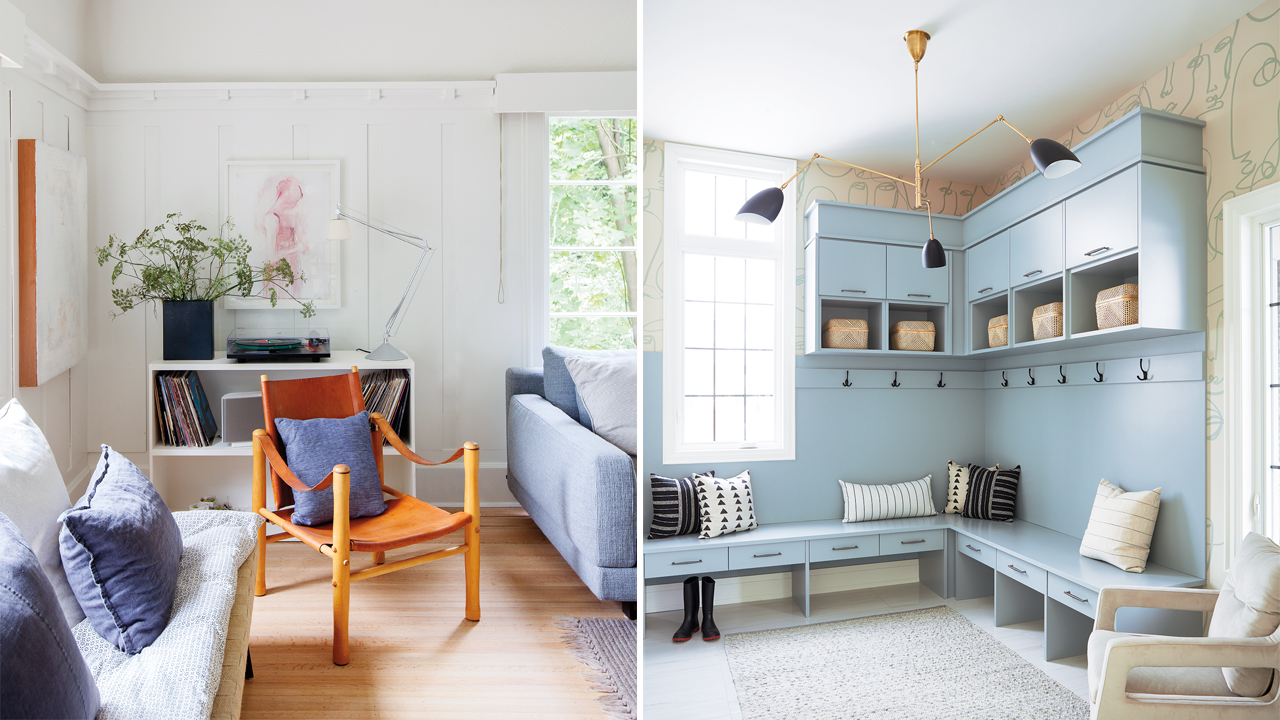
Think of a bed with storage drawers underneath, a coffee table that lifts into a desk, or a bench that opens to reveal storage space. These pieces help reduce clutter without sacrificing function or comfort.
{{Maximise vertical space
}}
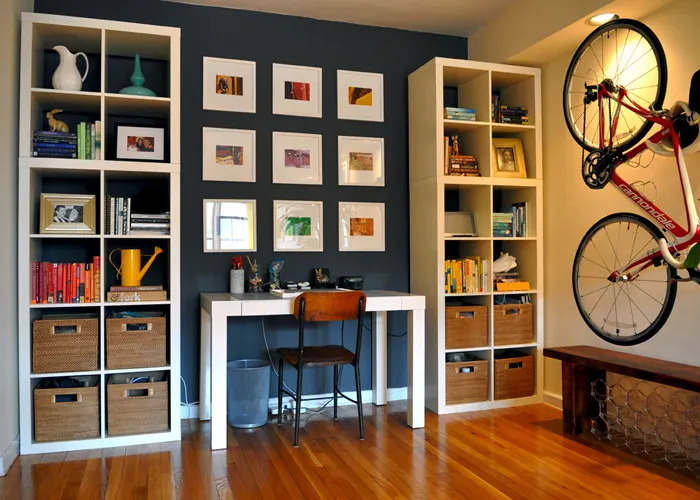
Interior decorators from Elle Décor highlight the value of vertical storage, especially in small homes. Tall bookshelves, hanging plants, and wall-mounted cabinets draw the eye upward, creating a feeling of spaciousness while also adding storage. Using hooks, floating shelves, or pegboards keeps the floor area free and functional.
{{Let in natural light and use mirrors
}}
According to design professionals from The Spruce, maximising natural light is one of the most effective ways to make a room feel open and airy. Avoid heavy curtains and instead opt for sheer fabrics or blinds. Placing a large mirror opposite a window reflects light and adds depth, creating the illusion of a bigger space.
{{Keep it clutter-free and organised
}}
Organisation is crucial in small spaces. The Container Store’s interior experts say that every item in a small room should have a “home.” Use labelled baskets, drawer dividers, and closet organisers to avoid clutter build-up. The less visible the mess there is, the more serene and spacious a room will feel.
{{Choose the right scale and layout
}}
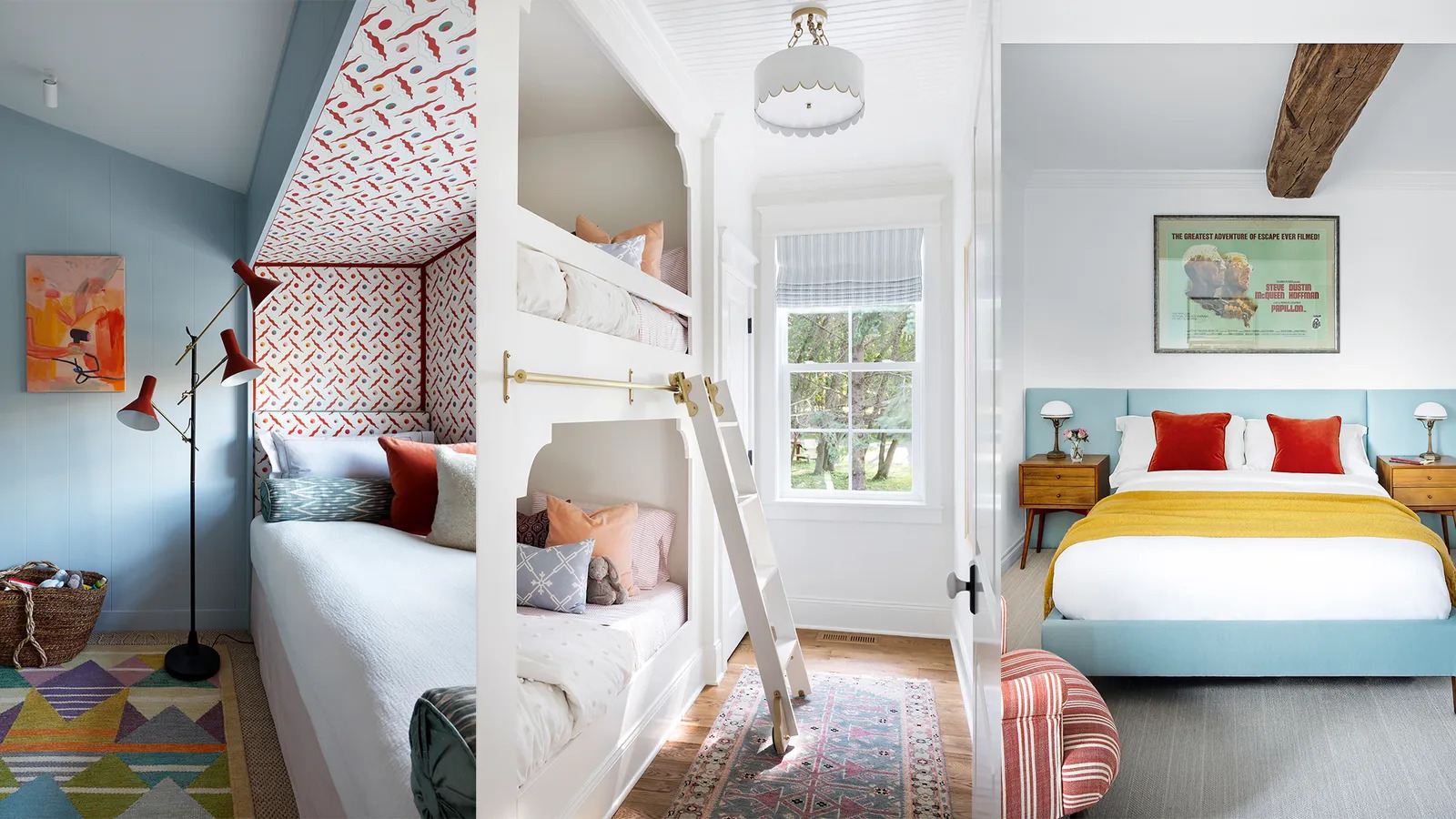
As reported by Apartment Therapy, selecting appropriately sized furniture is key. Oversized sofas or bulky wardrobes overwhelm small rooms. Instead, opt for slim, streamlined pieces that suit the scale of the room. Furniture with legs also makes a space feel more open compared to pieces that sit flat on the floor.
{{Use rugs and lighting to define zones
}}
In studio apartments or open layouts, rugs and lighting can help define separate areas for sleeping, working, or relaxing. Interior stylists at House Beautiful recommend layering area rugs or using pendant lights to create visual boundaries without building physical walls. This approach improves flow and helps the space feel purposeful.
{{Keep decor minimal but meaningful
}}
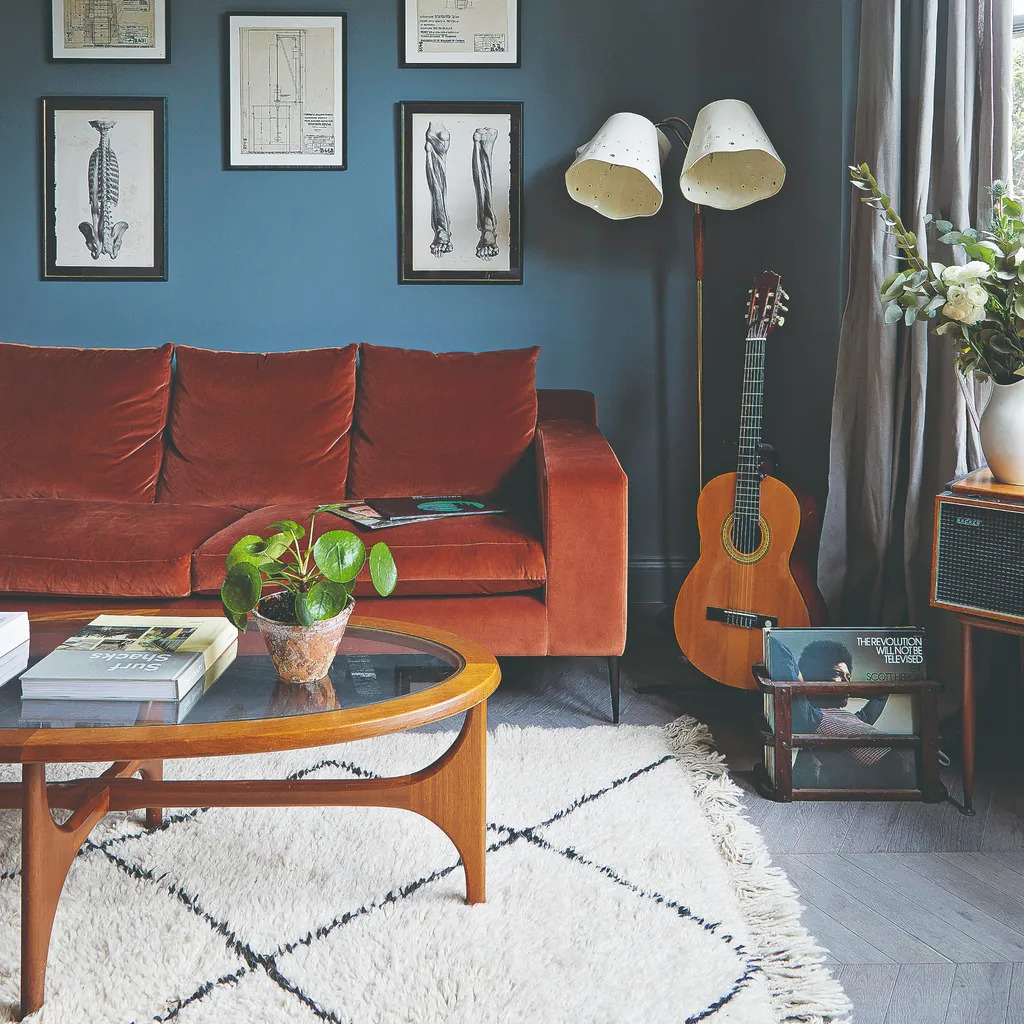
Minimalism doesn’t mean empty. Designers from Dezeen suggest selecting a few meaningful art pieces, family photos, or souvenirs to decorate the space without overwhelming it. A curated and personal design approach adds warmth and personality while keeping things visually clean.
Living in a small space doesn’t mean compromising on comfort or beauty. With smart furniture choices, creative storage, and a thoughtful color palette, even the tiniest room can become a place of peace, function, and style.
Experts across the interior design world agree that great design is not about how much space you have, but how intentionally you use it. When every detail is chosen with care, small spaces can feel grand.
Golfers from Kabale, Mbarara, Kampala, Entebbe, and Tooro clubs joined their Rwandan counterparts in Kigali for a full day of competition and fellowship, marking a new chapter in the growing tradition of regional golf.
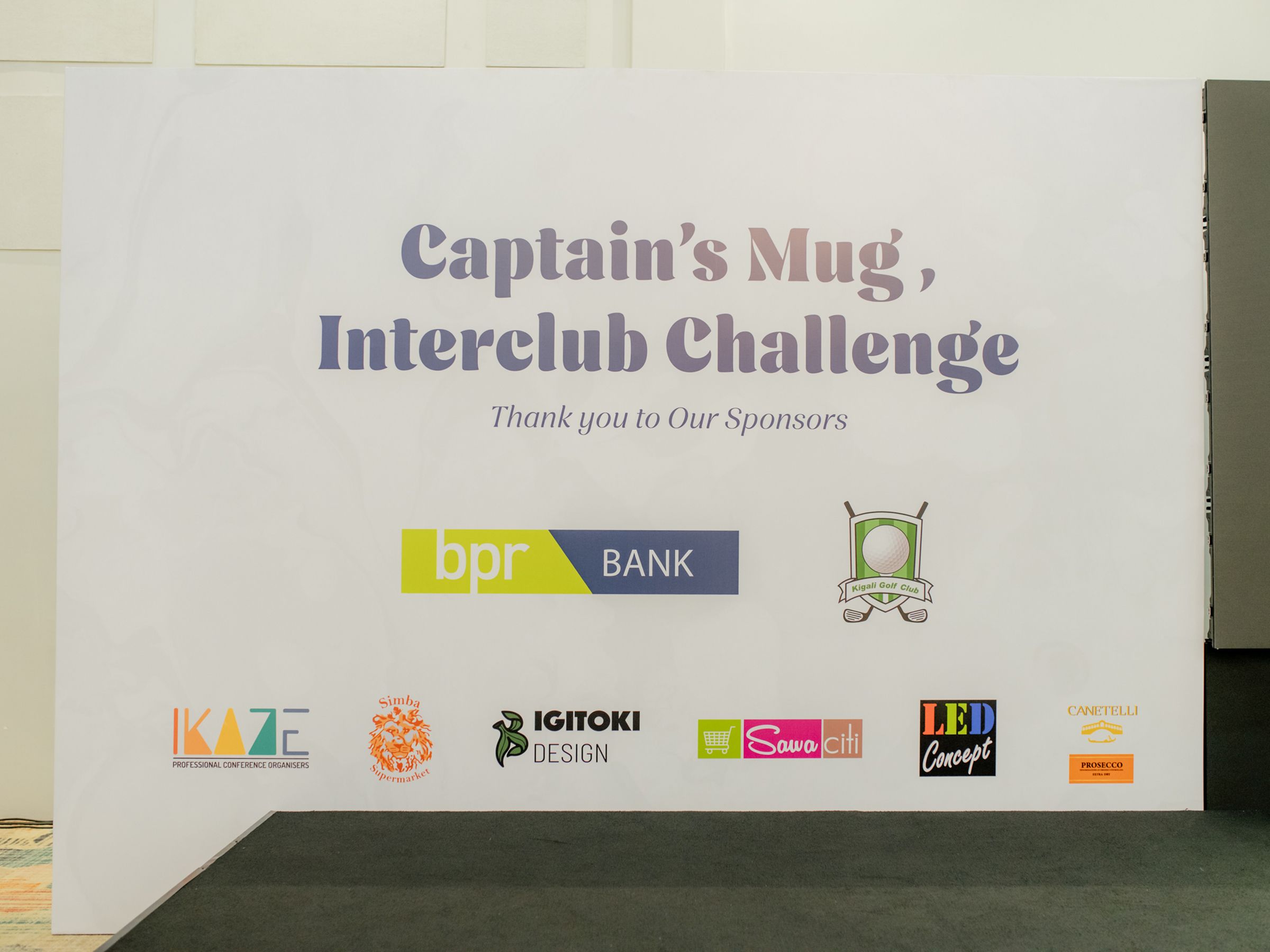
The event, proudly sponsored by BPR Bank, was created to foster stronger bonds between clubs, elevate the sport, and celebrate the values of sportsmanship while bridging communities.
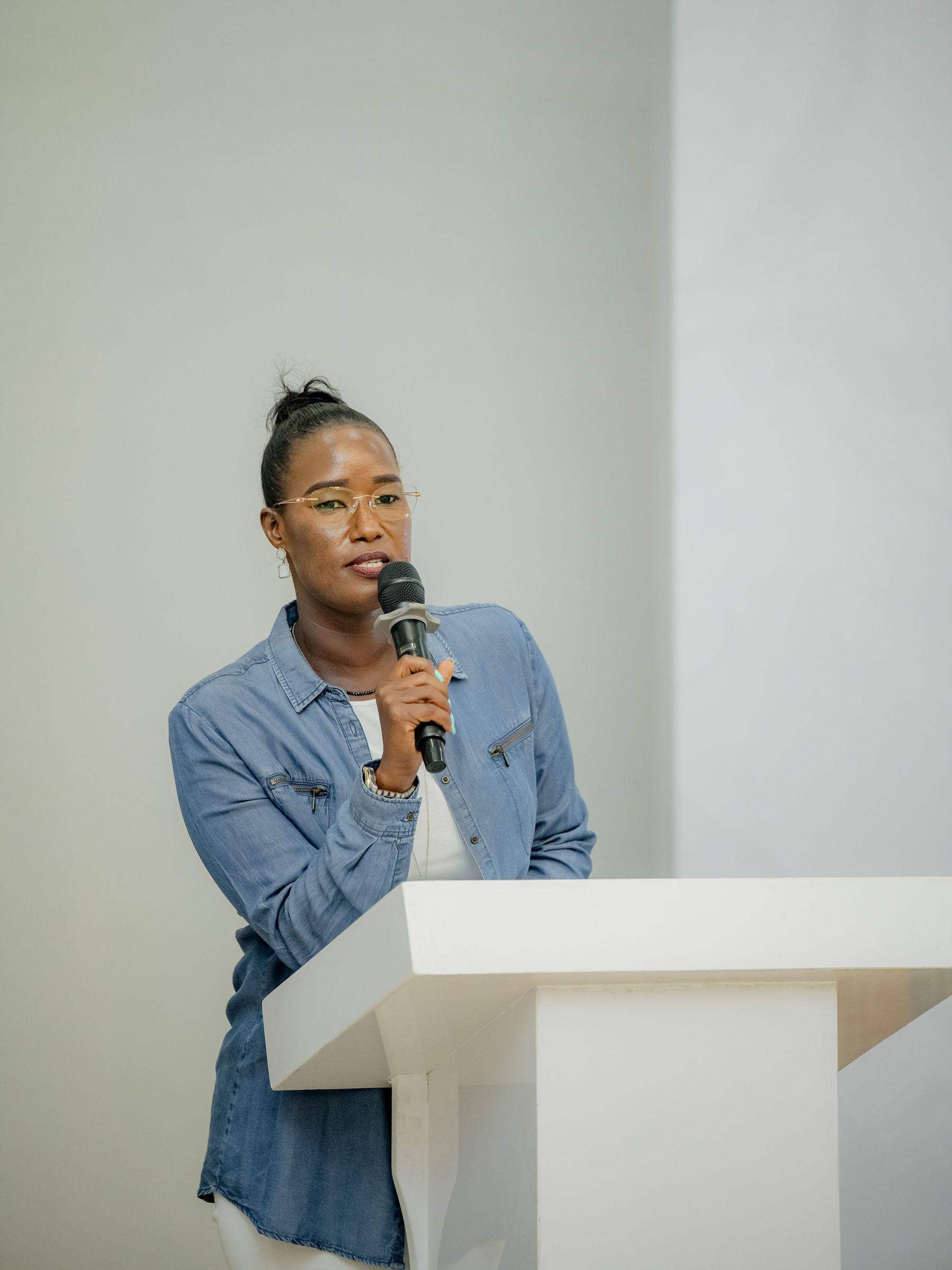
Speaking at the event, Albert Akimanzi, BPR Bank Head of Marketing, Corporate Affairs and Citizenship, highlighted the significance of the regional tournament:
“Golf has always been a central component of our community enrichment strategy. We believe that this particular event has fostered connections across clubs, borders, and cultures. We are a regional entity that is actively engaged in creating opportunities for social and economic connections. The BPR Captains Mug is our attempt to make the game even more inclusive, more competitive, and more meaningful for the East African region.”
Vice-Captain of Kigali Golf Club, Jenny Linda Kalisa, expressed her pride in seeing a successful and colorful gathering:
“This tournament has demonstrated the power of community. We are honored to be able to host local golfers and our visitors from Uganda who added flair, energy, and incredible sportsmanship. We are truly appreciative of every golfer who participated, as well as our partner sponsors who contributed to the undeniable success of this tournament. I would like to extend a special recognition to BPR Bank, our lead sponsor who once again showed their leadership in the game of golf.”
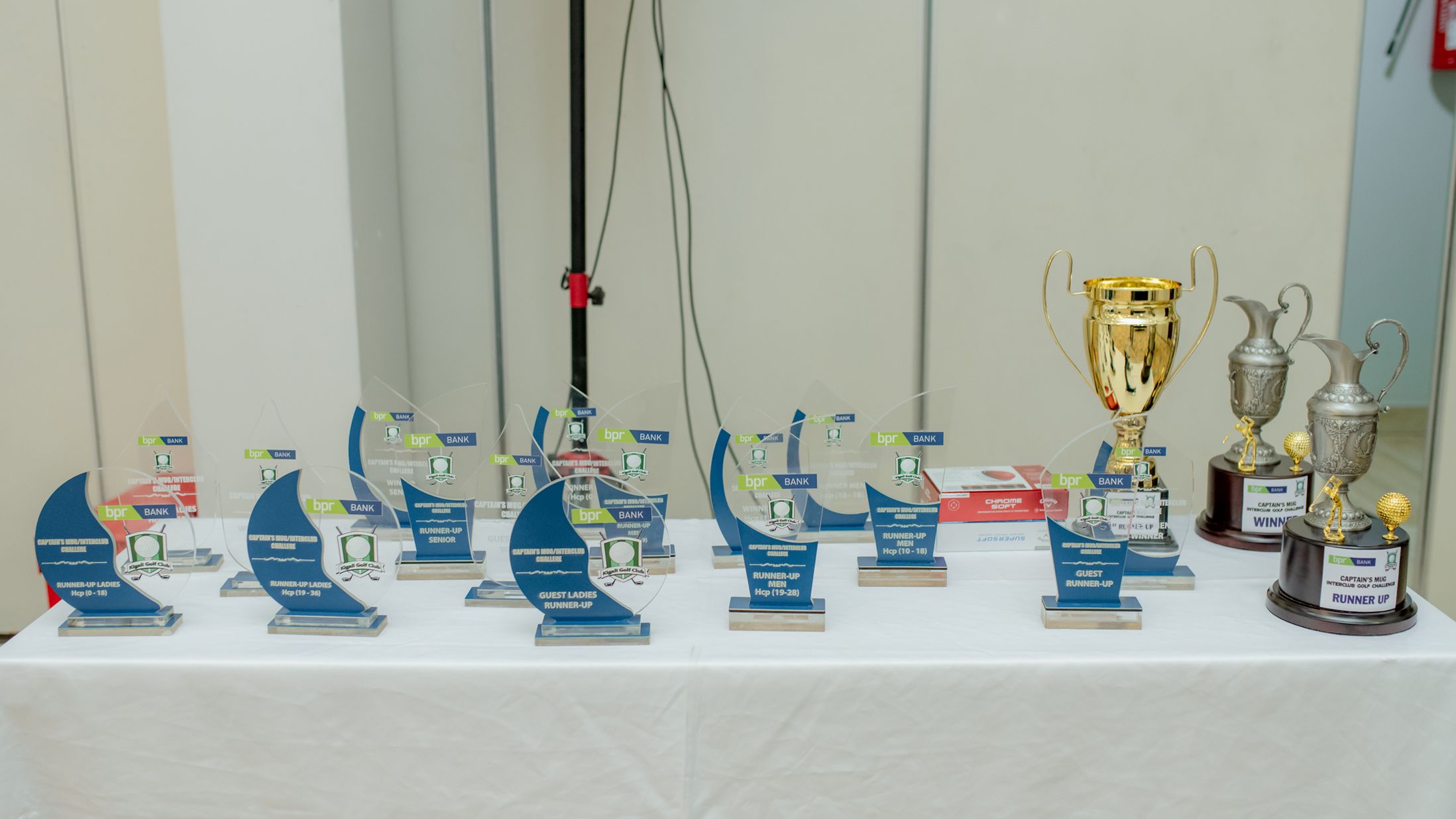
The day concluded with a lively awards ceremony that recognised winners in various categories; Roshni Shah won the Ladies 19-36 with 44 points, while Akanigi Melissa scored 37 points to win the Ladies 0-18 group. Rutamu Innocent took the Seniors category, leading his counterparts with a score of 40 points.
In the Men’s 19-28 group, Mathias Pian held strong to win with 44 points; similarly, Rwitare Derrick registered 41 points to win the Men’s 10-18 category. Rwanyonga Mathias led the Men’s 0-9 group with 40 points. Visiting golfers Musanabera Berna and Maniraguha Bernard posted 34 and 41 points, respectively, to take the visitors category.
In the overall team scores, Kigali Golf Club emerged victorious with 410 points, followed by Entebbe Golf Club with 331 points, Mbarara Golf Club with 330 and finally Uganda Golf Club with a tally of 318 points.
With growing enthusiasm from players and clubs alike, plans are already in motion for the next edition of the BPR Captain’s Mug, which is scheduled for September this year.
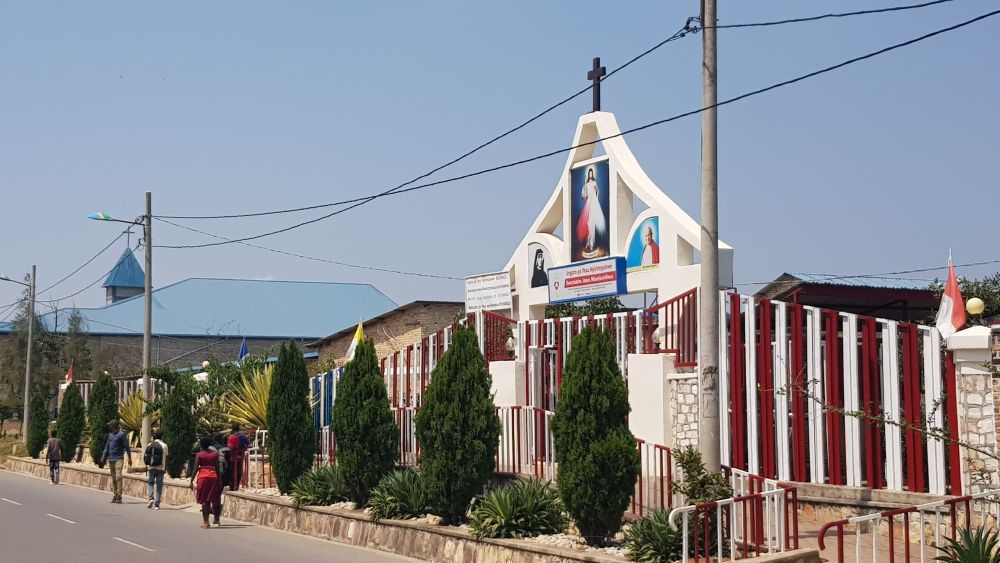
In May 2025, the Rwanda Governance Board (RGB) imposed a three-month suspension on the monthly prayer gatherings held at Kwa Yezu Nyirimpuhwe, citing the sanctuary’s failure to meet certain regulatory standards.
RGB instructed the Kabgayi Diocese to implement specific measures before activities could resume. These included ensuring freedom of worship for all attendees, creating adequate parking facilities, establishing separate routes for pedestrians and vehicles, and providing quiet spaces where vulnerable individuals could participate in prayers undisturbed.
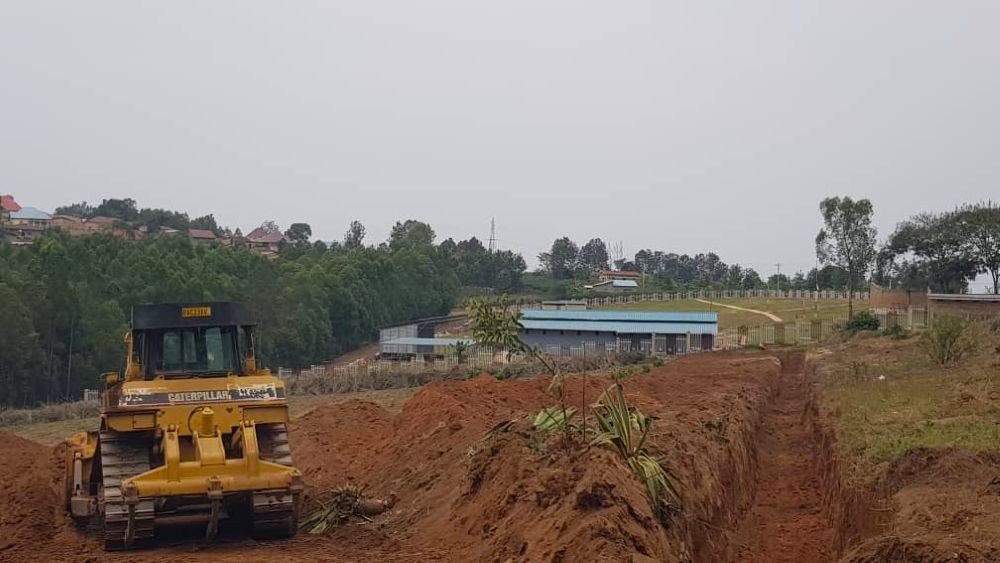
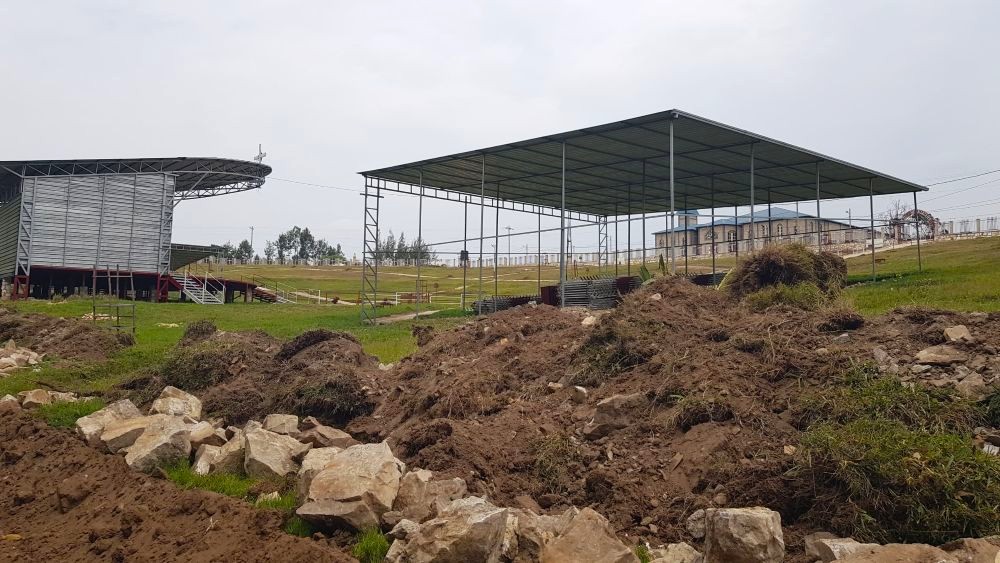
To comply with these requirements, the management of the sanctuary has launched comprehensive renovation works aimed at upgrading the facilities and improving safety for the large crowds who visit the site.
Father Dominique Ngendahayo Tumaine, Acting Director of the Kwa Yezu Nyirimpuhwe Sanctuary, has told IGIHE that the renovations officially started on July 7, 2025.
“Visitors deserve freedom of movement, with clear pathways for people and designated areas for vehicles,” Father Tumaine explained. “A new road is being constructed from the main tarmac road, passing beneath the shrine and connecting to a parking area being developed on diocesan land.
This infrastructure is expected to significantly enhance security and order.”
In addition, four large digital screens are set to be installed at various points around the sanctuary, enabling worshippers to follow services even from a distance. These will especially benefit vulnerable groups such as the elderly, pregnant women, and others who may find it difficult to access the main prayer grounds.
“One giant screen will be inside Ruhango Parish Church, another at the main entrance visible to people outside, a third in the parking area, and a fourth will be placed wherever else it might be required,” Father Tumaine noted.
Security measures will also include installing surveillance cameras to monitor all activities within the sanctuary premises.
Addressing concerns about the possible purchase of land from residents living near the Peace Plain, Father Tumaine clarified that for now, land acquisitions have been paused since the current available space is sufficient for implementing RGB’s recommendations. However, he indicated that additional land may be acquired in the future for further expansion of the site.
Prayer gatherings at the sanctuary in 1991. Today, the sanctuary is an important religious tourism destination, attracting pilgrims from across Rwanda and internationally. The site regularly hosts crowds exceeding 100,000 worshippers on the first Sunday of each month.
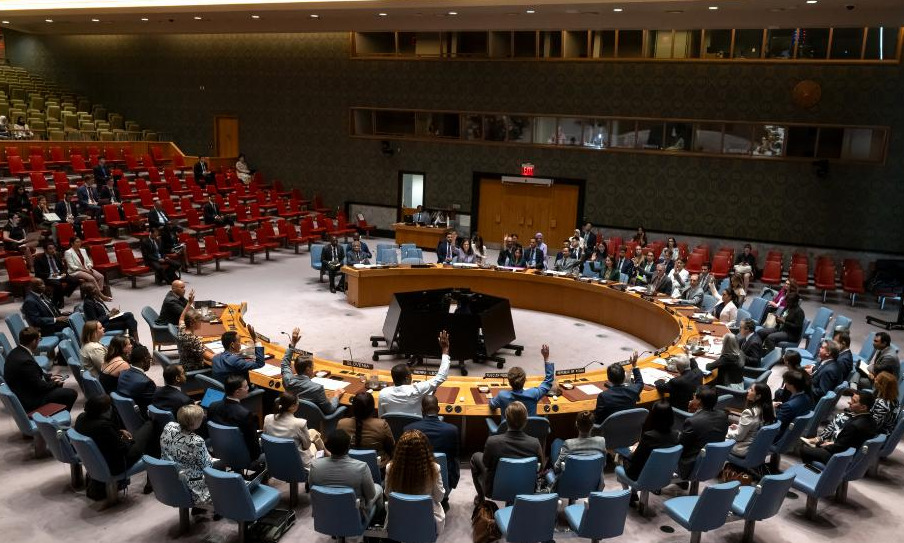
Resolution 2785 extends the mandate of the UN Integrated Office in Haiti for six and a half months, until January 31, 2026. It expresses the council’s intention to consider the UN secretary-general’s February 2025 recommendations on options for the possible role of the United Nations in Haiti, notably regarding the establishment of a UN support office to provide logistical and operational support to the multinational police force in Haiti.
Resolution 2786 extends for six and a half months the mandate of the UN Mission to support the Hudaydah Agreement (UNMHA) until January 28, 2026.
The resolution expresses the council’s intention to review the full range of options for UNMHA’s mandate, including assessing the future viability and sunsetting of the mission, and make any necessary adjustments to gain efficiencies and reduce costs or otherwise as may be required by developments on the ground, including a durable nationwide ceasefire.
It requests UN Secretary-General Antonio Guterres to present to the Security Council a further review of UNMHA before November 28, 2025.
Trump announced an agreement with NATO regarding weapons to assist Ukraine while meeting NATO Secretary General Mark Rutte in the Oval Office.
The plan will rapidly provide Ukraine with the most sophisticated air defenses and precision missiles, Trump said.
“We are going to be sending them weapons and they’re going to be paying for them,” said Trump, adding that the United States will manufacture those weapons.
Rutte described the arrangement as highly significant, suggesting this demonstrates that Europe is taking on a greater role.
Under the agreement, governments of Germany, Finland, Denmark, Sweden, Norway, the United Kingdom, the Netherlands and Canada will finance bulk purchases from U.S. manufacturers and ship the equipment directly to Kiev.
Regarding Russia, Trump said, “We’re going to be doing very severe tariffs if we don’t have a deal in 50 days.” There will be “secondary tariffs” of about 100 percent, he said.
U.S. Commerce Secretary Howard Lutnick clarified later that Trump meant “economic sanction” when he threatened “secondary tariffs” against Russia if it did not reach a deal to end the war in Ukraine within 50 days.
To that end, Trump backed bipartisan legislation — already supported by most U.S. senators — that will sanction banks and energy traders buying Russian oil above the G7 price cap and freeze Russian sovereign assets until Moscow withdraws its forces.
Speaking to reporters after the Oval Office meeting, Trump said that the deal with the NATO allies was done and fully approved.
“We’ll send them a lot of weapons of all kinds,” Trump said. “And they’re going to deliver those weapons immediately to the site, to the site of the war, different sites of the war, and they’re going to pay for 100 percent of them.”
New York-based defense analysts told the Wall Street Journal that the first wave of supplies could exceed 10 billion U.S. dollars once training, spare parts and munitions are counted. A single Patriot battery alone can reportedly cost over 1 billion dollars when factoring in missiles.
Brookings Institution Senior Fellow Michael O’Hanlon characterized the combined military and economic measures as the most significant U.S. escalation since 2022, saying that the dual approach increases pressure on Russia from multiple directions.
Ukrainian President Volodymyr Zelensky said on social media that he spoke with Trump and “it was a very good conversation.”
“Thank you for the willingness to support Ukraine and to continue working together to stop the killings and establish a lasting and just peace,” said the Ukrainian president.
The Russian Foreign Ministry warned that supplying longer-range missiles will make Europe a participant in aggression, according to Tass news agency. Kremlin spokesperson Dmitry Peskov accused Washington of escalating the conflict but did not announce specific countermeasures.
Deputy Chairman of the Russian Security Council Dmitry Medvedev on Tuesday called Trump’s statements against Russia a “theatrical ultimatum” and the country “didn’t care.”
“Trump issued a theatrical ultimatum to the Kremlin. The world shuddered, expecting the consequences. Belligerent Europe was disappointed. Russia didn’t care,” Medvedev wrote on X.
German Defense Minister Boris Pistorius said Berlin will coordinate with allies on deliveries. However, some German lawmakers expressed concern that sending Taurus cruise missiles could provoke Moscow, reported German newspaper Die Welt.
The plan could force Russia to reconsider the security of its rear areas, since assets previously considered safe may now be at risk, RAND Corporation military analyst Dara Massicot told the Washington Post.
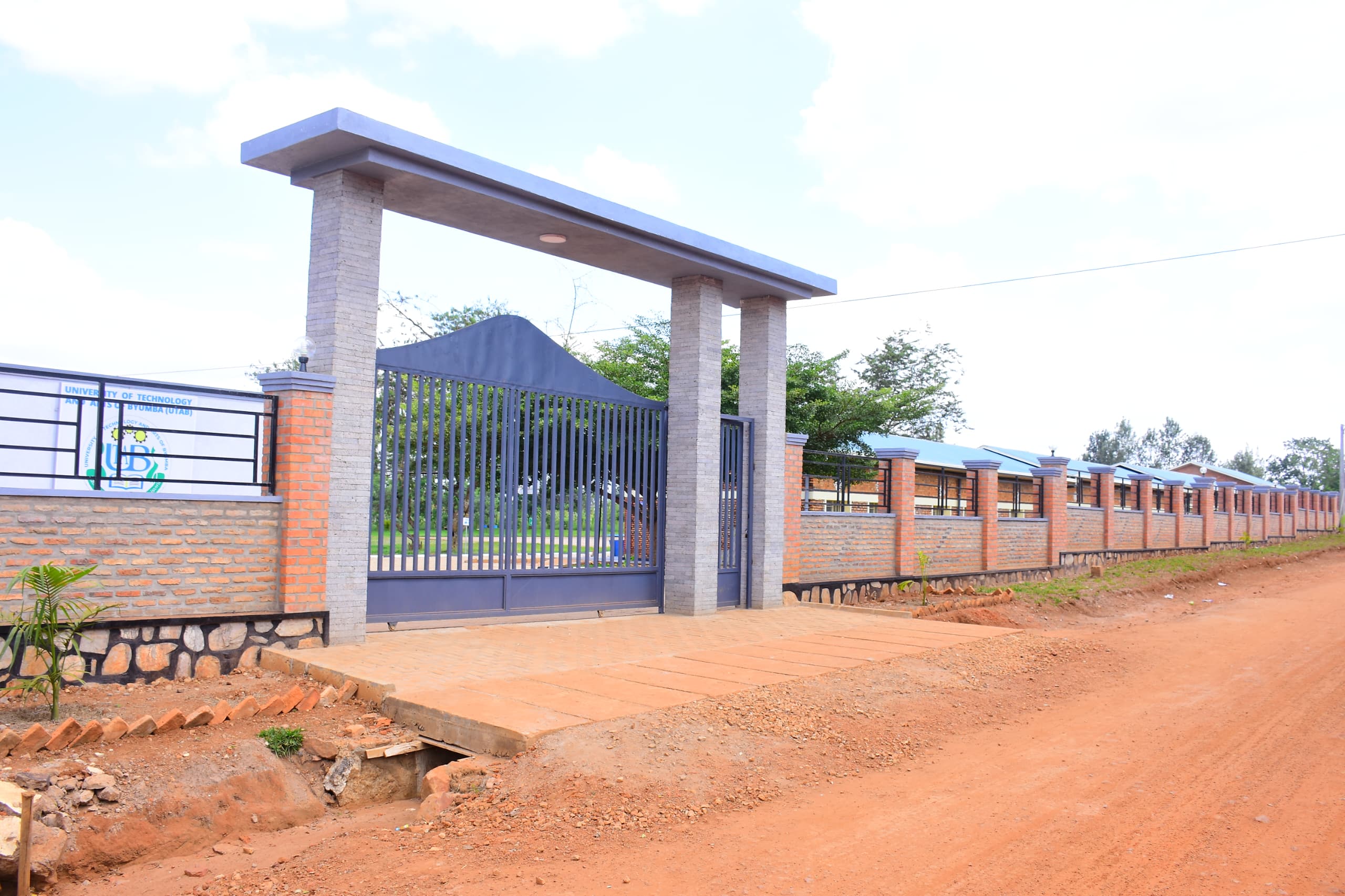
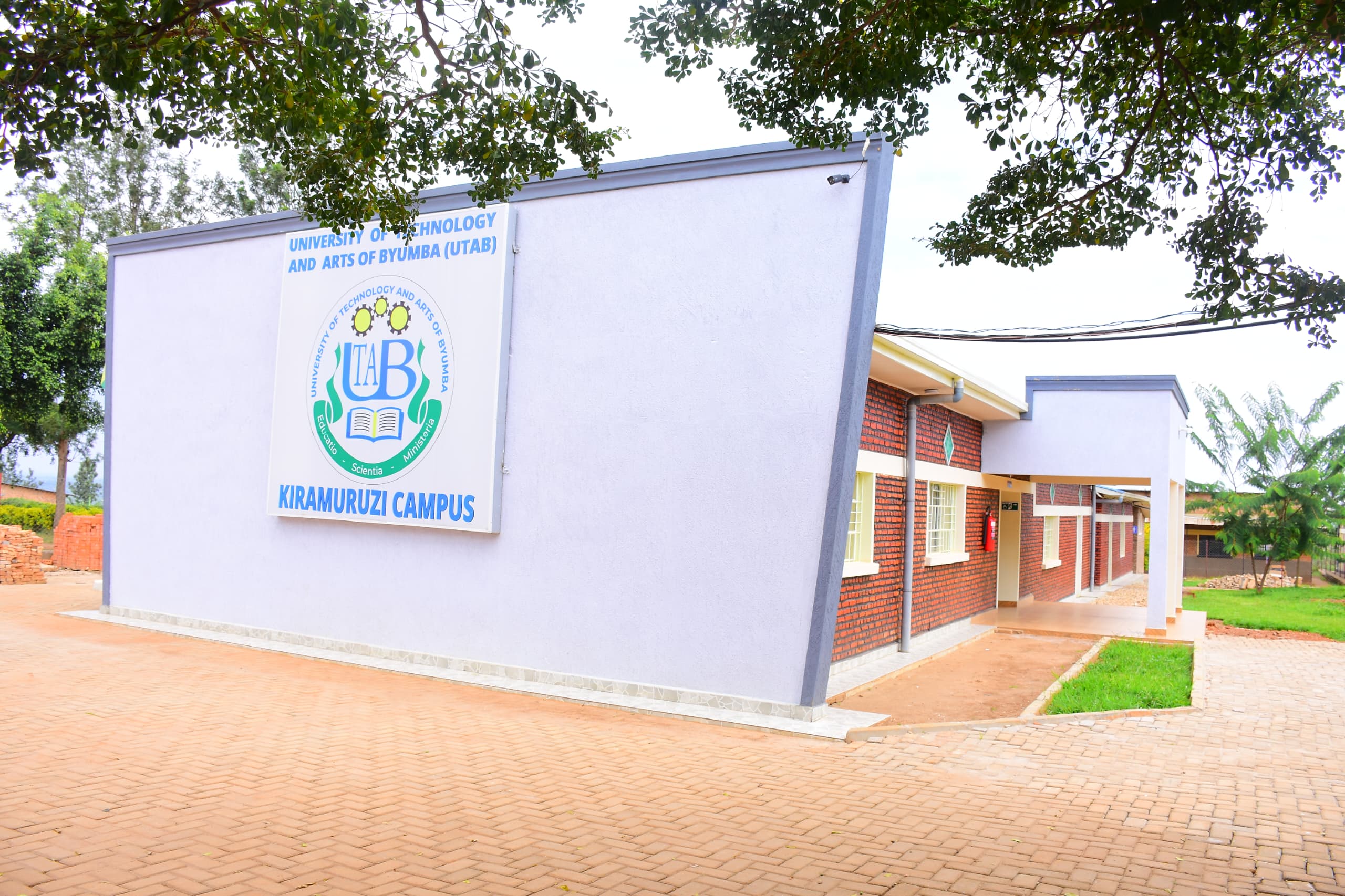
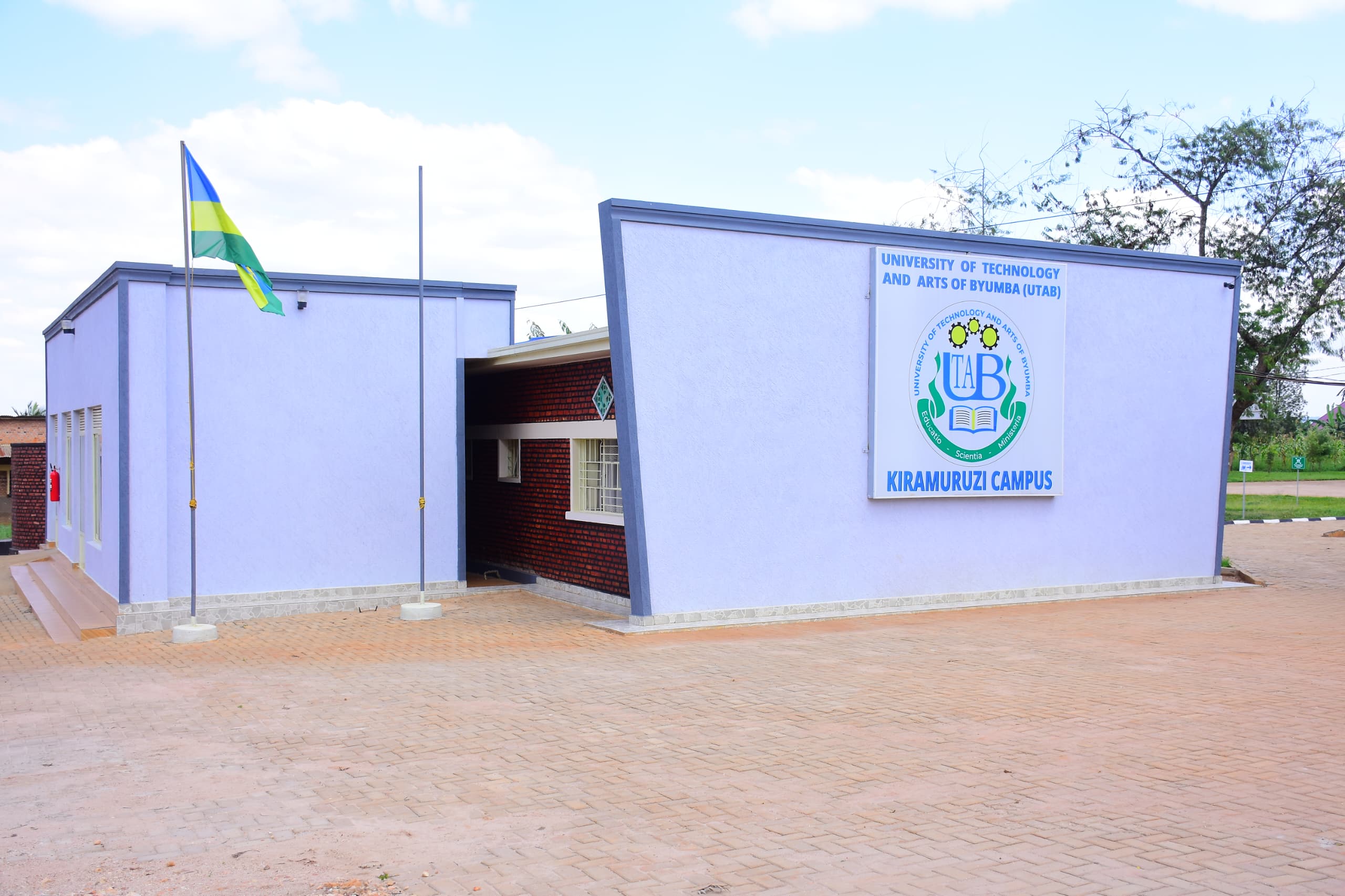
Founded in 2006 as Polytechnic Institute of Byumba (IPB) by ADEB (Association pour le Developement et le Bien-être Social), and currently managed by Catholic Diocese of Byumba, UTAB has grown steadily into one of the country’s leading private universities, currently serving nearly 12,000 students across three faculties: Social Sciences, Education, and Agriculture, Environmental Management and Renewable Energy. The university is also preparing to launch a fourth faculty focused on Science and Technology.
According to UTAB Vice Chancellor, Fr. Dr. Gilbert Munana, the decision to establish the Kiramuruzi Campus is a response to growing demand and a commitment to increase access to quality higher education in Rwanda’s Eastern Province.
“After 20 years of service in the Northern Province, we are expanding to Kiramuruzi to bring education closer to the people and offer quality programs aligned with national development goals,” Fr. Dr. Munana said.
“We envision that graduates from the Kiramuruzi Campus will embody hope, knowledge, and strong values, becoming change agents in education, the economy, social wellbeing, and technology, starting from their own communities,” he added.
The new campus will offer undergraduate degrees in Education, including English and Kinyarwanda, English and French, and Mathematics and Computer Science, as well as a Bachelor of Arts in Accounting. Classes are scheduled to begin on July 21, 2025.
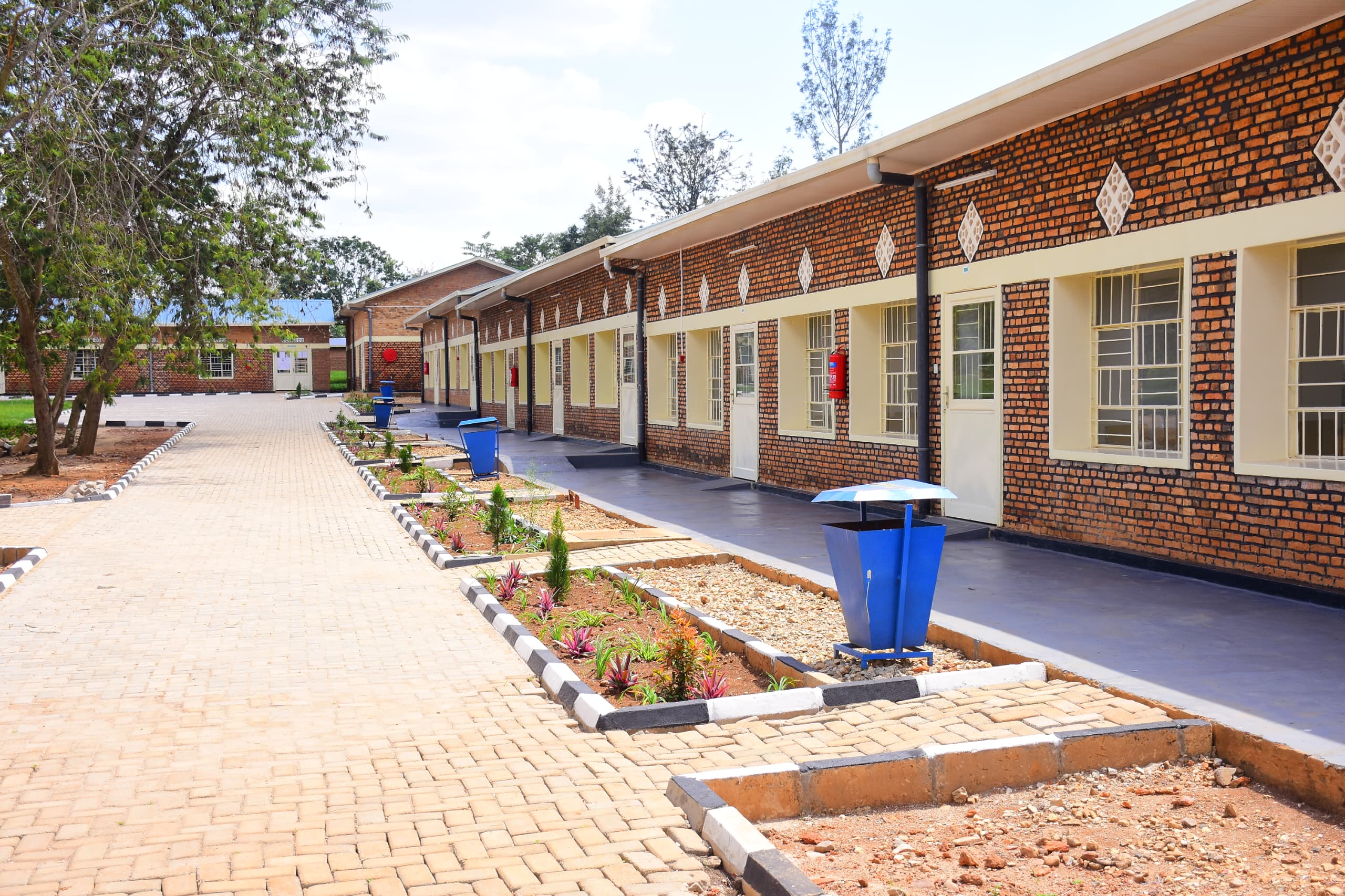
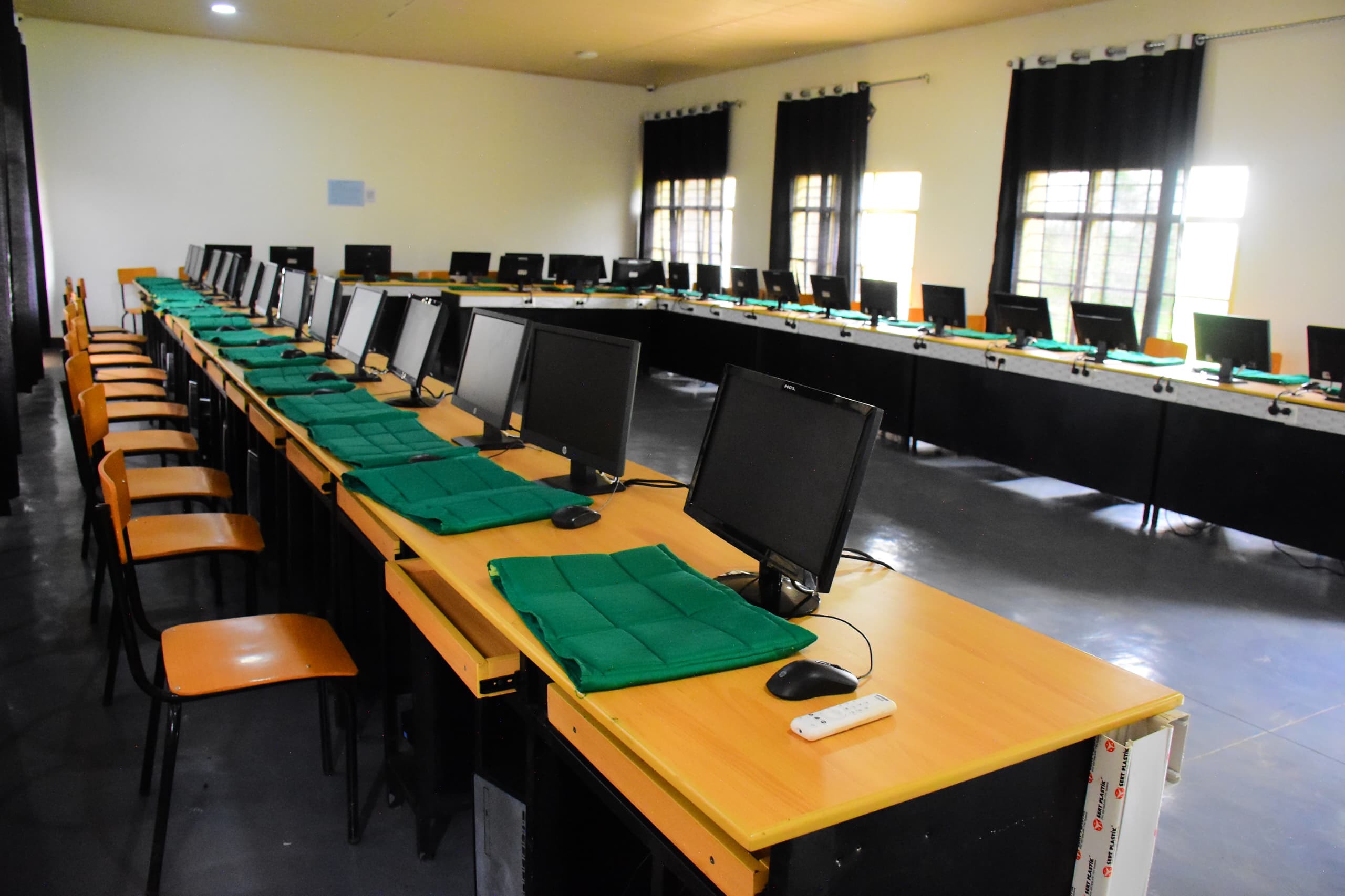
Dr. Jean Pierre Nshimiyimana, the Principle of the Kiramuruzi Campus, confirmed that the necessary facilities, including classrooms, computer laboratories, and qualified staff, are in place to support effective learning. Registration for the new campus is open through UTAB’s website and physical offices.
“Our vision is for Kiramuruzi Campus to become a model of educational excellence in Rwanda. We plan to continue expanding its infrastructure and academic offerings. So far, we have secured over 4 hectares of land for campus development. This is not a beginning – it is the continuation of a journey we started with commitment and purpose,” Dr. Nshimiyimana stated.
The expansion is supported by the Higher Education Council (HEC), which has worked closely with UTAB to ensure that the new campus meets national standards for quality education, infrastructure, and faculty qualifications.
Fr. Dr. Munana expressed confidence that graduates from Kiramuruzi will contribute significantly to Rwanda’s education sector, economy, social welfare, and technological advancement.
While many believe stress relief requires long breaks, vacations, or expensive therapy sessions, science tells us something powerful: just five minutes of the right activity can reset your nervous system and calm your mind. According to Harvard Medical School, short, intentional pauses throughout the day can significantly lower cortisol levels and boost mood, productivity, and mental clarity.
Whether you’re at your desk, in traffic, or on a crowded train, here’s how to bring your stress down, no equipment, no cost, no excuses.
{{Deep breathing
}}
According to the American Psychological Association, deep breathing is one of the fastest ways to interrupt the body’s stress response. In just five minutes, deep belly breathing can slow the heart rate, lower blood pressure, and send a signal to the brain that it’s safe to relax.
Try this anywhere: sit or stand comfortably, place one hand on your belly, and inhale deeply through your nose for four seconds. Hold your breath for four more seconds, then exhale slowly through your mouth for six seconds. Repeat for five minutes, focusing only on your breath. This simple practice can bring immediate calm, even in the middle of chaos.
{{Grounding through the senses
}}
When your thoughts are spinning, grounding exercises help bring you back to the present. According to the Mayo Clinic, engaging your senses can disrupt anxious thoughts and regulate your emotional state.
One effective 5-minute method is the 5-4-3-2-1 technique: name 5 things you can see, 4 you can touch, 3 you can hear, 2 you can smell, and 1 you can taste or imagine tasting. This practice not only reduces stress but also trains your brain to focus mindfully, a technique often used in cognitive behavioural therapy.
{{Mini stretch or movement break
}}
According to Johns Hopkins Medicine, gentle movement, even for a few minutes, can reduce muscular tension and boost endorphins, the brain’s natural stress fighters.
If you’ve been sitting for hours, stand up, roll your shoulders, gently twist your spine side to side, or stretch your arms overhead while taking deep breaths. These small actions increase circulation and release physical tension. If space allows, a quick walk or stair climb can also help reset your mood and sharpen focus.
{{Visualisation
}}
According to the Cleveland Clinic, visualisation, or guided imagery, is a proven technique for calming the nervous system. In just five minutes, imagining a peaceful place such as a beach, forest, or your favourite room can slow brain activity associated with stress.
To try it, close your eyes, breathe slowly, and mentally place yourself in a calming environment. Engage all your senses: feel the warmth, hear the sounds, notice the colours.
This mental “mini-vacation” helps reset your emotional state and is especially effective before meetings, exams, or sleep.
{{The science of micro-breaks}}
According to the University of California, Irvine, short, regular breaks during the day can reduce fatigue, improve focus, and prevent burnout. Even a five-minute pause every 60–90 minutes boosts cognitive performance and emotional regulation.
Stress doesn’t always come from major events; often it builds silently from small, unaddressed pressures. These micro-breaks serve as “pressure valves,” helping you stay mentally and emotionally balanced.
No matter how busy or overwhelming life feels, you always have five minutes, and that five minutes can make all the difference. Whether it’s deep breathing, grounding, stretching, or simply visualising a peaceful space, these practices are supported by science and used by professionals worldwide.
Stress relief isn’t a destination, it’s a daily habit. And with just five minutes at a time, you can build a calmer, clearer, more resilient version of yourself anytime, anywhere.
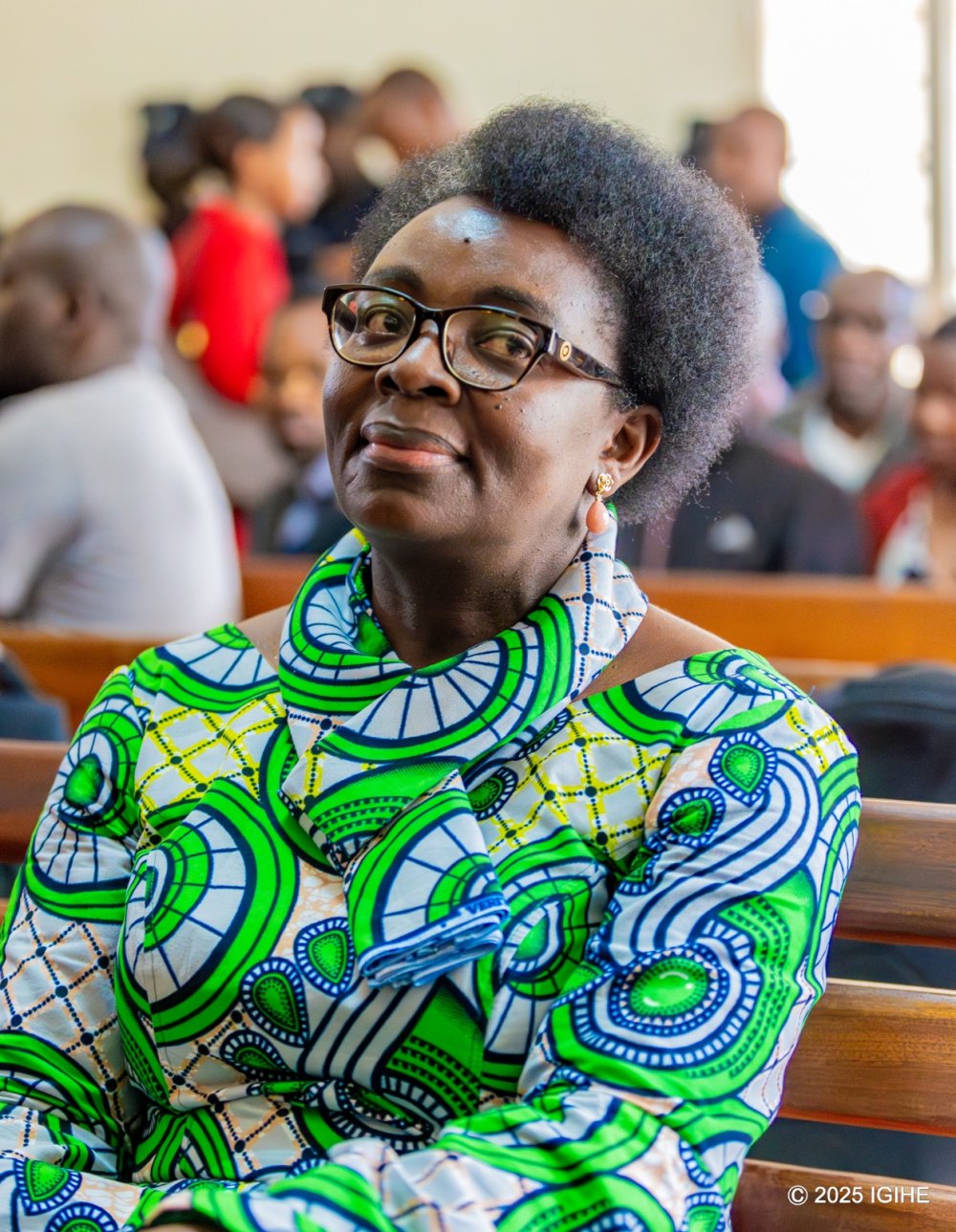
Ingabire, who is facing six criminal charges, appeared before the court seeking provisional release. Originally from Rubavu District, she identified herself as a mother of three and a politician.
Her lead lawyer, Gatera Gashabana, told the court that while some issues had been addressed, the unresolved matter of legal representation remained.
He also raised concerns that Ingabire currently has no means to communicate with her family abroad. Gashabana argued that denying her the legal counsel of her choice contradicts her rights and could negatively affect her defense.
Despite the objections, Ingabire told the court she was willing to proceed with the hearing, though she emphasized that her right to legal representation had been violated due to the Rwanda Bar Association’s refusal to accredit the Kenyan lawyer.
The President of the Rwanda Bar Association, Moïse Nkundabarashi, previously told IGIHE that the request by Kenyan lawyer Osiemo for temporary accreditation was rejected based on the principle of reciprocity.
According to him, Kenya does not allow Rwandan lawyers to practice there, and Rwanda has thus adopted a similar stance.
Ingabire faces charges including forming a criminal gang, inciting unrest, attempting to harm state authority, spreading misinformation or inciting hatred against the government, plotting to commit crimes against the state, and organizing demonstrations. Ingabire denied all allegations, stating that she is a Rwandan politician and mother who has no ill intentions toward Rwanda.
Ingabire argued the case should be dismissed due to alleged judicial interference in prosecutorial matters, in contradiction with the Constitution. Ingabire pointed out that she is being prosecuted in connection to a case dating back four years, which has already been tried by the High Court. She was previously interrogated but not indicted, raising questions about the timing and motivation behind her arrest.
Gashabana explained that under Article 106 of the Criminal Procedure Code, courts can summon additional parties to a trial if new evidence arises. However, this does not automatically warrant detention, which he argued was the prosecution’s unilateral decision.
The prosecution countered by stating that their actions were within the bounds of Article 106 and denied any judicial interference. They emphasized that it is not the court but the prosecution that decides whether an individual should be detained pending trial.
The court ruled that the objections and the prosecution’s reasoning will be reviewed together before a final decision is made on Ingabire Victoire’s bail status.