On March 24, 2025, the Office of the President of Angola clarified that this decision was made to allow the country, which currently leads the African Union (AU), to focus more on continental priorities.
Angola emphasized that its efforts would now concentrate on issues such as peace and security across the continent, infrastructure development, regional integration, the fight against pandemics, and promoting economic growth, social welfare, and justice.
The President’s Office further stated that, in collaboration with the AU Commission, a new country supported by both the Southern African Development Community (SADC) and the East African Community (EAC) will soon be chosen to replace Angola in the mediation role.
Olusegun Obasanjo, Uhuru Kenyatta, and Hailemariam Desalegn, who have been tasked with assisting the peace talks, will also help in selecting Angola’s successor.
Angola’s mediation efforts began in 2022 when relations between the DRC and Rwanda worsened due to security-related conflicts. However, the talks stalled in December 2024 after the DRC refused to engage with the M23 armed group.
After meeting with DRC President Félix Tshisekedi on March 11, 2025, Angola’s President João Lourenço announced that direct negotiations between the DRC and M23 representatives would begin on March 18.
However, on March 17, M23 withdrew from the talks scheduled in Luanda due to sanctions imposed on its leaders by the European Union (EU) on the same day.
On the same day the talks were set to begin, Qatar’s Emir, Sheikh Tamim bin Hamad Al Thani, convened a meeting in Doha with Presidents Paul Kagame of Rwanda and Félix Tshisekedi of the DRC.
The leaders expressed support for political dialogue between the conflicting parties, as endorsed by both the EAC and SADC.
In an interview with IGIHE, legal expert and political analyst Gatete Ruhumuliza discussed the implications of this decision.
He explained that severing diplomatic ties indicates a breakdown of communication.
“This shows that both sides tried and found no further reason to maintain relations. However, Rwandans with Belgian citizenship are allowed to stay in Rwanda with their belongings. This decision targets Belgium’s government, not Belgians,” he stated.
Some critics argue that such a decision was taken hastily and should have been preceded by dialogue and diplomatic mediation. However, Gatete believes the move delayed, given the historical context and its particular impact on Rwanda.
“This decision was long overdue. We have never had a good relationship with Belgium. Belgium came to Rwanda to help us achieve independence, but instead, they sowed ethnic division, fought against the Rwandan people who didn’t comply with their interests, and introduced oppression and forced labor, and many more evils.”
Gatete pointed out how Belgium played a significant role in dividing Rwandans, particularly through the manipulation of ethnic divisions.
“Belgium exacerbated ethnic divisions in Rwanda by favoring some groups over others, encouraging loyalty to their cause.”
When the Belgians arrived in Rwanda, they encountered a united nation with unique governance practices, making it challenging to impose their systems as they had done in other African countries.
This led them to try every means to weaken Rwandan unity, which was the foundation of the country’s stable governance.
Gatete emphasized, “The Belgians worked to undermine the unity of the Rwandan people because unity was the key to strong leadership, which would be an obstacle to their colonization ambitions.”
Belgium sought to disrupt Rwandan unity by attacking cultural practices, religious beliefs, and traditional leadership structures.
Among the cultural aspects they fought against, he cited ‘Umuganura,’ a cultural festival that united Rwandans.
They also fought against Rwandans’ religious practices, changing their names and attempting to dismantle key societal structures.
King Yuhi V Musinga, who was responsible for safeguarding Rwandan unity, noticed the harmful intentions of the Belgians and refused to align with them.
This ultimately led to his exile to Moba in what is now the Democratic Republic of Congo (DRC).
“King Yuhi V Musinga was the protector of Rwandan unity, and he refused to collaborate with those who sought to divide us,” Gatete explained.
Following Musinga’s exile, his son, King Mutara III Rudahigwa, succeeded him and was baptized, signaling his willingness to cooperate with Belgium.
However, it didn’t take long for him to realize that their efforts to divide the people would bring ruin to Rwanda.
For example, Belgium attempted to segregate Tutsi children for education, but King Rudahigwa rejected this.
“King Rudahigwa rejected Belgium’s divide-and-rule tactics and continued to support the Rwandan people,” Gatete noted.
After his murder, Belgium’s colonial rule in Rwanda ultimately set the stage for the 1994 Genocide against the Tutsi. The Belgian authorities favored the Hutu extremists, which exacerbated ethnic divisions.
After Rwanda’s independence, Belgium continued its support of those who promoted the ideology of division, including the Parmehutu ideology that led to the systematic persecution of the Tutsi population.
Even after the genocide, Belgium continued to undermine Rwanda’s peace efforts by supporting genocide deniers and revisionist groups like Jambo ASBL.
Gatete highlighted how Belgium has been complicit in promoting genocide denial and spreading false narratives.
“Belgium has funded organizations that deny the genocide and spread lies about Rwanda’s history. Some members were also given roles in grassroots leadership. While their efforts to join the parliament remained futile, they benefited from Belgium’s support.”
Gatete also criticized Belgium’s role in promoting ethnicity under the guise of researching gender equality in Rwanda, where they propagated false reports by categorizing Rwandan leaders based on their ethnicity, perpetuating the same divisive tactics they had used during colonial rule.
“These studies were biased and designed to further divide Rwandans by emphasizing ethnic differences,” he explained.
Belgium’s persistent efforts to undermine Rwanda’s unity and peace have fueled the country’s ongoing challenges. Gatete emphasized that no foreign power has ever defeated Rwanda, and its strength lies in unity.
“When Rwandans are united, no one can defeat us. Our unity has allowed us to achieve progress, and that is the foundation of Rwanda’s success.”
This unity being the core of Rwanda’s progress, according to Gatete, is what President Paul Kagame has focused on in rebuilding Rwanda after the genocide.
Gatete also explained how international interests continue to play a role in destabilizing the region, citing the ongoing tensions between Rwanda and the DRC.
He noted that international powers benefit from dividing Rwanda and its neighbors because it makes it easier for them to maintain control.
The virtual event convened key stakeholders to discuss strategies for building a dynamic, tech-driven financial ecosystem. Panellists stressed the importance of regulatory clarity, strategic collaboration, and the essential role of Rwanda’s sandbox framework in enabling innovation.
Leila Rwagasana, FinTech Lead at Rwanda Finance Ltd outlined the country’s ambition to position Rwanda as a global financial hub through the Kigali International Financial Centre (KIFC).
“Through the Kigali International Financial Centre, we are working to attract global investors and technology-driven financial services. Regulatory clarity and strategic partnerships are key to achieving this vision,” she said.
Jerome Ndayambaje, Digital Innovation Analyst at CMA Rwanda shared insights into the authority’s sandbox programme, highlighting its role in adaptive policy development.
“The CMA sandbox is designed to help firms navigate regulatory requirements while promoting responsible innovation. It enables us to refine policies in real time in response to emerging trends,” he explained.
From an industry perspective, Darius Mukiza, Head of Fund Management at BK Capital, reflected on his organization’s experience with the sandbox.
“Being part of the sandbox allowed us to explore new digital investment solutions within a structured environment. This initiative is crucial for market participants seeking to integrate FinTech into traditional financial services,” Mukiza noted.
Samuel Njuguna, CEO of Moneto Ventures, also praised the collaborative nature of the sandbox while testing their Tunzi App.
“The sandbox was instrumental in helping us refine our product while ensuring compliance with regulatory standards. This kind of collaboration between regulators and innovators is essential for FinTech growth,” he stated.
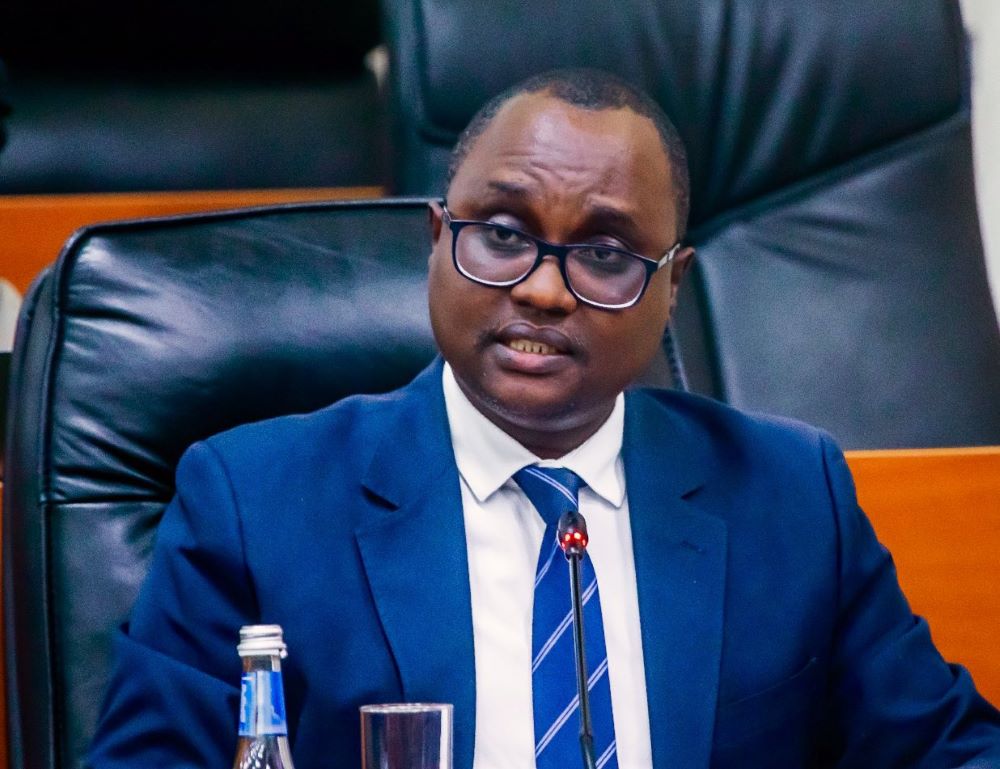
CMA’s Chief Executive Officer, Thapelo Tsheole reaffirmed the authority’s commitment to nurturing innovation within a secure and well-regulated financial environment.
“Our goal is to provide a framework that encourages innovation while safeguarding investor protection and maintaining market integrity,” he emphasized.
On March 22, 2025, AFC/M23 announced that it had removed its fighters from Walikale and other bordering areas, after nearly three days of monitoring the situation.
A spokesperson for AFC/M23, Lawrence Kanyuka, explained that the decision was made to create a positive atmosphere for peace talks, but warned that if the DRC government forces resumed attacks, they would reconsider their position.
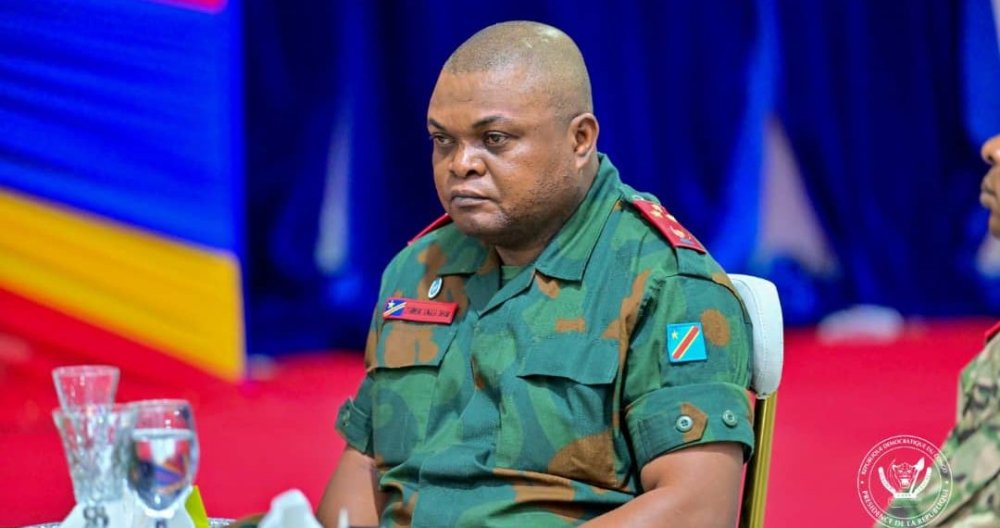
The spokesperson for the DRC military, Gen Maj Sylvain Ekenge Bomusa, also confirmed the AFC/M23 decision and called on government soldiers and local militias not to attack the fighters.
On March 23, the spokesperson for the Rwandan government issued a statement expressing Rwanda’s satisfaction with the decisions of AFC/M23 and the DRC government, emphasizing that Rwanda is committed to working with all parties to ensure the peace agreements are upheld.
In a statement released on March 24, 2025, Qatar’s Ministry of Foreign Affairs highlighted the importance of dialogue and peaceful conflict resolution. The ministry praised both DRC and Rwanda for their commitment to engaging in diplomatic efforts to calm the situation and for their continued dedication to resolving the crisis through peaceful means.
“The Ministry also expresses its hope for the continuation of this constructive approach and positive spirit to ensure the protection of civilians as well as to achieve security and development,” reads part of the statement.
Qatar reiterated its support for the Nairobi and Luanda processes, which have been integrated into the East African Community and Southern African Development Community (EAC-SADC) framework.
The statement follows ongoing efforts to address DRC crisis. Leaders from the East African Community (EAC) and the Southern African Development Community (SADC) met in Tanzania in February 2025, urging the conflicting parties to enter political talks.
With another virtual meeting scheduled for March 24, 2025, Qatar has expressed its support for the leaders’ plan and the adherence to international law principles.
Besides, Qatar’s Emir, Sheikh Tamim bin Hamad Al Thani, convened a meeting on March 18, 2025, between Presidents Paul Kagame and Félix Tshisekedi in Doha to discuss regional security. The two heads of state affirmed their support for political dialogue between the conflicting parties.
According to reports, Han, who had been suspended after the National Assembly’s impeachment, thanked the court for its decision and emphasized the importance of focusing on the nation’s pressing issues, such as global trade dynamics. He also called for national unity, stressing that the country’s progress should transcend political divisions.
Han’s reinstatement follows a turbulent period where both he and President Yoon faced impeachment, triggering political chaos and raising concerns over South Korea’s diplomatic and economic stability. For the time being, Deputy Prime Minister Choi Sang-mok had been serving as acting president.
The Constitutional Court’s ruling on Han’s impeachment concluded that the charges against him were either not illegal or insufficiently serious to justify his removal. One justice dissented, but seven others agreed with the decision.
The court has yet to make a ruling on Yoon’s impeachment. If upheld, South Korea would face a presidential election. If dismissed, Yoon would return to power.
Analysts suggest that Han’s restoration might offer more political stability, though the uncertainty surrounding Yoon’s case remains. Yoon has also been charged with rebellion related to the martial law order, which carries severe penalties, including life imprisonment or the death sentence if convicted. He was arrested but later released, pending trial.
The developments in both cases have divided the nation, with supporters of Yoon hopeful for a similar outcome to Han’s case, while opponents continue to call for his ouster.
In a white Fiat 500L, wearing nasal tubes for supplemental oxygen, Pope Francis entered Vatican City, marking a sigh of relief for many who feared his illness could lead to a fatal outcome or even his resignation.
According to media reports, the motorcade, which initially overshot the Vatican, took a detour to the basilica where Francis, too weak to get out of the car, offered a bouquet of flowers to the cardinal.
The flowers were placed in front of the revered Salus Populi Romani icon, a symbol of personal significance to the pope.
This moment followed his first public appearance in weeks, where he briefly waved from a hospital balcony, offering a thumbs-up and blessing to the crowd.
Despite his visible weakness, Pope Francis seemed grateful for the support of the many gathered outside the hospital.
According to AP, Love, who was a daughter of Haitian immigrants, had been battling brain cancer and had recently received immunotherapy as part of a clinical trial at Duke University’s brain tumor center.
Love’s family shared the news of her death through a statement on her X account, noting that she passed away peacefully at her home in Saratoga Springs, Utah State.
Love’s political journey began in 2003 when she won a seat on the Saratoga Springs City Council, later becoming the city’s mayor.
She ran for Congress in 2012, losing narrowly to incumbent Jim Matheson, before securing a victory in 2014 against Doug Owens.
During her career, Love became a prominent figure within the GOP and was briefly considered a rising star.
She emphasized her belief in the American dream and urged for a more unified country. Despite challenges in her political career, Love’s legacy of service and her determination to bridge divides remains an inspiration to many.
The expulsion followed Rasool’s critical comments about U.S. President Donald Trump during a webinar hosted by the Mapungubwe Institute for Strategic Reflection, a South African think tank.
Rasool was labeled “persona non grata” by the U.S. government, a move he viewed as an attempt to humiliate him. However, he embraced the label, calling it a “badge of honor” and expressed his pride in returning to a place where “Ubuntu” (the African philosophy of interconnectedness) is valued.
Rasool spoke about South Africa’s approach to diplomacy, highlighting “the diplomacy of Ubuntu” as the art of speaking truth gently, not flattering others, and engaging in intellectual conversations. He emphasized that despite conventional diplomacy’s challenges, South Africa must continue to uphold its values.
Rasool expressed hope that President Cyril Ramaphosa would find someone to repair the relationship with the U.S. while preserving South Africa’s dignity.
Despite criticism from U.S. officials, including Secretary of State Marco Rubio, Rasool believed his message reached the highest levels of the U.S. government, proving that the diplomacy of Ubuntu had worked.
Rasool’s expulsion was announced by Rubio, who described him as a “race-baiting politician” and gave him 72 hours to leave the country.
Rasool is set to report the details of the incident to President Ramaphosa, who has downplayed the expulsion as a minor setback in relations between the two nations.
In a statement released by the Office of the Government Spokesperson on Sunday, Kigali expressed support for these developments, calling them steps towards fostering regional stability.
Rwanda reaffirmed its commitment to working with all parties to ensure adherence to peace agreements, particularly within the framework of the Joint East African Community (EAC) and Southern African Development Community (SADC) Summit process.
“Rwanda is committed to working with all parties to ensure adherence to commitments, particularly in the context of the Joint EAC-SADC Summit process and other initiatives which pave the way towards a lasting political and security settlement for the region,” the statement reads.
The AFC/M23, which is part of the AFC rebel alliance, announced on Saturday that it would withdraw its forces, with spokesperson Lawrence Kanyuka describing the move as a strategic decision aimed at creating a favourable environment for political dialogue.
M23 had captured the strategic town on March 19, along with the Kigoma airstrip, following its takeover of nearby areas, including Ngora, Kisima, and Mubanda.
Kanyuka urged local authorities and residents to ensure security in the aftermath of the group’s departure but warned that if Congolese forces resumed attacks on civilians or M23 positions, the group would reconsider its decision and retake the city.
The latest de-escalation efforts come amid diplomatic mediation led by Qatar. On March 18 the Emir of Qatar, Sheikh Tamim bin Hamad Al Thani, hosted Rwanda’s President Paul Kagame and DRC’s President Félix Tshisekedi for a high-level meeting aimed at resolving tensions in eastern DRC.
A joint statement released by Qatar’s Ministry of Foreign Affairs noted that the talks acknowledged progress made in the Luanda and Nairobi peace processes, as well as commitments outlined during the EAC-SADC Summit in Dar es Salaam on February 8.
The statement stressed the leaders’ agreement on the necessity of ceasing hostilities without further delay and their commitment to continued discussions to build a foundation for lasting peace.
AFC/M23 asserts that it is fighting against poor governance and decades of ethnic persecution targeting Congolese Tutsis and other Kinyarwanda-speaking communities in the east.
Its latest offensive has led to the capture of Goma and Bukavu in recent months, prompting global calls for a political solution to the conflict in the eastern region, following heavy losses suffered by the Congolese army and its coalition forces, including SADC troops, the Burundian army, FDLR, and Wazalendo militia groups.
The heavily armed Lendu militants, fighting under the Cooperative for Development of the Congo (CODECO), launched a series of attacks on a Uganda People’s Defence Forces (UPDF) battle group on 18 and 19 March 2025. The fighters attempted to overrun the Ugandan troops in early morning raids but were repelled each time, suffering heavy casualties.
According to UPDF, 31 CODECO militias were killed in action on Wednesday, while another 211 died in Thursday’s counteroffensive.
The Ugandan army lost one soldier, and four others sustained injuries. The wounded soldiers were evacuated to Uganda for medical treatment and are expected to recover.
The UPDF was deployed in the region weeks ago as part of ‘Operation Shujaa’, a joint military campaign with the Congolese army (FARDC) aimed at preventing remnants of the Allied Democratic Forces (ADF) from infiltrating the area.
Security officials say CODECO recently formed an alliance with ADF, intensifying its attacks on Congolese communities, particularly the Hema ethnic group in Ituri.
The group’s brutal raids have left hundreds of civilians dead, including women and children, while entire villages have been torched and looted. The arrival of UPDF forces in Fataki, as well as the nearby towns of Bunia and Mahagi, has been seen as a relief by local communities that have endured relentless attacks by Lendu militias and their allies.
Additionally, Ugandan troops are expected to help curb the growing refugee crisis, as hundreds of Congolese civilians have been crossing into Uganda in search of safety due to the ongoing violence.