The panel will engage with all stakeholders to enhance mediation efforts and support the full implementation of the Revitalized Agreement on the Resolution of the Conflict in South Sudan (R-ARCSS), the AU said in a statement issued Monday.
The AU calls on all parties to uphold all the provisions of the R-ARCSS, the statement said, adding that the pan-African bloc remains actively engaged with regional and international partners, including the Intergovernmental Authority on Development (IGAD), the East African Community (EAC) and the United Nations, to support South Sudan’s transition to durable peace and democracy.
It said that after cordial direct talks with President Salva Kiir of South Sudan, AU Commission Chairperson Mahmoud Ali Youssouf addressed the evolving political situation in South Sudan and the recent violence in Nasir County in the country’s Upper Nile State.
Dozens of people were killed, and several senior officials, including First Vice President Riek Machar, have been detained since clashes erupted in January between the South Sudan People’s Defense Forces and opposition fighters.
South Sudan, which became independent in 2011, signed a peace deal in 2018 that ended a civil war between forces loyal to Kiir and Machar. Nearly 400,000 people died in the civil war.
Relations between Kiir and Machar, who have dominated South Sudan’s politics for decades, remain strained. The clashes and latest political tensions between the two leaders have unsettled many citizens and the international community.
According to a statement from the U.S. State Department, Boulos will commence his visit on Thursday, April 3, 2025, making stops in the DRC, Rwanda, Kenya, and Uganda.
Accompanying him will be senior U.S. diplomat Corina Sanders. The delegation is set to engage with heads of state and business leaders to advance peace efforts in eastern DRC and encourage U.S. private sector investments in the region.
Boulos, a Lebanese-born American, has been appointed as a senior advisor for Africa in addition to his existing role as a senior advisor to Trump on Arab and Middle Eastern affairs.
He has close ties to the Trump family, particularly through his son, Michael Boulos, who is married to Trump’s daughter, Tiffany Trump.
The visit comes amid ongoing efforts to resolve the conflict in eastern DRC, which in recent months has seen M23 rebels seize large swaths of territory, including the cities of Goma and Bukavu.
Significant developments in peace negotiations have been reported, with the DRC government and M23 rebels expected to hold direct talks in Doha, Qatar, on April 9, according to sources.
Efforts toward peace also saw DRC President Félix Tshisekedi and Rwandan President Paul Kagame meet in Doha on March 18. The DRC and Rwanda have been at loggerheads over the conflict, with Rwanda denying allegations that it backs M23 rebels in eastern DRC.
Rwanda insists that its primary concern is the insecurity posed by the FDLR militia, which it accuses of collaborating with the Congolese army. The militia consists of remnants of the perpetrators of the 1994 Genocide against the Tutsi, with Rwanda maintaining that the group poses a significant security threat due to its genocidal ideology.
The move, announced on Tuesday by the presidency’s spokesperson Tina Salama, spares the lives of Marcel Malanga, a Utah-born U.S. citizen, and two other Americans who had faced execution following their conviction by a Kinshasa military court in September 2024.
According to Salama, the death sentences have been commuted to life imprisonment, following an executive order from Tshisekedi.
“They will not be executed, as the death penalty is commuted,” she stated, confirming the reprieve for Malanga and his co-defendants.
The motive behind the pardon remains unclear. However, the decision comes at a time when Tshisekedi is seeking closer security cooperation with the United States. Recently, he proposed a deal offering minerals in exchange for U.S. military support to counter the M23 rebel group, which has seized large swaths of territory in eastern DRC.
The three Americans were among 37 alleged coup plotters who were sentenced to death last September for their role in a failed coup attempt.
The attack targeted the residence of then-Vice Prime Minister Vital Kamerhe before shifting to the Palais de la Nation, the seat of the Congolese presidency.
The coup was thwarted by security forces, resulting in the deaths of six people, including the plot’s leader, Christian Malanga, a former Utah-based car dealer who had returned to the DRC and was father to one of the convicted Americans, Marcel Malanga.
During their trial, Marcel Malanga and his high school friend, Tyler Thompson Jr., both 21, claimed they were coerced into participating in the coup under threat from Christian Malanga. Despite these statements, they, along with a Canadian, a British citizen, and a Belgian national, were convicted and sentenced alongside several Congolese defendants.
The U.S. State Department previously acknowledged the case, and Utah Senators Mike Lee and Mitt Romney had engaged with diplomatic channels over the matter.
Two people were trapped under the debris, and rescue teams from the Myanmar Fire Services Department and Turkey successfully pulled one survivor to safety, the information team said.
The operation at the hotel began at around 3:00 p.m. local time on Tuesday, and the man was rescued by approximately 00:30 a.m. local time on Wednesday, it said.
Efforts are ongoing to locate and rescue the remaining trapped individuals, it added.
As of Wednesday, April 2, 2025, the death toll in Myanmar had risen to 2,886, with 4,639 people injured and 373 still missing.
The TKMD facility, located in the Mwulire industrial zone in Rwamagana District, aims to meet local demand while also supplying other African nations facing syringe shortages.
Established in partnership with Gates Foundation, the World Health Organization pre-qualified facility employs over 100 people—80% of whom are women—enhancing healthcare quality and access.
Dr Nsanzimana described the factory as a game-changer for Africa, addressing a long-standing challenge of syringe shortages across the continent.
“The issue of syringe shortages was not unique to Rwanda; it was a widespread challenge due to reliance on imports and limited global production capacity. With this factory, that problem is now solved—not just for Rwanda, but for Africa as a whole,” he stated.
The first batch of syringes produced was immediately purchased by UNICEF for distribution to Ethiopia, Burundi, the Democratic Republic of the Congo, Mozambique, and other nations.
Currently, TKMD has a production capacity ranging from 600,000 to one million syringes per day, with plans to scale up based on market demand.
The factory had been operational for five months before its official launch, undergoing stringent quality assessments to ensure compliance with international standards.
The Rwamagana industrial zone is designed to accommodate 51 factories. At present, 19 are fully operational, four have been completed and are awaiting permits, while 11 are still under construction.
The sharp decline is attributed to the challenging economic conditions, particularly in key markets like Nigeria, where inflation has consistently exceeded 30% over the past year.
The company attributes this sharp decrease to economic difficulties, particularly in key markets like Nigeria, where inflation has remained above 30% for much of the past year. Additionally, severe power disruptions in Zambia have worsened the situation, impacting the company’s operations.
MultiChoice revealed that over 84% of the lost subscribers were from regions outside South Africa, with Nigeria being the most affected.
In a statement, the company stated, “The loss in the rest of Africa has been primarily due to the significant consumer pressure in Nigeria, where inflation has remained above 30% for the majority of the last 12 months and, more recently, due to extreme power disruptions in Zambia.”
Adding to its challenges, MultiChoice is also under regulatory scrutiny. Nigeria’s Federal Competition and Consumer Protection Commission (FCCPC) recently filed charges against the company for allegedly violating local consumer protection laws, further complicating its position in the region.
According to reports, Wellesley had been battling health issues following a stroke. He was rushed from his home in Trelawny to a hospital in Kingston, where he succumbed to his illness.
Tributes have poured in from across Jamaica, with Prime Minister Andrew Holness acknowledging Wellesley’s impact on his son’s career.
“We have all witnessed the deep love and respect you’ve always shown for your family. As you grieve this great loss, the prayers and support of an entire nation are with you. We mourn with you, we stand with you, and we honor the memory of your father alongside you,” Holness said.
Minister of Sports Olivia Grange also paid tribute to Wellesley, affectionately known as “Gideon” in his community. “Every success that Usain has achieved can be attributed to the confidence given to him by his ever-supportive mother and father. It is going to be a difficult time, but I encourage them to be comforted by the memory of a very good father,” Grange said.
Wellesley Bolt played a key role in shaping Usain’s career, steering him away from cricket and football to focus on track and field. He remained a constant presence in the stands as his son dominated global athletics, winning eight Olympic gold medals.
He is survived by his wife, Jennifer, and their three children, Usain, Sadiki, and Christine Bolt-Hylton.
The study, conducted at the TASK clinical research site in Cape Town, South Africa, is a first-in-human single ascending dose (SAD) and multiple ascending dose (MAD) trial. It is assessing the safety and pharmacokinetics of AKG-100 in both healthy volunteers and pulmonary TB patients. The study will enroll approximately 100 participants.
Dr. Daryl Drummond, Chief Science Officer at Akagera Medicines, expressed optimism about the progress. “The completion of the first cohort in this study is an important milestone as we progress a novel long-acting injectable and targeted treatment option for patients with pulmonary TB,” he said.
“AKG-100 demonstrated promising preclinical data, and we believe that its addition to drug-resistant TB treatment regimens will improve anti-TB activity and provide a favorable safety profile.”
Tuberculosis remains one of the world’s deadliest infectious diseases, disproportionately affecting low-income populations. Despite being both preventable and treatable, TB continues to claim nearly two million lives each year, with 400,000 of these deaths occurring in children.
“TB is the greatest killer in human history. One out of seven people who ever lived has died from it. Nearly two million of the poorest people in Russia, India, Africa, and China die from it every year.” said Michael Fairbanks, Executive Chairman of Akagera Medicines.
AKG-100 is a pegylated liposomal formulation of an oxazolidinone antibiotic. Liposomal drug delivery systems offer significant advantages, including improved drug stability, increased drug solubility, and reduced toxicity.
“Liposome-encapsulated drugs are a promising area of drug delivery research. This formulation enhances drug efficacy by increasing uptake and retention by target cells, allowing for higher drug concentrations at the site of action,” explained Dr. Sachin Marulkar, Chief Medical Officer of Akagera Medicines.
The study’s successful completion of its first cohort marks an important step in the development of a more effective TB treatment. AKG-100’s long-acting injectable formulation is expected to provide much-needed flexibility and improve treatment adherence, especially in resource-limited settings.
Many TB patients struggle with the lengthy and demanding treatment regimens currently available, leading to poor compliance and the rise of drug-resistant strains.
Founded in 2018 in Kigali, Akagera Medicines is dedicated to developing innovative lipid nanoparticle formulations of antibacterial drugs and mRNA vaccines. In 2022, it established a 100%-owned subsidiary in Kigali for manufacturing and clinical trials.
Among its founding and current board members are Ambassador Dr. Albrecht Conze, Dr. Paul Farmer of Harvard Medical School, Dr. Donald Kaberuka, former Chair of the Global Fund for Malaria, HIV, and TB, and Dr. Eliane Ubalijoro, CEO of CIFOR-ICRAF. UN Ambassador Valentine Rugwabiza and Philippe Watrin, Chief Investment Officer of the RSSB, also serve on the board.
Task clinical research, which is conducting the trial, is a leading multinational research institute based in Cape Town, South Africa. It has completed over 100 clinical studies focused on infectious diseases.
It is led by Professor Andreas Diacon, a recognized expert in TB research who received the 2016 Scientific Prize from the International Union Against Tuberculosis and Lung Disease.
The global burden of TB extends beyond human health, with significant economic and geopolitical implications. TB-infected mothers are associated with a six-fold increase in perinatal deaths.
The World Health Organization warns that a large TB infection pool, coupled with factors such as drug resistance and inadequate case detection, continues to fuel the epidemic.
Political conflicts further complicate efforts to control TB, while the disease also poses a direct threat to wildlife. Many animal species, particularly primates, are vulnerable to TB due to increased exposure to eco-tourists.
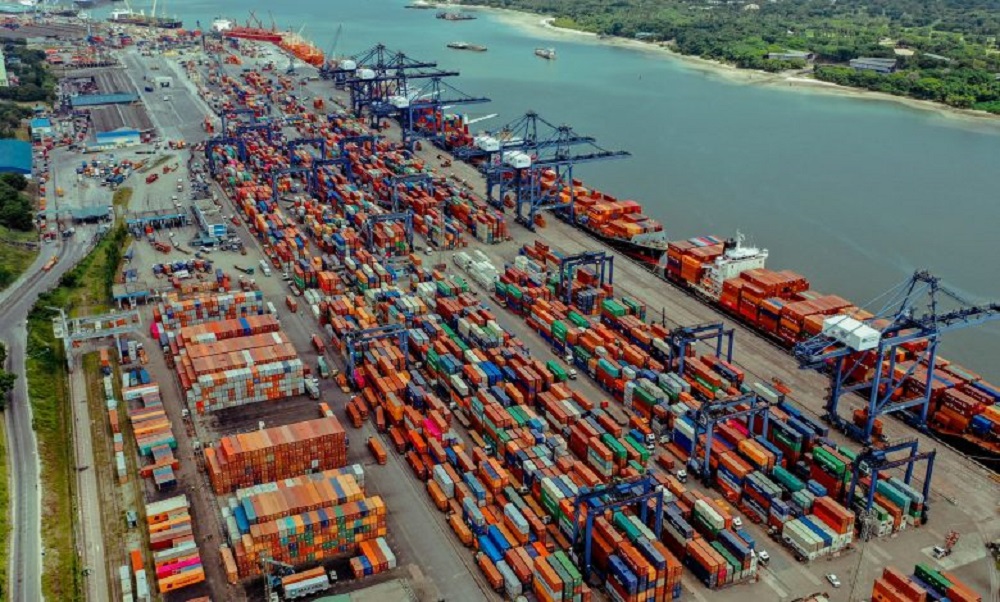
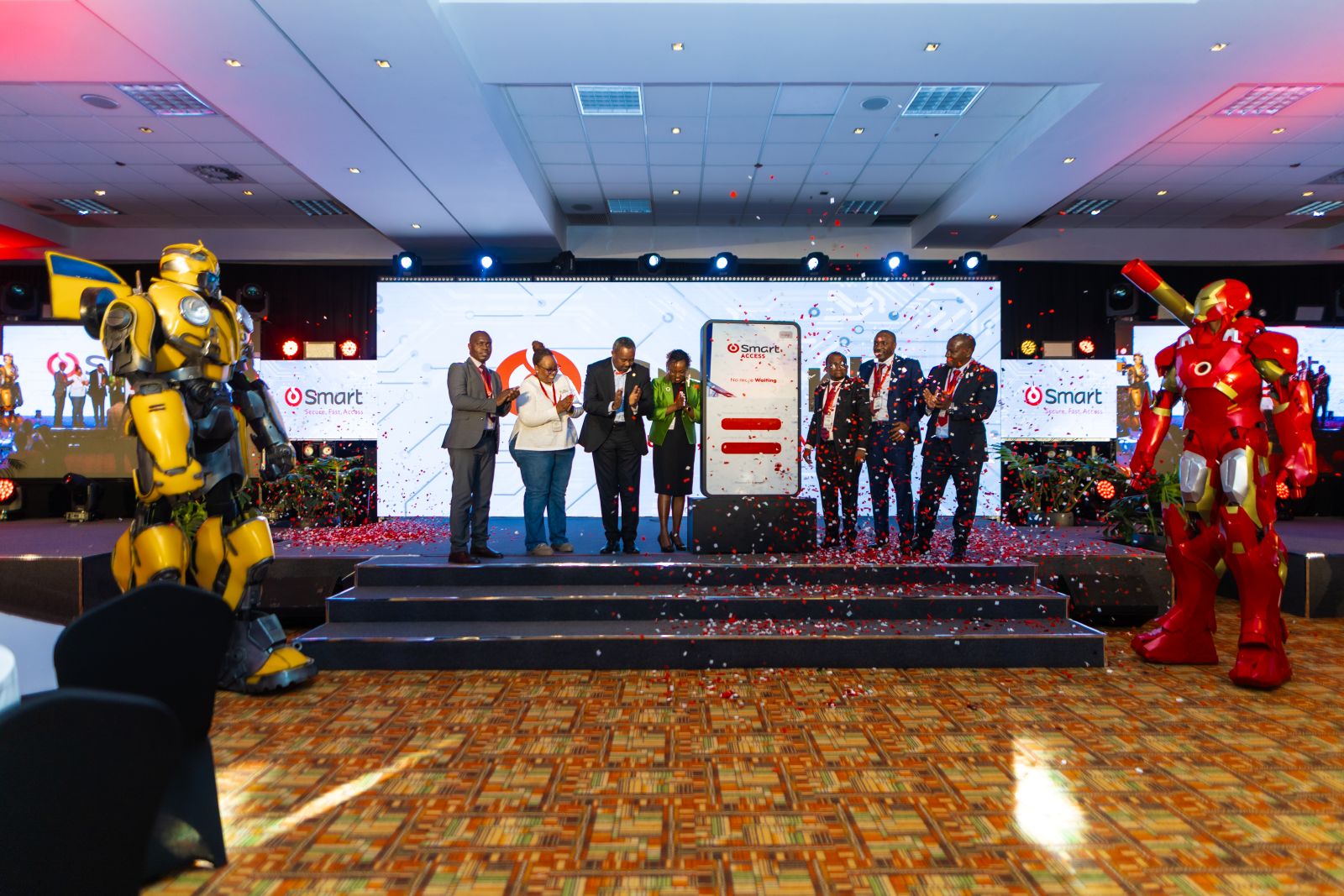
The new digital systems, unveiled in collaboration with the Uganda Revenue Authority (URA), aim to enhance transparency in cargo movement, reduce smuggling, and streamline tax collection on goods imported from East African Community (EAC) member states such as Uganda and Kenya.
With the implementation of RECTS, South Sudanese traders can now track their land cargo in real time, from port of origin to final destination with the E-permit system mandating upfront tax payment before cargo is released for transportation.
This dual approach is expected to significantly minimize delays and eliminate revenue leakages.
“These are major milestones in fostering regional integration and enhancing revenue mobilization for our sister country,” said Hajji Asadu Kigozi Kisitu, Acting Commissioner of the URA Customs Department, who represented the URA Commissioner General during the launch in Kampala.
“Back in 2002, we had to escort cargo across borders manually. Today, we embrace technology for safer, faster, and more accountable cargo movement.”
The E-permit system specifically targets high-risk goods including cigarettes, alcohol, electronics, shisha tobacco, cosmetics, and motor vehicles; commodities often linked to smuggling operations.
SSRA Commissioner General Simon Akuei Deng emphasized that the modernization of customs systems is key to improving security, regulatory compliance, and public revenue. “By implementing these systems, we are aligning with international best practices. Our commitment is to end the perception of South Sudan as a smuggling corridor,” he stated.
Both URA and SSRA believe the technology will not only improve accountability but also address long-standing concerns from regional partners such as the Kenya Revenue Authority (KRA), which have incurred losses due to cross-border smuggling.
As regional trade continues to expand, Kisitu highlighted the critical role of digital solutions in protecting economic integrity. “These systems will ensure that taxes are paid, cargo is monitored, and the region remains secure,” he said.
The launch marks a significant move toward deeper EAC customs integration and is seen as a model for future cooperation among member states.
The center is designed to equip students with deep technical expertise, enabling them to develop locally relevant software that also meets global standards.
“So rather than Africa being just consumers, we now are creators and contribute to the global ecosystem of open-source products and open-source software,” said Conrad Tucker, Director of CMU Africa.
Beyond fostering innovation, the center also aims to enhance Africa’s technological autonomy, allowing governments to develop and maintain their own software rather than relying on external providers.
“For ample, if the government of Rwanda has a software that is developed and implemented domestically. If that software needs to be updated or replaced, rather than always going externally, we have locally homegrown technical talent that can either develop the software, maintain it, and even export it so that this can also be a new source of revenue for our countries.” Tucker explained.
The establishment of the digital public infrastructure labs, has been made possible through a multi-year partnership with the Gates Foundation.
{{A hub for African digital innovation}}
This center is a key initiative supporting Africa’s digital transformation, according to Assane Gueye, Co-Director of the Upanzi Network and an associate teaching professor at CMU Africa.
“Africa is going digital, there are technologies that we need to support that. Often people want to see technology in action, go to India, Europe, or China and this is an opportunity for us as African countries to step up,” Gueye pointed out.
A major objective of the center is to provide a space where African leaders can explore emerging technologies firsthand. “The people working on these solutions are the sons and daughters of Africa. They know the challenges, they build the solutions, and the digital experience center is a place where we showcase them.”
Among the innovations already underway is a digital ID system, which will allow governments to transition from physical ID cards to secure digital identities. “We create a digital ID for the citizen and give them access to services that the government is offering, showcasing how digital ID can help in the country,” Gueye explained.
One of the most promising projects showcased at the center is a Malaria Diagnosis App, co-developed by Eric Maniraguha, a research associate and geospatial analyst at CMU Africa. The app leverages machine learning to streamline malaria diagnosis, reducing the time and effort required for manual testing.
“We are trying to digitalize the malaria diagnosis process. We are working on this by collecting data from health centers, validating it with RBC, and using machine learning to identify and classify malaria parasites,” Maniraguha explained.
While still undergoing optimization, the app is expected to improve diagnostic accuracy and efficiency. “This will reduce the time required for diagnosis and also automate the process,” he noted.
Another major focus of the center is bridging the digital divide, particularly in rural areas. Unlike traditional research institutions, the digital experience center prioritizes real-world problem-solving.
It is expected set to become a regional hub for digital innovation, allowing policymakers, researchers, and entrepreneurs to explore, test, and implement new technologies.