The new figures were released on July 28 in the latest Labour Force Survey. The report shows that both men and women benefited from the rise in employment. Employment among men and women respectively stood at 61.7% and 46.8%.
Young people between the ages of 16 and 30 had a job rate of 49.1%, which is lower than the 57.4% seen among adults aged 31 and above.
The report shows that most people are now working in the services sector. Meanwhile, the number of people working in agriculture went down to 38.0% in May 2025, compared to 39.3% in the same period last year.
Jobs in the industry sector also dropped slightly, while employment in services increased from 44.0% to 45.6% over the same time.
In total, Rwanda’s working-age population (people aged 16 and above) is now around 8.5 million. Out of that, 4.5 million people are working, about 710,000 are unemployed, and 3.2 million are not part of the labour force, meaning they are not working and not looking for work either.
Unemployment also went down. The rate of people without jobs dropped to 13.4%, a big improvement from last year’s 16.8%, and even better than the 15.0% recorded before COVID-19 in 2019. However, women are still more affected, with an unemployment rate of 15.3%, compared to 11.8% for men.
Young people also face more challenges, with 15.4% of them unemployed, compared to 12.1% among adults.
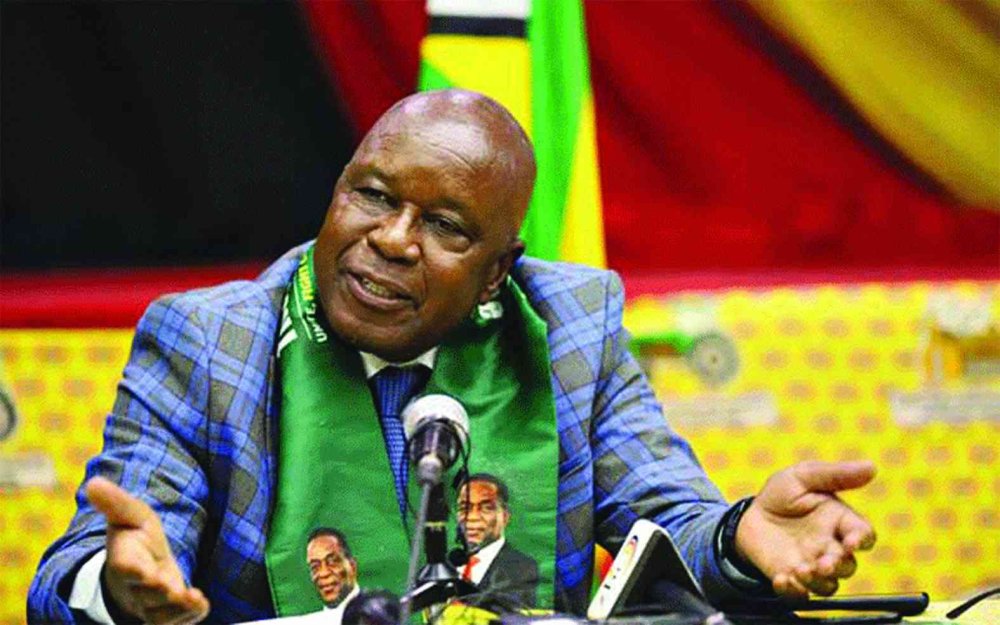
Speaking at the ANC’s 2025 Liberation Movements Summit in Kempton Park, ZANU–PF spokesperson Christopher Mutsvangwa said Washington should not “misdirect itself” in its diplomatic approach to South Africa.
He emphasised that such issues could be resolved without resorting to sanctions, but if the US chooses otherwise, Zimbabwe is prepared, having endured sanctions for over two decades.
“These sanctions have not stopped Zimbabwe’s progress. In fact, we are emerging as one of the most dynamic economies on the continent,” Mutsvangwa told the media.
He highlighted Zimbabwe’s growing steel industry as a symbol of the country’s resilience, adding that even the US might view this development with “a bit of jealousy.”
The US has had strained relations with Zimbabwe for more than 20 years. Initially imposed in the early 2000s, sanctions targeted former President Robert Mugabe and senior officials over allegations of democratic erosion.
Last year, Washington imposed sanctions on President Emmerson Mnangagwa, accusing him of human rights violations following a contested 2023 election. However, on March 4, 2024, President Joe Biden lifted all US sanctions on Zimbabwe, ending the sanctions program.
Mutsvangwa encouraged South Africa to remain optimistic and not be “pushed around by superpowers,” emphasising shared experiences and resources between the two countries.
The call comes amid the introduction of the US and South Africa Bilateral Relations Review Act of 2025, proposed by Congressman Ronny Jackson. The bill could sanction ANC leaders accused of supporting US adversaries such as China, Russia, and Iran.
South African President Cyril Ramaphosa addressed the issue during a visit to BMW South Africa, acknowledging the legislative process was ongoing. He expressed hope for continued diplomatic engagement with the US and a positive outcome that would strengthen bilateral relations.
Meanwhile, the ANC is appealing to US Democrats, especially those who supported the anti-apartheid movement, to oppose the bill.
ANC spokesperson Mahlengi Bhengu-Motsiri stressed that the party will resist any efforts to isolate it through renewed sanctions, recalling the isolation they faced under apartheid-era sanctions backed by some Western countries.
The bill has passed key US House committees and now awaits a full vote in the House of Representatives.
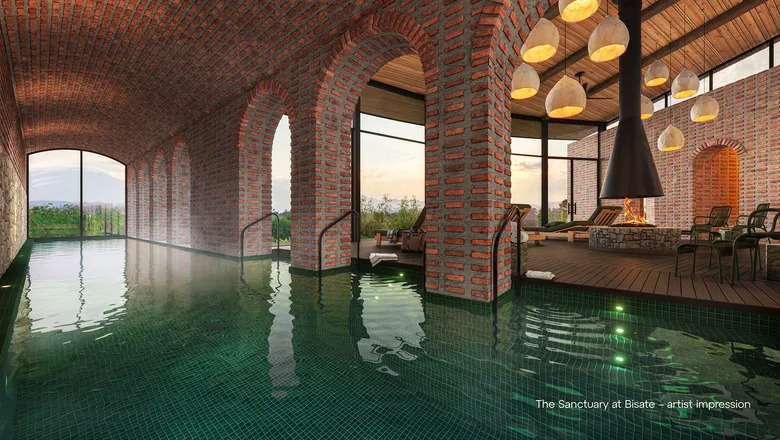
Dubbed The Sanctuary, the space goes beyond traditional spa services, featuring a salt-water lap pool, steam room, ice bath, meditation pods, and treatment rooms.
The lodge says the design prioritises stillness and restoration, with natural materials, quiet soundscapes, and minimal distractions from the surrounding environment.
The new facility will be open to guests staying at both Bisate and the nearby Bisate Reserve.
Wilderness, the company behind the lodge, says the launch reflects a broader shift in how it approaches guest experiences. Alexandra Margull, the company’s Chief Operating Officer, said wellness would no longer be treated as an add-on but “a natural extension of place.”
The opening at Bisate comes alongside a similar rollout at Wilderness Mombo in Botswana, part of what the brand describes as a more integrated wellness offering across its camps.
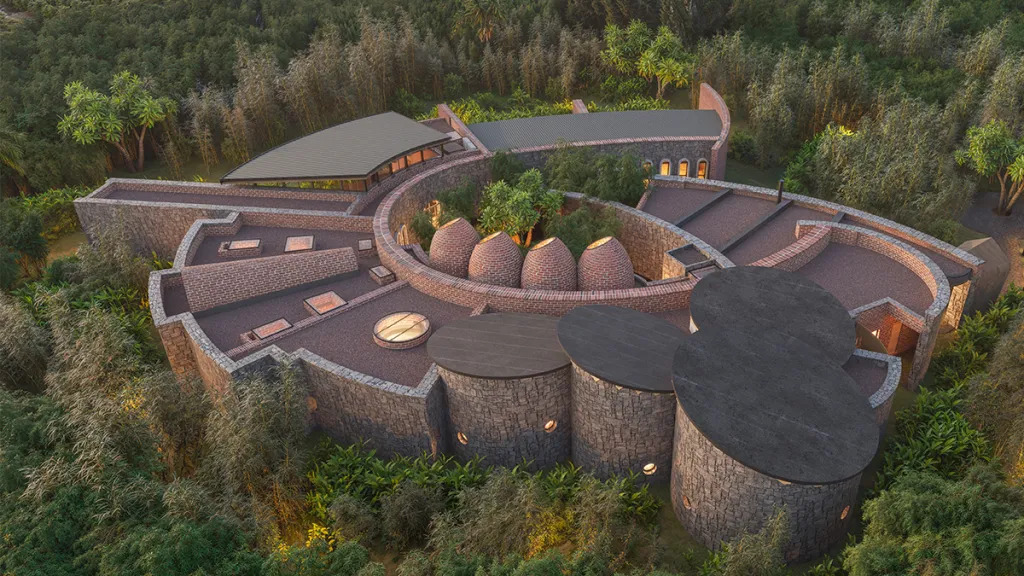
Located near some of the last remaining habitat of the endangered mountain gorilla, Wilderness Bisate is known for its conservation-focused model and ultra-private guest experience. The new wellness space adds another layer to what is already one of Rwanda’s most exclusive tourism destinations.
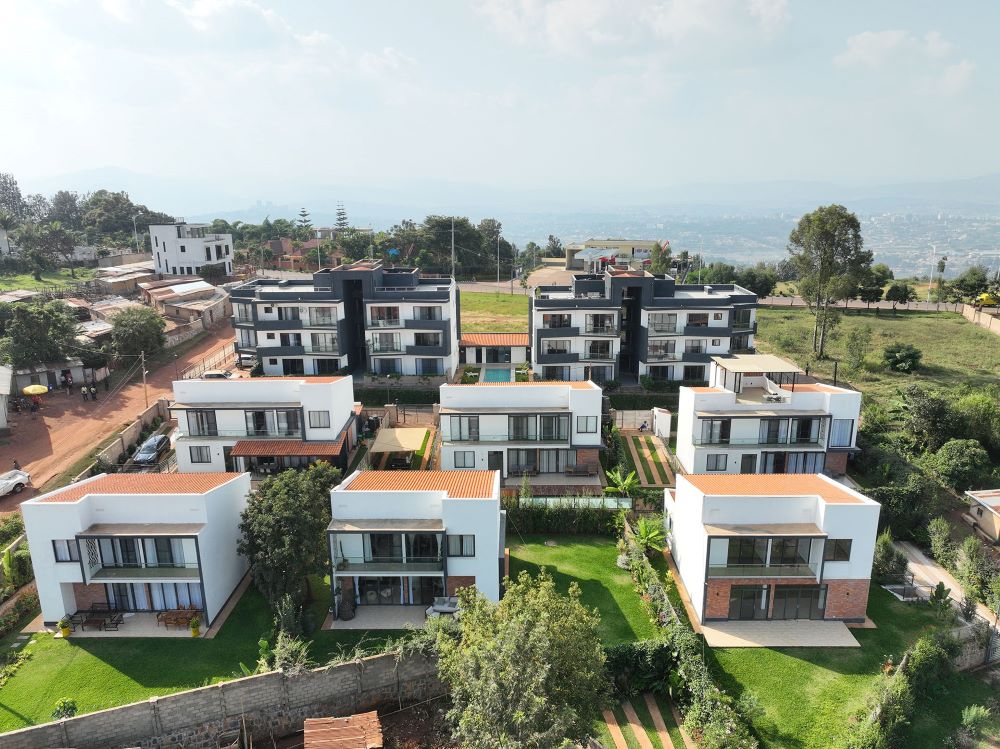
The French-Rwandan developer, which began operations in 2021, has focused on creating quality housing in prime locations including Rebero, Kibagabaga, and soon Kimihurura.
“50 owners or tenants are now living in the apartments and villas we completed during this initial journey,” noted David Benazeraf, Founding partner and Managing Director.
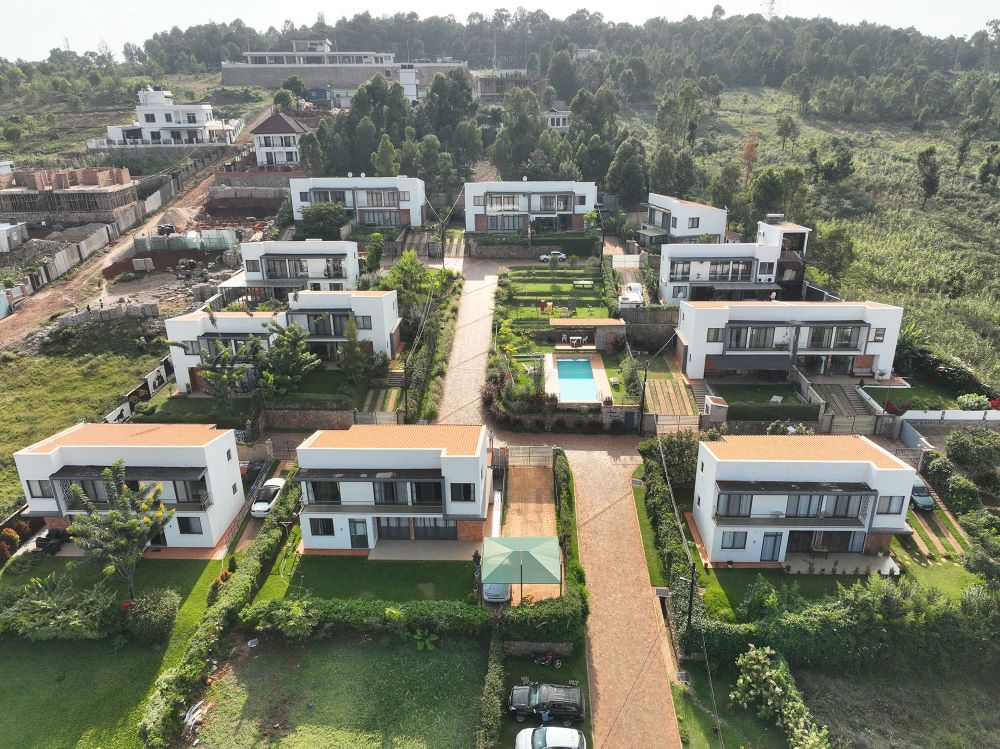
Imara Properties’ first project, Isange Estate Rebero, completed in 2022, introduced 15 high-end villas in a community setting with common gardens and swimming pool.
This was followed by Isange Phase II in 2023, which added 12 apartments and 6 villas to the Rebero neighborhood. The company expanded to Kibagabaga with Isange Apartments, offering 11 premium units near the Convention Center, just handed over, while Ituze Village in Kanombe, introduced functional family homes in 2025.
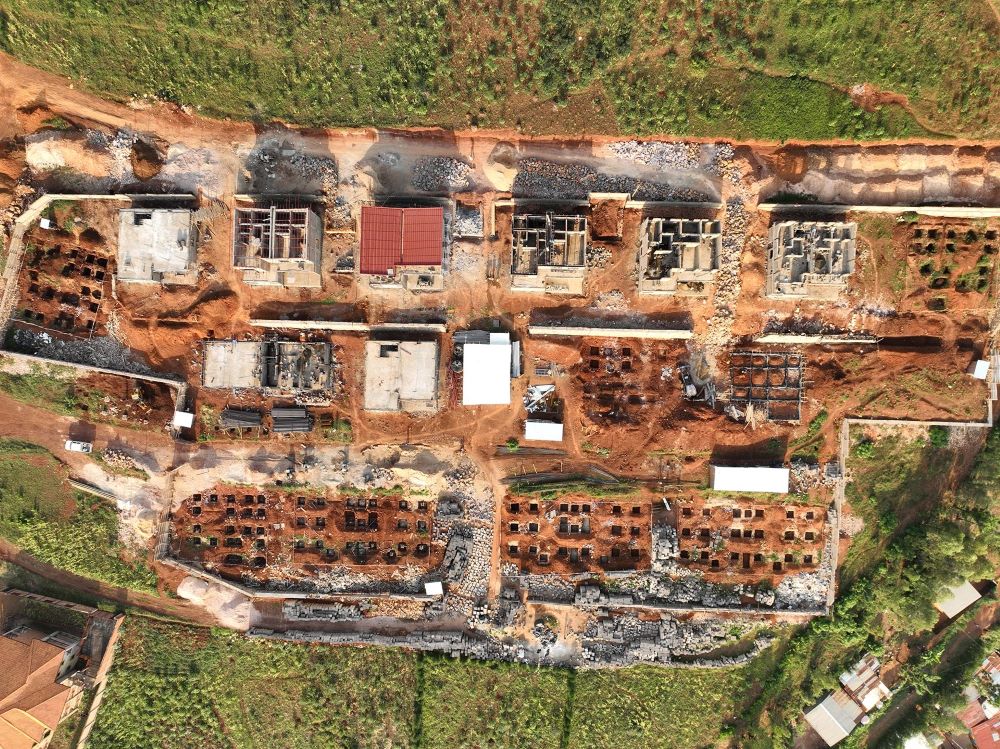
Currently under construction is Isange Phase III Rebero, featuring 20 luxury villas that continue the company’s commitment to community-focused living. The project, like its predecessors, has seen strong ongoing sales, with over 50% of units already sold.
This consistent market response reflects growing confidence among both local and international investors. “When we launched Imara, we had one ambition: to build communities and raise the standards of residential construction in Kigali”, said Founding partner Serge Kamuhinda.
{{A Focus on Quality and Urban Development }}
What sets Imara apart in Kigali’s competitive real estate market is its emphasis on transparency and quality.
“We’ve maintained a simple principle from the beginning,” explains David Benazeraf. “Every property we sell comes with clear, detailed, and accurate specifications. All room sizes are measured, displayed, and explained.”
This approach has resonated with buyers and tenants from 25 different countries across 4 continents, many of whom appreciate the company’s reliable communication and on-time execution.
Client testimonials support this reputation. “The attention to detail and the property matched the initial descriptions, which isn’t always the case in real estate,” shared an owner at Isange Estate Rebero.
Another buyer at the Kibagabaga apartments noted on-time delivery and excellent finishes quality as key factors in their satisfaction. “They are not selling Instagram 3D pictures. They build reality”, said another one who purchased in two of Imara’s projects.
{{Looking ahead}}
Like many developers, Imara Properties has navigated construction challenges and supply chain delays. However, “projects have consistently sold out before completion” recalled Founding partner Aimé Bakata Nkunzi, a sign of sustained demand for well-managed housing in Kigali.
As Rwanda’s capital continues to grow, Imara appears well-positioned for the future. With additional projects in the planning stages and a proven track record of delivery, the company demonstrates that steady, quality-focused development can succeed in Kigali’s dynamic real estate market. Imara’s projects have created about 200 stable jobs.
The company’s strength stems from a dynamic international team and its diverse founding team, which brings together Rwandan and French expertise across multiple disciplines.
The co-founders include David Benazeraf, a French entrepreneur with extensive African and international market experience; Aimé Bakata Nkunzi, a prominent Rwandan architect; Serge Kamuhinda of Volkswagen Mobility Solutions Rwanda; Alain Ngirinshuti from Rwanda Social Security Board; along with locally based architect Yannick Miara, and Yonathan Arfi of Group Optimal Gestion.
“The market is becoming more discerning,” noted David Benazeraf. “Buyers prioritize quality and transparency, which aligns with our vision. Moving forward, we aim to keep improving while staying responsive to the city’s housing needs.”
{{About Imara Properties }}
Founded in 2020, Imara Properties is a French-Rwandan developer specializing in residential real estate.
The company has completed four projects totaling over 50 units across Kigali, with a fifth project of 20 villas currently under construction in Rebero and a sixth one starting construction in Kimihurura this year.
Its leadership combines international expertise with deep local market knowledge. www.imara-properties.com
On July 27, 2025, MTN Rwanda announced that it was experiencing a nationwide technical failure, impacting both voice calls and the functionality of its USSD codes.
From that date through July 28, numerous MTN customers reported receiving error messages such as “This number does not exist” when attempting to place calls. Many were also unable to send SMS messages during the outage.
On the evening of July 28, RURA issued a statement confirming it had detected widespread service issues and had officially summoned MTN Rwanda’s leadership for a response.
“The Rwanda Utilities Regulatory Authority (RURA) has noted persistent and recurring issues in MTN’s service delivery, including disruptions in voice services, SMS, USSD, and challenges related to interconnect traffic between service providers,” reads a statement posted by RURA on X.
“In accordance with the regulations, MTN’s leadership has been invited for a formal meeting tomorrow, Tuesday at 9:00 AM, to provide explanations regarding these issues and to present concrete measures to improve service quality and prevent similar disruptions from recurring,” the statement adds.
At approximately 11:00 PM on July 28, MTN Rwanda announced that the technical issues affecting calls and USSD services had been resolved nationwide and expressed appreciation for customers’ patience.
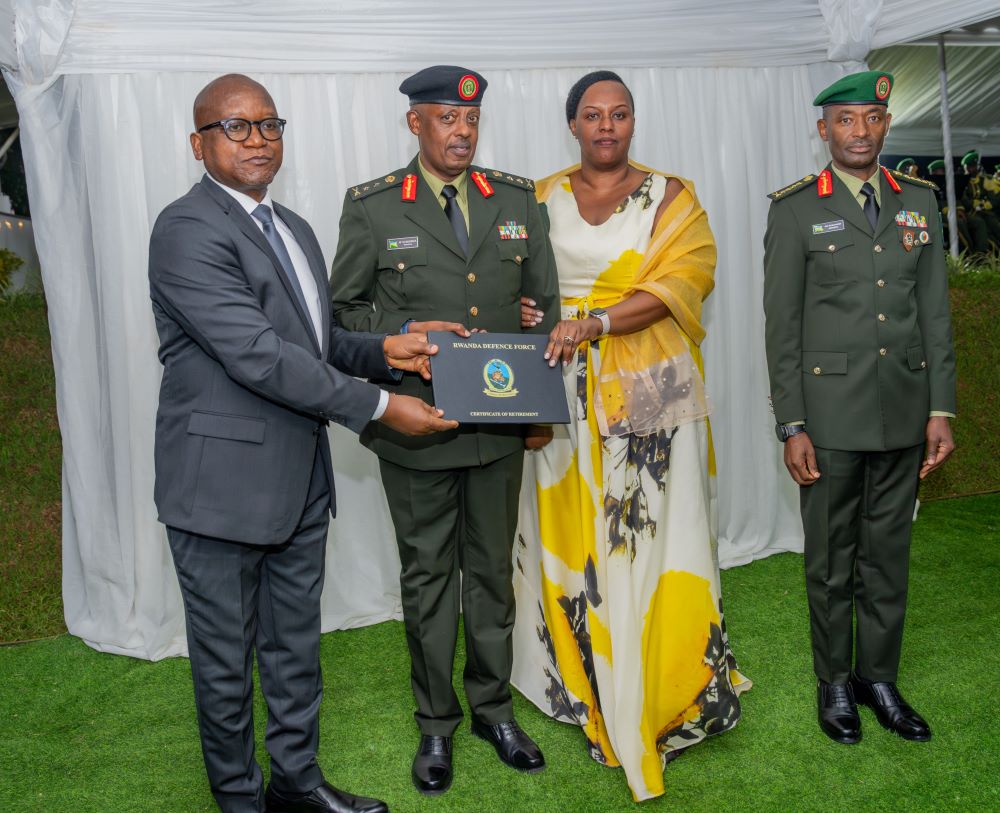
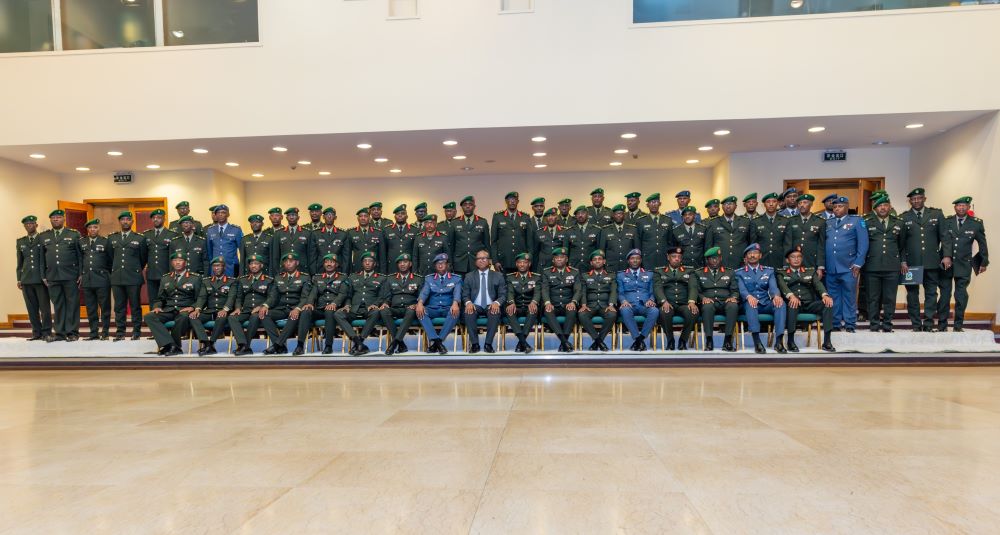
The official ceremony took place at RDF Headquarters in Kimihurura, for RDF Generals and Senior Officers, while that for Junior Officers and Other Ranks was held at each RDF Division’s headquarters across the country and the General Headquarters, Kanombe, for RDF Units around Kigali city.
The ceremony was presided over by the Minister of Defence, Juvenal Marizamunda, on behalf of the Commander-in-Chief of the RDF. Also in attendance were the RDF Chief of Defence Staff, Gen MK Mubarakh, RDF Service Chiefs, Generals, Senior Officers, and the retirees’ spouses.
On behalf of the President of the Republic of Rwanda and Commander-in-Chief of the RDF, the Minister of Defence, Juvenal Marizamunda, expressed his appreciation for the outstanding service rendered by Retirees during the times when Rwanda needed them.
“You stood firm during the liberation struggle, stopped the genocide against Tutsi, and have been instrumental in rebuilding our country ever since. You played a crucial role in transforming RDF into a strong and professional force, both within Rwanda and on international platforms. Your contributions, especially in the military, have left a lasting legacy,” he said.
He also said that even as they retire, their experience and wisdom remain vital to our nation’s progress. He urged them to always be part of the RDF family and assured them to continue to benefit from their expertise.
In his address, the RDF Chief of Defence Staff, Gen MK Mubarakh, expressed appreciation to the RDF retirees for their sacrifices, commitment, and significant contribution to the nation. He commended them for the discipline they upheld throughout their military careers and encouraged them to continue collaborating with the wider Rwandan community in efforts to develop the country.
“Today marks a special day for soldiers who have made immense sacrifices. While you are retiring from active military service, you are not retiring from the values of the Rwanda Defence Force. These values will continue to guide you and keep you ready to serve whenever called upon. We are deeply grateful for the dedication and loyalty you demonstrated, from the liberation struggle, through the efforts to stop the 1994 Genocide against the Tutsi, to the long and difficult journey of rebuilding our nation. You have played a vital role in shaping Rwanda into the country it is today.”
He also extends heartfelt thanks to the retirees’ spouses who stood strong in their absence, holding the families together and supporting their service from afar, noting their resilience is deeply appreciated.
Maj Gen (Rtd) Wilson Gumisiriza, speaking on behalf of the retirees, expressed pride in the progress of the Rwanda Defence Force (RDF) and the contributions they made in transforming it into the respected institution it is today. He noted that although they are entering a new phase in life, they remain committed to serving Rwanda in different ways.
“We extend our sincere gratitude to the President of the Republic for the visionary leadership he provided to the RDF, which has grown into a highly respected force, both nationally and internationally. Although we have retired from active duty, we remain ready and willing to serve our country whenever called upon. Today, we may be taking off our military uniforms, but we are not stepping away from our duty to the nation,” he said.
As a token of appreciation, the retirees were awarded certificates in recognition of their dedicated service to the Rwanda Defence Force.
The sharp rise is being driven by preventable factors such as hepatitis infections, obesity-related liver conditions, and alcohol consumption, researchers say.
In Rwanda, as in many countries around the world, liver cancer remains a pressing health concern. According to 2020 data, it was responsible for 706 deaths, accounting for 1.22% of all deaths in the country. The age-adjusted death rate stood at 11.48 per 100,000 population, placing Rwanda 24th globally in liver cancer mortality.
The new study, conducted by an international team of experts and drawing from data in the Global Cancer Observatory, warns that if current trends continue, liver cancer will remain among the world’s most lethal diseases, already ranking as the third deadliest cancer globally. By 2050, it is expected to claim 1.37 million lives each year, up from current figures.
Researchers stress that three out of five cases could be prevented through targeted public health interventions.
{{Preventable causes driving the surge
}}
The study highlights several key risk factors fueling the rise in liver cancer cases, including viral hepatitis B and C, alcohol abuse, and metabolic dysfunction-associated steatotic liver disease (MASLD), a condition previously known as non-alcoholic fatty liver disease.
MASLD is increasingly linked to rising rates of obesity and diabetes, particularly in high-income countries and urban areas in Asia, Europe, and North America.
Alcohol consumption alone is projected to cause more than 21% of liver cancer cases by 2050, up from 19% in 2022. Similarly, cancers related to liver fat buildup from obesity are expected to increase to 11%, also up more than two percentage points from current levels.
The study’s authors emphasise that these are largely modifiable risks that require stronger public health messaging and lifestyle interventions.
{{Hepatitis B is still a major threat
}}
Despite the availability of effective vaccines, hepatitis B continues to pose a major global threat. The virus remains the leading cause of liver cancer worldwide and is expected to be responsible for millions of deaths if vaccination rates do not improve.
The study warns that hepatitis B could cause up to 17 million deaths between 2015 and 2030 unless vaccine coverage, especially in poorer regions such as sub-Saharan Africa, is significantly expanded.
Vaccination at birth is considered the most effective prevention method, but many low-income countries still face barriers in implementing widespread immunisation programs. The study calls for renewed international investment in public health infrastructure to increase access to vaccines and antiviral treatments.
The authors of the study stress the urgent need for global action to reverse these trends. They recommend increasing public awareness around the preventable nature of liver cancer, especially among populations with obesity or diabetes, who may not be aware of the risks associated with fatty-liver disease.
The report also advocates for enhanced screening programs for high-risk individuals and more resources to support early detection, particularly in regions where late-stage diagnoses are common.
Liver cancer occurs when abnormal cells grow uncontrollably in the liver, forming a malignant tumour. The liver, a vital organ located in the upper right abdomen, is responsible for filtering harmful substances from the blood, producing bile for digestion, and storing nutrients.
There are two main types of liver cancer. Primary liver cancer originates in the liver itself, with hepatocellular carcinoma (HCC) being the most common form. Other less common types include cholangiocarcinoma (bile duct cancer) and angiosarcoma.
Secondary or metastatic liver cancer, on the other hand, begins in another part of the body—such as the colon, breast, or lung—and spreads to the liver. This type is more common in many parts of the world than primary liver cancer.
The risk of developing liver cancer is heightened by several factors, including chronic infection with hepatitis B or C, cirrhosis (scarring of the liver often caused by alcohol abuse or chronic hepatitis), obesity, diabetes, heavy alcohol consumption, smoking, and certain inherited liver diseases such as hemochromatosis. Exposure to environmental toxins like aflatoxins can also contribute.
{{Often silent, but deadly
}}
One of the challenges in combating liver cancer is that it often develops silently. In its early stages, liver cancer may not cause noticeable symptoms. As the disease progresses, however, patients may experience pain or discomfort in the upper right abdomen, swelling or a hard lump under the rib cage, jaundice (yellowing of the skin and eyes), unexplained weight loss, fatigue, nausea, loss of appetite, vomiting, chalky stools, dark urine, or fever.
Because these symptoms often appear in advanced stages, early detection is critical. Regular screening, particularly using ultrasound, is recommended for individuals with chronic liver disease or other risk factors.
Schoof has convened an emergency meeting in The Hague during the summer recess, bringing together government ministers including Deputy Prime Minister Sophie Hermans, Foreign Minister Caspar Veldkamp and Defense Minister Ruben Brekelmans, to discuss the worsening humanitarian situation in Gaza.
“The government’s goal is crystal clear: the people in Gaza must have immediate, unhindered, and safe access to humanitarian aid,” Schoof wrote.
Earlier this month, the European Union (EU) reached a deal with Israel aimed at facilitating greater humanitarian access to the Gaza Strip. That agreement is set to be reviewed Tuesday by EU member states. Should Israel be found to have fallen short in its commitments, further actions could be taken at the EU level.
The Dutch prime minister indicated that the Netherlands is also prepared to take unilateral steps if necessary.
“We are also considering national measures to increase the pressure,” Schoof warned, adding that he had conveyed this message directly to Israeli President Isaac Herzog during a phone call on Monday.
Guterres “urges both countries to respect the agreement fully and to create an environment conducive to addressing long-standing issues and achieving lasting peace,” Farhan Haq, the UN chief’s deputy spokesperson, said in a statement.
“The Secretary-General commends Malaysia, the current ASEAN Chair, as well as the United States and China, for their dedicated efforts towards the peaceful resolution of the situation,” the statement said.
The United Nations stands ready to support efforts aimed at promoting peace and stability in the region, it added.
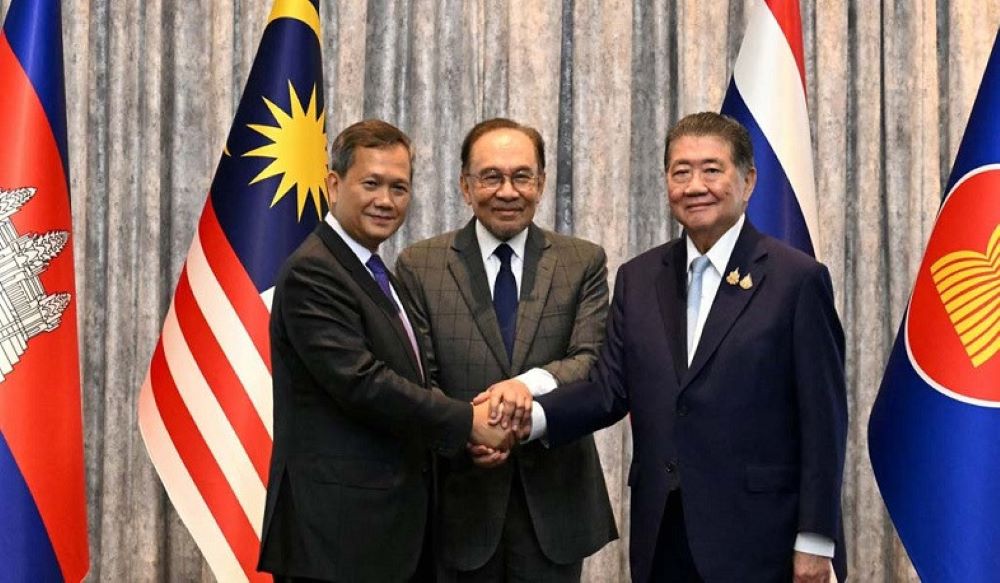
The leaders of Thailand and Cambodia have agreed to implement a ceasefire from midnight on Monday, Malaysian Prime Minister Anwar Ibrahim said following a meeting hosted by him in Putrajaya, Malaysia.
Addressing the official opening session on Monday, African Union Commission (AUC) Chairperson Mahmoud Ali Youssouf emphasized the need to transform global food systems to address critical sustainable development challenges.
“Food systems transformation is not just a moral imperative. It is a strategic necessity central to achieving the Sustainable Development Goals (SDGs), especially ending hunger, reducing poverty, and building climate-resilient economies,” he said.
The AUC chief highlighted Africa’s “bold steps” in food systems transformation, supported by collective continental commitments and investment targets to build resilient, inclusive, and climate-smart food systems. He further called on global partners to support African-led solutions.
In a video message, UN Secretary-General Antonio Guterres underscored the vital need to realize shared commitments in ensuring global food systems that are inclusive, sustainable, equitable, resilient, and rooted in human rights.
“Global hunger is rising, trade shocks are pushing food prices out of reach, and one-third of the world’s population cannot afford a healthy diet while one-third of the world’s food is lost or wasted,” Guterres said, warning that climate change and conflict are further driving hunger across the globe.
For her part, Italian Prime Minister Giorgia Meloni stressed the need to address the major drivers of global food insecurity. She noted that although food insecurity has drastically decreased over the past decades, the phenomenon still affects about 10 percent of the world’s population.
“This percentage is largely concentrated here in Africa, where one in five people suffer from hunger and do not have access to sufficient, safe, and nutritious food to lead a healthy life. This situation, already complex, has been exacerbated by the crises the world is currently facing,” Meloni said.
Describing food insecurity as a critical global political and economic issue, she warned of the catastrophic consequences, including poverty and conflicts, as communities become more vulnerable to violence, terrorism, and forced migration.
Echoing the sentiment, Ethiopian Prime Minister Abiy Ahmed highlighted the importance of ensuring predictable financing to support investments in agriculture, rural transformation, infrastructure, and nutrition in Africa and beyond.
Abiy, in particular, emphasized the need to put in place fair access to technology and finance for agricultural modernization in Africa. He further emphasized the importance of fair trade rules that create a level playing field and a strong global partnership that empowers local solutions.
The summit, held on July 27-29, is expected to reflect on global progress in food systems transformation, strengthen collaboration, and unlock finance and investments to accelerate action toward the UN SDGs.