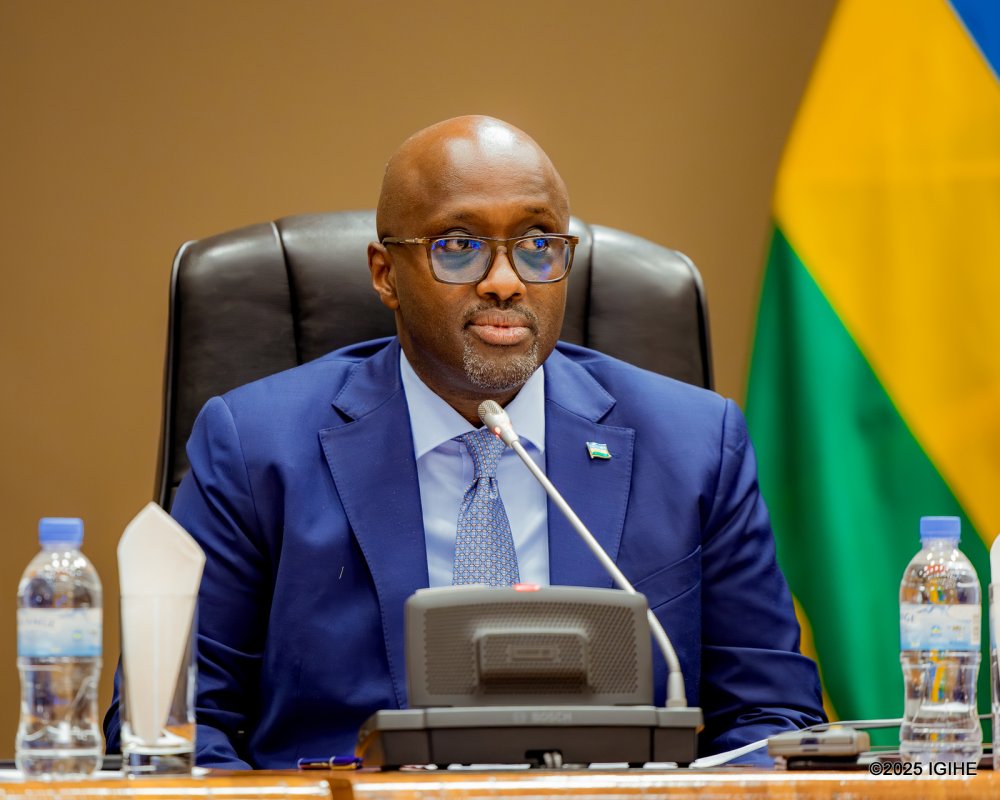
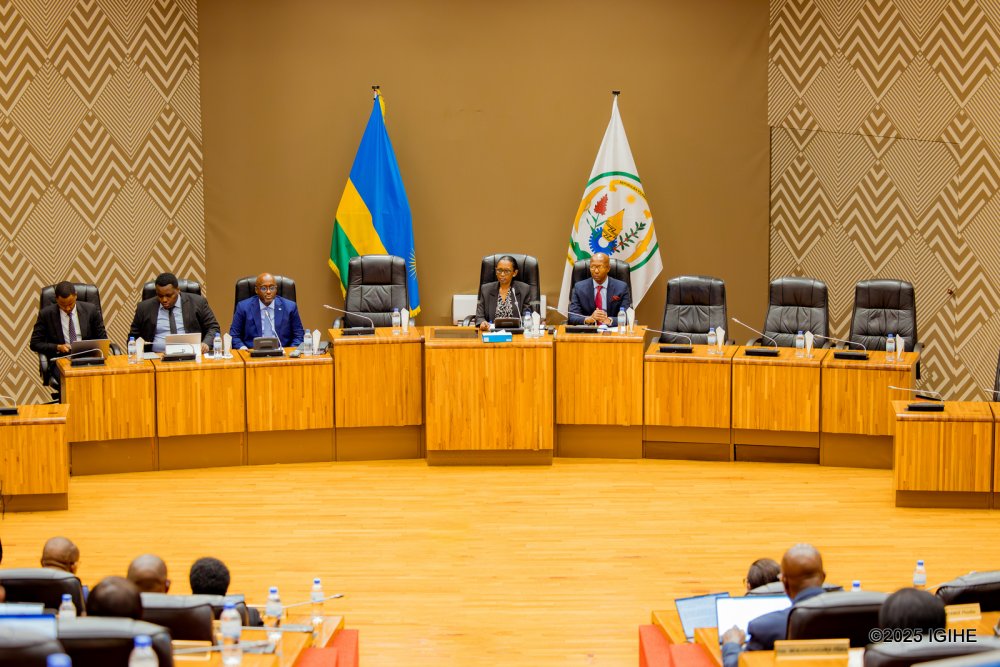
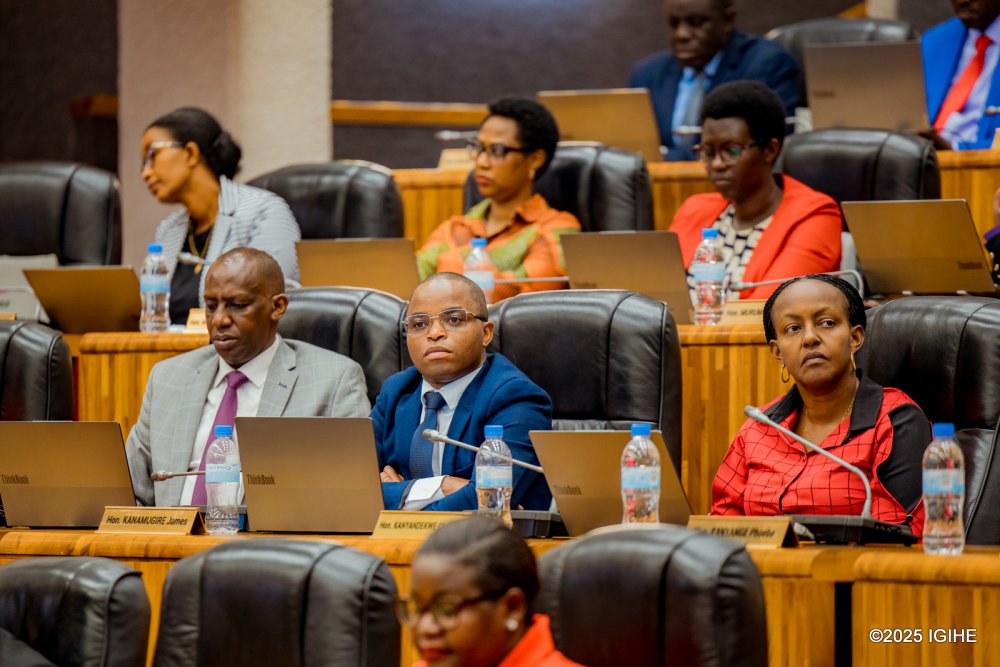
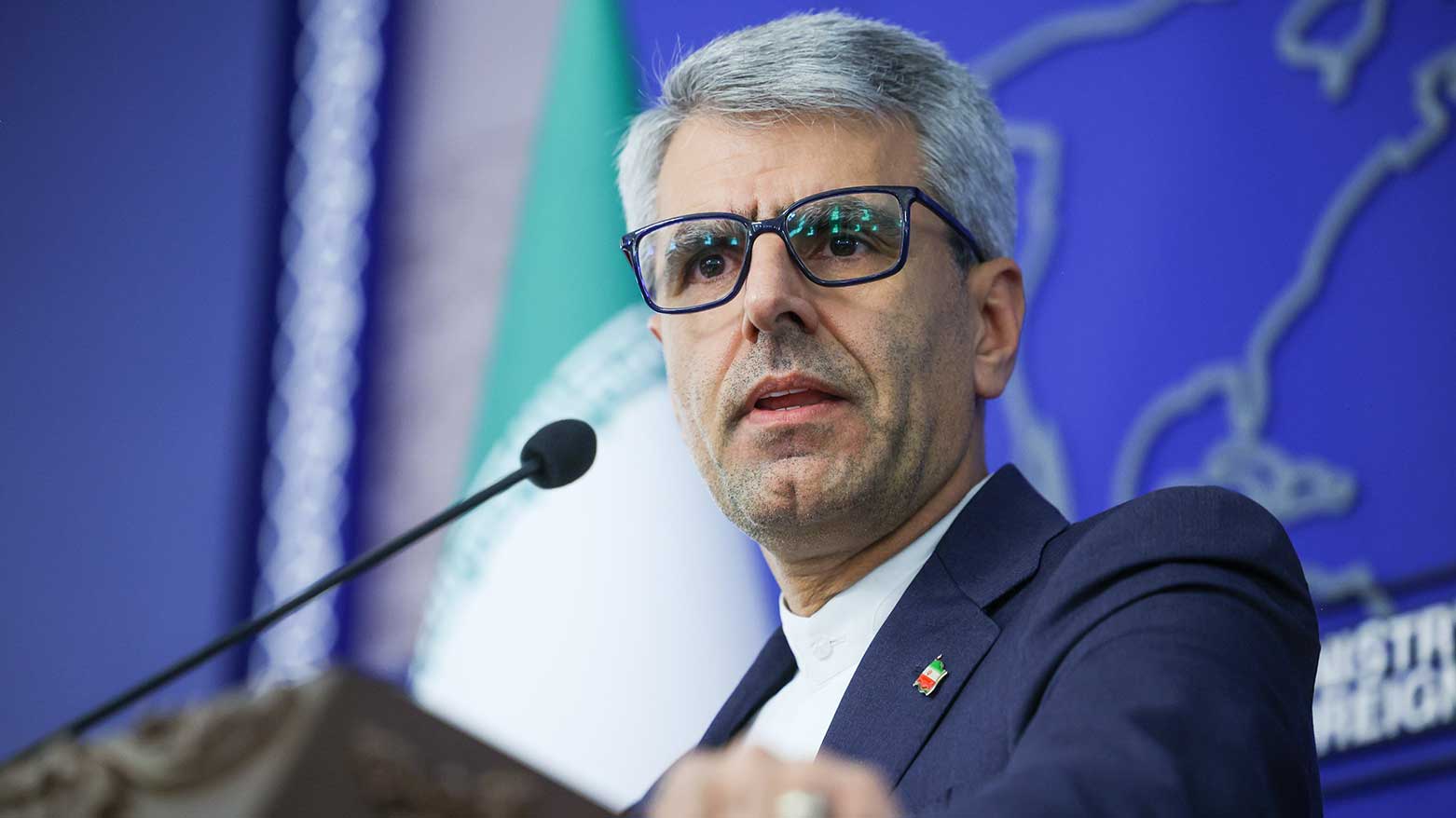
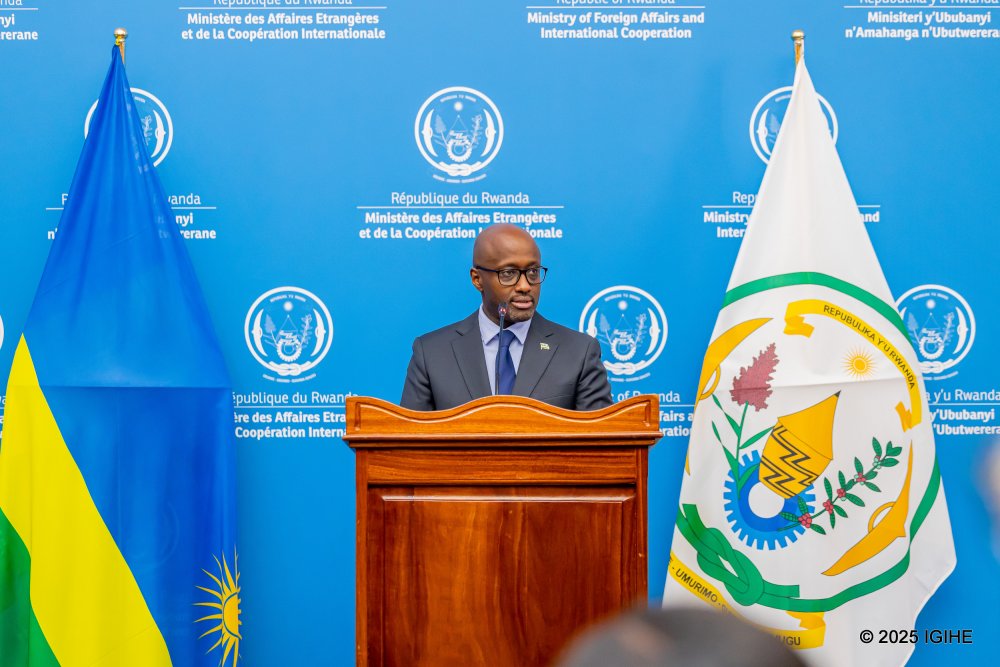
He made these remarks on July 29, 2025, during a parliamentary session where Members of Parliament voted to ratify the Peace Agreement between Rwanda and the DRC. The agreement was signed in Washington, D.C., United States, on June 27, 2025.
MP Minani Bizimana raised concerns about expectations for Rwanda to lift its defensive measures while the root causes of insecurity have not yet been resolved.
He asked, “Is national defense now considered a crime? Even powerful nations maintain defense systems, including satellite surveillance. So why would it be a problem for Rwanda to do the same?”
In response, Minister Nduhungirehe highlighted that trusting the DRC remains difficult.
“We signed the agreement, but we know these people—we’ve worked with them and we’re still in contact. There are mercenaries fighting on the front lines. You saw Romanian mercenaries pass through Kigali, and now they have brought in others from Colombia… we told them, ‘this is happening right in front of you, and you are watching.’”
He emphasized that Rwanda expects the DRC to fully implement the commitments it signed onto.
“What we are asking for is political will. As we have always said, we cannot accept any situation that threatens Rwanda’s security or that of its people. That is non-negotiable. That is why our defense measures will remain in place until a clear and visible resolution is achieved.”
Minister Nduhungirehe further stated that Rwanda cannot dismantle its security structures as long as the FDLR, whose presence prompted the measures, is still active and has not been dismantled, as stipulated in the agreement.
He explained that the peace process would begin with encouraging FDLR fighters to voluntarily repatriate. For those who refuse, military force would be used to neutralize the threat.
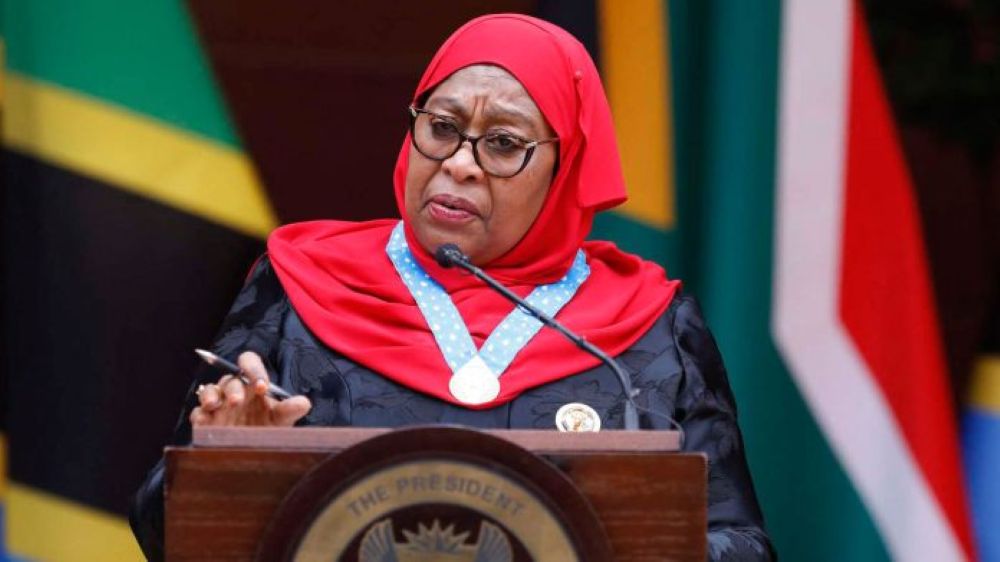
Announced in a special Gazette notice on July 28, 2025, Trade Minister Selemani Saidi Jafo clarified that the government will no longer issue or renew business licences for non-citizens engaged in these sectors.
The banned businesses include mobile money transfer services, electronic device repairs, small-scale mining, postal and parcel delivery, tour guiding, radio and television operations, and museum shop management.
Additionally, foreigners will be prohibited from involvement in real estate, clearing and forwarding services, on-farm crop purchasing, and cleaning services for homes, offices, or the environment.
Salon businesses will only be allowed if they operate within hotels or serve tourism purposes. Moreover, foreign ownership of wholesale and retail businesses is banned, with exceptions made for supermarkets, specialised outlets, and wholesale centres dedicated to local producers.
Other restricted sectors include gambling machine operations and small manufacturing industries.
The penalties for foreigners violating these restrictions are severe: a fine of no less than 10 million Tanzanian shillings (approximately Frw 5.6 million), imprisonment for up to six months, and revocation of visas and residence permits.
Tanzanian citizens who assist foreigners in running banned businesses face fines of up to 5 million Tanzanian shillings (approximately Frw 2.8 million) or imprisonment for up to three months.
The government states that this move aims to protect local businesses and promote economic participation by Tanzanian citizens, but critics warn it may damage Tanzania’s international business relations with neighbouring countries and other international partners.
Minister Nduhungirehe made this clear on July 29, 2025, during a session of the Chamber of Deputies to ratify the recently signed peace agreement between Rwanda and the DRC.
MP Christine Mukabunani had asked whether Rwanda’s participation in the peace deal might prompt countries that had sanctioned it to reconsider their decisions.
She posed the question: “Given Rwanda’s decision to sign this agreement, do you expect the countries that imposed sanctions to lift them now?”
In response, Minister Nduhungirehe clarified that the Rwanda-DRC agreement was never intended as a means to have sanctions lifted, and that Rwanda signed it solely out of its commitment to regional peace.
“The Washington Agreement was not aimed at removing sanctions,” he said. “The countries that imposed those measures did so for their own reasons — reasons we have openly rejected. We made our position clear, including recently, because these sanctions have also prevented those countries, particularly in Europe and North America, from meaningfully contributing to the search for solutions.”
He noted that some countries that had imposed sanctions later attempted to participate in the peace process, but Rwanda dismissed their involvement.
“There were actors who tried to re-enter the conversation through manipulative channels under the guise of supporting this agreement. Yet these are the same countries that, as recently as January and February, were threatening further sanctions. They didn’t speak about the region — they explicitly sided with Congo.”
Nduhungirehe emphasised that Rwanda’s decision to sign the agreement had nothing to do with seeking favours from those nations.
“These agreements are not about pleading. We are not here to beg anyone. Let them do as they wish. We signed the agreement because we want peace in the region — not to convince European countries to lift sanctions.”
He added that the sanctions imposed on Rwanda had served as a lesson, encouraging the country to become more self-reliant and to guard against foreign aid being used as a form of pressure or coercion.
“These past months have taught us an important lesson. Rwanda must build its own resilience and avoid becoming dependent on aid that is weaponised for political purposes. Every cent we receive must be used for its intended development goals. If donors use funding to advance political agendas, we reject that — and even now, we are not pleading for sanctions to be lifted. They can make their own decisions, since they were the ones who imposed the sanctions in the first place.”
Several Western nations, including Belgium, imposed sanctions on Rwanda, accusing it of playing a role in the insecurity in Eastern DRC. In response, Rwanda severed diplomatic ties with Belgium, citing its bias and efforts to rally the international community to impose further punitive measures.
Rwanda has consistently stated that it will not be intimidated by foreign sanctions aimed at dictating its internal affairs, especially when its actions are rooted in preserving national security and the interests of its people.
During the parliamentary session on Tuesday, members of the Chamber of Deputies unanimously voted in favour of the agreement, which seeks to restore peace in the Great Lakes Region by addressing longstanding security issues.
Dr. Gasore made these remarks on July 29, 2025, during an inspection visit to the Nyabarongo River.
In an interview with RBA, the minister described the situation as critical, noting that the reduced river flow is already affecting water production capacity. He announced the formation of task forces to monitor the situation and manage the limited supply more effectively.
“This is a serious issue that has disrupted the volume of water reaching Kigali,” he said. “As an immediate response, we’ve established a mobile team to inspect our water distribution networks and ensure equitable access to the available supply, as we continue to work on long-term solutions.”
Water from the Nzove plant is distributed to several areas across Kigali, including Gisozi, Kibagabaga, Nyarutarama, Kimihurura, Bumbogo, Birembo, the Special Economic Zone, Gasanze, Karama, Mont Kigali, Kimisange, Nyanza in Kicukiro, Mageragere, and Rebero.
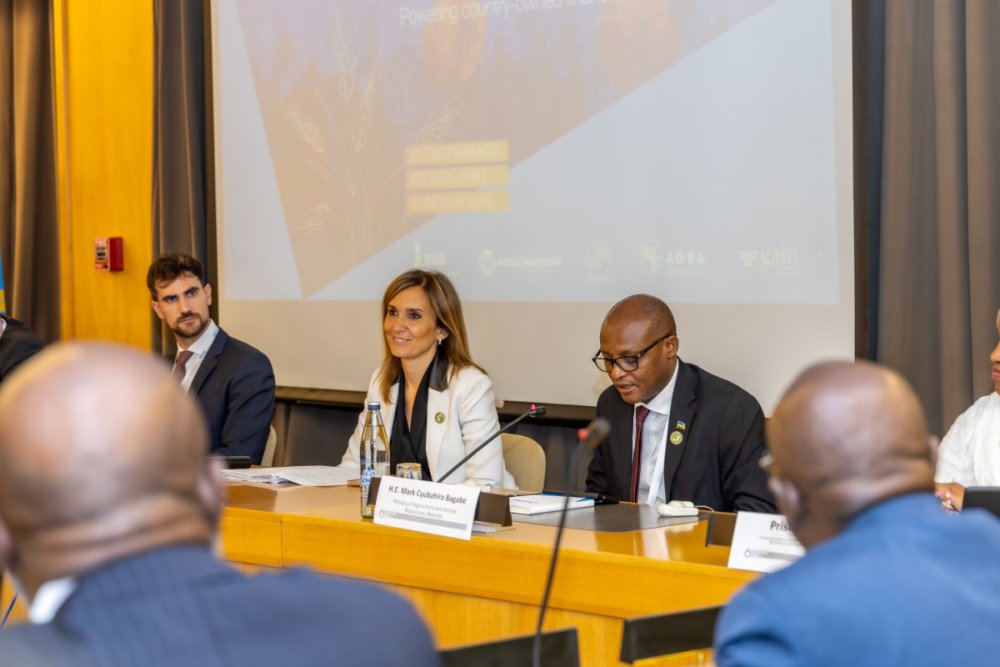
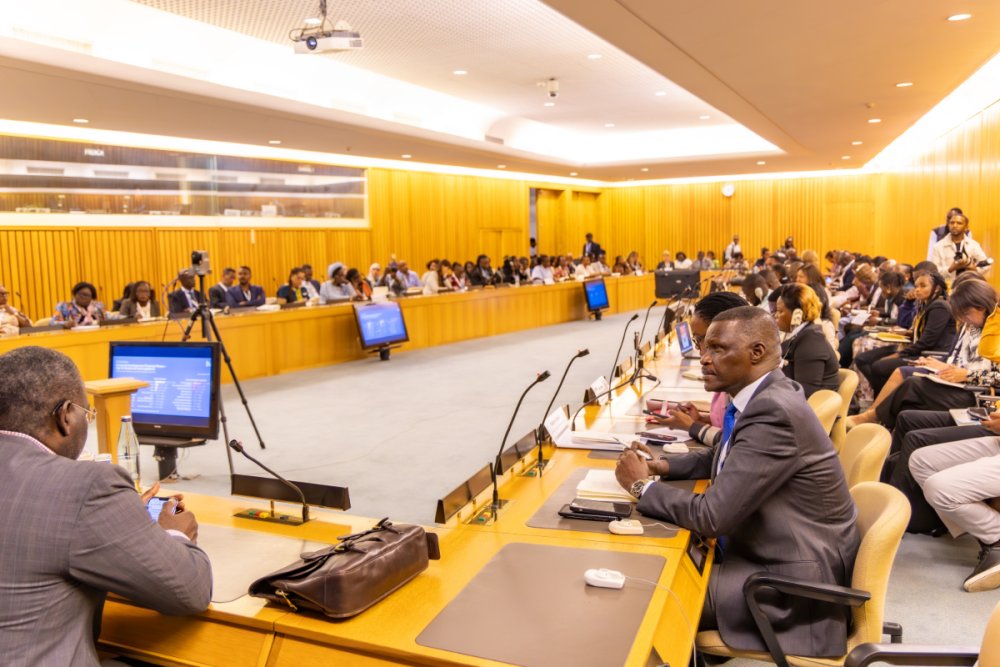
The MoU was signed on July 28, between Wellington Dias, Minister of Development and Social Assistance, Family and Fight Against Hunger and co-chair of the Global Alliance Against Hunger and Poverty, and Dr. Mark Cyubahiro Bagabe, the Rwandan Minister of Agriculture and Animal Resources, on the sidelines of the United Nations Food Systems Summit (UNFSS+4) in Addis Ababa, the capital of Ethiopia.
Dr. Bagabe welcomed the deal as a great milestone in bilateral cooperation. “Today is an important moment in our relations with Brazil. We are consolidating our partnerships in agricultural extension and technology transfer,” he noted.
The signed agreement includes a wide range of joint initiatives aimed at promoting resilient agriculture, strengthening public policies, and expanding access to inputs, technologies, and water for agricultural production in both countries.
Wellington Dias also celebrated the agreement with Rwanda and the current situation in Brazil.
“We are delighted that we are advancing in this partnership. We celebrate this new stage and will work towards positive results in the future. We are working to ensure the eradication of hunger and poverty and are exchanging experiences between the two countries,” he said.
The Brazilian minister explained that the signing of the memorandum and Rwanda’s commitment to the Accelerated Implementation Plan, within the framework of the Global Alliance, represent a strategic opportunity to advance the goals of eradicating hunger and poverty.
“We will motivate our technical teams to begin implementing activities as soon as possible to achieve concrete results, demonstrating the effectiveness of South-South cooperation,” he emphasized.
Wellington emphasized how these initiatives will benefit development in Rwanda, which, along with Brazil, is one of the founding countries of the Global Alliance.
“Cooperation in small-scale agriculture is essential, but through the Global Alliance, we are also already advancing with Rwanda in the area of socioeconomic inclusion, both urban and rural,” he continued.
The diplomatic relations between Rwanda and Brazil began in 1981, and since then, the two countries have signed several cooperation agreements. For example, in 2019, they signed a Bilateral Air Service Agreement (BASA) to facilitate air travel between the two nations.
In 2011, they also signed another agreement focused on cooperation for food security. Brazil is the world’s leading producer of coffee, soybeans, sugarcane, and oranges.
Since 2022, Rwanda has been importing wheat from Brazil after supplies from Ukraine significantly declined. Rwanda also regularly imports products such as sugar from Brazil.
These include Major General Andrew Kagame and Major General Wilson Gumisiriza, as well as Brigadier Generals Joseph Demali, Fred Muziraguharara, James Ruzibiza, Frank Mutembe, Pascal Muhizi, Nelson Rwigema, and Jean Paul Karangwa.
In addition to the Generals, President Kagame approved the retirement of 120 senior officers, 26 junior officers, and 927 other ranks.
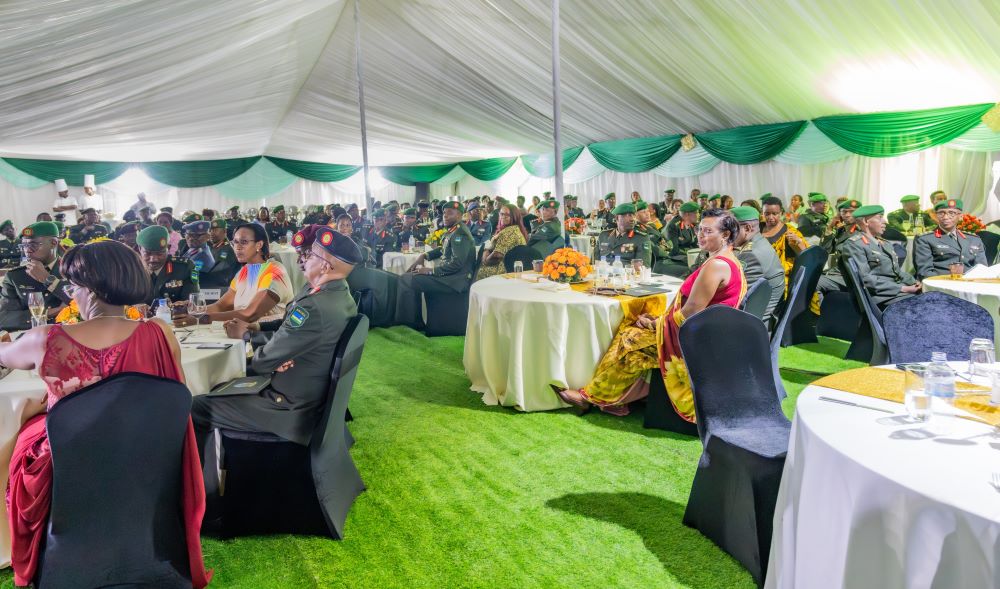
Speaking at [a send off ceremony ->https://en.igihe.com/news/article/rdf-honors-retiring-service-members] of retiring soldiers on Monday, July 28, 2025, the Minister of Defence, Juvenal Marizamunda, on behalf of the Commander-in-Chief of the RDF expressed his appreciation for the outstanding service rendered by Retirees during the times when Rwanda needed them.
“You stood firm during the liberation struggle, stopped the genocide against Tutsi, and have been instrumental in rebuilding our country ever since. You played a crucial role in transforming RDF into a strong and professional force, both within Rwanda and on international platforms. Your contributions, especially in the military, have left a lasting legacy,” he said.
He also said that even as they retire, their experience and wisdom remain vital to our nation’s progress. He urged them to always be part of the RDF family and assured them to continue to benefit from their expertise.
In his address, the RDF Chief of Defence Staff, Gen MK Mubarakh, expressed appreciation to the RDF retirees for their sacrifices, commitment, and significant contribution to the nation.
He commended them for the discipline they upheld throughout their military careers and encouraged them to continue collaborating with the wider Rwandan community in efforts to develop the country.
As a token of appreciation, the retirees were awarded certificates in recognition of their dedicated service to the Rwanda Defence Force.
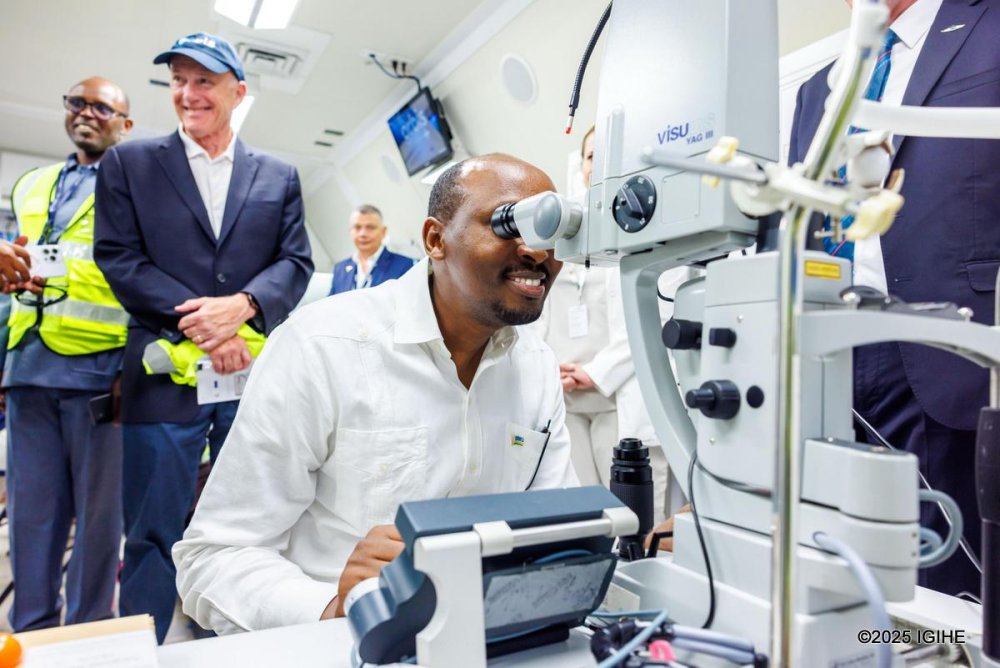
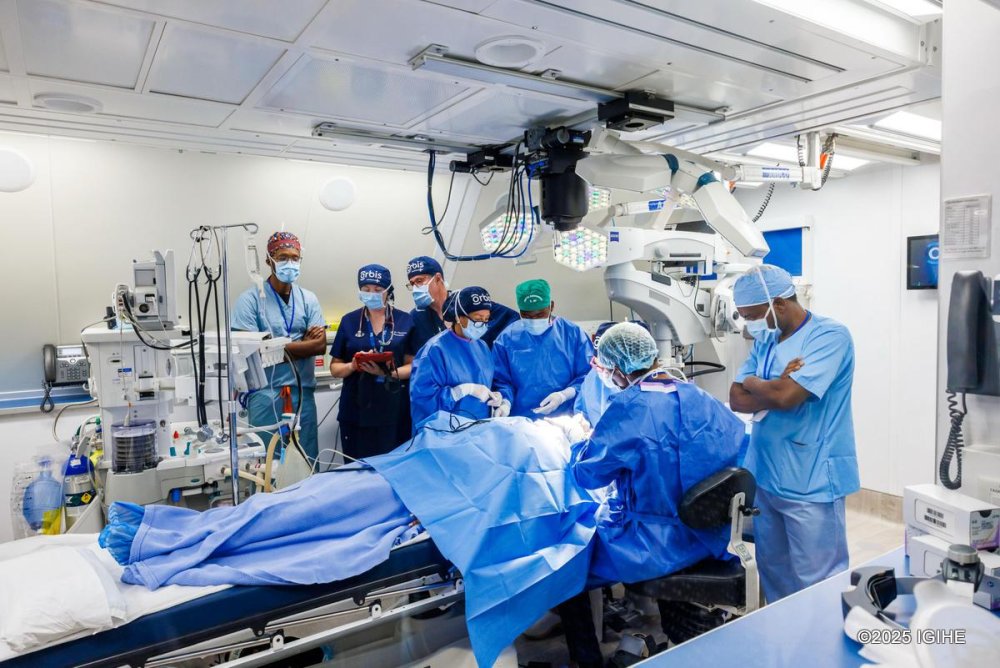
The aircraft, equipped as a state-of-the-art teaching hospital, has been stationed at Kigali International Airport since July 21 and will remain until August 1, 2025.
Rwanda is the 84th country to host Orbis since the program launched in 1982.
The initiative is a collaboration between Orbis International, the Ministry of Health, the Rwanda International Institute of Ophthalmology (RIIO), and Kibagabaga Hospital.
Over 100 Rwandan eye specialists have already received hands-on training using advanced technology, and more than 140 patients, 40 aboard the aircraft and 100 at Kibagabaga Hospital, are expected to benefit from surgeries.
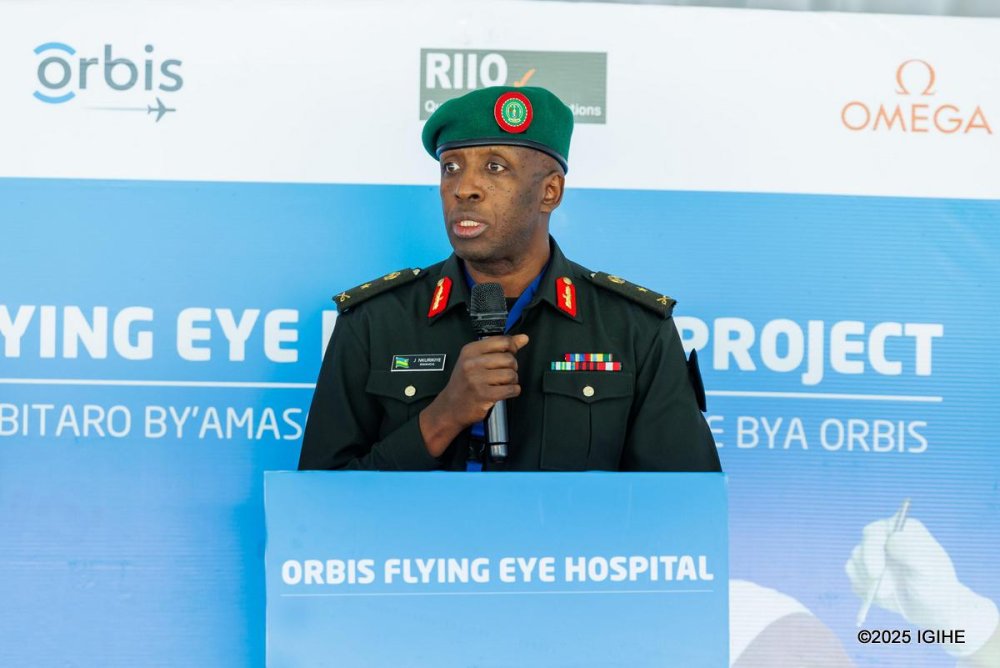
Speaking at the launch of the Orbis Flying Eye Hospital mission, Health Minister Dr. Sabin Nsanzimana hailed the initiative as a milestone in advancing high-tech healthcare in Rwanda and across Africa.
He highlighted the partnership between the Ministry of Health, Orbis International, and local institutions like RIIO as vital for expanding capacity and improving eye care services across the country.
He also underscored the importance of integrating artificial intelligence and digital tools in ophthalmology, which can predict complications early and prevent blindness.
Reflecting on past successes, he noted a recent nationwide cataract screening campaign that operated on thousands of patients, emphasising the ongoing efforts to reach even the most remote communities.
Dr. Nsanzimana noted that the government is working hard to increase the number of eye specialists in Rwanda from the current 30 to at least 120 over the next five years, as part of a broader strategy to quadruple the total number of doctors.
“Let’s increase the number of ophthalmologists from 30 to 120 in the next five years. This is achievable.”
The Flying Eye Hospital’s director, Maurice Geary, praised Rwanda’s warm reception and infrastructure support, calling it a historic collaboration.
Dr. Ciku Mathenge, Orbis Medical Advisor for Africa and RIIO co-founder, shared powerful stories of patients, including a young man treated for parasitic worms in his eye and Esther, a 26-year-old woman whose sight was saved through AI-supported diagnosis and treatment for diabetic retinopathy.
“Esther’s story is really a testament to why this work that Orbis is supporting Rwanda to do matters. Lasting, happy change happens when we invest in people, when we foster strong partnerships, and when we strengthen the foundations that your ministry has so ably set down in the health system in Rwanda,” said Dr. Mathenge.
“As a doctor, as a mother, as a proud African woman, and as a passionate advocate for eye care, I know firsthand the life-changing difference that sight makes in an individual. Seeing all of you here today with your dedication and belief fills me with a lot of joy, and it confirms that all of you understand why our mission is so critical.”
The Orbis Flying Eye Hospital will continue operating until August 1, with further training and surgeries planned in close collaboration with RIIO and Rwandan universities.
RIIO, founded 14 years ago by Brig Gen Prof. John Nkurikiye and Prof. Mathenge, was established to address the gap in eye care services in Rwanda and continues to play a central role in building a sustainable, high-quality ophthalmology workforce in the country.
The country has been investing in nuclear energy for nearly seven years, including strategic partnerships with Russia, the United States, Germany, and Canada.
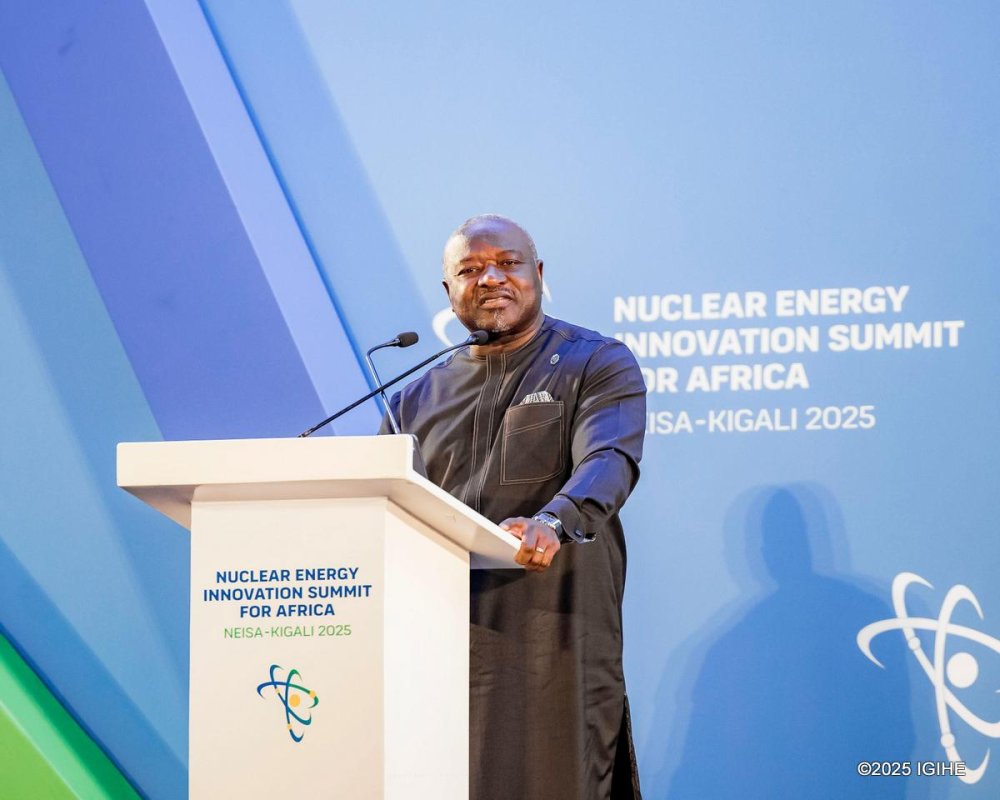
In an interview on The Long Form podcast, Dr. Lassina Zerbo, chairman of the Rwanda Atomic Energy Board and former prime minister of Burkina Faso, outlined how nuclear energy could transform not only Rwanda but the broader continent, offering a sustainable path to socio-economic development.
Dr. Zerbo, a geophysicist and former executive secretary of the Comprehensive Nuclear-Test-Ban Treaty Organisation (CTBTO), says Rwanda’s pioneering nuclear strategy is on track for a 2030 launch.
“If everything goes to plan, we should have the first nuclear power plant in Rwanda by 2030,” Dr. Zerbo who serves as an Energy Advisor and Member of the Strategy and Policy Council in the Office of the President, crediting President Paul Kagame’s disciplined vision.
“It’s a challenging timeline, but not impossible,” he added.
Unlike the massive, costly nuclear plants of decades past, Rwanda is embracing SMRs and micro reactors—compact, innovative systems designed for efficiency and safety.
“Small modular reactors range from 300 to 350 megawatts, while micro reactors can be as small as a 40-foot container,” Zerbo explained.
These “plug-and-play” reactors require minimal infrastructure upgrades, making them a viable option for African nations with developing electrical grids.
“You don’t need to overhaul everything like you would for a 1-gigawatt plant,” he noted, contrasting Rwanda’s approach with larger projects in Kenya and Egypt.
Addressing public concerns about nuclear safety, Zerbo emphasised technological advancements that reduce risks.
“The cooling systems in SMRs and micro reactors, like passive cooling or the use of thorium and molten salt, make them far safer than traditional reactors,” he said.
He also tackled the issue of nuclear waste, a common worry. “Our ambition is to use waste from one reactor as fuel for another. With micro reactors, waste is minimal, and vendors can remove and replace modules after 15 to 20 years.”
Beyond powering its cities and villages, Rwanda’s nuclear program aims to serve as a blueprint for Africa, a vision widely discussed at the recently concluded Nuclear Energy Innovation Summit for Africa (NEISA 2025).
“If we succeed here, it can inspire other African nations,” Zerbo remarked, pointing to countries like Ghana, Nigeria, and Burkina Faso, which are exploring similar technologies.
In efforts to actualise its nuclear energy ambitions, Rwanda has secured partnerships with global vendors, including Russia’s Rosatom for SMRs and U.S.-based Nano Nuclear Energy and Denmark’s Copenhagen Atomics for micro reactors.
“We’re diversifying to avoid dependency and mitigate geopolitical risks,” Zerbo noted, addressing concerns about aligning with partners like Rosatom amid global tensions.
{{From Burkina Faso to global stages
}}
Zerbo’s journey to becoming Rwanda’s nuclear chief is as compelling as the technology he champions. Born in Bobo-Dioulasso in 1963, when Burkina Faso was still Upper Volta, he rose from a modest upbringing to a global career in science and diplomacy.
As a young man, he dreamed of becoming a lawyer inspired by a French film about injustice, but a government scholarship steered him toward geophysics. His work in the mining industry and later at the CTBTO, where he monitored global nuclear tests, earned him international recognition.
In 2021, Zerbo briefly served as Burkina Faso’s prime minister, a role cut short by a coup d’état.
Reflecting on the experience, he remained unfazed.
“I never felt threatened,” he said, describing the chaotic night when gunfire erupted in Ouagadougou. “I was watching a football match with the president when it started. I knew I hadn’t done anything to compromise myself.”
His resilience and optimism continue to shine through as he serves Africa, now from Kigali.
Drawing on his experiences in Burkina Faso, where jihadist terrorism remains a growing threat, he stressed the need for regional unity.
“Terrorism thrives where people lack opportunity,” he said, advocating for a dual approach of deterrence and development.
“We need to give people a reason to live, not just fight with guns.”
He sees Rwanda’s stability and progress as a beacon of hope, likening it to a phoenix rising from its ashes after the 1994 Genocide against the Tutsi, which claimed more than a million lives and left a trail of destruction.
“Rwanda’s nuclear program is about showing what’s possible when you combine vision, discipline, and courage.”
Watch the full interview with Dr. Lassina Zerbo on The Long Form podcast to hear more about his journey and Rwanda’s energy ambitions.
Baghaei’s remarks came in response to U.S. President Donald Trump’s comments a day earlier, in which Trump alleged that Iran had intervened in the latest round of talks aimed at ending the Palestinian-Israeli conflict. The negotiations, held in Qatar, were suspended last week with both Israeli and U.S. delegations walking out.
Describing Trump’s claim as “absolutely baseless,” Baghaei said the accusation was an attempt to deflect U.S. responsibility for its complicity in what he called Israeli “crimes” against the Palestinians.
Baghaei said that Hamas negotiators were capable of discerning and pursuing the interests of Gaza’s population and did not need any third party’s intervention in that regard.
Baghaei reaffirmed Iran’s position, shared by many countries, condemning what he called “genocide” in Gaza and supporting any initiative that would lead to an end to the suffering of the Palestinian people and the cessation of Israeli actions in the territory.
Trump, in a meeting with British Prime Minister Keir Starmer on Monday, claimed that “I think they (Iran) got involved in this negotiation, telling Hamas and giving Hamas signals and orders.” He didn’t provide further details on the claim.
At the time, Rwanda’s Minister of Foreign Affairs and International Cooperation, Ambassador Olivier Nduhungirehe, noted that the discussions had made significant progress and showed potential to restore cordial relations between the two countries.
“Rwanda and Burundi are on a promising path to ending hostilities and reaching an understanding, as discussions between the leaders of both countries continue,” he stated.
There was renewed optimism that Burundian President Evariste Ndayishimiye would refrain from launching further baseless accusations against Rwanda, as he had between December 2023 and February 2025. At the time, he threatened regime change in Rwanda and accused it of planning attacks on his country.
However, that optimism quickly faded. Following the two rounds of dialogue hosted in each country, President Ndayishimiye renewed his hostile remarks against Rwanda, declaring that Burundians were prepared to defend themselves should Rwanda attempt aggression.
On May 4, Minister Nduhungirehe reiterated Rwanda’s commitment to peaceful relations with Burundi but expressed concern that each time progress was made, President Ndayishimiye undermined it through media statements.
“These accusations are not based on facts. When someone says that Rwanda is planning to invade Burundi, it’s simply not true—and even Burundians know that. We hope these kinds of comments decrease, especially from the Burundian side, so that we can continue working together and restore relations in the right time.”
Ndayishimiye also revived longstanding grievances, insisting that until Rwanda extradites individuals suspected of involvement in the failed May 2015 coup against former Burundian President Pierre Nkurunziza, the borders between the two countries will remain closed.
Burundi closed its borders in 2015, reopened them in 2022, but shut them again in January 2024 following a RED Tabara attack in Gatumba, a Bujumbura province zone near the border with the Democratic Republic of Congo.
{{What truly led Ndayishimiye to derail the negotiations?}}
A report by United Nations experts, released on July 3, 2025, revealed that Burundian President Ndayishimiye’s renewed attacks on Rwanda in February were prompted by significant territorial gains by the M23/AFC coalition in South Kivu Province, nearing Burundi’s border.
Burundi and the Democratic Republic of Congo (DRC) have long collaborated in efforts to combat M23/AFC, accusing Rwanda of supporting the group, as well as the armed rebel group RED Tabara. Rwanda has repeatedly denied these allegations, calling them baseless and politically motivated.
The Rwanda-Burundi talks held in March had initially led to a de-escalation in rhetoric from Ndayishimiye. However, tensions flared again in late March when M23/AFC captured more territory in South Kivu, testing Burundi’s patience.
President Ndayishimiye stated at the time: “We know Rwanda is attempting to attack us through Congolese territory, using the RED Tabara militia. But let me be clear, if they try to reach Bujumbura via Congo, then we also know that Kigali isn’t far if we pass through Kirundo.”
According to the UN experts, beginning in early April 2025—just days after those remarks—Burundi deployed between 7,000 and 9,000 troops into South Kivu.
These forces were stationed in the Rusizi Plain near the border and in the mountainous areas surrounding Minembwe in Fizi Territory to contain M23/AFC advances.
The report further notes that Burundian troops operate in close coordination with the Congolese army (FARDC), the Wazalendo militias backed by the DRC government, and the FDLR, a genocidal militia hostile to the Rwandan government.