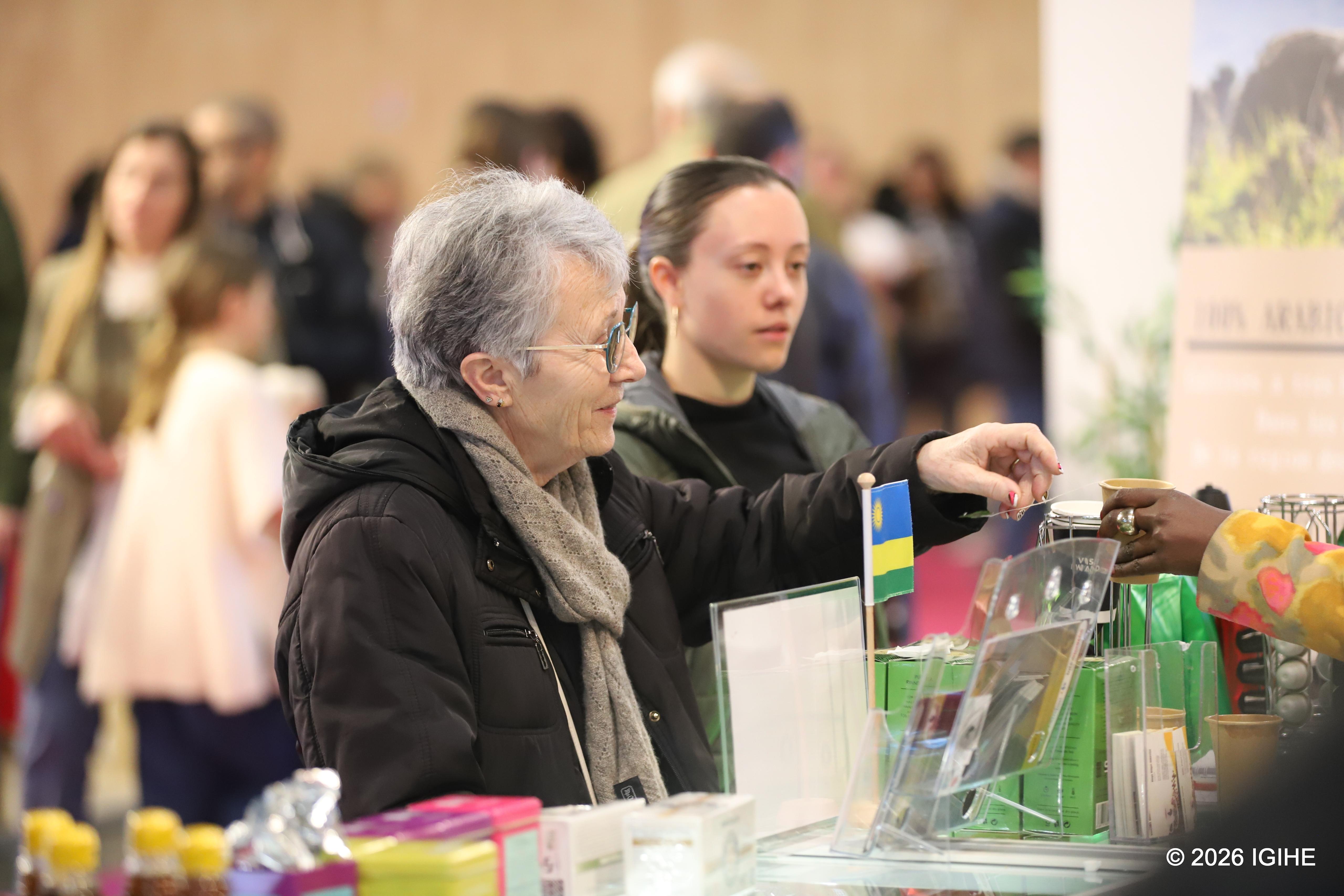
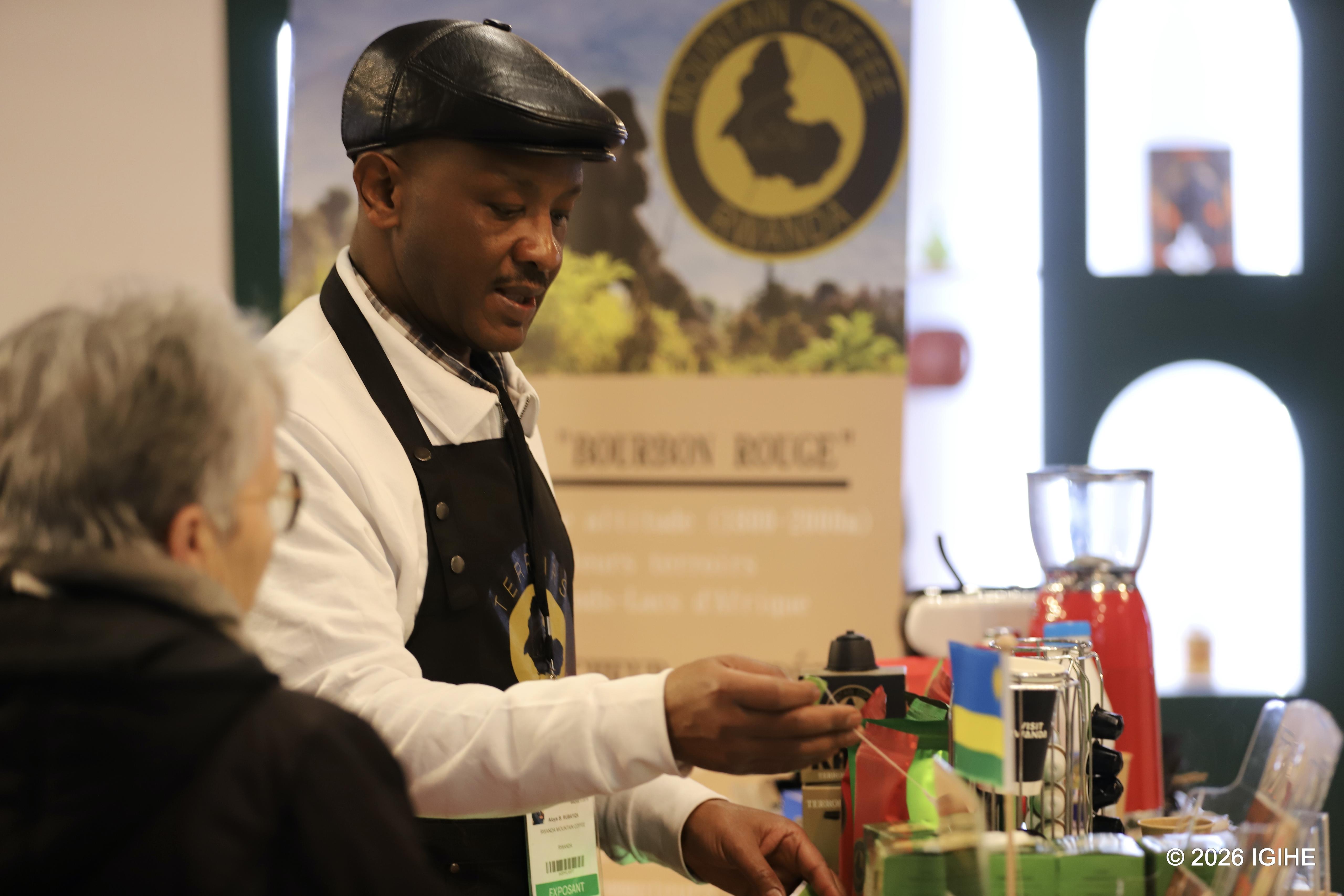
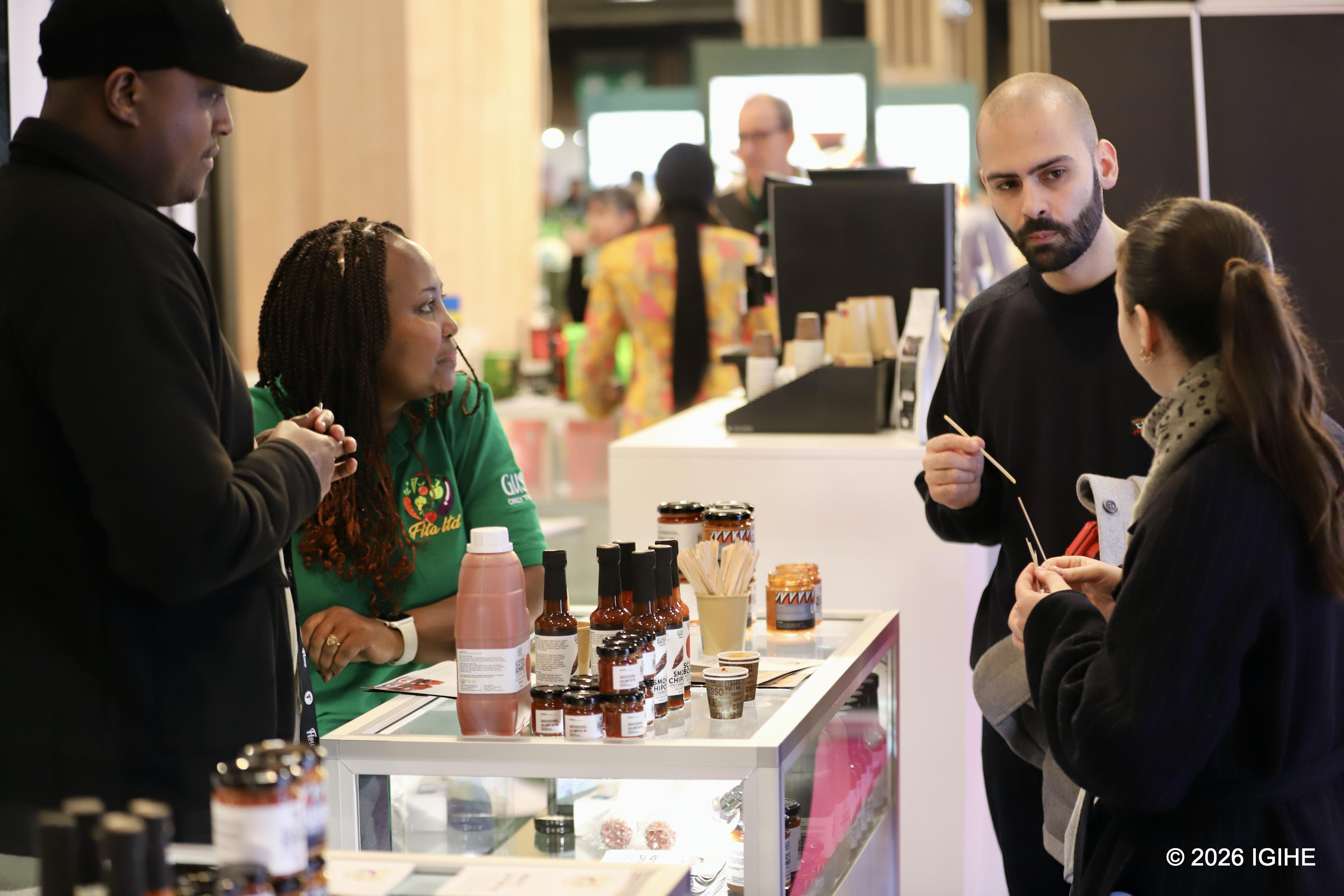
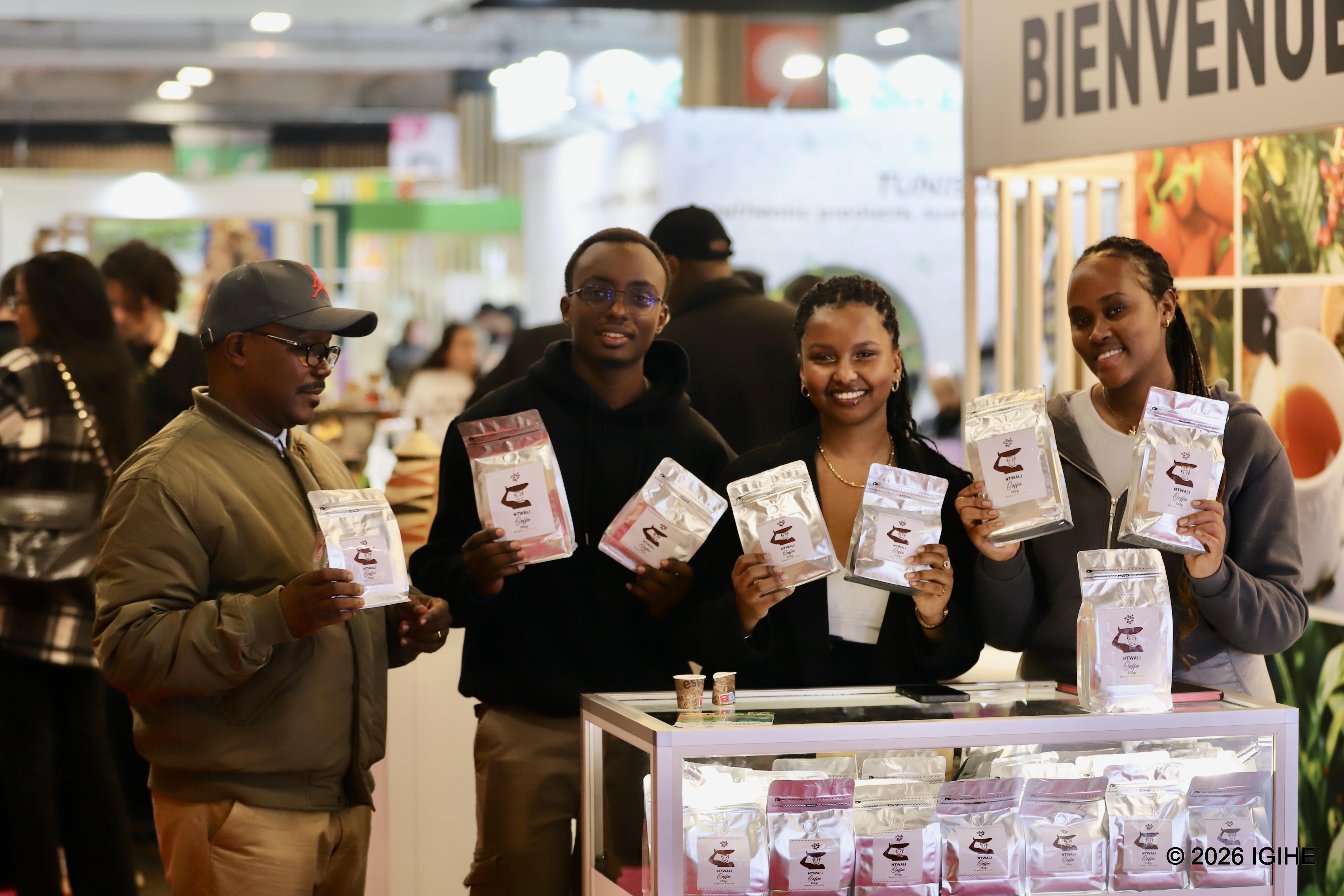
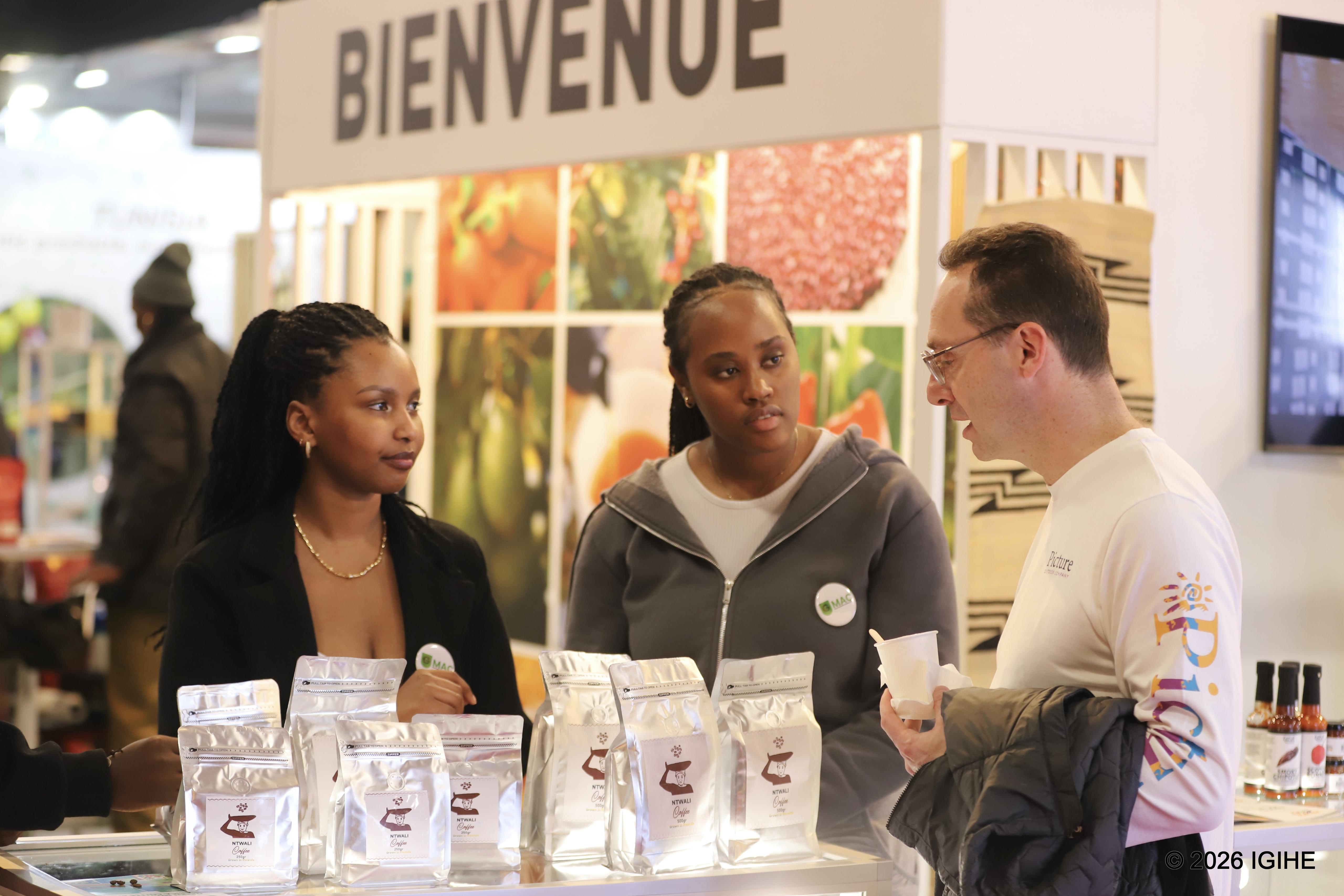
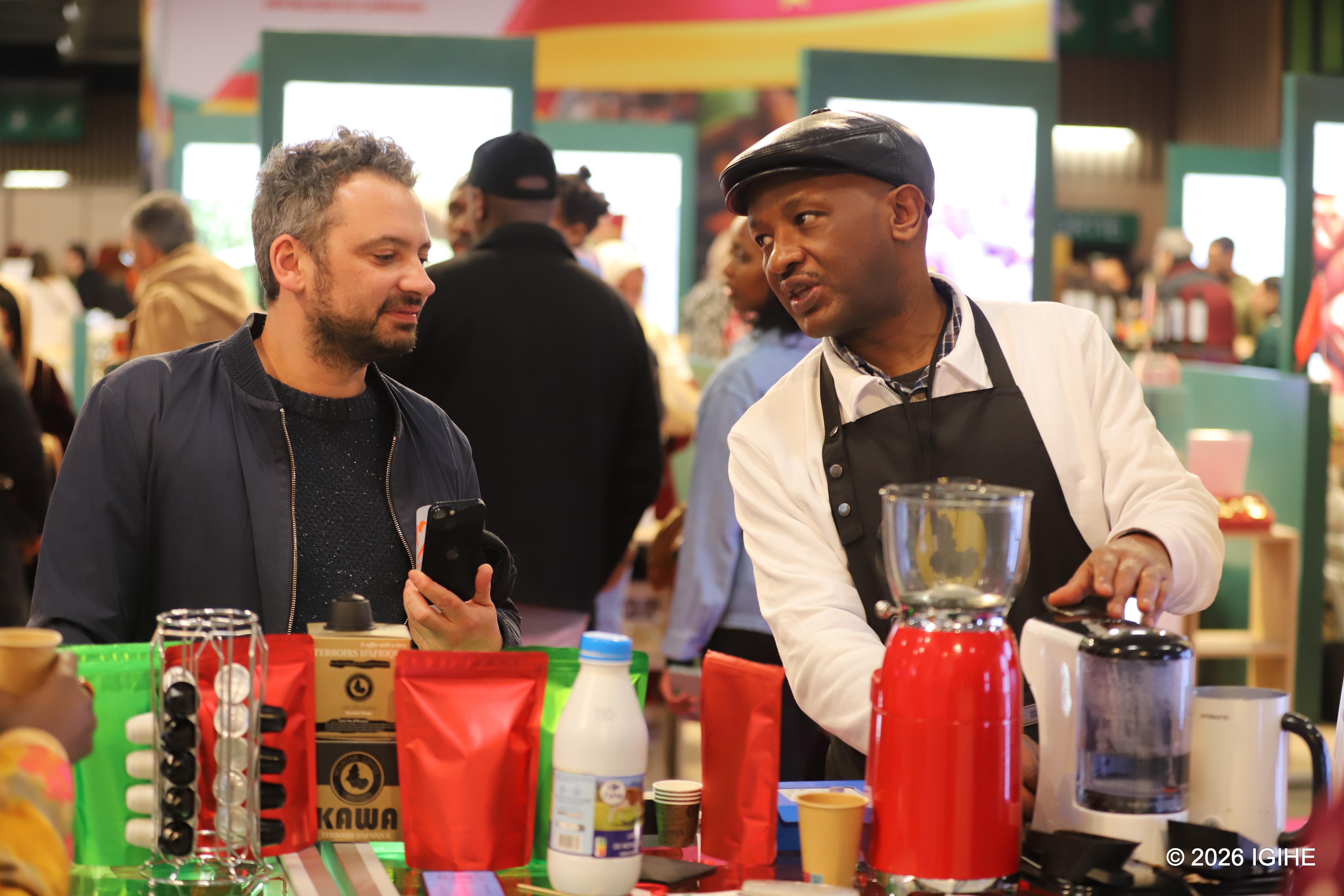
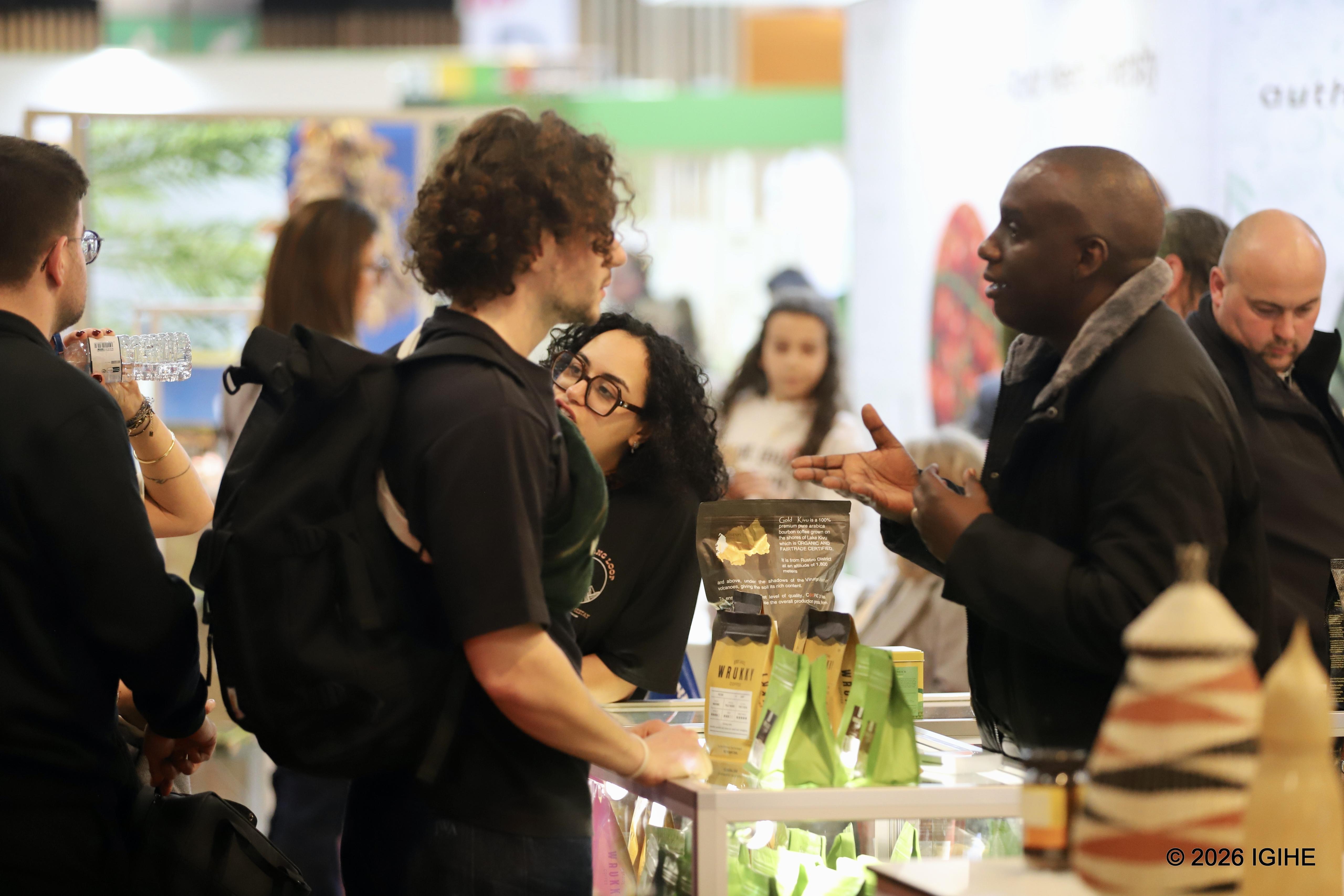
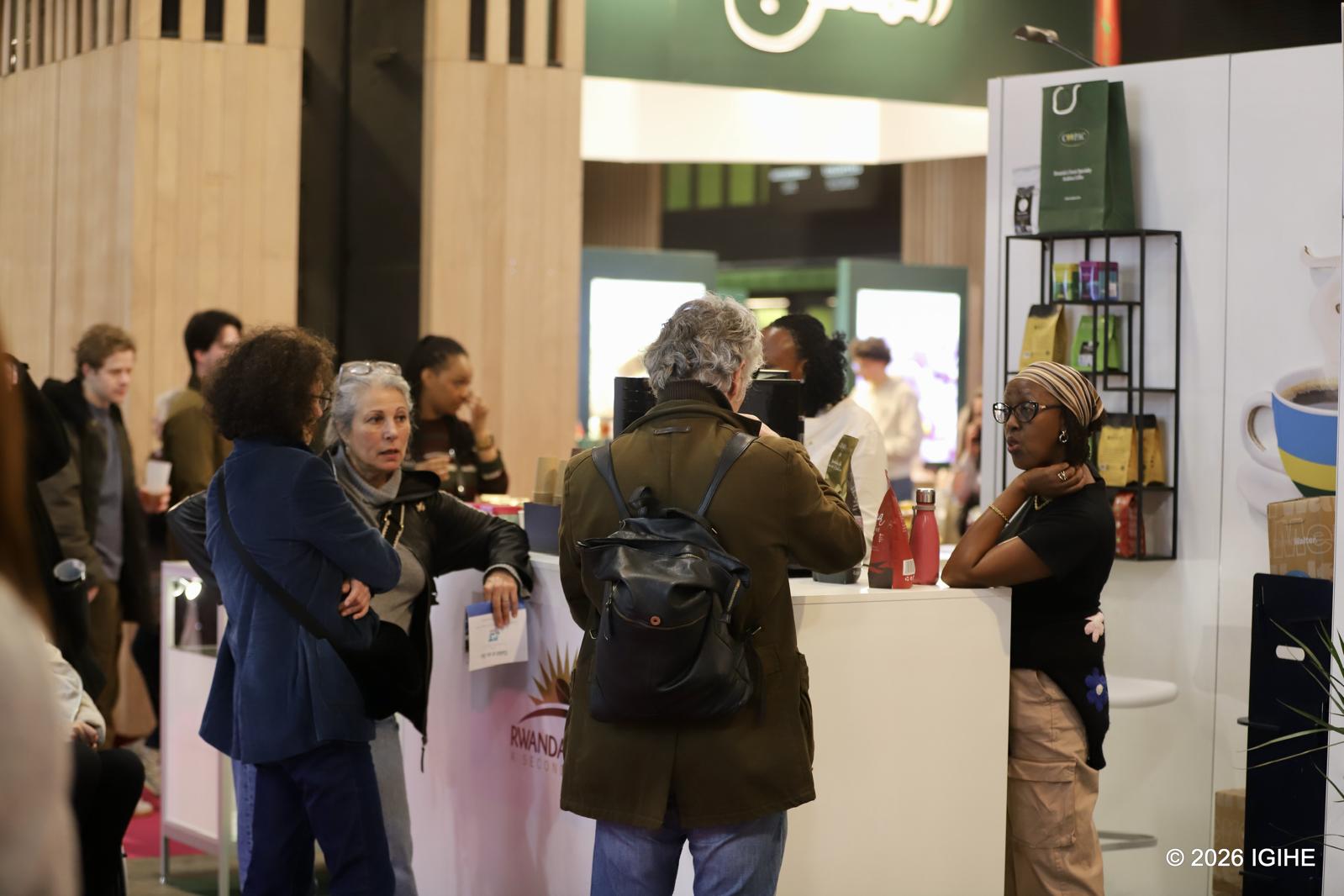
Hosted at the Paris Expo–Porte de Versailles, the exhibition runs from late February to early March each year, showcasing agricultural and livestock products, related value chains, farming technologies, partnerships, and innovation.
The 2026 edition opened on Saturday, February 21, and was officially inaugurated by French President Emmanuel Macron.
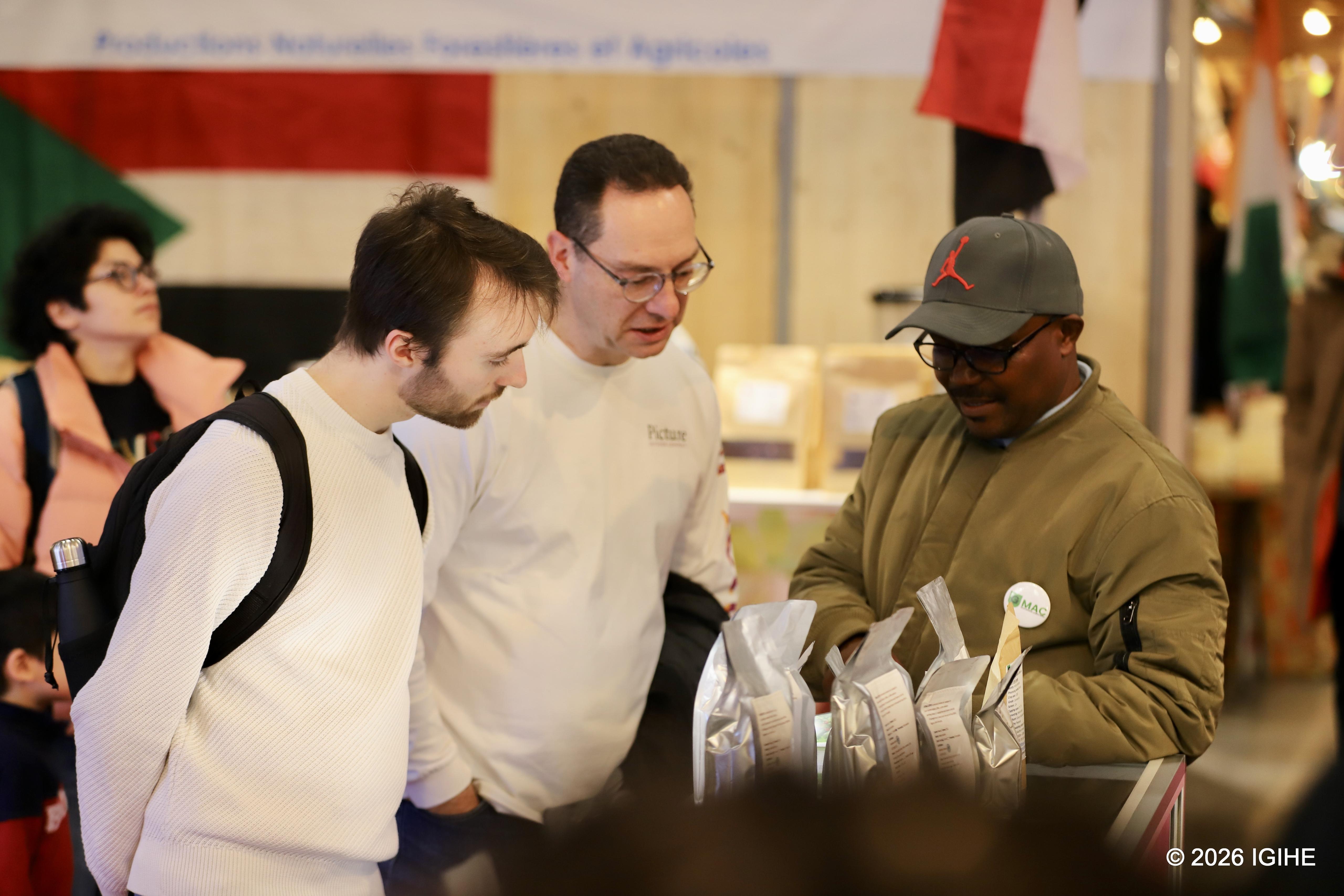
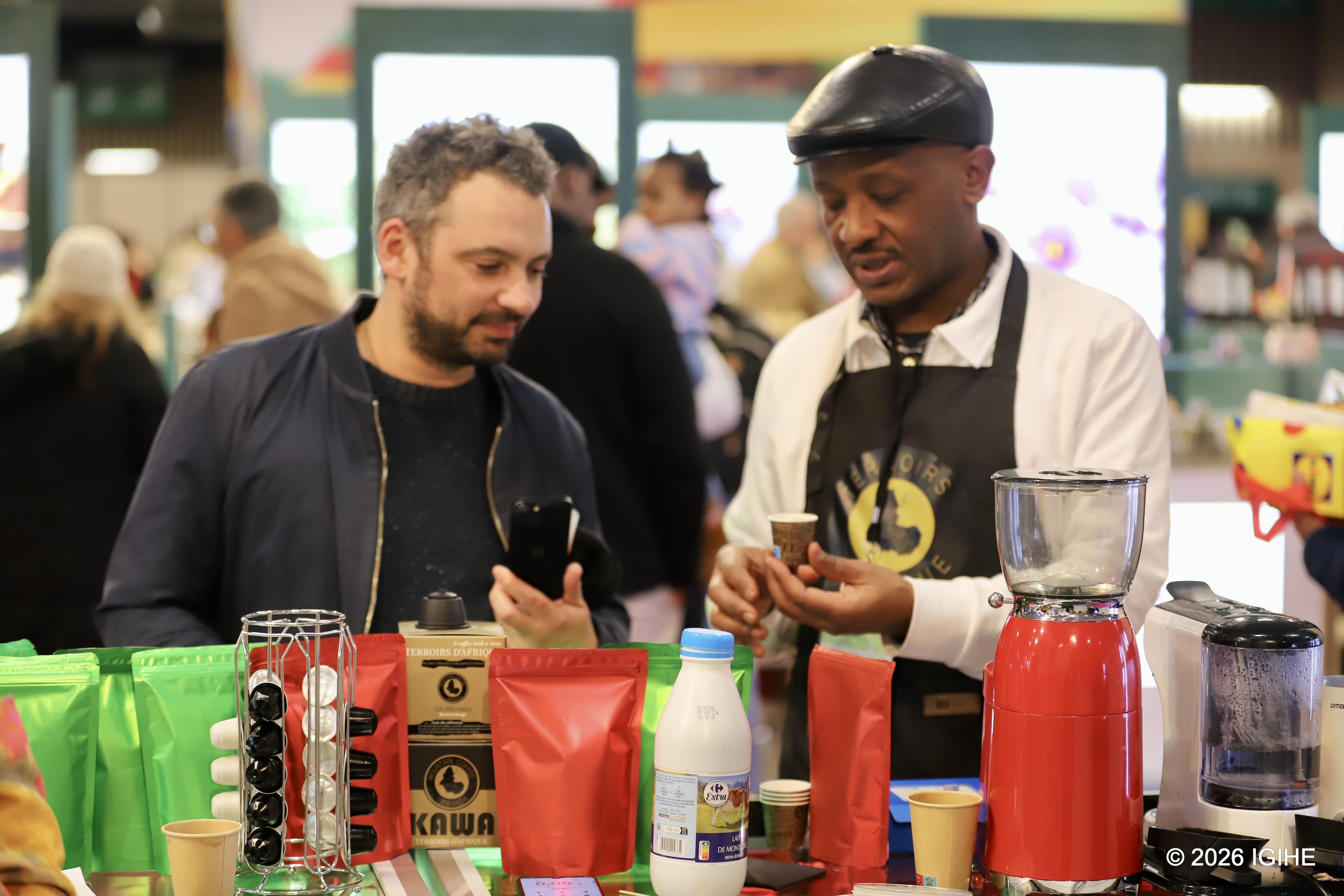
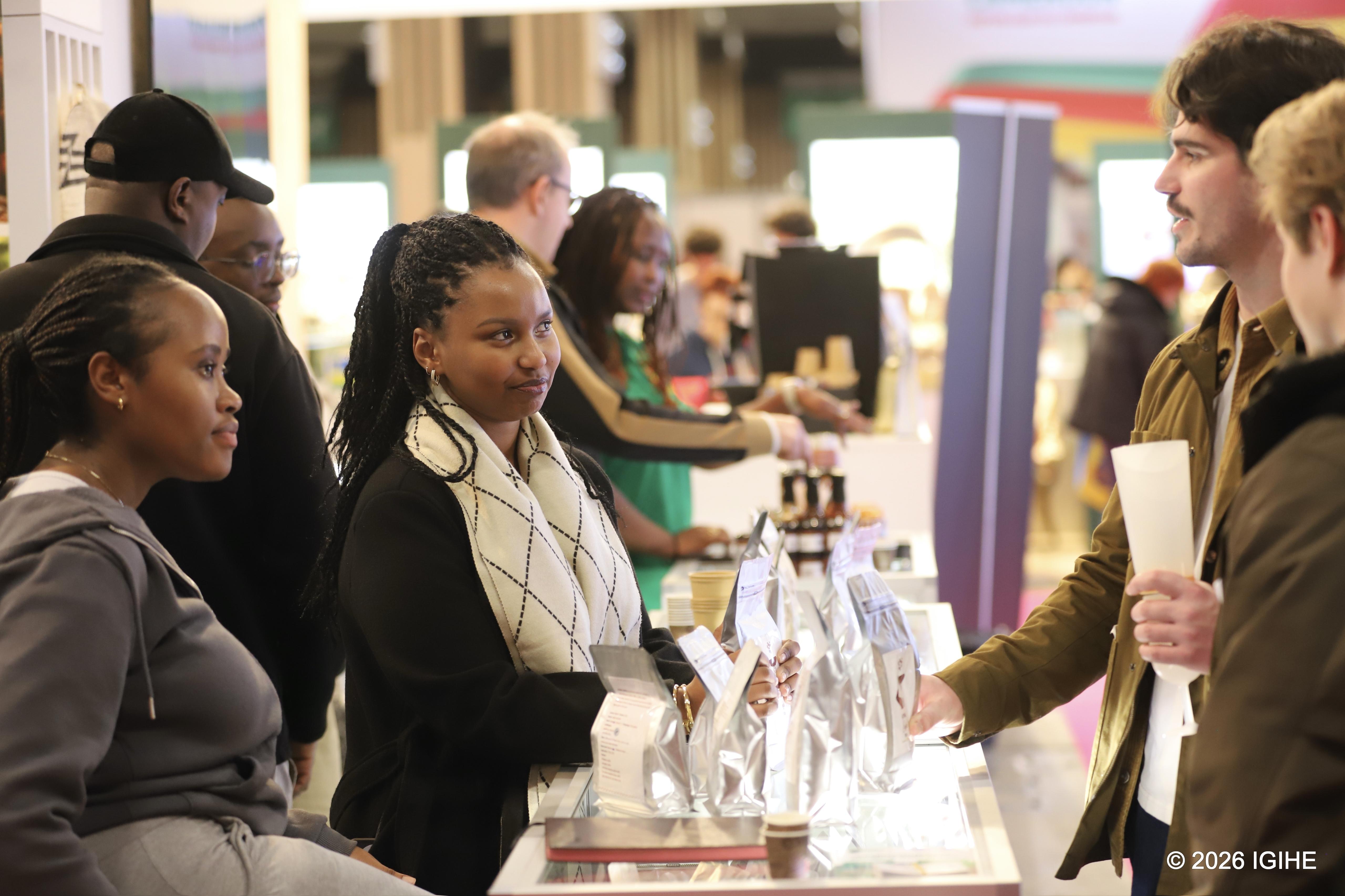
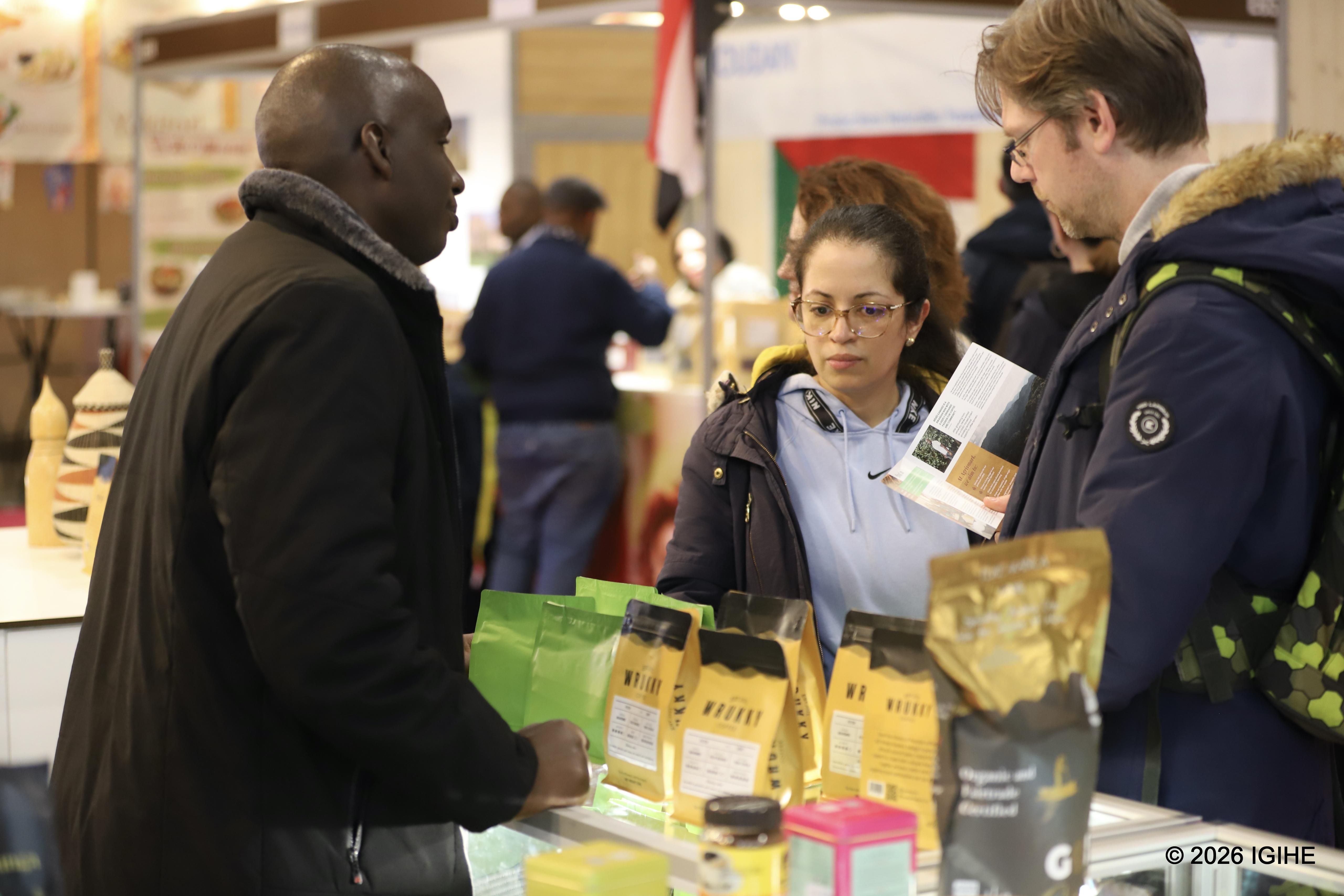
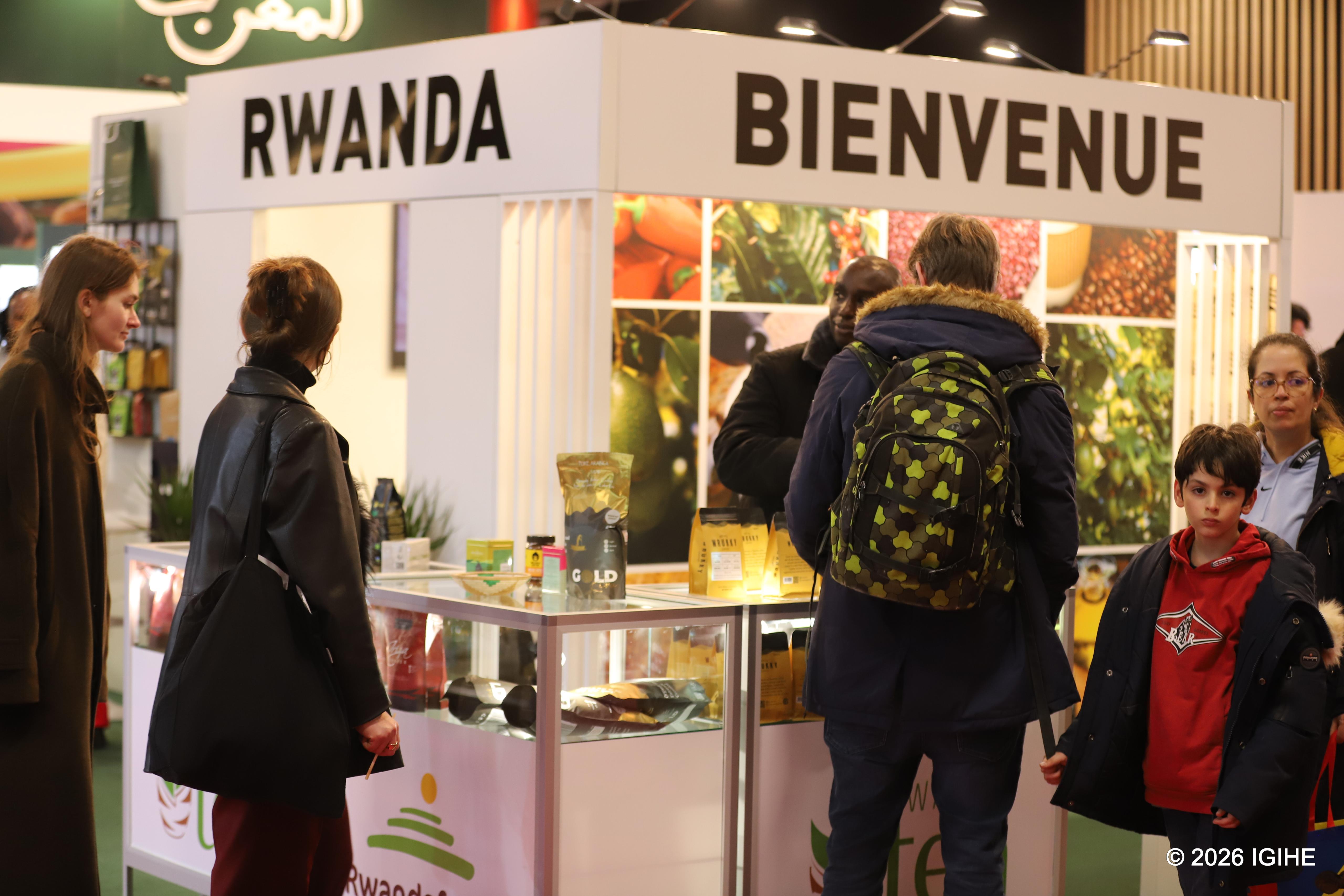
Rwanda is exhibiting at Stand 7, highlighting its progress in developing export-oriented agricultural and livestock products. The country is represented by the National Agricultural Export Development Board (NAEB) and the Embassy of Rwanda in France.
The event provides a platform for traders, farmers, entrepreneurs, and investors to exchange expertise and build partnerships to advance the agriculture and livestock sectors.
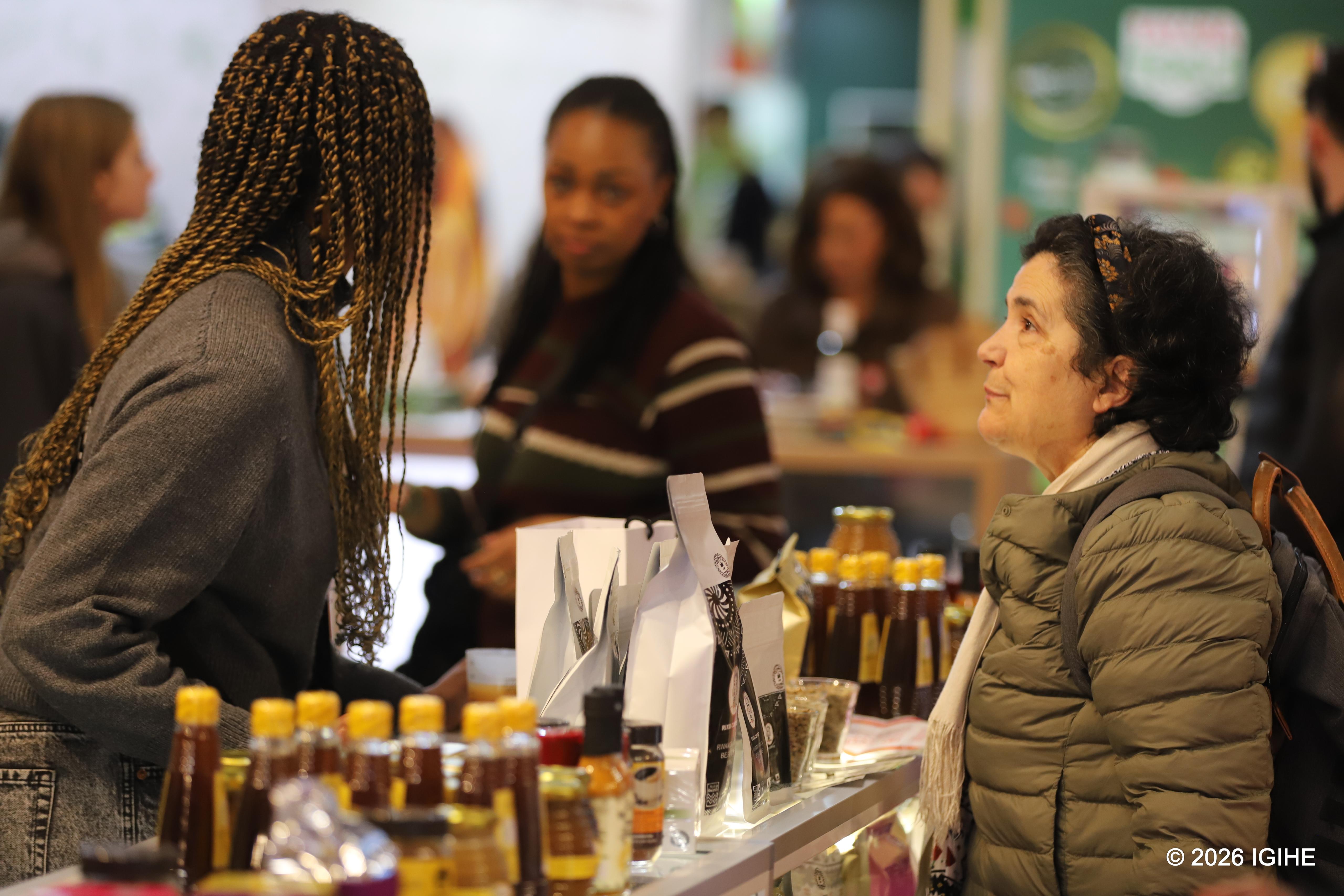
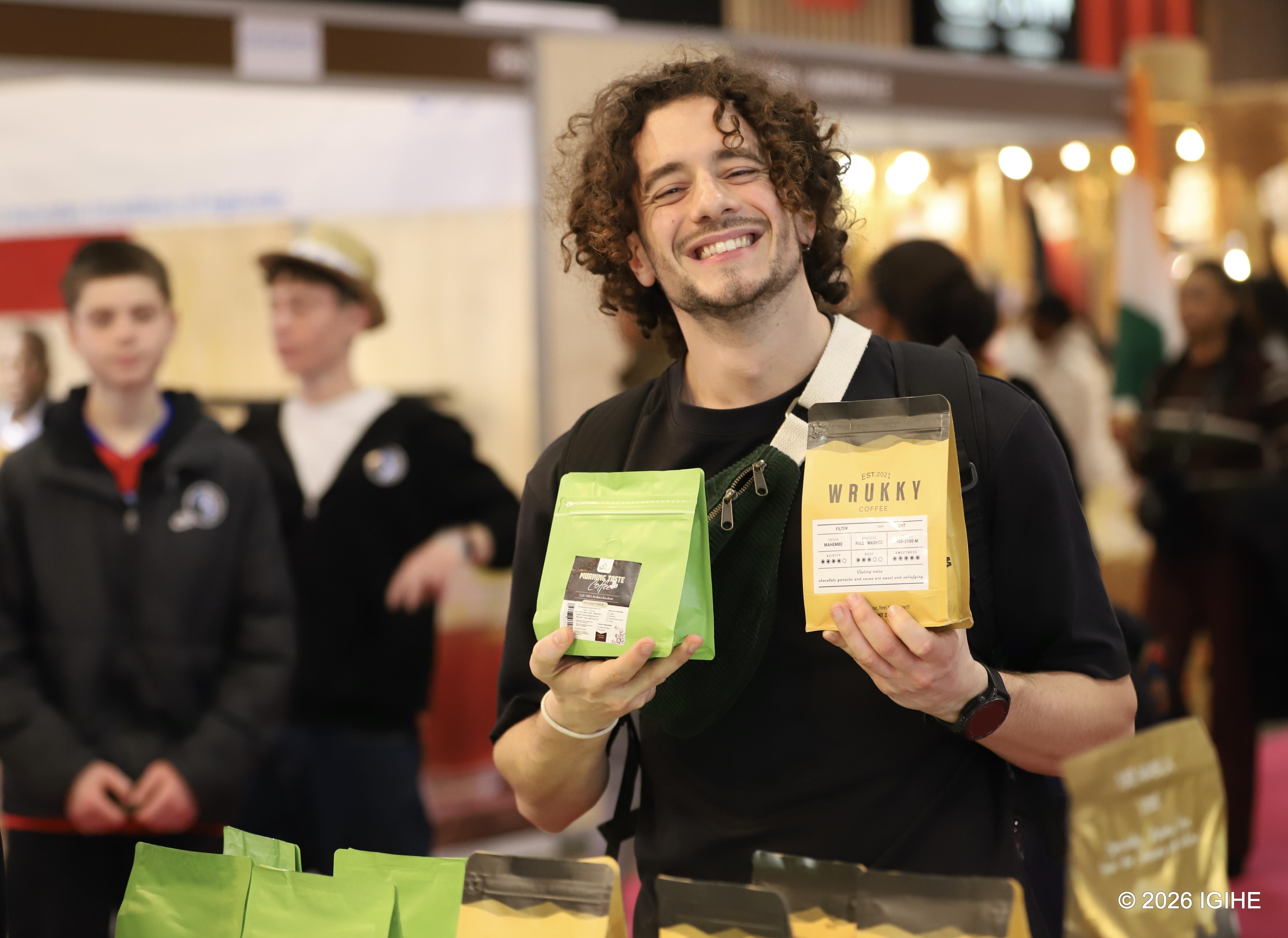
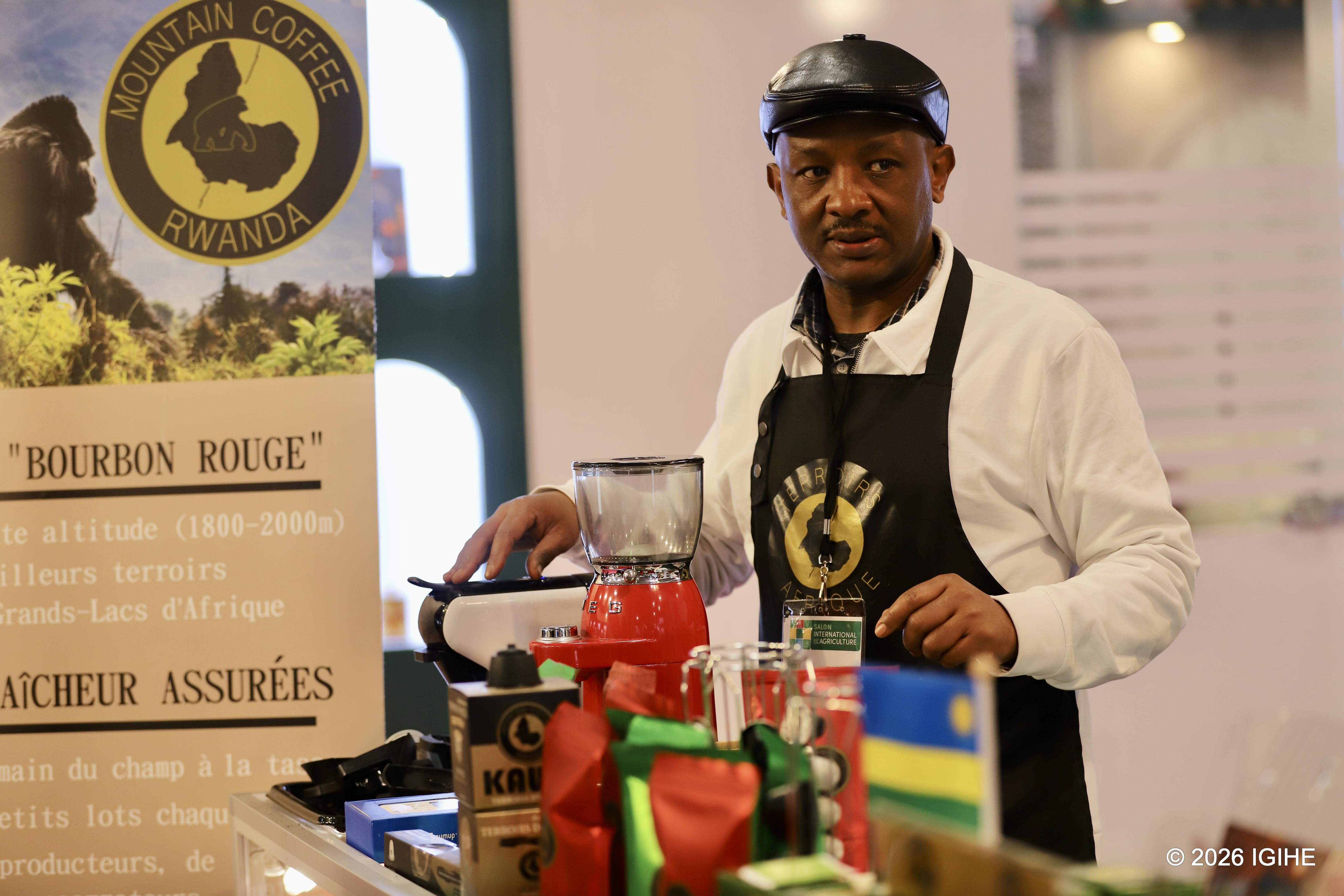
Fifteen Rwandan companies are participating, showcasing products such as coffee, tea, honey, and other value-added goods. The participation reflects Rwanda’s continued investment in strengthening agricultural value chains and expanding access to international markets.
Agricultural and livestock exports remain a key driver of Rwanda’s economy. In December 2025, the Ministry of Agriculture and Animal Resources announced that exports from the sector had generated more than $893.1 million in revenue.
Under the Second National Strategy for Transformation (NST2), Rwanda aims to increase annual foreign exchange earnings from agricultural and livestock exports to $1.5 billion by 2029.
Rwanda is taking part in international agriculture and livestock exhibition for the fith time. Rwanda is showcasing products including coffee, tea, honey and others.Rwanda is exhibiting at Stand 7, where it is highlighting the country’s continued progress in developing export-oriented agricultural produce. The 2026 edition of the trade fair opened on Saturday, February 21. Rwanda is represented by 15 companies.
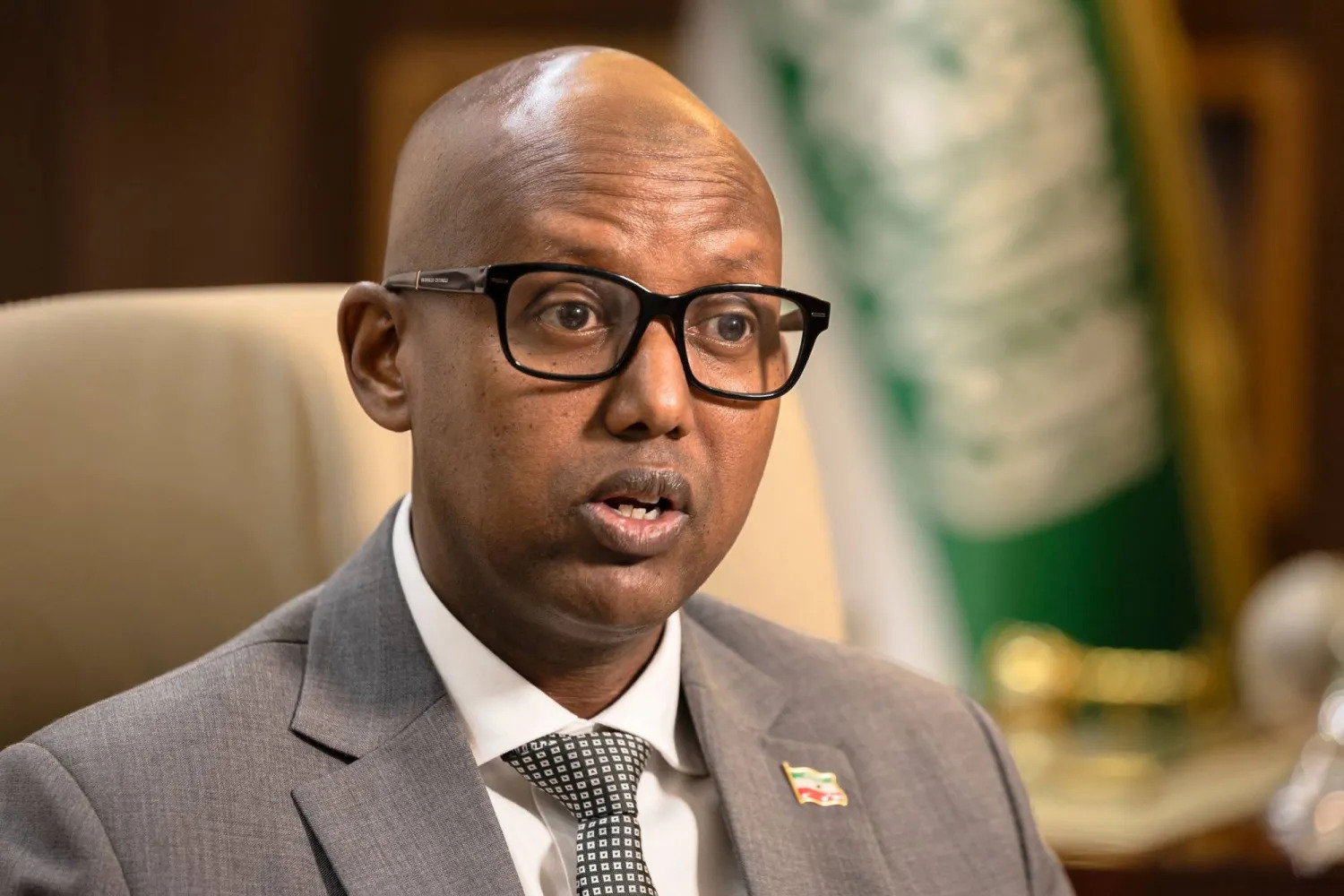
“We are willing to give exclusive access to our minerals to the United States. Also, we are open to offer military bases,” Khadar Hussein Abdi, minister of the presidency, told AFP.
“We believe we will agree on something with the United States.”
He also did not rule out the possibility of allowing Israel a military presence.
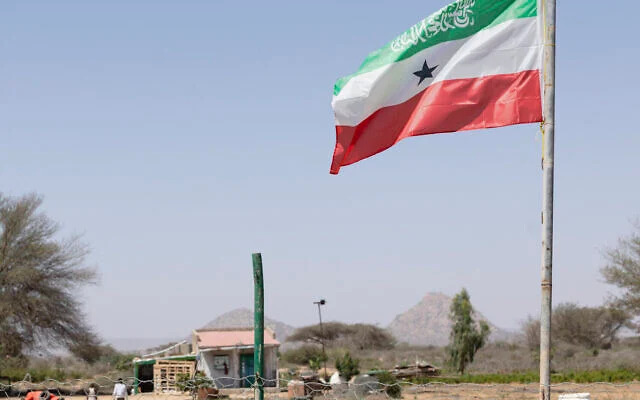
The northern territory has run its own affairs since declaring autonomy from Somalia in 1991, with its own passports, currency, army, and police, though Mogadishu still considers it part of Somalia. Israel became the only country to recognize Somaliland’s independence in December.
Earlier this month, President Abdirahman Mohamed Abdullahi said Somaliland expected to reach a trade agreement with Israel, which could include access to valuable mineral deposits.
Officials say Somaliland is rich in lithium, coltan, and other materials critical for batteries and electric vehicles, though independent studies are limited. Abdullahi also indicated Somaliland would seek access to Israeli technology in return.
The region’s strategic location across the Gulf of Aden from Yemen adds to its geopolitical significance. Recognition by Israel has drawn threats from Houthi rebels and the al-Qaeda-linked al-Shabaab group, which has fought against Somalia’s central government for two decades. Somalia’s President Hassan Sheikh Mohamud condemned the move as a violation of Somali sovereignty, a position supported by most African and Arab states.
Washington has not yet made any formal change in policy toward Somaliland, though President Donald Trump hinted in August that the issue could be addressed. Somaliland officials say their overtures to the US are part of a broader push for international recognition and strategic partnerships.
Khadar Hussein Abdi, minister of the presidency, said that Somaliland is willing to give the United States exclusive access to its minerals and is also open to offering military bases.
Speaking before Members of Parliament, Dr. Arakwiye acknowledged rising public complaints over delays in accessing land-related services, attributing the backlog to a sharp increase in applications and the limited capacity of the existing digital infrastructure.
When LAIS was first introduced, it processed about 15,000 files annually. Today, the system handles more than 800,000 files each year. Official figures indicate that 376,686 land files were recorded in 2023, rising to over 750,000 in 2024 and surpassing 864,000 in 2025, more than doubling within a short period.
The minister explained that expanded access to land services has significantly contributed to the surge. Previously offered mainly at the provincial level, services are now delivered at sector offices, through land committees at cell level, and via the government’s online services platform, Irembo. Twelve of the most requested land services have been digitised, while private notaries and survey assistants have been authorised to facilitate certain processes.
“Previously, services were provided at provincial level, but now they have been decentralised to sector level, with land committees established at cell level,” she said.
LAIS has also been integrated with other government systems, including tax platforms and the national auction system, enabling institutions to directly obtain land documentation where required, without citizens having to make separate applications.
Staffing within LAIS has grown from 80 employees at its launch to 150 currently, with more than 1,000 additional users extracting information from the system. However, government projections show that the platform will need to accommodate up to 3,000 personnel to manage current and future demand effectively.
Authorities say planned upgrades to system capacity, workforce expansion, and deeper institutional integration are expected to ease bottlenecks and improve the efficiency of land service delivery nationwide.
Authorities say the Land Administration Information System (LAIS) will need the capacity to support at least 3,000 staff who manage digital maps and land data to meet growing demand for land services.
In a video statement posted after a meeting of the country’s Energy Security Council, Szijjarto said Hungary would oppose the sanctions package at Monday’s EU foreign ministers’ meeting in Brussels and maintain its position until oil transit to Hungary resumes.
“As long as the Ukrainians do not restart oil transport to Hungary, we will not let go of decisions that are important to them,” he said.
He noted that Ukraine’s decision earlier this week not to restart shipments was “political blackmail” aimed at creating fuel supply disruptions and driving up petrol prices ahead of Hungary’s parliamentary elections.
According to the minister, Hungary has countered the situation by releasing part of its strategic crude reserves and securing replacement supplies via maritime routes.
Szijjarto recalled that Hungary has halted diesel exports to Ukraine, which he said accounted for around 10 percent of Ukraine’s diesel imports, and has also moved to block a planned 90-billion-euro EU loan for Ukraine.
In a separate social media post on Sunday, Prime Minister Viktor Orban said Hungary would not “stand idly by” while the Druzhba pipeline remains blocked. “We will ensure Hungary’s fuel supply and take appropriate countermeasures until shipments are restarted by Ukraine,” Orban wrote.
The Druzhba pipeline, which transports Russian oil to Central Europe via Ukraine, has faced repeated disruptions since last year amid the ongoing conflict between Russia and Ukraine. Hungary stated that although there are currently “no practical or technical obstacles,” Ukraine has decided not to restart crude deliveries.
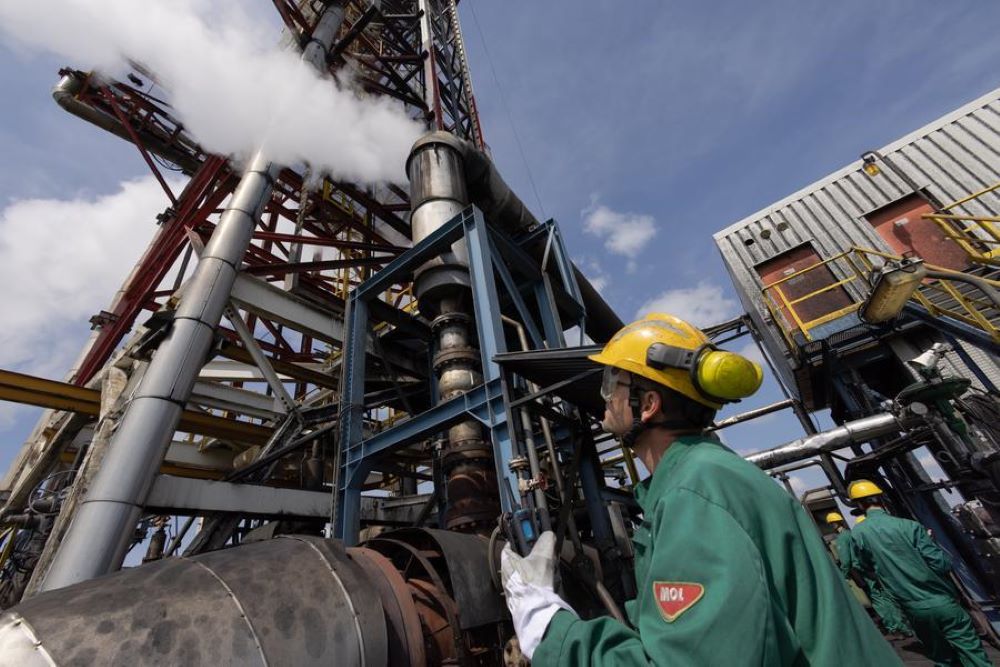
A worker operates machinery at the Danube Refinery in Szazhalombatta, Hungary, May 24, 2022.
Barrot said in an interview with French media that the U.S. Embassy in France had commented on the tragedy, which he described as concerning “the national community,” prompting France to call in the ambassador.
Earlier on Friday, the U.S. Embassy said on X account that “violent left-wing extremism is on the rise, and its role in Quentin Deranque’s death demonstrates the threat it poses to public safety,” adding that it would continue to monitor the situation and hoped those responsible for the violence would be brought to justice.
According to French media, the incident followed the death of Deranque, a far-right activist who was seriously injured during a clash between radical groups during a conference given by a member of French hard-left party La France Insoumise in Lyon on Feb. 12.
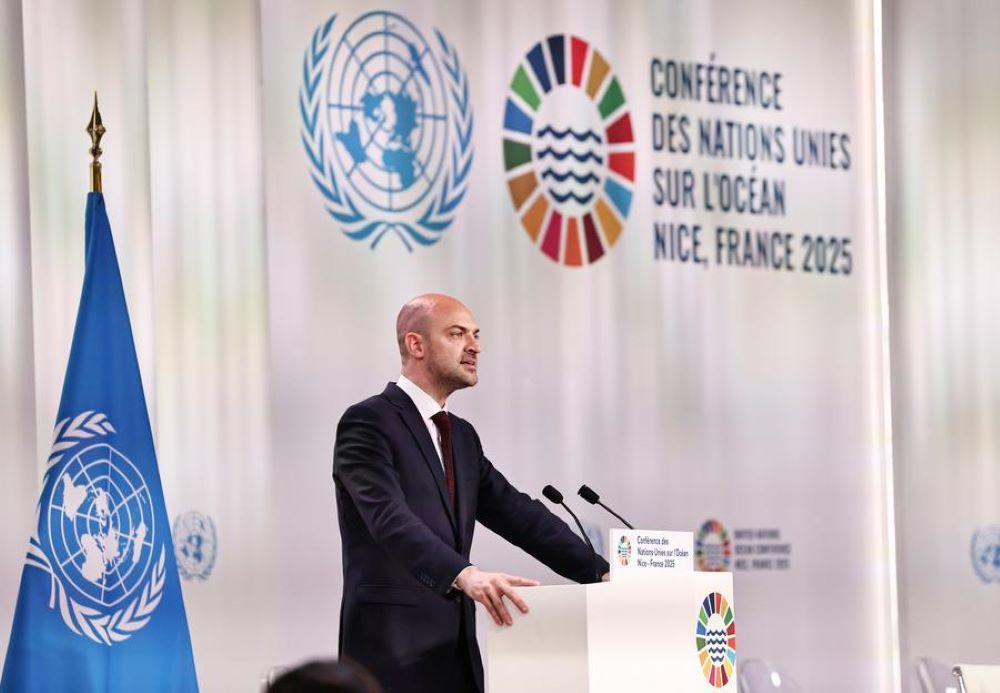
French Foreign Minister Jean-Noel Barrot addresses the audience during a plenary session on the second day of the third United Nations Ocean Conference (UNOC3) in Nice, France, June 10, 2025.
Omani Foreign Minister Sayyid Badr bin Hamad bin Hamood Albusaidi said on Sunday that the next round of U.S.-Iran talks will take place on Thursday in Geneva.
“Pleased to confirm U.S.-Iran negotiations are now set for Geneva this Thursday, with a positive push to go the extra mile towards finalizing the deal,” the minister said on social media platform X.
In a phone call on Sunday, Iran’s Foreign Minister Seyed Abbas Araghchi and Director General of the International Atomic Energy Agency (IAEA) Rafael Grossi stressed the importance of “constructive engagement and using the path of dialogue” to achieve a sustainable nuclear agreement, Iran’s official news agency IRNA reported.
This followed Araghchi’s remarks on Friday in an interview with the U.S. media outlet MSNBC that Tehran will prepare the draft of a possible nuclear deal with the United States within two to three days and submit it to the U.S. delegation.
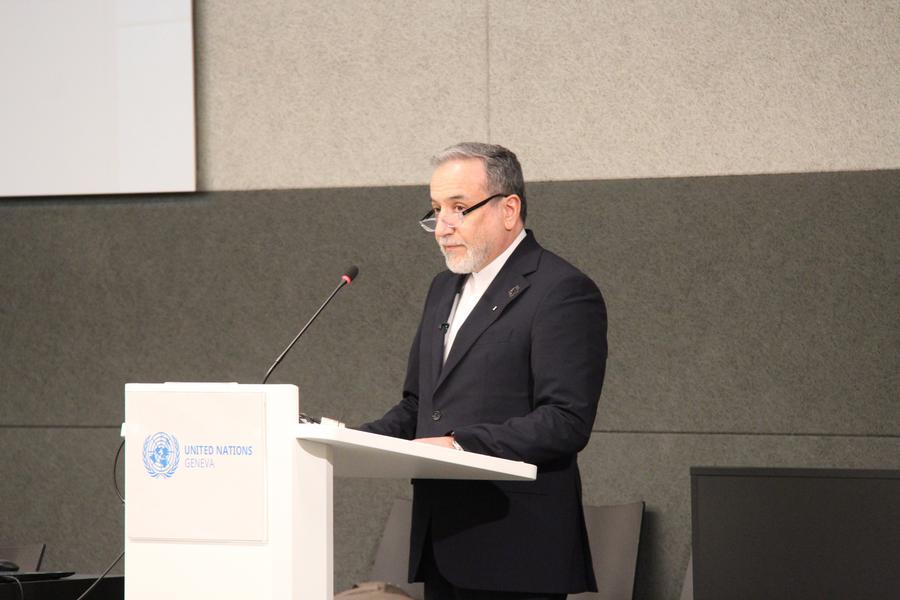
Iranian Foreign Minister Seyed Abbas Araghchi addresses a UN disarmament conference in Geneva, Switzerland, February 17, 2026.
In a CBS News interview broadcast on Sunday, Araghchi reiterated Tehran’s willingness to resolve its differences with Washington through negotiations.
Araghchi said he may meet with U.S. President Donald Trump’s special envoy Steve Witkoff on Thursday in Geneva, noting that it is still possible to find a diplomatic solution between Tehran and Washington.
He said the two sides are working on elements of a potential deal, and may discuss a preliminary draft for the deal on Thursday.
Araghchi said the deal should include Iran’s “peaceful nuclear program” as well as lifting U.S. sanctions against Iran, reaffirming Tehran’s resolve to secure its right to uranium enrichment under the national nuclear program.
He added that Iran and the United States can reach a nuclear deal better than the one signed between Tehran and world powers in 2015, noting unlike the previous negotiations, where the involved parties went into so many details, “this time, there is no need for that many details, and we can agree on basic things and make sure that Iran’s nuclear program is peaceful and would remain peaceful forever and, at the same time, more sanctions would be lifted.”
He also stressed that Tehran has right to self-defense if the United States attacks Iran. “We have to hit, you know, the American base in the region.”
Also on Sunday, Iranian President Masoud Pezeshkian said recent negotiations with the United States have “yielded encouraging signals,” while cautioning that Iran is prepared for “any potential scenario.”
“Iran is committed to peace and stability in the region. Recent negotiations involved the exchange of practical proposals and yielded encouraging signals. However, we continue to closely monitor U.S. actions and have made all necessary preparations for any potential scenario,” Pezeshkian said in a post on social media.
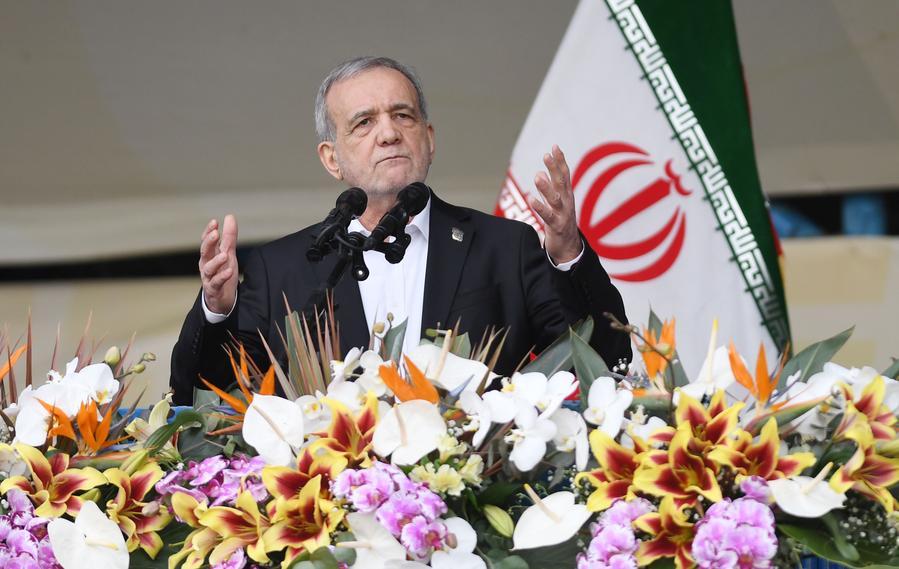
Iranian President Masoud Pezeshkian speaks at the celebrations for the 47th anniversary of the 1979 Islamic Revolution in Tehran, Iran, February 11, 2026.
A senior Iranian official has told Reuters that significant differences remain between the two sides, even over the “scope and mechanism of sanctions relief.”
“Both sides need to reach a logical timetable for lifting sanctions,” said the unnamed official, adding that any roadmap must be “reasonable and based on mutual interests.”
Washington has said that any deal with Iran must include a ban on uranium enrichment, the removal of its enriched material, limits on long-range missiles, and a rollback of support for regional proxies. But analysts have said such conditions would be “very difficult” for Iran to accept.
The diplomatic maneuvers occurred against a backdrop of escalating U.S. military pressure. Media reports said the United States had recently deployed a large number of fighter jets and transport aircraft to Muwaffaq Salti Air Base in Jordan, marking a noticeable increase compared with the base’s usual level of deployment.
Located about 100 km northeast of Amman, the capital of Jordan, Muwaffaq Salti is considered one of the main U.S. military bases in the Middle East. At other U.S. military bases in the region, there have also been reports of significant military build-ups.
The development came amid heightened tensions between Tehran and Washington, and followed two rounds of indirect nuclear talks between the two sides this month, with the first held in Muscat on Feb. 6 and the second in Geneva on February 17.
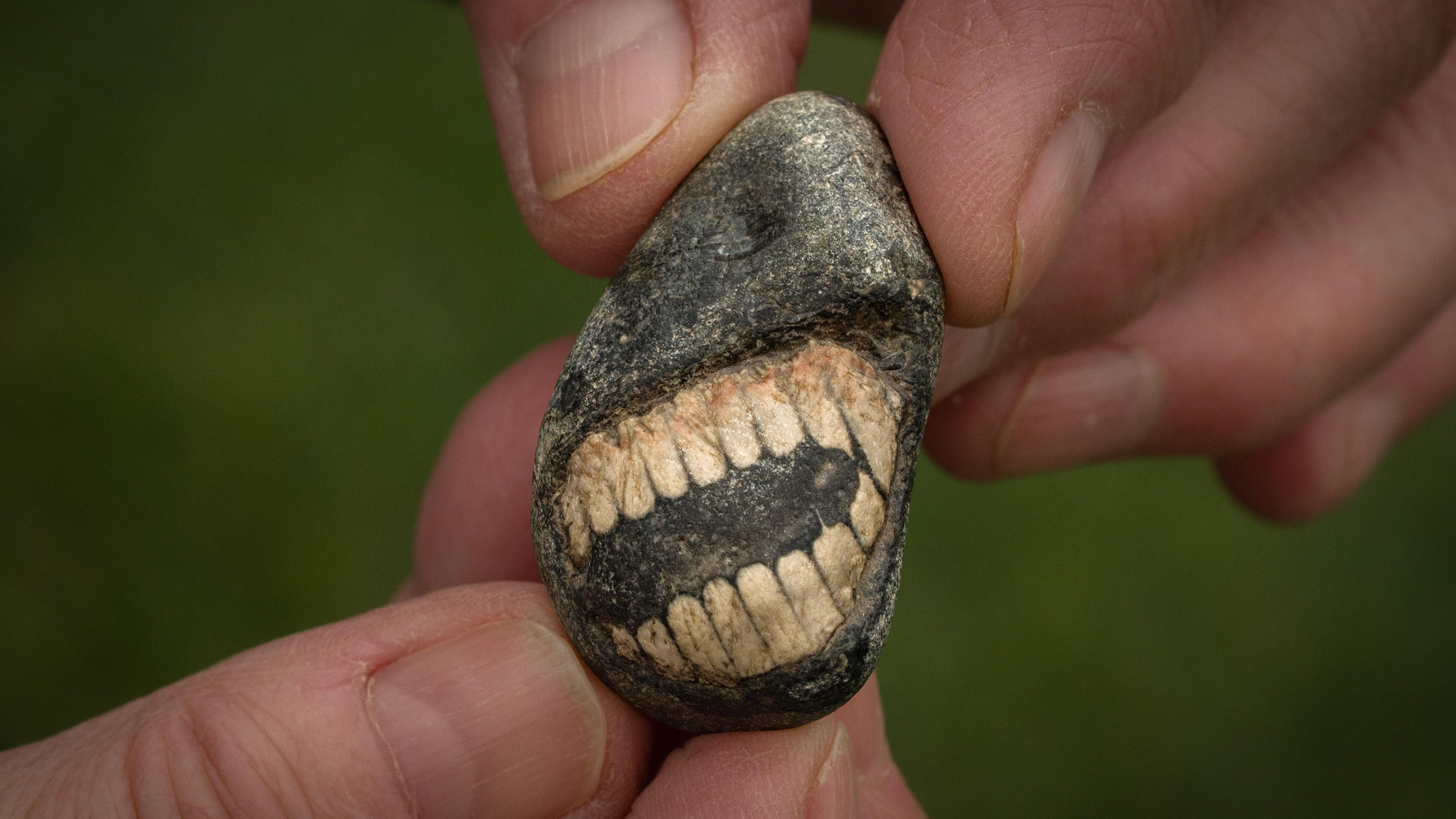
According to BBC, Clark, who visits Northumberland annually with her husband Gerard to hunt for the island’s famed “Cuddy’s beads,” took the fossil home and shared it on a Facebook fossil identification group. Thousands of likes and comments later, experts confirmed that she had uncovered a significant specimen: part of a crinoid, an ancient marine animal.
Crinoids, sometimes called “sea lilies,” first appeared over 500 million years ago during the Cambrian period. They have a flexible stem anchored to the seabed, with branching arms at the top. The stem is made of small discs called ossicles, which, when connected, form a columnal — the part Christine discovered .
Dr Jan Hennissen, senior paleontologist at the British Geological Survey (BGS), explained that the stem had split lengthwise and curved, giving it its “mouth-like” appearance. He added that it likely originated from the Alston Formation, a dark limestone approximately 350 million years old.
Holy Island’s fossils hold a rich history: centuries ago, locals believed the crinoid discs were “Cuddy’s beads,” created by St Cuthbert to impart spiritual blessings. While crinoid fossils are common along the Northumberland coast, complete specimens are rare, making Christine’s find particularly remarkable.
Though she has received offers to buy it, Clark plans to keep the fossil, enjoying the amusement it brings to visitors and fellow fossil enthusiasts alike.
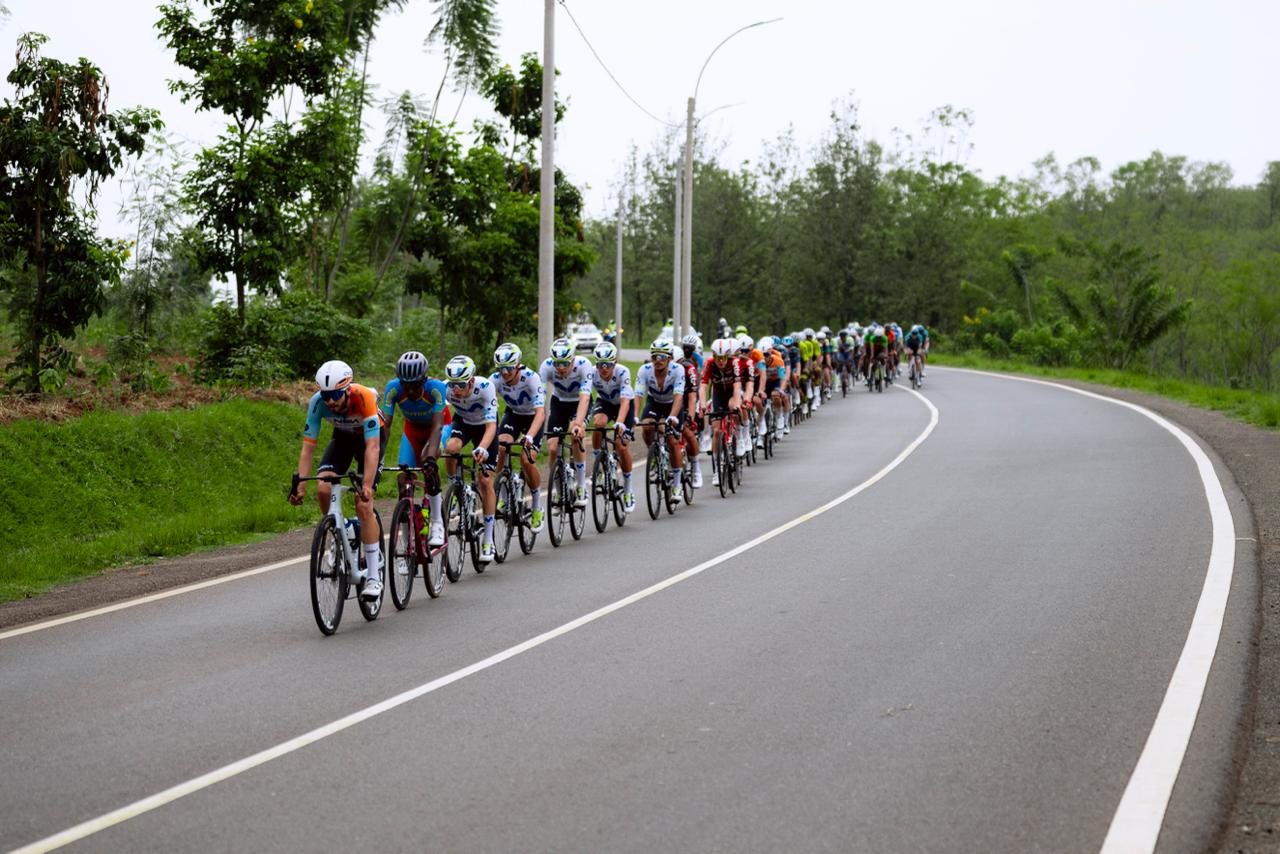
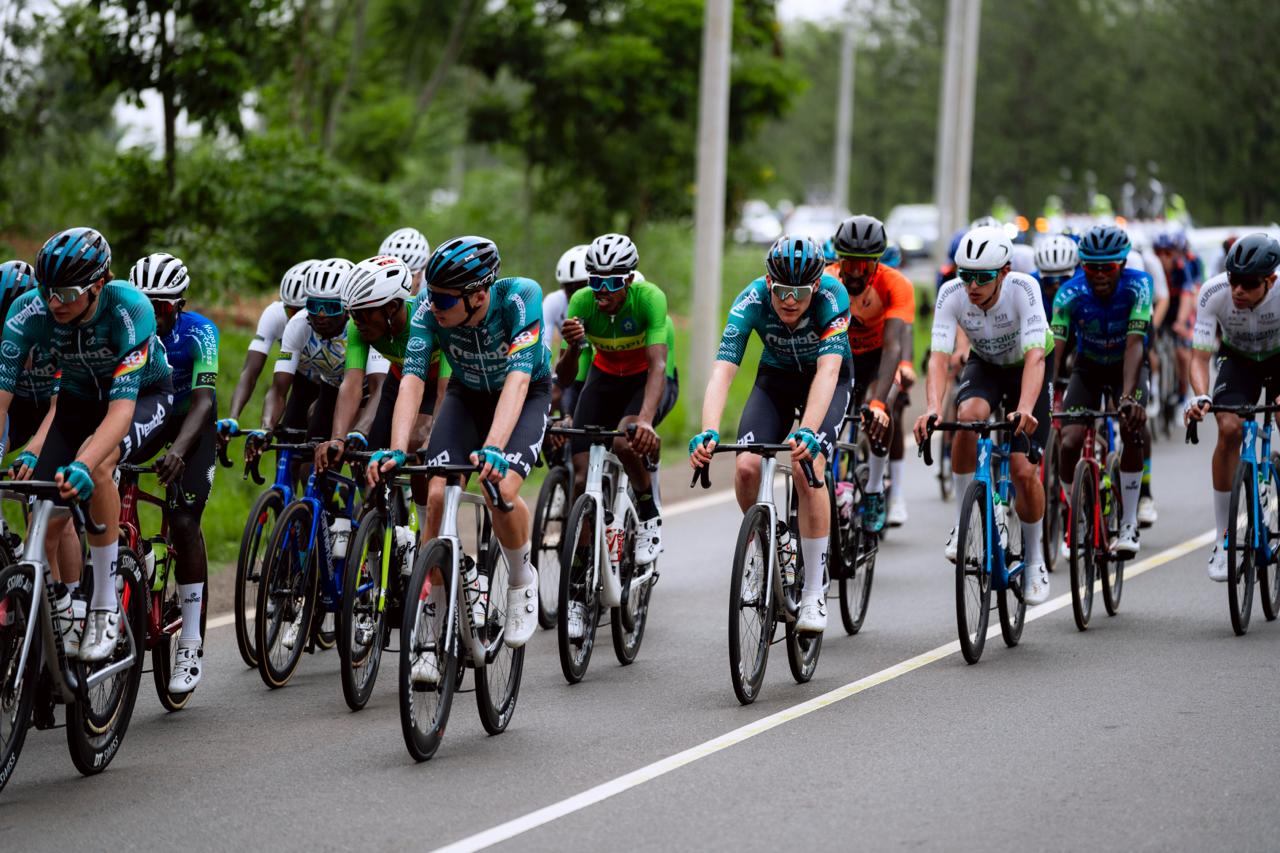
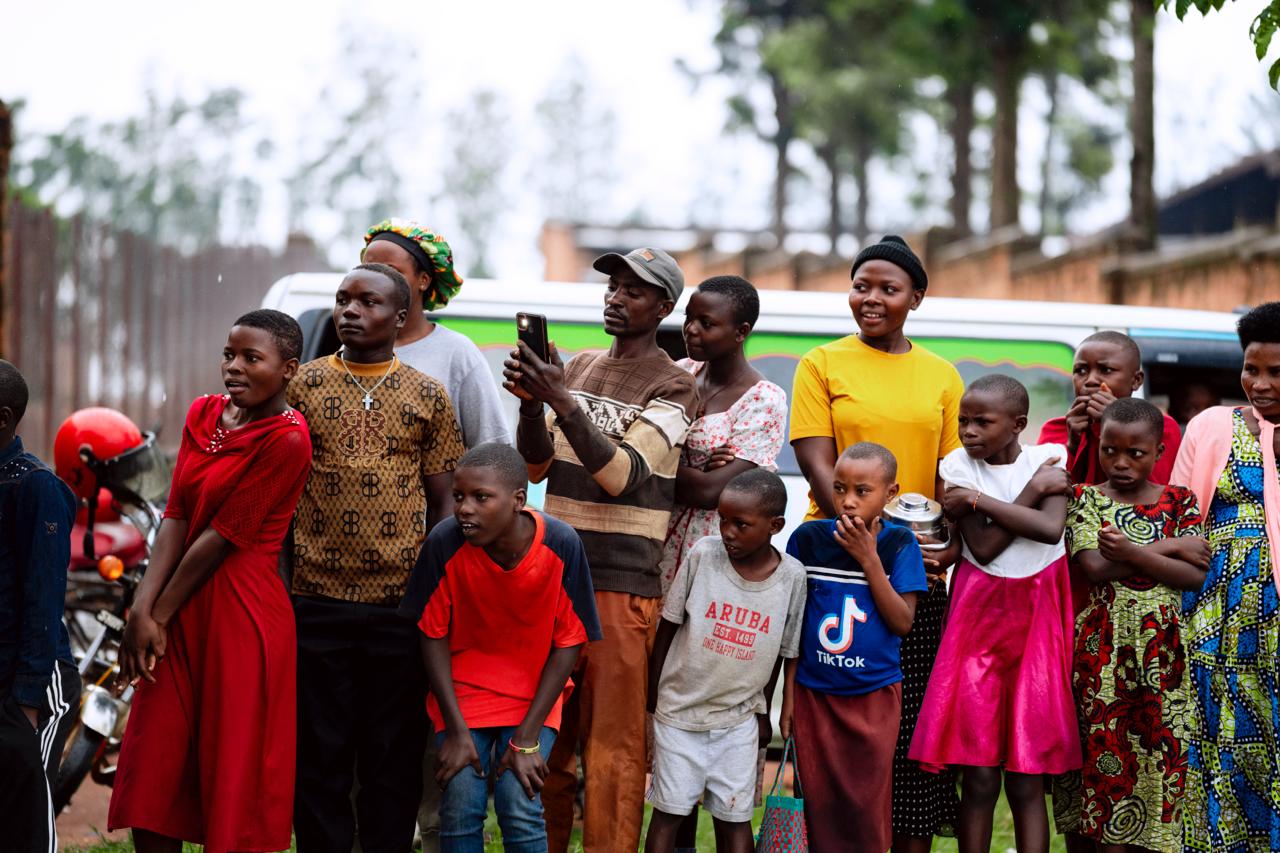
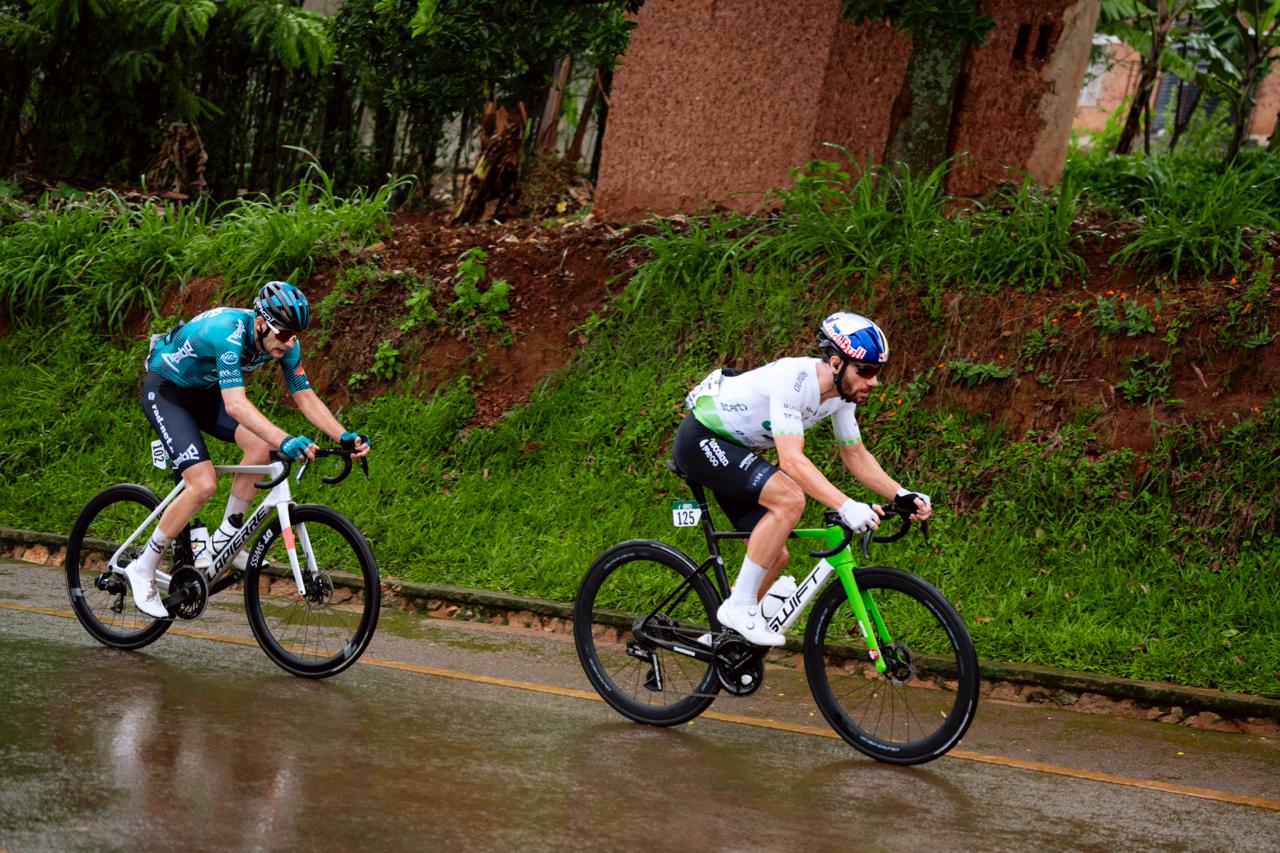
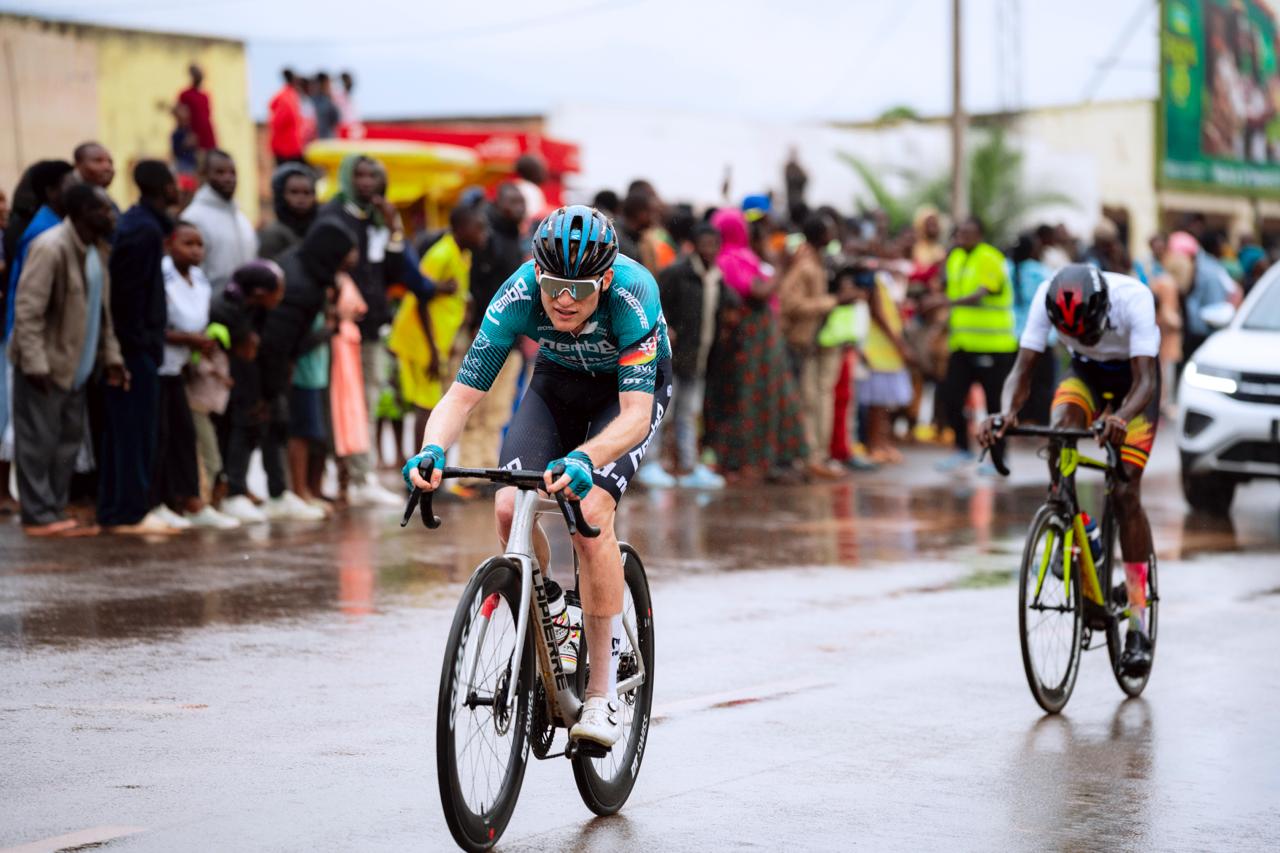
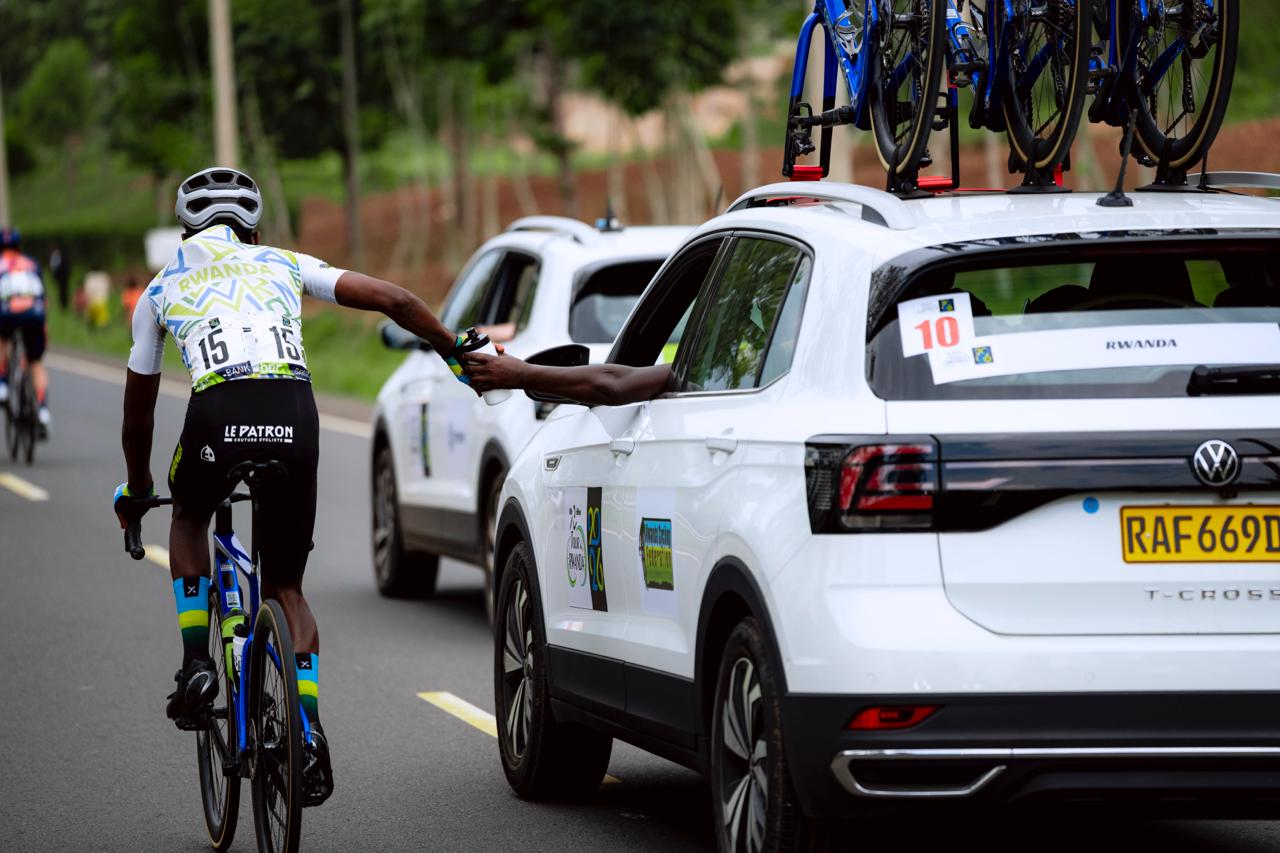
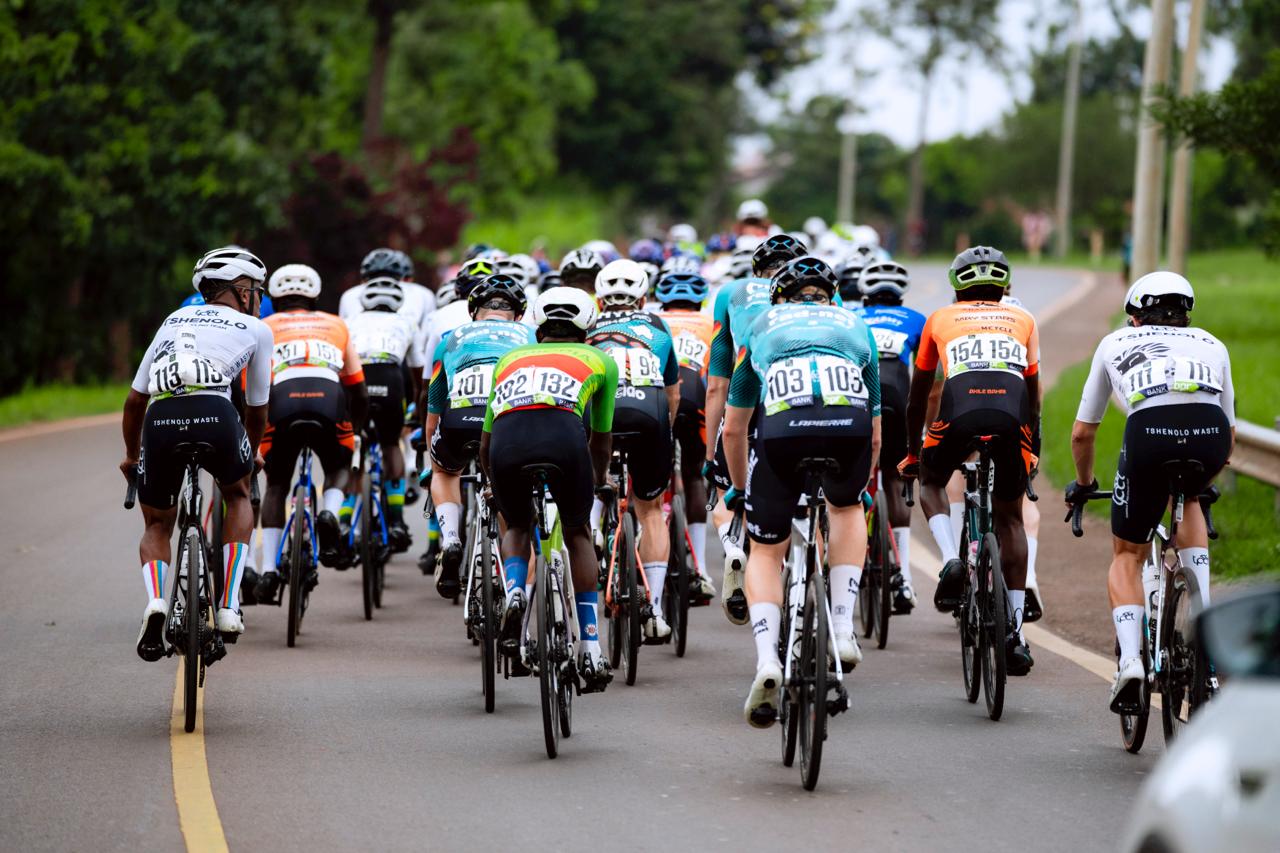
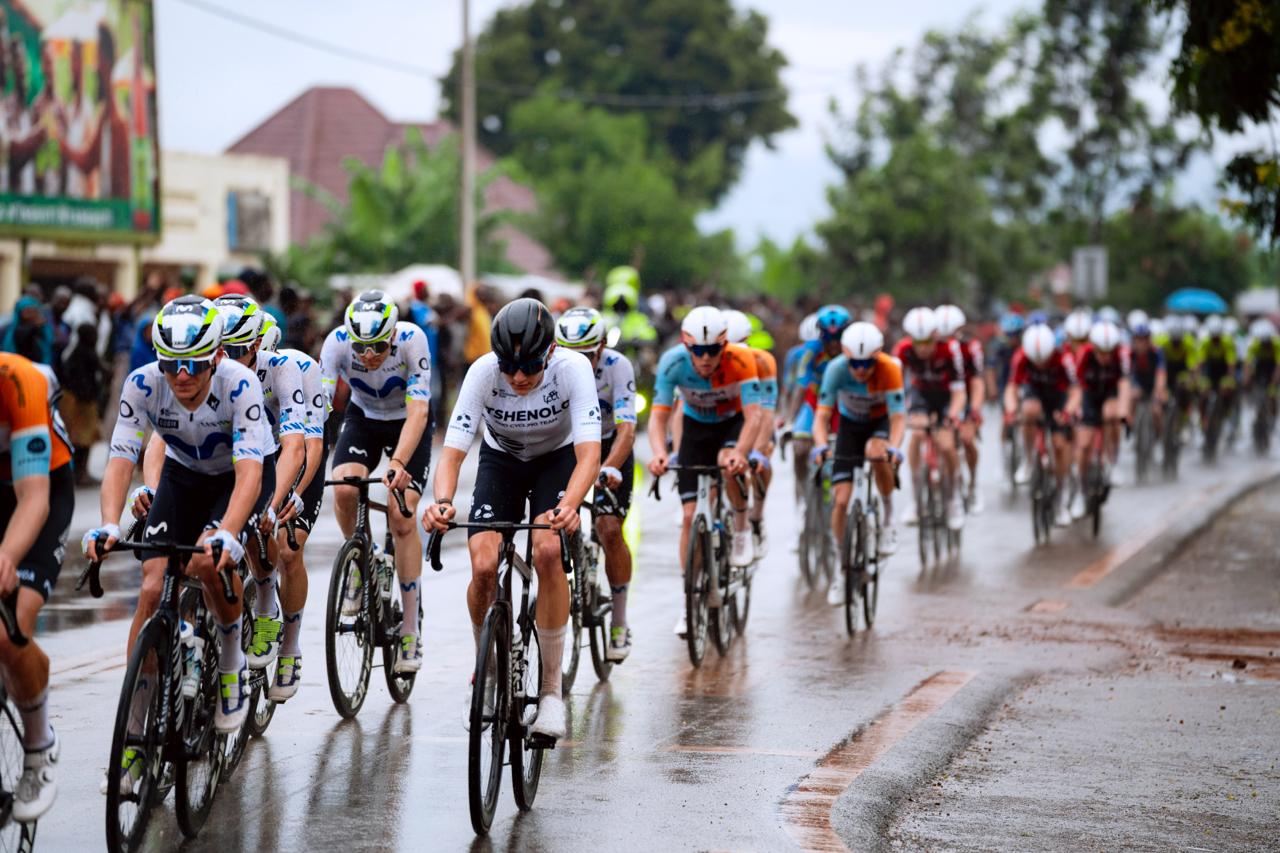
Sunday’s stage, the longest of the race at 174 km, took riders from Rukomo Sector in Gicumbi District to Rwamagana in Eastern Province. The challenging route tested the peloton with rolling hills, strategic sprints, and persistent rain before culminating in a thrilling finish.
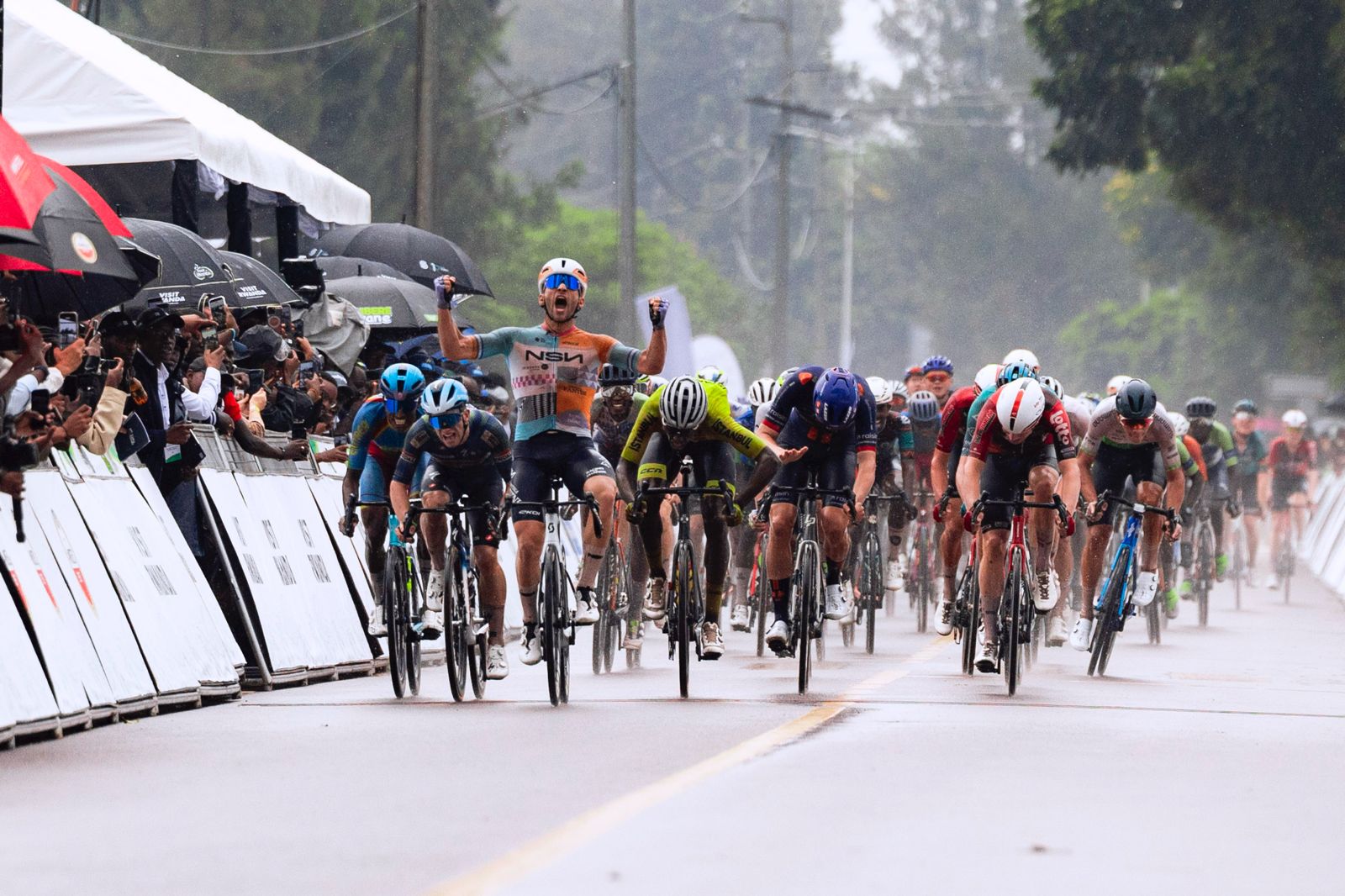
Einhorn out-sprinted his rivals in the final meters to take the win in 4:00:05.02, earning a 10-second time bonus for claiming the third intermediate sprint of the day. Spaniard Hodei Muñoz of the Belgian Soudal Quick-Step Development Team finished second, while Eritrean Mewael Girmay of the Turkish-registered Istanbul Team came in third. This marks Einhorn’s third stage win at the Tour du Rwanda, having previously triumphed in Kayonza and Nyaruguru during the 2024 edition.
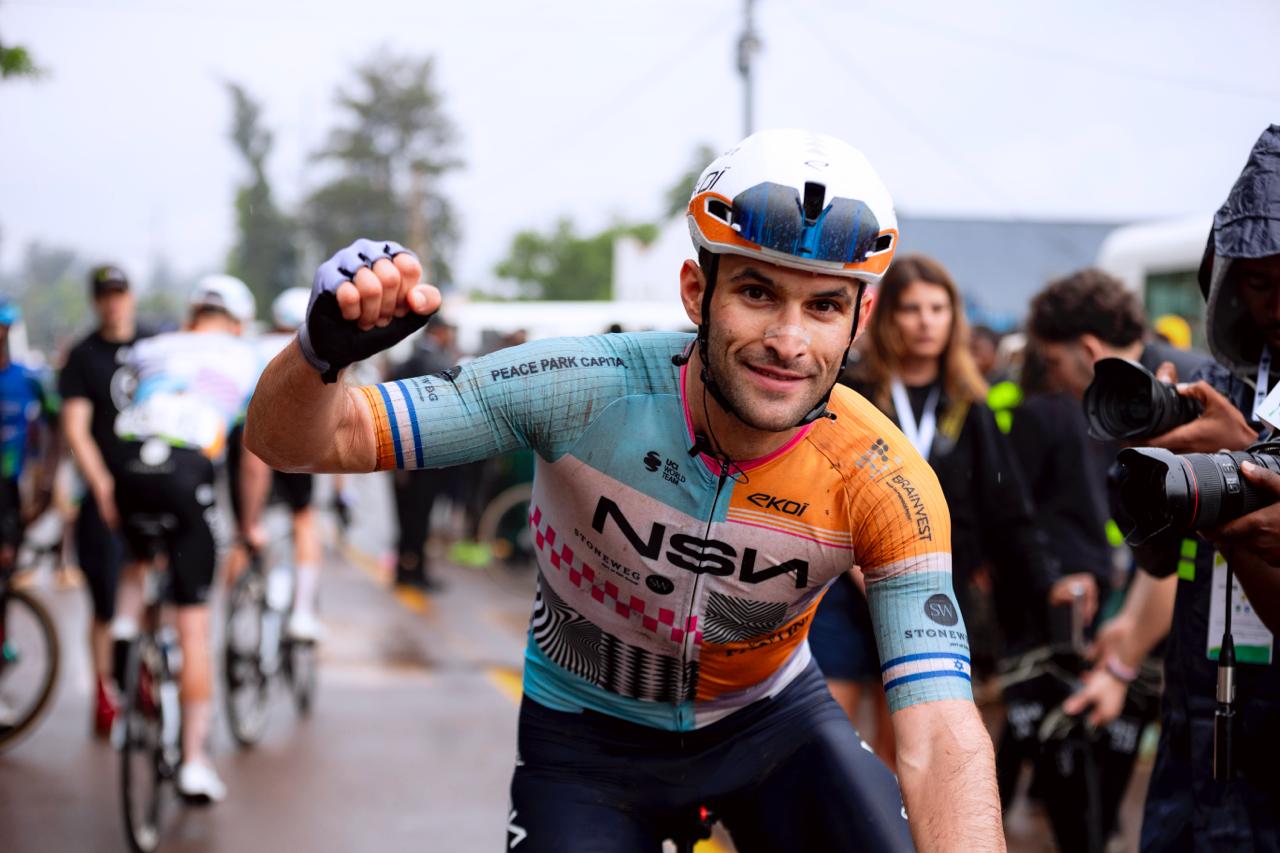
Einhorn claimed the first yellow jersey of the 2026 race, setting the tone for the week ahead.
With the victory, Einhorn also claimed the first yellow jersey of the 2026 race, setting the tone for the week ahead. The Israeli rider now leads a field of 18 teams, including four Rwandan squads, in the eight-stage race covering nearly 1,000 km and more than 16,000 meters of total elevation gain.
The final kilometres of Stage 1 were intense. With 30 km remaining, the breakaway held a 2-minute 25-second advantage, but the peloton, led by NSN, Eritrea, and Movistar teams, steadily closed the gap. By the 5 km mark, Einhorn and the leading riders had reduced the margin to just 30 seconds, setting up a nail-biting sprint to the line.
Einhorn out-sprinted his rivals in the final meters to take the win in 4:00:05.02.
The 2026 Tour du Rwanda, now in its 18th edition since gaining international status, continues through March 1, taking riders across the country’s diverse terrain. Upcoming stages include the high-elevation challenge from Huye to Rusizi on February 24, a scenic lakeside route along Lake Kivu on February 25, and the final circuits in Kigali on March 1.
Einhorn’s early dominance in Rwamagana demonstrates his readiness to compete for overall victory in a race known for its gruelling climbs and unpredictable finishes. Fans can expect more thrilling action as the “Land of a Thousand Hills” once again tests the world’s best riders.
This marks Einhorn’s third stage win at the Tour du Rwanda, having previously triumphed in Kayonza and Nyaruguru during the 2024 edition.The first stage of Tour du Rwanda 2026 covered 174 km from Rukomo to Rwamagana.
This year’s edition marks the 18th Tour du Rwanda since it gained international status in 2009.
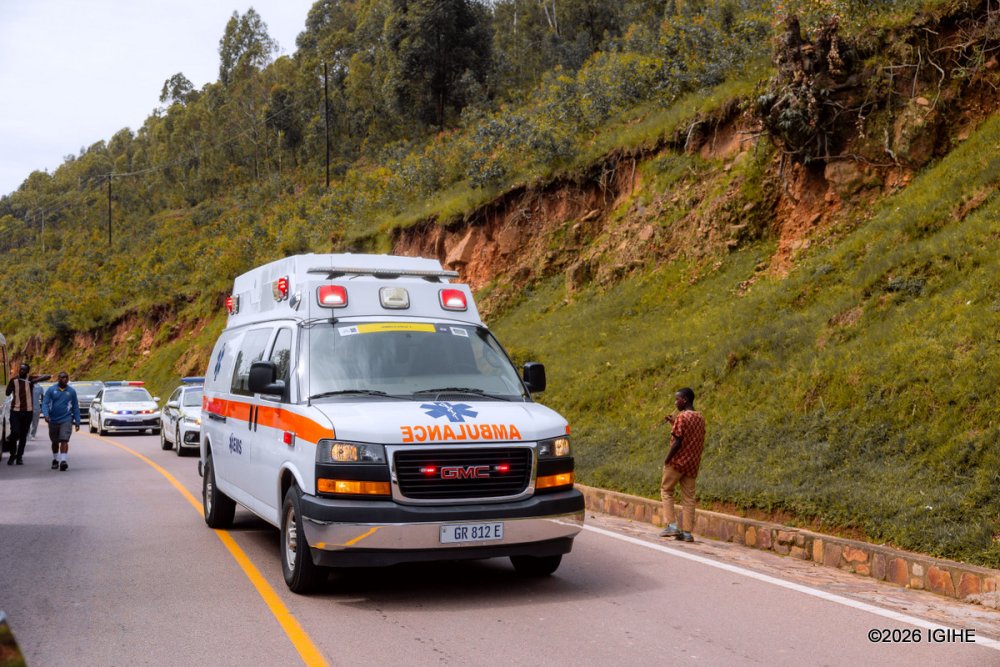
In a statement released by Tour du Rwanda management, organisers confirmed the accident and expressed their deep condolences to the families affected. The injured are receiving care, and authorities are closely monitoring their condition.
“We extend our sincere condolences to the families and remain committed to public safety,” the statement read in part.
The Rwanda National Police has launched an investigation into the incident.
Candy Basomingera, Permanent Secretary of the Ministry of Sports, expressed sorrow over the accident and stressed the need for vigilance on the roads during the race.
“This reminds us of the importance of being vigilant on the road as we drive and cheer on the riders. Our thoughts and prayers are with the families of the victims, and we wish a quick recovery to those who have been injured,” she said.
Israeli cyclist Itamar Einhorn of NSN Devo Team won the first stage of the race, completing the 174 km from Rukomo to Rwamagana in a time of 4:00:05.02 and earning the first yellow jersey.
The 2026 edition, marking the 18th Tour du Rwanda since it gained international status, runs from February 22 to March 1, covering eight stages and nearly 1,000 km. Riders will face more than 16,000 meters of total elevation gain over the week, living up to Rwanda’s nickname as the “Land of a Thousand Hills.”
A total of 18 teams are competing, including four Rwandan squads.
The first stage of Tour du Rwanda 2026 covered 174 km from Rukomo to Rwamagana. This year’s edition marks the 18th Tour du Rwanda since it gained international status in 2009.
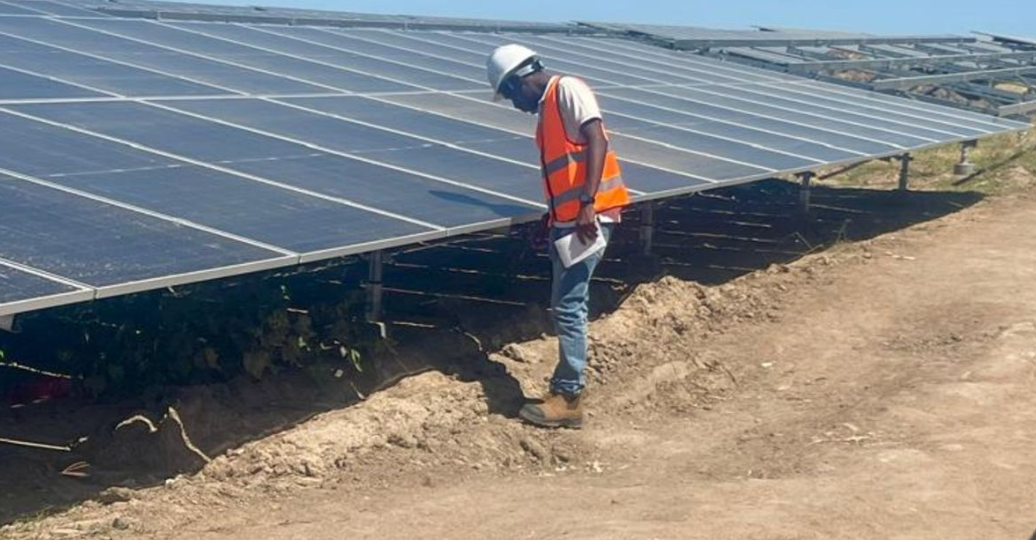
Tanzania has completed its first large-scale solar power project in Kishapu District of the northwestern Shinyanga region, marking a milestone in the country’s energy transformation agenda, the Ministry of Energy said in a statement on Sunday.
According to the statement, Lazaro Twange, managing director of the Tanzania Electric Supply Company Limited, said during a site inspection on Saturday that the project reflects the government’s commitment to expanding access to reliable electricity nationwide.
Twange described the project as a new chapter in the country’s history, saying it is the first solar project of such magnitude since independence. He said electricity has already been generated at the site, with 50 megawatts set to be connected to the national grid by March 1.
Kishapu District Commissioner Peter Masindi said the solar plant is a catalyst for local economic growth, particularly benefiting youth engaged in mining and agriculture.
Mariana Mrosso, acting manager of the power generation plant, said the facility would enhance the stability of the national grid and improve electricity supply, especially across the Lake Zone regions.