Kagame is currently in United Kingdom for the 2018 Commonwealth Heads of Government Meeting scheduled for April 19th to 20th.
Prince Harry of Wales is a member of the United Kingdom royal family. He is the President of African Parks, the organization that manages Akagera National Park among other facilities on the continent.
Since December last year, Prince Harry started to work with African Parks in various capacities to advance wildlife conservation across Africa and around the globe.
African Parks is a conservation NGO, founded in 2000, that manages national parks and protected areas on behalf of governments and in collaboration with local communities across Africa. With 13 parks under its management, they have the largest area under conservation for any one NGO on the African continent.
African Parks are the managers of Rwanda’s Akagera National Park, the only savanna park with the central Africa’s largest protected wetland.
Since the management of Akagera National Park was taken over by African Parks, the park has seen a number of developments, including restocking it with the Big five, through trans-locating lions and rhinos to the park.
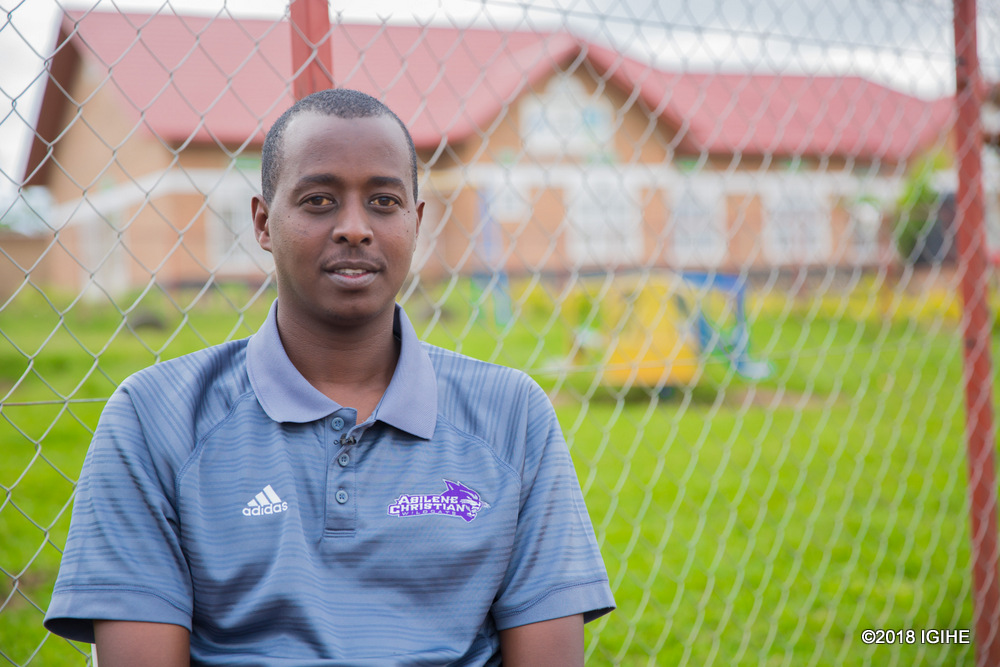
Despite witnessing the slaughter scenes of his family and relatives, spending days amid dead bodies and blood during the genocide and post-genocide hardships, Gasore has managed to overcome the past and committed to change the lives of the community he survived from.
Currently he’s married and has three children; he has regained the hope and works towards the bright future of the country.
{{How he survived the genocide}}
Ntarama is among the regions where the genocide plan was experimented before 1994. Though he was too young, Gasore says that he started facing discrimination in school back in 1992.
“Ntarama is among places where genocide plan was experimented from, with different discrimination activities but in 1992 murders started and people were killed from their homes,” he recounts.
Some members of Gasore’s family had been living in Kigali, but, he and grandmother had been living in Ntarama. When the genocide started, Gasore and his grandmother sought refuge in Ntarama Catholic Church where his grandmother was murdered before his eyes.
Gasore and some Tutsi who had survived the murder at the Church sought refuge at a nearby primary school where they used to spend nights and spend daytime in papyrus swamp at River Akanyaru.
When perpetrators found their whereabouts, they launched attacks on them and killed some but Gasore survived. He says that attackers had arms and traditional weapons which Tutsi failed to resist.
Luckily, Gasore and some people who were still in the papyrus swamp were saved by former Rwanda Patriotic Army (RPA), a force that stopped the genocide.
{{Healing journey}}
Like other survivors, the genocide left Gasore with emotional and physical scars.
“It was not easy in the post-genocide period as we had lost our beloved parents and friends, we were scattered, traumatized and bereft of human emotions,” he explains.
Gasore was supported to resume school. In 2002, when he was in senior two, he reflected on all hardships he faced and how he survived the genocide and decided to shape his future.
He later found that he was talented in athletics which he carried on in high school; the sports won him a scholarship and earned him some money which he used in supporting other vulnerable children.
“After realizing that I’m passionate in athletics, it helped me to regain the hope. I played for my then school and won different competitions to the national level,” he recalls.
“After completing high school, different universities offered me free scholarship so that I would play for them. I chose to join Abilene Christian University in USA under a scholarship thanks to sportsmanship in me,” he adds.
At the university, Gasore raised his bar in athletics and networked with many people of different backgrounds.
In 2008, Gasore started different activities to support Rwandan community starting from his home area, Ntarama.
“I thought that I should take my activities in Ntarama, a region where I survived from. Then I started with small activities like donating domestic animals to people and paying their health insurance among other activities,” he said.
He said that after marriage in 2010, he started to think widely and establishing sustainable activities in Ntarama and across the country.
{{How Gasore’s activities impact the community }}
In 2014, Gasore published a book dubbed ‘My Day to Die’ and sold many copies which earned him money to buy a plot which he used in constructing a Centre for his foundation ‘Gasore Serge Foundation Community’.
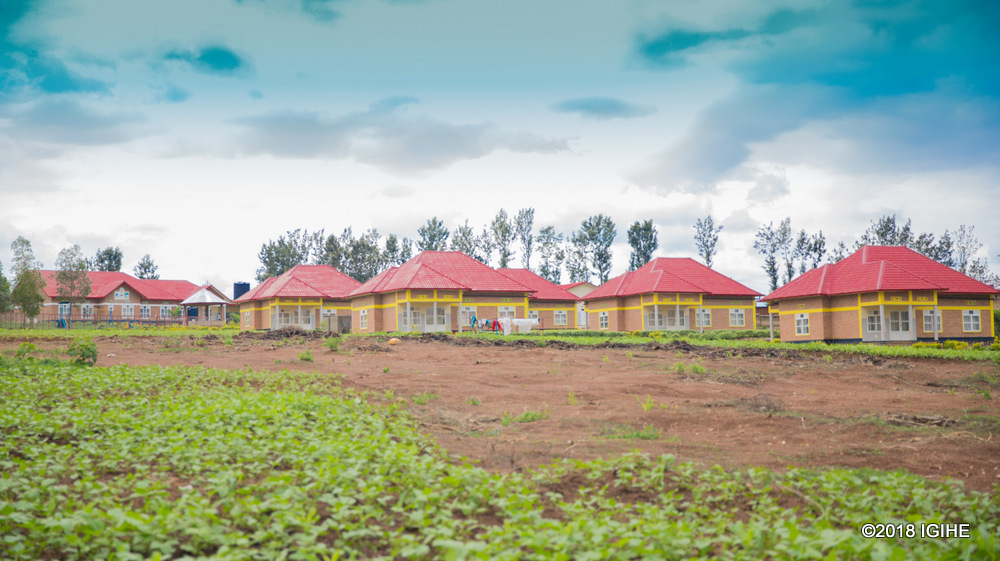
Through his foundation in 2016 he started to construct different houses and currently has 15 houses for different purposes.
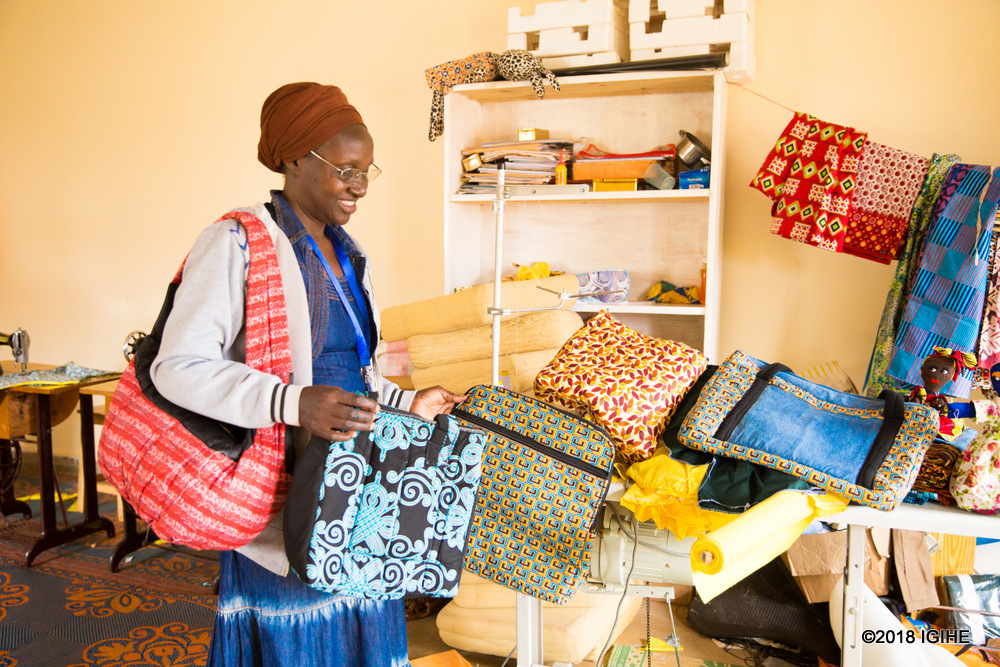
They are used for nursery schooling, teaching children from poor families in the community, health post and people use houses as a centre for reconciling families and teach handcraft and tailoring to women from the community.
As children in the school are from poor families, he started different programmes like serving them with porridge, food and milk.
In the Centre he rears domestic animals which he donates to vulnerable people.
Gasore Serge Foundation Community has 34 permanent employees and 150 part time jobs.
{{Future dreams}}
Gasore said that he plans to construct a primary school as part of taking development activities close to the people.
“I think that I will stop at that primary school and concentrate on my family as I will have provided possible contribution to the lives of the community. Those activities will go in hands of people for their management,” he said.
In February this year, Gasore was awarded by Abilene Christian University as a person who has established activities that impact the society. Also his wife Espérance Gasore who manages the health post, was in March awarded by the USA embassy in Rwanda as an outstanding woman.
Even before the dust could settle, Facebook Founder Mark Zuckerberg, admitted before congress that his own personal data had been harvested by a third party in one of the world’s most unethical data abuse investigations.
These new revelations have kept many Facebook users on the edge of their seats. But allow me to point this story to another direction, and even as we recover from reeling, it wouldn’t hurt to ask, do you personally know your Facebook friend?
A friend in need is a friend indeed. This English saying has been recorded hundreds of million times in books, audio, video and one on one communication. It describes the original intention of friendships way before Internet technology was developed. Today with the proliferation of social sites and applications, the world has been shrunk to a global village, making it easy to find old contacts as well as create new connections in an instant.
Many people may not know this, but social media platforms including Facebook, Snap Chat, Instagram etc. are infested with crawling scammers, pedophiles, fraudsters and all sorts of criminals, a vice that developers may not have foreseen.
Once you accept a friend request from such, they automatically gain access to your photos, profile information or any other posts that you share publically within your network circles. In essence they become part of your daily life, reviewing your posts, movements and sometimes keep a record of this information. These days, criminal elements can dig further than before, into our private lives, our homes and work offices. And there is probably nothing we can do about it.
{{Fake Profile
}}
Through access to different sites, they steal images across the web, and create attractive and interesting new fake profiles. They will update photos and status and will keep these accounts running as normal, making it hard to detect foul play. Some of these criminals will localize and blend their profile to make the victims believe that the ‘user’ knows them. The easiest bait that these people use to attract victims is through love; lonely hearts, which we call, cat fishing.
{{Catfishing
}}
Catfishing is the act of luring someone into a relationship by adopting a fictional online identity. While writing this report, I got lucky to interact with a few people who admitted to having fell victim of Cat fishers online once in their lifetime.
Claire* (not her real name), sent money and private photos to a man he met online. Having been promised marriage and a good life together, all about this man seemed to true, not until she saw her trending photos and chat screenshots on a Facebook Group called ‘Kilimani Mums and Dads Uncensored’. “Before I could confront him on this, he asked me to send money so that he pulls down the post,” Claire laments. “There is nothing I could do, as my photos were downloaded and shared hundreds of time”, she adds.
Cat fishers often assume some else’s identity and prowl the internet for easy targets. They will be part of your friend list and will mostly react to your posts, images and comment. Over time, the Facebook user will lower down their guard and see this person as a genuine, caring and sympathetic ‘friend’.
They will direct conversations to your inbox and occasionally send you photos of ‘themselves’. The conversations will last for quite sometime and may at times turn sexual. This is the bait that they will use to keep you glued to them.
After securing your trust, cat fishers will ask for favours including money for transport, to visit you so that you can have a good time together.
So if someone you haven’t met before is asking for money for whatever purpose, then know you are most probably being scammed. They will also come with all manner of excuses to avoid speaking on phone as they are obviously not who they claim to be.
{{How do you stay safe?
}}
If everything is sounding fishy with your online friend, most probably you are being cat fished. Watch out if everything is getting too serious within a short period.
Cat fishers won’t snap chat, Skype or video chat. Ask for their true identity and if they fail to provide it, let them go, report their account and block instantly.
Do not send money, gifts or anything to people you are unfamiliar with, remember, you may be a target.
Go through your friend list and drop people you do not have any connections with, you will thank me later.
Remember the Internet is a great place to meet new people but don’t let naivety cloud your judgment.
UK scientists reviewed 26 studies that measured levels of Plasmodium parasites — which cause malaria — among blood donors in sub-Saharan Africa between 2000 and 2017 and found that an average of 23.46% tested positive.
Percentages varied greatly across the nine countries included in the study, ranging from 0% to as much as 74% of donors carrying the parasites in their blood.
Overall, there is a high risk that a potential blood donor or bag will contain parasites, said Dr. Philippe Guerin, director of the Worldwide Antimalarial Resistance Network and professor of medicine at Oxford University’s Centre for Tropical Medicine and Global Health. “In an ideal world, systematic screening would prevent that” being used on patients.
Guerin, the study’s lead author, presented the findings Monday at the seventh Multilateral Initiative on Malaria Pan African Malaria Conference in Dakar, Senegal.
“Malaria is one of the primary infections that can be transmitted through a blood transfusion in sub-Saharan Africa,” said Selali Fiamanya, a research fellow at the Worldwide Antimalarial Resistance Network who also worked on the study.
Blood supplies are typically screened for blood-borne diseases before being made available to recipients, but Guerin believes that screening is not always being conducted systematically and that when it is, current lab techniques are not sensitive enough to spot all malaria parasites, particularly latent infections or when parasites are hiding in people who are infected but symptom-free.
“The technical challenges of diagnosing and removing the Plasmodium parasites from blood banks requires further analysis, but we know already that these findings put the next generation at risk,” Fiamanya said.
Blood donors are usually adults, and in regions with high rates of malaria, adults often develop some immunity against the parasite, meaning they could have the parasites in their blood but not feel sick, Guerin said.
Meanwhile, pregnant women and children receive the majority of transfusions in this region, Fiamanya said.
“Blood transfusions are lifesaving interventions,” Guerin said. “The point is to assess the risk and put interventions in place to mitigate the risk.”
He suggested using tools with increased sensitivity to the parasites, treating blood recipients with antimalarial drugs or using technologies to filter blood before it is given to patients.
The transmission risk of contracting malaria through blood supplies is unknown but is likely to be high, Guerin said. “If you’ve got parasites circulating, the infection risk is high.”
In a statement, RDF said that the officers crossed the border while on patrol.
Those involved are a Lieutenant and one Private, from the 11 Infantry Battalion.
Both soldiers were arrested by the soldiers of the Congolese Armed Forces (FARDC) deployed along the border.
RDF said that the incident occurred in the general border area at Karundo Village, Mbungangali Cell, Gisenyi Sector, at around 10 meters from Rwanda-DRC border.
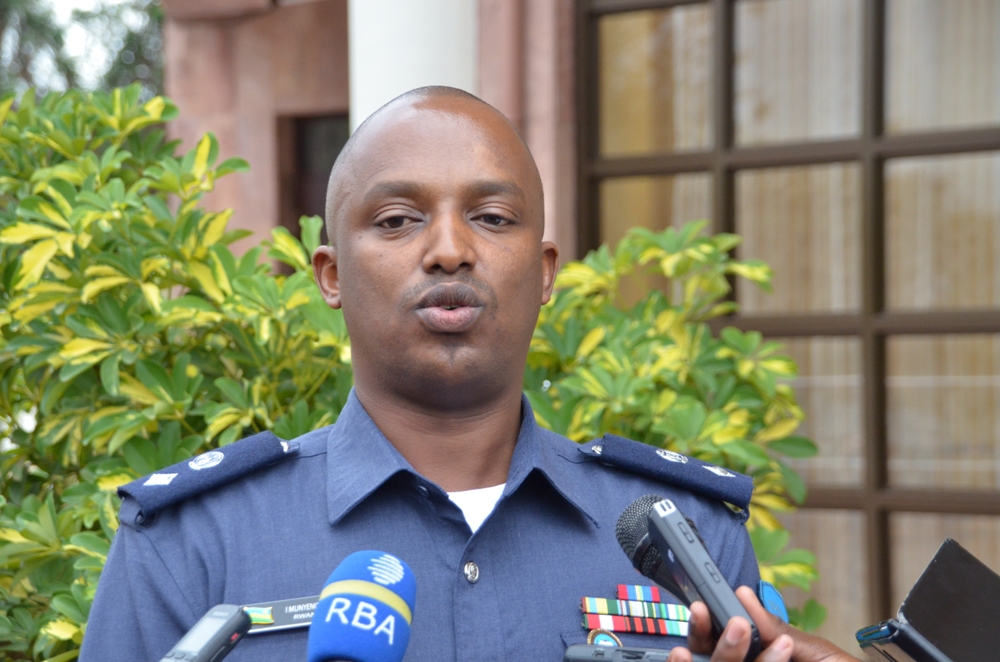
“This incident was caused by the lack of clear border demarcation between Rwanda and the DRC. It is a regrettable but common cross-border incident as on several occasions we have returned FARDC soldiers who had accidentally crossed to our side. For instance, 34 FARDC soldiers have been returned to DRC between 2016 to 2018,” Lt Col Innocent Munyengango, Defence and Military Spokesperson said in a statement.
He said the RDF and FARDC, together with the Great Lakes Region Expanded Joint Verification Mechanism, handled the incident amicably and the two (RDF officer and Private) were handed over back yesterday to RDF authorities in Rubavu.
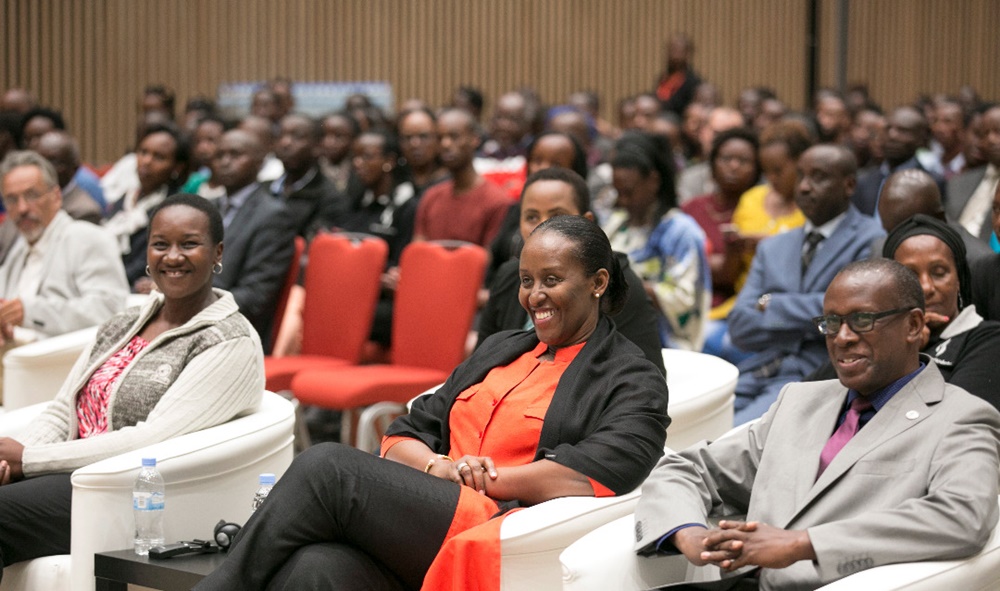
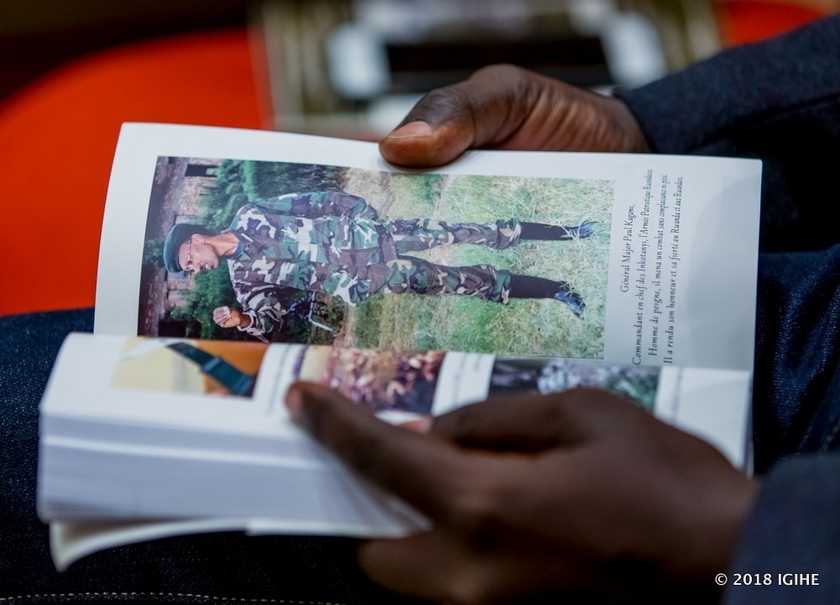
Organized by the National Commission for the Fight against Genocide (CNLG), the book launch, which took place during Café Littéraire — a reading session — at Kigali Convention Centre, was attended by First Lady Jeannette Kagame, among other senior officials.
Titled “Le mal Rwandais, de la racine au paroxysme du Genocide des Tutsi”, which literally translates “The Rwandan evil, from the root to the paroxysm of the Tutsi Genocide”, the book written in French narrates how Rwandans were neither considered as nationals in exile, nor Rwandans back home.
Nyamwasa, who had previously headed Kigali Forensic Laboratory under Rwanda National Police, was born in 1957 in Rwanda, and two years later, his parents briefly flew the country and returned in 1961 but went back to exile the same year following persistent persecution against the Tutsi.
He joined the RPF-Inkotanyi after 31 years in exile to offer his contribution toward the struggle to liberate the country.
“We had no identity and that thing pushed me to narrate our situation at the time. I would ask myself why my neighbor and I were in exile. Before the colonial era, Rwandans had lived in harmony for centuries, without conflict, they intermarried, shared the same religion; so I kept on asking myself what pushed them to hate each other,” Nyamwasa said during an interview.
The author says that he also wanted to know why the international community crossed arms as the 1994 Genocide against the Tutsi claimed over a million people, wondering if this would have been the case had it happened elsewhere.
“That is the reason why I wrote this book for the future generations for them to know the truth, whether they are in Rwanda or overseas,” he added, saying that he has been working on the book for several years.
“I don’t understand why they (international community) failed to intervene. Only the RPF, with a small and ill-equipped force, managed to stop the Genocide. Of course, it was a matter of life and death for us (RPF) but the only necessary thing was to save lives,” he added.
Costing Rwf17 000 (17 euros), the book which will be appear in English in few months, is available Online, in Caritas and Ikirezi bookshops in Kigali, and online.
Police found the illegal brew in Bizimana’s house, packed in drums and black plastic tanks.
The Southern Region Police Spokesperson, Chief Inspector of Police (CIP) Emmanuel Kayigi confirmed the developments and said the impounded content were later disposed of in the presence of community members.
He thanked local leaders and the communities that have owned the fight against illicit brew that destroy the lives of young Rwandans.
“We have made substantive progress in getting rid-of the substances, thanks to the partnership with the community,” said CIP Kayigi.
Kayigi also urged potential brewers to be compliant with laws relating to the brewing of alcohol.
The law governing narcotic drugs, psychotropic substances and precursors in Rwanda, in its Article 24, states that “any drink that exceeds forty five percent of alcohol and any other drink which doesn’t have the required quality for consumption shall be considered as narcotic drug.”
Residents welcomed the police crackdown and called for complete elimination of some drinking dens which harbor abusers.
“We support the government efforts in eradicating the illicit brew menace in our community. Young people and adults alike that would be productive are bogged down by abuse of such drugs,” said Leonald Kabenga a resident of Runda who witnessed the destruction of the brew.
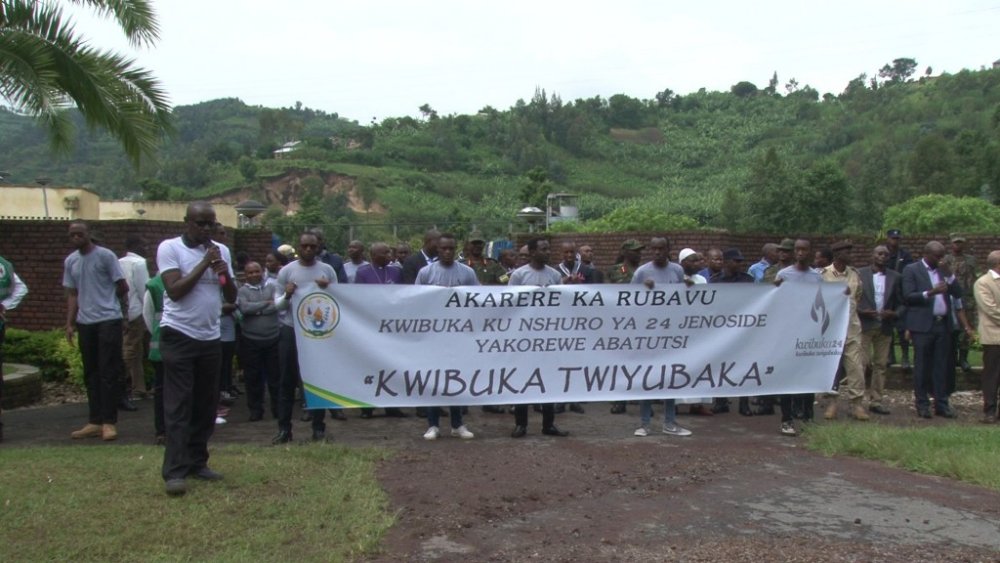
The event took place in Kabirizi Cell of Rugerero Sector last week.
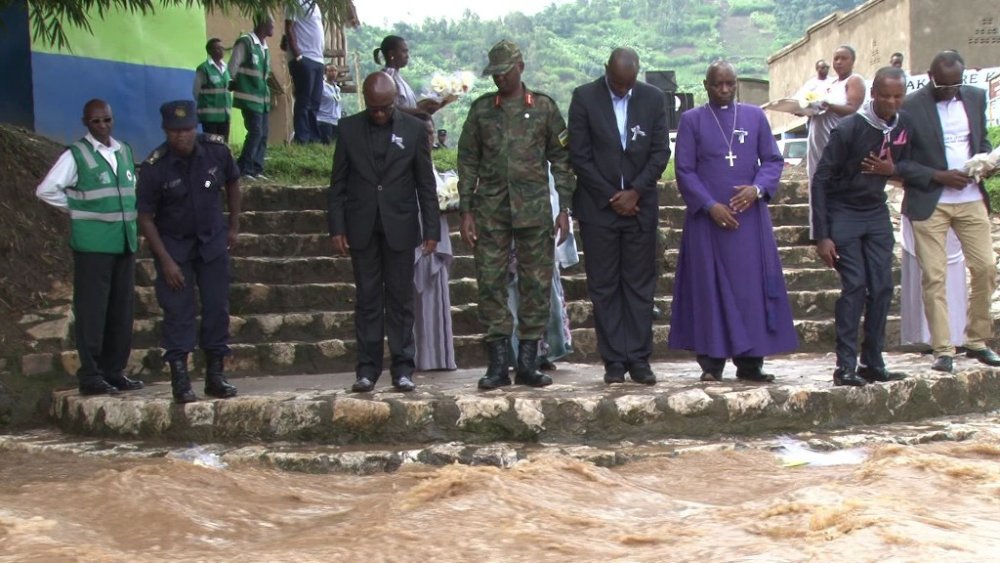
At the event, people gathered for a walk to remember procession which reflected the suffering Tutsi in the region faced.
Also people were explained about sites where mass murders took place. These include where teachers from Collège Inyemeramihigo and their families were murdered from.
The mourners paid tribute to the victims by laying wreaths at the banks of Sebeya River.
Speaking at the event, Innocent Kabanda, the President of Ibuka, a survivors’ umbrella in Rubavu District urged residents to shun genocide ideology.
“There are problems that continue to appear among some residents. Tutsi had lived for many years without any right in the country, and today, 24 years after the genocide some people still have genocide ideology. Why don’t they completely shun it?” Kabanda questioned.
Speaking at the event, the Director General of Community Development and Social Affairs in the Ministry of Local Governance, Sheikh Hassan Bahame, said that countrywide they registered 14 cases of genocide ideology and urged people to shun it.
He said that the genocide is an act against humanity and emphasized that it was systematically planned before being executed.
Commemoration activities continue across the country up to July.
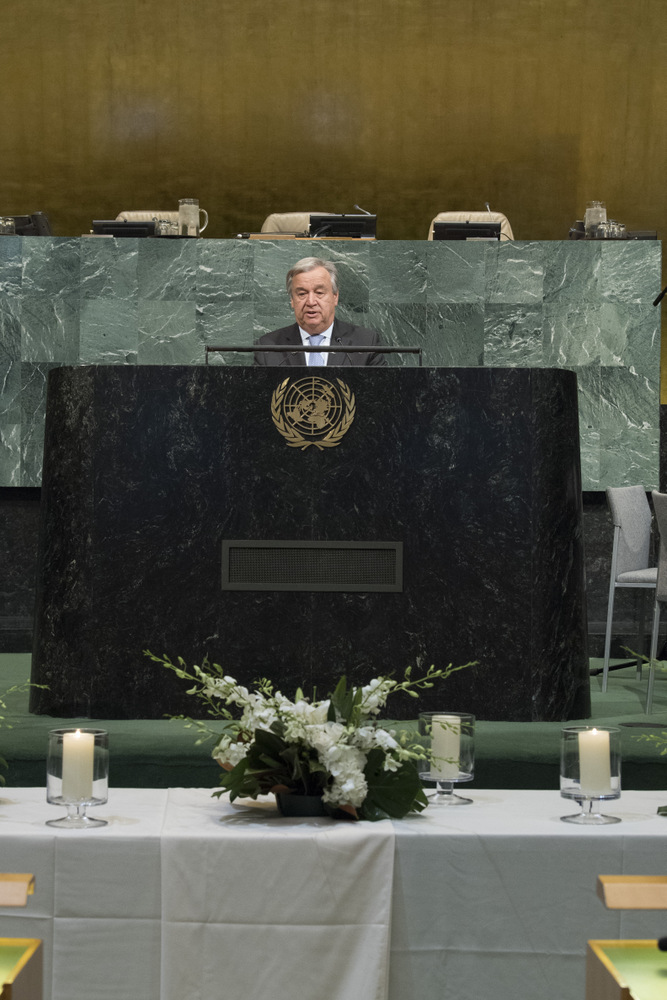
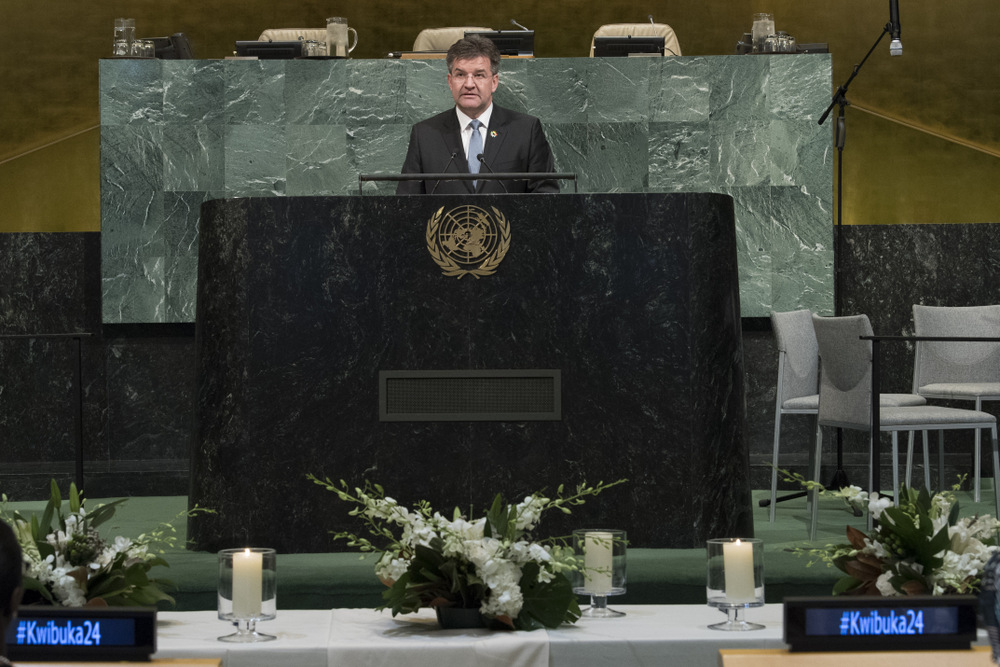
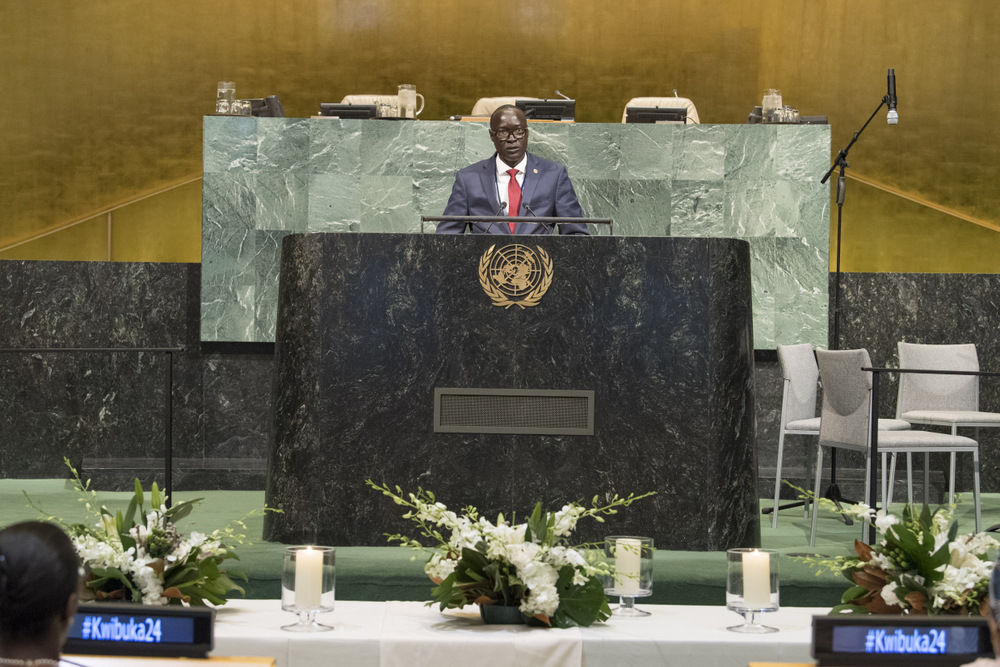
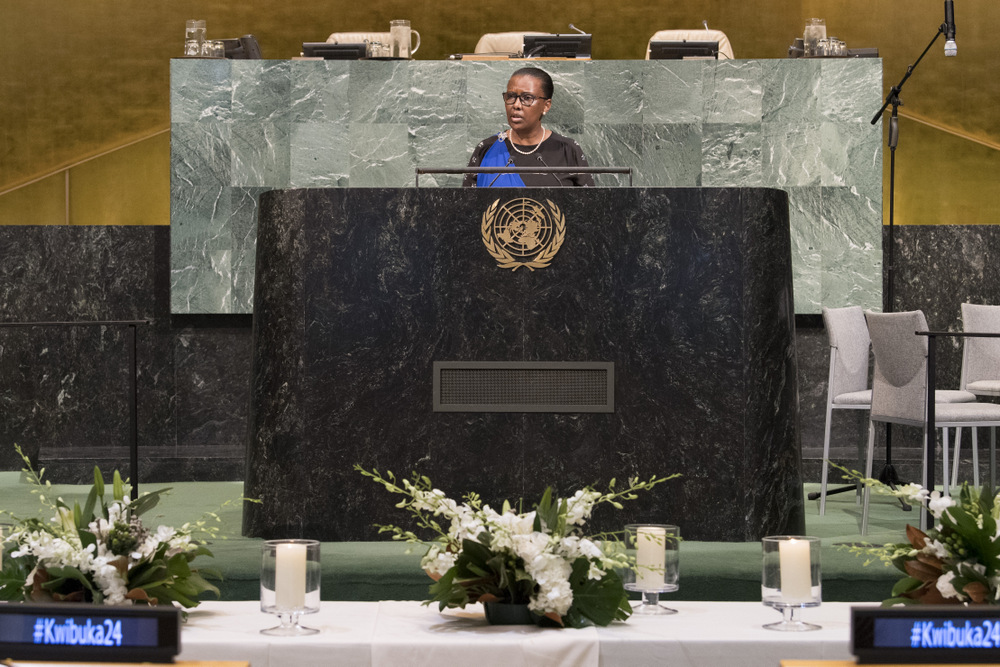
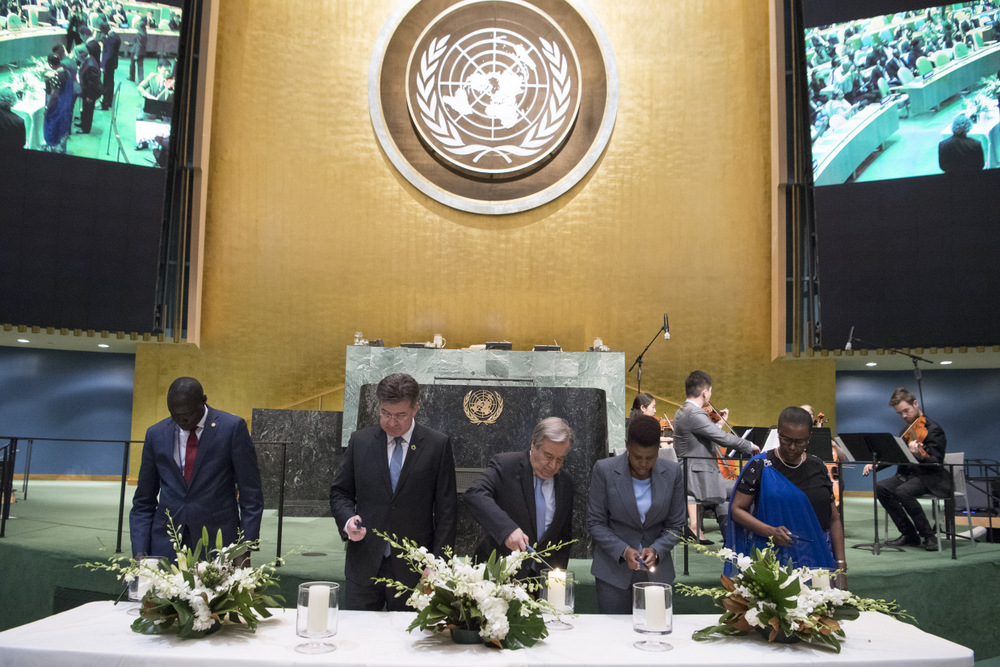
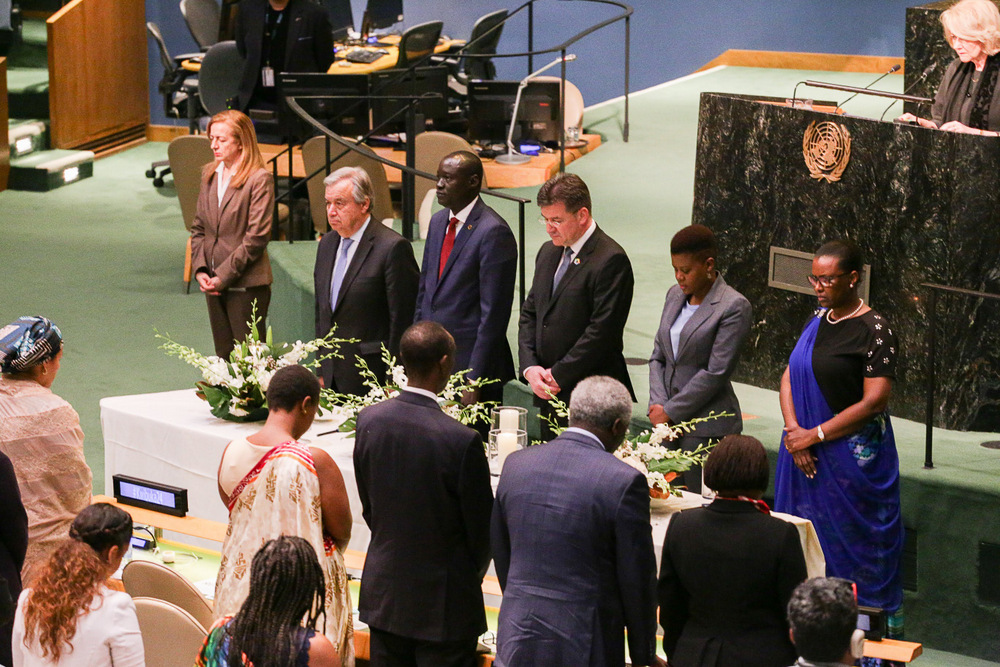
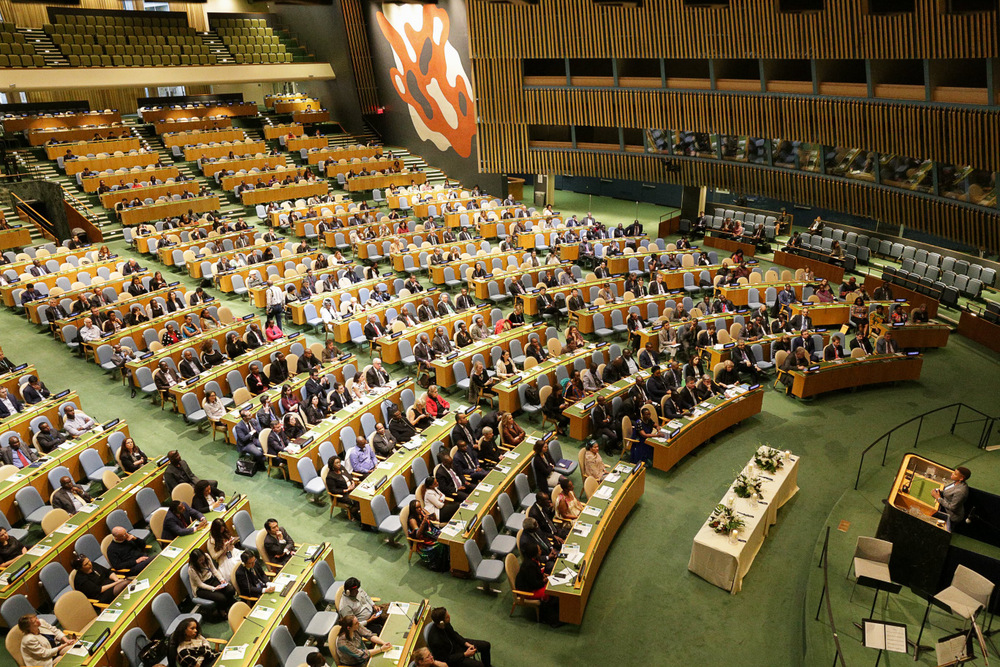
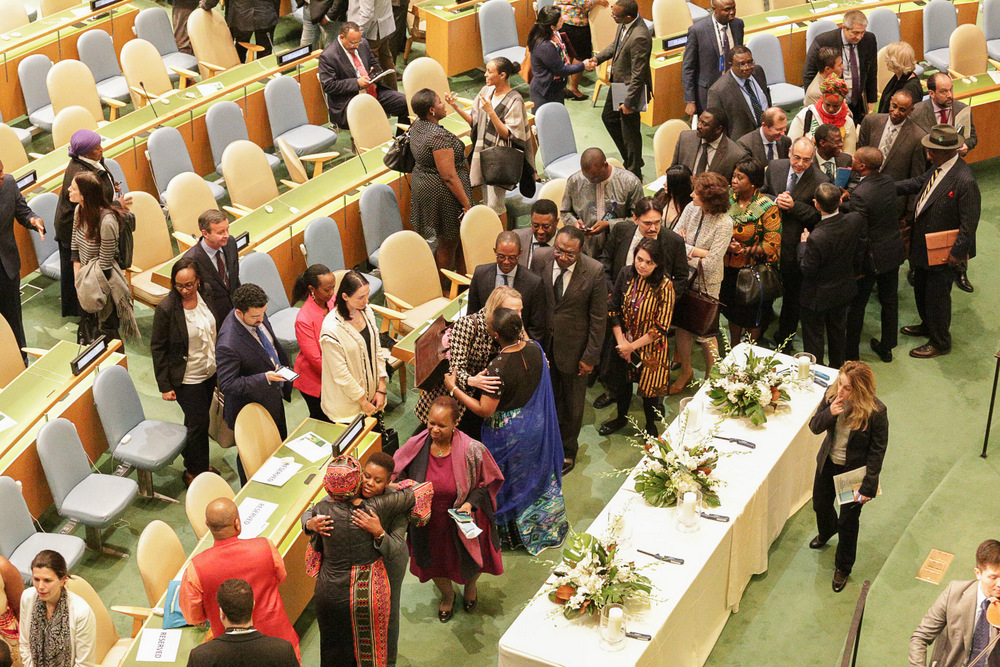
Over 300 guests attended the event, which also marked the 24th Commemoration of the Genocide against the Tutsi in Rwanda. Guests included the Rwandan Community in New York as well as Rwandans from out of state. The event that was held on 13th April, was also attended by Permanent Missions to the UN and UN Staff from its various agencies.
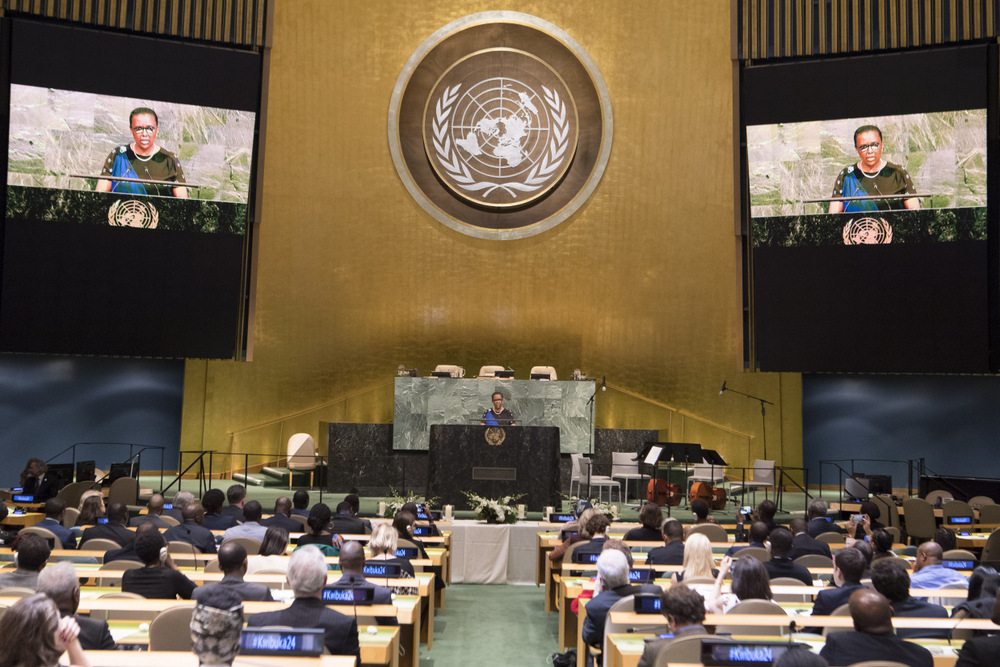
The commemoration event featured UN Secretary General Mr. António Guterres, President of the General Assembly, Miroslav Lajčák, Permanent Representative of Mali to the UN, Amb. Issa Konfourou, on behalf of the African Group at the UN, Permanent Representative of Rwanda to the UN Amb. Valentine Rugwabiza, and Consolée Nishimwe- author of ‘Tested to the Limit’, who gave her testimony of surviving the 1994 Genocide against the Tutsi in Rwanda.
In his remarks, the UN Secretary General Mr. António Guterres acknowledged the suffering of the survivors of the Genocide against the Tutsi, while commending the nation as a whole for their steps towards reconciliation.
The President of the General Assembly, Mr. Miroslav Lajčák, urged the international community that ‘people should come first. Not procedures. Not bureaucracy. Not politics. But people.’
Ambassador Konfourou, having reflected on the meaning of the theme ‘remember-unite-renew’, noted that ‘Rwanda is a vivid example of what exemplary leadership can bring about for its people’ and commended the efforts of Rwandan’s and the Rwandan leadership for their efforts towards reconciliation, justice, social cohesion and inclusive development.
Consolee Nishimwe gave a chilling yet ultimately hopeful testimony of her experiences in 1994. Her concluding messages to all were that ‘silence favors perpetrators. Whenever we see injustice, we must speak out’ and ‘never lose hope, because loosing hope is the beginning of your self-defeat’. The audience honored Ms. Consolee with a standing ovation after sharing her testimony.
In her remarks, Ambassador Valentine Rugwabiza, Permanent Representative of Rwanda to the UN, began by commending the Secretary General Mr. António Guterres for being the first Secretary-General of the UN since 1994 to name the targeted group and victims of the Genocide against the Tutsi during Kwibuka23. She further noted the significance of this year’s commemoration, being the first commemoration held after the adoption of decision A/72/L.31 which established April 7th as the International Day of Reflection on the 1994 Genocide against the Tutsi in Rwanda.
Ambassador Rugwabiza drew attention to the worrying trend of reduced sentences and early releases of genocide masterminds which is taking place in dubious circumstances. Her message to those who deny and disparage the Genocide against the Tutsi in Rwanda was that ‘Rwanda’s resolve and commitment to accountability is relentless; Rwan5dan’s commitment to unity and reconciliation is irreversible’.
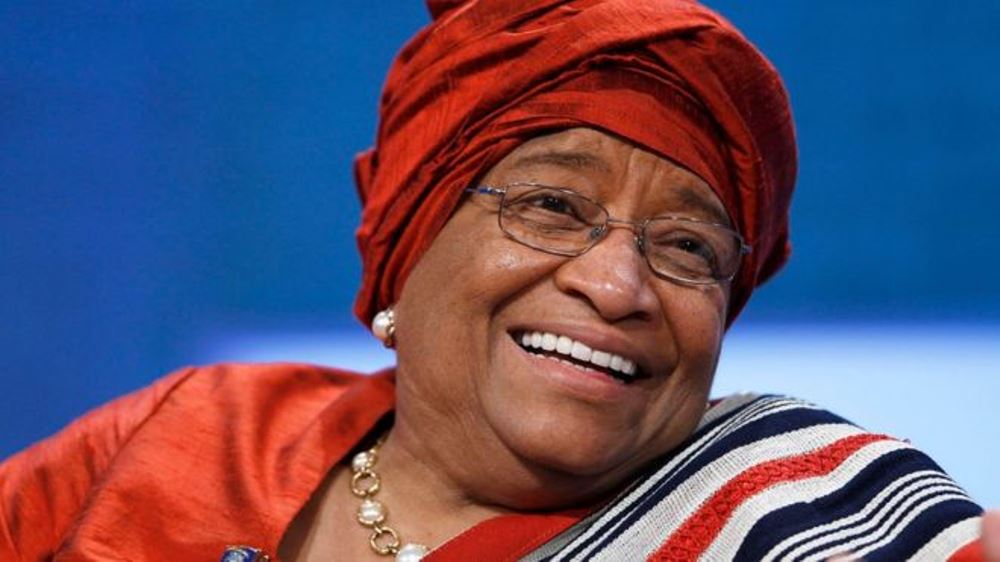
In a statement released by the Mo Ibrahim Foundation, Sirleaf will receive the award in a three-day event dubbed ‘Mo Ibrahim Governance Weekend’ which will convene prominent African political and business leaders, representatives from Civil Society, multilateral and regional institutions as well as Africa’s major international partners to debate issues of critical importance to Africa.
The weekend will be concluded with a public concert highlighting some of the best performers on the continent.
Among officials who have confirmed their attendance include, Ivory Coast President Alassane Ouattara who will be in the country from 25th to 27th April. It is expected that Ouattara will have discussion with his Rwandan counterpart, President Paul Kagame.
{{How Sirleaf was chosen the awardee of the Prize}}
Ellen Johnson Sirleaf served two terms as President of Liberia from 2006 to 2017. She is the fifth recipient of the Ibrahim Prize, which recognises and celebrates excellence in African leadership.
In its citation, the Prize Committee praised her exceptional and transformative leadership, in the face of unprecedented and renewed challenges, to lead Liberia’s recovery following many years of devastating civil war.
Announcing the decision, Dr Salim Ahmed Salim, Chair of the Prize Committee, said “Ellen Johnson Sirleaf took the helm of Liberia when it was completely destroyed by civil war and led a process of reconciliation that focused on building a nation and its democratic institutions. Throughout her two terms in office, she worked tirelessly on behalf of the people of Liberia. Such a journey cannot be without some shortcomings and, today, Liberia continues to face many challenges. Nevertheless, during her twelve years in office, Ellen Johnson Sirleaf laid the foundations on which Liberia can now build.
Ellen Johnson Sirleaf became President of Liberia on 16 January 2006, after winning the 2005 national elections. She served her first term 2006-2011 and was then successfully re-elected for a second term, serving in office 2012-2017.
Since 2006, Liberia was the only country out of 54 to improve in every category and sub-category of the Ibrahim Index of African Governance. This led Liberia to move up ten places in the Index’s overall ranking during this period.
On hearing the outcome of the Prize Committee’s deliberations, Mo Ibrahim said “I’m delighted that the Prize Committee has decided to make Ellen Johnson Sirleaf an Ibrahim Prize Laureate. In very difficult circumstances, she helped guide her nation towards a peaceful and democratic future, paving the way for her successor to follow. I am proud to see the first woman Ibrahim Laureate, and I hope Ellen Johnson Sirleaf will continue to inspire women in Africa and beyond,”
Ellen Johnson Sirleaf joins Hifikepunye Pohamba of Namibia (2014), Pedro Pires of Cabo Verde (2011), Festus Mogae of Botswana (2008) and Joaquim Chissano of Mozambique (2007) as an Ibrahim Prize Laureate. Nelson Mandela was made the inaugural Honorary Laureate in 2007.
{{About Ibrahim Prize}}
The Ibrahim Prize aims to distinguish leaders who, during their time in office, have developed their countries, strengthened democracy and human rights for the shared benefit of their people, and advanced sustainable development.
The Ibrahim Prize is a US$5 million award paid over ten years and US$200,000 annually for life thereafter. The Mo Ibrahim Foundation will consider granting a further US$200,000 per year for ten years towards public interest activities and good causes espoused by the Ibrahim Laureate.
The candidates for the Ibrahim Prize are all former African executive heads of state or government who have left office during the last three calendar years, having been democratically elected and served their constitutionally mandated term.