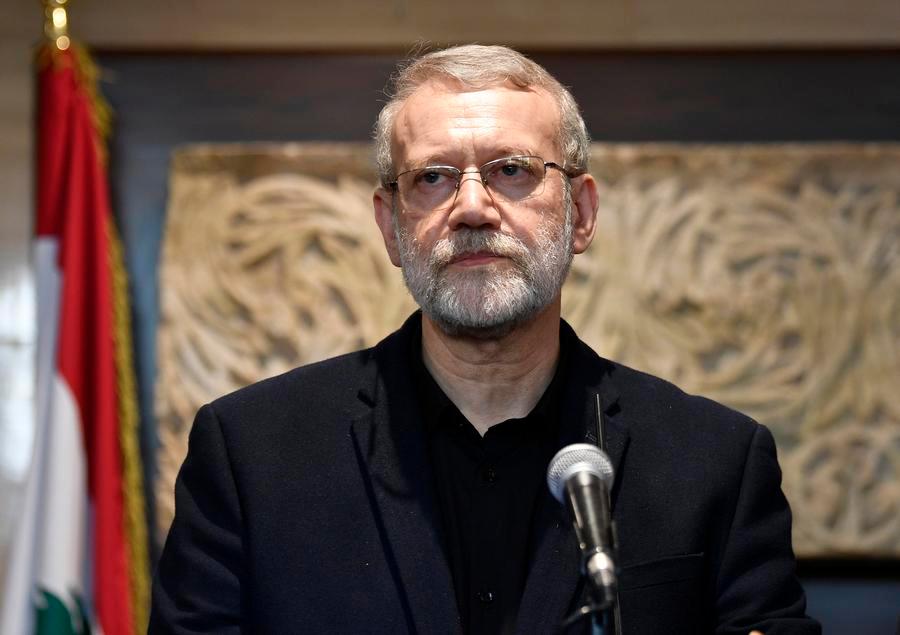
In a statement on its official news outlet, Sepah News, the IRGC condemned Israel’s “brutal crime,” saying Tabtabai was targeted in Beirut’s southern suburbs in a “flagrant and terrorist” act. The statement added that “the resistance axis and Hezbollah” reserve the right to avenge the killing and that a decisive response would come “at the appropriate time.”
At least five people, including Tabtabai, were killed and 28 others wounded in Sunday’s Israeli airstrike on a residential apartment in Haret Hreik, according to the Lebanese Health Ministry.
Iran’s Foreign Ministry also condemned the strike in a statement on Monday, calling the attack a “brutal aggression” against Lebanon’s territorial integrity and national sovereignty.
RSF commander Mohamed Hamdan Dagalo announced the pause in a televised address, saying his fighters would halt operations to allow aid deliveries and protect civilians. He said the group agreed to the truce to offer “hope” to a population “exhausted by this war.”
Dagalo pledged to set up a field mechanism monitored by the Quad — Egypt, Saudi Arabia, the United Arab Emirates (UAE), and the United States — along with the African Union and other international bodies, to ensure aid reaches civilians. He also vowed to hold RSF members accountable for abuses and safeguard offices of humanitarian organizations.
The RSF has been accused by rights groups and diplomats of widespread atrocities, including the killing of more than 2,000 civilians in El Fasher, a key Darfur city the group seized from the army in October.
The announcement came after army chief Abdel Fattah Al-Burhan rejected a Quad proposal that called for a three-month humanitarian truce followed by a nine-month political process aimed at a permanent settlement.
In a statement late Sunday, Al-Burhan said the roadmap would “eliminate the existence of the armed forces” and dissolve security agencies while leaving the RSF “in its positions.”
Al-Burhan, who also heads Sudan’s ruling Transitional Sovereignty Council, accused the UAE of bias and of seeking to weaken the army. On Monday, the UAE’s foreign ministry accused Al-Burhan of “consistently obstructive behavior.” The UAE has long denied accusations from the Sudanese army that it arms and funds the RSF.
Al-Burhan also criticized Massad Boulos, a senior adviser to U.S. President Donald Trump, saying Boulos risked becoming an obstacle to peace. Boulos has accused the army of blocking aid and using chemical weapons, allegations the military denies.
Fighting between the army and the RSF erupted in April 2023 and has killed thousands and displaced millions, fueling one of the world’s worst humanitarian crises.
“Many of the controversial provisions were either softened or at least reshaped” to get closer to a Ukrainian position or reduce demands on Ukraine, Oleksandr Bevz, a Ukrainian official who participated in the Geneva talks, was quoted by The Washington Post as saying.
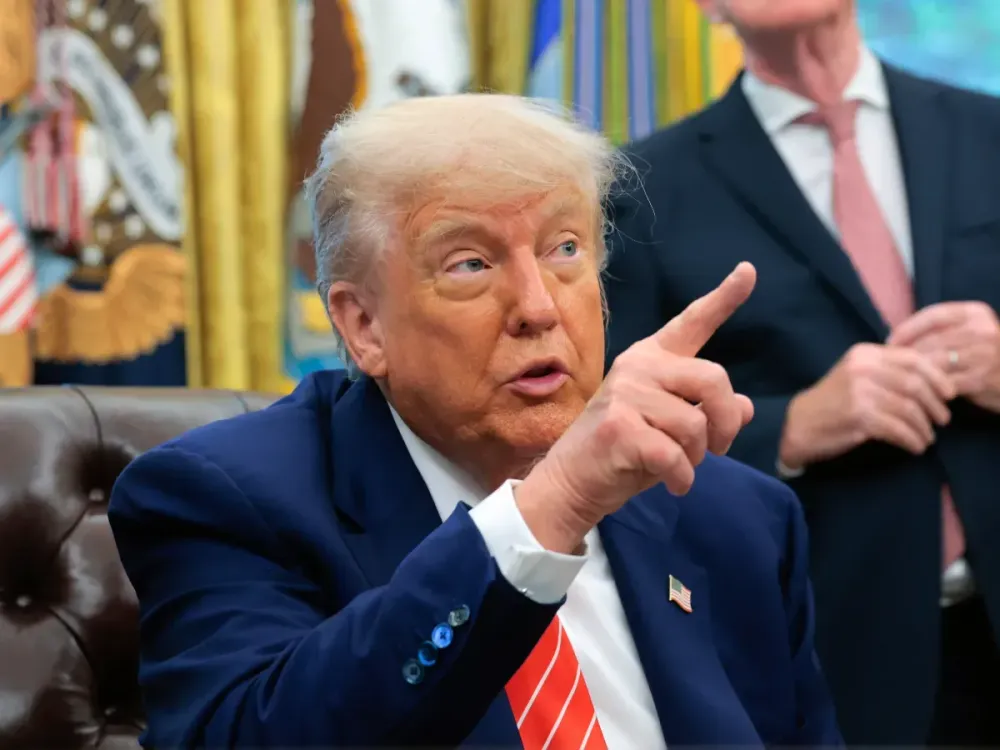
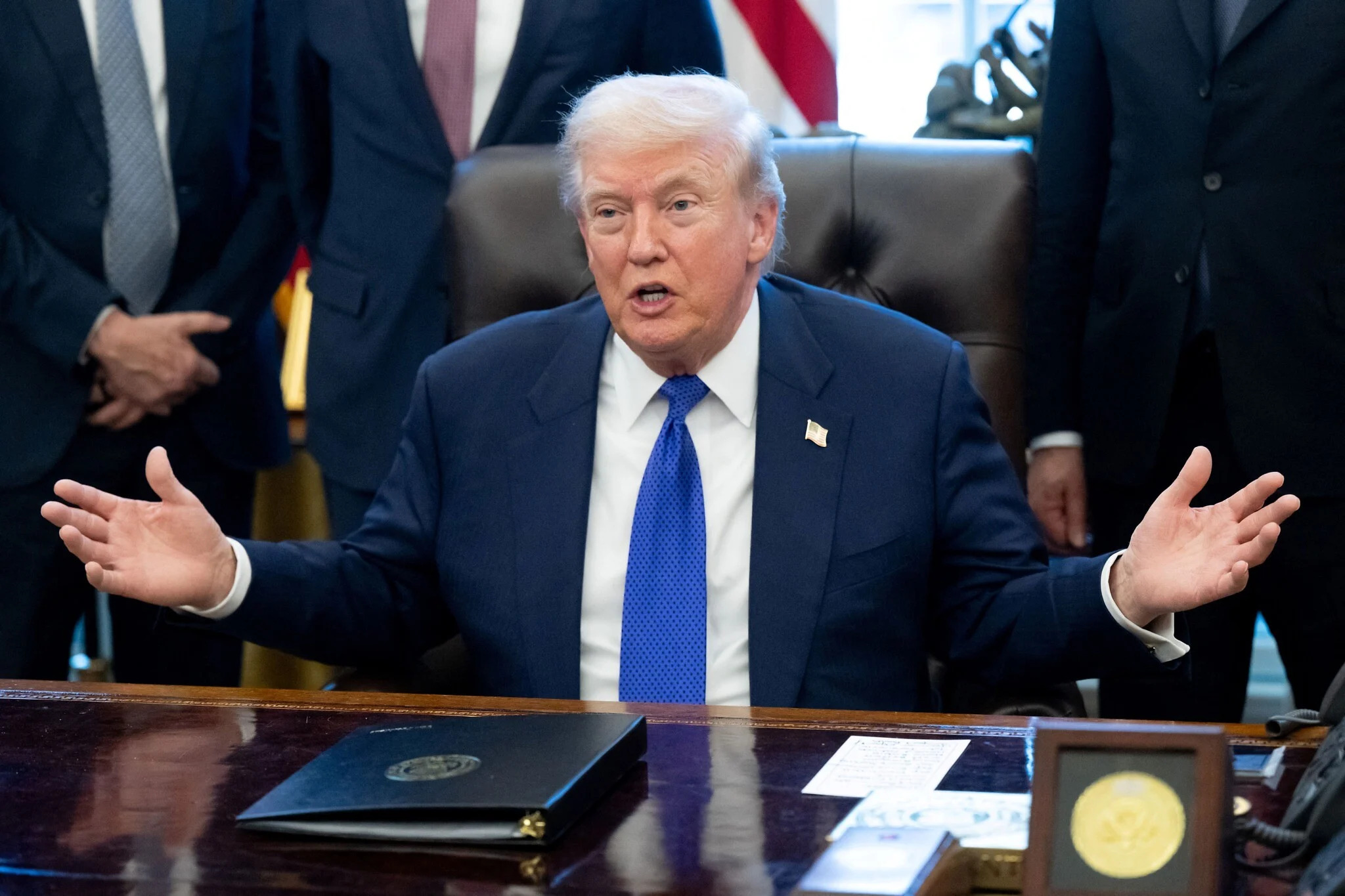
He added that the Thursday deadline, set by U.S. President Donald Trump for an agreement on the 28-point plan, now appears more flexible than it did before.
“It’s not a code red — it’s more important to finalize the text,” said Bevz.
Ukrainian First Deputy Foreign Minister Sergiy Kyslytsya told the Financial Times that the new draft bore little resemblance to the leaked 28-point version.
“Very few things are left from the original version,” he said.
The new draft leaves the most contentious issues for Trump and Ukrainian President Volodymyr Zelensky to decide, according to multiple media reports.
The earlier 28-point version would have required Ukraine to cede territory in eastern Ukraine, reduce its military and forswear NATO membership. The plan thus crossed several long-standing Ukrainian red lines, drawing criticism from Ukraine and across Europe, according to reports.
Representatives from the United States, Ukraine and European countries met in Geneva on Sunday as the White House pushed for agreement on the 28-point plan.
Following a meeting between the Ukrainian delegation and national security advisers from Britain, France and Germany, the Ukrainian side held bilateral talks with the U.S. representatives.
It’s reported that Sunday’s Geneva meeting was attended on the U.S. side by Secretary of State Marco Rubio, Special Envoy to the Middle East Steve Witkoff and Army Secretary Daniel Driscoll, with Zelensky’s office chief Andriy Yermak leading the Ukrainian delegation.
According to a joint statement issued by the White House on Sunday night, the talks between U.S. representatives and Ukrainian officials in Geneva made “meaningful progress toward aligning positions.”
The Kremlin said it has not received official details from Geneva and does not plan talks with U.S. officials this week, according to a Newsweek report.
Trump has set Thursday as the deadline for reaching an understanding with Kiev on the framework, while suggesting that talks could continue beyond that date if progress is being made.
The announcement came during the groundbreaking ceremony for the Devki Mega Steel Project in Tororo District, Uganda, on November 23, attended by Kenyan President William Ruto and Ugandan President Yoweri Museveni. Both leaders confirmed plans to extend the Standard Gauge Railway (SGR) from Kenya to Uganda and onward to Rwanda, and to co-own the Mombasa-Kampala oil pipeline.
“In January, we will be launching the extension of the SGR from Naivasha to Malaba, then to Kampala, and onwards to the Democratic Republic of Congo, passing through Rwanda. This project is aimed at improving transport and logistics across the region to enhance competitiveness,” President Ruto said.
He also confirmed progress on the pipeline: “Joint investment of the pipeline from Eldoret through Kampala to the border with DRC and Rwanda is in an advanced stage. The governments of Kenya and Uganda have given approval to co-invest in extending this pipeline so it can serve East Africa as a jointly owned facility.”
Kenya is divesting around 60 percent of the pipeline’s ownership to allow Uganda, Rwanda, and private investors to participate.
“As the governments and regional investors co-invest in the Kenya Pipeline Company, I encourage citizens of our region to equally participate. Shares will be made available to public entities, but more importantly, to citizens of our region,” Ruto added.
President Museveni praised the initiative, emphasising its broader impact on regional trade and security.
“These roads and transport systems are currently inefficient. We need to rationalise them. Fuel will go through the pipeline, while cargo and passengers will use the railway. This will allow us to co-invest up to the Congo border and ensure the secure transport of resources,” Museveni said.
Rwanda has already completed feasibility studies for the railway extension through its territory, with government officials confirming readiness to implement the project once the neighbouring countries finalise their sections.
“The studies will guide the construction process. Now, it is a matter of seeing neighbouring countries begin their sections,” Emmanuel Nuwamanya, acting Head of Policy and Planning at the Ministry of Infrastructure, told a forum organised by the African Development Bank on Wednesday, November 12, 2025.
Preparations for Uganda’s section of the SGR from Malaba to Kampala have already begun, with Turkish firm Yapi Merkezi conducting geotechnical surveys along the 273-kilometre corridor. Most of the land has been acquired, ending nearly two decades of delays.
The projects, which include upgrading Northern Corridor roads and constructing dual carriageways linking key border towns, are expected to reduce transport costs, boost regional trade, generate thousands of jobs, and strengthen integration across East Africa, including Rwanda, Kenya, and Uganda.
Speaking on the sidelines of the Capital Market Issuer Roadshows’ closing ceremony at Kigali Serena Hotel, Rwabukumba said the initiatives aim to deepen private sector participation, expand access to long-term finance, and support sustainable investment across Rwanda and the continent.
“We have received the necessary approvals to allow hard-currency denominated instruments in our market. Soon, companies will be able to raise financing in dollars or other currencies, and investors will be able to invest in these instruments,” said Rwabukumba, who was appointed president of the continental stock exchange body in April 2024.
The Green Finance Window will provide a platform for companies and investors involved in environmentally sustainable projects to raise capital efficiently, while the Pan-Africa ESG Awards will recognise outstanding corporate and individual performance in environmental, social, and governance practices across the continent.
“The market is ready for these instruments,” Rwabukumba said, noting that RSE has already raised more than Rwf 70 billion through sustainability-linked and green bonds, reflecting strong investor interest in sustainable finance.
The ASEA conference, scheduled for November 26-28 at the Kigali Convention Centre, will convene securities exchanges, regulators, investors, and financial service providers from across Africa and the globe. This year’s theme is “Adapting to Global Market Shifts: Strategies for Resilience and Growth.”
Rwabukumba highlighted the broader context for these developments, noting that African capital markets remain underutilised, with low company listings and liquidity levels.
“Across the continent, excluding South Africa, the average number of new listings per market is less than one per year,” he said. “We must foster a culture of equity investment and local ownership to mobilise savings and drive sustainable growth.”
He added that the conference will serve as a platform for dialogue on critical issues, including SME financing, technological innovation in markets, and sustainability-linked finance. Speakers from countries such as Jamaica will share experiences on leveraging capital markets to support SMEs and cultivate an equity culture.
Capital Markets Authority (CMA) CEO Thapelo Tsheole said the ASEA conference will also spotlight Rwanda’s rapid market growth and the expanding ecosystem of licensed entities.
“The conference provides a unique opportunity to showcase Rwanda’s capital market developments, including record fundraising, strong turnover, green finance initiatives, and new ESG recognition programs,” Tsheole said.
Established in 1993, ASEA represents more than 30 securities exchanges across Africa, providing a platform for cooperation, policy development, and knowledge sharing. The Kigali conference will focus on strategies for resilience and growth as African markets navigate global economic shifts.
Led by the Capital Market Authority (CMA) in partnership with the Rwanda Stock Exchange (RSE), the Rwanda National Investment Trust Ltd, and the Private Sector Federation (PSF), the initiative engaged over 700 enterprises across all four provinces and Kigali. Participants included SMEs, cooperatives, corporates and prospective issuers seeking guidance on raising equity and debt capital through formal markets.
CMA Chief Executive Officer, Thapelo Tsheole, said the nationwide effort successfully brought financial market opportunities closer to businesses that traditionally operated outside the capital.
“We set out to bring capital market opportunities to every part of Rwanda, and we achieved that. This effort represents the beginning of a wider strategy to extend financial participation and stimulate enterprise development through local markets,” he said.
Private Sector Federation CEO, Stephen Ruzibiza, noted that the capital market provides patient, partnership-oriented capital that can accelerate business expansion and reduce overreliance on collateral-based loans. He highlighted financing instruments such as corporate bonds, commercial paper, stock exchange listings and real estate investment trusts as tools that enable companies to diversify their capital base and scale sustainably.
Rwanda National Investment Trust Ltd CEO, Jonathan Gatera, emphasised that long-term domestic savings will continue to anchor the country’s capital market growth.
“Increased saving drives domestic investment. That change in behaviour is fundamental to building sustainable financial capacity,” he said, pointing to the rising importance of pension schemes, unit trusts and pooled investment vehicles.
From the market operations perspective, Rwanda Stock Exchange Chief Executive Officer, Pierre Celestin Rwabukumba, stressed that public markets provide more than just capital, helping issuers strengthen governance and operational standards.
“A public listing provides not just funding, but structure, discipline, and visibility. For ambitious companies, it is a strategic evolution,” he said.
Speaking from private sector experience, Grain Millers Plc Chairperson, Chantal Habiyakare, said listing on the market transformed the company’s competitiveness and formalisation.
“We are living proof that the market works. Going public helped us grow, formalise operations, and compete more effectively. It changed how we operate for the better,” she said.
Delivering the keynote address, Steven Biganiro, Director General of Capital Markets and Investment Schemes at the Ministry of Finance and Economic Planning (MINECOFIN), reaffirmed the government’s commitment to mobilising domestic resources and strengthening financial independence.
“We have laid the foundation. The next step is to build an economy in which our own markets finance our own development. This is about sustainability and shared prosperity,” he said.
While the nationwide campaign has concluded, stakeholders agree that the work continues. The roadshows are seen as a catalyst for sustained engagement among enterprises, regulators and investors as Rwanda seeks to expand market participation and liquidity.
With more local companies exploring listings and international investors seeking entry into frontier markets, Rwanda is positioning itself to build a more transparent, inclusive and robust financial ecosystem capable of financing national development from within.
The discussions were centred on a 28-point proposal, confirmed to be authored by the United States with input from both Kyiv and Moscow. The proposal, which leaked days prior to the talks, caused widespread confusion among allies and a fierce political debate within the US administration.
In a series of weekend posts on his social media platform, President Trump complained that Ukraine’s leadership “has expressed zero gratitude” for American efforts. He also accused European countries of continuing to buy oil from Russia while the United States “continues to sell massive amounts of weapons to NATO, for distribution to Ukraine.” His comments came directly before the Geneva negotiations began.
The peace framework also sparked chaos in Washington. US Secretary of State Marco Rubio faced a major crisis after reports emerged that he told Senators the plan was a “Russian wish list” and not an American proposal. Rubio then publicly reversed course, confirming via a social media post that the plan was indeed “authored by the U.S.” but based on input from all sides. Trump, for his part, later said the plan was not America’s “final offer,” adding to the uncertainty over Washington’s definitive position.
In Europe, leaders voiced significant concerns about the proposal’s concessions. German Chancellor Friedrich Merz stated publicly that while a chance to end the war existed, he was “still quite a way from a good outcome for everyone,” reflecting widespread European scepticism. European Commission President Ursula von der Leyen stressed that any settlement must protect Ukraine’s sovereignty and preserve the European Union’s central role in security.
From Kyiv, senior Ukrainian officials were cautiously positive about the diplomatic process but firm on red lines. Andriy Yermak, President Volodymyr Zelensky’s chief of staff, said the Geneva meeting showed “very good progress” and noted that teams would continue to refine the text.
However, a major sticking point is that the draft framework reportedly crosses Ukraine’s long-standing red lines, particularly demanding the withdrawal of forces from the remaining Ukrainian-controlled part of Donetsk province, a territorial concession Kyiv has repeatedly rejected.
The proposal has also drawn criticism in Washington. Several Republican lawmakers rejected the plan’s concessions, warning that any agreement must reflect “the will of the Ukrainian people,” signalling deep resistance to any arrangement that could pressure Ukraine into ceding territory.
European diplomats warned privately that they were preparing for the possibility that the United States could scale back its military and financial support for Ukraine, a scenario they described as increasingly plausible if Kyiv rejects the plan. They stressed that if Western unity breaks down, Ukraine could be left vulnerable at a critical moment in the conflict.
The Geneva talks are expected to continue, but the fundamental disagreements surrounding the peace plan, combined with Trump’s public attacks, have raised new questions about whether the West can remain united as efforts continue to reach a credible and durable settlement.
According to national development projections, Rwanda’s per capita income is expected to rise to USD 12,476 (over Rwf 17 million) by 2050, supported by rapid economic growth, increased productivity, and stronger social protection systems.
Unemployment is forecast to drop sharply to 0.05 percent from 7 percent in 2035, while universal access to water, electricity, and improved social services is expected to significantly increase national living standards and life expectancy to at least 73 years.
{{Kigali population growth driving infrastructure demand
}}
The 2022 national census estimated Kigali’s population at 1.7 million, a figure projected to more than double to 3.8 million by 2050. This population growth is shaping a comprehensive city development master plan that focuses on expanding affordable and modern housing, upgrading public transport and mobility systems, developing improved economic hubs and commercial districts, and protecting green spaces through environmentally sustainable planning.
The master plan also identifies strategic zones for investment, including Nyarugenge CBD, Remera, Kimironko, Gahanga, Nyabugogo, and Muhima, each earmarked for specific economic and cultural roles.
{{Transformation of Nyarugenge CBD
}}
The Central Business District, home to major commercial towers such as M-Peace Plaza and KCT, is set for a significant upgrade to strengthen its role as Rwanda’s prime financial and business hub. The development will expand pedestrian-only zones and enhance urban aesthetics, redesign roundabouts to incorporate gardens, walkways, and improved traffic flow, and create new cultural spaces, including an arts complex near Sainte-Famille.
Additionally, the historic Quartier Matheus commercial area will be modernised while preserving its heritage architecture. New pedestrian corridors will link the CBD to Muhima and Nyabugogo, integrating retail, tourism, cultural activities, and green spaces to create a more vibrant and connected city centre.
{{Nyabugogo to become a modern regional transport gateway
}}
Nyabugogo, one of the region’s busiest terminals connecting passengers from Rwanda and neighbouring countries, will undergo a major redesign to ease congestion and meet international service standards.
Plans include developing a modern bus terminal with enhanced commuter services, transforming the surrounding wetland into an urban park that integrates transit routes, landscaping, commercial facilities, and pedestrian pathways.
In addition, Mpazi Park will be constructed as a mixed-use recreation and business zone featuring sports facilities, green spaces, and commercial amenities. New housing projects in Muhima are also planned to provide affordable urban accommodation for local residents, further supporting inclusive urban growth.
{{Remera and Kimironko to strengthen sports and retail economy
}}
Remera, known for Amahoro Stadium, BK Arena, and several key institutions, is set to become Kigali’s primary sports, entertainment, and cultural hub. Investments will include new commercial developments, multi-storey parking solutions to reduce congestion around Gisimenti, and cultural centres, libraries, and event venues integrated with business facilities.
Meanwhile, Kimironko Market, one of the city’s busiest traditional markets, will be upgraded alongside its local transport terminal to balance modern retail facilities with the preservation of traditional trading culture, ensuring that the market meets the demands of a growing urban population.
{{Gahanga positioned as new business and innovation zone
}}
Gahanga, located in Kicukiro District and strategically positioned along the route to Bugesera International Airport, is planned as a major innovation and commercial zone to attract both domestic and foreign investment. The developments will include technology and innovation parks, green commercial centers connected through pedestrian networks, and new museums, arts centers, hotels, and leisure facilities.
Mixed-use residential developments will be integrated with business and recreational services to create a cohesive urban environment. The nearby Gikondo Exhibition Zone will also be modernised to host large-scale international conferences and expos, complemented by hotels, business services, and green recreational areas.
Kigali’s 2050 Master Plan reflects Rwanda’s broader strategy to develop a competitive city that supports business growth while maintaining environmental sustainability and social inclusiveness.
With major investments in mobility, housing, commercial zones, and cultural infrastructure, Kigali is being positioned as a central economic hub for East Africa and a model for modern urban development across the continent.
The summit opened under strain. The United States boycotted the meeting entirely.
Russia’s Vladimir Putin, China’s Xi Jinping and Mexico’s Claudia Sheinbaum were also absent from the summit. Putin is wanted by the international criminal court, to which South Africa is a signatory. Xi has delegated attending many international gatherings this year to China’s premier, Li Qiang.
In an unusual move, world leaders from the Group of 20 broke with tradition and adopted a declaration at the start of their summit in South Africa on Saturday despite opposition from the United States.
Traditionally, such declarations are adopted at the end, but the hosts acted early to ensure the meeting showed at least a minimum of unity.
The declaration focused on the priorities of developing countries, highlighting debt sustainability and the need for support to nations affected by climate-related disasters.
President Cyril Ramaphosa said the text “reaffirms our renewed commitment to multilateral cooperation and our recognition that our shared goals outweigh our differences.” The declaration remained non-binding and largely symbolic.
Besides, the war in Ukraine dominated discussions, and French president Emmanuel Macron warned that the G20 “may be reaching the end of a cycle,” saying members were finding it difficult to resolve major crises together.
Only hours after the declaration was adopted, Argentina’s foreign minister said his country “cannot approve this declaration,” pointing to “red lines,” especially regarding the wording on the Middle East conflict.
The United States also criticized the host country, accusing South Africa of “weaponising their G20 presidency to undermine the G20’s founding principles.”
Although a joint declaration allowed the summit to save face on paper, the tensions revealed in Johannesburg showed the fragile state of the forum.
The visit took place on November 18 and 19, 2025, during which Dr. Muyoboke toured various justice-related institutions in The Gambia, including the country’s school of law.
In 2024, The Gambia revised its law regulating the legal profession, adding provisions that specify which countries’ law degrees are recognized for practicing law in Gambia. According to the new law, no one can practice law in Gambia without presenting a valid degree from a recognized country.
In Africa, recognized countries include Rwanda, Ghana, Nigeria, and Sierra Leone. In Europe, countries like Scotland, Northern Ireland, the Republic of Ireland, and the United Kingdom, which colonized Gambia, are recognized. In the Americas, only Canada is accepted, while in Asia, countries like India, Malaysia, New Zealand, and Australia are recognized.
Dr. Muyoboke explained that the relationship between the two institutions has sparked the beginning of discussions on how justice institutions in both countries can collaborate.
During the visit, the President of the Gambian Bar Association, Neneh Cham, spoke with the President of the Rwanda Bar Association, Moise Nkundabarashi, exploring avenues of collaboration between Rwandan lawyers and their Gambian counterparts.
This collaboration is expected to facilitate Gambian students who graduate from ILPD and other future initiatives.
Dr. Muyoboke further mentioned that both The Gambia’s Supreme Court and Rwanda’s Supreme Court have set up dedicated teams to assess how the justice institutions can work together effectively.
In September of this year, the President of the Supreme Court of Rwanda, Mukantaganzwa Domitille, also visited The Gambia’s justice institutions, marking the start of in-depth discussions on collaboration.
This followed the visits of The Gambia’s Supreme Court President, Hassan B. Jallow, and the Head of the Gambian Law School, Rougie Thomasi, to Rwanda.
Dr. Muyoboke expressed hope that these discussions would yield positive results in the future.
He said, “This visit will strengthen cooperation in judicial education, research, and the development of the legal profession. There is a strong desire to promote legal professionalism and collaboration in our continent, and this will be possible through our partnership.”
The President of the Supreme Court of The Gambia, Hassan B. Jallow, also stated that Dr. Muyoboke’s visit was very valuable, as it continues to build the good relationship between The Gambia and Rwanda, particularly in the field of justice.
He added, “For me, Rwanda is like a second home. I lived and worked there. The partnership we will have benefits us all, and working together as Africans is what is needed on our continent.”
During his visit, Dr. Muyoboke also met with The Gambia’s Minister of Justice and Attorney General, Dawda A. Jallow, the Permanent Secretary in the Ministry of Justice, Hussein Thomasi, and others, including former ILPD students from The Gambia, who have now founded an association called the ‘ILPD Alumni, Gambia Chapter.’
One Gambian lawyer, B.M. Bajo, who works in Rwanda, told IGIHE that he is excited about the collaboration between the two countries.
He explained that before the legal recognition agreement between Rwanda and The Gambia, Gambian lawyers working in Rwanda faced challenges in advancing their careers.
However, he believes that these issues are now left behind, as the partnership allows them to represent clients in court and tackle other legal obstacles.
To date, 50 students from The Gambia have graduated from ILPD, with others still studying.
Some of the graduates have chosen to continue working in Rwanda, where they appreciate the values they learned, such as cleanliness, fighting corruption, and advocating for justice.