Ishiba stated in a speech in Tokyo that since the normalization of diplomatic relations between Japan and China in 1972, successive administrations have understood and respected China’s position that Taiwan is a part of China, according to the report.
“It is something that must not be changed, and we have proceeded with tremendous caution,” he added.
Ishiba reiterated the importance of maintaining smooth diplomatic relations between Japan and China, noting that currently, Japan relies on a wide range of imports from China such as food, rare earths and pharmaceuticals, said the report.
Takaichi claimed at a Diet meeting on Nov. 7 that the Chinese mainland’s “use of force on Taiwan” could constitute a “survival-threatening situation” for Japan, which has drawn strong criticism at home immediately.
During a television program last Sunday, Ishiba criticized Takaichi for straining Japan-China relations by making the wrongful remarks, stating that successive Japanese governments have always managed bilateral relations very carefully and everyone has handled things with truly meticulous care and the current administration should fully understand Japan’s long-standing basic position and remain cautious in the implementation of policies in the future.
In a statement posted on its Facebook page, the presidency said Saied delivered a “strongly worded protest” to Perrone over conduct deemed outside the “official frameworks recognized in diplomatic practice.”
The move came after a meeting held on Monday between Perrone and Noureddine Taboubi, secretary-general of the Tunisian General Labour Union (UGTT), the country’s largest trade union.
Relations between the presidency and the UGTT have been strained in recent weeks after Taboubi announced that the union plans to organize a general strike to defend workers’ rights amid rising living pressures.
According to a separate statement posted by the EU delegation to Tunisia, Perrone reaffirmed during his meeting with Taboubi the EU’s readiness to continue dialogue with the UGTT and to support Tunisia socially and economically across various sectors.
He also praised the UGTT for its role in promoting social dialogue and contributing to the country’s economic development.
The survey, which included a working group of ten central banks from Europe, Africa, Latin America and Asia managing roughly US$6.5 trillion in assets, found that over 60% of respondents said they are not using AI for central banking’s core functions. Instead, AI is mostly used for routine analytical tasks, such as summarizing data or scanning markets.
According to the report, the institutions most engaged with AI were also among the most cautious; many expressed concern that AI‑driven decisions could “accelerate future crises.” As one participant was quoted saying: “AI helps us see more, but decisions must remain with people.”
On the issue of digital assets, the survey showed that 93% of the central banks do not invest in them. While tokenization is viewed with interest, cryptocurrencies are approached with caution.
Regarding reserve currencies, the survey indicated a shift among some central banks toward a more multipolar reserve system. Nearly 60% of the institutions signalled a desire to reduce reliance on the U.S. dollar.
Despite this, the unmatched liquidity of U.S. Treasuries remain a strong anchor, meaning the dollar continues to dominate global reserves.
The findings suggest that, for now, many central banks prefer a cautious, risk‑averse approach when it comes to adopting new technologies and shifting reserve practices.
Rwanda and the DRC signed a peace agreement on June 27, 2025, with support from the United States. The agreement includes the neutralisation of the FDLR to enable Rwanda to lift its defensive measures along the border with the DRC. These operations are detailed in a project called “CONOPS”, approved in October 2024 during peace talks in Luanda, Angola.
In an interview with Radio France Internationale (RFI) on November 26, Minister Nduhungirehe said that, under the Washington Agreement, dismantling the FDLR is a prerequisite for Rwanda to lift its defensive measures.
“There will be no peace unless the FDLR genocidaires, supported and funded by Kinshasa and even integrated into the army, are neutralised, as required by the CONOPS signed under the Washington peace agreement. Neutralising these FDLR members will pave the way for lifting Rwanda’s defence measures,” he said.
The DRC has indicated that it has launched the process of dismantling the FDLR, referencing a communiqué of October 10 calling on its armed forces to break all collaboration with the group, as well as a “sensitisation campaign” in Walikale territory, North Kivu, aimed at persuading FDLR fighters to lay down their arms.
Minister Nduhungirehe, however, stated that the militia group linked to the 1994 Genocide against the Tutsi in Rwanda are still present and continue to receive support from Kinshasa.
“Technical teams are discussing in Washington, and we hope progress will be made. In any case, nothing will happen without Kinshasa’s good faith and political will on the FDLR issue. The FDLR remain integrated into the Congolese army and supported by Kinshasa,” he said.
The Minister stressed that the Washington peace agreement calls for concrete actions, including the effective neutralisation of the FDLR, not just mapping, communiqués, or calls to lay down arms. He assured that Rwanda will honour all its commitments under the U.S.-led process.
Gunfire was reported near the presidential palace and the offices of the electoral commission in the capital, Bissau, as tensions escalated following the first round of general elections held over the weekend. Both President Embalo and opposition candidate Fernando Dias had claimed victory, even as the official results were yet to be announced.
In an interview with French outlet Jeune Afrique, Embalo confirmed he was arrested around noon along with his Interior Minister Botche Cande, Chief of Staff of the Armed Forces Gen. Biague Na Ntan, and his deputy Gen. Mamadou Toure. He described the event as a “coup” led by the commander of the land forces, adding that no violence was used against him.
Following the arrests, a group of army officers addressed the nation on state television, announcing the formation of “The High Military Command for the Restoration of Order.” The officers said they would remain in charge of the West African nation until further notice, citing the need to clarify the situation before returning to constitutional order.
Troops from the presidential guard and an elite gendarmerie unit established checkpoints in Bissau, while borders and airspace were temporarily closed. General Denis N’Canha, head of the presidential military office, urged citizens to “remain calm,” emphasising that the command was composed of all branches of the armed forces.
Fernando Dias, meanwhile, called on the military to remain neutral and allow the electoral process to continue. “We are not asking for anything,” he told reporters, stating he would wait for the official results, which were expected on Thursday.
Guinea-Bissau, a former Portuguese colony with a population of about 2.2 million, has a long history of political instability. Since independence in 1974, the country has witnessed at least four successful coups and numerous attempted ones.
President Embalo, a former army chief, took office in 2020 after winning the 2019 presidential election, becoming the first president elected without the backing of the dominant PAIGC party.
The country had largely peaceful elections on Sunday, with approximately 65% voter turnout, but the political contest was marred by disputes and the barring of some opposition figures. Several senior military officers were arrested in late October over an alleged coup plot.
With this latest upheaval, Guinea-Bissau joins other West African nations, including Niger, Burkina Faso, and Mali, currently under military rule.
Speaking aboard Air Force One as he traveled to Florida for the holiday, Trump told reporters that U.S. negotiators are making “progress” in discussions with both Kyiv and Moscow. He confirmed that his special envoy Steve Witkoff will travel to Moscow next week for talks with Russian leaders.
That announcement comes amid scrutiny over reports that Witkoff allegedly advised Russian officials on how to present the deal to Trump.
Trump defended the move, saying such actions are part of standard negotiating practices.
Details on what Russia may have conceded remain vague. Trump said the concessions are unspecified, and he did not outline what Ukraine would have to give up, raising concern among critics that any agreement could be heavily skewed toward Moscow.
The diplomatic effort remains controversial: while some view it as a chance to end the war, others warn that pushing Ukraine into a deal without broader European and Ukrainian consent could undermine Kyiv’s position.
The event brought together representatives from both the public and private sectors, including major banks, insurers, and national agencies such as Rwanda Information Society Authority (RISA), BPR Bank, I&M Bank, BK Insurance, REG, and RURA, among others.
Held at Ubumwe Grande Hotel, the forum focused on strengthening cyber resilience across Rwanda’s rapidly digitising economy. Discussions emphasised the importance of preparedness, clean data recovery, and proactive security approaches as cyber threats continue to evolve globally.
Sachin Jadhav, Country Lead for Computech Rwanda, highlighted the urgency of building stronger institutional cyber resilience at a time when digital threats are becoming increasingly sophisticated. He noted that the event was designed to deepen organisations’ understanding of what true resilience entails, beyond basic security measures and into practical preparedness.
“In today’s world of evolving cyber threats, it’s very important to educate our customers on what to do in case a cyber-attack occurs. How do you back up your data? How do you restore it quickly and cleanly?” he said.
The company plans to host more engagements in the coming months to help clients navigate the fast-changing technology landscape.
“This is something Computech Rwanda will continue doing, educating customers about the different cybersecurity and resilience solutions available and demonstrating how we can help them understand, implement, and support these solutions,” Jadhav added.
Building on Computech’s emphasis on practical preparedness, Commvault, the event’s lead technology partner, demonstrated its cutting-edge cyber resilience solutions. These included cleanroom environments, immutable backups, rapid recovery tools, and automated threat detection systems, showing why modern organisations need multi-layered recovery strategies to counter sophisticated ransomware attacks.
Noel Cynthia Anyango, Marketing Manager for East Africa at Computech, said the forum was part of a broader effort to push organisations to move from reactive to proactive approaches.
“Throughout 2025, we’ve seen organisations across the region struggle with cyber threats. Many are still reactive, waiting for an attack to happen before taking action. Our message is clear: organisations don’t have to wait until a threat is at their door to become immutable and resilient,” she said.
Anyango further reaffirmed Computech’s plan to deepen its engagement with Rwandan institutions.
“Our target is to host quarterly engagements here in Rwanda. For us, it’s not just about doing business, it’s about sharing knowledge, fostering collaboration, and driving real impact.”
The event also highlighted Rwanda’s growing importance as a strategic technology market. Joseph Kinyua, Regional Director at Tech First Gulf, said Rwanda’s digital transformation has made it an attractive destination for technology vendors and distributors.
“People used to think Rwanda was small, but while they were looking the other way, it has grown into a very significant and strategic market,” he noted.
Kinyua also revealed plans for TFG to establish a permanent office in Kigali.
“We’re actively working on opening a TFG office in Rwanda by Q1 2026, with local staff, local billing, and local warehousing. You’ll be seeing a lot more of TFG here in the coming months and years,” he said.
On the customer engagement side, Briceline Uwonkunda, Client-Focused Account Manager at Computech, said many organisations still underestimate the impact of ransomware and data breaches.
“Many people feel that cyber attacks won’t reach us, but the reality is that ransomware and other threats are global; they don’t respect borders,” she said.
She added that while Rwanda has not seen widespread public incidents, the risk remains significant.
“You can never say a country or an organisation is 100% safe. The more we digitise, the more attractive we become as a target. That’s why institutions must prepare now, not later.”
Computech is a premier technology partner in Africa that has been operating for nearly four decades. Headquartered in Nairobi, Kenya, the company has a significant regional footprint, with offices across five countries, including Rwanda, Uganda, Tanzania, and Zambia.
The company provides comprehensive, end-to-end IT services, including cloud, network infrastructure, enterprise software, and cybersecurity solutions. Computech’s ability to deliver advanced solutions is backed by strategic partnerships with global technology leaders such as Commvault, as well as Oracle, Cisco, Dell, HPE, Microsoft, Huawei, Symantec, Juniper, and NetApp, allowing them to assist major institutions across the public and private sectors in building robust, proactive cyber resilience.
Chinese automakers delivered hundreds of vehicles to form part of the summit’s shuttle fleet, with Jetour contributing 70 units, the largest share among the Chinese brands.
The vehicle sponsorship was finalized early in February with South Africa’s Department of International Relations and Cooperation.
Jetour International’s President Ke Chuandeng recalled that the department sealed the deal quickly after reviewing their T2 SUV, a model that had not yet entered the market at the time. “It speaks to South Africa’s confidence in Chinese auto brands and in what our products can deliver,” Ke said.
Chinese cars have become an increasingly familiar sight on South Africa’s roads in recent years, with brands such as Jetour gaining popularity among urban buyers, especially younger consumers.
“Chinese automakers are gaining strong traction in South Africa by combining high-tech features, modern styling and competitive pricing in a way traditional brands struggle to match,” said Charmaine Spangenberg, a young South African consumer.
As an economic powerhouse on the African continent, South Africa is known as a country “built on wheels” for its well-established automotive industry. Since Chinese automakers entered the market more than a decade ago, a dozen Chinese brands have gained a foothold and posted solid sales.
According to the National Association of Automobile Manufacturers of South Africa, the country’s automotive market continued to expand in 2024, with new-vehicle sales reaching 515,800 units, a 5.6 percent increase from 2023. Meanwhile, Chinese brands continued to show strong momentum, accounting for 12.8 percent of total market sales.
Marly Vivier, a young South African who previously owned a Chinese car, said she has always found Chinese models stylish and reliable. She has noticed that Chinese brands are gaining ground on long-established brands. “I really think they are going to take over, and I love that,” she said.
As part of the official escort fleet at the G20 Leaders’ Summit, Jetour deployed the T2 SUV, a model that combines comfort and safety and is well-suited to the demands of high-level diplomatic events.
Launched in South Africa in October, the T2 comes with L2 driving-assistance features and a 360-degree panoramic camera system, giving drivers a comprehensive view for easy maneuvering. Its spacious and quiet cabin, equipped with ergonomic seating and an infotainment system, provides a comfortable, composed ride for dignitaries.
The presence of Chinese automobiles in the G20 fleet signals a shift in the international perception of China’s carmakers, who are no longer seen just as market players but as reliable partners capable of supporting major global events.
“I think the G20 summit provides a favourable wind for China-South Africa relations. For Chinese automakers, the path to greater brand influence lies in complementing their successful sales strategies with deeper, more visible local investment and community integration,” said Spangenberg.
Ke said Jetour is proud to be part of the Chinese automakers providing vehicles for the G20 summit. “We hope this collaboration gives the world a clearer sense of our capability and confidence, and shows our ambition to keep raising the bar as we expand globally.”
The book, authored by Mireille Karera, Executive Chairperson of KORA Coaching & Business Academy (KCA), follows its [international debut in Lagos, Nigeria->https://en.igihe.com/social/article/africa-re-partners-with-rwanda-s-kora-academy-to-launch-mentorship-programme-on].
It is part of a pan-African initiative aimed at addressing the profound social impact of fatherlessness in Africa.
Speaking at the launch, Karera reflected on her personal journey and why she felt compelled to write the book.
“I had to tell my story because as a coach, this is the process I went through,” she explained. Although initially hesitant due to cultural perceptions around sharing personal stories, Karera realized her experience could empower others.
The book is not just a testimony of overcoming fatherlessness but also a self-coaching guide that helps readers navigate a 30-day healing journey.
The 30 chapters are designed to encourage introspection. Each chapter combines storytelling and research, allowing readers to reflect on their own experiences while offering practical tools for healing.
At the end of each chapter, guided questions prompt readers to reflect on their past, uncover hidden traumas, and move forward without being held back by past wounds.
“30 days are powerful. In psychology, 30 days can transform a mind,” Karera emphasized, highlighting the importance of this timeframe for self-reflection and renewal.
The book’s flexible structure allows readers to engage with it at their own pace; whether in the morning, at lunch, or before bed, providing a manageable approach that doesn’t require professional intervention unless necessary.
The book delves into the impact of fatherlessness, with Karera tracing the issue across generations.
“My story starts with my grandfather, who worked for the king, then my father, and now I am the third generation dealing with fatherlessness,” Karera shared.
Her narrative illustrates the crucial role fathers play in shaping a child’s identity and the harmful effects of their absence.
“The book focuses on fatherlessness because fathers are the pillar of a child’s identity,” she said, noting that while the book centers on fathers, it does not diminish the significance of mothers.
She added that no child comes into the world without a mother, emphasizing their essential role in nurturing and supporting a child’s development.
Karera also revealed that she is working on another book dedicated to women as part of her self-coaching trilogy, underscoring her commitment to highlighting the influence of both parents in shaping a child’s life.
This was a key motivation for her to write a book that addresses the needs of both women and men in Africa, acknowledging that fatherlessness profoundly affects society and future generations.
The event in Kigali also featured a mentoring program, where mothers and fathers shared their personal experiences with fatherlessness.
They discussed how the absence of fathers impacts children and explored strategies for overcoming these challenges through mentorship and self-awareness.
It was clear that maintaining strong communication and creating time for children, despite busy schedules, are essential for raising resilient individuals.
This program is part of the larger Forsaken for a Sake initiative by KCA and the Africa Re Foundation, which seeks to empower Africa’s youth and women, in alignment with the African Union’s Agenda 2063.
The initiative focuses on providing solutions to the challenges of fatherlessness, especially through intergenerational mentorship.
Karera’s [book->https://forasake.com/#] is now available on platforms like Amazon and at the Kigali Public Library, offering a valuable resource for anyone looking to overcome the challenges of fatherlessness.
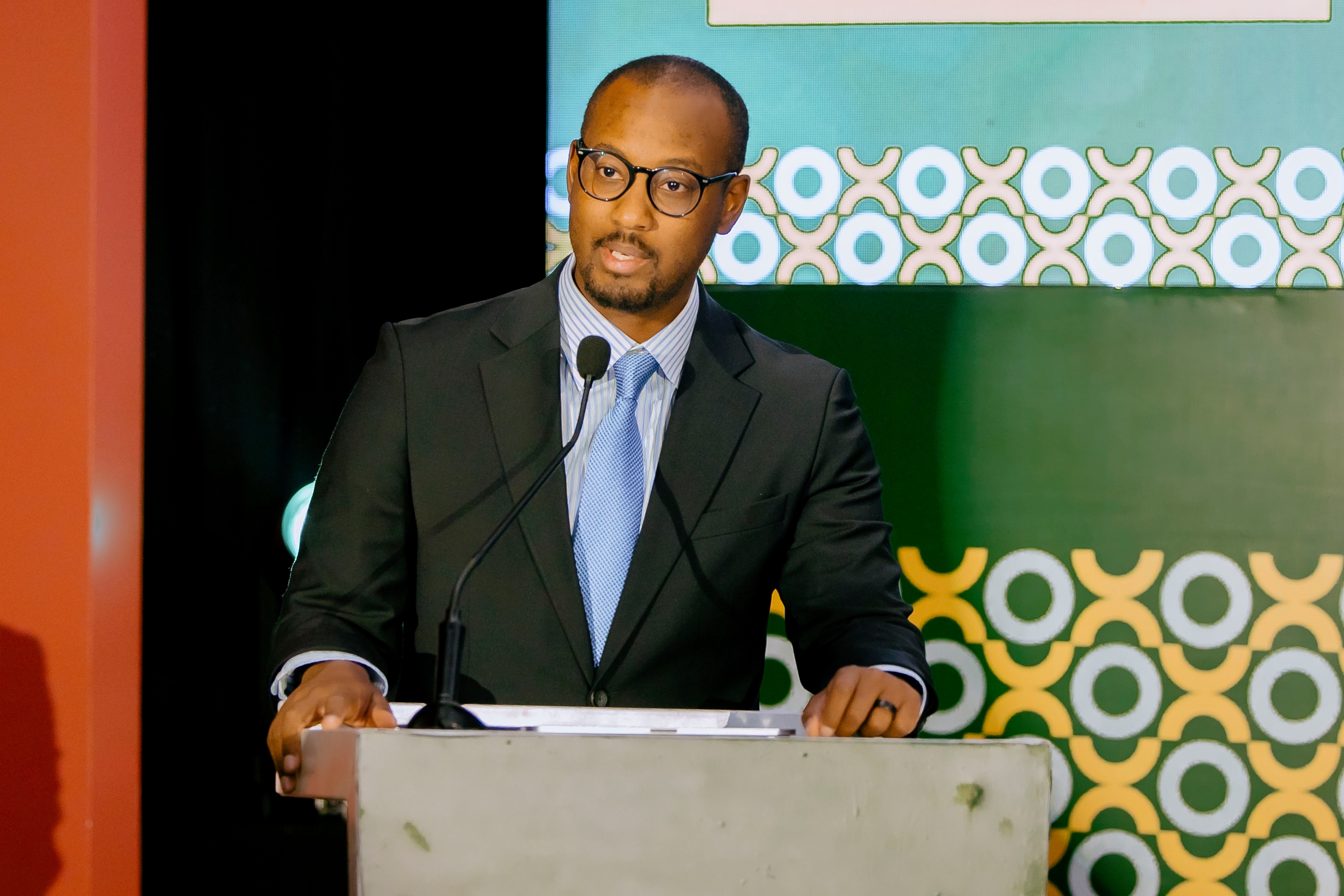
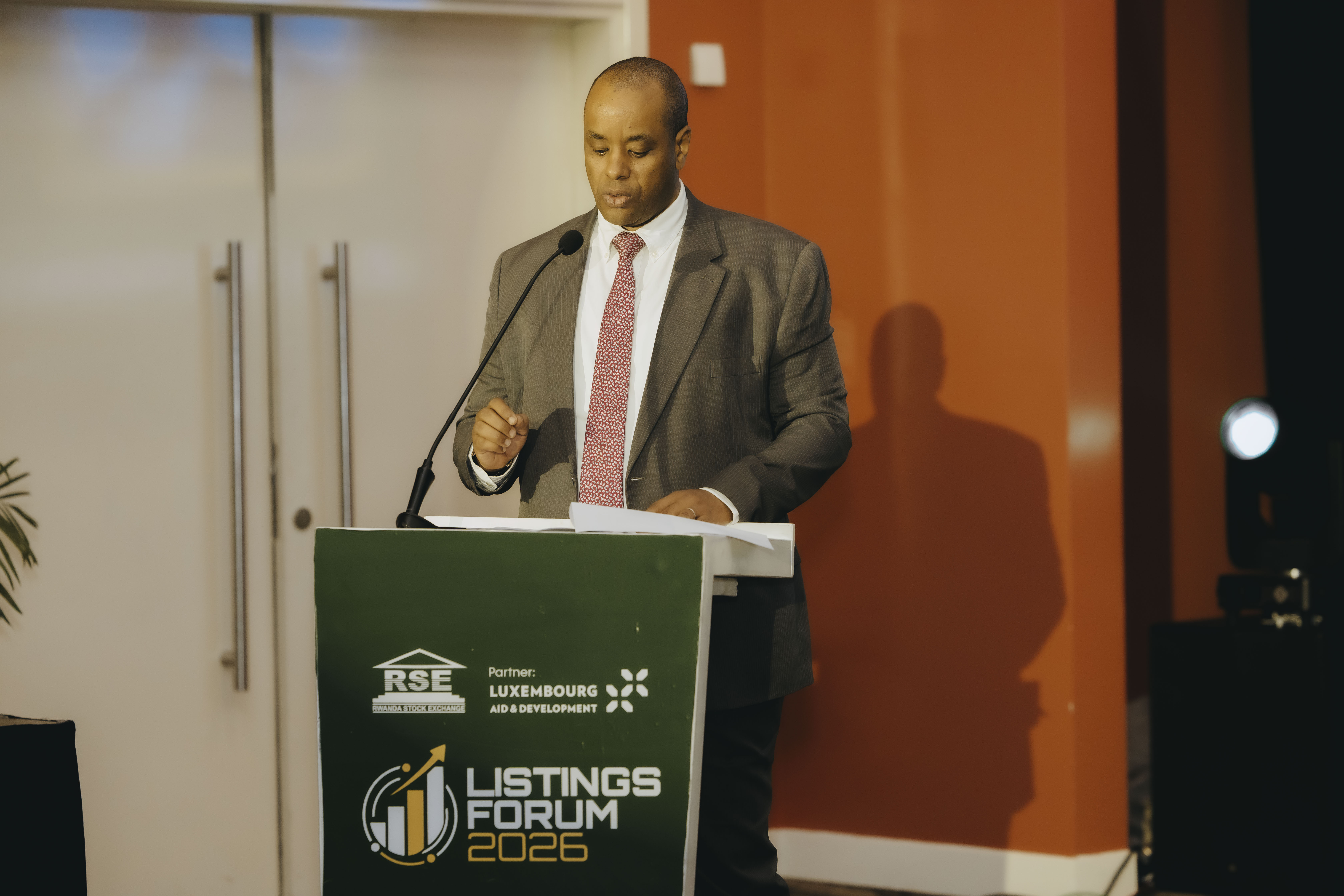
He made this statement on November 25, 2025, at the opening of Africa Energy Expo, which is taking place in Kigali.
The energy sector in Rwanda has visibly progressed. In 2000, only 2% of the population had access to electricity. By 2010, this had increased to 10%, and today, 85% of the population have access to electricity.
Rwanda is a member of the “Eastern Africa Power Pool” (EAPP), which consists of 13 countries from East Africa, working together in the energy sector.
The countries in the Eastern Africa Power Pool plan to connect their grids so they can share electricity as needed, and Rwanda has made significant progress in this initiative.
Currently, Rwanda is connected to Uganda, Tanzania, the DRC, and Burundi at three points. These connections include the Rusizi II hydroelectric plant, which provides 36 megawatts of electricity to Rwanda, the Democratic Republic of Congo (DRC), and Burundi, with each country receiving 12 megawatts.
Rwanda is also connected to Burundi through the Rusumo Hydro Plant, which has a capacity of 80 megawatts, serving Rwanda, Tanzania, and Burundi. Each country receives 26.6 megawatts, powering over 1 million citizens, including 520,000 Burundians, 467,000 Rwandans, and 159,000 Tanzanians.
Minister Dr. Gasore also mentioned that work is ongoing on the power line connecting Rwanda and Burundi through Huye District.
“We are also building a third line connecting us with Burundi. […] The project is nearing completion, connecting Rwanda and Burundi through the South. The line is complete. This way, if there are issues elsewhere, we will have this third option. […] This shows the willingness of the countries to connect their grids to ensure we have a unified power supply,” he said.
The new power line connecting Rwanda and Burundi will span 143 kilometers, starting from Kigoma in Rwanda, passing through Huye, and reaching Ngozi in the northern part of Burundi, ultimately reaching Gitega, the political capital of Burundi.
On Rwanda’s side, the line will be 62 kilometers long, while on Burundi’s side, it will be 81 kilometers long. The project, which started in 2022, is expected to be completed in 2024, with an estimated cost of $24.4 million.
This line is designed to transmit 220-kilovolt electricity, but initially, it will operate at 110 kilovolt.
In the next five years, Rwanda plans to invest over $1 billion in projects aimed at generating 1000 megawatts of electricity for various national activities.
Dr. Gasore mentioned projects such as the Nyabarongo II plant, which will provide 43.5 megawatts, scheduled for completion by the end of 2027 at a cost of over $214 million.
He also highlighted the upcoming Rusizi III hydroelectric project, which will provide electricity to over 300,000 people in Rwanda, DRC, and Burundi, with an estimated cost of $800 million.
Additionally, investments in methane gas energy projects are expected to generate 136 megawatts of electricity from methane gas over the next five years.
For solar power, Dr. Gasore also mentioned projects that will generate electricity from the Nyabarongo II hydroelectric plant, providing 43.5 megawatts, with water from the plant being used to create a reservoir that will supply the districts of Gakenke, Kamonyi, Muhanga, Nyabihu, and Ngororero.
This reservoir will also have solar panels to generate electricity, as part of a large-scale solar energy project in Rwanda, aiming for a total of 200 megawatts from solar energy.
Dr. Gasore further explained, “Floating solar panels on water is a new idea for Rwanda, but it’s being done in many places around the world. Rwanda has limited land due to the need for settlement and agriculture, and solar energy requires large areas. By using floating panels, we can generate power without taking up land used for other purposes, such as farming or construction. This provides a new opportunity to increase our solar energy capacity.”
Currently, Rwanda produces 406 megawatts of electricity, with 109.66 megawatts coming from hydroelectric plants, 85.79 megawatts from methane gas, which accounts for 18% of total energy production.
Electricity generated from peat is 85 megawatts, also 18%, while solar power accounts for 12 megawatts, or 3%.
Rwanda also receives 39 megawatts (8%) from joint projects with other countries, while it imports 106.1 megawatts (23%) of electricity, mainly from Uganda. However, the country is committed to various projects that will help provide electricity to 100% of its population.