During Sunday service broadcast on Rwanda Broadcasting Agency (RBA) channels on March 22nd, 2020, Kambanda reminded Christians to show empathy and love towards poor and sick people during coronavirus outbreak and to abide by the government’s preventive measures to counter further spread of the virus.
The government of Rwanda has adopted new preventive measures against coronavirus by imposing a complete air travel ban and imposing a quarantine policy to all Rwandan citizens.
Following mandatory quarantine, Rwandans have voiced out concerns about people who survive on daily income. Mgr. Kambanda urged Christians to have a generous heart and give out to those who are confined in their homes and cannot provide for their families.
On March 14th, 2020, patient zero was identified in Rwanda and the number has since grown to 19. The Ministry of Health has prohibited all public gatherings including church gatherings and other social events to intercept and stop the spread of coronavirus.
The government has however calmed the citizens, assuring them of continued transporting and delivery of food items to the market places.
The government has also established price ceiling for the basic commodities and has dispatched market inspectors who go around different outlets, identifying traders who have raised prices and impose penalties on them.
The Minister of Trade and Industry, Hakuziyaremye Soraya, has said that price ceilings have been set for basic goods to protect consumer rights.
“The reason for the introduction of price ceiling for basic products is to protect the consumer today so that traders do not rip them of their money,” she said.
Hakuziyaremye also explained that even buyers have been subjected to rationed buying, setting a limit on the number of items they can buy to avoid shortage of goods on the market which could lead to higher prices.
Traders have been asked not to sell more than five kilograms of food items to a single buyer at ago.
The Minister made it clear that despite the closure of border and stopping movements within the county, transportation of foods and other goods, whether imported or internal delivery, continues as usual.
The Private Sector Federation (PSF) has assured the public that there is enough food and that there should not be any worries that the country will run into food and other commodity shortages.
In Kigali City markets, traders are now required to display price tags for all their products so that no buyer will be cheated in the circumstances.
On March 16, the Ministry of Trade and Industry [MINICOM] warned against price hikes with strong punitive measures against those caught in the eye of price dishonesty.
So far, 54 business people have been arrested and slapped with fines amounting to Rwf 4,380,000 in total on account of overcharging.
Some traders that had started hoarding [storing goods in anticipation of prices increase] have also been advised to stop the practice. MINICOM inspectors have taken stock of the major warehouses to establish stock movements and ensure that no hoarding whatsoever is exercised.
MINICOM has already issued a standardized ration-price list, outlining price ceiling for basic commodities, and rations buyers are supposed to take regardless of their economic status.
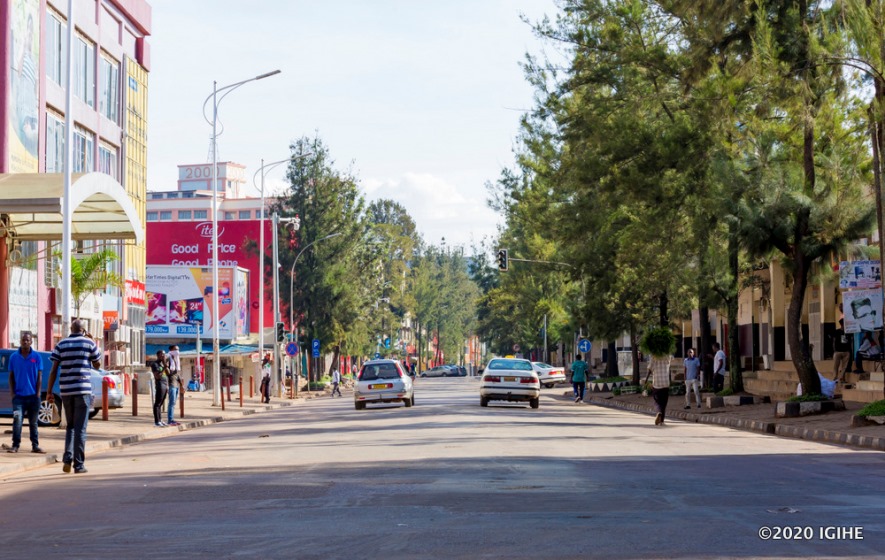
Food markets are some of the few places that are not closed to help people do daily shopping and enable the vendors earn a living. IGIHE toured various markets including Kimironko and found that the business was going on well and fixed prices were displayed.
Rwandans are required to co-operate to enable the country sail through these hard times as one united people.
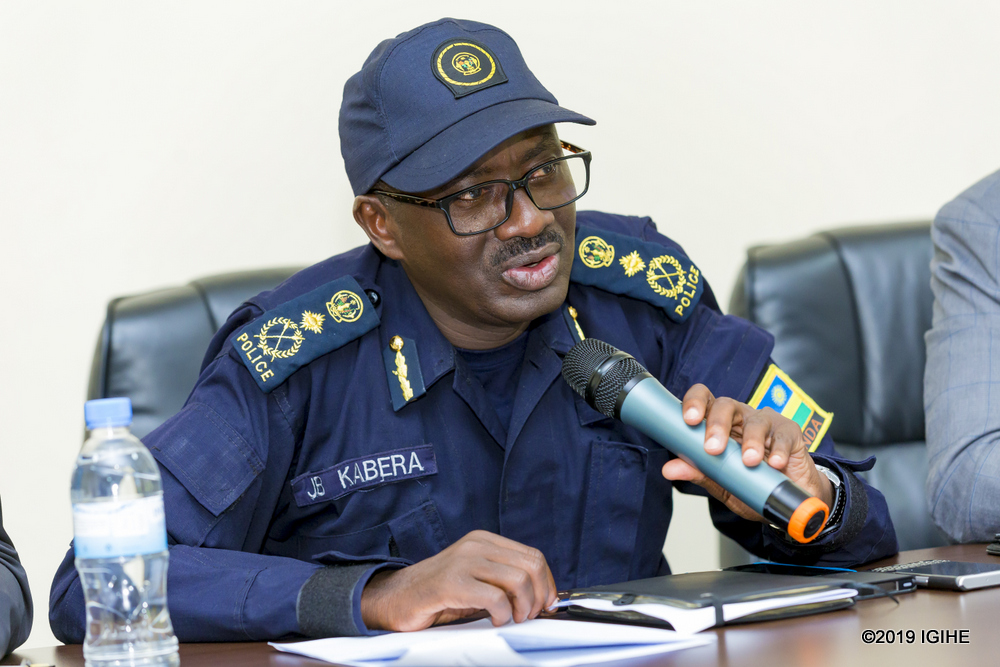
RNP spokesperson, Commissioner of Police (CP) John Bosco Kabera has said that the force is working with all relevant institutions to ensure that these measures are implemented and respected.
Under the directives issued by the Prime Minister, Rt. Hon. Dr. Edouard Ngirente, all unnecessary journeys and movements out of homes, and travel between different cities and districts of the country, is not permitted.
All borders and bars are closed. Shops and markets are also closed, except those selling food, medicine (pharmacies), hygiene and cleaning products, fuel and other essential items.
Motorcycles are not permitted to carry passengers. The orders will last for two weeks, but could be extended depending on the situation.
“We urge the public to comply with these instructions, which were adapted to protect and save lives from this pandemic. Remember, protecting yourself and others is your responsibility,” CP Kabera said.
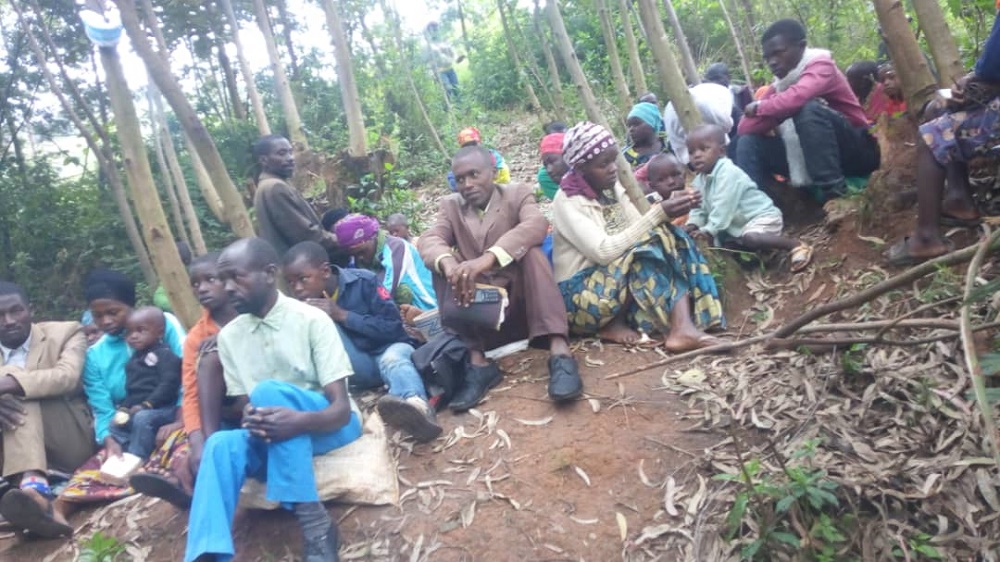
He added: “Police officers across the country are working with other security organs, local authorities and other relevant institutions to ensure that no one violates all the issued directives, including traders who inflate prices, worship and prayer activities including in homes and caves.”
CP Kabera called for continued cooperation and information sharing on people, who violate these safety orders.
“Violating these directives designed to prevent the spread of Coronavirus is punishable by law,” he warned.
CP Kabera further disclosed that in accordance with these government instructions, all RNP services related to driver’s license and motor-vehicle inspection were also suspended for two weeks.
For more information related to the suspended traffic services, the public is urged to call the following contacts:
Commissioner for Traffic and Road Safety: 0788311110
Commanding Officer MIC: 0788311512
The Minister made the remarks in an interview with the media during which he emphasized new measures taken to control coronavirus that include; social distancing-people staying at their homes, suspension of travel between districts, closure of borders, suspension of motor-cycle taxis and closure of non-essential business activities.
When the Minister was asked what the government intends to do to support people who will not be able to support themselves as their sources of livelihoods have closed, he noted that there are social protection safety-nets through which such families can be supported.
“I think the local authorities are accustomed to this. If there is a vulnerable family, we have ways of supporting them.”
He said the local authorities are doing their best but all this goes hand in hand with compliance with the guidelines to protect Rwandans from the epidemic.
The virus is transmitted through droplets, or little bits of liquid, mostly through sneezing or coughing, Dr. Maria Van Kerkhove, head of WHO’s emerging diseases and zoonosis unit, told reporters during a virtual news conference on Monday.
“When you do an aerosol-generating procedure like in a medical care facility, you have the possibility to what we call aerosolize these particles, which means they can stay in the air a little bit longer.”
She added: “It’s very important that health-care workers take additional precautions when they’re working on patients and doing those procedures.”
World health officials say the respiratory disease spreads through human-to-human contact, droplets carried through sneezing and coughing as well as germs left on inanimate objects. The coronavirus can go airborne, staying suspended in the air depending on factors such as heat and humidity, they said.
Kerkhove said health officials are aware of several studies in a number of countries looking at the different environmental conditions that COVID-19 can persist. Scientists are specifically looking at how humidity, temperature and ultraviolet lighting affects the disease as well as how long it lives on different surfaces, including steel, she said.
Health officials use the information to make sure WHO’s guidance is appropriate, and “so far … we are confident that the guidance that we have is appropriate,” she added.
Health officials recommend medical staff wear so-called N95 masks because they filter out about 95% of all liquid or airborne particles.
“In health-care facilities, we make sure health-care workers use standard droplet precautions with the exception … that they’re doing an aerosol-generating procedure,” she said.
The official gazette published on March 19th, 2020 shows a prime minister’s order outlining the 15 misdeeds approved during a cabinet meeting held on January 28th, 2020.
They include:
-* Theft;
-* Embezzlement;
-* Fighting at the workplace,
-* Consuming alcoholic drinks at work;
-* Signing in to work drunk or under the influence;
-* Falsifying documents;
-* Discriminatory attitude;
-* Corruption and Sexual harassment.
Others are; Violating a non-disclosure agreement; Attitude that is detrimental to colleagues; Sexual abuse; Gross misconduct and Damaging the compan2y’s property.
The Prime Minister’s order states that any of the listed misdeeds can lead to contract termination with no prior notice.
However, depending on the structure of a company, an employer can add other occupational misdeeds to the list with the authorization of the Minister of Public Service and Labor.
The 15 intolerable mistakes are part of all institutions’ regulations and are informed to employees before implementation.
MIFOTRA has also ruled that every institution in Rwanda with more than 10 employees should have an employee representative elected for a 3-year renewable term. The size of the company notwithstanding, the number of employees representatives cannot exceed 10.
Employees who have not been in an institution for at least a year cannot be elected as representatives. In addition, the employer’s spouse, child, parents or siblings cannot be elected as representatives.
Members of an institution’s executive board, human resources managers or any other employee with a managerial position can also not be elected as representatives.
Currently, 17 people have been reported infected in Rwanda and they are being treated.
According to the Northern Region Police Spokesperson, Chief Inspector of Police Alexis Rugigana, thirty-nine people were arrested during the operation that Police conducted in homes from across the district since Friday.
Three of the suspects are members of the Seventh-Day Church who were arrested as they were celebrating the Sabbath on Saturday.
Rugigana urged the general public to protect their lives and those around them by abiding with all the directives that the Government has issued to contain the coronavirus.
“As the ministries of health and local government instructed people should practice social distancing; avoiding praying in churches, in prayers’ rooms and other areas like caves, These practices are banned as long as coronavirus is still in the country,” he said.
He went on to warn that whoever will breach the directives meant to contain the spread of the coronavirus will be brought to book.
This comes after four people were arrested on Thursday in Gitega Sector, Nyarugenge District where they were vending meat.
Chief Inspector of Police (CIP) Marie-Gorette Umutesi, the Police spokesperson for the Central region, identified the suspects as Tabu Uwimana, 35, Epiphanie Nyirandikubwimana, 32, Francine Kayitesi, 33, and Shakila Uwineza, 33.
They were apprehended by members of night patrol commonly known as ‘Irondo ry’Umwuga.’
“They were found selling meat on streets. They get leftover meat from abattoirs in Nyabugogo, which they sell on streets. This is against the law on meat standards. This meat sold or bought on streets could be contaminated and toxic for consumption,” CIP Umutesi said.
Besides selling the meat illegally, they were transporting and vending them in buckets, which is contrary to the law.
CIP Umutesi urged all meat dealers to comply with set hygiene requirements to ensure safety of consumers as it involves people lives.
“Anyone in the meat value chain must comply with hygiene requirements to make profits without compromising consumers’ lives. Standards are clear on requirements for meat transport, trade and preservation to ensure the safety of consumers,” CIP Umutesi said.
The Ministerial Order n°013/11.30 of 18/11/2010 on transport and trade of meat, particularly article 2 stipulates that “…the transport of fresh chilled or frozen meat for food purpose shall be carried in such a manner to not be seen from outside. The meat shall be properly covered and protected against the sun, rain mud, dust, and flies.”
Article 3 of the same order states that the motor-vehicle transportation of fresh, chilled or frozen, non-packed meat shall use closed vans, separate from the driver, internally covered with galvanized brass or any other stainless material.
New preventive measures include temporary closure of borders for two weeks, except for goods and cargo as well as returning Rwandan citizens and legal residents.
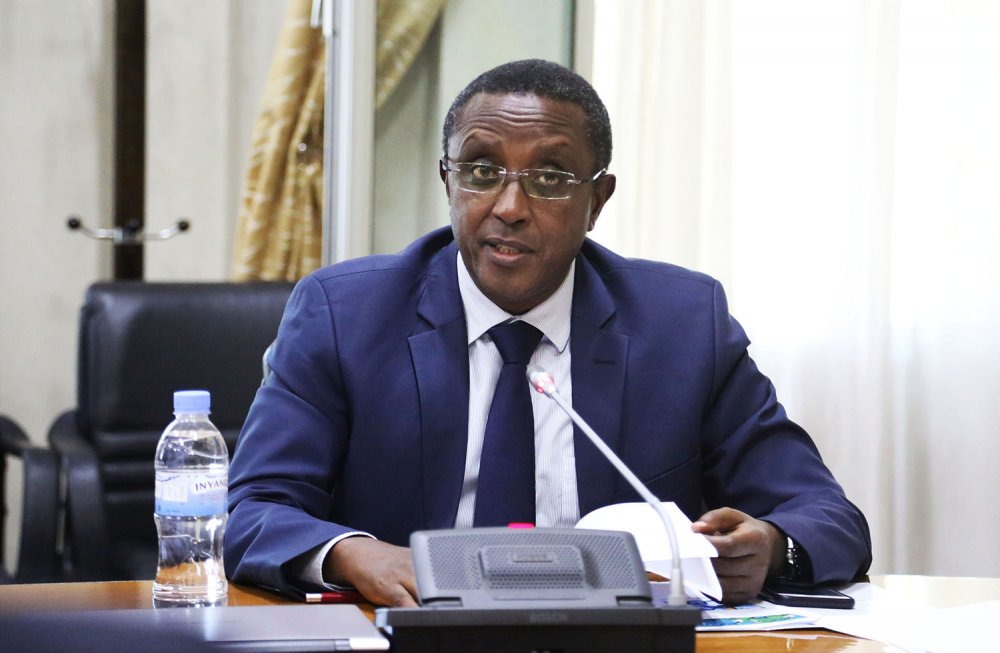
Dr. Vincent Biruta, Minister of Foreign Affairs and International Cooperation said that Rwandan citizens who wish to return home will be subject to a mandatory 14-day quarantine at designated locations.
Travel between different districts and cities of the country are not permitted except for medical purposes or essential services. Transport for food and other essentials will continue to function as usual.
Biruta said that closing borders and limiting movements of people will prevent future spread of coronavirus.
“Limiting movements of people is important in the fight against coronavirus as it will prevent it from spreading to districts outside of Kigali.”
He noted that if more cases of COVID-19 are identified, there is a risk it will put unbearable pressure on the country’s health system and leave some patients unattended to.
Decisions to close borders and limit movements between districts were taken after most of the cases of COVID-19 were identified in Kigali.
Currently, 17 people tested positive for coronavirus in Rwanda while 600 are suspected to have it and have been put in quarantine while further tests are being conducted.
There is an average of 7,000 hospitality establishments (including hotels, restaurants and bars and accommodations facilities) across the country which employ over 84,000 workers.
Tourism and the hospitality sector currently account for about 142,000 jobs.
Barakabuye Nsengiyumva, the Chairperson of Rwanda Hoteliers’ Association (RHA) said that some hospitality establishments were already laying off workers as a way of mitigating losses and accumulation of unpaid salaries for employees who are redundant.
“We are still awaiting reports from other hotels so the figure is bound to rise,” he said.
Nsengiyumva added that they were in discussions with the government to devise measures of supporting hoteliers to remain afloat in these difficult times.
Nsengimana said that with the cancellation of flights and conferences, the sector is at risk of losing many jobs due to the crisis.