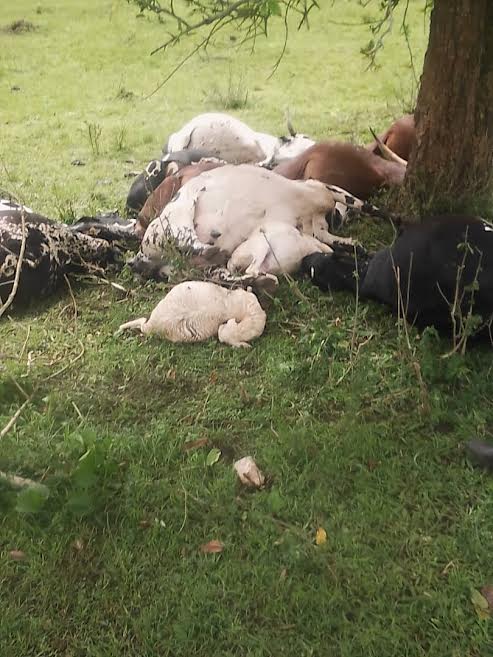
The executive secretary of Rwimiyaga sector, Sam Gatunge has told IGIHE that lightning struck dead these cows during heavy rain.
“Eleven of the cows struck dead belong to a resident identified as Sam Ruzindana. Two sheep were also struck dead. The incident happened as they sought shelter under a tree during heavy rain,” he said.
Apart from killed livestock, Gatunge explained that the rain did not cause more ravages.
He advised residents to avoid seeking shelters under trees and using electronics during rains.
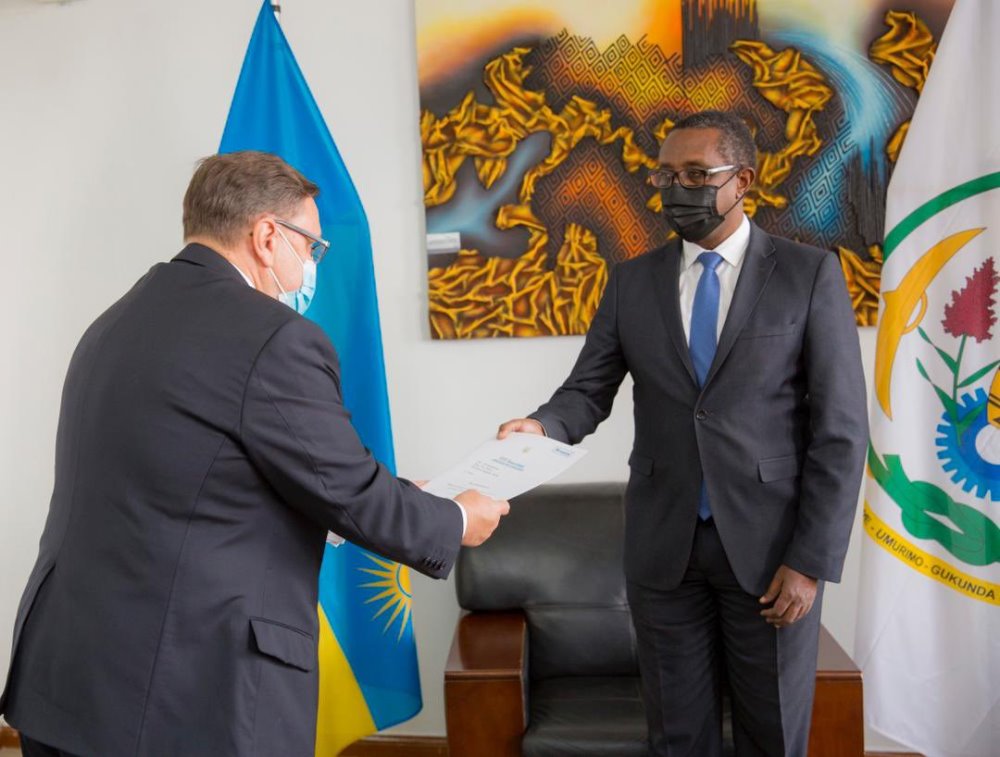
The Ministry of Foreign Affairs has revealed via Twitter handle that Minister Biruta and the new envoy also discussed ways to strengthen bilateral cooperation between the two countries.
Diplomatic relations between Ukraine and Rwanda date back 28 years ago.
Rwanda is one of the promising trade and economic partners of Ukraine in the region of East Africa.
According to the data from the State Statistics Service of Ukraine, bilateral trade between Ukraine and Rwanda in 2019 amounted to 2.97 million US$.
Exports from Ukraine to Rwanda amounted 2.66 million US$ (increased up to 334.5% compared to 2018), imports – 314.8 thousand US$ (increased up to 232.5% compared to 2018).
In 2018, the positive balance of foreign trade between Ukraine and Rwanda was 2.34 million US$.
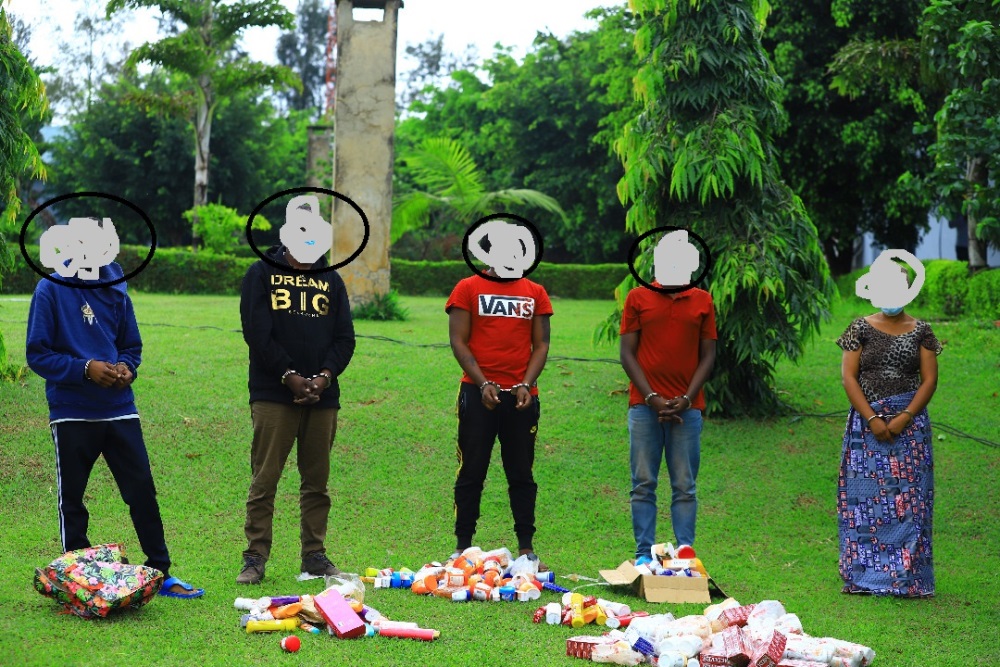
Those arrested are Albert Niyonsaba, 35, Aaron Bigirimana, 31, Eugene Mutabaruka, 28, Valentine Mukamuruta, 43, and Jean Claude Ntawinanirwa, 29.
They were found in possession of combined 487 pieces of assorted lotions including Caro light, Mediven, Epiderm Crème, Beauti, Coco Pulp, Éclair 600, Extra clair, Infini Clear, Extra&White and Rapid Clair.
The cosmetics are among the 1,342 listed cream and oil brands with hydroquinone and mercury, which are prohibited in Rwanda.
Eugene Mutabaruka, one of the suspects, said that he started selling the cosmetics last year and that he buys them from the street vendors.
“I was arrested in Masaka, on Monday at about 10am after Police officers found banned lotions in my shop,” Mutabaruka said.
Aaron Bigirimana who also runs a shop in Kabuga, admitted that he was aware that the cosmetics he was selling are illegal, but asked for leniency.
RNP spokesperson, Commissioner of Police (CP) John Bosco Kabera said that the suspects were arrested due to the good collaboration with the public, who share information.
“We urge those dealing in cosmetics to sell only products that are allowed in Rwanda. A list of outlawed lotions, oils and creams was published and anyone selling them is breaking the law and will be arrested,” CP Kabera warned.
{{Side effects}}
The outlawed creams and oil brands contain chemicals such as mercury and hydroquinone, which can cause liver damage, reduce resistance to bacterial and fungal infections, and increase anxiety, according to the World Health Organization (WHO).
If it enters the bloodstream, it also results into fatal liver and kidney damage, although medics say the most immediate visible side effect is skin scarring.
Health experts confirm that prolonged use of corticosteroid creams and lotions can also decrease levels of collagen in the skin.
Collagen strengthens and supports the skin, and a reduced amount can increase the risk of striae commonly known as stretch marks.
{{Legal framework}}
Article 266 of the law determining offenses and penalties in general, states that any person, who produces, sells, or prescribes harmful products; cosmetics or body hygiene substance or any other products derived from plants, commits an offence.
Upon conviction, he/she is liable to imprisonment for a term of not less than one year and not more than two years and a fine of not less than Rwf3 million and not more than Rwf5 million or one of these penalties.
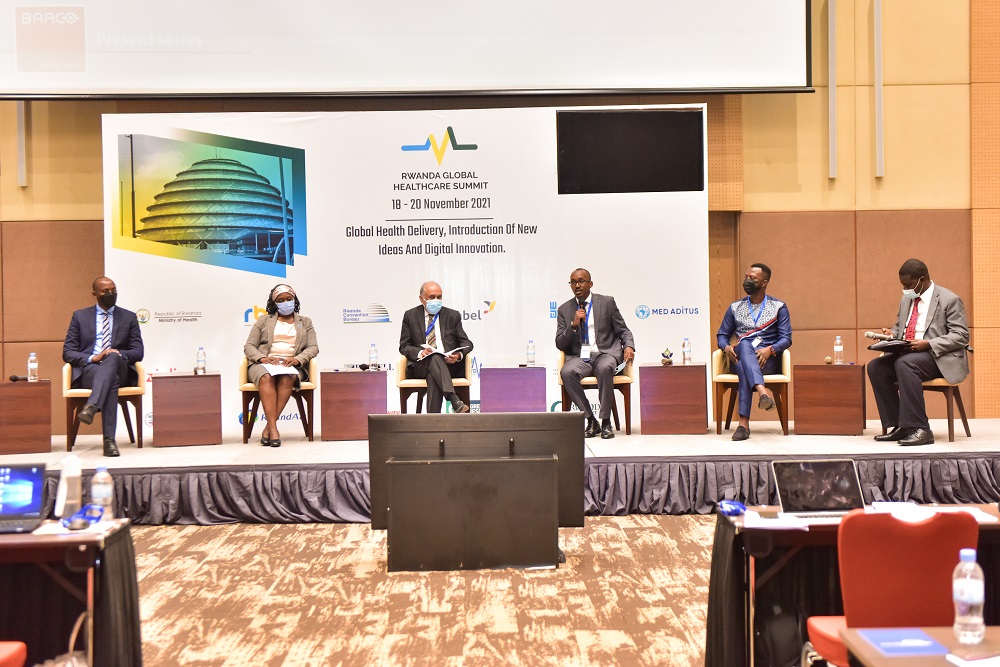
The meeting brought together health experts, medicines manufacturing plants, health services providers and different officials including ministers, health experts, hospital managers and procurement officers among others with a view to seek together the solution for the shortage of drugs on the African continent.
Africa lags behind other continents with gaps in health services, equipment and shortage of health care professionals.
Figures from the World Health Organization (WHO) show that six million people from Sub-Saharan African countries die over the shortage of Malaria, Tuberculosis and antiretroviral drugs.
Apart from the scarcity of pharmaceuticals, there are more factors affecting Africa’s health sector including inadequate health facilities, health care professionals, water shortage at health centers and low penetration of technology among others.
Considering devastating impact of these gaps, participants called for policies designed to advance the progress of Africa’s health sector and tackle shortages of pharmaceuticals, healthcare professionals to become self-reliant instead of sticking to foreign aids and imports.
{{Investment in the manufacturing of pharmaceuticals}}
Although pharmaceutical products are currently manufactured in countries like South Africa, Kenya, Morocco and Egypt, Africa currently imports more than 80 per cent of its pharmaceutical and medical consumables.
The Resident Representative of Belgian Development Agency, Enabel in Rwanda, Dirk Deprez said that the African Continental Free Trade Area (AfCTA) presents huge opportunities for African entrepreneurs to invest in the manufacturing of pharmaceuticals.
“We should consider other economic benefits when we talk about investment. I was surprised to hear that 99% of vaccines and 94% of pharmaceuticals used in Africa are imported. The research conducted by Goldstein [a leading provider of market research services and a series of other research and analysis services] indicated that the continent’s pharmaceuticals’ market share is valued at US$28.5 billion expected to double in 2030,” he said.
Deprez explained that investing in pharmaceutical plants will save lives, generate returns and create more jobs in Africa.
Dr. Dhiren Thakker, the founder of Med Aditus International, a nonprofit corporation that aspires to be a positive force in creating access to medicine for underserved patients in Sub-Saharan Africa said that the continent faces shortages of drugs for non-communicable diseases like Cancer, Diabetis, heart complications, children and neglected diseases.
He revealed that the organization plans to set up plants manufacturing such medicinal products starting with Rwanda and Kenya.
“We are holding discussions on the establishment of such plants. The study is underway and we have already identified types of pharmaceuticals to be manufactured. The remaining task is to mobilize enough funds be it from the United States, Europe and African countries so that we can begin operations by 2022,” said Dr. Thakker.
{{Embracing technology to foster innovations}}
The Director General of Rwanda Biomedical Center (RBC), Dr. Sabin Nsanzimana emphasized that creating innovations in the health sectors is of great significance considering the fact that new pandemics are emerging as time evolves.
“As far as I am concerned, creating innovations is about providing solutions to address contemporary challenges. Besides, we should not use same solutions all the times. The end-goal might be the same but using unique techniques because we don’t share the same lifestyles with other continents,” Dr. Sabin noted.
The Executive Director of Partners in Health, Dr. Joel Mubiligi has said that available human beings have never run short of ideas and innovations witnessed through scientific discoveries and creation of new technologies.
He said that the huge gap lies in failure to share knowledge with others to a desired extent.
Zipline ,a drone firm delivering blood supplies to hospitals is an example of what technology and innovations are poised to offer.
Sineka Samuel Siabnaa, the Head of Health Systems Integration at Zipline Rwanda explained that the company strives to facilitate access to health services.
To make health services accessible, he said that Zipline worked with Partners in Health during COVID-19 lockdowns to deliver cancer drugs to patients.
{{Promoting research and education}}
The world has a deficit of health workers particularly the Sub-Sahara African countries where the level of health workforce density stands at 2.3 per 1000 people against the minimum 4.5 per 1000 people recommended by the World Health Organization (WHO).
Prof Ramneek Ahluwalia, the CEO of Higher Health, an organization that works in seven key areas to promote the health and wellbeing of students across South Africa’s public universities and technical and vocational training colleges, said that Africa has the highest prevalence of people suffering from Malaria, Tuberculosis, HIV/AIDS and child mortality among others but lags behind other continents in terms of education programs, research, sciences and manufacturing of new pharmaceuticals.
He explained that Africa can hardly achieve healthcare that par with international quality measures if no action is taken.
Prof. Ahluwalia said that the continent is currently designing policies to overcome effects of COVID-19 yet other parts of the world continue moving forward.
According to Deprez from Enabel, Africans’ health conditions continue to deteriorate due to inadequate research.
He stressed need for increased research on neglected diseases, and training to up-skill health workers.
{{Improved hygiene at health facilities}}
Lack of hygiene can cause a multitude of adverse effects, such as hospital-acquired infections among others.
Maurice Kwizera, the Country Representative of WaterAid Rwanda has said that some health centers face water shortage and have no places designated for waste disposal.
“Water, hygiene and sanitation are central to improved health. Globally, one out of four health facilities had no access to water by the time COVID-19 emerged. One out of three health facilities had no hand washing facility in laboratories and maternity wards among others while 10% did not have decent latrines,” he said.
Kwizera called for concerted efforts between governments, donors and other stakeholders to address this issue at different health centers and hospitals worldwide.
{{Deepening partnerships}}
Dr. Sabin Nsanzimana, the Director General of RBC told participants of the summit that collaboration with relevant stakeholders was a central element for Rwanda’s response to COVID-19. He called for partnerships so that health sectors across the world can make a step further to defeat COVID-19 and other diseases.
Dr. Nsanzimana revealed that the establishment of first National Reference Laboratory (NRL) for COVID-19 tests is among fruits of collaboration with other countries because Rwanda did not have enough resources by the time the pandemic emerged.
Organized by Be still Investment, a Zimbabwean Non-Government Organization operating in Rwanda, the first edition of Rwanda Global HealthCare summit was held in 2019.
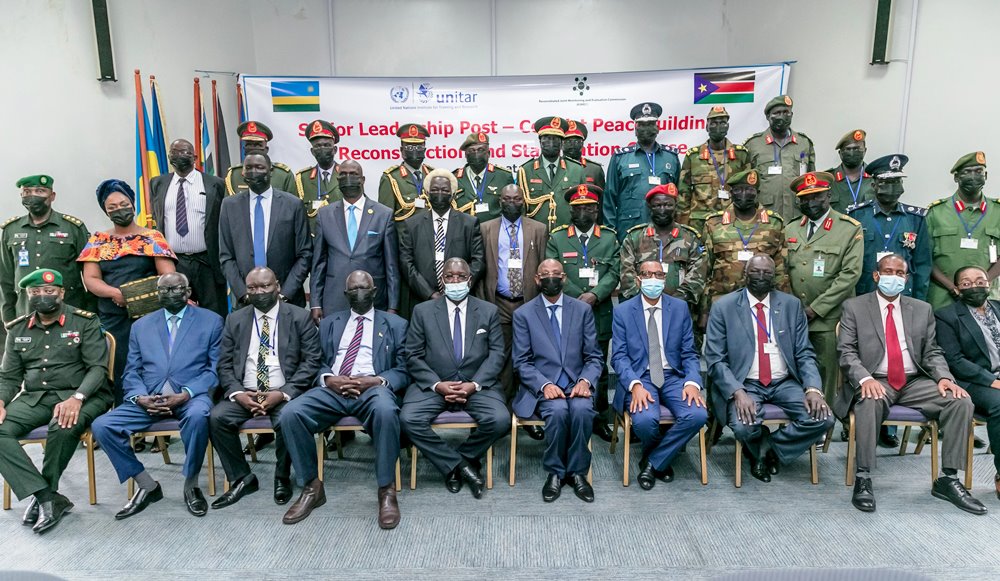
The five-day course is run by Rwanda Peace Academy in partnership with the United Nations Institute for Training and Research (UNITAR) and the Reconstituted Joint Monitoring and Evaluation Commission (RJMEC).
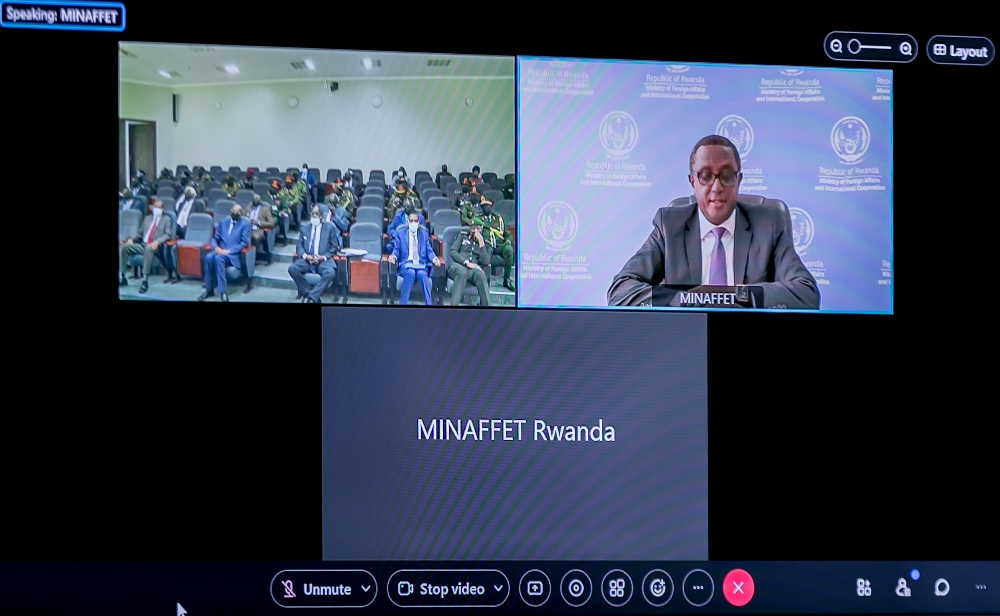
During his opening remarks, the Minister of Foreign Affairs and International Cooperation, Dr. Vincent Biruta said that this course is an essential component of the process to achieve sustainable peace and reconciliation in nations that have been affected by traumatic violence.
“Rwanda and South Sudan share a lot of similarities in their history including a tragic past of violent conflicts but also the capacity to overcome these tragedies and build resilient societies whose communities can live together in peace and prosper for the generations to come. In Rwanda, reconciliation and peacebuilding processes have played a crucial role in resolving political and perceived ethnic differences,” he said.
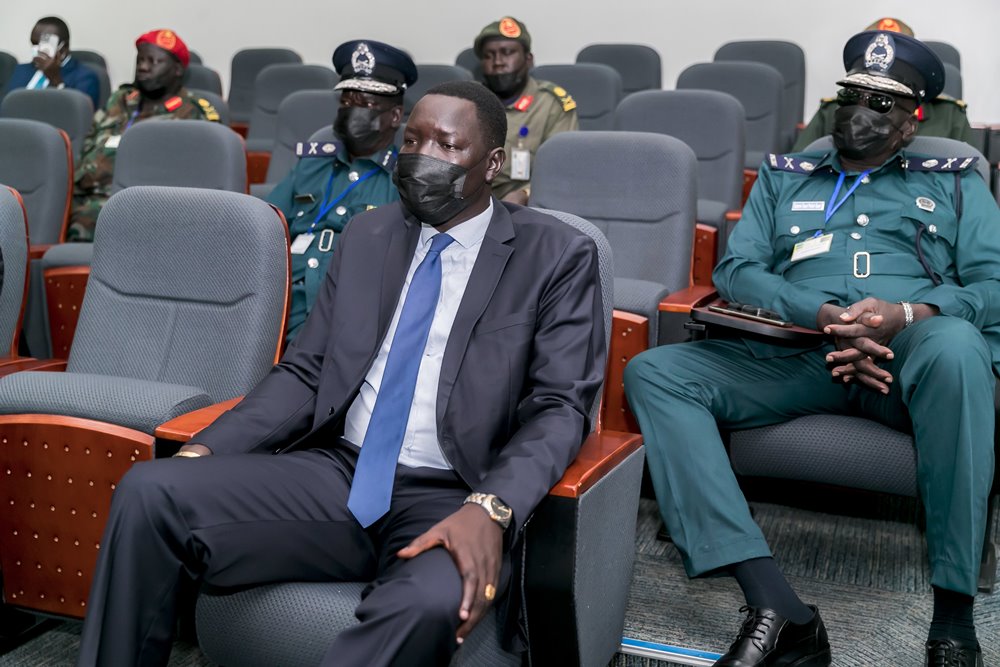
In his statement, the South Sudan Minister of Cabinet Affairs Martin Elia Lomuro said that the course means a lot to them as they are implementing an agreement which requires that they stabilize their country in terms of achieving sustainable peace, reconstruction and institutional development.
“We think that the work done by Rwandans to achieve what you have in terms of peace, community integration and institutional building, is what we need; and we think that Rwanda being a close country to us is better example for us to learn from than anywhere else,” said Minister Lomuro.
Nyirampabwanimana was arrested with the bales on Sunday, November 28, at about 3am, at her home in Kavumu Village, Ryabizige Cell in Cyanzarwe Sector.
According to the Western region Police spokesperson, Chief Inspector of Police (CIP) Bonaventure Twizere Karekezi, in the process of the operation, the suspect also attempted to bribe security officers with Rwf40, 000.
“Nyirampabwanimana had hired four men to transport the bales to her house, but they dropped them on arrival and her home and fled in the process but the alleged rightful owner of the clothes was taken into custody,” CIP Karekezi said.
“Nyirampabwanimana attempted to bribe the security officers with Rwf40,000 to prevent her arrest and seizure of the five bales,” he added.
The suspect was handed over to RIB at Busasamana Police station while the search for the accomplices, who escaped is ongoing.
CIP Karekezi warned the youth, who facilitate smugglers to transport the smuggled goods. He advised them to find alternative productive activities instead of wasting the available opportunities to engage in criminal acts, leading to arrest and imprisonment.
Under article 199 of the East African Community Management Act, which is also applicable in Rwanda, seized smuggled goods are auctioned.
{{Tax fraud}}
A taxpayer, who commits fraud, is subject to an administrative fine of one hundred percent (100%) of the evaded tax. With exception to that penalty, the Tax Administration refers the case to the Prosecution service if the taxpayer voluntarily evaded such tax, like through the use of false accounts, falsified documents or any other act punishable by law. In case of conviction, the taxpayer can be imprisoned for a period between six (6) months and two (2) years.”
In article 4 of law n° 54/2018 of 13/08/2018 on fighting against corruption, any person who solicits, accepts or receives, by any means, an illegal benefit for himself/ herself or another person or accepts a promise in order to render or omit a service under his or her mandate or uses his or her position to render or omit a service, commits an offence.
Upon conviction, he/she is liable to imprisonment for a term of more than five years but not more than seven years with a fine of three to five times the value of the illegal benefit offered, solicited or received.
Penalties provided under this article also apply to a person, who offers or promises to offer a benefit, by any means, an illegal benefit for him/ herself or another person to have a service rendered or omitted.
Among others, the bank registered a profit after tax of Rwf5.4 billion, reflecting a 46% growth over last year.
According to the lender’s management, the growth has been supported by increased net interest income which rose by 21% from the levels in 2020, closing the period at Rwf 20 billion.
The operating income for the Bank increased to Rwf24 billion, a 15% increase year on year.
Commenting on the financial results, Mr. Robin Bairstow, the CEO of I&M Bank (Rwanda) PLC said that the results highlight the bank’s efforts in improving digital infrastructure in line with its strategy and aspiration to be Rwanda’s leading financial partner for growth.
“We will continue building state-of-the-art digital platforms and growing the MSME sector which significantly supports the Rwandan economy,” he noted.
During the period under review, the Bank’s balance sheet and income metrics improved on the backdrop of a solid capital base and liquidity.
The Bank’s asset base rose to Rwf 435 billion, reflecting a 4% year on year growth as a result of an increase in the loan book and investments in government securities.
The Bank’s customer lending portfolio also grew by 6% to Rwf 217 billion in September 2021 (Rwf205 billion in September 2020).
Besides, the quality of the loan book improved with the Non-Performing Loans (NPL) ratio of 3.6 %.
The Bank closed the period with Rwf298 billion of customer’s deposits, and a loan-to-deposit ratio of 73%. The Liquidity coverage ratio stood at 415% as at end September 2021
Among others, the Shareholder’s Equity of the Bank grew to Rwf 60 billion, up from Rwf 54 billion as at 31st December 2020.
The Bank’s net fees and commission income also increased by 14% on the back of income from digital products and an increase in off balance sheet income.
The Bank improved its cost-to-income ratio to 60% from 64% for the year before, while also maintaining a positive cost/income jaws (after impairment) of 11%.
The total operating expenses for the Bank was at Rwf14 billion, which reflected a 6.7% year on year increase on account of increased investment in digitisation while bank’s loan impairment charges for the period stood at Rwf 1.5 billion, which is 20% lower year on year, in light of improved macroeconomic conditions and despite a challenging start of the year for all stakeholders.
{{Commitment to creating value}}
Commenting on the Bank’s commitment to create long term value to all the stakeholders, the CEO Mr. Bairstow said that underpinning performance is the lender’s commitment to being thereour customers and for the community it serves.
“Throughout this pandemic period, we lent our full weight on safeguarding the lives and livelihoods of our staff through implementation of remote working, as well as conducting staff wellbeing and mental-health programs. For our customers, we created long term value by leading from the front in the fight against COVID-19 through moratoria, government supported lending and other support measures.
Through the IFE grant, the bank has helped to retain over 1,900 jobs in 139 MSMEs,” he revealed.
{{Continued investment in digital solutions}}
Speaking on the Bank’s commitment to continuously support innovation through offering digital solutions to customers, Mr. Bairstow said: “We have significantly sustained our contribution in the financial sector over the years. We remain committed to diversifying our financial services and leveraging on existing opportunities to better serve the Rwandan population through investments and partnerships in new technologies.”
He further stated that the bank’s efforts in supporting the growth of the MSME sector was recognized with the Product Innovation of the Year Gold Award at the Global Finance Awards 2021 organized by the SME Finance Forum in partnership with International Finance Corporation (IFC) for delivering outstanding products and services to our SME clients and segment.
“Our MSME division has recorded a customer base growth of 65% over the last year. We will continue to make major investments in digital technology in line with the I&M Group strategy that places digitisation as a key growth accelerator,” he stressed.
In Q4 the Bank plans to continue investing in digital products and services as well as supporting its customers so as to manage net interest income.
It also seeks to continue applying cost management best practices to ensure that healthy margins are maintained.
{{About I&M BANK (RWANDA) PLC}}
Incorporated in 1963, I&M Bank (Rwanda) Plc. is the oldest Bank in Rwanda. It is today one of the leading players in the industry with a strong footprint across the country.
The Bank, which is listed on the Rwanda Stock Exchange (RSE), is a subsidiary of I&M Group PLC, a leading regional financial services group in Eastern Africa. I&M Group PLC has other banking subsidiaries in Kenya, Tanzania and Uganda as well as a joint venture in Mauritius and is listed on the Nairobi Securities Exchange.
I&M Group has a long history in banking and has established a wide network of correspondent banks across the globe and enjoys a strong relationship with leading international Development Financial Institutions.
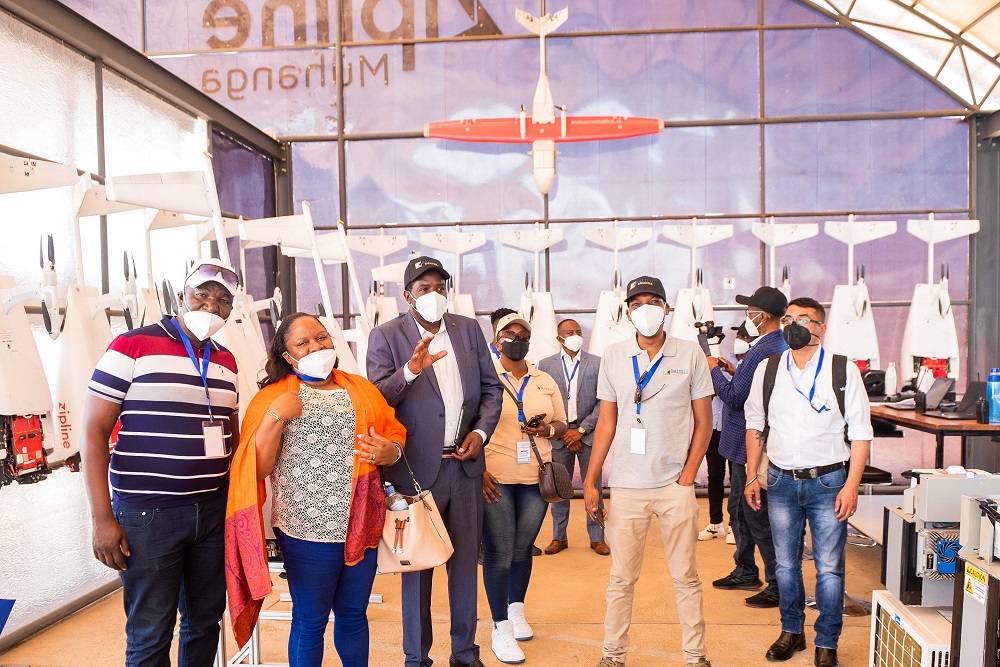
Rwanda Global Healthcare Summit which took place recently from 18th to 21st November 2021, brought together health experts, medicines manufacturing plants and health services among others to seek solutions aimed at addressing challenges that continue to affect Africa’s health sector.
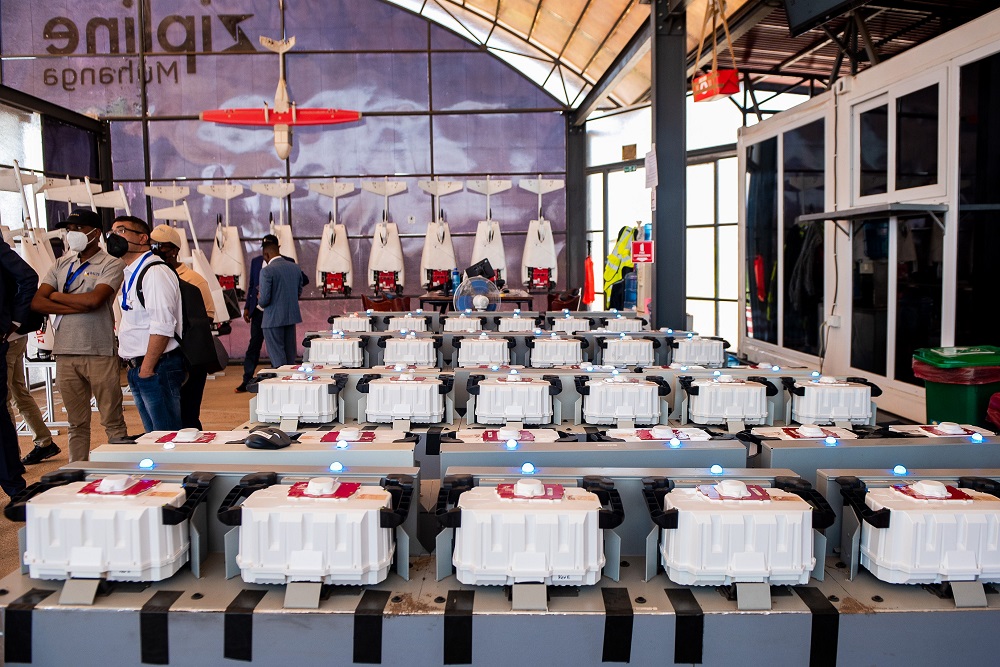
Since the firm began operations in 2016, it has flown drones 200,000 times delivering medical supplies to more than 350 health facilities.
Jongwe, a Zimbabwean and CEO of Becs Ltd, a company which trades medical equipment in Rwanda said that Zipline came in handy to save people’s lives through emergency support.
“My wish is to see the technology to deliver medical supplies to hospital using drones extended to other African countries because it has a great impact. It is an impressing technology in which Governments should invest. Rwanda has done a great job which other countries should emulate,” he said.
The Director General of Sanitas Hospital in Tanzania, Ezekiel Sai revealed that he learnt a lot from experiences shared during the summit, most importantly, the achievements of Zipline Rwanda.
“I have been very impressed with this technology considering how Zipline staff is coordinated and delivered services. The technology needs to be introduced in Tanzania to facilitate health services to citizens in remote areas,” he said.
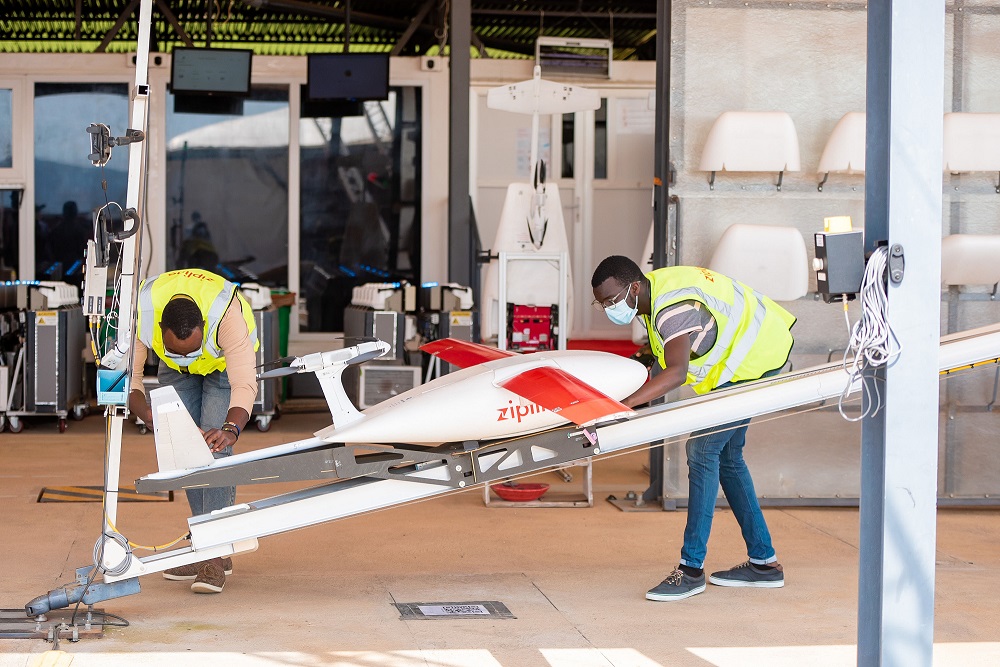
Zipline Rwanda’s drones can cover 100 kilometers per hour and operate 24 hours every day.
The operations coordinator at Zipline Rwanda, Daine Munezero Kayigi has said that hospitals can communicate needed quantities of blood, drugs and other medical supplies via WatsApp, short messages, or communicate via phone call to have them delivered in few minutes.
Zimbabwean, Walter Muparadzi who also attended the summit commended the efforts to integrate technology in health services delivery.
Participants were taken through the package of partnership with health centers, hospitals and process of flying drones.
Zipline started operations in Rwanda in 2016. It has two distribution centers based in Kayonza district, Eastern Province and Muhanga district in Southern Province.
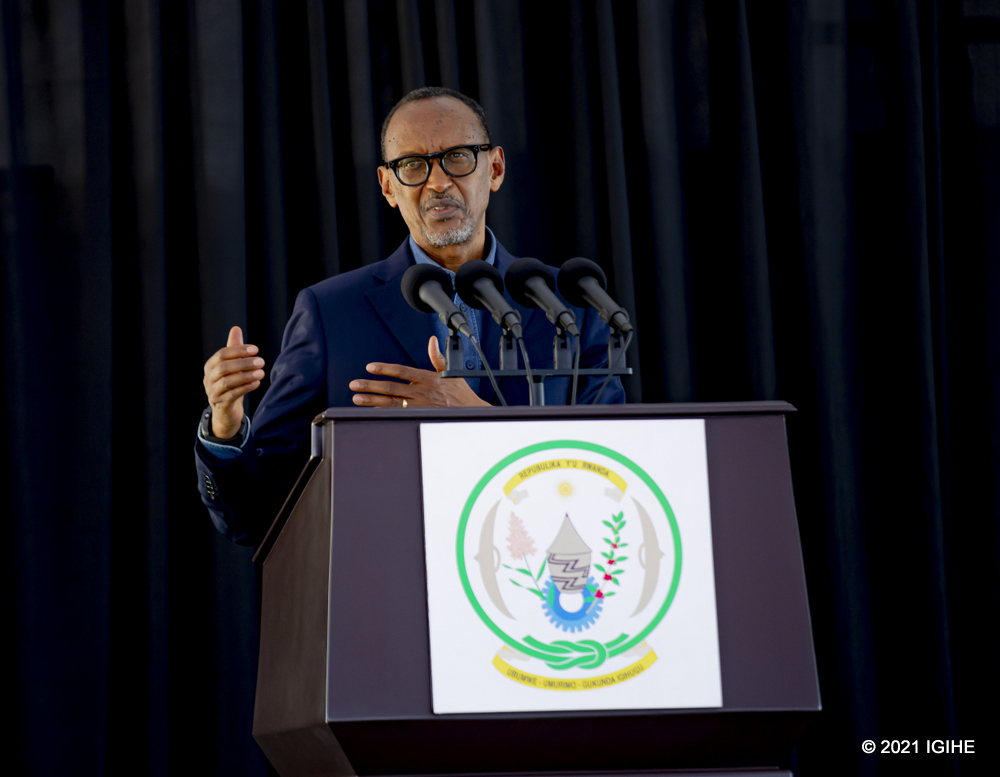
Kagame was addressing newly elected local government leaders during the closing ceremony of their one-week induction at Police Training School (PTS) in Gishari, Rwamagana district.
The President reminded the local leaders on important responsibilities that await them highlighting that they are not only for leaders at the central levels but also leaders at all levels from the top to the bottom of the country’s leadership.
He said that their duties should be exercised with vigilance to ensure whatever they do helps Rwanda to move forward in development and urged them to walk the talk.
“Our commitments cannot just be in words. Our aim is for our actions to always reflect our promises. Our goal should be to do what moves our country forward towards the Rwanda we want,” he advised.
The President stressed that the induction training was important for local leaders to reflect on the road ahead, discuss the lessons learnt from past mistakes, and re-commit to putting more efforts in solving the challenges that the country faces.
He further reminded leaders of attributes that should characterize them on duty.
“You are gathered here, not to represent your own interests as individuals, but because you represent the citizens who elected you. Leadership is not about us as individuals, it goes beyond that, it’s about the people we lead. You are entrusted with the important responsibility of representing and working to uplift the lives of those who elected you,” Kagame said.
“You will be doing things as an individual, but you should always bear in mind that you are doing it in the name of Rwandans who put their trust in you,” he added.
The Head of State said that leaders who think about themselves only are the reason some countries end up lagging behind on their development journey highlighting that ‘putting citizens first in everything you do makes a huge difference’.
“When leaders don’t talk to and complement each other, they cannot achieve anything. Leaders’ achievements reflect their way of working. When there are no results or limited results, it means that there were not enough efforts invested,” he said.
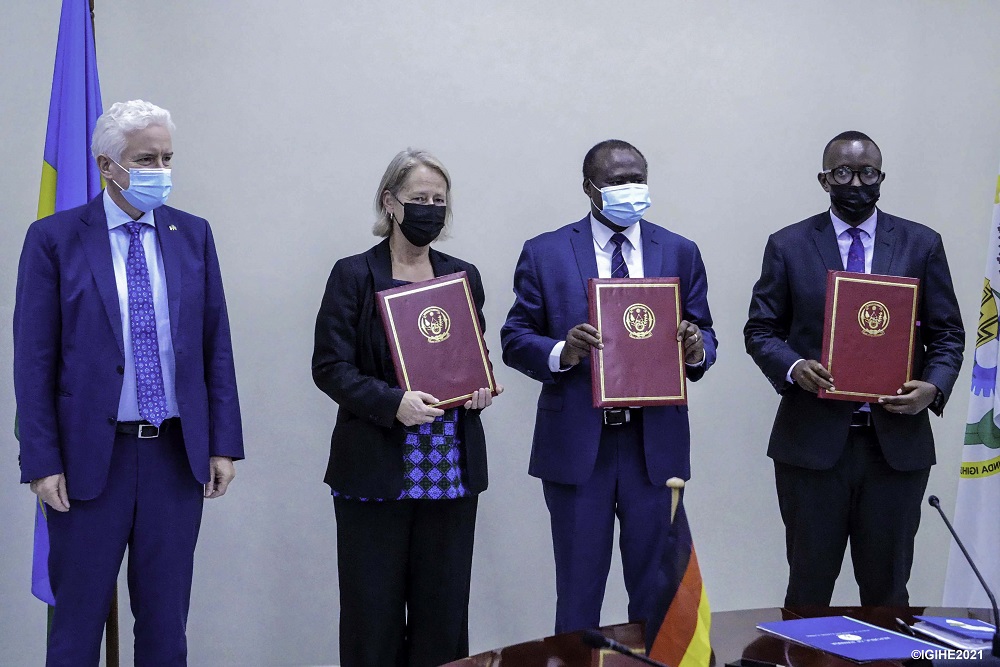
The signing of the agreements is a result of the successful inter-governmental negotiations between the two Countries that were concluded in November last year.
A sector budget support for Social Protection of € 36.0 million will support the Government of Rwanda in the implementation of significant sector reforms around Rwanda’s Vision Umurenge Program (VUP).
The program aims at improving the coverage and effectiveness of Rwanda’s social protection system through expansion of VUP Programme and to respond to the Covid-19 pandemic effects on Rwanda’s population.
Additionally, support to Small and Medium-sized Enterprises through a COVID 19 Emergency Program at BRD was also agreed upon. Rwandan SMEs in the exporting sector will benefit from additional € 8.66 million in the Export Growth Fund managed by BRD. Germany had previously supported the fund with € 13.5 million.
Speaking after the signing event, Minister Ndagijimana said: “Protecting and supporting vulnerable households and small and medium enterprises overcome the impact of COVID-19 especially on their livelihoods is critical for an inclusive economic recovery. This support will complement Government efforts to ensure that as the economy turns around, no one is left behind.”
The German Ambassador Dr. Thomas Kurz highlighted the strong commitment and successful management by the Rwandan government to address the pandemic. He expressed his appreciation for the cooperation projects to move towards implementation, operationalizing German support to COVID-response and the Rwandan development agenda as a whole.
The Regional Manager of KfW, Ms. Bettina Tewinkel, highlighted the immediate and efficient response of the Rwandan Government to the current pandemic. KfW continues to work hand in hand with the Rwandan partners in the social and economic recovery.
In addition to these contracts related to commitments from the 2020 intergovernmental negotiations, two further agreements for) an ICT Facility at RISA (€ 12.5 million) and b) an additional phase of the Public Financial Management Basket Fund at MINECOFIN (€ 4.0 million) were also signed between MINECOFIN and KfW.
The German delegation and Rwandan partners will continue the intergovernmental consultations with meetings on climate action, governance and decentralization and sustainable economic development including site visits in Kigali and Gicumbi this week.